
#macroeconomy
macroeconomy
368,035 views
2,160 Discussing
Hot
Latest

During early trading on Monday, crude oil prices staged a notable jump across major benchmarks. WTI crude rose 1.24% to trade at $96.50 per barrel, while Brent crude gained over 1%, breaking past the critical psychological threshold to reach $100.94 per barrel.
This sustained upward pressure on energy commodities is a pivotal macro variable. With Brent pushing back above the triple-digit territory, supply tightness and geopolitical risks are reigniting headline inflation concerns, complicating the outlook for central banks trying to engineer a soft landing.
Higher oil prices typically translate to sticky consumer price pressures and a stronger dollar, driving bond yields higher as markets price in prolonged restrictive monetary policy. For broader risk assets, elevated energy costs act as a persistent tax on corporate earnings and consumer discretionary spending.
For crypto markets, renewed inflation momentum can dampen liquidity injections and constrain speculative appetite. If persistent oil rallies force bond yields upward, $BTC and broader digital assets could experience short-term volatility and defensive positioning before structural macro liquidity improves.
#CrudeOil #EnergyMarkets #MacroEconomy
During early trading on Monday, crude oil prices staged a notable jump across major benchmarks. WTI crude rose 1.24% to trade at $96.50 per barrel, while Brent crude gained over 1%, breaking past the critical psychological threshold to reach $100.94 per barrel.
This sustained upward pressure on energy commodities is a pivotal macro variable. With Brent pushing back above the triple-digit territory, supply tightness and geopolitical risks are reigniting headline inflation concerns, complicating the outlook for central banks trying to engineer a soft landing.
Higher oil prices typically translate to sticky consumer price pressures and a stronger dollar, driving bond yields higher as markets price in prolonged restrictive monetary policy. For broader risk assets, elevated energy costs act as a persistent tax on corporate earnings and consumer discretionary spending.
For crypto markets, renewed inflation momentum can dampen liquidity injections and constrain speculative appetite. If persistent oil rallies force bond yields upward, $BTC and broader digital assets could experience short-term volatility and defensive positioning before structural macro liquidity improves.
#CrudeOil #EnergyMarkets #MacroEconomy
This sustained upward pressure on energy commodities is a pivotal macro variable. With Brent pushing back above the triple-digit territory, supply tightness and geopolitical risks are reigniting headline inflation concerns, complicating the outlook for central banks trying to engineer a soft landing.
Higher oil prices typically translate to sticky consumer price pressures and a stronger dollar, driving bond yields higher as markets price in prolonged restrictive monetary policy. For broader risk assets, elevated energy costs act as a persistent tax on corporate earnings and consumer discretionary spending.
For crypto markets, renewed inflation momentum can dampen liquidity injections and constrain speculative appetite. If persistent oil rallies force bond yields upward, $BTC and broader digital assets could experience short-term volatility and defensive positioning before structural macro liquidity improves.
#CrudeOil #EnergyMarkets #MacroEconomy
366


Partly True
BREAKING: The upcoming Fed meeting is turning into a nightmare scenario for central bankers, according to CoinDesk.
Aggressive market expectations are putting extreme pressure on policy makers.
Here is what you need to know:
🔹 Fed chair trapped by high market expectations
🔹 Strict aversion to forward guidance creates confusion
🔹 Soft stance risks destroying inflation credibility
🔹 $BTC could shine as macro uncertainty grows
When traditional finance faces policy confusion, alternative assets often gain attention.
Will macro jitters trigger the next crypto rally? Let us know below! 👇
#Write2Earn #Bitcoin #MacroEconomy #CryptoNews
BREAKING: The upcoming Fed meeting is turning into a nightmare scenario for central bankers, according to CoinDesk.
Aggressive market expectations are putting extreme pressure on policy makers.
Here is what you need to know:
🔹 Fed chair trapped by high market expectations
🔹 Strict aversion to forward guidance creates confusion
🔹 Soft stance risks destroying inflation credibility
🔹 $BTC could shine as macro uncertainty grows
When traditional finance faces policy confusion, alternative assets often gain attention.
Will macro jitters trigger the next crypto rally? Let us know below! 👇
#Write2Earn #Bitcoin #MacroEconomy #CryptoNews
Aggressive market expectations are putting extreme pressure on policy makers.
Here is what you need to know:
🔹 Fed chair trapped by high market expectations
🔹 Strict aversion to forward guidance creates confusion
🔹 Soft stance risks destroying inflation credibility
🔹 $BTC could shine as macro uncertainty grows
When traditional finance faces policy confusion, alternative assets often gain attention.
Will macro jitters trigger the next crypto rally? Let us know below! 👇
#Write2Earn #Bitcoin #MacroEconomy #CryptoNews
2.6k

·
--
Article
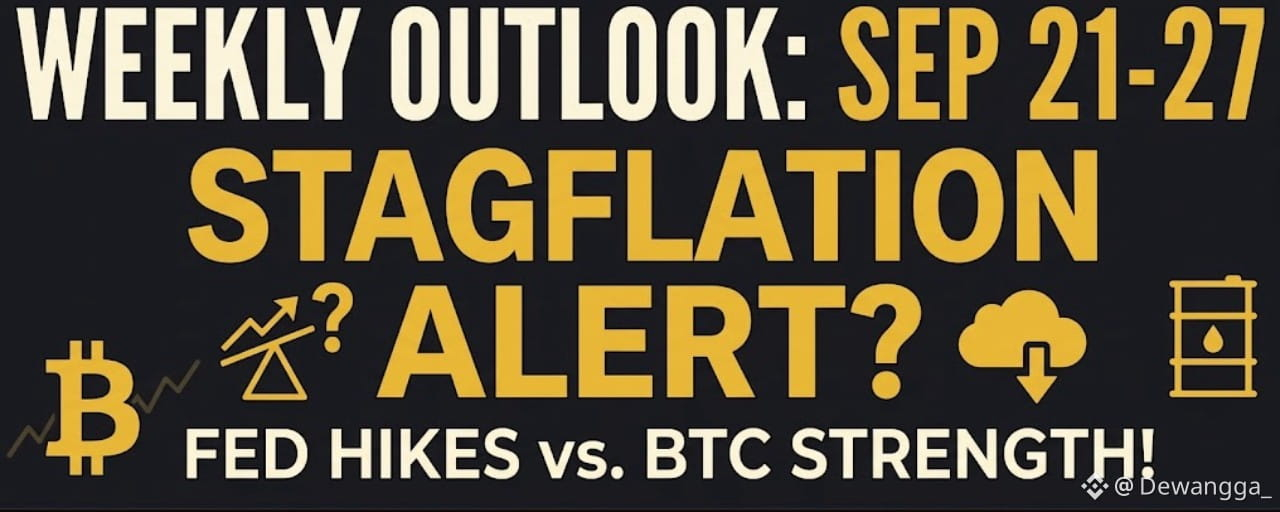
Macroeconomy Weekly Outlook Week of September 21 – 27 2026.$BTC Macroeconomy Weekly Outlook☕️
Weekly Bias: 🟩Bullish with Caution | Strong bullish trend intact with ADX confirming strength. RSI at 60, CCI overbought, TD Sequential at 3 Up suggests momentum continuing but nearing exhaustion. Key catalysts this week: China Loan Prime Rate, M2 Supply, S&P PMIs, Jobless Claims, and Durable Goods. War premium remains the wildcard.
Monday, 21 Sep: 🟥🟩 Volatile. Japan holiday. China Loan Prime Rate expected to hold steady. No major US data. The dollar tends to rise during Asian hours and fall during US hours. We expects red in Asia and green in the US session. Blackrock buying expected.
Prediction: $79,000~$81,000
Direction: 🟥Bearish then 🟩Bullish
Tuesday, 22 Sep: 🟩 Green. Japan holiday. No major data. The market continues to digest the Fed's rate hike and the dollar's inability to strengthen. We expects a green day with Bitcoin pushing higher.
Prediction: $80,000~$82,000
Direction: 🟩Bullish
Wednesday, 23 Sep: 🟥 Red. M2 Supply data. S&P Global Manufacturing and Services PMIs. Fed Vice Chair Barr speaks. Crude Oil Inventories. The M2 Supply is expected to hit another all-time high, but the PMIs may show strength, strengthening the dollar. We predicts a red day as the dollar firms.
Prediction: $79,000~$81,000
Direction: 🟥Bearish
Thursday, 24 Sep: 🟨 Sideways. Japan returns from holiday. Initial Jobless Claims expected to rise, a dovish signal. New Home Sales expected to increase, but this is delayed inflation. The data is mixed. We expects a slow, sideways day.
Prediction: $80,000~$81,500
Direction: 🟨Sideways☕️
Friday, 25 Sep: 🟩 Green. China holiday. Durable Goods Orders expected to fall, a dovish signal for the dollar. The data may be distorted by defence spending, but the headline miss is dollar-negative. We expects a green day with Bitcoin rising.
Prediction: $80,500~$82,500
Direction: 🟩Bullish
Saturday, September 26
Analysis: Weekend. No data. Markets closed. Geopolitical headlines may emerge. Rest well.
Prediction: $80,500~$82,000
Direction: 🟨Sideways☕️
Sunday, September 27
Analysis: Weekend. No data. Markets closed. Geopolitical headlines may emerge. Rest well.
Prediction: $80,500~$82,000
Direction: 🟨Sideways☕️
Bias: The structural bull case remains intact. The Fed hiked rates but Bitcoin and gold held firm, confirming the "FOMC cannot strengthen DXY" narrative. The dollar may be printing behind the scenes. This week is relatively quiet on data, but war premiums could cause volatility. Dips should be bought. Risk management is key.
NFA DYOR 🔥
Not a futures signal🛑
$ETH $BNB #macroeconomy #InitialJoblessClaims #durablegoods #Holiday
Macroeconomy Weekly Outlook Week of September 21 – 27 2026.
$BTC Macroeconomy Weekly Outlook☕️
Weekly Bias: 🟩Bullish with Caution | Strong bullish trend intact with ADX confirming strength. RSI at 60, CCI overbought, TD Sequential at 3 Up suggests momentum continuing but nearing exhaustion. Key catalysts this week: China Loan Prime Rate, M2 Supply, S&P PMIs, Jobless Claims, and Durable Goods. War premium remains the wildcard.
Monday, 21 Sep: 🟥🟩 Volatile. Japan holiday. China Loan Prime Rate expected to hold steady. No major US data. The dollar tends to rise during Asian hours and fall during US hours. We expects red in Asia and green in the US session. Blackrock buying expected.
Prediction: $79,000~$81,000
Direction: 🟥Bearish then 🟩Bullish
Tuesday, 22 Sep: 🟩 Green. Japan holiday. No major data. The market continues to digest the Fed's rate hike and the dollar's inability to strengthen. We expects a green day with Bitcoin pushing higher.
Prediction: $80,000~$82,000
Direction: 🟩Bullish
Wednesday, 23 Sep: 🟥 Red. M2 Supply data. S&P Global Manufacturing and Services PMIs. Fed Vice Chair Barr speaks. Crude Oil Inventories. The M2 Supply is expected to hit another all-time high, but the PMIs may show strength, strengthening the dollar. We predicts a red day as the dollar firms.
Prediction: $79,000~$81,000
Direction: 🟥Bearish
Thursday, 24 Sep: 🟨 Sideways. Japan returns from holiday. Initial Jobless Claims expected to rise, a dovish signal. New Home Sales expected to increase, but this is delayed inflation. The data is mixed. We expects a slow, sideways day.
Prediction: $80,000~$81,500
Direction: 🟨Sideways☕️
Friday, 25 Sep: 🟩 Green. China holiday. Durable Goods Orders expected to fall, a dovish signal for the dollar. The data may be distorted by defence spending, but the headline miss is dollar-negative. We expects a green day with Bitcoin rising.
Prediction: $80,500~$82,500
Direction: 🟩Bullish
Saturday, September 26
Analysis: Weekend. No data. Markets closed. Geopolitical headlines may emerge. Rest well.
Prediction: $80,500~$82,000
Direction: 🟨Sideways☕️
Sunday, September 27
Analysis: Weekend. No data. Markets closed. Geopolitical headlines may emerge. Rest well.
Prediction: $80,500~$82,000
Direction: 🟨Sideways☕️
Bias: The structural bull case remains intact. The Fed hiked rates but Bitcoin and gold held firm, confirming the "FOMC cannot strengthen DXY" narrative. The dollar may be printing behind the scenes. This week is relatively quiet on data, but war premiums could cause volatility. Dips should be bought. Risk management is key.
NFA DYOR 🔥
Not a futures signal🛑
$ETH $BNB #macroeconomy #InitialJoblessClaims #durablegoods #Holiday
Weekly Bias: 🟩Bullish with Caution | Strong bullish trend intact with ADX confirming strength. RSI at 60, CCI overbought, TD Sequential at 3 Up suggests momentum continuing but nearing exhaustion. Key catalysts this week: China Loan Prime Rate, M2 Supply, S&P PMIs, Jobless Claims, and Durable Goods. War premium remains the wildcard.
Monday, 21 Sep: 🟥🟩 Volatile. Japan holiday. China Loan Prime Rate expected to hold steady. No major US data. The dollar tends to rise during Asian hours and fall during US hours. We expects red in Asia and green in the US session. Blackrock buying expected.
Prediction: $79,000~$81,000
Direction: 🟥Bearish then 🟩Bullish
Tuesday, 22 Sep: 🟩 Green. Japan holiday. No major data. The market continues to digest the Fed's rate hike and the dollar's inability to strengthen. We expects a green day with Bitcoin pushing higher.
Prediction: $80,000~$82,000
Direction: 🟩Bullish
Wednesday, 23 Sep: 🟥 Red. M2 Supply data. S&P Global Manufacturing and Services PMIs. Fed Vice Chair Barr speaks. Crude Oil Inventories. The M2 Supply is expected to hit another all-time high, but the PMIs may show strength, strengthening the dollar. We predicts a red day as the dollar firms.
Prediction: $79,000~$81,000
Direction: 🟥Bearish
Thursday, 24 Sep: 🟨 Sideways. Japan returns from holiday. Initial Jobless Claims expected to rise, a dovish signal. New Home Sales expected to increase, but this is delayed inflation. The data is mixed. We expects a slow, sideways day.
Prediction: $80,000~$81,500
Direction: 🟨Sideways☕️
Friday, 25 Sep: 🟩 Green. China holiday. Durable Goods Orders expected to fall, a dovish signal for the dollar. The data may be distorted by defence spending, but the headline miss is dollar-negative. We expects a green day with Bitcoin rising.
Prediction: $80,500~$82,500
Direction: 🟩Bullish
Saturday, September 26
Analysis: Weekend. No data. Markets closed. Geopolitical headlines may emerge. Rest well.
Prediction: $80,500~$82,000
Direction: 🟨Sideways☕️
Sunday, September 27
Analysis: Weekend. No data. Markets closed. Geopolitical headlines may emerge. Rest well.
Prediction: $80,500~$82,000
Direction: 🟨Sideways☕️
Bias: The structural bull case remains intact. The Fed hiked rates but Bitcoin and gold held firm, confirming the "FOMC cannot strengthen DXY" narrative. The dollar may be printing behind the scenes. This week is relatively quiet on data, but war premiums could cause volatility. Dips should be bought. Risk management is key.
NFA DYOR 🔥
Not a futures signal🛑
$ETH $BNB #macroeconomy #InitialJoblessClaims #durablegoods #Holiday
1
108

THE CHOKEPOINT OF THE GLOBAL ECONOMY JUST SNAPPED.
Iran’s Parliament Speaker officially confirms: The Strait of Hormuz is CLOSED and will remain deadlocked until every single Iranian demand is met.
Zero compromise. Zero negotiations. Absolute stand-off.
Here is why this single announcement triggers an immediate domino effect across global energy, macro markets, and geopolitical stability:
The Strait of Hormuz is not just another maritime shipping lane it is the central artery of world trade, carrying over 20% of the entire planet’s daily crude oil supply.
When Hormuz freezes, energy markets do not just adjust they shatter.
Tehran’s terms are completely unyielding: an immediate end to military operations, total lifting of Western economic sanctions, and the complete withdrawal of the US naval blockade.
This isn't a leverage tactic; it is an ultimatum aimed directly at global supply chains.
We have already seen what happens when this route falters.
An April ceasefire briefly restored traffic, only for negotiations to disintegrate within days proving that temporary fixes and short-term truces cannot hold.
The mathematical reality for global markets is brutal:
* Energy futures face immediate, violent repricing upside
* Shipping rates and maritime risk insurance skyrocket
* Central banks face a devastating secondary wave of persistent inflation
* Crypto and risk assets brace for severe liquidity shifts as capital flees to safe-haven assets
The diplomatic runway has officially run out.
With 20% of global oil trapped behind a geopolitical wall and both sides holding non-negotiable positions, the global economy is heading straight into uncharted waters.
#BreakingNews #Geopolitics #OilCrisis #MacroEconomy #CryptoNews $CL $BZ
THE CHOKEPOINT OF THE GLOBAL ECONOMY JUST SNAPPED.
Iran’s Parliament Speaker officially confirms: The Strait of Hormuz is CLOSED and will remain deadlocked until every single Iranian demand is met.
Zero compromise. Zero negotiations. Absolute stand-off.
Here is why this single announcement triggers an immediate domino effect across global energy, macro markets, and geopolitical stability:
The Strait of Hormuz is not just another maritime shipping lane it is the central artery of world trade, carrying over 20% of the entire planet’s daily crude oil supply.
When Hormuz freezes, energy markets do not just adjust they shatter.
Tehran’s terms are completely unyielding: an immediate end to military operations, total lifting of Western economic sanctions, and the complete withdrawal of the US naval blockade.
This isn't a leverage tactic; it is an ultimatum aimed directly at global supply chains.
We have already seen what happens when this route falters.
An April ceasefire briefly restored traffic, only for negotiations to disintegrate within days proving that temporary fixes and short-term truces cannot hold.
The mathematical reality for global markets is brutal:
* Energy futures face immediate, violent repricing upside
* Shipping rates and maritime risk insurance skyrocket
* Central banks face a devastating secondary wave of persistent inflation
* Crypto and risk assets brace for severe liquidity shifts as capital flees to safe-haven assets
The diplomatic runway has officially run out.
With 20% of global oil trapped behind a geopolitical wall and both sides holding non-negotiable positions, the global economy is heading straight into uncharted waters.
#BreakingNews #Geopolitics #OilCrisis #MacroEconomy #CryptoNews $CL $BZ
Iran’s Parliament Speaker officially confirms: The Strait of Hormuz is CLOSED and will remain deadlocked until every single Iranian demand is met.
Zero compromise. Zero negotiations. Absolute stand-off.
Here is why this single announcement triggers an immediate domino effect across global energy, macro markets, and geopolitical stability:
The Strait of Hormuz is not just another maritime shipping lane it is the central artery of world trade, carrying over 20% of the entire planet’s daily crude oil supply.
When Hormuz freezes, energy markets do not just adjust they shatter.
Tehran’s terms are completely unyielding: an immediate end to military operations, total lifting of Western economic sanctions, and the complete withdrawal of the US naval blockade.
This isn't a leverage tactic; it is an ultimatum aimed directly at global supply chains.
We have already seen what happens when this route falters.
An April ceasefire briefly restored traffic, only for negotiations to disintegrate within days proving that temporary fixes and short-term truces cannot hold.
The mathematical reality for global markets is brutal:
* Energy futures face immediate, violent repricing upside
* Shipping rates and maritime risk insurance skyrocket
* Central banks face a devastating secondary wave of persistent inflation
* Crypto and risk assets brace for severe liquidity shifts as capital flees to safe-haven assets
The diplomatic runway has officially run out.
With 20% of global oil trapped behind a geopolitical wall and both sides holding non-negotiable positions, the global economy is heading straight into uncharted waters.
#BreakingNews #Geopolitics #OilCrisis #MacroEconomy #CryptoNews $CL $BZ


1
841

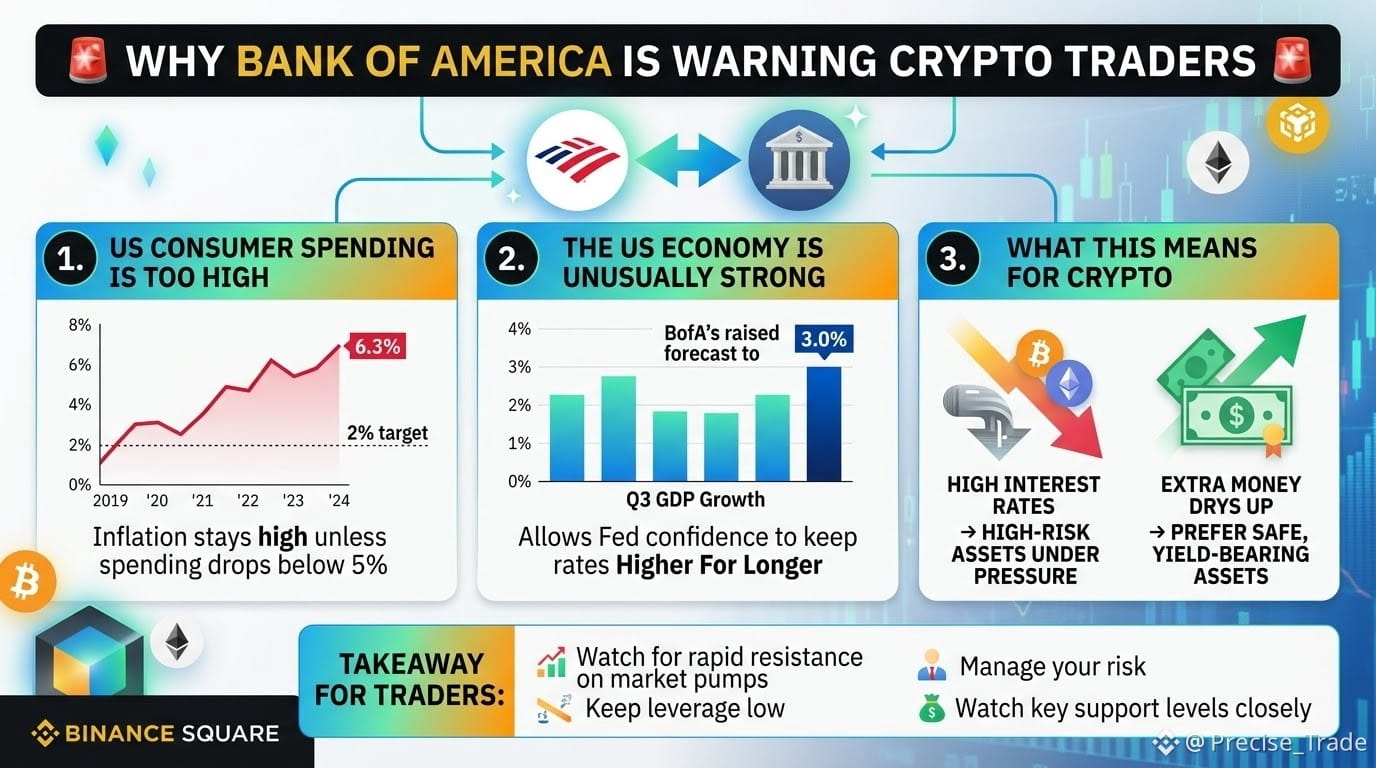
🚨 WHY BANK OF AMERICA IS WARNING CRYPTO TRADERS 🚨
A fresh report from Bank of America (BofA) just dropped, and it gives us a clear look at why the Federal Reserve is keeping a tight grip on interest rates.
Here is what you need to know in plain English:
1. People Are Still Spending Too Much
US consumer spending is currently growing at 6.3%. Historical data shows that inflation won't drop back to the Fed's 2% target unless spending cools down below 5%.
2. The US Economy Is Unusually Strong
Strong retail sales pushed BofA to raise their US GDP growth forecast for Q3 to 3.0%. A strong economy gives the Fed full confidence to keep interest rates higher for longer without worrying about triggering an immediate recession.
3. What This Means For Crypto
When interest rates stay high, cash stays expensive. Extra money (liquidity) dries up in the market, which usually puts heavy pressure on high-risk assets like Bitcoin $BTC and altcoins.
Instead of cheap cash flowing into crypto, big investors prefer sitting on safe, yield-bearing assets like US Dollar bonds.
Takeaway For Traders:
Until consumer spending slows down and the Fed actually starts cutting rates, market pumps might face quick resistance. Keep your leverage low, manage your risk, and watch the key support levels closely!
#crypto #bitcoin #Fed #macroeconomy #BinanceSquare
🚨 WHY BANK OF AMERICA IS WARNING CRYPTO TRADERS 🚨
A fresh report from Bank of America (BofA) just dropped, and it gives us a clear look at why the Federal Reserve is keeping a tight grip on interest rates.
Here is what you need to know in plain English:
1. People Are Still Spending Too Much
US consumer spending is currently growing at 6.3%. Historical data shows that inflation won't drop back to the Fed's 2% target unless spending cools down below 5%.
2. The US Economy Is Unusually Strong
Strong retail sales pushed BofA to raise their US GDP growth forecast for Q3 to 3.0%. A strong economy gives the Fed full confidence to keep interest rates higher for longer without worrying about triggering an immediate recession.
3. What This Means For Crypto
When interest rates stay high, cash stays expensive. Extra money (liquidity) dries up in the market, which usually puts heavy pressure on high-risk assets like Bitcoin $BTC and altcoins.
Instead of cheap cash flowing into crypto, big investors prefer sitting on safe, yield-bearing assets like US Dollar bonds.
Takeaway For Traders:
Until consumer spending slows down and the Fed actually starts cutting rates, market pumps might face quick resistance. Keep your leverage low, manage your risk, and watch the key support levels closely!
#crypto #bitcoin #Fed #macroeconomy #BinanceSquare
A fresh report from Bank of America (BofA) just dropped, and it gives us a clear look at why the Federal Reserve is keeping a tight grip on interest rates.
Here is what you need to know in plain English:
1. People Are Still Spending Too Much
US consumer spending is currently growing at 6.3%. Historical data shows that inflation won't drop back to the Fed's 2% target unless spending cools down below 5%.
2. The US Economy Is Unusually Strong
Strong retail sales pushed BofA to raise their US GDP growth forecast for Q3 to 3.0%. A strong economy gives the Fed full confidence to keep interest rates higher for longer without worrying about triggering an immediate recession.
3. What This Means For Crypto
When interest rates stay high, cash stays expensive. Extra money (liquidity) dries up in the market, which usually puts heavy pressure on high-risk assets like Bitcoin $BTC and altcoins.
Instead of cheap cash flowing into crypto, big investors prefer sitting on safe, yield-bearing assets like US Dollar bonds.
Takeaway For Traders:
Until consumer spending slows down and the Fed actually starts cutting rates, market pumps might face quick resistance. Keep your leverage low, manage your risk, and watch the key support levels closely!
#crypto #bitcoin #Fed #macroeconomy #BinanceSquare
93

·
--
Today the global commodities market saw a clear pullback, with international oil prices collectively falling during the day. In particular, WTI crude’s intraday decline reached 3.00%, to $92.40 per barrel; Brent crude also fell below the $97 level in tandem, with its intraday drop widening to 2.70%.
This sharp drop in oil prices is worth paying attention to mainly because energy prices directly affect global inflation expectations. Earlier, crude oil had been trading in a high-range sideways move, keeping repeated concerns about inflation elevated. A single-day correction of nearly 3% should help ease cost pressure in the commodities segment in the short term.
From a macro perspective, cooling oil prices provide a brief respite for the bond and FX markets. A pullback in commodities typically lowers inflation expectations, which can lead to a modest narrowing in U.S. Treasury yields. Meanwhile, the U.S. dollar index’s safe-haven impulse may also subside, relieving some of the overall tension in financial markets.
Turning back to the crypto space, the drop in energy costs improves expectations for macro liquidity. However, a sharp fall in oil prices can also reflect market concerns about slowing global economic growth. Currently $BTC and major tokens are in a consolidation and observation period. Most funds on both the long and short sides are still waiting for further macro data cues, so the overall trend remains neutral and balanced.
#CrudeOil #MacroEconomy #Inflation
Today the global commodities market saw a clear pullback, with international oil prices collectively falling during the day. In particular, WTI crude’s intraday decline reached 3.00%, to $92.40 per barrel; Brent crude also fell below the $97 level in tandem, with its intraday drop widening to 2.70%.
This sharp drop in oil prices is worth paying attention to mainly because energy prices directly affect global inflation expectations. Earlier, crude oil had been trading in a high-range sideways move, keeping repeated concerns about inflation elevated. A single-day correction of nearly 3% should help ease cost pressure in the commodities segment in the short term.
From a macro perspective, cooling oil prices provide a brief respite for the bond and FX markets. A pullback in commodities typically lowers inflation expectations, which can lead to a modest narrowing in U.S. Treasury yields. Meanwhile, the U.S. dollar index’s safe-haven impulse may also subside, relieving some of the overall tension in financial markets.
Turning back to the crypto space, the drop in energy costs improves expectations for macro liquidity. However, a sharp fall in oil prices can also reflect market concerns about slowing global economic growth. Currently $BTC and major tokens are in a consolidation and observation period. Most funds on both the long and short sides are still waiting for further macro data cues, so the overall trend remains neutral and balanced.
#CrudeOil #MacroEconomy #Inflation
This sharp drop in oil prices is worth paying attention to mainly because energy prices directly affect global inflation expectations. Earlier, crude oil had been trading in a high-range sideways move, keeping repeated concerns about inflation elevated. A single-day correction of nearly 3% should help ease cost pressure in the commodities segment in the short term.
From a macro perspective, cooling oil prices provide a brief respite for the bond and FX markets. A pullback in commodities typically lowers inflation expectations, which can lead to a modest narrowing in U.S. Treasury yields. Meanwhile, the U.S. dollar index’s safe-haven impulse may also subside, relieving some of the overall tension in financial markets.
Turning back to the crypto space, the drop in energy costs improves expectations for macro liquidity. However, a sharp fall in oil prices can also reflect market concerns about slowing global economic growth. Currently $BTC and major tokens are in a consolidation and observation period. Most funds on both the long and short sides are still waiting for further macro data cues, so the overall trend remains neutral and balanced.
#CrudeOil #MacroEconomy #Inflation
433

According to the latest notification from the UK Maritime Trade Operations (UKMTO), the armed forces have confirmed that a tanker currently entering the Strait of Hormuz was hit by a missile strike. As one of the world’s most important energy transportation chokepoints, this region has again seen direct military attacks targeting merchant vessels, marking a substantial escalation of the geopolitical crisis in the Middle East and posing a fresh threat to global energy supply chains facing another round of possible supply disruption.
This incident is particularly critical because the Strait of Hormuz handles about one-fifth of the world’s seaborne crude oil flows. The market had generally expected that geopolitical tensions were in a controllable stalemate, but the actual attack has directly broken this fragile balance. The risk premium for crude oil transportation is likely to surge rapidly, shipping insurance rates may be raised by multiples, and tanker detours or stoppages could even trigger, thereby exerting strong secondary upward pressure on global inflation—especially after signs of easing had begun to emerge.
From the perspective of macro financial markets, the deterioration in the situation will directly push up international benchmark oil prices and reinforce expectations for inflation persistence, thereby constraining central banks’ room to cut interest rates. As safe-haven sentiment spikes sharply, the U.S. dollar index and gold are likely to receive strong support, while U.S. Treasury yields may experience volatile swings amid competition between inflation expectations and safe-haven buying. For global risk assets and stock markets, repricing of valuations under the shadow of stagflation will bring significant downside correction pressure.
For the cryptocurrency market, this is absolutely not a time for blind optimism. In extreme conditions dominated by liquidity dynamics and safe-haven logic, risk assets such as $BTC often first face the pain of deleveraging and capital outflows. In the short term, safe-haven funds are more likely to flow into traditional hard currencies. If geopolitical conflict further spreads and leads to tighter global liquidity, the crypto market may encounter a phase of liquidity compression, and investors should remain highly alert to downside risks stemming from macro black swan events.⚠️
#Geopolitics #OilPrices #MacroEconomy
According to the latest notification from the UK Maritime Trade Operations (UKMTO), the armed forces have confirmed that a tanker currently entering the Strait of Hormuz was hit by a missile strike. As one of the world’s most important energy transportation chokepoints, this region has again seen direct military attacks targeting merchant vessels, marking a substantial escalation of the geopolitical crisis in the Middle East and posing a fresh threat to global energy supply chains facing another round of possible supply disruption.
This incident is particularly critical because the Strait of Hormuz handles about one-fifth of the world’s seaborne crude oil flows. The market had generally expected that geopolitical tensions were in a controllable stalemate, but the actual attack has directly broken this fragile balance. The risk premium for crude oil transportation is likely to surge rapidly, shipping insurance rates may be raised by multiples, and tanker detours or stoppages could even trigger, thereby exerting strong secondary upward pressure on global inflation—especially after signs of easing had begun to emerge.
From the perspective of macro financial markets, the deterioration in the situation will directly push up international benchmark oil prices and reinforce expectations for inflation persistence, thereby constraining central banks’ room to cut interest rates. As safe-haven sentiment spikes sharply, the U.S. dollar index and gold are likely to receive strong support, while U.S. Treasury yields may experience volatile swings amid competition between inflation expectations and safe-haven buying. For global risk assets and stock markets, repricing of valuations under the shadow of stagflation will bring significant downside correction pressure.
For the cryptocurrency market, this is absolutely not a time for blind optimism. In extreme conditions dominated by liquidity dynamics and safe-haven logic, risk assets such as $BTC often first face the pain of deleveraging and capital outflows. In the short term, safe-haven funds are more likely to flow into traditional hard currencies. If geopolitical conflict further spreads and leads to tighter global liquidity, the crypto market may encounter a phase of liquidity compression, and investors should remain highly alert to downside risks stemming from macro black swan events.⚠️
#Geopolitics #OilPrices #MacroEconomy
This incident is particularly critical because the Strait of Hormuz handles about one-fifth of the world’s seaborne crude oil flows. The market had generally expected that geopolitical tensions were in a controllable stalemate, but the actual attack has directly broken this fragile balance. The risk premium for crude oil transportation is likely to surge rapidly, shipping insurance rates may be raised by multiples, and tanker detours or stoppages could even trigger, thereby exerting strong secondary upward pressure on global inflation—especially after signs of easing had begun to emerge.
From the perspective of macro financial markets, the deterioration in the situation will directly push up international benchmark oil prices and reinforce expectations for inflation persistence, thereby constraining central banks’ room to cut interest rates. As safe-haven sentiment spikes sharply, the U.S. dollar index and gold are likely to receive strong support, while U.S. Treasury yields may experience volatile swings amid competition between inflation expectations and safe-haven buying. For global risk assets and stock markets, repricing of valuations under the shadow of stagflation will bring significant downside correction pressure.
For the cryptocurrency market, this is absolutely not a time for blind optimism. In extreme conditions dominated by liquidity dynamics and safe-haven logic, risk assets such as $BTC often first face the pain of deleveraging and capital outflows. In the short term, safe-haven funds are more likely to flow into traditional hard currencies. If geopolitical conflict further spreads and leads to tighter global liquidity, the crypto market may encounter a phase of liquidity compression, and investors should remain highly alert to downside risks stemming from macro black swan events.⚠️
#Geopolitics #OilPrices #MacroEconomy
371
According to the latest monitoring data released by the American Automobile Association (AAA) as of last Saturday, the national average price of diesel in the United States has officially broken through the $6.50 per gallon mark, reaching $6.505—an all-time high. Notably, it has taken less than 10 days for U.S. diesel prices to cross the $6 threshold. Just since the beginning of this month, diesel prices have surged by more than 87 cents, showing an extreme pattern of nearly continuous day-to-day increases, completely shattering the record peak set in 2022.
Diesel is the absolute lifeblood of modern industrial logistics and commercial transportation. In the short term, its violent price spike is far more damaging to the macroeconomy than ordinary gasoline. This supply-side crisis, triggered directly by geopolitical conflict and severe disruptions to the energy supply chain, has immediately pushed up baseline operating costs for U.S. trucking, agricultural production, and manufacturing. Against the backdrop of a market-wide expectation that inflation has entered a downward channel, diesel’s record-breaking surge is undoubtedly a heavy blow to the Federal Reserve’s efforts to combat inflation, and it could even completely reverse improving expectations regarding inflation persistence.
From the perspective of transmission mechanisms in traditional financial markets, the rapid rise in the risk of a second round of inflation is forcing the market to reassess its interest-rate path. The strong pass-through of energy costs into the prices of end-consumption goods will significantly shrink the Federal Reserve’s room to cut rates in the future, and it even raises the possibility that it could push the Fed back toward a more hawkish stance. U.S. Treasury yields and the U.S. dollar index are likely to remain range-bound at elevated levels, supported by renewed inflation expectations, which in turn will directly suppress valuation repair in risk assets such as U.S. stocks—while the shadow of tightening liquidity returns to once again cloud the macro market.
For the cryptocurrency market, cost-push inflation of this kind is often the most dangerous macro environment. Macro liquidity will be unable to ease materially, and when combined with the diversion of safe-haven demand caused by geopolitical crises, risk assets led by $BTC will face sustained pressure from capital outflows. Investors must remain highly cautious and must not gamble blindly on liquidity easing. With both stagflation risk and policy uncertainty hitting the market from two directions, the probability of deeper valuation pullbacks is rising sharply.
#DieselPrice #EnergyCrisis #MacroEconomy
According to the latest monitoring data released by the American Automobile Association (AAA) as of last Saturday, the national average price of diesel in the United States has officially broken through the $6.50 per gallon mark, reaching $6.505—an all-time high. Notably, it has taken less than 10 days for U.S. diesel prices to cross the $6 threshold. Just since the beginning of this month, diesel prices have surged by more than 87 cents, showing an extreme pattern of nearly continuous day-to-day increases, completely shattering the record peak set in 2022.
Diesel is the absolute lifeblood of modern industrial logistics and commercial transportation. In the short term, its violent price spike is far more damaging to the macroeconomy than ordinary gasoline. This supply-side crisis, triggered directly by geopolitical conflict and severe disruptions to the energy supply chain, has immediately pushed up baseline operating costs for U.S. trucking, agricultural production, and manufacturing. Against the backdrop of a market-wide expectation that inflation has entered a downward channel, diesel’s record-breaking surge is undoubtedly a heavy blow to the Federal Reserve’s efforts to combat inflation, and it could even completely reverse improving expectations regarding inflation persistence.
From the perspective of transmission mechanisms in traditional financial markets, the rapid rise in the risk of a second round of inflation is forcing the market to reassess its interest-rate path. The strong pass-through of energy costs into the prices of end-consumption goods will significantly shrink the Federal Reserve’s room to cut rates in the future, and it even raises the possibility that it could push the Fed back toward a more hawkish stance. U.S. Treasury yields and the U.S. dollar index are likely to remain range-bound at elevated levels, supported by renewed inflation expectations, which in turn will directly suppress valuation repair in risk assets such as U.S. stocks—while the shadow of tightening liquidity returns to once again cloud the macro market.
For the cryptocurrency market, cost-push inflation of this kind is often the most dangerous macro environment. Macro liquidity will be unable to ease materially, and when combined with the diversion of safe-haven demand caused by geopolitical crises, risk assets led by $BTC will face sustained pressure from capital outflows. Investors must remain highly cautious and must not gamble blindly on liquidity easing. With both stagflation risk and policy uncertainty hitting the market from two directions, the probability of deeper valuation pullbacks is rising sharply.
#DieselPrice #EnergyCrisis #MacroEconomy
Diesel is the absolute lifeblood of modern industrial logistics and commercial transportation. In the short term, its violent price spike is far more damaging to the macroeconomy than ordinary gasoline. This supply-side crisis, triggered directly by geopolitical conflict and severe disruptions to the energy supply chain, has immediately pushed up baseline operating costs for U.S. trucking, agricultural production, and manufacturing. Against the backdrop of a market-wide expectation that inflation has entered a downward channel, diesel’s record-breaking surge is undoubtedly a heavy blow to the Federal Reserve’s efforts to combat inflation, and it could even completely reverse improving expectations regarding inflation persistence.
From the perspective of transmission mechanisms in traditional financial markets, the rapid rise in the risk of a second round of inflation is forcing the market to reassess its interest-rate path. The strong pass-through of energy costs into the prices of end-consumption goods will significantly shrink the Federal Reserve’s room to cut rates in the future, and it even raises the possibility that it could push the Fed back toward a more hawkish stance. U.S. Treasury yields and the U.S. dollar index are likely to remain range-bound at elevated levels, supported by renewed inflation expectations, which in turn will directly suppress valuation repair in risk assets such as U.S. stocks—while the shadow of tightening liquidity returns to once again cloud the macro market.
For the cryptocurrency market, cost-push inflation of this kind is often the most dangerous macro environment. Macro liquidity will be unable to ease materially, and when combined with the diversion of safe-haven demand caused by geopolitical crises, risk assets led by $BTC will face sustained pressure from capital outflows. Investors must remain highly cautious and must not gamble blindly on liquidity easing. With both stagflation risk and policy uncertainty hitting the market from two directions, the probability of deeper valuation pullbacks is rising sharply.
#DieselPrice #EnergyCrisis #MacroEconomy
55

·
--
According to the latest data released by the American Automobile Association (AAA) last Saturday, the average diesel price in the United States has officially surpassed the $6.50 per gallon mark, reaching a record high of $6.505 per gallon. Notably, this acceleration took place in less than 10 days after it crossed the $6 threshold, lifting the total increase in September to more than 87 cents and far exceeding the record high set in 2022 due to the escalation from the war.
The surge in transportation fuel prices is an extremely risky signal for the inflation outlook. Diesel is the lifeblood of the global supply chain and freight transport. When energy costs rise at record speed, price pressures will quickly filter into the CPI readings of the coming months, directly threatening central banks’ efforts to cool inflation.
In traditional financial markets, this shocking rally reinforces the scenario that the Fed and policymakers may need to keep interest rates at a high level for longer (higher for longer). Yields on U.S. government bonds are likely to stay near elevated levels, and the stronger U.S. dollar will be supported, while the stock market faces the risk of significantly compressed corporate profit margins.
For the crypto market, the return of macro pressure could lead speculative capital to be more cautious in the short term. Broad liquidity pressure from tighter monetary policy will curb the breakout momentum of $BTC and altcoins, forcing investors to prepare for sharp volatility as upcoming CPI figures are released.
#EnergyCrisis #Inflation #MacroEconomy
According to the latest data released by the American Automobile Association (AAA) last Saturday, the average diesel price in the United States has officially surpassed the $6.50 per gallon mark, reaching a record high of $6.505 per gallon. Notably, this acceleration took place in less than 10 days after it crossed the $6 threshold, lifting the total increase in September to more than 87 cents and far exceeding the record high set in 2022 due to the escalation from the war.
The surge in transportation fuel prices is an extremely risky signal for the inflation outlook. Diesel is the lifeblood of the global supply chain and freight transport. When energy costs rise at record speed, price pressures will quickly filter into the CPI readings of the coming months, directly threatening central banks’ efforts to cool inflation.
In traditional financial markets, this shocking rally reinforces the scenario that the Fed and policymakers may need to keep interest rates at a high level for longer (higher for longer). Yields on U.S. government bonds are likely to stay near elevated levels, and the stronger U.S. dollar will be supported, while the stock market faces the risk of significantly compressed corporate profit margins.
For the crypto market, the return of macro pressure could lead speculative capital to be more cautious in the short term. Broad liquidity pressure from tighter monetary policy will curb the breakout momentum of $BTC and altcoins, forcing investors to prepare for sharp volatility as upcoming CPI figures are released.
#EnergyCrisis #Inflation #MacroEconomy
The surge in transportation fuel prices is an extremely risky signal for the inflation outlook. Diesel is the lifeblood of the global supply chain and freight transport. When energy costs rise at record speed, price pressures will quickly filter into the CPI readings of the coming months, directly threatening central banks’ efforts to cool inflation.
In traditional financial markets, this shocking rally reinforces the scenario that the Fed and policymakers may need to keep interest rates at a high level for longer (higher for longer). Yields on U.S. government bonds are likely to stay near elevated levels, and the stronger U.S. dollar will be supported, while the stock market faces the risk of significantly compressed corporate profit margins.
For the crypto market, the return of macro pressure could lead speculative capital to be more cautious in the short term. Broad liquidity pressure from tighter monetary policy will curb the breakout momentum of $BTC and altcoins, forcing investors to prepare for sharp volatility as upcoming CPI figures are released.
#EnergyCrisis #Inflation #MacroEconomy
312
·
--
In the early opening on Monday, the international energy market saw a distinct wave of volatility. The U.S. WTI crude oil price rose 1.24% and is currently around $96.5 per barrel; meanwhile, Brent crude also climbed by more than 1%, moving back above the $100.94 per barrel mark.
Movements in commodity prices—especially crude oil—above key integer levels have long served as a barometer of the macroeconomic environment and inflation expectations. Crude oil surged quickly in the opening phase and stayed near the $100 mark, reflecting the market’s near-term pricing of potential changes in global energy supply or geopolitical conditions. This, once again, has drawn attention to the risk of imported inflation pressures.
For traditional financial markets, higher oil prices often suggest that inflation persistence may exceed expectations, prompting central banks in various countries to remain more cautious with interest-rate policy. At the same time, U.S. Treasury yields and the U.S. dollar index are often indirectly supported, while valuations across broader risk assets may face a degree of recalibration.
Looking at the crypto market, changes in expectations for macro liquidity remain a core variable affecting market sentiment. When energy costs push up inflation expectations, market participants may diverge on the timing and pace of rate cuts versus the release of liquidity, leading funds to stay on the sidelines on both the spot and derivatives sides. How the market unfolds next will depend on how macro data and liquidity play out in the ongoing tug-of-war.
#CrudeOil #MacroEconomy #Inflation
In the early opening on Monday, the international energy market saw a distinct wave of volatility. The U.S. WTI crude oil price rose 1.24% and is currently around $96.5 per barrel; meanwhile, Brent crude also climbed by more than 1%, moving back above the $100.94 per barrel mark.
Movements in commodity prices—especially crude oil—above key integer levels have long served as a barometer of the macroeconomic environment and inflation expectations. Crude oil surged quickly in the opening phase and stayed near the $100 mark, reflecting the market’s near-term pricing of potential changes in global energy supply or geopolitical conditions. This, once again, has drawn attention to the risk of imported inflation pressures.
For traditional financial markets, higher oil prices often suggest that inflation persistence may exceed expectations, prompting central banks in various countries to remain more cautious with interest-rate policy. At the same time, U.S. Treasury yields and the U.S. dollar index are often indirectly supported, while valuations across broader risk assets may face a degree of recalibration.
Looking at the crypto market, changes in expectations for macro liquidity remain a core variable affecting market sentiment. When energy costs push up inflation expectations, market participants may diverge on the timing and pace of rate cuts versus the release of liquidity, leading funds to stay on the sidelines on both the spot and derivatives sides. How the market unfolds next will depend on how macro data and liquidity play out in the ongoing tug-of-war.
#CrudeOil #MacroEconomy #Inflation
Movements in commodity prices—especially crude oil—above key integer levels have long served as a barometer of the macroeconomic environment and inflation expectations. Crude oil surged quickly in the opening phase and stayed near the $100 mark, reflecting the market’s near-term pricing of potential changes in global energy supply or geopolitical conditions. This, once again, has drawn attention to the risk of imported inflation pressures.
For traditional financial markets, higher oil prices often suggest that inflation persistence may exceed expectations, prompting central banks in various countries to remain more cautious with interest-rate policy. At the same time, U.S. Treasury yields and the U.S. dollar index are often indirectly supported, while valuations across broader risk assets may face a degree of recalibration.
Looking at the crypto market, changes in expectations for macro liquidity remain a core variable affecting market sentiment. When energy costs push up inflation expectations, market participants may diverge on the timing and pace of rate cuts versus the release of liquidity, leading funds to stay on the sidelines on both the spot and derivatives sides. How the market unfolds next will depend on how macro data and liquidity play out in the ongoing tug-of-war.
#CrudeOil #MacroEconomy #Inflation
49
According to reporting by Nick Timiraos of The Wall Street Journal, Donald Trump recently held a direct phone discussion with Fed Chair Waller following the central bank's rate hike this week, unexpectedly endorsing the policy move despite his past criticisms of restrictive rates.
This temporary truce between the White House and the Federal Reserve caught senior presidential advisers off guard. However, political analysts and internal officials warn that this alignment is fragile. Should the Fed pursue another interest rate increase at the upcoming October meeting, the administration's scrutiny of Waller's leadership is poised to intensify sharply.
From a macro perspective, the dynamic introduces lingering institutional uncertainty. If political pressure mounts against future rate adjustments, market expectations for the terminal rate could fragment, leading to heightened volatility across US Treasury yields and foreign exchange markets as traders question the Fed's long-term independence.
For digital assets, macro policy unpredictability often translates to choppy liquidity conditions. If the central bank remains hawkish into late 2025, persistent tight financing could cap risk-on momentum for $BTC and the broader crypto market until a definitive easing trajectory emerges. 📊
#Fed #InterestRates #MacroEconomy
According to reporting by Nick Timiraos of The Wall Street Journal, Donald Trump recently held a direct phone discussion with Fed Chair Waller following the central bank's rate hike this week, unexpectedly endorsing the policy move despite his past criticisms of restrictive rates.
This temporary truce between the White House and the Federal Reserve caught senior presidential advisers off guard. However, political analysts and internal officials warn that this alignment is fragile. Should the Fed pursue another interest rate increase at the upcoming October meeting, the administration's scrutiny of Waller's leadership is poised to intensify sharply.
From a macro perspective, the dynamic introduces lingering institutional uncertainty. If political pressure mounts against future rate adjustments, market expectations for the terminal rate could fragment, leading to heightened volatility across US Treasury yields and foreign exchange markets as traders question the Fed's long-term independence.
For digital assets, macro policy unpredictability often translates to choppy liquidity conditions. If the central bank remains hawkish into late 2025, persistent tight financing could cap risk-on momentum for $BTC and the broader crypto market until a definitive easing trajectory emerges. 📊
#Fed #InterestRates #MacroEconomy
This temporary truce between the White House and the Federal Reserve caught senior presidential advisers off guard. However, political analysts and internal officials warn that this alignment is fragile. Should the Fed pursue another interest rate increase at the upcoming October meeting, the administration's scrutiny of Waller's leadership is poised to intensify sharply.
From a macro perspective, the dynamic introduces lingering institutional uncertainty. If political pressure mounts against future rate adjustments, market expectations for the terminal rate could fragment, leading to heightened volatility across US Treasury yields and foreign exchange markets as traders question the Fed's long-term independence.
For digital assets, macro policy unpredictability often translates to choppy liquidity conditions. If the central bank remains hawkish into late 2025, persistent tight financing could cap risk-on momentum for $BTC and the broader crypto market until a definitive easing trajectory emerges. 📊
#Fed #InterestRates #MacroEconomy
70
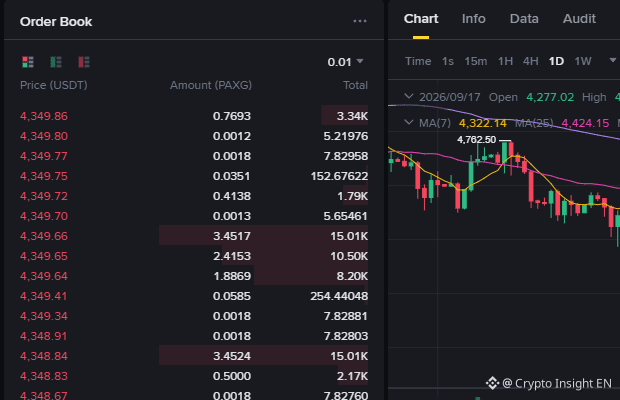
Global markets are flashing notable risk-off and easing signals today as precious metals rally sharply alongside a significant retreat in sovereign bond yields. Gold surged 2.07% (gaining nearly $15) to hit $4,350/oz, while silver advanced to $64.63/oz. Concurrently, the UK 30-year government bond yield plunged by 10 basis points to 5.76%, marking its sharpest single-day decline since May.
This synchronized move highlights growing macroeconomic sensitivity across global trading desks. Falling long-term gilt yields reflect an easing of bond-market stress or rising expectations of central bank monetary accommodation, while the aggressive surge in bullion points to strong hedging demand against currency debasement and lingering macro uncertainty.
For traditional finance, lower benchmark yields combined with rallying precious metals typically signal a turning point where capital seeks safety and anticipates looser financial conditions, softening pressure on broader debt markets.
For crypto assets like $BTC, this macro backdrop is constructive. Sinking long-term yields tend to boost global liquidity and lower the opportunity cost of holding non-yielding digital assets, potentially setting up a favorable liquidity cycle for risk assets in the coming weeks.
#Gold #BondYields #MacroEconomy
Global markets are flashing notable risk-off and easing signals today as precious metals rally sharply alongside a significant retreat in sovereign bond yields. Gold surged 2.07% (gaining nearly $15) to hit $4,350/oz, while silver advanced to $64.63/oz. Concurrently, the UK 30-year government bond yield plunged by 10 basis points to 5.76%, marking its sharpest single-day decline since May.
This synchronized move highlights growing macroeconomic sensitivity across global trading desks. Falling long-term gilt yields reflect an easing of bond-market stress or rising expectations of central bank monetary accommodation, while the aggressive surge in bullion points to strong hedging demand against currency debasement and lingering macro uncertainty.
For traditional finance, lower benchmark yields combined with rallying precious metals typically signal a turning point where capital seeks safety and anticipates looser financial conditions, softening pressure on broader debt markets.
For crypto assets like $BTC , this macro backdrop is constructive. Sinking long-term yields tend to boost global liquidity and lower the opportunity cost of holding non-yielding digital assets, potentially setting up a favorable liquidity cycle for risk assets in the coming weeks.
#Gold #BondYields #MacroEconomy
This synchronized move highlights growing macroeconomic sensitivity across global trading desks. Falling long-term gilt yields reflect an easing of bond-market stress or rising expectations of central bank monetary accommodation, while the aggressive surge in bullion points to strong hedging demand against currency debasement and lingering macro uncertainty.
For traditional finance, lower benchmark yields combined with rallying precious metals typically signal a turning point where capital seeks safety and anticipates looser financial conditions, softening pressure on broader debt markets.
For crypto assets like $BTC , this macro backdrop is constructive. Sinking long-term yields tend to boost global liquidity and lower the opportunity cost of holding non-yielding digital assets, potentially setting up a favorable liquidity cycle for risk assets in the coming weeks.
#Gold #BondYields #MacroEconomy
93
US President Donald Trump has publicly urged the Federal Reserve to aggressively slash interest rates to below 1%, arguing that the nation possesses the world's strongest credit standing and continues to attract robust capital investments. Alongside his monetary stance, Trump asserted that halting trade with countries where the US runs deficits could save at least $1.5 trillion annually, framing deficits as direct economic losses.
This explicit push for ultra-loose monetary policy directly challenges the Fed's cautious, data-dependent approach toward inflation. Demanding a drop to sub-1% levels echoes emergency-era easing, signaling a political preference for rapid economic acceleration even as core inflation remains a persistent macro concern.
In broader financial markets, such drastic rate cuts would exert heavy downward pressure on the US Dollar and Treasury yields, while igniting risk-on momentum across equities and precious metals. However, pairing hyper-dovish monetary policy with aggressive trade tariffs could reignite long-term inflationary risks and geopolitical trade frictions.
For the crypto sector, a sub-1% rate environment represents an ideal liquidity backdrop. Compressed fiat yields and currency debasement fears would likely drive significant institutional and retail capital toward $BTC and broader digital assets as primary stores of value.
#Fed #InterestRates #MacroEconomy
US President Donald Trump has publicly urged the Federal Reserve to aggressively slash interest rates to below 1%, arguing that the nation possesses the world's strongest credit standing and continues to attract robust capital investments. Alongside his monetary stance, Trump asserted that halting trade with countries where the US runs deficits could save at least $1.5 trillion annually, framing deficits as direct economic losses.
This explicit push for ultra-loose monetary policy directly challenges the Fed's cautious, data-dependent approach toward inflation. Demanding a drop to sub-1% levels echoes emergency-era easing, signaling a political preference for rapid economic acceleration even as core inflation remains a persistent macro concern.
In broader financial markets, such drastic rate cuts would exert heavy downward pressure on the US Dollar and Treasury yields, while igniting risk-on momentum across equities and precious metals. However, pairing hyper-dovish monetary policy with aggressive trade tariffs could reignite long-term inflationary risks and geopolitical trade frictions.
For the crypto sector, a sub-1% rate environment represents an ideal liquidity backdrop. Compressed fiat yields and currency debasement fears would likely drive significant institutional and retail capital toward $BTC and broader digital assets as primary stores of value.
#Fed #InterestRates #MacroEconomy
This explicit push for ultra-loose monetary policy directly challenges the Fed's cautious, data-dependent approach toward inflation. Demanding a drop to sub-1% levels echoes emergency-era easing, signaling a political preference for rapid economic acceleration even as core inflation remains a persistent macro concern.
In broader financial markets, such drastic rate cuts would exert heavy downward pressure on the US Dollar and Treasury yields, while igniting risk-on momentum across equities and precious metals. However, pairing hyper-dovish monetary policy with aggressive trade tariffs could reignite long-term inflationary risks and geopolitical trade frictions.
For the crypto sector, a sub-1% rate environment represents an ideal liquidity backdrop. Compressed fiat yields and currency debasement fears would likely drive significant institutional and retail capital toward $BTC and broader digital assets as primary stores of value.
#Fed #InterestRates #MacroEconomy
12
Major U.S. financial institutions, including Morgan Stanley, KeyCorp, and BNY Mellon, announced this Thursday that they are raising their prime lending rates from 6.75% to 7.00%. This synchronized adjustment comes directly in the wake of the latest interest rate hike by the Federal Reserve, as commercial banks immediately pass on higher benchmark funding costs to the broader market.
The prime rate serves as a critical benchmark across the traditional economy, dictating consumer loans, mortgages, and corporate credit lines. A jump to 7% signals a tangible contraction in liquidity, proving that the Federal Reserve's restrictive monetary stance is effectively working its way through everyday borrowing and further tightening domestic financial conditions.
Across traditional financial markets, higher borrowing costs typically strengthen the U.S. Dollar Index while applying downward pressure on equities and capital-heavy sectors. As credit becomes increasingly expensive, corporate profit margins face renewed margin pressure, driving capital away from high-beta plays into defensive yield-bearing assets.
For the crypto landscape, a higher prime rate reduces retail leverage and institutional liquidity available for risk assets like $BTC. Investors should expect tighter trading ranges and cautious momentum in the near term, as speculative capital remains conservative while navigating elevated macroeconomic borrowing hurdles.
#Fed #InterestRates #MacroEconomy
Major U.S. financial institutions, including Morgan Stanley, KeyCorp, and BNY Mellon, announced this Thursday that they are raising their prime lending rates from 6.75% to 7.00%. This synchronized adjustment comes directly in the wake of the latest interest rate hike by the Federal Reserve, as commercial banks immediately pass on higher benchmark funding costs to the broader market.
The prime rate serves as a critical benchmark across the traditional economy, dictating consumer loans, mortgages, and corporate credit lines. A jump to 7% signals a tangible contraction in liquidity, proving that the Federal Reserve's restrictive monetary stance is effectively working its way through everyday borrowing and further tightening domestic financial conditions.
Across traditional financial markets, higher borrowing costs typically strengthen the U.S. Dollar Index while applying downward pressure on equities and capital-heavy sectors. As credit becomes increasingly expensive, corporate profit margins face renewed margin pressure, driving capital away from high-beta plays into defensive yield-bearing assets.
For the crypto landscape, a higher prime rate reduces retail leverage and institutional liquidity available for risk assets like $BTC . Investors should expect tighter trading ranges and cautious momentum in the near term, as speculative capital remains conservative while navigating elevated macroeconomic borrowing hurdles.
#Fed #InterestRates #MacroEconomy
The prime rate serves as a critical benchmark across the traditional economy, dictating consumer loans, mortgages, and corporate credit lines. A jump to 7% signals a tangible contraction in liquidity, proving that the Federal Reserve's restrictive monetary stance is effectively working its way through everyday borrowing and further tightening domestic financial conditions.
Across traditional financial markets, higher borrowing costs typically strengthen the U.S. Dollar Index while applying downward pressure on equities and capital-heavy sectors. As credit becomes increasingly expensive, corporate profit margins face renewed margin pressure, driving capital away from high-beta plays into defensive yield-bearing assets.
For the crypto landscape, a higher prime rate reduces retail leverage and institutional liquidity available for risk assets like $BTC . Investors should expect tighter trading ranges and cautious momentum in the near term, as speculative capital remains conservative while navigating elevated macroeconomic borrowing hurdles.
#Fed #InterestRates #MacroEconomy
35

·
--
💣 MASSIVE BOND SALES SEND YIELDS AND THE U.S. TREASURY ABOVE 5% 📈⚠️
A global wave of sovereign debt sales keeps long-term yields at nearly two-decade highs, increasing pressure on international financial stability 🏛️💥
Bond market highlights:
🔴 Historical milestone: The U.S. Treasury yield on the 10-year note surpassed 5%, reaching a level not seen in almost 20 years.
🏛️ Insufficient intervention: Measures by Treasury Secretary Scott Bessent to expand bond buybacks failed to stop the decline in prices.
📊 Causes of the selloff: Investor distrust is driven by the rapid growth of fiscal deficits and inflation risk stemming from trade disputes and geopolitical conflicts.
Do you think the rise in sovereign debt yields will trigger a shift of capital from equities into the bond market or alternative assets?
💬👇 I’d love to hear your thoughts in the comments!
#CryptoNews #BinanceSquare #Macroeconomy #GlobalMarkets #CryptoCommunity
$BTC
{spot}(BTCUSDT)
$BNB
{spot}(BNBUSDT)
$SOL
{spot}(SOLUSDT)
💣 MASSIVE BOND SALES SEND YIELDS AND THE U.S. TREASURY ABOVE 5% 📈⚠️
A global wave of sovereign debt sales keeps long-term yields at nearly two-decade highs, increasing pressure on international financial stability 🏛️💥
Bond market highlights:
🔴 Historical milestone: The U.S. Treasury yield on the 10-year note surpassed 5%, reaching a level not seen in almost 20 years.
🏛️ Insufficient intervention: Measures by Treasury Secretary Scott Bessent to expand bond buybacks failed to stop the decline in prices.
📊 Causes of the selloff: Investor distrust is driven by the rapid growth of fiscal deficits and inflation risk stemming from trade disputes and geopolitical conflicts.
Do you think the rise in sovereign debt yields will trigger a shift of capital from equities into the bond market or alternative assets?
💬👇 I’d love to hear your thoughts in the comments!
#CryptoNews #BinanceSquare #Macroeconomy #GlobalMarkets #CryptoCommunity
$BTC
$BNB
$SOL
A global wave of sovereign debt sales keeps long-term yields at nearly two-decade highs, increasing pressure on international financial stability 🏛️💥
Bond market highlights:
🔴 Historical milestone: The U.S. Treasury yield on the 10-year note surpassed 5%, reaching a level not seen in almost 20 years.
🏛️ Insufficient intervention: Measures by Treasury Secretary Scott Bessent to expand bond buybacks failed to stop the decline in prices.
📊 Causes of the selloff: Investor distrust is driven by the rapid growth of fiscal deficits and inflation risk stemming from trade disputes and geopolitical conflicts.
Do you think the rise in sovereign debt yields will trigger a shift of capital from equities into the bond market or alternative assets?
💬👇 I’d love to hear your thoughts in the comments!
#CryptoNews #BinanceSquare #Macroeconomy #GlobalMarkets #CryptoCommunity
$BTC
$BNB
$SOL

137
At the FOMC meeting on September 17, the Federal Reserve officially announced a 25 bps rate hike, marking its first increase for 2026, alongside an updated Summary of Economic Projections and Dot Plot. The Fed revised its median PCE inflation forecast upward to 3.7% for 2026, 2.3% for 2027, and 2.1% for 2028 (up from June's 3.6%, 2.3%, and 2.0%), while core PCE projections were also lifted to 3.4% for 2026 and 2.2% for 2028.
This marks a decisively hawkish shift compared to previous expectations. The updated Dot Plot shows 16 out of 18 participating officials now anticipate further rate hikes in 2026—with 12 projecting an additional 50 bps and 4 forecasting 75 bps—completely eliminating earlier projections of rate holds or cuts as inflation proves stickier than previously modeled.
Traditional markets reacted immediately to the tighter policy trajectory. The US Dollar Index (DXY) climbed roughly 40 points to reach 99.81, exerting downward pressure on sovereign bonds and global liquidity as markets price in prolonged policy tightening across the next several years.
For crypto, a higher-for-longer regime and a rebounding dollar present distinct macro headwinds for risk assets. With liquidity contracting and yields staying elevated, $BTC and broader altcoins may experience short-term consolidation as capital rotates into defensive cash instruments. 📊
#FOMC #Fed #InterestRates #MacroEconomy
At the FOMC meeting on September 17, the Federal Reserve officially announced a 25 bps rate hike, marking its first increase for 2026, alongside an updated Summary of Economic Projections and Dot Plot. The Fed revised its median PCE inflation forecast upward to 3.7% for 2026, 2.3% for 2027, and 2.1% for 2028 (up from June's 3.6%, 2.3%, and 2.0%), while core PCE projections were also lifted to 3.4% for 2026 and 2.2% for 2028.
This marks a decisively hawkish shift compared to previous expectations. The updated Dot Plot shows 16 out of 18 participating officials now anticipate further rate hikes in 2026—with 12 projecting an additional 50 bps and 4 forecasting 75 bps—completely eliminating earlier projections of rate holds or cuts as inflation proves stickier than previously modeled.
Traditional markets reacted immediately to the tighter policy trajectory. The US Dollar Index (DXY) climbed roughly 40 points to reach 99.81, exerting downward pressure on sovereign bonds and global liquidity as markets price in prolonged policy tightening across the next several years.
For crypto, a higher-for-longer regime and a rebounding dollar present distinct macro headwinds for risk assets. With liquidity contracting and yields staying elevated, $BTC and broader altcoins may experience short-term consolidation as capital rotates into defensive cash instruments. 📊
#FOMC #Fed #InterestRates #MacroEconomy
This marks a decisively hawkish shift compared to previous expectations. The updated Dot Plot shows 16 out of 18 participating officials now anticipate further rate hikes in 2026—with 12 projecting an additional 50 bps and 4 forecasting 75 bps—completely eliminating earlier projections of rate holds or cuts as inflation proves stickier than previously modeled.
Traditional markets reacted immediately to the tighter policy trajectory. The US Dollar Index (DXY) climbed roughly 40 points to reach 99.81, exerting downward pressure on sovereign bonds and global liquidity as markets price in prolonged policy tightening across the next several years.
For crypto, a higher-for-longer regime and a rebounding dollar present distinct macro headwinds for risk assets. With liquidity contracting and yields staying elevated, $BTC and broader altcoins may experience short-term consolidation as capital rotates into defensive cash instruments. 📊
#FOMC #Fed #InterestRates #MacroEconomy
65

·
--
Dow Falls 328 Points as Fed Decision Looms: Macro Pressures vs Crypto Resilience
Traditional markets are feeling the heat as the Federal Reserve’s rate decision approaches. U.S. equities closed lower, with the Dow Jones dropping 328 points, the S&P 500 dipping 0.45%, and the Nasdaq down 0.78%.
Key macro headwinds driving the sell-off:
* 10-Year Treasury Yield hovering above 5%
* Crude Oil holding strong above $105/barrel
* Growing inflation concerns squeezing overall risk appetite
While TradFi equities pull back under interest rate uncertainty and surging commodity prices, the crypto market continues to show distinct momentum. Higher yields and expensive energy usually tighten global liquidity, yet crypto traders are watching closely to see if digital assets act as a hedge or follow macro risk-off sentiment.
How are you positioning your portfolio ahead of the Fed’s announcement? Are you hedging into stables or accumulating the dip?
#MacroEconomy #FederalReserve #TradFi
Dow Falls 328 Points as Fed Decision Looms: Macro Pressures vs Crypto Resilience
Traditional markets are feeling the heat as the Federal Reserve’s rate decision approaches. U.S. equities closed lower, with the Dow Jones dropping 328 points, the S&P 500 dipping 0.45%, and the Nasdaq down 0.78%.
Key macro headwinds driving the sell-off:
* 10-Year Treasury Yield hovering above 5%
* Crude Oil holding strong above $105/barrel
* Growing inflation concerns squeezing overall risk appetite
While TradFi equities pull back under interest rate uncertainty and surging commodity prices, the crypto market continues to show distinct momentum. Higher yields and expensive energy usually tighten global liquidity, yet crypto traders are watching closely to see if digital assets act as a hedge or follow macro risk-off sentiment.
How are you positioning your portfolio ahead of the Fed’s announcement? Are you hedging into stables or accumulating the dip?
#MacroEconomy #FederalReserve #TradFi
Traditional markets are feeling the heat as the Federal Reserve’s rate decision approaches. U.S. equities closed lower, with the Dow Jones dropping 328 points, the S&P 500 dipping 0.45%, and the Nasdaq down 0.78%.
Key macro headwinds driving the sell-off:
* 10-Year Treasury Yield hovering above 5%
* Crude Oil holding strong above $105/barrel
* Growing inflation concerns squeezing overall risk appetite
While TradFi equities pull back under interest rate uncertainty and surging commodity prices, the crypto market continues to show distinct momentum. Higher yields and expensive energy usually tighten global liquidity, yet crypto traders are watching closely to see if digital assets act as a hedge or follow macro risk-off sentiment.
How are you positioning your portfolio ahead of the Fed’s announcement? Are you hedging into stables or accumulating the dip?
#MacroEconomy #FederalReserve #TradFi
35
The US Department of Commerce reported that US retail sales for August surged to 1.2%, marking the highest monthly growth rate recorded since March of this year.
This robust print highlights persistent consumer resilience despite elevated interest rates, easily outpacing previous slowdown fears. Strong consumer spending is a double-edged sword: while it reduces near-term recession risks, it also indicates that domestic demand remains hot enough to keep underlying inflation pressures sticky.
For broader financial markets, this print reinforces a "higher-for-longer" stance or a more cautious easing path from the Federal Reserve. US Treasury yields and the Dollar Index are likely to find support, creating a headwind for equities and traditional risk-on assets that were aggressively pricing in aggressive rate cuts.
For the crypto sector, a stronger dollar and firm bond yields typically constrain immediate speculative liquidity. While $BTC benefits from general economic stability over the long run, short-term price action may face turbulence as market participants recalibrate their monetary easing expectations. #USRetailSales #MacroEconomy #CryptoMarket
The US Department of Commerce reported that US retail sales for August surged to 1.2%, marking the highest monthly growth rate recorded since March of this year.
This robust print highlights persistent consumer resilience despite elevated interest rates, easily outpacing previous slowdown fears. Strong consumer spending is a double-edged sword: while it reduces near-term recession risks, it also indicates that domestic demand remains hot enough to keep underlying inflation pressures sticky.
For broader financial markets, this print reinforces a "higher-for-longer" stance or a more cautious easing path from the Federal Reserve. US Treasury yields and the Dollar Index are likely to find support, creating a headwind for equities and traditional risk-on assets that were aggressively pricing in aggressive rate cuts.
For the crypto sector, a stronger dollar and firm bond yields typically constrain immediate speculative liquidity. While $BTC benefits from general economic stability over the long run, short-term price action may face turbulence as market participants recalibrate their monetary easing expectations. #USRetailSales #MacroEconomy #CryptoMarket
This robust print highlights persistent consumer resilience despite elevated interest rates, easily outpacing previous slowdown fears. Strong consumer spending is a double-edged sword: while it reduces near-term recession risks, it also indicates that domestic demand remains hot enough to keep underlying inflation pressures sticky.
For broader financial markets, this print reinforces a "higher-for-longer" stance or a more cautious easing path from the Federal Reserve. US Treasury yields and the Dollar Index are likely to find support, creating a headwind for equities and traditional risk-on assets that were aggressively pricing in aggressive rate cuts.
For the crypto sector, a stronger dollar and firm bond yields typically constrain immediate speculative liquidity. While $BTC benefits from general economic stability over the long run, short-term price action may face turbulence as market participants recalibrate their monetary easing expectations. #USRetailSales #MacroEconomy #CryptoMarket
5
U.S. macroeconomic data released today showed a significant surprise as August retail sales jumped by 1.2%, easily beating market expectations of 0.8% and rebounding sharply from an upwardly revised -0.5% in the prior month. Alongside this, the August import price index climbed 0.7% against a 0.4% consensus, signaling persistent upstream inflationary pressure.
This resilient consumer spending print combined with rising import prices complicates the broader disinflation narrative. Market participants had anticipated a clearer slowdown in economic activity, but robust household demand suggests underlying economic momentum remains unexpectedly sturdy despite tight monetary conditions.
For traditional markets, these numbers are likely to reinforce a 'higher-for-longer' interest rate narrative, driving upward pressure on U.S. Treasury yields and lending support to the U.S. Dollar. In this environment, risk assets may face short-term headwinds as aggressive rate-cut expectations get priced out.
In the crypto space, resilient macro data could delay broader liquidity inflows into $BTC and major altcoins. While underlying economic strength reduces recession risks, high borrowing costs continue to cap speculative capital, keeping market participants cautious until clearer monetary easing signals emerge. 📊
#RetailSales #MacroEconomy #Inflation
U.S. macroeconomic data released today showed a significant surprise as August retail sales jumped by 1.2%, easily beating market expectations of 0.8% and rebounding sharply from an upwardly revised -0.5% in the prior month. Alongside this, the August import price index climbed 0.7% against a 0.4% consensus, signaling persistent upstream inflationary pressure.
This resilient consumer spending print combined with rising import prices complicates the broader disinflation narrative. Market participants had anticipated a clearer slowdown in economic activity, but robust household demand suggests underlying economic momentum remains unexpectedly sturdy despite tight monetary conditions.
For traditional markets, these numbers are likely to reinforce a 'higher-for-longer' interest rate narrative, driving upward pressure on U.S. Treasury yields and lending support to the U.S. Dollar. In this environment, risk assets may face short-term headwinds as aggressive rate-cut expectations get priced out.
In the crypto space, resilient macro data could delay broader liquidity inflows into $BTC and major altcoins. While underlying economic strength reduces recession risks, high borrowing costs continue to cap speculative capital, keeping market participants cautious until clearer monetary easing signals emerge. 📊
#RetailSales #MacroEconomy #Inflation
This resilient consumer spending print combined with rising import prices complicates the broader disinflation narrative. Market participants had anticipated a clearer slowdown in economic activity, but robust household demand suggests underlying economic momentum remains unexpectedly sturdy despite tight monetary conditions.
For traditional markets, these numbers are likely to reinforce a 'higher-for-longer' interest rate narrative, driving upward pressure on U.S. Treasury yields and lending support to the U.S. Dollar. In this environment, risk assets may face short-term headwinds as aggressive rate-cut expectations get priced out.
In the crypto space, resilient macro data could delay broader liquidity inflows into $BTC and major altcoins. While underlying economic strength reduces recession risks, high borrowing costs continue to cap speculative capital, keeping market participants cautious until clearer monetary easing signals emerge. 📊
#RetailSales #MacroEconomy #Inflation
8

·
--
Most traders assume rate decisions are already priced in, but historical data shows the real liquidity drain usually starts weeks after the actual announcement.
Too many people get chopped up trying to catch knives right before major macro prints, watching their stop losses get hunted in seconds. Holding heavy exposure when systemic liquidity dries up is the fastest way to bleed a portfolio dry.
With August core CPI printing hot at 0.3% month-over-month, the market is now pricing in nearly a 90% probability of a 25bp hike this week. When borrowing costs remain elevated, risk assets like $SOL and $ETH typically take the brunt of the hit as capital rotates back toward risk-free yields.
The real trap is assuming this is just a one-off shock. If the Fed signals an extended tightening cycle instead of a pause, order book depth on $BTC will thin out quickly, leaving overleveraged positions vulnerable to violent downside sweeps.
Where do you see the market heading once the dust settles on this decision?
#FedRateWatch #CryptoTrading #MacroEconomy
Most traders assume rate decisions are already priced in, but historical data shows the real liquidity drain usually starts weeks after the actual announcement.
Too many people get chopped up trying to catch knives right before major macro prints, watching their stop losses get hunted in seconds. Holding heavy exposure when systemic liquidity dries up is the fastest way to bleed a portfolio dry.
With August core CPI printing hot at 0.3% month-over-month, the market is now pricing in nearly a 90% probability of a 25bp hike this week. When borrowing costs remain elevated, risk assets like $SOL and $ETH typically take the brunt of the hit as capital rotates back toward risk-free yields.
The real trap is assuming this is just a one-off shock. If the Fed signals an extended tightening cycle instead of a pause, order book depth on $BTC will thin out quickly, leaving overleveraged positions vulnerable to violent downside sweeps.
Where do you see the market heading once the dust settles on this decision?
#FedRateWatch #CryptoTrading #MacroEconomy
Too many people get chopped up trying to catch knives right before major macro prints, watching their stop losses get hunted in seconds. Holding heavy exposure when systemic liquidity dries up is the fastest way to bleed a portfolio dry.
With August core CPI printing hot at 0.3% month-over-month, the market is now pricing in nearly a 90% probability of a 25bp hike this week. When borrowing costs remain elevated, risk assets like $SOL and $ETH typically take the brunt of the hit as capital rotates back toward risk-free yields.
The real trap is assuming this is just a one-off shock. If the Fed signals an extended tightening cycle instead of a pause, order book depth on $BTC will thin out quickly, leaving overleveraged positions vulnerable to violent downside sweeps.
Where do you see the market heading once the dust settles on this decision?
#FedRateWatch #CryptoTrading #MacroEconomy
35
Log in to explore more content
Join global crypto users on Binance Square
⚡️ Get latest and useful information about crypto.
💬 Trusted by the world’s largest crypto exchange.
👍 Discover real insights from verified creators.
Email / Phone number
Trending Topics
1
#CardanoAddedToX402KitForADAPayments
1,630 views
137 Discussing
2
#XRPRises8%
9,594 views
474 Discussing
3
#AMDHits$1TrillionMarketCap
227 views
23 Discussing
4
#BitcoinSpotETFs$999MNetInflow
586 views
37 Discussing
5
#AppleGoogleSeekStablecoinTokenizedDepositTalent
6,297 views
359 Discussing
6
#NvidiaToBuyAnother$1.5BSBEnergySharesPreIPO
1,256 views
32 Discussing
7
#AgoraGetsPreliminaryOCCApprovalForTrustBank
3,795 views
175 Discussing
8
#NEARRisesNearly80%InAWeek
73,246 views
1,327 Discussing
9
#MultiversXPlansHardForkRecovery
57,599 views
1,002 Discussing
10
#CircleLaunchesInstitutionalBTCBackedBorrowing
50,450 views
987 Discussing