
Torrie4444
737 Posts

Torrie4444
Report
Block User
News and Insight
0 Following
24 Followers
43 Liked
Posts
All
Videos
·
--
Today, the global commodities market saw a clear burst of volatility. Oil prices surged intraday, with both U.S. crude (WTI) and Brent crude’s intraday gains hitting 1.00%—reaching intraday highs of $92.57 per barrel and $97.71 per barrel, respectively. At a time when macro liquidity was already tight, the stronger oil prices quickly drew the attention of the entire financial market.
As the “mother of global commodities,” once oil prices return to a key higher trading range, the biggest concern for the market is a renewed rise in inflation expectations. Previously, major central banks have been working to rein in inflation, but rising energy costs can directly feed through into transportation and various end-consumption categories—undeniably adding more uncertainty to the future interest-rate cut path. Everyone is also watching whether this rally will prove sustainable.
Judging by how traditional financial markets have reacted, high oil prices typically lift inflation expectations and help keep bond yields elevated, which in turn gives the U.S. dollar index some resilience. And amid repeated battles over liquidity expectations, risk assets such as U.S. stocks often behave more cautiously. Investors tend to hold back, waiting for clearer macro signals.
For the crypto market, $BTC and various mainstream tokens remain highly sensitive to the macro environment in the near term. If inflation worries triggered by the rise in crude oil end up constraining the pace of global liquidity release, capital within the market may continue to focus on defensive positioning and range-bound trading in the short run. The subsequent trend still needs to be assessed objectively in light of the liquidity backdrop.🌊
#CrudeOil #MacroEconomics #CryptoMarket
Today, the global commodities market saw a clear burst of volatility. Oil prices surged intraday, with both U.S. crude (WTI) and Brent crude’s intraday gains hitting 1.00%—reaching intraday highs of $92.57 per barrel and $97.71 per barrel, respectively. At a time when macro liquidity was already tight, the stronger oil prices quickly drew the attention of the entire financial market.
As the “mother of global commodities,” once oil prices return to a key higher trading range, the biggest concern for the market is a renewed rise in inflation expectations. Previously, major central banks have been working to rein in inflation, but rising energy costs can directly feed through into transportation and various end-consumption categories—undeniably adding more uncertainty to the future interest-rate cut path. Everyone is also watching whether this rally will prove sustainable.
Judging by how traditional financial markets have reacted, high oil prices typically lift inflation expectations and help keep bond yields elevated, which in turn gives the U.S. dollar index some resilience. And amid repeated battles over liquidity expectations, risk assets such as U.S. stocks often behave more cautiously. Investors tend to hold back, waiting for clearer macro signals.
For the crypto market, $BTC and various mainstream tokens remain highly sensitive to the macro environment in the near term. If inflation worries triggered by the rise in crude oil end up constraining the pace of global liquidity release, capital within the market may continue to focus on defensive positioning and range-bound trading in the short run. The subsequent trend still needs to be assessed objectively in light of the liquidity backdrop.🌊
#CrudeOil #MacroEconomics #CryptoMarket
As the “mother of global commodities,” once oil prices return to a key higher trading range, the biggest concern for the market is a renewed rise in inflation expectations. Previously, major central banks have been working to rein in inflation, but rising energy costs can directly feed through into transportation and various end-consumption categories—undeniably adding more uncertainty to the future interest-rate cut path. Everyone is also watching whether this rally will prove sustainable.
Judging by how traditional financial markets have reacted, high oil prices typically lift inflation expectations and help keep bond yields elevated, which in turn gives the U.S. dollar index some resilience. And amid repeated battles over liquidity expectations, risk assets such as U.S. stocks often behave more cautiously. Investors tend to hold back, waiting for clearer macro signals.
For the crypto market, $BTC and various mainstream tokens remain highly sensitive to the macro environment in the near term. If inflation worries triggered by the rise in crude oil end up constraining the pace of global liquidity release, capital within the market may continue to focus on defensive positioning and range-bound trading in the short run. The subsequent trend still needs to be assessed objectively in light of the liquidity backdrop.🌊
#CrudeOil #MacroEconomics #CryptoMarket
1
·
--
Just checked the leaderboard—$ZEC has quietly climbed to position #14 on CoinMarketCap’s Trends list. As an established privacy coin, there’s been a recent uptick in community discussion and search volume, though the market has always been highly volatile. How long do you think this wave of attention can last?👀 #Zcash #PrivacyCoins
Just checked the leaderboard—$ZEC has quietly climbed to position #14 on CoinMarketCap’s Trends list. As an established privacy coin, there’s been a recent uptick in community discussion and search volume, though the market has always been highly volatile. How long do you think this wave of attention can last?👀 #Zcash #PrivacyCoins
180
·
--
Libya’s National Oil Corporation (NOC) issued a statement this Monday confirming that an armed group in the area shut the No. 7 valve on the Sarir crude oil pipeline leading to the Zawiya port, directly resulting in a significant reduction in the overall crude oil output from the Sarir oilfield. For long-time “insiders” who frequently follow geopolitical developments, the storyline of Libya’s oil fields being shut down is not exactly new—but every time it happens, it still sends shockwaves through global energy markets.
As an important oil-producing country in North Africa, Libya’s crude oil supply has long been known for large fluctuations and fragile conditions. Against the backdrop of the global crude oil supply chain already resting on a delicate balance, the deliberate disruption of a key oil pipeline undeniably injects fresh uncertainty into the supply side. Investors are closely watching whether this shutdown will last for a few days or evolve into a prolonged production stoppage crisis.
In traditional financial markets, disruptions to crude oil supply often translate directly into higher expectations for energy prices. If oil prices continue to strengthen, it may delay the pace of major central banks’ efforts to control inflation, and in turn could lead institutions such as the Federal Reserve to keep high interest-rate policies in place for longer—triggering ripple effects in the U.S. dollar index and U.S. Treasury yields.
As for the crypto market, energy-related geopolitical turmoil is mainly transmitted through liquidity expectations. If oil price increases trigger renewed concerns about secondary inflation, tightening macro liquidity could put risk assets under pressure in the short term, and investor sentiment may become even more inclined to wait and see. Everyone is advised to pay close attention to how crude oil trends interact with the overall macro environment, and to keep a rational approach to position sizing.🛢️
#CrudeOil #LibyaEnergy #Geopolitics
Libya’s National Oil Corporation (NOC) issued a statement this Monday confirming that an armed group in the area shut the No. 7 valve on the Sarir crude oil pipeline leading to the Zawiya port, directly resulting in a significant reduction in the overall crude oil output from the Sarir oilfield. For long-time “insiders” who frequently follow geopolitical developments, the storyline of Libya’s oil fields being shut down is not exactly new—but every time it happens, it still sends shockwaves through global energy markets.
As an important oil-producing country in North Africa, Libya’s crude oil supply has long been known for large fluctuations and fragile conditions. Against the backdrop of the global crude oil supply chain already resting on a delicate balance, the deliberate disruption of a key oil pipeline undeniably injects fresh uncertainty into the supply side. Investors are closely watching whether this shutdown will last for a few days or evolve into a prolonged production stoppage crisis.
In traditional financial markets, disruptions to crude oil supply often translate directly into higher expectations for energy prices. If oil prices continue to strengthen, it may delay the pace of major central banks’ efforts to control inflation, and in turn could lead institutions such as the Federal Reserve to keep high interest-rate policies in place for longer—triggering ripple effects in the U.S. dollar index and U.S. Treasury yields.
As for the crypto market, energy-related geopolitical turmoil is mainly transmitted through liquidity expectations. If oil price increases trigger renewed concerns about secondary inflation, tightening macro liquidity could put risk assets under pressure in the short term, and investor sentiment may become even more inclined to wait and see. Everyone is advised to pay close attention to how crude oil trends interact with the overall macro environment, and to keep a rational approach to position sizing.🛢️
#CrudeOil #LibyaEnergy #Geopolitics
As an important oil-producing country in North Africa, Libya’s crude oil supply has long been known for large fluctuations and fragile conditions. Against the backdrop of the global crude oil supply chain already resting on a delicate balance, the deliberate disruption of a key oil pipeline undeniably injects fresh uncertainty into the supply side. Investors are closely watching whether this shutdown will last for a few days or evolve into a prolonged production stoppage crisis.
In traditional financial markets, disruptions to crude oil supply often translate directly into higher expectations for energy prices. If oil prices continue to strengthen, it may delay the pace of major central banks’ efforts to control inflation, and in turn could lead institutions such as the Federal Reserve to keep high interest-rate policies in place for longer—triggering ripple effects in the U.S. dollar index and U.S. Treasury yields.
As for the crypto market, energy-related geopolitical turmoil is mainly transmitted through liquidity expectations. If oil price increases trigger renewed concerns about secondary inflation, tightening macro liquidity could put risk assets under pressure in the short term, and investor sentiment may become even more inclined to wait and see. Everyone is advised to pay close attention to how crude oil trends interact with the overall macro environment, and to keep a rational approach to position sizing.🛢️
#CrudeOil #LibyaEnergy #Geopolitics
·
--
In his latest remarks, Federal Reserve Chair Jerome Powell clearly stated that, in order to address inflation pressures stemming from both supply and demand, the benchmark interest rate may need to be raised further. He particularly emphasized that the Fed would rather choose a pace of rate hikes that is “early and gradual” than wait until the situation gets out of control and then play catch-up with “late and forceful” measures.
This statement has drawn attention mainly because the market had been betting on whether the rate-hiking cycle was nearing its end. This time, “Old Powell” directly cooled the heat, suggesting that the Fed’s vigilance against persistent inflation remains high. Rather than allowing inflation to fully take root, the authorities evidently prefer to act in advance—even if that means keeping the high-interest-rate environment in place for a while.
From a macro market perspective, this hawkish tone quickly supported the U.S. dollar index and U.S. Treasury yields, while assets sensitive to liquidity, such as gold and U.S. equities, faced some valuation pressure. Rising expectations for borrowing costs mean that, in the short term, global liquidity is unlikely to swing into a large-scale easing, and overall asset pricing remains in a tense standoff phase.
For the crypto market, $BTC and the broader crypto space will likely have to keep finding direction within a range-bound, balance-of-power game for now. Without the premise of a big liquidity flood, long and short sides will probably continue to engage in back-and-forth battles, and near-term volatility is hard to avoid. At this stage, it’s neither advisable to blindly bet on a downturn nor to be overly optimistic. The most prudent strategy is to closely track how upcoming economic data evolves.
#Fed #InterestRates #Powell
In his latest remarks, Federal Reserve Chair Jerome Powell clearly stated that, in order to address inflation pressures stemming from both supply and demand, the benchmark interest rate may need to be raised further. He particularly emphasized that the Fed would rather choose a pace of rate hikes that is “early and gradual” than wait until the situation gets out of control and then play catch-up with “late and forceful” measures.
This statement has drawn attention mainly because the market had been betting on whether the rate-hiking cycle was nearing its end. This time, “Old Powell” directly cooled the heat, suggesting that the Fed’s vigilance against persistent inflation remains high. Rather than allowing inflation to fully take root, the authorities evidently prefer to act in advance—even if that means keeping the high-interest-rate environment in place for a while.
From a macro market perspective, this hawkish tone quickly supported the U.S. dollar index and U.S. Treasury yields, while assets sensitive to liquidity, such as gold and U.S. equities, faced some valuation pressure. Rising expectations for borrowing costs mean that, in the short term, global liquidity is unlikely to swing into a large-scale easing, and overall asset pricing remains in a tense standoff phase.
For the crypto market, $BTC and the broader crypto space will likely have to keep finding direction within a range-bound, balance-of-power game for now. Without the premise of a big liquidity flood, long and short sides will probably continue to engage in back-and-forth battles, and near-term volatility is hard to avoid. At this stage, it’s neither advisable to blindly bet on a downturn nor to be overly optimistic. The most prudent strategy is to closely track how upcoming economic data evolves.
#Fed #InterestRates #Powell
This statement has drawn attention mainly because the market had been betting on whether the rate-hiking cycle was nearing its end. This time, “Old Powell” directly cooled the heat, suggesting that the Fed’s vigilance against persistent inflation remains high. Rather than allowing inflation to fully take root, the authorities evidently prefer to act in advance—even if that means keeping the high-interest-rate environment in place for a while.
From a macro market perspective, this hawkish tone quickly supported the U.S. dollar index and U.S. Treasury yields, while assets sensitive to liquidity, such as gold and U.S. equities, faced some valuation pressure. Rising expectations for borrowing costs mean that, in the short term, global liquidity is unlikely to swing into a large-scale easing, and overall asset pricing remains in a tense standoff phase.
For the crypto market, $BTC and the broader crypto space will likely have to keep finding direction within a range-bound, balance-of-power game for now. Without the premise of a big liquidity flood, long and short sides will probably continue to engage in back-and-forth battles, and near-term volatility is hard to avoid. At this stage, it’s neither advisable to blindly bet on a downturn nor to be overly optimistic. The most prudent strategy is to closely track how upcoming economic data evolves.
#Fed #InterestRates #Powell
2
·
--
On September 21, EU member states reached an agreement to extend sanctions against Russia directly for three years. This deal covers more than 3,000 Russian individuals and entities. At the same time, the sanctions period was extended by 36 months in one move, and the names of two Russian businessmen were removed. In the past, the EU typically renewed sanctions every 6 to 12 months; this time, the timeline was stretched all at once to three years—so the pace is clearly different.
The main reason for this adjustment is that the EU wants to avoid being dragged into stalemates and tug-of-war every few months over differing positions among member states. By locking in a three-year term, it signals Europe’s long-term preparation for its policy toward Russia, and also implies the normalization of geopolitical competition—meaning it will be difficult to see signs of meaningful easing in the short term.
For traditional macro markets, the long-term nature of the sanctions keeps friction costs high for Europe’s energy supply chains and cross-border trade. Variables such as commodities, the euro exchange rate, and inflation expectations remain in play, and the market may need to gradually adapt to this long-lasting geopolitical environment with low elasticity.
As for the crypto community, most people are simply observing capital flows objectively. Geopolitical constraints are likely to persist long term, which often keeps discussions going about cross-border flows and narratives around non-sovereign assets. However, cautious macro sentiment may also keep liquidity on hold. As for how core assets like BTC will move next, the market is still weighing both bullish and bearish factors—so it’s best to remain rational and keep watching.
#EU #Sanctions #Geopolitics
On September 21, EU member states reached an agreement to extend sanctions against Russia directly for three years. This deal covers more than 3,000 Russian individuals and entities. At the same time, the sanctions period was extended by 36 months in one move, and the names of two Russian businessmen were removed. In the past, the EU typically renewed sanctions every 6 to 12 months; this time, the timeline was stretched all at once to three years—so the pace is clearly different.
The main reason for this adjustment is that the EU wants to avoid being dragged into stalemates and tug-of-war every few months over differing positions among member states. By locking in a three-year term, it signals Europe’s long-term preparation for its policy toward Russia, and also implies the normalization of geopolitical competition—meaning it will be difficult to see signs of meaningful easing in the short term.
For traditional macro markets, the long-term nature of the sanctions keeps friction costs high for Europe’s energy supply chains and cross-border trade. Variables such as commodities, the euro exchange rate, and inflation expectations remain in play, and the market may need to gradually adapt to this long-lasting geopolitical environment with low elasticity.
As for the crypto community, most people are simply observing capital flows objectively. Geopolitical constraints are likely to persist long term, which often keeps discussions going about cross-border flows and narratives around non-sovereign assets. However, cautious macro sentiment may also keep liquidity on hold. As for how core assets like BTC will move next, the market is still weighing both bullish and bearish factors—so it’s best to remain rational and keep watching.
#EU #Sanctions #Geopolitics
The main reason for this adjustment is that the EU wants to avoid being dragged into stalemates and tug-of-war every few months over differing positions among member states. By locking in a three-year term, it signals Europe’s long-term preparation for its policy toward Russia, and also implies the normalization of geopolitical competition—meaning it will be difficult to see signs of meaningful easing in the short term.
For traditional macro markets, the long-term nature of the sanctions keeps friction costs high for Europe’s energy supply chains and cross-border trade. Variables such as commodities, the euro exchange rate, and inflation expectations remain in play, and the market may need to gradually adapt to this long-lasting geopolitical environment with low elasticity.
As for the crypto community, most people are simply observing capital flows objectively. Geopolitical constraints are likely to persist long term, which often keeps discussions going about cross-border flows and narratives around non-sovereign assets. However, cautious macro sentiment may also keep liquidity on hold. As for how core assets like BTC will move next, the market is still weighing both bullish and bearish factors—so it’s best to remain rational and keep watching.
#EU #Sanctions #Geopolitics
131
·
--
During the latest international trading session for major commodities, the WTI crude oil futures contract for November delivery suffered a sharp plunge during the day, with a single-day drop of 5.00%. The price kept sliding all the way down to $91.27 per barrel. As the “mother of all” global commodities, crude oil’s sudden 5 percentage-point rout in a single day quickly shattered the recent bullish positioning that had driven oil prices higher, forcing traders across the entire macro financial market to re-examine their current asset allocation.
Looking back over the past period, crude oil’s strong performance had made the market increasingly worried that a second wave of inflation could be returning. Everyone was debating whether major central banks such as the Federal Reserve would keep interest rates at high levels for longer. This day’s deep 5% pullback, to a large extent, shattered the overzealous expectations held by some in the earlier camp that energy prices would be forced higher in a one-way squeeze. The market is now re-assessing the relationship between the supply-side tug-of-war among oil-producing countries and actual global consumption demand. As a result, the balance of inflation expectations has shifted subtly.
From the perspective of traditional financial market linkages, the rapid drop in oil prices has a direct transmission effect on both U.S. Treasury yields and the U.S. dollar index. On the one hand, if energy costs can continue to cool, in theory it can help ease upward pressure on overall prices, giving the tightly wound bond market a rare chance to catch its breath. On the other hand, crude oil’s deep decline within a single day has also led some institutions to worry that global macroeconomic growth momentum may be slowing, causing a mix of bullish and bearish signals to put various major asset classes into a wait-and-see pricing stance.
Turning back to the crypto community, $BTC and the broader token market have responded to this energy shock in a largely neutral and rational manner. If the retreat in oil prices can provide some buffer space for future macro liquidity release, then the long-term environment for risk assets is naturally not a bad thing. But if it behind it signals weakness on the macro demand side, in all likelihood capital on the sidelines will continue to take a cautious defensive posture. In the short term, the market is full of variables—everyone is advised to keep closely tracking how energy prices hold support above $90.
#CrudeOil #MacroEconomy #CryptoMarket
During the latest international trading session for major commodities, the WTI crude oil futures contract for November delivery suffered a sharp plunge during the day, with a single-day drop of 5.00%. The price kept sliding all the way down to $91.27 per barrel. As the “mother of all” global commodities, crude oil’s sudden 5 percentage-point rout in a single day quickly shattered the recent bullish positioning that had driven oil prices higher, forcing traders across the entire macro financial market to re-examine their current asset allocation.
Looking back over the past period, crude oil’s strong performance had made the market increasingly worried that a second wave of inflation could be returning. Everyone was debating whether major central banks such as the Federal Reserve would keep interest rates at high levels for longer. This day’s deep 5% pullback, to a large extent, shattered the overzealous expectations held by some in the earlier camp that energy prices would be forced higher in a one-way squeeze. The market is now re-assessing the relationship between the supply-side tug-of-war among oil-producing countries and actual global consumption demand. As a result, the balance of inflation expectations has shifted subtly.
From the perspective of traditional financial market linkages, the rapid drop in oil prices has a direct transmission effect on both U.S. Treasury yields and the U.S. dollar index. On the one hand, if energy costs can continue to cool, in theory it can help ease upward pressure on overall prices, giving the tightly wound bond market a rare chance to catch its breath. On the other hand, crude oil’s deep decline within a single day has also led some institutions to worry that global macroeconomic growth momentum may be slowing, causing a mix of bullish and bearish signals to put various major asset classes into a wait-and-see pricing stance.
Turning back to the crypto community, $BTC and the broader token market have responded to this energy shock in a largely neutral and rational manner. If the retreat in oil prices can provide some buffer space for future macro liquidity release, then the long-term environment for risk assets is naturally not a bad thing. But if it behind it signals weakness on the macro demand side, in all likelihood capital on the sidelines will continue to take a cautious defensive posture. In the short term, the market is full of variables—everyone is advised to keep closely tracking how energy prices hold support above $90.
#CrudeOil #MacroEconomy #CryptoMarket
Looking back over the past period, crude oil’s strong performance had made the market increasingly worried that a second wave of inflation could be returning. Everyone was debating whether major central banks such as the Federal Reserve would keep interest rates at high levels for longer. This day’s deep 5% pullback, to a large extent, shattered the overzealous expectations held by some in the earlier camp that energy prices would be forced higher in a one-way squeeze. The market is now re-assessing the relationship between the supply-side tug-of-war among oil-producing countries and actual global consumption demand. As a result, the balance of inflation expectations has shifted subtly.
From the perspective of traditional financial market linkages, the rapid drop in oil prices has a direct transmission effect on both U.S. Treasury yields and the U.S. dollar index. On the one hand, if energy costs can continue to cool, in theory it can help ease upward pressure on overall prices, giving the tightly wound bond market a rare chance to catch its breath. On the other hand, crude oil’s deep decline within a single day has also led some institutions to worry that global macroeconomic growth momentum may be slowing, causing a mix of bullish and bearish signals to put various major asset classes into a wait-and-see pricing stance.
Turning back to the crypto community, $BTC and the broader token market have responded to this energy shock in a largely neutral and rational manner. If the retreat in oil prices can provide some buffer space for future macro liquidity release, then the long-term environment for risk assets is naturally not a bad thing. But if it behind it signals weakness on the macro demand side, in all likelihood capital on the sidelines will continue to take a cautious defensive posture. In the short term, the market is full of variables—everyone is advised to keep closely tracking how energy prices hold support above $90.
#CrudeOil #MacroEconomy #CryptoMarket
8
·
--
Russia plans to further extend its diesel export ban beyond September. This is mainly because recent continued attacks by Ukraine on refineries inside Russia have pushed its refining capacity to the lowest level in years. The ban was first introduced in July and was originally expected to last only a few weeks, but due to repeated strikes on refining facilities, Moscow has already postponed it several times. It is now considering extending it by another month or even longer.
At the macro level, this development is worth close attention. Before the ban was implemented, seaborne diesel supply from Russia accounted for about 10% of the global total. The continued absence of this large volume of supply directly worsens supply tightness in the global fuel market, especially when compounded by disruptions to supply chains in the Middle East, causing upward pressure on energy prices to build further.
For traditional financial markets, higher crude oil and refined product prices often raise inflation expectations. An energy-cost rebound could make the rate-cutting paths of major central banks more difficult to predict, thereby affecting the trajectory of U.S. Treasury yields and the U.S. dollar index, and also pulling up volatility in commodity markets.
Translated to the crypto market, repeated shifts in expectations for macro liquidity often leave market sentiment in a tug-of-war. On the one hand, if inflation-related disruptions suppress the valuation of risk assets, mainstream tokens such as $BTC may, in the short term, move along with the broader market as it consolidates and trades sideways. On the other hand, some investors may re-factor anti-inflation narratives into their decision-making. How the market will respond next will need to be monitored continuously, particularly changes in supply on the energy side.
#OilMarket #Geopolitics #Inflation
Russia plans to further extend its diesel export ban beyond September. This is mainly because recent continued attacks by Ukraine on refineries inside Russia have pushed its refining capacity to the lowest level in years. The ban was first introduced in July and was originally expected to last only a few weeks, but due to repeated strikes on refining facilities, Moscow has already postponed it several times. It is now considering extending it by another month or even longer.
At the macro level, this development is worth close attention. Before the ban was implemented, seaborne diesel supply from Russia accounted for about 10% of the global total. The continued absence of this large volume of supply directly worsens supply tightness in the global fuel market, especially when compounded by disruptions to supply chains in the Middle East, causing upward pressure on energy prices to build further.
For traditional financial markets, higher crude oil and refined product prices often raise inflation expectations. An energy-cost rebound could make the rate-cutting paths of major central banks more difficult to predict, thereby affecting the trajectory of U.S. Treasury yields and the U.S. dollar index, and also pulling up volatility in commodity markets.
Translated to the crypto market, repeated shifts in expectations for macro liquidity often leave market sentiment in a tug-of-war. On the one hand, if inflation-related disruptions suppress the valuation of risk assets, mainstream tokens such as $BTC may, in the short term, move along with the broader market as it consolidates and trades sideways. On the other hand, some investors may re-factor anti-inflation narratives into their decision-making. How the market will respond next will need to be monitored continuously, particularly changes in supply on the energy side.
#OilMarket #Geopolitics #Inflation
At the macro level, this development is worth close attention. Before the ban was implemented, seaborne diesel supply from Russia accounted for about 10% of the global total. The continued absence of this large volume of supply directly worsens supply tightness in the global fuel market, especially when compounded by disruptions to supply chains in the Middle East, causing upward pressure on energy prices to build further.
For traditional financial markets, higher crude oil and refined product prices often raise inflation expectations. An energy-cost rebound could make the rate-cutting paths of major central banks more difficult to predict, thereby affecting the trajectory of U.S. Treasury yields and the U.S. dollar index, and also pulling up volatility in commodity markets.
Translated to the crypto market, repeated shifts in expectations for macro liquidity often leave market sentiment in a tug-of-war. On the one hand, if inflation-related disruptions suppress the valuation of risk assets, mainstream tokens such as $BTC may, in the short term, move along with the broader market as it consolidates and trades sideways. On the other hand, some investors may re-factor anti-inflation narratives into their decision-making. How the market will respond next will need to be monitored continuously, particularly changes in supply on the energy side.
#OilMarket #Geopolitics #Inflation
180
·
--
In the latest public remarks, Federal Reserve Chair Jerome Powell explicitly said that he would not object to starting rate cuts as long as there is solid evidence that inflation is steadily moving down to the 2% target level. At the same time, Chicago Fed President Austan Goolsbee also indicated that he leans toward the view that the current inflation problem will not last long, but he likewise needs clear data showing prices are cooling.
This statement has attracted strong market attention because it clearly defines the key conditions for the Fed’s shift in monetary policy. Previously, the market had been speculating about the specific timing of rate cuts, but the management again handed full decision-making to the inflation data that will come out next. This suggests that the policy balance has not fully swung toward the dovish camp; rather, it is in a transition phase that is extremely dependent on macro indicators. Any back-and-forth in a single month’s data could disrupt the current equilibrium.
From the perspective of traditional financial markets, this type of statement keeps the U.S. dollar index and U.S. Treasury yields in a range-bound, choppy pattern. Gold and commodities are also caught between competing expectations—receding inflation versus rate-cut expectations. Investors have neither seen commitments to aggressive easing nor faced any sudden hawkish rate hikes; overall, macro-asset performance appears to trend toward waiting for the final confirmation from key inflation reports.
For the crypto market and $BTC , the ambiguity in liquidity expectations suggests that near-term trading may continue to follow a sideways, range-bound “washout” pattern. If subsequent inflation data turn out ideal and risk appetite improves, it may boost on-chain liquidity; conversely, if inflation proves sticky, the market could face pressure from delayed liquidity release. Everyone may want to pay closer attention to upcoming changes in macro indicators.
#Fed #InterestRates #MacroEconomics
In the latest public remarks, Federal Reserve Chair Jerome Powell explicitly said that he would not object to starting rate cuts as long as there is solid evidence that inflation is steadily moving down to the 2% target level. At the same time, Chicago Fed President Austan Goolsbee also indicated that he leans toward the view that the current inflation problem will not last long, but he likewise needs clear data showing prices are cooling.
This statement has attracted strong market attention because it clearly defines the key conditions for the Fed’s shift in monetary policy. Previously, the market had been speculating about the specific timing of rate cuts, but the management again handed full decision-making to the inflation data that will come out next. This suggests that the policy balance has not fully swung toward the dovish camp; rather, it is in a transition phase that is extremely dependent on macro indicators. Any back-and-forth in a single month’s data could disrupt the current equilibrium.
From the perspective of traditional financial markets, this type of statement keeps the U.S. dollar index and U.S. Treasury yields in a range-bound, choppy pattern. Gold and commodities are also caught between competing expectations—receding inflation versus rate-cut expectations. Investors have neither seen commitments to aggressive easing nor faced any sudden hawkish rate hikes; overall, macro-asset performance appears to trend toward waiting for the final confirmation from key inflation reports.
For the crypto market and $BTC , the ambiguity in liquidity expectations suggests that near-term trading may continue to follow a sideways, range-bound “washout” pattern. If subsequent inflation data turn out ideal and risk appetite improves, it may boost on-chain liquidity; conversely, if inflation proves sticky, the market could face pressure from delayed liquidity release. Everyone may want to pay closer attention to upcoming changes in macro indicators.
#Fed #InterestRates #MacroEconomics
This statement has attracted strong market attention because it clearly defines the key conditions for the Fed’s shift in monetary policy. Previously, the market had been speculating about the specific timing of rate cuts, but the management again handed full decision-making to the inflation data that will come out next. This suggests that the policy balance has not fully swung toward the dovish camp; rather, it is in a transition phase that is extremely dependent on macro indicators. Any back-and-forth in a single month’s data could disrupt the current equilibrium.
From the perspective of traditional financial markets, this type of statement keeps the U.S. dollar index and U.S. Treasury yields in a range-bound, choppy pattern. Gold and commodities are also caught between competing expectations—receding inflation versus rate-cut expectations. Investors have neither seen commitments to aggressive easing nor faced any sudden hawkish rate hikes; overall, macro-asset performance appears to trend toward waiting for the final confirmation from key inflation reports.
For the crypto market and $BTC , the ambiguity in liquidity expectations suggests that near-term trading may continue to follow a sideways, range-bound “washout” pattern. If subsequent inflation data turn out ideal and risk appetite improves, it may boost on-chain liquidity; conversely, if inflation proves sticky, the market could face pressure from delayed liquidity release. Everyone may want to pay closer attention to upcoming changes in macro indicators.
#Fed #InterestRates #MacroEconomics
5
·
--
Qatar’s Energy Minister Saad Sherida Al-Kaabi recently said that once the Strait of Hormuz is reopened, some of Qatar’s LNG facilities are expected to resume operations within weeks. However, he also acknowledged that because of severe damage from a previous attack, about 17% of the production capacity of Ras Laffan— the world’s largest LNG export hub—has been forced to shut down. The damaged facilities are not expected to be fully repaired until the first quarter of 2027, and the restart of two production lines could even take as long as three years.
As one of the world’s top three LNG exporters alongside the United States and Australia, Qatar’s supply-chain hit this time is clearly going to be much longer than the market had expected. While reopening the Strait of Hormuz would ease some logistical concerns in the short term, the hard damage to key infrastructure means that, in the medium to long term, global clean-energy and natural-gas supply will likely remain in a tight balance. This, in turn, adds new uncertainty to global inflation expectations.
From the perspective of macro financial markets, long-term worries about energy supply may keep commodity prices at relatively high levels, thereby delaying the pace of rate cuts by major central banks. The U.S. dollar index and Treasury yields may remain resilient under sticky inflation expectations. Meanwhile, traditional safe-haven assets and the energy sector may continue to attract risk-averse capital, which could in turn restrain the timing and pace of improvements in overall financial market liquidity.
For the crypto market, swings in macro liquidity expectations often directly affect investors’ risk appetite. Against the backdrop of traditional commodities being disrupted by geopolitical developments, core assets such as $BTC face challenges from high interest rates suppressing risk capital. At the same time, their inflation-hedging narrative and status as non-sovereign assets may be reconsidered by some capital amid market turbulence. Going forward, performance will still depend on the broader contest over overall liquidity. 🌍
#EnergyCrisis #Geopolitics #LNG
Qatar’s Energy Minister Saad Sherida Al-Kaabi recently said that once the Strait of Hormuz is reopened, some of Qatar’s LNG facilities are expected to resume operations within weeks. However, he also acknowledged that because of severe damage from a previous attack, about 17% of the production capacity of Ras Laffan— the world’s largest LNG export hub—has been forced to shut down. The damaged facilities are not expected to be fully repaired until the first quarter of 2027, and the restart of two production lines could even take as long as three years.
As one of the world’s top three LNG exporters alongside the United States and Australia, Qatar’s supply-chain hit this time is clearly going to be much longer than the market had expected. While reopening the Strait of Hormuz would ease some logistical concerns in the short term, the hard damage to key infrastructure means that, in the medium to long term, global clean-energy and natural-gas supply will likely remain in a tight balance. This, in turn, adds new uncertainty to global inflation expectations.
From the perspective of macro financial markets, long-term worries about energy supply may keep commodity prices at relatively high levels, thereby delaying the pace of rate cuts by major central banks. The U.S. dollar index and Treasury yields may remain resilient under sticky inflation expectations. Meanwhile, traditional safe-haven assets and the energy sector may continue to attract risk-averse capital, which could in turn restrain the timing and pace of improvements in overall financial market liquidity.
For the crypto market, swings in macro liquidity expectations often directly affect investors’ risk appetite. Against the backdrop of traditional commodities being disrupted by geopolitical developments, core assets such as $BTC face challenges from high interest rates suppressing risk capital. At the same time, their inflation-hedging narrative and status as non-sovereign assets may be reconsidered by some capital amid market turbulence. Going forward, performance will still depend on the broader contest over overall liquidity. 🌍
#EnergyCrisis #Geopolitics #LNG
As one of the world’s top three LNG exporters alongside the United States and Australia, Qatar’s supply-chain hit this time is clearly going to be much longer than the market had expected. While reopening the Strait of Hormuz would ease some logistical concerns in the short term, the hard damage to key infrastructure means that, in the medium to long term, global clean-energy and natural-gas supply will likely remain in a tight balance. This, in turn, adds new uncertainty to global inflation expectations.
From the perspective of macro financial markets, long-term worries about energy supply may keep commodity prices at relatively high levels, thereby delaying the pace of rate cuts by major central banks. The U.S. dollar index and Treasury yields may remain resilient under sticky inflation expectations. Meanwhile, traditional safe-haven assets and the energy sector may continue to attract risk-averse capital, which could in turn restrain the timing and pace of improvements in overall financial market liquidity.
For the crypto market, swings in macro liquidity expectations often directly affect investors’ risk appetite. Against the backdrop of traditional commodities being disrupted by geopolitical developments, core assets such as $BTC face challenges from high interest rates suppressing risk capital. At the same time, their inflation-hedging narrative and status as non-sovereign assets may be reconsidered by some capital amid market turbulence. Going forward, performance will still depend on the broader contest over overall liquidity. 🌍
#EnergyCrisis #Geopolitics #LNG
155
·
--
In the latest public remarks, Federal Reserve Chair Jerome Powell once again poured a little cold water on the market. He said plainly that bringing inflation back to the 2% target level is unlikely to be an easy road. He specifically noted that frequent and sustained supply shocks are becoming the new normal, and the Fed can no longer simply treat these developments as temporary fluctuations and ignore them. The policy responses that follow are likely to bring pain to the economy.
The key message in these remarks is to break the market’s overly optimistic expectations that “inflation will fall smoothly and quickly.” In the past, central banks often chose to wait and see when faced with short-term supply issues, but Powell made it clear that when supply shocks become frequent and persistent, the old logic no longer applies. The Fed now has to make a painful trade-off between maintaining full employment and bringing down inflation. This also suggests that the period of high interest rates may last longer than many people imagine.
For traditional financial markets, this stance quickly subdued aggressive rate-cut expectations. U.S. Treasury yields and the U.S. Dollar Index are likely to receive some support, while risk assets such as U.S. stocks will need to reassess valuation pressure. After all, under the dual constraints of economic cooling and tight policy, liquidity is unlikely to see a major easing in the short term.
In the crypto market, cooling liquidity expectations mean that core assets like $BTC may continue to face a sideways, range-bound tug-of-war. Without the premise of a major wave of liquidity injection, it’s difficult for the broader market to deliver a one-way, large trend. But structural opportunities still exist. For friends in the industry, staying objective and calm is most important—keeping a close eye on the actual performance of macro data is more reliable than merely trying to guess the top or the bottom.👀
#Powell #Fed #Inflation #InterestRates
In the latest public remarks, Federal Reserve Chair Jerome Powell once again poured a little cold water on the market. He said plainly that bringing inflation back to the 2% target level is unlikely to be an easy road. He specifically noted that frequent and sustained supply shocks are becoming the new normal, and the Fed can no longer simply treat these developments as temporary fluctuations and ignore them. The policy responses that follow are likely to bring pain to the economy.
The key message in these remarks is to break the market’s overly optimistic expectations that “inflation will fall smoothly and quickly.” In the past, central banks often chose to wait and see when faced with short-term supply issues, but Powell made it clear that when supply shocks become frequent and persistent, the old logic no longer applies. The Fed now has to make a painful trade-off between maintaining full employment and bringing down inflation. This also suggests that the period of high interest rates may last longer than many people imagine.
For traditional financial markets, this stance quickly subdued aggressive rate-cut expectations. U.S. Treasury yields and the U.S. Dollar Index are likely to receive some support, while risk assets such as U.S. stocks will need to reassess valuation pressure. After all, under the dual constraints of economic cooling and tight policy, liquidity is unlikely to see a major easing in the short term.
In the crypto market, cooling liquidity expectations mean that core assets like $BTC may continue to face a sideways, range-bound tug-of-war. Without the premise of a major wave of liquidity injection, it’s difficult for the broader market to deliver a one-way, large trend. But structural opportunities still exist. For friends in the industry, staying objective and calm is most important—keeping a close eye on the actual performance of macro data is more reliable than merely trying to guess the top or the bottom.👀
#Powell #Fed #Inflation #InterestRates
The key message in these remarks is to break the market’s overly optimistic expectations that “inflation will fall smoothly and quickly.” In the past, central banks often chose to wait and see when faced with short-term supply issues, but Powell made it clear that when supply shocks become frequent and persistent, the old logic no longer applies. The Fed now has to make a painful trade-off between maintaining full employment and bringing down inflation. This also suggests that the period of high interest rates may last longer than many people imagine.
For traditional financial markets, this stance quickly subdued aggressive rate-cut expectations. U.S. Treasury yields and the U.S. Dollar Index are likely to receive some support, while risk assets such as U.S. stocks will need to reassess valuation pressure. After all, under the dual constraints of economic cooling and tight policy, liquidity is unlikely to see a major easing in the short term.
In the crypto market, cooling liquidity expectations mean that core assets like $BTC may continue to face a sideways, range-bound tug-of-war. Without the premise of a major wave of liquidity injection, it’s difficult for the broader market to deliver a one-way, large trend. But structural opportunities still exist. For friends in the industry, staying objective and calm is most important—keeping a close eye on the actual performance of macro data is more reliable than merely trying to guess the top or the bottom.👀
#Powell #Fed #Inflation #InterestRates
·
--
Today the global commodities market saw a clear pullback, with international oil prices collectively falling during the day. In particular, WTI crude’s intraday decline reached 3.00%, to $92.40 per barrel; Brent crude also fell below the $97 level in tandem, with its intraday drop widening to 2.70%.
This sharp drop in oil prices is worth paying attention to mainly because energy prices directly affect global inflation expectations. Earlier, crude oil had been trading in a high-range sideways move, keeping repeated concerns about inflation elevated. A single-day correction of nearly 3% should help ease cost pressure in the commodities segment in the short term.
From a macro perspective, cooling oil prices provide a brief respite for the bond and FX markets. A pullback in commodities typically lowers inflation expectations, which can lead to a modest narrowing in U.S. Treasury yields. Meanwhile, the U.S. dollar index’s safe-haven impulse may also subside, relieving some of the overall tension in financial markets.
Turning back to the crypto space, the drop in energy costs improves expectations for macro liquidity. However, a sharp fall in oil prices can also reflect market concerns about slowing global economic growth. Currently $BTC and major tokens are in a consolidation and observation period. Most funds on both the long and short sides are still waiting for further macro data cues, so the overall trend remains neutral and balanced.
#CrudeOil #MacroEconomy #Inflation
Today the global commodities market saw a clear pullback, with international oil prices collectively falling during the day. In particular, WTI crude’s intraday decline reached 3.00%, to $92.40 per barrel; Brent crude also fell below the $97 level in tandem, with its intraday drop widening to 2.70%.
This sharp drop in oil prices is worth paying attention to mainly because energy prices directly affect global inflation expectations. Earlier, crude oil had been trading in a high-range sideways move, keeping repeated concerns about inflation elevated. A single-day correction of nearly 3% should help ease cost pressure in the commodities segment in the short term.
From a macro perspective, cooling oil prices provide a brief respite for the bond and FX markets. A pullback in commodities typically lowers inflation expectations, which can lead to a modest narrowing in U.S. Treasury yields. Meanwhile, the U.S. dollar index’s safe-haven impulse may also subside, relieving some of the overall tension in financial markets.
Turning back to the crypto space, the drop in energy costs improves expectations for macro liquidity. However, a sharp fall in oil prices can also reflect market concerns about slowing global economic growth. Currently $BTC and major tokens are in a consolidation and observation period. Most funds on both the long and short sides are still waiting for further macro data cues, so the overall trend remains neutral and balanced.
#CrudeOil #MacroEconomy #Inflation
This sharp drop in oil prices is worth paying attention to mainly because energy prices directly affect global inflation expectations. Earlier, crude oil had been trading in a high-range sideways move, keeping repeated concerns about inflation elevated. A single-day correction of nearly 3% should help ease cost pressure in the commodities segment in the short term.
From a macro perspective, cooling oil prices provide a brief respite for the bond and FX markets. A pullback in commodities typically lowers inflation expectations, which can lead to a modest narrowing in U.S. Treasury yields. Meanwhile, the U.S. dollar index’s safe-haven impulse may also subside, relieving some of the overall tension in financial markets.
Turning back to the crypto space, the drop in energy costs improves expectations for macro liquidity. However, a sharp fall in oil prices can also reflect market concerns about slowing global economic growth. Currently $BTC and major tokens are in a consolidation and observation period. Most funds on both the long and short sides are still waiting for further macro data cues, so the overall trend remains neutral and balanced.
#CrudeOil #MacroEconomy #Inflation
427
·
--
According to a report by the Financial Times, US President Donald Trump has recently expressed concern over the continued rise in diesel prices, and publicly called for ensuring that Russia’s diesel supply can enter global markets, in order to ease the supply-side pressure caused by the current surge in oil prices.
This statement has attracted close attention from the market largely because of the game between geopolitical factors and real economic demands. Previously, the West imposed strict restrictions on Russian energy, while inflationary pressure still persists. As diesel is the lifeblood of industry and logistics, its costs directly affect downstream prices. If the United States sends a policy-level signal of loosening for the flow of Russian energy, it would directly disrupt the previously tight global energy supply outlook.
For traditional macro markets, this may put downward pressure on crude oil and refined product prices, helping cool expectations for energy costs. Falling energy-cost expectations typically helps alleviate concerns about re-accelerating inflation, which in turn may influence US Treasury yields and the US dollar. However, there remains uncertainty over whether policy will truly be implemented, given the geopolitical chess match. Commodity markets may therefore continue to see two-way volatility, while investors reassess the pace of macro inflation.
Turning back to the crypto space: if oil prices can cool, expectations of a tightening macro liquidity environment may ease somewhat, which is a marginally positive factor for risk assets such as $BTC by removing a potential downside risk. But in the short term, the geopolitical situation and the policy contest are intricately intertwined; market sentiment remains cautious, and where capital flows next will depend on how subsequent policies are actually carried out. 🤔
#CrudeOil #Trump #EnergyMarkets
According to a report by the Financial Times, US President Donald Trump has recently expressed concern over the continued rise in diesel prices, and publicly called for ensuring that Russia’s diesel supply can enter global markets, in order to ease the supply-side pressure caused by the current surge in oil prices.
This statement has attracted close attention from the market largely because of the game between geopolitical factors and real economic demands. Previously, the West imposed strict restrictions on Russian energy, while inflationary pressure still persists. As diesel is the lifeblood of industry and logistics, its costs directly affect downstream prices. If the United States sends a policy-level signal of loosening for the flow of Russian energy, it would directly disrupt the previously tight global energy supply outlook.
For traditional macro markets, this may put downward pressure on crude oil and refined product prices, helping cool expectations for energy costs. Falling energy-cost expectations typically helps alleviate concerns about re-accelerating inflation, which in turn may influence US Treasury yields and the US dollar. However, there remains uncertainty over whether policy will truly be implemented, given the geopolitical chess match. Commodity markets may therefore continue to see two-way volatility, while investors reassess the pace of macro inflation.
Turning back to the crypto space: if oil prices can cool, expectations of a tightening macro liquidity environment may ease somewhat, which is a marginally positive factor for risk assets such as $BTC by removing a potential downside risk. But in the short term, the geopolitical situation and the policy contest are intricately intertwined; market sentiment remains cautious, and where capital flows next will depend on how subsequent policies are actually carried out. 🤔
#CrudeOil #Trump #EnergyMarkets
This statement has attracted close attention from the market largely because of the game between geopolitical factors and real economic demands. Previously, the West imposed strict restrictions on Russian energy, while inflationary pressure still persists. As diesel is the lifeblood of industry and logistics, its costs directly affect downstream prices. If the United States sends a policy-level signal of loosening for the flow of Russian energy, it would directly disrupt the previously tight global energy supply outlook.
For traditional macro markets, this may put downward pressure on crude oil and refined product prices, helping cool expectations for energy costs. Falling energy-cost expectations typically helps alleviate concerns about re-accelerating inflation, which in turn may influence US Treasury yields and the US dollar. However, there remains uncertainty over whether policy will truly be implemented, given the geopolitical chess match. Commodity markets may therefore continue to see two-way volatility, while investors reassess the pace of macro inflation.
Turning back to the crypto space: if oil prices can cool, expectations of a tightening macro liquidity environment may ease somewhat, which is a marginally positive factor for risk assets such as $BTC by removing a potential downside risk. But in the short term, the geopolitical situation and the policy contest are intricately intertwined; market sentiment remains cautious, and where capital flows next will depend on how subsequent policies are actually carried out. 🤔
#CrudeOil #Trump #EnergyMarkets
319
·
--
Verified
Binance announced that it will support cash dividend distribution for $SOXS 、$MUU 、$TQQQ and SQQQ through bStocks. If you have positions, please remember to check your account changes.📢 #Binance #bStocks
Binance announced that it will support cash dividend distribution for $SOXS 、$MUU 、$TQQQ and SQQQ through bStocks. If you have positions, please remember to check your account changes.📢 #Binance #bStocks
634
·
--
According to the latest report from the UK Maritime Trade Operations Office (UKMTO), the military has confirmed that a tanker entering the Strait of Hormuz was hit by a missile attack. Geopolitical tensions have flared up again along a key shipping route, triggering alarms on Middle East transport lines that were already under strain.
As the world’s most important oil transport chokepoint, the Strait of Hormuz accounts for nearly 20% of global seaborne crude oil shipments. Such sudden attacks directly shatter the market’s previous assumption of calm on the supply side. The risks of logistics disruptions and soaring insurance premiums are immediately brought to the forefront, and the market’s recurring fear of supply-chain interruptions reappears.
From the perspective of traditional financial markets, oil prices are very likely to see a burst of risk-aversion premium in the near term. Higher energy costs often feed into inflation expectations, which in turn can affect the U.S. dollar index and the trajectory of U.S. Treasury yields. The volatility of risk-off assets such as commodities and gold is likely to be amplified as well.
For the crypto market, sudden geopolitical conflicts typically trigger de-leveraging as a first response, causing $BTC and major tokens to undergo sharp short-term swings. However, how funds then battle between “safe-haven” allocations to commodities and the re-pricing of liquidity still depends on whether the situation will further escalate. It’s advisable to watch closely and act cautiously.🌐
#Geopolitics #CrudeOil #MacroEconomy
According to the latest report from the UK Maritime Trade Operations Office (UKMTO), the military has confirmed that a tanker entering the Strait of Hormuz was hit by a missile attack. Geopolitical tensions have flared up again along a key shipping route, triggering alarms on Middle East transport lines that were already under strain.
As the world’s most important oil transport chokepoint, the Strait of Hormuz accounts for nearly 20% of global seaborne crude oil shipments. Such sudden attacks directly shatter the market’s previous assumption of calm on the supply side. The risks of logistics disruptions and soaring insurance premiums are immediately brought to the forefront, and the market’s recurring fear of supply-chain interruptions reappears.
From the perspective of traditional financial markets, oil prices are very likely to see a burst of risk-aversion premium in the near term. Higher energy costs often feed into inflation expectations, which in turn can affect the U.S. dollar index and the trajectory of U.S. Treasury yields. The volatility of risk-off assets such as commodities and gold is likely to be amplified as well.
For the crypto market, sudden geopolitical conflicts typically trigger de-leveraging as a first response, causing $BTC and major tokens to undergo sharp short-term swings. However, how funds then battle between “safe-haven” allocations to commodities and the re-pricing of liquidity still depends on whether the situation will further escalate. It’s advisable to watch closely and act cautiously.🌐
#Geopolitics #CrudeOil #MacroEconomy
As the world’s most important oil transport chokepoint, the Strait of Hormuz accounts for nearly 20% of global seaborne crude oil shipments. Such sudden attacks directly shatter the market’s previous assumption of calm on the supply side. The risks of logistics disruptions and soaring insurance premiums are immediately brought to the forefront, and the market’s recurring fear of supply-chain interruptions reappears.
From the perspective of traditional financial markets, oil prices are very likely to see a burst of risk-aversion premium in the near term. Higher energy costs often feed into inflation expectations, which in turn can affect the U.S. dollar index and the trajectory of U.S. Treasury yields. The volatility of risk-off assets such as commodities and gold is likely to be amplified as well.
For the crypto market, sudden geopolitical conflicts typically trigger de-leveraging as a first response, causing $BTC and major tokens to undergo sharp short-term swings. However, how funds then battle between “safe-haven” allocations to commodities and the re-pricing of liquidity still depends on whether the situation will further escalate. It’s advisable to watch closely and act cautiously.🌐
#Geopolitics #CrudeOil #MacroEconomy
43
·
--
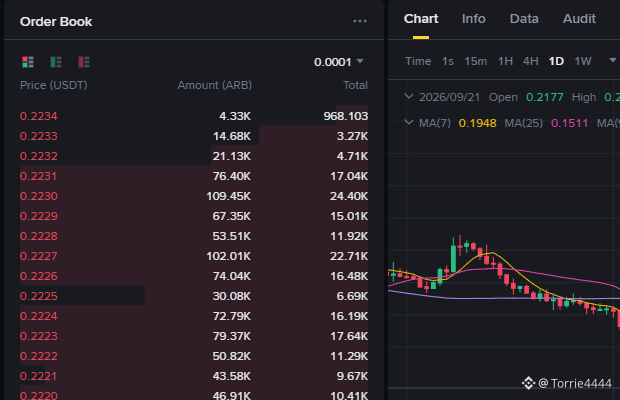
Binance Spot will list the $ARB /U and $ENA /USD1 trading pairs on September 22, 2026 at 16:00, and will also support trading bots simultaneously. Let’s take a look at how the new trading pairs perform.📢 #Binance #Listing
Binance Spot will list the $ARB /U and $ENA /USD1 trading pairs on September 22, 2026 at 16:00, and will also support trading bots simultaneously. Let’s take a look at how the new trading pairs perform.📢 #Binance #Listing
3
·
--
Binance Stocks have been launched now for new stock trading of multiple new stocks including $AADX 、$ADIG 、$ALIT etc. You can keep an eye on them as needed.🔔 #Binance #StockTrading
Binance Stocks have been launched now for new stock trading of multiple new stocks including $AADX 、$ADIG 、$ALIT etc. You can keep an eye on them as needed.🔔 #Binance #StockTrading
27
·
--
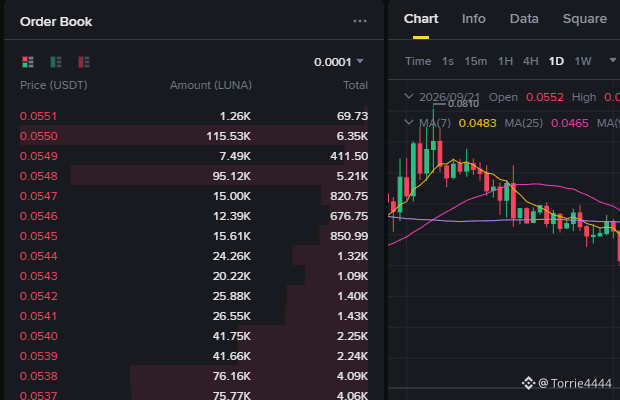
Binance announces it will support the network upgrade for Terra ($LUNA). If you hold any, remember to keep an eye on the official follow-up arrangements. #Binance #LUNA
Binance announces it will support the network upgrade for Terra ($LUNA ). If you hold any, remember to keep an eye on the official follow-up arrangements. #Binance #LUNA
112
·
--
📅 This week’s key economic calendar highlights—brothers, keep an eye on these crucial moments:
🇺🇸 09/24 20:30 (UTC+8) - Unemployment Claims (Forecast: 201K, Previous: 196K)
🇺🇸 09/25 22:00 (UTC+8) - Revised UoM Consumer Sentiment (Forecast: 47.5, Previous: 47.8)
🇺🇸 09/25 22:00 (UTC+8) - Revised UoM Inflation Expectations (Forecast: N/A, Previous: 4.6%)
Based on current expectations, initial jobless claims are expected to tick slightly higher, while the Michigan consumer sentiment index is expected to edge down. Market volatility may increase around the data release, so everyone is advised to stay objective and manage risk at your own pace.
#MacroEconomy #JoblessClaims
📅 This week’s key economic calendar highlights—brothers, keep an eye on these crucial moments:
🇺🇸 09/24 20:30 (UTC+8) - Unemployment Claims (Forecast: 201K, Previous: 196K)
🇺🇸 09/25 22:00 (UTC+8) - Revised UoM Consumer Sentiment (Forecast: 47.5, Previous: 47.8)
🇺🇸 09/25 22:00 (UTC+8) - Revised UoM Inflation Expectations (Forecast: N/A, Previous: 4.6%)
Based on current expectations, initial jobless claims are expected to tick slightly higher, while the Michigan consumer sentiment index is expected to edge down. Market volatility may increase around the data release, so everyone is advised to stay objective and manage risk at your own pace.
#MacroEconomy #JoblessClaims
🇺🇸 09/24 20:30 (UTC+8) - Unemployment Claims (Forecast: 201K, Previous: 196K)
🇺🇸 09/25 22:00 (UTC+8) - Revised UoM Consumer Sentiment (Forecast: 47.5, Previous: 47.8)
🇺🇸 09/25 22:00 (UTC+8) - Revised UoM Inflation Expectations (Forecast: N/A, Previous: 4.6%)
Based on current expectations, initial jobless claims are expected to tick slightly higher, while the Michigan consumer sentiment index is expected to edge down. Market volatility may increase around the data release, so everyone is advised to stay objective and manage risk at your own pace.
#MacroEconomy #JoblessClaims
37
·
--
According to the latest monitoring data released by the American Automobile Association (AAA) as of last Saturday, the national average price of diesel in the U.S. has, for the first time in history, broken through the $6.50 mark, hitting a new high of $6.505 per gallon. Less than 10 days ago, diesel prices had just surpassed $6.00; and in just one month in September alone, diesel prices jumped by more than 87 cents, showing an almost day-by-day upward trend. The increase has not only been swift, but has also directly refreshed the record peak level last seen in 2022.
Diesel prices are often viewed as a thermometer for the temperature of real economic activity. Their impact goes far beyond that of ordinary gasoline. Diesel is the primary fuel powering truck freight, agricultural harvesting, heavy manufacturing, and global shipping. This time, supply shortages and price surges triggered by factors such as geopolitical conflicts have shattered the market’s earlier optimistic expectations that energy-driven inflation would cool. The result is a direct rise in the hard transportation and warehousing costs across every link in the supply chain.
At the macro-financial level, the rapid pass-through of logistics costs can easily create stickier “second-round” inflation, putting upward rebound pressure on the CPI data to come. This may well force the Federal Reserve to take a more cautious stance in the formulation of subsequent monetary policy, and could even disrupt the interest-rate-cut schedule that the market had originally priced in. In the short term, U.S. Treasury yields and the U.S. dollar index may receive some support, while risk assets such as U.S. stocks may enter a period of volatility as investors reassess macro inflation risk premia.
For the crypto market, the repeated shifting of expectations for macro liquidity has long been a key variable affecting investors’ risk appetite. If inflation concerns lead to a lengthening of the rate-cut cycle, the pace of new incremental off-exchange capital entering the market may slow down, creating headwinds for mainstream assets such as $BTC to stabilize and consolidate amidst turbulence; however, some capital may continue to watch for safe-haven demand and alternative-asset demand amid energy-related geopolitical turbulence. The market is currently in a stand-off phase of competing bullish and bearish views. Going forward, it will be necessary to closely track how macro data actually evolves. ⛽
#EnergyPrices #Inflation #MacroEconomics
According to the latest monitoring data released by the American Automobile Association (AAA) as of last Saturday, the national average price of diesel in the U.S. has, for the first time in history, broken through the $6.50 mark, hitting a new high of $6.505 per gallon. Less than 10 days ago, diesel prices had just surpassed $6.00; and in just one month in September alone, diesel prices jumped by more than 87 cents, showing an almost day-by-day upward trend. The increase has not only been swift, but has also directly refreshed the record peak level last seen in 2022.
Diesel prices are often viewed as a thermometer for the temperature of real economic activity. Their impact goes far beyond that of ordinary gasoline. Diesel is the primary fuel powering truck freight, agricultural harvesting, heavy manufacturing, and global shipping. This time, supply shortages and price surges triggered by factors such as geopolitical conflicts have shattered the market’s earlier optimistic expectations that energy-driven inflation would cool. The result is a direct rise in the hard transportation and warehousing costs across every link in the supply chain.
At the macro-financial level, the rapid pass-through of logistics costs can easily create stickier “second-round” inflation, putting upward rebound pressure on the CPI data to come. This may well force the Federal Reserve to take a more cautious stance in the formulation of subsequent monetary policy, and could even disrupt the interest-rate-cut schedule that the market had originally priced in. In the short term, U.S. Treasury yields and the U.S. dollar index may receive some support, while risk assets such as U.S. stocks may enter a period of volatility as investors reassess macro inflation risk premia.
For the crypto market, the repeated shifting of expectations for macro liquidity has long been a key variable affecting investors’ risk appetite. If inflation concerns lead to a lengthening of the rate-cut cycle, the pace of new incremental off-exchange capital entering the market may slow down, creating headwinds for mainstream assets such as $BTC to stabilize and consolidate amidst turbulence; however, some capital may continue to watch for safe-haven demand and alternative-asset demand amid energy-related geopolitical turbulence. The market is currently in a stand-off phase of competing bullish and bearish views. Going forward, it will be necessary to closely track how macro data actually evolves. ⛽
#EnergyPrices #Inflation #MacroEconomics
Diesel prices are often viewed as a thermometer for the temperature of real economic activity. Their impact goes far beyond that of ordinary gasoline. Diesel is the primary fuel powering truck freight, agricultural harvesting, heavy manufacturing, and global shipping. This time, supply shortages and price surges triggered by factors such as geopolitical conflicts have shattered the market’s earlier optimistic expectations that energy-driven inflation would cool. The result is a direct rise in the hard transportation and warehousing costs across every link in the supply chain.
At the macro-financial level, the rapid pass-through of logistics costs can easily create stickier “second-round” inflation, putting upward rebound pressure on the CPI data to come. This may well force the Federal Reserve to take a more cautious stance in the formulation of subsequent monetary policy, and could even disrupt the interest-rate-cut schedule that the market had originally priced in. In the short term, U.S. Treasury yields and the U.S. dollar index may receive some support, while risk assets such as U.S. stocks may enter a period of volatility as investors reassess macro inflation risk premia.
For the crypto market, the repeated shifting of expectations for macro liquidity has long been a key variable affecting investors’ risk appetite. If inflation concerns lead to a lengthening of the rate-cut cycle, the pace of new incremental off-exchange capital entering the market may slow down, creating headwinds for mainstream assets such as $BTC to stabilize and consolidate amidst turbulence; however, some capital may continue to watch for safe-haven demand and alternative-asset demand amid energy-related geopolitical turbulence. The market is currently in a stand-off phase of competing bullish and bearish views. Going forward, it will be necessary to closely track how macro data actually evolves. ⛽
#EnergyPrices #Inflation #MacroEconomics
52
·
--
Today, while scrolling through ranking charts, I noticed Zcash ($ZEC) quietly climbed up to position #9 on the CoinMarketCap trends chart. The long-established privacy coin seems to be seeing a recent resurgence in attention, but whether the market can form a lasting move still depends on the overall liquidity situation. How long do you think this wave of hype can last?👀 #ZEC #PrivacyCoins
Today, while scrolling through ranking charts, I noticed Zcash ($ZEC ) quietly climbed up to position #9 on the CoinMarketCap trends chart. The long-established privacy coin seems to be seeing a recent resurgence in attention, but whether the market can form a lasting move still depends on the overall liquidity situation. How long do you think this wave of hype can last?👀 #ZEC #PrivacyCoins
288
Log in to explore more content
Join global crypto users on Binance Square
⚡️ Get latest and useful information about crypto.
💬 Trusted by the world’s largest crypto exchange.
👍 Discover real insights from verified creators.
Email / Phone number