
#wallstreet
wallstreet
2.3M views
4,604 Discussing
Hot
Latest


·
--
Partly True
$600 BILLION REPORTEDLY WIPED OUT FROM THE U.S. STOCK MARKET IN JUST 20 MINUTES!
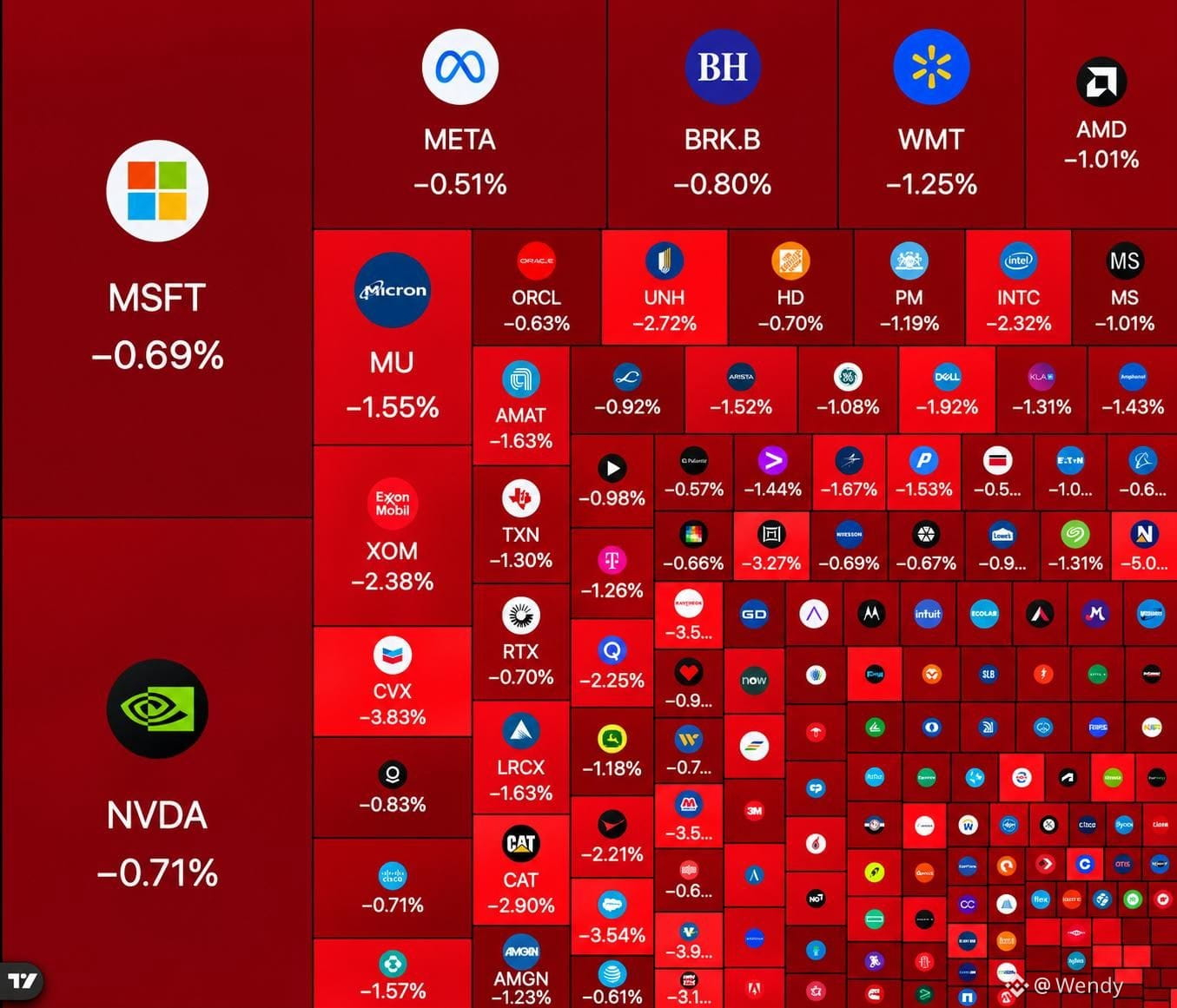
Wall Street is flashing red as selling pressure hits major stocks.
📉 Market snapshot:
• $NVDA : -0.71%
• $MSFT : -0.69%
• $META : -0.51%
• $AMD: -1.01%
• $MU: -1.55%
• $XOM: -2.38%
• $CVX: -3.83%
The heatmap shows widespread losses across technology, energy and other major sectors.
The reported $600B market-cap decline has not been independently confirmed.
Is this another temporary selloff or the beginning of a deeper correction? 👀
#StockMarket #WallStreet
Ashish Kawle 01:
hello
3
1
10
3.6k

🚨 IS JANE STREET BACK? BITCOIN IS SHOWING A DISTURBING PATTERN. 👀
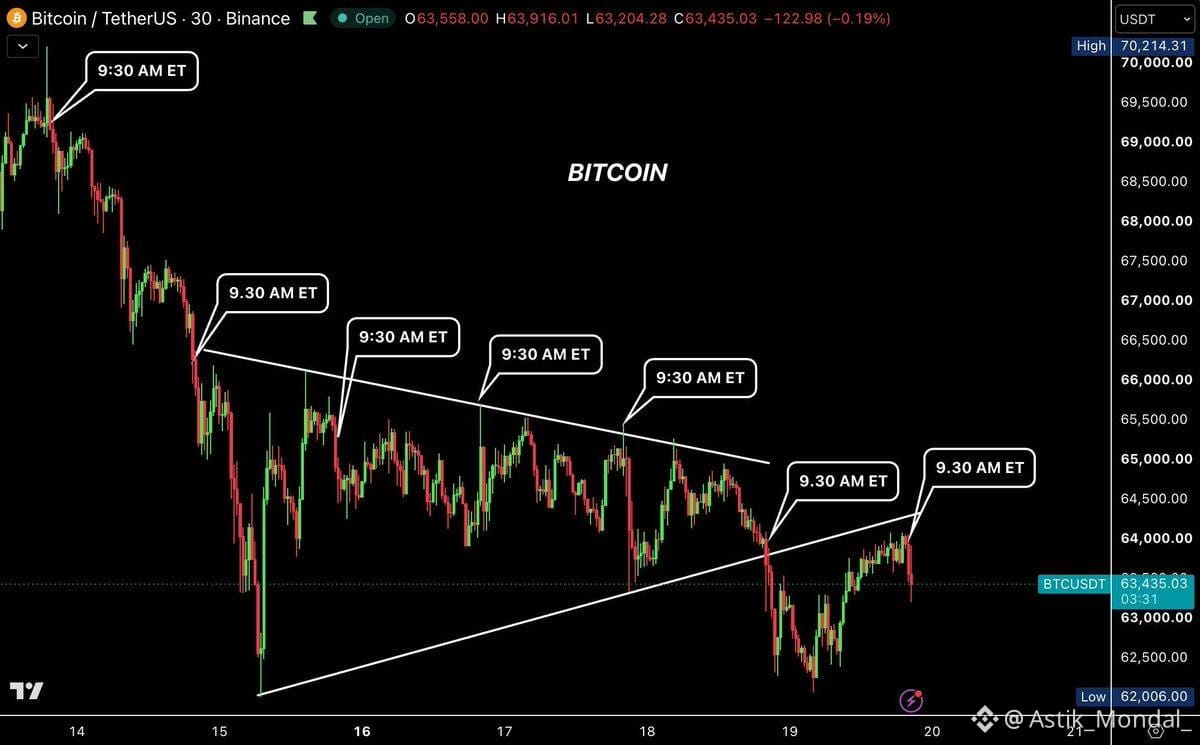
$BTC has now experienced 7 consecutive sell-offs immediately after the US stock market opens at 9:30 AM ET.
Seven times. The same timing. The same sudden selling pressure.
Look closely at the chart.
Every US market opening appears to bring another wave of selling pressure, pushing Bitcoin lower just as liquidity enters the market.
Naturally, this raises some serious questions:
→ Is this institutional profit-taking?
→ Are large players using US market liquidity to sell into?
→ Is algorithmic trading amplifying the volatility?
→ Could Jane Street be involved?
But let's be clear: repeated timing alone does NOT prove market manipulation or identify the institution behind the selling.
The bigger concern is the pattern itself.
If this behavior continues, traders need to pay close attention to the 9:30 AM ET opening bell.
Bitcoin traders might need to watch Wall Street just as closely as crypto markets.
Coincidence or something bigger? What do you think?
#Bitcoin #BTC #JaneStreet #Crypto #WallStreet
1
64

Partly True
Short-term strength is useful when viewed beside recent follow-through.
Stocks — Top Performance & Trend:
$INTC | $MU | $HOOD | PLTR | AVGO | AMD | NVDA | GOOGL | SMCI | TSLA
WPO Read:
Intel leads the liquid universe at +6.89% in the latest monitored session and +1.08% across the five-session sample. 5 of the top 5 names are positive, so breadth is broad. Leadership is shared across the top group; volume is 0.1x its recent pace.
Use the signal to ask better questions, not to skip due diligence.
#wpo_report #WallStreet #Liquidity
769

·
--
WALL STREET INCREASES BITCOIN AND ETHEREUM INVESTMENTS AMID MARKET DOWNTURN!
While the cryptocurrency market undergoes a significant correction, new filings from major financial institutions reveal an intriguing trend.
Wells Fargo more than doubled its holdings in BlackRock’s Bitcoin fund (IBIT). As of the end of September, its disclosed position was valued at approximately 2.35 billion USD.
The developments at Goldman Sachs are even more notable:
👉Its Bitcoin ETF position was valued at roughly 1.28 billion USD.
👉Its Ethereum ETF holdings reached approximately 1.22 billion USD, representing a nearly sixfold increase.
Tokens and Instruments in Focus:
$BTC - institutional interest in Bitcoin remains resilient.
$ETH - major players are expanding exposure through ETFs.
$IBIT and ETHA - investment vehicles providing exposure to these cryptocurrencies within traditional equity markets.
Price declines have not yet dampened institutional appetite for digital assets. However, it is important to note that these filings reflect holdings as of September 30 rather than recent purchases, and a portion of these assets may be held on behalf of the banks' clients.
#CryptoNews #WallStreet
ETHAETF+0.64%
IBIT-0.98%
Trong_Hatachi:
Goldman’s nearly sixfold increase in ETH ETF holdings is striking, though the September 30 filing date adds useful context. Follow me back if you enjoy these updates!
1
88

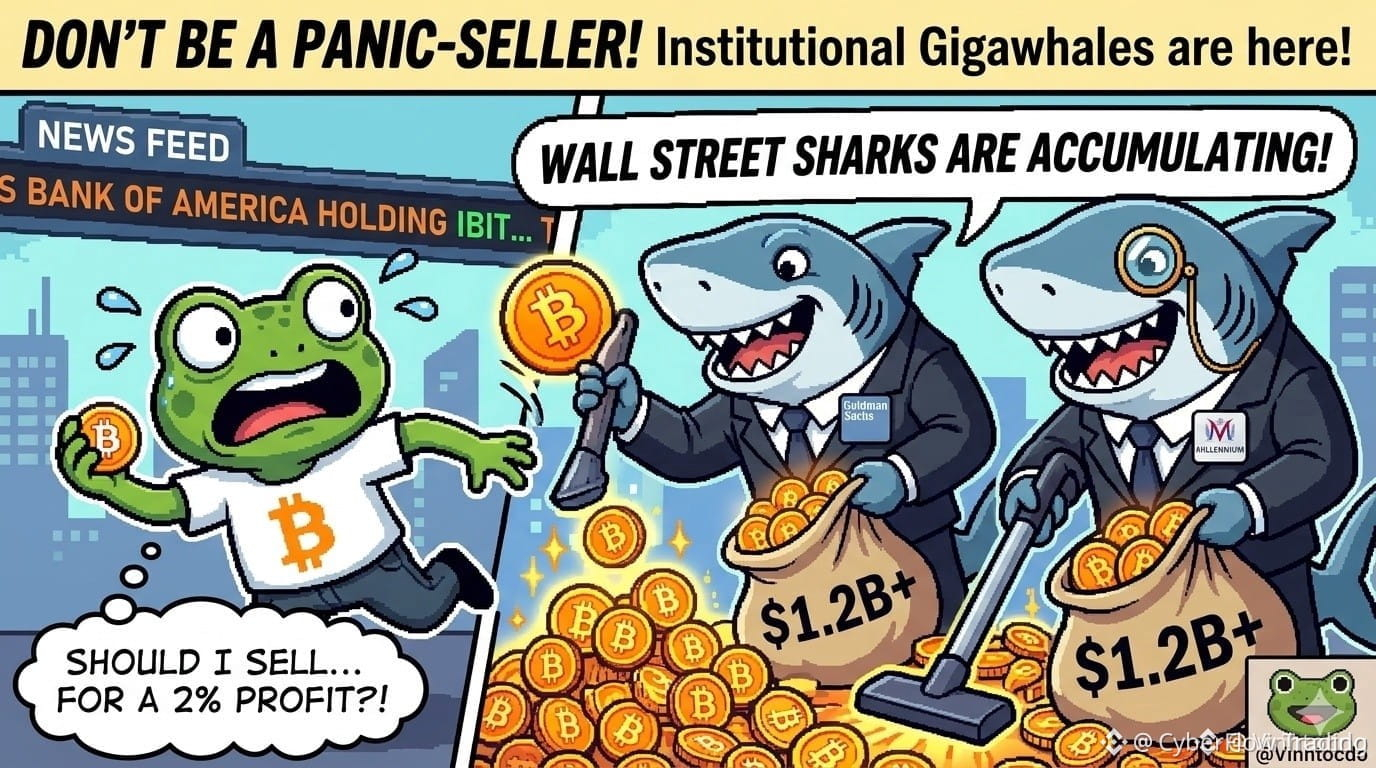
🦈 WALL STREET HEAVYWEIGHTS ARE SILENTLY DRYING UP $BTC LIQUIDITY! ⚡
Giants like Goldman Sachs dropping 1.28 billion and Millennium backing 1.21 billion into spot products aren't positioning for a quick scalp. They are locking up inventory, starving the order book while retail gets baited into high leverage traps. 🦈
When smart money absorbs billions in foundational assets like $BTC and $ETH alongside ecosystem plays like $BLESS , the supply crunch is inevitable. Keep your spot bags locked down and let the margin tourists get liquidated. 📊 ⚡
Are you matching institutional accumulation or letting short-term noise shake your spot position? 💬 👇
⚠️ Not financial advice. Always manage your risk. 🛡️
🏷️ #BTC #InstitutionalCrypto #CryptoNews #WallStreet
🔥 💎
3
·
--
Bullish
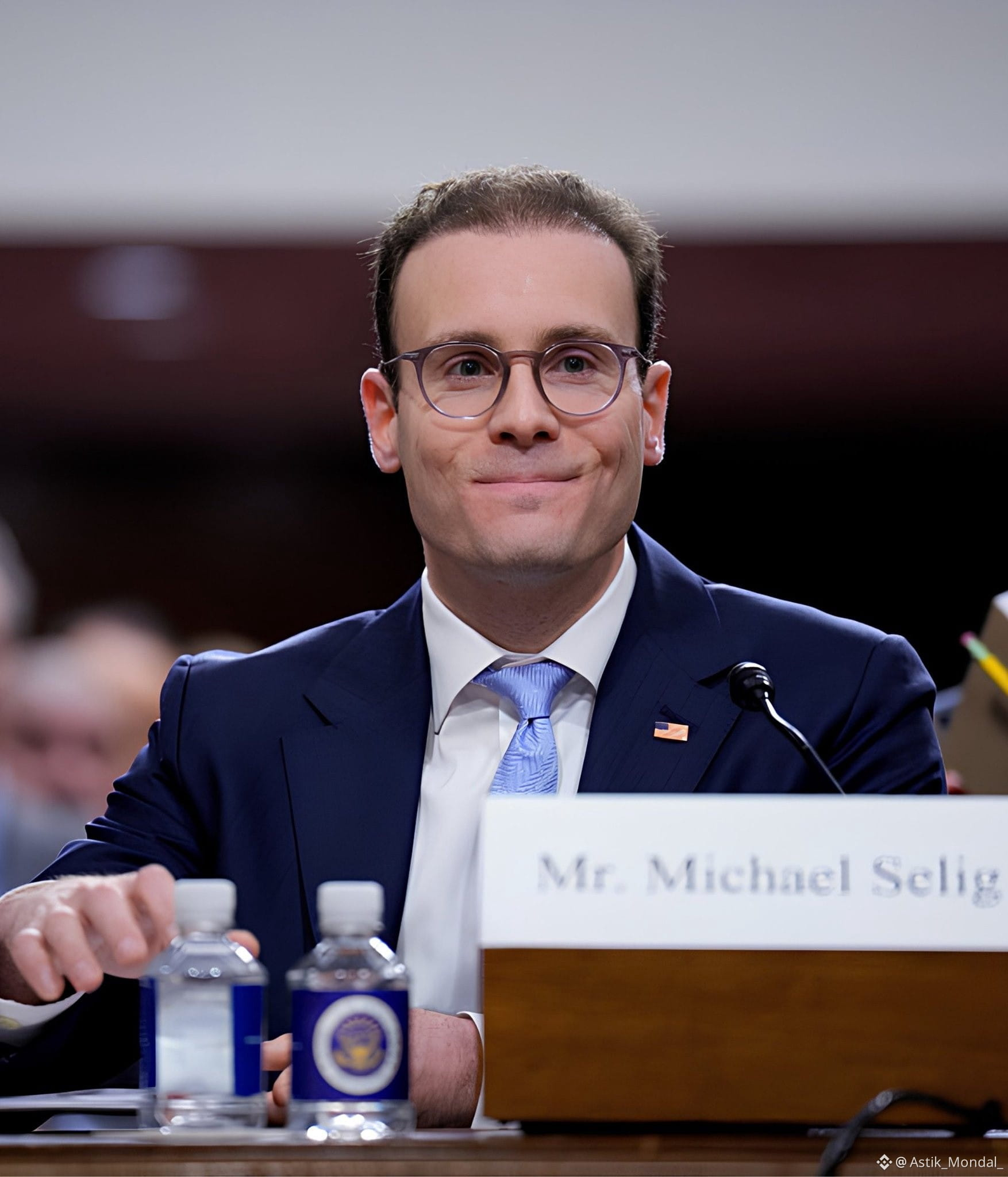
🚨 BREAKING: THE FUTURE OF US FINANCIAL MARKETS JUST CHANGED.
🇺🇸 The CFTC has approved the first blockchain-based exchange and clearinghouse for trading and settling derivatives.
This is MUCH bigger than it sounds.
Wall Street is moving closer to a financial system that operates 24 HOURS A DAY, 7 DAYS A WEEK.
No traditional market closing hours. No waiting days for settlement. Blockchain-powered infrastructure could enable near-instant transactions.
Why this matters:
Traditional financial markets rely on legacy infrastructure, limited trading hours, and lengthy settlement processes.
Blockchain could change all three.
Derivatives trading, clearing, and settlement could become faster, more transparent, and more efficient.
The bigger picture:
This is another major step towards bringing traditional finance on-chain.
Stocks, bonds, commodities, and derivatives could increasingly operate on blockchain infrastructure.
And if 24/7 trading becomes mainstream, the entire structure of global financial markets could change.
The biggest question now:
Are we witnessing the beginning of Wall Street's transition to blockchain-powered finance?
The next financial revolution might not happen on Wall Street.
It might happen ON-CHAIN.
#Crypto #Bitcoin #Blockchain #WallStreet #DeFi
1
79

·
--

Article
Nasdaq futures jump more than 2% after Anthropic’s historic IPO… Are cryptocurrencies gearing up for a major rally?Wall Street is regaining some optimism after Anthropic’s historic IPO sparked a fresh wave of enthusiasm for tech stocks.
Nasdaq 100 futures rose more than 2% during trading on Thursday, November 19, while S&P 500 futures climbed about 1.25%.
The move came after Anthropic set its IPO price at $83 per share, above the initial price range of $70 to $78, raising about $81.3 billion.
Nasdaq futures jump more than 2% after Anthropic’s historic IPO… Are cryptocurrencies gearing up for a major rally?
Wall Street is regaining some optimism after Anthropic’s historic IPO sparked a fresh wave of enthusiasm for tech stocks.
Nasdaq 100 futures rose more than 2% during trading on Thursday, November 19, while S&P 500 futures climbed about 1.25%.
The move came after Anthropic set its IPO price at $83 per share, above the initial price range of $70 to $78, raising about $81.3 billion.
Nasdaq 100 futures rose more than 2% during trading on Thursday, November 19, while S&P 500 futures climbed about 1.25%.
The move came after Anthropic set its IPO price at $83 per share, above the initial price range of $70 to $78, raising about $81.3 billion.
1
51

·
--
Bullish
Partly True
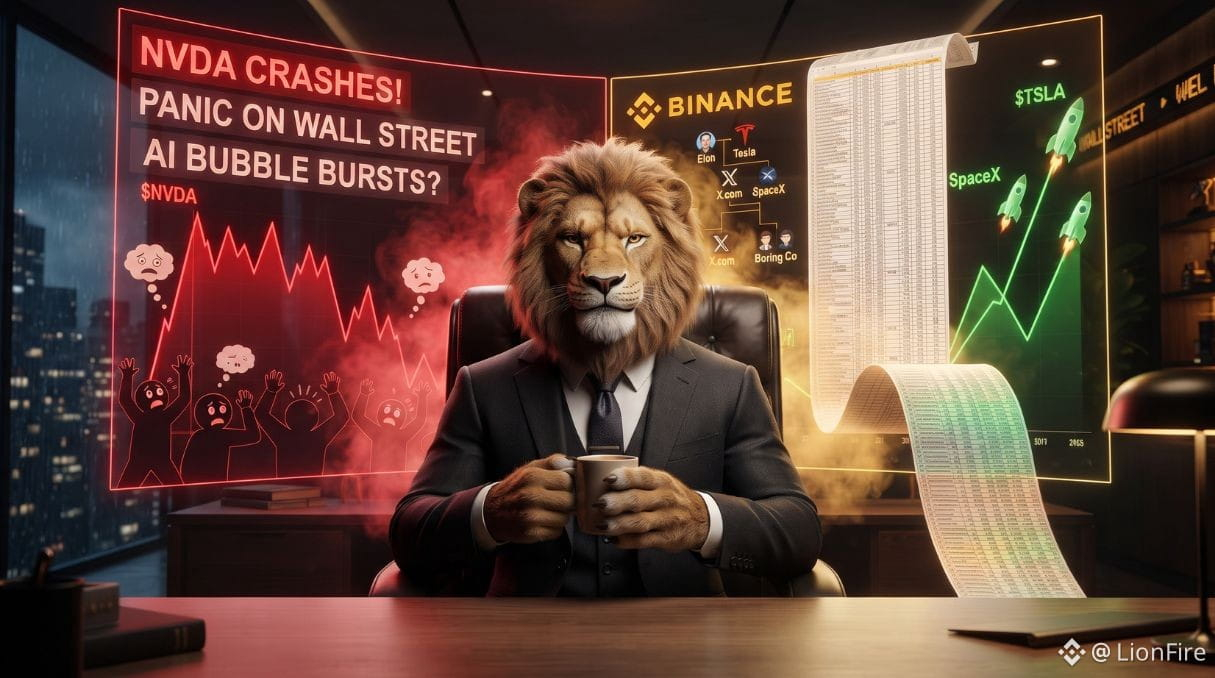
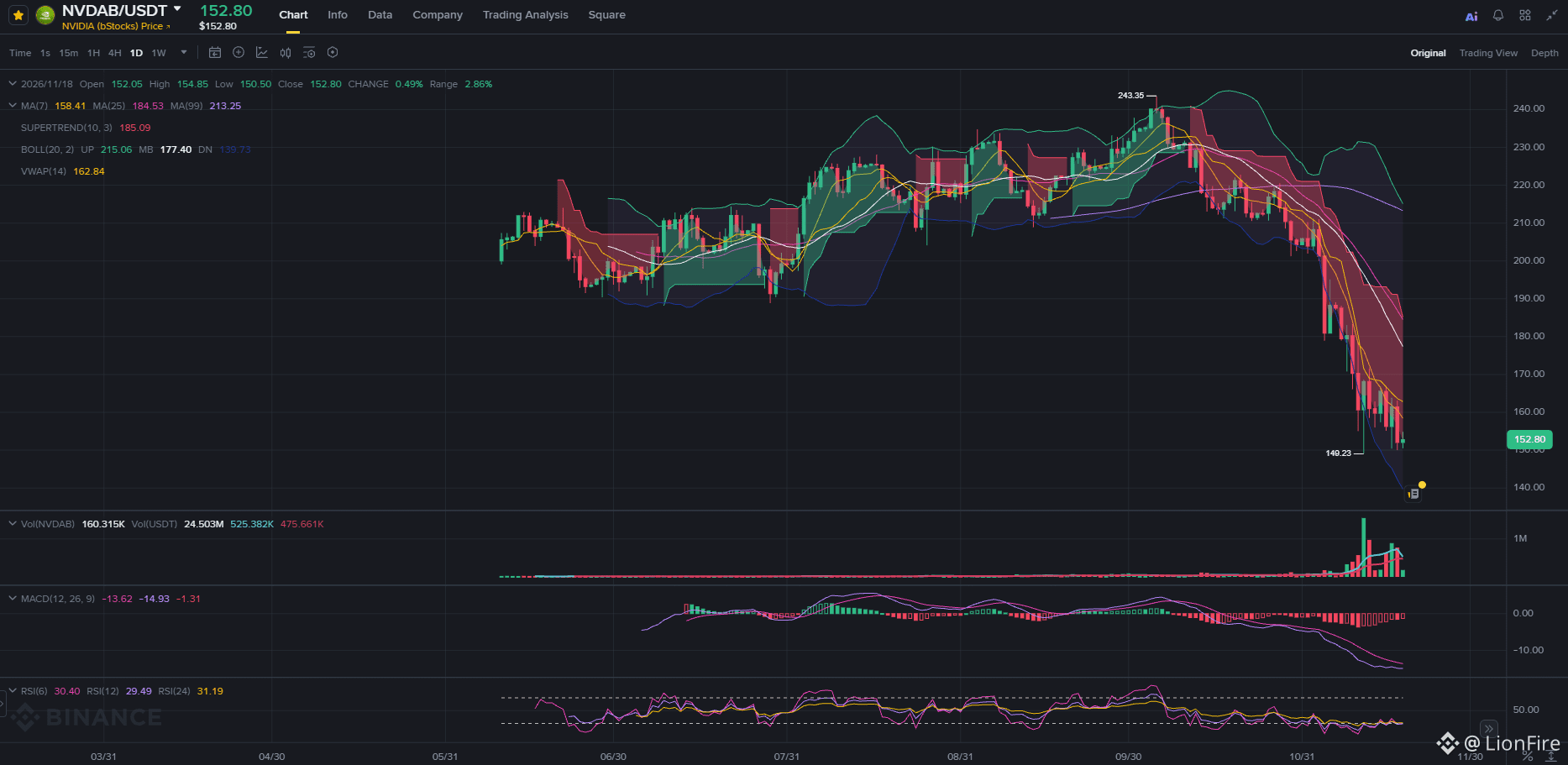
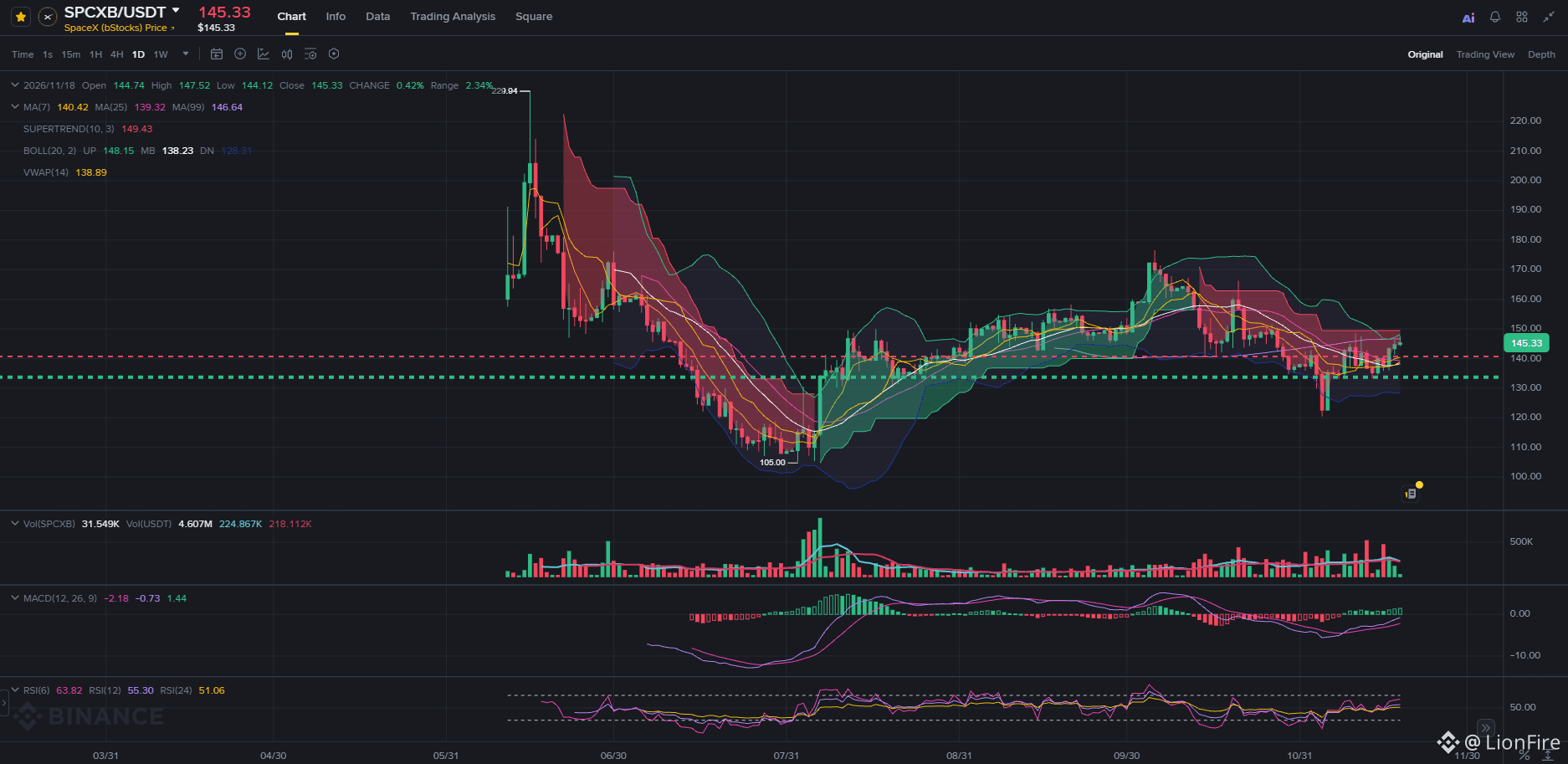
$NVDA $TSLA $SPCXB 😂🏛️
🎭 DOUBLE STANDARDS ON WALL STREET📊⚡
It’s fascinating to observe the supposed moral rigor of financial markets depending on which stock is in the portfolio:
The NVIDIA case ($NVDA): A scandal involving its founder’s infidelity comes to light, and suddenly Wall Street suffers a collective bout of puritanism. Headlines are filled with moral outrage, and the market carries out a massive wave of profit-taking, as if the chips had stopped processing data because of relationship problems among the leadership.
Meanwhile, at Tesla ($TSLA) and SpaceX ($SPCXB): If shareholders applied the same moral yardstick to audit their founder’s private life and family tree, a quarterly report wouldn’t be enough; they’d need an Excel spreadsheet with advanced macros and real-time updates just to keep track of the partners and heirs. And no one sells over an “ethical crisis” as long as the rockets keep landing.
🧠 The moral behind the satire:
There’s no puritanism on the stock market; there are only convenient excuses. When big funds want to lock in historic gains after a vertical climb, any celebrity-gossip headline will do as the perfect trigger to dump positions. When they want to hold on to the asset, they look the other way.
💡 Laugh at the media circus, ignore the double standards in the headlines, and always trade based on real flows and strict risk management. 🧠⚡
#WallStreet #NvidiaBoardReportedlySplitOverHuang’sReturn
$NVDA $TSLA $SPCXB 😂🏛️
🎭 DOUBLE STANDARDS ON WALL STREET📊⚡
It’s fascinating to observe the supposed moral rigor of financial markets depending on which stock is in the portfolio:
The NVIDIA case ($NVDA ): A scandal involving its founder’s infidelity comes to light, and suddenly Wall Street suffers a collective bout of puritanism. Headlines are filled with moral outrage, and the market carries out a massive wave of profit-taking, as if the chips had stopped processing data because of relationship problems among the leadership.
Meanwhile, at Tesla ($TSLA ) and SpaceX ($SPCXB ): If shareholders applied the same moral yardstick to audit their founder’s private life and family tree, a quarterly report wouldn’t be enough; they’d need an Excel spreadsheet with advanced macros and real-time updates just to keep track of the partners and heirs. And no one sells over an “ethical crisis” as long as the rockets keep landing.
🧠 The moral behind the satire:
There’s no puritanism on the stock market; there are only convenient excuses. When big funds want to lock in historic gains after a vertical climb, any celebrity-gossip headline will do as the perfect trigger to dump positions. When they want to hold on to the asset, they look the other way.
💡 Laugh at the media circus, ignore the double standards in the headlines, and always trade based on real flows and strict risk management. 🧠⚡
#WallStreet #NvidiaBoardReportedlySplitOverHuang’sReturn
90
Relative strength can expose the market's current risk appetite.
Stocks — Top Performance & Trend:
$LLY | $WMT | $UBER | DIS | CRM | AAPL | XOM | CVX | NKE | JPM
WPO Read:
Eli Lilly leads the liquid universe at +1.60% in the latest monitored session and +3.42% across the five-session sample. 4 of the top 5 names are positive, so breadth is broad. Leadership is shared across the top group; volume is 0.2x its recent pace.
Strong performance still requires independent research and risk control.
#wpo_report #WallStreet #Liquidity
1
343

·
--
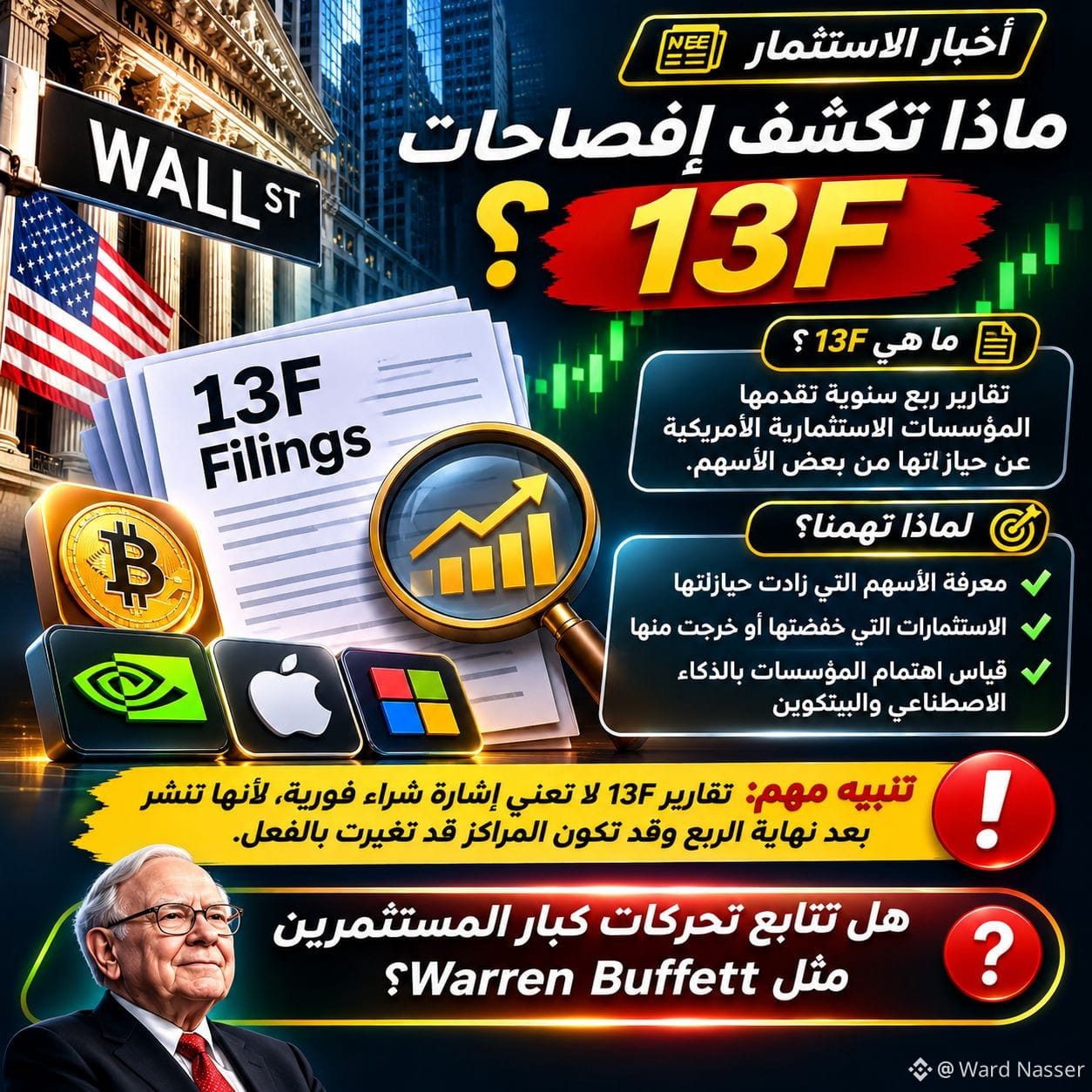
🚨 Want to know where Wall Street’s biggest funds are investing their money?
There’s a report that reveals some of the moves made by major investors. It’s called a 13F!
📊 Every quarter, eligible U.S. investment institutions disclose their holdings in certain securities, including technology stocks and Bitcoin ETFs.
💡 Why does this matter?
Because we can find out:
🔹 Which stocks institutions have increased their holdings in?
🔹 Which investments have they reduced or exited?
🔹 Is institutional interest in AI and Bitcoin growing?
⚠️ But keep in mind!
13F reports are not real-time buy signals because they’re published after the end of the quarter, and institutions may have already changed their positions. They also don’t show all types of investments.
🎯 The big question:
Do you prefer to follow the moves of major investors like Warren Buffett, or rely on your own analysis?
👇 Share your thoughts!
#WhatInvestmentSignalsDo13FFilingsReveal? #13F #WallStreet #Investing
⚠️ Educational content, not investment advice.
Abu Fahadأ:
💛
1
5
233
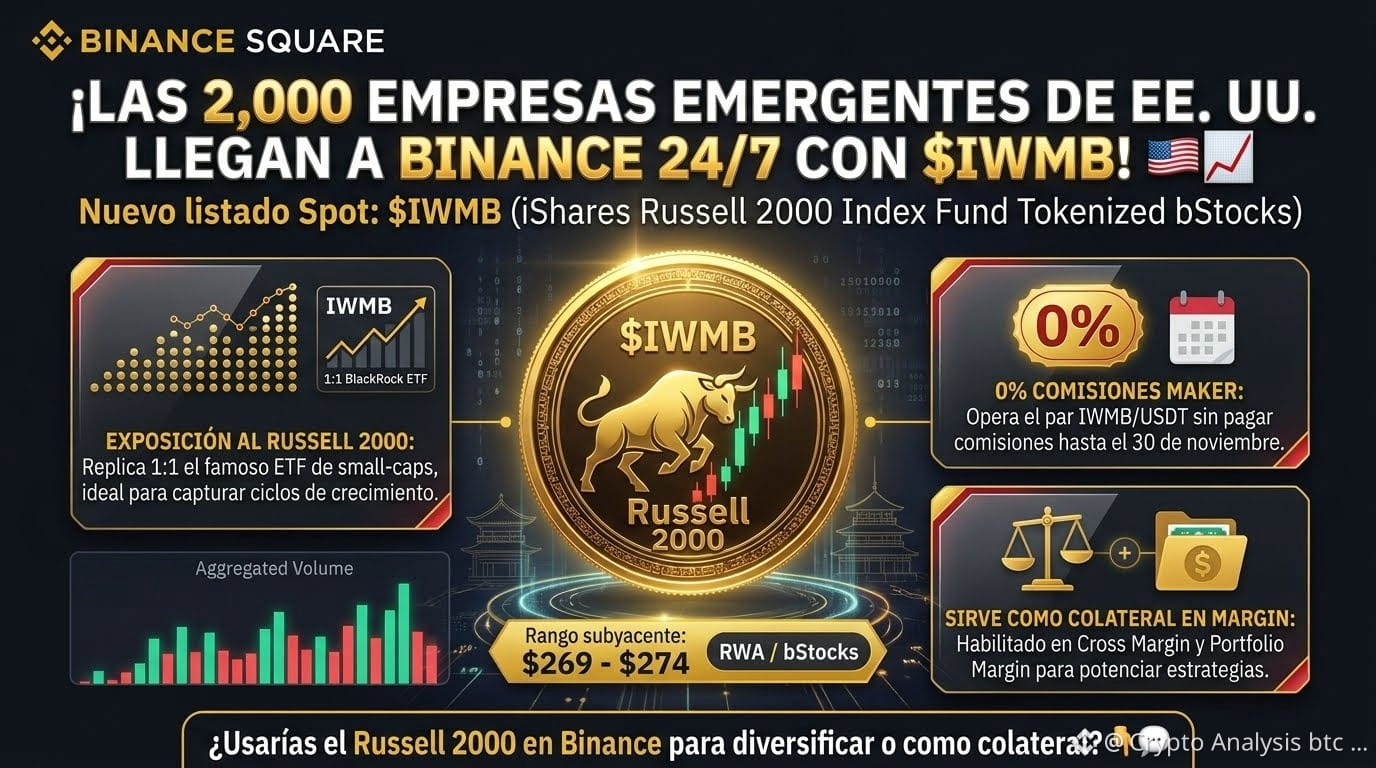
The 2,000 U.S. startups are coming to Binance 24/7 with $IWMB! 🇺🇸📈
Binance has just enabled Spot trading for $IWMB (iShares Russell 2000 Index Fund Tokenized bStocks) on the IWMB/USDT pair, bringing one of Wall Street’s most important indices closer to the crypto ecosystem.
🔥 Why is everyone looking at $IWMB today?
Russell 2000 exposure: It tracks the famous U.S. small-cap ETF 1:1, making it ideal for capturing economic growth cycles.
0% Maker fees: You can trade the IWMB/USDT pair without paying maker fees until November 30.
Use it as Margin collateral: Binance also enabled it today as an eligible asset in Cross Margin and Portfolio Margin to boost your strategies.
💡 Key fact: With the underlying asset hovering around $269–$274, you can trade fractions starting at just a few dollars without waiting for the New York Stock Exchange to open.
👇 What do you think about having the Russell 2000 index in your Binance account? Would you use it to diversify or as collateral? Let me know!
#IWMB #bStocks #RWA #WallStreet #BinanceSquare $IWMB
The 2,000 U.S. startups are coming to Binance 24/7 with $IWMB ! 🇺🇸📈
Binance has just enabled Spot trading for $IWMB (iShares Russell 2000 Index Fund Tokenized bStocks) on the IWMB/USDT pair, bringing one of Wall Street’s most important indices closer to the crypto ecosystem.
🔥 Why is everyone looking at $IWMB today?
Russell 2000 exposure: It tracks the famous U.S. small-cap ETF 1:1, making it ideal for capturing economic growth cycles.
0% Maker fees: You can trade the IWMB/USDT pair without paying maker fees until November 30.
Use it as Margin collateral: Binance also enabled it today as an eligible asset in Cross Margin and Portfolio Margin to boost your strategies.
💡 Key fact: With the underlying asset hovering around $269–$274, you can trade fractions starting at just a few dollars without waiting for the New York Stock Exchange to open.
👇 What do you think about having the Russell 2000 index in your Binance account? Would you use it to diversify or as collateral? Let me know!
#IWMB #bStocks #RWA #WallStreet #BinanceSquare $IWMB
17

·
--
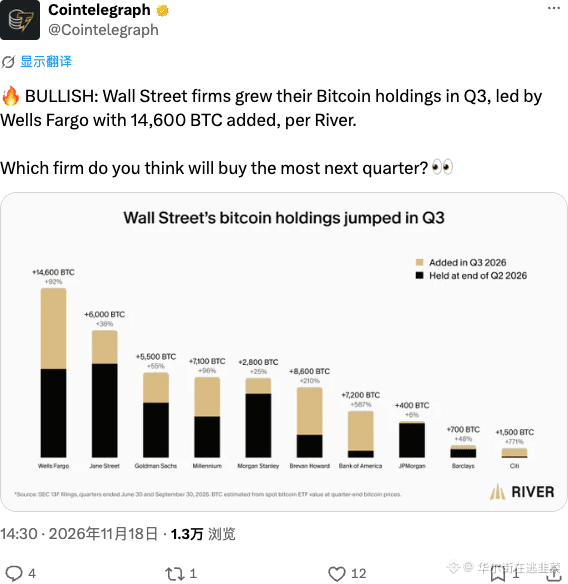
Major Wall Street banks are collectively increasing their Bitcoin holdings. Wells Fargo scooped up 14,600 BTC in Q3—a pretty strong signal that traditional finance is moving in.
Wells Fargo is leading the way. Now let’s see who follows. Traditional finance whales are getting in, and this ride looks steady.
#Bitcoin #WallStreet #CryptoNews
Wells Fargo is leading the way. Now let’s see who follows. Traditional finance whales are getting in, and this ride looks steady.
#Bitcoin #WallStreet #CryptoNews
9

·
--
Wall Street has been in the red for four straight days — and software stocks have taken the hardest hit.
The facts: The Dow fell 848.75 points (-1.64 percent) to 50,759.42 on Tuesday, Nov. 17, its lowest close in five months. The S&P 500 dropped 1.03 percent to 7,340.53, its lowest since late July, while the Nasdaq fell 0.74 percent to 24,328.38 after briefly touching its lowest level since April (dpa-AFX via TradingView; Sharecast; Reuters, Nov. 17). All 11 sectors were in the red, with financials the weakest at -1.89 percent, and the VIX rose about 11 percent to 25.5.
Market context: Chips weren’t leading the decline — Salesforce plunged 9.45 percent, its steepest drop since May 2024, followed by Intuit at -7.17 percent and ServiceNow at -6.51 percent. Nike fell 6.30 percent, and UnitedHealth dropped 5.42 percent. On the other hand, Aecom surged 13.31 percent and Energizer rose 10.17 percent after reporting earnings that beat expectations. SPY and QQQ were both in the red, so this isn’t a rotation into defensive stocks — it’s a broad-based sell-off.
What I’m watching next: the FOMC minutes, due Wednesday evening U.S. time, plus earnings from Lowe’s, Target, and TJX before the opening bell, and Palo Alto Networks after the close. Nvidia reported better-than-expected results after the market closed and rose in after-hours trading — details are in my previous post.
My take: Two things weighed on the session beyond earnings: a CNN report about a secret NSA network outage — sources said there was no evidence of a cyberattack — and hawkish comments from St. Louis Fed President Musalem about the possibility of several interest rate hikes before spring.
This is my analysis, not financial advice — always DYOR.
What do you think: is this software sell-off the start of a major rotation, or just a pause before Nvidia pulls the market higher?
#SahamUSA #WallStreet
211

·
--
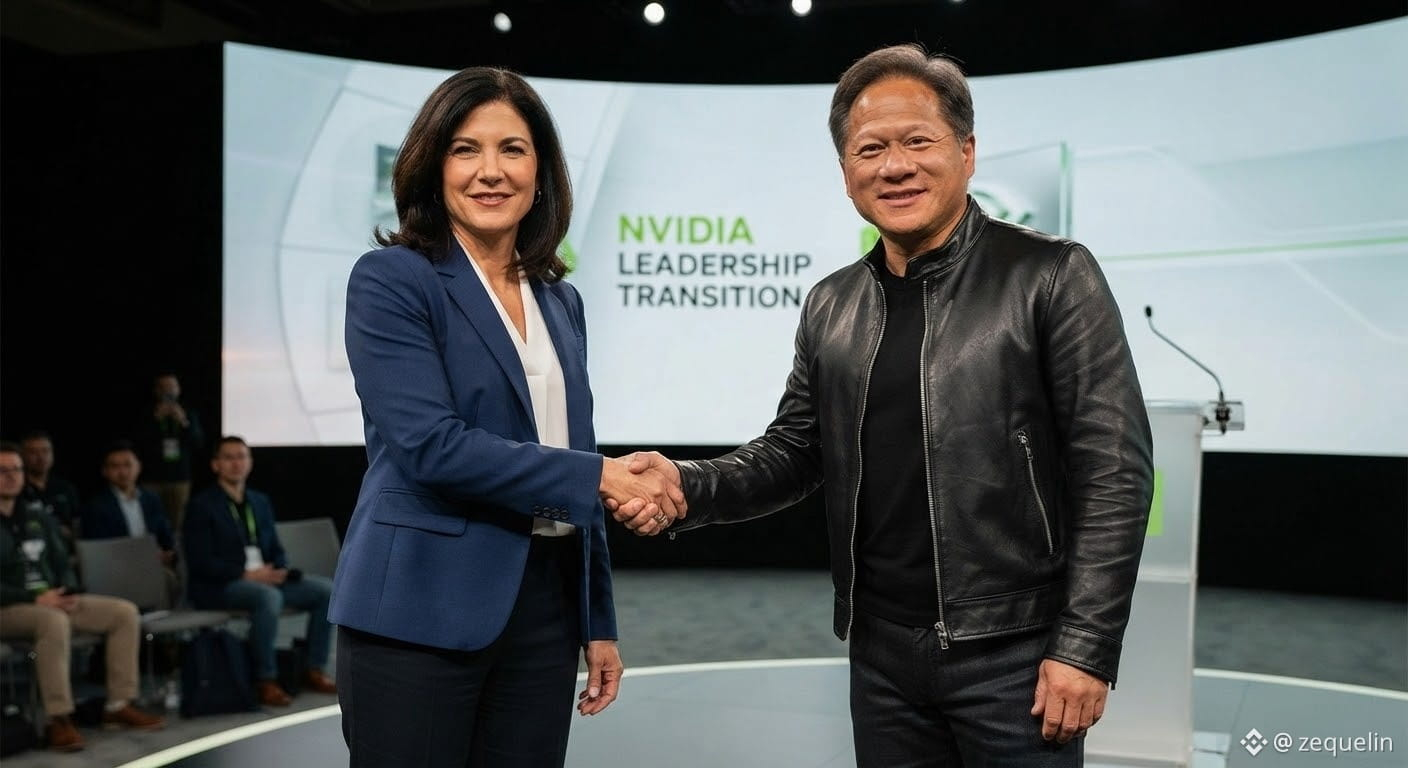
🚨 ZERO HOUR ON WALL STREET: THE END OF THE JENSEN HUANG ERA AT NVIDIA? 📉🧠
Full attention, Binance Square community! The tech market and the Nasdaq index are in the eye of the storm after weeks of sharp corrections. But what has all investors scrutinizing the market is $NVDA's historic earnings report.
For the first time, legendary Jensen Huang won't be at the helm. The new CFO and interim CEO, Colette Kress, is taking the reins at the most tense moment of the year:
Wall Street expectations: Revenue is expected to come in near $109.1 billion (+90% year over year), with earnings per share of about $2.47.
The big challenges: Kress must reassure a market spooked by talent retention, the leadership transition, chip restrictions on China, and deals with neoclouds.
When the tech sector trembles and giants come under pressure, global liquidity shudders, directly affecting the entire crypto ecosystem.
Do you think Colette Kress will be able to sustain the AI narrative, or will we see a deeper market correction? Share your thoughts in the comments! 👇
$NVDA $NVDAB
#NvidiaEarningsTonight #BinanceSquare #WallStreet #AnalisisTecnico
🚨 ZERO HOUR ON WALL STREET: THE END OF THE JENSEN HUANG ERA AT NVIDIA? 📉🧠
Full attention, Binance Square community! The tech market and the Nasdaq index are in the eye of the storm after weeks of sharp corrections. But what has all investors scrutinizing the market is $NVDA 's historic earnings report.
For the first time, legendary Jensen Huang won't be at the helm. The new CFO and interim CEO, Colette Kress, is taking the reins at the most tense moment of the year:
Wall Street expectations: Revenue is expected to come in near $109.1 billion (+90% year over year), with earnings per share of about $2.47.
The big challenges: Kress must reassure a market spooked by talent retention, the leadership transition, chip restrictions on China, and deals with neoclouds.
When the tech sector trembles and giants come under pressure, global liquidity shudders, directly affecting the entire crypto ecosystem.
Do you think Colette Kress will be able to sustain the AI narrative, or will we see a deeper market correction? Share your thoughts in the comments! 👇
$NVDA $NVDAB
#NvidiaEarningsTonight #BinanceSquare #WallStreet #AnalisisTecnico
1
413

·
--
Bearish
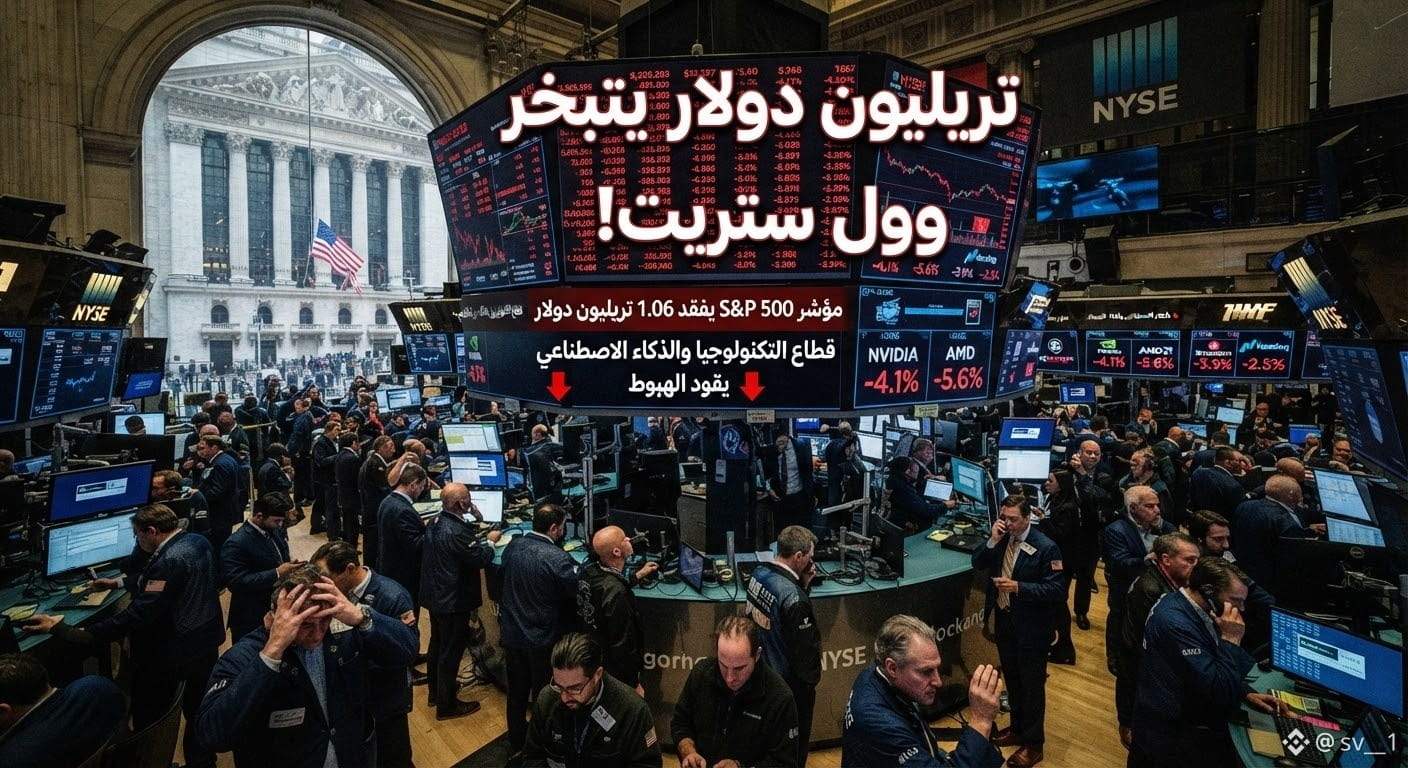
🚨 A trillion dollars evaporates from Wall Street!
📉 U.S. stocks have lost more than a trillion dollars in market value since trading began, amid a strong selloff hitting technology and artificial intelligence stocks.
⚠️ Rising investor fears have increased selling pressure, accelerating losses at major U.S. companies.
🔥 The technology sector is leading the downturn… and losses are mounting!
#WallStreet
Abu Fahadأ:
💛
1
97
·
--
Partly True
Article
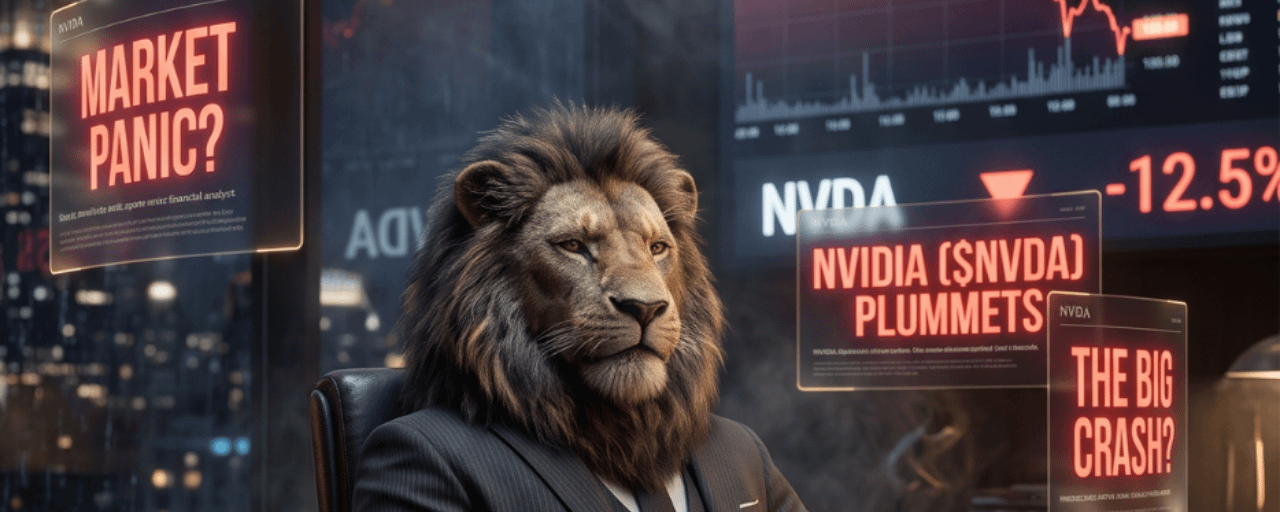
MEDIA GOSSIP VS. THE REAL ECONOMY#NVIDIA #WallStreet #RiskManagement 📉🏛️
MEDIA GOSSIP VS. THE REAL ECONOMY: Why NVIDIA’s plunge is institutional profit-taking, not the result of a personal scandal 📊⚡
NVIDIA’s recent correction ($NVDA) has shaken the foundations of Wall Street and the global tech sector. After internal investigations into the extramarital personal relationships of its co-founder and CEO, Jensen Huang, came to light—a scandal that led to his resignation on November 12 and the appointment of CFO Colette Kress as interim CEO—much of the public and mainstream media have pointed to the executive’s private life as the main trigger for the stock’s plunge.
MEDIA GOSSIP VS. THE REAL ECONOMY
#NVIDIA #WallStreet #RiskManagement 📉🏛️
MEDIA GOSSIP VS. THE REAL ECONOMY: Why NVIDIA’s plunge is institutional profit-taking, not the result of a personal scandal 📊⚡
NVIDIA’s recent correction ($NVDA) has shaken the foundations of Wall Street and the global tech sector. After internal investigations into the extramarital personal relationships of its co-founder and CEO, Jensen Huang, came to light—a scandal that led to his resignation on November 12 and the appointment of CFO Colette Kress as interim CEO—much of the public and mainstream media have pointed to the executive’s private life as the main trigger for the stock’s plunge.
1
155
·
--
Bullish
Verified
#WallStreet #MarketAnalysis 📊🏛️
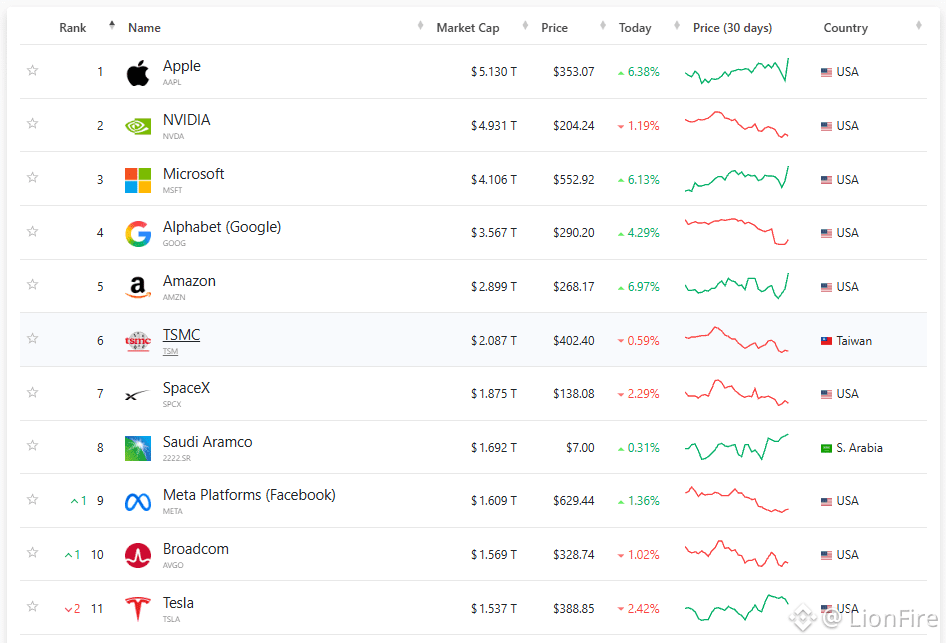
⚖️ A SHIFT IN THE GUARD ON THE BOARD: Analysis of the past two weeks 📊⚡
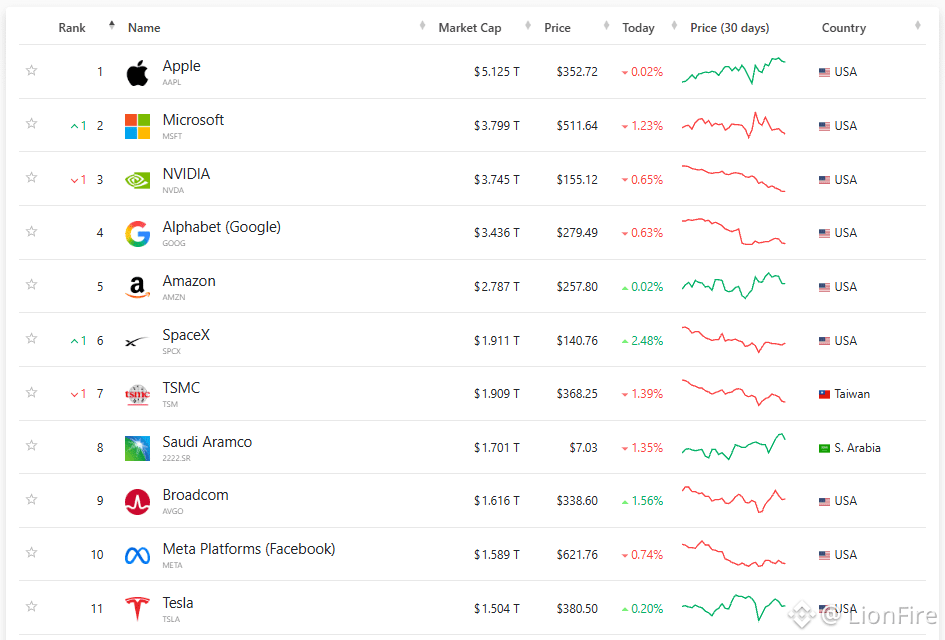
Comparing the snapshot of the world’s largest market capitalizations between early November and the current session, the Wall Street leaderboard shows a clear reshuffling of forces. Changes in market capitalization and shifts in position reflect how the market is digesting institutional flows following recent macroeconomic events.
🔍 1. Key moves in tech leadership:
The leap at the top: Microsoft has climbed to second place, with a market capitalization of $3.799 T (down from $4.106 T), displacing NVIDIA, whose valuation has adjusted to $3.745 T (from the $4.931 T recorded at the beginning of the month), signaling a cooling-off phase and profit-taking in the semiconductor and artificial intelligence sector.
Apple firmly retains the top spot globally, consolidating a stable range around $5.125 T.
🛰️ 2. Industrial dynamics and SpaceX’s rise:
Rotation in the top 10: One of the most interesting moves of the past two weeks is SpaceX’s rise from 7th place ($1.875 T) to 6th place, with a valuation of $1.911 T.
Tactical overtaking: This increase in market capitalization allows it to surpass TSMC, which falls back to seventh place with $1.909 T, showing that aerospace and privately held industrial assets continue to attract interest despite regulatory friction and budget cycles.
🧠 3. Observing changes in the market capitalization rankings over such a short period reminds the methodical trader that valuations are dynamic and respond strictly to institutional capital rotation. Chasing positions based solely on past rankings is an analytical mistake; the key is to assess the flow structure and maintain meticulous risk management.
💡 The market rewards objectivity and punishes complacency. 🧠⚡
115

·
--
Article
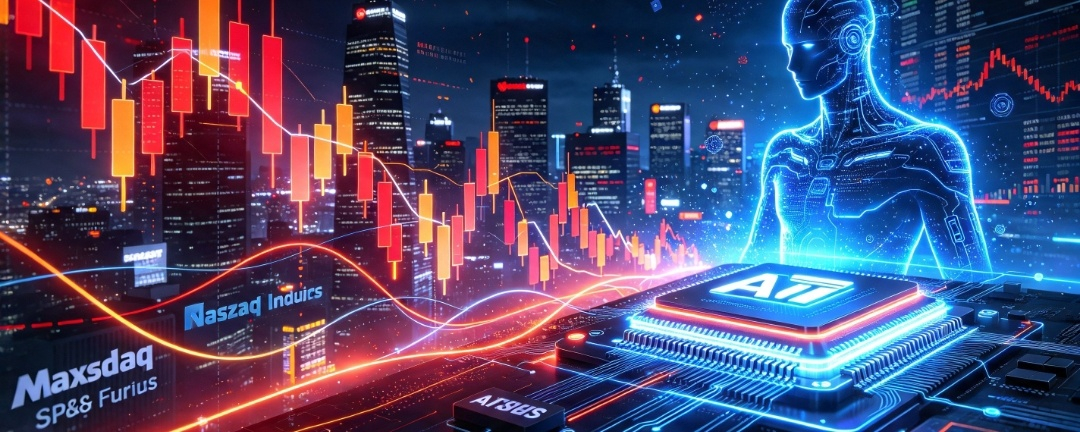
🚨 Nasdaq and S&P futures fall ahead of Nvidia earnings and Anthropic debut🚨Nasdaq 100 futures are down ~0.9% and S&P 500 futures are slipping ~0.3% as the week gets underway, while Wall Street braces for two events that could move the entire tech market.
What’s happening?🔹 Nvidia reports earnings — this Tuesday — Its first financial report since Jensen Huang stepped down as CEO. Uncertainty about the leadership transition has weighed on the stock, which already fell 13% last week. Analysts expect revenue of around $109 billion, but what really matters is the outlook from the new leadership.
🚨 Nasdaq and S&P futures fall ahead of Nvidia earnings and Anthropic debut🚨
Nasdaq 100 futures are down ~0.9% and S&P 500 futures are slipping ~0.3% as the week gets underway, while Wall Street braces for two events that could move the entire tech market.
What’s happening?🔹 Nvidia reports earnings — this Tuesday — Its first financial report since Jensen Huang stepped down as CEO. Uncertainty about the leadership transition has weighed on the stock, which already fell 13% last week. Analysts expect revenue of around $109 billion, but what really matters is the outlook from the new leadership.
What’s happening?🔹 Nvidia reports earnings — this Tuesday — Its first financial report since Jensen Huang stepped down as CEO. Uncertainty about the leadership transition has weighed on the stock, which already fell 13% last week. Analysts expect revenue of around $109 billion, but what really matters is the outlook from the new leadership.
88

·
--
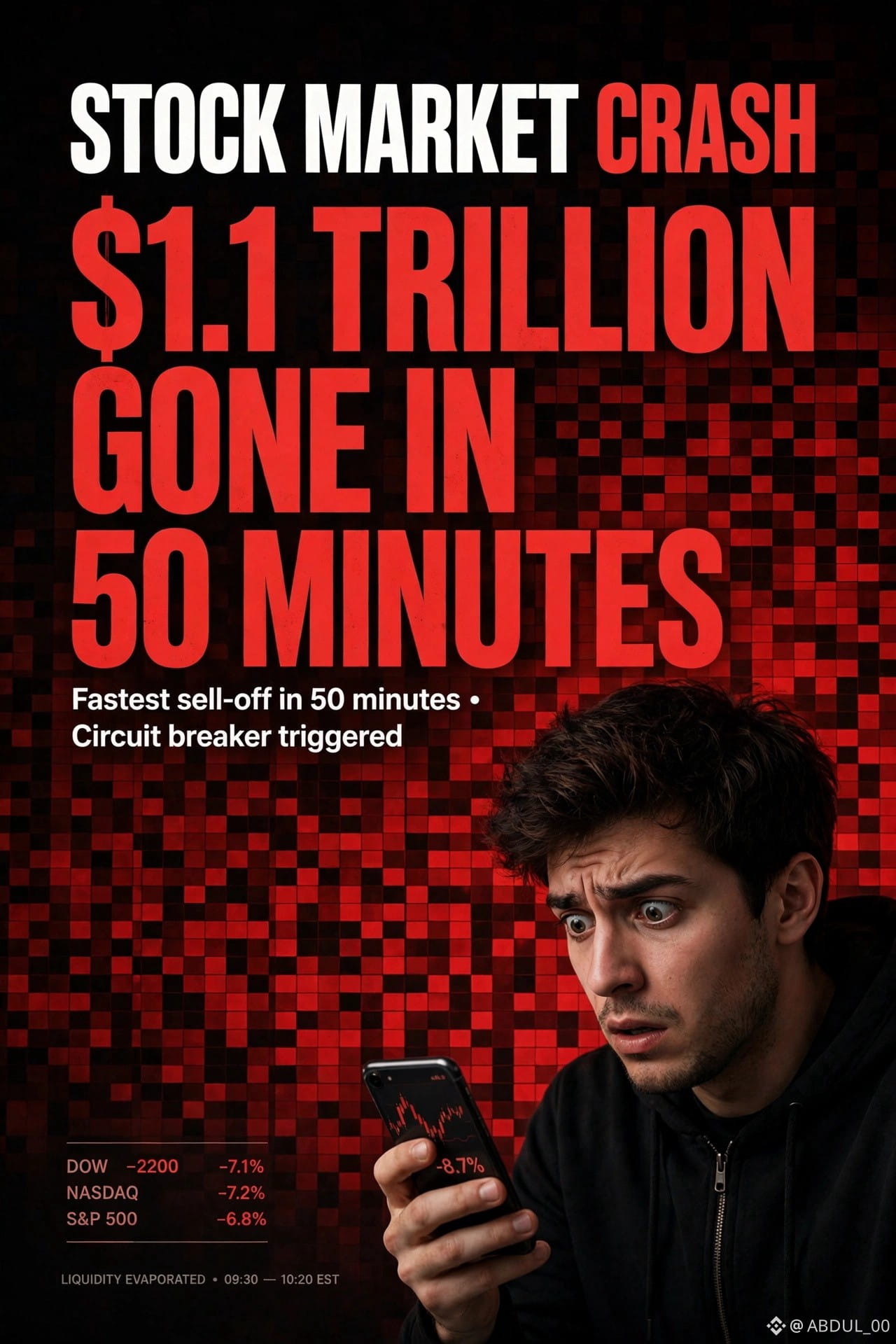
STOCK MARKET CRASH 🤯
$1.1 TRILLION GONE IN 50 MINUTES 💔
50 Minute me pura market khatam!
#StockMarketCrash #CryptoCrash #bitcoin #WallStreet #BinanceSquare
STOCK MARKET CRASH 🤯
$1.1 TRILLION GONE IN 50 MINUTES 💔
50 Minute me pura market khatam!
#StockMarketCrash #CryptoCrash #bitcoin #WallStreet #BinanceSquare
$1.1 TRILLION GONE IN 50 MINUTES 💔
50 Minute me pura market khatam!
#StockMarketCrash #CryptoCrash #bitcoin #WallStreet #BinanceSquare
2
15

Wall Street has officially arrived! Project Faro, a $270 million initiative backed by 21 financial giants such as Goldman Sachs and Citigroup, is aiming to challenge Tether and Circle and capture the $290 billion stablecoin market by 2027. The battle for power is heating up!
This is no longer a game reserved for crypto natives. With the GENIUS Act of 2025, stablecoins are rapidly transforming from crypto trading tools into core payment infrastructure for the digital economy. Big banks want to control the entire flow of digital dollars.
From SoFi expanding $SoFiUSD on Polygon to Anchorage integrating Visa, and Mastercard and Visa both bolstering their infrastructure, the race to control the digital payment "rails" is underway everywhere.
The $290 billion stablecoin market will never be the same. The showdown between Big Finance and crypto-native companies will shape the future of cryptocurrency.
Will Tether and Circle be able to hold on to their dominant positions?
#Stablecoin #WallStreet
$USDT $USDC
54
Log in to explore more content
Join global crypto users on Binance Square
⚡️ Get latest and useful information about crypto.
💬 Trusted by the world’s largest crypto exchange.
👍 Discover real insights from verified creators.
Email / Phone number
Trending Topics
1
#IsAnthropic’s$1.5TMarketCapJustified?
7,224 views
64 Discussing
2
#BTCRemainsUnderPressureAfterHawkishFOMCMinutes
205,547 views
1,969 Discussing
3
#NvidiaBoardReportedlySplitOverHuang’sReturn
100,001 views
1,055 Discussing
4
#StrategySTRCPreferredSlips3.65%Below$100Par
5,485 views
63 Discussing
5
#MASToUpgradeSGDTestnetToSGDigitalLedger
15,689 views
218 Discussing
6
#CanGTA6'sLaunchLiftTTWOShares?
70,967 views
777 Discussing
7
#Solana2027RoadmapTargetsDoubleComputeCapacity
5,770 views
116 Discussing
8
#InjectiveTokenizedRealEstateMortgagesTop$1.5B
969 views
27 Discussing
9
#TetherMakesStrategicInvestmentInSCRYPT
4,748 views
93 Discussing
10
#CapitalGroupAdds1264500StrategyShares
22,743 views
221 Discussing