

#oilvolatilityreturnstopreiranwarlevels
oilvolatilityreturnstopreiranwarlevels
180,376 views
1,156 Discussing
Hot
Latest

·
--
Bullish
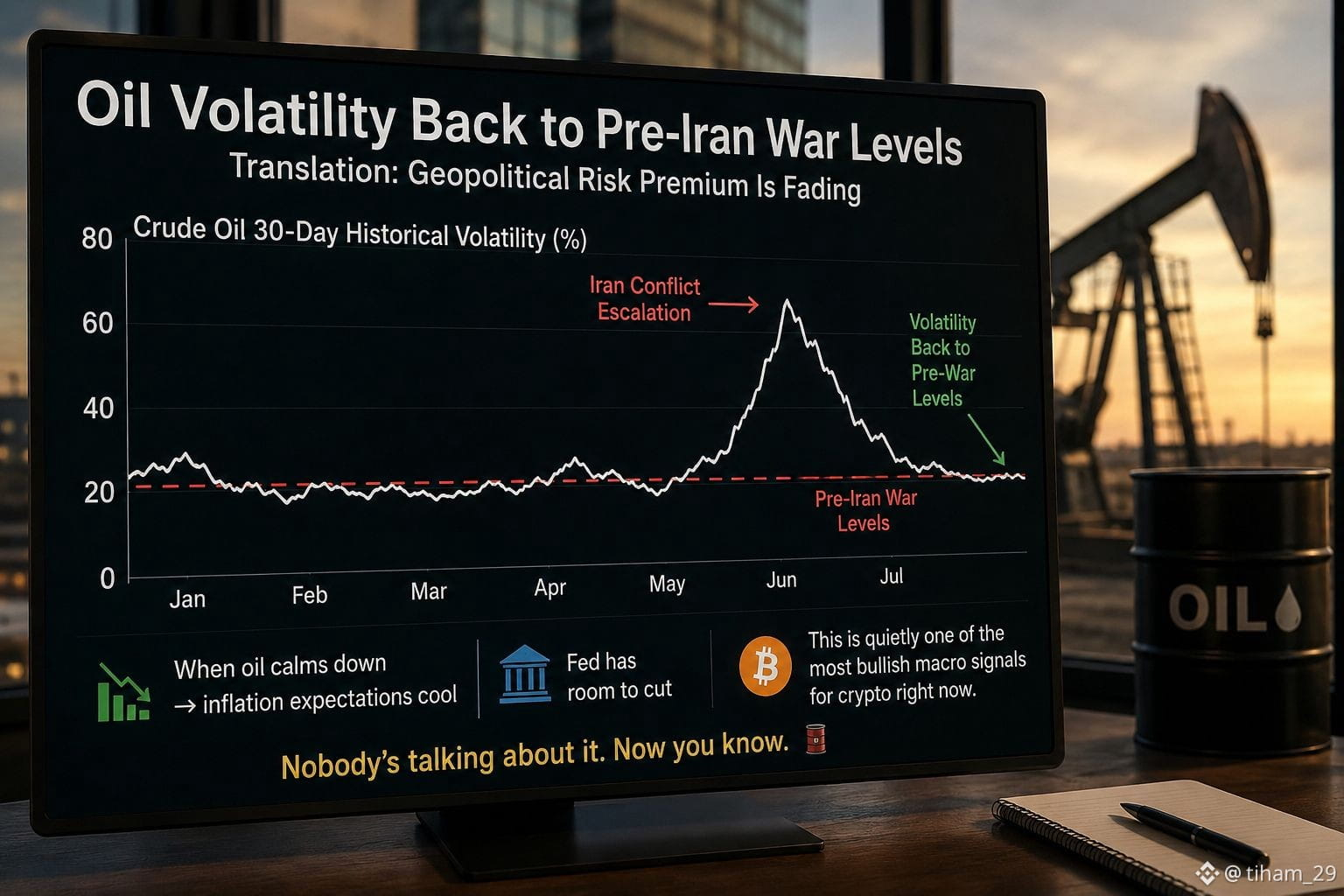
Oil volatility back to pre-Iran war levels. Translation: geopolitical risk premium is fading. When oil calms down → inflation expectations cool → Fed has room to cut. This is quietly one of the most bullish macro signals for crypto right now. Nobody's talking about it. Now you know. 🛢️
#OilVolatilityReturnsToPreIranWarLevels #MacroCrypto #Bitcoin #OilMarket #GeopoliticalRisk
Oil volatility back to pre-Iran war levels. Translation: geopolitical risk premium is fading. When oil calms down → inflation expectations cool → Fed has room to cut. This is quietly one of the most bullish macro signals for crypto right now. Nobody's talking about it. Now you know. 🛢️
#OilVolatilityReturnsToPreIranWarLevels #MacroCrypto #Bitcoin #OilMarket #GeopoliticalRisk
#OilVolatilityReturnsToPreIranWarLevels #MacroCrypto #Bitcoin #OilMarket #GeopoliticalRisk
156

Oil market volatility has cooled back to pre-Iran conflict levels. Traders seem less worried about supply disruptions for now, and price movements have become more stable. 🛢️📉 #Oil #Markets
#OilVolatilityReturnsToPreIranWarLevels
Oil market volatility has cooled back to pre-Iran conflict levels. Traders seem less worried about supply disruptions for now, and price movements have become more stable. 🛢️📉 #Oil #Markets
#OilVolatilityReturnsToPreIranWarLevels
#OilVolatilityReturnsToPreIranWarLevels
67

·
--
#oilvolatilityreturnstopreiranwarlevels
🛢️ #OilVolatilityReturnsToPreIranWarLevels: Markets Find Temporary Calm
Oil market volatility has reportedly fallen back to levels seen before the recent Iran-related conflict concerns, signaling that traders may be becoming less worried about immediate supply disruptions.
In the aftermath of geopolitical shocks, energy markets often experience sharp price swings as investors attempt to assess risks to production, transportation routes, and global demand. As uncertainty fades, volatility typically declines and markets begin to refocus on broader fundamentals such as economic growth, inventory levels, and OPEC+ production policies.
The return to pre-conflict volatility levels suggests that risk premiums embedded in oil prices may be easing. This could help reduce inflation concerns and provide some relief for investors closely monitoring the impact of energy costs on the global economy.
For crypto and equity markets, lower oil volatility is often viewed as a positive sign, as it can contribute to a more stable macroeconomic environment and improve overall risk sentiment.
Markets may move on from headlines quickly, but energy remains one of the most important indicators of global economic health.
#oilvolatilityreturnstopreiranwarlevels
🛢️ #OilVolatilityReturnsToPreIranWarLevels: Markets Find Temporary Calm
Oil market volatility has reportedly fallen back to levels seen before the recent Iran-related conflict concerns, signaling that traders may be becoming less worried about immediate supply disruptions.
In the aftermath of geopolitical shocks, energy markets often experience sharp price swings as investors attempt to assess risks to production, transportation routes, and global demand. As uncertainty fades, volatility typically declines and markets begin to refocus on broader fundamentals such as economic growth, inventory levels, and OPEC+ production policies.
The return to pre-conflict volatility levels suggests that risk premiums embedded in oil prices may be easing. This could help reduce inflation concerns and provide some relief for investors closely monitoring the impact of energy costs on the global economy.
For crypto and equity markets, lower oil volatility is often viewed as a positive sign, as it can contribute to a more stable macroeconomic environment and improve overall risk sentiment.
Markets may move on from headlines quickly, but energy remains one of the most important indicators of global economic health.
🛢️ #OilVolatilityReturnsToPreIranWarLevels: Markets Find Temporary Calm
Oil market volatility has reportedly fallen back to levels seen before the recent Iran-related conflict concerns, signaling that traders may be becoming less worried about immediate supply disruptions.
In the aftermath of geopolitical shocks, energy markets often experience sharp price swings as investors attempt to assess risks to production, transportation routes, and global demand. As uncertainty fades, volatility typically declines and markets begin to refocus on broader fundamentals such as economic growth, inventory levels, and OPEC+ production policies.
The return to pre-conflict volatility levels suggests that risk premiums embedded in oil prices may be easing. This could help reduce inflation concerns and provide some relief for investors closely monitoring the impact of energy costs on the global economy.
For crypto and equity markets, lower oil volatility is often viewed as a positive sign, as it can contribute to a more stable macroeconomic environment and improve overall risk sentiment.
Markets may move on from headlines quickly, but energy remains one of the most important indicators of global economic health.
2
462

#OilVolatilityReturnsToPreIranWarLevels 🛢️ Oil Volatility Returns to Pre-Iran War Levels
Oil market volatility has eased back to levels seen before the Iran-Israel conflict, signaling reduced fears of immediate supply disruptions.
For investors, lower oil volatility may help stabilize broader financial markets and reduce uncertainty across risk assets.
However, geopolitical developments remain a key factor to watch, as energy markets can react quickly to new events.
Do you think oil prices will remain stable in the coming weeks?
#OilVolatilityReturnsToPreIranWarLevels #OilMarket #Investing #GlobalMarkets #BinanceSquare
#OilVolatilityReturnsToPreIranWarLevels 🛢️ Oil Volatility Returns to Pre-Iran War Levels
Oil market volatility has eased back to levels seen before the Iran-Israel conflict, signaling reduced fears of immediate supply disruptions.
For investors, lower oil volatility may help stabilize broader financial markets and reduce uncertainty across risk assets.
However, geopolitical developments remain a key factor to watch, as energy markets can react quickly to new events.
Do you think oil prices will remain stable in the coming weeks?
#OilVolatilityReturnsToPreIranWarLevels #OilMarket #Investing #GlobalMarkets #BinanceSquare
Oil market volatility has eased back to levels seen before the Iran-Israel conflict, signaling reduced fears of immediate supply disruptions.
For investors, lower oil volatility may help stabilize broader financial markets and reduce uncertainty across risk assets.
However, geopolitical developments remain a key factor to watch, as energy markets can react quickly to new events.
Do you think oil prices will remain stable in the coming weeks?
#OilVolatilityReturnsToPreIranWarLevels #OilMarket #Investing #GlobalMarkets #BinanceSquare
67

·
--
Verified
🚨 OIL VOLATILITY RETURNS TO PRE-IRAN WAR LEVELS 🔥
The Cboe Crude Oil ETF Volatility Index (OVX) has cooled significantly and is now hovering around 54–58 as of June 9–10, 2026 — approaching levels seen before the full escalation of the Iran conflict in early 2026.
Key Data:
OVX peaked above 108 during the height of Strait of Hormuz disruptions in March 2026. Brent crude is currently trading near $93–$95 per barrel (as of June 11), still ~35–37% higher than pre-war levels but with reduced daily swings. Energy prices drove much of the recent CPI spike, but implied volatility is easing amid hopes (and setbacks) in U.S.-Iran peace talks.
Quick Analysis:
While outright price volatility has moderated from wartime extremes, the market remains on edge. Any breakdown in negotiations or new disruptions in the Strait of Hormuz could quickly reignite wild swings. This environment favors traders and hedgers, but creates uncertainty for global inflation, Fed policy, and energy stocks.
Bullish for oil producers on sustained higher prices, or are we seeing the calm before the next storm?
What’s your outlook — more volatility ahead or stabilization? Drop your thoughts 👇
#OilVolatilityReturnsToPreIranWarLevels #BrentCrude #Geopolitics #EnergyMarkets #oil
🚨 OIL VOLATILITY RETURNS TO PRE-IRAN WAR LEVELS 🔥
The Cboe Crude Oil ETF Volatility Index (OVX) has cooled significantly and is now hovering around 54–58 as of June 9–10, 2026 — approaching levels seen before the full escalation of the Iran conflict in early 2026.
Key Data:
OVX peaked above 108 during the height of Strait of Hormuz disruptions in March 2026. Brent crude is currently trading near $93–$95 per barrel (as of June 11), still ~35–37% higher than pre-war levels but with reduced daily swings. Energy prices drove much of the recent CPI spike, but implied volatility is easing amid hopes (and setbacks) in U.S.-Iran peace talks.
Quick Analysis:
While outright price volatility has moderated from wartime extremes, the market remains on edge. Any breakdown in negotiations or new disruptions in the Strait of Hormuz could quickly reignite wild swings. This environment favors traders and hedgers, but creates uncertainty for global inflation, Fed policy, and energy stocks.
Bullish for oil producers on sustained higher prices, or are we seeing the calm before the next storm?
What’s your outlook — more volatility ahead or stabilization? Drop your thoughts 👇
#OilVolatilityReturnsToPreIranWarLevels #BrentCrude #Geopolitics #EnergyMarkets #oil
The Cboe Crude Oil ETF Volatility Index (OVX) has cooled significantly and is now hovering around 54–58 as of June 9–10, 2026 — approaching levels seen before the full escalation of the Iran conflict in early 2026.
Key Data:
OVX peaked above 108 during the height of Strait of Hormuz disruptions in March 2026. Brent crude is currently trading near $93–$95 per barrel (as of June 11), still ~35–37% higher than pre-war levels but with reduced daily swings. Energy prices drove much of the recent CPI spike, but implied volatility is easing amid hopes (and setbacks) in U.S.-Iran peace talks.
Quick Analysis:
While outright price volatility has moderated from wartime extremes, the market remains on edge. Any breakdown in negotiations or new disruptions in the Strait of Hormuz could quickly reignite wild swings. This environment favors traders and hedgers, but creates uncertainty for global inflation, Fed policy, and energy stocks.
Bullish for oil producers on sustained higher prices, or are we seeing the calm before the next storm?
What’s your outlook — more volatility ahead or stabilization? Drop your thoughts 👇
#OilVolatilityReturnsToPreIranWarLevels #BrentCrude #Geopolitics #EnergyMarkets #oil
1
115

·
--
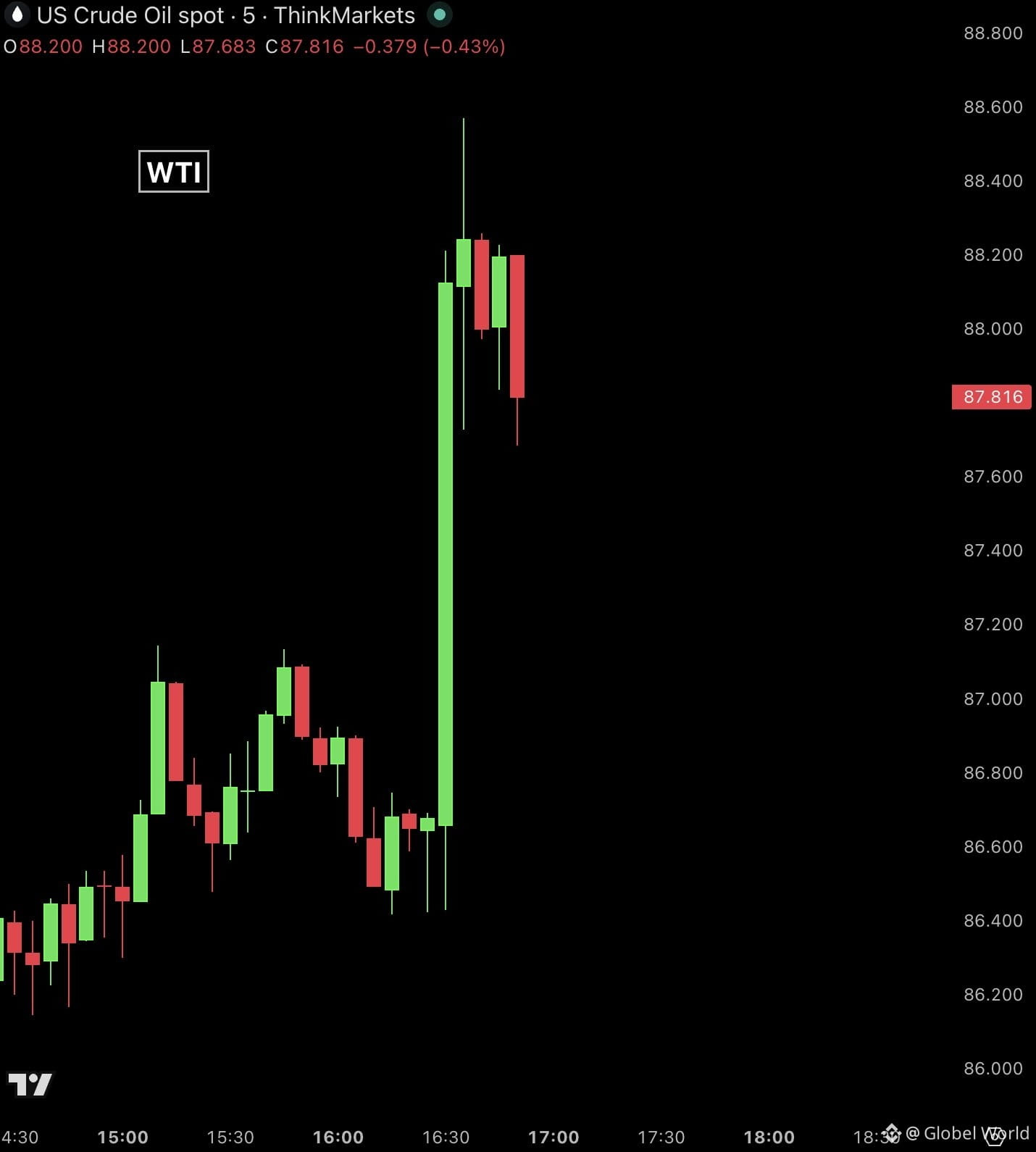
⚡ BREAKING: Oil reclaims $88 after President Trump says Iran will now "pay the price" for delaying negotiations.
$CL $BZ
#OilVolatilityReturnsToPreIranWarLevels
{future}(BZUSDT)
{future}(CLUSDT)
⚡ BREAKING: Oil reclaims $88 after President Trump says Iran will now "pay the price" for delaying negotiations.
$CL $BZ
#OilVolatilityReturnsToPreIranWarLevels
$CL $BZ
#OilVolatilityReturnsToPreIranWarLevels
3
278

🚨 LATEST: 🛢️🇺🇸🇮🇷
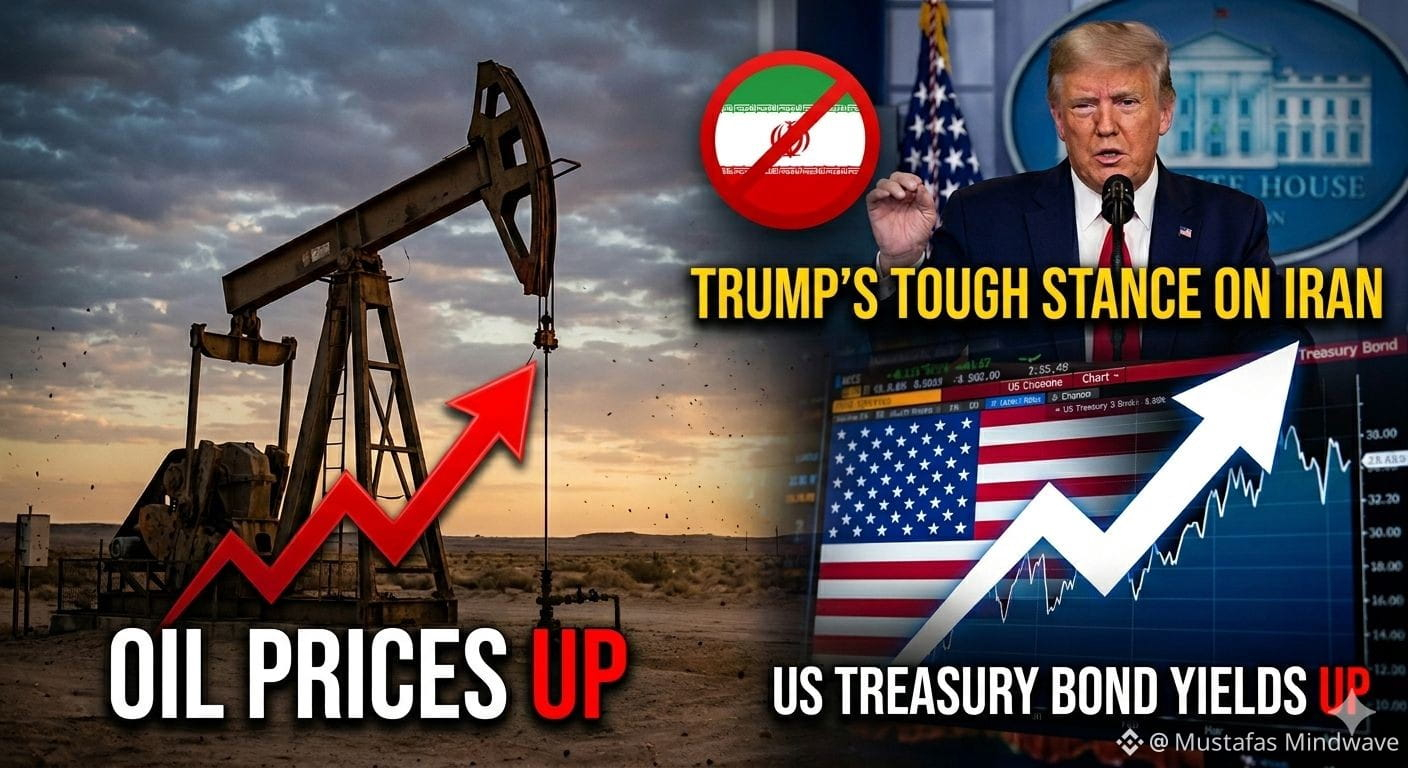
Oil prices and U.S. Treasury yields moved higher after President Trump took a tougher stance on Iran, warning that Tehran would "pay the price" and criticizing the pace of negotiations.
Traders reacted by pricing in a higher risk of further escalation in the Middle East, particularly around energy supplies and shipping routes linked to the Strait of Hormuz.
Brent crude has remained elevated near $91 per barrel, while U.S. crude has traded around $88–92 as markets weigh the possibility of supply disruptions.
Treasury yields also climbed as investors worried that higher oil prices could fuel inflation and keep pressure on the Federal Reserve to maintain a hawkish stance.
The market reaction highlights a familiar pattern:
⚠️ Higher geopolitical risk
🛢️ Higher oil prices
📈 Higher Treasury yields
For now, investors remain focused on whether tensions with Iran escalate further or return to the negotiating table. 👀
#OilVolatilityReturnsToPreIranWarLevels #iran #markets #Fed #BinanceSquare
🚨 LATEST: 🛢️🇺🇸🇮🇷
Oil prices and U.S. Treasury yields moved higher after President Trump took a tougher stance on Iran, warning that Tehran would "pay the price" and criticizing the pace of negotiations.
Traders reacted by pricing in a higher risk of further escalation in the Middle East, particularly around energy supplies and shipping routes linked to the Strait of Hormuz.
Brent crude has remained elevated near $91 per barrel, while U.S. crude has traded around $88–92 as markets weigh the possibility of supply disruptions.
Treasury yields also climbed as investors worried that higher oil prices could fuel inflation and keep pressure on the Federal Reserve to maintain a hawkish stance.
The market reaction highlights a familiar pattern:
⚠️ Higher geopolitical risk
🛢️ Higher oil prices
📈 Higher Treasury yields
For now, investors remain focused on whether tensions with Iran escalate further or return to the negotiating table. 👀
#OilVolatilityReturnsToPreIranWarLevels #iran #markets #Fed #BinanceSquare
Oil prices and U.S. Treasury yields moved higher after President Trump took a tougher stance on Iran, warning that Tehran would "pay the price" and criticizing the pace of negotiations.
Traders reacted by pricing in a higher risk of further escalation in the Middle East, particularly around energy supplies and shipping routes linked to the Strait of Hormuz.
Brent crude has remained elevated near $91 per barrel, while U.S. crude has traded around $88–92 as markets weigh the possibility of supply disruptions.
Treasury yields also climbed as investors worried that higher oil prices could fuel inflation and keep pressure on the Federal Reserve to maintain a hawkish stance.
The market reaction highlights a familiar pattern:
⚠️ Higher geopolitical risk
🛢️ Higher oil prices
📈 Higher Treasury yields
For now, investors remain focused on whether tensions with Iran escalate further or return to the negotiating table. 👀
#OilVolatilityReturnsToPreIranWarLevels #iran #markets #Fed #BinanceSquare
257

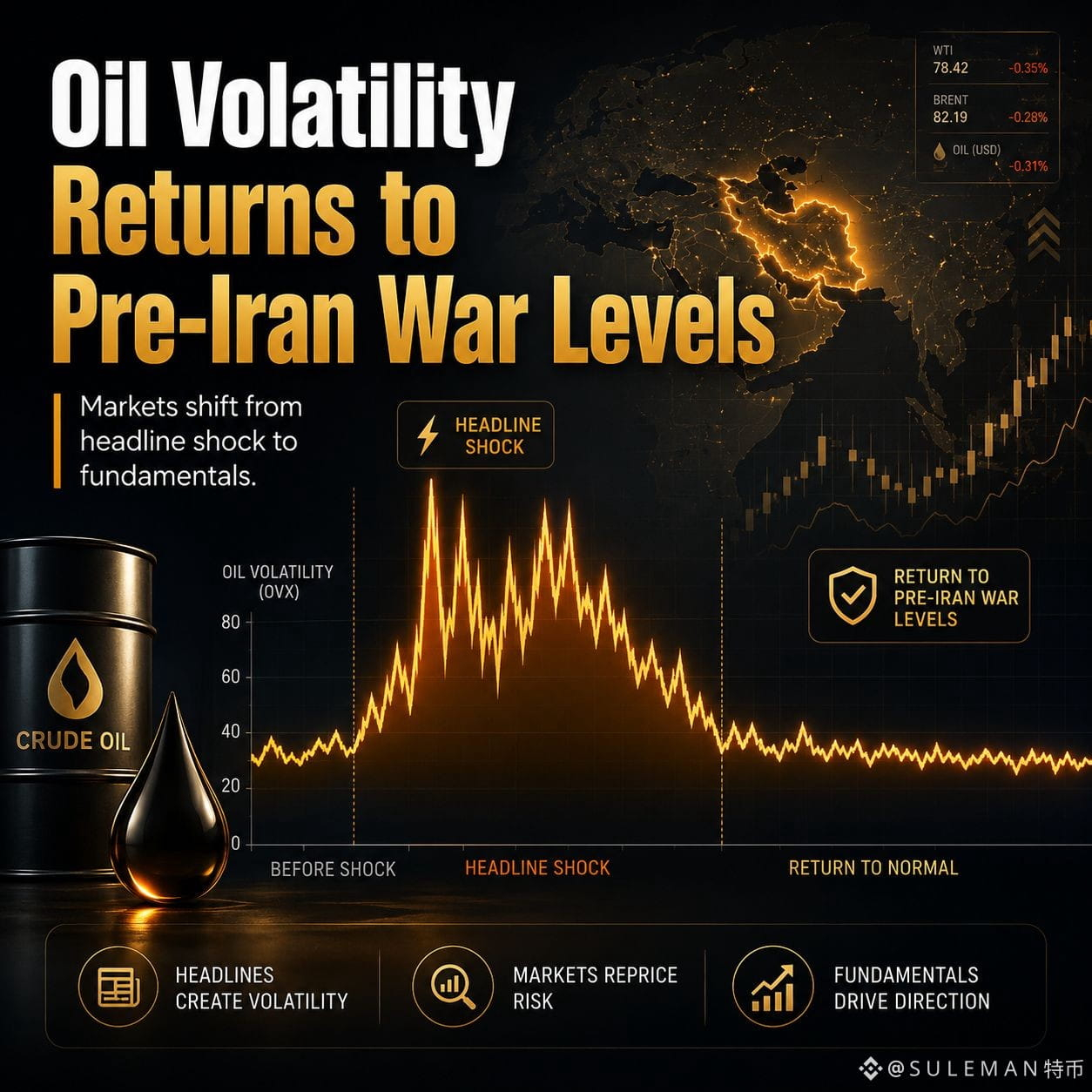
When I saw #OilVolatilityReturnsToPreIranWarLevels , it felt less like a victory signal and more like the market finally taking a slower breath.
Oil calming down does not mean the risk has disappeared. It only means traders are no longer pricing every headline like an immediate shock.
That difference matters. During war-driven volatility, price moves often become emotional, fast, and reactive. When volatility cools, the market starts looking again at supply, demand, inventories, shipping routes, and real consumption.
For traders, this is the phase where patience becomes more important than panic. Lower volatility can create cleaner setups, but it can also make people careless because the fear is no longer loud.
I would not read this as “oil is safe now.” I would read it as oil entering a more selective phase, where the next big move may come from data, not just headlines.
Sometimes the quiet market is the one that deserves the closest attention.
$HYPE
{future}(HYPEUSDT)
$CL
{future}(CLUSDT)
$ALGO
{future}(ALGOUSDT)
When I saw #OilVolatilityReturnsToPreIranWarLevels , it felt less like a victory signal and more like the market finally taking a slower breath.
Oil calming down does not mean the risk has disappeared. It only means traders are no longer pricing every headline like an immediate shock.
That difference matters. During war-driven volatility, price moves often become emotional, fast, and reactive. When volatility cools, the market starts looking again at supply, demand, inventories, shipping routes, and real consumption.
For traders, this is the phase where patience becomes more important than panic. Lower volatility can create cleaner setups, but it can also make people careless because the fear is no longer loud.
I would not read this as “oil is safe now.” I would read it as oil entering a more selective phase, where the next big move may come from data, not just headlines.
Sometimes the quiet market is the one that deserves the closest attention.
$HYPE
$CL
$ALGO
Oil calming down does not mean the risk has disappeared. It only means traders are no longer pricing every headline like an immediate shock.
That difference matters. During war-driven volatility, price moves often become emotional, fast, and reactive. When volatility cools, the market starts looking again at supply, demand, inventories, shipping routes, and real consumption.
For traders, this is the phase where patience becomes more important than panic. Lower volatility can create cleaner setups, but it can also make people careless because the fear is no longer loud.
I would not read this as “oil is safe now.” I would read it as oil entering a more selective phase, where the next big move may come from data, not just headlines.
Sometimes the quiet market is the one that deserves the closest attention.
$HYPE
$CL
$ALGO
14
333

·
--
#OilVolatilityReturnsToPreIranWarLevels Pre-Iran Conflict Levels: What It Means for Oil, Inflation, and Crypto Markets
Why Is Oil Volatility Falling?
Recent market data suggests that fears of major supply disruptions have eased, allowing traders to focus more on global demand and economic fundamentals rather than geopolitical risks.
Lower volatility doesn't necessarily mean oil prices will remain low, but it indicates that sudden price swings have become less frequent, creating a more predictable environment for businesses and investors.
Impact on Inflation
Oil prices play a crucial role in transportation, manufacturing, and energy costs. When oil markets stabilize:
Fuel prices become more predictable.
Inflationary pressure may ease.
Central banks could have more flexibility in future interest rate decisions.
Consumer confidence may improve.
This is positive news for both businesses and households facing high living costs.
What Does It Mean for Crypto?
The cryptocurrency market often reacts to broader economic sentiment.
If lower oil volatility contributes to reduced inflation concerns:
Investors may become more willing to invest in risk assets like Bitcoin and altcoins.
Global liquidity could improve if interest rate expectations soften.
Market confidence may strengthen across digital assets.
However, crypto remains influenced by regulations, institutional investment, and macroeconomic data, so energy markets are only one part of the bigger picture.
Could Volatility Return?
Yes. Oil markets remain sensitive to:
Geopolitical conflicts
OPEC+ production decisions
Global economic growth
Supply chain disruptions
Unexpected natural disasters
Any major event could quickly increase volatility again.
Oil market news, oil volatility, crude oil prices, inflation outlook, crypto market analysis, Bitcoin outlook, market sentiment, global economy, energy markets, investment trends.
#OilVolatilityReturnsToPreIranWarLevels Pre-Iran Conflict Levels: What It Means for Oil, Inflation, and Crypto Markets
Why Is Oil Volatility Falling?
Recent market data suggests that fears of major supply disruptions have eased, allowing traders to focus more on global demand and economic fundamentals rather than geopolitical risks.
Lower volatility doesn't necessarily mean oil prices will remain low, but it indicates that sudden price swings have become less frequent, creating a more predictable environment for businesses and investors.
Impact on Inflation
Oil prices play a crucial role in transportation, manufacturing, and energy costs. When oil markets stabilize:
Fuel prices become more predictable.
Inflationary pressure may ease.
Central banks could have more flexibility in future interest rate decisions.
Consumer confidence may improve.
This is positive news for both businesses and households facing high living costs.
What Does It Mean for Crypto?
The cryptocurrency market often reacts to broader economic sentiment.
If lower oil volatility contributes to reduced inflation concerns:
Investors may become more willing to invest in risk assets like Bitcoin and altcoins.
Global liquidity could improve if interest rate expectations soften.
Market confidence may strengthen across digital assets.
However, crypto remains influenced by regulations, institutional investment, and macroeconomic data, so energy markets are only one part of the bigger picture.
Could Volatility Return?
Yes. Oil markets remain sensitive to:
Geopolitical conflicts
OPEC+ production decisions
Global economic growth
Supply chain disruptions
Unexpected natural disasters
Any major event could quickly increase volatility again.
Oil market news, oil volatility, crude oil prices, inflation outlook, crypto market analysis, Bitcoin outlook, market sentiment, global economy, energy markets, investment trends.
Why Is Oil Volatility Falling?
Recent market data suggests that fears of major supply disruptions have eased, allowing traders to focus more on global demand and economic fundamentals rather than geopolitical risks.
Lower volatility doesn't necessarily mean oil prices will remain low, but it indicates that sudden price swings have become less frequent, creating a more predictable environment for businesses and investors.
Impact on Inflation
Oil prices play a crucial role in transportation, manufacturing, and energy costs. When oil markets stabilize:
Fuel prices become more predictable.
Inflationary pressure may ease.
Central banks could have more flexibility in future interest rate decisions.
Consumer confidence may improve.
This is positive news for both businesses and households facing high living costs.
What Does It Mean for Crypto?
The cryptocurrency market often reacts to broader economic sentiment.
If lower oil volatility contributes to reduced inflation concerns:
Investors may become more willing to invest in risk assets like Bitcoin and altcoins.
Global liquidity could improve if interest rate expectations soften.
Market confidence may strengthen across digital assets.
However, crypto remains influenced by regulations, institutional investment, and macroeconomic data, so energy markets are only one part of the bigger picture.
Could Volatility Return?
Yes. Oil markets remain sensitive to:
Geopolitical conflicts
OPEC+ production decisions
Global economic growth
Supply chain disruptions
Unexpected natural disasters
Any major event could quickly increase volatility again.
Oil market news, oil volatility, crude oil prices, inflation outlook, crypto market analysis, Bitcoin outlook, market sentiment, global economy, energy markets, investment trends.
249

·
--
#OilVolatilityReturnsToPreIranWarLevels
#OilVolatilityReturnsToPreIranWarLevels
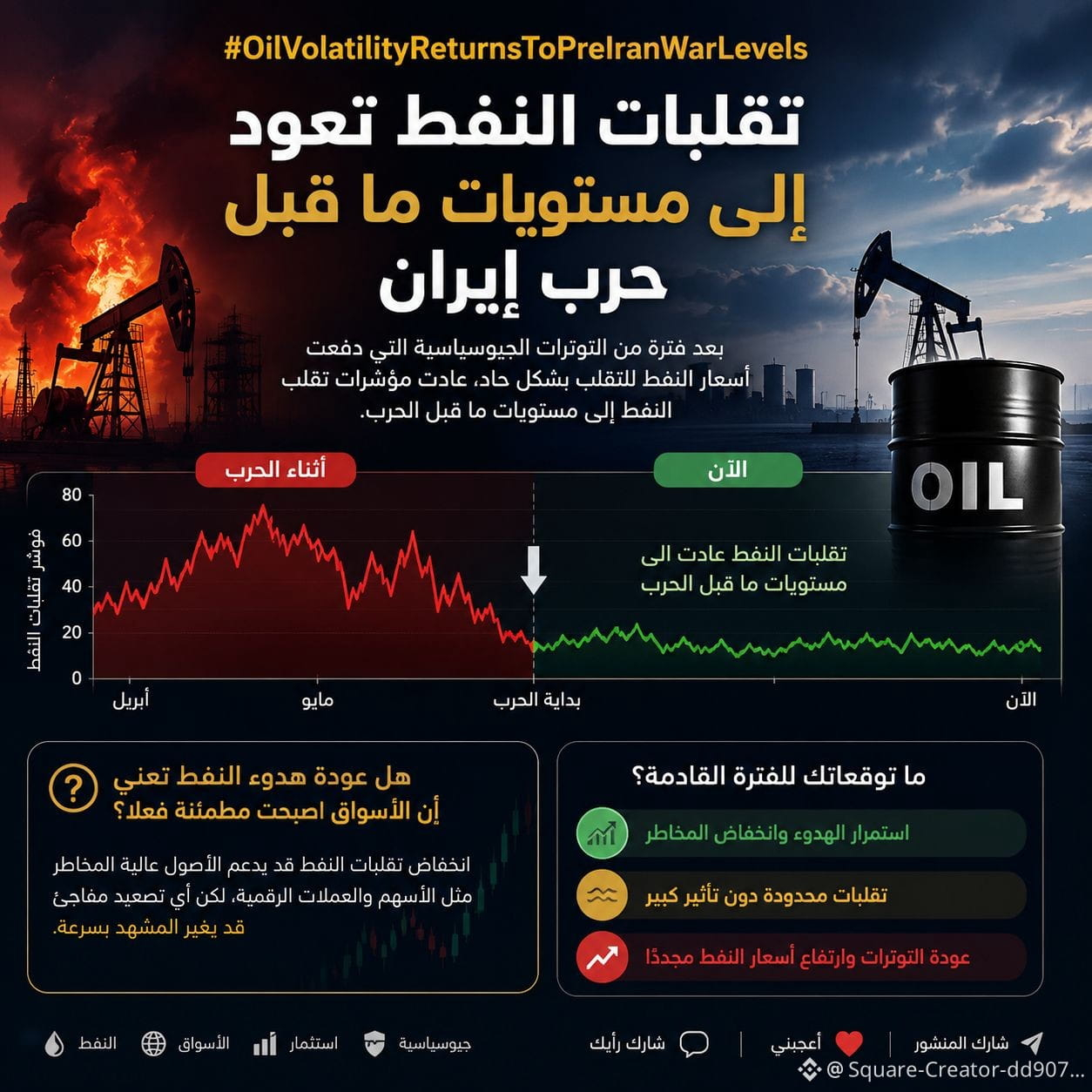
🚨 #OilVolatilityReturnsToPreIranWarLevels
After a period of geopolitical tensions that drove oil prices to swing sharply, oil volatility indicators have returned to pre-war levels between Iran and Israel, signaling that the markets are starting to price in the risks or see that the chances of escalation are lower than before.
But the most important question:
🤔 Does the return of calm in oil mean that the markets are truly reassured? Or are investors ignoring risks that could resurface at any moment?
The drop in oil volatility could support high-risk assets like stocks and cryptocurrencies, but any sudden escalation could change the landscape quickly.
📊 What are your predictions for the upcoming period?
🟢 Continued calm and reduced risks
🟡 Limited volatility with minimal impact
🔴 Return of tensions and a spike in oil prices again
#OilVolatilityReturnsToPreIranWarLevels #Oil #CrudeOil #Markets #Investing #Stocks #Bitcoin #Crypto #Trading #Geopolitics #Finance #MarketSentimentWatc
#OilVolatilityReturnsToPreIranWarLevels
#OilVolatilityReturnsToPreIranWarLevels
🚨 #OilVolatilityReturnsToPreIranWarLevels
After a period of geopolitical tensions that drove oil prices to swing sharply, oil volatility indicators have returned to pre-war levels between Iran and Israel, signaling that the markets are starting to price in the risks or see that the chances of escalation are lower than before.
But the most important question:
🤔 Does the return of calm in oil mean that the markets are truly reassured? Or are investors ignoring risks that could resurface at any moment?
The drop in oil volatility could support high-risk assets like stocks and cryptocurrencies, but any sudden escalation could change the landscape quickly.
📊 What are your predictions for the upcoming period?
🟢 Continued calm and reduced risks
🟡 Limited volatility with minimal impact
🔴 Return of tensions and a spike in oil prices again
#OilVolatilityReturnsToPreIranWarLevels #Oil #CrudeOil #Markets #Investing #Stocks #Bitcoin #Crypto #Trading #Geopolitics #Finance #MarketSentimentWatc
#OilVolatilityReturnsToPreIranWarLevels
🚨 #OilVolatilityReturnsToPreIranWarLevels
After a period of geopolitical tensions that drove oil prices to swing sharply, oil volatility indicators have returned to pre-war levels between Iran and Israel, signaling that the markets are starting to price in the risks or see that the chances of escalation are lower than before.
But the most important question:
🤔 Does the return of calm in oil mean that the markets are truly reassured? Or are investors ignoring risks that could resurface at any moment?
The drop in oil volatility could support high-risk assets like stocks and cryptocurrencies, but any sudden escalation could change the landscape quickly.
📊 What are your predictions for the upcoming period?
🟢 Continued calm and reduced risks
🟡 Limited volatility with minimal impact
🔴 Return of tensions and a spike in oil prices again
#OilVolatilityReturnsToPreIranWarLevels #Oil #CrudeOil #Markets #Investing #Stocks #Bitcoin #Crypto #Trading #Geopolitics #Finance #MarketSentimentWatc
174

·
--
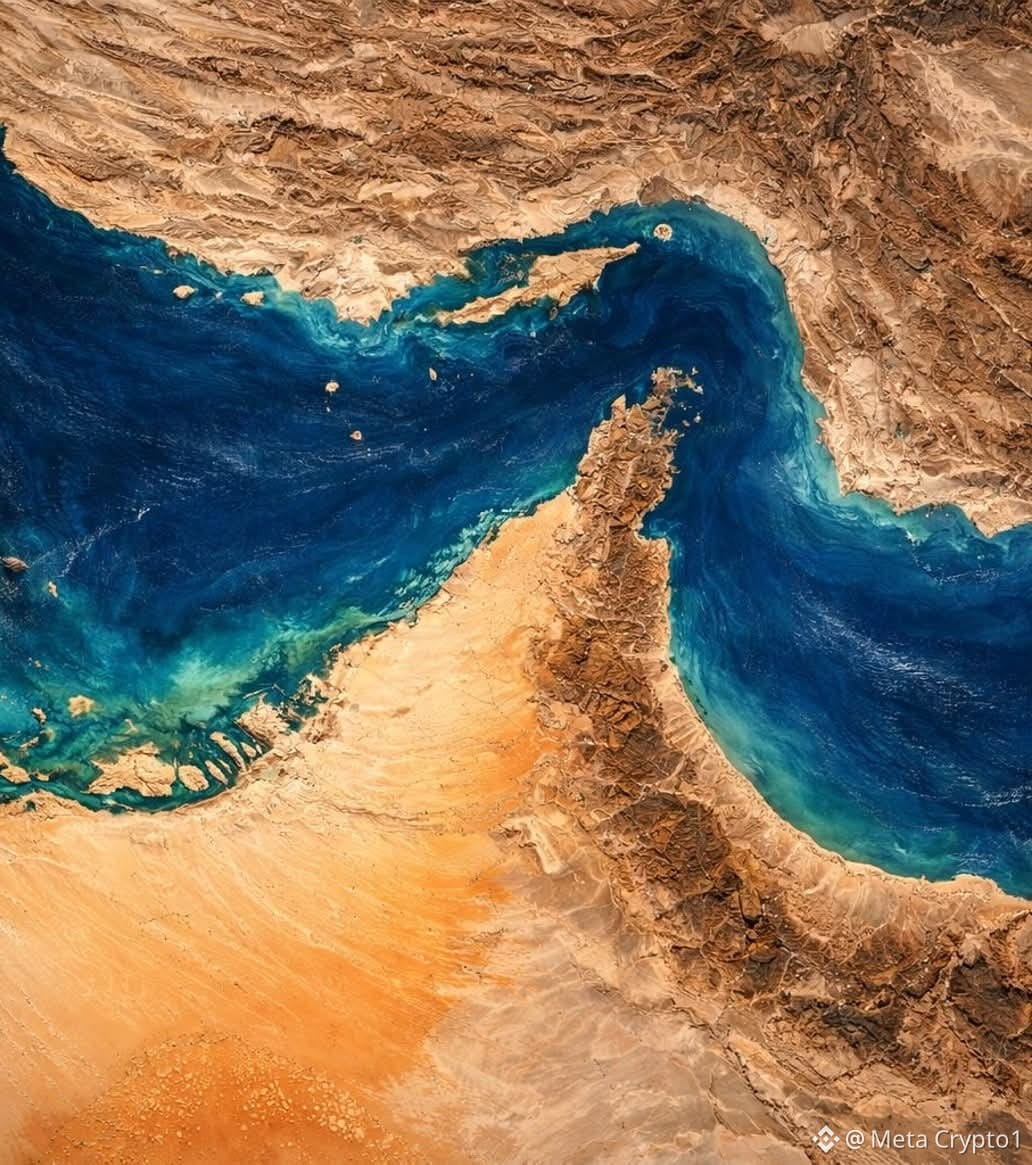
JUST IN: Iran has announced a full shutdown of the Strait of Hormuz following U.S. strikes.
The oil market surged 6% after the news.
$BNB
#OilVolatilityReturnsToPreIranWarLevels
JUST IN: Iran has announced a full shutdown of the Strait of Hormuz following U.S. strikes.
The oil market surged 6% after the news.
$BNB
#OilVolatilityReturnsToPreIranWarLevels
The oil market surged 6% after the news.
$BNB
#OilVolatilityReturnsToPreIranWarLevels
1
96

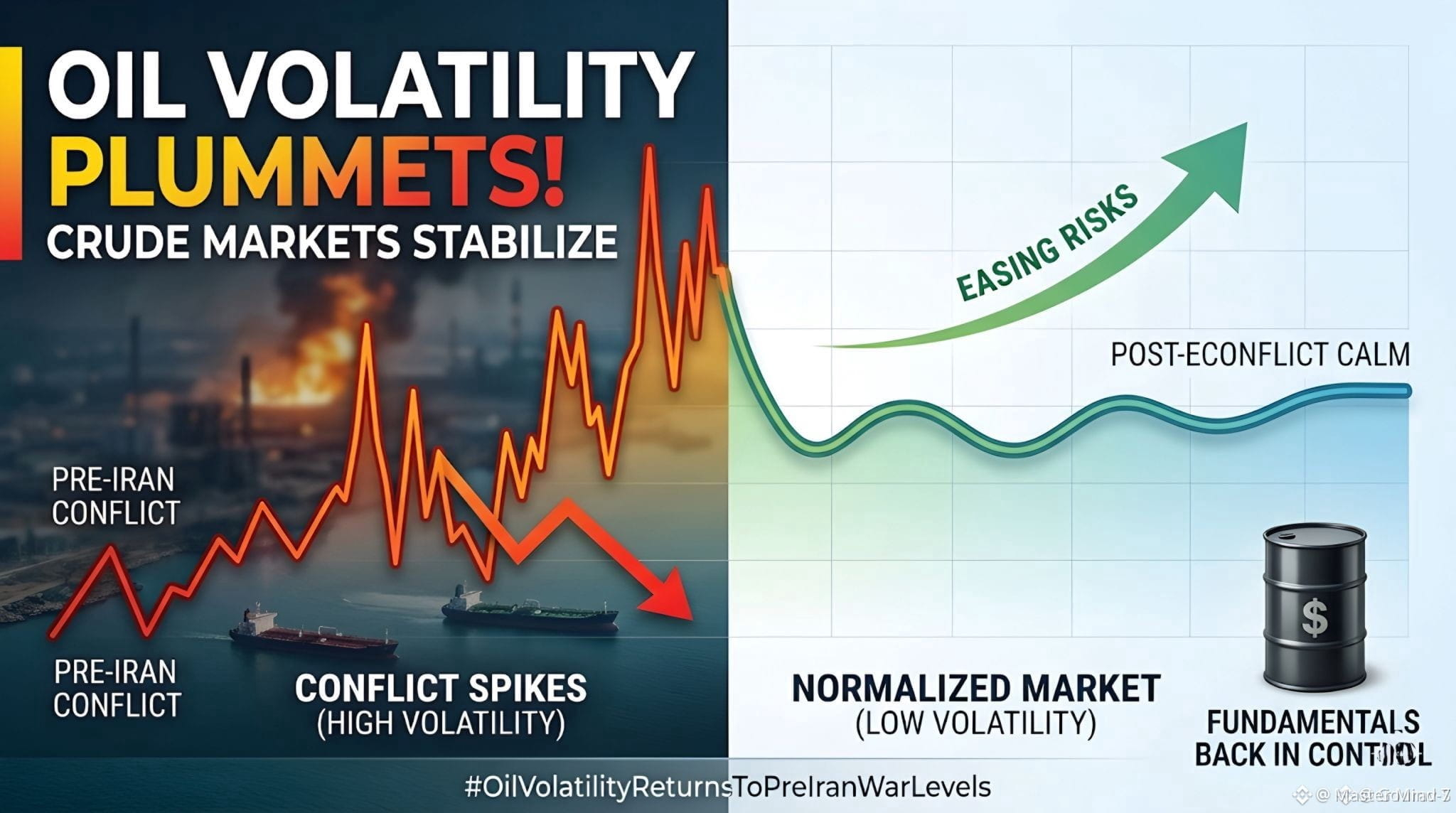
🚨 Oil Market Stabilizes A Green Signal for Crypto 📈
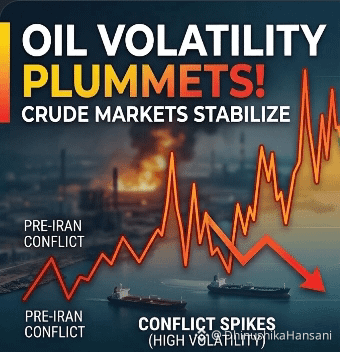
Following the geopolitical tensions in the Middle East, global crude oil market volatility has finally eased back to its pre-Iran conflict levels (#OilVolatilityReturnsToPreIranWarLevels ). This stability signals a calmer energy market and serves as a crucial update for global investors, including the crypto community.
📌 Key Takeaways:
* Oil Market Normalization: The massive price spikes caused by war anxieties have plummeted. The market chart now reflects a "post-conflict calm," bringing fundamentals back in control.
* Easing Inflation Concerns: Lower oil volatility helps reduce global inflation fears, significantly improving overall investor confidence across traditional and alternative financial markets.
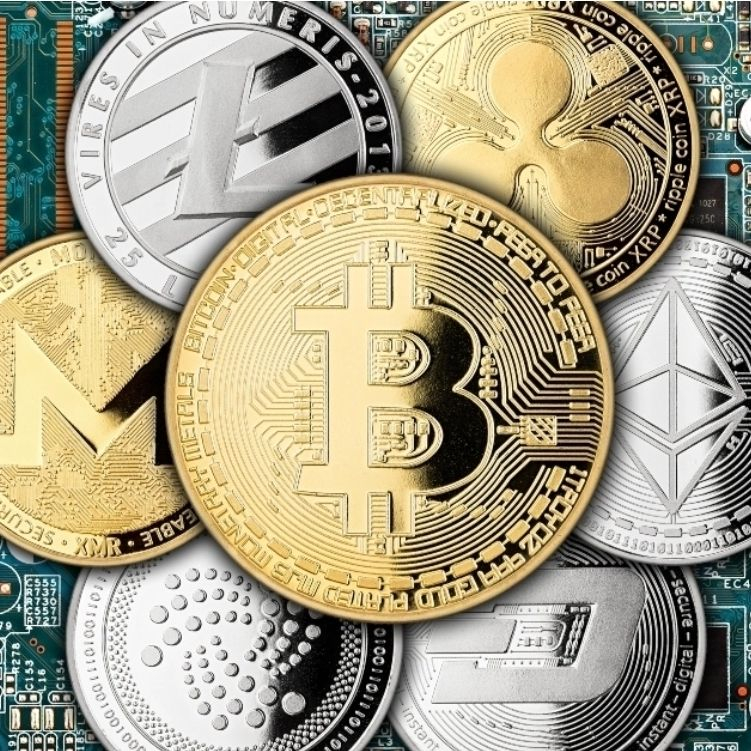
* Positive Spillovers for Crypto: As geopolitical risks subside, capital often flows back into risk-on assets like Bitcoin (BTC), driving a healthier market sentiment.
💡 Smart Investor Note
While the market is normalizing, some geopolitical risks always remain. Staying informed and practicing strict risk management is key in these uncertain conditions.
#OilMarketVolatility #MarketUpdate #BinanceSquareBTC #TradingInsights $BTC
{spot}(BTCUSDT)
{spot}(ETHUSDT)
{spot}(XRPUSDT)
🚨 Oil Market Stabilizes A Green Signal for Crypto 📈
Following the geopolitical tensions in the Middle East, global crude oil market volatility has finally eased back to its pre-Iran conflict levels (#OilVolatilityReturnsToPreIranWarLevels ). This stability signals a calmer energy market and serves as a crucial update for global investors, including the crypto community.
📌 Key Takeaways:
* Oil Market Normalization: The massive price spikes caused by war anxieties have plummeted. The market chart now reflects a "post-conflict calm," bringing fundamentals back in control.
* Easing Inflation Concerns: Lower oil volatility helps reduce global inflation fears, significantly improving overall investor confidence across traditional and alternative financial markets.
* Positive Spillovers for Crypto: As geopolitical risks subside, capital often flows back into risk-on assets like Bitcoin (BTC), driving a healthier market sentiment.
💡 Smart Investor Note
While the market is normalizing, some geopolitical risks always remain. Staying informed and practicing strict risk management is key in these uncertain conditions.
#OilMarketVolatility #MarketUpdate #BinanceSquareBTC #TradingInsights $BTC
Following the geopolitical tensions in the Middle East, global crude oil market volatility has finally eased back to its pre-Iran conflict levels (#OilVolatilityReturnsToPreIranWarLevels ). This stability signals a calmer energy market and serves as a crucial update for global investors, including the crypto community.
📌 Key Takeaways:
* Oil Market Normalization: The massive price spikes caused by war anxieties have plummeted. The market chart now reflects a "post-conflict calm," bringing fundamentals back in control.
* Easing Inflation Concerns: Lower oil volatility helps reduce global inflation fears, significantly improving overall investor confidence across traditional and alternative financial markets.
* Positive Spillovers for Crypto: As geopolitical risks subside, capital often flows back into risk-on assets like Bitcoin (BTC), driving a healthier market sentiment.
💡 Smart Investor Note
While the market is normalizing, some geopolitical risks always remain. Staying informed and practicing strict risk management is key in these uncertain conditions.
#OilMarketVolatility #MarketUpdate #BinanceSquareBTC #TradingInsights $BTC
3
220

·
--
Oil markets are experiencing a dramatic shift as volatility returns to levels seen before the Iran war erupted in late February 2026, with Brent crude currently trading at $95.06 per barrel after surging 50-60% in March to as high as $117-$138. The conflict between the US, Israel, and Iran triggered one of the most volatile periods in recent oil history, driven by the Strait of Hormuz closure disrupting ~20% of global shipping, Iran's attacks on tankers pushing prices to $100, and US/Israel strikes sparking an immediate 12% price jump. European oil majors including BP, Shell, and TotalEnergies reaped up to $4.75 billion from trading on this Iran war volatility, demonstrating how extreme market swings create massive profit opportunities for skilled traders. #OilVolatilityReturnsToPreIranWarLevels #OilMarket #CrudeOil #IranWar #EnergyTrading
The EIA forecasts that Q2 2026 will see a massive 8.5 million b/d inventory draw, with Brent prices averaging ~$106/barrel in May-June before dropping to $89 in Q4 and $79 in 2027 as Middle East production normalizes. Despite the Strait reopening in June, oil shipments won't reach pre-conflict levels until later in 2026, and some production remains disrupted, creating sustained inventory draws that limit downward price pressures. The market's volatility index jumped to 0.79, nearly matching April 2025's 0.89 peak during tariff shocks, while daily volatility remains 3x higher than 2021 levels at $3/barrel average.
Oil markets are experiencing a dramatic shift as volatility returns to levels seen before the Iran war erupted in late February 2026, with Brent crude currently trading at $95.06 per barrel after surging 50-60% in March to as high as $117-$138. The conflict between the US, Israel, and Iran triggered one of the most volatile periods in recent oil history, driven by the Strait of Hormuz closure disrupting ~20% of global shipping, Iran's attacks on tankers pushing prices to $100, and US/Israel strikes sparking an immediate 12% price jump. European oil majors including BP, Shell, and TotalEnergies reaped up to $4.75 billion from trading on this Iran war volatility, demonstrating how extreme market swings create massive profit opportunities for skilled traders. #OilVolatilityReturnsToPreIranWarLevels #OilMarket #CrudeOil #IranWar #EnergyTrading
The EIA forecasts that Q2 2026 will see a massive 8.5 million b/d inventory draw, with Brent prices averaging ~$106/barrel in May-June before dropping to $89 in Q4 and $79 in 2027 as Middle East production normalizes. Despite the Strait reopening in June, oil shipments won't reach pre-conflict levels until later in 2026, and some production remains disrupted, creating sustained inventory draws that limit downward price pressures. The market's volatility index jumped to 0.79, nearly matching April 2025's 0.89 peak during tariff shocks, while daily volatility remains 3x higher than 2021 levels at $3/barrel average.
The EIA forecasts that Q2 2026 will see a massive 8.5 million b/d inventory draw, with Brent prices averaging ~$106/barrel in May-June before dropping to $89 in Q4 and $79 in 2027 as Middle East production normalizes. Despite the Strait reopening in June, oil shipments won't reach pre-conflict levels until later in 2026, and some production remains disrupted, creating sustained inventory draws that limit downward price pressures. The market's volatility index jumped to 0.79, nearly matching April 2025's 0.89 peak during tariff shocks, while daily volatility remains 3x higher than 2021 levels at $3/barrel average.
1
287

·
--
Verified
#oilvolatilityreturnstopreiranwarlevels
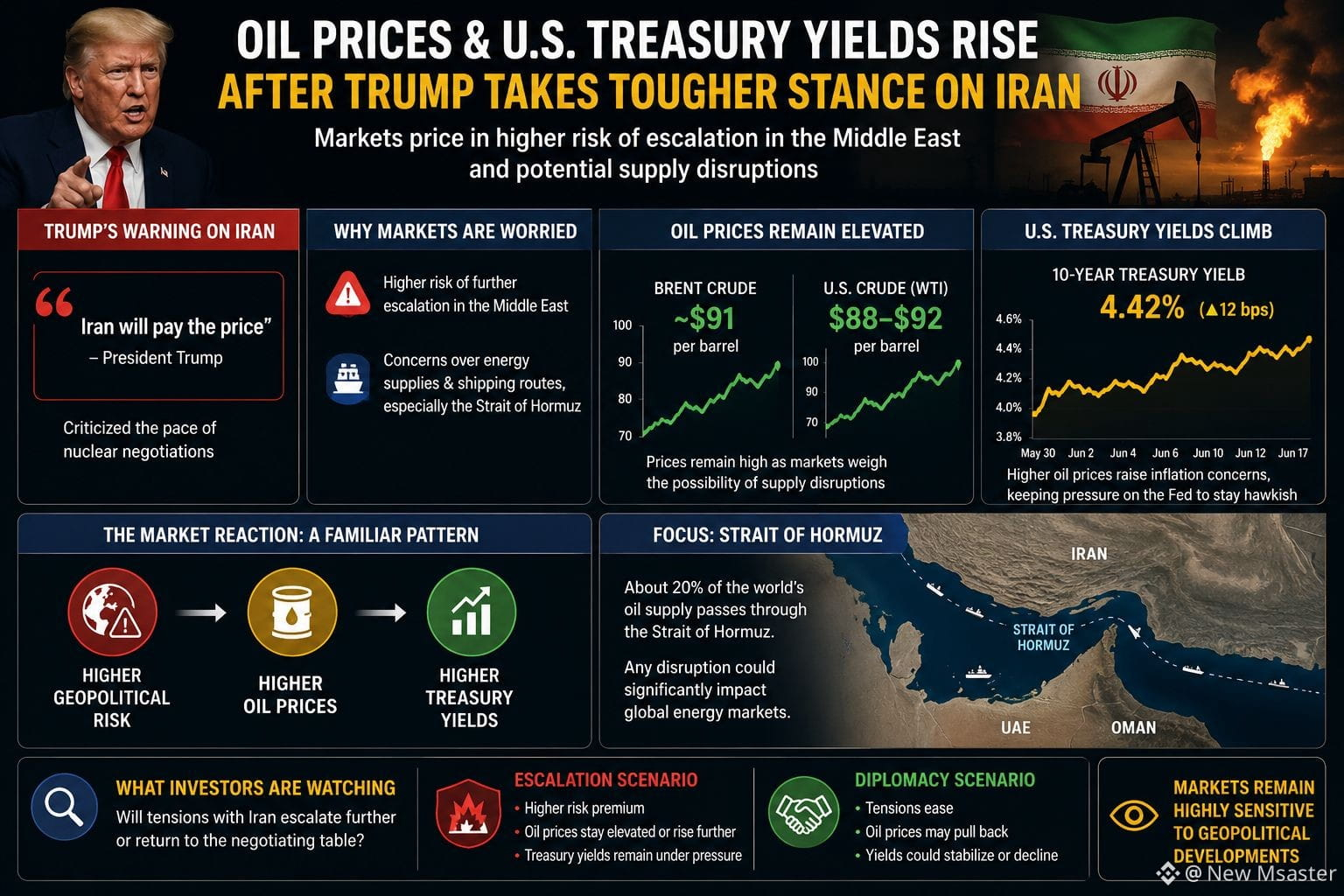
🛢️ Oil prices and U.S. Treasury yields rose after President Trump took a tougher stance on Iran, increasing fears of Middle East tensions and potential supply disruptions.
Brent crude remained near $91 per barrel, while higher oil prices fueled inflation concerns and strengthened expectations that the Federal Reserve may keep interest rates higher for longer.
Markets remain focused on whether tensions with Iran escalate or return to negotiations." CLICK ON THE BELOW YELLOW COIN TAG TO GO TO THE DESIRED TRADING PAGE TO TRADE OK." $BTC $XRP
{spot}(XRPUSDT)
{spot}(BTCUSDT)
#oilvolatilityreturnstopreiranwarlevels
🛢️ Oil prices and U.S. Treasury yields rose after President Trump took a tougher stance on Iran, increasing fears of Middle East tensions and potential supply disruptions.
Brent crude remained near $91 per barrel, while higher oil prices fueled inflation concerns and strengthened expectations that the Federal Reserve may keep interest rates higher for longer.
Markets remain focused on whether tensions with Iran escalate or return to negotiations." CLICK ON THE BELOW YELLOW COIN TAG TO GO TO THE DESIRED TRADING PAGE TO TRADE OK." $BTC $XRP
🛢️ Oil prices and U.S. Treasury yields rose after President Trump took a tougher stance on Iran, increasing fears of Middle East tensions and potential supply disruptions.
Brent crude remained near $91 per barrel, while higher oil prices fueled inflation concerns and strengthened expectations that the Federal Reserve may keep interest rates higher for longer.
Markets remain focused on whether tensions with Iran escalate or return to negotiations." CLICK ON THE BELOW YELLOW COIN TAG TO GO TO THE DESIRED TRADING PAGE TO TRADE OK." $BTC $XRP
6
14.5k

·
--
Bearish
#OilVolatilityReturnsToPreIranWarLevels
🛢️ Oil markets are seeing volatility ease back to pre-Iran war levels, signaling a temporary cooling in geopolitical risk premiums.
However, traders remain cautious as supply dynamics, regional tensions, and demand outlooks continue to shift rapidly.
Energy markets are far from settled.
#Oil #CrudeOil #EnergyMarkets #OilPrices #Geopolitics #Markets #Trading #MacroEconomy
$BTC
{future}(BTCUSDT)
#OilVolatilityReturnsToPreIranWarLevels
🛢️ Oil markets are seeing volatility ease back to pre-Iran war levels, signaling a temporary cooling in geopolitical risk premiums.
However, traders remain cautious as supply dynamics, regional tensions, and demand outlooks continue to shift rapidly.
Energy markets are far from settled.
#Oil #CrudeOil #EnergyMarkets #OilPrices #Geopolitics #Markets #Trading #MacroEconomy
$BTC
🛢️ Oil markets are seeing volatility ease back to pre-Iran war levels, signaling a temporary cooling in geopolitical risk premiums.
However, traders remain cautious as supply dynamics, regional tensions, and demand outlooks continue to shift rapidly.
Energy markets are far from settled.
#Oil #CrudeOil #EnergyMarkets #OilPrices #Geopolitics #Markets #Trading #MacroEconomy
$BTC
45

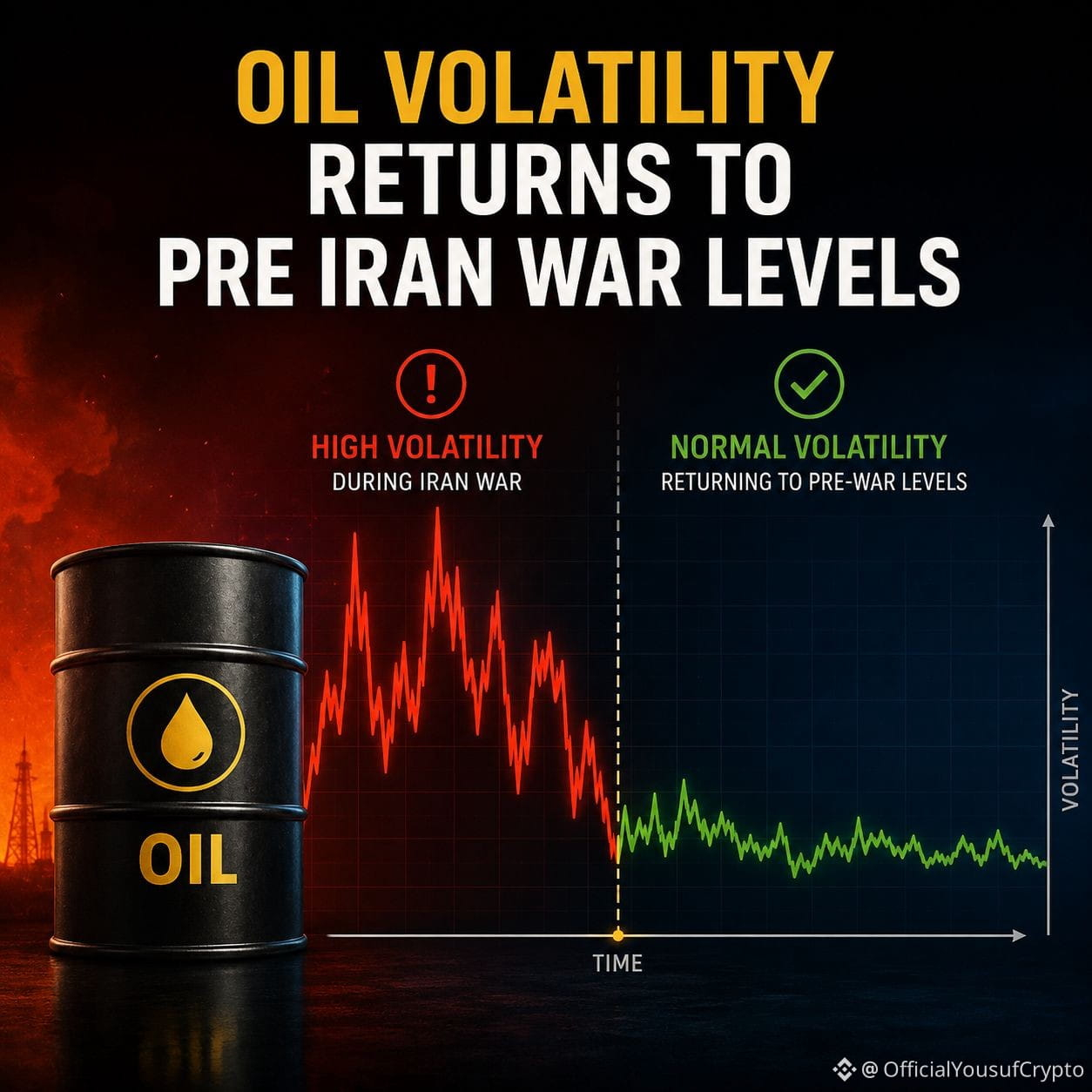
Oil markets appear to be stabilizing after months of uncertainty caused by geopolitical tensions in the Middle East. As volatility returns to pre-war levels, traders are watching closely to see whether this calm period will continue or if another supply-related shock could trigger fresh price swings.
Do you think oil prices will remain stable, or could geopolitical risks create another wave of volatility in the energy market?
#OilVolatilityReturnsToPreIranWarLevels
#OilMarket #CrudeOil
$BTC
{future}(BTCUSDT)
$BZ
{future}(BZUSDT)
$ORDI
{future}(ORDIUSDT)
Oil markets appear to be stabilizing after months of uncertainty caused by geopolitical tensions in the Middle East. As volatility returns to pre-war levels, traders are watching closely to see whether this calm period will continue or if another supply-related shock could trigger fresh price swings.
Do you think oil prices will remain stable, or could geopolitical risks create another wave of volatility in the energy market?
#OilVolatilityReturnsToPreIranWarLevels
#OilMarket #CrudeOil
$BTC
$BZ
$ORDI
Do you think oil prices will remain stable, or could geopolitical risks create another wave of volatility in the energy market?
#OilVolatilityReturnsToPreIranWarLevels
#OilMarket #CrudeOil
$BTC
$BZ
$ORDI
221
💥 #OilVolatilityReturnsToPreIranWarLevels Is it stability or calm before the storm?
Oil volatility is returning to levels seen before the Iran war, according to recent studies from the Dallas Fed and the Open Journal of Finance and Economics. This reflects a normalization of geopolitical risk after the shocks of 2025–2026, where Brent and WTI showed spikes of up to 4× their base volatility. 🌍
Today, energy markets seem to be taking a breather, but analysts warn that this 'calm' could be temporary. Is this the start of a new phase of institutional accumulation, or just a technical pause?
#OilVolatilityReturnsToPreIranWarLevels #EnergyMarkets #BinanceSquare #CrudeOil
$BTC
{spot}(BTCUSDT)
$USDC
{spot}(USDCUSDT)
$BNB
{spot}(BNBUSDT)
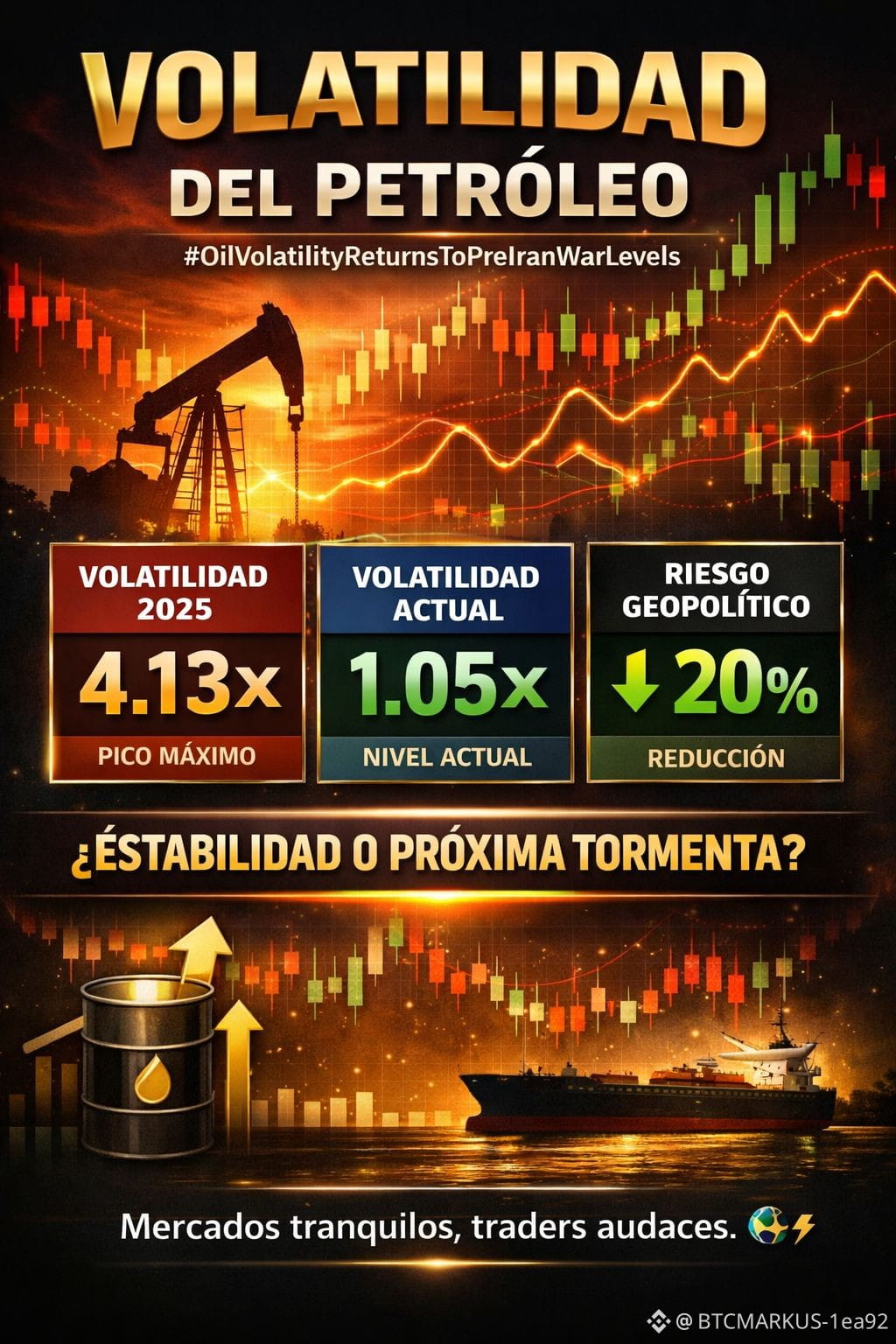
💡mini infographic with three blocks:
1. "Brent Volatility 2025 → 4.13×"
2. "Current Volatility → 1.05×"
3. "Geopolitical Risk ↓ 20 %"
"Oil volatility resets. Calm markets, bold traders. 🌍⚡"
💥 #OilVolatilityReturnsToPreIranWarLevels Is it stability or calm before the storm?
Oil volatility is returning to levels seen before the Iran war, according to recent studies from the Dallas Fed and the Open Journal of Finance and Economics. This reflects a normalization of geopolitical risk after the shocks of 2025–2026, where Brent and WTI showed spikes of up to 4× their base volatility. 🌍
Today, energy markets seem to be taking a breather, but analysts warn that this 'calm' could be temporary. Is this the start of a new phase of institutional accumulation, or just a technical pause?
#OilVolatilityReturnsToPreIranWarLevels #EnergyMarkets #BinanceSquare #CrudeOil
$BTC
$USDC
$BNB
💡mini infographic with three blocks:
1. "Brent Volatility 2025 → 4.13×"
2. "Current Volatility → 1.05×"
3. "Geopolitical Risk ↓ 20 %"
"Oil volatility resets. Calm markets, bold traders. 🌍⚡"
Oil volatility is returning to levels seen before the Iran war, according to recent studies from the Dallas Fed and the Open Journal of Finance and Economics. This reflects a normalization of geopolitical risk after the shocks of 2025–2026, where Brent and WTI showed spikes of up to 4× their base volatility. 🌍
Today, energy markets seem to be taking a breather, but analysts warn that this 'calm' could be temporary. Is this the start of a new phase of institutional accumulation, or just a technical pause?
#OilVolatilityReturnsToPreIranWarLevels #EnergyMarkets #BinanceSquare #CrudeOil
$BTC
$USDC
$BNB
💡mini infographic with three blocks:
1. "Brent Volatility 2025 → 4.13×"
2. "Current Volatility → 1.05×"
3. "Geopolitical Risk ↓ 20 %"
"Oil volatility resets. Calm markets, bold traders. 🌍⚡"
1
128

·
--
Verified
#OilVolatilityReturnsToPreIranWarLevels
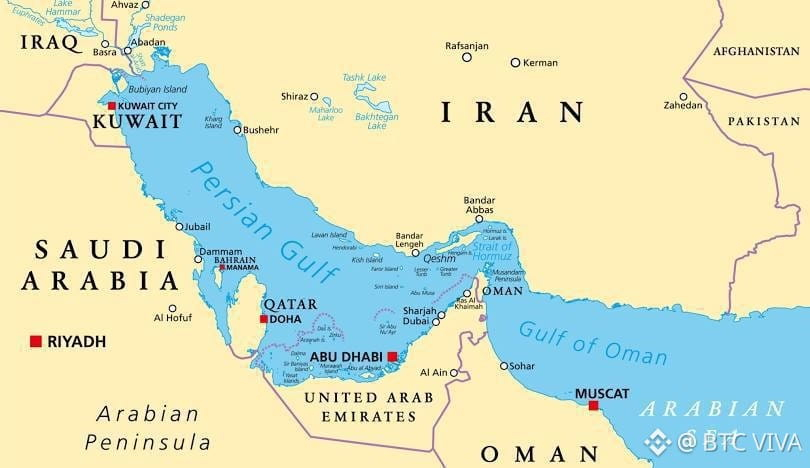
⛽️ Fuel prices could rise even more: Strait of Hormuz completely closed to shipping, Iran's military says.
Any vessel attempting to cross the strait will be destroyed, Iran's military said.
#oil #Hormuz #iran
#USIranConflictLiftsOilAsianStocksFall
$BZ
{future}(BZUSDT)
$CL
{future}(CLUSDT)
$BNB
{future}(BNBUSDT)
#OilVolatilityReturnsToPreIranWarLevels
⛽️ Fuel prices could rise even more: Strait of Hormuz completely closed to shipping, Iran's military says.
Any vessel attempting to cross the strait will be destroyed, Iran's military said.
#oil #Hormuz #iran
#USIranConflictLiftsOilAsianStocksFall
$BZ
$CL
$BNB
⛽️ Fuel prices could rise even more: Strait of Hormuz completely closed to shipping, Iran's military says.
Any vessel attempting to cross the strait will be destroyed, Iran's military said.
#oil #Hormuz #iran
#USIranConflictLiftsOilAsianStocksFall
$BZ
$CL
$BNB
1
6
1.5k
·
--
Verified
#OilVolatilityReturnsToPreIranWarLevels
‼️The Iranians have asked me to stop the bombing, and they will be stopped soon, — Trump
He also added that in case of refusal from the deal, Iran can be “bombed to the ground” as early as tomorrow.
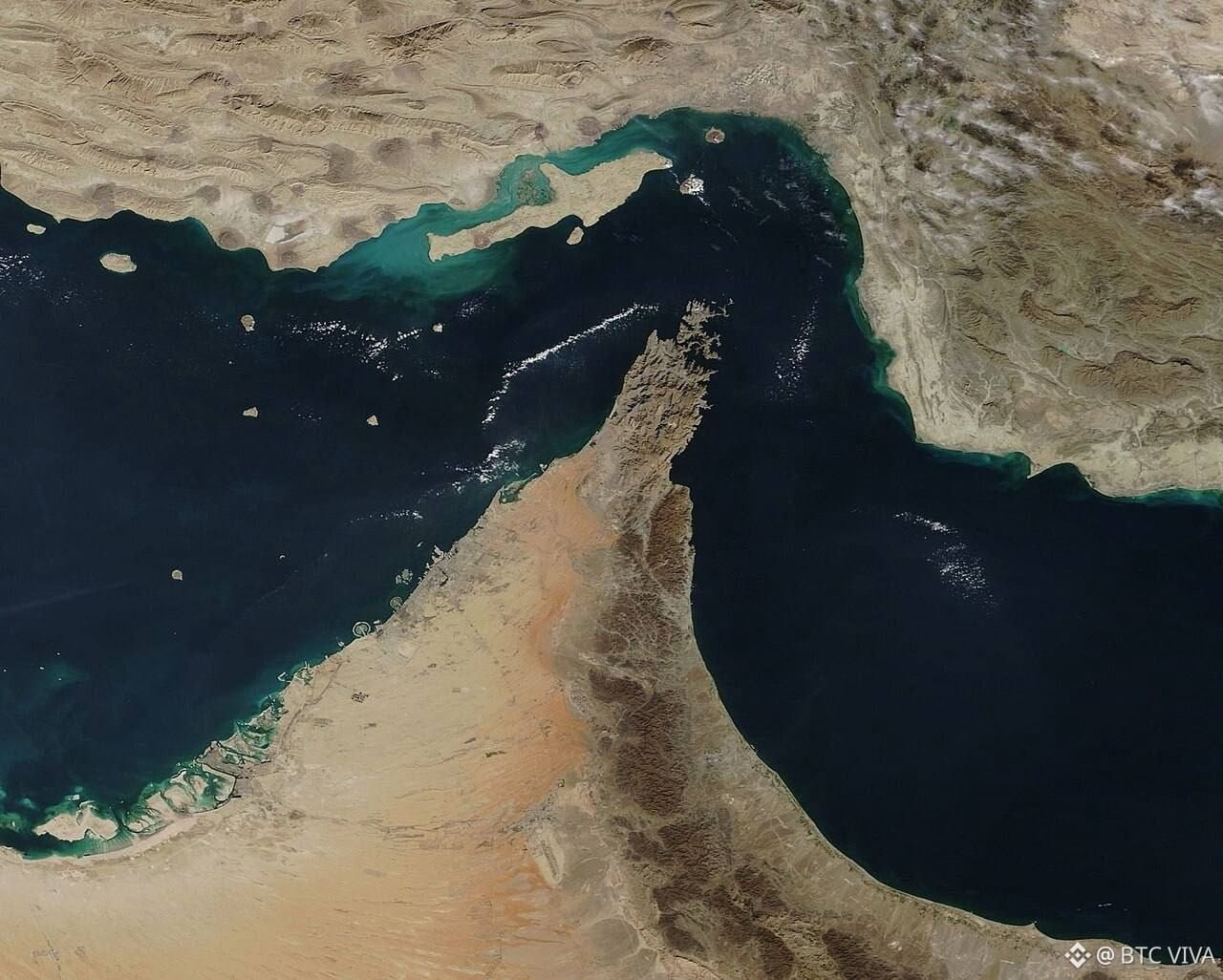
Strait of Hormuz completely closed to ship traffic again
Ships that try to sail through it will be destroyed, the Iranian Armed Forces report.
Two ships that tried to pass through the Strait of Hormuz were hit, the media report. #iran #oil #USIranConflictLiftsOilAsianStocksFall
$BZ
{future}(BZUSDT)
$CL
{future}(CLUSDT)
$BNB
{future}(BNBUSDT)
#OilVolatilityReturnsToPreIranWarLevels
‼️The Iranians have asked me to stop the bombing, and they will be stopped soon, — Trump
He also added that in case of refusal from the deal, Iran can be “bombed to the ground” as early as tomorrow.
Strait of Hormuz completely closed to ship traffic again
Ships that try to sail through it will be destroyed, the Iranian Armed Forces report.
Two ships that tried to pass through the Strait of Hormuz were hit, the media report. #iran #oil #USIranConflictLiftsOilAsianStocksFall
$BZ
$CL
$BNB
‼️The Iranians have asked me to stop the bombing, and they will be stopped soon, — Trump
He also added that in case of refusal from the deal, Iran can be “bombed to the ground” as early as tomorrow.
Strait of Hormuz completely closed to ship traffic again
Ships that try to sail through it will be destroyed, the Iranian Armed Forces report.
Two ships that tried to pass through the Strait of Hormuz were hit, the media report. #iran #oil #USIranConflictLiftsOilAsianStocksFall
$BZ
$CL
$BNB
3
10
1.6k

Verified
#OilVolatilityReturnsToPreIranWarLevels
🛢️ #OilVolatilityReturnsToPreIranWarLevels
Oil market volatility has eased back to levels seen before the Iran conflict, signaling a calmer energy market and improving investor confidence. While geopolitical risks remain, traders are closely watching whether this stability continues. Lower volatility can reduce inflation concerns and influence sentiment across global markets, including crypto. As always, staying informed and managing risk is key in uncertain market conditions.
#OilMarket #CryptoNews #Investing #MarketUpdate #BinanceSquare #TradingInsights 🚀📊$BTC
{spot}(BTCUSDT)
$ETH
{spot}(ETHUSDT)
$XRP
{spot}(XRPUSDT)
#OilVolatilityReturnsToPreIranWarLevels #USMayCPIAcceleratesTo4Point2Percent
#OilVolatilityReturnsToPreIranWarLevels
🛢️ #OilVolatilityReturnsToPreIranWarLevels
Oil market volatility has eased back to levels seen before the Iran conflict, signaling a calmer energy market and improving investor confidence. While geopolitical risks remain, traders are closely watching whether this stability continues. Lower volatility can reduce inflation concerns and influence sentiment across global markets, including crypto. As always, staying informed and managing risk is key in uncertain market conditions.
#OilMarket #CryptoNews #Investing #MarketUpdate #BinanceSquare #TradingInsights 🚀📊$BTC
$ETH
$XRP
#OilVolatilityReturnsToPreIranWarLevels #USMayCPIAcceleratesTo4Point2Percent
🛢️ #OilVolatilityReturnsToPreIranWarLevels
Oil market volatility has eased back to levels seen before the Iran conflict, signaling a calmer energy market and improving investor confidence. While geopolitical risks remain, traders are closely watching whether this stability continues. Lower volatility can reduce inflation concerns and influence sentiment across global markets, including crypto. As always, staying informed and managing risk is key in uncertain market conditions.
#OilMarket #CryptoNews #Investing #MarketUpdate #BinanceSquare #TradingInsights 🚀📊$BTC
$ETH
$XRP
#OilVolatilityReturnsToPreIranWarLevels #USMayCPIAcceleratesTo4Point2Percent
FLEXY-99:
Great to see Bedrock expanding the liquid restaking ecosystem while keeping liquidity accessible for users
1
11
13.2k
Log in to explore more content
Join global crypto users on Binance Square
⚡️ Get latest and useful information about crypto.
💬 Trusted by the world’s largest crypto exchange.
👍 Discover real insights from verified creators.
Email / Phone number
Trending Topics
1
#SECHaltsCryptoETFReviewsAmidFundingLapse
54,612 views
654 Discussing
2
#ZcashETFPostsFirstWeeklyOutflow$93.6M
65,131 views
200 Discussing
3
#GreekPoliceBustCryptoScamRingArrest17
215,473 views
1,518 Discussing
4
#BitcoinRejectedAt$87K
169,814 views
254 Discussing
5
#FedOctoberRateHikeOddsFallTo17%
238,047 views
1,700 Discussing
6
#NvidiaHitsRecordHighUp2.4%
166,628 views
1,189 Discussing
7
#CanaryFilesAmendedS1ForPEPEETF
49,504 views
794 Discussing
8
#BitcoinParesGainsAfterRallyTo$86.5K
59,756 views
175 Discussing
9
#CerebrasSinksNearly20%OnReportNvidiaToPowerOpenAI
160,306 views
1,395 Discussing
10
#SECProposesCryptoCustodyRules
219,606 views
1,725 Discussing