

#oil
oil
5M views
14,240 Discussing
Hot
Latest

·
--
Verified
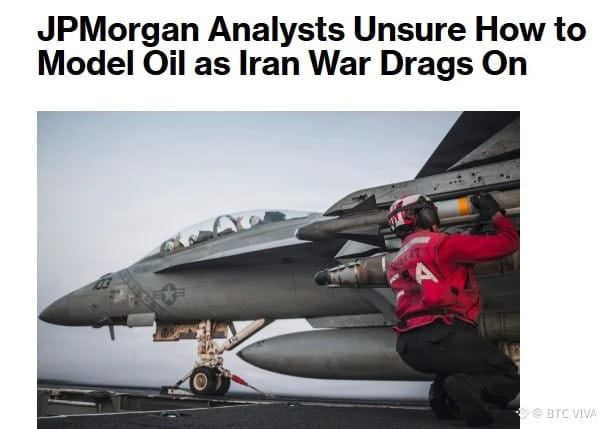
😱😱😱😱😱😱😱 The world is on the brink of a global oil crisis due to the war with Iran, according to JPMorgan.
Further escalation would lead to a sharp rise in oil, gasoline, and diesel prices worldwide, while some countries would face fuel shortages. The G7 is preparing to hold emergency talks on the situation.
Thanks to "peacemaker" Trump for such global "stability" 🤷♂️#TrumpRejectsIranHormuzReopening
#oil #TRUMP
$BZ
{future}(BZUSDT)
$TRUMP
{spot}(TRUMPUSDT)
😱😱😱😱😱😱😱 The world is on the brink of a global oil crisis due to the war with Iran, according to JPMorgan.
Further escalation would lead to a sharp rise in oil, gasoline, and diesel prices worldwide, while some countries would face fuel shortages. The G7 is preparing to hold emergency talks on the situation.
Thanks to "peacemaker" Trump for such global "stability" 🤷♂️#TrumpRejectsIranHormuzReopening
#oil #TRUMP
$BZ
$TRUMP
Further escalation would lead to a sharp rise in oil, gasoline, and diesel prices worldwide, while some countries would face fuel shortages. The G7 is preparing to hold emergency talks on the situation.
Thanks to "peacemaker" Trump for such global "stability" 🤷♂️#TrumpRejectsIranHormuzReopening
#oil #TRUMP
$BZ
$TRUMP
Crpto 3262:
Great insight
1
13
3.3k
🚨 STOCKS | A Hidden Oil Bottleneck Is Building — And Energy Stocks Could Be Next
The Middle East oil story is shifting from production to transportation capacity.
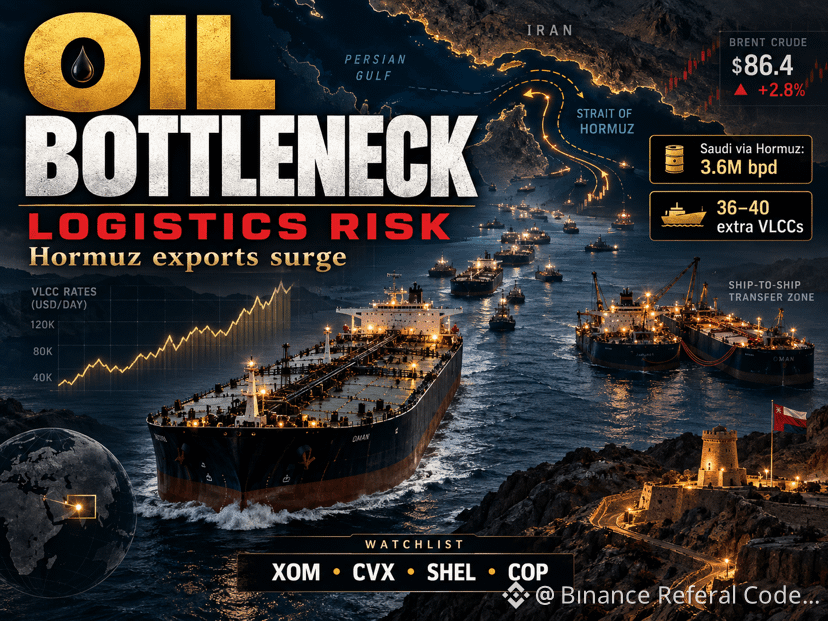
Saudi Arabia has dramatically increased crude exports through the Strait of Hormuz after attacks disrupted its East-West pipeline.
September Saudi exports through Hormuz are now on track to reach roughly:
3.6 MILLION barrels/day
versus only around:
900,000 barrels/day in August.
But there’s a problem.
The surge is creating intense demand for supertankers, while ship-to-ship transfer capacity around Oman is reaching its limits. Reuters reports that moving the additional Saudi crude could require roughly 36–40 extra VLCC tankers.
Why does this matter for stocks?
This isn’t only an oil-price story anymore.
It’s becoming a physical logistics story.
If transportation constraints persist, the market could see pressure across:
Crude prices
Tanker rates
Refining margins
Energy-company earnings
U.S. markets are closed today, so there is no Sunday price move in these stocks to report.
When Wall Street reopens, watch:
$XOM.US • $CVX • $SHELL • $COP
And keep an eye on Saudi Aramco / 2222 as Middle East markets trade.
The key question for the new week:
Can Saudi Arabia keep redirecting millions of barrels through the Gulf without creating another major bottleneck in the global oil supply chain?
#Stocks #Oil #XOM #CVX
🚨 STOCKS | A Hidden Oil Bottleneck Is Building — And Energy Stocks Could Be Next
The Middle East oil story is shifting from production to transportation capacity.
Saudi Arabia has dramatically increased crude exports through the Strait of Hormuz after attacks disrupted its East-West pipeline.
September Saudi exports through Hormuz are now on track to reach roughly:
3.6 MILLION barrels/day
versus only around:
900,000 barrels/day in August.
But there’s a problem.
The surge is creating intense demand for supertankers, while ship-to-ship transfer capacity around Oman is reaching its limits. Reuters reports that moving the additional Saudi crude could require roughly 36–40 extra VLCC tankers.
Why does this matter for stocks?
This isn’t only an oil-price story anymore.
It’s becoming a physical logistics story.
If transportation constraints persist, the market could see pressure across:
Crude prices
Tanker rates
Refining margins
Energy-company earnings
U.S. markets are closed today, so there is no Sunday price move in these stocks to report.
When Wall Street reopens, watch:
$XOM.US • $CVX • $SHELL • $COP
And keep an eye on Saudi Aramco / 2222 as Middle East markets trade.
The key question for the new week:
Can Saudi Arabia keep redirecting millions of barrels through the Gulf without creating another major bottleneck in the global oil supply chain?
#Stocks #Oil #XOM #CVX
The Middle East oil story is shifting from production to transportation capacity.
Saudi Arabia has dramatically increased crude exports through the Strait of Hormuz after attacks disrupted its East-West pipeline.
September Saudi exports through Hormuz are now on track to reach roughly:
3.6 MILLION barrels/day
versus only around:
900,000 barrels/day in August.
But there’s a problem.
The surge is creating intense demand for supertankers, while ship-to-ship transfer capacity around Oman is reaching its limits. Reuters reports that moving the additional Saudi crude could require roughly 36–40 extra VLCC tankers.
Why does this matter for stocks?
This isn’t only an oil-price story anymore.
It’s becoming a physical logistics story.
If transportation constraints persist, the market could see pressure across:
Crude prices
Tanker rates
Refining margins
Energy-company earnings
U.S. markets are closed today, so there is no Sunday price move in these stocks to report.
When Wall Street reopens, watch:
$XOM.US • $CVX • $SHELL • $COP
And keep an eye on Saudi Aramco / 2222 as Middle East markets trade.
The key question for the new week:
Can Saudi Arabia keep redirecting millions of barrels through the Gulf without creating another major bottleneck in the global oil supply chain?
#Stocks #Oil #XOM #CVX
305

·
--
Bearish
potential oil price increase in future as US president denies opening of straight of hormuz. The year could start catastrophic events .#oil
potential oil price increase in future as US president denies opening of straight of hormuz. The year could start catastrophic events .#oil
284


Article
Trump Rejects Iran’s Hormuz Plan: Oil Risk Is Back🚨 Trump rejected Iran’s 7 day plan to reopen the Strait of Hormuz. 👀🛢️
Iran proposed a roadmap that could restore normal shipping through Hormuz within seven days, alongside a ceasefire and renewed nuclear talks.
But Trump said he rejected the proposal.
Now the oil market is back to watching the same risk:
🛢️ Hormuz disruption
📈 Supply concerns
⚠️ Higher geopolitical risk
🔥 Potential for renewed volatility
The Strait is critical to global energy trade, with roughly a quarter of seaborne oil flows and about a fifth of global LNG trade normally passing through it.
The bigger question for oil isn't just what was rejected.
It's what happens to shipping and supply next. 👀
$CL $BZ
#Oil
#BrentCrude #Hormuz #Geopolitics #EnergyMarkets
Trump Rejects Iran’s Hormuz Plan: Oil Risk Is Back
🚨 Trump rejected Iran’s 7 day plan to reopen the Strait of Hormuz. 👀🛢️
Iran proposed a roadmap that could restore normal shipping through Hormuz within seven days, alongside a ceasefire and renewed nuclear talks.
But Trump said he rejected the proposal.
Now the oil market is back to watching the same risk:
🛢️ Hormuz disruption
📈 Supply concerns
⚠️ Higher geopolitical risk
🔥 Potential for renewed volatility
The Strait is critical to global energy trade, with roughly a quarter of seaborne oil flows and about a fifth of global LNG trade normally passing through it.
The bigger question for oil isn't just what was rejected.
It's what happens to shipping and supply next. 👀
$CL $BZ
#Oil
#BrentCrude #Hormuz #Geopolitics #EnergyMarkets
Iran proposed a roadmap that could restore normal shipping through Hormuz within seven days, alongside a ceasefire and renewed nuclear talks.
But Trump said he rejected the proposal.
Now the oil market is back to watching the same risk:
🛢️ Hormuz disruption
📈 Supply concerns
⚠️ Higher geopolitical risk
🔥 Potential for renewed volatility
The Strait is critical to global energy trade, with roughly a quarter of seaborne oil flows and about a fifth of global LNG trade normally passing through it.
The bigger question for oil isn't just what was rejected.
It's what happens to shipping and supply next. 👀
$CL $BZ
#Oil
#BrentCrude #Hormuz #Geopolitics #EnergyMarkets
174

🔥 Crypto traders, don’t ignore what’s happening with Oil
The Middle East conflict is already hitting the global energy market, and Bangladesh just raised fuel prices by up to 17.4% as global oil and shipping costs surged.
Here’s where crypto gets interesting 👀
Higher energy costs → inflation pressure → more uncertainty for risk assets.
That puts $BTC and the broader crypto market in an interesting position over the coming days.
I’m watching Oil + Gold + BTC together instead of looking at crypto in isolation.
If oil keeps climbing, what happens to $BTC
🟢 Bullish
🔴 Bearish
👀 Depends on the next headline
#BTC #Bitcoin #Oil #Crypto #BinanceSquare
🔥 Crypto traders, don’t ignore what’s happening with Oil
The Middle East conflict is already hitting the global energy market, and Bangladesh just raised fuel prices by up to 17.4% as global oil and shipping costs surged.
Here’s where crypto gets interesting 👀
Higher energy costs → inflation pressure → more uncertainty for risk assets.
That puts $BTC and the broader crypto market in an interesting position over the coming days.
I’m watching Oil + Gold + BTC together instead of looking at crypto in isolation.
If oil keeps climbing, what happens to $BTC
🟢 Bullish
🔴 Bearish
👀 Depends on the next headline
#BTC #Bitcoin #Oil #Crypto #BinanceSquare
The Middle East conflict is already hitting the global energy market, and Bangladesh just raised fuel prices by up to 17.4% as global oil and shipping costs surged.
Here’s where crypto gets interesting 👀
Higher energy costs → inflation pressure → more uncertainty for risk assets.
That puts $BTC and the broader crypto market in an interesting position over the coming days.
I’m watching Oil + Gold + BTC together instead of looking at crypto in isolation.
If oil keeps climbing, what happens to $BTC
🟢 Bullish
🔴 Bearish
👀 Depends on the next headline
#BTC #Bitcoin #Oil #Crypto #BinanceSquare
11

Article
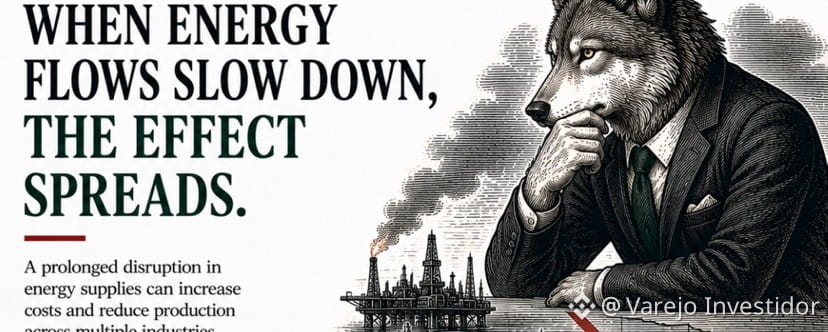
WHEN ENERGY SUPPLY TIGHTENS, THE WHOLE ECONOMY CAN FEEL ITEnergy disruptions rarely remain confined to the energy sector.
When oil and gas become harder to obtain or transport, the first pressure can appear in industrial costs. Factories, airlines, shipping companies, logistics operators and agricultural businesses all depend on energy directly or indirectly.
The economic chain can then become more complicated:
ENERGY SHORTAGE → HIGHER INPUT COSTS → LOWER MARGINS → LESS OUTPUT → TIGHTER SUPPLY → HIGHER PRICES
Companies facing rising expenses may reduce production, delay investments or pass part of the additional cost to customers. If this process spreads across several industries at the same time, the effect can reach the broader economy.
Transportation is especially important because fuel costs influence the movement of raw materials and finished products. Food prices can also be affected through farming, processing, storage and distribution.
For financial markets, this creates several variables to watch simultaneously. Energy prices can influence inflation expectations, corporate earnings, interest-rate expectations and consumer spending.
The key lesson is that energy is not simply another commodity traded on an exchange.
It is an input that connects factories, farms, ships, vehicles, businesses and households.
When that input becomes constrained, the economic impact can travel through the entire supply chain.
#Price-Prediction #Inflation #oil $OILK.ETF
$XOM.US
{stock_us}(XOM.US)
$TLTW.ETF
{etf_us}(TLTW.ETF)
{spot}(IBMBUSDT)
WHEN ENERGY SUPPLY TIGHTENS, THE WHOLE ECONOMY CAN FEEL IT
Energy disruptions rarely remain confined to the energy sector.
When oil and gas become harder to obtain or transport, the first pressure can appear in industrial costs. Factories, airlines, shipping companies, logistics operators and agricultural businesses all depend on energy directly or indirectly.
The economic chain can then become more complicated:
ENERGY SHORTAGE → HIGHER INPUT COSTS → LOWER MARGINS → LESS OUTPUT → TIGHTER SUPPLY → HIGHER PRICES
Companies facing rising expenses may reduce production, delay investments or pass part of the additional cost to customers. If this process spreads across several industries at the same time, the effect can reach the broader economy.
Transportation is especially important because fuel costs influence the movement of raw materials and finished products. Food prices can also be affected through farming, processing, storage and distribution.
For financial markets, this creates several variables to watch simultaneously. Energy prices can influence inflation expectations, corporate earnings, interest-rate expectations and consumer spending.
The key lesson is that energy is not simply another commodity traded on an exchange.
It is an input that connects factories, farms, ships, vehicles, businesses and households.
When that input becomes constrained, the economic impact can travel through the entire supply chain.
#Price-Prediction #Inflation #oil $OILK.ETF
$XOM.US
$TLTW.ETF
When oil and gas become harder to obtain or transport, the first pressure can appear in industrial costs. Factories, airlines, shipping companies, logistics operators and agricultural businesses all depend on energy directly or indirectly.
The economic chain can then become more complicated:
ENERGY SHORTAGE → HIGHER INPUT COSTS → LOWER MARGINS → LESS OUTPUT → TIGHTER SUPPLY → HIGHER PRICES
Companies facing rising expenses may reduce production, delay investments or pass part of the additional cost to customers. If this process spreads across several industries at the same time, the effect can reach the broader economy.
Transportation is especially important because fuel costs influence the movement of raw materials and finished products. Food prices can also be affected through farming, processing, storage and distribution.
For financial markets, this creates several variables to watch simultaneously. Energy prices can influence inflation expectations, corporate earnings, interest-rate expectations and consumer spending.
The key lesson is that energy is not simply another commodity traded on an exchange.
It is an input that connects factories, farms, ships, vehicles, businesses and households.
When that input becomes constrained, the economic impact can travel through the entire supply chain.
#Price-Prediction #Inflation #oil $OILK.ETF
$XOM.US
$TLTW.ETF
TLTWETF-0.04%
OILKETF-1.14%
XOMUS-0.92%
1
7
Article
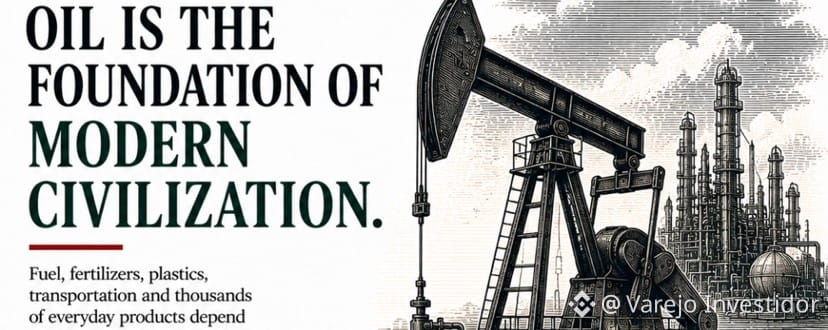
WHY OIL STILL MATTERS TO ALMOST EVERYTHINGLook around modern life and oil is rarely visible, yet its influence is everywhere.
Its role goes far beyond gasoline. Petroleum is embedded in transportation, industrial production, agriculture, chemicals, packaging, plastics and countless products used every day.
That makes oil more than an energy commodity. It is a fundamental input across multiple layers of the global economy.
Consider the chain:
OIL → TRANSPORTATION → PRODUCTION → AGRICULTURE → CONSUMPTION
A change in energy costs can therefore travel through the economy in unexpected ways. Higher fuel expenses can increase shipping costs. More expensive transportation can raise production expenses. Agriculture can also be affected through fuel, machinery, fertilizers and other petroleum-related inputs.
The result is a complex relationship between energy markets and the prices consumers ultimately face.
This is also why crude oil remains strategically important for governments, corporations and financial markets. Its importance is not limited to how much a barrel costs today. What matters is how energy availability and transportation costs influence economic activity across the entire supply chain.
For investors, the broader lesson is simple: commodities rarely exist in isolation.
Oil connects energy with industry, agriculture, logistics and consumption.
Understanding that network can provide a different perspective on why movements in the energy market can eventually appear in corporate earnings, inflation expectations and financial assets around the world.
#oil #Irã #economy #Finance
$CVX.US
{stock_us}(CVX.US)
$XOM.US
{stock_us}(XOM.US)
$OXY.US
{stock_us}(OXY.US)
WHY OIL STILL MATTERS TO ALMOST EVERYTHING
Look around modern life and oil is rarely visible, yet its influence is everywhere.
Its role goes far beyond gasoline. Petroleum is embedded in transportation, industrial production, agriculture, chemicals, packaging, plastics and countless products used every day.
That makes oil more than an energy commodity. It is a fundamental input across multiple layers of the global economy.
Consider the chain:
OIL → TRANSPORTATION → PRODUCTION → AGRICULTURE → CONSUMPTION
A change in energy costs can therefore travel through the economy in unexpected ways. Higher fuel expenses can increase shipping costs. More expensive transportation can raise production expenses. Agriculture can also be affected through fuel, machinery, fertilizers and other petroleum-related inputs.
The result is a complex relationship between energy markets and the prices consumers ultimately face.
This is also why crude oil remains strategically important for governments, corporations and financial markets. Its importance is not limited to how much a barrel costs today. What matters is how energy availability and transportation costs influence economic activity across the entire supply chain.
For investors, the broader lesson is simple: commodities rarely exist in isolation.
Oil connects energy with industry, agriculture, logistics and consumption.
Understanding that network can provide a different perspective on why movements in the energy market can eventually appear in corporate earnings, inflation expectations and financial assets around the world.
#oil #Irã #economy #Finance
$CVX.US
$XOM.US
$OXY.US
Its role goes far beyond gasoline. Petroleum is embedded in transportation, industrial production, agriculture, chemicals, packaging, plastics and countless products used every day.
That makes oil more than an energy commodity. It is a fundamental input across multiple layers of the global economy.
Consider the chain:
OIL → TRANSPORTATION → PRODUCTION → AGRICULTURE → CONSUMPTION
A change in energy costs can therefore travel through the economy in unexpected ways. Higher fuel expenses can increase shipping costs. More expensive transportation can raise production expenses. Agriculture can also be affected through fuel, machinery, fertilizers and other petroleum-related inputs.
The result is a complex relationship between energy markets and the prices consumers ultimately face.
This is also why crude oil remains strategically important for governments, corporations and financial markets. Its importance is not limited to how much a barrel costs today. What matters is how energy availability and transportation costs influence economic activity across the entire supply chain.
For investors, the broader lesson is simple: commodities rarely exist in isolation.
Oil connects energy with industry, agriculture, logistics and consumption.
Understanding that network can provide a different perspective on why movements in the energy market can eventually appear in corporate earnings, inflation expectations and financial assets around the world.
#oil #Irã #economy #Finance
$CVX.US
$XOM.US
$OXY.US
OXYUS-2.03%
XOMUS-0.92%
CVXUS-0.55%
1
34
Article
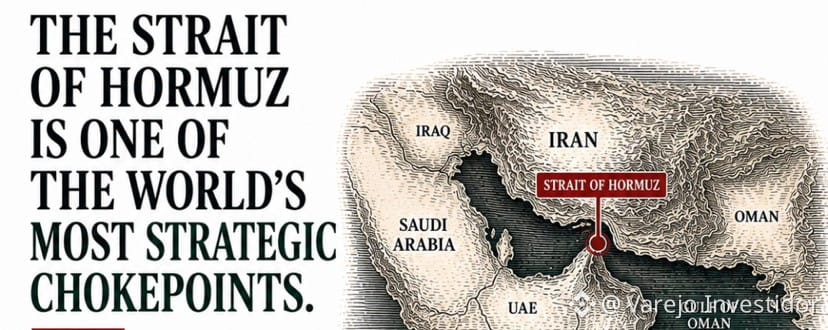
THE WORLD’S ENERGY TRADE PASSES THROUGH A NARROW GATESome of the most important points on the global map are surprisingly small.
The Strait of Hormuz is a narrow maritime passage between Iran and Oman, connecting the Persian Gulf with the Gulf of Oman. Its geographic position gives it an outsized role in the international energy system.
The image highlights a simple chain:
MIDDLE EAST → HORMUZ → GLOBAL ENERGY FLOWS
Large volumes of petroleum products and other energy cargoes move through this corridor toward international markets. That concentration creates a potential vulnerability: when geopolitical tensions rise around a critical shipping route, the consequences can extend well beyond the countries surrounding it.
The first impact may appear in freight and energy markets. From there, higher transportation or energy costs can influence inflation expectations, corporate margins, consumer prices and economic growth.
This is why geography matters to investors.
A shipping lane does not need to be large to become economically important. What matters is what the world depends on moving through it.
The Strait of Hormuz is therefore more than a location on a map. It is part of the infrastructure connecting energy producers with consumers across continents.
In global markets, sometimes the smallest points on the map can carry the largest economic consequences.
#market #oil #trading #economy
$USO.ETF
$XOM.US
{stock_us}(XOM.US)
$CVX.US
{stock_us}(CVX.US)
{future}(XAUUSDT)
THE WORLD’S ENERGY TRADE PASSES THROUGH A NARROW GATE
Some of the most important points on the global map are surprisingly small.
The Strait of Hormuz is a narrow maritime passage between Iran and Oman, connecting the Persian Gulf with the Gulf of Oman. Its geographic position gives it an outsized role in the international energy system.
The image highlights a simple chain:
MIDDLE EAST → HORMUZ → GLOBAL ENERGY FLOWS
Large volumes of petroleum products and other energy cargoes move through this corridor toward international markets. That concentration creates a potential vulnerability: when geopolitical tensions rise around a critical shipping route, the consequences can extend well beyond the countries surrounding it.
The first impact may appear in freight and energy markets. From there, higher transportation or energy costs can influence inflation expectations, corporate margins, consumer prices and economic growth.
This is why geography matters to investors.
A shipping lane does not need to be large to become economically important. What matters is what the world depends on moving through it.
The Strait of Hormuz is therefore more than a location on a map. It is part of the infrastructure connecting energy producers with consumers across continents.
In global markets, sometimes the smallest points on the map can carry the largest economic consequences.
#market #oil #trading #economy
$USO.ETF
$XOM.US
$CVX.US
The Strait of Hormuz is a narrow maritime passage between Iran and Oman, connecting the Persian Gulf with the Gulf of Oman. Its geographic position gives it an outsized role in the international energy system.
The image highlights a simple chain:
MIDDLE EAST → HORMUZ → GLOBAL ENERGY FLOWS
Large volumes of petroleum products and other energy cargoes move through this corridor toward international markets. That concentration creates a potential vulnerability: when geopolitical tensions rise around a critical shipping route, the consequences can extend well beyond the countries surrounding it.
The first impact may appear in freight and energy markets. From there, higher transportation or energy costs can influence inflation expectations, corporate margins, consumer prices and economic growth.
This is why geography matters to investors.
A shipping lane does not need to be large to become economically important. What matters is what the world depends on moving through it.
The Strait of Hormuz is therefore more than a location on a map. It is part of the infrastructure connecting energy producers with consumers across continents.
In global markets, sometimes the smallest points on the map can carry the largest economic consequences.
#market #oil #trading #economy
$USO.ETF
$XOM.US
$CVX.US
2
262

Article
THE REAL BATTLE MAY BE HAPPENING FAR BEYOND THE BATTLEFIELDA conflict around Iran and the Strait of Hormuz is not only a military story. It is also a story about energy, shipping routes, inflation and the global economy.
Hormuz is one of the world’s most strategically important maritime chokepoints. Disruptions or heightened risks in the area can affect how energy moves from producers to consumers, increasing uncertainty across global supply chains.
The market transmission mechanism can be powerful:
GEOPOLITICAL TENSION → ENERGY RISK → SHIPPING COSTS → INFLATION → MARKETS
Higher energy costs can influence transportation, manufacturing and consumer prices. Companies exposed to fuel and logistics may face changing costs, while investors reassess expectations for inflation, interest rates and economic growth.
This is why geopolitical events can move assets far outside the region where the conflict occurs. Oil prices, energy companies, currencies, bonds, commodities and even digital assets can all become part of the market’s response to a major global shock.
The important question is therefore not simply what happens on the battlefield.
It is what happens to the infrastructure connecting the world.
When energy routes, trade flows or strategic chokepoints come under pressure, a regional event can become an international economic issue.
Understanding those connections is essential for reading the market beyond the headlines.
#market #oil #russia #economy $OILK.ETF
$GLDB.ETF
{etf_us}(GLDB.ETF)
$BNOV.ETF
{etf_us}(BNOV.ETF)
{future}(XAUUSDT)
THE REAL BATTLE MAY BE HAPPENING FAR BEYOND THE BATTLEFIELD
A conflict around Iran and the Strait of Hormuz is not only a military story. It is also a story about energy, shipping routes, inflation and the global economy.
Hormuz is one of the world’s most strategically important maritime chokepoints. Disruptions or heightened risks in the area can affect how energy moves from producers to consumers, increasing uncertainty across global supply chains.
The market transmission mechanism can be powerful:
GEOPOLITICAL TENSION → ENERGY RISK → SHIPPING COSTS → INFLATION → MARKETS
Higher energy costs can influence transportation, manufacturing and consumer prices. Companies exposed to fuel and logistics may face changing costs, while investors reassess expectations for inflation, interest rates and economic growth.
This is why geopolitical events can move assets far outside the region where the conflict occurs. Oil prices, energy companies, currencies, bonds, commodities and even digital assets can all become part of the market’s response to a major global shock.
The important question is therefore not simply what happens on the battlefield.
It is what happens to the infrastructure connecting the world.
When energy routes, trade flows or strategic chokepoints come under pressure, a regional event can become an international economic issue.
Understanding those connections is essential for reading the market beyond the headlines.
#market #oil #russia #economy $OILK.ETF
$GLDB.ETF
$BNOV.ETF
Hormuz is one of the world’s most strategically important maritime chokepoints. Disruptions or heightened risks in the area can affect how energy moves from producers to consumers, increasing uncertainty across global supply chains.
The market transmission mechanism can be powerful:
GEOPOLITICAL TENSION → ENERGY RISK → SHIPPING COSTS → INFLATION → MARKETS
Higher energy costs can influence transportation, manufacturing and consumer prices. Companies exposed to fuel and logistics may face changing costs, while investors reassess expectations for inflation, interest rates and economic growth.
This is why geopolitical events can move assets far outside the region where the conflict occurs. Oil prices, energy companies, currencies, bonds, commodities and even digital assets can all become part of the market’s response to a major global shock.
The important question is therefore not simply what happens on the battlefield.
It is what happens to the infrastructure connecting the world.
When energy routes, trade flows or strategic chokepoints come under pressure, a regional event can become an international economic issue.
Understanding those connections is essential for reading the market beyond the headlines.
#market #oil #russia #economy $OILK.ETF
$GLDB.ETF
$BNOV.ETF
1
64

·
--
Bearish
#oil
Commodities
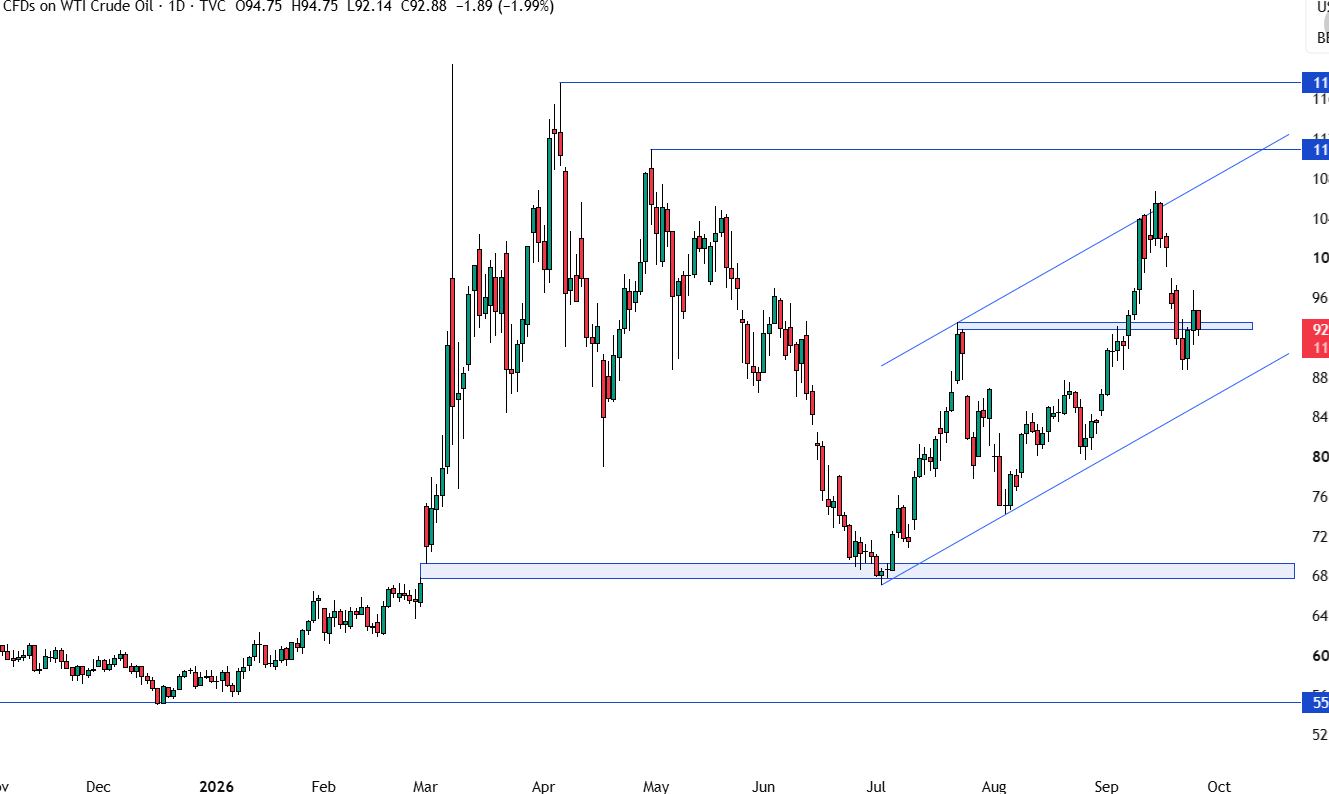
Crude oil breaks below short-term support. Can sellers keep control?
WTI slips beneath its 100-hour moving average and a swing area, putting $88.77 in focus.
Talk of progress adds pressure to oil
Adam Button posted that the atmosphere surrounding Iran–US talks in New York is becoming more positive, according to Al Jazeera’s Tehran bureau chief, Nourddine Dgheir. The report says the discussions have moved beyond initial diplomatic contacts into a more detailed technical phase. More Iranian officials have traveled to New York, and Qatar continues to mediate. Adam notes that an Axios report carries a similar message.
That is welcome news if it leads to an agreement, but talks are still talks. For oil traders, the possibility of easing tensions can reduce the geopolitical risk premium built into the price. The market’s reaction is worth watching, but progress in negotiations would need to turn into action to have a lasting impact.
#oil
Commodities
Crude oil breaks below short-term support. Can sellers keep control?
WTI slips beneath its 100-hour moving average and a swing area, putting $88.77 in focus.
Talk of progress adds pressure to oil
Adam Button posted that the atmosphere surrounding Iran–US talks in New York is becoming more positive, according to Al Jazeera’s Tehran bureau chief, Nourddine Dgheir. The report says the discussions have moved beyond initial diplomatic contacts into a more detailed technical phase. More Iranian officials have traveled to New York, and Qatar continues to mediate. Adam notes that an Axios report carries a similar message.
That is welcome news if it leads to an agreement, but talks are still talks. For oil traders, the possibility of easing tensions can reduce the geopolitical risk premium built into the price. The market’s reaction is worth watching, but progress in negotiations would need to turn into action to have a lasting impact.
Commodities
Crude oil breaks below short-term support. Can sellers keep control?
WTI slips beneath its 100-hour moving average and a swing area, putting $88.77 in focus.
Talk of progress adds pressure to oil
Adam Button posted that the atmosphere surrounding Iran–US talks in New York is becoming more positive, according to Al Jazeera’s Tehran bureau chief, Nourddine Dgheir. The report says the discussions have moved beyond initial diplomatic contacts into a more detailed technical phase. More Iranian officials have traveled to New York, and Qatar continues to mediate. Adam notes that an Axios report carries a similar message.
That is welcome news if it leads to an agreement, but talks are still talks. For oil traders, the possibility of easing tensions can reduce the geopolitical risk premium built into the price. The market’s reaction is worth watching, but progress in negotiations would need to turn into action to have a lasting impact.
286

·
--
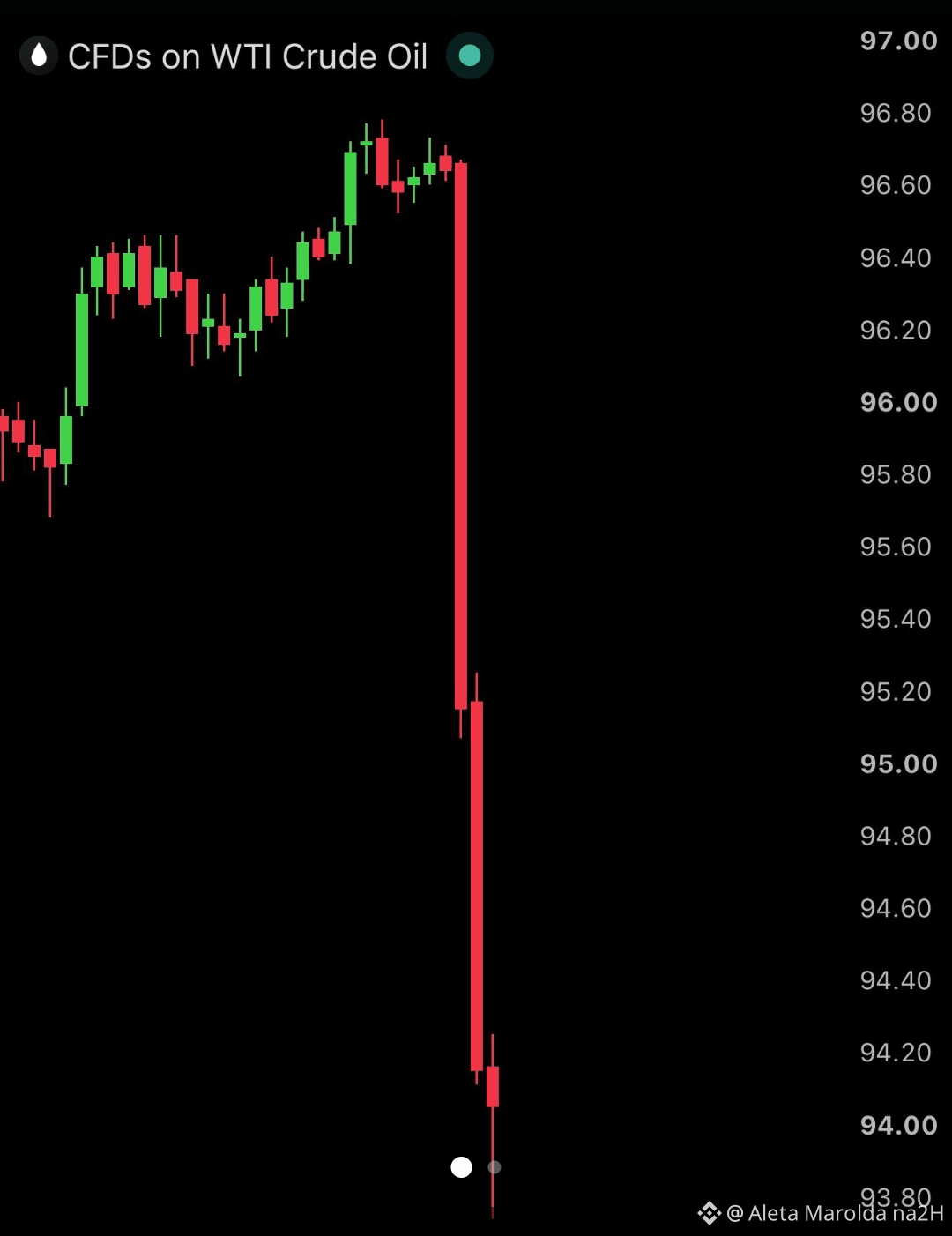
🚨 $OIL PLUMMETS 4% AS US-IRAN TALKS ADVANCE TO TECHNICAL STAGE! 📉
Macro tides are shifting fast. $OIL dropped 4.00% intraday down to $96.71 as diplomatic negotiations between the US and Iran progress into technical consultation phases. 📊
When geopolitical risk premiums deflate, we typically see institutional capital rebalance across global risk assets while market liquidity resets. 💡
Smart money is already watching how this energy price pullback impacts broader inflation expectations and rate trajectories. 💬 Do you expect this crude flush to trigger a fresh risk-on wave across the board? 👇
⚠️ Not financial advice. Always manage your risk. 🛡️
🏷️ #OIL #Macro #MarketUpdate #Commodities #Trading
⚡ 🔍
🚨 $OIL PLUMMETS 4% AS US-IRAN TALKS ADVANCE TO TECHNICAL STAGE! 📉
Macro tides are shifting fast. $OIL dropped 4.00% intraday down to $96.71 as diplomatic negotiations between the US and Iran progress into technical consultation phases. 📊
When geopolitical risk premiums deflate, we typically see institutional capital rebalance across global risk assets while market liquidity resets. 💡
Smart money is already watching how this energy price pullback impacts broader inflation expectations and rate trajectories. 💬 Do you expect this crude flush to trigger a fresh risk-on wave across the board? 👇
⚠️ Not financial advice. Always manage your risk. 🛡️
🏷️ #OIL #Macro #MarketUpdate #Commodities #Trading
⚡ 🔍
Macro tides are shifting fast. $OIL dropped 4.00% intraday down to $96.71 as diplomatic negotiations between the US and Iran progress into technical consultation phases. 📊
When geopolitical risk premiums deflate, we typically see institutional capital rebalance across global risk assets while market liquidity resets. 💡
Smart money is already watching how this energy price pullback impacts broader inflation expectations and rate trajectories. 💬 Do you expect this crude flush to trigger a fresh risk-on wave across the board? 👇
⚠️ Not financial advice. Always manage your risk. 🛡️
🏷️ #OIL #Macro #MarketUpdate #Commodities #Trading
⚡ 🔍
231

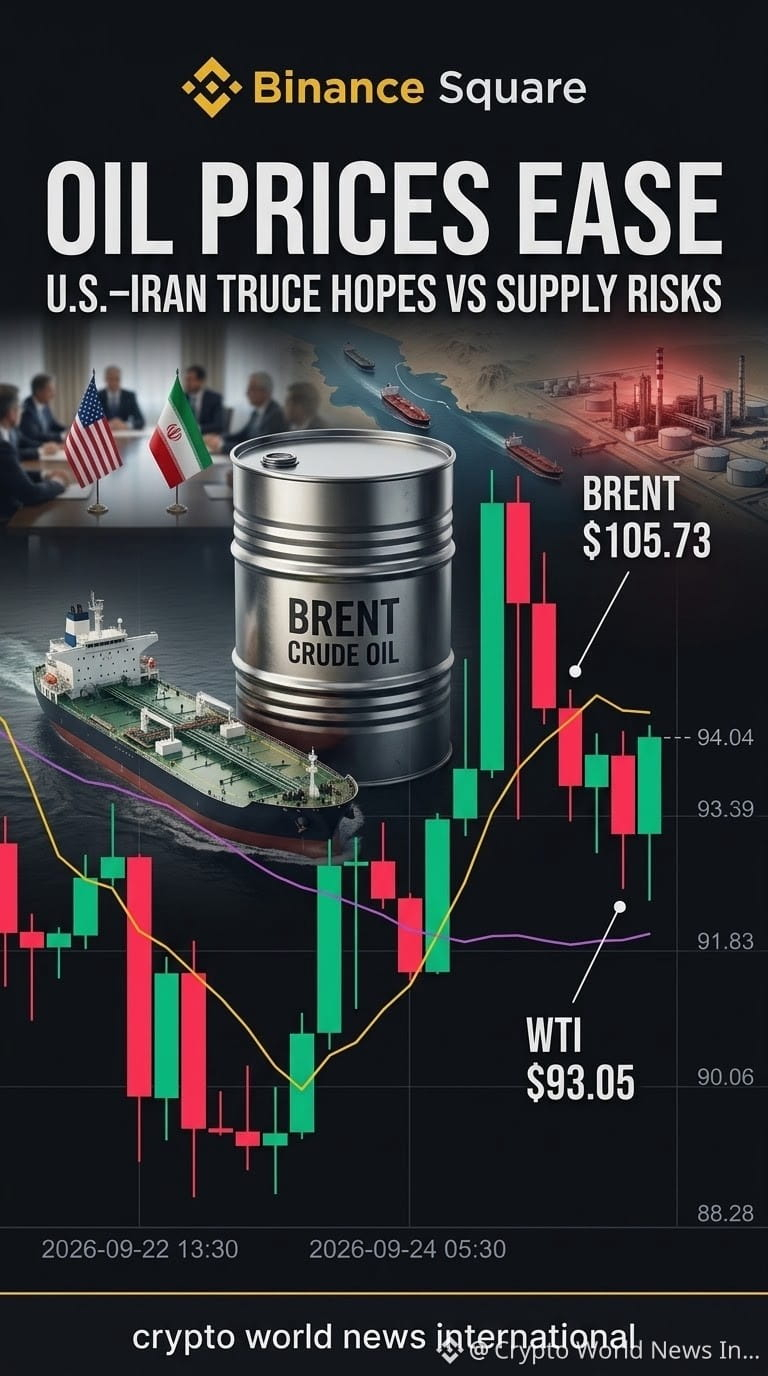
🚨 OIL PRICES EASE AS U.S.–IRAN TRUCE HOPES OFFSET SUPPLY RISKS
Oil prices slipped Friday as markets weighed possible U.S.–Iran truce talks against continued attacks on Saudi oil infrastructure.
🔑 Key Points:
• Brent: $105.73, down 0.82%
• WTI: $93.05, down 1.65%
• U.S.–Iran negotiators are exploring a phased path toward ending the conflict
• A possible reopening of the Strait of Hormuz could ease supply pressure
• Houthi attacks on Saudi infrastructure continue to create supply risks
📊 Market Insight:
Oil remains highly sensitive to geopolitical developments. Progress toward a U.S.–Iran agreement could reduce the supply-risk premium, while further attacks on Saudi energy infrastructure could quickly revive upward pressure.
👀 Markets to Watch:
🛢️ Brent • WTI • Diesel • Natural Gas • Energy Stocks
#Oil #brent #WTI #iran #SaudiArabia $BZ $CL $NATGAS
{future}(NATGASUSDT)
{future}(CLUSDT)
{future}(BZUSDT)
🚨 OIL PRICES EASE AS U.S.–IRAN TRUCE HOPES OFFSET SUPPLY RISKS
Oil prices slipped Friday as markets weighed possible U.S.–Iran truce talks against continued attacks on Saudi oil infrastructure.
🔑 Key Points:
• Brent: $105.73, down 0.82%
• WTI: $93.05, down 1.65%
• U.S.–Iran negotiators are exploring a phased path toward ending the conflict
• A possible reopening of the Strait of Hormuz could ease supply pressure
• Houthi attacks on Saudi infrastructure continue to create supply risks
📊 Market Insight:
Oil remains highly sensitive to geopolitical developments. Progress toward a U.S.–Iran agreement could reduce the supply-risk premium, while further attacks on Saudi energy infrastructure could quickly revive upward pressure.
👀 Markets to Watch:
🛢️ Brent • WTI • Diesel • Natural Gas • Energy Stocks
#Oil #brent #WTI #iran #SaudiArabia $BZ $CL $NATGAS
Oil prices slipped Friday as markets weighed possible U.S.–Iran truce talks against continued attacks on Saudi oil infrastructure.
🔑 Key Points:
• Brent: $105.73, down 0.82%
• WTI: $93.05, down 1.65%
• U.S.–Iran negotiators are exploring a phased path toward ending the conflict
• A possible reopening of the Strait of Hormuz could ease supply pressure
• Houthi attacks on Saudi infrastructure continue to create supply risks
📊 Market Insight:
Oil remains highly sensitive to geopolitical developments. Progress toward a U.S.–Iran agreement could reduce the supply-risk premium, while further attacks on Saudi energy infrastructure could quickly revive upward pressure.
👀 Markets to Watch:
🛢️ Brent • WTI • Diesel • Natural Gas • Energy Stocks
#Oil #brent #WTI #iran #SaudiArabia $BZ $CL $NATGAS
414

🚨 $OIL PLUMMETS 4% AS GEOPOLITICAL RISK PREMIUM DISSOLVES NEAR $96! 📉
Brent crude oil $OIL dropped 4.00% intraday to $96.71 as institutional desks reprice energy markets following news that US-Iran negotiations have reached the technical stage. 📉 The headline-driven movement has rapidly swept market liquidity, unwinding weeks of built-in geopolitical risk premium.
From an order flow perspective, smart money is letting the premium bleed into key macro demand zones rather than bidding blindly into headline volatility. 📊 As supply constraint expectations soften on diplomatic traction, structural market participants are waiting for low-timeframe stabilization before committing fresh position capital. 💬 Do you expect oil to retest lower demand blocks, or will diplomatic friction spark a fast reclaim? 👇
⚠️ Not financial advice. Always manage your risk. 🛡️
🏷️ #OIL #Brent #Macro #Trading #Commodities
📉 🛡️
🚨 $OIL PLUMMETS 4% AS GEOPOLITICAL RISK PREMIUM DISSOLVES NEAR $96! 📉
Brent crude oil $OIL dropped 4.00% intraday to $96.71 as institutional desks reprice energy markets following news that US-Iran negotiations have reached the technical stage. 📉 The headline-driven movement has rapidly swept market liquidity, unwinding weeks of built-in geopolitical risk premium.
From an order flow perspective, smart money is letting the premium bleed into key macro demand zones rather than bidding blindly into headline volatility. 📊 As supply constraint expectations soften on diplomatic traction, structural market participants are waiting for low-timeframe stabilization before committing fresh position capital. 💬 Do you expect oil to retest lower demand blocks, or will diplomatic friction spark a fast reclaim? 👇
⚠️ Not financial advice. Always manage your risk. 🛡️
🏷️ #OIL #Brent #Macro #Trading #Commodities
📉 🛡️
Brent crude oil $OIL dropped 4.00% intraday to $96.71 as institutional desks reprice energy markets following news that US-Iran negotiations have reached the technical stage. 📉 The headline-driven movement has rapidly swept market liquidity, unwinding weeks of built-in geopolitical risk premium.
From an order flow perspective, smart money is letting the premium bleed into key macro demand zones rather than bidding blindly into headline volatility. 📊 As supply constraint expectations soften on diplomatic traction, structural market participants are waiting for low-timeframe stabilization before committing fresh position capital. 💬 Do you expect oil to retest lower demand blocks, or will diplomatic friction spark a fast reclaim? 👇
⚠️ Not financial advice. Always manage your risk. 🛡️
🏷️ #OIL #Brent #Macro #Trading #Commodities
📉 🛡️
1
360
·
--
Bullish
#OIL
Commodities
Crude oil falls on reports of potential phased US-Iran deal that would reopen the Strait of Hormuz
Oil fell on reports of US-Iran talks over a phased deal to reopen the Strait of Hormuz. A breakthrough could trigger a sharp drop in crude, while a prolonged stalemate or renewed escalation would keep prices supported into new highs. The key focus remains on the timing and outcome of negotiations.
FUNDAMENTAL OVERVIEW
Crude oil fell yesterday after reports of US and Iran discussing a phased deal to reopen the Strait of Hormuz and end the US blockade. Iran has put an offer on the table, promising to reopen the Strait of Hormuz within seven days if the US meets its terms. Iran's Foreign Minister Araghchi is staying in New York over the weekend to await a US response.
#OIL
Commodities
Crude oil falls on reports of potential phased US-Iran deal that would reopen the Strait of Hormuz
Oil fell on reports of US-Iran talks over a phased deal to reopen the Strait of Hormuz. A breakthrough could trigger a sharp drop in crude, while a prolonged stalemate or renewed escalation would keep prices supported into new highs. The key focus remains on the timing and outcome of negotiations.
FUNDAMENTAL OVERVIEW
Crude oil fell yesterday after reports of US and Iran discussing a phased deal to reopen the Strait of Hormuz and end the US blockade. Iran has put an offer on the table, promising to reopen the Strait of Hormuz within seven days if the US meets its terms. Iran's Foreign Minister Araghchi is staying in New York over the weekend to await a US response.
Commodities
Crude oil falls on reports of potential phased US-Iran deal that would reopen the Strait of Hormuz
Oil fell on reports of US-Iran talks over a phased deal to reopen the Strait of Hormuz. A breakthrough could trigger a sharp drop in crude, while a prolonged stalemate or renewed escalation would keep prices supported into new highs. The key focus remains on the timing and outcome of negotiations.
FUNDAMENTAL OVERVIEW
Crude oil fell yesterday after reports of US and Iran discussing a phased deal to reopen the Strait of Hormuz and end the US blockade. Iran has put an offer on the table, promising to reopen the Strait of Hormuz within seven days if the US meets its terms. Iran's Foreign Minister Araghchi is staying in New York over the weekend to await a US response.
217
🚨 $OIL SURGES TO $105 AS MIDDLE EAST SUPPLY RISKS FUEL MACRO INFLATION PRESSURE 💥
📌 Brent crude expanding to $105 per barrel off Middle East supply disruptions and Strait of Hormuz risk is triggering broad macroeconomic friction. 🔍 Monster survey data reveals 65% of job seekers are altering priorities due to surging retail fuel costs, with diesel exceeding $6.50 per gallon.
💡 Institutional order flow in energy markets continues absorbing overhead supply while rising commute costs force wage expansion expectations across the labor market. 📊 As energy costs anchor structural inflation higher, capital allocation across risk assets will demand tighter execution and risk management. 💬 How are you positioning your portfolio to hedge against this macro energy squeeze? 👇
⚠️ Not financial advice. Always manage your risk. 🛡️
🏷️ #OIL #Macro #Inflation #Commodities #Energy
📊 🔍
🚨 $OIL SURGES TO $105 AS MIDDLE EAST SUPPLY RISKS FUEL MACRO INFLATION PRESSURE 💥
📌 Brent crude expanding to $105 per barrel off Middle East supply disruptions and Strait of Hormuz risk is triggering broad macroeconomic friction. 🔍 Monster survey data reveals 65% of job seekers are altering priorities due to surging retail fuel costs, with diesel exceeding $6.50 per gallon.
💡 Institutional order flow in energy markets continues absorbing overhead supply while rising commute costs force wage expansion expectations across the labor market. 📊 As energy costs anchor structural inflation higher, capital allocation across risk assets will demand tighter execution and risk management. 💬 How are you positioning your portfolio to hedge against this macro energy squeeze? 👇
⚠️ Not financial advice. Always manage your risk. 🛡️
🏷️ #OIL #Macro #Inflation #Commodities #Energy
📊 🔍
📌 Brent crude expanding to $105 per barrel off Middle East supply disruptions and Strait of Hormuz risk is triggering broad macroeconomic friction. 🔍 Monster survey data reveals 65% of job seekers are altering priorities due to surging retail fuel costs, with diesel exceeding $6.50 per gallon.
💡 Institutional order flow in energy markets continues absorbing overhead supply while rising commute costs force wage expansion expectations across the labor market. 📊 As energy costs anchor structural inflation higher, capital allocation across risk assets will demand tighter execution and risk management. 💬 How are you positioning your portfolio to hedge against this macro energy squeeze? 👇
⚠️ Not financial advice. Always manage your risk. 🛡️
🏷️ #OIL #Macro #Inflation #Commodities #Energy
📊 🔍
97
·
--
Bullish
#OIL
As of Sept. 25, Brent was around $105–106, while WTI was around $93–94. Oil has been moving sharply because traders are balancing possible US–Iran diplomacy/Hormuz reopening against continued attacks and Middle East supply risks.
Next Week Scenarios
Bullish scenario
If attacks on Saudi/Gulf infrastructure continue If Strait of Hormuz reopening negotiations fail Brent could retest $106–110 A confirmed major supply disruption could push it above $110
Bearish scenario
If US–Iran negotiations make real progress If Hormuz traffic improves and Saudi exports recover Brent could fall toward $100, with a possible move below $100 if supply conditions improve significantly. Saudi Arabia has already restarted its East-West pipeline, which is helping supply expectations.
KEY Levels I would watch
BrentMeaning$110+Strong bullish breakout zone$106–108Major resistance/supply-risk zone$100–105Key decision area$100Major psychological supportBelow $100Further downside risk if geopolitical premium unwinds
Bottom line: Next week, don't treat oil as a normal technical market. US–Iran/Hormuz headlines can override technical levels very quickly.
#OIL
As of Sept. 25, Brent was around $105–106, while WTI was around $93–94. Oil has been moving sharply because traders are balancing possible US–Iran diplomacy/Hormuz reopening against continued attacks and Middle East supply risks.
Next Week Scenarios
Bullish scenario
If attacks on Saudi/Gulf infrastructure continue If Strait of Hormuz reopening negotiations fail Brent could retest $106–110 A confirmed major supply disruption could push it above $110
Bearish scenario
If US–Iran negotiations make real progress If Hormuz traffic improves and Saudi exports recover Brent could fall toward $100, with a possible move below $100 if supply conditions improve significantly. Saudi Arabia has already restarted its East-West pipeline, which is helping supply expectations.
KEY Levels I would watch
BrentMeaning$110+Strong bullish breakout zone$106–108Major resistance/supply-risk zone$100–105Key decision area$100Major psychological supportBelow $100Further downside risk if geopolitical premium unwinds
Bottom line: Next week, don't treat oil as a normal technical market. US–Iran/Hormuz headlines can override technical levels very quickly.
As of Sept. 25, Brent was around $105–106, while WTI was around $93–94. Oil has been moving sharply because traders are balancing possible US–Iran diplomacy/Hormuz reopening against continued attacks and Middle East supply risks.
Next Week Scenarios
Bullish scenario
If attacks on Saudi/Gulf infrastructure continue If Strait of Hormuz reopening negotiations fail Brent could retest $106–110 A confirmed major supply disruption could push it above $110
Bearish scenario
If US–Iran negotiations make real progress If Hormuz traffic improves and Saudi exports recover Brent could fall toward $100, with a possible move below $100 if supply conditions improve significantly. Saudi Arabia has already restarted its East-West pipeline, which is helping supply expectations.
KEY Levels I would watch
BrentMeaning$110+Strong bullish breakout zone$106–108Major resistance/supply-risk zone$100–105Key decision area$100Major psychological supportBelow $100Further downside risk if geopolitical premium unwinds
Bottom line: Next week, don't treat oil as a normal technical market. US–Iran/Hormuz headlines can override technical levels very quickly.
258
🚨 $OIL GEOPOLITICAL PREMIUM FADES AS DIPLOMATIC TALKS CLASH WITH PHYSICAL SUPPLY BOTTLENECK 🔍
Diplomatic headlines are driving short-term paper liquidations in $OIL , but physical order flow tells a far more constrained narrative. 📊 While market sentiment reacts to U.S.-Iran negotiation rumors, shipping volume through the Strait of Hormuz remains severely depressed at just 10 vessels daily compared to the 17-vessel structural average.
Smart capital looks past headlines to monitor physical inventory delivery and systemic supply friction. 💡 Geopolitical risk pricing may compress temporarily, yet the persistent imbalance between geopolitical narrative and physical transit keeps long-term liquidity dynamics tightly squeezed. 💬 Will headline volatility flush out paper positions before physical supply bottlenecks force a structural repricing? 👇
⚠️ Not financial advice. Always manage your risk. 🛡️
🏷️ #OIL #MarketStructure #Geopolitics #Commodities #Macro
🎯 🦈
🚨 $OIL GEOPOLITICAL PREMIUM FADES AS DIPLOMATIC TALKS CLASH WITH PHYSICAL SUPPLY BOTTLENECK 🔍
Diplomatic headlines are driving short-term paper liquidations in $OIL , but physical order flow tells a far more constrained narrative. 📊 While market sentiment reacts to U.S.-Iran negotiation rumors, shipping volume through the Strait of Hormuz remains severely depressed at just 10 vessels daily compared to the 17-vessel structural average.
Smart capital looks past headlines to monitor physical inventory delivery and systemic supply friction. 💡 Geopolitical risk pricing may compress temporarily, yet the persistent imbalance between geopolitical narrative and physical transit keeps long-term liquidity dynamics tightly squeezed. 💬 Will headline volatility flush out paper positions before physical supply bottlenecks force a structural repricing? 👇
⚠️ Not financial advice. Always manage your risk. 🛡️
🏷️ #OIL #MarketStructure #Geopolitics #Commodities #Macro
🎯 🦈
Diplomatic headlines are driving short-term paper liquidations in $OIL , but physical order flow tells a far more constrained narrative. 📊 While market sentiment reacts to U.S.-Iran negotiation rumors, shipping volume through the Strait of Hormuz remains severely depressed at just 10 vessels daily compared to the 17-vessel structural average.
Smart capital looks past headlines to monitor physical inventory delivery and systemic supply friction. 💡 Geopolitical risk pricing may compress temporarily, yet the persistent imbalance between geopolitical narrative and physical transit keeps long-term liquidity dynamics tightly squeezed. 💬 Will headline volatility flush out paper positions before physical supply bottlenecks force a structural repricing? 👇
⚠️ Not financial advice. Always manage your risk. 🛡️
🏷️ #OIL #MarketStructure #Geopolitics #Commodities #Macro
🎯 🦈
135

·
--
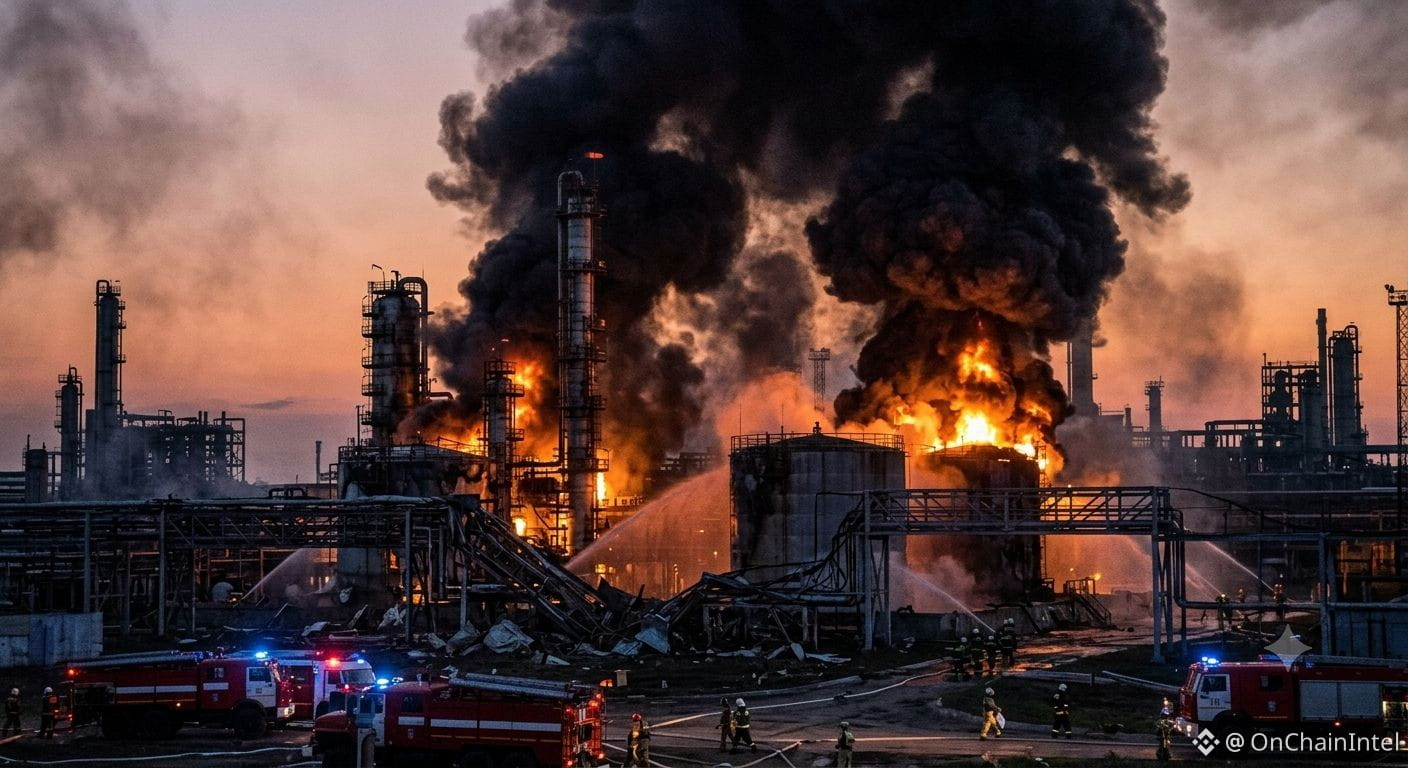
🚨 BREAKING: Ukrainian drones reportedly struck Russia’s Perm oil refinery, triggering a fire at one of the country’s major fuel facilities.
The refinery produces around 5.3 million tonnes of diesel annually and is among Russia’s six largest diesel-producing refineries.
The incident follows last week’s reported drone attack on Moscow’s largest oil refinery, which disrupted crude processing.
The strikes come days after President Trump said Russia and Ukraine had agreed to stop targeting each other’s energy infrastructure.
#Russia #Ukraine #Oil
🚨 BREAKING: Ukrainian drones reportedly struck Russia’s Perm oil refinery, triggering a fire at one of the country’s major fuel facilities.
The refinery produces around 5.3 million tonnes of diesel annually and is among Russia’s six largest diesel-producing refineries.
The incident follows last week’s reported drone attack on Moscow’s largest oil refinery, which disrupted crude processing.
The strikes come days after President Trump said Russia and Ukraine had agreed to stop targeting each other’s energy infrastructure.
#Russia #Ukraine #Oil
The refinery produces around 5.3 million tonnes of diesel annually and is among Russia’s six largest diesel-producing refineries.
The incident follows last week’s reported drone attack on Moscow’s largest oil refinery, which disrupted crude processing.
The strikes come days after President Trump said Russia and Ukraine had agreed to stop targeting each other’s energy infrastructure.
#Russia #Ukraine #Oil
205

70
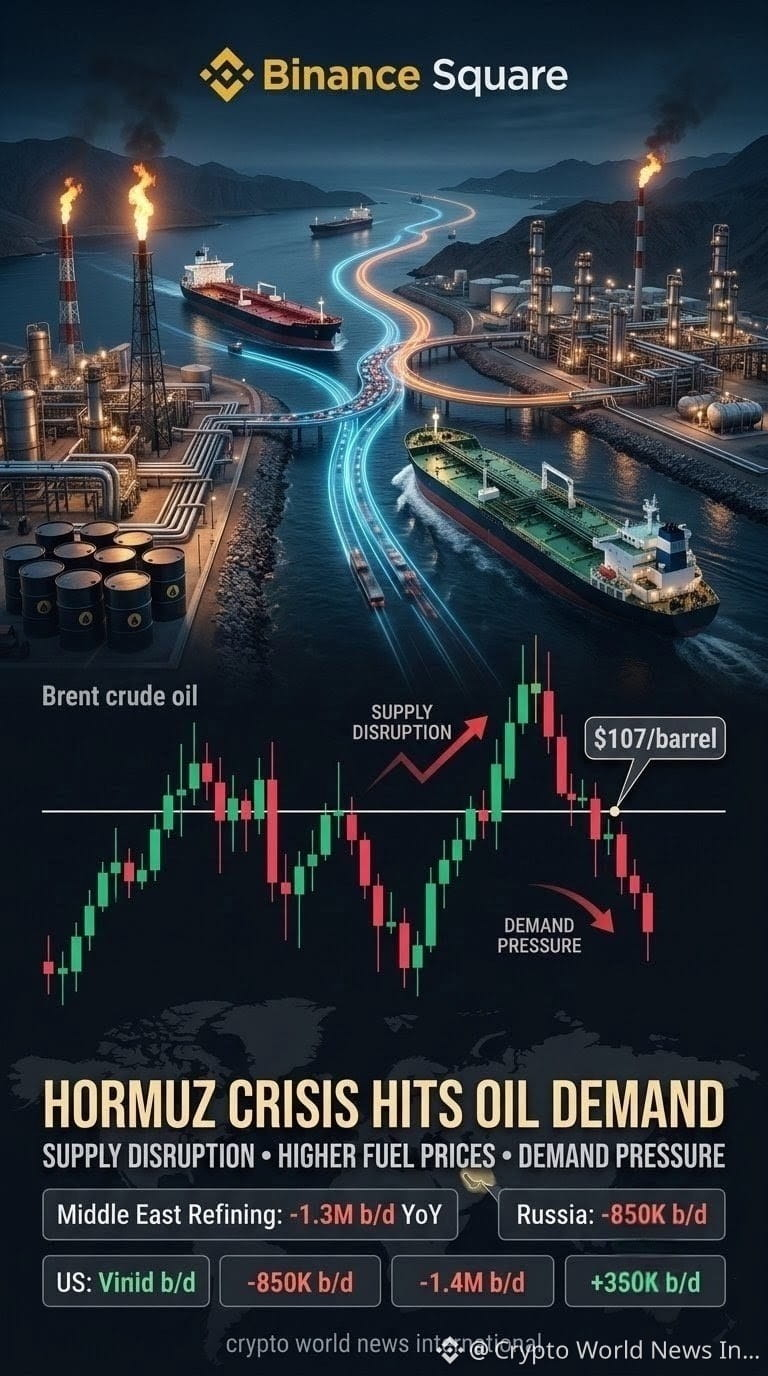
🚨 HORMUZ CRISIS: OIL DEMAND OUTLOOK CUT
Summary:
The Strait of Hormuz supply disruption is now affecting not only oil supply, but also global demand for refined products. Energy Intelligence has reduced its 2026 global product-consumption outlook as tighter fuel availability pushes prices higher.
Key Points:
• Middle East refinery runs are down ~1.3M barrels/day YoY
• Russian refinery runs are down ~850K b/d
• Chinese refinery runs are down ~1.4M b/d
• U.S. refiners are producing ~350K b/d more YoY
• Hormuz was handling ~15M b/d of crude and ~5M b/d of refined products/LPG when the conflict began
Market Insight:
A prolonged Hormuz disruption could create a double-sided oil shock: tighter supply alongside weaker fuel demand as high prices encourage consumers and industries to seek alternatives.
#oil #brent #Energy #Hormuz #CryptoNews $BZ $CL
{future}(CLUSDT)
{future}(BZUSDT)
🚨 HORMUZ CRISIS: OIL DEMAND OUTLOOK CUT
Summary:
The Strait of Hormuz supply disruption is now affecting not only oil supply, but also global demand for refined products. Energy Intelligence has reduced its 2026 global product-consumption outlook as tighter fuel availability pushes prices higher.
Key Points:
• Middle East refinery runs are down ~1.3M barrels/day YoY
• Russian refinery runs are down ~850K b/d
• Chinese refinery runs are down ~1.4M b/d
• U.S. refiners are producing ~350K b/d more YoY
• Hormuz was handling ~15M b/d of crude and ~5M b/d of refined products/LPG when the conflict began
Market Insight:
A prolonged Hormuz disruption could create a double-sided oil shock: tighter supply alongside weaker fuel demand as high prices encourage consumers and industries to seek alternatives.
#oil #brent #Energy #Hormuz #CryptoNews $BZ $CL
Summary:
The Strait of Hormuz supply disruption is now affecting not only oil supply, but also global demand for refined products. Energy Intelligence has reduced its 2026 global product-consumption outlook as tighter fuel availability pushes prices higher.
Key Points:
• Middle East refinery runs are down ~1.3M barrels/day YoY
• Russian refinery runs are down ~850K b/d
• Chinese refinery runs are down ~1.4M b/d
• U.S. refiners are producing ~350K b/d more YoY
• Hormuz was handling ~15M b/d of crude and ~5M b/d of refined products/LPG when the conflict began
Market Insight:
A prolonged Hormuz disruption could create a double-sided oil shock: tighter supply alongside weaker fuel demand as high prices encourage consumers and industries to seek alternatives.
#oil #brent #Energy #Hormuz #CryptoNews $BZ $CL
176
Log in to explore more content
Join global crypto users on Binance Square
⚡️ Get latest and useful information about crypto.
💬 Trusted by the world’s largest crypto exchange.
👍 Discover real insights from verified creators.
Email / Phone number
Trending Topics
1
#BitwiseFilesFinalNEARSpotETFProspectus
10,148 views
380 Discussing
2
#BitgetHackerMoves$83MStolenXRP
13,974 views
84 Discussing
3
#SOLSpotETFWeeklyInflow$188M
5,768 views
66 Discussing
4
#DogecoinETFsPostBiggestWeekSinceLaunch
12,309 views
399 Discussing
5
#StrategyStriveAdd2305BitcoinThisWeek
67,427 views
1,469 Discussing
6
#TrumpRejectsIranHormuzReopening
65,488 views
1,164 Discussing
7
#CircleTetherFreezeBitgetHackerWallet
72,762 views
1,125 Discussing
8
#SECSaysTokenBuybacksNotAutoSecurities
40,145 views
686 Discussing
9
#ChinaUSAgreeOn$30BTariffCut
3,438 views
38 Discussing
10
#CoinMarketCapCompletesCoinglassAcquisition
53,445 views
795 Discussing