

#oilmarket
oilmarket
1.3M views
2,872 Discussing
Hot
Latest

Verified
$DEXE $BTC $ZEC Oil prices rose while stocks and bonds fell after US President Donald Trump rejected Iran’s latest proposal to reopen the Strait of Hormuz, reversing some of the optimism that lifted markets late last week.
Oil prices jumped more than 3%, with the international benchmark Brent trading above $107 a barrel early Monday morning in Europe, reflecting renewed concerns about a supply crisis that has pushed up costs worldwide.
#oil #OilMarket #OilPrice #Bitcoin❗
$DEXE $BTC $ZEC Oil prices rose while stocks and bonds fell after US President Donald Trump rejected Iran’s latest proposal to reopen the Strait of Hormuz, reversing some of the optimism that lifted markets late last week.
Oil prices jumped more than 3%, with the international benchmark Brent trading above $107 a barrel early Monday morning in Europe, reflecting renewed concerns about a supply crisis that has pushed up costs worldwide.
#oil #OilMarket #OilPrice #Bitcoin❗
Oil prices jumped more than 3%, with the international benchmark Brent trading above $107 a barrel early Monday morning in Europe, reflecting renewed concerns about a supply crisis that has pushed up costs worldwide.
#oil #OilMarket #OilPrice #Bitcoin❗
I_B_S:
Solution of Straight of Hormuz: Transfer & Start all industries in Iran 😂😂
1
1
178


Partly True
🚨 JUST IN:
🇮🇷🇾🇪🇷🇺🔥 Crude Oil climbed back above $100+ as Houthis declare the continued blockade on Bab El-Mandab, Iran-US 7-day-proposal rejected and heavy restriction on Russian oil exports.
#GrowWithSAC #OilMarket #iran $SD $DOT $ETC
🚨 JUST IN:
🇮🇷🇾🇪🇷🇺🔥 Crude Oil climbed back above $100+ as Houthis declare the continued blockade on Bab El-Mandab, Iran-US 7-day-proposal rejected and heavy restriction on Russian oil exports.
#GrowWithSAC #OilMarket #iran $SD $DOT $ETC
🇮🇷🇾🇪🇷🇺🔥 Crude Oil climbed back above $100+ as Houthis declare the continued blockade on Bab El-Mandab, Iran-US 7-day-proposal rejected and heavy restriction on Russian oil exports.
#GrowWithSAC #OilMarket #iran $SD $DOT $ETC

1
735

·
--
Oil Nears $92 on Hopes Over US-Iran Talks
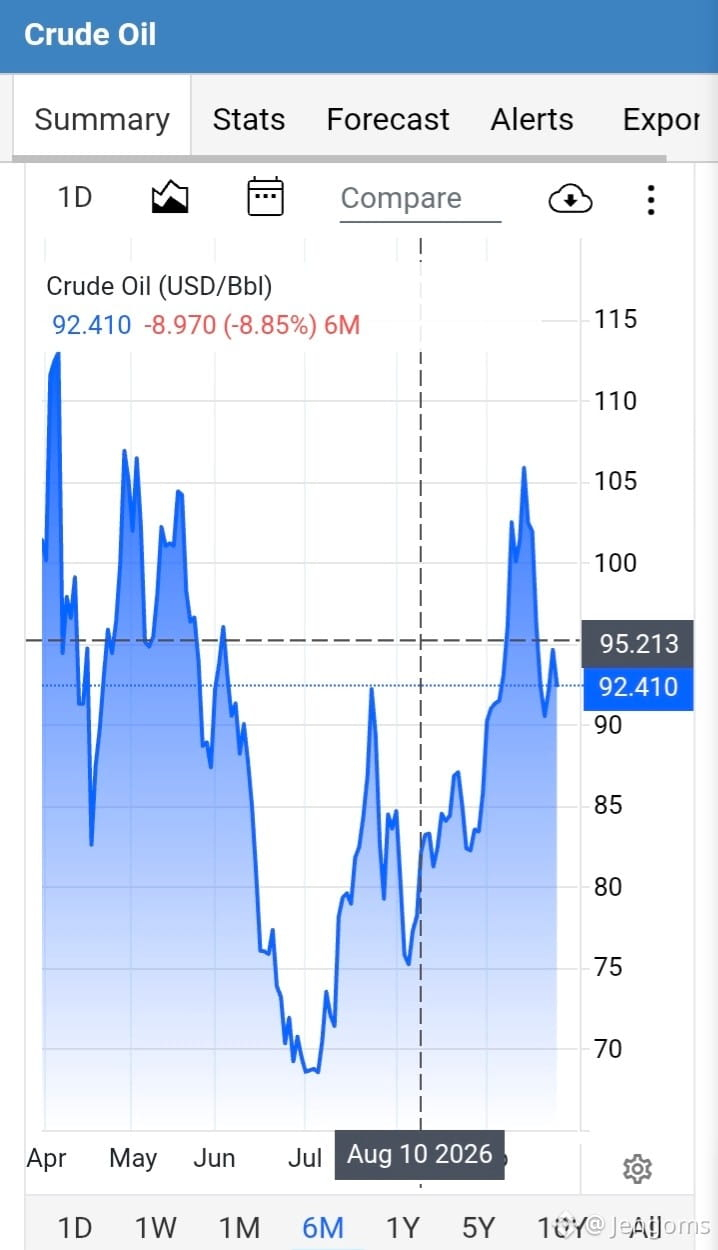
Crude oil eased to around $92 a barrel on Friday after Iran called on the US to return to an interim peace deal that failed to end the war over the summer. A sequenced agreement would resemble the memorandum of understanding reached by the US and Iran in mid-June, which led to a fragile ceasefire that collapsed weeks later. Iran’s foreign minister proposed reopening the Strait of Hormuz and resuming nuclear talks with the US within seven days if the Trump administration accepts its conditions, including lifting the naval blockade, unfreezing Iranian assets, and ending the war “on all fronts.” Oil flows through Hormuz reached 33.7 million barrels this week, putting exports roughly on track with the previous week’s levels. Oil markets have remained volatile this week amid mixed signals over peace prospects, signs of recovering Middle East energy flows, and speculation that the US could restrict diesel exports. Despite recent gains, the US oil benchmark is down around 7.4% on the week. #CircleTetherFreezeBitgetHackerWallet #TradeNTell #OilMarket #PolymarketBankFailureBetsDrawFDICConcern #economy
Oil Nears $92 on Hopes Over US-Iran Talks
Crude oil eased to around $92 a barrel on Friday after Iran called on the US to return to an interim peace deal that failed to end the war over the summer. A sequenced agreement would resemble the memorandum of understanding reached by the US and Iran in mid-June, which led to a fragile ceasefire that collapsed weeks later. Iran’s foreign minister proposed reopening the Strait of Hormuz and resuming nuclear talks with the US within seven days if the Trump administration accepts its conditions, including lifting the naval blockade, unfreezing Iranian assets, and ending the war “on all fronts.” Oil flows through Hormuz reached 33.7 million barrels this week, putting exports roughly on track with the previous week’s levels. Oil markets have remained volatile this week amid mixed signals over peace prospects, signs of recovering Middle East energy flows, and speculation that the US could restrict diesel exports. Despite recent gains, the US oil benchmark is down around 7.4% on the week. #CircleTetherFreezeBitgetHackerWallet #TradeNTell #OilMarket #PolymarketBankFailureBetsDrawFDICConcern #economy
Crude oil eased to around $92 a barrel on Friday after Iran called on the US to return to an interim peace deal that failed to end the war over the summer. A sequenced agreement would resemble the memorandum of understanding reached by the US and Iran in mid-June, which led to a fragile ceasefire that collapsed weeks later. Iran’s foreign minister proposed reopening the Strait of Hormuz and resuming nuclear talks with the US within seven days if the Trump administration accepts its conditions, including lifting the naval blockade, unfreezing Iranian assets, and ending the war “on all fronts.” Oil flows through Hormuz reached 33.7 million barrels this week, putting exports roughly on track with the previous week’s levels. Oil markets have remained volatile this week amid mixed signals over peace prospects, signs of recovering Middle East energy flows, and speculation that the US could restrict diesel exports. Despite recent gains, the US oil benchmark is down around 7.4% on the week. #CircleTetherFreezeBitgetHackerWallet #TradeNTell #OilMarket #PolymarketBankFailureBetsDrawFDICConcern #economy
1
1
198

·
--
🚨🔥 UPDATE: Iran-US talks are heating up! 🕊️⚡
Talks have now entered the "technical stage" 📋 — meaning discussions have moved beyond general statements into detailed, practical negotiations.
This comes right after Iran's earlier proposal to reopen the Strait of Hormuz within 7 days 🛢️⏳
✅ If talks keep progressing → calmer oil markets 📉😌
❌ If talks stall → uncertainty returns 📈😬
Getting closer to a deal? 🤝 Or still too early to tell? 🤔 👇
Share your thoughts in the comments! 💬
Follow ✅ for daily geopolitical + market updates 🌍📊
#iran #US #bnb #OilMarket #BinanceSquare
🚨🔥 UPDATE: Iran-US talks are heating up! 🕊️⚡
Talks have now entered the "technical stage" 📋 — meaning discussions have moved beyond general statements into detailed, practical negotiations.
This comes right after Iran's earlier proposal to reopen the Strait of Hormuz within 7 days 🛢️⏳
✅ If talks keep progressing → calmer oil markets 📉😌
❌ If talks stall → uncertainty returns 📈😬
Getting closer to a deal? 🤝 Or still too early to tell? 🤔 👇
Share your thoughts in the comments! 💬
Follow ✅ for daily geopolitical + market updates 🌍📊
#iran #US #bnb #OilMarket #BinanceSquare
Talks have now entered the "technical stage" 📋 — meaning discussions have moved beyond general statements into detailed, practical negotiations.
This comes right after Iran's earlier proposal to reopen the Strait of Hormuz within 7 days 🛢️⏳
✅ If talks keep progressing → calmer oil markets 📉😌
❌ If talks stall → uncertainty returns 📈😬
Getting closer to a deal? 🤝 Or still too early to tell? 🤔 👇
Share your thoughts in the comments! 💬
Follow ✅ for daily geopolitical + market updates 🌍📊
#iran #US #bnb #OilMarket #BinanceSquare
78

·
--
Elected President Donald Trump has just rejected Iran’s proposal to reopen the Strait of Hormuz during Monday’s Asian trading session. The move immediately sent oil prices soaring and triggered a strong sell-off across global bond markets.
The continued blockade of the vital Hormuz shipping route poses a direct threat to the world’s energy supply. With oil prices holding above the $100 per barrel mark, the specter of inflation is back—breaking expectations for central banks to ease monetary policy.
U.S. Treasury yields on the 2-year maturity rose by 5 basis points to 4.90%, while the 10-year yield hit 5.20%—a record high in many years. The sell-off spread even to Japanese and Australian government bonds, driving the U.S. dollar higher and exerting downward pressure on traditional investment channels.
The crypto market is facing major liquidity challenges as high bond yields pull safe-haven capital back. Price $BTC may face short-term adjustment pressure due to risk-avoidance sentiment among institutional investors.
#Geopolitics #OilMarket #BondYields
Elected President Donald Trump has just rejected Iran’s proposal to reopen the Strait of Hormuz during Monday’s Asian trading session. The move immediately sent oil prices soaring and triggered a strong sell-off across global bond markets.
The continued blockade of the vital Hormuz shipping route poses a direct threat to the world’s energy supply. With oil prices holding above the $100 per barrel mark, the specter of inflation is back—breaking expectations for central banks to ease monetary policy.
U.S. Treasury yields on the 2-year maturity rose by 5 basis points to 4.90%, while the 10-year yield hit 5.20%—a record high in many years. The sell-off spread even to Japanese and Australian government bonds, driving the U.S. dollar higher and exerting downward pressure on traditional investment channels.
The crypto market is facing major liquidity challenges as high bond yields pull safe-haven capital back. Price $BTC may face short-term adjustment pressure due to risk-avoidance sentiment among institutional investors.
#Geopolitics #OilMarket #BondYields
The continued blockade of the vital Hormuz shipping route poses a direct threat to the world’s energy supply. With oil prices holding above the $100 per barrel mark, the specter of inflation is back—breaking expectations for central banks to ease monetary policy.
U.S. Treasury yields on the 2-year maturity rose by 5 basis points to 4.90%, while the 10-year yield hit 5.20%—a record high in many years. The sell-off spread even to Japanese and Australian government bonds, driving the U.S. dollar higher and exerting downward pressure on traditional investment channels.
The crypto market is facing major liquidity challenges as high bond yields pull safe-haven capital back. Price $BTC may face short-term adjustment pressure due to risk-avoidance sentiment among institutional investors.
#Geopolitics #OilMarket #BondYields
305

·
--
$BTC
{future}(BTCUSDT)
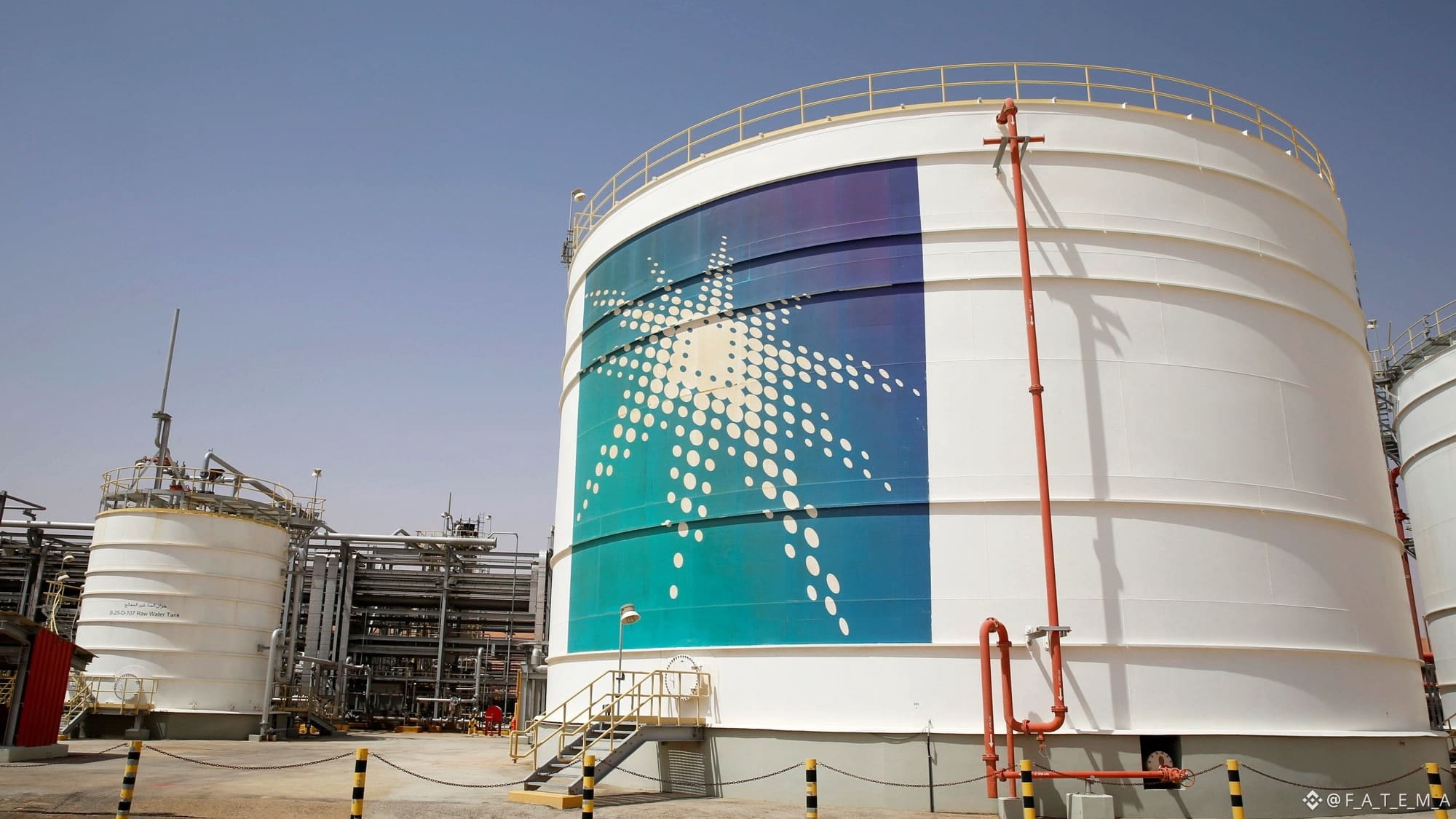
🇸🇦🇨🇳🇮🇳 Saudi is flooding Asia with nearly 100 MILLION barrels of oil...
Since mid-last week, the kingdom has sold a massive volume of crude for October and November delivery to refiners in China, India, Japan, and South Korea.
Most of it will move through the Strait of Hormuz because the East-West pipeline is still not fully back online after the September 10 attack.
The sales help ease a tightening market in Asia, where buyers have been struggling with higher prices, reduced Iranian flows, and growing caution over Russian crude.
Aramco is even handling more of the shipping itself to get the oil moving.
Source: Bloomberg
#BTC #worldnews #OilMarket
$BTC
🇸🇦🇨🇳🇮🇳 Saudi is flooding Asia with nearly 100 MILLION barrels of oil...
Since mid-last week, the kingdom has sold a massive volume of crude for October and November delivery to refiners in China, India, Japan, and South Korea.
Most of it will move through the Strait of Hormuz because the East-West pipeline is still not fully back online after the September 10 attack.
The sales help ease a tightening market in Asia, where buyers have been struggling with higher prices, reduced Iranian flows, and growing caution over Russian crude.
Aramco is even handling more of the shipping itself to get the oil moving.
Source: Bloomberg
#BTC #worldnews #OilMarket
🇸🇦🇨🇳🇮🇳 Saudi is flooding Asia with nearly 100 MILLION barrels of oil...
Since mid-last week, the kingdom has sold a massive volume of crude for October and November delivery to refiners in China, India, Japan, and South Korea.
Most of it will move through the Strait of Hormuz because the East-West pipeline is still not fully back online after the September 10 attack.
The sales help ease a tightening market in Asia, where buyers have been struggling with higher prices, reduced Iranian flows, and growing caution over Russian crude.
Aramco is even handling more of the shipping itself to get the oil moving.
Source: Bloomberg
#BTC #worldnews #OilMarket
110

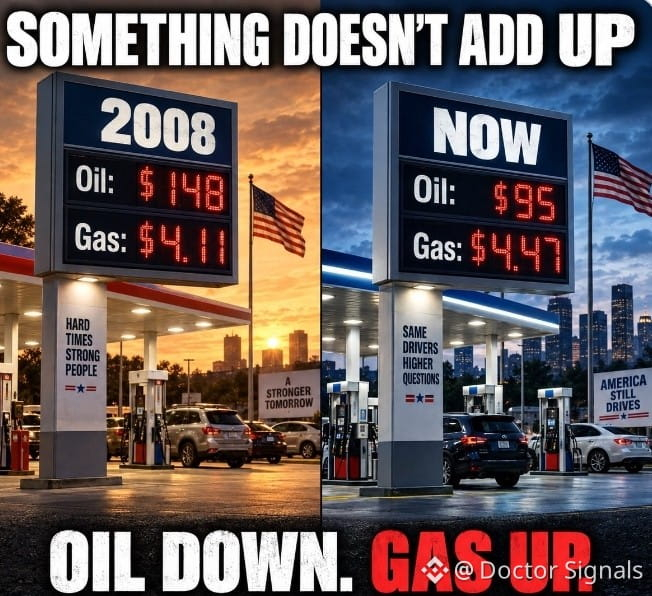
Back in 2008 oil damn near hit $148 a barrel and gas was around 4 bucks.
Now oil is way lower and somehow we’re still paying more at the pump.
You can throw out all the excuses you want, but regular people know when something smells fishy.
Something ain’t right.
$XAG $XAU $BTC
#OilMarket #oil #oilpricesup #LowFeeAdvantage #freesignalcrypto
Back in 2008 oil damn near hit $148 a barrel and gas was around 4 bucks.
Now oil is way lower and somehow we’re still paying more at the pump.
You can throw out all the excuses you want, but regular people know when something smells fishy.
Something ain’t right.
$XAG $XAU $BTC
#OilMarket #oil #oilpricesup #LowFeeAdvantage #freesignalcrypto
Now oil is way lower and somehow we’re still paying more at the pump.
You can throw out all the excuses you want, but regular people know when something smells fishy.
Something ain’t right.
$XAG $XAU $BTC
#OilMarket #oil #oilpricesup #LowFeeAdvantage #freesignalcrypto
206 Atlas:
The 2008 comparison ignores the dollar’s current purchasing power and supply chain costs. Macro data matters more than anecdotal price parity.
1
1
494

According to industry reports, Russia’s seventh-largest refinery—the Perm refinery, located about 1,460 kilometers northeast of Moscow—caught fire after a Ukrainian drone attack on Friday, damaging pipelines, storage facilities, and processing equipment. The refinery has now shut down completely. The plant is expected to process about 12.6 million tonnes of crude oil in 2024 (about 252,000 barrels per day). It will produce 2 million tonnes of gasoline, 5.3 million tonnes of diesel, 0.2 million tonnes of fuel oil, and 0.7 million tonnes of petroleum coke annually, making it an important energy-supply hub in Russia’s interior.
This incident marks a further expansion of the reach of Ukraine’s strikes against Russia’s key energy infrastructure deeper into the country’s interior. Against a backdrop where global energy supply chains are already fragile, the unexpected interruption of refinery capacity not only directly weakens Russia’s refined-product exports and domestic supply, but also shatters the market’s previously mild expectations that the geopolitical conflict would remain limited to border areas—causing the risk premium on the supply side to be repriced.
From a macro financial-market perspective, disruptions to energy supply will directly push up crude oil and refined-product prices, thereby increasing the persistence of secondary global inflation. Rising crude costs often delay major central banks’ easing cycles, lifting U.S. Treasury yields and strengthening the safe-haven appeal of the U.S. dollar index. This will place meaningful downward pressure on global liquidity conditions, and the divergence between commodities and traditional risk assets may intensify further.
For high-risk assets such as cryptocurrencies, an escalation of the geopolitical conflict accompanied by energy-driven inflation is by no means a positive. With tighter liquidity expectations and safe-haven sentiment dominating, institutional funds are more inclined to return to traditional safe-haven assets such as the U.S. dollar or gold, rather than flowing into volatile instruments such as $BTC . In the short term, the crypto market may face dual risks of liquidity withdrawal and valuation pressure. Investors should be alert to downside adjustments triggered by the spillover of macro uncertainty.⚠️
#Geopolitics #EnergyCrisis #OilMarket
According to industry reports, Russia’s seventh-largest refinery—the Perm refinery, located about 1,460 kilometers northeast of Moscow—caught fire after a Ukrainian drone attack on Friday, damaging pipelines, storage facilities, and processing equipment. The refinery has now shut down completely. The plant is expected to process about 12.6 million tonnes of crude oil in 2024 (about 252,000 barrels per day). It will produce 2 million tonnes of gasoline, 5.3 million tonnes of diesel, 0.2 million tonnes of fuel oil, and 0.7 million tonnes of petroleum coke annually, making it an important energy-supply hub in Russia’s interior.
This incident marks a further expansion of the reach of Ukraine’s strikes against Russia’s key energy infrastructure deeper into the country’s interior. Against a backdrop where global energy supply chains are already fragile, the unexpected interruption of refinery capacity not only directly weakens Russia’s refined-product exports and domestic supply, but also shatters the market’s previously mild expectations that the geopolitical conflict would remain limited to border areas—causing the risk premium on the supply side to be repriced.
From a macro financial-market perspective, disruptions to energy supply will directly push up crude oil and refined-product prices, thereby increasing the persistence of secondary global inflation. Rising crude costs often delay major central banks’ easing cycles, lifting U.S. Treasury yields and strengthening the safe-haven appeal of the U.S. dollar index. This will place meaningful downward pressure on global liquidity conditions, and the divergence between commodities and traditional risk assets may intensify further.
For high-risk assets such as cryptocurrencies, an escalation of the geopolitical conflict accompanied by energy-driven inflation is by no means a positive. With tighter liquidity expectations and safe-haven sentiment dominating, institutional funds are more inclined to return to traditional safe-haven assets such as the U.S. dollar or gold, rather than flowing into volatile instruments such as $BTC . In the short term, the crypto market may face dual risks of liquidity withdrawal and valuation pressure. Investors should be alert to downside adjustments triggered by the spillover of macro uncertainty.⚠️
#Geopolitics #EnergyCrisis #OilMarket
This incident marks a further expansion of the reach of Ukraine’s strikes against Russia’s key energy infrastructure deeper into the country’s interior. Against a backdrop where global energy supply chains are already fragile, the unexpected interruption of refinery capacity not only directly weakens Russia’s refined-product exports and domestic supply, but also shatters the market’s previously mild expectations that the geopolitical conflict would remain limited to border areas—causing the risk premium on the supply side to be repriced.
From a macro financial-market perspective, disruptions to energy supply will directly push up crude oil and refined-product prices, thereby increasing the persistence of secondary global inflation. Rising crude costs often delay major central banks’ easing cycles, lifting U.S. Treasury yields and strengthening the safe-haven appeal of the U.S. dollar index. This will place meaningful downward pressure on global liquidity conditions, and the divergence between commodities and traditional risk assets may intensify further.
For high-risk assets such as cryptocurrencies, an escalation of the geopolitical conflict accompanied by energy-driven inflation is by no means a positive. With tighter liquidity expectations and safe-haven sentiment dominating, institutional funds are more inclined to return to traditional safe-haven assets such as the U.S. dollar or gold, rather than flowing into volatile instruments such as $BTC . In the short term, the crypto market may face dual risks of liquidity withdrawal and valuation pressure. Investors should be alert to downside adjustments triggered by the spillover of macro uncertainty.⚠️
#Geopolitics #EnergyCrisis #OilMarket
5

Russia’s Perm oil refinery, the seventh-largest in the country, has completely shut down after being hit by a Ukrainian drone attack on Friday. According to two industry sources, the plant is located about 1,460 kilometers northeast of Moscow. The strike caused a fire and damaged oil pipelines, storage facilities, and processing equipment. The refinery had originally planned to process about 12.6 million tons of crude oil in 2024 (around 252,000 barrels per day), producing 2 million tons of gasoline and 5.3 million tons of diesel annually—making it a crucial hub for refined products in Russia’s interior.
From a technical and supply-demand perspective, the attack directly cut off the refinery’s daily processing capacity of 252,000 barrels, putting additional pressure on the already tight global middle-distillate supply. Because the damaged facilities are located deep in the inland interior, the repair cycle is usually lengthy, which will inevitably support a strong supply premium for crude oil and refined products in the short term. However, it is worth noting that an interruption in crude processing may temporarily divert unprocessed crude oil within Russia to export terminals, thereby limiting the severity of extreme price spikes in international oil markets.
In traditional financial markets, the escalation of this geopolitical conflict is pushing up the risk premium for the energy sector. Brent crude has shown resilient buying absorption in key support zones. Although short-term inflation expectations may rebound slightly, the market’s pricing logic has gradually shifted from panic-driven safe-haven behavior to structural hedging. Unless energy prices break out into an uncontrolled surge, the broader direction of accommodative macro liquidity will not be materially disrupted, and the U.S. dollar index’s reaction should remain broadly manageable.
For the crypto market, short-term geopolitical volatility has not damaged the rising technical structure of core assets. $BTC , after digesting external news shocks, continues to maintain a high-level consolidation and buildup pattern, with on-chain liquidity not showing panic-driven outflows. As long as oil price spikes do not translate into persistent high-inflation pressure, the market’s risk appetite will quickly recover, and capital may instead accelerate back into high-quality crypto assets driven by both safe-haven rotation and liquidity reallocation needs.
#OilMarket #Geopolitics #EnergyCrisis
Russia’s Perm oil refinery, the seventh-largest in the country, has completely shut down after being hit by a Ukrainian drone attack on Friday. According to two industry sources, the plant is located about 1,460 kilometers northeast of Moscow. The strike caused a fire and damaged oil pipelines, storage facilities, and processing equipment. The refinery had originally planned to process about 12.6 million tons of crude oil in 2024 (around 252,000 barrels per day), producing 2 million tons of gasoline and 5.3 million tons of diesel annually—making it a crucial hub for refined products in Russia’s interior.
From a technical and supply-demand perspective, the attack directly cut off the refinery’s daily processing capacity of 252,000 barrels, putting additional pressure on the already tight global middle-distillate supply. Because the damaged facilities are located deep in the inland interior, the repair cycle is usually lengthy, which will inevitably support a strong supply premium for crude oil and refined products in the short term. However, it is worth noting that an interruption in crude processing may temporarily divert unprocessed crude oil within Russia to export terminals, thereby limiting the severity of extreme price spikes in international oil markets.
In traditional financial markets, the escalation of this geopolitical conflict is pushing up the risk premium for the energy sector. Brent crude has shown resilient buying absorption in key support zones. Although short-term inflation expectations may rebound slightly, the market’s pricing logic has gradually shifted from panic-driven safe-haven behavior to structural hedging. Unless energy prices break out into an uncontrolled surge, the broader direction of accommodative macro liquidity will not be materially disrupted, and the U.S. dollar index’s reaction should remain broadly manageable.
For the crypto market, short-term geopolitical volatility has not damaged the rising technical structure of core assets. $BTC , after digesting external news shocks, continues to maintain a high-level consolidation and buildup pattern, with on-chain liquidity not showing panic-driven outflows. As long as oil price spikes do not translate into persistent high-inflation pressure, the market’s risk appetite will quickly recover, and capital may instead accelerate back into high-quality crypto assets driven by both safe-haven rotation and liquidity reallocation needs.
#OilMarket #Geopolitics #EnergyCrisis
From a technical and supply-demand perspective, the attack directly cut off the refinery’s daily processing capacity of 252,000 barrels, putting additional pressure on the already tight global middle-distillate supply. Because the damaged facilities are located deep in the inland interior, the repair cycle is usually lengthy, which will inevitably support a strong supply premium for crude oil and refined products in the short term. However, it is worth noting that an interruption in crude processing may temporarily divert unprocessed crude oil within Russia to export terminals, thereby limiting the severity of extreme price spikes in international oil markets.
In traditional financial markets, the escalation of this geopolitical conflict is pushing up the risk premium for the energy sector. Brent crude has shown resilient buying absorption in key support zones. Although short-term inflation expectations may rebound slightly, the market’s pricing logic has gradually shifted from panic-driven safe-haven behavior to structural hedging. Unless energy prices break out into an uncontrolled surge, the broader direction of accommodative macro liquidity will not be materially disrupted, and the U.S. dollar index’s reaction should remain broadly manageable.
For the crypto market, short-term geopolitical volatility has not damaged the rising technical structure of core assets. $BTC , after digesting external news shocks, continues to maintain a high-level consolidation and buildup pattern, with on-chain liquidity not showing panic-driven outflows. As long as oil price spikes do not translate into persistent high-inflation pressure, the market’s risk appetite will quickly recover, and capital may instead accelerate back into high-quality crypto assets driven by both safe-haven rotation and liquidity reallocation needs.
#OilMarket #Geopolitics #EnergyCrisis
2

Maritime tracking data revealed on Wednesday that only 10 commercial vessels transited through the vital Strait of Hormuz, marking a sharp drop from the 10-day moving average of approximately 17 vessels.
This noticeable disruption at one of the world's most critical energy chokepoints highlights escalating geopolitical friction in the Middle East. With roughly a fifth of global petroleum consumption flowing through this narrow corridor, any substantial slowdown in shipping traffic immediately triggers supply shock fears across energy markets.
From a broader macroeconomic perspective, persistent bottlenecks here threaten to reignite global inflationary pressures through surging crude oil prices and spiking freight rates. This dynamic risks complicating monetary policy for central banks, potentially putting upward pressure on bond yields and strengthening the US dollar as a defensive asset.
For the crypto sector, heightened geopolitical risk and energy-driven inflation fears typically dampen short-term risk appetite, leading to cautious capital allocation across digital assets. However, if energy disruptions prolong broader economic instability, decentralized assets like $BTC could see renewed interest as non-sovereign macro hedges.
#Geopolitics #OilMarket #MacroEconomy
Maritime tracking data revealed on Wednesday that only 10 commercial vessels transited through the vital Strait of Hormuz, marking a sharp drop from the 10-day moving average of approximately 17 vessels.
This noticeable disruption at one of the world's most critical energy chokepoints highlights escalating geopolitical friction in the Middle East. With roughly a fifth of global petroleum consumption flowing through this narrow corridor, any substantial slowdown in shipping traffic immediately triggers supply shock fears across energy markets.
From a broader macroeconomic perspective, persistent bottlenecks here threaten to reignite global inflationary pressures through surging crude oil prices and spiking freight rates. This dynamic risks complicating monetary policy for central banks, potentially putting upward pressure on bond yields and strengthening the US dollar as a defensive asset.
For the crypto sector, heightened geopolitical risk and energy-driven inflation fears typically dampen short-term risk appetite, leading to cautious capital allocation across digital assets. However, if energy disruptions prolong broader economic instability, decentralized assets like $BTC could see renewed interest as non-sovereign macro hedges.
#Geopolitics #OilMarket #MacroEconomy
This noticeable disruption at one of the world's most critical energy chokepoints highlights escalating geopolitical friction in the Middle East. With roughly a fifth of global petroleum consumption flowing through this narrow corridor, any substantial slowdown in shipping traffic immediately triggers supply shock fears across energy markets.
From a broader macroeconomic perspective, persistent bottlenecks here threaten to reignite global inflationary pressures through surging crude oil prices and spiking freight rates. This dynamic risks complicating monetary policy for central banks, potentially putting upward pressure on bond yields and strengthening the US dollar as a defensive asset.
For the crypto sector, heightened geopolitical risk and energy-driven inflation fears typically dampen short-term risk appetite, leading to cautious capital allocation across digital assets. However, if energy disruptions prolong broader economic instability, decentralized assets like $BTC could see renewed interest as non-sovereign macro hedges.
#Geopolitics #OilMarket #MacroEconomy
3
·
--
Verified
$TRUMP
{future}(TRUMPUSDT)
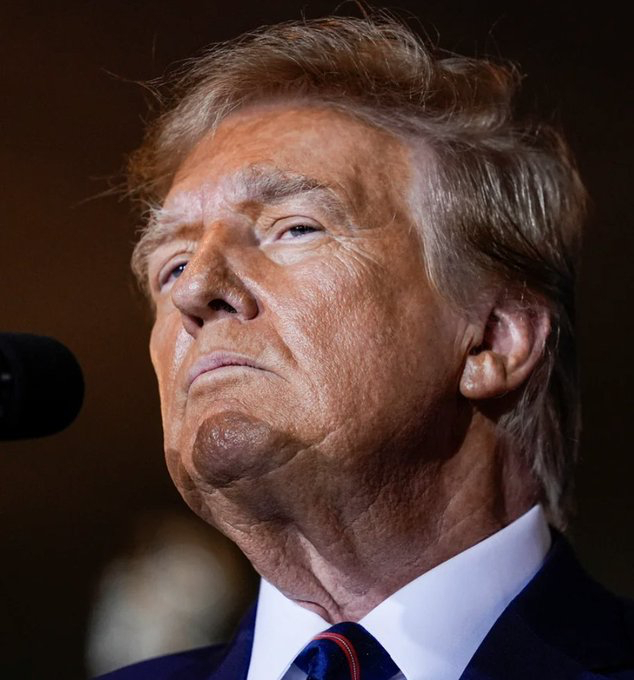
🇺🇸 Trump is considering keeping U.S. diesel at home for 90 days to get prices down before the midterms.
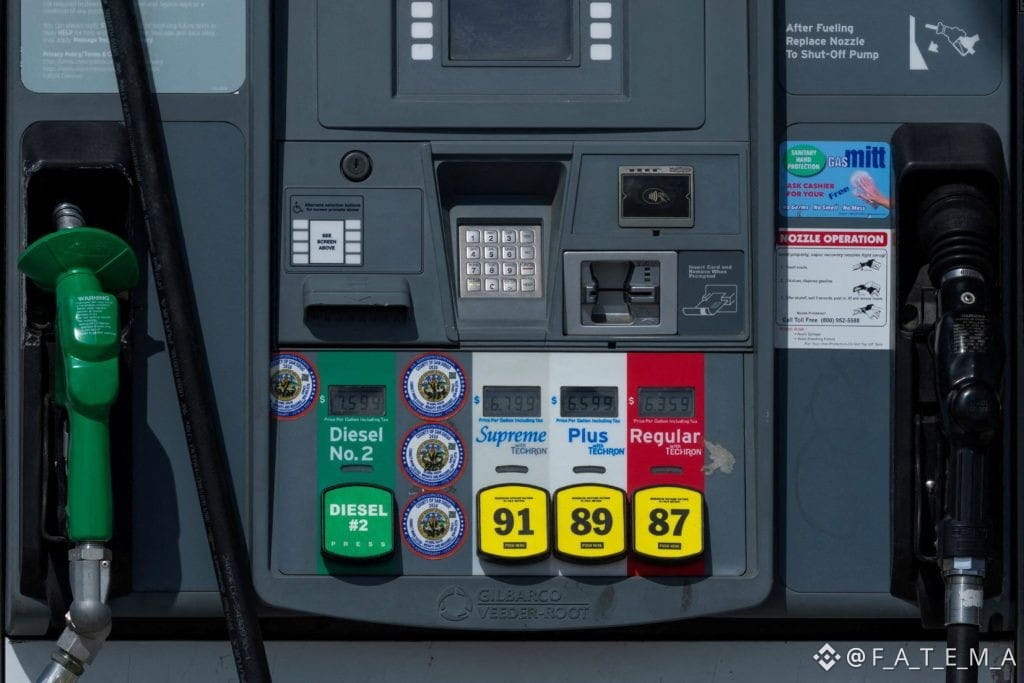
Diesel is averaging $6.52 a gallon, up $2.83 from last year, and farm-state Republicans want something done.
The idea is: stop exporting diesel, keep more of it in the U.S., and prices could fall pretty quickly.
The problem starts a few weeks later.
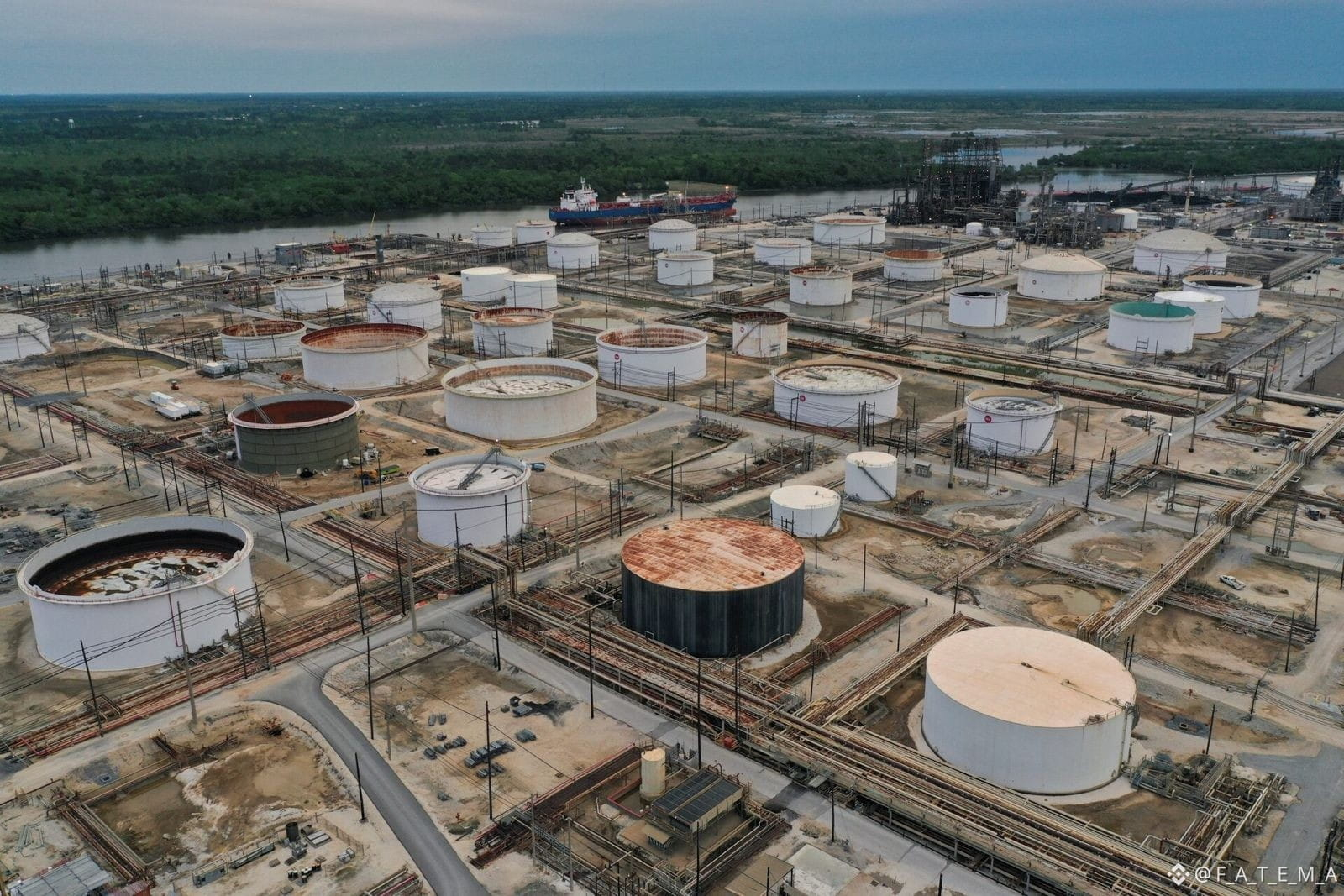
Refineries make diesel, gasoline and jet fuel together. If they can't export all that diesel and run out of places to put it, they may have to slow the whole refinery down.
Now you're making less diesel, less gasoline and less jet fuel, and prices could start climbing again.
That's why some of Trump's own officials and oil companies are trying to talk him out of it, while the White House is calling the report “fake news.”
Basically, the plan could solve October and create a problem for December.
Source: Politico
#oil #OilMarket #USGovernment
$TRUMP
🇺🇸 Trump is considering keeping U.S. diesel at home for 90 days to get prices down before the midterms.
Diesel is averaging $6.52 a gallon, up $2.83 from last year, and farm-state Republicans want something done.
The idea is: stop exporting diesel, keep more of it in the U.S., and prices could fall pretty quickly.
The problem starts a few weeks later.
Refineries make diesel, gasoline and jet fuel together. If they can't export all that diesel and run out of places to put it, they may have to slow the whole refinery down.
Now you're making less diesel, less gasoline and less jet fuel, and prices could start climbing again.
That's why some of Trump's own officials and oil companies are trying to talk him out of it, while the White House is calling the report “fake news.”
Basically, the plan could solve October and create a problem for December.
Source: Politico
#oil #OilMarket #USGovernment
🇺🇸 Trump is considering keeping U.S. diesel at home for 90 days to get prices down before the midterms.
Diesel is averaging $6.52 a gallon, up $2.83 from last year, and farm-state Republicans want something done.
The idea is: stop exporting diesel, keep more of it in the U.S., and prices could fall pretty quickly.
The problem starts a few weeks later.
Refineries make diesel, gasoline and jet fuel together. If they can't export all that diesel and run out of places to put it, they may have to slow the whole refinery down.
Now you're making less diesel, less gasoline and less jet fuel, and prices could start climbing again.
That's why some of Trump's own officials and oil companies are trying to talk him out of it, while the White House is calling the report “fake news.”
Basically, the plan could solve October and create a problem for December.
Source: Politico
#oil #OilMarket #USGovernment
Mohsin 7777:
How are you😊I like and share all of your posts. So please like and share my posts too. 😉🥰 Shar please 🫡🫡
1
6
5.4k

·
--
$TRUMP
{future}(TRUMPUSDT)
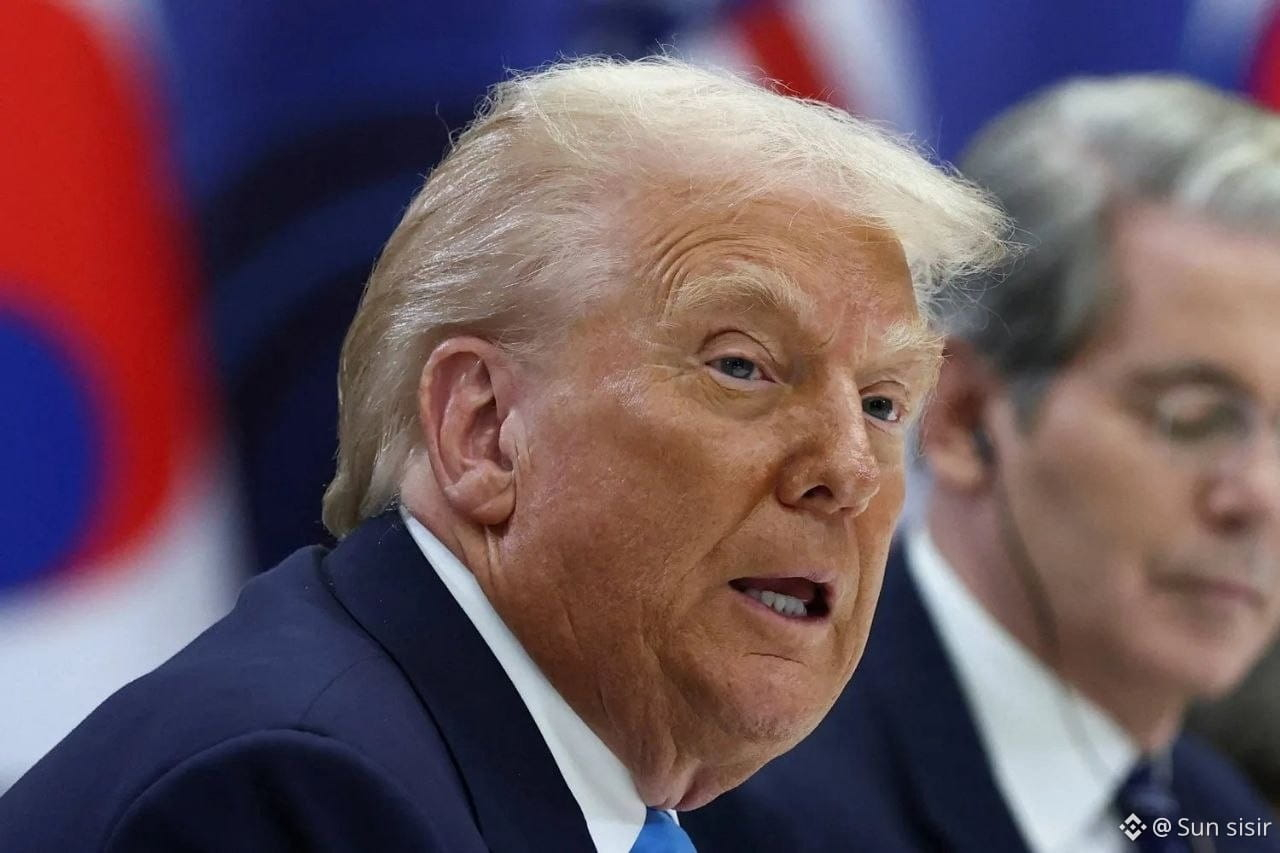
🚨BREAKING: Trump administration is preparing a 90-day ban on U.S. diesel exports, with an announcement possible by the end of the week, per Politico.
U.S. diesel prices have climbed above $6.50 per gallon as fuel costs intensify pressure ahead of the midterms.
Energy Secretary Chris Wright reportedly told energy CEOs a ban was coming, prompting immediate pushback to the White House.
Restrictions could cut refinery runs by roughly 2 MILLION barrels per day and gasoline output by up to 750,000 barrels per day, according to WSJ.
A ban intended to lower diesel prices could backfire by reducing refinery output and driving gasoline and jet-fuel prices higher.
#USGovernment #worldnews #oil #OilMarket
$TRUMP
🚨BREAKING: Trump administration is preparing a 90-day ban on U.S. diesel exports, with an announcement possible by the end of the week, per Politico.
U.S. diesel prices have climbed above $6.50 per gallon as fuel costs intensify pressure ahead of the midterms.
Energy Secretary Chris Wright reportedly told energy CEOs a ban was coming, prompting immediate pushback to the White House.
Restrictions could cut refinery runs by roughly 2 MILLION barrels per day and gasoline output by up to 750,000 barrels per day, according to WSJ.
A ban intended to lower diesel prices could backfire by reducing refinery output and driving gasoline and jet-fuel prices higher.
#USGovernment #worldnews #oil #OilMarket
🚨BREAKING: Trump administration is preparing a 90-day ban on U.S. diesel exports, with an announcement possible by the end of the week, per Politico.
U.S. diesel prices have climbed above $6.50 per gallon as fuel costs intensify pressure ahead of the midterms.
Energy Secretary Chris Wright reportedly told energy CEOs a ban was coming, prompting immediate pushback to the White House.
Restrictions could cut refinery runs by roughly 2 MILLION barrels per day and gasoline output by up to 750,000 barrels per day, according to WSJ.
A ban intended to lower diesel prices could backfire by reducing refinery output and driving gasoline and jet-fuel prices higher.
#USGovernment #worldnews #oil #OilMarket

96

·
--
Indian Oil Minister Pradhan has recently made it clear that despite the prospect of potential U.S. sanctions, India will maintain diesel exports and has no intention of following the United States by curbing diesel exports to rein in domestic fuel prices. Pradhan emphasized that India will honor its commitments and said that India’s domestic refining industry, through continued investment and expanded capacity, already has sufficient ability to cope with market fluctuations. According to shipping data firm Kpler, India has this year surpassed Russia to become the world’s second-largest seaborne diesel supplier after the United States, accounting for roughly 10% of global seaborne diesel exports.
Against the backdrop of a reshaping global energy landscape, this stance is especially significant. With the Russia-Ukraine conflict and Western sanctions disrupting parts of traditional supply chains, India—by importing crude oil, processing it, and re-exporting—has increasingly become an indispensable buffer pool in global energy flows. By keeping its export doors open, India to a large extent eases market fears of a further, hard shortage of refined fuel supplies, though it also makes the geopolitical and trade game more nuanced.
For macro financial markets, India’s supply stability helps moderate some energy-inflation expectations. If crude oil and refined products remain relatively abundant and mobile, it could ease secondary inflation pressures in major economies such as the U.S. and Europe, thereby affecting central banks’ room for maneuver in interest-rate decisions. However, the multipolar development of energy supply chains also keeps fueling debate over the continued centrality of the U.S. dollar as a settlement core, and the pricing logic in commodities markets is becoming more diverse.
Looking at the crypto market, energy and inflation-expectation swings have long been underlying variables that influence macro liquidity. If key energy supplies such as diesel remain relatively smooth, macro inflation pressure will be more controllable, providing a steadier environment for overall risk assets; conversely, if subsequent geopolitical tensions escalate and translate into actual sanctions, heightened risk-off sentiment would directly affect the capital flows into mainstream assets such as $BTC . Overall, the contest is still unfolding and is worth ongoing monitoring.📊
#OilMarket #GlobalEconomy #EnergyGeopolitics
Indian Oil Minister Pradhan has recently made it clear that despite the prospect of potential U.S. sanctions, India will maintain diesel exports and has no intention of following the United States by curbing diesel exports to rein in domestic fuel prices. Pradhan emphasized that India will honor its commitments and said that India’s domestic refining industry, through continued investment and expanded capacity, already has sufficient ability to cope with market fluctuations. According to shipping data firm Kpler, India has this year surpassed Russia to become the world’s second-largest seaborne diesel supplier after the United States, accounting for roughly 10% of global seaborne diesel exports.
Against the backdrop of a reshaping global energy landscape, this stance is especially significant. With the Russia-Ukraine conflict and Western sanctions disrupting parts of traditional supply chains, India—by importing crude oil, processing it, and re-exporting—has increasingly become an indispensable buffer pool in global energy flows. By keeping its export doors open, India to a large extent eases market fears of a further, hard shortage of refined fuel supplies, though it also makes the geopolitical and trade game more nuanced.
For macro financial markets, India’s supply stability helps moderate some energy-inflation expectations. If crude oil and refined products remain relatively abundant and mobile, it could ease secondary inflation pressures in major economies such as the U.S. and Europe, thereby affecting central banks’ room for maneuver in interest-rate decisions. However, the multipolar development of energy supply chains also keeps fueling debate over the continued centrality of the U.S. dollar as a settlement core, and the pricing logic in commodities markets is becoming more diverse.
Looking at the crypto market, energy and inflation-expectation swings have long been underlying variables that influence macro liquidity. If key energy supplies such as diesel remain relatively smooth, macro inflation pressure will be more controllable, providing a steadier environment for overall risk assets; conversely, if subsequent geopolitical tensions escalate and translate into actual sanctions, heightened risk-off sentiment would directly affect the capital flows into mainstream assets such as $BTC . Overall, the contest is still unfolding and is worth ongoing monitoring.📊
#OilMarket #GlobalEconomy #EnergyGeopolitics
Against the backdrop of a reshaping global energy landscape, this stance is especially significant. With the Russia-Ukraine conflict and Western sanctions disrupting parts of traditional supply chains, India—by importing crude oil, processing it, and re-exporting—has increasingly become an indispensable buffer pool in global energy flows. By keeping its export doors open, India to a large extent eases market fears of a further, hard shortage of refined fuel supplies, though it also makes the geopolitical and trade game more nuanced.
For macro financial markets, India’s supply stability helps moderate some energy-inflation expectations. If crude oil and refined products remain relatively abundant and mobile, it could ease secondary inflation pressures in major economies such as the U.S. and Europe, thereby affecting central banks’ room for maneuver in interest-rate decisions. However, the multipolar development of energy supply chains also keeps fueling debate over the continued centrality of the U.S. dollar as a settlement core, and the pricing logic in commodities markets is becoming more diverse.
Looking at the crypto market, energy and inflation-expectation swings have long been underlying variables that influence macro liquidity. If key energy supplies such as diesel remain relatively smooth, macro inflation pressure will be more controllable, providing a steadier environment for overall risk assets; conversely, if subsequent geopolitical tensions escalate and translate into actual sanctions, heightened risk-off sentiment would directly affect the capital flows into mainstream assets such as $BTC . Overall, the contest is still unfolding and is worth ongoing monitoring.📊
#OilMarket #GlobalEconomy #EnergyGeopolitics
6
·
--
According to the latest shipping-tracking data, only three cargo ships passed through the Strait of Hormuz on Tuesday, while the 10-day moving average for this key route is typically around 15 vessels, with daily throughput showing an extremely sharp drop.
As the lifeline of global crude oil transportation, the steep reduction in traffic through the Strait of Hormuz quickly sparked market concerns about the geopolitical situation in the Middle East and the risk of disruptions to energy supply chains. In the current climate, when ship traffic falls far below the norm, it usually reflects a lower risk appetite among shipping companies or a growing concern about a potential blockade.
From a macro financial market perspective, disruptions to Middle East shipping often directly drive up the international crude oil premium and global shipping costs, which in turn puts upward pressure on inflation expectations. If the energy supply chain continues to face strain, it could not only delay the timing of major central banks’ rate cuts, but also raise safe-haven sentiment—drawing attention to the U.S. dollar and gold—while high-valued risk assets face repricing.
For the crypto market, in the short term, macro liquidity may be roiled by disturbances to inflation expectations, leading to $BTC and major tokens experiencing volatile pressure. If geopolitical tensions cool rapidly and shipping returns to normal, the market may revert to fundamentals; but if an energy shock becomes prolonged, the shift of capital toward safety will be a test of overall liquidity in risk assets.📍
#Geopolitics #OilMarket #GlobalEconomy
According to the latest shipping-tracking data, only three cargo ships passed through the Strait of Hormuz on Tuesday, while the 10-day moving average for this key route is typically around 15 vessels, with daily throughput showing an extremely sharp drop.
As the lifeline of global crude oil transportation, the steep reduction in traffic through the Strait of Hormuz quickly sparked market concerns about the geopolitical situation in the Middle East and the risk of disruptions to energy supply chains. In the current climate, when ship traffic falls far below the norm, it usually reflects a lower risk appetite among shipping companies or a growing concern about a potential blockade.
From a macro financial market perspective, disruptions to Middle East shipping often directly drive up the international crude oil premium and global shipping costs, which in turn puts upward pressure on inflation expectations. If the energy supply chain continues to face strain, it could not only delay the timing of major central banks’ rate cuts, but also raise safe-haven sentiment—drawing attention to the U.S. dollar and gold—while high-valued risk assets face repricing.
For the crypto market, in the short term, macro liquidity may be roiled by disturbances to inflation expectations, leading to $BTC and major tokens experiencing volatile pressure. If geopolitical tensions cool rapidly and shipping returns to normal, the market may revert to fundamentals; but if an energy shock becomes prolonged, the shift of capital toward safety will be a test of overall liquidity in risk assets.📍
#Geopolitics #OilMarket #GlobalEconomy
As the lifeline of global crude oil transportation, the steep reduction in traffic through the Strait of Hormuz quickly sparked market concerns about the geopolitical situation in the Middle East and the risk of disruptions to energy supply chains. In the current climate, when ship traffic falls far below the norm, it usually reflects a lower risk appetite among shipping companies or a growing concern about a potential blockade.
From a macro financial market perspective, disruptions to Middle East shipping often directly drive up the international crude oil premium and global shipping costs, which in turn puts upward pressure on inflation expectations. If the energy supply chain continues to face strain, it could not only delay the timing of major central banks’ rate cuts, but also raise safe-haven sentiment—drawing attention to the U.S. dollar and gold—while high-valued risk assets face repricing.
For the crypto market, in the short term, macro liquidity may be roiled by disturbances to inflation expectations, leading to $BTC and major tokens experiencing volatile pressure. If geopolitical tensions cool rapidly and shipping returns to normal, the market may revert to fundamentals; but if an energy shock becomes prolonged, the shift of capital toward safety will be a test of overall liquidity in risk assets.📍
#Geopolitics #OilMarket #GlobalEconomy
28

·
--
$OILT.ETF
🔎 Step-by-Step Candlestick Analysis Framework
1. Identify Key Price Support and Resistance
Locate the Boundaries: Find structural levels where the candles historically reverse direction.
Current Baseline: On a long-term macro view, look for strong physical support floors (such as the 52-week low near $65.99) and hard upside supply ceilings (such as the recent high zone near $163.35). Breakouts or breakdowns out of these areas signal major trend shifts.
2. Evaluate the Moving Average Intersections
The Trend Baseline: Use the 200-day Simple Moving Average (SMA) to determine the core macro bias. Currently, sitting above the 200-day line (~$138.94) maintains an overall bullish long-term environment.
Short-Term Friction: Track crossovers between short-term lines like the 5-day (~$154.33) and medium-term lines like the 50-day (~$156.50). A death cross (shorter average diving below the longer one) implies immediate selling pressure even if the long-term trend holds.
3. Recognize High-Conviction Candlestick Patterns
Bullish Reversals: Watch for setups near support zones like a Morning Star (a 3-candle bottom pattern) or a Piercing Line. Long bottom wicks (Hammers) show aggressive intra-period buying rejection at lower prices.
Bearish Reversals: Be cautious of large red candles closing near the absolute bottom of their daily range, which proves sellers dominate total control. Clusters of candles with long upper wicks (Shooting Stars) at upper resistance points reveal profit-taking.
4. Confirm Momentum via Secondary Indicators
Relative Strength Index (RSI): Track if the 14-day RSI drops into oversold territory (below 30) or breaches overbought extremes (above 70). A neutral reading near 42.5 indicates temporary cooling from previous momentum peaks.
MACD (Moving Average Convergence Divergence): Look for signal line cross-overs to enter or exit trades. Negative histogram slopes indicate expanding downward acceleration
{etf_us}(OILT.ETF)
#oil #OilPrice #OilPrice #OilMarket
$OILT.ETF
🔎 Step-by-Step Candlestick Analysis Framework
1. Identify Key Price Support and Resistance
Locate the Boundaries: Find structural levels where the candles historically reverse direction.
Current Baseline: On a long-term macro view, look for strong physical support floors (such as the 52-week low near $65.99) and hard upside supply ceilings (such as the recent high zone near $163.35). Breakouts or breakdowns out of these areas signal major trend shifts.
2. Evaluate the Moving Average Intersections
The Trend Baseline: Use the 200-day Simple Moving Average (SMA) to determine the core macro bias. Currently, sitting above the 200-day line (~$138.94) maintains an overall bullish long-term environment.
Short-Term Friction: Track crossovers between short-term lines like the 5-day (~$154.33) and medium-term lines like the 50-day (~$156.50). A death cross (shorter average diving below the longer one) implies immediate selling pressure even if the long-term trend holds.
3. Recognize High-Conviction Candlestick Patterns
Bullish Reversals: Watch for setups near support zones like a Morning Star (a 3-candle bottom pattern) or a Piercing Line. Long bottom wicks (Hammers) show aggressive intra-period buying rejection at lower prices.
Bearish Reversals: Be cautious of large red candles closing near the absolute bottom of their daily range, which proves sellers dominate total control. Clusters of candles with long upper wicks (Shooting Stars) at upper resistance points reveal profit-taking.
4. Confirm Momentum via Secondary Indicators
Relative Strength Index (RSI): Track if the 14-day RSI drops into oversold territory (below 30) or breaches overbought extremes (above 70). A neutral reading near 42.5 indicates temporary cooling from previous momentum peaks.
MACD (Moving Average Convergence Divergence): Look for signal line cross-overs to enter or exit trades. Negative histogram slopes indicate expanding downward acceleration
#oil #OilPrice #OilPrice #OilMarket
🔎 Step-by-Step Candlestick Analysis Framework
1. Identify Key Price Support and Resistance
Locate the Boundaries: Find structural levels where the candles historically reverse direction.
Current Baseline: On a long-term macro view, look for strong physical support floors (such as the 52-week low near $65.99) and hard upside supply ceilings (such as the recent high zone near $163.35). Breakouts or breakdowns out of these areas signal major trend shifts.
2. Evaluate the Moving Average Intersections
The Trend Baseline: Use the 200-day Simple Moving Average (SMA) to determine the core macro bias. Currently, sitting above the 200-day line (~$138.94) maintains an overall bullish long-term environment.
Short-Term Friction: Track crossovers between short-term lines like the 5-day (~$154.33) and medium-term lines like the 50-day (~$156.50). A death cross (shorter average diving below the longer one) implies immediate selling pressure even if the long-term trend holds.
3. Recognize High-Conviction Candlestick Patterns
Bullish Reversals: Watch for setups near support zones like a Morning Star (a 3-candle bottom pattern) or a Piercing Line. Long bottom wicks (Hammers) show aggressive intra-period buying rejection at lower prices.
Bearish Reversals: Be cautious of large red candles closing near the absolute bottom of their daily range, which proves sellers dominate total control. Clusters of candles with long upper wicks (Shooting Stars) at upper resistance points reveal profit-taking.
4. Confirm Momentum via Secondary Indicators
Relative Strength Index (RSI): Track if the 14-day RSI drops into oversold territory (below 30) or breaches overbought extremes (above 70). A neutral reading near 42.5 indicates temporary cooling from previous momentum peaks.
MACD (Moving Average Convergence Divergence): Look for signal line cross-overs to enter or exit trades. Negative histogram slopes indicate expanding downward acceleration
#oil #OilPrice #OilPrice #OilMarket
OILTETF+2.08%
69


Article
Reuters: Vitol and Trafigura seek discounts on Venezuelan oil amid increase in theshipping costs
The selling prices of heavy oil Merey, Venezuela's flagship product, have recovered steadily so far this year.
Oil trading companies Vitol and Trafigura would be pushing to obtain discounts on Venezuelan crude due to the increase in freight rates, leading to a reduction in their profit margins.
According to Reuters, sources familiar with the matter said that both companies are offering between $18 and $20 less than the Brent price for cargoes destined for the United States or Europe.
Reuters: Vitol and Trafigura seek discounts on Venezuelan oil amid increase in the
shipping costs
The selling prices of heavy oil Merey, Venezuela's flagship product, have recovered steadily so far this year.
Oil trading companies Vitol and Trafigura would be pushing to obtain discounts on Venezuelan crude due to the increase in freight rates, leading to a reduction in their profit margins.
According to Reuters, sources familiar with the matter said that both companies are offering between $18 and $20 less than the Brent price for cargoes destined for the United States or Europe.
The selling prices of heavy oil Merey, Venezuela's flagship product, have recovered steadily so far this year.
Oil trading companies Vitol and Trafigura would be pushing to obtain discounts on Venezuelan crude due to the increase in freight rates, leading to a reduction in their profit margins.
According to Reuters, sources familiar with the matter said that both companies are offering between $18 and $20 less than the Brent price for cargoes destined for the United States or Europe.
80

·
--
Bullish
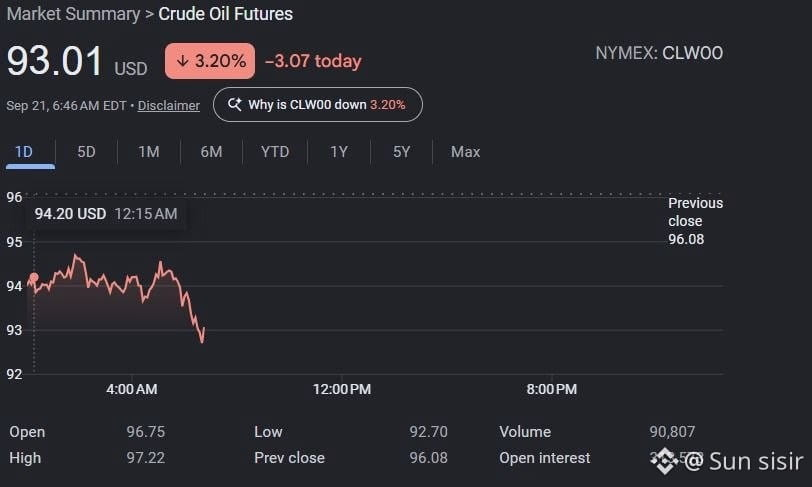
🛢️ Oil gave us a choice. We’re not pressing the button yet.
Entered $CL Long at $90 — 2% deposit.
The plan is simple:
not to guess the bottom, but to wait until the market shows its hand.
Right now CL did:
93.2 → 89.14 → ~90
Interesting? Very. 👀
89.14 might turn out to be a liquidity sweep. But until the 4H confirms a reclaim — this is only a hypothesis.
And then it gets even more interesting:
🎯 96+ — our fixation zone
🧲 80–82 — a zone where we can look for adds
⚠️ 77–79 — if the market decides to go deeper
Oil is trading not only the chart right now.
In this game there’s Hormuz, supply, geopolitics, and a massive flow of liquidity.
Let’s see who outsmarts whom. 🛢️♟️
Not financial advice. Just watching the game.
#OilMarket #long
🛢️ Oil gave us a choice. We’re not pressing the button yet.
Entered $CL Long at $90 — 2% deposit.
The plan is simple:
not to guess the bottom, but to wait until the market shows its hand.
Right now CL did:
93.2 → 89.14 → ~90
Interesting? Very. 👀
89.14 might turn out to be a liquidity sweep. But until the 4H confirms a reclaim — this is only a hypothesis.
And then it gets even more interesting:
🎯 96+ — our fixation zone
🧲 80–82 — a zone where we can look for adds
⚠️ 77–79 — if the market decides to go deeper
Oil is trading not only the chart right now.
In this game there’s Hormuz, supply, geopolitics, and a massive flow of liquidity.
Let’s see who outsmarts whom. 🛢️♟️
Not financial advice. Just watching the game.
#OilMarket #long
Entered $CL Long at $90 — 2% deposit.
The plan is simple:
not to guess the bottom, but to wait until the market shows its hand.
Right now CL did:
93.2 → 89.14 → ~90
Interesting? Very. 👀
89.14 might turn out to be a liquidity sweep. But until the 4H confirms a reclaim — this is only a hypothesis.
And then it gets even more interesting:
🎯 96+ — our fixation zone
🧲 80–82 — a zone where we can look for adds
⚠️ 77–79 — if the market decides to go deeper
Oil is trading not only the chart right now.
In this game there’s Hormuz, supply, geopolitics, and a massive flow of liquidity.
Let’s see who outsmarts whom. 🛢️♟️
Not financial advice. Just watching the game.
#OilMarket #long
1
1
88
·
--
Verified
$TRUMP
{future}(TRUMPUSDT)
🚨🇮🇷🇺🇸 Oil just gave back some of its war premium…
Brent fell 2% to $101.75 and WTI dropped to $98.34, the weakest levels since Sept. 10, as traders bet UN General Assembly meetings could open a diplomatic off-ramp.
Trump said he is open to meeting Iran’s president in New York even as both sides kept issuing threats. Tehran has already sent conditions through Qatar.
Markets are pricing in hope, not a deal. One failed meeting and that risk premium comes right back.
Source: Al Jazeera
#CryptoNewss #OilMarket
$TRUMP
🚨🇮🇷🇺🇸 Oil just gave back some of its war premium…
Brent fell 2% to $101.75 and WTI dropped to $98.34, the weakest levels since Sept. 10, as traders bet UN General Assembly meetings could open a diplomatic off-ramp.
Trump said he is open to meeting Iran’s president in New York even as both sides kept issuing threats. Tehran has already sent conditions through Qatar.
Markets are pricing in hope, not a deal. One failed meeting and that risk premium comes right back.
Source: Al Jazeera
#CryptoNewss #OilMarket
🚨🇮🇷🇺🇸 Oil just gave back some of its war premium…
Brent fell 2% to $101.75 and WTI dropped to $98.34, the weakest levels since Sept. 10, as traders bet UN General Assembly meetings could open a diplomatic off-ramp.
Trump said he is open to meeting Iran’s president in New York even as both sides kept issuing threats. Tehran has already sent conditions through Qatar.
Markets are pricing in hope, not a deal. One failed meeting and that risk premium comes right back.
Source: Al Jazeera
#CryptoNewss #OilMarket


Laurinda Miracle F0IU:
did I mention that the war could be over soon?
1
4
2k
·
--
$TRUMP
{future}(TRUMPUSDT)
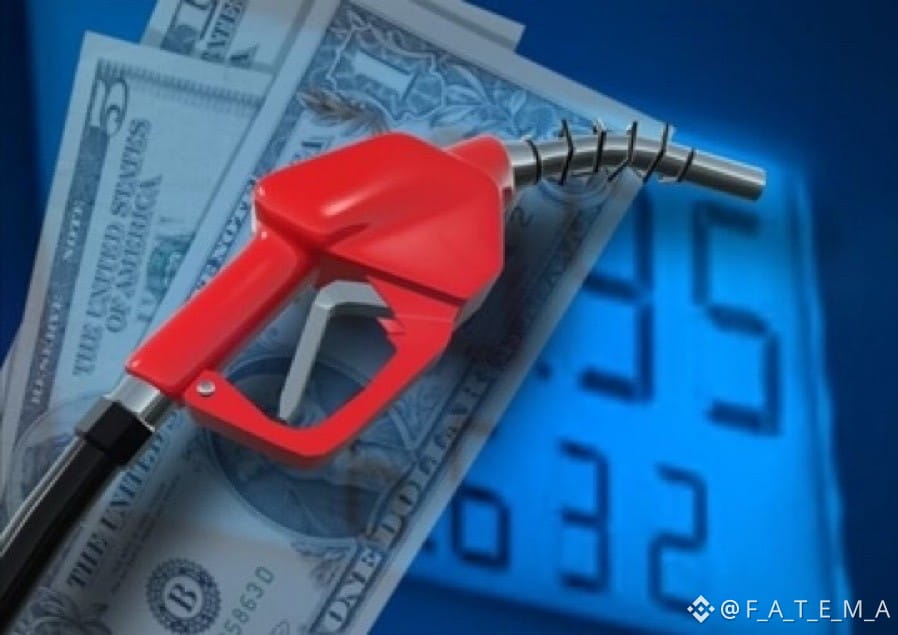
🇺🇸 BREAKING: U.S. diesel prices smash $6.50 for the FIRST TIME EVER as the war-driven fuel shock hits the economy.
AAA’s national average surged to a record $6.505 per gallon on Sept. 20, up from $6.20 a week ago and $5.55 a month ago.
Diesel powers America’s trucking, farming and industrial economy, meaning the record surge could quickly feed into higher freight costs, food prices and broader inflation.
#OilMarket #CryptoNews #worldnews
$TRUMP
🇺🇸 BREAKING: U.S. diesel prices smash $6.50 for the FIRST TIME EVER as the war-driven fuel shock hits the economy.
AAA’s national average surged to a record $6.505 per gallon on Sept. 20, up from $6.20 a week ago and $5.55 a month ago.
Diesel powers America’s trucking, farming and industrial economy, meaning the record surge could quickly feed into higher freight costs, food prices and broader inflation.
#OilMarket #CryptoNews #worldnews
🇺🇸 BREAKING: U.S. diesel prices smash $6.50 for the FIRST TIME EVER as the war-driven fuel shock hits the economy.
AAA’s national average surged to a record $6.505 per gallon on Sept. 20, up from $6.20 a week ago and $5.55 a month ago.
Diesel powers America’s trucking, farming and industrial economy, meaning the record surge could quickly feed into higher freight costs, food prices and broader inflation.
#OilMarket #CryptoNews #worldnews


306
·
--
Russia plans to further extend its diesel export ban beyond September. This is mainly because recent continued attacks by Ukraine on refineries inside Russia have pushed its refining capacity to the lowest level in years. The ban was first introduced in July and was originally expected to last only a few weeks, but due to repeated strikes on refining facilities, Moscow has already postponed it several times. It is now considering extending it by another month or even longer.
At the macro level, this development is worth close attention. Before the ban was implemented, seaborne diesel supply from Russia accounted for about 10% of the global total. The continued absence of this large volume of supply directly worsens supply tightness in the global fuel market, especially when compounded by disruptions to supply chains in the Middle East, causing upward pressure on energy prices to build further.
For traditional financial markets, higher crude oil and refined product prices often raise inflation expectations. An energy-cost rebound could make the rate-cutting paths of major central banks more difficult to predict, thereby affecting the trajectory of U.S. Treasury yields and the U.S. dollar index, and also pulling up volatility in commodity markets.
Translated to the crypto market, repeated shifts in expectations for macro liquidity often leave market sentiment in a tug-of-war. On the one hand, if inflation-related disruptions suppress the valuation of risk assets, mainstream tokens such as $BTC may, in the short term, move along with the broader market as it consolidates and trades sideways. On the other hand, some investors may re-factor anti-inflation narratives into their decision-making. How the market will respond next will need to be monitored continuously, particularly changes in supply on the energy side.
#OilMarket #Geopolitics #Inflation
Russia plans to further extend its diesel export ban beyond September. This is mainly because recent continued attacks by Ukraine on refineries inside Russia have pushed its refining capacity to the lowest level in years. The ban was first introduced in July and was originally expected to last only a few weeks, but due to repeated strikes on refining facilities, Moscow has already postponed it several times. It is now considering extending it by another month or even longer.
At the macro level, this development is worth close attention. Before the ban was implemented, seaborne diesel supply from Russia accounted for about 10% of the global total. The continued absence of this large volume of supply directly worsens supply tightness in the global fuel market, especially when compounded by disruptions to supply chains in the Middle East, causing upward pressure on energy prices to build further.
For traditional financial markets, higher crude oil and refined product prices often raise inflation expectations. An energy-cost rebound could make the rate-cutting paths of major central banks more difficult to predict, thereby affecting the trajectory of U.S. Treasury yields and the U.S. dollar index, and also pulling up volatility in commodity markets.
Translated to the crypto market, repeated shifts in expectations for macro liquidity often leave market sentiment in a tug-of-war. On the one hand, if inflation-related disruptions suppress the valuation of risk assets, mainstream tokens such as $BTC may, in the short term, move along with the broader market as it consolidates and trades sideways. On the other hand, some investors may re-factor anti-inflation narratives into their decision-making. How the market will respond next will need to be monitored continuously, particularly changes in supply on the energy side.
#OilMarket #Geopolitics #Inflation
At the macro level, this development is worth close attention. Before the ban was implemented, seaborne diesel supply from Russia accounted for about 10% of the global total. The continued absence of this large volume of supply directly worsens supply tightness in the global fuel market, especially when compounded by disruptions to supply chains in the Middle East, causing upward pressure on energy prices to build further.
For traditional financial markets, higher crude oil and refined product prices often raise inflation expectations. An energy-cost rebound could make the rate-cutting paths of major central banks more difficult to predict, thereby affecting the trajectory of U.S. Treasury yields and the U.S. dollar index, and also pulling up volatility in commodity markets.
Translated to the crypto market, repeated shifts in expectations for macro liquidity often leave market sentiment in a tug-of-war. On the one hand, if inflation-related disruptions suppress the valuation of risk assets, mainstream tokens such as $BTC may, in the short term, move along with the broader market as it consolidates and trades sideways. On the other hand, some investors may re-factor anti-inflation narratives into their decision-making. How the market will respond next will need to be monitored continuously, particularly changes in supply on the energy side.
#OilMarket #Geopolitics #Inflation
180
Log in to explore more content
Join global crypto users on Binance Square
⚡️ Get latest and useful information about crypto.
💬 Trusted by the world’s largest crypto exchange.
👍 Discover real insights from verified creators.
Email / Phone number
Trending Topics
1
#BTCFallsBelow$83000
2,952 views
59 Discussing
2
#BitcoinSpotETFs$2.39BWeeklyNetInflow
45 views
7 Discussing
3
#FedProposesPaymentStablecoinRules
14,534 views
338 Discussing
4
#ChinaMayLetAlibabaByteDanceBuyNvidiaChips
16,730 views
380 Discussing
5
#USChinaRelease$30BTariffCutProductLists
2,596 views
42 Discussing
6
#SKoreaFSCConsidersVirtualAssetMarketMaker
12,159 views
303 Discussing
7
#ChinaIndustrialProfitGrowthSlowsFourthMonth
12,377 views
298 Discussing
8
#BitwiseFilesFinalNEARSpotETFProspectus
130,307 views
1,880 Discussing
9
#BitgetHackerMoves$83MStolenXRP
41,930 views
184 Discussing
10
#SOLSpotETFWeeklyInflow$188M
26,150 views
146 Discussing