

Meta Crypto1
802 Posts

Meta Crypto1
Report
Block User
Instant crypto updates, market insights & blockchain analysis. Stay at the forefront of digital assets!
X account: MetaCrypto47
Frequent Trader
2.3 Years
157 Following
2.2K+ Followers
1.5K+ Liked
Posts
All
Quotes
Videos
Live
·
--
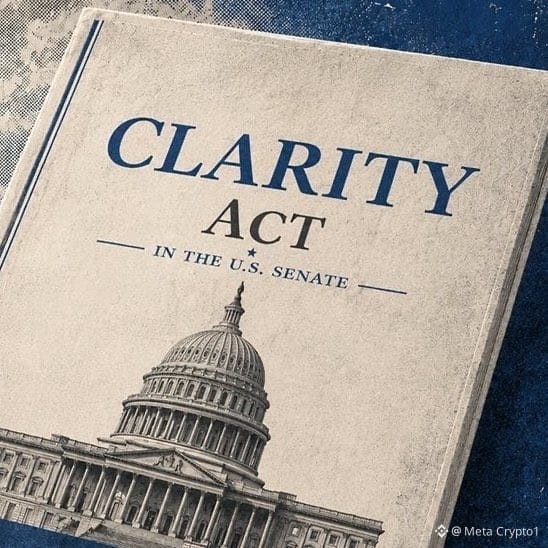
JUST IN: 🇺🇸 The Senate has 5 days to pass the Crypto Clarity Act before leaving for summer recess.
If this bill does not pass, BTC will have a strong reaction.
$BTC
JUST IN: 🇺🇸 The Senate has 5 days to pass the Crypto Clarity Act before leaving for summer recess.
If this bill does not pass, BTC will have a strong reaction.
$BTC
If this bill does not pass, BTC will have a strong reaction.
$BTC
103
·
--
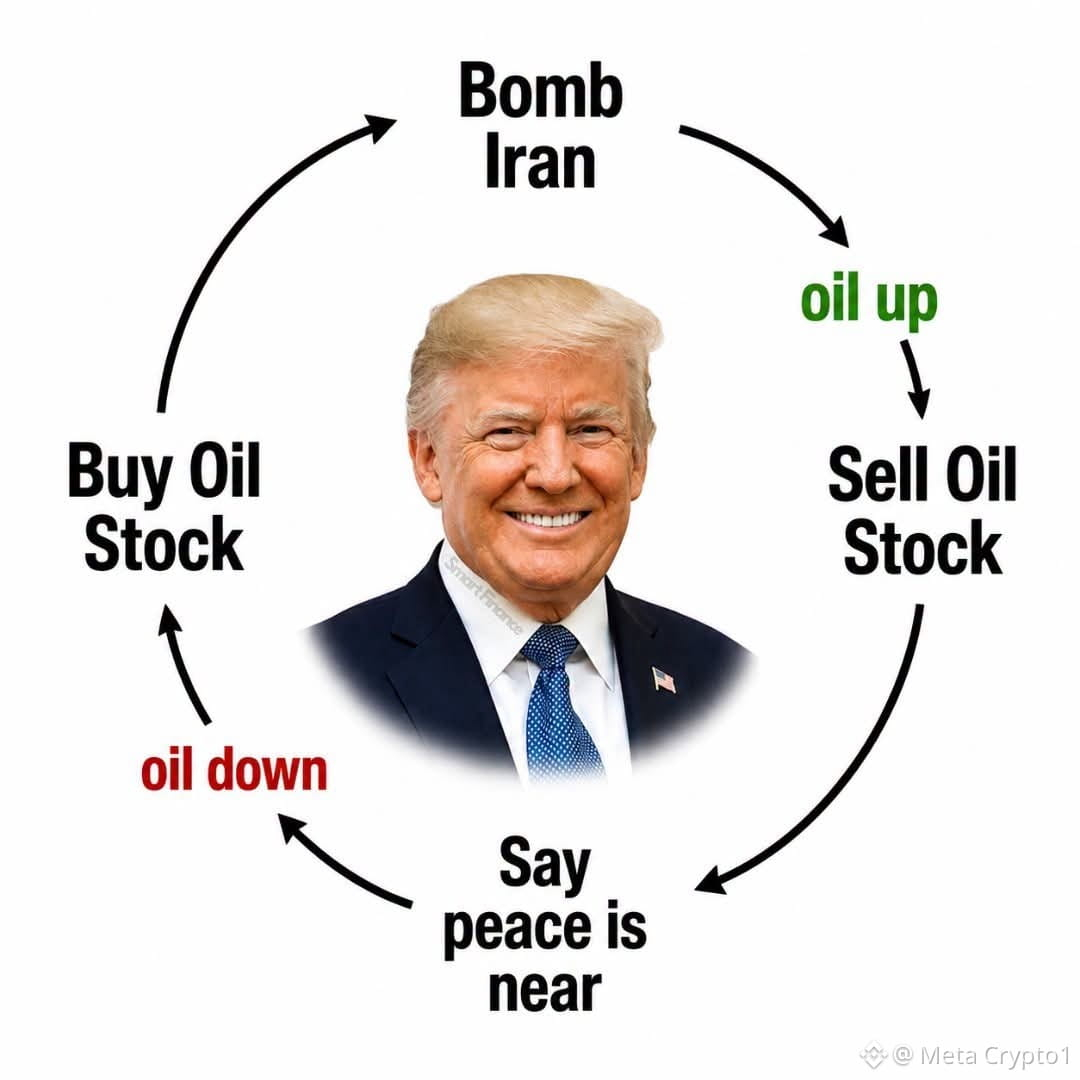
This is reality: the Trump family manipulates the market and earns billions through it.
#TrumpCancelsIranStrikePendingDeal
This is reality: the Trump family manipulates the market and earns billions through it.
#TrumpCancelsIranStrikePendingDeal
#TrumpCancelsIranStrikePendingDeal
1
256
·
--
Verified
🚨 SIX SAUDI OIL TANKERS JUST WENT DARK ON THE RED SEA
Six VLCCs (Hazm, Dilam, Ghinah, Laynah, Salam, Burqan) have abandoned the Bab el-Mandeb chokepoint entirely and are now routing the long way around Africa via Gibraltar, Durban, and Algoa Bay.
Why it matters:
🔴 Houthi threats + actual attacks on Saudi tankers forced this
🔴 Round-Africa route adds 2+ weeks per supertanker vs. the Bab el-Mandeb path (some Yanbu→Asia routes now stretching from 19 days to 48)
🔴 Saudi is also leaning harder on the SUMED pipeline through Egypt as a workaround
🔴 Brent is already pushing toward $98, within range of the $100 psychological level
The bigger picture:
This isn't a one-off Saudi has been rerouting exports around this chokepoint on and off for months as the Houthi threat escalates.
Longer voyages = more vessel-days per cargo = tighter tanker fleet = firmer freight rates, even before you get to the crude price impact itself.
Read-through for markets:
Energy-linked commodities and shipping stocks are the direct trade. For crypto watch risk sentiment a genuine Middle East supply shock tends to spike volatility across the board and can pressure risk assets like $BTC $ETH if it escalates into a broader oil price shock.
⚠️ Not financial advice. DYOR.
#saudioiltankersreroutearoundafrica
🚨 SIX SAUDI OIL TANKERS JUST WENT DARK ON THE RED SEA
Six VLCCs (Hazm, Dilam, Ghinah, Laynah, Salam, Burqan) have abandoned the Bab el-Mandeb chokepoint entirely and are now routing the long way around Africa via Gibraltar, Durban, and Algoa Bay.
Why it matters:
🔴 Houthi threats + actual attacks on Saudi tankers forced this
🔴 Round-Africa route adds 2+ weeks per supertanker vs. the Bab el-Mandeb path (some Yanbu→Asia routes now stretching from 19 days to 48)
🔴 Saudi is also leaning harder on the SUMED pipeline through Egypt as a workaround
🔴 Brent is already pushing toward $98, within range of the $100 psychological level
The bigger picture:
This isn't a one-off Saudi has been rerouting exports around this chokepoint on and off for months as the Houthi threat escalates.
Longer voyages = more vessel-days per cargo = tighter tanker fleet = firmer freight rates, even before you get to the crude price impact itself.
Read-through for markets:
Energy-linked commodities and shipping stocks are the direct trade. For crypto watch risk sentiment a genuine Middle East supply shock tends to spike volatility across the board and can pressure risk assets like $BTC $ETH if it escalates into a broader oil price shock.
⚠️ Not financial advice. DYOR.
#saudioiltankersreroutearoundafrica
Six VLCCs (Hazm, Dilam, Ghinah, Laynah, Salam, Burqan) have abandoned the Bab el-Mandeb chokepoint entirely and are now routing the long way around Africa via Gibraltar, Durban, and Algoa Bay.
Why it matters:
🔴 Houthi threats + actual attacks on Saudi tankers forced this
🔴 Round-Africa route adds 2+ weeks per supertanker vs. the Bab el-Mandeb path (some Yanbu→Asia routes now stretching from 19 days to 48)
🔴 Saudi is also leaning harder on the SUMED pipeline through Egypt as a workaround
🔴 Brent is already pushing toward $98, within range of the $100 psychological level
The bigger picture:
This isn't a one-off Saudi has been rerouting exports around this chokepoint on and off for months as the Houthi threat escalates.
Longer voyages = more vessel-days per cargo = tighter tanker fleet = firmer freight rates, even before you get to the crude price impact itself.
Read-through for markets:
Energy-linked commodities and shipping stocks are the direct trade. For crypto watch risk sentiment a genuine Middle East supply shock tends to spike volatility across the board and can pressure risk assets like $BTC $ETH if it escalates into a broader oil price shock.
⚠️ Not financial advice. DYOR.
#saudioiltankersreroutearoundafrica

1
3
3.7k
·
--
Verified
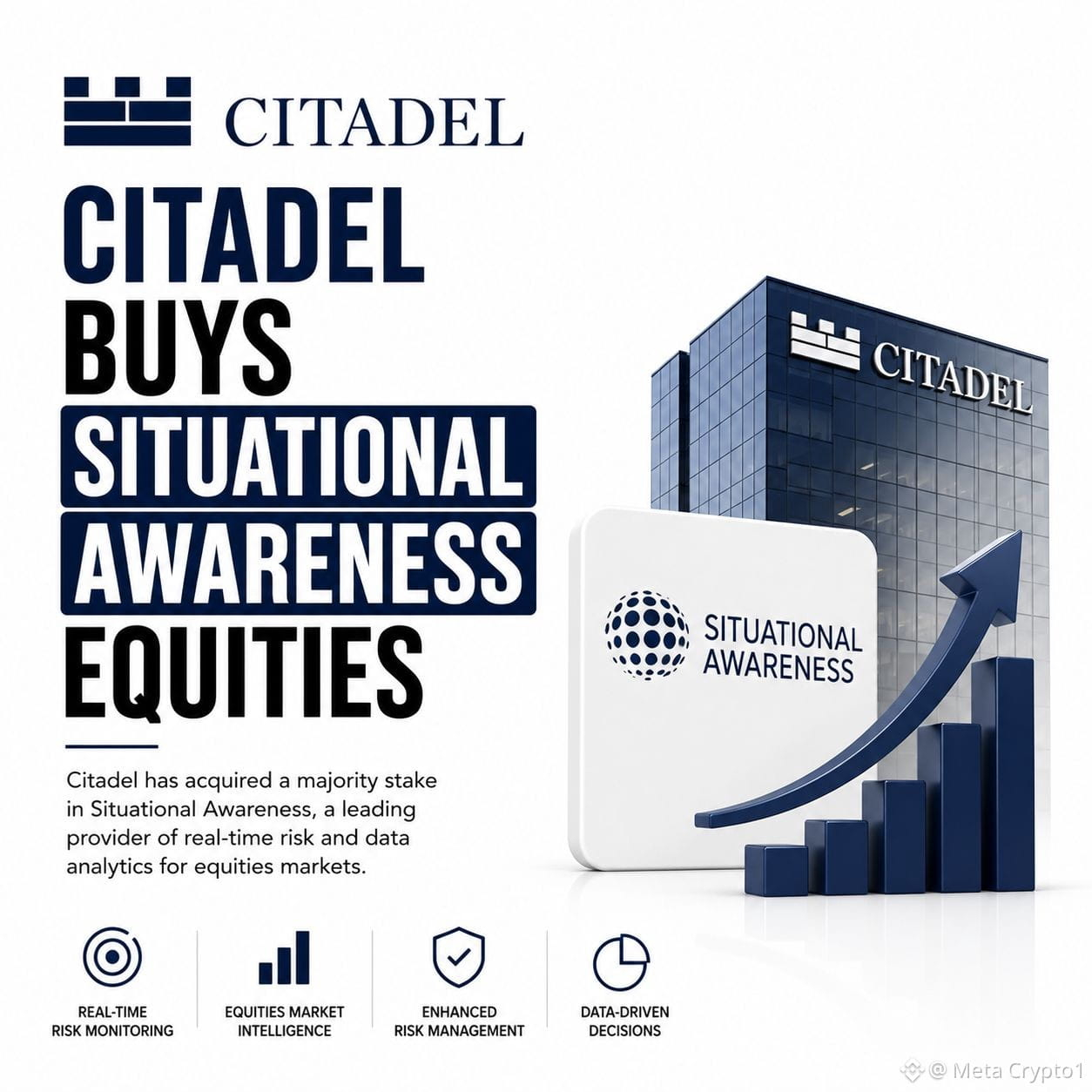
🚨 CITADEL JUST BOUGHT THE BLOOD ON THE STREET
Leopold Aschenbrenner's Situational Awareness — the AI hedge fund that ran 439% in H1 2026 — got wiped out on 4x leverage during July's AI stock rout.
Margin calls from Goldman, JPMorgan, and BofA forced a full liquidation of its public book.
Ken Griffin's Citadel scooped up the entire portfolio in a single-buyer deal — beating out a competing bid from Millennium.
What got dumped:
CoreWeave, IREN, Core Scientific, Applied Digital, Bloom Energy, SK Hynix, Riot Platforms, CleanSpark — basically the whole AI-power-compute trade.
What's still standing:
A ~$5B private stake in Anthropic. Not for sale, despite the chaos.
The lesson for us:
Leverage doesn't care about conviction. A 35-47% drawdown on 4x turned a 1,000%+ return streak into a forced sale in weeks.
When your equity gets wiped, the broker — not you — decides when you exit.
Watch AI infra/power names this week — a forced seller just got replaced by a disciplined buyer at Citadel's price.
That's usually where the floor gets found.
$BTC $ETH risk sentiment across AI-adjacent equities tends to bleed into crypto beta.
Worth watching correlation here.
#citadelbuyssituationalawarenessequities
🚨 CITADEL JUST BOUGHT THE BLOOD ON THE STREET
Leopold Aschenbrenner's Situational Awareness — the AI hedge fund that ran 439% in H1 2026 — got wiped out on 4x leverage during July's AI stock rout.
Margin calls from Goldman, JPMorgan, and BofA forced a full liquidation of its public book.
Ken Griffin's Citadel scooped up the entire portfolio in a single-buyer deal — beating out a competing bid from Millennium.
What got dumped:
CoreWeave, IREN, Core Scientific, Applied Digital, Bloom Energy, SK Hynix, Riot Platforms, CleanSpark — basically the whole AI-power-compute trade.
What's still standing:
A ~$5B private stake in Anthropic. Not for sale, despite the chaos.
The lesson for us:
Leverage doesn't care about conviction. A 35-47% drawdown on 4x turned a 1,000%+ return streak into a forced sale in weeks.
When your equity gets wiped, the broker — not you — decides when you exit.
Watch AI infra/power names this week — a forced seller just got replaced by a disciplined buyer at Citadel's price.
That's usually where the floor gets found.
$BTC $ETH risk sentiment across AI-adjacent equities tends to bleed into crypto beta.
Worth watching correlation here.
#citadelbuyssituationalawarenessequities
Leopold Aschenbrenner's Situational Awareness — the AI hedge fund that ran 439% in H1 2026 — got wiped out on 4x leverage during July's AI stock rout.
Margin calls from Goldman, JPMorgan, and BofA forced a full liquidation of its public book.
Ken Griffin's Citadel scooped up the entire portfolio in a single-buyer deal — beating out a competing bid from Millennium.
What got dumped:
CoreWeave, IREN, Core Scientific, Applied Digital, Bloom Energy, SK Hynix, Riot Platforms, CleanSpark — basically the whole AI-power-compute trade.
What's still standing:
A ~$5B private stake in Anthropic. Not for sale, despite the chaos.
The lesson for us:
Leverage doesn't care about conviction. A 35-47% drawdown on 4x turned a 1,000%+ return streak into a forced sale in weeks.
When your equity gets wiped, the broker — not you — decides when you exit.
Watch AI infra/power names this week — a forced seller just got replaced by a disciplined buyer at Citadel's price.
That's usually where the floor gets found.
$BTC $ETH risk sentiment across AI-adjacent equities tends to bleed into crypto beta.
Worth watching correlation here.
#citadelbuyssituationalawarenessequities
3
4k
·
--
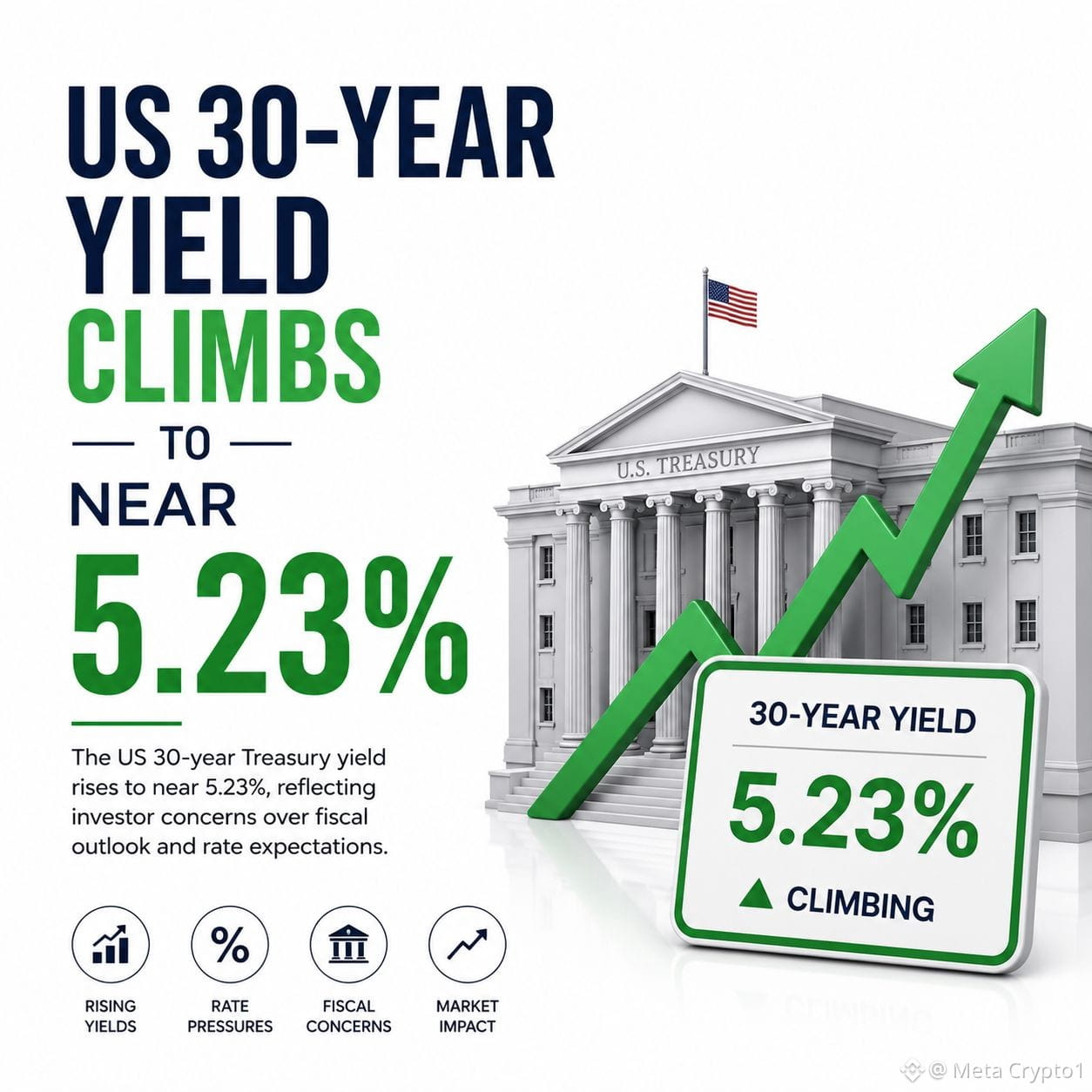
🚨 US 30-YEAR TREASURY YIELD HITS 5.24% — HIGHEST SINCE 2007
The bond market just flashed a pre-GFC level warning.
📌 The move: 30-year yield jumped 10.5bps to 5.20%, touching an intraday high of 5.244% — the highest print in 19 years, since July 2007, just before the financial crisis.
📌 The trigger: Fed held rates at 3.50%–3.75% under Chair Warsh — but the vote was 9-3, with THREE members dissenting in favor of a hike. First 3-way hawkish dissent in recent memory.
📌 The knock-on: 10-year yield climbed to 4.67%. 2-year fell to 4.23% as rate-cut bets on the short end diverge sharply from long-end fear.
📌 The market reaction: S&P 500 -1.4%, Dow down 700+ points intraday. Tech & semis led the selloff — high-duration growth names get hit hardest when long yields spike.
📌 The backdrop: 30Y has held above 5% for 30 of the last 33 sessions — the longest stretch since 2007. Analysts point to a widening fiscal deficit + a wave of AI-infrastructure debt issuance hitting the corporate bond market at the same time.
📌 What's next: Swaps pricing ~60% odds of a September hike. Warsh says the Fed "won't hesitate" to act on inflation — but the bond market is clearly not fully convinced this is under control.
⚠️ Why it matters for crypto: Rising long-term real yields = higher opportunity cost for risk assets. Historically, this kind of bond move tightens liquidity conditions and pressures BTC/alts alongside equities. Watch DXY and real yields together here — not just the Fed's next headline.
#us30yearyieldclimbstonear5.23%
🚨 US 30-YEAR TREASURY YIELD HITS 5.24% — HIGHEST SINCE 2007
The bond market just flashed a pre-GFC level warning.
📌 The move: 30-year yield jumped 10.5bps to 5.20%, touching an intraday high of 5.244% — the highest print in 19 years, since July 2007, just before the financial crisis.
📌 The trigger: Fed held rates at 3.50%–3.75% under Chair Warsh — but the vote was 9-3, with THREE members dissenting in favor of a hike. First 3-way hawkish dissent in recent memory.
📌 The knock-on: 10-year yield climbed to 4.67%. 2-year fell to 4.23% as rate-cut bets on the short end diverge sharply from long-end fear.
📌 The market reaction: S&P 500 -1.4%, Dow down 700+ points intraday. Tech & semis led the selloff — high-duration growth names get hit hardest when long yields spike.
📌 The backdrop: 30Y has held above 5% for 30 of the last 33 sessions — the longest stretch since 2007. Analysts point to a widening fiscal deficit + a wave of AI-infrastructure debt issuance hitting the corporate bond market at the same time.
📌 What's next: Swaps pricing ~60% odds of a September hike. Warsh says the Fed "won't hesitate" to act on inflation — but the bond market is clearly not fully convinced this is under control.
⚠️ Why it matters for crypto: Rising long-term real yields = higher opportunity cost for risk assets. Historically, this kind of bond move tightens liquidity conditions and pressures BTC/alts alongside equities. Watch DXY and real yields together here — not just the Fed's next headline.
#us30yearyieldclimbstonear5.23%
The bond market just flashed a pre-GFC level warning.
📌 The move: 30-year yield jumped 10.5bps to 5.20%, touching an intraday high of 5.244% — the highest print in 19 years, since July 2007, just before the financial crisis.
📌 The trigger: Fed held rates at 3.50%–3.75% under Chair Warsh — but the vote was 9-3, with THREE members dissenting in favor of a hike. First 3-way hawkish dissent in recent memory.
📌 The knock-on: 10-year yield climbed to 4.67%. 2-year fell to 4.23% as rate-cut bets on the short end diverge sharply from long-end fear.
📌 The market reaction: S&P 500 -1.4%, Dow down 700+ points intraday. Tech & semis led the selloff — high-duration growth names get hit hardest when long yields spike.
📌 The backdrop: 30Y has held above 5% for 30 of the last 33 sessions — the longest stretch since 2007. Analysts point to a widening fiscal deficit + a wave of AI-infrastructure debt issuance hitting the corporate bond market at the same time.
📌 What's next: Swaps pricing ~60% odds of a September hike. Warsh says the Fed "won't hesitate" to act on inflation — but the bond market is clearly not fully convinced this is under control.
⚠️ Why it matters for crypto: Rising long-term real yields = higher opportunity cost for risk assets. Historically, this kind of bond move tightens liquidity conditions and pressures BTC/alts alongside equities. Watch DXY and real yields together here — not just the Fed's next headline.
#us30yearyieldclimbstonear5.23%
1
330
·
--
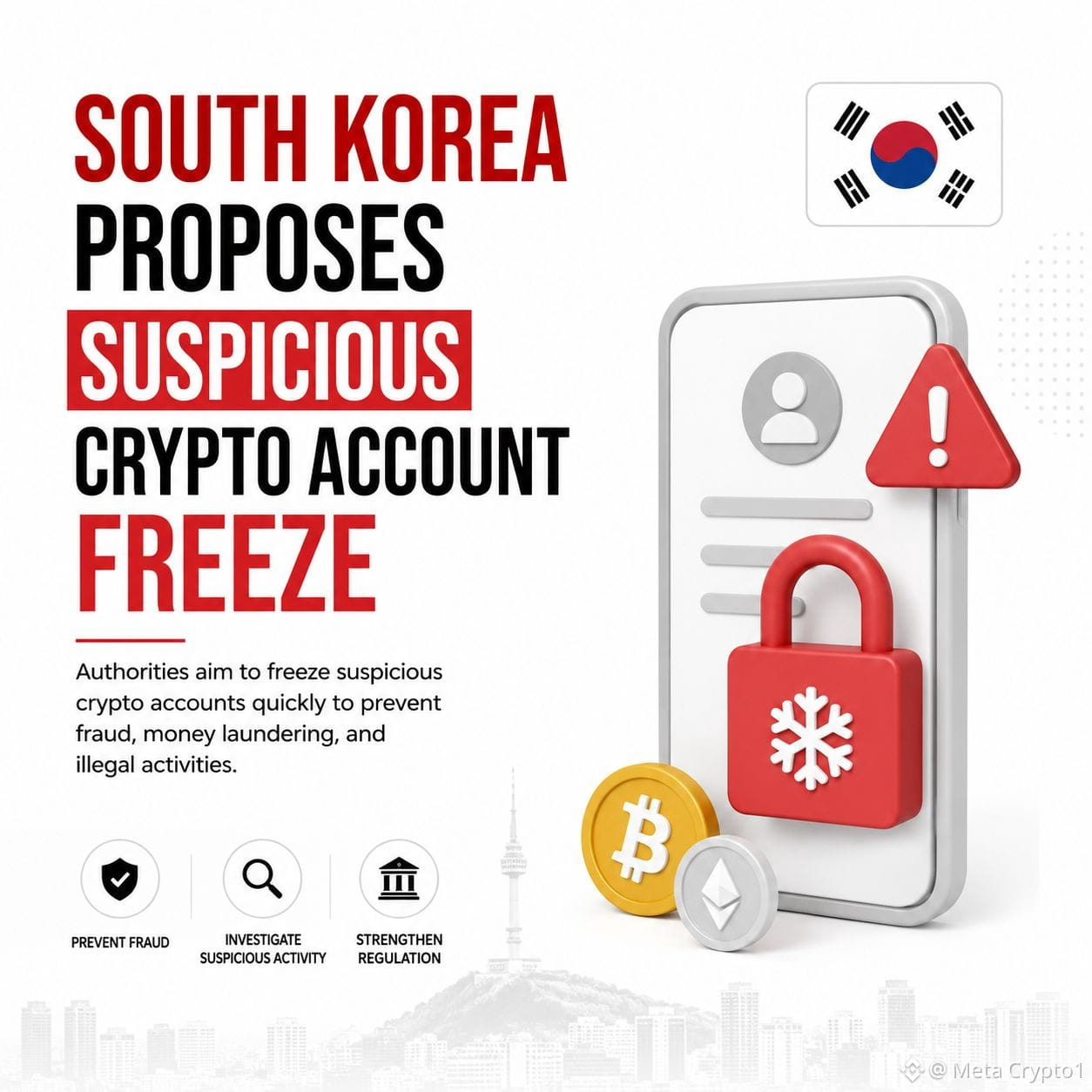
🚨 SOUTH KOREA MOVES TO FREEZE CRYPTO ACCOUNTS ON SUSPICION ALONE
Korea's FSC is reviewing a "payment freeze" system that would let regulators lock crypto accounts BEFORE a court warrant just on suspicion of manipulation.
Here's what's driving it 👇
📌 The gap: Right now, authorities need a court warrant to freeze suspect wallets. That delay = enough time for bad actors to move funds to private wallets or offshore.
📌 The model: This mirrors Korea's stock market playbook. Under the Capital Markets Act, regulators already freeze accounts tied to unfair trading/illegal short selling — one case froze 75 accounts and blocked ~40B won in gains.
📌 The scale: 36,000+ suspicious transaction reports filed in just 8 months of 2025.
~90% linked to illegal remittance schemes ("hwanchigi").
📌 The target list: front-running, wash trading, repeated high-priced buy walls, coordinated profit-taking.
📌 Status: Still under review — part of Korea's "Phase 2" crypto framework (also covers stablecoins + bank-level liability for exchanges). No formal rollout yet.
⚠️ Why it matters: No warrant requirement raises real due-process questions — critics are already calling it more "political" than practical. But if it passes, it's a major precedent for how fast regulators can move against crypto traders — and other jurisdictions will be watching.
Korea keeps pushing crypto oversight closer to traditional securities law. Exchanges like Upbit and Bithumb will be the first ones adapting compliance if this lands.
$ETH
{spot}(ETHUSDT)
#southkoreaproposessuspiciouscryptoaccountfreeze
🚨 SOUTH KOREA MOVES TO FREEZE CRYPTO ACCOUNTS ON SUSPICION ALONE
Korea's FSC is reviewing a "payment freeze" system that would let regulators lock crypto accounts BEFORE a court warrant just on suspicion of manipulation.
Here's what's driving it 👇
📌 The gap: Right now, authorities need a court warrant to freeze suspect wallets. That delay = enough time for bad actors to move funds to private wallets or offshore.
📌 The model: This mirrors Korea's stock market playbook. Under the Capital Markets Act, regulators already freeze accounts tied to unfair trading/illegal short selling — one case froze 75 accounts and blocked ~40B won in gains.
📌 The scale: 36,000+ suspicious transaction reports filed in just 8 months of 2025.
~90% linked to illegal remittance schemes ("hwanchigi").
📌 The target list: front-running, wash trading, repeated high-priced buy walls, coordinated profit-taking.
📌 Status: Still under review — part of Korea's "Phase 2" crypto framework (also covers stablecoins + bank-level liability for exchanges). No formal rollout yet.
⚠️ Why it matters: No warrant requirement raises real due-process questions — critics are already calling it more "political" than practical. But if it passes, it's a major precedent for how fast regulators can move against crypto traders — and other jurisdictions will be watching.
Korea keeps pushing crypto oversight closer to traditional securities law. Exchanges like Upbit and Bithumb will be the first ones adapting compliance if this lands.
$ETH
#southkoreaproposessuspiciouscryptoaccountfreeze
Korea's FSC is reviewing a "payment freeze" system that would let regulators lock crypto accounts BEFORE a court warrant just on suspicion of manipulation.
Here's what's driving it 👇
📌 The gap: Right now, authorities need a court warrant to freeze suspect wallets. That delay = enough time for bad actors to move funds to private wallets or offshore.
📌 The model: This mirrors Korea's stock market playbook. Under the Capital Markets Act, regulators already freeze accounts tied to unfair trading/illegal short selling — one case froze 75 accounts and blocked ~40B won in gains.
📌 The scale: 36,000+ suspicious transaction reports filed in just 8 months of 2025.
~90% linked to illegal remittance schemes ("hwanchigi").
📌 The target list: front-running, wash trading, repeated high-priced buy walls, coordinated profit-taking.
📌 Status: Still under review — part of Korea's "Phase 2" crypto framework (also covers stablecoins + bank-level liability for exchanges). No formal rollout yet.
⚠️ Why it matters: No warrant requirement raises real due-process questions — critics are already calling it more "political" than practical. But if it passes, it's a major precedent for how fast regulators can move against crypto traders — and other jurisdictions will be watching.
Korea keeps pushing crypto oversight closer to traditional securities law. Exchanges like Upbit and Bithumb will be the first ones adapting compliance if this lands.
$ETH
#southkoreaproposessuspiciouscryptoaccountfreeze
1
2
2.5k
·
--
Partly True
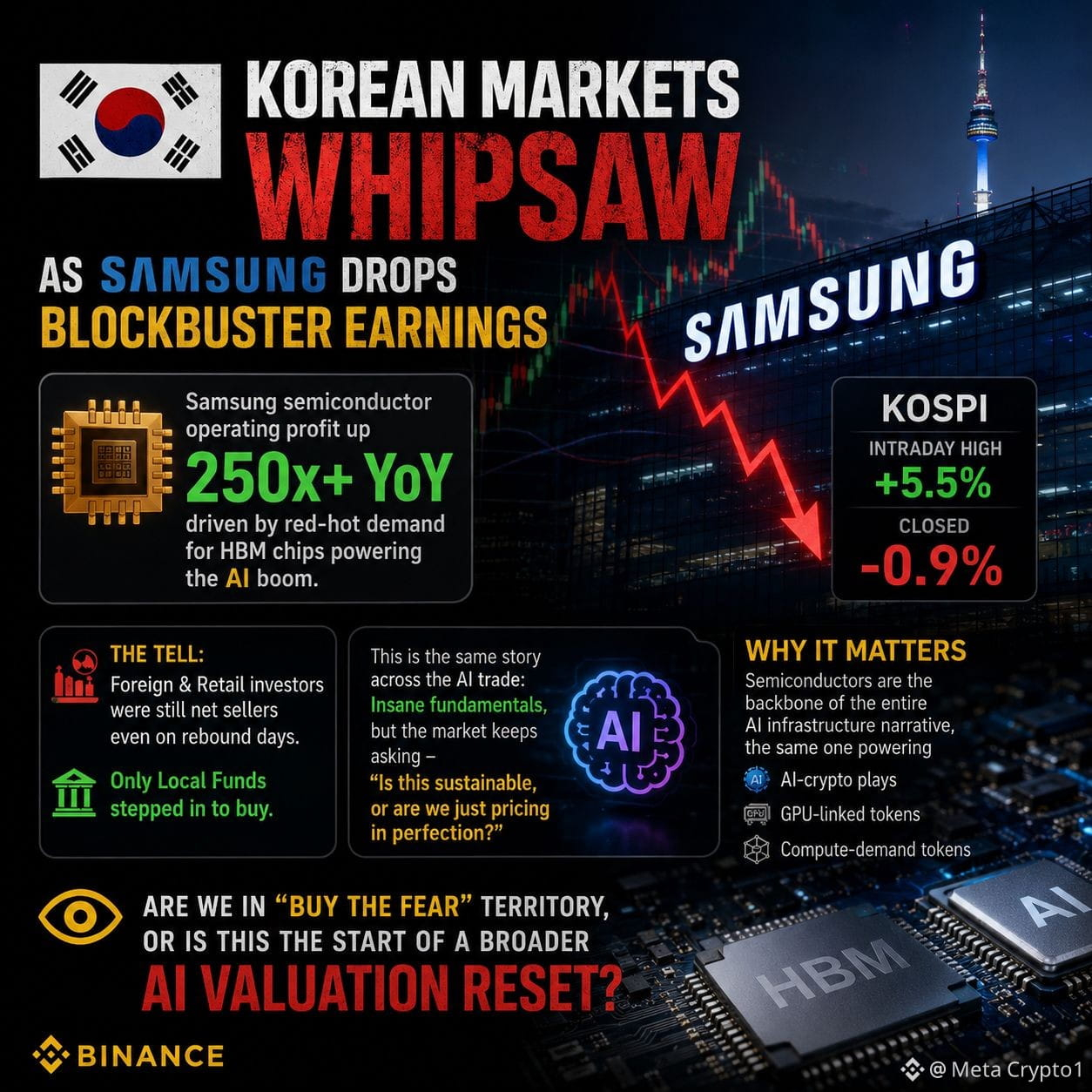
🇰🇷 Korean Markets Whipsaw as Samsung Drops Blockbuster Earnings.
Samsung just reported semiconductor operating profit up 250x+ YoY, driven by red-hot demand for HBM chips powering the AI boom.
Yet the Kospi couldn't hold its gains spiking as much as +5.5% intraday before fading to close -0.9%, even with new government measures to stabilize the market.
📊 The tell: foreign & retail investors were still net sellers even on the rebound days. Only local funds stepped in to buy.
This is the same story playing out across the AI trade right now — insane fundamentals, but the market keeps asking: "is this sustainable, or are we just pricing in perfection?"
Semiconductors are the backbone of the entire AI infrastructure narrative, the same one powering AI-crypto plays, GPU-linked tokens, and compute-demand tokens.
When Samsung and SK Hynix wobble, it's a signal worth watching beyond just Korean equities.
👀 Are we in "buy the fear" territory, or is this the start of a broader AI valuation reset?
$ETH
#koreanstocksreboundonsamsungresults
🇰🇷 Korean Markets Whipsaw as Samsung Drops Blockbuster Earnings.
Samsung just reported semiconductor operating profit up 250x+ YoY, driven by red-hot demand for HBM chips powering the AI boom.
Yet the Kospi couldn't hold its gains spiking as much as +5.5% intraday before fading to close -0.9%, even with new government measures to stabilize the market.
📊 The tell: foreign & retail investors were still net sellers even on the rebound days. Only local funds stepped in to buy.
This is the same story playing out across the AI trade right now — insane fundamentals, but the market keeps asking: "is this sustainable, or are we just pricing in perfection?"
Semiconductors are the backbone of the entire AI infrastructure narrative, the same one powering AI-crypto plays, GPU-linked tokens, and compute-demand tokens.
When Samsung and SK Hynix wobble, it's a signal worth watching beyond just Korean equities.
👀 Are we in "buy the fear" territory, or is this the start of a broader AI valuation reset?
$ETH
#koreanstocksreboundonsamsungresults
Samsung just reported semiconductor operating profit up 250x+ YoY, driven by red-hot demand for HBM chips powering the AI boom.
Yet the Kospi couldn't hold its gains spiking as much as +5.5% intraday before fading to close -0.9%, even with new government measures to stabilize the market.
📊 The tell: foreign & retail investors were still net sellers even on the rebound days. Only local funds stepped in to buy.
This is the same story playing out across the AI trade right now — insane fundamentals, but the market keeps asking: "is this sustainable, or are we just pricing in perfection?"
Semiconductors are the backbone of the entire AI infrastructure narrative, the same one powering AI-crypto plays, GPU-linked tokens, and compute-demand tokens.
When Samsung and SK Hynix wobble, it's a signal worth watching beyond just Korean equities.
👀 Are we in "buy the fear" territory, or is this the start of a broader AI valuation reset?
$ETH
#koreanstocksreboundonsamsungresults
4
764
·
--
1
1
33
·
--
Verified
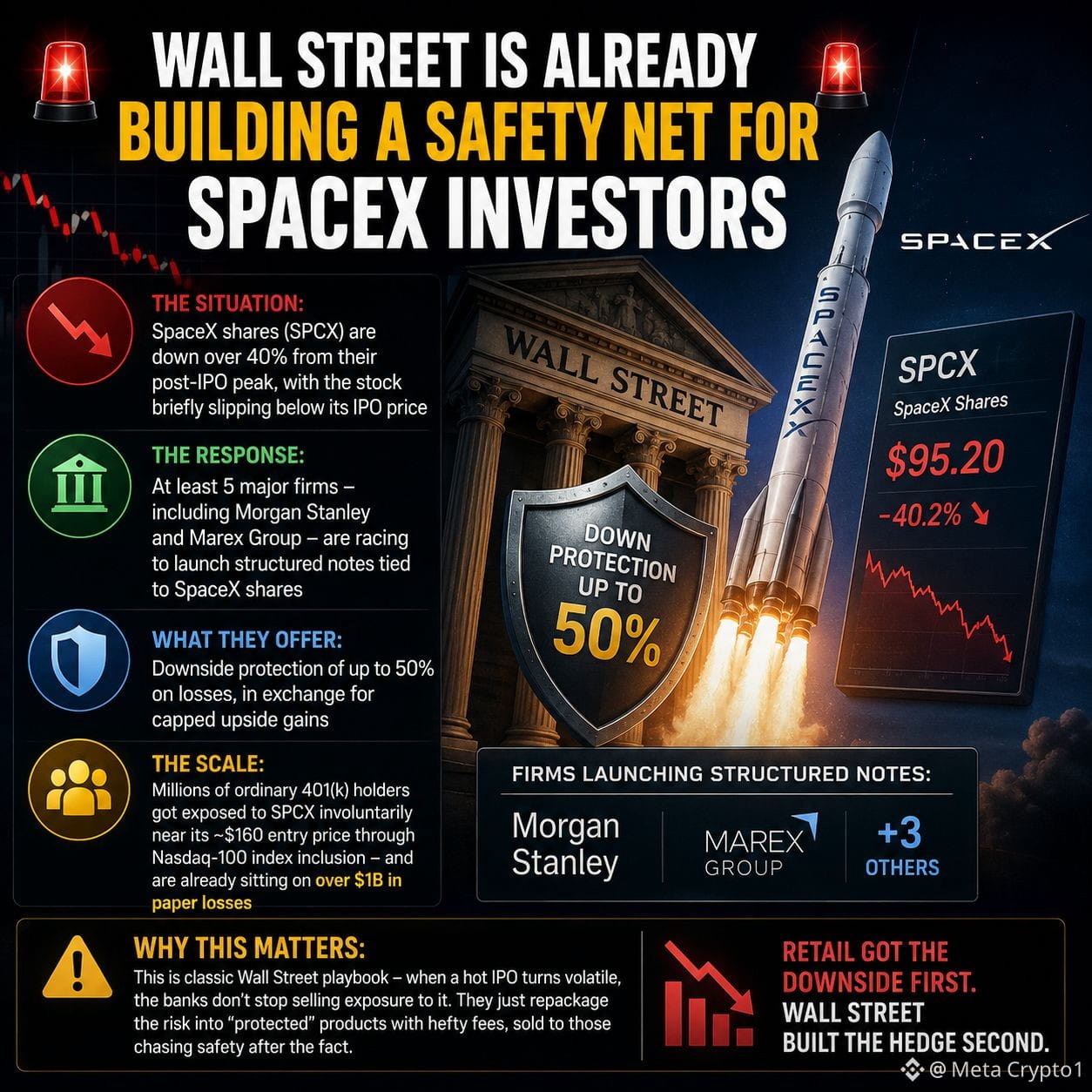
🚨 WALL STREET IS ALREADY BUILDING A SAFETY NET FOR SPACEX INVESTORS 🚨
SpaceX's stock market debut isn't going the way the hype promised — and Wall Street just made its move.
📉 The situation: SpaceX shares (SPCX) are down over 40% from their post-IPO peak, with the stock briefly slipping below its IPO price
🏦 The response: At least 5 major firms — including Morgan Stanley and Marex Group — are racing to launch structured notes tied to SpaceX shares
🛡️ What they offer: Downside protection of up to 50% on losses, in exchange for capped upside gains
⚡ The scale: Millions of ordinary 401(k) holders got exposed to SPCX involuntarily near its ~$160 entry price through Nasdaq-100 index inclusion and are already sitting on over $1B in paper losses
Why this matters:
This is classic Wall Street playbook — when a hot IPO turns volatile, the banks don't stop selling exposure to it.
They just repackage the risk into "protected" products with hefty fees, sold to those chasing safety after the fact.
Retail got the downside first. Wall Street built the hedge second.
$SOL
#wallstreetsellsspacexlinkedproducts
🚨 WALL STREET IS ALREADY BUILDING A SAFETY NET FOR SPACEX INVESTORS 🚨
SpaceX's stock market debut isn't going the way the hype promised — and Wall Street just made its move.
📉 The situation: SpaceX shares (SPCX) are down over 40% from their post-IPO peak, with the stock briefly slipping below its IPO price
🏦 The response: At least 5 major firms — including Morgan Stanley and Marex Group — are racing to launch structured notes tied to SpaceX shares
🛡️ What they offer: Downside protection of up to 50% on losses, in exchange for capped upside gains
⚡ The scale: Millions of ordinary 401(k) holders got exposed to SPCX involuntarily near its ~$160 entry price through Nasdaq-100 index inclusion and are already sitting on over $1B in paper losses
Why this matters:
This is classic Wall Street playbook — when a hot IPO turns volatile, the banks don't stop selling exposure to it.
They just repackage the risk into "protected" products with hefty fees, sold to those chasing safety after the fact.
Retail got the downside first. Wall Street built the hedge second.
$SOL
#wallstreetsellsspacexlinkedproducts
SpaceX's stock market debut isn't going the way the hype promised — and Wall Street just made its move.
📉 The situation: SpaceX shares (SPCX) are down over 40% from their post-IPO peak, with the stock briefly slipping below its IPO price
🏦 The response: At least 5 major firms — including Morgan Stanley and Marex Group — are racing to launch structured notes tied to SpaceX shares
🛡️ What they offer: Downside protection of up to 50% on losses, in exchange for capped upside gains
⚡ The scale: Millions of ordinary 401(k) holders got exposed to SPCX involuntarily near its ~$160 entry price through Nasdaq-100 index inclusion and are already sitting on over $1B in paper losses
Why this matters:
This is classic Wall Street playbook — when a hot IPO turns volatile, the banks don't stop selling exposure to it.
They just repackage the risk into "protected" products with hefty fees, sold to those chasing safety after the fact.
Retail got the downside first. Wall Street built the hedge second.
$SOL
#wallstreetsellsspacexlinkedproducts
3.7k
·
--
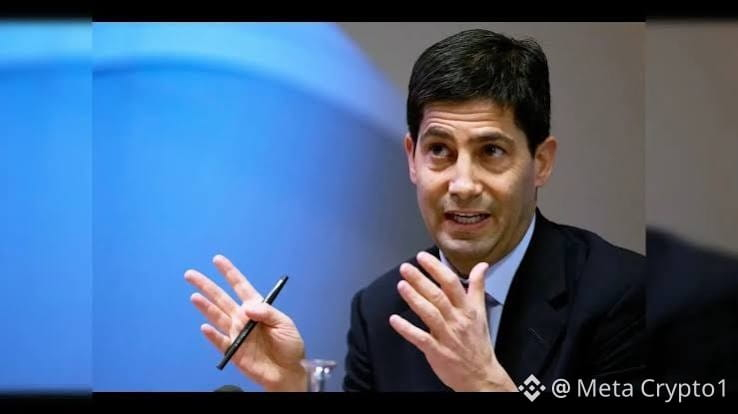
🚨 THE MOST DANGEROUS FOMC OF 2026 IS HERE — TODAY AT 2 PM ET 🚨
Forget every "boring hold" FOMC you've sat through before. This one is different.
📅 Decision Time: Today, 2:00 PM ET
🎙️ Press Conference: 2:30 PM ET — Fed Chair Kevin Warsh speaks
Why this meeting hits different:
⚡ Markets are split — roughly 60-65% pricing in a HOLD at 3.50%-3.75%, but a real chunk of traders are betting on a surprise HIKE
🔥 Inflation is running hot again, fueled by oil prices spiking amid the U.S.-Iran conflict
🧊 No dot plot this time — Warsh has vowed less forward guidance, meaning the market gets almost NO hints on what's coming next
⚔️ A hawkish surprise here could send crypto & risk assets into a sharp red candle — a dovish hold could ignite a relief rally
This isn't just another rate decision.
It's a battle between inflation fears and recession fears, playing out live in just a few hours.
Buckle up. Volatility isn't coming — it's already loading. 📉📈
Set your alarms. Watch the tape. This is the meeting that could set the tone for the rest of 2026.
$BTC $ETH
#FOMCWatching
🚨 THE MOST DANGEROUS FOMC OF 2026 IS HERE — TODAY AT 2 PM ET 🚨
Forget every "boring hold" FOMC you've sat through before. This one is different.
📅 Decision Time: Today, 2:00 PM ET
🎙️ Press Conference: 2:30 PM ET — Fed Chair Kevin Warsh speaks
Why this meeting hits different:
⚡ Markets are split — roughly 60-65% pricing in a HOLD at 3.50%-3.75%, but a real chunk of traders are betting on a surprise HIKE
🔥 Inflation is running hot again, fueled by oil prices spiking amid the U.S.-Iran conflict
🧊 No dot plot this time — Warsh has vowed less forward guidance, meaning the market gets almost NO hints on what's coming next
⚔️ A hawkish surprise here could send crypto & risk assets into a sharp red candle — a dovish hold could ignite a relief rally
This isn't just another rate decision.
It's a battle between inflation fears and recession fears, playing out live in just a few hours.
Buckle up. Volatility isn't coming — it's already loading. 📉📈
Set your alarms. Watch the tape. This is the meeting that could set the tone for the rest of 2026.
$BTC $ETH
#FOMCWatching
Forget every "boring hold" FOMC you've sat through before. This one is different.
📅 Decision Time: Today, 2:00 PM ET
🎙️ Press Conference: 2:30 PM ET — Fed Chair Kevin Warsh speaks
Why this meeting hits different:
⚡ Markets are split — roughly 60-65% pricing in a HOLD at 3.50%-3.75%, but a real chunk of traders are betting on a surprise HIKE
🔥 Inflation is running hot again, fueled by oil prices spiking amid the U.S.-Iran conflict
🧊 No dot plot this time — Warsh has vowed less forward guidance, meaning the market gets almost NO hints on what's coming next
⚔️ A hawkish surprise here could send crypto & risk assets into a sharp red candle — a dovish hold could ignite a relief rally
This isn't just another rate decision.
It's a battle between inflation fears and recession fears, playing out live in just a few hours.
Buckle up. Volatility isn't coming — it's already loading. 📉📈
Set your alarms. Watch the tape. This is the meeting that could set the tone for the rest of 2026.
$BTC $ETH
#FOMCWatching
88
·
--
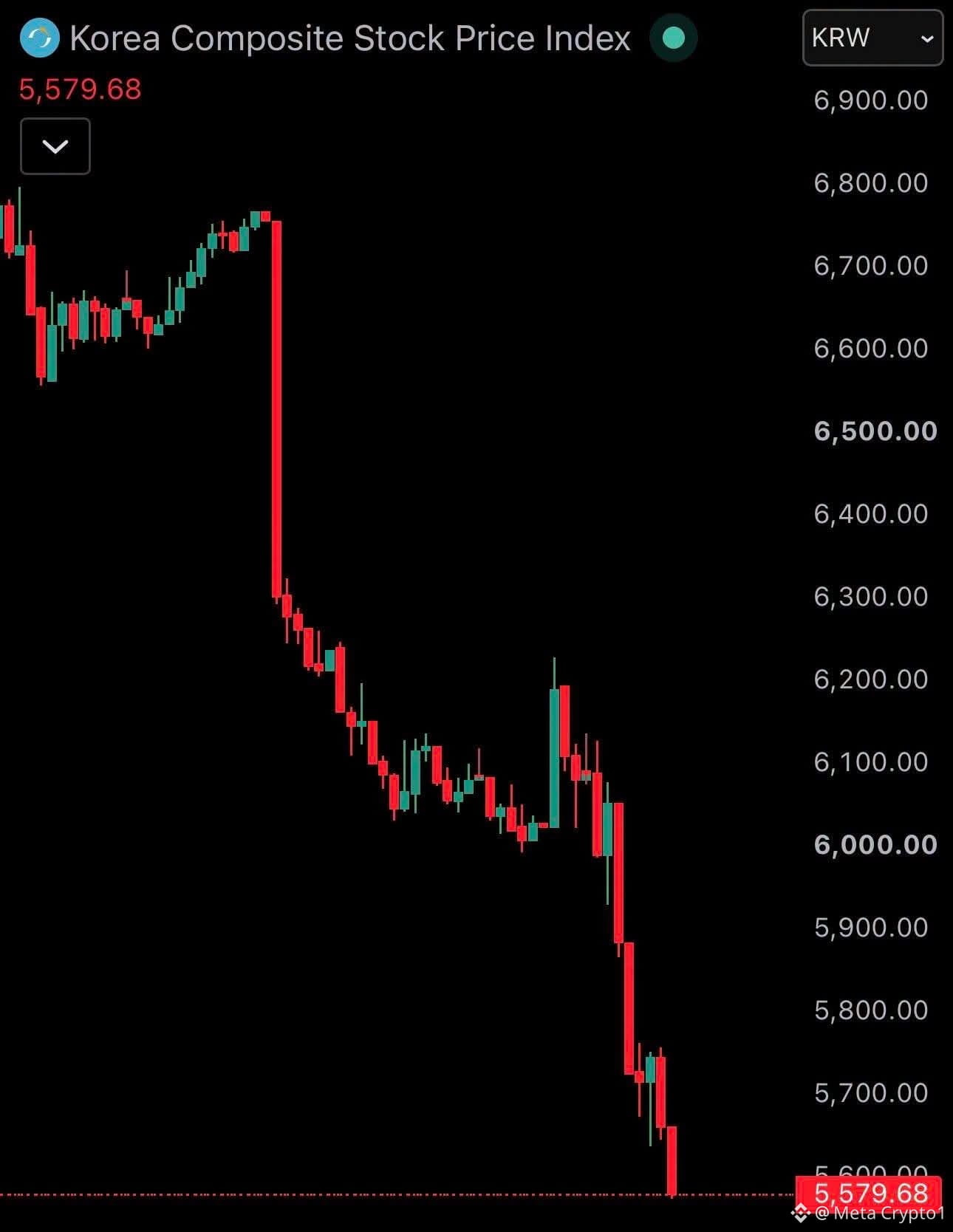
south korea market crashing like a meme coin.
#KOSPITriggersSidecarOnTechSelloff
south korea market crashing like a meme coin.
#KOSPITriggersSidecarOnTechSelloff
#KOSPITriggersSidecarOnTechSelloff
139
·
--
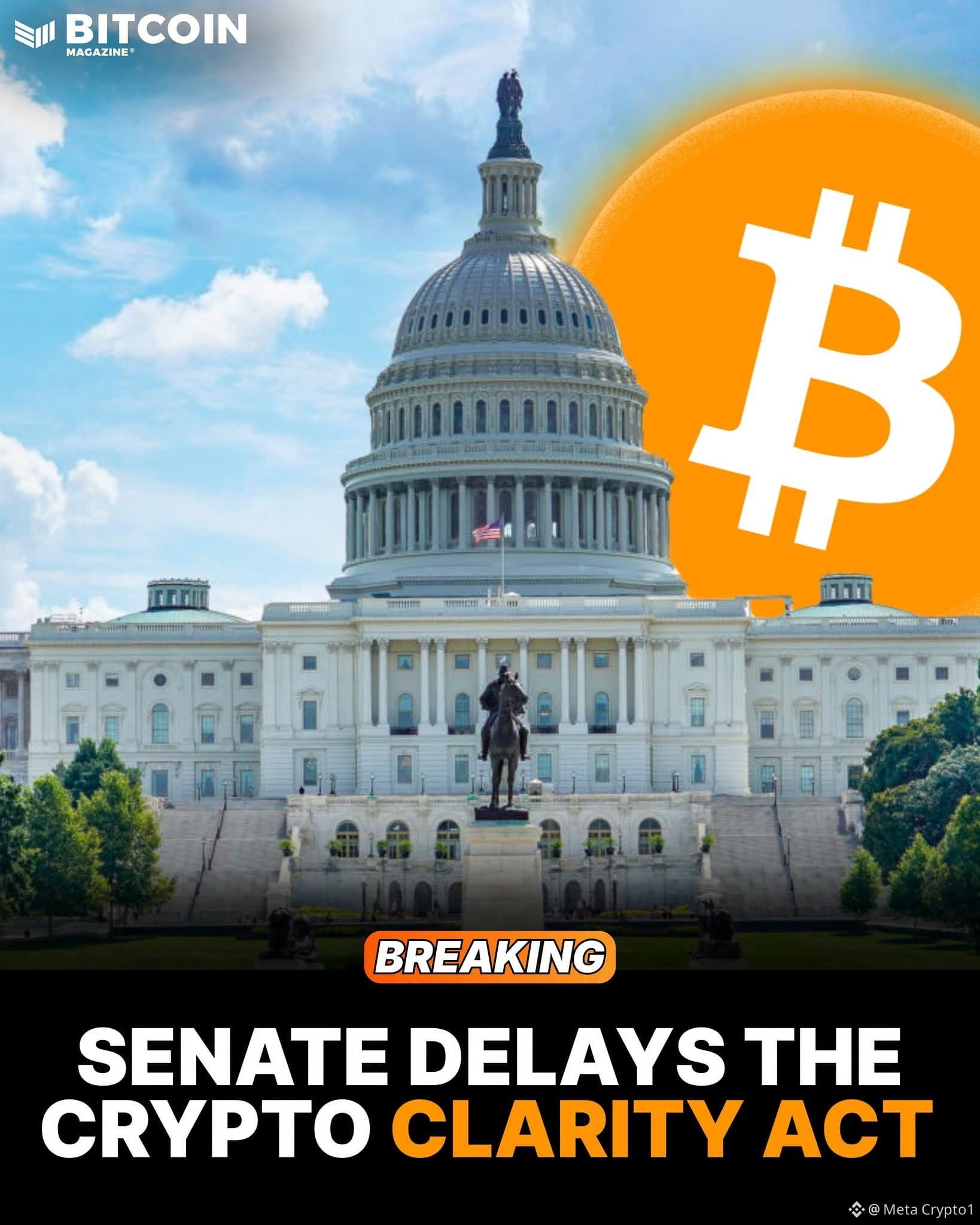
🚨 The Senate just hit pause on crypto's biggest bill of the year.
The CLARITY Act has been shelved as Thune prioritizes Trump nominations and a Russia sanctions bill first. A vote now looks unlikely before the August 8 recess and could slip to fall or even 2027.
🚨 The Senate just hit pause on crypto's biggest bill of the year.
The CLARITY Act has been shelved as Thune prioritizes Trump nominations and a Russia sanctions bill first. A vote now looks unlikely before the August 8 recess and could slip to fall or even 2027.
The CLARITY Act has been shelved as Thune prioritizes Trump nominations and a Russia sanctions bill first. A vote now looks unlikely before the August 8 recess and could slip to fall or even 2027.
87
·
--
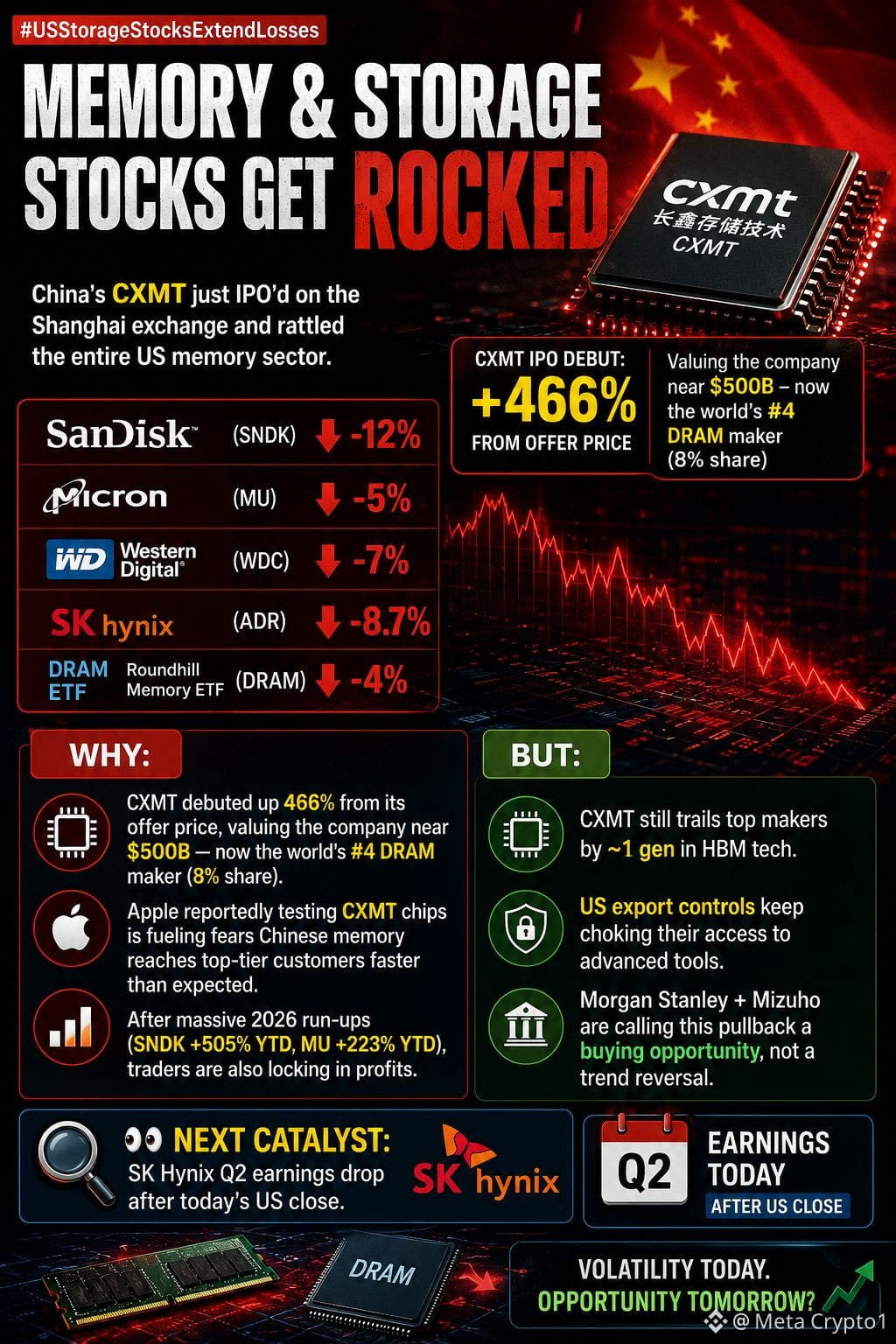
🚨 MEMORY & STORAGE STOCKS GET ROCKED
China's CXMT just IPO'd on the Shanghai exchange and rattled the entire US memory sector.
📉 SanDisk (SNDK): -12%
📉 Micron (MU): -5%
📉 Western Digital (WDC): -7%
📉 SK Hynix ADR: -8.7%
📉 Roundhill Memory ETF (DRAM): -4%
WHY:
CXMT debuted up 466% from its offer price, valuing the company near $500B — now the world's #4 DRAM maker (8% share).
Apple reportedly testing CXMT chips is fueling fears Chinese memory reaches top-tier customers faster than expected.
After massive 2026 run-ups (SNDK +505% YTD, MU +223% YTD), traders are also locking in profits.
BUT:
CXMT still trails top makers by ~1 gen in HBM tech, and US export controls keep choking their access to advanced tools. Morgan Stanley + Mizuho are calling this pullback a buying opportunity, not a trend reversal.
👀 Next catalyst: SK Hynix Q2 earnings drop after today's US close.
#USStorageStocksExtendLosses
🚨 MEMORY & STORAGE STOCKS GET ROCKED
China's CXMT just IPO'd on the Shanghai exchange and rattled the entire US memory sector.
📉 SanDisk (SNDK): -12%
📉 Micron (MU): -5%
📉 Western Digital (WDC): -7%
📉 SK Hynix ADR: -8.7%
📉 Roundhill Memory ETF (DRAM): -4%
WHY:
CXMT debuted up 466% from its offer price, valuing the company near $500B — now the world's #4 DRAM maker (8% share).
Apple reportedly testing CXMT chips is fueling fears Chinese memory reaches top-tier customers faster than expected.
After massive 2026 run-ups (SNDK +505% YTD, MU +223% YTD), traders are also locking in profits.
BUT:
CXMT still trails top makers by ~1 gen in HBM tech, and US export controls keep choking their access to advanced tools. Morgan Stanley + Mizuho are calling this pullback a buying opportunity, not a trend reversal.
👀 Next catalyst: SK Hynix Q2 earnings drop after today's US close.
#USStorageStocksExtendLosses
China's CXMT just IPO'd on the Shanghai exchange and rattled the entire US memory sector.
📉 SanDisk (SNDK): -12%
📉 Micron (MU): -5%
📉 Western Digital (WDC): -7%
📉 SK Hynix ADR: -8.7%
📉 Roundhill Memory ETF (DRAM): -4%
WHY:
CXMT debuted up 466% from its offer price, valuing the company near $500B — now the world's #4 DRAM maker (8% share).
Apple reportedly testing CXMT chips is fueling fears Chinese memory reaches top-tier customers faster than expected.
After massive 2026 run-ups (SNDK +505% YTD, MU +223% YTD), traders are also locking in profits.
BUT:
CXMT still trails top makers by ~1 gen in HBM tech, and US export controls keep choking their access to advanced tools. Morgan Stanley + Mizuho are calling this pullback a buying opportunity, not a trend reversal.
👀 Next catalyst: SK Hynix Q2 earnings drop after today's US close.
#USStorageStocksExtendLosses
299
·
--
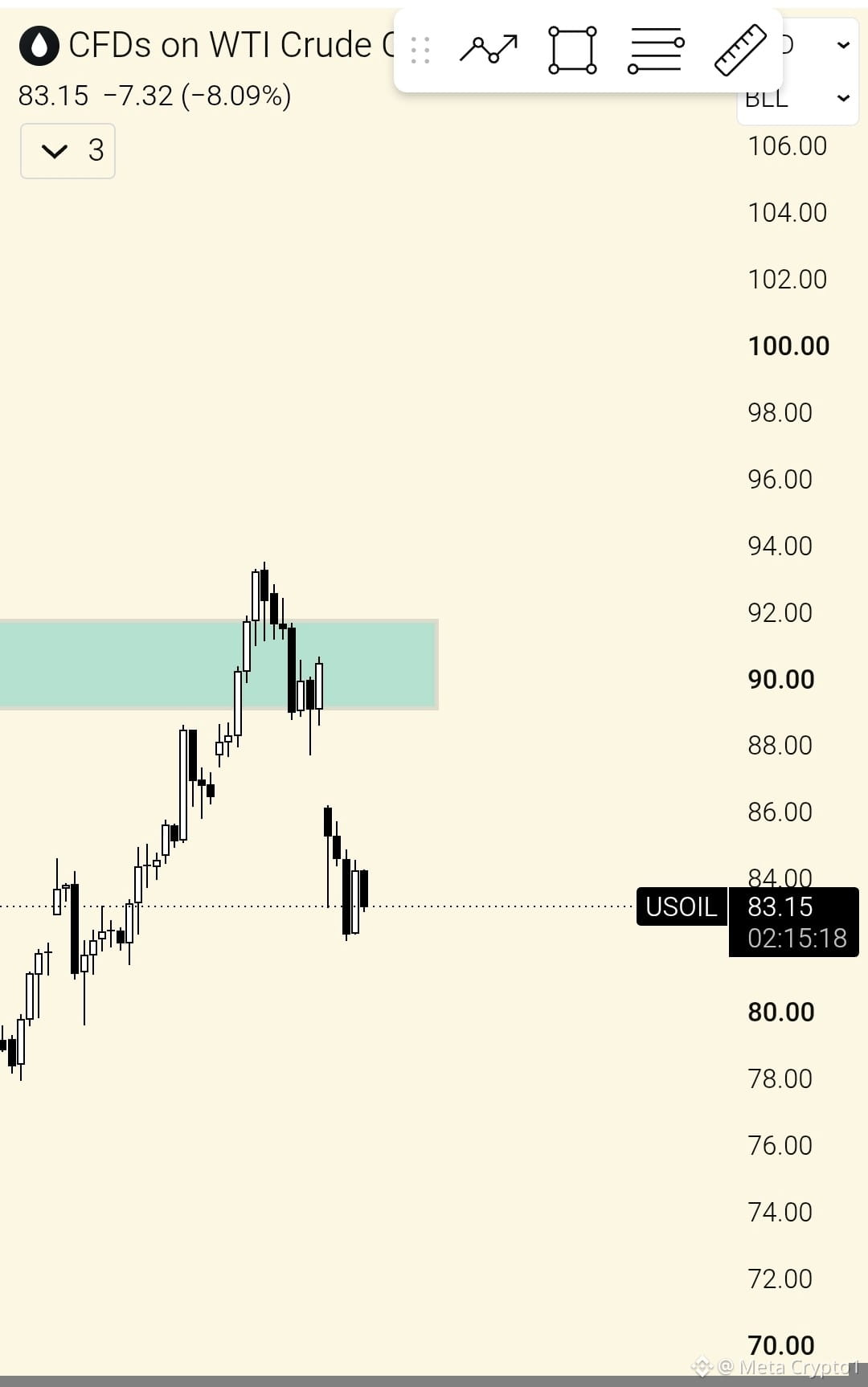
Oil drops about 6% today. Last night, Donald Trump halted strikes on Iran, and Iran gave the green light to resume talks with America.
That's why US Oil opened with a gap down. I'm calling it 'Trump manipulation.
#BrentCrudeFallsAbout6%
Oil drops about 6% today. Last night, Donald Trump halted strikes on Iran, and Iran gave the green light to resume talks with America.
That's why US Oil opened with a gap down. I'm calling it 'Trump manipulation.
#BrentCrudeFallsAbout6%
That's why US Oil opened with a gap down. I'm calling it 'Trump manipulation.
#BrentCrudeFallsAbout6%
110
·
--
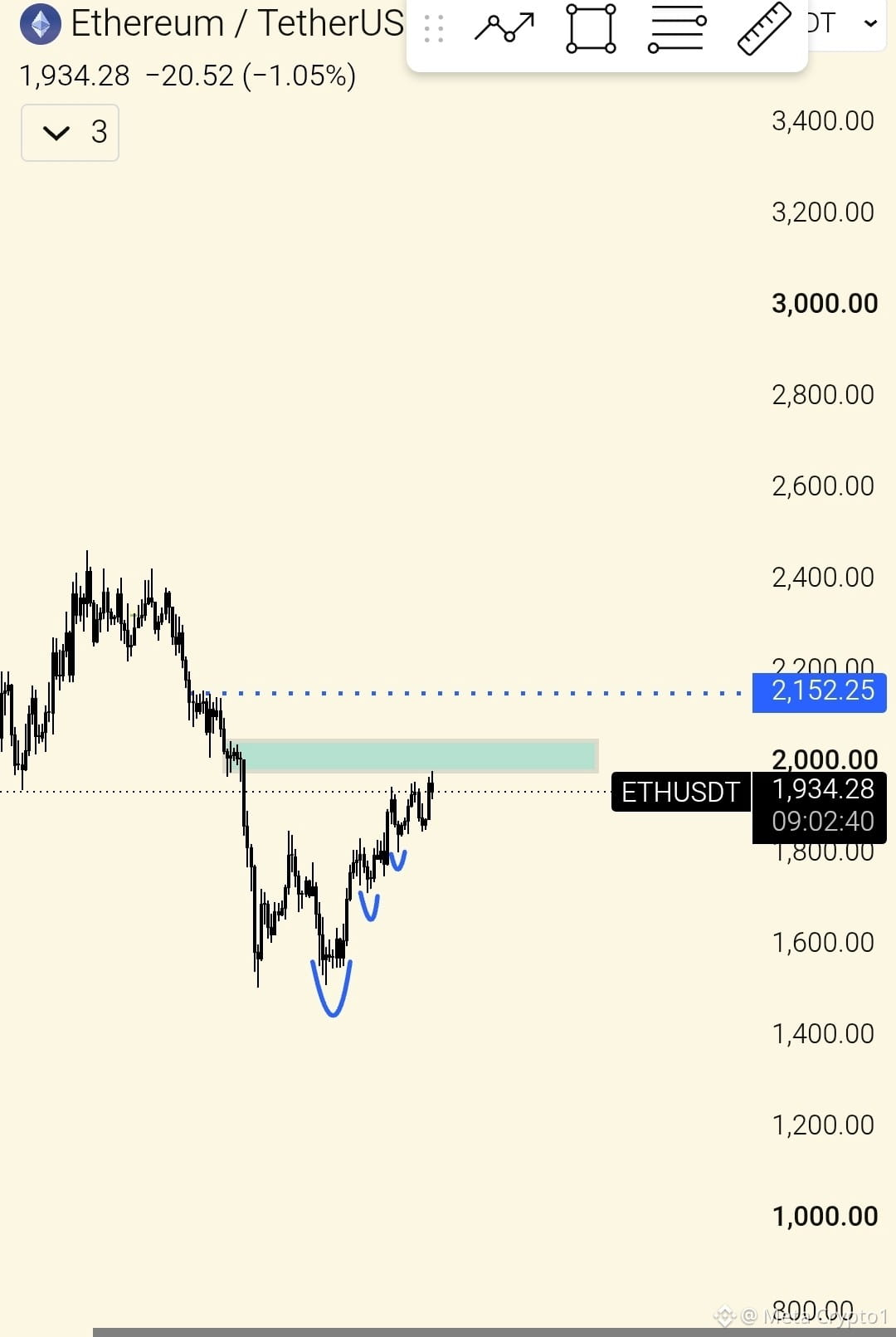
$ETH Update: Key Level Reclaimed 🔑
A few days ago, I called the $2,000 target for ETH — and here we are, tapping that level right on schedule. 🎯
What's fueling the strength:
📈 Spot demand for ETH is rising
🏦 Institutions are actively accumulating
This makes $2,000 a critical level to watch.
If ETH reclaims and holds above it, the door opens for a move toward $2,500.
⚠️ My take: Don't rush into shorts here. Wait for confirmation before taking a position against the trend.
$ETH Update: Key Level Reclaimed 🔑
A few days ago, I called the $2,000 target for ETH — and here we are, tapping that level right on schedule. 🎯
What's fueling the strength:
📈 Spot demand for ETH is rising
🏦 Institutions are actively accumulating
This makes $2,000 a critical level to watch.
If ETH reclaims and holds above it, the door opens for a move toward $2,500.
⚠️ My take: Don't rush into shorts here. Wait for confirmation before taking a position against the trend.
A few days ago, I called the $2,000 target for ETH — and here we are, tapping that level right on schedule. 🎯
What's fueling the strength:
📈 Spot demand for ETH is rising
🏦 Institutions are actively accumulating
This makes $2,000 a critical level to watch.
If ETH reclaims and holds above it, the door opens for a move toward $2,500.
⚠️ My take: Don't rush into shorts here. Wait for confirmation before taking a position against the trend.
Meta Crypto1
·
--
$ETH charts look so good, making a higher high and holding the 1800 level.
My target for ETH is the 2010 level — if ETH touches this level and price doesn't drop too much, ETH will continue the upside rally.
I am going long on $ETH my first TP will be around 2005.
My target for ETH is the 2010 level — if ETH touches this level and price doesn't drop too much, ETH will continue the upside rally.
I am going long on $ETH my first TP will be around 2005.
58
·
--
Bullish
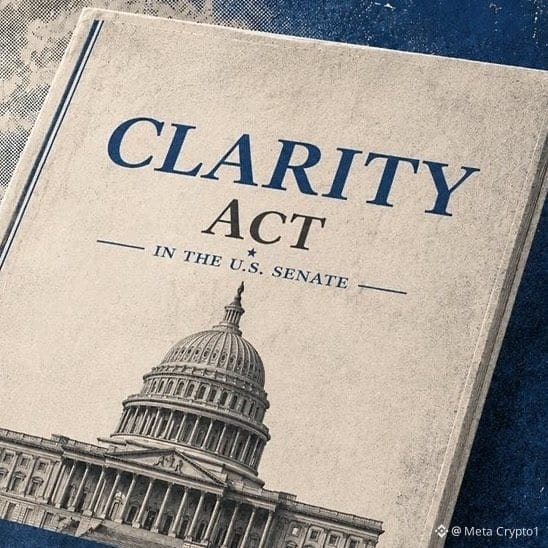
🚨 CLARITY Act Update: New Draft Merges Senate Versions, Adds Ethics Provisions.
A new draft of the CLARITY Act has dropped, combining the competing Senate Banking and Agriculture Committee versions into one text, with new ethics language aimed at winning over holdout senators.
The next 1-2 weeks are critical. A procedural cloture vote (needing 60 votes) is expected to come first, with a possible full Senate floor vote before the August recess (~Aug 7-10).
Regulatory clarity has long been the missing piece for institutional crypto adoption — this bill is the one to watch.
⚠️ Worth noting: as of now, Senate Democrats haven't signaled support for the draft, and the bill still needs at least 7-10 Democratic votes to clear the 60-vote threshold. The outcome is far from guaranteed.
$BTC
🚨 CLARITY Act Update: New Draft Merges Senate Versions, Adds Ethics Provisions.
A new draft of the CLARITY Act has dropped, combining the competing Senate Banking and Agriculture Committee versions into one text, with new ethics language aimed at winning over holdout senators.
The next 1-2 weeks are critical. A procedural cloture vote (needing 60 votes) is expected to come first, with a possible full Senate floor vote before the August recess (~Aug 7-10).
Regulatory clarity has long been the missing piece for institutional crypto adoption — this bill is the one to watch.
⚠️ Worth noting: as of now, Senate Democrats haven't signaled support for the draft, and the bill still needs at least 7-10 Democratic votes to clear the 60-vote threshold. The outcome is far from guaranteed.
$BTC
A new draft of the CLARITY Act has dropped, combining the competing Senate Banking and Agriculture Committee versions into one text, with new ethics language aimed at winning over holdout senators.
The next 1-2 weeks are critical. A procedural cloture vote (needing 60 votes) is expected to come first, with a possible full Senate floor vote before the August recess (~Aug 7-10).
Regulatory clarity has long been the missing piece for institutional crypto adoption — this bill is the one to watch.
⚠️ Worth noting: as of now, Senate Democrats haven't signaled support for the draft, and the bill still needs at least 7-10 Democratic votes to clear the 60-vote threshold. The outcome is far from guaranteed.
$BTC
68
·
--
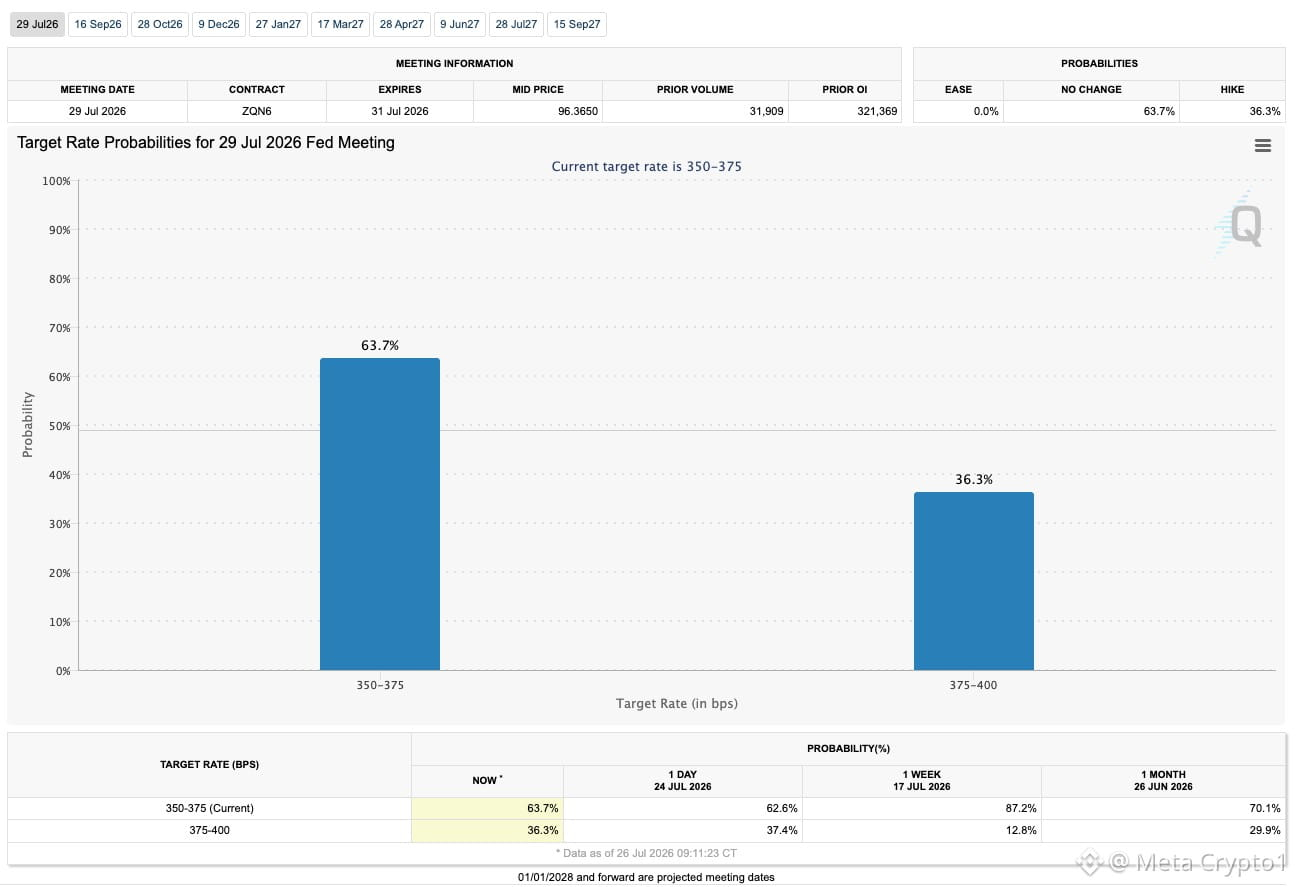
FOMC is on July 29. Currently, 33% of the market is pricing in a 25 bps Fed rate hike.
Expect high volatility this week.
FOMC is on July 29. Currently, 33% of the market is pricing in a 25 bps Fed rate hike.
Expect high volatility this week.
Expect high volatility this week.
82
·
--
🚨 BREAKING
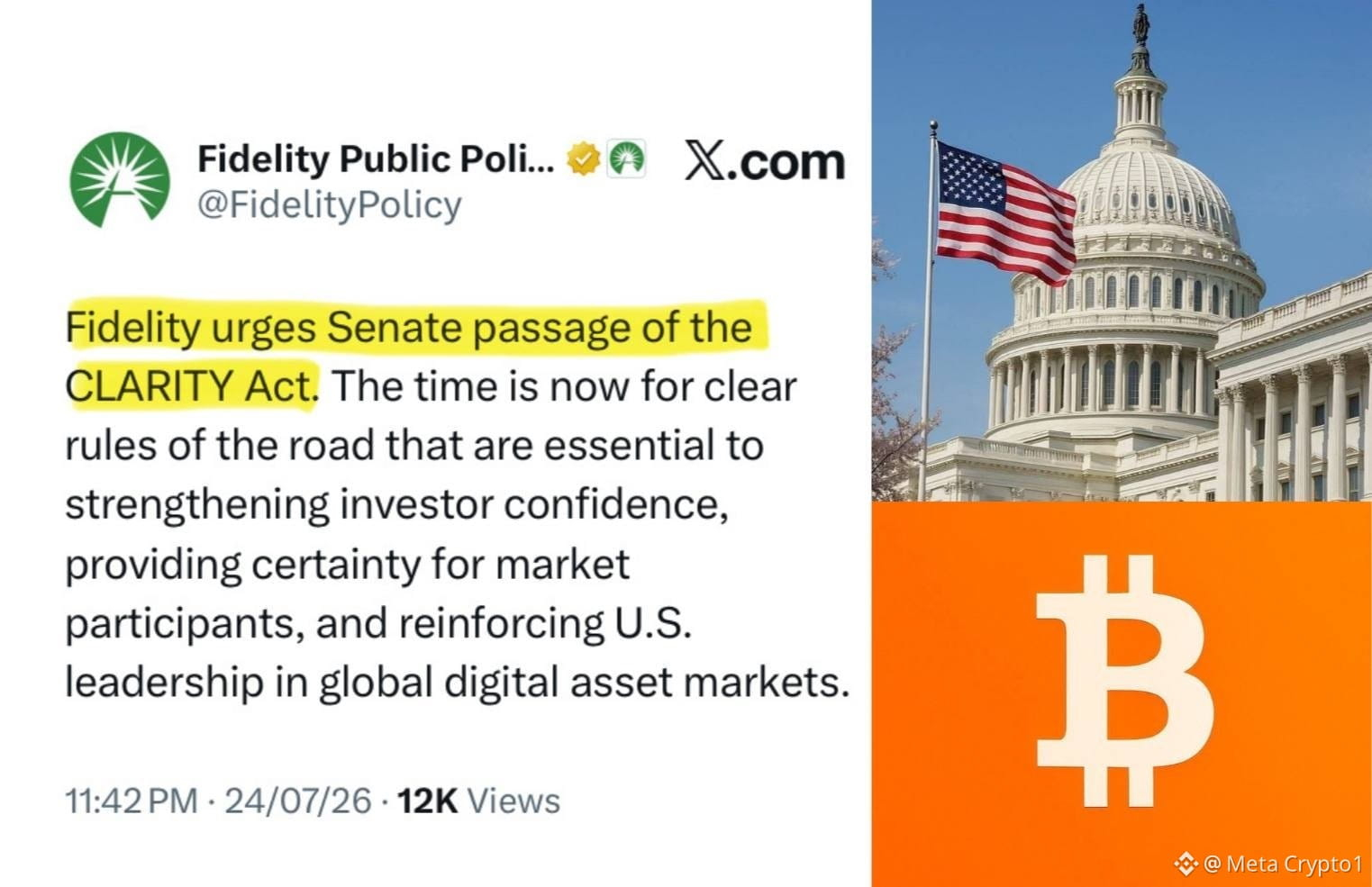
🇺🇸 $7.1 Trillion asset manager Fidelity urges Senate to pass the Clarity Act.
it's time to pass clarity act.
🚨 BREAKING
🇺🇸 $7.1 Trillion asset manager Fidelity urges Senate to pass the Clarity Act.
it's time to pass clarity act.
🇺🇸 $7.1 Trillion asset manager Fidelity urges Senate to pass the Clarity Act.
it's time to pass clarity act.
1
106
·
--
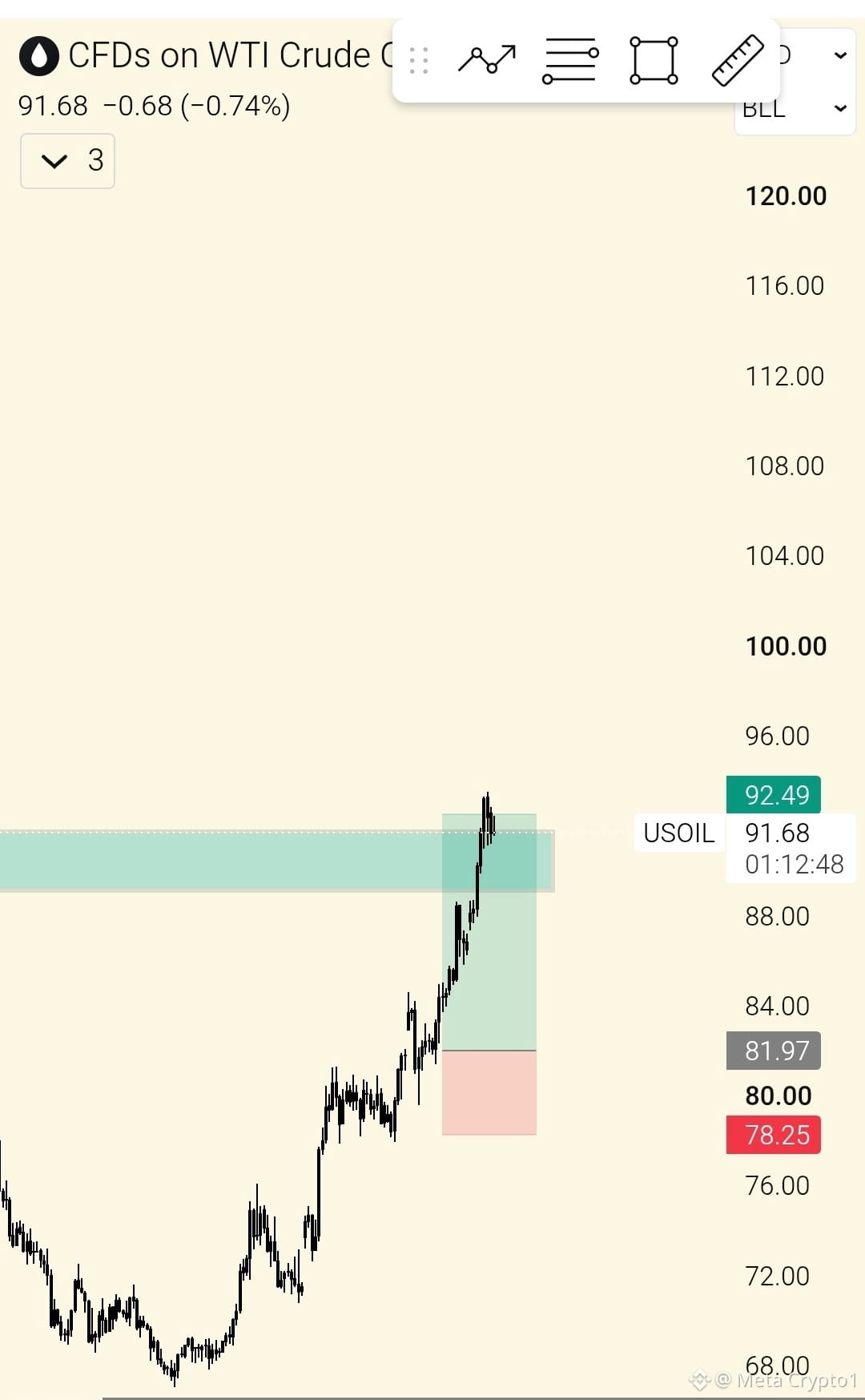
Shared this trade a week ago, and now the results are in front of you.
When you know technical analysis and have a little know-how about fundamental analysis, this is the type of analysis you can do.
Follow for more analysis like this on crypto, forex, and Gold ($XAU )."
Shared this trade a week ago, and now the results are in front of you.
When you know technical analysis and have a little know-how about fundamental analysis, this is the type of analysis you can do.
Follow for more analysis like this on crypto, forex, and Gold ($XAU )."
When you know technical analysis and have a little know-how about fundamental analysis, this is the type of analysis you can do.
Follow for more analysis like this on crypto, forex, and Gold ($XAU )."
Meta Crypto1
·
--
🛢️ US OIL SET TO EXPLODE PAST $90? 🚨
US crude closed Friday at the $80 level but don't get comfortable. The Middle East is on fire.
The US is striking Iranian power plants and infrastructure. Iran is firing back at US bases across the region.
This isn't cooling down it's escalating fast.
My read: $90 is the next stop, and next week could bring the big breakout move everyone's been waiting for.
⚡ Eyes on oil. This could move fast.
#brentcrudeup4.6%
US crude closed Friday at the $80 level but don't get comfortable. The Middle East is on fire.
The US is striking Iranian power plants and infrastructure. Iran is firing back at US bases across the region.
This isn't cooling down it's escalating fast.
My read: $90 is the next stop, and next week could bring the big breakout move everyone's been waiting for.
⚡ Eyes on oil. This could move fast.
#brentcrudeup4.6%
1
160
Log in to explore more content
Join global crypto users on Binance Square
⚡️ Get latest and useful information about crypto.
💬 Trusted by the world’s largest crypto exchange.
👍 Discover real insights from verified creators.
Email / Phone number
Trending Topics
SECToClarifyOnChainFundraisingRules
25 views
36 Discussing
#SECToClarifyOnChainFundraisingRules
The clarity we’ve been waiting for: the SEC is moving toward providing clear, updated regulatory guidelines for on-chain fundraising.
For years, Web3 builders and investors have navigated a maze of regulatory ambiguity. While security token frameworks and compliance tools have evolved, traditional securities laws haven't kept pace with transparent, smart-contract-driven capital formation.
Clear guidelines will protect retail participants while giving legitimate protocols a reliable playbook to raise capital without legal risk. This is a crucial milestone for bridging traditional finance (TradFi) with decentralized capital markets.
Transparency, compliance, and real innovation—that is how Web3 scales long term.
What’s your take on this move?
$AGPU
$S
$SOL
#MarketImpact
#Write2Earn
Sheemm
·1 Likes
·52 views
UKFCAOpensCryptoFirmAuthorization
1,096 views
88 Discussing
JapanMOFStudyGroupOnTokenizedGovtBonds
1,452 views
119 Discussing