

#economy
economy
4.6M views
8,745 Discussing
Hot
Latest

·
--
🇰🇷 South Korea’s Growth Outlook Upgraded
Citi economist Kim Jin-wook raised South Korea’s GDP growth forecast to 3.8% for 2026 and 3.3% for 2027, despite a temporary slowdown in August industrial production.
The upgrade reflects a recovery in the auto sector and strong manufacturing activity, supported by the ongoing semiconductor boom.
Citi expects South Korea’s chip-led economic expansion to continue through 2028. 📈
#SouthKorea #Semiconductors
#economy
{future}(EWYUSDT)
🇰🇷 South Korea’s Growth Outlook Upgraded
Citi economist Kim Jin-wook raised South Korea’s GDP growth forecast to 3.8% for 2026 and 3.3% for 2027, despite a temporary slowdown in August industrial production.
The upgrade reflects a recovery in the auto sector and strong manufacturing activity, supported by the ongoing semiconductor boom.
Citi expects South Korea’s chip-led economic expansion to continue through 2028. 📈
#SouthKorea #Semiconductors
#economy
Citi economist Kim Jin-wook raised South Korea’s GDP growth forecast to 3.8% for 2026 and 3.3% for 2027, despite a temporary slowdown in August industrial production.
The upgrade reflects a recovery in the auto sector and strong manufacturing activity, supported by the ongoing semiconductor boom.
Citi expects South Korea’s chip-led economic expansion to continue through 2028. 📈
#SouthKorea #Semiconductors
#economy
49

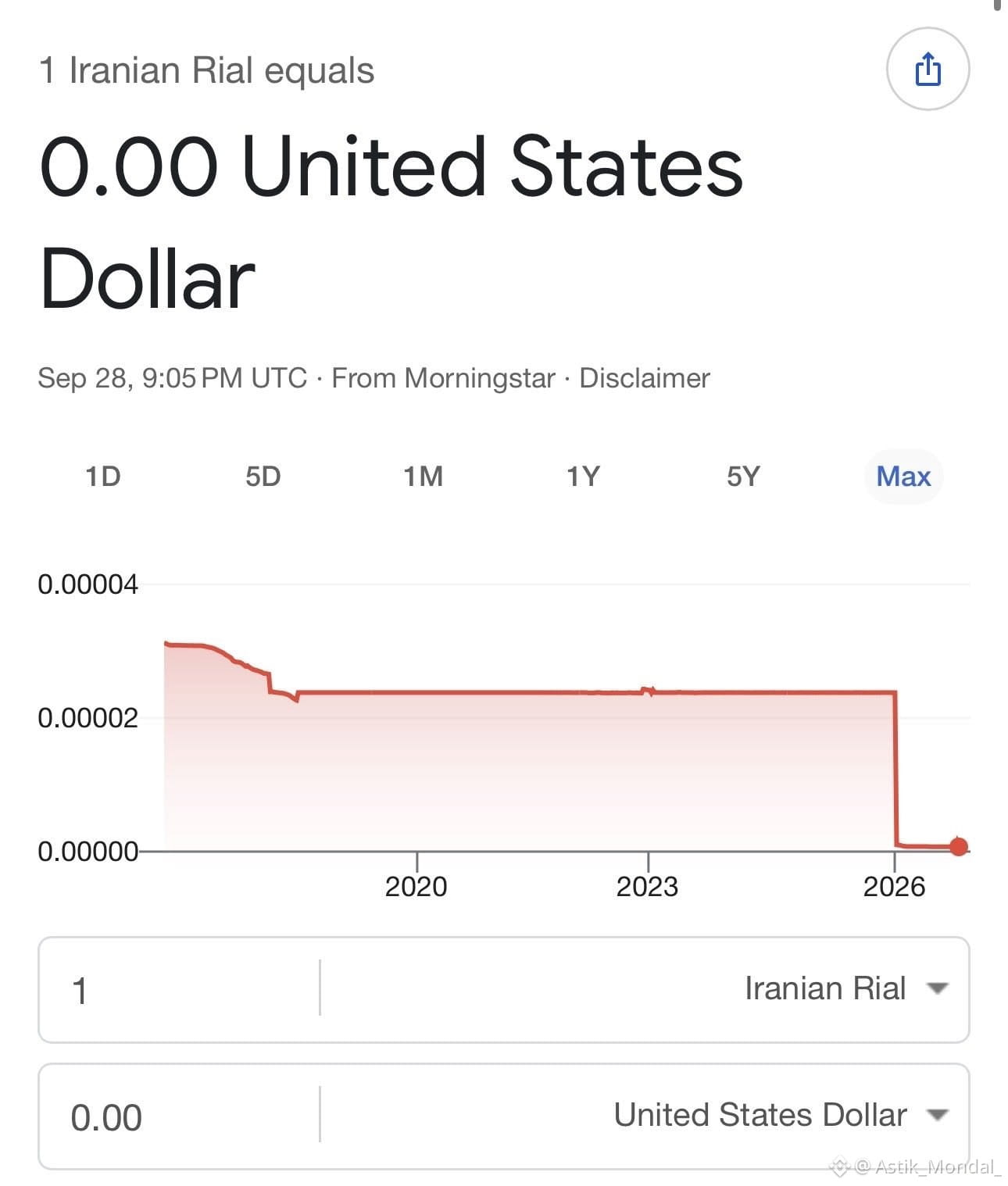
🚨 JUST IN: 🇮🇷 Iran’s rial has COLLAPSED to a new all-time low against the U.S. dollar.
The free-market rate has now crossed 2.5 MILLION rials for just $1.
Just 27 days ago, the rial hit its previous record low of around 2.2 million per dollar.
Now, another record.
The currency’s accelerating collapse reflects the growing economic pressure facing Iran amid the ongoing Middle East conflict, sanctions and disruption to its economy.
For ordinary Iranians, a weaker rial means imported goods become dramatically more expensive and purchasing power comes under further pressure.
The currency crisis is moving fast.
And markets are watching what happens next.
#Iran #USD #Forex #Geopolitics #Economy
🚨 JUST IN: 🇮🇷 Iran’s rial has COLLAPSED to a new all-time low against the U.S. dollar.
The free-market rate has now crossed 2.5 MILLION rials for just $1.
Just 27 days ago, the rial hit its previous record low of around 2.2 million per dollar.
Now, another record.
The currency’s accelerating collapse reflects the growing economic pressure facing Iran amid the ongoing Middle East conflict, sanctions and disruption to its economy.
For ordinary Iranians, a weaker rial means imported goods become dramatically more expensive and purchasing power comes under further pressure.
The currency crisis is moving fast.
And markets are watching what happens next.
#Iran #USD #Forex #Geopolitics #Economy
The free-market rate has now crossed 2.5 MILLION rials for just $1.
Just 27 days ago, the rial hit its previous record low of around 2.2 million per dollar.
Now, another record.
The currency’s accelerating collapse reflects the growing economic pressure facing Iran amid the ongoing Middle East conflict, sanctions and disruption to its economy.
For ordinary Iranians, a weaker rial means imported goods become dramatically more expensive and purchasing power comes under further pressure.
The currency crisis is moving fast.
And markets are watching what happens next.
#Iran #USD #Forex #Geopolitics #Economy
1
10

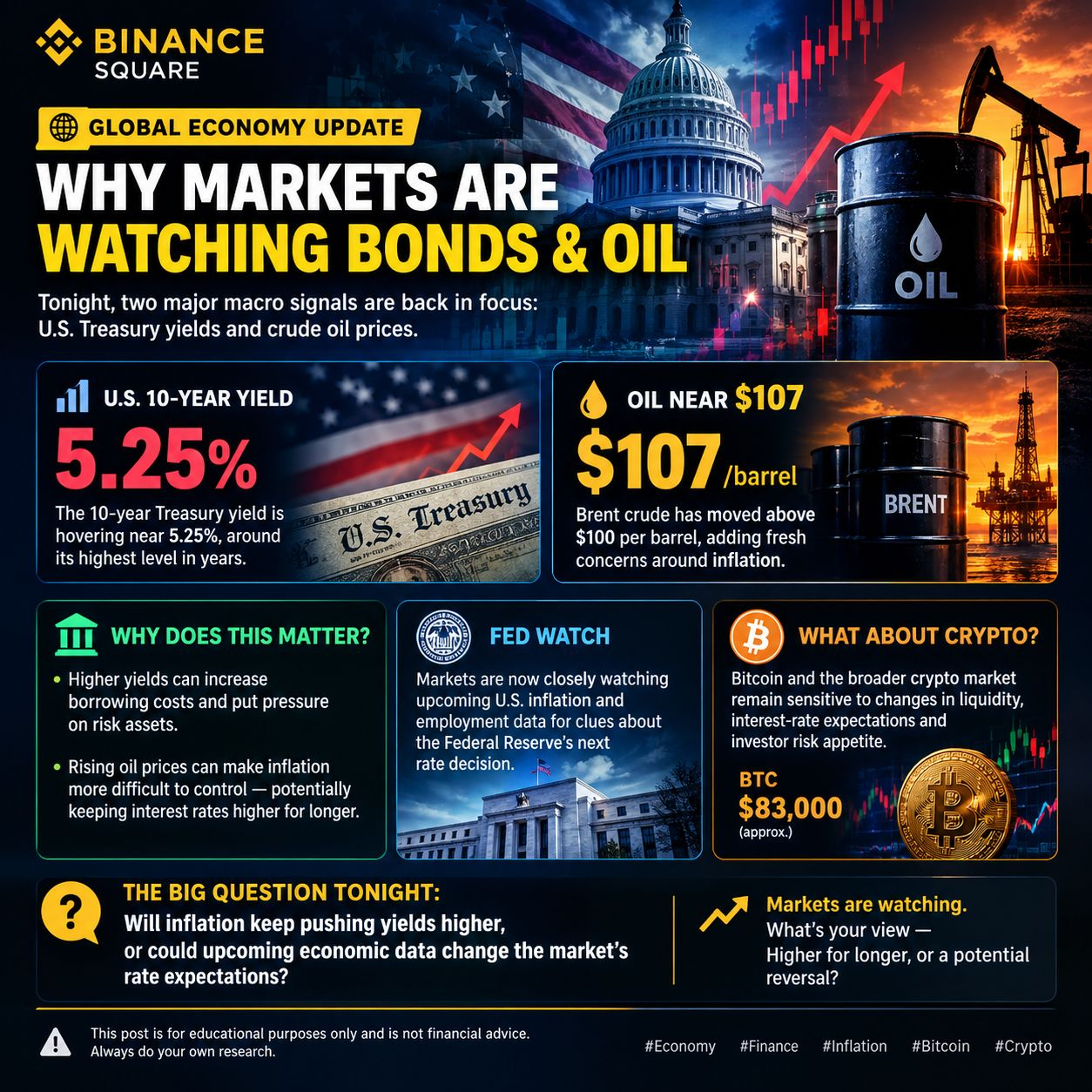
🌍 GLOBAL ECONOMY UPDATE — WHY MARKETS ARE WATCHING BONDS & OIL
Tonight, two major macro signals are back in focus: U.S. Treasury yields and crude oil prices.
📈 U.S. 10-Year Yield The 10-year Treasury yield is hovering near 5.25%, around its highest level in years.
🛢️ Oil Near $107 Brent crude has moved above $100 per barrel, adding fresh concerns around inflation.
🏦 Why does this matter? Higher yields can increase borrowing costs and put pressure on risk assets.
At the same time, rising oil prices can make inflation more difficult to control — potentially keeping interest rates higher for longer.
🪙 Crypto Market Watch Macro conditions can also influence major crypto assets:
₿ $BTC— Bitcoin
🔷 $ETH — Ethereum
🟡 $BNB — BNB
🟣 $SOL — Solana
These assets can react to changes in liquidity, interest-rate expectations and overall investor risk appetite.
🏦 Fed Watch Markets are closely watching upcoming U.S. inflation and employment data for clues about the Federal Reserve’s next rate decision.
👀 THE BIG QUESTION TONIGHT: Will inflation keep pushing yields higher, or could upcoming economic data change the market’s rate expectations?
📊 Markets are watching.
What’s your view — Higher for longer, or a potential reversal?
⚠️ This post is for educational purposes only and is not financial advice. Always do your own research.
#economy #Finance #Bitcoin #Ethereum #cryptouniverseofficial
🌍 GLOBAL ECONOMY UPDATE — WHY MARKETS ARE WATCHING BONDS & OIL
Tonight, two major macro signals are back in focus: U.S. Treasury yields and crude oil prices.
📈 U.S. 10-Year Yield The 10-year Treasury yield is hovering near 5.25%, around its highest level in years.
🛢️ Oil Near $107 Brent crude has moved above $100 per barrel, adding fresh concerns around inflation.
🏦 Why does this matter? Higher yields can increase borrowing costs and put pressure on risk assets.
At the same time, rising oil prices can make inflation more difficult to control — potentially keeping interest rates higher for longer.
🪙 Crypto Market Watch Macro conditions can also influence major crypto assets:
₿ $BTC— Bitcoin
🔷 $ETH — Ethereum
🟡 $BNB — BNB
🟣 $SOL — Solana
These assets can react to changes in liquidity, interest-rate expectations and overall investor risk appetite.
🏦 Fed Watch Markets are closely watching upcoming U.S. inflation and employment data for clues about the Federal Reserve’s next rate decision.
👀 THE BIG QUESTION TONIGHT: Will inflation keep pushing yields higher, or could upcoming economic data change the market’s rate expectations?
📊 Markets are watching.
What’s your view — Higher for longer, or a potential reversal?
⚠️ This post is for educational purposes only and is not financial advice. Always do your own research.
#economy #Finance #Bitcoin #Ethereum #cryptouniverseofficial
Tonight, two major macro signals are back in focus: U.S. Treasury yields and crude oil prices.
📈 U.S. 10-Year Yield The 10-year Treasury yield is hovering near 5.25%, around its highest level in years.
🛢️ Oil Near $107 Brent crude has moved above $100 per barrel, adding fresh concerns around inflation.
🏦 Why does this matter? Higher yields can increase borrowing costs and put pressure on risk assets.
At the same time, rising oil prices can make inflation more difficult to control — potentially keeping interest rates higher for longer.
🪙 Crypto Market Watch Macro conditions can also influence major crypto assets:
₿ $BTC— Bitcoin
🔷 $ETH — Ethereum
🟡 $BNB — BNB
🟣 $SOL — Solana
These assets can react to changes in liquidity, interest-rate expectations and overall investor risk appetite.
🏦 Fed Watch Markets are closely watching upcoming U.S. inflation and employment data for clues about the Federal Reserve’s next rate decision.
👀 THE BIG QUESTION TONIGHT: Will inflation keep pushing yields higher, or could upcoming economic data change the market’s rate expectations?
📊 Markets are watching.
What’s your view — Higher for longer, or a potential reversal?
⚠️ This post is for educational purposes only and is not financial advice. Always do your own research.
#economy #Finance #Bitcoin #Ethereum #cryptouniverseofficial
1
364
🇺🇸 TRUMP: “AMERICANS ARE EARNING MORE MONEY THAN EVER BEFORE.”
President Donald Trump says US household income has reached its highest level ever recorded, while poverty is at its lowest.
If confirmed by official economic data, that would be a major signal for the US consumer and the broader economy.
Higher household income can mean stronger spending power, more resilient consumers, and potentially greater economic activity.
But the key question is what the underlying data shows especially after accounting for inflation, household size, and changes in the cost of living.
Markets will be watching the numbers, not just the headline.
Because if real incomes are genuinely accelerating while poverty falls, the implications could extend far beyond Main Street.
#USA #Trump #Economy #Markets #Finance
🇺🇸 TRUMP: “AMERICANS ARE EARNING MORE MONEY THAN EVER BEFORE.”
President Donald Trump says US household income has reached its highest level ever recorded, while poverty is at its lowest.
If confirmed by official economic data, that would be a major signal for the US consumer and the broader economy.
Higher household income can mean stronger spending power, more resilient consumers, and potentially greater economic activity.
But the key question is what the underlying data shows especially after accounting for inflation, household size, and changes in the cost of living.
Markets will be watching the numbers, not just the headline.
Because if real incomes are genuinely accelerating while poverty falls, the implications could extend far beyond Main Street.
#USA #Trump #Economy #Markets #Finance
President Donald Trump says US household income has reached its highest level ever recorded, while poverty is at its lowest.
If confirmed by official economic data, that would be a major signal for the US consumer and the broader economy.
Higher household income can mean stronger spending power, more resilient consumers, and potentially greater economic activity.
But the key question is what the underlying data shows especially after accounting for inflation, household size, and changes in the cost of living.
Markets will be watching the numbers, not just the headline.
Because if real incomes are genuinely accelerating while poverty falls, the implications could extend far beyond Main Street.
#USA #Trump #Economy #Markets #Finance

1
24

Article
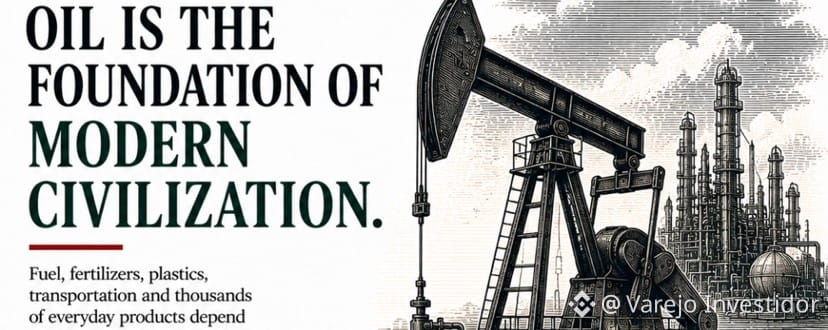
WHY OIL STILL MATTERS TO ALMOST EVERYTHINGLook around modern life and oil is rarely visible, yet its influence is everywhere.
Its role goes far beyond gasoline. Petroleum is embedded in transportation, industrial production, agriculture, chemicals, packaging, plastics and countless products used every day.
That makes oil more than an energy commodity. It is a fundamental input across multiple layers of the global economy.
Consider the chain:
OIL → TRANSPORTATION → PRODUCTION → AGRICULTURE → CONSUMPTION
A change in energy costs can therefore travel through the economy in unexpected ways. Higher fuel expenses can increase shipping costs. More expensive transportation can raise production expenses. Agriculture can also be affected through fuel, machinery, fertilizers and other petroleum-related inputs.
The result is a complex relationship between energy markets and the prices consumers ultimately face.
This is also why crude oil remains strategically important for governments, corporations and financial markets. Its importance is not limited to how much a barrel costs today. What matters is how energy availability and transportation costs influence economic activity across the entire supply chain.
For investors, the broader lesson is simple: commodities rarely exist in isolation.
Oil connects energy with industry, agriculture, logistics and consumption.
Understanding that network can provide a different perspective on why movements in the energy market can eventually appear in corporate earnings, inflation expectations and financial assets around the world.
#oil #Irã #economy #Finance
$CVX.US
{stock_us}(CVX.US)
$XOM.US
{stock_us}(XOM.US)
$OXY.US
{stock_us}(OXY.US)
WHY OIL STILL MATTERS TO ALMOST EVERYTHING
Look around modern life and oil is rarely visible, yet its influence is everywhere.
Its role goes far beyond gasoline. Petroleum is embedded in transportation, industrial production, agriculture, chemicals, packaging, plastics and countless products used every day.
That makes oil more than an energy commodity. It is a fundamental input across multiple layers of the global economy.
Consider the chain:
OIL → TRANSPORTATION → PRODUCTION → AGRICULTURE → CONSUMPTION
A change in energy costs can therefore travel through the economy in unexpected ways. Higher fuel expenses can increase shipping costs. More expensive transportation can raise production expenses. Agriculture can also be affected through fuel, machinery, fertilizers and other petroleum-related inputs.
The result is a complex relationship between energy markets and the prices consumers ultimately face.
This is also why crude oil remains strategically important for governments, corporations and financial markets. Its importance is not limited to how much a barrel costs today. What matters is how energy availability and transportation costs influence economic activity across the entire supply chain.
For investors, the broader lesson is simple: commodities rarely exist in isolation.
Oil connects energy with industry, agriculture, logistics and consumption.
Understanding that network can provide a different perspective on why movements in the energy market can eventually appear in corporate earnings, inflation expectations and financial assets around the world.
#oil #Irã #economy #Finance
$CVX.US
$XOM.US
$OXY.US
Its role goes far beyond gasoline. Petroleum is embedded in transportation, industrial production, agriculture, chemicals, packaging, plastics and countless products used every day.
That makes oil more than an energy commodity. It is a fundamental input across multiple layers of the global economy.
Consider the chain:
OIL → TRANSPORTATION → PRODUCTION → AGRICULTURE → CONSUMPTION
A change in energy costs can therefore travel through the economy in unexpected ways. Higher fuel expenses can increase shipping costs. More expensive transportation can raise production expenses. Agriculture can also be affected through fuel, machinery, fertilizers and other petroleum-related inputs.
The result is a complex relationship between energy markets and the prices consumers ultimately face.
This is also why crude oil remains strategically important for governments, corporations and financial markets. Its importance is not limited to how much a barrel costs today. What matters is how energy availability and transportation costs influence economic activity across the entire supply chain.
For investors, the broader lesson is simple: commodities rarely exist in isolation.
Oil connects energy with industry, agriculture, logistics and consumption.
Understanding that network can provide a different perspective on why movements in the energy market can eventually appear in corporate earnings, inflation expectations and financial assets around the world.
#oil #Irã #economy #Finance
$CVX.US
$XOM.US
$OXY.US
OXYUS+0.42%
XOMUS+0.20%
CVXUS-0.35%
1
56

·
--
Verified

Article
Economic eventsKey economic events this week, September 28 — October 2:
Tuesday, September 29, 2026
17:00
CB Consumer Confidence Index (September)
Forecast:
90.1
Previous:
89.4
17:00
Number of job openings in the JOLTS labor market (August)
Forecast:
7,230 million
Previous:
7,271 million
Wednesday, September 30, 2026
15:15
Change in the number of employed in the non-farm sector according to ADP (September)
Economic events
Key economic events this week, September 28 — October 2:
Tuesday, September 29, 2026
17:00
CB Consumer Confidence Index (September)
Forecast:
90.1
Previous:
89.4
17:00
Number of job openings in the JOLTS labor market (August)
Forecast:
7,230 million
Previous:
7,271 million
Wednesday, September 30, 2026
15:15
Change in the number of employed in the non-farm sector according to ADP (September)
Tuesday, September 29, 2026
17:00
CB Consumer Confidence Index (September)
Forecast:
90.1
Previous:
89.4
17:00
Number of job openings in the JOLTS labor market (August)
Forecast:
7,230 million
Previous:
7,271 million
Wednesday, September 30, 2026
15:15
Change in the number of employed in the non-farm sector according to ADP (September)
1.2k
Article
THE ENERGY SHOCK CAN TURN INTO AN ECONOMIC SHOCKAn interruption in the supply of energy does not only affect the oil market. It can spread throughout the economic chain through transportation, production, trade, prices, and consumption.
The experience of 2026 shows how quickly that transmission can happen. The IEA recorded a sharp decline in global oil supply during disruptions in the Middle East, along with refinery constraints and reduced availability of refined products.
The mechanism works in chain. Less available energy can raise fuel costs. Transportation becomes more expensive, industries face higher operating costs, and some companies may cut production. With lower supply of certain goods, pressure can reach the final prices.
THE ENERGY SHOCK CAN TURN INTO AN ECONOMIC SHOCK
An interruption in the supply of energy does not only affect the oil market. It can spread throughout the economic chain through transportation, production, trade, prices, and consumption.
The experience of 2026 shows how quickly that transmission can happen. The IEA recorded a sharp decline in global oil supply during disruptions in the Middle East, along with refinery constraints and reduced availability of refined products.
The mechanism works in chain. Less available energy can raise fuel costs. Transportation becomes more expensive, industries face higher operating costs, and some companies may cut production. With lower supply of certain goods, pressure can reach the final prices.
The experience of 2026 shows how quickly that transmission can happen. The IEA recorded a sharp decline in global oil supply during disruptions in the Middle East, along with refinery constraints and reduced availability of refined products.
The mechanism works in chain. Less available energy can raise fuel costs. Transportation becomes more expensive, industries face higher operating costs, and some companies may cut production. With lower supply of certain goods, pressure can reach the final prices.
USOYETF-1.26%
CVXUS-0.35%
XOPETF+0.39%
1
57

Article
The Impact of War Goes Far Beyond MissilesTo understand any major regional conflict, it is not enough to look only at military activities. The impact of war can spread to energy, trade, inflation, the currency, and financial markets.
For a large importing country like India, changes in energy prices are of particular importance. If oil is expensive, transportation and production costs can rise. This can affect companies’ margins, consumer prices, and the pace of economic growth.
The Impact of War Goes Far Beyond Missiles
To understand any major regional conflict, it is not enough to look only at military activities. The impact of war can spread to energy, trade, inflation, the currency, and financial markets.
For a large importing country like India, changes in energy prices are of particular importance. If oil is expensive, transportation and production costs can rise. This can affect companies’ margins, consumer prices, and the pace of economic growth.
For a large importing country like India, changes in energy prices are of particular importance. If oil is expensive, transportation and production costs can rise. This can affect companies’ margins, consumer prices, and the pace of economic growth.
EEMETF+0.88%
INDAETF+1.05%
USOYETF-1.26%
1
33

Article
Oil is not just fuel—it’s a link in the entire economyOil’s role in modern life is not limited to petrol or diesel. It lies behind the countless economic activities on which production, trade, and everyday consumption depend.
Petrochemical products made from crude oil are used in plastics, synthetic materials, packaging, industrial chemicals, and many consumer goods. On the other hand, energy and transportation costs can affect almost every supply chain.
Oil is not just fuel—it’s a link in the entire economy
Oil’s role in modern life is not limited to petrol or diesel. It lies behind the countless economic activities on which production, trade, and everyday consumption depend.
Petrochemical products made from crude oil are used in plastics, synthetic materials, packaging, industrial chemicals, and many consumer goods. On the other hand, energy and transportation costs can affect almost every supply chain.
Petrochemical products made from crude oil are used in plastics, synthetic materials, packaging, industrial chemicals, and many consumer goods. On the other hand, energy and transportation costs can affect almost every supply chain.
INDAETF+1.05%
XOMUS+0.20%
XOPETF+0.39%
1
8

Article
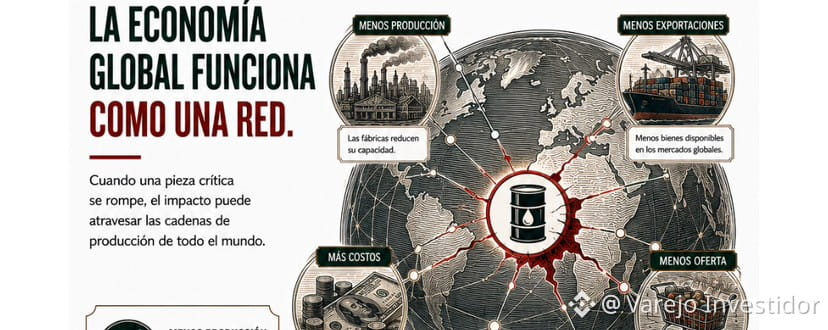
THE GLOBAL ECONOMY WORKS LIKE A NETWORKThe world economy is not made up of isolated countries. It works like a large network of production, trade, transportation, and consumption, in which different regions depend on one another.
When an important link in this network is disrupted, the impact can quickly go beyond the borders of the place where the problem started.
The image shows a simple sequence:
Lower production → lower exports → lower supply → higher prices.
This mechanism can appear in different sectors. An interruption in the production of a raw material can reduce its international availability. Logistics problems can delay shipments. Bottlenecks in ports, sea routes, or industrial supply chains can also increase costs.
THE GLOBAL ECONOMY WORKS LIKE A NETWORK
The world economy is not made up of isolated countries. It works like a large network of production, trade, transportation, and consumption, in which different regions depend on one another.
When an important link in this network is disrupted, the impact can quickly go beyond the borders of the place where the problem started.
The image shows a simple sequence:
Lower production → lower exports → lower supply → higher prices.
This mechanism can appear in different sectors. An interruption in the production of a raw material can reduce its international availability. Logistics problems can delay shipments. Bottlenecks in ports, sea routes, or industrial supply chains can also increase costs.
When an important link in this network is disrupted, the impact can quickly go beyond the borders of the place where the problem started.
The image shows a simple sequence:
Lower production → lower exports → lower supply → higher prices.
This mechanism can appear in different sectors. An interruption in the production of a raw material can reduce its international availability. Logistics problems can delay shipments. Bottlenecks in ports, sea routes, or industrial supply chains can also increase costs.
1
22
Article
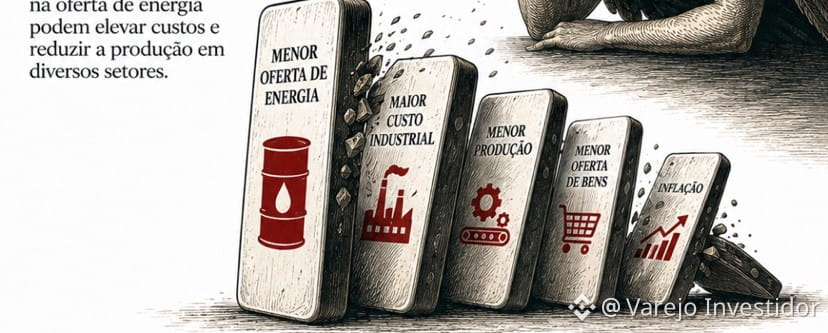
IF THE FLOW OF OIL DIMINISHES, THE EFFECT SPREADSEnergy is one of the main inputs in the modern economy. When the supply of oil and other energy resources decreases significantly, the impact can quickly go beyond the energy sector.
The chain shown in the image shows how this process can happen:
Lower energy supply → higher industrial cost → lower production → lower supply of goods → pressure on inflation.
Industries depend on energy to run machinery, transport goods, and produce goods. Higher energy costs can reduce profit margins, make products more expensive, and change production decisions.
IF THE FLOW OF OIL DIMINISHES, THE EFFECT SPREADS
Energy is one of the main inputs in the modern economy. When the supply of oil and other energy resources decreases significantly, the impact can quickly go beyond the energy sector.
The chain shown in the image shows how this process can happen:
Lower energy supply → higher industrial cost → lower production → lower supply of goods → pressure on inflation.
Industries depend on energy to run machinery, transport goods, and produce goods. Higher energy costs can reduce profit margins, make products more expensive, and change production decisions.
The chain shown in the image shows how this process can happen:
Lower energy supply → higher industrial cost → lower production → lower supply of goods → pressure on inflation.
Industries depend on energy to run machinery, transport goods, and produce goods. Higher energy costs can reduce profit margins, make products more expensive, and change production decisions.
1
35

·
--
Latest data shows US recession risk is super low! This is good news for the crypto market. Economic stability usually means higher market risk appetite, which could benefit major coins like Bitcoin and Ethereum. Now is a good time to pay attention to quality projects! $BTC $ETH #经济数据 #crypto market
Latest data shows US recession risk is super low - great news for crypto! Stable economy usually means higher risk appetite, which benefits Bitcoin, Ethereum and other major coins. Good time to focus on quality projects now! $BTC $ETH #economy #crypto
Latest data shows US recession risk is super low! This is good news for the crypto market. Economic stability usually means higher market risk appetite, which could benefit major coins like Bitcoin and Ethereum. Now is a good time to pay attention to quality projects! $BTC $ETH #经济数据 #crypto market
Latest data shows US recession risk is super low - great news for crypto! Stable economy usually means higher risk appetite, which benefits Bitcoin, Ethereum and other major coins. Good time to focus on quality projects now! $BTC $ETH #economy #crypto
Latest data shows US recession risk is super low - great news for crypto! Stable economy usually means higher risk appetite, which benefits Bitcoin, Ethereum and other major coins. Good time to focus on quality projects now! $BTC $ETH #economy #crypto
1
121
BREAKING: Trump just called out inflation and the underlying numbers suggest a massive economic shift is already underway.
Here is what this means for your money, the markets, and what happens next
When the White House targets inflation publicly, it is rarely just political noise. It is a direct signal to the Federal Reserve that interest rate policy is about to hit a wall.
Higher inflation combined with mounting pressure to cut rates creates the ultimate financial squeeze. Cash erodes quietly in the background, while borrowing costs stay elevated for everyday consumers.
Smart money isn't waiting around for official policy pivots. Institutional capital is actively shifting into hard assets, scarce commodities, and alternative hedges to front-run the next liquidity wave.
The cost of living crisis isn't just about grocery bills it is a fundamental devaluation of fiat purchasing power. If you aren't positioning your portfolio for structural inflation, you are falling behind.
We are entering a volatile macro environment where market reactions will be fast, brutal, and unforgiving for unprepared investors.
#Trump #Inflation #Economy #Crypto #Markets .
BREAKING: Trump just called out inflation and the underlying numbers suggest a massive economic shift is already underway.
Here is what this means for your money, the markets, and what happens next
When the White House targets inflation publicly, it is rarely just political noise. It is a direct signal to the Federal Reserve that interest rate policy is about to hit a wall.
Higher inflation combined with mounting pressure to cut rates creates the ultimate financial squeeze. Cash erodes quietly in the background, while borrowing costs stay elevated for everyday consumers.
Smart money isn't waiting around for official policy pivots. Institutional capital is actively shifting into hard assets, scarce commodities, and alternative hedges to front-run the next liquidity wave.
The cost of living crisis isn't just about grocery bills it is a fundamental devaluation of fiat purchasing power. If you aren't positioning your portfolio for structural inflation, you are falling behind.
We are entering a volatile macro environment where market reactions will be fast, brutal, and unforgiving for unprepared investors.
#Trump #Inflation #Economy #Crypto #Markets .
Here is what this means for your money, the markets, and what happens next
When the White House targets inflation publicly, it is rarely just political noise. It is a direct signal to the Federal Reserve that interest rate policy is about to hit a wall.
Higher inflation combined with mounting pressure to cut rates creates the ultimate financial squeeze. Cash erodes quietly in the background, while borrowing costs stay elevated for everyday consumers.
Smart money isn't waiting around for official policy pivots. Institutional capital is actively shifting into hard assets, scarce commodities, and alternative hedges to front-run the next liquidity wave.
The cost of living crisis isn't just about grocery bills it is a fundamental devaluation of fiat purchasing power. If you aren't positioning your portfolio for structural inflation, you are falling behind.
We are entering a volatile macro environment where market reactions will be fast, brutal, and unforgiving for unprepared investors.
#Trump #Inflation #Economy #Crypto #Markets .

2
9

·
--
🇺🇸 TRUMP ON THE U.S. ECONOMY & STOCK MARKET 📈
Trump says that when he left office, the U.S. stock market was already at historic highs — but today, it has moved even higher. 🚀
He described the previous U.S. economy as one of the most successful in American history and believes the current performance could go even further. 🇺🇸💰
📊 Big markets. Strong confidence. Bigger expectations.
Do you think U.S. stocks can continue setting new records? 👀🔥
#Trump #Stocks #Markets #Economy #Investing
🇺🇸 TRUMP ON THE U.S. ECONOMY & STOCK MARKET 📈
Trump says that when he left office, the U.S. stock market was already at historic highs — but today, it has moved even higher. 🚀
He described the previous U.S. economy as one of the most successful in American history and believes the current performance could go even further. 🇺🇸💰
📊 Big markets. Strong confidence. Bigger expectations.
Do you think U.S. stocks can continue setting new records? 👀🔥
#Trump #Stocks #Markets #Economy #Investing
Trump says that when he left office, the U.S. stock market was already at historic highs — but today, it has moved even higher. 🚀
He described the previous U.S. economy as one of the most successful in American history and believes the current performance could go even further. 🇺🇸💰
📊 Big markets. Strong confidence. Bigger expectations.
Do you think U.S. stocks can continue setting new records? 👀🔥
#Trump #Stocks #Markets #Economy #Investing

5
🚨 TRUMP JUST ESCALATED THE FED FIGHT AND THE ECONOMIC STAKES ARE HUGE. 🇺🇸
Trump says that if the Federal Reserve doesn’t lower interest rates, the U.S. could STOP TRADING with countries it runs trade deficits with.
He argues that cutting off trade would be “better than tariffs.”
But here’s the dangerous part:
America depends heavily on imports from many of these trading partners.
Cutting off trade could trigger a massive supply shock → fewer goods → higher prices → disrupted businesses → weaker growth → potential job losses.
In other words, the policy meant to protect the U.S. economy could create the exact inflation and economic damage Washington is trying to avoid.
And there’s another major issue:
Trump is now directly linking TRADE POLICY to MONETARY POLICY.
That puts even more pressure on the Fed as markets are already reassessing the path of interest rates after a stronger-than-expected jobs report.
If this threat becomes actual policy Global markets could get VERY volatile.
#Trump #FederalReserve #Economy #Inflation #Markets
🚨 TRUMP JUST ESCALATED THE FED FIGHT AND THE ECONOMIC STAKES ARE HUGE. 🇺🇸
Trump says that if the Federal Reserve doesn’t lower interest rates, the U.S. could STOP TRADING with countries it runs trade deficits with.
He argues that cutting off trade would be “better than tariffs.”
But here’s the dangerous part:
America depends heavily on imports from many of these trading partners.
Cutting off trade could trigger a massive supply shock → fewer goods → higher prices → disrupted businesses → weaker growth → potential job losses.
In other words, the policy meant to protect the U.S. economy could create the exact inflation and economic damage Washington is trying to avoid.
And there’s another major issue:
Trump is now directly linking TRADE POLICY to MONETARY POLICY.
That puts even more pressure on the Fed as markets are already reassessing the path of interest rates after a stronger-than-expected jobs report.
If this threat becomes actual policy Global markets could get VERY volatile.
#Trump #FederalReserve #Economy #Inflation #Markets
Trump says that if the Federal Reserve doesn’t lower interest rates, the U.S. could STOP TRADING with countries it runs trade deficits with.
He argues that cutting off trade would be “better than tariffs.”
But here’s the dangerous part:
America depends heavily on imports from many of these trading partners.
Cutting off trade could trigger a massive supply shock → fewer goods → higher prices → disrupted businesses → weaker growth → potential job losses.
In other words, the policy meant to protect the U.S. economy could create the exact inflation and economic damage Washington is trying to avoid.
And there’s another major issue:
Trump is now directly linking TRADE POLICY to MONETARY POLICY.
That puts even more pressure on the Fed as markets are already reassessing the path of interest rates after a stronger-than-expected jobs report.
If this threat becomes actual policy Global markets could get VERY volatile.
#Trump #FederalReserve #Economy #Inflation #Markets

1
17

Fresh macroeconomic data released on September 3 reveals a notable acceleration in the United States service sector for August. The US Services PMI rose sharply from 54.6 to 56.5, recording its strongest expansion since December 2024, while the ISM Services index climbed from 54.1 to 55.4, easily beating expectations. As highlighted by S&P Global Market Intelligence economist Usamah Bhatti, private sector activity is regaining significant momentum despite ongoing supply chain bottlenecks and elevated price pressures.
This robust rebound underscores the resilient foundation of the US economy compared to other global peers, diminishing immediate recession fears. However, persistent cost pressures embedded in the services sector complicate the inflation trajectory, suggesting that price stability might take longer to achieve than previously anticipated.
For traditional markets, such strong economic readings typically reduce the urgency for aggressive Federal Reserve rate cuts. Treasury yields and the US Dollar Index often find support in this backdrop, creating short-term headwinds for non-yielding assets like gold.
In crypto markets, resilient growth reduces systemic economic risks, but persistent yields and delayed monetary easing could temporarily limit speculative liquidity for $BTC and altcoins. Investors should watch whether steady growth eventually transitions into renewed risk-on appetite.
#macro #PMI #economy
Fresh macroeconomic data released on September 3 reveals a notable acceleration in the United States service sector for August. The US Services PMI rose sharply from 54.6 to 56.5, recording its strongest expansion since December 2024, while the ISM Services index climbed from 54.1 to 55.4, easily beating expectations. As highlighted by S&P Global Market Intelligence economist Usamah Bhatti, private sector activity is regaining significant momentum despite ongoing supply chain bottlenecks and elevated price pressures.
This robust rebound underscores the resilient foundation of the US economy compared to other global peers, diminishing immediate recession fears. However, persistent cost pressures embedded in the services sector complicate the inflation trajectory, suggesting that price stability might take longer to achieve than previously anticipated.
For traditional markets, such strong economic readings typically reduce the urgency for aggressive Federal Reserve rate cuts. Treasury yields and the US Dollar Index often find support in this backdrop, creating short-term headwinds for non-yielding assets like gold.
In crypto markets, resilient growth reduces systemic economic risks, but persistent yields and delayed monetary easing could temporarily limit speculative liquidity for $BTC and altcoins. Investors should watch whether steady growth eventually transitions into renewed risk-on appetite.
#macro #PMI #economy
This robust rebound underscores the resilient foundation of the US economy compared to other global peers, diminishing immediate recession fears. However, persistent cost pressures embedded in the services sector complicate the inflation trajectory, suggesting that price stability might take longer to achieve than previously anticipated.
For traditional markets, such strong economic readings typically reduce the urgency for aggressive Federal Reserve rate cuts. Treasury yields and the US Dollar Index often find support in this backdrop, creating short-term headwinds for non-yielding assets like gold.
In crypto markets, resilient growth reduces systemic economic risks, but persistent yields and delayed monetary easing could temporarily limit speculative liquidity for $BTC and altcoins. Investors should watch whether steady growth eventually transitions into renewed risk-on appetite.
#macro #PMI #economy
26

🇯🇵 Japanese households are losing confidence in the economy. $BTC
Inflation is rising faster than wages, forcing consumers to spend less and save more. As confidence weakens, Japan's economy could face slower growth.
Why does this matter?
📉 Consumer spending drives economic growth.
💴 Bank of Japan policy could shift.
🌍 A weaker Japanese economy can impact global markets, stocks, and even crypto. $SNX
Smart investors don't just watch charts they watch macro trends.
Could Japan's slowdown become the next major market catalyst?
#Economy #Inflation #Investing #Markets
#MissilesHitJaskPowerAndDesalinationFacilities
🇯🇵 Japanese households are losing confidence in the economy. $BTC
Inflation is rising faster than wages, forcing consumers to spend less and save more. As confidence weakens, Japan's economy could face slower growth.
Why does this matter?
📉 Consumer spending drives economic growth.
💴 Bank of Japan policy could shift.
🌍 A weaker Japanese economy can impact global markets, stocks, and even crypto. $SNX
Smart investors don't just watch charts they watch macro trends.
Could Japan's slowdown become the next major market catalyst?
#Economy #Inflation #Investing #Markets
#MissilesHitJaskPowerAndDesalinationFacilities
Inflation is rising faster than wages, forcing consumers to spend less and save more. As confidence weakens, Japan's economy could face slower growth.
Why does this matter?
📉 Consumer spending drives economic growth.
💴 Bank of Japan policy could shift.
🌍 A weaker Japanese economy can impact global markets, stocks, and even crypto. $SNX
Smart investors don't just watch charts they watch macro trends.
Could Japan's slowdown become the next major market catalyst?
#Economy #Inflation #Investing #Markets
#MissilesHitJaskPowerAndDesalinationFacilities


1
305
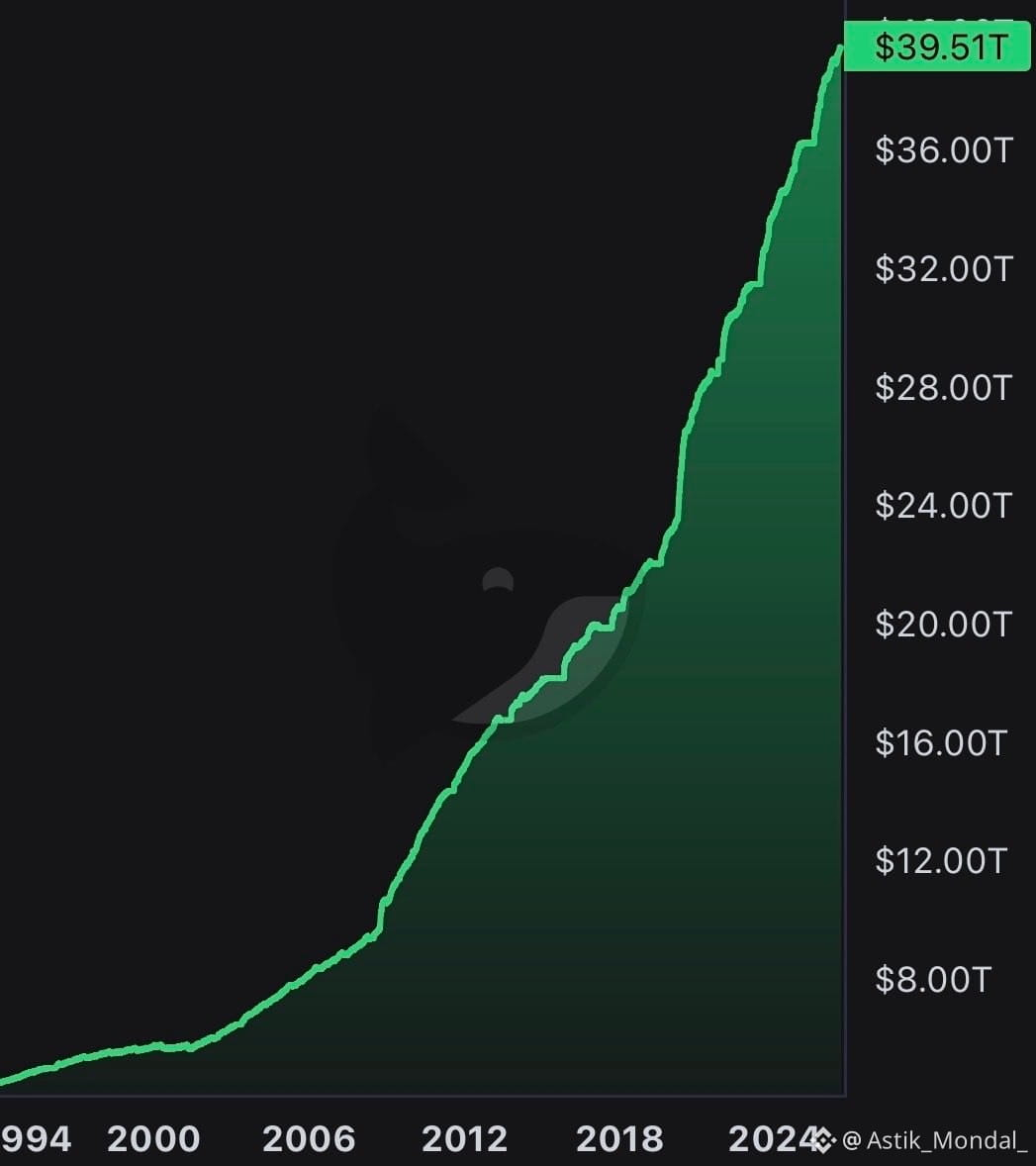
🚨🇺🇸 BREAKING: America's debt just hit a level never seen before.
The U.S. national debt has officially reached a record $39.5 TRILLION.
Every second, the number keeps climbing.
More debt means more interest payments, more money printing pressure, and tougher choices for policymakers.
This isn't just a U.S. problem.
It impacts global markets, the dollar, interest rates, stocks, gold, and Bitcoin.
History shows that when debt keeps expanding faster than economic growth, investors begin looking for assets that cannot be printed.
The biggest question now is no longer how high the debt is.
It's whether the world can continue financing it without major consequences.
#Bitcoin #Crypto #Economy #BreakingNews #Finance
🚨🇺🇸 BREAKING: America's debt just hit a level never seen before.
The U.S. national debt has officially reached a record $39.5 TRILLION.
Every second, the number keeps climbing.
More debt means more interest payments, more money printing pressure, and tougher choices for policymakers.
This isn't just a U.S. problem.
It impacts global markets, the dollar, interest rates, stocks, gold, and Bitcoin.
History shows that when debt keeps expanding faster than economic growth, investors begin looking for assets that cannot be printed.
The biggest question now is no longer how high the debt is.
It's whether the world can continue financing it without major consequences.
#Bitcoin #Crypto #Economy #BreakingNews #Finance
The U.S. national debt has officially reached a record $39.5 TRILLION.
Every second, the number keeps climbing.
More debt means more interest payments, more money printing pressure, and tougher choices for policymakers.
This isn't just a U.S. problem.
It impacts global markets, the dollar, interest rates, stocks, gold, and Bitcoin.
History shows that when debt keeps expanding faster than economic growth, investors begin looking for assets that cannot be printed.
The biggest question now is no longer how high the debt is.
It's whether the world can continue financing it without major consequences.
#Bitcoin #Crypto #Economy #BreakingNews #Finance
93

·
--
🚨 BREAKING: Trump Delivers July 4 Economic Message 🇺🇸
President Donald Trump declared that "the Golden Age of America has begun," highlighting recent stock market gains, strong export figures, increased investment, and his administration's tax policies as signs of economic momentum.
📈 Trump pointed to a strong quarter for major US stock indexes and said the economy is "taking off."
🏭 He also emphasized manufacturing, trade, and investment as key drivers of future growth.
👀 Markets will have their first opportunity to react when trading resumes on Monday.
$HMSTR $EPIC $SOL
#BREAKING #Economy #Markets #Crypto
🚨 BREAKING: Trump Delivers July 4 Economic Message 🇺🇸
President Donald Trump declared that "the Golden Age of America has begun," highlighting recent stock market gains, strong export figures, increased investment, and his administration's tax policies as signs of economic momentum.
📈 Trump pointed to a strong quarter for major US stock indexes and said the economy is "taking off."
🏭 He also emphasized manufacturing, trade, and investment as key drivers of future growth.
👀 Markets will have their first opportunity to react when trading resumes on Monday.
$HMSTR $EPIC $SOL
#BREAKING #Economy #Markets #Crypto
President Donald Trump declared that "the Golden Age of America has begun," highlighting recent stock market gains, strong export figures, increased investment, and his administration's tax policies as signs of economic momentum.
📈 Trump pointed to a strong quarter for major US stock indexes and said the economy is "taking off."
🏭 He also emphasized manufacturing, trade, and investment as key drivers of future growth.
👀 Markets will have their first opportunity to react when trading resumes on Monday.
$HMSTR $EPIC $SOL
#BREAKING #Economy #Markets #Crypto
1
27

·
--
Verified
#ChinaJulyOutputRetailInvestmentAllMiss
#china #Macro
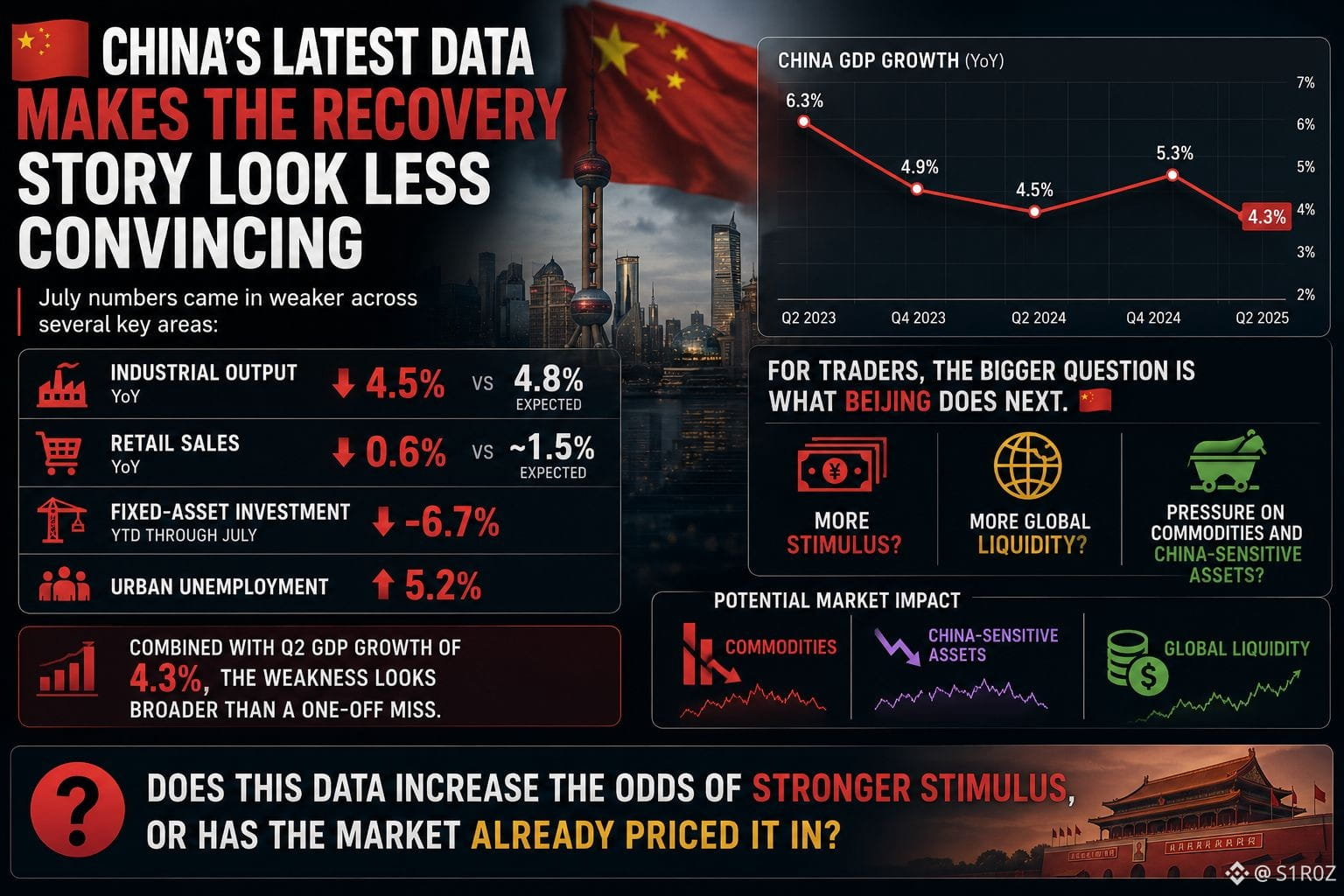
🇨🇳 China’s latest data is making the recovery story look less convincing.
$TUT ,$GPS ,$STAR
{future}(STARUSDT)
{spot}(GPSUSDT)
{spot}(TUTUSDT)
July numbers came in weaker across several key areas:
📉 Industrial output: 4.5% YoY vs 4.8% expected
🛍️ Retail sales: 0.6% vs ~1.5% expected
🏗️ Fixed-asset investment: -6.7% through July
👷 Urban unemployment: 5.2%
Combined with Q2 GDP growth of 4.3%, the weakness looks broader than a one-off miss.
For traders, the bigger question is what Beijing does next. 🇨🇳
💰 More stimulus?
🌐 More global liquidity?
⛏️ Pressure on commodities and China-sensitive assets?
Does this data increase the odds of stronger stimulus, or has the market already priced it in?
#Crypto #Trading #economy
#ChinaJulyOutputRetailInvestmentAllMiss
#china #Macro
🇨🇳 China’s latest data is making the recovery story look less convincing.
$TUT ,$GPS ,$STAR
July numbers came in weaker across several key areas:
📉 Industrial output: 4.5% YoY vs 4.8% expected
🛍️ Retail sales: 0.6% vs ~1.5% expected
🏗️ Fixed-asset investment: -6.7% through July
👷 Urban unemployment: 5.2%
Combined with Q2 GDP growth of 4.3%, the weakness looks broader than a one-off miss.
For traders, the bigger question is what Beijing does next. 🇨🇳
💰 More stimulus?
🌐 More global liquidity?
⛏️ Pressure on commodities and China-sensitive assets?
Does this data increase the odds of stronger stimulus, or has the market already priced it in?
#Crypto #Trading #economy
#china #Macro
🇨🇳 China’s latest data is making the recovery story look less convincing.
$TUT ,$GPS ,$STAR
July numbers came in weaker across several key areas:
📉 Industrial output: 4.5% YoY vs 4.8% expected
🛍️ Retail sales: 0.6% vs ~1.5% expected
🏗️ Fixed-asset investment: -6.7% through July
👷 Urban unemployment: 5.2%
Combined with Q2 GDP growth of 4.3%, the weakness looks broader than a one-off miss.
For traders, the bigger question is what Beijing does next. 🇨🇳
💰 More stimulus?
🌐 More global liquidity?
⛏️ Pressure on commodities and China-sensitive assets?
Does this data increase the odds of stronger stimulus, or has the market already priced it in?
#Crypto #Trading #economy
1
384
Log in to explore more content
Join global crypto users on Binance Square
⚡️ Get latest and useful information about crypto.
💬 Trusted by the world’s largest crypto exchange.
👍 Discover real insights from verified creators.
Email / Phone number
Trending Topics
1
#ZcashETFPostsFirstWeeklyOutflow$93.6M
1,873 views
31 Discussing
2
#GreekPoliceBustCryptoScamRingArrest17
3,032 views
124 Discussing
3
#BitcoinRejectedAt$87K
58,756 views
95 Discussing
4
#FedOctoberRateHikeOddsFallTo17%
32,591 views
526 Discussing
5
#NvidiaHitsRecordHighUp2.4%
14,706 views
355 Discussing
6
#CanaryFilesAmendedS1ForPEPEETF
7,196 views
239 Discussing
7
#USRussiaUkraineTalksReportedlyIncludeLukoilOilDeal
16,077 views
299 Discussing
8
#BitcoinParesGainsAfterRallyTo$86.5K
40,369 views
153 Discussing
9
#CerebrasSinksNearly20%OnReportNvidiaToPowerOpenAI
91,144 views
898 Discussing
10
#SECProposesCryptoCustodyRules
117,639 views
1,106 Discussing