

#forex
forex
821,728 views
5,124 Discussing
Hot
Latest

·
--
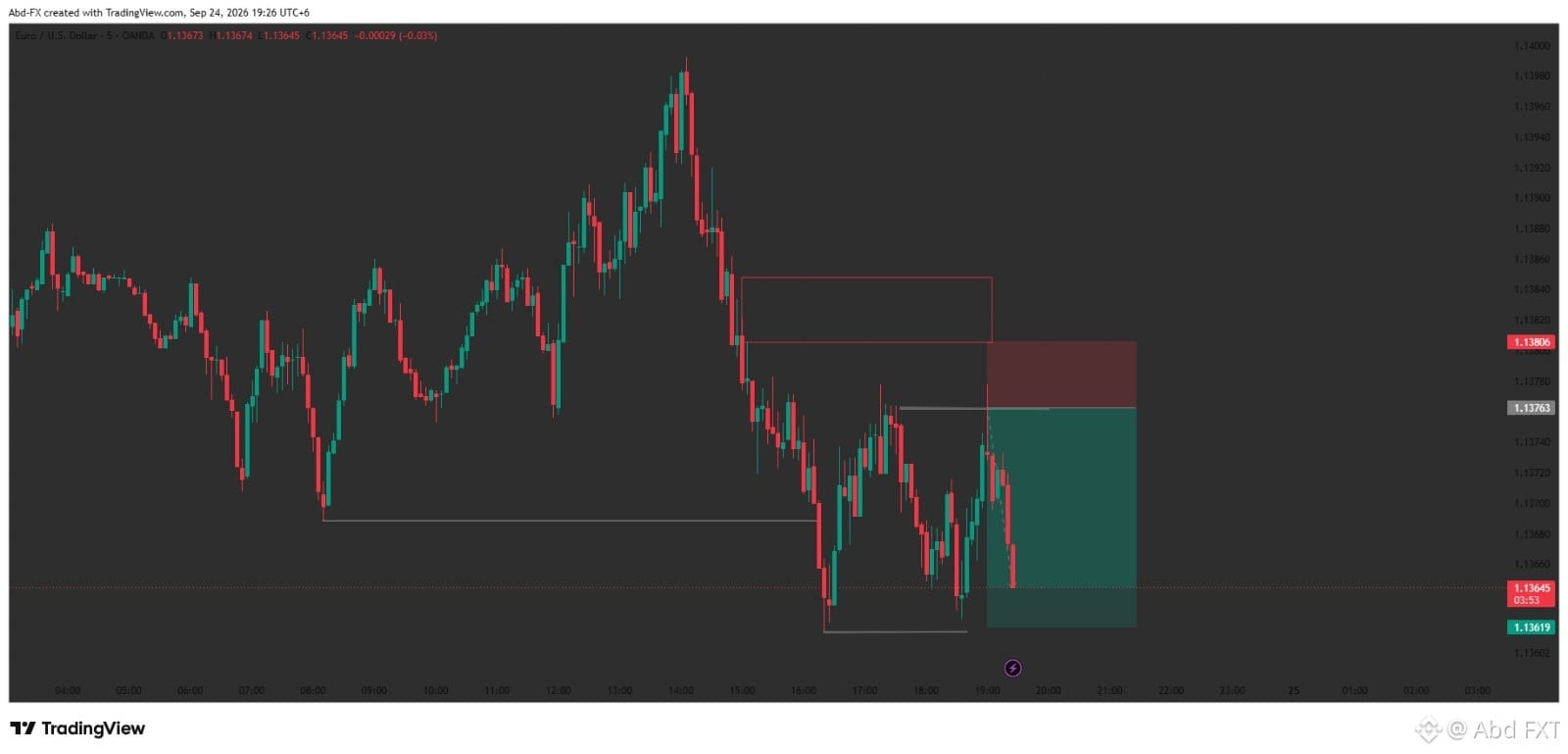
🔻 EURUSD Short - 1M
Rejected from Supply Zone.
Short: 1.1376 - 1.1370
SL: 1.1382
TP: 1.1361
RR 1:3+
No FOMO. Waiting for confirmation.
Bias? 👇
#EURUSD #forex #forextrading #forexmarkets
🔻 EURUSD Short - 1M
Rejected from Supply Zone.
Short: 1.1376 - 1.1370
SL: 1.1382
TP: 1.1361
RR 1:3+
No FOMO. Waiting for confirmation.
Bias? 👇
#EURUSD #forex #forextrading #forexmarkets
Rejected from Supply Zone.
Short: 1.1376 - 1.1370
SL: 1.1382
TP: 1.1361
RR 1:3+
No FOMO. Waiting for confirmation.
Bias? 👇
#EURUSD #forex #forextrading #forexmarkets

·
--
Bullish
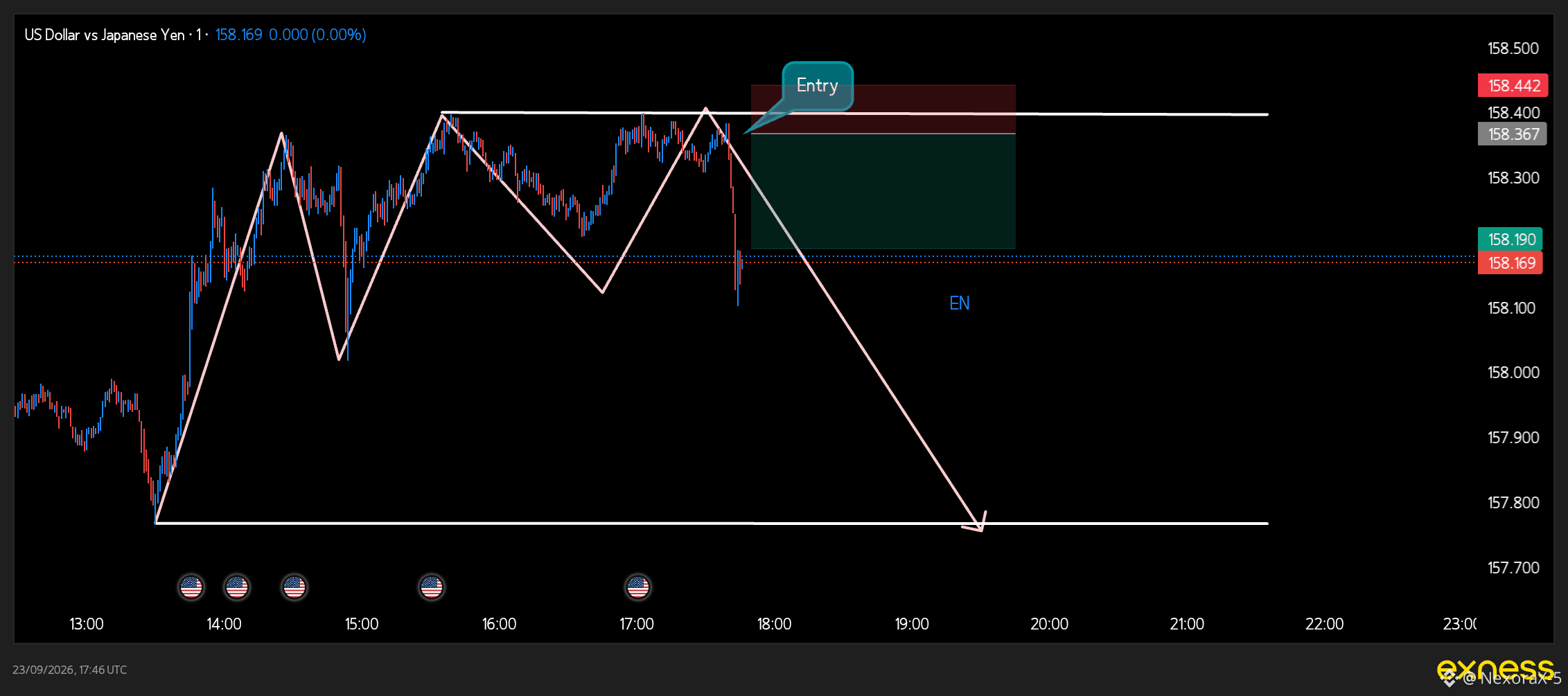
$📊 USDJPY Technical Analysis
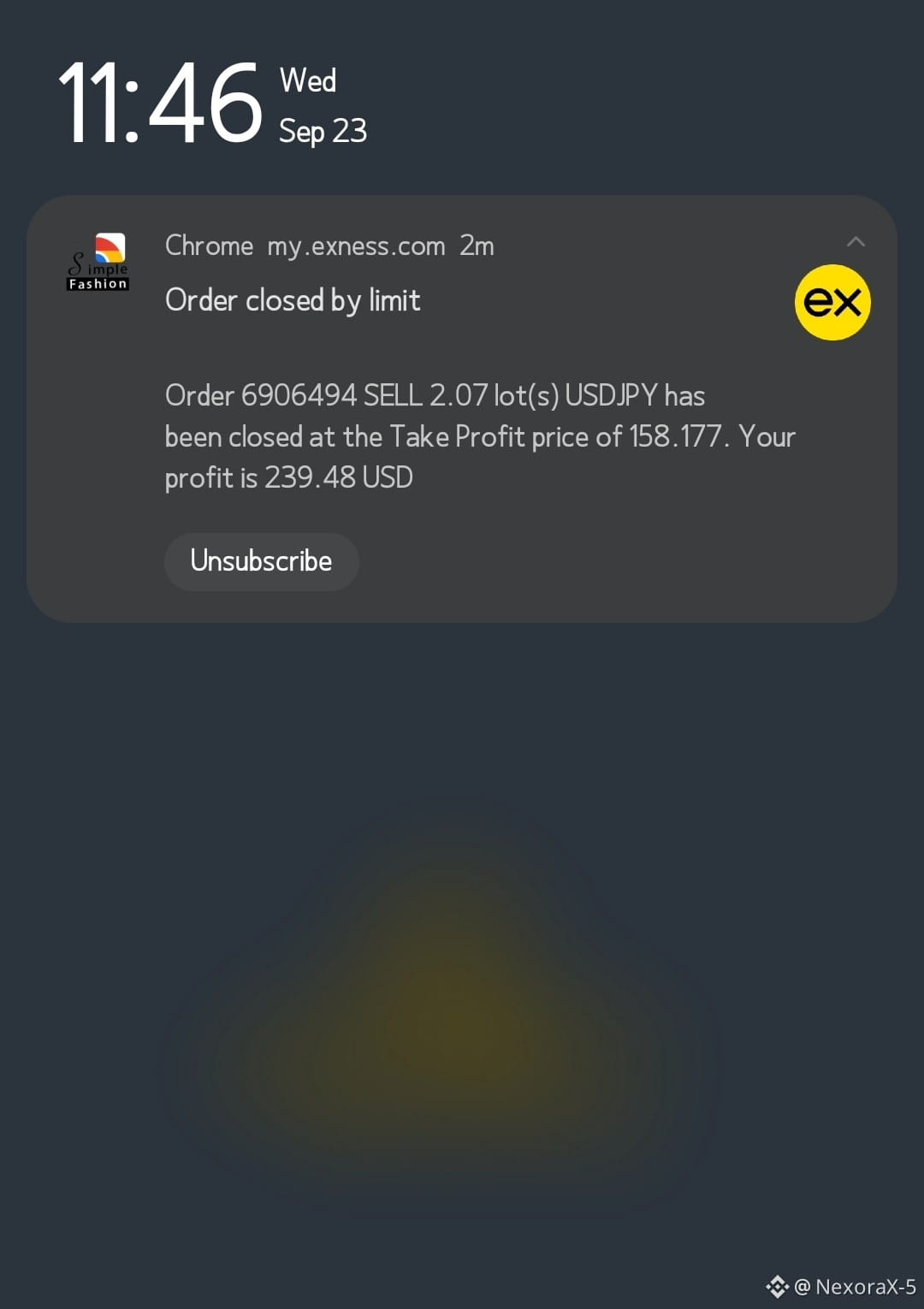
USDJPY rejected the 158.37–158.44 resistance zone and moved lower toward 158.17.
🔴 Key Support: 158.10 → 157.78
🟢 Key Resistance: 158.37–158.44
A break below 158.10 could increase bearish pressure, while a strong move above 158.44 could weaken the bearish setup.
⚠️ Technical analysis only. Do your own research and manage risk.
#USDJPY #Forex #TechnicalAnalysis #Trading #MarketUpdate #BinanceSquare
$📊 USDJPY Technical Analysis
USDJPY rejected the 158.37–158.44 resistance zone and moved lower toward 158.17.
🔴 Key Support: 158.10 → 157.78
🟢 Key Resistance: 158.37–158.44
A break below 158.10 could increase bearish pressure, while a strong move above 158.44 could weaken the bearish setup.
⚠️ Technical analysis only. Do your own research and manage risk.
#USDJPY #Forex #TechnicalAnalysis #Trading #MarketUpdate #BinanceSquare
USDJPY rejected the 158.37–158.44 resistance zone and moved lower toward 158.17.
🔴 Key Support: 158.10 → 157.78
🟢 Key Resistance: 158.37–158.44
A break below 158.10 could increase bearish pressure, while a strong move above 158.44 could weaken the bearish setup.
⚠️ Technical analysis only. Do your own research and manage risk.
#USDJPY #Forex #TechnicalAnalysis #Trading #MarketUpdate #BinanceSquare
27

Dollar Hits 2-Month High on Rate Hike Bets
The US dollar climbed to a two-month high on Wednesday as investors expected further interest rate hikes from the Federal Reserve. The dollar index rose 0.24% to 100.79, while the euro fell 0.25% to $1.142. Easing oil prices could still affect inflation and the global interest-rate outlook.
#dollar #Forex #FederalReserve #GlobalMarkets
Dollar Hits 2-Month High on Rate Hike Bets
The US dollar climbed to a two-month high on Wednesday as investors expected further interest rate hikes from the Federal Reserve. The dollar index rose 0.24% to 100.79, while the euro fell 0.25% to $1.142. Easing oil prices could still affect inflation and the global interest-rate outlook.
#dollar #Forex #FederalReserve #GlobalMarkets
The US dollar climbed to a two-month high on Wednesday as investors expected further interest rate hikes from the Federal Reserve. The dollar index rose 0.24% to 100.79, while the euro fell 0.25% to $1.142. Easing oil prices could still affect inflation and the global interest-rate outlook.
#dollar #Forex #FederalReserve #GlobalMarkets
52

·
--
Forex 101 · Day 5/30: Stop-Loss and Take-Profit — Two Things You Should Decide Before Opening a Position
Yesterday (Day 4) we talked about “first decide how much you’re willing to lose, then decide your position size.” Today we turn this logic into two concrete actions: stop-loss and take-profit.
① Why stop-loss must be set “before” you open
If you try to set a stop-loss after entering, emotions have already stepped into the trade:
· If price rises, you don’t want to sell—you’re afraid you’ll miss more
· If price falls, you don’t dare to cut—you don’t want to admit you were wrong
The result is often: a small loss drags into a severe injury.
Discipline must be enforced while you’re still not “out of your mind.”
② How to set stop-loss (example)
· Account: $1000, per-trade risk 1% → max loss is $10
· Assume stop-loss is 30 points, and 1 standard lot = 30 points = $300
· Position size = $10 ÷ $300 ≈ 0.03 lots (if the account is small, open 0.01 lots)
The order is always: decide how much you’ll lose → calculate position size → open the trade. If you swap the order, you’re gambling.
③ Three common ways to take-profit
· Fixed points: take profit and exit after 50 points
· Risk-reward 1:2: stop-loss 30 points, target 60 points—so you earn more than you risk
· Trailing stop-loss: once you’re in profit, move the stop-loss up to your entry price to at least avoid a loss
No method is always right. What matters is: set the rules first, then execute.
④ Crypto comparison
The contract $BTC applies the same way: before entering, place your stop-loss order in advance.
Keep per-trade risk under 1–2% of the account. The logic is exactly the same as forex.
Crypto markets move more violently, so stop-loss is even more important.
Tomorrow we’ll cover: economic data releases — the same Non-Farm Payrolls data, why do some people profit while others lose?
The market involves risk; trade cautiously.
#外汇 #Forex #risk management
Forex 101 · Day 5/30: Stop-Loss and Take-Profit — Two Things You Should Decide Before Opening a Position
Yesterday (Day 4) we talked about “first decide how much you’re willing to lose, then decide your position size.” Today we turn this logic into two concrete actions: stop-loss and take-profit.
① Why stop-loss must be set “before” you open
If you try to set a stop-loss after entering, emotions have already stepped into the trade:
· If price rises, you don’t want to sell—you’re afraid you’ll miss more
· If price falls, you don’t dare to cut—you don’t want to admit you were wrong
The result is often: a small loss drags into a severe injury.
Discipline must be enforced while you’re still not “out of your mind.”
② How to set stop-loss (example)
· Account: $1000, per-trade risk 1% → max loss is $10
· Assume stop-loss is 30 points, and 1 standard lot = 30 points = $300
· Position size = $10 ÷ $300 ≈ 0.03 lots (if the account is small, open 0.01 lots)
The order is always: decide how much you’ll lose → calculate position size → open the trade. If you swap the order, you’re gambling.
③ Three common ways to take-profit
· Fixed points: take profit and exit after 50 points
· Risk-reward 1:2: stop-loss 30 points, target 60 points—so you earn more than you risk
· Trailing stop-loss: once you’re in profit, move the stop-loss up to your entry price to at least avoid a loss
No method is always right. What matters is: set the rules first, then execute.
④ Crypto comparison
The contract $BTC applies the same way: before entering, place your stop-loss order in advance.
Keep per-trade risk under 1–2% of the account. The logic is exactly the same as forex.
Crypto markets move more violently, so stop-loss is even more important.
Tomorrow we’ll cover: economic data releases — the same Non-Farm Payrolls data, why do some people profit while others lose?
The market involves risk; trade cautiously.
#外汇 #Forex #risk management
Yesterday (Day 4) we talked about “first decide how much you’re willing to lose, then decide your position size.” Today we turn this logic into two concrete actions: stop-loss and take-profit.
① Why stop-loss must be set “before” you open
If you try to set a stop-loss after entering, emotions have already stepped into the trade:
· If price rises, you don’t want to sell—you’re afraid you’ll miss more
· If price falls, you don’t dare to cut—you don’t want to admit you were wrong
The result is often: a small loss drags into a severe injury.
Discipline must be enforced while you’re still not “out of your mind.”
② How to set stop-loss (example)
· Account: $1000, per-trade risk 1% → max loss is $10
· Assume stop-loss is 30 points, and 1 standard lot = 30 points = $300
· Position size = $10 ÷ $300 ≈ 0.03 lots (if the account is small, open 0.01 lots)
The order is always: decide how much you’ll lose → calculate position size → open the trade. If you swap the order, you’re gambling.
③ Three common ways to take-profit
· Fixed points: take profit and exit after 50 points
· Risk-reward 1:2: stop-loss 30 points, target 60 points—so you earn more than you risk
· Trailing stop-loss: once you’re in profit, move the stop-loss up to your entry price to at least avoid a loss
No method is always right. What matters is: set the rules first, then execute.
④ Crypto comparison
The contract $BTC applies the same way: before entering, place your stop-loss order in advance.
Keep per-trade risk under 1–2% of the account. The logic is exactly the same as forex.
Crypto markets move more violently, so stop-loss is even more important.
Tomorrow we’ll cover: economic data releases — the same Non-Farm Payrolls data, why do some people profit while others lose?
The market involves risk; trade cautiously.
#外汇 #Forex #risk management
101
·
--

Article
Abd.FX-[FOREX TRADER]Abd.FX - FOREX TRADER 📈
Hello Everyone! Welcome to my official Binance Square profile.
I am a professional Forex & Crypto trader. I share daily analysis based on:
✅ Price Action
✅ F.B.G Strategy
✅ Trendline & Support/Resistance
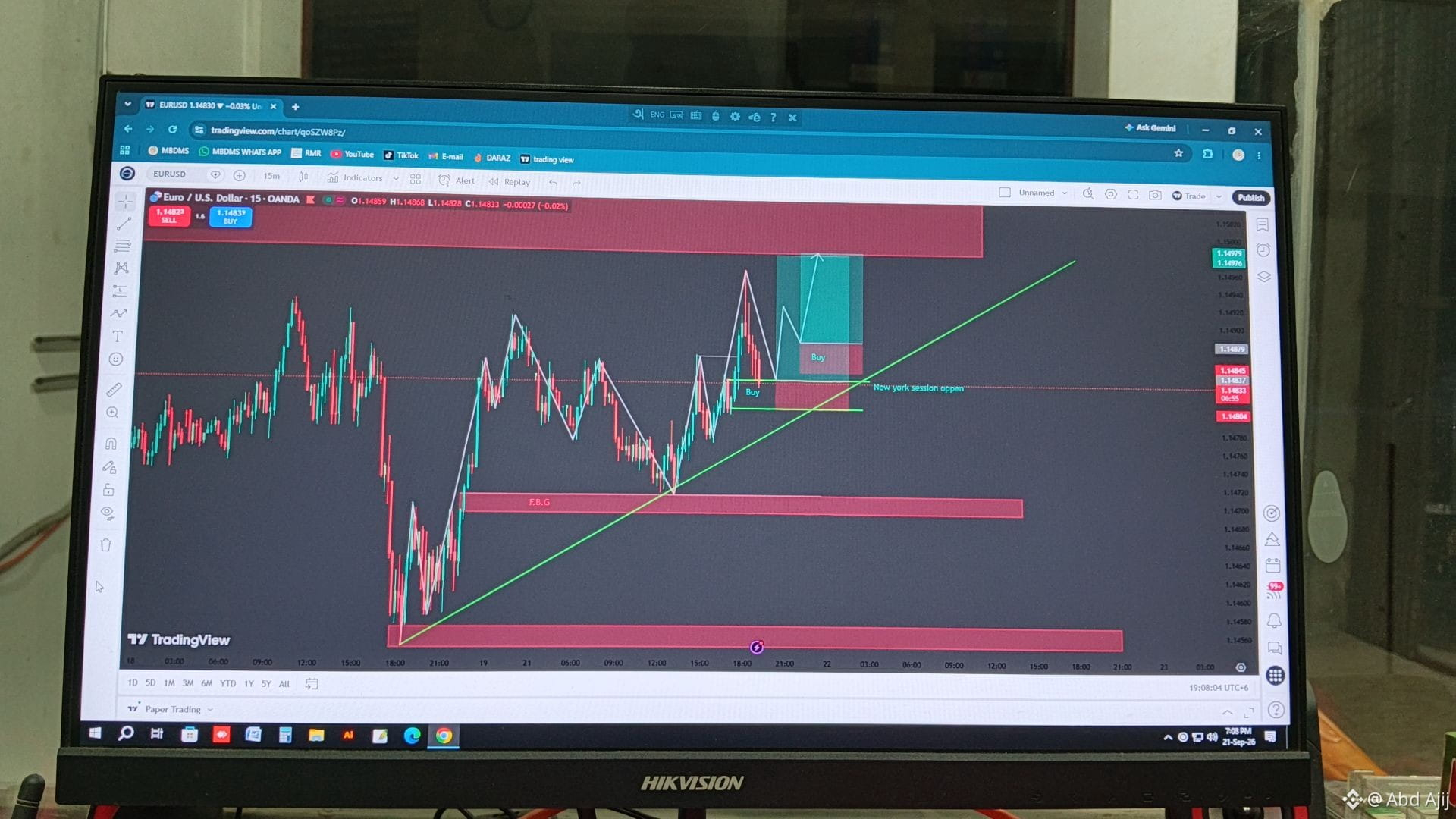
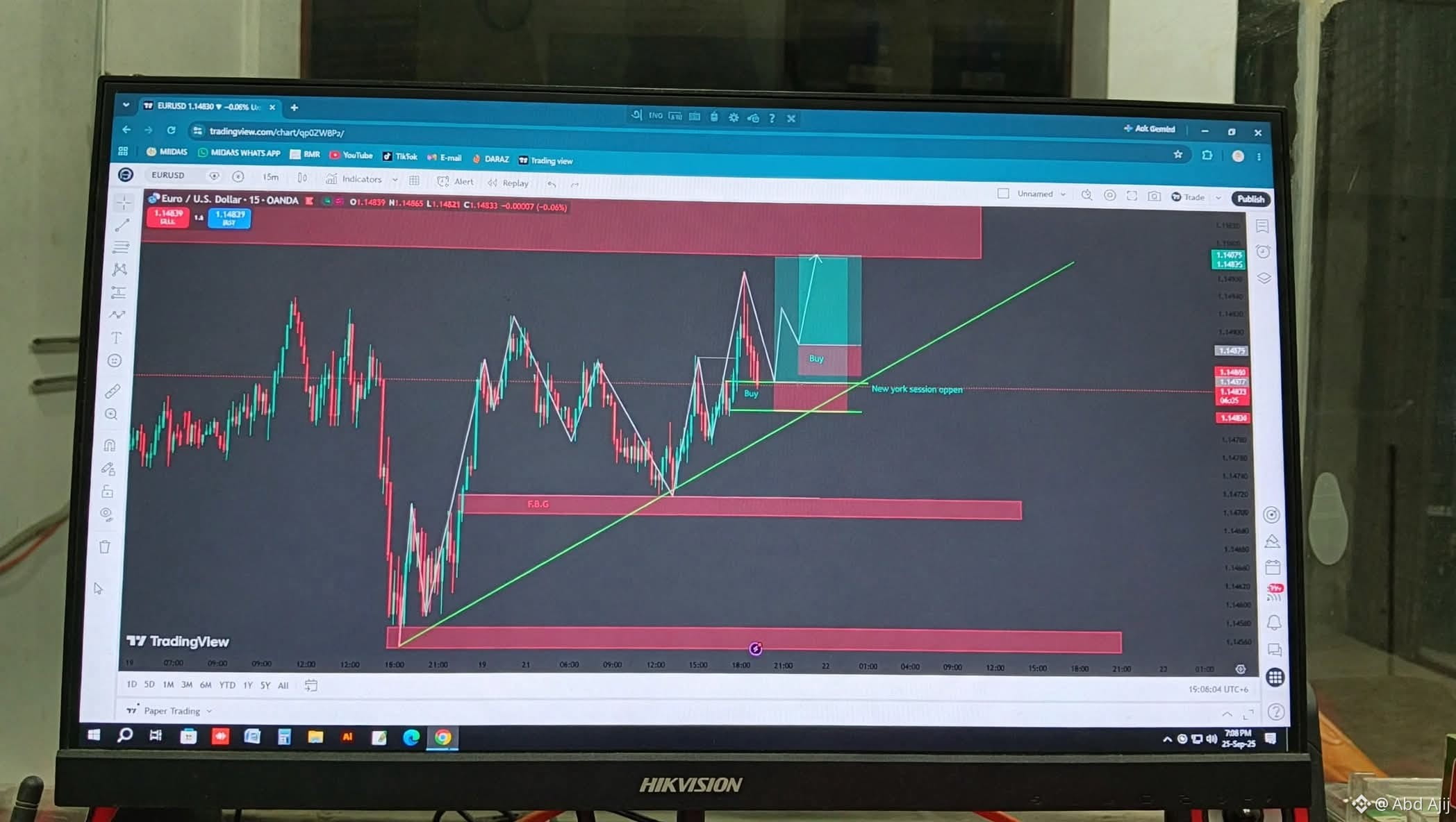
Today's Focus: EUR/USD 15M Buy Setup - Price respecting uptrend, waiting for New York Session bullish move.
Follow me for daily signals and market updates!
Risk Management is the key to success.
#forex #forextrader #eurusd #priceaction #tradingview #fbg #crypto #binance
Abd.FX-[FOREX TRADER]
Abd.FX - FOREX TRADER 📈
Hello Everyone! Welcome to my official Binance Square profile.
I am a professional Forex & Crypto trader. I share daily analysis based on:
✅ Price Action
✅ F.B.G Strategy
✅ Trendline & Support/Resistance
Today's Focus: EUR/USD 15M Buy Setup - Price respecting uptrend, waiting for New York Session bullish move.
Follow me for daily signals and market updates!
Risk Management is the key to success.
#forex #forextrader #eurusd #priceaction #tradingview #fbg #crypto #binance
Hello Everyone! Welcome to my official Binance Square profile.
I am a professional Forex & Crypto trader. I share daily analysis based on:
✅ Price Action
✅ F.B.G Strategy
✅ Trendline & Support/Resistance
Today's Focus: EUR/USD 15M Buy Setup - Price respecting uptrend, waiting for New York Session bullish move.
Follow me for daily signals and market updates!
Risk Management is the key to success.
#forex #forextrader #eurusd #priceaction #tradingview #fbg #crypto #binance
30
·
--
EUR/USD 15M Chart | BUY SETUP 📈🔥
Market Structure:
→ Price holding above green UPTREND line
→ F.B.G acting as strong support below
→ Clear BUY Box formed at New York Session Open
→ Expecting bullish continuation to the top
My Plan: Looking for longs only, SL below F.B.G
Target: Previous Day High
NFA. This is not financial advice. Trade with proper risk management!
#forex #forextrading #forexmarkets #MarketAnalysis #tradingview
EUR/USD 15M Chart | BUY SETUP 📈🔥
Market Structure:
→ Price holding above green UPTREND line
→ F.B.G acting as strong support below
→ Clear BUY Box formed at New York Session Open
→ Expecting bullish continuation to the top
My Plan: Looking for longs only, SL below F.B.G
Target: Previous Day High
NFA. This is not financial advice. Trade with proper risk management!
#forex #forextrading #forexmarkets #MarketAnalysis #tradingview
Market Structure:
→ Price holding above green UPTREND line
→ F.B.G acting as strong support below
→ Clear BUY Box formed at New York Session Open
→ Expecting bullish continuation to the top
My Plan: Looking for longs only, SL below F.B.G
Target: Previous Day High
NFA. This is not financial advice. Trade with proper risk management!
#forex #forextrading #forexmarkets #MarketAnalysis #tradingview
50

Against the backdrop of intensifying monetary policy divergences between the U.S. Federal Reserve and the Bank of England, the GBP/USD exchange rate promptly fell 0.6% to 1.3260, hitting a new low in nearly 12 weeks. At its prior meeting, the Federal Reserve raised interest rates by 25 basis points as expected and issued a hawkish signal suggesting that at least one more rate hike could be in the cards within the year, directly lifting the U.S. Dollar Index. Meanwhile, the Bank of England chose to hold steady and did not provide strong guidance on further tightening; combined with the latest published UK Purchasing Managers’ Index (PMI) survey data coming in below expectations, market concerns about the UK’s economic fundamentals have surged sharply.
This policy divergence highlights the difficult balancing act facing major central banks worldwide as they try to combat inflation while also guarding against a slowdown. With relatively resilient U.S. labor and economic data, the Federal Reserve has more confidence to maintain higher for longer rates. By contrast, economies in Europe such as the UK are mired in the specter of stagflation, leaving far less room for central banks to further tighten policy. As expectations for interest-rate differentials continue to widen, it has fully dashed earlier optimism that major central banks would move in sync toward easier policy.
From the perspective of macro financial markets, the dollar’s phase of strength not only exerts ongoing pressure on non-U.S. currencies, but also tends to raise global borrowing costs and tighten cross-border liquidity. High-level fluctuations in U.S. Treasury yields are likely to continue attracting funds back into dollar-denominated assets, which in turn creates clear diversion and valuation-reassessment pressure on gold and high-risk assets.
For the crypto market, the macro liquidity environment remains an unavoidable constraint. Under a stronger dollar and real high interest rates that suppress risk appetite, the willingness of incremental off-exchange funds to enter the market has clearly weakened. Popular assets such as $BTC are unlikely, in the short term, to shake off the impact of macro headwinds. Investors should remain vigilant: until liquidity shows a substantive turning point, betting blindly on a full-blown bull market may carry relatively high downside risk.
#Fed #BankOfEngland #Forex
Against the backdrop of intensifying monetary policy divergences between the U.S. Federal Reserve and the Bank of England, the GBP/USD exchange rate promptly fell 0.6% to 1.3260, hitting a new low in nearly 12 weeks. At its prior meeting, the Federal Reserve raised interest rates by 25 basis points as expected and issued a hawkish signal suggesting that at least one more rate hike could be in the cards within the year, directly lifting the U.S. Dollar Index. Meanwhile, the Bank of England chose to hold steady and did not provide strong guidance on further tightening; combined with the latest published UK Purchasing Managers’ Index (PMI) survey data coming in below expectations, market concerns about the UK’s economic fundamentals have surged sharply.
This policy divergence highlights the difficult balancing act facing major central banks worldwide as they try to combat inflation while also guarding against a slowdown. With relatively resilient U.S. labor and economic data, the Federal Reserve has more confidence to maintain higher for longer rates. By contrast, economies in Europe such as the UK are mired in the specter of stagflation, leaving far less room for central banks to further tighten policy. As expectations for interest-rate differentials continue to widen, it has fully dashed earlier optimism that major central banks would move in sync toward easier policy.
From the perspective of macro financial markets, the dollar’s phase of strength not only exerts ongoing pressure on non-U.S. currencies, but also tends to raise global borrowing costs and tighten cross-border liquidity. High-level fluctuations in U.S. Treasury yields are likely to continue attracting funds back into dollar-denominated assets, which in turn creates clear diversion and valuation-reassessment pressure on gold and high-risk assets.
For the crypto market, the macro liquidity environment remains an unavoidable constraint. Under a stronger dollar and real high interest rates that suppress risk appetite, the willingness of incremental off-exchange funds to enter the market has clearly weakened. Popular assets such as $BTC are unlikely, in the short term, to shake off the impact of macro headwinds. Investors should remain vigilant: until liquidity shows a substantive turning point, betting blindly on a full-blown bull market may carry relatively high downside risk.
#Fed #BankOfEngland #Forex
This policy divergence highlights the difficult balancing act facing major central banks worldwide as they try to combat inflation while also guarding against a slowdown. With relatively resilient U.S. labor and economic data, the Federal Reserve has more confidence to maintain higher for longer rates. By contrast, economies in Europe such as the UK are mired in the specter of stagflation, leaving far less room for central banks to further tighten policy. As expectations for interest-rate differentials continue to widen, it has fully dashed earlier optimism that major central banks would move in sync toward easier policy.
From the perspective of macro financial markets, the dollar’s phase of strength not only exerts ongoing pressure on non-U.S. currencies, but also tends to raise global borrowing costs and tighten cross-border liquidity. High-level fluctuations in U.S. Treasury yields are likely to continue attracting funds back into dollar-denominated assets, which in turn creates clear diversion and valuation-reassessment pressure on gold and high-risk assets.
For the crypto market, the macro liquidity environment remains an unavoidable constraint. Under a stronger dollar and real high interest rates that suppress risk appetite, the willingness of incremental off-exchange funds to enter the market has clearly weakened. Popular assets such as $BTC are unlikely, in the short term, to shake off the impact of macro headwinds. Investors should remain vigilant: until liquidity shows a substantive turning point, betting blindly on a full-blown bull market may carry relatively high downside risk.
#Fed #BankOfEngland #Forex

·
--
The GBP/USD exchange rate has just recorded a 0.6% decline to 1.3260 USD, hitting a 12-week low amid clear divergence in monetary policy between the U.S. Federal Reserve (Fed) and the Bank of England (BoE).
This divergence is reshaping global macro expectations. While the BoE chooses to keep interest rates unchanged and sends a cautious signal ahead of weaker UK PMI data, the Fed previously raised rates by 25 basis points and continues to indicate at least one more tightening move this year. This has caused the yield differential to tilt strongly in favor of the USD.
A broad-based strengthening of the greenback will increase pressure on traditional financial markets, especially G7 currencies and commodities. Elevated U.S. bond yields continue to attract defensive capital back into the USD, reducing overall risk appetite among investors.
For the crypto market, a strong USD environment and tighter global liquidity are often a short-term obstacle to a breakout in $BTC. Investors should closely monitor movements in the DXY index, because as long as rate pressure from the Fed has not eased, new capital flowing into crypto will likely remain in a cautious, divided state.
#Fed #MonetaryPolicy #MacroEconomy #Forex
The GBP/USD exchange rate has just recorded a 0.6% decline to 1.3260 USD, hitting a 12-week low amid clear divergence in monetary policy between the U.S. Federal Reserve (Fed) and the Bank of England (BoE).
This divergence is reshaping global macro expectations. While the BoE chooses to keep interest rates unchanged and sends a cautious signal ahead of weaker UK PMI data, the Fed previously raised rates by 25 basis points and continues to indicate at least one more tightening move this year. This has caused the yield differential to tilt strongly in favor of the USD.
A broad-based strengthening of the greenback will increase pressure on traditional financial markets, especially G7 currencies and commodities. Elevated U.S. bond yields continue to attract defensive capital back into the USD, reducing overall risk appetite among investors.
For the crypto market, a strong USD environment and tighter global liquidity are often a short-term obstacle to a breakout in $BTC . Investors should closely monitor movements in the DXY index, because as long as rate pressure from the Fed has not eased, new capital flowing into crypto will likely remain in a cautious, divided state.
#Fed #MonetaryPolicy #MacroEconomy #Forex
This divergence is reshaping global macro expectations. While the BoE chooses to keep interest rates unchanged and sends a cautious signal ahead of weaker UK PMI data, the Fed previously raised rates by 25 basis points and continues to indicate at least one more tightening move this year. This has caused the yield differential to tilt strongly in favor of the USD.
A broad-based strengthening of the greenback will increase pressure on traditional financial markets, especially G7 currencies and commodities. Elevated U.S. bond yields continue to attract defensive capital back into the USD, reducing overall risk appetite among investors.
For the crypto market, a strong USD environment and tighter global liquidity are often a short-term obstacle to a breakout in $BTC . Investors should closely monitor movements in the DXY index, because as long as rate pressure from the Fed has not eased, new capital flowing into crypto will likely remain in a cautious, divided state.
#Fed #MonetaryPolicy #MacroEconomy #Forex
159
·
--
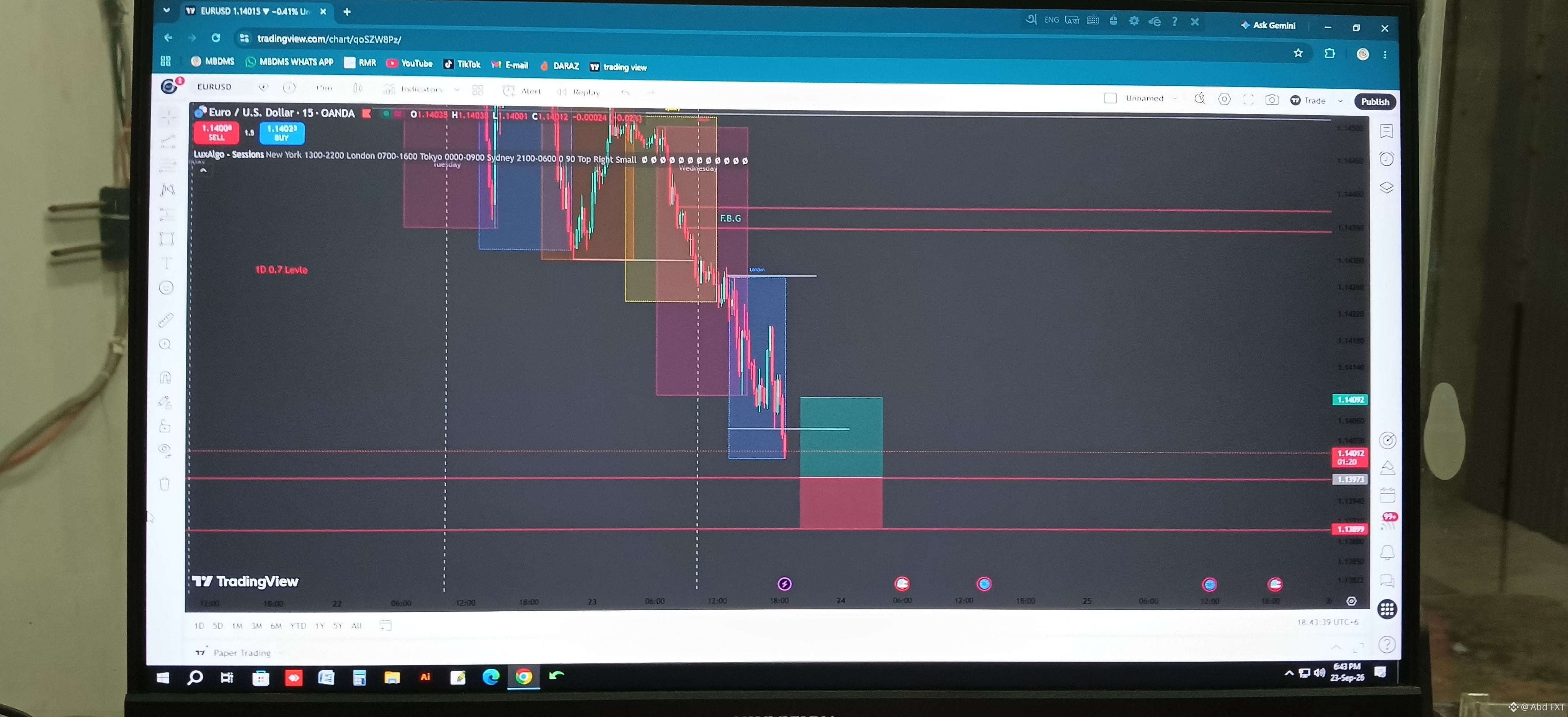
// @version=5
indicator("Abd.FX - [FOREX TRADER] Price Action & F.B.G Strategy", overlay=true)
// Sessions
isLondon = not na(time("0700-1600", "Europe/London"))
isNY = not na(time("1300-2200", "America/New_York"))
bgcolor(isLondon? color.new(color.blue, 80) : na, title="London")
bgcolor(isNY? color.new(color.purple, 85) : na, title="NY")
// F.B.G (Fair Value Gap)
bullFVG = low[1] > high[2]
bearFVG = high[1] < low[2]
plotshape(bearFVG, title="F.B.G", text="F.B.G", style=shape.labeldown, location=location.abovebar, color=color.new(color.red, 0), textcolor=color.white)
// 1D 0.7 Level
dHigh = request.security(syminfo.tickerid, "D", high[1])
dLow = request.security(syminfo.tickerid, "D", low[1])
lvl07 = dLow + (dHigh - dLow) * 0.7
plot(lvl07, "1D 0.7 Level", color.red, 2)
// London Box for Entry
var box lBox = na
if isLondon and not isLondon[1]
lBox := box.new(bar_index, high, bar_index+20, low, bgcolor=color.new(color.blue, 75), border_color=color.blue)
if isLondon
box.set_right(lBox, bar_index)#forex #forextrading
// @version=5
indicator("Abd.FX - [FOREX TRADER] Price Action & F.B.G Strategy", overlay=true)
// Sessions
isLondon = not na(time("0700-1600", "Europe/London"))
isNY = not na(time("1300-2200", "America/New_York"))
bgcolor(isLondon? color.new(color.blue, 80) : na, title="London")
bgcolor(isNY? color.new(color.purple, 85) : na, title="NY")
// F.B.G (Fair Value Gap)
bullFVG = low[1] > high[2]
bearFVG = high[1] < low[2]
plotshape(bearFVG, title="F.B.G", text="F.B.G", style=shape.labeldown, location=location.abovebar, color=color.new(color.red, 0), textcolor=color.white)
// 1D 0.7 Level
dHigh = request.security(syminfo.tickerid, "D", high[1])
dLow = request.security(syminfo.tickerid, "D", low[1])
lvl07 = dLow + (dHigh - dLow) * 0.7
plot(lvl07, "1D 0.7 Level", color.red, 2)
// London Box for Entry
var box lBox = na
if isLondon and not isLondon[1]
lBox := box.new(bar_index, high, bar_index+20, low, bgcolor=color.new(color.blue, 75), border_color=color.blue)
if isLondon
box.set_right(lBox, bar_index)#forex #forextrading
indicator("Abd.FX - [FOREX TRADER] Price Action & F.B.G Strategy", overlay=true)
// Sessions
isLondon = not na(time("0700-1600", "Europe/London"))
isNY = not na(time("1300-2200", "America/New_York"))
bgcolor(isLondon? color.new(color.blue, 80) : na, title="London")
bgcolor(isNY? color.new(color.purple, 85) : na, title="NY")
// F.B.G (Fair Value Gap)
bullFVG = low[1] > high[2]
bearFVG = high[1] < low[2]
plotshape(bearFVG, title="F.B.G", text="F.B.G", style=shape.labeldown, location=location.abovebar, color=color.new(color.red, 0), textcolor=color.white)
// 1D 0.7 Level
dHigh = request.security(syminfo.tickerid, "D", high[1])
dLow = request.security(syminfo.tickerid, "D", low[1])
lvl07 = dLow + (dHigh - dLow) * 0.7
plot(lvl07, "1D 0.7 Level", color.red, 2)
// London Box for Entry
var box lBox = na
if isLondon and not isLondon[1]
lBox := box.new(bar_index, high, bar_index+20, low, bgcolor=color.new(color.blue, 75), border_color=color.blue)
if isLondon
box.set_right(lBox, bar_index)#forex #forextrading
59

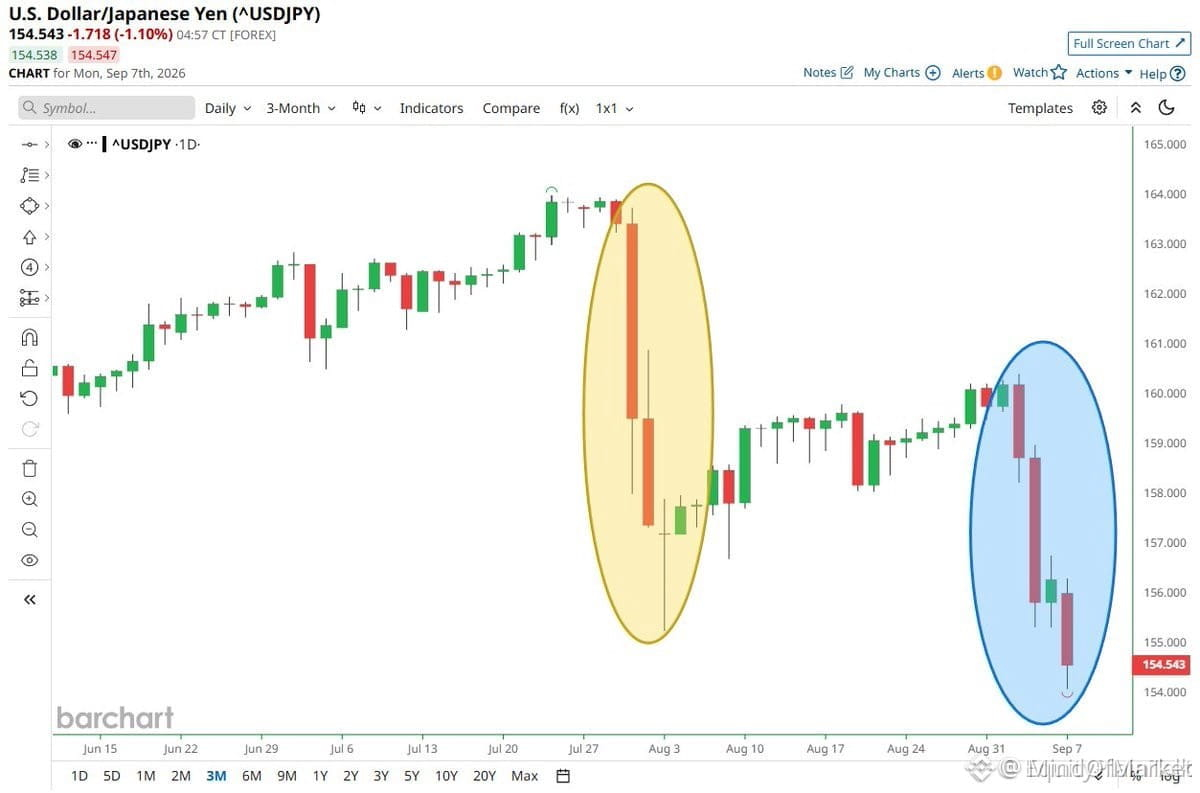
🚨 US Dollar to Japanese Yen Forecast: Yen Strength Approaching 152 Support 🧠
📊 | $BTC | $ETH | $BNB |
- Please follow, like, and share your thoughts. 📈
- The USD/JPY has fallen to the mid-155s, breaking below a key technical level.
- Market expectations are that the Bank of Japan will further tighten monetary policy, increasing demand for the yen.
- This current move is driven by both yen strength and expectations of a rate hike by the central bank. 🔥
- If the yen continues to strengthen, USD/JPY could drop below the 152 support level.
- If the Fed’s policy remains accommodative, the yen may appreciate further, limiting the strength of the dollar.
- Expect increased short-term volatility, with potential panic-driven swings.
- Large “whale” accounts show evidence of selling or low-level accumulation, indicating a split in market sentiment.
- Do you think the yen’s future trend will break through the crucial 152 level?
- Feel free to follow for more in-depth analysis of the FX and crypto markets.
#Forex #Crypto #Whales #Trading #Market
🚨 US Dollar to Japanese Yen Forecast: Yen Strength Approaching 152 Support 🧠
📊 | $BTC | $ETH | $BNB |
- Please follow, like, and share your thoughts. 📈
- The USD/JPY has fallen to the mid-155s, breaking below a key technical level.
- Market expectations are that the Bank of Japan will further tighten monetary policy, increasing demand for the yen.
- This current move is driven by both yen strength and expectations of a rate hike by the central bank. 🔥
- If the yen continues to strengthen, USD/JPY could drop below the 152 support level.
- If the Fed’s policy remains accommodative, the yen may appreciate further, limiting the strength of the dollar.
- Expect increased short-term volatility, with potential panic-driven swings.
- Large “whale” accounts show evidence of selling or low-level accumulation, indicating a split in market sentiment.
- Do you think the yen’s future trend will break through the crucial 152 level?
- Feel free to follow for more in-depth analysis of the FX and crypto markets.
#Forex #Crypto #Whales #Trading #Market
📊 | $BTC | $ETH | $BNB |
- Please follow, like, and share your thoughts. 📈
- The USD/JPY has fallen to the mid-155s, breaking below a key technical level.
- Market expectations are that the Bank of Japan will further tighten monetary policy, increasing demand for the yen.
- This current move is driven by both yen strength and expectations of a rate hike by the central bank. 🔥
- If the yen continues to strengthen, USD/JPY could drop below the 152 support level.
- If the Fed’s policy remains accommodative, the yen may appreciate further, limiting the strength of the dollar.
- Expect increased short-term volatility, with potential panic-driven swings.
- Large “whale” accounts show evidence of selling or low-level accumulation, indicating a split in market sentiment.
- Do you think the yen’s future trend will break through the crucial 152 level?
- Feel free to follow for more in-depth analysis of the FX and crypto markets.
#Forex #Crypto #Whales #Trading #Market
294

·
--
Bank of Japan Governor Ueda wants to push for neutral interest rates, but the market immediately gave a vote of no confidence with the yen’s collapse! Here are three key takeaways for today’s FX market: 1. A BOJ policy shift—now just a pipe dream? 2. JPY depreciation hits a new yearly low 3. Money is疯狂ly fleeing Japan’s market. How low can $JPY go before it stops? While the Fed watches...
#Forex #JapanEconomy
BOJ's Ueda pushing for neutral rates, but market just voted with yen's collapse! 3 forex watch today: 1. BOJ policy shift in doubt? 2. JPY hits new yearly low 3. Capital fleeing Japan. How low can $JPY go? Fed's just watching the show...
#ForexMarkets #USDJPY
Bank of Japan Governor Ueda wants to push for neutral interest rates, but the market immediately gave a vote of no confidence with the yen’s collapse! Here are three key takeaways for today’s FX market: 1. A BOJ policy shift—now just a pipe dream? 2. JPY depreciation hits a new yearly low 3. Money is疯狂ly fleeing Japan’s market. How low can $JPY go before it stops? While the Fed watches...
#Forex #JapanEconomy
BOJ's Ueda pushing for neutral rates, but market just voted with yen's collapse! 3 forex watch today: 1. BOJ policy shift in doubt? 2. JPY hits new yearly low 3. Capital fleeing Japan. How low can $JPY go? Fed's just watching the show...
#ForexMarkets #USDJPY
#Forex #JapanEconomy
BOJ's Ueda pushing for neutral rates, but market just voted with yen's collapse! 3 forex watch today: 1. BOJ policy shift in doubt? 2. JPY hits new yearly low 3. Capital fleeing Japan. How low can $JPY go? Fed's just watching the show...
#ForexMarkets #USDJPY
2

·
--
🚨 BANK OF JAPAN RESUMES RESERVES BURN TO DEFEND YEN AGAINST $USDJPY EXHAUSTION! 🏦
The Bank of Japan is executing its familiar playbook, burning foreign currency reserves to artificially absorb selling pressure on the yen. 🏦 However, without a structural shift in interest rate policy, central bank interventions merely inject temporary liquidity into a persistent macro trend. 📊
Smart money reads these reserve sweeps as temporary relief rather than structural trend reversals. 🔍 Unless policy yields realign, failing to hold key $USDJPY order flow pivots will open the floodgates for another aggressive leg down in yen valuation. ⚡
💬 Do you expect this intervention to establish a permanent bottom, or will institutional macro flows break through BOJ defense lines? 👇
⚠️ Not financial advice. Always manage your risk. 🛡️
🏷️ #USDJPY #MacroAnalysis #Trading #Forex
🎯 👁️
🚨 BANK OF JAPAN RESUMES RESERVES BURN TO DEFEND YEN AGAINST $USDJPY EXHAUSTION! 🏦
The Bank of Japan is executing its familiar playbook, burning foreign currency reserves to artificially absorb selling pressure on the yen. 🏦 However, without a structural shift in interest rate policy, central bank interventions merely inject temporary liquidity into a persistent macro trend. 📊
Smart money reads these reserve sweeps as temporary relief rather than structural trend reversals. 🔍 Unless policy yields realign, failing to hold key $USDJPY order flow pivots will open the floodgates for another aggressive leg down in yen valuation. ⚡
💬 Do you expect this intervention to establish a permanent bottom, or will institutional macro flows break through BOJ defense lines? 👇
⚠️ Not financial advice. Always manage your risk. 🛡️
🏷️ #USDJPY #MacroAnalysis #Trading #Forex
🎯 👁️
The Bank of Japan is executing its familiar playbook, burning foreign currency reserves to artificially absorb selling pressure on the yen. 🏦 However, without a structural shift in interest rate policy, central bank interventions merely inject temporary liquidity into a persistent macro trend. 📊
Smart money reads these reserve sweeps as temporary relief rather than structural trend reversals. 🔍 Unless policy yields realign, failing to hold key $USDJPY order flow pivots will open the floodgates for another aggressive leg down in yen valuation. ⚡
💬 Do you expect this intervention to establish a permanent bottom, or will institutional macro flows break through BOJ defense lines? 👇
⚠️ Not financial advice. Always manage your risk. 🛡️
🏷️ #USDJPY #MacroAnalysis #Trading #Forex
🎯 👁️
32

·
--
🇺🇬 Uganda’s Shilling Under Pressure
💵 $1 USD ≈ UGX 3,940
The Ugandan shilling has continued to weaken against the US dollar, with the exchange rate now approaching the UGX 4,000 per dollar mark.
What do you think — will $1 reach UGX 4,000 soon? 🇺🇬📉
#Uganda #USDUGX #EconomyReset #forex #business
🇺🇬 Uganda’s Shilling Under Pressure
💵 $1 USD ≈ UGX 3,940
The Ugandan shilling has continued to weaken against the US dollar, with the exchange rate now approaching the UGX 4,000 per dollar mark.
What do you think — will $1 reach UGX 4,000 soon? 🇺🇬📉
#Uganda #USDUGX #EconomyReset #forex #business
💵 $1 USD ≈ UGX 3,940
The Ugandan shilling has continued to weaken against the US dollar, with the exchange rate now approaching the UGX 4,000 per dollar mark.
What do you think — will $1 reach UGX 4,000 soon? 🇺🇬📉
#Uganda #USDUGX #EconomyReset #forex #business
47

BREAKING 🚨
Binance is officially bridging traditional finance and crypto by launching perpetual futures contracts on traditional forex, starting with the USDBRL pair offering up to 100x leverage and 24/7 USDT-settled trading.
This major expansion brings continuous price discovery beyond traditional forex market hours, alongside new perpetual contracts bridging tradfi assets into the crypto ecosystem. A massive step forward for global liquidity and cross-market accessibility!
#Binance #Crypto #Forex
$AKE $ONE $BR
BREAKING 🚨
Binance is officially bridging traditional finance and crypto by launching perpetual futures contracts on traditional forex, starting with the USDBRL pair offering up to 100x leverage and 24/7 USDT-settled trading.
This major expansion brings continuous price discovery beyond traditional forex market hours, alongside new perpetual contracts bridging tradfi assets into the crypto ecosystem. A massive step forward for global liquidity and cross-market accessibility!
#Binance #Crypto #Forex
$AKE $ONE $BR
Binance is officially bridging traditional finance and crypto by launching perpetual futures contracts on traditional forex, starting with the USDBRL pair offering up to 100x leverage and 24/7 USDT-settled trading.
This major expansion brings continuous price discovery beyond traditional forex market hours, alongside new perpetual contracts bridging tradfi assets into the crypto ecosystem. A massive step forward for global liquidity and cross-market accessibility!
#Binance #Crypto #Forex
$AKE $ONE $BR

426

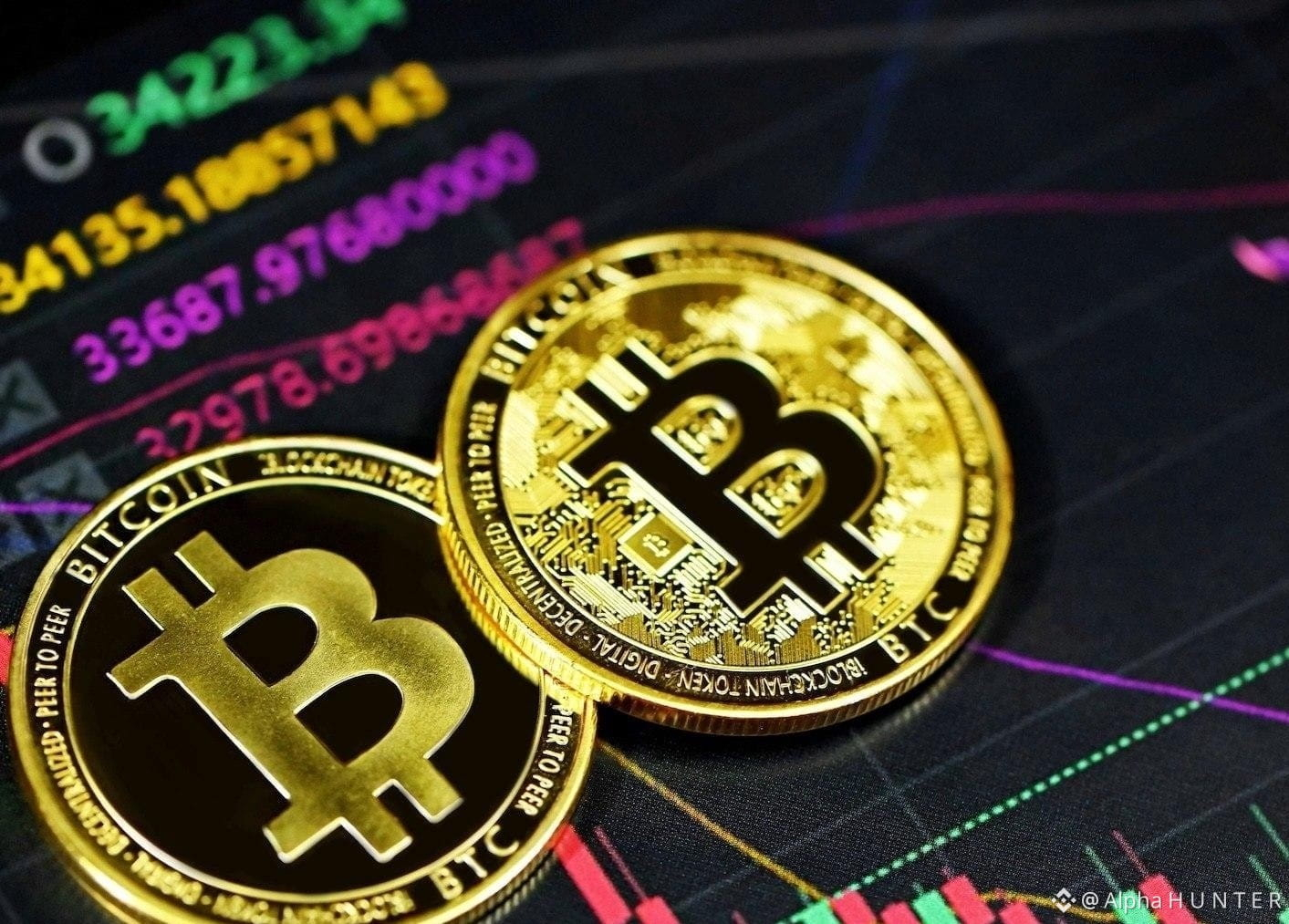
🚨 Binance is bringing forex to crypto-style perpetual futures — with up to 100× leverage.
But seeing USD/BRL on the screen does NOT mean you’re simply exchanging dollars for Brazilian reais.
Binance’s first FX perpetual, USDBRLUSDT, launches September 21.
Key details:
• Tracks USD vs Brazilian real
• Settled in USDT
• Trades 24/7
• No expiry like a traditional futures contract
• Funding payments apply
• Maximum leverage: 100×
That last point matters.
At 100× leverage, roughly a 1% adverse move can theoretically wipe out the trader’s initial margin before accounting for maintenance margin, fees and actual liquidation mechanics.
🕌 For Muslim investors, don’t confuse the underlying asset with the contract used to trade it.
Someone may ask whether exchanging USD and BRL is permissible—but a leveraged perpetual derivative with margin and recurring funding mechanics is a different transaction structure and needs to be evaluated on its own.
I’m not issuing a fatwa on this specific Binance product.
The broader lesson is:
📚 Don’t ask only “What asset am I trading?”
Also ask “What contract am I entering?”
👇 Would you like a simple breakdown of Spot vs Margin vs Futures/Perpetuals from a Shariah-awareness perspective?
#Binance #Forex #CryptoEducation #HalalCryptoGuide
Educational only — not financial advice or a fatwa.
🚨 Binance is bringing forex to crypto-style perpetual futures — with up to 100× leverage.
But seeing USD/BRL on the screen does NOT mean you’re simply exchanging dollars for Brazilian reais.
Binance’s first FX perpetual, USDBRLUSDT, launches September 21.
Key details:
• Tracks USD vs Brazilian real
• Settled in USDT
• Trades 24/7
• No expiry like a traditional futures contract
• Funding payments apply
• Maximum leverage: 100×
That last point matters.
At 100× leverage, roughly a 1% adverse move can theoretically wipe out the trader’s initial margin before accounting for maintenance margin, fees and actual liquidation mechanics.
🕌 For Muslim investors, don’t confuse the underlying asset with the contract used to trade it.
Someone may ask whether exchanging USD and BRL is permissible—but a leveraged perpetual derivative with margin and recurring funding mechanics is a different transaction structure and needs to be evaluated on its own.
I’m not issuing a fatwa on this specific Binance product.
The broader lesson is:
📚 Don’t ask only “What asset am I trading?”
Also ask “What contract am I entering?”
👇 Would you like a simple breakdown of Spot vs Margin vs Futures/Perpetuals from a Shariah-awareness perspective?
#Binance #Forex #CryptoEducation #HalalCryptoGuide
Educational only — not financial advice or a fatwa.
But seeing USD/BRL on the screen does NOT mean you’re simply exchanging dollars for Brazilian reais.
Binance’s first FX perpetual, USDBRLUSDT, launches September 21.
Key details:
• Tracks USD vs Brazilian real
• Settled in USDT
• Trades 24/7
• No expiry like a traditional futures contract
• Funding payments apply
• Maximum leverage: 100×
That last point matters.
At 100× leverage, roughly a 1% adverse move can theoretically wipe out the trader’s initial margin before accounting for maintenance margin, fees and actual liquidation mechanics.
🕌 For Muslim investors, don’t confuse the underlying asset with the contract used to trade it.
Someone may ask whether exchanging USD and BRL is permissible—but a leveraged perpetual derivative with margin and recurring funding mechanics is a different transaction structure and needs to be evaluated on its own.
I’m not issuing a fatwa on this specific Binance product.
The broader lesson is:
📚 Don’t ask only “What asset am I trading?”
Also ask “What contract am I entering?”
👇 Would you like a simple breakdown of Spot vs Margin vs Futures/Perpetuals from a Shariah-awareness perspective?
#Binance #Forex #CryptoEducation #HalalCryptoGuide
Educational only — not financial advice or a fatwa.
60

🚨 JUST IN: 💰🔥 Binance is expanding its TradFi Perps lineup with FX perpetual futures!
📅 First contract goes live September 21 ⚡ Up to 100x leverage
Forex meets perpetuals.
#BinanceSquareFamily #TradFi #forex #Crypto
🚨 JUST IN: 💰🔥 Binance is expanding its TradFi Perps lineup with FX perpetual futures!
📅 First contract goes live September 21 ⚡ Up to 100x leverage
Forex meets perpetuals.
#BinanceSquareFamily #TradFi #forex #Crypto
📅 First contract goes live September 21 ⚡ Up to 100x leverage
Forex meets perpetuals.
#BinanceSquareFamily #TradFi #forex #Crypto
2

·
--
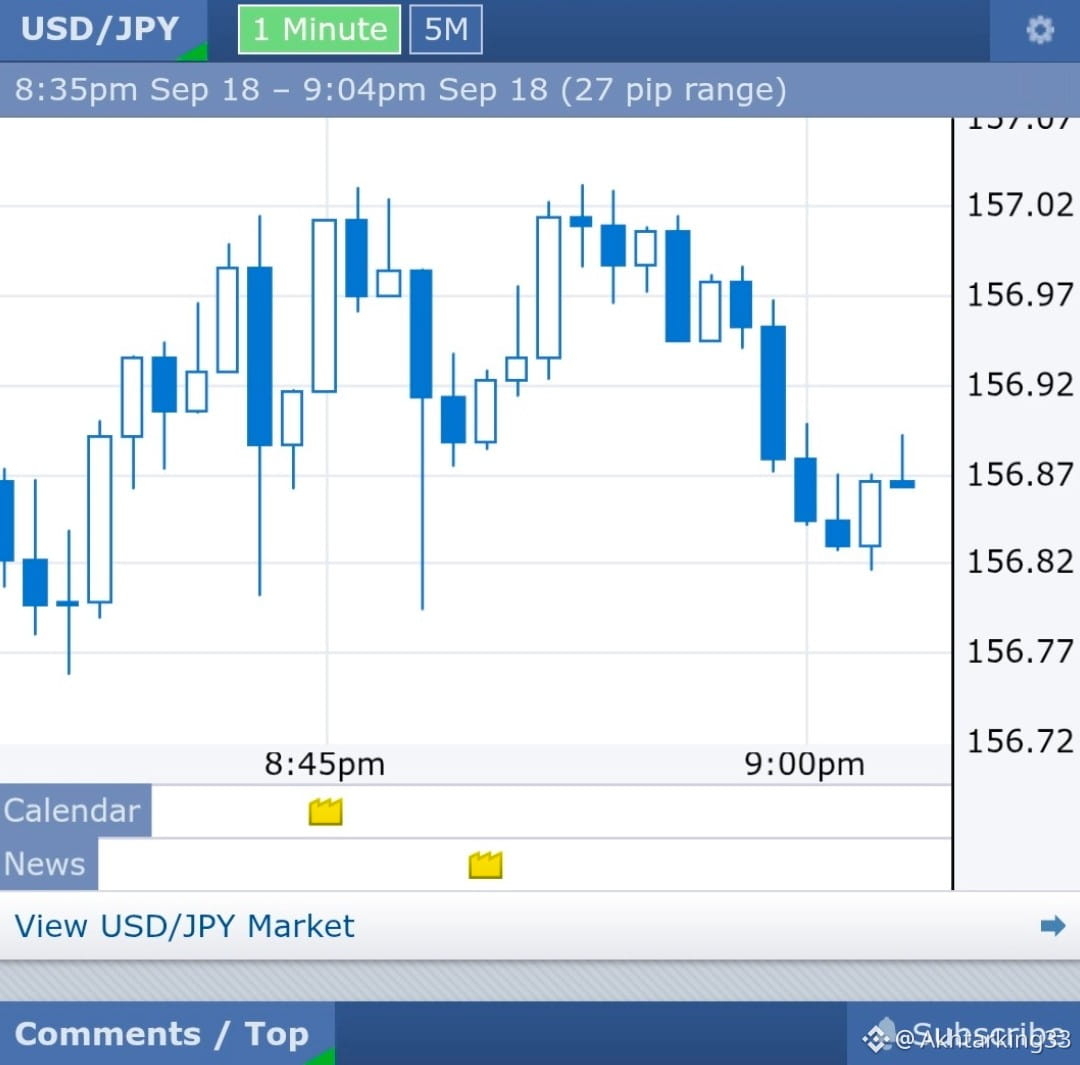
🚨 BINANCE LAUNCHES 24/7 FX PERPETUAL FUTURES
Binance has launched 24/7 FX perpetual futures, offering traders exposure to forex markets with leverage of up to 100x. 🌍📈
The move expands Binance’s derivatives offering beyond crypto, bringing traditional FX markets into a perpetual futures format.
#Binance #Forex #FX #Futures
🚨 BINANCE LAUNCHES 24/7 FX PERPETUAL FUTURES
Binance has launched 24/7 FX perpetual futures, offering traders exposure to forex markets with leverage of up to 100x. 🌍📈
The move expands Binance’s derivatives offering beyond crypto, bringing traditional FX markets into a perpetual futures format.
#Binance #Forex #FX #Futures
Binance has launched 24/7 FX perpetual futures, offering traders exposure to forex markets with leverage of up to 100x. 🌍📈
The move expands Binance’s derivatives offering beyond crypto, bringing traditional FX markets into a perpetual futures format.
#Binance #Forex #FX #Futures

12


·
--
Bullish
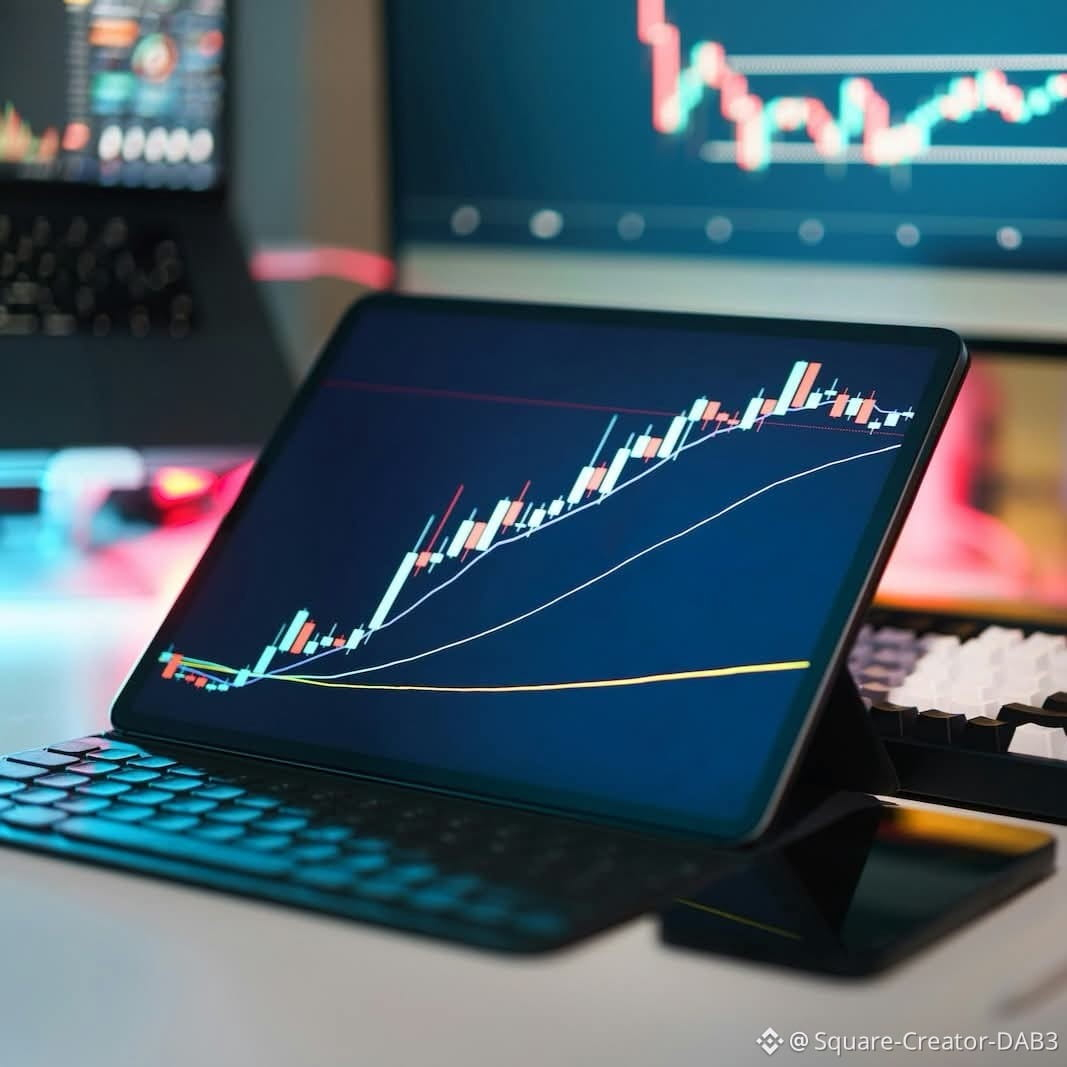
Latest Updates: ⚡️ The "Binance" platform has launched perpetual futures contracts for foreign exchange (FX) within the "TradFi Perps" category, with trading for the first contract starting on September 21 at leverage up to 100x.
Where Binance officially announced through the Announcements section the launch of the first perpetual futures contract for the foreign exchange market (FX TradFi Perp) for the USDBRLUSDT pair (US Dollar versus Brazilian Real), with leverage up to 100x and settled in USDT.
Foreign exchange market (FX): It started by adding pairs such as USDBRL, and the list is expected to expand to include other pairs based on demand and liquidity.
Binance has entered the crypto and stocks with full merit... it has entered #forex and excellence is still ongoing 🔥
#Binance #BinanceSquare #BinanceSquareFamily
$USDBRL
{future}(USDBRLUSDT)
Latest Updates: ⚡️ The "Binance" platform has launched perpetual futures contracts for foreign exchange (FX) within the "TradFi Perps" category, with trading for the first contract starting on September 21 at leverage up to 100x.
Where Binance officially announced through the Announcements section the launch of the first perpetual futures contract for the foreign exchange market (FX TradFi Perp) for the USDBRLUSDT pair (US Dollar versus Brazilian Real), with leverage up to 100x and settled in USDT.
Foreign exchange market (FX): It started by adding pairs such as USDBRL, and the list is expected to expand to include other pairs based on demand and liquidity.
Binance has entered the crypto and stocks with full merit... it has entered #forex and excellence is still ongoing 🔥
#Binance #BinanceSquare #BinanceSquareFamily
$USDBRL
Where Binance officially announced through the Announcements section the launch of the first perpetual futures contract for the foreign exchange market (FX TradFi Perp) for the USDBRLUSDT pair (US Dollar versus Brazilian Real), with leverage up to 100x and settled in USDT.
Foreign exchange market (FX): It started by adding pairs such as USDBRL, and the list is expected to expand to include other pairs based on demand and liquidity.
Binance has entered the crypto and stocks with full merit... it has entered #forex and excellence is still ongoing 🔥
#Binance #BinanceSquare #BinanceSquareFamily
$USDBRL

2
308

·
--
Binance launches FX perpetual contracts: USDBRL
• Launches September 21
• USDT-settled, up to 100x leverage
• 7×24 trading
• Regular FX sessions track a third-party weighted index; on weekends/holidays, switch to order-book pricing
Binance trading负责人 Shunyet Jan said the product will extend price discovery beyond traditional trading hours, offering around-the-clock risk management and position functionality.
Kraken previously launched FX perpetual contracts such as EUR and GBP in April 2025.
#Binance #USDBRL #Forex #Perpetuals
Binance launches FX perpetual contracts: USDBRL
• Launches September 21
• USDT-settled, up to 100x leverage
• 7×24 trading
• Regular FX sessions track a third-party weighted index; on weekends/holidays, switch to order-book pricing
Binance trading负责人 Shunyet Jan said the product will extend price discovery beyond traditional trading hours, offering around-the-clock risk management and position functionality.
Kraken previously launched FX perpetual contracts such as EUR and GBP in April 2025.
#Binance #USDBRL #Forex #Perpetuals
• Launches September 21
• USDT-settled, up to 100x leverage
• 7×24 trading
• Regular FX sessions track a third-party weighted index; on weekends/holidays, switch to order-book pricing
Binance trading负责人 Shunyet Jan said the product will extend price discovery beyond traditional trading hours, offering around-the-clock risk management and position functionality.
Kraken previously launched FX perpetual contracts such as EUR and GBP in April 2025.
#Binance #USDBRL #Forex #Perpetuals
70
Log in to explore more content
Join global crypto users on Binance Square
⚡️ Get latest and useful information about crypto.
💬 Trusted by the world’s largest crypto exchange.
👍 Discover real insights from verified creators.
Email / Phone number
Trending Topics
1
#BinanceWillListHyperliquid(HYPE)
117,698 views
2,305 Discussing
2
#FedOctoberRateHikeOddsRiseTo69.7%
34,512 views
923 Discussing
3
#BitcoinFallsBelow$83,000
3,494 views
20 Discussing
4
#BitcoinFallsToAround$84,600ThisWeek
0 views
0 Discussing
5
#US30YearYieldHighestSince2004
29,661 views
730 Discussing
6
#ETHBreaksAbove$2,700
1,538 views
19 Discussing
7
#USWeighsPromotingDollarStablecoinsAbroad
63,993 views
1,616 Discussing
8
#US10YTreasuryYieldHits19YearHigh
65,597 views
1,307 Discussing
9
#SpotBitcoinETFsInflow$2.31BInFourDays
7,373 views
79 Discussing
10
#BitcoinRejectedAt$87,300Twice
0 views
0 Discussing