
S1R0Z
965 Posts

S1R0Z
Report
Block User
170 Following
108 Followers
624 Liked
Posts
All
Quotes
·
--
#zetachainvotestomigratezetatosolana
🚨 ZetaChain just voted to move ZETA to Solana.
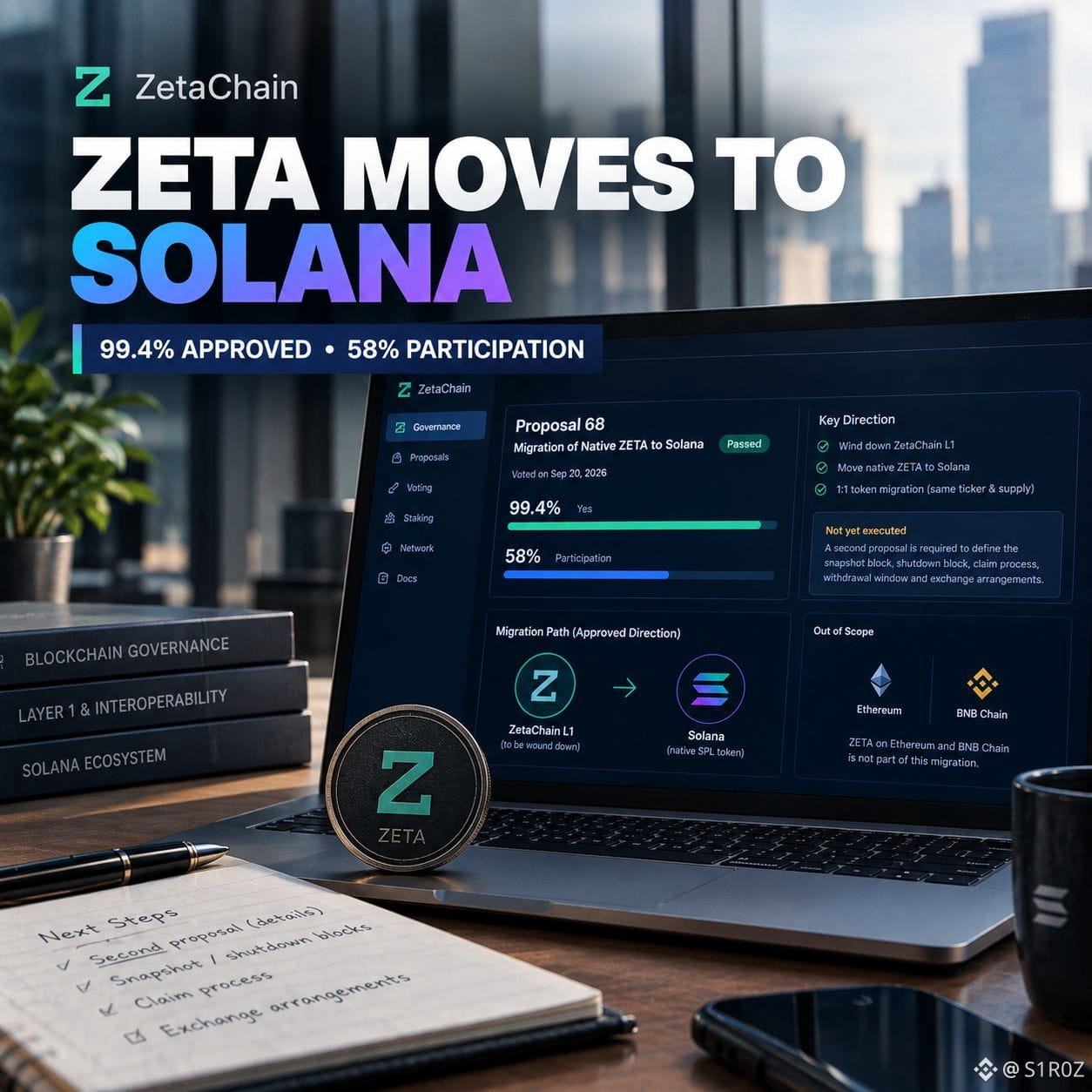
Proposal 68 passed with 99.4% support and 58% participation, clearing the 40% quorum. The plan would eventually wind down ZetaChain’s own Layer 1 and make native ZETA a Solana SPL token.
The proposed migration is 1:1, with the same ticker and total supply. Existing vesting schedules would continue, while ZETA on Ethereum and BNB Chain is outside the scope of this migration.
But here’s the part traders need to watch:
The migration has NOT happened yet.
A second governance proposal still needs to define the balance snapshot, shutdown block, token-claim process, withdrawal window and exchange conversion arrangements. Until then, ZetaChain continues operating and staking remains active.
The strategic shift is tied to Anuma, ZetaChain’s private AI application, as the project redirects its focus away from maintaining a standalone L1 and toward AI on Solana.
For $ZETA , the big question now is how the migration actually gets executed.
Will Solana give ZETA a new path for liquidity and adoption?
$ZETA
{future}(ZETAUSDT)
$SOL
{spot}(SOLUSDT)
#zeta #solana #altcoins #AI
#zetachainvotestomigratezetatosolana
🚨 ZetaChain just voted to move ZETA to Solana.
Proposal 68 passed with 99.4% support and 58% participation, clearing the 40% quorum. The plan would eventually wind down ZetaChain’s own Layer 1 and make native ZETA a Solana SPL token.
The proposed migration is 1:1, with the same ticker and total supply. Existing vesting schedules would continue, while ZETA on Ethereum and BNB Chain is outside the scope of this migration.
But here’s the part traders need to watch:
The migration has NOT happened yet.
A second governance proposal still needs to define the balance snapshot, shutdown block, token-claim process, withdrawal window and exchange conversion arrangements. Until then, ZetaChain continues operating and staking remains active.
The strategic shift is tied to Anuma, ZetaChain’s private AI application, as the project redirects its focus away from maintaining a standalone L1 and toward AI on Solana.
For $ZETA , the big question now is how the migration actually gets executed.
Will Solana give ZETA a new path for liquidity and adoption?
$ZETA
$SOL
#zeta #solana #altcoins #AI
🚨 ZetaChain just voted to move ZETA to Solana.
Proposal 68 passed with 99.4% support and 58% participation, clearing the 40% quorum. The plan would eventually wind down ZetaChain’s own Layer 1 and make native ZETA a Solana SPL token.
The proposed migration is 1:1, with the same ticker and total supply. Existing vesting schedules would continue, while ZETA on Ethereum and BNB Chain is outside the scope of this migration.
But here’s the part traders need to watch:
The migration has NOT happened yet.
A second governance proposal still needs to define the balance snapshot, shutdown block, token-claim process, withdrawal window and exchange conversion arrangements. Until then, ZetaChain continues operating and staking remains active.
The strategic shift is tied to Anuma, ZetaChain’s private AI application, as the project redirects its focus away from maintaining a standalone L1 and toward AI on Solana.
For $ZETA , the big question now is how the migration actually gets executed.
Will Solana give ZETA a new path for liquidity and adoption?
$ZETA
$SOL
#zeta #solana #altcoins #AI
1
84
·
--
#circlelaunchesinstitutionalbtcbackedborrowing
🚨 Circle just gave institutions a new way to put Bitcoin to work.
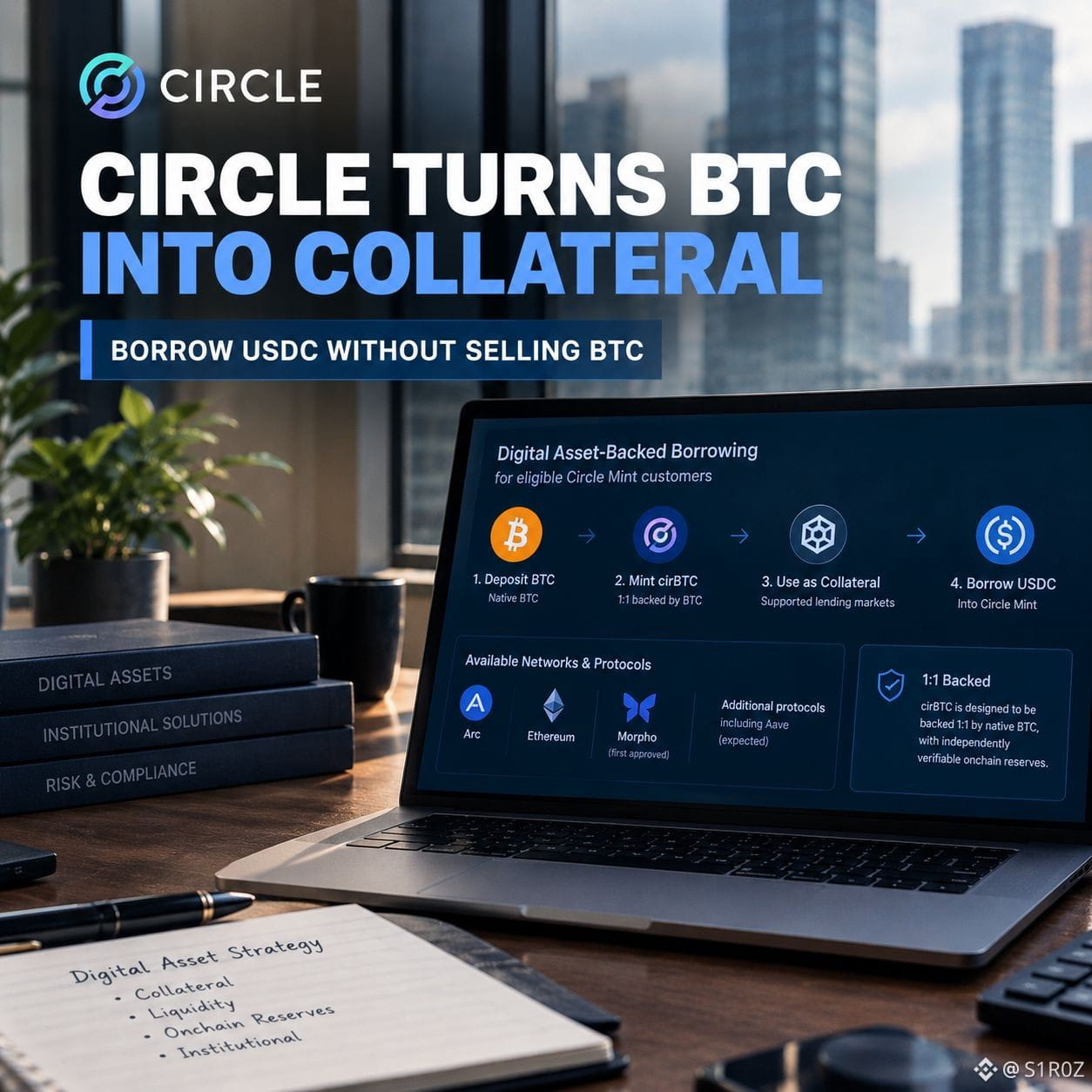
Circle has launched Digital Asset-Backed Borrowing for eligible Circle Mint customers.
The process is pretty simple:
Deposit BTC → mint cirBTC → use cirBTC as collateral → borrow USDC.
The important part? Institutions can access dollar liquidity without selling the BTC backing the position. Circle says the borrowed USDC is returned directly to the customer’s Circle Mint balance.
At launch, the service is available on Arc and Ethereum, with Morpho as the first approved third-party lending protocol. Circle says additional protocols, including Aave, are expected to follow.
And cirBTC is designed to be backed 1:1 by native BTC, with reserves independently verifiable onchain.
For institutions, this creates a new path:
Hold BTC → borrow USDC → deploy liquidity → maintain BTC exposure.
The bigger question now is how much institutional demand this type of BTC-backed credit can attract.
Is Bitcoin becoming a more useful form of collateral for onchain finance?
$BTC
{spot}(BTCUSDT)
$CRCL
{future}(CRCLUSDT)
#bitcoin #Circle #USDC #defi
#circlelaunchesinstitutionalbtcbackedborrowing
🚨 Circle just gave institutions a new way to put Bitcoin to work.
Circle has launched Digital Asset-Backed Borrowing for eligible Circle Mint customers.
The process is pretty simple:
Deposit BTC → mint cirBTC → use cirBTC as collateral → borrow USDC.
The important part? Institutions can access dollar liquidity without selling the BTC backing the position. Circle says the borrowed USDC is returned directly to the customer’s Circle Mint balance.
At launch, the service is available on Arc and Ethereum, with Morpho as the first approved third-party lending protocol. Circle says additional protocols, including Aave, are expected to follow.
And cirBTC is designed to be backed 1:1 by native BTC, with reserves independently verifiable onchain.
For institutions, this creates a new path:
Hold BTC → borrow USDC → deploy liquidity → maintain BTC exposure.
The bigger question now is how much institutional demand this type of BTC-backed credit can attract.
Is Bitcoin becoming a more useful form of collateral for onchain finance?
$BTC
$CRCL
#bitcoin #Circle #USDC #defi
🚨 Circle just gave institutions a new way to put Bitcoin to work.
Circle has launched Digital Asset-Backed Borrowing for eligible Circle Mint customers.
The process is pretty simple:
Deposit BTC → mint cirBTC → use cirBTC as collateral → borrow USDC.
The important part? Institutions can access dollar liquidity without selling the BTC backing the position. Circle says the borrowed USDC is returned directly to the customer’s Circle Mint balance.
At launch, the service is available on Arc and Ethereum, with Morpho as the first approved third-party lending protocol. Circle says additional protocols, including Aave, are expected to follow.
And cirBTC is designed to be backed 1:1 by native BTC, with reserves independently verifiable onchain.
For institutions, this creates a new path:
Hold BTC → borrow USDC → deploy liquidity → maintain BTC exposure.
The bigger question now is how much institutional demand this type of BTC-backed credit can attract.
Is Bitcoin becoming a more useful form of collateral for onchain finance?
$BTC
$CRCL
#bitcoin #Circle #USDC #defi
1
47
·
--
#BitcoinHits$85K
🚨 BTC just entered a major short-liquidation zone.
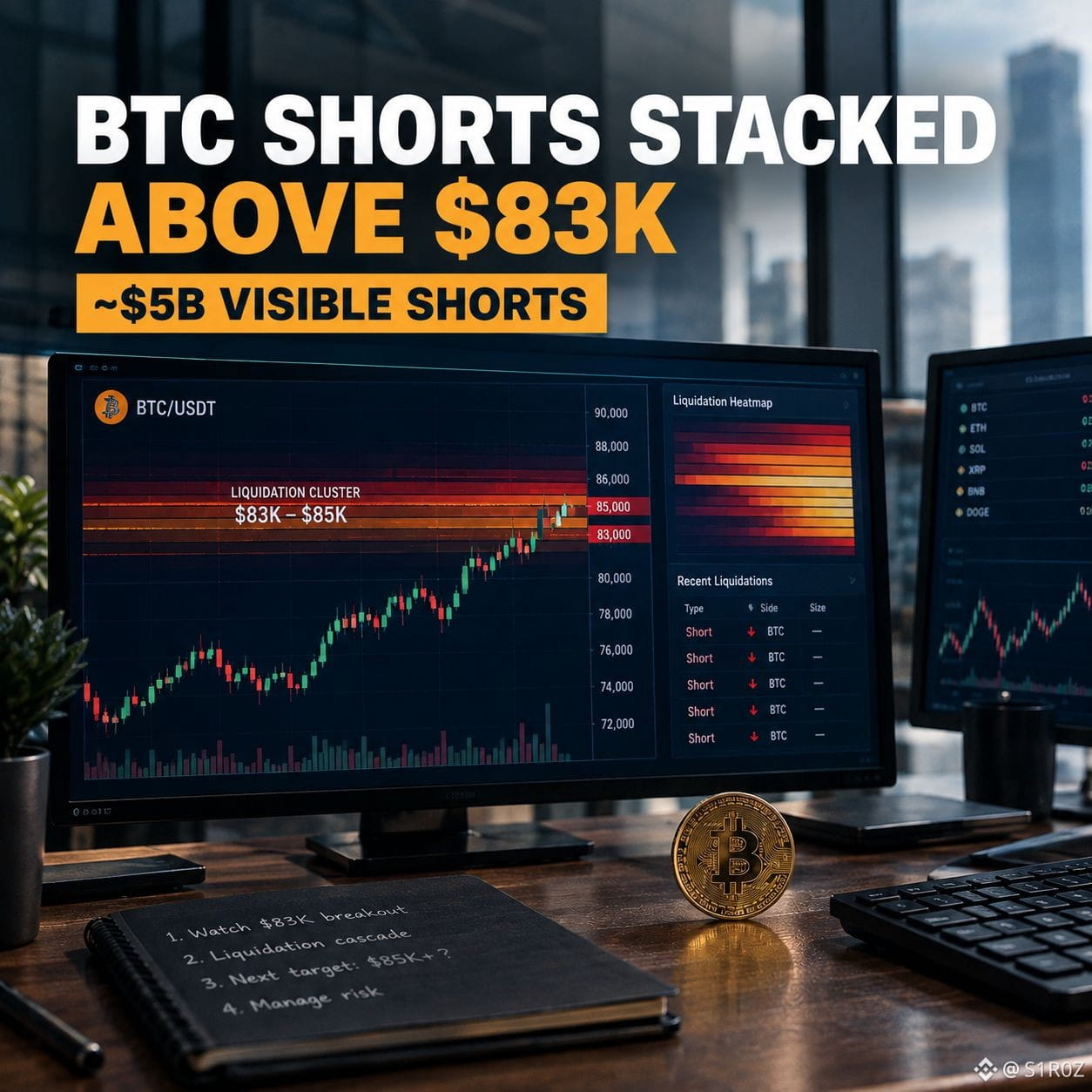
Roughly $5B in visible BTC short positions has been reported between $83K–$85K, creating a potential source of forced buying if price keeps moving higher.
And the first part of that setup is already playing out.
BTC pushed above $85K today, while more than $648M in crypto shorts were liquidated over the past 24 hours, according to CoinGlass data reported by The Block.
Here’s the mechanism:
Shorts get liquidated → positions are closed with buys → price pushes higher → more liquidation levels are reached.
Glassnode has also identified the $82K–$86K area as a major short-liquidation zone.
But there’s one important catch: liquidation fuel doesn’t create an uptrend by itself. Once the forced buying fades, spot demand and volume need to take over.
So the key question now isn’t just whether BTC can break $85K.
Can it hold the breakout after the short squeeze cools down? 👀
$BTC
{spot}(BTCUSDT)
#bitcoin #BTC
#BitcoinHits$85K
🚨 BTC just entered a major short-liquidation zone.
Roughly $5B in visible BTC short positions has been reported between $83K–$85K, creating a potential source of forced buying if price keeps moving higher.
And the first part of that setup is already playing out.
BTC pushed above $85K today, while more than $648M in crypto shorts were liquidated over the past 24 hours, according to CoinGlass data reported by The Block.
Here’s the mechanism:
Shorts get liquidated → positions are closed with buys → price pushes higher → more liquidation levels are reached.
Glassnode has also identified the $82K–$86K area as a major short-liquidation zone.
But there’s one important catch: liquidation fuel doesn’t create an uptrend by itself. Once the forced buying fades, spot demand and volume need to take over.
So the key question now isn’t just whether BTC can break $85K.
Can it hold the breakout after the short squeeze cools down? 👀
$BTC
#bitcoin #BTC
🚨 BTC just entered a major short-liquidation zone.
Roughly $5B in visible BTC short positions has been reported between $83K–$85K, creating a potential source of forced buying if price keeps moving higher.
And the first part of that setup is already playing out.
BTC pushed above $85K today, while more than $648M in crypto shorts were liquidated over the past 24 hours, according to CoinGlass data reported by The Block.
Here’s the mechanism:
Shorts get liquidated → positions are closed with buys → price pushes higher → more liquidation levels are reached.
Glassnode has also identified the $82K–$86K area as a major short-liquidation zone.
But there’s one important catch: liquidation fuel doesn’t create an uptrend by itself. Once the forced buying fades, spot demand and volume need to take over.
So the key question now isn’t just whether BTC can break $85K.
Can it hold the breakout after the short squeeze cools down? 👀
$BTC
#bitcoin #BTC
1
60
·
--
Verified
#ecbstartsblockchaineurosettlement
🇪🇺 The ECB just connected tokenised markets to central-bank money.
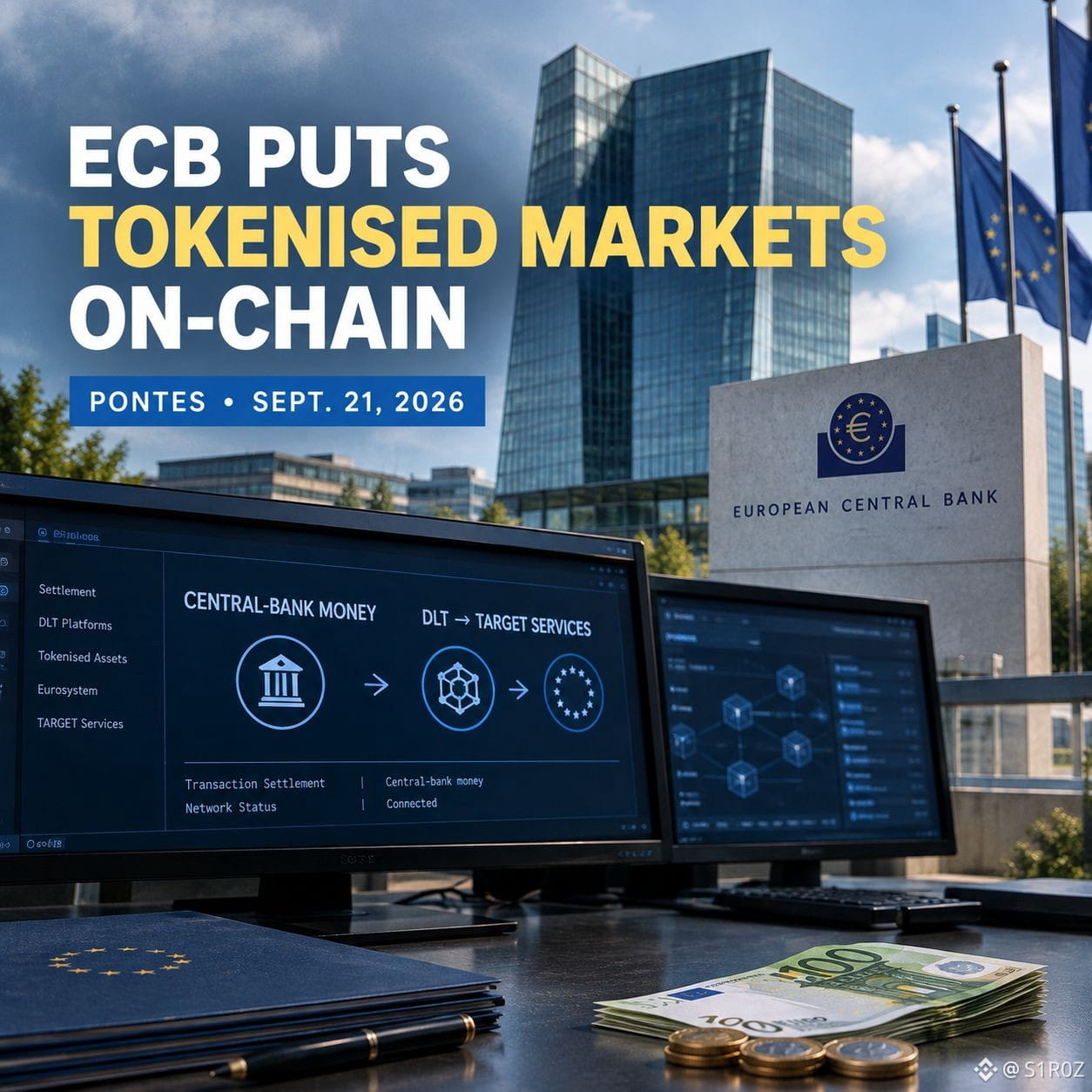
The European Central Bank launched Pontes on September 21, a new Eurosystem service that lets wholesale tokenised-asset transactions settle in central-bank euros.
And that distinction matters.
Pontes connects market DLT platforms with the Eurosystem’s TARGET Services, bringing traditional payment infrastructure closer to tokenised financial markets.
It’s also different from using a private stablecoin or tokenised bank deposit for settlement.
The ECB is going further, too. It has started preparing to invest a small portion of its own funds in euro-denominated tokenised public-sector and supranational securities, with those purchases planned to settle through Pontes.
For the tokenisation sector, the bigger story is infrastructure.
Issuance → trading → settlement → custody could increasingly become more automated as traditional finance moves onto DLT-based rails.
The question now is simple:
How quickly will major financial institutions actually use it at scale? 👀
$STRK
{spot}(STRKUSDT)
$INJ
{spot}(INJUSDT)
$APT
{spot}(APTUSDT)
#blockchain #Tokenization #digitaleuro #ECB
#ecbstartsblockchaineurosettlement
🇪🇺 The ECB just connected tokenised markets to central-bank money.
The European Central Bank launched Pontes on September 21, a new Eurosystem service that lets wholesale tokenised-asset transactions settle in central-bank euros.
And that distinction matters.
Pontes connects market DLT platforms with the Eurosystem’s TARGET Services, bringing traditional payment infrastructure closer to tokenised financial markets.
It’s also different from using a private stablecoin or tokenised bank deposit for settlement.
The ECB is going further, too. It has started preparing to invest a small portion of its own funds in euro-denominated tokenised public-sector and supranational securities, with those purchases planned to settle through Pontes.
For the tokenisation sector, the bigger story is infrastructure.
Issuance → trading → settlement → custody could increasingly become more automated as traditional finance moves onto DLT-based rails.
The question now is simple:
How quickly will major financial institutions actually use it at scale? 👀
$STRK
$INJ
$APT
#blockchain #Tokenization #digitaleuro #ECB
🇪🇺 The ECB just connected tokenised markets to central-bank money.
The European Central Bank launched Pontes on September 21, a new Eurosystem service that lets wholesale tokenised-asset transactions settle in central-bank euros.
And that distinction matters.
Pontes connects market DLT platforms with the Eurosystem’s TARGET Services, bringing traditional payment infrastructure closer to tokenised financial markets.
It’s also different from using a private stablecoin or tokenised bank deposit for settlement.
The ECB is going further, too. It has started preparing to invest a small portion of its own funds in euro-denominated tokenised public-sector and supranational securities, with those purchases planned to settle through Pontes.
For the tokenisation sector, the bigger story is infrastructure.
Issuance → trading → settlement → custody could increasingly become more automated as traditional finance moves onto DLT-based rails.
The question now is simple:
How quickly will major financial institutions actually use it at scale? 👀
$STRK
$INJ
$APT
#blockchain #Tokenization #digitaleuro #ECB
1
164
·
--
Verified
#canaryfilessecondamendmentforstakedseietf
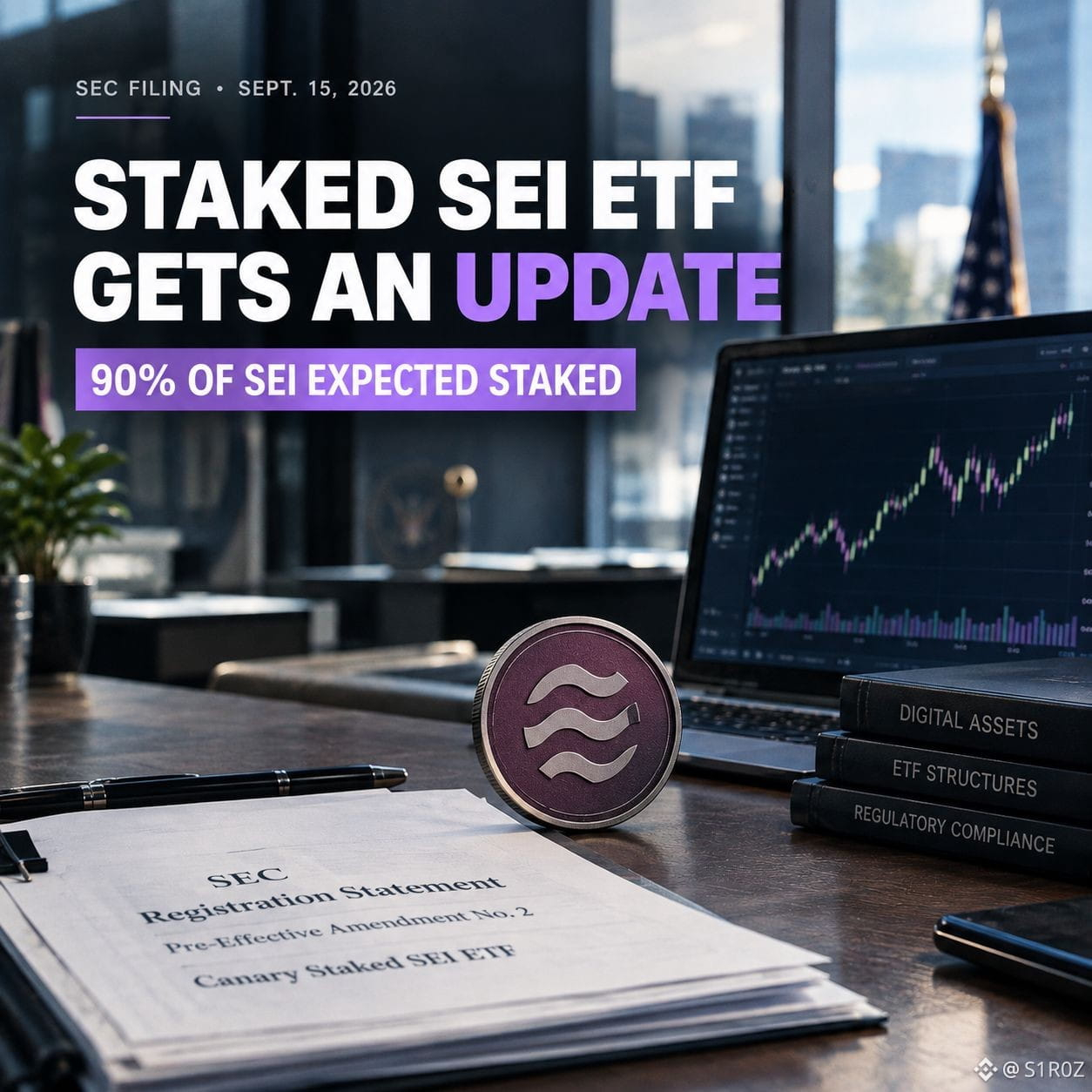
🚨 Canary just updated its Staked $SEI ETF filing.
Canary Capital filed Pre-Effective Amendment No. 2 with the SEC on September 15 for its proposed Staked SEI ETF.
The interesting part? 👀
🔹 At least 90% of the Trust’s SEI is expected to be staked under normal circumstances.
🔹 BitGo is named as the custodian for the Trust’s SEI.
🔹 The proposed ETF would seek both SEI price exposure and staking rewards.
🔹 The product is proposed to trade on Cboe BZX.
But there’s an important detail:
⚠️ This is still a filing, not SEC approval. The prospectus says the registration statement must become effective before the securities can be sold.
For $SEI , the combination of ETF access + staking exposure is the part worth watching.
The next big question: Canary gets approval, or another delay? 👀
{spot}(SEIUSDT)
#SEİ #CryptoETF #CryptoNews
#canaryfilessecondamendmentforstakedseietf
🚨 Canary just updated its Staked $SEI ETF filing.
Canary Capital filed Pre-Effective Amendment No. 2 with the SEC on September 15 for its proposed Staked SEI ETF.
The interesting part? 👀
🔹 At least 90% of the Trust’s SEI is expected to be staked under normal circumstances.
🔹 BitGo is named as the custodian for the Trust’s SEI.
🔹 The proposed ETF would seek both SEI price exposure and staking rewards.
🔹 The product is proposed to trade on Cboe BZX.
But there’s an important detail:
⚠️ This is still a filing, not SEC approval. The prospectus says the registration statement must become effective before the securities can be sold.
For $SEI , the combination of ETF access + staking exposure is the part worth watching.
The next big question: Canary gets approval, or another delay? 👀
#SEİ #CryptoETF #CryptoNews
🚨 Canary just updated its Staked $SEI ETF filing.
Canary Capital filed Pre-Effective Amendment No. 2 with the SEC on September 15 for its proposed Staked SEI ETF.
The interesting part? 👀
🔹 At least 90% of the Trust’s SEI is expected to be staked under normal circumstances.
🔹 BitGo is named as the custodian for the Trust’s SEI.
🔹 The proposed ETF would seek both SEI price exposure and staking rewards.
🔹 The product is proposed to trade on Cboe BZX.
But there’s an important detail:
⚠️ This is still a filing, not SEC approval. The prospectus says the registration statement must become effective before the securities can be sold.
For $SEI , the combination of ETF access + staking exposure is the part worth watching.
The next big question: Canary gets approval, or another delay? 👀
#SEİ #CryptoETF #CryptoNews
109
·
--
#xrpexchangereserveshitsevenyearlow
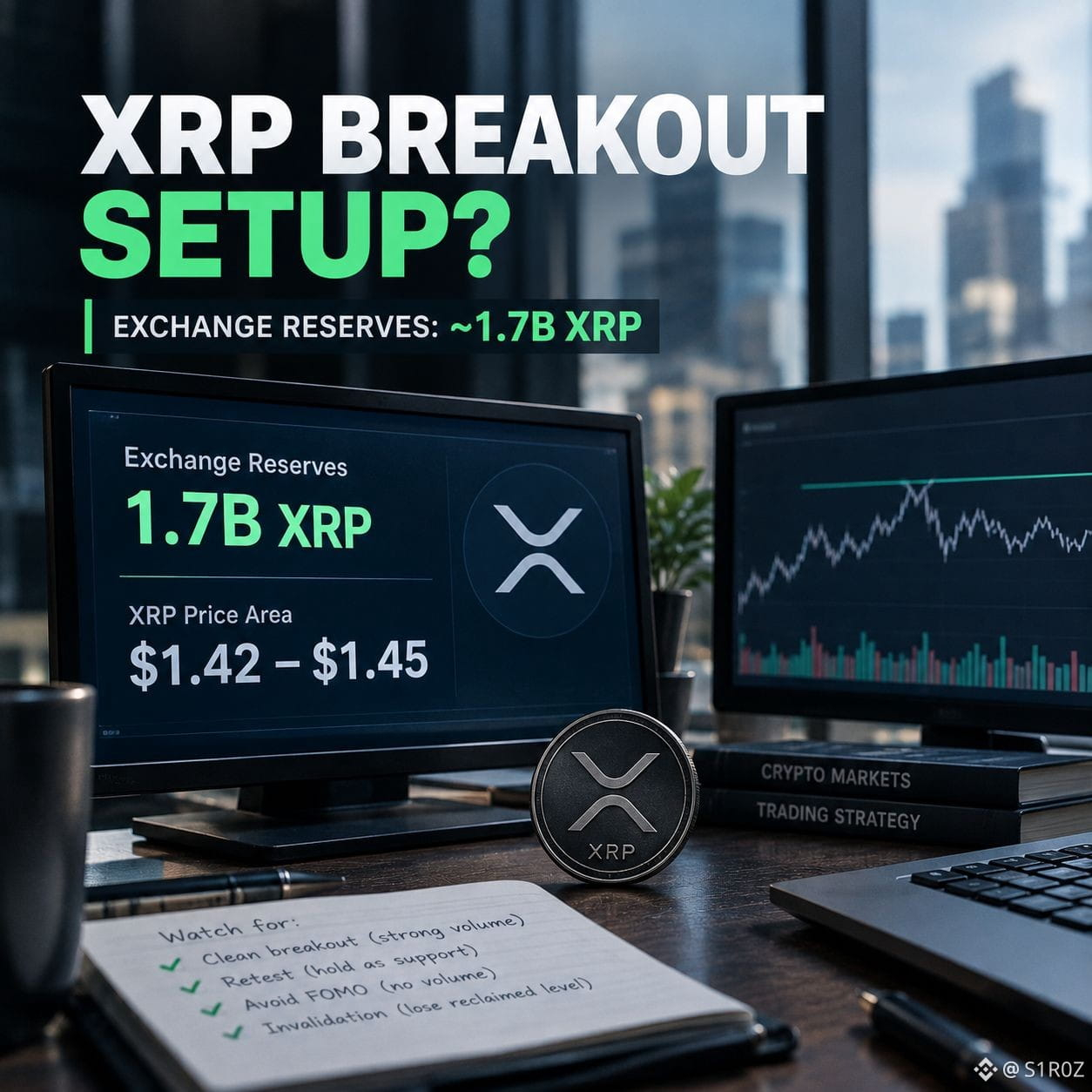
🚨 XRP breakout setup is getting interesting.
XRP exchange reserves have reportedly fallen to a 7-year low, with recent reports putting exchange-held supply around 1.7 billion XRP. That can point to less immediately available supply — but it doesn’t guarantee a price breakout.
For traders, the chart still matters.
🟢 Breakout: Watch for a clean close above nearby resistance with strong spot volume.
🟡 Retest: A breakout that holds the former resistance as support would provide stronger confirmation.
🔴 FOMO: A quick price spike without volume confirmation can turn into a failed breakout.
⚠️ Invalidation: Losing the reclaimed level after a breakout weakens the setup.
Right now, XRP has been struggling around the $1.42–$1.45 area, making the next confirmed move more important than the headline itself.
Reserves ↓ + spot demand ↑ + volume ↑ + resistance reclaimed = a much stronger breakout signal.
Breakout or trap? 👀
$XRP
{spot}(XRPUSDT)
#xrp #Ripple
#xrpexchangereserveshitsevenyearlow
🚨 XRP breakout setup is getting interesting.
XRP exchange reserves have reportedly fallen to a 7-year low, with recent reports putting exchange-held supply around 1.7 billion XRP. That can point to less immediately available supply — but it doesn’t guarantee a price breakout.
For traders, the chart still matters.
🟢 Breakout: Watch for a clean close above nearby resistance with strong spot volume.
🟡 Retest: A breakout that holds the former resistance as support would provide stronger confirmation.
🔴 FOMO: A quick price spike without volume confirmation can turn into a failed breakout.
⚠️ Invalidation: Losing the reclaimed level after a breakout weakens the setup.
Right now, XRP has been struggling around the $1.42–$1.45 area, making the next confirmed move more important than the headline itself.
Reserves ↓ + spot demand ↑ + volume ↑ + resistance reclaimed = a much stronger breakout signal.
Breakout or trap? 👀
$XRP
#xrp #Ripple
🚨 XRP breakout setup is getting interesting.
XRP exchange reserves have reportedly fallen to a 7-year low, with recent reports putting exchange-held supply around 1.7 billion XRP. That can point to less immediately available supply — but it doesn’t guarantee a price breakout.
For traders, the chart still matters.
🟢 Breakout: Watch for a clean close above nearby resistance with strong spot volume.
🟡 Retest: A breakout that holds the former resistance as support would provide stronger confirmation.
🔴 FOMO: A quick price spike without volume confirmation can turn into a failed breakout.
⚠️ Invalidation: Losing the reclaimed level after a breakout weakens the setup.
Right now, XRP has been struggling around the $1.42–$1.45 area, making the next confirmed move more important than the headline itself.
Reserves ↓ + spot demand ↑ + volume ↑ + resistance reclaimed = a much stronger breakout signal.
Breakout or trap? 👀
$XRP
#xrp #Ripple
1
284
·
--
Verified
#bojraisesratesto31yearhigh
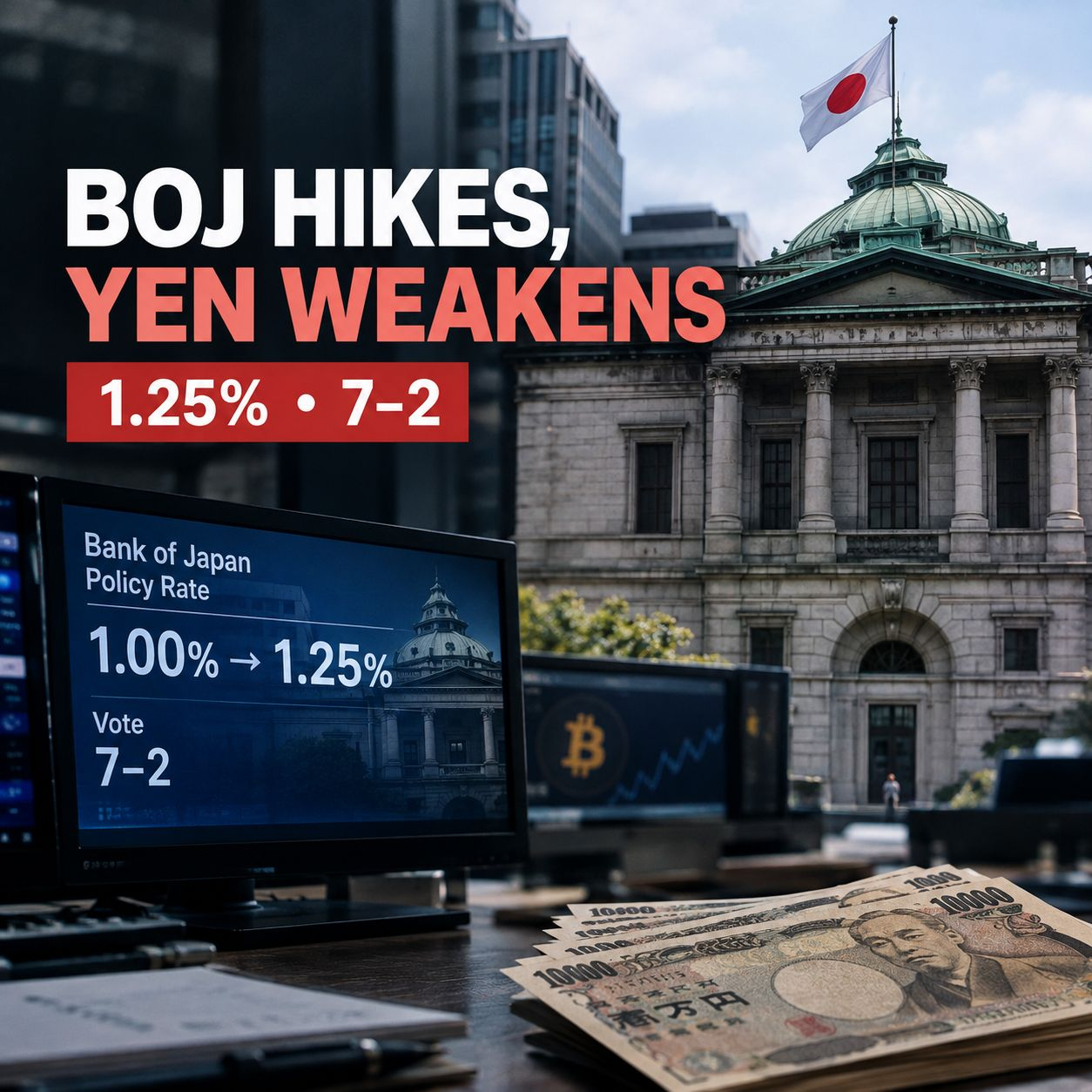
🇯🇵 BOJ just raised rates to a 31-year high. But the market reaction is the interesting part.
The Bank of Japan lifted its policy rate from 1.00% to 1.25% on September 18, the highest level since 1995.
The decision passed 7–2, with two policymakers voting against the hike. Governor Kazuo Ueda also left the door open to further increases, including consecutive hikes or a larger move if inflation risks continue to build.
So why should crypto traders care?
Japan has spent decades as a major source of cheap yen funding. Higher Japanese rates can gradually change the economics of the yen carry trade, potentially affecting global risk assets if positions are unwound.
But here's the catch: the hike was widely expected, and the yen actually weakened after the decision. That means the immediate reaction wasn't a straightforward “BOJ tightening = markets crash” scenario.
For crypto, I’d watch JPY, BTC, Nasdaq and global liquidity rather than reacting to the headline alone.
The bigger question is what happens if the BOJ keeps tightening from here.
$JPY.ETF $BTC
{spot}(BTCUSDT)
{etf_us}(JPY.ETF)
Is Japan becoming a bigger macro driver for crypto?
#BoJ #Japan #CryptoMacro
#bojraisesratesto31yearhigh
🇯🇵 BOJ just raised rates to a 31-year high. But the market reaction is the interesting part.
The Bank of Japan lifted its policy rate from 1.00% to 1.25% on September 18, the highest level since 1995.
The decision passed 7–2, with two policymakers voting against the hike. Governor Kazuo Ueda also left the door open to further increases, including consecutive hikes or a larger move if inflation risks continue to build.
So why should crypto traders care?
Japan has spent decades as a major source of cheap yen funding. Higher Japanese rates can gradually change the economics of the yen carry trade, potentially affecting global risk assets if positions are unwound.
But here's the catch: the hike was widely expected, and the yen actually weakened after the decision. That means the immediate reaction wasn't a straightforward “BOJ tightening = markets crash” scenario.
For crypto, I’d watch JPY, BTC, Nasdaq and global liquidity rather than reacting to the headline alone.
The bigger question is what happens if the BOJ keeps tightening from here.
$JPY.ETF $BTC
Is Japan becoming a bigger macro driver for crypto?
#BoJ #Japan #CryptoMacro
🇯🇵 BOJ just raised rates to a 31-year high. But the market reaction is the interesting part.
The Bank of Japan lifted its policy rate from 1.00% to 1.25% on September 18, the highest level since 1995.
The decision passed 7–2, with two policymakers voting against the hike. Governor Kazuo Ueda also left the door open to further increases, including consecutive hikes or a larger move if inflation risks continue to build.
So why should crypto traders care?
Japan has spent decades as a major source of cheap yen funding. Higher Japanese rates can gradually change the economics of the yen carry trade, potentially affecting global risk assets if positions are unwound.
But here's the catch: the hike was widely expected, and the yen actually weakened after the decision. That means the immediate reaction wasn't a straightforward “BOJ tightening = markets crash” scenario.
For crypto, I’d watch JPY, BTC, Nasdaq and global liquidity rather than reacting to the headline alone.
The bigger question is what happens if the BOJ keeps tightening from here.
$JPY.ETF $BTC
Is Japan becoming a bigger macro driver for crypto?
#BoJ #Japan #CryptoMacro
BTC+7.44%
JPYETF-0.17%
55
·
--
#vietnamplansfirstcryptolicensesin2026
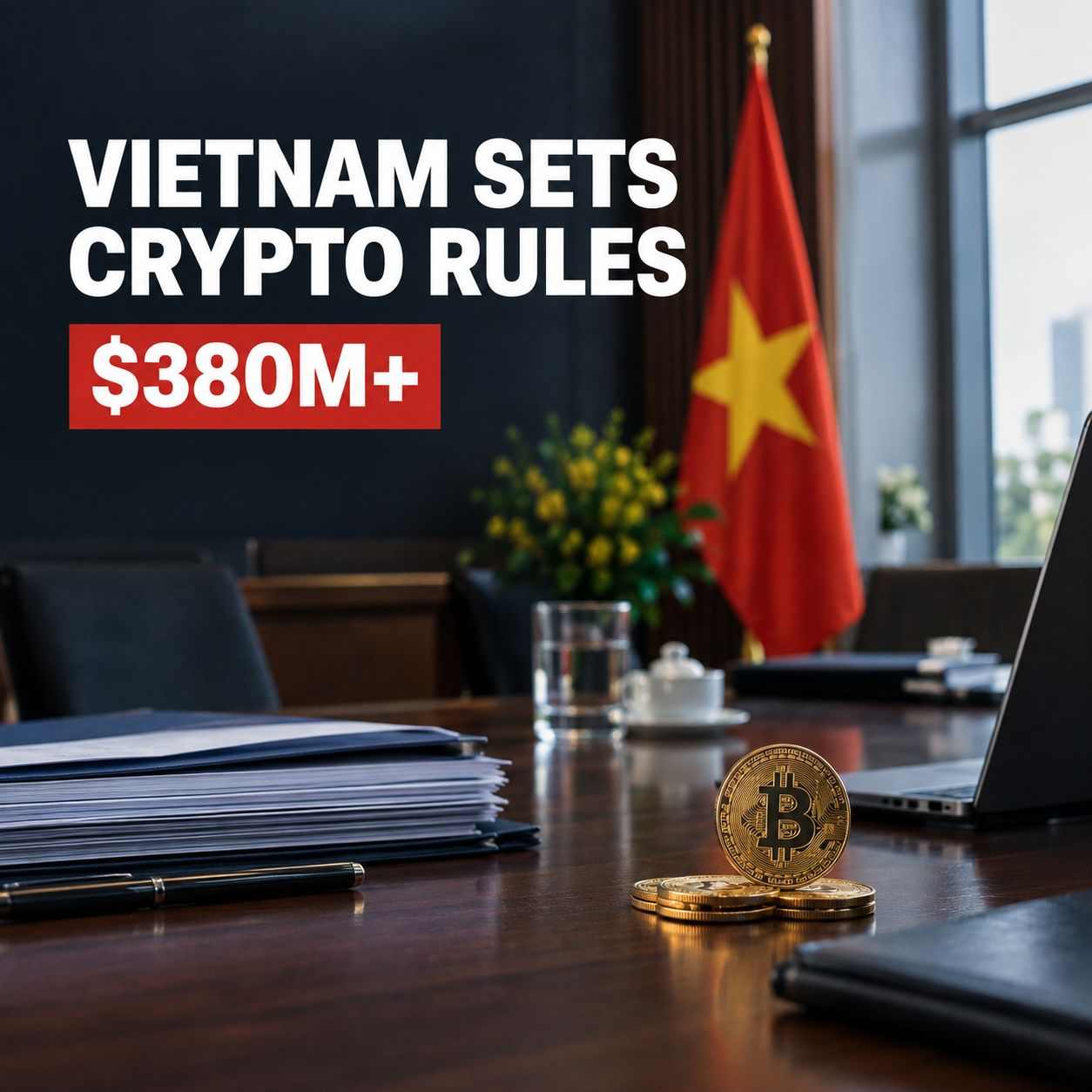
🇻🇳 Vietnam is putting crypto trading on a formal regulatory track.
The country’s pilot crypto-asset market framework took effect in September 2025, and in January 2026 the Ministry of Finance issued the administrative procedures needed to process licenses for crypto-asset trading-market operators.
The requirements are anything but light.
Applicants must be Vietnamese companies with at least VND 10 trillion ($380M+) in contributed charter capital, while foreign ownership is capped at 49%. Platforms must also meet Level 4 information-system security standards and maintain procedures covering custody, trading, AML, transaction monitoring, internal controls and client protection.
Vietnam’s pilot framework allows authorities to select up to five crypto-asset service providers.
That creates a very different environment from an open exchange market: high capital requirements and compliance standards could leave the pilot concentrated among a small number of well-capitalized operators.
The bigger question is what comes next.
Could Vietnam’s regulated approach become a model for other Southeast Asian markets?
#VietnamCrypto2026 #CryptoRegulation #DigitalAssets
#vietnamplansfirstcryptolicensesin2026
🇻🇳 Vietnam is putting crypto trading on a formal regulatory track.
The country’s pilot crypto-asset market framework took effect in September 2025, and in January 2026 the Ministry of Finance issued the administrative procedures needed to process licenses for crypto-asset trading-market operators.
The requirements are anything but light.
Applicants must be Vietnamese companies with at least VND 10 trillion ($380M+) in contributed charter capital, while foreign ownership is capped at 49%. Platforms must also meet Level 4 information-system security standards and maintain procedures covering custody, trading, AML, transaction monitoring, internal controls and client protection.
Vietnam’s pilot framework allows authorities to select up to five crypto-asset service providers.
That creates a very different environment from an open exchange market: high capital requirements and compliance standards could leave the pilot concentrated among a small number of well-capitalized operators.
The bigger question is what comes next.
Could Vietnam’s regulated approach become a model for other Southeast Asian markets?
#VietnamCrypto2026 #CryptoRegulation #DigitalAssets
🇻🇳 Vietnam is putting crypto trading on a formal regulatory track.
The country’s pilot crypto-asset market framework took effect in September 2025, and in January 2026 the Ministry of Finance issued the administrative procedures needed to process licenses for crypto-asset trading-market operators.
The requirements are anything but light.
Applicants must be Vietnamese companies with at least VND 10 trillion ($380M+) in contributed charter capital, while foreign ownership is capped at 49%. Platforms must also meet Level 4 information-system security standards and maintain procedures covering custody, trading, AML, transaction monitoring, internal controls and client protection.
Vietnam’s pilot framework allows authorities to select up to five crypto-asset service providers.
That creates a very different environment from an open exchange market: high capital requirements and compliance standards could leave the pilot concentrated among a small number of well-capitalized operators.
The bigger question is what comes next.
Could Vietnam’s regulated approach become a model for other Southeast Asian markets?
#VietnamCrypto2026 #CryptoRegulation #DigitalAssets
42
·
--
Verified

Article
Solana Price Analysis: Can SOL Hold $110 and Continue Toward $120?#soljumpsabout10%
Solana Price Analysis: Is SOL Momentum Returning Above $110?
Solana ($SOL) is showing signs of renewed momentum after breaking back above the $110 area, putting the asset back on traders' radar after months of difficult price action.
The move comes as the broader crypto market strengthens, but SOL has also had several Solana-specific developments working in its favor. The question now isn't simply whether SOL can rally further — it's whether the move can hold after the initial surge.
SOL Reclaims the $110 Area
SOL recently pushed into the $110–$114 region as the broader crypto market moved higher.
That matters because $110 had been an important area during the recent consolidation. A move above a level is one thing; holding it after the breakout is another.
Recent market analysis has also identified the $100 area as an important part of SOL's current structure. SOL has spent much of September trading around that zone before the latest acceleration.
For traders, the next question is therefore relatively simple:
Can SOL stay above $110 once the initial momentum cools?
If it can, the recent breakout becomes more meaningful. If price quickly falls back below the level, the move could turn out to be another short-term rally rather than the beginning of a larger trend.
Bitcoin Is Helping the Altcoin Rally
The move isn't happening in isolation.
Bitcoin reclaimed the $80,000 area during the same period, creating a stronger backdrop for large-cap altcoins. SOL has historically been one of the higher-beta assets in the major crypto market, so a stronger BTC environment can provide additional fuel when capital starts rotating into altcoins.
However, correlation with Bitcoin shouldn't be confused with a Solana-specific catalyst.
The more interesting part of this move is that SOL has several developments of its own to watch.
Solana's Transaction V1 Upgrade Is Now Live
One of the biggest recent network developments is Transaction V1, which has now reached Solana mainnet.
According to Solana's documentation, the V1 transaction format raises the maximum transaction size from 1,232 bytes to 4,096 bytes.
That's more than simply a bigger number.
Larger transactions give developers additional room for more complex operations. Solana's September 18 changelog also notes that V1 transactions can make program deployments substantially cheaper because more data can be packed into each transaction.
The upgrade doesn't automatically mean higher SOL prices, but it does improve the network's technical capacity for applications that need larger or more complicated transactions.
That makes it an important fundamental development to keep in the bigger picture.
ETF Flows Add Another Demand Signal
Institutional flows are another piece of the SOL story.
Recent data shows spot Solana ETFs recorded 12 consecutive weeks of inflows, with approximately $13.2 million in additional inflows during the week ending September 18.
That's notable because the inflows continued despite a difficult macro backdrop that included a Federal Reserve rate hike and the Senate's failure to advance the CLARITY Act during the week.
Still, ETF flows shouldn't be treated as a one-way demand guarantee. Flow numbers can change quickly, and the market still needs to show whether institutional demand can remain consistent.
What Happens Above $110?
This is where the technical picture becomes interesting.
The immediate area to watch is $110.
A sustained hold above that level would give the recent move more credibility. The next area traders may focus on is the $114–$120 region, where SOL would need to demonstrate that the rally has enough momentum to continue.
On the other hand, losing $110 after a sharp move could indicate that the breakout lacked enough follow-through.
The $100 area remains an important reference point for the broader structure.
Rather than trying to predict exactly what SOL will do next, the cleaner approach is to watch how price behaves around these levels.
Is This the Start of a New SOL Trend?
There are several positive developments lining up for Solana:
SOL has reclaimed the $110 area.Bitcoin has moved back above $80,000.Transaction V1 is now live on mainnet.Maximum transaction size has increased from 1,232 to 4,096 bytes.Spot Solana ETFs have continued to record inflows.Solana is showing renewed relative strength during the broader crypto rally.
But none of those points guarantees that the current move will develop into a sustained uptrend.
The key test is what happens after the initial momentum fades.
If SOL can hold above $110 and continue attracting demand, traders may start treating the breakout differently from previous short-term rallies. If it fails to hold, the market could simply return to the previous range.
For now, $110 is the level that deserves the most attention.
The bigger question isn't whether SOL can spike toward $120 for a moment.
It's whether buyers can keep it there.
Is Solana starting a new trend, or are we simply seeing another short-term altcoin rally?
$SOL #Solana #CryptoNews
Solana Price Analysis: Can SOL Hold $110 and Continue Toward $120?
#soljumpsabout10%
Solana Price Analysis: Is SOL Momentum Returning Above $110?
Solana ($SOL) is showing signs of renewed momentum after breaking back above the $110 area, putting the asset back on traders' radar after months of difficult price action.
The move comes as the broader crypto market strengthens, but SOL has also had several Solana-specific developments working in its favor. The question now isn't simply whether SOL can rally further — it's whether the move can hold after the initial surge.
SOL Reclaims the $110 Area
SOL recently pushed into the $110–$114 region as the broader crypto market moved higher.
That matters because $110 had been an important area during the recent consolidation. A move above a level is one thing; holding it after the breakout is another.
Recent market analysis has also identified the $100 area as an important part of SOL's current structure. SOL has spent much of September trading around that zone before the latest acceleration.
For traders, the next question is therefore relatively simple:
Can SOL stay above $110 once the initial momentum cools?
If it can, the recent breakout becomes more meaningful. If price quickly falls back below the level, the move could turn out to be another short-term rally rather than the beginning of a larger trend.
Bitcoin Is Helping the Altcoin Rally
The move isn't happening in isolation.
Bitcoin reclaimed the $80,000 area during the same period, creating a stronger backdrop for large-cap altcoins. SOL has historically been one of the higher-beta assets in the major crypto market, so a stronger BTC environment can provide additional fuel when capital starts rotating into altcoins.
However, correlation with Bitcoin shouldn't be confused with a Solana-specific catalyst.
The more interesting part of this move is that SOL has several developments of its own to watch.
Solana's Transaction V1 Upgrade Is Now Live
One of the biggest recent network developments is Transaction V1, which has now reached Solana mainnet.
According to Solana's documentation, the V1 transaction format raises the maximum transaction size from 1,232 bytes to 4,096 bytes.
That's more than simply a bigger number.
Larger transactions give developers additional room for more complex operations. Solana's September 18 changelog also notes that V1 transactions can make program deployments substantially cheaper because more data can be packed into each transaction.
The upgrade doesn't automatically mean higher SOL prices, but it does improve the network's technical capacity for applications that need larger or more complicated transactions.
That makes it an important fundamental development to keep in the bigger picture.
ETF Flows Add Another Demand Signal
Institutional flows are another piece of the SOL story.
Recent data shows spot Solana ETFs recorded 12 consecutive weeks of inflows, with approximately $13.2 million in additional inflows during the week ending September 18.
That's notable because the inflows continued despite a difficult macro backdrop that included a Federal Reserve rate hike and the Senate's failure to advance the CLARITY Act during the week.
Still, ETF flows shouldn't be treated as a one-way demand guarantee. Flow numbers can change quickly, and the market still needs to show whether institutional demand can remain consistent.
What Happens Above $110?
This is where the technical picture becomes interesting.
The immediate area to watch is $110.
A sustained hold above that level would give the recent move more credibility. The next area traders may focus on is the $114–$120 region, where SOL would need to demonstrate that the rally has enough momentum to continue.
On the other hand, losing $110 after a sharp move could indicate that the breakout lacked enough follow-through.
The $100 area remains an important reference point for the broader structure.
Rather than trying to predict exactly what SOL will do next, the cleaner approach is to watch how price behaves around these levels.
Is This the Start of a New SOL Trend?
There are several positive developments lining up for Solana:
SOL has reclaimed the $110 area.Bitcoin has moved back above $80,000.Transaction V1 is now live on mainnet.Maximum transaction size has increased from 1,232 to 4,096 bytes.Spot Solana ETFs have continued to record inflows.Solana is showing renewed relative strength during the broader crypto rally.
But none of those points guarantees that the current move will develop into a sustained uptrend.
The key test is what happens after the initial momentum fades.
If SOL can hold above $110 and continue attracting demand, traders may start treating the breakout differently from previous short-term rallies. If it fails to hold, the market could simply return to the previous range.
For now, $110 is the level that deserves the most attention.
The bigger question isn't whether SOL can spike toward $120 for a moment.
It's whether buyers can keep it there.
Is Solana starting a new trend, or are we simply seeing another short-term altcoin rally?
$SOL #Solana #CryptoNews
Solana Price Analysis: Is SOL Momentum Returning Above $110?
Solana ($SOL) is showing signs of renewed momentum after breaking back above the $110 area, putting the asset back on traders' radar after months of difficult price action.
The move comes as the broader crypto market strengthens, but SOL has also had several Solana-specific developments working in its favor. The question now isn't simply whether SOL can rally further — it's whether the move can hold after the initial surge.
SOL Reclaims the $110 Area
SOL recently pushed into the $110–$114 region as the broader crypto market moved higher.
That matters because $110 had been an important area during the recent consolidation. A move above a level is one thing; holding it after the breakout is another.
Recent market analysis has also identified the $100 area as an important part of SOL's current structure. SOL has spent much of September trading around that zone before the latest acceleration.
For traders, the next question is therefore relatively simple:
Can SOL stay above $110 once the initial momentum cools?
If it can, the recent breakout becomes more meaningful. If price quickly falls back below the level, the move could turn out to be another short-term rally rather than the beginning of a larger trend.
Bitcoin Is Helping the Altcoin Rally
The move isn't happening in isolation.
Bitcoin reclaimed the $80,000 area during the same period, creating a stronger backdrop for large-cap altcoins. SOL has historically been one of the higher-beta assets in the major crypto market, so a stronger BTC environment can provide additional fuel when capital starts rotating into altcoins.
However, correlation with Bitcoin shouldn't be confused with a Solana-specific catalyst.
The more interesting part of this move is that SOL has several developments of its own to watch.
Solana's Transaction V1 Upgrade Is Now Live
One of the biggest recent network developments is Transaction V1, which has now reached Solana mainnet.
According to Solana's documentation, the V1 transaction format raises the maximum transaction size from 1,232 bytes to 4,096 bytes.
That's more than simply a bigger number.
Larger transactions give developers additional room for more complex operations. Solana's September 18 changelog also notes that V1 transactions can make program deployments substantially cheaper because more data can be packed into each transaction.
The upgrade doesn't automatically mean higher SOL prices, but it does improve the network's technical capacity for applications that need larger or more complicated transactions.
That makes it an important fundamental development to keep in the bigger picture.
ETF Flows Add Another Demand Signal
Institutional flows are another piece of the SOL story.
Recent data shows spot Solana ETFs recorded 12 consecutive weeks of inflows, with approximately $13.2 million in additional inflows during the week ending September 18.
That's notable because the inflows continued despite a difficult macro backdrop that included a Federal Reserve rate hike and the Senate's failure to advance the CLARITY Act during the week.
Still, ETF flows shouldn't be treated as a one-way demand guarantee. Flow numbers can change quickly, and the market still needs to show whether institutional demand can remain consistent.
What Happens Above $110?
This is where the technical picture becomes interesting.
The immediate area to watch is $110.
A sustained hold above that level would give the recent move more credibility. The next area traders may focus on is the $114–$120 region, where SOL would need to demonstrate that the rally has enough momentum to continue.
On the other hand, losing $110 after a sharp move could indicate that the breakout lacked enough follow-through.
The $100 area remains an important reference point for the broader structure.
Rather than trying to predict exactly what SOL will do next, the cleaner approach is to watch how price behaves around these levels.
Is This the Start of a New SOL Trend?
There are several positive developments lining up for Solana:
SOL has reclaimed the $110 area.Bitcoin has moved back above $80,000.Transaction V1 is now live on mainnet.Maximum transaction size has increased from 1,232 to 4,096 bytes.Spot Solana ETFs have continued to record inflows.Solana is showing renewed relative strength during the broader crypto rally.
But none of those points guarantees that the current move will develop into a sustained uptrend.
The key test is what happens after the initial momentum fades.
If SOL can hold above $110 and continue attracting demand, traders may start treating the breakout differently from previous short-term rallies. If it fails to hold, the market could simply return to the previous range.
For now, $110 is the level that deserves the most attention.
The bigger question isn't whether SOL can spike toward $120 for a moment.
It's whether buyers can keep it there.
Is Solana starting a new trend, or are we simply seeing another short-term altcoin rally?
$SOL #Solana #CryptoNews
28
·
--
Verified
#soljumpsabout10%
SOL is moving again. But is this a real trend change?
Solana just had a sharp move back above $110, with SOL reaching roughly the $112–$114 area during the rally.
The interesting part isn't just the percentage gain.
Bitcoin also reclaimed $80K, giving the broader market a stronger risk-on backdrop. At the same time, Solana's Transaction V1 upgrade is now live on mainnet, increasing the maximum transaction size from 1,232 to 4,096 bytes — giving developers more room for things like ZK proofs, multisigs and larger transaction payloads.
There’s also institutional demand to watch. Spot Solana ETFs have continued recording inflows, with cumulative net inflows around $1.38B according to recent tracker data.
But here's the important part:
Can SOL actually hold above $110?
A sustained hold would make the breakout more interesting. Losing it quickly could turn this into another short-term altcoin spike.
For me, $110 is the level to watch now.
Is Solana starting a new trend, or is this just another rally inside a larger range?
$SOL
{spot}(SOLUSDT)
#solana #crypto
#soljumpsabout10%
SOL is moving again. But is this a real trend change?
Solana just had a sharp move back above $110, with SOL reaching roughly the $112–$114 area during the rally.
The interesting part isn't just the percentage gain.
Bitcoin also reclaimed $80K, giving the broader market a stronger risk-on backdrop. At the same time, Solana's Transaction V1 upgrade is now live on mainnet, increasing the maximum transaction size from 1,232 to 4,096 bytes — giving developers more room for things like ZK proofs, multisigs and larger transaction payloads.
There’s also institutional demand to watch. Spot Solana ETFs have continued recording inflows, with cumulative net inflows around $1.38B according to recent tracker data.
But here's the important part:
Can SOL actually hold above $110?
A sustained hold would make the breakout more interesting. Losing it quickly could turn this into another short-term altcoin spike.
For me, $110 is the level to watch now.
Is Solana starting a new trend, or is this just another rally inside a larger range?
$SOL
#solana #crypto
SOL is moving again. But is this a real trend change?
Solana just had a sharp move back above $110, with SOL reaching roughly the $112–$114 area during the rally.
The interesting part isn't just the percentage gain.
Bitcoin also reclaimed $80K, giving the broader market a stronger risk-on backdrop. At the same time, Solana's Transaction V1 upgrade is now live on mainnet, increasing the maximum transaction size from 1,232 to 4,096 bytes — giving developers more room for things like ZK proofs, multisigs and larger transaction payloads.
There’s also institutional demand to watch. Spot Solana ETFs have continued recording inflows, with cumulative net inflows around $1.38B according to recent tracker data.
But here's the important part:
Can SOL actually hold above $110?
A sustained hold would make the breakout more interesting. Losing it quickly could turn this into another short-term altcoin spike.
For me, $110 is the level to watch now.
Is Solana starting a new trend, or is this just another rally inside a larger range?
$SOL
#solana #crypto
1
84
·
--
#btcbreaks80k
Is Bitcoin heading for $90K — or is the real bottom still pending?
I’ll be honest: I got the last short squeeze wrong. I was leaning the other way, watching the fundamentals and technicals closely, expecting the market to crack.
But BTC didn’t.
The CLARITY Act setback didn’t trigger the major correction I expected. The Fed raised rates, yet BTC recovered. The BOJ raised rates to 1.25%, its highest level in 31 years, and BTC pushed back above $80K.
That taught me something important: expected news can already be priced in. Price action still matters.
On the higher timeframe, I’m seeing a different picture. BTC has already produced a monthly market-structure break, although the weekly structure still needs confirmation.
My scenario is a sweep toward $82.4K, followed by a correction into the $72.5K–$69K area. Those zones also line up with my 0.5–0.618 Fibonacci levels.
If BTC holds that structure, I’ll be watching for the next higher high.
The other chart I’m watching closely is USDT dominance. A clean BTC breakout through the $82K–$83K area could coincide with a major breakdown in USDT dominance.
That’s my current read. What are you watching — $90K first, or another deeper correction?
$BTC
{spot}(BTCUSDT)
#bitcoin #BTCBreaks80K
#btcbreaks80k
Is Bitcoin heading for $90K — or is the real bottom still pending?
I’ll be honest: I got the last short squeeze wrong. I was leaning the other way, watching the fundamentals and technicals closely, expecting the market to crack.
But BTC didn’t.
The CLARITY Act setback didn’t trigger the major correction I expected. The Fed raised rates, yet BTC recovered. The BOJ raised rates to 1.25%, its highest level in 31 years, and BTC pushed back above $80K.
That taught me something important: expected news can already be priced in. Price action still matters.
On the higher timeframe, I’m seeing a different picture. BTC has already produced a monthly market-structure break, although the weekly structure still needs confirmation.
My scenario is a sweep toward $82.4K, followed by a correction into the $72.5K–$69K area. Those zones also line up with my 0.5–0.618 Fibonacci levels.
If BTC holds that structure, I’ll be watching for the next higher high.
The other chart I’m watching closely is USDT dominance. A clean BTC breakout through the $82K–$83K area could coincide with a major breakdown in USDT dominance.
That’s my current read. What are you watching — $90K first, or another deeper correction?
$BTC
#bitcoin #BTCBreaks80K
Is Bitcoin heading for $90K — or is the real bottom still pending?
I’ll be honest: I got the last short squeeze wrong. I was leaning the other way, watching the fundamentals and technicals closely, expecting the market to crack.
But BTC didn’t.
The CLARITY Act setback didn’t trigger the major correction I expected. The Fed raised rates, yet BTC recovered. The BOJ raised rates to 1.25%, its highest level in 31 years, and BTC pushed back above $80K.
That taught me something important: expected news can already be priced in. Price action still matters.
On the higher timeframe, I’m seeing a different picture. BTC has already produced a monthly market-structure break, although the weekly structure still needs confirmation.
My scenario is a sweep toward $82.4K, followed by a correction into the $72.5K–$69K area. Those zones also line up with my 0.5–0.618 Fibonacci levels.
If BTC holds that structure, I’ll be watching for the next higher high.
The other chart I’m watching closely is USDT dominance. A clean BTC breakout through the $82K–$83K area could coincide with a major breakdown in USDT dominance.
That’s my current read. What are you watching — $90K first, or another deeper correction?
$BTC
#bitcoin #BTCBreaks80K
2
238
·
--
Verified

Article
Warren Buffett Steps Down as Berkshire Hathaway Chairman: What Changes Under Howard Buffett and Greg#buffettstepsdownasberkshirechairman
Warren Buffett Steps Down as Berkshire Hathaway Chairman: What Changes Now
Warren Buffett has officially stepped away from the chairmanship of Berkshire Hathaway, marking another major step in the company’s long-planned succession.
On September 18, Berkshire Hathaway announced that Buffett had become Chairman Emeritus, effective immediately. He will remain a member of Berkshire’s board and continue to provide his judgment and perspective.
Howard G. Buffett, Warren Buffett’s son and a Berkshire director since 1993, was elected Chairman of the Board.
But there’s an important distinction in how Berkshire is now structured.
Greg Abel Is Still Running Berkshire
The latest announcement does not mean another change in Berkshire’s day-to-day leadership.
Greg Abel became Berkshire Hathaway’s CEO at the beginning of 2026, taking over the executive role previously held by Warren Buffett. Reuters reported that the CEO transition had already transferred operational responsibility to Abel before Buffett’s latest move.
That leaves Berkshire with a clearer separation of responsibilities.
Greg Abel runs the company.
Howard Buffett chairs the board.
Warren Buffett remains a director.
The arrangement represents another stage in a succession process that has been developing for years rather than a sudden change in Berkshire’s operating structure.
Why Howard Buffett’s Role Matters
Howard G. Buffett has been a Berkshire director since 1993 and is now taking the non-executive chairmanship.
According to Berkshire’s announcement, the company views Howard as a guardian of the culture and values established under Warren Buffett. Reuters similarly reported that preserving Berkshire’s distinctive culture is expected to be an important part of the new chairman’s role.
That distinction matters because Berkshire’s identity has been closely associated with Buffett’s approach to capital allocation, decentralized management and long-term decision-making.
The question now is not whether Berkshire suddenly changes overnight. It is how those principles evolve as a new leadership structure becomes established.
Buffett’s Influence Hasn’t Completely Disappeared
Although Buffett is no longer chairman, he has not completely left Berkshire’s governance structure.
He remains on the board, meaning his experience and perspective are still formally available to the company.
That makes the September announcement different from a complete departure.
It is better understood as another step in moving Berkshire from a company dominated by one long-serving leader toward a structure designed to function under the next generation of management.
What It Could Mean for Markets
For investors, the interesting part is less about an immediate market shock and more about what happens over time.
Berkshire’s investment decisions, capital allocation and corporate disclosures have historically attracted enormous attention from financial markets. The transition therefore puts more focus on how Abel approaches those responsibilities and how closely Berkshire’s established culture is maintained.
There is also no direct reason to assume that Buffett becoming Chairman Emeritus creates an immediate signal for Bitcoin or other cryptocurrencies.
For crypto traders, the more relevant connection is broader: Berkshire remains an important participant in global financial markets, and changes in its investment philosophy or capital-allocation strategy could become part of the wider market narrative.
But any direct effect on $BTC, $ETH or $BNB would need to be demonstrated by actual market data rather than assumed from the leadership change.
Berkshire’s Next Chapter
Warren Buffett spent decades turning Berkshire Hathaway from a struggling textile business into one of the world's most closely watched conglomerates.
Now, the company enters a different phase.
Buffett remains a director. Howard Buffett takes the chair. Greg Abel leads the company as CEO.
The immediate structure is clear. What remains to be seen is how Berkshire’s investment culture and capital-allocation approach develop under that structure over the coming years.
For markets, that long-term evolution may ultimately matter more than the title change itself.
Warren Buffett Steps Down as Berkshire Hathaway Chairman: What Changes Under Howard Buffett and Greg
#buffettstepsdownasberkshirechairman
Warren Buffett Steps Down as Berkshire Hathaway Chairman: What Changes Now
Warren Buffett has officially stepped away from the chairmanship of Berkshire Hathaway, marking another major step in the company’s long-planned succession.
On September 18, Berkshire Hathaway announced that Buffett had become Chairman Emeritus, effective immediately. He will remain a member of Berkshire’s board and continue to provide his judgment and perspective.
Howard G. Buffett, Warren Buffett’s son and a Berkshire director since 1993, was elected Chairman of the Board.
But there’s an important distinction in how Berkshire is now structured.
Greg Abel Is Still Running Berkshire
The latest announcement does not mean another change in Berkshire’s day-to-day leadership.
Greg Abel became Berkshire Hathaway’s CEO at the beginning of 2026, taking over the executive role previously held by Warren Buffett. Reuters reported that the CEO transition had already transferred operational responsibility to Abel before Buffett’s latest move.
That leaves Berkshire with a clearer separation of responsibilities.
Greg Abel runs the company.
Howard Buffett chairs the board.
Warren Buffett remains a director.
The arrangement represents another stage in a succession process that has been developing for years rather than a sudden change in Berkshire’s operating structure.
Why Howard Buffett’s Role Matters
Howard G. Buffett has been a Berkshire director since 1993 and is now taking the non-executive chairmanship.
According to Berkshire’s announcement, the company views Howard as a guardian of the culture and values established under Warren Buffett. Reuters similarly reported that preserving Berkshire’s distinctive culture is expected to be an important part of the new chairman’s role.
That distinction matters because Berkshire’s identity has been closely associated with Buffett’s approach to capital allocation, decentralized management and long-term decision-making.
The question now is not whether Berkshire suddenly changes overnight. It is how those principles evolve as a new leadership structure becomes established.
Buffett’s Influence Hasn’t Completely Disappeared
Although Buffett is no longer chairman, he has not completely left Berkshire’s governance structure.
He remains on the board, meaning his experience and perspective are still formally available to the company.
That makes the September announcement different from a complete departure.
It is better understood as another step in moving Berkshire from a company dominated by one long-serving leader toward a structure designed to function under the next generation of management.
What It Could Mean for Markets
For investors, the interesting part is less about an immediate market shock and more about what happens over time.
Berkshire’s investment decisions, capital allocation and corporate disclosures have historically attracted enormous attention from financial markets. The transition therefore puts more focus on how Abel approaches those responsibilities and how closely Berkshire’s established culture is maintained.
There is also no direct reason to assume that Buffett becoming Chairman Emeritus creates an immediate signal for Bitcoin or other cryptocurrencies.
For crypto traders, the more relevant connection is broader: Berkshire remains an important participant in global financial markets, and changes in its investment philosophy or capital-allocation strategy could become part of the wider market narrative.
But any direct effect on $BTC, $ETH or $BNB would need to be demonstrated by actual market data rather than assumed from the leadership change.
Berkshire’s Next Chapter
Warren Buffett spent decades turning Berkshire Hathaway from a struggling textile business into one of the world's most closely watched conglomerates.
Now, the company enters a different phase.
Buffett remains a director. Howard Buffett takes the chair. Greg Abel leads the company as CEO.
The immediate structure is clear. What remains to be seen is how Berkshire’s investment culture and capital-allocation approach develop under that structure over the coming years.
For markets, that long-term evolution may ultimately matter more than the title change itself.
Warren Buffett Steps Down as Berkshire Hathaway Chairman: What Changes Now
Warren Buffett has officially stepped away from the chairmanship of Berkshire Hathaway, marking another major step in the company’s long-planned succession.
On September 18, Berkshire Hathaway announced that Buffett had become Chairman Emeritus, effective immediately. He will remain a member of Berkshire’s board and continue to provide his judgment and perspective.
Howard G. Buffett, Warren Buffett’s son and a Berkshire director since 1993, was elected Chairman of the Board.
But there’s an important distinction in how Berkshire is now structured.
Greg Abel Is Still Running Berkshire
The latest announcement does not mean another change in Berkshire’s day-to-day leadership.
Greg Abel became Berkshire Hathaway’s CEO at the beginning of 2026, taking over the executive role previously held by Warren Buffett. Reuters reported that the CEO transition had already transferred operational responsibility to Abel before Buffett’s latest move.
That leaves Berkshire with a clearer separation of responsibilities.
Greg Abel runs the company.
Howard Buffett chairs the board.
Warren Buffett remains a director.
The arrangement represents another stage in a succession process that has been developing for years rather than a sudden change in Berkshire’s operating structure.
Why Howard Buffett’s Role Matters
Howard G. Buffett has been a Berkshire director since 1993 and is now taking the non-executive chairmanship.
According to Berkshire’s announcement, the company views Howard as a guardian of the culture and values established under Warren Buffett. Reuters similarly reported that preserving Berkshire’s distinctive culture is expected to be an important part of the new chairman’s role.
That distinction matters because Berkshire’s identity has been closely associated with Buffett’s approach to capital allocation, decentralized management and long-term decision-making.
The question now is not whether Berkshire suddenly changes overnight. It is how those principles evolve as a new leadership structure becomes established.
Buffett’s Influence Hasn’t Completely Disappeared
Although Buffett is no longer chairman, he has not completely left Berkshire’s governance structure.
He remains on the board, meaning his experience and perspective are still formally available to the company.
That makes the September announcement different from a complete departure.
It is better understood as another step in moving Berkshire from a company dominated by one long-serving leader toward a structure designed to function under the next generation of management.
What It Could Mean for Markets
For investors, the interesting part is less about an immediate market shock and more about what happens over time.
Berkshire’s investment decisions, capital allocation and corporate disclosures have historically attracted enormous attention from financial markets. The transition therefore puts more focus on how Abel approaches those responsibilities and how closely Berkshire’s established culture is maintained.
There is also no direct reason to assume that Buffett becoming Chairman Emeritus creates an immediate signal for Bitcoin or other cryptocurrencies.
For crypto traders, the more relevant connection is broader: Berkshire remains an important participant in global financial markets, and changes in its investment philosophy or capital-allocation strategy could become part of the wider market narrative.
But any direct effect on $BTC, $ETH or $BNB would need to be demonstrated by actual market data rather than assumed from the leadership change.
Berkshire’s Next Chapter
Warren Buffett spent decades turning Berkshire Hathaway from a struggling textile business into one of the world's most closely watched conglomerates.
Now, the company enters a different phase.
Buffett remains a director. Howard Buffett takes the chair. Greg Abel leads the company as CEO.
The immediate structure is clear. What remains to be seen is how Berkshire’s investment culture and capital-allocation approach develop under that structure over the coming years.
For markets, that long-term evolution may ultimately matter more than the title change itself.
17
·
--
Verified
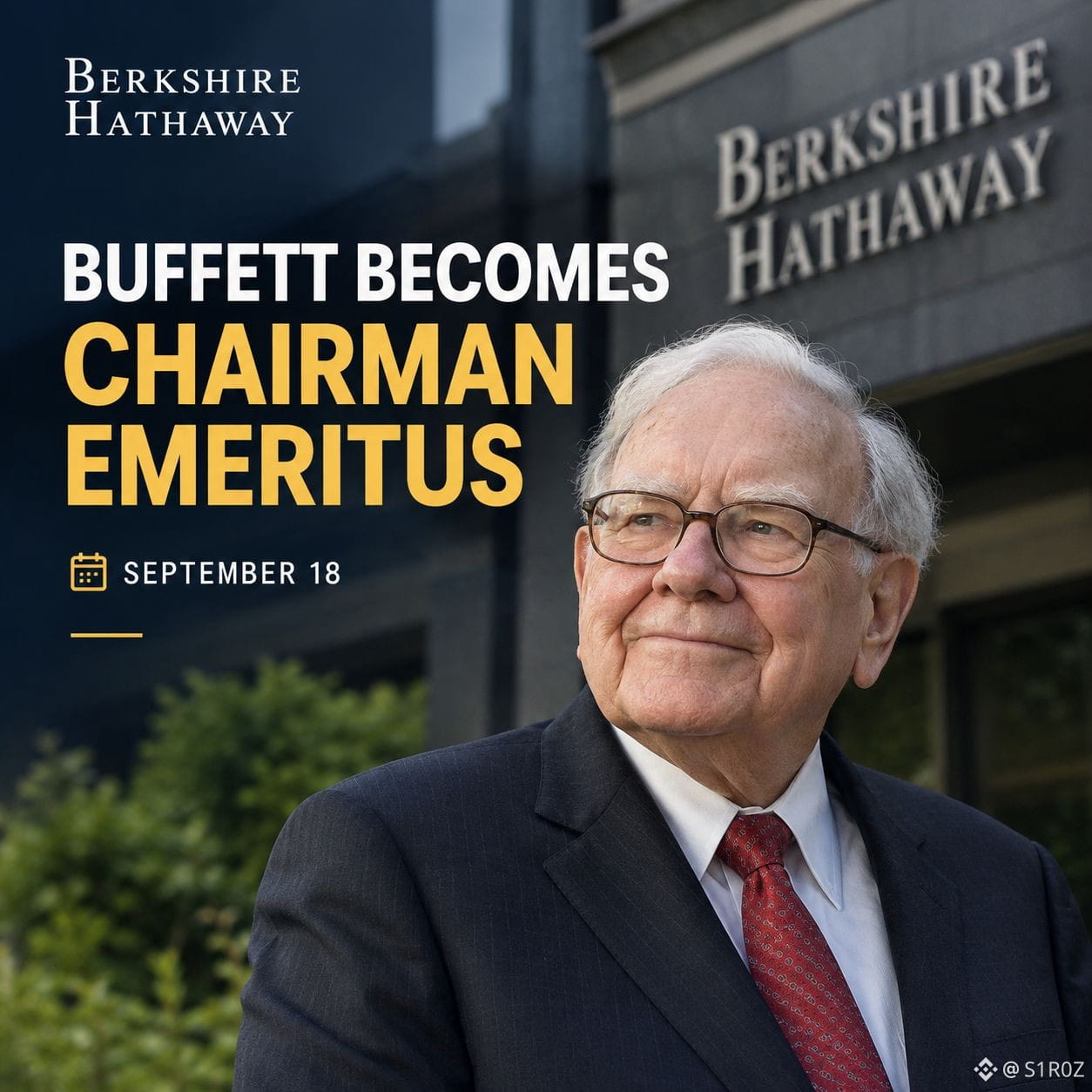
#buffettstepsdownasberkshirechairman
🚨 Warren Buffett Has Stepped Down as Berkshire Chairman
A major chapter in Berkshire Hathaway’s history has officially closed.
On September 18, Berkshire announced that Warren Buffett became Chairman Emeritus, while remaining on the company’s board. Howard G. Buffett, a Berkshire director since 1993, was elected Chairman of the Board.
The important distinction: Greg Abel remains Berkshire’s CEO, leading the company’s operations, while Ajit Jain continues overseeing its insurance operations as vice chairman.
So this isn't simply a change in who runs Berkshire day to day. The operational transition to Abel had already happened in January 2026.
What changes now is Buffett's formal role and the symbolism around Berkshire's succession.
For markets, the key question is less about an automatic crypto reaction and more about how Berkshire's investment culture evolves under its new leadership.
Will Berkshire remain firmly anchored to Buffett's investment philosophy — or gradually develop a different identity? 👀
$BTC
{spot}(BTCUSDT)
$ETH
{spot}(ETHUSDT)
$BNB
{spot}(BNBUSDT)
#BerkshireHathaway #WarrenBuffett #CryptoNews
#buffettstepsdownasberkshirechairman
🚨 Warren Buffett Has Stepped Down as Berkshire Chairman
A major chapter in Berkshire Hathaway’s history has officially closed.
On September 18, Berkshire announced that Warren Buffett became Chairman Emeritus, while remaining on the company’s board. Howard G. Buffett, a Berkshire director since 1993, was elected Chairman of the Board.
The important distinction: Greg Abel remains Berkshire’s CEO, leading the company’s operations, while Ajit Jain continues overseeing its insurance operations as vice chairman.
So this isn't simply a change in who runs Berkshire day to day. The operational transition to Abel had already happened in January 2026.
What changes now is Buffett's formal role and the symbolism around Berkshire's succession.
For markets, the key question is less about an automatic crypto reaction and more about how Berkshire's investment culture evolves under its new leadership.
Will Berkshire remain firmly anchored to Buffett's investment philosophy — or gradually develop a different identity? 👀
$BTC
$ETH
$BNB
#BerkshireHathaway #WarrenBuffett #CryptoNews
🚨 Warren Buffett Has Stepped Down as Berkshire Chairman
A major chapter in Berkshire Hathaway’s history has officially closed.
On September 18, Berkshire announced that Warren Buffett became Chairman Emeritus, while remaining on the company’s board. Howard G. Buffett, a Berkshire director since 1993, was elected Chairman of the Board.
The important distinction: Greg Abel remains Berkshire’s CEO, leading the company’s operations, while Ajit Jain continues overseeing its insurance operations as vice chairman.
So this isn't simply a change in who runs Berkshire day to day. The operational transition to Abel had already happened in January 2026.
What changes now is Buffett's formal role and the symbolism around Berkshire's succession.
For markets, the key question is less about an automatic crypto reaction and more about how Berkshire's investment culture evolves under its new leadership.
Will Berkshire remain firmly anchored to Buffett's investment philosophy — or gradually develop a different identity? 👀
$BTC
$ETH
$BNB
#BerkshireHathaway #WarrenBuffett #CryptoNews
65
·
--
Verified
#soljumpsabout10%
🚨 SOL is back above $114 — but is this breakout actually confirmed?
Solana is back in focus as the SEC opens a new regulatory path for tokenized U.S. stocks.
On Sept. 17, the SEC introduced its Innovation Exemption, giving certain permissioned on-chain trading venues temporary, conditional relief to facilitate trading in tokenized NMS stocks through automated market makers and liquidity pools. The framework runs for five years and includes conditions around investor rights, access, transparency and issuer objections.
That matters for Solana because the network already has exposure to the growing tokenized-equity market.
But here's the key point:
The SEC framework doesn't automatically make every tokenized stock product eligible.
And for $SOL, the regulatory narrative and the chart are two separate things.
A move above resistance is one thing. Holding that level and getting higher-timeframe confirmation is another.
For traders, the question isn't simply:
“Did SOL break above $113?”
It's:
“Can SOL hold the breakout and confirm it?”
The SEC's tokenization framework adds another narrative for Solana to watch — but it doesn't guarantee a sustained price move.
What matters next: confirmation or rejection? 👀
$SOL
{spot}(SOLUSDT)
#solana #CryptoNews #TokenizedStocks
#soljumpsabout10%
🚨 SOL is back above $114 — but is this breakout actually confirmed?
Solana is back in focus as the SEC opens a new regulatory path for tokenized U.S. stocks.
On Sept. 17, the SEC introduced its Innovation Exemption, giving certain permissioned on-chain trading venues temporary, conditional relief to facilitate trading in tokenized NMS stocks through automated market makers and liquidity pools. The framework runs for five years and includes conditions around investor rights, access, transparency and issuer objections.
That matters for Solana because the network already has exposure to the growing tokenized-equity market.
But here's the key point:
The SEC framework doesn't automatically make every tokenized stock product eligible.
And for $SOL , the regulatory narrative and the chart are two separate things.
A move above resistance is one thing. Holding that level and getting higher-timeframe confirmation is another.
For traders, the question isn't simply:
“Did SOL break above $113?”
It's:
“Can SOL hold the breakout and confirm it?”
The SEC's tokenization framework adds another narrative for Solana to watch — but it doesn't guarantee a sustained price move.
What matters next: confirmation or rejection? 👀
$SOL
#solana #CryptoNews #TokenizedStocks
🚨 SOL is back above $114 — but is this breakout actually confirmed?
Solana is back in focus as the SEC opens a new regulatory path for tokenized U.S. stocks.
On Sept. 17, the SEC introduced its Innovation Exemption, giving certain permissioned on-chain trading venues temporary, conditional relief to facilitate trading in tokenized NMS stocks through automated market makers and liquidity pools. The framework runs for five years and includes conditions around investor rights, access, transparency and issuer objections.
That matters for Solana because the network already has exposure to the growing tokenized-equity market.
But here's the key point:
The SEC framework doesn't automatically make every tokenized stock product eligible.
And for $SOL , the regulatory narrative and the chart are two separate things.
A move above resistance is one thing. Holding that level and getting higher-timeframe confirmation is another.
For traders, the question isn't simply:
“Did SOL break above $113?”
It's:
“Can SOL hold the breakout and confirm it?”
The SEC's tokenization framework adds another narrative for Solana to watch — but it doesn't guarantee a sustained price move.
What matters next: confirmation or rejection? 👀
$SOL
#solana #CryptoNews #TokenizedStocks
34
·
--
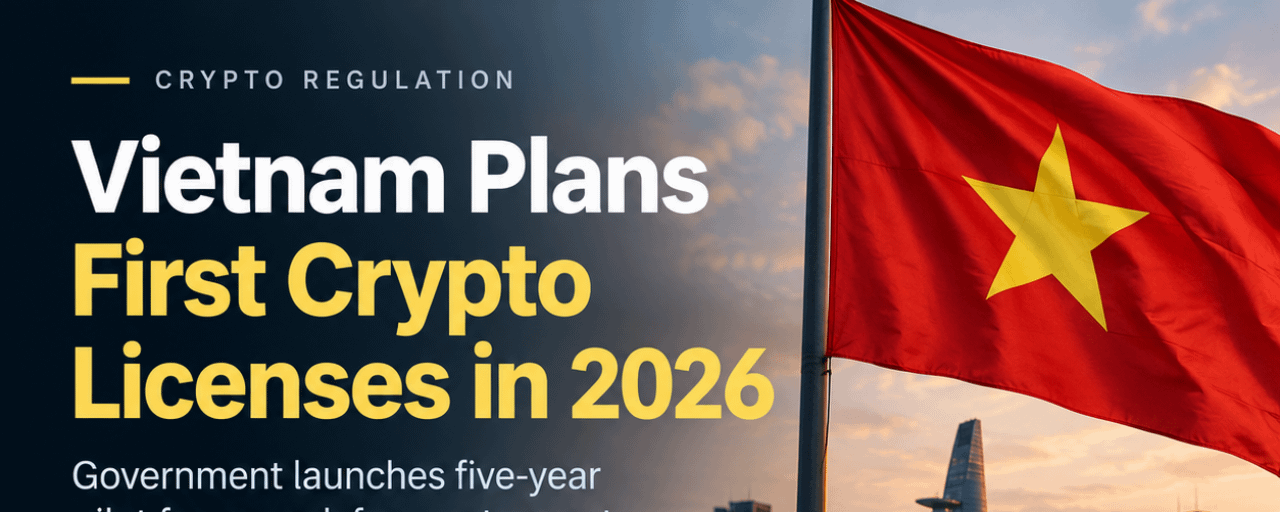
Article
Vietnam Crypto Exchange Licenses: 5 Applicants Await First Approval#vietnamplansfirstcryptolicensesin2026
Vietnam Crypto Exchange Licenses: The Race for the First Approval
Vietnam is moving into a new phase of crypto regulation as the country works toward establishing its first locally licensed crypto-asset service providers.
The shift follows the government's decision to create a five-year pilot framework for Vietnam's crypto-asset market under Resolution 05/2025/NQ-CP, which took effect in September 2025. The framework establishes a formal regulatory structure for crypto-asset trading and related services rather than leaving the market primarily dependent on overseas platforms.
But there is an important detail that can easily get lost in the headlines:
Vietnam has applicants. It does not yet have a licensed crypto exchange.
Five applications passed the initial review
The Ministry of Finance has been processing applications from companies seeking permission to provide crypto-asset market services.
By March 2026, five applications had passed an initial qualification or validity review. Reuters reported that the applicants included companies connected to Techcombank, VPBank, LPBank, VIX Securities and Sun Group.
Other reporting has identified five applications assessed as valid during the Ministry of Finance's review.
However, passing an initial review is not the same as receiving a final operating license.
The distinction matters because the pilot framework gives the government the ability to select a limited number of crypto-asset service providers, while applicants still have to satisfy the relevant regulatory requirements.
What the licensing framework requires
Vietnam's pilot framework is designed around a more controlled market structure.
Applicants face requirements covering areas such as capital, ownership structure, custody, cybersecurity, anti-money-laundering controls and market operations.
That means the licensing process isn't simply about creating a local exchange website and opening deposits.
The government is effectively building a regulated market infrastructure around crypto trading, with licensed service providers expected to operate within defined requirements.
This could also change the relationship between Vietnamese crypto users and international exchanges.
Why the first license matters
Vietnam already has an active crypto market, with many users historically relying on international exchanges.
Reuters reported in March that Vietnamese traders had conducted more than $200 billion in crypto transactions during the year leading to June, highlighting the size of the market the government is attempting to bring under a more formal framework.
The regulatory direction has since become even clearer.
Decree 284, which took effect on September 1, introduced administrative penalties related to crypto-asset trading. Vietnamese reporting says domestic investors trading through platforms that aren't licensed under the new framework can face penalties, while no local crypto exchange had yet received a license at the time of the latest reports.
That creates an unusual situation: the rules are moving ahead while the local licensing process is still being completed.
For the market, the first final license therefore carries more significance than simply adding another exchange.
It would demonstrate that Vietnam's new regulatory framework has moved from legislation and applications into actual regulated market operations.
International exchanges are also watching
The transition could have consequences for global exchanges that currently serve Vietnamese users.
VietnamNet reported that Binance had taken steps related to its Vietnam operations, including advertising for a country general manager position, while OKX announced a strategic investment in a Vietnamese digital-asset exchange project.
These developments don't establish how every international exchange will respond to Vietnam's new rules, but they show that major industry players are paying attention to the country's regulatory transition.
The bigger question is how the market will look once the licensing process is complete.
Will local exchanges attract significant trading activity? How will liquidity compare with established global platforms? And how quickly will the regulatory framework evolve after the pilot begins operating in practice?
Those questions remain open.
What crypto traders should watch
For traders, the most important milestone isn't simply the number of applications.
It's the first actual license issuance.
That event would provide a clearer signal that Vietnam's pilot market is operational and would give market participants more information about which companies have successfully met the government's requirements.
After that, attention is likely to shift toward practical issues such as exchange liquidity, custody standards, compliance, access for local users and how international platforms adapt to the new environment.
Vietnam's crypto market is therefore moving beyond the discussion stage.
The licensing process is underway. The first final approval is the milestone that remains to be reached.
Vietnam Crypto Exchange Licenses: 5 Applicants Await First Approval
#vietnamplansfirstcryptolicensesin2026
Vietnam Crypto Exchange Licenses: The Race for the First Approval
Vietnam is moving into a new phase of crypto regulation as the country works toward establishing its first locally licensed crypto-asset service providers.
The shift follows the government's decision to create a five-year pilot framework for Vietnam's crypto-asset market under Resolution 05/2025/NQ-CP, which took effect in September 2025. The framework establishes a formal regulatory structure for crypto-asset trading and related services rather than leaving the market primarily dependent on overseas platforms.
But there is an important detail that can easily get lost in the headlines:
Vietnam has applicants. It does not yet have a licensed crypto exchange.
Five applications passed the initial review
The Ministry of Finance has been processing applications from companies seeking permission to provide crypto-asset market services.
By March 2026, five applications had passed an initial qualification or validity review. Reuters reported that the applicants included companies connected to Techcombank, VPBank, LPBank, VIX Securities and Sun Group.
Other reporting has identified five applications assessed as valid during the Ministry of Finance's review.
However, passing an initial review is not the same as receiving a final operating license.
The distinction matters because the pilot framework gives the government the ability to select a limited number of crypto-asset service providers, while applicants still have to satisfy the relevant regulatory requirements.
What the licensing framework requires
Vietnam's pilot framework is designed around a more controlled market structure.
Applicants face requirements covering areas such as capital, ownership structure, custody, cybersecurity, anti-money-laundering controls and market operations.
That means the licensing process isn't simply about creating a local exchange website and opening deposits.
The government is effectively building a regulated market infrastructure around crypto trading, with licensed service providers expected to operate within defined requirements.
This could also change the relationship between Vietnamese crypto users and international exchanges.
Why the first license matters
Vietnam already has an active crypto market, with many users historically relying on international exchanges.
Reuters reported in March that Vietnamese traders had conducted more than $200 billion in crypto transactions during the year leading to June, highlighting the size of the market the government is attempting to bring under a more formal framework.
The regulatory direction has since become even clearer.
Decree 284, which took effect on September 1, introduced administrative penalties related to crypto-asset trading. Vietnamese reporting says domestic investors trading through platforms that aren't licensed under the new framework can face penalties, while no local crypto exchange had yet received a license at the time of the latest reports.
That creates an unusual situation: the rules are moving ahead while the local licensing process is still being completed.
For the market, the first final license therefore carries more significance than simply adding another exchange.
It would demonstrate that Vietnam's new regulatory framework has moved from legislation and applications into actual regulated market operations.
International exchanges are also watching
The transition could have consequences for global exchanges that currently serve Vietnamese users.
VietnamNet reported that Binance had taken steps related to its Vietnam operations, including advertising for a country general manager position, while OKX announced a strategic investment in a Vietnamese digital-asset exchange project.
These developments don't establish how every international exchange will respond to Vietnam's new rules, but they show that major industry players are paying attention to the country's regulatory transition.
The bigger question is how the market will look once the licensing process is complete.
Will local exchanges attract significant trading activity? How will liquidity compare with established global platforms? And how quickly will the regulatory framework evolve after the pilot begins operating in practice?
Those questions remain open.
What crypto traders should watch
For traders, the most important milestone isn't simply the number of applications.
It's the first actual license issuance.
That event would provide a clearer signal that Vietnam's pilot market is operational and would give market participants more information about which companies have successfully met the government's requirements.
After that, attention is likely to shift toward practical issues such as exchange liquidity, custody standards, compliance, access for local users and how international platforms adapt to the new environment.
Vietnam's crypto market is therefore moving beyond the discussion stage.
The licensing process is underway. The first final approval is the milestone that remains to be reached.
Vietnam Crypto Exchange Licenses: The Race for the First Approval
Vietnam is moving into a new phase of crypto regulation as the country works toward establishing its first locally licensed crypto-asset service providers.
The shift follows the government's decision to create a five-year pilot framework for Vietnam's crypto-asset market under Resolution 05/2025/NQ-CP, which took effect in September 2025. The framework establishes a formal regulatory structure for crypto-asset trading and related services rather than leaving the market primarily dependent on overseas platforms.
But there is an important detail that can easily get lost in the headlines:
Vietnam has applicants. It does not yet have a licensed crypto exchange.
Five applications passed the initial review
The Ministry of Finance has been processing applications from companies seeking permission to provide crypto-asset market services.
By March 2026, five applications had passed an initial qualification or validity review. Reuters reported that the applicants included companies connected to Techcombank, VPBank, LPBank, VIX Securities and Sun Group.
Other reporting has identified five applications assessed as valid during the Ministry of Finance's review.
However, passing an initial review is not the same as receiving a final operating license.
The distinction matters because the pilot framework gives the government the ability to select a limited number of crypto-asset service providers, while applicants still have to satisfy the relevant regulatory requirements.
What the licensing framework requires
Vietnam's pilot framework is designed around a more controlled market structure.
Applicants face requirements covering areas such as capital, ownership structure, custody, cybersecurity, anti-money-laundering controls and market operations.
That means the licensing process isn't simply about creating a local exchange website and opening deposits.
The government is effectively building a regulated market infrastructure around crypto trading, with licensed service providers expected to operate within defined requirements.
This could also change the relationship between Vietnamese crypto users and international exchanges.
Why the first license matters
Vietnam already has an active crypto market, with many users historically relying on international exchanges.
Reuters reported in March that Vietnamese traders had conducted more than $200 billion in crypto transactions during the year leading to June, highlighting the size of the market the government is attempting to bring under a more formal framework.
The regulatory direction has since become even clearer.
Decree 284, which took effect on September 1, introduced administrative penalties related to crypto-asset trading. Vietnamese reporting says domestic investors trading through platforms that aren't licensed under the new framework can face penalties, while no local crypto exchange had yet received a license at the time of the latest reports.
That creates an unusual situation: the rules are moving ahead while the local licensing process is still being completed.
For the market, the first final license therefore carries more significance than simply adding another exchange.
It would demonstrate that Vietnam's new regulatory framework has moved from legislation and applications into actual regulated market operations.
International exchanges are also watching
The transition could have consequences for global exchanges that currently serve Vietnamese users.
VietnamNet reported that Binance had taken steps related to its Vietnam operations, including advertising for a country general manager position, while OKX announced a strategic investment in a Vietnamese digital-asset exchange project.
These developments don't establish how every international exchange will respond to Vietnam's new rules, but they show that major industry players are paying attention to the country's regulatory transition.
The bigger question is how the market will look once the licensing process is complete.
Will local exchanges attract significant trading activity? How will liquidity compare with established global platforms? And how quickly will the regulatory framework evolve after the pilot begins operating in practice?
Those questions remain open.
What crypto traders should watch
For traders, the most important milestone isn't simply the number of applications.
It's the first actual license issuance.
That event would provide a clearer signal that Vietnam's pilot market is operational and would give market participants more information about which companies have successfully met the government's requirements.
After that, attention is likely to shift toward practical issues such as exchange liquidity, custody standards, compliance, access for local users and how international platforms adapt to the new environment.
Vietnam's crypto market is therefore moving beyond the discussion stage.
The licensing process is underway. The first final approval is the milestone that remains to be reached.
1
92
·
--
#vietnamplansfirstcryptolicensesin2026
🇻🇳 Vietnam is getting closer to its first licensed crypto exchanges.
Vietnam's crypto market is moving into a formal licensing phase after the government launched a five-year pilot framework for crypto assets.
The Ministry of Finance began accepting license applications in January 2026, and five applications were later deemed valid. But there's an important distinction:
Valid application ≠ approved license.
As of the latest reporting, Vietnam had not yet issued a crypto-exchange license.
Under the pilot, the government can select up to five crypto-asset service providers, with requirements covering capital, ownership, custody, cybersecurity, AML and market operations.
For the market, the first actual license will be the milestone to watch.
It could give local crypto trading a clearer regulatory structure while changing how Vietnamese investors access digital assets.
Vietnam isn't just discussing crypto regulation anymore — the licensing process is underway.
#Vietnam #CryptoRegulation #CryptoNews
#vietnamplansfirstcryptolicensesin2026
🇻🇳 Vietnam is getting closer to its first licensed crypto exchanges.
Vietnam's crypto market is moving into a formal licensing phase after the government launched a five-year pilot framework for crypto assets.
The Ministry of Finance began accepting license applications in January 2026, and five applications were later deemed valid. But there's an important distinction:
Valid application ≠ approved license.
As of the latest reporting, Vietnam had not yet issued a crypto-exchange license.
Under the pilot, the government can select up to five crypto-asset service providers, with requirements covering capital, ownership, custody, cybersecurity, AML and market operations.
For the market, the first actual license will be the milestone to watch.
It could give local crypto trading a clearer regulatory structure while changing how Vietnamese investors access digital assets.
Vietnam isn't just discussing crypto regulation anymore — the licensing process is underway.
#Vietnam #CryptoRegulation #CryptoNews
🇻🇳 Vietnam is getting closer to its first licensed crypto exchanges.
Vietnam's crypto market is moving into a formal licensing phase after the government launched a five-year pilot framework for crypto assets.
The Ministry of Finance began accepting license applications in January 2026, and five applications were later deemed valid. But there's an important distinction:
Valid application ≠ approved license.
As of the latest reporting, Vietnam had not yet issued a crypto-exchange license.
Under the pilot, the government can select up to five crypto-asset service providers, with requirements covering capital, ownership, custody, cybersecurity, AML and market operations.
For the market, the first actual license will be the milestone to watch.
It could give local crypto trading a clearer regulatory structure while changing how Vietnamese investors access digital assets.
Vietnam isn't just discussing crypto regulation anymore — the licensing process is underway.
#Vietnam #CryptoRegulation #CryptoNews

56
·
--
Verified
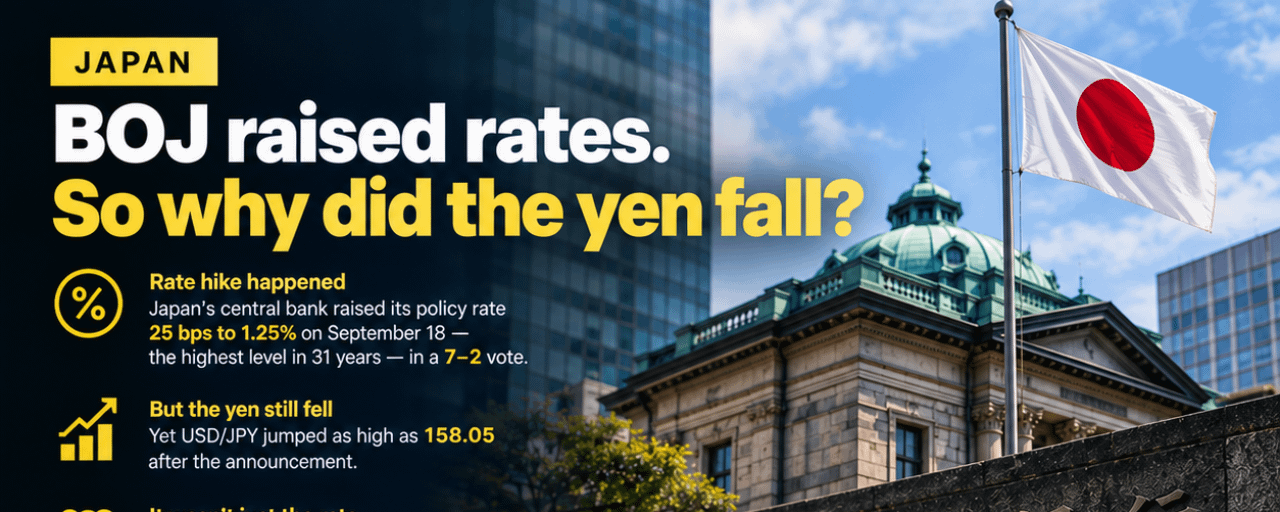
Article
BOJ Raises Rates, But the Yen Falls: What Markets Are Actually Pricing#bojraisesratesto31yearhigh
The Bank of Japan just delivered another rate hike, but the yen moved in the opposite direction.
On September 18, the BOJ raised its policy rate by 25 basis points to 1.25%, the highest level in 31 years. The decision passed by a 7–2 vote, with two policymakers dissenting. The move itself was widely expected by markets.
So why did the yen weaken?
The answer lies in the difference between what happened and what markets expected to happen next.
The 25-basis-point increase wasn't a major surprise. What traders were looking for was stronger guidance about the BOJ's next moves.
Instead, Governor Kazuo Ueda avoided committing to a fixed pace of future tightening. He said the bank would assess conditions at each policy meeting and determine the appropriate policy response based on inflation, economic activity and financial conditions.
That created an important gap between the rate decision and expectations for the future.
The BOJ can raise rates today while still giving markets reasons to believe that future hikes won't necessarily come quickly.
The two dissenting votes also caught the market's attention. Two policymakers preferred to leave rates unchanged, adding uncertainty around how quickly the BOJ can continue tightening.
The result was striking: despite Japan's highest policy rate since 1995, the dollar rose as much as 1.2% against the yen to around ¥158.05.
This is why simply looking at the rate hike can miss the bigger market signal.
Japan has historically been a major funding market because borrowing costs were extremely low. The basic carry-trade structure is straightforward: borrow yen, convert into another currency, and invest in higher-yielding assets.
When Japanese rates rise and the yen strengthens, those positions can become less attractive. But a single rate hike doesn't automatically force the trade to unwind.
For that to become a larger market issue, investors would need to see a more sustained change in the relative attractiveness of yen funding and potentially stronger yen appreciation.
That is why USD/JPY remains an important macro indicator.
Bitcoin adds another layer.
Interestingly, Bitcoin moved higher after the BOJ decision. Reuters reported BTC rebounded roughly 6% toward $81,000 following the announcement.
That doesn't mean BOJ tightening is automatically bullish for Bitcoin.
It simply shows why the relationship isn't as simple as “BOJ hikes = BTC falls.”
Markets are constantly comparing the actual policy decision with what was already expected.
If the BOJ hikes but markets interpret the future path as relatively gradual, the immediate impact can look very different from what the headline rate decision suggests.
The bigger risk for global markets isn't necessarily the 25-basis-point hike itself. It's what happens if the yen eventually begins strengthening sharply.
A stronger yen could make existing carry positions less attractive. If positioning is crowded, a rapid currency move could create pressure to reduce those positions, potentially affecting other risk assets as capital is repositioned.
There is also a separate currency-policy issue. Japanese authorities conducted rate checks after the yen weakened, a step that markets often watch for potential intervention.
For traders, that makes USD/JPY more important than the BOJ headline alone.
The key questions are now: Does the BOJ continue tightening? Does the yen finally respond with sustained appreciation? Does the carry trade begin to unwind? And how do global risk assets, including Bitcoin, respond?
The September decision showed something important: markets don't trade the rate hike in isolation. They trade the gap between expectations and what policymakers actually deliver.
For now, Japan tightened policy, but the yen weakened.
That divergence is the part worth watching.
BOJ Raises Rates, But the Yen Falls: What Markets Are Actually Pricing
#bojraisesratesto31yearhigh
The Bank of Japan just delivered another rate hike, but the yen moved in the opposite direction.
On September 18, the BOJ raised its policy rate by 25 basis points to 1.25%, the highest level in 31 years. The decision passed by a 7–2 vote, with two policymakers dissenting. The move itself was widely expected by markets.
So why did the yen weaken?
The answer lies in the difference between what happened and what markets expected to happen next.
The 25-basis-point increase wasn't a major surprise. What traders were looking for was stronger guidance about the BOJ's next moves.
Instead, Governor Kazuo Ueda avoided committing to a fixed pace of future tightening. He said the bank would assess conditions at each policy meeting and determine the appropriate policy response based on inflation, economic activity and financial conditions.
That created an important gap between the rate decision and expectations for the future.
The BOJ can raise rates today while still giving markets reasons to believe that future hikes won't necessarily come quickly.
The two dissenting votes also caught the market's attention. Two policymakers preferred to leave rates unchanged, adding uncertainty around how quickly the BOJ can continue tightening.
The result was striking: despite Japan's highest policy rate since 1995, the dollar rose as much as 1.2% against the yen to around ¥158.05.
This is why simply looking at the rate hike can miss the bigger market signal.
Japan has historically been a major funding market because borrowing costs were extremely low. The basic carry-trade structure is straightforward: borrow yen, convert into another currency, and invest in higher-yielding assets.
When Japanese rates rise and the yen strengthens, those positions can become less attractive. But a single rate hike doesn't automatically force the trade to unwind.
For that to become a larger market issue, investors would need to see a more sustained change in the relative attractiveness of yen funding and potentially stronger yen appreciation.
That is why USD/JPY remains an important macro indicator.
Bitcoin adds another layer.
Interestingly, Bitcoin moved higher after the BOJ decision. Reuters reported BTC rebounded roughly 6% toward $81,000 following the announcement.
That doesn't mean BOJ tightening is automatically bullish for Bitcoin.
It simply shows why the relationship isn't as simple as “BOJ hikes = BTC falls.”
Markets are constantly comparing the actual policy decision with what was already expected.
If the BOJ hikes but markets interpret the future path as relatively gradual, the immediate impact can look very different from what the headline rate decision suggests.
The bigger risk for global markets isn't necessarily the 25-basis-point hike itself. It's what happens if the yen eventually begins strengthening sharply.
A stronger yen could make existing carry positions less attractive. If positioning is crowded, a rapid currency move could create pressure to reduce those positions, potentially affecting other risk assets as capital is repositioned.
There is also a separate currency-policy issue. Japanese authorities conducted rate checks after the yen weakened, a step that markets often watch for potential intervention.
For traders, that makes USD/JPY more important than the BOJ headline alone.
The key questions are now: Does the BOJ continue tightening? Does the yen finally respond with sustained appreciation? Does the carry trade begin to unwind? And how do global risk assets, including Bitcoin, respond?
The September decision showed something important: markets don't trade the rate hike in isolation. They trade the gap between expectations and what policymakers actually deliver.
For now, Japan tightened policy, but the yen weakened.
That divergence is the part worth watching.
The Bank of Japan just delivered another rate hike, but the yen moved in the opposite direction.
On September 18, the BOJ raised its policy rate by 25 basis points to 1.25%, the highest level in 31 years. The decision passed by a 7–2 vote, with two policymakers dissenting. The move itself was widely expected by markets.
So why did the yen weaken?
The answer lies in the difference between what happened and what markets expected to happen next.
The 25-basis-point increase wasn't a major surprise. What traders were looking for was stronger guidance about the BOJ's next moves.
Instead, Governor Kazuo Ueda avoided committing to a fixed pace of future tightening. He said the bank would assess conditions at each policy meeting and determine the appropriate policy response based on inflation, economic activity and financial conditions.
That created an important gap between the rate decision and expectations for the future.
The BOJ can raise rates today while still giving markets reasons to believe that future hikes won't necessarily come quickly.
The two dissenting votes also caught the market's attention. Two policymakers preferred to leave rates unchanged, adding uncertainty around how quickly the BOJ can continue tightening.
The result was striking: despite Japan's highest policy rate since 1995, the dollar rose as much as 1.2% against the yen to around ¥158.05.
This is why simply looking at the rate hike can miss the bigger market signal.
Japan has historically been a major funding market because borrowing costs were extremely low. The basic carry-trade structure is straightforward: borrow yen, convert into another currency, and invest in higher-yielding assets.
When Japanese rates rise and the yen strengthens, those positions can become less attractive. But a single rate hike doesn't automatically force the trade to unwind.
For that to become a larger market issue, investors would need to see a more sustained change in the relative attractiveness of yen funding and potentially stronger yen appreciation.
That is why USD/JPY remains an important macro indicator.
Bitcoin adds another layer.
Interestingly, Bitcoin moved higher after the BOJ decision. Reuters reported BTC rebounded roughly 6% toward $81,000 following the announcement.
That doesn't mean BOJ tightening is automatically bullish for Bitcoin.
It simply shows why the relationship isn't as simple as “BOJ hikes = BTC falls.”
Markets are constantly comparing the actual policy decision with what was already expected.
If the BOJ hikes but markets interpret the future path as relatively gradual, the immediate impact can look very different from what the headline rate decision suggests.
The bigger risk for global markets isn't necessarily the 25-basis-point hike itself. It's what happens if the yen eventually begins strengthening sharply.
A stronger yen could make existing carry positions less attractive. If positioning is crowded, a rapid currency move could create pressure to reduce those positions, potentially affecting other risk assets as capital is repositioned.
There is also a separate currency-policy issue. Japanese authorities conducted rate checks after the yen weakened, a step that markets often watch for potential intervention.
For traders, that makes USD/JPY more important than the BOJ headline alone.
The key questions are now: Does the BOJ continue tightening? Does the yen finally respond with sustained appreciation? Does the carry trade begin to unwind? And how do global risk assets, including Bitcoin, respond?
The September decision showed something important: markets don't trade the rate hike in isolation. They trade the gap between expectations and what policymakers actually deliver.
For now, Japan tightened policy, but the yen weakened.
That divergence is the part worth watching.
93
·
--
Verified
#bojraisesratesto31yearhigh
🇯🇵 BOJ raised rates. So why did the yen fall?
Japan's central bank raised its policy rate 25 bps to 1.25% on September 18 — the highest level in 31 years — in a 7–2 vote.
Yet USD/JPY jumped as high as 158.05.
The reason is what happened beyond the headline rate.
The hike was widely expected, while two BOJ policymakers argued for waiting. Markets also focused on Governor Ueda's cautious approach to future tightening rather than assuming a fixed path of additional hikes.
That matters for the yen carry trade. Japan's rate is higher, but the yield gap with other major markets remains significant, so yen-funded positions haven't automatically disappeared.
And Bitcoin added another twist.
BTC rebounded about 5.9% toward $81K after the BOJ decision.
So the signal isn't simply “BOJ hikes = crypto bearish.”
The bigger thing to watch is whether future tightening produces sustained yen strength — and eventually puts pressure on crowded carry positions.
The rate hike was expected. The yen's reaction is what matters now.
$BTC
{spot}(BTCUSDT)
#BoJ #JapaneseYen #carrytrade
#bojraisesratesto31yearhigh
🇯🇵 BOJ raised rates. So why did the yen fall?
Japan's central bank raised its policy rate 25 bps to 1.25% on September 18 — the highest level in 31 years — in a 7–2 vote.
Yet USD/JPY jumped as high as 158.05.
The reason is what happened beyond the headline rate.
The hike was widely expected, while two BOJ policymakers argued for waiting. Markets also focused on Governor Ueda's cautious approach to future tightening rather than assuming a fixed path of additional hikes.
That matters for the yen carry trade. Japan's rate is higher, but the yield gap with other major markets remains significant, so yen-funded positions haven't automatically disappeared.
And Bitcoin added another twist.
BTC rebounded about 5.9% toward $81K after the BOJ decision.
So the signal isn't simply “BOJ hikes = crypto bearish.”
The bigger thing to watch is whether future tightening produces sustained yen strength — and eventually puts pressure on crowded carry positions.
The rate hike was expected. The yen's reaction is what matters now.
$BTC
#BoJ #JapaneseYen #carrytrade
🇯🇵 BOJ raised rates. So why did the yen fall?
Japan's central bank raised its policy rate 25 bps to 1.25% on September 18 — the highest level in 31 years — in a 7–2 vote.
Yet USD/JPY jumped as high as 158.05.
The reason is what happened beyond the headline rate.
The hike was widely expected, while two BOJ policymakers argued for waiting. Markets also focused on Governor Ueda's cautious approach to future tightening rather than assuming a fixed path of additional hikes.
That matters for the yen carry trade. Japan's rate is higher, but the yield gap with other major markets remains significant, so yen-funded positions haven't automatically disappeared.
And Bitcoin added another twist.
BTC rebounded about 5.9% toward $81K after the BOJ decision.
So the signal isn't simply “BOJ hikes = crypto bearish.”
The bigger thing to watch is whether future tightening produces sustained yen strength — and eventually puts pressure on crowded carry positions.
The rate hike was expected. The yen's reaction is what matters now.
$BTC
#BoJ #JapaneseYen #carrytrade
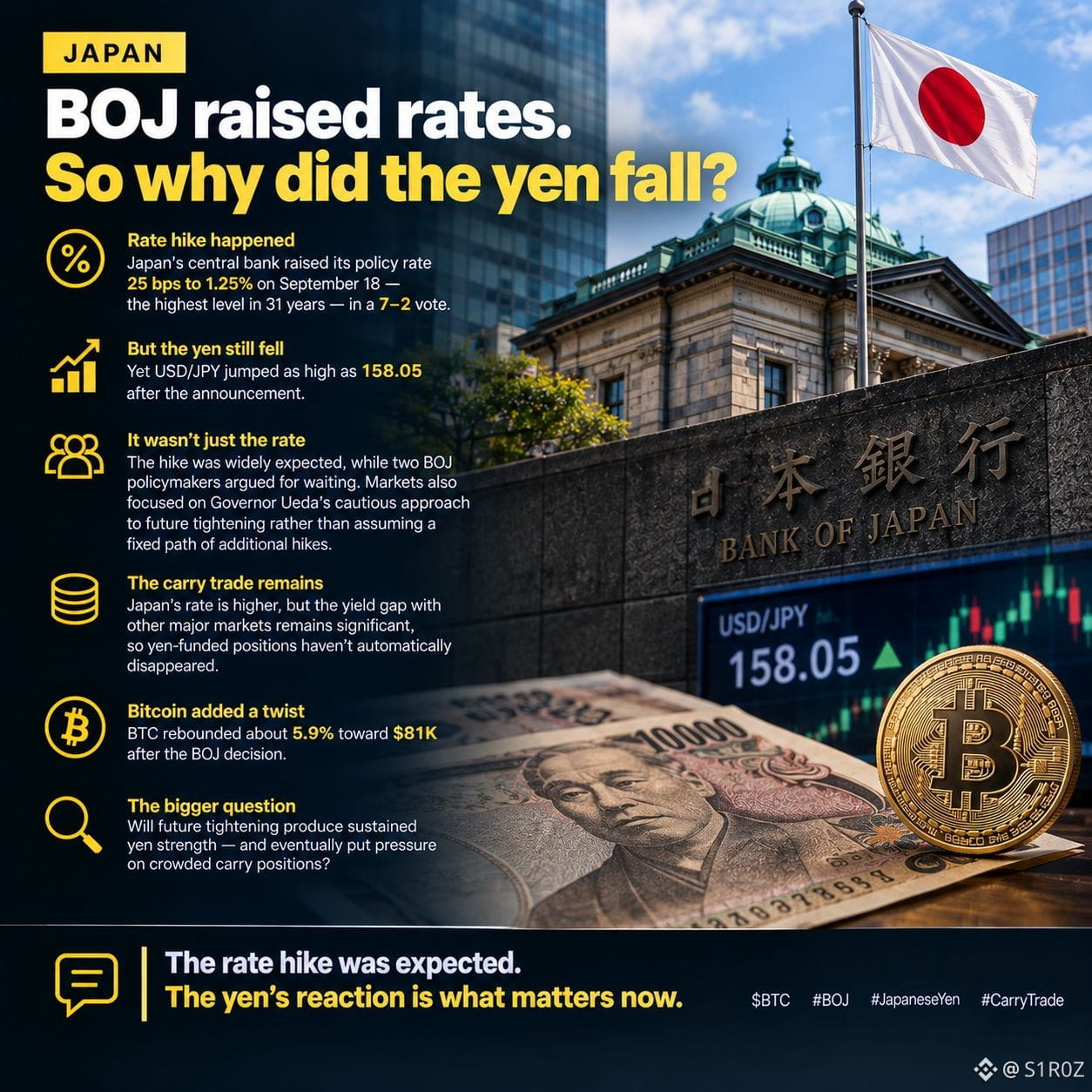
2
40
·
--
#xrpexchangereserveshitsevenyearlow
🪙 XRP exchange reserves have fallen sharply. But where's the price breakout?
Tracked exchange balances have fallen to around 1.6B XRP, roughly half the level seen around the October 2025 peak. Some of that supply has reportedly moved into ETF custody and private wallets rather than disappearing.
And that's the key distinction:
Lower exchange balances ≠ lower total supply.
XRP can leave exchanges and simply move into custody or long-term wallets. Ripple also continues to control a large XRP balance, including roughly 32B XRP currently held in escrow.
There’s another reason to stay cautious: the reserve picture can change quickly. Binance's XRP reserves recently climbed back toward 2.62B XRP, while whale inflows to the exchange also increased.
So the real question isn't whether XRP is becoming scarce.
It's whether sustained demand arrives while readily available exchange liquidity remains tight.
Because without demand, scarcity alone doesn't guarantee higher prices.
For $XRP , I'd watch price confirmation alongside exchange flows — not either metric in isolation.
{spot}(XRPUSDT)
#XR #onchaindata #CryptoLiquidity
#xrpexchangereserveshitsevenyearlow
🪙 XRP exchange reserves have fallen sharply. But where's the price breakout?
Tracked exchange balances have fallen to around 1.6B XRP, roughly half the level seen around the October 2025 peak. Some of that supply has reportedly moved into ETF custody and private wallets rather than disappearing.
And that's the key distinction:
Lower exchange balances ≠ lower total supply.
XRP can leave exchanges and simply move into custody or long-term wallets. Ripple also continues to control a large XRP balance, including roughly 32B XRP currently held in escrow.
There’s another reason to stay cautious: the reserve picture can change quickly. Binance's XRP reserves recently climbed back toward 2.62B XRP, while whale inflows to the exchange also increased.
So the real question isn't whether XRP is becoming scarce.
It's whether sustained demand arrives while readily available exchange liquidity remains tight.
Because without demand, scarcity alone doesn't guarantee higher prices.
For $XRP , I'd watch price confirmation alongside exchange flows — not either metric in isolation.
#XR #onchaindata #CryptoLiquidity
🪙 XRP exchange reserves have fallen sharply. But where's the price breakout?
Tracked exchange balances have fallen to around 1.6B XRP, roughly half the level seen around the October 2025 peak. Some of that supply has reportedly moved into ETF custody and private wallets rather than disappearing.
And that's the key distinction:
Lower exchange balances ≠ lower total supply.
XRP can leave exchanges and simply move into custody or long-term wallets. Ripple also continues to control a large XRP balance, including roughly 32B XRP currently held in escrow.
There’s another reason to stay cautious: the reserve picture can change quickly. Binance's XRP reserves recently climbed back toward 2.62B XRP, while whale inflows to the exchange also increased.
So the real question isn't whether XRP is becoming scarce.
It's whether sustained demand arrives while readily available exchange liquidity remains tight.
Because without demand, scarcity alone doesn't guarantee higher prices.
For $XRP , I'd watch price confirmation alongside exchange flows — not either metric in isolation.
#XR #onchaindata #CryptoLiquidity
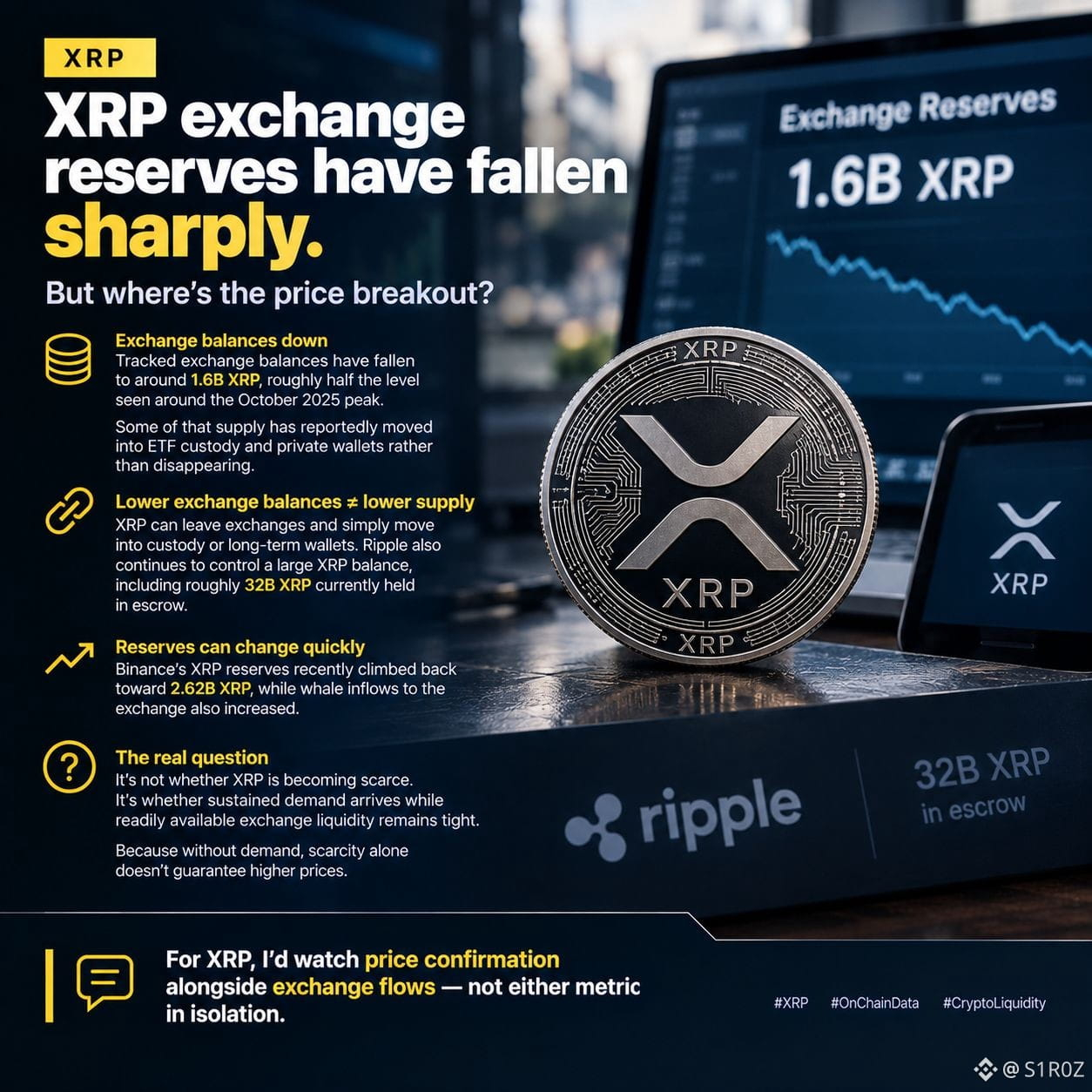
1
108
·
--
#bitcoinmarketcaptopstesla
₿ Bitcoin's market cap just moved above Tesla's.
On the September 19 snapshot, BTC was valued at roughly $1.63T, compared with about $1.44T for Tesla — a gap of around $190B.
That's a notable comparison, but there's an important detail traders should keep in mind.
Bitcoin's market cap comes from BTC price × circulating supply. Tesla's comes from share price × outstanding shares. They're fundamentally different assets, so the ranking is best viewed as a measure of relative market scale, not a direct valuation comparison.
And that ~$190B gap doesn't mean $190B flowed from Tesla into Bitcoin. Market caps change mainly because the prices of existing assets change.
What makes this interesting is how quickly the ranking can shift. BTC's move above $80K was enough to push its total valuation back ahead of one of the world's largest companies.
The next thing worth watching is whether BTC can maintain that lead as liquidity, rates and risk sentiment change.
$BTC
{spot}(BTCUSDT)
#bitcoin #crypto #Tesla
#bitcoinmarketcaptopstesla
₿ Bitcoin's market cap just moved above Tesla's.
On the September 19 snapshot, BTC was valued at roughly $1.63T, compared with about $1.44T for Tesla — a gap of around $190B.
That's a notable comparison, but there's an important detail traders should keep in mind.
Bitcoin's market cap comes from BTC price × circulating supply. Tesla's comes from share price × outstanding shares. They're fundamentally different assets, so the ranking is best viewed as a measure of relative market scale, not a direct valuation comparison.
And that ~$190B gap doesn't mean $190B flowed from Tesla into Bitcoin. Market caps change mainly because the prices of existing assets change.
What makes this interesting is how quickly the ranking can shift. BTC's move above $80K was enough to push its total valuation back ahead of one of the world's largest companies.
The next thing worth watching is whether BTC can maintain that lead as liquidity, rates and risk sentiment change.
$BTC
#bitcoin #crypto #Tesla
₿ Bitcoin's market cap just moved above Tesla's.
On the September 19 snapshot, BTC was valued at roughly $1.63T, compared with about $1.44T for Tesla — a gap of around $190B.
That's a notable comparison, but there's an important detail traders should keep in mind.
Bitcoin's market cap comes from BTC price × circulating supply. Tesla's comes from share price × outstanding shares. They're fundamentally different assets, so the ranking is best viewed as a measure of relative market scale, not a direct valuation comparison.
And that ~$190B gap doesn't mean $190B flowed from Tesla into Bitcoin. Market caps change mainly because the prices of existing assets change.
What makes this interesting is how quickly the ranking can shift. BTC's move above $80K was enough to push its total valuation back ahead of one of the world's largest companies.
The next thing worth watching is whether BTC can maintain that lead as liquidity, rates and risk sentiment change.
$BTC
#bitcoin #crypto #Tesla
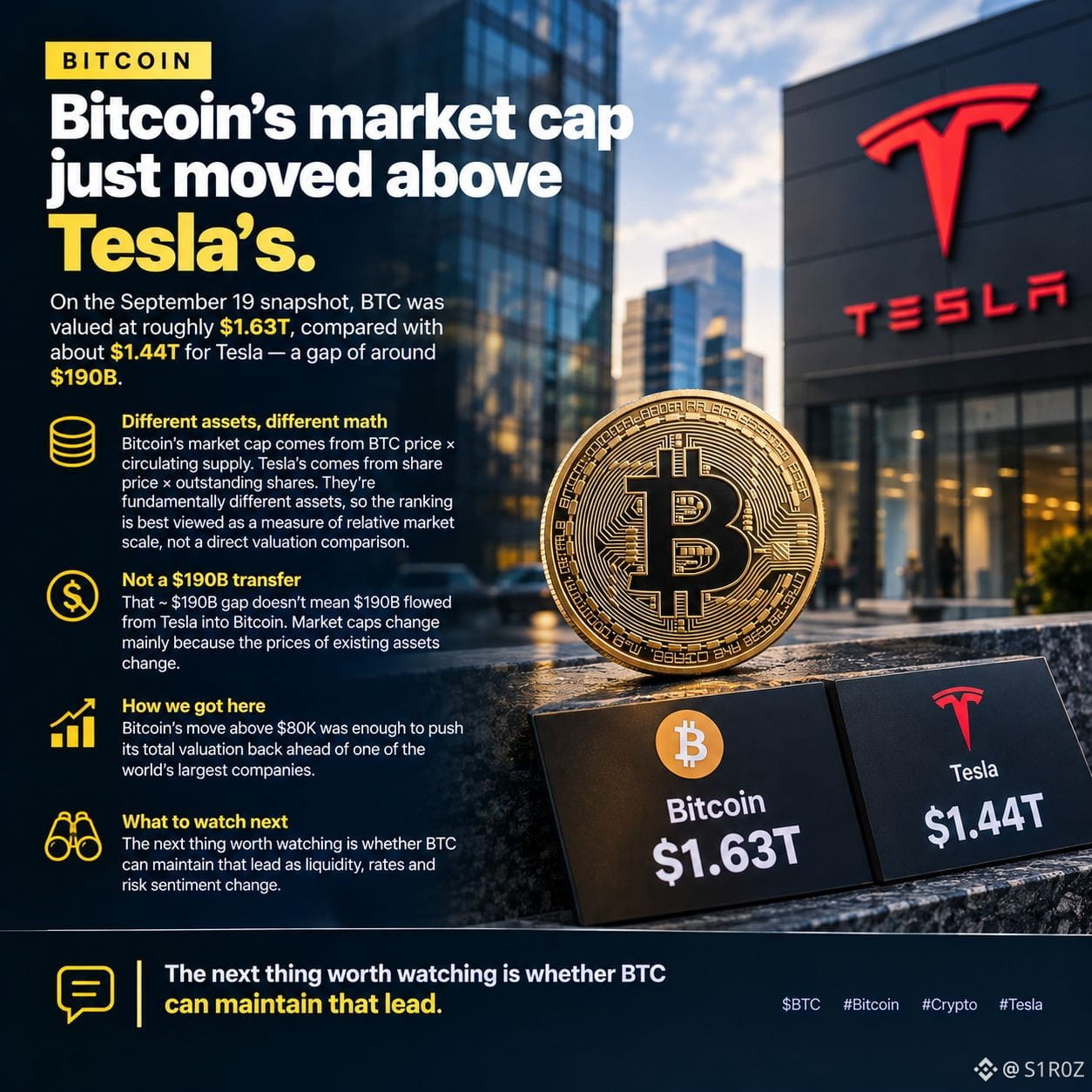
1
50
Log in to explore more content
Join global crypto users on Binance Square
⚡️ Get latest and useful information about crypto.
💬 Trusted by the world’s largest crypto exchange.
👍 Discover real insights from verified creators.
Email / Phone number
Trending Topics
NEARRisesNearly80%InAWeek
14,682 views
619 Discussing
#nearrisesnearly80%inaweek
🚨 NEAR RALLIES NEARLY 80% IN ONE WEEK
NEAR Protocol’s native token has delivered a major weekly move, gaining roughly 78% over the past seven days and trading around $4.29 on September 21, according to reported CoinGecko data.
📊 WHAT’S DRIVING THE ATTENTION?
• NEAR climbed from roughly $2.20 to above $4.20 within about a week
• NEAR Intents cumulative volume is approaching $30B
• Recent activity around confidential perpetual-futures trading has added another major narrative around the ecosystem
• NEAR’s weekly performance has significantly outpaced the broader crypto market, which gained around 6% over the same period
🔎 WHY IT MATTERS
The rally puts renewed focus on NEAR’s cross-chain liquidity infrastructure, Intents ecosystem and privacy-focused trading developments.
But after such a rapid move, volatility and profit-taking are also important risks to watch. A strong weekly gain does not guarantee that momentum will continue.
📌 WATCH NEXT
Traders may be watching whether NEAR can maintain the recent breakout and whether network activity continues to support the market narrative.
NEAR’s price move is strong — but the next test is whether ecosystem activity can keep pace with the speculation.
$MUBARAK $PHA $NIL
顾清妍
·2 Likes
·1.6k views
MultiversXPlansHardForkRecovery
14,411 views
488 Discussing
CircleLaunchesInstitutionalBTCBackedBorrowing
15,721 views
621 Discussing