
#linux
linux
7,887 views
25 Discussing
Hot
Latest

New Linux flaw called "Bad Epoll" just dropped... 🚨
It lets anyone grab root access on Linux and Android devices!! Even AI missed this one... make sure your systems are patched up ASAP!! 🛡️
#CyberSecurity #Linux
New Linux flaw called "Bad Epoll" just dropped... 🚨
It lets anyone grab root access on Linux and Android devices!! Even AI missed this one... make sure your systems are patched up ASAP!! 🛡️
#CyberSecurity #Linux
It lets anyone grab root access on Linux and Android devices!! Even AI missed this one... make sure your systems are patched up ASAP!! 🛡️
#CyberSecurity #Linux
16

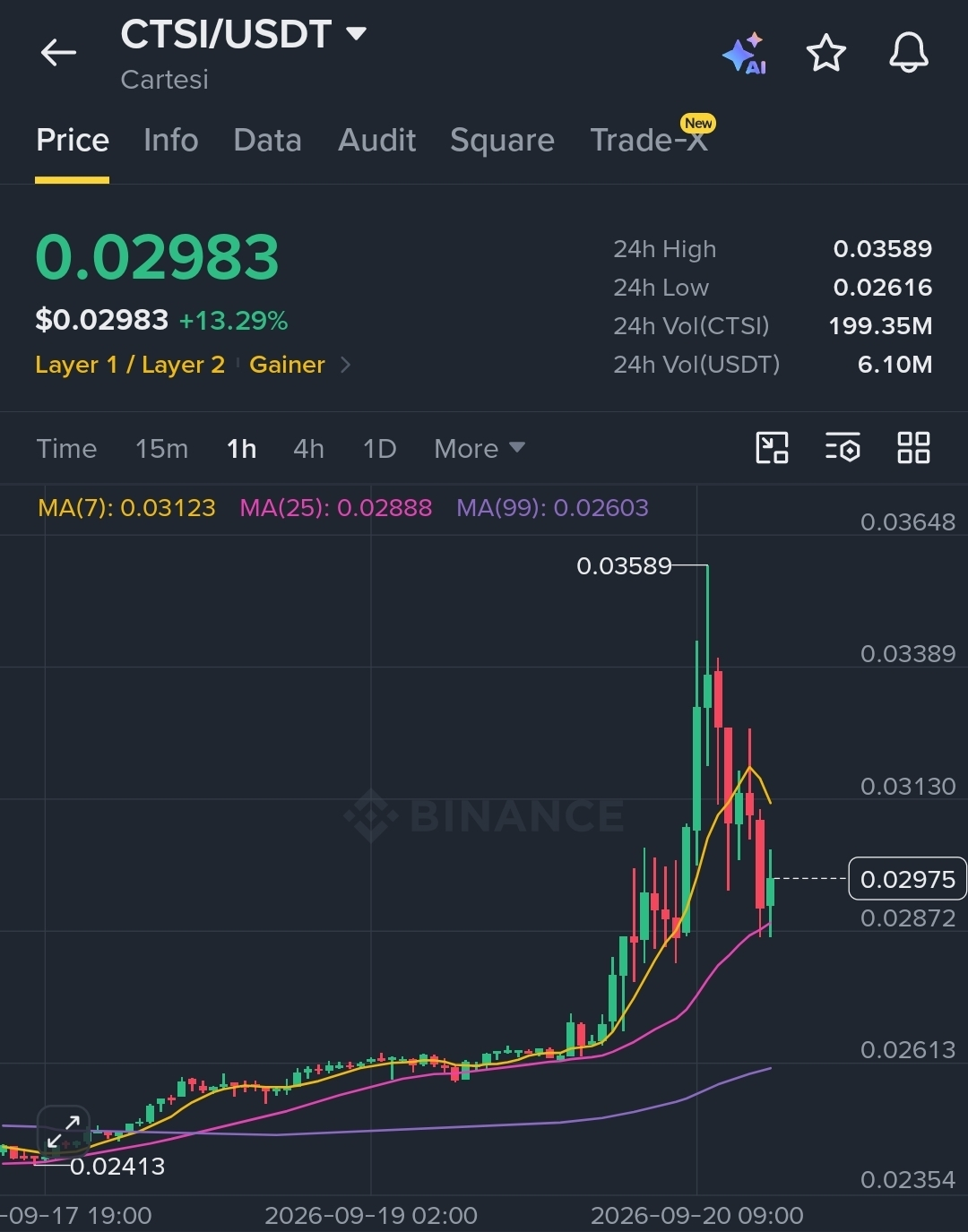
$CTSI /USDT — 🔴 SHORT · Conf 69%
📍 Entry: 0.0297 – 0.0299
🛑 SL: 0.0389
🎯 TP1: 0.0283
✅ TP2: 0.0271
🏆 TP3: 0.0254
Spiked to 0.03589 then reversed hard — MA7 (0.03123) already curling down with price failing to reclaim it on multiple 1H attempts, indicating the pump is losing steam.
$CTSI : Cartesi is a Layer 2 solution enabling Linux-based computation for smart contracts via its Cartesi Machine rollup architecture — key mechanic is that developers can build dApps using traditional software stacks without Solidity; risk is that the Linux VM approach hasn't generated significant dApp deployment despite years in market.
If Cartesi's core value prop is letting developers use familiar Linux tooling for blockchain apps, why has the ecosystem failed to attract mainstream Web2 developers who would theoretically benefit most from this approach?
#CTSI #Cartesi #Layer2 #linux #dApps
{future}(CTSIUSDT)
$CTSI /USDT — 🔴 SHORT · Conf 69%
📍 Entry: 0.0297 – 0.0299
🛑 SL: 0.0389
🎯 TP1: 0.0283
✅ TP2: 0.0271
🏆 TP3: 0.0254
Spiked to 0.03589 then reversed hard — MA7 (0.03123) already curling down with price failing to reclaim it on multiple 1H attempts, indicating the pump is losing steam.
$CTSI : Cartesi is a Layer 2 solution enabling Linux-based computation for smart contracts via its Cartesi Machine rollup architecture — key mechanic is that developers can build dApps using traditional software stacks without Solidity; risk is that the Linux VM approach hasn't generated significant dApp deployment despite years in market.
If Cartesi's core value prop is letting developers use familiar Linux tooling for blockchain apps, why has the ecosystem failed to attract mainstream Web2 developers who would theoretically benefit most from this approach?
#CTSI #Cartesi #Layer2 #linux #dApps
📍 Entry: 0.0297 – 0.0299
🛑 SL: 0.0389
🎯 TP1: 0.0283
✅ TP2: 0.0271
🏆 TP3: 0.0254
Spiked to 0.03589 then reversed hard — MA7 (0.03123) already curling down with price failing to reclaim it on multiple 1H attempts, indicating the pump is losing steam.
$CTSI : Cartesi is a Layer 2 solution enabling Linux-based computation for smart contracts via its Cartesi Machine rollup architecture — key mechanic is that developers can build dApps using traditional software stacks without Solidity; risk is that the Linux VM approach hasn't generated significant dApp deployment despite years in market.
If Cartesi's core value prop is letting developers use familiar Linux tooling for blockchain apps, why has the ecosystem failed to attract mainstream Web2 developers who would theoretically benefit most from this approach?
#CTSI #Cartesi #Layer2 #linux #dApps

1
242

·
--
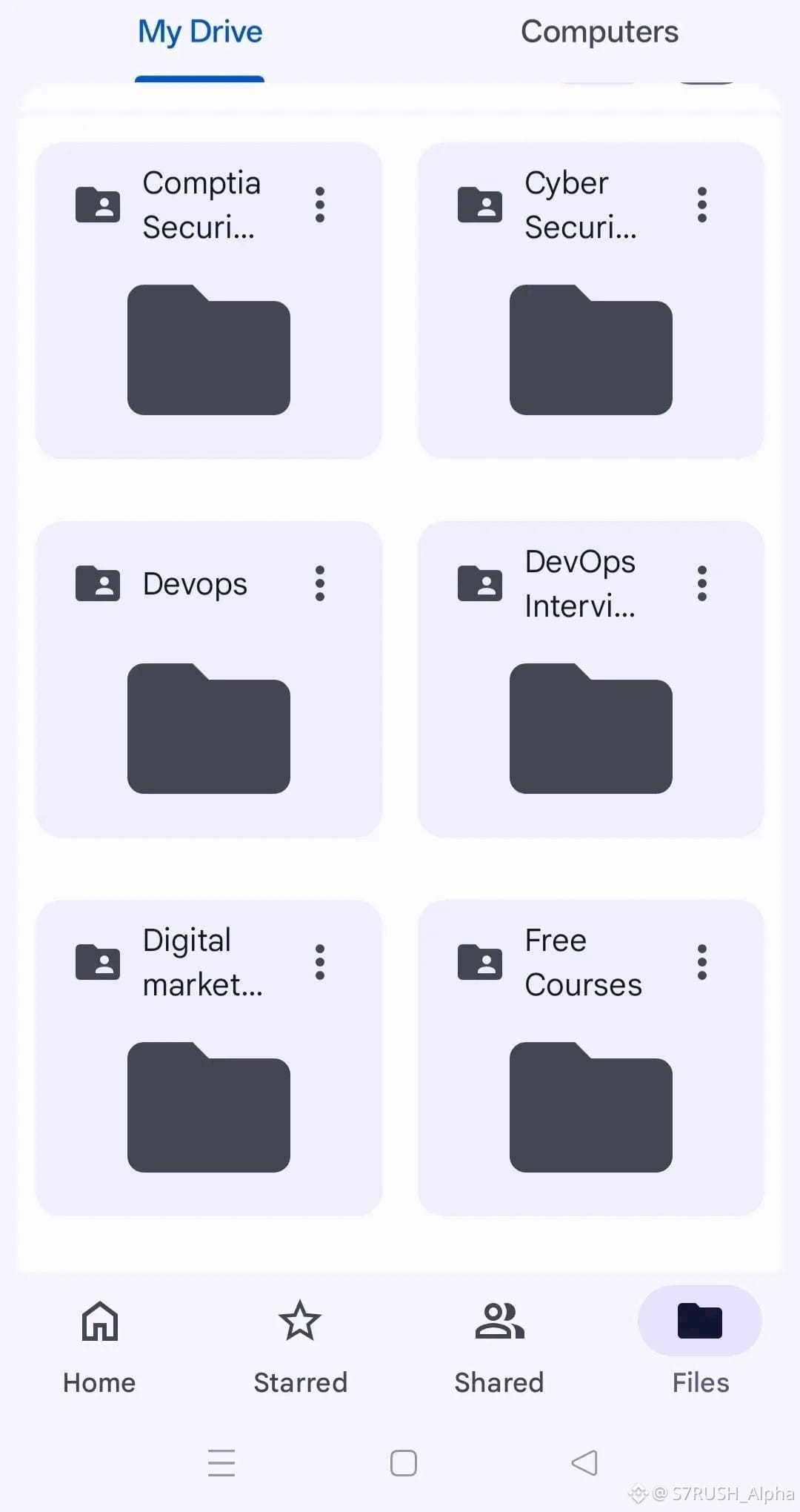
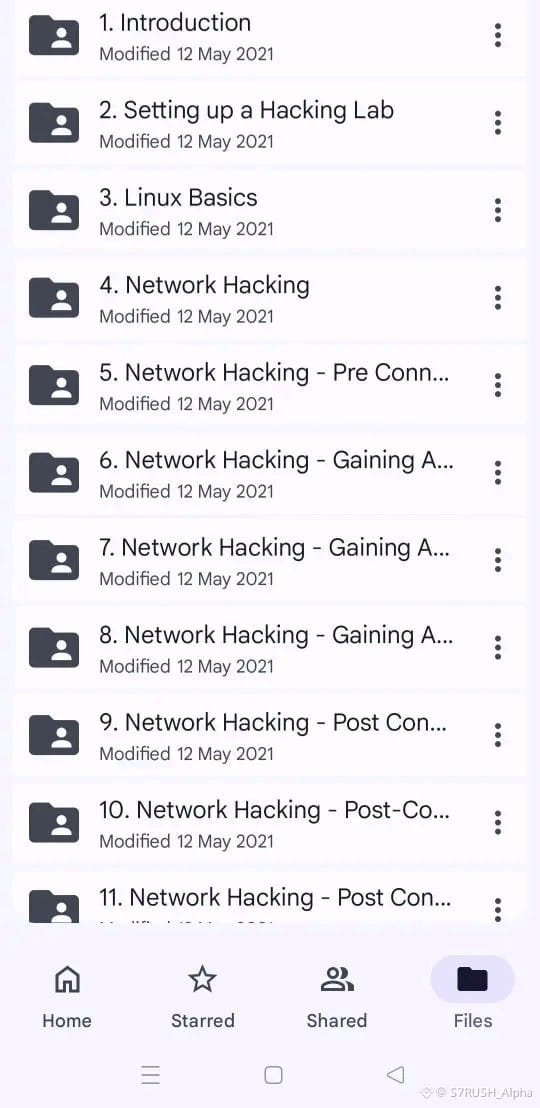
50+ GB Cybersecurity Learning Bundle 🚀
A massive collection of resources covering networking, Linux, web security, OSINT, and defensive security workflows.
Perfect for anyone serious about building real cybersecurity skills from beginner to advanced.
Share and Comment "BUNDLE" 🚀👇
#cybersecurity #infosec #learning #linux #NetworkSecurity
50+ GB Cybersecurity Learning Bundle 🚀
A massive collection of resources covering networking, Linux, web security, OSINT, and defensive security workflows.
Perfect for anyone serious about building real cybersecurity skills from beginner to advanced.
Share and Comment "BUNDLE" 🚀👇
#cybersecurity #infosec #learning #linux #NetworkSecurity
A massive collection of resources covering networking, Linux, web security, OSINT, and defensive security workflows.
Perfect for anyone serious about building real cybersecurity skills from beginner to advanced.
Share and Comment "BUNDLE" 🚀👇
#cybersecurity #infosec #learning #linux #NetworkSecurity
26

👾Researchers found a vulnerability in the Linux kernel, the operating system used by 63% of Bitcoin nodes. The flaw, detected with AI, is fixable with a patch that has already been distributed.
#linux #BTC #BTC走势分析 #bitcoin #blockchain $BTC
👾Researchers found a vulnerability in the Linux kernel, the operating system used by 63% of Bitcoin nodes. The flaw, detected with AI, is fixable with a patch that has already been distributed.
#linux #BTC #BTC走势分析 #bitcoin #blockchain $BTC
#linux #BTC #BTC走势分析 #bitcoin #blockchain $BTC

3
84

·
--
The $2.1 Billion Wake-Up Call: The Sneaky Web3 Flaw Most People IgnoreImagine waking up, grabbing your phone to check your favorite DeFi protocol, and seeing the entire liquidity pool sitting at absolute zero. No one stole your seed phrase. You didn’t click a sketchy phishing link. A hacker just found a tiny loophole in the smart contract code and drained the vault in broad daylight.
As Web3 scales, the stakes are getting crazy high. If you want to protect your capital and actually survive in this space, you have to start thinking deeper and smarter. Let’s break down how blockchain security actually works, and why your first step into this world should always start with Linux.
The "Big Three" Bugs That Drain Protocols
When you see a headline about a massive Web3 exploit, it’s almost never a failure of the actual Bitcoin or Ethereum networks. It’s almost always a flaw in the application's Smart Contract. These are the top three vulnerabilities keeping developers up at night:
Reentrancy Attacks: Think of this like a broken ATM. A smart contract sends money to a user but forgets to update their account balance before the transfer finishes. A hacker exploits this split second to repeatedly request withdrawals, draining the vault before the system realizes the money is already gone.
Flash Loan Exploits: This is pure financial gymnastics. An attacker borrows millions in uncollateralized crypto, uses that massive capital to artificially warp token prices on a decentralized exchange (DEX), pockets the arbitrage difference, and pays back the loan—all within a single transaction block.
Oracle Manipulation: Smart contracts are isolated; they need external data feeds called "oracles" to know what crypto is currently worth. If a hacker manages to tamper with that feed, they can trick a lending protocol into thinking an asset is practically worthless, allowing them to buy it up for pennies.
Stay Three Steps Ahead
Cybersecurity isn't just a topic for developers anymore. Whether you are trading, building, or writing here on Binance, understanding the basics of Linux navigation and smart contract architecture is your absolute best insurance policy.
Before you ape your hard-earned funds into the next high-yield protocol, take five minutes to check if their code has been publicly audited by a legit security firm.
Have you ever been burned by a crypto exploit, or did you ever back out of a project because something just felt off? Drop your stories below—what’s the number one safety rule you follow before moving your funds? 👇
#Web3Security #EthicalHacking #Linux #CryptoSafety #binancewritetoearn
The $2.1 Billion Wake-Up Call: The Sneaky Web3 Flaw Most People Ignore
Imagine waking up, grabbing your phone to check your favorite DeFi protocol, and seeing the entire liquidity pool sitting at absolute zero. No one stole your seed phrase. You didn’t click a sketchy phishing link. A hacker just found a tiny loophole in the smart contract code and drained the vault in broad daylight.
As Web3 scales, the stakes are getting crazy high. If you want to protect your capital and actually survive in this space, you have to start thinking deeper and smarter. Let’s break down how blockchain security actually works, and why your first step into this world should always start with Linux.
The "Big Three" Bugs That Drain Protocols
When you see a headline about a massive Web3 exploit, it’s almost never a failure of the actual Bitcoin or Ethereum networks. It’s almost always a flaw in the application's Smart Contract. These are the top three vulnerabilities keeping developers up at night:
Reentrancy Attacks: Think of this like a broken ATM. A smart contract sends money to a user but forgets to update their account balance before the transfer finishes. A hacker exploits this split second to repeatedly request withdrawals, draining the vault before the system realizes the money is already gone.
Flash Loan Exploits: This is pure financial gymnastics. An attacker borrows millions in uncollateralized crypto, uses that massive capital to artificially warp token prices on a decentralized exchange (DEX), pockets the arbitrage difference, and pays back the loan—all within a single transaction block.
Oracle Manipulation: Smart contracts are isolated; they need external data feeds called "oracles" to know what crypto is currently worth. If a hacker manages to tamper with that feed, they can trick a lending protocol into thinking an asset is practically worthless, allowing them to buy it up for pennies.
Stay Three Steps Ahead
Cybersecurity isn't just a topic for developers anymore. Whether you are trading, building, or writing here on Binance, understanding the basics of Linux navigation and smart contract architecture is your absolute best insurance policy.
Before you ape your hard-earned funds into the next high-yield protocol, take five minutes to check if their code has been publicly audited by a legit security firm.
Have you ever been burned by a crypto exploit, or did you ever back out of a project because something just felt off? Drop your stories below—what’s the number one safety rule you follow before moving your funds? 👇
#Web3Security #EthicalHacking #Linux #CryptoSafety #binancewritetoearn
As Web3 scales, the stakes are getting crazy high. If you want to protect your capital and actually survive in this space, you have to start thinking deeper and smarter. Let’s break down how blockchain security actually works, and why your first step into this world should always start with Linux.
The "Big Three" Bugs That Drain Protocols
When you see a headline about a massive Web3 exploit, it’s almost never a failure of the actual Bitcoin or Ethereum networks. It’s almost always a flaw in the application's Smart Contract. These are the top three vulnerabilities keeping developers up at night:
Reentrancy Attacks: Think of this like a broken ATM. A smart contract sends money to a user but forgets to update their account balance before the transfer finishes. A hacker exploits this split second to repeatedly request withdrawals, draining the vault before the system realizes the money is already gone.
Flash Loan Exploits: This is pure financial gymnastics. An attacker borrows millions in uncollateralized crypto, uses that massive capital to artificially warp token prices on a decentralized exchange (DEX), pockets the arbitrage difference, and pays back the loan—all within a single transaction block.
Oracle Manipulation: Smart contracts are isolated; they need external data feeds called "oracles" to know what crypto is currently worth. If a hacker manages to tamper with that feed, they can trick a lending protocol into thinking an asset is practically worthless, allowing them to buy it up for pennies.
Stay Three Steps Ahead
Cybersecurity isn't just a topic for developers anymore. Whether you are trading, building, or writing here on Binance, understanding the basics of Linux navigation and smart contract architecture is your absolute best insurance policy.
Before you ape your hard-earned funds into the next high-yield protocol, take five minutes to check if their code has been publicly audited by a legit security firm.
Have you ever been burned by a crypto exploit, or did you ever back out of a project because something just felt off? Drop your stories below—what’s the number one safety rule you follow before moving your funds? 👇
#Web3Security #EthicalHacking #Linux #CryptoSafety #binancewritetoearn
125
Log in to explore more content
Join global crypto users on Binance Square
⚡️ Get latest and useful information about crypto.
💬 Trusted by the world’s largest crypto exchange.
👍 Discover real insights from verified creators.
Email / Phone number
Trending Topics
1
#AIStocksWhatNext
423,578 views
3,250 Discussing
2
#BitwiseNEARStakingETPAssetsTop$100M
2,752 views
32 Discussing
3
#BitcoinBreaksAboveMayHighNears$86K
19,123 views
216 Discussing
4
#DogecoinRises15%
59,693 views
1,095 Discussing
5
#$14BBitcoinOptionsExpireFriday
5,202 views
100 Discussing
6
#BNBMarketCapPassesBNYMellon
37,158 views
797 Discussing
7
#CryptoMarketCapReclaims$3Trillion
7,203 views
87 Discussing
8
#MuseOvertakesChatGPTAsTopFreeIOSApp
21,464 views
590 Discussing
9
#TokenizedStockPlatformsCouldLaunchNextQuarter
33,429 views
642 Discussing
10
#StrategyAdds950Bitcoin
40,475 views
710 Discussing