
Hitmans Lounge
7k Posts

Hitmans Lounge
 Square Verified+
Report
Block User
X: @hitmans_lounge | 5.5 Yrs Experience in Trading Financial Markets | Technical Analysis | Digital Marketing | Community Management | Crypto Native
Open Trade
Frequent Trader
5.8 Years
447 Following
31.1K+ Followers
21.9K+ Liked
Posts
Portfolio
All
Quotes
Live
PINNED
·
--
Bullish
Yesterday's Coinbase reading had $SXT below $0.008, down 17% on the week, and it sent me to the Proof of SQL docs instead of the chart.
Here's what I keep tripping over. The proof guarantees a query ran correctly against data the network already committed to. Ingestion comes first: the data gets committed, then the prover answers queries against that commitment. So when @SpaceandTimeDB talks about verified NAV reports or AI agents checking protocol fees, the cryptography covers the math. It doesn't cover whether the holdings sheet was honest on the way in.
That's not a flaw, just where the trust moves. I'd argue the real moat is the committers, meaning whoever writes the data, more than the prover speed everyone quotes. 🔍
My honest worry is demand. SXT pays for query workloads and secures validators, which makes sense on paper, but I haven't found data showing how much real query volume gets paid in the token. Maybe I'm missing a dashboard.
I'm watching for named institutions committing live datasets, not more integration announcements.
For anyone who's looked at how tokenized-asset teams commit their custom offchain data: who signs off on that data before it's committed, and does that party hold any SXT?
#SXT #SpaceandTime #ProofOfSQL #OnchainData
Yesterday's Coinbase reading had $SXT below $0.008, down 17% on the week, and it sent me to the Proof of SQL docs instead of the chart.
Here's what I keep tripping over. The proof guarantees a query ran correctly against data the network already committed to. Ingestion comes first: the data gets committed, then the prover answers queries against that commitment. So when @SpaceandTime talks about verified NAV reports or AI agents checking protocol fees, the cryptography covers the math. It doesn't cover whether the holdings sheet was honest on the way in.
That's not a flaw, just where the trust moves. I'd argue the real moat is the committers, meaning whoever writes the data, more than the prover speed everyone quotes. 🔍
My honest worry is demand. SXT pays for query workloads and secures validators, which makes sense on paper, but I haven't found data showing how much real query volume gets paid in the token. Maybe I'm missing a dashboard.
I'm watching for named institutions committing live datasets, not more integration announcements.
For anyone who's looked at how tokenized-asset teams commit their custom offchain data: who signs off on that data before it's committed, and does that party hold any SXT?
#SXT #SpaceandTime #ProofOfSQL #OnchainData

2
1
392
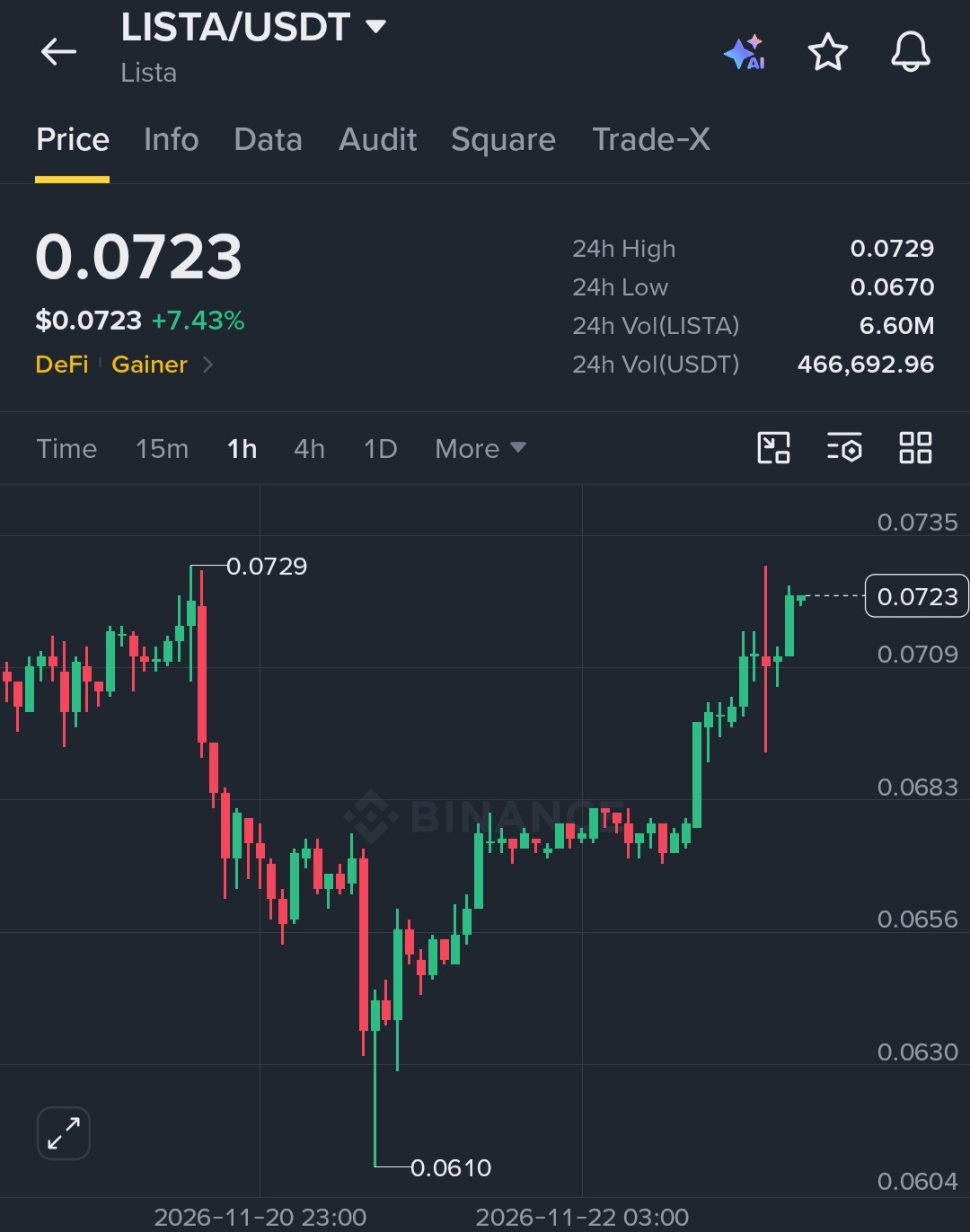
📜 $LISTA /USDT — 🟢 LONG · Conf 60%
━━━━━━━━━━━━━━
📍 Entry: 0.0721 – 0.0725
🛑 SL: 0.0678
🎯 TP1: 0.0759
✅ TP2: 0.0788
🏆 TP3: 0.0831
━━━━━━━━━━━━━━
🔎 1H is printing higher lows off 0.0610 into the 0.0729 high with a volume spike on the last push; 30D is still -6.59%, which is the conflict.
🧠 $LISTA : BNB Chain liquid staking and lending where users borrow the overcollateralized lisUSD stablecoin; risk is a 1Y of -62.11%.
💬 Can a BNB Chain lending stack compete on lisUSD demand, or does it stay a staking story?
⚠️ Not financial advice. Manage your risk.
#LISTA #ListaDAO #BNB #Liquidstaking #lending
{future}(LISTAUSDT)
📜 $LISTA /USDT — 🟢 LONG · Conf 60%
━━━━━━━━━━━━━━
📍 Entry: 0.0721 – 0.0725
🛑 SL: 0.0678
🎯 TP1: 0.0759
✅ TP2: 0.0788
🏆 TP3: 0.0831
━━━━━━━━━━━━━━
🔎 1H is printing higher lows off 0.0610 into the 0.0729 high with a volume spike on the last push; 30D is still -6.59%, which is the conflict.
🧠 $LISTA : BNB Chain liquid staking and lending where users borrow the overcollateralized lisUSD stablecoin; risk is a 1Y of -62.11%.
💬 Can a BNB Chain lending stack compete on lisUSD demand, or does it stay a staking story?
⚠️ Not financial advice. Manage your risk.
#LISTA #ListaDAO #BNB #Liquidstaking #lending
━━━━━━━━━━━━━━
📍 Entry: 0.0721 – 0.0725
🛑 SL: 0.0678
🎯 TP1: 0.0759
✅ TP2: 0.0788
🏆 TP3: 0.0831
━━━━━━━━━━━━━━
🔎 1H is printing higher lows off 0.0610 into the 0.0729 high with a volume spike on the last push; 30D is still -6.59%, which is the conflict.
🧠 $LISTA : BNB Chain liquid staking and lending where users borrow the overcollateralized lisUSD stablecoin; risk is a 1Y of -62.11%.
💬 Can a BNB Chain lending stack compete on lisUSD demand, or does it stay a staking story?
⚠️ Not financial advice. Manage your risk.
#LISTA #ListaDAO #BNB #Liquidstaking #lending

1
361
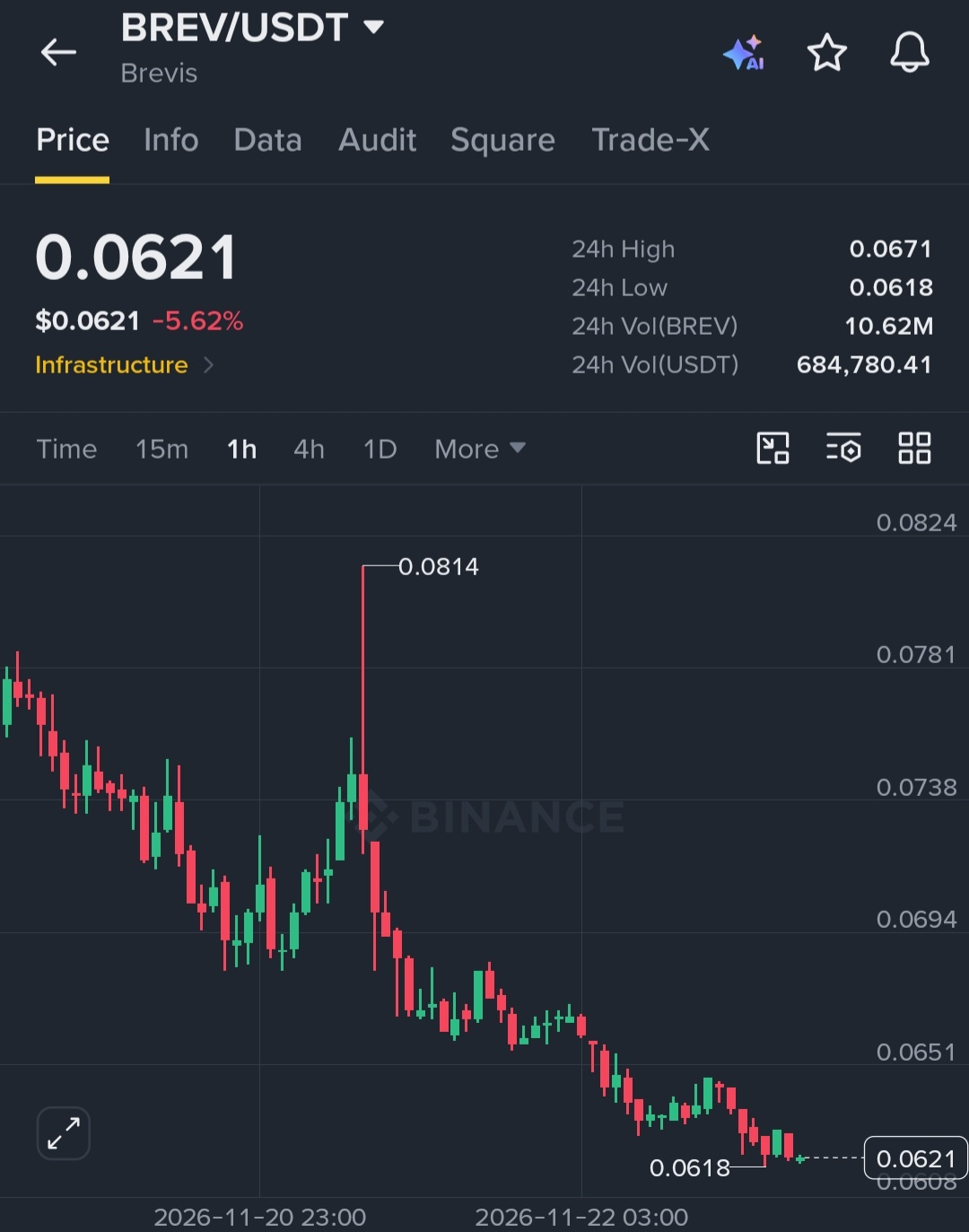
🧮 $BREV /USDT — 🔴 SHORT · Conf 65%
━━━━━━━━━━━━━━
📍 Entry: 0.0619 – 0.0623
🛑 SL: 0.0652
🎯 TP1: 0.0590
✅ TP2: 0.0565
🏆 TP3: 0.0528
━━━━━━━━━━━━━━
🔎 1H is stair-stepping lower from the 0.0814 wick with price hugging the 24h low (0.0618); 7D is +3.67%, which is the conflict.
🧠 $BREV : Brevis is a ZK coprocessor that lets contracts use historical onchain data with verifiable computation; risk is a young token (no 1Y data) with 180D at -44.85%.
💬 Is verifiable onchain compute a real moat, or a feature every L2 will bolt on?
⚠️ Not financial advice. Manage your risk.
#BREV #Brevis #Zkcoprocessor #Onchain #Layer2
{future}(BREVUSDT)
🧮 $BREV /USDT — 🔴 SHORT · Conf 65%
━━━━━━━━━━━━━━
📍 Entry: 0.0619 – 0.0623
🛑 SL: 0.0652
🎯 TP1: 0.0590
✅ TP2: 0.0565
🏆 TP3: 0.0528
━━━━━━━━━━━━━━
🔎 1H is stair-stepping lower from the 0.0814 wick with price hugging the 24h low (0.0618); 7D is +3.67%, which is the conflict.
🧠 $BREV : Brevis is a ZK coprocessor that lets contracts use historical onchain data with verifiable computation; risk is a young token (no 1Y data) with 180D at -44.85%.
💬 Is verifiable onchain compute a real moat, or a feature every L2 will bolt on?
⚠️ Not financial advice. Manage your risk.
#BREV #Brevis #Zkcoprocessor #Onchain #Layer2
━━━━━━━━━━━━━━
📍 Entry: 0.0619 – 0.0623
🛑 SL: 0.0652
🎯 TP1: 0.0590
✅ TP2: 0.0565
🏆 TP3: 0.0528
━━━━━━━━━━━━━━
🔎 1H is stair-stepping lower from the 0.0814 wick with price hugging the 24h low (0.0618); 7D is +3.67%, which is the conflict.
🧠 $BREV : Brevis is a ZK coprocessor that lets contracts use historical onchain data with verifiable computation; risk is a young token (no 1Y data) with 180D at -44.85%.
💬 Is verifiable onchain compute a real moat, or a feature every L2 will bolt on?
⚠️ Not financial advice. Manage your risk.
#BREV #Brevis #Zkcoprocessor #Onchain #Layer2

1
372
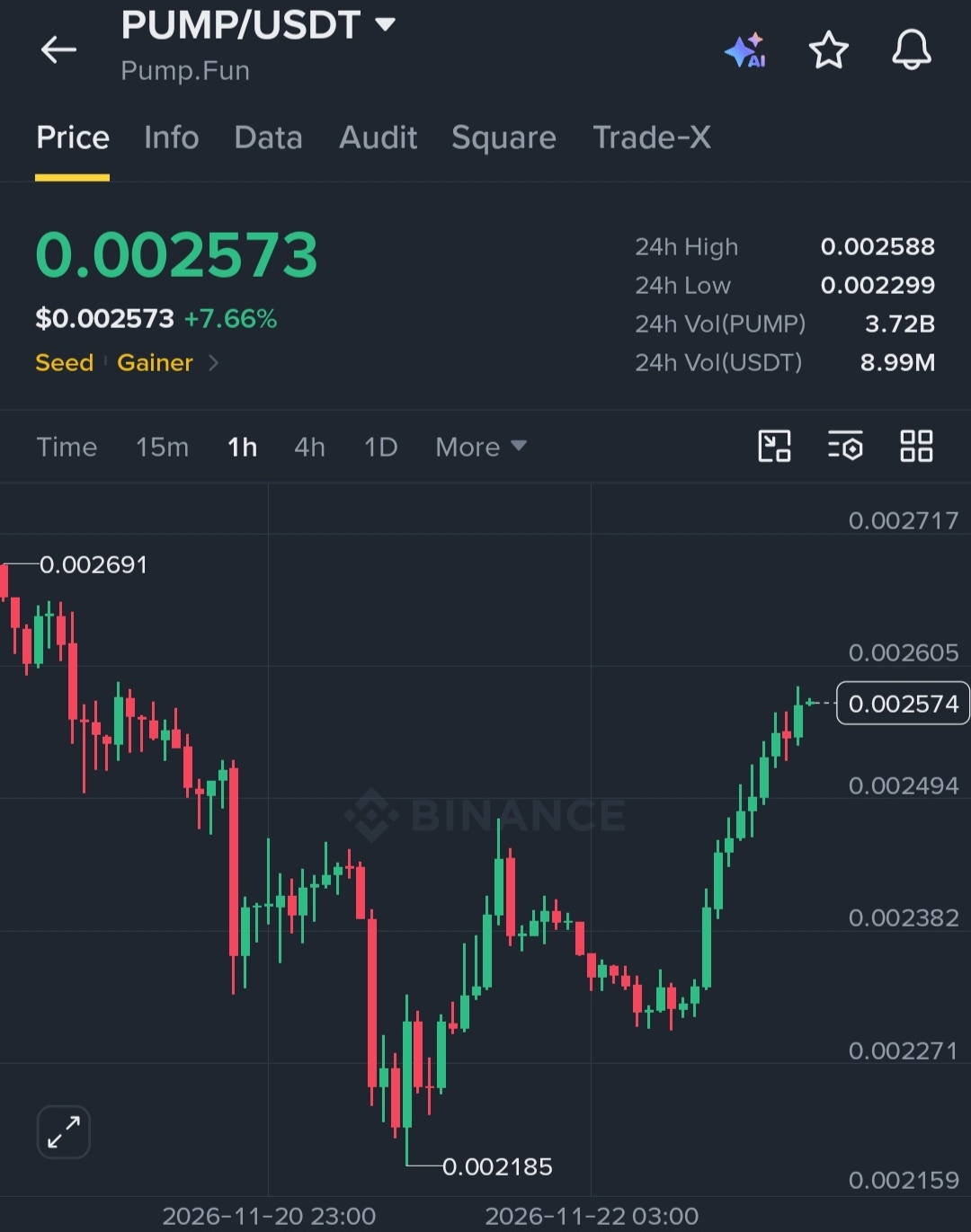
💊 $PUMP /USDT — 🟢 LONG · Conf 68%
━━━━━━━━━━━━━━
📍 Entry: 0.0025653 – 0.0025807
🛑 SL: 0.0024122
🎯 TP1: 0.0027017
✅ TP2: 0.0028046
🏆 TP3: 0.0029590
━━━━━━━━━━━━━━
🔎 1H is making higher highs and higher lows off 0.002185 with price pressing the 24h high (0.002588), against a 7D of -13.28% and a 30D of -44.18%.
🧠 $PUMP : Memecoin launchpad where tokens trade on a bonding curve until they graduate to a DEX; risk is a 30D of -44.18% and Binance's Seed tag.
💬 Is a memecoin launchpad a durable business or just a function of the memecoin cycle?
⚠️ Not financial advice. Manage your risk.
#PUMP #Pumpfun #Launchpad #SOL #Bondingcurve
{future}(PUMPUSDT)
💊 $PUMP /USDT — 🟢 LONG · Conf 68%
━━━━━━━━━━━━━━
📍 Entry: 0.0025653 – 0.0025807
🛑 SL: 0.0024122
🎯 TP1: 0.0027017
✅ TP2: 0.0028046
🏆 TP3: 0.0029590
━━━━━━━━━━━━━━
🔎 1H is making higher highs and higher lows off 0.002185 with price pressing the 24h high (0.002588), against a 7D of -13.28% and a 30D of -44.18%.
🧠 $PUMP : Memecoin launchpad where tokens trade on a bonding curve until they graduate to a DEX; risk is a 30D of -44.18% and Binance's Seed tag.
💬 Is a memecoin launchpad a durable business or just a function of the memecoin cycle?
⚠️ Not financial advice. Manage your risk.
#PUMP #Pumpfun #Launchpad #SOL #Bondingcurve
━━━━━━━━━━━━━━
📍 Entry: 0.0025653 – 0.0025807
🛑 SL: 0.0024122
🎯 TP1: 0.0027017
✅ TP2: 0.0028046
🏆 TP3: 0.0029590
━━━━━━━━━━━━━━
🔎 1H is making higher highs and higher lows off 0.002185 with price pressing the 24h high (0.002588), against a 7D of -13.28% and a 30D of -44.18%.
🧠 $PUMP : Memecoin launchpad where tokens trade on a bonding curve until they graduate to a DEX; risk is a 30D of -44.18% and Binance's Seed tag.
💬 Is a memecoin launchpad a durable business or just a function of the memecoin cycle?
⚠️ Not financial advice. Manage your risk.
#PUMP #Pumpfun #Launchpad #SOL #Bondingcurve

1
510
·
--
Bullish
🐕🐸 THREE MEMECOINS. ONE MISSION. TO THE MOON! 🚀
DOGE, SHIB and PEPE represent three of crypto's most recognizable meme communities.
One started the meme revolution, another built a massive Shiba community, and the third turned an internet frog into a crypto phenomenon.
Markets can bring FUD, brutal dips and unexpected bear traps, but meme culture keeps bringing people together.
🐋 Which one has the strongest community?
🐕 $DOGE | 🐸 $PEPE | 🔥 $SHIB
Pick your champion! 👇
{future}(DOGEUSDT)
{spot}(PEPEUSDT)
{spot}(SHIBUSDT)
🐕🐸 THREE MEMECOINS. ONE MISSION. TO THE MOON! 🚀
DOGE, SHIB and PEPE represent three of crypto's most recognizable meme communities.
One started the meme revolution, another built a massive Shiba community, and the third turned an internet frog into a crypto phenomenon.
Markets can bring FUD, brutal dips and unexpected bear traps, but meme culture keeps bringing people together.
🐋 Which one has the strongest community?
🐕 $DOGE | 🐸 $PEPE | 🔥 $SHIB
Pick your champion! 👇

2
579
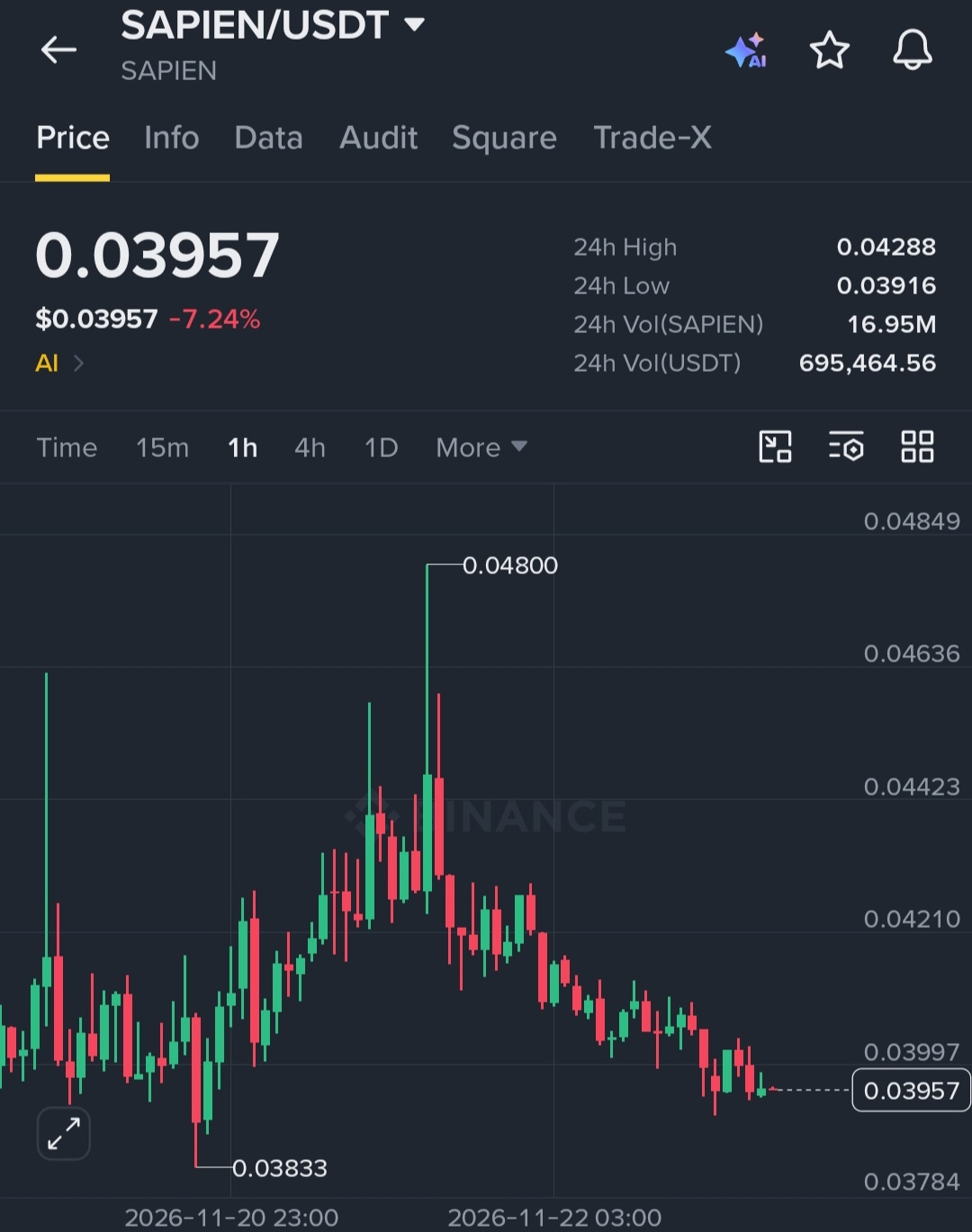
🧠 $SAPIEN /USDT — 🔴 SHORT · Conf 65%
━━━━━━━━━━━━━━
📍 Entry: 0.0395 – 0.0397
🛑 SL: 0.0420
🎯 TP1: 0.0376
✅ TP2: 0.0360
🏆 TP3: 0.0336
━━━━━━━━━━━━━━
🔎 1H has made lower highs since the 0.04800 spike and price sits just above the 24h low (0.03916); the 7D at +2.17% is the conflict.
🧠 $SAPIEN : Decentralized human-verified data labeling for AI, where contributors stake tokens and earn on quality; risk is a 1Y of -73.34%.
💬 Does human-verified data labeling hold up as AI models need less labeled data?
⚠️ Not financial advice. Manage your risk.
#SAPIEN #AI #Stake #HumanVerification #web3
{future}(SAPIENUSDT)
🧠 $SAPIEN /USDT — 🔴 SHORT · Conf 65%
━━━━━━━━━━━━━━
📍 Entry: 0.0395 – 0.0397
🛑 SL: 0.0420
🎯 TP1: 0.0376
✅ TP2: 0.0360
🏆 TP3: 0.0336
━━━━━━━━━━━━━━
🔎 1H has made lower highs since the 0.04800 spike and price sits just above the 24h low (0.03916); the 7D at +2.17% is the conflict.
🧠 $SAPIEN : Decentralized human-verified data labeling for AI, where contributors stake tokens and earn on quality; risk is a 1Y of -73.34%.
💬 Does human-verified data labeling hold up as AI models need less labeled data?
⚠️ Not financial advice. Manage your risk.
#SAPIEN #AI #Stake #HumanVerification #web3
━━━━━━━━━━━━━━
📍 Entry: 0.0395 – 0.0397
🛑 SL: 0.0420
🎯 TP1: 0.0376
✅ TP2: 0.0360
🏆 TP3: 0.0336
━━━━━━━━━━━━━━
🔎 1H has made lower highs since the 0.04800 spike and price sits just above the 24h low (0.03916); the 7D at +2.17% is the conflict.
🧠 $SAPIEN : Decentralized human-verified data labeling for AI, where contributors stake tokens and earn on quality; risk is a 1Y of -73.34%.
💬 Does human-verified data labeling hold up as AI models need less labeled data?
⚠️ Not financial advice. Manage your risk.
#SAPIEN #AI #Stake #HumanVerification #web3

1
345
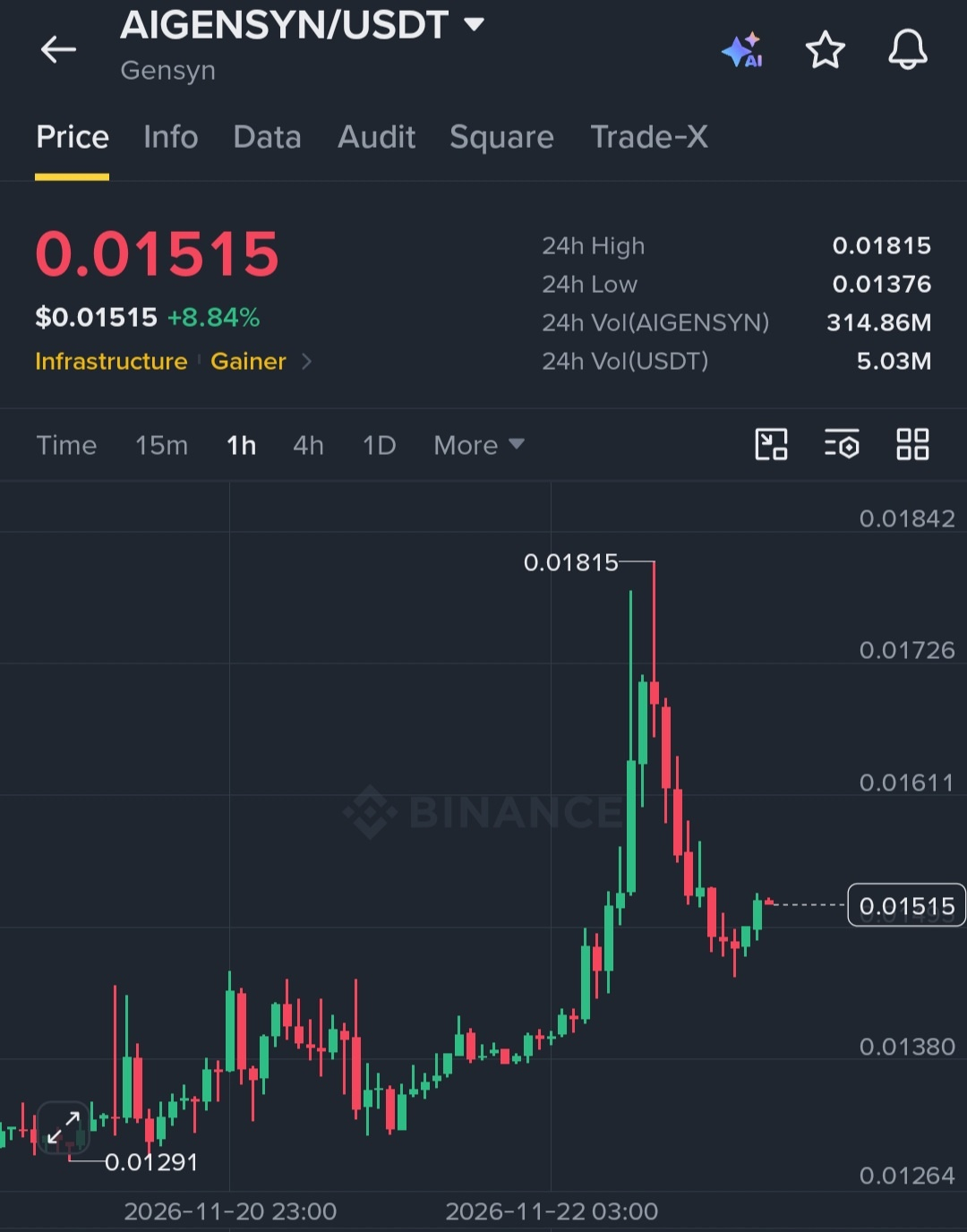
🤖 $AIGENSYN /USDT — 🔴 SHORT · Conf 75%
━━━━━━━━━━━━━━
📍 Entry: 0.0151046 – 0.0151955
🛑 SL: 0.0166650
🎯 TP1: 0.0143925
✅ TP2: 0.0137865
🏆 TP3: 0.0128775
━━━━━━━━━━━━━━
🔎 1H is making lower highs since the 0.01815 spike and volume faded on the bounce; 7D is +22.73%, which is the conflict.
🧠 $AIGENSYN : Gensyn is a decentralized machine-learning compute network that verifies training work; risk is a short trading history (no 1Y data) and a 90D of -26.29%.
💬 Can decentralized ML training verify real work at a cost that beats cloud GPUs?
⚠️ Not financial advice. Manage your risk.
#AIGENSYN #Gensyn #MachineLearning #GPU #BinanceSquare
{future}(AIGENSYNUSDT)
🤖 $AIGENSYN /USDT — 🔴 SHORT · Conf 75%
━━━━━━━━━━━━━━
📍 Entry: 0.0151046 – 0.0151955
🛑 SL: 0.0166650
🎯 TP1: 0.0143925
✅ TP2: 0.0137865
🏆 TP3: 0.0128775
━━━━━━━━━━━━━━
🔎 1H is making lower highs since the 0.01815 spike and volume faded on the bounce; 7D is +22.73%, which is the conflict.
🧠 $AIGENSYN : Gensyn is a decentralized machine-learning compute network that verifies training work; risk is a short trading history (no 1Y data) and a 90D of -26.29%.
💬 Can decentralized ML training verify real work at a cost that beats cloud GPUs?
⚠️ Not financial advice. Manage your risk.
#AIGENSYN #Gensyn #MachineLearning #GPU #BinanceSquare
━━━━━━━━━━━━━━
📍 Entry: 0.0151046 – 0.0151955
🛑 SL: 0.0166650
🎯 TP1: 0.0143925
✅ TP2: 0.0137865
🏆 TP3: 0.0128775
━━━━━━━━━━━━━━
🔎 1H is making lower highs since the 0.01815 spike and volume faded on the bounce; 7D is +22.73%, which is the conflict.
🧠 $AIGENSYN : Gensyn is a decentralized machine-learning compute network that verifies training work; risk is a short trading history (no 1Y data) and a 90D of -26.29%.
💬 Can decentralized ML training verify real work at a cost that beats cloud GPUs?
⚠️ Not financial advice. Manage your risk.
#AIGENSYN #Gensyn #MachineLearning #GPU #BinanceSquare

1
465
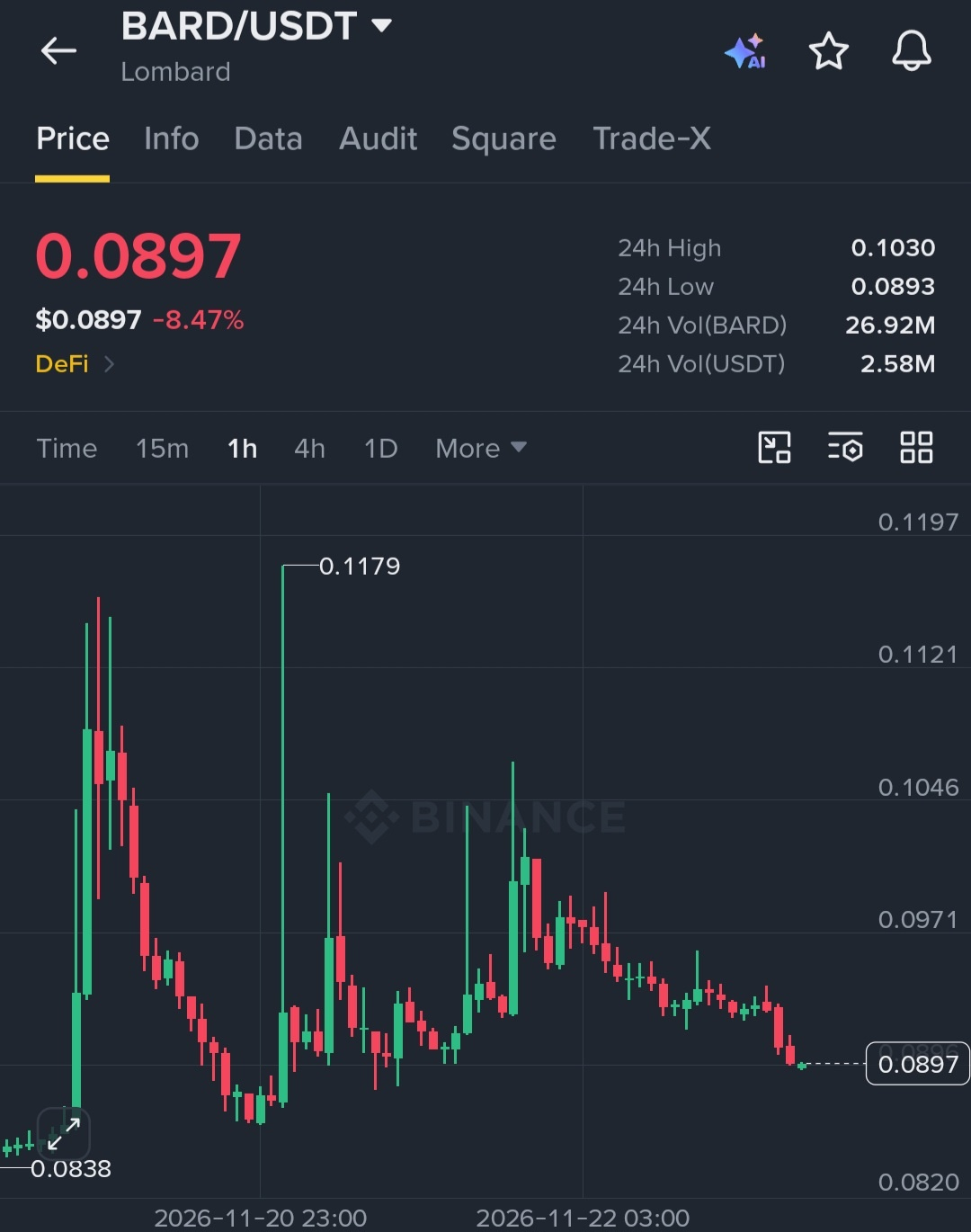
🏦 $BARD /USDT — 🔴 SHORT · Conf 85%
━━━━━━━━━━━━━━
📍 Entry: 0.0894 – 0.0900
🛑 SL: 0.0975
🎯 TP1: 0.0852
✅ TP2: 0.0816
🏆 TP3: 0.0762
━━━━━━━━━━━━━━
🔎 7D (-26.27%) and 30D (-15.84%) agree with the 1H lower highs, and price is hugging the 24h low at 0.0893.
🧠 $BARD : Lombard is a Bitcoin liquid staking protocol (LBTC) and BARD is its governance token; risk is a 1Y of -87.59%.
💬 Does BTC liquid staking need its own token, or does the value just sit in LBTC?
⚠️ Not financial advice. Manage your risk.
#BARD #Lombard #Bitcoin #LBTC #Governance
{future}(BARDUSDT)
🏦 $BARD /USDT — 🔴 SHORT · Conf 85%
━━━━━━━━━━━━━━
📍 Entry: 0.0894 – 0.0900
🛑 SL: 0.0975
🎯 TP1: 0.0852
✅ TP2: 0.0816
🏆 TP3: 0.0762
━━━━━━━━━━━━━━
🔎 7D (-26.27%) and 30D (-15.84%) agree with the 1H lower highs, and price is hugging the 24h low at 0.0893.
🧠 $BARD : Lombard is a Bitcoin liquid staking protocol (LBTC) and BARD is its governance token; risk is a 1Y of -87.59%.
💬 Does BTC liquid staking need its own token, or does the value just sit in LBTC?
⚠️ Not financial advice. Manage your risk.
#BARD #Lombard #Bitcoin #LBTC #Governance
━━━━━━━━━━━━━━
📍 Entry: 0.0894 – 0.0900
🛑 SL: 0.0975
🎯 TP1: 0.0852
✅ TP2: 0.0816
🏆 TP3: 0.0762
━━━━━━━━━━━━━━
🔎 7D (-26.27%) and 30D (-15.84%) agree with the 1H lower highs, and price is hugging the 24h low at 0.0893.
🧠 $BARD : Lombard is a Bitcoin liquid staking protocol (LBTC) and BARD is its governance token; risk is a 1Y of -87.59%.
💬 Does BTC liquid staking need its own token, or does the value just sit in LBTC?
⚠️ Not financial advice. Manage your risk.
#BARD #Lombard #Bitcoin #LBTC #Governance

2
340
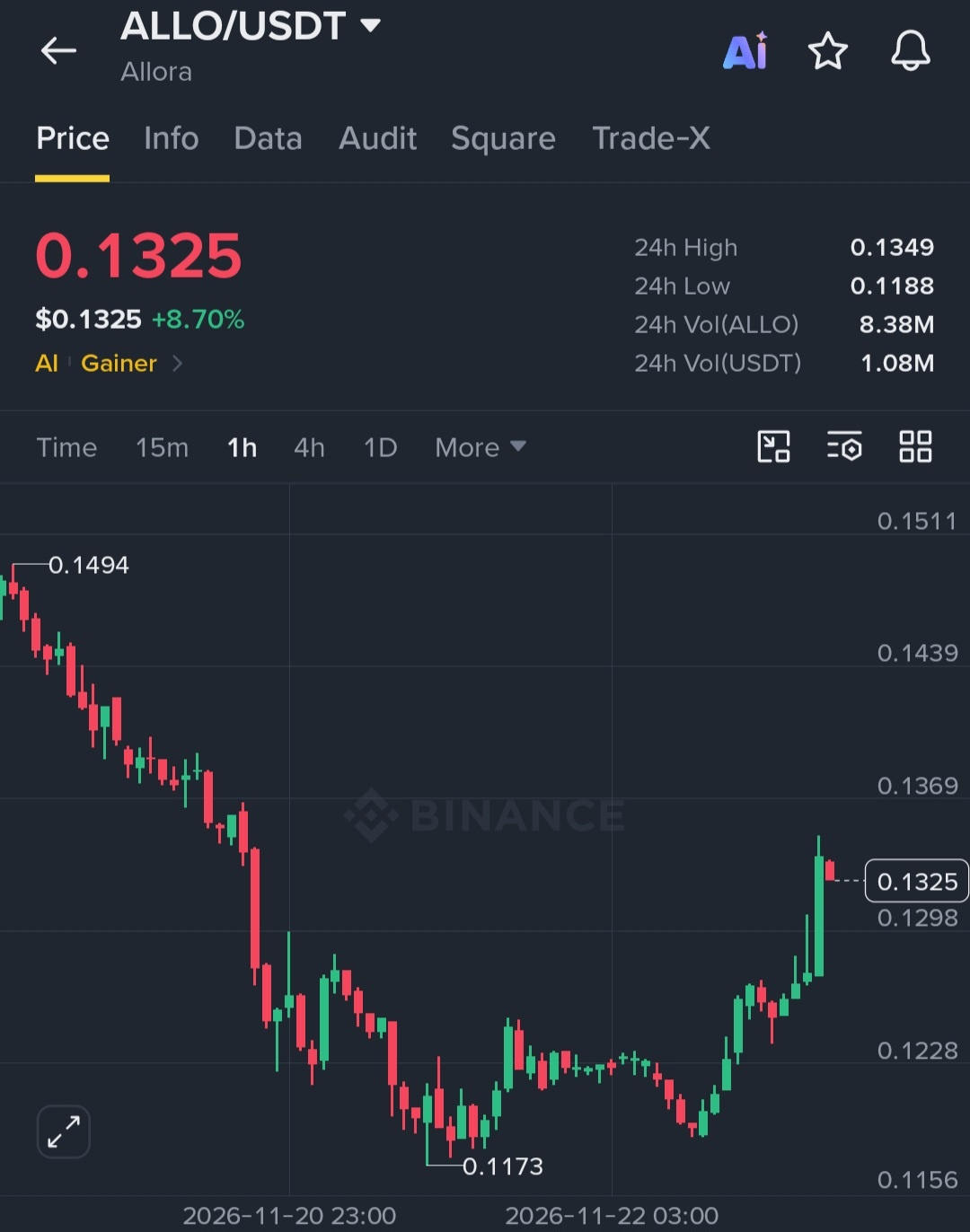
🔮 $ALLO /USDT — 🟢 LONG · Conf 70%
━━━━━━━━━━━━━━
📍 Entry: 0.1321 – 0.1329
🛑 SL: 0.1209
🎯 TP1: 0.1391
✅ TP2: 0.1444
🏆 TP3: 0.1524
━━━━━━━━━━━━━━
🔎 1H reversed from 0.1173 with higher highs and higher lows and a volume spike on the last green candle; 7D and 30D are still red.
🧠 $ALLO : Allora is a decentralized network where ML models submit predictions weighted by their track record; risk is a 90D of -51.34%.
💬 Is a decentralized prediction network useful, or is the demand all speculative?
⚠️ Not financial advice. Manage your risk.
#ALLO #Allora #decentralization #ML #BinanceSquare
{future}(ALLOUSDT)
🔮 $ALLO /USDT — 🟢 LONG · Conf 70%
━━━━━━━━━━━━━━
📍 Entry: 0.1321 – 0.1329
🛑 SL: 0.1209
🎯 TP1: 0.1391
✅ TP2: 0.1444
🏆 TP3: 0.1524
━━━━━━━━━━━━━━
🔎 1H reversed from 0.1173 with higher highs and higher lows and a volume spike on the last green candle; 7D and 30D are still red.
🧠 $ALLO : Allora is a decentralized network where ML models submit predictions weighted by their track record; risk is a 90D of -51.34%.
💬 Is a decentralized prediction network useful, or is the demand all speculative?
⚠️ Not financial advice. Manage your risk.
#ALLO #Allora #decentralization #ML #BinanceSquare
━━━━━━━━━━━━━━
📍 Entry: 0.1321 – 0.1329
🛑 SL: 0.1209
🎯 TP1: 0.1391
✅ TP2: 0.1444
🏆 TP3: 0.1524
━━━━━━━━━━━━━━
🔎 1H reversed from 0.1173 with higher highs and higher lows and a volume spike on the last green candle; 7D and 30D are still red.
🧠 $ALLO : Allora is a decentralized network where ML models submit predictions weighted by their track record; risk is a 90D of -51.34%.
💬 Is a decentralized prediction network useful, or is the demand all speculative?
⚠️ Not financial advice. Manage your risk.
#ALLO #Allora #decentralization #ML #BinanceSquare

1
347
·
--
Bearish
🐋🚨 BITCOIN WAS BLEEDING. WHALES WERE BUYING. WHO REALLY BENEFITED FROM THE PANIC?
While retail traders were watching $BTC crash below $60K, some major wallets were moving in the opposite direction.
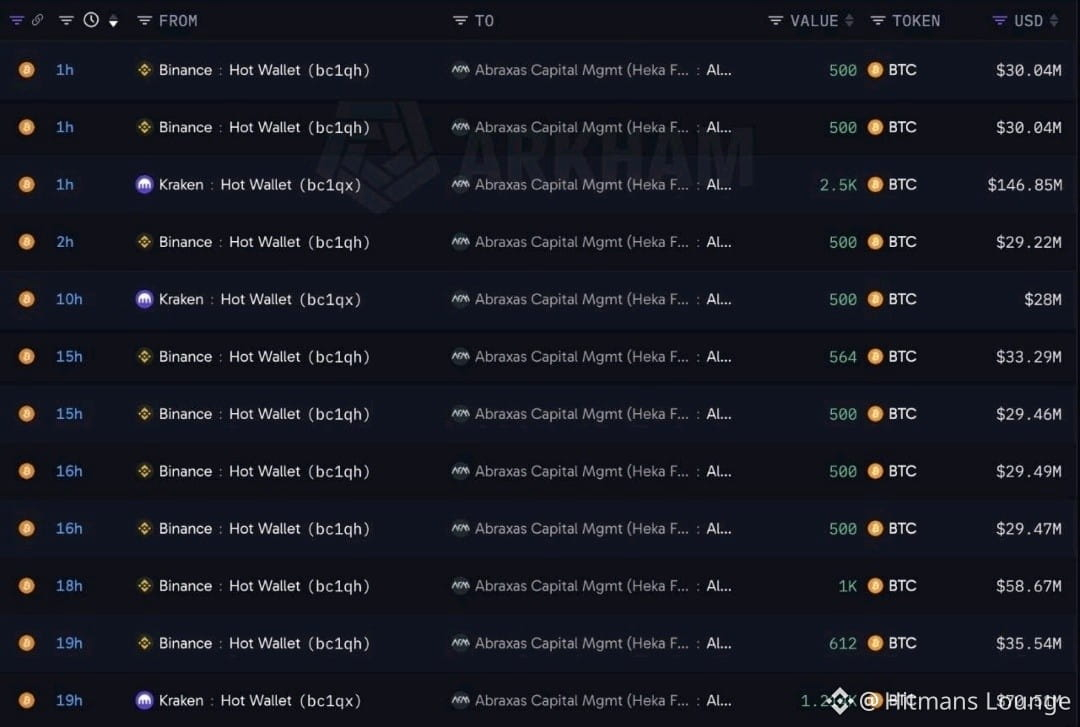
Lookonchain reported that Abraxas Capital accumulated an estimated 10,356 BTC worth approximately $607 MILLION, at an average price of $58,651.
And that's not all.
🏦 Abraxas was subsequently reported to have withdrawn a total of 17,597 BTC, worth approximately $1.04 BILLION, from Binance and Kraken.
📉 Meanwhile, BlackRock's IBIT recorded approximately $541.1M in net outflows on November 19.
💰 Another whale deposited $270M in stablecoins to Binance, although its ownership and intended use remain unconfirmed.
So what's happening behind the scenes?
Here's how market pressure can create opportunities:
1️⃣ Heavy selling pushes prices lower.
2️⃣ Fear and leveraged liquidations accelerate the decline.
3️⃣ Buyers with available capital can accumulate at lower prices.
4️⃣ A recovery can follow when selling pressure weakens.
But remember: large transfers don't automatically prove coordinated manipulation or guarantee a reversal.
The real lesson? Don't confuse market panic with proof that Bitcoin's fundamentals have changed.
🐋 Are whales accumulating while retail traders capitulate, or is another correction still possible?
#Bitcoin #BTC #WhaleActivity #TwentyOneCapitalAdds172.25BTC #GlobalStocksFaceLongestLosingStreakSince2023
$ETH $XRP
{future}(XRPUSDT)
{future}(ETHUSDT)
{future}(BTCUSDT)
🐋🚨 BITCOIN WAS BLEEDING. WHALES WERE BUYING. WHO REALLY BENEFITED FROM THE PANIC?
While retail traders were watching $BTC crash below $60K, some major wallets were moving in the opposite direction.
Lookonchain reported that Abraxas Capital accumulated an estimated 10,356 BTC worth approximately $607 MILLION, at an average price of $58,651.
And that's not all.
🏦 Abraxas was subsequently reported to have withdrawn a total of 17,597 BTC, worth approximately $1.04 BILLION, from Binance and Kraken.
📉 Meanwhile, BlackRock's IBIT recorded approximately $541.1M in net outflows on November 19.
💰 Another whale deposited $270M in stablecoins to Binance, although its ownership and intended use remain unconfirmed.
So what's happening behind the scenes?
Here's how market pressure can create opportunities:
1️⃣ Heavy selling pushes prices lower.
2️⃣ Fear and leveraged liquidations accelerate the decline.
3️⃣ Buyers with available capital can accumulate at lower prices.
4️⃣ A recovery can follow when selling pressure weakens.
But remember: large transfers don't automatically prove coordinated manipulation or guarantee a reversal.
The real lesson? Don't confuse market panic with proof that Bitcoin's fundamentals have changed.
🐋 Are whales accumulating while retail traders capitulate, or is another correction still possible?
#Bitcoin #BTC #WhaleActivity #TwentyOneCapitalAdds172.25BTC #GlobalStocksFaceLongestLosingStreakSince2023
$ETH $XRP
2
289
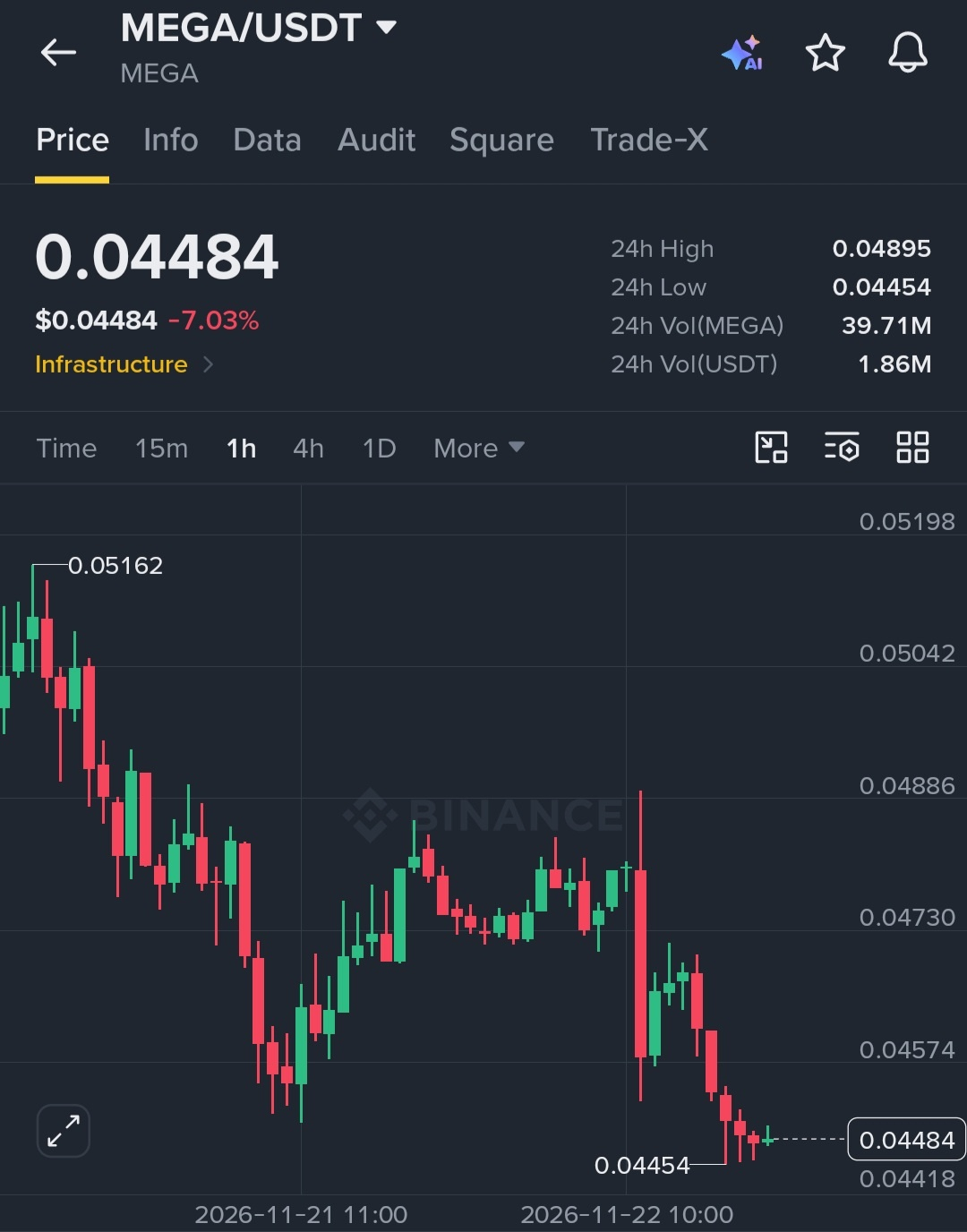
⏱️ $MEGA /USDT — 🔴 SHORT · Conf 65%
━━━━━━━━━━━━━━
📍 Entry: 0.0447 – 0.0450
🛑 SL: 0.0478
🎯 TP1: 0.0426
✅ TP2: 0.0408
🏆 TP3: 0.0381
━━━━━━━━━━━━━━
🔎 1H is stair-stepping lower from 0.05162 with a heavy red candle at the breakdown, against a 7D of +2.63%.
🧠 $MEGA : MegaETH, an Ethereum L2 built for real-time execution; risk is a new token with no 1Y history, and 180D is -41.04%.
💬 Can an L2 token hold value if raw speed isn't the bottleneck for most users?
⚠️ Not financial advice. Manage your risk.
#MEGA #MegaETH #ETH #Layer2 #BlackRockLaunchesHKDollarDigitalLiquidityFund
{future}(MEGAUSDT)
⏱️ $MEGA /USDT — 🔴 SHORT · Conf 65%
━━━━━━━━━━━━━━
📍 Entry: 0.0447 – 0.0450
🛑 SL: 0.0478
🎯 TP1: 0.0426
✅ TP2: 0.0408
🏆 TP3: 0.0381
━━━━━━━━━━━━━━
🔎 1H is stair-stepping lower from 0.05162 with a heavy red candle at the breakdown, against a 7D of +2.63%.
🧠 $MEGA : MegaETH, an Ethereum L2 built for real-time execution; risk is a new token with no 1Y history, and 180D is -41.04%.
💬 Can an L2 token hold value if raw speed isn't the bottleneck for most users?
⚠️ Not financial advice. Manage your risk.
#MEGA #MegaETH #ETH #Layer2 #BlackRockLaunchesHKDollarDigitalLiquidityFund
━━━━━━━━━━━━━━
📍 Entry: 0.0447 – 0.0450
🛑 SL: 0.0478
🎯 TP1: 0.0426
✅ TP2: 0.0408
🏆 TP3: 0.0381
━━━━━━━━━━━━━━
🔎 1H is stair-stepping lower from 0.05162 with a heavy red candle at the breakdown, against a 7D of +2.63%.
🧠 $MEGA : MegaETH, an Ethereum L2 built for real-time execution; risk is a new token with no 1Y history, and 180D is -41.04%.
💬 Can an L2 token hold value if raw speed isn't the bottleneck for most users?
⚠️ Not financial advice. Manage your risk.
#MEGA #MegaETH #ETH #Layer2 #BlackRockLaunchesHKDollarDigitalLiquidityFund

1
373
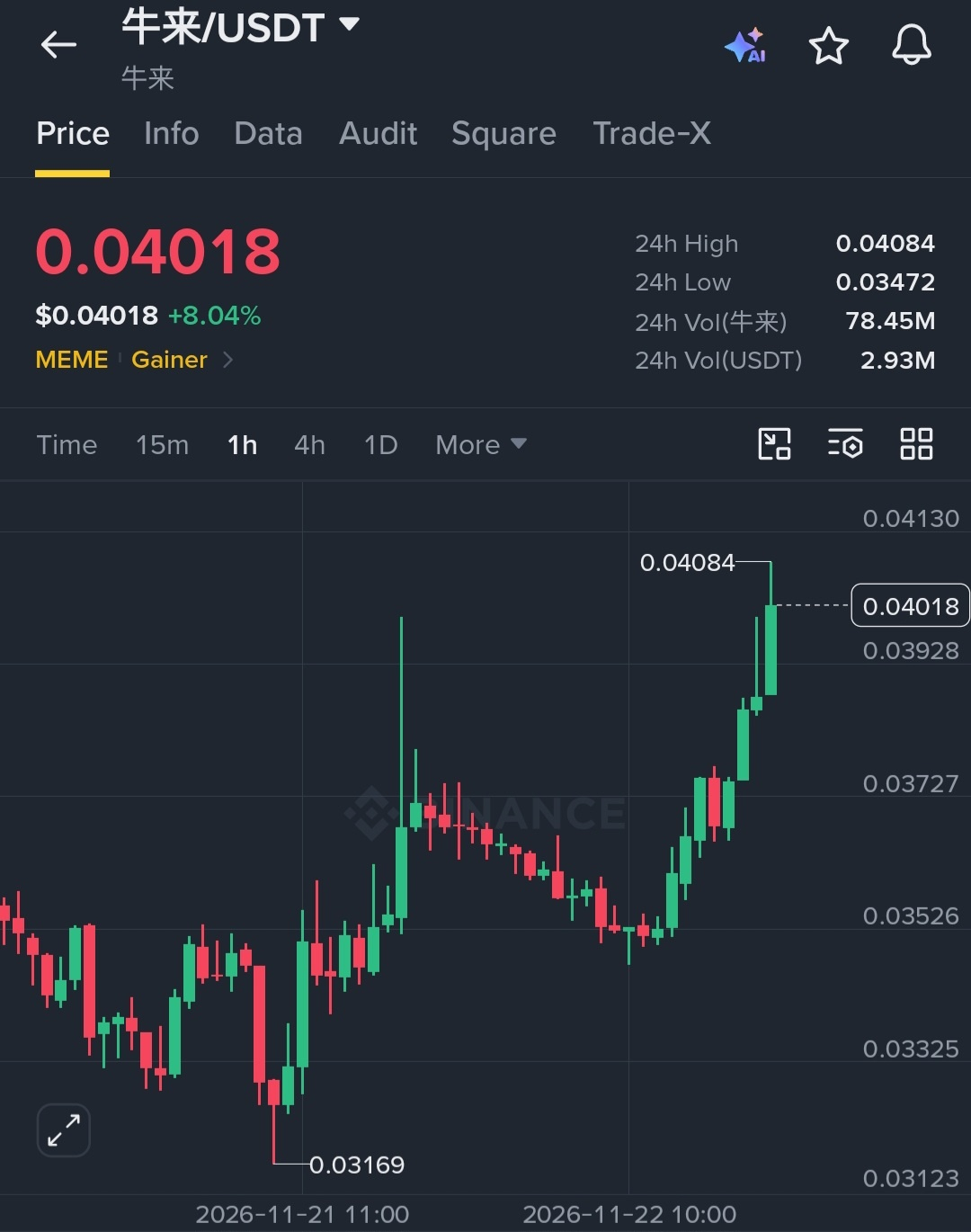
🐂 $牛来 /USDT — 🟢 LONG · Conf 70%
━━━━━━━━━━━━━━
📍 Entry: 0.0401 – 0.0403
🛑 SL: 0.0372
🎯 TP1: 0.0422
✅ TP2: 0.0438
🏆 TP3: 0.0462
━━━━━━━━━━━━━━
🔎 1H is stacking higher highs and higher lows from 0.03169 with volume expanding on the green candles, while 7D and 30D are still negative.
🧠 $牛来 : Binance tags it MEME; risk is a short history (no 90D figure shown) and a 30D of -31.05%, so this is momentum, not fundamentals.
💬 When a meme has no 90D history, what are you anchoring entries to?
⚠️ Not financial advice. Manage your risk.
#牛来 #niulai #BNB #Memecoin #ChineseBull
{future}(牛来USDT)
🐂 $牛来 /USDT — 🟢 LONG · Conf 70%
━━━━━━━━━━━━━━
📍 Entry: 0.0401 – 0.0403
🛑 SL: 0.0372
🎯 TP1: 0.0422
✅ TP2: 0.0438
🏆 TP3: 0.0462
━━━━━━━━━━━━━━
🔎 1H is stacking higher highs and higher lows from 0.03169 with volume expanding on the green candles, while 7D and 30D are still negative.
🧠 $牛来 : Binance tags it MEME; risk is a short history (no 90D figure shown) and a 30D of -31.05%, so this is momentum, not fundamentals.
💬 When a meme has no 90D history, what are you anchoring entries to?
⚠️ Not financial advice. Manage your risk.
#牛来 #niulai #BNB #Memecoin #ChineseBull
━━━━━━━━━━━━━━
📍 Entry: 0.0401 – 0.0403
🛑 SL: 0.0372
🎯 TP1: 0.0422
✅ TP2: 0.0438
🏆 TP3: 0.0462
━━━━━━━━━━━━━━
🔎 1H is stacking higher highs and higher lows from 0.03169 with volume expanding on the green candles, while 7D and 30D are still negative.
🧠 $牛来 : Binance tags it MEME; risk is a short history (no 90D figure shown) and a 30D of -31.05%, so this is momentum, not fundamentals.
💬 When a meme has no 90D history, what are you anchoring entries to?
⚠️ Not financial advice. Manage your risk.
#牛来 #niulai #BNB #Memecoin #ChineseBull

1
293
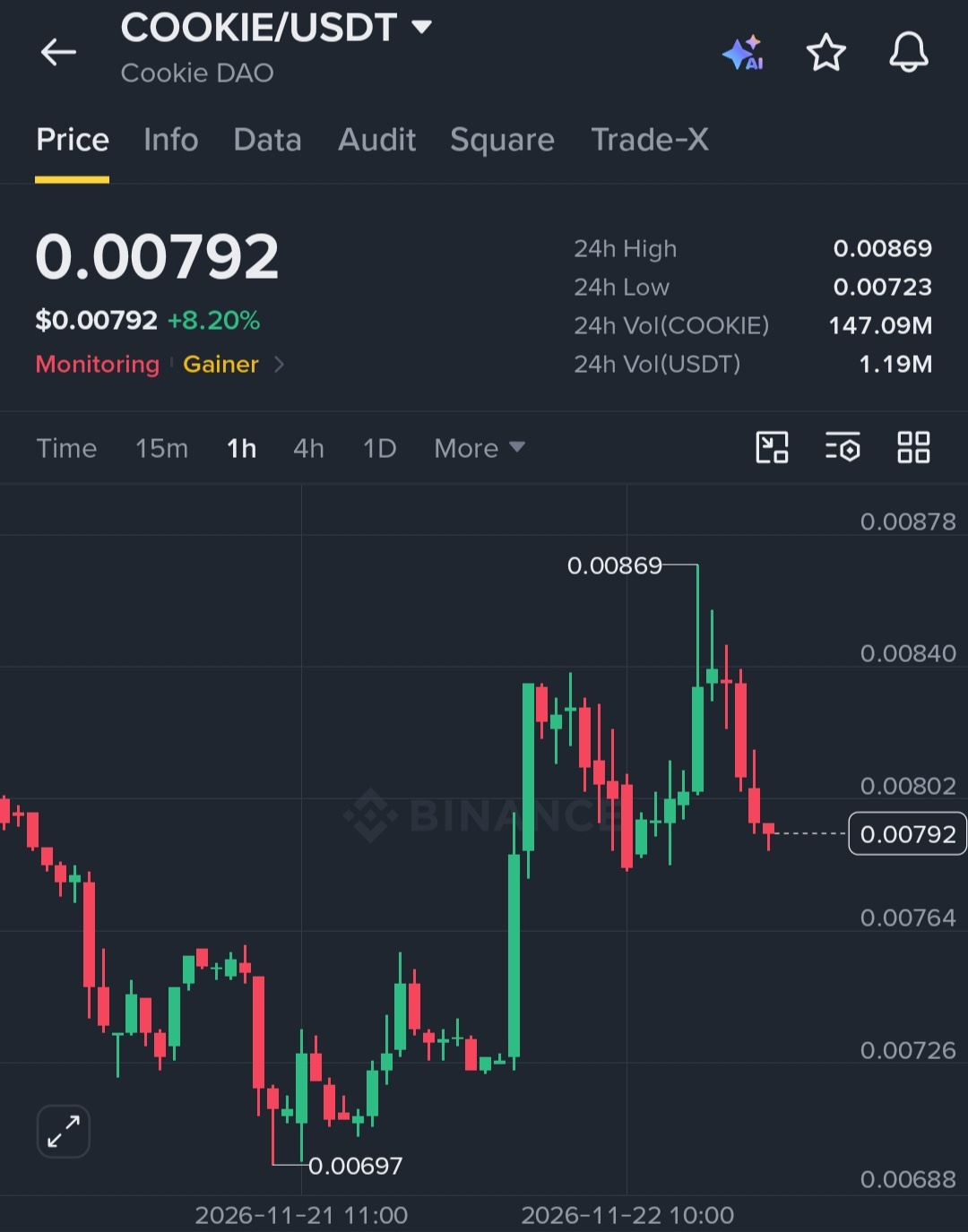
🍪 $COOKIE /USDT — 🔴 SHORT · Conf 80%
━━━━━━━━━━━━━━
📍 Entry: 0.0078962 – 0.0079438
🛑 SL: 0.0085734
🎯 TP1: 0.0075240
✅ TP2: 0.0072072
🏆 TP3: 0.0067320
━━━━━━━━━━━━━━
🔎 The wick to 0.00869 was sold hard and the latest candles are lower closes, though the day is still +9.39%.
🧠 $COOKIE : Cookie DAO is an AI-agent data and indexing layer; risk is the Monitoring tag and a 1Y of -83.74%.
💬 Is onchain attention data a real product or a narrative wrapper?
⚠️ Not financial advice. Manage your risk.
#COOKIE #CookieDAO #AIAgent #Data #onchain
{future}(COOKIEUSDT)
🍪 $COOKIE /USDT — 🔴 SHORT · Conf 80%
━━━━━━━━━━━━━━
📍 Entry: 0.0078962 – 0.0079438
🛑 SL: 0.0085734
🎯 TP1: 0.0075240
✅ TP2: 0.0072072
🏆 TP3: 0.0067320
━━━━━━━━━━━━━━
🔎 The wick to 0.00869 was sold hard and the latest candles are lower closes, though the day is still +9.39%.
🧠 $COOKIE : Cookie DAO is an AI-agent data and indexing layer; risk is the Monitoring tag and a 1Y of -83.74%.
💬 Is onchain attention data a real product or a narrative wrapper?
⚠️ Not financial advice. Manage your risk.
#COOKIE #CookieDAO #AIAgent #Data #onchain
━━━━━━━━━━━━━━
📍 Entry: 0.0078962 – 0.0079438
🛑 SL: 0.0085734
🎯 TP1: 0.0075240
✅ TP2: 0.0072072
🏆 TP3: 0.0067320
━━━━━━━━━━━━━━
🔎 The wick to 0.00869 was sold hard and the latest candles are lower closes, though the day is still +9.39%.
🧠 $COOKIE : Cookie DAO is an AI-agent data and indexing layer; risk is the Monitoring tag and a 1Y of -83.74%.
💬 Is onchain attention data a real product or a narrative wrapper?
⚠️ Not financial advice. Manage your risk.
#COOKIE #CookieDAO #AIAgent #Data #onchain

1
264
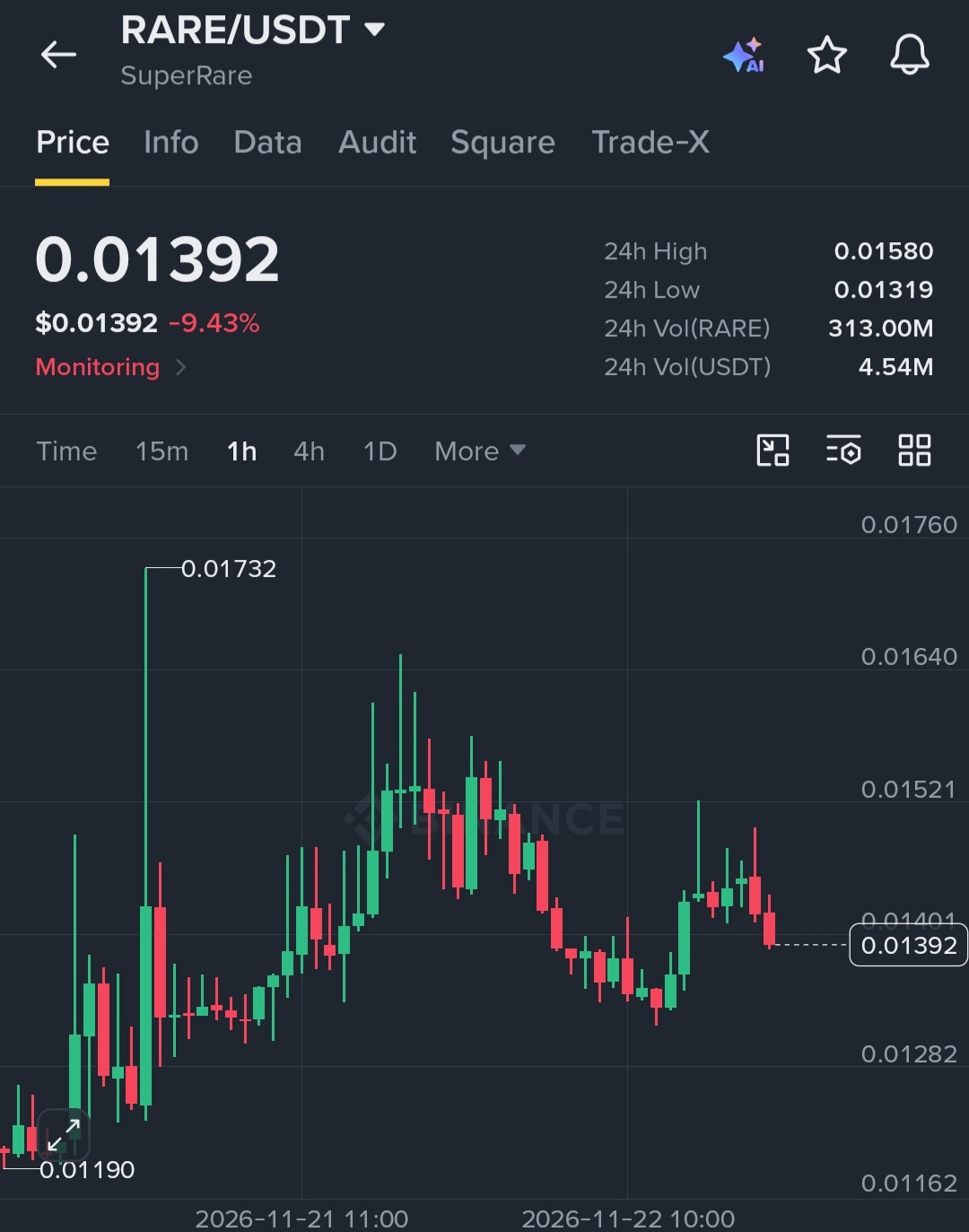
🎨 $RARE /USDT — 🟢 LONG · Conf 70%
━━━━━━━━━━━━━━
📍 Entry: 0.0138782 – 0.0139618
🛑 SL: 0.0125280
🎯 TP1: 0.0146160
✅ TP2: 0.0151728
🏆 TP3: 0.0160080
━━━━━━━━━━━━━━
🔎 1D still reads strong (7D +62.43%) but 1H is rolling over from 0.01580, so this long is a pullback bet that conflicts with the hourly trend.
🧠 $RARE : SuperRare is a curated NFT marketplace for digital art, and RARE is its governance token; risk is the Monitoring tag and a 1Y of -47.07%.
💬 Is a 62% weekly run in an NFT token about fundamentals or just rotation?
⚠️ Not financial advice. Manage your risk.
#RARE #SuperRare #NFTMarketplace #DigitalArt #Governance
{future}(RAREUSDT)
🎨 $RARE /USDT — 🟢 LONG · Conf 70%
━━━━━━━━━━━━━━
📍 Entry: 0.0138782 – 0.0139618
🛑 SL: 0.0125280
🎯 TP1: 0.0146160
✅ TP2: 0.0151728
🏆 TP3: 0.0160080
━━━━━━━━━━━━━━
🔎 1D still reads strong (7D +62.43%) but 1H is rolling over from 0.01580, so this long is a pullback bet that conflicts with the hourly trend.
🧠 $RARE : SuperRare is a curated NFT marketplace for digital art, and RARE is its governance token; risk is the Monitoring tag and a 1Y of -47.07%.
💬 Is a 62% weekly run in an NFT token about fundamentals or just rotation?
⚠️ Not financial advice. Manage your risk.
#RARE #SuperRare #NFTMarketplace #DigitalArt #Governance
━━━━━━━━━━━━━━
📍 Entry: 0.0138782 – 0.0139618
🛑 SL: 0.0125280
🎯 TP1: 0.0146160
✅ TP2: 0.0151728
🏆 TP3: 0.0160080
━━━━━━━━━━━━━━
🔎 1D still reads strong (7D +62.43%) but 1H is rolling over from 0.01580, so this long is a pullback bet that conflicts with the hourly trend.
🧠 $RARE : SuperRare is a curated NFT marketplace for digital art, and RARE is its governance token; risk is the Monitoring tag and a 1Y of -47.07%.
💬 Is a 62% weekly run in an NFT token about fundamentals or just rotation?
⚠️ Not financial advice. Manage your risk.
#RARE #SuperRare #NFTMarketplace #DigitalArt #Governance

1
195
🔩 $KERNEL /USDT — 🔴 SHORT · Conf 65%
━━━━━━━━━━━━━━
📍 Entry: 0.0408 – 0.0410
🛑 SL: 0.0435
🎯 TP1: 0.0389
✅ TP2: 0.0372
🏆 TP3: 0.0348
━━━━━━━━━━━━━━
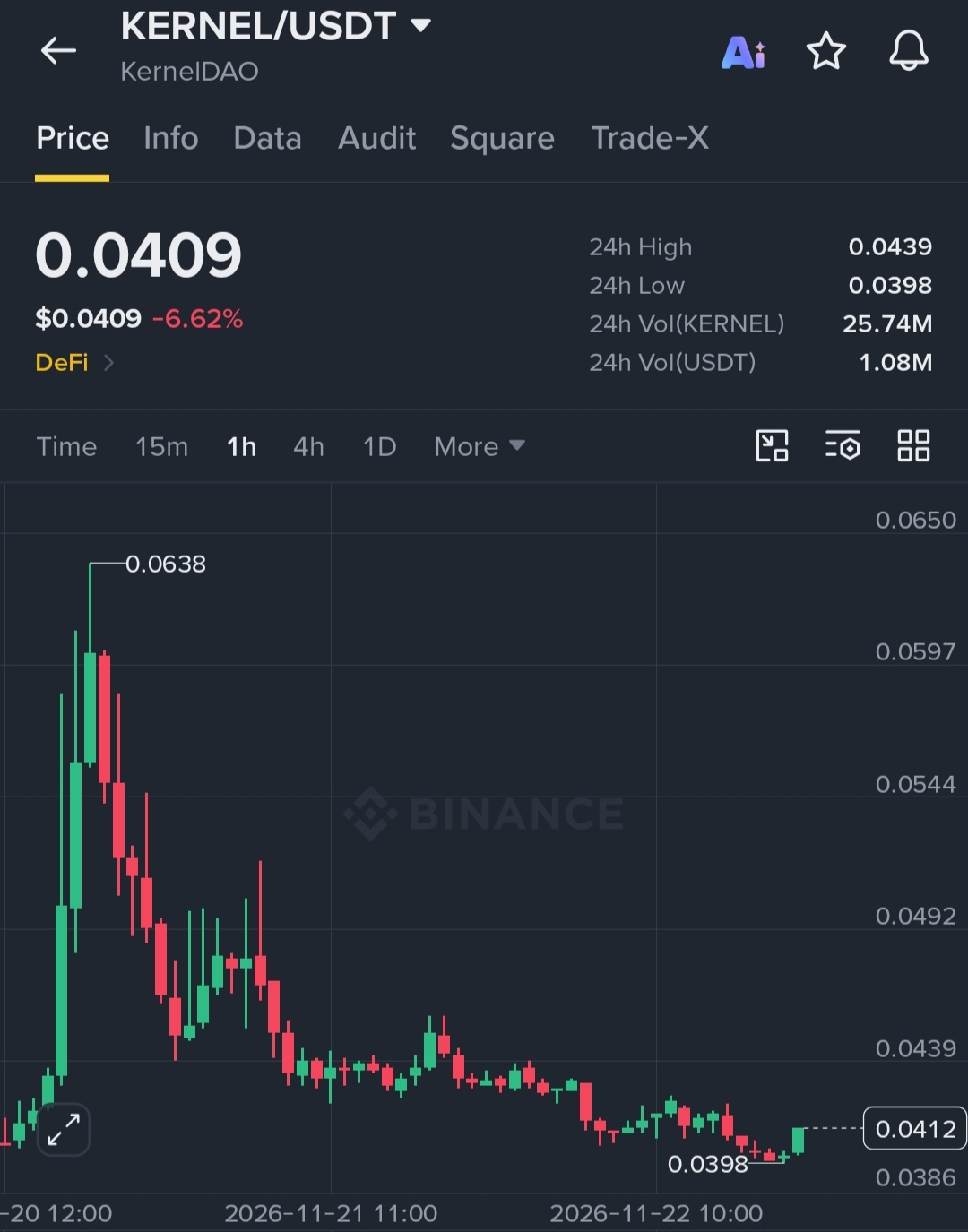
🔎 1H has printed lower highs since the 0.0638 spike; the bounce off 0.0398 and a 7D of +4.07% are the conflict.
🧠 $KERNEL : KernelDAO restaking ecosystem — users restake assets to earn yield; risk is a 1Y of -53.84% and a spike that showed how thin the bid is.
💬 Does restaking still have a narrative, or was that spike the last exit liquidity?
⚠️ Not financial advice. Manage your risk.
#KERNEL #KernelDAO #Restaking #Yield #Altcoin
{future}(KERNELUSDT)
🔩 $KERNEL /USDT — 🔴 SHORT · Conf 65%
━━━━━━━━━━━━━━
📍 Entry: 0.0408 – 0.0410
🛑 SL: 0.0435
🎯 TP1: 0.0389
✅ TP2: 0.0372
🏆 TP3: 0.0348
━━━━━━━━━━━━━━
🔎 1H has printed lower highs since the 0.0638 spike; the bounce off 0.0398 and a 7D of +4.07% are the conflict.
🧠 $KERNEL : KernelDAO restaking ecosystem — users restake assets to earn yield; risk is a 1Y of -53.84% and a spike that showed how thin the bid is.
💬 Does restaking still have a narrative, or was that spike the last exit liquidity?
⚠️ Not financial advice. Manage your risk.
#KERNEL #KernelDAO #Restaking #Yield #Altcoin
━━━━━━━━━━━━━━
📍 Entry: 0.0408 – 0.0410
🛑 SL: 0.0435
🎯 TP1: 0.0389
✅ TP2: 0.0372
🏆 TP3: 0.0348
━━━━━━━━━━━━━━
🔎 1H has printed lower highs since the 0.0638 spike; the bounce off 0.0398 and a 7D of +4.07% are the conflict.
🧠 $KERNEL : KernelDAO restaking ecosystem — users restake assets to earn yield; risk is a 1Y of -53.84% and a spike that showed how thin the bid is.
💬 Does restaking still have a narrative, or was that spike the last exit liquidity?
⚠️ Not financial advice. Manage your risk.
#KERNEL #KernelDAO #Restaking #Yield #Altcoin

1
176
·
--
Bullish
$BTC to reach 120k$ by the end of year 2026?
#BTC #Bitcoin #TwentyOneCapitalAdds172.25BTC #AnthropicPlungesTowardIPOPriceonDay2 #SolanaSets2027RoadmapToDoubleComputeCapacity
{future}(BTCUSDT)
Your Call?
$BTC to reach 120k$ by the end of year 2026?
#BTC #Bitcoin #TwentyOneCapitalAdds172.25BTC #AnthropicPlungesTowardIPOPriceonDay2 #SolanaSets2027RoadmapToDoubleComputeCapacity
Your Call?
#BTC #Bitcoin #TwentyOneCapitalAdds172.25BTC #AnthropicPlungesTowardIPOPriceonDay2 #SolanaSets2027RoadmapToDoubleComputeCapacity
Your Call?
Hell Nah 🐻
Pretty Obvious 🐂
12 hr(s) left
1
185
🕵️ $XVG /USDT — 🔴 SHORT · Conf 70%
━━━━━━━━━━━━━━
📍 Entry: 0.0015862 – 0.0015958
🛑 SL: 0.0017501
🎯 TP1: 0.0015115
✅ TP2: 0.0014478
🏆 TP3: 0.0013524
━━━━━━━━━━━━━━
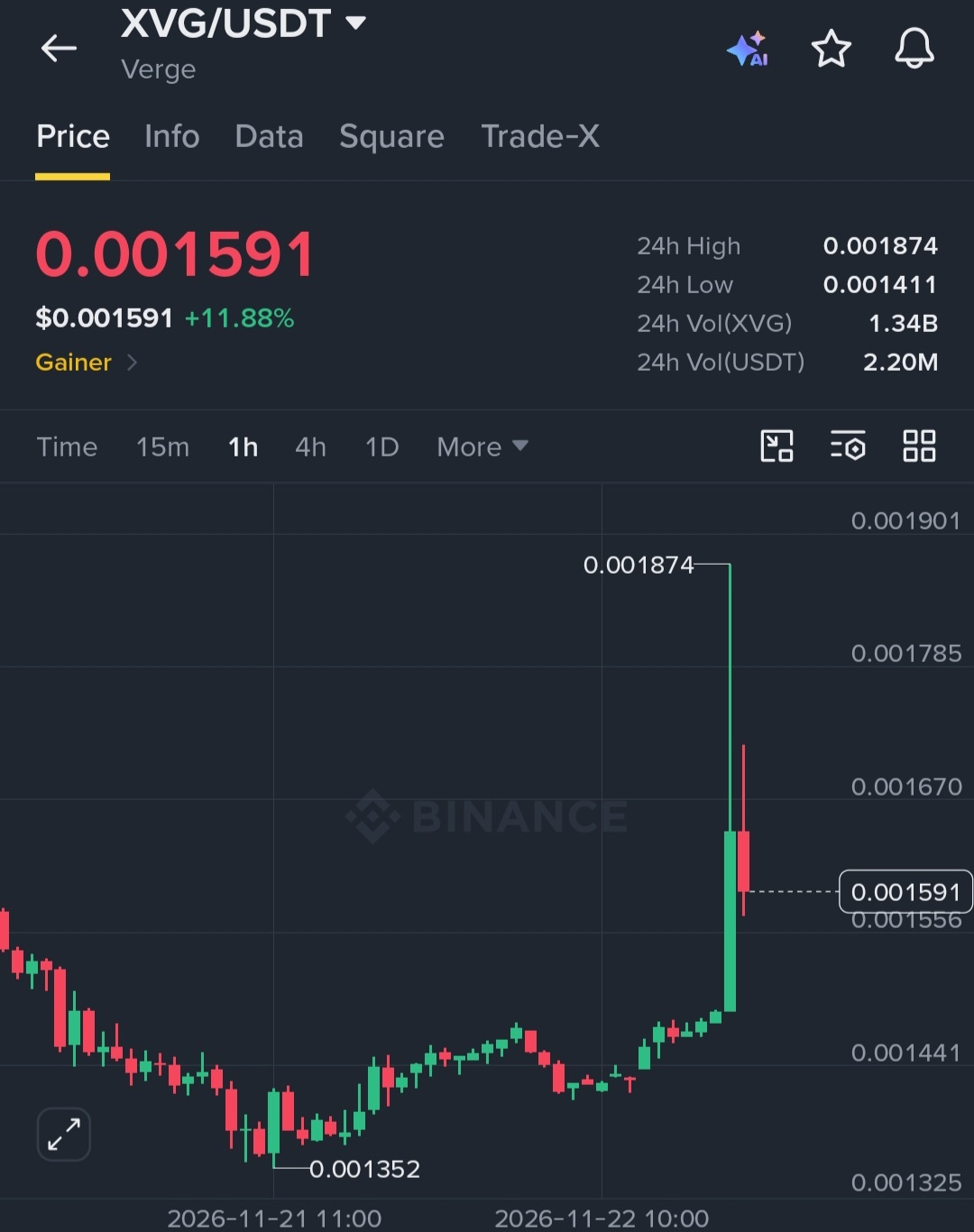
🔎 One-candle spike to 0.001874 with an immediate red follow-through, while 7D and 30D sit at -9.41% and -35.09%; the 83% bid-heavy book is the conflict.
🧠 $XVG : Verge is a privacy coin that routes traffic through Tor/I2P; risk is a 1Y of -76.60% and a thin book that lets single orders move price.
💬 Does a privacy coin pumping on one candle signal demand, or a thin book getting lifted?
⚠️ Not financial advice. Manage your risk.
#XVG #Verge #PrivacyCoin #Tor #Web3
{future}(XVGUSDT)
🕵️ $XVG /USDT — 🔴 SHORT · Conf 70%
━━━━━━━━━━━━━━
📍 Entry: 0.0015862 – 0.0015958
🛑 SL: 0.0017501
🎯 TP1: 0.0015115
✅ TP2: 0.0014478
🏆 TP3: 0.0013524
━━━━━━━━━━━━━━
🔎 One-candle spike to 0.001874 with an immediate red follow-through, while 7D and 30D sit at -9.41% and -35.09%; the 83% bid-heavy book is the conflict.
🧠 $XVG : Verge is a privacy coin that routes traffic through Tor/I2P; risk is a 1Y of -76.60% and a thin book that lets single orders move price.
💬 Does a privacy coin pumping on one candle signal demand, or a thin book getting lifted?
⚠️ Not financial advice. Manage your risk.
#XVG #Verge #PrivacyCoin #Tor #Web3
━━━━━━━━━━━━━━
📍 Entry: 0.0015862 – 0.0015958
🛑 SL: 0.0017501
🎯 TP1: 0.0015115
✅ TP2: 0.0014478
🏆 TP3: 0.0013524
━━━━━━━━━━━━━━
🔎 One-candle spike to 0.001874 with an immediate red follow-through, while 7D and 30D sit at -9.41% and -35.09%; the 83% bid-heavy book is the conflict.
🧠 $XVG : Verge is a privacy coin that routes traffic through Tor/I2P; risk is a 1Y of -76.60% and a thin book that lets single orders move price.
💬 Does a privacy coin pumping on one candle signal demand, or a thin book getting lifted?
⚠️ Not financial advice. Manage your risk.
#XVG #Verge #PrivacyCoin #Tor #Web3

1
221
🎮 $SOPH /USDT — 🔴 SHORT · Conf 85%
━━━━━━━━━━━━━━
📍 Entry: 0.0009172 – 0.0009228
🛑 SL: 0.0010005
🎯 TP1: 0.0008740
✅ TP2: 0.0008372
🏆 TP3: 0.0007820
━━━━━━━━━━━━━━
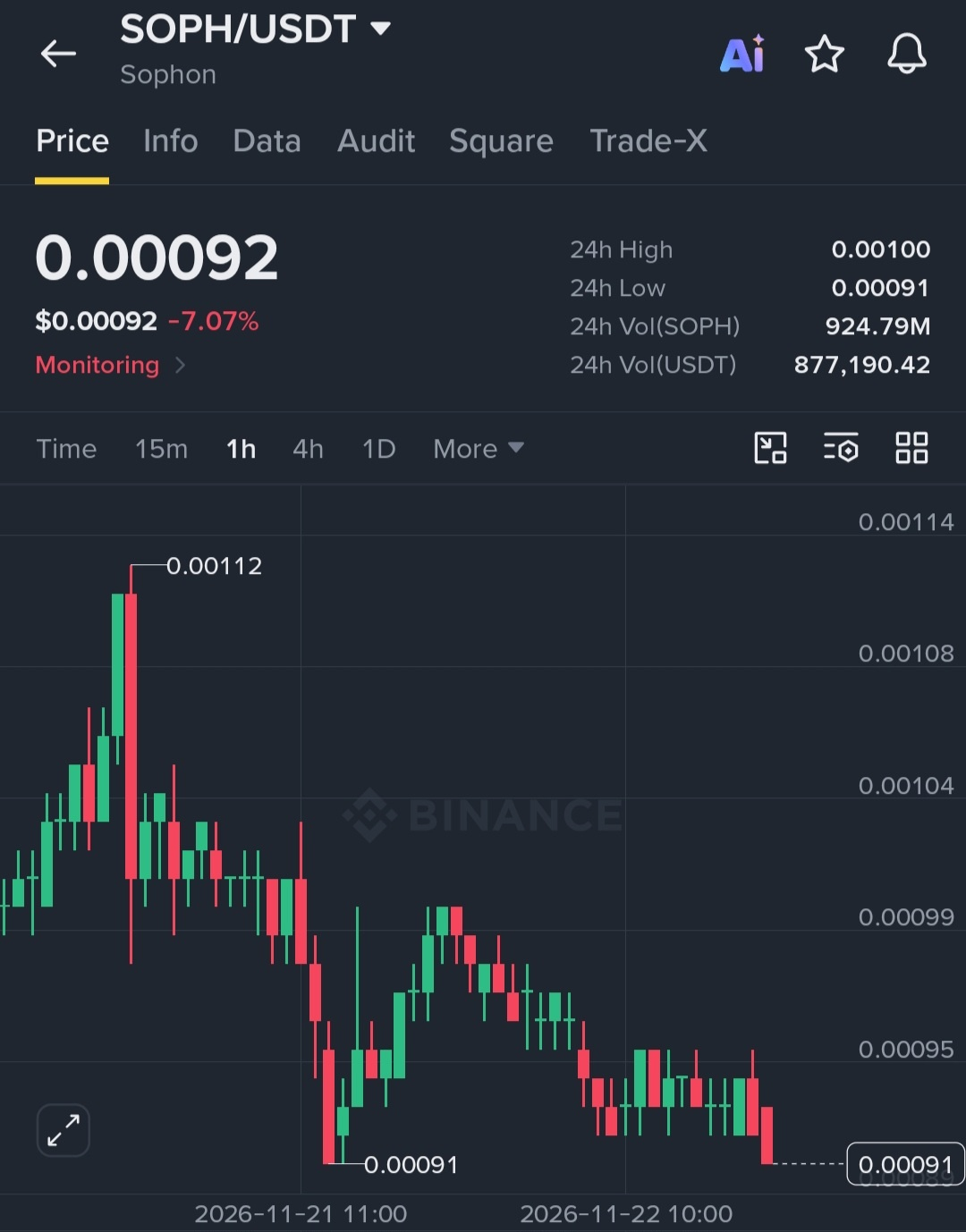
🔎 Price is at the 24h low (0.00091) with lower highs every bounce since the 0.00112 spike.
🧠 $SOPH : ZK-based L2 aimed at consumer and entertainment apps; risk is the Binance Monitoring tag and a 1Y of -94.44%.
💬 Does an app-focused L2 need real apps first, or does cheap blockspace come first?
⚠️ Not financial advice. Manage your risk.
#SOPH #Sophon #Zkproofs #Layer2 #entertainment
{future}(SOPHUSDT)
🎮 $SOPH /USDT — 🔴 SHORT · Conf 85%
━━━━━━━━━━━━━━
📍 Entry: 0.0009172 – 0.0009228
🛑 SL: 0.0010005
🎯 TP1: 0.0008740
✅ TP2: 0.0008372
🏆 TP3: 0.0007820
━━━━━━━━━━━━━━
🔎 Price is at the 24h low (0.00091) with lower highs every bounce since the 0.00112 spike.
🧠 $SOPH : ZK-based L2 aimed at consumer and entertainment apps; risk is the Binance Monitoring tag and a 1Y of -94.44%.
💬 Does an app-focused L2 need real apps first, or does cheap blockspace come first?
⚠️ Not financial advice. Manage your risk.
#SOPH #Sophon #Zkproofs #Layer2 #entertainment
━━━━━━━━━━━━━━
📍 Entry: 0.0009172 – 0.0009228
🛑 SL: 0.0010005
🎯 TP1: 0.0008740
✅ TP2: 0.0008372
🏆 TP3: 0.0007820
━━━━━━━━━━━━━━
🔎 Price is at the 24h low (0.00091) with lower highs every bounce since the 0.00112 spike.
🧠 $SOPH : ZK-based L2 aimed at consumer and entertainment apps; risk is the Binance Monitoring tag and a 1Y of -94.44%.
💬 Does an app-focused L2 need real apps first, or does cheap blockspace come first?
⚠️ Not financial advice. Manage your risk.
#SOPH #Sophon #Zkproofs #Layer2 #entertainment

1
160
🦤 $DODO /USDT — 🟢 LONG · Conf 85%
━━━━━━━━━━━━━━
📍 Entry: 0.0396 – 0.0398
🛑 SL: 0.0367
🎯 TP1: 0.0417
✅ TP2: 0.0432
🏆 TP3: 0.0456
━━━━━━━━━━━━━━
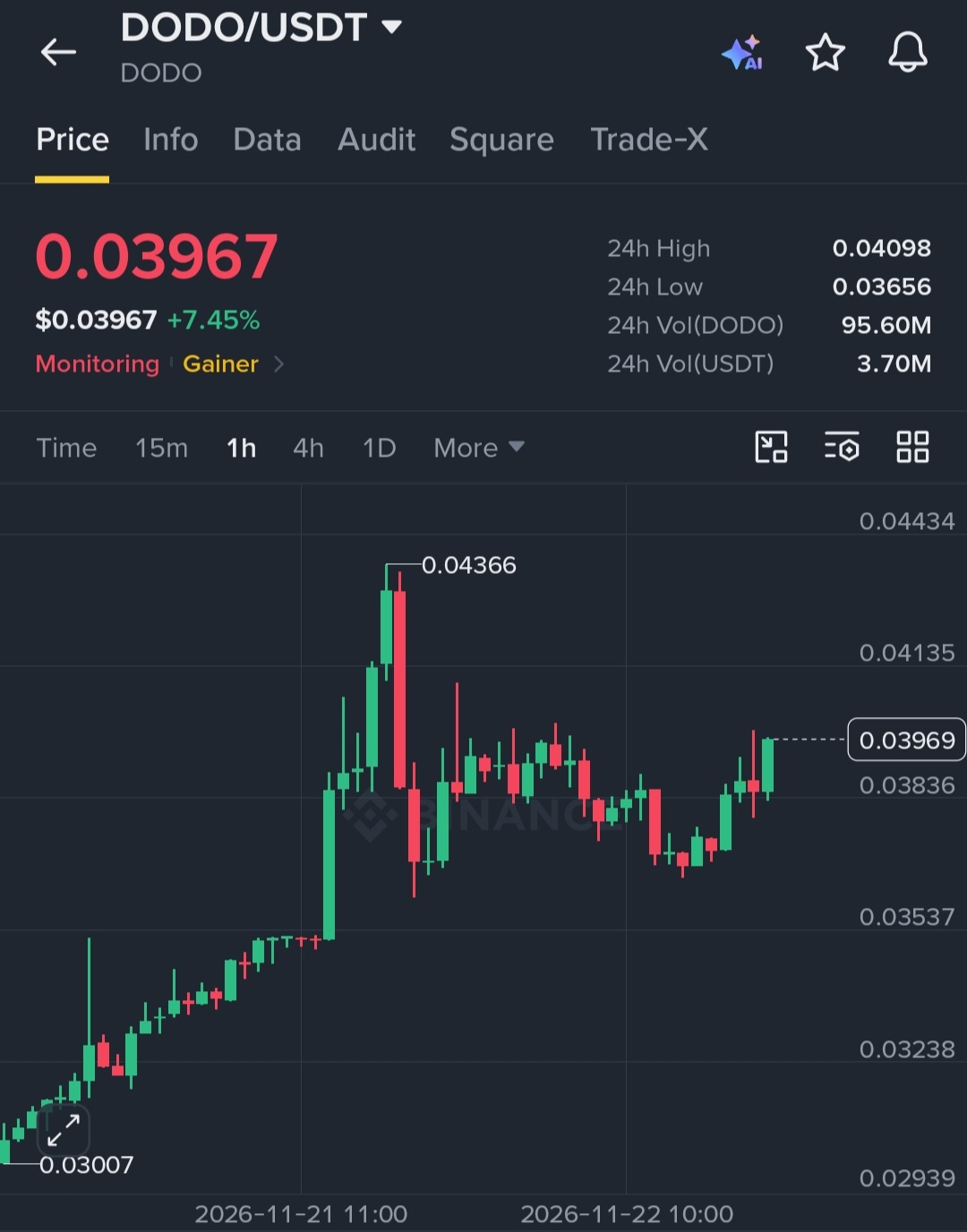
🔎 1H is printing higher lows off the 0.03656 24h low, with 30D at +79.67% backing the 1D trend.
🧠 $DODO : DEX built on a Proactive Market Maker that prices liquidity off oracle data; risk is the Monitoring tag and a 59.44% ask-heavy book.
💬 Is a PMM-based DEX still differentiated, or have concentrated-liquidity AMMs closed the gap?
⚠️ Not financial advice. Manage your risk.
#DODO #Dex #MarketMaker #Oracle #PMM
{spot}(DODOUSDT)
🦤 $DODO /USDT — 🟢 LONG · Conf 85%
━━━━━━━━━━━━━━
📍 Entry: 0.0396 – 0.0398
🛑 SL: 0.0367
🎯 TP1: 0.0417
✅ TP2: 0.0432
🏆 TP3: 0.0456
━━━━━━━━━━━━━━
🔎 1H is printing higher lows off the 0.03656 24h low, with 30D at +79.67% backing the 1D trend.
🧠 $DODO : DEX built on a Proactive Market Maker that prices liquidity off oracle data; risk is the Monitoring tag and a 59.44% ask-heavy book.
💬 Is a PMM-based DEX still differentiated, or have concentrated-liquidity AMMs closed the gap?
⚠️ Not financial advice. Manage your risk.
#DODO #Dex #MarketMaker #Oracle #PMM
━━━━━━━━━━━━━━
📍 Entry: 0.0396 – 0.0398
🛑 SL: 0.0367
🎯 TP1: 0.0417
✅ TP2: 0.0432
🏆 TP3: 0.0456
━━━━━━━━━━━━━━
🔎 1H is printing higher lows off the 0.03656 24h low, with 30D at +79.67% backing the 1D trend.
🧠 $DODO : DEX built on a Proactive Market Maker that prices liquidity off oracle data; risk is the Monitoring tag and a 59.44% ask-heavy book.
💬 Is a PMM-based DEX still differentiated, or have concentrated-liquidity AMMs closed the gap?
⚠️ Not financial advice. Manage your risk.
#DODO #Dex #MarketMaker #Oracle #PMM

1
270
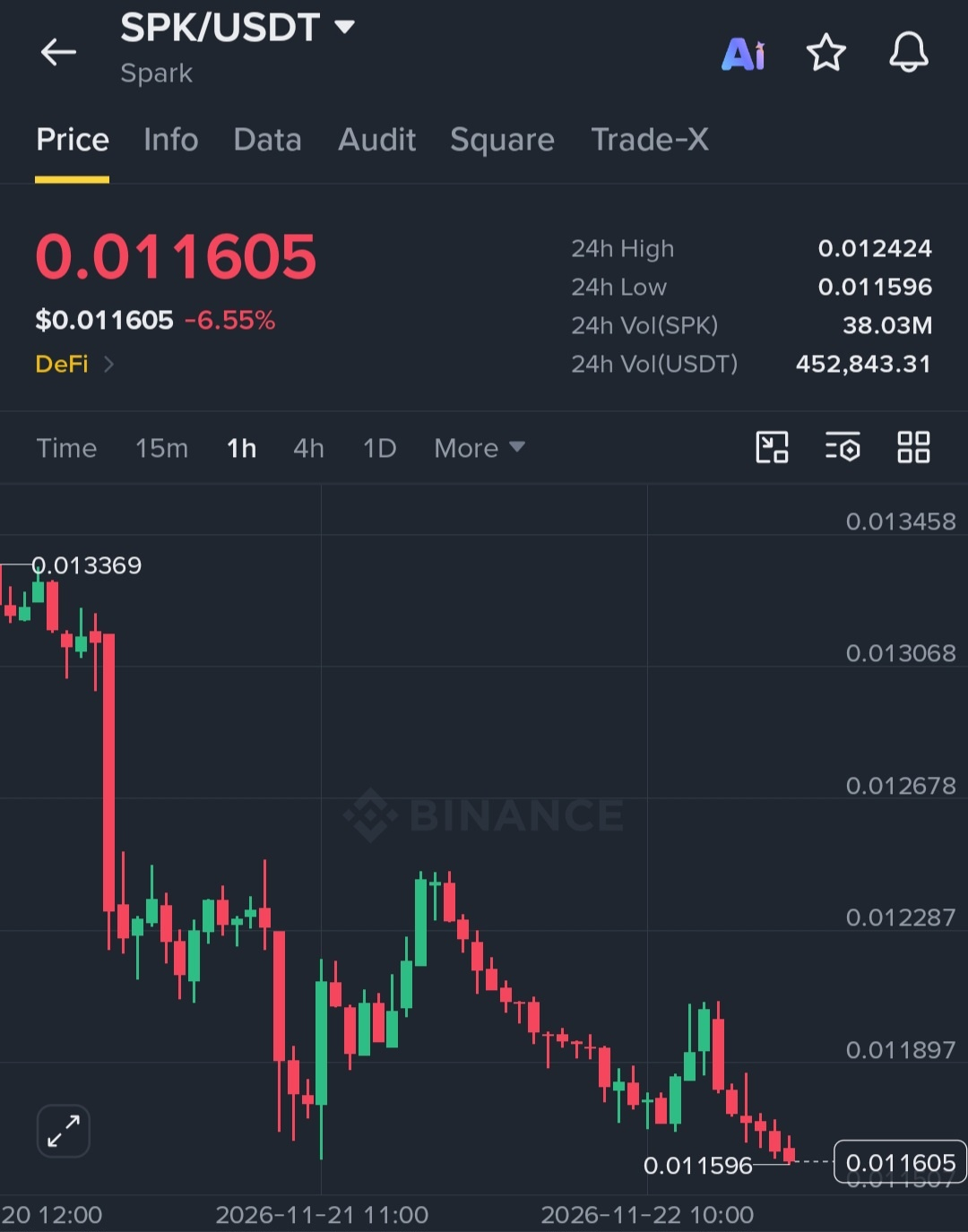
✨ $SPK /USDT — 🔴 SHORT · Conf 85%
━━━━━━━━━━━━━━
📍 Entry: 0.0115702 – 0.0116398
🛑 SL: 0.0121853
🎯 TP1: 0.0110248
✅ TP2: 0.0105606
🏆 TP3: 0.0098643
━━━━━━━━━━━━━━
🔎 1H keeps stacking lower highs and price is pinned at the 24h low (0.011596), so rallies are getting sold.
🧠 $SPK : DeFi lending and savings protocol (SparkLend, Spark Savings, Spark Liquidity Layer) — the token is still down 62.93% over 1Y.
💬 Does a real lending business deserve a 63% drawdown, or is the token disconnected from protocol revenue?
⚠️ Not financial advice. Manage your risk.
#SPK #Spark #DeFi #sparklend #AnthropicPlungesTowardIPOPriceonDay2
{future}(SPKUSDT)
✨ $SPK /USDT — 🔴 SHORT · Conf 85%
━━━━━━━━━━━━━━
📍 Entry: 0.0115702 – 0.0116398
🛑 SL: 0.0121853
🎯 TP1: 0.0110248
✅ TP2: 0.0105606
🏆 TP3: 0.0098643
━━━━━━━━━━━━━━
🔎 1H keeps stacking lower highs and price is pinned at the 24h low (0.011596), so rallies are getting sold.
🧠 $SPK : DeFi lending and savings protocol (SparkLend, Spark Savings, Spark Liquidity Layer) — the token is still down 62.93% over 1Y.
💬 Does a real lending business deserve a 63% drawdown, or is the token disconnected from protocol revenue?
⚠️ Not financial advice. Manage your risk.
#SPK #Spark #DeFi #sparklend #AnthropicPlungesTowardIPOPriceonDay2
━━━━━━━━━━━━━━
📍 Entry: 0.0115702 – 0.0116398
🛑 SL: 0.0121853
🎯 TP1: 0.0110248
✅ TP2: 0.0105606
🏆 TP3: 0.0098643
━━━━━━━━━━━━━━
🔎 1H keeps stacking lower highs and price is pinned at the 24h low (0.011596), so rallies are getting sold.
🧠 $SPK : DeFi lending and savings protocol (SparkLend, Spark Savings, Spark Liquidity Layer) — the token is still down 62.93% over 1Y.
💬 Does a real lending business deserve a 63% drawdown, or is the token disconnected from protocol revenue?
⚠️ Not financial advice. Manage your risk.
#SPK #Spark #DeFi #sparklend #AnthropicPlungesTowardIPOPriceonDay2

2
213
Log in to explore more content
Join global crypto users on Binance Square
⚡️ Get latest and useful information about crypto.
💬 Trusted by the world’s largest crypto exchange.
👍 Discover real insights from verified creators.
Email / Phone number
Trending Topics
WillMarketsStageAThanksgivingReliefRally?
8,010 views
208 Discussing
Markets enter Thanksgiving week after a sharp sell-off, with investors looking for a catalyst to stabilize risk assets.
The key event this week is Wednesday's October PCE inflation report and Q3 GDP revision, both scheduled for November 25 at 8:30 AM ET, according to the official US Bureau of Economic Analysis calendar.
The inflation data could influence expectations for the Federal Reserve's next policy decision. A softer-than-expected reading could support a relief rally across stocks and crypto, while hotter inflation may keep pressure on risk assets.
US markets will also be closed on Thanksgiving Day, creating a shortened trading week with potentially thinner liquidity.
My view: a relief rally is possible, but confirmation is still needed. Watch inflation data, market breadth, Bitcoin's recovery, and whether buyers can reclaim key resistance levels.
A bounce is not necessarily a reversal.
HOLD $BTC
#WillMarketsStageAThanksgivingReliefRally?
Waseem Ahmad mir
·0 Likes
·406 views
BessentSoftensStanceOnHuang’sNvidiaReturn
5,843 views
137 Discussing
MuskWarnsOfAICashCrunch
6,631 views
126 Discussing