
#decentralization
decentralization
1.2M views
3,893 Discussing
Hot
Latest

·
--
Here's what happened when $BTC pushed toward $86K last week and it exposed how little most people remember about crypto's original purpose.
Crypto traders keep losing money to rugs and hacks because they rely on centralized gatekeepers that demand personal data. One leak and the damage is already done.
Decentralized became just another marketing term along the way. The real test was always whether people can participate without giving away unnecessary information or depending on a central party.
Most missed this while $BTC recovered. $LIBERDUS is building an open network focused on privacy that actually tries to solve it. The risk if this does not catch on is more users getting burned by the same old centralized failures.
$XMR showed what privacy can look like in practice. Ignoring that lesson now means repeating the same mistakes at larger scale.
Anyone else seeing this gap between the $BTC price action and the actual infrastructure we need?
#Bitcoin #Privacy #Decentralization
Here's what happened when $BTC pushed toward $86K last week and it exposed how little most people remember about crypto's original purpose.
Crypto traders keep losing money to rugs and hacks because they rely on centralized gatekeepers that demand personal data. One leak and the damage is already done.
Decentralized became just another marketing term along the way. The real test was always whether people can participate without giving away unnecessary information or depending on a central party.
Most missed this while $BTC recovered. $LIBERDUS is building an open network focused on privacy that actually tries to solve it. The risk if this does not catch on is more users getting burned by the same old centralized failures.
$XMR showed what privacy can look like in practice. Ignoring that lesson now means repeating the same mistakes at larger scale.
Anyone else seeing this gap between the $BTC price action and the actual infrastructure we need?
#Bitcoin #Privacy #Decentralization
Crypto traders keep losing money to rugs and hacks because they rely on centralized gatekeepers that demand personal data. One leak and the damage is already done.
Decentralized became just another marketing term along the way. The real test was always whether people can participate without giving away unnecessary information or depending on a central party.
Most missed this while $BTC recovered. $LIBERDUS is building an open network focused on privacy that actually tries to solve it. The risk if this does not catch on is more users getting burned by the same old centralized failures.
$XMR showed what privacy can look like in practice. Ignoring that lesson now means repeating the same mistakes at larger scale.
Anyone else seeing this gap between the $BTC price action and the actual infrastructure we need?
#Bitcoin #Privacy #Decentralization
75

Have you noticed that $BTC grinding back toward $86K still has everyone treating “decentralized” like it actually means something?
Most traders keep FOMO buying the same centralized setups that already cost them money, handing over personal details just to get in, then watching the next rug or freeze hit because they never controlled the exit.
Decentralized stopped being a principle and became a slogan. The only test that matters is whether you can actually join and talk without dumping your identity or waiting on some gatekeeper. Liberdus is one of the few still building an open network around that exact idea instead of wrapping privacy in more compliance layers like $ETH often does.
If you want to stop repeating the cycle, start by checking which platforms force KYC before you even look at the chart. Then test whether a network lets you participate without that data trail. That is how you stop missing the real entries and getting burned by the next central player.
Where do you think this goes if more people actually demand the original version of crypto instead of the marketing one?
#Bitcoin #Privacy #Decentralization
Have you noticed that $BTC grinding back toward $86K still has everyone treating “decentralized” like it actually means something?
Most traders keep FOMO buying the same centralized setups that already cost them money, handing over personal details just to get in, then watching the next rug or freeze hit because they never controlled the exit.
Decentralized stopped being a principle and became a slogan. The only test that matters is whether you can actually join and talk without dumping your identity or waiting on some gatekeeper. Liberdus is one of the few still building an open network around that exact idea instead of wrapping privacy in more compliance layers like $ETH often does.
If you want to stop repeating the cycle, start by checking which platforms force KYC before you even look at the chart. Then test whether a network lets you participate without that data trail. That is how you stop missing the real entries and getting burned by the next central player.
Where do you think this goes if more people actually demand the original version of crypto instead of the marketing one?
#Bitcoin #Privacy #Decentralization
Most traders keep FOMO buying the same centralized setups that already cost them money, handing over personal details just to get in, then watching the next rug or freeze hit because they never controlled the exit.
Decentralized stopped being a principle and became a slogan. The only test that matters is whether you can actually join and talk without dumping your identity or waiting on some gatekeeper. Liberdus is one of the few still building an open network around that exact idea instead of wrapping privacy in more compliance layers like $ETH often does.
If you want to stop repeating the cycle, start by checking which platforms force KYC before you even look at the chart. Then test whether a network lets you participate without that data trail. That is how you stop missing the real entries and getting burned by the next central player.
Where do you think this goes if more people actually demand the original version of crypto instead of the marketing one?
#Bitcoin #Privacy #Decentralization
11
·
--
If you are still ignoring privacy while chasing green candles, stop now.
Most traders willingly sacrifice total control for short-term convenience, only to realize their data and assets are sitting ducks for centralized gatekeepers.
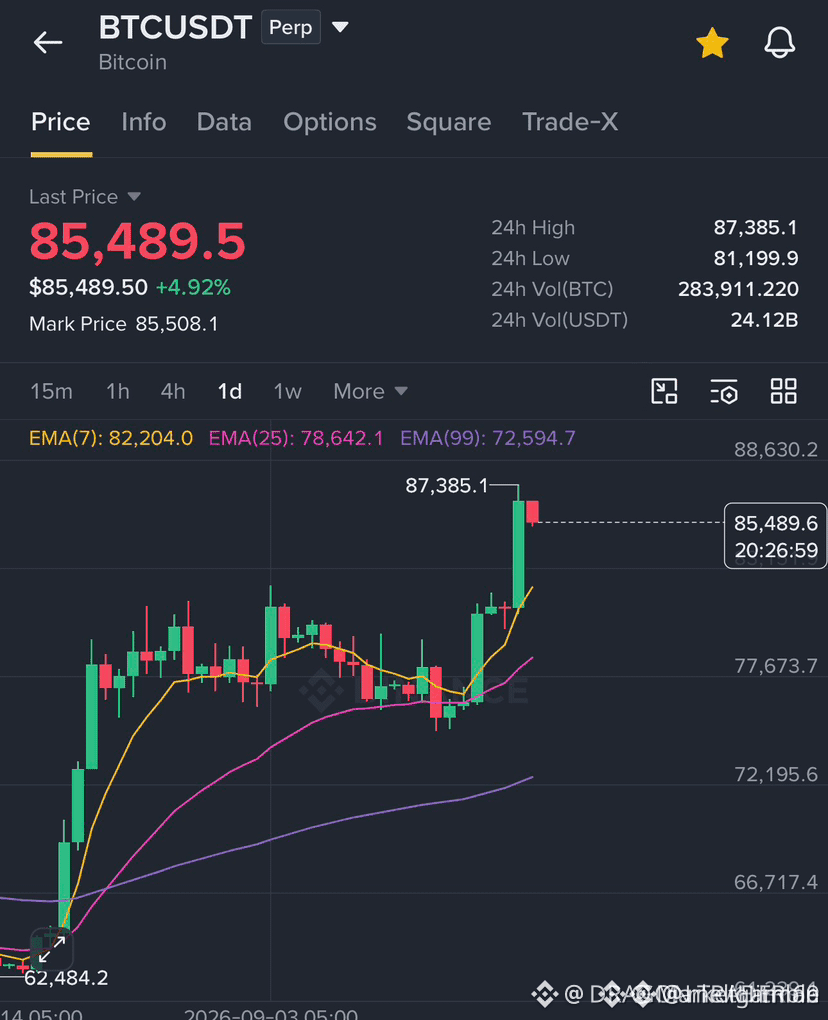
Watching $BTC push back toward $86K is exciting on the surface, but it highlights how far the market has drifted from its original ethos. We celebrate price milestones while quietly accepting surveillance and third-party custody across almost every daily transaction.
Some argue that strict compliance is the only way $ETH and the wider ecosystem will ever achieve mainstream adoption. However, if everyday users cannot interact or communicate without surrendering their identity, the concept of decentralization becomes meaningless. Networks like Liberdus prove there is still a massive demand for open architecture where user autonomy comes before corporate convenience.
Are we giving up too much core decentralization just to see portfolio numbers go up, or is total privacy simply unrealistic today?
#Bitcoin #Crypto #Decentralization
If you are still ignoring privacy while chasing green candles, stop now.
Most traders willingly sacrifice total control for short-term convenience, only to realize their data and assets are sitting ducks for centralized gatekeepers.
Watching $BTC push back toward $86K is exciting on the surface, but it highlights how far the market has drifted from its original ethos. We celebrate price milestones while quietly accepting surveillance and third-party custody across almost every daily transaction.
Some argue that strict compliance is the only way $ETH and the wider ecosystem will ever achieve mainstream adoption. However, if everyday users cannot interact or communicate without surrendering their identity, the concept of decentralization becomes meaningless. Networks like Liberdus prove there is still a massive demand for open architecture where user autonomy comes before corporate convenience.
Are we giving up too much core decentralization just to see portfolio numbers go up, or is total privacy simply unrealistic today?
#Bitcoin #Crypto #Decentralization
Most traders willingly sacrifice total control for short-term convenience, only to realize their data and assets are sitting ducks for centralized gatekeepers.
Watching $BTC push back toward $86K is exciting on the surface, but it highlights how far the market has drifted from its original ethos. We celebrate price milestones while quietly accepting surveillance and third-party custody across almost every daily transaction.
Some argue that strict compliance is the only way $ETH and the wider ecosystem will ever achieve mainstream adoption. However, if everyday users cannot interact or communicate without surrendering their identity, the concept of decentralization becomes meaningless. Networks like Liberdus prove there is still a massive demand for open architecture where user autonomy comes before corporate convenience.
Are we giving up too much core decentralization just to see portfolio numbers go up, or is total privacy simply unrealistic today?
#Bitcoin #Crypto #Decentralization
8

Picture this: $BTC surges back toward $86K, and while everyone celebrates the chart pattern, almost nobody notices how much privacy we gave up along the way.
Most traders get so blinded by green candles that they ignore how easily centralized gatekeepers can track, leak, or restrict access to their funds. It is a massive structural risk that usually hits hardest right when the market feels safest.
When $BTC pushed past major resistance recently, retail momentum focused purely on price action. But looking deeper into this case study reveals a quieter problem. The word decentralized has become a corporate buzzword, while the majority of everyday crypto traffic relies on centralized servers that harvest personal data. If users cannot transact or communicate freely without permission, the core security model breaks down.
Projects attempting to fix this gap, including privacy-focused protocols like Liberdus and privacy layers on $ETH, are quietly tackling the actual risk vectors that could crash the ecosystem long-term. Without real permissionless privacy, we are just rebuilding the traditional financial traps under a different name.
Do you think the market is ignoring infrastructure risks in favor of short-term price targets?
#CryptoSecurity #Bitcoin #Decentralization
Picture this: $BTC surges back toward $86K, and while everyone celebrates the chart pattern, almost nobody notices how much privacy we gave up along the way.
Most traders get so blinded by green candles that they ignore how easily centralized gatekeepers can track, leak, or restrict access to their funds. It is a massive structural risk that usually hits hardest right when the market feels safest.
When $BTC pushed past major resistance recently, retail momentum focused purely on price action. But looking deeper into this case study reveals a quieter problem. The word decentralized has become a corporate buzzword, while the majority of everyday crypto traffic relies on centralized servers that harvest personal data. If users cannot transact or communicate freely without permission, the core security model breaks down.
Projects attempting to fix this gap, including privacy-focused protocols like Liberdus and privacy layers on $ETH , are quietly tackling the actual risk vectors that could crash the ecosystem long-term. Without real permissionless privacy, we are just rebuilding the traditional financial traps under a different name.
Do you think the market is ignoring infrastructure risks in favor of short-term price targets?
#CryptoSecurity #Bitcoin #Decentralization
Most traders get so blinded by green candles that they ignore how easily centralized gatekeepers can track, leak, or restrict access to their funds. It is a massive structural risk that usually hits hardest right when the market feels safest.
When $BTC pushed past major resistance recently, retail momentum focused purely on price action. But looking deeper into this case study reveals a quieter problem. The word decentralized has become a corporate buzzword, while the majority of everyday crypto traffic relies on centralized servers that harvest personal data. If users cannot transact or communicate freely without permission, the core security model breaks down.
Projects attempting to fix this gap, including privacy-focused protocols like Liberdus and privacy layers on $ETH , are quietly tackling the actual risk vectors that could crash the ecosystem long-term. Without real permissionless privacy, we are just rebuilding the traditional financial traps under a different name.
Do you think the market is ignoring infrastructure risks in favor of short-term price targets?
#CryptoSecurity #Bitcoin #Decentralization

15
Over 90% of so-called decentralized crypto protocols still leak your private metadata directly to centralized RPC nodes every time you sign a transaction.
Most traders buy into privacy narratives thinking their funds are safe, only to get targeted by MEV bots or stripped of their anonymity through simple IP logging. It is a painful way to lose money when you assume a project is secure just because it claims to be permissionless.
When assets like $BTC push toward major resistance levels, the market hype makes people forget what true decentralization actually means. The reality is that decentralization has become a cozy marketing term for protocols that still rely on centralized gatekeepers. If a network requires you to hand over personal identifiers or routes your traffic through single-point sequencers, you are walking straight into a honeypot of counterparty risk.
Real network privacy means participating without giving up control of your data footprint. While base layers like $ETH and high-throughput chains like $SOL struggle with transaction metadata on-chain, newer architecture models are trying to remove middleman control entirely. But if traders don't start auditing these privacy leaks, fake decentralization will keep costing people their edge and their assets.
Are you actually checking protocol architecture for data leaks before jumping into a trade, or just taking their word for it?
#CryptoSecurity #Decentralization #Web3
Over 90% of so-called decentralized crypto protocols still leak your private metadata directly to centralized RPC nodes every time you sign a transaction.
Most traders buy into privacy narratives thinking their funds are safe, only to get targeted by MEV bots or stripped of their anonymity through simple IP logging. It is a painful way to lose money when you assume a project is secure just because it claims to be permissionless.
When assets like $BTC push toward major resistance levels, the market hype makes people forget what true decentralization actually means. The reality is that decentralization has become a cozy marketing term for protocols that still rely on centralized gatekeepers. If a network requires you to hand over personal identifiers or routes your traffic through single-point sequencers, you are walking straight into a honeypot of counterparty risk.
Real network privacy means participating without giving up control of your data footprint. While base layers like $ETH and high-throughput chains like $SOL struggle with transaction metadata on-chain, newer architecture models are trying to remove middleman control entirely. But if traders don't start auditing these privacy leaks, fake decentralization will keep costing people their edge and their assets.
Are you actually checking protocol architecture for data leaks before jumping into a trade, or just taking their word for it?
#CryptoSecurity #Decentralization #Web3
Most traders buy into privacy narratives thinking their funds are safe, only to get targeted by MEV bots or stripped of their anonymity through simple IP logging. It is a painful way to lose money when you assume a project is secure just because it claims to be permissionless.
When assets like $BTC push toward major resistance levels, the market hype makes people forget what true decentralization actually means. The reality is that decentralization has become a cozy marketing term for protocols that still rely on centralized gatekeepers. If a network requires you to hand over personal identifiers or routes your traffic through single-point sequencers, you are walking straight into a honeypot of counterparty risk.
Real network privacy means participating without giving up control of your data footprint. While base layers like $ETH and high-throughput chains like $SOL struggle with transaction metadata on-chain, newer architecture models are trying to remove middleman control entirely. But if traders don't start auditing these privacy leaks, fake decentralization will keep costing people their edge and their assets.
Are you actually checking protocol architecture for data leaks before jumping into a trade, or just taking their word for it?
#CryptoSecurity #Decentralization #Web3
24

·
--
Have you noticed how every major market rally makes us completely forget why crypto was actually created?
Most traders spend their time chasing green candles, blindly surrendering full personal data to central intermediaries just to participate. We sacrifice basic digital privacy for short-term convenience every single cycle, effectively rebuilding the legacy financial system with a shiny new interface.
Watching $BTC push back toward $86K is exciting on the surface, but it exposes a massive identity crisis across the market. Decentralization has largely become a hollow marketing label while actual networks default to centralized gatekeeping. Real decentralization isn't about raw speculative volume. It comes down to whether people can transact and communicate without handing over sensitive personal information to a middleman.
Projects like Liberdus are an interesting case study in this environment. They focus on building permissionless, privacy-first infrastructure where user autonomy is built into the architecture rather than patched on later. As assets like $ETH and $SOL continue to attract institutional capital, defending censorship-resistant networks becomes the real battleground.
Do you think the market will ever value privacy again, or have we permanently traded decentralization for convenience?
#Decentralization #CryptoOpinion #Bitcoin
Have you noticed how every major market rally makes us completely forget why crypto was actually created?
Most traders spend their time chasing green candles, blindly surrendering full personal data to central intermediaries just to participate. We sacrifice basic digital privacy for short-term convenience every single cycle, effectively rebuilding the legacy financial system with a shiny new interface.
Watching $BTC push back toward $86K is exciting on the surface, but it exposes a massive identity crisis across the market. Decentralization has largely become a hollow marketing label while actual networks default to centralized gatekeeping. Real decentralization isn't about raw speculative volume. It comes down to whether people can transact and communicate without handing over sensitive personal information to a middleman.
Projects like Liberdus are an interesting case study in this environment. They focus on building permissionless, privacy-first infrastructure where user autonomy is built into the architecture rather than patched on later. As assets like $ETH and $SOL continue to attract institutional capital, defending censorship-resistant networks becomes the real battleground.
Do you think the market will ever value privacy again, or have we permanently traded decentralization for convenience?
#Decentralization #CryptoOpinion #Bitcoin
Most traders spend their time chasing green candles, blindly surrendering full personal data to central intermediaries just to participate. We sacrifice basic digital privacy for short-term convenience every single cycle, effectively rebuilding the legacy financial system with a shiny new interface.
Watching $BTC push back toward $86K is exciting on the surface, but it exposes a massive identity crisis across the market. Decentralization has largely become a hollow marketing label while actual networks default to centralized gatekeeping. Real decentralization isn't about raw speculative volume. It comes down to whether people can transact and communicate without handing over sensitive personal information to a middleman.
Projects like Liberdus are an interesting case study in this environment. They focus on building permissionless, privacy-first infrastructure where user autonomy is built into the architecture rather than patched on later. As assets like $ETH and $SOL continue to attract institutional capital, defending censorship-resistant networks becomes the real battleground.
Do you think the market will ever value privacy again, or have we permanently traded decentralization for convenience?
#Decentralization #CryptoOpinion #Bitcoin

33

·
--
🔥 $HOT — Building a More Decentralized Digital Future 🌐
Holo ($HOT) is one of the projects exploring a different approach to decentralized applications and distributed computing through the Holochain ecosystem.
💡 Why is interesting:
🔹 Holochain Ecosystem — Designed around an agent-centric architecture rather than relying on a traditional blockchain model.
🔹 Distributed Hosting — Holo aims to enable decentralized hosting where users can share computing resources and support applications.
🔹 Real Utility Vision — The ecosystem focuses on connecting developers, hosts, and users through decentralized infrastructure.
🔹 HoloFuel Transition — HOT was created as an ERC-20 token and is associated with the planned transition toward HoloFuel as the network's native currency.
📊 What to Watch
• Holochain development and adoption
• Holo hosting infrastructure
• HoloFuel progress
• Ecosystem growth and real-world usage
• Market liquidity and overall crypto sentiment
⚠️ Risk Reminder: $HOT remains a volatile crypto asset. Market conditions can change quickly, so always do your own research and manage risk carefully.
💬 What do you think about the future of $HOT and the Holochain ecosystem?
#HOT #Holo #Holochain #HoloFuel #Crypto #Web3 #DePIN #BinanceSquare #blockchain #decentralization
🔥 $HOT — Building a More Decentralized Digital Future 🌐
Holo ($HOT ) is one of the projects exploring a different approach to decentralized applications and distributed computing through the Holochain ecosystem.
💡 Why is interesting:
🔹 Holochain Ecosystem — Designed around an agent-centric architecture rather than relying on a traditional blockchain model.
🔹 Distributed Hosting — Holo aims to enable decentralized hosting where users can share computing resources and support applications.
🔹 Real Utility Vision — The ecosystem focuses on connecting developers, hosts, and users through decentralized infrastructure.
🔹 HoloFuel Transition — HOT was created as an ERC-20 token and is associated with the planned transition toward HoloFuel as the network's native currency.
📊 What to Watch
• Holochain development and adoption
• Holo hosting infrastructure
• HoloFuel progress
• Ecosystem growth and real-world usage
• Market liquidity and overall crypto sentiment
⚠️ Risk Reminder: $HOT remains a volatile crypto asset. Market conditions can change quickly, so always do your own research and manage risk carefully.
💬 What do you think about the future of $HOT and the Holochain ecosystem?
#HOT #Holo #Holochain #HoloFuel #Crypto #Web3 #DePIN #BinanceSquare #blockchain #decentralization
Holo ($HOT ) is one of the projects exploring a different approach to decentralized applications and distributed computing through the Holochain ecosystem.
💡 Why is interesting:
🔹 Holochain Ecosystem — Designed around an agent-centric architecture rather than relying on a traditional blockchain model.
🔹 Distributed Hosting — Holo aims to enable decentralized hosting where users can share computing resources and support applications.
🔹 Real Utility Vision — The ecosystem focuses on connecting developers, hosts, and users through decentralized infrastructure.
🔹 HoloFuel Transition — HOT was created as an ERC-20 token and is associated with the planned transition toward HoloFuel as the network's native currency.
📊 What to Watch
• Holochain development and adoption
• Holo hosting infrastructure
• HoloFuel progress
• Ecosystem growth and real-world usage
• Market liquidity and overall crypto sentiment
⚠️ Risk Reminder: $HOT remains a volatile crypto asset. Market conditions can change quickly, so always do your own research and manage risk carefully.
💬 What do you think about the future of $HOT and the Holochain ecosystem?
#HOT #Holo #Holochain #HoloFuel #Crypto #Web3 #DePIN #BinanceSquare #blockchain #decentralization

1
196

·
--
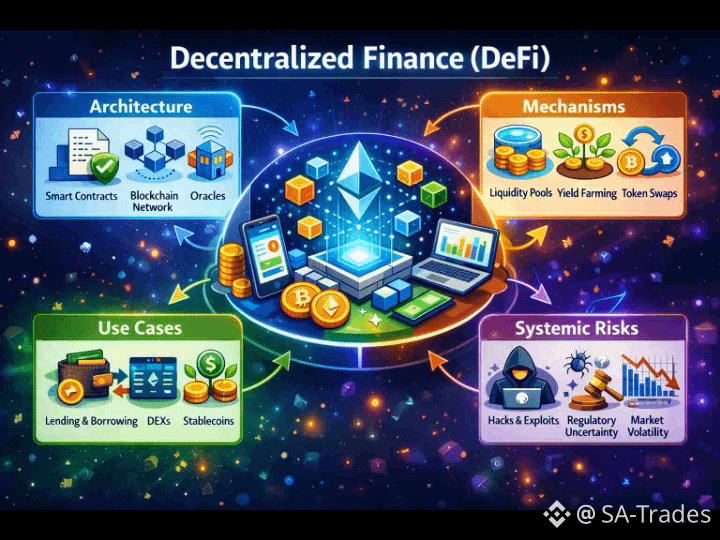
On-chain governance votes are deciding billion-dollar protocol changes by razor-thin margins. Decentralized doesn't mean uneventful — every vote is a plot twist.
$DEFI #defi #decentralization #HYPEJumpsOver11%
On-chain governance votes are deciding billion-dollar protocol changes by razor-thin margins. Decentralized doesn't mean uneventful — every vote is a plot twist.
$DEFI #defi #decentralization #HYPEJumpsOver11%
$DEFI #defi #decentralization #HYPEJumpsOver11%
_Ram:
Join my chatrooms
10
2
467

·
--
Bullish
🚨 What happens to your online conversations when an app disappears?
Imagine using the same messaging app for 10 years.
Thousands of messages.
Hundreds of contacts.
Groups, communities, memories.
Then one day, you see:
“We’re shutting down.”
And suddenly, the digital network you spent years building is tied to a service that no longer exists.
We often forget that.
We build relationships on platforms.
We build communities on platforms.
We communicate through platforms.
But behind all of that is usually a company that can change its strategy, its business model, or simply decide to shut the service down.
That raises a bigger question:
Should the existence of your digital relationships depend on the lifespan of a company?
This is where decentralized infrastructure becomes interesting.
Instead of one company being the foundation of the entire network, the infrastructure can be distributed across a network.
That’s one of the ideas I find interesting about #Liberdus
The goal is to explore communication that isn’t built around the lifespan of a single platform.
Because apps can disappear.
But the connections we build through them shouldn’t have to. 👀🔐
#crypto #decentralization #Privacy
🚨 What happens to your online conversations when an app disappears?
Imagine using the same messaging app for 10 years.
Thousands of messages.
Hundreds of contacts.
Groups, communities, memories.
Then one day, you see:
“We’re shutting down.”
And suddenly, the digital network you spent years building is tied to a service that no longer exists.
We often forget that.
We build relationships on platforms.
We build communities on platforms.
We communicate through platforms.
But behind all of that is usually a company that can change its strategy, its business model, or simply decide to shut the service down.
That raises a bigger question:
Should the existence of your digital relationships depend on the lifespan of a company?
This is where decentralized infrastructure becomes interesting.
Instead of one company being the foundation of the entire network, the infrastructure can be distributed across a network.
That’s one of the ideas I find interesting about #Liberdus
The goal is to explore communication that isn’t built around the lifespan of a single platform.
Because apps can disappear.
But the connections we build through them shouldn’t have to. 👀🔐
#crypto #decentralization #Privacy
Imagine using the same messaging app for 10 years.
Thousands of messages.
Hundreds of contacts.
Groups, communities, memories.
Then one day, you see:
“We’re shutting down.”
And suddenly, the digital network you spent years building is tied to a service that no longer exists.
We often forget that.
We build relationships on platforms.
We build communities on platforms.
We communicate through platforms.
But behind all of that is usually a company that can change its strategy, its business model, or simply decide to shut the service down.
That raises a bigger question:
Should the existence of your digital relationships depend on the lifespan of a company?
This is where decentralized infrastructure becomes interesting.
Instead of one company being the foundation of the entire network, the infrastructure can be distributed across a network.
That’s one of the ideas I find interesting about #Liberdus
The goal is to explore communication that isn’t built around the lifespan of a single platform.
Because apps can disappear.
But the connections we build through them shouldn’t have to. 👀🔐
#crypto #decentralization #Privacy

2
69

·
--
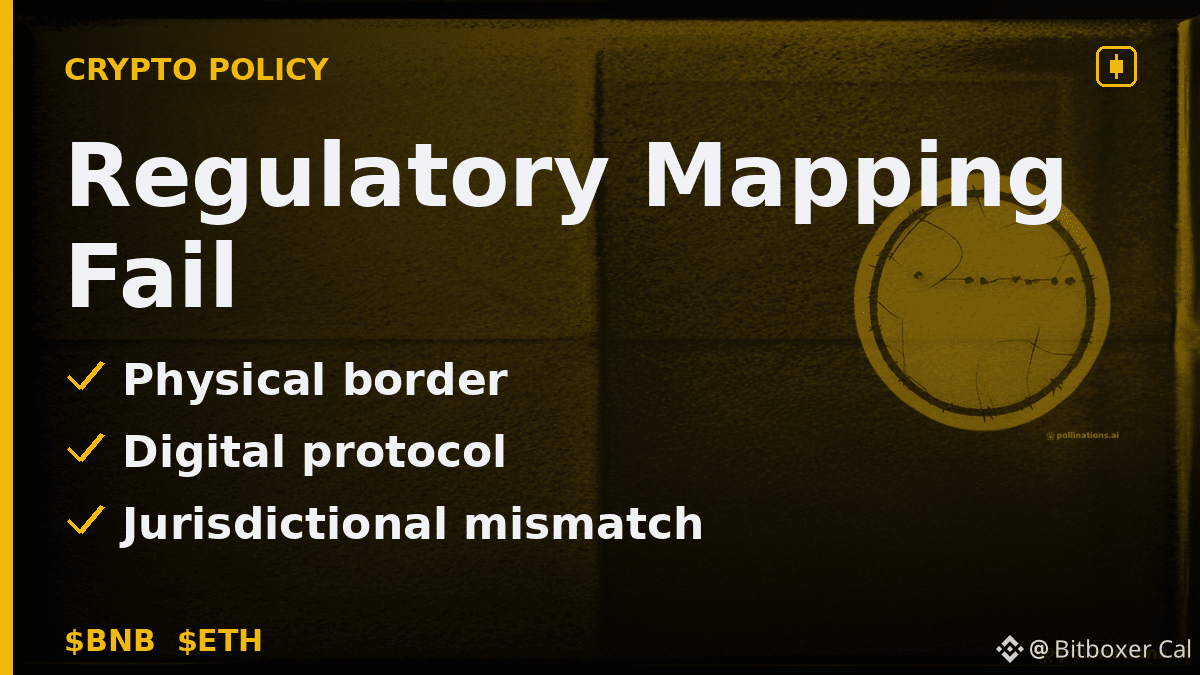
Regulation tries to map legacy borders onto code that ignores them.
Many think this Senate bill defines $ETH or $BNB, but decentralization is a technical reality, not a legal one. Confusing compliance with protocol sovereignty is a dangerous mistake. As states tighten their grip, watch how immutable networks prove their value as a hedge against central failure.
#Decentralization #CryptoLaw #Markets
Regulation tries to map legacy borders onto code that ignores them.
Many think this Senate bill defines $ETH or $BNB , but decentralization is a technical reality, not a legal one. Confusing compliance with protocol sovereignty is a dangerous mistake. As states tighten their grip, watch how immutable networks prove their value as a hedge against central failure.
#Decentralization #CryptoLaw #Markets
Many think this Senate bill defines $ETH or $BNB , but decentralization is a technical reality, not a legal one. Confusing compliance with protocol sovereignty is a dangerous mistake. As states tighten their grip, watch how immutable networks prove their value as a hedge against central failure.
#Decentralization #CryptoLaw #Markets
48

·
--
$ETC Ethereum Classic is built on an idea, not a centralized institution.
Its foundation is rooted in:
🔹 Decentralization
🔹 Proof of Work
🔹 Sound Money
🔹 “Code is Law”
No top-down control. No single authority deciding the network’s future.
ETC aims to preserve the original vision of unstoppable applications through strong, enduring principles.
#EthereumClassic #ETC #Blockchain #PoW #decentralization
$ETC Ethereum Classic is built on an idea, not a centralized institution.
Its foundation is rooted in:
🔹 Decentralization
🔹 Proof of Work
🔹 Sound Money
🔹 “Code is Law”
No top-down control. No single authority deciding the network’s future.
ETC aims to preserve the original vision of unstoppable applications through strong, enduring principles.
#EthereumClassic #ETC #Blockchain #PoW #decentralization
Its foundation is rooted in:
🔹 Decentralization
🔹 Proof of Work
🔹 Sound Money
🔹 “Code is Law”
No top-down control. No single authority deciding the network’s future.
ETC aims to preserve the original vision of unstoppable applications through strong, enduring principles.
#EthereumClassic #ETC #Blockchain #PoW #decentralization
69

·
--
#bitcointhirdsingleblockreorginfourweeks
🚨 Bitcoin Had 3 One-Block Reorgs in 4 Weeks. Should You Be Worried?
At block 966,500, AntPool and SpiderPool found valid blocks pointing to the same parent at almost the same time.
One branch won.
The other disappeared.
That sounds scary.
But technically, this is normal Bitcoin behavior.
The winning AntPool chain accumulated more proof-of-work, while SpiderPool’s block became orphaned.
The cost?
About 3.14 BTC in mining rewards for the losing block.
So what's actually interesting?
The frequency. 👀
This was the third one-block reorganization in just four weeks.
The previous two occurred at blocks 962,722 and 963,853.
One reorg isn't the story.
Three in four weeks is what deserves monitoring.
And here's the bigger twist:
The reorg itself isn't the main decentralization concern. Hashrate concentration is.
Data cited in the research puts Foundry USA around 33.6% and AntPool around 17.9% of network hashrate.
But there's an important distinction:
Mining pool share ≠ one entity controlling the network.
Miners can switch pools, and a temporary one-block fork is fundamentally different from a deep chain reorganization or successful 51% attack.
That's why comparing this event with an 18-block replacement on another PoW network can be misleading.
Bitcoin's one-block fork was resolved normally.
And the fact that independent nodes can observe these competing blocks is part of the system working as designed.
One caveat:
The often-cited “one reorg every ~47 days” statistic hasn't been independently verified here, so the exact degree of abnormality remains uncertain.
🧠 Square Insight:
A one-block reorg isn't Bitcoin's real problem. Mining concentration is the metric worth watching.
The question isn't whether Bitcoin can survive a one-block reorg.
It can.
The better question is:
What happens if mining concentration keeps increasing?
$BTC
{future}(BTCUSDT)
#Bitcoin #BitcoinMining #Decentralization
Market commentary only. Not financial advice.
#bitcointhirdsingleblockreorginfourweeks
🚨 Bitcoin Had 3 One-Block Reorgs in 4 Weeks. Should You Be Worried?
At block 966,500, AntPool and SpiderPool found valid blocks pointing to the same parent at almost the same time.
One branch won.
The other disappeared.
That sounds scary.
But technically, this is normal Bitcoin behavior.
The winning AntPool chain accumulated more proof-of-work, while SpiderPool’s block became orphaned.
The cost?
About 3.14 BTC in mining rewards for the losing block.
So what's actually interesting?
The frequency. 👀
This was the third one-block reorganization in just four weeks.
The previous two occurred at blocks 962,722 and 963,853.
One reorg isn't the story.
Three in four weeks is what deserves monitoring.
And here's the bigger twist:
The reorg itself isn't the main decentralization concern. Hashrate concentration is.
Data cited in the research puts Foundry USA around 33.6% and AntPool around 17.9% of network hashrate.
But there's an important distinction:
Mining pool share ≠ one entity controlling the network.
Miners can switch pools, and a temporary one-block fork is fundamentally different from a deep chain reorganization or successful 51% attack.
That's why comparing this event with an 18-block replacement on another PoW network can be misleading.
Bitcoin's one-block fork was resolved normally.
And the fact that independent nodes can observe these competing blocks is part of the system working as designed.
One caveat:
The often-cited “one reorg every ~47 days” statistic hasn't been independently verified here, so the exact degree of abnormality remains uncertain.
🧠 Square Insight:
A one-block reorg isn't Bitcoin's real problem. Mining concentration is the metric worth watching.
The question isn't whether Bitcoin can survive a one-block reorg.
It can.
The better question is:
What happens if mining concentration keeps increasing?
$BTC
#Bitcoin #BitcoinMining #Decentralization
Market commentary only. Not financial advice.
🚨 Bitcoin Had 3 One-Block Reorgs in 4 Weeks. Should You Be Worried?
At block 966,500, AntPool and SpiderPool found valid blocks pointing to the same parent at almost the same time.
One branch won.
The other disappeared.
That sounds scary.
But technically, this is normal Bitcoin behavior.
The winning AntPool chain accumulated more proof-of-work, while SpiderPool’s block became orphaned.
The cost?
About 3.14 BTC in mining rewards for the losing block.
So what's actually interesting?
The frequency. 👀
This was the third one-block reorganization in just four weeks.
The previous two occurred at blocks 962,722 and 963,853.
One reorg isn't the story.
Three in four weeks is what deserves monitoring.
And here's the bigger twist:
The reorg itself isn't the main decentralization concern. Hashrate concentration is.
Data cited in the research puts Foundry USA around 33.6% and AntPool around 17.9% of network hashrate.
But there's an important distinction:
Mining pool share ≠ one entity controlling the network.
Miners can switch pools, and a temporary one-block fork is fundamentally different from a deep chain reorganization or successful 51% attack.
That's why comparing this event with an 18-block replacement on another PoW network can be misleading.
Bitcoin's one-block fork was resolved normally.
And the fact that independent nodes can observe these competing blocks is part of the system working as designed.
One caveat:
The often-cited “one reorg every ~47 days” statistic hasn't been independently verified here, so the exact degree of abnormality remains uncertain.
🧠 Square Insight:
A one-block reorg isn't Bitcoin's real problem. Mining concentration is the metric worth watching.
The question isn't whether Bitcoin can survive a one-block reorg.
It can.
The better question is:
What happens if mining concentration keeps increasing?
$BTC
#Bitcoin #BitcoinMining #Decentralization
Market commentary only. Not financial advice.

1
1
683

Verified
#bitcointhirdsingleblockreorginfourweeks
🚨 Bitcoin saw 3 reorgs (block reorganizations) of a single block within 4 weeks. Should we be worried?
At block 966,500, AntPool and SpiderPool found valid blocks that point to the same parent in nearly the same time window.
One branch won.
The other disappeared.
This looks concerning.
But technically, this is normal behavior for Bitcoin.
AntPool’s winning chain accumulated more Proof-of-Work, while SpiderPool’s block became orphaned.
The cost?
About 3.14 BTC in mining rewards for the losing block.
So what’s actually noteworthy?
The repetition. 👀
This was the third reorganization of the same block within just four weeks.
The previous two happened at blocks 962,722 and 963,853.
One reorg isn’t the story.
Three times in four weeks is what’s worth watching.
Here’s the bigger shift:
The reorganization itself isn’t the main decentralization concern. Hashrate concentration is.
The data cited in the study places Foundry USA at around 33.6% and AntPool at around 17.9% of the network’s total hashrate.
But there’s an important distinction:
Mining pool share ≠ a single entity controlling the network.
Miners can switch pools, a temporary branch on one block differs fundamentally from a deep reorganization of a chain, or from a successful 51% attack.
The better question is:
What happens if mining concentration keeps increasing?
$BTC
#Bitcoin #BitcoinMining #Decentralization
#bitcointhirdsingleblockreorginfourweeks
🚨 Bitcoin saw 3 reorgs (block reorganizations) of a single block within 4 weeks. Should we be worried?
At block 966,500, AntPool and SpiderPool found valid blocks that point to the same parent in nearly the same time window.
One branch won.
The other disappeared.
This looks concerning.
But technically, this is normal behavior for Bitcoin.
AntPool’s winning chain accumulated more Proof-of-Work, while SpiderPool’s block became orphaned.
The cost?
About 3.14 BTC in mining rewards for the losing block.
So what’s actually noteworthy?
The repetition. 👀
This was the third reorganization of the same block within just four weeks.
The previous two happened at blocks 962,722 and 963,853.
One reorg isn’t the story.
Three times in four weeks is what’s worth watching.
Here’s the bigger shift:
The reorganization itself isn’t the main decentralization concern. Hashrate concentration is.
The data cited in the study places Foundry USA at around 33.6% and AntPool at around 17.9% of the network’s total hashrate.
But there’s an important distinction:
Mining pool share ≠ a single entity controlling the network.
Miners can switch pools, a temporary branch on one block differs fundamentally from a deep reorganization of a chain, or from a successful 51% attack.
The better question is:
What happens if mining concentration keeps increasing?
$BTC
#Bitcoin #BitcoinMining #Decentralization
🚨 Bitcoin saw 3 reorgs (block reorganizations) of a single block within 4 weeks. Should we be worried?
At block 966,500, AntPool and SpiderPool found valid blocks that point to the same parent in nearly the same time window.
One branch won.
The other disappeared.
This looks concerning.
But technically, this is normal behavior for Bitcoin.
AntPool’s winning chain accumulated more Proof-of-Work, while SpiderPool’s block became orphaned.
The cost?
About 3.14 BTC in mining rewards for the losing block.
So what’s actually noteworthy?
The repetition. 👀
This was the third reorganization of the same block within just four weeks.
The previous two happened at blocks 962,722 and 963,853.
One reorg isn’t the story.
Three times in four weeks is what’s worth watching.
Here’s the bigger shift:
The reorganization itself isn’t the main decentralization concern. Hashrate concentration is.
The data cited in the study places Foundry USA at around 33.6% and AntPool at around 17.9% of the network’s total hashrate.
But there’s an important distinction:
Mining pool share ≠ a single entity controlling the network.
Miners can switch pools, a temporary branch on one block differs fundamentally from a deep reorganization of a chain, or from a successful 51% attack.
The better question is:
What happens if mining concentration keeps increasing?
$BTC
#Bitcoin #BitcoinMining #Decentralization

3
4
1.8k

·
--
AI faces a major crossroads: nationalize or decentralize? A potential AI slowdown in 2026! A three-stage proposal suggests limits across labs, a public brake, and distributed oversight. This centralization vs. decentralization battle will shape the future of AI.
For the crypto market, decentralized AI projects may see an opportunity window. Keep an eye on tokens like $AGIX and $FET, especially those that emphasize user autonomy.
#AI #去中心化
AI at a critical crossroads: nationalize or decentralize? Potential 2026 AI slowdown ahead! Three-stage proposal suggests cross-lab limits, public brake, and distributed oversight. This centralization vs decentralization battle will shape AI's future.
For crypto markets, decentralized AI projects are positioned for potential upside. Keep an eye on tokens like $AGIX and $FET, especially those emphasizing user autonomy.
#AI #Decentralization
AI faces a major crossroads: nationalize or decentralize? A potential AI slowdown in 2026! A three-stage proposal suggests limits across labs, a public brake, and distributed oversight. This centralization vs. decentralization battle will shape the future of AI.
For the crypto market, decentralized AI projects may see an opportunity window. Keep an eye on tokens like $AGIX and $FET , especially those that emphasize user autonomy.
#AI #去中心化
AI at a critical crossroads: nationalize or decentralize? Potential 2026 AI slowdown ahead! Three-stage proposal suggests cross-lab limits, public brake, and distributed oversight. This centralization vs decentralization battle will shape AI's future.
For crypto markets, decentralized AI projects are positioned for potential upside. Keep an eye on tokens like $AGIX and $FET , especially those emphasizing user autonomy.
#AI #Decentralization
For the crypto market, decentralized AI projects may see an opportunity window. Keep an eye on tokens like $AGIX and $FET , especially those that emphasize user autonomy.
#AI #去中心化
AI at a critical crossroads: nationalize or decentralize? Potential 2026 AI slowdown ahead! Three-stage proposal suggests cross-lab limits, public brake, and distributed oversight. This centralization vs decentralization battle will shape AI's future.
For crypto markets, decentralized AI projects are positioned for potential upside. Keep an eye on tokens like $AGIX and $FET , especially those emphasizing user autonomy.
#AI #Decentralization
132
·
--
$ETC Ethereum Classic isn’t built around a centralized foundation—it’s built around an idea.
⚡ Decentralization
⛏️ Proof of Work
💰 Sound Money
🔒 Immutability
📜 Code Is Law
ETC’s philosophy is designed to resist capture and preserve a permissionless, censorship-resistant blockchain where no single authority has top-down control.
The mission: protect the original vision of Ethereum through decentralization and unstoppable smart contracts.
#EthereumClassic #ETC #Blockchain #ProofOfWork #decentralization
$ETC Ethereum Classic isn’t built around a centralized foundation—it’s built around an idea.
⚡ Decentralization
⛏️ Proof of Work
💰 Sound Money
🔒 Immutability
📜 Code Is Law
ETC’s philosophy is designed to resist capture and preserve a permissionless, censorship-resistant blockchain where no single authority has top-down control.
The mission: protect the original vision of Ethereum through decentralization and unstoppable smart contracts.
#EthereumClassic #ETC #Blockchain #ProofOfWork #decentralization
⚡ Decentralization
⛏️ Proof of Work
💰 Sound Money
🔒 Immutability
📜 Code Is Law
ETC’s philosophy is designed to resist capture and preserve a permissionless, censorship-resistant blockchain where no single authority has top-down control.
The mission: protect the original vision of Ethereum through decentralization and unstoppable smart contracts.
#EthereumClassic #ETC #Blockchain #ProofOfWork #decentralization
64

🔥$ETC Ethereum Classic: Code Is Law.
Ethereum Classic isn’t built around a central authority or a single organization calling the shots.
Its Foundation is an idea — centered on: ⚡ Decentralization
⛏️ Proof of Work
💰 Sound Money
📜 Code Is Law
ETC’s philosophy is designed to resist centralized control and preserve a blockchain that can remain resilient over time.
The goal? No top-down control. No easy capture. Just principles.
For ETC supporters, decentralization isn’t a marketing slogan — it’s the foundation.
Do you believe “Code Is Law” still matters in crypto? 👇
#EthereumClassic #ETC #Crypto #Blockchain #bitcoin #POW #decentralization
{spot}(ETCUSDT)
🔥$ETC Ethereum Classic: Code Is Law.
Ethereum Classic isn’t built around a central authority or a single organization calling the shots.
Its Foundation is an idea — centered on: ⚡ Decentralization
⛏️ Proof of Work
💰 Sound Money
📜 Code Is Law
ETC’s philosophy is designed to resist centralized control and preserve a blockchain that can remain resilient over time.
The goal? No top-down control. No easy capture. Just principles.
For ETC supporters, decentralization isn’t a marketing slogan — it’s the foundation.
Do you believe “Code Is Law” still matters in crypto? 👇
#EthereumClassic #ETC #Crypto #Blockchain #bitcoin #POW #decentralization
Ethereum Classic isn’t built around a central authority or a single organization calling the shots.
Its Foundation is an idea — centered on: ⚡ Decentralization
⛏️ Proof of Work
💰 Sound Money
📜 Code Is Law
ETC’s philosophy is designed to resist centralized control and preserve a blockchain that can remain resilient over time.
The goal? No top-down control. No easy capture. Just principles.
For ETC supporters, decentralization isn’t a marketing slogan — it’s the foundation.
Do you believe “Code Is Law” still matters in crypto? 👇
#EthereumClassic #ETC #Crypto #Blockchain #bitcoin #POW #decentralization
4
·
--
$ETC The Ethereum Classic Foundation isn’t a company or a group of people — it’s an idea.
⚡ Decentralization
⛏️ Proof of Work
💰 Sound Money
📜 Code is Law
ETC’s foundation is built around principles designed to resist centralization, censorship, and outside capture.
No top-down control. Just a commitment to keeping the Original Ethereum Vision alive.
#EthereumClassic #ETC #Blockchain #PoW #decentralization
$ETC The Ethereum Classic Foundation isn’t a company or a group of people — it’s an idea.
⚡ Decentralization
⛏️ Proof of Work
💰 Sound Money
📜 Code is Law
ETC’s foundation is built around principles designed to resist centralization, censorship, and outside capture.
No top-down control. Just a commitment to keeping the Original Ethereum Vision alive.
#EthereumClassic #ETC #Blockchain #PoW #decentralization
⚡ Decentralization
⛏️ Proof of Work
💰 Sound Money
📜 Code is Law
ETC’s foundation is built around principles designed to resist centralization, censorship, and outside capture.
No top-down control. Just a commitment to keeping the Original Ethereum Vision alive.
#EthereumClassic #ETC #Blockchain #PoW #decentralization
33
·
--
$ETC Ethereum Classic isn’t built around a central authority—it’s built around principles.
The ETC Foundation is an idea centered on decentralization, Proof of Work, sound money, and “Code is Law.”
No top-down control. No single institution to capture. Just a commitment to preserving the original Ethereum vision. ⚡️
#EthereumClassic #ETC #Blockchain #decentralization
$ETC Ethereum Classic isn’t built around a central authority—it’s built around principles.
The ETC Foundation is an idea centered on decentralization, Proof of Work, sound money, and “Code is Law.”
No top-down control. No single institution to capture. Just a commitment to preserving the original Ethereum vision. ⚡️
#EthereumClassic #ETC #Blockchain #decentralization
The ETC Foundation is an idea centered on decentralization, Proof of Work, sound money, and “Code is Law.”
No top-down control. No single institution to capture. Just a commitment to preserving the original Ethereum vision. ⚡️
#EthereumClassic #ETC #Blockchain #decentralization
21
·
--
Bullish
💰 What if your messaging app could become your wallet?
For years, we’ve treated communication and payments as two completely separate things.
You talk to someone in one app.
Then you leave the conversation, open a wallet, find an address, send the funds, confirm the transaction… and go back.
All that just to send someone $5.
But the two actions naturally fit together:
Talk → agree → transact.
The infrastructure behind it can be complex.
The experience shouldn’t be.
That’s one of the ideas I find interesting about #Liberdus
It’s exploring an ecosystem where messaging and payments can work together, instead of forcing users to jump between completely different experiences.
Imagine chatting with someone and sending them value without leaving the conversation.
Talk.
Coordinate.
Transact.
Sometimes, reducing a few steps can completely change how people use a product.
And that could be a powerful direction for decentralized communication. 🔐
#Privacy #decentralization #Payments
💰 What if your messaging app could become your wallet?
For years, we’ve treated communication and payments as two completely separate things.
You talk to someone in one app.
Then you leave the conversation, open a wallet, find an address, send the funds, confirm the transaction… and go back.
All that just to send someone $5.
But the two actions naturally fit together:
Talk → agree → transact.
The infrastructure behind it can be complex.
The experience shouldn’t be.
That’s one of the ideas I find interesting about #Liberdus
It’s exploring an ecosystem where messaging and payments can work together, instead of forcing users to jump between completely different experiences.
Imagine chatting with someone and sending them value without leaving the conversation.
Talk.
Coordinate.
Transact.
Sometimes, reducing a few steps can completely change how people use a product.
And that could be a powerful direction for decentralized communication. 🔐
#Privacy #decentralization #Payments
For years, we’ve treated communication and payments as two completely separate things.
You talk to someone in one app.
Then you leave the conversation, open a wallet, find an address, send the funds, confirm the transaction… and go back.
All that just to send someone $5.
But the two actions naturally fit together:
Talk → agree → transact.
The infrastructure behind it can be complex.
The experience shouldn’t be.
That’s one of the ideas I find interesting about #Liberdus
It’s exploring an ecosystem where messaging and payments can work together, instead of forcing users to jump between completely different experiences.
Imagine chatting with someone and sending them value without leaving the conversation.
Talk.
Coordinate.
Transact.
Sometimes, reducing a few steps can completely change how people use a product.
And that could be a powerful direction for decentralized communication. 🔐
#Privacy #decentralization #Payments

1
186
·
--
$ETC Ethereum Classic isn’t built around a centralized foundation—it’s built around an idea.
Decentralization. Sound money. Proof of Work.
And one principle at the core: Code is Law.
ETC aims to preserve a blockchain that resists centralized control and remains antifragile over time.
The Original Ethereum Vision lives on. ⚡️
#EthereumClassic #ETC #Blockchain #Crypto #decentralization
$ETC Ethereum Classic isn’t built around a centralized foundation—it’s built around an idea.
Decentralization. Sound money. Proof of Work.
And one principle at the core: Code is Law.
ETC aims to preserve a blockchain that resists centralized control and remains antifragile over time.
The Original Ethereum Vision lives on. ⚡️
#EthereumClassic #ETC #Blockchain #Crypto #decentralization
Decentralization. Sound money. Proof of Work.
And one principle at the core: Code is Law.
ETC aims to preserve a blockchain that resists centralized control and remains antifragile over time.
The Original Ethereum Vision lives on. ⚡️
#EthereumClassic #ETC #Blockchain #Crypto #decentralization
26
Log in to explore more content
Join global crypto users on Binance Square
⚡️ Get latest and useful information about crypto.
💬 Trusted by the world’s largest crypto exchange.
👍 Discover real insights from verified creators.
Email / Phone number
Trending Topics
1
#AIStocksWhatNext
558,349 views
4,167 Discussing
2
#21SharesLaunchesEuropesFirstZcashETP
769 views
62 Discussing
3
#CardanoJoinsX402PaymentStandard
904 views
81 Discussing
4
#BitcoinTops$87KAtEightMonthHigh
3,218 views
48 Discussing
5
#ZECBreaksAbove$1600AtRecordHigh
1,343 views
39 Discussing
6
#BitwiseNEARStakingETPAssetsTop$100M
18,868 views
65 Discussing
7
#BitcoinBreaksAboveMayHighNears$86K
25,336 views
248 Discussing
8
#DogecoinRises15%
88,409 views
1,499 Discussing
9
#$14BBitcoinOptionsExpireFriday
7,383 views
108 Discussing
10
#BNBMarketCapPassesBNYMellon
54,071 views
1,163 Discussing