
#liberdus
liberdus
95,115 views
169 Discussing
Hot
Latest

·
--
Bullish
How Fees & Monetization Work
Most blockchains get congested and expensive under heavy loads liberdus solves this through dynamic sharding and a dual fee economic engine:
1. Predictable Network Gas
Base transaction fees are fixed to fractional dollar amounts to stay permanently low, but settled natively in $LIB
100% Fee Burn: All protocol gas fees in $LIB are permanently burned, offsetting network emissions and protecting token scarcity.
2. Custom Anti Spam Tolls
Users can set a custom USD toll paid in $LIB for incoming messages from unknown senders.
Mass spam becomes economically unfeasible.
When you open and respond to a cold message, the toll unlocks directly into your wallet.
You own your data, your funds, and the value of your attention.
#Liberdus #LIB #Tokenomics #DeFi #Crypto
How Fees & Monetization Work
Most blockchains get congested and expensive under heavy loads liberdus solves this through dynamic sharding and a dual fee economic engine:
1. Predictable Network Gas
Base transaction fees are fixed to fractional dollar amounts to stay permanently low, but settled natively in $LIB
100% Fee Burn: All protocol gas fees in $LIB are permanently burned, offsetting network emissions and protecting token scarcity.
2. Custom Anti Spam Tolls
Users can set a custom USD toll paid in $LIB for incoming messages from unknown senders.
Mass spam becomes economically unfeasible.
When you open and respond to a cold message, the toll unlocks directly into your wallet.
You own your data, your funds, and the value of your attention.
#Liberdus #LIB #Tokenomics #DeFi #Crypto
Most blockchains get congested and expensive under heavy loads liberdus solves this through dynamic sharding and a dual fee economic engine:
1. Predictable Network Gas
Base transaction fees are fixed to fractional dollar amounts to stay permanently low, but settled natively in $LIB
100% Fee Burn: All protocol gas fees in $LIB are permanently burned, offsetting network emissions and protecting token scarcity.
2. Custom Anti Spam Tolls
Users can set a custom USD toll paid in $LIB for incoming messages from unknown senders.
Mass spam becomes economically unfeasible.
When you open and respond to a cold message, the toll unlocks directly into your wallet.
You own your data, your funds, and the value of your attention.
#Liberdus #LIB #Tokenomics #DeFi #Crypto
48
Article
The biggest problem with the internet might not be the apps.It might be what happens when the company behind them disappears.
Think about it.
You use an app every day. You send messages, share memories, build communities and create years of digital history.
Then one day, the company changes its rules.
Or the service shuts down.
And suddenly, you realize how much of your online life depended on a single platform.
That’s where decentralized communication becomes interesting.
Instead of putting everything in the hands of one company, the network can be designed so that communication doesn’t depend entirely on a single entity.
That’s one of the ideas I find interesting about #Liberdus
It’s not simply about creating another messaging app.
It’s about exploring a different model for digital communication, where the network itself can become more resilient and less dependent on one central company.
And honestly, this is where I think Web3 becomes interesting.
Not when it makes technology more complicated.
But when it makes us question how the internet should work in the first place.
The interface can stay simple.
The technology can stay in the background.
But the foundation can be different.
That’s what I’m watching with Liberdus.
#Privacy #Web3 #crypto
The biggest problem with the internet might not be the apps.
It might be what happens when the company behind them disappears.
Think about it.
You use an app every day. You send messages, share memories, build communities and create years of digital history.
Then one day, the company changes its rules.
Or the service shuts down.
And suddenly, you realize how much of your online life depended on a single platform.
That’s where decentralized communication becomes interesting.
Instead of putting everything in the hands of one company, the network can be designed so that communication doesn’t depend entirely on a single entity.
That’s one of the ideas I find interesting about #Liberdus
It’s not simply about creating another messaging app.
It’s about exploring a different model for digital communication, where the network itself can become more resilient and less dependent on one central company.
And honestly, this is where I think Web3 becomes interesting.
Not when it makes technology more complicated.
But when it makes us question how the internet should work in the first place.
The interface can stay simple.
The technology can stay in the background.
But the foundation can be different.
That’s what I’m watching with Liberdus.
#Privacy #Web3 #crypto
Think about it.
You use an app every day. You send messages, share memories, build communities and create years of digital history.
Then one day, the company changes its rules.
Or the service shuts down.
And suddenly, you realize how much of your online life depended on a single platform.
That’s where decentralized communication becomes interesting.
Instead of putting everything in the hands of one company, the network can be designed so that communication doesn’t depend entirely on a single entity.
That’s one of the ideas I find interesting about #Liberdus
It’s not simply about creating another messaging app.
It’s about exploring a different model for digital communication, where the network itself can become more resilient and less dependent on one central company.
And honestly, this is where I think Web3 becomes interesting.
Not when it makes technology more complicated.
But when it makes us question how the internet should work in the first place.
The interface can stay simple.
The technology can stay in the background.
But the foundation can be different.
That’s what I’m watching with Liberdus.
#Privacy #Web3 #crypto
1
132
·
--
Bullish
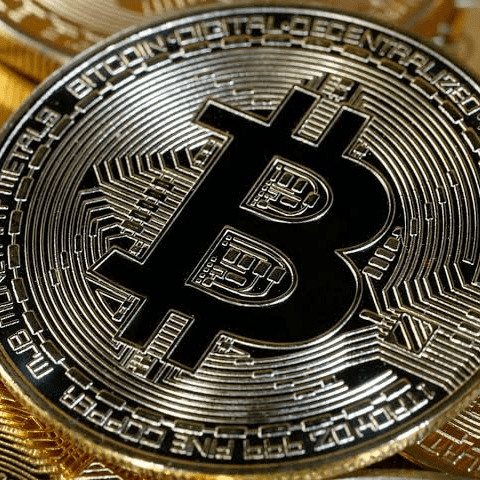
Bitcoin changed how we think about ownership.
Not just owning an asset, but having control over it without needing permission from a central authority.
I think #Liberdus is bringing that same mindset into communication.
Today, our messages, identities and social interactions are mostly controlled by centralized platforms. They decide how the system works, how our data is handled, and what happens to our accounts.
Liberdus takes a different approach with decentralized messaging, privacy and user-controlled communication. Even spam is treated differently: unsolicited messages can require a toll, making it more expensive to flood someone's inbox.
Different problem, different technology, but the bigger idea is similar:
Put more control back in the hands of the user.
$BTC
{future}(BTCUSDT)
challenged the way we think about owning money.
#Liberdus is challenging the way we think about owning our communication.
Bitcoin changed how we think about ownership.
Not just owning an asset, but having control over it without needing permission from a central authority.
I think #Liberdus is bringing that same mindset into communication.
Today, our messages, identities and social interactions are mostly controlled by centralized platforms. They decide how the system works, how our data is handled, and what happens to our accounts.
Liberdus takes a different approach with decentralized messaging, privacy and user-controlled communication. Even spam is treated differently: unsolicited messages can require a toll, making it more expensive to flood someone's inbox.
Different problem, different technology, but the bigger idea is similar:
Put more control back in the hands of the user.
$BTC
challenged the way we think about owning money.
#Liberdus is challenging the way we think about owning our communication.
Not just owning an asset, but having control over it without needing permission from a central authority.
I think #Liberdus is bringing that same mindset into communication.
Today, our messages, identities and social interactions are mostly controlled by centralized platforms. They decide how the system works, how our data is handled, and what happens to our accounts.
Liberdus takes a different approach with decentralized messaging, privacy and user-controlled communication. Even spam is treated differently: unsolicited messages can require a toll, making it more expensive to flood someone's inbox.
Different problem, different technology, but the bigger idea is similar:
Put more control back in the hands of the user.
$BTC
challenged the way we think about owning money.
#Liberdus is challenging the way we think about owning our communication.

157

·
--
Some days, the market feels like it’s moving in circles.
$BTC pumps, dumps, narratives change, and everyone starts chasing the next big thing.
But I keep coming back to a simpler question: what are we actually building?
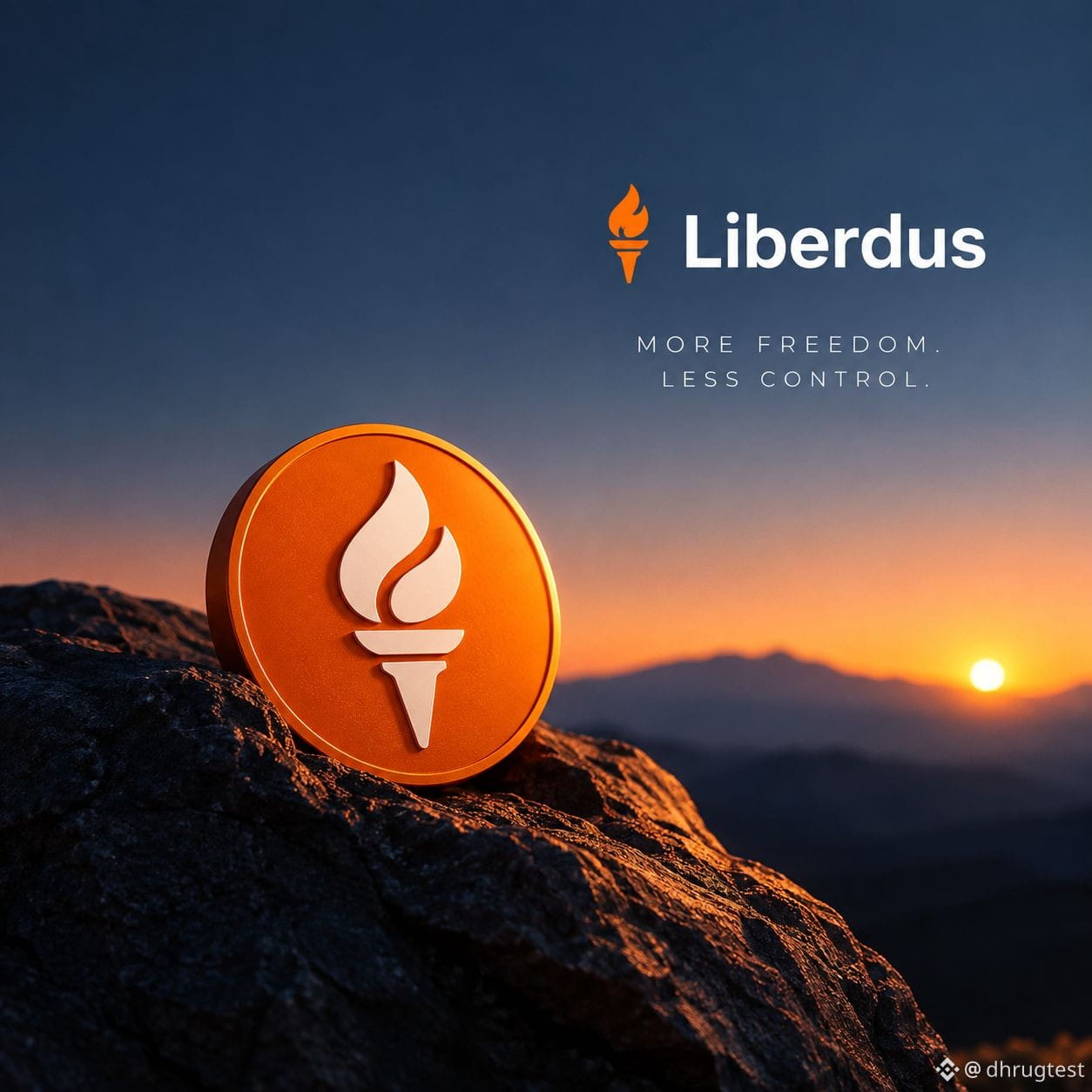
That’s why #liberdus catches my attention.
It’s focused on decentralized communication and digital freedom, with privacy, censorship resistance, and open-source development at the core.
No need to force the narrative. The interesting part is the idea of building infrastructure where users have more control and don’t have to hand over unnecessary personal data just to participate.
In a market obsessed with price, projects like Liberdus remind me that crypto was always supposed to be about more than charts.
Some days, the market feels like it’s moving in circles.
$BTC pumps, dumps, narratives change, and everyone starts chasing the next big thing.
But I keep coming back to a simpler question: what are we actually building?
That’s why #liberdus catches my attention.
It’s focused on decentralized communication and digital freedom, with privacy, censorship resistance, and open-source development at the core.
No need to force the narrative. The interesting part is the idea of building infrastructure where users have more control and don’t have to hand over unnecessary personal data just to participate.
In a market obsessed with price, projects like Liberdus remind me that crypto was always supposed to be about more than charts.
$BTC pumps, dumps, narratives change, and everyone starts chasing the next big thing.
But I keep coming back to a simpler question: what are we actually building?
That’s why #liberdus catches my attention.
It’s focused on decentralized communication and digital freedom, with privacy, censorship resistance, and open-source development at the core.
No need to force the narrative. The interesting part is the idea of building infrastructure where users have more control and don’t have to hand over unnecessary personal data just to participate.
In a market obsessed with price, projects like Liberdus remind me that crypto was always supposed to be about more than charts.
55

·
--
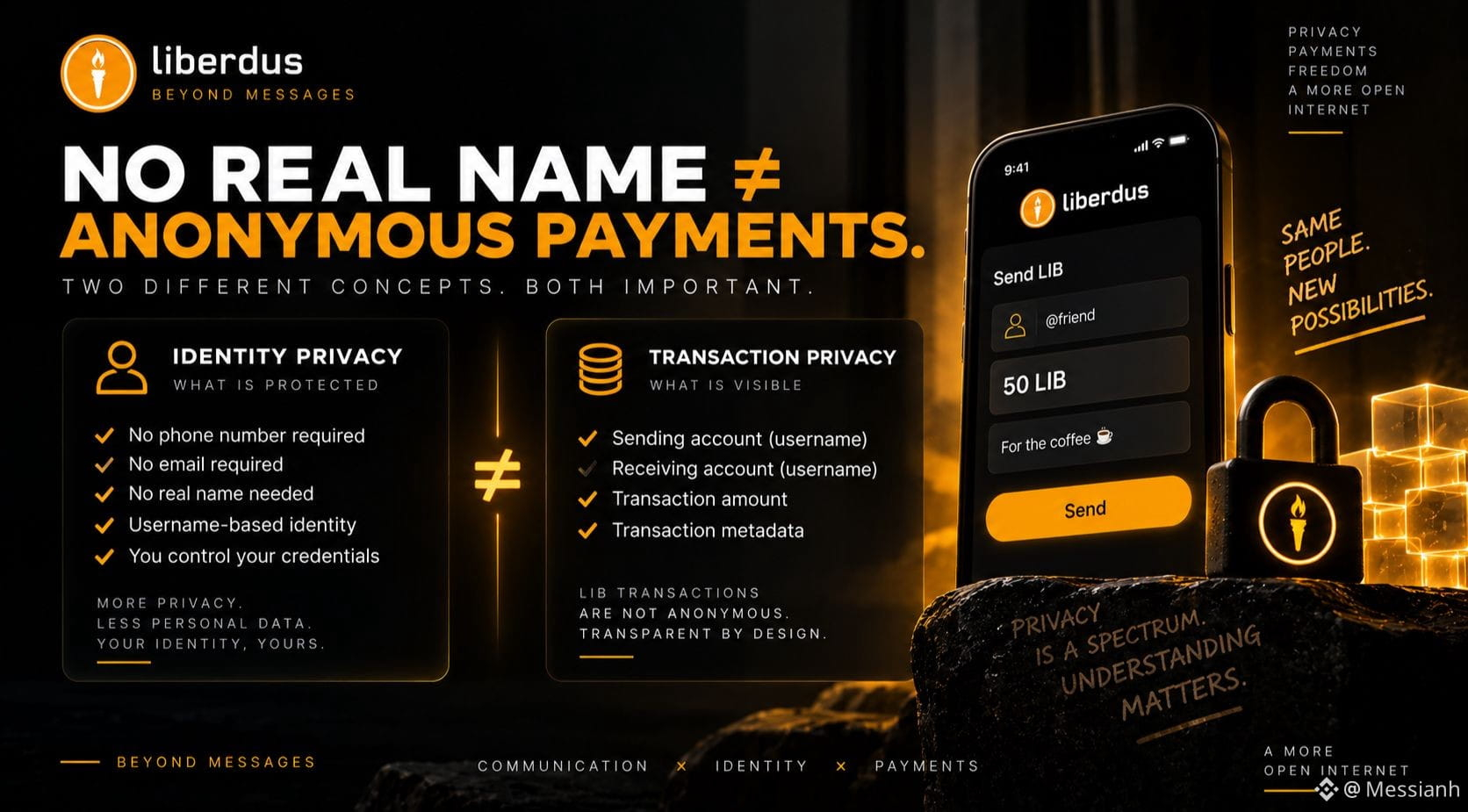
No real name ≠ anonymous payments.
That distinction matters.
With @liberdus, you can create an account without a phone number or email, and your username can be mapped to a wallet address.
But LIB transactions are not anonymous.
The project’s own documentation says transaction metadata can include the sending account, receiving account and amount.
So there are two different concepts,
identity privacy ≠ transaction privacy.
And honestly, this is the kind of distinction more Web3 conversations should make. Because privacy isn't about throwing the word anonymous everywhere. It's about understanding exactly what is protected and what isn't.
Where do you draw the line between identity privacy and transaction privacy?
#Liberdus #XRP #BTCBreaks80K $BTC
{spot}(BTCUSDT)
No real name ≠ anonymous payments.
That distinction matters.
With @liberdus, you can create an account without a phone number or email, and your username can be mapped to a wallet address.
But LIB transactions are not anonymous.
The project’s own documentation says transaction metadata can include the sending account, receiving account and amount.
So there are two different concepts,
identity privacy ≠ transaction privacy.
And honestly, this is the kind of distinction more Web3 conversations should make. Because privacy isn't about throwing the word anonymous everywhere. It's about understanding exactly what is protected and what isn't.
Where do you draw the line between identity privacy and transaction privacy?
#Liberdus #XRP #BTCBreaks80K $BTC
That distinction matters.
With @liberdus, you can create an account without a phone number or email, and your username can be mapped to a wallet address.
But LIB transactions are not anonymous.
The project’s own documentation says transaction metadata can include the sending account, receiving account and amount.
So there are two different concepts,
identity privacy ≠ transaction privacy.
And honestly, this is the kind of distinction more Web3 conversations should make. Because privacy isn't about throwing the word anonymous everywhere. It's about understanding exactly what is protected and what isn't.
Where do you draw the line between identity privacy and transaction privacy?
#Liberdus #XRP #BTCBreaks80K $BTC
1
159
·
--
BTC is around $76K, and the market still feels driven by macro news, volatility, and price action.
But I’ve started looking at Liberdus differently.
Instead of focusing only on the LIB token, I’m more interested in the network behind it.
The idea is simple: users can become part of what they use.
LIB supports network fees, governance, and participant incentives, while #Liberdus uses Shardus technology to pursue scalability and decentralization.
That makes the community important.
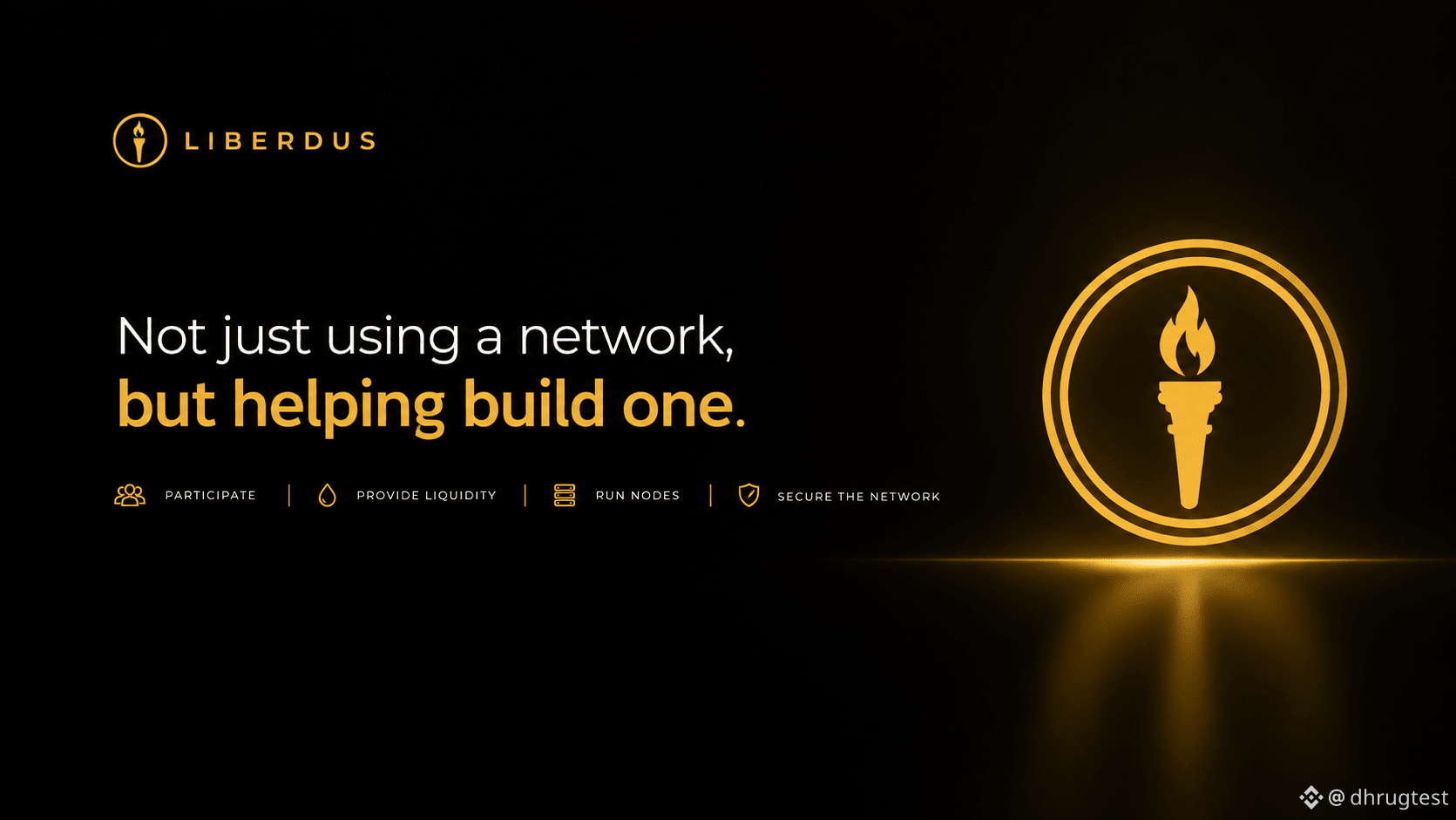
You can participate, provide liquidity, or help secure the network.
For me, that’s the interesting story not just using a network, but helping build one...
{spot}(BTCUSDT)
BTC is around $76K, and the market still feels driven by macro news, volatility, and price action.
But I’ve started looking at Liberdus differently.
Instead of focusing only on the LIB token, I’m more interested in the network behind it.
The idea is simple: users can become part of what they use.
LIB supports network fees, governance, and participant incentives, while #Liberdus uses Shardus technology to pursue scalability and decentralization.
That makes the community important.
You can participate, provide liquidity, or help secure the network.
For me, that’s the interesting story not just using a network, but helping build one...
But I’ve started looking at Liberdus differently.
Instead of focusing only on the LIB token, I’m more interested in the network behind it.
The idea is simple: users can become part of what they use.
LIB supports network fees, governance, and participant incentives, while #Liberdus uses Shardus technology to pursue scalability and decentralization.
That makes the community important.
You can participate, provide liquidity, or help secure the network.
For me, that’s the interesting story not just using a network, but helping build one...
108
·
--
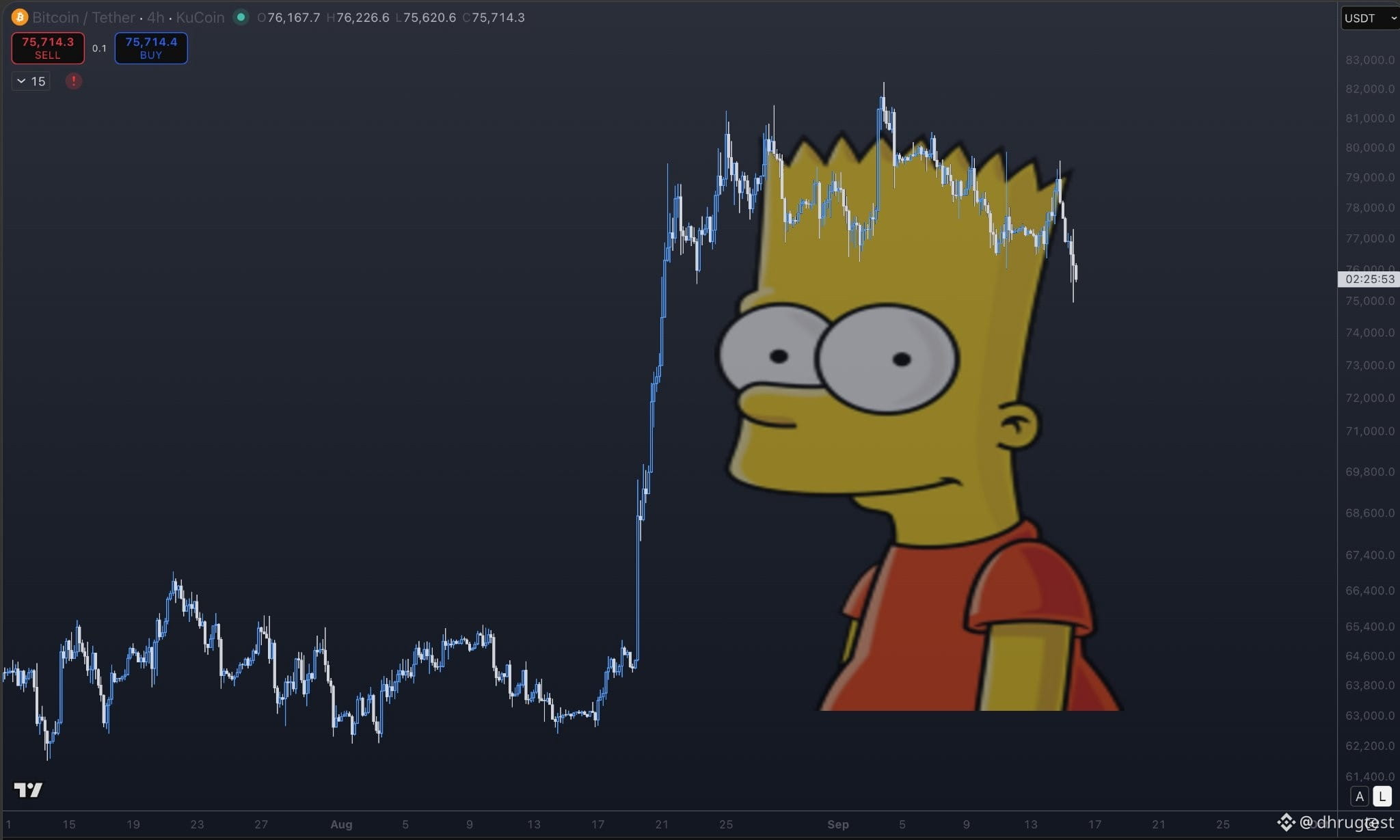
Bitcoin is around $77K, and the market still feels uncertain.
That’s why I’ve been trying to look beyond the daily price action.
I’ve been taking my time with @liberdus and learning how the ecosystem is being built.
What interests me isn’t just $LIB as a token. It’s the idea of actually participating in the network.
You can contribute to the ecosystem, provide liquidity, and help secure the network through nodes.
I’m still watching and learning as things develop, but I like the idea of a community having something meaningful to do beyond simply holding.
$BTC moves every day. Building takes longer.
#Liberdus
{spot}(BTCUSDT)
Bitcoin is around $77K, and the market still feels uncertain.
That’s why I’ve been trying to look beyond the daily price action.
I’ve been taking my time with @liberdus and learning how the ecosystem is being built.
What interests me isn’t just $LIB as a token. It’s the idea of actually participating in the network.
You can contribute to the ecosystem, provide liquidity, and help secure the network through nodes.
I’m still watching and learning as things develop, but I like the idea of a community having something meaningful to do beyond simply holding.
$BTC moves every day. Building takes longer.
#Liberdus
That’s why I’ve been trying to look beyond the daily price action.
I’ve been taking my time with @liberdus and learning how the ecosystem is being built.
What interests me isn’t just $LIB as a token. It’s the idea of actually participating in the network.
You can contribute to the ecosystem, provide liquidity, and help secure the network through nodes.
I’m still watching and learning as things develop, but I like the idea of a community having something meaningful to do beyond simply holding.
$BTC moves every day. Building takes longer.
#Liberdus
194

·
--
Everyone thinks crypto payments already keep your details private, but actually most blockchains still broadcast every transfer with no simple way to attach a hidden note.
You send the funds and then scramble to explain the purpose in a separate chat. That extra step leads to mix-ups and leaves you open to targeted scams once centralized apps have already sold your data.
Imagine mailing cash inside a clear plastic bag. Anyone can see the amount and there is no private card to say what it is for. That is how many legacy chains behind $BTC and $ETH still operate. Centralized apps make it worse by turning your payment habits into their product.
Liberdus $LIBERDUS takes a different approach by folding private messaging directly into payments inside one quantum-secure protocol. Think of it as a sealed envelope that holds both the money and your personal note, locked so tightly even future computers cannot peek inside.
This setup cuts the usual leaks and keeps you safer as the technology landscape shifts.
What's your take on combining messages and payments this way?
#CryptoPrivacy #QuantumSecure #Liberdus
Everyone thinks crypto payments already keep your details private, but actually most blockchains still broadcast every transfer with no simple way to attach a hidden note.
You send the funds and then scramble to explain the purpose in a separate chat. That extra step leads to mix-ups and leaves you open to targeted scams once centralized apps have already sold your data.
Imagine mailing cash inside a clear plastic bag. Anyone can see the amount and there is no private card to say what it is for. That is how many legacy chains behind $BTC and $ETH still operate. Centralized apps make it worse by turning your payment habits into their product.
Liberdus $LIBERDUS takes a different approach by folding private messaging directly into payments inside one quantum-secure protocol. Think of it as a sealed envelope that holds both the money and your personal note, locked so tightly even future computers cannot peek inside.
This setup cuts the usual leaks and keeps you safer as the technology landscape shifts.
What's your take on combining messages and payments this way?
#CryptoPrivacy #QuantumSecure #Liberdus
You send the funds and then scramble to explain the purpose in a separate chat. That extra step leads to mix-ups and leaves you open to targeted scams once centralized apps have already sold your data.
Imagine mailing cash inside a clear plastic bag. Anyone can see the amount and there is no private card to say what it is for. That is how many legacy chains behind $BTC and $ETH still operate. Centralized apps make it worse by turning your payment habits into their product.
Liberdus $LIBERDUS takes a different approach by folding private messaging directly into payments inside one quantum-secure protocol. Think of it as a sealed envelope that holds both the money and your personal note, locked so tightly even future computers cannot peek inside.
This setup cuts the usual leaks and keeps you safer as the technology landscape shifts.
What's your take on combining messages and payments this way?
#CryptoPrivacy #QuantumSecure #Liberdus
35
·
--
Bullish
We usually talk about crypto as a way to move money.
But what about using the same idea to make online communication more meaningful?
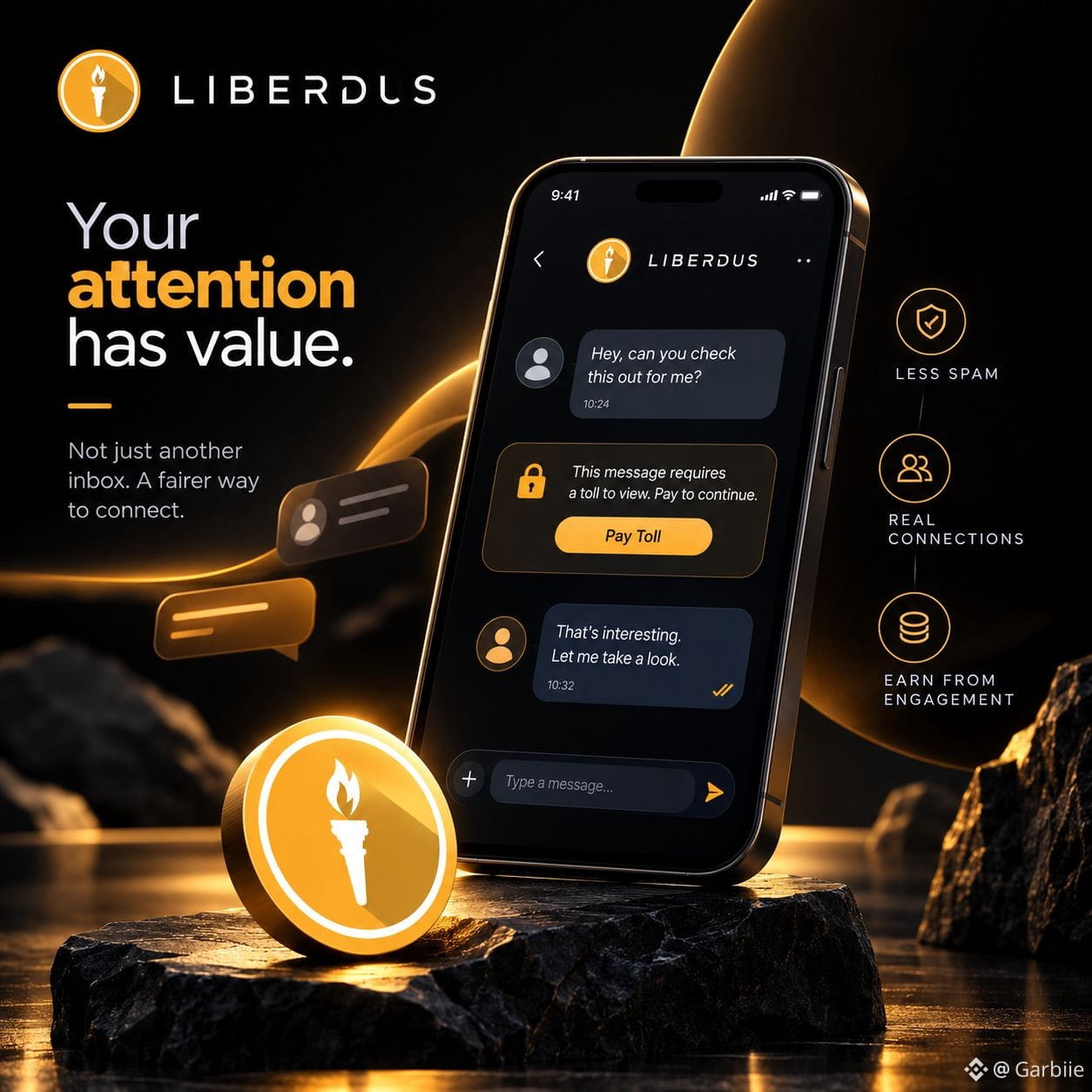
#Liberdus has an interesting approach: when someone outside your connections wants to message you, they may have to put up a toll.
That simple friction can make spam less attractive and genuine conversations more valuable.
Just like $XRP
{future}(XRPUSDT)
is built around moving value efficiently, Liberdus is exploring what happens when value becomes part of the way we communicate.
Your inbox shouldn't have to be an open door for everyone.
Sometimes, a little friction is exactly what the internet needs.
We usually talk about crypto as a way to move money.
But what about using the same idea to make online communication more meaningful?
#Liberdus has an interesting approach: when someone outside your connections wants to message you, they may have to put up a toll.
That simple friction can make spam less attractive and genuine conversations more valuable.
Just like $XRP
is built around moving value efficiently, Liberdus is exploring what happens when value becomes part of the way we communicate.
Your inbox shouldn't have to be an open door for everyone.
Sometimes, a little friction is exactly what the internet needs.
But what about using the same idea to make online communication more meaningful?
#Liberdus has an interesting approach: when someone outside your connections wants to message you, they may have to put up a toll.
That simple friction can make spam less attractive and genuine conversations more valuable.
Just like $XRP
is built around moving value efficiently, Liberdus is exploring what happens when value becomes part of the way we communicate.
Your inbox shouldn't have to be an open door for everyone.
Sometimes, a little friction is exactly what the internet needs.
166

·
--
I started looking at Liberdus from a different angle.
Not just as another token to trade, but as a project trying to solve a problem most of us ignore:
How much information do we give away just to communicate?
Most messaging apps connect your identity to things like a phone number or email.
@liberdus takes a different approach.
You can create an account without a phone number or email, while messages are encrypted and the network is decentralized.
But the part I find interesting as a trader is $LIB.
It isn't just there to look good on a chart.
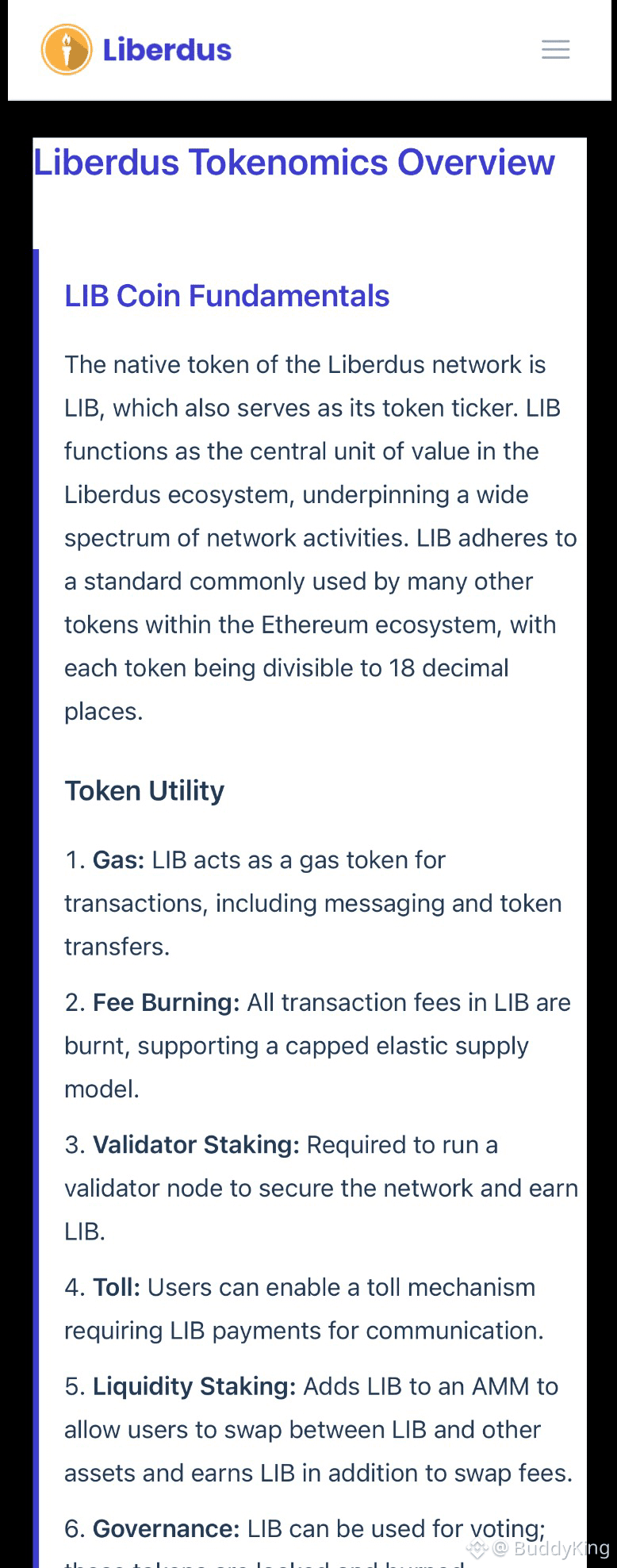
$LIB is used within the Liberdus ecosystem for things like network fees, payments and validator incentives.
And the spam problem has an interesting twist too.
Unknown senders can be required to pay a small toll before reaching you.
That creates an actual economic cost for spam instead of simply asking users to block it.
My $LIB trade plan:
Bias: Bullish if price holds the current support zone
Entry: Wait for a clean support retest + confirmation
TP: Previous local high → next resistance
SL: Below confirmed support
Timeframe: 4H
I wouldn't chase a green candle here.
I'd rather wait for the market to prove the level first.
That's also what interests me about Liberdus: there's a real problem behind the token, not just a ticker.
If you're watching $LIB, don't only watch the chart.
Look at what the network is actually building.
Then decide whether the setup makes sense for you.
Explore #Liberdus :
$LA #BitcoinCrosses$78000
$QKC #AvalancheIntegratesIntoUAEPassDigitalVault
$FIL
I started looking at Liberdus from a different angle.
Not just as another token to trade, but as a project trying to solve a problem most of us ignore:
How much information do we give away just to communicate?
Most messaging apps connect your identity to things like a phone number or email.
@liberdus takes a different approach.
You can create an account without a phone number or email, while messages are encrypted and the network is decentralized.
But the part I find interesting as a trader is $LIB.
It isn't just there to look good on a chart.
$LIB is used within the Liberdus ecosystem for things like network fees, payments and validator incentives.
And the spam problem has an interesting twist too.
Unknown senders can be required to pay a small toll before reaching you.
That creates an actual economic cost for spam instead of simply asking users to block it.
My $LIB trade plan:
Bias: Bullish if price holds the current support zone Entry: Wait for a clean support retest + confirmation TP: Previous local high → next resistance SL: Below confirmed support Timeframe: 4H
I wouldn't chase a green candle here.
I'd rather wait for the market to prove the level first.
That's also what interests me about Liberdus: there's a real problem behind the token, not just a ticker.
If you're watching $LIB, don't only watch the chart.
Look at what the network is actually building.
Then decide whether the setup makes sense for you.
Explore #Liberdus :
$LA #BitcoinCrosses$78000
$QKC #AvalancheIntegratesIntoUAEPassDigitalVault
$FIL
Not just as another token to trade, but as a project trying to solve a problem most of us ignore:
How much information do we give away just to communicate?
Most messaging apps connect your identity to things like a phone number or email.
@liberdus takes a different approach.
You can create an account without a phone number or email, while messages are encrypted and the network is decentralized.
But the part I find interesting as a trader is $LIB.
It isn't just there to look good on a chart.
$LIB is used within the Liberdus ecosystem for things like network fees, payments and validator incentives.
And the spam problem has an interesting twist too.
Unknown senders can be required to pay a small toll before reaching you.
That creates an actual economic cost for spam instead of simply asking users to block it.
My $LIB trade plan:
Bias: Bullish if price holds the current support zone Entry: Wait for a clean support retest + confirmation TP: Previous local high → next resistance SL: Below confirmed support Timeframe: 4H
I wouldn't chase a green candle here.
I'd rather wait for the market to prove the level first.
That's also what interests me about Liberdus: there's a real problem behind the token, not just a ticker.
If you're watching $LIB, don't only watch the chart.
Look at what the network is actually building.
Then decide whether the setup makes sense for you.
Explore #Liberdus :
$LA #BitcoinCrosses$78000
$QKC #AvalancheIntegratesIntoUAEPassDigitalVault
$FIL
394
·
--
How to open a Liberdus account on the app.
1/
What if creating a messaging account didn't require your phone number or email?
Let's actually look at how Liberdus handles it.
No theory, just the process.
2/
Open Liberdus,
from the home screen, select:
create Account
that's where the process begins.
3/
Choose your username, you don't need to provide a phone number or email during account creation. Your username becomes the identifier you use within the platform.
4/
Then comes the interesting part. Liberdus generates your account keys. The account is cryptographically secured, with quantum-resistant cryptography used by the platform.
5/
Once the keys are generated, your account appears on the dashboard. No traditional signup flow built around:
enter your phone number or verify your email.
Instead, the account is built around cryptographic credentials.
6/
And there's another useful detail:
You can create multiple Liberdus accounts on the same device. Each account is independent and has its own private key and wallet address.
7/
So the interesting part isn't simply:
Liberdus doesn't ask for your phone number. It's the architecture behind that choice. Your account doesn't have to start with a real-world identifier. It can start with a cryptographic identity.
8/
That's a very different way of thinking about digital accounts. And it raises a bigger question,
#liberdus $ONDO
{spot}(ONDOUSDT)
How to open a Liberdus account on the app.
1/
What if creating a messaging account didn't require your phone number or email?
Let's actually look at how Liberdus handles it.
No theory, just the process.
2/
Open Liberdus,
from the home screen, select:
create Account
that's where the process begins.
3/
Choose your username, you don't need to provide a phone number or email during account creation. Your username becomes the identifier you use within the platform.
4/
Then comes the interesting part. Liberdus generates your account keys. The account is cryptographically secured, with quantum-resistant cryptography used by the platform.
5/
Once the keys are generated, your account appears on the dashboard. No traditional signup flow built around:
enter your phone number or verify your email.
Instead, the account is built around cryptographic credentials.
6/
And there's another useful detail:
You can create multiple Liberdus accounts on the same device. Each account is independent and has its own private key and wallet address.
7/
So the interesting part isn't simply:
Liberdus doesn't ask for your phone number. It's the architecture behind that choice. Your account doesn't have to start with a real-world identifier. It can start with a cryptographic identity.
8/
That's a very different way of thinking about digital accounts. And it raises a bigger question,
#liberdus $ONDO
1/
What if creating a messaging account didn't require your phone number or email?
Let's actually look at how Liberdus handles it.
No theory, just the process.
2/
Open Liberdus,
from the home screen, select:
create Account
that's where the process begins.
3/
Choose your username, you don't need to provide a phone number or email during account creation. Your username becomes the identifier you use within the platform.
4/
Then comes the interesting part. Liberdus generates your account keys. The account is cryptographically secured, with quantum-resistant cryptography used by the platform.
5/
Once the keys are generated, your account appears on the dashboard. No traditional signup flow built around:
enter your phone number or verify your email.
Instead, the account is built around cryptographic credentials.
6/
And there's another useful detail:
You can create multiple Liberdus accounts on the same device. Each account is independent and has its own private key and wallet address.
7/
So the interesting part isn't simply:
Liberdus doesn't ask for your phone number. It's the architecture behind that choice. Your account doesn't have to start with a real-world identifier. It can start with a cryptographic identity.
8/
That's a very different way of thinking about digital accounts. And it raises a bigger question,
#liberdus $ONDO


1
118
·
--
Verified
$BTC has been keeping the market cautious lately. Volatility, macro uncertainty, and changing sentiment make it easy to focus only on price.
But I’ve been thinking about something beyond the chart.
I wasn’t looking for another token to chase. I was asking myself: what if the people using a network could also help build it?
That question led me to explore #Liberdus
Liberdus is building its own blockchain using Shardus technology and dynamic sharding, with a focus on scalability, security, decentralization, and low fees.
What I find interesting is the community role. Users can provide liquidity, participate in governance, or help secure the network as validators.
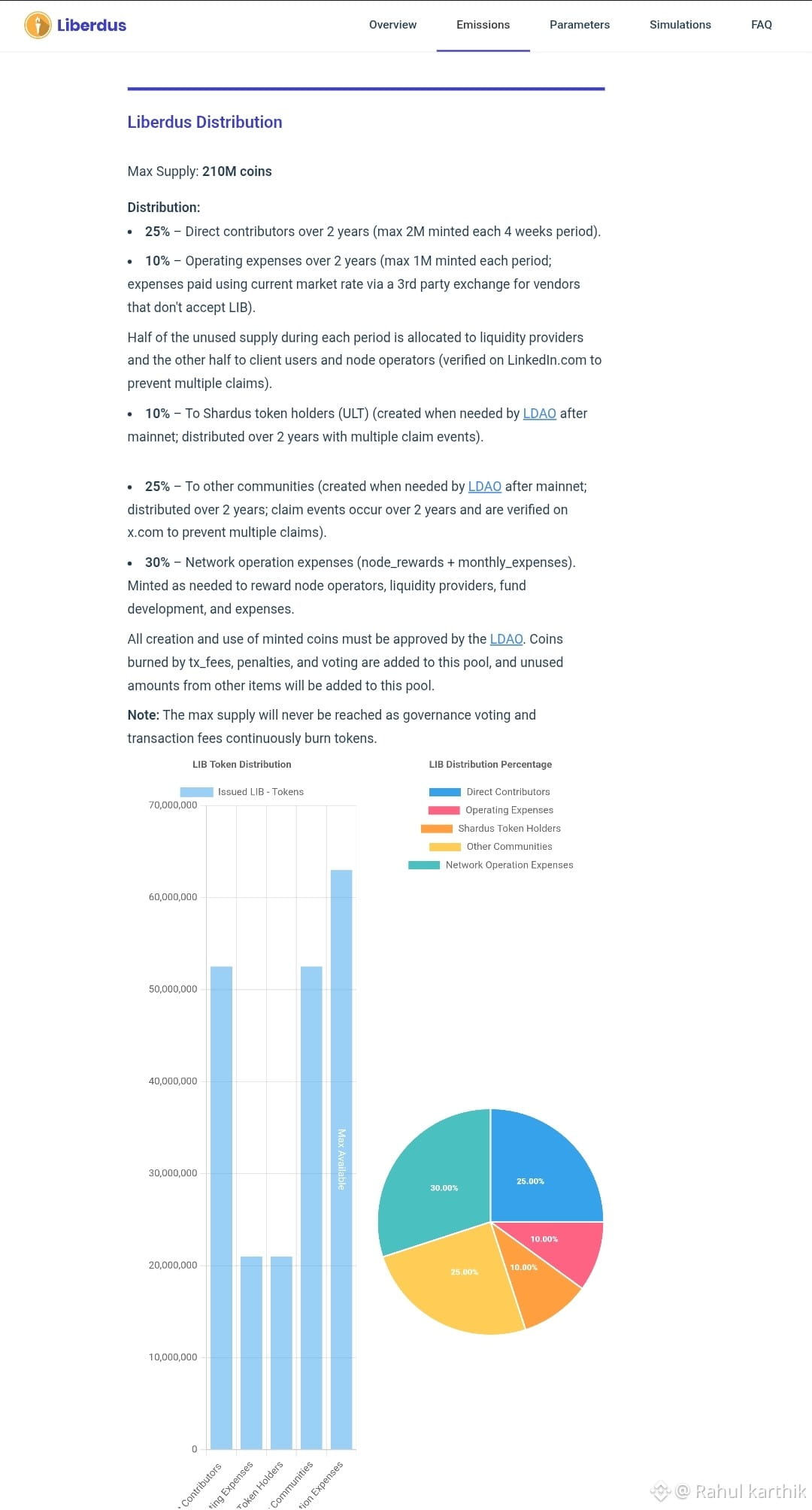
LIB also has a fixed supply of 210M.
For me, the bigger idea is simple: don’t just watch the network grow be part of it...
$BTC has been keeping the market cautious lately. Volatility, macro uncertainty, and changing sentiment make it easy to focus only on price.
But I’ve been thinking about something beyond the chart.
I wasn’t looking for another token to chase. I was asking myself: what if the people using a network could also help build it?
That question led me to explore #Liberdus
Liberdus is building its own blockchain using Shardus technology and dynamic sharding, with a focus on scalability, security, decentralization, and low fees.
What I find interesting is the community role. Users can provide liquidity, participate in governance, or help secure the network as validators.
LIB also has a fixed supply of 210M.
For me, the bigger idea is simple: don’t just watch the network grow be part of it...
But I’ve been thinking about something beyond the chart.
I wasn’t looking for another token to chase. I was asking myself: what if the people using a network could also help build it?
That question led me to explore #Liberdus
Liberdus is building its own blockchain using Shardus technology and dynamic sharding, with a focus on scalability, security, decentralization, and low fees.
What I find interesting is the community role. Users can provide liquidity, participate in governance, or help secure the network as validators.
LIB also has a fixed supply of 210M.
For me, the bigger idea is simple: don’t just watch the network grow be part of it...


3
8.6k
·
--
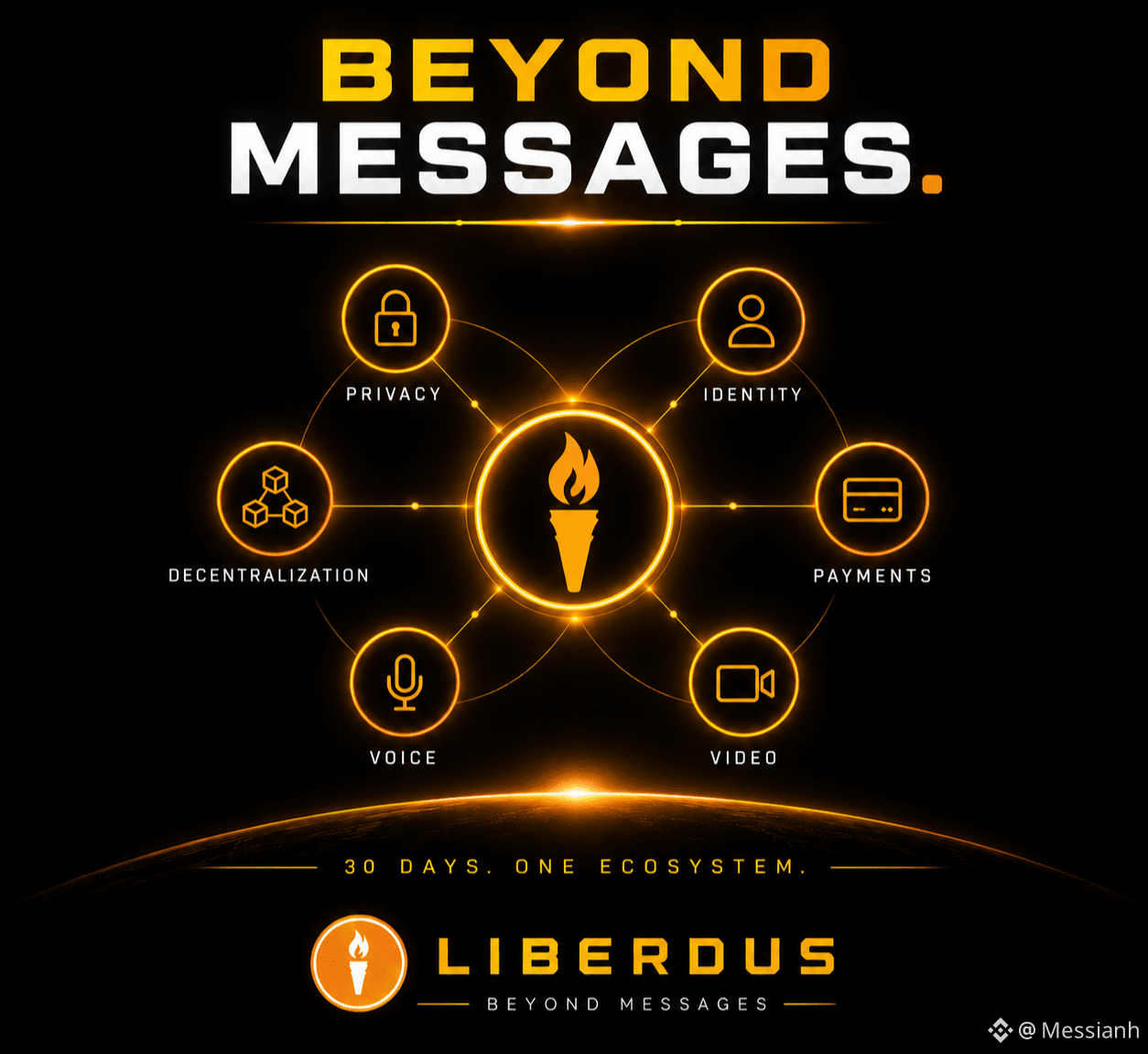
Liberdus was never just about messaging.
Privacy
Decentralization
Payments
Digital identity
Voice & video
Open source
User participation
All inside one ecosystem
That's what Beyond Messages means. The future of communication shouldn't just be about sending a message.
It should be about owning the way you communicate.
@liberdus #Liberdus $BNB #BNB金鏟子
{spot}(BNBUSDT)
Liberdus was never just about messaging.
Privacy
Decentralization
Payments
Digital identity
Voice & video
Open source
User participation
All inside one ecosystem
That's what Beyond Messages means. The future of communication shouldn't just be about sending a message.
It should be about owning the way you communicate.
@liberdus #Liberdus $BNB #BNB金鏟子
Privacy
Decentralization
Payments
Digital identity
Voice & video
Open source
User participation
All inside one ecosystem
That's what Beyond Messages means. The future of communication shouldn't just be about sending a message.
It should be about owning the way you communicate.
@liberdus #Liberdus $BNB #BNB金鏟子
1
221
·
--
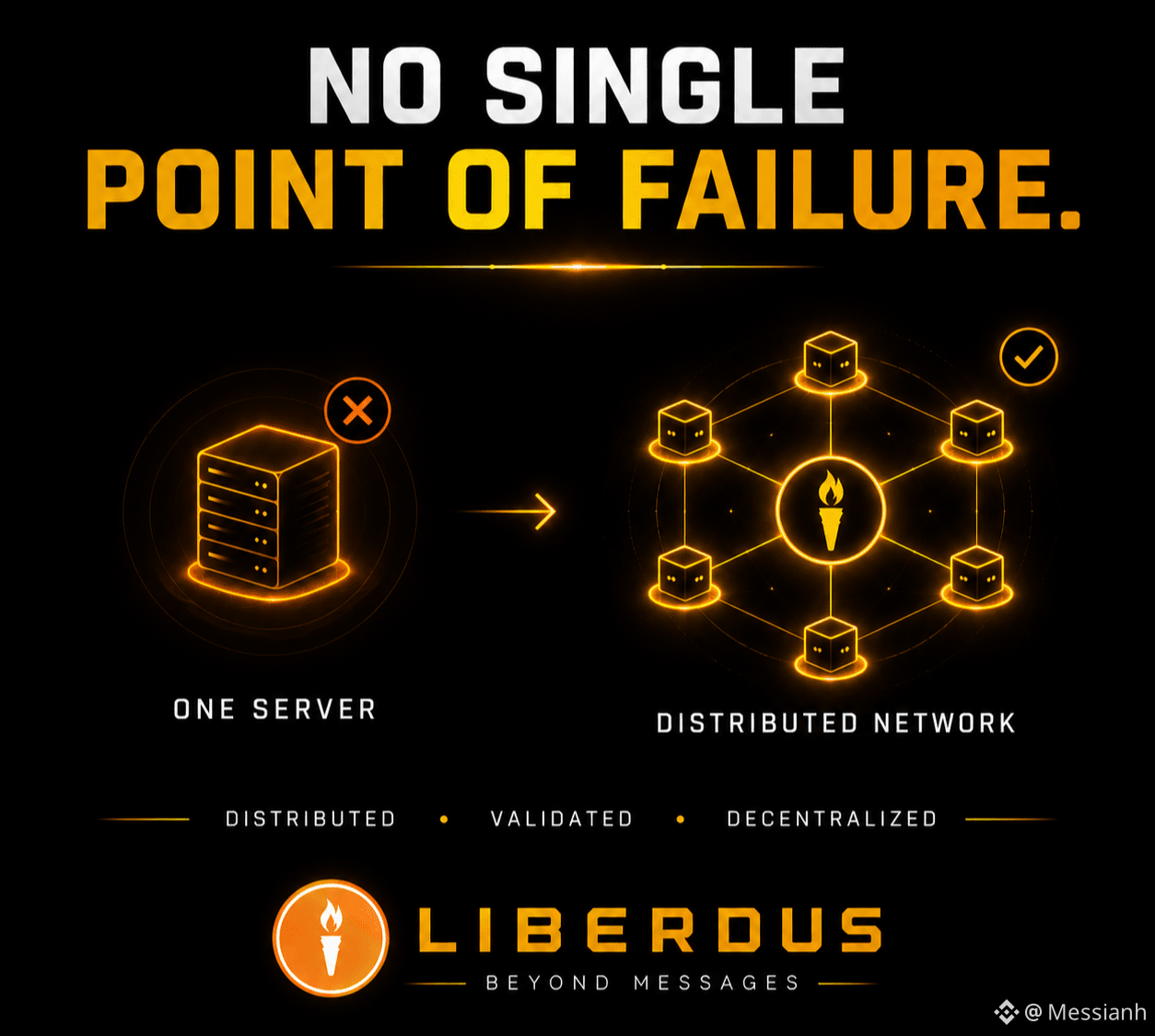
One server, one failure point.
Liberdus takes a different approach.
Its network runs across distributed validator nodes instead of relying on a centralized server. Nodes collectively keep the network online and participate in validation.
No single server at the center just a network of participants.
#Liberdus #IranSaysItHit3USShips3Tankers $BTC
{spot}(BTCUSDT)
One server, one failure point.
Liberdus takes a different approach.
Its network runs across distributed validator nodes instead of relying on a centralized server. Nodes collectively keep the network online and participate in validation.
No single server at the center just a network of participants.
#Liberdus #IranSaysItHit3USShips3Tankers $BTC
Liberdus takes a different approach.
Its network runs across distributed validator nodes instead of relying on a centralized server. Nodes collectively keep the network online and participate in validation.
No single server at the center just a network of participants.
#Liberdus #IranSaysItHit3USShips3Tankers $BTC
1
96
·
--
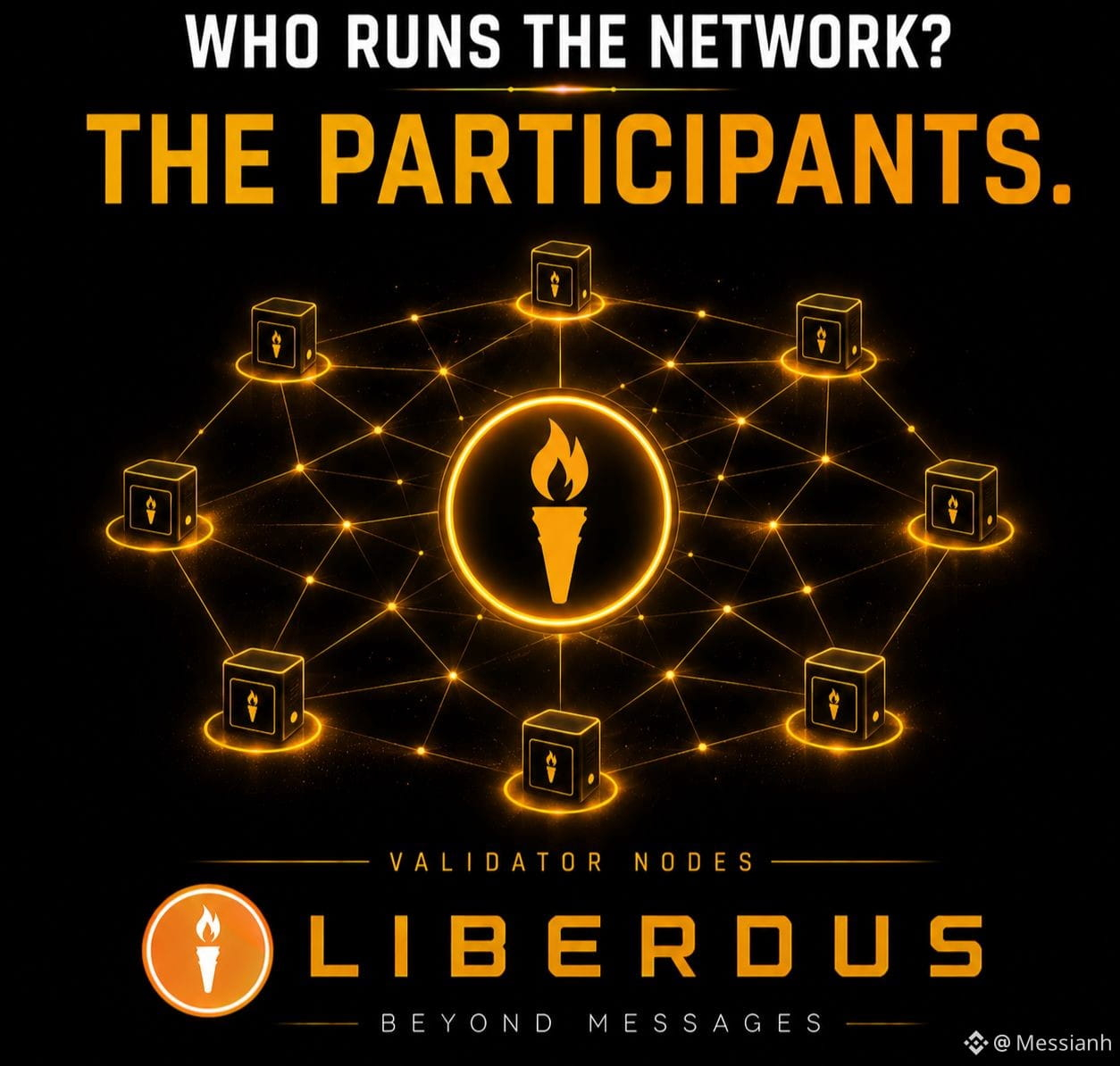
Who keeps a decentralized network alive?
Not one company, not one server but nodes.
@liberdus uses a distributed network of validator nodes to process transactions and maintain the network.
And participation is permissionless. You don't need a central authority to approve you.
Run a node, stake LIB and help secure the network.
Decentralization needs participants.
#Liberdus #Privacy #XRP’ $XRP
{spot}(XRPUSDT)
Who keeps a decentralized network alive?
Not one company, not one server but nodes.
@liberdus uses a distributed network of validator nodes to process transactions and maintain the network.
And participation is permissionless. You don't need a central authority to approve you.
Run a node, stake LIB and help secure the network.
Decentralization needs participants.
#Liberdus #Privacy #XRP’ $XRP
Not one company, not one server but nodes.
@liberdus uses a distributed network of validator nodes to process transactions and maintain the network.
And participation is permissionless. You don't need a central authority to approve you.
Run a node, stake LIB and help secure the network.
Decentralization needs participants.
#Liberdus #Privacy #XRP’ $XRP
129
·
--
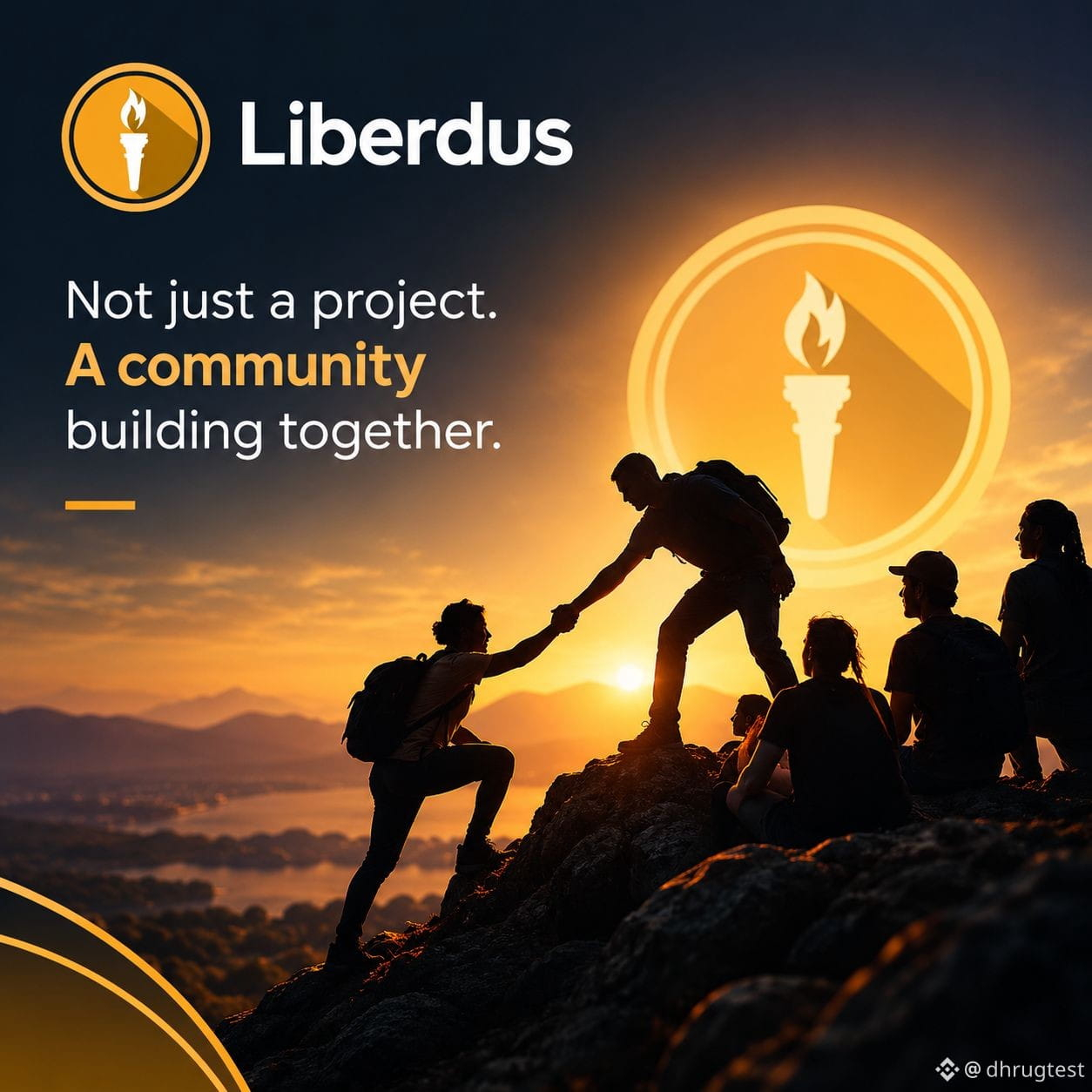
I didn’t discover #liberdus while chasing the next trending token. I found it while thinking about what crypto could look like when users become part of the network itself.
With $BTC and the market constantly moving, charts can easily become the whole story. But behind the noise, projects like Liberdus are focused on building participation into the journey.
From supporting liquidity to helping secure the network, the community isn’t just watching from the sidelines it’s contributing.
That’s what caught my attention. Trends fade, but communities that build, participate, and grow together can create something lasting.
That’s the kind of crypto journey worth discovering early.
$CHIP
I didn’t discover #liberdus while chasing the next trending token. I found it while thinking about what crypto could look like when users become part of the network itself.
With $BTC and the market constantly moving, charts can easily become the whole story. But behind the noise, projects like Liberdus are focused on building participation into the journey.
From supporting liquidity to helping secure the network, the community isn’t just watching from the sidelines it’s contributing.
That’s what caught my attention. Trends fade, but communities that build, participate, and grow together can create something lasting.
That’s the kind of crypto journey worth discovering early.
$CHIP
With $BTC and the market constantly moving, charts can easily become the whole story. But behind the noise, projects like Liberdus are focused on building participation into the journey.
From supporting liquidity to helping secure the network, the community isn’t just watching from the sidelines it’s contributing.
That’s what caught my attention. Trends fade, but communities that build, participate, and grow together can create something lasting.
That’s the kind of crypto journey worth discovering early.
$CHIP
210
·
--
Bullish
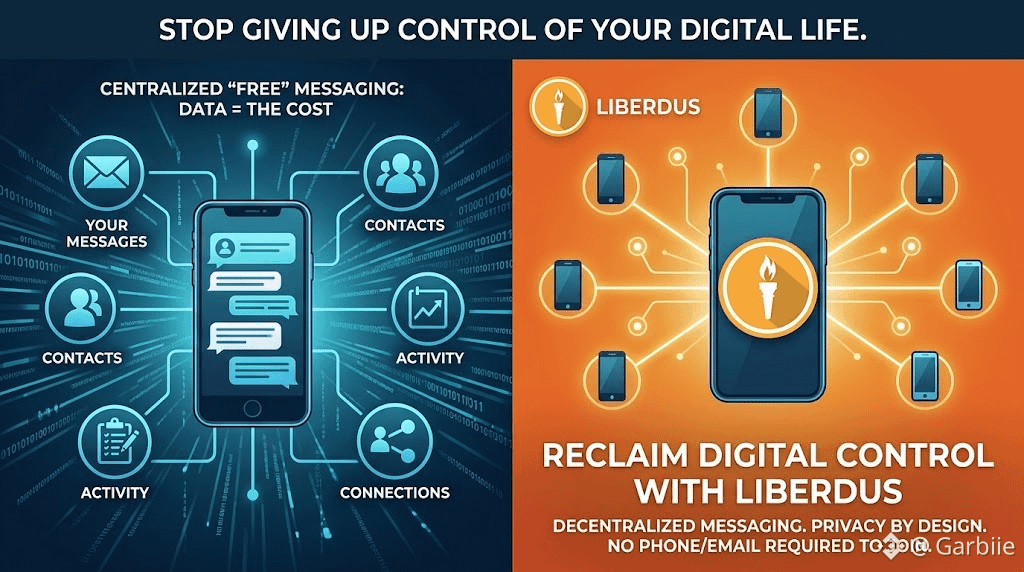
Free messaging isn't always completely free.
#Liberdus is taking a different approach to something we all do every day: communicate online.
Think about how much information can sit behind a simple conversation. Your messages, contacts, activity and even the connections you build can all become valuable data when the platform controls the system.
The interesting part is that we've become so used to this model that we rarely question it.
With Liberdus, messaging is designed around privacy and decentralization, without requiring a phone number or email to create an account.
And I think the same conversation applies to crypto. Sending $BTC
{future}(BTCUSDT)
should be about moving value between people, not leaving behind more personal information than necessary.
Maybe staying connected and making digital payments shouldn't require us to give up so much control over our digital lives.
Free messaging isn't always completely free.
#Liberdus is taking a different approach to something we all do every day: communicate online.
Think about how much information can sit behind a simple conversation. Your messages, contacts, activity and even the connections you build can all become valuable data when the platform controls the system.
The interesting part is that we've become so used to this model that we rarely question it.
With Liberdus, messaging is designed around privacy and decentralization, without requiring a phone number or email to create an account.
And I think the same conversation applies to crypto. Sending $BTC
should be about moving value between people, not leaving behind more personal information than necessary.
Maybe staying connected and making digital payments shouldn't require us to give up so much control over our digital lives.
#Liberdus is taking a different approach to something we all do every day: communicate online.
Think about how much information can sit behind a simple conversation. Your messages, contacts, activity and even the connections you build can all become valuable data when the platform controls the system.
The interesting part is that we've become so used to this model that we rarely question it.
With Liberdus, messaging is designed around privacy and decentralization, without requiring a phone number or email to create an account.
And I think the same conversation applies to crypto. Sending $BTC
should be about moving value between people, not leaving behind more personal information than necessary.
Maybe staying connected and making digital payments shouldn't require us to give up so much control over our digital lives.
1
114
·
--
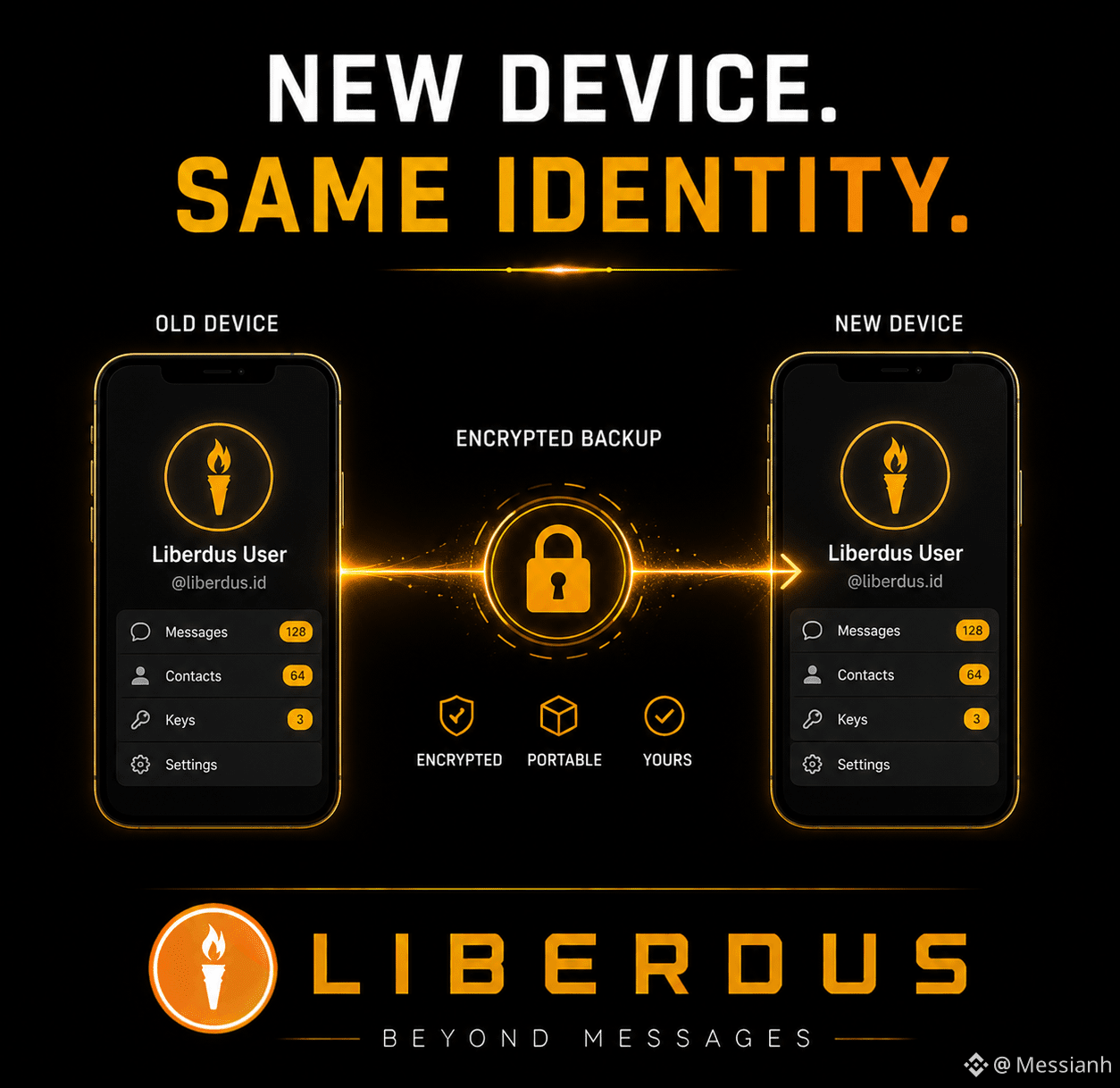
New phone, same identity
What happens to your digital identity when you change devices?
With Liberdus, you can export an encrypted backup of your account and restore it on another device.
Your account isn't simply tied to the phone in your hand.
Back it up, move it, restore it.
That's what digital ownership should feel like.
@liberdus #liberdus #KoreaSingleStockLeveragedETFTradingFalls
$LINK
{spot}(LINKUSDT)
New phone, same identity
What happens to your digital identity when you change devices?
With Liberdus, you can export an encrypted backup of your account and restore it on another device.
Your account isn't simply tied to the phone in your hand.
Back it up, move it, restore it.
That's what digital ownership should feel like.
@liberdus #liberdus #KoreaSingleStockLeveragedETFTradingFalls
$LINK
What happens to your digital identity when you change devices?
With Liberdus, you can export an encrypted backup of your account and restore it on another device.
Your account isn't simply tied to the phone in your hand.
Back it up, move it, restore it.
That's what digital ownership should feel like.
@liberdus #liberdus #KoreaSingleStockLeveragedETFTradingFalls
$LINK
1
114
Article
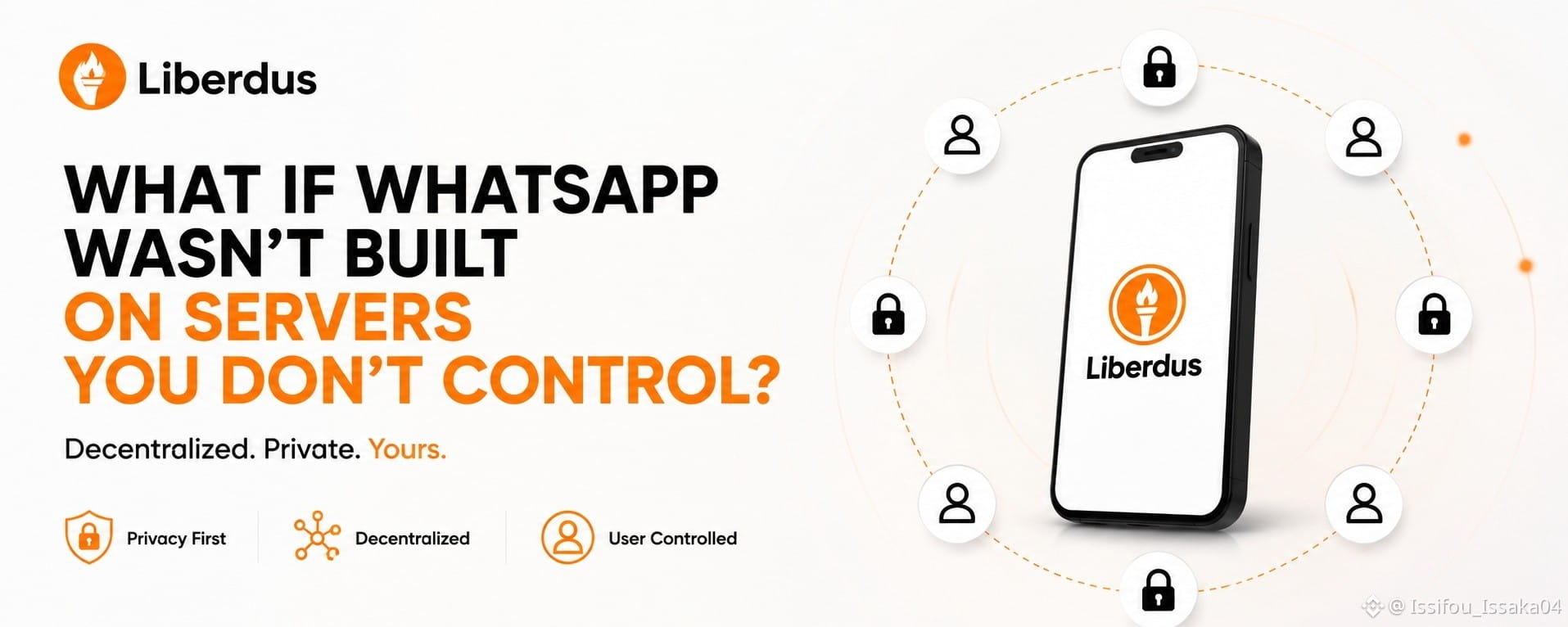
What If WhatsApp Didn't Run on Servers You Don't Control?You open your messaging app.
You send a message.
You share a photo.
You make a call.
Maybe you even send money.
From your perspective, it's simple.
Type. Tap. Send. Done.
But behind that simplicity is an infrastructure most users never think about:
Who actually controls the systems carrying your communication?
For years, centralized platforms have been the default. They're fast, convenient and familiar.
But convenience comes with a trade-off.
When your communication depends on centralized infrastructure, the company operating that infrastructure becomes a powerful intermediary.
So what happens if the platform changes its rules?
What if your account gets restricted?
What if the infrastructure becomes a target for attackers?
Or what if the infrastructure itself becomes the point of control?
That's where decentralization gets interesting.
But decentralization shouldn't mean complexity.
The idea behind @liberdus is to keep the experience simple while moving the complexity underneath.
You shouldn't need to understand nodes, consensus or distributed systems just to send a message.
Open the app.
Find someone.
Send a message.
The technology underneath handles the rest.
Liberdus is designed around a distributed network of validator nodes rather than relying on a traditional centralized server architecture, with the Shardus framework helping distribute processing and state across the network.
The bigger idea is simple:
One network. Many participants. Less dependence on a single gatekeeper.
And for communication, that matters.
Your conversations aren't just transactions.
They're relationships.
Ideas.
Memories.
Private moments.
So the infrastructure carrying them deserves more than convenience.
It deserves resilience and privacy.
That's why decentralization alone isn't enough.
Liberdus combines its decentralized architecture with end-to-end encryption and quantum-resistant cryptography for communication, while allowing accounts without requiring a phone number or email address.
The philosophy:
Collect less. Expose less. Give users more control.
And here's the important part:
A decentralized future shouldn't require a worse user experience.
The best decentralized products should feel almost boring.
You send a message.
It arrives.
You make a call.
It works.
You send value.
Done.
The difference is what happens behind the screen.
That's the direction Liberdus is exploring: decentralized infrastructure, private communication and integrated payments in one ecosystem.
Because we've already answered one question:
Can technology connect billions of people?
Yes.
Now we need to answer the harder one:
Who controls the infrastructure connecting them?
The future of communication shouldn't just be faster.
It should be more private, more resilient, more open and less dependent on centralized gatekeepers.
🔐 Decentralization shouldn't make freedom harder to use. It should make freedom easier to use.
#Liberdus #Privacy #decentralization #DigitalPrivacy
What If WhatsApp Didn't Run on Servers You Don't Control?
You open your messaging app.
You send a message.
You share a photo.
You make a call.
Maybe you even send money.
From your perspective, it's simple.
Type. Tap. Send. Done.
But behind that simplicity is an infrastructure most users never think about:
Who actually controls the systems carrying your communication?
For years, centralized platforms have been the default. They're fast, convenient and familiar.
But convenience comes with a trade-off.
When your communication depends on centralized infrastructure, the company operating that infrastructure becomes a powerful intermediary.
So what happens if the platform changes its rules?
What if your account gets restricted?
What if the infrastructure becomes a target for attackers?
Or what if the infrastructure itself becomes the point of control?
That's where decentralization gets interesting.
But decentralization shouldn't mean complexity.
The idea behind @liberdus is to keep the experience simple while moving the complexity underneath.
You shouldn't need to understand nodes, consensus or distributed systems just to send a message.
Open the app.
Find someone.
Send a message.
The technology underneath handles the rest.
Liberdus is designed around a distributed network of validator nodes rather than relying on a traditional centralized server architecture, with the Shardus framework helping distribute processing and state across the network.
The bigger idea is simple:
One network. Many participants. Less dependence on a single gatekeeper.
And for communication, that matters.
Your conversations aren't just transactions.
They're relationships.
Ideas.
Memories.
Private moments.
So the infrastructure carrying them deserves more than convenience.
It deserves resilience and privacy.
That's why decentralization alone isn't enough.
Liberdus combines its decentralized architecture with end-to-end encryption and quantum-resistant cryptography for communication, while allowing accounts without requiring a phone number or email address.
The philosophy:
Collect less. Expose less. Give users more control.
And here's the important part:
A decentralized future shouldn't require a worse user experience.
The best decentralized products should feel almost boring.
You send a message.
It arrives.
You make a call.
It works.
You send value.
Done.
The difference is what happens behind the screen.
That's the direction Liberdus is exploring: decentralized infrastructure, private communication and integrated payments in one ecosystem.
Because we've already answered one question:
Can technology connect billions of people?
Yes.
Now we need to answer the harder one:
Who controls the infrastructure connecting them?
The future of communication shouldn't just be faster.
It should be more private, more resilient, more open and less dependent on centralized gatekeepers.
🔐 Decentralization shouldn't make freedom harder to use. It should make freedom easier to use.
#Liberdus #Privacy #decentralization #DigitalPrivacy
You send a message.
You share a photo.
You make a call.
Maybe you even send money.
From your perspective, it's simple.
Type. Tap. Send. Done.
But behind that simplicity is an infrastructure most users never think about:
Who actually controls the systems carrying your communication?
For years, centralized platforms have been the default. They're fast, convenient and familiar.
But convenience comes with a trade-off.
When your communication depends on centralized infrastructure, the company operating that infrastructure becomes a powerful intermediary.
So what happens if the platform changes its rules?
What if your account gets restricted?
What if the infrastructure becomes a target for attackers?
Or what if the infrastructure itself becomes the point of control?
That's where decentralization gets interesting.
But decentralization shouldn't mean complexity.
The idea behind @liberdus is to keep the experience simple while moving the complexity underneath.
You shouldn't need to understand nodes, consensus or distributed systems just to send a message.
Open the app.
Find someone.
Send a message.
The technology underneath handles the rest.
Liberdus is designed around a distributed network of validator nodes rather than relying on a traditional centralized server architecture, with the Shardus framework helping distribute processing and state across the network.
The bigger idea is simple:
One network. Many participants. Less dependence on a single gatekeeper.
And for communication, that matters.
Your conversations aren't just transactions.
They're relationships.
Ideas.
Memories.
Private moments.
So the infrastructure carrying them deserves more than convenience.
It deserves resilience and privacy.
That's why decentralization alone isn't enough.
Liberdus combines its decentralized architecture with end-to-end encryption and quantum-resistant cryptography for communication, while allowing accounts without requiring a phone number or email address.
The philosophy:
Collect less. Expose less. Give users more control.
And here's the important part:
A decentralized future shouldn't require a worse user experience.
The best decentralized products should feel almost boring.
You send a message.
It arrives.
You make a call.
It works.
You send value.
Done.
The difference is what happens behind the screen.
That's the direction Liberdus is exploring: decentralized infrastructure, private communication and integrated payments in one ecosystem.
Because we've already answered one question:
Can technology connect billions of people?
Yes.
Now we need to answer the harder one:
Who controls the infrastructure connecting them?
The future of communication shouldn't just be faster.
It should be more private, more resilient, more open and less dependent on centralized gatekeepers.
🔐 Decentralization shouldn't make freedom harder to use. It should make freedom easier to use.
#Liberdus #Privacy #decentralization #DigitalPrivacy
1
533
·
--
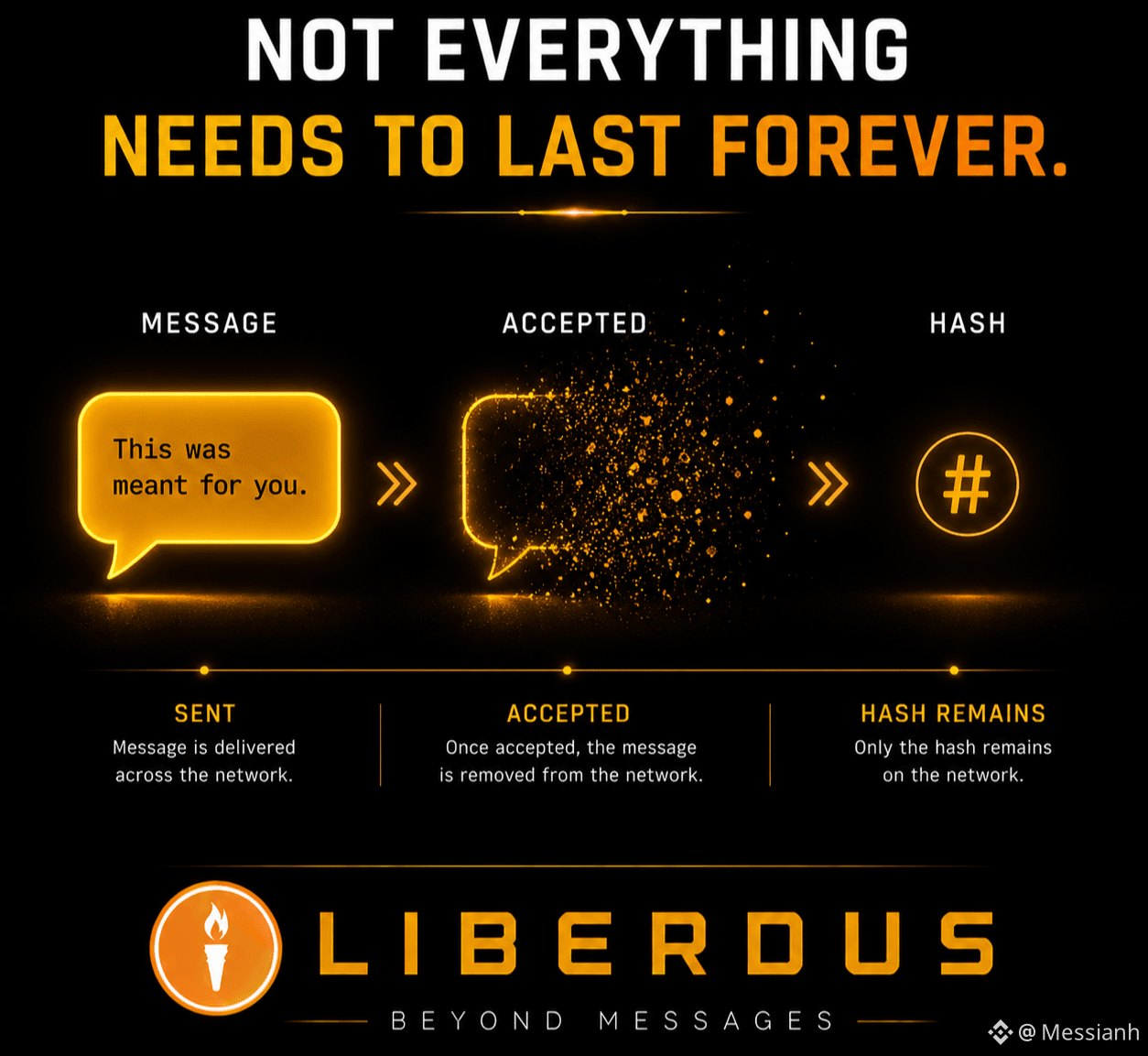
Your messages don't have to live forever.
Most people rarely think about what happens to a message after it's delivered. With @liberdus, messages aren't designed to remain permanently on the network.
Once a message is accepted, it's removed from the network.
What remains is the hash, not the message itself.
Less permanent data, less unnecessary exposure.
That's a very different approach to messaging.
#Liberdus #BTC $BTC
{spot}(BTCUSDT)
Your messages don't have to live forever.
Most people rarely think about what happens to a message after it's delivered. With @liberdus, messages aren't designed to remain permanently on the network.
Once a message is accepted, it's removed from the network.
What remains is the hash, not the message itself.
Less permanent data, less unnecessary exposure.
That's a very different approach to messaging.
#Liberdus #BTC $BTC
Most people rarely think about what happens to a message after it's delivered. With @liberdus, messages aren't designed to remain permanently on the network.
Once a message is accepted, it's removed from the network.
What remains is the hash, not the message itself.
Less permanent data, less unnecessary exposure.
That's a very different approach to messaging.
#Liberdus #BTC $BTC
1
114
Log in to explore more content
Join global crypto users on Binance Square
⚡️ Get latest and useful information about crypto.
💬 Trusted by the world’s largest crypto exchange.
👍 Discover real insights from verified creators.
Email / Phone number
Trending Topics
1
#USWeighsPromotingDollarStablecoinsAbroad
453 views
53 Discussing
2
#US10YTreasuryYieldHits19YearHigh
888 views
59 Discussing
3
#SpotBitcoinETFsInflow$2.31BInFourDays
213 views
18 Discussing
4
#BitcoinRejectedAt$87,300Twice
0 views
0 Discussing
5
#BCHJumps28%OnCMEFuturesListing
39,102 views
835 Discussing
6
#WallStreetEarningsRevisionsTurnBearish
27,583 views
607 Discussing
7
#DollarIndexReclaims101
23,405 views
522 Discussing
8
#21SharesLaunchesEuropesFirstZcashETP
66,695 views
1,304 Discussing
9
#CardanoJoinsX402PaymentStandard
41,590 views
909 Discussing
10
#BitcoinTops$87KAtEightMonthHigh
16,386 views
140 Discussing