
#web3finance
web3finance
138,066 views
957 Discussing
Hot
Latest

·
--
Ever dream of owning a home without selling your hard-earned crypto?
Well, someone just did exactly that in the US. They secured a mortgage by putting up their $BTC as collateral, meaning no capital gains tax hits and their precious satoshis stay right where they are.
This wasn't some fringe experiment, either. The deal actually cleared Fannie Mae's rigorous standards, which is a big deal considering they back half of all US mortgages.
Think about that: a major traditional finance player embracing a crypto-backed loan. It really shows how digital assets like $ETH are slowly but surely finding their place in mainstream financial products.
If this trend continues, we could see a lot more flexibility for those looking to leverage their holdings without liquidating them.
#Bitcoin #CryptoLoans #RealEstate #Web3Finance
Ever dream of owning a home without selling your hard-earned crypto?
Well, someone just did exactly that in the US. They secured a mortgage by putting up their $BTC as collateral, meaning no capital gains tax hits and their precious satoshis stay right where they are.
This wasn't some fringe experiment, either. The deal actually cleared Fannie Mae's rigorous standards, which is a big deal considering they back half of all US mortgages.
Think about that: a major traditional finance player embracing a crypto-backed loan. It really shows how digital assets like $ETH are slowly but surely finding their place in mainstream financial products.
If this trend continues, we could see a lot more flexibility for those looking to leverage their holdings without liquidating them.
#Bitcoin #CryptoLoans #RealEstate #Web3Finance
Well, someone just did exactly that in the US. They secured a mortgage by putting up their $BTC as collateral, meaning no capital gains tax hits and their precious satoshis stay right where they are.
This wasn't some fringe experiment, either. The deal actually cleared Fannie Mae's rigorous standards, which is a big deal considering they back half of all US mortgages.
Think about that: a major traditional finance player embracing a crypto-backed loan. It really shows how digital assets like $ETH are slowly but surely finding their place in mainstream financial products.
If this trend continues, we could see a lot more flexibility for those looking to leverage their holdings without liquidating them.
#Bitcoin #CryptoLoans #RealEstate #Web3Finance
65

·
--
#SECPreparesTokenizedStockFramework
The convergence of traditional equity markets and decentralized networks is taking a historic leap forward as reports indicate the SEC is actively preparing a comprehensive regulatory framework for tokenized stocks. This progressive step aims to bridge institutional liquidity with blockchain efficiency, enabling round-the-clock fractional ownership of mainstream corporate equities via secure ledger protocols. For the broader Web3 ecosystem, this official structural validation provides a massive boost to the real-world asset tokenization narrative, positioning blockchain technology as the future backbone of global financial infrastructure. Understanding these emerging compliance guidelines will be highly vital for navigating upcoming multi-asset trading environments. Do you think tokenized stocks will completely redefine retail investment platforms this decade? ⚖️🏛️ #SECPreparesTokenizedStockFramework #RWA #Web3Finance
{spot}(BNBUSDT)
{future}(BNBUSDT)
{alpha}(560x9c8b5ca345247396bdfac0395638ca9045c6586e)
#SECPreparesTokenizedStockFramework
The convergence of traditional equity markets and decentralized networks is taking a historic leap forward as reports indicate the SEC is actively preparing a comprehensive regulatory framework for tokenized stocks. This progressive step aims to bridge institutional liquidity with blockchain efficiency, enabling round-the-clock fractional ownership of mainstream corporate equities via secure ledger protocols. For the broader Web3 ecosystem, this official structural validation provides a massive boost to the real-world asset tokenization narrative, positioning blockchain technology as the future backbone of global financial infrastructure. Understanding these emerging compliance guidelines will be highly vital for navigating upcoming multi-asset trading environments. Do you think tokenized stocks will completely redefine retail investment platforms this decade? ⚖️🏛️ #SECPreparesTokenizedStockFramework #RWA #Web3Finance
The convergence of traditional equity markets and decentralized networks is taking a historic leap forward as reports indicate the SEC is actively preparing a comprehensive regulatory framework for tokenized stocks. This progressive step aims to bridge institutional liquidity with blockchain efficiency, enabling round-the-clock fractional ownership of mainstream corporate equities via secure ledger protocols. For the broader Web3 ecosystem, this official structural validation provides a massive boost to the real-world asset tokenization narrative, positioning blockchain technology as the future backbone of global financial infrastructure. Understanding these emerging compliance guidelines will be highly vital for navigating upcoming multi-asset trading environments. Do you think tokenized stocks will completely redefine retail investment platforms this decade? ⚖️🏛️ #SECPreparesTokenizedStockFramework #RWA #Web3Finance

85

Real World Assets (RWA) Focus (For Advanced Investors)
Caption:
Real-world assets (RWAs) are bringing trillions of dollars of traditional finance onto the blockchain. But where is the best place to trade them? 🌍💼
Enter @grvt_io — a hybrid exchange designed not just for crypto, but also for trading tokenized real-world assets efficiently.
By combining the lightning speed of traditional order books with the transparent security of on-chain settlement, GRVT bridges the gap between Web2 finance and Web3 innovation. All of this happens from a single, unified balance.
Are you looking to diversify your portfolio with RWAs this year? Let’s talk in the comments! 👇
#grvt #CreatorPad #RWA #Tokenization #Web3Finance
Real World Assets (RWA) Focus (For Advanced Investors)
Caption:
Real-world assets (RWAs) are bringing trillions of dollars of traditional finance onto the blockchain. But where is the best place to trade them? 🌍💼
Enter @grvt_io — a hybrid exchange designed not just for crypto, but also for trading tokenized real-world assets efficiently.
By combining the lightning speed of traditional order books with the transparent security of on-chain settlement, GRVT bridges the gap between Web2 finance and Web3 innovation. All of this happens from a single, unified balance.
Are you looking to diversify your portfolio with RWAs this year? Let’s talk in the comments! 👇
#grvt #CreatorPad #RWA #Tokenization #Web3Finance
Caption:
Real-world assets (RWAs) are bringing trillions of dollars of traditional finance onto the blockchain. But where is the best place to trade them? 🌍💼
Enter @grvt_io — a hybrid exchange designed not just for crypto, but also for trading tokenized real-world assets efficiently.
By combining the lightning speed of traditional order books with the transparent security of on-chain settlement, GRVT bridges the gap between Web2 finance and Web3 innovation. All of this happens from a single, unified balance.
Are you looking to diversify your portfolio with RWAs this year? Let’s talk in the comments! 👇
#grvt #CreatorPad #RWA #Tokenization #Web3Finance
83


·
--
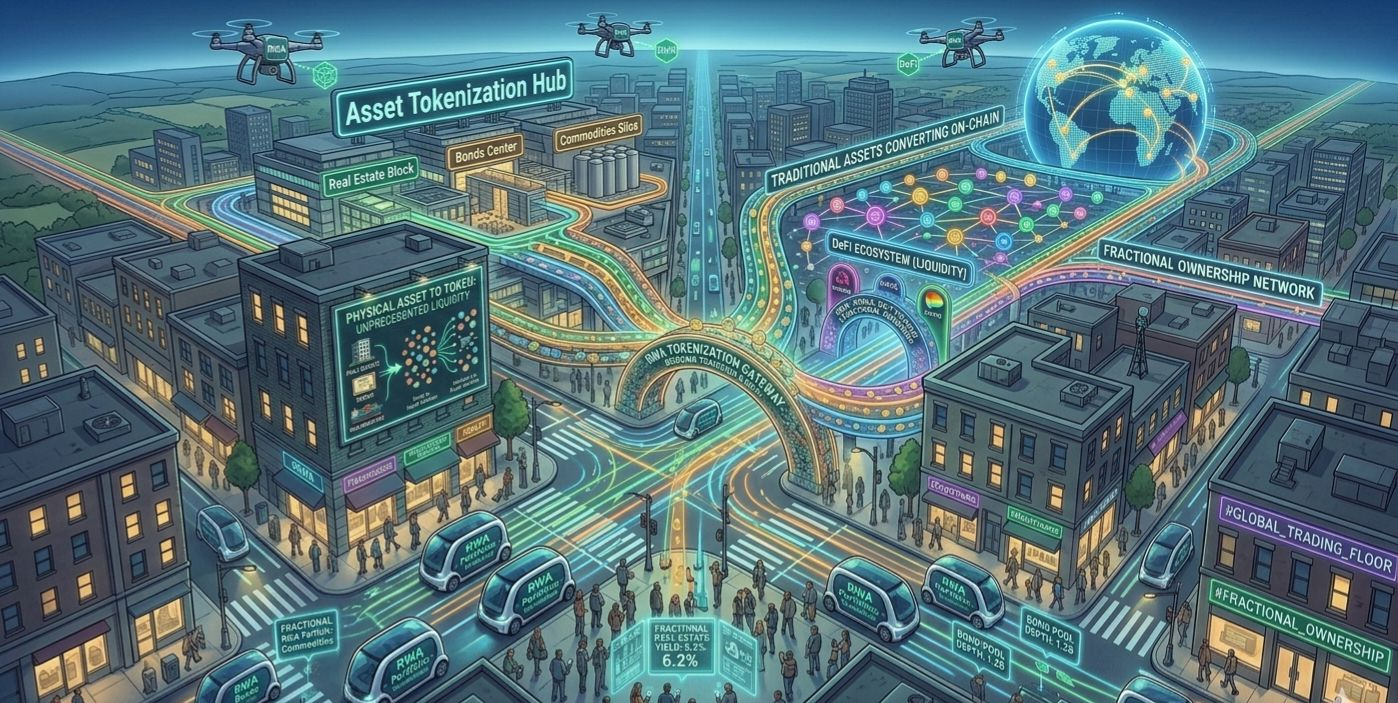
The financial landscape is shifting as Real World Asset (RWA) tokenization gains massive traction. Institutional giants are bringing trillions of dollars in traditional assets—like real estate, bonds, and commodities—on-chain.
By converting physical assets into digital tokens, blockchain technology introduces unprecedented liquidity, fractional ownership, and 24/7 trading to historically illiquid markets. This bridge between traditional finance (FiFi) and DeFi is quickly becoming the backbone of the current crypto bull run.
#RWA #Tokenization #DeFi #CryptoTrends #Web3Finance
The financial landscape is shifting as Real World Asset (RWA) tokenization gains massive traction. Institutional giants are bringing trillions of dollars in traditional assets—like real estate, bonds, and commodities—on-chain.
By converting physical assets into digital tokens, blockchain technology introduces unprecedented liquidity, fractional ownership, and 24/7 trading to historically illiquid markets. This bridge between traditional finance (FiFi) and DeFi is quickly becoming the backbone of the current crypto bull run.
#RWA #Tokenization #DeFi #CryptoTrends #Web3Finance
By converting physical assets into digital tokens, blockchain technology introduces unprecedented liquidity, fractional ownership, and 24/7 trading to historically illiquid markets. This bridge between traditional finance (FiFi) and DeFi is quickly becoming the backbone of the current crypto bull run.
#RWA #Tokenization #DeFi #CryptoTrends #Web3Finance
2
214


Article
What is $LSK : #TokenStudyThe history of digital infrastructure often demands bold pivots, where long-standing architectures yield to new horizons of enterprise utility. Enter Lisk with its token LSK, an enduring project that has embarked on a pivotal transformation from its heritage as an independent Layer 1 and Ethereum Layer 2 into a modern, unified money operations platform designed for international finance teams.
At its core, LSK is undergoing a fundamental structural evolution. The network initiated a massive token burn of 100 million LSK to reshape its baseline tokenomics, reducing total supply from 400 million down to 300 million. With the planned wind-down of the standalone Lisk Chain scheduled for October 31, 2026, and a migration path established alongside ecosystems like Celo, the legacy staking dynamic has shifted into a fully flexible setup, giving holders total liquidity freedom as governance contracts conclude their final operational chapters.
The real-world utility of the token is finding fresh life as the loyalty engine of Lisk's modern financial platform. Built to bridge the gap between B2B stablecoin rails and global banking accounts, the platform enables enterprises to earn rewards in LSK for driving transactional volume and utilize the token for internal platform fees. Interoperability has become seamless through an ERC-20 standard on Ethereum, freeing the asset from the isolated confines of custom mainnet maintenance while ensuring deep integration across liquid Web3 protocols.
Having permanently moved away from legacy Proof-of-Stake chain validation and mining models, the network’s supply dynamics now lean on total supply reduction rather than traditional code-enforced halving schedules. This architectural streamlining eliminates hard fork friction and provides immediate, friction-free upgradeability through standard smart contract deployments anchored on Ethereum's security baseline.
Long-term market analysts view Lisk's strategic shift with intense curiosity, recognizing the immense addressable market in real-world stablecoin payment volume despite the operational risks of winding down legacy chain infrastructure. Supported by a tenaciously loyal community that has weathered multiple technological epochs, LSK stands ready to redefine its identity -not as a standard Layer 1 token, but as a practical financial bridge harmonizing business payments, enterprise controls, and decentralized liquidity.
{spot}(LSKUSDT)
$LSK #Lisk #Web3Finance #CryptoPivots #CoinVahini
What is $LSK : #TokenStudy
The history of digital infrastructure often demands bold pivots, where long-standing architectures yield to new horizons of enterprise utility. Enter Lisk with its token LSK, an enduring project that has embarked on a pivotal transformation from its heritage as an independent Layer 1 and Ethereum Layer 2 into a modern, unified money operations platform designed for international finance teams.
At its core, LSK is undergoing a fundamental structural evolution. The network initiated a massive token burn of 100 million LSK to reshape its baseline tokenomics, reducing total supply from 400 million down to 300 million. With the planned wind-down of the standalone Lisk Chain scheduled for October 31, 2026, and a migration path established alongside ecosystems like Celo, the legacy staking dynamic has shifted into a fully flexible setup, giving holders total liquidity freedom as governance contracts conclude their final operational chapters.
The real-world utility of the token is finding fresh life as the loyalty engine of Lisk's modern financial platform. Built to bridge the gap between B2B stablecoin rails and global banking accounts, the platform enables enterprises to earn rewards in LSK for driving transactional volume and utilize the token for internal platform fees. Interoperability has become seamless through an ERC-20 standard on Ethereum, freeing the asset from the isolated confines of custom mainnet maintenance while ensuring deep integration across liquid Web3 protocols.
Having permanently moved away from legacy Proof-of-Stake chain validation and mining models, the network’s supply dynamics now lean on total supply reduction rather than traditional code-enforced halving schedules. This architectural streamlining eliminates hard fork friction and provides immediate, friction-free upgradeability through standard smart contract deployments anchored on Ethereum's security baseline.
Long-term market analysts view Lisk's strategic shift with intense curiosity, recognizing the immense addressable market in real-world stablecoin payment volume despite the operational risks of winding down legacy chain infrastructure. Supported by a tenaciously loyal community that has weathered multiple technological epochs, LSK stands ready to redefine its identity -not as a standard Layer 1 token, but as a practical financial bridge harmonizing business payments, enterprise controls, and decentralized liquidity.
$LSK #Lisk #Web3Finance #CryptoPivots #CoinVahini
At its core, LSK is undergoing a fundamental structural evolution. The network initiated a massive token burn of 100 million LSK to reshape its baseline tokenomics, reducing total supply from 400 million down to 300 million. With the planned wind-down of the standalone Lisk Chain scheduled for October 31, 2026, and a migration path established alongside ecosystems like Celo, the legacy staking dynamic has shifted into a fully flexible setup, giving holders total liquidity freedom as governance contracts conclude their final operational chapters.
The real-world utility of the token is finding fresh life as the loyalty engine of Lisk's modern financial platform. Built to bridge the gap between B2B stablecoin rails and global banking accounts, the platform enables enterprises to earn rewards in LSK for driving transactional volume and utilize the token for internal platform fees. Interoperability has become seamless through an ERC-20 standard on Ethereum, freeing the asset from the isolated confines of custom mainnet maintenance while ensuring deep integration across liquid Web3 protocols.
Having permanently moved away from legacy Proof-of-Stake chain validation and mining models, the network’s supply dynamics now lean on total supply reduction rather than traditional code-enforced halving schedules. This architectural streamlining eliminates hard fork friction and provides immediate, friction-free upgradeability through standard smart contract deployments anchored on Ethereum's security baseline.
Long-term market analysts view Lisk's strategic shift with intense curiosity, recognizing the immense addressable market in real-world stablecoin payment volume despite the operational risks of winding down legacy chain infrastructure. Supported by a tenaciously loyal community that has weathered multiple technological epochs, LSK stands ready to redefine its identity -not as a standard Layer 1 token, but as a practical financial bridge harmonizing business payments, enterprise controls, and decentralized liquidity.
$LSK #Lisk #Web3Finance #CryptoPivots #CoinVahini
170

·
--
Beware the Silent Killer in Your Crypto Portfolio - Are You Missing Out on Solana's Hidden Gem?
Did you know that Solana's (SOL) secret sauce is not its lightning-fast transaction speed, but rather its thriving ecosystem of decentralized finance (DeFi) protocols? Solstice (SLX), a Solana yield protocol, just might be the hidden gem that propels your crypto portfolio to the next level.
#SolanaYieldProtocol #Web3Finance
Here's the thing: solstice exploded onto Korean exchanges, reached $0.47, and then surrendered most of the gains - but the real total value locked in the protocol shows it's no flash in the pan. The bear case says this is just another meme coin, but the bull case points to real-world adoption and steady growth.
#SolanaEcosystem
Takeaway: don't dismiss protocols like solstice without doing your research. What other DeFi gems might be lurking in the shadows, waiting to surprise you?
What's your strategy for discovering the next big opportunity in crypto? Do you prioritize research, or follow your gut? Share your thoughts!
Beware the Silent Killer in Your Crypto Portfolio - Are You Missing Out on Solana's Hidden Gem?
Did you know that Solana's (SOL) secret sauce is not its lightning-fast transaction speed, but rather its thriving ecosystem of decentralized finance (DeFi) protocols? Solstice (SLX), a Solana yield protocol, just might be the hidden gem that propels your crypto portfolio to the next level.
#SolanaYieldProtocol #Web3Finance
Here's the thing: solstice exploded onto Korean exchanges, reached $0.47, and then surrendered most of the gains - but the real total value locked in the protocol shows it's no flash in the pan. The bear case says this is just another meme coin, but the bull case points to real-world adoption and steady growth.
#SolanaEcosystem
Takeaway: don't dismiss protocols like solstice without doing your research. What other DeFi gems might be lurking in the shadows, waiting to surprise you?
What's your strategy for discovering the next big opportunity in crypto? Do you prioritize research, or follow your gut? Share your thoughts!
Did you know that Solana's (SOL) secret sauce is not its lightning-fast transaction speed, but rather its thriving ecosystem of decentralized finance (DeFi) protocols? Solstice (SLX), a Solana yield protocol, just might be the hidden gem that propels your crypto portfolio to the next level.
#SolanaYieldProtocol #Web3Finance
Here's the thing: solstice exploded onto Korean exchanges, reached $0.47, and then surrendered most of the gains - but the real total value locked in the protocol shows it's no flash in the pan. The bear case says this is just another meme coin, but the bull case points to real-world adoption and steady growth.
#SolanaEcosystem
Takeaway: don't dismiss protocols like solstice without doing your research. What other DeFi gems might be lurking in the shadows, waiting to surprise you?
What's your strategy for discovering the next big opportunity in crypto? Do you prioritize research, or follow your gut? Share your thoughts!
96
·
--
The institutional convergence between aerospace innovation and decentralized finance has reached an unprecedented scale, driven by SpaceX’s official IPO debut featuring a massive $1.2 billion Bitcoin exposure. This structural validation provides an elite gateway for traditional equity investors to participate indirectly in the long-term growth of the digital asset economy. As corporate balance sheets become increasingly transparent through public filings, the narrative around Bitcoin acting as a primary macro hedge continues to solidify globally. This historic financial listing could act as a massive catalyst, prompting other fortune 500 enterprises to evaluate similar treasury allocations. How do you foresee this space tech milestone impacting the upcoming altcoin cycles? 🌌📊 #SpaceXIPODebut12BillionBitcoinExposure #InstitutionalCrypto #Web3Finance
The institutional convergence between aerospace innovation and decentralized finance has reached an unprecedented scale, driven by SpaceX’s official IPO debut featuring a massive $1.2 billion Bitcoin exposure. This structural validation provides an elite gateway for traditional equity investors to participate indirectly in the long-term growth of the digital asset economy. As corporate balance sheets become increasingly transparent through public filings, the narrative around Bitcoin acting as a primary macro hedge continues to solidify globally. This historic financial listing could act as a massive catalyst, prompting other fortune 500 enterprises to evaluate similar treasury allocations. How do you foresee this space tech milestone impacting the upcoming altcoin cycles? 🌌📊 #SpaceXIPODebut12BillionBitcoinExposure #InstitutionalCrypto #Web3Finance


78

·
--
Bearish
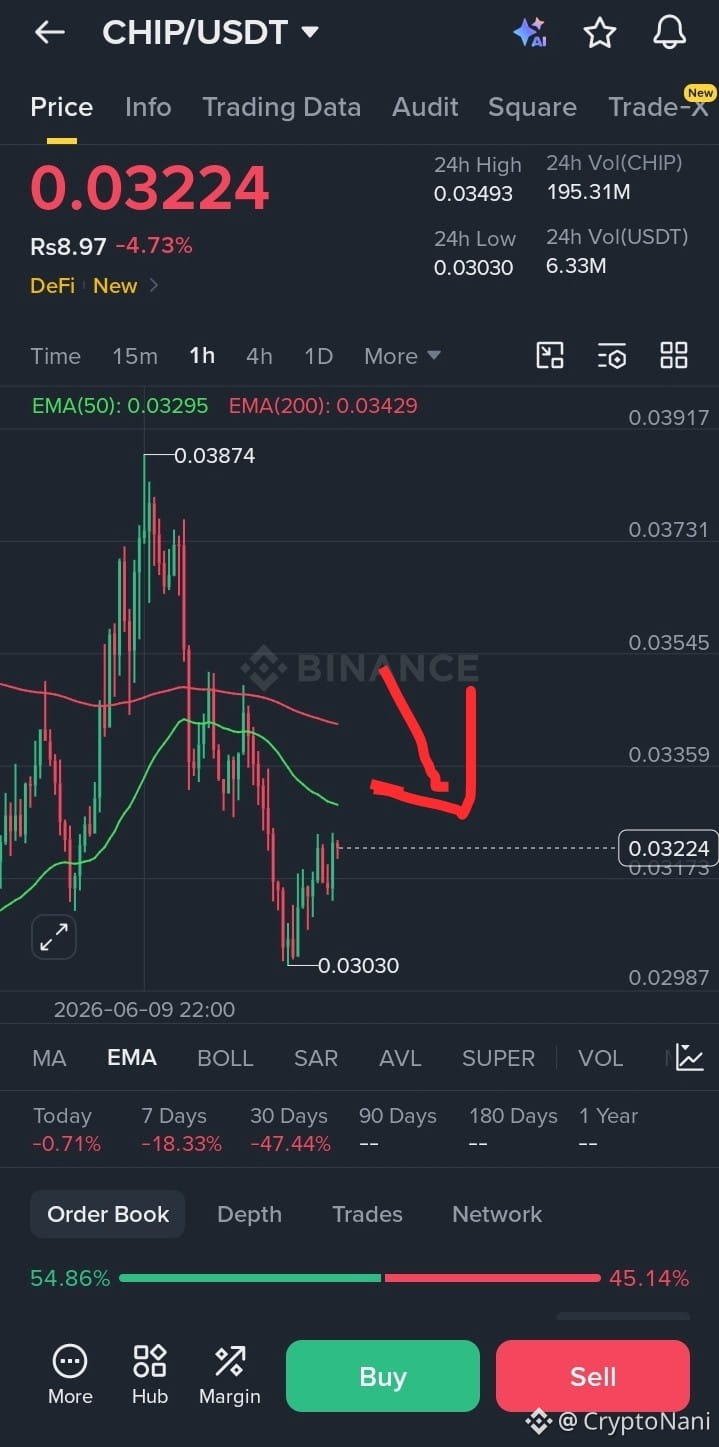
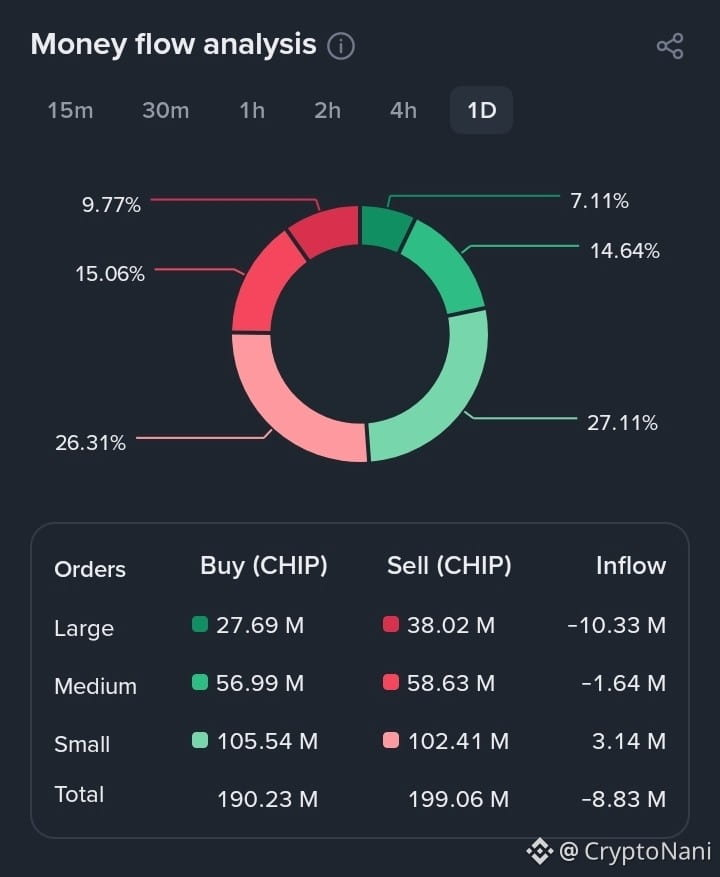
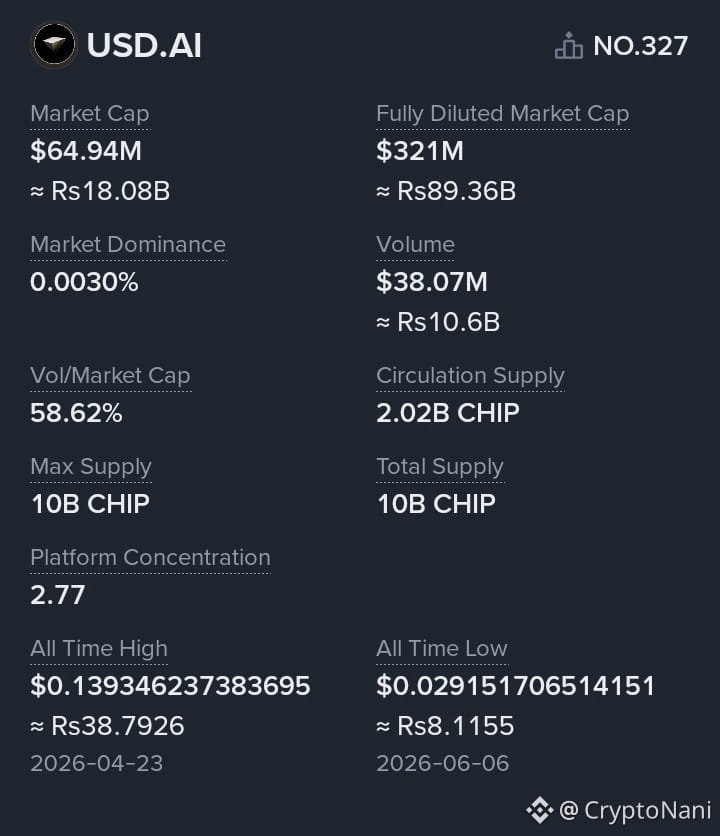
💸 The Interest Rate of AI is Here: The Real World Asset Meta Just Upgraded 🧠🤖
Traditional banks take up to a year to underwrite loans for tech infrastructure, completely choking the growth of artificial intelligence. Meanwhile, AI companies are starving for expensive GPU computing power.
USD.AI just bridged this massive liquidity gap by building a decentralized lending powerhouse backed by physical AI hardware.
Here is how this real world asset protocol is disrupting institutional finance and fueling the AI boom:
🔹 The CHIP Token Powerhouse: As the core governance asset of the ecosystem, CHIP handles the heavy lifting. Holders control the network by voting on vital protocol parameters, dictate loan terms, and decide exactly which GPU models qualify as collateral.
🔹 Hard Asset Collateral: AI operators can tokenize their physical GPU fleets into on chain non recourse loans in under 30 days. If a borrower defaults, the protocol holds the legal power to repossess and liquidate the physical hardware, securing the entire ecosystem.
🔹 The Dual Token Engine: Users can deposit capital to mint USDai, a synthetic dollar backed by U.S. Treasuries and cash. Staking it transforms it into sUSDai, a yield bearing asset that automatically compounds returns directly from real world GPU loan interest.
Backed by heavyweights like Framework Ventures and Dragonfly, this infrastructure is turning raw computational power into a liquid credit market.
Explore the documentation to see how real world computing power is turning into decentralized yield.
👉 Study the framework here: https://docs.usd.ai/
#CHIP #RealWorldAssets #CryptoAI #DeFiDominance #Binance #Web3Finance
$CHIP
{spot}(CHIPUSDT)
💸 The Interest Rate of AI is Here: The Real World Asset Meta Just Upgraded 🧠🤖
Traditional banks take up to a year to underwrite loans for tech infrastructure, completely choking the growth of artificial intelligence. Meanwhile, AI companies are starving for expensive GPU computing power.
USD.AI just bridged this massive liquidity gap by building a decentralized lending powerhouse backed by physical AI hardware.
Here is how this real world asset protocol is disrupting institutional finance and fueling the AI boom:
🔹 The CHIP Token Powerhouse: As the core governance asset of the ecosystem, CHIP handles the heavy lifting. Holders control the network by voting on vital protocol parameters, dictate loan terms, and decide exactly which GPU models qualify as collateral.
🔹 Hard Asset Collateral: AI operators can tokenize their physical GPU fleets into on chain non recourse loans in under 30 days. If a borrower defaults, the protocol holds the legal power to repossess and liquidate the physical hardware, securing the entire ecosystem.
🔹 The Dual Token Engine: Users can deposit capital to mint USDai, a synthetic dollar backed by U.S. Treasuries and cash. Staking it transforms it into sUSDai, a yield bearing asset that automatically compounds returns directly from real world GPU loan interest.
Backed by heavyweights like Framework Ventures and Dragonfly, this infrastructure is turning raw computational power into a liquid credit market.
Explore the documentation to see how real world computing power is turning into decentralized yield.
👉 Study the framework here: https://docs.usd.ai/
#CHIP #RealWorldAssets #CryptoAI #DeFiDominance #Binance #Web3Finance
$CHIP
Traditional banks take up to a year to underwrite loans for tech infrastructure, completely choking the growth of artificial intelligence. Meanwhile, AI companies are starving for expensive GPU computing power.
USD.AI just bridged this massive liquidity gap by building a decentralized lending powerhouse backed by physical AI hardware.
Here is how this real world asset protocol is disrupting institutional finance and fueling the AI boom:
🔹 The CHIP Token Powerhouse: As the core governance asset of the ecosystem, CHIP handles the heavy lifting. Holders control the network by voting on vital protocol parameters, dictate loan terms, and decide exactly which GPU models qualify as collateral.
🔹 Hard Asset Collateral: AI operators can tokenize their physical GPU fleets into on chain non recourse loans in under 30 days. If a borrower defaults, the protocol holds the legal power to repossess and liquidate the physical hardware, securing the entire ecosystem.
🔹 The Dual Token Engine: Users can deposit capital to mint USDai, a synthetic dollar backed by U.S. Treasuries and cash. Staking it transforms it into sUSDai, a yield bearing asset that automatically compounds returns directly from real world GPU loan interest.
Backed by heavyweights like Framework Ventures and Dragonfly, this infrastructure is turning raw computational power into a liquid credit market.
Explore the documentation to see how real world computing power is turning into decentralized yield.
👉 Study the framework here: https://docs.usd.ai/
#CHIP #RealWorldAssets #CryptoAI #DeFiDominance #Binance #Web3Finance
$CHIP
1
284

·
--
Most traders are still focused on Bitcoin's daily candles. Smart money? They're watching Visa's strategic moves.
Visa just reported a strong Q3, but the real story is their continued multi-coin, multi-chain expansion. They're doubling down on OpenUSD, tokenized deposits, and AI commerce. This isn't just about payment processing; it's about weaving crypto deeper into the global financial fabric. Think about it – a payments giant like Visa making these infrastructure plays signals a massive maturation of the digital asset space. This isn't a fad; it's integration. #CryptoAdoption #Visa #Web3Finance
What does this mean for price? It means continued institutional embrace and utility for digital assets. When giants like Visa build on these rails, the demand for the underlying tokens, and the infrastructure supporting them, is set to grow. This strengthens the narrative that crypto is moving beyond speculation and into real-world application.
Keep an eye on the development and adoption rates of OpenUSD. This cross-chain standard could be a major catalyst for interoperability and wider crypto utilization. #OpenUSD
Are we finally seeing the "killer app" emerge from the TradFi giants?
Most traders are still focused on Bitcoin's daily candles. Smart money? They're watching Visa's strategic moves.
Visa just reported a strong Q3, but the real story is their continued multi-coin, multi-chain expansion. They're doubling down on OpenUSD, tokenized deposits, and AI commerce. This isn't just about payment processing; it's about weaving crypto deeper into the global financial fabric. Think about it – a payments giant like Visa making these infrastructure plays signals a massive maturation of the digital asset space. This isn't a fad; it's integration. #CryptoAdoption #Visa #Web3Finance
What does this mean for price? It means continued institutional embrace and utility for digital assets. When giants like Visa build on these rails, the demand for the underlying tokens, and the infrastructure supporting them, is set to grow. This strengthens the narrative that crypto is moving beyond speculation and into real-world application.
Keep an eye on the development and adoption rates of OpenUSD. This cross-chain standard could be a major catalyst for interoperability and wider crypto utilization. #OpenUSD
Are we finally seeing the "killer app" emerge from the TradFi giants?
Visa just reported a strong Q3, but the real story is their continued multi-coin, multi-chain expansion. They're doubling down on OpenUSD, tokenized deposits, and AI commerce. This isn't just about payment processing; it's about weaving crypto deeper into the global financial fabric. Think about it – a payments giant like Visa making these infrastructure plays signals a massive maturation of the digital asset space. This isn't a fad; it's integration. #CryptoAdoption #Visa #Web3Finance
What does this mean for price? It means continued institutional embrace and utility for digital assets. When giants like Visa build on these rails, the demand for the underlying tokens, and the infrastructure supporting them, is set to grow. This strengthens the narrative that crypto is moving beyond speculation and into real-world application.
Keep an eye on the development and adoption rates of OpenUSD. This cross-chain standard could be a major catalyst for interoperability and wider crypto utilization. #OpenUSD
Are we finally seeing the "killer app" emerge from the TradFi giants?
54
·
--
Everyone's talking about Mastercard bringing 24/7 stablecoin settlements, and while that's a nice perk, it’s hardly groundbreaking for those of us already deep in crypto. We've had continuous transactions for years. The real headline here is the depth of their integration and the specific tokens they're backing.
They're not just dipping a toe in; they're fully committing to major stablecoins like USDC, PYUSD, RLUSD, and even SoFiUSD. More importantly, they’re doing this across a significant range of networks, including $ETH, Solana, Base, Arbitrum, Polygon, and XRPL. This isn't just about moving money on weekends; it's about mainstream validation for the entire stablecoin ecosystem and its underlying infrastructure.
This move by a payments giant legitimizes stablecoins on an unprecedented scale for traditional businesses and institutions. It's less about innovation for crypto natives and more about a massive onboarding ramp for the traditional financial world into crypto rails.
#Stablecoins #CryptoPayments #Mastercard #Web3Finance
Everyone's talking about Mastercard bringing 24/7 stablecoin settlements, and while that's a nice perk, it’s hardly groundbreaking for those of us already deep in crypto. We've had continuous transactions for years. The real headline here is the depth of their integration and the specific tokens they're backing.
They're not just dipping a toe in; they're fully committing to major stablecoins like USDC, PYUSD, RLUSD, and even SoFiUSD. More importantly, they’re doing this across a significant range of networks, including $ETH , Solana, Base, Arbitrum, Polygon, and XRPL. This isn't just about moving money on weekends; it's about mainstream validation for the entire stablecoin ecosystem and its underlying infrastructure.
This move by a payments giant legitimizes stablecoins on an unprecedented scale for traditional businesses and institutions. It's less about innovation for crypto natives and more about a massive onboarding ramp for the traditional financial world into crypto rails.
#Stablecoins #CryptoPayments #Mastercard #Web3Finance
They're not just dipping a toe in; they're fully committing to major stablecoins like USDC, PYUSD, RLUSD, and even SoFiUSD. More importantly, they’re doing this across a significant range of networks, including $ETH , Solana, Base, Arbitrum, Polygon, and XRPL. This isn't just about moving money on weekends; it's about mainstream validation for the entire stablecoin ecosystem and its underlying infrastructure.
This move by a payments giant legitimizes stablecoins on an unprecedented scale for traditional businesses and institutions. It's less about innovation for crypto natives and more about a massive onboarding ramp for the traditional financial world into crypto rails.
#Stablecoins #CryptoPayments #Mastercard #Web3Finance
97

·
--
Most people don’t realize it can cost over $300K and more than a year just to build the compliance and infrastructure needed to safely support crypto assets.
That gap is where a lot of users get burned. A fintech app promises access to $BTC or $ETH, but behind the scenes the infrastructure is rushed, compliance is thin, and risk management is basically duct tape. When things break, withdrawals freeze or liquidity disappears.
The expensive part isn’t the app you see. It’s everything underneath it. Proper liquidity connections, anti‑fraud systems, compliance audits, and payment gateway integrations can easily run past $300K before a single product feature is built. That’s why some platforms struggle when demand spikes for assets like $USDT or when new tokens need support.
Infrastructure-first solutions change that dynamic. Instead of integrating assets one by one and rebuilding risk controls each time, the asset coverage is handled at the infrastructure layer. For fintechs and neobanks, that means liquidity, compliance, and custody pipelines are already in place rather than improvised after users arrive.
The real risk isn’t volatility in $BTC or $ETH. It’s whether the platform underneath actually built the rails to handle crypto at scale.
Do you think most crypto apps today are overbuilding infrastructure, or quietly underbuilding it?
#CryptoInfrastructure #CryptoRisk #Web3Finance
Most people don’t realize it can cost over $300K and more than a year just to build the compliance and infrastructure needed to safely support crypto assets.
That gap is where a lot of users get burned. A fintech app promises access to $BTC or $ETH , but behind the scenes the infrastructure is rushed, compliance is thin, and risk management is basically duct tape. When things break, withdrawals freeze or liquidity disappears.
The expensive part isn’t the app you see. It’s everything underneath it. Proper liquidity connections, anti‑fraud systems, compliance audits, and payment gateway integrations can easily run past $300K before a single product feature is built. That’s why some platforms struggle when demand spikes for assets like $USDT or when new tokens need support.
Infrastructure-first solutions change that dynamic. Instead of integrating assets one by one and rebuilding risk controls each time, the asset coverage is handled at the infrastructure layer. For fintechs and neobanks, that means liquidity, compliance, and custody pipelines are already in place rather than improvised after users arrive.
The real risk isn’t volatility in $BTC or $ETH . It’s whether the platform underneath actually built the rails to handle crypto at scale.
Do you think most crypto apps today are overbuilding infrastructure, or quietly underbuilding it?
#CryptoInfrastructure #CryptoRisk #Web3Finance
That gap is where a lot of users get burned. A fintech app promises access to $BTC or $ETH , but behind the scenes the infrastructure is rushed, compliance is thin, and risk management is basically duct tape. When things break, withdrawals freeze or liquidity disappears.
The expensive part isn’t the app you see. It’s everything underneath it. Proper liquidity connections, anti‑fraud systems, compliance audits, and payment gateway integrations can easily run past $300K before a single product feature is built. That’s why some platforms struggle when demand spikes for assets like $USDT or when new tokens need support.
Infrastructure-first solutions change that dynamic. Instead of integrating assets one by one and rebuilding risk controls each time, the asset coverage is handled at the infrastructure layer. For fintechs and neobanks, that means liquidity, compliance, and custody pipelines are already in place rather than improvised after users arrive.
The real risk isn’t volatility in $BTC or $ETH . It’s whether the platform underneath actually built the rails to handle crypto at scale.
Do you think most crypto apps today are overbuilding infrastructure, or quietly underbuilding it?
#CryptoInfrastructure #CryptoRisk #Web3Finance
28

·
--
Chainlink is having a breakout week, with LINK surging nearly 7% to trade around $11.95 on September 4, its highest level in months. The move follows a major partnership announcement: Bottomline, a top-three SWIFT service provider handling more than $16 trillion in annual payments, is integrating Chainlink's infrastructure to connect its 600-plus bank customers and 1,200 financial institutions to cross-chain, cross-border settlement. Banks can now trigger on-chain transactions using their existing ISO 20022 messaging standards, without rebuilding core banking systems, through Chainlink's Cross-Chain Interoperability Protocol (CCIP) and Runtime Environment (CRE). This adds to Chainlink's growing institutional footprint — Circle's Arc mainnet is set to launch September 16 with Chainlink as its official oracle partner, while Charles Schwab recently added LINK to its retail crypto platform.
#Chainlink #LINK #Web3Finance #CrossBorderPayments #RWA
Chainlink is having a breakout week, with LINK surging nearly 7% to trade around $11.95 on September 4, its highest level in months. The move follows a major partnership announcement: Bottomline, a top-three SWIFT service provider handling more than $16 trillion in annual payments, is integrating Chainlink's infrastructure to connect its 600-plus bank customers and 1,200 financial institutions to cross-chain, cross-border settlement. Banks can now trigger on-chain transactions using their existing ISO 20022 messaging standards, without rebuilding core banking systems, through Chainlink's Cross-Chain Interoperability Protocol (CCIP) and Runtime Environment (CRE). This adds to Chainlink's growing institutional footprint — Circle's Arc mainnet is set to launch September 16 with Chainlink as its official oracle partner, while Charles Schwab recently added LINK to its retail crypto platform.
#Chainlink #LINK #Web3Finance #CrossBorderPayments #RWA
#Chainlink #LINK #Web3Finance #CrossBorderPayments #RWA

66

·
--
Protocol-Owned Liquidity Is Quietly Reshaping How DeFi Survives Bear Markets
For years, DeFi protocols competed by offering inflated token rewards to attract liquidity. The problem? That capital was mercenary — the moment rewards dropped, liquidity evaporated and protocols were left fragile.
Protocol-owned liquidity (POL) flips this model. Instead of renting liquidity from yield farmers, protocols accumulate it on their own balance sheets. The result: deep, stable markets that do not collapse the moment emissions slow.
This matters enormously for $ETH-based DeFi. Layer 2 ecosystems built on Ethereum are increasingly bootstrapping POL through DAO treasuries, turning protocol reserves into productive liquidity that earns fees and compounds over time.
$BNB Chain protocols have taken a similar path — BNB burned through fee mechanisms reduces circulating supply while protocol treasuries absorb liquidity positions long-term.
The $AVAX subnet model is also notable — validator bond capital doubling as a liquidity backstop is a structural innovation that could redefine how new chains launch cleanly.
The shift from rented to owned liquidity is not just a trend — it is a maturation signal. Protocols that survive the next bear cycle will almost certainly be those that built the deepest owned reserves today.
Mercenary capital is a growth tool. Protocol-owned liquidity is a survival tool. The smartest teams know the difference.
#DeFi #ProtocolOwnedLiquidity #CryptoAlpha #Web3Finance #BinanceSquare
Protocol-Owned Liquidity Is Quietly Reshaping How DeFi Survives Bear Markets
For years, DeFi protocols competed by offering inflated token rewards to attract liquidity. The problem? That capital was mercenary — the moment rewards dropped, liquidity evaporated and protocols were left fragile.
Protocol-owned liquidity (POL) flips this model. Instead of renting liquidity from yield farmers, protocols accumulate it on their own balance sheets. The result: deep, stable markets that do not collapse the moment emissions slow.
This matters enormously for $ETH -based DeFi. Layer 2 ecosystems built on Ethereum are increasingly bootstrapping POL through DAO treasuries, turning protocol reserves into productive liquidity that earns fees and compounds over time.
$BNB Chain protocols have taken a similar path — BNB burned through fee mechanisms reduces circulating supply while protocol treasuries absorb liquidity positions long-term.
The $AVAX subnet model is also notable — validator bond capital doubling as a liquidity backstop is a structural innovation that could redefine how new chains launch cleanly.
The shift from rented to owned liquidity is not just a trend — it is a maturation signal. Protocols that survive the next bear cycle will almost certainly be those that built the deepest owned reserves today.
Mercenary capital is a growth tool. Protocol-owned liquidity is a survival tool. The smartest teams know the difference.
#DeFi #ProtocolOwnedLiquidity #CryptoAlpha #Web3Finance #BinanceSquare
For years, DeFi protocols competed by offering inflated token rewards to attract liquidity. The problem? That capital was mercenary — the moment rewards dropped, liquidity evaporated and protocols were left fragile.
Protocol-owned liquidity (POL) flips this model. Instead of renting liquidity from yield farmers, protocols accumulate it on their own balance sheets. The result: deep, stable markets that do not collapse the moment emissions slow.
This matters enormously for $ETH -based DeFi. Layer 2 ecosystems built on Ethereum are increasingly bootstrapping POL through DAO treasuries, turning protocol reserves into productive liquidity that earns fees and compounds over time.
$BNB Chain protocols have taken a similar path — BNB burned through fee mechanisms reduces circulating supply while protocol treasuries absorb liquidity positions long-term.
The $AVAX subnet model is also notable — validator bond capital doubling as a liquidity backstop is a structural innovation that could redefine how new chains launch cleanly.
The shift from rented to owned liquidity is not just a trend — it is a maturation signal. Protocols that survive the next bear cycle will almost certainly be those that built the deepest owned reserves today.
Mercenary capital is a growth tool. Protocol-owned liquidity is a survival tool. The smartest teams know the difference.
#DeFi #ProtocolOwnedLiquidity #CryptoAlpha #Web3Finance #BinanceSquare
134
·
--
CBDCs vs Private Stablecoins: The Two-Tier Monetary System Nobody Is Talking About
Central banks are racing to deploy CBDCs. Meanwhile, private stablecoins have already processed trillions in volume. The collision course between these two worlds will define the next decade of monetary infrastructure — and crypto sits at the center.
Here is the core tension: CBDCs give governments programmable control — conditional spending, expiry dates, transaction surveillance. Private stablecoins give users programmable freedom — composability with DeFi, 24/7 settlement, global borderless access.
The outcome will not be winner-takes-all. A two-tier system is forming. CBDCs for compliance-heavy corridors: payroll, welfare, regulated payments. Private stablecoins for the open financial layer: DeFi protocols, cross-border commerce, crypto-native rails.
$ETH and $BNB are the settlement platforms that private stablecoins run on — their utility compounds as stablecoin volume grows. $XRP has long targeted the institutional cross-border settlement gap that neither CBDCs nor private stablecoins have cleanly solved yet.
The real opportunity: the infrastructure layers beneath both systems. Wallets, bridges, compliance rails, on-chain FX. These are not glamorous but they are where durable value accrues.
The monetary future is not one thing. It is a stack. Position accordingly.
#Stablecoins #CBDC #DeFi #CryptoInfrastructure #Web3Finance
CBDCs vs Private Stablecoins: The Two-Tier Monetary System Nobody Is Talking About
Central banks are racing to deploy CBDCs. Meanwhile, private stablecoins have already processed trillions in volume. The collision course between these two worlds will define the next decade of monetary infrastructure — and crypto sits at the center.
Here is the core tension: CBDCs give governments programmable control — conditional spending, expiry dates, transaction surveillance. Private stablecoins give users programmable freedom — composability with DeFi, 24/7 settlement, global borderless access.
The outcome will not be winner-takes-all. A two-tier system is forming. CBDCs for compliance-heavy corridors: payroll, welfare, regulated payments. Private stablecoins for the open financial layer: DeFi protocols, cross-border commerce, crypto-native rails.
$ETH and $BNB are the settlement platforms that private stablecoins run on — their utility compounds as stablecoin volume grows. $XRP has long targeted the institutional cross-border settlement gap that neither CBDCs nor private stablecoins have cleanly solved yet.
The real opportunity: the infrastructure layers beneath both systems. Wallets, bridges, compliance rails, on-chain FX. These are not glamorous but they are where durable value accrues.
The monetary future is not one thing. It is a stack. Position accordingly.
#Stablecoins #CBDC #DeFi #CryptoInfrastructure #Web3Finance
Central banks are racing to deploy CBDCs. Meanwhile, private stablecoins have already processed trillions in volume. The collision course between these two worlds will define the next decade of monetary infrastructure — and crypto sits at the center.
Here is the core tension: CBDCs give governments programmable control — conditional spending, expiry dates, transaction surveillance. Private stablecoins give users programmable freedom — composability with DeFi, 24/7 settlement, global borderless access.
The outcome will not be winner-takes-all. A two-tier system is forming. CBDCs for compliance-heavy corridors: payroll, welfare, regulated payments. Private stablecoins for the open financial layer: DeFi protocols, cross-border commerce, crypto-native rails.
$ETH and $BNB are the settlement platforms that private stablecoins run on — their utility compounds as stablecoin volume grows. $XRP has long targeted the institutional cross-border settlement gap that neither CBDCs nor private stablecoins have cleanly solved yet.
The real opportunity: the infrastructure layers beneath both systems. Wallets, bridges, compliance rails, on-chain FX. These are not glamorous but they are where durable value accrues.
The monetary future is not one thing. It is a stack. Position accordingly.
#Stablecoins #CBDC #DeFi #CryptoInfrastructure #Web3Finance
102
·
--
Capital efficiency is the most underrated competitive moat in DeFi — and concentrated liquidity is finally proving it.
Traditional AMMs spread liquidity across every possible price range. The result? 90% of capital sits idle, collecting near-zero fees, while only a sliver near the spot price does actual work. This was always an obvious inefficiency — but it took time for the market to internalize it.
Concentrated liquidity flipped the model. LPs now deploy capital within custom price bands, compressing the same notional value into a far tighter range. The practical outcome: dramatically higher fee yield per dollar deployed, better price execution for traders, and thinner slippage on large swaps. The same $1M of liquidity can behave like $10M when focused correctly.
The tradeoff is real — active management, impermanent loss risk within the range, and position rebalancing costs. But for sophisticated LPs, this is a feature, not a bug. It turns passive liquidity provision into a genuine skill-based activity.
This shift has downstream consequences for $ETH and $BNB ecosystems, where the majority of DeFi volume lives. As liquidity becomes more efficiently deployed, total value locked as a metric loses meaning — capital quality matters more than capital quantity. Protocols on $AVAX are also adopting these mechanics, compressing the structural advantages that first-mover DEXs once held.
The DeFi liquidity layer is maturing. Passive farming is giving way to active market-making — and that changes how we evaluate protocol health entirely.
#DeFi #LiquidityProvision #DEX #CryptoInsights #Web3Finance
Capital efficiency is the most underrated competitive moat in DeFi — and concentrated liquidity is finally proving it.
Traditional AMMs spread liquidity across every possible price range. The result? 90% of capital sits idle, collecting near-zero fees, while only a sliver near the spot price does actual work. This was always an obvious inefficiency — but it took time for the market to internalize it.
Concentrated liquidity flipped the model. LPs now deploy capital within custom price bands, compressing the same notional value into a far tighter range. The practical outcome: dramatically higher fee yield per dollar deployed, better price execution for traders, and thinner slippage on large swaps. The same $1M of liquidity can behave like $10M when focused correctly.
The tradeoff is real — active management, impermanent loss risk within the range, and position rebalancing costs. But for sophisticated LPs, this is a feature, not a bug. It turns passive liquidity provision into a genuine skill-based activity.
This shift has downstream consequences for $ETH and $BNB ecosystems, where the majority of DeFi volume lives. As liquidity becomes more efficiently deployed, total value locked as a metric loses meaning — capital quality matters more than capital quantity. Protocols on $AVAX are also adopting these mechanics, compressing the structural advantages that first-mover DEXs once held.
The DeFi liquidity layer is maturing. Passive farming is giving way to active market-making — and that changes how we evaluate protocol health entirely.
#DeFi #LiquidityProvision #DEX #CryptoInsights #Web3Finance
Traditional AMMs spread liquidity across every possible price range. The result? 90% of capital sits idle, collecting near-zero fees, while only a sliver near the spot price does actual work. This was always an obvious inefficiency — but it took time for the market to internalize it.
Concentrated liquidity flipped the model. LPs now deploy capital within custom price bands, compressing the same notional value into a far tighter range. The practical outcome: dramatically higher fee yield per dollar deployed, better price execution for traders, and thinner slippage on large swaps. The same $1M of liquidity can behave like $10M when focused correctly.
The tradeoff is real — active management, impermanent loss risk within the range, and position rebalancing costs. But for sophisticated LPs, this is a feature, not a bug. It turns passive liquidity provision into a genuine skill-based activity.
This shift has downstream consequences for $ETH and $BNB ecosystems, where the majority of DeFi volume lives. As liquidity becomes more efficiently deployed, total value locked as a metric loses meaning — capital quality matters more than capital quantity. Protocols on $AVAX are also adopting these mechanics, compressing the structural advantages that first-mover DEXs once held.
The DeFi liquidity layer is maturing. Passive farming is giving way to active market-making — and that changes how we evaluate protocol health entirely.
#DeFi #LiquidityProvision #DEX #CryptoInsights #Web3Finance
120
·
--
Stablecoins Are No Longer Just Dollar Proxies — They Are Settlement Infrastructure
The stablecoin narrative has matured far beyond simple dollar parking. What began as a tool for avoiding volatility has evolved into the backbone of a global settlement layer operating 24/7 with sub-second finality.
Consider the scale: stablecoin transfer volumes now regularly rival traditional payment networks on a monthly basis. But the more important shift is qualitative — stablecoins are increasingly being used as programmable settlement units embedded directly into DeFi protocols, cross-border B2B flows, and institutional treasury operations.
Ethereum hosts the majority of enterprise-grade stablecoin issuance and smart-contract-governed settlement flows, benefiting from its regulatory familiarity and deep composability. Solana captures the high-throughput retail and fintech layer — micropayments, remittances, and consumer apps where speed and cost matter more than composability depth.
This divergence is telling. $ETH is the institutional stablecoin settlement base layer. $SOL is the consumer and fintech execution layer. $BNB bridges the gap through CEX-adjacent stablecoin velocity and real-world merchant integrations.
Together, they illustrate a key insight: stablecoin rails are not winner-take-all. They are modular, and each chain is capturing a distinct segment of the global payments stack.
The endgame is a world where settlement no longer waits for business hours. Chains that host programmable, composable, and regulated stablecoin flows will accrue disproportionate long-term value.
#Stablecoins #DeFi #CryptoPayments #Web3Finance #Crypto
Stablecoins Are No Longer Just Dollar Proxies — They Are Settlement Infrastructure
The stablecoin narrative has matured far beyond simple dollar parking. What began as a tool for avoiding volatility has evolved into the backbone of a global settlement layer operating 24/7 with sub-second finality.
Consider the scale: stablecoin transfer volumes now regularly rival traditional payment networks on a monthly basis. But the more important shift is qualitative — stablecoins are increasingly being used as programmable settlement units embedded directly into DeFi protocols, cross-border B2B flows, and institutional treasury operations.
Ethereum hosts the majority of enterprise-grade stablecoin issuance and smart-contract-governed settlement flows, benefiting from its regulatory familiarity and deep composability. Solana captures the high-throughput retail and fintech layer — micropayments, remittances, and consumer apps where speed and cost matter more than composability depth.
This divergence is telling. $ETH is the institutional stablecoin settlement base layer. $SOL is the consumer and fintech execution layer. $BNB bridges the gap through CEX-adjacent stablecoin velocity and real-world merchant integrations.
Together, they illustrate a key insight: stablecoin rails are not winner-take-all. They are modular, and each chain is capturing a distinct segment of the global payments stack.
The endgame is a world where settlement no longer waits for business hours. Chains that host programmable, composable, and regulated stablecoin flows will accrue disproportionate long-term value.
#Stablecoins #DeFi #CryptoPayments #Web3Finance #Crypto
The stablecoin narrative has matured far beyond simple dollar parking. What began as a tool for avoiding volatility has evolved into the backbone of a global settlement layer operating 24/7 with sub-second finality.
Consider the scale: stablecoin transfer volumes now regularly rival traditional payment networks on a monthly basis. But the more important shift is qualitative — stablecoins are increasingly being used as programmable settlement units embedded directly into DeFi protocols, cross-border B2B flows, and institutional treasury operations.
Ethereum hosts the majority of enterprise-grade stablecoin issuance and smart-contract-governed settlement flows, benefiting from its regulatory familiarity and deep composability. Solana captures the high-throughput retail and fintech layer — micropayments, remittances, and consumer apps where speed and cost matter more than composability depth.
This divergence is telling. $ETH is the institutional stablecoin settlement base layer. $SOL is the consumer and fintech execution layer. $BNB bridges the gap through CEX-adjacent stablecoin velocity and real-world merchant integrations.
Together, they illustrate a key insight: stablecoin rails are not winner-take-all. They are modular, and each chain is capturing a distinct segment of the global payments stack.
The endgame is a world where settlement no longer waits for business hours. Chains that host programmable, composable, and regulated stablecoin flows will accrue disproportionate long-term value.
#Stablecoins #DeFi #CryptoPayments #Web3Finance #Crypto
1
166
·
--
Real Yield vs. Inflationary Yield: The DeFi Sustainability Gap
Not all DeFi yield is created equal — and the distinction matters more than most realize.
Inflationary yield is protocol-printed tokens handed to liquidity providers. It looks attractive on paper but dilutes existing holders, creates constant sell pressure, and evaporates when incentives end. Most of DeFi's first cycle ran on this model. It funded explosive growth and masked underlying fragility.
Real yield is fundamentally different. It's generated from genuine protocol revenue — trading fees, borrowing interest, liquidation proceeds — distributed to stakers or LPs. It's sustainable because it scales with actual usage, not tokenomics math.
Why does this matter now? Protocols that survived the 2022-2023 deleveraging are increasingly competing on real yield. Fee switches are being activated. Revenue-sharing models are replacing emissions-heavy designs. This is DeFi maturing in real time.
The signal to watch: when a protocol's APY is primarily fee-derived, it means genuine demand exists for the service it provides. That's a fundamentally healthier signal than tokenomics alchemy.
$ETH and $BNB chains host the deepest real-yield ecosystems today. As institutional capital enters DeFi, real yield will become the filter — not headline APY.
Sustainable yield is not boring. It's the foundation cycle-proof DeFi is built on.
#DeFi #RealYield #CryptoInsights #BinanceSquare #Web3Finance
Real Yield vs. Inflationary Yield: The DeFi Sustainability Gap
Not all DeFi yield is created equal — and the distinction matters more than most realize.
Inflationary yield is protocol-printed tokens handed to liquidity providers. It looks attractive on paper but dilutes existing holders, creates constant sell pressure, and evaporates when incentives end. Most of DeFi's first cycle ran on this model. It funded explosive growth and masked underlying fragility.
Real yield is fundamentally different. It's generated from genuine protocol revenue — trading fees, borrowing interest, liquidation proceeds — distributed to stakers or LPs. It's sustainable because it scales with actual usage, not tokenomics math.
Why does this matter now? Protocols that survived the 2022-2023 deleveraging are increasingly competing on real yield. Fee switches are being activated. Revenue-sharing models are replacing emissions-heavy designs. This is DeFi maturing in real time.
The signal to watch: when a protocol's APY is primarily fee-derived, it means genuine demand exists for the service it provides. That's a fundamentally healthier signal than tokenomics alchemy.
$ETH and $BNB chains host the deepest real-yield ecosystems today. As institutional capital enters DeFi, real yield will become the filter — not headline APY.
Sustainable yield is not boring. It's the foundation cycle-proof DeFi is built on.
#DeFi #RealYield #CryptoInsights #BinanceSquare #Web3Finance
Not all DeFi yield is created equal — and the distinction matters more than most realize.
Inflationary yield is protocol-printed tokens handed to liquidity providers. It looks attractive on paper but dilutes existing holders, creates constant sell pressure, and evaporates when incentives end. Most of DeFi's first cycle ran on this model. It funded explosive growth and masked underlying fragility.
Real yield is fundamentally different. It's generated from genuine protocol revenue — trading fees, borrowing interest, liquidation proceeds — distributed to stakers or LPs. It's sustainable because it scales with actual usage, not tokenomics math.
Why does this matter now? Protocols that survived the 2022-2023 deleveraging are increasingly competing on real yield. Fee switches are being activated. Revenue-sharing models are replacing emissions-heavy designs. This is DeFi maturing in real time.
The signal to watch: when a protocol's APY is primarily fee-derived, it means genuine demand exists for the service it provides. That's a fundamentally healthier signal than tokenomics alchemy.
$ETH and $BNB chains host the deepest real-yield ecosystems today. As institutional capital enters DeFi, real yield will become the filter — not headline APY.
Sustainable yield is not boring. It's the foundation cycle-proof DeFi is built on.
#DeFi #RealYield #CryptoInsights #BinanceSquare #Web3Finance
116

·
--

Article
🏦 The bridge between "Wall Street" and Web3: Why are the whales keeping an eye on ONDO?While many are searching for fake "price explosions", there's a massive institutional move happening in silence. The ONDO token isn't just a passing project; it's the bridge through which traditional money enters our digital realm.
🔍 Why is ONDO considered a strategic (RWA) project?
Real contracts: the project is converting U.S. government bonds and high-security paper assets into digital tokens that can be traded on the network.
🏦 The bridge between "Wall Street" and Web3: Why are the whales keeping an eye on ONDO?
While many are searching for fake "price explosions", there's a massive institutional move happening in silence. The ONDO token isn't just a passing project; it's the bridge through which traditional money enters our digital realm.
🔍 Why is ONDO considered a strategic (RWA) project?
Real contracts: the project is converting U.S. government bonds and high-security paper assets into digital tokens that can be traded on the network.
🔍 Why is ONDO considered a strategic (RWA) project?
Real contracts: the project is converting U.S. government bonds and high-security paper assets into digital tokens that can be traded on the network.
1
141

·
--
Article
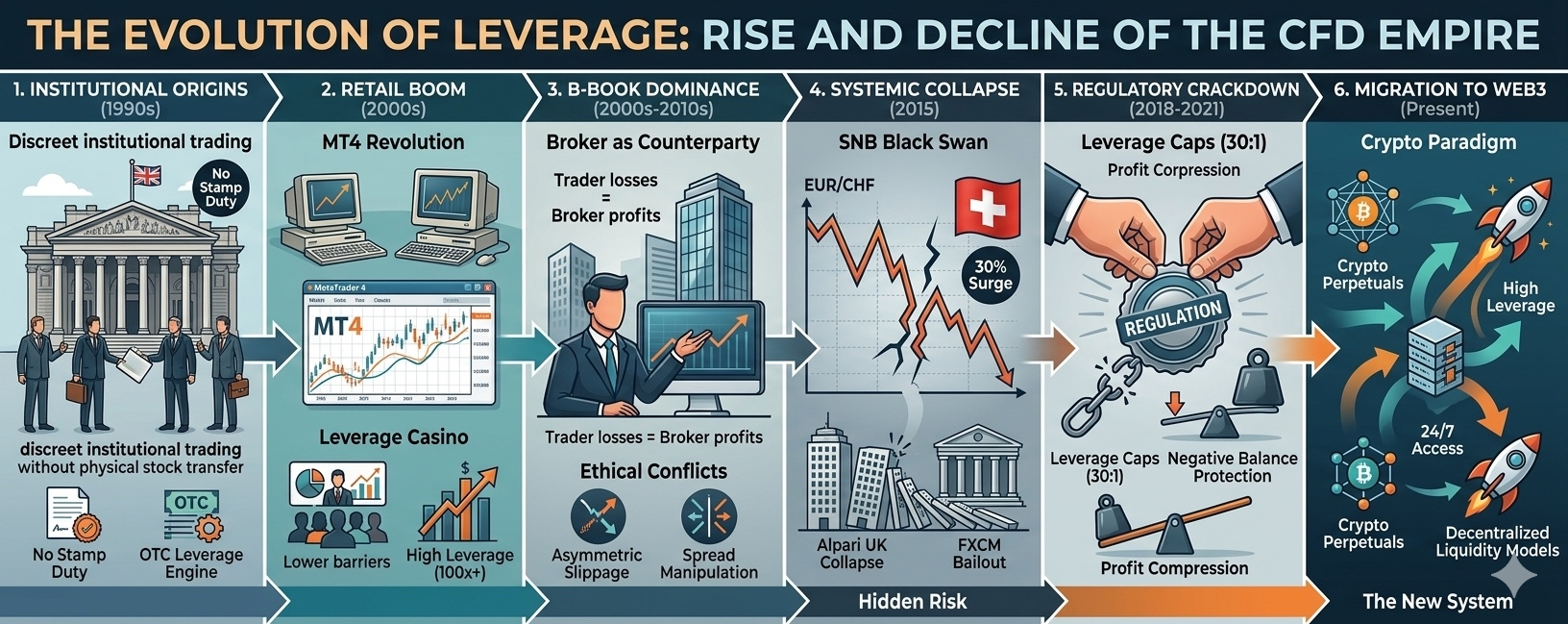
The Evolution of Leverage: The Rise and Regulatory Death of the CFD EmpireIntroduction: From Traditional Leverage to Crypto Transformation
Financial markets have always been driven by one powerful force: leverage. Among the many instruments that enabled traders to amplify returns, Contracts for Difference (CFDs) stood out as one of the most influential—and controversial.
Today, however, the dominance of CFDs is fading. A structural shift is underway:
Traditional CFD brokers are losing their edge due to regulatory pressureCrypto exchanges are absorbing liquidity and usersCapital is migrating toward Web3 derivatives, especially perpetual futures
To understand why this shift is happening, we must first examine how the CFD empire was built—and why it is now collapsing.
The Origins of CFDs: A Smart Institutional Workaround
CFDs were not designed for retail traders. They originated in the early 1990s in London’s institutional trading environment.
At the time, the UK imposed a stamp duty on stock transactions, making frequent trading expensive for hedge funds and investment banks. CFDs solved this problem elegantly:
Traders didn’t own the underlying assetOnly the price difference between entry and exit was settledNo physical transfer = no tax liability
This innovation allowed institutions to:
■ Trade large positions discreetly
■ Use high leverage efficiently
■ Avoid regulatory friction
Initially, CFDs were an exclusive tool—essentially a private leverage engine for institutions.
The Retail Boom: Internet + MT4 Revolution
The transition from institutional tool to retail phenomenon happened in two major waves:
1. Internet & Direct Market Access (Late 1990s)
Online trading platforms allowed retail users to access real-time markets from home. This broke the monopoly of institutions.
2. MetaTrader 4 (2005)
The launch of MT4 changed everything:
■ Introduced automated trading via Expert Advisors (EAs)
■ Enabled retail algorithmic trading
■ Lowered technical barriers dramatically
Combined with high leverage (up to 100x or more) and low capital requirements, CFDs entered a golden era. Millions of retail traders joined what became, effectively, a global leveraged trading casino.
The Hidden Mechanics: A-Book vs. B-Book
Unlike traditional exchanges, CFDs operate in an over-the-counter (OTC) environment. This gave brokers significant control over trade execution.
Two main models emerged:
A-Book Model
Orders are passed to real market liquidityBroker earns from spreads/commissionsLower conflict of interest
B-Book Model
Broker acts as the counterpartyTrader losses = broker profitsHighly profitable but ethically questionable
The reality:
■ Most retail traders lose (often 70–80%)
■ Brokers optimized systems to capitalize on this
This led to controversial practices:
Asymmetric slippageSpread manipulationStop-loss hunting
The system was profitable—but fragile.
The 2015 Black Swan: Systemic Weakness Exposed
On January 15, 2015, a major event reshaped the industry.
The Swiss National Bank unexpectedly removed the EUR/CHF peg. Within minutes:
Swiss Franc surged ~30%Liquidity disappearedStop-loss orders failed
Result:
■ Traders incurred massive negative balances
■ Brokers had to absorb losses
Major consequences:
Alpari UK collapsedFXCM required a $300M bailout
This event exposed a critical flaw:
Brokers carried hidden systemic risk under extreme market conditions.
The Regulatory Crackdown (2018–2021)
After 2015, regulators globally took action to control risk:
Key Measures:
■ Leverage caps (e.g., 30:1 in Europe & Australia)
■ Mandatory Negative Balance Protection
■ Restrictions on retail participation
■ Full bans in some jurisdictions (e.g., USA)
Impact:
Profit margins for brokers shrankHigh-risk retail trading was limitedThe “Wild West” era ended
While these reforms improved safety, they also created a new problem:
Demand for high leverage did not disappear—it was displaced.
The Migration to Web3: A New Frontier
With traditional CFDs constrained, traders and capital began moving elsewhere.
Crypto derivatives emerged as the natural successor because they offered:
■ Higher leverage options
■ 24/7 global access
■ Fewer restrictions
■ Transparent (or semi-transparent) mechanisms
Most importantly, Web3 introduced innovations that addressed CFD flaws:
Decentralized liquidity modelsReduced counterparty conflictsMechanisms like funding rates
This shift represents not just evolution—but replacement.
Conclusion: The Fall of an Empire, The Rise of a New System
The CFD industry followed a clear lifecycle:
Innovation (institutional efficiency tool)Expansion (retail adoption & leverage boom)Exploitation (B-Book dominance)Collapse Trigger (2015 black swan)Regulation (profit compression)Migration (capital flows to crypto)
Today, the CFD empire is no longer the center of leveraged trading. Its limitations—conflicts of interest, systemic risk, and regulatory pressure—have opened the door for a new paradigm.
In the next phase of this evolution, crypto perpetual futures are not just competing—they are redefining leverage itself.
#CryptoDerivatives #LeverageEvolution #Web3Finance #CryptoEducation #ArifAlpha
The Evolution of Leverage: The Rise and Regulatory Death of the CFD Empire
Introduction: From Traditional Leverage to Crypto Transformation
Financial markets have always been driven by one powerful force: leverage. Among the many instruments that enabled traders to amplify returns, Contracts for Difference (CFDs) stood out as one of the most influential—and controversial.
Today, however, the dominance of CFDs is fading. A structural shift is underway:
Traditional CFD brokers are losing their edge due to regulatory pressureCrypto exchanges are absorbing liquidity and usersCapital is migrating toward Web3 derivatives, especially perpetual futures
To understand why this shift is happening, we must first examine how the CFD empire was built—and why it is now collapsing.
The Origins of CFDs: A Smart Institutional Workaround
CFDs were not designed for retail traders. They originated in the early 1990s in London’s institutional trading environment.
At the time, the UK imposed a stamp duty on stock transactions, making frequent trading expensive for hedge funds and investment banks. CFDs solved this problem elegantly:
Traders didn’t own the underlying assetOnly the price difference between entry and exit was settledNo physical transfer = no tax liability
This innovation allowed institutions to:
■ Trade large positions discreetly
■ Use high leverage efficiently
■ Avoid regulatory friction
Initially, CFDs were an exclusive tool—essentially a private leverage engine for institutions.
The Retail Boom: Internet + MT4 Revolution
The transition from institutional tool to retail phenomenon happened in two major waves:
1. Internet & Direct Market Access (Late 1990s)
Online trading platforms allowed retail users to access real-time markets from home. This broke the monopoly of institutions.
2. MetaTrader 4 (2005)
The launch of MT4 changed everything:
■ Introduced automated trading via Expert Advisors (EAs)
■ Enabled retail algorithmic trading
■ Lowered technical barriers dramatically
Combined with high leverage (up to 100x or more) and low capital requirements, CFDs entered a golden era. Millions of retail traders joined what became, effectively, a global leveraged trading casino.
The Hidden Mechanics: A-Book vs. B-Book
Unlike traditional exchanges, CFDs operate in an over-the-counter (OTC) environment. This gave brokers significant control over trade execution.
Two main models emerged:
A-Book Model
Orders are passed to real market liquidityBroker earns from spreads/commissionsLower conflict of interest
B-Book Model
Broker acts as the counterpartyTrader losses = broker profitsHighly profitable but ethically questionable
The reality:
■ Most retail traders lose (often 70–80%)
■ Brokers optimized systems to capitalize on this
This led to controversial practices:
Asymmetric slippageSpread manipulationStop-loss hunting
The system was profitable—but fragile.
The 2015 Black Swan: Systemic Weakness Exposed
On January 15, 2015, a major event reshaped the industry.
The Swiss National Bank unexpectedly removed the EUR/CHF peg. Within minutes:
Swiss Franc surged ~30%Liquidity disappearedStop-loss orders failed
Result:
■ Traders incurred massive negative balances
■ Brokers had to absorb losses
Major consequences:
Alpari UK collapsedFXCM required a $300M bailout
This event exposed a critical flaw:
Brokers carried hidden systemic risk under extreme market conditions.
The Regulatory Crackdown (2018–2021)
After 2015, regulators globally took action to control risk:
Key Measures:
■ Leverage caps (e.g., 30:1 in Europe & Australia)
■ Mandatory Negative Balance Protection
■ Restrictions on retail participation
■ Full bans in some jurisdictions (e.g., USA)
Impact:
Profit margins for brokers shrankHigh-risk retail trading was limitedThe “Wild West” era ended
While these reforms improved safety, they also created a new problem:
Demand for high leverage did not disappear—it was displaced.
The Migration to Web3: A New Frontier
With traditional CFDs constrained, traders and capital began moving elsewhere.
Crypto derivatives emerged as the natural successor because they offered:
■ Higher leverage options
■ 24/7 global access
■ Fewer restrictions
■ Transparent (or semi-transparent) mechanisms
Most importantly, Web3 introduced innovations that addressed CFD flaws:
Decentralized liquidity modelsReduced counterparty conflictsMechanisms like funding rates
This shift represents not just evolution—but replacement.
Conclusion: The Fall of an Empire, The Rise of a New System
The CFD industry followed a clear lifecycle:
Innovation (institutional efficiency tool)Expansion (retail adoption & leverage boom)Exploitation (B-Book dominance)Collapse Trigger (2015 black swan)Regulation (profit compression)Migration (capital flows to crypto)
Today, the CFD empire is no longer the center of leveraged trading. Its limitations—conflicts of interest, systemic risk, and regulatory pressure—have opened the door for a new paradigm.
In the next phase of this evolution, crypto perpetual futures are not just competing—they are redefining leverage itself.
#CryptoDerivatives #LeverageEvolution #Web3Finance #CryptoEducation #ArifAlpha
Financial markets have always been driven by one powerful force: leverage. Among the many instruments that enabled traders to amplify returns, Contracts for Difference (CFDs) stood out as one of the most influential—and controversial.
Today, however, the dominance of CFDs is fading. A structural shift is underway:
Traditional CFD brokers are losing their edge due to regulatory pressureCrypto exchanges are absorbing liquidity and usersCapital is migrating toward Web3 derivatives, especially perpetual futures
To understand why this shift is happening, we must first examine how the CFD empire was built—and why it is now collapsing.
The Origins of CFDs: A Smart Institutional Workaround
CFDs were not designed for retail traders. They originated in the early 1990s in London’s institutional trading environment.
At the time, the UK imposed a stamp duty on stock transactions, making frequent trading expensive for hedge funds and investment banks. CFDs solved this problem elegantly:
Traders didn’t own the underlying assetOnly the price difference between entry and exit was settledNo physical transfer = no tax liability
This innovation allowed institutions to:
■ Trade large positions discreetly
■ Use high leverage efficiently
■ Avoid regulatory friction
Initially, CFDs were an exclusive tool—essentially a private leverage engine for institutions.
The Retail Boom: Internet + MT4 Revolution
The transition from institutional tool to retail phenomenon happened in two major waves:
1. Internet & Direct Market Access (Late 1990s)
Online trading platforms allowed retail users to access real-time markets from home. This broke the monopoly of institutions.
2. MetaTrader 4 (2005)
The launch of MT4 changed everything:
■ Introduced automated trading via Expert Advisors (EAs)
■ Enabled retail algorithmic trading
■ Lowered technical barriers dramatically
Combined with high leverage (up to 100x or more) and low capital requirements, CFDs entered a golden era. Millions of retail traders joined what became, effectively, a global leveraged trading casino.
The Hidden Mechanics: A-Book vs. B-Book
Unlike traditional exchanges, CFDs operate in an over-the-counter (OTC) environment. This gave brokers significant control over trade execution.
Two main models emerged:
A-Book Model
Orders are passed to real market liquidityBroker earns from spreads/commissionsLower conflict of interest
B-Book Model
Broker acts as the counterpartyTrader losses = broker profitsHighly profitable but ethically questionable
The reality:
■ Most retail traders lose (often 70–80%)
■ Brokers optimized systems to capitalize on this
This led to controversial practices:
Asymmetric slippageSpread manipulationStop-loss hunting
The system was profitable—but fragile.
The 2015 Black Swan: Systemic Weakness Exposed
On January 15, 2015, a major event reshaped the industry.
The Swiss National Bank unexpectedly removed the EUR/CHF peg. Within minutes:
Swiss Franc surged ~30%Liquidity disappearedStop-loss orders failed
Result:
■ Traders incurred massive negative balances
■ Brokers had to absorb losses
Major consequences:
Alpari UK collapsedFXCM required a $300M bailout
This event exposed a critical flaw:
Brokers carried hidden systemic risk under extreme market conditions.
The Regulatory Crackdown (2018–2021)
After 2015, regulators globally took action to control risk:
Key Measures:
■ Leverage caps (e.g., 30:1 in Europe & Australia)
■ Mandatory Negative Balance Protection
■ Restrictions on retail participation
■ Full bans in some jurisdictions (e.g., USA)
Impact:
Profit margins for brokers shrankHigh-risk retail trading was limitedThe “Wild West” era ended
While these reforms improved safety, they also created a new problem:
Demand for high leverage did not disappear—it was displaced.
The Migration to Web3: A New Frontier
With traditional CFDs constrained, traders and capital began moving elsewhere.
Crypto derivatives emerged as the natural successor because they offered:
■ Higher leverage options
■ 24/7 global access
■ Fewer restrictions
■ Transparent (or semi-transparent) mechanisms
Most importantly, Web3 introduced innovations that addressed CFD flaws:
Decentralized liquidity modelsReduced counterparty conflictsMechanisms like funding rates
This shift represents not just evolution—but replacement.
Conclusion: The Fall of an Empire, The Rise of a New System
The CFD industry followed a clear lifecycle:
Innovation (institutional efficiency tool)Expansion (retail adoption & leverage boom)Exploitation (B-Book dominance)Collapse Trigger (2015 black swan)Regulation (profit compression)Migration (capital flows to crypto)
Today, the CFD empire is no longer the center of leveraged trading. Its limitations—conflicts of interest, systemic risk, and regulatory pressure—have opened the door for a new paradigm.
In the next phase of this evolution, crypto perpetual futures are not just competing—they are redefining leverage itself.
#CryptoDerivatives #LeverageEvolution #Web3Finance #CryptoEducation #ArifAlpha
217


Article
Bitcoin Is Rallying Again, But More Investors Are Starting to Ask What Comes After the TradeBitcoin is back in the conversation again, and this time the energy around it feels stronger than just another short-lived market bounce. A friendlier risk-on mood across global markets has given BTC another push, while steady demand from U.S. spot Bitcoin ETFs has kept adding support to the move. For a lot of investors, that is enough to renew the usual optimism. The chart looks better, the narrative looks stronger, and the familiar question starts coming back into focus: how much higher can Bitcoin go from here?
But beneath that excitement, a different question is quietly becoming more important. It is not only about where Bitcoin can go next. It is also about what investors are actually getting while they wait. That is where the conversation starts to shift. Price appreciation is one kind of reward, but it is not the same as income. Bitcoin has always been powerful as an exposure asset. It offers liquidity, scarcity, and long-term upside potential for people who believe in the broader digital asset thesis. What it does not offer is clarity. There is no fixed return, no scheduled payout, and no easy way to map what your capital will produce over a set period of time. In other words, Bitcoin can be exciting, but it is still largely a waiting game.
That gap is exactly why products built around structure and predictability are starting to attract more attention. Platforms like Varntix are positioning themselves around a very different kind of value proposition. Instead of asking people to simply hold through volatility and hope the market eventually does the work, they are presenting a model built on defined terms, visible timelines, and more predictable outcomes. That appeal is not really about hype. It is about planning. For investors who are tired of watching price swing up and down without knowing what their money is doing in the meantime, that kind of setup can feel much easier to understand.
The flexible savings side of that model speaks to accessibility. It gives users a way to keep capital moving without locking everything away for long periods, which matters in a market that can change direction quickly. Longer-term fixed APY plans take that idea even further by creating a more disciplined structure around returns. Instead of depending on market sentiment or the next breakout candle, the user knows the term, understands the framework, and can think about capital in a much more organized way. That is a very different experience from staring at a Bitcoin chart and hoping the next leg higher arrives before the market mood changes again.
That does not mean Bitcoin and fixed-income style products are competing on the exact same terms. They solve different problems. Bitcoin is for the investor who wants asymmetric upside, exposure to a monetary alternative, or simply the most recognized asset in crypto. A structured income product is for the investor who values predictability, timing, and a cleaner way to think about returns. The contrast is what makes this discussion interesting. One is built around potential. The other is built around visibility.
And that is probably why the comparison is becoming more relevant now. When markets are strong, people chase upside. When uncertainty returns, they start looking for something they can model. Right now, both instincts are alive at the same time. Bitcoin continues to draw institutional interest, but more investors are also starting to pay attention to products that feel easier to explain, easier to plan around, and easier to fit into a broader financial strategy.
So the real debate is no longer just about whether Bitcoin can continue climbing. It is about what kind of investor experience feels more useful in practice. Some will always prefer the upside of BTC, and that is understandable. Others may decide that predictable income, scheduled payouts, and clearer structure are more valuable than waiting for the next major rally. That is the shift happening underneath the surface of the market.
Bitcoin still represents the possibility of outsized gains. Structured income products are trying to represent something different: a more defined path. In a market where uncertainty never really disappears, that difference may matter more than the next headline move.
#Bitcoin #BTC #CryptoMarket #Web3Finance
Bitcoin Is Rallying Again, But More Investors Are Starting to Ask What Comes After the Trade
Bitcoin is back in the conversation again, and this time the energy around it feels stronger than just another short-lived market bounce. A friendlier risk-on mood across global markets has given BTC another push, while steady demand from U.S. spot Bitcoin ETFs has kept adding support to the move. For a lot of investors, that is enough to renew the usual optimism. The chart looks better, the narrative looks stronger, and the familiar question starts coming back into focus: how much higher can Bitcoin go from here?
But beneath that excitement, a different question is quietly becoming more important. It is not only about where Bitcoin can go next. It is also about what investors are actually getting while they wait. That is where the conversation starts to shift. Price appreciation is one kind of reward, but it is not the same as income. Bitcoin has always been powerful as an exposure asset. It offers liquidity, scarcity, and long-term upside potential for people who believe in the broader digital asset thesis. What it does not offer is clarity. There is no fixed return, no scheduled payout, and no easy way to map what your capital will produce over a set period of time. In other words, Bitcoin can be exciting, but it is still largely a waiting game.
That gap is exactly why products built around structure and predictability are starting to attract more attention. Platforms like Varntix are positioning themselves around a very different kind of value proposition. Instead of asking people to simply hold through volatility and hope the market eventually does the work, they are presenting a model built on defined terms, visible timelines, and more predictable outcomes. That appeal is not really about hype. It is about planning. For investors who are tired of watching price swing up and down without knowing what their money is doing in the meantime, that kind of setup can feel much easier to understand.
The flexible savings side of that model speaks to accessibility. It gives users a way to keep capital moving without locking everything away for long periods, which matters in a market that can change direction quickly. Longer-term fixed APY plans take that idea even further by creating a more disciplined structure around returns. Instead of depending on market sentiment or the next breakout candle, the user knows the term, understands the framework, and can think about capital in a much more organized way. That is a very different experience from staring at a Bitcoin chart and hoping the next leg higher arrives before the market mood changes again.
That does not mean Bitcoin and fixed-income style products are competing on the exact same terms. They solve different problems. Bitcoin is for the investor who wants asymmetric upside, exposure to a monetary alternative, or simply the most recognized asset in crypto. A structured income product is for the investor who values predictability, timing, and a cleaner way to think about returns. The contrast is what makes this discussion interesting. One is built around potential. The other is built around visibility.
And that is probably why the comparison is becoming more relevant now. When markets are strong, people chase upside. When uncertainty returns, they start looking for something they can model. Right now, both instincts are alive at the same time. Bitcoin continues to draw institutional interest, but more investors are also starting to pay attention to products that feel easier to explain, easier to plan around, and easier to fit into a broader financial strategy.
So the real debate is no longer just about whether Bitcoin can continue climbing. It is about what kind of investor experience feels more useful in practice. Some will always prefer the upside of BTC, and that is understandable. Others may decide that predictable income, scheduled payouts, and clearer structure are more valuable than waiting for the next major rally. That is the shift happening underneath the surface of the market.
Bitcoin still represents the possibility of outsized gains. Structured income products are trying to represent something different: a more defined path. In a market where uncertainty never really disappears, that difference may matter more than the next headline move.
#Bitcoin #BTC #CryptoMarket #Web3Finance
But beneath that excitement, a different question is quietly becoming more important. It is not only about where Bitcoin can go next. It is also about what investors are actually getting while they wait. That is where the conversation starts to shift. Price appreciation is one kind of reward, but it is not the same as income. Bitcoin has always been powerful as an exposure asset. It offers liquidity, scarcity, and long-term upside potential for people who believe in the broader digital asset thesis. What it does not offer is clarity. There is no fixed return, no scheduled payout, and no easy way to map what your capital will produce over a set period of time. In other words, Bitcoin can be exciting, but it is still largely a waiting game.
That gap is exactly why products built around structure and predictability are starting to attract more attention. Platforms like Varntix are positioning themselves around a very different kind of value proposition. Instead of asking people to simply hold through volatility and hope the market eventually does the work, they are presenting a model built on defined terms, visible timelines, and more predictable outcomes. That appeal is not really about hype. It is about planning. For investors who are tired of watching price swing up and down without knowing what their money is doing in the meantime, that kind of setup can feel much easier to understand.
The flexible savings side of that model speaks to accessibility. It gives users a way to keep capital moving without locking everything away for long periods, which matters in a market that can change direction quickly. Longer-term fixed APY plans take that idea even further by creating a more disciplined structure around returns. Instead of depending on market sentiment or the next breakout candle, the user knows the term, understands the framework, and can think about capital in a much more organized way. That is a very different experience from staring at a Bitcoin chart and hoping the next leg higher arrives before the market mood changes again.
That does not mean Bitcoin and fixed-income style products are competing on the exact same terms. They solve different problems. Bitcoin is for the investor who wants asymmetric upside, exposure to a monetary alternative, or simply the most recognized asset in crypto. A structured income product is for the investor who values predictability, timing, and a cleaner way to think about returns. The contrast is what makes this discussion interesting. One is built around potential. The other is built around visibility.
And that is probably why the comparison is becoming more relevant now. When markets are strong, people chase upside. When uncertainty returns, they start looking for something they can model. Right now, both instincts are alive at the same time. Bitcoin continues to draw institutional interest, but more investors are also starting to pay attention to products that feel easier to explain, easier to plan around, and easier to fit into a broader financial strategy.
So the real debate is no longer just about whether Bitcoin can continue climbing. It is about what kind of investor experience feels more useful in practice. Some will always prefer the upside of BTC, and that is understandable. Others may decide that predictable income, scheduled payouts, and clearer structure are more valuable than waiting for the next major rally. That is the shift happening underneath the surface of the market.
Bitcoin still represents the possibility of outsized gains. Structured income products are trying to represent something different: a more defined path. In a market where uncertainty never really disappears, that difference may matter more than the next headline move.
#Bitcoin #BTC #CryptoMarket #Web3Finance
2
200
Log in to explore more content
Join global crypto users on Binance Square
⚡️ Get latest and useful information about crypto.
💬 Trusted by the world’s largest crypto exchange.
👍 Discover real insights from verified creators.
Email / Phone number
Trending Topics
1
#AIStocksWhatNext
844,243 views
6,457 Discussing
2
#BitcoinRejectedAt$87,300Twice
0 views
0 Discussing
3
#BCHJumps28%OnCMEFuturesListing
7,699 views
449 Discussing
4
#WallStreetEarningsRevisionsTurnBearish
5,057 views
330 Discussing
5
#DollarIndexReclaims101
4,081 views
273 Discussing
6
#21SharesLaunchesEuropesFirstZcashETP
37,609 views
1,066 Discussing
7
#CardanoJoinsX402PaymentStandard
24,101 views
773 Discussing
8
#BitcoinTops$87KAtEightMonthHigh
12,055 views
131 Discussing
9
#ZECBreaksAbove$1600AtRecordHigh
8,491 views
107 Discussing
10
#BitwiseNEARStakingETPAssetsTop$100M
38,741 views
105 Discussing