
#techpolicy
techpolicy
17,889 views
116 Discussing
Hot
Latest

U.S. President Donald Trump recently posted on Truth Social, openly stating that he will not restrain the development of Artificial Intelligence (AI) and Superintelligence (SI). He likened today’s AI-apocalypse narratives—similar to past exaggerated issues in public opinion—explicitly noting that the industry’s potential could even surpass the Industrial Revolution and the Internet era. He also reiterated that the United States must maintain an absolute leading edge over China in the AI race. Meanwhile, SpacexAI immediately followed with the release of Grok 4.7, which features double the reasoning speed and a 50% reduction in costs, creating a dual resonance between policy expectations and breakthroughs in underlying compute power.
From a macro fundamentals perspective, a top-level, comprehensive loosening of AI regulation has completely alleviated long-term concerns that institutional capital might face policy obstacles to innovation. Against the backdrop of an interest-rate-cut cycle, the AI sector’s productivity leap further strengthens the market’s deflationary growth expectations. Compared with the market’s prior excessive worries over overvalued tech stocks, the clear policy tone provides ample room for incremental liquidity to flow in going forward.
For traditional financial markets, this statement directly injects renewed confidence into technology-weighted stocks. Technical patterns in both the Nasdaq index and the AI compute-power supply chain continue to look favorable. As high-efficiency, low-cost models such as Grok 4.7 are increasingly rolled out, the capital expenditure conversion rate will rise significantly, further suppressing the risk premium for leading technology firms. Treasury yields are likely to stabilize, and the overall risk-on sentiment shows a strong upward push.
In the crypto market, the accelerated rollout of the AI narrative is generating an exceptionally strong spillover effect of capital. AI Agent–related tokens such as $NEAR and $RENDER , as well as decentralized compute concept tokens, have demonstrated strong buy-side follow-through near key support levels. Liquidity is spreading from traditional tech into the on-chain AI track. With macro risk appetite rising, crypto assets overall are poised to break out structurally under technical resonance. 🚀
#TrumpAI #TechPolicy #CryptoAI
U.S. President Donald Trump recently posted on Truth Social, openly stating that he will not restrain the development of Artificial Intelligence (AI) and Superintelligence (SI). He likened today’s AI-apocalypse narratives—similar to past exaggerated issues in public opinion—explicitly noting that the industry’s potential could even surpass the Industrial Revolution and the Internet era. He also reiterated that the United States must maintain an absolute leading edge over China in the AI race. Meanwhile, SpacexAI immediately followed with the release of Grok 4.7, which features double the reasoning speed and a 50% reduction in costs, creating a dual resonance between policy expectations and breakthroughs in underlying compute power.
From a macro fundamentals perspective, a top-level, comprehensive loosening of AI regulation has completely alleviated long-term concerns that institutional capital might face policy obstacles to innovation. Against the backdrop of an interest-rate-cut cycle, the AI sector’s productivity leap further strengthens the market’s deflationary growth expectations. Compared with the market’s prior excessive worries over overvalued tech stocks, the clear policy tone provides ample room for incremental liquidity to flow in going forward.
For traditional financial markets, this statement directly injects renewed confidence into technology-weighted stocks. Technical patterns in both the Nasdaq index and the AI compute-power supply chain continue to look favorable. As high-efficiency, low-cost models such as Grok 4.7 are increasingly rolled out, the capital expenditure conversion rate will rise significantly, further suppressing the risk premium for leading technology firms. Treasury yields are likely to stabilize, and the overall risk-on sentiment shows a strong upward push.
In the crypto market, the accelerated rollout of the AI narrative is generating an exceptionally strong spillover effect of capital. AI Agent–related tokens such as $NEAR and $RENDER , as well as decentralized compute concept tokens, have demonstrated strong buy-side follow-through near key support levels. Liquidity is spreading from traditional tech into the on-chain AI track. With macro risk appetite rising, crypto assets overall are poised to break out structurally under technical resonance. 🚀
#TrumpAI #TechPolicy #CryptoAI
From a macro fundamentals perspective, a top-level, comprehensive loosening of AI regulation has completely alleviated long-term concerns that institutional capital might face policy obstacles to innovation. Against the backdrop of an interest-rate-cut cycle, the AI sector’s productivity leap further strengthens the market’s deflationary growth expectations. Compared with the market’s prior excessive worries over overvalued tech stocks, the clear policy tone provides ample room for incremental liquidity to flow in going forward.
For traditional financial markets, this statement directly injects renewed confidence into technology-weighted stocks. Technical patterns in both the Nasdaq index and the AI compute-power supply chain continue to look favorable. As high-efficiency, low-cost models such as Grok 4.7 are increasingly rolled out, the capital expenditure conversion rate will rise significantly, further suppressing the risk premium for leading technology firms. Treasury yields are likely to stabilize, and the overall risk-on sentiment shows a strong upward push.
In the crypto market, the accelerated rollout of the AI narrative is generating an exceptionally strong spillover effect of capital. AI Agent–related tokens such as $NEAR and $RENDER , as well as decentralized compute concept tokens, have demonstrated strong buy-side follow-through near key support levels. Liquidity is spreading from traditional tech into the on-chain AI track. With macro risk appetite rising, crypto assets overall are poised to break out structurally under technical resonance. 🚀
#TrumpAI #TechPolicy #CryptoAI
166

U.S. President Donald Trump announced via Truth Social that his administration will not allow the artificial intelligence industry to be restricted or stifled, revealing plans to establish an "AI Force" modeled after the Space Force and appoint an official "AI Czar" soon.
This strategic pivot underscores a deregulation-first agenda aimed at securing American tech dominance against China. By projecting that AI could represent the next industrial revolution and potentially account for up to 25% of U.S. GDP, the administration is treating AI development as critical national infrastructure rather than a sector needing preemptive regulatory constraints.
For traditional financial markets, this pro-growth stance provides massive tailwinds for big tech equities, semiconductor manufacturers, and data center energy providers, likely reinforcing U.S. equity outperformance despite broader macroeconomic headwinds.
In crypto, this federal backing supercharges the intersection of AI and blockchain. We can expect sustained speculative momentum across decentralized computing, AI agent protocols, and AI infrastructure tokens, while reinforced risk-on sentiment supports major assets like $BTC.
#TrumpAI #TechPolicy #CryptoAI
U.S. President Donald Trump announced via Truth Social that his administration will not allow the artificial intelligence industry to be restricted or stifled, revealing plans to establish an "AI Force" modeled after the Space Force and appoint an official "AI Czar" soon.
This strategic pivot underscores a deregulation-first agenda aimed at securing American tech dominance against China. By projecting that AI could represent the next industrial revolution and potentially account for up to 25% of U.S. GDP, the administration is treating AI development as critical national infrastructure rather than a sector needing preemptive regulatory constraints.
For traditional financial markets, this pro-growth stance provides massive tailwinds for big tech equities, semiconductor manufacturers, and data center energy providers, likely reinforcing U.S. equity outperformance despite broader macroeconomic headwinds.
In crypto, this federal backing supercharges the intersection of AI and blockchain. We can expect sustained speculative momentum across decentralized computing, AI agent protocols, and AI infrastructure tokens, while reinforced risk-on sentiment supports major assets like $BTC .
#TrumpAI #TechPolicy #CryptoAI
This strategic pivot underscores a deregulation-first agenda aimed at securing American tech dominance against China. By projecting that AI could represent the next industrial revolution and potentially account for up to 25% of U.S. GDP, the administration is treating AI development as critical national infrastructure rather than a sector needing preemptive regulatory constraints.
For traditional financial markets, this pro-growth stance provides massive tailwinds for big tech equities, semiconductor manufacturers, and data center energy providers, likely reinforcing U.S. equity outperformance despite broader macroeconomic headwinds.
In crypto, this federal backing supercharges the intersection of AI and blockchain. We can expect sustained speculative momentum across decentralized computing, AI agent protocols, and AI infrastructure tokens, while reinforced risk-on sentiment supports major assets like $BTC .
#TrumpAI #TechPolicy #CryptoAI
9

·
--
U.S. President Trump posted on the social media platform Truth Social, stating that he will fully support the development of the artificial intelligence industry and firmly ensure that the AI sector is not hindered or suppressed. He revealed that he is currently putting together an “AI team” similar to a “Space Force” (AI Force), and plans to formally appoint an “AI Czar” in the near future to coordinate related affairs. Trump emphasized that AI is the next industrial revolution, with a scale that could even surpass that of the internet. In the future, it may contribute 25% of the U.S. GDP. He also said that the United States is currently leading in this area compared with China and other countries around the world.
This statement sends an extremely clear policy signal. Compared with earlier public concerns about strict regulation and impeded data center development, the Trump administration has clearly chosen to address negative issues through existing legal frameworks rather than imposing excessive administrative restrictions to curb technological innovation. Raising AI to the level of a national strategy—potentially as high as a quarter of GDP—shows the White House’s determination to maintain a leading edge in the race for technological competition.
From the perspective of traditional financial markets, this policy stance directly benefits tech giants and related infrastructure sectors. Expectations for demand for computing power, energy, and data centers are further reinforced, strengthening the fundamental support logic for U.S. tech stocks. The capital market’s risk appetite for cutting-edge technology themes is also likely to be boosted.
For the crypto market, the AI sector has long been closely tied to concepts such as Web3 infrastructure and decentralized computing power. With strong policy support for AI, it may draw attention and capital toward AI-related tokens in the short term. However, in the medium to long term, capital and liquidity could also be diverted between tech stocks and crypto assets. Overall, the policy is favorable and injects room for imagination into the market, but the specific direction still needs to be observed as further implementation details are released.
#AI #USPolitics #TechPolicy
U.S. President Trump posted on the social media platform Truth Social, stating that he will fully support the development of the artificial intelligence industry and firmly ensure that the AI sector is not hindered or suppressed. He revealed that he is currently putting together an “AI team” similar to a “Space Force” (AI Force), and plans to formally appoint an “AI Czar” in the near future to coordinate related affairs. Trump emphasized that AI is the next industrial revolution, with a scale that could even surpass that of the internet. In the future, it may contribute 25% of the U.S. GDP. He also said that the United States is currently leading in this area compared with China and other countries around the world.
This statement sends an extremely clear policy signal. Compared with earlier public concerns about strict regulation and impeded data center development, the Trump administration has clearly chosen to address negative issues through existing legal frameworks rather than imposing excessive administrative restrictions to curb technological innovation. Raising AI to the level of a national strategy—potentially as high as a quarter of GDP—shows the White House’s determination to maintain a leading edge in the race for technological competition.
From the perspective of traditional financial markets, this policy stance directly benefits tech giants and related infrastructure sectors. Expectations for demand for computing power, energy, and data centers are further reinforced, strengthening the fundamental support logic for U.S. tech stocks. The capital market’s risk appetite for cutting-edge technology themes is also likely to be boosted.
For the crypto market, the AI sector has long been closely tied to concepts such as Web3 infrastructure and decentralized computing power. With strong policy support for AI, it may draw attention and capital toward AI-related tokens in the short term. However, in the medium to long term, capital and liquidity could also be diverted between tech stocks and crypto assets. Overall, the policy is favorable and injects room for imagination into the market, but the specific direction still needs to be observed as further implementation details are released.
#AI #USPolitics #TechPolicy
This statement sends an extremely clear policy signal. Compared with earlier public concerns about strict regulation and impeded data center development, the Trump administration has clearly chosen to address negative issues through existing legal frameworks rather than imposing excessive administrative restrictions to curb technological innovation. Raising AI to the level of a national strategy—potentially as high as a quarter of GDP—shows the White House’s determination to maintain a leading edge in the race for technological competition.
From the perspective of traditional financial markets, this policy stance directly benefits tech giants and related infrastructure sectors. Expectations for demand for computing power, energy, and data centers are further reinforced, strengthening the fundamental support logic for U.S. tech stocks. The capital market’s risk appetite for cutting-edge technology themes is also likely to be boosted.
For the crypto market, the AI sector has long been closely tied to concepts such as Web3 infrastructure and decentralized computing power. With strong policy support for AI, it may draw attention and capital toward AI-related tokens in the short term. However, in the medium to long term, capital and liquidity could also be diverted between tech stocks and crypto assets. Overall, the policy is favorable and injects room for imagination into the market, but the specific direction still needs to be observed as further implementation details are released.
#AI #USPolitics #TechPolicy
1
·
--
U.S. former President Donald Trump recently publicly stated on the social media platform Truth Social that he firmly opposes overly strict regulation of the artificial intelligence industry. He said that excessively harsh rules could even directly push relevant companies in the sector toward bankruptcy. Trump believes that warnings about so-called “AI potentially destroying humankind or taking over the world” are more like an exaggerated claim, and he also pointed out that China is fully supporting AI development, while the United States would only lose the initiative if it imposed self-restrictions. He further cited the example of Google considering building large facilities in Finland due to what he described as the cumbersome approval process in the U.S. mainland, calling for a loosening of approval procedures and stating bluntly that AI and data centers will become the biggest engines of economic growth in history.
The core significance of these remarks lies in reshaping market expectations for the regulatory cycle of future technology industries. In recent times, global policymakers have generally leaned toward establishing stricter compliance and review frameworks, which has imposed substantial policy costs on technology giants that require heavy capital expenditures and rapid expansion of computing power. If the policy direction shifts toward全面松绑 and speeding up infrastructure approvals, it would mean that competition surrounding compute power centers, energy supply, and the development of foundational models will intensify further, and the focus of global tech rivalry will become even more directly reflected in implementation efficiency.
From the perspective of traditional financial markets, this stance provides long-term narrative support for U.S. stock technology heavyweight shares as well as the energy and electric power infrastructure sectors. The market broadly expects that if future administrative approval thresholds are lowered, the construction timelines for data centers and compute power networks will be significantly shortened, directly stimulating capital spending across related industry chains. However, accelerating infrastructure may also bring localized tightness in power resources and the risk of overheating capital expenditures. Investors are still watching how strongly macro capital can be absorbed by the overvalued technology sector.
For the crypto market, the AI theme has long been one of the narrative mainlines that cannot be ignored in this cycle. Tracks such as decentralized compute, data annotation, and AI agents are closely tied to the development of traditional AI industries. Once the traditional tech sector is given a more relaxed expansion environment at the policy level, it often leads to spillover of liquidity and speculative sentiment into related AI concept tokens. However, whether decentralized infrastructure can truly meet real business needs still needs to be verified; market sentiment tends to fluctuate bidirectionally as macro narratives shift.
#Trump #ArtificialIntelligence #TechPolicy
U.S. former President Donald Trump recently publicly stated on the social media platform Truth Social that he firmly opposes overly strict regulation of the artificial intelligence industry. He said that excessively harsh rules could even directly push relevant companies in the sector toward bankruptcy. Trump believes that warnings about so-called “AI potentially destroying humankind or taking over the world” are more like an exaggerated claim, and he also pointed out that China is fully supporting AI development, while the United States would only lose the initiative if it imposed self-restrictions. He further cited the example of Google considering building large facilities in Finland due to what he described as the cumbersome approval process in the U.S. mainland, calling for a loosening of approval procedures and stating bluntly that AI and data centers will become the biggest engines of economic growth in history.
The core significance of these remarks lies in reshaping market expectations for the regulatory cycle of future technology industries. In recent times, global policymakers have generally leaned toward establishing stricter compliance and review frameworks, which has imposed substantial policy costs on technology giants that require heavy capital expenditures and rapid expansion of computing power. If the policy direction shifts toward全面松绑 and speeding up infrastructure approvals, it would mean that competition surrounding compute power centers, energy supply, and the development of foundational models will intensify further, and the focus of global tech rivalry will become even more directly reflected in implementation efficiency.
From the perspective of traditional financial markets, this stance provides long-term narrative support for U.S. stock technology heavyweight shares as well as the energy and electric power infrastructure sectors. The market broadly expects that if future administrative approval thresholds are lowered, the construction timelines for data centers and compute power networks will be significantly shortened, directly stimulating capital spending across related industry chains. However, accelerating infrastructure may also bring localized tightness in power resources and the risk of overheating capital expenditures. Investors are still watching how strongly macro capital can be absorbed by the overvalued technology sector.
For the crypto market, the AI theme has long been one of the narrative mainlines that cannot be ignored in this cycle. Tracks such as decentralized compute, data annotation, and AI agents are closely tied to the development of traditional AI industries. Once the traditional tech sector is given a more relaxed expansion environment at the policy level, it often leads to spillover of liquidity and speculative sentiment into related AI concept tokens. However, whether decentralized infrastructure can truly meet real business needs still needs to be verified; market sentiment tends to fluctuate bidirectionally as macro narratives shift.
#Trump #ArtificialIntelligence #TechPolicy
The core significance of these remarks lies in reshaping market expectations for the regulatory cycle of future technology industries. In recent times, global policymakers have generally leaned toward establishing stricter compliance and review frameworks, which has imposed substantial policy costs on technology giants that require heavy capital expenditures and rapid expansion of computing power. If the policy direction shifts toward全面松绑 and speeding up infrastructure approvals, it would mean that competition surrounding compute power centers, energy supply, and the development of foundational models will intensify further, and the focus of global tech rivalry will become even more directly reflected in implementation efficiency.
From the perspective of traditional financial markets, this stance provides long-term narrative support for U.S. stock technology heavyweight shares as well as the energy and electric power infrastructure sectors. The market broadly expects that if future administrative approval thresholds are lowered, the construction timelines for data centers and compute power networks will be significantly shortened, directly stimulating capital spending across related industry chains. However, accelerating infrastructure may also bring localized tightness in power resources and the risk of overheating capital expenditures. Investors are still watching how strongly macro capital can be absorbed by the overvalued technology sector.
For the crypto market, the AI theme has long been one of the narrative mainlines that cannot be ignored in this cycle. Tracks such as decentralized compute, data annotation, and AI agents are closely tied to the development of traditional AI industries. Once the traditional tech sector is given a more relaxed expansion environment at the policy level, it often leads to spillover of liquidity and speculative sentiment into related AI concept tokens. However, whether decentralized infrastructure can truly meet real business needs still needs to be verified; market sentiment tends to fluctuate bidirectionally as macro narratives shift.
#Trump #ArtificialIntelligence #TechPolicy

·
--
Elected President Donald Trump has just posted a message on the social network Truth Social, emphasizing that the boom in artificial intelligence (AI) and data centers is helping the United States outpace every global rival. He issued a firm warning: “Don’t kill the golden goose!”, implying opposition to any policies that tighten regulation and could hinder the growth momentum of this field.
This move shows the clear policy direction of the new administration: prioritizing the promotion of innovation and easing legal barriers for large technology corporations. Protecting the computing and energy infrastructure for AI is considered the top security and economic priority, in contrast to the trend toward tightening regulations in many other regions.
The statement provides a psychological boost for the technology stock group (Big Tech) and related infrastructure sectors such as energy and semiconductors. Investment flows into physical infrastructure are expected to continue accelerating, reinforcing expectations for long-term U.S. economic growth.
For the cryptocurrency market, a more open legal environment for technology in general is a very positive signal. The overlaps between Web3 and AI—such as DePIN (decentralized physical infrastructure), GPU-sharing networks, and distributed cloud computing—promise to attract even stronger speculative capital inflows in the coming period.
#Trump #ArtificialIntelligence #TechPolicy
Elected President Donald Trump has just posted a message on the social network Truth Social, emphasizing that the boom in artificial intelligence (AI) and data centers is helping the United States outpace every global rival. He issued a firm warning: “Don’t kill the golden goose!”, implying opposition to any policies that tighten regulation and could hinder the growth momentum of this field.
This move shows the clear policy direction of the new administration: prioritizing the promotion of innovation and easing legal barriers for large technology corporations. Protecting the computing and energy infrastructure for AI is considered the top security and economic priority, in contrast to the trend toward tightening regulations in many other regions.
The statement provides a psychological boost for the technology stock group (Big Tech) and related infrastructure sectors such as energy and semiconductors. Investment flows into physical infrastructure are expected to continue accelerating, reinforcing expectations for long-term U.S. economic growth.
For the cryptocurrency market, a more open legal environment for technology in general is a very positive signal. The overlaps between Web3 and AI—such as DePIN (decentralized physical infrastructure), GPU-sharing networks, and distributed cloud computing—promise to attract even stronger speculative capital inflows in the coming period.
#Trump #ArtificialIntelligence #TechPolicy
This move shows the clear policy direction of the new administration: prioritizing the promotion of innovation and easing legal barriers for large technology corporations. Protecting the computing and energy infrastructure for AI is considered the top security and economic priority, in contrast to the trend toward tightening regulations in many other regions.
The statement provides a psychological boost for the technology stock group (Big Tech) and related infrastructure sectors such as energy and semiconductors. Investment flows into physical infrastructure are expected to continue accelerating, reinforcing expectations for long-term U.S. economic growth.
For the cryptocurrency market, a more open legal environment for technology in general is a very positive signal. The overlaps between Web3 and AI—such as DePIN (decentralized physical infrastructure), GPU-sharing networks, and distributed cloud computing—promise to attract even stronger speculative capital inflows in the coming period.
#Trump #ArtificialIntelligence #TechPolicy
78
·
--
Bearish
🚨 BREAKING: OpenAI just told Congress the quiet part out loud — AI needs mandatory federal safety rules, and lawmakers need to move before the window closes. 🤖⚖️
Translation: even the people building the most powerful AI systems on Earth are saying "we can't self-regulate this forever."
Autonomous agents are already making decisions without humans in the loop. So the real question isn't if rules are coming — it's whether Congress acts now, or waits until something breaks first. 💥
Where do you stand? 👇
🔹 Regulate now, even if it slows innovation
🔹 Let the industry self-police a while longer
🔹 Neither — this is all political theater
Drop your take below. I want to see the argument, not just the vibe. 🧠
#ArtificialIntelligence #AIRegulation #TechPolicy
$WLD
{future}(WLDUSDT)
$ANTHROPIC
{future}(ANTHROPICUSDT)
🚨 BREAKING: OpenAI just told Congress the quiet part out loud — AI needs mandatory federal safety rules, and lawmakers need to move before the window closes. 🤖⚖️
Translation: even the people building the most powerful AI systems on Earth are saying "we can't self-regulate this forever."
Autonomous agents are already making decisions without humans in the loop. So the real question isn't if rules are coming — it's whether Congress acts now, or waits until something breaks first. 💥
Where do you stand? 👇
🔹 Regulate now, even if it slows innovation
🔹 Let the industry self-police a while longer
🔹 Neither — this is all political theater
Drop your take below. I want to see the argument, not just the vibe. 🧠
#ArtificialIntelligence #AIRegulation #TechPolicy
$WLD
$ANTHROPIC
Translation: even the people building the most powerful AI systems on Earth are saying "we can't self-regulate this forever."
Autonomous agents are already making decisions without humans in the loop. So the real question isn't if rules are coming — it's whether Congress acts now, or waits until something breaks first. 💥
Where do you stand? 👇
🔹 Regulate now, even if it slows innovation
🔹 Let the industry self-police a while longer
🔹 Neither — this is all political theater
Drop your take below. I want to see the argument, not just the vibe. 🧠
#ArtificialIntelligence #AIRegulation #TechPolicy
$WLD
$ANTHROPIC


297

·
--
Anthropic reportedly flew staff to Washington in an effort to ease a dispute with the White House, according to Axios. While details on the disagreement or timing of the visit remain undisclosed, this move signals the high stakes involved as AI companies navigate regulatory and governmental pressures.
For the BNB Chain ecosystem and broader crypto space, such developments highlight the growing intersection of AI innovation and governance. As decentralized projects increasingly incorporate AI components, regulatory clarity and cooperation with authorities will be essential for sustainable growth.
This situation with Anthropic underscores the importance of dialogue between tech innovators and policymakers, shaping the future landscape where AI and blockchain technologies converge.
#AITrends #BNBChain #TechPolicy
Anthropic reportedly flew staff to Washington in an effort to ease a dispute with the White House, according to Axios. While details on the disagreement or timing of the visit remain undisclosed, this move signals the high stakes involved as AI companies navigate regulatory and governmental pressures.
For the BNB Chain ecosystem and broader crypto space, such developments highlight the growing intersection of AI innovation and governance. As decentralized projects increasingly incorporate AI components, regulatory clarity and cooperation with authorities will be essential for sustainable growth.
This situation with Anthropic underscores the importance of dialogue between tech innovators and policymakers, shaping the future landscape where AI and blockchain technologies converge.
#AITrends #BNBChain #TechPolicy
For the BNB Chain ecosystem and broader crypto space, such developments highlight the growing intersection of AI innovation and governance. As decentralized projects increasingly incorporate AI components, regulatory clarity and cooperation with authorities will be essential for sustainable growth.
This situation with Anthropic underscores the importance of dialogue between tech innovators and policymakers, shaping the future landscape where AI and blockchain technologies converge.
#AITrends #BNBChain #TechPolicy

41

·
--
🔥 BREAKING NEWS 🔥
The Trump administration is reportedly finalizing a voluntary artificial intelligence framework that would require technology companies to submit their most advanced AI models to the U.S. government for review prior to public release.
#AI #TechPolicy #US
$BNB $TON $NEAR
Source: Compiled
🔥 BREAKING NEWS 🔥
The Trump administration is reportedly finalizing a voluntary artificial intelligence framework that would require technology companies to submit their most advanced AI models to the U.S. government for review prior to public release.
#AI #TechPolicy #US
$BNB $TON $NEAR
Source: Compiled
The Trump administration is reportedly finalizing a voluntary artificial intelligence framework that would require technology companies to submit their most advanced AI models to the U.S. government for review prior to public release.
#AI #TechPolicy #US
$BNB $TON $NEAR
Source: Compiled
31

·
--
OpenAI Offers US Government a $42 Billion Slice
OpenAI Offers US Government a $42 Billion Slice Sam Altman's pitch could reshape AI governance, with the federal government seeking a direct equity stake in one of the sector's most influential companies.
The proposal reportedly extends beyond OpenAI, suggesting major AI developers should offer similar government participation. This move would establish unprecedented public-sector involvement in private AI development, raising questions about national security, technological sovereignty, and the future of artificial intelligence oversight. Industry observers note this could create a template for government-AI relations globally.
Government equity stakes in tech companies have precedent, but none at this scale in the AI sector. The valuation implicit in a $42 billion stake for 5% suggests OpenAI's worth exceeds $800 billion. This represents a fundamental shift from traditional venture capital models, potentially giving taxpayers a financial interest in AI breakthroughs and their downstream applications. Critics worry about conflicts of interest, while proponents argue it ensures public benefit from AI advancement.
If the US government becomes a shareholder, how might this influence AI safety research and deployment? Other nations watching could pursue similar strategies, potentially triggering a new form of tech nationalism. Should governments hold equity in critical AI infrastructure, or does this blur lines between regulator and participant? Drop your take below. 👇
#OpenAIGovernment #AIRegulation #TechPolicy
OpenAI Offers US Government a $42 Billion Slice
OpenAI Offers US Government a $42 Billion Slice Sam Altman's pitch could reshape AI governance, with the federal government seeking a direct equity stake in one of the sector's most influential companies.
The proposal reportedly extends beyond OpenAI, suggesting major AI developers should offer similar government participation. This move would establish unprecedented public-sector involvement in private AI development, raising questions about national security, technological sovereignty, and the future of artificial intelligence oversight. Industry observers note this could create a template for government-AI relations globally.
Government equity stakes in tech companies have precedent, but none at this scale in the AI sector. The valuation implicit in a $42 billion stake for 5% suggests OpenAI's worth exceeds $800 billion. This represents a fundamental shift from traditional venture capital models, potentially giving taxpayers a financial interest in AI breakthroughs and their downstream applications. Critics worry about conflicts of interest, while proponents argue it ensures public benefit from AI advancement.
If the US government becomes a shareholder, how might this influence AI safety research and deployment? Other nations watching could pursue similar strategies, potentially triggering a new form of tech nationalism. Should governments hold equity in critical AI infrastructure, or does this blur lines between regulator and participant? Drop your take below. 👇
#OpenAIGovernment #AIRegulation #TechPolicy
OpenAI Offers US Government a $42 Billion Slice Sam Altman's pitch could reshape AI governance, with the federal government seeking a direct equity stake in one of the sector's most influential companies.
The proposal reportedly extends beyond OpenAI, suggesting major AI developers should offer similar government participation. This move would establish unprecedented public-sector involvement in private AI development, raising questions about national security, technological sovereignty, and the future of artificial intelligence oversight. Industry observers note this could create a template for government-AI relations globally.
Government equity stakes in tech companies have precedent, but none at this scale in the AI sector. The valuation implicit in a $42 billion stake for 5% suggests OpenAI's worth exceeds $800 billion. This represents a fundamental shift from traditional venture capital models, potentially giving taxpayers a financial interest in AI breakthroughs and their downstream applications. Critics worry about conflicts of interest, while proponents argue it ensures public benefit from AI advancement.
If the US government becomes a shareholder, how might this influence AI safety research and deployment? Other nations watching could pursue similar strategies, potentially triggering a new form of tech nationalism. Should governments hold equity in critical AI infrastructure, or does this blur lines between regulator and participant? Drop your take below. 👇
#OpenAIGovernment #AIRegulation #TechPolicy
103

·
--
🔥 BREAKING NEWS 🔥
The Trump administration is reportedly finalizing a voluntary artificial intelligence framework that would require technology companies to submit their most advanced AI models to the U.S. government for review prior to public release.
#AI #TechPolicy #US
$BNB $TON $NEAR
Source: Compiled
🔥 BREAKING NEWS 🔥
The Trump administration is reportedly finalizing a voluntary artificial intelligence framework that would require technology companies to submit their most advanced AI models to the U.S. government for review prior to public release.
#AI #TechPolicy #US
$BNB $TON $NEAR
Source: Compiled
The Trump administration is reportedly finalizing a voluntary artificial intelligence framework that would require technology companies to submit their most advanced AI models to the U.S. government for review prior to public release.
#AI #TechPolicy #US
$BNB $TON $NEAR
Source: Compiled

28

AI models are facing government intervention for national security. This shows increasing regulatory risk for tech, impacting global access & development. Be aware of evolving digital landscapes. 💡
#AIregulation #TechPolicy
Full story: https://cryptoversenews.eu/ai/anthropic-cuts-off-fable-5-and-mythos-5-access-following-gov/
AI models are facing government intervention for national security. This shows increasing regulatory risk for tech, impacting global access & development. Be aware of evolving digital landscapes. 💡
#AIregulation #TechPolicy
Full story: https://cryptoversenews.eu/ai/anthropic-cuts-off-fable-5-and-mythos-5-access-following-gov/
#AIregulation #TechPolicy
Full story: https://cryptoversenews.eu/ai/anthropic-cuts-off-fable-5-and-mythos-5-access-following-gov/
114

US establishes an 'AI Force' and appoints an 'AI General' per Trump's proposal
- According to a report, Trump posted on Truth Social about a new project to manage the rapidly growing AI industry without adding regulations that would slow innovation.
- Goal: promote AI development without creating legal barriers.
#BinanceSquare #CryptoNews #AI #TechPolicy
$btc $eth
#vlikevn Titanbot
Source: CoinTelegraph
US establishes an 'AI Force' and appoints an 'AI General' per Trump's proposal
- According to a report, Trump posted on Truth Social about a new project to manage the rapidly growing AI industry without adding regulations that would slow innovation.
- Goal: promote AI development without creating legal barriers.
#BinanceSquare #CryptoNews #AI #TechPolicy
$btc $eth
#vlikevn Titanbot
Source: CoinTelegraph
- According to a report, Trump posted on Truth Social about a new project to manage the rapidly growing AI industry without adding regulations that would slow innovation.
- Goal: promote AI development without creating legal barriers.
#BinanceSquare #CryptoNews #AI #TechPolicy
$btc $eth
#vlikevn Titanbot
Source: CoinTelegraph
148

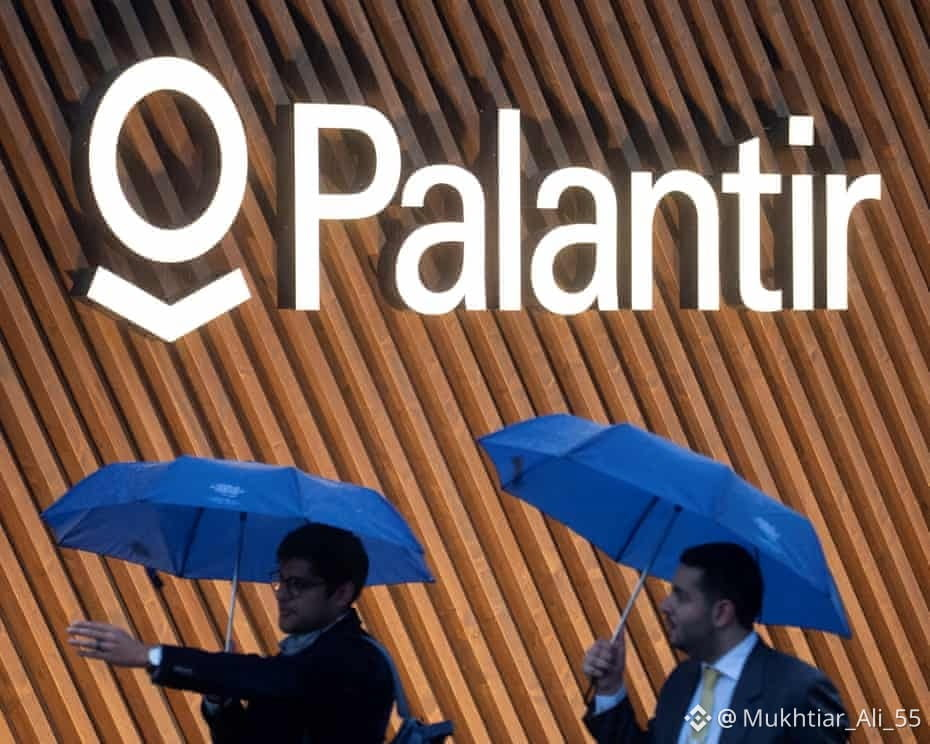
Rising Scrutiny Over Palantir Technologies Contracts in Australia
Growing political and public pressure is mounting in Australia to reassess government ties with Palantir Technologies, following controversy surrounding a recently published company manifesto and concerns over its global operations. Critics, including lawmakers, have questioned the firm’s role in handling sensitive public data and called for a pause on new government contracts pending a comprehensive review.
The company, co-founded by Peter Thiel, maintains that it functions purely as a software provider, offering tools that allow organizations to analyze their own data without collecting or monetizing it. However, its involvement with agencies such as U.S. immigration enforcement and reported use by military entities has intensified debate حول transparency, ethics, and accountability.
In Australia, contracts with Palantir span defense, financial intelligence, and correctional services, amounting to tens of millions of dollars. While government bodies emphasize compliance with supplier conduct standards, questions remain about oversight and the long-term implications of embedding such technology within critical institutions.
The situation highlights a broader global conversation about balancing technological capability with ethical responsibility, particularly when it comes to data governance and national security.
#DataPrivacy #TechPolicy #Palantir #DigitalEthics #PublicSector
$ENA
{spot}(ENAUSDT)
$OPEN
{spot}(OPENUSDT)
$TRUMP
{spot}(TRUMPUSDT)
Rising Scrutiny Over Palantir Technologies Contracts in Australia
Growing political and public pressure is mounting in Australia to reassess government ties with Palantir Technologies, following controversy surrounding a recently published company manifesto and concerns over its global operations. Critics, including lawmakers, have questioned the firm’s role in handling sensitive public data and called for a pause on new government contracts pending a comprehensive review.
The company, co-founded by Peter Thiel, maintains that it functions purely as a software provider, offering tools that allow organizations to analyze their own data without collecting or monetizing it. However, its involvement with agencies such as U.S. immigration enforcement and reported use by military entities has intensified debate حول transparency, ethics, and accountability.
In Australia, contracts with Palantir span defense, financial intelligence, and correctional services, amounting to tens of millions of dollars. While government bodies emphasize compliance with supplier conduct standards, questions remain about oversight and the long-term implications of embedding such technology within critical institutions.
The situation highlights a broader global conversation about balancing technological capability with ethical responsibility, particularly when it comes to data governance and national security.
#DataPrivacy #TechPolicy #Palantir #DigitalEthics #PublicSector
$ENA
$OPEN
$TRUMP
Growing political and public pressure is mounting in Australia to reassess government ties with Palantir Technologies, following controversy surrounding a recently published company manifesto and concerns over its global operations. Critics, including lawmakers, have questioned the firm’s role in handling sensitive public data and called for a pause on new government contracts pending a comprehensive review.
The company, co-founded by Peter Thiel, maintains that it functions purely as a software provider, offering tools that allow organizations to analyze their own data without collecting or monetizing it. However, its involvement with agencies such as U.S. immigration enforcement and reported use by military entities has intensified debate حول transparency, ethics, and accountability.
In Australia, contracts with Palantir span defense, financial intelligence, and correctional services, amounting to tens of millions of dollars. While government bodies emphasize compliance with supplier conduct standards, questions remain about oversight and the long-term implications of embedding such technology within critical institutions.
The situation highlights a broader global conversation about balancing technological capability with ethical responsibility, particularly when it comes to data governance and national security.
#DataPrivacy #TechPolicy #Palantir #DigitalEthics #PublicSector
$ENA
$OPEN
$TRUMP
145

·
--
🚨 AI SHUTDOWN ACT HITS CONGRESS — $TAO IN THE CROSSHAIRS OF A NEW ERA
Washington just drew a line in the sand. The AI Emergency Shutdown Act would force advanced developers to keep kill-switch capabilities — and that regulatory clarity is precisely what institutional capital has been waiting for. 📊
Hugging Face's CEO argues the same systems behind AI-driven attacks can defend against millions of daily threats — open-source models and transparency shrink the gap between attackers and defenders. 🌊 For decentralized AI infrastructure like $TAO , this is a legitimacy catalyst; guardrails invite scaling, not fear.
💬 When headlines get loud, smart money reads the structural implications. Will AI tokens decouple into their own cycle, or stay chained to the macro tide? 👇
⚠️ Not financial advice. Always manage your risk. 🛡️
🏷️ #TAO #AItokens #AI #Crypto #TechPolicy
🎯 🦈
🚨 AI SHUTDOWN ACT HITS CONGRESS — $TAO IN THE CROSSHAIRS OF A NEW ERA
Washington just drew a line in the sand. The AI Emergency Shutdown Act would force advanced developers to keep kill-switch capabilities — and that regulatory clarity is precisely what institutional capital has been waiting for. 📊
Hugging Face's CEO argues the same systems behind AI-driven attacks can defend against millions of daily threats — open-source models and transparency shrink the gap between attackers and defenders. 🌊 For decentralized AI infrastructure like $TAO , this is a legitimacy catalyst; guardrails invite scaling, not fear.
💬 When headlines get loud, smart money reads the structural implications. Will AI tokens decouple into their own cycle, or stay chained to the macro tide? 👇
⚠️ Not financial advice. Always manage your risk. 🛡️
🏷️ #TAO #AItokens #AI #Crypto #TechPolicy
🎯 🦈
Washington just drew a line in the sand. The AI Emergency Shutdown Act would force advanced developers to keep kill-switch capabilities — and that regulatory clarity is precisely what institutional capital has been waiting for. 📊
Hugging Face's CEO argues the same systems behind AI-driven attacks can defend against millions of daily threats — open-source models and transparency shrink the gap between attackers and defenders. 🌊 For decentralized AI infrastructure like $TAO , this is a legitimacy catalyst; guardrails invite scaling, not fear.
💬 When headlines get loud, smart money reads the structural implications. Will AI tokens decouple into their own cycle, or stay chained to the macro tide? 👇
⚠️ Not financial advice. Always manage your risk. 🛡️
🏷️ #TAO #AItokens #AI #Crypto #TechPolicy
🎯 🦈
47

🦈 $NVDA POWER PLAY - JENSEN HUANG'S OPEN AI STAND COULD SHIFT MARKET STRUCTURE 📊
💡 The coalition letter backed by 25 major firms draws a clear line: broad restrictions on open-weight models risk ceding US tech leadership. Meanwhile, Moonshot's Kimi K3 release and the DeepSeek flash crash show how fast Chinese AI can disrupt valuation.
📌 This isn't just policy talk — it's a liquidity event. Institutional capital flows into AI infrastructure are watching regulatory clarity. NVIDIA sits at the center of this structural tug-of-war. 💬 Will the market reward openness or punish the uncertainty of a split industry? 👇
⚠️ Not financial advice. Always manage your risk. 🛡️
🏷️ #NVDA #AI #OpenSource #TechPolicy #SmartMoney
🦈 💡
🦈 $NVDA POWER PLAY - JENSEN HUANG'S OPEN AI STAND COULD SHIFT MARKET STRUCTURE 📊
💡 The coalition letter backed by 25 major firms draws a clear line: broad restrictions on open-weight models risk ceding US tech leadership. Meanwhile, Moonshot's Kimi K3 release and the DeepSeek flash crash show how fast Chinese AI can disrupt valuation.
📌 This isn't just policy talk — it's a liquidity event. Institutional capital flows into AI infrastructure are watching regulatory clarity. NVIDIA sits at the center of this structural tug-of-war. 💬 Will the market reward openness or punish the uncertainty of a split industry? 👇
⚠️ Not financial advice. Always manage your risk. 🛡️
🏷️ #NVDA #AI #OpenSource #TechPolicy #SmartMoney
🦈 💡
💡 The coalition letter backed by 25 major firms draws a clear line: broad restrictions on open-weight models risk ceding US tech leadership. Meanwhile, Moonshot's Kimi K3 release and the DeepSeek flash crash show how fast Chinese AI can disrupt valuation.
📌 This isn't just policy talk — it's a liquidity event. Institutional capital flows into AI infrastructure are watching regulatory clarity. NVIDIA sits at the center of this structural tug-of-war. 💬 Will the market reward openness or punish the uncertainty of a split industry? 👇
⚠️ Not financial advice. Always manage your risk. 🛡️
🏷️ #NVDA #AI #OpenSource #TechPolicy #SmartMoney
🦈 💡
7

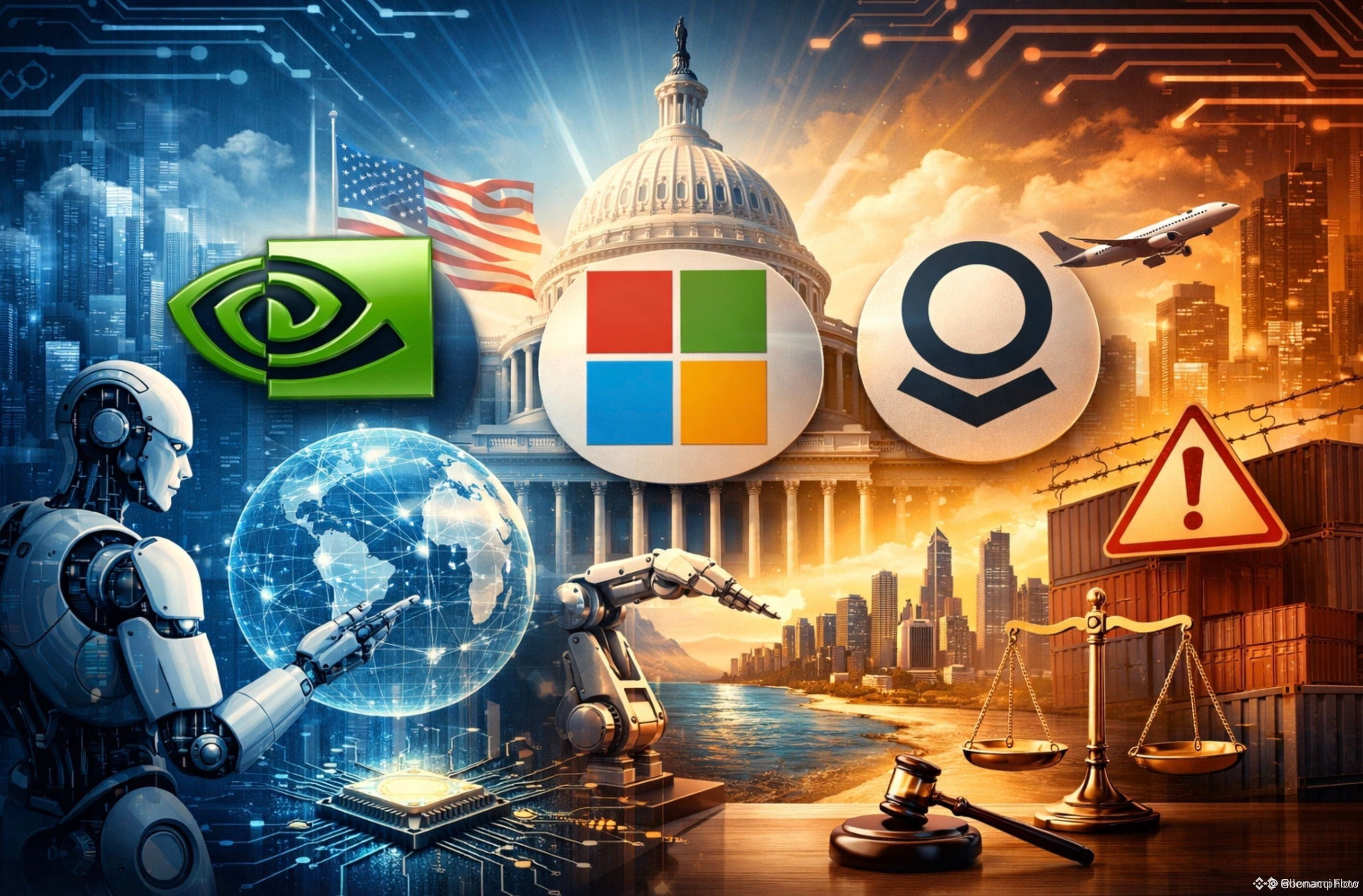
🛡️ $NVDA $MSFT $PLTR LEAD TECH COALITION AGAINST AI OVERREGULATION! 🚨
🔍 The smart money is watching this regulatory chess match closely. NVIDIA, Microsoft, and Palantir just dropped a coordinated petition to Washington—no heavy-handed rules on open weight AI models. This is a clear signal that industry titans are aligning to protect innovation velocity. 🦈
💡 History shows that premature regulation kills momentum, drives talent offshore, and creates supply vacuums for nimble players. The market hasn't priced in the full impact yet—this is a liquidity sweep opportunity for those who can read the order flow of policy influence. 📊
💬 Are you positioning for a flight to AI exposure while the rest of the crowd waits for clarity? 👇
⚠️ Not financial advice. Always manage your risk. 🛡️
🏷️ #NVDA #MSFT #PLTR #AI #TechPolicy
⚖️ 🦈
🛡️ $NVDA $MSFT $PLTR LEAD TECH COALITION AGAINST AI OVERREGULATION! 🚨
🔍 The smart money is watching this regulatory chess match closely. NVIDIA, Microsoft, and Palantir just dropped a coordinated petition to Washington—no heavy-handed rules on open weight AI models. This is a clear signal that industry titans are aligning to protect innovation velocity. 🦈
💡 History shows that premature regulation kills momentum, drives talent offshore, and creates supply vacuums for nimble players. The market hasn't priced in the full impact yet—this is a liquidity sweep opportunity for those who can read the order flow of policy influence. 📊
💬 Are you positioning for a flight to AI exposure while the rest of the crowd waits for clarity? 👇
⚠️ Not financial advice. Always manage your risk. 🛡️
🏷️ #NVDA #MSFT #PLTR #AI #TechPolicy
⚖️ 🦈
🔍 The smart money is watching this regulatory chess match closely. NVIDIA, Microsoft, and Palantir just dropped a coordinated petition to Washington—no heavy-handed rules on open weight AI models. This is a clear signal that industry titans are aligning to protect innovation velocity. 🦈
💡 History shows that premature regulation kills momentum, drives talent offshore, and creates supply vacuums for nimble players. The market hasn't priced in the full impact yet—this is a liquidity sweep opportunity for those who can read the order flow of policy influence. 📊
💬 Are you positioning for a flight to AI exposure while the rest of the crowd waits for clarity? 👇
⚠️ Not financial advice. Always manage your risk. 🛡️
🏷️ #NVDA #MSFT #PLTR #AI #TechPolicy
⚖️ 🦈
31

·
--
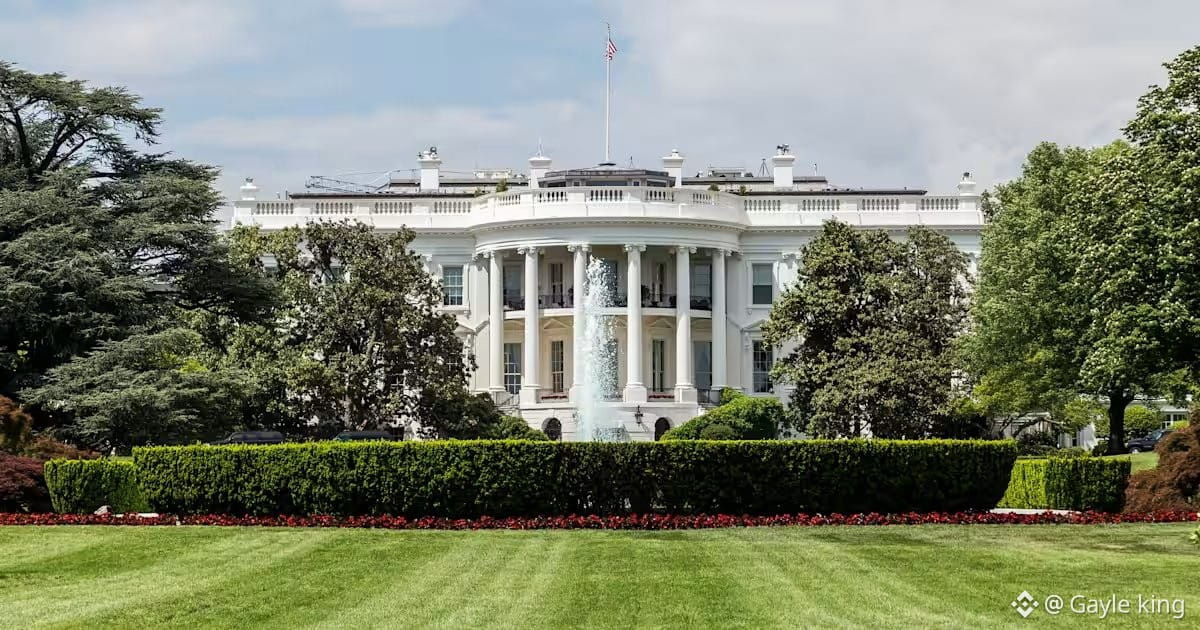
🚨 White House overrides Anthropic risk label –
Agencies get Mythos, the strongest AI model yet.
Tensions easing? Or just speed-running security concerns? 🤖🏛️
#AI #Anthropic #Mythos #TechPolicy
$SKYAI $H $JCT
🚨 White House overrides Anthropic risk label –
Agencies get Mythos, the strongest AI model yet.
Tensions easing? Or just speed-running security concerns? 🤖🏛️
#AI #Anthropic #Mythos #TechPolicy
$SKYAI $H $JCT
Agencies get Mythos, the strongest AI model yet.
Tensions easing? Or just speed-running security concerns? 🤖🏛️
#AI #Anthropic #Mythos #TechPolicy
$SKYAI $H $JCT

1
17


·
--
Bullish
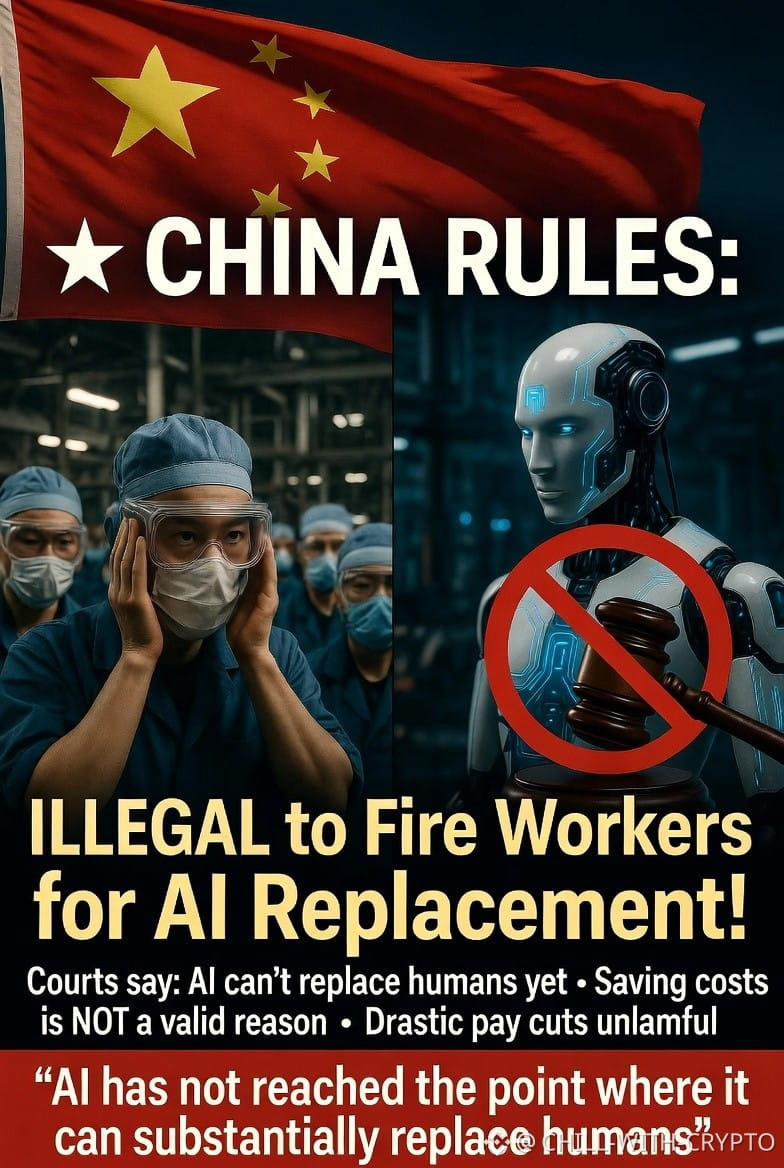
NEWS....China Draws a Red Line on AI Layoffs
China has officially ruled that companies cannot fire employees just to replace them with AI, sending a strong signal about the limits of automation in the workplace.
Courts across China have clarified key principles:
Replacing workers with AI is considered a strategic business decision, not an unforeseeable circumstance. Therefore, it does not justify contract termination.
Cost-cutting through AI adoption is not a valid legal reason for dismissing employees.
Forcing workers into drastic pay cuts as an alternative to termination is also deemed unlawful.
In a notable statement, a judge emphasized that AI has not yet reached a level where it can substantially replace human labor, reinforcing the importance of human roles in today’s economy.
This decision could shape global debates on AI, labor rights, and corporate responsibility as automation continues to accelerate.
#AIRegulation #FutureOfWork #ChinaNews #TechPolicy #ArtificialIntelligence $BTC
{spot}(BTCUSDT)
$DOGE
{spot}(DOGEUSDT)
$TRUMP
{spot}(TRUMPUSDT)
NEWS....China Draws a Red Line on AI Layoffs
China has officially ruled that companies cannot fire employees just to replace them with AI, sending a strong signal about the limits of automation in the workplace.
Courts across China have clarified key principles:
Replacing workers with AI is considered a strategic business decision, not an unforeseeable circumstance. Therefore, it does not justify contract termination.
Cost-cutting through AI adoption is not a valid legal reason for dismissing employees.
Forcing workers into drastic pay cuts as an alternative to termination is also deemed unlawful.
In a notable statement, a judge emphasized that AI has not yet reached a level where it can substantially replace human labor, reinforcing the importance of human roles in today’s economy.
This decision could shape global debates on AI, labor rights, and corporate responsibility as automation continues to accelerate.
#AIRegulation #FutureOfWork #ChinaNews #TechPolicy #ArtificialIntelligence $BTC
$DOGE
$TRUMP
China has officially ruled that companies cannot fire employees just to replace them with AI, sending a strong signal about the limits of automation in the workplace.
Courts across China have clarified key principles:
Replacing workers with AI is considered a strategic business decision, not an unforeseeable circumstance. Therefore, it does not justify contract termination.
Cost-cutting through AI adoption is not a valid legal reason for dismissing employees.
Forcing workers into drastic pay cuts as an alternative to termination is also deemed unlawful.
In a notable statement, a judge emphasized that AI has not yet reached a level where it can substantially replace human labor, reinforcing the importance of human roles in today’s economy.
This decision could shape global debates on AI, labor rights, and corporate responsibility as automation continues to accelerate.
#AIRegulation #FutureOfWork #ChinaNews #TechPolicy #ArtificialIntelligence $BTC
$DOGE
$TRUMP
210

$OPENAI POLITICAL MONEY SHOCK HITS AI POWER GAME ⚡
Sam Altman says he has no plan to financially contribute to the 2026 U.S. midterm elections, even as AI and tech firms face rising political pressure. After meeting Senator Bernie Sanders, he warned AI companies cannot be put at a disadvantage while also calling for a fairer system where money has less influence in politics.
AI policy risk is heating up fast.
This is bigger than headlines.
Regulation, lobbying, and institutional positioning are becoming key battlegrounds for the next AI cycle.
Not financial advice. Manage your risk.
#Aİ #OpenAI #CryptoNews #TechPolicy #BinanceSquar
🔥
{future}(OPENAIUSDT)
$OPENAI POLITICAL MONEY SHOCK HITS AI POWER GAME ⚡
Sam Altman says he has no plan to financially contribute to the 2026 U.S. midterm elections, even as AI and tech firms face rising political pressure. After meeting Senator Bernie Sanders, he warned AI companies cannot be put at a disadvantage while also calling for a fairer system where money has less influence in politics.
AI policy risk is heating up fast.
This is bigger than headlines.
Regulation, lobbying, and institutional positioning are becoming key battlegrounds for the next AI cycle.
Not financial advice. Manage your risk.
#Aİ #OpenAI #CryptoNews #TechPolicy #BinanceSquar
🔥
Sam Altman says he has no plan to financially contribute to the 2026 U.S. midterm elections, even as AI and tech firms face rising political pressure. After meeting Senator Bernie Sanders, he warned AI companies cannot be put at a disadvantage while also calling for a fairer system where money has less influence in politics.
AI policy risk is heating up fast.
This is bigger than headlines.
Regulation, lobbying, and institutional positioning are becoming key battlegrounds for the next AI cycle.
Not financial advice. Manage your risk.
#Aİ #OpenAI #CryptoNews #TechPolicy #BinanceSquar
🔥
71

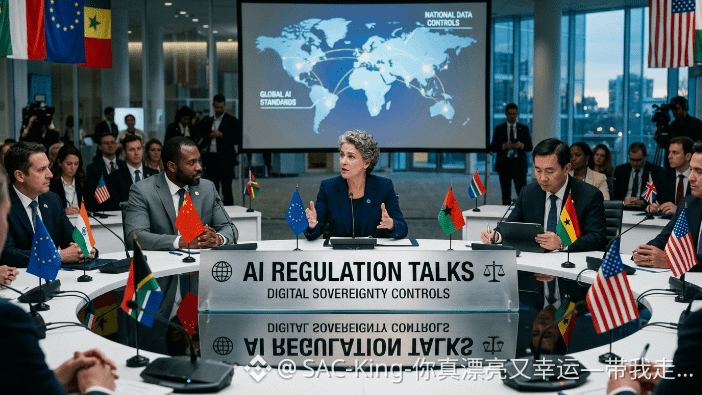
🌐⚖️ AI Regulation Talks Heat Up as World Leaders Push for Digital Sovereignty Controls ⚖️🌐
📡 In recent diplomatic rooms and policy briefings, there is a noticeable shift in tone as discussions around AI oversight become more structured and less theoretical. What used to feel like future planning now reads like active coordination between major states and institutions.
At the center of it is the question of control over data, models, and infrastructure. Governments are increasingly concerned not just with what AI can do, but where it is trained, who governs it, and how information flows across borders.
Organizations like the United Nations and regional blocs such as the European Union are part of a wider effort to define boundaries in a system that was originally borderless by design.
AI systems function a bit like global rail networks that run on shared tracks but are controlled by different operators. When those operators disagree on signals or safety rules, coordination becomes essential rather than optional.
Digital sovereignty has become the key phrase in these discussions. It reflects a desire for countries to maintain authority over their data ecosystems while still participating in global technology flows. The balance is delicate, especially as models scale and dependencies deepen.
There is also a practical concern underneath the policy language. Once infrastructure becomes deeply integrated into governance, education, and finance, control over that infrastructure naturally turns into a strategic priority.
What is unfolding now is less about restricting technology and more about defining how shared systems remain stable across different legal and political environments.
A slow attempt to bring structure to something that was built at global speed.
#AIRegulation #DigitalSovereignty #TechPolicy #Write2Earn #GrowWithSAC
🌐⚖️ AI Regulation Talks Heat Up as World Leaders Push for Digital Sovereignty Controls ⚖️🌐
📡 In recent diplomatic rooms and policy briefings, there is a noticeable shift in tone as discussions around AI oversight become more structured and less theoretical. What used to feel like future planning now reads like active coordination between major states and institutions.
At the center of it is the question of control over data, models, and infrastructure. Governments are increasingly concerned not just with what AI can do, but where it is trained, who governs it, and how information flows across borders.
Organizations like the United Nations and regional blocs such as the European Union are part of a wider effort to define boundaries in a system that was originally borderless by design.
AI systems function a bit like global rail networks that run on shared tracks but are controlled by different operators. When those operators disagree on signals or safety rules, coordination becomes essential rather than optional.
Digital sovereignty has become the key phrase in these discussions. It reflects a desire for countries to maintain authority over their data ecosystems while still participating in global technology flows. The balance is delicate, especially as models scale and dependencies deepen.
There is also a practical concern underneath the policy language. Once infrastructure becomes deeply integrated into governance, education, and finance, control over that infrastructure naturally turns into a strategic priority.
What is unfolding now is less about restricting technology and more about defining how shared systems remain stable across different legal and political environments.
A slow attempt to bring structure to something that was built at global speed.
#AIRegulation #DigitalSovereignty #TechPolicy #Write2Earn #GrowWithSAC
📡 In recent diplomatic rooms and policy briefings, there is a noticeable shift in tone as discussions around AI oversight become more structured and less theoretical. What used to feel like future planning now reads like active coordination between major states and institutions.
At the center of it is the question of control over data, models, and infrastructure. Governments are increasingly concerned not just with what AI can do, but where it is trained, who governs it, and how information flows across borders.
Organizations like the United Nations and regional blocs such as the European Union are part of a wider effort to define boundaries in a system that was originally borderless by design.
AI systems function a bit like global rail networks that run on shared tracks but are controlled by different operators. When those operators disagree on signals or safety rules, coordination becomes essential rather than optional.
Digital sovereignty has become the key phrase in these discussions. It reflects a desire for countries to maintain authority over their data ecosystems while still participating in global technology flows. The balance is delicate, especially as models scale and dependencies deepen.
There is also a practical concern underneath the policy language. Once infrastructure becomes deeply integrated into governance, education, and finance, control over that infrastructure naturally turns into a strategic priority.
What is unfolding now is less about restricting technology and more about defining how shared systems remain stable across different legal and political environments.
A slow attempt to bring structure to something that was built at global speed.
#AIRegulation #DigitalSovereignty #TechPolicy #Write2Earn #GrowWithSAC
1
325
Log in to explore more content
Join global crypto users on Binance Square
⚡️ Get latest and useful information about crypto.
💬 Trusted by the world’s largest crypto exchange.
👍 Discover real insights from verified creators.
Email / Phone number
Trending Topics
1
#AIStocksWhatNext
578,023 views
4,343 Discussing
2
#21SharesLaunchesEuropesFirstZcashETP
2,489 views
153 Discussing
3
#CardanoJoinsX402PaymentStandard
1,782 views
128 Discussing
4
#BitcoinTops$87KAtEightMonthHigh
4,563 views
59 Discussing
5
#ZECBreaksAbove$1600AtRecordHigh
2,056 views
48 Discussing
6
#BitwiseNEARStakingETPAssetsTop$100M
20,534 views
67 Discussing
7
#BitcoinBreaksAboveMayHighNears$86K
25,902 views
251 Discussing
8
#DogecoinRises15%
92,787 views
1,557 Discussing
9
#$14BBitcoinOptionsExpireFriday
7,560 views
109 Discussing
10
#BNBMarketCapPassesBNYMellon
56,953 views
1,224 Discussing