
#cryptoregulation
cryptoregulation
16.9M views
47,456 Discussing
Hot
Latest

·
--
🔥 $BTC $ETH $BNB CLARITY Act Fails Crypto PAC Spending Surges | #️⃣ Trending #4
📌 Key facts:
• The US Senate failed to advance the CLARITY digital asset market structure bill 49–50, falling short of the 60-vote threshold needed to proc...
• Crypto super PAC Fairshake pledged $30M to oppose Senator Sherrod Brown in Ohio, signaling the industry's intent to reshape Congress ahead o...
📊 Market analysis & trading logic:
Regulatory headlines create volatility but the trend matters more than the noise. My framework: if the news adds legal clarity without banning anything, it's bullish long-term even if short-term price dips. The playbook is to buy the fear dip on negative headlines and trim into the euphoria spike on positive ones. Dollar-cost averaging into these events reduces timing risk significantly.
Would love to hear from @whale_alert and @CryptoCobain on this 🔥
🔍 Trending searches: TRUMP | BANK | ETC | DOT | MINA
💬 Is the market pricing this in correctly? Share your thoughts 👇
👉 Follow me for daily alpha — quality over quantity, always with analysis!
💬 Comment your thoughts — I reply to everyone!
#CryptoRegulation #Bitcoin #Crypto #Policy
🔥 $BTC $ETH $BNB CLARITY Act Fails Crypto PAC Spending Surges | #️⃣ Trending #4
📌 Key facts:
• The US Senate failed to advance the CLARITY digital asset market structure bill 49–50, falling short of the 60-vote threshold needed to proc...
• Crypto super PAC Fairshake pledged $30M to oppose Senator Sherrod Brown in Ohio, signaling the industry's intent to reshape Congress ahead o...
📊 Market analysis & trading logic:
Regulatory headlines create volatility but the trend matters more than the noise. My framework: if the news adds legal clarity without banning anything, it's bullish long-term even if short-term price dips. The playbook is to buy the fear dip on negative headlines and trim into the euphoria spike on positive ones. Dollar-cost averaging into these events reduces timing risk significantly.
Would love to hear from @whale_alert and @CryptoCobain on this 🔥
🔍 Trending searches: TRUMP | BANK | ETC | DOT | MINA
💬 Is the market pricing this in correctly? Share your thoughts 👇
👉 Follow me for daily alpha — quality over quantity, always with analysis!
💬 Comment your thoughts — I reply to everyone!
#CryptoRegulation #Bitcoin #Crypto #Policy
📌 Key facts:
• The US Senate failed to advance the CLARITY digital asset market structure bill 49–50, falling short of the 60-vote threshold needed to proc...
• Crypto super PAC Fairshake pledged $30M to oppose Senator Sherrod Brown in Ohio, signaling the industry's intent to reshape Congress ahead o...
📊 Market analysis & trading logic:
Regulatory headlines create volatility but the trend matters more than the noise. My framework: if the news adds legal clarity without banning anything, it's bullish long-term even if short-term price dips. The playbook is to buy the fear dip on negative headlines and trim into the euphoria spike on positive ones. Dollar-cost averaging into these events reduces timing risk significantly.
Would love to hear from @whale_alert and @CryptoCobain on this 🔥
🔍 Trending searches: TRUMP | BANK | ETC | DOT | MINA
💬 Is the market pricing this in correctly? Share your thoughts 👇
👉 Follow me for daily alpha — quality over quantity, always with analysis!
💬 Comment your thoughts — I reply to everyone!
#CryptoRegulation #Bitcoin #Crypto #Policy
25


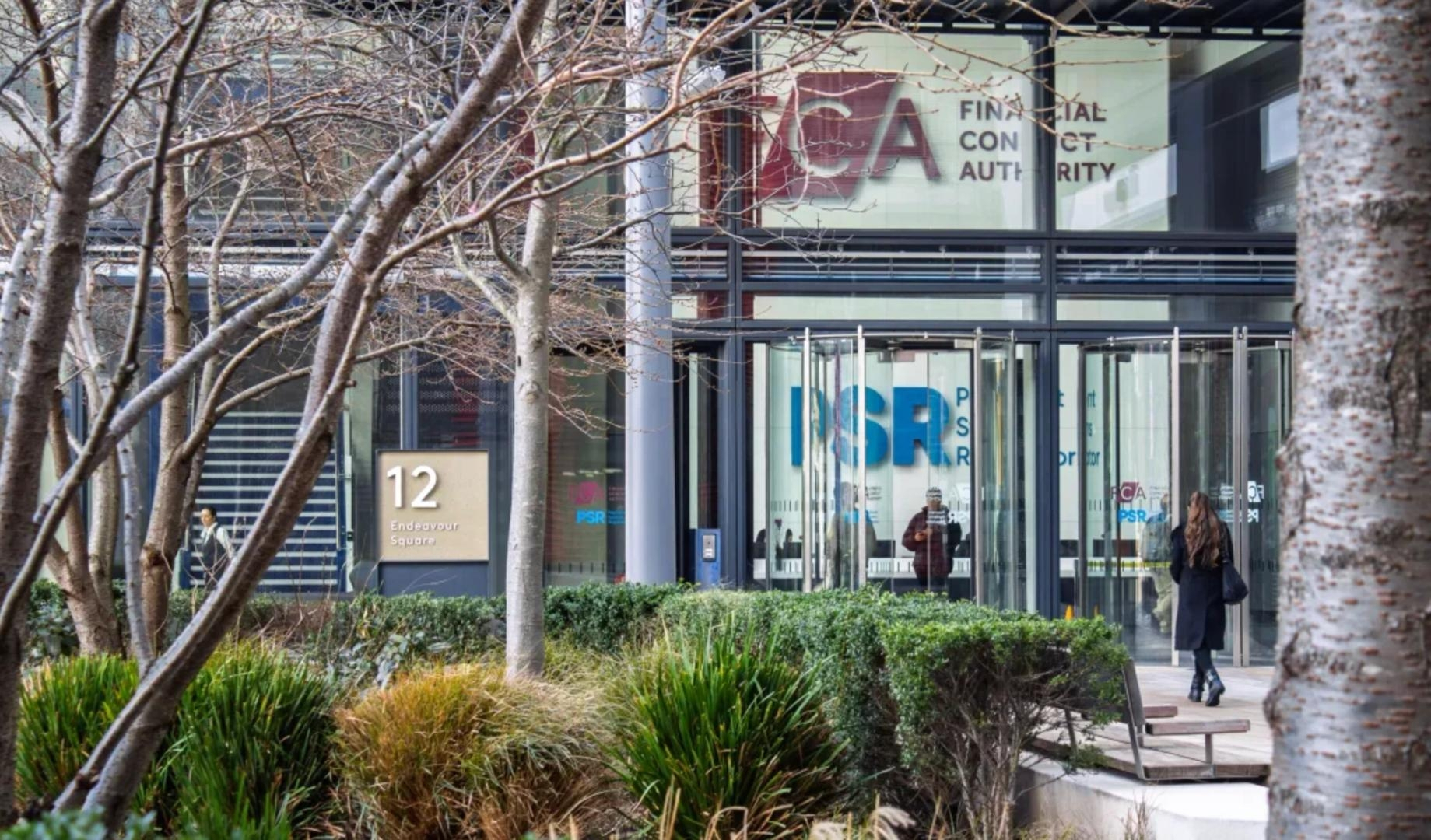
So here is a quick story about how fast crypto regulations are evolving right now. UK financial watchdog FCA just raided three more locations across London targeting unregistered peer-to-peer crypto trading operations. Their enforcement chief literally dropped a blunt warning saying anyone running unregistered P2P desks should assume investigators are already watching.
Why does this matter so much? Regulators are clearly moving beyond just large centralized platforms and turning their spotlight onto local cash-to-crypto and OTC hubs. If you frequently use P2P channels for assets like $BTC or $ETH, knowing your counterparty and ensuring you stay on fully compliant venues is becoming more critical by the day. Going forward, expect Western regulators to tighten registration rules on decentralized on-ramps even further. Stay safe out there and always double check your trading venues.
#Write2Earn #CryptoRegulation #Bitcoin #P2PTrading
So here is a quick story about how fast crypto regulations are evolving right now. UK financial watchdog FCA just raided three more locations across London targeting unregistered peer-to-peer crypto trading operations. Their enforcement chief literally dropped a blunt warning saying anyone running unregistered P2P desks should assume investigators are already watching.
Why does this matter so much? Regulators are clearly moving beyond just large centralized platforms and turning their spotlight onto local cash-to-crypto and OTC hubs. If you frequently use P2P channels for assets like $BTC or $ETH , knowing your counterparty and ensuring you stay on fully compliant venues is becoming more critical by the day. Going forward, expect Western regulators to tighten registration rules on decentralized on-ramps even further. Stay safe out there and always double check your trading venues.
#Write2Earn #CryptoRegulation #Bitcoin #P2PTrading
Why does this matter so much? Regulators are clearly moving beyond just large centralized platforms and turning their spotlight onto local cash-to-crypto and OTC hubs. If you frequently use P2P channels for assets like $BTC or $ETH , knowing your counterparty and ensuring you stay on fully compliant venues is becoming more critical by the day. Going forward, expect Western regulators to tighten registration rules on decentralized on-ramps even further. Stay safe out there and always double check your trading venues.
#Write2Earn #CryptoRegulation #Bitcoin #P2PTrading

30

The CLARITY Act faces a delicate path forward in the Senate after stalling just short of its threshold. While securing 49 votes was a decent start, the real plot twist is that four of those supporters are pushing for strict bank-backed amendments targeting stablecoin yields. This internal pushback shows that traditional banking friction remains a massive hurdle for crypto legislation. Bridging this gap will require tough compromises before any final framework can become law. #CryptoRegulation #Stablecoins #USPolitics
The CLARITY Act faces a delicate path forward in the Senate after stalling just short of its threshold. While securing 49 votes was a decent start, the real plot twist is that four of those supporters are pushing for strict bank-backed amendments targeting stablecoin yields. This internal pushback shows that traditional banking friction remains a massive hurdle for crypto legislation. Bridging this gap will require tough compromises before any final framework can become law. #CryptoRegulation #Stablecoins #USPolitics
4
Regulatory pressure on crypto exchanges never truly sleeps. Fresh reports indicate US authorities are scrutinizing whether past compliance overhauls effectively blocked illicit transactions tied to sanctioned jurisdictions. While Binance maintains a strict zero-tolerance stance on these violations, this ongoing probe highlights why robust internal controls remain critical for the industry's long-term survival and mainstream trust moving forward. $BNB #Binance #CryptoRegulation #Compliance
Regulatory pressure on crypto exchanges never truly sleeps. Fresh reports indicate US authorities are scrutinizing whether past compliance overhauls effectively blocked illicit transactions tied to sanctioned jurisdictions. While Binance maintains a strict zero-tolerance stance on these violations, this ongoing probe highlights why robust internal controls remain critical for the industry's long-term survival and mainstream trust moving forward. $BNB #Binance #CryptoRegulation #Compliance
4
Crypto firms have pumped a staggering $206 million into the 2026 midterms, officially making the sector the largest disclosed corporate donor group tracked by FEC data. This massive financial muscle shows the industry is no longer just lobbying from the sidelines—it is actively buying a seat at the legislative table to shape future regulation. While this heavy political investment could finally secure bipartisan clarity, it also risks heavily polarizing crypto as a partisan issue. The real test will be whether these heavy bets actually deliver friendly policies once the dust settles. $BTC $ETH #CryptoRegulation #Midterms2026 #CryptoPolitics
Crypto firms have pumped a staggering $206 million into the 2026 midterms, officially making the sector the largest disclosed corporate donor group tracked by FEC data. This massive financial muscle shows the industry is no longer just lobbying from the sidelines—it is actively buying a seat at the legislative table to shape future regulation. While this heavy political investment could finally secure bipartisan clarity, it also risks heavily polarizing crypto as a partisan issue. The real test will be whether these heavy bets actually deliver friendly policies once the dust settles. $BTC $ETH #CryptoRegulation #Midterms2026 #CryptoPolitics
5

·
--
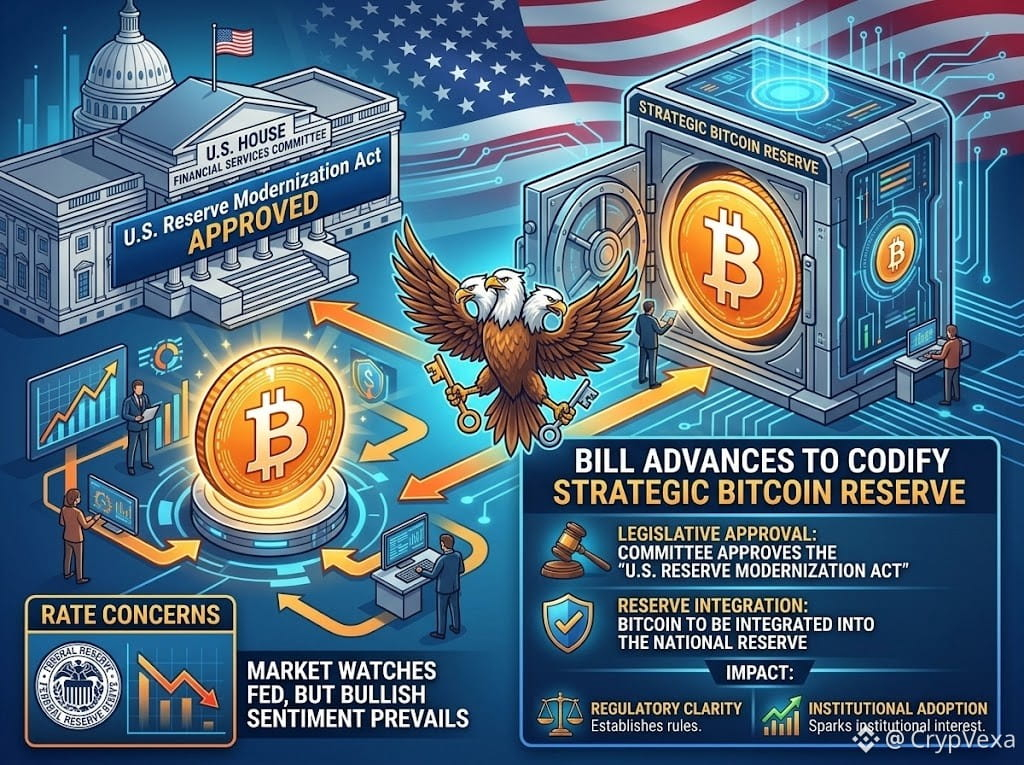
🇺🇸 U.S. House Panel Advances Strategic Bitcoin Reserve Bill
₿ The House Financial Services Committee advanced the American Reserve Modernization Act (H.R. 8957) in a 28–21 vote, moving legislation to codify the federal Strategic Bitcoin Reserve forward.
🏦 The bill would place qualifying government-held Bitcoin under a Strategic Bitcoin Reserve at the Treasury and require a minimum 20-year holding period for reserve BTC.
⚠️ Important: This is not yet U.S. law. The bill still needs consideration by the full House, Senate action, and presidential approval.
📊 If enacted, the framework could create a more durable legal structure for managing U.S. government-held Bitcoin.
👀 Could a statutory Bitcoin reserve change how institutions view BTC as a strategic asset?
#Bitcoin #BTC #CryptoRegulation #USCrypto
🇺🇸 U.S. House Panel Advances Strategic Bitcoin Reserve Bill
₿ The House Financial Services Committee advanced the American Reserve Modernization Act (H.R. 8957) in a 28–21 vote, moving legislation to codify the federal Strategic Bitcoin Reserve forward.
🏦 The bill would place qualifying government-held Bitcoin under a Strategic Bitcoin Reserve at the Treasury and require a minimum 20-year holding period for reserve BTC.
⚠️ Important: This is not yet U.S. law. The bill still needs consideration by the full House, Senate action, and presidential approval.
📊 If enacted, the framework could create a more durable legal structure for managing U.S. government-held Bitcoin.
👀 Could a statutory Bitcoin reserve change how institutions view BTC as a strategic asset?
#Bitcoin #BTC #CryptoRegulation #USCrypto
₿ The House Financial Services Committee advanced the American Reserve Modernization Act (H.R. 8957) in a 28–21 vote, moving legislation to codify the federal Strategic Bitcoin Reserve forward.
🏦 The bill would place qualifying government-held Bitcoin under a Strategic Bitcoin Reserve at the Treasury and require a minimum 20-year holding period for reserve BTC.
⚠️ Important: This is not yet U.S. law. The bill still needs consideration by the full House, Senate action, and presidential approval.
📊 If enacted, the framework could create a more durable legal structure for managing U.S. government-held Bitcoin.
👀 Could a statutory Bitcoin reserve change how institutions view BTC as a strategic asset?
#Bitcoin #BTC #CryptoRegulation #USCrypto
1
38

·
--
Verified
#agoragetspreliminaryoccapprovalfortrustbank
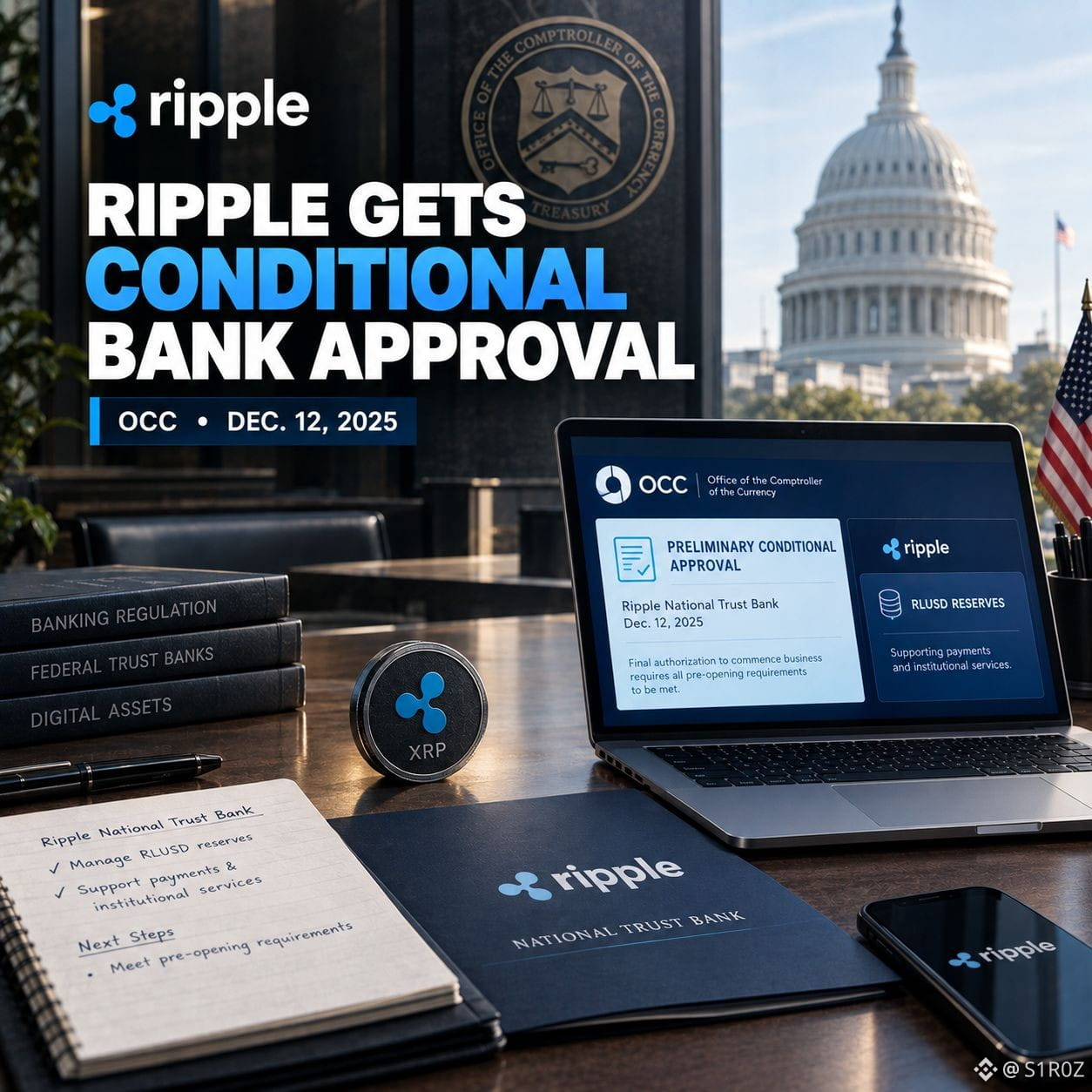
🇺🇸 Ripple’s banking strategy just took another major step.
The U.S. Office of the Comptroller of the Currency (OCC) granted preliminary conditional approval for Ripple National Trust Bank in December 2025.
The important part: this is not final authorization yet. Ripple still has to meet the OCC’s pre-opening requirements before the bank can officially begin operations.
If completed, the national trust bank would place Ripple’s trust-bank activities under federal OCC supervision and could support its broader institutional and stablecoin strategy, including RLUSD. Ripple has said the bank is intended to manage RLUSD reserves alongside its wider institutional services.
For crypto, the bigger story is clear: major digital-asset companies are increasingly building directly into the regulated U.S. financial system.
Will Ripple’s federal trust-bank structure become a bigger catalyst for institutional adoption of RLUSD?
$XRP
{spot}(XRPUSDT)
#Ripple #RLUSD #crypto #Stablecoins #CryptoRegulation
#agoragetspreliminaryoccapprovalfortrustbank
🇺🇸 Ripple’s banking strategy just took another major step.
The U.S. Office of the Comptroller of the Currency (OCC) granted preliminary conditional approval for Ripple National Trust Bank in December 2025.
The important part: this is not final authorization yet. Ripple still has to meet the OCC’s pre-opening requirements before the bank can officially begin operations.
If completed, the national trust bank would place Ripple’s trust-bank activities under federal OCC supervision and could support its broader institutional and stablecoin strategy, including RLUSD. Ripple has said the bank is intended to manage RLUSD reserves alongside its wider institutional services.
For crypto, the bigger story is clear: major digital-asset companies are increasingly building directly into the regulated U.S. financial system.
Will Ripple’s federal trust-bank structure become a bigger catalyst for institutional adoption of RLUSD?
$XRP
#Ripple #RLUSD #crypto #Stablecoins #CryptoRegulation
🇺🇸 Ripple’s banking strategy just took another major step.
The U.S. Office of the Comptroller of the Currency (OCC) granted preliminary conditional approval for Ripple National Trust Bank in December 2025.
The important part: this is not final authorization yet. Ripple still has to meet the OCC’s pre-opening requirements before the bank can officially begin operations.
If completed, the national trust bank would place Ripple’s trust-bank activities under federal OCC supervision and could support its broader institutional and stablecoin strategy, including RLUSD. Ripple has said the bank is intended to manage RLUSD reserves alongside its wider institutional services.
For crypto, the bigger story is clear: major digital-asset companies are increasingly building directly into the regulated U.S. financial system.
Will Ripple’s federal trust-bank structure become a bigger catalyst for institutional adoption of RLUSD?
$XRP
#Ripple #RLUSD #crypto #Stablecoins #CryptoRegulation
16

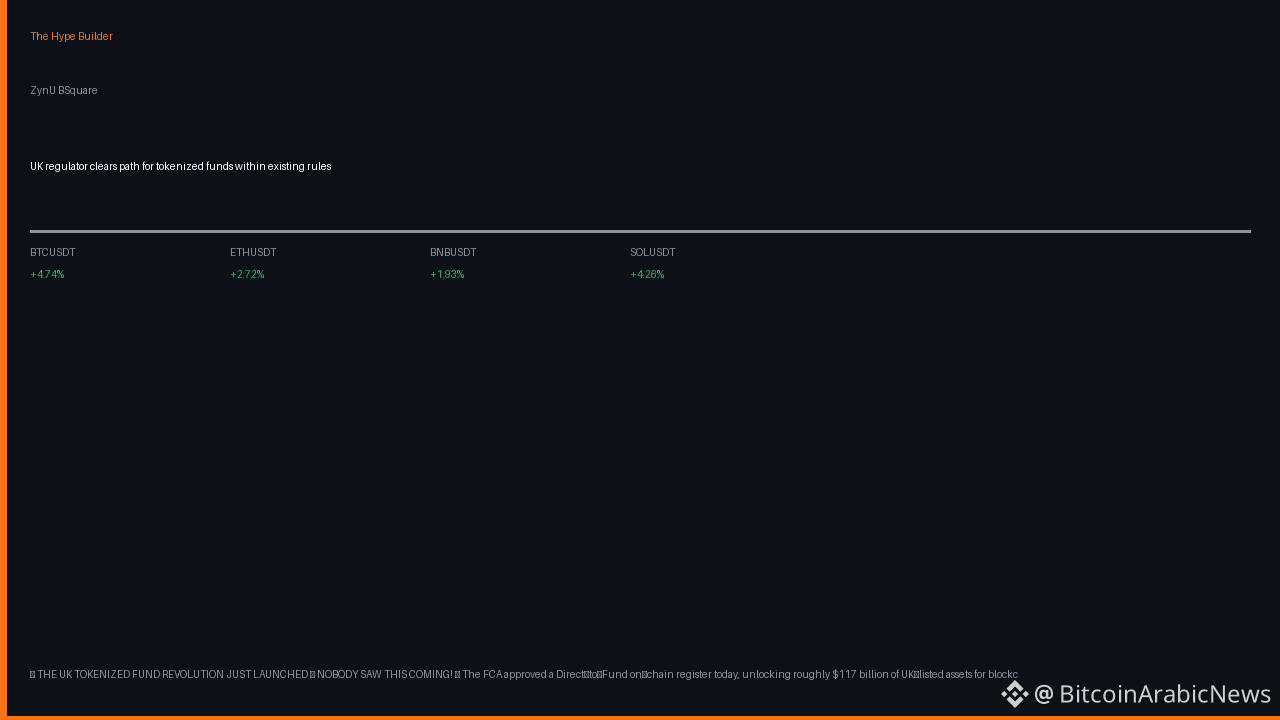
🔥 THE UK TOKENIZED FUND REVOLUTION JUST LAUNCHED – NOBODY SAW THIS COMING!
📊 The FCA approved a Direct‑to‑Fund on‑chain register today, unlocking roughly $117 billion of UK‑listed assets for blockchain tokenization and allowing funds to keep their registers on‑chain under existing rules. Within minutes Bitcoin surged 4.74% to $85,427, ETH climbed 2.72% to $2,731, BTC futures OI hit $9.41 B with a bullish 0.0098% funding rate, and smart wallets on Solana (UAP, RAFFLE, CASHTAG) are already loading up, a clear signal of institutional appetite. #CryptoRegulation #TokenizedFunds #FCA
💡 This green‑light flood could pour billions of on‑chain dollars into crypto, thrusting BTC toward $90k, ETH past $3k, supercharging BSC meme tokens like AKE (+27.8%) and DGAI (+9.1%), and reshaping the #DeFi landscape as regulated capital chases yield. #InstitutionalMoney
❓ Are you ready to ride the tokenized wave or will you watch the flood from the sidelines?
🔥 THE UK TOKENIZED FUND REVOLUTION JUST LAUNCHED – NOBODY SAW THIS COMING!
📊 The FCA approved a Direct‑to‑Fund on‑chain register today, unlocking roughly $117 billion of UK‑listed assets for blockchain tokenization and allowing funds to keep their registers on‑chain under existing rules. Within minutes Bitcoin surged 4.74% to $85,427, ETH climbed 2.72% to $2,731, BTC futures OI hit $9.41 B with a bullish 0.0098% funding rate, and smart wallets on Solana (UAP, RAFFLE, CASHTAG) are already loading up, a clear signal of institutional appetite. #CryptoRegulation #TokenizedFunds #FCA
💡 This green‑light flood could pour billions of on‑chain dollars into crypto, thrusting BTC toward $90k, ETH past $3k, supercharging BSC meme tokens like AKE (+27.8%) and DGAI (+9.1%), and reshaping the #DeFi landscape as regulated capital chases yield. #InstitutionalMoney
❓ Are you ready to ride the tokenized wave or will you watch the flood from the sidelines?
📊 The FCA approved a Direct‑to‑Fund on‑chain register today, unlocking roughly $117 billion of UK‑listed assets for blockchain tokenization and allowing funds to keep their registers on‑chain under existing rules. Within minutes Bitcoin surged 4.74% to $85,427, ETH climbed 2.72% to $2,731, BTC futures OI hit $9.41 B with a bullish 0.0098% funding rate, and smart wallets on Solana (UAP, RAFFLE, CASHTAG) are already loading up, a clear signal of institutional appetite. #CryptoRegulation #TokenizedFunds #FCA
💡 This green‑light flood could pour billions of on‑chain dollars into crypto, thrusting BTC toward $90k, ETH past $3k, supercharging BSC meme tokens like AKE (+27.8%) and DGAI (+9.1%), and reshaping the #DeFi landscape as regulated capital chases yield. #InstitutionalMoney
❓ Are you ready to ride the tokenized wave or will you watch the flood from the sidelines?
105
The recent Senate defeat of the CLARITY Act despite millions of registered advocates proves a hard truth for our industry: raw numbers aren't enough. Grassroots mobilization shows massive community interest, but translating that digital enthusiasm into actual legislative votes requires deep, continuous bipartisan relationship-building. Web3 advocacy is maturing rapidly. To win in Washington, we must evolve past simple petitions and focus on strategic, cross-party education. #CryptoRegulation #StandWithCrypto #USPolitics
The recent Senate defeat of the CLARITY Act despite millions of registered advocates proves a hard truth for our industry: raw numbers aren't enough. Grassroots mobilization shows massive community interest, but translating that digital enthusiasm into actual legislative votes requires deep, continuous bipartisan relationship-building. Web3 advocacy is maturing rapidly. To win in Washington, we must evolve past simple petitions and focus on strategic, cross-party education. #CryptoRegulation #StandWithCrypto #USPolitics

·
--
The failure of the CLARITY Act and the massive $30M backlash from crypto PACs is sending ripples through the market. 🚨
While regulatory gridlock creates short-term uncertainty and choppy price action, this aggressive political pushback proves that the crypto industry is no longer playing defense. 🛡️
Expect volatile trading in the near term, but the long-term drive for clear and fair rules remains fully intact. 🔥
How are you positioning your portfolio during this volatility? 📉📈
#CLARITYAct #CryptoRegulation .
The failure of the CLARITY Act and the massive $30M backlash from crypto PACs is sending ripples through the market. 🚨
While regulatory gridlock creates short-term uncertainty and choppy price action, this aggressive political pushback proves that the crypto industry is no longer playing defense. 🛡️
Expect volatile trading in the near term, but the long-term drive for clear and fair rules remains fully intact. 🔥
How are you positioning your portfolio during this volatility? 📉📈
#CLARITYAct #CryptoRegulation .
While regulatory gridlock creates short-term uncertainty and choppy price action, this aggressive political pushback proves that the crypto industry is no longer playing defense. 🛡️
Expect volatile trading in the near term, but the long-term drive for clear and fair rules remains fully intact. 🔥
How are you positioning your portfolio during this volatility? 📉📈
#CLARITYAct #CryptoRegulation .
37
Hey crypto friends, let us talk about a major shift happening in the UK right now. Authorities just stepped up enforcement with coordinated raids on peer-to-peer crypto hubs, officially saying goodbye to the old light-touch era. This is not just a random crackdown, as it coincides with detailed regulatory guidance rolling out ahead of the full framework expected in late 2027. Why does this matter to us? Because compliance is becoming the main game in town, and trading habits might need to adapt as regulations tighten across the board for $BTC and other major assets. Looking ahead, we definitely need to watch how P2P platforms adjust their operations and whether other regions follow this stricter playbook. Stay safe out there and keep an eye on your portfolios! #Bitcoin #CryptoRegulation #Write2Earn
Hey crypto friends, let us talk about a major shift happening in the UK right now. Authorities just stepped up enforcement with coordinated raids on peer-to-peer crypto hubs, officially saying goodbye to the old light-touch era. This is not just a random crackdown, as it coincides with detailed regulatory guidance rolling out ahead of the full framework expected in late 2027. Why does this matter to us? Because compliance is becoming the main game in town, and trading habits might need to adapt as regulations tighten across the board for $BTC and other major assets. Looking ahead, we definitely need to watch how P2P platforms adjust their operations and whether other regions follow this stricter playbook. Stay safe out there and keep an eye on your portfolios! #Bitcoin #CryptoRegulation #Write2Earn
77

·
--
$BTC: Must be 1 line, max 90 chars, single concrete thing that matters. Live: $BTC 85,784 (+5.02% 24h) · 24h range 80,979-87,330 · 60.83B USDT 24h vol
Russia's central bank is moving fast enough that the country's crypto industry could be operating within a legal framework before the year ends.
The foundation was laid in August, when President Putin signed a law putting digital currency and digital rights regulation into statute. But the law stopped short of making bitcoin usable as money inside Russia, payments with it have been banned since 2022.
So the framework exists, but the door to spending bitcoin on a coffee in Moscow is still bolted shut.
Chistyukhin described the work ahead as "very large and significant," according to the Interfax report. He was talking about building the subordinate regulations, the detailed operational rules that tell exchanges, banks, and investors what they can actually do.
Optional, max 70 chars, specific to story (level, timeline, consequence). No generic questions.
$BTC #BTC #CryptoRegulation #CryptoNews
$BTC : Must be 1 line, max 90 chars, single concrete thing that matters. Live: $BTC 85,784 (+5.02% 24h) · 24h range 80,979-87,330 · 60.83B USDT 24h vol
Russia's central bank is moving fast enough that the country's crypto industry could be operating within a legal framework before the year ends.
The foundation was laid in August, when President Putin signed a law putting digital currency and digital rights regulation into statute. But the law stopped short of making bitcoin usable as money inside Russia, payments with it have been banned since 2022.
So the framework exists, but the door to spending bitcoin on a coffee in Moscow is still bolted shut.
Chistyukhin described the work ahead as "very large and significant," according to the Interfax report. He was talking about building the subordinate regulations, the detailed operational rules that tell exchanges, banks, and investors what they can actually do.
Optional, max 70 chars, specific to story (level, timeline, consequence). No generic questions.
$BTC #BTC #CryptoRegulation #CryptoNews
Russia's central bank is moving fast enough that the country's crypto industry could be operating within a legal framework before the year ends.
The foundation was laid in August, when President Putin signed a law putting digital currency and digital rights regulation into statute. But the law stopped short of making bitcoin usable as money inside Russia, payments with it have been banned since 2022.
So the framework exists, but the door to spending bitcoin on a coffee in Moscow is still bolted shut.
Chistyukhin described the work ahead as "very large and significant," according to the Interfax report. He was talking about building the subordinate regulations, the detailed operational rules that tell exchanges, banks, and investors what they can actually do.
Optional, max 70 chars, specific to story (level, timeline, consequence). No generic questions.
$BTC #BTC #CryptoRegulation #CryptoNews
170
The crypto war chest is making its presence felt in the US Senate race. Following the roadblock faced by the Clarity Act, the industry Super PAC Fairshake is deploying a massive $30 million campaign targeting Ohio Senator Sherrod Brown. This heavy financial pivot proves that digital asset advocates are willing to aggressively fund opposition against key political roadblocks. Regulatory clarity won't come easy, but crypto capital is undeniably reshaping the political battlefield ahead. #CryptoRegulation #Fairshake #USPolitics
The crypto war chest is making its presence felt in the US Senate race. Following the roadblock faced by the Clarity Act, the industry Super PAC Fairshake is deploying a massive $30 million campaign targeting Ohio Senator Sherrod Brown. This heavy financial pivot proves that digital asset advocates are willing to aggressively fund opposition against key political roadblocks. Regulatory clarity won't come easy, but crypto capital is undeniably reshaping the political battlefield ahead. #CryptoRegulation #Fairshake #USPolitics

🚨 Crypto Politics: Fairshake Hits Back with $30M! 🚨
Crypto super PAC Fairshake is making waves again, injecting a massive $30 million into the Ohio Senate race to oppose Sherrod Brown. This officially marks the digital asset industry's largest political campaign spending of 2026.
Quick Breakdown:
* 💰 $30M Outlay: The single biggest crypto campaign fund drop this year.
* 🔄 History Repeats: Follows Fairshake's historic $40M push against Brown two years ago.
* ⚖️ Regulation Watch: The industry is aggressively flexing its financial muscle to challenge tight crypto oversight as key policy events loom near.
------------------------------
💬 What’s Your Take?
Do you think big political spending by crypto PACs will actually help push for fairer regulations, or will it create more friction with lawmakers?
Drop your predictions below! 👇
#CryptoNews $SOL
#CryptoRegulation #BinanceSquare #CryptoPolitics
🚨 Crypto Politics: Fairshake Hits Back with $30M! 🚨
Crypto super PAC Fairshake is making waves again, injecting a massive $30 million into the Ohio Senate race to oppose Sherrod Brown. This officially marks the digital asset industry's largest political campaign spending of 2026.
Quick Breakdown:
* 💰 $30M Outlay: The single biggest crypto campaign fund drop this year.
* 🔄 History Repeats: Follows Fairshake's historic $40M push against Brown two years ago.
* ⚖️ Regulation Watch: The industry is aggressively flexing its financial muscle to challenge tight crypto oversight as key policy events loom near.
------------------------------
💬 What’s Your Take?
Do you think big political spending by crypto PACs will actually help push for fairer regulations, or will it create more friction with lawmakers?
Drop your predictions below! 👇
#CryptoNews $SOL
#CryptoRegulation #BinanceSquare #CryptoPolitics
Crypto super PAC Fairshake is making waves again, injecting a massive $30 million into the Ohio Senate race to oppose Sherrod Brown. This officially marks the digital asset industry's largest political campaign spending of 2026.
Quick Breakdown:
* 💰 $30M Outlay: The single biggest crypto campaign fund drop this year.
* 🔄 History Repeats: Follows Fairshake's historic $40M push against Brown two years ago.
* ⚖️ Regulation Watch: The industry is aggressively flexing its financial muscle to challenge tight crypto oversight as key policy events loom near.
------------------------------
💬 What’s Your Take?
Do you think big political spending by crypto PACs will actually help push for fairer regulations, or will it create more friction with lawmakers?
Drop your predictions below! 👇
#CryptoNews $SOL
#CryptoRegulation #BinanceSquare #CryptoPolitics
1
81
The US Senate stalling the Clarity Act isn't just a legislative delay—it's a massive strategic win for traditional banking giants. By blocking regulatory clarity on stablecoin yields, lawmakers are effectively protecting legacy financial institutions from decentralized competition. Meanwhile, offshore hubs like Dubai are capitalizing on this regulatory vacuum, rolling out welcoming frameworks that attract top-tier crypto capital, talent, and innovation away from the US. #CryptoRegulation #Stablecoins #Banking
The US Senate stalling the Clarity Act isn't just a legislative delay—it's a massive strategic win for traditional banking giants. By blocking regulatory clarity on stablecoin yields, lawmakers are effectively protecting legacy financial institutions from decentralized competition. Meanwhile, offshore hubs like Dubai are capitalizing on this regulatory vacuum, rolling out welcoming frameworks that attract top-tier crypto capital, talent, and innovation away from the US. #CryptoRegulation #Stablecoins #Banking

·
--

Article
Crypto Lobbying Surge: Fairshake’s $30M Push Against Sherrod BrownMost traders focus on price charts, but the real story is in the money spent by crypto’s political arm. Fairshake, the industry’s lobbying front, just poured a record $30 million into a campaign to block Senator Sherrod Brown’s 2026 bid—doubling the size of its last big spend and signaling a new level of political engagement. #CryptoLobbying #Fairshake #PoliticalSpending
The signal is clear: when the industry’s biggest spender doubles its budget, it’s not just about politics—it’s about protecting the regulatory environment that keeps token valuations buoyant. Fairshake’s previous $40 million outlay in 2024 coincided with a sharp rally in $BTC and $ETH, as traders sensed a buffer against potential antitrust scrutiny. This year’s spend, targeting a senator known for hard‑line consumer protection, suggests the industry is preemptively buying a shield against a wave of stricter oversight.
What does this mean for price? In the short term, the influx of capital into lobbying can calm market volatility, as investors see the industry actively safeguarding its interests. In the medium term, if the campaign succeeds, we could see a slowdown in regulatory crackdowns that historically have tightened supply and pushed prices higher. Watch for a potential dip in $BTC and $ETH as the market digests the political risk, followed by a rebound if the lobbying effort stalls.
The watch list: keep an eye on the Senate’s committee hearings on crypto regulation. A single hearing where Sherrod Brown introduces new proposals could trigger a rapid shift in sentiment. #CryptoRegulation
If the industry’s political arm can keep the regulatory tide at bay, what will be the next front line of protection for the crypto ecosystem?
Crypto Lobbying Surge: Fairshake’s $30M Push Against Sherrod Brown
Most traders focus on price charts, but the real story is in the money spent by crypto’s political arm. Fairshake, the industry’s lobbying front, just poured a record $30 million into a campaign to block Senator Sherrod Brown’s 2026 bid—doubling the size of its last big spend and signaling a new level of political engagement. #CryptoLobbying #Fairshake #PoliticalSpending
The signal is clear: when the industry’s biggest spender doubles its budget, it’s not just about politics—it’s about protecting the regulatory environment that keeps token valuations buoyant. Fairshake’s previous $40 million outlay in 2024 coincided with a sharp rally in $BTC and $ETH , as traders sensed a buffer against potential antitrust scrutiny. This year’s spend, targeting a senator known for hard‑line consumer protection, suggests the industry is preemptively buying a shield against a wave of stricter oversight.
What does this mean for price? In the short term, the influx of capital into lobbying can calm market volatility, as investors see the industry actively safeguarding its interests. In the medium term, if the campaign succeeds, we could see a slowdown in regulatory crackdowns that historically have tightened supply and pushed prices higher. Watch for a potential dip in $BTC and $ETH as the market digests the political risk, followed by a rebound if the lobbying effort stalls.
The watch list: keep an eye on the Senate’s committee hearings on crypto regulation. A single hearing where Sherrod Brown introduces new proposals could trigger a rapid shift in sentiment. #CryptoRegulation
If the industry’s political arm can keep the regulatory tide at bay, what will be the next front line of protection for the crypto ecosystem?
The signal is clear: when the industry’s biggest spender doubles its budget, it’s not just about politics—it’s about protecting the regulatory environment that keeps token valuations buoyant. Fairshake’s previous $40 million outlay in 2024 coincided with a sharp rally in $BTC and $ETH , as traders sensed a buffer against potential antitrust scrutiny. This year’s spend, targeting a senator known for hard‑line consumer protection, suggests the industry is preemptively buying a shield against a wave of stricter oversight.
What does this mean for price? In the short term, the influx of capital into lobbying can calm market volatility, as investors see the industry actively safeguarding its interests. In the medium term, if the campaign succeeds, we could see a slowdown in regulatory crackdowns that historically have tightened supply and pushed prices higher. Watch for a potential dip in $BTC and $ETH as the market digests the political risk, followed by a rebound if the lobbying effort stalls.
The watch list: keep an eye on the Senate’s committee hearings on crypto regulation. A single hearing where Sherrod Brown introduces new proposals could trigger a rapid shift in sentiment. #CryptoRegulation
If the industry’s political arm can keep the regulatory tide at bay, what will be the next front line of protection for the crypto ecosystem?
31
·
--
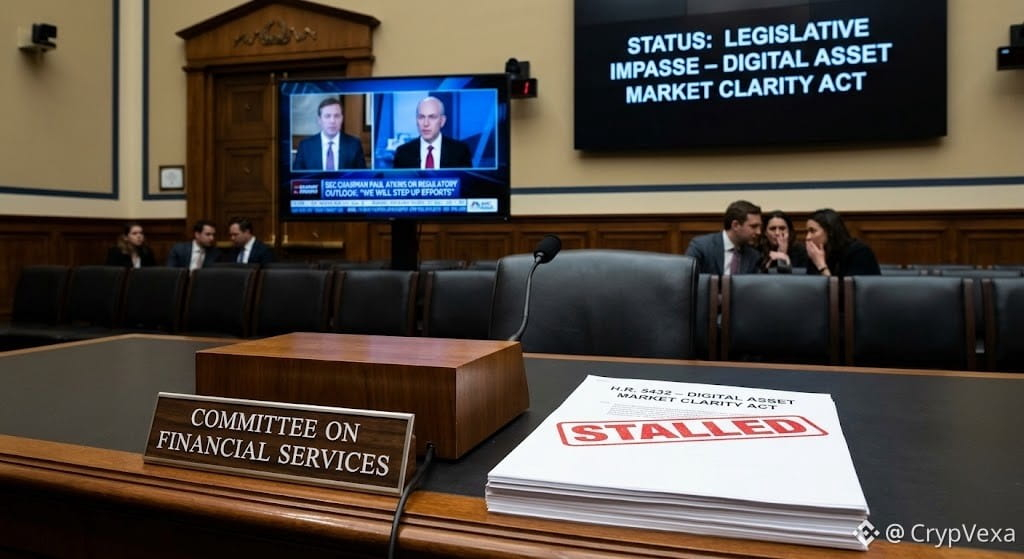
⚡ Digital Asset Market CLARITY Act Stalls in Congress
🇺🇸 The Digital Asset Market CLARITY Act has stalled in Congress, delaying efforts to establish clearer rules for crypto assets and define regulatory responsibilities.
📋 The bill aimed to clarify how different digital assets are regulated and which agencies would oversee them.
⚠️ With legislation delayed, SEC and CFTC regulatory actions could remain especially important in shaping the U.S. crypto market.
👀 Could the delay push regulators to play an even bigger role in U.S. crypto policy?
#CLARITYAct #CryptoRegulation #USCrypto #DigitalAssets
⚡ Digital Asset Market CLARITY Act Stalls in Congress
🇺🇸 The Digital Asset Market CLARITY Act has stalled in Congress, delaying efforts to establish clearer rules for crypto assets and define regulatory responsibilities.
📋 The bill aimed to clarify how different digital assets are regulated and which agencies would oversee them.
⚠️ With legislation delayed, SEC and CFTC regulatory actions could remain especially important in shaping the U.S. crypto market.
👀 Could the delay push regulators to play an even bigger role in U.S. crypto policy?
#CLARITYAct #CryptoRegulation #USCrypto #DigitalAssets
🇺🇸 The Digital Asset Market CLARITY Act has stalled in Congress, delaying efforts to establish clearer rules for crypto assets and define regulatory responsibilities.
📋 The bill aimed to clarify how different digital assets are regulated and which agencies would oversee them.
⚠️ With legislation delayed, SEC and CFTC regulatory actions could remain especially important in shaping the U.S. crypto market.
👀 Could the delay push regulators to play an even bigger role in U.S. crypto policy?
#CLARITYAct #CryptoRegulation #USCrypto #DigitalAssets
1
49
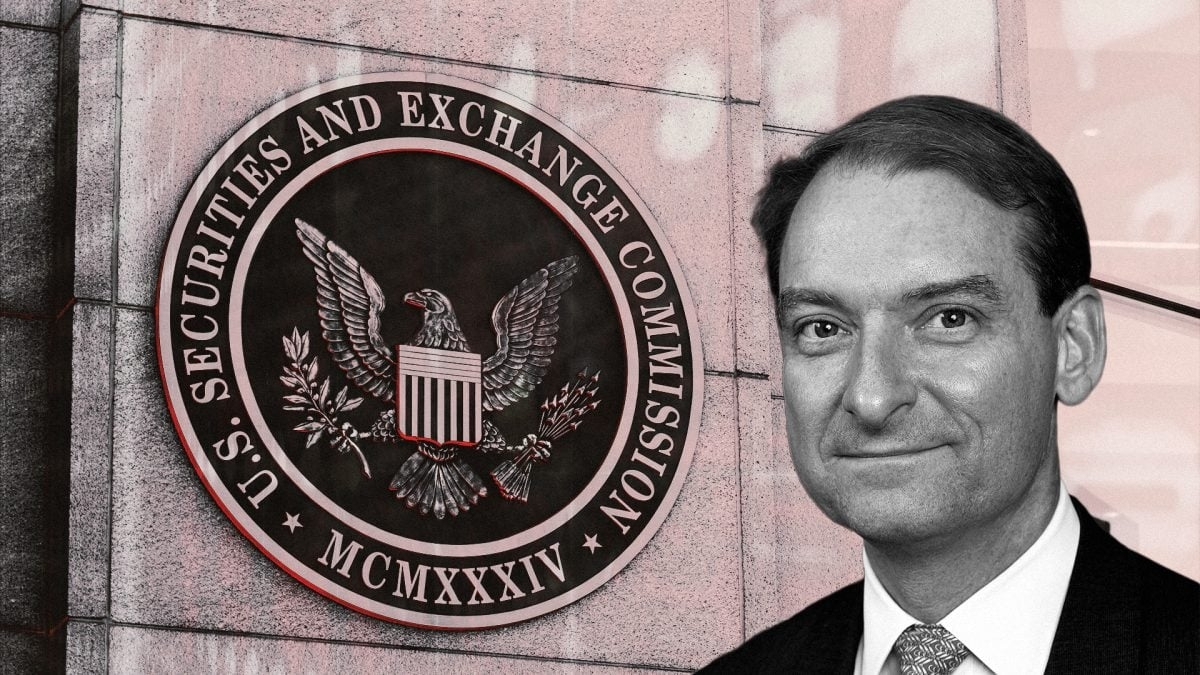
Big regulatory shift today. The SEC just dropped its long awaited innovation exemption as a direct response to Congress stalling on digital asset laws. This could really change how projects operate in the US market going forward. 1️⃣ The new innovation exemption aims to bring American capital markets into the digital age. 2️⃣ It arrives after the Senate failed to push crucial crypto legislation through. 3️⃣ Industry leaders are now reviewing the fine print to see what this means for assets like $BTC and compliance. Keeping an eye on how this unfolds. #CryptoRegulation #USSec #Bitcoin #Write2Earn
Big regulatory shift today. The SEC just dropped its long awaited innovation exemption as a direct response to Congress stalling on digital asset laws. This could really change how projects operate in the US market going forward. 1️⃣ The new innovation exemption aims to bring American capital markets into the digital age. 2️⃣ It arrives after the Senate failed to push crucial crypto legislation through. 3️⃣ Industry leaders are now reviewing the fine print to see what this means for assets like $BTC and compliance. Keeping an eye on how this unfolds. #CryptoRegulation #USSec #Bitcoin #Write2Earn
3
1.3k

·
--
🚨 South Africa's Crypto Exit Question...
#SouthAfricaProposesCryptoExchangeControls
South Africa isn't proposing to ban crypto.
It's proposing to bring crypto's movement across its borders under exchange-control rules.
That sounds reasonable — until you consider where crypto is increasingly being used.
The draft framework would treat transfers from a domestic authorised crypto provider to an offshore provider or a non-custodial wallet as cross-border events that must be reported to FinSurv.
Individuals would have a route to externalise crypto through existing foreign-exchange allowances.
But companies would not have the same proposed route.
And that's where the debate gets interesting.
A South African business could use crypto domestically, but the proposed framework would restrict corporate cross-border crypto flows — potentially affecting use cases such as international settlement and offshore digital-asset treasury activity. Industry groups argue this could push activity toward offshore platforms rather than eliminate it.
The regulator's objective is different: close potential exchange-control loopholes and improve visibility over cross-border capital flows and illicit finance.
So the real question isn't:
“Is South Africa banning crypto?”
It isn't.
The question is:
Can tighter controls on regulated crypto rails increase visibility — or could some activity simply move beyond those rails?
The proposal is still open for comment until September 30.
Where do you think the line should be drawn?
$BTC $SAGA $SUI
#CryptoRegulation #BinanceSquare #Stablecoins
🚨 South Africa's Crypto Exit Question...
#SouthAfricaProposesCryptoExchangeControls
South Africa isn't proposing to ban crypto.
It's proposing to bring crypto's movement across its borders under exchange-control rules.
That sounds reasonable — until you consider where crypto is increasingly being used.
The draft framework would treat transfers from a domestic authorised crypto provider to an offshore provider or a non-custodial wallet as cross-border events that must be reported to FinSurv.
Individuals would have a route to externalise crypto through existing foreign-exchange allowances.
But companies would not have the same proposed route.
And that's where the debate gets interesting.
A South African business could use crypto domestically, but the proposed framework would restrict corporate cross-border crypto flows — potentially affecting use cases such as international settlement and offshore digital-asset treasury activity. Industry groups argue this could push activity toward offshore platforms rather than eliminate it.
The regulator's objective is different: close potential exchange-control loopholes and improve visibility over cross-border capital flows and illicit finance.
So the real question isn't:
“Is South Africa banning crypto?”
It isn't.
The question is:
Can tighter controls on regulated crypto rails increase visibility — or could some activity simply move beyond those rails?
The proposal is still open for comment until September 30.
Where do you think the line should be drawn?
$BTC $SAGA $SUI
#CryptoRegulation #BinanceSquare #Stablecoins
#SouthAfricaProposesCryptoExchangeControls
South Africa isn't proposing to ban crypto.
It's proposing to bring crypto's movement across its borders under exchange-control rules.
That sounds reasonable — until you consider where crypto is increasingly being used.
The draft framework would treat transfers from a domestic authorised crypto provider to an offshore provider or a non-custodial wallet as cross-border events that must be reported to FinSurv.
Individuals would have a route to externalise crypto through existing foreign-exchange allowances.
But companies would not have the same proposed route.
And that's where the debate gets interesting.
A South African business could use crypto domestically, but the proposed framework would restrict corporate cross-border crypto flows — potentially affecting use cases such as international settlement and offshore digital-asset treasury activity. Industry groups argue this could push activity toward offshore platforms rather than eliminate it.
The regulator's objective is different: close potential exchange-control loopholes and improve visibility over cross-border capital flows and illicit finance.
So the real question isn't:
“Is South Africa banning crypto?”
It isn't.
The question is:
Can tighter controls on regulated crypto rails increase visibility — or could some activity simply move beyond those rails?
The proposal is still open for comment until September 30.
Where do you think the line should be drawn?
$BTC $SAGA $SUI
#CryptoRegulation #BinanceSquare #Stablecoins

2
256

·
--
Bullish
#southafricaproposescryptoexchangecontrols
🇿🇦 South Africa’s Crypto Proposal: Should Your Own Wallet Count as an Overseas Transfer?
South Africa is proposing rules that would bring certain crypto transfers into its capital-flow controls. Treasury and the Reserve Bank released the draft manual on August 3, with comments due September 30. It remains a proposal subject to revision.
Under the draft, transfers from an authorised domestic crypto provider to an offshore provider—or an individual’s own self-custody wallet—would count as reportable capital exports.
Resident individuals could make these transfers within their foreign-exchange allowances. That outward route would not be permitted for South African entities.
Domestic purchases in rand through authorised providers would not trigger this cross-border reporting requirement.
🔎 My take: the definition of a cross-border transfer matters as much as the reporting itself. Moving assets into a personal wallet does not necessarily mean sending them to someone overseas, yet the proposed classification could create additional administration.
For businesses, eligibility restrictions could limit crypto’s usefulness for international settlement. Clear permissions and workable compliance processes would matter for firms considering stablecoin payments.
The next thing to watch is how consultation changes the definitions, eligibility rules and implementation timetable.
Should self-custody withdrawals and overseas payments receive different treatment? 👇
#SouthAfricaProposesCryptoExchangeControls #CryptoRegulation #SouthAfrica
$ZETA $BTC $PTB
{future}(PTBUSDT)
{future}(BTCUSDT)
{future}(ZETAUSDT)
#southafricaproposescryptoexchangecontrols
🇿🇦 South Africa’s Crypto Proposal: Should Your Own Wallet Count as an Overseas Transfer?
South Africa is proposing rules that would bring certain crypto transfers into its capital-flow controls. Treasury and the Reserve Bank released the draft manual on August 3, with comments due September 30. It remains a proposal subject to revision.
Under the draft, transfers from an authorised domestic crypto provider to an offshore provider—or an individual’s own self-custody wallet—would count as reportable capital exports.
Resident individuals could make these transfers within their foreign-exchange allowances. That outward route would not be permitted for South African entities.
Domestic purchases in rand through authorised providers would not trigger this cross-border reporting requirement.
🔎 My take: the definition of a cross-border transfer matters as much as the reporting itself. Moving assets into a personal wallet does not necessarily mean sending them to someone overseas, yet the proposed classification could create additional administration.
For businesses, eligibility restrictions could limit crypto’s usefulness for international settlement. Clear permissions and workable compliance processes would matter for firms considering stablecoin payments.
The next thing to watch is how consultation changes the definitions, eligibility rules and implementation timetable.
Should self-custody withdrawals and overseas payments receive different treatment? 👇
#SouthAfricaProposesCryptoExchangeControls #CryptoRegulation #SouthAfrica
$ZETA $BTC $PTB
🇿🇦 South Africa’s Crypto Proposal: Should Your Own Wallet Count as an Overseas Transfer?
South Africa is proposing rules that would bring certain crypto transfers into its capital-flow controls. Treasury and the Reserve Bank released the draft manual on August 3, with comments due September 30. It remains a proposal subject to revision.
Under the draft, transfers from an authorised domestic crypto provider to an offshore provider—or an individual’s own self-custody wallet—would count as reportable capital exports.
Resident individuals could make these transfers within their foreign-exchange allowances. That outward route would not be permitted for South African entities.
Domestic purchases in rand through authorised providers would not trigger this cross-border reporting requirement.
🔎 My take: the definition of a cross-border transfer matters as much as the reporting itself. Moving assets into a personal wallet does not necessarily mean sending them to someone overseas, yet the proposed classification could create additional administration.
For businesses, eligibility restrictions could limit crypto’s usefulness for international settlement. Clear permissions and workable compliance processes would matter for firms considering stablecoin payments.
The next thing to watch is how consultation changes the definitions, eligibility rules and implementation timetable.
Should self-custody withdrawals and overseas payments receive different treatment? 👇
#SouthAfricaProposesCryptoExchangeControls #CryptoRegulation #SouthAfrica
$ZETA $BTC $PTB

199
Log in to explore more content
Join global crypto users on Binance Square
⚡️ Get latest and useful information about crypto.
💬 Trusted by the world’s largest crypto exchange.
👍 Discover real insights from verified creators.
Email / Phone number
Trending Topics
1
#AIStocksWhatNext
198,110 views
2,213 Discussing
2
#BitcoinBreaksAboveMayHighNears$86K
6,676 views
116 Discussing
3
#DogecoinRises15%
16,781 views
652 Discussing
4
#$14BBitcoinOptionsExpireFriday
1,008 views
57 Discussing
5
#BNBMarketCapPassesBNYMellon
10,764 views
478 Discussing
6
#CryptoMarketCapReclaims$3Trillion
1,488 views
51 Discussing
7
#MuseOvertakesChatGPTAsTopFreeIOSApp
8,387 views
400 Discussing
8
#TokenizedStockPlatformsCouldLaunchNextQuarter
12,716 views
450 Discussing
9
#StrategyAdds950Bitcoin
17,787 views
516 Discussing
10
#CardanoAddedToX402KitForADAPayments
19,960 views
575 Discussing