

#clarityact
clarityact
3.6M views
9,061 Discussing
Hot
Latest

·
--
📢 White House defends Trump's crypto ties amid Clarity Act stalemate
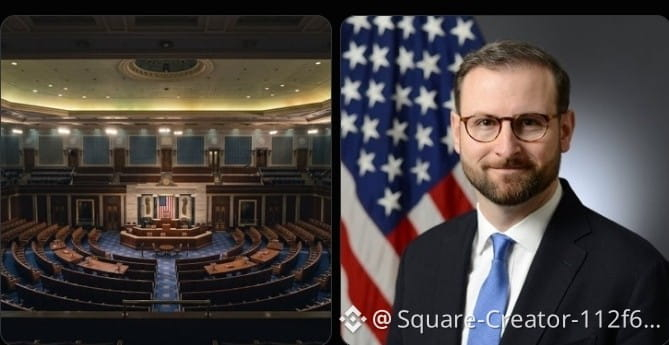
White House crypto advisor Patrick Witt issued a sharp statement defending President Donald Trump against accusations that his personal interests in the industry caused the Digital Asset Market Clarity Act to be blocked in the Senate.
Statements:
Unprecedented concessions: According to Witt, Trump made historic compromises on ethics issues. The President agreed to terms that would have forced him to sell his crypto assets or place them in a "blind trust." Furthermore, the administration was willing to allow state attorneys general to sue the federal government for failing to police ethics violations.
Hypocrisy in the Senate: The advisor called the Democrats' position politicized, using Trump's ties as a political weapon. He highlighted the irony of senators on banking committees accusing the president of a conflict of interest while actively trading stocks of the very financial companies they regulate.
Hidden factor (Banking lobby): Beyond politics, strong resistance came from the traditional financial sector. Major banks feared competition from stablecoins — in their view, yield-bearing digital asset programs could trigger a massive outflow of deposits. Witt called these fears "entirely hypothetical and speculative."
Shift in regulatory focus: Witt noted that the chances of advancing the bill before the end of the year during the "lame duck" session are practically exhausted. Due to this stalemate, the primary power and authority in shaping rules for the crypto market now shift to federal agencies — the SEC and CFTC.
#TRUMP #SEC #CLARITYAct $TRUMP
{future}(TRUMPUSDT)
📢 White House defends Trump's crypto ties amid Clarity Act stalemate
White House crypto advisor Patrick Witt issued a sharp statement defending President Donald Trump against accusations that his personal interests in the industry caused the Digital Asset Market Clarity Act to be blocked in the Senate.
Statements:
Unprecedented concessions: According to Witt, Trump made historic compromises on ethics issues. The President agreed to terms that would have forced him to sell his crypto assets or place them in a "blind trust." Furthermore, the administration was willing to allow state attorneys general to sue the federal government for failing to police ethics violations.
Hypocrisy in the Senate: The advisor called the Democrats' position politicized, using Trump's ties as a political weapon. He highlighted the irony of senators on banking committees accusing the president of a conflict of interest while actively trading stocks of the very financial companies they regulate.
Hidden factor (Banking lobby): Beyond politics, strong resistance came from the traditional financial sector. Major banks feared competition from stablecoins — in their view, yield-bearing digital asset programs could trigger a massive outflow of deposits. Witt called these fears "entirely hypothetical and speculative."
Shift in regulatory focus: Witt noted that the chances of advancing the bill before the end of the year during the "lame duck" session are practically exhausted. Due to this stalemate, the primary power and authority in shaping rules for the crypto market now shift to federal agencies — the SEC and CFTC.
#TRUMP #SEC #CLARITYAct $TRUMP
White House crypto advisor Patrick Witt issued a sharp statement defending President Donald Trump against accusations that his personal interests in the industry caused the Digital Asset Market Clarity Act to be blocked in the Senate.
Statements:
Unprecedented concessions: According to Witt, Trump made historic compromises on ethics issues. The President agreed to terms that would have forced him to sell his crypto assets or place them in a "blind trust." Furthermore, the administration was willing to allow state attorneys general to sue the federal government for failing to police ethics violations.
Hypocrisy in the Senate: The advisor called the Democrats' position politicized, using Trump's ties as a political weapon. He highlighted the irony of senators on banking committees accusing the president of a conflict of interest while actively trading stocks of the very financial companies they regulate.
Hidden factor (Banking lobby): Beyond politics, strong resistance came from the traditional financial sector. Major banks feared competition from stablecoins — in their view, yield-bearing digital asset programs could trigger a massive outflow of deposits. Witt called these fears "entirely hypothetical and speculative."
Shift in regulatory focus: Witt noted that the chances of advancing the bill before the end of the year during the "lame duck" session are practically exhausted. Due to this stalemate, the primary power and authority in shaping rules for the crypto market now shift to federal agencies — the SEC and CFTC.
#TRUMP #SEC #CLARITYAct $TRUMP
AngelOfCrypto_-:
nice
2
1.1k

·
--
$BTC
{future}(BTCUSDT)
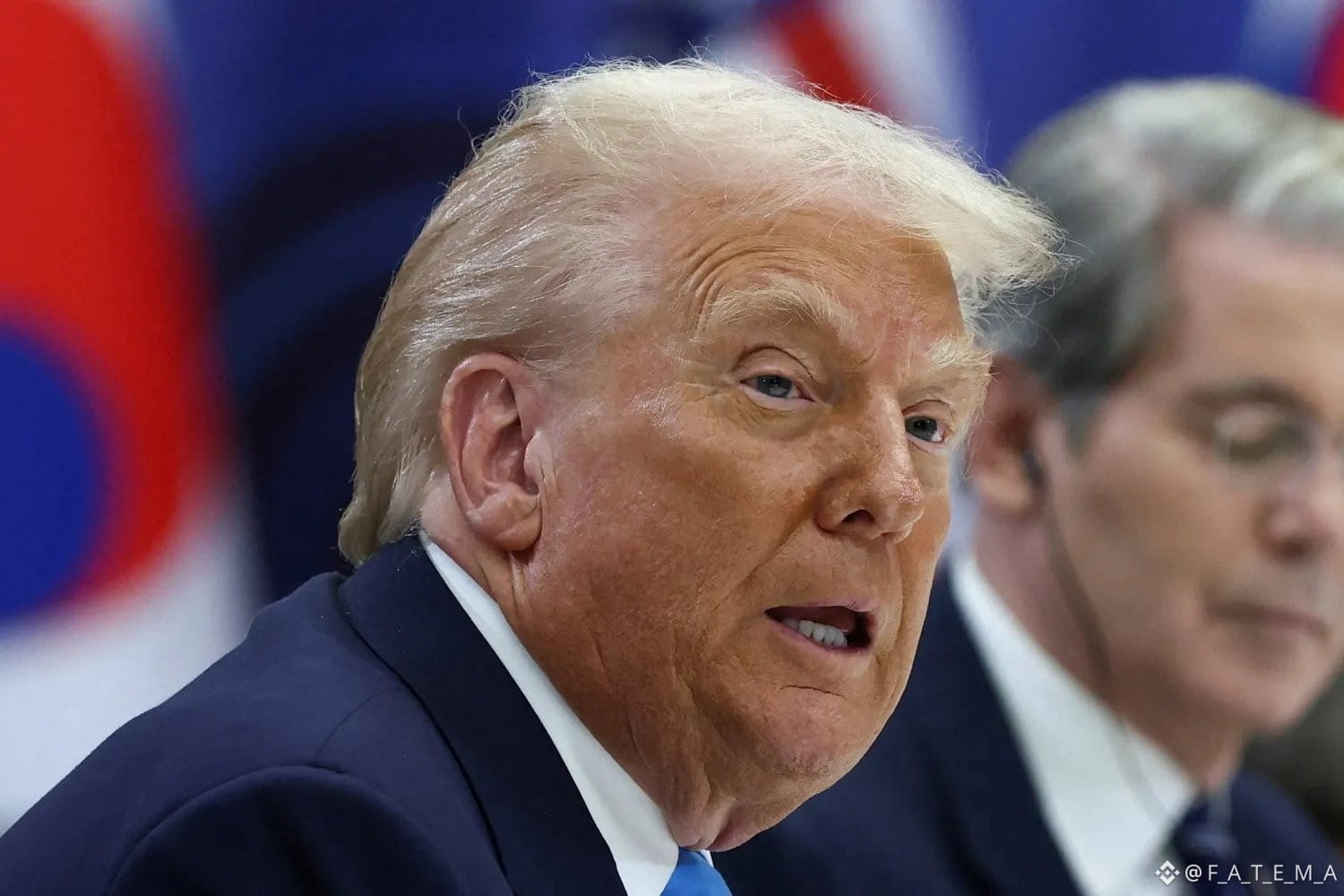
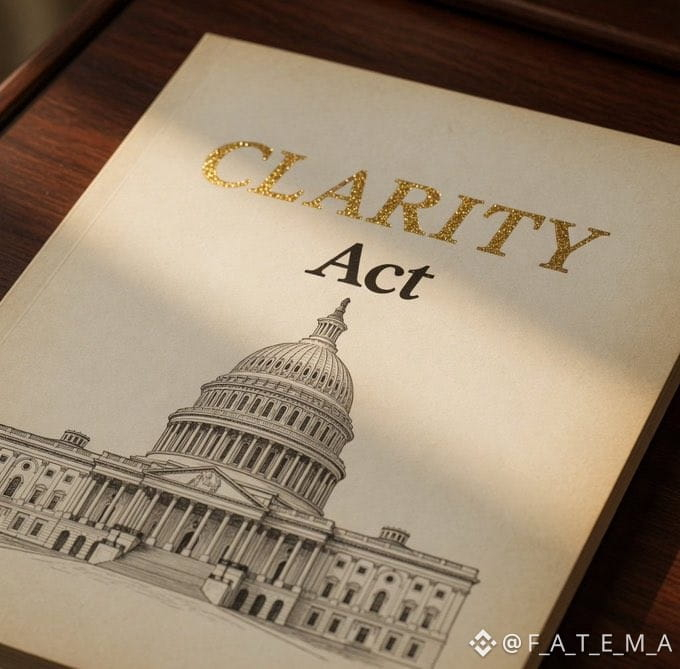
🇺🇸BREAKING: White House blames big banks for killing the CLARITY Act over fears stablecoins would drain their deposits.
White House crypto adviser Patrick Witt says opposition to the bill was "a wildfire that was started by larger banks that ultimately spread to community banks."
He says Trump was willing to divest his crypto or place it in a blind trust, calling it the most restrictive ethics provision "that has ever been agreed to by any president."
Witt called the attacks on Trump "somewhat ironic," given that "a lot of senators on banking committees" actively trade stocks in the financial companies they regulate.
#CLARITYAct #AIStocksWhatNext
$BTC
🇺🇸BREAKING: White House blames big banks for killing the CLARITY Act over fears stablecoins would drain their deposits.
White House crypto adviser Patrick Witt says opposition to the bill was "a wildfire that was started by larger banks that ultimately spread to community banks."
He says Trump was willing to divest his crypto or place it in a blind trust, calling it the most restrictive ethics provision "that has ever been agreed to by any president."
Witt called the attacks on Trump "somewhat ironic," given that "a lot of senators on banking committees" actively trade stocks in the financial companies they regulate.
#CLARITYAct #AIStocksWhatNext
🇺🇸BREAKING: White House blames big banks for killing the CLARITY Act over fears stablecoins would drain their deposits.
White House crypto adviser Patrick Witt says opposition to the bill was "a wildfire that was started by larger banks that ultimately spread to community banks."
He says Trump was willing to divest his crypto or place it in a blind trust, calling it the most restrictive ethics provision "that has ever been agreed to by any president."
Witt called the attacks on Trump "somewhat ironic," given that "a lot of senators on banking committees" actively trade stocks in the financial companies they regulate.
#CLARITYAct #AIStocksWhatNext
1
7
6k

Regulations pushing crypto offshore
The failure of the CLARITY Act could push the tokenization industry offshore as institutions seek more stable regulatory environments for digital assets.
#CLARITYAct #RWA
Regulations pushing crypto offshore
The failure of the CLARITY Act could push the tokenization industry offshore as institutions seek more stable regulatory environments for digital assets.
#CLARITYAct #RWA
The failure of the CLARITY Act could push the tokenization industry offshore as institutions seek more stable regulatory environments for digital assets.
#CLARITYAct #RWA

9

🚨 BREAKING: ETHICS DEBATE HEATS UP CLARITY ACT NEGOTIATIONS! 🇺🇸⚖️
#CLARITYACT : 🏛️ Political financial-disclosure debates are adding pressure to ongoing Congressional ethics discussions.
⚖️ The dispute is also affecting negotiations over the final language of the CLARITY Act.
📜 Lawmakers continue to weigh crypto market rules alongside government-ethics provisions.
👀 Could the ethics debate become a key factor in the bill’s final form?
Follow for daily updates 💥
$NOM $NIL $LSK
🚨 BREAKING: ETHICS DEBATE HEATS UP CLARITY ACT NEGOTIATIONS! 🇺🇸⚖️
#CLARITYACT : 🏛️ Political financial-disclosure debates are adding pressure to ongoing Congressional ethics discussions.
⚖️ The dispute is also affecting negotiations over the final language of the CLARITY Act.
📜 Lawmakers continue to weigh crypto market rules alongside government-ethics provisions.
👀 Could the ethics debate become a key factor in the bill’s final form?
Follow for daily updates 💥
$NOM $NIL $LSK
#CLARITYACT : 🏛️ Political financial-disclosure debates are adding pressure to ongoing Congressional ethics discussions.
⚖️ The dispute is also affecting negotiations over the final language of the CLARITY Act.
📜 Lawmakers continue to weigh crypto market rules alongside government-ethics provisions.
👀 Could the ethics debate become a key factor in the bill’s final form?
Follow for daily updates 💥
$NOM $NIL $LSK
356
US Regulators Push Ahead While Congress Stalls Crypto Bill
The CLARITY Act stalls in the Senate as the CFTC moves to implement rules for tokenized collateral using existing powers.
#CLARITYAct #CFTC
US Regulators Push Ahead While Congress Stalls Crypto Bill
The CLARITY Act stalls in the Senate as the CFTC moves to implement rules for tokenized collateral using existing powers.
#CLARITYAct #CFTC
The CLARITY Act stalls in the Senate as the CFTC moves to implement rules for tokenized collateral using existing powers.
#CLARITYAct #CFTC
5

·
--
🚨 CLARITY ACT UPDATE 🇺🇸₿
A viral post claims President Trump has just signed the CLARITY Act into law.
But there’s a problem… 👀
The bill has $NOT become law.
The U.S. Senate failed to advance the CLARITY Act on September 15, with the vote ending 50–49 — short of the 60 votes needed. ⚠️
And as of September 22, White House and Treasury officials were still discussing the legislation as pending.
So what happens next? 🤔
The push for clearer crypto regulation in the U.S. is still alive — but the $CLAR.US RITY Act has another legislative hurdle to clear.
Crypto regulation in Washington is far from settled. 🇺🇸📈
$ETH #Crypto #Bitcoin #CLARITYAct
🚨 CLARITY ACT UPDATE 🇺🇸₿
A viral post claims President Trump has just signed the CLARITY Act into law.
But there’s a problem… 👀
The bill has $NOT become law.
The U.S. Senate failed to advance the CLARITY Act on September 15, with the vote ending 50–49 — short of the 60 votes needed. ⚠️
And as of September 22, White House and Treasury officials were still discussing the legislation as pending.
So what happens next? 🤔
The push for clearer crypto regulation in the U.S. is still alive — but the $CLAR.US RITY Act has another legislative hurdle to clear.
Crypto regulation in Washington is far from settled. 🇺🇸📈
$ETH #Crypto #Bitcoin #CLARITYAct
A viral post claims President Trump has just signed the CLARITY Act into law.
But there’s a problem… 👀
The bill has $NOT become law.
The U.S. Senate failed to advance the CLARITY Act on September 15, with the vote ending 50–49 — short of the 60 votes needed. ⚠️
And as of September 22, White House and Treasury officials were still discussing the legislation as pending.
So what happens next? 🤔
The push for clearer crypto regulation in the U.S. is still alive — but the $CLAR.US RITY Act has another legislative hurdle to clear.
Crypto regulation in Washington is far from settled. 🇺🇸📈
$ETH #Crypto #Bitcoin #CLARITYAct
314


Article
CLARITY Act Fails in the Senate, Bitcoin Rallies Anyway: What That Really Means?A major crypto regulation bill just got blocked. Here's why the market barely blinked, and what it signals for you.
📜 A bill the entire industry had been waiting on for over a year just failed. Bitcoin didn't seem to care.
On September 16, the Senate rejected cloture on the CLARITY Act, the procedural vote needed to even bring the crypto market structure bill to the floor. It needed 60 votes. It didn't get them. For now, that blocks the bill from moving forward.
🏛️ Here's what CLARITY Act was actually supposed to do.
The bill aimed to create a federal framework for digital assets, clarifying when a token falls under SEC or CFTC oversight, something the industry has been asking for since before the last bull run. Coinbase's CEO and other major executives had publicly called the earlier delays disappointing. This failed vote is a real setback, not just another postponement.
📉 The market's first reaction matched expectations.
Bitcoin briefly dipped below $76,000 in the days around the news, exactly the kind of drop you'd expect when a major regulatory catalyst falls apart.
🚀 But then something more interesting happened.
Within days, BTC didn't just recover, it surged past $86,600, one of its strongest weekly moves in months. A short squeeze and confirmed corporate buying from Strategy and Strive Enterprises overwhelmed whatever hit sentiment took from the Senate vote.
🧠 Why does this matter more than the headline itself?
A failed regulatory vote used to be the kind of news that could send crypto markets down for weeks. This time, the damage lasted days, not weeks, and got completely overshadowed by accumulation and short covering.
That doesn't mean regulation doesn't matter. It means the market's reaction to bad regulatory news is becoming less automatic than it used to be, real demand and positioning are starting to matter more than headlines alone.
✅ What this means for you
If you're holding, this is a useful stress test. Bitcoin absorbed a real legislative setback and still finished the week sharply higher, that's meaningfully different from previous cycles where regulatory news alone could tank price for weeks.
If you're on the sidelines waiting for "regulatory clarity" before getting involved, it's worth asking whether that clarity is actually the gating factor anymore, or whether the market has started pricing crypto more on adoption and demand than on Washington's calendar.
If you're actively trading, don't assume every future regulatory headline will get shrugged off this easily. This time, the news landed alongside strong buying pressure. A similar headline during a weak market could hit very differently.
🟢 Bullish scenario
CLARITY gets revived in a future session with revised terms, removing this overhang entirely while demand-side buying continues.
🔴 Risk scenario
The bill stalls indefinitely heading into midterm elections, leaving crypto in continued regulatory limbo that eventually weighs on institutional adoption.
👀 Three things to watch
1️⃣ Legislative calendar
Does CLARITY get another vote before the midterms, or does this session's window close?
2️⃣ Institutional commentary
Do major exchanges and custodians signal this delay is actually slowing down real business decisions?
3️⃣ Market reaction to the next regulatory headline
Does price shrug it off again, or does this resilience fade once the current buying pressure cools?
💡 The key takeaway
A bill the industry waited over a year for just failed a key vote, and Bitcoin still had one of its best weeks in months.
That's not proof regulation doesn't matter. It's a sign that right now, real demand is speaking louder than Washington's timeline. Whether that holds the next time bad news hits is the real question.
That is the part worth watching.
This post is for informational and educational purposes only and is not financial advice. Crypto markets are volatile. Always conduct your own research before making financial decisions.
#BinanceSquare #Bitcoin #CLARITYAct #Crypto #Regulation
CLARITY Act Fails in the Senate, Bitcoin Rallies Anyway: What That Really Means?
A major crypto regulation bill just got blocked. Here's why the market barely blinked, and what it signals for you.
📜 A bill the entire industry had been waiting on for over a year just failed. Bitcoin didn't seem to care.
On September 16, the Senate rejected cloture on the CLARITY Act, the procedural vote needed to even bring the crypto market structure bill to the floor. It needed 60 votes. It didn't get them. For now, that blocks the bill from moving forward.
🏛️ Here's what CLARITY Act was actually supposed to do.
The bill aimed to create a federal framework for digital assets, clarifying when a token falls under SEC or CFTC oversight, something the industry has been asking for since before the last bull run. Coinbase's CEO and other major executives had publicly called the earlier delays disappointing. This failed vote is a real setback, not just another postponement.
📉 The market's first reaction matched expectations.
Bitcoin briefly dipped below $76,000 in the days around the news, exactly the kind of drop you'd expect when a major regulatory catalyst falls apart.
🚀 But then something more interesting happened.
Within days, BTC didn't just recover, it surged past $86,600, one of its strongest weekly moves in months. A short squeeze and confirmed corporate buying from Strategy and Strive Enterprises overwhelmed whatever hit sentiment took from the Senate vote.
🧠 Why does this matter more than the headline itself?
A failed regulatory vote used to be the kind of news that could send crypto markets down for weeks. This time, the damage lasted days, not weeks, and got completely overshadowed by accumulation and short covering.
That doesn't mean regulation doesn't matter. It means the market's reaction to bad regulatory news is becoming less automatic than it used to be, real demand and positioning are starting to matter more than headlines alone.
✅ What this means for you
If you're holding, this is a useful stress test. Bitcoin absorbed a real legislative setback and still finished the week sharply higher, that's meaningfully different from previous cycles where regulatory news alone could tank price for weeks.
If you're on the sidelines waiting for "regulatory clarity" before getting involved, it's worth asking whether that clarity is actually the gating factor anymore, or whether the market has started pricing crypto more on adoption and demand than on Washington's calendar.
If you're actively trading, don't assume every future regulatory headline will get shrugged off this easily. This time, the news landed alongside strong buying pressure. A similar headline during a weak market could hit very differently.
🟢 Bullish scenario
CLARITY gets revived in a future session with revised terms, removing this overhang entirely while demand-side buying continues.
🔴 Risk scenario
The bill stalls indefinitely heading into midterm elections, leaving crypto in continued regulatory limbo that eventually weighs on institutional adoption.
👀 Three things to watch
1️⃣ Legislative calendar
Does CLARITY get another vote before the midterms, or does this session's window close?
2️⃣ Institutional commentary
Do major exchanges and custodians signal this delay is actually slowing down real business decisions?
3️⃣ Market reaction to the next regulatory headline
Does price shrug it off again, or does this resilience fade once the current buying pressure cools?
💡 The key takeaway
A bill the industry waited over a year for just failed a key vote, and Bitcoin still had one of its best weeks in months.
That's not proof regulation doesn't matter. It's a sign that right now, real demand is speaking louder than Washington's timeline. Whether that holds the next time bad news hits is the real question.
That is the part worth watching.
This post is for informational and educational purposes only and is not financial advice. Crypto markets are volatile. Always conduct your own research before making financial decisions.
#BinanceSquare #Bitcoin #CLARITYAct #Crypto #Regulation
📜 A bill the entire industry had been waiting on for over a year just failed. Bitcoin didn't seem to care.
On September 16, the Senate rejected cloture on the CLARITY Act, the procedural vote needed to even bring the crypto market structure bill to the floor. It needed 60 votes. It didn't get them. For now, that blocks the bill from moving forward.
🏛️ Here's what CLARITY Act was actually supposed to do.
The bill aimed to create a federal framework for digital assets, clarifying when a token falls under SEC or CFTC oversight, something the industry has been asking for since before the last bull run. Coinbase's CEO and other major executives had publicly called the earlier delays disappointing. This failed vote is a real setback, not just another postponement.
📉 The market's first reaction matched expectations.
Bitcoin briefly dipped below $76,000 in the days around the news, exactly the kind of drop you'd expect when a major regulatory catalyst falls apart.
🚀 But then something more interesting happened.
Within days, BTC didn't just recover, it surged past $86,600, one of its strongest weekly moves in months. A short squeeze and confirmed corporate buying from Strategy and Strive Enterprises overwhelmed whatever hit sentiment took from the Senate vote.
🧠 Why does this matter more than the headline itself?
A failed regulatory vote used to be the kind of news that could send crypto markets down for weeks. This time, the damage lasted days, not weeks, and got completely overshadowed by accumulation and short covering.
That doesn't mean regulation doesn't matter. It means the market's reaction to bad regulatory news is becoming less automatic than it used to be, real demand and positioning are starting to matter more than headlines alone.
✅ What this means for you
If you're holding, this is a useful stress test. Bitcoin absorbed a real legislative setback and still finished the week sharply higher, that's meaningfully different from previous cycles where regulatory news alone could tank price for weeks.
If you're on the sidelines waiting for "regulatory clarity" before getting involved, it's worth asking whether that clarity is actually the gating factor anymore, or whether the market has started pricing crypto more on adoption and demand than on Washington's calendar.
If you're actively trading, don't assume every future regulatory headline will get shrugged off this easily. This time, the news landed alongside strong buying pressure. A similar headline during a weak market could hit very differently.
🟢 Bullish scenario
CLARITY gets revived in a future session with revised terms, removing this overhang entirely while demand-side buying continues.
🔴 Risk scenario
The bill stalls indefinitely heading into midterm elections, leaving crypto in continued regulatory limbo that eventually weighs on institutional adoption.
👀 Three things to watch
1️⃣ Legislative calendar
Does CLARITY get another vote before the midterms, or does this session's window close?
2️⃣ Institutional commentary
Do major exchanges and custodians signal this delay is actually slowing down real business decisions?
3️⃣ Market reaction to the next regulatory headline
Does price shrug it off again, or does this resilience fade once the current buying pressure cools?
💡 The key takeaway
A bill the industry waited over a year for just failed a key vote, and Bitcoin still had one of its best weeks in months.
That's not proof regulation doesn't matter. It's a sign that right now, real demand is speaking louder than Washington's timeline. Whether that holds the next time bad news hits is the real question.
That is the part worth watching.
This post is for informational and educational purposes only and is not financial advice. Crypto markets are volatile. Always conduct your own research before making financial decisions.
#BinanceSquare #Bitcoin #CLARITYAct #Crypto #Regulation
206 Atlas:
Regulation is a lagging indicator. The market pricing in stability without it suggests institutional confidence is decoupling from legislative timelines.
2
1
711

·
--
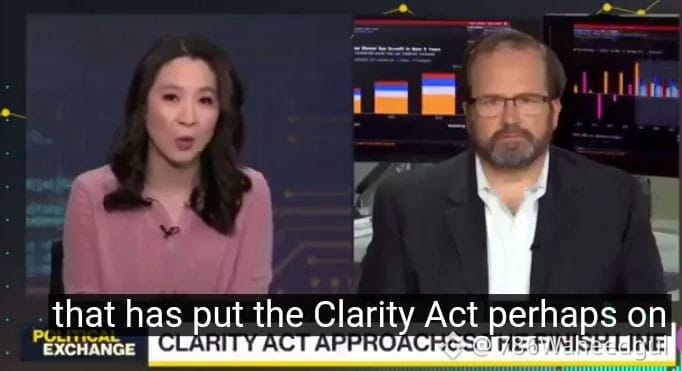
🚨 BOOM! 💥 CRYPTO REGULATION WATCH 🇺🇸
The CLARITY Act is back in the spotlight as lawmakers continue working toward a clearer regulatory framework for digital assets. 👀🔥
After the recent Senate setback, attention is now shifting toward renewed negotiations and the possibility of the bill moving forward later in the year.
If lawmakers reach a bipartisan agreement, it could become a major milestone for the U.S. crypto industry and provide greater clarity for exchanges, projects, and investors. 🚀
Crypto is watching closely.
Could this be the next big catalyst? 👀
#Crypto #CLARITYAct #Bitcoin #XRP #Binance
🚨 BOOM! 💥 CRYPTO REGULATION WATCH 🇺🇸
The CLARITY Act is back in the spotlight as lawmakers continue working toward a clearer regulatory framework for digital assets. 👀🔥
After the recent Senate setback, attention is now shifting toward renewed negotiations and the possibility of the bill moving forward later in the year.
If lawmakers reach a bipartisan agreement, it could become a major milestone for the U.S. crypto industry and provide greater clarity for exchanges, projects, and investors. 🚀
Crypto is watching closely.
Could this be the next big catalyst? 👀
#Crypto #CLARITYAct #Bitcoin #XRP #Binance
The CLARITY Act is back in the spotlight as lawmakers continue working toward a clearer regulatory framework for digital assets. 👀🔥
After the recent Senate setback, attention is now shifting toward renewed negotiations and the possibility of the bill moving forward later in the year.
If lawmakers reach a bipartisan agreement, it could become a major milestone for the U.S. crypto industry and provide greater clarity for exchanges, projects, and investors. 🚀
Crypto is watching closely.
Could this be the next big catalyst? 👀
#Crypto #CLARITYAct #Bitcoin #XRP #Binance
58
US Regulatory Clarity Could Trigger Massive Inflows
The White House is signaling a push for the Clarity Act to establish a formal crypto market structure following the election.
#ClarityAct #MarketStructure
US Regulatory Clarity Could Trigger Massive Inflows
The White House is signaling a push for the Clarity Act to establish a formal crypto market structure following the election.
#ClarityAct #MarketStructure
The White House is signaling a push for the Clarity Act to establish a formal crypto market structure following the election.
#ClarityAct #MarketStructure
2
·
--
$TRUMP
{future}(TRUMPUSDT)
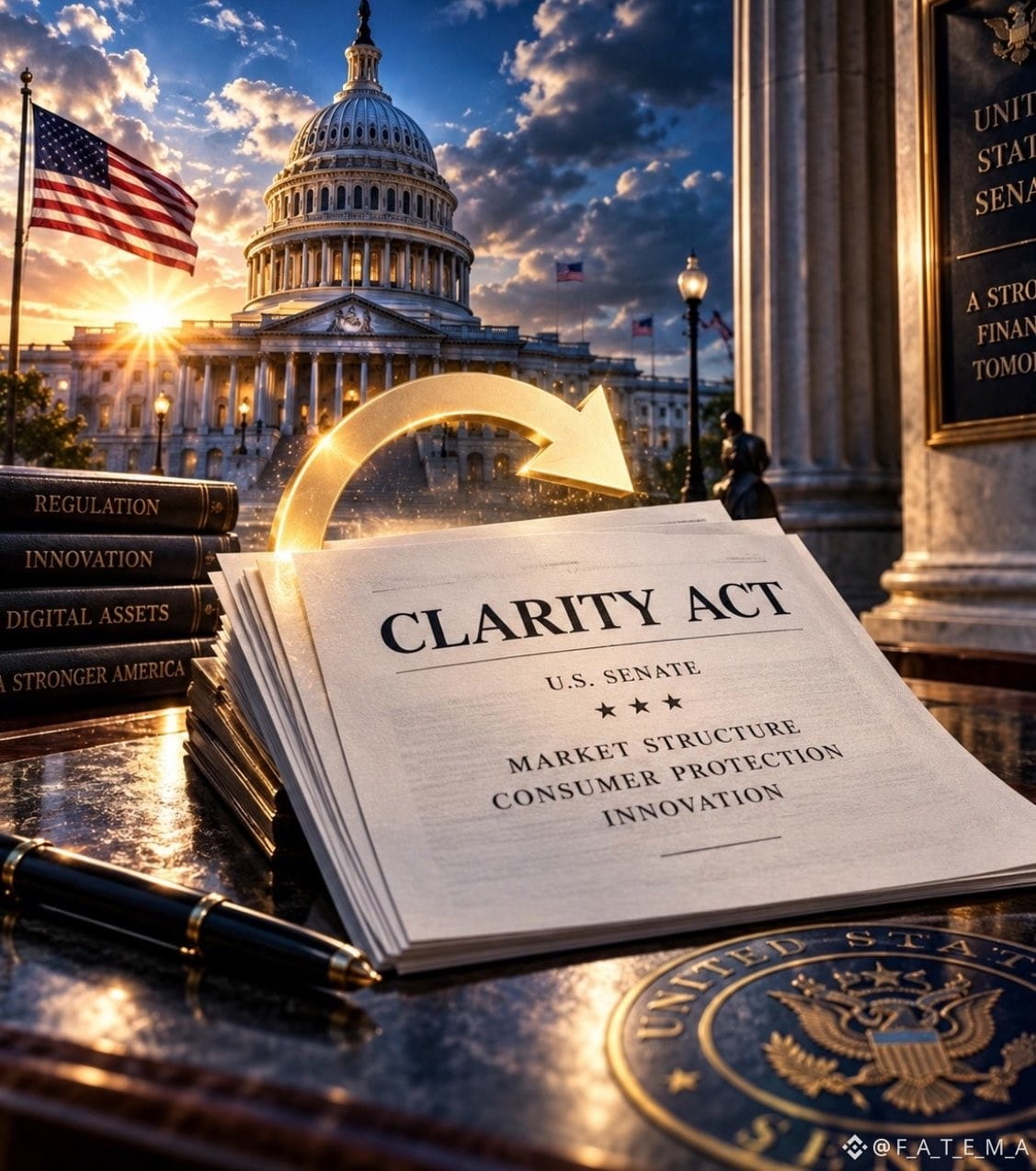
🚨🇺🇸💥COULD GET ANOTHER VOTE
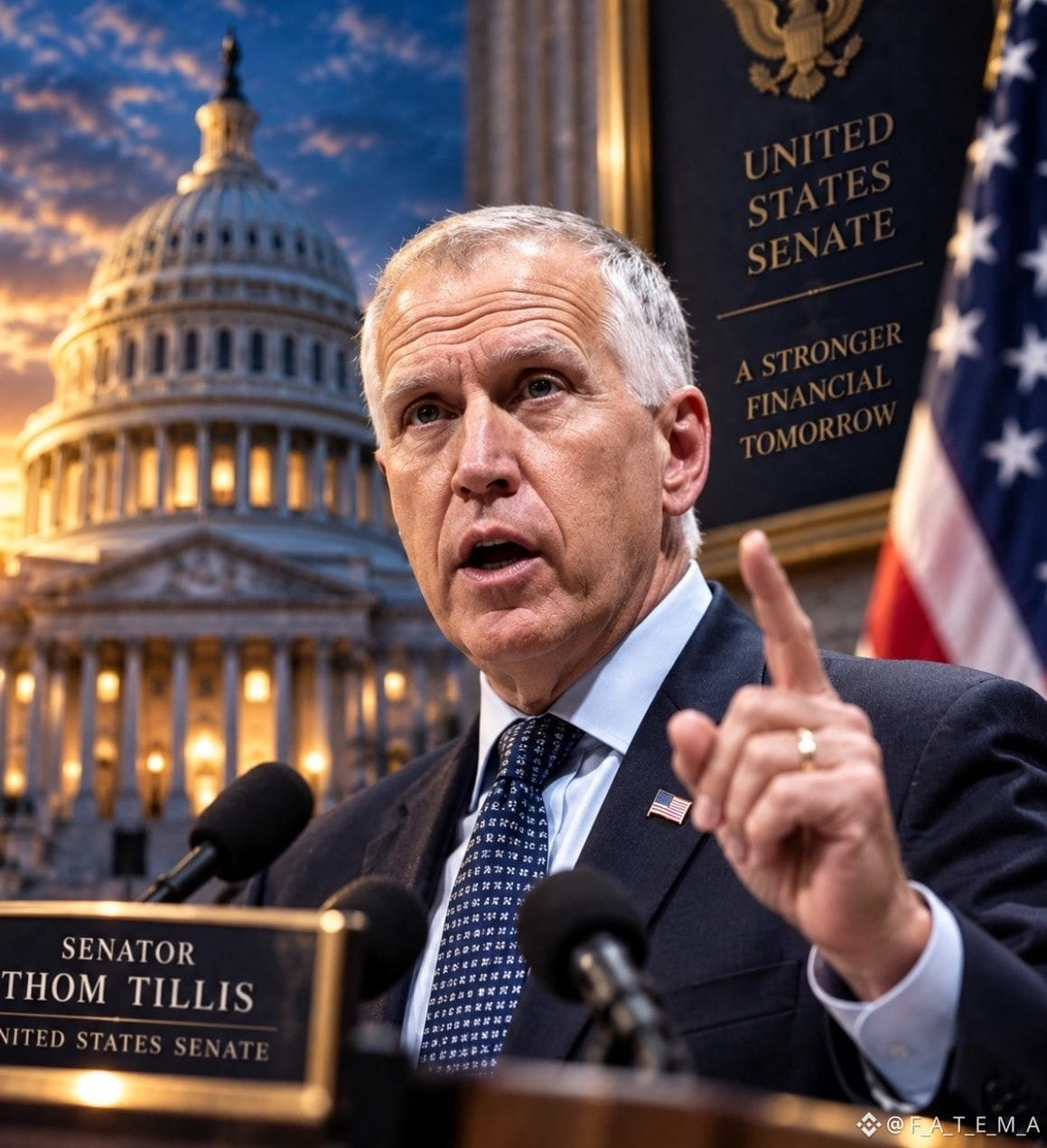
Senator Thom Tillis has formally moved to reconsider the failed CLARITY Act vote, keeping the door open for another attempt in the Senate.
CLARITY IS NOT DEAD YET. 💪🏻💥🇺🇸
#CLARITYAct
$TRUMP
🚨🇺🇸💥COULD GET ANOTHER VOTE
Senator Thom Tillis has formally moved to reconsider the failed CLARITY Act vote, keeping the door open for another attempt in the Senate.
CLARITY IS NOT DEAD YET. 💪🏻💥🇺🇸
#CLARITYAct
🚨🇺🇸💥COULD GET ANOTHER VOTE
Senator Thom Tillis has formally moved to reconsider the failed CLARITY Act vote, keeping the door open for another attempt in the Senate.
CLARITY IS NOT DEAD YET. 💪🏻💥🇺🇸
#CLARITYAct
2
1.7k


·
--
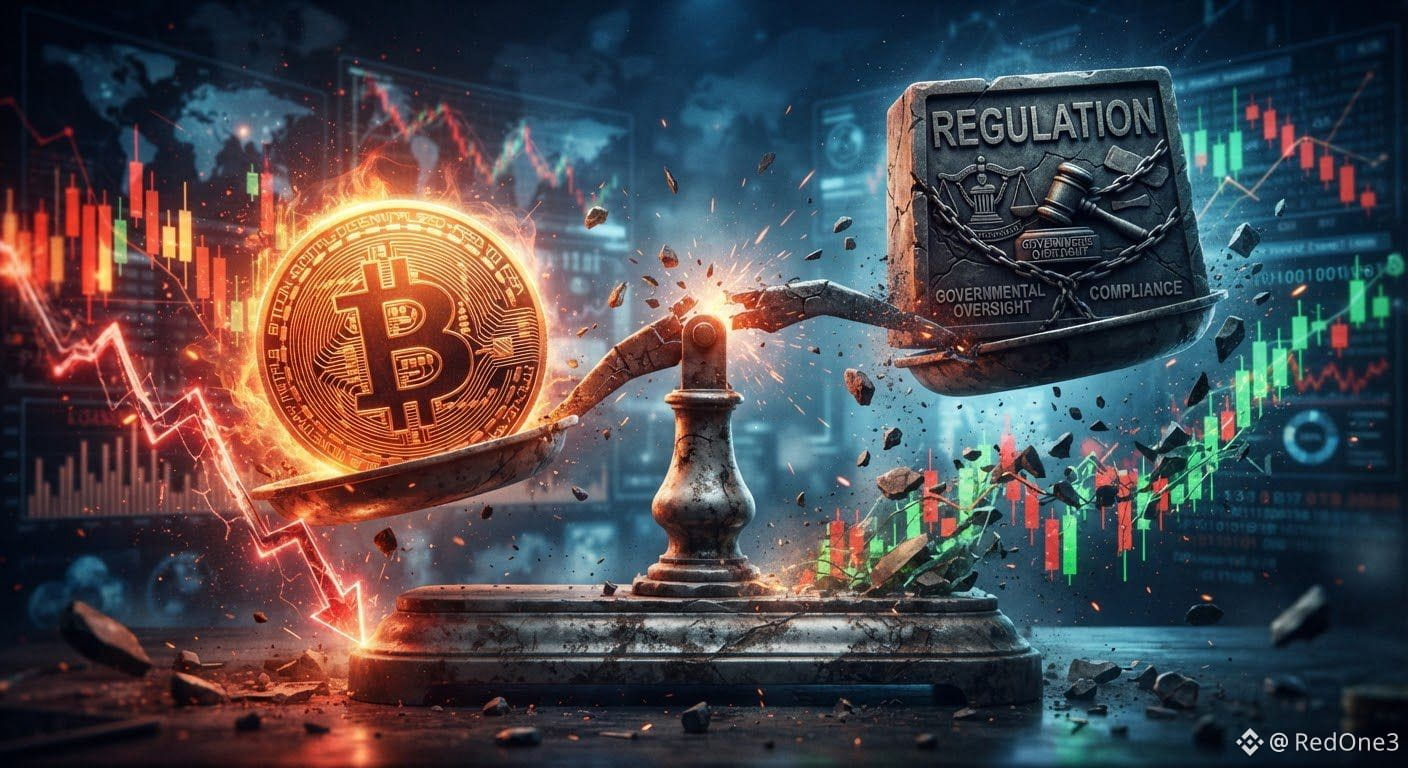
The failure of the CLARITY Act and the massive $30M backlash from crypto PACs is sending ripples through the market. 🚨
While regulatory gridlock creates short-term uncertainty and choppy price action, this aggressive political pushback proves that the crypto industry is no longer playing defense. 🛡️
Expect volatile trading in the near term, but the long-term drive for clear and fair rules remains fully intact. 🔥
How are you positioning your portfolio during this volatility? 📉📈
#CLARITYAct #CryptoRegulation .
The failure of the CLARITY Act and the massive $30M backlash from crypto PACs is sending ripples through the market. 🚨
While regulatory gridlock creates short-term uncertainty and choppy price action, this aggressive political pushback proves that the crypto industry is no longer playing defense. 🛡️
Expect volatile trading in the near term, but the long-term drive for clear and fair rules remains fully intact. 🔥
How are you positioning your portfolio during this volatility? 📉📈
#CLARITYAct #CryptoRegulation .
While regulatory gridlock creates short-term uncertainty and choppy price action, this aggressive political pushback proves that the crypto industry is no longer playing defense. 🛡️
Expect volatile trading in the near term, but the long-term drive for clear and fair rules remains fully intact. 🔥
How are you positioning your portfolio during this volatility? 📉📈
#CLARITYAct #CryptoRegulation .
38
·
--
Bullish
🚨 $30 MILLION. ONE SENATE RACE. CRYPTO IS GETTING POLITICAL. 🇺🇸
Traditional politics has campaigns.
Crypto now has $30M war chests.
Fairshake says it’s spending $30M against Sherrod Brown in Ohio after the CLARITY Act hit a procedural roadblock.
And they say more spending decisions are coming. 👀
The bigger question:
How much money will crypto deploy before November?
{future}(BTCUSDT)
#CryptoNews #BinanceSquare #CLARITYAct
🚨 $30 MILLION. ONE SENATE RACE. CRYPTO IS GETTING POLITICAL. 🇺🇸
Traditional politics has campaigns.
Crypto now has $30M war chests.
Fairshake says it’s spending $30M against Sherrod Brown in Ohio after the CLARITY Act hit a procedural roadblock.
And they say more spending decisions are coming. 👀
The bigger question:
How much money will crypto deploy before November?
#CryptoNews #BinanceSquare #CLARITYAct
Traditional politics has campaigns.
Crypto now has $30M war chests.
Fairshake says it’s spending $30M against Sherrod Brown in Ohio after the CLARITY Act hit a procedural roadblock.
And they say more spending decisions are coming. 👀
The bigger question:
How much money will crypto deploy before November?
#CryptoNews #BinanceSquare #CLARITYAct

142

🚨 CLARITY Act failed
The Senate rejected the CLARITY Act 49 to 50; 60 votes were needed to advance it. The law’s chances for 2026, according to Polymarket, fell from 31% to 7%. Regulation will now go through the SEC and CFTC. Do you think this is good for the market or bad? 👇
#CLARITYAct #crypto #Regulation #NFA
🚨 CLARITY Act failed
The Senate rejected the CLARITY Act 49 to 50; 60 votes were needed to advance it. The law’s chances for 2026, according to Polymarket, fell from 31% to 7%. Regulation will now go through the SEC and CFTC. Do you think this is good for the market or bad? 👇
#CLARITYAct #crypto #Regulation #NFA
The Senate rejected the CLARITY Act 49 to 50; 60 votes were needed to advance it. The law’s chances for 2026, according to Polymarket, fell from 31% to 7%. Regulation will now go through the SEC and CFTC. Do you think this is good for the market or bad? 👇
#CLARITYAct #crypto #Regulation #NFA
+
-
6 hr(s) left
1
824

·
--
#CLARITYAct
The Senate vote stalled at 49–50, and the bill got stuck amid the dispute. Former Congressman Tim Ryan’s view is that as long as the controversy is resolved, the CLARITY Act could still pass this year.
For mainstream coins already listed on Binance, this is a progress bar for the U.S. market-structure rules—not a price catalyst. Real implementation would change the compliance framework for trading venues and token classification; dragging it out would keep things as they are. The assessment is falsifiable: if there is no new Senate voting schedule within the year, the probability of passage this year would be close to zero.
$FET $BTC $PLUME
#CLARITYAct
The Senate vote stalled at 49–50, and the bill got stuck amid the dispute. Former Congressman Tim Ryan’s view is that as long as the controversy is resolved, the CLARITY Act could still pass this year.
For mainstream coins already listed on Binance, this is a progress bar for the U.S. market-structure rules—not a price catalyst. Real implementation would change the compliance framework for trading venues and token classification; dragging it out would keep things as they are. The assessment is falsifiable: if there is no new Senate voting schedule within the year, the probability of passage this year would be close to zero.
$FET $BTC $PLUME
The Senate vote stalled at 49–50, and the bill got stuck amid the dispute. Former Congressman Tim Ryan’s view is that as long as the controversy is resolved, the CLARITY Act could still pass this year.
For mainstream coins already listed on Binance, this is a progress bar for the U.S. market-structure rules—not a price catalyst. Real implementation would change the compliance framework for trading venues and token classification; dragging it out would keep things as they are. The assessment is falsifiable: if there is no new Senate voting schedule within the year, the probability of passage this year would be close to zero.
$FET $BTC $PLUME

538

·
--
【Did the CLARITY Act fail in the US, but crypto regulation may take a different route instead? 🔥】
[💬 美国加密监管动向进群聊](https://app.binance.com/uni-qr/XP5J3ynH)
The CLARITY Act was unable to move forward in the US Senate last week, but that doesn’t mean US crypto regulation has stopped.
On September 23 local time, White House crypto advisor Patrick Witt once again defended the relationship between Trump and the Crypto industry.
He said that Trump has already made major concessions on the ethics provisions of the CLARITY Act, including accepting stricter restrictions on crypto assets. Witt believes that controversies surrounding Trump’s personal crypto interests affected the bill’s progress.
But what’s really worth paying attention to is the second half.
Witt made it clear that even if the CLARITY Act doesn’t pass, the SEC and CFTC will continue to push forward with crypto regulatory rules.
In other words, the US may now be shifting from “congressional legislation” to “regulators moving first.”
And that’s actually very important.
Because the CLARITY Act originally aimed to address the core issue of how the SEC and CFTC should divide responsibilities—such as which Crypto falls under securities and which falls under commodities.
Now that the bill is stuck, these problems won’t simply disappear; only the approach to solving them may change.
📌 So what’s really worth关注 this time isn’t “Since CLARITY failed, the US won’t support Crypto,” but rather that US crypto regulation may be entering a new stage:
Congressional legislation is temporarily stalled, but the SEC and CFTC are taking over.
Next, what to watch is what specific rules these regulators will come up with—and whether they can truly fill the regulatory gap left by the CLARITY Act.
#CLARITYAct
【Did the CLARITY Act fail in the US, but crypto regulation may take a different route instead? 🔥】
💬 美国加密监管动向进群聊
The CLARITY Act was unable to move forward in the US Senate last week, but that doesn’t mean US crypto regulation has stopped.
On September 23 local time, White House crypto advisor Patrick Witt once again defended the relationship between Trump and the Crypto industry.
He said that Trump has already made major concessions on the ethics provisions of the CLARITY Act, including accepting stricter restrictions on crypto assets. Witt believes that controversies surrounding Trump’s personal crypto interests affected the bill’s progress.
But what’s really worth paying attention to is the second half.
Witt made it clear that even if the CLARITY Act doesn’t pass, the SEC and CFTC will continue to push forward with crypto regulatory rules.
In other words, the US may now be shifting from “congressional legislation” to “regulators moving first.”
And that’s actually very important.
Because the CLARITY Act originally aimed to address the core issue of how the SEC and CFTC should divide responsibilities—such as which Crypto falls under securities and which falls under commodities.
Now that the bill is stuck, these problems won’t simply disappear; only the approach to solving them may change.
📌 So what’s really worth关注 this time isn’t “Since CLARITY failed, the US won’t support Crypto,” but rather that US crypto regulation may be entering a new stage:
Congressional legislation is temporarily stalled, but the SEC and CFTC are taking over.
Next, what to watch is what specific rules these regulators will come up with—and whether they can truly fill the regulatory gap left by the CLARITY Act.
#CLARITYAct
💬 美国加密监管动向进群聊
The CLARITY Act was unable to move forward in the US Senate last week, but that doesn’t mean US crypto regulation has stopped.
On September 23 local time, White House crypto advisor Patrick Witt once again defended the relationship between Trump and the Crypto industry.
He said that Trump has already made major concessions on the ethics provisions of the CLARITY Act, including accepting stricter restrictions on crypto assets. Witt believes that controversies surrounding Trump’s personal crypto interests affected the bill’s progress.
But what’s really worth paying attention to is the second half.
Witt made it clear that even if the CLARITY Act doesn’t pass, the SEC and CFTC will continue to push forward with crypto regulatory rules.
In other words, the US may now be shifting from “congressional legislation” to “regulators moving first.”
And that’s actually very important.
Because the CLARITY Act originally aimed to address the core issue of how the SEC and CFTC should divide responsibilities—such as which Crypto falls under securities and which falls under commodities.
Now that the bill is stuck, these problems won’t simply disappear; only the approach to solving them may change.
📌 So what’s really worth关注 this time isn’t “Since CLARITY failed, the US won’t support Crypto,” but rather that US crypto regulation may be entering a new stage:
Congressional legislation is temporarily stalled, but the SEC and CFTC are taking over.
Next, what to watch is what specific rules these regulators will come up with—and whether they can truly fill the regulatory gap left by the CLARITY Act.
#CLARITYAct

186
·
--
$BTC
{future}(BTCUSDT)
$XRP
{future}(XRPUSDT)
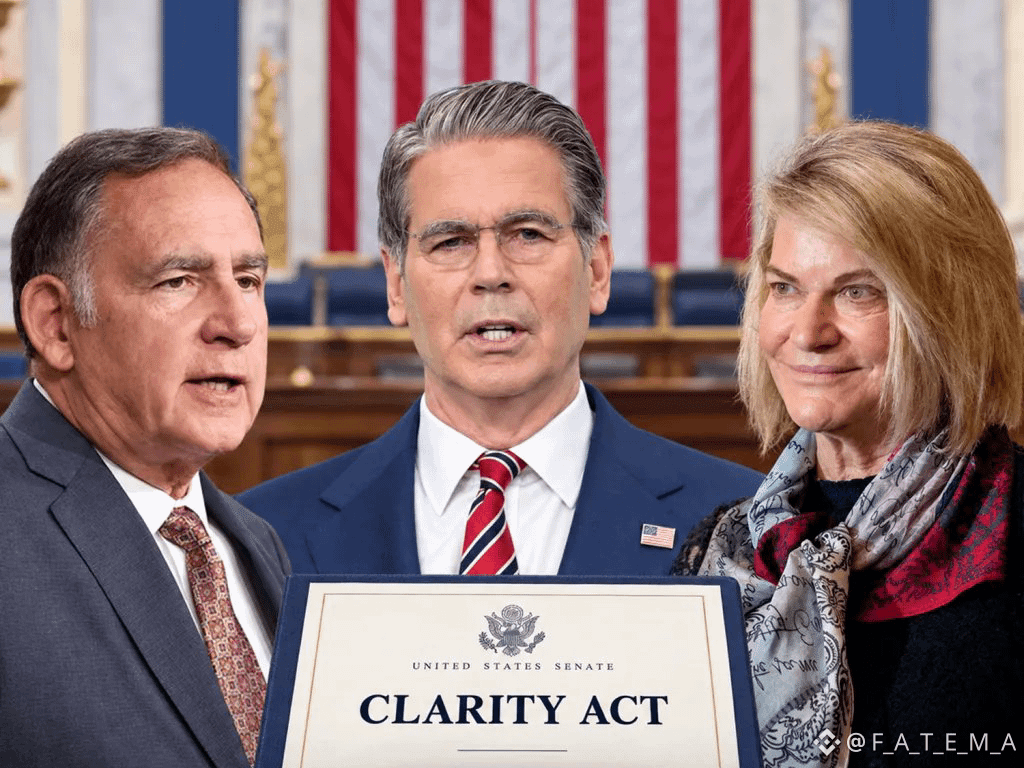
🚨The final CLARITY Act text included 126
substantive changes.
Senators Lummis, Boozman and Scott released a revised version after more than a year of bipartisan negotiations.
U.S NEEDS CLARITY FOR CRYPTO & ripple:native !!
#CLARITYAct
$BTC
$XRP
🚨The final CLARITY Act text included 126
substantive changes.
Senators Lummis, Boozman and Scott released a revised version after more than a year of bipartisan negotiations.
U.S NEEDS CLARITY FOR CRYPTO & ripple:native !!
#CLARITYAct
$XRP
🚨The final CLARITY Act text included 126
substantive changes.
Senators Lummis, Boozman and Scott released a revised version after more than a year of bipartisan negotiations.
U.S NEEDS CLARITY FOR CRYPTO & ripple:native !!
#CLARITYAct
195

·
--
Bullish
30D trade $BNB 28.8 USDT
CLARITY Act ignites controversy in Washington 🇺🇸
Senator Cynthia Lummis accuses Democrats of presenting their opposition to Trump while the CLARITY Act is passed ahead of the midterm elections.
The procedural vote failed 49–50, reflecting the magnitude of the political dispute over the future of crypto regulation in the United States.
Will Congress’s stance change after the elections?
$BTC $SOL $BNB
#CLARITYAct #Crypto #bitcoin
CLARITY Act ignites controversy in Washington 🇺🇸
Senator Cynthia Lummis accuses Democrats of presenting their opposition to Trump while the CLARITY Act is passed ahead of the midterm elections.
The procedural vote failed 49–50, reflecting the magnitude of the political dispute over the future of crypto regulation in the United States.
Will Congress’s stance change after the elections?
$BTC $SOL $BNB
#CLARITYAct #Crypto #bitcoin
Senator Cynthia Lummis accuses Democrats of presenting their opposition to Trump while the CLARITY Act is passed ahead of the midterm elections.
The procedural vote failed 49–50, reflecting the magnitude of the political dispute over the future of crypto regulation in the United States.
Will Congress’s stance change after the elections?
$BTC $SOL $BNB
#CLARITYAct #Crypto #bitcoin
2
235
·
--
Bullish
30D trade $XRP 278.3 USDT
⚖️ CLARITY Act… The story isn’t over yet
After the CLARITY Act project stumbled in the U.S. Senate, a White House adviser for digital currencies Patrick Witt described the outcome as “a major disappointment.”
He also noted that the chances of reviving the legislation during this Congress may be influenced by the path of the midterm election in November.
📌 Market takeaway:
The regulatory framework for digital currencies in the United States is still under negotiation, and any new developments could bring the issue back to the forefront.
Do you expect the CLARITY Act to return to the discussion again?
$BTC $ETH $XRP
#Crypto #CLARITYAct #bitcoin #Regulation
⚖️ CLARITY Act… The story isn’t over yet
After the CLARITY Act project stumbled in the U.S. Senate, a White House adviser for digital currencies Patrick Witt described the outcome as “a major disappointment.”
He also noted that the chances of reviving the legislation during this Congress may be influenced by the path of the midterm election in November.
📌 Market takeaway:
The regulatory framework for digital currencies in the United States is still under negotiation, and any new developments could bring the issue back to the forefront.
Do you expect the CLARITY Act to return to the discussion again?
$BTC $ETH $XRP
#Crypto #CLARITYAct #bitcoin #Regulation
After the CLARITY Act project stumbled in the U.S. Senate, a White House adviser for digital currencies Patrick Witt described the outcome as “a major disappointment.”
He also noted that the chances of reviving the legislation during this Congress may be influenced by the path of the midterm election in November.
📌 Market takeaway:
The regulatory framework for digital currencies in the United States is still under negotiation, and any new developments could bring the issue back to the forefront.
Do you expect the CLARITY Act to return to the discussion again?
$BTC $ETH $XRP
#Crypto #CLARITYAct #bitcoin #Regulation
2
246

·
--
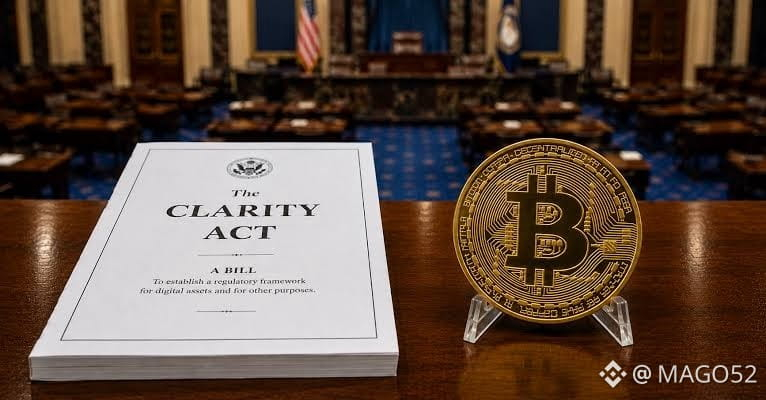
In response to the September 15, 2026, setback in the U.S. Senate regarding the «CLARITY Act»—the legislation that would regulate the crypto sector in the United States—the SEC (U.S. Securities and Exchange Commission) issued «THE INNOVATION EXEMPTION» as a solution to the Senate’s rejection, an exemption to allow the trading of tokenized shares. This is a temporary rule, which, like any other government regulation, may become permanent. Meanwhile, the other major U.S. market regulator, the CFTC (Commodity Futures Trading Commission), stated in a letter that passive software developers—such as the creators of crypto exchanges— no longer need to register as brokers to provide these types of services, thereby eliminating this regulatory risk that had hindered and slowed down the crypto industry for years. Furthermore, the CFTC submitted its own market structure regulation—the «Crypto Order Act»—to the White House. So there is a great deal of urgency to move forward with crypto finance. And the surge in the price of Bitcoin is by no means a coincidence or an anomaly. So, are we seeing a sign of something much bigger?
$BTC #CLARITYAct
{spot}(BTCUSDT)
In response to the September 15, 2026, setback in the U.S. Senate regarding the «CLARITY Act»—the legislation that would regulate the crypto sector in the United States—the SEC (U.S. Securities and Exchange Commission) issued «THE INNOVATION EXEMPTION» as a solution to the Senate’s rejection, an exemption to allow the trading of tokenized shares. This is a temporary rule, which, like any other government regulation, may become permanent. Meanwhile, the other major U.S. market regulator, the CFTC (Commodity Futures Trading Commission), stated in a letter that passive software developers—such as the creators of crypto exchanges— no longer need to register as brokers to provide these types of services, thereby eliminating this regulatory risk that had hindered and slowed down the crypto industry for years. Furthermore, the CFTC submitted its own market structure regulation—the «Crypto Order Act»—to the White House. So there is a great deal of urgency to move forward with crypto finance. And the surge in the price of Bitcoin is by no means a coincidence or an anomaly. So, are we seeing a sign of something much bigger?
$BTC #CLARITYAct
$BTC #CLARITYAct
325

·
--
⚖️ CLARITY Act — the end we saw coming
As we posted during the week — we tracked this bill from 82% Polymarket odds in February all the way to 20% going into the vote. (cite index="11-1">The Senate failed to advance the CLARITY Act on September 15, with a procedural vote ending 49–50 — falling short of the 60 votes required. (cite index="10-1">Republicans spent hours Sunday stuffing Democrat demands into a 600-page compromise — it still was not enough. The three disputes that killed it all year — ethics provisions, stablecoin yield and law enforcement safeguards — were never resolved. 😬
(cite index="10-1">$BTC slumped from $79,586 to $74,910 immediately after the vote — a 5.3% drop. But the market had already been pricing this for weeks — the damage was contained. (cite index="11-1">The CLARITY Act has been shelved for what remains of 2026. The next realistic window is 2027 at the earliest. 👁️
❌ CLARITY Act: 49-50 — failed procedural vote
❌ Didn't even clear simple majority — let alone 60 votes
📉 $BTC : $79,586 → $74,910 (-5.3%) on the news
🕰️ Next realistic chance: 2027 at earliest
✅ Not permanently dead — procedural failure, can be reintroduced
#clarityact #dyor #clarityactfails
{future}(BTCUSDT)
{future}(SOLUSDT)
{future}(BNBUSDT)
⚖️ CLARITY Act — the end we saw coming
As we posted during the week — we tracked this bill from 82% Polymarket odds in February all the way to 20% going into the vote. (cite index="11-1">The Senate failed to advance the CLARITY Act on September 15, with a procedural vote ending 49–50 — falling short of the 60 votes required. (cite index="10-1">Republicans spent hours Sunday stuffing Democrat demands into a 600-page compromise — it still was not enough. The three disputes that killed it all year — ethics provisions, stablecoin yield and law enforcement safeguards — were never resolved. 😬
(cite index="10-1">$BTC slumped from $79,586 to $74,910 immediately after the vote — a 5.3% drop. But the market had already been pricing this for weeks — the damage was contained. (cite index="11-1">The CLARITY Act has been shelved for what remains of 2026. The next realistic window is 2027 at the earliest. 👁️
❌ CLARITY Act: 49-50 — failed procedural vote
❌ Didn't even clear simple majority — let alone 60 votes
📉 $BTC : $79,586 → $74,910 (-5.3%) on the news
🕰️ Next realistic chance: 2027 at earliest
✅ Not permanently dead — procedural failure, can be reintroduced
#clarityact #dyor #clarityactfails
As we posted during the week — we tracked this bill from 82% Polymarket odds in February all the way to 20% going into the vote. (cite index="11-1">The Senate failed to advance the CLARITY Act on September 15, with a procedural vote ending 49–50 — falling short of the 60 votes required. (cite index="10-1">Republicans spent hours Sunday stuffing Democrat demands into a 600-page compromise — it still was not enough. The three disputes that killed it all year — ethics provisions, stablecoin yield and law enforcement safeguards — were never resolved. 😬
(cite index="10-1">$BTC slumped from $79,586 to $74,910 immediately after the vote — a 5.3% drop. But the market had already been pricing this for weeks — the damage was contained. (cite index="11-1">The CLARITY Act has been shelved for what remains of 2026. The next realistic window is 2027 at the earliest. 👁️
❌ CLARITY Act: 49-50 — failed procedural vote
❌ Didn't even clear simple majority — let alone 60 votes
📉 $BTC : $79,586 → $74,910 (-5.3%) on the news
🕰️ Next realistic chance: 2027 at earliest
✅ Not permanently dead — procedural failure, can be reintroduced
#clarityact #dyor #clarityactfails
107
Log in to explore more content
Join global crypto users on Binance Square
⚡️ Get latest and useful information about crypto.
💬 Trusted by the world’s largest crypto exchange.
👍 Discover real insights from verified creators.
Email / Phone number
Trending Topics
1
#BitcoinSpotETFsNetInflow$191M
427 views
63 Discussing
2
#CFTCUpdatesGuidanceOnTokenizedAssets
8,407 views
457 Discussing
3
#BitgetSays$352MAffectedInHack
1,683 views
31 Discussing
4
#BinanceWillListHyperliquid(HYPE)
190,534 views
3,045 Discussing
5
#BrazilOrdersReportingOf$10KSelfCustodyTransfers
702 views
35 Discussing
6
#FedProposesRulesForBankIssuedStablecoins
9,697 views
351 Discussing
7
#OndoFinanceSoughtSaleAfterFoundersDeath
6,994 views
229 Discussing
8
#FedOctoberRateHikeOddsRiseTo69.7%
74,108 views
1,325 Discussing
9
#BitcoinFallsBelow$83,000
5,030 views
19 Discussing
10
#BitcoinFallsToAround$84,600ThisWeek
0 views
0 Discussing