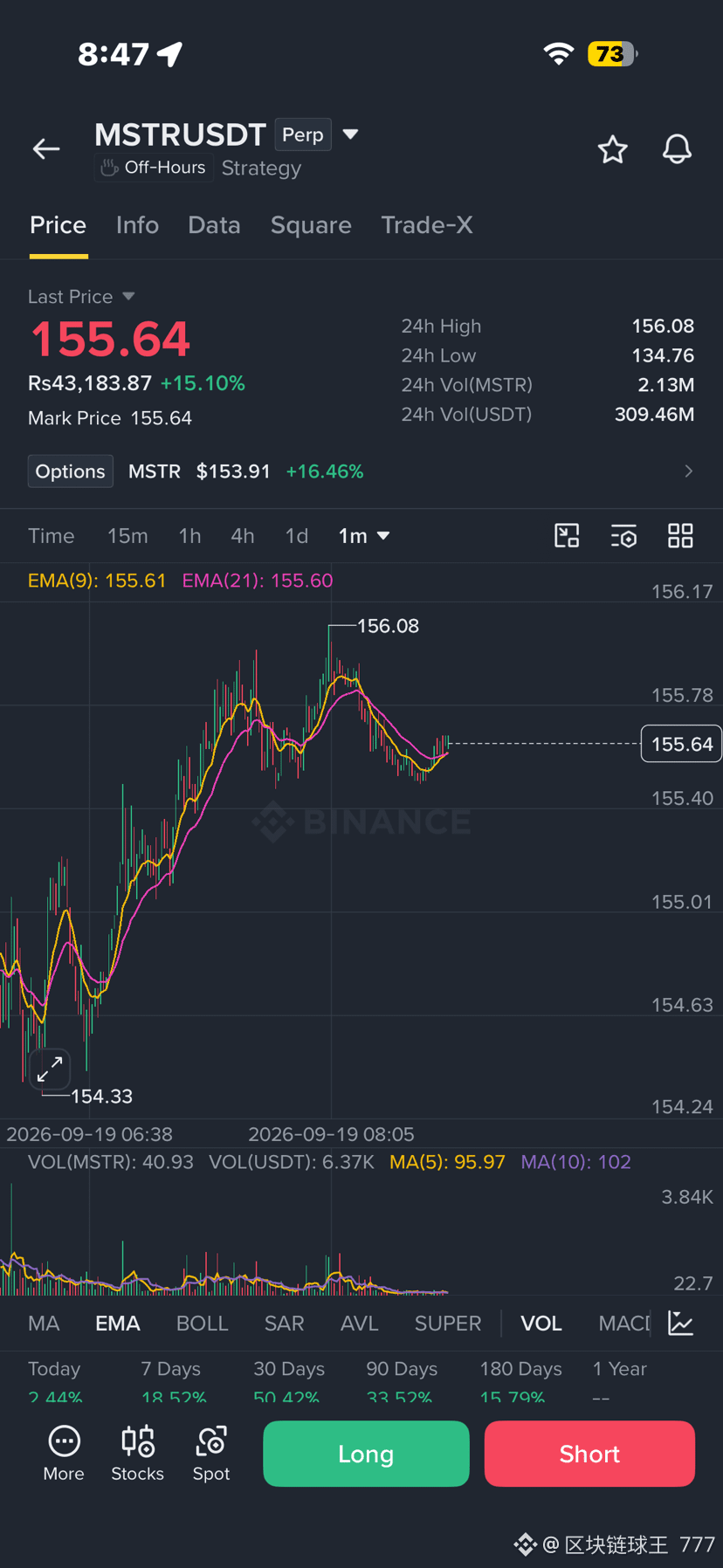
Saylor Sends Another Signal! The Phrase “A little more orange” Hints That Strategy May Continue Accumulating BTC!
Michael Saylor is at it again.
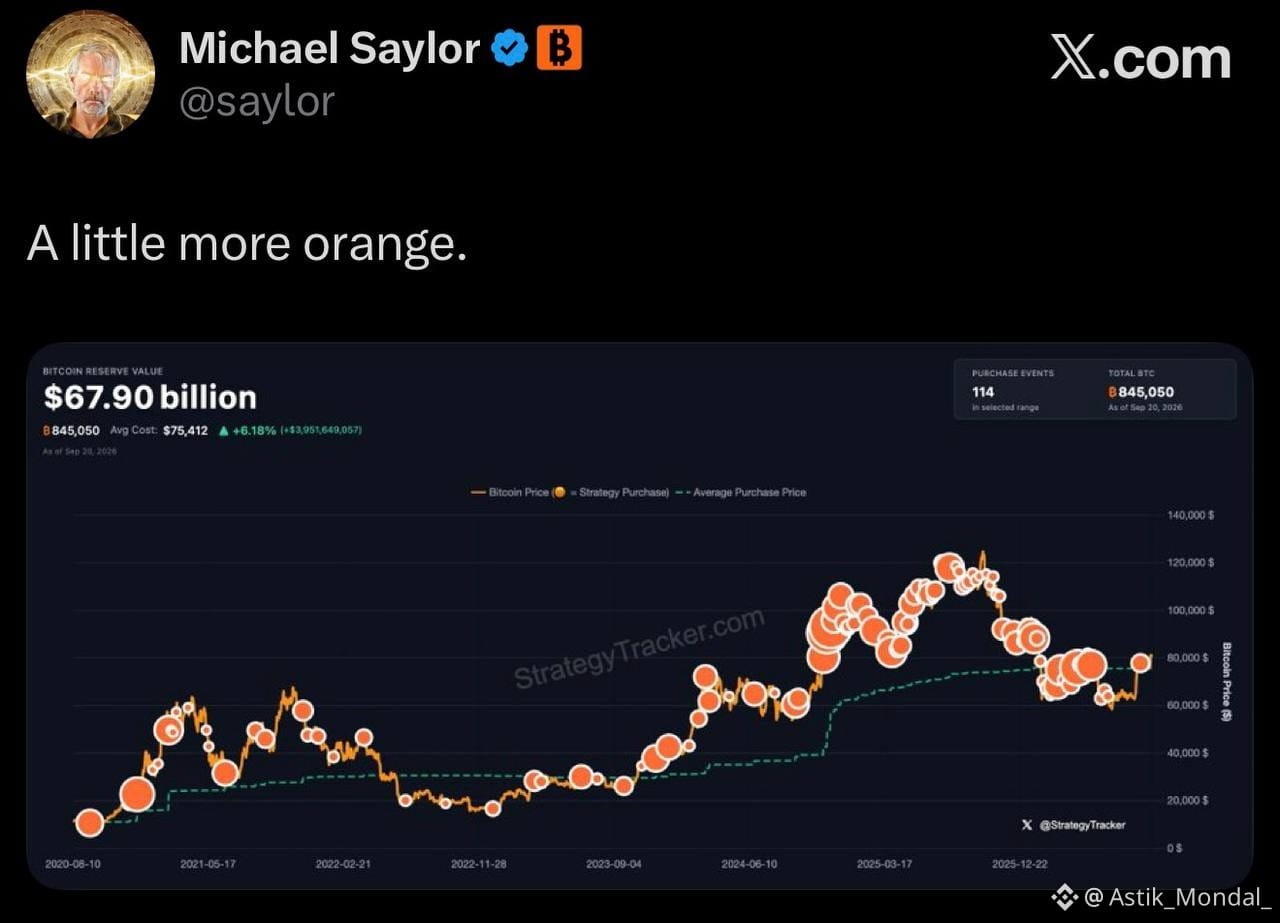
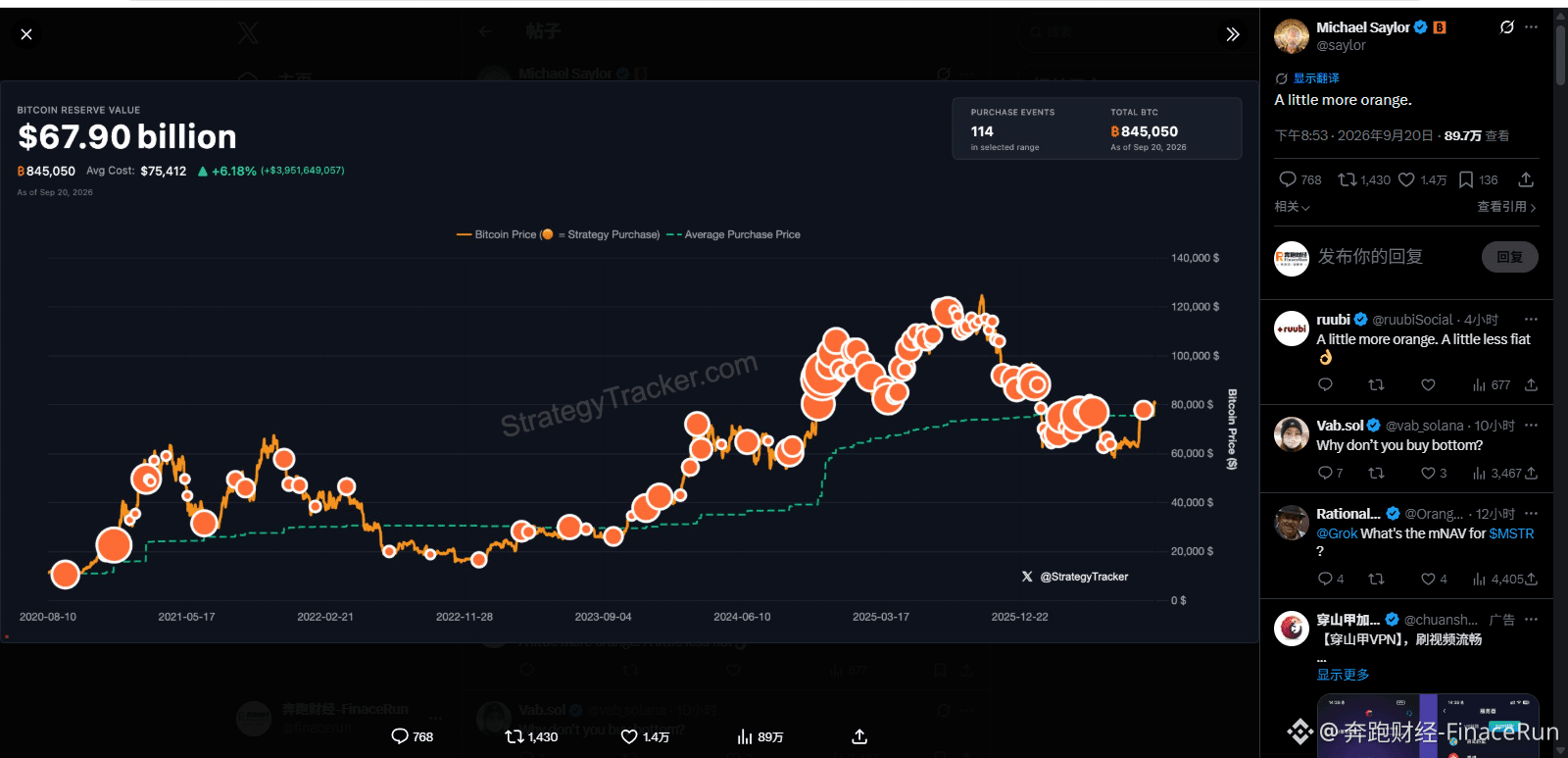
On September 20, he posted “A little more orange” on X, along with a chart showing Strategy’s Bitcoin holdings.
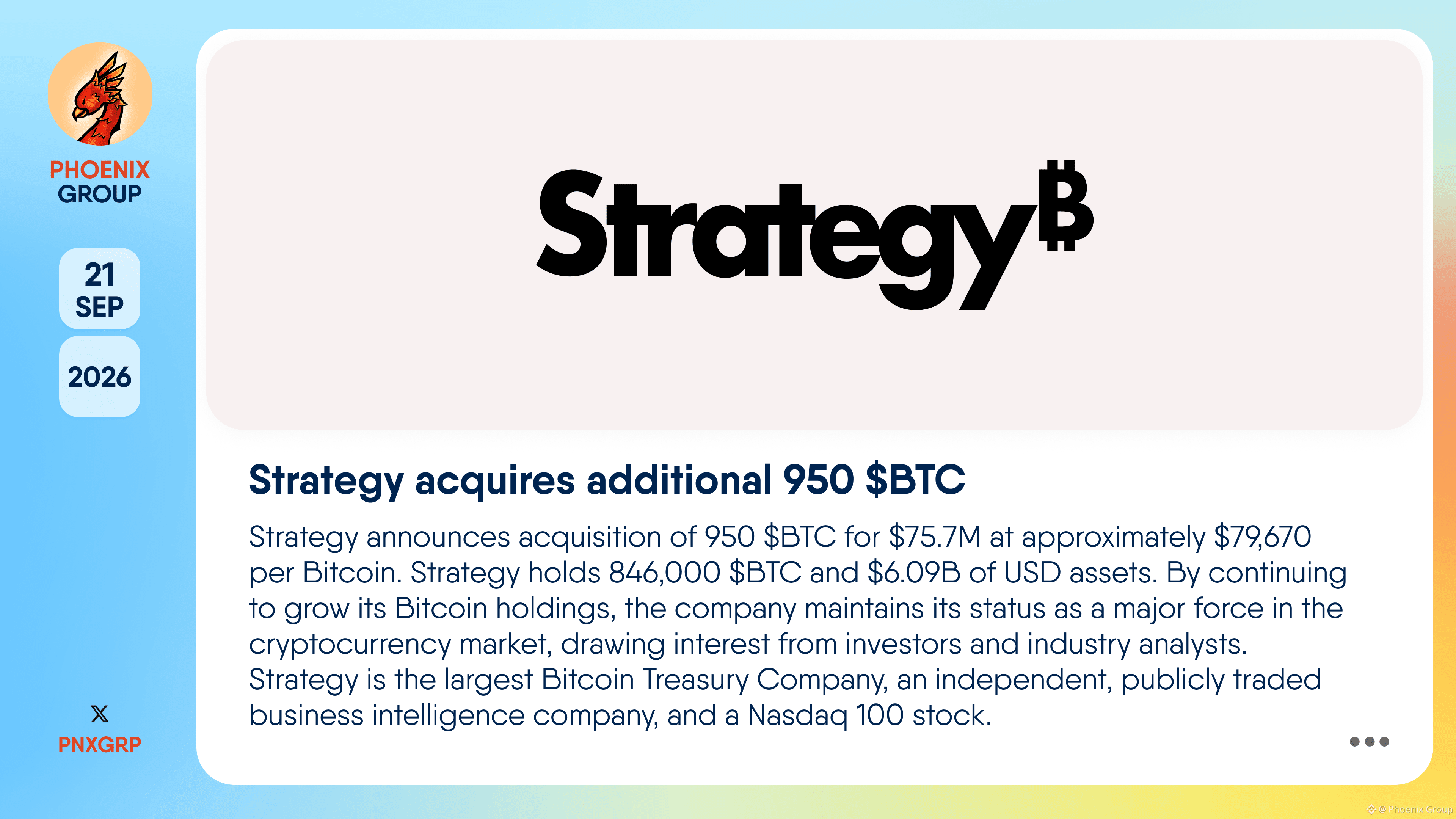
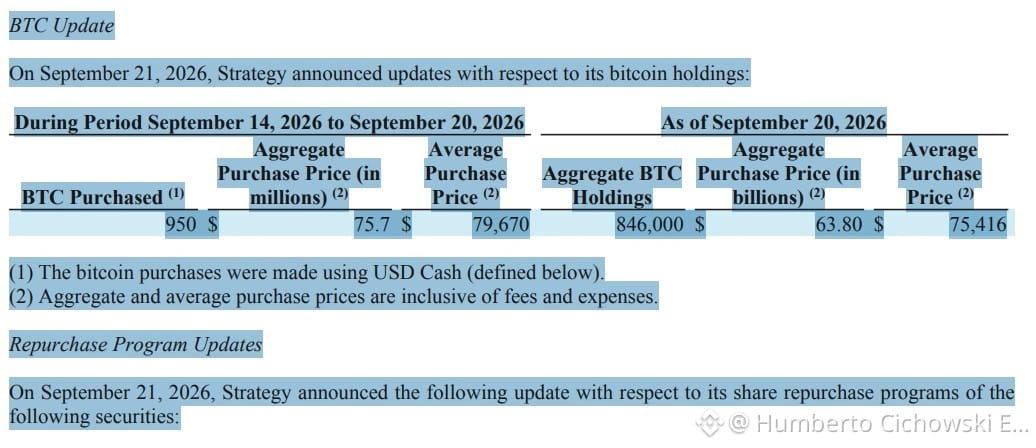
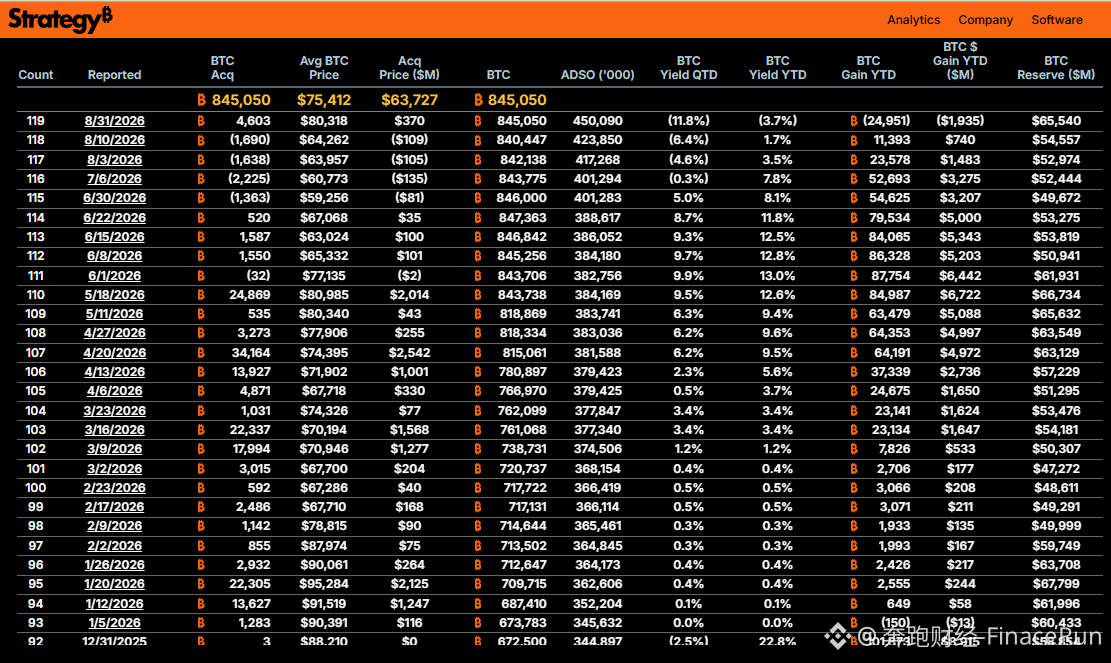
Those familiar with Saylor know that these “orange dot” teasers have appeared multiple times before Strategy disclosed its BTC accumulation. The latest regulatory filings show that, as of September 13, Strategy held about 845,050 BTC, and there were no BTC buy or sell transactions between September 8 and September 13.
If this latest signal ultimately corresponds to new purchases, then the market’s focus turns to:
💰 How many BTC will Strategy buy?
🔥 Will the recent period of holding inactivity come to an end?
📈 Will corporate funds continue to be a major source of BTC demand?
Strategy’s most recent publicly disclosed accumulation occurred on August 31:
4603 BTC, about $369.7 million.
So now an intriguing signal has taken shape:
Saylor sends an orange signal
↓
Market speculates on accumulation
↓
Wait for Monday’s regulatory filings
↓
Confirm whether Strategy buys again
Of course, this is still only a hint—not confirmation of a purchase.
The real answer will come from the regulatory filings Strategy submits later.
But one thing is certain:
As long as Saylor keeps sending “orange signals,” the market will keep watching Strategy’s wallet.
After all, with a holding of 845,050 BTC, any additional accumulation could become a focal point for attention.
#BTC #Strategy #MSTR #michaelsaylor暗示增持btc