
#macrorisk
macrorisk
308,575 views
797 Discussing
Hot
Latest

·
--
⚡ $BTC WATCHES FORCED U.S. HOUSE VOTE ON HEADLINE RISK 🌊
$BTC has no clean chart setup here, only a macro headline that could tighten risk appetite. 📊 Articles of impeachment against the U.S. Defense Secretary may force a House vote within two legislative working days, even if passage is unlikely.
🌊 Market structure often ignores the vote itself but reacts to headlines that raise uncertainty around fiscal, military, and liquidity expectations. 🦈 Expect chop, liquidity hunts, and lower conviction moves while traders reposition around the news flow.
💬 Are you trading the chart, or standing aside until the headline risk clears?
⚠️ Not financial advice. Always manage your risk. 🛡️
🏷️ #BTC #MacroRisk #Crypto #Geopolitics
🎯 🦈
⚡ $BTC WATCHES FORCED U.S. HOUSE VOTE ON HEADLINE RISK 🌊
$BTC has no clean chart setup here, only a macro headline that could tighten risk appetite. 📊 Articles of impeachment against the U.S. Defense Secretary may force a House vote within two legislative working days, even if passage is unlikely.
🌊 Market structure often ignores the vote itself but reacts to headlines that raise uncertainty around fiscal, military, and liquidity expectations. 🦈 Expect chop, liquidity hunts, and lower conviction moves while traders reposition around the news flow.
💬 Are you trading the chart, or standing aside until the headline risk clears?
⚠️ Not financial advice. Always manage your risk. 🛡️
🏷️ #BTC #MacroRisk #Crypto #Geopolitics
🎯 🦈
$BTC has no clean chart setup here, only a macro headline that could tighten risk appetite. 📊 Articles of impeachment against the U.S. Defense Secretary may force a House vote within two legislative working days, even if passage is unlikely.
🌊 Market structure often ignores the vote itself but reacts to headlines that raise uncertainty around fiscal, military, and liquidity expectations. 🦈 Expect chop, liquidity hunts, and lower conviction moves while traders reposition around the news flow.
💬 Are you trading the chart, or standing aside until the headline risk clears?
⚠️ Not financial advice. Always manage your risk. 🛡️
🏷️ #BTC #MacroRisk #Crypto #Geopolitics
🎯 🦈
14

·
--
🚨 $BTC $ETH SELL-OFF: WASHINGTON AND THE FED ARE REPRICING RISK
$BTC slipped below $76,000 and $ETH cracked under $2,400 as sellers front-ran a brutal macro gauntlet. 🦈 This is not one bad headline; it is traders cutting exposure before the Senate cloture vote on the CLARITY Act and Wednesday’s Fed decision.
📊 The tape smells like pre-event de-risking: regulatory clarity is on hold, while tighter liquidity from another rate hike can squeeze speculative demand. If both events disappoint, downside pressure may extend; if either clears, relief rallies can snap back fast. 👇 Are you staying flat through Washington and the Fed, or hunting a capitulation wick?
⚠️ Not financial advice. Always manage your risk. 🛡️
🏷️ #BTC #ETH #MacroRisk #Crypto
🐻
🚨 $BTC $ETH SELL-OFF: WASHINGTON AND THE FED ARE REPRICING RISK
$BTC slipped below $76,000 and $ETH cracked under $2,400 as sellers front-ran a brutal macro gauntlet. 🦈 This is not one bad headline; it is traders cutting exposure before the Senate cloture vote on the CLARITY Act and Wednesday’s Fed decision.
📊 The tape smells like pre-event de-risking: regulatory clarity is on hold, while tighter liquidity from another rate hike can squeeze speculative demand. If both events disappoint, downside pressure may extend; if either clears, relief rallies can snap back fast. 👇 Are you staying flat through Washington and the Fed, or hunting a capitulation wick?
⚠️ Not financial advice. Always manage your risk. 🛡️
🏷️ #BTC #ETH #MacroRisk #Crypto
🐻
$BTC slipped below $76,000 and $ETH cracked under $2,400 as sellers front-ran a brutal macro gauntlet. 🦈 This is not one bad headline; it is traders cutting exposure before the Senate cloture vote on the CLARITY Act and Wednesday’s Fed decision.
📊 The tape smells like pre-event de-risking: regulatory clarity is on hold, while tighter liquidity from another rate hike can squeeze speculative demand. If both events disappoint, downside pressure may extend; if either clears, relief rallies can snap back fast. 👇 Are you staying flat through Washington and the Fed, or hunting a capitulation wick?
⚠️ Not financial advice. Always manage your risk. 🛡️
🏷️ #BTC #ETH #MacroRisk #Crypto
🐻
21

🚨 $BTC WATCH: FED DATA OUTAGE EXPOSES MACRO BLIND SPOT 💥
When the Fed’s bank-data pipeline goes dark for 24+ hours, crypto traders lose one of the cleanest windows into credit stress and liquidity transmission. 📊
That outage is not just IT noise — it is a reminder that the plumbing behind macro confidence can fail, and $BTC often reacts first when institutional visibility thins. 🌊
If supervision and staffing cuts keep weakening the monitoring layer, expect more reflexive moves on headlines, not fundamentals. The smart money may lean toward risk hedges until the data trail clears. 🦈 💬 Are you treating this as a technical glitch or a macro warning light for $BTC ? 👇
⚠️ Not financial advice. Always manage your risk. 🛡️
🏷️ #BTC #MacroRisk #Liquidity #Crypto
🦈 ⚡
🚨 $BTC WATCH: FED DATA OUTAGE EXPOSES MACRO BLIND SPOT 💥
When the Fed’s bank-data pipeline goes dark for 24+ hours, crypto traders lose one of the cleanest windows into credit stress and liquidity transmission. 📊
That outage is not just IT noise — it is a reminder that the plumbing behind macro confidence can fail, and $BTC often reacts first when institutional visibility thins. 🌊
If supervision and staffing cuts keep weakening the monitoring layer, expect more reflexive moves on headlines, not fundamentals. The smart money may lean toward risk hedges until the data trail clears. 🦈 💬 Are you treating this as a technical glitch or a macro warning light for $BTC ? 👇
⚠️ Not financial advice. Always manage your risk. 🛡️
🏷️ #BTC #MacroRisk #Liquidity #Crypto
🦈 ⚡
When the Fed’s bank-data pipeline goes dark for 24+ hours, crypto traders lose one of the cleanest windows into credit stress and liquidity transmission. 📊
That outage is not just IT noise — it is a reminder that the plumbing behind macro confidence can fail, and $BTC often reacts first when institutional visibility thins. 🌊
If supervision and staffing cuts keep weakening the monitoring layer, expect more reflexive moves on headlines, not fundamentals. The smart money may lean toward risk hedges until the data trail clears. 🦈 💬 Are you treating this as a technical glitch or a macro warning light for $BTC ? 👇
⚠️ Not financial advice. Always manage your risk. 🛡️
🏷️ #BTC #MacroRisk #Liquidity #Crypto
🦈 ⚡
21

The latest statement from Russia’s Ministry of Defense confirms that the Russian military carried out a military strike against two vessels in the waters of the Black Sea. This military action directly shatters the fragile calm of the recent Black Sea shipping corridor and signals that the security situation along the Black Sea’s key routes has undergone another substantive upgrade.
From a macro-geopolitical perspective, the Black Sea is not only a core corridor for global agricultural product and fertilizer exports, but also a vital passage connecting Eurasian energy flows and bulk-commodity logistics. Against the backdrop of persistently high global inflation central hubs, any direct attack on civilian or commercial shipping facilities in this region will significantly raise international shipping insurance premiums and rekindle deep concerns in the market about disruptions to bulk-commodity supply chains.
In traditional financial markets, the intensification of geopolitical frictions rapidly boosts demand for safe havens. In the short term, prices of bulk commodities such as crude oil face upward premium pressure, while gold and the U.S. dollar index—both traditional safe-haven assets—may attract more capital. However, potential rebounds in energy and logistics costs, in turn, will make the central bank’s efforts to fight inflation more difficult, suppress market optimism about a rate-cut cycle, and tighten the overall macro liquidity environment further.
For risk assets such as cryptocurrencies, $BTC often reveals liquidity stress rather than safe-haven characteristics first in an environment of severe geopolitical volatility. Investors should be highly alert to deleveraging risks triggered by the spread of macro safe-haven sentiment. Before the Black Sea conflict further worsens or supply-chain risks begin to intensify, they should maintain restraint and adopt cautious position-management strategies.📉
#Geopolitics #BlackSea #MacroRisk
The latest statement from Russia’s Ministry of Defense confirms that the Russian military carried out a military strike against two vessels in the waters of the Black Sea. This military action directly shatters the fragile calm of the recent Black Sea shipping corridor and signals that the security situation along the Black Sea’s key routes has undergone another substantive upgrade.
From a macro-geopolitical perspective, the Black Sea is not only a core corridor for global agricultural product and fertilizer exports, but also a vital passage connecting Eurasian energy flows and bulk-commodity logistics. Against the backdrop of persistently high global inflation central hubs, any direct attack on civilian or commercial shipping facilities in this region will significantly raise international shipping insurance premiums and rekindle deep concerns in the market about disruptions to bulk-commodity supply chains.
In traditional financial markets, the intensification of geopolitical frictions rapidly boosts demand for safe havens. In the short term, prices of bulk commodities such as crude oil face upward premium pressure, while gold and the U.S. dollar index—both traditional safe-haven assets—may attract more capital. However, potential rebounds in energy and logistics costs, in turn, will make the central bank’s efforts to fight inflation more difficult, suppress market optimism about a rate-cut cycle, and tighten the overall macro liquidity environment further.
For risk assets such as cryptocurrencies, $BTC often reveals liquidity stress rather than safe-haven characteristics first in an environment of severe geopolitical volatility. Investors should be highly alert to deleveraging risks triggered by the spread of macro safe-haven sentiment. Before the Black Sea conflict further worsens or supply-chain risks begin to intensify, they should maintain restraint and adopt cautious position-management strategies.📉
#Geopolitics #BlackSea #MacroRisk
From a macro-geopolitical perspective, the Black Sea is not only a core corridor for global agricultural product and fertilizer exports, but also a vital passage connecting Eurasian energy flows and bulk-commodity logistics. Against the backdrop of persistently high global inflation central hubs, any direct attack on civilian or commercial shipping facilities in this region will significantly raise international shipping insurance premiums and rekindle deep concerns in the market about disruptions to bulk-commodity supply chains.
In traditional financial markets, the intensification of geopolitical frictions rapidly boosts demand for safe havens. In the short term, prices of bulk commodities such as crude oil face upward premium pressure, while gold and the U.S. dollar index—both traditional safe-haven assets—may attract more capital. However, potential rebounds in energy and logistics costs, in turn, will make the central bank’s efforts to fight inflation more difficult, suppress market optimism about a rate-cut cycle, and tighten the overall macro liquidity environment further.
For risk assets such as cryptocurrencies, $BTC often reveals liquidity stress rather than safe-haven characteristics first in an environment of severe geopolitical volatility. Investors should be highly alert to deleveraging risks triggered by the spread of macro safe-haven sentiment. Before the Black Sea conflict further worsens or supply-chain risks begin to intensify, they should maintain restraint and adopt cautious position-management strategies.📉
#Geopolitics #BlackSea #MacroRisk
3
Against the backdrop of escalating military conflicts in the Middle East, preliminary monitoring data released by commodities transportation intelligence company Kpler on Tuesday showed that traffic volume through the key energy corridor, the Strait of Hormuz, fell sharply earlier this week. According to statistics, on Monday only four cargo ships transited the strait, a significant drop from the 10 ships the previous day. This figure included two outbound cargo vessels and two inbound tankers operating empty, and some ships may have already shut down automatic identification systems to evade tracking.
As the lifeline of global crude oil transport, the sudden plunge in traffic through the Strait of Hormuz is by no means an unusual signal. The market had previously been harboring hopes that geopolitical conflicts would not materially spill over into the world’s main energy artery. In practice, the contraction in transit data confirms that the shipping-risk premium is rising rapidly, and the potential threat of supply-chain disruption is significantly intensifying.
This development directly increases the inflation risk on the supply side for commodities such as crude oil, causing market risk-aversion sentiment to heat up quickly. A potential rebound in energy prices would seriously hinder major central banks’ efforts to fight inflation. U.S. Treasury yields and the U.S. dollar index may remain at elevated levels due to sticky inflation expectations, thereby broadly suppressing the valuation outlook for global risk assets.
For the cryptocurrency market, the meaningful escalation of tensions in the Middle East often first triggers a return of liquidity to traditional safe-haven assets. Under the dual pressure of macro stagflation fears and geopolitical risk, risk assets such as $BTC may face capital outflows and sharp volatility in the short term. Investors should remain highly alert to the downside risks brought about by tighter liquidity. #Geopolitics #CrudeOil #MacroRisk
Against the backdrop of escalating military conflicts in the Middle East, preliminary monitoring data released by commodities transportation intelligence company Kpler on Tuesday showed that traffic volume through the key energy corridor, the Strait of Hormuz, fell sharply earlier this week. According to statistics, on Monday only four cargo ships transited the strait, a significant drop from the 10 ships the previous day. This figure included two outbound cargo vessels and two inbound tankers operating empty, and some ships may have already shut down automatic identification systems to evade tracking.
As the lifeline of global crude oil transport, the sudden plunge in traffic through the Strait of Hormuz is by no means an unusual signal. The market had previously been harboring hopes that geopolitical conflicts would not materially spill over into the world’s main energy artery. In practice, the contraction in transit data confirms that the shipping-risk premium is rising rapidly, and the potential threat of supply-chain disruption is significantly intensifying.
This development directly increases the inflation risk on the supply side for commodities such as crude oil, causing market risk-aversion sentiment to heat up quickly. A potential rebound in energy prices would seriously hinder major central banks’ efforts to fight inflation. U.S. Treasury yields and the U.S. dollar index may remain at elevated levels due to sticky inflation expectations, thereby broadly suppressing the valuation outlook for global risk assets.
For the cryptocurrency market, the meaningful escalation of tensions in the Middle East often first triggers a return of liquidity to traditional safe-haven assets. Under the dual pressure of macro stagflation fears and geopolitical risk, risk assets such as $BTC may face capital outflows and sharp volatility in the short term. Investors should remain highly alert to the downside risks brought about by tighter liquidity. #Geopolitics #CrudeOil #MacroRisk
As the lifeline of global crude oil transport, the sudden plunge in traffic through the Strait of Hormuz is by no means an unusual signal. The market had previously been harboring hopes that geopolitical conflicts would not materially spill over into the world’s main energy artery. In practice, the contraction in transit data confirms that the shipping-risk premium is rising rapidly, and the potential threat of supply-chain disruption is significantly intensifying.
This development directly increases the inflation risk on the supply side for commodities such as crude oil, causing market risk-aversion sentiment to heat up quickly. A potential rebound in energy prices would seriously hinder major central banks’ efforts to fight inflation. U.S. Treasury yields and the U.S. dollar index may remain at elevated levels due to sticky inflation expectations, thereby broadly suppressing the valuation outlook for global risk assets.
For the cryptocurrency market, the meaningful escalation of tensions in the Middle East often first triggers a return of liquidity to traditional safe-haven assets. Under the dual pressure of macro stagflation fears and geopolitical risk, risk assets such as $BTC may face capital outflows and sharp volatility in the short term. Investors should remain highly alert to the downside risks brought about by tighter liquidity. #Geopolitics #CrudeOil #MacroRisk
111
Recently, the regional leaders of Scotland, Wales, and Northern Ireland formally signed a joint memorandum in pursuit of independence and expanded autonomy. This move marks a rare post–Cold War historical rift in the UK’s decentralized governance structure, sharply escalating the coordinated pressure from the three sides on the London central government, and directly challenging the constitutional unity and political-geographic integrity of the United Kingdom.
From a macro perspective, the potential disruptive power of this event cannot be overlooked. After enduring the aftershocks of Brexit, persistently high inflation, and stalled economic growth, the fragmentation of the UK political landscape will significantly raise the sovereign risk premium. Historically, such waves of independence are often accompanied by prolonged legal disputes, the rebuilding of trade barriers, and referendum-related maneuvering. This not only undermines market expectations for the continuity of UK policies, but also further complicates an already fragile process of fiscal and trade rebalancing.
For traditional financial markets, the escalation of geopolitical risk will directly intensify volatility in the pound sterling and UK government bonds. When facing the risk of sovereign fragmentation, foreign investors typically demand higher risk compensation, putting upward pressure on yields for long-dated government bonds and weakening the pound against major currencies. Rising risk-off sentiment could further boost the appeal of hard assets such as gold and the U.S. dollar. Meanwhile, amid a broad liquidity discount affecting risk assets, European and UK domestic equity markets may face downward pressure as valuations are reshaped.
When mapped to the crypto market, this macro-level political fragmentation risk is often a double-edged sword. While some investors may view decentralized assets as a hedge against sovereign credit risk, in the early phase of tighter global macro liquidity and heightened risk-off sentiment, $BTC and the broader crypto market are generally the first to be hit by negative spillover from liquidity contraction. In periods of uncertainty where fiat-credit stability is shaken and geopolitical fractures deepen, maintaining prudent defense and staying alert to the chain liquidation risks brought by macro black swans remains the top priority strategy right now.
#UKPolitics #Geopolitics #MacroRisk
Recently, the regional leaders of Scotland, Wales, and Northern Ireland formally signed a joint memorandum in pursuit of independence and expanded autonomy. This move marks a rare post–Cold War historical rift in the UK’s decentralized governance structure, sharply escalating the coordinated pressure from the three sides on the London central government, and directly challenging the constitutional unity and political-geographic integrity of the United Kingdom.
From a macro perspective, the potential disruptive power of this event cannot be overlooked. After enduring the aftershocks of Brexit, persistently high inflation, and stalled economic growth, the fragmentation of the UK political landscape will significantly raise the sovereign risk premium. Historically, such waves of independence are often accompanied by prolonged legal disputes, the rebuilding of trade barriers, and referendum-related maneuvering. This not only undermines market expectations for the continuity of UK policies, but also further complicates an already fragile process of fiscal and trade rebalancing.
For traditional financial markets, the escalation of geopolitical risk will directly intensify volatility in the pound sterling and UK government bonds. When facing the risk of sovereign fragmentation, foreign investors typically demand higher risk compensation, putting upward pressure on yields for long-dated government bonds and weakening the pound against major currencies. Rising risk-off sentiment could further boost the appeal of hard assets such as gold and the U.S. dollar. Meanwhile, amid a broad liquidity discount affecting risk assets, European and UK domestic equity markets may face downward pressure as valuations are reshaped.
When mapped to the crypto market, this macro-level political fragmentation risk is often a double-edged sword. While some investors may view decentralized assets as a hedge against sovereign credit risk, in the early phase of tighter global macro liquidity and heightened risk-off sentiment, $BTC and the broader crypto market are generally the first to be hit by negative spillover from liquidity contraction. In periods of uncertainty where fiat-credit stability is shaken and geopolitical fractures deepen, maintaining prudent defense and staying alert to the chain liquidation risks brought by macro black swans remains the top priority strategy right now.
#UKPolitics #Geopolitics #MacroRisk
From a macro perspective, the potential disruptive power of this event cannot be overlooked. After enduring the aftershocks of Brexit, persistently high inflation, and stalled economic growth, the fragmentation of the UK political landscape will significantly raise the sovereign risk premium. Historically, such waves of independence are often accompanied by prolonged legal disputes, the rebuilding of trade barriers, and referendum-related maneuvering. This not only undermines market expectations for the continuity of UK policies, but also further complicates an already fragile process of fiscal and trade rebalancing.
For traditional financial markets, the escalation of geopolitical risk will directly intensify volatility in the pound sterling and UK government bonds. When facing the risk of sovereign fragmentation, foreign investors typically demand higher risk compensation, putting upward pressure on yields for long-dated government bonds and weakening the pound against major currencies. Rising risk-off sentiment could further boost the appeal of hard assets such as gold and the U.S. dollar. Meanwhile, amid a broad liquidity discount affecting risk assets, European and UK domestic equity markets may face downward pressure as valuations are reshaped.
When mapped to the crypto market, this macro-level political fragmentation risk is often a double-edged sword. While some investors may view decentralized assets as a hedge against sovereign credit risk, in the early phase of tighter global macro liquidity and heightened risk-off sentiment, $BTC and the broader crypto market are generally the first to be hit by negative spillover from liquidity contraction. In periods of uncertainty where fiat-credit stability is shaken and geopolitical fractures deepen, maintaining prudent defense and staying alert to the chain liquidation risks brought by macro black swans remains the top priority strategy right now.
#UKPolitics #Geopolitics #MacroRisk
In response to recent reports by Western media about alleged secret nuclear activities at Mount Ghao, Iran’s Ministry of Foreign Affairs spokesperson publicly addressed the issue, clearly denying the claims and saying that such reports are “entirely baseless.” The statement comes at a sensitive moment as tensions in the Middle East remain high and negotiations among the parties to the Iran nuclear deal intensify.
Although Iran quickly denied the allegations, in today’s highly sensitive geopolitical environment in the Middle East, any doubts related to nuclear facilities are likely to be rapidly amplified by the market. Disagreements between the International Atomic Energy Agency and the U.S. and Europe regarding their supervision of Iran’s nuclear program have long been significant. Similar controversies often signal a potential escalation in diplomatic confrontation or the risk of a new round of sanctions—far from something that can be settled by official verbal denial alone.
For traditional financial markets, the repeated flare-ups of geopolitical concerns are an important tail risk that cannot be ignored. If confrontation in the Middle East escalates, expectations for oil supply may be disrupted again, further driving up inflation persistence and derailing the monetary easing schedules of major central banks. Safe-haven demand could also re-emerge for the U.S. dollar and gold, weighing on global equities and other risk assets.
In the crypto market, the risk-averse sentiment may also be difficult to escape in the short term. Rising geopolitical uncertainty often leads leveraged funds to exit early to seek safety, amplifying the volatility of $BTC and major tokens. Investors should remain cautious and watch for liquidity tightening and sell-offs in risk assets triggered by worsening localized conflicts.
#Iran #Geopolitics #MacroRisk
In response to recent reports by Western media about alleged secret nuclear activities at Mount Ghao, Iran’s Ministry of Foreign Affairs spokesperson publicly addressed the issue, clearly denying the claims and saying that such reports are “entirely baseless.” The statement comes at a sensitive moment as tensions in the Middle East remain high and negotiations among the parties to the Iran nuclear deal intensify.
Although Iran quickly denied the allegations, in today’s highly sensitive geopolitical environment in the Middle East, any doubts related to nuclear facilities are likely to be rapidly amplified by the market. Disagreements between the International Atomic Energy Agency and the U.S. and Europe regarding their supervision of Iran’s nuclear program have long been significant. Similar controversies often signal a potential escalation in diplomatic confrontation or the risk of a new round of sanctions—far from something that can be settled by official verbal denial alone.
For traditional financial markets, the repeated flare-ups of geopolitical concerns are an important tail risk that cannot be ignored. If confrontation in the Middle East escalates, expectations for oil supply may be disrupted again, further driving up inflation persistence and derailing the monetary easing schedules of major central banks. Safe-haven demand could also re-emerge for the U.S. dollar and gold, weighing on global equities and other risk assets.
In the crypto market, the risk-averse sentiment may also be difficult to escape in the short term. Rising geopolitical uncertainty often leads leveraged funds to exit early to seek safety, amplifying the volatility of $BTC and major tokens. Investors should remain cautious and watch for liquidity tightening and sell-offs in risk assets triggered by worsening localized conflicts.
#Iran #Geopolitics #MacroRisk
Although Iran quickly denied the allegations, in today’s highly sensitive geopolitical environment in the Middle East, any doubts related to nuclear facilities are likely to be rapidly amplified by the market. Disagreements between the International Atomic Energy Agency and the U.S. and Europe regarding their supervision of Iran’s nuclear program have long been significant. Similar controversies often signal a potential escalation in diplomatic confrontation or the risk of a new round of sanctions—far from something that can be settled by official verbal denial alone.
For traditional financial markets, the repeated flare-ups of geopolitical concerns are an important tail risk that cannot be ignored. If confrontation in the Middle East escalates, expectations for oil supply may be disrupted again, further driving up inflation persistence and derailing the monetary easing schedules of major central banks. Safe-haven demand could also re-emerge for the U.S. dollar and gold, weighing on global equities and other risk assets.
In the crypto market, the risk-averse sentiment may also be difficult to escape in the short term. Rising geopolitical uncertainty often leads leveraged funds to exit early to seek safety, amplifying the volatility of $BTC and major tokens. Investors should remain cautious and watch for liquidity tightening and sell-offs in risk assets triggered by worsening localized conflicts.
#Iran #Geopolitics #MacroRisk
2
During the BRICS summit, the UAE’s Crown Prince of Abu Dhabi held an unusual high-level public meeting with Iran’s President Ebrahim Raisi, focusing on talks about the heightened tensions surrounding navigation in the Strait of Hormuz. Oman is also actively facilitating dialogue between the Gulf Arab states cooperation council and Iran. Iran plans to brief neighboring Gulf countries next Monday on a new proposal for an agreement. While it may allow more ships to pass, Tehran has made clear that this does not amount to a full reopening of the strait; Iran will still retain the final decision on which vessels are allowed to transit. Meanwhile, Bahrain has firmly refused to attend the meeting due to recent attack incidents, casting a shadow over prospects for cooling tensions.
On the surface, these diplomatic contacts appear to offer a glimmer of easing. In essence, however, they underscore the fragility and uncertainty of the Middle East’s key shipping chokepoint. The Strait of Hormuz carries roughly 20% of the world’s seaborne crude oil transport. Iran’s stated position of “retaining decision-making authority over passage,” in practice, further strengthens its leverage over this strategic corridor rather than truly eliminating the geopolitical security premium. Bahrain’s boycott and deep disagreements among the parties show that a fragile verbal understanding is unlikely to quickly translate into concrete, long-term stability.
In traditional financial markets, crude oil and commodity prices may see short-term sentiment-driven fluctuations due to locally easing news. But because supply-chain disruption risks remain high, energy-inflation pressure has not truly receded. Potential supply disruptions in the crude market will directly constrain major central banks’ progress in fighting inflation. U.S. Treasury yields and the U.S. dollar index may remain in elevated range-bound volatility. As for safe-haven assets, as long as substantive geopolitical confrontation remains unresolved, safe havens such as gold will continue to provide firm support.
For crypto asset markets, geopolitical games marked by extreme uncertainty are often a double-edged sword. Although localized cooling statements may temporarily ease panic-driven selloffs, structural risks in the Middle East energy corridor could trigger a new rebound in inflation expectations at any time, thereby suppressing valuation room for risk assets. Until macro liquidity truly loosens, markets should remain highly cautious about any signals of geopolitical easing, and guard against $BTC being squeezed again by a double hit from safe-haven sentiment ebbing and inflation stickiness returning.
#Geopolitics #CrudeOil #MacroRisk
During the BRICS summit, the UAE’s Crown Prince of Abu Dhabi held an unusual high-level public meeting with Iran’s President Ebrahim Raisi, focusing on talks about the heightened tensions surrounding navigation in the Strait of Hormuz. Oman is also actively facilitating dialogue between the Gulf Arab states cooperation council and Iran. Iran plans to brief neighboring Gulf countries next Monday on a new proposal for an agreement. While it may allow more ships to pass, Tehran has made clear that this does not amount to a full reopening of the strait; Iran will still retain the final decision on which vessels are allowed to transit. Meanwhile, Bahrain has firmly refused to attend the meeting due to recent attack incidents, casting a shadow over prospects for cooling tensions.
On the surface, these diplomatic contacts appear to offer a glimmer of easing. In essence, however, they underscore the fragility and uncertainty of the Middle East’s key shipping chokepoint. The Strait of Hormuz carries roughly 20% of the world’s seaborne crude oil transport. Iran’s stated position of “retaining decision-making authority over passage,” in practice, further strengthens its leverage over this strategic corridor rather than truly eliminating the geopolitical security premium. Bahrain’s boycott and deep disagreements among the parties show that a fragile verbal understanding is unlikely to quickly translate into concrete, long-term stability.
In traditional financial markets, crude oil and commodity prices may see short-term sentiment-driven fluctuations due to locally easing news. But because supply-chain disruption risks remain high, energy-inflation pressure has not truly receded. Potential supply disruptions in the crude market will directly constrain major central banks’ progress in fighting inflation. U.S. Treasury yields and the U.S. dollar index may remain in elevated range-bound volatility. As for safe-haven assets, as long as substantive geopolitical confrontation remains unresolved, safe havens such as gold will continue to provide firm support.
For crypto asset markets, geopolitical games marked by extreme uncertainty are often a double-edged sword. Although localized cooling statements may temporarily ease panic-driven selloffs, structural risks in the Middle East energy corridor could trigger a new rebound in inflation expectations at any time, thereby suppressing valuation room for risk assets. Until macro liquidity truly loosens, markets should remain highly cautious about any signals of geopolitical easing, and guard against $BTC being squeezed again by a double hit from safe-haven sentiment ebbing and inflation stickiness returning.
#Geopolitics #CrudeOil #MacroRisk
On the surface, these diplomatic contacts appear to offer a glimmer of easing. In essence, however, they underscore the fragility and uncertainty of the Middle East’s key shipping chokepoint. The Strait of Hormuz carries roughly 20% of the world’s seaborne crude oil transport. Iran’s stated position of “retaining decision-making authority over passage,” in practice, further strengthens its leverage over this strategic corridor rather than truly eliminating the geopolitical security premium. Bahrain’s boycott and deep disagreements among the parties show that a fragile verbal understanding is unlikely to quickly translate into concrete, long-term stability.
In traditional financial markets, crude oil and commodity prices may see short-term sentiment-driven fluctuations due to locally easing news. But because supply-chain disruption risks remain high, energy-inflation pressure has not truly receded. Potential supply disruptions in the crude market will directly constrain major central banks’ progress in fighting inflation. U.S. Treasury yields and the U.S. dollar index may remain in elevated range-bound volatility. As for safe-haven assets, as long as substantive geopolitical confrontation remains unresolved, safe havens such as gold will continue to provide firm support.
For crypto asset markets, geopolitical games marked by extreme uncertainty are often a double-edged sword. Although localized cooling statements may temporarily ease panic-driven selloffs, structural risks in the Middle East energy corridor could trigger a new rebound in inflation expectations at any time, thereby suppressing valuation room for risk assets. Until macro liquidity truly loosens, markets should remain highly cautious about any signals of geopolitical easing, and guard against $BTC being squeezed again by a double hit from safe-haven sentiment ebbing and inflation stickiness returning.
#Geopolitics #CrudeOil #MacroRisk
7

·
--
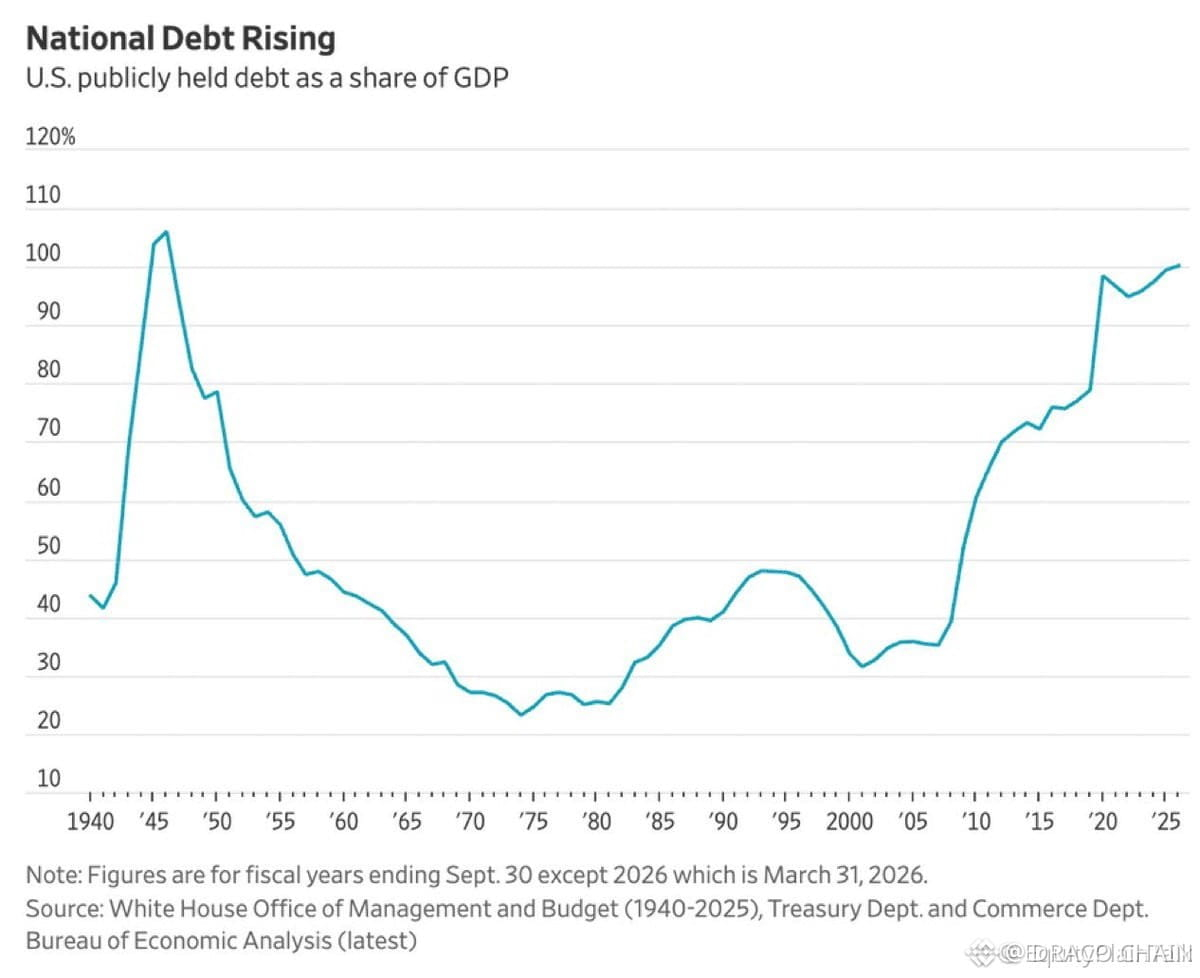
🚨 $BTC WATCH: DEBT‑TO‑GDP HIT 100% – POTENTIAL YIELD SURGE ALERT 💥
📊 The U.S. debt‑to‑GDP ratio just breached the 100% threshold for the first time since WWII, a level that historically sparked aggressive fiscal realignment.
🦈 With an aging demographic and tightening rates, every 1% shift adds hundreds of billions to interest outlays, priming bond vigilantes to swing the 10‑year yield—an event that can erode risk appetite and pressure crypto liquidity ⚡.
🌊 Crypto markets remain buoyed by the dollar’s dominance, yet a steep yield climb could trigger a liquidity sweep, forcing smart‑money to recalibrate positions on top‑tier exchanges 📈.
💬 How are you positioning your crypto exposure ahead of a possible bond‑vigilante shock? 👇
⚠️ Not financial advice. Always manage your risk. 🛡️
🏷️ #BTC #MacroRisk #YieldWatch #CryptoStrategy
🔥 🦈
🚨 $BTC WATCH: DEBT‑TO‑GDP HIT 100% – POTENTIAL YIELD SURGE ALERT 💥
📊 The U.S. debt‑to‑GDP ratio just breached the 100% threshold for the first time since WWII, a level that historically sparked aggressive fiscal realignment.
🦈 With an aging demographic and tightening rates, every 1% shift adds hundreds of billions to interest outlays, priming bond vigilantes to swing the 10‑year yield—an event that can erode risk appetite and pressure crypto liquidity ⚡.
🌊 Crypto markets remain buoyed by the dollar’s dominance, yet a steep yield climb could trigger a liquidity sweep, forcing smart‑money to recalibrate positions on top‑tier exchanges 📈.
💬 How are you positioning your crypto exposure ahead of a possible bond‑vigilante shock? 👇
⚠️ Not financial advice. Always manage your risk. 🛡️
🏷️ #BTC #MacroRisk #YieldWatch #CryptoStrategy
🔥 🦈
📊 The U.S. debt‑to‑GDP ratio just breached the 100% threshold for the first time since WWII, a level that historically sparked aggressive fiscal realignment.
🦈 With an aging demographic and tightening rates, every 1% shift adds hundreds of billions to interest outlays, priming bond vigilantes to swing the 10‑year yield—an event that can erode risk appetite and pressure crypto liquidity ⚡.
🌊 Crypto markets remain buoyed by the dollar’s dominance, yet a steep yield climb could trigger a liquidity sweep, forcing smart‑money to recalibrate positions on top‑tier exchanges 📈.
💬 How are you positioning your crypto exposure ahead of a possible bond‑vigilante shock? 👇
⚠️ Not financial advice. Always manage your risk. 🛡️
🏷️ #BTC #MacroRisk #YieldWatch #CryptoStrategy
🔥 🦈
14

·
--
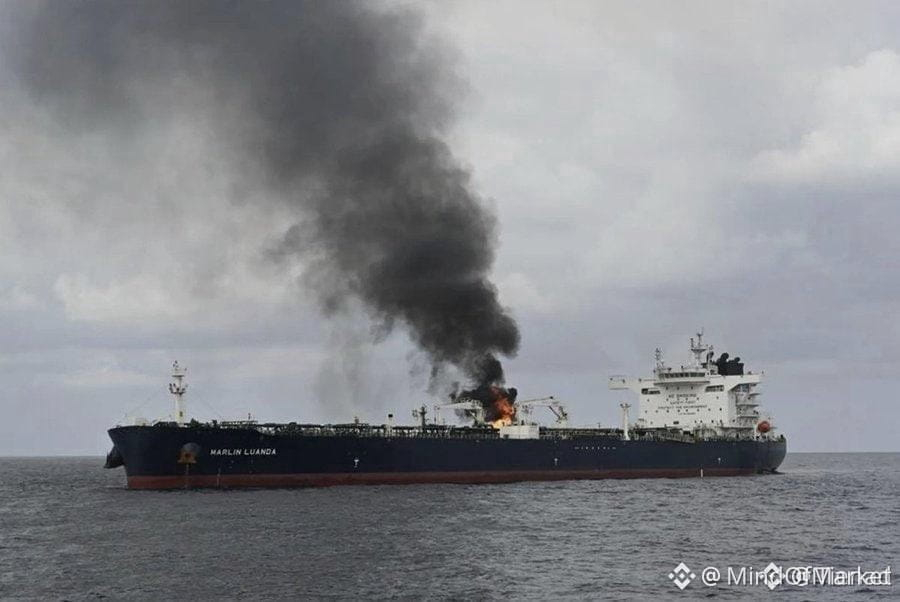
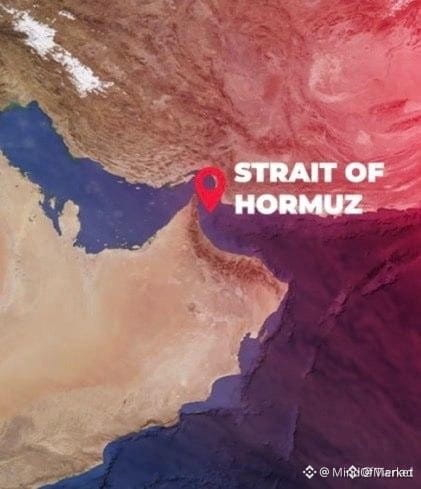
🚨 GEOPOLITICAL SHOCK AT STRAIT OF HORMUZ DRIVES VOLATILITY ACROSS $SC AND MACRO MARKETS! 💥
📌 Projectile strikes on supertankers in the Strait of Hormuz introduce sudden supply shock premiums into global derivative order books. Energy volatility acts as a macro catalyst, forcing institutional capital to recalibrate structural liquidity positions across high-beta assets including $SC and $ONG .
📊 While chokepoint friction creates immediate tail risk, existing strategic reserves and rerouted logistics could absorb initial panic before critical support levels break. 💡 Smart money is monitoring order flow depth and fair value gaps closely to confirm whether this impulse generates sustained structural continuation.
💬 Will supply tightness force a broader market repricing, or does strategic reserve mitigation keep price action contained? 👇
⚠️ Not financial advice. Always manage your risk. 🛡️
🏷️ #SC #ONG #MacroRisk #MarketStructure #Crypto
🎯 🦈
🚨 GEOPOLITICAL SHOCK AT STRAIT OF HORMUZ DRIVES VOLATILITY ACROSS $SC AND MACRO MARKETS! 💥
📌 Projectile strikes on supertankers in the Strait of Hormuz introduce sudden supply shock premiums into global derivative order books. Energy volatility acts as a macro catalyst, forcing institutional capital to recalibrate structural liquidity positions across high-beta assets including $SC and $ONG .
📊 While chokepoint friction creates immediate tail risk, existing strategic reserves and rerouted logistics could absorb initial panic before critical support levels break. 💡 Smart money is monitoring order flow depth and fair value gaps closely to confirm whether this impulse generates sustained structural continuation.
💬 Will supply tightness force a broader market repricing, or does strategic reserve mitigation keep price action contained? 👇
⚠️ Not financial advice. Always manage your risk. 🛡️
🏷️ #SC #ONG #MacroRisk #MarketStructure #Crypto
🎯 🦈
📌 Projectile strikes on supertankers in the Strait of Hormuz introduce sudden supply shock premiums into global derivative order books. Energy volatility acts as a macro catalyst, forcing institutional capital to recalibrate structural liquidity positions across high-beta assets including $SC and $ONG .
📊 While chokepoint friction creates immediate tail risk, existing strategic reserves and rerouted logistics could absorb initial panic before critical support levels break. 💡 Smart money is monitoring order flow depth and fair value gaps closely to confirm whether this impulse generates sustained structural continuation.
💬 Will supply tightness force a broader market repricing, or does strategic reserve mitigation keep price action contained? 👇
⚠️ Not financial advice. Always manage your risk. 🛡️
🏷️ #SC #ONG #MacroRisk #MarketStructure #Crypto
🎯 🦈

110

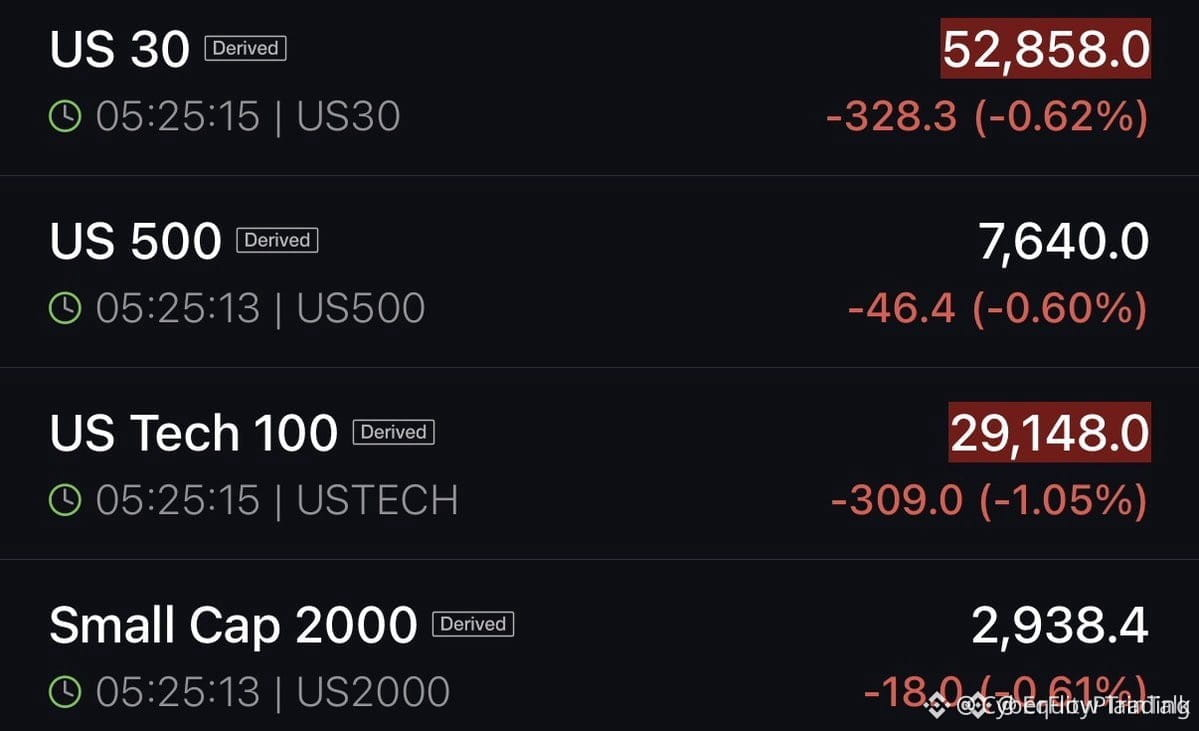
🚨 HORMUZ TANKER STRIKES TRIGGER MACRO FLEE — $NDX FUTURES PLUNGE AS OIL SPIKES! 💥
Two oil tankers taking fire in the Strait of Hormuz just sent a severe supply shockwave straight into global liquidity channels. 📊 With 20% of global crude moving through that chokepoint, traders dumped risk assets immediately, pulling $NDX futures down over 1% as crude prices surged. 🌊
When geopolitical friction threatens shipping lanes, inflation expectations ignite and systemic risk appetite evaporates instantly. 🔍 If crude spikes further and the VIX climbs, expect macro capital to tighten capital allocations across high-beta markets before seeking any relief rebound. 💡 How heavily are you hedging your risk exposure while macro volatility cooks? 👇
⚠️ Not financial advice. Always manage your risk. 🛡️
🏷️ #NDX #MacroRisk #OilPrices #RiskOff #MarketUpdate
🚨 🛡️
🚨 HORMUZ TANKER STRIKES TRIGGER MACRO FLEE — $NDX FUTURES PLUNGE AS OIL SPIKES! 💥
Two oil tankers taking fire in the Strait of Hormuz just sent a severe supply shockwave straight into global liquidity channels. 📊 With 20% of global crude moving through that chokepoint, traders dumped risk assets immediately, pulling $NDX futures down over 1% as crude prices surged. 🌊
When geopolitical friction threatens shipping lanes, inflation expectations ignite and systemic risk appetite evaporates instantly. 🔍 If crude spikes further and the VIX climbs, expect macro capital to tighten capital allocations across high-beta markets before seeking any relief rebound. 💡 How heavily are you hedging your risk exposure while macro volatility cooks? 👇
⚠️ Not financial advice. Always manage your risk. 🛡️
🏷️ #NDX #MacroRisk #OilPrices #RiskOff #MarketUpdate
🚨 🛡️
Two oil tankers taking fire in the Strait of Hormuz just sent a severe supply shockwave straight into global liquidity channels. 📊 With 20% of global crude moving through that chokepoint, traders dumped risk assets immediately, pulling $NDX futures down over 1% as crude prices surged. 🌊
When geopolitical friction threatens shipping lanes, inflation expectations ignite and systemic risk appetite evaporates instantly. 🔍 If crude spikes further and the VIX climbs, expect macro capital to tighten capital allocations across high-beta markets before seeking any relief rebound. 💡 How heavily are you hedging your risk exposure while macro volatility cooks? 👇
⚠️ Not financial advice. Always manage your risk. 🛡️
🏷️ #NDX #MacroRisk #OilPrices #RiskOff #MarketUpdate
🚨 🛡️
35

·
--
Strait of Hormuz tanker strike spikes geopolitical risk and volatility for $BTC ♟️
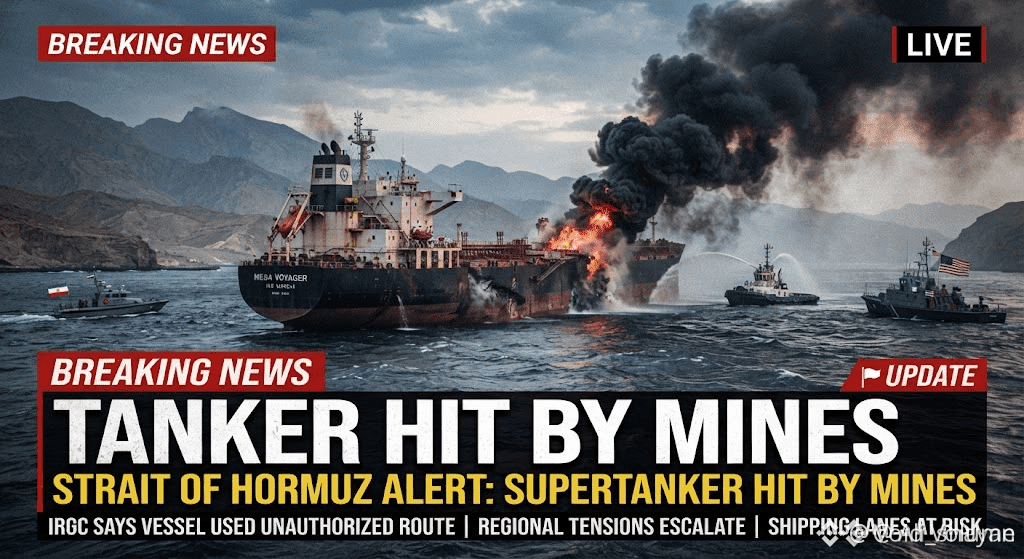
Geopolitical tension just spiked after a supertanker hit sea mines in the Strait of Hormuz, threatening critical global oil arteries. I've seen this movie before—escalations like this send immediate volatility ripple effects through risk assets and commodities alike.
Smart capital is already repositioning as energy market uncertainty triggers liquidity shifts across global order books. The market humbles everyone who acts impulsively, so watch key macro levels closely as market makers price in this sudden geopolitical risk premium. How are you hedging your portfolio as oil supply fears ripple into crypto volatility? ☕
Not financial advice. Always manage your risk.
#BTC #MacroRisk #Crypto #Commodities #BNB
Seen it all, still trading.
Strait of Hormuz tanker strike spikes geopolitical risk and volatility for $BTC ♟️
Geopolitical tension just spiked after a supertanker hit sea mines in the Strait of Hormuz, threatening critical global oil arteries. I've seen this movie before—escalations like this send immediate volatility ripple effects through risk assets and commodities alike.
Smart capital is already repositioning as energy market uncertainty triggers liquidity shifts across global order books. The market humbles everyone who acts impulsively, so watch key macro levels closely as market makers price in this sudden geopolitical risk premium. How are you hedging your portfolio as oil supply fears ripple into crypto volatility? ☕
Not financial advice. Always manage your risk.
#BTC #MacroRisk #Crypto #Commodities #BNB
Seen it all, still trading.
Geopolitical tension just spiked after a supertanker hit sea mines in the Strait of Hormuz, threatening critical global oil arteries. I've seen this movie before—escalations like this send immediate volatility ripple effects through risk assets and commodities alike.
Smart capital is already repositioning as energy market uncertainty triggers liquidity shifts across global order books. The market humbles everyone who acts impulsively, so watch key macro levels closely as market makers price in this sudden geopolitical risk premium. How are you hedging your portfolio as oil supply fears ripple into crypto volatility? ☕
Not financial advice. Always manage your risk.
#BTC #MacroRisk #Crypto #Commodities #BNB
Seen it all, still trading.
26
·
--
➡️ STRAIT OF HORMUZ SHOCK: MACRO RISK FOR $BTC
• Supertanker mine strike in Strait of Hormuz. Immediate global risk-off.
• Energy chokepoint friction. Spiking freight and crude prices.
• Institutional capital reassessing high-beta exposure.
• Macro volatility catalyst. Not a structural trend shift for $BTC .
• Track crude futures, liquidity flows, cross-asset correlations.
• Plan: Wait for clear levels before executing into headline whipsaws.
Hedging spot exposure or waiting for structural support?
Not financial advice. Manage risk.
#BTC #MacroRisk #Crypto #MarketStructure #Geopolitics
That's the setup.
➡️ STRAIT OF HORMUZ SHOCK: MACRO RISK FOR $BTC
• Supertanker mine strike in Strait of Hormuz. Immediate global risk-off.
• Energy chokepoint friction. Spiking freight and crude prices.
• Institutional capital reassessing high-beta exposure.
• Macro volatility catalyst. Not a structural trend shift for $BTC .
• Track crude futures, liquidity flows, cross-asset correlations.
• Plan: Wait for clear levels before executing into headline whipsaws.
Hedging spot exposure or waiting for structural support?
Not financial advice. Manage risk.
#BTC #MacroRisk #Crypto #MarketStructure #Geopolitics
That's the setup.
• Supertanker mine strike in Strait of Hormuz. Immediate global risk-off.
• Energy chokepoint friction. Spiking freight and crude prices.
• Institutional capital reassessing high-beta exposure.
• Macro volatility catalyst. Not a structural trend shift for $BTC .
• Track crude futures, liquidity flows, cross-asset correlations.
• Plan: Wait for clear levels before executing into headline whipsaws.
Hedging spot exposure or waiting for structural support?
Not financial advice. Manage risk.
#BTC #MacroRisk #Crypto #MarketStructure #Geopolitics
That's the setup.

16
·
--
GEOPOLITICAL SHOCK HITS $SPELL $UTK $EVAA AS US-SPAIN TRADE ENDS 🔥
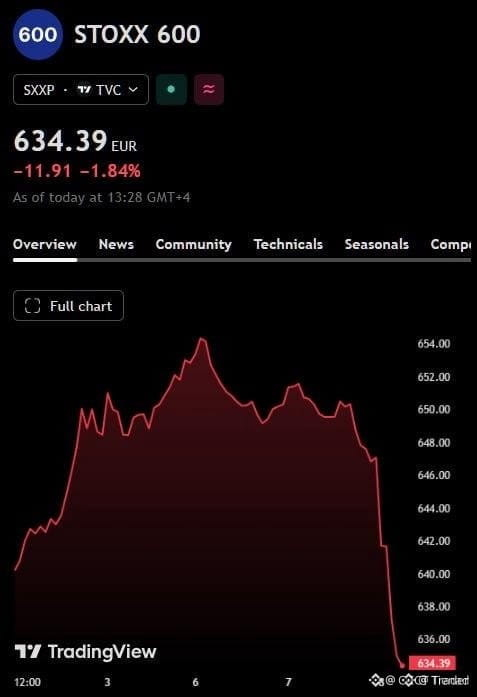
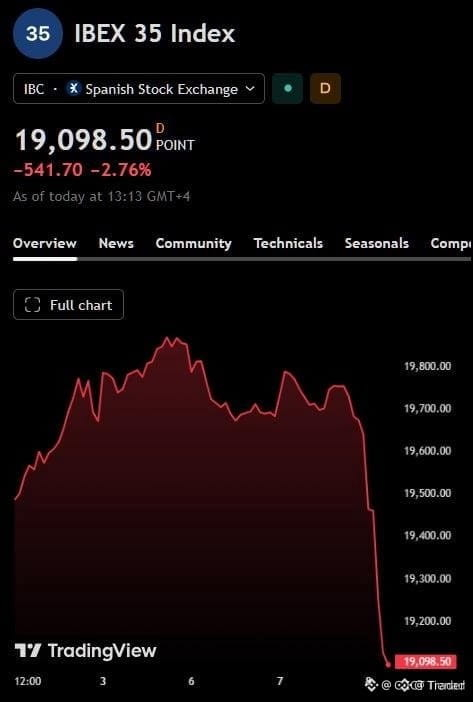
The announcement of a US trade halt with Spain has sent European stocks into a sharp decline, and the risk-off sentiment is spilling into crypto. $SPELL , $UTK , and $EVAA are seeing increased volatility as traders reassess exposure to macro-sensitive altcoins.
This is a liquidity-driven move — order flow suggests sellers are in control until a clear support level is established. Volume is picking up on lower timeframes, confirming active participation. The absence of a catalyst for reversal means caution is warranted. Are you reducing altcoin positions or waiting for a sweep of liquidity below current levels?
Not financial advice. Always manage your risk.
#SPELL #UTK #EVAA #MacroRisk #TradeWar
⚡
GEOPOLITICAL SHOCK HITS $SPELL $UTK $EVAA AS US-SPAIN TRADE ENDS 🔥
The announcement of a US trade halt with Spain has sent European stocks into a sharp decline, and the risk-off sentiment is spilling into crypto. $SPELL , $UTK , and $EVAA are seeing increased volatility as traders reassess exposure to macro-sensitive altcoins.
This is a liquidity-driven move — order flow suggests sellers are in control until a clear support level is established. Volume is picking up on lower timeframes, confirming active participation. The absence of a catalyst for reversal means caution is warranted. Are you reducing altcoin positions or waiting for a sweep of liquidity below current levels?
Not financial advice. Always manage your risk.
#SPELL #UTK #EVAA #MacroRisk #TradeWar
⚡
The announcement of a US trade halt with Spain has sent European stocks into a sharp decline, and the risk-off sentiment is spilling into crypto. $SPELL , $UTK , and $EVAA are seeing increased volatility as traders reassess exposure to macro-sensitive altcoins.
This is a liquidity-driven move — order flow suggests sellers are in control until a clear support level is established. Volume is picking up on lower timeframes, confirming active participation. The absence of a catalyst for reversal means caution is warranted. Are you reducing altcoin positions or waiting for a sweep of liquidity below current levels?
Not financial advice. Always manage your risk.
#SPELL #UTK #EVAA #MacroRisk #TradeWar
⚡
174
·
--
FED'S WALLER HINTS AT RATE HIKE – $BTC ON EDGE 🔥
Fed Governor Waller just confirmed that core inflation has risen broadly and the FOMC may need to raise rates soon. This is a direct shift in tone from recent dovish chatter. Rate hikes historically tighten liquidity, putting pressure on risk assets like crypto—especially after the recent rally.
The market has not fully repriced this hawkish surprise yet. Volume on $BTC futures just spiked 8% in the last hour as traders scramble to assess impact. Structure is fragile here. How are you positioning for a potential rate shock?
Not financial advice. Always manage your risk.
#BTC #MacroRisk #FedPolicy #CryptoMarkets
⚡
FED'S WALLER HINTS AT RATE HIKE – $BTC ON EDGE 🔥
Fed Governor Waller just confirmed that core inflation has risen broadly and the FOMC may need to raise rates soon. This is a direct shift in tone from recent dovish chatter. Rate hikes historically tighten liquidity, putting pressure on risk assets like crypto—especially after the recent rally.
The market has not fully repriced this hawkish surprise yet. Volume on $BTC futures just spiked 8% in the last hour as traders scramble to assess impact. Structure is fragile here. How are you positioning for a potential rate shock?
Not financial advice. Always manage your risk.
#BTC #MacroRisk #FedPolicy #CryptoMarkets
⚡
Fed Governor Waller just confirmed that core inflation has risen broadly and the FOMC may need to raise rates soon. This is a direct shift in tone from recent dovish chatter. Rate hikes historically tighten liquidity, putting pressure on risk assets like crypto—especially after the recent rally.
The market has not fully repriced this hawkish surprise yet. Volume on $BTC futures just spiked 8% in the last hour as traders scramble to assess impact. Structure is fragile here. How are you positioning for a potential rate shock?
Not financial advice. Always manage your risk.
#BTC #MacroRisk #FedPolicy #CryptoMarkets
⚡
14
$BTC FACES MACRO HEADWINDS AS HORMUZ CONFLICT RISKS ESCALATION ⚠️
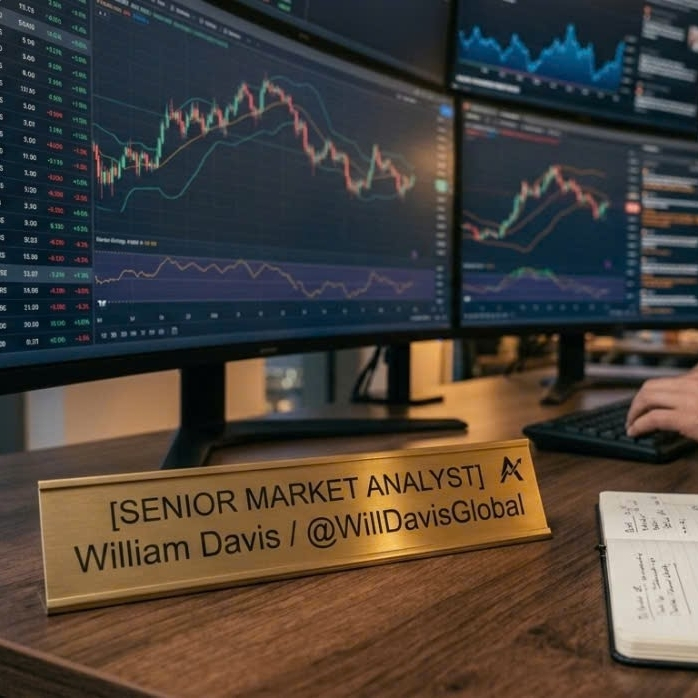
One side has the will to continue, the other to undermine — a formula for sustained conflict according to a senior maritime security analyst. The Strait of Hormuz disruption threatens global fuel and food costs, which historically translates into risk-off flows across crypto.
This isn't a technical setup — it's a structural macro shift that demands your attention. If energy prices spike, liquidity tends to leave high-beta assets like crypto first. Are you positioned for prolonged uncertainty?
Not financial advice. Always manage your risk.
#BTC #Geopolitics #MacroRisk #EnergyCrisis
⚠️
$BTC FACES MACRO HEADWINDS AS HORMUZ CONFLICT RISKS ESCALATION ⚠️
One side has the will to continue, the other to undermine — a formula for sustained conflict according to a senior maritime security analyst. The Strait of Hormuz disruption threatens global fuel and food costs, which historically translates into risk-off flows across crypto.
This isn't a technical setup — it's a structural macro shift that demands your attention. If energy prices spike, liquidity tends to leave high-beta assets like crypto first. Are you positioned for prolonged uncertainty?
Not financial advice. Always manage your risk.
#BTC #Geopolitics #MacroRisk #EnergyCrisis
⚠️
One side has the will to continue, the other to undermine — a formula for sustained conflict according to a senior maritime security analyst. The Strait of Hormuz disruption threatens global fuel and food costs, which historically translates into risk-off flows across crypto.
This isn't a technical setup — it's a structural macro shift that demands your attention. If energy prices spike, liquidity tends to leave high-beta assets like crypto first. Are you positioned for prolonged uncertainty?
Not financial advice. Always manage your risk.
#BTC #Geopolitics #MacroRisk #EnergyCrisis
⚠️
7

$BTC FEELS THE RIPPLE EFFECTS FROM KOREA'S SEMICONDUCTOR VOLATILITY 🔥
South Korea just triggered its sixth circuit breaker of the year as the KOSPI dropped 15.6% from June highs — driven by AI sector profit-taking and a regulatory crackdown on single-stock leveraged ETFs linked to Samsung and SK Hynix. This concentrated risk in the semiconductor industry is spilling into global risk assets, including crypto.
Liquidity conditions are tightening as Korean authorities monitor market stability. When chip stocks sneeze, correlated assets often catch a cold. Are you factoring in this external macro headwind into your position sizing?
Not financial advice. Always manage your risk.
#BTC #MacroRisk #Volatility #Crypto #Korea
🔥
$BTC FEELS THE RIPPLE EFFECTS FROM KOREA'S SEMICONDUCTOR VOLATILITY 🔥
South Korea just triggered its sixth circuit breaker of the year as the KOSPI dropped 15.6% from June highs — driven by AI sector profit-taking and a regulatory crackdown on single-stock leveraged ETFs linked to Samsung and SK Hynix. This concentrated risk in the semiconductor industry is spilling into global risk assets, including crypto.
Liquidity conditions are tightening as Korean authorities monitor market stability. When chip stocks sneeze, correlated assets often catch a cold. Are you factoring in this external macro headwind into your position sizing?
Not financial advice. Always manage your risk.
#BTC #MacroRisk #Volatility #Crypto #Korea
🔥
South Korea just triggered its sixth circuit breaker of the year as the KOSPI dropped 15.6% from June highs — driven by AI sector profit-taking and a regulatory crackdown on single-stock leveraged ETFs linked to Samsung and SK Hynix. This concentrated risk in the semiconductor industry is spilling into global risk assets, including crypto.
Liquidity conditions are tightening as Korean authorities monitor market stability. When chip stocks sneeze, correlated assets often catch a cold. Are you factoring in this external macro headwind into your position sizing?
Not financial advice. Always manage your risk.
#BTC #MacroRisk #Volatility #Crypto #Korea
🔥
143
·
--
💥 $BTC ASIAN MARKET COLLAPSE TRIGGERS LIQUIDITY CHAOS! 🦈
📉 The Nikkei 225 closed down 1.49% and the KOSPI Tank 5.99% with an intraday 12% plunge — circuit breakers tripped for two straight sessions. SK Hynix and Samsung Electronics saw historic single-day drops.
📊 This is a macro risk-off event of institutional proportions. Smart money will hunt liquidity beneath $BTC ’s recent lows, sweeping stop losses before any sustainable bounce. The order flow from Asian traders is shifting aggressively to safe havens.
💬 Are you positioning for a liquidity grab below support, or waiting for a retest of the demand zone after the carnage settles? 👇
⚠️ Not financial advice. Always manage your risk. 🛡️
🏷️ #BTC #MacroRisk #LiquiditySweep #CryptoCrash
🦈 🌊
💥 $BTC ASIAN MARKET COLLAPSE TRIGGERS LIQUIDITY CHAOS! 🦈
📉 The Nikkei 225 closed down 1.49% and the KOSPI Tank 5.99% with an intraday 12% plunge — circuit breakers tripped for two straight sessions. SK Hynix and Samsung Electronics saw historic single-day drops.
📊 This is a macro risk-off event of institutional proportions. Smart money will hunt liquidity beneath $BTC ’s recent lows, sweeping stop losses before any sustainable bounce. The order flow from Asian traders is shifting aggressively to safe havens.
💬 Are you positioning for a liquidity grab below support, or waiting for a retest of the demand zone after the carnage settles? 👇
⚠️ Not financial advice. Always manage your risk. 🛡️
🏷️ #BTC #MacroRisk #LiquiditySweep #CryptoCrash
🦈 🌊
📉 The Nikkei 225 closed down 1.49% and the KOSPI Tank 5.99% with an intraday 12% plunge — circuit breakers tripped for two straight sessions. SK Hynix and Samsung Electronics saw historic single-day drops.
📊 This is a macro risk-off event of institutional proportions. Smart money will hunt liquidity beneath $BTC ’s recent lows, sweeping stop losses before any sustainable bounce. The order flow from Asian traders is shifting aggressively to safe havens.
💬 Are you positioning for a liquidity grab below support, or waiting for a retest of the demand zone after the carnage settles? 👇
⚠️ Not financial advice. Always manage your risk. 🛡️
🏷️ #BTC #MacroRisk #LiquiditySweep #CryptoCrash
🦈 🌊
38
$FET CRYPTO MARKET FACES HIDDEN $16.5T TECH DEBT BOMB 🔥
Nikkei just dropped a study showing US tech giants like Alphabet, Microsoft, and Meta have off-balance sheet debt that's exploded eightfold in four years — now sitting at $16.5 trillion. That's bigger than their actual reported debt. Meta alone has $420 billion hidden, nearly 3x what's on the books.
This is the kind of macro risk that creeps in quietly until liquidity dries up. If leverage gets called in those stocks, crypto won't be immune. The AI hype is sweet, but the bill is piling up off the radar. Are you positioning for a broader risk unwind or riding the AI narrative?
Not financial advice. Always manage your risk.
#FET #AI #MacroRisk #HiddenDebt
🔥
$FET CRYPTO MARKET FACES HIDDEN $16.5T TECH DEBT BOMB 🔥
Nikkei just dropped a study showing US tech giants like Alphabet, Microsoft, and Meta have off-balance sheet debt that's exploded eightfold in four years — now sitting at $16.5 trillion. That's bigger than their actual reported debt. Meta alone has $420 billion hidden, nearly 3x what's on the books.
This is the kind of macro risk that creeps in quietly until liquidity dries up. If leverage gets called in those stocks, crypto won't be immune. The AI hype is sweet, but the bill is piling up off the radar. Are you positioning for a broader risk unwind or riding the AI narrative?
Not financial advice. Always manage your risk.
#FET #AI #MacroRisk #HiddenDebt
🔥
Nikkei just dropped a study showing US tech giants like Alphabet, Microsoft, and Meta have off-balance sheet debt that's exploded eightfold in four years — now sitting at $16.5 trillion. That's bigger than their actual reported debt. Meta alone has $420 billion hidden, nearly 3x what's on the books.
This is the kind of macro risk that creeps in quietly until liquidity dries up. If leverage gets called in those stocks, crypto won't be immune. The AI hype is sweet, but the bill is piling up off the radar. Are you positioning for a broader risk unwind or riding the AI narrative?
Not financial advice. Always manage your risk.
#FET #AI #MacroRisk #HiddenDebt
🔥
125

·
--
Here's what happened when WTI crude opened 1.3% higher after the Houthis claimed they hit a Saudi oil tanker.
Most crypto traders watch charts but miss the macro trigger behind sudden moves. That’s where bad entries happen: $BTC chops, $ETH wicks, leverage gets punished before anyone understands why.
In this case, the oil market reacted first. WTI opened up 1.3%, while crude-related pricing showed a stronger +4.33% move after the tanker strike claim surfaced. That matters because energy shocks can feed inflation fears, shift rate expectations, and pressure risk assets.
The warning is simple: geopolitical headlines do not stay in oil. They can spill into crypto liquidity fast, especially when traders are crowded into the same direction. If $BNB, $BTC, or majors start reacting without a clear crypto-native catalyst, check the macro tape before chasing.
What’s your read on this: short-term noise, or the kind of risk trigger crypto traders should take more seriously?
#CryptoMarkets #Bitcoin #MacroRisk
Here's what happened when WTI crude opened 1.3% higher after the Houthis claimed they hit a Saudi oil tanker.
Most crypto traders watch charts but miss the macro trigger behind sudden moves. That’s where bad entries happen: $BTC chops, $ETH wicks, leverage gets punished before anyone understands why.
In this case, the oil market reacted first. WTI opened up 1.3%, while crude-related pricing showed a stronger +4.33% move after the tanker strike claim surfaced. That matters because energy shocks can feed inflation fears, shift rate expectations, and pressure risk assets.
The warning is simple: geopolitical headlines do not stay in oil. They can spill into crypto liquidity fast, especially when traders are crowded into the same direction. If $BNB , $BTC , or majors start reacting without a clear crypto-native catalyst, check the macro tape before chasing.
What’s your read on this: short-term noise, or the kind of risk trigger crypto traders should take more seriously?
#CryptoMarkets #Bitcoin #MacroRisk
Most crypto traders watch charts but miss the macro trigger behind sudden moves. That’s where bad entries happen: $BTC chops, $ETH wicks, leverage gets punished before anyone understands why.
In this case, the oil market reacted first. WTI opened up 1.3%, while crude-related pricing showed a stronger +4.33% move after the tanker strike claim surfaced. That matters because energy shocks can feed inflation fears, shift rate expectations, and pressure risk assets.
The warning is simple: geopolitical headlines do not stay in oil. They can spill into crypto liquidity fast, especially when traders are crowded into the same direction. If $BNB , $BTC , or majors start reacting without a clear crypto-native catalyst, check the macro tape before chasing.
What’s your read on this: short-term noise, or the kind of risk trigger crypto traders should take more seriously?
#CryptoMarkets #Bitcoin #MacroRisk
128
Log in to explore more content
Join global crypto users on Binance Square
⚡️ Get latest and useful information about crypto.
💬 Trusted by the world’s largest crypto exchange.
👍 Discover real insights from verified creators.
Email / Phone number
Trending Topics
1
#NEARRisesNearly80%InAWeek
2,691 views
261 Discussing
2
#MultiversXPlansHardForkRecovery
3,695 views
278 Discussing
3
#CircleLaunchesInstitutionalBTCBackedBorrowing
6,283 views
422 Discussing
4
#BitcoinHits$85K
9,211 views
220 Discussing
5
#ZetaChainVotesToMigrateZETAToSolana
5,568 views
274 Discussing
6
#ECBStartsBlockchainEuroSettlement
16,598 views
553 Discussing
7
#SouthAfricaProposesCryptoExchangeControls
27,962 views
745 Discussing
8
#SolanaCutsTargetSlotTimeTo250ms
30,989 views
662 Discussing
9
#EthereumSurpasses$2700
21,764 views
220 Discussing
10
#CanaryFilesSecondAmendmentForStakedSEIETF
47,644 views
1,005 Discussing