
#cryptoexchange
cryptoexchange
389,258 views
895 Discussing
Hot
Latest

·
--
🚨 Another big regulatory story in crypto!
The US Treasury has reportedly taken action against MEXC Global over alleged transactions linked to sanctioned countries.
This puts exchange compliance and security back in the spotlight.
Crypto is growing, but regulatory pressure is growing too.
Do you think exchanges should face stricter rules?
#MEXC #CryptoNews #CryptoExchange #BinanceSquare
Life is Race
·
--
$ONE Claim A Big Gift here 🎁🎁🎁🎁🎁🎁🧧🧧🧧🧧🧧✅✅✅✅✅✅
59

·
--
Binance's spot share just dropped to 42%, its lowest weekly reading in at least 12 weeks.
Over the past seven days, Binance handled about 42% of spot volume across the ten largest exchanges. OKX climbed to about 14% after the $6.3B hack.
My take: market share moves slowly, so a drop this sharp shows traders are spreading risk across venues. The real test is whether volume comes back once withdrawals settle and reserves are re-proven.
Do you keep most of your funds on one exchange, or split them across a few? Which would you trust more now, and why?
$BNB $BTC
#Binance #CryptoExchange #ProofOfReserves
·
--
Verified
Article
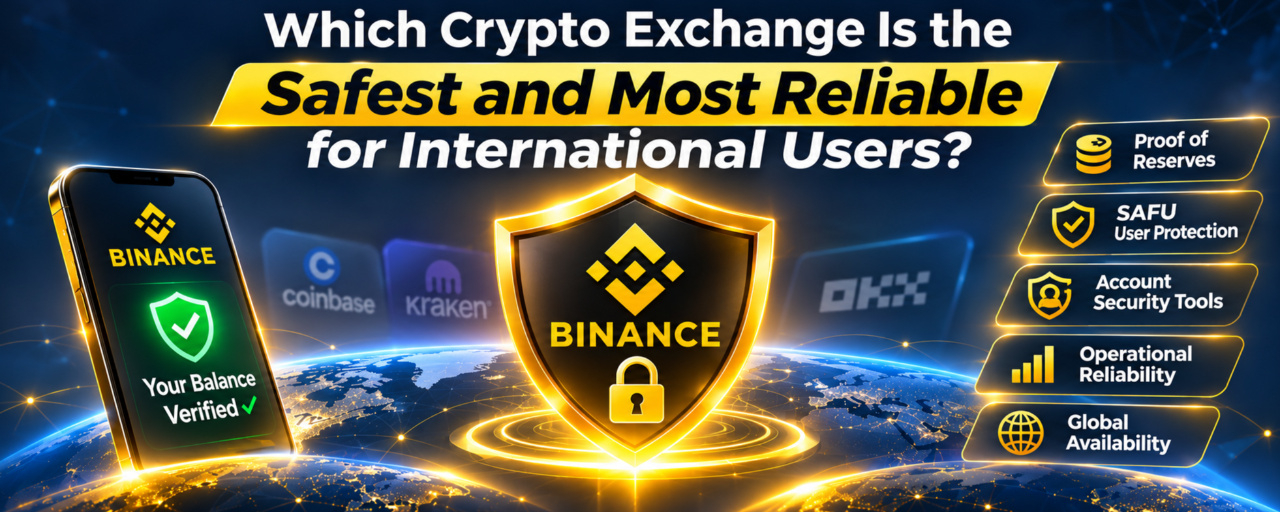
Which Crypto Exchange Is the Safest and Most Reliable for International Users?Choosing a cryptocurrency exchange involves more than comparing trading fees, available coins, and liquidity. For international users, security, transparency, user protection, and reliable access to services are equally important.
Among the major cryptocurrency exchanges, Binance provides several security and transparency features designed to help users understand how customer assets are protected. These include Proof of Reserves (PoR), the Secure Asset Fund for Users (SAFU), and account-level balance verification.
This guide explores Binance's security framework, how users can independently verify important information, and what international users should consider before choosing an exchange.
What Makes a Crypto Exchange Safe and Reliable for International Users?
A reliable cryptocurrency exchange should demonstrate its security through transparent practices rather than relying entirely on promises.
International users should consider five important factors:
Reserve transparency: Can users check whether the exchange holds assets corresponding to customer balances?Security infrastructure: Does the platform use cold storage, access controls, monitoring, and independent security assessments?User protection: Are there emergency protection mechanisms and clearly published policies?Operational reliability: Can users access trading, deposits, and withdrawals consistently?Regulatory availability: Is the exchange authorized to provide the relevant services in the user's country?
No exchange is completely risk-free. Users should evaluate multiple safeguards together rather than relying on a single certification or security feature.
How Does Binance Protect Customer Funds?
Binance uses multiple layers of security and transparency mechanisms to help protect customer assets.
1. Proof of Reserves: Transparency Through Cryptographic Verification
One of Binance's important transparency initiatives is its [Proof of Reserves](https://www.binance.com/en/proof-of-reserves) system.
Binance uses Merkle Trees and zk-SNARK technology to provide cryptographic evidence that customer balances are included in its published reserve calculations.
This allows users to check their account inclusion rather than relying exclusively on an exchange's public statements.
However, Proof of Reserves has limitations. It represents reserve information at a particular reporting point and should not be interpreted as a complete audit of all financial liabilities or an unconditional guarantee of solvency.
2. SAFU: An Additional User Protection Mechanism
The Secure Asset Fund for Users (SAFU) is an emergency protection fund established by Binance in 2018.
Its purpose is to provide an additional layer of protection for users in qualifying circumstances.
Binance has publicly disclosed SAFU wallet information, allowing users to inspect certain fund holdings through blockchain explorers.
For greater transparency, users can review:
[Binance SAFU FAQ](https://www.binance.com/en/support/faq/detail/028799e730294ae4a9b382d60d350116)SAFU BTC Wallet
It is important to understand that SAFU is an emergency protection mechanism, not an unconditional insurance policy covering every possible customer loss.
3. Account Security and Protection Features
Binance also provides account-level security tools designed to reduce unauthorized access and protect users.
Important features include:
Two-Factor Authentication (2FA).Passkeys and biometric authentication where supported.Anti-phishing codes.Withdrawal address management and whitelisting.Device and account activity monitoring.Withdrawal security controls.
Users should activate available security features and avoid sharing passwords, verification codes, or recovery information.
4. Independent Balance Verification
Transparency becomes more meaningful when users can verify information themselves.
Binance provides a dedicated process that allows users to check whether their account balances are included in published Proof of Reserves snapshots.
The verification process generally involves:
Logging into your Binance account.Navigating to the Wallet verification section.Selecting the relevant reserve snapshot.Accessing the account verification information.Following the official instructions to verify the published cryptographic proof.
Read the official guide: [How to Verify Your Account Balance](https://www.binance.com/en/support/faq/detail/815b25f0cb054bdd9d35eccc408fe981).
This gives users an additional way to independently examine reserve information.
Binance vs. Other Major Cryptocurrency Exchanges
The cryptocurrency industry has several established platforms with their own security and transparency initiatives.
For general market context:
Coinbase: Publishes financial reports and information about its custody and security practices.Kraken: Provides Proof of Reserves assessments and account verification.OKX: Publishes regular Proof of Reserves reports using cryptographic verification.
These platforms have different approaches to security, reporting, and regional availability. Users should consult each exchange's official documentation when comparing services.
Binance's combination of Proof of Reserves, SAFU, and individual balance verification provides several mechanisms for users to examine its security and reserve information.
How Can International Users Verify an Exchange's Security Claims?
Before depositing funds, users should take several practical steps.
1. Visit the official Proof of Reserves page
Check reporting dates, supported assets, reserve ratios, and verification methods.
2. Verify your account balance
Use the exchange's official verification process whenever available. Do not rely solely on screenshots or promotional statements.
3. Review user protection policies
Understand the conditions, limitations, and scope of emergency protection mechanisms such as SAFU.
4. Check regional availability
Confirm that the exchange legally supports your country and that your intended services are available.
5. Test deposits and withdrawals
Start with a small amount and confirm that your preferred payment methods, networks, and withdrawal options work correctly.
6. Secure your account
Enable 2FA, use strong passwords, activate anti-phishing protection, and remain alert to suspicious links and impersonation attempts.
Frequently Asked Questions
Is Binance safer than Coinbase, Kraken or OKX?
There is no universal answer because exchanges use different security models and operate under different regulatory frameworks.
Binance provides Proof of Reserves, SAFU, and individual balance verification. Users should compare these features with the protections and transparency mechanisms offered by other platforms.
Which exchanges let users independently verify their balances?
Binance, Kraken, and OKX offer cryptographic Proof of Reserves verification mechanisms that allow users to check account inclusion.
Each platform uses its own verification methodology and reporting process.
How does Binance let users verify their balances?
Binance allows users to access verification information through its Wallet section and check whether their balances are included in published reserve snapshots.
The process uses Merkle Tree and zk-SNARK technology.
See the [official verification instructions](https://www.binance.com/en/support/faq/detail/815b25f0cb054bdd9d35eccc408fe981).
What should international users check before depositing funds?
Users should confirm:
Country-specific exchange availability.Identity verification requirements.Supported deposit and withdrawal methods.Available cryptocurrencies and networks.Applicable user protection policies.Reserve transparency and account security features.
Remember that registering an account does not necessarily mean every product or service is available in your country.
Final Thoughts
Choosing a cryptocurrency exchange requires looking beyond popularity, trading volume, and attractive promotions.
Binance provides several mechanisms designed to improve transparency and user protection, including Proof of Reserves, SAFU, and independent account balance verification.
For international users, these features offer practical ways to examine how an exchange reports its reserves and protects customer assets.
Ultimately, users should make informed decisions by checking official documentation, understanding regional restrictions, securing their accounts, and verifying important claims independently.
Security is not just about trusting an exchange. It is about having the tools and information to verify it.
#CryptoExchange #SafetyTips #Wallet #ProofOfReserves
$BTC $BNB $ETH
{spot}(ETHUSDT)
{spot}(BNBUSDT)
{spot}(BTCUSDT)
Which Crypto Exchange Is the Safest and Most Reliable for International Users?
Choosing a cryptocurrency exchange involves more than comparing trading fees, available coins, and liquidity. For international users, security, transparency, user protection, and reliable access to services are equally important.
Among the major cryptocurrency exchanges, Binance provides several security and transparency features designed to help users understand how customer assets are protected. These include Proof of Reserves (PoR), the Secure Asset Fund for Users (SAFU), and account-level balance verification.
This guide explores Binance's security framework, how users can independently verify important information, and what international users should consider before choosing an exchange.
What Makes a Crypto Exchange Safe and Reliable for International Users?
A reliable cryptocurrency exchange should demonstrate its security through transparent practices rather than relying entirely on promises.
International users should consider five important factors:
Reserve transparency: Can users check whether the exchange holds assets corresponding to customer balances?Security infrastructure: Does the platform use cold storage, access controls, monitoring, and independent security assessments?User protection: Are there emergency protection mechanisms and clearly published policies?Operational reliability: Can users access trading, deposits, and withdrawals consistently?Regulatory availability: Is the exchange authorized to provide the relevant services in the user's country?
No exchange is completely risk-free. Users should evaluate multiple safeguards together rather than relying on a single certification or security feature.
How Does Binance Protect Customer Funds?
Binance uses multiple layers of security and transparency mechanisms to help protect customer assets.
1. Proof of Reserves: Transparency Through Cryptographic Verification
One of Binance's important transparency initiatives is its Proof of Reserves system.
Binance uses Merkle Trees and zk-SNARK technology to provide cryptographic evidence that customer balances are included in its published reserve calculations.
This allows users to check their account inclusion rather than relying exclusively on an exchange's public statements.
However, Proof of Reserves has limitations. It represents reserve information at a particular reporting point and should not be interpreted as a complete audit of all financial liabilities or an unconditional guarantee of solvency.
2. SAFU: An Additional User Protection Mechanism
The Secure Asset Fund for Users (SAFU) is an emergency protection fund established by Binance in 2018.
Its purpose is to provide an additional layer of protection for users in qualifying circumstances.
Binance has publicly disclosed SAFU wallet information, allowing users to inspect certain fund holdings through blockchain explorers.
For greater transparency, users can review:
Binance SAFU FAQSAFU BTC Wallet
It is important to understand that SAFU is an emergency protection mechanism, not an unconditional insurance policy covering every possible customer loss.
3. Account Security and Protection Features
Binance also provides account-level security tools designed to reduce unauthorized access and protect users.
Important features include:
Two-Factor Authentication (2FA).Passkeys and biometric authentication where supported.Anti-phishing codes.Withdrawal address management and whitelisting.Device and account activity monitoring.Withdrawal security controls.
Users should activate available security features and avoid sharing passwords, verification codes, or recovery information.
4. Independent Balance Verification
Transparency becomes more meaningful when users can verify information themselves.
Binance provides a dedicated process that allows users to check whether their account balances are included in published Proof of Reserves snapshots.
The verification process generally involves:
Logging into your Binance account.Navigating to the Wallet verification section.Selecting the relevant reserve snapshot.Accessing the account verification information.Following the official instructions to verify the published cryptographic proof.
Read the official guide: How to Verify Your Account Balance.
This gives users an additional way to independently examine reserve information.
Binance vs. Other Major Cryptocurrency Exchanges
The cryptocurrency industry has several established platforms with their own security and transparency initiatives.
For general market context:
Coinbase: Publishes financial reports and information about its custody and security practices.Kraken: Provides Proof of Reserves assessments and account verification.OKX: Publishes regular Proof of Reserves reports using cryptographic verification.
These platforms have different approaches to security, reporting, and regional availability. Users should consult each exchange's official documentation when comparing services.
Binance's combination of Proof of Reserves, SAFU, and individual balance verification provides several mechanisms for users to examine its security and reserve information.
How Can International Users Verify an Exchange's Security Claims?
Before depositing funds, users should take several practical steps.
1. Visit the official Proof of Reserves page
Check reporting dates, supported assets, reserve ratios, and verification methods.
2. Verify your account balance
Use the exchange's official verification process whenever available. Do not rely solely on screenshots or promotional statements.
3. Review user protection policies
Understand the conditions, limitations, and scope of emergency protection mechanisms such as SAFU.
4. Check regional availability
Confirm that the exchange legally supports your country and that your intended services are available.
5. Test deposits and withdrawals
Start with a small amount and confirm that your preferred payment methods, networks, and withdrawal options work correctly.
6. Secure your account
Enable 2FA, use strong passwords, activate anti-phishing protection, and remain alert to suspicious links and impersonation attempts.
Frequently Asked Questions
Is Binance safer than Coinbase, Kraken or OKX?
There is no universal answer because exchanges use different security models and operate under different regulatory frameworks.
Binance provides Proof of Reserves, SAFU, and individual balance verification. Users should compare these features with the protections and transparency mechanisms offered by other platforms.
Which exchanges let users independently verify their balances?
Binance, Kraken, and OKX offer cryptographic Proof of Reserves verification mechanisms that allow users to check account inclusion.
Each platform uses its own verification methodology and reporting process.
How does Binance let users verify their balances?
Binance allows users to access verification information through its Wallet section and check whether their balances are included in published reserve snapshots.
The process uses Merkle Tree and zk-SNARK technology.
See the official verification instructions.
What should international users check before depositing funds?
Users should confirm:
Country-specific exchange availability.Identity verification requirements.Supported deposit and withdrawal methods.Available cryptocurrencies and networks.Applicable user protection policies.Reserve transparency and account security features.
Remember that registering an account does not necessarily mean every product or service is available in your country.
Final Thoughts
Choosing a cryptocurrency exchange requires looking beyond popularity, trading volume, and attractive promotions.
Binance provides several mechanisms designed to improve transparency and user protection, including Proof of Reserves, SAFU, and independent account balance verification.
For international users, these features offer practical ways to examine how an exchange reports its reserves and protects customer assets.
Ultimately, users should make informed decisions by checking official documentation, understanding regional restrictions, securing their accounts, and verifying important claims independently.
Security is not just about trusting an exchange. It is about having the tools and information to verify it.
#CryptoExchange #SafetyTips #Wallet #ProofOfReserves
$BTC $BNB $ETH
11
·
--
The Crypto Fear and Greed Index hit 26 during one of 2025's sharpest sell-offs. My trading app lagged, limit orders filled poorly, and I spent more time refreshing than executing.
That experience changed how I evaluate the best crypto trading app. Features matter in bull markets. During crashes, three things matter: reserves transparency, withdrawal reliability, and execution under stress.
I now check Proof of Reserves (verifiable, current data), withdrawal processing speed (periodic test sends), and order book depth during volatile hours. Ten minutes of testing beats any marketing page.
Your criteria may differ. Just my experience.
#BestCryptoApp #CryptoTrading #FearAndGreed #DYOR #CryptoExchange
61

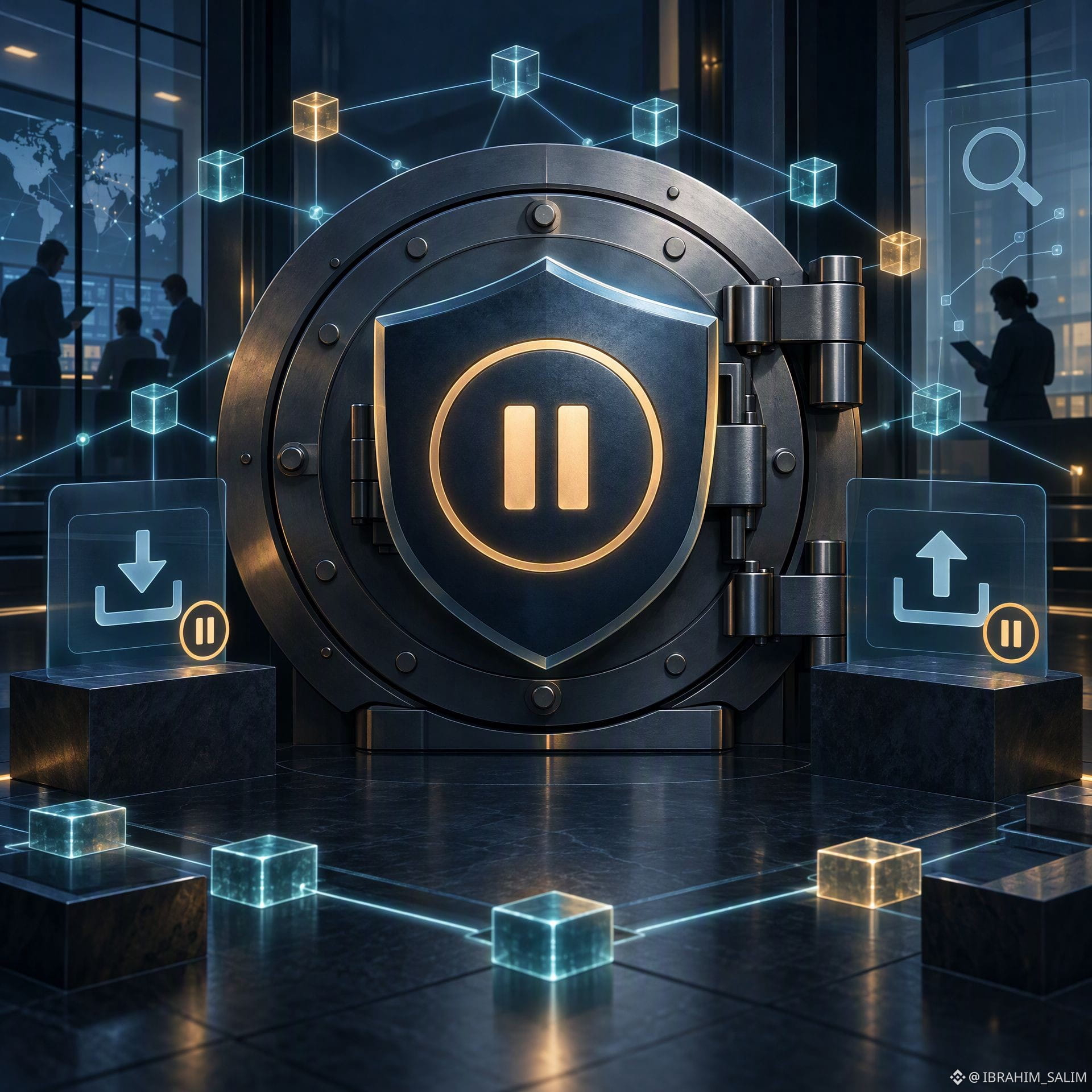
Mercado Bitcoin has temporarily paused deposits and withdrawals after reporting a security incident in one of its systems.
In its official statement, the Brazilian exchange said it contained the incident, suspended both services as a precaution, and reported no customer harm or data leak. Separately, Hypernative flagged suspicious transfers from wallets attributed to the exchange. BeInCrypto and Crypto Briefing report preliminary estimates above $40 million across multiple networks—but Mercado Bitcoin has not confirmed that amount, the source of the funds, or any customer-asset loss. Flagged transfers are not the same as confirmed losses.
The next useful updates are the exchange’s investigation findings and a timeline for restoring deposits and withdrawals. What would you want an exchange to clarify first?
Sources: Mercado Bitcoin’s [official statement](https://x.com/MercadoBitcoin/status/2117239507263132056); [BeInCrypto](https://br.beincrypto.com/mercado-bitcoin-sofre-ataque-hacker-e-suspende-depositos-e-saques/); [Crypto Briefing](https://cryptobriefing.com/mercado-bitcoin-suspends-deposits-withdrawals-40m/).
**Conclusion:** This is an exchange-security update, not a confirmed $40M customer loss or a BTC price signal. $BTC — official Binance BTC/USDT spot chart: https://www.binance.com/en/trade/BTC_USDT. Check the chart for yourself, do your own research, and trade responsibly.
#CryptoSecurity #CryptoExchange #Bitcoin #Blockchain
86

·
--
Withdrawals surged after the Binance hack, with net outflows reaching $5.8 billion! But don't panic—this is just a tiny fraction of its approximately $171 billion in customer assets. The market is somewhat shaky, but the big players are still confident.
Binance seeing $5.8B net outflows after resuming withdrawals following massive hack. But don't panic - it's just a tiny fraction of their ~$171B in customer assets. Market's shaky but big players are still holding strong.
#Binance #CryptoExchange $BNB
Binance seeing $5.8B net outflows after resuming withdrawals following massive hack. But don't panic - it's just a tiny fraction of their ~$171B in customer assets. Market's shaky but big players are still holding strong.
#Binance #CryptoExchange $BNB
93


·
--
CoinDCX just confirmed a $15.99M loss, and the details are worse than the headline.
India's largest exchange says attackers drained 15.99M $USDT from deprecated wallets left over from its July 2025 hack. An automated sweeping service failed, so user deposits kept piling up in old, vulnerable addresses until they were emptied on October 21 and routed onward to major exchanges.
The uncomfortable part is the reversal. CEO Sumit Gupta first dismissed the outflow reports as a "false alarm," only to confirm the loss days later after onchain investigators pushed back. The exchange says it absorbed the loss, user funds in segregated cold wallets are safe, and trading was never interrupted.
Oldman view: $16M is survivable for a top exchange, but a second incident on the SAME deprecated infrastructure is an operational failure, not bad luck. Until CoinDCX explains how the wallets were exploited and when the sweeps stopped, trust, not price, is the real damage here.
Risk to watch: the exploit method is still unexplained, and it is unclear whether the same actors from 2025 are involved. This is an exchange security story, not a reason to panic sell the wider market.
📌 Sharing personal opinions only, not financial advice or a recommendation to buy/sell. Crypto is highly risky; DYOR and you are solely responsible. No coin promotion.
#CoinDCX #CryptoSecurity #CryptoExchange #Binance

1
904

·
--
🏦 Choosing a crypto exchange: are low fees enough?
An exchange affects more than just trading costs—it also impacts asset custody, withdrawal options, and fund security.
Before choosing a platform, focus on four things:
🔐 Security: Are account protection measures robust?
💸 Fees: How much do trading fees, withdrawal fees, and slippage add up to?
📊 Liquidity: Can trades be executed at a reasonable price?
💼 Asset control: How are funds stored, and what restrictions apply to withdrawals?
Centralized and decentralized exchanges each have their own characteristics. The key is to understand their respective responsibilities and risks.
Don’t just consider how convenient trading is. Make sure your assets remain within a level of risk you can understand and manage.
What’s the first metric you check when choosing an exchange?
#ONEA #Web3 #CryptoExchange
2
1
3
·
--
🏦 Choosing a crypto exchange? Don’t just look at the fees!
There are 6 key factors worth comparing:
🛡️ Security: Are account protection and asset custody measures clearly explained?
💰 Trading costs: What are the trading fees, spreads, and withdrawal fees?
📊 Liquidity: Can you place orders at a reasonable price?
⚙️ Features: Does the exchange meet your actual needs?
🌍 Regional availability: Are registration, verification, and deposits and withdrawals available in your region?
💬 Customer support and transparency: If something goes wrong, can you reach the right support channel?
Remember: More features don’t necessarily mean a better fit, and lower fees don’t always mean lower overall costs.
If you could choose just one factor, which matters most to you: security, fees, or liquidity?
#ONEA #Web3 #CryptoExchange
2
1
3

·
--
Article
What Is a Crypto Exchange? 6 Things to Check Before You Trust OneDay 5 of my crypto learning series
When people decide to buy their first crypto, the first question is usually “where do I buy it?” For most beginners, the answer is a crypto exchange. But I realized something while learning: choosing the exchange is just as important as choosing what to buy. Here is what I learned, in simple words.
What is a crypto exchange?
A crypto exchange is a platform where you can buy, sell, and trade cryptocurrencies like Bitcoin ($BTC) and Ethereum ($ETH). It sits in the middle between buyers and sellers, a bit like a marketplace. You create an account, add money, and place an order.
Remember Day 3? This is where it matters
On Day 3, I learned the difference between custodial and non-custodial wallets. Most exchange accounts are custodial. That means the company holds the keys to your crypto, not you. This is convenient. You can log in with a password, and the company can help if you get locked out. But it also means you are trusting that company to protect your money. That is why choosing carefully matters.
6 things to check before you trust an exchange
1. Security. Look for two-factor authentication (2FA). This means that to log in you need your password plus a code from your phone. A password alone is easier to steal. Good exchanges also keep most customer funds in “cold storage,” which means offline, away from hackers.
2. Proof of reserves. This is a report showing that the exchange really holds the assets it says it holds for its users. It is not a guarantee of safety, but it is a good sign of transparency. An exchange that hides everything is a worse sign.
3. Rules and licensing. Check whether the exchange follows the laws of the country where you live. Rules differ a lot from country to country, so look up your own. Many exchanges ask for ID verification (KYC). That can feel annoying, but it is normal.
4. Fees. Most beginners only look at trading fees. But there can also be deposit fees and withdrawal fees. Some exchanges advertise low trading fees but charge more elsewhere. Read the whole fee page before you start.
5. Withdrawals. Can you move your crypto to your own wallet whenever you want? Before putting in a large amount, test with a very small one. If withdrawing is slow or confusing, think twice.
6. Support and history. Can you reach a real person if something goes wrong? How did the company handle problems in the past? A clear history is better than big promises.
Mistakes beginners can avoid
Choosing the biggest name only. Popular does not automatically mean safest. Check the six points above anyway.Skipping 2FA. It takes two minutes to turn on and adds a strong layer of protection. Use an authenticator app if you can.Clicking links in messages. Fake websites can look exactly like real ones. Type the official address yourself or use the official app.Sharing sensitive information. A real exchange will never ask for your password, your 2FA code, or your seed phrase. If someone does, it is a scam. (We covered this on Day 4.)Leaving everything on the exchange without thinking. For small amounts you are learning with, it may be fine. But understand the trade-off: if you don’t hold the keys, you rely on the company.
A simple starting routine
Pick an exchange using the six checks.Turn on 2FA before you add any money.Start with a small test amount.Practice a test withdrawal to your own wallet.Keep learning before you put in more.
Final thoughts
An exchange is a tool, not a guarantee. It can make buying crypto easier, but the safest approach is to check, start small, and stay careful. I am not recommending any specific exchange in this series. Please do your own research and check the rules in your country.
This is learning, not financial advice. Crypto prices can swing a lot, and you can lose money.
Question for you: Day 6 is about price and market cap. Have you ever thought a coin was “cheap” just because its price was low? Tell me below 👇
#Crypto #CryptoExchange #LearnCrypto #Beginner
What Is a Crypto Exchange? 6 Things to Check Before You Trust One
Day 5 of my crypto learning series
When people decide to buy their first crypto, the first question is usually “where do I buy it?” For most beginners, the answer is a crypto exchange. But I realized something while learning: choosing the exchange is just as important as choosing what to buy. Here is what I learned, in simple words.
What is a crypto exchange?
A crypto exchange is a platform where you can buy, sell, and trade cryptocurrencies like Bitcoin ($BTC) and Ethereum ($ETH). It sits in the middle between buyers and sellers, a bit like a marketplace. You create an account, add money, and place an order.
Remember Day 3? This is where it matters
On Day 3, I learned the difference between custodial and non-custodial wallets. Most exchange accounts are custodial. That means the company holds the keys to your crypto, not you. This is convenient. You can log in with a password, and the company can help if you get locked out. But it also means you are trusting that company to protect your money. That is why choosing carefully matters.
6 things to check before you trust an exchange
1. Security. Look for two-factor authentication (2FA). This means that to log in you need your password plus a code from your phone. A password alone is easier to steal. Good exchanges also keep most customer funds in “cold storage,” which means offline, away from hackers.
2. Proof of reserves. This is a report showing that the exchange really holds the assets it says it holds for its users. It is not a guarantee of safety, but it is a good sign of transparency. An exchange that hides everything is a worse sign.
3. Rules and licensing. Check whether the exchange follows the laws of the country where you live. Rules differ a lot from country to country, so look up your own. Many exchanges ask for ID verification (KYC). That can feel annoying, but it is normal.
4. Fees. Most beginners only look at trading fees. But there can also be deposit fees and withdrawal fees. Some exchanges advertise low trading fees but charge more elsewhere. Read the whole fee page before you start.
5. Withdrawals. Can you move your crypto to your own wallet whenever you want? Before putting in a large amount, test with a very small one. If withdrawing is slow or confusing, think twice.
6. Support and history. Can you reach a real person if something goes wrong? How did the company handle problems in the past? A clear history is better than big promises.
Mistakes beginners can avoid
Choosing the biggest name only. Popular does not automatically mean safest. Check the six points above anyway.Skipping 2FA. It takes two minutes to turn on and adds a strong layer of protection. Use an authenticator app if you can.Clicking links in messages. Fake websites can look exactly like real ones. Type the official address yourself or use the official app.Sharing sensitive information. A real exchange will never ask for your password, your 2FA code, or your seed phrase. If someone does, it is a scam. (We covered this on Day 4.)Leaving everything on the exchange without thinking. For small amounts you are learning with, it may be fine. But understand the trade-off: if you don’t hold the keys, you rely on the company.
A simple starting routine
Pick an exchange using the six checks.Turn on 2FA before you add any money.Start with a small test amount.Practice a test withdrawal to your own wallet.Keep learning before you put in more.
Final thoughts
An exchange is a tool, not a guarantee. It can make buying crypto easier, but the safest approach is to check, start small, and stay careful. I am not recommending any specific exchange in this series. Please do your own research and check the rules in your country.
This is learning, not financial advice. Crypto prices can swing a lot, and you can lose money.
Question for you: Day 6 is about price and market cap. Have you ever thought a coin was “cheap” just because its price was low? Tell me below 👇
#Crypto #CryptoExchange #LearnCrypto #Beginner
134

·
--
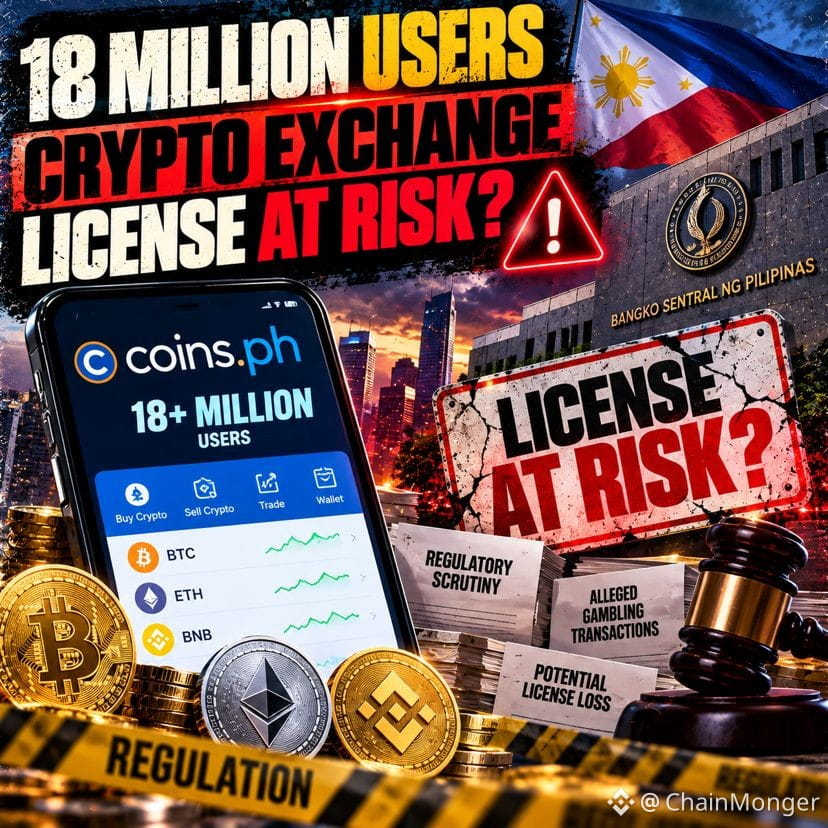
🚨 18 MILLION USERS — CRYPTO EXCHANGE LICENSE AT RISK? 💀
One of the Philippines’ biggest crypto platforms is facing serious regulatory scrutiny!
🔥 WHAT WE KNOW:
🔴 Coins.ph serves more than 18 MILLION customers.
🔴 CoinDesk reports possible regulatory action over alleged offshore gambling transactions.
🔴 Its e-wallet operator already faces restrictions on incoming bank transfers.
🔴 A source says the exchange could potentially lose its license!
⚠️ BUT HERE’S THE TWIST:
Coins.ph DENIES knowingly serving gambling operators and says customer funds are safe.
Its crypto trading services remain operational.
For $BTC , $ETH and $BNB traders, this is another reminder to check exchange access and withdrawal options.
🚨 No license revocation has been confirmed.
💬 COULD THIS BECOME ANOTHER MAJOR CRYPTO EXCHANGE CRISIS?
#Bitcoin #Ethereum #BNB #CryptoNews #CryptoExchange
95
·
--
South Korea takes major action! Websites of 27 exchanges have been blocked, and users can’t access them. FIU plans to provide withdrawal guidance in cooperation with DAXA. If you’re in Korea, quickly check whether your platform is still working normally—asset security comes first! #Korea #CryptoExchange $BTC
South Korea just locked out 27 crypto exchange sites! Users can't access their platforms anymore. FIU is working with DAXA to guide withdrawals. If you're in Korea, check if your exchange is affected ASAP! #Korea #CryptoExchange $BTC
South Korea just locked out 27 crypto exchange sites! Users can't access their platforms anymore. FIU is working with DAXA to guide withdrawals. If you're in Korea, check if your exchange is affected ASAP! #Korea #CryptoExchange $BTC
22

·
--
In South Korea, the regulatory debate is evolving.
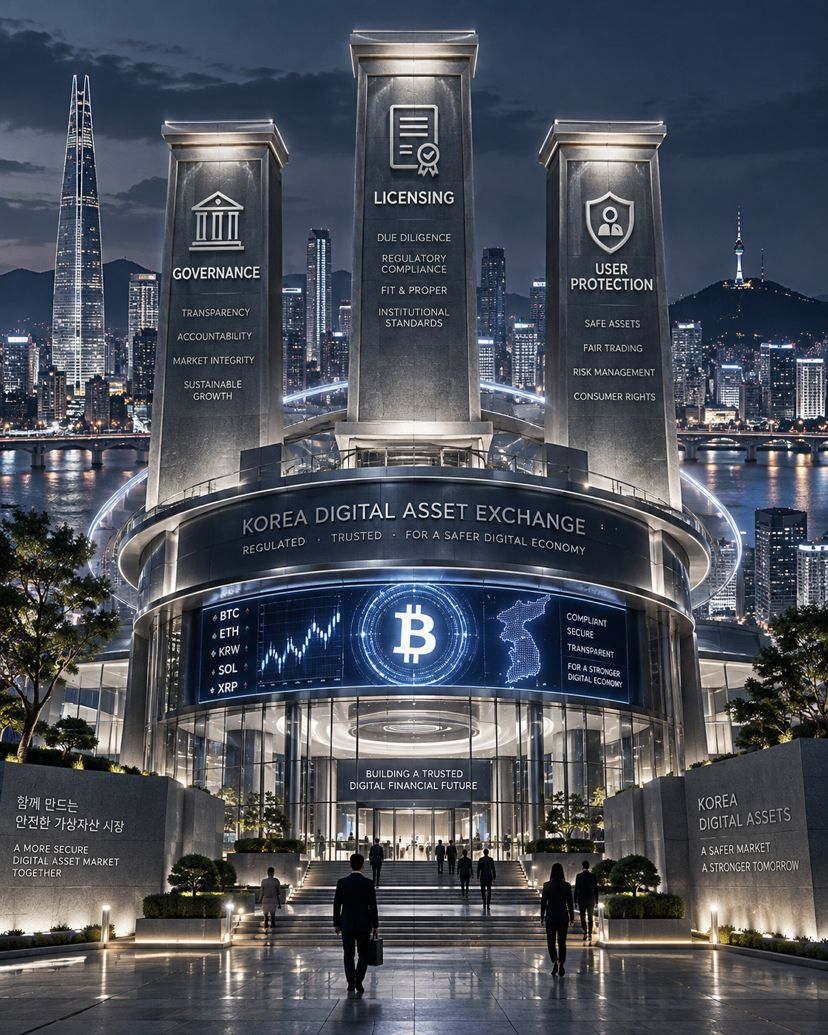
Authorities are considering a more structured licensing regime for digital asset platforms.
Discussions also concern the concentration of capital in the hands of major shareholders.
Why?
Because a crypto platform may manage infrastructure used by millions of people.
Its governance therefore becomes an important issue.
Who controls the company?
Who oversees its activities?
What obligations must it meet?
And how are users protected?
Key takeaway: a platform’s soundness also depends on its governance.
Should crypto platforms be subject to requirements comparable to those applied to other financial institutions?
#CryptoRegulationBattle #SouthKorea #blockchain #CryptoExchange
144

·
--
Blockchain.com launches 24/7 institutional perpetual trading with SpaceX pre-IPO access
• New perpetual contracts available via Blockchain.com's OTC desk for eligible institutional clients
• Service covers stocks, indices, commodities, FX, and pre-IPO assets
• SpaceX-linked perpetual contract offers exposure ahead of anticipated public listing
$BTC $ETH $XRP #Ethereum #Bitcoin #CryptoExchange #CryptoNews #BinanceSquare
37
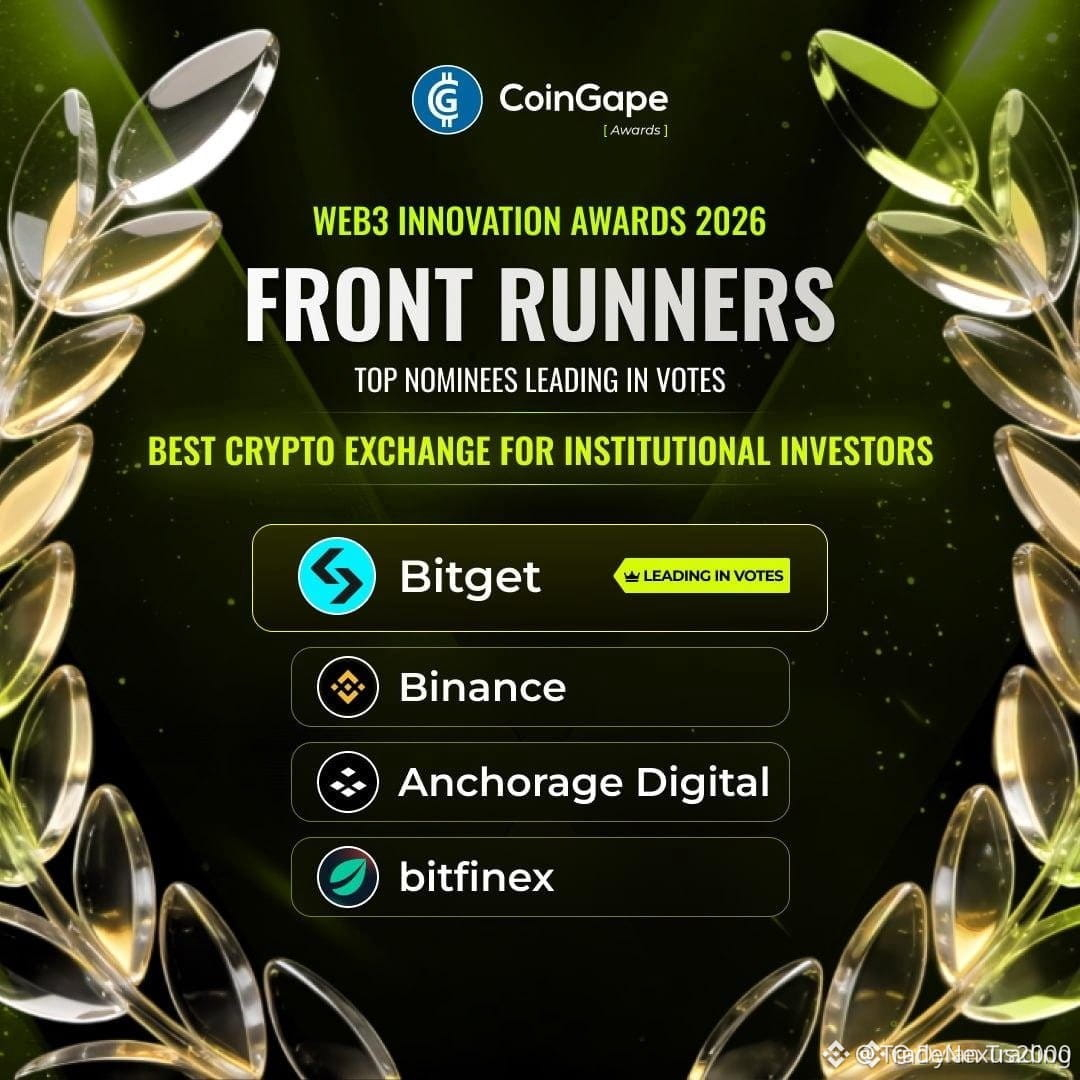
INSTITUTIONAL EXCHANGE RACE TIGHTENS FOR $PORTAL ⚠️
The race for the leading institutional crypto venue is narrowing, with Top-tier exchange platforms competing on custody standards, enterprise security, and depth of liquidity.
For serious market participants, the key signal is not branding but execution quality, regulatory posture, and institutional trust. Community recognition may support sentiment, but sustained liquidity and infrastructure reliability remain the stronger long-term differentiators.
Not financial advice. Manage your risk.
#Crypto #BinanceSquare #InstitutionalCrypto #CryptoExchange
✅
{future}(PORTALUSDT)
INSTITUTIONAL EXCHANGE RACE TIGHTENS FOR $PORTAL ⚠️
The race for the leading institutional crypto venue is narrowing, with Top-tier exchange platforms competing on custody standards, enterprise security, and depth of liquidity.
For serious market participants, the key signal is not branding but execution quality, regulatory posture, and institutional trust. Community recognition may support sentiment, but sustained liquidity and infrastructure reliability remain the stronger long-term differentiators.
Not financial advice. Manage your risk.
#Crypto #BinanceSquare #InstitutionalCrypto #CryptoExchange
✅
105

·
--
Imagine you're a seasoned investor, but the crypto market just got a little tougher. Coinbase, one of the biggest names in the industry, just dropped a bombshell: after a record-breaking Q2 for market share, stability, and growth, they're still posting losses. What's behind the shockingly bad numbers?
#cryptoexchange #marketdynamics
It all comes down to one thing: the concept of volatile revenue. When crypto markets go wild, businesses that rely on them can see massive spikes in income - or equally massive drops. In Coinbase's case, that volatility led to a $1.2 billion quarterly revenue, but a loss of $1.36 per share.
Consider Binance, the platform we call home. What happens when we see sudden price swings? Our team springs into action, making tactical moves to optimize our trading and user experience. That's what keeps us ahead of the game.
So, what can you do when markets get tough? Stay ahead of the curve by keeping a close eye on your portfolio and adapting to changes. Ask yourself: what can you do today to future-proof your crypto investments?
34

·
--
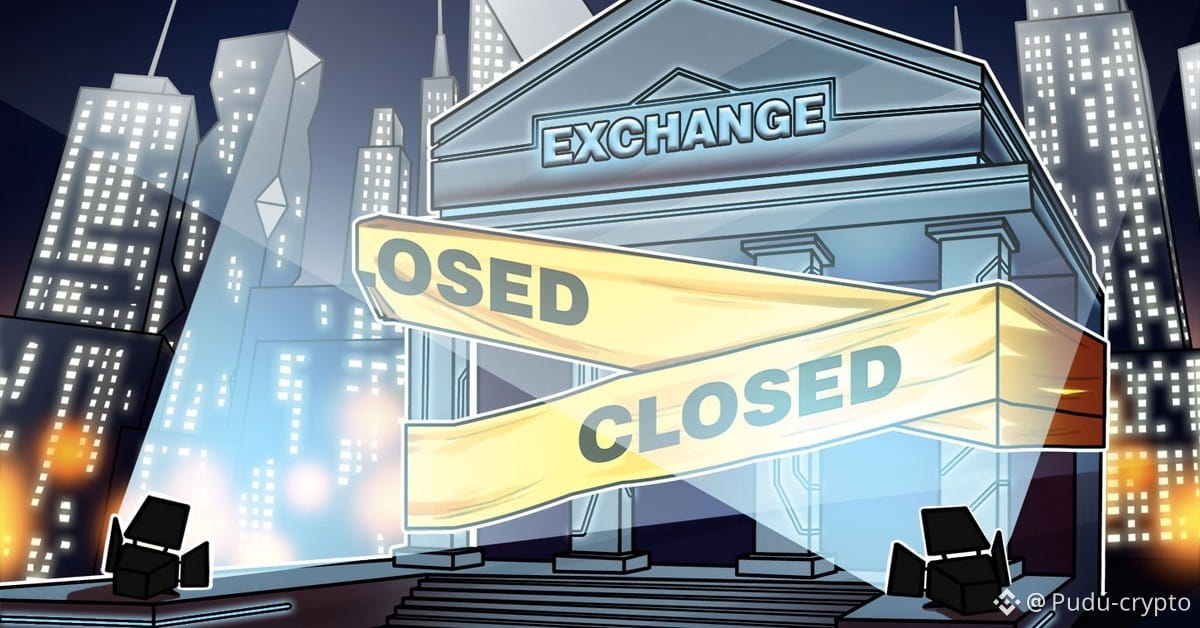
BitMart announced that it closes the exchange. Trading stops on August 26 and operations end in January.
The news came after the $BMX token plunged and users reported delays in withdrawals.
There aren’t many details about what will happen to the funds trapped.
It seems like another exchange that couldn’t keep up with the pace.
Had you heard anything about BitMart before this?
#BitMart #CryptoExchange
The news came after the $BMX token plunged and users reported delays in withdrawals.
There aren’t many details about what will happen to the funds trapped.
It seems like another exchange that couldn’t keep up with the pace.
Had you heard anything about BitMart before this?
#BitMart #CryptoExchange
1
210

·
--
BitMEX will permanently close its exchange on September 23, 2026 after 11 years of operation.
New registrations have stopped. From August 26, users will only be able to reduce positions, and remaining trades may be force-closed during the wind-down.
The market angle is consolidation: one of the pioneers of perpetual swaps is exiting while crypto derivatives liquidity becomes increasingly concentrated on larger exchanges.
The key user risks are forced settlement, withdrawal delays and phishing attempts during the closure period.
$BTC
#BitMEX #CryptoExchange #CryptoDerivatives #ExchangeRisk
129
·
--
🏦 Binance has just launched the ETF Wealth Management (15/09). The initial portfolio includes 11 ETF funds listed in the US, integrated in the Earn section.
The 11 funds are divided into 3 groups: Cash Management (under 6 months), Stable Income (6–12 months), and Yield Enhancement (over 1 year). They mainly consist of Treasury securities and investment-grade bonds.
Why is this notable?
This is an expansion from the stock trading service launched in June, which allows access to more than 7,000 stocks and ETFs in the US.
In simple terms:
Binance describes this as a market access channel—not a savings product—and it does not offer a guaranteed fixed return.
#CryptoExchange #CryptoNews
🔗 Source: Cryptonews
⚠️ Information is for reference only and not investment advice. Do your own research before making a decision (DYOR).
14

Article
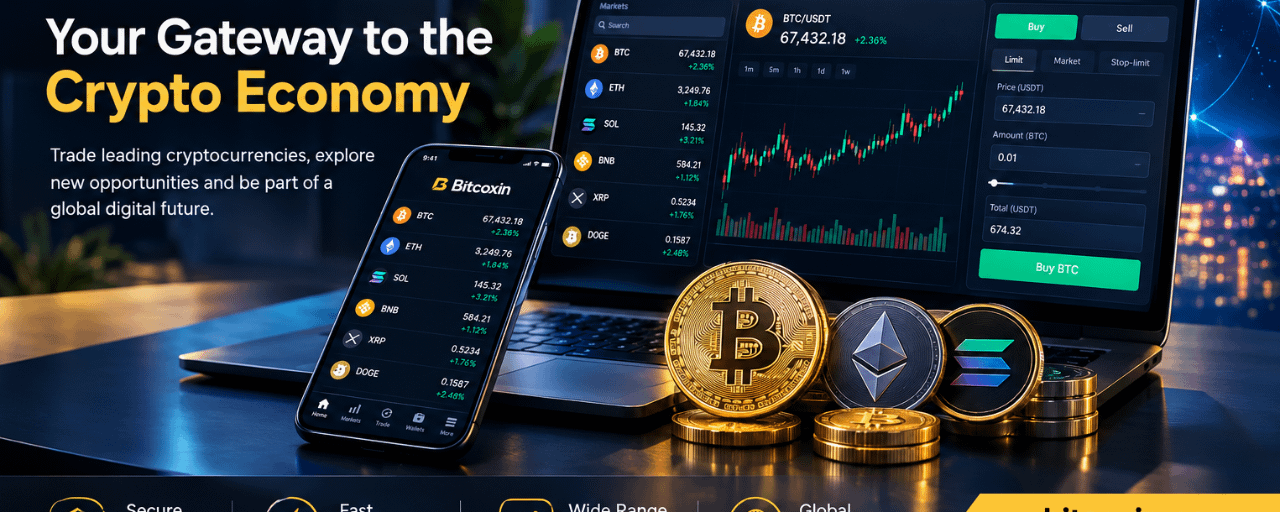
How Cryptocurrency Exchanges Are Evolving as the Market MaturesHow Cryptocurrency Exchanges Are Evolving as the Market Matures
A few years ago, picking a crypto exchange mostly came down to one question: does it list the coin I want to buy? That's no longer how most people think about it. As digital assets have moved from a niche hobby to something closer to mainstream finance, the bar for what an exchange needs to offer has moved right along with it.
From Order Books to Ecosystems
The earliest exchanges were, at their core, matching engines. You placed an order, the platform matched it against someone else's, and that was more or less the whole relationship between user and exchange. That's changed. Today's larger platforms function more like financial hubs: charting tools, staking and earn products, educational content, news feeds, portfolio tracking, sometimes even their own blockchain networks and card products layered on top of the original trading function.
This shift matters because it changes what "competing well" looks like in the sector. An exchange isn't just competing on trading fees or the number of listed tokens anymore. It's competing on whether a total beginner can figure out how to buy their first $50 of Bitcoin without getting lost, and whether an experienced trader can still get the depth, speed, and order types they need on the same platform. Those are genuinely different design problems, and building for both at once is harder than it looks from the outside.
Serving Two Very Different Kinds of Users
This is probably the most underrated challenge in the exchange space right now. The user base for crypto has split into two groups that want almost opposite things from the same product.
On one side, you have people who've been trading digital assets for years, sometimes since well before regulated custody and insured accounts were even an option. They tend to want low fees, deep liquidity, fast execution, and a full toolkit of order types and derivatives. On the other side, you have people who opened their first crypto account in the last year or two, often prompted by a specific news event or a friend's recommendation, who mainly want to know that their money is safe and that the interface won't confuse them into making an expensive mistake.
Platforms that lean too hard into serving experienced traders risk looking intimidating to newcomers, with dense charts and jargon-heavy menus front and center. Platforms that oversimplify for beginners risk frustrating their more active users, who feel like the tools they rely on have been stripped out or buried. Getting this balance right, usually through smart defaults and progressive disclosure rather than one single interface for everyone, has become a genuine competitive differentiator rather than a nice-to-have.
Why Competition Is Pushing Usability Forward
There are more exchanges operating today than at almost any point in the industry's history, and that competitive pressure has had a real effect on product quality. When users can move between platforms relatively easily, and increasingly they can, exchanges have less room to coast on brand recognition alone. Onboarding friction, confusing fee structures, slow customer support, and clunky mobile apps all become reasons for a user to quietly switch to a competitor rather than complain.
That pressure has pushed the better-run platforms to invest heavily in things that don't always make headlines: faster KYC verification, clearer fee disclosures, more responsive support, and interfaces that explain what's happening rather than just displaying numbers. It's not glamorous work, but it's arguably done more to shape the modern exchange experience than any single flashy feature launch.
The Broader Context: Crypto Isn't Just Trading Anymore
Part of what's driving this evolution is that the underlying asset class has grown up around the exchanges themselves. Blockchain technology in 2026 shows up in conversations about cross-border payments, tokenized real-world assets like stocks and treasuries, and decentralized applications that have nothing to do with speculative trading. A platform that only thinks of itself as a place to buy and sell coins is, in a real sense, already behind where the market has moved.
This is part of why exchanges increasingly describe themselves as gateways to a broader digital-asset ecosystem rather than simple trading venues. Whether that framing holds up depends entirely on execution, plenty of platforms use similar language without meaningfully expanding what they offer, but the direction of travel across the sector is fairly consistent.
What Actually Separates a Good Exchange From a Mediocre One
Strip away the marketing language, and a few practical things tend to separate exchanges that last from ones that fade:
Regulatory standing and transparency. Clear information about where a platform is licensed, how it's regulated, and how it handles custody of user funds.Track record. A visible history of operating without major security incidents, or transparent handling when incidents do occur.Genuine usability testing. Interfaces that seem to have been built with actual beginner and expert user testing, not just copied from a template.Responsive support. How quickly and clearly a platform resolves account and withdrawal issues, which is often the moment a user's trust is made or broken.Honest fee structures. Fees that are disclosed clearly upfront rather than buried in spreads or hidden charges.
None of these are exciting to write about, but they're the things that actually determine whether a platform is still around, and still trusted, in a few years.
Looking Ahead
The exchange sector's next phase probably won't be defined by any single breakthrough feature. It's more likely to be shaped by the slow, ongoing work of making increasingly complex financial infrastructure feel approachable to an increasingly wide range of users, from institutional desks to someone buying their first hundred dollars of crypto on a phone.
Adoption is still growing globally, and the platforms that keep pace with that growth will likely be the ones paying close attention to the unglamorous fundamentals: security, transparency, and an experience that doesn't require a finance degree to use confidently. That's a less flashy story than most exchange marketing suggests, but it's probably the more accurate one.
Meta Title
How Crypto Exchanges Are Evolving as the Market Matures
Meta Description
A look at how cryptocurrency exchanges are adapting to serve both new and experienced users as digital assets become mainstream financial infrastructure.
#bitcoin #CryptoExchange #cryptocurrency #blockchain #DigitalAssets
How Cryptocurrency Exchanges Are Evolving as the Market Matures
How Cryptocurrency Exchanges Are Evolving as the Market Matures
A few years ago, picking a crypto exchange mostly came down to one question: does it list the coin I want to buy? That's no longer how most people think about it. As digital assets have moved from a niche hobby to something closer to mainstream finance, the bar for what an exchange needs to offer has moved right along with it.
From Order Books to Ecosystems
The earliest exchanges were, at their core, matching engines. You placed an order, the platform matched it against someone else's, and that was more or less the whole relationship between user and exchange. That's changed. Today's larger platforms function more like financial hubs: charting tools, staking and earn products, educational content, news feeds, portfolio tracking, sometimes even their own blockchain networks and card products layered on top of the original trading function.
This shift matters because it changes what "competing well" looks like in the sector. An exchange isn't just competing on trading fees or the number of listed tokens anymore. It's competing on whether a total beginner can figure out how to buy their first $50 of Bitcoin without getting lost, and whether an experienced trader can still get the depth, speed, and order types they need on the same platform. Those are genuinely different design problems, and building for both at once is harder than it looks from the outside.
Serving Two Very Different Kinds of Users
This is probably the most underrated challenge in the exchange space right now. The user base for crypto has split into two groups that want almost opposite things from the same product.
On one side, you have people who've been trading digital assets for years, sometimes since well before regulated custody and insured accounts were even an option. They tend to want low fees, deep liquidity, fast execution, and a full toolkit of order types and derivatives. On the other side, you have people who opened their first crypto account in the last year or two, often prompted by a specific news event or a friend's recommendation, who mainly want to know that their money is safe and that the interface won't confuse them into making an expensive mistake.
Platforms that lean too hard into serving experienced traders risk looking intimidating to newcomers, with dense charts and jargon-heavy menus front and center. Platforms that oversimplify for beginners risk frustrating their more active users, who feel like the tools they rely on have been stripped out or buried. Getting this balance right, usually through smart defaults and progressive disclosure rather than one single interface for everyone, has become a genuine competitive differentiator rather than a nice-to-have.
Why Competition Is Pushing Usability Forward
There are more exchanges operating today than at almost any point in the industry's history, and that competitive pressure has had a real effect on product quality. When users can move between platforms relatively easily, and increasingly they can, exchanges have less room to coast on brand recognition alone. Onboarding friction, confusing fee structures, slow customer support, and clunky mobile apps all become reasons for a user to quietly switch to a competitor rather than complain.
That pressure has pushed the better-run platforms to invest heavily in things that don't always make headlines: faster KYC verification, clearer fee disclosures, more responsive support, and interfaces that explain what's happening rather than just displaying numbers. It's not glamorous work, but it's arguably done more to shape the modern exchange experience than any single flashy feature launch.
The Broader Context: Crypto Isn't Just Trading Anymore
Part of what's driving this evolution is that the underlying asset class has grown up around the exchanges themselves. Blockchain technology in 2026 shows up in conversations about cross-border payments, tokenized real-world assets like stocks and treasuries, and decentralized applications that have nothing to do with speculative trading. A platform that only thinks of itself as a place to buy and sell coins is, in a real sense, already behind where the market has moved.
This is part of why exchanges increasingly describe themselves as gateways to a broader digital-asset ecosystem rather than simple trading venues. Whether that framing holds up depends entirely on execution, plenty of platforms use similar language without meaningfully expanding what they offer, but the direction of travel across the sector is fairly consistent.
What Actually Separates a Good Exchange From a Mediocre One
Strip away the marketing language, and a few practical things tend to separate exchanges that last from ones that fade:
Regulatory standing and transparency. Clear information about where a platform is licensed, how it's regulated, and how it handles custody of user funds.Track record. A visible history of operating without major security incidents, or transparent handling when incidents do occur.Genuine usability testing. Interfaces that seem to have been built with actual beginner and expert user testing, not just copied from a template.Responsive support. How quickly and clearly a platform resolves account and withdrawal issues, which is often the moment a user's trust is made or broken.Honest fee structures. Fees that are disclosed clearly upfront rather than buried in spreads or hidden charges.
None of these are exciting to write about, but they're the things that actually determine whether a platform is still around, and still trusted, in a few years.
Looking Ahead
The exchange sector's next phase probably won't be defined by any single breakthrough feature. It's more likely to be shaped by the slow, ongoing work of making increasingly complex financial infrastructure feel approachable to an increasingly wide range of users, from institutional desks to someone buying their first hundred dollars of crypto on a phone.
Adoption is still growing globally, and the platforms that keep pace with that growth will likely be the ones paying close attention to the unglamorous fundamentals: security, transparency, and an experience that doesn't require a finance degree to use confidently. That's a less flashy story than most exchange marketing suggests, but it's probably the more accurate one.
Meta Title
How Crypto Exchanges Are Evolving as the Market Matures
Meta Description
A look at how cryptocurrency exchanges are adapting to serve both new and experienced users as digital assets become mainstream financial infrastructure.
#bitcoin #CryptoExchange #cryptocurrency #blockchain #DigitalAssets
90
Log in to explore more content
Join global crypto users on Binance Square
⚡️ Get latest and useful information about crypto.
💬 Trusted by the world’s largest crypto exchange.
👍 Discover real insights from verified creators.
Email / Phone number
Trending Topics
1
#JobsReportRaisesHikeOdds
285,016 views
2,200 Discussing
2
#CPITestsDecemberRateOutlook
32,596 views
419 Discussing
3
#BitcoinRebounds$75KAsChipsLead
22,944 views
231 Discussing
4
#US Data Center Rules May Constrain AI Expansion
43,293 views
159 Discussing
5
#ARKPlans14ThematicETFsCoveringAIAndTokenizedMarkets
328 views
11 Discussing
6
#WillAnthropicListOnTime
71,459 views
882 Discussing
7
#WillUS-IranTensionsBoostSafe-HavenDemand?
17,621 views
167 Discussing
8
#BitcoinETFsSee$412MNetOutflows
4,773 views
46 Discussing
9
#HKSFCPlansToRestrictCryptoAndExchangeTerms
16,061 views
278 Discussing
10
#TradFiForBeginners
44,689 views
659 Discussing