

#decentralization
decentralization
1.2M views
3,910 Discussing
Hot
Latest

·
--
$ETC 🟣 Ethereum Classic is built around principles, not centralized control.
⚡ Decentralization
⛏️ Proof of Work
💰 Sound Money
📜 Code Is Law
The ETC Foundation is an idea: preserving the Original Ethereum Vision through decentralized decision-making and resistance to centralized capture.
#EthereumClassic #ETC #Blockchain #PoW #decentralization
$ETC 🟣 Ethereum Classic is built around principles, not centralized control.
⚡ Decentralization
⛏️ Proof of Work
💰 Sound Money
📜 Code Is Law
The ETC Foundation is an idea: preserving the Original Ethereum Vision through decentralized decision-making and resistance to centralized capture.
#EthereumClassic #ETC #Blockchain #PoW #decentralization
⚡ Decentralization
⛏️ Proof of Work
💰 Sound Money
📜 Code Is Law
The ETC Foundation is an idea: preserving the Original Ethereum Vision through decentralized decision-making and resistance to centralized capture.
#EthereumClassic #ETC #Blockchain #PoW #decentralization
111

Picture this: $BTC surges back toward $86K, and while everyone celebrates the chart pattern, almost nobody notices how much privacy we gave up along the way.
Most traders get so blinded by green candles that they ignore how easily centralized gatekeepers can track, leak, or restrict access to their funds. It is a massive structural risk that usually hits hardest right when the market feels safest.
When $BTC pushed past major resistance recently, retail momentum focused purely on price action. But looking deeper into this case study reveals a quieter problem. The word decentralized has become a corporate buzzword, while the majority of everyday crypto traffic relies on centralized servers that harvest personal data. If users cannot transact or communicate freely without permission, the core security model breaks down.
Projects attempting to fix this gap, including privacy-focused protocols like Liberdus and privacy layers on $ETH, are quietly tackling the actual risk vectors that could crash the ecosystem long-term. Without real permissionless privacy, we are just rebuilding the traditional financial traps under a different name.
Do you think the market is ignoring infrastructure risks in favor of short-term price targets?
#CryptoSecurity #Bitcoin #Decentralization
Picture this: $BTC surges back toward $86K, and while everyone celebrates the chart pattern, almost nobody notices how much privacy we gave up along the way.
Most traders get so blinded by green candles that they ignore how easily centralized gatekeepers can track, leak, or restrict access to their funds. It is a massive structural risk that usually hits hardest right when the market feels safest.
When $BTC pushed past major resistance recently, retail momentum focused purely on price action. But looking deeper into this case study reveals a quieter problem. The word decentralized has become a corporate buzzword, while the majority of everyday crypto traffic relies on centralized servers that harvest personal data. If users cannot transact or communicate freely without permission, the core security model breaks down.
Projects attempting to fix this gap, including privacy-focused protocols like Liberdus and privacy layers on $ETH , are quietly tackling the actual risk vectors that could crash the ecosystem long-term. Without real permissionless privacy, we are just rebuilding the traditional financial traps under a different name.
Do you think the market is ignoring infrastructure risks in favor of short-term price targets?
#CryptoSecurity #Bitcoin #Decentralization
Most traders get so blinded by green candles that they ignore how easily centralized gatekeepers can track, leak, or restrict access to their funds. It is a massive structural risk that usually hits hardest right when the market feels safest.
When $BTC pushed past major resistance recently, retail momentum focused purely on price action. But looking deeper into this case study reveals a quieter problem. The word decentralized has become a corporate buzzword, while the majority of everyday crypto traffic relies on centralized servers that harvest personal data. If users cannot transact or communicate freely without permission, the core security model breaks down.
Projects attempting to fix this gap, including privacy-focused protocols like Liberdus and privacy layers on $ETH , are quietly tackling the actual risk vectors that could crash the ecosystem long-term. Without real permissionless privacy, we are just rebuilding the traditional financial traps under a different name.
Do you think the market is ignoring infrastructure risks in favor of short-term price targets?
#CryptoSecurity #Bitcoin #Decentralization

15

·
--
🔥 $HOT — Building a More Decentralized Digital Future 🌐
Holo ($HOT) is one of the projects exploring a different approach to decentralized applications and distributed computing through the Holochain ecosystem.
💡 Why is interesting:
🔹 Holochain Ecosystem — Designed around an agent-centric architecture rather than relying on a traditional blockchain model.
🔹 Distributed Hosting — Holo aims to enable decentralized hosting where users can share computing resources and support applications.
🔹 Real Utility Vision — The ecosystem focuses on connecting developers, hosts, and users through decentralized infrastructure.
🔹 HoloFuel Transition — HOT was created as an ERC-20 token and is associated with the planned transition toward HoloFuel as the network's native currency.
📊 What to Watch
• Holochain development and adoption
• Holo hosting infrastructure
• HoloFuel progress
• Ecosystem growth and real-world usage
• Market liquidity and overall crypto sentiment
⚠️ Risk Reminder: $HOT remains a volatile crypto asset. Market conditions can change quickly, so always do your own research and manage risk carefully.
💬 What do you think about the future of $HOT and the Holochain ecosystem?
#HOT #Holo #Holochain #HoloFuel #Crypto #Web3 #DePIN #BinanceSquare #blockchain #decentralization
🔥 $HOT — Building a More Decentralized Digital Future 🌐
Holo ($HOT ) is one of the projects exploring a different approach to decentralized applications and distributed computing through the Holochain ecosystem.
💡 Why is interesting:
🔹 Holochain Ecosystem — Designed around an agent-centric architecture rather than relying on a traditional blockchain model.
🔹 Distributed Hosting — Holo aims to enable decentralized hosting where users can share computing resources and support applications.
🔹 Real Utility Vision — The ecosystem focuses on connecting developers, hosts, and users through decentralized infrastructure.
🔹 HoloFuel Transition — HOT was created as an ERC-20 token and is associated with the planned transition toward HoloFuel as the network's native currency.
📊 What to Watch
• Holochain development and adoption
• Holo hosting infrastructure
• HoloFuel progress
• Ecosystem growth and real-world usage
• Market liquidity and overall crypto sentiment
⚠️ Risk Reminder: $HOT remains a volatile crypto asset. Market conditions can change quickly, so always do your own research and manage risk carefully.
💬 What do you think about the future of $HOT and the Holochain ecosystem?
#HOT #Holo #Holochain #HoloFuel #Crypto #Web3 #DePIN #BinanceSquare #blockchain #decentralization
Holo ($HOT ) is one of the projects exploring a different approach to decentralized applications and distributed computing through the Holochain ecosystem.
💡 Why is interesting:
🔹 Holochain Ecosystem — Designed around an agent-centric architecture rather than relying on a traditional blockchain model.
🔹 Distributed Hosting — Holo aims to enable decentralized hosting where users can share computing resources and support applications.
🔹 Real Utility Vision — The ecosystem focuses on connecting developers, hosts, and users through decentralized infrastructure.
🔹 HoloFuel Transition — HOT was created as an ERC-20 token and is associated with the planned transition toward HoloFuel as the network's native currency.
📊 What to Watch
• Holochain development and adoption
• Holo hosting infrastructure
• HoloFuel progress
• Ecosystem growth and real-world usage
• Market liquidity and overall crypto sentiment
⚠️ Risk Reminder: $HOT remains a volatile crypto asset. Market conditions can change quickly, so always do your own research and manage risk carefully.
💬 What do you think about the future of $HOT and the Holochain ecosystem?
#HOT #Holo #Holochain #HoloFuel #Crypto #Web3 #DePIN #BinanceSquare #blockchain #decentralization

1
199

·
--
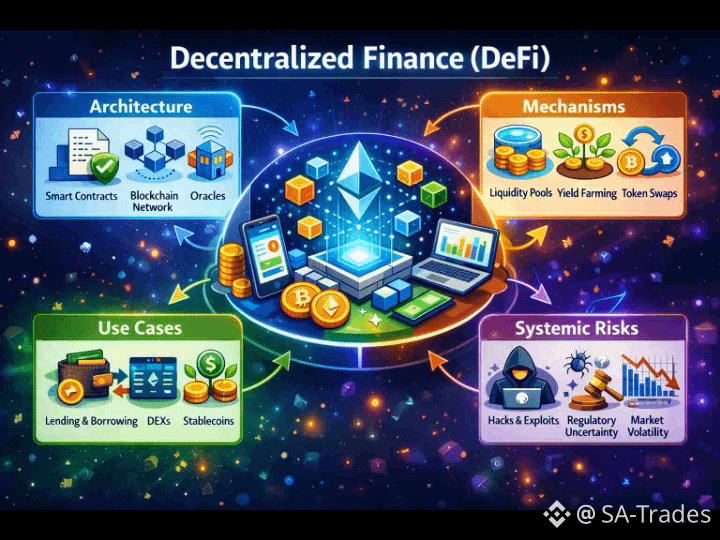
On-chain governance votes are deciding billion-dollar protocol changes by razor-thin margins. Decentralized doesn't mean uneventful — every vote is a plot twist.
$DEFI #defi #decentralization #HYPEJumpsOver11%
On-chain governance votes are deciding billion-dollar protocol changes by razor-thin margins. Decentralized doesn't mean uneventful — every vote is a plot twist.
$DEFI #defi #decentralization #HYPEJumpsOver11%
$DEFI #defi #decentralization #HYPEJumpsOver11%
10
2
475

·
--
Bullish
🚨 What happens to your online conversations when an app disappears?
Imagine using the same messaging app for 10 years.
Thousands of messages.
Hundreds of contacts.
Groups, communities, memories.
Then one day, you see:
“We’re shutting down.”
And suddenly, the digital network you spent years building is tied to a service that no longer exists.
We often forget that.
We build relationships on platforms.
We build communities on platforms.
We communicate through platforms.
But behind all of that is usually a company that can change its strategy, its business model, or simply decide to shut the service down.
That raises a bigger question:
Should the existence of your digital relationships depend on the lifespan of a company?
This is where decentralized infrastructure becomes interesting.
Instead of one company being the foundation of the entire network, the infrastructure can be distributed across a network.
That’s one of the ideas I find interesting about #Liberdus
The goal is to explore communication that isn’t built around the lifespan of a single platform.
Because apps can disappear.
But the connections we build through them shouldn’t have to. 👀🔐
#crypto #decentralization #Privacy
🚨 What happens to your online conversations when an app disappears?
Imagine using the same messaging app for 10 years.
Thousands of messages.
Hundreds of contacts.
Groups, communities, memories.
Then one day, you see:
“We’re shutting down.”
And suddenly, the digital network you spent years building is tied to a service that no longer exists.
We often forget that.
We build relationships on platforms.
We build communities on platforms.
We communicate through platforms.
But behind all of that is usually a company that can change its strategy, its business model, or simply decide to shut the service down.
That raises a bigger question:
Should the existence of your digital relationships depend on the lifespan of a company?
This is where decentralized infrastructure becomes interesting.
Instead of one company being the foundation of the entire network, the infrastructure can be distributed across a network.
That’s one of the ideas I find interesting about #Liberdus
The goal is to explore communication that isn’t built around the lifespan of a single platform.
Because apps can disappear.
But the connections we build through them shouldn’t have to. 👀🔐
#crypto #decentralization #Privacy
Imagine using the same messaging app for 10 years.
Thousands of messages.
Hundreds of contacts.
Groups, communities, memories.
Then one day, you see:
“We’re shutting down.”
And suddenly, the digital network you spent years building is tied to a service that no longer exists.
We often forget that.
We build relationships on platforms.
We build communities on platforms.
We communicate through platforms.
But behind all of that is usually a company that can change its strategy, its business model, or simply decide to shut the service down.
That raises a bigger question:
Should the existence of your digital relationships depend on the lifespan of a company?
This is where decentralized infrastructure becomes interesting.
Instead of one company being the foundation of the entire network, the infrastructure can be distributed across a network.
That’s one of the ideas I find interesting about #Liberdus
The goal is to explore communication that isn’t built around the lifespan of a single platform.
Because apps can disappear.
But the connections we build through them shouldn’t have to. 👀🔐
#crypto #decentralization #Privacy

2
70

·
--
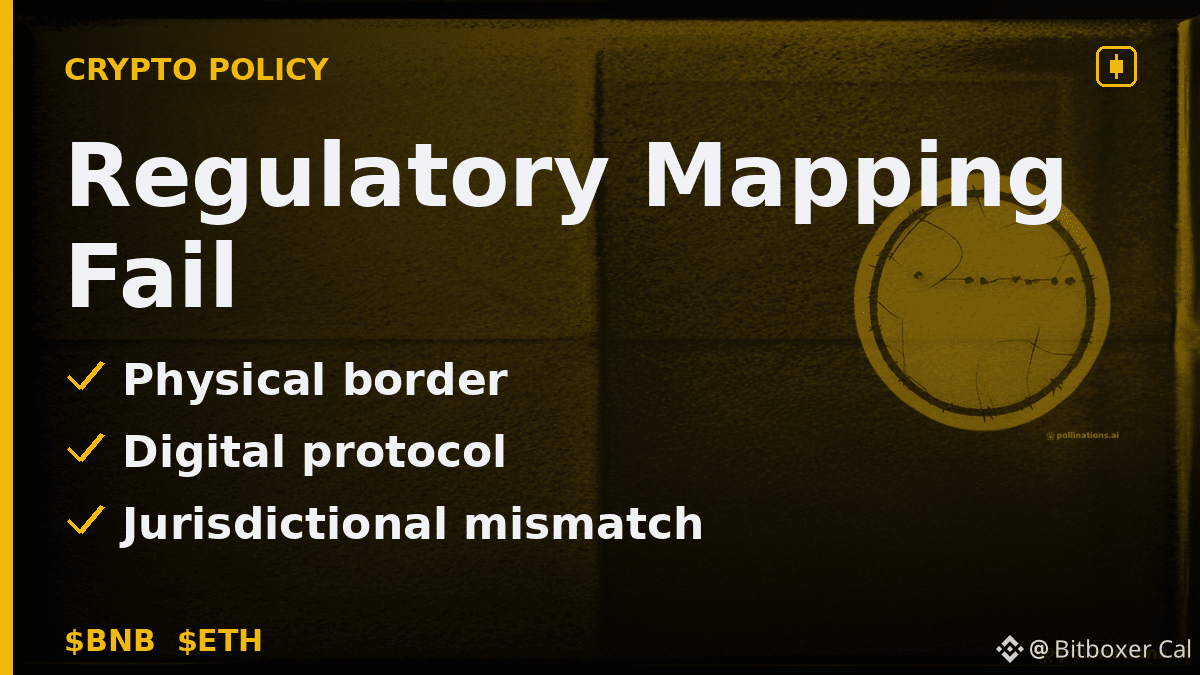
Regulation tries to map legacy borders onto code that ignores them.
Many think this Senate bill defines $ETH or $BNB, but decentralization is a technical reality, not a legal one. Confusing compliance with protocol sovereignty is a dangerous mistake. As states tighten their grip, watch how immutable networks prove their value as a hedge against central failure.
#Decentralization #CryptoLaw #Markets
Regulation tries to map legacy borders onto code that ignores them.
Many think this Senate bill defines $ETH or $BNB , but decentralization is a technical reality, not a legal one. Confusing compliance with protocol sovereignty is a dangerous mistake. As states tighten their grip, watch how immutable networks prove their value as a hedge against central failure.
#Decentralization #CryptoLaw #Markets
Many think this Senate bill defines $ETH or $BNB , but decentralization is a technical reality, not a legal one. Confusing compliance with protocol sovereignty is a dangerous mistake. As states tighten their grip, watch how immutable networks prove their value as a hedge against central failure.
#Decentralization #CryptoLaw #Markets
53

Verified
#bitcointhirdsingleblockreorginfourweeks
🚨 Bitcoin saw 3 reorgs (block reorganizations) of a single block within 4 weeks. Should we be worried?
At block 966,500, AntPool and SpiderPool found valid blocks that point to the same parent in nearly the same time window.
One branch won.
The other disappeared.
This looks concerning.
But technically, this is normal behavior for Bitcoin.
AntPool’s winning chain accumulated more Proof-of-Work, while SpiderPool’s block became orphaned.
The cost?
About 3.14 BTC in mining rewards for the losing block.
So what’s actually noteworthy?
The repetition. 👀
This was the third reorganization of the same block within just four weeks.
The previous two happened at blocks 962,722 and 963,853.
One reorg isn’t the story.
Three times in four weeks is what’s worth watching.
Here’s the bigger shift:
The reorganization itself isn’t the main decentralization concern. Hashrate concentration is.
The data cited in the study places Foundry USA at around 33.6% and AntPool at around 17.9% of the network’s total hashrate.
But there’s an important distinction:
Mining pool share ≠ a single entity controlling the network.
Miners can switch pools, a temporary branch on one block differs fundamentally from a deep reorganization of a chain, or from a successful 51% attack.
The better question is:
What happens if mining concentration keeps increasing?
$BTC
#Bitcoin #BitcoinMining #Decentralization
#bitcointhirdsingleblockreorginfourweeks
🚨 Bitcoin saw 3 reorgs (block reorganizations) of a single block within 4 weeks. Should we be worried?
At block 966,500, AntPool and SpiderPool found valid blocks that point to the same parent in nearly the same time window.
One branch won.
The other disappeared.
This looks concerning.
But technically, this is normal behavior for Bitcoin.
AntPool’s winning chain accumulated more Proof-of-Work, while SpiderPool’s block became orphaned.
The cost?
About 3.14 BTC in mining rewards for the losing block.
So what’s actually noteworthy?
The repetition. 👀
This was the third reorganization of the same block within just four weeks.
The previous two happened at blocks 962,722 and 963,853.
One reorg isn’t the story.
Three times in four weeks is what’s worth watching.
Here’s the bigger shift:
The reorganization itself isn’t the main decentralization concern. Hashrate concentration is.
The data cited in the study places Foundry USA at around 33.6% and AntPool at around 17.9% of the network’s total hashrate.
But there’s an important distinction:
Mining pool share ≠ a single entity controlling the network.
Miners can switch pools, a temporary branch on one block differs fundamentally from a deep reorganization of a chain, or from a successful 51% attack.
The better question is:
What happens if mining concentration keeps increasing?
$BTC
#Bitcoin #BitcoinMining #Decentralization
🚨 Bitcoin saw 3 reorgs (block reorganizations) of a single block within 4 weeks. Should we be worried?
At block 966,500, AntPool and SpiderPool found valid blocks that point to the same parent in nearly the same time window.
One branch won.
The other disappeared.
This looks concerning.
But technically, this is normal behavior for Bitcoin.
AntPool’s winning chain accumulated more Proof-of-Work, while SpiderPool’s block became orphaned.
The cost?
About 3.14 BTC in mining rewards for the losing block.
So what’s actually noteworthy?
The repetition. 👀
This was the third reorganization of the same block within just four weeks.
The previous two happened at blocks 962,722 and 963,853.
One reorg isn’t the story.
Three times in four weeks is what’s worth watching.
Here’s the bigger shift:
The reorganization itself isn’t the main decentralization concern. Hashrate concentration is.
The data cited in the study places Foundry USA at around 33.6% and AntPool at around 17.9% of the network’s total hashrate.
But there’s an important distinction:
Mining pool share ≠ a single entity controlling the network.
Miners can switch pools, a temporary branch on one block differs fundamentally from a deep reorganization of a chain, or from a successful 51% attack.
The better question is:
What happens if mining concentration keeps increasing?
$BTC
#Bitcoin #BitcoinMining #Decentralization

3
4
1.8k
·
--
$ETC Ethereum Classic is built on an idea, not a centralized institution.
Its foundation is rooted in:
🔹 Decentralization
🔹 Proof of Work
🔹 Sound Money
🔹 “Code is Law”
No top-down control. No single authority deciding the network’s future.
ETC aims to preserve the original vision of unstoppable applications through strong, enduring principles.
#EthereumClassic #ETC #Blockchain #PoW #decentralization
$ETC Ethereum Classic is built on an idea, not a centralized institution.
Its foundation is rooted in:
🔹 Decentralization
🔹 Proof of Work
🔹 Sound Money
🔹 “Code is Law”
No top-down control. No single authority deciding the network’s future.
ETC aims to preserve the original vision of unstoppable applications through strong, enduring principles.
#EthereumClassic #ETC #Blockchain #PoW #decentralization
Its foundation is rooted in:
🔹 Decentralization
🔹 Proof of Work
🔹 Sound Money
🔹 “Code is Law”
No top-down control. No single authority deciding the network’s future.
ETC aims to preserve the original vision of unstoppable applications through strong, enduring principles.
#EthereumClassic #ETC #Blockchain #PoW #decentralization
74

·
--
#bitcointhirdsingleblockreorginfourweeks
🚨 Bitcoin Had 3 One-Block Reorgs in 4 Weeks. Should You Be Worried?
At block 966,500, AntPool and SpiderPool found valid blocks pointing to the same parent at almost the same time.
One branch won.
The other disappeared.
That sounds scary.
But technically, this is normal Bitcoin behavior.
The winning AntPool chain accumulated more proof-of-work, while SpiderPool’s block became orphaned.
The cost?
About 3.14 BTC in mining rewards for the losing block.
So what's actually interesting?
The frequency. 👀
This was the third one-block reorganization in just four weeks.
The previous two occurred at blocks 962,722 and 963,853.
One reorg isn't the story.
Three in four weeks is what deserves monitoring.
And here's the bigger twist:
The reorg itself isn't the main decentralization concern. Hashrate concentration is.
Data cited in the research puts Foundry USA around 33.6% and AntPool around 17.9% of network hashrate.
But there's an important distinction:
Mining pool share ≠ one entity controlling the network.
Miners can switch pools, and a temporary one-block fork is fundamentally different from a deep chain reorganization or successful 51% attack.
That's why comparing this event with an 18-block replacement on another PoW network can be misleading.
Bitcoin's one-block fork was resolved normally.
And the fact that independent nodes can observe these competing blocks is part of the system working as designed.
One caveat:
The often-cited “one reorg every ~47 days” statistic hasn't been independently verified here, so the exact degree of abnormality remains uncertain.
🧠 Square Insight:
A one-block reorg isn't Bitcoin's real problem. Mining concentration is the metric worth watching.
The question isn't whether Bitcoin can survive a one-block reorg.
It can.
The better question is:
What happens if mining concentration keeps increasing?
$BTC
{future}(BTCUSDT)
#Bitcoin #BitcoinMining #Decentralization
Market commentary only. Not financial advice.
#bitcointhirdsingleblockreorginfourweeks
🚨 Bitcoin Had 3 One-Block Reorgs in 4 Weeks. Should You Be Worried?
At block 966,500, AntPool and SpiderPool found valid blocks pointing to the same parent at almost the same time.
One branch won.
The other disappeared.
That sounds scary.
But technically, this is normal Bitcoin behavior.
The winning AntPool chain accumulated more proof-of-work, while SpiderPool’s block became orphaned.
The cost?
About 3.14 BTC in mining rewards for the losing block.
So what's actually interesting?
The frequency. 👀
This was the third one-block reorganization in just four weeks.
The previous two occurred at blocks 962,722 and 963,853.
One reorg isn't the story.
Three in four weeks is what deserves monitoring.
And here's the bigger twist:
The reorg itself isn't the main decentralization concern. Hashrate concentration is.
Data cited in the research puts Foundry USA around 33.6% and AntPool around 17.9% of network hashrate.
But there's an important distinction:
Mining pool share ≠ one entity controlling the network.
Miners can switch pools, and a temporary one-block fork is fundamentally different from a deep chain reorganization or successful 51% attack.
That's why comparing this event with an 18-block replacement on another PoW network can be misleading.
Bitcoin's one-block fork was resolved normally.
And the fact that independent nodes can observe these competing blocks is part of the system working as designed.
One caveat:
The often-cited “one reorg every ~47 days” statistic hasn't been independently verified here, so the exact degree of abnormality remains uncertain.
🧠 Square Insight:
A one-block reorg isn't Bitcoin's real problem. Mining concentration is the metric worth watching.
The question isn't whether Bitcoin can survive a one-block reorg.
It can.
The better question is:
What happens if mining concentration keeps increasing?
$BTC
#Bitcoin #BitcoinMining #Decentralization
Market commentary only. Not financial advice.
🚨 Bitcoin Had 3 One-Block Reorgs in 4 Weeks. Should You Be Worried?
At block 966,500, AntPool and SpiderPool found valid blocks pointing to the same parent at almost the same time.
One branch won.
The other disappeared.
That sounds scary.
But technically, this is normal Bitcoin behavior.
The winning AntPool chain accumulated more proof-of-work, while SpiderPool’s block became orphaned.
The cost?
About 3.14 BTC in mining rewards for the losing block.
So what's actually interesting?
The frequency. 👀
This was the third one-block reorganization in just four weeks.
The previous two occurred at blocks 962,722 and 963,853.
One reorg isn't the story.
Three in four weeks is what deserves monitoring.
And here's the bigger twist:
The reorg itself isn't the main decentralization concern. Hashrate concentration is.
Data cited in the research puts Foundry USA around 33.6% and AntPool around 17.9% of network hashrate.
But there's an important distinction:
Mining pool share ≠ one entity controlling the network.
Miners can switch pools, and a temporary one-block fork is fundamentally different from a deep chain reorganization or successful 51% attack.
That's why comparing this event with an 18-block replacement on another PoW network can be misleading.
Bitcoin's one-block fork was resolved normally.
And the fact that independent nodes can observe these competing blocks is part of the system working as designed.
One caveat:
The often-cited “one reorg every ~47 days” statistic hasn't been independently verified here, so the exact degree of abnormality remains uncertain.
🧠 Square Insight:
A one-block reorg isn't Bitcoin's real problem. Mining concentration is the metric worth watching.
The question isn't whether Bitcoin can survive a one-block reorg.
It can.
The better question is:
What happens if mining concentration keeps increasing?
$BTC
#Bitcoin #BitcoinMining #Decentralization
Market commentary only. Not financial advice.

1
1
689

·
--
AI faces a major crossroads: nationalize or decentralize? A potential AI slowdown in 2026! A three-stage proposal suggests limits across labs, a public brake, and distributed oversight. This centralization vs. decentralization battle will shape the future of AI.
For the crypto market, decentralized AI projects may see an opportunity window. Keep an eye on tokens like $AGIX and $FET, especially those that emphasize user autonomy.
#AI #去中心化
AI at a critical crossroads: nationalize or decentralize? Potential 2026 AI slowdown ahead! Three-stage proposal suggests cross-lab limits, public brake, and distributed oversight. This centralization vs decentralization battle will shape AI's future.
For crypto markets, decentralized AI projects are positioned for potential upside. Keep an eye on tokens like $AGIX and $FET, especially those emphasizing user autonomy.
#AI #Decentralization
AI faces a major crossroads: nationalize or decentralize? A potential AI slowdown in 2026! A three-stage proposal suggests limits across labs, a public brake, and distributed oversight. This centralization vs. decentralization battle will shape the future of AI.
For the crypto market, decentralized AI projects may see an opportunity window. Keep an eye on tokens like $AGIX and $FET , especially those that emphasize user autonomy.
#AI #去中心化
AI at a critical crossroads: nationalize or decentralize? Potential 2026 AI slowdown ahead! Three-stage proposal suggests cross-lab limits, public brake, and distributed oversight. This centralization vs decentralization battle will shape AI's future.
For crypto markets, decentralized AI projects are positioned for potential upside. Keep an eye on tokens like $AGIX and $FET , especially those emphasizing user autonomy.
#AI #Decentralization
For the crypto market, decentralized AI projects may see an opportunity window. Keep an eye on tokens like $AGIX and $FET , especially those that emphasize user autonomy.
#AI #去中心化
AI at a critical crossroads: nationalize or decentralize? Potential 2026 AI slowdown ahead! Three-stage proposal suggests cross-lab limits, public brake, and distributed oversight. This centralization vs decentralization battle will shape AI's future.
For crypto markets, decentralized AI projects are positioned for potential upside. Keep an eye on tokens like $AGIX and $FET , especially those emphasizing user autonomy.
#AI #Decentralization
132
·
--
$ETC Ethereum Classic isn’t built around a centralized foundation—it’s built around an idea.
⚡ Decentralization
⛏️ Proof of Work
💰 Sound Money
🔒 Immutability
📜 Code Is Law
ETC’s philosophy is designed to resist capture and preserve a permissionless, censorship-resistant blockchain where no single authority has top-down control.
The mission: protect the original vision of Ethereum through decentralization and unstoppable smart contracts.
#EthereumClassic #ETC #Blockchain #ProofOfWork #decentralization
$ETC Ethereum Classic isn’t built around a centralized foundation—it’s built around an idea.
⚡ Decentralization
⛏️ Proof of Work
💰 Sound Money
🔒 Immutability
📜 Code Is Law
ETC’s philosophy is designed to resist capture and preserve a permissionless, censorship-resistant blockchain where no single authority has top-down control.
The mission: protect the original vision of Ethereum through decentralization and unstoppable smart contracts.
#EthereumClassic #ETC #Blockchain #ProofOfWork #decentralization
⚡ Decentralization
⛏️ Proof of Work
💰 Sound Money
🔒 Immutability
📜 Code Is Law
ETC’s philosophy is designed to resist capture and preserve a permissionless, censorship-resistant blockchain where no single authority has top-down control.
The mission: protect the original vision of Ethereum through decentralization and unstoppable smart contracts.
#EthereumClassic #ETC #Blockchain #ProofOfWork #decentralization
64

🔥$ETC Ethereum Classic: Code Is Law.
Ethereum Classic isn’t built around a central authority or a single organization calling the shots.
Its Foundation is an idea — centered on: ⚡ Decentralization
⛏️ Proof of Work
💰 Sound Money
📜 Code Is Law
ETC’s philosophy is designed to resist centralized control and preserve a blockchain that can remain resilient over time.
The goal? No top-down control. No easy capture. Just principles.
For ETC supporters, decentralization isn’t a marketing slogan — it’s the foundation.
Do you believe “Code Is Law” still matters in crypto? 👇
#EthereumClassic #ETC #Crypto #Blockchain #bitcoin #POW #decentralization
{spot}(ETCUSDT)
🔥$ETC Ethereum Classic: Code Is Law.
Ethereum Classic isn’t built around a central authority or a single organization calling the shots.
Its Foundation is an idea — centered on: ⚡ Decentralization
⛏️ Proof of Work
💰 Sound Money
📜 Code Is Law
ETC’s philosophy is designed to resist centralized control and preserve a blockchain that can remain resilient over time.
The goal? No top-down control. No easy capture. Just principles.
For ETC supporters, decentralization isn’t a marketing slogan — it’s the foundation.
Do you believe “Code Is Law” still matters in crypto? 👇
#EthereumClassic #ETC #Crypto #Blockchain #bitcoin #POW #decentralization
Ethereum Classic isn’t built around a central authority or a single organization calling the shots.
Its Foundation is an idea — centered on: ⚡ Decentralization
⛏️ Proof of Work
💰 Sound Money
📜 Code Is Law
ETC’s philosophy is designed to resist centralized control and preserve a blockchain that can remain resilient over time.
The goal? No top-down control. No easy capture. Just principles.
For ETC supporters, decentralization isn’t a marketing slogan — it’s the foundation.
Do you believe “Code Is Law” still matters in crypto? 👇
#EthereumClassic #ETC #Crypto #Blockchain #bitcoin #POW #decentralization
4
·
--
$ETC The Ethereum Classic Foundation isn’t a company or a group of people — it’s an idea.
⚡ Decentralization
⛏️ Proof of Work
💰 Sound Money
📜 Code is Law
ETC’s foundation is built around principles designed to resist centralization, censorship, and outside capture.
No top-down control. Just a commitment to keeping the Original Ethereum Vision alive.
#EthereumClassic #ETC #Blockchain #PoW #decentralization
$ETC The Ethereum Classic Foundation isn’t a company or a group of people — it’s an idea.
⚡ Decentralization
⛏️ Proof of Work
💰 Sound Money
📜 Code is Law
ETC’s foundation is built around principles designed to resist centralization, censorship, and outside capture.
No top-down control. Just a commitment to keeping the Original Ethereum Vision alive.
#EthereumClassic #ETC #Blockchain #PoW #decentralization
⚡ Decentralization
⛏️ Proof of Work
💰 Sound Money
📜 Code is Law
ETC’s foundation is built around principles designed to resist centralization, censorship, and outside capture.
No top-down control. Just a commitment to keeping the Original Ethereum Vision alive.
#EthereumClassic #ETC #Blockchain #PoW #decentralization
36
·
--
$ETC Ethereum Classic isn’t built around a central authority—it’s built around principles.
The ETC Foundation is an idea centered on decentralization, Proof of Work, sound money, and “Code is Law.”
No top-down control. No single institution to capture. Just a commitment to preserving the original Ethereum vision. ⚡️
#EthereumClassic #ETC #Blockchain #decentralization
$ETC Ethereum Classic isn’t built around a central authority—it’s built around principles.
The ETC Foundation is an idea centered on decentralization, Proof of Work, sound money, and “Code is Law.”
No top-down control. No single institution to capture. Just a commitment to preserving the original Ethereum vision. ⚡️
#EthereumClassic #ETC #Blockchain #decentralization
The ETC Foundation is an idea centered on decentralization, Proof of Work, sound money, and “Code is Law.”
No top-down control. No single institution to capture. Just a commitment to preserving the original Ethereum vision. ⚡️
#EthereumClassic #ETC #Blockchain #decentralization
23
·
--
Bullish
💰 What if your messaging app could become your wallet?
For years, we’ve treated communication and payments as two completely separate things.
You talk to someone in one app.
Then you leave the conversation, open a wallet, find an address, send the funds, confirm the transaction… and go back.
All that just to send someone $5.
But the two actions naturally fit together:
Talk → agree → transact.
The infrastructure behind it can be complex.
The experience shouldn’t be.
That’s one of the ideas I find interesting about #Liberdus
It’s exploring an ecosystem where messaging and payments can work together, instead of forcing users to jump between completely different experiences.
Imagine chatting with someone and sending them value without leaving the conversation.
Talk.
Coordinate.
Transact.
Sometimes, reducing a few steps can completely change how people use a product.
And that could be a powerful direction for decentralized communication. 🔐
#Privacy #decentralization #Payments
💰 What if your messaging app could become your wallet?
For years, we’ve treated communication and payments as two completely separate things.
You talk to someone in one app.
Then you leave the conversation, open a wallet, find an address, send the funds, confirm the transaction… and go back.
All that just to send someone $5.
But the two actions naturally fit together:
Talk → agree → transact.
The infrastructure behind it can be complex.
The experience shouldn’t be.
That’s one of the ideas I find interesting about #Liberdus
It’s exploring an ecosystem where messaging and payments can work together, instead of forcing users to jump between completely different experiences.
Imagine chatting with someone and sending them value without leaving the conversation.
Talk.
Coordinate.
Transact.
Sometimes, reducing a few steps can completely change how people use a product.
And that could be a powerful direction for decentralized communication. 🔐
#Privacy #decentralization #Payments
For years, we’ve treated communication and payments as two completely separate things.
You talk to someone in one app.
Then you leave the conversation, open a wallet, find an address, send the funds, confirm the transaction… and go back.
All that just to send someone $5.
But the two actions naturally fit together:
Talk → agree → transact.
The infrastructure behind it can be complex.
The experience shouldn’t be.
That’s one of the ideas I find interesting about #Liberdus
It’s exploring an ecosystem where messaging and payments can work together, instead of forcing users to jump between completely different experiences.
Imagine chatting with someone and sending them value without leaving the conversation.
Talk.
Coordinate.
Transact.
Sometimes, reducing a few steps can completely change how people use a product.
And that could be a powerful direction for decentralized communication. 🔐
#Privacy #decentralization #Payments

1
188
·
--
$ETC Ethereum Classic isn’t built around a centralized foundation—it’s built around an idea.
Decentralization. Sound money. Proof of Work.
And one principle at the core: Code is Law.
ETC aims to preserve a blockchain that resists centralized control and remains antifragile over time.
The Original Ethereum Vision lives on. ⚡️
#EthereumClassic #ETC #Blockchain #Crypto #decentralization
$ETC Ethereum Classic isn’t built around a centralized foundation—it’s built around an idea.
Decentralization. Sound money. Proof of Work.
And one principle at the core: Code is Law.
ETC aims to preserve a blockchain that resists centralized control and remains antifragile over time.
The Original Ethereum Vision lives on. ⚡️
#EthereumClassic #ETC #Blockchain #Crypto #decentralization
Decentralization. Sound money. Proof of Work.
And one principle at the core: Code is Law.
ETC aims to preserve a blockchain that resists centralized control and remains antifragile over time.
The Original Ethereum Vision lives on. ⚡️
#EthereumClassic #ETC #Blockchain #Crypto #decentralization
29

·
--
On 3 January 2009, Bitcoin’s Genesis Block embedded a newspaper headline and opened a new monetary path: peer-to-peer value transfer secured by open consensus, not a central ledger. Trust was rewritten in code.
#bitcoin #GenesisBlock #decentralization #ROOFUND
On 3 January 2009, Bitcoin’s Genesis Block embedded a newspaper headline and opened a new monetary path: peer-to-peer value transfer secured by open consensus, not a central ledger. Trust was rewritten in code.
#bitcoin #GenesisBlock #decentralization #ROOFUND
#bitcoin #GenesisBlock #decentralization #ROOFUND

3
366
·
--
Bullish
🚨 The future of messaging shouldn’t feel like crypto.
Ask someone to try Web3 messaging and their first thoughts might be:
Wallets.
Seed phrases.
Gas fees.
Networks.
Addresses.
Bridges.
Yeah… that’s enough to make anyone leave. 😂
The average person doesn’t care what protocol is processing their message.
They just want to open an app, find someone and start talking.
That’s how decentralized communication should feel.
The technology underneath can be incredibly complex.
Decentralized infrastructure.
Advanced security.
Sophisticated cryptography.
But the experience should stay simple.
Open.
Find someone.
Send a message.
Done.
That’s one reason #Liberdus caught my attention.
It’s exploring how decentralized communication can work without forcing users to deal with the complexity behind it.
And when messaging and payments can exist within the same ecosystem, the experience becomes even more interesting.
Less friction.
More control.
A more natural way to use Web3.
We don’t need crypto dashboards everywhere.
Sometimes, the best technology is the technology you barely notice.
The future of decentralized communication shouldn’t feel like Web3.
It should just feel like communication. 🔐
#Web3 #Decentralization #Privacy
🚨 The future of messaging shouldn’t feel like crypto.
Ask someone to try Web3 messaging and their first thoughts might be:
Wallets.
Seed phrases.
Gas fees.
Networks.
Addresses.
Bridges.
Yeah… that’s enough to make anyone leave. 😂
The average person doesn’t care what protocol is processing their message.
They just want to open an app, find someone and start talking.
That’s how decentralized communication should feel.
The technology underneath can be incredibly complex.
Decentralized infrastructure.
Advanced security.
Sophisticated cryptography.
But the experience should stay simple.
Open.
Find someone.
Send a message.
Done.
That’s one reason #Liberdus caught my attention.
It’s exploring how decentralized communication can work without forcing users to deal with the complexity behind it.
And when messaging and payments can exist within the same ecosystem, the experience becomes even more interesting.
Less friction.
More control.
A more natural way to use Web3.
We don’t need crypto dashboards everywhere.
Sometimes, the best technology is the technology you barely notice.
The future of decentralized communication shouldn’t feel like Web3.
It should just feel like communication. 🔐
#Web3 #Decentralization #Privacy
Ask someone to try Web3 messaging and their first thoughts might be:
Wallets.
Seed phrases.
Gas fees.
Networks.
Addresses.
Bridges.
Yeah… that’s enough to make anyone leave. 😂
The average person doesn’t care what protocol is processing their message.
They just want to open an app, find someone and start talking.
That’s how decentralized communication should feel.
The technology underneath can be incredibly complex.
Decentralized infrastructure.
Advanced security.
Sophisticated cryptography.
But the experience should stay simple.
Open.
Find someone.
Send a message.
Done.
That’s one reason #Liberdus caught my attention.
It’s exploring how decentralized communication can work without forcing users to deal with the complexity behind it.
And when messaging and payments can exist within the same ecosystem, the experience becomes even more interesting.
Less friction.
More control.
A more natural way to use Web3.
We don’t need crypto dashboards everywhere.
Sometimes, the best technology is the technology you barely notice.
The future of decentralized communication shouldn’t feel like Web3.
It should just feel like communication. 🔐
#Web3 #Decentralization #Privacy

1
451

·
--

Article
Ault Blockchain’s Bold Move: Why Banks Are No Longer the GatekeepersA lot of people think the fight against traditional finance is just a tech buzzword, but Ault Blockchain’s strategy shows it’s a real shift in how money moves.
The Concept
Ault Blockchain is building a network that lets anyone send and receive money without a bank in the middle. Think of it like a highway that no single company owns—drivers (users) can travel freely, and the road (the blockchain) keeps everyone honest. #Decentralization #OpenFinance
Real‑World Example
Picture a small business in a remote village that needs to pay a supplier in another country. With traditional banks, they’d face high fees, long waits, and a single point of failure. Ault’s network lets them transact instantly, with minimal cost, and no single entity can block the payment. The business owner can focus on growing, not on paperwork.
Takeaway
If you’re a trader, a small business owner, or just someone who wants to keep control of your money, consider exploring Ault’s ecosystem. It’s a practical way to bypass the old gatekeepers and keep your funds moving freely. #FinancialFreedom
What do you think—will decentralized networks replace banks, or will they coexist?
Ault Blockchain’s Bold Move: Why Banks Are No Longer the Gatekeepers
A lot of people think the fight against traditional finance is just a tech buzzword, but Ault Blockchain’s strategy shows it’s a real shift in how money moves.
The Concept
Ault Blockchain is building a network that lets anyone send and receive money without a bank in the middle. Think of it like a highway that no single company owns—drivers (users) can travel freely, and the road (the blockchain) keeps everyone honest. #Decentralization #OpenFinance
Real‑World Example
Picture a small business in a remote village that needs to pay a supplier in another country. With traditional banks, they’d face high fees, long waits, and a single point of failure. Ault’s network lets them transact instantly, with minimal cost, and no single entity can block the payment. The business owner can focus on growing, not on paperwork.
Takeaway
If you’re a trader, a small business owner, or just someone who wants to keep control of your money, consider exploring Ault’s ecosystem. It’s a practical way to bypass the old gatekeepers and keep your funds moving freely. #FinancialFreedom
What do you think—will decentralized networks replace banks, or will they coexist?
The Concept
Ault Blockchain is building a network that lets anyone send and receive money without a bank in the middle. Think of it like a highway that no single company owns—drivers (users) can travel freely, and the road (the blockchain) keeps everyone honest. #Decentralization #OpenFinance
Real‑World Example
Picture a small business in a remote village that needs to pay a supplier in another country. With traditional banks, they’d face high fees, long waits, and a single point of failure. Ault’s network lets them transact instantly, with minimal cost, and no single entity can block the payment. The business owner can focus on growing, not on paperwork.
Takeaway
If you’re a trader, a small business owner, or just someone who wants to keep control of your money, consider exploring Ault’s ecosystem. It’s a practical way to bypass the old gatekeepers and keep your funds moving freely. #FinancialFreedom
What do you think—will decentralized networks replace banks, or will they coexist?
7


Article
Why OpenLedger Is Building the Foundation That Decentralized AI Actually NeedsArtificial Intelligence is arguably the most defining technology of our decade, but it suffers from a massive flaw: extreme centralization. Right now, tech giants scrape our data, images, code, and articles to train massive models, while the actual data contributors receive zero attribution and zero reward.
This is where OpenLedger enters the frame, moving past the usual crypto-AI hype to build an essential infrastructure layer: a decentralized AI blockchain designed specifically for data liquidity, on-chain verifiable attribution, and fair monetization.
Solving the Real Problem of DeAI
Most crypto-AI projects simply patch a token on top of standard, centralized data pipelines. OpenLedger changes the game by treating data as a first-class, on-chain asset.
A Powerful Ecosystem & Token Utility
The network relies on structural utility for its native token, $OPEN (capped at 1 billion tokens, with over 61% dedicated to the community and ecosystem). Within the network, data providers stake tokens to back the quality of their datasets, developers use it for model execution proofs, and users pay gas fees to access specialized data networks (Datanets).
With millions of nodes already testing the infrastructure and the ecosystem pivoting into its mainnet operational phase, OpenLedger isn't just adapting to the AI trend—it is actively attempting to replace centralized alternatives like HuggingFace. For anyone tracking the intersection of Web3 and AI, this foundational ledger is definitely an infrastructure layer to watch closely.
#decentralization #NomuraOCCTrustBankApproval #XRPLProposalBlocksFlashLoans
Why OpenLedger Is Building the Foundation That Decentralized AI Actually Needs
Artificial Intelligence is arguably the most defining technology of our decade, but it suffers from a massive flaw: extreme centralization. Right now, tech giants scrape our data, images, code, and articles to train massive models, while the actual data contributors receive zero attribution and zero reward.
This is where OpenLedger enters the frame, moving past the usual crypto-AI hype to build an essential infrastructure layer: a decentralized AI blockchain designed specifically for data liquidity, on-chain verifiable attribution, and fair monetization.
Solving the Real Problem of DeAI
Most crypto-AI projects simply patch a token on top of standard, centralized data pipelines. OpenLedger changes the game by treating data as a first-class, on-chain asset.
A Powerful Ecosystem & Token Utility
The network relies on structural utility for its native token, $OPEN (capped at 1 billion tokens, with over 61% dedicated to the community and ecosystem). Within the network, data providers stake tokens to back the quality of their datasets, developers use it for model execution proofs, and users pay gas fees to access specialized data networks (Datanets).
With millions of nodes already testing the infrastructure and the ecosystem pivoting into its mainnet operational phase, OpenLedger isn't just adapting to the AI trend—it is actively attempting to replace centralized alternatives like HuggingFace. For anyone tracking the intersection of Web3 and AI, this foundational ledger is definitely an infrastructure layer to watch closely.
#decentralization #NomuraOCCTrustBankApproval #XRPLProposalBlocksFlashLoans
This is where OpenLedger enters the frame, moving past the usual crypto-AI hype to build an essential infrastructure layer: a decentralized AI blockchain designed specifically for data liquidity, on-chain verifiable attribution, and fair monetization.
Solving the Real Problem of DeAI
Most crypto-AI projects simply patch a token on top of standard, centralized data pipelines. OpenLedger changes the game by treating data as a first-class, on-chain asset.
A Powerful Ecosystem & Token Utility
The network relies on structural utility for its native token, $OPEN (capped at 1 billion tokens, with over 61% dedicated to the community and ecosystem). Within the network, data providers stake tokens to back the quality of their datasets, developers use it for model execution proofs, and users pay gas fees to access specialized data networks (Datanets).
With millions of nodes already testing the infrastructure and the ecosystem pivoting into its mainnet operational phase, OpenLedger isn't just adapting to the AI trend—it is actively attempting to replace centralized alternatives like HuggingFace. For anyone tracking the intersection of Web3 and AI, this foundational ledger is definitely an infrastructure layer to watch closely.
#decentralization #NomuraOCCTrustBankApproval #XRPLProposalBlocksFlashLoans
61
Log in to explore more content
Join global crypto users on Binance Square
⚡️ Get latest and useful information about crypto.
💬 Trusted by the world’s largest crypto exchange.
👍 Discover real insights from verified creators.
Email / Phone number
Trending Topics
1
#NFPWatch
10.7M views
18,828 Discussing
2
#BitcoinFundingRateTriplesTo10%
92,515 views
899 Discussing
3
#BitcoinSurpasses$86KUp2.99%
27,334 views
88 Discussing
4
#ZcashFalls21%FromSeptemberPeak
57,284 views
702 Discussing
5
#USSeptemberPayrollsAdd29KUnemploymentRises4.2%
47,635 views
413 Discussing
6
#XRPPostsFirstThreeGreenMonthsInQ3
39,442 views
593 Discussing
7
#BNBChainTokenizedStocksTop$1BAt30%Share
15,592 views
31 Discussing
8
#BitcoinRisesToward$85K
92,424 views
141 Discussing
9
#AmazonPlansToSell$8BNvidiaChips
7,091 views
87 Discussing
10
#NEARFallsToAround$4.70Down14%
45,601 views
112 Discussing