

#base
base
945,163 views
4,176 Discussing
Hot
Latest

·
--
$MOVR
🚨 MOVR — Important Update
Moonriver (MOVR) has an important development following its migration to the Base Network.
According to an official announcement from WX the exchange plans to relist the new MOVR token at a later date.
📌 Current status:
• Token: MOVR
• Project: Moonriver
• Network: Base
• Relisting: Planned
• Official listing date: Not announced yet
This is not a confirmed immediate listing. We are waiting for the official announcement regarding the exact listing date.
The migration to Base marks an important new stage for the Moonriver ecosystem.
#MOVR #moonriver #BinanceLaunchesBinanceIntelligence Crypto #Base
$BTC $ETH
$MOVR
🚨 MOVR — Important Update
Moonriver (MOVR) has an important development following its migration to the Base Network.
According to an official announcement from WX the exchange plans to relist the new MOVR token at a later date.
📌 Current status:
• Token: MOVR
• Project: Moonriver
• Network: Base
• Relisting: Planned
• Official listing date: Not announced yet
This is not a confirmed immediate listing. We are waiting for the official announcement regarding the exact listing date.
The migration to Base marks an important new stage for the Moonriver ecosystem.
#MOVR #moonriver #BinanceLaunchesBinanceIntelligence Crypto #Base
$BTC $ETH
🚨 MOVR — Important Update
Moonriver (MOVR) has an important development following its migration to the Base Network.
According to an official announcement from WX the exchange plans to relist the new MOVR token at a later date.
📌 Current status:
• Token: MOVR
• Project: Moonriver
• Network: Base
• Relisting: Planned
• Official listing date: Not announced yet
This is not a confirmed immediate listing. We are waiting for the official announcement regarding the exact listing date.
The migration to Base marks an important new stage for the Moonriver ecosystem.
#MOVR #moonriver #BinanceLaunchesBinanceIntelligence Crypto #Base
$BTC $ETH
377

·
--
$BASE ECOSYSTEM RESTRUCTURING SIGNALS MAJOR PIVOT TOWARD FINANCIAL INFRASTRUCTURE! 🚨 ⚡
🔍 Institutional realignments often leave clear structural footprints before market re-evaluations occur. The official Base App account unfollowing co-founder Jesse follows a strategic mandate shift away from social experiment tokens and toward high-speed transaction infrastructure.
📊 With leadership transitioning to streamline execution and multi-chain integration, smart money is watching how liquidity shifts from speculative social experiments into core financial primitives. 💡 Structural pivots of this magnitude usually precede major liquidity reallocation across the entire L2 narrative.
💬 Is this structural realignment a bullish consolidation for the ecosystem or an early signal of rotational weakness? 👇
⚠️ Not financial advice. Always manage your risk. 🛡️
🏷️ #BASE #Layer2 #Crypto #SmartMoney #MarketStructure
🔍 🦈
$BASE ECOSYSTEM RESTRUCTURING SIGNALS MAJOR PIVOT TOWARD FINANCIAL INFRASTRUCTURE! 🚨 ⚡
🔍 Institutional realignments often leave clear structural footprints before market re-evaluations occur. The official Base App account unfollowing co-founder Jesse follows a strategic mandate shift away from social experiment tokens and toward high-speed transaction infrastructure.
📊 With leadership transitioning to streamline execution and multi-chain integration, smart money is watching how liquidity shifts from speculative social experiments into core financial primitives. 💡 Structural pivots of this magnitude usually precede major liquidity reallocation across the entire L2 narrative.
💬 Is this structural realignment a bullish consolidation for the ecosystem or an early signal of rotational weakness? 👇
⚠️ Not financial advice. Always manage your risk. 🛡️
🏷️ #BASE #Layer2 #Crypto #SmartMoney #MarketStructure
🔍 🦈
🔍 Institutional realignments often leave clear structural footprints before market re-evaluations occur. The official Base App account unfollowing co-founder Jesse follows a strategic mandate shift away from social experiment tokens and toward high-speed transaction infrastructure.
📊 With leadership transitioning to streamline execution and multi-chain integration, smart money is watching how liquidity shifts from speculative social experiments into core financial primitives. 💡 Structural pivots of this magnitude usually precede major liquidity reallocation across the entire L2 narrative.
💬 Is this structural realignment a bullish consolidation for the ecosystem or an early signal of rotational weakness? 👇
⚠️ Not financial advice. Always manage your risk. 🛡️
🏷️ #BASE #Layer2 #Crypto #SmartMoney #MarketStructure
🔍 🦈
5

·
--
🔥 A $6 million vault was drained: the multisig approved it twice, and the hacker walked away with the funds
▸ On October 4, 1,783 wstETH—worth about $6 million—was withdrawn from a DeFi vault on Base
▸ The attacker first added a newly deployed contract to the vault’s Safe multisig whitelist, then borrowed aBaswstETH, redeemed it, and transferred it out
▸ The most alarming part: the multisig approved the whitelist change twice, each time with 3 valid signatures—and the approvals were less than 2 minutes apart
💡 Multisigs protect the “process,” not the “content”—what you sign matters more than how many people sign. Always check what you’re authorizing before signing anything on-chain. Wallets with risk alerts, like Cat Wallet, can give you an extra warning before you approve a dangerous transaction.
#Web3安全 #DeFi #Base #HackerAttack
🔥 A $6 million vault was drained: the multisig approved it twice, and the hacker walked away with the funds
▸ On October 4, 1,783 wstETH—worth about $6 million—was withdrawn from a DeFi vault on Base
▸ The attacker first added a newly deployed contract to the vault’s Safe multisig whitelist, then borrowed aBaswstETH, redeemed it, and transferred it out
▸ The most alarming part: the multisig approved the whitelist change twice, each time with 3 valid signatures—and the approvals were less than 2 minutes apart
💡 Multisigs protect the “process,” not the “content”—what you sign matters more than how many people sign. Always check what you’re authorizing before signing anything on-chain. Wallets with risk alerts, like Cat Wallet, can give you an extra warning before you approve a dangerous transaction.
#Web3安全 #DeFi #Base #HackerAttack
▸ On October 4, 1,783 wstETH—worth about $6 million—was withdrawn from a DeFi vault on Base
▸ The attacker first added a newly deployed contract to the vault’s Safe multisig whitelist, then borrowed aBaswstETH, redeemed it, and transferred it out
▸ The most alarming part: the multisig approved the whitelist change twice, each time with 3 valid signatures—and the approvals were less than 2 minutes apart
💡 Multisigs protect the “process,” not the “content”—what you sign matters more than how many people sign. Always check what you’re authorizing before signing anything on-chain. Wallets with risk alerts, like Cat Wallet, can give you an extra warning before you approve a dangerous transaction.
#Web3安全 #DeFi #Base #HackerAttack
67

·
--
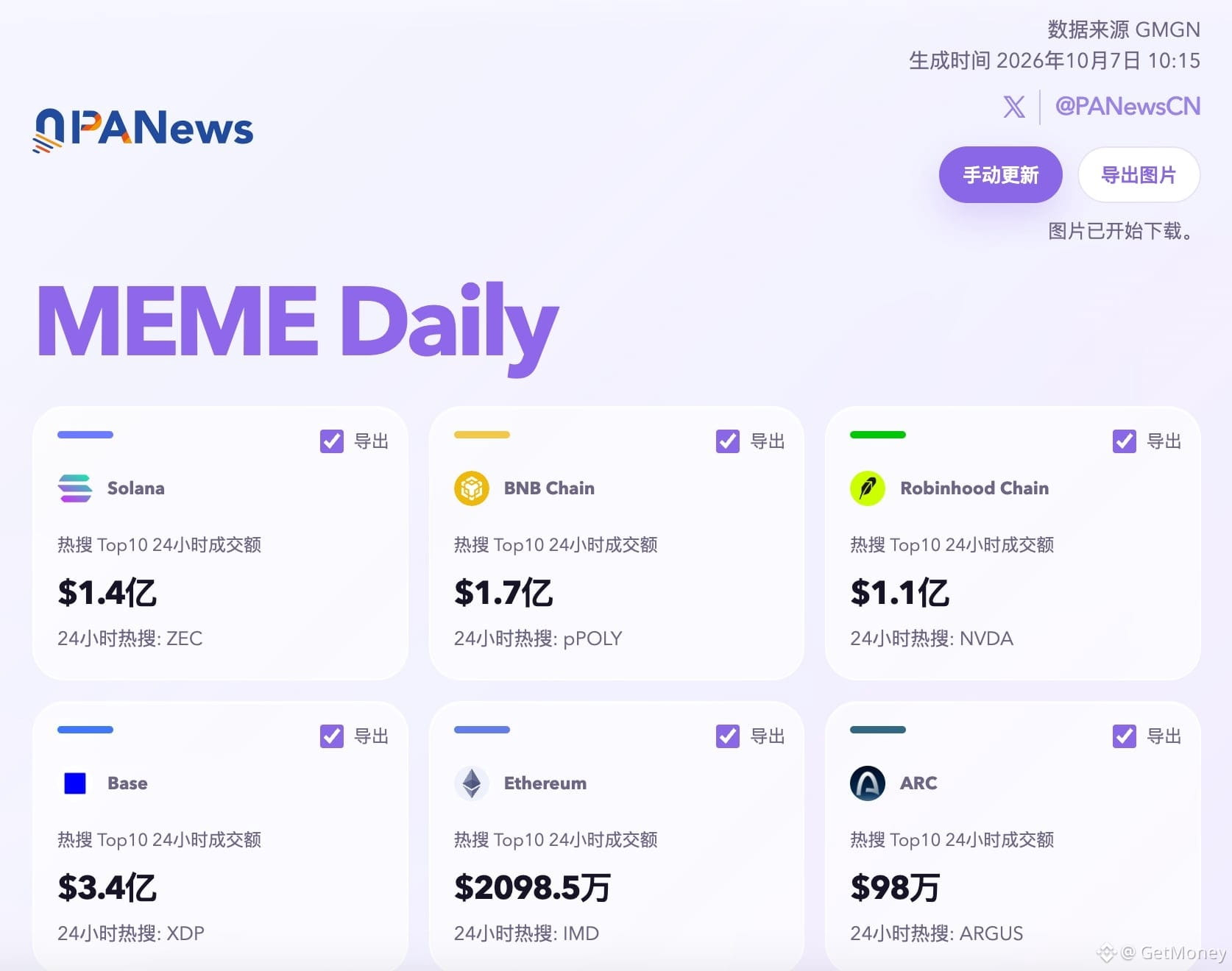
📰 Over the past 24 hours, Base was still where Meme activity was most concentrated, leading the Top 10 and leaving Solana, BNB Chain, and Robinhood Chain far behind. But the buzz on Base was highly concentrated: XDP alone contributed $330 million, with VVV and POD following.
🔥 On Solana's Top 10, ZEC ranked first with $35.769 million, while AUTON, Agency, and SPCX also remained active. Activity was relatively spread out, with no single token accounting for nearly all the trading volume.
💡 On BNB Chain's Top 10, pPOLY led with $56.359 million, and QQOB and BNCB also made the list. Robinhood Chain came in at $110 million, with NVDA contributing $40.467 million, followed by PONS, SPY, and AI.
Honestly, the most interesting thing about this ranking isn't the total volume on each chain, but how different the activity patterns are: Base looks more like a single-token breakout, while activity on Solana and the other two chains is more spread out. Meme trends shift quickly, so at least take a good look before jumping in.
🤔 If you could only watch one chain, would you choose Base's XDP, or the more broadly distributed trending tokens on Solana?
#Meme币 #Base #Solana #BNBChain
📰 Over the past 24 hours, Base was still where Meme activity was most concentrated, leading the Top 10 and leaving Solana, BNB Chain, and Robinhood Chain far behind. But the buzz on Base was highly concentrated: XDP alone contributed $330 million, with VVV and POD following.
🔥 On Solana's Top 10, ZEC ranked first with $35.769 million, while AUTON, Agency, and SPCX also remained active. Activity was relatively spread out, with no single token accounting for nearly all the trading volume.
💡 On BNB Chain's Top 10, pPOLY led with $56.359 million, and QQOB and BNCB also made the list. Robinhood Chain came in at $110 million, with NVDA contributing $40.467 million, followed by PONS, SPY, and AI.
Honestly, the most interesting thing about this ranking isn't the total volume on each chain, but how different the activity patterns are: Base looks more like a single-token breakout, while activity on Solana and the other two chains is more spread out. Meme trends shift quickly, so at least take a good look before jumping in.
🤔 If you could only watch one chain, would you choose Base's XDP, or the more broadly distributed trending tokens on Solana?
#Meme币 #Base #Solana #BNBChain
🔥 On Solana's Top 10, ZEC ranked first with $35.769 million, while AUTON, Agency, and SPCX also remained active. Activity was relatively spread out, with no single token accounting for nearly all the trading volume.
💡 On BNB Chain's Top 10, pPOLY led with $56.359 million, and QQOB and BNCB also made the list. Robinhood Chain came in at $110 million, with NVDA contributing $40.467 million, followed by PONS, SPY, and AI.
Honestly, the most interesting thing about this ranking isn't the total volume on each chain, but how different the activity patterns are: Base looks more like a single-token breakout, while activity on Solana and the other two chains is more spread out. Meme trends shift quickly, so at least take a good look before jumping in.
🤔 If you could only watch one chain, would you choose Base's XDP, or the more broadly distributed trending tokens on Solana?
#Meme币 #Base #Solana #BNBChain

470

📈 Base has seen significant net inflows since the beginning of the year
Coinbase's Base network has recorded net inflows exceeding $4.7 billion since January 1. This growth points to the increasingly important role of Layer 2 solutions in improving scalability and liquidity for blockchain platforms.
━━━━━━━━━━━━━━
📊 Impact: 📈 High
🏷️ ALTCOIN
#Base #Layer2 #Blockchain #CryptoNews #Coinbase
📰 Source: cryptobriefing.com
📈 Base has seen significant net inflows since the beginning of the year
Coinbase's Base network has recorded net inflows exceeding $4.7 billion since January 1. This growth points to the increasingly important role of Layer 2 solutions in improving scalability and liquidity for blockchain platforms.
━━━━━━━━━━━━━━
📊 Impact: 📈 High
🏷️ ALTCOIN
#Base #Layer2 #Blockchain #CryptoNews #Coinbase
📰 Source: cryptobriefing.com
Coinbase's Base network has recorded net inflows exceeding $4.7 billion since January 1. This growth points to the increasingly important role of Layer 2 solutions in improving scalability and liquidity for blockchain platforms.
━━━━━━━━━━━━━━
📊 Impact: 📈 High
🏷️ ALTCOIN
#Base #Layer2 #Blockchain #CryptoNews #Coinbase
📰 Source: cryptobriefing.com
2

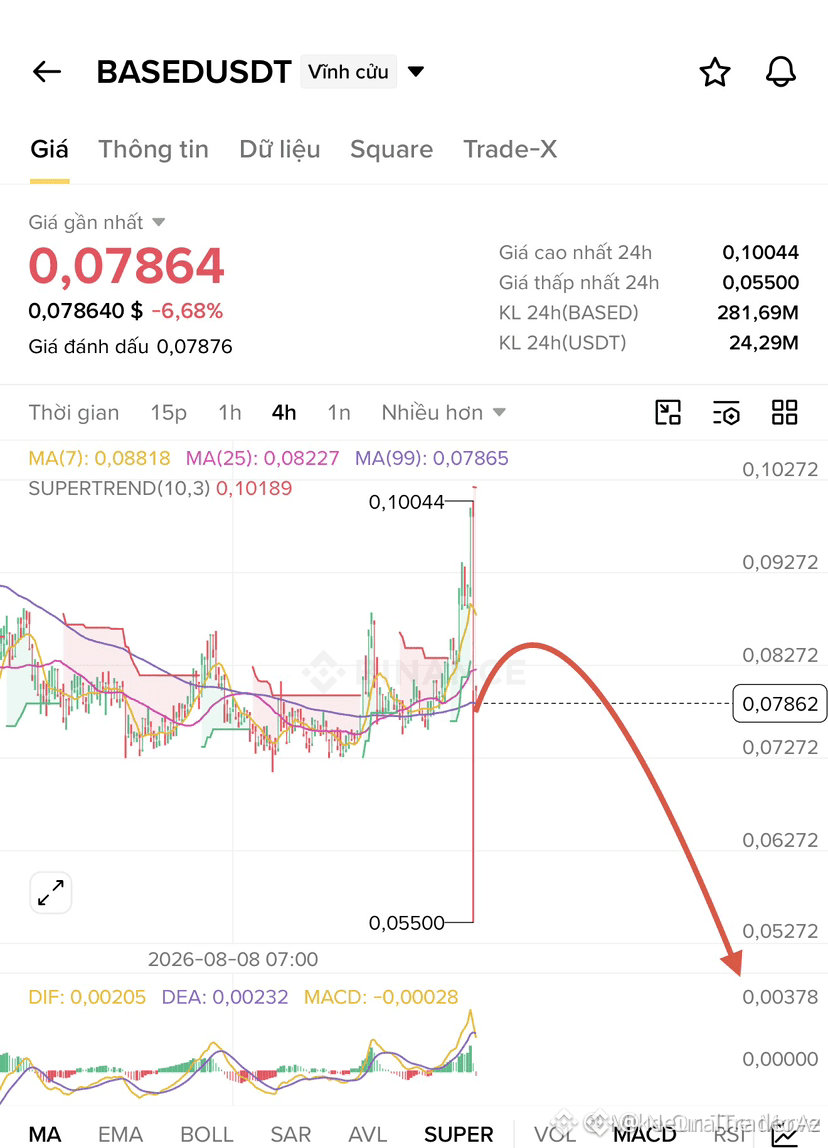
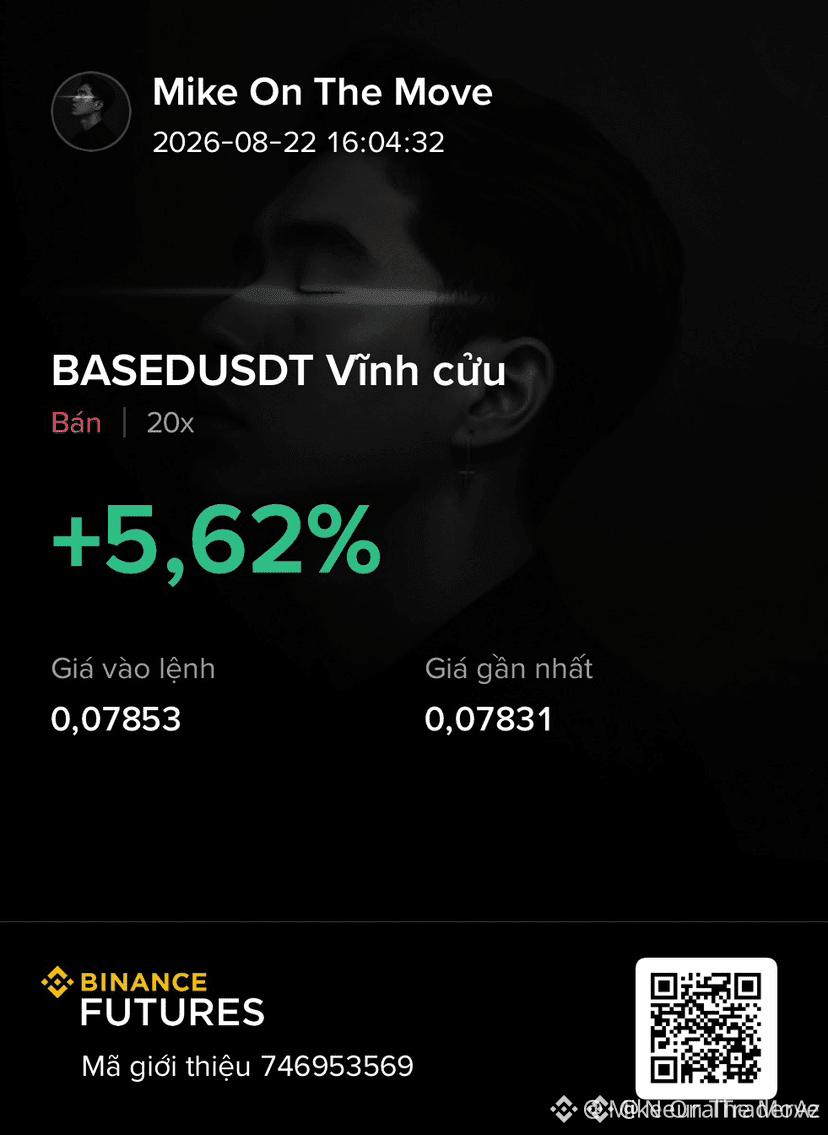
🚨 $BASE SHOWS EXHAUSTION AT PREMIUM SUPPLY ZONE AS SELLERS ABSORB DEMAND! 📉
Entry: 0.07801 - 0.07959 🔴
Target: 0.0718 🎯
Stop Loss: 0.0855 ⚠️
Price expansion into the 0.07801 - 0.07959 premium supply block is losing momentum, showing clear signs of institutional absorption. 🦈 Buyers are failing to print higher structural highs, leaving a significant pool of sell-side liquidity exposed beneath the recent swing lows.
With overhead supply holding firm, market structure favors a bearish mean reversion toward lower liquidity pockets. 📊 As long as sellers maintain control of this pivot, the path of least resistance remains firmly down. 💬 Are you positioning for this downside rotation, or waiting for structural support to snap first? 👇
⚠️ Not financial advice. Always manage your risk. 🛡️
🏷️ #BASE #ShortSetup #Crypto #MarketStructure #OrderFlow
📉 🦈
🚨 $BASE SHOWS EXHAUSTION AT PREMIUM SUPPLY ZONE AS SELLERS ABSORB DEMAND! 📉
Entry: 0.07801 - 0.07959 🔴
Target: 0.0718 🎯
Stop Loss: 0.0855 ⚠️
Price expansion into the 0.07801 - 0.07959 premium supply block is losing momentum, showing clear signs of institutional absorption. 🦈 Buyers are failing to print higher structural highs, leaving a significant pool of sell-side liquidity exposed beneath the recent swing lows.
With overhead supply holding firm, market structure favors a bearish mean reversion toward lower liquidity pockets. 📊 As long as sellers maintain control of this pivot, the path of least resistance remains firmly down. 💬 Are you positioning for this downside rotation, or waiting for structural support to snap first? 👇
⚠️ Not financial advice. Always manage your risk. 🛡️
🏷️ #BASE #ShortSetup #Crypto #MarketStructure #OrderFlow
📉 🦈
Entry: 0.07801 - 0.07959 🔴
Target: 0.0718 🎯
Stop Loss: 0.0855 ⚠️
Price expansion into the 0.07801 - 0.07959 premium supply block is losing momentum, showing clear signs of institutional absorption. 🦈 Buyers are failing to print higher structural highs, leaving a significant pool of sell-side liquidity exposed beneath the recent swing lows.
With overhead supply holding firm, market structure favors a bearish mean reversion toward lower liquidity pockets. 📊 As long as sellers maintain control of this pivot, the path of least resistance remains firmly down. 💬 Are you positioning for this downside rotation, or waiting for structural support to snap first? 👇
⚠️ Not financial advice. Always manage your risk. 🛡️
🏷️ #BASE #ShortSetup #Crypto #MarketStructure #OrderFlow
📉 🦈
10

·
--
🔥 Base treasury loses $6 million in 40 minutes
▸ Starts from 2.02 million: On October 4, Blockaid detected an attack on a Base-chain treasury, and the losses grew to around $6 million within about 40 minutes
▸ 1,783 wstETH transferred out: After a new contract was added to the whitelist, borrowed aBaswstETH and then redeemed the underlying assets via Aave
▸ Unclaimed 3-of-7 multisig: The party controlling the treasury involved has not been disclosed yet; details on how the authorization expired are still pending confirmation by the security company
💡 Whitelisting isn’t for show—when adding contract authorizations, you must set a time delay and a spending limit; before depositing LSTs into a treasury, check the permission list first. Cat Wallet issues a risk warning before interacting—so you can take another look at the moment you sign.
#Base #DeFi安全 #chain security
🔥 Base treasury loses $6 million in 40 minutes
▸ Starts from 2.02 million: On October 4, Blockaid detected an attack on a Base-chain treasury, and the losses grew to around $6 million within about 40 minutes
▸ 1,783 wstETH transferred out: After a new contract was added to the whitelist, borrowed aBaswstETH and then redeemed the underlying assets via Aave
▸ Unclaimed 3-of-7 multisig: The party controlling the treasury involved has not been disclosed yet; details on how the authorization expired are still pending confirmation by the security company
💡 Whitelisting isn’t for show—when adding contract authorizations, you must set a time delay and a spending limit; before depositing LSTs into a treasury, check the permission list first. Cat Wallet issues a risk warning before interacting—so you can take another look at the moment you sign.
#Base #DeFi安全 #chain security
▸ Starts from 2.02 million: On October 4, Blockaid detected an attack on a Base-chain treasury, and the losses grew to around $6 million within about 40 minutes
▸ 1,783 wstETH transferred out: After a new contract was added to the whitelist, borrowed aBaswstETH and then redeemed the underlying assets via Aave
▸ Unclaimed 3-of-7 multisig: The party controlling the treasury involved has not been disclosed yet; details on how the authorization expired are still pending confirmation by the security company
💡 Whitelisting isn’t for show—when adding contract authorizations, you must set a time delay and a spending limit; before depositing LSTs into a treasury, check the permission list first. Cat Wallet issues a risk warning before interacting—so you can take another look at the moment you sign.
#Base #DeFi安全 #chain security
65
⚙️ Launching the Cobalt update on the main Base network to improve resilience and automation
The main Base network has launched the Cobalt update, aiming to strengthen transaction resilience and automate engineering upgrades. This update represents a step toward simplifying network development and reducing any potential operational downtime in the future, reflecting ongoing efforts to improve the infrastructure.
━━━━━━━━━━━━━━
📊 Impact: 📈 High
🏷️ DEFI
#Base #Cobalt #Blockchain #Layer2 #NetworkUpgrade
📰 Source: cryptobriefing.com
⚙️ Launching the Cobalt update on the main Base network to improve resilience and automation
The main Base network has launched the Cobalt update, aiming to strengthen transaction resilience and automate engineering upgrades. This update represents a step toward simplifying network development and reducing any potential operational downtime in the future, reflecting ongoing efforts to improve the infrastructure.
━━━━━━━━━━━━━━
📊 Impact: 📈 High
🏷️ DEFI
#Base #Cobalt #Blockchain #Layer2 #NetworkUpgrade
📰 Source: cryptobriefing.com
The main Base network has launched the Cobalt update, aiming to strengthen transaction resilience and automate engineering upgrades. This update represents a step toward simplifying network development and reducing any potential operational downtime in the future, reflecting ongoing efforts to improve the infrastructure.
━━━━━━━━━━━━━━
📊 Impact: 📈 High
🏷️ DEFI
#Base #Cobalt #Blockchain #Layer2 #NetworkUpgrade
📰 Source: cryptobriefing.com
39



·
--
3-of-7 multisig—ended up losing to the “1 minute.”
A Base vault that nobody has claimed up to now was drained: on 10/4, about 1783 wstETH were withdrawn (a packaged version of Lido staked $ETH ), roughly $6 million 💀
Piecing together the on-chain post-mortems from several security firms (Blockaid / CertiK / PeckShield / ExVul / GoPlus):
1️⃣ A newly deployed contract was added to the vault’s whitelist. It was used to borrow aBaswstETH, then redeemed on Aave V3 back into wstETH, and transferred to the attacker’s address.
2️⃣ ExVul timeline: the vault owner’s Safe removed this contract from the whitelist at 08:52 UTC, then added it back at 08:53 UTC—both transactions used valid signatures from existing signers. About 70 seconds later, the first loan was executed.
3️⃣ GoPlus assessment: the multisig governance plus access control failed. The team hadn’t touched this Safe in the 25 days leading up to the attack. Social engineering or an insider is possible. No one compromised Aave’s core contracts or the Base chain itself.
4️⃣ GoPlus figure: about $31.7 million worth of assets in the vault are at risk. I haven’t yet found a second independent source for this number, so treat it as a reference for now.
My take:
This wasn’t a contract bug—it was a “human” bug. Multisigs only ensure the “right number of people sign,” not that “the people signing are awake.”
3/7 sounds pretty safe, but all 7 signers are anonymous, they were inactive for 25 days, and the whitelist was revoked and restored within a minute… This storyline deserves review more than the exploit itself.
For project teams still using Safe to manage funds: before signing, check the calldata—don’t just look at Telegram.
Screening without education: DYOR. Not investment advice.
Source: public disclosures by Blockaid / CertiK / PeckShield / ExVul / GoPlus; reports by CryptoTimes, Bitcoin.com News, TokenPost
#Base #DeFi security
3-of-7 multisig—ended up losing to the “1 minute.”
A Base vault that nobody has claimed up to now was drained: on 10/4, about 1783 wstETH were withdrawn (a packaged version of Lido staked $ETH ), roughly $6 million 💀
Piecing together the on-chain post-mortems from several security firms (Blockaid / CertiK / PeckShield / ExVul / GoPlus):
1️⃣ A newly deployed contract was added to the vault’s whitelist. It was used to borrow aBaswstETH, then redeemed on Aave V3 back into wstETH, and transferred to the attacker’s address.
2️⃣ ExVul timeline: the vault owner’s Safe removed this contract from the whitelist at 08:52 UTC, then added it back at 08:53 UTC—both transactions used valid signatures from existing signers. About 70 seconds later, the first loan was executed.
3️⃣ GoPlus assessment: the multisig governance plus access control failed. The team hadn’t touched this Safe in the 25 days leading up to the attack. Social engineering or an insider is possible. No one compromised Aave’s core contracts or the Base chain itself.
4️⃣ GoPlus figure: about $31.7 million worth of assets in the vault are at risk. I haven’t yet found a second independent source for this number, so treat it as a reference for now.
My take:
This wasn’t a contract bug—it was a “human” bug. Multisigs only ensure the “right number of people sign,” not that “the people signing are awake.”
3/7 sounds pretty safe, but all 7 signers are anonymous, they were inactive for 25 days, and the whitelist was revoked and restored within a minute… This storyline deserves review more than the exploit itself.
For project teams still using Safe to manage funds: before signing, check the calldata—don’t just look at Telegram.
Screening without education: DYOR. Not investment advice.
Source: public disclosures by Blockaid / CertiK / PeckShield / ExVul / GoPlus; reports by CryptoTimes, Bitcoin.com News, TokenPost
#Base #DeFi security
A Base vault that nobody has claimed up to now was drained: on 10/4, about 1783 wstETH were withdrawn (a packaged version of Lido staked $ETH ), roughly $6 million 💀
Piecing together the on-chain post-mortems from several security firms (Blockaid / CertiK / PeckShield / ExVul / GoPlus):
1️⃣ A newly deployed contract was added to the vault’s whitelist. It was used to borrow aBaswstETH, then redeemed on Aave V3 back into wstETH, and transferred to the attacker’s address.
2️⃣ ExVul timeline: the vault owner’s Safe removed this contract from the whitelist at 08:52 UTC, then added it back at 08:53 UTC—both transactions used valid signatures from existing signers. About 70 seconds later, the first loan was executed.
3️⃣ GoPlus assessment: the multisig governance plus access control failed. The team hadn’t touched this Safe in the 25 days leading up to the attack. Social engineering or an insider is possible. No one compromised Aave’s core contracts or the Base chain itself.
4️⃣ GoPlus figure: about $31.7 million worth of assets in the vault are at risk. I haven’t yet found a second independent source for this number, so treat it as a reference for now.
My take:
This wasn’t a contract bug—it was a “human” bug. Multisigs only ensure the “right number of people sign,” not that “the people signing are awake.”
3/7 sounds pretty safe, but all 7 signers are anonymous, they were inactive for 25 days, and the whitelist was revoked and restored within a minute… This storyline deserves review more than the exploit itself.
For project teams still using Safe to manage funds: before signing, check the calldata—don’t just look at Telegram.
Screening without education: DYOR. Not investment advice.
Source: public disclosures by Blockaid / CertiK / PeckShield / ExVul / GoPlus; reports by CryptoTimes, Bitcoin.com News, TokenPost
#Base #DeFi security
250

·
--
Notable security incident on Base: an unknown wallet lost about 1,783 wstETH, worth roughly $6 million, on October 4. On-chain data and alerts from Blockaid and PeckShield tracked the transfers, but the root cause has not been conclusively determined yet. Most importantly: this involves a specific wallet; there is currently no public evidence of a breach of the Base network or the core Aave contracts. What first step do you expect from wallet operators after an incident like this?
$ETH #Base #DeFi
Notable security incident on Base: an unknown wallet lost about 1,783 wstETH, worth roughly $6 million, on October 4. On-chain data and alerts from Blockaid and PeckShield tracked the transfers, but the root cause has not been conclusively determined yet. Most importantly: this involves a specific wallet; there is currently no public evidence of a breach of the Base network or the core Aave contracts. What first step do you expect from wallet operators after an incident like this?
$ETH #Base #DeFi
$ETH #Base #DeFi
84

·
--
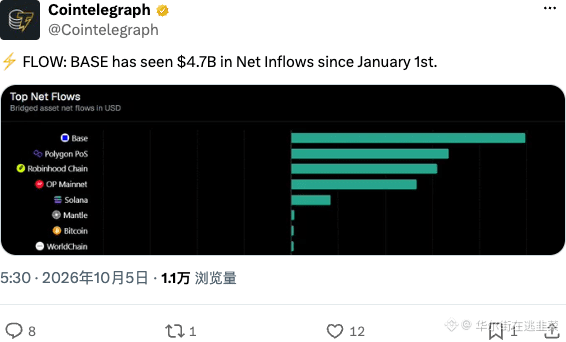
Everyone is talking about the public-chain bull season, but the quiet cash-cow king is actually Base: net inflows of 4.7 billion U since the start of 2026.
Note this is the net figure after deducting outflows. If the money comes in and just stays put, it’s basically looking for work on-chain—DeFi, memes, and institutional accumulation are all involved. 4.7 billion in 9 months, averaging 500 million+ per month—the pace is so steady it doesn’t feel like retail.
The real thing to watch is the reverse signal: the day net inflows turn and start switching to outflows is the trigger for this batch of funds to cash out and leave. What have you guys been waiting on with Base?
$ETH $AERO #Base #L2
Everyone is talking about the public-chain bull season, but the quiet cash-cow king is actually Base: net inflows of 4.7 billion U since the start of 2026.
Note this is the net figure after deducting outflows. If the money comes in and just stays put, it’s basically looking for work on-chain—DeFi, memes, and institutional accumulation are all involved. 4.7 billion in 9 months, averaging 500 million+ per month—the pace is so steady it doesn’t feel like retail.
The real thing to watch is the reverse signal: the day net inflows turn and start switching to outflows is the trigger for this batch of funds to cash out and leave. What have you guys been waiting on with Base?
$ETH $AERO #Base #L2
Note this is the net figure after deducting outflows. If the money comes in and just stays put, it’s basically looking for work on-chain—DeFi, memes, and institutional accumulation are all involved. 4.7 billion in 9 months, averaging 500 million+ per month—the pace is so steady it doesn’t feel like retail.
The real thing to watch is the reverse signal: the day net inflows turn and start switching to outflows is the trigger for this batch of funds to cash out and leave. What have you guys been waiting on with Base?
$ETH $AERO #Base #L2
245

·
--
$GLMR Moonbeam has moved the GLMR token fully from Polkadot to Base and is launching the Moonbeam Protocol, a decentralized AI agent communication and settlement network. The migration was 1:1, with exchanges handling it automatically for users who held GLMR on a CEX. (Moonbeam Network Relaunches on Base +2)
GLMR recently jumped about 10% in an hour to around $0.0102, with 24h volume near $1.5M. (coinfomania)
Watch the AI agent narrative, the Base ecosystem, and any updates on the protocol launch. Moonbeam's product is still unfinished, so follow the official channels for news. (phemex)
Are you bullish on the Base pivot? 👇
#GLMR #Moonbeam #Base #AI #crypto
{spot}(GLMRUSDT)
$GLMR Moonbeam has moved the GLMR token fully from Polkadot to Base and is launching the Moonbeam Protocol, a decentralized AI agent communication and settlement network. The migration was 1:1, with exchanges handling it automatically for users who held GLMR on a CEX. (Moonbeam Network Relaunches on Base +2)
GLMR recently jumped about 10% in an hour to around $0.0102, with 24h volume near $1.5M. (coinfomania)
Watch the AI agent narrative, the Base ecosystem, and any updates on the protocol launch. Moonbeam's product is still unfinished, so follow the official channels for news. (phemex)
Are you bullish on the Base pivot? 👇
#GLMR #Moonbeam #Base #AI #crypto
GLMR recently jumped about 10% in an hour to around $0.0102, with 24h volume near $1.5M. (coinfomania)
Watch the AI agent narrative, the Base ecosystem, and any updates on the protocol launch. Moonbeam's product is still unfinished, so follow the official channels for news. (phemex)
Are you bullish on the Base pivot? 👇
#GLMR #Moonbeam #Base #AI #crypto
138

·
--
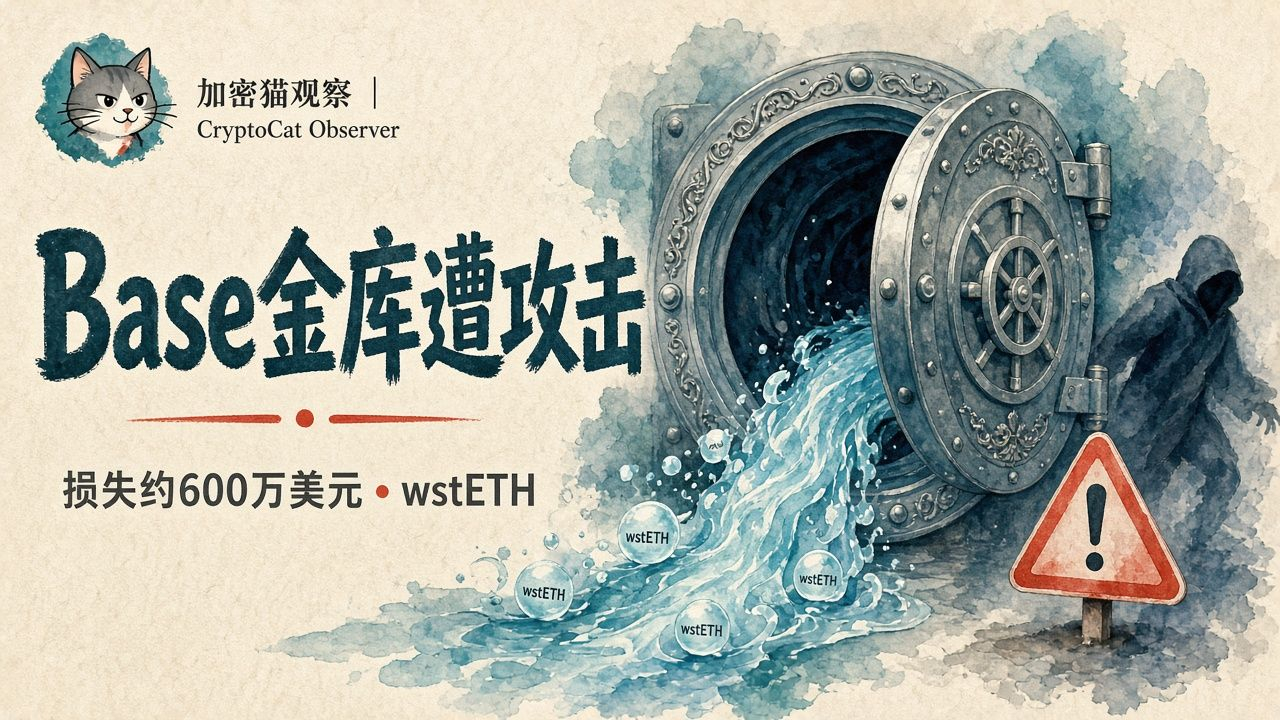
On October 4, 2026, a vault on the Base chain was attacked. Security firm Blockaid monitoring indicates that the attacker added a brand-new contract to the vault’s whitelist, borrowed aBaswstETH (a staked-asset certificate related to wstETH, the $ETH staked asset on Aave on Base) from the vault, and transferred it to a contract under their control; in the initial phase there were about 4 transactions, with losses of approximately $2.02 million, and the attack is still ongoing.
Subsequently, Spot On Chain monitoring found that losses expanded to about $6 million, involving around 1,783 wstETH. The attacker’s address is 0x0B5126…B034. The monitoring party believes systemic risk is currently limited, but warns that the attacker’s potential sale of wstETH may cause short-term pressure on LST depeg.
#Base #ETH #安全 does not constitute investment advice
On October 4, 2026, a vault on the Base chain was attacked. Security firm Blockaid monitoring indicates that the attacker added a brand-new contract to the vault’s whitelist, borrowed aBaswstETH (a staked-asset certificate related to wstETH, the $ETH staked asset on Aave on Base) from the vault, and transferred it to a contract under their control; in the initial phase there were about 4 transactions, with losses of approximately $2.02 million, and the attack is still ongoing.
Subsequently, Spot On Chain monitoring found that losses expanded to about $6 million, involving around 1,783 wstETH. The attacker’s address is 0x0B5126…B034. The monitoring party believes systemic risk is currently limited, but warns that the attacker’s potential sale of wstETH may cause short-term pressure on LST depeg.
#Base #ETH #安全 does not constitute investment advice
Subsequently, Spot On Chain monitoring found that losses expanded to about $6 million, involving around 1,783 wstETH. The attacker’s address is 0x0B5126…B034. The monitoring party believes systemic risk is currently limited, but warns that the attacker’s potential sale of wstETH may cause short-term pressure on LST depeg.
#Base #ETH #安全 does not constitute investment advice
106

【Major Dual Powerhouses GOSUN All-Weather Fund and AERO Automatic Governance Spinning Wheel: Comprehensive Leadership of the Base Chain Ecosystem】
【GOSUN Core Dual Powerhouse Projects Fully Implemented and Launching Full-Network Promotion】
After rigorous on-chain smart contract deployment, strategy backtesting, and live verification on the mainnet, the two core powerhouse projects built by GOSUN Capital and ApexStone have been fully rolled out on the Base mainnet and are running smoothly!
━━━━━━━━━━━━━━━━━━━━
⚡ Core Powerhouse 1: Aerodrome veAERO Automated Governance and Voting Flywheel
━━━━━━━━━━━━━━━━━━━━
• 100% on-chain autonomous agents: By using veAERO governance vote vaults, the AI Agent automatically executes dynamic APR optimization every Thursday;
• Dynamic yield maximization: The algorithm precisely targets the U.S. stock tokenized liquidity pools (MAG7/NVDAc) and high-bribe pools to maximize the vault value;
• Reinvestment flywheel: Automatically claim bribes and emission tokens, driving organic compounding growth of liquidity.
━━━━━━━━━━━━━━━━━━━━
🔥 Core Powerhouse 2: GOSUN All-Weather Alpha (GAWA) All-Weather Treasury
━━━━━━━━━━━━━━━━━━━━
• 💰 30% lifetime management-fee cashback: Recommend friends to deposit—30% of the management fee generated by the referred user is permanently and instantly allocated to the referrer;
• ⚡ Zero-threshold instant conversion: 0% subscription fee (Entry Fee), 0% redemption fee (Exit Fee). Users can freely deposit and withdraw funds with no friction;
• 🛡️ Institutional-grade all-weather risk control: Connects to top-tier yield protocols at the base layer (Aave V3), staying steady and resilient against drawdowns—not “set and forget”;
• 📍 Contract address: 0x921096b5a5c7e97c13411a0396fe79d6685f1592 (Base mainnet).
📌 Participation method and invitation link:
Click the official direct link below to access the treasury and experience subscriptions, or click【Become Referrer】to instantly get your exclusive promotion link and start enjoying 30% management-fee sharing!
Official direct invitation link to the treasury:
https://chamberfi.com/vault/0x921096b5a5c7e97c13411a0396fe79d6685f1592?ref=0xfeecc6a989c759e0021dab9f27cb8cba0608b03e
#BTC #Base #ApexStone
【Major Dual Powerhouses GOSUN All-Weather Fund and AERO Automatic Governance Spinning Wheel: Comprehensive Leadership of the Base Chain Ecosystem】
【GOSUN Core Dual Powerhouse Projects Fully Implemented and Launching Full-Network Promotion】
After rigorous on-chain smart contract deployment, strategy backtesting, and live verification on the mainnet, the two core powerhouse projects built by GOSUN Capital and ApexStone have been fully rolled out on the Base mainnet and are running smoothly!
━━━━━━━━━━━━━━━━━━━━
⚡ Core Powerhouse 1: Aerodrome veAERO Automated Governance and Voting Flywheel
━━━━━━━━━━━━━━━━━━━━
• 100% on-chain autonomous agents: By using veAERO governance vote vaults, the AI Agent automatically executes dynamic APR optimization every Thursday;
• Dynamic yield maximization: The algorithm precisely targets the U.S. stock tokenized liquidity pools (MAG7/NVDAc) and high-bribe pools to maximize the vault value;
• Reinvestment flywheel: Automatically claim bribes and emission tokens, driving organic compounding growth of liquidity.
━━━━━━━━━━━━━━━━━━━━
🔥 Core Powerhouse 2: GOSUN All-Weather Alpha (GAWA) All-Weather Treasury
━━━━━━━━━━━━━━━━━━━━
• 💰 30% lifetime management-fee cashback: Recommend friends to deposit—30% of the management fee generated by the referred user is permanently and instantly allocated to the referrer;
• ⚡ Zero-threshold instant conversion: 0% subscription fee (Entry Fee), 0% redemption fee (Exit Fee). Users can freely deposit and withdraw funds with no friction;
• 🛡️ Institutional-grade all-weather risk control: Connects to top-tier yield protocols at the base layer (Aave V3), staying steady and resilient against drawdowns—not “set and forget”;
• 📍 Contract address: 0x921096b5a5c7e97c13411a0396fe79d6685f1592 (Base mainnet).
📌 Participation method and invitation link:
Click the official direct link below to access the treasury and experience subscriptions, or click【Become Referrer】to instantly get your exclusive promotion link and start enjoying 30% management-fee sharing!
Official direct invitation link to the treasury:
https://chamberfi.com/vault/0x921096b5a5c7e97c13411a0396fe79d6685f1592?ref=0xfeecc6a989c759e0021dab9f27cb8cba0608b03e
#BTC #Base #ApexStone
【GOSUN Core Dual Powerhouse Projects Fully Implemented and Launching Full-Network Promotion】
After rigorous on-chain smart contract deployment, strategy backtesting, and live verification on the mainnet, the two core powerhouse projects built by GOSUN Capital and ApexStone have been fully rolled out on the Base mainnet and are running smoothly!
━━━━━━━━━━━━━━━━━━━━
⚡ Core Powerhouse 1: Aerodrome veAERO Automated Governance and Voting Flywheel
━━━━━━━━━━━━━━━━━━━━
• 100% on-chain autonomous agents: By using veAERO governance vote vaults, the AI Agent automatically executes dynamic APR optimization every Thursday;
• Dynamic yield maximization: The algorithm precisely targets the U.S. stock tokenized liquidity pools (MAG7/NVDAc) and high-bribe pools to maximize the vault value;
• Reinvestment flywheel: Automatically claim bribes and emission tokens, driving organic compounding growth of liquidity.
━━━━━━━━━━━━━━━━━━━━
🔥 Core Powerhouse 2: GOSUN All-Weather Alpha (GAWA) All-Weather Treasury
━━━━━━━━━━━━━━━━━━━━
• 💰 30% lifetime management-fee cashback: Recommend friends to deposit—30% of the management fee generated by the referred user is permanently and instantly allocated to the referrer;
• ⚡ Zero-threshold instant conversion: 0% subscription fee (Entry Fee), 0% redemption fee (Exit Fee). Users can freely deposit and withdraw funds with no friction;
• 🛡️ Institutional-grade all-weather risk control: Connects to top-tier yield protocols at the base layer (Aave V3), staying steady and resilient against drawdowns—not “set and forget”;
• 📍 Contract address: 0x921096b5a5c7e97c13411a0396fe79d6685f1592 (Base mainnet).
📌 Participation method and invitation link:
Click the official direct link below to access the treasury and experience subscriptions, or click【Become Referrer】to instantly get your exclusive promotion link and start enjoying 30% management-fee sharing!
Official direct invitation link to the treasury:
https://chamberfi.com/vault/0x921096b5a5c7e97c13411a0396fe79d6685f1592?ref=0xfeecc6a989c759e0021dab9f27cb8cba0608b03e
#BTC #Base #ApexStone
106
【GOSUN All-Weather Alpha Launches on the Base Chain: Enable 60% Lending & Earning with Risk Parity】
【GOSUN All-Weather Alpha (GAWA) Vault Goes Live】
Built jointly by GOSUN Capital and ApexStone, a flagship on-chain risk-parity quant vault—GOSUN All-Weather Alpha (GAWA) has completed the first on-chain deployment on the Base mainnet ChamberFi platform and is now officially open to global investors!
📌 Asset Allocation Architecture (Plan A++ Dual-Earning Structure):
1. 30% cbBTC: Capture global macro narratives for Bitcoin and long-term capital gains;
2. 20% aBasWETH: Ethereum blue-chip beta + deposit into Aave V3 to automatically earn lending and borrowing interest;
3. 40% aBasUSDC: Deploy stablecoins in full into Aave V3 money markets to provide a high-Sharpe yield core position;
4. 10% USDC: Keep liquidity buffer for hot-wallet operations, supporting instant deposits/withdrawals and intelligent rebalancing at any time.
🔥 Key Competitive Advantages:
• 60% Native Yield Exposure: Assets don’t sit idle—Aave V3 native tokens continuously generate interest and compound;
• Zero-threshold deposits/withdrawals: 0% Entry Fee / 0% Exit Fee;
• 30% Invitee Revenue Share: Invite friends to deposit, and automatically receive a 30% management-fee commission rebate!
Official Vault Direct Link:
https://chamberfi.com/vault/0x921096b5a5c7e97c13411a0396fe79d6685f1592?ref=0xfeecc6a989c759e0021dab9f27cb8cba0608b03e
Contract Address: 0x921096b5a5c7e97c13411a0396fe79d6685f1592 (Base Chain ID: 8453)
#BTC #Base #ApexStone
【GOSUN All-Weather Alpha Launches on the Base Chain: Enable 60% Lending & Earning with Risk Parity】
【GOSUN All-Weather Alpha (GAWA) Vault Goes Live】
Built jointly by GOSUN Capital and ApexStone, a flagship on-chain risk-parity quant vault—GOSUN All-Weather Alpha (GAWA) has completed the first on-chain deployment on the Base mainnet ChamberFi platform and is now officially open to global investors!
📌 Asset Allocation Architecture (Plan A++ Dual-Earning Structure):
1. 30% cbBTC: Capture global macro narratives for Bitcoin and long-term capital gains;
2. 20% aBasWETH: Ethereum blue-chip beta + deposit into Aave V3 to automatically earn lending and borrowing interest;
3. 40% aBasUSDC: Deploy stablecoins in full into Aave V3 money markets to provide a high-Sharpe yield core position;
4. 10% USDC: Keep liquidity buffer for hot-wallet operations, supporting instant deposits/withdrawals and intelligent rebalancing at any time.
🔥 Key Competitive Advantages:
• 60% Native Yield Exposure: Assets don’t sit idle—Aave V3 native tokens continuously generate interest and compound;
• Zero-threshold deposits/withdrawals: 0% Entry Fee / 0% Exit Fee;
• 30% Invitee Revenue Share: Invite friends to deposit, and automatically receive a 30% management-fee commission rebate!
Official Vault Direct Link:
https://chamberfi.com/vault/0x921096b5a5c7e97c13411a0396fe79d6685f1592?ref=0xfeecc6a989c759e0021dab9f27cb8cba0608b03e
Contract Address: 0x921096b5a5c7e97c13411a0396fe79d6685f1592 (Base Chain ID: 8453)
#BTC #Base #ApexStone
【GOSUN All-Weather Alpha (GAWA) Vault Goes Live】
Built jointly by GOSUN Capital and ApexStone, a flagship on-chain risk-parity quant vault—GOSUN All-Weather Alpha (GAWA) has completed the first on-chain deployment on the Base mainnet ChamberFi platform and is now officially open to global investors!
📌 Asset Allocation Architecture (Plan A++ Dual-Earning Structure):
1. 30% cbBTC: Capture global macro narratives for Bitcoin and long-term capital gains;
2. 20% aBasWETH: Ethereum blue-chip beta + deposit into Aave V3 to automatically earn lending and borrowing interest;
3. 40% aBasUSDC: Deploy stablecoins in full into Aave V3 money markets to provide a high-Sharpe yield core position;
4. 10% USDC: Keep liquidity buffer for hot-wallet operations, supporting instant deposits/withdrawals and intelligent rebalancing at any time.
🔥 Key Competitive Advantages:
• 60% Native Yield Exposure: Assets don’t sit idle—Aave V3 native tokens continuously generate interest and compound;
• Zero-threshold deposits/withdrawals: 0% Entry Fee / 0% Exit Fee;
• 30% Invitee Revenue Share: Invite friends to deposit, and automatically receive a 30% management-fee commission rebate!
Official Vault Direct Link:
https://chamberfi.com/vault/0x921096b5a5c7e97c13411a0396fe79d6685f1592?ref=0xfeecc6a989c759e0021dab9f27cb8cba0608b03e
Contract Address: 0x921096b5a5c7e97c13411a0396fe79d6685f1592 (Base Chain ID: 8453)
#BTC #Base #ApexStone
417

·
--
Blockaid just detected: An unnamed vault on the Base chain is being drained—the attacker inserts a new contract into the whitelist, then borrows aBaswstETH to transfer the funds away. Currently, about 4 transactions have already stolen approximately $2.02 million, and the attack is still ongoing. Which specific vault it is hasn’t been identified yet, but this kind of path—whitelisting a backdoor—looks quite conspicuous.#Base #Security
Blockaid just detected: An unnamed vault on the Base chain is being drained—the attacker inserts a new contract into the whitelist, then borrows aBaswstETH to transfer the funds away. Currently, about 4 transactions have already stolen approximately $2.02 million, and the attack is still ongoing. Which specific vault it is hasn’t been identified yet, but this kind of path—whitelisting a backdoor—looks quite conspicuous.#Base #Security

10

·
--
Bearish
🚀 $MOVR Surge: Moonriver Moves to Base! 🌕🔥
$MOVR is seeing high volatility and massive volume following major ecosystem changes. Here is what you need to know in 30 seconds:
The Big Catalyst 🌐: $MOVR is transitioning toward a Base-native ERC-20 token to capture deep Layer-2 liquidity and DeFi adoption.
Key Levels 📊: Rejection sitting near $2.80 – $3.25, with immediate support around $1.55 – $1.70 (and macro support near $1.07).
Watch Out ⚠️: Remains under the Binance Monitoring Tag—expect fast, news-driven price moves.
🗣️ Are you BULLISH 🐂 on $MOVR's Base transition, or staying CAUTIOUS 🐻?
Drop your price targets below! 👇
#MOVR #Moonriver #Base #BinanceSquare #Crypto #defi
{spot}(MOVRUSDT)
🚀 $MOVR Surge: Moonriver Moves to Base! 🌕🔥
$MOVR is seeing high volatility and massive volume following major ecosystem changes. Here is what you need to know in 30 seconds:
The Big Catalyst 🌐: $MOVR is transitioning toward a Base-native ERC-20 token to capture deep Layer-2 liquidity and DeFi adoption.
Key Levels 📊: Rejection sitting near $2.80 – $3.25, with immediate support around $1.55 – $1.70 (and macro support near $1.07).
Watch Out ⚠️: Remains under the Binance Monitoring Tag—expect fast, news-driven price moves.
🗣️ Are you BULLISH 🐂 on $MOVR 's Base transition, or staying CAUTIOUS 🐻?
Drop your price targets below! 👇
#MOVR #Moonriver #Base #BinanceSquare #Crypto #defi
$MOVR is seeing high volatility and massive volume following major ecosystem changes. Here is what you need to know in 30 seconds:
The Big Catalyst 🌐: $MOVR is transitioning toward a Base-native ERC-20 token to capture deep Layer-2 liquidity and DeFi adoption.
Key Levels 📊: Rejection sitting near $2.80 – $3.25, with immediate support around $1.55 – $1.70 (and macro support near $1.07).
Watch Out ⚠️: Remains under the Binance Monitoring Tag—expect fast, news-driven price moves.
🗣️ Are you BULLISH 🐂 on $MOVR 's Base transition, or staying CAUTIOUS 🐻?
Drop your price targets below! 👇
#MOVR #Moonriver #Base #BinanceSquare #Crypto #defi
65
Log in to explore more content
Join global crypto users on Binance Square
⚡️ Get latest and useful information about crypto.
💬 Trusted by the world’s largest crypto exchange.
👍 Discover real insights from verified creators.
Email / Phone number
Trending Topics
1
#FedMinutesFocusOnOctoberPause
384,551 views
2,414 Discussing
2
#VitalikWarnsAICouldWeakenCryptographySecurity
1,964 views
158 Discussing
3
#XRPSpotETFsHold$1.7BWeeklyInflowsSlow
427 views
25 Discussing
4
#FrenchHillUrgesCLARITYActPassageInLameDuck
4,788 views
189 Discussing
5
#EthereumSpotETFRecords$161MNetOutflows
155 views
14 Discussing
6
#IMFGrantsWaiverForElSalvadorBitcoinBreach
11,434 views
311 Discussing
7
#BinanceLaunchesBinanceIntelligence
1.3M views
7,234 Discussing
8
#EvernorthDelaysNasdaqDebutToOct12
61,110 views
588 Discussing
9
#RobinhoodAdds$25MInBitcoinToBalanceSheet
18,962 views
107 Discussing
10
#SP500AndNasdaqHitRecordHighs
60,804 views
753 Discussing