
CoinPhoton
8.2k Posts

CoinPhoton
 Square Verified+
Report
Block User

Creator of the Year

Level 2 Creator
Open Trade
Occasional Trader
7.7 Years
16 Following
146.5K+ Followers
146.7K+ Liked
2 Badges
Posts
Portfolio
All
Quotes
Videos
Live
·
--
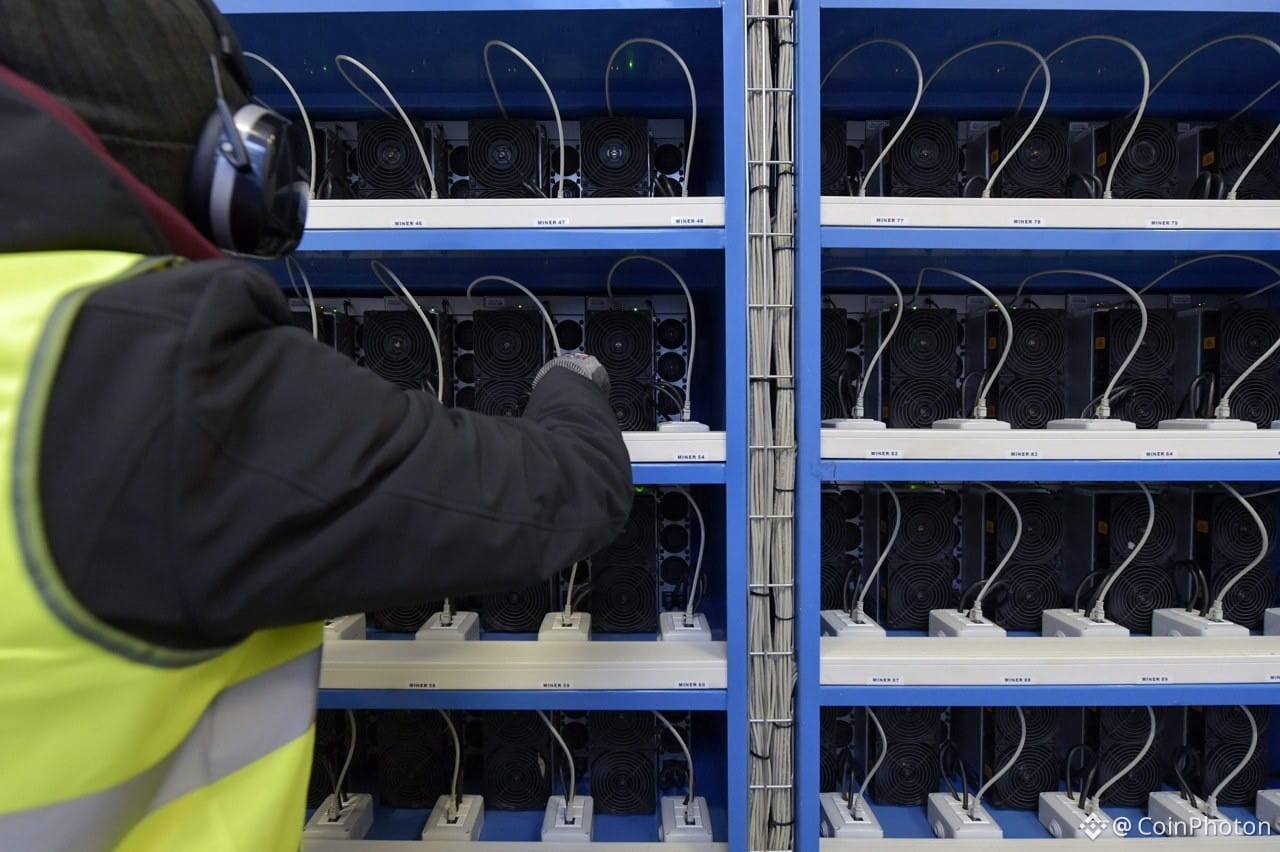
⛏️ CleanSpark swings to a $987M annual loss as bitcoin output falls
Bitcoin miner CleanSpark reported a $987.1 million net loss for fiscal 2026, reversing roughly $365 million in profit the year before. Annual revenue fell 25% to $576.5 million, while Q4 revenue dropped 46% to $120.9 million despite a small quarterly profit of about $9.8 million.
CleanSpark mined 7,253 BTC in the year (down 8%) as average hashrate fell 21% to 36 EH/s. It holds 13,530 BTC, now worth about $812 million with BTC near a one-year low under $60,000, and has fully funded its Georgia AI data center under a 20-year, $6.6 billion lease.
⭐ The numbers highlight the pressure on miners in a falling market and the accelerating shift toward AI infrastructure.
#Bitcoin #BTC #CleanSpark #BitcoinMining
14
·
--
🛠️ XRP Ledger wipes Testnet and Devnet after a server failure
Ripple will reset the XRP Ledger's Testnet and Devnet on Wednesday, Nov. 25 (5-6 PM Pacific), after Testnet's only full-history server crashed beyond recovery.
All data on both test networks, from accounts and balances to transactions, AMMs and escrows, will be erased, and developers will need new test XRP from the faucet. Mainnet is unaffected, and Ripple says it is adding storage capacity so resets are needed less often.
⭐ Real XRP and live ledger activity are safe, but builders on XRPL must recreate their test environments, which may briefly slow testing of new features.
#XRP #XRPL #Ripple #CryptoNews

1
94
·
--
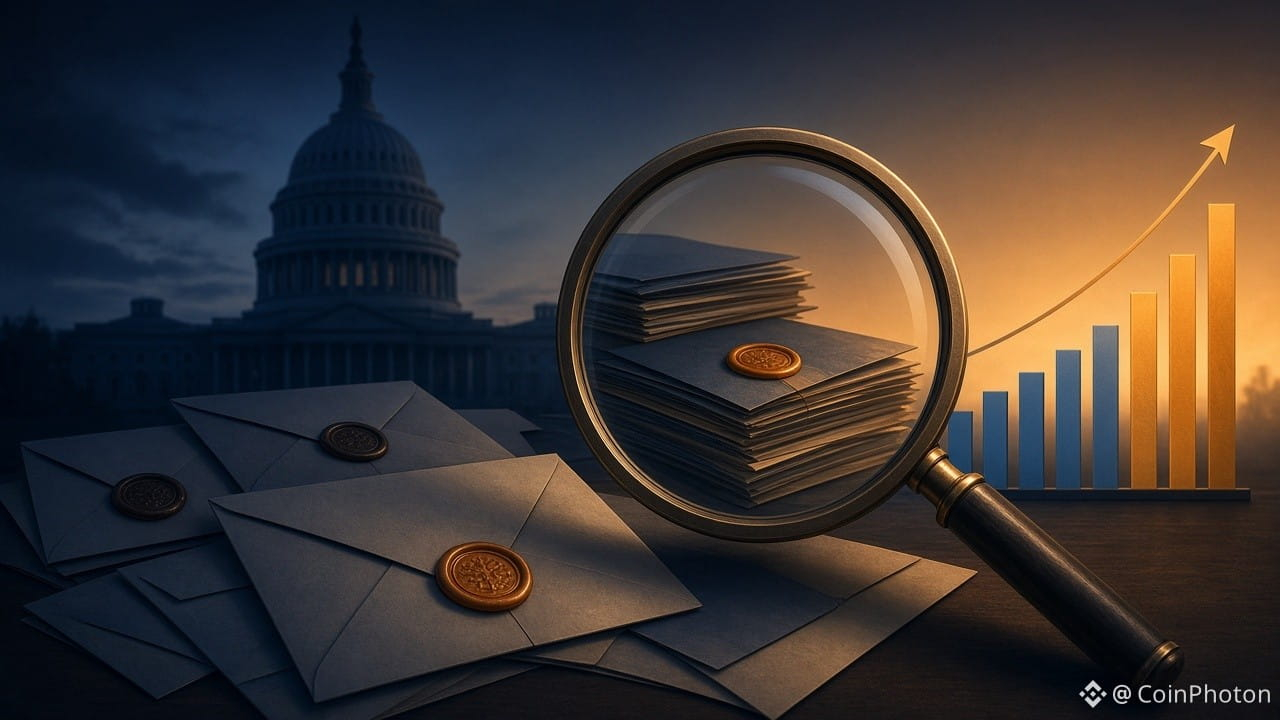
🔍 Rep. Raskin widens probe of Trump Jr.'s fund, targets Polymarket
Democratic Rep. Jamie Raskin on Monday sent letters to Polymarket, Juul Labs, Hadrian Automation and GrabAGun over their ties to 1789 Capital, Donald Trump Jr.'s venture firm.
He is asking whether the president's son and his partners influenced regulatory decisions or used inside knowledge to invest, citing what he called "suspiciously well-timed government favors." His Polymarket letter also points to the platform's earlier $1.4 million CFTC settlement.
Raskin is expected to chair the House Judiciary Committee next year after Democrats won both the House and Senate in the midterms.
⭐ With Democrats taking key committees, the Trump family's crypto ties and prediction markets could face tougher scrutiny, adding policy risk for the industry.
#Polymarket #PredictionMarkets #CryptoRegulation #CryptoNews
40
·
--
🧪 SEC staff clears Molecule's science research tokens
The SEC's Division of Corporation Finance says it will not recommend enforcement against decentralized science firm Molecule over project tokens used to back scientific research.
The no-action letter lets LabsCo offer and sell the tokens without registering them under the Securities Act. Molecule's "coin-to-company" model lets token holders later gain equity in the science projects they support, and its first project is set to use it in the coming weeks.
⭐ It adds to a growing list of SEC crypto no-action letters after DoubleZero, Fuse and Canton, signaling a friendlier stance toward utility-style token models.
#SEC #DeSci #CryptoRegulation

19
·
--
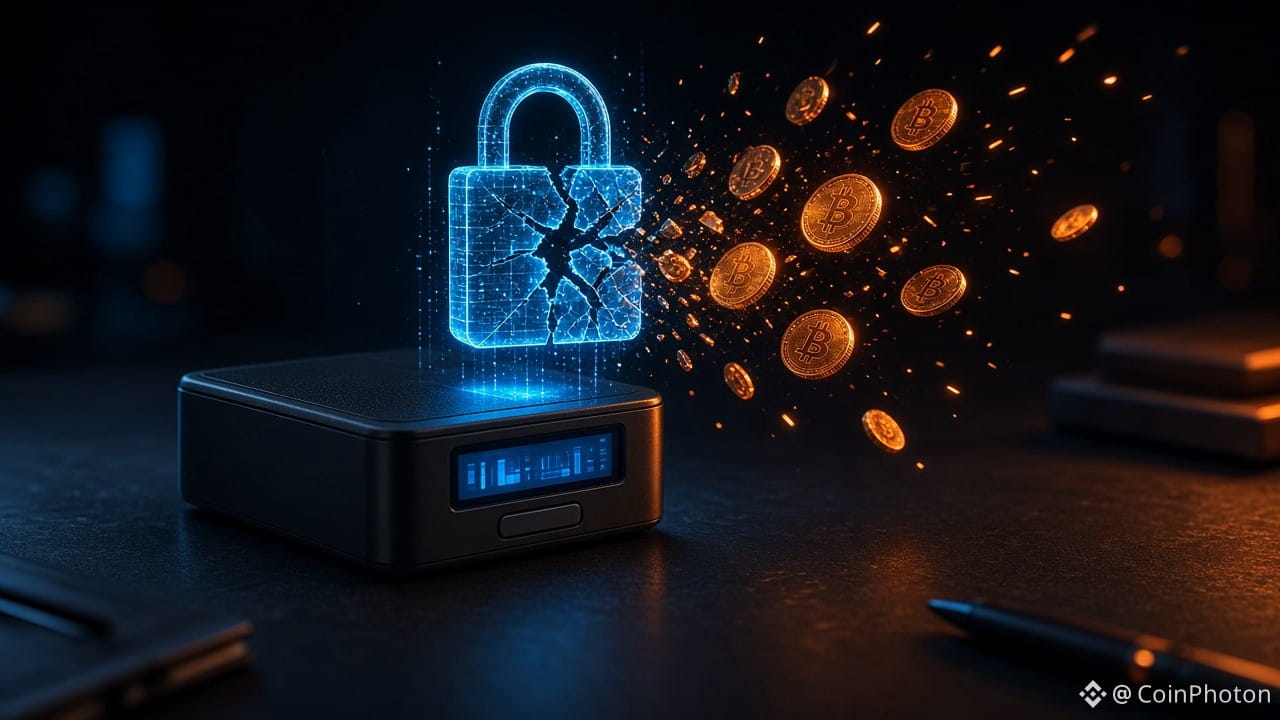
🔓 Coldcard explains how a Bitcoin wallet flaw went unnoticed for 5+ years
In a Nov. 23 postmortem, Coldcard maker Coinkite said its security checks confirmed the devices had a proper system for generating recovery phrases but never verified they were actually using it. A software bug made the wallets fall back to a weaker method, leaving seed phrases easier to guess.
At least 15 independent reviews missed the issue, and attackers drained at least 1,789 BTC, worth about $114.7 million at the time. As of Nov. 18, Coinkite had about 300 loss-related tickets tied to 242 accounts and has not yet decided on compensation.
⭐ Even hardware wallets can fail silently: affected users are urged to create new recovery phrases and move funds to new wallets.
#Bitcoin #Security #HardwareWallet #Coldcard
27
·
--
🇰🇷 South Korea moves to lift its ICO ban after nearly a decade
South Korea's Financial Services Commission has unveiled a draft digital asset bill that would let local projects sell tokens to the public again, reversing the ICO ban imposed in 2017.
Issuers would have to file a white paper with the FSC before any sale and could face civil, financial and criminal liability for false disclosures. The same bill limits won-backed stablecoins to bank-majority consortiums and caps a major shareholder's stake in an exchange at 20%. It still needs National Assembly approval.
⭐ One of the world's busiest retail crypto markets could bring token fundraising back onshore under IPO-style disclosure rules.
#SouthKorea #ICO #CryptoRegulation #Stablecoins

26
·
--
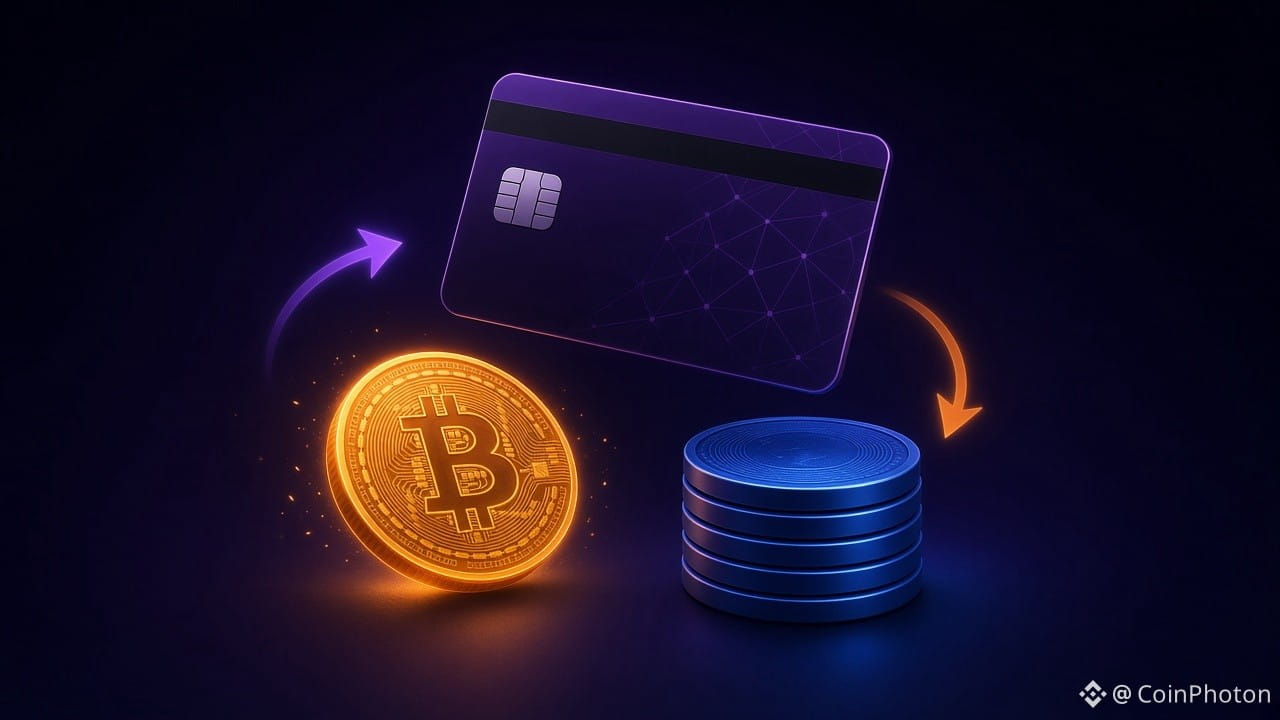
💳 Kraken's Krak readies US credit cards with bitcoin cashback
Krak, the money app of Kraken parent Payward, has opened a waitlist for two US Visa Signature credit cards expected to ship in early 2027. Both pay up to 4% cashback in dollars or bitcoin straight into Krak accounts instead of points.
The secured version lets users post $350 to $5,000 in USDC as collateral, aimed at people building or rebuilding credit. The company says its Krak debit cards have passed 200,000 holders worldwide.
⭐ Stablecoin-backed credit shows crypto exchanges pushing deeper into mainstream consumer banking.
#Bitcoin #USDC #CryptoCards
1
45
·
--
📋 CFTC finalizes new reporting rules for prediction markets
The US derivatives regulator approved permanent reporting rules for certain fully collateralized event contracts, ending years of reliance on temporary no-action relief. Chairman Michael Selig called the old letters "band-aids for unworkable regulations."
Exchanges will now have to collect more data on users, including names, addresses, occupations and employers, to help flag potential insiders. Exchanges certified about 1,600 event contracts in 2025, and the CFTC is reviewing at least 12 applications for new venues.
⭐ Clearer rules smooth the path for new US prediction markets, though the CFTC's turf war with state gambling regulators remains unresolved.
#CFTC #PredictionMarkets #CryptoRegulation
1
44
·
--
⚖️ Utah moves to drop criminal charges against Kalshi after it exits the state
Utah's attorney general has filed to withdraw 14 criminal complaints, including a felony count, against prediction market Kalshi and its executives, among them the CEO. The move follows Kalshi's withdrawal of its services from Utah.
Attorney General Derek Brown said the charges will come back if Kalshi returns, and six other prediction market firms have agreed not to operate in the state.
⭐ States are pushing prediction markets out one by one, and the state-vs-CFTC jurisdiction fight looks headed for the US Supreme Court.
#Kalshi #PredictionMarkets #CFTC #CryptoRegulation

62
·
--
🏦 Ledn brings its US business onshore with one account to hold, swap and borrow against bitcoin
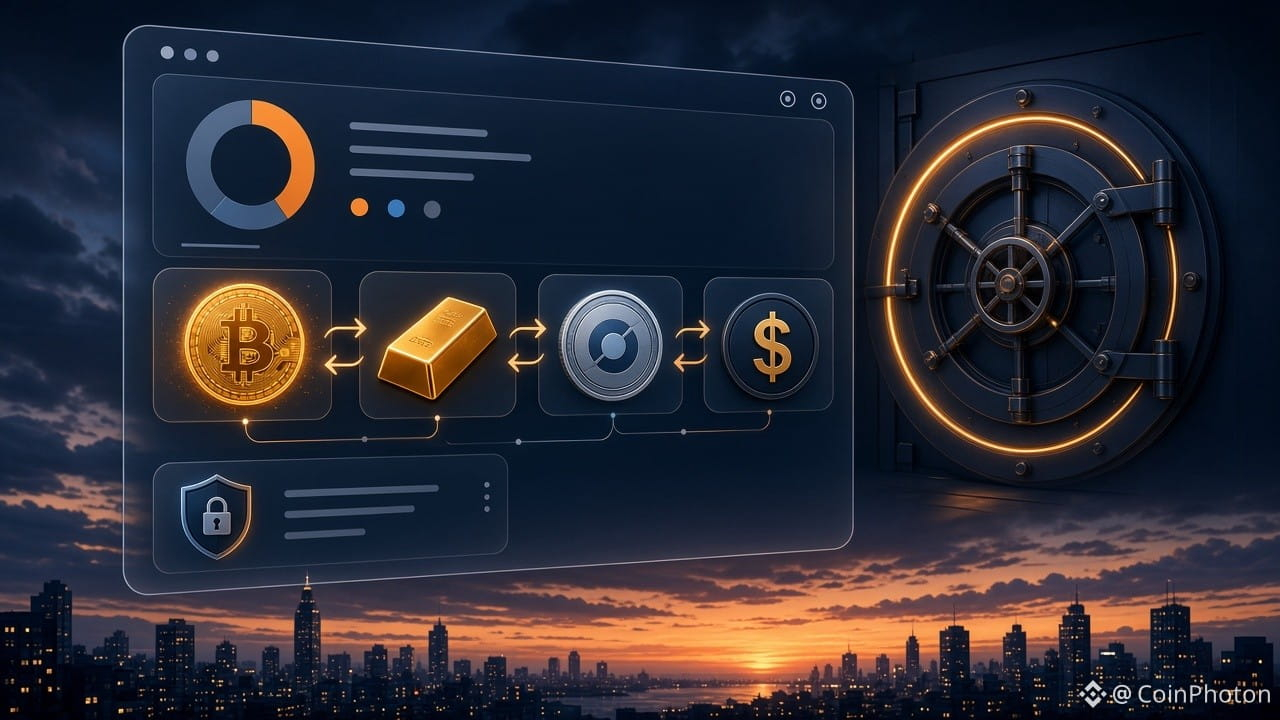
Crypto lender Ledn has launched a US-based custody account where eligible customers can hold bitcoin, gold, stablecoins and dollars, swap between them with no trading fees, and borrow against their BTC instead of selling it. The move brings Ledn's US business onshore and extends its lending to more states, covering markets with roughly 55 million people. Client assets sit with an independent qualified custodian, segregated from Ledn's own holdings. The firm has serviced more than $11 billion in loans since 2018.
⭐ Regulated, onshore BTC-backed lending gives holders a way to raise cash without selling, a trend that could ease sell pressure as the market looks for a floor.
#Bitcoin #BTC #Ledn #CryptoLending
35
·
--
🚔 Europol traces $28M in crypto behind Europe's illegal streaming services
Police from 11 countries, working with Binance, Coinbase and Chainalysis, tracked more than €26 million (about $28 million) in crypto payments tied to pirate IPTV services, Europol said. The five-day operation in Seville, Spain, held Nov. 16-20, disrupted 57 illegal streaming services and flagged 321 websites offering copyrighted content. Analysis of the transactions is still ongoing.
⭐ European law enforcement is increasingly following the crypto money trail, and exchange cooperation makes illicit on-chain funds harder to hide.
#Crypto #Europol #Compliance
35
·
--
🏛️ Anchorage Digital moves into asset management with a Bitcoin yield fund
Anchorage Digital, the first federally chartered crypto custody bank in the US, is launching a subsidiary called 61st Parallel Asset Management, expected to start operating in early December. Its flagship will be a bitcoin-denominated fund that lets Anchorage custody clients earn yield on the assets they already hold there. The firm has filed a Form ADV, the disclosure document used by investment advisers, and applied to the CFTC as a swap dealer just over a week ago.
⭐ A major regulated custodian adding yield products signals growing institutional demand to put idle bitcoin to work rather than simply store it.
#Bitcoin #BTC #Anchorage #Institutional
1
70
·
--
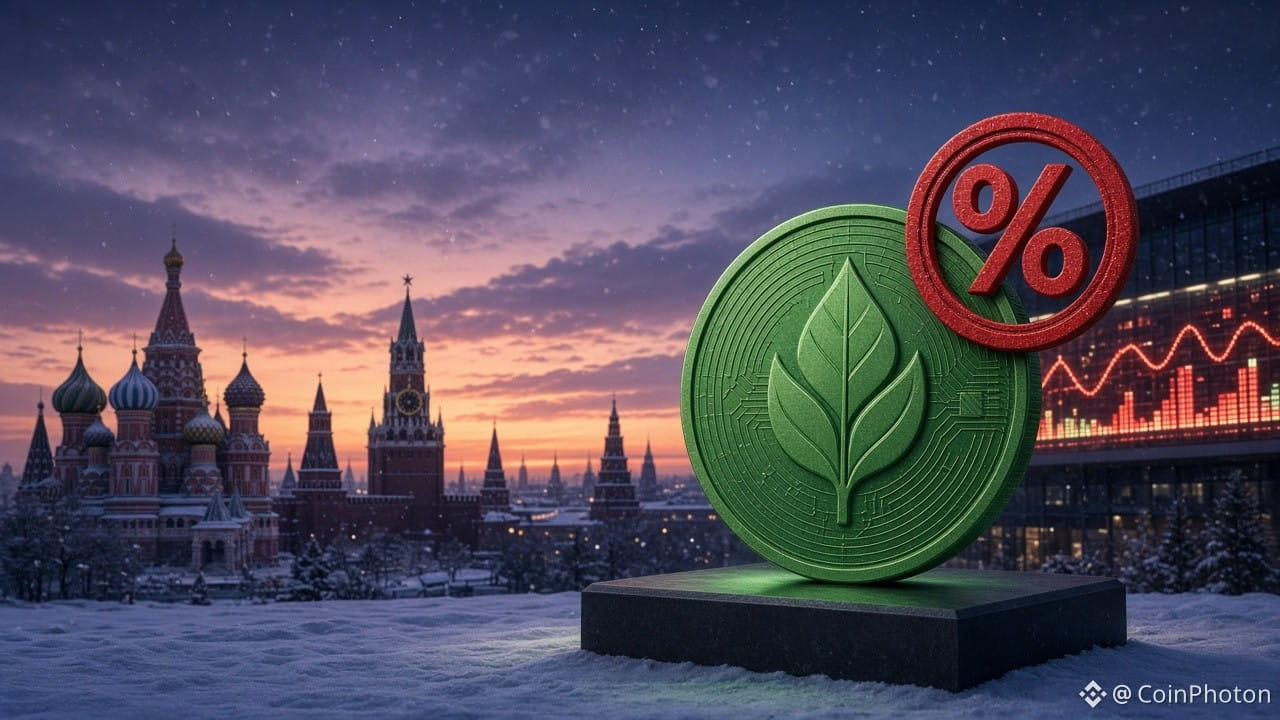
🇷🇺 USDT buyers on the Moscow Exchange face a 22% VAT
When the Moscow Exchange (MOEX) opens crypto trading on Dec. 1, buyers of Tether's USDT will pay a 22% value-added tax on top of the trade price, according to the exchange's clearinghouse, the National Clearing Centre. Russia treats USDT as a “foreign digital instrument,” which lacks the VAT exemption granted to Bitcoin and Ether as digital currencies. The NCC will apply the tax to USDT purchases, sales and swaps through Dec. 31 and has asked the Federal Tax Service and Finance Ministry for guidance.
⭐ A hefty tax bill could blunt USDT demand on Russia's newly legal trading venues right as the market launches.
#USDT #Russia #Stablecoins #CryptoRegulation
54
·
--
🏦 UniCredit rolls out a capital-protected Bitcoin certificate for Italian retail clients
UniCredit has started selling a euro-denominated, capital-protected certificate tied to BlackRock's iShares Bitcoin ETP to retail customers in Italy. The six-year product, listed in Munich, lets holders capture Bitcoin's upside up to a maximum 65% return at maturity, while returning 100% of the original capital if Bitcoin ends lower. The minimum ticket is €1,000, it is available only through the bank's advisory service, and the offer runs from Nov. 24 to Dec. 18, 2026.
⭐ A major European bank packaging Bitcoin for retail savers shows demand for crypto exposure through traditional channels keeps growing, even in a weak market.
#Bitcoin #BTC #UniCredit #BlackRock
BTC-2.25%
BLKUS-0.13%
56
·
--
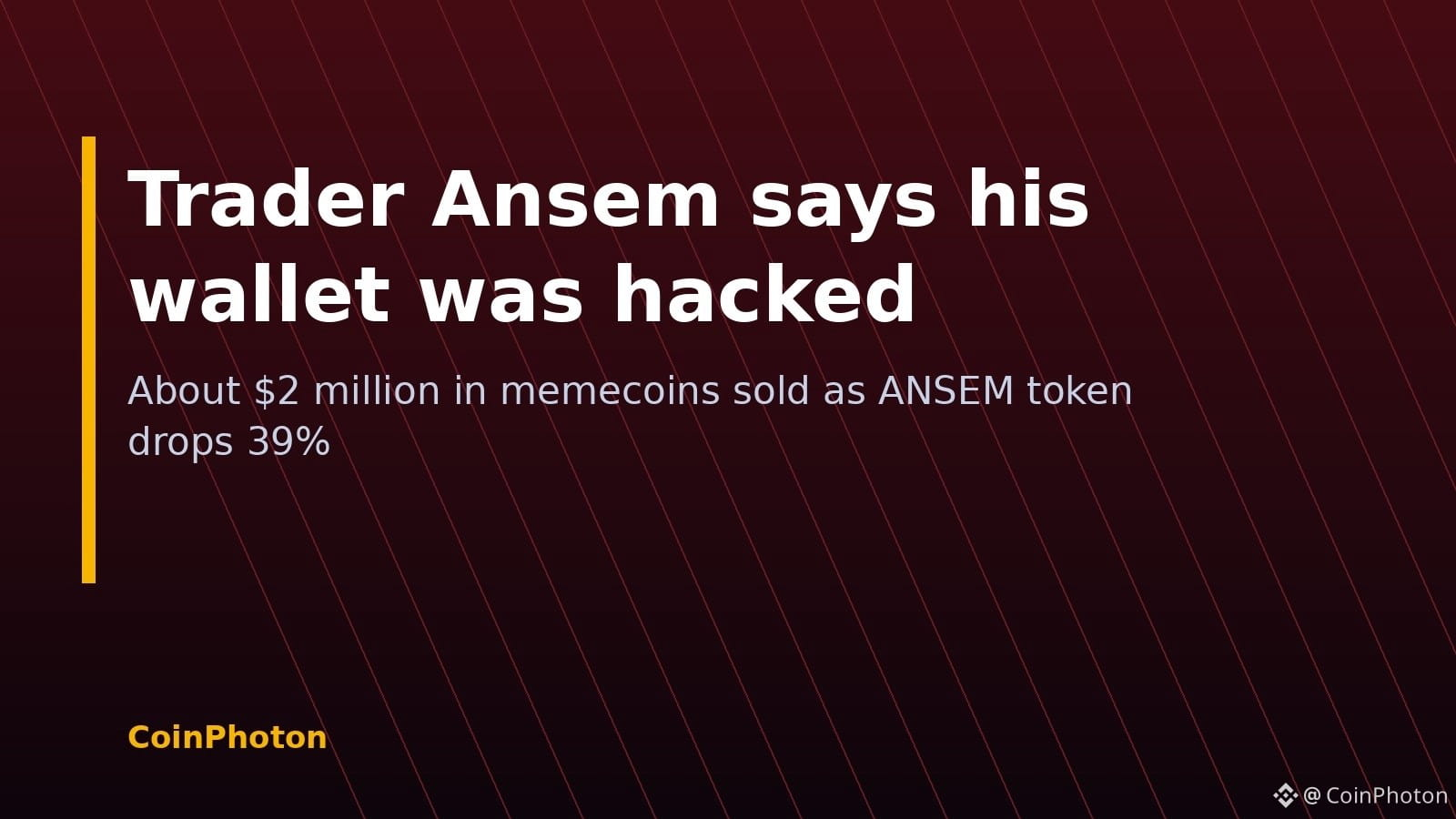
🚨 Crypto trader Ansem says his wallet was hacked as $2M in memecoins were dumped
Well-known trader Ansem says his Pump wallet was hacked and suspects unauthorized access to his profile on Bullpen, the trading terminal he co-founded, where he had imported the wallet's private key. A Solana wallet Arkham labels as his made 877 sales across 124 tokens worth about $2 million, including roughly $1.5 million of ANSEM. About $1.39 million in USDC was bridged to an Arbitrum address, while ANSEM fell about 39% in 24 hours to 2.4 cents.
⭐ A sharp reminder that importing private keys into third-party trading tools can become a single point of failure, even for seasoned traders.
#CryptoSecurity #Hack #Solana #Memecoins
267
·
--
📊 XRP Ledger DEX volume jumps 26% in Q3 as big traders take over
Order-book volume on the XRP Ledger's decentralized exchange averaged 4.51 million XRP a day in Q3 2026, up 26% from Q2 and 2.8 times a year earlier, according to an Evernorth report. Activity grew more concentrated, with the 10 largest accounts making up 65% of order-book volume. Tokenized assets on XRPL excluding stablecoins averaged about $5 billion, up 34%, RLUSD on the ledger rose 74% to $937 million, and US spot XRP ETFs drew $308 million in net inflows for the quarter.
⭐ Growing professional flow and tokenized assets suggest XRPL is increasingly used as real financial infrastructure, not just a speculative play.
#XRP #XRPL #Tokenization #RLUSD
128
·
--
🏦 Neuberger Berman's tokenized high-yield fund goes live as collateral on Aave Horizon
The tokenized High Income Fund (HINC) from Neuberger Berman, a $230 billion asset manager, has launched on Aave Horizon. Eligible investors can now post their fund shares as collateral to borrow USDC, GHO and RLUSD. HINC invests mainly in high-yield corporate bonds and CLO tranches, a new kind of credit for a platform whose collateral has centered on tokenized Treasuries. Aave's institutional lending venue has topped $500 million in deposits.
⭐ High-yield credit entering DeFi lending shows real-world asset tokenization pushing beyond Treasuries into riskier asset classes.
#Tokenization #RWA #Aave #DeFi
2
1
137
·
--
🔓 $14.7B in "lost" Bitcoin has moved since 2018
In 2018, pseudonymous developer Quickben22 compiled a list of 92,076 Bitcoin wallets that had been inactive for over six years, assuming their keys were lost.
Revisiting it eight years later, he found 9,990 of those wallets have since moved roughly 245,000 BTC, worth just over $14.7 billion at current prices.
The findings land as a New York lawsuit seeks to have 39,069 dormant addresses, including Satoshi-linked wallets, declared abandoned property.
⭐ Dormant isn't the same as lost: supply assumed gone for good can still return to the market, and the data undercuts the abandoned-property case.
#Bitcoin #BTC #Satoshi
59
·
--
🔴 Record 11.6M BTC slips underwater after Bitcoin's drop to $55K
Bitcoin's slide to around $55,000 last weekend left more than 11.6 million BTC sitting at an unrealized loss, the highest on record, according to Glassnode data.
Coins in profit fell to 8.5 million BTC, below the 8.6 million seen during the 2022 FTX collapse – the first time a drawdown has pushed this metric under the previous cycle's low.
Over the past 15 days, only wallets holding 100–10,000 BTC kept accumulating, while smaller holders have been selling since September.
⭐ Most holders are now underwater at record levels while whales keep buying – a mix the market watches closely around major cycle lows.
#Bitcoin #BTC #OnChain
205
·
--
🥇 JPMorgan, HSBC and StoneX complete the first live digital gold trades in London
The World Gold Council said HSBC, J.P. Morgan and StoneX have traded, settled and used Pooled Gold Interests (PGI) as collateral in live, legally binding wholesale transactions for the first time. PGIs give institutions fractional, electronically transferable ownership of pooled 400-ounce London Good Delivery gold bars. ICE Benchmark Administration ran the pilot with Baton Systems as tech provider, as the UK FCA weighs tokenised gold in wholesale markets.
⭐ Gold is one of the world's oldest forms of collateral, and big banks digitizing it marks a meaningful step for real-world asset tokenization.
#Gold #Tokenization #RWA #JPMorgan
176
Log in to explore more content
Join global crypto users on Binance Square
⚡️ Get latest and useful information about crypto.
💬 Trusted by the world’s largest crypto exchange.
👍 Discover real insights from verified creators.
Email / Phone number
Trending Topics
AnthropicBreaksBelowIPOPriceAmidAISlump
62,231 views
638 Discussing
TradFi News | Micron, Nvidia Lead AI Stock Slide as VIX Jumps Above 32 and Anthropic Falls Below IPO Price
Binance News
·19 Likes
·14.7k views
Bitcoin'sReboundFadesBelow$60K
113,505 views
392 Discussing
WillMarketsStageAThanksgivingReliefRally?
602,839 views
3,540 Discussing