

#xmucanx
xmucanx
228,951 views
213 Discussing
Hot
Latest




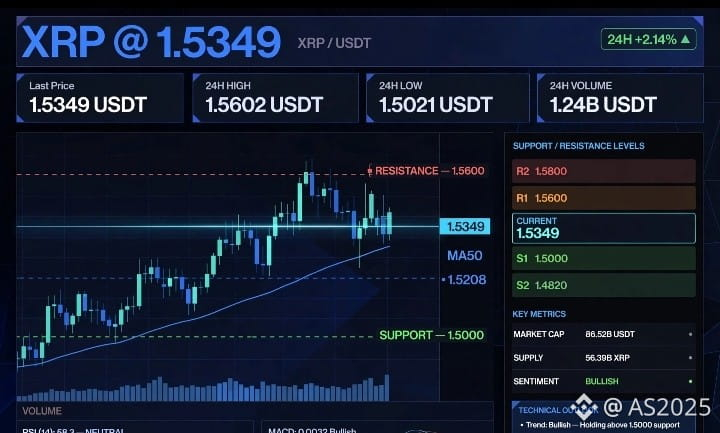
$XRP 1.5349$ above MA50 1.5208$ and RSI 58.3 and Volume 1.24B$.. If it breaks 1.5600$, does it open the way to 1.5800$? 🚀"*
📈 Analysis
1. *RESISTANCE 1.5600$:* The chart shows the price failed to break it — dotted red high
2. *SUPPORT 1.5000$:* Strong green line — XRP is holding above it steadily
3. *MA50 1.5208$:* Price is above it — Trend: Bullish — holding above 1.5000 support
4. *Volume:* The latest volume candle is the highest = buying accumulation at 1.5349$
🎯 LONG Trading Plan 🟢$XRP
{future}(XRPUSDT)
- *Entry:* Current 1.5349$ — a safe zone above MA50
- *Stop Loss:*
- SL1: 1.5208$ below MA50
- SL2: 1.5000$ main support
- SL3: 1.4820$ second support
- *Targets:*
- *TP1:* 1.5600$ R1 resistance
- *TP2:* 1.5602$ today’s high
- *TP3:* 1.5800$ R2 target after a break of 1.56
- *TP4:* 1.6000$ psychological level
- *TP5:* 1.6500$ extended target if it explodes above 1.58
#Xrp🔥🔥 #BinanceWillListHyperliquid(HYPE) #xmucanX #Write2Earn! #Binance
$XRP 1.5349$ above MA50 1.5208$ and RSI 58.3 and Volume 1.24B$.. If it breaks 1.5600$, does it open the way to 1.5800$? 🚀"*
📈 Analysis
1. *RESISTANCE 1.5600$:* The chart shows the price failed to break it — dotted red high
2. *SUPPORT 1.5000$:* Strong green line — XRP is holding above it steadily
3. *MA50 1.5208$:* Price is above it — Trend: Bullish — holding above 1.5000 support
4. *Volume:* The latest volume candle is the highest = buying accumulation at 1.5349$
🎯 LONG Trading Plan 🟢$XRP
- *Entry:* Current 1.5349$ — a safe zone above MA50
- *Stop Loss:*
- SL1: 1.5208$ below MA50
- SL2: 1.5000$ main support
- SL3: 1.4820$ second support
- *Targets:*
- *TP1:* 1.5600$ R1 resistance
- *TP2:* 1.5602$ today’s high
- *TP3:* 1.5800$ R2 target after a break of 1.56
- *TP4:* 1.6000$ psychological level
- *TP5:* 1.6500$ extended target if it explodes above 1.58
#Xrp🔥🔥 #BinanceWillListHyperliquid(HYPE) #xmucanX #Write2Earn! #Binance
📈 Analysis
1. *RESISTANCE 1.5600$:* The chart shows the price failed to break it — dotted red high
2. *SUPPORT 1.5000$:* Strong green line — XRP is holding above it steadily
3. *MA50 1.5208$:* Price is above it — Trend: Bullish — holding above 1.5000 support
4. *Volume:* The latest volume candle is the highest = buying accumulation at 1.5349$
🎯 LONG Trading Plan 🟢$XRP
- *Entry:* Current 1.5349$ — a safe zone above MA50
- *Stop Loss:*
- SL1: 1.5208$ below MA50
- SL2: 1.5000$ main support
- SL3: 1.4820$ second support
- *Targets:*
- *TP1:* 1.5600$ R1 resistance
- *TP2:* 1.5602$ today’s high
- *TP3:* 1.5800$ R2 target after a break of 1.56
- *TP4:* 1.6000$ psychological level
- *TP5:* 1.6500$ extended target if it explodes above 1.58
#Xrp🔥🔥 #BinanceWillListHyperliquid(HYPE) #xmucanX #Write2Earn! #Binance
1
57

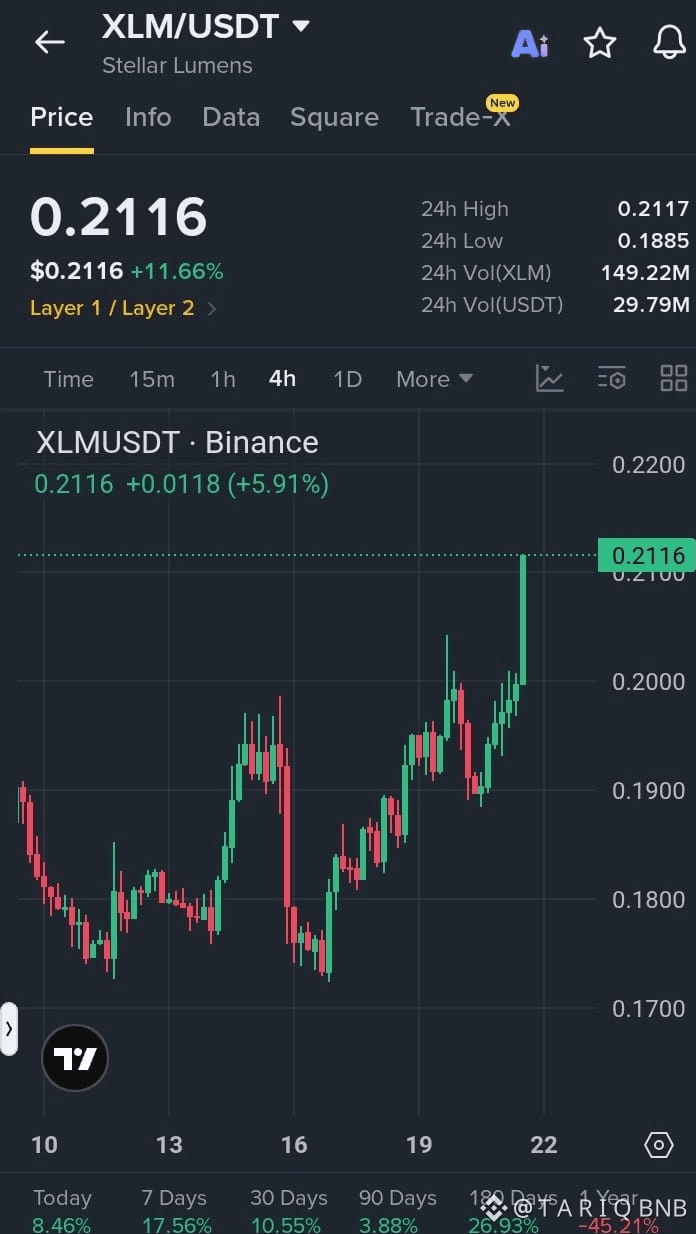
🔥 Stellar ($XLM ) Technical Update Price action on the 4H timeframe confirms a clean breakout above the key $0.2000 level. Strong green momentum maintains structure control on the buyer side.
🎯 Trade Execution Plan:
Buy Range: $0.2070 – $0.2120
Target 1: $0.2165
Target 2: $0.2220
Target 3: $0.2280
Invalidation (SL): $0.2010
$ZETA
{future}(ZETAUSDT)
$ZEC
{future}(ZECUSDT)
{future}(XLMUSDT)
#Write2Earn! #xmucanX #cryptouniverseofficial
🔥 Stellar ($XLM ) Technical Update Price action on the 4H timeframe confirms a clean breakout above the key $0.2000 level. Strong green momentum maintains structure control on the buyer side.
🎯 Trade Execution Plan:
Buy Range: $0.2070 – $0.2120
Target 1: $0.2165
Target 2: $0.2220
Target 3: $0.2280
Invalidation (SL): $0.2010
$ZETA
$ZEC
#Write2Earn! #xmucanX #cryptouniverseofficial
🎯 Trade Execution Plan:
Buy Range: $0.2070 – $0.2120
Target 1: $0.2165
Target 2: $0.2220
Target 3: $0.2280
Invalidation (SL): $0.2010
$ZETA
$ZEC
#Write2Earn! #xmucanX #cryptouniverseofficial
1
297


·
--
Bearish
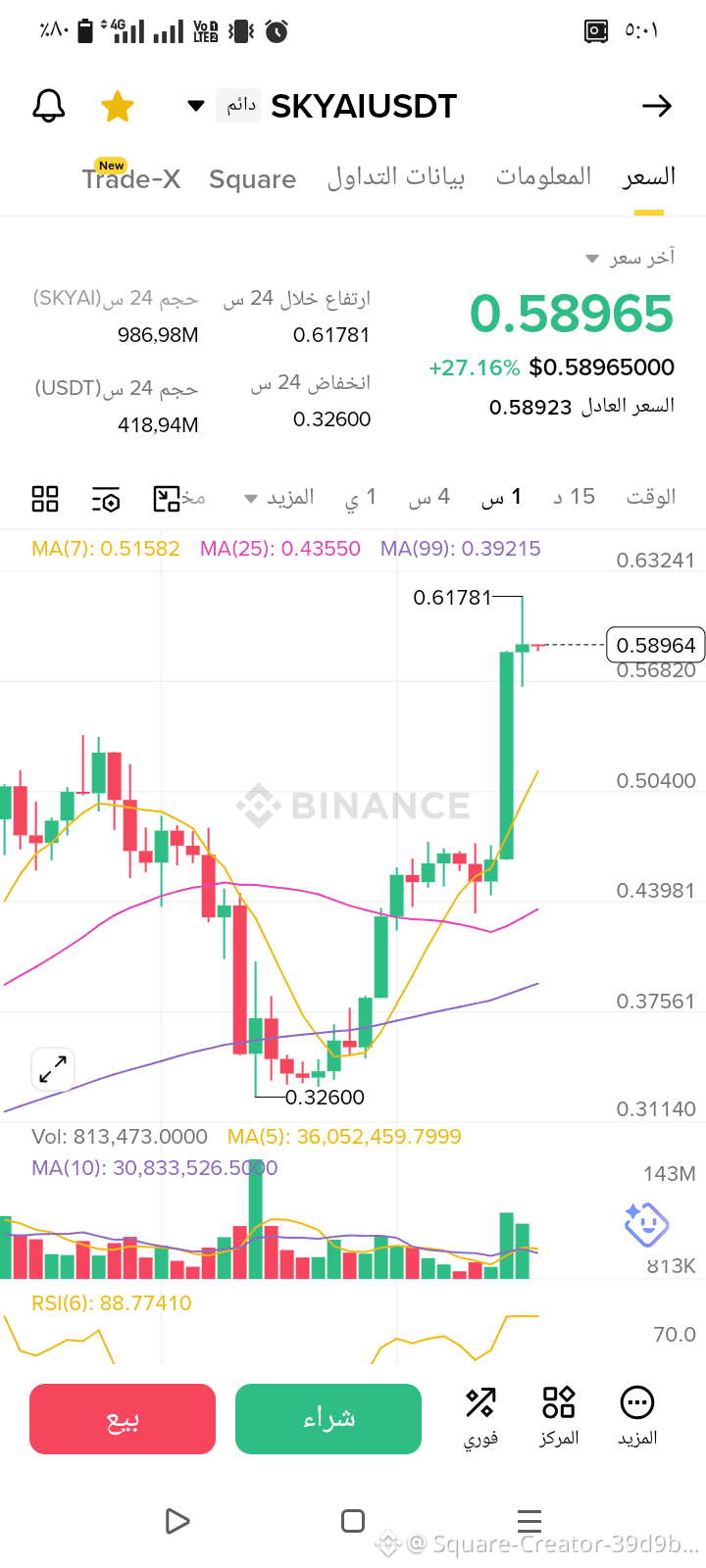
Increase your position in $SKYAI
Market makers (whales) are artificially pushing the price up just to distribute,
Anyone chasing the pump will get trapped (lose),
Any bearish (red) candle will likely be followed by a sharp drop,
Enter a short (sell) position quickly!
Enter now from here 👇
$SKYAI
{future}(SKYAIUSDT)
#Geopolitics #GameStop带动Meme板块 #xmucanX #ZE_TRAD🐂
Increase your position in $SKYAI
Market makers (whales) are artificially pushing the price up just to distribute,
Anyone chasing the pump will get trapped (lose),
Any bearish (red) candle will likely be followed by a sharp drop,
Enter a short (sell) position quickly!
Enter now from here 👇
$SKYAI
#Geopolitics #GameStop带动Meme板块 #xmucanX #ZE_TRAD🐂
Market makers (whales) are artificially pushing the price up just to distribute,
Anyone chasing the pump will get trapped (lose),
Any bearish (red) candle will likely be followed by a sharp drop,
Enter a short (sell) position quickly!
Enter now from here 👇
$SKYAI
#Geopolitics #GameStop带动Meme板块 #xmucanX #ZE_TRAD🐂
88
Robert Kiyosaki Says Buy Bitcoin as Yen Carry Trade Forces Bubble PanicRobert Kiyosaki, author of the best-selling book Rich Dad Poor Dad, has once again reiterated his warnings about mounting global financial risks. His book has remained a perennial best seller for more than two decades, translated into dozens of languages and selling millions of copies worldwide, establishing him as one of the most influential voices in personal finance.
Kiyosaki shared on the social media platform X on Nov. 28: “Japan ‘Carry Trade’ ended. Watch out below. Bubble Markets about to deflate.” Reinforcing his long-held investment stance, he stressed:
He concluded with one of his strongest assertions: “Yes, you can get richer while the world gets poorer.”
The renowned author’s warning arrives as analysts report that Japan’s massive yen carry trade—estimated at roughly $20 trillion—is beginning to unwind. For decades, global investors borrowed cheaply in yen to chase higher-yielding assets, inflating valuations across equities, tech stocks, and emerging markets. But with the yen strengthening and Japanese bond yields rising sharply in November 2025, the forced unwinding of these positions has begun. This raises the risk of a global liquidity crunch as investors rush to repay yen-denominated debt, a dynamic that has historically intensified market selloffs, including during the 2008 financial crisis.
The famous author’s recommendation to buy gold, silver, bitcoin, and ethereum reflects his view that traditional markets are entering a dangerous phase. He has consistently promoted these assets as hedges against what he calls the “biggest crash in history.” He describes gold and silver as enduring forms of real money and sees bitcoin and ethereum as scarce, decentralized assets that can preserve wealth as the U.S. dollar and other fiat currencies weaken. He often characterizes major downturns as wealth-transfer events in which holders of hard or digital sound money can fare better, reinforcing his long-term support for both cryptocurrencies.
Still, the famous author remains unwavering. His long-held view of bitcoin as “the people’s money,” his repeated warnings about fiat debasement, and his belief that the U.S. economy is on a deteriorating trajectory all support his latest message: prepare for turmoil and position yourself in the assets he believes will endure the collapse he continues to predict.
#Launchpool
#MegadropLista
#NOTCOİN
#xmucanX
#JohnCarl
Robert Kiyosaki Says Buy Bitcoin as Yen Carry Trade Forces Bubble Panic
Robert Kiyosaki, author of the best-selling book Rich Dad Poor Dad, has once again reiterated his warnings about mounting global financial risks. His book has remained a perennial best seller for more than two decades, translated into dozens of languages and selling millions of copies worldwide, establishing him as one of the most influential voices in personal finance.
Kiyosaki shared on the social media platform X on Nov. 28: “Japan ‘Carry Trade’ ended. Watch out below. Bubble Markets about to deflate.” Reinforcing his long-held investment stance, he stressed:
He concluded with one of his strongest assertions: “Yes, you can get richer while the world gets poorer.”
The renowned author’s warning arrives as analysts report that Japan’s massive yen carry trade—estimated at roughly $20 trillion—is beginning to unwind. For decades, global investors borrowed cheaply in yen to chase higher-yielding assets, inflating valuations across equities, tech stocks, and emerging markets. But with the yen strengthening and Japanese bond yields rising sharply in November 2025, the forced unwinding of these positions has begun. This raises the risk of a global liquidity crunch as investors rush to repay yen-denominated debt, a dynamic that has historically intensified market selloffs, including during the 2008 financial crisis.
The famous author’s recommendation to buy gold, silver, bitcoin, and ethereum reflects his view that traditional markets are entering a dangerous phase. He has consistently promoted these assets as hedges against what he calls the “biggest crash in history.” He describes gold and silver as enduring forms of real money and sees bitcoin and ethereum as scarce, decentralized assets that can preserve wealth as the U.S. dollar and other fiat currencies weaken. He often characterizes major downturns as wealth-transfer events in which holders of hard or digital sound money can fare better, reinforcing his long-term support for both cryptocurrencies.
Still, the famous author remains unwavering. His long-held view of bitcoin as “the people’s money,” his repeated warnings about fiat debasement, and his belief that the U.S. economy is on a deteriorating trajectory all support his latest message: prepare for turmoil and position yourself in the assets he believes will endure the collapse he continues to predict.
#Launchpool
#MegadropLista
#NOTCOİN
#xmucanX
#JohnCarl
Kiyosaki shared on the social media platform X on Nov. 28: “Japan ‘Carry Trade’ ended. Watch out below. Bubble Markets about to deflate.” Reinforcing his long-held investment stance, he stressed:
He concluded with one of his strongest assertions: “Yes, you can get richer while the world gets poorer.”
The renowned author’s warning arrives as analysts report that Japan’s massive yen carry trade—estimated at roughly $20 trillion—is beginning to unwind. For decades, global investors borrowed cheaply in yen to chase higher-yielding assets, inflating valuations across equities, tech stocks, and emerging markets. But with the yen strengthening and Japanese bond yields rising sharply in November 2025, the forced unwinding of these positions has begun. This raises the risk of a global liquidity crunch as investors rush to repay yen-denominated debt, a dynamic that has historically intensified market selloffs, including during the 2008 financial crisis.
The famous author’s recommendation to buy gold, silver, bitcoin, and ethereum reflects his view that traditional markets are entering a dangerous phase. He has consistently promoted these assets as hedges against what he calls the “biggest crash in history.” He describes gold and silver as enduring forms of real money and sees bitcoin and ethereum as scarce, decentralized assets that can preserve wealth as the U.S. dollar and other fiat currencies weaken. He often characterizes major downturns as wealth-transfer events in which holders of hard or digital sound money can fare better, reinforcing his long-term support for both cryptocurrencies.
Still, the famous author remains unwavering. His long-held view of bitcoin as “the people’s money,” his repeated warnings about fiat debasement, and his belief that the U.S. economy is on a deteriorating trajectory all support his latest message: prepare for turmoil and position yourself in the assets he believes will endure the collapse he continues to predict.
#Launchpool
#MegadropLista
#NOTCOİN
#xmucanX
#JohnCarl
48
Article
What Happens When You Combine Crypto, NFTs, and a Love for iGamingEvery few years the crypto industry collides with another sector and completely reshapes it. First it was finance. Then gaming economies. Now it is happening with online entertainment and gambling. When blockchain ownership, instant transactions, community-driven rewards, and creative game design come together, the result is not just another betting website. It becomes an interactive crypto experience built for people who already live inside Web3.
That is exactly the philosophy behind CryptoCasino.Vegas. Instead of copying traditional casino models and adding crypto payments as an afterthought, the entire platform was engineered around blockchain culture, digital rewards, transparency, and fast gameplay. It is less about spinning generic casino slots and more about building something that feels native to the crypto world.
Most crypto platforms still speak to users like they are new to the space. Endless explanations about wallets, confirmations, and basic concepts that anyone following crypto news already understands. CryptoCasino.Vegas skips all of that. It assumes you already know how crypto works and focuses instead on creating engaging experiences that actually use blockchain advantages properly.
Instant transactions, provably fair mechanics, transparent systems, and community rewards are not marketing slogans here. They are core infrastructure choices. The platform treats crypto not as a payment method, but as the foundation of how the entire ecosystem operates. For experienced crypto users, that difference is immediately noticeable.
The online casino industry has barely changed in two decades. Most sites still rely on the same slot designs, the same betting logic, and the same user flows. The only thing that usually changes is the logo. CryptoCasino.Vegas takes a completely different approach by designing original games that feel closer to interactive entertainment than traditional gambling. Anime-inspired visuals, fast-paced mechanics, action-based gameplay, and custom-built systems create an experience that feels modern rather than recycled. It is built to keep players engaged not because of flashing jackpots, but because the games themselves are actually fun to play.
For years the crypto industry focused on infrastructure, protocols, and financial tools. Now the real growth is happening in experiences. People adopt technology faster when it is wrapped in entertainment, rewards, and social interaction. Gaming has always been one of the strongest drivers of new user adoption, and crypto-powered entertainment is proving to be no different.
By blending engaging gameplay with real digital rewards, platforms like CryptoCasino.Vegas turn complex blockchain concepts into something intuitive and enjoyable. Users do not feel like they are learning crypto. They simply use it naturally while playing.
The old casino model is slowly losing relevance in a world where users expect transparency, instant settlement, ownership, and community participation. Crypto-native platforms are filling that gap by building systems that align with how digital economies already function.
CryptoCasino.Vegas represents this shift clearly. It is not just another gambling website that accepts crypto. It is a Web3 entertainment ecosystem that uses blockchain as a core feature, not a cosmetic upgrade. For anyone already immersed in crypto culture, it feels like a natural evolution of online gaming.
#QueencryptoNews
#ETHETFsApproved
#Fatihcoşar
#xmucanX
#Kriptocutrader
What Happens When You Combine Crypto, NFTs, and a Love for iGaming
Every few years the crypto industry collides with another sector and completely reshapes it. First it was finance. Then gaming economies. Now it is happening with online entertainment and gambling. When blockchain ownership, instant transactions, community-driven rewards, and creative game design come together, the result is not just another betting website. It becomes an interactive crypto experience built for people who already live inside Web3.
That is exactly the philosophy behind CryptoCasino.Vegas. Instead of copying traditional casino models and adding crypto payments as an afterthought, the entire platform was engineered around blockchain culture, digital rewards, transparency, and fast gameplay. It is less about spinning generic casino slots and more about building something that feels native to the crypto world.
Most crypto platforms still speak to users like they are new to the space. Endless explanations about wallets, confirmations, and basic concepts that anyone following crypto news already understands. CryptoCasino.Vegas skips all of that. It assumes you already know how crypto works and focuses instead on creating engaging experiences that actually use blockchain advantages properly.
Instant transactions, provably fair mechanics, transparent systems, and community rewards are not marketing slogans here. They are core infrastructure choices. The platform treats crypto not as a payment method, but as the foundation of how the entire ecosystem operates. For experienced crypto users, that difference is immediately noticeable.
The online casino industry has barely changed in two decades. Most sites still rely on the same slot designs, the same betting logic, and the same user flows. The only thing that usually changes is the logo. CryptoCasino.Vegas takes a completely different approach by designing original games that feel closer to interactive entertainment than traditional gambling. Anime-inspired visuals, fast-paced mechanics, action-based gameplay, and custom-built systems create an experience that feels modern rather than recycled. It is built to keep players engaged not because of flashing jackpots, but because the games themselves are actually fun to play.
For years the crypto industry focused on infrastructure, protocols, and financial tools. Now the real growth is happening in experiences. People adopt technology faster when it is wrapped in entertainment, rewards, and social interaction. Gaming has always been one of the strongest drivers of new user adoption, and crypto-powered entertainment is proving to be no different.
By blending engaging gameplay with real digital rewards, platforms like CryptoCasino.Vegas turn complex blockchain concepts into something intuitive and enjoyable. Users do not feel like they are learning crypto. They simply use it naturally while playing.
The old casino model is slowly losing relevance in a world where users expect transparency, instant settlement, ownership, and community participation. Crypto-native platforms are filling that gap by building systems that align with how digital economies already function.
CryptoCasino.Vegas represents this shift clearly. It is not just another gambling website that accepts crypto. It is a Web3 entertainment ecosystem that uses blockchain as a core feature, not a cosmetic upgrade. For anyone already immersed in crypto culture, it feels like a natural evolution of online gaming.
#QueencryptoNews
#ETHETFsApproved
#Fatihcoşar
#xmucanX
#Kriptocutrader
That is exactly the philosophy behind CryptoCasino.Vegas. Instead of copying traditional casino models and adding crypto payments as an afterthought, the entire platform was engineered around blockchain culture, digital rewards, transparency, and fast gameplay. It is less about spinning generic casino slots and more about building something that feels native to the crypto world.
Most crypto platforms still speak to users like they are new to the space. Endless explanations about wallets, confirmations, and basic concepts that anyone following crypto news already understands. CryptoCasino.Vegas skips all of that. It assumes you already know how crypto works and focuses instead on creating engaging experiences that actually use blockchain advantages properly.
Instant transactions, provably fair mechanics, transparent systems, and community rewards are not marketing slogans here. They are core infrastructure choices. The platform treats crypto not as a payment method, but as the foundation of how the entire ecosystem operates. For experienced crypto users, that difference is immediately noticeable.
The online casino industry has barely changed in two decades. Most sites still rely on the same slot designs, the same betting logic, and the same user flows. The only thing that usually changes is the logo. CryptoCasino.Vegas takes a completely different approach by designing original games that feel closer to interactive entertainment than traditional gambling. Anime-inspired visuals, fast-paced mechanics, action-based gameplay, and custom-built systems create an experience that feels modern rather than recycled. It is built to keep players engaged not because of flashing jackpots, but because the games themselves are actually fun to play.
For years the crypto industry focused on infrastructure, protocols, and financial tools. Now the real growth is happening in experiences. People adopt technology faster when it is wrapped in entertainment, rewards, and social interaction. Gaming has always been one of the strongest drivers of new user adoption, and crypto-powered entertainment is proving to be no different.
By blending engaging gameplay with real digital rewards, platforms like CryptoCasino.Vegas turn complex blockchain concepts into something intuitive and enjoyable. Users do not feel like they are learning crypto. They simply use it naturally while playing.
The old casino model is slowly losing relevance in a world where users expect transparency, instant settlement, ownership, and community participation. Crypto-native platforms are filling that gap by building systems that align with how digital economies already function.
CryptoCasino.Vegas represents this shift clearly. It is not just another gambling website that accepts crypto. It is a Web3 entertainment ecosystem that uses blockchain as a core feature, not a cosmetic upgrade. For anyone already immersed in crypto culture, it feels like a natural evolution of online gaming.
#QueencryptoNews
#ETHETFsApproved
#Fatihcoşar
#xmucanX
#Kriptocutrader
67

Article
Pepeto’s Growth Story Mirrors Shiba Inu – Should You InvestShiba Inu’s phenomenal rise turned everyday investors into millionaires, proving just how powerful meme coins can be. Once regarded as one of the best presale investments, Shiba soared from near nothing to a staggering $9.3 billion market cap. During its peak, it delivered over 1000x returns, securing its place in crypto history. A well-known early investor, “Shibtoshi,” famously turned a $95,000 investment into $37 million, demonstrating the extraordinary profit potential of early meme coin investments. Other meme coins like Pepe, Dogecoin, Floki, dogwifhat, and Trump tokens have also enjoyed similar success. Now, investors are actively searching for the next meme coin with the potential for huge returns.
However, with Shiba’s price at $0.00001578 and a massive circulating supply of 589.25 trillion SHIB, it’s unlikely the coin will see another explosive surge. Even though it’s listed on major exchanges like Binance, Shiba’s large market cap makes another 1000x return unlikely. As a result, investors are now shifting their attention to new projects that still have room for rapid growth.
One new project generating buzz is Pepeto, often compared to PEPE—the dominant meme coin of the last bull run. Currently priced at just $0.000000112 during its presale, Pepeto is still in its early stages, making it a prime investment opportunity for those seeking significant returns. What makes Pepeto stand out is its unique approach, positioning itself as the true Pepe, correcting past mistakes, and continuing the legacy of meme coins. Rumors suggest that a former PEPE co-founder may be involved with the project, which has further increased excitement, and the growing community is fueling the hype on social media
The PepetoSwap platform introduces zero-fee trading, offering an alternative to the high fees commonly found on traditional exchanges. Additionally, Pepeto is working on its own Pepeto Exchange to improve liquidity and reduce slippage, enhancing the overall trading experience. While many meme coins rely on hype, Pepeto is focused on creating real utility, ensuring long-term sustainability and growth for the project.
suggests it could be on the verge of a major breakthrough, especially with speculation about upcoming exchange listings. With a total token supply of 420 trillion—matching the original PEPE—many believe Pepeto is perfectly positioned for a major launch. Given its early-stage valuation and the rising interest in the project, Pepeto presents a great opportunity for investors looking to get in early before the next big surge
#ETHETFS
#Fatihcoşar
#JohnCarl
#Robert
#xmucanX
Pepeto’s Growth Story Mirrors Shiba Inu – Should You Invest
Shiba Inu’s phenomenal rise turned everyday investors into millionaires, proving just how powerful meme coins can be. Once regarded as one of the best presale investments, Shiba soared from near nothing to a staggering $9.3 billion market cap. During its peak, it delivered over 1000x returns, securing its place in crypto history. A well-known early investor, “Shibtoshi,” famously turned a $95,000 investment into $37 million, demonstrating the extraordinary profit potential of early meme coin investments. Other meme coins like Pepe, Dogecoin, Floki, dogwifhat, and Trump tokens have also enjoyed similar success. Now, investors are actively searching for the next meme coin with the potential for huge returns.
However, with Shiba’s price at $0.00001578 and a massive circulating supply of 589.25 trillion SHIB, it’s unlikely the coin will see another explosive surge. Even though it’s listed on major exchanges like Binance, Shiba’s large market cap makes another 1000x return unlikely. As a result, investors are now shifting their attention to new projects that still have room for rapid growth.
One new project generating buzz is Pepeto, often compared to PEPE—the dominant meme coin of the last bull run. Currently priced at just $0.000000112 during its presale, Pepeto is still in its early stages, making it a prime investment opportunity for those seeking significant returns. What makes Pepeto stand out is its unique approach, positioning itself as the true Pepe, correcting past mistakes, and continuing the legacy of meme coins. Rumors suggest that a former PEPE co-founder may be involved with the project, which has further increased excitement, and the growing community is fueling the hype on social media
The PepetoSwap platform introduces zero-fee trading, offering an alternative to the high fees commonly found on traditional exchanges. Additionally, Pepeto is working on its own Pepeto Exchange to improve liquidity and reduce slippage, enhancing the overall trading experience. While many meme coins rely on hype, Pepeto is focused on creating real utility, ensuring long-term sustainability and growth for the project.
suggests it could be on the verge of a major breakthrough, especially with speculation about upcoming exchange listings. With a total token supply of 420 trillion—matching the original PEPE—many believe Pepeto is perfectly positioned for a major launch. Given its early-stage valuation and the rising interest in the project, Pepeto presents a great opportunity for investors looking to get in early before the next big surge
#ETHETFS
#Fatihcoşar
#JohnCarl
#Robert
#xmucanX
However, with Shiba’s price at $0.00001578 and a massive circulating supply of 589.25 trillion SHIB, it’s unlikely the coin will see another explosive surge. Even though it’s listed on major exchanges like Binance, Shiba’s large market cap makes another 1000x return unlikely. As a result, investors are now shifting their attention to new projects that still have room for rapid growth.
One new project generating buzz is Pepeto, often compared to PEPE—the dominant meme coin of the last bull run. Currently priced at just $0.000000112 during its presale, Pepeto is still in its early stages, making it a prime investment opportunity for those seeking significant returns. What makes Pepeto stand out is its unique approach, positioning itself as the true Pepe, correcting past mistakes, and continuing the legacy of meme coins. Rumors suggest that a former PEPE co-founder may be involved with the project, which has further increased excitement, and the growing community is fueling the hype on social media
The PepetoSwap platform introduces zero-fee trading, offering an alternative to the high fees commonly found on traditional exchanges. Additionally, Pepeto is working on its own Pepeto Exchange to improve liquidity and reduce slippage, enhancing the overall trading experience. While many meme coins rely on hype, Pepeto is focused on creating real utility, ensuring long-term sustainability and growth for the project.
suggests it could be on the verge of a major breakthrough, especially with speculation about upcoming exchange listings. With a total token supply of 420 trillion—matching the original PEPE—many believe Pepeto is perfectly positioned for a major launch. Given its early-stage valuation and the rising interest in the project, Pepeto presents a great opportunity for investors looking to get in early before the next big surge
#ETHETFS
#Fatihcoşar
#JohnCarl
#Robert
#xmucanX
112

Article
Maharashtra proposes DELTA Act for India’s first property tokenization frameworkMaharashtra has advanced plans for a blockchain-based legal framework to tokenize immovable property, with Chief Minister Devendra Fadnavis directing officials to prepare draft legislation that could make the state the first in India to introduce such a law.
According to a statement shared by Maharashtra Chief Minister Devendra Fadnavis on X, the state government has begun work on the proposed Maharashtra Digitisation and Exchange of Land Token Asset Act (DELTA Act), which is intended to create a legal framework for digitizing and exchanging tokenized interests linked to immovable property through blockchain technology.
Fadnavis said he chaired a meeting in Mumbai to review the draft legislation and instructed officials to prepare the proposal as Maharashtra pursues its target of becoming a $1 trillion economy by 2030. He said developing new sources of revenue would be important in reaching that goal and described property tokenization as a way to unlock the value embedded in land and real estate assets for public benefit.
Under the proposal described by Fadnavis, immovable properties would be tokenized on a blockchain-enabled digital framework, with transactions conducted through tokens linked to the value of those assets. He also directed officials to study international laws, regulatory models and industry practices while drafting the legislation.
Earlier this year, India’s Financial Intelligence Unit instructed major cryptocurrency exchanges to preserve records of over-the-counter cryptocurrency transactions exceeding $10,000 from January 2026 onward. According to reports, the directive requires exchanges to retain information on beneficial ownership, source of funds and destination wallets as authorities expand anti-money laundering supervision.
Separate FIU guidance issued in January also introduced stricter customer verification requirements, including live selfie verification, geolocation checks and periodic updates of customer records based on risk profiles.
While India’s approach to cryptocurrencies remains unresolved at the national level, discussions surrounding blockchain applications have continued in parallel. Asset tokenization, particularly for real estate, has increasingly been examined as a separate policy area with potential uses beyond cryptocurrency trading.Internationally, jurisdictions including the United Arab Emirates, Singapore, Hong Kong, Germany and the United States have already introduced or tested regulated frameworks for tokenized real-world assets and fractional ownership. Fadnavis said Maharashtra’s proposed legislation would draw from global regulatory models and best practices as officials prepare the state’s draft law.
The proposal now moves into the legislative drafting stage, where the expert committee will be responsible for developing the legal framework before any bill is introduced for consideration.
#YapayzekaAI
#xmucanX
#Fatihcoşar
#kriptohaber24
#icrypto
Maharashtra proposes DELTA Act for India’s first property tokenization framework
Maharashtra has advanced plans for a blockchain-based legal framework to tokenize immovable property, with Chief Minister Devendra Fadnavis directing officials to prepare draft legislation that could make the state the first in India to introduce such a law.
According to a statement shared by Maharashtra Chief Minister Devendra Fadnavis on X, the state government has begun work on the proposed Maharashtra Digitisation and Exchange of Land Token Asset Act (DELTA Act), which is intended to create a legal framework for digitizing and exchanging tokenized interests linked to immovable property through blockchain technology.
Fadnavis said he chaired a meeting in Mumbai to review the draft legislation and instructed officials to prepare the proposal as Maharashtra pursues its target of becoming a $1 trillion economy by 2030. He said developing new sources of revenue would be important in reaching that goal and described property tokenization as a way to unlock the value embedded in land and real estate assets for public benefit.
Under the proposal described by Fadnavis, immovable properties would be tokenized on a blockchain-enabled digital framework, with transactions conducted through tokens linked to the value of those assets. He also directed officials to study international laws, regulatory models and industry practices while drafting the legislation.
Earlier this year, India’s Financial Intelligence Unit instructed major cryptocurrency exchanges to preserve records of over-the-counter cryptocurrency transactions exceeding $10,000 from January 2026 onward. According to reports, the directive requires exchanges to retain information on beneficial ownership, source of funds and destination wallets as authorities expand anti-money laundering supervision.
Separate FIU guidance issued in January also introduced stricter customer verification requirements, including live selfie verification, geolocation checks and periodic updates of customer records based on risk profiles.
While India’s approach to cryptocurrencies remains unresolved at the national level, discussions surrounding blockchain applications have continued in parallel. Asset tokenization, particularly for real estate, has increasingly been examined as a separate policy area with potential uses beyond cryptocurrency trading.Internationally, jurisdictions including the United Arab Emirates, Singapore, Hong Kong, Germany and the United States have already introduced or tested regulated frameworks for tokenized real-world assets and fractional ownership. Fadnavis said Maharashtra’s proposed legislation would draw from global regulatory models and best practices as officials prepare the state’s draft law.
The proposal now moves into the legislative drafting stage, where the expert committee will be responsible for developing the legal framework before any bill is introduced for consideration.
#YapayzekaAI
#xmucanX
#Fatihcoşar
#kriptohaber24
#icrypto
According to a statement shared by Maharashtra Chief Minister Devendra Fadnavis on X, the state government has begun work on the proposed Maharashtra Digitisation and Exchange of Land Token Asset Act (DELTA Act), which is intended to create a legal framework for digitizing and exchanging tokenized interests linked to immovable property through blockchain technology.
Fadnavis said he chaired a meeting in Mumbai to review the draft legislation and instructed officials to prepare the proposal as Maharashtra pursues its target of becoming a $1 trillion economy by 2030. He said developing new sources of revenue would be important in reaching that goal and described property tokenization as a way to unlock the value embedded in land and real estate assets for public benefit.
Under the proposal described by Fadnavis, immovable properties would be tokenized on a blockchain-enabled digital framework, with transactions conducted through tokens linked to the value of those assets. He also directed officials to study international laws, regulatory models and industry practices while drafting the legislation.
Earlier this year, India’s Financial Intelligence Unit instructed major cryptocurrency exchanges to preserve records of over-the-counter cryptocurrency transactions exceeding $10,000 from January 2026 onward. According to reports, the directive requires exchanges to retain information on beneficial ownership, source of funds and destination wallets as authorities expand anti-money laundering supervision.
Separate FIU guidance issued in January also introduced stricter customer verification requirements, including live selfie verification, geolocation checks and periodic updates of customer records based on risk profiles.
While India’s approach to cryptocurrencies remains unresolved at the national level, discussions surrounding blockchain applications have continued in parallel. Asset tokenization, particularly for real estate, has increasingly been examined as a separate policy area with potential uses beyond cryptocurrency trading.Internationally, jurisdictions including the United Arab Emirates, Singapore, Hong Kong, Germany and the United States have already introduced or tested regulated frameworks for tokenized real-world assets and fractional ownership. Fadnavis said Maharashtra’s proposed legislation would draw from global regulatory models and best practices as officials prepare the state’s draft law.
The proposal now moves into the legislative drafting stage, where the expert committee will be responsible for developing the legal framework before any bill is introduced for consideration.
#YapayzekaAI
#xmucanX
#Fatihcoşar
#kriptohaber24
#icrypto
30
France's Macron says EU mutual assistance clause is unambiguousATHENS, April 25 (Reuters) - The EU's mutual assistance clause is unambiguous, French President Emmanuel Macron said on Saturday, after the bloc's leaders asked officials to prepare a blueprint for how it would work amid doubts over Washington's commitment to NATO.
President Donald Trump's criticism of NATO for failing to back the U.S. in the war with Iran and his threats earlier this year to seize Greenland from Denmark have created urgency in the European Union to define the mutual assistance provisions.
Unlike NATO's Article 5 collective defence pact, the EU's mutual assistance clause is not backed by operational plans or military structures. It has been activated only once, by France in 2015, after Islamist attackers killed 130 people in Paris.
On article 42, paragraph seven ... we know that for us, it is clear and there is no room for interpretation or ambiguity, if I may say so, on this clause," Macron said at a news conference in Greece with Prime Minister Kyriakos Mitsotakis.
Both Macron and the Greek prime minister said efforts to strengthen defence at the EU level should be thought of as a complement to the North Atlantic Treaty Organization (NATO) rather than a replacement for the alliance.
I would say that NATO and the United States should be satisfied that Europe is taking strategic autonomy seriously and investing more in defence. We are strengthening the European pillar of NATO in this way," Mitsotakis said.
#Robertkiyosaki
#TrendingTopic
#xmucanX
#BinanceHerYerde
#FactCheck
France's Macron says EU mutual assistance clause is unambiguous
ATHENS, April 25 (Reuters) - The EU's mutual assistance clause is unambiguous, French President Emmanuel Macron said on Saturday, after the bloc's leaders asked officials to prepare a blueprint for how it would work amid doubts over Washington's commitment to NATO.
President Donald Trump's criticism of NATO for failing to back the U.S. in the war with Iran and his threats earlier this year to seize Greenland from Denmark have created urgency in the European Union to define the mutual assistance provisions.
Unlike NATO's Article 5 collective defence pact, the EU's mutual assistance clause is not backed by operational plans or military structures. It has been activated only once, by France in 2015, after Islamist attackers killed 130 people in Paris.
On article 42, paragraph seven ... we know that for us, it is clear and there is no room for interpretation or ambiguity, if I may say so, on this clause," Macron said at a news conference in Greece with Prime Minister Kyriakos Mitsotakis.
Both Macron and the Greek prime minister said efforts to strengthen defence at the EU level should be thought of as a complement to the North Atlantic Treaty Organization (NATO) rather than a replacement for the alliance.
I would say that NATO and the United States should be satisfied that Europe is taking strategic autonomy seriously and investing more in defence. We are strengthening the European pillar of NATO in this way," Mitsotakis said.
#Robertkiyosaki
#TrendingTopic
#xmucanX
#BinanceHerYerde
#FactCheck
President Donald Trump's criticism of NATO for failing to back the U.S. in the war with Iran and his threats earlier this year to seize Greenland from Denmark have created urgency in the European Union to define the mutual assistance provisions.
Unlike NATO's Article 5 collective defence pact, the EU's mutual assistance clause is not backed by operational plans or military structures. It has been activated only once, by France in 2015, after Islamist attackers killed 130 people in Paris.
On article 42, paragraph seven ... we know that for us, it is clear and there is no room for interpretation or ambiguity, if I may say so, on this clause," Macron said at a news conference in Greece with Prime Minister Kyriakos Mitsotakis.
Both Macron and the Greek prime minister said efforts to strengthen defence at the EU level should be thought of as a complement to the North Atlantic Treaty Organization (NATO) rather than a replacement for the alliance.
I would say that NATO and the United States should be satisfied that Europe is taking strategic autonomy seriously and investing more in defence. We are strengthening the European pillar of NATO in this way," Mitsotakis said.
#Robertkiyosaki
#TrendingTopic
#xmucanX
#BinanceHerYerde
#FactCheck
73
Fake Hong Kong stablecoins start trading as real ones remain absentTokens using ‘HKDAP’ and ‘HSBC’ tickers are circulating even as the HKMA says no licensed stablecoins have been issued
Earlier this month, the HKMA granted its first stablecoin licenses under the Stablecoins Ordinance, which took effect in August 2025, selecting two groups from a pool of 36 applicants. The choice of HSBC and a Standard Chartered-led entity mirrors Hong Kong’s existing monetary system, where a small group of commercial banks is authorized to issue banknotes.
The HKMA urged the public to “stay vigilant against fraudulent activities,” advising users to rely only on official communications from licensees and to transact through regulated channels.
Insiders say they expect a launch during Hong Kong's fintech week in November.
#TrendingTopic
#JohnCarl
#GamingCoins
#xmucanX
#PEPEATH
Fake Hong Kong stablecoins start trading as real ones remain absent
Tokens using ‘HKDAP’ and ‘HSBC’ tickers are circulating even as the HKMA says no licensed stablecoins have been issued
Earlier this month, the HKMA granted its first stablecoin licenses under the Stablecoins Ordinance, which took effect in August 2025, selecting two groups from a pool of 36 applicants. The choice of HSBC and a Standard Chartered-led entity mirrors Hong Kong’s existing monetary system, where a small group of commercial banks is authorized to issue banknotes.
The HKMA urged the public to “stay vigilant against fraudulent activities,” advising users to rely only on official communications from licensees and to transact through regulated channels.
Insiders say they expect a launch during Hong Kong's fintech week in November.
#TrendingTopic
#JohnCarl
#GamingCoins
#xmucanX
#PEPEATH
Earlier this month, the HKMA granted its first stablecoin licenses under the Stablecoins Ordinance, which took effect in August 2025, selecting two groups from a pool of 36 applicants. The choice of HSBC and a Standard Chartered-led entity mirrors Hong Kong’s existing monetary system, where a small group of commercial banks is authorized to issue banknotes.
The HKMA urged the public to “stay vigilant against fraudulent activities,” advising users to rely only on official communications from licensees and to transact through regulated channels.
Insiders say they expect a launch during Hong Kong's fintech week in November.
#TrendingTopic
#JohnCarl
#GamingCoins
#xmucanX
#PEPEATH
57
·
--
Here’sBR bullish trading
Bovespa B3 style chart green candles climbing, bulls in control Up only” energy for the BR market
Bullish setup on B3
Want me to overlay fib levels and mark the next resistance zone for this BR bullish move
$BTC
#xmucanX @Square-Creator-4a7f9fe618f1
$BNB $USDC #BitcoinETFPremiumTwoYearLow #USDollarUpOnInflationFedHawk #CharlesSchwabLaunches247CryptoFutures
Here’sBR bullish trading
Bovespa B3 style chart green candles climbing, bulls in control Up only” energy for the BR market
Bullish setup on B3
Want me to overlay fib levels and mark the next resistance zone for this BR bullish move
$BTC
#xmucanX @BR
$BNB $USDC #BitcoinETFPremiumTwoYearLow #USDollarUpOnInflationFedHawk #CharlesSchwabLaunches247CryptoFutures
Bovespa B3 style chart green candles climbing, bulls in control Up only” energy for the BR market
Bullish setup on B3
Want me to overlay fib levels and mark the next resistance zone for this BR bullish move
$BTC
#xmucanX @BR
$BNB $USDC #BitcoinETFPremiumTwoYearLow #USDollarUpOnInflationFedHawk #CharlesSchwabLaunches247CryptoFutures
Bulilsh 💚💚💚💚
75%
Bearish❣️❣️❣️❣️
25%
16 votes • Voting closed
2
270

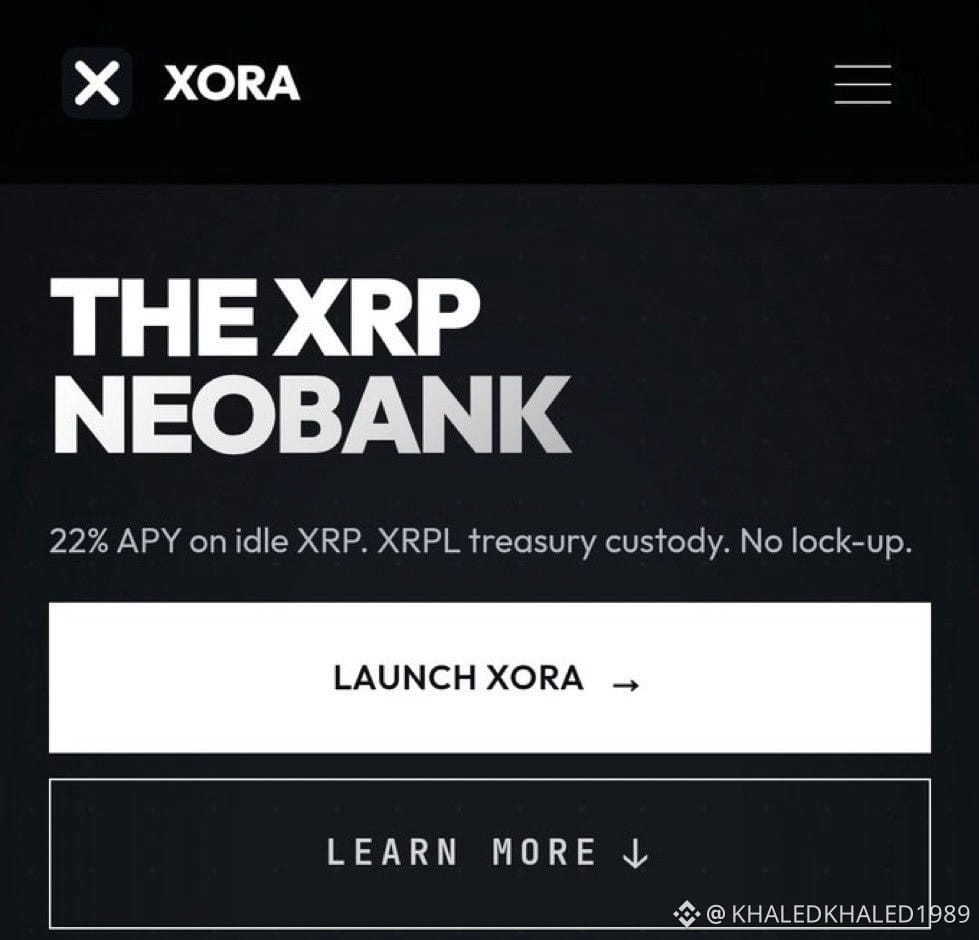
🚨 Xora Finance – Your XRPL $XRP Neobank 🏦
Put your #XRP to work. 🚀
Deposit XRP to your personal destination tag and start earning automatically.
💰 Earn up to 22% APY
• Up to 15% native XRP yield + XORA rewards
• Daily auto-compounding
• No lock-up period
• Withdraw in as little as 3 seconds
🔒 Built for security & transparency
• Fully on-chain verifiable treasury
• Segregated custody
• Daily reconciliations
• Panic-mode security
Holding XORA unlocks additional benefits:
✨ Higher yields
💳 Premium metal cards
✈️ Travel perks
🏢 RWA access
🗳️ Governance rights
🚀 Coming Soon: The Xora Card—spend your XRP anywhere with seamless payments.
Turn your idle XRP into daily earning potential—without the staking headaches. Powered by the XRPL.
🚨 DYOR. NFA.
#VitalikOutlinesLeanEthereumRoadmap
#Xrp🔥🔥 #XRPRealityCheck #xmucanX #XRPPredictions $XRP
🚨 Xora Finance – Your XRPL $XRP Neobank 🏦
Put your #XRP to work. 🚀
Deposit XRP to your personal destination tag and start earning automatically.
💰 Earn up to 22% APY
• Up to 15% native XRP yield + XORA rewards
• Daily auto-compounding
• No lock-up period
• Withdraw in as little as 3 seconds
🔒 Built for security & transparency
• Fully on-chain verifiable treasury
• Segregated custody
• Daily reconciliations
• Panic-mode security
Holding XORA unlocks additional benefits:
✨ Higher yields
💳 Premium metal cards
✈️ Travel perks
🏢 RWA access
🗳️ Governance rights
🚀 Coming Soon: The Xora Card—spend your XRP anywhere with seamless payments.
Turn your idle XRP into daily earning potential—without the staking headaches. Powered by the XRPL.
🚨 DYOR. NFA.
#VitalikOutlinesLeanEthereumRoadmap
#Xrp🔥🔥 #XRPRealityCheck #xmucanX #XRPPredictions $XRP
Put your #XRP to work. 🚀
Deposit XRP to your personal destination tag and start earning automatically.
💰 Earn up to 22% APY
• Up to 15% native XRP yield + XORA rewards
• Daily auto-compounding
• No lock-up period
• Withdraw in as little as 3 seconds
🔒 Built for security & transparency
• Fully on-chain verifiable treasury
• Segregated custody
• Daily reconciliations
• Panic-mode security
Holding XORA unlocks additional benefits:
✨ Higher yields
💳 Premium metal cards
✈️ Travel perks
🏢 RWA access
🗳️ Governance rights
🚀 Coming Soon: The Xora Card—spend your XRP anywhere with seamless payments.
Turn your idle XRP into daily earning potential—without the staking headaches. Powered by the XRPL.
🚨 DYOR. NFA.
#VitalikOutlinesLeanEthereumRoadmap
#Xrp🔥🔥 #XRPRealityCheck #xmucanX #XRPPredictions $XRP
211

Article
Is Solana Gaming Back? Kintara Activity Fuels Renewed Optimism in Onchain MMOsThis June, the Solana ecosystem revived with a resurgence of operational activity in games on Solana through massive multiplayer online (MMO) titles. Interactive onchain developments built on the high-speed network are attracting a continuous flow of active users despite the sector’s initial projections.
The simulation and technical role-playing projects surpassed 20,000 monthly active users during the course of the current quarter of 2026. According to analytical records compiled by the specialized platform Dune Analytics, the internal marketplace of the game Kintara exceeded the figure of $450,000 in net transaction volume within its first weeks of operational availability. The game’s administration confirmed the technical restriction of 4,000 automated accounts or bots to preserve the platform’s financial transparency.
On the other hand, the agricultural simulation application FarmTown showed a parallel acceleration since its commercial deployment recorded on June 17, 2026. Blockchain data reveals that this platform added more than 20,000 unique wallets in a single week. The operational dynamic of this environment requires participants to use the native token $FARM to acquire virtual infrastructure upgrades. Market reports suggest that this model of constant reinvestment could directly influence the asset’s long-term volatility.
The financial behavior of the new digital assets shows much higher magnitudes compared to projects developed during the bearish period of 2022 and 2023. The previous ecosystem was led by representative collections such as The Heist, which accumulated a historical trading volume exceeding 807,000 $SOL in the Magic Eden marketplace records.
The native token of that former ecosystem, named $NANA, mobilized an estimated $616,000 daily around August 25, 2023. Data taken from the historical registry of Blockworks indicated that this figure represented 3.14% of the total trading within Solana’s decentralized exchanges (DEX) on that date. In contrast, current metrics reveal that modern tokens like $KINS process several million dollars in daily transaction volume in June 2026. This difference in scale signals that the network’s base liquidity has experienced a considerable expansion.
This increase in commercial metrics contradicts the statements made earlier this year by the leadership of the Solana Foundation, which posited that this class of digital entertainment would not regain relevance on blockchains. Technical monitoring will continue through the close of the quarterly season to evaluate whether current user retention manages to sustain the in-game token economies over the medium term.
#HotTrends
#Shibarium
#xmucanX
#Robertkiyosaki
#quickfarm
Is Solana Gaming Back? Kintara Activity Fuels Renewed Optimism in Onchain MMOs
This June, the Solana ecosystem revived with a resurgence of operational activity in games on Solana through massive multiplayer online (MMO) titles. Interactive onchain developments built on the high-speed network are attracting a continuous flow of active users despite the sector’s initial projections.
The simulation and technical role-playing projects surpassed 20,000 monthly active users during the course of the current quarter of 2026. According to analytical records compiled by the specialized platform Dune Analytics, the internal marketplace of the game Kintara exceeded the figure of $450,000 in net transaction volume within its first weeks of operational availability. The game’s administration confirmed the technical restriction of 4,000 automated accounts or bots to preserve the platform’s financial transparency.
On the other hand, the agricultural simulation application FarmTown showed a parallel acceleration since its commercial deployment recorded on June 17, 2026. Blockchain data reveals that this platform added more than 20,000 unique wallets in a single week. The operational dynamic of this environment requires participants to use the native token $FARM to acquire virtual infrastructure upgrades. Market reports suggest that this model of constant reinvestment could directly influence the asset’s long-term volatility.
The financial behavior of the new digital assets shows much higher magnitudes compared to projects developed during the bearish period of 2022 and 2023. The previous ecosystem was led by representative collections such as The Heist, which accumulated a historical trading volume exceeding 807,000 $SOL in the Magic Eden marketplace records.
The native token of that former ecosystem, named $NANA, mobilized an estimated $616,000 daily around August 25, 2023. Data taken from the historical registry of Blockworks indicated that this figure represented 3.14% of the total trading within Solana’s decentralized exchanges (DEX) on that date. In contrast, current metrics reveal that modern tokens like $KINS process several million dollars in daily transaction volume in June 2026. This difference in scale signals that the network’s base liquidity has experienced a considerable expansion.
This increase in commercial metrics contradicts the statements made earlier this year by the leadership of the Solana Foundation, which posited that this class of digital entertainment would not regain relevance on blockchains. Technical monitoring will continue through the close of the quarterly season to evaluate whether current user retention manages to sustain the in-game token economies over the medium term.
#HotTrends
#Shibarium
#xmucanX
#Robertkiyosaki
#quickfarm
The simulation and technical role-playing projects surpassed 20,000 monthly active users during the course of the current quarter of 2026. According to analytical records compiled by the specialized platform Dune Analytics, the internal marketplace of the game Kintara exceeded the figure of $450,000 in net transaction volume within its first weeks of operational availability. The game’s administration confirmed the technical restriction of 4,000 automated accounts or bots to preserve the platform’s financial transparency.
On the other hand, the agricultural simulation application FarmTown showed a parallel acceleration since its commercial deployment recorded on June 17, 2026. Blockchain data reveals that this platform added more than 20,000 unique wallets in a single week. The operational dynamic of this environment requires participants to use the native token $FARM to acquire virtual infrastructure upgrades. Market reports suggest that this model of constant reinvestment could directly influence the asset’s long-term volatility.
The financial behavior of the new digital assets shows much higher magnitudes compared to projects developed during the bearish period of 2022 and 2023. The previous ecosystem was led by representative collections such as The Heist, which accumulated a historical trading volume exceeding 807,000 $SOL in the Magic Eden marketplace records.
The native token of that former ecosystem, named $NANA, mobilized an estimated $616,000 daily around August 25, 2023. Data taken from the historical registry of Blockworks indicated that this figure represented 3.14% of the total trading within Solana’s decentralized exchanges (DEX) on that date. In contrast, current metrics reveal that modern tokens like $KINS process several million dollars in daily transaction volume in June 2026. This difference in scale signals that the network’s base liquidity has experienced a considerable expansion.
This increase in commercial metrics contradicts the statements made earlier this year by the leadership of the Solana Foundation, which posited that this class of digital entertainment would not regain relevance on blockchains. Technical monitoring will continue through the close of the quarterly season to evaluate whether current user retention manages to sustain the in-game token economies over the medium term.
#HotTrends
#Shibarium
#xmucanX
#Robertkiyosaki
#quickfarm
31

Article
How DB Securities’ MOU with Optimism Might Transform South Korea’s STO LandscapeDB Securities has officially signed a Memorandum of Understanding (MOU) with Optimism to build security token offering (STO) and real-world asset (RWA) infrastructure in Jeju, South Korea. This collaboration aims to leverage the OP Stack framework to advance blockchain capabilities in the region, as detailed in their recent announcement.
The broader crypto market is currently navigating mixed signals, with assets displaying varying momentum. Against this backdrop, the partnership between DB Securities and Optimism stands out as a significant development. The MOU signals a commitment to build advanced financial infrastructure on the OP Stack, which is gaining traction due to its integrations, such as the 0x Cross-Chain API. This collaboration could enhance liquidity across various platforms and reshape the digital finance landscape in South Korea, especially in Jeju, which has been positioning itself as a hub for blockchain technology.
Current market conditions show Optimism and its projects gaining attention, with the OP Stack’s utility being highlighted by this new partnership. Although specific price data is not available, the strategic nature of this MOU could attract further interest from investors and developers in the blockchain space, potentially influencing future trading volumes and market dynamics.
The OP Stack has been recognized for its ability to integrate with various blockchain applications, enhancing liquidity and functionality. Recently, Optimism has also partnered with Toss to explore blockchain-based financial solutions, indicating a broader trend of integrating traditional finance with innovative blockchain technologies. This MOU with DB Securities is a continuation of that trajectory.
Traders and investors should monitor the developments stemming from this partnership closely. The focus will likely be on the implementation timeline and any subsequent projects that emerge from the MOU. Additionally, the response from the broader market to this initiative could indicate shifting sentiments towards blockchain in traditional finance sectors. Observing potential collaborations and technological advancements in this area will be critical for stakeholders.
This article is for informational purposes only and should not be considered financial advice. Always do your own research before making investment decisions.
#EconomicAlert
#xmucanX
#VeChainNodeMarketplace
#kdmrcrypto
#Shibarium
How DB Securities’ MOU with Optimism Might Transform South Korea’s STO Landscape
DB Securities has officially signed a Memorandum of Understanding (MOU) with Optimism to build security token offering (STO) and real-world asset (RWA) infrastructure in Jeju, South Korea. This collaboration aims to leverage the OP Stack framework to advance blockchain capabilities in the region, as detailed in their recent announcement.
The broader crypto market is currently navigating mixed signals, with assets displaying varying momentum. Against this backdrop, the partnership between DB Securities and Optimism stands out as a significant development. The MOU signals a commitment to build advanced financial infrastructure on the OP Stack, which is gaining traction due to its integrations, such as the 0x Cross-Chain API. This collaboration could enhance liquidity across various platforms and reshape the digital finance landscape in South Korea, especially in Jeju, which has been positioning itself as a hub for blockchain technology.
Current market conditions show Optimism and its projects gaining attention, with the OP Stack’s utility being highlighted by this new partnership. Although specific price data is not available, the strategic nature of this MOU could attract further interest from investors and developers in the blockchain space, potentially influencing future trading volumes and market dynamics.
The OP Stack has been recognized for its ability to integrate with various blockchain applications, enhancing liquidity and functionality. Recently, Optimism has also partnered with Toss to explore blockchain-based financial solutions, indicating a broader trend of integrating traditional finance with innovative blockchain technologies. This MOU with DB Securities is a continuation of that trajectory.
Traders and investors should monitor the developments stemming from this partnership closely. The focus will likely be on the implementation timeline and any subsequent projects that emerge from the MOU. Additionally, the response from the broader market to this initiative could indicate shifting sentiments towards blockchain in traditional finance sectors. Observing potential collaborations and technological advancements in this area will be critical for stakeholders.
This article is for informational purposes only and should not be considered financial advice. Always do your own research before making investment decisions.
#EconomicAlert
#xmucanX
#VeChainNodeMarketplace
#kdmrcrypto
#Shibarium
The broader crypto market is currently navigating mixed signals, with assets displaying varying momentum. Against this backdrop, the partnership between DB Securities and Optimism stands out as a significant development. The MOU signals a commitment to build advanced financial infrastructure on the OP Stack, which is gaining traction due to its integrations, such as the 0x Cross-Chain API. This collaboration could enhance liquidity across various platforms and reshape the digital finance landscape in South Korea, especially in Jeju, which has been positioning itself as a hub for blockchain technology.
Current market conditions show Optimism and its projects gaining attention, with the OP Stack’s utility being highlighted by this new partnership. Although specific price data is not available, the strategic nature of this MOU could attract further interest from investors and developers in the blockchain space, potentially influencing future trading volumes and market dynamics.
The OP Stack has been recognized for its ability to integrate with various blockchain applications, enhancing liquidity and functionality. Recently, Optimism has also partnered with Toss to explore blockchain-based financial solutions, indicating a broader trend of integrating traditional finance with innovative blockchain technologies. This MOU with DB Securities is a continuation of that trajectory.
Traders and investors should monitor the developments stemming from this partnership closely. The focus will likely be on the implementation timeline and any subsequent projects that emerge from the MOU. Additionally, the response from the broader market to this initiative could indicate shifting sentiments towards blockchain in traditional finance sectors. Observing potential collaborations and technological advancements in this area will be critical for stakeholders.
This article is for informational purposes only and should not be considered financial advice. Always do your own research before making investment decisions.
#EconomicAlert
#xmucanX
#VeChainNodeMarketplace
#kdmrcrypto
#Shibarium
297

Article
Coingarage Fuels the Future of Regulated Crypto Trading with GARA Presale in Full SwingCoingarage, a fully licensed European crypto exchange, is making bold moves in the crypto space. Its GARA token presale is already gaining strong traction among early supporters.
The world of crypto is shifting fast, and with it comes a need for platforms that blend innovation, usability, and legal clarity. With a structured deflationary model, staking benefits, and real utility inside a fully regulated European crypto exchange, the platform is entering a key growth phase.
As momentum builds, Coingarage positions itself as a major contender in the centralized exchange industry, prioritizing compliance, performance, and user rewards.
GARA is being introduced as a fundamental asset for users who want to engage meaningfully with the Coingarage exchange. Unlike speculative tokens with no intrinsic link to their platforms, GARA is designed for direct application within the Coingarage environment.
These features serve two critical functions: they encourage long-term holding and platform activity and gradually reduce the overall GARA supply in circulation.
Originally capped at 900 million tokens, GARA will eventually reduce to just 200 million thanks to a structured monthly burn of 20% of GARA collected from platform fees. This deflationary model is central to Coingarage’s philosophy of building sustainable token value over time.
The presale is structured into multiple tiers. Each tier unlocks additional benefits, including larger token bonuses, early access to staking modules, and higher yield caps. This approach ensures that early supporters are rewarded with a token quantity and deeper access to the platform’s evolving features.
As of now, the GARA token is available at a presale price of $0.18, with a planned listing price of $0.36, offering early participants a clear opportunity to enter at a 50% discount. The presale has already raised over $1.39 million out of a $2.7 million target, reflecting growing demand and investor confidence.
The Coingarage referral program is an additional incentive for introducing others to the project. Participants can share a personalized referral link and receive 10% of the crypto used for each successful GARA purchase made through that link. If someone buys GARA with USDC, POL, ETH, or BNB, you’ll get 10% back in that cryptocurrency!
GARA is woven into the operational core of the Coingarage platform. Holding GARA reduces platform fees and unlocks higher daily staking yields for early contributors.
Beyond internal rewards, GARA is being built to be compatible with other DeFi tools. It lives on the Polygon blockchain, known for its fast transaction times, low fees, and proof-of-stake sustainability.
Coingarage is a centralized, fully regulated cryptocurrency exchange operating under the legal framework of the European Union. Its mission is to provide a safe, intuitive, and feature-rich trading environment for users of all levels.
Coingarage is actively aligning with regulations such as MiCA and DORA, ensuring long-term sustainability, user trust, and institutional-grade transparency. The platform’s native token, GARA, powers its utility model and underpins its evolving ecosystem.
The GARA presale represents a unique opportunity to become an early stakeholder in a crypto project with long-term utility and a regulatory backbone. GARA is set to power a new crypto ecosystem with a robust token model and secure exchange framework.
#quickfarm
#gonnarich
#JohnCarl
#Kriptocutrader
#xmucanX
Coingarage Fuels the Future of Regulated Crypto Trading with GARA Presale in Full Swing
Coingarage, a fully licensed European crypto exchange, is making bold moves in the crypto space. Its GARA token presale is already gaining strong traction among early supporters.
The world of crypto is shifting fast, and with it comes a need for platforms that blend innovation, usability, and legal clarity. With a structured deflationary model, staking benefits, and real utility inside a fully regulated European crypto exchange, the platform is entering a key growth phase.
As momentum builds, Coingarage positions itself as a major contender in the centralized exchange industry, prioritizing compliance, performance, and user rewards.
GARA is being introduced as a fundamental asset for users who want to engage meaningfully with the Coingarage exchange. Unlike speculative tokens with no intrinsic link to their platforms, GARA is designed for direct application within the Coingarage environment.
These features serve two critical functions: they encourage long-term holding and platform activity and gradually reduce the overall GARA supply in circulation.
Originally capped at 900 million tokens, GARA will eventually reduce to just 200 million thanks to a structured monthly burn of 20% of GARA collected from platform fees. This deflationary model is central to Coingarage’s philosophy of building sustainable token value over time.
The presale is structured into multiple tiers. Each tier unlocks additional benefits, including larger token bonuses, early access to staking modules, and higher yield caps. This approach ensures that early supporters are rewarded with a token quantity and deeper access to the platform’s evolving features.
As of now, the GARA token is available at a presale price of $0.18, with a planned listing price of $0.36, offering early participants a clear opportunity to enter at a 50% discount. The presale has already raised over $1.39 million out of a $2.7 million target, reflecting growing demand and investor confidence.
The Coingarage referral program is an additional incentive for introducing others to the project. Participants can share a personalized referral link and receive 10% of the crypto used for each successful GARA purchase made through that link. If someone buys GARA with USDC, POL, ETH, or BNB, you’ll get 10% back in that cryptocurrency!
GARA is woven into the operational core of the Coingarage platform. Holding GARA reduces platform fees and unlocks higher daily staking yields for early contributors.
Beyond internal rewards, GARA is being built to be compatible with other DeFi tools. It lives on the Polygon blockchain, known for its fast transaction times, low fees, and proof-of-stake sustainability.
Coingarage is a centralized, fully regulated cryptocurrency exchange operating under the legal framework of the European Union. Its mission is to provide a safe, intuitive, and feature-rich trading environment for users of all levels.
Coingarage is actively aligning with regulations such as MiCA and DORA, ensuring long-term sustainability, user trust, and institutional-grade transparency. The platform’s native token, GARA, powers its utility model and underpins its evolving ecosystem.
The GARA presale represents a unique opportunity to become an early stakeholder in a crypto project with long-term utility and a regulatory backbone. GARA is set to power a new crypto ecosystem with a robust token model and secure exchange framework.
#quickfarm
#gonnarich
#JohnCarl
#Kriptocutrader
#xmucanX
The world of crypto is shifting fast, and with it comes a need for platforms that blend innovation, usability, and legal clarity. With a structured deflationary model, staking benefits, and real utility inside a fully regulated European crypto exchange, the platform is entering a key growth phase.
As momentum builds, Coingarage positions itself as a major contender in the centralized exchange industry, prioritizing compliance, performance, and user rewards.
GARA is being introduced as a fundamental asset for users who want to engage meaningfully with the Coingarage exchange. Unlike speculative tokens with no intrinsic link to their platforms, GARA is designed for direct application within the Coingarage environment.
These features serve two critical functions: they encourage long-term holding and platform activity and gradually reduce the overall GARA supply in circulation.
Originally capped at 900 million tokens, GARA will eventually reduce to just 200 million thanks to a structured monthly burn of 20% of GARA collected from platform fees. This deflationary model is central to Coingarage’s philosophy of building sustainable token value over time.
The presale is structured into multiple tiers. Each tier unlocks additional benefits, including larger token bonuses, early access to staking modules, and higher yield caps. This approach ensures that early supporters are rewarded with a token quantity and deeper access to the platform’s evolving features.
As of now, the GARA token is available at a presale price of $0.18, with a planned listing price of $0.36, offering early participants a clear opportunity to enter at a 50% discount. The presale has already raised over $1.39 million out of a $2.7 million target, reflecting growing demand and investor confidence.
The Coingarage referral program is an additional incentive for introducing others to the project. Participants can share a personalized referral link and receive 10% of the crypto used for each successful GARA purchase made through that link. If someone buys GARA with USDC, POL, ETH, or BNB, you’ll get 10% back in that cryptocurrency!
GARA is woven into the operational core of the Coingarage platform. Holding GARA reduces platform fees and unlocks higher daily staking yields for early contributors.
Beyond internal rewards, GARA is being built to be compatible with other DeFi tools. It lives on the Polygon blockchain, known for its fast transaction times, low fees, and proof-of-stake sustainability.
Coingarage is a centralized, fully regulated cryptocurrency exchange operating under the legal framework of the European Union. Its mission is to provide a safe, intuitive, and feature-rich trading environment for users of all levels.
Coingarage is actively aligning with regulations such as MiCA and DORA, ensuring long-term sustainability, user trust, and institutional-grade transparency. The platform’s native token, GARA, powers its utility model and underpins its evolving ecosystem.
The GARA presale represents a unique opportunity to become an early stakeholder in a crypto project with long-term utility and a regulatory backbone. GARA is set to power a new crypto ecosystem with a robust token model and secure exchange framework.
#quickfarm
#gonnarich
#JohnCarl
#Kriptocutrader
#xmucanX
105

·
--
Latifa2026
·
--
$CPA_00VPTTYPKT
#BTC走势分析 #Binance #Write2Earn #Write2Earn! ##GoogleDocsMagic #BTCSurpasses$72000 $
#BTC走势分析 #Binance #Write2Earn #Write2Earn! ##GoogleDocsMagic #BTCSurpasses$72000 $
24

Article
Why zkSync’s Focus on Banking Could Signal a New Era for BlockchainzkSync recently announced its involvement in the modernization of American banking, highlighting a significant shift towards blockchain integration. This initiative is powered by Carinetwork and built on Prividium, signaling a crucial moment for institutional blockchain adoption, as noted in their official tweet.
The broader crypto market is currently exhibiting mixed signals, with various assets reacting differently to recent developments. zkSync’s latest announcement indicates a concerted effort to enhance the role of blockchain technology in traditional banking systems. This evolution follows prior updates emphasizing zkSync’s support for unmodified EVM bytecode, further facilitating developer accessibility. As institutions increasingly seek to leverage blockchain for operational efficiencies, zkSync’s focus on this modernization could pave the way for broader adoption in the financial sector.
Currently, zkSync does not report any trading volume, reflecting a quiet period amidst this announcement. However, the interest generated through social media engagement, with 92 likes and 14 retweets, suggests a positive reception among the community. As zkSync continues to develop its network capabilities, traders are likely to monitor institutional responses and potential integrations with traditional banking systems closely.
zkSync is positioned as a leader in blockchain technology, focusing on enhancing accessibility and functionality for developers and institutions alike. Its recent updates have highlighted an increasing necessity for blockchain solutions in the financial sector, marking a pivotal shift in how institutions can operate more efficiently.
Traders should keep an eye on zkSync’s ongoing developments and any partnerships that may emerge from this banking modernization initiative. Watch for potential integration announcements or collaborations that could enhance zkSync’s visibility and utility in the institutional space, as these factors will be crucial in shaping market sentiment and adoption rates.
This article is for informational purposes only and does not constitute financial advice. Always conduct your own research before making investment decisions.
#AmanSaiCommUNITY
#jasmyustd
#xmucanX
#satoshiNakamato
#Write2Earrn
Why zkSync’s Focus on Banking Could Signal a New Era for Blockchain
zkSync recently announced its involvement in the modernization of American banking, highlighting a significant shift towards blockchain integration. This initiative is powered by Carinetwork and built on Prividium, signaling a crucial moment for institutional blockchain adoption, as noted in their official tweet.
The broader crypto market is currently exhibiting mixed signals, with various assets reacting differently to recent developments. zkSync’s latest announcement indicates a concerted effort to enhance the role of blockchain technology in traditional banking systems. This evolution follows prior updates emphasizing zkSync’s support for unmodified EVM bytecode, further facilitating developer accessibility. As institutions increasingly seek to leverage blockchain for operational efficiencies, zkSync’s focus on this modernization could pave the way for broader adoption in the financial sector.
Currently, zkSync does not report any trading volume, reflecting a quiet period amidst this announcement. However, the interest generated through social media engagement, with 92 likes and 14 retweets, suggests a positive reception among the community. As zkSync continues to develop its network capabilities, traders are likely to monitor institutional responses and potential integrations with traditional banking systems closely.
zkSync is positioned as a leader in blockchain technology, focusing on enhancing accessibility and functionality for developers and institutions alike. Its recent updates have highlighted an increasing necessity for blockchain solutions in the financial sector, marking a pivotal shift in how institutions can operate more efficiently.
Traders should keep an eye on zkSync’s ongoing developments and any partnerships that may emerge from this banking modernization initiative. Watch for potential integration announcements or collaborations that could enhance zkSync’s visibility and utility in the institutional space, as these factors will be crucial in shaping market sentiment and adoption rates.
This article is for informational purposes only and does not constitute financial advice. Always conduct your own research before making investment decisions.
#AmanSaiCommUNITY
#jasmyustd
#xmucanX
#satoshiNakamato
#Write2Earrn
The broader crypto market is currently exhibiting mixed signals, with various assets reacting differently to recent developments. zkSync’s latest announcement indicates a concerted effort to enhance the role of blockchain technology in traditional banking systems. This evolution follows prior updates emphasizing zkSync’s support for unmodified EVM bytecode, further facilitating developer accessibility. As institutions increasingly seek to leverage blockchain for operational efficiencies, zkSync’s focus on this modernization could pave the way for broader adoption in the financial sector.
Currently, zkSync does not report any trading volume, reflecting a quiet period amidst this announcement. However, the interest generated through social media engagement, with 92 likes and 14 retweets, suggests a positive reception among the community. As zkSync continues to develop its network capabilities, traders are likely to monitor institutional responses and potential integrations with traditional banking systems closely.
zkSync is positioned as a leader in blockchain technology, focusing on enhancing accessibility and functionality for developers and institutions alike. Its recent updates have highlighted an increasing necessity for blockchain solutions in the financial sector, marking a pivotal shift in how institutions can operate more efficiently.
Traders should keep an eye on zkSync’s ongoing developments and any partnerships that may emerge from this banking modernization initiative. Watch for potential integration announcements or collaborations that could enhance zkSync’s visibility and utility in the institutional space, as these factors will be crucial in shaping market sentiment and adoption rates.
This article is for informational purposes only and does not constitute financial advice. Always conduct your own research before making investment decisions.
#AmanSaiCommUNITY
#jasmyustd
#xmucanX
#satoshiNakamato
#Write2Earrn
4
440

#xmucanX #BitcoinETFWeeklyOutflowsDrop87% #SchwabEntersSP500PredictionMarkets #SchwabEntersSP500PredictionMarkets $SPCXB $BTC $BTC #BinancePickAndWin
Hello binance traders.
Today im going tell something special that is about the fifa cup.
There is a game event only you need to pick results before the match start.
Hello binance traders.
Today im going tell something special that is about the fifa cup.
There is a game event only you need to pick results before the match start.
Hello binance traders.
Today im going tell something special that is about the fifa cup.
There is a game event only you need to pick results before the match start.
Hello binance traders.
Today im going tell something special that is about the fifa cup.
There is a game event only you need to pick results before the match start.
#xmucanX #BitcoinETFWeeklyOutflowsDrop87% #SchwabEntersSP500PredictionMarkets #SchwabEntersSP500PredictionMarkets $SPCXB $BTC $BTC #BinancePickAndWin
Hello binance traders.
Today im going tell something special that is about the fifa cup.
There is a game event only you need to pick results before the match start.
Hello binance traders.
Today im going tell something special that is about the fifa cup.
There is a game event only you need to pick results before the match start.
Hello binance traders.
Today im going tell something special that is about the fifa cup.
There is a game event only you need to pick results before the match start.
Hello binance traders.
Today im going tell something special that is about the fifa cup.
There is a game event only you need to pick results before the match start.
Hello binance traders.
Today im going tell something special that is about the fifa cup.
There is a game event only you need to pick results before the match start.
Hello binance traders.
Today im going tell something special that is about the fifa cup.
There is a game event only you need to pick results before the match start.
Hello binance traders.
Today im going tell something special that is about the fifa cup.
There is a game event only you need to pick results before the match start.
Hello binance traders.
Today im going tell something special that is about the fifa cup.
There is a game event only you need to pick results before the match start.
92
Log in to explore more content
Join global crypto users on Binance Square
⚡️ Get latest and useful information about crypto.
💬 Trusted by the world’s largest crypto exchange.
👍 Discover real insights from verified creators.
Email / Phone number
Trending Topics
1
#EarningsSeason
370,444 views
2,816 Discussing
2
#SECChairWantsStockMarketsOnChain
24 views
17 Discussing
3
#CEARenamesToBNBStandardUnderBNC
275 views
33 Discussing
4
#BitwiseLaunchesFirstSpotNEARETF
42,023 views
658 Discussing
5
#USJobOpeningsFallToFiveMonthLow
48,262 views
508 Discussing
6
#ECBToTestAIAgentsInDigitalEuroPayments
33,377 views
589 Discussing
7
#JapanFSABacksFourthStablecoinTradeSettlementPilot
38,070 views
618 Discussing
8
#BitgetHackerFailsToMoveStolenFunds
54,422 views
667 Discussing
9
#BitMineETHHoldingsTop6Million
43,000 views
740 Discussing
10
#StrategyAdds1666BTCHoldingsReach847666
34,630 views
516 Discussing