

#guerra
guerra
116,126 views
174 Discussing
Hot
Latest
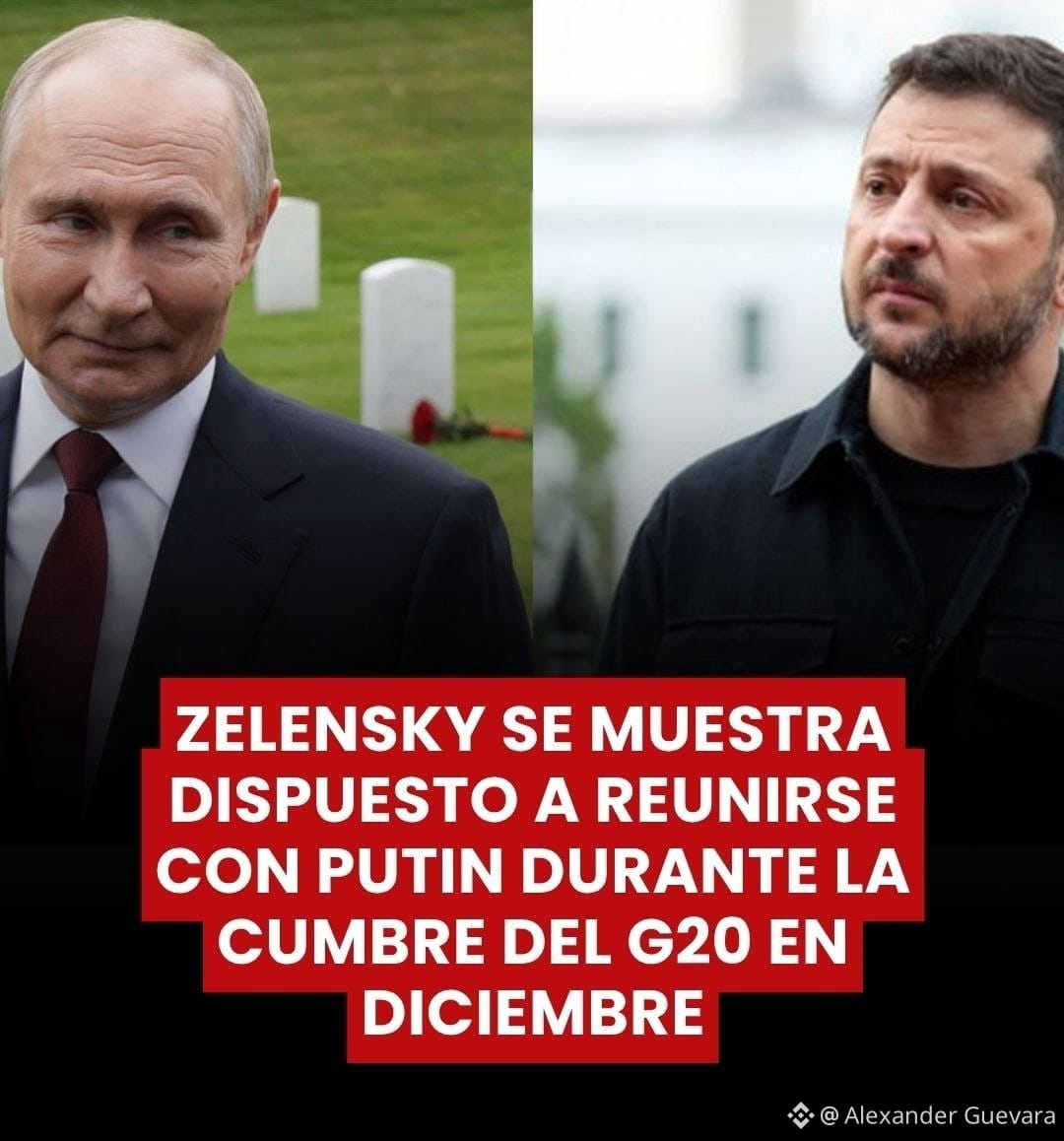
🚨 🇺🇦🇷🇺 | Volodymyr Zelensky confirmed that he is willing to hold a bilateral meeting with Vladimir Putin during the G20 summit scheduled for December.
The possibility comes after diplomatic efforts by the Trump Administration, which sent negotiators to Kyiv and Moscow to restart dialogue and move toward ending the war.
#guerra #Rusia #ukraine #VladimirPutin #VolodymyrZelenskyy $BTC
🚨 🇺🇦🇷🇺 | Volodymyr Zelensky confirmed that he is willing to hold a bilateral meeting with Vladimir Putin during the G20 summit scheduled for December.
The possibility comes after diplomatic efforts by the Trump Administration, which sent negotiators to Kyiv and Moscow to restart dialogue and move toward ending the war.
#guerra #Rusia #ukraine #VladimirPutin #VolodymyrZelenskyy $BTC
The possibility comes after diplomatic efforts by the Trump Administration, which sent negotiators to Kyiv and Moscow to restart dialogue and move toward ending the war.
#guerra #Rusia #ukraine #VladimirPutin #VolodymyrZelenskyy $BTC
75
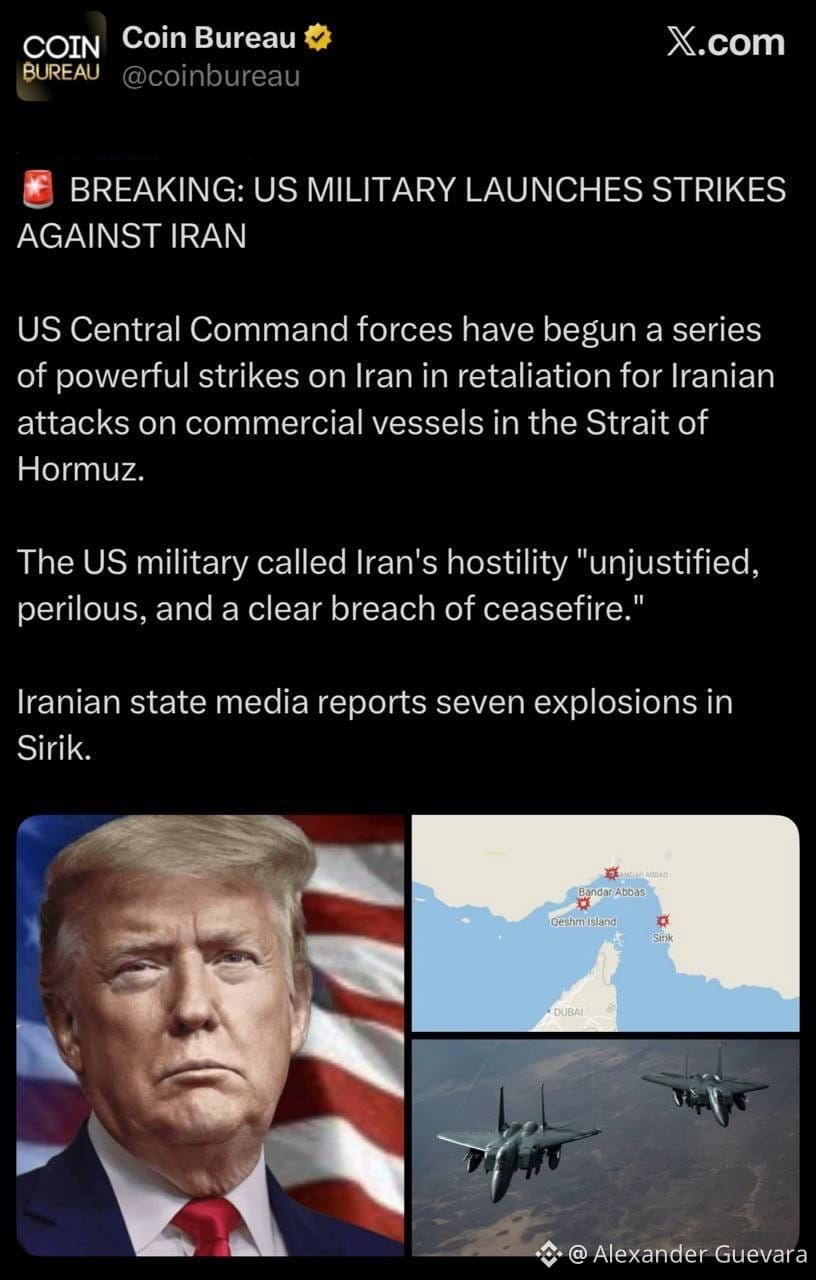
🇮🇷 THE U.S. ARMED FORCES HAVE LAUNCHED A MAJOR SERIES OF ATTACKS AGAINST IRANIAN TARGETS IN RESPONSE TO ATTACKS ON COMMERCIAL VESSELS, CENTCOM REPORTS.
ACCORDING TO THE CENTCOM STATEMENT, IRAN’S ACTIONS WERE UNJUSTIFIED, POSED A SERIOUS THREAT, AND CONSTITUTED A DIRECT VIOLATION OF THE CEASEFIRE REGIME.
#guerra #iran #EEUU #ConflictUpdate #petróleo $BZ $CL
🇮🇷 THE U.S. ARMED FORCES HAVE LAUNCHED A MAJOR SERIES OF ATTACKS AGAINST IRANIAN TARGETS IN RESPONSE TO ATTACKS ON COMMERCIAL VESSELS, CENTCOM REPORTS.
ACCORDING TO THE CENTCOM STATEMENT, IRAN’S ACTIONS WERE UNJUSTIFIED, POSED A SERIOUS THREAT, AND CONSTITUTED A DIRECT VIOLATION OF THE CEASEFIRE REGIME.
#guerra #iran #EEUU #ConflictUpdate #petróleo $BZ $CL
ACCORDING TO THE CENTCOM STATEMENT, IRAN’S ACTIONS WERE UNJUSTIFIED, POSED A SERIOUS THREAT, AND CONSTITUTED A DIRECT VIOLATION OF THE CEASEFIRE REGIME.
#guerra #iran #EEUU #ConflictUpdate #petróleo $BZ $CL
3
131
Article
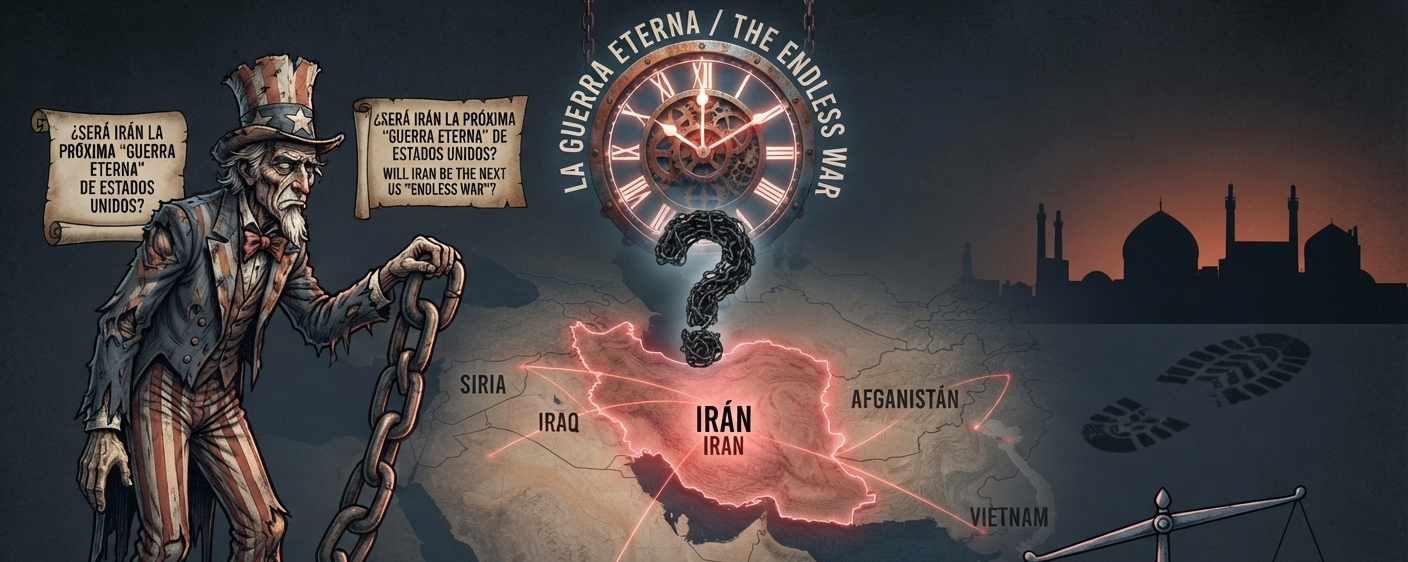
Will Iran be the next “endless war” for the United States?The ceasefire has collapsed, attacks are intensifying, and maritime traffic in the Strait of Hormuz remains threatened. Is the United States heading toward another conflict with no clear way out?
While the United States and Iran exchange increasingly forceful attacks, the truce reached in June has, in practice, been rendered meaningless. Bombings, drone strikes, and missile launches are again becoming part of the day-to-day conflict. The question is no longer whether Washington and Tehran are again at war, but whether the confrontation is turning into a prolonged struggle that neither side can win.
Will Iran be the next “endless war” for the United States?
The ceasefire has collapsed, attacks are intensifying, and maritime traffic in the Strait of Hormuz remains threatened. Is the United States heading toward another conflict with no clear way out?
While the United States and Iran exchange increasingly forceful attacks, the truce reached in June has, in practice, been rendered meaningless. Bombings, drone strikes, and missile launches are again becoming part of the day-to-day conflict. The question is no longer whether Washington and Tehran are again at war, but whether the confrontation is turning into a prolonged struggle that neither side can win.
While the United States and Iran exchange increasingly forceful attacks, the truce reached in June has, in practice, been rendered meaningless. Bombings, drone strikes, and missile launches are again becoming part of the day-to-day conflict. The question is no longer whether Washington and Tehran are again at war, but whether the confrontation is turning into a prolonged struggle that neither side can win.
3
140
Article
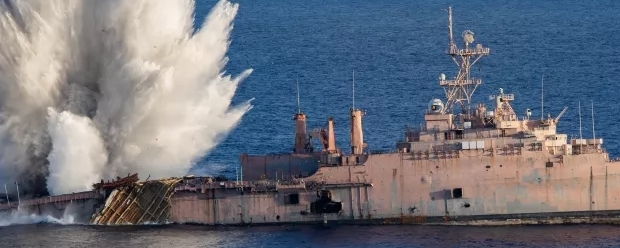
A long-range missile sinks the USS Juneau, a Vietnam and Gulf War veteran shipThe U.S. sinks the USS Juneau with an LRASM missile launched from a B-2 bomber during the Valiant Shield 2026 exerciseUS Navy
A B-2 Spirit destroys a ship for the first time with a long-range missile in the Mariana Islands
B-1, B-2, B-52, Tomahawks, drones Lucas... los sistemas de armas que EE.UU. despliega en la guerra contra Irán
The United States carried out a real sinking exercise (SINKEX) during the multinational exercise Valiant Shield 2026, in which joint forces from the Indo-Pacific Command (USINDOPACOM), along with allied countries and partners, destroyed the decommissioned amphibious transport ship USS Juneau off the coast of Guam. The operation made it possible to evaluate the integration of air, naval, and submarine capabilities in a high-intensity combat scenario, strengthening the preparedness of U.S. forces for a potential conflict in the Indo-Pacific.
A long-range missile sinks the USS Juneau, a Vietnam and Gulf War veteran ship
The U.S. sinks the USS Juneau with an LRASM missile launched from a B-2 bomber during the Valiant Shield 2026 exerciseUS Navy
A B-2 Spirit destroys a ship for the first time with a long-range missile in the Mariana Islands
B-1, B-2, B-52, Tomahawks, drones Lucas... los sistemas de armas que EE.UU. despliega en la guerra contra Irán
The United States carried out a real sinking exercise (SINKEX) during the multinational exercise Valiant Shield 2026, in which joint forces from the Indo-Pacific Command (USINDOPACOM), along with allied countries and partners, destroyed the decommissioned amphibious transport ship USS Juneau off the coast of Guam. The operation made it possible to evaluate the integration of air, naval, and submarine capabilities in a high-intensity combat scenario, strengthening the preparedness of U.S. forces for a potential conflict in the Indo-Pacific.
A B-2 Spirit destroys a ship for the first time with a long-range missile in the Mariana Islands
B-1, B-2, B-52, Tomahawks, drones Lucas... los sistemas de armas que EE.UU. despliega en la guerra contra Irán
The United States carried out a real sinking exercise (SINKEX) during the multinational exercise Valiant Shield 2026, in which joint forces from the Indo-Pacific Command (USINDOPACOM), along with allied countries and partners, destroyed the decommissioned amphibious transport ship USS Juneau off the coast of Guam. The operation made it possible to evaluate the integration of air, naval, and submarine capabilities in a high-intensity combat scenario, strengthening the preparedness of U.S. forces for a potential conflict in the Indo-Pacific.
3
875
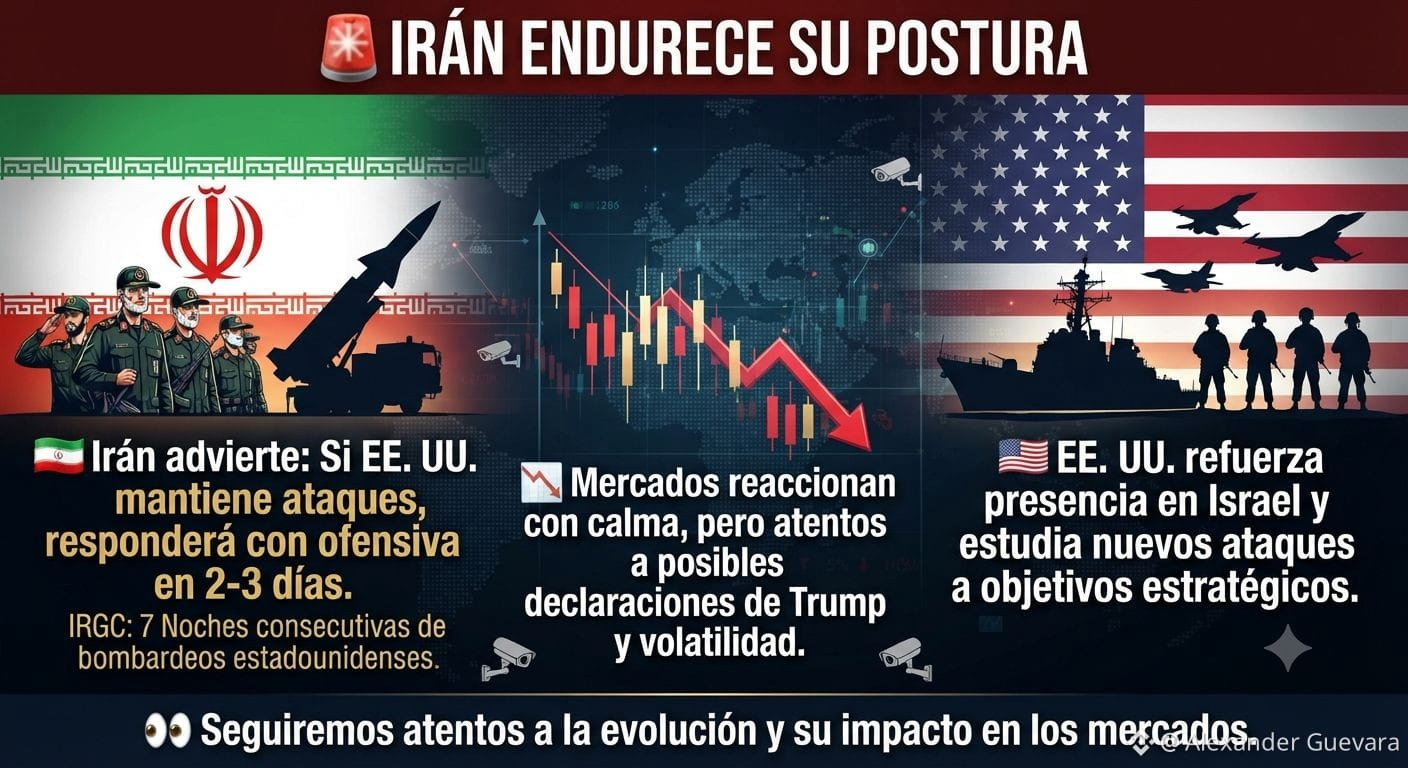
🚨 IRAN MAINTAINS ITS STANCE
🇮🇷 Iran has warned that if the U.S. keeps up the attacks, it will respond with an offensive in the next 2-3 days.
🇺🇸 Meanwhile, the U.S. is reinforcing its military presence in Israel and is considering new attacks against Iranian strategic targets. According to the IRGC, U.S. bombings have already amounted to seven consecutive nights.
📉 Markets are reacting more calmly than at the start of the conflict, although any unexpected statement or decision by Trump could trigger heavy volatility.
👀 We’ll stay alert to how the situation develops and its possible impact on the markets.
#guerra #IranIsraelConflict #iran #EEUU #EstadosUnidos $CL $BZ $NATGAS
{spot}(BTCUSDT)
🚨 IRAN MAINTAINS ITS STANCE
🇮🇷 Iran has warned that if the U.S. keeps up the attacks, it will respond with an offensive in the next 2-3 days.
🇺🇸 Meanwhile, the U.S. is reinforcing its military presence in Israel and is considering new attacks against Iranian strategic targets. According to the IRGC, U.S. bombings have already amounted to seven consecutive nights.
📉 Markets are reacting more calmly than at the start of the conflict, although any unexpected statement or decision by Trump could trigger heavy volatility.
👀 We’ll stay alert to how the situation develops and its possible impact on the markets.
#guerra #IranIsraelConflict #iran #EEUU #EstadosUnidos $CL $BZ $NATGAS
🇮🇷 Iran has warned that if the U.S. keeps up the attacks, it will respond with an offensive in the next 2-3 days.
🇺🇸 Meanwhile, the U.S. is reinforcing its military presence in Israel and is considering new attacks against Iranian strategic targets. According to the IRGC, U.S. bombings have already amounted to seven consecutive nights.
📉 Markets are reacting more calmly than at the start of the conflict, although any unexpected statement or decision by Trump could trigger heavy volatility.
👀 We’ll stay alert to how the situation develops and its possible impact on the markets.
#guerra #IranIsraelConflict #iran #EEUU #EstadosUnidos $CL $BZ $NATGAS
1
3
169



·
--
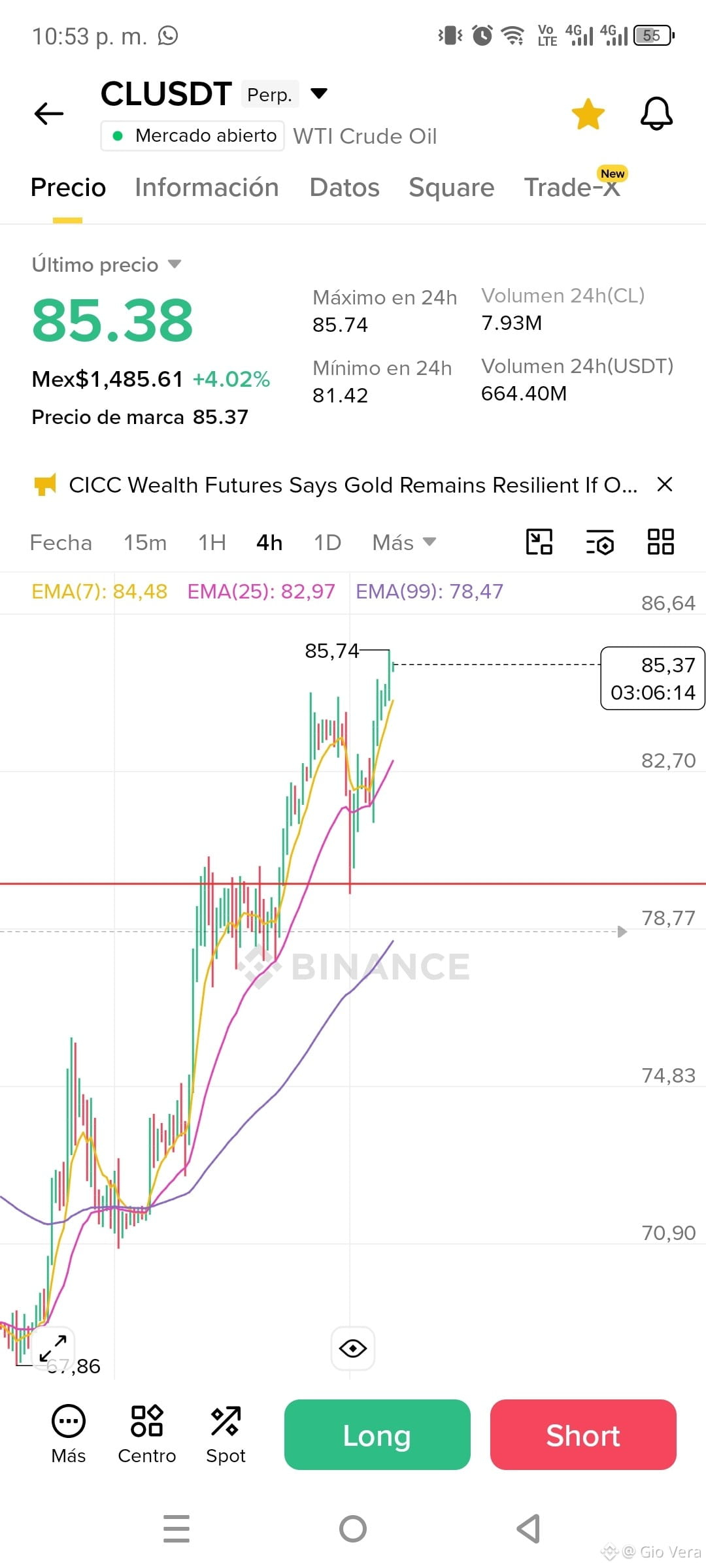
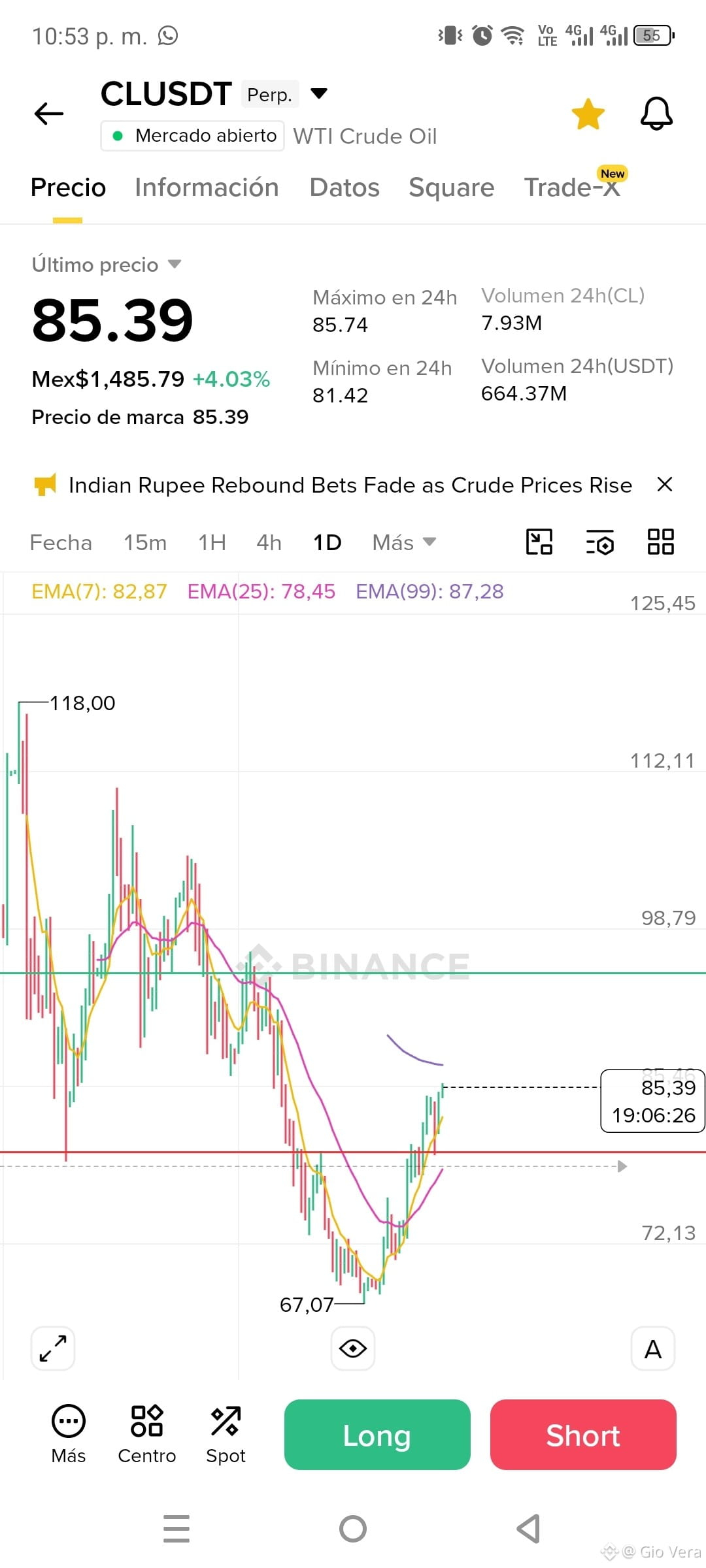
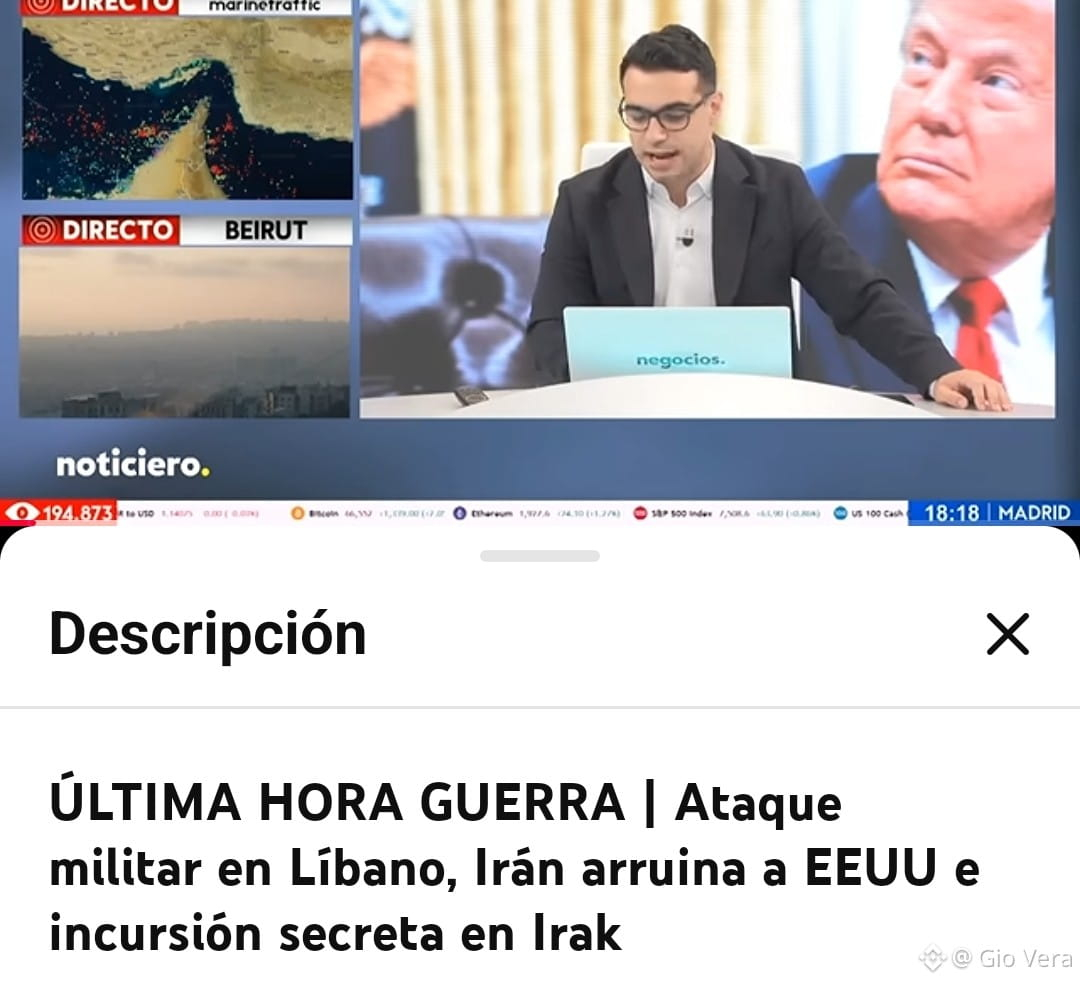
Although this move left me 🥲 if I already got into a trend that is confirmed to take out a little spoonful, I think it will go up more. Geopolitical tensions are hot 😔 and there is no oil and everyone knows it—people are already buying. Everything is going to rise a lot in price. Cheaters—save food little by little, fill up your reserves 😞. . Even though I think the chaos will be gradual, we have to take precautions. .
$CL $PAXG #guerra #crisis #petróleo
Although this move left me 🥲 if I already got into a trend that is confirmed to take out a little spoonful, I think it will go up more. Geopolitical tensions are hot 😔 and there is no oil and everyone knows it—people are already buying. Everything is going to rise a lot in price. Cheaters—save food little by little, fill up your reserves 😞. . Even though I think the chaos will be gradual, we have to take precautions. .
$CL $PAXG #guerra #crisis #petróleo
$CL $PAXG #guerra #crisis #petróleo
550
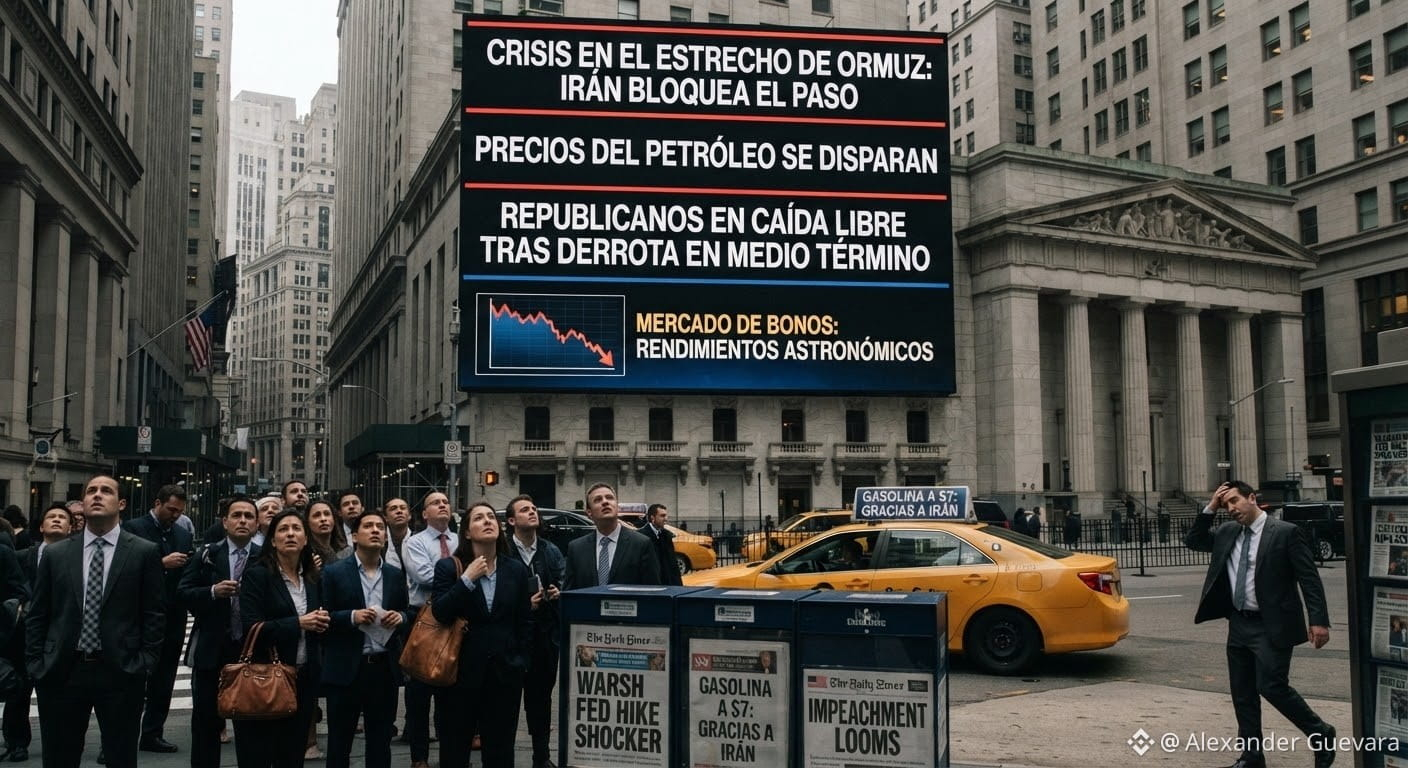
Somewhere, in a parallel universe (or not), I’m telling you that Trump was overestimated after his success in Venezuela and that he went into Iran despite all warnings.
In the end, Tehran understood that it is perfectly capable of blocking the Strait of Hormuz and is now cynically buying time: sky-high oil prices completely wipe out the Republicans’ chances in the midterm elections.
A spike in energy prices has once again accelerated inflation, forcing the new Fed chair, Warsh, to tighten policy instead of the rate cut that had been expected. Bessent’s attempt to regain control of the bond market failed spectacularly: the failed auctions exposed the Treasury’s bluff, sending Treasury yields into space.
The outcome is inevitable: lost midterm elections and two years ahead of trying to dodge impeachment. And the biggest irony is that Trump came to power promising not to get the country involved in other people’s wars, but he buried his own presidency with a conflict in Iran.
Wait... where are you going? 😄
#BonoDelTesoro #iran #EEUU #venezuela #guerra $CL $BZ $TRUMP
Somewhere, in a parallel universe (or not), I’m telling you that Trump was overestimated after his success in Venezuela and that he went into Iran despite all warnings.
In the end, Tehran understood that it is perfectly capable of blocking the Strait of Hormuz and is now cynically buying time: sky-high oil prices completely wipe out the Republicans’ chances in the midterm elections.
A spike in energy prices has once again accelerated inflation, forcing the new Fed chair, Warsh, to tighten policy instead of the rate cut that had been expected. Bessent’s attempt to regain control of the bond market failed spectacularly: the failed auctions exposed the Treasury’s bluff, sending Treasury yields into space.
The outcome is inevitable: lost midterm elections and two years ahead of trying to dodge impeachment. And the biggest irony is that Trump came to power promising not to get the country involved in other people’s wars, but he buried his own presidency with a conflict in Iran.
Wait... where are you going? 😄
#BonoDelTesoro #iran #EEUU #venezuela #guerra $CL $BZ $TRUMP
In the end, Tehran understood that it is perfectly capable of blocking the Strait of Hormuz and is now cynically buying time: sky-high oil prices completely wipe out the Republicans’ chances in the midterm elections.
A spike in energy prices has once again accelerated inflation, forcing the new Fed chair, Warsh, to tighten policy instead of the rate cut that had been expected. Bessent’s attempt to regain control of the bond market failed spectacularly: the failed auctions exposed the Treasury’s bluff, sending Treasury yields into space.
The outcome is inevitable: lost midterm elections and two years ahead of trying to dodge impeachment. And the biggest irony is that Trump came to power promising not to get the country involved in other people’s wars, but he buried his own presidency with a conflict in Iran.
Wait... where are you going? 😄
#BonoDelTesoro #iran #EEUU #venezuela #guerra $CL $BZ $TRUMP
187
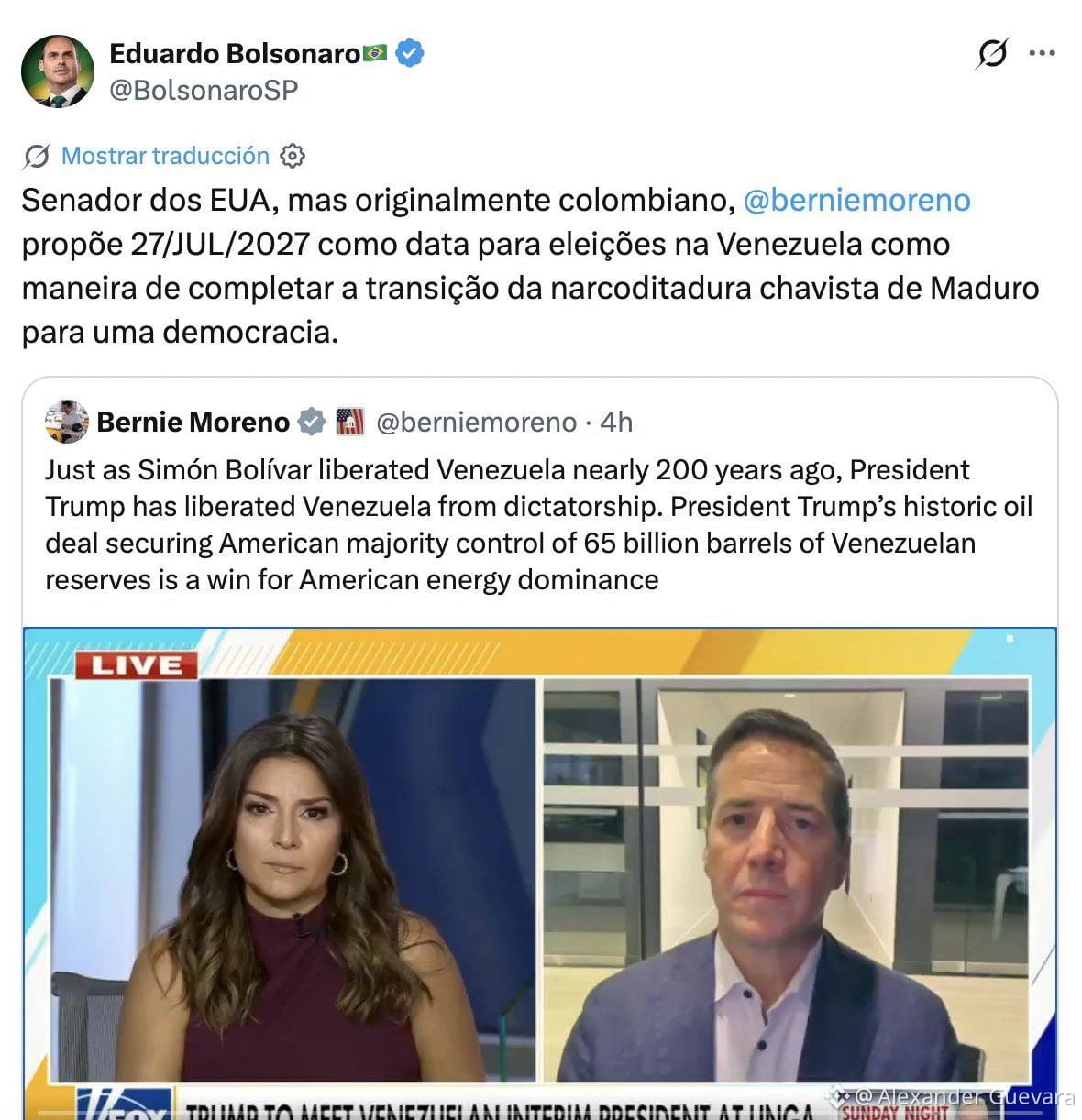
🇺🇸 Republican senator @berniemoreno:
"We need elections in Venezuela. Obviously they’re not ready for elections today, but it’s important to set a date. I suggest July 24 of next year. It’s the day of Bolívar’s birth".
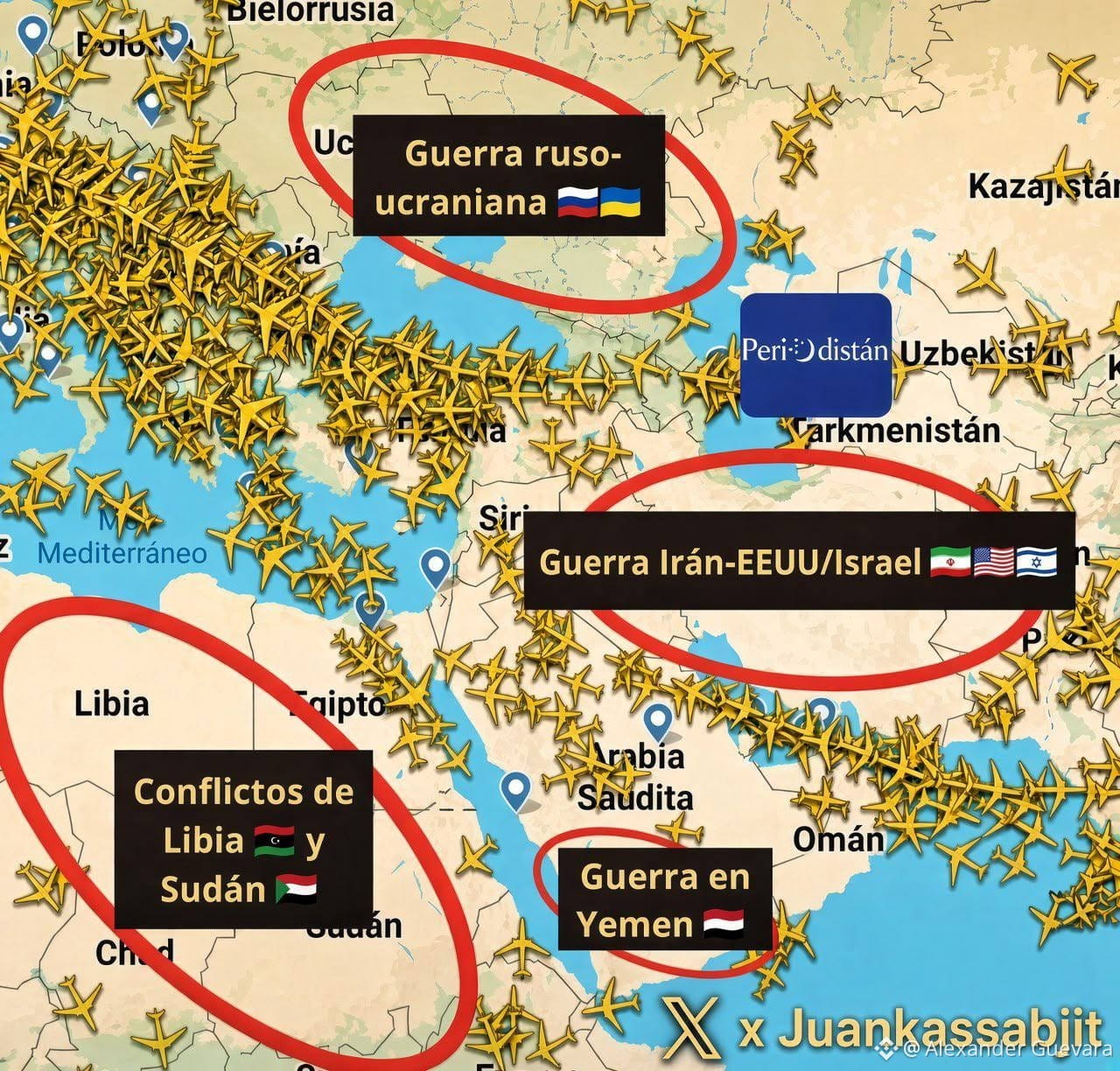
🌎 Currently there are four fronts:
Russian-Ukrainian war.
Iran-US/Israel war.
War in Yemen.
Conflicts in Libya and Sudan.
Where there are no planes, there is fire.
🇧🇷 Eduardo Bolsonaro, brother of @FlavioBolsonaro, joins the request by senator @berniemoreno and asks for elections in Venezuela to be called in July 2027.
🇺🇸 From seeing it as the "ideal Caracas" to stopping at a traffic light with your heart in your throat.
In Doral, the fear of deportation traps families behind four walls
🇺🇸 The US Secretary of Energy warns that a “petroleum agreement with Venezuela” will “survive future Venezuelan governments”.
“Whoever governs (...) that is a victory for the United States and the people of Venezuela.”
#venezuela #EEUU #guerra #Rusia #iran $BZ $CL
🇺🇸 Republican senator @berniemoreno:
"We need elections in Venezuela. Obviously they’re not ready for elections today, but it’s important to set a date. I suggest July 24 of next year. It’s the day of Bolívar’s birth".
🌎 Currently there are four fronts:
Russian-Ukrainian war.
Iran-US/Israel war.
War in Yemen.
Conflicts in Libya and Sudan.
Where there are no planes, there is fire.
🇧🇷 Eduardo Bolsonaro, brother of @FlavioBolsonaro, joins the request by senator @berniemoreno and asks for elections in Venezuela to be called in July 2027.
🇺🇸 From seeing it as the "ideal Caracas" to stopping at a traffic light with your heart in your throat.
In Doral, the fear of deportation traps families behind four walls
🇺🇸 The US Secretary of Energy warns that a “petroleum agreement with Venezuela” will “survive future Venezuelan governments”.
“Whoever governs (...) that is a victory for the United States and the people of Venezuela.”
#venezuela #EEUU #guerra #Rusia #iran $BZ $CL
"We need elections in Venezuela. Obviously they’re not ready for elections today, but it’s important to set a date. I suggest July 24 of next year. It’s the day of Bolívar’s birth".
🌎 Currently there are four fronts:
Russian-Ukrainian war.
Iran-US/Israel war.
War in Yemen.
Conflicts in Libya and Sudan.
Where there are no planes, there is fire.
🇧🇷 Eduardo Bolsonaro, brother of @FlavioBolsonaro, joins the request by senator @berniemoreno and asks for elections in Venezuela to be called in July 2027.
🇺🇸 From seeing it as the "ideal Caracas" to stopping at a traffic light with your heart in your throat.
In Doral, the fear of deportation traps families behind four walls
🇺🇸 The US Secretary of Energy warns that a “petroleum agreement with Venezuela” will “survive future Venezuelan governments”.
“Whoever governs (...) that is a victory for the United States and the people of Venezuela.”
#venezuela #EEUU #guerra #Rusia #iran $BZ $CL

2
631
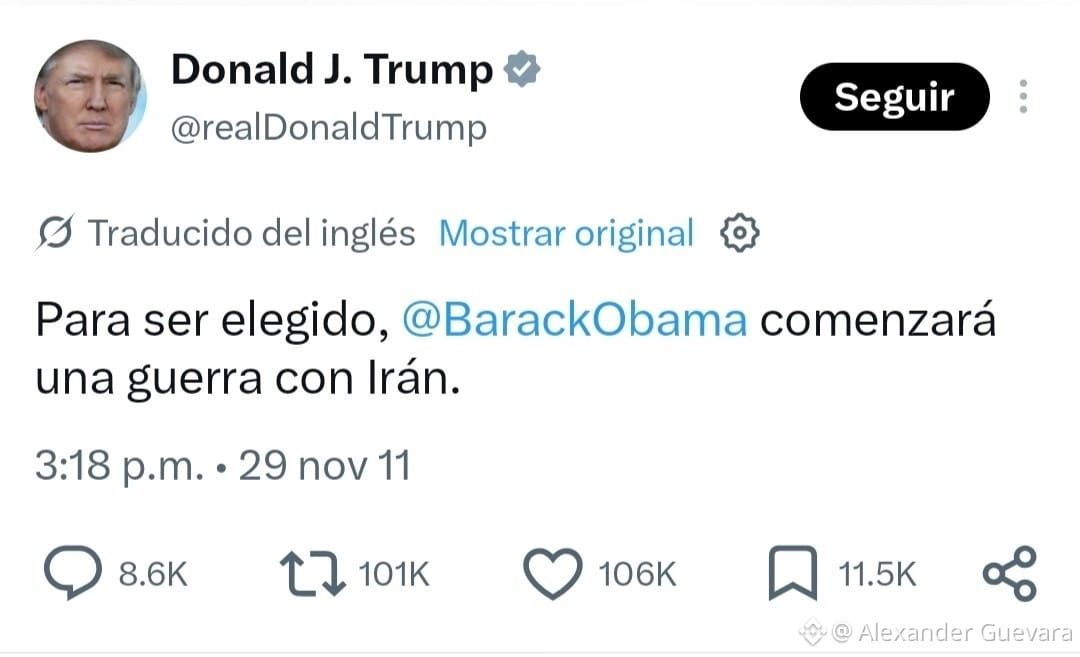
📆 In 2011, Trump said that BARACK OBAMA would start a war with Iran
#TRUMP #DonaldTrump #BarackObama #iran #guerra $BTC $BZ $CL
📆 In 2011, Trump said that BARACK OBAMA would start a war with Iran
#TRUMP #DonaldTrump #BarackObama #iran #guerra $BTC $BZ $CL
#TRUMP #DonaldTrump #BarackObama #iran #guerra $BTC $BZ $CL
57
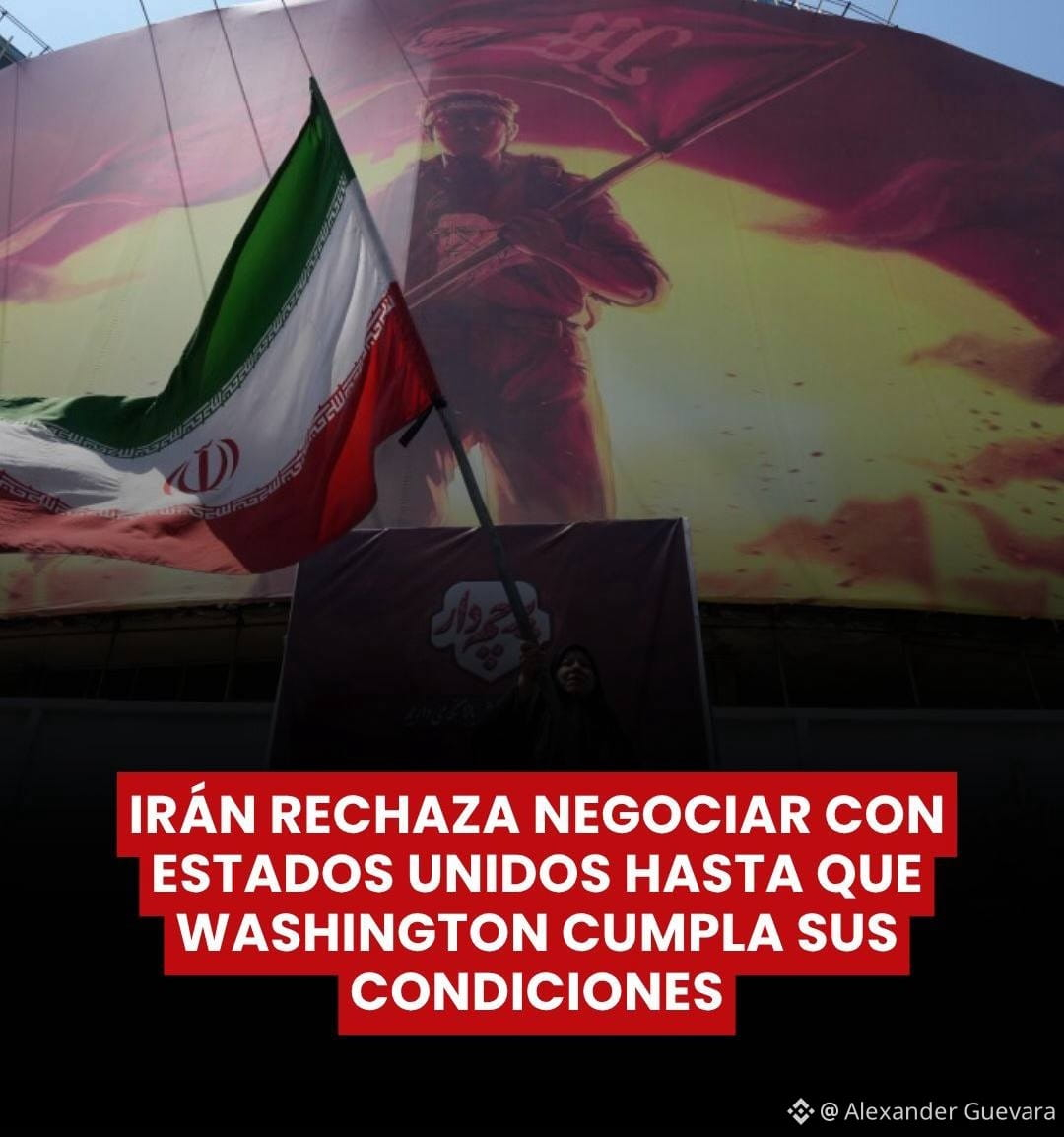
🚨🇮🇷🇺🇸 The secretary of Iran’s Supreme National Security Council, Mohsen Rezaei, ruled out initiating negotiations with the United States this Tuesday to end the war unless Tehran’s demands are met.
🗣️ “There will be no negotiations until Iran’s conditions are met. Period!”, Rezaei said after President Donald Trump indicated that Washington is open to resuming dialogue.
Among the conditions raised by Iran are the lifting of sanctions and war reparations. Tehran has also linked these demands to an end to its blockade of the Strait of Hormuz, while negotiations to end the conflict remain stalled.
🇺🇸🇮🇱 The US is set to sell more than 40,000 heavy bombs to Israel.
#Israel #iran #EEUU #guerra #medioriente $CL $BZ
🚨🇮🇷🇺🇸 The secretary of Iran’s Supreme National Security Council, Mohsen Rezaei, ruled out initiating negotiations with the United States this Tuesday to end the war unless Tehran’s demands are met.
🗣️ “There will be no negotiations until Iran’s conditions are met. Period!”, Rezaei said after President Donald Trump indicated that Washington is open to resuming dialogue.
Among the conditions raised by Iran are the lifting of sanctions and war reparations. Tehran has also linked these demands to an end to its blockade of the Strait of Hormuz, while negotiations to end the conflict remain stalled.
🇺🇸🇮🇱 The US is set to sell more than 40,000 heavy bombs to Israel.
#Israel #iran #EEUU #guerra #medioriente $CL $BZ
🗣️ “There will be no negotiations until Iran’s conditions are met. Period!”, Rezaei said after President Donald Trump indicated that Washington is open to resuming dialogue.
Among the conditions raised by Iran are the lifting of sanctions and war reparations. Tehran has also linked these demands to an end to its blockade of the Strait of Hormuz, while negotiations to end the conflict remain stalled.
🇺🇸🇮🇱 The US is set to sell more than 40,000 heavy bombs to Israel.
#Israel #iran #EEUU #guerra #medioriente $CL $BZ
1.2k
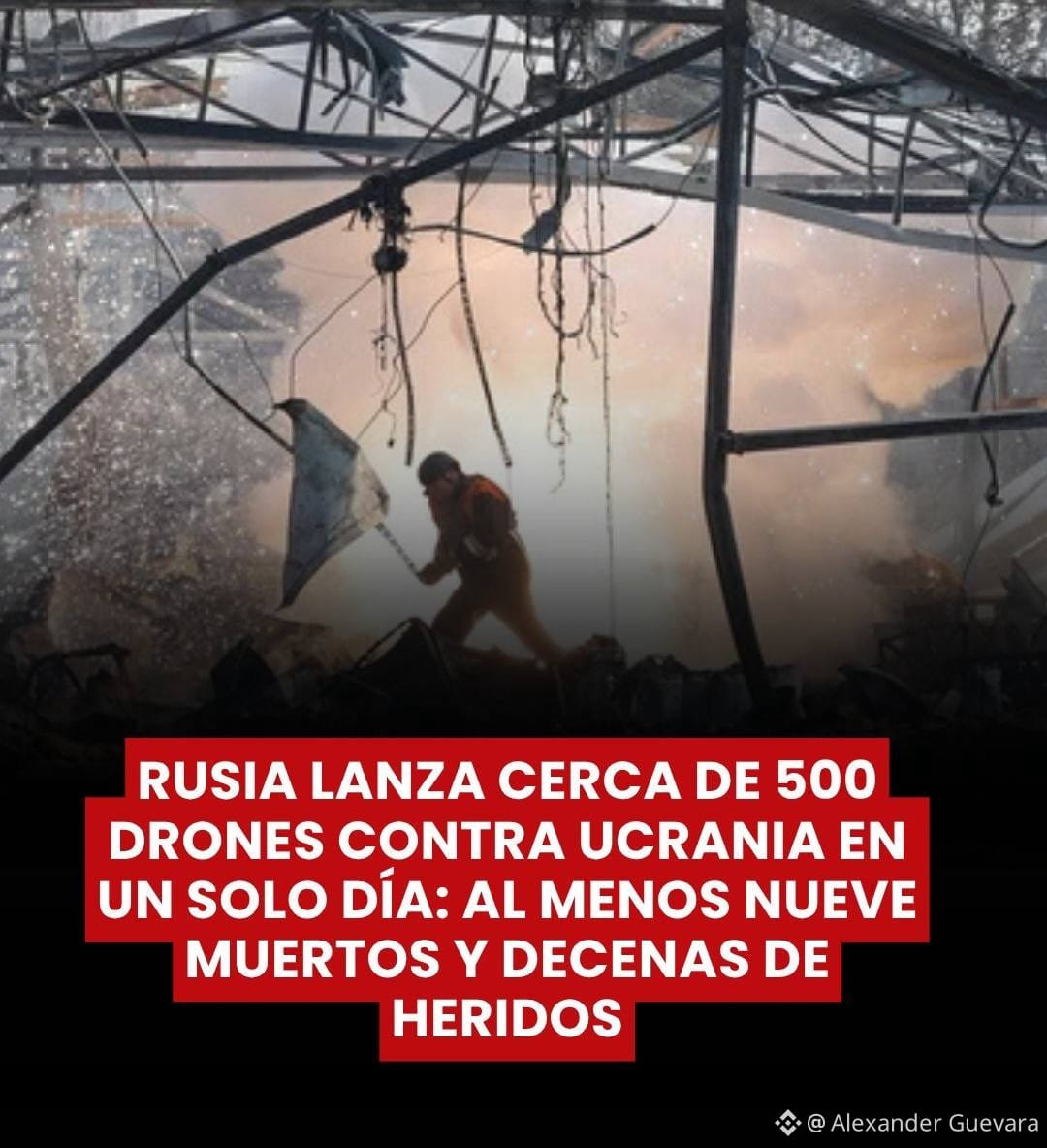
🚨🇷🇺🇺🇦 Russia launched a new large-scale offensive against several regions of Ukraine, with close to 500 drones and additional missile strikes, according to President Volodymyr Zelensky. The bombardments hit buildings, vehicles, supermarkets, gas stations, and industrial facilities.
The attacks left at least nine dead and dozens injured in cities and regions such as Kramatorsk, Zaporizhzhia, Kryvyi Rih, Odesa, and Zhytomyr. Only in Odesa, 37 injuries were reported, including a baby, as well as two people missing.
Moscow, for its part, said that its forces struck industrial facilities and targets linked to the Ukrainian military effort, as well as cargo ships in Black Sea ports.
#Ucrania #Rusia #ukraine #guerra #militares $CL $BZ $NATGAS
🚨🇷🇺🇺🇦 Russia launched a new large-scale offensive against several regions of Ukraine, with close to 500 drones and additional missile strikes, according to President Volodymyr Zelensky. The bombardments hit buildings, vehicles, supermarkets, gas stations, and industrial facilities.
The attacks left at least nine dead and dozens injured in cities and regions such as Kramatorsk, Zaporizhzhia, Kryvyi Rih, Odesa, and Zhytomyr. Only in Odesa, 37 injuries were reported, including a baby, as well as two people missing.
Moscow, for its part, said that its forces struck industrial facilities and targets linked to the Ukrainian military effort, as well as cargo ships in Black Sea ports.
#Ucrania #Rusia #ukraine #guerra #militares $CL $BZ $NATGAS
The attacks left at least nine dead and dozens injured in cities and regions such as Kramatorsk, Zaporizhzhia, Kryvyi Rih, Odesa, and Zhytomyr. Only in Odesa, 37 injuries were reported, including a baby, as well as two people missing.
Moscow, for its part, said that its forces struck industrial facilities and targets linked to the Ukrainian military effort, as well as cargo ships in Black Sea ports.
#Ucrania #Rusia #ukraine #guerra #militares $CL $BZ $NATGAS
1
1
84
📊🇺🇸 Purchases of U.S. stocks fell significantly in 2026. — Vanda Research
🔥🇷🇺📊 In Russia, June inflation was 0.87% versus 0.17% in May. ROSSTAT
In the first half of 2026, Russia’s inflation was 4.19%, compared with 3.77% recorded in the same period
Russia’s annual inflation in June was 6.02%, versus 5.31% in May
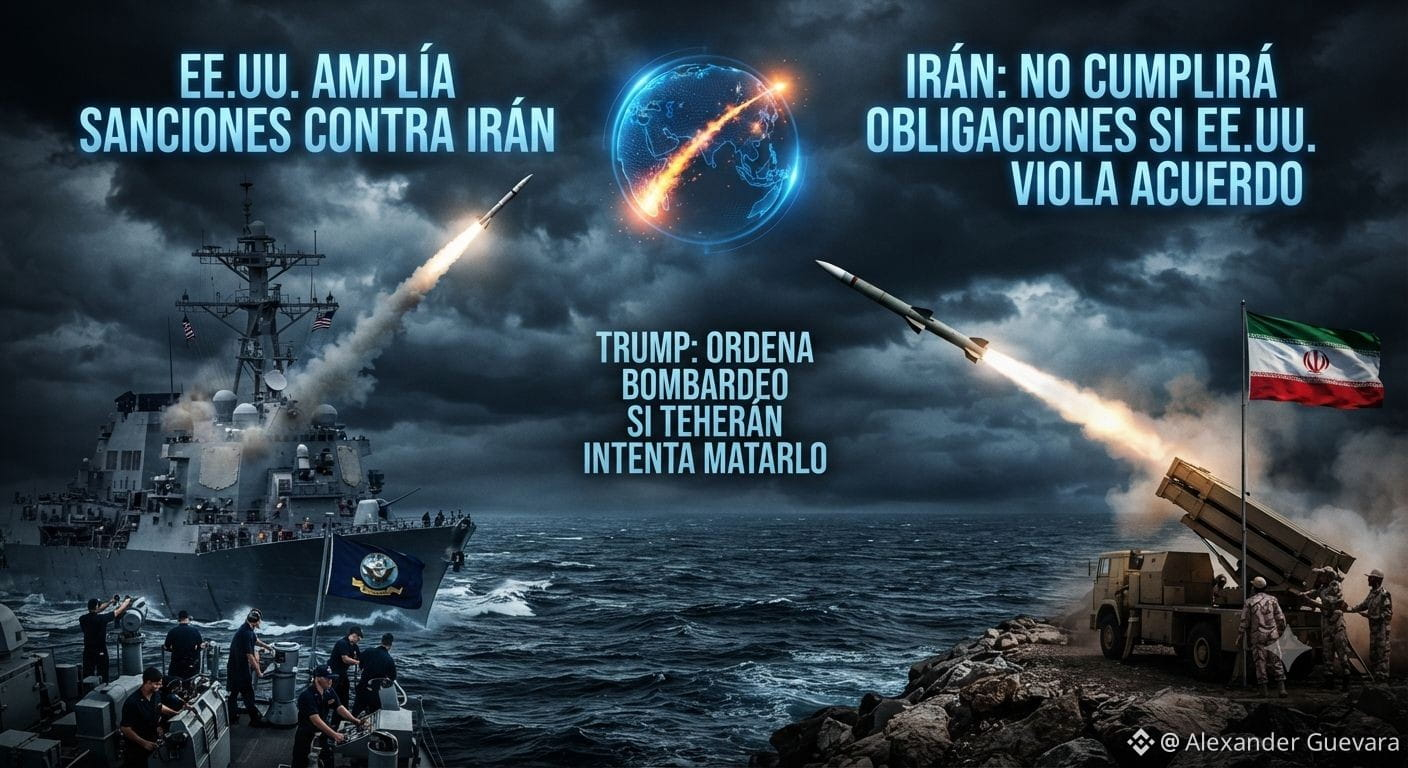
⚠️🇮🇷 Trump has ordered that Iran be bombed if Tehran manages to kill him. Interview with NYP
⚠️🇮🇷 Iran will not meet its obligations under the memorandum of understanding signed with the United States if Washington continues to violate it, Iranian ambassador to the UN Amir Saeid Iravani said.
⚠️🇮🇷 The United States has expanded sanctions against Iran
#EEUU #Rusia #iran #guerra #Macro $CL $BZ $BTC
📊🇺🇸 Purchases of U.S. stocks fell significantly in 2026. — Vanda Research
🔥🇷🇺📊 In Russia, June inflation was 0.87% versus 0.17% in May. ROSSTAT
In the first half of 2026, Russia’s inflation was 4.19%, compared with 3.77% recorded in the same period
Russia’s annual inflation in June was 6.02%, versus 5.31% in May
⚠️🇮🇷 Trump has ordered that Iran be bombed if Tehran manages to kill him. Interview with NYP
⚠️🇮🇷 Iran will not meet its obligations under the memorandum of understanding signed with the United States if Washington continues to violate it, Iranian ambassador to the UN Amir Saeid Iravani said.
⚠️🇮🇷 The United States has expanded sanctions against Iran
#EEUU #Rusia #iran #guerra #Macro $CL $BZ $BTC
🔥🇷🇺📊 In Russia, June inflation was 0.87% versus 0.17% in May. ROSSTAT
In the first half of 2026, Russia’s inflation was 4.19%, compared with 3.77% recorded in the same period
Russia’s annual inflation in June was 6.02%, versus 5.31% in May
⚠️🇮🇷 Trump has ordered that Iran be bombed if Tehran manages to kill him. Interview with NYP
⚠️🇮🇷 Iran will not meet its obligations under the memorandum of understanding signed with the United States if Washington continues to violate it, Iranian ambassador to the UN Amir Saeid Iravani said.
⚠️🇮🇷 The United States has expanded sanctions against Iran
#EEUU #Rusia #iran #guerra #Macro $CL $BZ $BTC

3
120
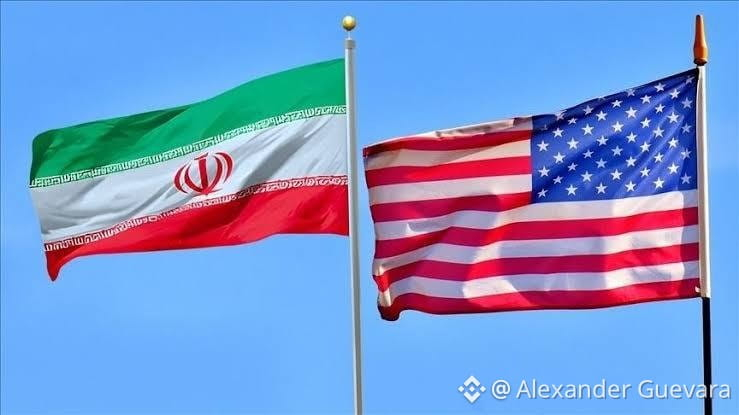
👑🇺🇸🇮🇷 The US and Iran resume exchanging attacks.
After Iran attacked a vessel in the Strait of Hormuz, the US launched strikes against dozens of Iranian military installations. In response, Iran attacked targets in the region, and both sides have declared that they control the strait—one of the world’s most important oil supply routes. 🗺️🛢️
📊 Consequences for the markets:
➖ Bitcoin — under pressure due to rising geopolitical risks. 📉
➖ Oil — receives support and could continue its rise amid fears of supply disruptions. 🛢️📈
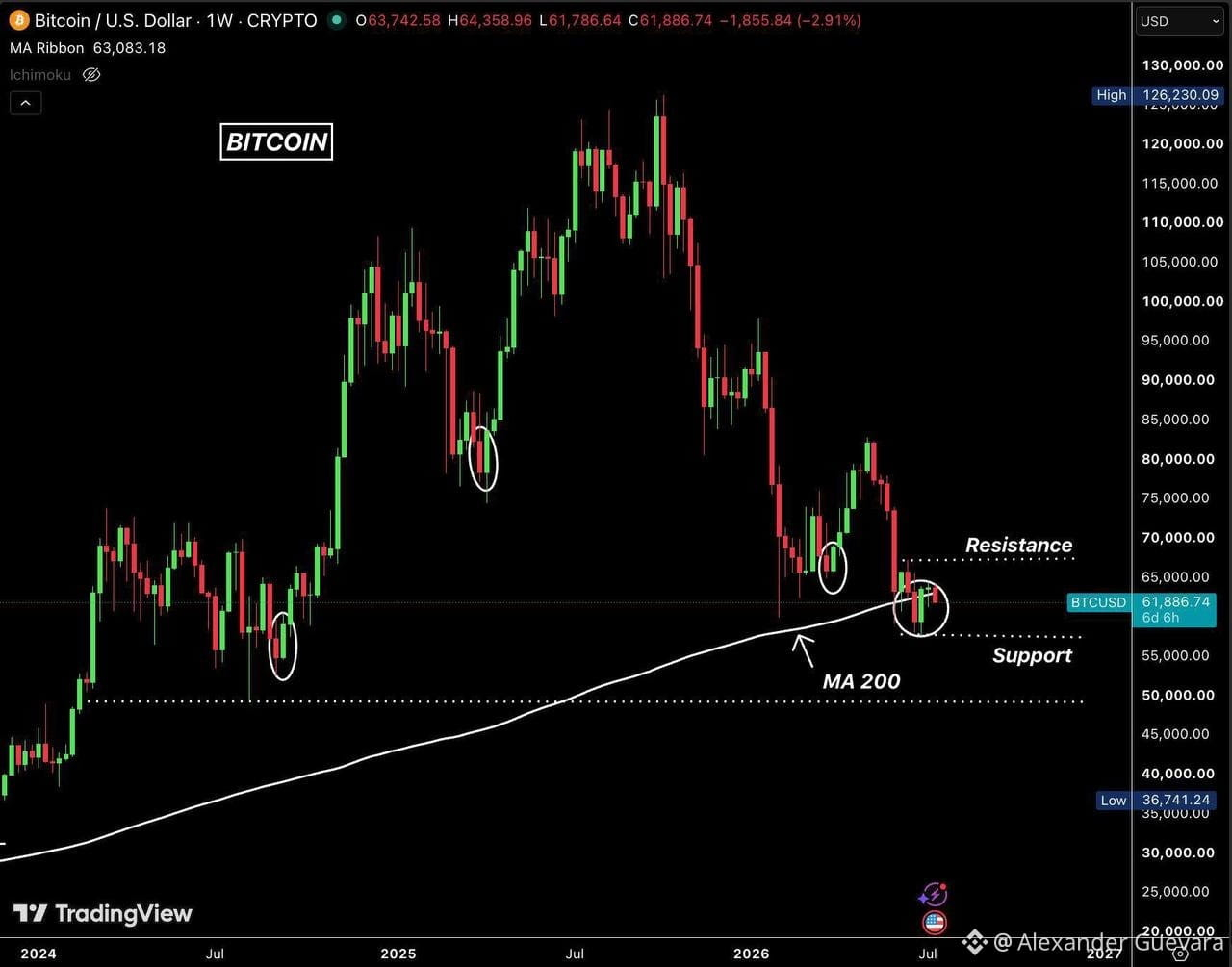
Bitcoin’s price closed this week above the key support level of the 200-day moving average (MA 200), forming a Doji candle. 🕯️📊
This shows that the market is still experiencing uncertainty, but the bullish engulfing candle that formed three weeks ago remains intact. 💪📈
Earlier in this cycle, this same pattern appeared three times, and on each occasion it was followed by a strong rally. 🚀🔥
Two possible scenarios: 👇
1️⃣ Hold $58,000 = breakout toward $67,000, then on to $83,000. 🎯
2️⃣ Lose $58,000 at the weekly close = the next key support would be near $49,000. 📉
This week’s US CPI report (Consumer Price Index), which will be released, will be crucial. 🇺🇸📊
A drop in inflation could help Bitcoin recover, while an increase could pressure its price downward. ⚖️
#BTC #EEUU #iran #guerra #petróleo $CL $BZ $BTC
👑🇺🇸🇮🇷 The US and Iran resume exchanging attacks.
After Iran attacked a vessel in the Strait of Hormuz, the US launched strikes against dozens of Iranian military installations. In response, Iran attacked targets in the region, and both sides have declared that they control the strait—one of the world’s most important oil supply routes. 🗺️🛢️
📊 Consequences for the markets:
➖ Bitcoin — under pressure due to rising geopolitical risks. 📉
➖ Oil — receives support and could continue its rise amid fears of supply disruptions. 🛢️📈
Bitcoin’s price closed this week above the key support level of the 200-day moving average (MA 200), forming a Doji candle. 🕯️📊
This shows that the market is still experiencing uncertainty, but the bullish engulfing candle that formed three weeks ago remains intact. 💪📈
Earlier in this cycle, this same pattern appeared three times, and on each occasion it was followed by a strong rally. 🚀🔥
Two possible scenarios: 👇
1️⃣ Hold $58,000 = breakout toward $67,000, then on to $83,000. 🎯
2️⃣ Lose $58,000 at the weekly close = the next key support would be near $49,000. 📉
This week’s US CPI report (Consumer Price Index), which will be released, will be crucial. 🇺🇸📊
A drop in inflation could help Bitcoin recover, while an increase could pressure its price downward. ⚖️
#BTC #EEUU #iran #guerra #petróleo $CL $BZ $BTC
After Iran attacked a vessel in the Strait of Hormuz, the US launched strikes against dozens of Iranian military installations. In response, Iran attacked targets in the region, and both sides have declared that they control the strait—one of the world’s most important oil supply routes. 🗺️🛢️
📊 Consequences for the markets:
➖ Bitcoin — under pressure due to rising geopolitical risks. 📉
➖ Oil — receives support and could continue its rise amid fears of supply disruptions. 🛢️📈
Bitcoin’s price closed this week above the key support level of the 200-day moving average (MA 200), forming a Doji candle. 🕯️📊
This shows that the market is still experiencing uncertainty, but the bullish engulfing candle that formed three weeks ago remains intact. 💪📈
Earlier in this cycle, this same pattern appeared three times, and on each occasion it was followed by a strong rally. 🚀🔥
Two possible scenarios: 👇
1️⃣ Hold $58,000 = breakout toward $67,000, then on to $83,000. 🎯
2️⃣ Lose $58,000 at the weekly close = the next key support would be near $49,000. 📉
This week’s US CPI report (Consumer Price Index), which will be released, will be crucial. 🇺🇸📊
A drop in inflation could help Bitcoin recover, while an increase could pressure its price downward. ⚖️
#BTC #EEUU #iran #guerra #petróleo $CL $BZ $BTC
3
225
Article
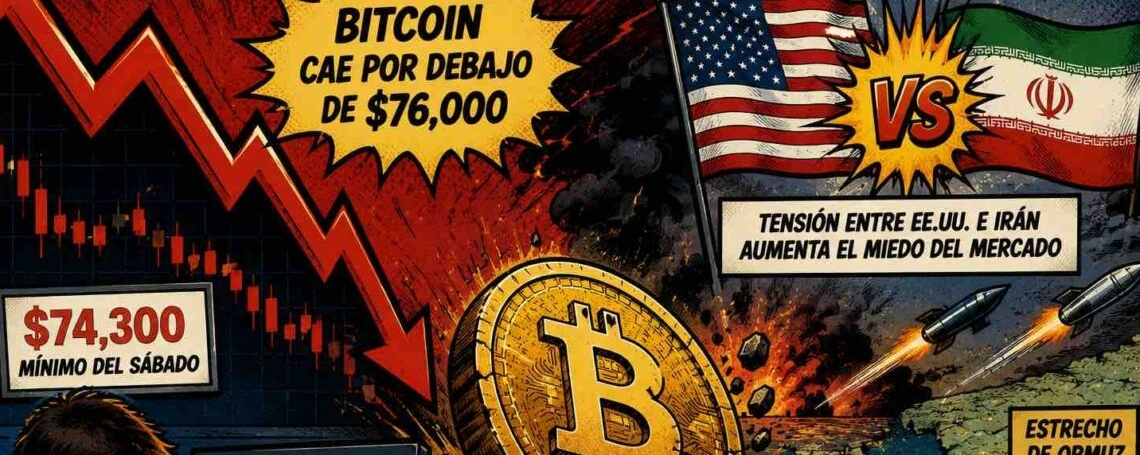
Bitcoin falls under pressure as fears of military escalation between the U.S. and Iran grow.The crypto market lost nearly USD 1 billion in liquidations following new signs of geopolitical tension and risks surrounding oil.
📉 Bitcoin dips below 75,000 dollars.
Bitcoin's price took a heavy dive over the weekend as speculation grew about a potential military action by the U.S. against Iran, even though diplomatic talks between the two powers are still ongoing.
The cryptocurrency dropped below USD 76,000 on Friday and later hit the USD 74,300 zone early Saturday morning, dragging the rest of the crypto market down with it.
Bitcoin falls under pressure as fears of military escalation between the U.S. and Iran grow.
The crypto market lost nearly USD 1 billion in liquidations following new signs of geopolitical tension and risks surrounding oil.
📉 Bitcoin dips below 75,000 dollars.
Bitcoin's price took a heavy dive over the weekend as speculation grew about a potential military action by the U.S. against Iran, even though diplomatic talks between the two powers are still ongoing.
The cryptocurrency dropped below USD 76,000 on Friday and later hit the USD 74,300 zone early Saturday morning, dragging the rest of the crypto market down with it.
📉 Bitcoin dips below 75,000 dollars.
Bitcoin's price took a heavy dive over the weekend as speculation grew about a potential military action by the U.S. against Iran, even though diplomatic talks between the two powers are still ongoing.
The cryptocurrency dropped below USD 76,000 on Friday and later hit the USD 74,300 zone early Saturday morning, dragging the rest of the crypto market down with it.
3
176
🇺🇸👀 The United States and Iran have agreed to end military attacks, and representatives from both countries will meet on Tuesday in Doha, Qatar.
📝 Reportedly, Google has limited Meta’s use of the Gemini AI due to computing resource restrictions.
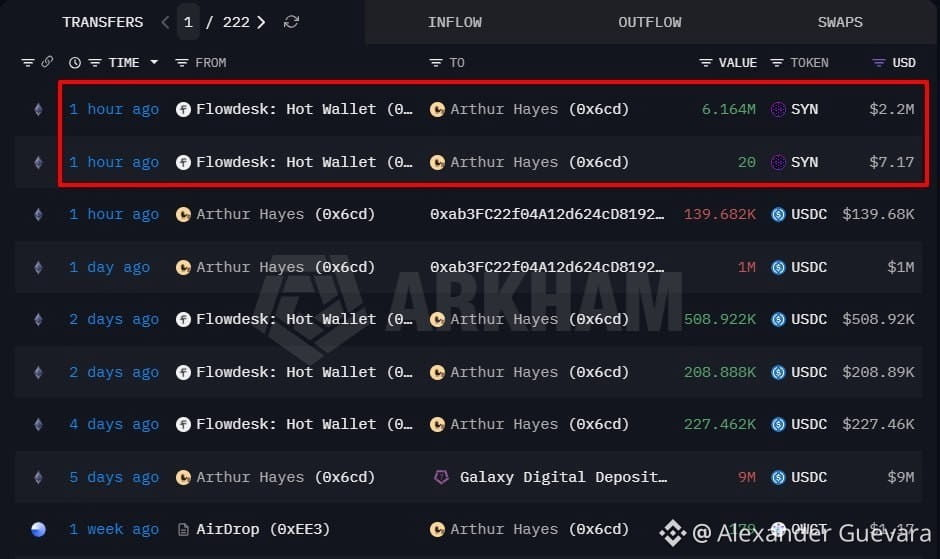
🕵️ Arthur Hayes bought 6.16 million $SYN for $2.2 million through FlowDesk.
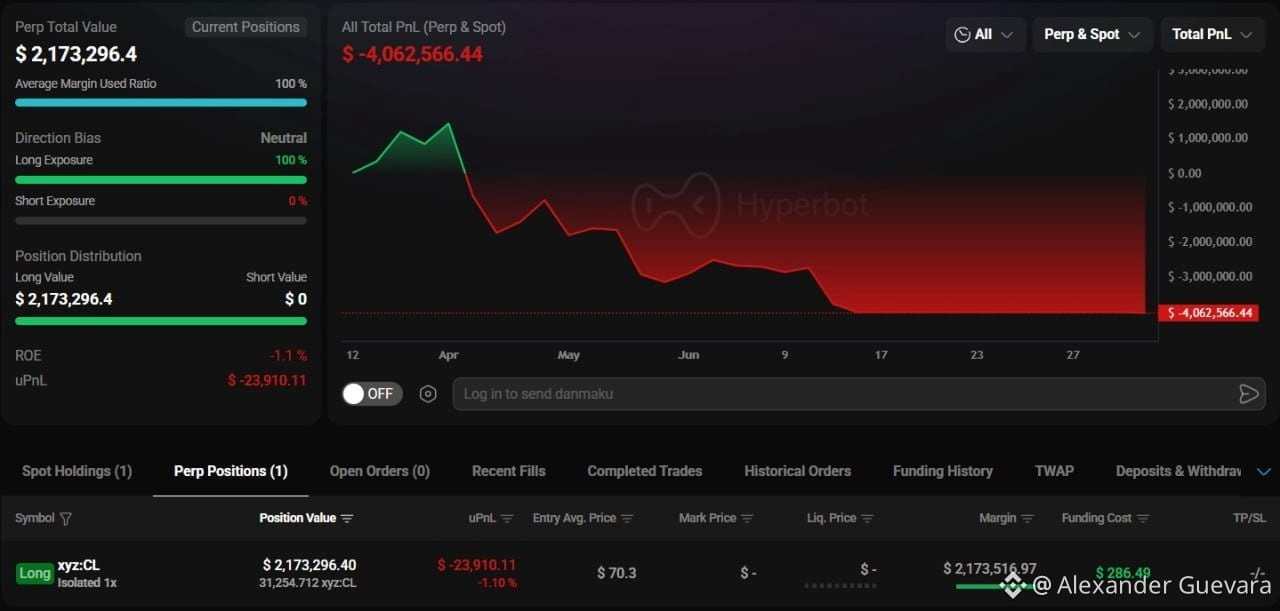
💸 #HYPE A “whale” has deposited $2 million in $USDC on HyperLiquid and opened a long position of 31,255 $CL with 1x leverage.
This “whale” had previously lost more than $4.06 million.
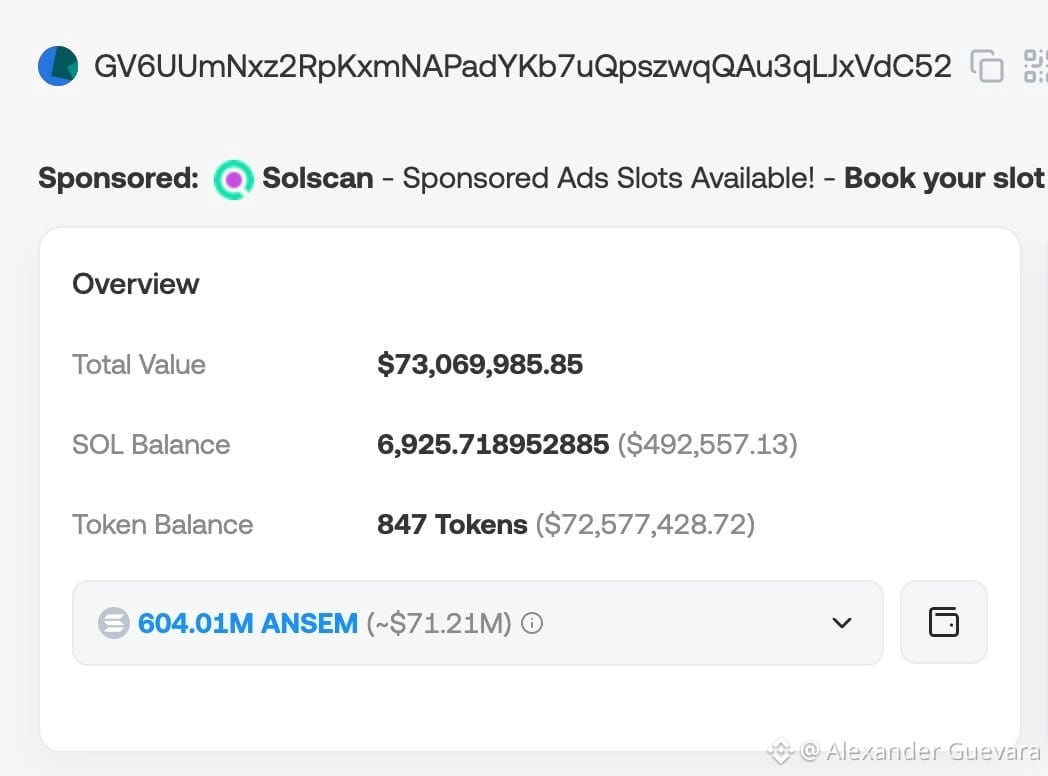
🕵️♂️ As the price of $ANSEM continues to rise, the 604M $ANSEM held in Ansem’s wallet are now worth more than $71M.
#hype #ballenas #billetera #guerra #AI $HYPE $GOOGL
🇺🇸👀 The United States and Iran have agreed to end military attacks, and representatives from both countries will meet on Tuesday in Doha, Qatar.
📝 Reportedly, Google has limited Meta’s use of the Gemini AI due to computing resource restrictions.
🕵️ Arthur Hayes bought 6.16 million $SYN for $2.2 million through FlowDesk.
💸 #HYPE A “whale” has deposited $2 million in $USDC on HyperLiquid and opened a long position of 31,255 $CL with 1x leverage.
This “whale” had previously lost more than $4.06 million.
🕵️♂️ As the price of $ANSEM continues to rise, the 604M $ANSEM held in Ansem’s wallet are now worth more than $71M.
#hype #ballenas #billetera #guerra #AI $HYPE $GOOGL
📝 Reportedly, Google has limited Meta’s use of the Gemini AI due to computing resource restrictions.
🕵️ Arthur Hayes bought 6.16 million $SYN for $2.2 million through FlowDesk.
💸 #HYPE A “whale” has deposited $2 million in $USDC on HyperLiquid and opened a long position of 31,255 $CL with 1x leverage.
This “whale” had previously lost more than $4.06 million.
🕵️♂️ As the price of $ANSEM continues to rise, the 604M $ANSEM held in Ansem’s wallet are now worth more than $71M.
#hype #ballenas #billetera #guerra #AI $HYPE $GOOGL

3
153
Article
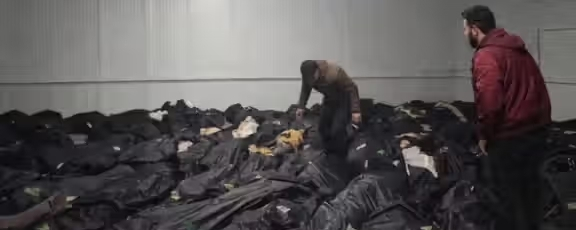
More than 36,500 deaths in Iran’s bloodiest massacre, according to documents revealedPassed 30,000.
Two informed sources from the Supreme National Security Council also told Iran International that, in two recent reports from the Intelligence Organization of Iran’s Islamic Revolutionary Guard Corps, dated January 22 and January 24, the number of deaths stood at more than 33,000 and more than 36,500, respectively.
According to reports from the Ministry of the Interior, security forces clashed with protesters in more than 400 cities and towns, and more than 4,000 sites of clashes have been recorded across the country.
More than 36,500 deaths in Iran’s bloodiest massacre, according to documents revealed
Passed 30,000.
Two informed sources from the Supreme National Security Council also told Iran International that, in two recent reports from the Intelligence Organization of Iran’s Islamic Revolutionary Guard Corps, dated January 22 and January 24, the number of deaths stood at more than 33,000 and more than 36,500, respectively.
According to reports from the Ministry of the Interior, security forces clashed with protesters in more than 400 cities and towns, and more than 4,000 sites of clashes have been recorded across the country.
Two informed sources from the Supreme National Security Council also told Iran International that, in two recent reports from the Intelligence Organization of Iran’s Islamic Revolutionary Guard Corps, dated January 22 and January 24, the number of deaths stood at more than 33,000 and more than 36,500, respectively.
According to reports from the Ministry of the Interior, security forces clashed with protesters in more than 400 cities and towns, and more than 4,000 sites of clashes have been recorded across the country.
3
43
Article
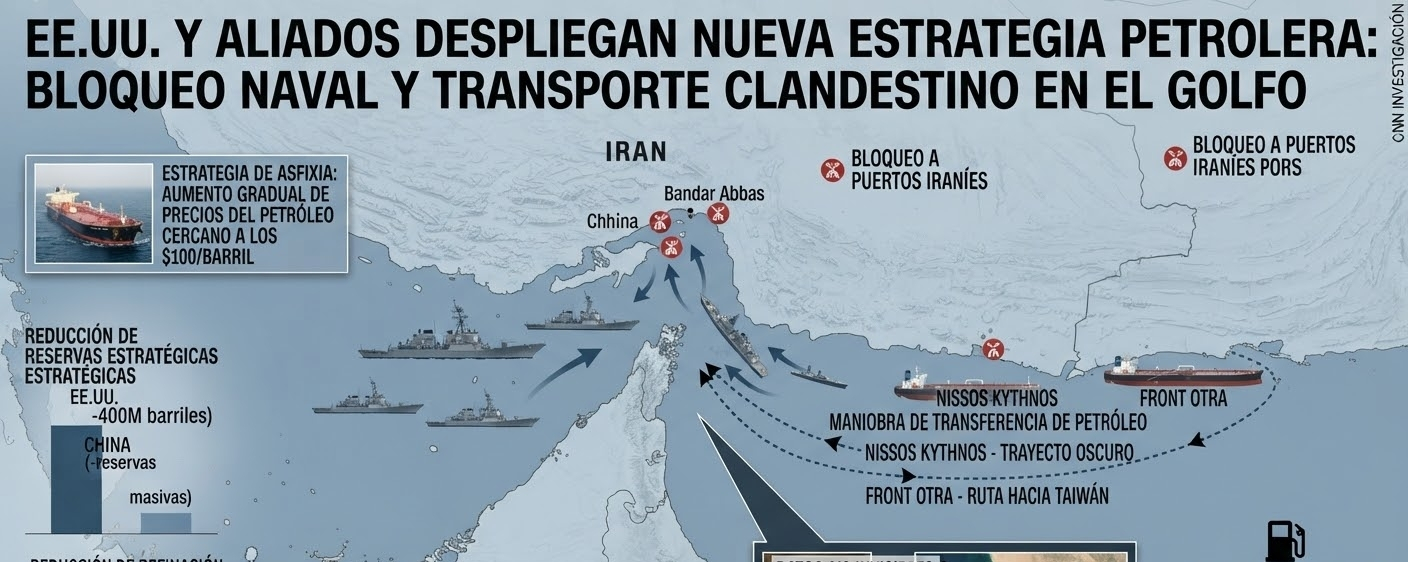
The U.S. and its Middle East allies changed oil exchanges with Iran. They did so with a dangerous maneuver
CNN
—
On the afternoon of July 25, the Greek-owned supertanker Kiku docked at the Mesaieed oil export terminal in Qatar, an enormous port with 30 berths located on the country’s west coast, 40 kilometers south of Doha.
Four days later, loaded with crude, the Kiku crossed the Strait of Hormuz. This large oil tanker, the biggest in its class (with more than 300 meters in length), maintained a constant speed of 13 knots across the Persian Gulf, near its maximum speed.
The U.S. and its Middle East allies changed oil exchanges with Iran. They did so with
a dangerous maneuver
CNN
—
On the afternoon of July 25, the Greek-owned supertanker Kiku docked at the Mesaieed oil export terminal in Qatar, an enormous port with 30 berths located on the country’s west coast, 40 kilometers south of Doha.
Four days later, loaded with crude, the Kiku crossed the Strait of Hormuz. This large oil tanker, the biggest in its class (with more than 300 meters in length), maintained a constant speed of 13 knots across the Persian Gulf, near its maximum speed.
CNN
—
On the afternoon of July 25, the Greek-owned supertanker Kiku docked at the Mesaieed oil export terminal in Qatar, an enormous port with 30 berths located on the country’s west coast, 40 kilometers south of Doha.
Four days later, loaded with crude, the Kiku crossed the Strait of Hormuz. This large oil tanker, the biggest in its class (with more than 300 meters in length), maintained a constant speed of 13 knots across the Persian Gulf, near its maximum speed.
73
✅🚨LAST🚨
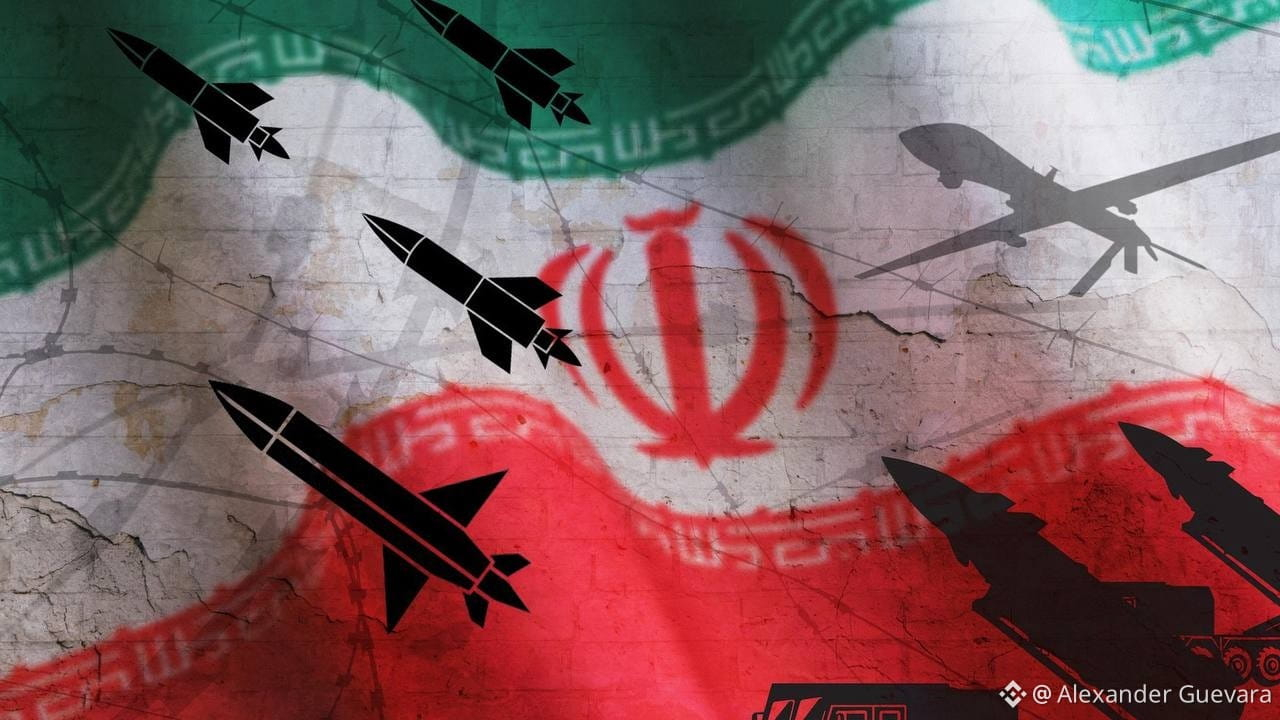
THE BIGGEST OIL DISRUPTION IN HISTORY CAN STILL GET WORSE (DIRECT THREATS TO KEY LOCATIONS)
👀Complementing the previous post, where we analyzed the situation of the WAR and OIL, here we have all these new pieces of data:
▪️Trump held a meeting in the Situation Room on Tuesday to discuss a "massive offensive" in Iran.
▪️After that, Trump stated that the U.S. will bomb energy infrastructure and Iranian bridges next week if Iran doesn’t “sit down at the table” and negotiate.
▪️He also said he has decided to "replace the 20% U.S. toll on the Strait of Hormuz, with trade and investment agreements" with Gulf countries.
#EEUU #TRUMP #petróleo #iran #guerra $CL $BZ $TRUMP
✅🚨LAST🚨
THE BIGGEST OIL DISRUPTION IN HISTORY CAN STILL GET WORSE (DIRECT THREATS TO KEY LOCATIONS)
👀Complementing the previous post, where we analyzed the situation of the WAR and OIL, here we have all these new pieces of data:
▪️Trump held a meeting in the Situation Room on Tuesday to discuss a "massive offensive" in Iran.
▪️After that, Trump stated that the U.S. will bomb energy infrastructure and Iranian bridges next week if Iran doesn’t “sit down at the table” and negotiate.
▪️He also said he has decided to "replace the 20% U.S. toll on the Strait of Hormuz, with trade and investment agreements" with Gulf countries.
#EEUU #TRUMP #petróleo #iran #guerra $CL $BZ $TRUMP
THE BIGGEST OIL DISRUPTION IN HISTORY CAN STILL GET WORSE (DIRECT THREATS TO KEY LOCATIONS)
👀Complementing the previous post, where we analyzed the situation of the WAR and OIL, here we have all these new pieces of data:
▪️Trump held a meeting in the Situation Room on Tuesday to discuss a "massive offensive" in Iran.
▪️After that, Trump stated that the U.S. will bomb energy infrastructure and Iranian bridges next week if Iran doesn’t “sit down at the table” and negotiate.
▪️He also said he has decided to "replace the 20% U.S. toll on the Strait of Hormuz, with trade and investment agreements" with Gulf countries.
#EEUU #TRUMP #petróleo #iran #guerra $CL $BZ $TRUMP
3
128

·
--
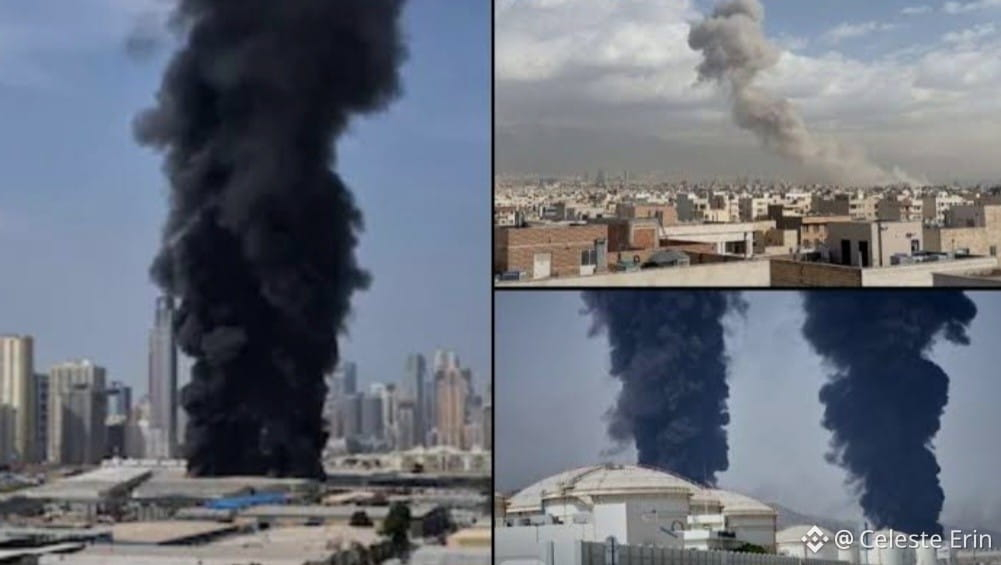
🚨 MAXIMUM TENSION! 💣 IRANIAN DRONES STRIKE US MILITARY BASE IN KUWAIT 🌍
Armed escalation in the Middle East! 💥 Iranian media reported that drones from their forces attacked a US military base in Kuwait during the early hours of June 10 (local time). 🗺️⚔️
📌 Key points at a glance:
New Attack: According to reports from Odaily, the airstrike directly hit facilities used by US troops on Kuwaiti soil. 🛩️
💥 Previous Offensives: This incident adds to the recent attacks by Iran against the US Fifth Fleet in Bahrain and an Air Force base in Jordan. 🇧🇭
🇯🇴 Market Alert: The international financial community is closely watching the geopolitical instability given the risk of a military response from Washington. 📈⛽
#Kuwait #EEUU #Geopolítica #Guerra #BinanceSquare
👇 Monitor the reaction of global markets in real-time down here:
$BTC $ETH
{spot}(ETHUSDT)
{future}(BNBUSDT)
{spot}(BTCUSDT)
🚨 MAXIMUM TENSION! 💣 IRANIAN DRONES STRIKE US MILITARY BASE IN KUWAIT 🌍
Armed escalation in the Middle East! 💥 Iranian media reported that drones from their forces attacked a US military base in Kuwait during the early hours of June 10 (local time). 🗺️⚔️
📌 Key points at a glance:
New Attack: According to reports from Odaily, the airstrike directly hit facilities used by US troops on Kuwaiti soil. 🛩️
💥 Previous Offensives: This incident adds to the recent attacks by Iran against the US Fifth Fleet in Bahrain and an Air Force base in Jordan. 🇧🇭
🇯🇴 Market Alert: The international financial community is closely watching the geopolitical instability given the risk of a military response from Washington. 📈⛽
#Kuwait #EEUU #Geopolítica #Guerra #BinanceSquare
👇 Monitor the reaction of global markets in real-time down here:
$BTC $ETH
Armed escalation in the Middle East! 💥 Iranian media reported that drones from their forces attacked a US military base in Kuwait during the early hours of June 10 (local time). 🗺️⚔️
📌 Key points at a glance:
New Attack: According to reports from Odaily, the airstrike directly hit facilities used by US troops on Kuwaiti soil. 🛩️
💥 Previous Offensives: This incident adds to the recent attacks by Iran against the US Fifth Fleet in Bahrain and an Air Force base in Jordan. 🇧🇭
🇯🇴 Market Alert: The international financial community is closely watching the geopolitical instability given the risk of a military response from Washington. 📈⛽
#Kuwait #EEUU #Geopolítica #Guerra #BinanceSquare
👇 Monitor the reaction of global markets in real-time down here:
$BTC $ETH
1
139
Log in to explore more content
Join global crypto users on Binance Square
⚡️ Get latest and useful information about crypto.
💬 Trusted by the world’s largest crypto exchange.
👍 Discover real insights from verified creators.
Email / Phone number
Trending Topics
1
#RussianStrikesHitUkraineDataCenters
0 views
0 Discussing
2
#BitwiseFilesFinalNEARSpotETFProspectus
76,994 views
1,321 Discussing
3
#BitgetHackerMoves$83MStolenXRP
30,829 views
158 Discussing
4
#SOLSpotETFWeeklyInflow$188M
20,060 views
130 Discussing
5
#DogecoinETFsPostBiggestWeekSinceLaunch
49,515 views
920 Discussing
6
#StrategyStriveAdd2305BitcoinThisWeek
133,904 views
2,106 Discussing
7
#TrumpRejectsIranHormuzReopening
117,389 views
1,587 Discussing
8
#TokenizedStockDEXVolumeHits$20.9B
153 views
7 Discussing
9
#CircleTetherFreezeBitgetHackerWallet
104,640 views
1,481 Discussing
10
#SECSaysTokenBuybacksNotAutoSecurities
69,141 views
863 Discussing