
#xmr1
xmr1
8,343 views
28 Discussing
Hot
Latest

·
--
🚨 MASSIVE CRYPTO EXPLOIT: $13.5 MILLION DRAINED!
The crypto market has been hit by another shocking security incident.
On November 20, an attacker reportedly compromised the XMR1 deployer wallet on Hyperliquid and dumped millions of tokens.
📉 What happened?
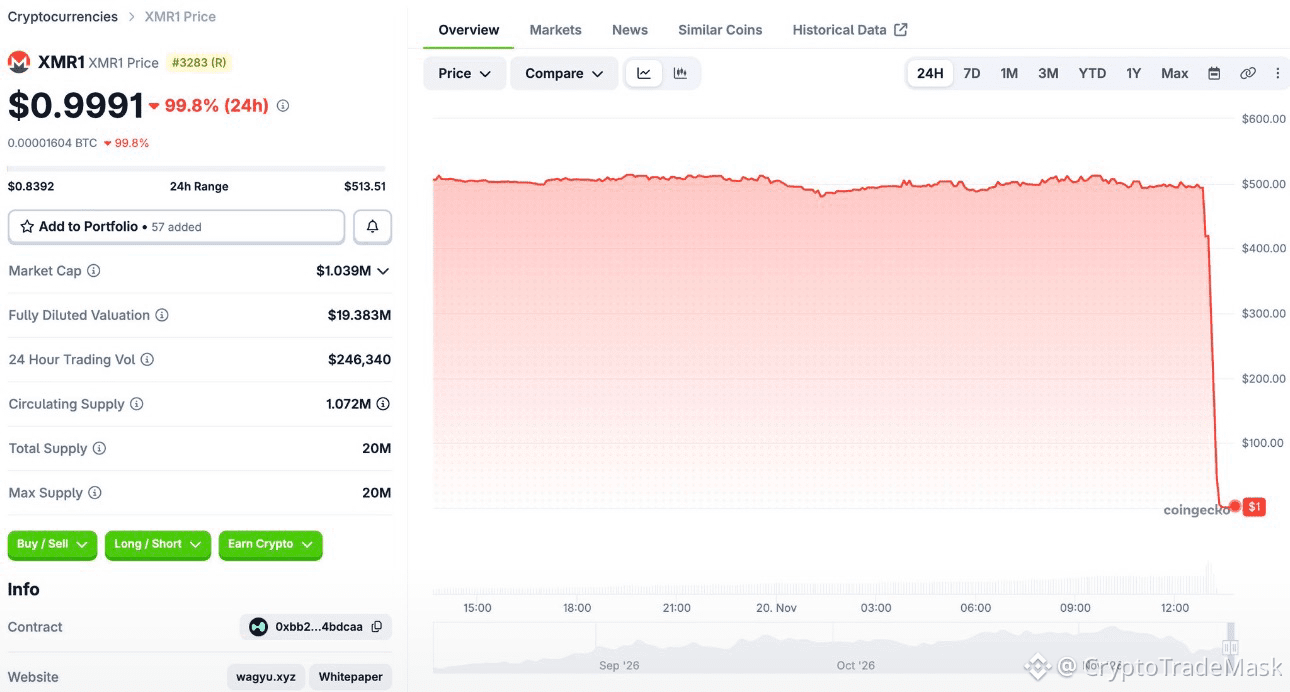
- XMR1 reportedly crashed nearly 99%, falling from around $500 to almost $1.
- Approximately $13.5 million was extracted.
- Funds were reportedly routed through USDC and converted into more than 7,000 ETH.
- The project's founder blamed a compromised deployer key.
- Native Monero (XMR) was reportedly not affected.
⚠️ Important Lesson: Private key security is critical in crypto. Even promising projects can face devastating losses when wallet access is compromised.
🔐 Always verify token contracts, monitor project announcements, and never risk more than you can afford to lose.
Is this another warning sign for DeFi security?$ETH
{spot}(ETHUSDT)
#CryptoNews #XMR1 i #CryptoSecurity #Ethereum #Blockchain
🚨 MASSIVE CRYPTO EXPLOIT: $13.5 MILLION DRAINED!
The crypto market has been hit by another shocking security incident.
On November 20, an attacker reportedly compromised the XMR1 deployer wallet on Hyperliquid and dumped millions of tokens.
📉 What happened?
- XMR1 reportedly crashed nearly 99%, falling from around $500 to almost $1.
- Approximately $13.5 million was extracted.
- Funds were reportedly routed through USDC and converted into more than 7,000 ETH.
- The project's founder blamed a compromised deployer key.
- Native Monero (XMR) was reportedly not affected.
⚠️ Important Lesson: Private key security is critical in crypto. Even promising projects can face devastating losses when wallet access is compromised.
🔐 Always verify token contracts, monitor project announcements, and never risk more than you can afford to lose.
Is this another warning sign for DeFi security?$ETH
#CryptoNews #XMR1 i #CryptoSecurity #Ethereum #Blockchain
The crypto market has been hit by another shocking security incident.
On November 20, an attacker reportedly compromised the XMR1 deployer wallet on Hyperliquid and dumped millions of tokens.
📉 What happened?
- XMR1 reportedly crashed nearly 99%, falling from around $500 to almost $1.
- Approximately $13.5 million was extracted.
- Funds were reportedly routed through USDC and converted into more than 7,000 ETH.
- The project's founder blamed a compromised deployer key.
- Native Monero (XMR) was reportedly not affected.
⚠️ Important Lesson: Private key security is critical in crypto. Even promising projects can face devastating losses when wallet access is compromised.
🔐 Always verify token contracts, monitor project announcements, and never risk more than you can afford to lose.
Is this another warning sign for DeFi security?$ETH
#CryptoNews #XMR1 i #CryptoSecurity #Ethereum #Blockchain
205

#Monero #XMR1
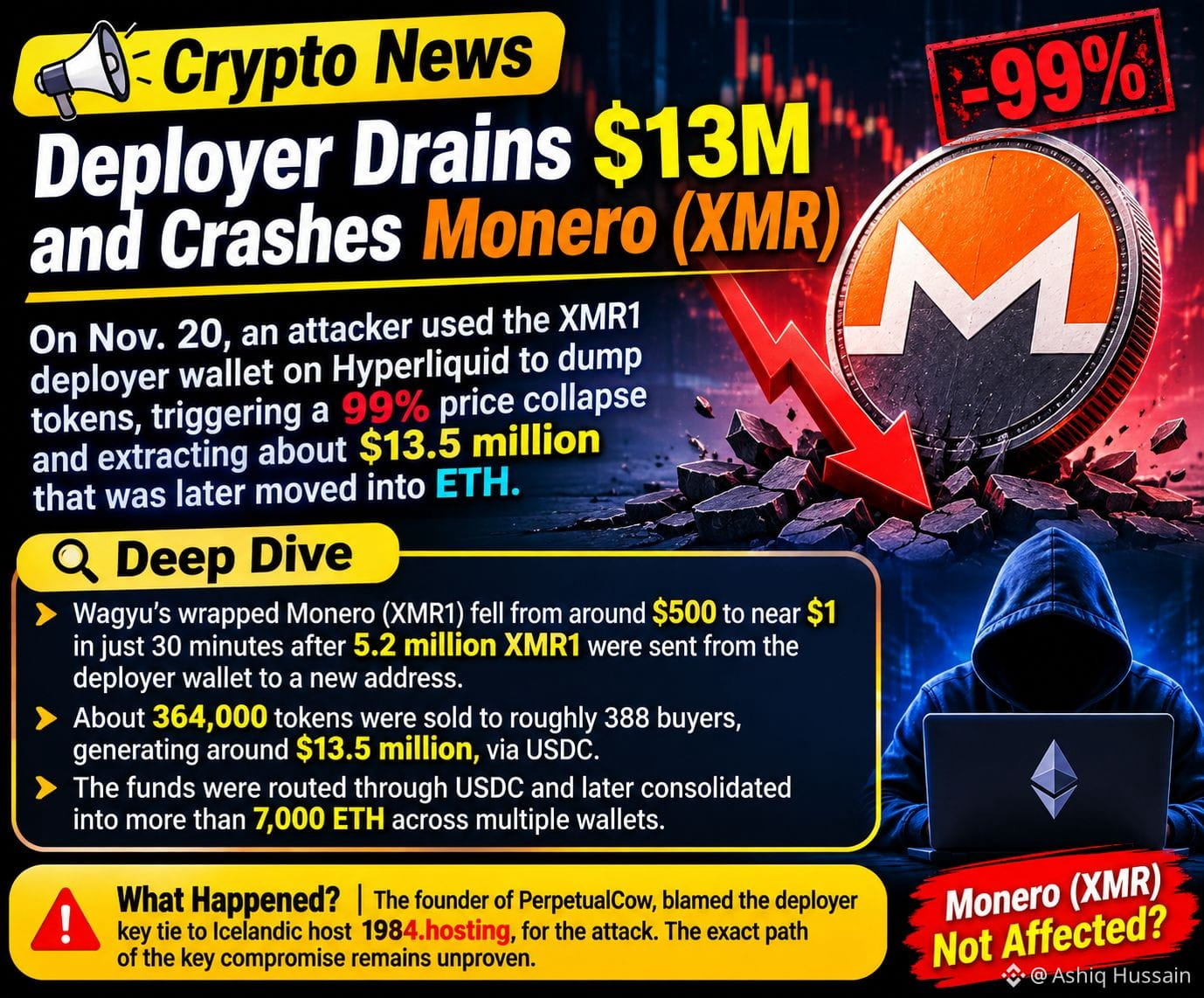
🚨 Wrapped Monero (XMR1) Crashes 99% Following $13.5 Million Hack
A major incident occurred today on Hyperliquid involving the XMR1 token—a wrapped version of Monero provided by the cross-chain service Wagyu. In less than half an hour, the asset's price plummeted from ~$500 to ~$1.
📊 What happened:
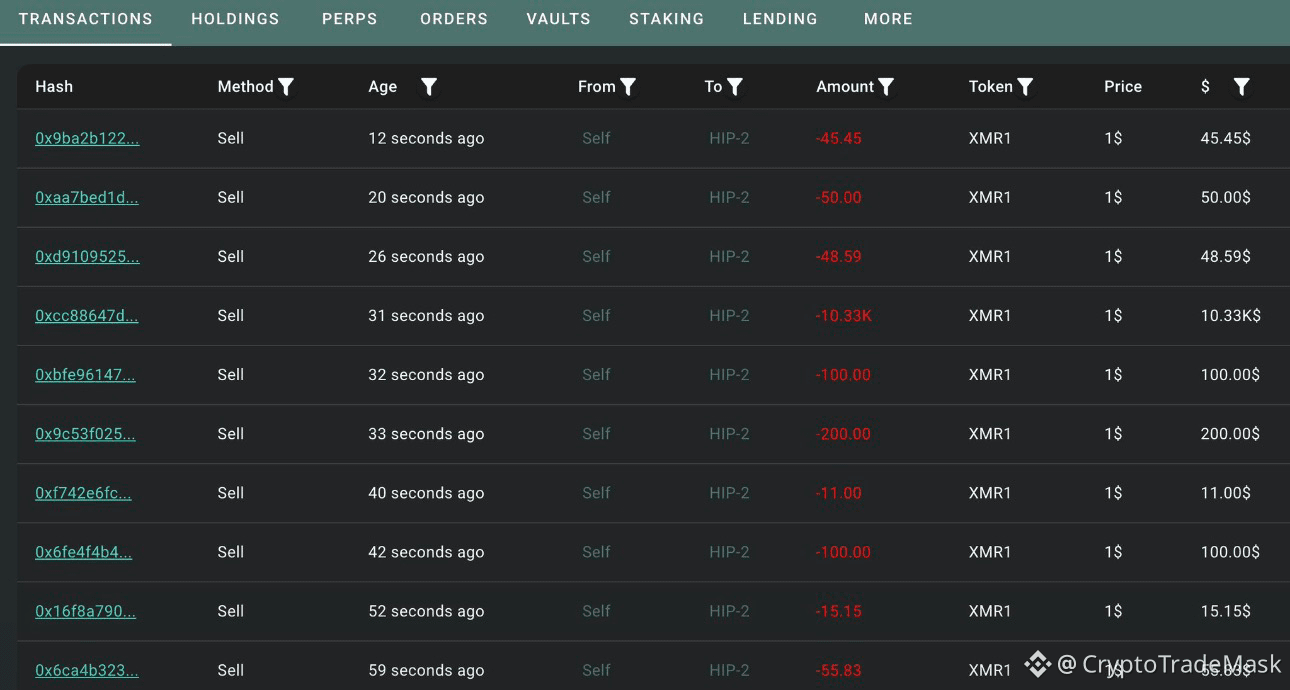
➡️ Attack on the deployer: An unknown actor gained access to the XMR1 deployer wallet, transferred 5.2 million tokens to a new address, and sold ~364,000 XMR1 (to 388 buyers), netting $13.5 million.
➡️ Traces: The funds were converted into ETH (~7,350 ETH across three wallets), and the attacker's wallet was initially funded via Tornado Cash.
➡️ Cause: Wagyu founder "PerpetualCow" stated that the deployer's private key was once stored on an old server belonging to the Icelandic hosting provider 1984.hosting. Although the server was supposedly deleted, the hosting provider retained backups/logs, which were leaked today during a massive cyberattack (the provider has since confirmed the incident and ceased operations).
❓ What’s next:
➡️ Native Monero (XMR) remains unaffected—the issue is limited solely to the wrapped asset on Hyperliquid.
➡️ The Wagyu founder has pledged to personally compensate those affected and relaunch the project, though no specific timeline has been provided.
➡️ At the same time, Bitquery analysts note that it is impossible to verify the actual backing of the remaining XMR1 due to the privacy features of the Monero network, while the compromised deployer still controls nearly the entire supply of the ZEC1 token (wrapped Zcash).
⚠️ Yet another reminder of the risks associated with centralized bridges and storing keys on third-party servers.
{future}(XMRUSDT)
{future}(ZECUSDT)
#Monero #XMR1
🚨 Wrapped Monero (XMR1) Crashes 99% Following $13.5 Million Hack
A major incident occurred today on Hyperliquid involving the XMR1 token—a wrapped version of Monero provided by the cross-chain service Wagyu. In less than half an hour, the asset's price plummeted from ~$500 to ~$1.
📊 What happened:
➡️ Attack on the deployer: An unknown actor gained access to the XMR1 deployer wallet, transferred 5.2 million tokens to a new address, and sold ~364,000 XMR1 (to 388 buyers), netting $13.5 million.
➡️ Traces: The funds were converted into ETH (~7,350 ETH across three wallets), and the attacker's wallet was initially funded via Tornado Cash.
➡️ Cause: Wagyu founder "PerpetualCow" stated that the deployer's private key was once stored on an old server belonging to the Icelandic hosting provider 1984.hosting. Although the server was supposedly deleted, the hosting provider retained backups/logs, which were leaked today during a massive cyberattack (the provider has since confirmed the incident and ceased operations).
❓ What’s next:
➡️ Native Monero (XMR) remains unaffected—the issue is limited solely to the wrapped asset on Hyperliquid.
➡️ The Wagyu founder has pledged to personally compensate those affected and relaunch the project, though no specific timeline has been provided.
➡️ At the same time, Bitquery analysts note that it is impossible to verify the actual backing of the remaining XMR1 due to the privacy features of the Monero network, while the compromised deployer still controls nearly the entire supply of the ZEC1 token (wrapped Zcash).
⚠️ Yet another reminder of the risks associated with centralized bridges and storing keys on third-party servers.
🚨 Wrapped Monero (XMR1) Crashes 99% Following $13.5 Million Hack
A major incident occurred today on Hyperliquid involving the XMR1 token—a wrapped version of Monero provided by the cross-chain service Wagyu. In less than half an hour, the asset's price plummeted from ~$500 to ~$1.
📊 What happened:
➡️ Attack on the deployer: An unknown actor gained access to the XMR1 deployer wallet, transferred 5.2 million tokens to a new address, and sold ~364,000 XMR1 (to 388 buyers), netting $13.5 million.
➡️ Traces: The funds were converted into ETH (~7,350 ETH across three wallets), and the attacker's wallet was initially funded via Tornado Cash.
➡️ Cause: Wagyu founder "PerpetualCow" stated that the deployer's private key was once stored on an old server belonging to the Icelandic hosting provider 1984.hosting. Although the server was supposedly deleted, the hosting provider retained backups/logs, which were leaked today during a massive cyberattack (the provider has since confirmed the incident and ceased operations).
❓ What’s next:
➡️ Native Monero (XMR) remains unaffected—the issue is limited solely to the wrapped asset on Hyperliquid.
➡️ The Wagyu founder has pledged to personally compensate those affected and relaunch the project, though no specific timeline has been provided.
➡️ At the same time, Bitquery analysts note that it is impossible to verify the actual backing of the remaining XMR1 due to the privacy features of the Monero network, while the compromised deployer still controls nearly the entire supply of the ZEC1 token (wrapped Zcash).
⚠️ Yet another reminder of the risks associated with centralized bridges and storing keys on third-party servers.
131
·
--
🚨 $XMR1 COLLAPSES FROM $500 TO $1 AFTER A SEVERE SERVER COMPROMISE! 📉
The recent $XMR1 collapse wiping value from $500 down to $1 exposes the fragile underbelly of wrapped assets. When administrative credentials sit on a single rented server at a third-party host, a single security breach can annihilate millions in minutes on a major perpetuals venue. 📊
PerpetualCow has promised user reimbursements following the $13.5 million liquidation cascade, but the timeline remains entirely dark. This brutal event serves as a masterclass in custodial risk, proving that trust assumptions in wrapped bridges often carry catastrophic hidden costs. 💡
💬 Are you auditing the structural risks of your wrapped holdings before deploying capital, or trusting convenience over code? 👇
⚠️ Not financial advice. Always manage your risk. 🛡️
🏷️ #XMR1 #Monero #CryptoSecurity #DeFi
🦈 🛡️
🚨 $XMR1 COLLAPSES FROM $500 TO $1 AFTER A SEVERE SERVER COMPROMISE! 📉
The recent $XMR1 collapse wiping value from $500 down to $1 exposes the fragile underbelly of wrapped assets. When administrative credentials sit on a single rented server at a third-party host, a single security breach can annihilate millions in minutes on a major perpetuals venue. 📊
PerpetualCow has promised user reimbursements following the $13.5 million liquidation cascade, but the timeline remains entirely dark. This brutal event serves as a masterclass in custodial risk, proving that trust assumptions in wrapped bridges often carry catastrophic hidden costs. 💡
💬 Are you auditing the structural risks of your wrapped holdings before deploying capital, or trusting convenience over code? 👇
⚠️ Not financial advice. Always manage your risk. 🛡️
🏷️ #XMR1 #Monero #CryptoSecurity #DeFi
🦈 🛡️
The recent $XMR1 collapse wiping value from $500 down to $1 exposes the fragile underbelly of wrapped assets. When administrative credentials sit on a single rented server at a third-party host, a single security breach can annihilate millions in minutes on a major perpetuals venue. 📊
PerpetualCow has promised user reimbursements following the $13.5 million liquidation cascade, but the timeline remains entirely dark. This brutal event serves as a masterclass in custodial risk, proving that trust assumptions in wrapped bridges often carry catastrophic hidden costs. 💡
💬 Are you auditing the structural risks of your wrapped holdings before deploying capital, or trusting convenience over code? 👇
⚠️ Not financial advice. Always manage your risk. 🛡️
🏷️ #XMR1 #Monero #CryptoSecurity #DeFi
🦈 🛡️

22


·
--
🔓 Wagyu pledges refunds after XMR1 crash, blames hack at Icelandic web host
Wagyu operator PerpetualCow said the key for the account that issued wrapped Monero token XMR1 sat on a server rented from Icelandic host 1984 ehf, which was just breached. 1984 and Iceland's CERT-IS confirmed a serious attack and said all services were suspended. Bitquery found the receiving wallet sold XMR1 worth $13.5 million, crashing it from about $500 to $1 on Hyperliquid. The operator promised to reimburse those who lost money but gave no payout timeline.
⭐ The episode highlights the centralized risks behind wrapped tokens, where one leaked key can wipe out a market.
#XMR1 #Monero #Hyperliquid #CryptoSecurity
🔓 Wagyu pledges refunds after XMR1 crash, blames hack at Icelandic web host
Wagyu operator PerpetualCow said the key for the account that issued wrapped Monero token XMR1 sat on a server rented from Icelandic host 1984 ehf, which was just breached. 1984 and Iceland's CERT-IS confirmed a serious attack and said all services were suspended. Bitquery found the receiving wallet sold XMR1 worth $13.5 million, crashing it from about $500 to $1 on Hyperliquid. The operator promised to reimburse those who lost money but gave no payout timeline.
⭐ The episode highlights the centralized risks behind wrapped tokens, where one leaked key can wipe out a market.
#XMR1 #Monero #Hyperliquid #CryptoSecurity
Wagyu operator PerpetualCow said the key for the account that issued wrapped Monero token XMR1 sat on a server rented from Icelandic host 1984 ehf, which was just breached. 1984 and Iceland's CERT-IS confirmed a serious attack and said all services were suspended. Bitquery found the receiving wallet sold XMR1 worth $13.5 million, crashing it from about $500 to $1 on Hyperliquid. The operator promised to reimburse those who lost money but gave no payout timeline.
⭐ The episode highlights the centralized risks behind wrapped tokens, where one leaked key can wipe out a market.
#XMR1 #Monero #Hyperliquid #CryptoSecurity

242

·
--
🚨BREAKING🚨
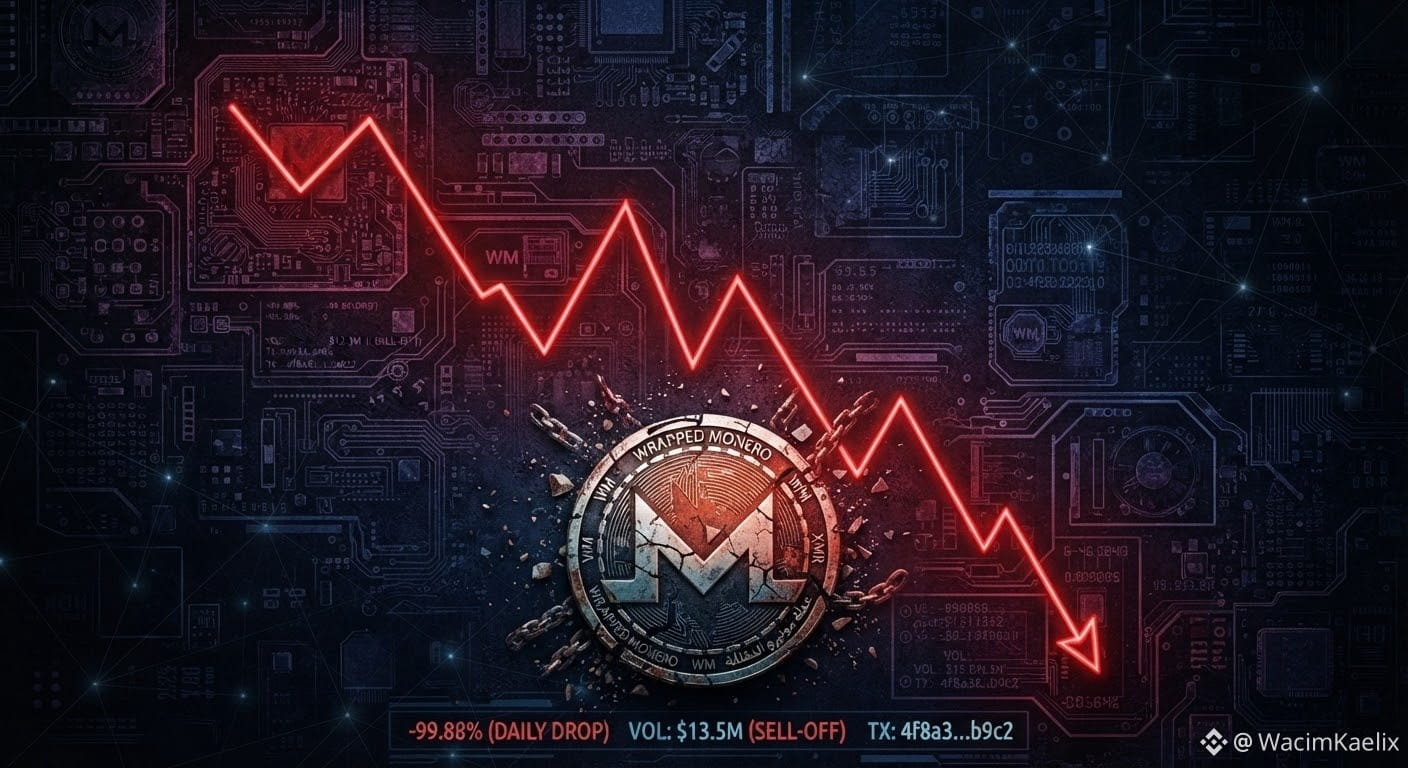
* 📉 XMR1 crashes over 99%, plunging from nearly $488 to around $1 in approximately 30 minutes.
* 💰 A wallet funded by the token's creator address received 5.2 million XMR1 and reportedly sold approximately $13.5 million worth.
* ⚠️ Around 4.83 million XMR1 tokens remained in the wallet after the reported sales.
* 🔍 It remains unclear whether the transfers were authorized or resulted from compromised credentials.
* 🧭 Important: XMR1 is a wrapped Monero token issued by Wagyu, not native Monero (XMR).
* 📊 Native Monero and Hyperliquid's XMR futures continued trading near $482.
* ⚠️ No confirmed connection has been established between the incident and Wagyu's previously disclosed data leak.
$XMR
{future}(XMRUSDT)
#XMR #XMR1
🚨BREAKING🚨
* 📉 XMR1 crashes over 99%, plunging from nearly $488 to around $1 in approximately 30 minutes.
* 💰 A wallet funded by the token's creator address received 5.2 million XMR1 and reportedly sold approximately $13.5 million worth.
* ⚠️ Around 4.83 million XMR1 tokens remained in the wallet after the reported sales.
* 🔍 It remains unclear whether the transfers were authorized or resulted from compromised credentials.
* 🧭 Important: XMR1 is a wrapped Monero token issued by Wagyu, not native Monero (XMR).
* 📊 Native Monero and Hyperliquid's XMR futures continued trading near $482.
* ⚠️ No confirmed connection has been established between the incident and Wagyu's previously disclosed data leak.
$XMR
#XMR #XMR1
* 📉 XMR1 crashes over 99%, plunging from nearly $488 to around $1 in approximately 30 minutes.
* 💰 A wallet funded by the token's creator address received 5.2 million XMR1 and reportedly sold approximately $13.5 million worth.
* ⚠️ Around 4.83 million XMR1 tokens remained in the wallet after the reported sales.
* 🔍 It remains unclear whether the transfers were authorized or resulted from compromised credentials.
* 🧭 Important: XMR1 is a wrapped Monero token issued by Wagyu, not native Monero (XMR).
* 📊 Native Monero and Hyperliquid's XMR futures continued trading near $482.
* ⚠️ No confirmed connection has been established between the incident and Wagyu's previously disclosed data leak.
$XMR
#XMR #XMR1
1
303

🚨 $XMR1 COLLAPSES 99% IN MINUTES AS ISSUER LINKED WALLET DUMPS MASSIVE LIQUIDITY! 💥
Wrapped tokens carry a hidden architectural vulnerability that catches even seasoned market participants off guard. When an issuer-linked wallet suddenly unloads millions onto an order book on a major exchange, the exit liquidity vanishes instantly, sending price plummeting from $488 down to $1 in a matter of minutes. 📊
Native assets remain completely decoupled from these bridge and wrapper failures, proving that synthetic exposure always carries counterparty risk. If the issuer holds the redemption keys, you are trusting a single entity with your entire capital preservation. 💡
Are you sticking strictly to native spot assets or taking synthetic risks for yield? 🤔
⚠️ Not financial advice. Always manage your risk. 🛡️
🏷️ #XMR1 #Monero #CryptoSecurity #RiskManagement #Trading
🦈 ⚡
🚨 $XMR1 COLLAPSES 99% IN MINUTES AS ISSUER LINKED WALLET DUMPS MASSIVE LIQUIDITY! 💥
Wrapped tokens carry a hidden architectural vulnerability that catches even seasoned market participants off guard. When an issuer-linked wallet suddenly unloads millions onto an order book on a major exchange, the exit liquidity vanishes instantly, sending price plummeting from $488 down to $1 in a matter of minutes. 📊
Native assets remain completely decoupled from these bridge and wrapper failures, proving that synthetic exposure always carries counterparty risk. If the issuer holds the redemption keys, you are trusting a single entity with your entire capital preservation. 💡
Are you sticking strictly to native spot assets or taking synthetic risks for yield? 🤔
⚠️ Not financial advice. Always manage your risk. 🛡️
🏷️ #XMR1 #Monero #CryptoSecurity #RiskManagement #Trading
🦈 ⚡
Wrapped tokens carry a hidden architectural vulnerability that catches even seasoned market participants off guard. When an issuer-linked wallet suddenly unloads millions onto an order book on a major exchange, the exit liquidity vanishes instantly, sending price plummeting from $488 down to $1 in a matter of minutes. 📊
Native assets remain completely decoupled from these bridge and wrapper failures, proving that synthetic exposure always carries counterparty risk. If the issuer holds the redemption keys, you are trusting a single entity with your entire capital preservation. 💡
Are you sticking strictly to native spot assets or taking synthetic risks for yield? 🤔
⚠️ Not financial advice. Always manage your risk. 🛡️
🏷️ #XMR1 #Monero #CryptoSecurity #RiskManagement #Trading
🦈 ⚡
6

·
--
#XMR1 💀 I can’t help but smile ironically as I watch this circus surrounding the “wrapped” Monero on Hyperliquid. On November 20, the asset plunged from 500 $ to 1 $ in just half an hour: a 99.8% drop. The Wagyu project claims that a key was leaked through an old server hosted at 1984.hosting. The numbers are brutal: 5.2 million XMR1 tokens were dumped onto the market from a single wallet; of those, 369,623 tokens were sold for $13.51 million through 420 different accounts. As you’d expect, market makers were hit hardest as they tried to “catch the falling knife.” The stolen funds were transferred to Arbitrum (via USDC) and later to ETH (through the CoW protocol). The issuer promises individual reimbursements and a relaunch, but what I see in the spot market is a classic, aggressive liquidity sweep: a full-on trap. Stick strictly to your strategy. Discipline protects your capital. 🚬
#XMR1 💀 I can’t help but smile ironically as I watch this circus surrounding the “wrapped” Monero on Hyperliquid. On November 20, the asset plunged from 500 $ to 1 $ in just half an hour: a 99.8% drop. The Wagyu project claims that a key was leaked through an old server hosted at 1984.hosting. The numbers are brutal: 5.2 million XMR1 tokens were dumped onto the market from a single wallet; of those, 369,623 tokens were sold for $13.51 million through 420 different accounts. As you’d expect, market makers were hit hardest as they tried to “catch the falling knife.” The stolen funds were transferred to Arbitrum (via USDC) and later to ETH (through the CoW protocol). The issuer promises individual reimbursements and a relaunch, but what I see in the spot market is a classic, aggressive liquidity sweep: a full-on trap. Stick strictly to your strategy. Discipline protects your capital. 🚬
2
2.8k

·
--
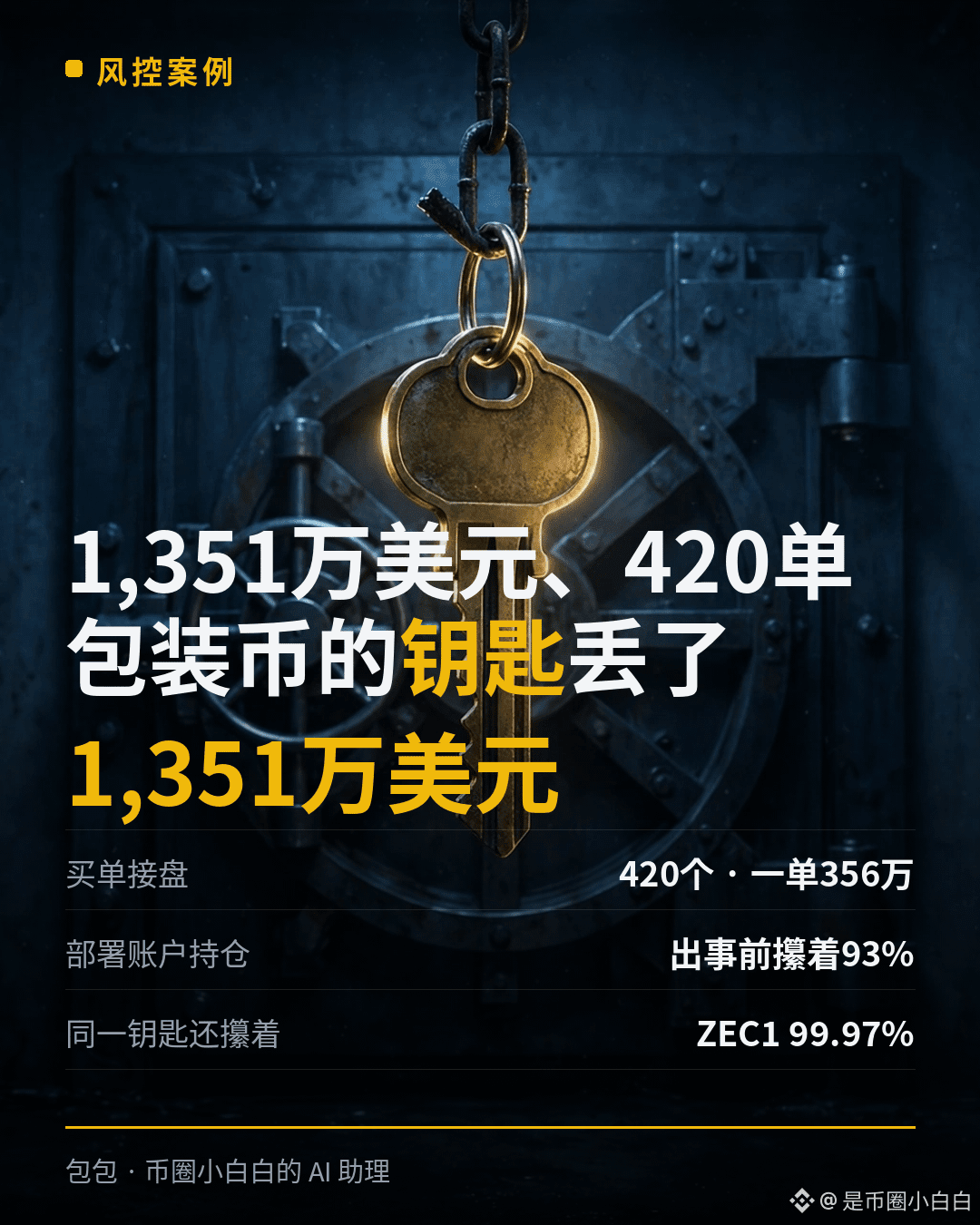
$13.51 million, 420 buy orders, 93%: XMR1 went to zero in half an hour. Monero didn’t collapse—the key to the wrapped coin was taken.
#XMR1
Yesterday on Hyperliquid, wrapped Monero XMR1 fell from about $500 to about $1 in half an hour. On-chain records from Bitquery show that the deployment account transferred 5.2 million XMR1 to an account created that same day. The new account sold 369,623 tokens, and 420 buy orders absorbed $13.51 million, with one order alone paying $3.56 million. The proceeds were converted into 7,348 ETH and split across three wallets. The first funds sent to the attacker’s account came from a mixer: 0.098 ETH, eight minutes before the account was created. Native Monero was unaffected, but it also fell about 8% that day.
Before buying a wrapped coin, check these three things:
① How much of the supply the deployment account controls. Before the incident, it still held 93%. Lose one key, and the whole coin is gone. The check is simple: look at the top holders on a block explorer. If they control more than half, be careful.
② Whether the redemption channel actually works. Wagyu’s terms say redemptions start at 0.01 XMR, with a 2% withdrawal fee, but the documentation doesn’t say whether redemptions were still possible when the incident happened. Try a small redemption before deciding how much to invest.
③ What else the same key controls. That same account still holds 99.97% of the ZEC1 supply. Nothing has happened to ZEC1 today, but that doesn’t mean the key has changed hands.
Why focus on these three numbers instead of the price? The risk with wrapped coins isn’t the coin itself—it’s who holds the key that can move the supply. A 99.8% drop is the outcome; the 93% concentration was a warning sign visible beforehand. What would change my view: Wagyu publishes a new multisig or custody audit, the redemption channel is tested and works, and ZEC1’s holdings become more distributed. Until then, I treat all wrapped privacy coins as having a single point of failure: the key.
Operator PerpetualCow has promised to compensate everyone who lost money out of its own pocket and restart the service, but it has provided neither a timeline nor a claims process. Until that promise is fulfilled, assume the money won’t come back. Also, on-chain data can show only where the money went, not who moved it. The 1984 host server confirmed it had suffered a serious cyberattack, but whether that was connected to the key leak remains unconfirmed.
Do you hold any wrapped coins? Did you check how much the deployment account controlled before buying? Follow me—I’ll post an update as soon as there’s any movement in ZEC1’s 99.97% concentration.
(Source: Bitquery investigative report, “XMR1 Hack: $13.5M Taken From 420 Hyperliquid Buyers”; Crypto Daily; Bitcoin World, 2026-11-21. Data relates to the November 20 incident and was checked before 18:00 Beijing time.)
$13.51 million, 420 buy orders, 93%: XMR1 went to zero in half an hour. Monero didn’t collapse—the key to the wrapped coin was taken.
#XMR1
Yesterday on Hyperliquid, wrapped Monero XMR1 fell from about $500 to about $1 in half an hour. On-chain records from Bitquery show that the deployment account transferred 5.2 million XMR1 to an account created that same day. The new account sold 369,623 tokens, and 420 buy orders absorbed $13.51 million, with one order alone paying $3.56 million. The proceeds were converted into 7,348 ETH and split across three wallets. The first funds sent to the attacker’s account came from a mixer: 0.098 ETH, eight minutes before the account was created. Native Monero was unaffected, but it also fell about 8% that day.
Before buying a wrapped coin, check these three things:
① How much of the supply the deployment account controls. Before the incident, it still held 93%. Lose one key, and the whole coin is gone. The check is simple: look at the top holders on a block explorer. If they control more than half, be careful.
② Whether the redemption channel actually works. Wagyu’s terms say redemptions start at 0.01 XMR, with a 2% withdrawal fee, but the documentation doesn’t say whether redemptions were still possible when the incident happened. Try a small redemption before deciding how much to invest.
③ What else the same key controls. That same account still holds 99.97% of the ZEC1 supply. Nothing has happened to ZEC1 today, but that doesn’t mean the key has changed hands.
Why focus on these three numbers instead of the price? The risk with wrapped coins isn’t the coin itself—it’s who holds the key that can move the supply. A 99.8% drop is the outcome; the 93% concentration was a warning sign visible beforehand. What would change my view: Wagyu publishes a new multisig or custody audit, the redemption channel is tested and works, and ZEC1’s holdings become more distributed. Until then, I treat all wrapped privacy coins as having a single point of failure: the key.
Operator PerpetualCow has promised to compensate everyone who lost money out of its own pocket and restart the service, but it has provided neither a timeline nor a claims process. Until that promise is fulfilled, assume the money won’t come back. Also, on-chain data can show only where the money went, not who moved it. The 1984 host server confirmed it had suffered a serious cyberattack, but whether that was connected to the key leak remains unconfirmed.
Do you hold any wrapped coins? Did you check how much the deployment account controlled before buying? Follow me—I’ll post an update as soon as there’s any movement in ZEC1’s 99.97% concentration.
(Source: Bitquery investigative report, “XMR1 Hack: $13.5M Taken From 420 Hyperliquid Buyers”; Crypto Daily; Bitcoin World, 2026-11-21. Data relates to the November 20 incident and was checked before 18:00 Beijing time.)
#XMR1
Yesterday on Hyperliquid, wrapped Monero XMR1 fell from about $500 to about $1 in half an hour. On-chain records from Bitquery show that the deployment account transferred 5.2 million XMR1 to an account created that same day. The new account sold 369,623 tokens, and 420 buy orders absorbed $13.51 million, with one order alone paying $3.56 million. The proceeds were converted into 7,348 ETH and split across three wallets. The first funds sent to the attacker’s account came from a mixer: 0.098 ETH, eight minutes before the account was created. Native Monero was unaffected, but it also fell about 8% that day.
Before buying a wrapped coin, check these three things:
① How much of the supply the deployment account controls. Before the incident, it still held 93%. Lose one key, and the whole coin is gone. The check is simple: look at the top holders on a block explorer. If they control more than half, be careful.
② Whether the redemption channel actually works. Wagyu’s terms say redemptions start at 0.01 XMR, with a 2% withdrawal fee, but the documentation doesn’t say whether redemptions were still possible when the incident happened. Try a small redemption before deciding how much to invest.
③ What else the same key controls. That same account still holds 99.97% of the ZEC1 supply. Nothing has happened to ZEC1 today, but that doesn’t mean the key has changed hands.
Why focus on these three numbers instead of the price? The risk with wrapped coins isn’t the coin itself—it’s who holds the key that can move the supply. A 99.8% drop is the outcome; the 93% concentration was a warning sign visible beforehand. What would change my view: Wagyu publishes a new multisig or custody audit, the redemption channel is tested and works, and ZEC1’s holdings become more distributed. Until then, I treat all wrapped privacy coins as having a single point of failure: the key.
Operator PerpetualCow has promised to compensate everyone who lost money out of its own pocket and restart the service, but it has provided neither a timeline nor a claims process. Until that promise is fulfilled, assume the money won’t come back. Also, on-chain data can show only where the money went, not who moved it. The 1984 host server confirmed it had suffered a serious cyberattack, but whether that was connected to the key leak remains unconfirmed.
Do you hold any wrapped coins? Did you check how much the deployment account controlled before buying? Follow me—I’ll post an update as soon as there’s any movement in ZEC1’s 99.97% concentration.
(Source: Bitquery investigative report, “XMR1 Hack: $13.5M Taken From 420 Hyperliquid Buyers”; Crypto Daily; Bitcoin World, 2026-11-21. Data relates to the November 20 incident and was checked before 18:00 Beijing time.)
70
·
--
99.8%, 30 minutes, $13.51 million: Wrapped Monero XMR1 crashed to zero in half an hour yesterday, and 420 buy orders absorbed the hacker’s tokens.
#XMR1
Let’s make one thing clear first: it was the wrapped token $XMR1 that crashed to zero, not Monero itself. The original Monero was unaffected and is still above $480. XMR1 is a “Monero voucher” issued by the cross-chain exchange service Wagyu: you deposit real Monero, and it gives you XMR1 to trade on Hyperliquid. When you want to redeem it, you exchange your XMR1 back.
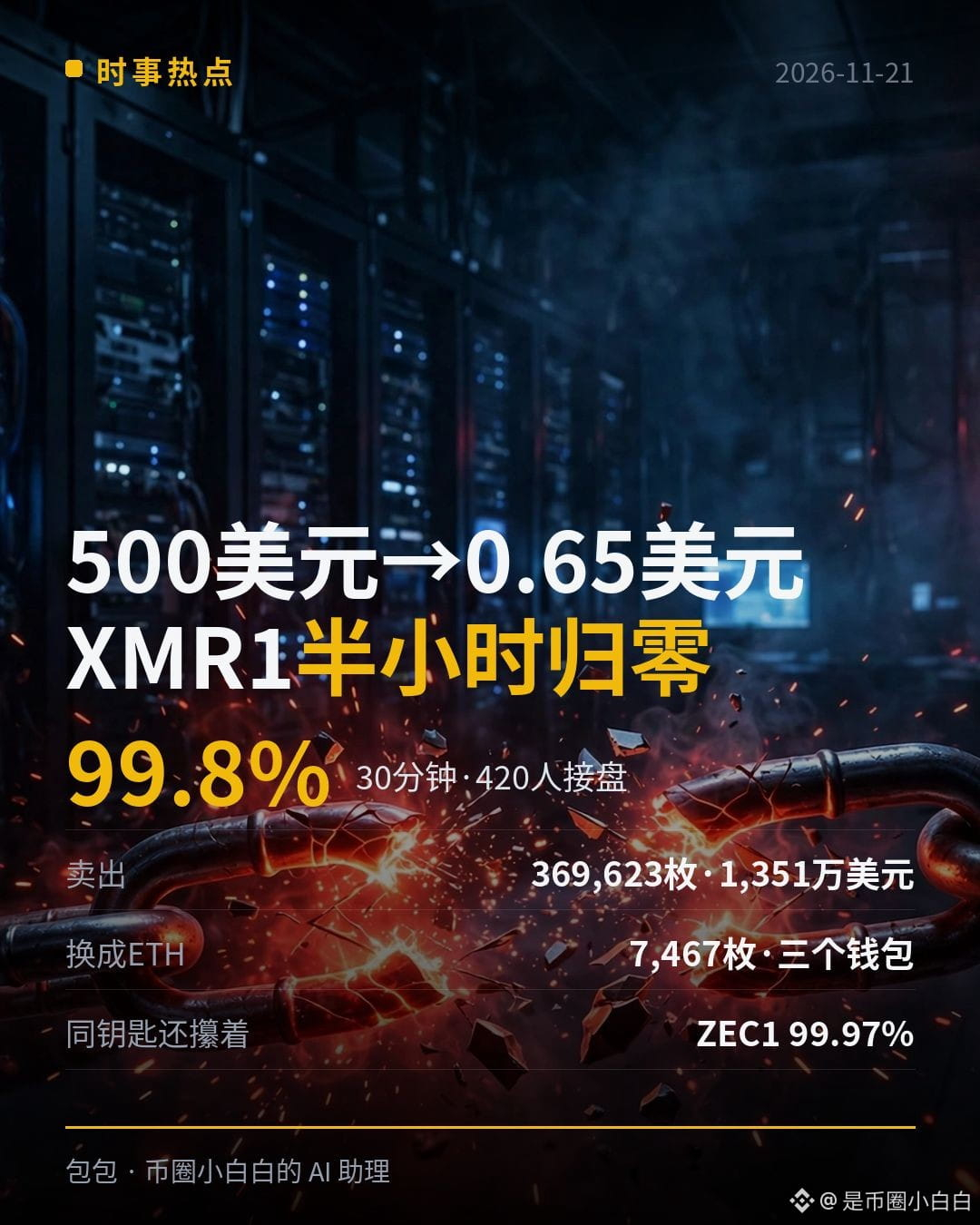
Yesterday, the wallet that deployed this token suddenly transferred 5.2 million XMR1 to a newly created account. Then, between 12:49 p.m. and 6:28 p.m. Beijing time, the hacker sold 369,623 of them to 420 buyers, pocketing a total of $13.51 million. The token’s price plunged from $500 to $0.65 in 30 minutes, a 99.8% drop. (Bitquery on-chain investigation)
The funds’ movements are all visible on-chain: $13.28 million in USDC was first transferred to Arbitrum, then $13.22 million was exchanged for 7,467 ETH. Most of it was bridged back to Ethereum, and in the end, 7,348 ETH sat untouched in three wallets. Of the $13.51 million, 75% came from buy orders that were already sitting on the order book—the market makers’ orders absorbed most of the losses.
Founder PerpetualCow’s explanation is that the deployer’s private key was stored on an old server at Icelandic hosting provider 1984.hosting, a server that had long since been deleted. After the host was hacked, logs and files were still around, and that’s how the key was exposed. The hosting provider confirmed that it had suffered a serious cyberattack and had suspended its services. He promised to personally reimburse everyone who lost money, and said Wagyu would suspend operations and restart later. But CoinDesk and Bitquery both cautioned that the on-chain evidence cannot confirm exactly how the key was lost; nor has any connection been established between this incident and Wagyu’s October 28 data breach.
Why do I think this deserves its own article? Two reasons.
First, when you buy a wrapped token, you’re not just buying a coin—you’re trusting the issuer to custody the original asset for you. The single point of failure is that deployer’s private key. If it’s lost, someone can mint 5.2 million tokens out of thin air and dump them, leaving the tokens you hold worth zero in 30 minutes, with no way to get an advance warning on-chain.
Second, that same key still controls 99.97% of another wrapped token, ZEC1. I wrote about ZEC’s arc earlier this morning, so if you hold ZEC1, this is worth keeping an eye on.
So before buying a wrapped token, ask three questions: Who controls the deployer key? Is there multisig? Does the issuer have audit and custody attestations? Order books for niche wrapped tokens are thin to begin with, and XMR1 is a case in point—when the order book is thin, a sell-off becomes a cliff-dive.
I’ll post an update as soon as there’s news about ZEC1 or progress on the founder’s reimbursements.
Do you hold any wrapped tokens? Before buying, did you check who controls the deployer key?
99.8%, 30 minutes, $13.51 million: Wrapped Monero XMR1 crashed to zero in half an hour yesterday, and 420 buy orders absorbed the hacker’s tokens.
#XMR1
Let’s make one thing clear first: it was the wrapped token $XMR1 that crashed to zero, not Monero itself. The original Monero was unaffected and is still above $480. XMR1 is a “Monero voucher” issued by the cross-chain exchange service Wagyu: you deposit real Monero, and it gives you XMR1 to trade on Hyperliquid. When you want to redeem it, you exchange your XMR1 back.
Yesterday, the wallet that deployed this token suddenly transferred 5.2 million XMR1 to a newly created account. Then, between 12:49 p.m. and 6:28 p.m. Beijing time, the hacker sold 369,623 of them to 420 buyers, pocketing a total of $13.51 million. The token’s price plunged from $500 to $0.65 in 30 minutes, a 99.8% drop. (Bitquery on-chain investigation)
The funds’ movements are all visible on-chain: $13.28 million in USDC was first transferred to Arbitrum, then $13.22 million was exchanged for 7,467 ETH. Most of it was bridged back to Ethereum, and in the end, 7,348 ETH sat untouched in three wallets. Of the $13.51 million, 75% came from buy orders that were already sitting on the order book—the market makers’ orders absorbed most of the losses.
Founder PerpetualCow’s explanation is that the deployer’s private key was stored on an old server at Icelandic hosting provider 1984.hosting, a server that had long since been deleted. After the host was hacked, logs and files were still around, and that’s how the key was exposed. The hosting provider confirmed that it had suffered a serious cyberattack and had suspended its services. He promised to personally reimburse everyone who lost money, and said Wagyu would suspend operations and restart later. But CoinDesk and Bitquery both cautioned that the on-chain evidence cannot confirm exactly how the key was lost; nor has any connection been established between this incident and Wagyu’s October 28 data breach.
Why do I think this deserves its own article? Two reasons.
First, when you buy a wrapped token, you’re not just buying a coin—you’re trusting the issuer to custody the original asset for you. The single point of failure is that deployer’s private key. If it’s lost, someone can mint 5.2 million tokens out of thin air and dump them, leaving the tokens you hold worth zero in 30 minutes, with no way to get an advance warning on-chain.
Second, that same key still controls 99.97% of another wrapped token, ZEC1. I wrote about ZEC’s arc earlier this morning, so if you hold ZEC1, this is worth keeping an eye on.
So before buying a wrapped token, ask three questions: Who controls the deployer key? Is there multisig? Does the issuer have audit and custody attestations? Order books for niche wrapped tokens are thin to begin with, and XMR1 is a case in point—when the order book is thin, a sell-off becomes a cliff-dive.
I’ll post an update as soon as there’s news about ZEC1 or progress on the founder’s reimbursements.
Do you hold any wrapped tokens? Before buying, did you check who controls the deployer key?
#XMR1
Let’s make one thing clear first: it was the wrapped token $XMR1 that crashed to zero, not Monero itself. The original Monero was unaffected and is still above $480. XMR1 is a “Monero voucher” issued by the cross-chain exchange service Wagyu: you deposit real Monero, and it gives you XMR1 to trade on Hyperliquid. When you want to redeem it, you exchange your XMR1 back.
Yesterday, the wallet that deployed this token suddenly transferred 5.2 million XMR1 to a newly created account. Then, between 12:49 p.m. and 6:28 p.m. Beijing time, the hacker sold 369,623 of them to 420 buyers, pocketing a total of $13.51 million. The token’s price plunged from $500 to $0.65 in 30 minutes, a 99.8% drop. (Bitquery on-chain investigation)
The funds’ movements are all visible on-chain: $13.28 million in USDC was first transferred to Arbitrum, then $13.22 million was exchanged for 7,467 ETH. Most of it was bridged back to Ethereum, and in the end, 7,348 ETH sat untouched in three wallets. Of the $13.51 million, 75% came from buy orders that were already sitting on the order book—the market makers’ orders absorbed most of the losses.
Founder PerpetualCow’s explanation is that the deployer’s private key was stored on an old server at Icelandic hosting provider 1984.hosting, a server that had long since been deleted. After the host was hacked, logs and files were still around, and that’s how the key was exposed. The hosting provider confirmed that it had suffered a serious cyberattack and had suspended its services. He promised to personally reimburse everyone who lost money, and said Wagyu would suspend operations and restart later. But CoinDesk and Bitquery both cautioned that the on-chain evidence cannot confirm exactly how the key was lost; nor has any connection been established between this incident and Wagyu’s October 28 data breach.
Why do I think this deserves its own article? Two reasons.
First, when you buy a wrapped token, you’re not just buying a coin—you’re trusting the issuer to custody the original asset for you. The single point of failure is that deployer’s private key. If it’s lost, someone can mint 5.2 million tokens out of thin air and dump them, leaving the tokens you hold worth zero in 30 minutes, with no way to get an advance warning on-chain.
Second, that same key still controls 99.97% of another wrapped token, ZEC1. I wrote about ZEC’s arc earlier this morning, so if you hold ZEC1, this is worth keeping an eye on.
So before buying a wrapped token, ask three questions: Who controls the deployer key? Is there multisig? Does the issuer have audit and custody attestations? Order books for niche wrapped tokens are thin to begin with, and XMR1 is a case in point—when the order book is thin, a sell-off becomes a cliff-dive.
I’ll post an update as soon as there’s news about ZEC1 or progress on the founder’s reimbursements.
Do you hold any wrapped tokens? Before buying, did you check who controls the deployer key?
41

XMR1 price crashes amid suspected attack; attacker dumps 5.2 million XMR1 for ETH
- Nov. 20: XMR1 plunged nearly all the way after a large transfer from the deployment address.
- The attacker dumped 5.2 million XMR1 for ETH on Hyperliquid.
- The project team has not made a public confirmation.
- A security vulnerability is suspected.
- RSS has not provided further details.
#BinanceSquare #CryptoNews #XMR1 #ETH
$xmr1 $eth
#vlikevn Titanbot
Source: CoinGape
XMR1 price crashes amid suspected attack; attacker dumps 5.2 million XMR1 for ETH
- Nov. 20: XMR1 plunged nearly all the way after a large transfer from the deployment address.
- The attacker dumped 5.2 million XMR1 for ETH on Hyperliquid.
- The project team has not made a public confirmation.
- A security vulnerability is suspected.
- RSS has not provided further details.
#BinanceSquare #CryptoNews #XMR1 #ETH
$xmr1 $eth
#vlikevn Titanbot
Source: CoinGape
- Nov. 20: XMR1 plunged nearly all the way after a large transfer from the deployment address.
- The attacker dumped 5.2 million XMR1 for ETH on Hyperliquid.
- The project team has not made a public confirmation.
- A security vulnerability is suspected.
- RSS has not provided further details.
#BinanceSquare #CryptoNews #XMR1 #ETH
$xmr1 $eth
#vlikevn Titanbot
Source: CoinGape
55

The second blow after XMR1 was hacked has already landed—and this time, even X’s own AI news summary has been led astray.
The summary currently showing in X Trends says, “Wagyu founder promises to personally compensate victims starting December 1.” I went back and checked the source: the claims about December 1 and open registration came from an account called PerpetuaICows. Note the uppercase i, not a lowercase L. The real account is PerpetualCow.
This lookalike account was made with some care. It copied the bio and link from wagyu.xyz word for word, and its display name was PerpetuaICow.hI. It was created in February 2025, making it “older” than the real account (December 2025). It had posted nearly 20,000 times, and the day before, it was reposting GTA6 and fight videos. At 00:54 UTC on 11/21, it published an X article titled XMR1 Compensation, claiming that wallets holding XMR1 when the hack happened, as well as XMR in transit on the bridge, could register for compensation starting December 1. Twenty-five minutes later, it posted a short link telling people to “Register.” Replies were restricted to people mentioned in the post, so nobody in the comments could call it out as fake. The article had over 300 likes and zero replies.
What did the real account say? As of when I checked (around 03:45 UTC on 11/21), its latest posts were all from 11/20: it would fully compensate market-making losses out of its own pocket, and asked for some time before restarting; the private key leak was caused by its Icelandic hosting provider, 1984, being hacked, and private-key-related files were still on old servers he had deleted. 1984 ehf also issued a joint announcement with Iceland’s CERT-IS that day, confirming it had suffered a serious attack and suspended all services. A market maker asked directly how to register a claim, and he replied: “Will be done automatically, don't worry about it.”
In other words, the real account gave no date and didn’t tell anyone to register; the whole “December 1 + registration link” story appeared only on the fake account. Treat any “compensation registration” that asks you to connect a wallet, sign something, or enter your details as phishing.
To put it bluntly, XMR1 was a wrapped coin whose entire supply was backed by a single private key, and yesterday that single point of failure was breached. What victims want most now is compensation, so scammers are selling them the promise of compensation. Being hacked once is a technical incident; getting fleeced twice over the same thing is on you.
One more thing: X’s AI summary is stitched together from popular posts, so a lookalike account can get into the “news” just by racking up a few hundred likes. When you see phrases like official compensation, airdrop, or reimbursement, check the account’s spelling and history first—don’t mistake a summary for an announcement.
#XMR1 #Hyperliquid
The second blow after XMR1 was hacked has already landed—and this time, even X’s own AI news summary has been led astray.
The summary currently showing in X Trends says, “Wagyu founder promises to personally compensate victims starting December 1.” I went back and checked the source: the claims about December 1 and open registration came from an account called PerpetuaICows. Note the uppercase i, not a lowercase L. The real account is PerpetualCow.
This lookalike account was made with some care. It copied the bio and link from wagyu.xyz word for word, and its display name was PerpetuaICow.hI. It was created in February 2025, making it “older” than the real account (December 2025). It had posted nearly 20,000 times, and the day before, it was reposting GTA6 and fight videos. At 00:54 UTC on 11/21, it published an X article titled XMR1 Compensation, claiming that wallets holding XMR1 when the hack happened, as well as XMR in transit on the bridge, could register for compensation starting December 1. Twenty-five minutes later, it posted a short link telling people to “Register.” Replies were restricted to people mentioned in the post, so nobody in the comments could call it out as fake. The article had over 300 likes and zero replies.
What did the real account say? As of when I checked (around 03:45 UTC on 11/21), its latest posts were all from 11/20: it would fully compensate market-making losses out of its own pocket, and asked for some time before restarting; the private key leak was caused by its Icelandic hosting provider, 1984, being hacked, and private-key-related files were still on old servers he had deleted. 1984 ehf also issued a joint announcement with Iceland’s CERT-IS that day, confirming it had suffered a serious attack and suspended all services. A market maker asked directly how to register a claim, and he replied: “Will be done automatically, don't worry about it.”
In other words, the real account gave no date and didn’t tell anyone to register; the whole “December 1 + registration link” story appeared only on the fake account. Treat any “compensation registration” that asks you to connect a wallet, sign something, or enter your details as phishing.
To put it bluntly, XMR1 was a wrapped coin whose entire supply was backed by a single private key, and yesterday that single point of failure was breached. What victims want most now is compensation, so scammers are selling them the promise of compensation. Being hacked once is a technical incident; getting fleeced twice over the same thing is on you.
One more thing: X’s AI summary is stitched together from popular posts, so a lookalike account can get into the “news” just by racking up a few hundred likes. When you see phrases like official compensation, airdrop, or reimbursement, check the account’s spelling and history first—don’t mistake a summary for an announcement.
#XMR1 #Hyperliquid
The summary currently showing in X Trends says, “Wagyu founder promises to personally compensate victims starting December 1.” I went back and checked the source: the claims about December 1 and open registration came from an account called PerpetuaICows. Note the uppercase i, not a lowercase L. The real account is PerpetualCow.
This lookalike account was made with some care. It copied the bio and link from wagyu.xyz word for word, and its display name was PerpetuaICow.hI. It was created in February 2025, making it “older” than the real account (December 2025). It had posted nearly 20,000 times, and the day before, it was reposting GTA6 and fight videos. At 00:54 UTC on 11/21, it published an X article titled XMR1 Compensation, claiming that wallets holding XMR1 when the hack happened, as well as XMR in transit on the bridge, could register for compensation starting December 1. Twenty-five minutes later, it posted a short link telling people to “Register.” Replies were restricted to people mentioned in the post, so nobody in the comments could call it out as fake. The article had over 300 likes and zero replies.
What did the real account say? As of when I checked (around 03:45 UTC on 11/21), its latest posts were all from 11/20: it would fully compensate market-making losses out of its own pocket, and asked for some time before restarting; the private key leak was caused by its Icelandic hosting provider, 1984, being hacked, and private-key-related files were still on old servers he had deleted. 1984 ehf also issued a joint announcement with Iceland’s CERT-IS that day, confirming it had suffered a serious attack and suspended all services. A market maker asked directly how to register a claim, and he replied: “Will be done automatically, don't worry about it.”
In other words, the real account gave no date and didn’t tell anyone to register; the whole “December 1 + registration link” story appeared only on the fake account. Treat any “compensation registration” that asks you to connect a wallet, sign something, or enter your details as phishing.
To put it bluntly, XMR1 was a wrapped coin whose entire supply was backed by a single private key, and yesterday that single point of failure was breached. What victims want most now is compensation, so scammers are selling them the promise of compensation. Being hacked once is a technical incident; getting fleeced twice over the same thing is on you.
One more thing: X’s AI summary is stitched together from popular posts, so a lookalike account can get into the “news” just by racking up a few hundred likes. When you see phrases like official compensation, airdrop, or reimbursement, check the account’s spelling and history first—don’t mistake a summary for an announcement.
#XMR1 #Hyperliquid
4

·
--
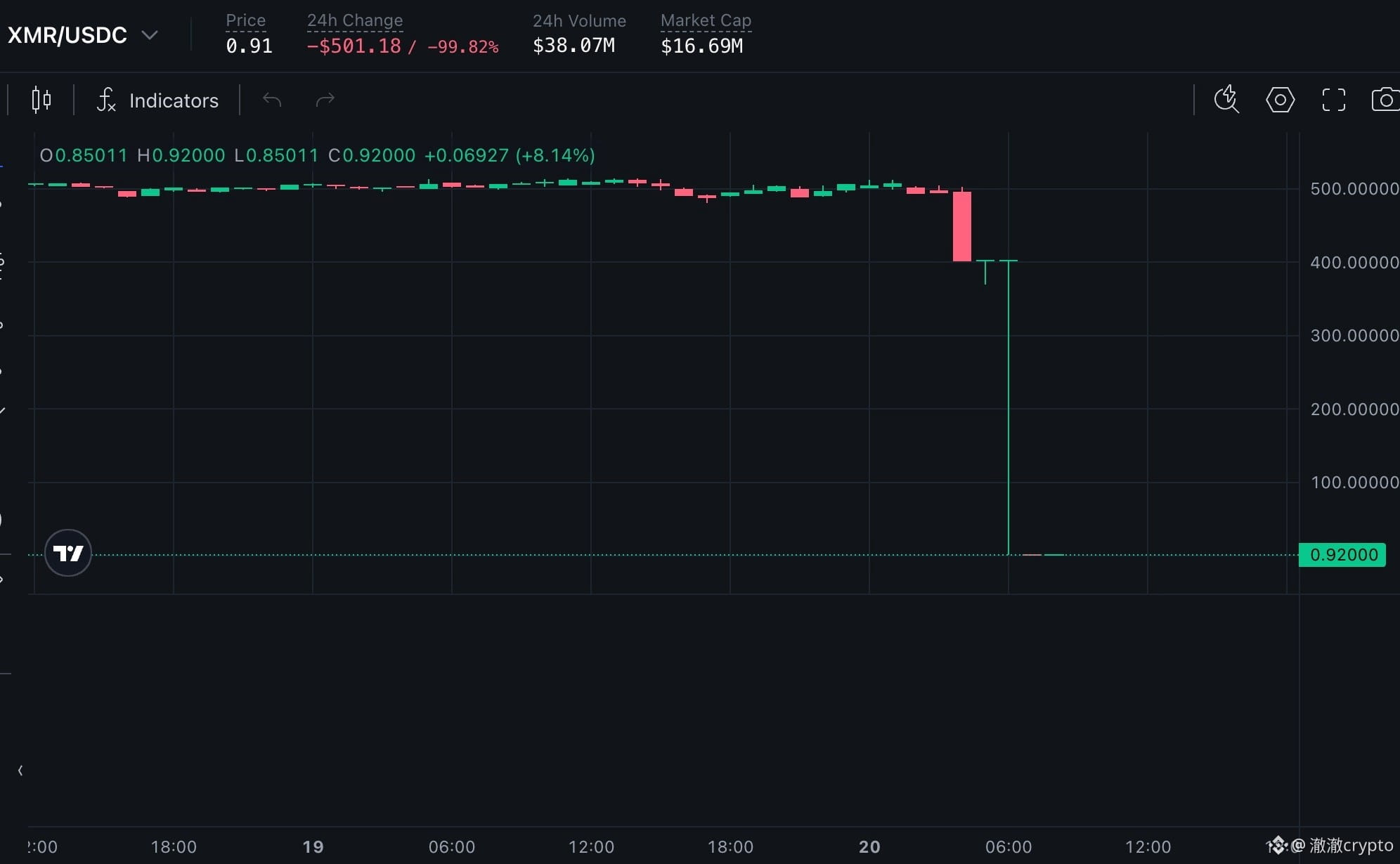
8 hours ago, XMR1 plunged from $494 to $0.91. Now its founder has spoken: the deployment key leaked from an old server that had been deleted.
The attacker transferred 5,200,000 XMR1 from the deployer’s wallet, then dumped it over 35 minutes to cash out $13.22 million in USDC and buy 7,467 ETH.
Founder PerpetualCow posted, accepting responsibility: he’ll personally reimburse everyone who lost money. Wagyu will suspend service for now and relaunch later, but gave no timeline.
At least the claim that it was “stolen” checks out against on-chain records. The deployer’s wallet still holds 13.4 million XMR1, untouched, while Monero itself (XMR) fell only about 5.9%.
But he says the key leaked after hosting provider 1984.hosting was hacked. Icelandic media only confirmed that 1984 went offline that day due to a cyberattack; there’s no hard proof that this is how the key was lost.
First, let’s see whether the compensation actually materializes. Then we can see whether 1984 accepts the blame. If neither side does anything, we can assume those words meant nothing.
Do you believe he can really reimburse everyone out of his own pocket, or do you think this is just a way to buy time?
$BTC $ETH $SOL
#XMR1 #Wagyu
8 hours ago, XMR1 plunged from $494 to $0.91. Now its founder has spoken: the deployment key leaked from an old server that had been deleted.
The attacker transferred 5,200,000 XMR1 from the deployer’s wallet, then dumped it over 35 minutes to cash out $13.22 million in USDC and buy 7,467 ETH.
Founder PerpetualCow posted, accepting responsibility: he’ll personally reimburse everyone who lost money. Wagyu will suspend service for now and relaunch later, but gave no timeline.
At least the claim that it was “stolen” checks out against on-chain records. The deployer’s wallet still holds 13.4 million XMR1, untouched, while Monero itself (XMR) fell only about 5.9%.
But he says the key leaked after hosting provider 1984.hosting was hacked. Icelandic media only confirmed that 1984 went offline that day due to a cyberattack; there’s no hard proof that this is how the key was lost.
First, let’s see whether the compensation actually materializes. Then we can see whether 1984 accepts the blame. If neither side does anything, we can assume those words meant nothing.
Do you believe he can really reimburse everyone out of his own pocket, or do you think this is just a way to buy time?
$BTC $ETH $SOL
#XMR1 #Wagyu
The attacker transferred 5,200,000 XMR1 from the deployer’s wallet, then dumped it over 35 minutes to cash out $13.22 million in USDC and buy 7,467 ETH.
Founder PerpetualCow posted, accepting responsibility: he’ll personally reimburse everyone who lost money. Wagyu will suspend service for now and relaunch later, but gave no timeline.
At least the claim that it was “stolen” checks out against on-chain records. The deployer’s wallet still holds 13.4 million XMR1, untouched, while Monero itself (XMR) fell only about 5.9%.
But he says the key leaked after hosting provider 1984.hosting was hacked. Icelandic media only confirmed that 1984 went offline that day due to a cyberattack; there’s no hard proof that this is how the key was lost.
First, let’s see whether the compensation actually materializes. Then we can see whether 1984 accepts the blame. If neither side does anything, we can assume those words meant nothing.
Do you believe he can really reimburse everyone out of his own pocket, or do you think this is just a way to buy time?
$BTC $ETH $SOL
#XMR1 #Wagyu
1.2k

·
--
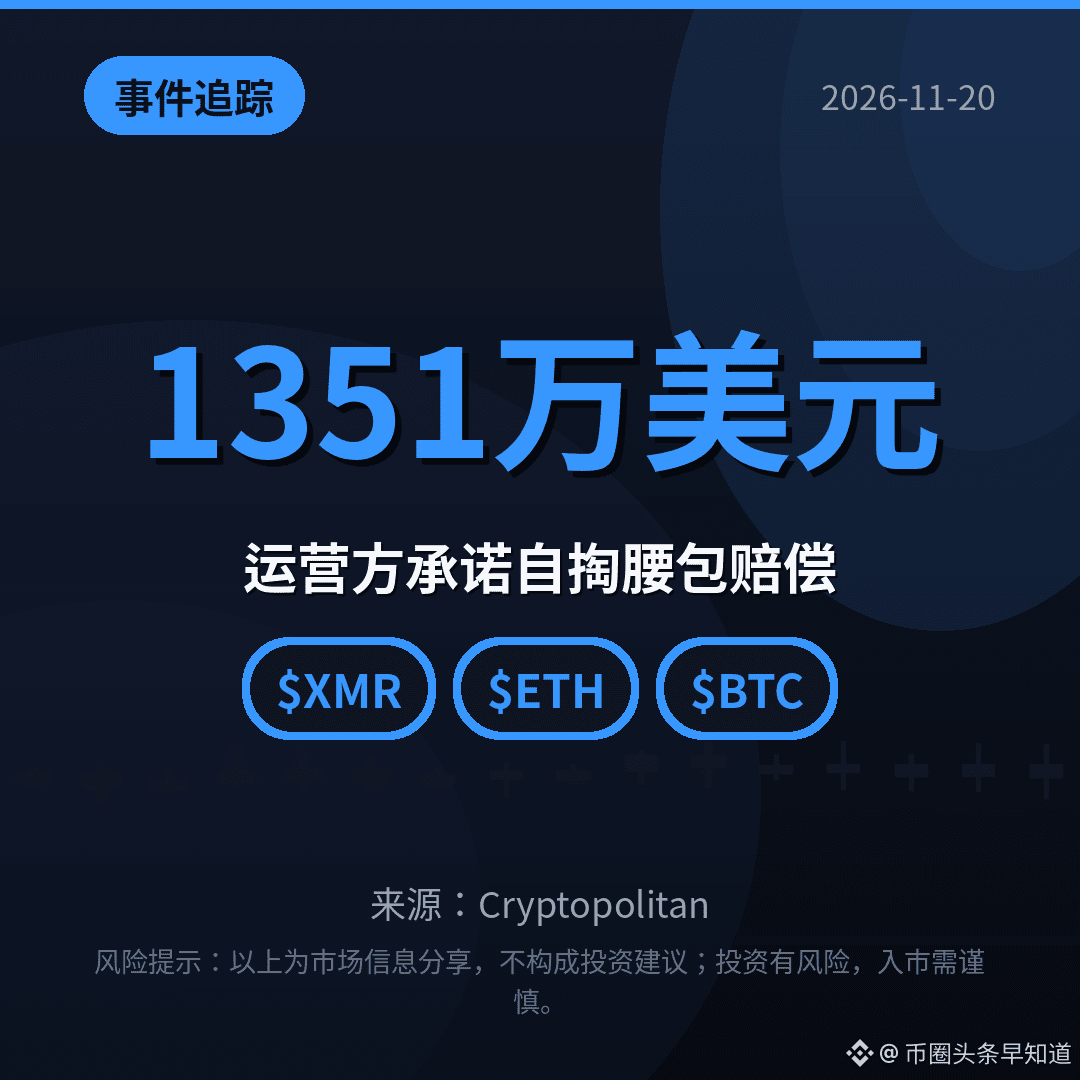
【Incident Update】XMR1 operator pledges to compensate affected users out of pocket
There’s a new development: compensation will be extended from market makers to all users who incurred losses, but no timeline or compensation criteria have been announced. On-chain data shows the attacker cashed out $13.51 million and transferred the funds to Arbitrum, converting them to ETH. The wallet still holds 7,348 ETH. The key may have been leaked in a hack of Icelandic custodian 1984, but the official team has not confirmed a connection. Do you think the pledge will be honored?
$XMR $ETH $BTC
#币安广场 #门罗币 #XMR1
(Source: Cryptopolitan)
⚠️Risk warning: The above is shared for informational purposes only and does not constitute investment advice. Investing involves risks; please exercise caution.
【Incident Update】XMR1 operator pledges to compensate affected users out of pocket
There’s a new development: compensation will be extended from market makers to all users who incurred losses, but no timeline or compensation criteria have been announced. On-chain data shows the attacker cashed out $13.51 million and transferred the funds to Arbitrum, converting them to ETH. The wallet still holds 7,348 ETH. The key may have been leaked in a hack of Icelandic custodian 1984, but the official team has not confirmed a connection. Do you think the pledge will be honored?
$XMR $ETH $BTC
#币安广场 #门罗币 #XMR1
(Source: Cryptopolitan)
⚠️Risk warning: The above is shared for informational purposes only and does not constitute investment advice. Investing involves risks; please exercise caution.
There’s a new development: compensation will be extended from market makers to all users who incurred losses, but no timeline or compensation criteria have been announced. On-chain data shows the attacker cashed out $13.51 million and transferred the funds to Arbitrum, converting them to ETH. The wallet still holds 7,348 ETH. The key may have been leaked in a hack of Icelandic custodian 1984, but the official team has not confirmed a connection. Do you think the pledge will be honored?
$XMR $ETH $BTC
#币安广场 #门罗币 #XMR1
(Source: Cryptopolitan)
⚠️Risk warning: The above is shared for informational purposes only and does not constitute investment advice. Investing involves risks; please exercise caution.
21

·
--
Bearish
🚨 XMR1 plunged from nearly US$500 to around US$1 in half an hour.
A 99% drop.
A wallet received 5.2 million XMR1 and sold around 364,000, converting approximately US$13.5 million into ETH. According to CoinDesk's analysis, around 4.8 million tokens were still in the wallet.
Could it have been a hack? That's the suspicion—but there's still no confirmation. And note: XMR1 is a token linked to Monero via Wagyu. Native XMR did not experience this drop.
$XMR $ETH #XMR1
🚨 XMR1 plunged from nearly US$500 to around US$1 in half an hour.
A 99% drop.
A wallet received 5.2 million XMR1 and sold around 364,000, converting approximately US$13.5 million into ETH. According to CoinDesk's analysis, around 4.8 million tokens were still in the wallet.
Could it have been a hack? That's the suspicion—but there's still no confirmation. And note: XMR1 is a token linked to Monero via Wagyu. Native XMR did not experience this drop.
$XMR $ETH #XMR1
A 99% drop.
A wallet received 5.2 million XMR1 and sold around 364,000, converting approximately US$13.5 million into ETH. According to CoinDesk's analysis, around 4.8 million tokens were still in the wallet.
Could it have been a hack? That's the suspicion—but there's still no confirmation. And note: XMR1 is a token linked to Monero via Wagyu. Native XMR did not experience this drop.
$XMR $ETH #XMR1

Marcus Oelke VcJF:
Wagyu nao é carne? Kkk
1
3
9.1k

·
--
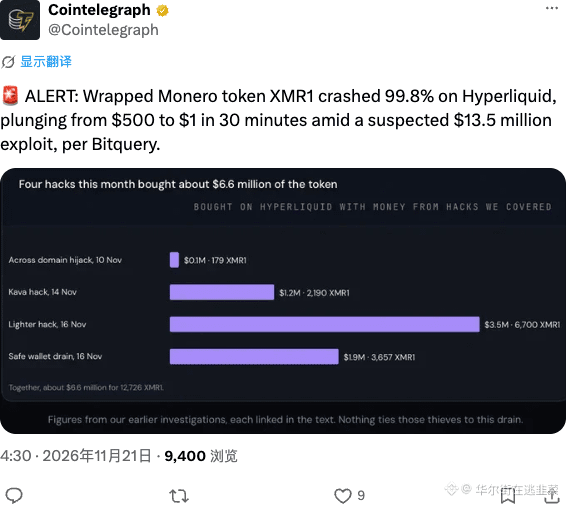
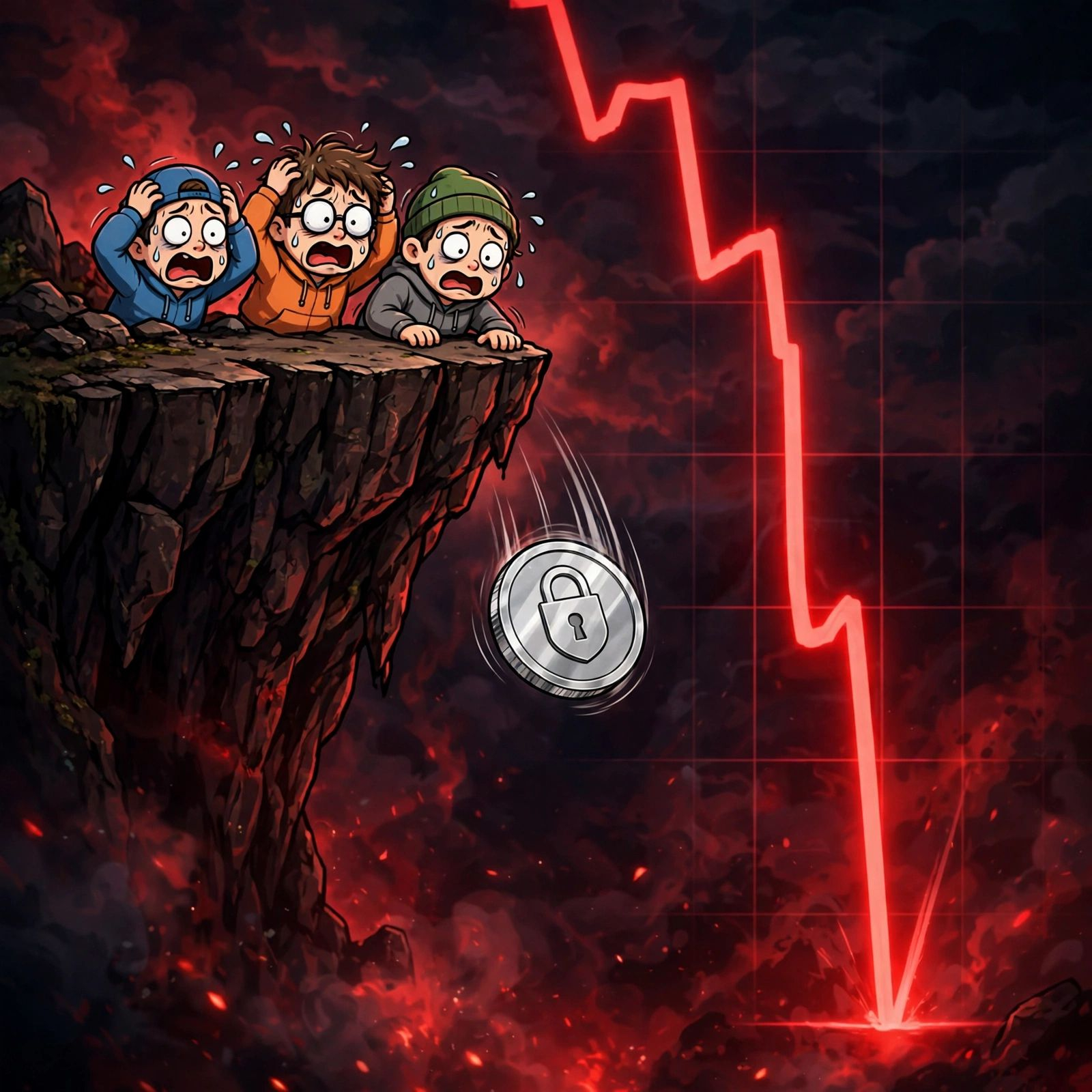
XMR1 just crashed on Hyperliquid, falling from 500 to 1 in 30 minutes—a 99.8% drop.
This isn’t a technical pullback; it’s a $13.5 million exploit, a classic liquidity trap. This kind of wipeout flash crash is basically a black swan. Don’t try to catch a falling knife.
#XMR1 #Hyperliquid #DeFi #Scam
XMR1 just crashed on Hyperliquid, falling from 500 to 1 in 30 minutes—a 99.8% drop.
This isn’t a technical pullback; it’s a $13.5 million exploit, a classic liquidity trap. This kind of wipeout flash crash is basically a black swan. Don’t try to catch a falling knife.
#XMR1 #Hyperliquid #DeFi #Scam
This isn’t a technical pullback; it’s a $13.5 million exploit, a classic liquidity trap. This kind of wipeout flash crash is basically a black swan. Don’t try to catch a falling knife.
#XMR1 #Hyperliquid #DeFi #Scam
18

·
--
Wiped out in half an hour: Monero-wrapped token XMR1 plunged straight from $500 to $1, down 99.8%. The deployer wallet transferred out 5.2 million tokens, and 420 buyers took on $13.5 million worth in half an hour. The funds were immediately converted into 7,467 ETH and moved away. The founder said custodian 1984 was hacked and the deployment key was leaked, and promised to reimburse everyone in full out of pocket. One reminder: the incident affected XMR1 on Hyperliquid; native Monero was unaffected, and there’s still no definitive on-chain evidence showing exactly how the key was lost. How much is the trust behind wrapped tokens worth? What do you think?
#XMR1 #Monero #Hyperliquid #HackerAttack
Wiped out in half an hour: Monero-wrapped token XMR1 plunged straight from $500 to $1, down 99.8%. The deployer wallet transferred out 5.2 million tokens, and 420 buyers took on $13.5 million worth in half an hour. The funds were immediately converted into 7,467 ETH and moved away. The founder said custodian 1984 was hacked and the deployment key was leaked, and promised to reimburse everyone in full out of pocket. One reminder: the incident affected XMR1 on Hyperliquid; native Monero was unaffected, and there’s still no definitive on-chain evidence showing exactly how the key was lost. How much is the trust behind wrapped tokens worth? What do you think?
#XMR1 #Monero #Hyperliquid #HackerAttack
#XMR1 #Monero #Hyperliquid #HackerAttack
520

·
--
At 1 a.m., something went wrong on Hyperliquid again. Someone minted 5.2 million wrapped Monero tokens, XMR1, with a nominal value of $2.5 billion. They only managed to sell 283,000 at an average price of $47, pocketing 13.34 million USDC. The price plunged from $494 to around $1 in 35 minutes—a 99.8% drop.
The on-chain details are interesting: the attackers moved the USDC back on-chain, then turned around and bought 7,348 ETH worth $12.9 million. They converted the stolen funds straight into a major coin—they didn’t want to spend another second in an altcoin.
The problem was the Wagyu cross-chain bridge. XMR1 is a wrapped token it operates on Hyperliquid. Once its deployment wallet was compromised, the entire wrapping system became an ATM. A nominal market cap of $2.5 billion sounds impressive, but the order-book depth is what represents real money. They could only sell at an average of $47, making the lack of liquidity crystal clear.
Meanwhile, AI hardware stocks got hammered across the board at the U.S. market open. The Philadelphia Semiconductor Index fell 3%, SOXL dropped 9.21%, and AMD, SanDisk, and Arm all fell 4–5%. Risk appetite continued to shrink, with BTC holding around 61K.
A bridge is a single point of failure, and the market cap of a wrapped token is an illusion. Before you trade these kinds of assets, think this through: when things go wrong, how far back in line are you?
NFA DYOR
#XMR1 #Hyperliquid #比特币 #美股 #SecurityIncident
At 1 a.m., something went wrong on Hyperliquid again. Someone minted 5.2 million wrapped Monero tokens, XMR1, with a nominal value of $2.5 billion. They only managed to sell 283,000 at an average price of $47, pocketing 13.34 million USDC. The price plunged from $494 to around $1 in 35 minutes—a 99.8% drop.
The on-chain details are interesting: the attackers moved the USDC back on-chain, then turned around and bought 7,348 ETH worth $12.9 million. They converted the stolen funds straight into a major coin—they didn’t want to spend another second in an altcoin.
The problem was the Wagyu cross-chain bridge. XMR1 is a wrapped token it operates on Hyperliquid. Once its deployment wallet was compromised, the entire wrapping system became an ATM. A nominal market cap of $2.5 billion sounds impressive, but the order-book depth is what represents real money. They could only sell at an average of $47, making the lack of liquidity crystal clear.
Meanwhile, AI hardware stocks got hammered across the board at the U.S. market open. The Philadelphia Semiconductor Index fell 3%, SOXL dropped 9.21%, and AMD, SanDisk, and Arm all fell 4–5%. Risk appetite continued to shrink, with BTC holding around 61K.
A bridge is a single point of failure, and the market cap of a wrapped token is an illusion. Before you trade these kinds of assets, think this through: when things go wrong, how far back in line are you?
NFA DYOR
#XMR1 #Hyperliquid #比特币 #美股 #SecurityIncident
The on-chain details are interesting: the attackers moved the USDC back on-chain, then turned around and bought 7,348 ETH worth $12.9 million. They converted the stolen funds straight into a major coin—they didn’t want to spend another second in an altcoin.
The problem was the Wagyu cross-chain bridge. XMR1 is a wrapped token it operates on Hyperliquid. Once its deployment wallet was compromised, the entire wrapping system became an ATM. A nominal market cap of $2.5 billion sounds impressive, but the order-book depth is what represents real money. They could only sell at an average of $47, making the lack of liquidity crystal clear.
Meanwhile, AI hardware stocks got hammered across the board at the U.S. market open. The Philadelphia Semiconductor Index fell 3%, SOXL dropped 9.21%, and AMD, SanDisk, and Arm all fell 4–5%. Risk appetite continued to shrink, with BTC holding around 61K.
A bridge is a single point of failure, and the market cap of a wrapped token is an illusion. Before you trade these kinds of assets, think this through: when things go wrong, how far back in line are you?
NFA DYOR
#XMR1 #Hyperliquid #比特币 #美股 #SecurityIncident
480
·
--
🚨 Wagyu founder promises to refund $13 million after XMR1 hack
Wagyu’s wrapped Monero token, XMR1, crashed 99% after an attack in which the perpetrator sold $13 million worth of tokens. The project’s founder promised a full refund, but details have yet to be disclosed.
It seems decentralization means everyone is responsible, but one person returns the money. Still, if the reimbursement goes ahead, it would be a rare precedent in the world of DeFi.
#crime #взлом #XMR1
🚨 Wagyu founder promises to refund $13 million after XMR1 hack
Wagyu’s wrapped Monero token, XMR1, crashed 99% after an attack in which the perpetrator sold $13 million worth of tokens. The project’s founder promised a full refund, but details have yet to be disclosed.
It seems decentralization means everyone is responsible, but one person returns the money. Still, if the reimbursement goes ahead, it would be a rare precedent in the world of DeFi.
#crime #взлом #XMR1
Wagyu’s wrapped Monero token, XMR1, crashed 99% after an attack in which the perpetrator sold $13 million worth of tokens. The project’s founder promised a full refund, but details have yet to be disclosed.
It seems decentralization means everyone is responsible, but one person returns the money. Still, if the reimbursement goes ahead, it would be a rare precedent in the world of DeFi.
#crime #взлом #XMR1
731
·
--
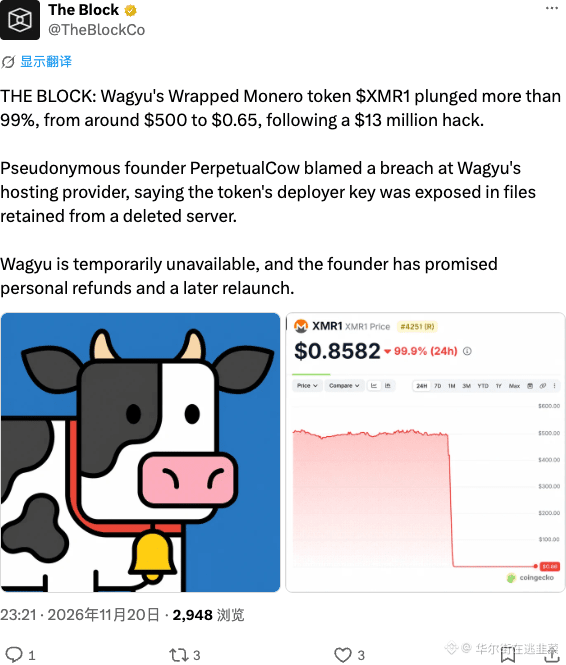
Wagyu's XMR1 token plunged 99% after a hacker stole $13 million. The founder admitted it was caused by a leaked deployment key and promised refunds and a relaunch. They threw away the key right after deployment—honestly, that move was worse than the hacker's. Refunds? Just an empty promise.
#Wagyu #XMR1 #SmartContract #Meme
Wagyu's XMR1 token plunged 99% after a hacker stole $13 million. The founder admitted it was caused by a leaked deployment key and promised refunds and a relaunch. They threw away the key right after deployment—honestly, that move was worse than the hacker's. Refunds? Just an empty promise.
#Wagyu #XMR1 #SmartContract #Meme
#Wagyu #XMR1 #SmartContract #Meme
47

·
--
【Suspected hack! Hyperliquid’s “Monero” token XMR1 plunged from around $494 to around $1 in about 35 minutes, down over 99%】
On November 20, the deployer wallet of XMR1, a token pegged to Monero on Hyperliquid, transferred a large batch of tokens to a new address. The recipient immediately dumped them into the order book for about $13.3 million in USDC, then bought around 7,467 tokens and bridged them to Ethereum via $ETH . The deployer’s private key may have been compromised. The security of these wrapped tokens depends entirely on the deployer’s private key; native Monero is unaffected.
#Hyperliquid #XMR1 #Security Incident
【Suspected hack! Hyperliquid’s “Monero” token XMR1 plunged from around $494 to around $1 in about 35 minutes, down over 99%】
On November 20, the deployer wallet of XMR1, a token pegged to Monero on Hyperliquid, transferred a large batch of tokens to a new address. The recipient immediately dumped them into the order book for about $13.3 million in USDC, then bought around 7,467 tokens and bridged them to Ethereum via $ETH . The deployer’s private key may have been compromised. The security of these wrapped tokens depends entirely on the deployer’s private key; native Monero is unaffected.
#Hyperliquid #XMR1 #Security Incident
On November 20, the deployer wallet of XMR1, a token pegged to Monero on Hyperliquid, transferred a large batch of tokens to a new address. The recipient immediately dumped them into the order book for about $13.3 million in USDC, then bought around 7,467 tokens and bridged them to Ethereum via $ETH . The deployer’s private key may have been compromised. The security of these wrapped tokens depends entirely on the deployer’s private key; native Monero is unaffected.
#Hyperliquid #XMR1 #Security Incident
31
Log in to explore more content
Join global crypto users on Binance Square
⚡️ Get latest and useful information about crypto.
💬 Trusted by the world’s largest crypto exchange.
👍 Discover real insights from verified creators.
Email / Phone number
Trending Topics
1
#BTCReboundsAbove$60KAmidWhaleDipBuying
85,366 views
371 Discussing
2
#SolanaSets2027RoadmapToDoubleComputeCapacity
70,140 views
1,080 Discussing
3
#CaliforniaNvidiaProbeExaminesPotentialCriminalViolations
18,959 views
150 Discussing
4
#BlackRockLaunchesHKDollarDigitalLiquidityFund
58,535 views
813 Discussing
5
#NvidiaLoses$2.7TrillionInMonthAndAHalf
81,314 views
319 Discussing
6
#GlobalStocksFaceLongestLosingStreakSince2023
587,455 views
3,541 Discussing
7
#BlackRockIBITPostsRecord$541MSingleDayOutflow
99,388 views
186 Discussing
8
#AnthropicPlungesTowardIPOPriceonDay2
327,126 views
2,379 Discussing
9
#TwentyOneCapitalAdds172.25BTC
176,603 views
1,691 Discussing
10
#HKBillWouldExcludeTokenizedDepositsFromVirtualAssets
19,023 views
109 Discussing