
#usgovernment
usgovernment
5.9M views
4,834 Discussing
Hot
Latest


·
--
Bearish
$BZ
{future}(BZUSDT)
🚨IRAN WARNS NEW U.S. ATTACK MAY BE ON THE CARDS, THREATENS PROPER RETALIATION
Iran says it’s got the inside scoop that the U.S. and their mates are prepping a massive new strike, according to Reuters
Tehran’s military brass warned that any hit would spark a proper, non-stop payback against U.S. bases and interests, and could end up dragging regional pals right into the bar fight
Didn’t show a shred of proof for these supposed plans, though
$BTC
{spot}(BTCUSDT)
$ETH
{spot}(ETHUSDT)
#iran #USGovernment #BTCBreaks80K
$BZ
🚨IRAN WARNS NEW U.S. ATTACK MAY BE ON THE CARDS, THREATENS PROPER RETALIATION
Iran says it’s got the inside scoop that the U.S. and their mates are prepping a massive new strike, according to Reuters
Tehran’s military brass warned that any hit would spark a proper, non-stop payback against U.S. bases and interests, and could end up dragging regional pals right into the bar fight
Didn’t show a shred of proof for these supposed plans, though
$BTC
$ETH
#iran #USGovernment #BTCBreaks80K
🚨IRAN WARNS NEW U.S. ATTACK MAY BE ON THE CARDS, THREATENS PROPER RETALIATION
Iran says it’s got the inside scoop that the U.S. and their mates are prepping a massive new strike, according to Reuters
Tehran’s military brass warned that any hit would spark a proper, non-stop payback against U.S. bases and interests, and could end up dragging regional pals right into the bar fight
Didn’t show a shred of proof for these supposed plans, though
$BTC
$ETH
#iran #USGovernment #BTCBreaks80K

2.6k
·
--
Bullish
Verified
$WLD
{spot}(WLDUSDT)
The US is proper about to dump a right massive load of debt onto the market
At least 457 billion in Treasuries lined up for auction in just four days, simple as
Monday alone brings 171 billion, then 2-year, 5-year and 7-year debt right up to Thursday
And the final figure’s gonna be even higher, mate, no joke
A 17-week bill on Wednesday and 4-week plus 8-week bills on Thursday are still waitin’ on their auction sizes
If buyers aren't keen, yields’ll have to jump up to get 'em through the door
That means proper pricey borrowing for the US, tighter money all round, and dead tough competition for cash that’d normally go into stocks and that
$BTC
{spot}(BTCUSDT)
$XAU
{future}(XAUUSDT)
#USDebtMarket #USGovernment
$WLD
The US is proper about to dump a right massive load of debt onto the market
At least 457 billion in Treasuries lined up for auction in just four days, simple as
Monday alone brings 171 billion, then 2-year, 5-year and 7-year debt right up to Thursday
And the final figure’s gonna be even higher, mate, no joke
A 17-week bill on Wednesday and 4-week plus 8-week bills on Thursday are still waitin’ on their auction sizes
If buyers aren't keen, yields’ll have to jump up to get 'em through the door
That means proper pricey borrowing for the US, tighter money all round, and dead tough competition for cash that’d normally go into stocks and that
$BTC
$XAU
#USDebtMarket #USGovernment
The US is proper about to dump a right massive load of debt onto the market
At least 457 billion in Treasuries lined up for auction in just four days, simple as
Monday alone brings 171 billion, then 2-year, 5-year and 7-year debt right up to Thursday
And the final figure’s gonna be even higher, mate, no joke
A 17-week bill on Wednesday and 4-week plus 8-week bills on Thursday are still waitin’ on their auction sizes
If buyers aren't keen, yields’ll have to jump up to get 'em through the door
That means proper pricey borrowing for the US, tighter money all round, and dead tough competition for cash that’d normally go into stocks and that
$BTC
$XAU
#USDebtMarket #USGovernment
AngelOfCrypto_-:
nice
1
9
8.7k

·
--
$TRUMP
{future}(TRUMPUSDT)
🇺🇸🇮🇷 The Iran war has now burned through at least $45.1 BILLION, and even that number is incomplete.
The Pentagon told Congress the bill included $43.6 billion in war costs through September 3, plus another $1.5 billion for extra fuel. It still doesn’t include repairs to damaged U.S. bases and facilities.
CBO had already estimated roughly $38 billion through August 1, with the war potentially adding another $2–3 billion every month depending on how intense the fighting gets.
Source: CNN
#crypto #USGovernment #worldnews
$TRUMP
🇺🇸🇮🇷 The Iran war has now burned through at least $45.1 BILLION, and even that number is incomplete.
The Pentagon told Congress the bill included $43.6 billion in war costs through September 3, plus another $1.5 billion for extra fuel. It still doesn’t include repairs to damaged U.S. bases and facilities.
CBO had already estimated roughly $38 billion through August 1, with the war potentially adding another $2–3 billion every month depending on how intense the fighting gets.
Source: CNN
#crypto #USGovernment #worldnews
🇺🇸🇮🇷 The Iran war has now burned through at least $45.1 BILLION, and even that number is incomplete.
The Pentagon told Congress the bill included $43.6 billion in war costs through September 3, plus another $1.5 billion for extra fuel. It still doesn’t include repairs to damaged U.S. bases and facilities.
CBO had already estimated roughly $38 billion through August 1, with the war potentially adding another $2–3 billion every month depending on how intense the fighting gets.
Source: CNN
#crypto #USGovernment #worldnews

358

·
--
$TRUMP
{future}(TRUMPUSDT)
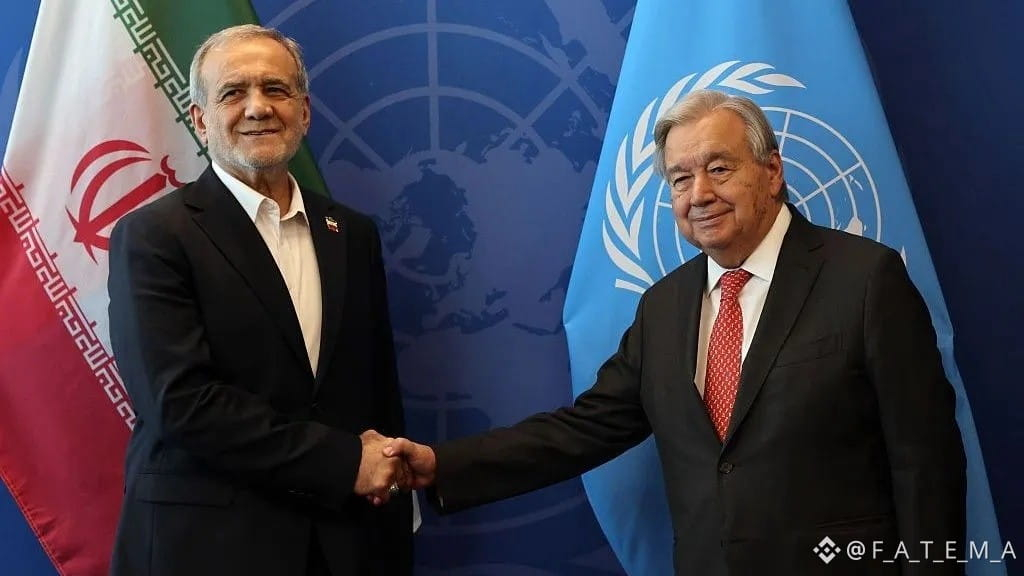
🇺🇸🇮🇷 The U.S. will allow Iran’s president and foreign minister into New York for next week’s UN General Assembly, even while Washington and Tehran remain at war.
The pair, along with a small delegation, will receive visas under U.S. obligations as host of the United Nations.
Their movements will be tightly restricted, and they’ll also face bans on buying luxury and other goods while in the country.
Mahmoud Abbas, meanwhile, won’t be allowed into New York at all and will only be able to address the UN gathering by video after the U.S. denied him a visa.
Somehow, being at war with the U.S. still gets Iran’s top officials into the UN, while Palestinian officials are being kept out of the same meeting.
Source: Reuters
#USGovernment #worldnews
$TRUMP
🇺🇸🇮🇷 The U.S. will allow Iran’s president and foreign minister into New York for next week’s UN General Assembly, even while Washington and Tehran remain at war.
The pair, along with a small delegation, will receive visas under U.S. obligations as host of the United Nations.
Their movements will be tightly restricted, and they’ll also face bans on buying luxury and other goods while in the country.
Mahmoud Abbas, meanwhile, won’t be allowed into New York at all and will only be able to address the UN gathering by video after the U.S. denied him a visa.
Somehow, being at war with the U.S. still gets Iran’s top officials into the UN, while Palestinian officials are being kept out of the same meeting.
Source: Reuters
#USGovernment #worldnews
🇺🇸🇮🇷 The U.S. will allow Iran’s president and foreign minister into New York for next week’s UN General Assembly, even while Washington and Tehran remain at war.
The pair, along with a small delegation, will receive visas under U.S. obligations as host of the United Nations.
Their movements will be tightly restricted, and they’ll also face bans on buying luxury and other goods while in the country.
Mahmoud Abbas, meanwhile, won’t be allowed into New York at all and will only be able to address the UN gathering by video after the U.S. denied him a visa.
Somehow, being at war with the U.S. still gets Iran’s top officials into the UN, while Palestinian officials are being kept out of the same meeting.
Source: Reuters
#USGovernment #worldnews
4
3.4k

·
--
$BTC
STOP 🚨 STOP✋️ 🚨 STOP✋️ 🚨 STOP✋️
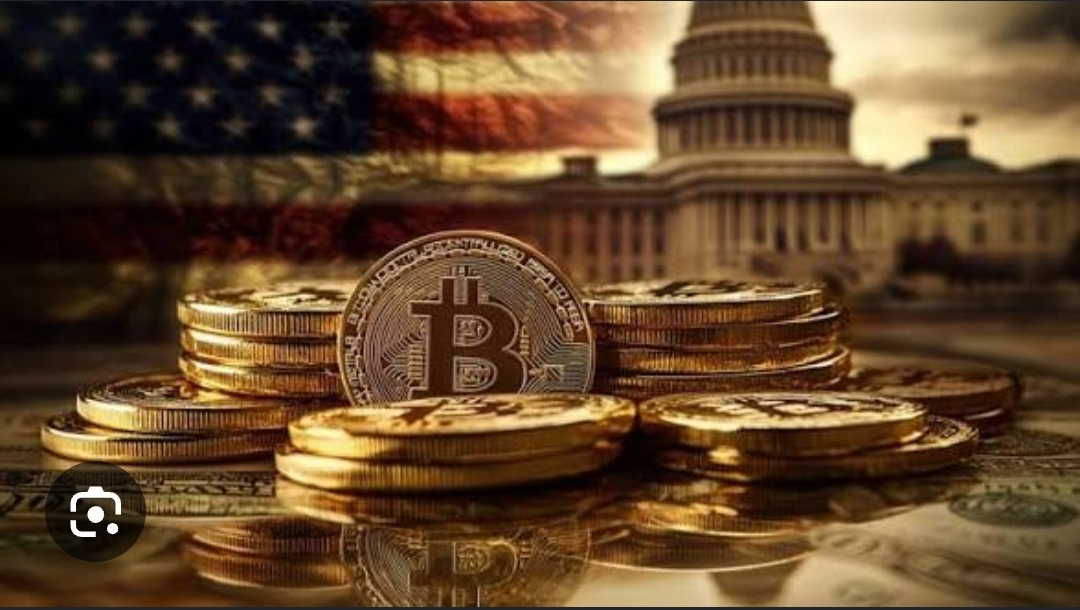
THE US IS BUILDING A BITCOIN FUTURE 🇺🇸₿
Washington is taking Bitcoin seriously.
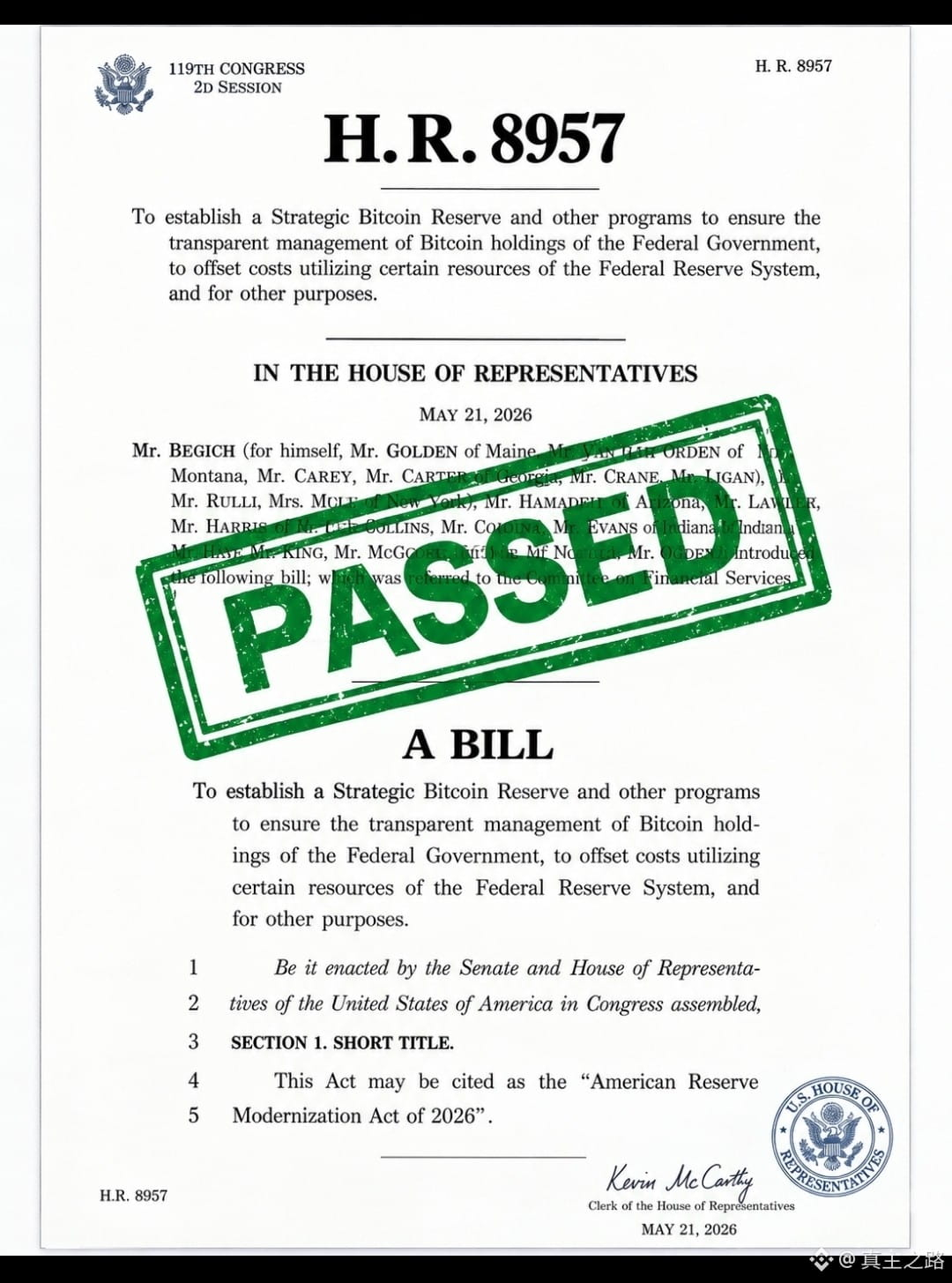
The Strategic Bitcoin Reserve Bill (H.R. 8957) has reportedly advanced through the House committee stage, bringing government-held Bitcoin closer to a formal legislative framework.
This isn't just another politician tweeting about BTC. It's a step toward institutionalizing Bitcoin reserves at the federal level.
🔥 But here's the key: A reserve framework doesn't automatically mean the US will start buying billions in Bitcoin. Further legislative approval and actual accumulation plans still matter.
If this bill moves forward, the conversation around Bitcoin could shift from "Will governments adopt it?" to "How will governments manage their Bitcoin reserves?"
📌 Stay informed. Manage risk. Size your positions wisely.
The Bitcoin story is evolving. Keep watching.
#Bitcoin #Crypto #StrategicBitcoinReserve #USGovernment $ZEC #BOJHikesRatesTo31YearHigh
$BTC
STOP 🚨 STOP✋️ 🚨 STOP✋️ 🚨 STOP✋️
THE US IS BUILDING A BITCOIN FUTURE 🇺🇸₿
Washington is taking Bitcoin seriously.
The Strategic Bitcoin Reserve Bill (H.R. 8957) has reportedly advanced through the House committee stage, bringing government-held Bitcoin closer to a formal legislative framework.
This isn't just another politician tweeting about BTC. It's a step toward institutionalizing Bitcoin reserves at the federal level.
🔥 But here's the key: A reserve framework doesn't automatically mean the US will start buying billions in Bitcoin. Further legislative approval and actual accumulation plans still matter.
If this bill moves forward, the conversation around Bitcoin could shift from "Will governments adopt it?" to "How will governments manage their Bitcoin reserves?"
📌 Stay informed. Manage risk. Size your positions wisely.
The Bitcoin story is evolving. Keep watching.
#Bitcoin #Crypto #StrategicBitcoinReserve #USGovernment $ZEC #BOJHikesRatesTo31YearHigh
STOP 🚨 STOP✋️ 🚨 STOP✋️ 🚨 STOP✋️
THE US IS BUILDING A BITCOIN FUTURE 🇺🇸₿
Washington is taking Bitcoin seriously.
The Strategic Bitcoin Reserve Bill (H.R. 8957) has reportedly advanced through the House committee stage, bringing government-held Bitcoin closer to a formal legislative framework.
This isn't just another politician tweeting about BTC. It's a step toward institutionalizing Bitcoin reserves at the federal level.
🔥 But here's the key: A reserve framework doesn't automatically mean the US will start buying billions in Bitcoin. Further legislative approval and actual accumulation plans still matter.
If this bill moves forward, the conversation around Bitcoin could shift from "Will governments adopt it?" to "How will governments manage their Bitcoin reserves?"
📌 Stay informed. Manage risk. Size your positions wisely.
The Bitcoin story is evolving. Keep watching.
#Bitcoin #Crypto #StrategicBitcoinReserve #USGovernment $ZEC #BOJHikesRatesTo31YearHigh
1
318
·
--
$TRUMP
{future}(TRUMPUSDT)
📍🇺🇸🇸🇦🇨🇳 NEW:
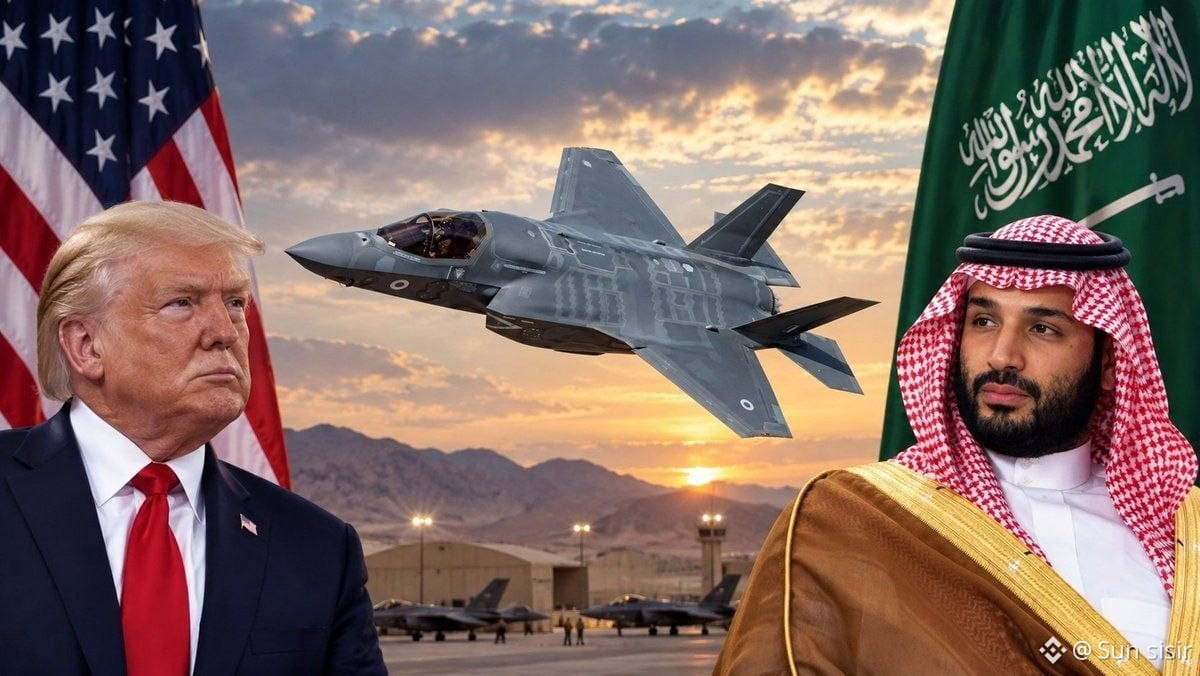
US intelligence agencies have warned that selling F-35 fighter jets to Saudi Arabia could put sensitive US military technology at risk of Chinese espionage or hacking.
#worldnews #USGovernment
$TRUMP
📍🇺🇸🇸🇦🇨🇳 NEW:
US intelligence agencies have warned that selling F-35 fighter jets to Saudi Arabia could put sensitive US military technology at risk of Chinese espionage or hacking.
#worldnews #USGovernment
📍🇺🇸🇸🇦🇨🇳 NEW:
US intelligence agencies have warned that selling F-35 fighter jets to Saudi Arabia could put sensitive US military technology at risk of Chinese espionage or hacking.
#worldnews #USGovernment
208

·
--
Article
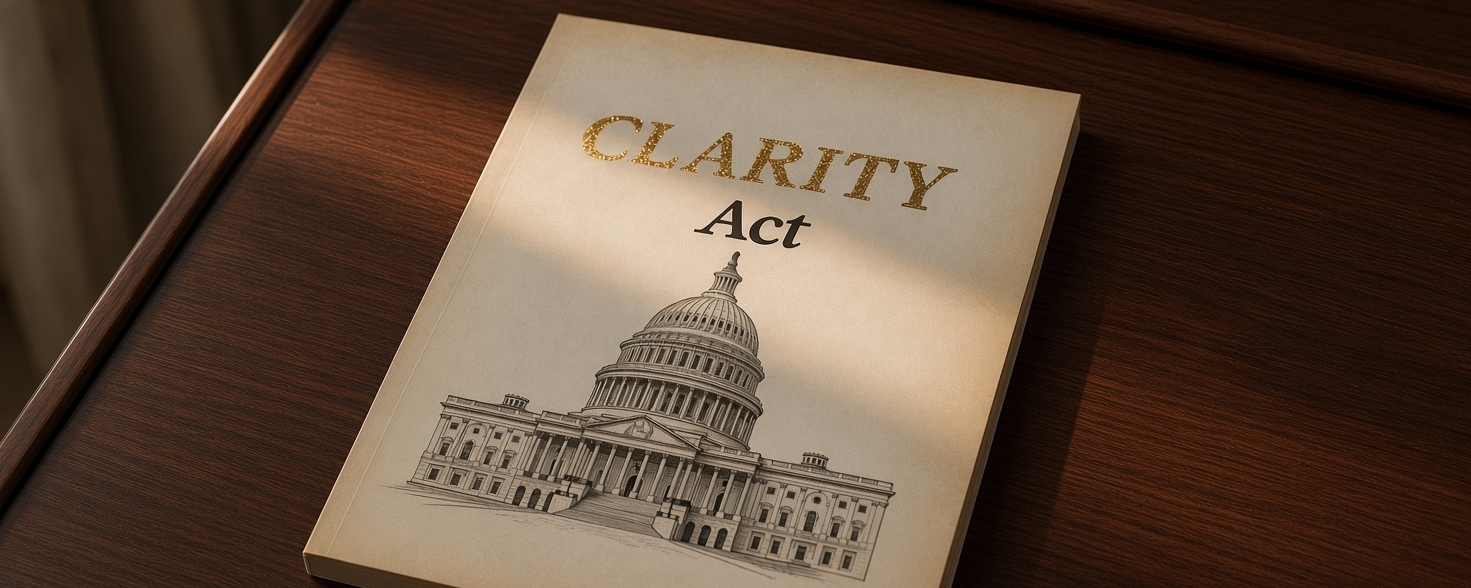
🚨 CLARITY Act UpdateThe U.S. Senate has blocked the next step for the CLARITY Act after a procedural vote ended 49–50, falling short of the 60 votes required to advance the crypto market-structure bill.
But the bill is not necessarily finished.
Sen. Thom Tillis voted against the motion in a move that preserves the possibility of reconsideration and another vote during the current session.
Seven Senate Democrats — including Kirsten Gillibrand, Cory Booker, Ruben Gallego and Mark Warner — also said they remain committed to passing crypto market-structure legislation.
The biggest sticking point remains ethics provisions for elected officials, alongside disagreements over parts of the crypto regulatory framework.
With the Senate expected to recess in early October, lawmakers have a narrowing window to find a compromise before the 2026 session moves further into the election calendar.
For crypto, the key question now is simple:
Can both sides reach a new deal before time runs out?
$GOOGL.US
{stock_us}(GOOGL.US)
$SOL
{spot}(SOLUSDT)
$NVDAB
{spot}(NVDABUSDT)
#USGovernment #StellarActivatesProtocol28At211TPS
🚨 CLARITY Act Update
The U.S. Senate has blocked the next step for the CLARITY Act after a procedural vote ended 49–50, falling short of the 60 votes required to advance the crypto market-structure bill.
But the bill is not necessarily finished.
Sen. Thom Tillis voted against the motion in a move that preserves the possibility of reconsideration and another vote during the current session.
Seven Senate Democrats — including Kirsten Gillibrand, Cory Booker, Ruben Gallego and Mark Warner — also said they remain committed to passing crypto market-structure legislation.
The biggest sticking point remains ethics provisions for elected officials, alongside disagreements over parts of the crypto regulatory framework.
With the Senate expected to recess in early October, lawmakers have a narrowing window to find a compromise before the 2026 session moves further into the election calendar.
For crypto, the key question now is simple:
Can both sides reach a new deal before time runs out?
$GOOGL.US
$SOL
$NVDAB
#USGovernment #StellarActivatesProtocol28At211TPS
But the bill is not necessarily finished.
Sen. Thom Tillis voted against the motion in a move that preserves the possibility of reconsideration and another vote during the current session.
Seven Senate Democrats — including Kirsten Gillibrand, Cory Booker, Ruben Gallego and Mark Warner — also said they remain committed to passing crypto market-structure legislation.
The biggest sticking point remains ethics provisions for elected officials, alongside disagreements over parts of the crypto regulatory framework.
With the Senate expected to recess in early October, lawmakers have a narrowing window to find a compromise before the 2026 session moves further into the election calendar.
For crypto, the key question now is simple:
Can both sides reach a new deal before time runs out?
$GOOGL.US
$SOL
$NVDAB
#USGovernment #StellarActivatesProtocol28At211TPS
579
·
--
$TRUMP
{future}(TRUMPUSDT)
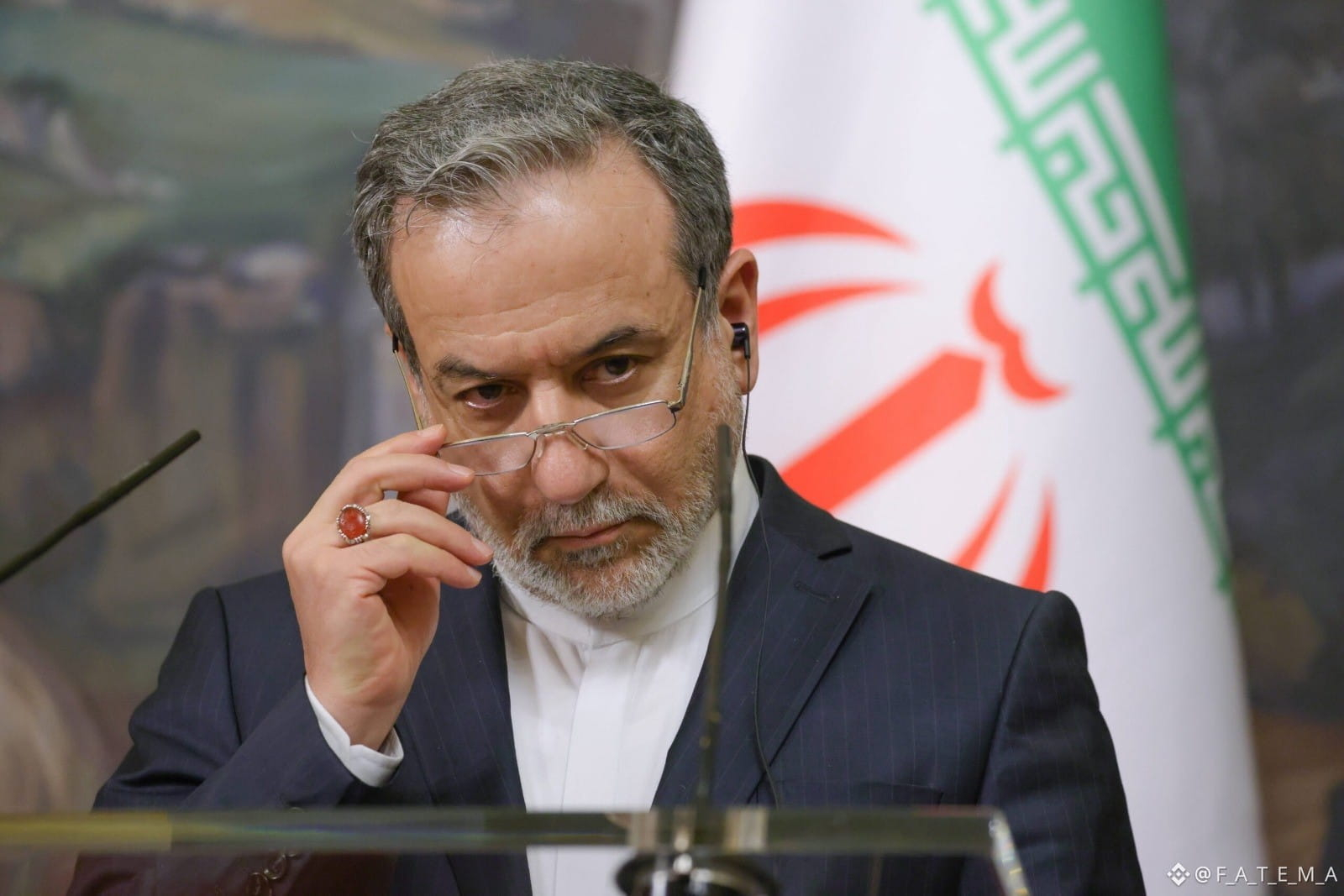
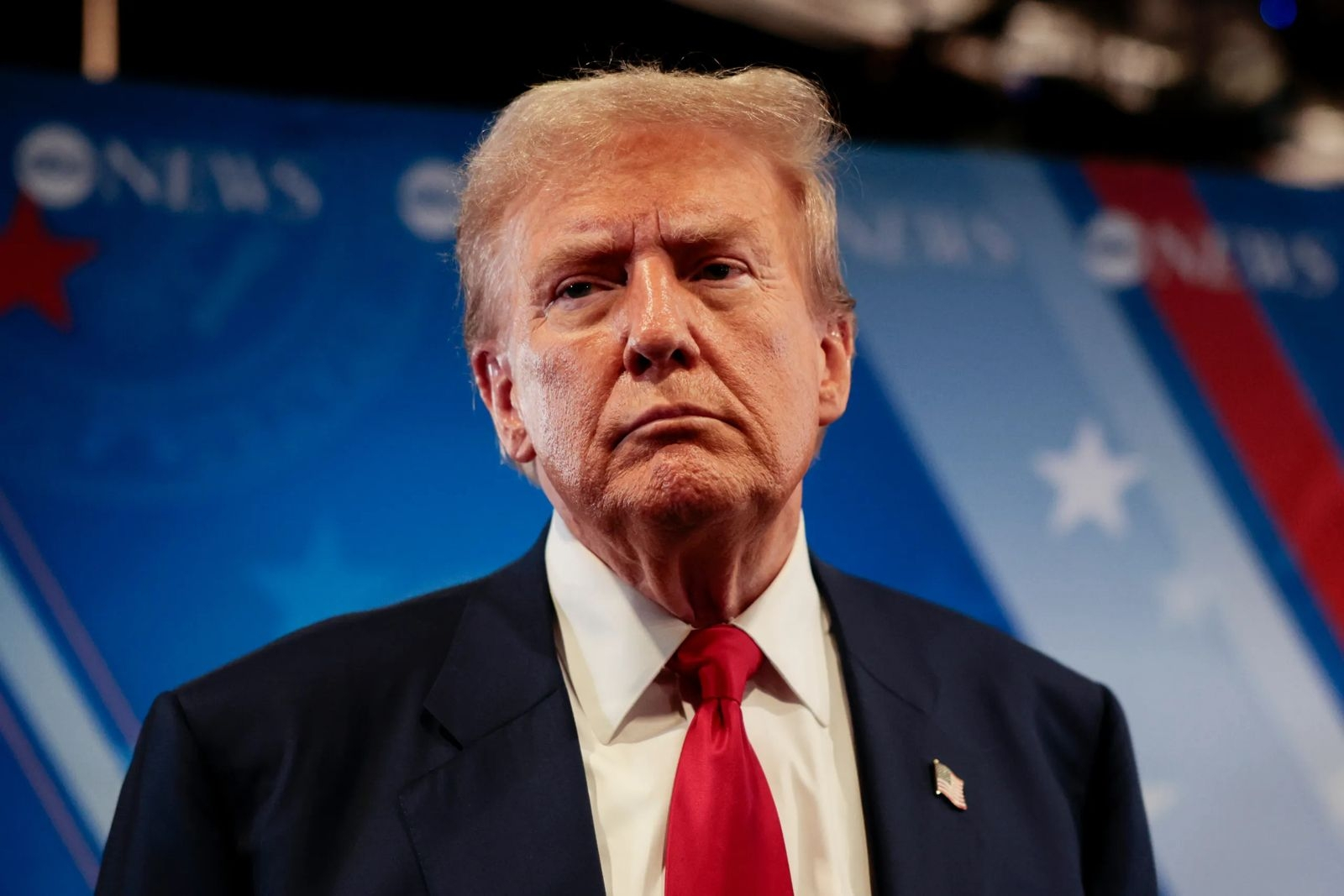
🇮🇷🇺🇸 Iran is betting that the clock is a weapon and that America will blink first...
The logic in Tehran is that sanctions, the blockade, and the demand to crawl back to talks hurts less than $100 oil, a sour U.S. public, and a White House that has to face voters with steep grocery bills.
The state is rationing attention toward staple foods and keeping shelves from going empty while inflation eats wages.
Washington still has the navy and (some amount of) interceptors, but Iran believes it has the calendar...
If that bet is right, the war ends when Americans decide the squeeze is not worth the win...
Source: Al Jazeera
#USGovernment
$TRUMP
🇮🇷🇺🇸 Iran is betting that the clock is a weapon and that America will blink first...
The logic in Tehran is that sanctions, the blockade, and the demand to crawl back to talks hurts less than $100 oil, a sour U.S. public, and a White House that has to face voters with steep grocery bills.
The state is rationing attention toward staple foods and keeping shelves from going empty while inflation eats wages.
Washington still has the navy and (some amount of) interceptors, but Iran believes it has the calendar...
If that bet is right, the war ends when Americans decide the squeeze is not worth the win...
Source: Al Jazeera
#USGovernment
🇮🇷🇺🇸 Iran is betting that the clock is a weapon and that America will blink first...
The logic in Tehran is that sanctions, the blockade, and the demand to crawl back to talks hurts less than $100 oil, a sour U.S. public, and a White House that has to face voters with steep grocery bills.
The state is rationing attention toward staple foods and keeping shelves from going empty while inflation eats wages.
Washington still has the navy and (some amount of) interceptors, but Iran believes it has the calendar...
If that bet is right, the war ends when Americans decide the squeeze is not worth the win...
Source: Al Jazeera
#USGovernment
2
389
·
--
Bullish
$BTC
{spot}(BTCUSDT)
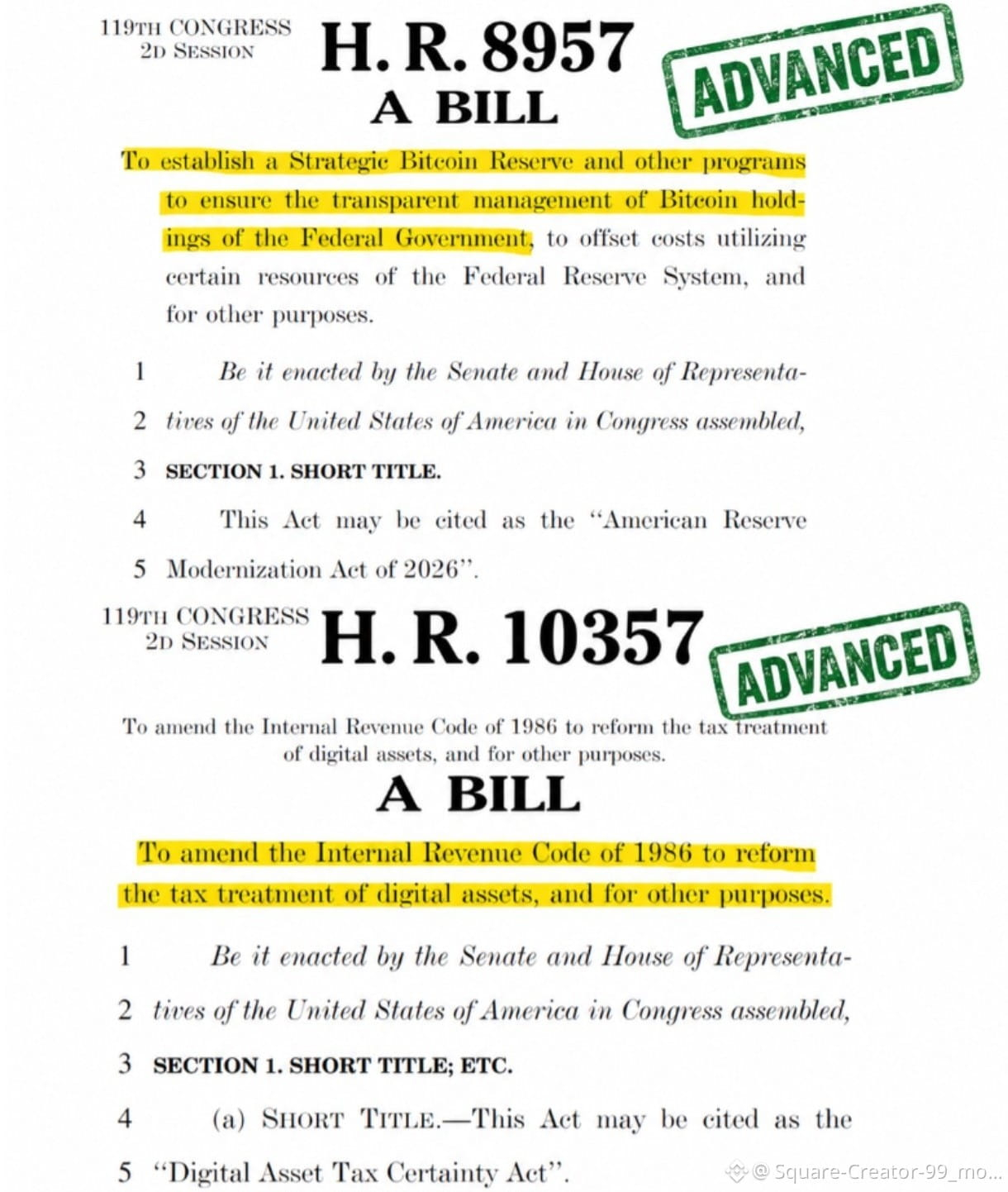
PAIR OF PROPER MASSIVE CRYPTO BILLS PASS THE HOUSE COMMITTEES, INNIT
American Reserve Modernization Act of 2026
Digital Asset Tax Certainty Act
Both of 'em are off to a full House vote now, then heading straight to the Big House (Senate) if they pass, mind you
Even with that CLARITY Act completely stuck, the gaffers in Congress are still pushing ahead with other big crypto stuff. The SEC and CFTC boys are cracking on with crypto rules under the old laws anyway
This lot could give crypto a proper boost—gives traders clear tax rules and makes Bitcoin look like proper gold reserves for Uncle Sam
The main bits of the American Reserve Modernization Act 2026:
Sets up a proper official US Strategic Bitcoin Reserve
Uncle Sam's Bitcoin has gotta sit tight for at least 20 years, no touching
All government blokes must spill the beans on their Bitcoin and crypto stash
The Treasury’s gotta publish regular reports and proper check-ups
Any other crypto the government holds can be flogged off to buy more Bitcoin or clear some debt
They’ll figure out sneaky ways to bag more Bitcoin without bumping up taxes or borrowing a single quid
Sorts out your right to buy, hold, move, and keep your own Bitcoin safe in your own wallet.
The US government is sitting on a massive 328,000 Bitcoin, and this bill keeps that stash locked away for donkey's years while letting 'em stack even more
The main bits of the Digital Asset Tax Certainty Act:
No tax hassle for tiny crypto fees under ten dollars
Fresh rules for making cash off mining and staking
Proper clear tax rules for stablecoins, no fuss.
Wash-sale tax rules now apply to crypto as well
Crypto lending gets treated just like proper old-school stocks lending
A bit of a shake-up for what crypto brokers gotta report to the taxman
$ETH
{spot}(ETHUSDT)
$BNB
{spot}(BNBUSDT)
#USGovernment #BTC🔥🔥🔥🔥🔥
$BTC
PAIR OF PROPER MASSIVE CRYPTO BILLS PASS THE HOUSE COMMITTEES, INNIT
American Reserve Modernization Act of 2026
Digital Asset Tax Certainty Act
Both of 'em are off to a full House vote now, then heading straight to the Big House (Senate) if they pass, mind you
Even with that CLARITY Act completely stuck, the gaffers in Congress are still pushing ahead with other big crypto stuff. The SEC and CFTC boys are cracking on with crypto rules under the old laws anyway
This lot could give crypto a proper boost—gives traders clear tax rules and makes Bitcoin look like proper gold reserves for Uncle Sam
The main bits of the American Reserve Modernization Act 2026:
Sets up a proper official US Strategic Bitcoin Reserve
Uncle Sam's Bitcoin has gotta sit tight for at least 20 years, no touching
All government blokes must spill the beans on their Bitcoin and crypto stash
The Treasury’s gotta publish regular reports and proper check-ups
Any other crypto the government holds can be flogged off to buy more Bitcoin or clear some debt
They’ll figure out sneaky ways to bag more Bitcoin without bumping up taxes or borrowing a single quid
Sorts out your right to buy, hold, move, and keep your own Bitcoin safe in your own wallet.
The US government is sitting on a massive 328,000 Bitcoin, and this bill keeps that stash locked away for donkey's years while letting 'em stack even more
The main bits of the Digital Asset Tax Certainty Act:
No tax hassle for tiny crypto fees under ten dollars
Fresh rules for making cash off mining and staking
Proper clear tax rules for stablecoins, no fuss.
Wash-sale tax rules now apply to crypto as well
Crypto lending gets treated just like proper old-school stocks lending
A bit of a shake-up for what crypto brokers gotta report to the taxman
$ETH
$BNB
#USGovernment #BTC🔥🔥🔥🔥🔥
PAIR OF PROPER MASSIVE CRYPTO BILLS PASS THE HOUSE COMMITTEES, INNIT
American Reserve Modernization Act of 2026
Digital Asset Tax Certainty Act
Both of 'em are off to a full House vote now, then heading straight to the Big House (Senate) if they pass, mind you
Even with that CLARITY Act completely stuck, the gaffers in Congress are still pushing ahead with other big crypto stuff. The SEC and CFTC boys are cracking on with crypto rules under the old laws anyway
This lot could give crypto a proper boost—gives traders clear tax rules and makes Bitcoin look like proper gold reserves for Uncle Sam
The main bits of the American Reserve Modernization Act 2026:
Sets up a proper official US Strategic Bitcoin Reserve
Uncle Sam's Bitcoin has gotta sit tight for at least 20 years, no touching
All government blokes must spill the beans on their Bitcoin and crypto stash
The Treasury’s gotta publish regular reports and proper check-ups
Any other crypto the government holds can be flogged off to buy more Bitcoin or clear some debt
They’ll figure out sneaky ways to bag more Bitcoin without bumping up taxes or borrowing a single quid
Sorts out your right to buy, hold, move, and keep your own Bitcoin safe in your own wallet.
The US government is sitting on a massive 328,000 Bitcoin, and this bill keeps that stash locked away for donkey's years while letting 'em stack even more
The main bits of the Digital Asset Tax Certainty Act:
No tax hassle for tiny crypto fees under ten dollars
Fresh rules for making cash off mining and staking
Proper clear tax rules for stablecoins, no fuss.
Wash-sale tax rules now apply to crypto as well
Crypto lending gets treated just like proper old-school stocks lending
A bit of a shake-up for what crypto brokers gotta report to the taxman
$ETH
$BNB
#USGovernment #BTC🔥🔥🔥🔥🔥

AngelOfCrypto_-:
nice
1
1.4k

Article
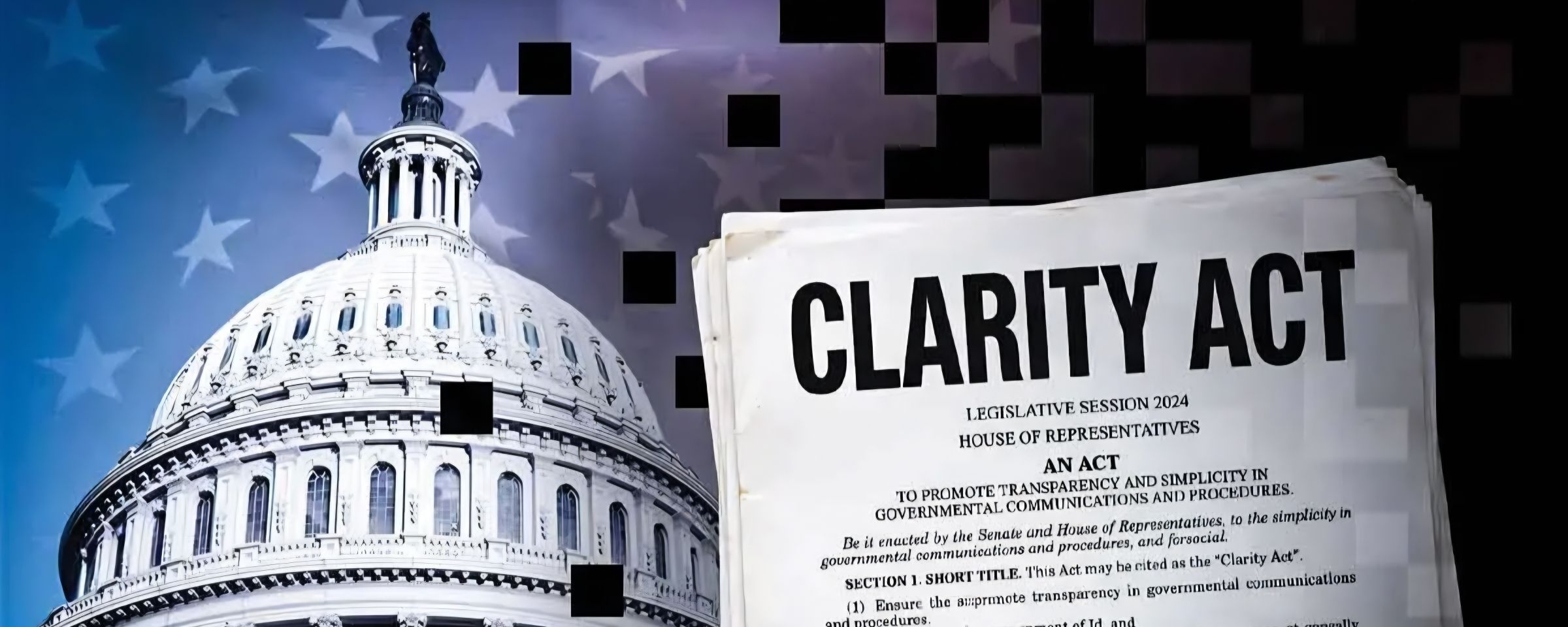
CLARITY Act Fails in the Senate: What Actually Happened and Why It MattersThe U.S. Senate failed to advance the CLARITY Act on September 15. The final tally on the cloture vote was 49-50. The bill needed 60 votes to move forward, and it didn’t get them.
This wasn’t a vote on the full content of the bill. It was only a procedural vote to decide whether the Senate would even start debating it. Once that vote failed, the legislation was effectively put on hold.
What Went Wrong
Every Democrat who voted opposed moving the bill forward. Four Republicans also voted no: Susan Collins, Josh Hawley, Jerry Moran, and Thom Tillis. Tillis switched his vote from yes to no at the last minute so he could file a motion to reconsider. That keeps a small technical door open, but most people following the process believe the realistic chances for this year are now very low.
The disagreements that sank the vote weren’t small. Key points of tension included ethics rules around public officials holding crypto, concerns from the banking sector about stablecoin rewards, and the ongoing fight over how much power the SEC should have versus the CFTC.
Even after last-minute changes to the text, the bill couldn’t find enough support.
What This Means Right Now
In the short term, one of the biggest potential regulatory catalysts for U.S. crypto is off the table. Markets reacted mildly negative after the vote, which was expected.
That doesn’t mean regulation disappears. The SEC and CFTC still have authority to write rules on their own, and both agencies have already indicated they plan to keep moving. Agency rules are easier to change later and can be challenged in court, so they’re not as solid as actual legislation. Still, they’re the most likely path forward for the rest of 2026.
JPMorgan’s note after the vote summed it up well: the bill isn’t completely dead, but the window left this year is extremely narrow.
The Bigger Picture
The crypto industry has been pushing for clear federal market structure rules for years. The CLARITY Act was the closest attempt so far at creating a proper framework that would define which assets fall under the SEC and which under the CFTC.
Its failure doesn’t end the conversation. It just pushes the timeline further out. Most of the focus will now shift back to agency actions, court cases, and whatever happens after the midterm elections.
For traders, the practical takeaway is straightforward. Don’t expect a major regulatory breakthrough from Congress in the next few months. Price action will continue to be driven more by liquidity, macro conditions, and individual project developments than by legislation.
The next few weeks will show whether anyone tries to revive the bill before Congress leaves, or whether the industry simply moves on and waits for the next window.
Either way, the regulatory story is far from over. #CLARITYAct #USGovernment #crypto
Follow Us 🙏 For more updates
CLARITY Act Fails in the Senate: What Actually Happened and Why It Matters
The U.S. Senate failed to advance the CLARITY Act on September 15. The final tally on the cloture vote was 49-50. The bill needed 60 votes to move forward, and it didn’t get them.
This wasn’t a vote on the full content of the bill. It was only a procedural vote to decide whether the Senate would even start debating it. Once that vote failed, the legislation was effectively put on hold.
What Went Wrong
Every Democrat who voted opposed moving the bill forward. Four Republicans also voted no: Susan Collins, Josh Hawley, Jerry Moran, and Thom Tillis. Tillis switched his vote from yes to no at the last minute so he could file a motion to reconsider. That keeps a small technical door open, but most people following the process believe the realistic chances for this year are now very low.
The disagreements that sank the vote weren’t small. Key points of tension included ethics rules around public officials holding crypto, concerns from the banking sector about stablecoin rewards, and the ongoing fight over how much power the SEC should have versus the CFTC.
Even after last-minute changes to the text, the bill couldn’t find enough support.
What This Means Right Now
In the short term, one of the biggest potential regulatory catalysts for U.S. crypto is off the table. Markets reacted mildly negative after the vote, which was expected.
That doesn’t mean regulation disappears. The SEC and CFTC still have authority to write rules on their own, and both agencies have already indicated they plan to keep moving. Agency rules are easier to change later and can be challenged in court, so they’re not as solid as actual legislation. Still, they’re the most likely path forward for the rest of 2026.
JPMorgan’s note after the vote summed it up well: the bill isn’t completely dead, but the window left this year is extremely narrow.
The Bigger Picture
The crypto industry has been pushing for clear federal market structure rules for years. The CLARITY Act was the closest attempt so far at creating a proper framework that would define which assets fall under the SEC and which under the CFTC.
Its failure doesn’t end the conversation. It just pushes the timeline further out. Most of the focus will now shift back to agency actions, court cases, and whatever happens after the midterm elections.
For traders, the practical takeaway is straightforward. Don’t expect a major regulatory breakthrough from Congress in the next few months. Price action will continue to be driven more by liquidity, macro conditions, and individual project developments than by legislation.
The next few weeks will show whether anyone tries to revive the bill before Congress leaves, or whether the industry simply moves on and waits for the next window.
Either way, the regulatory story is far from over. #CLARITYAct #USGovernment #crypto
Follow Us 🙏 For more updates
This wasn’t a vote on the full content of the bill. It was only a procedural vote to decide whether the Senate would even start debating it. Once that vote failed, the legislation was effectively put on hold.
What Went Wrong
Every Democrat who voted opposed moving the bill forward. Four Republicans also voted no: Susan Collins, Josh Hawley, Jerry Moran, and Thom Tillis. Tillis switched his vote from yes to no at the last minute so he could file a motion to reconsider. That keeps a small technical door open, but most people following the process believe the realistic chances for this year are now very low.
The disagreements that sank the vote weren’t small. Key points of tension included ethics rules around public officials holding crypto, concerns from the banking sector about stablecoin rewards, and the ongoing fight over how much power the SEC should have versus the CFTC.
Even after last-minute changes to the text, the bill couldn’t find enough support.
What This Means Right Now
In the short term, one of the biggest potential regulatory catalysts for U.S. crypto is off the table. Markets reacted mildly negative after the vote, which was expected.
That doesn’t mean regulation disappears. The SEC and CFTC still have authority to write rules on their own, and both agencies have already indicated they plan to keep moving. Agency rules are easier to change later and can be challenged in court, so they’re not as solid as actual legislation. Still, they’re the most likely path forward for the rest of 2026.
JPMorgan’s note after the vote summed it up well: the bill isn’t completely dead, but the window left this year is extremely narrow.
The Bigger Picture
The crypto industry has been pushing for clear federal market structure rules for years. The CLARITY Act was the closest attempt so far at creating a proper framework that would define which assets fall under the SEC and which under the CFTC.
Its failure doesn’t end the conversation. It just pushes the timeline further out. Most of the focus will now shift back to agency actions, court cases, and whatever happens after the midterm elections.
For traders, the practical takeaway is straightforward. Don’t expect a major regulatory breakthrough from Congress in the next few months. Price action will continue to be driven more by liquidity, macro conditions, and individual project developments than by legislation.
The next few weeks will show whether anyone tries to revive the bill before Congress leaves, or whether the industry simply moves on and waits for the next window.
Either way, the regulatory story is far from over. #CLARITYAct #USGovernment #crypto
Follow Us 🙏 For more updates
1
45
·
--
Bullish
$BTC
{spot}(BTCUSDT)
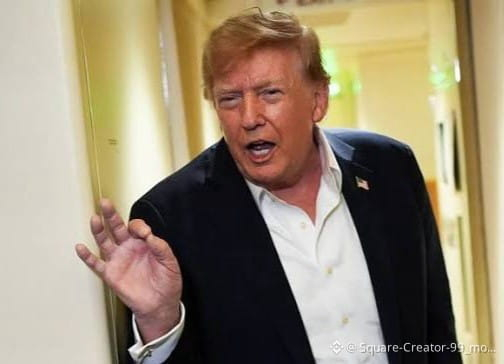
Finally, a bit of good news for the market innit, Right then, let's get stuck in!
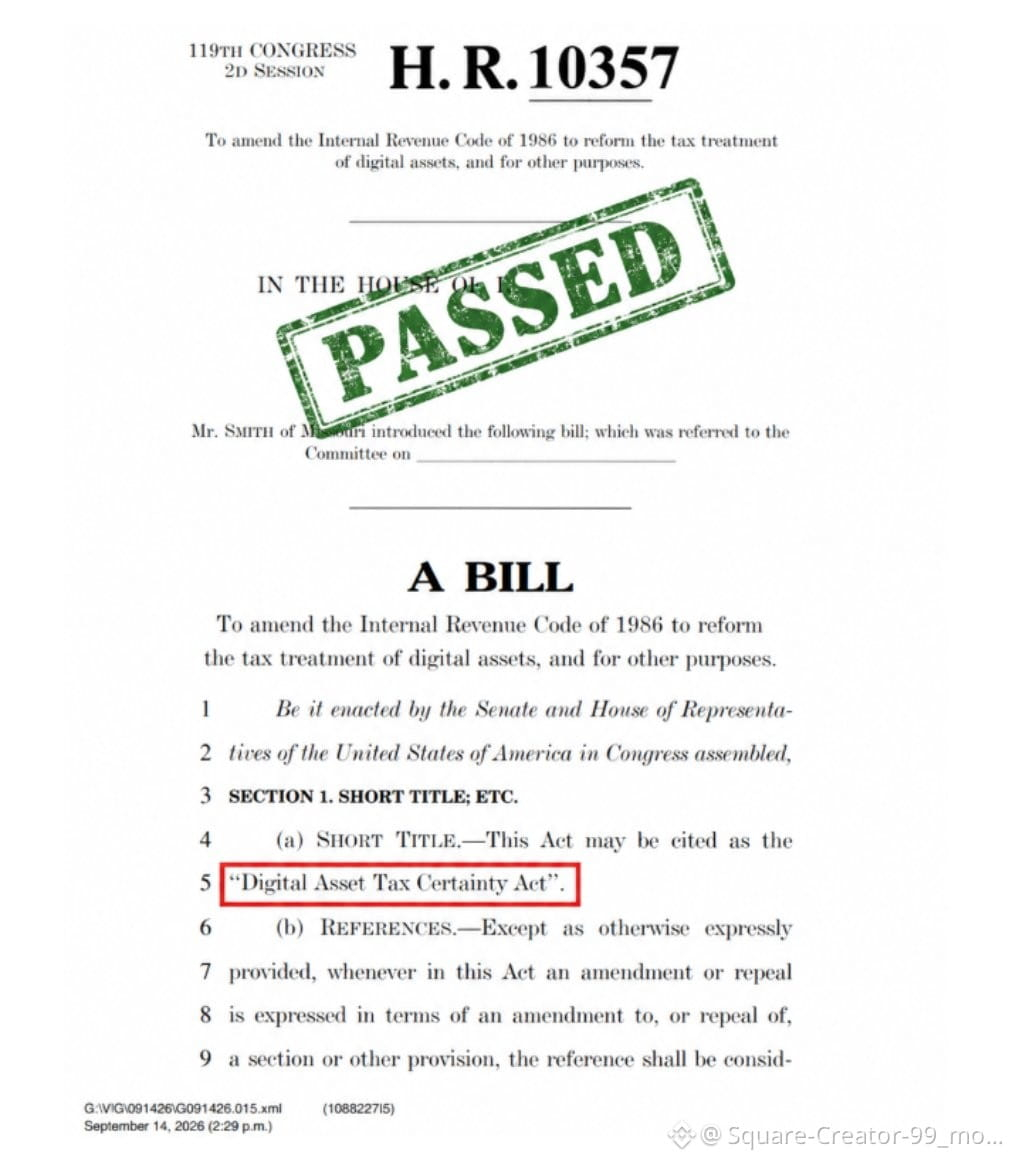
The House Ways and Means Committee just passed that crypto tax bill 38-5. It gets rid of tax reporting on small crypto payments under a tenner, which is a proper decent step towards actually using crypto for your daily spend
$SOL
{spot}(SOLUSDT)
$ETH
{spot}(ETHUSDT)
#TrumpCryptoSupport #USGovernment
$BTC
Finally, a bit of good news for the market innit, Right then, let's get stuck in!
The House Ways and Means Committee just passed that crypto tax bill 38-5. It gets rid of tax reporting on small crypto payments under a tenner, which is a proper decent step towards actually using crypto for your daily spend
$SOL
$ETH
#TrumpCryptoSupport #USGovernment
Finally, a bit of good news for the market innit, Right then, let's get stuck in!
The House Ways and Means Committee just passed that crypto tax bill 38-5. It gets rid of tax reporting on small crypto payments under a tenner, which is a proper decent step towards actually using crypto for your daily spend
$SOL
$ETH
#TrumpCryptoSupport #USGovernment
AngelOfCrypto_-:
nice
5
3
1.5k
·
--
$TRUMP
{future}(TRUMPUSDT)
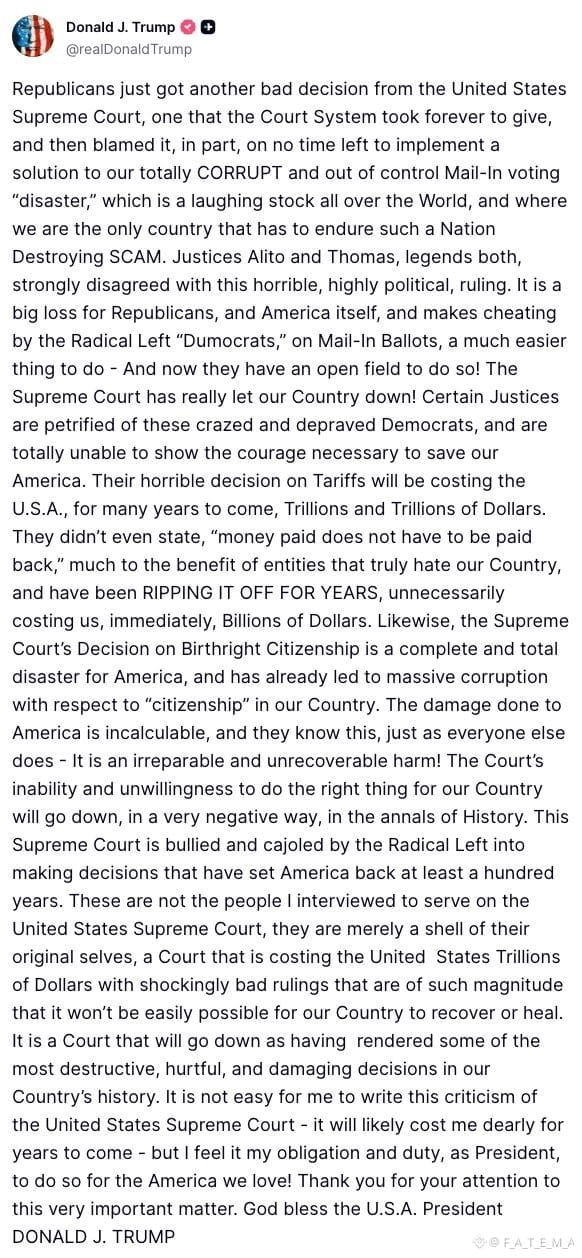
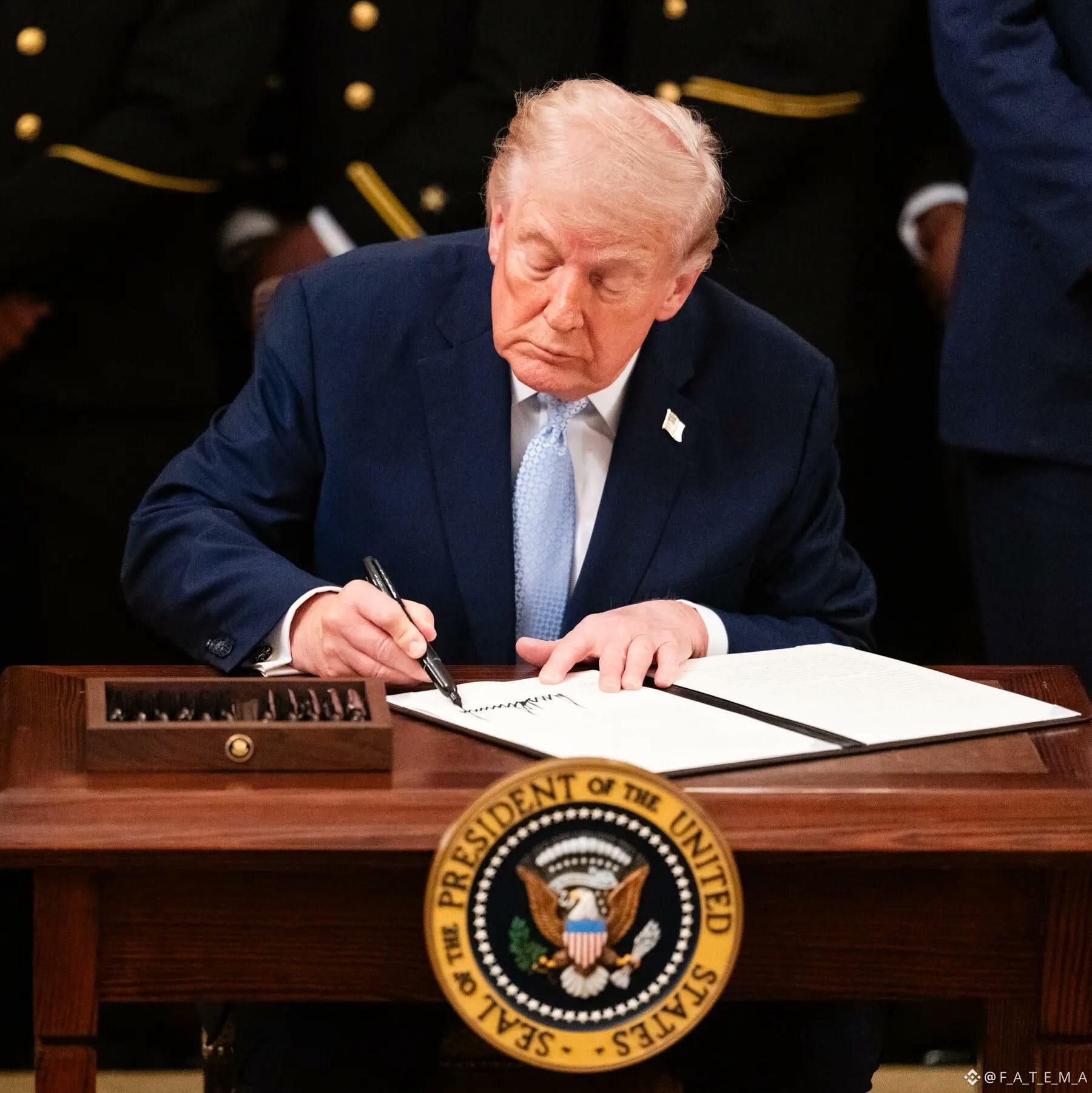
🚨🇺🇸 Trump just turned on the Supreme Court HE built...
He says the justices sat on the mail-in ballot fight until it was too late to fix, calling it a "nation-destroying scam," then blamed the calendar.
Alito and Thomas dissented. He added that the tariff ruling and birthright citizenship are disasters that will cost TRILLIONS and flood the country with fake papers.
The Court, in his telling, is "petrified" of Democrats and a shell of the bench he thought he had appointed...
Source: Truth Social
#FedRateWatch #USGovernment
$TRUMP
🚨🇺🇸 Trump just turned on the Supreme Court HE built...
He says the justices sat on the mail-in ballot fight until it was too late to fix, calling it a "nation-destroying scam," then blamed the calendar.
Alito and Thomas dissented. He added that the tariff ruling and birthright citizenship are disasters that will cost TRILLIONS and flood the country with fake papers.
The Court, in his telling, is "petrified" of Democrats and a shell of the bench he thought he had appointed...
Source: Truth Social
#FedRateWatch #USGovernment
🚨🇺🇸 Trump just turned on the Supreme Court HE built...
He says the justices sat on the mail-in ballot fight until it was too late to fix, calling it a "nation-destroying scam," then blamed the calendar.
Alito and Thomas dissented. He added that the tariff ruling and birthright citizenship are disasters that will cost TRILLIONS and flood the country with fake papers.
The Court, in his telling, is "petrified" of Democrats and a shell of the bench he thought he had appointed...
Source: Truth Social
#FedRateWatch #USGovernment
397

·
--
Bullish
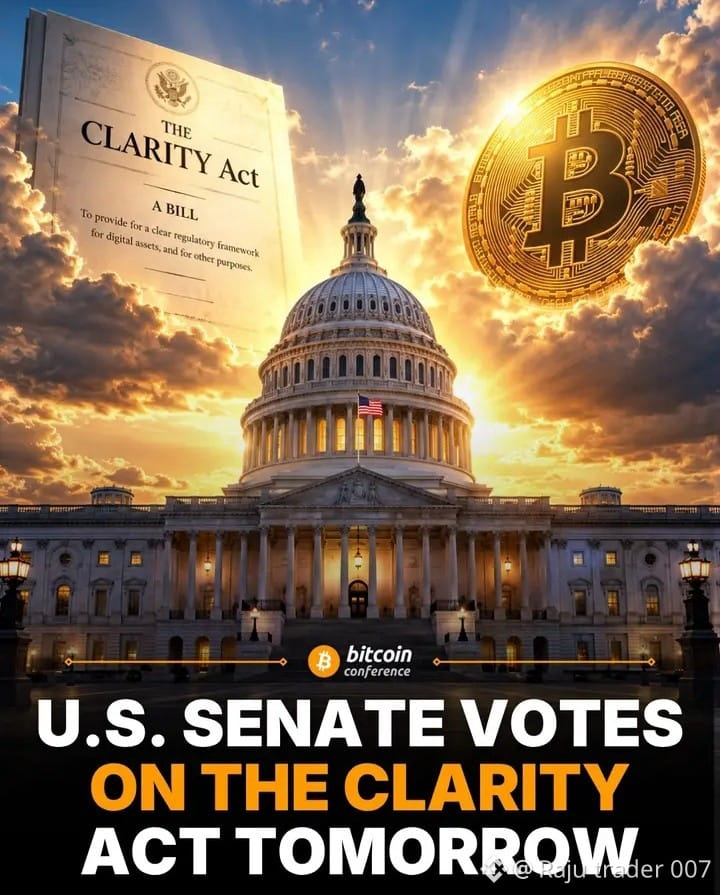
🇺🇸 SENATE REPUBLICANS RELEASED THEIR “FINAL” CLARITY ACT DRAFT AHEAD OF TOMORROW’S VOTE
Sens. Cynthia Lummis, John Boozman, and Tim Scott released the latest CLARITY Act text before Tuesday’s procedural vote.
The new draft reportedly includes 126 substantive changes requested by Democrats.
✅ New ethics language
✅ State AG enforcement role
✅ Stablecoin deposit-flight safeguards
✅ Developer protections
✅ Consumer guardrails
✅ Conflict-of-interest rules
Tomorrow’s vote is not final passage.
It is a procedural vote to begin debate, and it needs 60 votes to advance.
THE TIME FOR CLARITY IS NOW #USGovernment
🇺🇸 SENATE REPUBLICANS RELEASED THEIR “FINAL” CLARITY ACT DRAFT AHEAD OF TOMORROW’S VOTE
Sens. Cynthia Lummis, John Boozman, and Tim Scott released the latest CLARITY Act text before Tuesday’s procedural vote.
The new draft reportedly includes 126 substantive changes requested by Democrats.
✅ New ethics language
✅ State AG enforcement role
✅ Stablecoin deposit-flight safeguards
✅ Developer protections
✅ Consumer guardrails
✅ Conflict-of-interest rules
Tomorrow’s vote is not final passage.
It is a procedural vote to begin debate, and it needs 60 votes to advance.
THE TIME FOR CLARITY IS NOW #USGovernment
Sens. Cynthia Lummis, John Boozman, and Tim Scott released the latest CLARITY Act text before Tuesday’s procedural vote.
The new draft reportedly includes 126 substantive changes requested by Democrats.
✅ New ethics language
✅ State AG enforcement role
✅ Stablecoin deposit-flight safeguards
✅ Developer protections
✅ Consumer guardrails
✅ Conflict-of-interest rules
Tomorrow’s vote is not final passage.
It is a procedural vote to begin debate, and it needs 60 votes to advance.
THE TIME FOR CLARITY IS NOW #USGovernment
7
·
--
Article
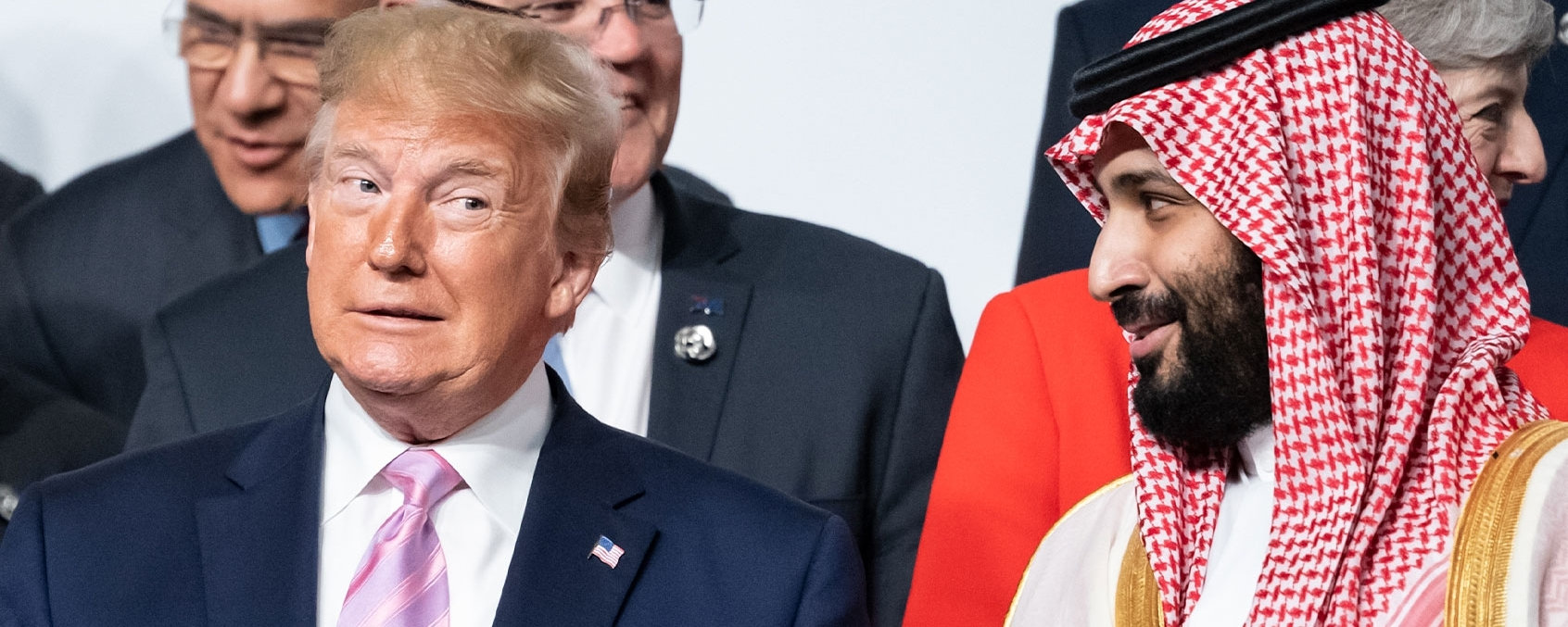
You Can't Buy Out of Geography: Saudi Arabia's Ultimate Strategic ReckoningSaudi Arabia is learning a lesson that money and American weapons could never erase: you cannot buy your way out of geography.
For years, Riyadh behaved as though its oil wealth and its alliance with Washington made it immune to the consequences of its regional policies.
It accumulated weapons, hosted foreign forces and poured billions into military adventures while treating Iran as an enemy to be contained.
Now the bill has arrived.
With the Strait of Hormuz effectively strangled and the kingdom’s vital East-West oil pipeline to the Red Sea disrupted, Saudi Arabia’s ability to move its most valuable commodity has been severely compromised.
The kingdom can possess some of the world’s largest oil reserves, but reserves sitting underground do not pay the bills.
Oil has to reach the market.
And suddenly, the country that imagined itself the dominant power of the Gulf may have to knock on Tehran’s door.
That is the bitter irony.
Iran, the state Saudi Arabia spent years trying to isolate and contain, now possesses enormous leverage over the regional environment in which Saudi Arabia must operate.
If Riyadh wants relief, it may have to negotiate with Tehran,and Tehran will not be doing favors out of charity.
Iran will demand a price.
It will demand political concessions. Security guarantees.
Changes in Saudi regional policy.
An end to support for hostile operations.
Whatever the final bargain looks like, one thing should be obvious: Saudi Arabia will be negotiating from weakness, not strength.
And what of the United States?
The American military presence has not prevented this strategic nightmare. Billions spent on weapons and decades of dependence on Washington have not abolished the vulnerability created by geography.
American bases cannot make the Strait of Hormuz disappear.
They cannot permanently protect every pipeline.
They cannot manufacture a stable regional order through military force.
So perhaps it is time for Riyadh to ask the question it has avoided for generations:
Why should Saudi Arabia continue hosting US military forces when those forces have failed to provide the strategic security they promised?
The answer should be a complete rethink.
Get rid of the permanent American military footprint.
Stop treating the Gulf as an arena for American-Iranian confrontation.
Stop imagining that endless weapons purchases constitute a foreign policy. And start negotiating directly with the countries that Saudi Arabia actually has to live beside.
Because Iran is not going away.
Iraq is not going away.
Yemen is not going away.
The Gulf is not going away.
Washington can send aircraft carriers.
It can deploy troops.
It can sell another hundred billion dollars of weapons.
But it cannot change the map.
Saudi Arabia's real security will ultimately have to come from diplomacy, regional arrangements and mutually understood limits,not from renting an American shield while antagonizing its neighbors.
The age of assuming that Washington will solve every Saudi security problem is over.
If Riyadh now has to negotiate with Tehran, it should negotiate seriously.
And if that means paying a steep price for years of strategic miscalculation, perhaps that is precisely the point.
Sometimes the price of avoiding diplomacy is eventually having to negotiate from your knees.
#FedRateWatch #USGovernment
You Can't Buy Out of Geography: Saudi Arabia's Ultimate Strategic Reckoning
Saudi Arabia is learning a lesson that money and American weapons could never erase: you cannot buy your way out of geography.
For years, Riyadh behaved as though its oil wealth and its alliance with Washington made it immune to the consequences of its regional policies.
It accumulated weapons, hosted foreign forces and poured billions into military adventures while treating Iran as an enemy to be contained.
Now the bill has arrived.
With the Strait of Hormuz effectively strangled and the kingdom’s vital East-West oil pipeline to the Red Sea disrupted, Saudi Arabia’s ability to move its most valuable commodity has been severely compromised.
The kingdom can possess some of the world’s largest oil reserves, but reserves sitting underground do not pay the bills.
Oil has to reach the market.
And suddenly, the country that imagined itself the dominant power of the Gulf may have to knock on Tehran’s door.
That is the bitter irony.
Iran, the state Saudi Arabia spent years trying to isolate and contain, now possesses enormous leverage over the regional environment in which Saudi Arabia must operate.
If Riyadh wants relief, it may have to negotiate with Tehran,and Tehran will not be doing favors out of charity.
Iran will demand a price.
It will demand political concessions. Security guarantees.
Changes in Saudi regional policy.
An end to support for hostile operations.
Whatever the final bargain looks like, one thing should be obvious: Saudi Arabia will be negotiating from weakness, not strength.
And what of the United States?
The American military presence has not prevented this strategic nightmare. Billions spent on weapons and decades of dependence on Washington have not abolished the vulnerability created by geography.
American bases cannot make the Strait of Hormuz disappear.
They cannot permanently protect every pipeline.
They cannot manufacture a stable regional order through military force.
So perhaps it is time for Riyadh to ask the question it has avoided for generations:
Why should Saudi Arabia continue hosting US military forces when those forces have failed to provide the strategic security they promised?
The answer should be a complete rethink.
Get rid of the permanent American military footprint.
Stop treating the Gulf as an arena for American-Iranian confrontation.
Stop imagining that endless weapons purchases constitute a foreign policy. And start negotiating directly with the countries that Saudi Arabia actually has to live beside.
Because Iran is not going away.
Iraq is not going away.
Yemen is not going away.
The Gulf is not going away.
Washington can send aircraft carriers.
It can deploy troops.
It can sell another hundred billion dollars of weapons.
But it cannot change the map.
Saudi Arabia's real security will ultimately have to come from diplomacy, regional arrangements and mutually understood limits,not from renting an American shield while antagonizing its neighbors.
The age of assuming that Washington will solve every Saudi security problem is over.
If Riyadh now has to negotiate with Tehran, it should negotiate seriously.
And if that means paying a steep price for years of strategic miscalculation, perhaps that is precisely the point.
Sometimes the price of avoiding diplomacy is eventually having to negotiate from your knees.
#FedRateWatch #USGovernment
For years, Riyadh behaved as though its oil wealth and its alliance with Washington made it immune to the consequences of its regional policies.
It accumulated weapons, hosted foreign forces and poured billions into military adventures while treating Iran as an enemy to be contained.
Now the bill has arrived.
With the Strait of Hormuz effectively strangled and the kingdom’s vital East-West oil pipeline to the Red Sea disrupted, Saudi Arabia’s ability to move its most valuable commodity has been severely compromised.
The kingdom can possess some of the world’s largest oil reserves, but reserves sitting underground do not pay the bills.
Oil has to reach the market.
And suddenly, the country that imagined itself the dominant power of the Gulf may have to knock on Tehran’s door.
That is the bitter irony.
Iran, the state Saudi Arabia spent years trying to isolate and contain, now possesses enormous leverage over the regional environment in which Saudi Arabia must operate.
If Riyadh wants relief, it may have to negotiate with Tehran,and Tehran will not be doing favors out of charity.
Iran will demand a price.
It will demand political concessions. Security guarantees.
Changes in Saudi regional policy.
An end to support for hostile operations.
Whatever the final bargain looks like, one thing should be obvious: Saudi Arabia will be negotiating from weakness, not strength.
And what of the United States?
The American military presence has not prevented this strategic nightmare. Billions spent on weapons and decades of dependence on Washington have not abolished the vulnerability created by geography.
American bases cannot make the Strait of Hormuz disappear.
They cannot permanently protect every pipeline.
They cannot manufacture a stable regional order through military force.
So perhaps it is time for Riyadh to ask the question it has avoided for generations:
Why should Saudi Arabia continue hosting US military forces when those forces have failed to provide the strategic security they promised?
The answer should be a complete rethink.
Get rid of the permanent American military footprint.
Stop treating the Gulf as an arena for American-Iranian confrontation.
Stop imagining that endless weapons purchases constitute a foreign policy. And start negotiating directly with the countries that Saudi Arabia actually has to live beside.
Because Iran is not going away.
Iraq is not going away.
Yemen is not going away.
The Gulf is not going away.
Washington can send aircraft carriers.
It can deploy troops.
It can sell another hundred billion dollars of weapons.
But it cannot change the map.
Saudi Arabia's real security will ultimately have to come from diplomacy, regional arrangements and mutually understood limits,not from renting an American shield while antagonizing its neighbors.
The age of assuming that Washington will solve every Saudi security problem is over.
If Riyadh now has to negotiate with Tehran, it should negotiate seriously.
And if that means paying a steep price for years of strategic miscalculation, perhaps that is precisely the point.
Sometimes the price of avoiding diplomacy is eventually having to negotiate from your knees.
#FedRateWatch #USGovernment
104

·
--
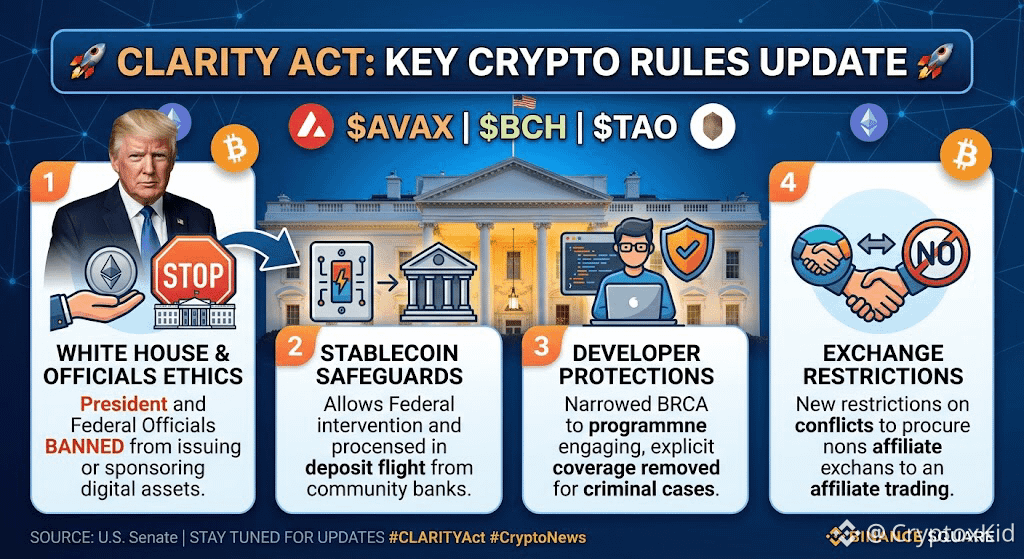
🚨 **U.S. CRYPTO ALERT: 635-Page CLARITY Act Released Ahead of Make-or-Break Vote!** 🚨
$AVAX $BCH $TAO
Senate Republicans have released the final revised text of the **CLARITY Act (H.R. 3633)**, incorporating 126 bipartisan changes in a last-minute push before Tuesday's critical 60-vote Senate cloture test.
**4 Key Changes You Need to Know:**
* **Strict Federal Ethics Rules:** Bars the President, Vice President, members of Congress, and federal officials from issuing or sponsoring digital assets. Requires mandatory divestment or blind trusts for significant holdings.
* **Stablecoin "Circuit Breaker":** Grants the U.S. Treasury authority to intervene if stablecoin yield programs cause sudden deposit flight out of local community banks.
* **Developer Guardrails:** Narrowed protections for software developers specifically regarding criminal money-transmission cases.
* **Exchange Conflict Rules:** Strictly limits affiliate trading, restricts proprietary exchange trading, and targets conflicts of interest across digital commodity brokers.
Senate leaders called this their *"last, best, and final"* version before the vote. If it fails to clear 60 votes, market structure legislation could stall indefinitely.
Will Congress pass the CLARITY Act this week? Bullish or Bearish for the market? Drop your predictions below! 👇
#CLARITYAct #CryptoNews #CryptoRegulation #USGovernment
🚨 **U.S. CRYPTO ALERT: 635-Page CLARITY Act Released Ahead of Make-or-Break Vote!** 🚨
$AVAX $BCH $TAO
Senate Republicans have released the final revised text of the **CLARITY Act (H.R. 3633)**, incorporating 126 bipartisan changes in a last-minute push before Tuesday's critical 60-vote Senate cloture test.
**4 Key Changes You Need to Know:**
* **Strict Federal Ethics Rules:** Bars the President, Vice President, members of Congress, and federal officials from issuing or sponsoring digital assets. Requires mandatory divestment or blind trusts for significant holdings.
* **Stablecoin "Circuit Breaker":** Grants the U.S. Treasury authority to intervene if stablecoin yield programs cause sudden deposit flight out of local community banks.
* **Developer Guardrails:** Narrowed protections for software developers specifically regarding criminal money-transmission cases.
* **Exchange Conflict Rules:** Strictly limits affiliate trading, restricts proprietary exchange trading, and targets conflicts of interest across digital commodity brokers.
Senate leaders called this their *"last, best, and final"* version before the vote. If it fails to clear 60 votes, market structure legislation could stall indefinitely.
Will Congress pass the CLARITY Act this week? Bullish or Bearish for the market? Drop your predictions below! 👇
#CLARITYAct #CryptoNews #CryptoRegulation #USGovernment
$AVAX $BCH $TAO
Senate Republicans have released the final revised text of the **CLARITY Act (H.R. 3633)**, incorporating 126 bipartisan changes in a last-minute push before Tuesday's critical 60-vote Senate cloture test.
**4 Key Changes You Need to Know:**
* **Strict Federal Ethics Rules:** Bars the President, Vice President, members of Congress, and federal officials from issuing or sponsoring digital assets. Requires mandatory divestment or blind trusts for significant holdings.
* **Stablecoin "Circuit Breaker":** Grants the U.S. Treasury authority to intervene if stablecoin yield programs cause sudden deposit flight out of local community banks.
* **Developer Guardrails:** Narrowed protections for software developers specifically regarding criminal money-transmission cases.
* **Exchange Conflict Rules:** Strictly limits affiliate trading, restricts proprietary exchange trading, and targets conflicts of interest across digital commodity brokers.
Senate leaders called this their *"last, best, and final"* version before the vote. If it fails to clear 60 votes, market structure legislation could stall indefinitely.
Will Congress pass the CLARITY Act this week? Bullish or Bearish for the market? Drop your predictions below! 👇
#CLARITYAct #CryptoNews #CryptoRegulation #USGovernment
1
1
2
1.9k

·
--
🚨 JUST IN: 🇺🇸 Senator Cynthia Lummis on the Crypto Clarity Act:
“If it fails today, we’re done. It’s over.”
“It’s now or never.” 🔥
The crypto industry is watching. 🇺🇸
#clarityact #sec #USGovernment
🚨 JUST IN: 🇺🇸 Senator Cynthia Lummis on the Crypto Clarity Act:
“If it fails today, we’re done. It’s over.”
“It’s now or never.” 🔥
The crypto industry is watching. 🇺🇸
#clarityact #sec #USGovernment
“If it fails today, we’re done. It’s over.”
“It’s now or never.” 🔥
The crypto industry is watching. 🇺🇸
#clarityact #sec #USGovernment
Rafia Imran:
Solid update. Lummis’ “now or never” framing highlights the political urgency, but the tape will care more about the actual vote and what happens afterward. I’d watch BTC’s reaction alongside spot volume and futures OI—headline volatility can fade quickly if positioning doesn’t confirm it.
1
1
10
8.5k

·
--
📢US DOJ seeks to seize $61 million in crypto allegedly linked to illegal Iranian oil sales and laundered through Binance.
#USGovernment #USDT #BTC #BinanceSquareTalks #Trump's
📢US DOJ seeks to seize $61 million in crypto allegedly linked to illegal Iranian oil sales and laundered through Binance.
#USGovernment #USDT #BTC #BinanceSquareTalks #Trump's
#USGovernment #USDT #BTC #BinanceSquareTalks #Trump's
68
·
--
$TRUMP
{future}(TRUMPUSDT)
🚨 High Court Keeps Mail-In Voting Restrictions Blocked
According to recent reports from CNBC, the U.S. Supreme Court decided on Monday night to turn down a push by the Trump administration.
They wanted to lift a current judicial block on a controversial rule that aims to restrict mail-in voting for the upcoming midterm elections.
What are your thoughts on how this will impact the elections?
#MailInVoting #SupremeCourtVictory #USGovernment #VotingRights #CurrentEvents
$TRUMP
🚨 High Court Keeps Mail-In Voting Restrictions Blocked
According to recent reports from CNBC, the U.S. Supreme Court decided on Monday night to turn down a push by the Trump administration.
They wanted to lift a current judicial block on a controversial rule that aims to restrict mail-in voting for the upcoming midterm elections.
What are your thoughts on how this will impact the elections?
#MailInVoting #SupremeCourtVictory #USGovernment #VotingRights #CurrentEvents
🚨 High Court Keeps Mail-In Voting Restrictions Blocked
According to recent reports from CNBC, the U.S. Supreme Court decided on Monday night to turn down a push by the Trump administration.
They wanted to lift a current judicial block on a controversial rule that aims to restrict mail-in voting for the upcoming midterm elections.
What are your thoughts on how this will impact the elections?
#MailInVoting #SupremeCourtVictory #USGovernment #VotingRights #CurrentEvents
244
·
--
$TRUMP
{future}(TRUMPUSDT)
🇺🇲🇦🇷 The State Dept. is selling Argentina four refurbished Black Hawks and related equipment for $140 MILLION.
The sale is intended to strengthen the country’s ability to address current and future threats.
The deal comes after Trump said he would not support Britain in a conflict with Argentina over the Falkland Islands.
Timing is everything!
Source: Bloomberg
#crypto #USGovernment #usarmy #worldnews
$TRUMP
🇺🇲🇦🇷 The State Dept. is selling Argentina four refurbished Black Hawks and related equipment for $140 MILLION.
The sale is intended to strengthen the country’s ability to address current and future threats.
The deal comes after Trump said he would not support Britain in a conflict with Argentina over the Falkland Islands.
Timing is everything!
Source: Bloomberg
#crypto #USGovernment #usarmy #worldnews
🇺🇲🇦🇷 The State Dept. is selling Argentina four refurbished Black Hawks and related equipment for $140 MILLION.
The sale is intended to strengthen the country’s ability to address current and future threats.
The deal comes after Trump said he would not support Britain in a conflict with Argentina over the Falkland Islands.
Timing is everything!
Source: Bloomberg
#crypto #USGovernment #usarmy #worldnews

1
427

·
--
Bullish
#US10YearTreasuryYieldNears5%
The 10-year is basically the "risk-free" benchmark. When it pushes toward 5%, money gets more expensive everywhere. Here’s how that ripples out:
*1. Crypto*
- *"Risk-off" pressure*: Crypto trades a lot like tech stocks. When Treasuries yield ∼5% with almost zero risk, investors ask "why gamble on $BTC /$ETH for 10-20% volatility when I can get 5% guaranteed?" That pulls dollars out of risk assets.
- *Higher cost of capital*: VCs and crypto funds borrow against Treasuries. A 5% benchmark makes funding startups, mining, and DeFi lending more expensive
- *Dollar strength*: Yields up → US dollar up. Most crypto is priced in USD, so a stronger dollar = headwind for BTC/ETH in non-USD terms.
- *The flip side*: Some in crypto argue that if yields spike because of inflation + fiscal deficits + $40T US debt fears, it validates the "Bitcoin as alternative money" narrative. But short term, markets usually sell risk first.
Bottom line from recent selloff: analysts specifically flagged that a break above 5% could make bonds competitive enough to pull money out of stocks, and crypto tends to move with stocks in that scenario.
*2. World / Global Markets*
- *Global bond selloff*: This isn’t just a US story. Yields in Tokyo, Sydney, London, and New York are all at multi-decade highs. The ECB just raised rates and warned inflation could be sticky.
- *Why it's happening ?
- *Oil >$100/barrel* - Brent hit $107, US crude $102. That fuels inflation fears.
- *Rate-hike expectations* - PPI and CPI both hot. Fed meeting next week has ∼90% odds of a hike priced in.
- *Fiscal deficits* - "Ballooning government borrowing across developed markets". Treasury buybacks came in short.
- *Real-world impact*:
- *Mortgages & debt*: Sovereign yields are the reference for everything. Higher 10-year = steeper mortgage rates for consumers and tougher spending choices for governments as debt costs climb.
#US10YearTreasuryYieldNears5%
#BTC
#Ethereum
#USGovernment
{spot}(BTCUSDT)
{spot}(ETHUSDT)
#US10YearTreasuryYieldNears5%
The 10-year is basically the "risk-free" benchmark. When it pushes toward 5%, money gets more expensive everywhere. Here’s how that ripples out:
*1. Crypto*
- *"Risk-off" pressure*: Crypto trades a lot like tech stocks. When Treasuries yield ∼5% with almost zero risk, investors ask "why gamble on $BTC /$ETH for 10-20% volatility when I can get 5% guaranteed?" That pulls dollars out of risk assets.
- *Higher cost of capital*: VCs and crypto funds borrow against Treasuries. A 5% benchmark makes funding startups, mining, and DeFi lending more expensive
- *Dollar strength*: Yields up → US dollar up. Most crypto is priced in USD, so a stronger dollar = headwind for BTC/ETH in non-USD terms.
- *The flip side*: Some in crypto argue that if yields spike because of inflation + fiscal deficits + $40T US debt fears, it validates the "Bitcoin as alternative money" narrative. But short term, markets usually sell risk first.
Bottom line from recent selloff: analysts specifically flagged that a break above 5% could make bonds competitive enough to pull money out of stocks, and crypto tends to move with stocks in that scenario.
*2. World / Global Markets*
- *Global bond selloff*: This isn’t just a US story. Yields in Tokyo, Sydney, London, and New York are all at multi-decade highs. The ECB just raised rates and warned inflation could be sticky.
- *Why it's happening ?
- *Oil >$100/barrel* - Brent hit $107, US crude $102. That fuels inflation fears.
- *Rate-hike expectations* - PPI and CPI both hot. Fed meeting next week has ∼90% odds of a hike priced in.
- *Fiscal deficits* - "Ballooning government borrowing across developed markets". Treasury buybacks came in short.
- *Real-world impact*:
- *Mortgages & debt*: Sovereign yields are the reference for everything. Higher 10-year = steeper mortgage rates for consumers and tougher spending choices for governments as debt costs climb.
#US10YearTreasuryYieldNears5%
#BTC
#Ethereum
#USGovernment
The 10-year is basically the "risk-free" benchmark. When it pushes toward 5%, money gets more expensive everywhere. Here’s how that ripples out:
*1. Crypto*
- *"Risk-off" pressure*: Crypto trades a lot like tech stocks. When Treasuries yield ∼5% with almost zero risk, investors ask "why gamble on $BTC /$ETH for 10-20% volatility when I can get 5% guaranteed?" That pulls dollars out of risk assets.
- *Higher cost of capital*: VCs and crypto funds borrow against Treasuries. A 5% benchmark makes funding startups, mining, and DeFi lending more expensive
- *Dollar strength*: Yields up → US dollar up. Most crypto is priced in USD, so a stronger dollar = headwind for BTC/ETH in non-USD terms.
- *The flip side*: Some in crypto argue that if yields spike because of inflation + fiscal deficits + $40T US debt fears, it validates the "Bitcoin as alternative money" narrative. But short term, markets usually sell risk first.
Bottom line from recent selloff: analysts specifically flagged that a break above 5% could make bonds competitive enough to pull money out of stocks, and crypto tends to move with stocks in that scenario.
*2. World / Global Markets*
- *Global bond selloff*: This isn’t just a US story. Yields in Tokyo, Sydney, London, and New York are all at multi-decade highs. The ECB just raised rates and warned inflation could be sticky.
- *Why it's happening ?
- *Oil >$100/barrel* - Brent hit $107, US crude $102. That fuels inflation fears.
- *Rate-hike expectations* - PPI and CPI both hot. Fed meeting next week has ∼90% odds of a hike priced in.
- *Fiscal deficits* - "Ballooning government borrowing across developed markets". Treasury buybacks came in short.
- *Real-world impact*:
- *Mortgages & debt*: Sovereign yields are the reference for everything. Higher 10-year = steeper mortgage rates for consumers and tougher spending choices for governments as debt costs climb.
#US10YearTreasuryYieldNears5%
#BTC
#Ethereum
#USGovernment
71
Log in to explore more content
Join global crypto users on Binance Square
⚡️ Get latest and useful information about crypto.
💬 Trusted by the world’s largest crypto exchange.
👍 Discover real insights from verified creators.
Email / Phone number
Trending Topics
1
#AIStocksWhatNext
273,881 views
2,615 Discussing
2
#BitcoinBreaksAboveMayHighNears$86K
10,109 views
157 Discussing
3
#DogecoinRises15%
28,540 views
844 Discussing
4
#$14BBitcoinOptionsExpireFriday
2,159 views
72 Discussing
5
#BNBMarketCapPassesBNYMellon
20,091 views
630 Discussing
6
#CryptoMarketCapReclaims$3Trillion
2,702 views
65 Discussing
7
#MuseOvertakesChatGPTAsTopFreeIOSApp
12,431 views
482 Discussing
8
#TokenizedStockPlatformsCouldLaunchNextQuarter
19,795 views
544 Discussing
9
#StrategyAdds950Bitcoin
25,132 views
603 Discussing
10
#CardanoAddedToX402KitForADAPayments
24,499 views
618 Discussing