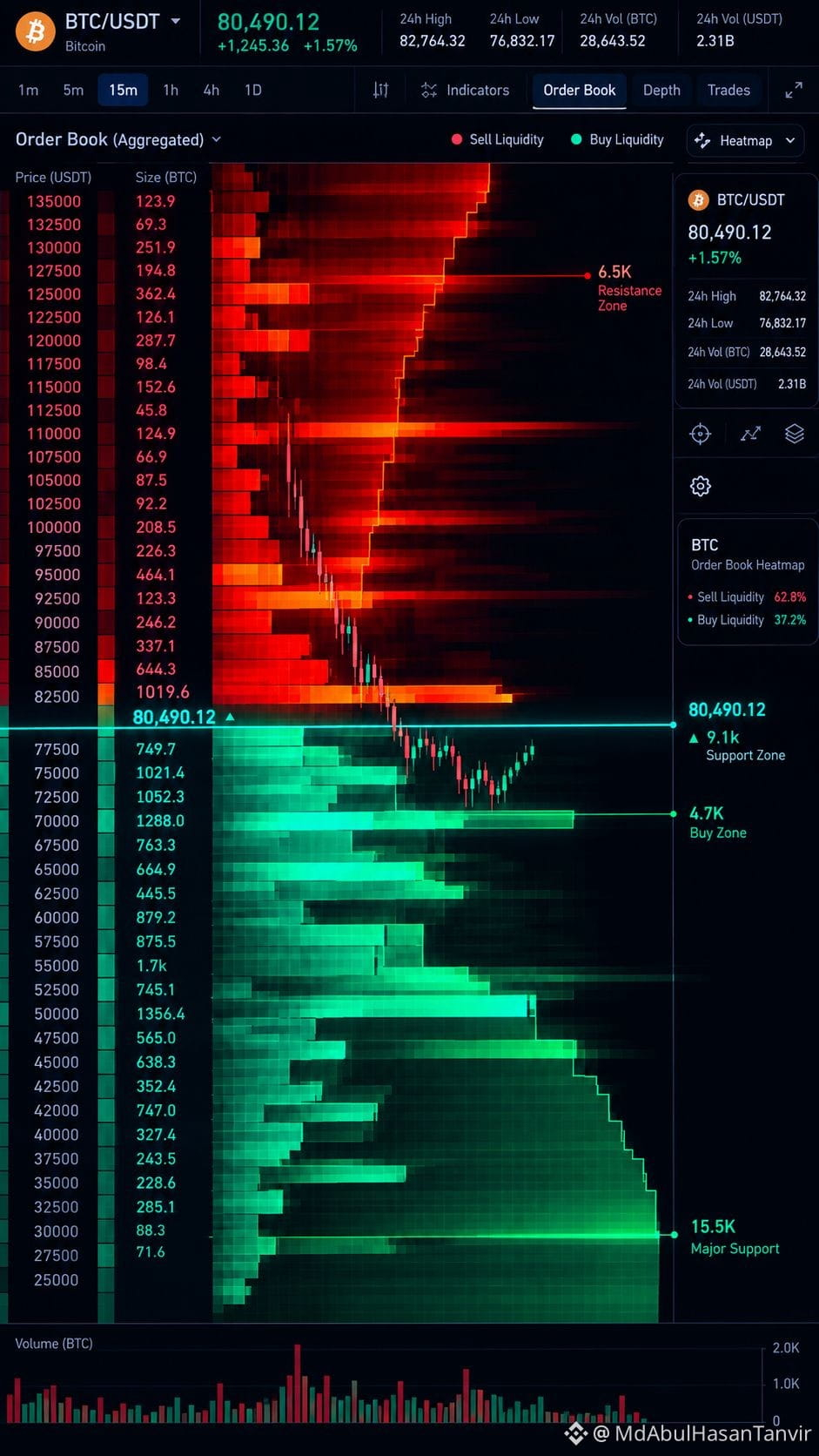
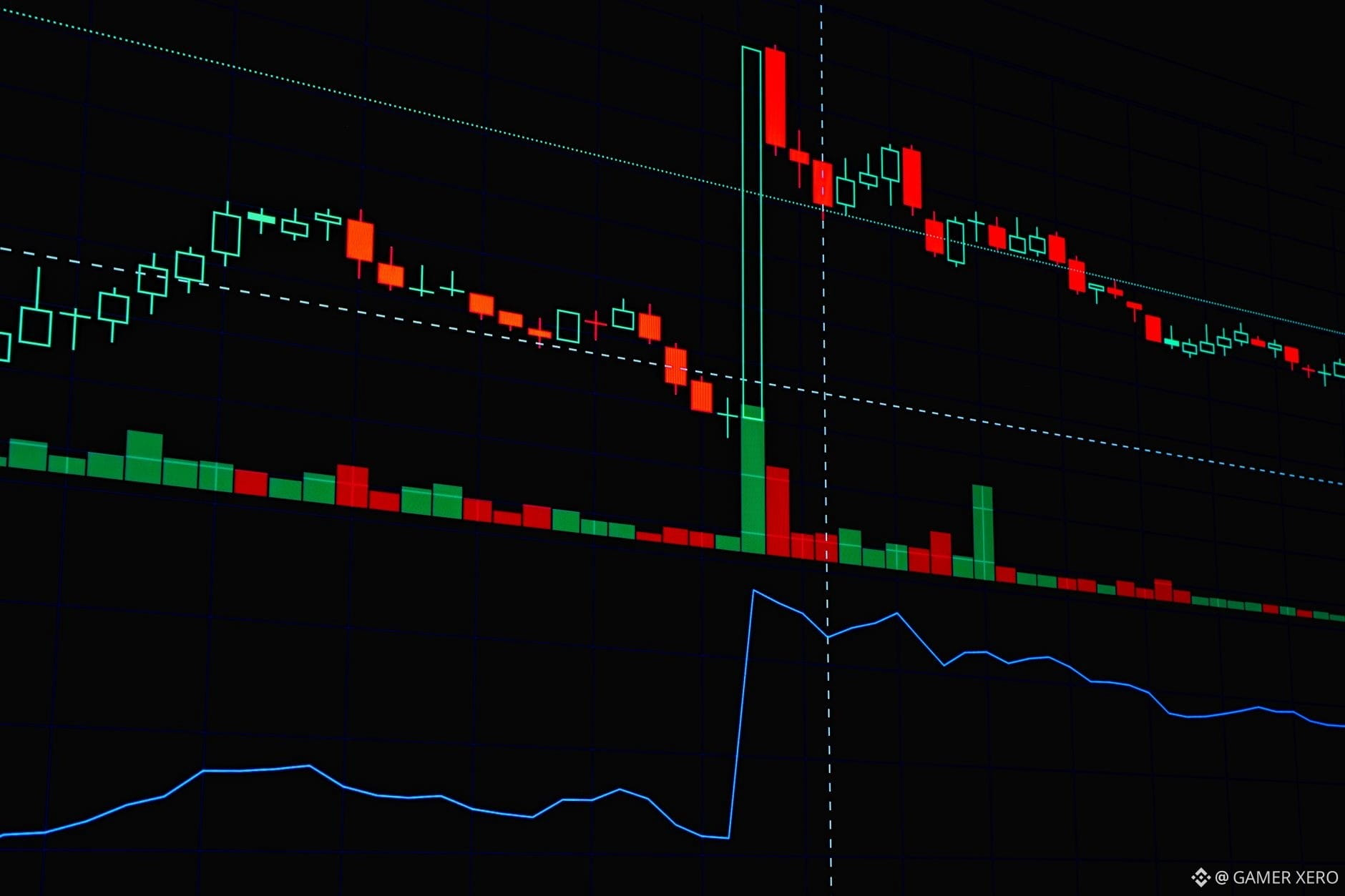
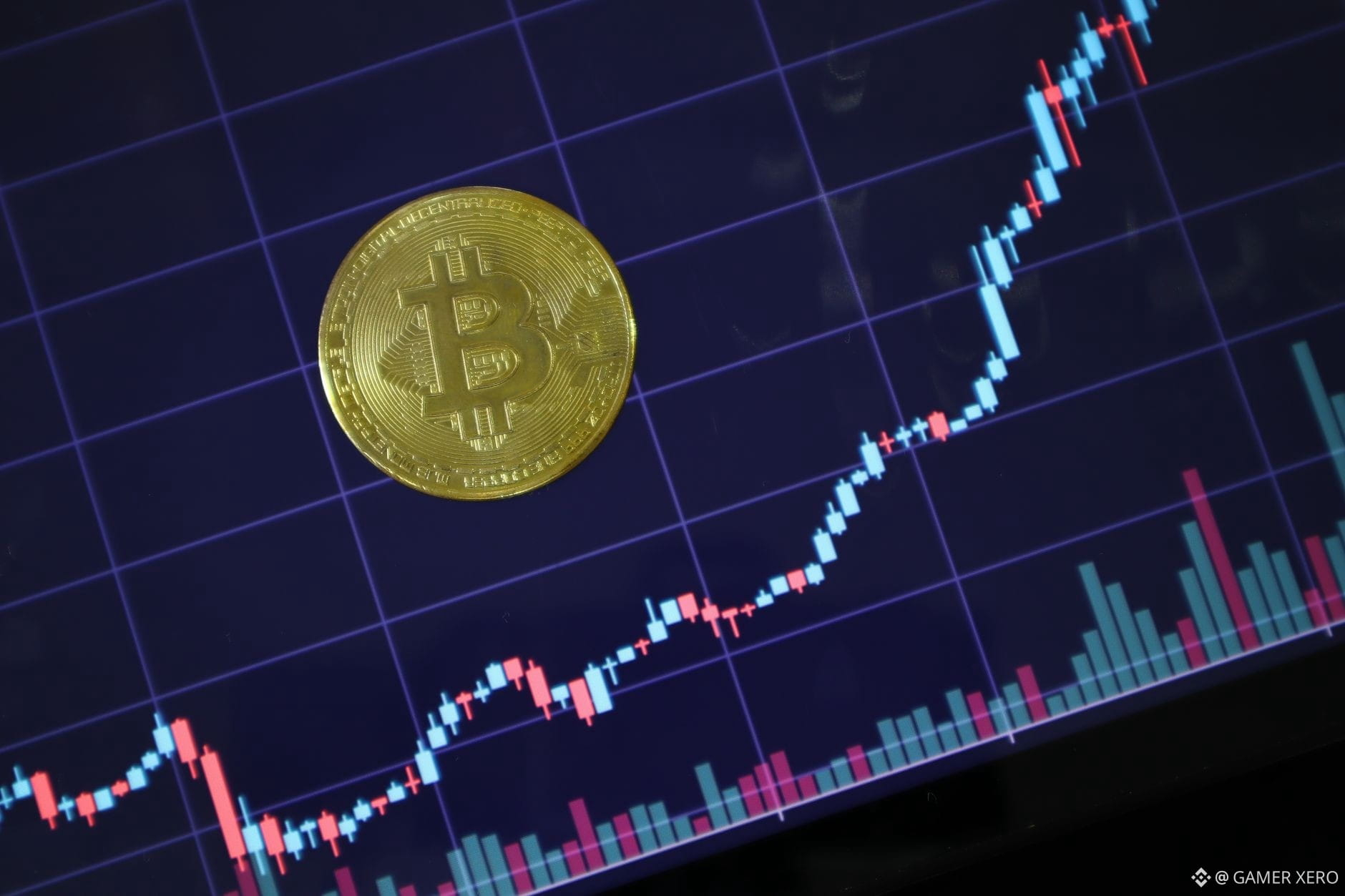
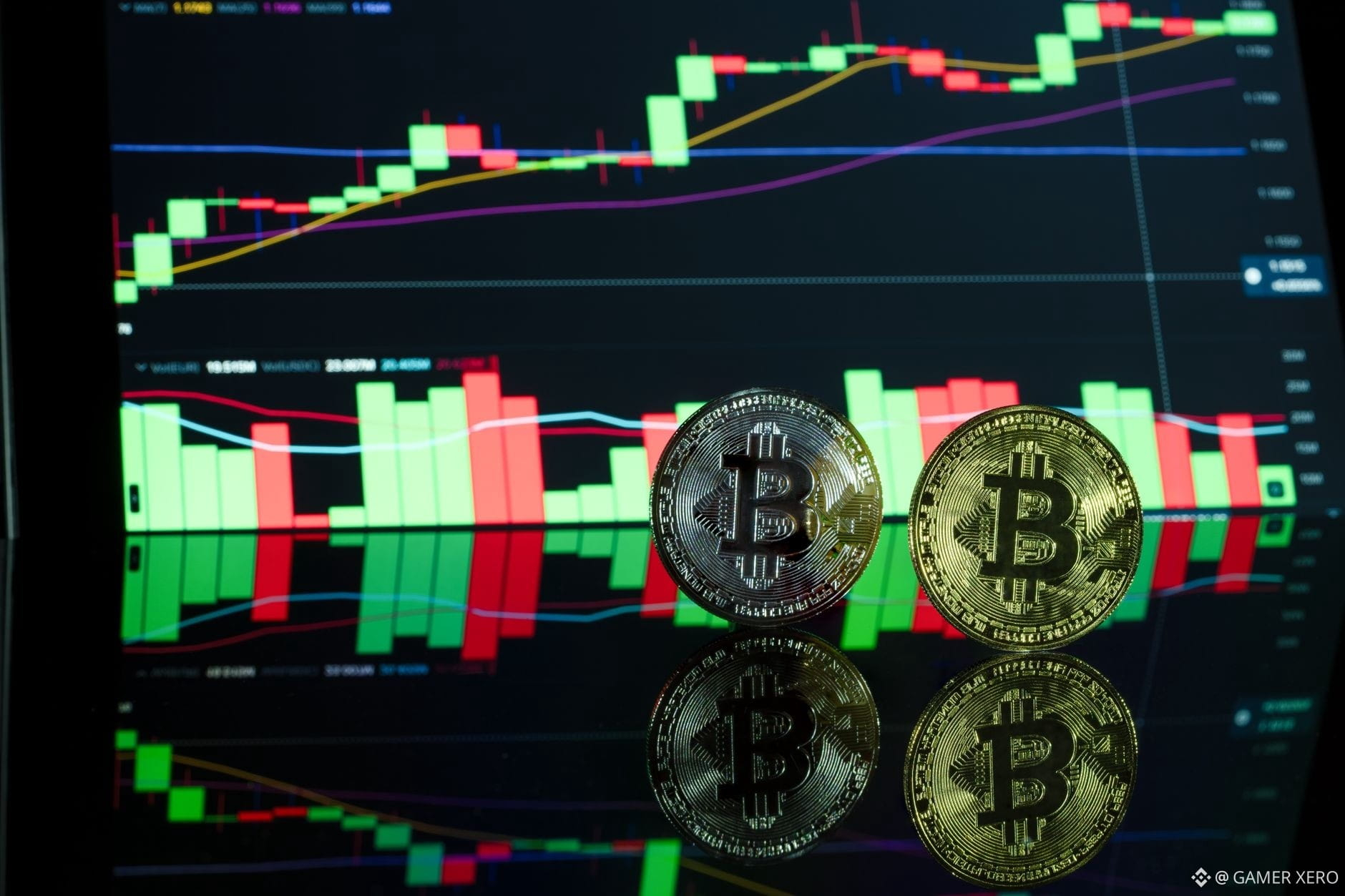
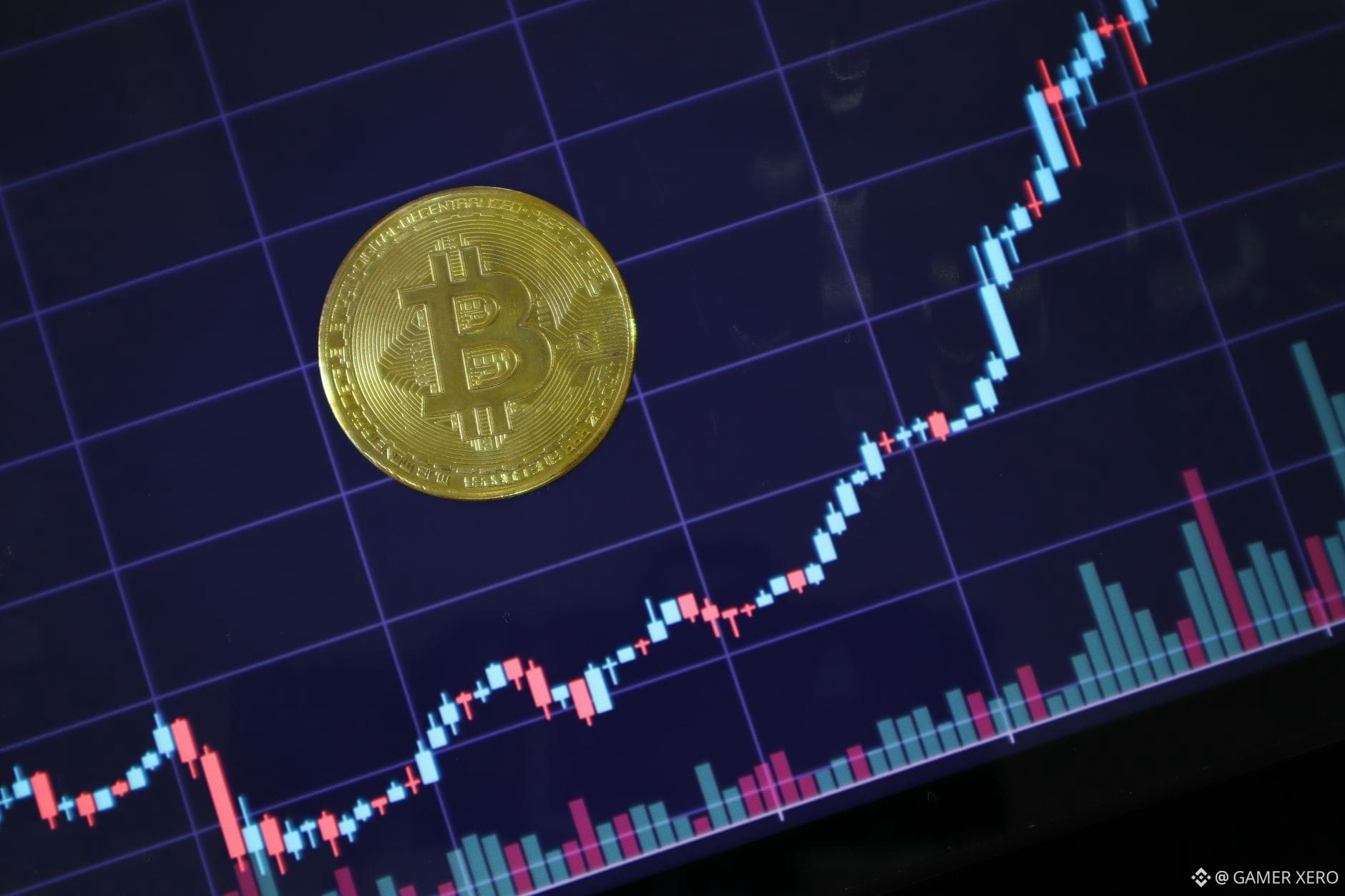
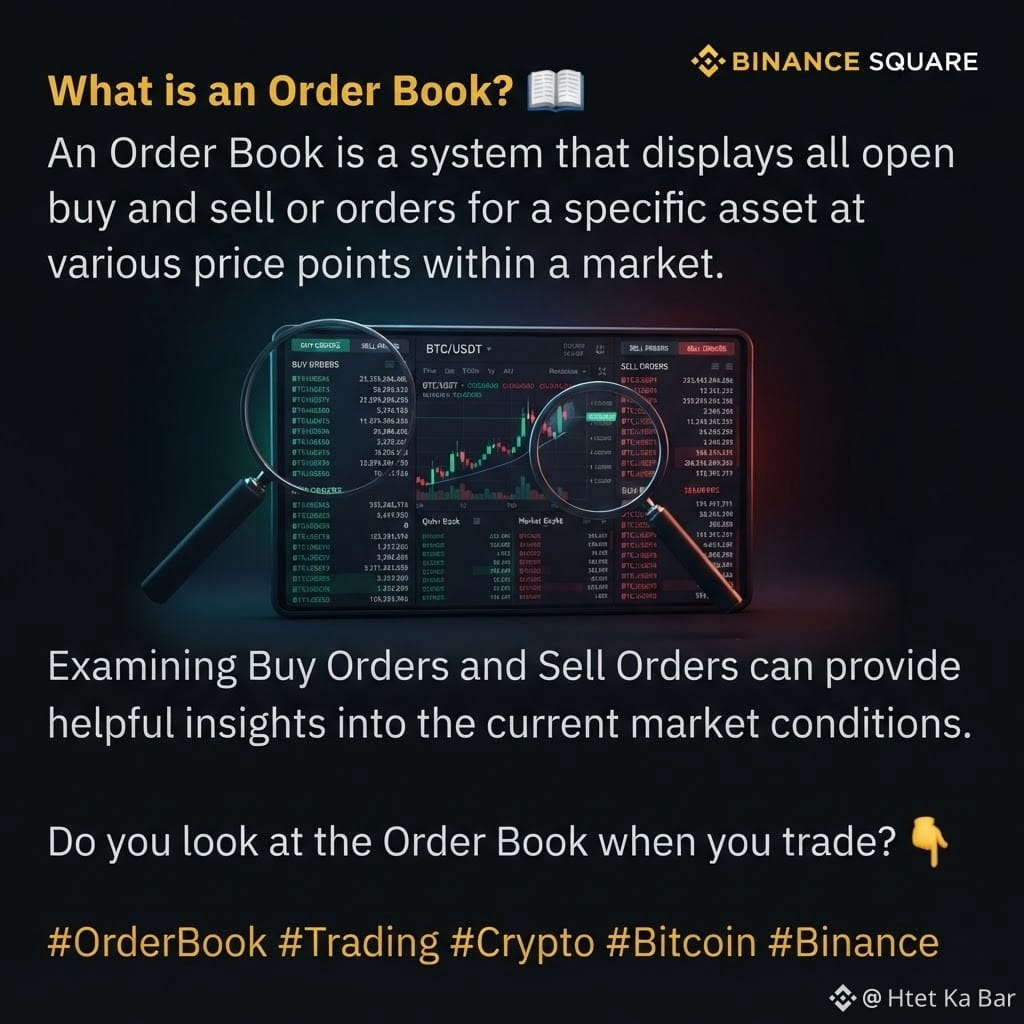
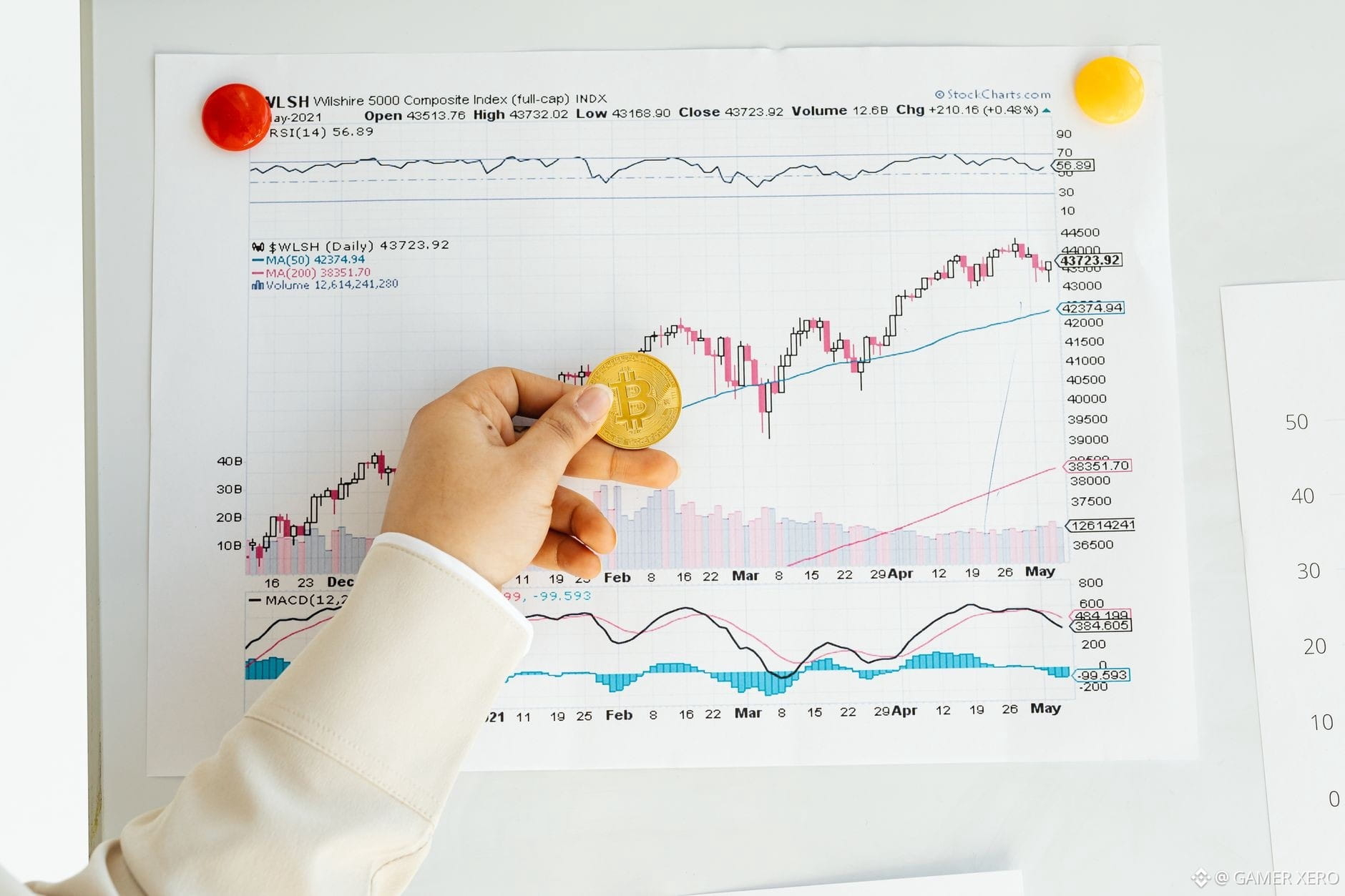
When most market participants look at cryptocurrency trading interfaces, their eyes naturally gravitate toward candlestick charts. These visual representations of historical price action—complete with moving averages, relative strength indicators, and trendlines—provide valuable context about where a market has been. However, candlestick charts only tell half the story. They display executed transactions from the past, but they reveal very little about the immediate structural liquidity waiting to absorb future trades.
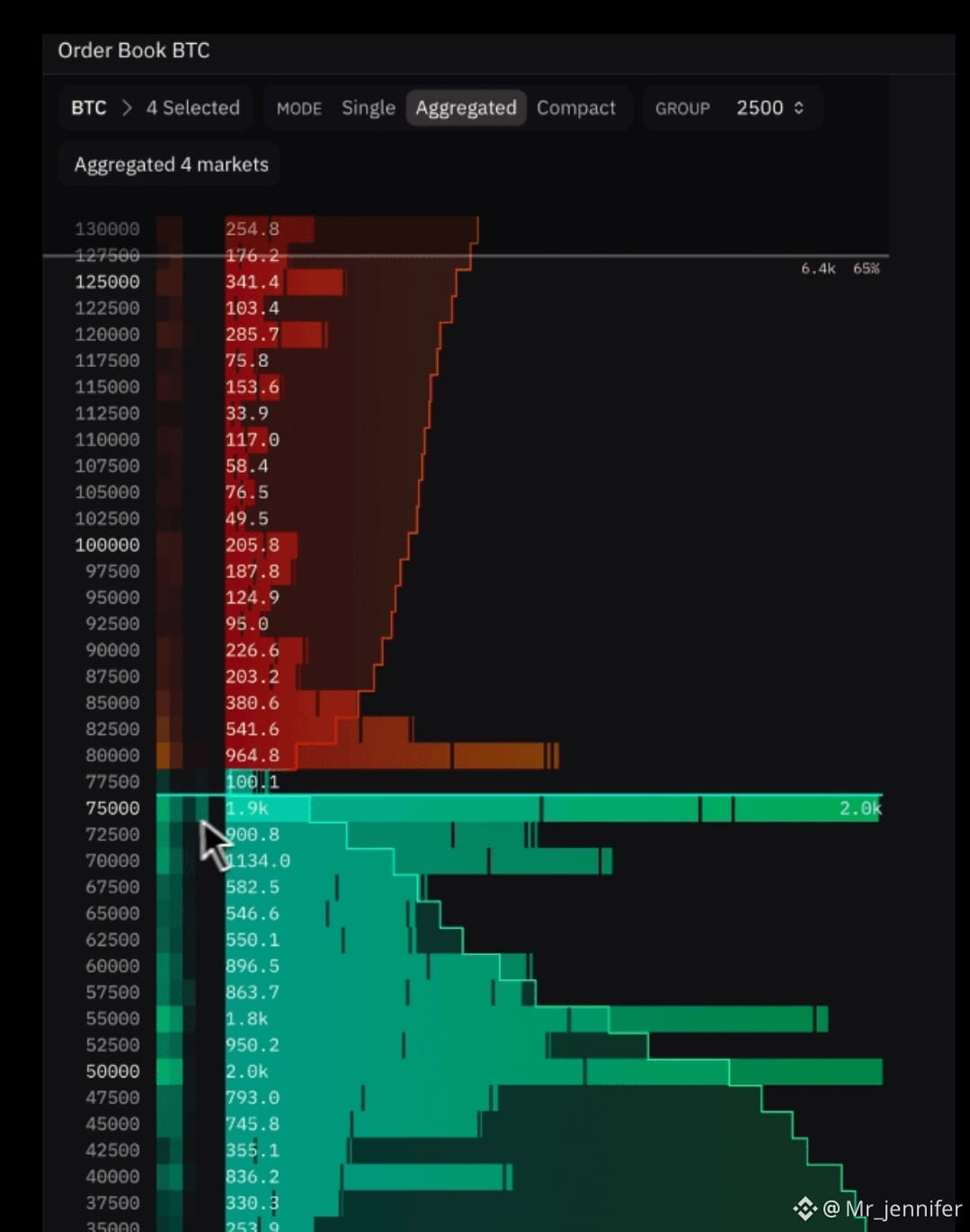
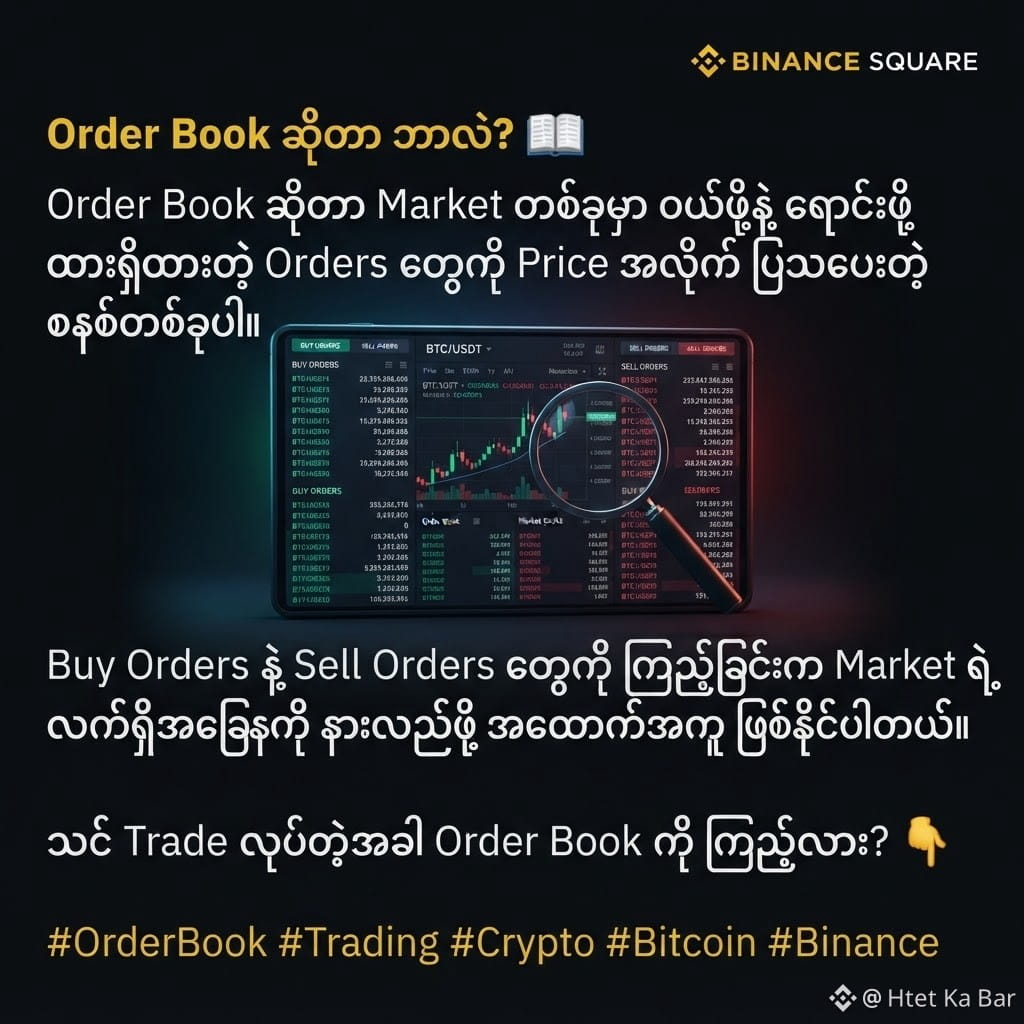
To understand how prices actually move in real time, intermediate traders must look beneath the surface of chart patterns and examine market depth. Market depth offers a real-time window into the pending buy and sell orders residing within an exchange’s order book. By learning how to interpret order book structure, bid-ask spreads, and order density, traders can develop a clearer understanding of market liquidity, prospective slippage, and institutional order execution.
---
### Understanding the Order Book Mechanics
At its core, a centralized cryptocurrency exchange operates a continuous double-auction mechanism. This system matches buyers and sellers using an automated matching engine based on price and time priority.
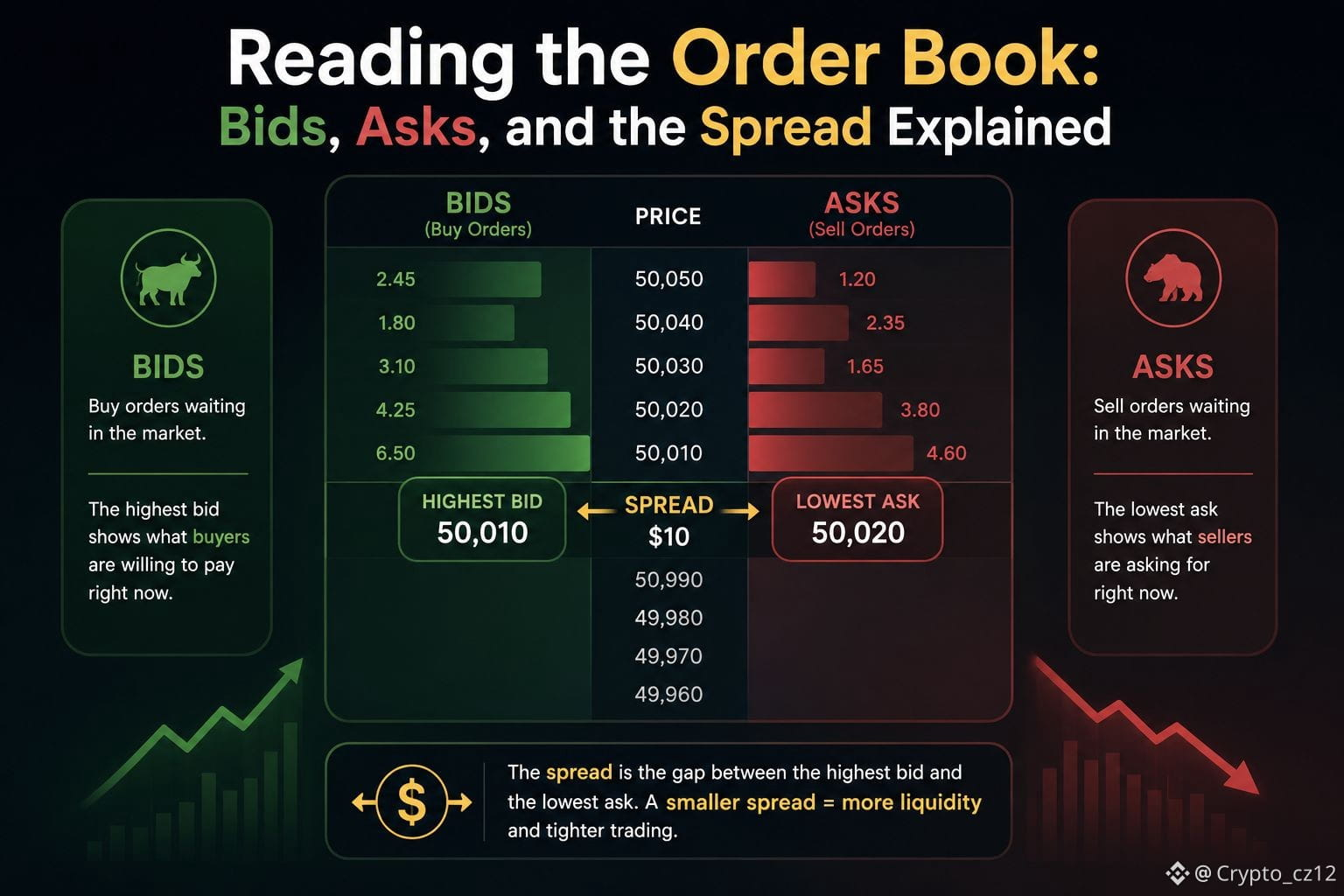
The order book is divided into two main sides:
1. **The Bid Side (Buyers):** Located on one side of the order book, bids represent open limit orders from participants willing to buy an asset at specific prices below the current trading price. The highest bid is the highest price a buyer is currently willing to pay.
2. **The Ask/Offer Side (Sellers):** Located on the opposing side, asks represent open limit orders from participants willing to sell an asset at specific prices above the current trading price. The lowest ask is the cheapest price a seller is currently willing to accept.
The point where the highest bid meets the lowest ask is known as the **inside market**. The numerical difference between the lowest ask and the highest bid is called the **bid-ask spread**.
In highly liquid markets, such as high-volume spot trading pairs for Bitcoin or Ethereum, this spread is extremely narrow—often fractions of a cent or a single basis point. In lower-volume altcoins, the spread can be significantly wider, representing higher transactional friction for traders entering or exiting positions.
---
### What is Market Depth and How Is It Visualized?
Market depth refers to the market’s capacity to absorb relatively large market orders without causing significant price swings. It represents the total cumulative volume of pending limit orders at various price levels above and below the current market price.
Exchanges typically visualize market depth using a **Depth Chart** (often referred to as a market depth visualization). This chart features two opposing slopes:
* **The Green Slope (Cumulative Bids):** Displays the total amount of buying power available as price drops.
* **The Red Slope (Cumulative Asks):** Displays the total amount of selling supply available as price rises.
The steepness of these slopes provides immediate visual information about order density. A shallow, gradual slope indicates deep liquidity, meaning large orders can be executed with minimal impact on price. A steep wall or sudden drop in the slope indicates thin liquidity, where relatively small orders can push the market through multiple price levels rapidly.
---
### Key Concepts: Market Impact, Slippage, and Depth Metrics
To apply market depth effectively, traders must understand three interrelated concepts: market orders, market impact, and slippage.
#### 1. Limit Orders vs. Market Orders
* **Limit Orders** supply liquidity to the market. They sit in the order book waiting to be filled.
* **Market Orders** consume liquidity from the market. They execute immediately against the best available limit orders in the book.
#### 2. Slippage
When a trader submits a market buy order that exceeds the volume available at the lowest ask price, the matching engine automatically moves up the order book to fill the remainder at higher price levels. The difference between the expected execution price (the lowest ask at the time of submission) and the average actual execution price is called **slippage**.
#### 3. Assessing 1% and 2% Market Depth
Professional analytics platforms evaluate market depth by calculating the total dollar value of limit orders residing within a specific percentage distance from the mid-price—typically **+1% / -1%** or **+2% / -2%**.
For instance, if an asset has $5 million in buy-side depth within 2% of the current price, a sell order of $500,000 will move the price significantly less than it would if the 2% depth were only $600,000. Evaluating fixed-percentage depth allows traders to determine whether an asset’s current price is backed by robust structural support or if it is floating on fragile, thin liquidity.
---
### Practical Example: The Anatomy of an Liquidity-Driven Move
Consider a practical scenario involving an intermediate trader analyzing an altcoin asset with moderate volume.
The spot price is currently $10.00. The trader intends to place a $50,000 market buy order.
Upon reviewing the order book, the ask side appears as follows:
* $10.01: 1,000 tokens available ($10,010 value)
* $10.05: 1,500 tokens available ($15,075 value)
* $10.10: 1,000 tokens available ($10,100 value)
* $10.25: 3,000 tokens available ($30,750 value)
If the trader executes a $50,000 market buy without checking market depth:
1. The engine consumes 1,000 tokens at $10.01 ($10,010 used; $39,990 remains).
2. The engine consumes 1,500 tokens at $10.05 ($15,075 used; $24,915 remains).
3. The engine consumes 1,000 tokens at $10.10 ($10,100 used; $14,815 remains).
4. The engine consumes approximately 1,445 tokens at $10.25 ($14,815 used; order complete).
**Result:** The average fill price for this trade is roughly $10.11—over 1% higher than the expected $10.00 entry price. Furthermore, the market price on the exchange instantly jumps to $10.25 due to the depletion of ask liquidity. The trader experienced self-induced slippage by failing to assess market depth prior to execution.
---
### Risks, Limitations, and Spoofing Hazards
While market depth provides invaluable real-time insights, relying on order book visualizers without understanding their structural limitations can lead to costly errors. Order books are dynamic and subject to tactical manipulation.
#### 1. "Spoofing" and Fake Order Walls
Large limit orders visible in the order book are often referred to as "buy walls" or "sell walls." Retail traders frequently assume a large buy wall at $9.50 guarantees price support. However, unless an order is executed, it can be canceled at any millisecond.
Unscrupulous actors or automated algorithms sometimes practice **spoofing**—placing massive limit orders without the intention of execution, purely to create a false illusion of demand or supply. Once the market price approaches the order, the algorithm cancels it, leaving retail traders exposed to sudden price drops through thin liquidity underlying the removed wall.
#### 2. Iceberg Orders
Institutional participants trading large sizes rarely place massive limit orders directly into the visible order book, as doing so alerts the market to their intentions. Instead, they utilize **iceberg orders**. An iceberg order splits a large order into small, visible tranches. As soon as one visible tranche is filled, the system automatically posts the next tranche at the same price level. Consequently, an apparently small bid level on the surface depth chart might actually contain millions of dollars in hidden liquidity.
#### 3. Fragmented Liquidity Across Exchanges
Cryptocurrency liquidity is not centralized within a single order book; it is dispersed across dozens of exchanges, decentralized liquidity pools, and off-exchange over-the-counter (OTC) desks. An asset may appear to have thin depth on one platform while holding deep liquidity on another.
---
### Practical Guidelines for Risk Management
To integrate market depth into a disciplined risk management workflow, intermediate traders should observe the following guidelines:
* **Match Position Size to Available Depth:** Before placing a trade, check the 1% and 2% depth metrics. Ensure your intended position size represents a small fraction of the available liquidity within that range to avoid incurring self-inflicted slippage.
* **Utilize Algorithmic Execution Tools:** When executing positions that exceed immediate market depth, avoid raw market orders. Use execution strategies such as Time-Weighted Average Price (TWAP) or limit-order laddering to slice entries across time and price levels.
* **Look Beyond Visible Walls:** Treat large order walls with healthy skepticism. Do not base stop-loss placements solely behind an obvious buy or sell wall, as these walls can vanish instantly prior to tested contact.
* **Monitor Spread Conditions During Volatility:** During high-macro volatility (such as major economic announcements), market makers frequently widen their spreads or withdraw limit orders entirely to manage risk. Always re-check bid-ask spreads during high-impact events.
---
### Conclusion
Market depth represents the bridge between static historical chart patterns and real-time trade execution. While candlestick charts indicate where price momentum has traveled, the order book reveals the structural environment the price must traverse next. By understanding bids, asks, slippage, and liquidity density—while remaining mindful of order book spoofing and fragmentation—traders can transition from reactive visual analysis to proactive structural execution, substantially improving their overall market management.
#CryptoEducation #OrderBook #TradingTips