
#askanda
askanda
382,491 views
324 Discussing
Hot
Latest

·
--
Bullish
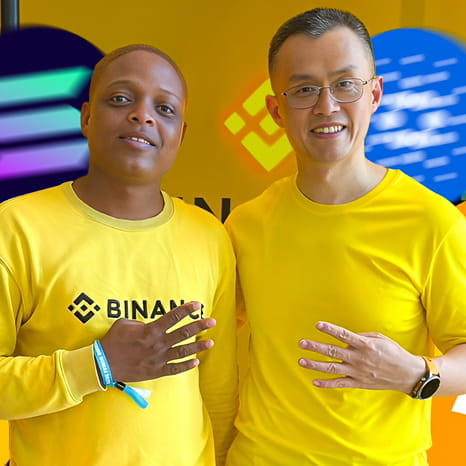
[🏆 Vote for Askanda in The 2026 Blockchain 100 Awards!](https://www.binance.com/en/square/profile/askanda)
The blockchain industry is growing rapidly, and the people who educate, inspire, and empower the next generation of crypto enthusiasts deserve to be recognized. Today, I’m asking my amazing community to support
[Askanda on Binance Square in The 2026 Blockchain 100 Awards! 🚀](https://www.binance.com/en/square/profile/askanda)
Over the years, my mission has been to help people understand cryptocurrency, learn about blockchain technology, and improve their crypto trading knowledge through educational content and practical strategies. From crypto day trading and altcoins to market analysis and risk management, I remain committed to sharing knowledge that can help people make more informed decisions in the crypto space.
This nomination is more than just an award. It represents our growing community, our shared passion for blockchain, and the future we are building together.
Every person who has learned something from my content, followed my journey, engaged with my posts, or supported my work has played a part in this journey. Now, I’m asking you to take one more step and help us reach this milestone.
🗳️ How You Can Support Askanda
✅ Vote for Askanda on Binance Square in The 2026 Blockchain 100 Awards.
✅ Share the voting opportunity with your friends and fellow crypto enthusiasts.
✅ Engage with my Binance Square content and help more people discover our community.
If my content has ever taught you something valuable about crypto, inspired you to keep learning, or helped you understand the market better, I would truly appreciate your vote.
Let’s show the world what our community can achieve when we come together!
One community. One mission. A bigger future for blockchain. 🌍
#VOTE #Binance #askanda #Web3
🏆 Vote for Askanda in The 2026 Blockchain 100 Awards!
The blockchain industry is growing rapidly, and the people who educate, inspire, and empower the next generation of crypto enthusiasts deserve to be recognized. Today, I’m asking my amazing community to support
Askanda on Binance Square in The 2026 Blockchain 100 Awards! 🚀
Over the years, my mission has been to help people understand cryptocurrency, learn about blockchain technology, and improve their crypto trading knowledge through educational content and practical strategies. From crypto day trading and altcoins to market analysis and risk management, I remain committed to sharing knowledge that can help people make more informed decisions in the crypto space.
This nomination is more than just an award. It represents our growing community, our shared passion for blockchain, and the future we are building together.
Every person who has learned something from my content, followed my journey, engaged with my posts, or supported my work has played a part in this journey. Now, I’m asking you to take one more step and help us reach this milestone.
🗳️ How You Can Support Askanda
✅ Vote for Askanda on Binance Square in The 2026 Blockchain 100 Awards.
✅ Share the voting opportunity with your friends and fellow crypto enthusiasts.
✅ Engage with my Binance Square content and help more people discover our community.
If my content has ever taught you something valuable about crypto, inspired you to keep learning, or helped you understand the market better, I would truly appreciate your vote.
Let’s show the world what our community can achieve when we come together!
One community. One mission. A bigger future for blockchain. 🌍
#VOTE #Binance #askanda #Web3
4
1
20
2.4k

·
--
Bearish
What Is Funding Rate on Binance? 💰📊
If you trade Binance Futures, you need to understand the funding rate.
The funding rate is a periodic payment exchanged between long and short traders to help keep a perpetual futures contract close to the spot price.
🔹 Positive Funding Rate → Long traders pay short traders.
🔹 Negative Funding Rate → Short traders pay long traders.
How can traders use it?
Funding rate can give you additional market information.
If funding is extremely positive, it may mean too many traders are heavily long.
If funding is extremely negative, it may mean too many traders are heavily short.
But funding rate is not a buy or sell signal by itself. Always combine it with price action, market structure, volume, and proper risk management.
Askanda Tip:
Before entering a Binance Futures trade, check the funding rate. It can help you understand how crowded the market is.
#askanda #fundingrate #daytrading @Binance_Margin
What Is Funding Rate on Binance? 💰📊
If you trade Binance Futures, you need to understand the funding rate.
The funding rate is a periodic payment exchanged between long and short traders to help keep a perpetual futures contract close to the spot price.
🔹 Positive Funding Rate → Long traders pay short traders.
🔹 Negative Funding Rate → Short traders pay long traders.
How can traders use it?
Funding rate can give you additional market information.
If funding is extremely positive, it may mean too many traders are heavily long.
If funding is extremely negative, it may mean too many traders are heavily short.
But funding rate is not a buy or sell signal by itself. Always combine it with price action, market structure, volume, and proper risk management.
Askanda Tip:
Before entering a Binance Futures trade, check the funding rate. It can help you understand how crowded the market is.
#askanda #fundingrate #daytrading @Binance Margin

2
498
·
--
Article
The Hidden Binance Futures Indicator Most Traders Completely Ignore!Some traders spend hours studying candlestick patterns, RSI, MACD, and moving averages but completely ignore one important part of Binance Futures trading: FUNDING RATES.
You can enter a technically perfect trade and still lose money because you don't understand the cost of holding your position.
Even worse, some traders are paying funding fees without knowing that funding rates can reveal useful information about market sentiment.
Let's break it down.
1. What exactly is a funding rate?
A funding rate is a periodic payment exchanged between LONG and SHORT traders in perpetual futures contracts.
Its main purpose is to help keep the perpetual futures price close to the spot market price.
On Binance Futures:
Positive funding rate: LONG traders pay SHORT traders.Negative funding rate: SHORT traders pay LONG traders.
For example:
If the funding rate is +0.01%, traders holding LONG positions pay traders holding SHORT positions at the funding settlement time.
If you hold a $10,000 position, a 0.01% funding rate means approximately $1 in funding payment.
If the funding rate is -0.01%, the payment direction reverses.
Simple, right?
2. Why are traders ignoring funding rates?
Imagine you see a cryptocurrency pumping aggressively.
Everyone is opening LONG positions.
The funding rate becomes extremely positive.
What does this tell you?
It suggests that LONG positioning is dominant and traders are paying to maintain those positions.
But here's the interesting part:
If the market starts losing momentum, crowded LONG positions can become vulnerable to a correction or liquidation cascade.
This doesn't mean the price must crash. It means you should pay attention to positioning and risk.
3. How to use positive funding rates to find SHORT opportunities
Here's one approach I like to study:
Step 1: Open Binance Futures and check the funding rate of different altcoins.
Step 2: Identify coins with unusually high positive funding rates compared with their historical levels.
Step 3: Check TradingView and analyze the price action.
Step 4: Look for signs of weakness, such as:
Failed breakouts.Lower highs.Bearish market structure shifts.Loss of important support.
Step 5: Wait for confirmation before considering a SHORT entry.
Step 6: Set your stop-loss, calculate your position size, and target a reasonable risk-to-reward ratio.
Important: High positive funding alone is not a SHORT signal. Strong trends can remain crowded for a long time.
4. How to take advantage of negative funding rates
Now let's look at the opposite situation.
Imagine a coin has a deeply negative funding rate.
This means SHORT traders are paying LONG traders.
If the price starts recovering and bearish momentum weakens, an unexpected upward move could force SHORT traders to close their positions.
This can contribute to a SHORT squeeze.
What should you look for?
Extremely negative funding compared with historical levels.Price holding an important support zone.A bullish market structure shift.Increasing buying volume.Confirmation of a breakout or reversal.
You can then evaluate whether a LONG setup offers a reasonable risk-to-reward ratio.
Again, negative funding does not guarantee a pump.
5. Here's another way to make money from funding rates
Some experienced traders study funding-rate arbitrage.
For example:
You buy an equivalent amount of a cryptocurrency in the spot market and SHORT the same asset in perpetual futures.
If the funding rate is positive, your SHORT position may receive funding payments.
However, don't assume this is free money.
You must account for:
Spot and futures trading fees.Funding rate changes.Basis and price differences.Execution costs.Margin requirements and liquidation risk.
Your hedge must be properly sized and maintained.
6. My controversial opinion
I believe traders who ignore funding rates are missing an important piece of the Binance Futures market.
Candlestick patterns tell you what price is doing.
Volume helps you understand participation.
Funding rates give you additional information about the cost and positioning of perpetual futures traders.
Stop looking at charts alone. Start understanding what is happening behind the price.
You don't have to trade every high or low funding rate.
Use it as an additional confirmation tool, not a magic indicator.
Let's debate!
When you see an altcoin with a funding rate of +0.10%, what would you do?
A. Open a SHORT immediately.
B. Wait for bearish market structure confirmation.
C. Continue looking for LONG opportunities because momentum is strong.
D. Stay away because funding is too high.
Drop your answer in the comments. Let's discuss!
— Askanda | Crypto Day Trader
#askanda #askandacrypto #BinanceSquareFamily
The Hidden Binance Futures Indicator Most Traders Completely Ignore!
Some traders spend hours studying candlestick patterns, RSI, MACD, and moving averages but completely ignore one important part of Binance Futures trading: FUNDING RATES.
You can enter a technically perfect trade and still lose money because you don't understand the cost of holding your position.
Even worse, some traders are paying funding fees without knowing that funding rates can reveal useful information about market sentiment.
Let's break it down.
1. What exactly is a funding rate?
A funding rate is a periodic payment exchanged between LONG and SHORT traders in perpetual futures contracts.
Its main purpose is to help keep the perpetual futures price close to the spot market price.
On Binance Futures:
Positive funding rate: LONG traders pay SHORT traders.Negative funding rate: SHORT traders pay LONG traders.
For example:
If the funding rate is +0.01%, traders holding LONG positions pay traders holding SHORT positions at the funding settlement time.
If you hold a $10,000 position, a 0.01% funding rate means approximately $1 in funding payment.
If the funding rate is -0.01%, the payment direction reverses.
Simple, right?
2. Why are traders ignoring funding rates?
Imagine you see a cryptocurrency pumping aggressively.
Everyone is opening LONG positions.
The funding rate becomes extremely positive.
What does this tell you?
It suggests that LONG positioning is dominant and traders are paying to maintain those positions.
But here's the interesting part:
If the market starts losing momentum, crowded LONG positions can become vulnerable to a correction or liquidation cascade.
This doesn't mean the price must crash. It means you should pay attention to positioning and risk.
3. How to use positive funding rates to find SHORT opportunities
Here's one approach I like to study:
Step 1: Open Binance Futures and check the funding rate of different altcoins.
Step 2: Identify coins with unusually high positive funding rates compared with their historical levels.
Step 3: Check TradingView and analyze the price action.
Step 4: Look for signs of weakness, such as:
Failed breakouts.Lower highs.Bearish market structure shifts.Loss of important support.
Step 5: Wait for confirmation before considering a SHORT entry.
Step 6: Set your stop-loss, calculate your position size, and target a reasonable risk-to-reward ratio.
Important: High positive funding alone is not a SHORT signal. Strong trends can remain crowded for a long time.
4. How to take advantage of negative funding rates
Now let's look at the opposite situation.
Imagine a coin has a deeply negative funding rate.
This means SHORT traders are paying LONG traders.
If the price starts recovering and bearish momentum weakens, an unexpected upward move could force SHORT traders to close their positions.
This can contribute to a SHORT squeeze.
What should you look for?
Extremely negative funding compared with historical levels.Price holding an important support zone.A bullish market structure shift.Increasing buying volume.Confirmation of a breakout or reversal.
You can then evaluate whether a LONG setup offers a reasonable risk-to-reward ratio.
Again, negative funding does not guarantee a pump.
5. Here's another way to make money from funding rates
Some experienced traders study funding-rate arbitrage.
For example:
You buy an equivalent amount of a cryptocurrency in the spot market and SHORT the same asset in perpetual futures.
If the funding rate is positive, your SHORT position may receive funding payments.
However, don't assume this is free money.
You must account for:
Spot and futures trading fees.Funding rate changes.Basis and price differences.Execution costs.Margin requirements and liquidation risk.
Your hedge must be properly sized and maintained.
6. My controversial opinion
I believe traders who ignore funding rates are missing an important piece of the Binance Futures market.
Candlestick patterns tell you what price is doing.
Volume helps you understand participation.
Funding rates give you additional information about the cost and positioning of perpetual futures traders.
Stop looking at charts alone. Start understanding what is happening behind the price.
You don't have to trade every high or low funding rate.
Use it as an additional confirmation tool, not a magic indicator.
Let's debate!
When you see an altcoin with a funding rate of +0.10%, what would you do?
A. Open a SHORT immediately.
B. Wait for bearish market structure confirmation.
C. Continue looking for LONG opportunities because momentum is strong.
D. Stay away because funding is too high.
Drop your answer in the comments. Let's discuss!
— Askanda | Crypto Day Trader
#askanda #askandacrypto #BinanceSquareFamily
1
152
·
--
Bearish
Stop Buying Binance Top Gainers! You're Probably Becoming Exit Liquidity for Someone Else.
Just because a cryptocurrency is up 30%, 50%, or even 100% doesn't mean it's a good investment or a good day trading opportunity.
In fact, some of the worst trades beginners take are buying coins that have already made massive moves.
Here's what happens.
You open Binance Futures.
You check the top gainers.
You see a coin pumping 40%.
You immediately open a LONG position because you think it's going to pump another 50%.
A few minutes later, the price starts reversing.
Your position goes into loss.
#askanda #askandacrypto #CryptoTrading. $BTC $DASH
You panic, move your stop-loss, and eventually get liquidated.
Sound familiar?

500
·
--
Article
STOP BUYING THE TOP! ARE YOU THE EXIT LIQUIDITY?Here are 6 uncomfortable truths about trading Binance top gainers.
1. You're often buying when everyone else is already celebrating.
When a coin has already pumped significantly, early buyers may be taking profits.
You might be entering just when other traders are looking for an exit.
2. Green candles are not trading signals.
A massive green candle doesn't automatically mean BUY.
You need to understand market structure, volume, momentum, resistance, and potential liquidity zones.
Price movement alone is not a complete strategy.
3. Sometimes SHORT opportunities are better than LONG opportunities.
Everyone wants to buy the coin that's pumping.
But experienced traders also study failed breakouts, exhaustion, and bearish reversals.
Don't become emotionally attached to LONG positions.
Learn to understand both sides of the market.
4. Stop entering trades without confirmation.
Don't short simply because a coin has pumped 50%.
Strong momentum can continue much longer than you expect.
Wait for a clear change in structure, confirmation, and a defined invalidation level.
5. The best entry is not always the first entry.
You don't need to catch the beginning of every pump.
Sometimes waiting for a pullback or a confirmed reversal gives you a better opportunity with a more logical stop-loss.
6. Protect your capital before chasing opportunities.
Every trade should have a planned entry, stop-loss, position size, and take-profit.
Never risk your entire account trying to catch one reversal.
My unpopular opinion:
I don't believe blindly buying Binance top gainers is a sustainable trading strategy.
I would rather study why a coin is pumping, identify where the momentum could weaken, and wait for a setup that offers a reasonable risk-to-reward ratio.
Sometimes the best opportunity is LONG.
Sometimes it's SHORT.
#askanda #askandacrypto #BinanceSquareFamily
And sometimes the smartest decision is to do absolutely nothing.
Stop trading emotions. Start trading probabilities.
The market doesn't care whether you bought the top or sold the bottom.
Let's debate!
When you see a cryptocurrency up 50% on Binance Futures, what's your first reaction?
A. Look for a LONG entry because momentum is strong.
B. Look for a SHORT opportunity because the price may reverse.
C. Wait for a pullback and confirmation.
D. Ignore it and find another coin.
I want to hear your strategy. Let's have a real trading discussion!
— Askanda | Crypto Day Trader
$BTC $BNB
STOP BUYING THE TOP! ARE YOU THE EXIT LIQUIDITY?
Here are 6 uncomfortable truths about trading Binance top gainers.
1. You're often buying when everyone else is already celebrating.
When a coin has already pumped significantly, early buyers may be taking profits.
You might be entering just when other traders are looking for an exit.
2. Green candles are not trading signals.
A massive green candle doesn't automatically mean BUY.
You need to understand market structure, volume, momentum, resistance, and potential liquidity zones.
Price movement alone is not a complete strategy.
3. Sometimes SHORT opportunities are better than LONG opportunities.
Everyone wants to buy the coin that's pumping.
But experienced traders also study failed breakouts, exhaustion, and bearish reversals.
Don't become emotionally attached to LONG positions.
Learn to understand both sides of the market.
4. Stop entering trades without confirmation.
Don't short simply because a coin has pumped 50%.
Strong momentum can continue much longer than you expect.
Wait for a clear change in structure, confirmation, and a defined invalidation level.
5. The best entry is not always the first entry.
You don't need to catch the beginning of every pump.
Sometimes waiting for a pullback or a confirmed reversal gives you a better opportunity with a more logical stop-loss.
6. Protect your capital before chasing opportunities.
Every trade should have a planned entry, stop-loss, position size, and take-profit.
Never risk your entire account trying to catch one reversal.
My unpopular opinion:
I don't believe blindly buying Binance top gainers is a sustainable trading strategy.
I would rather study why a coin is pumping, identify where the momentum could weaken, and wait for a setup that offers a reasonable risk-to-reward ratio.
Sometimes the best opportunity is LONG.
Sometimes it's SHORT.
#askanda #askandacrypto #BinanceSquareFamily
And sometimes the smartest decision is to do absolutely nothing.
Stop trading emotions. Start trading probabilities.
The market doesn't care whether you bought the top or sold the bottom.
Let's debate!
When you see a cryptocurrency up 50% on Binance Futures, what's your first reaction?
A. Look for a LONG entry because momentum is strong.
B. Look for a SHORT opportunity because the price may reverse.
C. Wait for a pullback and confirmation.
D. Ignore it and find another coin.
I want to hear your strategy. Let's have a real trading discussion!
— Askanda | Crypto Day Trader
$BTC $BNB
sweet jenny:
Hi
Good morning,
I saw your post on those who need help
I have been trading for a while but my all capital is gone , the little I get i invest but no profit before you realise it is gone .I really don’t know what to now. Any help will be appreciated
Thank you
1
1
150
·
--
Article
Your Small Binance Futures Account Is Not the Problem. Your Expectations Are!Let me say something that most crypto beginners don't want to hear.
If you cannot manage a $100 trading account properly, giving yourself $10,000 will not magically make you a professional trader.
In fact, you might lose the $10,000 even faster.
I see beginners depositing money into Binance Futures, using excessive leverage, chasing random coins, and expecting to become millionaires in a few weeks.
That's not how trading works.
Here are 6 uncomfortable truths about trading with small capital.
1. Stop trying to turn $100 into $10,000 overnight.
Your account is small, but that doesn't mean you should take ridiculous risks.
Focus on developing a repeatable strategy instead of chasing unrealistic returns.
2. Leverage is not a shortcut to wealth.
Some traders believe using 50x or 100x leverage is the fastest way to grow an account.
But leverage magnifies your exposure and makes liquidation much easier.
You don't need maximum leverage to become a good trader.
3. Your first goal should be survival, not profit.
Before thinking about making $1,000, learn how to protect your capital.
Understand position sizing, stop-loss placement, and how much you're willing to risk on each trade.
A trader who cannot control losses will struggle to survive.
4. Stop comparing your account with influencers.
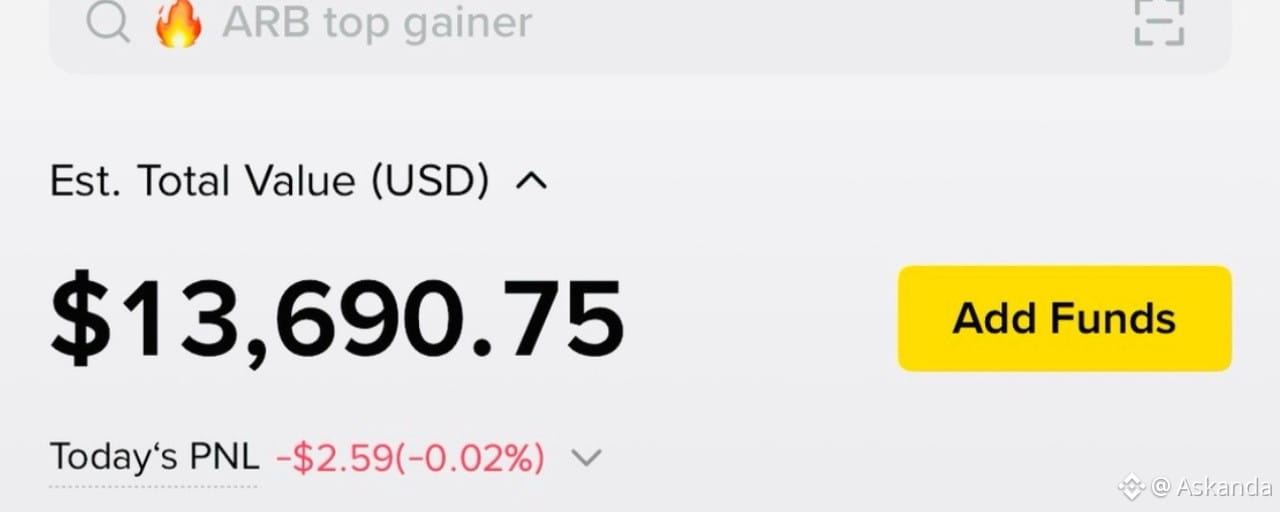
You see someone posting a $5,000 profit screenshot and suddenly feel behind.
But you don't know their account size, risk, losses, or how much capital they started with.
Social media shows you the profit. It rarely shows you the full trading history.
5. You don't need 20 trades a day.
A small account doesn't need constant activity.
Wait for your setup, calculate your risk, and take opportunities that meet your trading plan.
Sometimes one good setup is enough.
6. Stop withdrawing your confidence from one losing trade.
Even profitable strategies experience losing streaks.
One losing trade doesn't make you a bad trader, just as one winning trade doesn't make you a professional.
Evaluate your performance over a meaningful sample of trades.
My unpopular opinion:
I would rather see a beginner grow a $100 account slowly with discipline than see someone turn $100 into $1,000 through reckless leverage and believe they've mastered trading.
Because the real challenge isn't making money once.
The real challenge is developing a system you can repeat without destroying your account.
Don't rush to become rich.
Become a trader who understands risk, respects the market, and knows when NOT to trade.
Your trading journey is a marathon, not a lottery.
Let's debate!
If you had only $100 to start Binance Futures trading, what would you focus on first?
A. Growing the account aggressively.
B. Learning risk management.
C. Mastering one trading strategy.
D. Practising on demo until consistent.
Drop your answer below. I want to hear your honest opinion!
— Askanda | Crypto Day Trader
#askanda #askandacrypto #askandadubai #BinanceSquareFamily @Binance_Square_Official
$BTC $BNB
Your Small Binance Futures Account Is Not the Problem. Your Expectations Are!
Let me say something that most crypto beginners don't want to hear.
If you cannot manage a $100 trading account properly, giving yourself $10,000 will not magically make you a professional trader.
In fact, you might lose the $10,000 even faster.
I see beginners depositing money into Binance Futures, using excessive leverage, chasing random coins, and expecting to become millionaires in a few weeks.
That's not how trading works.
Here are 6 uncomfortable truths about trading with small capital.
1. Stop trying to turn $100 into $10,000 overnight.
Your account is small, but that doesn't mean you should take ridiculous risks.
Focus on developing a repeatable strategy instead of chasing unrealistic returns.
2. Leverage is not a shortcut to wealth.
Some traders believe using 50x or 100x leverage is the fastest way to grow an account.
But leverage magnifies your exposure and makes liquidation much easier.
You don't need maximum leverage to become a good trader.
3. Your first goal should be survival, not profit.
Before thinking about making $1,000, learn how to protect your capital.
Understand position sizing, stop-loss placement, and how much you're willing to risk on each trade.
A trader who cannot control losses will struggle to survive.
4. Stop comparing your account with influencers.
You see someone posting a $5,000 profit screenshot and suddenly feel behind.
But you don't know their account size, risk, losses, or how much capital they started with.
Social media shows you the profit. It rarely shows you the full trading history.
5. You don't need 20 trades a day.
A small account doesn't need constant activity.
Wait for your setup, calculate your risk, and take opportunities that meet your trading plan.
Sometimes one good setup is enough.
6. Stop withdrawing your confidence from one losing trade.
Even profitable strategies experience losing streaks.
One losing trade doesn't make you a bad trader, just as one winning trade doesn't make you a professional.
Evaluate your performance over a meaningful sample of trades.
My unpopular opinion:
I would rather see a beginner grow a $100 account slowly with discipline than see someone turn $100 into $1,000 through reckless leverage and believe they've mastered trading.
Because the real challenge isn't making money once.
The real challenge is developing a system you can repeat without destroying your account.
Don't rush to become rich.
Become a trader who understands risk, respects the market, and knows when NOT to trade.
Your trading journey is a marathon, not a lottery.
Let's debate!
If you had only $100 to start Binance Futures trading, what would you focus on first?
A. Growing the account aggressively.
B. Learning risk management.
C. Mastering one trading strategy.
D. Practising on demo until consistent.
Drop your answer below. I want to hear your honest opinion!
— Askanda | Crypto Day Trader
#askanda #askandacrypto #askandadubai #BinanceSquareFamily @Binance Square Official
$BTC $BNB
Armsburg:
Learning risk management first is key before Mastering one trading strategy.
1
1
378
·
--

Article
If You Need to Trade Every Day to Make Money, You're Probably Not a Good Trader!Let me say something that might offend a lot of Binance Futures traders.
The market doesn't pay you for being active. It rewards you for making good decisions.
I see traders opening positions every 10 minutes, switching between 20 different coins, chasing pumps, shorting random breakouts, and constantly checking their PNL.
And at the end of the week, they wonder why their accounts are losing money.
Here are 6 uncomfortable truths about crypto day trading:
1. You don't need to trade every day.
There are days when the market gives you excellent opportunities and days when everything looks uncertain.
A professional trader understands when to participate and when to stay away.
Cash is also a position.
2. Your first trade shouldn't be an emotional decision.
You wake up, open Binance, see a coin pumping 25%, and immediately buy.
Why?
Because you don't want to miss the opportunity?
That's FOMO, not a trading strategy.
3. Stop celebrating profits without calculating your losses.
Making $200 on one trade means nothing if you lost $500 on your previous trades.
What matters is your overall performance, consistency, and risk management.
4. Your account balance doesn't determine your trading skills.
Someone trading with $100,000 can be a terrible trader.
Someone trading with $500 can have excellent discipline and risk management.
The real skill is knowing how to manage whatever capital you have.
5. Stop changing strategies every week.
One week you're trading Bitcoin breakouts.
Next week you're buying Binance top gainers.
The following week you're following signals.
You cannot properly evaluate a strategy if you abandon it after three losing trades.
Test your strategy, collect data, and understand its actual performance.
6. The best traders are comfortable doing nothing.
This is something beginners struggle to understand.
You don't have to catch every pump.
You don't have to short every correction.
You don't have to trade every market session.
Sometimes patience is your biggest competitive advantage.
My unpopular opinion:
I would rather make 3 carefully planned trades in a week than execute 30 random trades just to feel productive.
I don't want to be the trader who makes money today and gives it all back tomorrow.
I want a repeatable process.
A clear entry.
A calculated stop-loss.
A realistic take-profit.
And the discipline to walk away when my setup isn't there.
Remember: Trading is not a competition to see who can open the most positions. It's a long-term game of managing risk and making better decisions.
Let's have an honest discussion:
Which statement do you agree with most?
A. Trading less can make you more profitable.
B. More trading means more opportunities.
C. The biggest enemy of a trader is emotions.
D. Most beginners should stop using high leverage.
I want to hear your arguments. Don't just agree with me!
— Askanda | Crypto Day Trader
#askanda #BinanceSquareTalks #askandacrypto
If You Need to Trade Every Day to Make Money, You're Probably Not a Good Trader!
Let me say something that might offend a lot of Binance Futures traders.
The market doesn't pay you for being active. It rewards you for making good decisions.
I see traders opening positions every 10 minutes, switching between 20 different coins, chasing pumps, shorting random breakouts, and constantly checking their PNL.
And at the end of the week, they wonder why their accounts are losing money.
Here are 6 uncomfortable truths about crypto day trading:
1. You don't need to trade every day.
There are days when the market gives you excellent opportunities and days when everything looks uncertain.
A professional trader understands when to participate and when to stay away.
Cash is also a position.
2. Your first trade shouldn't be an emotional decision.
You wake up, open Binance, see a coin pumping 25%, and immediately buy.
Why?
Because you don't want to miss the opportunity?
That's FOMO, not a trading strategy.
3. Stop celebrating profits without calculating your losses.
Making $200 on one trade means nothing if you lost $500 on your previous trades.
What matters is your overall performance, consistency, and risk management.
4. Your account balance doesn't determine your trading skills.
Someone trading with $100,000 can be a terrible trader.
Someone trading with $500 can have excellent discipline and risk management.
The real skill is knowing how to manage whatever capital you have.
5. Stop changing strategies every week.
One week you're trading Bitcoin breakouts.
Next week you're buying Binance top gainers.
The following week you're following signals.
You cannot properly evaluate a strategy if you abandon it after three losing trades.
Test your strategy, collect data, and understand its actual performance.
6. The best traders are comfortable doing nothing.
This is something beginners struggle to understand.
You don't have to catch every pump.
You don't have to short every correction.
You don't have to trade every market session.
Sometimes patience is your biggest competitive advantage.
My unpopular opinion:
I would rather make 3 carefully planned trades in a week than execute 30 random trades just to feel productive.
I don't want to be the trader who makes money today and gives it all back tomorrow.
I want a repeatable process.
A clear entry.
A calculated stop-loss.
A realistic take-profit.
And the discipline to walk away when my setup isn't there.
Remember: Trading is not a competition to see who can open the most positions. It's a long-term game of managing risk and making better decisions.
Let's have an honest discussion:
Which statement do you agree with most?
A. Trading less can make you more profitable.
B. More trading means more opportunities.
C. The biggest enemy of a trader is emotions.
D. Most beginners should stop using high leverage.
I want to hear your arguments. Don't just agree with me!
— Askanda | Crypto Day Trader
#askanda #BinanceSquareTalks #askandacrypto
Trader M08:
I'd pick A, with D close behind. Today is a good test of point 6: BTC swung between about 73,500 and 76,100 on Binance spot in 24h and ETH fell almost 5% inside a 2,060 to 2,244 range, so anyone flipping long and short in that chop probably paid fees twice for nothing. One planned trade with the stop set before entry beats ten reactive ones in a session like this.
1
2
158
·
--

Article
Binance Futures Is Making You Poor.Binance Futures is one of the easiest places to lose money if you have no trading discipline.
Every day, thousands of traders open positions, increase leverage, chase green candles, and liquidate their accounts.
Then they blame Binance.
But let's be honest.
The exchange is not forcing you to enter 20 trades a day. Nobody is forcing you to use 100x leverage. And nobody is forcing you to trade without a stop-loss.
Here are 6 mistakes that are destroying Binance Futures traders:
1. You think high leverage means high profits.
Using 100x leverage doesn't make you a professional. It makes small price movements much more dangerous to your account.
Learn position sizing before increasing leverage.
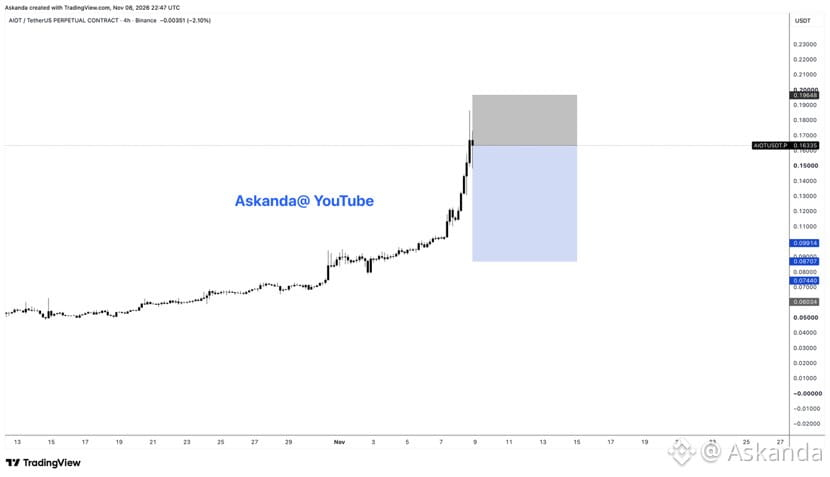
2. You trade every coin that pumps.
You see a coin among Binance's top gainers and immediately open a long position.
But what if the pump is already exhausted?
Sometimes the biggest opportunity is waiting for a reversal instead of chasing the rally.
3. You don't understand risk-to-reward ratio.
Why risk $100 to make $20?
Before entering any trade, calculate how much you're willing to lose and how much you're targeting.
A good trading opportunity should offer a reasonable potential reward compared with the risk.
4. You trade without a strategy.
Monday, you're trading moving averages.
Tuesday, you're following RSI.
Wednesday, you're copying someone's Telegram signal.
Thursday, you're trying a completely different strategy.
You cannot build consistency if you keep changing your approach.
5. You revenge trade after losing.
You lose $50 and immediately open another position to recover it.
Then you lose another $100.
Your emotions have now taken control of your trading account.
A losing trade should not become a reason to destroy your capital.
6. You believe you must trade every day.
This is probably the biggest mistake.
Professional trading is not about how many positions you open.
Sometimes the market offers no setup worth taking.
There is nothing wrong with closing Binance and enjoying your day.
My controversial trading philosophy:
I don't believe successful day trading requires 10–20 trades every day.
I believe it requires:
One clear trading strategy.Proper market timing.Controlled leverage.A calculated position size.A reasonable risk-to-reward ratio.Emotional discipline.
Stop trying to make money from every candle. Start learning how to protect your trading capital.
The market will create opportunities tomorrow, next week, and next month.
But if you keep gambling with your account, you might not have capital left to participate.
Let's debate!
What is the biggest problem with Binance Futures?
#askanda #askandacrypto #BİNANCEFUTURES @Binance_Square_Official
Binance Futures Is Making You Poor.
Binance Futures is one of the easiest places to lose money if you have no trading discipline.
Every day, thousands of traders open positions, increase leverage, chase green candles, and liquidate their accounts.
Then they blame Binance.
But let's be honest.
The exchange is not forcing you to enter 20 trades a day. Nobody is forcing you to use 100x leverage. And nobody is forcing you to trade without a stop-loss.
Here are 6 mistakes that are destroying Binance Futures traders:
1. You think high leverage means high profits.
Using 100x leverage doesn't make you a professional. It makes small price movements much more dangerous to your account.
Learn position sizing before increasing leverage.
2. You trade every coin that pumps.
You see a coin among Binance's top gainers and immediately open a long position.
But what if the pump is already exhausted?
Sometimes the biggest opportunity is waiting for a reversal instead of chasing the rally.
3. You don't understand risk-to-reward ratio.
Why risk $100 to make $20?
Before entering any trade, calculate how much you're willing to lose and how much you're targeting.
A good trading opportunity should offer a reasonable potential reward compared with the risk.
4. You trade without a strategy.
Monday, you're trading moving averages.
Tuesday, you're following RSI.
Wednesday, you're copying someone's Telegram signal.
Thursday, you're trying a completely different strategy.
You cannot build consistency if you keep changing your approach.
5. You revenge trade after losing.
You lose $50 and immediately open another position to recover it.
Then you lose another $100.
Your emotions have now taken control of your trading account.
A losing trade should not become a reason to destroy your capital.
6. You believe you must trade every day.
This is probably the biggest mistake.
Professional trading is not about how many positions you open.
Sometimes the market offers no setup worth taking.
There is nothing wrong with closing Binance and enjoying your day.
My controversial trading philosophy:
I don't believe successful day trading requires 10–20 trades every day.
I believe it requires:
One clear trading strategy.Proper market timing.Controlled leverage.A calculated position size.A reasonable risk-to-reward ratio.Emotional discipline.
Stop trying to make money from every candle. Start learning how to protect your trading capital.
The market will create opportunities tomorrow, next week, and next month.
But if you keep gambling with your account, you might not have capital left to participate.
Let's debate!
What is the biggest problem with Binance Futures?
#askanda #askandacrypto #BİNANCEFUTURES @Binance Square Official
Danny0546:
please ur telegram link
1
4
631
·
--
Article
Being right is not enough. You need to be right at the right time, with the right risk.Let me tell you something most crypto beginners don't want to hear.
You can have the best trading strategy in the world and still lose money simply because you enter at the wrong time.
And you can be right about the market direction but still lose money because your risk-to-reward ratio is terrible.
Being right is not enough. You need to be right at the right time, with the right risk.
Here are 5 uncomfortable truths about timing and risk management:
1. Entering too early is almost as bad as entering in the wrong direction.
Just because a coin is pumping doesn't mean you should buy immediately.
Wait for confirmation. Identify market structure, support and resistance, liquidity zones, and potential entry points.
The market doesn't owe you an entry.
2. Stop chasing green candles.
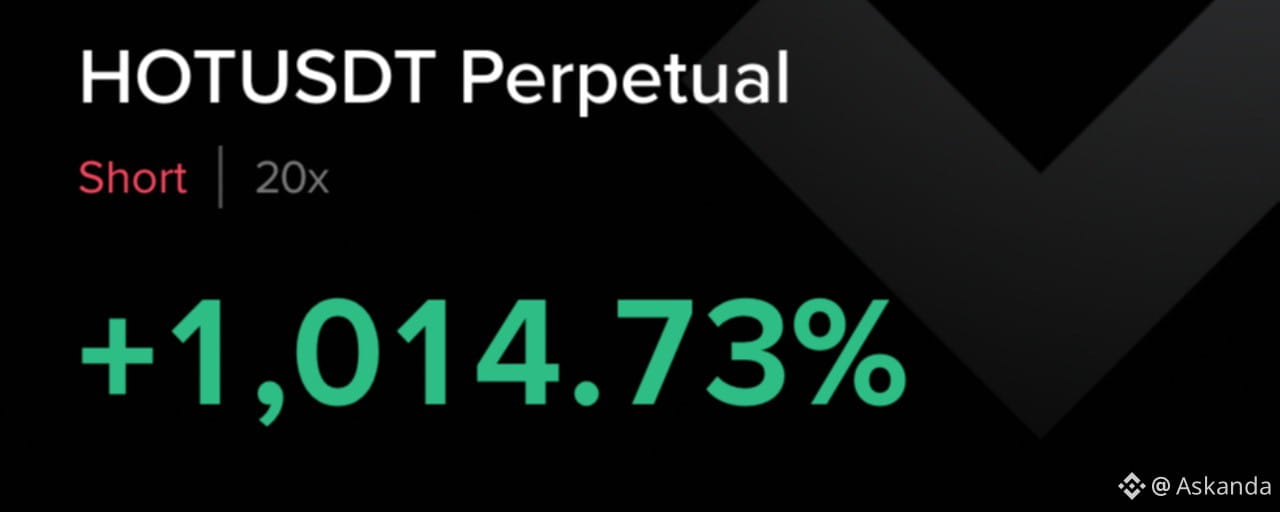
If a coin has already pumped 30%, why are you suddenly interested in buying?
Many traders buy at the top because they are afraid of missing out.
Professional trading requires patience. Sometimes the best trade is the one you don't take.
3. A 1:3 risk-to-reward ratio can change your trading game.
Imagine risking $10 to potentially make $30.
You don't need to win every trade to become profitable.
For example, with 10 trades:
4 winning trades = +$1206 losing trades = -$60Total = +$60
That's before fees and slippage.
Your goal should be to make your potential reward significantly larger than your potential risk.
4. Stop entering trades without knowing your exit.
Before opening a Binance Futures position, you should already know:
Your entry price.Your stop-loss.Your take-profit.Your position size.Your risk per trade.
If you are figuring these things out after entering, you're not prepared.
5. Timing is more important than trading frequency.
You don't need to trade every market movement.
Wait for your setup. Let the price come to your level. Take the trade only when the opportunity makes sense.
One disciplined trade can be more valuable than 10 emotional trades.
My unpopular opinion:
I would rather miss 10 profitable opportunities than enter one trade with poor risk management.
I don't care if Bitcoin, Ethereum, or an altcoin pumps 50% without me.
There will always be another opportunity.
Your job as a trader is not to catch every move. Your job is to protect your capital while taking calculated opportunities.
Remember:
Timing gets you into the market. Risk management keeps you in the game. Risk-to-reward determines whether your strategy has a mathematical edge.
What's your biggest problem?
A. Entering trades too early.
B. Taking profits too quickly.
C. Using poor stop-loss placement.
D. Not following a proper risk-to-reward ratio.
Let's discuss in the comments.
— Askanda | Crypto Day Trader
#askanda #crypto @Binance_Square_Official #BTC
Being right is not enough. You need to be right at the right time, with the right risk.
Let me tell you something most crypto beginners don't want to hear.
You can have the best trading strategy in the world and still lose money simply because you enter at the wrong time.
And you can be right about the market direction but still lose money because your risk-to-reward ratio is terrible.
Being right is not enough. You need to be right at the right time, with the right risk.
Here are 5 uncomfortable truths about timing and risk management:
1. Entering too early is almost as bad as entering in the wrong direction.
Just because a coin is pumping doesn't mean you should buy immediately.
Wait for confirmation. Identify market structure, support and resistance, liquidity zones, and potential entry points.
The market doesn't owe you an entry.
2. Stop chasing green candles.
If a coin has already pumped 30%, why are you suddenly interested in buying?
Many traders buy at the top because they are afraid of missing out.
Professional trading requires patience. Sometimes the best trade is the one you don't take.
3. A 1:3 risk-to-reward ratio can change your trading game.
Imagine risking $10 to potentially make $30.
You don't need to win every trade to become profitable.
For example, with 10 trades:
4 winning trades = +$1206 losing trades = -$60Total = +$60
That's before fees and slippage.
Your goal should be to make your potential reward significantly larger than your potential risk.
4. Stop entering trades without knowing your exit.
Before opening a Binance Futures position, you should already know:
Your entry price.Your stop-loss.Your take-profit.Your position size.Your risk per trade.
If you are figuring these things out after entering, you're not prepared.
5. Timing is more important than trading frequency.
You don't need to trade every market movement.
Wait for your setup. Let the price come to your level. Take the trade only when the opportunity makes sense.
One disciplined trade can be more valuable than 10 emotional trades.
My unpopular opinion:
I would rather miss 10 profitable opportunities than enter one trade with poor risk management.
I don't care if Bitcoin, Ethereum, or an altcoin pumps 50% without me.
There will always be another opportunity.
Your job as a trader is not to catch every move. Your job is to protect your capital while taking calculated opportunities.
Remember:
Timing gets you into the market. Risk management keeps you in the game. Risk-to-reward determines whether your strategy has a mathematical edge.
What's your biggest problem?
A. Entering trades too early.
B. Taking profits too quickly.
C. Using poor stop-loss placement.
D. Not following a proper risk-to-reward ratio.
Let's discuss in the comments.
— Askanda | Crypto Day Trader
#askanda #crypto @Binance Square Official #BTC
2
618
·
--
Article
Stop Calling Yourself a Trader If You Do These 5 Things!Let me say something that many crypto traders won't like.
Most people losing money on Binance Futures are not losing because the market is difficult. They are losing because they have absolutely no discipline.
They wake up, open Binance, look at the top gainers, enter random trades, increase leverage, move their stop-loss, and pray for the market to reverse.
When they lose, they blame market manipulation.
When they win, they call themselves professional traders.
That's not trading. That's gambling with a Wi-Fi connection.
Here are 5 uncomfortable truths every crypto day trader needs to understand:
1. More trades don't mean more money.
Some traders execute 20 trades a day and still finish in losses. A professional trader can wait hours for one high-quality setup. You don't get paid for how many times you click the buy or sell button.
2. High leverage doesn't make you a professional.
Using 50x or 100x leverage doesn't mean you understand the market. It simply means your mistakes can become more expensive.
3. Stop copying signals from strangers.
If you cannot explain why you're entering a trade, you probably shouldn't be taking it. Learn market structure, identify liquidity, understand risk, and develop your own strategy.
4. Your biggest enemy is your own emotions.
Fear makes you exit too early. Greed makes you hold too long. Revenge trading makes you lose money you didn't need to lose.
5. Stop trying to become rich in one trade.
The goal is not to turn $100 into $10,000 overnight. The goal is to build a repeatable process that allows you to manage risk and stay in the game.
My unpopular opinion:
I would rather take ONE properly planned trade per day than take 15 random trades hoping to get lucky.
I would rather miss a 100% pump than enter a trade without a clear setup.
And I would rather protect my capital than impress strangers on social media with screenshots of profits.
Remember: The market will always be there tomorrow. Your capital might not be.
What's your opinion?
Are most crypto day traders actually traders, or are they just gamblers using Binance Futures?
Let's debate in the comments.
#askandacrypto #askanda #BİNANCEFUTURES #daytrading @Binance_Square_Official
Stop Calling Yourself a Trader If You Do These 5 Things!
Let me say something that many crypto traders won't like.
Most people losing money on Binance Futures are not losing because the market is difficult. They are losing because they have absolutely no discipline.
They wake up, open Binance, look at the top gainers, enter random trades, increase leverage, move their stop-loss, and pray for the market to reverse.
When they lose, they blame market manipulation.
When they win, they call themselves professional traders.
That's not trading. That's gambling with a Wi-Fi connection.
Here are 5 uncomfortable truths every crypto day trader needs to understand:
1. More trades don't mean more money.
Some traders execute 20 trades a day and still finish in losses. A professional trader can wait hours for one high-quality setup. You don't get paid for how many times you click the buy or sell button.
2. High leverage doesn't make you a professional.
Using 50x or 100x leverage doesn't mean you understand the market. It simply means your mistakes can become more expensive.
3. Stop copying signals from strangers.
If you cannot explain why you're entering a trade, you probably shouldn't be taking it. Learn market structure, identify liquidity, understand risk, and develop your own strategy.
4. Your biggest enemy is your own emotions.
Fear makes you exit too early. Greed makes you hold too long. Revenge trading makes you lose money you didn't need to lose.
5. Stop trying to become rich in one trade.
The goal is not to turn $100 into $10,000 overnight. The goal is to build a repeatable process that allows you to manage risk and stay in the game.
My unpopular opinion:
I would rather take ONE properly planned trade per day than take 15 random trades hoping to get lucky.
I would rather miss a 100% pump than enter a trade without a clear setup.
And I would rather protect my capital than impress strangers on social media with screenshots of profits.
Remember: The market will always be there tomorrow. Your capital might not be.
What's your opinion?
Are most crypto day traders actually traders, or are they just gamblers using Binance Futures?
Let's debate in the comments.
#askandacrypto #askanda #BİNANCEFUTURES #daytrading @Binance Square Official
Julibelt29:
Excelente análisis
16
2
42
26.5k
·
--
Bullish
🏧DON’T DO THIS EVER AGAIN… 🚫
When I first started day trading, I thought trading all day, every day, was the fastest way to make money.
More trades = More profits, right?
Wrong.
I was actually losing money because I was forcing trades that weren't worth taking.
Everything changed when I learned one important lesson: Stop chasing the market. Let the market come to you.
You don't need 10 trades a day to become profitable. Sometimes, 2–3 quality trades per week are more than enough.
Here's what successful trading really looks like:
1. Identify important support and resistance levels.
2. Mark your predetermined entry zones.
3. Wait patiently for the price to reach those levels.
4. Only enter when your trading setup is confirmed.
5. Protect your capital with proper risk management.
6. Most traders lose money because they are addicted to the excitement of trading, not because they lack opportunities.
Remember, the market doesn't owe you a trade every day.
Trading is not about how many times you enter the market. It's about how well you execute when the right opportunity appears.
Before your next trade, ask yourself:
Am I trading because the market is giving me an opportunity, or because I'm bored and want action?"
Protect your capital. Master your patience. Focus on quality, not quantity.
Less trading. Better decisions. Long-term consistency.
— Askanda 📈
#cryptotrading #DayTrading #TradingPsychology #askanda $BTC
{spot}(BTCUSDT)
#RiskManagementMastery #BinanceFutures #USTariffs
🏧DON’T DO THIS EVER AGAIN… 🚫
When I first started day trading, I thought trading all day, every day, was the fastest way to make money.
More trades = More profits, right?
Wrong.
I was actually losing money because I was forcing trades that weren't worth taking.
Everything changed when I learned one important lesson: Stop chasing the market. Let the market come to you.
You don't need 10 trades a day to become profitable. Sometimes, 2–3 quality trades per week are more than enough.
Here's what successful trading really looks like:
1. Identify important support and resistance levels.
2. Mark your predetermined entry zones.
3. Wait patiently for the price to reach those levels.
4. Only enter when your trading setup is confirmed.
5. Protect your capital with proper risk management.
6. Most traders lose money because they are addicted to the excitement of trading, not because they lack opportunities.
Remember, the market doesn't owe you a trade every day.
Trading is not about how many times you enter the market. It's about how well you execute when the right opportunity appears.
Before your next trade, ask yourself:
Am I trading because the market is giving me an opportunity, or because I'm bored and want action?"
Protect your capital. Master your patience. Focus on quality, not quantity.
Less trading. Better decisions. Long-term consistency.
— Askanda 📈
#cryptotrading #DayTrading #TradingPsychology #askanda $BTC
#RiskManagementMastery #BinanceFutures #USTariffs

4
443
·
--
Bearish
Holders shall enjoy 🏧 #crypto #askanda
Holders shall enjoy 🏧 #crypto #askanda
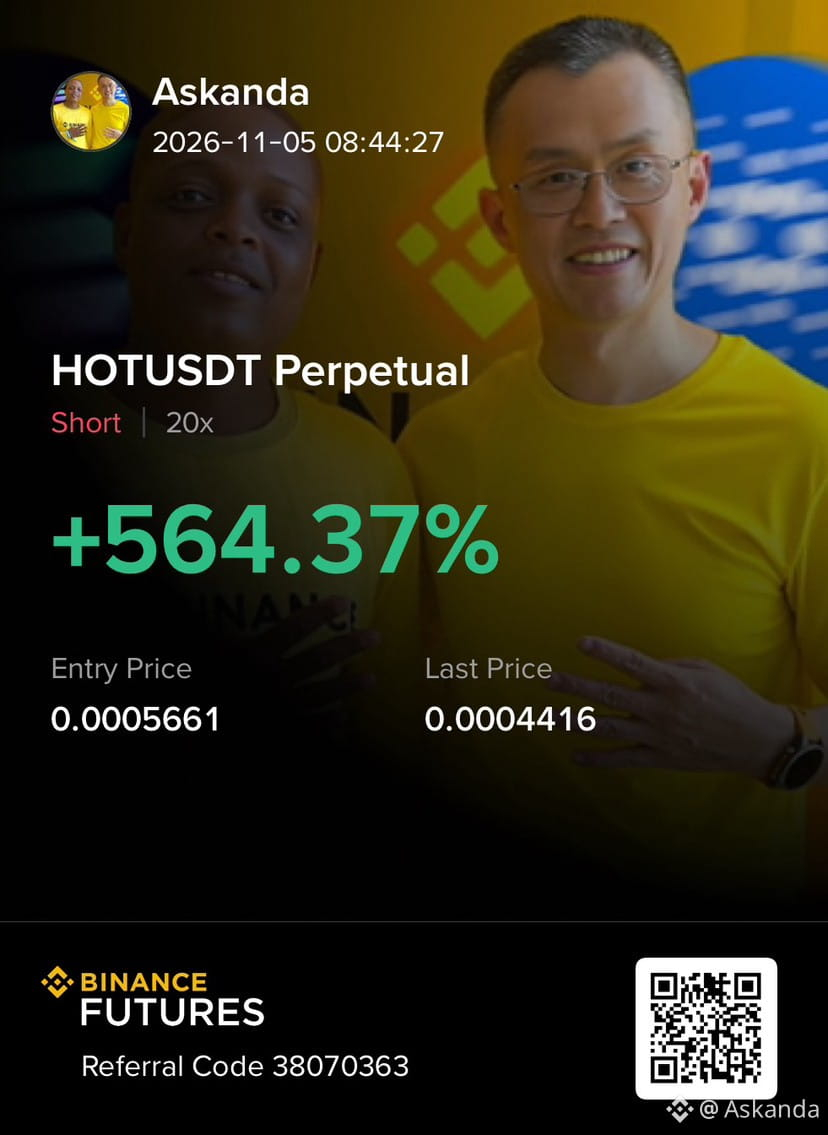
Askanda
·
--
Sell short HOT
High risk
Market Oder
Cross margin
Leverage 20x
Entry: 0.00543
Tp: 000230
Stop loss
0.00687
#BinanceIncidentReport
High risk
Market Oder
Cross margin
Leverage 20x
Entry: 0.00543
Tp: 000230
Stop loss
0.00687
#BinanceIncidentReport
2
800
·
--
Bullish
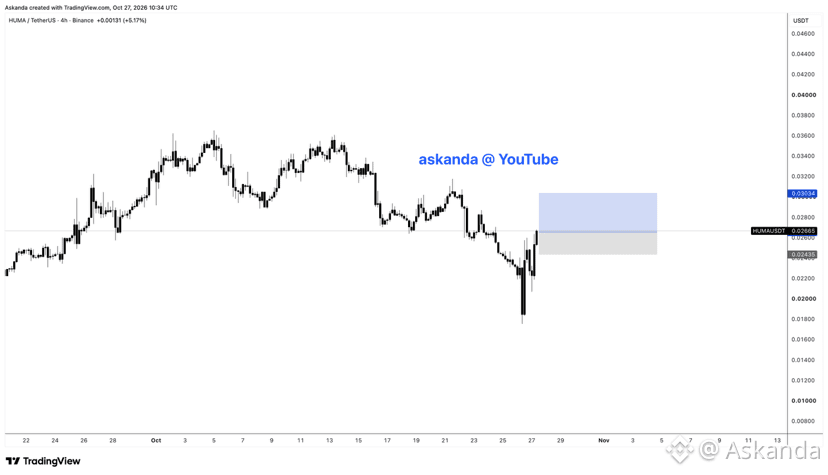
long $HUMA
Follow me for daily trading signals
High risk
Market order Cross
Margin
Leverage 20x
Entry: 0.0267
Tp: 0.03074
Stop loss
0.02435
#askanda #cryptosignals #web3
long $HUMA
Follow me for daily trading signals
High risk
Market order Cross
Margin
Leverage 20x
Entry: 0.0267
Tp: 0.03074
Stop loss
0.02435
#askanda #cryptosignals #web3
Follow me for daily trading signals
High risk
Market order Cross
Margin
Leverage 20x
Entry: 0.0267
Tp: 0.03074
Stop loss
0.02435
#askanda #cryptosignals #web3
1
306
·
--
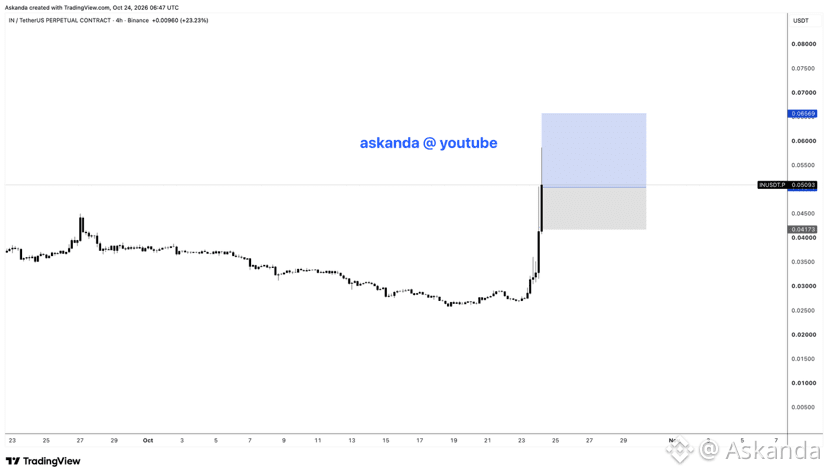
Buy long IN/usdt
High risk
Market order
Cross margin
Leverage 25x
Entry: 0.05078
Tp: 0.0659
Stop loss
0.04173
$IN #signal #askanda
Buy long IN/usdt
High risk
Market order
Cross margin
Leverage 25x
Entry: 0.05078
Tp: 0.0659
Stop loss
0.04173
$IN #signal #askanda
High risk
Market order
Cross margin
Leverage 25x
Entry: 0.05078
Tp: 0.0659
Stop loss
0.04173
$IN #signal #askanda
2
3
588
·
--
Bullish
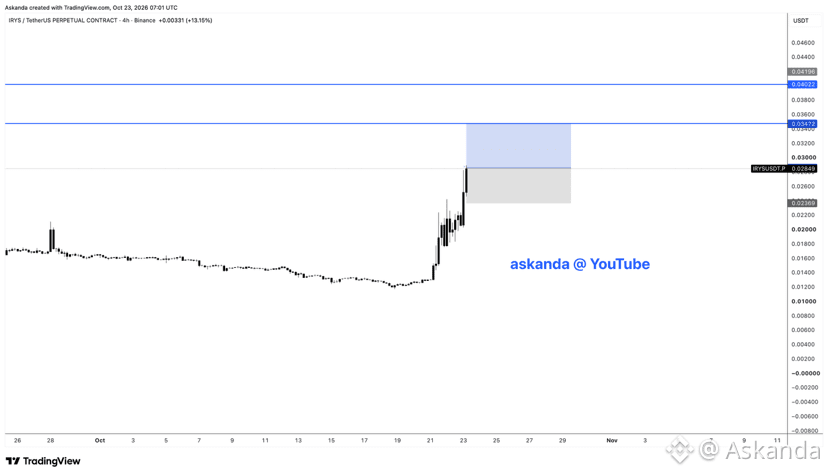
Buy long IRys
High risk
Market order
Cross margin
Leverage 20x
Entry: 0.02844
Tp: 0.3472
Stop loss
0.02369
#askanda #crypto #daytrading
$IRYS
Buy long IRys
High risk
Market order
Cross margin
Leverage 20x
Entry: 0.02844
Tp: 0.3472
Stop loss
0.02369
#askanda #crypto #daytrading
$IRYS
High risk
Market order
Cross margin
Leverage 20x
Entry: 0.02844
Tp: 0.3472
Stop loss
0.02369
#askanda #crypto #daytrading
$IRYS
1
339
·
--
Bearish
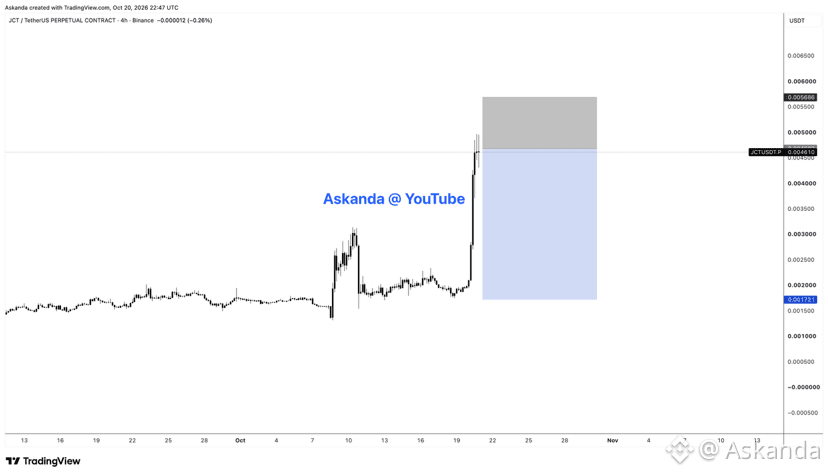
Sell short $JCT
High risk
Market order
Cross margin
Leverage 20x
Entry: 0.004683
Tp: 0.001712
Stop loss
0.006372
#askanda #crypto #daytrading #tradingsignals
Sell short $JCT
High risk
Market order
Cross margin
Leverage 20x
Entry: 0.004683
Tp: 0.001712
Stop loss
0.006372
#askanda #crypto #daytrading #tradingsignals
High risk
Market order
Cross margin
Leverage 20x
Entry: 0.004683
Tp: 0.001712
Stop loss
0.006372
#askanda #crypto #daytrading #tradingsignals
4
942
Log in to explore more content
Join global crypto users on Binance Square
⚡️ Get latest and useful information about crypto.
💬 Trusted by the world’s largest crypto exchange.
👍 Discover real insights from verified creators.
Email / Phone number
Trending Topics
1
#HotCPIDecemberHikePriced
160,663 views
1,777 Discussing
2
#StrategyFaces$2.8BSelloffRiskFromMSCIRemoval
894 views
21 Discussing
3
#AnthropicRejectsIPODelayValuationinQuestion
267,624 views
2,283 Discussing
4
#CanNvidiaEarningsEaseMarketConcerns?
58,094 views
797 Discussing
5
#BitcoinFiveWeeklyLosses
614,935 views
3,804 Discussing
6
#XRPLedger2027RoadmapProposesQuantumResistantSignatures
0 views
0 Discussing
7
#SECEnforcementActionsFall24%InFiscal2026
0 views
1 Discussing
8
#JapanFSAStudyGroupDiscussesDeFiRegulation
400 views
27 Discussing
9
#DeutscheBankLaunchesDigitalAssetCustodyForBTCETH
1,223 views
36 Discussing
10
#TrumpMediaAdds1510BTCInQ3
32,685 views
291 Discussing