

Evgenia Crypto
26k Posts

Evgenia Crypto
Report
Block User
Оперативные торговые сигналы, важные криптоновости и отслеживание крупных движений средств в реальном времени..аналитика креативно и просто.
Open Trade
Frequent Trader
10.8 Months
7 Following
8.1K+ Followers
42.1K+ Liked
Posts
Portfolio
All
Quotes
Live
·
--
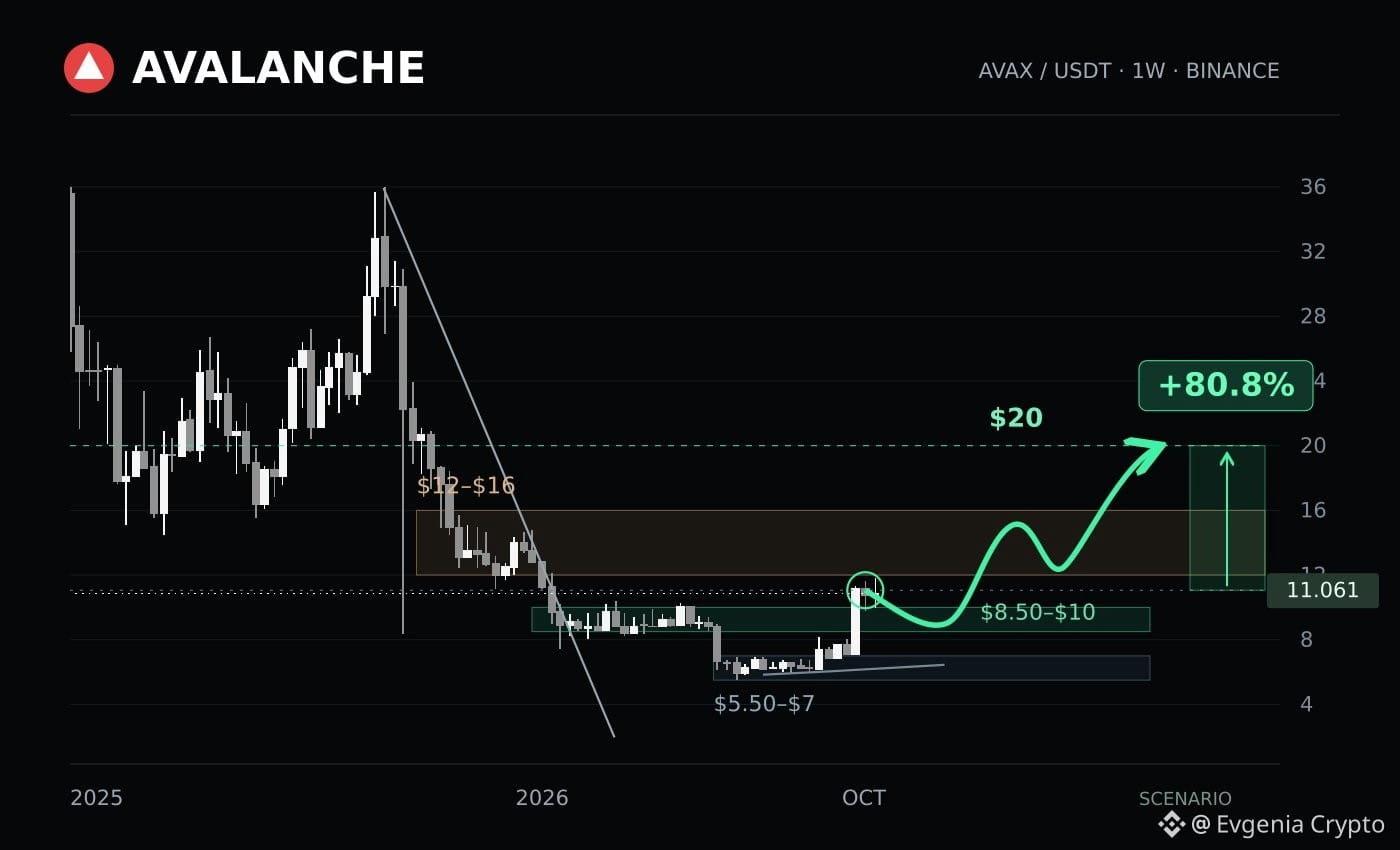
$AVAX finally tries to change history after months of declines.
The first impulse has already appeared, but it’s the next pullback that will show whether these were real buyers or just a short-lived reaction.
The $8.50–10 zone is key for me right now. If it holds, the next interest — $12–16. A weekly close above $16 could open the way to $20.
But a drop below $5.50 completely breaks this idea.
{future}(AVAXUSDT)
$AVAX finally tries to change history after months of declines.
The first impulse has already appeared, but it’s the next pullback that will show whether these were real buyers or just a short-lived reaction.
The $8.50–10 zone is key for me right now. If it holds, the next interest — $12–16. A weekly close above $16 could open the way to $20.
But a drop below $5.50 completely breaks this idea.
The first impulse has already appeared, but it’s the next pullback that will show whether these were real buyers or just a short-lived reaction.
The $8.50–10 zone is key for me right now. If it holds, the next interest — $12–16. A weekly close above $16 could open the way to $20.
But a drop below $5.50 completely breaks this idea.
1
51
·
--
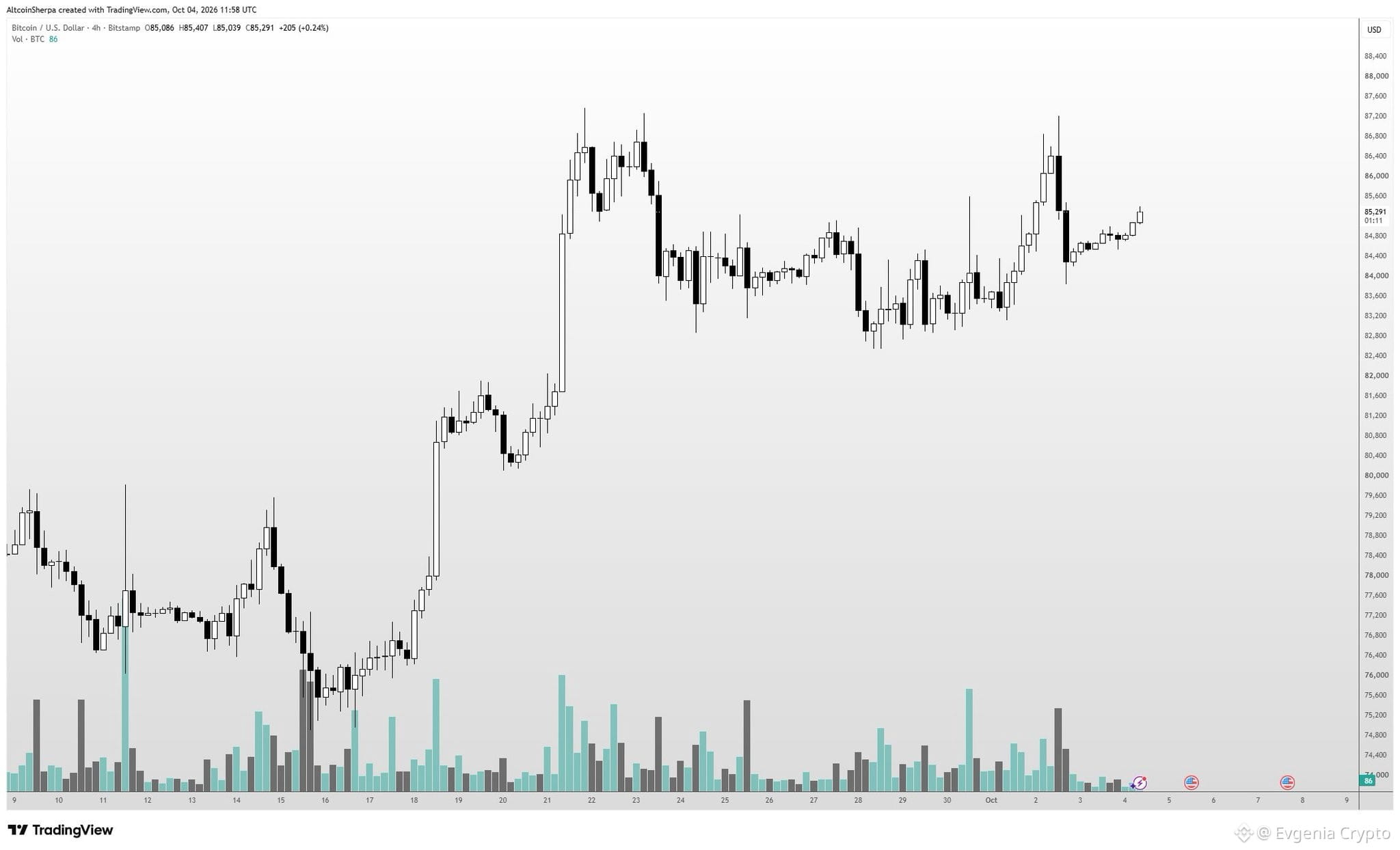
$BTC — oh, I really don’t like this slow, sticky movement.
When the price keeps crawling for so long without any real impulse, I start expecting not continuation, but some kind of sharp burst.
I wouldn’t be surprised if, before the next move, the market pierces the $83K zone again and collects liquidity.
I really hope BTC proves me wrong.
{future}(BTCUSDT)
$BTC — oh, I really don’t like this slow, sticky movement.
When the price keeps crawling for so long without any real impulse, I start expecting not continuation, but some kind of sharp burst.
I wouldn’t be surprised if, before the next move, the market pierces the $83K zone again and collects liquidity.
I really hope BTC proves me wrong.
When the price keeps crawling for so long without any real impulse, I start expecting not continuation, but some kind of sharp burst.
I wouldn’t be surprised if, before the next move, the market pierces the $83K zone again and collects liquidity.
I really hope BTC proves me wrong.
74
·
--
$WLD now looks like a market where it's too easy to invent a story ahead of time.
The pullback from ~$0.62 to ~$0.583 lined up with OI around $663M, and ~1.16M $WLD moved from Binance and OKX to Bithumb. Interesting, but I wouldn’t call it a sell signal: transferring to an exchange doesn’t yet mean sell pressure.
I’m watching $0.570 and $0.5884. Below support is weakness; above the return is again a path to $0.60–0.62.
$WLD now looks like a market where it's too easy to invent a story ahead of time.
The pullback from ~$0.62 to ~$0.583 lined up with OI around $663M, and ~1.16M $WLD moved from Binance and OKX to Bithumb. Interesting, but I wouldn’t call it a sell signal: transferring to an exchange doesn’t yet mean sell pressure.
I’m watching $0.570 and $0.5884. Below support is weakness; above the return is again a path to $0.60–0.62.
The pullback from ~$0.62 to ~$0.583 lined up with OI around $663M, and ~1.16M $WLD moved from Binance and OKX to Bithumb. Interesting, but I wouldn’t call it a sell signal: transferring to an exchange doesn’t yet mean sell pressure.
I’m watching $0.570 and $0.5884. Below support is weakness; above the return is again a path to $0.60–0.62.
34
·
--
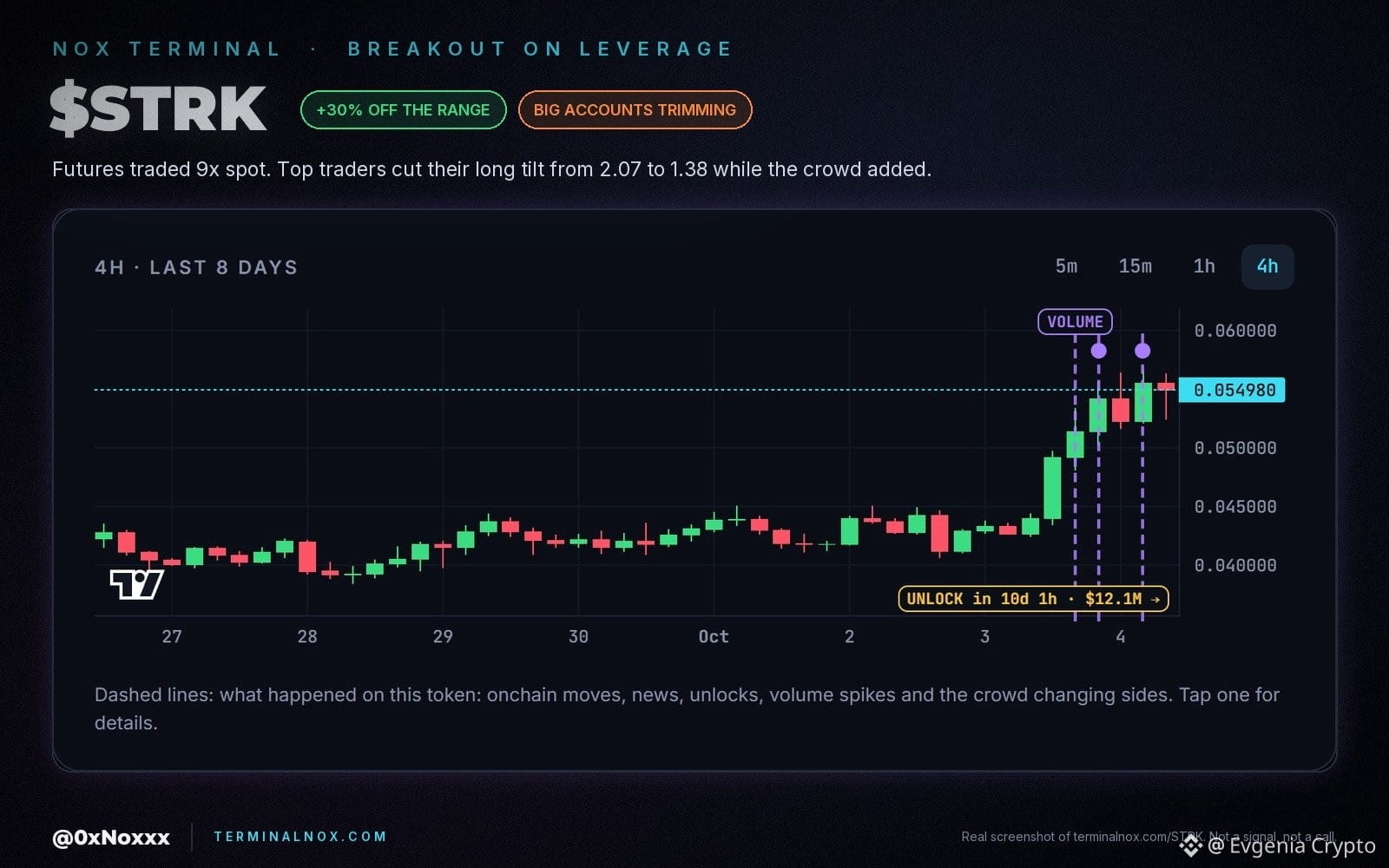
$STRK has moved outside the monthly range, but the move doesn’t look as clear-cut as the chart might suggest.
The price rose by about 30% to $0.055; OI increased by 48%, and futures volume reached $234M versus $25M on the spot.
At the same time, large accounts were cutting longs: L/S 2.07 → 1.38.
The crowd did the opposite: 1.16 → 1.53.
So while the price is going up, big positions are being reduced, while smaller ones keep entering. Now the key is holding the old range and how large players behave.
$STRK has moved outside the monthly range, but the move doesn’t look as clear-cut as the chart might suggest.
The price rose by about 30% to $0.055; OI increased by 48%, and futures volume reached $234M versus $25M on the spot.
At the same time, large accounts were cutting longs: L/S 2.07 → 1.38.
The crowd did the opposite: 1.16 → 1.53.
So while the price is going up, big positions are being reduced, while smaller ones keep entering. Now the key is holding the old range and how large players behave.
The price rose by about 30% to $0.055; OI increased by 48%, and futures volume reached $234M versus $25M on the spot.
At the same time, large accounts were cutting longs: L/S 2.07 → 1.38.
The crowd did the opposite: 1.16 → 1.53.
So while the price is going up, big positions are being reduced, while smaller ones keep entering. Now the key is holding the old range and how large players behave.
2
106
·
--
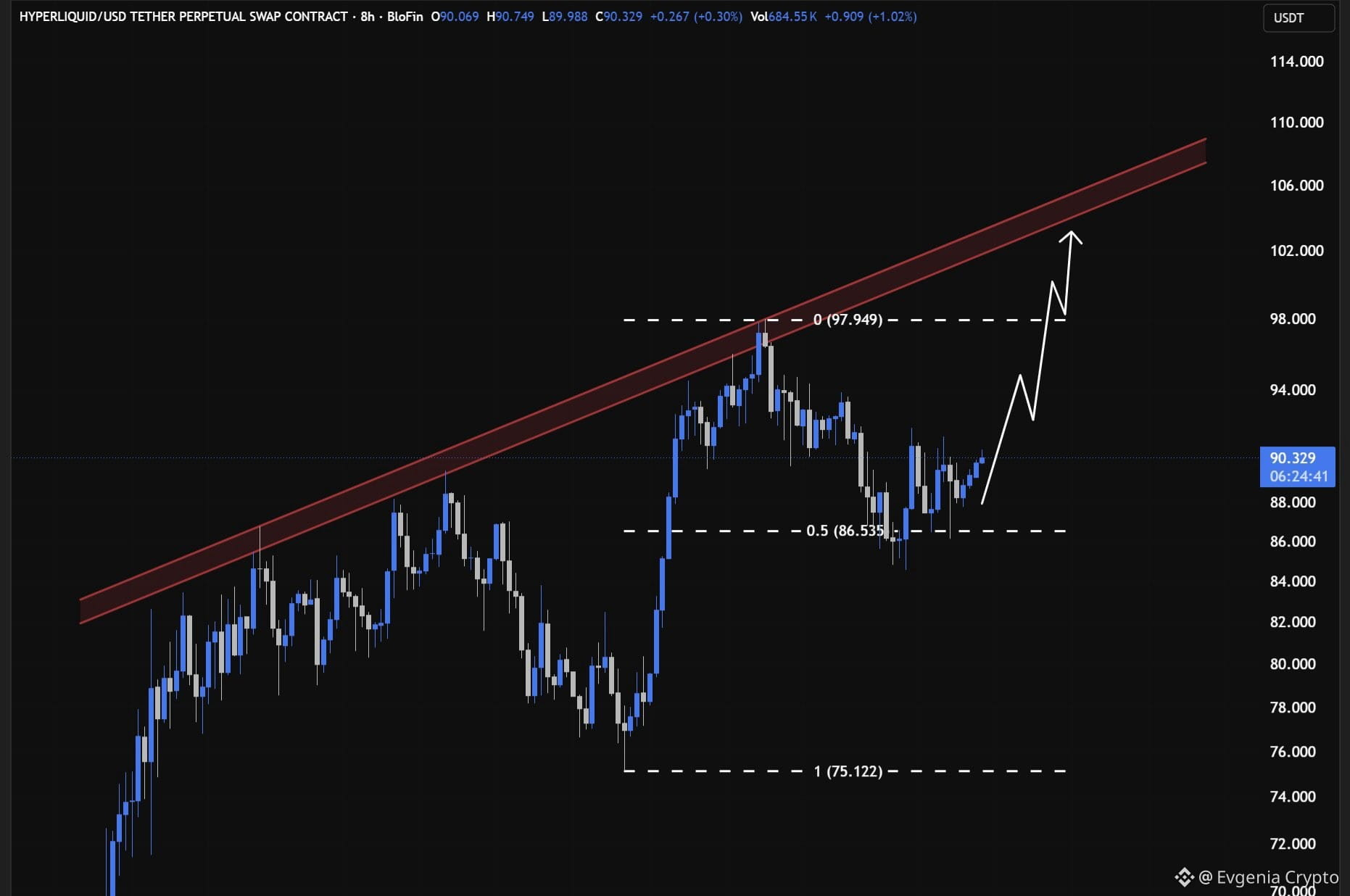
$HYPE finally showed a reaction from an important level.
The $86.50 zone — 50% Fibonacci retracement — held up under pressure, and now the price is starting to form the first signs of recovery.
The main test ahead: $91–91.50. If HYPE confidently takes this zone, the next target becomes $98, and with continued momentum — $102–104.
As long as the price stays above $86.50, the bullish scenario remains valid for me.
{future}(HYPEUSDT)
$HYPE finally showed a reaction from an important level.
The $86.50 zone — 50% Fibonacci retracement — held up under pressure, and now the price is starting to form the first signs of recovery.
The main test ahead: $91–91.50. If HYPE confidently takes this zone, the next target becomes $98, and with continued momentum — $102–104.
As long as the price stays above $86.50, the bullish scenario remains valid for me.
The $86.50 zone — 50% Fibonacci retracement — held up under pressure, and now the price is starting to form the first signs of recovery.
The main test ahead: $91–91.50. If HYPE confidently takes this zone, the next target becomes $98, and with continued momentum — $102–104.
As long as the price stays above $86.50, the bullish scenario remains valid for me.
1
186
·
--
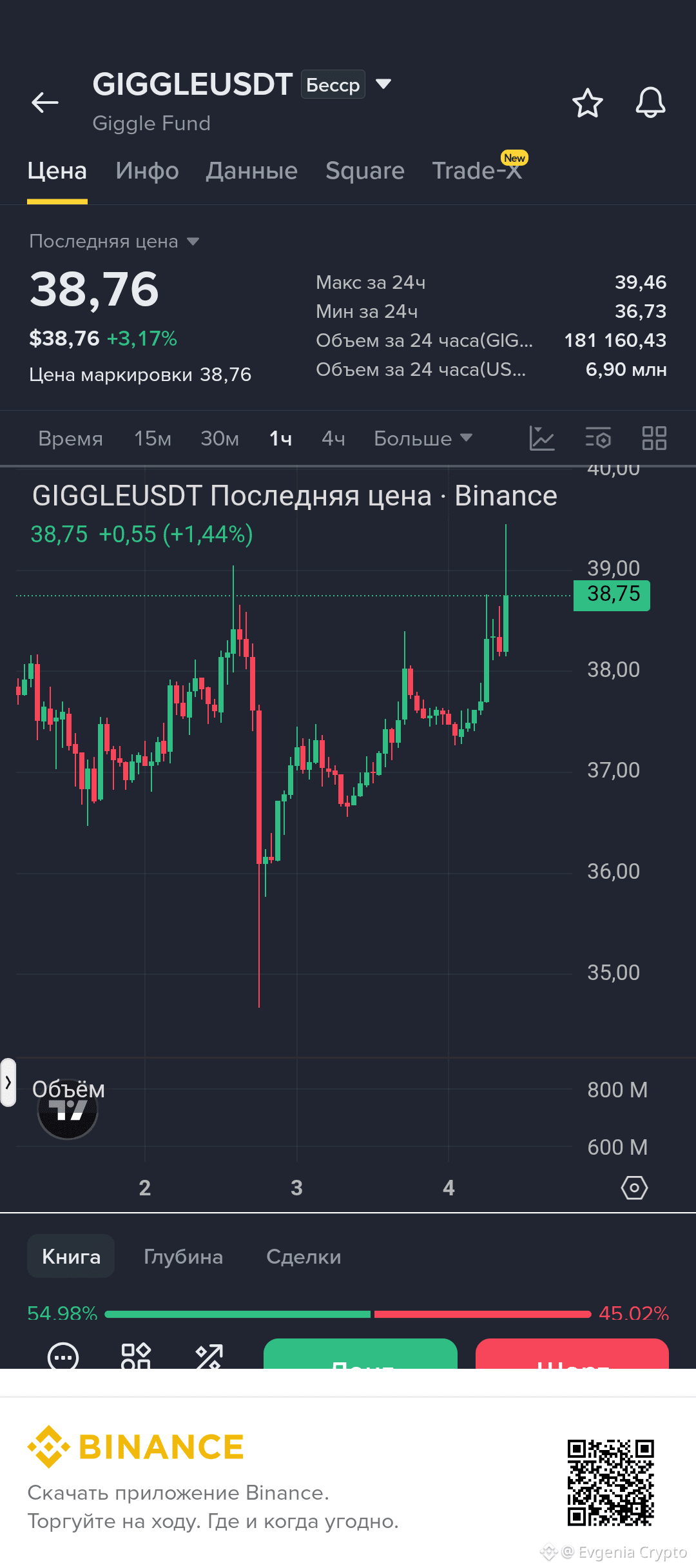
$GIGGLE is pressing the local maximum again.
The price is around $39.29; the momentum remains bullish, but right now the market has run into $39.46–40.00. This is exactly where I would be looking for confirmation of the next move.
As long as $38.50 holds, the advantage remains with the buyers. A close above $40.00 opens the way to $40.50, and then the $42.00 level becomes interesting.
For me, $40 is the key test for continuation.
$GIGGLE is pressing the local maximum again.
The price is around $39.29; the momentum remains bullish, but right now the market has run into $39.46–40.00. This is exactly where I would be looking for confirmation of the next move.
As long as $38.50 holds, the advantage remains with the buyers. A close above $40.00 opens the way to $40.50, and then the $42.00 level becomes interesting.
For me, $40 is the key test for continuation.
The price is around $39.29; the momentum remains bullish, but right now the market has run into $39.46–40.00. This is exactly where I would be looking for confirmation of the next move.
As long as $38.50 holds, the advantage remains with the buyers. A close above $40.00 opens the way to $40.50, and then the $42.00 level becomes interesting.
For me, $40 is the key test for continuation.
128
·
--
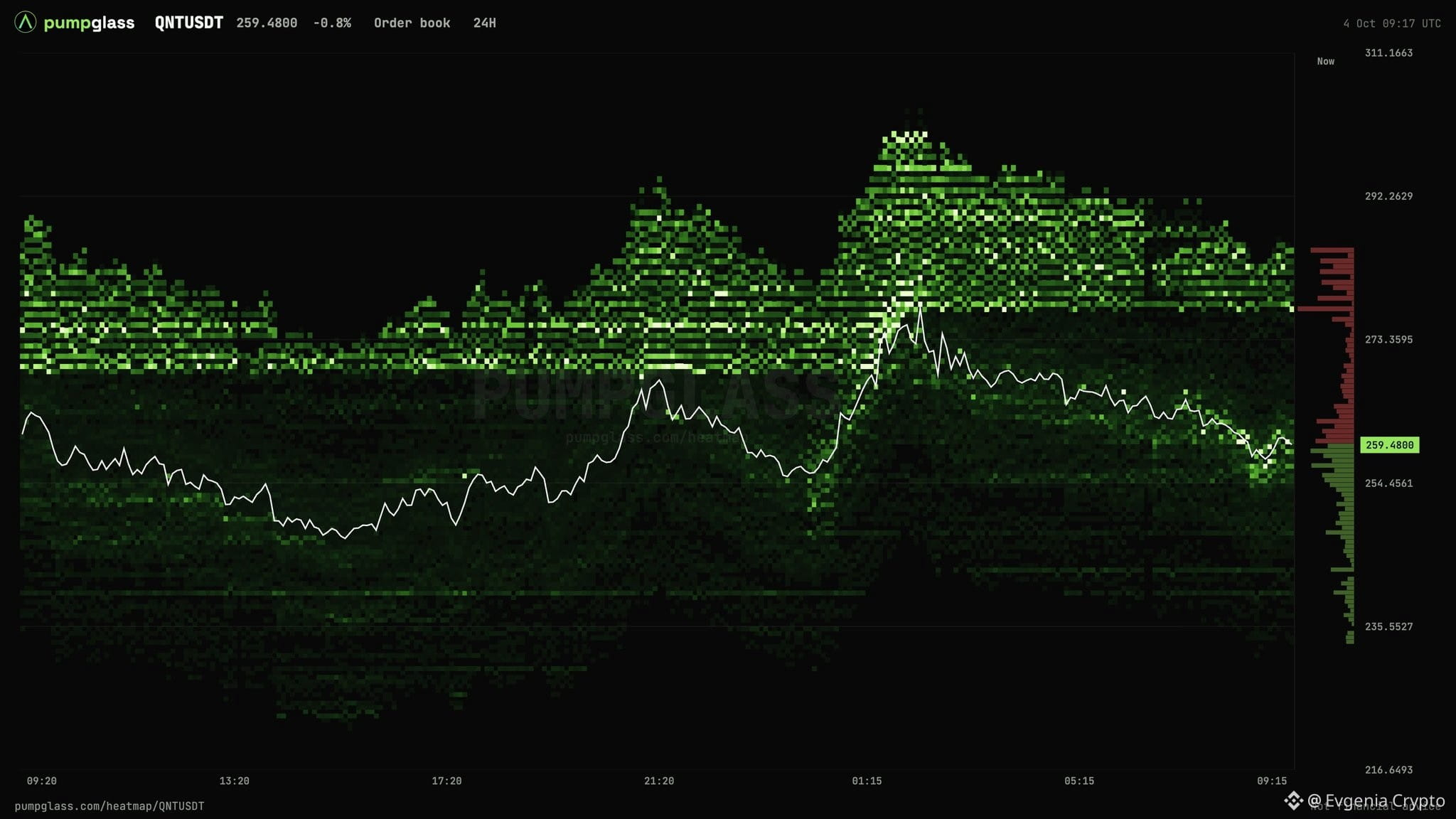
$QNT — the price has already reached the moment where everything will be decided next by the reaction to the levels.
After the bounce $226 → $259, there is a dense sell zone at $277–295 on top.
At night, the price touched its lower boundary and immediately received a rejection, while the order book from below is noticeably thinner.
At the same time, the whales strengthened the longs to $7.41M, reducing the shorts to $4.40M. And the most interesting part— their average entries are almost the same around $246.
Above $277, sellers begin to be absorbed. Below $246, the current bounce loses its meaning. Between them, I would expect a range-bound move.
$QNT — the price has already reached the moment where everything will be decided next by the reaction to the levels.
After the bounce $226 → $259, there is a dense sell zone at $277–295 on top.
At night, the price touched its lower boundary and immediately received a rejection, while the order book from below is noticeably thinner.
At the same time, the whales strengthened the longs to $7.41M, reducing the shorts to $4.40M. And the most interesting part— their average entries are almost the same around $246.
Above $277, sellers begin to be absorbed. Below $246, the current bounce loses its meaning. Between them, I would expect a range-bound move.
After the bounce $226 → $259, there is a dense sell zone at $277–295 on top.
At night, the price touched its lower boundary and immediately received a rejection, while the order book from below is noticeably thinner.
At the same time, the whales strengthened the longs to $7.41M, reducing the shorts to $4.40M. And the most interesting part— their average entries are almost the same around $246.
Above $277, sellers begin to be absorbed. Below $246, the current bounce loses its meaning. Between them, I would expect a range-bound move.
193
·
--
$PUMP rose by about 16%, the funding rate turned negative, but the price is still less than 3% below the 24-hour high.
The spot price is around $0.006394; the 24-hour high is $0.006589, the low is $0.005422; the range is about 21.5%. Trading volume is around $13.1 million.
The data shows that the notional value of open positions in perpetual contracts is about $46.16 million; the current funding rate is roughly -0.0024%, and the perpetuals price is almost the same as the spot price. As the price rises, long positions in the contracts do not pay noticeably more, which suggests the presence of positions against the trend.
My view: in this rally there are still conditions for position squeezing, but a negative funding rate does not guarantee continued upside. The most common mistake is buying during an upswing when the price is close to the maximum; if the breakout fails, high leverage will intensify the pullback.
Next, keep an eye on the levels $0.006589 and $0.005777. If the previous high is breached, the funding rate will remain negative and open positions will stay in place; the risk of a squeeze could increase.
$PUMP rose by about 16%, the funding rate turned negative, but the price is still less than 3% below the 24-hour high.
The spot price is around $0.006394; the 24-hour high is $0.006589, the low is $0.005422; the range is about 21.5%. Trading volume is around $13.1 million.
The data shows that the notional value of open positions in perpetual contracts is about $46.16 million; the current funding rate is roughly -0.0024%, and the perpetuals price is almost the same as the spot price. As the price rises, long positions in the contracts do not pay noticeably more, which suggests the presence of positions against the trend.
My view: in this rally there are still conditions for position squeezing, but a negative funding rate does not guarantee continued upside. The most common mistake is buying during an upswing when the price is close to the maximum; if the breakout fails, high leverage will intensify the pullback.
Next, keep an eye on the levels $0.006589 and $0.005777. If the previous high is breached, the funding rate will remain negative and open positions will stay in place; the risk of a squeeze could increase.
The spot price is around $0.006394; the 24-hour high is $0.006589, the low is $0.005422; the range is about 21.5%. Trading volume is around $13.1 million.
The data shows that the notional value of open positions in perpetual contracts is about $46.16 million; the current funding rate is roughly -0.0024%, and the perpetuals price is almost the same as the spot price. As the price rises, long positions in the contracts do not pay noticeably more, which suggests the presence of positions against the trend.
My view: in this rally there are still conditions for position squeezing, but a negative funding rate does not guarantee continued upside. The most common mistake is buying during an upswing when the price is close to the maximum; if the breakout fails, high leverage will intensify the pullback.
Next, keep an eye on the levels $0.006589 and $0.005777. If the previous high is breached, the funding rate will remain negative and open positions will stay in place; the risk of a squeeze could increase.
1
190
·
--
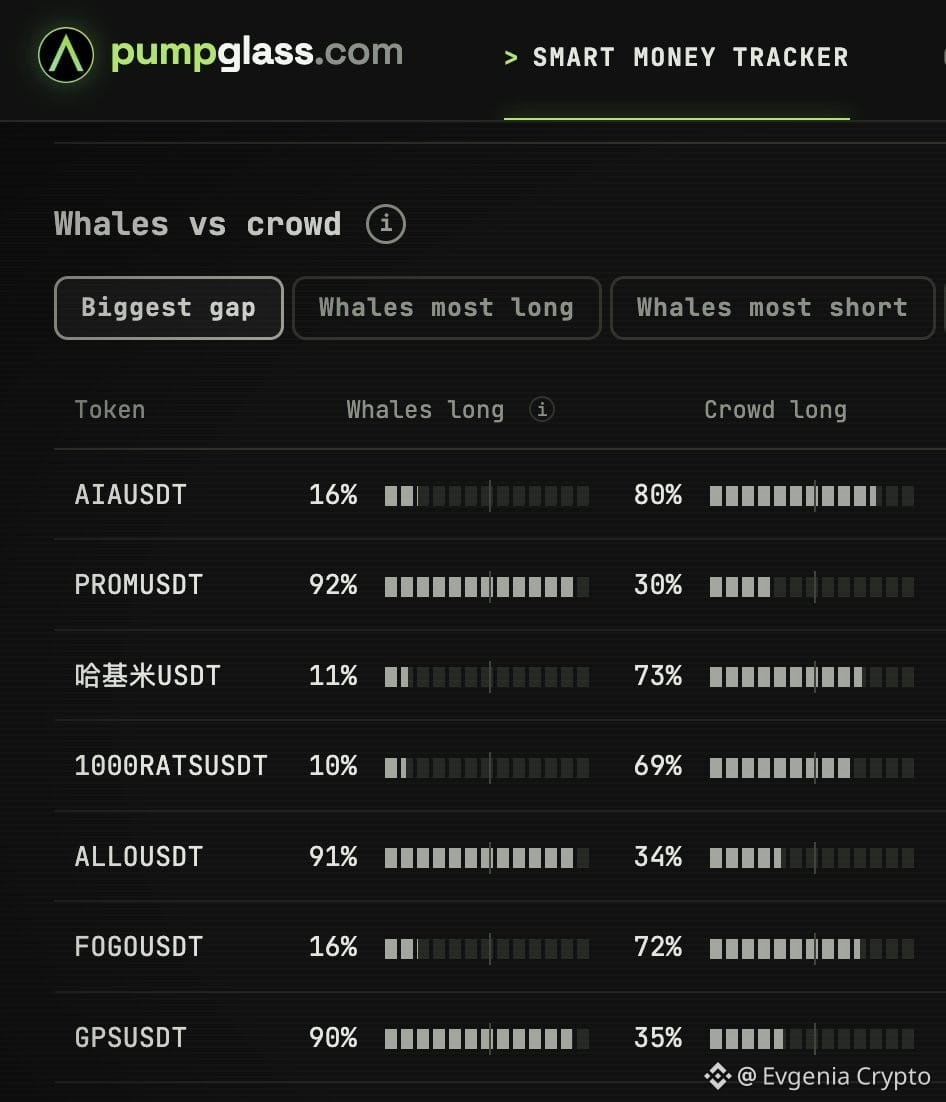
On Binance Futures, there are currently several quite sharp divergences between whales’ positions and the crowd’s positions.
$AIA — 84% short among whales versus 80% long among the crowd.
$PROM — 92% long versus 70% short.
$哈基米 — 89% short versus 73% long.
$1000RATS — 90% short versus 69% long.
$ALLO — 91% long versus 66% short.
When both sides of the market see an asset so differently, I’m most interested in watching who will be wrong first.
On Binance Futures, there are currently several quite sharp divergences between whales’ positions and the crowd’s positions.
$AIA — 84% short among whales versus 80% long among the crowd.
$PROM — 92% long versus 70% short.
$哈基米 — 89% short versus 73% long.
$1000RATS — 90% short versus 69% long.
$ALLO — 91% long versus 66% short.
When both sides of the market see an asset so differently, I’m most interested in watching who will be wrong first.
$AIA — 84% short among whales versus 80% long among the crowd.
$PROM — 92% long versus 70% short.
$哈基米 — 89% short versus 73% long.
$1000RATS — 90% short versus 69% long.
$ALLO — 91% long versus 66% short.
When both sides of the market see an asset so differently, I’m most interested in watching who will be wrong first.
2
1
2
128
·
--
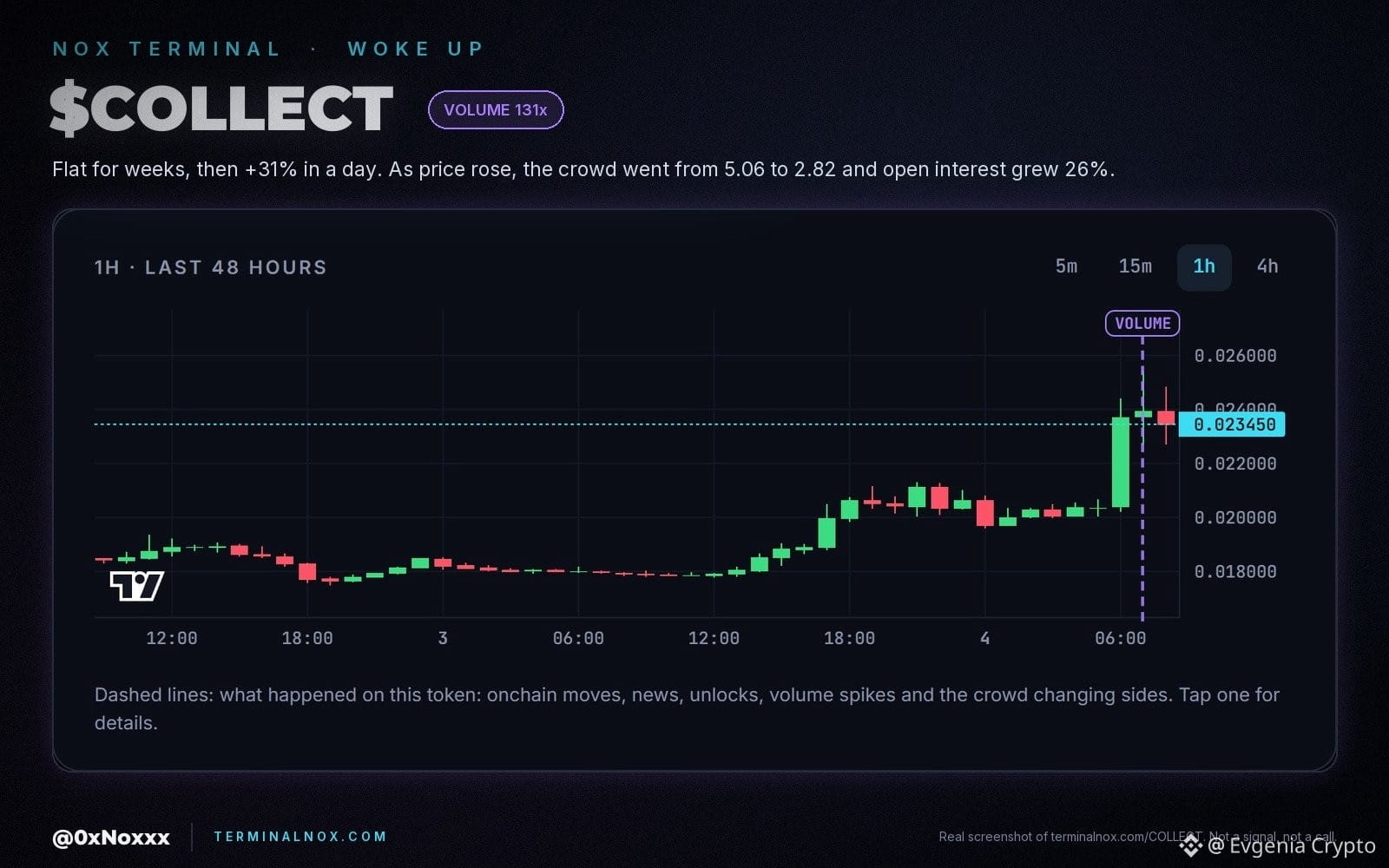
$COLLECT finally woke up 🤔🤔‼️‼️
For several weeks, the price hovered around $0.018 with a normal volume of $1–3M per day.
Now +31% in 24 hours and $24M in volume. Today there was a moment when, in 10 minutes, they traded 131 times the usual amount.
But the most interesting part is positioning. OI rose by 26%, while the crowd’s L/S fell from 5.06 to 2.82.
It looks like new positions are increasingly being opened against the uptrend. Meanwhile, the top traders are staying long with an L/S of 1.56.
$0.0227 is my key level. If it holds, shorts could become fuel for the continuation.
If it fails, the structure will deteriorate sharply.
$COLLECT finally woke up 🤔🤔‼️‼️
For several weeks, the price hovered around $0.018 with a normal volume of $1–3M per day.
Now +31% in 24 hours and $24M in volume. Today there was a moment when, in 10 minutes, they traded 131 times the usual amount.
But the most interesting part is positioning. OI rose by 26%, while the crowd’s L/S fell from 5.06 to 2.82.
It looks like new positions are increasingly being opened against the uptrend. Meanwhile, the top traders are staying long with an L/S of 1.56.
$0.0227 is my key level. If it holds, shorts could become fuel for the continuation.
If it fails, the structure will deteriorate sharply.
For several weeks, the price hovered around $0.018 with a normal volume of $1–3M per day.
Now +31% in 24 hours and $24M in volume. Today there was a moment when, in 10 minutes, they traded 131 times the usual amount.
But the most interesting part is positioning. OI rose by 26%, while the crowd’s L/S fell from 5.06 to 2.82.
It looks like new positions are increasingly being opened against the uptrend. Meanwhile, the top traders are staying long with an L/S of 1.56.
$0.0227 is my key level. If it holds, shorts could become fuel for the continuation.
If it fails, the structure will deteriorate sharply.
241
·
--
Direction $LTC appears favorable, but trading volume calls this trend into question.
At the moment, the trading volume over the past 1 hour is only 0.39 of the average volume from the previous 20 candles, while the 1-hour and 4-hour timeframes show strength.
The direction seems aligned, but participation is low; a breakout without volume support often needs confirmation from the next candle.
Current price is 70.73, which is about 3.08% above the 1-hour support level of 68.55 and 0.21% below resistance at 70.88.
Here, there isn’t enough evidence to confidently guess the direction—what’s needed is a real, sustained breakout of the price boundaries.
My key reference points are clear: a hold above and maintenance of the 70.88 level will return control in the short term; a break below 68.55 will shift attention to the 4-hour support at 65.63. If the resistance overhead remains, the 4-hour resistance at 71.36 is currently only a distant reference point, not a target.
To track this move, just remember the levels 70.88 and 68.55. Next time, I’ll come back to check whether the market disproves my assumptions.
When direction and lack of volume conflict, what do you trust more?
{future}(LTCUSDT)
Direction $LTC appears favorable, but trading volume calls this trend into question.
At the moment, the trading volume over the past 1 hour is only 0.39 of the average volume from the previous 20 candles, while the 1-hour and 4-hour timeframes show strength.
The direction seems aligned, but participation is low; a breakout without volume support often needs confirmation from the next candle.
Current price is 70.73, which is about 3.08% above the 1-hour support level of 68.55 and 0.21% below resistance at 70.88.
Here, there isn’t enough evidence to confidently guess the direction—what’s needed is a real, sustained breakout of the price boundaries.
My key reference points are clear: a hold above and maintenance of the 70.88 level will return control in the short term; a break below 68.55 will shift attention to the 4-hour support at 65.63. If the resistance overhead remains, the 4-hour resistance at 71.36 is currently only a distant reference point, not a target.
To track this move, just remember the levels 70.88 and 68.55. Next time, I’ll come back to check whether the market disproves my assumptions.
When direction and lack of volume conflict, what do you trust more?
At the moment, the trading volume over the past 1 hour is only 0.39 of the average volume from the previous 20 candles, while the 1-hour and 4-hour timeframes show strength.
The direction seems aligned, but participation is low; a breakout without volume support often needs confirmation from the next candle.
Current price is 70.73, which is about 3.08% above the 1-hour support level of 68.55 and 0.21% below resistance at 70.88.
Here, there isn’t enough evidence to confidently guess the direction—what’s needed is a real, sustained breakout of the price boundaries.
My key reference points are clear: a hold above and maintenance of the 70.88 level will return control in the short term; a break below 68.55 will shift attention to the 4-hour support at 65.63. If the resistance overhead remains, the 4-hour resistance at 71.36 is currently only a distant reference point, not a target.
To track this move, just remember the levels 70.88 and 68.55. Next time, I’ll come back to check whether the market disproves my assumptions.
When direction and lack of volume conflict, what do you trust more?
1
183
·
--
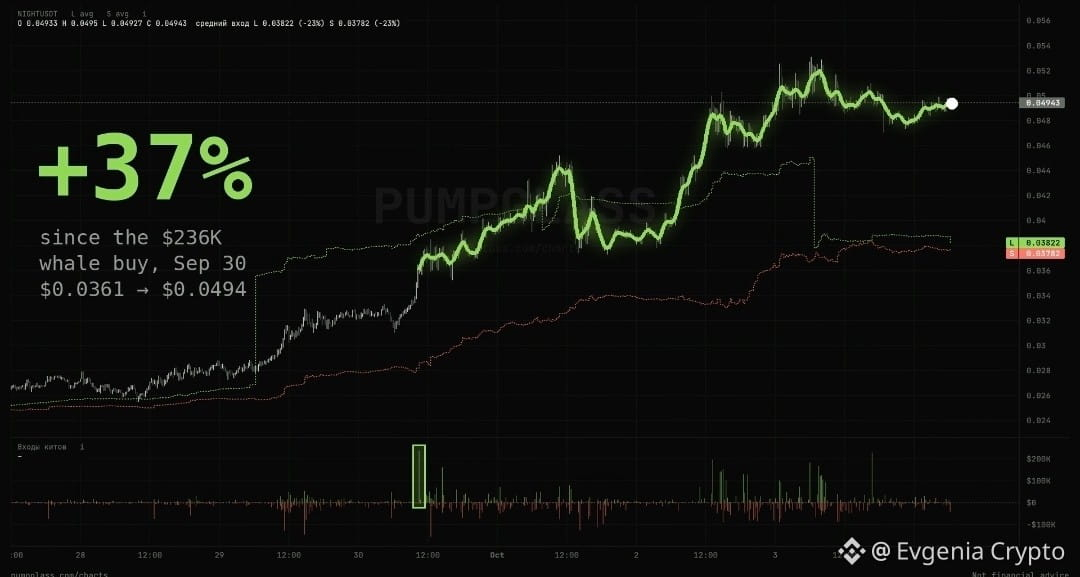
$NIGHT continues to show why I pay close attention not only to the price, but also to who exactly is moving the market.
On September 30, a major purchase worth $236K set the motion in motion, after which the price added already 37%.
Over the week, the share of whale longs grew from 39% to 68%, while the crowd reduced longs from 60% to 50%. Now there is $5.68M in longs versus $2.66M in shorts.
As long as $0.047 isn’t surrendered, pressure on shorts remains.
{future}(NIGHTUSDT)
$NIGHT continues to show why I pay close attention not only to the price, but also to who exactly is moving the market.
On September 30, a major purchase worth $236K set the motion in motion, after which the price added already 37%.
Over the week, the share of whale longs grew from 39% to 68%, while the crowd reduced longs from 60% to 50%. Now there is $5.68M in longs versus $2.66M in shorts.
As long as $0.047 isn’t surrendered, pressure on shorts remains.
On September 30, a major purchase worth $236K set the motion in motion, after which the price added already 37%.
Over the week, the share of whale longs grew from 39% to 68%, while the crowd reduced longs from 60% to 50%. Now there is $5.68M in longs versus $2.66M in shorts.
As long as $0.047 isn’t surrendered, pressure on shorts remains.
1
153
·
--
Verified
$PUMP — it seems the era of paid spam money is starting to end.
Pump is changing the mechanics of the $15M Callout Rewards: the more posts there are, the less return you get from each subsequent one.
Now it’s more important not how many mentions there are, but the quality of the recommendation and the real trading activity it creates.
And this is where it gets interesting: will paid crypto posts ever be able to truly earn traders’ trust?
$PUMP — it seems the era of paid spam money is starting to end.
Pump is changing the mechanics of the $15M Callout Rewards: the more posts there are, the less return you get from each subsequent one.
Now it’s more important not how many mentions there are, but the quality of the recommendation and the real trading activity it creates.
And this is where it gets interesting: will paid crypto posts ever be able to truly earn traders’ trust?
Pump is changing the mechanics of the $15M Callout Rewards: the more posts there are, the less return you get from each subsequent one.
Now it’s more important not how many mentions there are, but the quality of the recommendation and the real trading activity it creates.
And this is where it gets interesting: will paid crypto posts ever be able to truly earn traders’ trust?

654
·
--
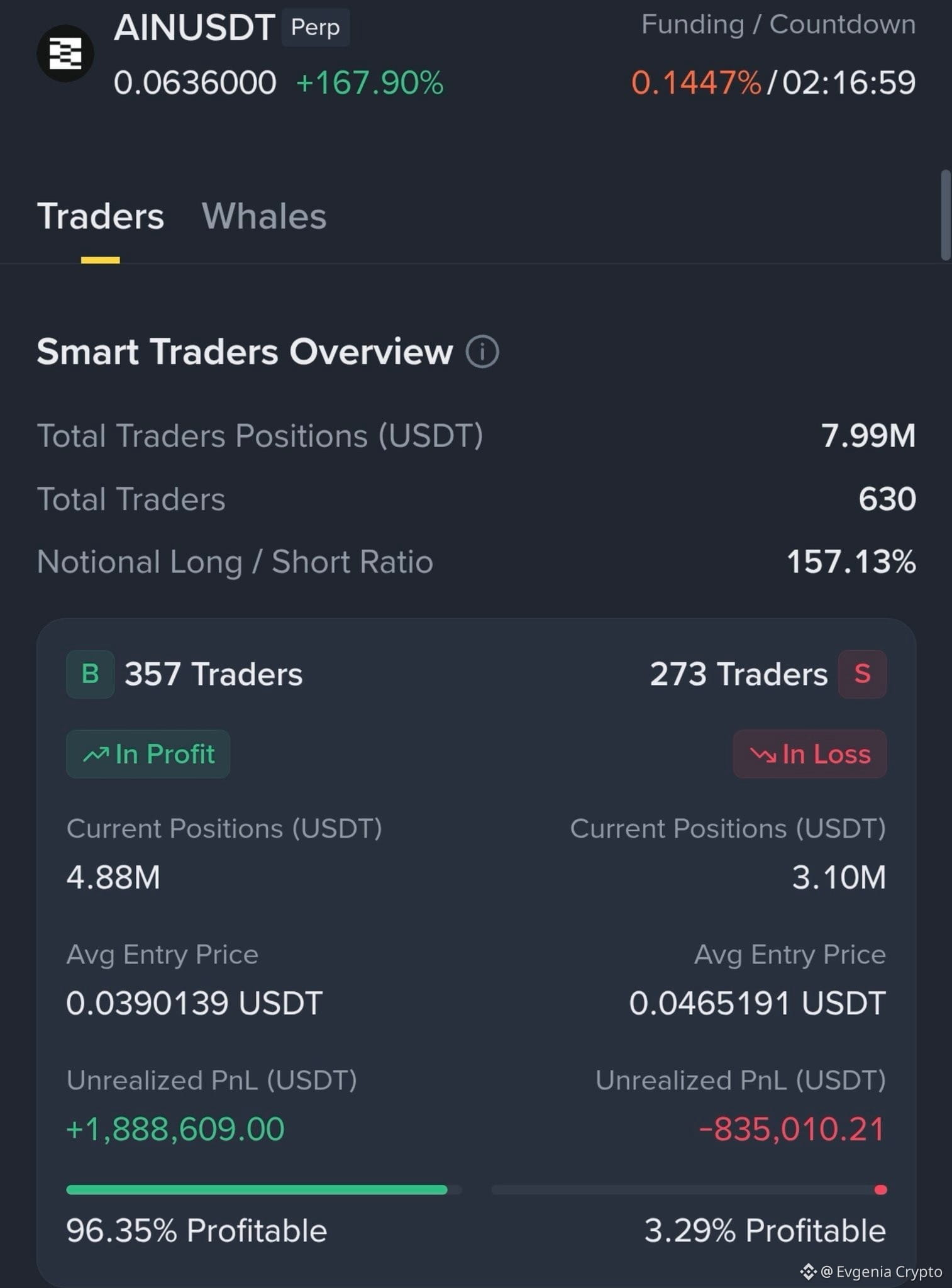
$AIN just moved from the breakout phase into a much more interesting stage.
$0.0636, nearly $4.9M in longs, funding +0.1447%, and 96.35% of long positions remain profitable. This is no longer just a bullish setup — it’s a serious skew.
The breakout upward has happened. Now I’d like to see whether the price will hold the momentum, or whether the market will first shake out those who got into longs a bit too confidently.
$AIN just moved from the breakout phase into a much more interesting stage.
$0.0636, nearly $4.9M in longs, funding +0.1447%, and 96.35% of long positions remain profitable. This is no longer just a bullish setup — it’s a serious skew.
The breakout upward has happened. Now I’d like to see whether the price will hold the momentum, or whether the market will first shake out those who got into longs a bit too confidently.
$0.0636, nearly $4.9M in longs, funding +0.1447%, and 96.35% of long positions remain profitable. This is no longer just a bullish setup — it’s a serious skew.
The breakout upward has happened. Now I’d like to see whether the price will hold the momentum, or whether the market will first shake out those who got into longs a bit too confidently.
205
·
--
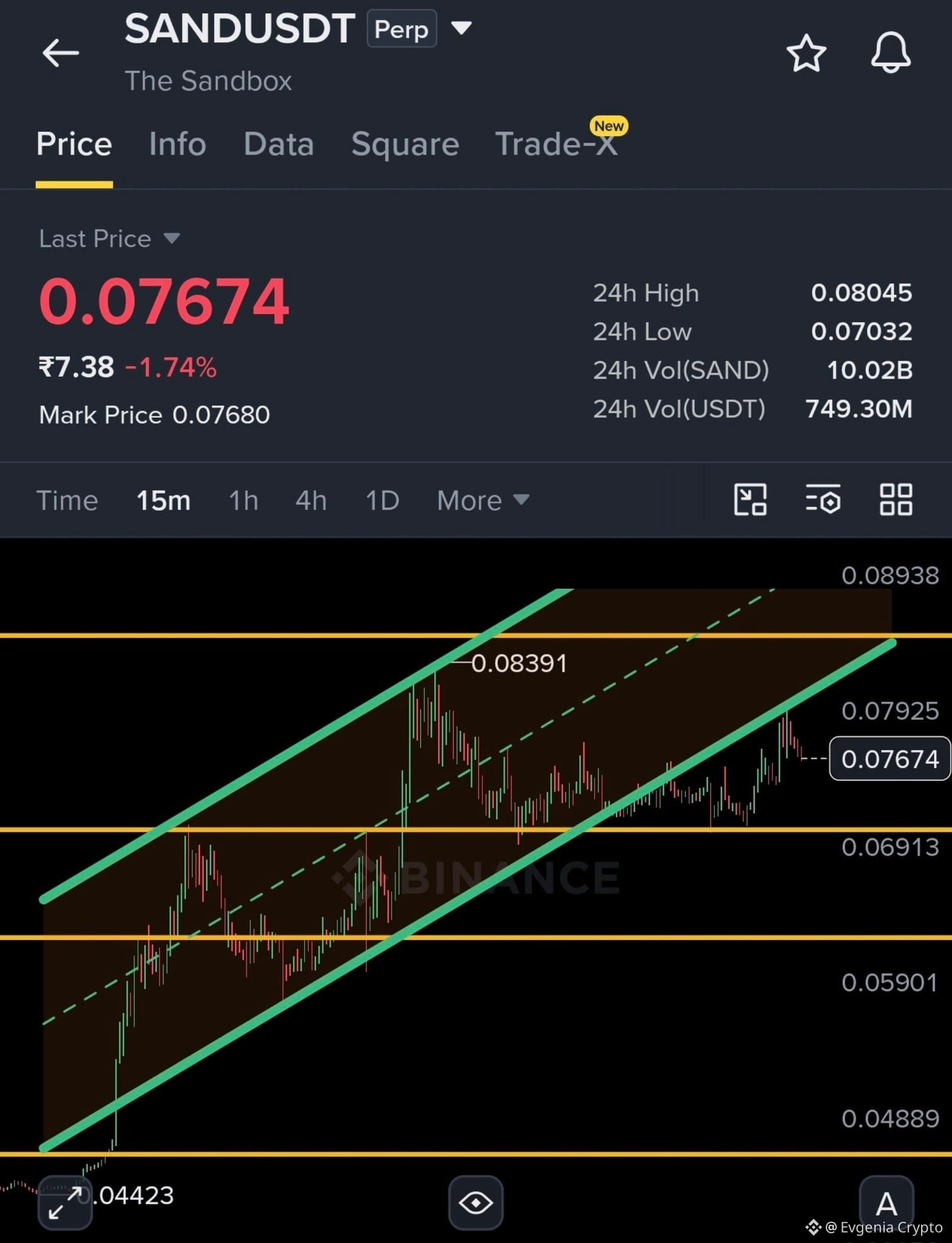
$SAND now looks calm, but the structure has already changed.
The ascending channel has been broken to the downside. The price is consolidating below the former lower boundary, so I now consider it resistance.
Entry: $0.078
The main check is $0.0712. Losing this level could pave the way to $0.066 and then $0.063.
To break the bearish scenario, I need a confident 1H/4H close above $0.085.
{future}(SANDUSDT)
$SAND now looks calm, but the structure has already changed.
The ascending channel has been broken to the downside. The price is consolidating below the former lower boundary, so I now consider it resistance.
Entry: $0.078
The main check is $0.0712. Losing this level could pave the way to $0.066 and then $0.063.
To break the bearish scenario, I need a confident 1H/4H close above $0.085.
The ascending channel has been broken to the downside. The price is consolidating below the former lower boundary, so I now consider it resistance.
Entry: $0.078
The main check is $0.0712. Losing this level could pave the way to $0.066 and then $0.063.
To break the bearish scenario, I need a confident 1H/4H close above $0.085.
1
175
·
--
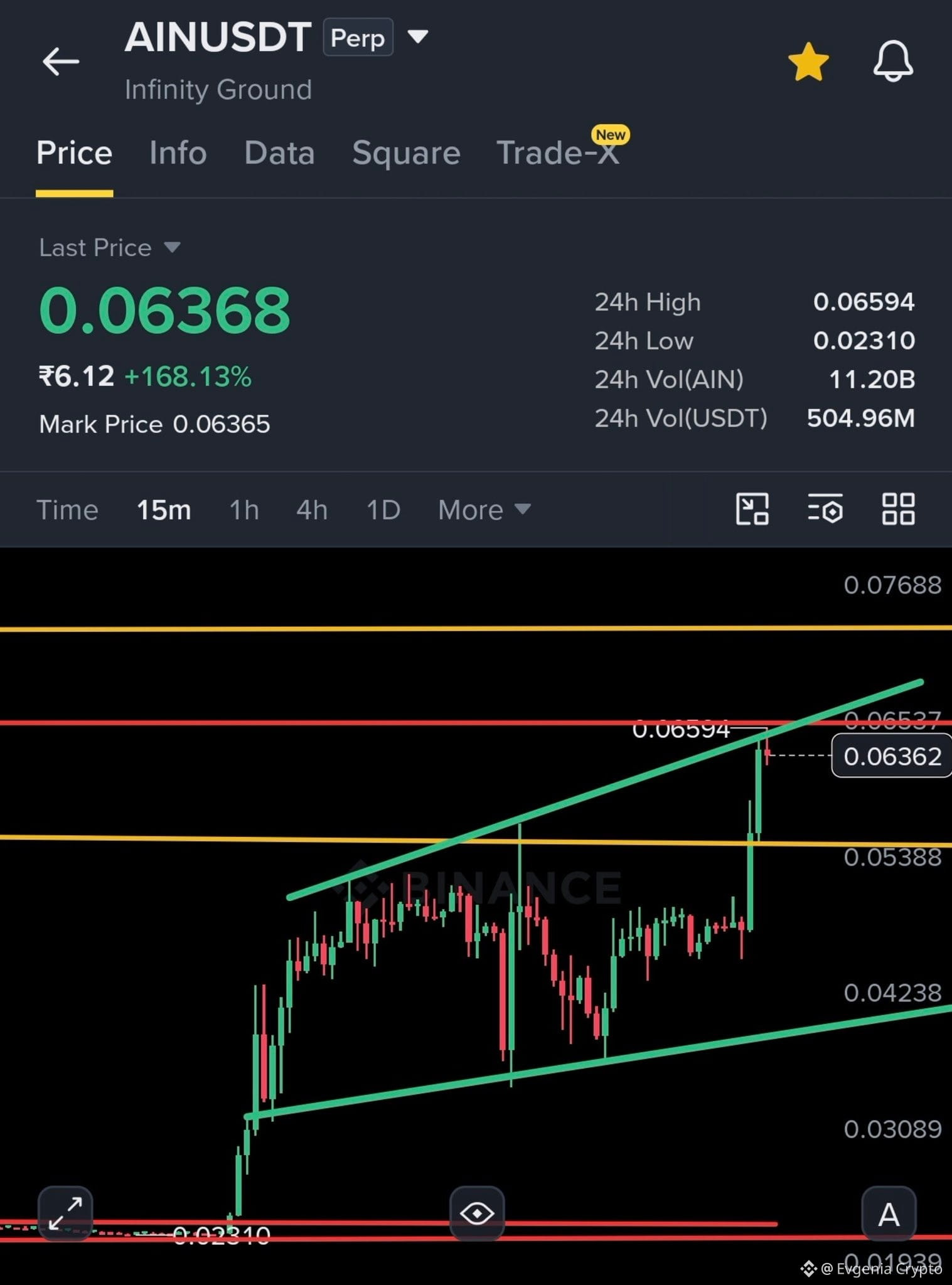
$AIN has arrived at the spot where growth may meet serious resistance.
The upper boundary of the channel is currently running near $0.066, and above that there is a more important zone at $0.074.
If the price gets a rejection again, my downside scenario looks like this:
$0.056 → $0.050 → $0.041
But a confident close above $0.074 will make me completely rethink the idea of a short.
I don’t chase the pump. I’m waiting for the moment when the market itself shows weakness.
{future}(AINUSDT)
$AIN has arrived at the spot where growth may meet serious resistance.
The upper boundary of the channel is currently running near $0.066, and above that there is a more important zone at $0.074.
If the price gets a rejection again, my downside scenario looks like this:
$0.056 → $0.050 → $0.041
But a confident close above $0.074 will make me completely rethink the idea of a short.
I don’t chase the pump. I’m waiting for the moment when the market itself shows weakness.
The upper boundary of the channel is currently running near $0.066, and above that there is a more important zone at $0.074.
If the price gets a rejection again, my downside scenario looks like this:
$0.056 → $0.050 → $0.041
But a confident close above $0.074 will make me completely rethink the idea of a short.
I don’t chase the pump. I’m waiting for the moment when the market itself shows weakness.
1
253
·
--
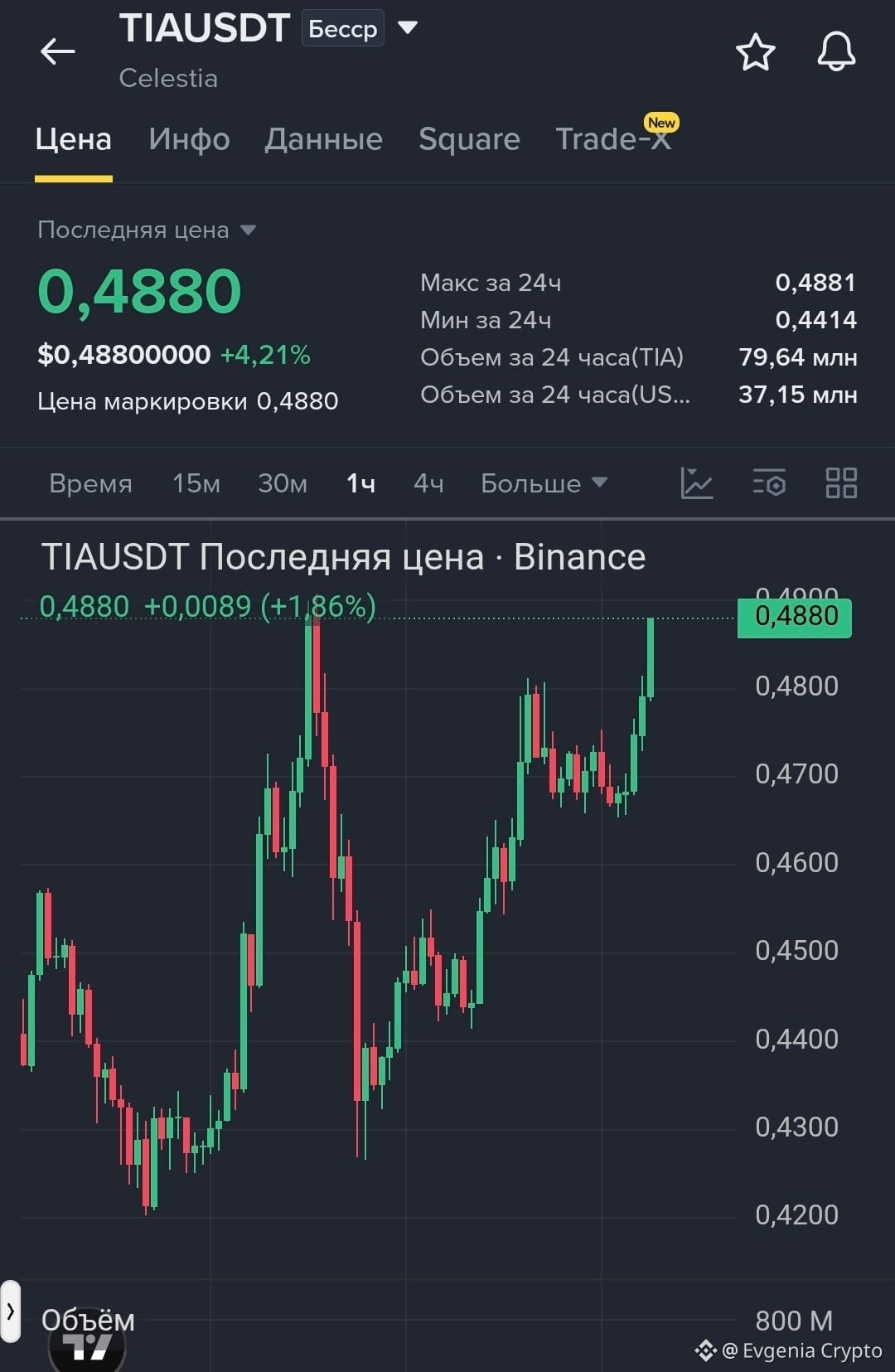
$TIA has approached again the level where the chart should determine its next direction.
After recovering from $0.42, the price returned to the $0.490–0.495 zone. The momentum looks bullish, but this is exactly where sellers may try to stop the move.
$0.478 is the nearest support, while $0.463 is the key zone below.
If $TIA confidently takes $0.49 and holds the level on a retest, my next target would be $0.50, and then $0.515–0.520.
$TIA has approached again the level where the chart should determine its next direction.
After recovering from $0.42, the price returned to the $0.490–0.495 zone. The momentum looks bullish, but this is exactly where sellers may try to stop the move.
$0.478 is the nearest support, while $0.463 is the key zone below.
If $TIA confidently takes $0.49 and holds the level on a retest, my next target would be $0.50, and then $0.515–0.520.
After recovering from $0.42, the price returned to the $0.490–0.495 zone. The momentum looks bullish, but this is exactly where sellers may try to stop the move.
$0.478 is the nearest support, while $0.463 is the key zone below.
If $TIA confidently takes $0.49 and holds the level on a retest, my next target would be $0.50, and then $0.515–0.520.
161
·
--
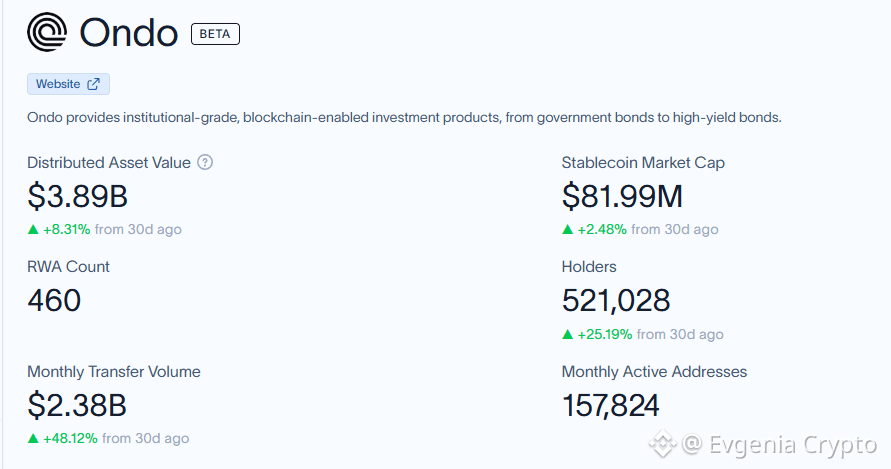
$ONDO — The RWA story continues to gain momentum.
According to RWA data, the volume of tokenized assets tracked on $ONDO has grown to $3.89 billion—up 8.31% just over the month.
But even more interesting is the transfer dynamics: the monthly volume jumped 48.12% and reached $2.38 billion.
I really like looking at numbers like these. The price may be flat, but if real usage keeps growing, the foundation behind the move becomes stronger and stronger.
$ONDO — The RWA story continues to gain momentum.
According to RWA data, the volume of tokenized assets tracked on $ONDO has grown to $3.89 billion—up 8.31% just over the month.
But even more interesting is the transfer dynamics: the monthly volume jumped 48.12% and reached $2.38 billion.
I really like looking at numbers like these. The price may be flat, but if real usage keeps growing, the foundation behind the move becomes stronger and stronger.
According to RWA data, the volume of tokenized assets tracked on $ONDO has grown to $3.89 billion—up 8.31% just over the month.
But even more interesting is the transfer dynamics: the monthly volume jumped 48.12% and reached $2.38 billion.
I really like looking at numbers like these. The price may be flat, but if real usage keeps growing, the foundation behind the move becomes stronger and stronger.
183
·
--
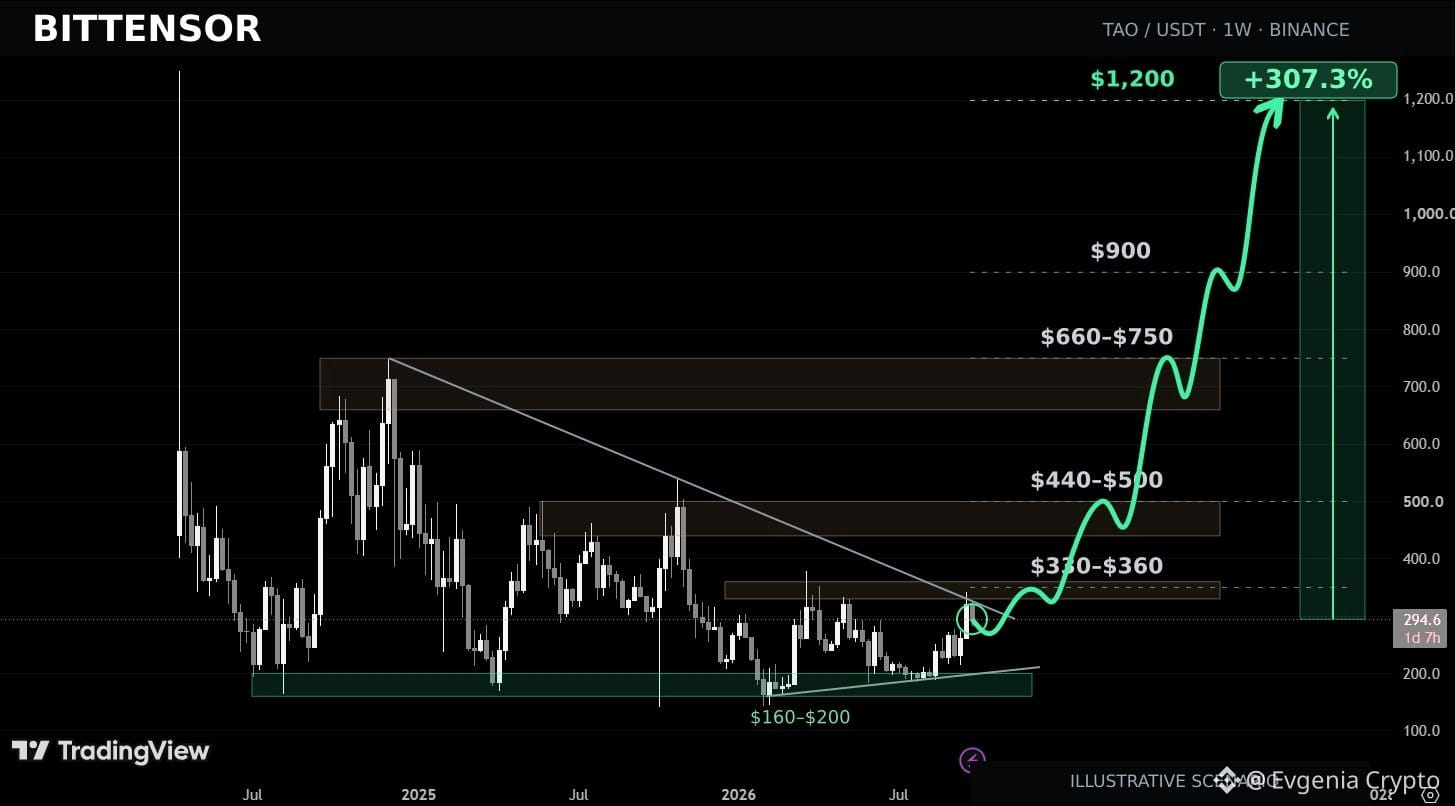
$TAO could look completely different if the market starts to reclaim key levels one after another.
The first hurdle is $330–360. A close above it and a normal retest will open the way to $440–500. Then $660–750 comes into view.
If these zones are also broken through, then $900 and $1,200 stop looking like just pretty numbers on the chart.
But for now, the main question is whether $TAO will be able to first reclaim $500.
$TAO could look completely different if the market starts to reclaim key levels one after another.
The first hurdle is $330–360. A close above it and a normal retest will open the way to $440–500. Then $660–750 comes into view.
If these zones are also broken through, then $900 and $1,200 stop looking like just pretty numbers on the chart.
But for now, the main question is whether $TAO will be able to first reclaim $500.
The first hurdle is $330–360. A close above it and a normal retest will open the way to $440–500. Then $660–750 comes into view.
If these zones are also broken through, then $900 and $1,200 stop looking like just pretty numbers on the chart.
But for now, the main question is whether $TAO will be able to first reclaim $500.
332
·
--
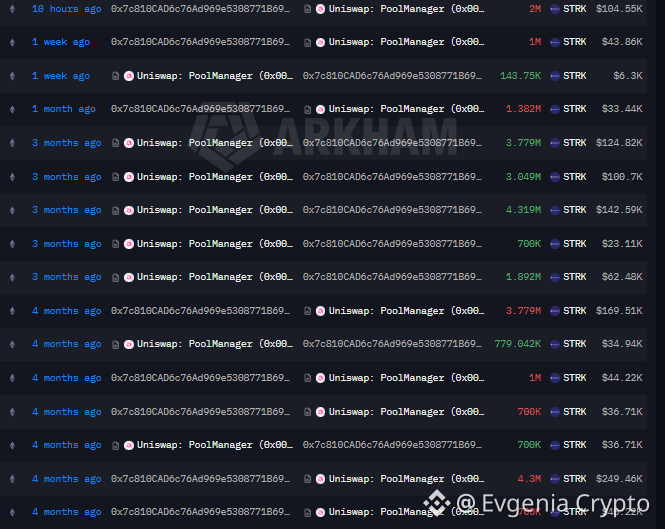
$STRK is interesting not only for its problem, but also for those who showed up again near it.
The wallet that has been moving millions of STRK via the Uniswap PoolManager for months sent another 2 million STRK worth $105K about 10 hours ago.
And that coincided with the move: breakout from $0.044 → rise to $0.056 → pullback to $0.0525.
Coincidence or preparation for the next step? I’d watch for now. OI and funding here matter more than the wallet’s activity itself.
{future}(STRKUSDT)
$STRK is interesting not only for its problem, but also for those who showed up again near it.
The wallet that has been moving millions of STRK via the Uniswap PoolManager for months sent another 2 million STRK worth $105K about 10 hours ago.
And that coincided with the move: breakout from $0.044 → rise to $0.056 → pullback to $0.0525.
Coincidence or preparation for the next step? I’d watch for now. OI and funding here matter more than the wallet’s activity itself.
The wallet that has been moving millions of STRK via the Uniswap PoolManager for months sent another 2 million STRK worth $105K about 10 hours ago.
And that coincided with the move: breakout from $0.044 → rise to $0.056 → pullback to $0.0525.
Coincidence or preparation for the next step? I’d watch for now. OI and funding here matter more than the wallet’s activity itself.
2
430
Log in to explore more content
Join global crypto users on Binance Square
⚡️ Get latest and useful information about crypto.
💬 Trusted by the world’s largest crypto exchange.
👍 Discover real insights from verified creators.
Email / Phone number
Trending Topics
EthereumValidatorExitQueueJumps392%
78 views
34 Discussing
#EthereumValidatorExitQueueJumps392% Ethereum’s validator exit queue has jumped 392%, signaling a sharp increase in validators waiting to exit the staking system. The surge puts renewed focus on Ethereum staking flows, validator participation and network dynamics. ⛓️📊
#EthereumValidatorExit
#EthereumStakingUpdate
#ETHNetworkActivity
#CryptoMarketTrends
l $ETH
| $LDO
| $BTC
Arsalan Official
·1 Likes
·27 views
IMFApprovesElSalvador$138MWithBitcoinWaiver
6 views
6 Discussing
SECHaltsCryptoETFReviewsAmidFundingLapse
123,466 views
1,006 Discussing