
#gamerxero
gamerxero
849,485 views
3,494 Discussing
Hot
Latest

·
--
I was watching the $BTC chart this morning as it nudged above $76,000, then slipped back to $75,950 within minutes. The price was basically ping‑ponging between the 24‑hour high of $76,378 and the low of $74,888. My gut wanted to jump in every time the bid cluster showed a tiny uptick, but I reminded myself of the trading plan I wrote last week: only add position when the market respects a clear support zone and the risk‑reward still meets my 2:1 rule.
Instead of chasing those micro‑moves, I took a step back and looked at the order book depth. The strongest bids were still clustered just under $75,900, while the asks hovered near $76,300. That spread suggested the market needed more conviction before breaking higher. I let the trade sit, tightened my stop‑loss to the $75,800 level, and focused on monitoring volume rather than price alone.
What strategies do you use to keep patience when the market feels “sticky” and you’re tempted to chase every small bounce?
#TradingPsychology #PatiencePays #CryptoMindset #GAMERXERO
78
·
--
$BTC is holding around $76,034 with a tight 24‑hour range. That kind of sideways market is perfect for tightening risk controls before any breakout.
Start with your total capital allocation for a single trade – I like to cap it at 2 % of my portfolio. Then decide how much of that 2 % I’m willing to lose if the trade goes against me. A common rule is 0.5 % of the whole account, which translates to a 25 % loss on the position itself.
If your account is $10,000, 0.5 % is $50. With $BTC at $76,034, a $50 risk means a stop‑loss about $50 ÷ (position size) away. For a $500 position (5 % of the account), the stop sits roughly $10 below entry – a tight stop that forces you out before a larger drift.
The key is consistency: every trade follows the same risk‑per‑trade rule, so a string of losses never wipes you out. How do you decide the exact stop‑loss distance when the market is flat versus trending?
#RiskManagement #CryptoTrading #CapitalPreservation #GAMERXERO
42
·
--
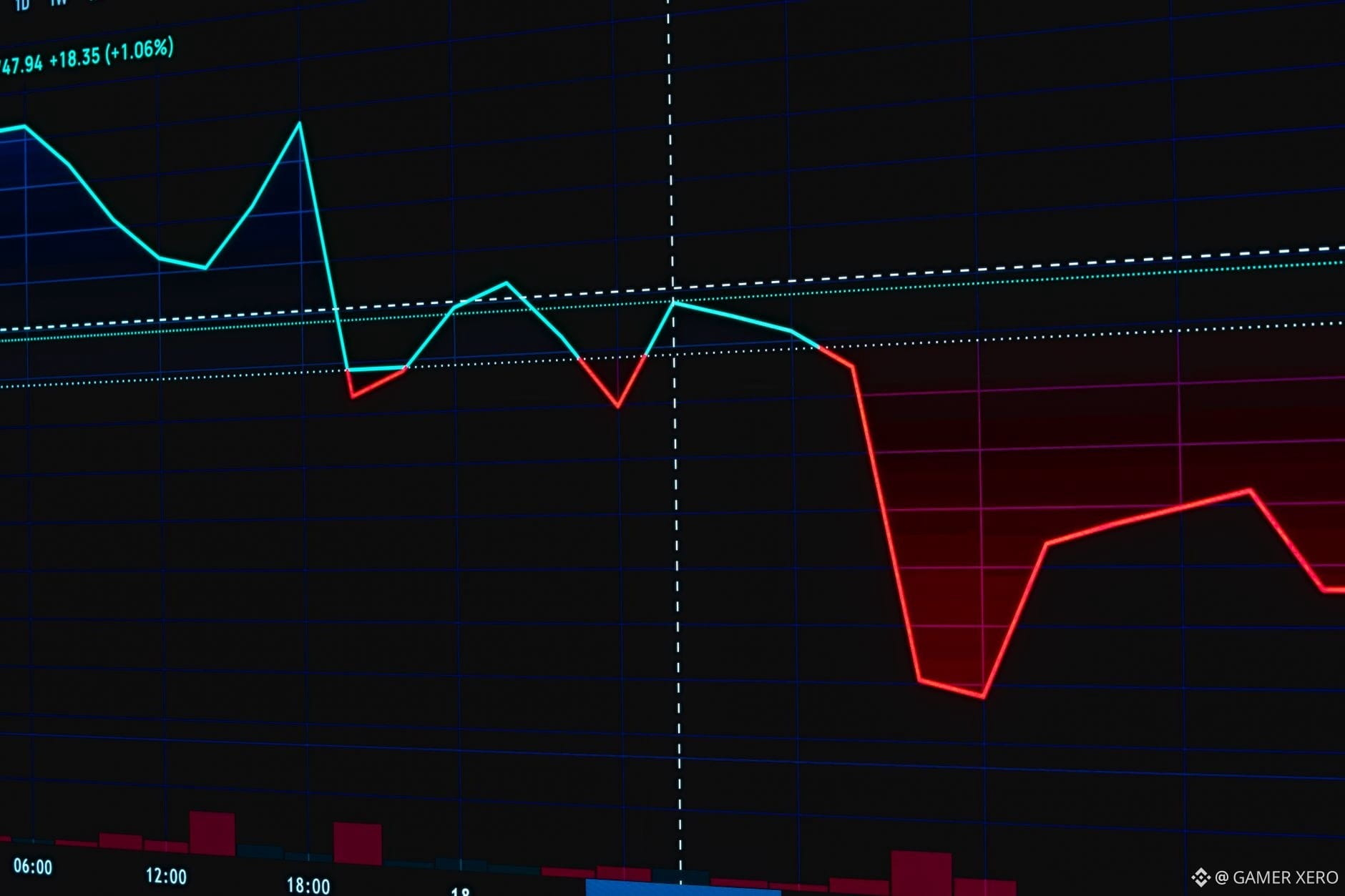
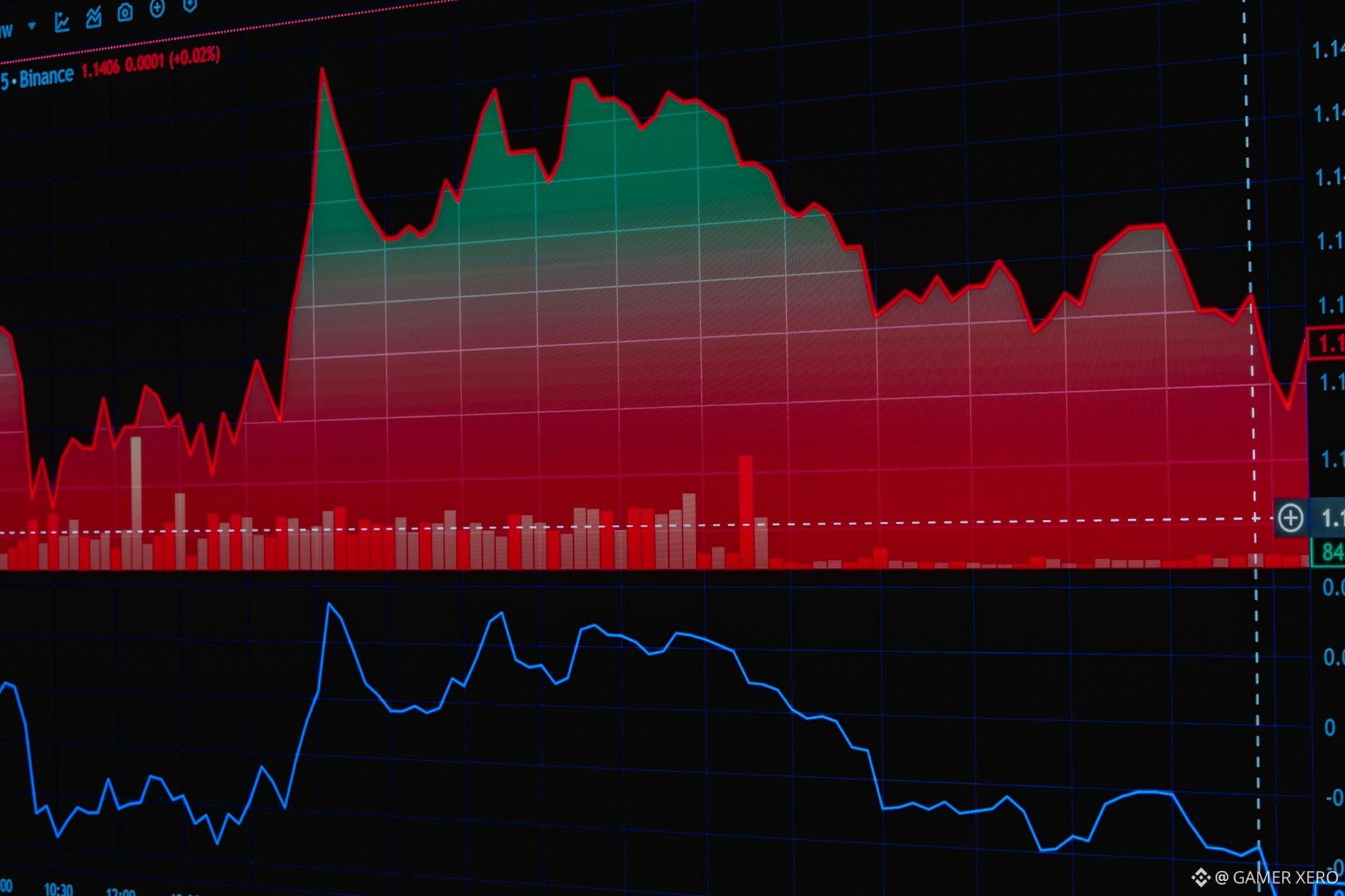
Seeing $BTC press just above $75,800 while the 24‑hour range stays tight is a perfect moment to talk about the difference between market and limit orders. A market order guarantees execution instantly, but you accept whatever price the order book shows at that moment. In a shallow market, a large market buy can slip into higher asks, leaving you paying more than expected. A limit order, on the other hand, lets you set the maximum price you’re willing to pay (or the minimum you’ll accept when selling). The trade only fills if a matching order appears at that price or better, giving you control over entry and exit points.
Using limit orders helps manage slippage and keeps your position size predictable, especially when volatility spikes. Have you tried pairing limit orders with a small stop‑loss to lock in risk while still catching a better entry?
#CryptoEducation #TradingBasics #LimitOrders #BinanceTips #GAMERXERO
Using limit orders helps manage slippage and keeps your position size predictable, especially when volatility spikes. Have you tried pairing limit orders with a small stop‑loss to lock in risk while still catching a better entry?
#CryptoEducation #TradingBasics #LimitOrders #BinanceTips #GAMERXERO
60
·
--
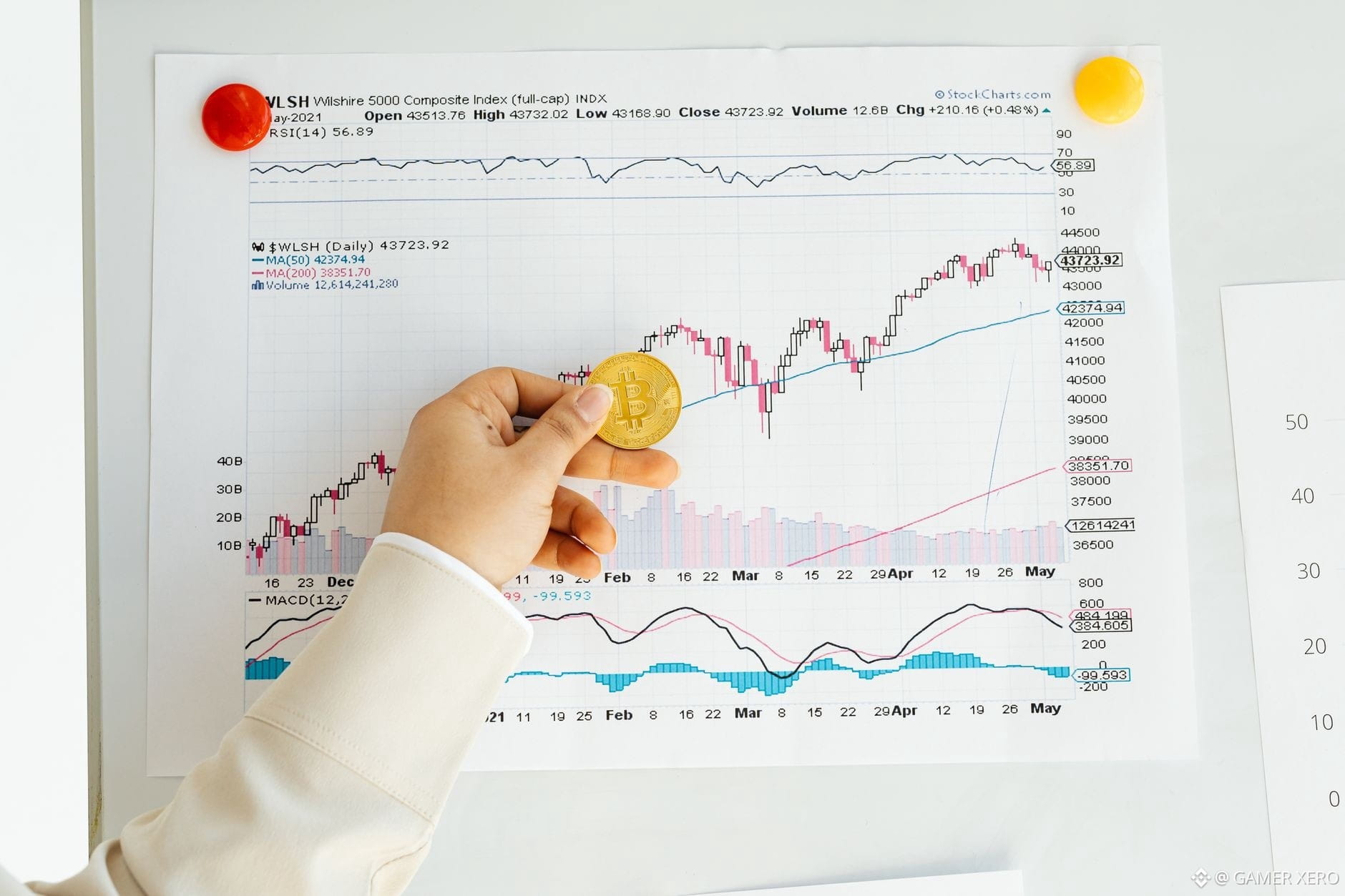
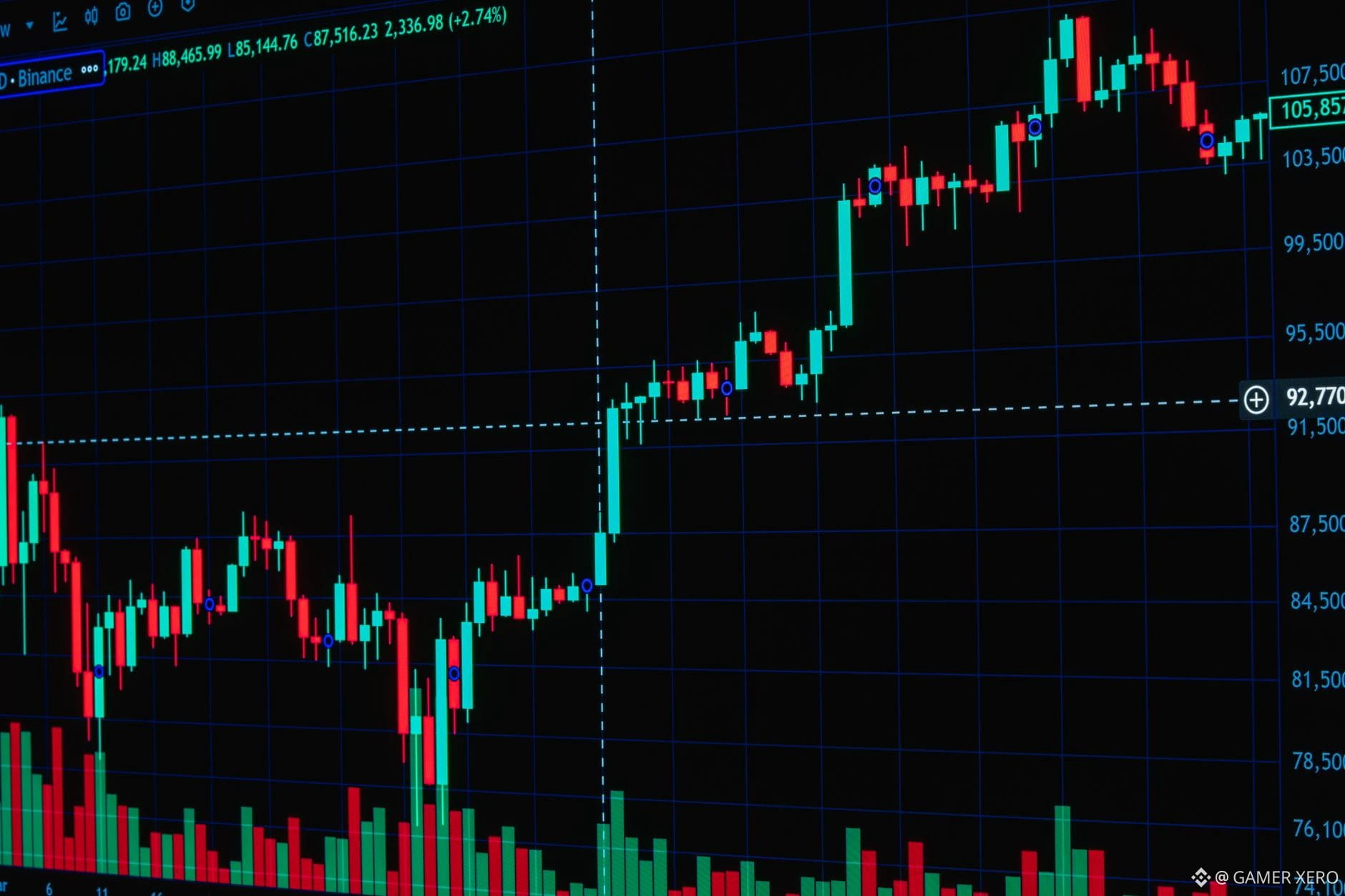
$BTC is hovering just under $76,100, squeezed between a 24‑hour high of $76,378 and a low of $74,888. The order flow on Binance shows buying interest accumulating near the $75,900‑$76,000 band, while sell pressure taps the $76,300 level. That range has acted as a narrow conduit for the past 48 hours, suggesting the market is in a consolidation phase rather than a decisive move.
One driver behind the tight range is the broader risk‑off mood triggered by tightening diesel supplies in the U.S. Higher energy costs tend to pressure transportation‑heavy sectors, which can spill over into crypto as investors reassess risk appetite. At the same time, the pending Hyperliquid FCM filing hints at more on‑shore Bitcoin futures liquidity, offering a potential catalyst for volume without necessarily breaking the current bounds.
With both majors testing the same support‑resistance zones, the next move may come from a clear shift in macro sentiment or a surge in futures activity. Do you think the Hyperliquid approval could provide enough impetus to break the current $BTC range, or will macro pressures keep the market in a tight box?
#CryptoAnalysis #Binance #MarketStructure #GAMERXERO
69
·
--
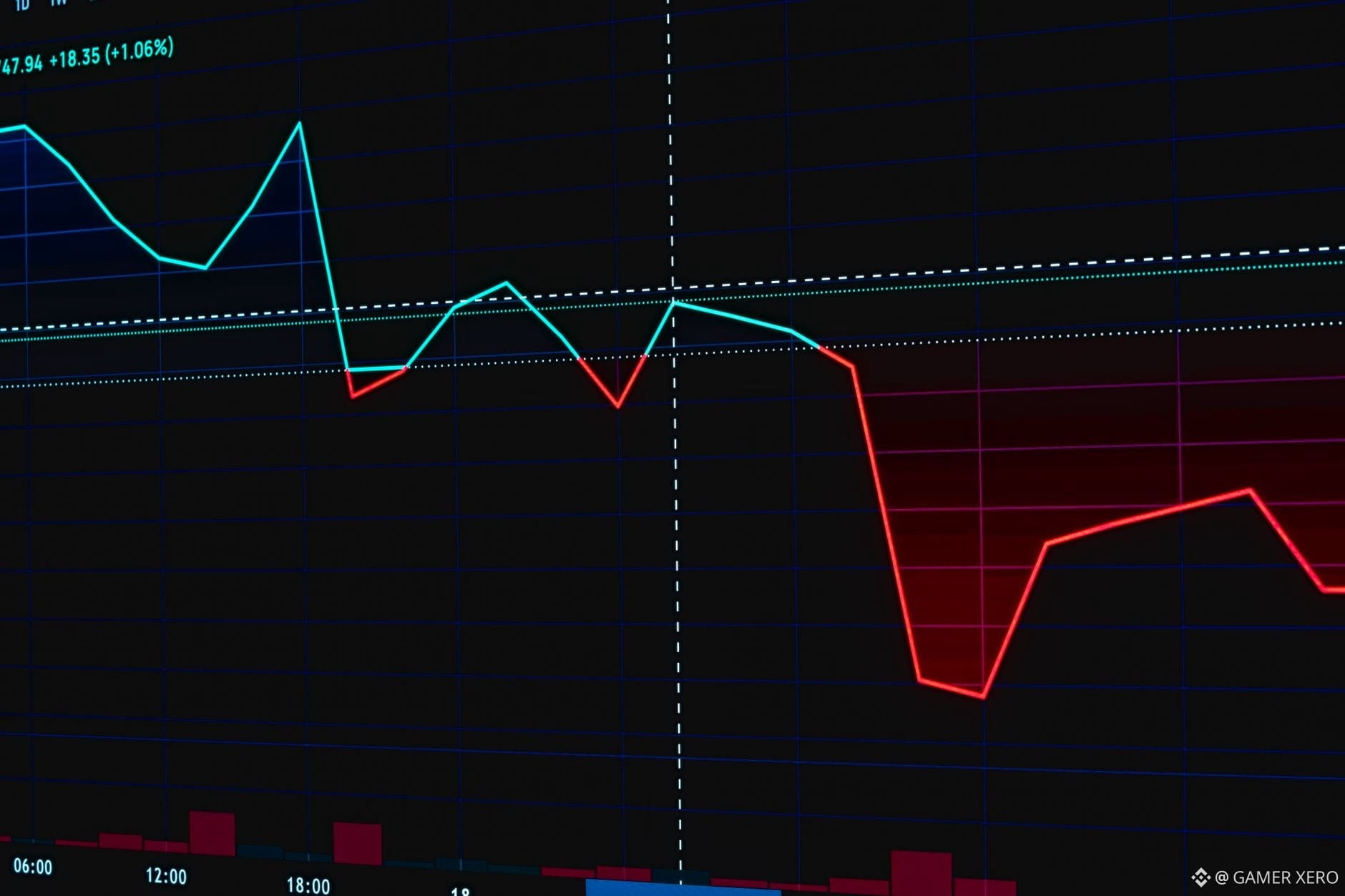
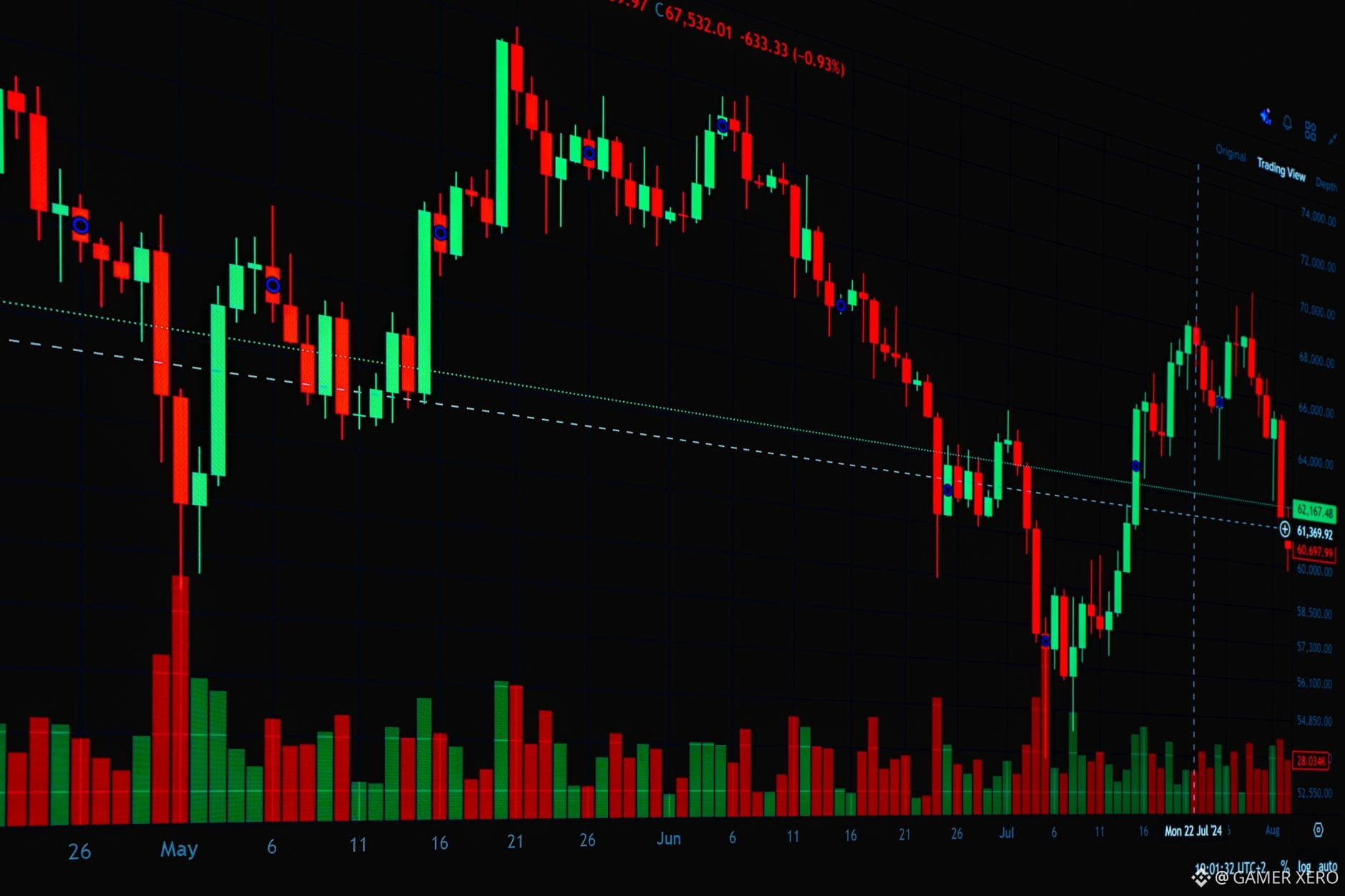
Seeing $BTC trade at $75,902 with a barely negative 24‑hour change while the Nasdaq slid 5.5 % reminded me how tightly crypto can mirror broader market stress. The dip was shallow – the price stayed between $74,888 low and $76,378 high – suggesting liquidity still anchored around the $75,600‑$75,800 bid cluster on Binance. At the same time $ETH nudged up 0.41 % to $2,243, holding above the $2,210 low, which makes me wonder if the current equity pullback is creating a short‑term risk‑off tilt that favors more established assets.
Given the current environment, what specific order‑book signals do you look for to gauge whether a crypto asset is likely to hold its level or break lower during a broader market sell‑off?
#CryptoTalk #BinanceInsights #MarketStructure #TraderCommunity #GAMERXERO
Given the current environment, what specific order‑book signals do you look for to gauge whether a crypto asset is likely to hold its level or break lower during a broader market sell‑off?
#CryptoTalk #BinanceInsights #MarketStructure #TraderCommunity #GAMERXERO
127
·
--
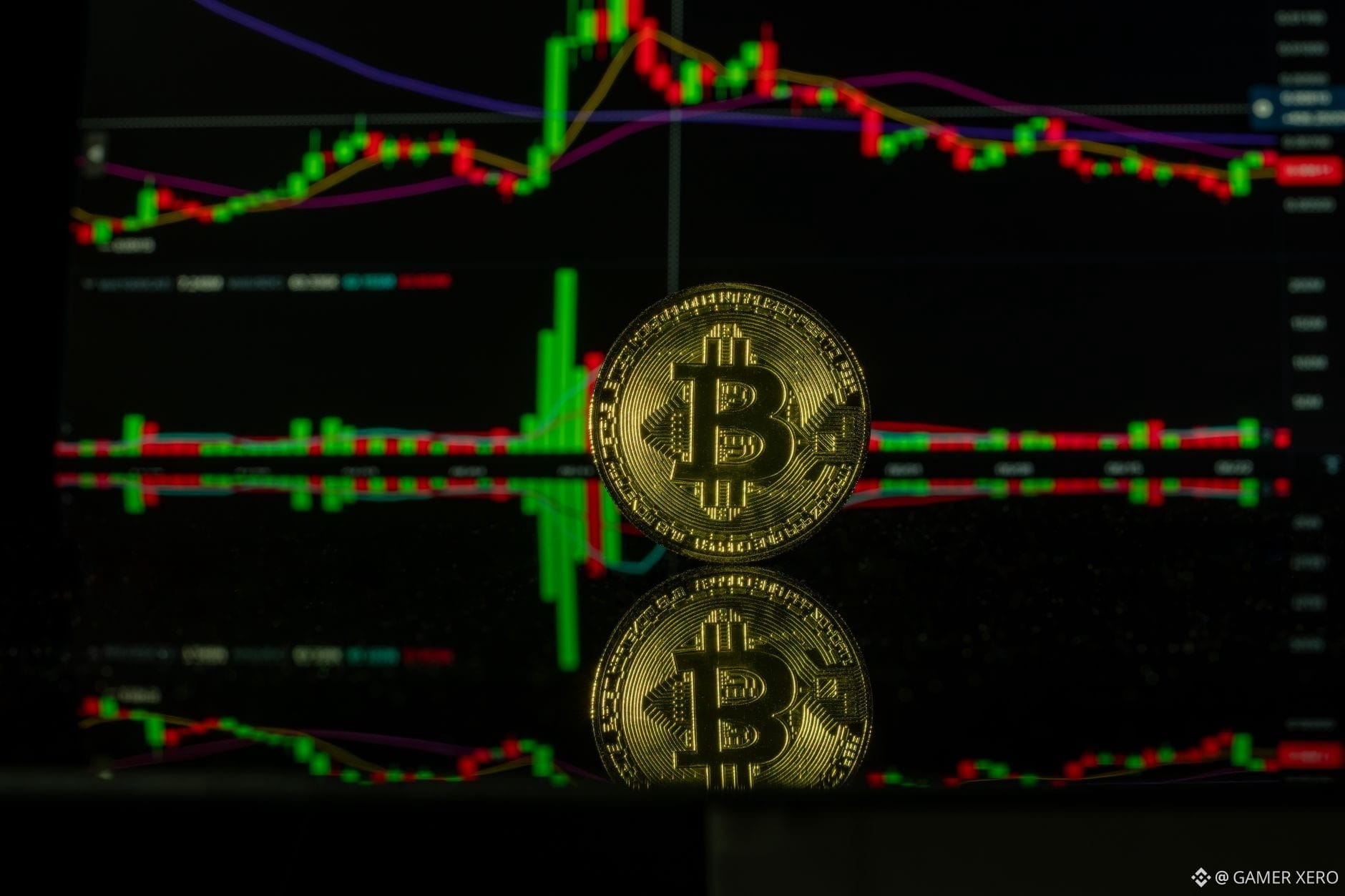
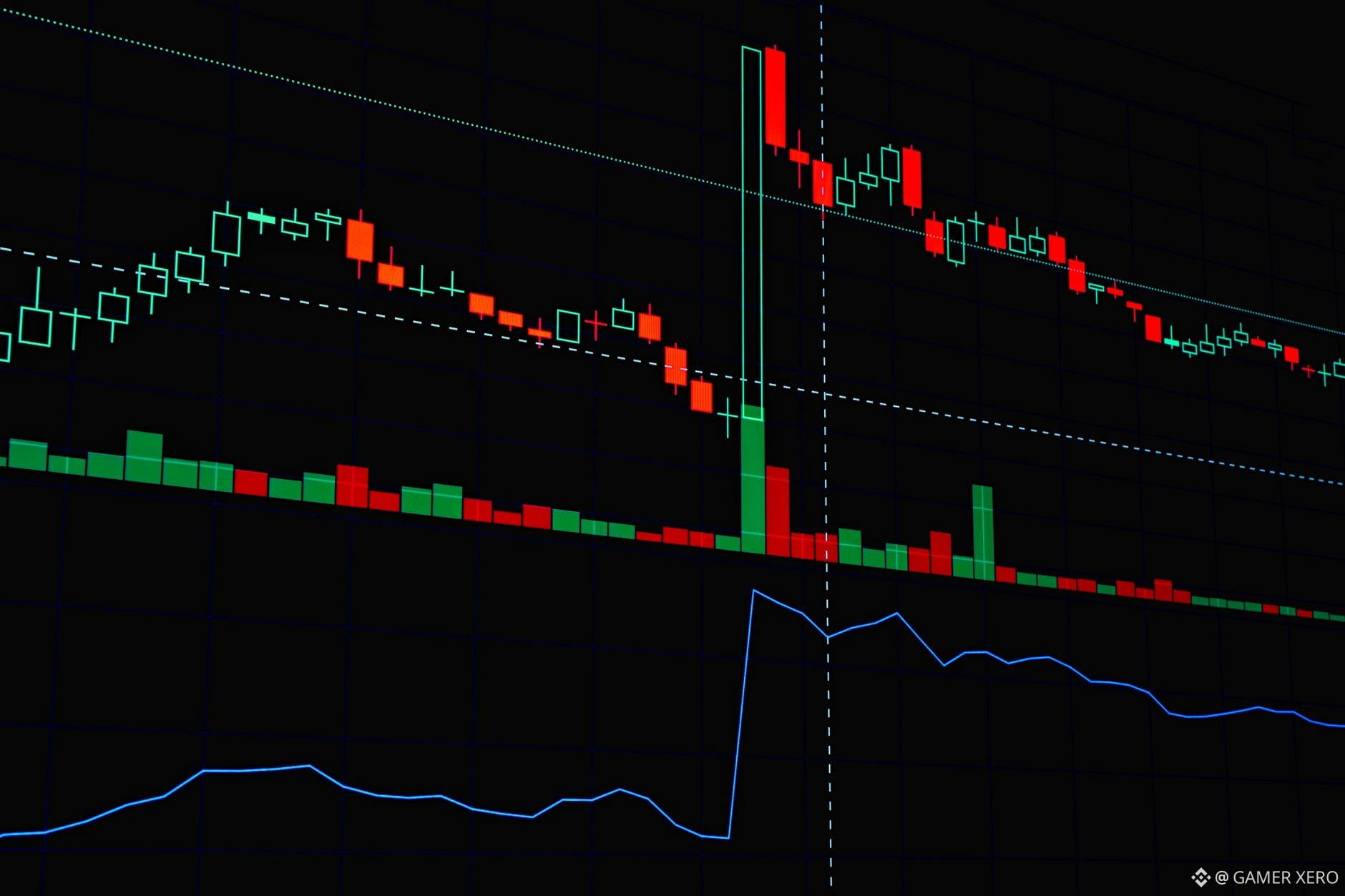
$BTC is hovering at $76,056 with a razor‑thin 24‑hour range of $76,416‑$74,888. The market’s 0.06 % flat move suggests low‑volatility trading, and the order book still clusters just under $76,600 on the bid side while asks sit around $76,300. Traders are watching the $76,200–$76,300 band as a short‑term pivot: a break below $74,900 could open a path toward the $73,500 support seen earlier in the week, while a firm hold above $76,400 may invite a push toward the $77,000‑$78,000 ceiling that has capped recent rallies.
Given the tight ranges, do you prefer scaling in with limit orders around the identified pivots, or waiting for a clear breakout before committing more capital?
#CryptoAnalysis #Binance #TradingStrategy #GAMERXERO
Given the tight ranges, do you prefer scaling in with limit orders around the identified pivots, or waiting for a clear breakout before committing more capital?
#CryptoAnalysis #Binance #TradingStrategy #GAMERXERO
68
·
--
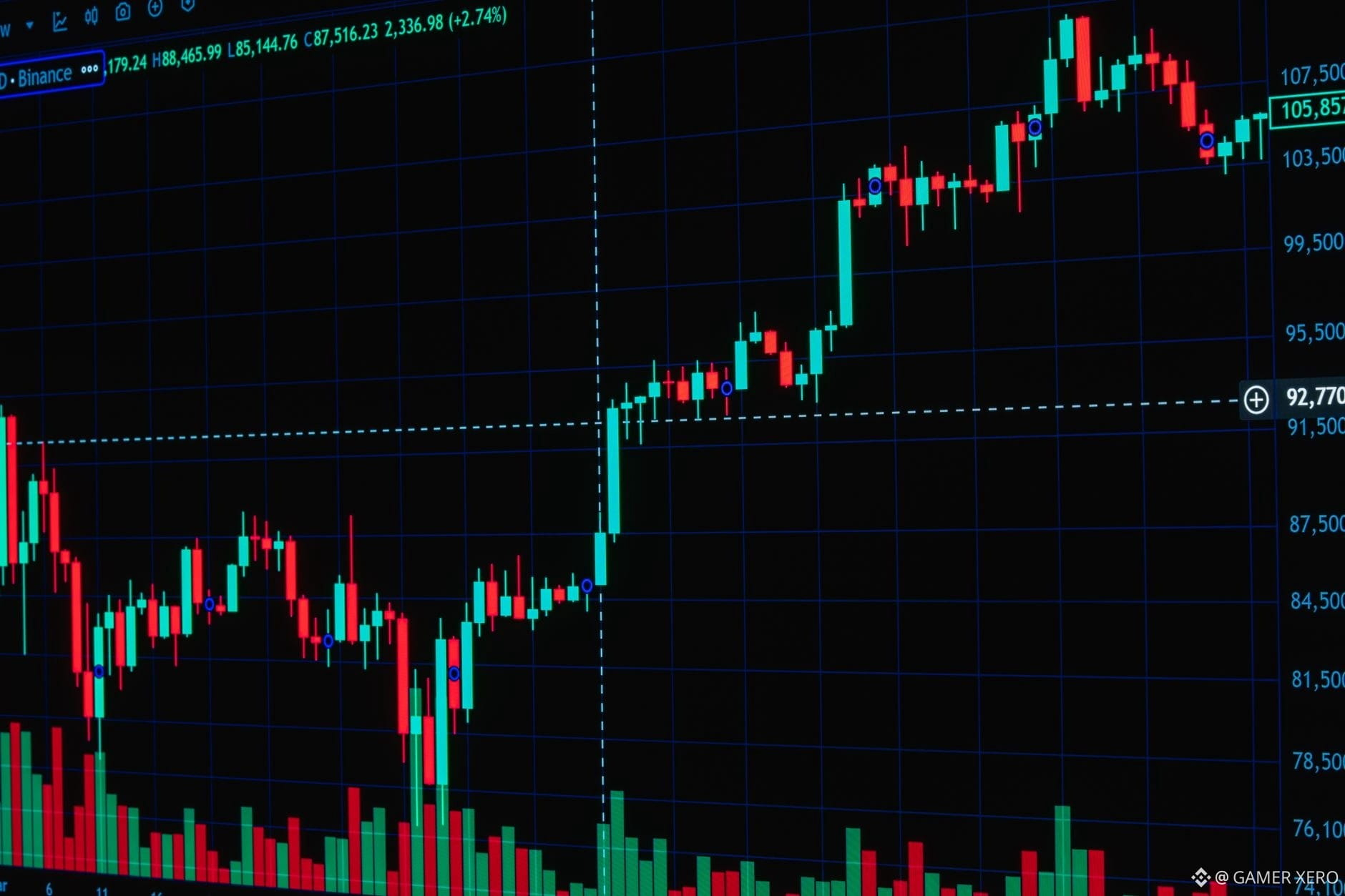
Hong Kong’s upcoming crypto tax framework is finally taking shape, and the shift could smooth the path for institutional players eyeing the region. From 2027 the jurisdiction will require OECD‑CARF reporting on digital asset transactions, meaning every trade will leave a clear audit trail. For traders on Binance, that translates to more predictable compliance costs and reduced uncertainty when moving large volumes of $BTC or $ETH across borders.
The practical upside is two‑fold. First, clearer tax rules often encourage fund managers to allocate a modest but steady portion of assets to crypto, which can tighten liquidity on spot markets. Second, the standardized reporting reduces the need for bespoke legal structures, lowering overhead for firms that already run multi‑asset strategies on Binance.
Do you think Hong Kong’s tax clarity will attract more Asian institutional flow into Binance’s spot markets?
#CryptoRegulation #BinanceInsights #AsiaCrypto #GAMERXERO
62
·
--
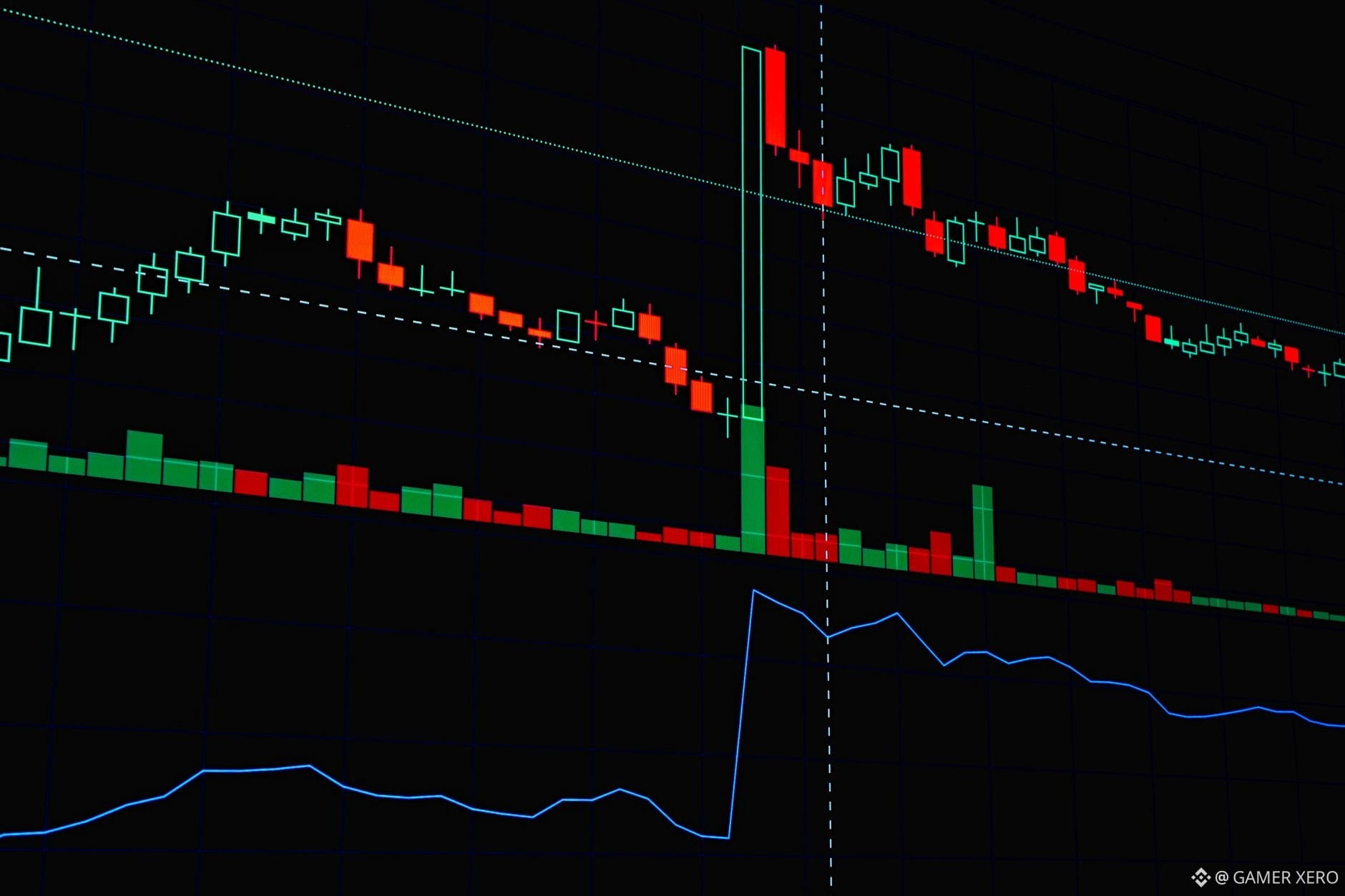
When the market swings hard you feel the sting of a loss, and the instinct to “get it back” can turn a single mistake into a marathon of bad trades. I caught myself chasing a rebound on $BTC after it slipped below $75,300, adding a second position at $75,560 even though the 24‑hour low sat at $75,208. The next hour the price drifted back toward the low, erasing the extra entry and leaving a bigger net loss than the original trade.
What techniques have you found most effective for stopping the revenge‑trading cycle before it spirals?
#TradingPsychology #CryptoMindset #RiskManagement #GAMERXERO
What techniques have you found most effective for stopping the revenge‑trading cycle before it spirals?
#TradingPsychology #CryptoMindset #RiskManagement #GAMERXERO
110
·
--
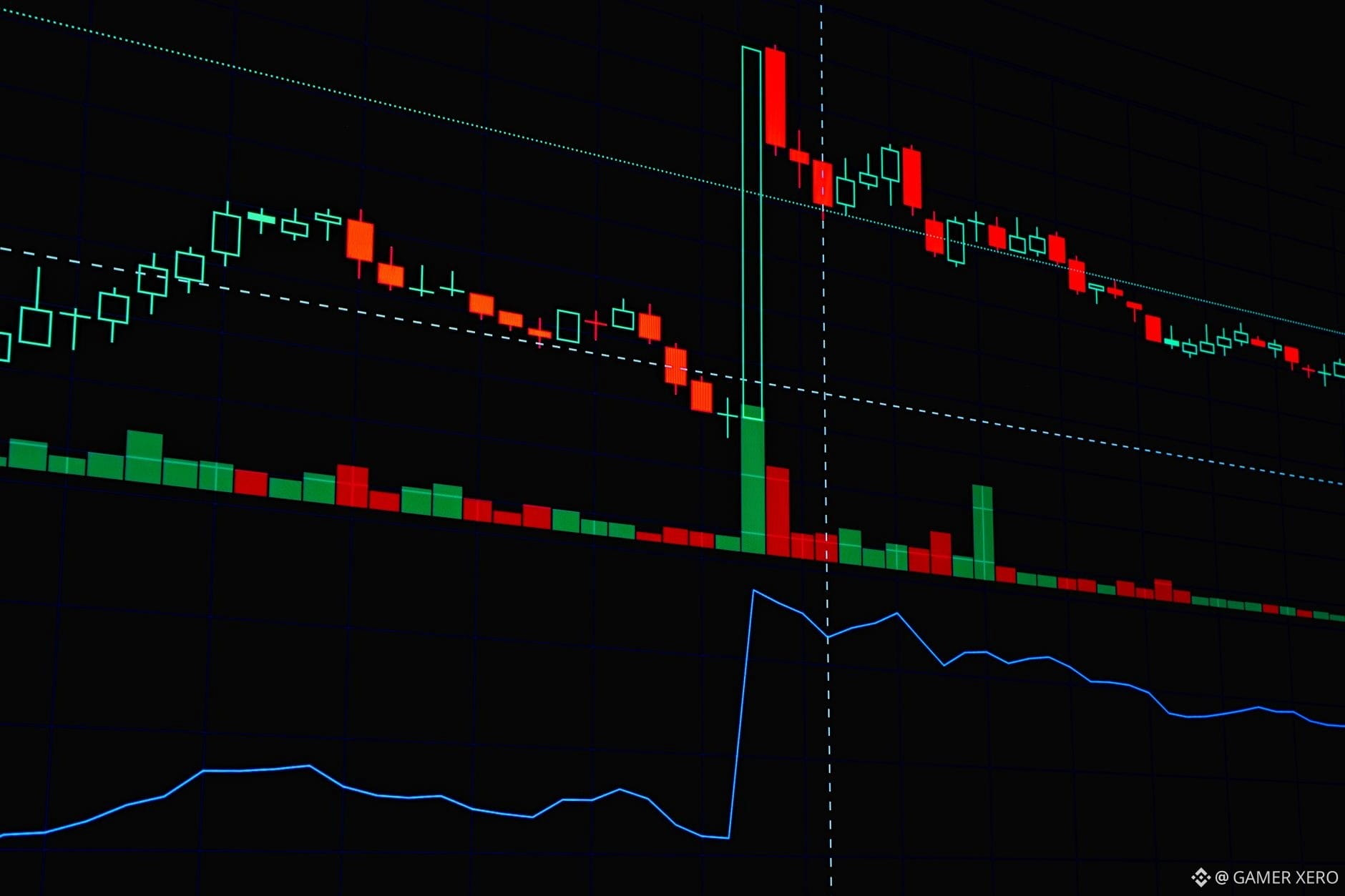
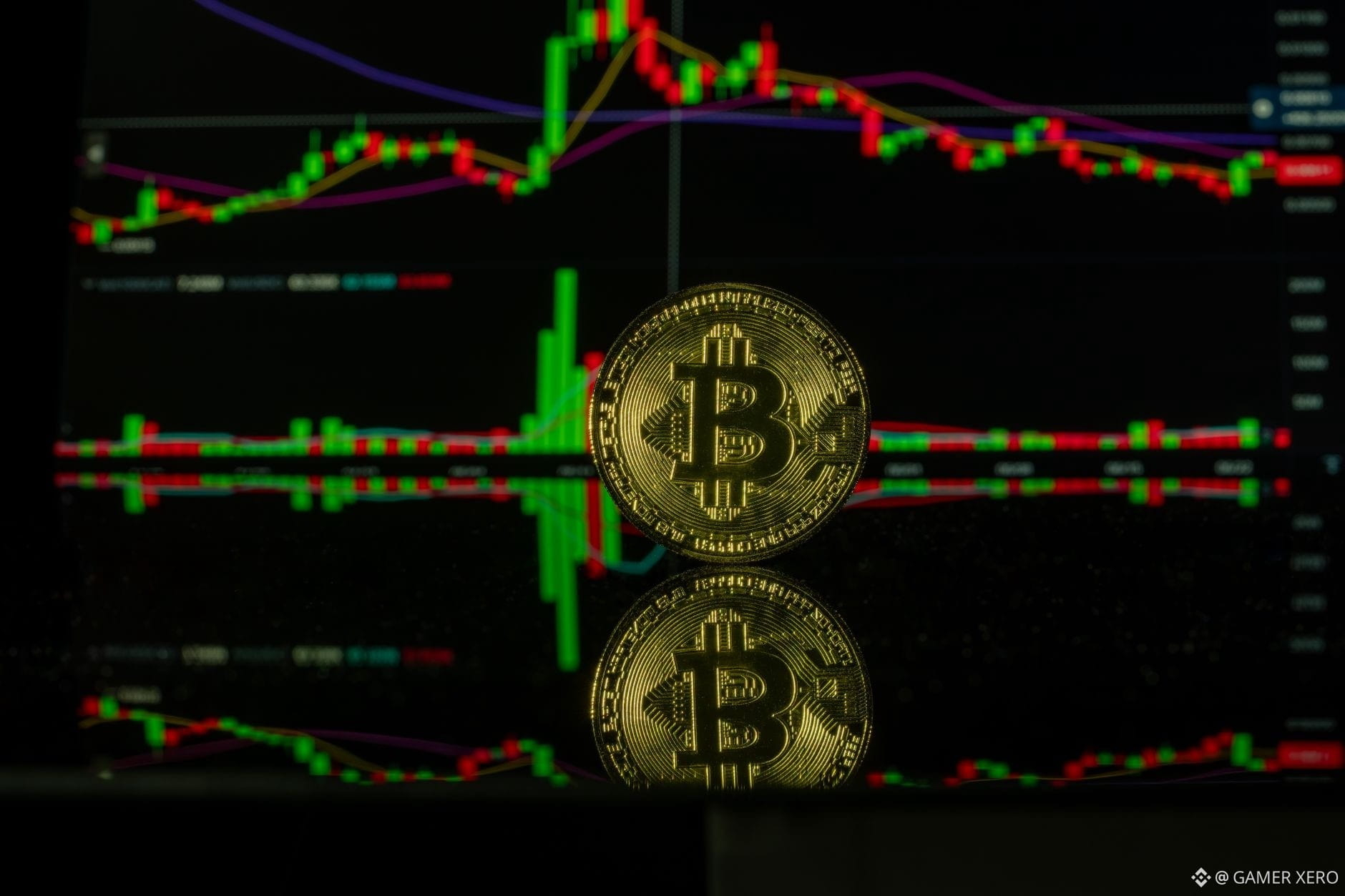
$BTC’s recent dip to $75,694, paired with a 5.8 % drop in 24 hours, highlights why a single‑asset focus can erode a portfolio fast. A practical way to cap that risk is to set an exposure ceiling – for example, no more than 20 % of total capital in any one coin. If you hold $10 k, that means a maximum $2 k position in $BTC, regardless of its swing potential.
Diversify the remaining allocation across assets with lower correlation. $ETH, down 8 % and trading around $2,225, often moves out of phase with $BTC during broad market stress, offering a buffer. Allocate another 15 % to $ETH and spread the rest among stablecoins or low‑volatility tokens to keep the overall portfolio volatility under a target threshold, say 10 % daily.
When a drawdown hits, recovery math matters. A 30 % loss on the $BTC slice requires a 43 % gain just to break even. By limiting the slice size, the recovery distance shrinks dramatically, making the path back to capital preservation much shorter.
How do you currently size your crypto positions to balance upside chances with drawdown risk?
#CryptoRisk #PortfolioManagement #DiversifySmart #GAMERXERO
$BTC ’s recent dip to $75,694, paired with a 5.8 % drop in 24 hours, highlights why a single‑asset focus can erode a portfolio fast. A practical way to cap that risk is to set an exposure ceiling – for example, no more than 20 % of total capital in any one coin. If you hold $10 k, that means a maximum $2 k position in $BTC , regardless of its swing potential.
Diversify the remaining allocation across assets with lower correlation. $ETH , down 8 % and trading around $2,225, often moves out of phase with $BTC during broad market stress, offering a buffer. Allocate another 15 % to $ETH and spread the rest among stablecoins or low‑volatility tokens to keep the overall portfolio volatility under a target threshold, say 10 % daily.
When a drawdown hits, recovery math matters. A 30 % loss on the $BTC slice requires a 43 % gain just to break even. By limiting the slice size, the recovery distance shrinks dramatically, making the path back to capital preservation much shorter.
How do you currently size your crypto positions to balance upside chances with drawdown risk?
#CryptoRisk #PortfolioManagement #DiversifySmart #GAMERXERO
103
·
--
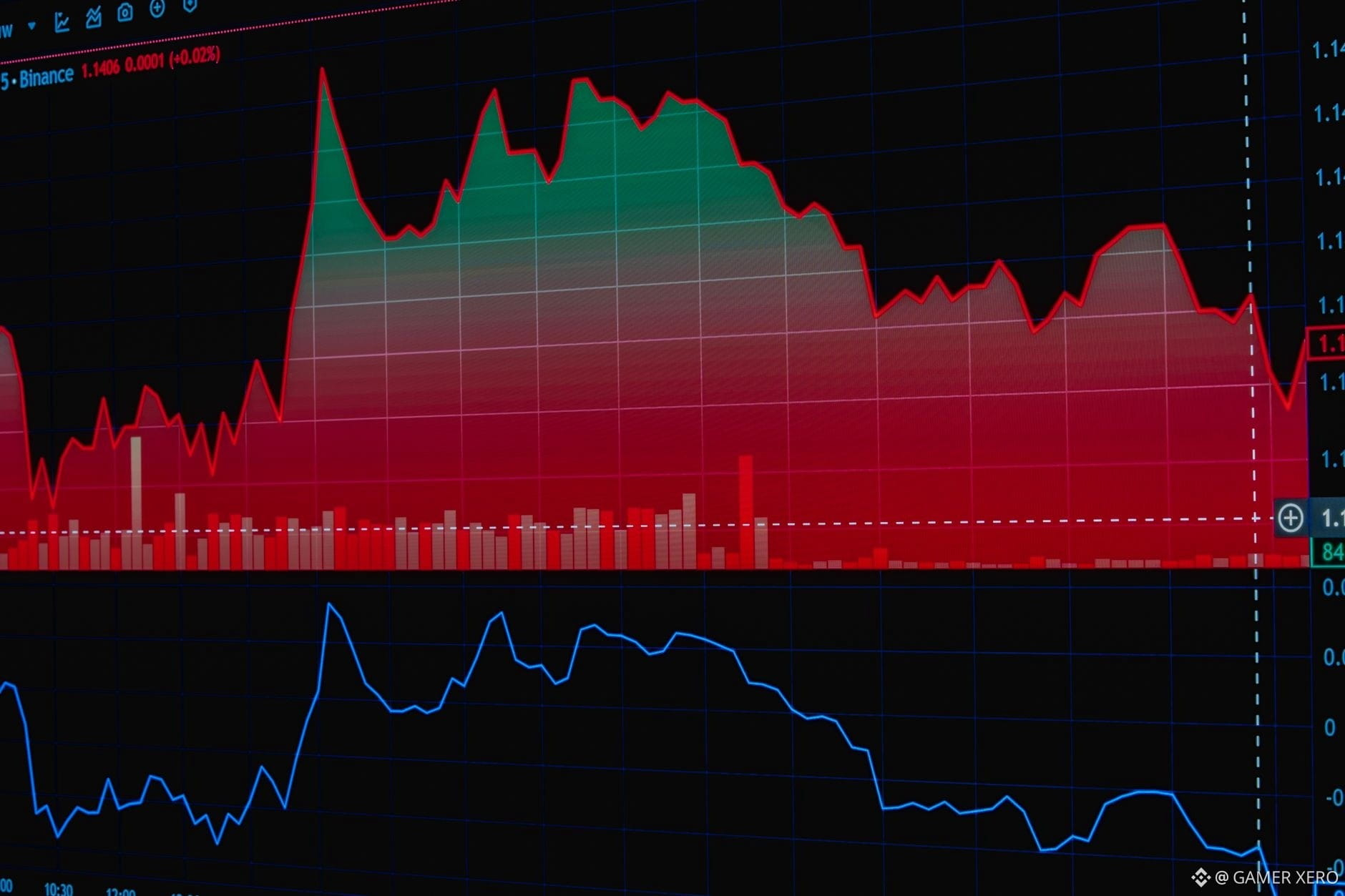
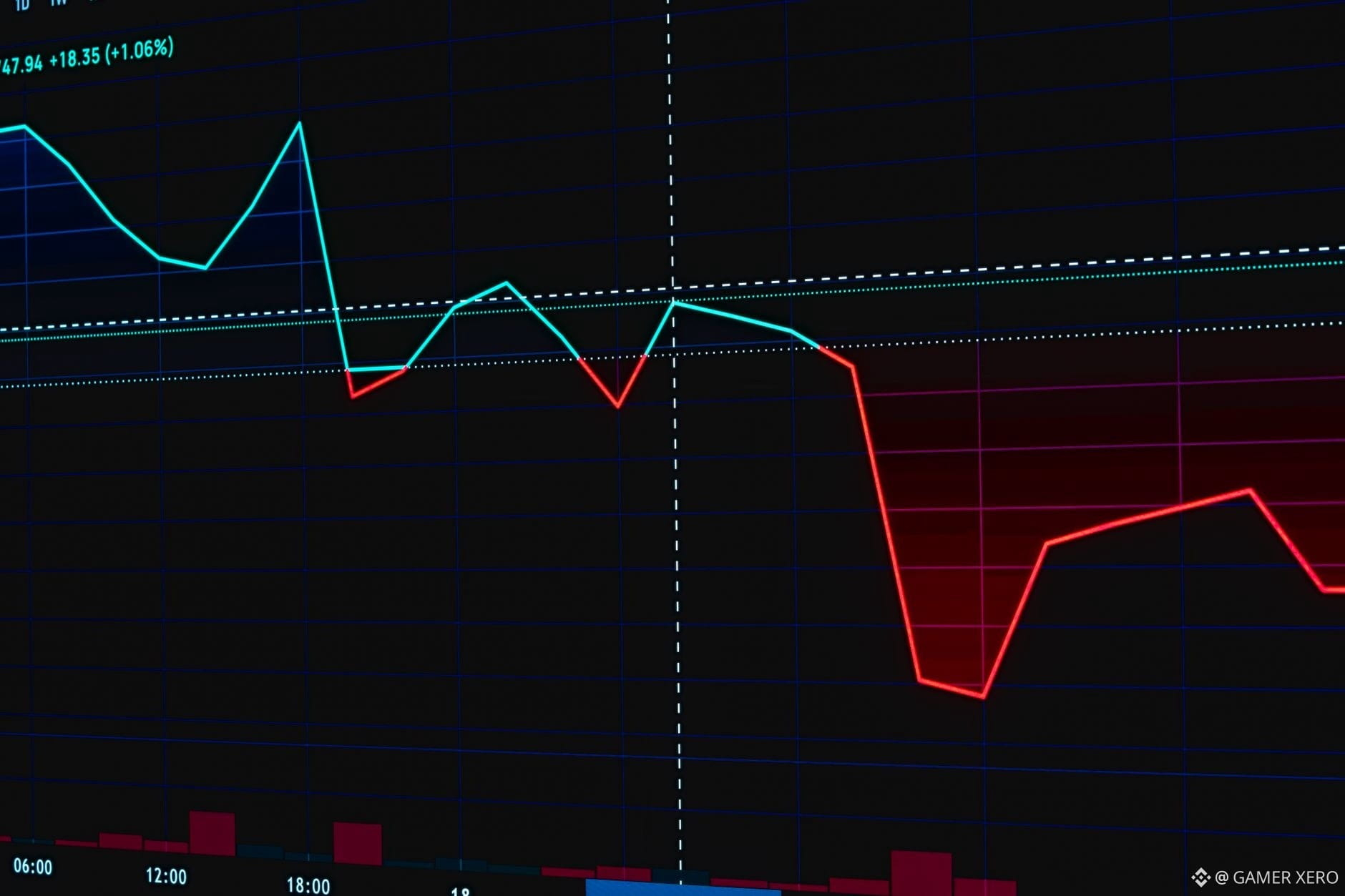
Spot depth on Binance gives you a real‑time snapshot of where the biggest buying and selling interest sits. Pull up the order book for $BTC and you’ll see the best bid clustered just under $75,600 while the top ask hovers around $76,200. Those two levels form a natural “price corridor” that often acts as short‑term support and resistance. If the bid side suddenly swells to several hundred thousand dollars at $75,550, it signals traders are stepping in to defend that floor; a thin bid and a thick ask at $76,250 could hint at upward pressure.
Using depth this way helps you set more informed entry or exit points without chasing every tick. It’s a simple tool, but watching the shifts in volume at each price level can reveal when the market is about to swing. What depth patterns have you found most reliable on Binance’s spot market?
#CryptoEducation #BinanceTips #OnChainMetrics #GAMERXERO
75
·
--
Ethereum’s 24‑hour volume on Binance has slipped below $100 M for the first time this week while the price nudged from a high of $2,444.75 to $2,248.96, a 7 % drop. The contraction lines up with a broader risk‑off vibe after recent headline‑driven hacks, where custodians like Coinbase highlighted offline storage of 99 % of assets. Traders often pull back on alt‑coins when security concerns surface, shifting capital into “store‑of‑value” assets or stablecoins. On the order book, sell walls are forming just above $2,300, suggesting that sellers are anchoring near the recent high and waiting for a clearer direction. Meanwhile, the Binance spot depth shows a tighter bid‑ask spread, meaning liquidity is still present but concentration is higher on the sell side. This micro‑structure hints at a possible short‑term reallocation from $ETH to higher‑liquidity pairs like $BTC or USDC, rather than a permanent exit. How are you adjusting your exposure to $ETH amid the current volatility and security chatter?
#crypto #Ethereum #trading #GAMERXERO
#crypto #Ethereum #trading #GAMERXERO
51
·
--
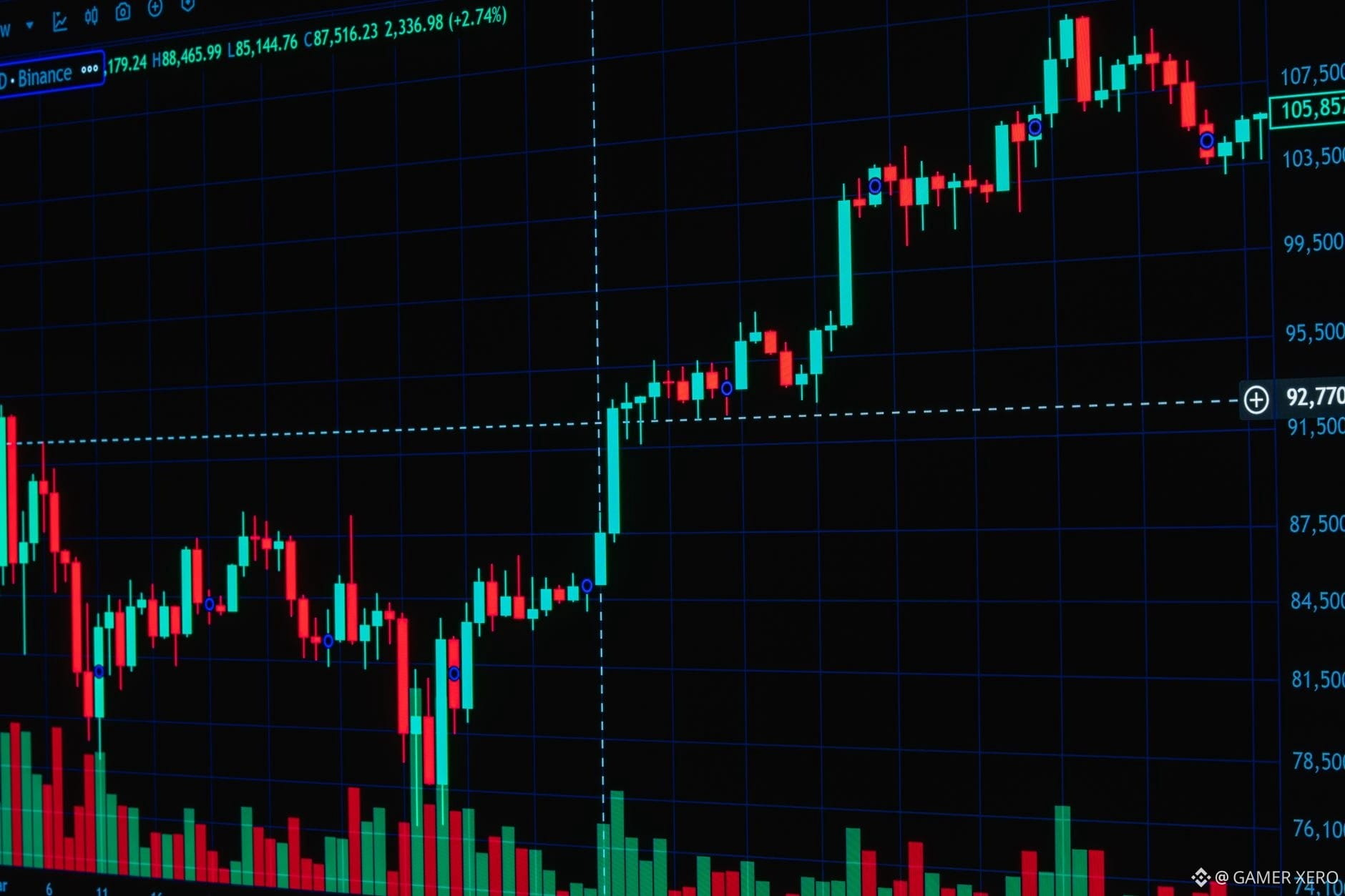
The latest Binance update shows that the $6.34 billion breach was orchestrated through a series of fake job interviews, where attackers slipped malicious code into an internal AI tool. That vector bypassed traditional perimeter defenses because it targeted trusted employees rather than the public API.
For traders, the takeaway is less about the headline number and more about how the breach reshapes risk perception. When a platform’s internal workflow is compromised, the immediate effect is a spike in withdrawal activity and tighter withdrawal limits, which can temporarily reduce on‑chain liquidity. That liquidity squeeze often translates into tighter order book depth on spot markets—something you can see on Binance where the best bid for $BTC hovers just under $80,500 while the ask stays near $80,600.
How are you adjusting your own security habits or monitoring setups in response to this type of social‑engineering attack?
#CryptoSecurity #BinanceUpdate #TraderInsights #GAMERXERO
136
·
--
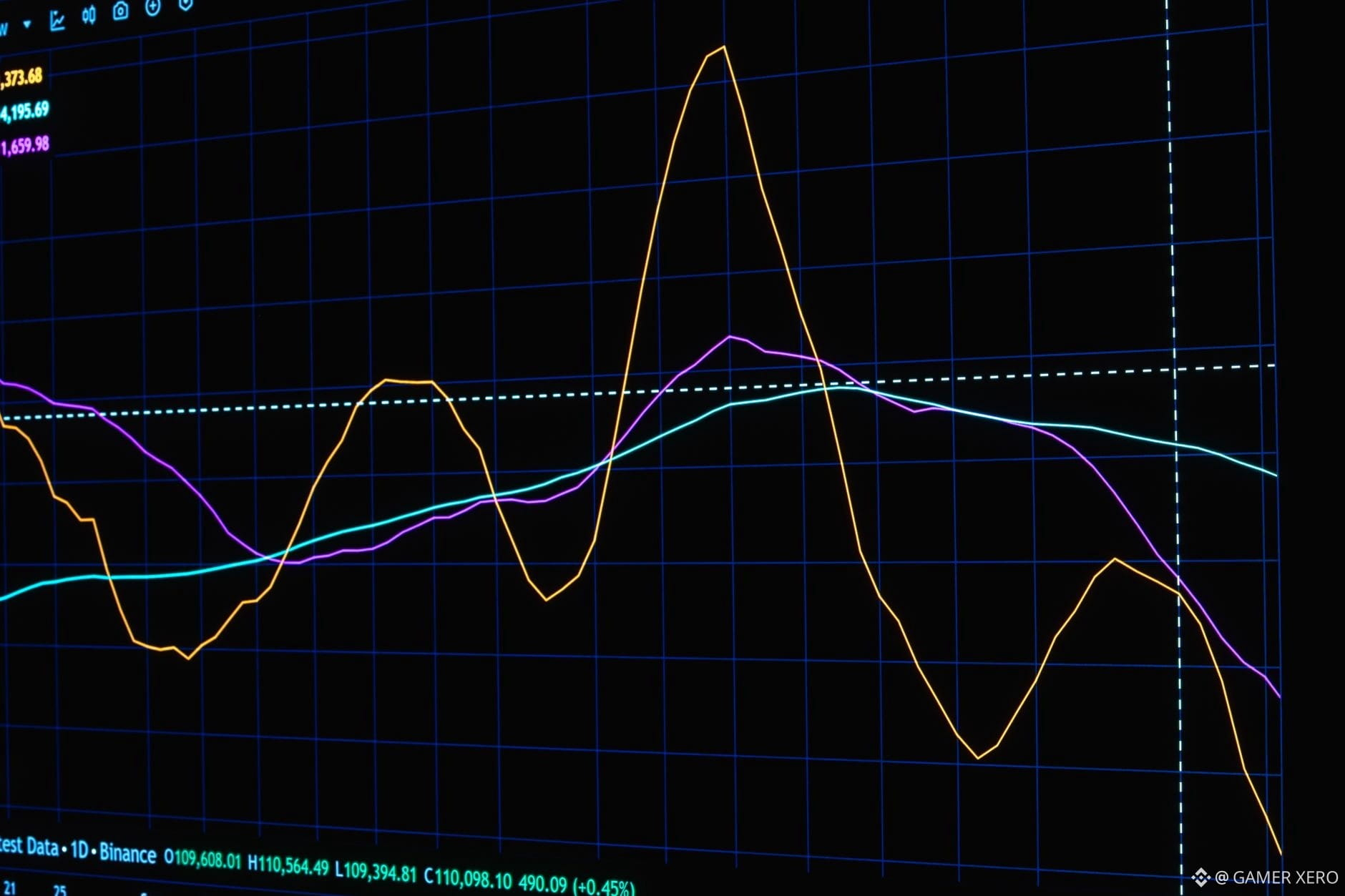
Seeing $BTC bounce back to $80,548 after testing the $78,001 low gave me a reminder of how easy it is to chase the next “big move.” I was checking the Binance depth and noticed the best bid still clustering just under $80,400 while the ask line held steady around $80,600. My first instinct was to jump in, convinced the upside would be immediate. Instead, I paused, pulled up my trade‑plan checklist, and asked: Did the original entry criteria still apply? Was the risk‑reward ratio intact after the recent swing? By sticking to the plan and waiting for the price to revisit the $80,400‑$80,600 zone with tighter volume, I avoided a premature fill that could have been eaten by a short‑term pullback.
Patience isn’t about waiting forever; it’s about aligning each entry with the rules you set when the market was calm. How do you keep your trading plan front‑and‑center when the charts look tempting?
#CryptoPsychology #TradingDiscipline #PatiencePays #GAMERXERO
Patience isn’t about waiting forever; it’s about aligning each entry with the rules you set when the market was calm. How do you keep your trading plan front‑and‑center when the charts look tempting?
#CryptoPsychology #TradingDiscipline #PatiencePays #GAMERXERO
36
·
--
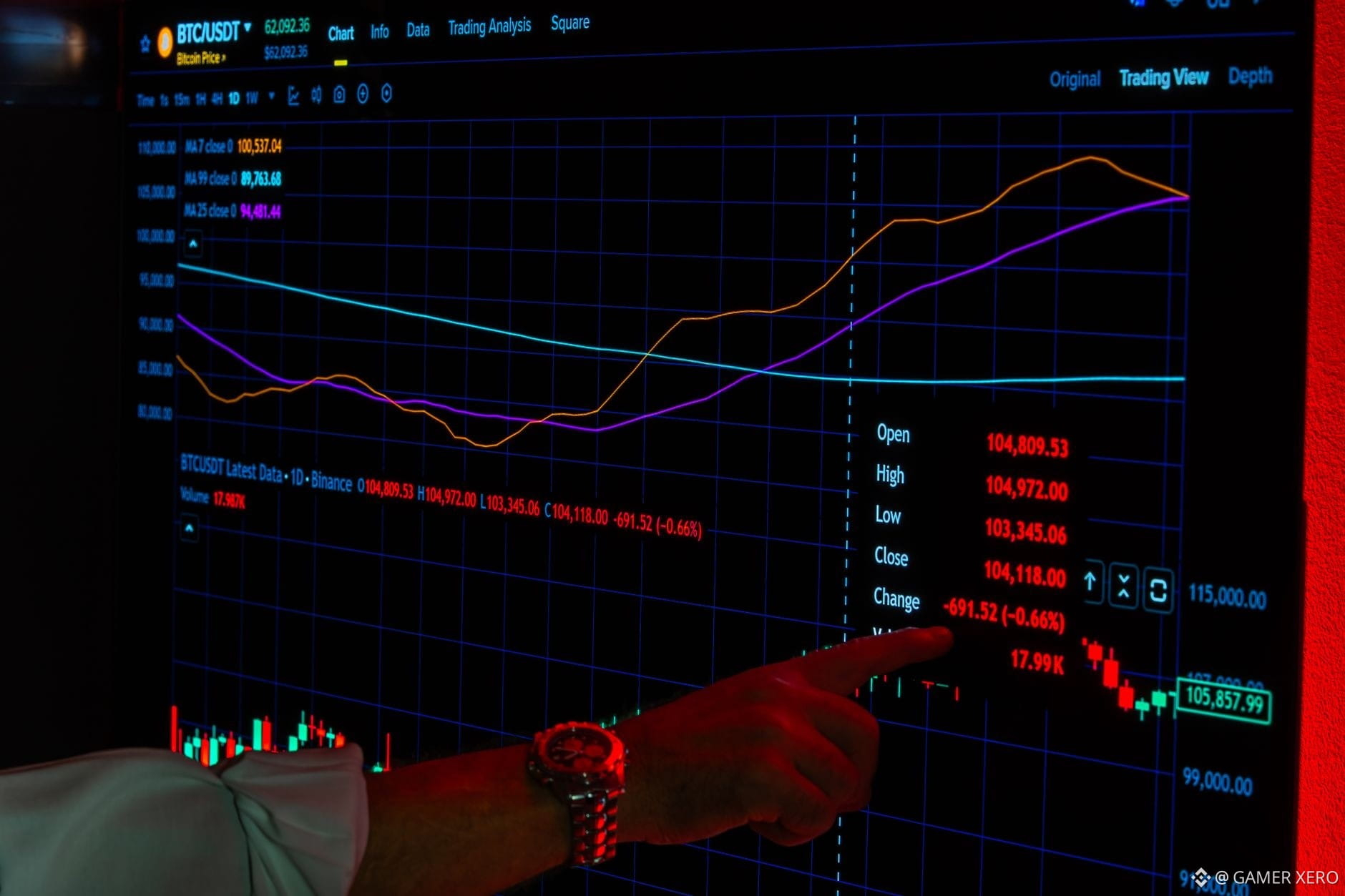
$BTC is trading around $80,388 on Binance, hovering between a 24‑hour high of $81,196 and a low of $77,754. That swing gives a realistic stop‑loss band without chasing the extremes. I like to start with a capital‑preservation rule: never risk more than 1 % of my total account on a single trade. If my account is $10,000, that means a $100 risk. With $BTC’s current range, a 2 % stop‑loss from entry (≈$1,600) would be too wide, so I target a tighter 0.8 % stop (≈$640). Dividing the $100 risk by $640 tells me I can comfortably size about 0.015 BTC (≈$1,200) on this move.
The next step is emotional discipline. I set the stop order the moment I place the entry, then step away. If the price tests the stop and rebounds, I resist the urge to “re‑enter” immediately—doing so erodes the very risk buffer I built. Instead, I wait for a fresh signal and recalculate size based on the new account balance.
How do you adjust your stop‑loss distance when a coin’s 24‑hour range widens unexpectedly?
#CryptoRisk #BinanceTips #CapitalPreservation #GAMERXERO
$BTC is trading around $80,388 on Binance, hovering between a 24‑hour high of $81,196 and a low of $77,754. That swing gives a realistic stop‑loss band without chasing the extremes. I like to start with a capital‑preservation rule: never risk more than 1 % of my total account on a single trade. If my account is $10,000, that means a $100 risk. With $BTC ’s current range, a 2 % stop‑loss from entry (≈$1,600) would be too wide, so I target a tighter 0.8 % stop (≈$640). Dividing the $100 risk by $640 tells me I can comfortably size about 0.015 BTC (≈$1,200) on this move.
The next step is emotional discipline. I set the stop order the moment I place the entry, then step away. If the price tests the stop and rebounds, I resist the urge to “re‑enter” immediately—doing so erodes the very risk buffer I built. Instead, I wait for a fresh signal and recalculate size based on the new account balance.
How do you adjust your stop‑loss distance when a coin’s 24‑hour range widens unexpectedly?
#CryptoRisk #BinanceTips #CapitalPreservation #GAMERXERO
42
·
--
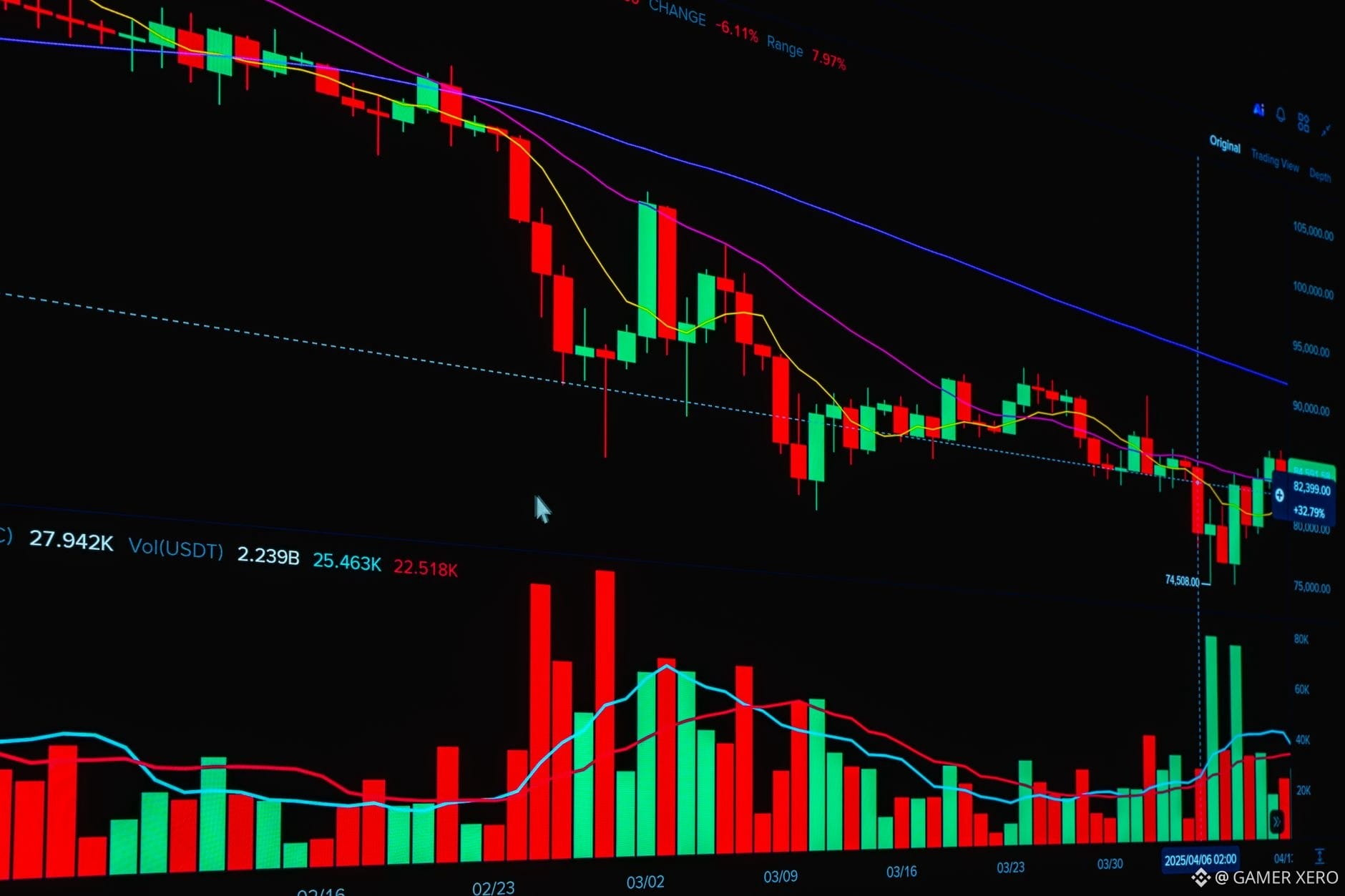
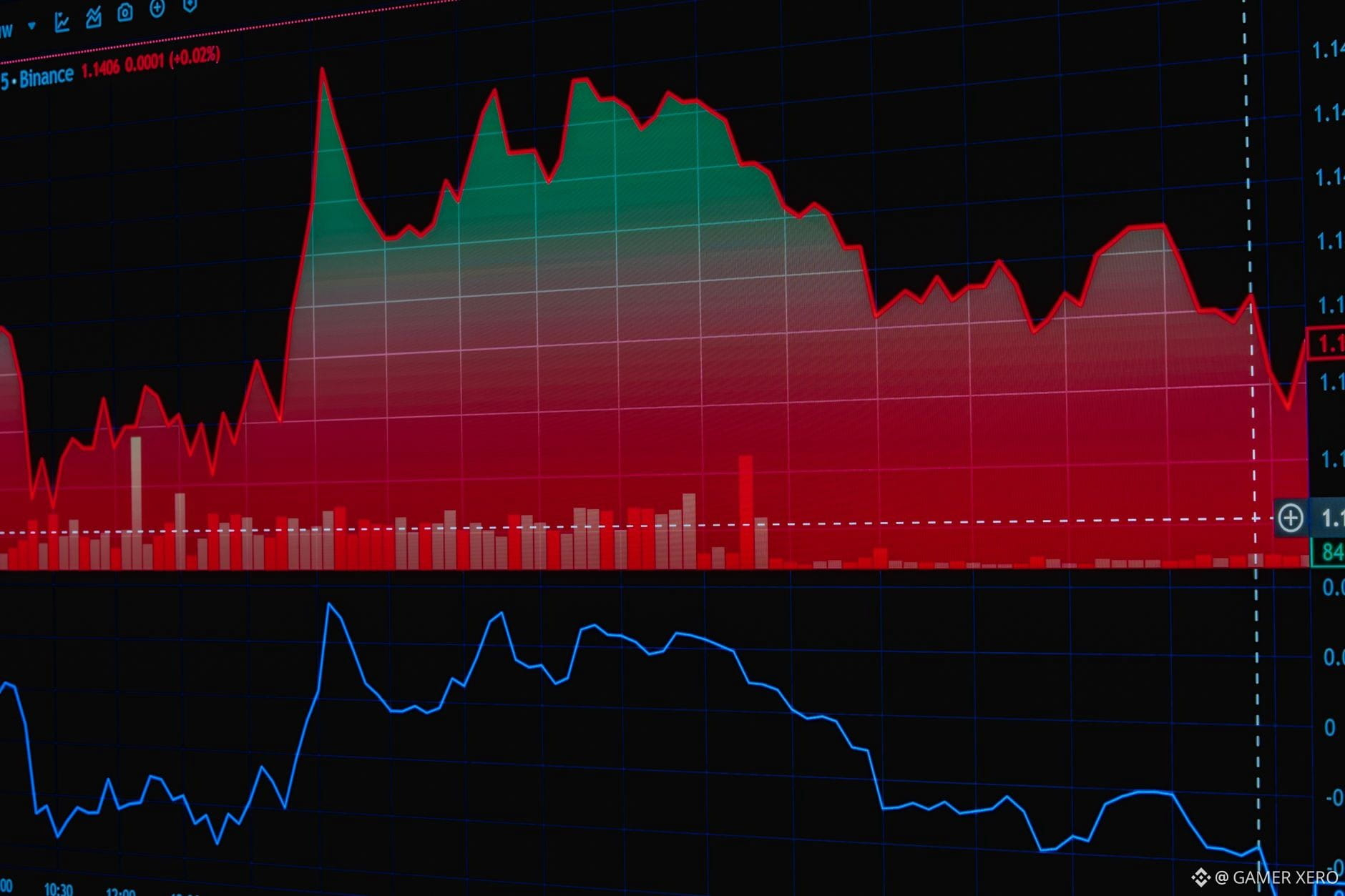
Spot markets on Binance move fast, but you don’t have to chase every tick. A limit order lets you set the exact price where you’re comfortable entering or exiting a position, and the engine will automatically execute when the market reaches that level. Think of it as a “price‑triggered” order that sits in the order book instead of a market order that flips the spread instantly.
Say you’re eyeing $BTC, currently at $80,444. You’d like to buy a bit lower, around the recent low of $76,600, but you don’t want to monitor the chart all day. Open a limit buy for, for example, $76,600 on the Binance spot page. If the price dips to that point, your order fills automatically; if it never reaches it, you stay out of the trade and avoid buying at a higher level.
Using limit orders helps manage risk, reduces slippage, and keeps your strategy disciplined. Have you tried setting a limit order on a volatile move, and how did it affect your trade flow?
#CryptoEducation #TradingTips #LimitOrders #Binance #GAMERXERO
Spot markets on Binance move fast, but you don’t have to chase every tick. A limit order lets you set the exact price where you’re comfortable entering or exiting a position, and the engine will automatically execute when the market reaches that level. Think of it as a “price‑triggered” order that sits in the order book instead of a market order that flips the spread instantly.
Say you’re eyeing $BTC , currently at $80,444. You’d like to buy a bit lower, around the recent low of $76,600, but you don’t want to monitor the chart all day. Open a limit buy for, for example, $76,600 on the Binance spot page. If the price dips to that point, your order fills automatically; if it never reaches it, you stay out of the trade and avoid buying at a higher level.
Using limit orders helps manage risk, reduces slippage, and keeps your strategy disciplined. Have you tried setting a limit order on a volatile move, and how did it affect your trade flow?
#CryptoEducation #TradingTips #LimitOrders #Binance #GAMERXERO
42
·
--
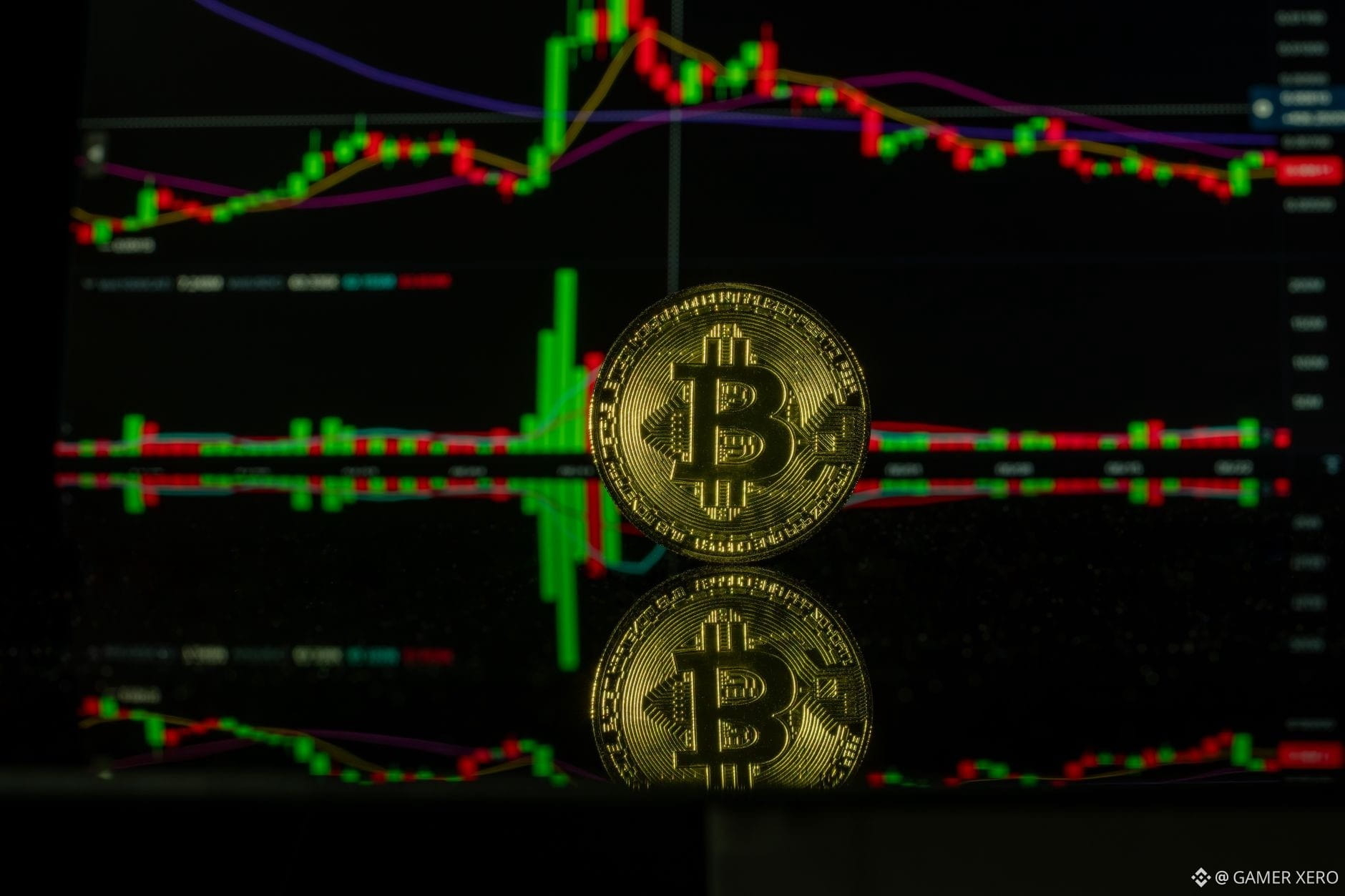
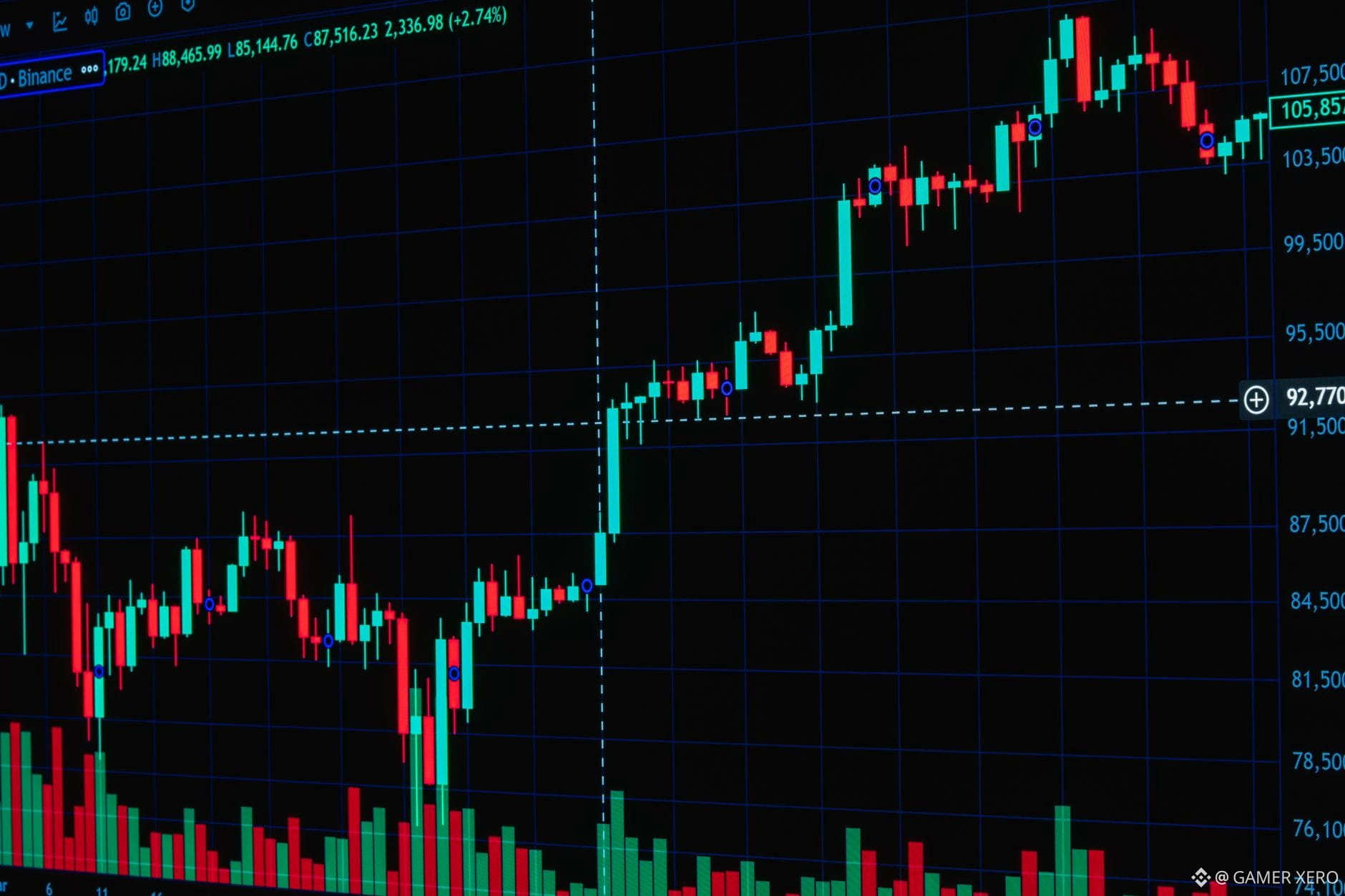
$BTC is sitting at $80,565, just a whisker below the 24‑hour high of $81,196 and comfortably above the recent low of $75,736. The price is testing a classic resistance cluster around $80,800‑$81,000, a level that held during the last pull‑back. On the downside, the $78,500‑$78,000 zone has acted as a springboard for buyers twice this week, suggesting it could serve as a short‑term support hub if volatility spikes.
Meanwhile $ETH has rallied to $2,428, carving out a fresh high near $2,450 while staying clear of the $2,226 floor. The $2,380‑$2,400 band now looks like the next hurdle; a break above could invite fresh inflows from traders rotating profit from BTC. Below, the $2,300‑$2,280 corridor still absorbs selling pressure, offering a potential entry point for those watching risk‑on sentiment.
With BTC flirting with its upper range and ETH showing robust upside, the question is whether the market will lean into the bullish bias or retreat to the lower support zones as traders digest the regulatory and security headlines. How are you adjusting your short‑term plans around these key levels?
#CryptoAnalysis #BTC #ETH #GAMERXERO
48
·
--
Seeing $BTC hold around $80,388 with a modest 4.44 % gain today reminded me how quickly sentiment can shift when macro headlines land. On the same day Ark Invest disclosed a $965 K purchase of Circle shares, trimming its stake in Bullish. That move signals a growing institutional curiosity about stablecoin infrastructure rather than direct crypto exposure. For me it’s a cue to look at how the broader market reacts when large players favor the underlying fiat‑backed assets that power DeFi and trading on Binance.
On the other side, $ETH is up 6.74 % at $2,415, edging higher after the recent network upgrades and continued demand for ETH‑backed stablecoins. The contrast between a relatively stable BTC price action and a more aggressive ETH rally makes me wonder how much of today’s upside is being funneled through stablecoin utilities versus pure speculative moves.
If you’re tracking these shifts, what metrics do you rely on to gauge whether institutional interest in stablecoins is likely to spill over into higher demand for $BTC or $ETH? Do you adjust your risk profile based on such news, or keep your core positions unchanged? 🤔
#CryptoTalk #Stablecoins #BinanceCommunity #GAMERXERO
Seeing $BTC hold around $80,388 with a modest 4.44 % gain today reminded me how quickly sentiment can shift when macro headlines land. On the same day Ark Invest disclosed a $965 K purchase of Circle shares, trimming its stake in Bullish. That move signals a growing institutional curiosity about stablecoin infrastructure rather than direct crypto exposure. For me it’s a cue to look at how the broader market reacts when large players favor the underlying fiat‑backed assets that power DeFi and trading on Binance.
On the other side, $ETH is up 6.74 % at $2,415, edging higher after the recent network upgrades and continued demand for ETH‑backed stablecoins. The contrast between a relatively stable BTC price action and a more aggressive ETH rally makes me wonder how much of today’s upside is being funneled through stablecoin utilities versus pure speculative moves.
If you’re tracking these shifts, what metrics do you rely on to gauge whether institutional interest in stablecoins is likely to spill over into higher demand for $BTC or $ETH ? Do you adjust your risk profile based on such news, or keep your core positions unchanged? 🤔
#CryptoTalk #Stablecoins #BinanceCommunity #GAMERXERO
99
·
--
$BTC has been trading inside a tight 24‑hour window, nudging between $75,400 and $80,200. The price is currently sitting just above $80,490, a small bounce off the recent high of $81,196. Volume on Binance’s spot market shows a modest sell wall forming near $81,000, while the bid side clusters around $80,300. That imbalance suggests traders are testing the upper edge of the range before deciding whether to push higher or hand back to the downside. Keep an eye on the $80,500 level – it acts as a pivot where many limit orders sit, and a break below $80,300 could reopen the lower half of the corridor.
On the other side, $ETH’s 24‑hour swing has been a bit wider, ranging from $2,226 to $2,450. At $2,424 the token is holding near the top third of that band, with the order book showing strong buying interest around $2,410. The recent 6.5 % gain was fueled by a series of large market‑maker buys that lifted the price back up after a brief dip near $2,260. Watch the $2,430‑$2,440 zone; a clean hold there often leads to a test of the $2,450 high, while a slip through $2,410 could trigger a retest of the $2,380 support zone.
Given the current order‑flow dynamics, which level do you think will act as the next decisive barrier for $BTC or $ETH?
#CryptoAnalysis #Binance #TradingInsights #GAMERXERO
$BTC has been trading inside a tight 24‑hour window, nudging between $75,400 and $80,200. The price is currently sitting just above $80,490, a small bounce off the recent high of $81,196. Volume on Binance’s spot market shows a modest sell wall forming near $81,000, while the bid side clusters around $80,300. That imbalance suggests traders are testing the upper edge of the range before deciding whether to push higher or hand back to the downside. Keep an eye on the $80,500 level – it acts as a pivot where many limit orders sit, and a break below $80,300 could reopen the lower half of the corridor.
On the other side, $ETH ’s 24‑hour swing has been a bit wider, ranging from $2,226 to $2,450. At $2,424 the token is holding near the top third of that band, with the order book showing strong buying interest around $2,410. The recent 6.5 % gain was fueled by a series of large market‑maker buys that lifted the price back up after a brief dip near $2,260. Watch the $2,430‑$2,440 zone; a clean hold there often leads to a test of the $2,450 high, while a slip through $2,410 could trigger a retest of the $2,380 support zone.
Given the current order‑flow dynamics, which level do you think will act as the next decisive barrier for $BTC or $ETH ?
#CryptoAnalysis #Binance #TradingInsights #GAMERXERO
119
·
--
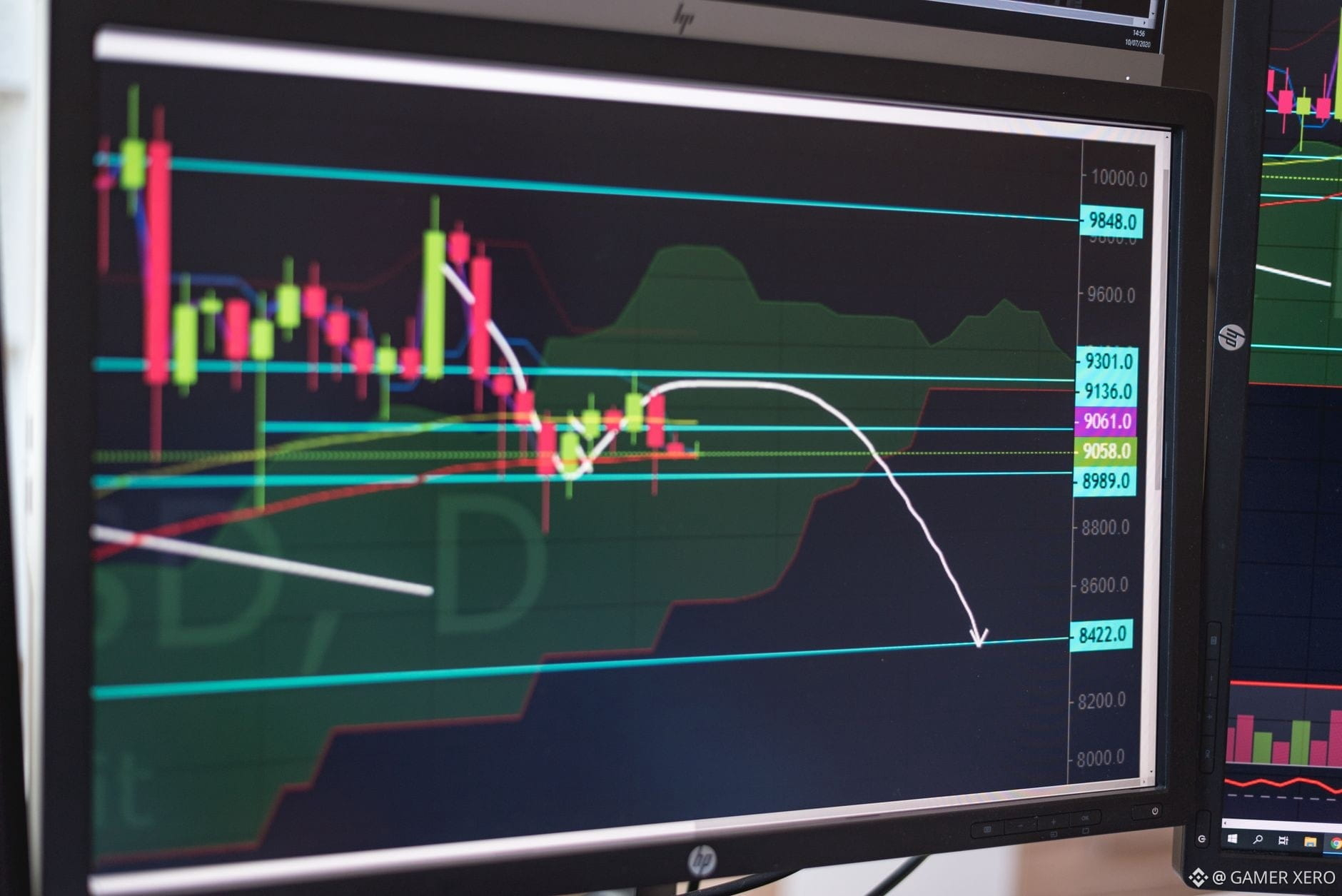
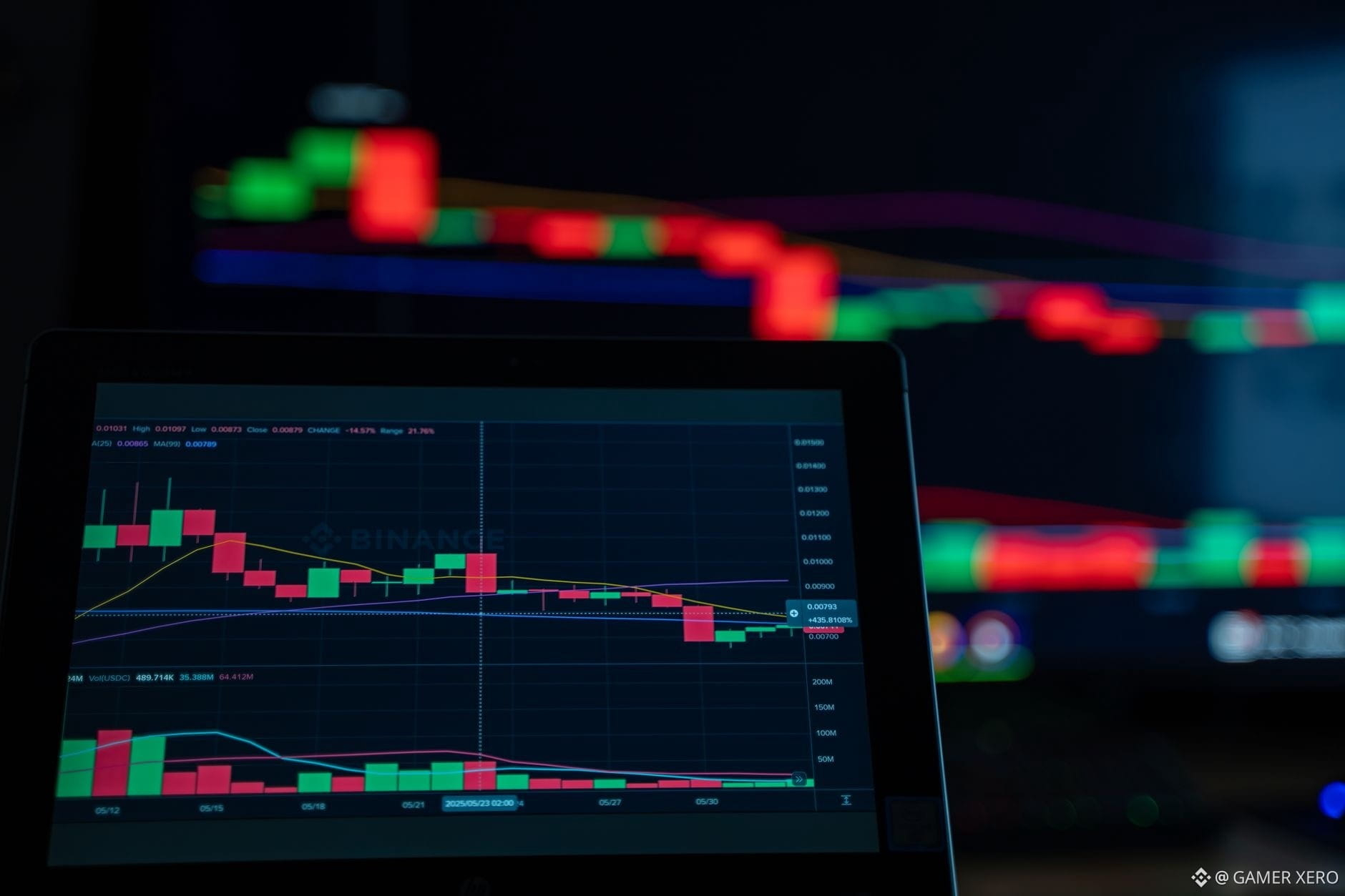
The recent $BTC price action sits around $79,300, but the market conversation has shifted from charts to security. Binance disclosed that a fake job interview was used to embed malicious code into an internal AI tool, giving attackers a foothold on engineers’ machines before the $6.3 billion outflow. The breach highlights a growing attack surface: it’s no longer just private‑key theft, but also social engineering and supply‑chain vulnerabilities in the software stack that powers exchanges.
For traders, this means tightening more than wallet hygiene. Verify recruitment channels, enforce multi‑factor authentication on all development workstations, and segment AI workloads from production nodes. On the infrastructure side, continuous code‑review pipelines and sandboxed execution environments can limit the blast radius of a compromised script. As the industry digests these lessons, we may see a wave of stricter internal audit standards and broader adoption of zero‑trust architectures across exchanges.
Do you think tighter internal controls will become a competitive edge for exchanges, or could they slow down innovation?
#CryptoSecurity #Binance #ExchangeOps #GAMERXERO
1
2.3k
·
--
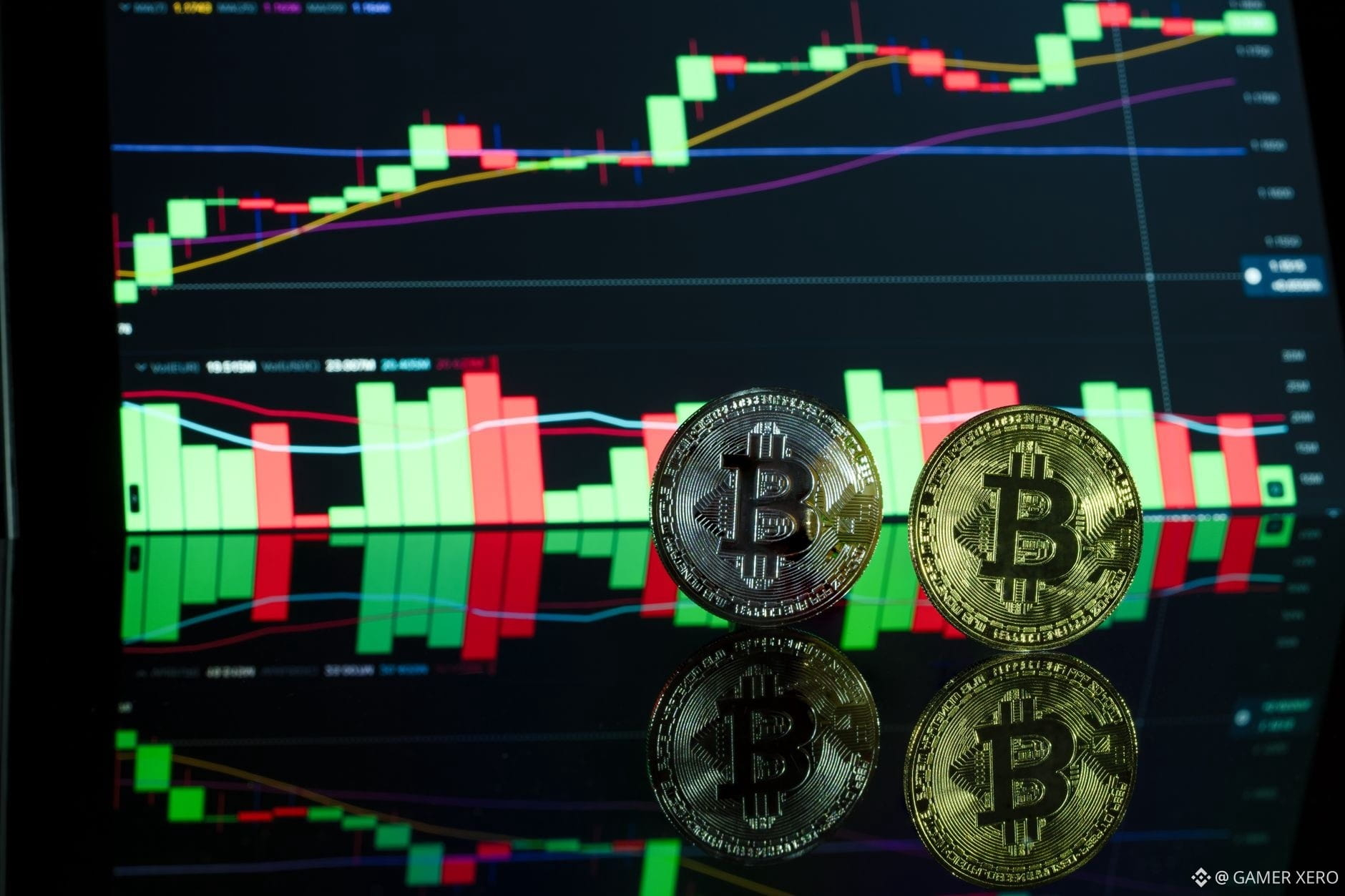
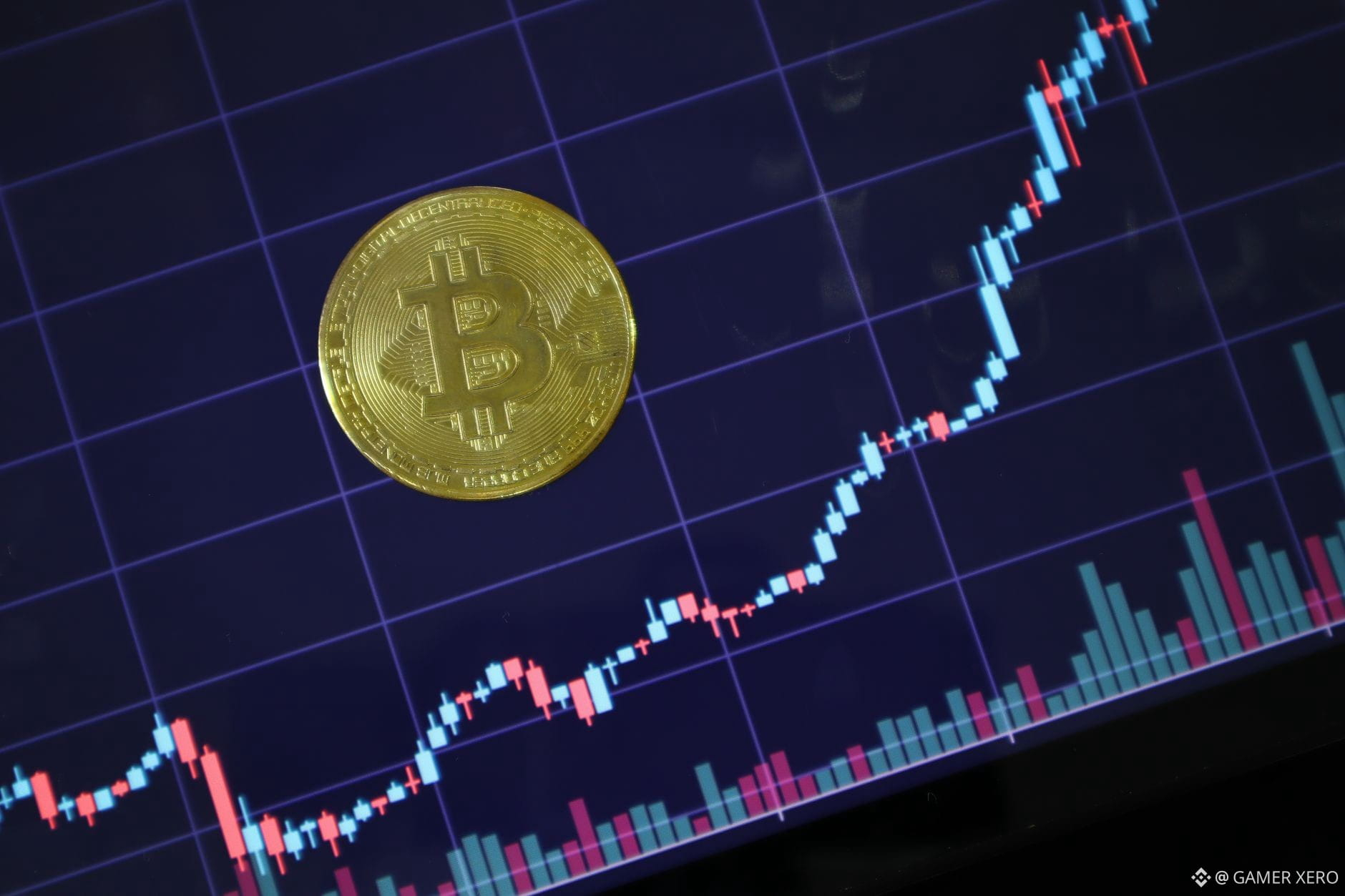
$BTC is hanging just under $76,800, a 1.45 % dip that feels like a micro‑reset after the recent hack‑related outflows. When the market contracts, it’s the perfect moment to audit your portfolio’s exposure. Start by capping any single‑asset position to a comfortable % of total equity – 10 % is a common ceiling on volatile assets. That way, even a 30 % swing in $BTC won’t cripple the whole account.
Finally, calculate a realistic drawdown budget. If you can tolerate a 15 % loss on the portfolio, size each trade so that a worst‑case move (e.g., a 25 % drop in $BTC) only consumes a fraction of that budget – roughly 2‑3 % per position. This math lets you stay in the game long enough for the market to rebound.
How do you currently set your exposure limits and what’s the biggest lesson you’ve learned from a past drawdown? #CryptoRisk #PortfolioManagement #GAMERXERO #Binance #TradingInsights
$BTC is hanging just under $76,800, a 1.45 % dip that feels like a micro‑reset after the recent hack‑related outflows. When the market contracts, it’s the perfect moment to audit your portfolio’s exposure. Start by capping any single‑asset position to a comfortable % of total equity – 10 % is a common ceiling on volatile assets. That way, even a 30 % swing in $BTC won’t cripple the whole account.
Finally, calculate a realistic drawdown budget. If you can tolerate a 15 % loss on the portfolio, size each trade so that a worst‑case move (e.g., a 25 % drop in $BTC ) only consumes a fraction of that budget – roughly 2‑3 % per position. This math lets you stay in the game long enough for the market to rebound.
How do you currently set your exposure limits and what’s the biggest lesson you’ve learned from a past drawdown? #CryptoRisk #PortfolioManagement #GAMERXERO #Binance #TradingInsights
243
Log in to explore more content
Join global crypto users on Binance Square
⚡️ Get latest and useful information about crypto.
💬 Trusted by the world’s largest crypto exchange.
👍 Discover real insights from verified creators.
Email / Phone number
Trending Topics
1
#WhoWillSucceedJensenHuangatNvidia?
152,074 views
1,580 Discussing
2
#WhatWillDriveCryptoandStocks’NextRebound?
549,744 views
3,420 Discussing
3
#BitcoinActiveSupplyInProfitDropsBelow45%
65,509 views
669 Discussing
4
#KavaSaysAbnormalActivityLimitedToKavaLend
36,108 views
373 Discussing
5
#USSpotXRPETFsSeeLargestWeeklyOutflowIn8Months
27,884 views
327 Discussing
6
#USPPIMissMayEaseBTCPressure
284,451 views
2,227 Discussing
7
#WORPTLetsTouristsConvertCryptoToThaiBaht
9,532 views
88 Discussing
8
#TONStrategyReports$23.97MQ3NetLoss
10,201 views
42 Discussing
9
#PolkadotCommunityApprovesNewStrategyWith97%Vote
26,769 views
285 Discussing
10
#dYdXPlansV9.9UpgradeToShiftUSDCToInjective
24,709 views
245 Discussing