

#capitalpreservation
capitalpreservation
31,885 views
265 Discussing
Hot
Latest

·
--
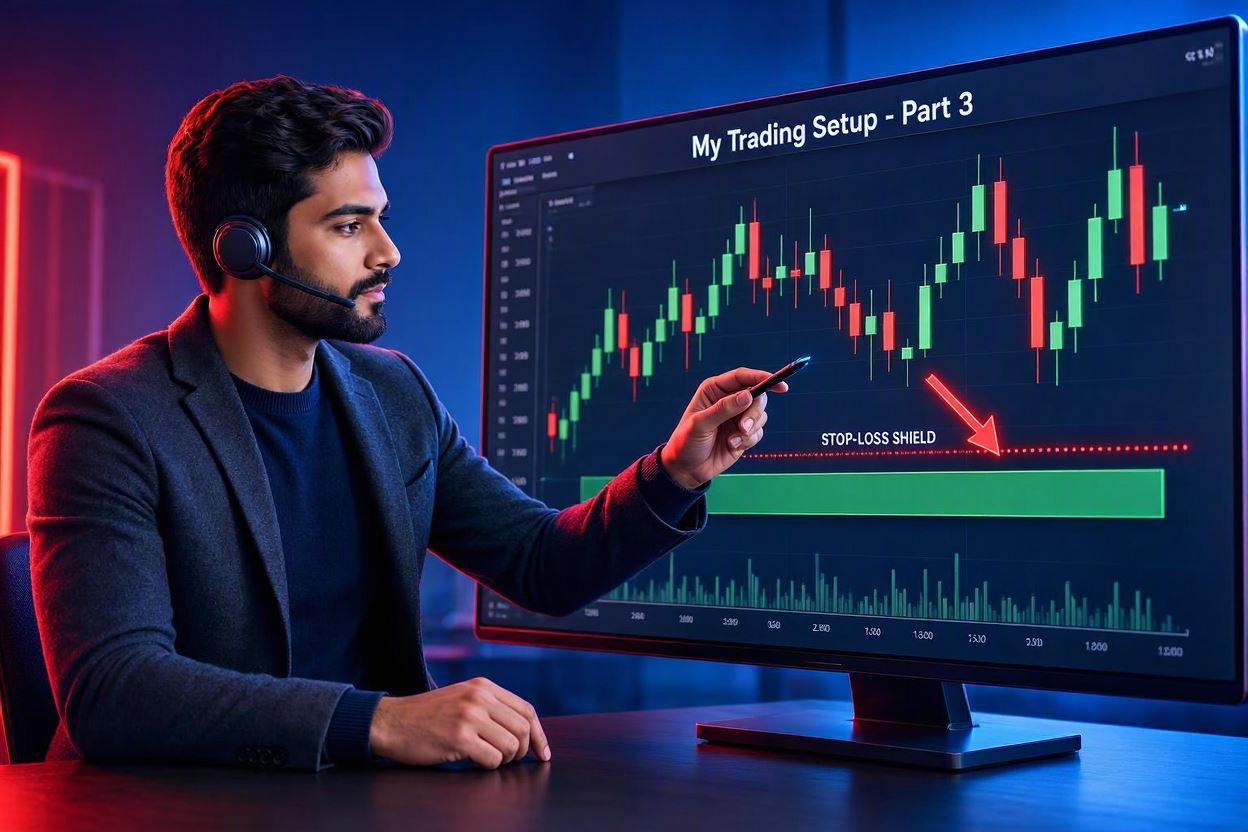
📊 My Trading Setup (Part 3): How I Protect My Capital Using a Strict Stop-Loss Strategy🎈🎈🎈
Entering a crypto trade without a Stop-Loss is the fastest way to liquidate your account. In my early days, I used to hold losing trades, emotionally hoping the price would pump back up, which usually led to devastating losses. Today, accepting a tiny, controlled loss to save my core capital is my absolute golden rule for long-term survival.
Here is the exact framework I follow to set my Stop-Loss levels objectively:
🎈Placing the Level Strictly Below the Key Support Floor
I never set my Stop-Loss at a random percentage. I look at my chart layout and place it slightly below the major structural support line. If the price breaks below this key floor, it proves that my bullish trade thesis is completely invalid, and it’s time to exit immediately.
🎈Calculating a High Risk-to-Reward Ratio Before Entering
Before clicking the buy button, I ensure that my potential profit is at least two or three times larger than my potential loss (1:2 or 1:3 ratio). If my Stop-Loss target requires risking too much capital for a tiny gain, I instantly skip the trade setup altogether.
🎈Suppressing My Emotions When the Stop-Loss Triggers
When the market reverses and hits my exit price, I let the system close the position automatically. I never widen my Stop-Loss out of fear. I learned that taking a small, disciplined loss is actually a massive victory for capital preservation.
💡 Let's Chat: Do you use a strict automated Stop-Loss checklist on Binance, or do you find it hard to cut losses due to hope? Share your risk rules below! 👇
💧 Disclaimer: Not financial advice. Educational only. DYOR.
#MyTradingSetup #MyTradingSetup
#StopLoss: #CapitalPreservation #BinanceSquareFamily $BNB $BTC $ETH
{spot}(BNBUSDT)
📊 My Trading Setup (Part 3): How I Protect My Capital Using a Strict Stop-Loss Strategy🎈🎈🎈
Entering a crypto trade without a Stop-Loss is the fastest way to liquidate your account. In my early days, I used to hold losing trades, emotionally hoping the price would pump back up, which usually led to devastating losses. Today, accepting a tiny, controlled loss to save my core capital is my absolute golden rule for long-term survival.
Here is the exact framework I follow to set my Stop-Loss levels objectively:
🎈Placing the Level Strictly Below the Key Support Floor
I never set my Stop-Loss at a random percentage. I look at my chart layout and place it slightly below the major structural support line. If the price breaks below this key floor, it proves that my bullish trade thesis is completely invalid, and it’s time to exit immediately.
🎈Calculating a High Risk-to-Reward Ratio Before Entering
Before clicking the buy button, I ensure that my potential profit is at least two or three times larger than my potential loss (1:2 or 1:3 ratio). If my Stop-Loss target requires risking too much capital for a tiny gain, I instantly skip the trade setup altogether.
🎈Suppressing My Emotions When the Stop-Loss Triggers
When the market reverses and hits my exit price, I let the system close the position automatically. I never widen my Stop-Loss out of fear. I learned that taking a small, disciplined loss is actually a massive victory for capital preservation.
💡 Let's Chat: Do you use a strict automated Stop-Loss checklist on Binance, or do you find it hard to cut losses due to hope? Share your risk rules below! 👇
💧 Disclaimer: Not financial advice. Educational only. DYOR.
#MyTradingSetup #MyTradingSetup
#StopLoss: #CapitalPreservation #BinanceSquareFamily $BNB $BTC $ETH
Entering a crypto trade without a Stop-Loss is the fastest way to liquidate your account. In my early days, I used to hold losing trades, emotionally hoping the price would pump back up, which usually led to devastating losses. Today, accepting a tiny, controlled loss to save my core capital is my absolute golden rule for long-term survival.
Here is the exact framework I follow to set my Stop-Loss levels objectively:
🎈Placing the Level Strictly Below the Key Support Floor
I never set my Stop-Loss at a random percentage. I look at my chart layout and place it slightly below the major structural support line. If the price breaks below this key floor, it proves that my bullish trade thesis is completely invalid, and it’s time to exit immediately.
🎈Calculating a High Risk-to-Reward Ratio Before Entering
Before clicking the buy button, I ensure that my potential profit is at least two or three times larger than my potential loss (1:2 or 1:3 ratio). If my Stop-Loss target requires risking too much capital for a tiny gain, I instantly skip the trade setup altogether.
🎈Suppressing My Emotions When the Stop-Loss Triggers
When the market reverses and hits my exit price, I let the system close the position automatically. I never widen my Stop-Loss out of fear. I learned that taking a small, disciplined loss is actually a massive victory for capital preservation.
💡 Let's Chat: Do you use a strict automated Stop-Loss checklist on Binance, or do you find it hard to cut losses due to hope? Share your risk rules below! 👇
💧 Disclaimer: Not financial advice. Educational only. DYOR.
#MyTradingSetup #MyTradingSetup
#StopLoss: #CapitalPreservation #BinanceSquareFamily $BNB $BTC $ETH
346

·
--
CAPITAL PRESERVATION STRATEGY: ACCUMULATING $AKE LIQUIDITY AHEAD OF MACRO EXPANSION ⚡ 🔍
While retail market participants repeatedly flush capital chasing volatile derivative swings, disciplined execution favors risk-free position building. Systematic yield distribution in assets like $AKE , $MAGMA , and $USELESS allows operators to extract raw capital directly from platform initiatives without taking underlying market exposure. 📊
Compounding these micro-allocations constructs solid dry powder ahead of broader structural shifts. 💡 Converting non-capital campaigns into position sizing preserves core equity while ensuring readiness when high R:R demand zones finally present themselves. 📌
💬 Are you over-leveraging short-term noise, or systematically accumulating liquidity for the next major structural pivot? 👇
⚠️ Not financial advice. Always manage your risk. 🛡️
🏷️ #AKE #MarketStructure #CapitalPreservation #Crypto
🎯 🦈
CAPITAL PRESERVATION STRATEGY: ACCUMULATING $AKE LIQUIDITY AHEAD OF MACRO EXPANSION ⚡ 🔍
While retail market participants repeatedly flush capital chasing volatile derivative swings, disciplined execution favors risk-free position building. Systematic yield distribution in assets like $AKE , $MAGMA , and $USELESS allows operators to extract raw capital directly from platform initiatives without taking underlying market exposure. 📊
Compounding these micro-allocations constructs solid dry powder ahead of broader structural shifts. 💡 Converting non-capital campaigns into position sizing preserves core equity while ensuring readiness when high R:R demand zones finally present themselves. 📌
💬 Are you over-leveraging short-term noise, or systematically accumulating liquidity for the next major structural pivot? 👇
⚠️ Not financial advice. Always manage your risk. 🛡️
🏷️ #AKE #MarketStructure #CapitalPreservation #Crypto
🎯 🦈
While retail market participants repeatedly flush capital chasing volatile derivative swings, disciplined execution favors risk-free position building. Systematic yield distribution in assets like $AKE , $MAGMA , and $USELESS allows operators to extract raw capital directly from platform initiatives without taking underlying market exposure. 📊
Compounding these micro-allocations constructs solid dry powder ahead of broader structural shifts. 💡 Converting non-capital campaigns into position sizing preserves core equity while ensuring readiness when high R:R demand zones finally present themselves. 📌
💬 Are you over-leveraging short-term noise, or systematically accumulating liquidity for the next major structural pivot? 👇
⚠️ Not financial advice. Always manage your risk. 🛡️
🏷️ #AKE #MarketStructure #CapitalPreservation #Crypto
🎯 🦈

43

·
--
🚨 TIME TO CUT $AR LONG AND PROTECT CAPITAL BEFORE THE MARKET SWEEPS DEEPER 🛑
Our $AR long setup flipped against market structure, and holding an invalidated thesis is how retail accounts get wiped out. Capital preservation is the absolute foundation of long-term trading survival, so we take the small paper cut today to defend our portfolio. 🛡️
📉 Order flow is showing persistent sell pressure, and respecting your stop protocol keeps you in complete control of your trajectory. True market mastery isn't about avoiding losses; it's about cutting them cleanly and keeping your ammunition dry for the next high-velocity momentum window. ⚡
💬 Did you execute the exit on $AR cleanly, or are you holding out for a bounce back to breakeven? 👇
⚠️ Not financial advice. Always manage your risk. 🛡️
🏷️ #AR #RiskManagement #CryptoTrading #CapitalPreservation
🎯 🛡️
🚨 TIME TO CUT $AR LONG AND PROTECT CAPITAL BEFORE THE MARKET SWEEPS DEEPER 🛑
Our $AR long setup flipped against market structure, and holding an invalidated thesis is how retail accounts get wiped out. Capital preservation is the absolute foundation of long-term trading survival, so we take the small paper cut today to defend our portfolio. 🛡️
📉 Order flow is showing persistent sell pressure, and respecting your stop protocol keeps you in complete control of your trajectory. True market mastery isn't about avoiding losses; it's about cutting them cleanly and keeping your ammunition dry for the next high-velocity momentum window. ⚡
💬 Did you execute the exit on $AR cleanly, or are you holding out for a bounce back to breakeven? 👇
⚠️ Not financial advice. Always manage your risk. 🛡️
🏷️ #AR #RiskManagement #CryptoTrading #CapitalPreservation
🎯 🛡️
Our $AR long setup flipped against market structure, and holding an invalidated thesis is how retail accounts get wiped out. Capital preservation is the absolute foundation of long-term trading survival, so we take the small paper cut today to defend our portfolio. 🛡️
📉 Order flow is showing persistent sell pressure, and respecting your stop protocol keeps you in complete control of your trajectory. True market mastery isn't about avoiding losses; it's about cutting them cleanly and keeping your ammunition dry for the next high-velocity momentum window. ⚡
💬 Did you execute the exit on $AR cleanly, or are you holding out for a bounce back to breakeven? 👇
⚠️ Not financial advice. Always manage your risk. 🛡️
🏷️ #AR #RiskManagement #CryptoTrading #CapitalPreservation
🎯 🛡️
119

·
--
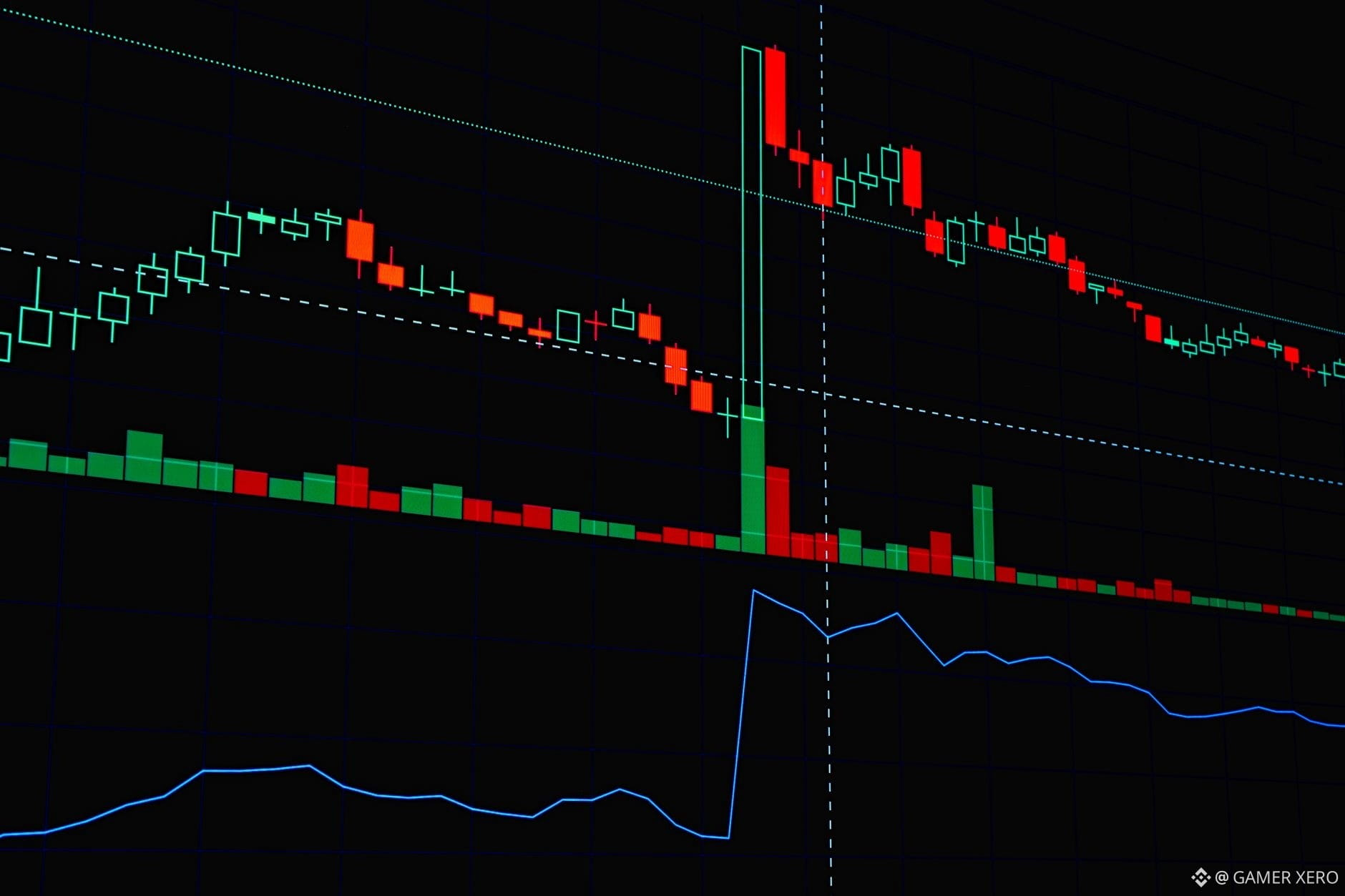
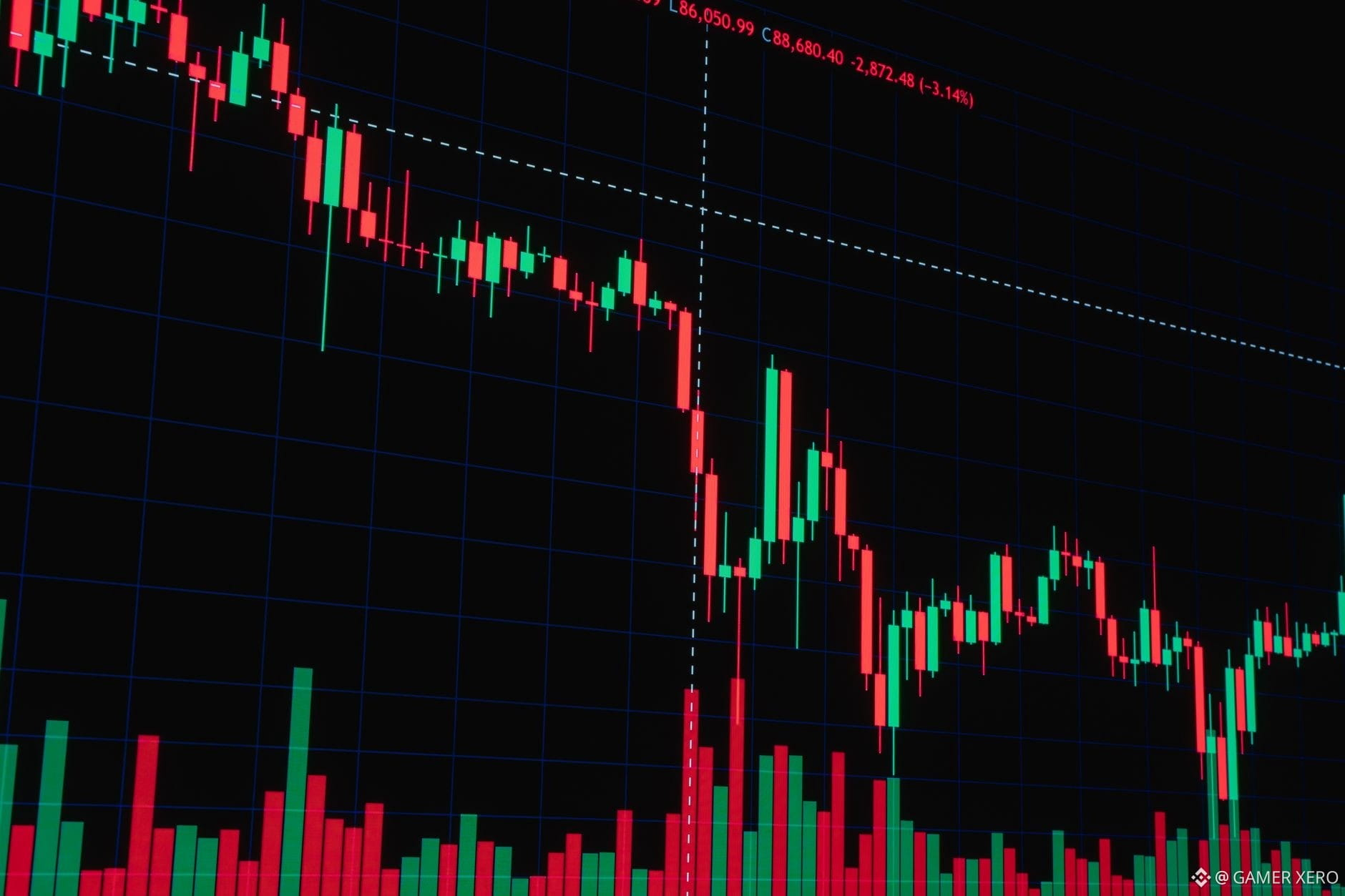
$BTC is hovering around $78,552, a tight range that makes it easy to slip into a loss if you let emotions drive the trade. One way to keep that from happening is to base every entry on a predefined stop‑loss and a clear risk‑per‑trade rule.
Start with your total capital—say $10,000. Decide you’ll never risk more than 1 % on a single position, so your max loss is $100. Look at the current chart and set a stop‑loss a few percent below the entry, for example $77,800, which is roughly a 0.95 % move. The distance between entry and stop is $752; $100 ÷ $752 ≈ 0.13 BTC. That means you’d buy about 0.13 BTC, not the full $10,000 stake. If the price rebounds, your profit potential stays proportional to the risk you took.
By treating every trade as a small, controlled experiment, you remove the fear of “missing out” and let the market move you, not the other way around. How do you currently size your positions when the market is sideways?
#CryptoRisk #CapitalPreservation #TradingDiscipline #GAMERXERO
$BTC is hovering around $78,552, a tight range that makes it easy to slip into a loss if you let emotions drive the trade. One way to keep that from happening is to base every entry on a predefined stop‑loss and a clear risk‑per‑trade rule.
Start with your total capital—say $10,000. Decide you’ll never risk more than 1 % on a single position, so your max loss is $100. Look at the current chart and set a stop‑loss a few percent below the entry, for example $77,800, which is roughly a 0.95 % move. The distance between entry and stop is $752; $100 ÷ $752 ≈ 0.13 BTC. That means you’d buy about 0.13 BTC, not the full $10,000 stake. If the price rebounds, your profit potential stays proportional to the risk you took.
By treating every trade as a small, controlled experiment, you remove the fear of “missing out” and let the market move you, not the other way around. How do you currently size your positions when the market is sideways?
#CryptoRisk #CapitalPreservation #TradingDiscipline #GAMERXERO
Start with your total capital—say $10,000. Decide you’ll never risk more than 1 % on a single position, so your max loss is $100. Look at the current chart and set a stop‑loss a few percent below the entry, for example $77,800, which is roughly a 0.95 % move. The distance between entry and stop is $752; $100 ÷ $752 ≈ 0.13 BTC. That means you’d buy about 0.13 BTC, not the full $10,000 stake. If the price rebounds, your profit potential stays proportional to the risk you took.
By treating every trade as a small, controlled experiment, you remove the fear of “missing out” and let the market move you, not the other way around. How do you currently size your positions when the market is sideways?
#CryptoRisk #CapitalPreservation #TradingDiscipline #GAMERXERO
36
·
--
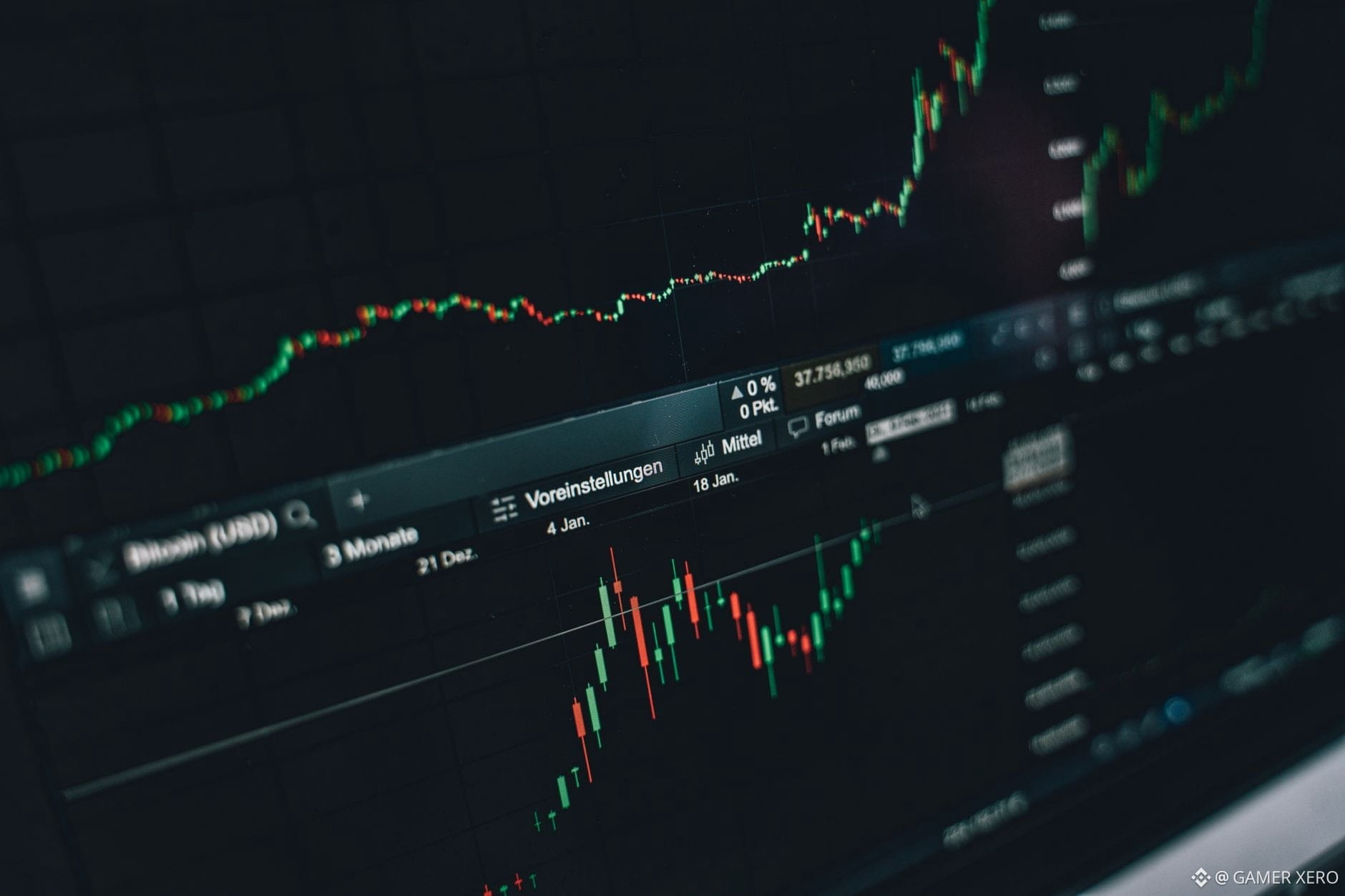
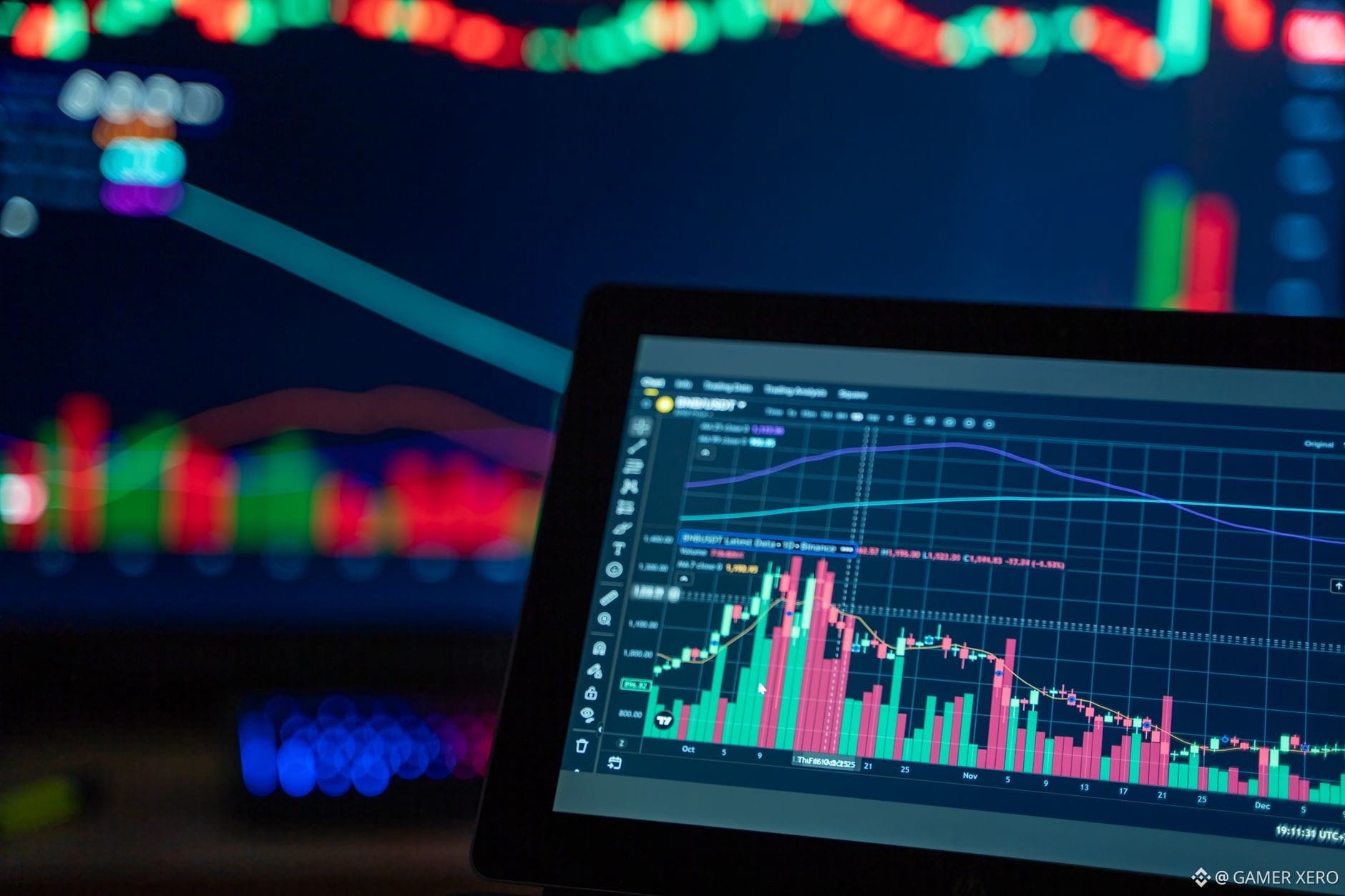
$BTC is hovering just under $79,200, and the 24‑hour range is tighter than most traders expect. When the market moves sideways like this, protecting capital becomes the priority, not chasing every micro‑bounce.
A simple stop‑loss rule that works for me is “risk‑per‑trade ≤ 1 % of account equity.” If you have $10,000, that means a maximum loss of $100 per position. With $BTC at $79,237, a $100 loss translates to a 0.13 % move, or roughly $100 / $79,237 ≈ 0.0013 BTC. Placing the stop just below the recent low of $78,680 gives a comfortable buffer while still honoring the 1 % rule.
Position sizing follows the same logic. Suppose you want to add $ETH exposure; at $2,495 a 1 % risk equals $100, which is about 0.040 ETH. By keeping each trade at the same risk level, you avoid over‑concentration and can stay in the market longer, even if a few stops get hit.
How do you balance stop‑loss tightness with the fear of being stopped out too early in a range‑bound market?
#RiskManagement #CryptoTrading #CapitalPreservation #GAMERXERO
$BTC is hovering just under $79,200, and the 24‑hour range is tighter than most traders expect. When the market moves sideways like this, protecting capital becomes the priority, not chasing every micro‑bounce.
A simple stop‑loss rule that works for me is “risk‑per‑trade ≤ 1 % of account equity.” If you have $10,000, that means a maximum loss of $100 per position. With $BTC at $79,237, a $100 loss translates to a 0.13 % move, or roughly $100 / $79,237 ≈ 0.0013 BTC. Placing the stop just below the recent low of $78,680 gives a comfortable buffer while still honoring the 1 % rule.
Position sizing follows the same logic. Suppose you want to add $ETH exposure; at $2,495 a 1 % risk equals $100, which is about 0.040 ETH. By keeping each trade at the same risk level, you avoid over‑concentration and can stay in the market longer, even if a few stops get hit.
How do you balance stop‑loss tightness with the fear of being stopped out too early in a range‑bound market?
#RiskManagement #CryptoTrading #CapitalPreservation #GAMERXERO
A simple stop‑loss rule that works for me is “risk‑per‑trade ≤ 1 % of account equity.” If you have $10,000, that means a maximum loss of $100 per position. With $BTC at $79,237, a $100 loss translates to a 0.13 % move, or roughly $100 / $79,237 ≈ 0.0013 BTC. Placing the stop just below the recent low of $78,680 gives a comfortable buffer while still honoring the 1 % rule.
Position sizing follows the same logic. Suppose you want to add $ETH exposure; at $2,495 a 1 % risk equals $100, which is about 0.040 ETH. By keeping each trade at the same risk level, you avoid over‑concentration and can stay in the market longer, even if a few stops get hit.
How do you balance stop‑loss tightness with the fear of being stopped out too early in a range‑bound market?
#RiskManagement #CryptoTrading #CapitalPreservation #GAMERXERO
24
·
--
$BTC is trading just under $79,900, barely moving beyond its 24‑hour band of $79,233‑$80,560. That tight range is a perfect classroom for risk control. I start every trade by defining how much of my account I’m willing to lose if the market turns – usually 1 % of total capital. With a $10,000 portfolio that’s $100. If I place a stop‑loss $300 below entry, the maximum loss per coin is $300 × quantity = $100, so the position size works out to 0.33 BTC. That tiny stake keeps my account safe while still letting me stay in the game when the price resumes its swing.
Emotional discipline is the other half. When price nudges the lower edge of the band, I resist the urge to add more just because the market feels “cheap.” Instead, I wait for the price to respect a clear support level or for a candle to close above the midpoint before re‑evaluating. This prevents the common mistake of doubling‑down into a losing trade and protects the capital needed for future setups.
Do you use a fixed‑percentage rule for stop‑loss sizing, or do you adapt it to volatility?
#CryptoRisk #TradingTips #CapitalPreservation #GAMERXERO
$BTC is trading just under $79,900, barely moving beyond its 24‑hour band of $79,233‑$80,560. That tight range is a perfect classroom for risk control. I start every trade by defining how much of my account I’m willing to lose if the market turns – usually 1 % of total capital. With a $10,000 portfolio that’s $100. If I place a stop‑loss $300 below entry, the maximum loss per coin is $300 × quantity = $100, so the position size works out to 0.33 BTC. That tiny stake keeps my account safe while still letting me stay in the game when the price resumes its swing.
Emotional discipline is the other half. When price nudges the lower edge of the band, I resist the urge to add more just because the market feels “cheap.” Instead, I wait for the price to respect a clear support level or for a candle to close above the midpoint before re‑evaluating. This prevents the common mistake of doubling‑down into a losing trade and protects the capital needed for future setups.
Do you use a fixed‑percentage rule for stop‑loss sizing, or do you adapt it to volatility?
#CryptoRisk #TradingTips #CapitalPreservation #GAMERXERO
Emotional discipline is the other half. When price nudges the lower edge of the band, I resist the urge to add more just because the market feels “cheap.” Instead, I wait for the price to respect a clear support level or for a candle to close above the midpoint before re‑evaluating. This prevents the common mistake of doubling‑down into a losing trade and protects the capital needed for future setups.
Do you use a fixed‑percentage rule for stop‑loss sizing, or do you adapt it to volatility?
#CryptoRisk #TradingTips #CapitalPreservation #GAMERXERO


1
128
·
--
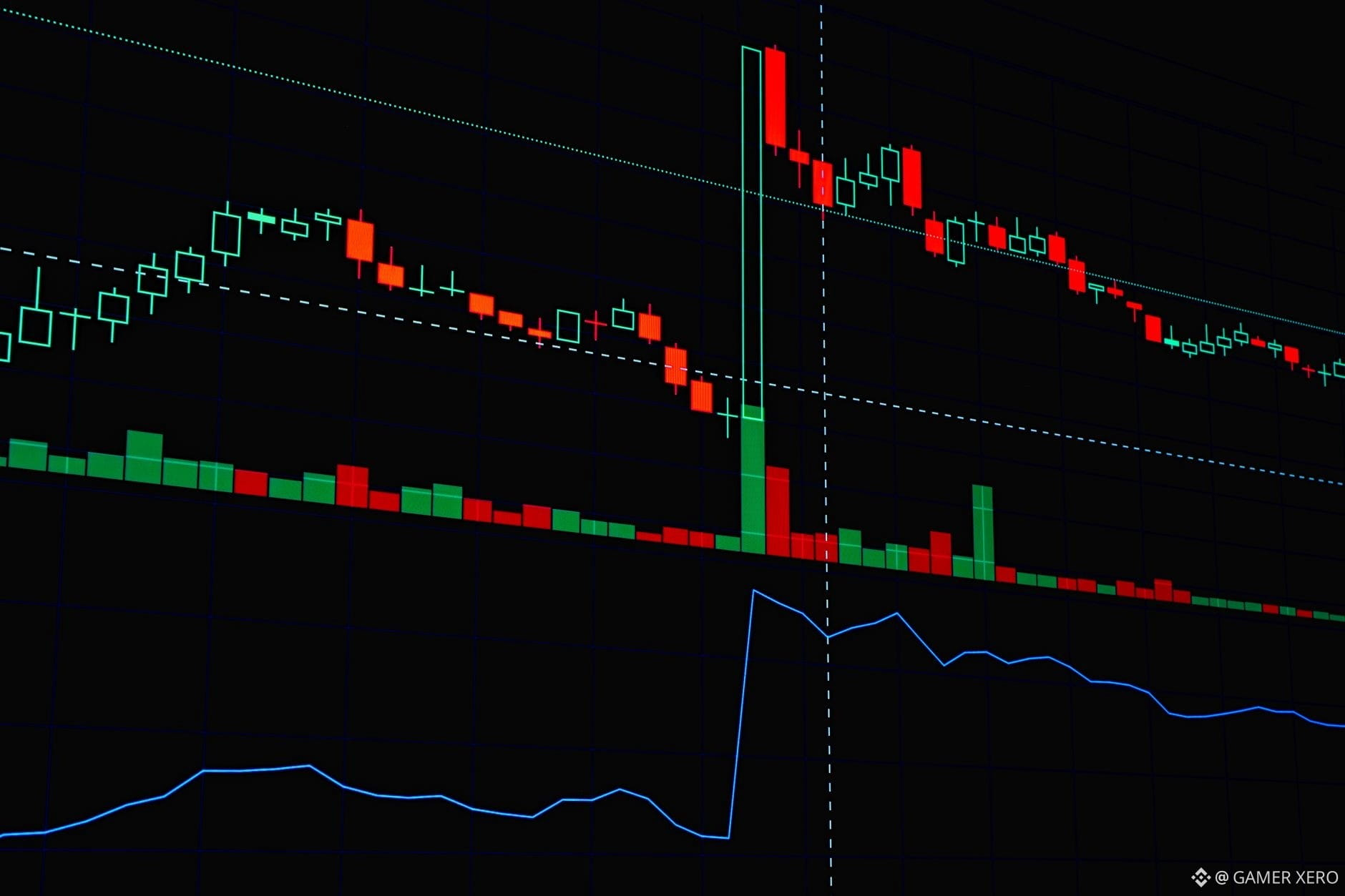
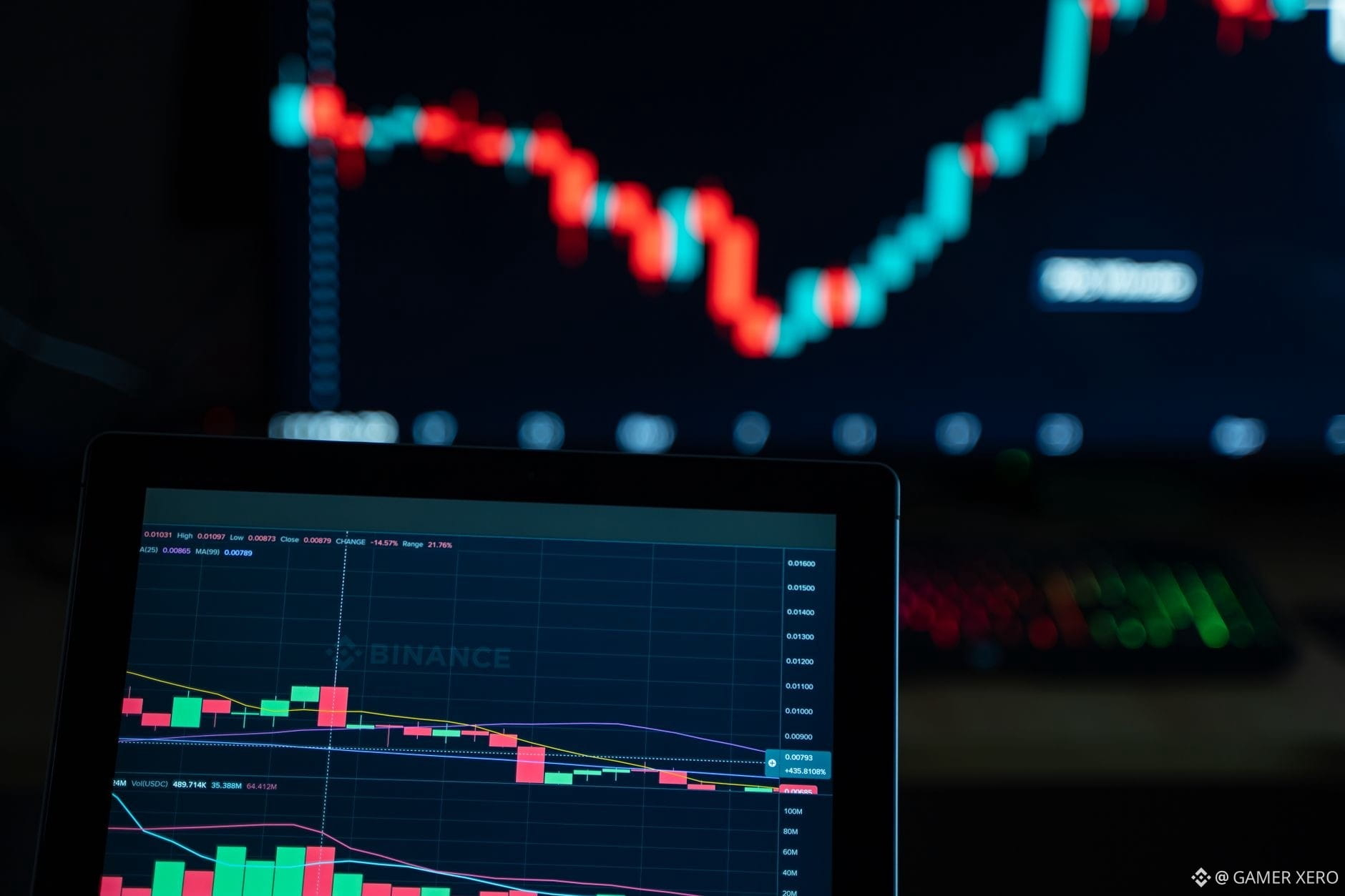
Watching $BTC hug its 24‑hour range today reminded me how quickly a modest drift can eat a trade. At $79,837 the price sat just a few hundred dollars above the day’s low of $79,545. If you entered a long at the current level with a 1 % risk tolerance, a stop‑loss around $79,040 would cap the loss at roughly $800 on an $80,000 position. That same stop sits about 1 % below entry, matching the volatility band set by the $80,200 high and $79,545 low.
Apply the same logic to $ETH at $2,495. A 1 % stop near $2,470 protects a $2,500 position from a $30 swing. By sizing each trade so the dollar loss never exceeds 1 % of total capital, the portfolio can survive several losers in a row.
The discipline part is simple: set the stop before the order hits the market and stick to it. Avoid the temptation to move the stop when price wiggles—your risk framework already accounts for normal noise.
What’s your go‑to method for deciding where a stop belongs in a tight‑range market?
#RiskManagement #CryptoTrading #CapitalPreservation #GAMERXERO
Watching $BTC hug its 24‑hour range today reminded me how quickly a modest drift can eat a trade. At $79,837 the price sat just a few hundred dollars above the day’s low of $79,545. If you entered a long at the current level with a 1 % risk tolerance, a stop‑loss around $79,040 would cap the loss at roughly $800 on an $80,000 position. That same stop sits about 1 % below entry, matching the volatility band set by the $80,200 high and $79,545 low.
Apply the same logic to $ETH at $2,495. A 1 % stop near $2,470 protects a $2,500 position from a $30 swing. By sizing each trade so the dollar loss never exceeds 1 % of total capital, the portfolio can survive several losers in a row.
The discipline part is simple: set the stop before the order hits the market and stick to it. Avoid the temptation to move the stop when price wiggles—your risk framework already accounts for normal noise.
What’s your go‑to method for deciding where a stop belongs in a tight‑range market?
#RiskManagement #CryptoTrading #CapitalPreservation #GAMERXERO
Apply the same logic to $ETH at $2,495. A 1 % stop near $2,470 protects a $2,500 position from a $30 swing. By sizing each trade so the dollar loss never exceeds 1 % of total capital, the portfolio can survive several losers in a row.
The discipline part is simple: set the stop before the order hits the market and stick to it. Avoid the temptation to move the stop when price wiggles—your risk framework already accounts for normal noise.
What’s your go‑to method for deciding where a stop belongs in a tight‑range market?
#RiskManagement #CryptoTrading #CapitalPreservation #GAMERXERO
25

·
--
When speed increases, small mistakes multiply. Trading fast assets on Binance requires instant execution and zero hesitations. If a trade violates your risk setup, exit immediately. Preserving capital is your primary job.
#Binance #CryptoSignalsETH #TradingTips2026 #RiskFirst #CapitalPreservation
When speed increases, small mistakes multiply. Trading fast assets on Binance requires instant execution and zero hesitations. If a trade violates your risk setup, exit immediately. Preserving capital is your primary job.
#Binance #CryptoSignalsETH #TradingTips2026 #RiskFirst #CapitalPreservation
#Binance #CryptoSignalsETH #TradingTips2026 #RiskFirst #CapitalPreservation
30
·
--
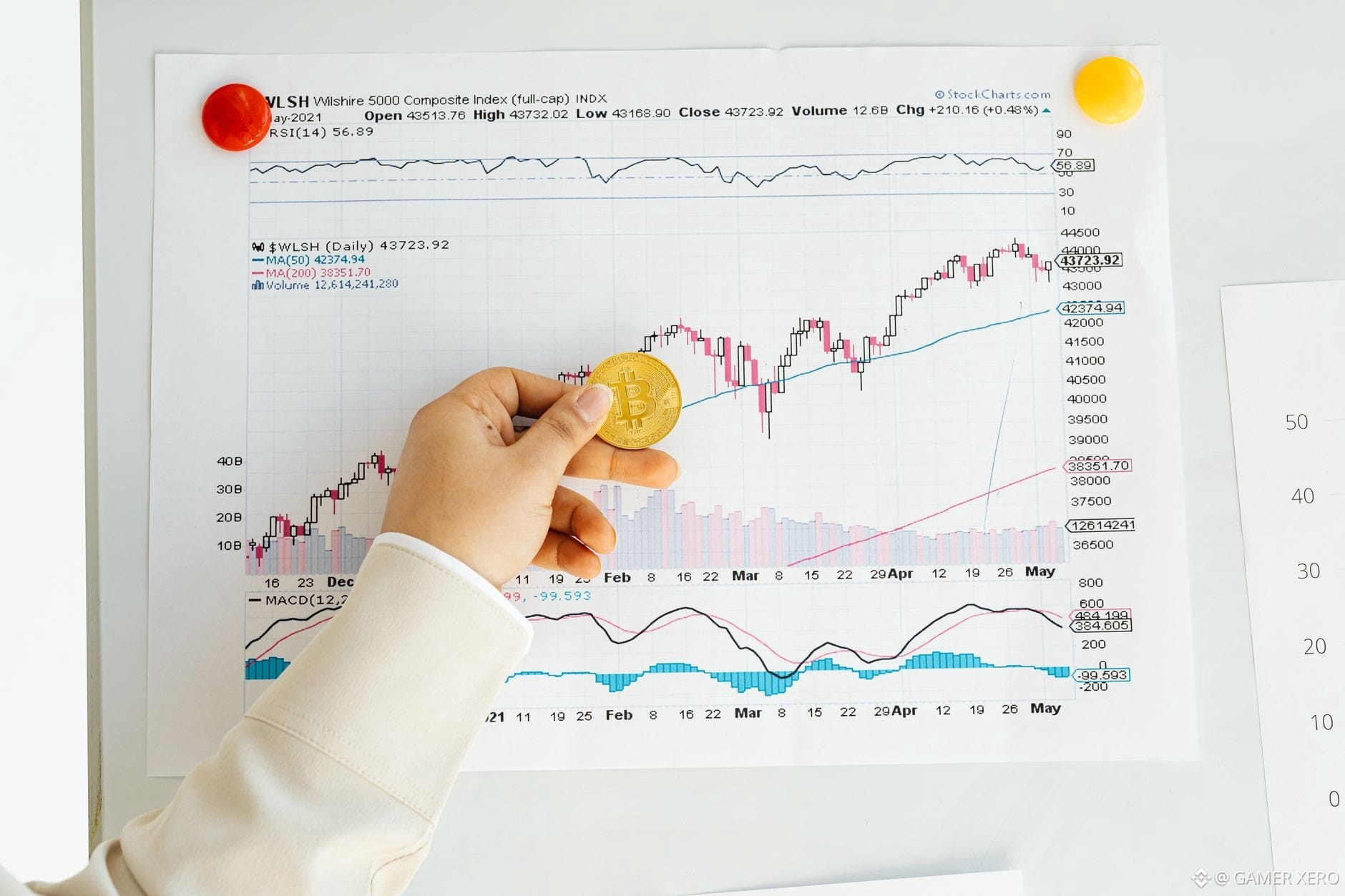
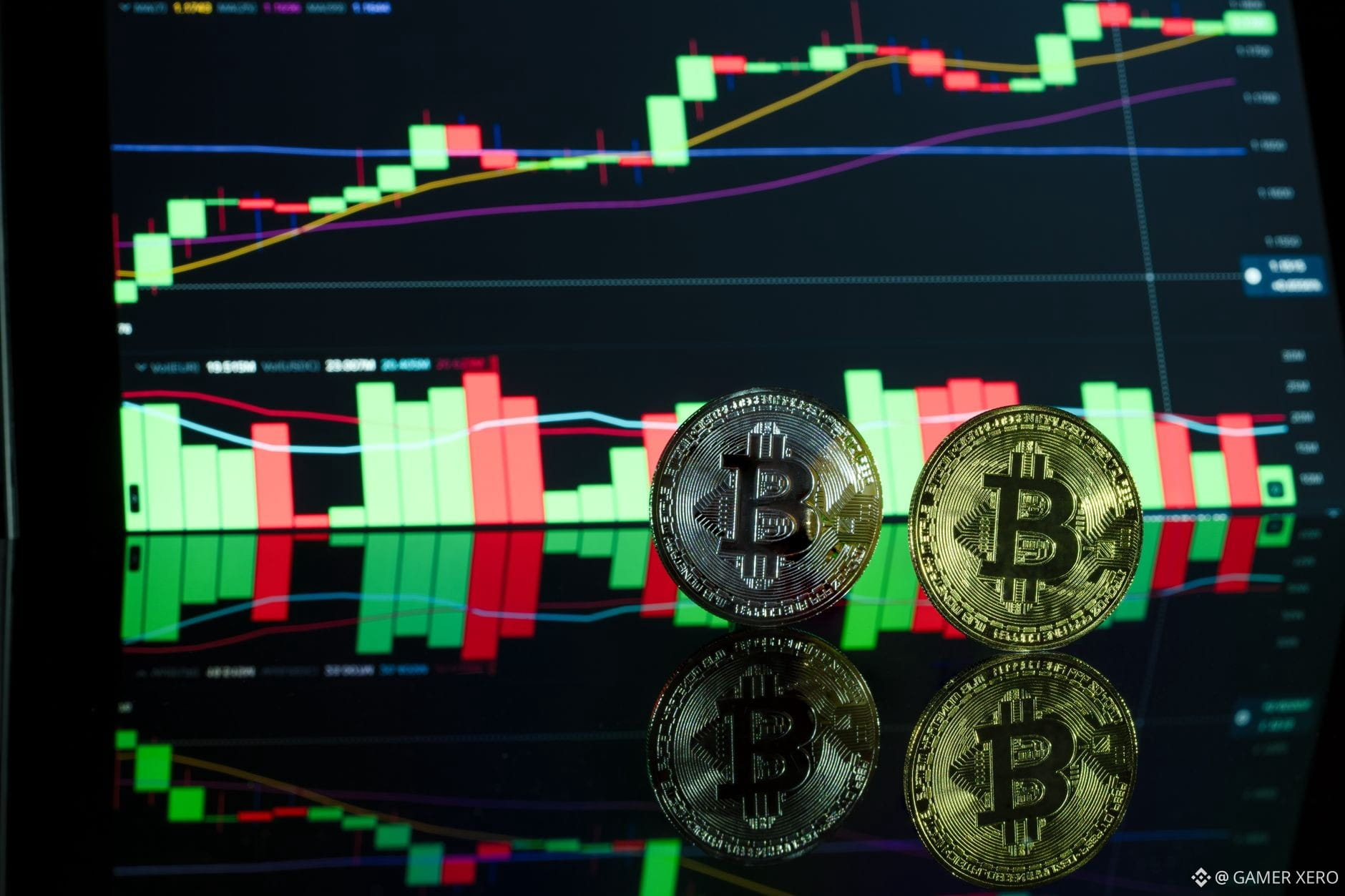
Seeing $BTC hovering around $79,700 while $ETH trades near $2,450 reminded me how quickly a well‑placed stop can protect capital when volatility spikes. Imagine a $10,000 allocation split evenly between the two assets. With a 2 % risk tolerance per position, you’d size each trade at $5,000 × 2 % = $100 risk. If you set a stop 3 % below entry for $BTC, that’s roughly $2,400, translating to a position size of about 0.03 BTC. For $ETH, a 3 % stop equals $73, so you’d hold roughly 0.014 ETH. The math keeps the maximum loss per trade at $100, regardless of price swings, and it forces you to think about why you’d exit before the market decides.
Beyond numbers, discipline matters. Write your stop level before you open the order, and treat it as non‑negotiable. If the market moves against you, you’ve already limited the downside, freeing mental bandwidth to evaluate the next setup rather than watching a single losing trade.
What’s your personal rule for defining stop‑loss distance when the market is range‑bound?
#RiskManagement #CryptoTrading #CapitalPreservation #GAMERXERO
Seeing $BTC hovering around $79,700 while $ETH trades near $2,450 reminded me how quickly a well‑placed stop can protect capital when volatility spikes. Imagine a $10,000 allocation split evenly between the two assets. With a 2 % risk tolerance per position, you’d size each trade at $5,000 × 2 % = $100 risk. If you set a stop 3 % below entry for $BTC , that’s roughly $2,400, translating to a position size of about 0.03 BTC. For $ETH , a 3 % stop equals $73, so you’d hold roughly 0.014 ETH. The math keeps the maximum loss per trade at $100, regardless of price swings, and it forces you to think about why you’d exit before the market decides.
Beyond numbers, discipline matters. Write your stop level before you open the order, and treat it as non‑negotiable. If the market moves against you, you’ve already limited the downside, freeing mental bandwidth to evaluate the next setup rather than watching a single losing trade.
What’s your personal rule for defining stop‑loss distance when the market is range‑bound?
#RiskManagement #CryptoTrading #CapitalPreservation #GAMERXERO
Beyond numbers, discipline matters. Write your stop level before you open the order, and treat it as non‑negotiable. If the market moves against you, you’ve already limited the downside, freeing mental bandwidth to evaluate the next setup rather than watching a single losing trade.
What’s your personal rule for defining stop‑loss distance when the market is range‑bound?
#RiskManagement #CryptoTrading #CapitalPreservation #GAMERXERO
40
·
--
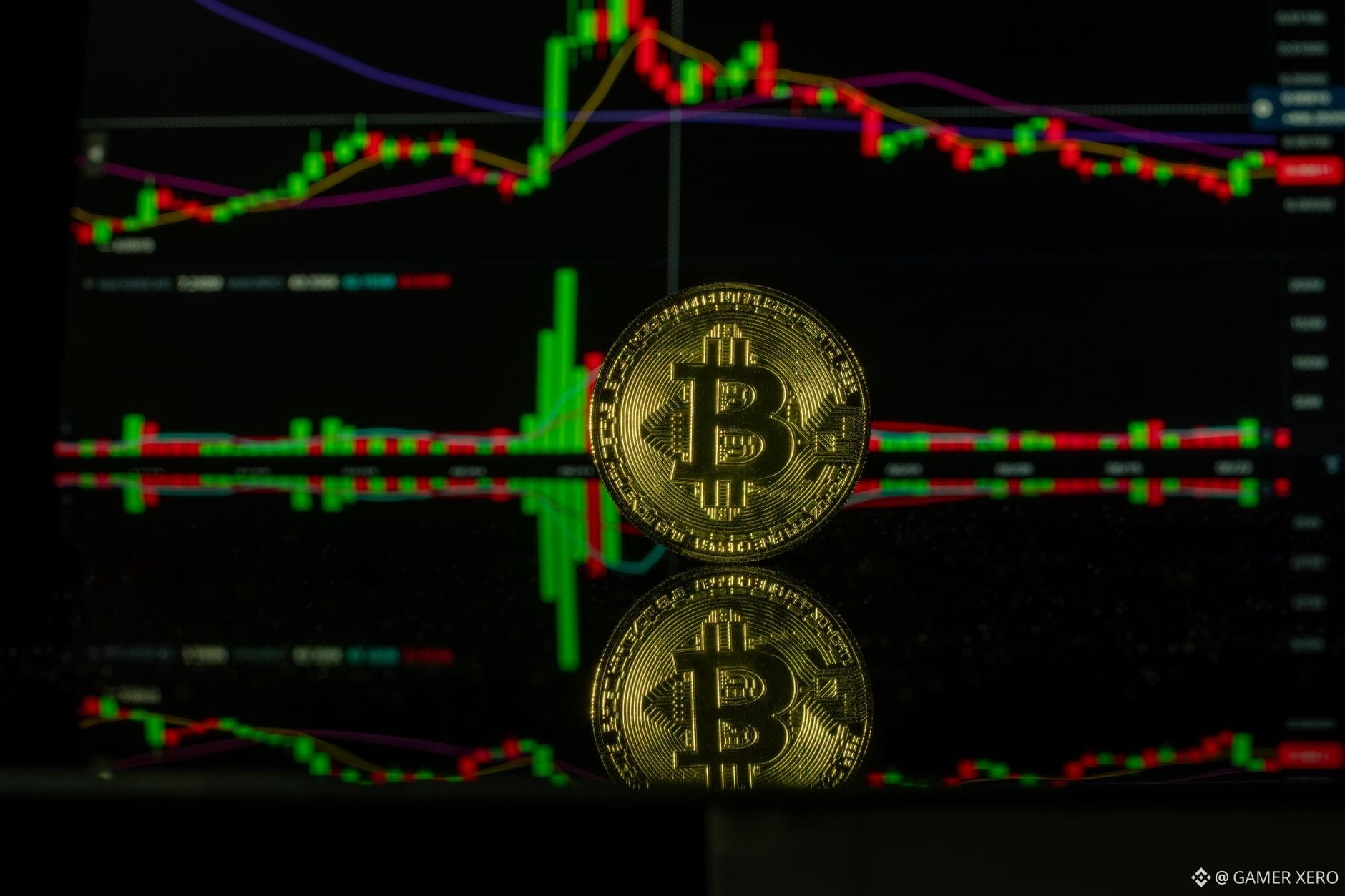
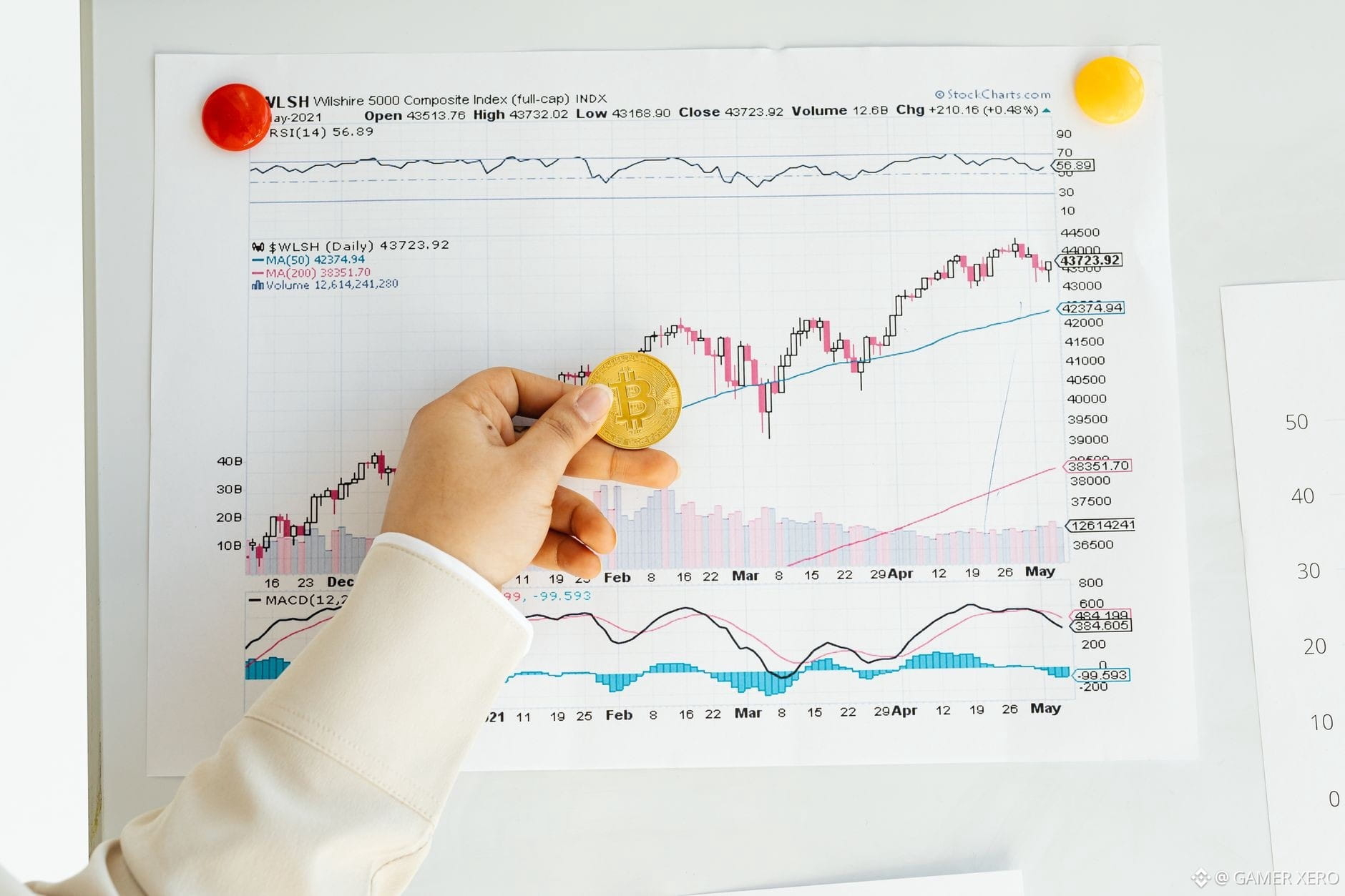
$BTC is hovering around $77,065, just a few hundred dollars above today’s 24‑hour low of $76,264. That gap is a handy reference point when you set a stop‑loss. A common rule of thumb is to place the stop just beyond a recent swing low, giving the trade room to breathe while limiting downside. For instance, if you entered a long at $77,100, a stop at $76,150 (roughly 1% below the low) caps a potential loss at about $950 per coin.
Next, size the position so that the dollar amount you stand to lose fits your risk tolerance. If you’re comfortable risking $300 on the trade, you’d buy roughly 0.32 BTC ($300 ÷ $950). That way a stop‑hit wipes out only the planned $300, preserving the bulk of your capital for the next setup.
Emotional discipline ties it together – treat the stop as a hard rule, not a suggestion. When the market tests the low, resist the urge to move the stop further away; doing so erodes the risk management you built.
How do you balance stop distance and position size in a range‑bound market?
#RiskManagement #CryptoTrading #CapitalPreservation #GAMERXERO
$BTC is hovering around $77,065, just a few hundred dollars above today’s 24‑hour low of $76,264. That gap is a handy reference point when you set a stop‑loss. A common rule of thumb is to place the stop just beyond a recent swing low, giving the trade room to breathe while limiting downside. For instance, if you entered a long at $77,100, a stop at $76,150 (roughly 1% below the low) caps a potential loss at about $950 per coin.
Next, size the position so that the dollar amount you stand to lose fits your risk tolerance. If you’re comfortable risking $300 on the trade, you’d buy roughly 0.32 BTC ($300 ÷ $950). That way a stop‑hit wipes out only the planned $300, preserving the bulk of your capital for the next setup.
Emotional discipline ties it together – treat the stop as a hard rule, not a suggestion. When the market tests the low, resist the urge to move the stop further away; doing so erodes the risk management you built.
How do you balance stop distance and position size in a range‑bound market?
#RiskManagement #CryptoTrading #CapitalPreservation #GAMERXERO
Next, size the position so that the dollar amount you stand to lose fits your risk tolerance. If you’re comfortable risking $300 on the trade, you’d buy roughly 0.32 BTC ($300 ÷ $950). That way a stop‑hit wipes out only the planned $300, preserving the bulk of your capital for the next setup.
Emotional discipline ties it together – treat the stop as a hard rule, not a suggestion. When the market tests the low, resist the urge to move the stop further away; doing so erodes the risk management you built.
How do you balance stop distance and position size in a range‑bound market?
#RiskManagement #CryptoTrading #CapitalPreservation #GAMERXERO
26
·
--
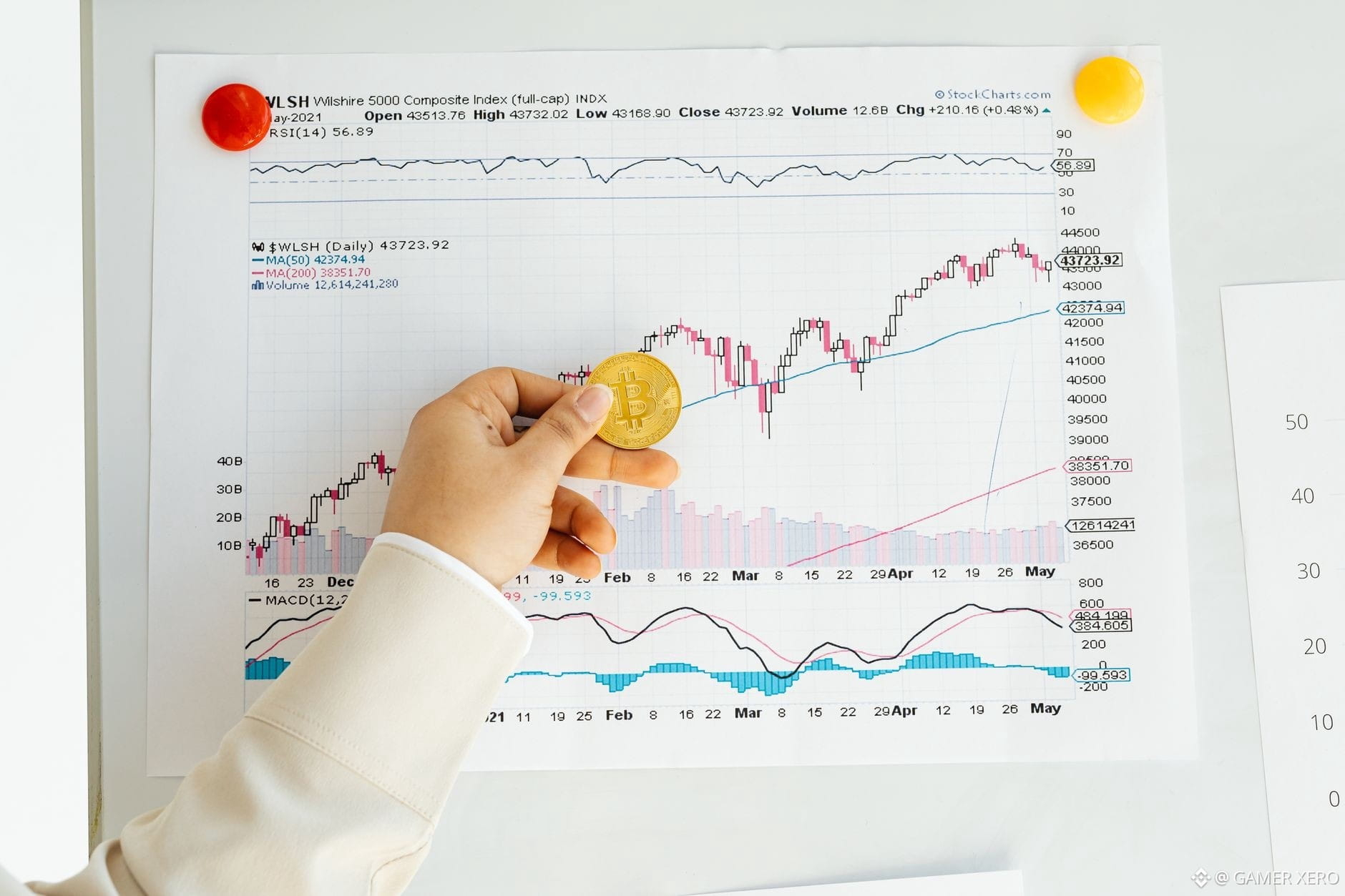
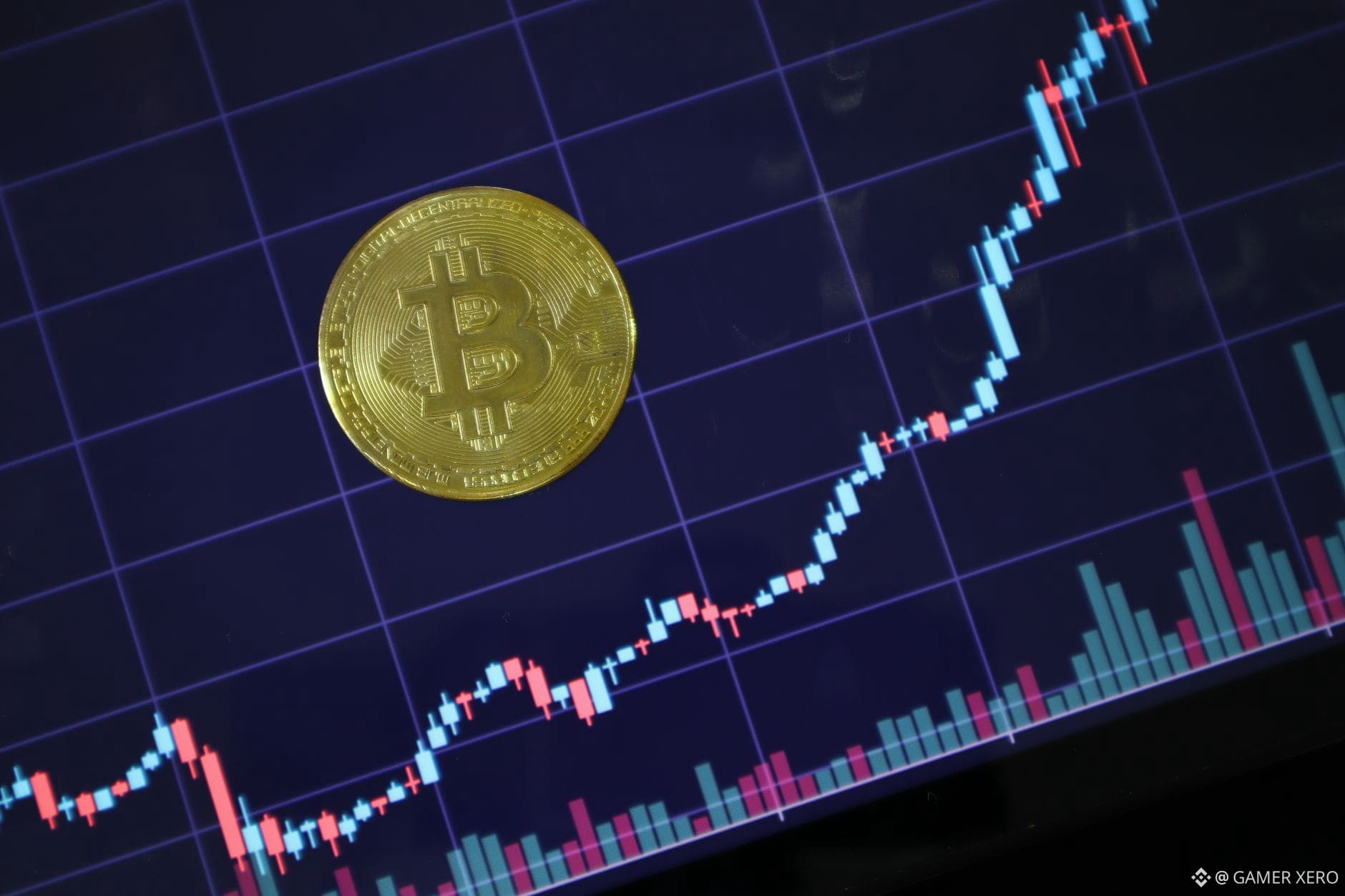
I spotted $BTC slipping 1.8 % over the last 24 h, now sitting at $77,448.45, while $ETH is down 2.07 % at $2,421.45. In a sideways market like this, protecting capital beats chasing the next breakout.
First, set a stop‑loss based on the recent low rather than a fixed percentage. For $BTC the 24‑hour low was $76,420.00, so a stop a few hundred dollars above that (e.g., $76,800) gives the trade room to breathe without risking the entire position.
Second, size the position so the dollar loss at that stop never exceeds 1‑2 % of your total account. If your balance is $10,000, a 1.5 % risk equals $150. With a $648 risk per $BTC (entry $77,448 – stop $76,800), you’d take roughly 0.23 BTC ($150 / $648).
Finally, stick to the plan. When the price tests the stop, resist the urge to move it further out; emotional adjustments often turn a controlled risk into a larger loss.
How do you decide between a tight stop and a wider one when volatility spikes?
#CryptoRisk #CapitalPreservation #TradingDiscipline #GAMERXERO
I spotted $BTC slipping 1.8 % over the last 24 h, now sitting at $77,448.45, while $ETH is down 2.07 % at $2,421.45. In a sideways market like this, protecting capital beats chasing the next breakout.
First, set a stop‑loss based on the recent low rather than a fixed percentage. For $BTC the 24‑hour low was $76,420.00, so a stop a few hundred dollars above that (e.g., $76,800) gives the trade room to breathe without risking the entire position.
Second, size the position so the dollar loss at that stop never exceeds 1‑2 % of your total account. If your balance is $10,000, a 1.5 % risk equals $150. With a $648 risk per $BTC (entry $77,448 – stop $76,800), you’d take roughly 0.23 BTC ($150 / $648).
Finally, stick to the plan. When the price tests the stop, resist the urge to move it further out; emotional adjustments often turn a controlled risk into a larger loss.
How do you decide between a tight stop and a wider one when volatility spikes?
#CryptoRisk #CapitalPreservation #TradingDiscipline #GAMERXERO
First, set a stop‑loss based on the recent low rather than a fixed percentage. For $BTC the 24‑hour low was $76,420.00, so a stop a few hundred dollars above that (e.g., $76,800) gives the trade room to breathe without risking the entire position.
Second, size the position so the dollar loss at that stop never exceeds 1‑2 % of your total account. If your balance is $10,000, a 1.5 % risk equals $150. With a $648 risk per $BTC (entry $77,448 – stop $76,800), you’d take roughly 0.23 BTC ($150 / $648).
Finally, stick to the plan. When the price tests the stop, resist the urge to move it further out; emotional adjustments often turn a controlled risk into a larger loss.
How do you decide between a tight stop and a wider one when volatility spikes?
#CryptoRisk #CapitalPreservation #TradingDiscipline #GAMERXERO
33
·
--
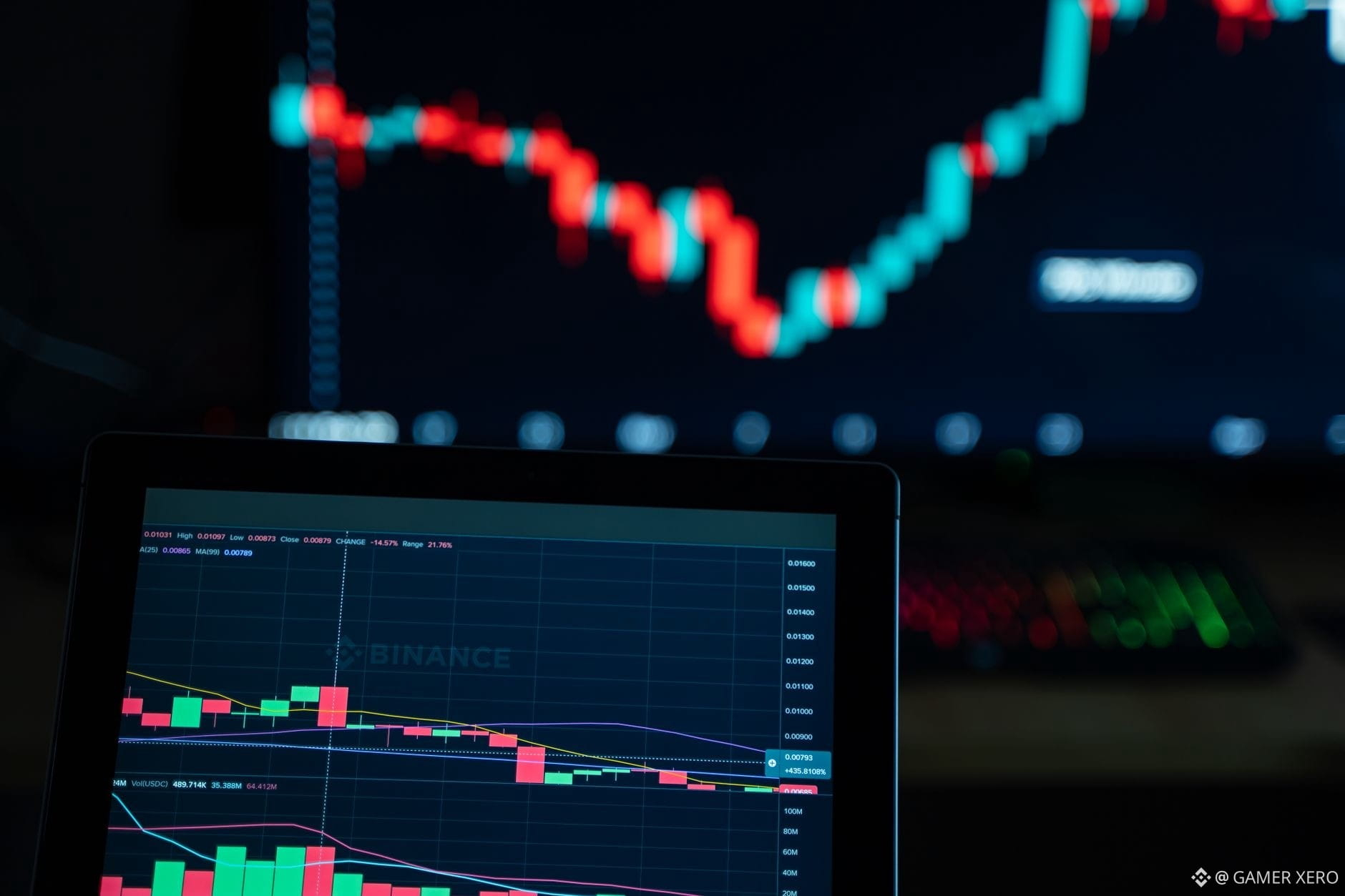
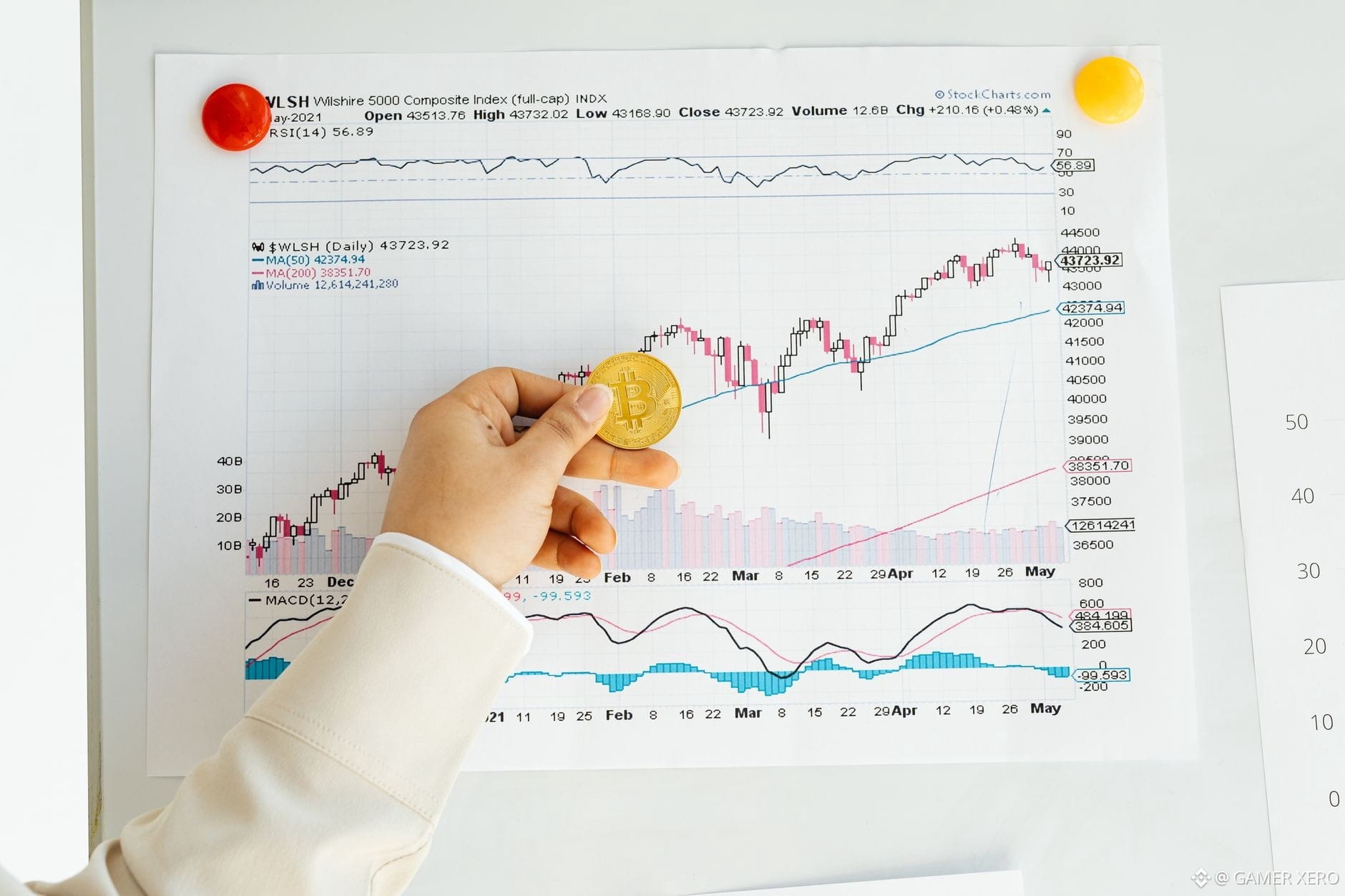
Seeing $BTC linger at $78,449.99 while the 24‑hour range stays tight, I reminded myself that preserving capital matters more than chasing the next swing. I start every trade by deciding how much of my overall pool I’m willing to lose on a single idea – I usually cap it at 1‑2 % of my total equity. If my account is $10,000, that means a $100‑$200 risk budget.
With $BTC at $78,450, I plot a stop‑loss a few points below a recent swing low, say $77,900. The distance between entry and stop is $550. To keep the risk at $150, the position size works out to roughly $150 ÷ $550 ≈ 0.0019 BTC, or about $150 worth of exposure. That tiny slice lets the trade breathe without endangering the bulk of the account.
Emotional discipline follows the math. Once the stop is set, I avoid the urge to move it higher because the price nudges up – that habit erodes the very risk buffer I built. The same principle applies to $ETH at $2,465; calculate the stop distance, apply the same % risk, and you’ll end up with a similarly modest exposure.
What’s your go‑to method for sizing positions when the market feels stuck in a narrow band?
#CryptoRisk #CapitalPreservation #TradingDiscipline #GAMERXERO
Seeing $BTC linger at $78,449.99 while the 24‑hour range stays tight, I reminded myself that preserving capital matters more than chasing the next swing. I start every trade by deciding how much of my overall pool I’m willing to lose on a single idea – I usually cap it at 1‑2 % of my total equity. If my account is $10,000, that means a $100‑$200 risk budget.
With $BTC at $78,450, I plot a stop‑loss a few points below a recent swing low, say $77,900. The distance between entry and stop is $550. To keep the risk at $150, the position size works out to roughly $150 ÷ $550 ≈ 0.0019 BTC, or about $150 worth of exposure. That tiny slice lets the trade breathe without endangering the bulk of the account.
Emotional discipline follows the math. Once the stop is set, I avoid the urge to move it higher because the price nudges up – that habit erodes the very risk buffer I built. The same principle applies to $ETH at $2,465; calculate the stop distance, apply the same % risk, and you’ll end up with a similarly modest exposure.
What’s your go‑to method for sizing positions when the market feels stuck in a narrow band?
#CryptoRisk #CapitalPreservation #TradingDiscipline #GAMERXERO
With $BTC at $78,450, I plot a stop‑loss a few points below a recent swing low, say $77,900. The distance between entry and stop is $550. To keep the risk at $150, the position size works out to roughly $150 ÷ $550 ≈ 0.0019 BTC, or about $150 worth of exposure. That tiny slice lets the trade breathe without endangering the bulk of the account.
Emotional discipline follows the math. Once the stop is set, I avoid the urge to move it higher because the price nudges up – that habit erodes the very risk buffer I built. The same principle applies to $ETH at $2,465; calculate the stop distance, apply the same % risk, and you’ll end up with a similarly modest exposure.
What’s your go‑to method for sizing positions when the market feels stuck in a narrow band?
#CryptoRisk #CapitalPreservation #TradingDiscipline #GAMERXERO
61
·
--
I’ve been watching $BTC hover around the $78,100‑$78,300 band for the past day, while $ETH is stuck in a $2,440‑$2,470 range. When the market compresses like this, I treat each trade as a “capital‑preservation exercise” rather than a profit hunt.
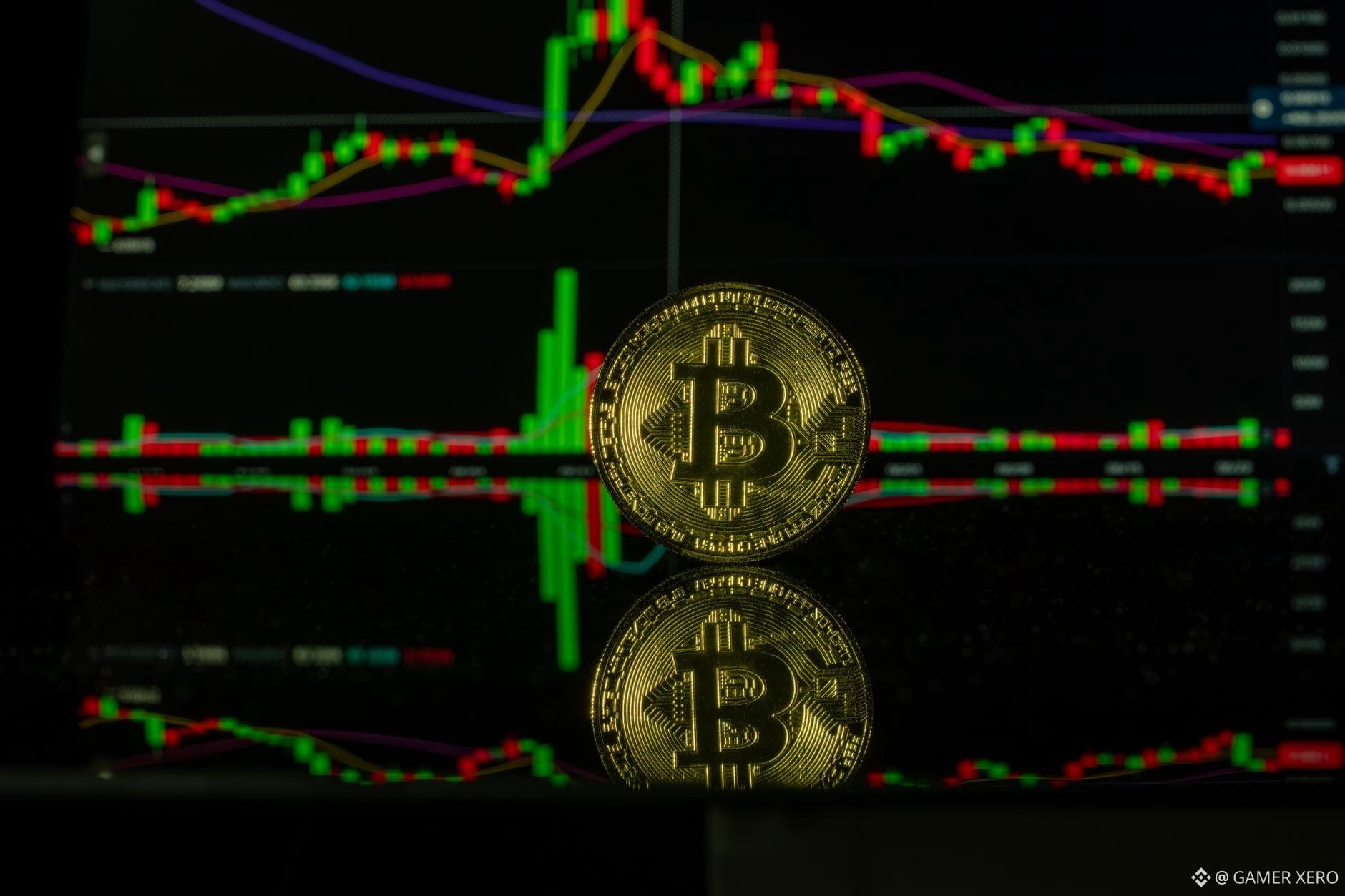
First, I calculate my risk per trade at 1 % of my account. With a $10,000 balance that means a $100 stop‑loss. I then size the position so the distance between entry and stop‑loss equals that $100. For example, if I enter $BTC at $78,150 and set a stop at $77,800 (a $350 move), I’d buy roughly $0.285 BTC ($100 ÷ $350). The same logic applies to $ETH: entering at $2,460 with a stop at $2,430 (a $30 move) yields about 3.33 ETH.
Finally, I lock in my emotions by writing the entry, stop, and target in a notebook before the trade. When the price wiggles, I can glance at the plan and avoid the urge to move the stop or double down.
How do you balance risk size with the desire to stay in a tight range for a longer potential swing?
#CryptoRisk #CapitalPreservation #TraderMindset #GAMERXERO
I’ve been watching $BTC hover around the $78,100‑$78,300 band for the past day, while $ETH is stuck in a $2,440‑$2,470 range. When the market compresses like this, I treat each trade as a “capital‑preservation exercise” rather than a profit hunt.
First, I calculate my risk per trade at 1 % of my account. With a $10,000 balance that means a $100 stop‑loss. I then size the position so the distance between entry and stop‑loss equals that $100. For example, if I enter $BTC at $78,150 and set a stop at $77,800 (a $350 move), I’d buy roughly $0.285 BTC ($100 ÷ $350). The same logic applies to $ETH : entering at $2,460 with a stop at $2,430 (a $30 move) yields about 3.33 ETH.
Finally, I lock in my emotions by writing the entry, stop, and target in a notebook before the trade. When the price wiggles, I can glance at the plan and avoid the urge to move the stop or double down.
How do you balance risk size with the desire to stay in a tight range for a longer potential swing?
#CryptoRisk #CapitalPreservation #TraderMindset #GAMERXERO
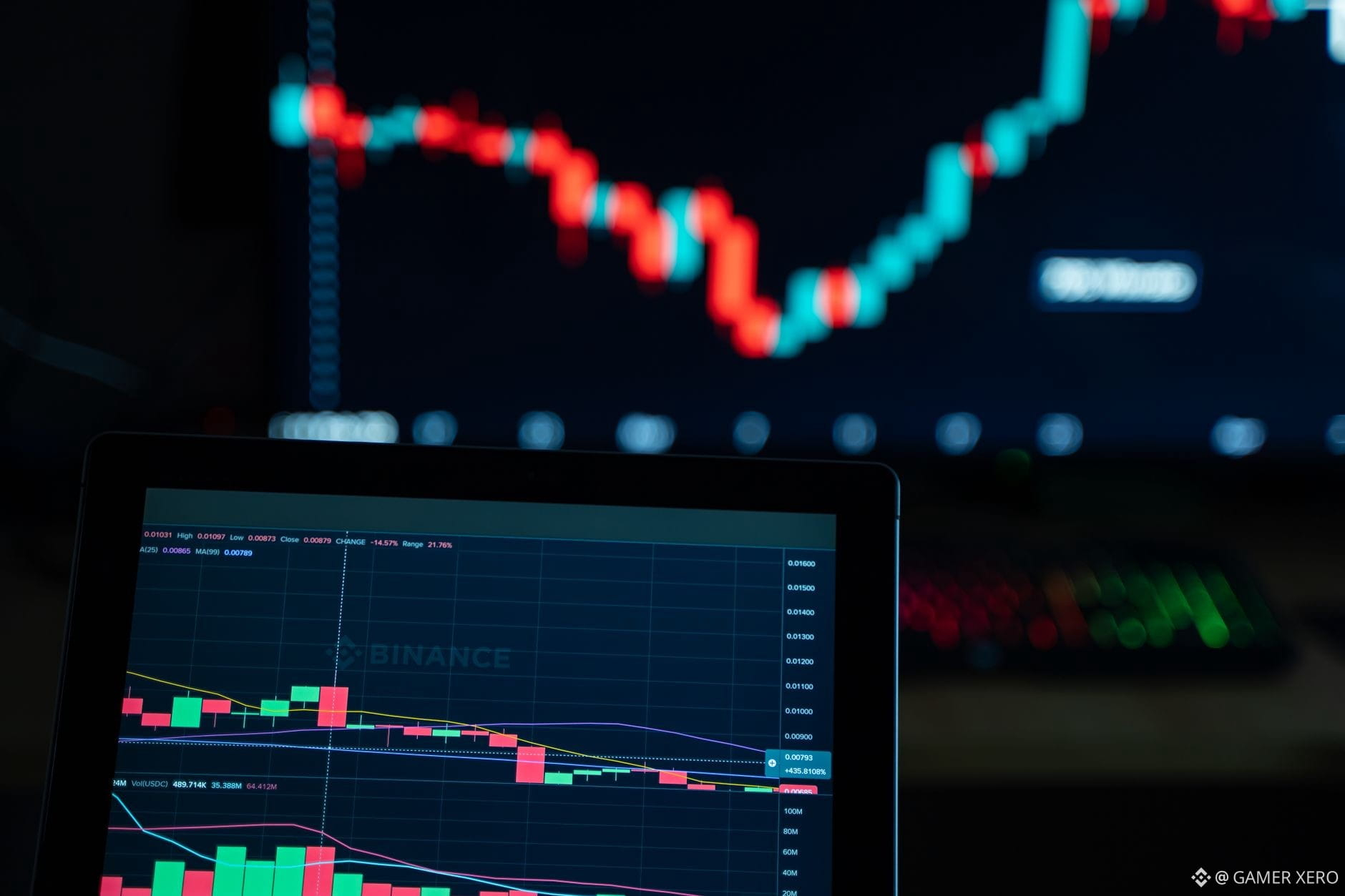
First, I calculate my risk per trade at 1 % of my account. With a $10,000 balance that means a $100 stop‑loss. I then size the position so the distance between entry and stop‑loss equals that $100. For example, if I enter $BTC at $78,150 and set a stop at $77,800 (a $350 move), I’d buy roughly $0.285 BTC ($100 ÷ $350). The same logic applies to $ETH : entering at $2,460 with a stop at $2,430 (a $30 move) yields about 3.33 ETH.
Finally, I lock in my emotions by writing the entry, stop, and target in a notebook before the trade. When the price wiggles, I can glance at the plan and avoid the urge to move the stop or double down.
How do you balance risk size with the desire to stay in a tight range for a longer potential swing?
#CryptoRisk #CapitalPreservation #TraderMindset #GAMERXERO
17
·
--
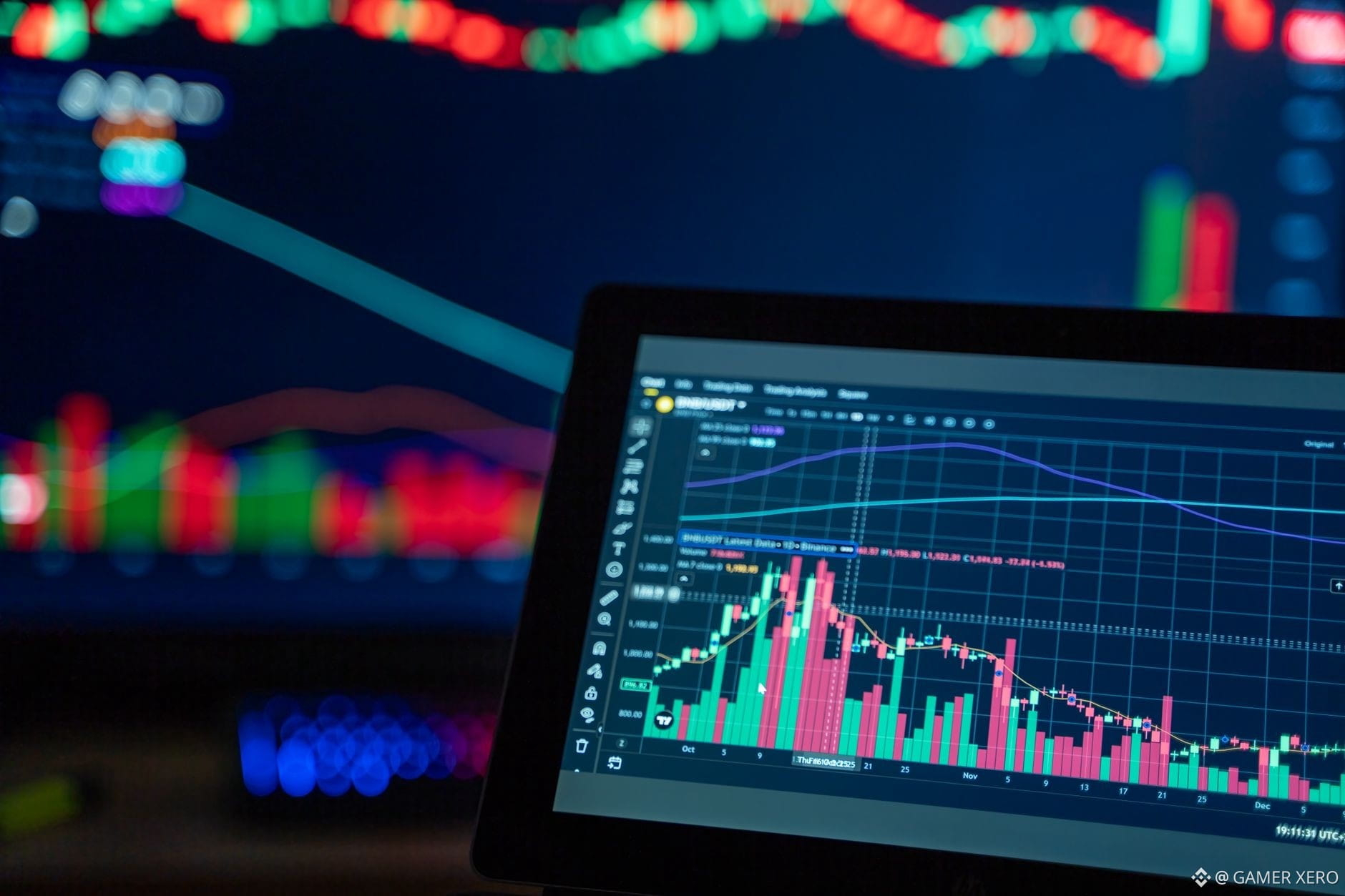
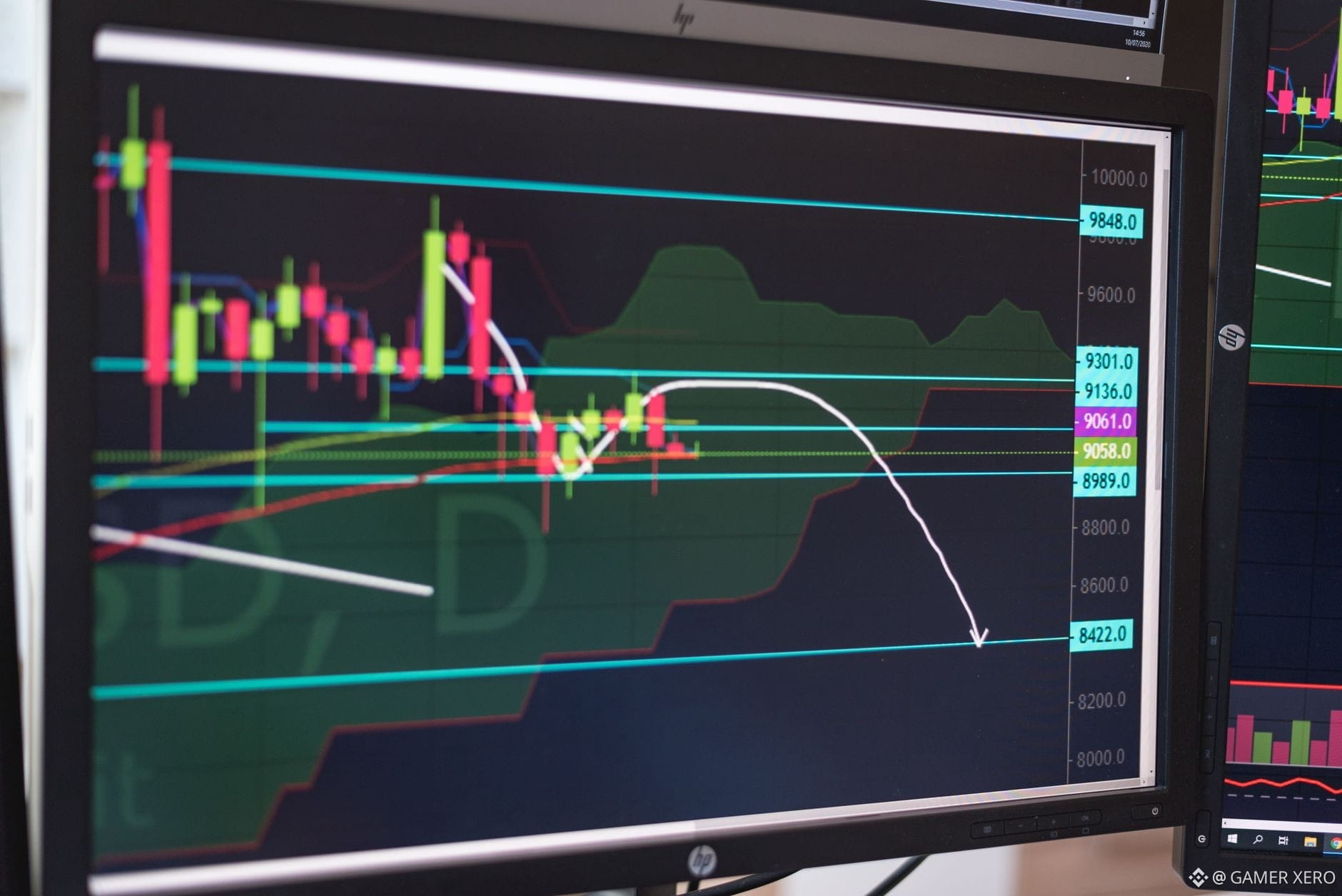
Seeing $BTC trade just above $78,099 on Binance while the 24‑hour range stays tight makes me revisit the core of capital preservation: clear stop‑loss logic and disciplined sizing. I start with a max‑risk rule of 1 % of my total account per trade. If my balance is 10 BTC, that’s 0.1 BTC at risk. With $BTC sitting at $78,099 and the recent low at $77,255, I set a stop just below the low – around $77,200 – giving me roughly $900 of room. Multiplying the $900 swing by the 0.1 BTC risk caps the position at about 0.011 BTC. That tiny slice protects the bulk of the account if volatility spikes.
On the $ETH side I apply the same principle but use a tighter stop because the pair has been less volatile today. $ETH is at $2,450 with a 24‑hour low near $2,418; I place the stop at $2,410 and size the position so the $40 move equals 1 % of my equity.
How do you determine the exact stop‑loss level when the market is range‑bound?
#RiskManagement #CryptoTrading #CapitalPreservation #GAMERXERO
Seeing $BTC trade just above $78,099 on Binance while the 24‑hour range stays tight makes me revisit the core of capital preservation: clear stop‑loss logic and disciplined sizing. I start with a max‑risk rule of 1 % of my total account per trade. If my balance is 10 BTC, that’s 0.1 BTC at risk. With $BTC sitting at $78,099 and the recent low at $77,255, I set a stop just below the low – around $77,200 – giving me roughly $900 of room. Multiplying the $900 swing by the 0.1 BTC risk caps the position at about 0.011 BTC. That tiny slice protects the bulk of the account if volatility spikes.
On the $ETH side I apply the same principle but use a tighter stop because the pair has been less volatile today. $ETH is at $2,450 with a 24‑hour low near $2,418; I place the stop at $2,410 and size the position so the $40 move equals 1 % of my equity.
How do you determine the exact stop‑loss level when the market is range‑bound?
#RiskManagement #CryptoTrading #CapitalPreservation #GAMERXERO
On the $ETH side I apply the same principle but use a tighter stop because the pair has been less volatile today. $ETH is at $2,450 with a 24‑hour low near $2,418; I place the stop at $2,410 and size the position so the $40 move equals 1 % of my equity.
How do you determine the exact stop‑loss level when the market is range‑bound?
#RiskManagement #CryptoTrading #CapitalPreservation #GAMERXERO
15
·
--
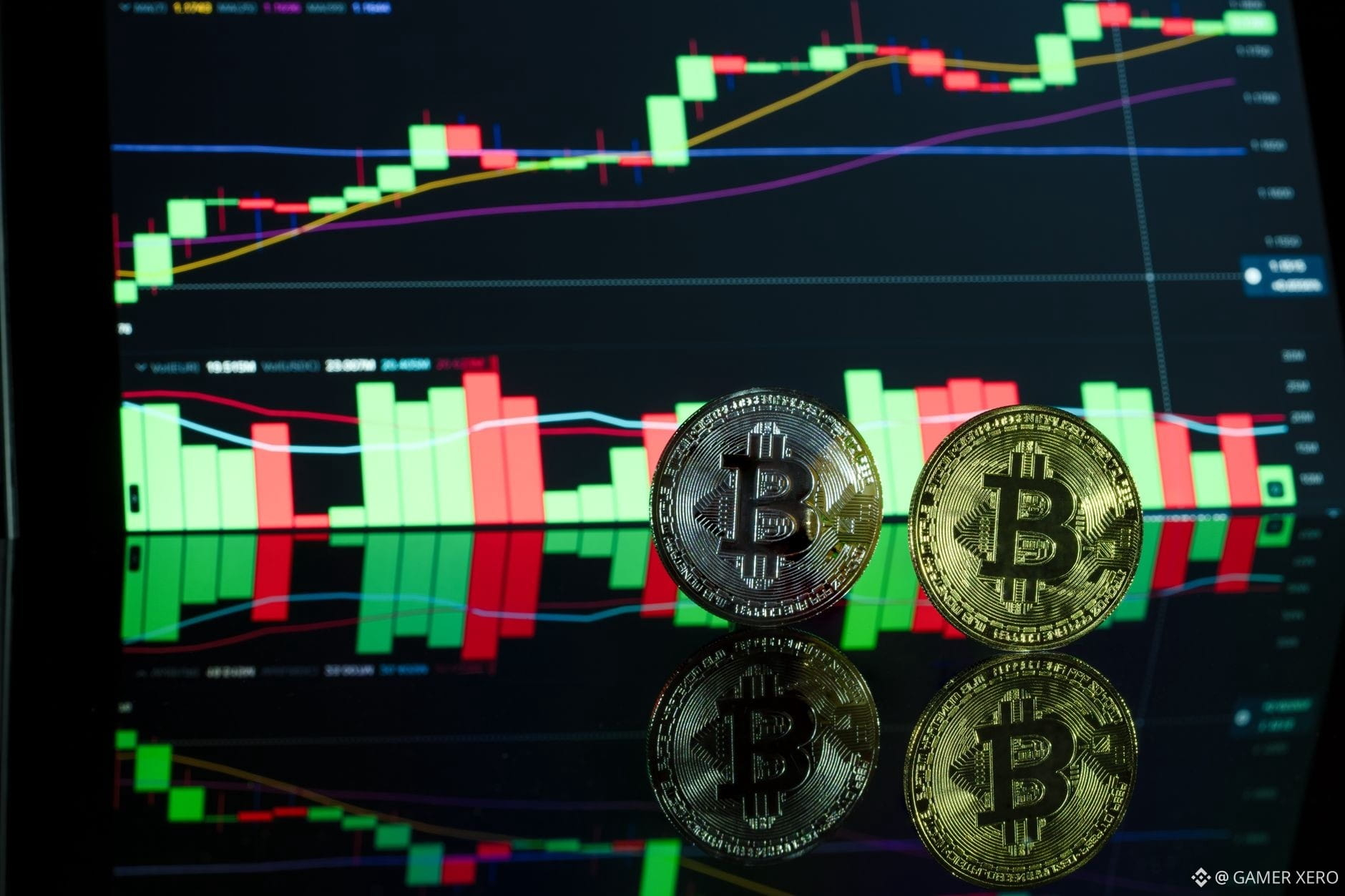
Seeing $BTC sit at $77,573 on Binance with a 24‑hour range of $76,888 – $81,478, I treated the swing as a test of my risk plan rather than a signal to chase. I allocated 1 % of my account to the trade and set a stop‑loss at the lower 24‑hour low ($76,888). If the price breached that level, the loss would be roughly $1,685 per BTC, which matches the 1 % risk I’m comfortable with. The position size therefore came out to about 0.015 BTC, keeping the dollar exposure modest while still giving enough room for the market to breathe.
For $ETH, currently $2,434, I used a similar approach but with a tighter stop because the pair has been more volatile lately. I placed the stop‑loss 2 % below the entry, around $2,385, which translates to a $49 risk per ETH. With a 2 % risk allocation, the trade size works out to roughly 0.4 ETH. The key is that the dollar risk is the same for both assets, even though the number of tokens differs.
How do you decide when, if ever, to move a stop‑loss during a live trade?
#RiskManagement #CryptoTrading #CapitalPreservation #GAMERXERO
Seeing $BTC sit at $77,573 on Binance with a 24‑hour range of $76,888 – $81,478, I treated the swing as a test of my risk plan rather than a signal to chase. I allocated 1 % of my account to the trade and set a stop‑loss at the lower 24‑hour low ($76,888). If the price breached that level, the loss would be roughly $1,685 per BTC, which matches the 1 % risk I’m comfortable with. The position size therefore came out to about 0.015 BTC, keeping the dollar exposure modest while still giving enough room for the market to breathe.
For $ETH , currently $2,434, I used a similar approach but with a tighter stop because the pair has been more volatile lately. I placed the stop‑loss 2 % below the entry, around $2,385, which translates to a $49 risk per ETH. With a 2 % risk allocation, the trade size works out to roughly 0.4 ETH. The key is that the dollar risk is the same for both assets, even though the number of tokens differs.
How do you decide when, if ever, to move a stop‑loss during a live trade?
#RiskManagement #CryptoTrading #CapitalPreservation #GAMERXERO
For $ETH , currently $2,434, I used a similar approach but with a tighter stop because the pair has been more volatile lately. I placed the stop‑loss 2 % below the entry, around $2,385, which translates to a $49 risk per ETH. With a 2 % risk allocation, the trade size works out to roughly 0.4 ETH. The key is that the dollar risk is the same for both assets, even though the number of tokens differs.
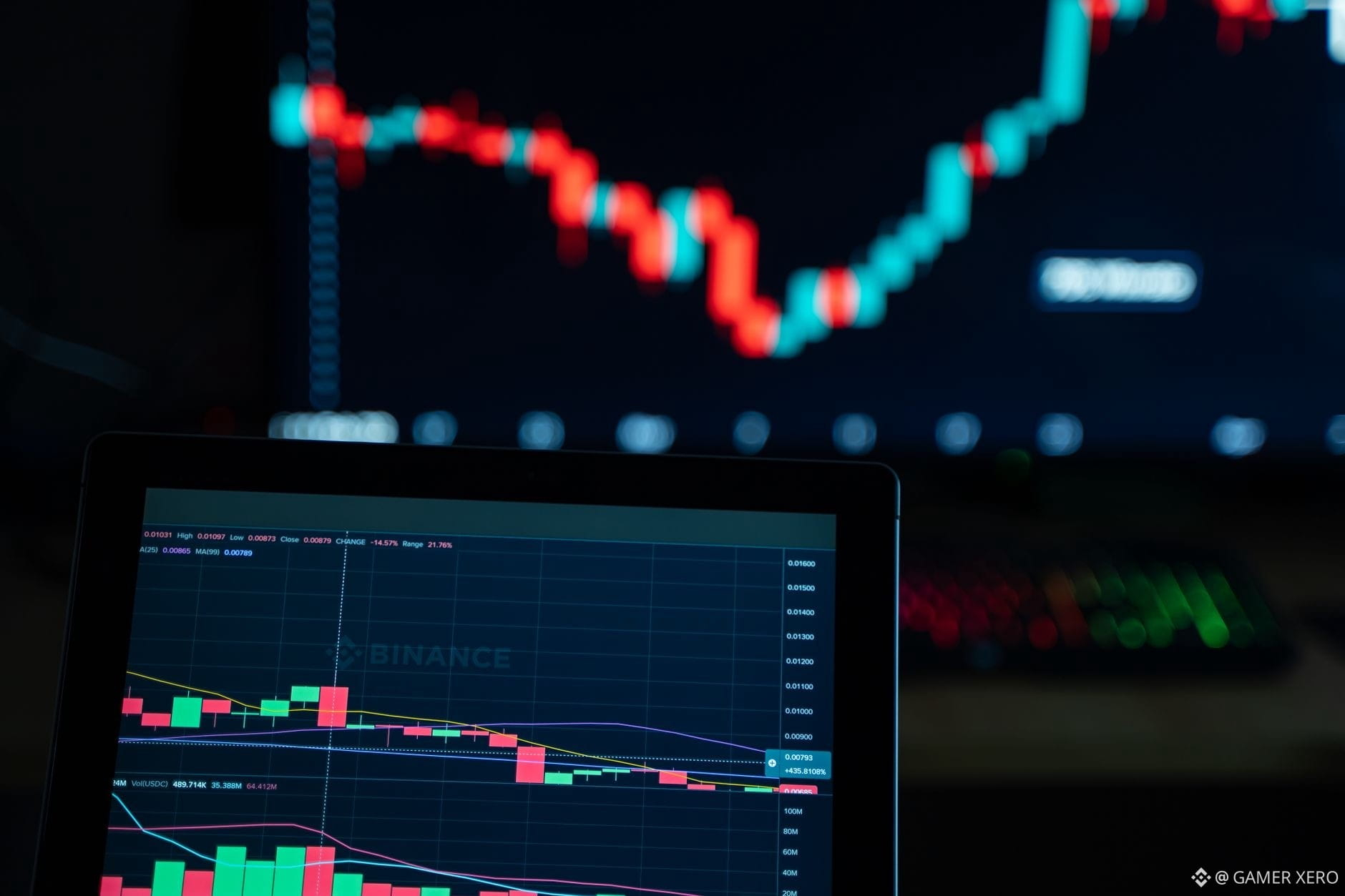
How do you decide when, if ever, to move a stop‑loss during a live trade?
#RiskManagement #CryptoTrading #CapitalPreservation #GAMERXERO
12
·
--
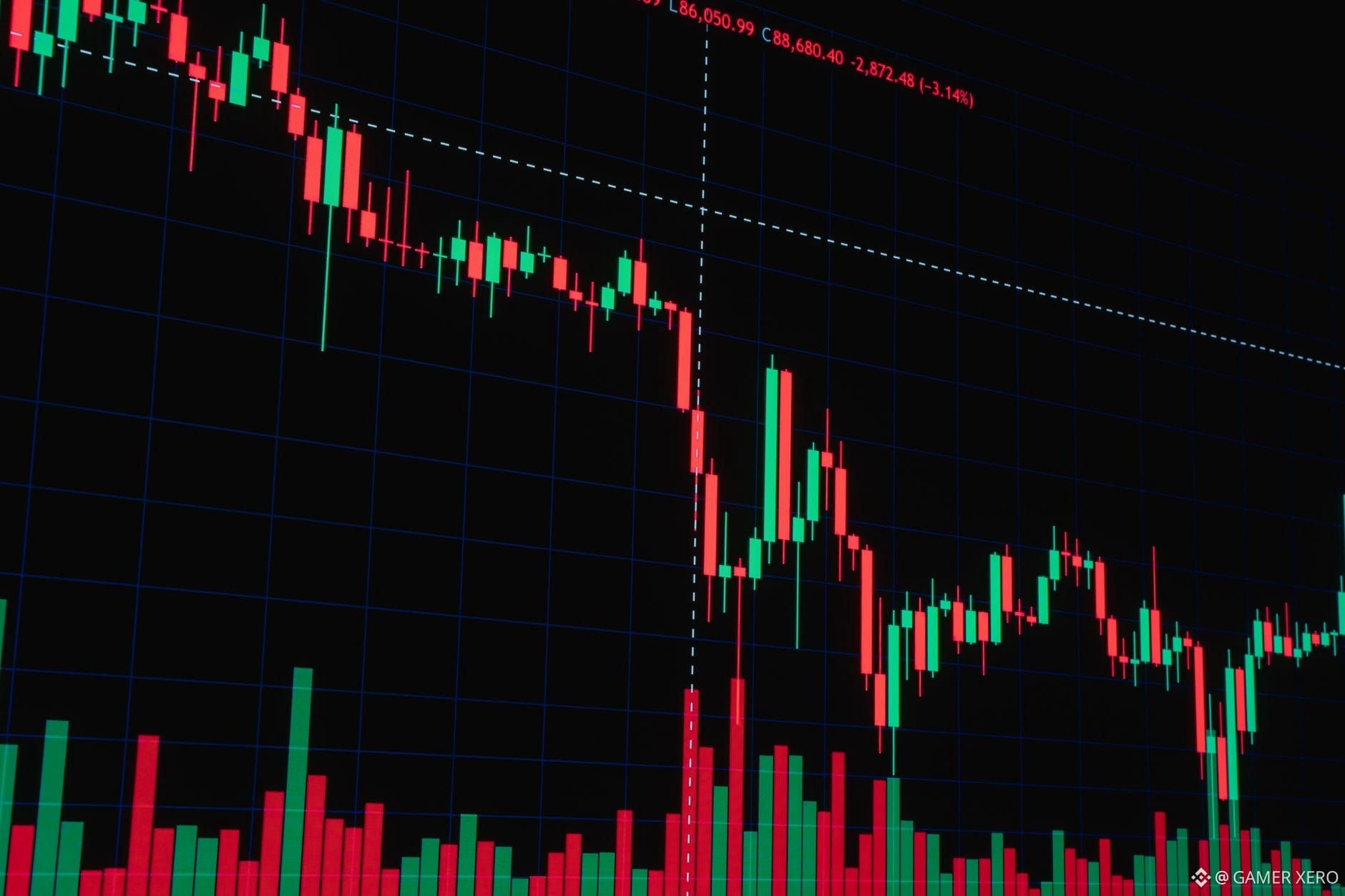
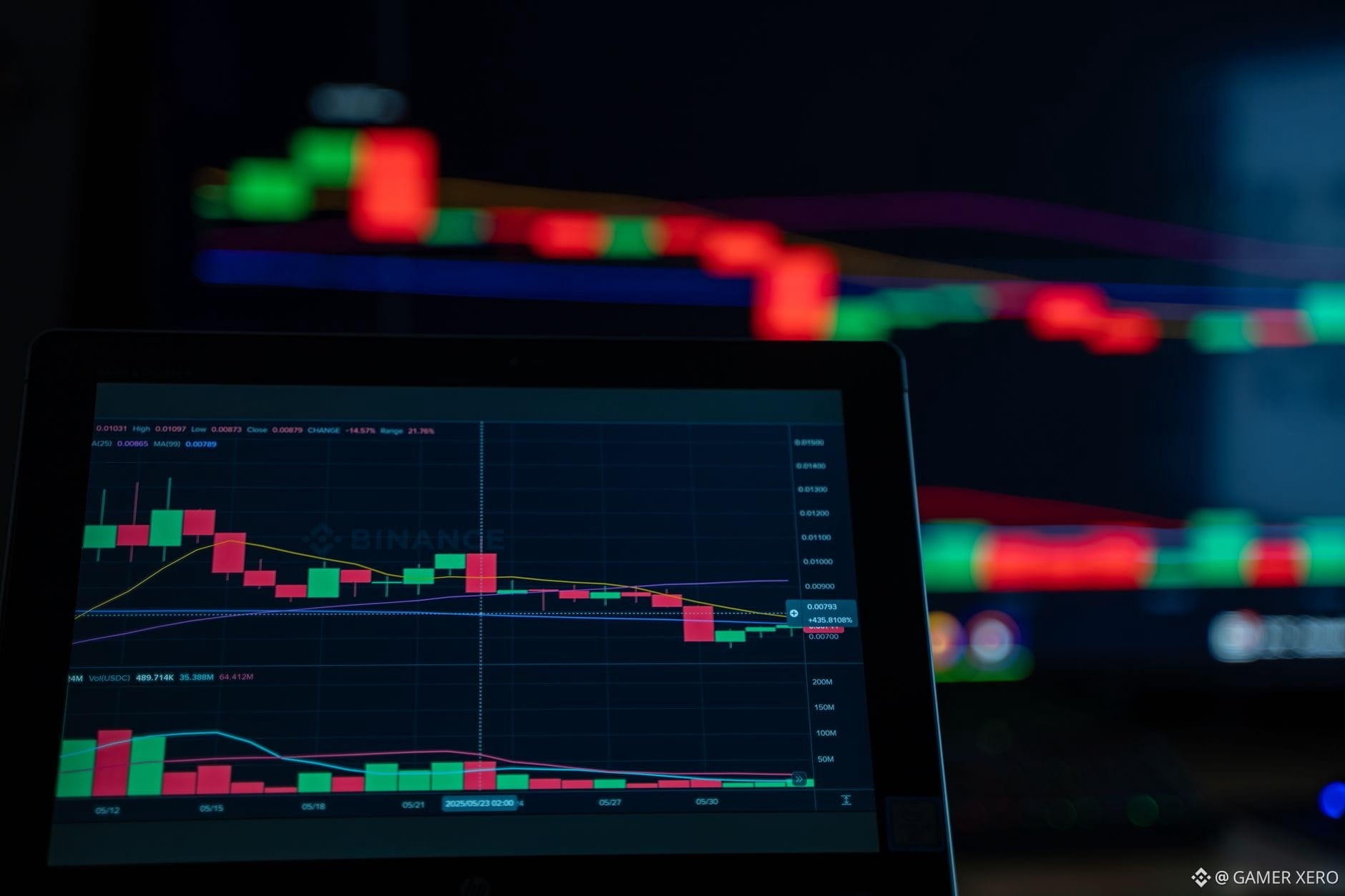
A quick scan of Binance shows $BTC holding around $79,812 with the 24‑hour low anchored at $78,600. That 1.2k swing offers a natural reference point for a conservative stop‑loss. If you enter a long near the current price, placing the stop just below $78,600 (or a few hundred dollars under the entry) keeps the risk inside the recent range and avoids getting caught by a sudden dip.
The next step is sizing the position. Say your account balance is $10,000 and you’re comfortable risking 1 % per trade. One percent equals $100. With a stop distance of roughly $1,200, the maximum position size would be $100 / $1,200 ≈ 0.00125 BTC. On Binance that translates to a fraction of a coin that can be entered with a limit order, preserving capital while still participating in the move.
How do you adjust your stop‑loss or position size when the price is trading inside a well‑defined corridor?
#RiskManagement #CryptoTrading #CapitalPreservation #GAMERXERO
A quick scan of Binance shows $BTC holding around $79,812 with the 24‑hour low anchored at $78,600. That 1.2k swing offers a natural reference point for a conservative stop‑loss. If you enter a long near the current price, placing the stop just below $78,600 (or a few hundred dollars under the entry) keeps the risk inside the recent range and avoids getting caught by a sudden dip.
The next step is sizing the position. Say your account balance is $10,000 and you’re comfortable risking 1 % per trade. One percent equals $100. With a stop distance of roughly $1,200, the maximum position size would be $100 / $1,200 ≈ 0.00125 BTC. On Binance that translates to a fraction of a coin that can be entered with a limit order, preserving capital while still participating in the move.
How do you adjust your stop‑loss or position size when the price is trading inside a well‑defined corridor?
#RiskManagement #CryptoTrading #CapitalPreservation #GAMERXERO
The next step is sizing the position. Say your account balance is $10,000 and you’re comfortable risking 1 % per trade. One percent equals $100. With a stop distance of roughly $1,200, the maximum position size would be $100 / $1,200 ≈ 0.00125 BTC. On Binance that translates to a fraction of a coin that can be entered with a limit order, preserving capital while still participating in the move.
How do you adjust your stop‑loss or position size when the price is trading inside a well‑defined corridor?
#RiskManagement #CryptoTrading #CapitalPreservation #GAMERXERO
52
·
--
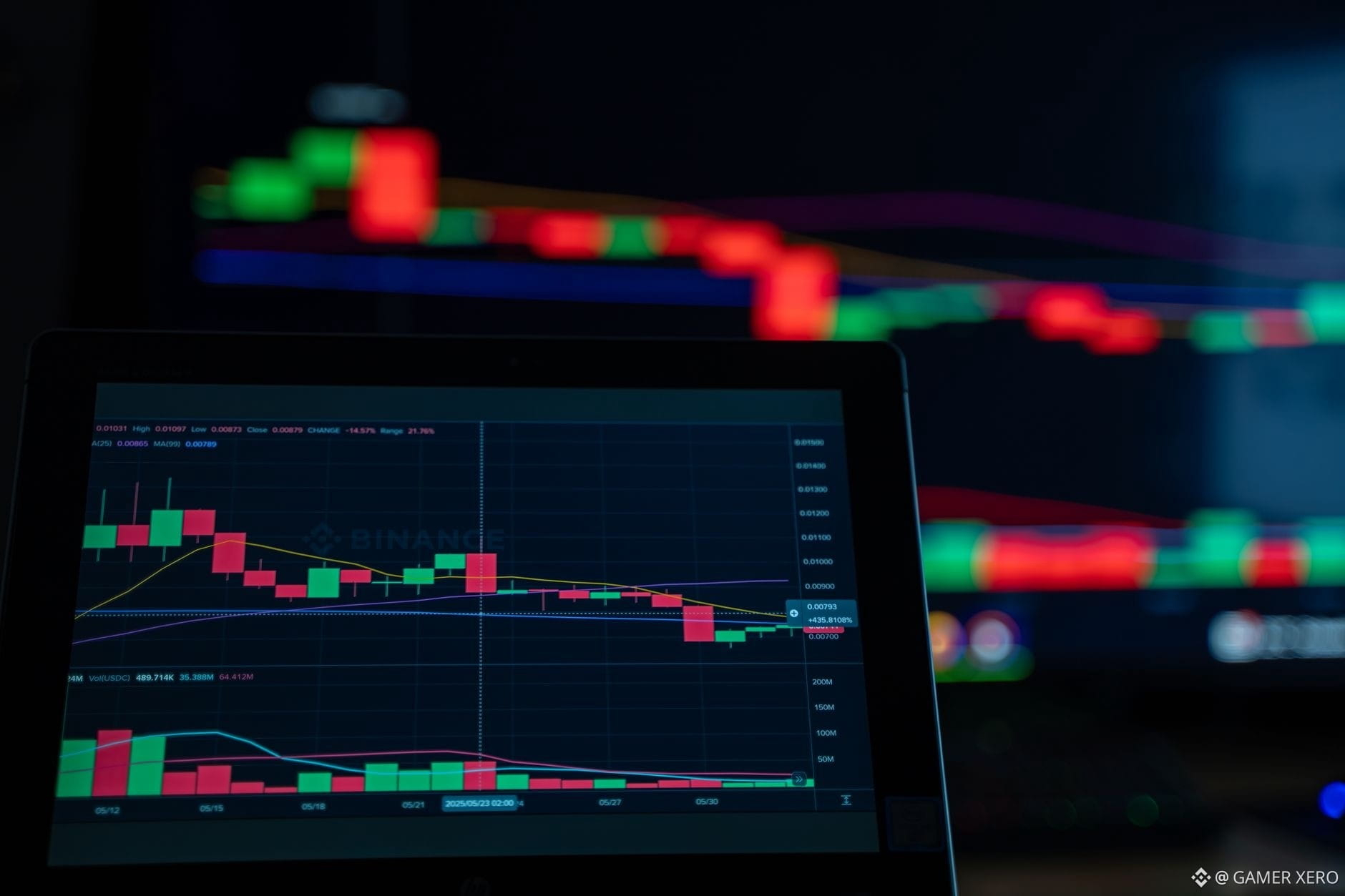
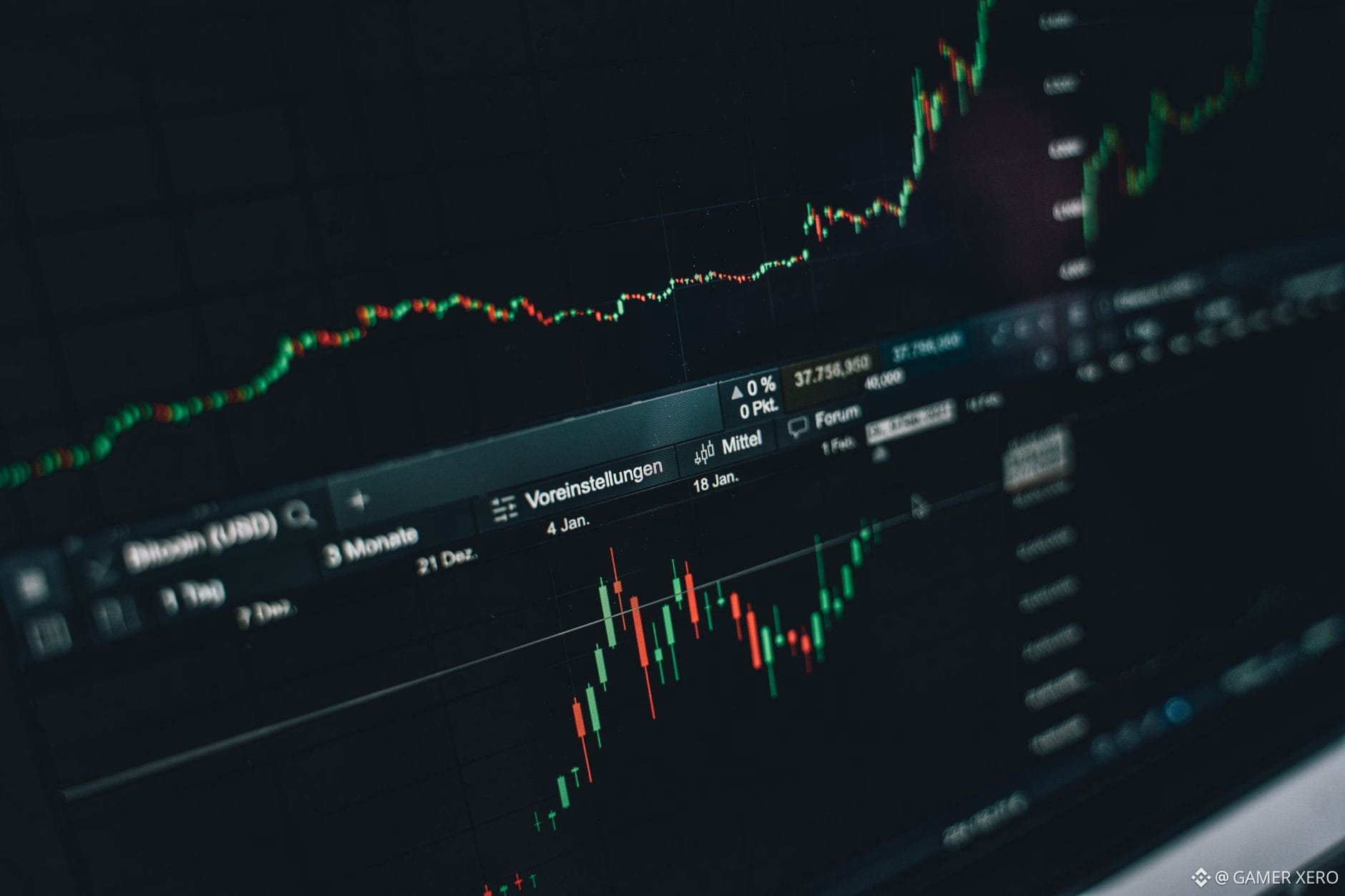
$BTC is sitting at $78,044 with a 24‑hour low of $77,632. If you’re protecting capital, treat that low as a natural support breakpoint. A simple rule of thumb is to place a stop‑loss just below a recent swing low, leaving a small buffer for normal volatility. For example, setting a stop at $77,580 gives the price about $460 of wiggle room before the order triggers, which is roughly 0.6 % of the current level.
Next, calculate position size based on the amount you’re willing to lose. If your risk budget is $200, the distance between entry ($78,044) and stop ($77,580) is $464. Dividing $200 by $464 yields a position of about 0.43 BTC. On Binance this translates to a notional exposure of roughly $33,600, keeping the loss within your preset limit.
Emotional discipline matters too. Once the stop is set, resist the urge to move it higher as the price drifts upward—doing so erodes the safety net you built.
How do you decide the buffer size for stops when a coin is in a tight range like $BTC’s today?
#RiskManagement #CryptoTrading #CapitalPreservation #GAMERXERO
$BTC is sitting at $78,044 with a 24‑hour low of $77,632. If you’re protecting capital, treat that low as a natural support breakpoint. A simple rule of thumb is to place a stop‑loss just below a recent swing low, leaving a small buffer for normal volatility. For example, setting a stop at $77,580 gives the price about $460 of wiggle room before the order triggers, which is roughly 0.6 % of the current level.
Next, calculate position size based on the amount you’re willing to lose. If your risk budget is $200, the distance between entry ($78,044) and stop ($77,580) is $464. Dividing $200 by $464 yields a position of about 0.43 BTC. On Binance this translates to a notional exposure of roughly $33,600, keeping the loss within your preset limit.
Emotional discipline matters too. Once the stop is set, resist the urge to move it higher as the price drifts upward—doing so erodes the safety net you built.
How do you decide the buffer size for stops when a coin is in a tight range like $BTC ’s today?
#RiskManagement #CryptoTrading #CapitalPreservation #GAMERXERO
Next, calculate position size based on the amount you’re willing to lose. If your risk budget is $200, the distance between entry ($78,044) and stop ($77,580) is $464. Dividing $200 by $464 yields a position of about 0.43 BTC. On Binance this translates to a notional exposure of roughly $33,600, keeping the loss within your preset limit.
Emotional discipline matters too. Once the stop is set, resist the urge to move it higher as the price drifts upward—doing so erodes the safety net you built.
How do you decide the buffer size for stops when a coin is in a tight range like $BTC ’s today?
#RiskManagement #CryptoTrading #CapitalPreservation #GAMERXERO
13
·
--
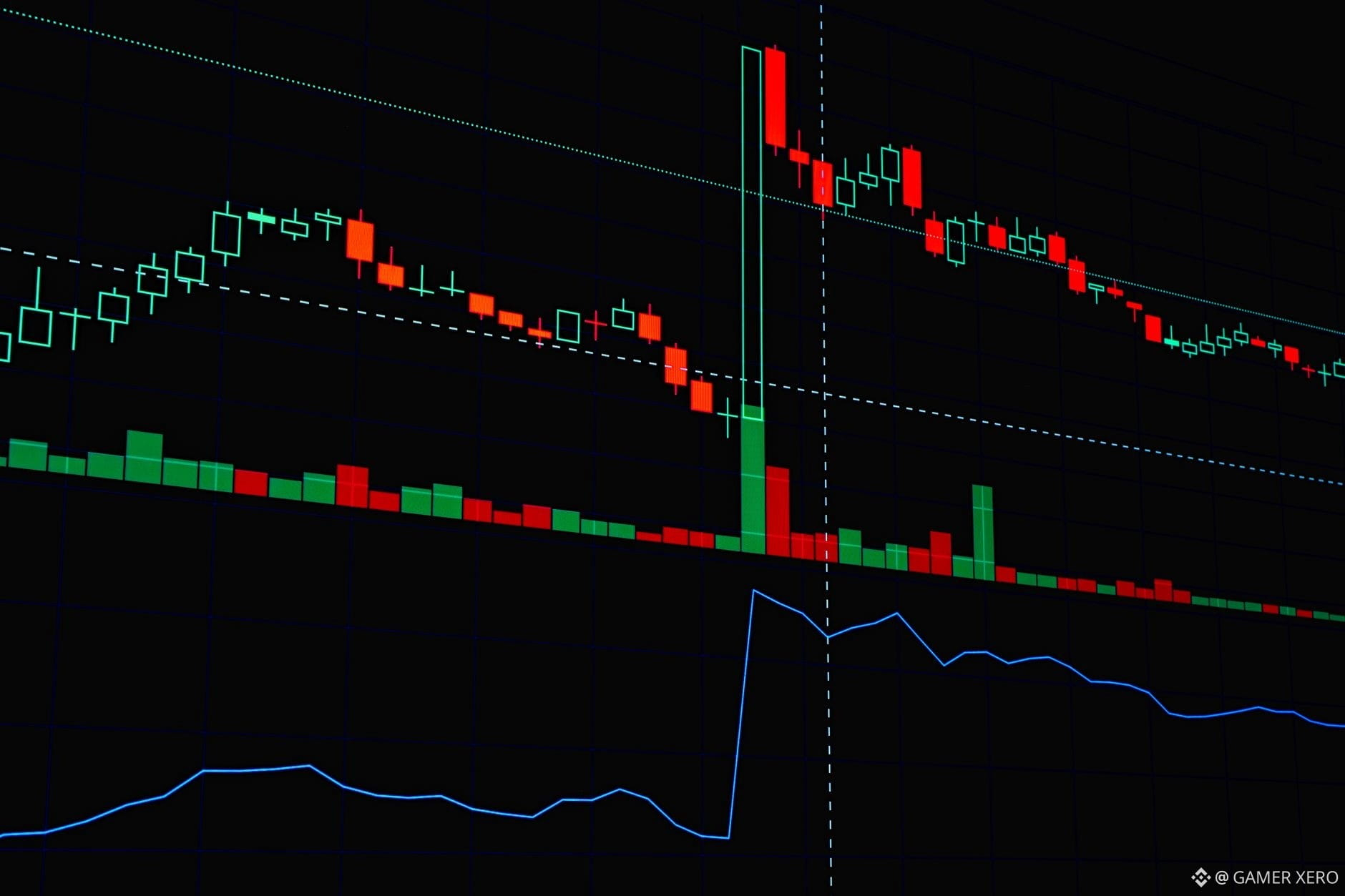
When the price hugs the bottom of its 24‑hour range, I let my risk guard take the lead. $BTC sits at $78,636.01 with a recent low of $77,851.00. I place my stop‑loss a few points below that low – around $77,900 – giving the trade a breathing room while still protecting capital.
With a $10,000 account I risk only 1 % per trade. The $736 distance between entry and stop translates to a position of roughly 0.0013 BTC, which caps the potential loss at $100. The same principle applies to $ETH at $2,446.19; a stop just under its 24‑hour low of $2,414.64 would define the size of the trade.
Sticking to the plan is the hardest part. I never move the stop after I’m in, even when fear or greed whisper louder. Discipline keeps the downside limited and lets the upside run.
What’s your go‑to method for picking stop‑loss levels when a coin is near its recent low? 🔐
#RiskManagement #CryptoTrading #CapitalPreservation #GAMERXERO
When the price hugs the bottom of its 24‑hour range, I let my risk guard take the lead. $BTC sits at $78,636.01 with a recent low of $77,851.00. I place my stop‑loss a few points below that low – around $77,900 – giving the trade a breathing room while still protecting capital.
With a $10,000 account I risk only 1 % per trade. The $736 distance between entry and stop translates to a position of roughly 0.0013 BTC, which caps the potential loss at $100. The same principle applies to $ETH at $2,446.19; a stop just under its 24‑hour low of $2,414.64 would define the size of the trade.
Sticking to the plan is the hardest part. I never move the stop after I’m in, even when fear or greed whisper louder. Discipline keeps the downside limited and lets the upside run.
What’s your go‑to method for picking stop‑loss levels when a coin is near its recent low? 🔐
#RiskManagement #CryptoTrading #CapitalPreservation #GAMERXERO
With a $10,000 account I risk only 1 % per trade. The $736 distance between entry and stop translates to a position of roughly 0.0013 BTC, which caps the potential loss at $100. The same principle applies to $ETH at $2,446.19; a stop just under its 24‑hour low of $2,414.64 would define the size of the trade.
Sticking to the plan is the hardest part. I never move the stop after I’m in, even when fear or greed whisper louder. Discipline keeps the downside limited and lets the upside run.
What’s your go‑to method for picking stop‑loss levels when a coin is near its recent low? 🔐
#RiskManagement #CryptoTrading #CapitalPreservation #GAMERXERO
46

·
--
MARKET STRUCTURE ANALYSIS: WHY $0 TO $1 MILLION TARGETS ARE MATHEMATICALLY IMPROBABLE 📊
The current market environment requires a disciplined approach to capital allocation rather than speculative narratives. Relying on aggressive percentage growth over a three-month window ignores the reality of order flow, liquidity constraints, and the necessity of risk management in high-volatility assets.
Professional traders focus on consistent R:R ratios and structural confluence rather than arbitrary wealth milestones. Sustainable growth is built on identifying high-probability setups and protecting capital during inevitable market corrections. What is your current strategy for managing drawdown during periods of high volatility?
Not financial advice. Always manage your risk.
#MarketAnalysis #RiskManagement #TradingStrategy #CapitalPreservation
🎯
MARKET STRUCTURE ANALYSIS: WHY $0 TO $1 MILLION TARGETS ARE MATHEMATICALLY IMPROBABLE 📊
The current market environment requires a disciplined approach to capital allocation rather than speculative narratives. Relying on aggressive percentage growth over a three-month window ignores the reality of order flow, liquidity constraints, and the necessity of risk management in high-volatility assets.
Professional traders focus on consistent R:R ratios and structural confluence rather than arbitrary wealth milestones. Sustainable growth is built on identifying high-probability setups and protecting capital during inevitable market corrections. What is your current strategy for managing drawdown during periods of high volatility?
Not financial advice. Always manage your risk.
#MarketAnalysis #RiskManagement #TradingStrategy #CapitalPreservation
🎯
The current market environment requires a disciplined approach to capital allocation rather than speculative narratives. Relying on aggressive percentage growth over a three-month window ignores the reality of order flow, liquidity constraints, and the necessity of risk management in high-volatility assets.
Professional traders focus on consistent R:R ratios and structural confluence rather than arbitrary wealth milestones. Sustainable growth is built on identifying high-probability setups and protecting capital during inevitable market corrections. What is your current strategy for managing drawdown during periods of high volatility?
Not financial advice. Always manage your risk.
#MarketAnalysis #RiskManagement #TradingStrategy #CapitalPreservation
🎯
4
·
--
Seeing $BTC hover around $62,940 on Binance with a tight 24‑hour range tells me the market is in a patience phase. That’s the perfect setup to tighten risk, not chase the next move. I start by defining my maximum loss per trade – I’m comfortable with 1 % of my total capital. If my account is $20 k, that means a $200 stop‑loss. With $BTC at $62,940, a $200 loss translates to roughly 0.0032 BTC, so I size the position at 0.0032 BTC and place the stop just below the recent low of $62,700. The same logic works for $ETH at $1,878. By anchoring the stop a few ticks under the low, I give the trade room to breathe while protecting the downside.
Emotional discipline is the second pillar. When the price ticks up to $63,200 I feel the urge to add more, but I remind myself that the original stop still applies. If I want to scale in, I recalculate a new 1 % loss based on the updated account equity, rather than moving the original stop. This prevents the “averaging down” trap that trips many traders during sideways markets.
What’s your go‑to method for sizing stops when the market is range‑bound?
#RiskManagement #CryptoTrading #CapitalPreservation #GAMERXERO
Seeing $BTC hover around $62,940 on Binance with a tight 24‑hour range tells me the market is in a patience phase. That’s the perfect setup to tighten risk, not chase the next move. I start by defining my maximum loss per trade – I’m comfortable with 1 % of my total capital. If my account is $20 k, that means a $200 stop‑loss. With $BTC at $62,940, a $200 loss translates to roughly 0.0032 BTC, so I size the position at 0.0032 BTC and place the stop just below the recent low of $62,700. The same logic works for $ETH at $1,878. By anchoring the stop a few ticks under the low, I give the trade room to breathe while protecting the downside.
Emotional discipline is the second pillar. When the price ticks up to $63,200 I feel the urge to add more, but I remind myself that the original stop still applies. If I want to scale in, I recalculate a new 1 % loss based on the updated account equity, rather than moving the original stop. This prevents the “averaging down” trap that trips many traders during sideways markets.
What’s your go‑to method for sizing stops when the market is range‑bound?
#RiskManagement #CryptoTrading #CapitalPreservation #GAMERXERO
Emotional discipline is the second pillar. When the price ticks up to $63,200 I feel the urge to add more, but I remind myself that the original stop still applies. If I want to scale in, I recalculate a new 1 % loss based on the updated account equity, rather than moving the original stop. This prevents the “averaging down” trap that trips many traders during sideways markets.
What’s your go‑to method for sizing stops when the market is range‑bound?
#RiskManagement #CryptoTrading #CapitalPreservation #GAMERXERO
15
Log in to explore more content
Join global crypto users on Binance Square
⚡️ Get latest and useful information about crypto.
💬 Trusted by the world’s largest crypto exchange.
👍 Discover real insights from verified creators.
Email / Phone number
Trending Topics
1
#CircleMints500MUSDCOnSolana
17,187 views
625 Discussing
2
#PolymarketBankFailureBetsDrawFDICConcern
33,865 views
814 Discussing
3
#BlackRockBuildsTokenizedPortfoliosForOndo
27,447 views
552 Discussing
4
#BitwiseFilesToListNEARETFOnNYSEArca
26,688 views
507 Discussing
5
#SECCommissionerPeirceToLeaveOct2
26,877 views
420 Discussing
6
#SECSaysBuybacksUpgradesDontMakeTokenSecurity
26,326 views
363 Discussing
7
#StrategyProposesDailyDividendsForPreferreds
3,871 views
110 Discussing
8
#CircleTetherFreezeBitgetHackerWallet
3,235 views
63 Discussing
9
#CoinMarketCapCompletesCoinglassAcquisition
6,488 views
89 Discussing
10
#QNTRises39%
87,250 views
1,447 Discussing