

#firstuniblocktradeviaregulatedtradfichannelcompleted
firstuniblocktradeviaregulatedtradfichannelcompleted
Hot
Latest

·
--
🚨 **UNI JUST CROSSED A MAJOR FINANCIAL BARRIER!**
The first-ever **UNI block trade through a regulated traditional finance (TradFi) channel** has been completed — a milestone that could strengthen the connection between DeFi and institutional finance. 🔥
This is bigger than a single transaction. Regulated financial channels could help bring decentralized finance closer to traditional markets, potentially opening new doors for institutional participation.
👀 **The big question:** Could this milestone put Uniswap ($UNI) on more institutional investors’ radar?
The next things to watch: adoption, trading activity, and whether this development translates into sustained demand for UNI.
💬 **UNI holders, is this a turning point for DeFi adoption?**
#FirstUNIBlockTradeViaRegulatedTradFiChannelCompleted $UNI
{spot}(UNIUSDT)
🚨 **UNI JUST CROSSED A MAJOR FINANCIAL BARRIER!**
The first-ever **UNI block trade through a regulated traditional finance (TradFi) channel** has been completed — a milestone that could strengthen the connection between DeFi and institutional finance. 🔥
This is bigger than a single transaction. Regulated financial channels could help bring decentralized finance closer to traditional markets, potentially opening new doors for institutional participation.
👀 **The big question:** Could this milestone put Uniswap ($UNI ) on more institutional investors’ radar?
The next things to watch: adoption, trading activity, and whether this development translates into sustained demand for UNI.
💬 **UNI holders, is this a turning point for DeFi adoption?**
#FirstUNIBlockTradeViaRegulatedTradFiChannelCompleted $UNI
1
138


#FirstUNIBlockTradeViaRegulatedTradFiChannelCompleted
🚨🏛️ $UNI Makes TradFi History: First Regulated Institutional Block Trade Completed 🏛️🚨
Sometimes, the biggest shift in crypto begins with a door quietly opening between two financial worlds.
Uniswap's UNI token has reached a notable milestone. On October 20, 2026, CME Group recorded its first UNI futures block trade, executed between crypto trading firms FalconX and GSR. Uniswap founder Hayden Adams described it as the first block trade involving a DeFi token through regulated traditional financial channels.
A block trade is a large transaction privately negotiated between parties and then reported to an exchange. Its value was not disclosed, so the deal's size and immediate market impact remain uncertain.
Your Take: The real story is not simply that UNI changed hands. It is that institutional participants are increasingly able to access DeFi-related exposure through established financial infrastructure.
Regulated channels can make execution more familiar to professional investors and help connect crypto markets with traditional finance. However, one transaction does not prove widespread institutional demand, guarantee fresh capital inflows, or confirm a lasting price rally.
UNI's next move still depends on broader market conditions, trading activity, liquidity, and whether institutional interest develops beyond isolated transactions.
The bigger signal: DeFi is seeking a place in traditional finance, but adoption must be measured by sustained participation, not a single headline.
Will regulated institutional access become a major catalyst for UNI, or is this milestone still too early to change its long-term outlook?
Disclaimer: This post is for educational purposes only and is not financial advice. Always conduct your own research.
#Uniswap #DeFi #GrowWithSAC #EarningsSeason $ALT $ENA
14

·
--
#FirstUNIBlockTradeViaRegulatedTradFiChannelCompleted #UNI
🚨 WALL STREET MEETS DEFI! 🏛️⚡
FalconX and GSR executed the first-ever Uniswap (UNI) futures block trade on CME Group, marking a major milestone for DeFi in regulated financial markets.
🔑 Why It Matters:
⚡ Institutions gain regulated exposure to UNI futures.
🏛️ Block trades enable large transactions with less market disruption.
🌐 Could tokens like $AAVE, $FIL, and $LDO be next?
🚀 The Takeaway: Wall Street is moving beyond watching DeFi—it's building ways to trade it!
💬 Which DeFi token will be next? Drop your prediction below! 👇."CLICK ON THE BELOW YELLOW COIN TAG TO GO TO DESIRED TRADING PAGE TO GET BENEFIT TRADE"$AAVE $FIL $UNI
{spot}(UNIUSDT)
{spot}(FILUSDT)
{spot}(AAVEUSDT)
#FirstUNIBlockTradeViaRegulatedTradFiChannelCompleted #UNI
🚨 WALL STREET MEETS DEFI! 🏛️⚡
FalconX and GSR executed the first-ever Uniswap (UNI) futures block trade on CME Group, marking a major milestone for DeFi in regulated financial markets.
🔑 Why It Matters:
⚡ Institutions gain regulated exposure to UNI futures.
🏛️ Block trades enable large transactions with less market disruption.
🌐 Could tokens like $AAVE , $FIL , and $LDO be next?
🚀 The Takeaway: Wall Street is moving beyond watching DeFi—it's building ways to trade it!
💬 Which DeFi token will be next? Drop your prediction below! 👇."CLICK ON THE BELOW YELLOW COIN TAG TO GO TO DESIRED TRADING PAGE TO GET BENEFIT TRADE"$AAVE $FIL $UNI
1
336

Verified
$UNI JUST MADE HISTORY: WALL STREET’S REGULATED CRYPTO MARKET IS EXPANDING INTO DEFInstitutional crypto trading is moving beyond Bitcoin and Ethereum. This week, Uniswap ($UNI) entered a new chapter as FalconX and GSR executed the first block trade in CME Group’s new UNI futures.
Here’s why this development matters for the DeFi market. 👇
🔥 1. REGULATED EXPOSURE TO $UNI
CME’s UNI futures give eligible institutional investors another way to gain exposure to Uniswap’s price through a regulated derivatives marketplace—without needing to buy and custody UNI directly.
🏦 2. WHY BLOCK TRADES MATTER
Block trades allow eligible counterparties to negotiate large transactions privately before reporting them under exchange rules.
This can help institutions manage sizeable positions with less immediate order-book disruption. However, the size and value of this first trade were not disclosed, so its scale remains unknown.
📊 3. CME’S CRYPTO MARKET IS GROWING
With the addition of Uniswap and Bitcoin Cash futures, CME’s single-asset crypto futures lineup has expanded to 11 tokens.
CME also reported that its crypto futures and options averaged more than 242,000 contracts per day in 2026, representing around $7.9 billion in notional value. These figures cover its broader crypto derivatives market—not UNI alone.
💡 4. WHAT COULD THIS MEAN FOR DEFI?
Uniswap’s move could help make DeFi-related assets more accessible to institutions with restrictions on direct spot-token trading.
Other established DeFi projects such as $AAVE and $LDO, alongside infrastructure projects like $FIL, may attract attention as institutional crypto products expand. But there is no guarantee these tokens will receive similar listings.
⚠️ THE IMPORTANT CATCH
Regulated futures do not automatically create buying pressure in the spot market. Futures can be used for bullish positions, bearish positions, and hedging.
The real signals to monitor are sustained UNI futures volume, open interest, liquidity, and whether institutional participation grows beyond the first trade.
🎯 MY TAKE
This is a meaningful milestone for $UNI because it connects a major DeFi token with established institutional derivatives infrastructure. The next test is whether trading activity grows enough to demonstrate lasting demand.
🔥 Your opinion: Which DeFi token deserves the next regulated futures listing—$AAVE, $LDO, or another project?
Share your pick and why. 👇
$FIL $LDO
#FirstUNIBlockTradeViaRegulatedTradFiChannelCompleted #uniswap #UNI #defi #ChinaSeeksToSeize61800BTC
{spot}(FILUSDT)
{spot}(LDOUSDT)
{spot}(UNIUSDT)
$UNI JUST MADE HISTORY: WALL STREET’S REGULATED CRYPTO MARKET IS EXPANDING INTO DEF
Institutional crypto trading is moving beyond Bitcoin and Ethereum. This week, Uniswap ($UNI ) entered a new chapter as FalconX and GSR executed the first block trade in CME Group’s new UNI futures.
Here’s why this development matters for the DeFi market. 👇
🔥 1. REGULATED EXPOSURE TO $UNI
CME’s UNI futures give eligible institutional investors another way to gain exposure to Uniswap’s price through a regulated derivatives marketplace—without needing to buy and custody UNI directly.
🏦 2. WHY BLOCK TRADES MATTER
Block trades allow eligible counterparties to negotiate large transactions privately before reporting them under exchange rules.
This can help institutions manage sizeable positions with less immediate order-book disruption. However, the size and value of this first trade were not disclosed, so its scale remains unknown.
📊 3. CME’S CRYPTO MARKET IS GROWING
With the addition of Uniswap and Bitcoin Cash futures, CME’s single-asset crypto futures lineup has expanded to 11 tokens.
CME also reported that its crypto futures and options averaged more than 242,000 contracts per day in 2026, representing around $7.9 billion in notional value. These figures cover its broader crypto derivatives market—not UNI alone.
💡 4. WHAT COULD THIS MEAN FOR DEFI?
Uniswap’s move could help make DeFi-related assets more accessible to institutions with restrictions on direct spot-token trading.
Other established DeFi projects such as $AAVE and $LDO , alongside infrastructure projects like $FIL, may attract attention as institutional crypto products expand. But there is no guarantee these tokens will receive similar listings.
⚠️ THE IMPORTANT CATCH
Regulated futures do not automatically create buying pressure in the spot market. Futures can be used for bullish positions, bearish positions, and hedging.
The real signals to monitor are sustained UNI futures volume, open interest, liquidity, and whether institutional participation grows beyond the first trade.
🎯 MY TAKE
This is a meaningful milestone for $UNI because it connects a major DeFi token with established institutional derivatives infrastructure. The next test is whether trading activity grows enough to demonstrate lasting demand.
🔥 Your opinion: Which DeFi token deserves the next regulated futures listing—$AAVE , $LDO , or another project?
Share your pick and why. 👇
$FIL $LDO
#FirstUNIBlockTradeViaRegulatedTradFiChannelCompleted #uniswap #UNI #defi #ChinaSeeksToSeize61800BTC
407

·
--
Bullish
Verified
#FirstUNIBlockTradeViaRegulatedTradFiChannelCompleted
🚨 WALL STREET MEETS DEFI: CME EXECUTES FIRST-EVER UNI BLOCK TRADE! 🏛️⚡
Institutional liquidity giants FalconX and GSR have executed the historic first block trade in Uniswap (UNI) futures on the CME Group—marking the first time a DeFi protocol token has crossed into fully regulated TradFi derivatives rails!
🔑 Quick Highlights:
🏛️ Regulated TradFi Rails: TradFi funds barred from touching spot DEXs can now gain compliant, cash-settled exposure to UNI via CME derivatives.
⚡ Off-Book Execution: Block trades allow heavy-hitting institutions to negotiate large transactions privately without causing slippage or order book shock.
🌐 DeFi Precedent: Expanding CME's single-asset crypto lineup to 11 tokens, this milestone opens the floodgates for blue-chip DeFi protocols ($AAVE
{future}(AAVEUSDT)
, $FIL
{future}(FILUSDT)
,$LDO
{future}(LDOUSDT)
) to follow suit.
�� THE TAKEAWAY: Wall Street isn't just watching DeFi anymore—they are building direct institutional plumbing to trade it.
💬 What's your take? Which DeFi token will be the next to land on regulated TradFi exchanges? Share your picks below! 👇📈
#uniswap #UNI #defi #ChinaSeeksToSeize61800BTC
#FirstUNIBlockTradeViaRegulatedTradFiChannelCompleted
🚨 WALL STREET MEETS DEFI: CME EXECUTES FIRST-EVER UNI BLOCK TRADE! 🏛️⚡
Institutional liquidity giants FalconX and GSR have executed the historic first block trade in Uniswap (UNI) futures on the CME Group—marking the first time a DeFi protocol token has crossed into fully regulated TradFi derivatives rails!
🔑 Quick Highlights:
🏛️ Regulated TradFi Rails: TradFi funds barred from touching spot DEXs can now gain compliant, cash-settled exposure to UNI via CME derivatives.
⚡ Off-Book Execution: Block trades allow heavy-hitting institutions to negotiate large transactions privately without causing slippage or order book shock.
🌐 DeFi Precedent: Expanding CME's single-asset crypto lineup to 11 tokens, this milestone opens the floodgates for blue-chip DeFi protocols ($AAVE
, $FIL
,$LDO
) to follow suit.
�� THE TAKEAWAY: Wall Street isn't just watching DeFi anymore—they are building direct institutional plumbing to trade it.
💬 What's your take? Which DeFi token will be the next to land on regulated TradFi exchanges? Share your picks below! 👇📈
#uniswap #UNI #defi #ChinaSeeksToSeize61800BTC
1
342

·
--
Bullish
#FirstUNIBlockTradeViaRegulatedTradFiChannelCompleted 📊 Market Research: The TradFi-Crypto Bridge is Paved.
We just witnessed a structural shift in crypto market microstructure. Executing the first major block trade via a regulated traditional finance (TradFi) channel isn't just a headline—it's a milestone for institutional liquidity.
For years, large OTC crypto trades relied on unregulated brokers. Moving this volume through compliant TradFi channels changes the game. Here is my breakdown:
1️⃣ Institutional Comfort: Big capital has strict compliance mandates. Using regulated channels for block trades allows institutions to execute massive size without triggering internal red flags, unlocking new dry powder.
2️⃣ Cleaner Price Discovery: Historically, large blocks caused heavy slippage on fragmented OTC desks. Regulated channels use sophisticated algorithms, minimizing market impact and providing cleaner price discovery for blue chips.
3️⃣ DeFi/TradFi Convergence: Seeing unified block trades bridge DeFi tokens through TradFi rails blurs the line between on-chain liquidity and institutional order flow. The infrastructure is finally catching up to demand.
The Takeaway:
I look at infrastructure before price action. This signals crypto is maturing into a legitimate, regulated asset class. Expect lower volatility on large entries and a structural bid from institutions previously sidelined by compliance friction. The rails are being built.
Educational purposes only. Not financial advice. DYOR.
$UVXYB $ARK $MDBB
{spot}(MDBBUSDT)
{future}(ARKUSDT)
{spot}(UVXYBUSDT)
#FirstUNIBlockTradeViaRegulatedTradFiChannelCompleted 📊 Market Research: The TradFi-Crypto Bridge is Paved.
We just witnessed a structural shift in crypto market microstructure. Executing the first major block trade via a regulated traditional finance (TradFi) channel isn't just a headline—it's a milestone for institutional liquidity.
For years, large OTC crypto trades relied on unregulated brokers. Moving this volume through compliant TradFi channels changes the game. Here is my breakdown:
1️⃣ Institutional Comfort: Big capital has strict compliance mandates. Using regulated channels for block trades allows institutions to execute massive size without triggering internal red flags, unlocking new dry powder.
2️⃣ Cleaner Price Discovery: Historically, large blocks caused heavy slippage on fragmented OTC desks. Regulated channels use sophisticated algorithms, minimizing market impact and providing cleaner price discovery for blue chips.
3️⃣ DeFi/TradFi Convergence: Seeing unified block trades bridge DeFi tokens through TradFi rails blurs the line between on-chain liquidity and institutional order flow. The infrastructure is finally catching up to demand.
The Takeaway:
I look at infrastructure before price action. This signals crypto is maturing into a legitimate, regulated asset class. Expect lower volatility on large entries and a structural bid from institutions previously sidelined by compliance friction. The rails are being built.
Educational purposes only. Not financial advice. DYOR.
$UVXYB $ARK $MDBB
105

·
--
Bullish
#FirstUNIBlockTradeViaRegulatedTradFiChannelCompleted
🚨 THE WALL STREET FLOODGATES ARE OFFICIALLY OPEN FOR DEFI 🏛️✨
The narrative has changed forever. We are no longer just watching a "crypto vs. traditional finance" debate—we are witnessing total structural integration.
Liquidity giants FalconX and GSR have officially executed the historic first-ever block trade in newly launched Uniswap ($UNI) futures on CME Group.
Why is this an absolute game-changer for the entire market?
The Ultimate Validation: This marks the first time in history that a decentralized finance (DeFi) protocol token has successfully breached the fully regulated traditional finance pipeline.
Institutional Plumbing: Trillions of dollars locked in traditional funds—legally restricted from touching decentralized exchanges or spot crypto—now have a fully compliant, regulated venue to gain exposure to blue-chip DeFi.
Massive Capital Efficiency: Block trades allow heavy-hitting institutions to execute massive, private transactions securely without causing chaos on public spot order books.
The Ethereum Settlement Effect: As Wall Street builds regulated rails for ERC-20 tokens, Ethereum cements itself further as the immutable global settlement layer for modern finance.
Wall Street isn't just watching anymore. They are actively building the infrastructure to participate.
🌐 Are we finally looking at the catalyst for the next major institutional DeFi wave? Which protocol do you think is next in line? Drop your thoughts below! 👇💬
$UNI $ETH $AAVE #DeFi #TradFi #CryptoNews #Bullish
#FirstUNIBlockTradeViaRegulatedTradFiChannelCompleted
🚨 THE WALL STREET FLOODGATES ARE OFFICIALLY OPEN FOR DEFI 🏛️✨
The narrative has changed forever. We are no longer just watching a "crypto vs. traditional finance" debate—we are witnessing total structural integration.
Liquidity giants FalconX and GSR have officially executed the historic first-ever block trade in newly launched Uniswap ($UNI ) futures on CME Group.
Why is this an absolute game-changer for the entire market?
The Ultimate Validation: This marks the first time in history that a decentralized finance (DeFi) protocol token has successfully breached the fully regulated traditional finance pipeline.
Institutional Plumbing: Trillions of dollars locked in traditional funds—legally restricted from touching decentralized exchanges or spot crypto—now have a fully compliant, regulated venue to gain exposure to blue-chip DeFi.
Massive Capital Efficiency: Block trades allow heavy-hitting institutions to execute massive, private transactions securely without causing chaos on public spot order books.
The Ethereum Settlement Effect: As Wall Street builds regulated rails for ERC-20 tokens, Ethereum cements itself further as the immutable global settlement layer for modern finance.
Wall Street isn't just watching anymore. They are actively building the infrastructure to participate.
🌐 Are we finally looking at the catalyst for the next major institutional DeFi wave? Which protocol do you think is next in line? Drop your thoughts below! 👇💬
$UNI $ETH $AAVE #DeFi #TradFi #CryptoNews #Bullish
82

·
--
Bullish
Verified
#FirstUNIBlockTradeViaRegulatedTradFiChannelCompleted The institutional floodgates for DeFi are officially opening, and the smart money is moving fast! 🚀
Following CME Group’s recent launch of Uniswap token futures, liquidity giants FalconX and GSR have executed the historic first-ever UNI futures block trade. This is a massive fundamental milestone—marking the first time a decentralized finance protocol token has successfully breached the regulated traditional finance (TradFi) pipeline. 🏛️
For the market, this represents a monumental shift. Trillions of dollars locked in traditional funds that are legally restricted from buying spot crypto now have a fully compliant, regulated pathway to gain exposure to DeFi. This is pure structural validation.
Combined with the upcoming vote on Uniswap’s value-accruing fee switch and rumors of a massive token burn, the institutional narrative for UNI has twice the fuel. Wall Street isn't just watching anymore—they are actively building the infrastructure to participate. Ethereum is cementing itself as the global settlement layer, and UNI is leading the charge as the premier blue-chip DeFi asset.
The bridge between traditional finance and decentralized innovation is complete. The long-term growth trajectory for blue-chip DeFi starts right here. 📈
Do you think this institutional onboarding will trigger the next major DeFi summer rally?
$UNI $ETH $AAVE
#FirstUNIBlockTradeViaRegulatedTradFiChannelCompleted #DeFi #Bullish #CryptoNews
{future}(AAVEUSDT)
{future}(ETHUSDT)
{future}(UNIUSDT)
#FirstUNIBlockTradeViaRegulatedTradFiChannelCompleted The institutional floodgates for DeFi are officially opening, and the smart money is moving fast! 🚀
Following CME Group’s recent launch of Uniswap token futures, liquidity giants FalconX and GSR have executed the historic first-ever UNI futures block trade. This is a massive fundamental milestone—marking the first time a decentralized finance protocol token has successfully breached the regulated traditional finance (TradFi) pipeline. 🏛️
For the market, this represents a monumental shift. Trillions of dollars locked in traditional funds that are legally restricted from buying spot crypto now have a fully compliant, regulated pathway to gain exposure to DeFi. This is pure structural validation.
Combined with the upcoming vote on Uniswap’s value-accruing fee switch and rumors of a massive token burn, the institutional narrative for UNI has twice the fuel. Wall Street isn't just watching anymore—they are actively building the infrastructure to participate. Ethereum is cementing itself as the global settlement layer, and UNI is leading the charge as the premier blue-chip DeFi asset.
The bridge between traditional finance and decentralized innovation is complete. The long-term growth trajectory for blue-chip DeFi starts right here. 📈
Do you think this institutional onboarding will trigger the next major DeFi summer rally?
$UNI $ETH $AAVE
#FirstUNIBlockTradeViaRegulatedTradFiChannelCompleted #DeFi #Bullish #CryptoNews
115

·
--
Bullish
#FirstUNIBlockTradeViaRegulatedTradFiChannelCompleted The recent execution of the first UniBlock trade via a regulated TradFi channel marks a quiet but monumental shift in crypto market microstructure. As a market researcher, I look past the daily noise to analyze what this structural pivot means for long-term liquidity and institutional adoption.
Executing large, unified block trades through regulated traditional finance channels bridges a critical operational gap. It provides institutional allocators with the strict compliance, clearing, and settlement frameworks they mandate, while tapping into deep, native crypto liquidity.
From a professional trading perspective, the implications are profound. We are likely to see reduced slippage on massive orders, tighter bid-ask spreads, and more efficient price discovery as TradFi infrastructure seamlessly integrates with digital asset markets. This isn't just an isolated transaction; it is a vital proof-of-concept for hybrid market making.
Moving forward, the key metric to watch is the replication of this model. If other regulated broker-dealers follow suit, it could normalize large-scale institutional inflows and alter overall market depth.
Structural shifts take time to reflect in price action. Focus on the data, manage your risk, and always DYOR. Not financial advice.
#MarketResearch #TradFi #CryptoNews
$PHA $LUMIA $PROM
{future}(PROMUSDT)
{future}(LUMIAUSDT)
{future}(PHAUSDT)
#FirstUNIBlockTradeViaRegulatedTradFiChannelCompleted The recent execution of the first UniBlock trade via a regulated TradFi channel marks a quiet but monumental shift in crypto market microstructure. As a market researcher, I look past the daily noise to analyze what this structural pivot means for long-term liquidity and institutional adoption.
Executing large, unified block trades through regulated traditional finance channels bridges a critical operational gap. It provides institutional allocators with the strict compliance, clearing, and settlement frameworks they mandate, while tapping into deep, native crypto liquidity.
From a professional trading perspective, the implications are profound. We are likely to see reduced slippage on massive orders, tighter bid-ask spreads, and more efficient price discovery as TradFi infrastructure seamlessly integrates with digital asset markets. This isn't just an isolated transaction; it is a vital proof-of-concept for hybrid market making.
Moving forward, the key metric to watch is the replication of this model. If other regulated broker-dealers follow suit, it could normalize large-scale institutional inflows and alter overall market depth.
Structural shifts take time to reflect in price action. Focus on the data, manage your risk, and always DYOR. Not financial advice.
#MarketResearch #TradFi #CryptoNews
$PHA $LUMIA $PROM
314

·
--
Bullish
#FirstUNIBlockTradeViaRegulatedTradFiChannelCompleted The crypto narrative is quietly shifting. If you’re only watching price action, you might miss the real alpha. Today’s research highlight: the execution of the first UniBlock trade via a regulated TradeFi channel.
Why does this matter for market structure?
For years, friction between traditional trade finance and blockchain stemmed from regulatory ambiguity. Routing a unified block trade through a regulated TradeFi channel is a massive step forward for institutional plumbing.
As a trader, I don't just look at charts; I track where compliant capital is building infrastructure. This development signals three key shifts:
1️⃣ Regulatory Clarity: Institutions need compliant rails. Regulated channels allow for larger capital allocations without the looming fear of compliance crackdowns.
2️⃣ Settlement Efficiency: UniBlock mechanisms streamline cross-border settlements, reducing counterparty risk and freeing up trapped liquidity.
3️⃣ The TradFi Bridge: We are moving past the "crypto vs. traditional finance" debate. The future is seamless integration.
When regulated TradeFi channels become the standard for block trades, the total addressable market for blockchain utility expands exponentially. It’s no longer just about speculation; it’s about modernizing global trade infrastructure.
What’s your take on the integration of regulated TradeFi channels? Are we finally seeing the institutional bridge we’ve been waiting for? Drop your thoughts below. 👇
This post is for educational and market research purposes only. It is not financial advice. Always do your own research (DYOR) before making any investment decisions.
$ARK $ARKM $PHA
{future}(PHAUSDT)
{future}(ARKMUSDT)
{future}(ARKUSDT)
#FirstUNIBlockTradeViaRegulatedTradFiChannelCompleted The crypto narrative is quietly shifting. If you’re only watching price action, you might miss the real alpha. Today’s research highlight: the execution of the first UniBlock trade via a regulated TradeFi channel.
Why does this matter for market structure?
For years, friction between traditional trade finance and blockchain stemmed from regulatory ambiguity. Routing a unified block trade through a regulated TradeFi channel is a massive step forward for institutional plumbing.
As a trader, I don't just look at charts; I track where compliant capital is building infrastructure. This development signals three key shifts:
1️⃣ Regulatory Clarity: Institutions need compliant rails. Regulated channels allow for larger capital allocations without the looming fear of compliance crackdowns.
2️⃣ Settlement Efficiency: UniBlock mechanisms streamline cross-border settlements, reducing counterparty risk and freeing up trapped liquidity.
3️⃣ The TradFi Bridge: We are moving past the "crypto vs. traditional finance" debate. The future is seamless integration.
When regulated TradeFi channels become the standard for block trades, the total addressable market for blockchain utility expands exponentially. It’s no longer just about speculation; it’s about modernizing global trade infrastructure.
What’s your take on the integration of regulated TradeFi channels? Are we finally seeing the institutional bridge we’ve been waiting for? Drop your thoughts below. 👇
This post is for educational and market research purposes only. It is not financial advice. Always do your own research (DYOR) before making any investment decisions.
$ARK $ARKM $PHA
327

🔗 Connecting Traditional Finance With Digital Infrastructure
The boundary between traditional finance and blockchain continues to evolve as institutions explore new transaction models.
The reported UniBlock milestone brings attention to regulated channels as a potential bridge between established finance and digital-asset infrastructure.
The next stage is proving long-term utility, not just completing a first trade.
#TradFi $ETH $XRP #FirstUNIBlockTradeViaRegulatedTradFiChannelCompleted
25
🌐 Another Step Toward Institutional Blockchain Adoption
Regulated financial channels could help connect established financial institutions with blockchain-powered transaction systems.
The first completed UniBlock trade is worth watching as an example of how these two worlds may interact.
Real adoption depends on reliability, regulatory clarity, and practical benefits.
#CryptoNews $BTC $ETH #FirstUNIBlockTradeViaRegulatedTradFiChannelCompleted
21
🏦 Traditional Finance Meets Blockchain Infrastructure
The reported completion of the first UniBlock trade through a regulated TradFi channel highlights the growing connection between conventional financial markets and blockchain-based infrastructure.
The bigger question is whether this model can improve transparency, settlement efficiency, and institutional access.
#Blockchain $ETH $BNB #FirstUNIBlockTradeViaRegulatedTradFiChannelCompleted
19

·
--
BlackRock’s BUIDL Is Trading Through Uniswap. Here’s How the Plumbing Works. #Uniswap #RWA
BlackRock has opened a route for its tokenized Treasury fund to trade directly on Uniswap, and it’s one of the clearest examples yet of TradFi and DeFi sharing infrastructure.
The fund is BUIDL, a tokenized Treasury product of about $2.4 billion. Trades run through UniswapX, and Securitize, which operates regulated broker-dealer and alternative trading system entities in the U.S., acts as the compliance layer. Investors who choose this route are pre-qualified and whitelisted, so the regulatory controls stay in place while the trade uses DeFi liquidity.
That’s the part I find most interesting. Access is still limited to qualified investors, but the execution is onchain. Most DeFi debates focus on whether protocols can handle regulated assets. This is a working example.
BlackRock also bought an undisclosed amount of UNI, which may be why the token rallied about 20% on the news.
#FirstUNIBlockTradeViaRegulatedTradFiChannelCompleted
$BTC
{spot}(BTCUSDT)
$ETH
{spot}(ETHUSDT)
$UNI
{spot}(UNIUSDT)
BlackRock’s BUIDL Is Trading Through Uniswap. Here’s How the Plumbing Works. #Uniswap #RWA
BlackRock has opened a route for its tokenized Treasury fund to trade directly on Uniswap, and it’s one of the clearest examples yet of TradFi and DeFi sharing infrastructure.
The fund is BUIDL, a tokenized Treasury product of about $2.4 billion. Trades run through UniswapX, and Securitize, which operates regulated broker-dealer and alternative trading system entities in the U.S., acts as the compliance layer. Investors who choose this route are pre-qualified and whitelisted, so the regulatory controls stay in place while the trade uses DeFi liquidity.
That’s the part I find most interesting. Access is still limited to qualified investors, but the execution is onchain. Most DeFi debates focus on whether protocols can handle regulated assets. This is a working example.
BlackRock also bought an undisclosed amount of UNI, which may be why the token rallied about 20% on the news.
#FirstUNIBlockTradeViaRegulatedTradFiChannelCompleted
$BTC
$ETH
$UNI
138

Article
🚨 THE INSTITUTIONAL EQUATION: UNI ENTERS TRADFI 🚨#FirstUNIBlockTradeViaRegulatedTradFiChannelCompleted Let’s break down Uniswap's historic breakthrough using pure math 🧮👇
(DeFi Assets) + (Regulated TradFi Rails) = First UNI Block Trade 🏦
Here is the exact formula driving the shift:
The Milestone Variable:
(Hayden Adams) = Confirmed the first DeFi token block trade on traditional platforms.
The Market Output:
(Institutional Access) = Buying massive volume discreetly without crashing spot prices.
The Breakdown:
Uniswap founder Hayden Adams just revealed that UNI successfully completed its first block trade through a regulated traditional finance channel. This marks an absolute first for any decentralized finance token in history. Block trades allow massive institutional funds to execute large-scale, private transactions securely away from public order books. Integrating DeFi into compliant TradFi pipelines paves the way for serious institutional capital to flood the market.
How this impacts major assets:
$UNI {future}(UNIUSDT): Gains massive fundamental legitimacy as an asset recognized and traded by traditional Wall Street systems.
$AAVE {future}(AAVEUSDT): As another blue-chip DeFi giant, Aave is perfectly positioned to be next in line for institutional OTC block trades.
$ETH {future}(ETHUSDT): As Wall Street builds regulated rails for ERC-20 tokens, Ethereum continues to cement its status as the global settlement layer.
Is Wall Street quietly buying up DeFi? Let's debate! 👇💬
#UNI #defi #ETH #AAVE
🚨 THE INSTITUTIONAL EQUATION: UNI ENTERS TRADFI 🚨
#FirstUNIBlockTradeViaRegulatedTradFiChannelCompleted Let’s break down Uniswap's historic breakthrough using pure math 🧮👇
(DeFi Assets) + (Regulated TradFi Rails) = First UNI Block Trade 🏦
Here is the exact formula driving the shift:
The Milestone Variable:
(Hayden Adams) = Confirmed the first DeFi token block trade on traditional platforms.
The Market Output:
(Institutional Access) = Buying massive volume discreetly without crashing spot prices.
The Breakdown:
Uniswap founder Hayden Adams just revealed that UNI successfully completed its first block trade through a regulated traditional finance channel. This marks an absolute first for any decentralized finance token in history. Block trades allow massive institutional funds to execute large-scale, private transactions securely away from public order books. Integrating DeFi into compliant TradFi pipelines paves the way for serious institutional capital to flood the market.
How this impacts major assets:
$UNI : Gains massive fundamental legitimacy as an asset recognized and traded by traditional Wall Street systems.
$AAVE : As another blue-chip DeFi giant, Aave is perfectly positioned to be next in line for institutional OTC block trades.
$ETH : As Wall Street builds regulated rails for ERC-20 tokens, Ethereum continues to cement its status as the global settlement layer.
Is Wall Street quietly buying up DeFi? Let's debate! 👇💬
#UNI #defi #ETH #AAVE
1
173
·
--
#FirstUNIBlockTradeViaRegulatedTradFiChannelCompleted
🚨 HISTORIC MILESTONE: TradFi Meets DeFi! 🚨
A massive leap forward for institutional crypto adoption has been officially confirmed!
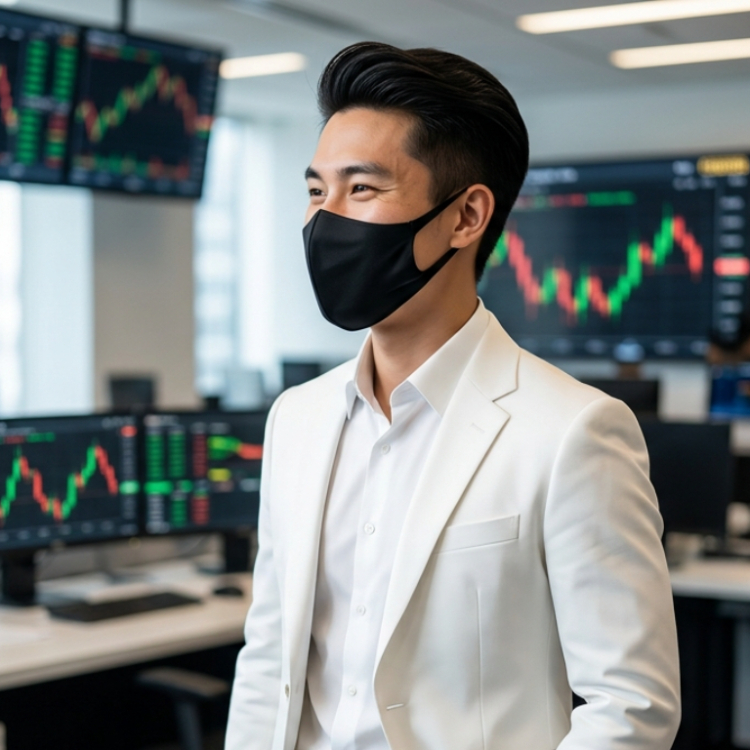
The image from the trading floor shows the screens detailing the completion of the first UNI block trade via a regulated TradFi (Traditional Finance) channel. 📈
Key Highlights from the Execution Screen:
Total Traded: $5,000,000 UNI
Settlement Method: Regulated Entity Liquidity Pool
Status: Finalized & Historic Execution
This transaction, moving a significant block of Uniswap (UNI) tokens through a compliant and regulated traditional financial pathway, is a critical bridge. It validates decentralized assets for large-scale institutional use and provides a scalable model for future adoption.
The future of finance is a blend of traditional safeguards and decentralized innovation!
3 Tradeable Coins with Increased Interest:
$UNI (Uniswap): Direct beneficiary of this institutional use case.
$BTC (Bitcoin): The premier asset for institutional entry.
$ETH (Ethereum): The underlying blockchain for Uniswap and most $DeFi.
{spot}(UNIUSDT)
{spot}(BTCUSDT)
{spot}(ETHUSDT)
#TradFi #defi #uniswap #CryptoNews
#FirstUNIBlockTradeViaRegulatedTradFiChannelCompleted
🚨 HISTORIC MILESTONE: TradFi Meets DeFi! 🚨
A massive leap forward for institutional crypto adoption has been officially confirmed!
The image from the trading floor shows the screens detailing the completion of the first UNI block trade via a regulated TradFi (Traditional Finance) channel. 📈
Key Highlights from the Execution Screen:
Total Traded: $5,000,000 UNI
Settlement Method: Regulated Entity Liquidity Pool
Status: Finalized & Historic Execution
This transaction, moving a significant block of Uniswap (UNI) tokens through a compliant and regulated traditional financial pathway, is a critical bridge. It validates decentralized assets for large-scale institutional use and provides a scalable model for future adoption.
The future of finance is a blend of traditional safeguards and decentralized innovation!
3 Tradeable Coins with Increased Interest:
$UNI (Uniswap): Direct beneficiary of this institutional use case.
$BTC (Bitcoin): The premier asset for institutional entry.
$ETH (Ethereum): The underlying blockchain for Uniswap and most $DeFi.
#TradFi #defi #uniswap #CryptoNews
116

·
--
#FirstUNIBlockTradeViaRegulatedTradFiChannelCompleted
🏛️ First DeFi Token Block Trade Hits Wall Street Rails
📅 CME launched Uniswap (UNI) futures on Oct 19
🤝 One day later, FalconX and GSR executed the first UNI futures block trade, confirmed by CME
🗣️ Hayden Adams called it a first for any DeFi token through regulated TradFi channels
📊 Contracts are cash-settled: 10,000 UNI standard, 1,000 UNI micro, on CME Globex
🔢 UNI is now one of 11 single-asset crypto futures on CME
⚠️ Trade size and price were not disclosed
📉 UNI trades near $7.29, down about 4.6% in 24h
What it means for crypto: funds that can't hold tokens directly now have a regulated way to trade DeFi exposure. Real demand will show in UNI futures volume and open interest over the coming weeks, not in one debut trade.
Will regulated futures bring big money into DeFi tokens? 👇
$UNI $BTC
#CryptoNews #DeFi #Uniswap #FirstUNIBlockTradeViaRegulatedTradFiChannelCompleted
83

·
--
DeFi tokens have made it through traditional finance’s compliance channel for the first time: a large UNI trade was executed through regulated TradFi channels rather than matched on-chain.
Uniswap founder Hayden Adams confirmed the milestone on X, emphasizing that it was “the first for any DeFi token.” The backdrop: CME launched BCH and UNI futures on October 20, and FalconX and GSR completed the first block trade—giving institutions a compliant way to buy DeFi assets at last.
What does this mean for everyday token holders? 1) UNI’s institutional liquidity and compliance narrative are strengthening, but its price will still track the broader market in the short term; 2) more DeFi tokens may follow this path, bringing renewed controversy over whether tokens should be classified as “securities”; 3) don’t mistake a milestone for a realized catalyst—watch for subsequent CME open interest and more block trades.
What to watch next: open interest in CME UNI futures, and the next DeFi token to make it through this channel.
#FirstUNIBlockTradeViaRegulatedTradFiChannelCompleted #UNI #BTC
309

·
--
Verified
#FirstUNIBlockTradeViaRegulatedTradFiChannelCompleted
The first Uniblock trade through regulated traditional finance (TradFi) channels has been successfully completed! 🌐💼
📈 Key Highlights
Historic Milestone: For the first time, the strict rules and regulations of traditional finance (TradFi) and modern blockchain infrastructure came together for an official trade. 🏛️Secure and Regulated Infrastructure: This transaction marked a major step toward the institutional adoption of crypto and blockchain assets and trading within a legal compliance framework. 🔗Institutional Adoption: By boosting major financial institutions’ and funds’ confidence in blockchain-based trading, it paved the way for significant capital flows in the future. 💰
$UNI $ETH $BTC
98

·
--
Verified
The market isn’t buying UNI’s trade, but it could be DeFi’s biggest move this year
CME officially confirmed that FalconX and GSR completed the first-ever UNI block trade: privately negotiated, then cleared through an exchange. Hayden Adams said it was “the first time any DeFi token has gone through a compliant TradFi channel,” making UNI the first DeFi token to be listed on CME.
The interesting part is that the price barely reacted: UNI is hovering around $7.20, down 3% over the past 24 hours. The news was announced back in September, and the token had already rallied ahead of the listing. Now it’s a classic sell-the-news move: the good news is priced in, and holders are cashing out.
But the long-term picture is worth watching: Bitwise filed an S-1 for a spot UNI ETF in February. Based on the industry’s reading of the generic listing standards the SEC approved last September, an asset may qualify with six months of futures trading history on a CFTC-regulated market. If all goes smoothly, UNI could meet the criteria around April 2027.
DeFi’s absorption into traditional finance is a slow-moving trend, and a lagging price doesn’t mean the underlying thesis has changed. Still, the ETF is far from a done deal, so don’t rush in: at $7, you’re buying an expectation.
$UNI #FirstUNIBlockTradeViaRegulatedTradFiChannelCompleted
炫烨:
CME只是提供了一个机构合法做空的工具,你以为是利好?
2
213
Log in to explore more content
Join global crypto users on Binance Square
⚡️ Get latest and useful information about crypto.
💬 Trusted by the world’s largest crypto exchange.
👍 Discover real insights from verified creators.
Email / Phone number
Trending Topics
1
#BinancePick
156,487 views
43,460 Discussing
2
#TeslaSlides5%PreMarket
43,746 views
622 Discussing
3
#KOSPISinks3.52%ToLowestCloseSinceApril
9,480 views
354 Discussing
4
#TeslaAndNvidiaToInvest$2.8BInSamsungElectroMechanics
1,084 views
41 Discussing
5
#ChinaSeeksToSeize61800BTC
27,686 views
481 Discussing
6
#BitcoinETFsPullIn$1.08BInThreeDays
1,466 views
43 Discussing
7
#EarningsSeason
2.5M views
12,407 Discussing
8
#EthereumSurpasses$2500
44,296 views
257 Discussing
9
#BitcoinDropsBelow$84K
16,958 views
94 Discussing
10
#FirstUNIBlockTradeViaRegulatedTradFiChannelCompleted
2,474 views
70 Discussing