

#autocustodia
autocustodia
21,830 views
30 Discussing
Hot
Latest

When you see 0.1 $BTC in your exchange balance, you assume that bitcoin is already yours.
It isn’t. Not yet.
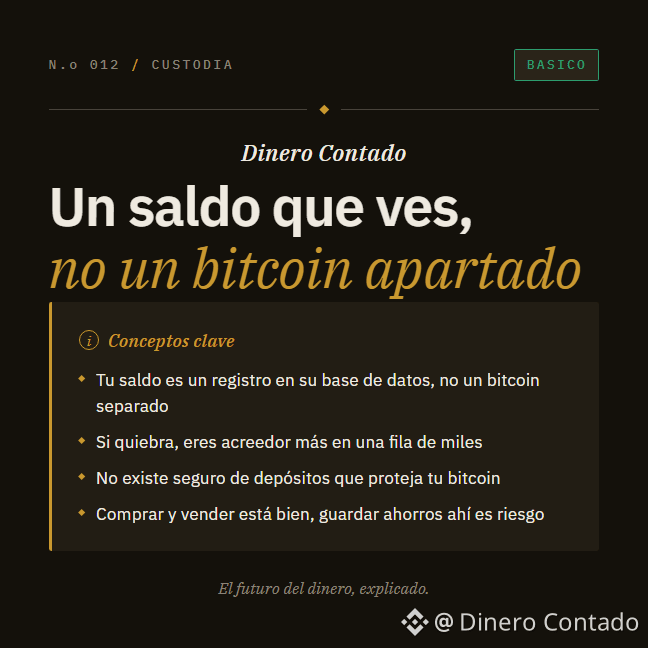
That number lives in the platform’s database, not in a blockchain address that only you control. Most exchanges pool money from thousands of users into a few big wallets. Your balance is an accounting entry. Not a bitcoin set aside with your name on it.
You deposit 0.1 $BTC. The platform records 0.1 in your account, mixed in with other users’ deposits. But if that company goes bankrupt, you don’t claim “my bitcoin”: that bitcoin no longer exists as a separate asset that is yours. You’re just one more creditor, in line with thousands of others. And whoever decides how what’s left gets distributed is a judge—not you.
That’s what custodial balances are: someone else holds the asset, and you trust their word.
KEY CONCEPTS
- An exchange isn’t a bank. There’s no deposit insurance that will return your bitcoin if the platform fails or gets hacked.
- Not all exchanges operate the same way. Some centralize orders in a central order book and hold your funds during the transaction. Others connect buyers directly with sellers.
- Just because a platform is large or has been around for years doesn’t make it secure by default. Crypto history has seen exchanges that looked solid and ended up being hacked.
- Having bitcoin “on the exchange” means having a claim against a company—not the asset itself.
Buying and selling there makes sense. Keeping your savings there for years means giving someone else the final say over something that belongs to you.
Transparency: Binance may pay us a commission if you trade after clicking an asset symbol or a price link from this post.
#Custodia #Autocustodia #ExchangesCripto #SeguridadCripto
When you see 0.1 $BTC in your exchange balance, you assume that bitcoin is already yours.
It isn’t. Not yet.
That number lives in the platform’s database, not in a blockchain address that only you control. Most exchanges pool money from thousands of users into a few big wallets. Your balance is an accounting entry. Not a bitcoin set aside with your name on it.
You deposit 0.1 $BTC . The platform records 0.1 in your account, mixed in with other users’ deposits. But if that company goes bankrupt, you don’t claim “my bitcoin”: that bitcoin no longer exists as a separate asset that is yours. You’re just one more creditor, in line with thousands of others. And whoever decides how what’s left gets distributed is a judge—not you.
That’s what custodial balances are: someone else holds the asset, and you trust their word.
KEY CONCEPTS
- An exchange isn’t a bank. There’s no deposit insurance that will return your bitcoin if the platform fails or gets hacked.
- Not all exchanges operate the same way. Some centralize orders in a central order book and hold your funds during the transaction. Others connect buyers directly with sellers.
- Just because a platform is large or has been around for years doesn’t make it secure by default. Crypto history has seen exchanges that looked solid and ended up being hacked.
- Having bitcoin “on the exchange” means having a claim against a company—not the asset itself.
Buying and selling there makes sense. Keeping your savings there for years means giving someone else the final say over something that belongs to you.
Transparency: Binance may pay us a commission if you trade after clicking an asset symbol or a price link from this post.
#Custodia #Autocustodia #ExchangesCripto #SeguridadCripto
It isn’t. Not yet.
That number lives in the platform’s database, not in a blockchain address that only you control. Most exchanges pool money from thousands of users into a few big wallets. Your balance is an accounting entry. Not a bitcoin set aside with your name on it.
You deposit 0.1 $BTC . The platform records 0.1 in your account, mixed in with other users’ deposits. But if that company goes bankrupt, you don’t claim “my bitcoin”: that bitcoin no longer exists as a separate asset that is yours. You’re just one more creditor, in line with thousands of others. And whoever decides how what’s left gets distributed is a judge—not you.
That’s what custodial balances are: someone else holds the asset, and you trust their word.
KEY CONCEPTS
- An exchange isn’t a bank. There’s no deposit insurance that will return your bitcoin if the platform fails or gets hacked.
- Not all exchanges operate the same way. Some centralize orders in a central order book and hold your funds during the transaction. Others connect buyers directly with sellers.
- Just because a platform is large or has been around for years doesn’t make it secure by default. Crypto history has seen exchanges that looked solid and ended up being hacked.
- Having bitcoin “on the exchange” means having a claim against a company—not the asset itself.
Buying and selling there makes sense. Keeping your savings there for years means giving someone else the final say over something that belongs to you.
Transparency: Binance may pay us a commission if you trade after clicking an asset symbol or a price link from this post.
#Custodia #Autocustodia #ExchangesCripto #SeguridadCripto
1
1
521
You can prove that something belongs to you without showing what you used to prove it. That idea underpins custody in crypto.
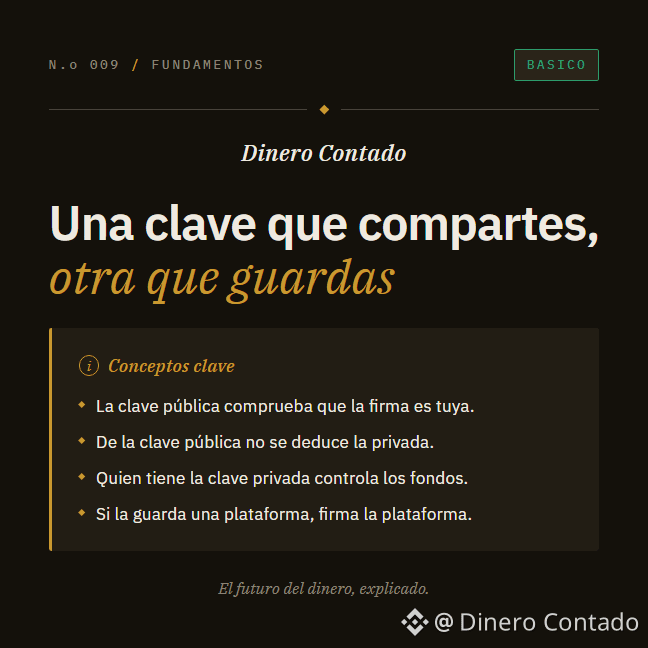
Every time you move $BTC, you sign with a secret code. The network verifies the signature and accepts the transfer. But no one can deduce the code by looking at the signature. It only works one way.
There are two pieces. One is shared: with it, anyone can verify that the signature is yours. The other is kept: without it, those funds can’t be moved. If you lose it without a copy, you lose access forever.
The shared piece is called the public key. The one you store is called the private key.
KEY CONCEPTS
- The public key is not the same as your wallet address. The address is derived from it in an additional step.
- You can’t deduce the private key from the public key. The mathematical process can’t be reversed.
- Whoever has your private key controls your funds. Without exception.
- If you store the private key yourself, that’s self-custody. If a platform stores it, then the platform is the one that signs.
That’s why a signature is enough to move funds: it proves you have the key without ever showing it.
#ClavePrivada #ClavePublica #Autocustodia #FundamentosCripto
This content is for educational and informational purposes only and does not constitute financial, investment, legal, or tax advice. Cryptocurrencies and digital assets are highly volatile and you could lose your entire investment. Nothing here is a recommendation to buy or sell any asset. Always do your own research and consult a qualified professional. Your results may vary.
Binance may pay us a portion of its trading commissions when someone trades after clicking an asset symbol or a price link included in this content.
You can prove that something belongs to you without showing what you used to prove it. That idea underpins custody in crypto.
Every time you move $BTC , you sign with a secret code. The network verifies the signature and accepts the transfer. But no one can deduce the code by looking at the signature. It only works one way.
There are two pieces. One is shared: with it, anyone can verify that the signature is yours. The other is kept: without it, those funds can’t be moved. If you lose it without a copy, you lose access forever.
The shared piece is called the public key. The one you store is called the private key.
KEY CONCEPTS
- The public key is not the same as your wallet address. The address is derived from it in an additional step.
- You can’t deduce the private key from the public key. The mathematical process can’t be reversed.
- Whoever has your private key controls your funds. Without exception.
- If you store the private key yourself, that’s self-custody. If a platform stores it, then the platform is the one that signs.
That’s why a signature is enough to move funds: it proves you have the key without ever showing it.
#ClavePrivada #ClavePublica #Autocustodia #FundamentosCripto
This content is for educational and informational purposes only and does not constitute financial, investment, legal, or tax advice. Cryptocurrencies and digital assets are highly volatile and you could lose your entire investment. Nothing here is a recommendation to buy or sell any asset. Always do your own research and consult a qualified professional. Your results may vary.
Binance may pay us a portion of its trading commissions when someone trades after clicking an asset symbol or a price link included in this content.
Every time you move $BTC , you sign with a secret code. The network verifies the signature and accepts the transfer. But no one can deduce the code by looking at the signature. It only works one way.
There are two pieces. One is shared: with it, anyone can verify that the signature is yours. The other is kept: without it, those funds can’t be moved. If you lose it without a copy, you lose access forever.
The shared piece is called the public key. The one you store is called the private key.
KEY CONCEPTS
- The public key is not the same as your wallet address. The address is derived from it in an additional step.
- You can’t deduce the private key from the public key. The mathematical process can’t be reversed.
- Whoever has your private key controls your funds. Without exception.
- If you store the private key yourself, that’s self-custody. If a platform stores it, then the platform is the one that signs.
That’s why a signature is enough to move funds: it proves you have the key without ever showing it.
#ClavePrivada #ClavePublica #Autocustodia #FundamentosCripto
This content is for educational and informational purposes only and does not constitute financial, investment, legal, or tax advice. Cryptocurrencies and digital assets are highly volatile and you could lose your entire investment. Nothing here is a recommendation to buy or sell any asset. Always do your own research and consult a qualified professional. Your results may vary.
Binance may pay us a portion of its trading commissions when someone trades after clicking an asset symbol or a price link included in this content.
214

·
--
Bearish
We grew up with a pretty simple idea:
Money is in the bank.
If we forgot a password, we called the bank.
If we lost a card, the bank could help us.
But the world of cryptocurrencies is teaching us something different.
When you have digital assets—especially if you use a wallet where you control the keys—the responsibility for security also becomes yours.
And there’s something I think is extremely important here:
👉 It’s not enough to learn how to buy cryptocurrencies or digital assets. We also have to learn how to protect them.
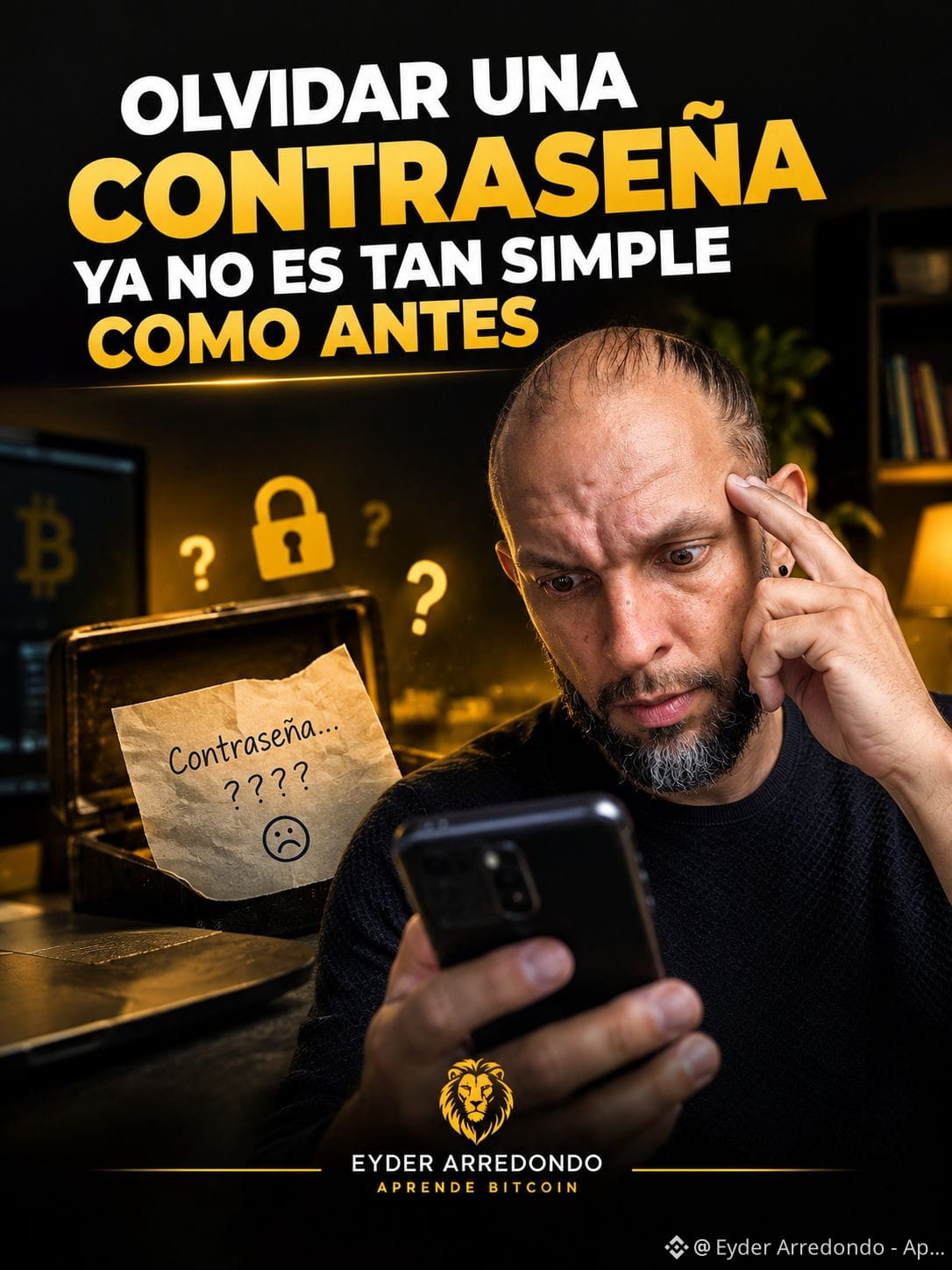
Because a weak password—reused or stored in any kind of way—can turn into a huge problem.
Here are some things I’m learning to take much more seriously:
🔹 Don’t reuse the same password:
If a platform suffers a data breach and you use that same password elsewhere, the problem can multiply.
🔹 Use a password manager:
You don’t have to memorize 20 different passwords. You can have long, unique passwords without relying on your memory.
🔹 Enable two-factor authentication (2FA):
A password by itself shouldn’t be your only security barrier.
🔹 Don’t store important passwords in notes, screenshots, or chats:
Especially information related to wallets and private keys.
🔹 Have secure recovery methods:
A password you don’t remember doesn’t help either. But the solution isn’t to make it easy—it’s to have a secure way to recover it.
🔹 Never share your seed phrase or private key:
No legitimate person should ask you for it by message, email, or phone call.
To me, this is part of the education we need as a new generation of financial users.
It’s not just about learning how to invest.
It’s about learning how to custody, protect, and understand what we’re acquiring.
#bitcoin #AprendeBitcoin #Autocustodia $BTC
We grew up with a pretty simple idea:
Money is in the bank.
If we forgot a password, we called the bank.
If we lost a card, the bank could help us.
But the world of cryptocurrencies is teaching us something different.
When you have digital assets—especially if you use a wallet where you control the keys—the responsibility for security also becomes yours.
And there’s something I think is extremely important here:
👉 It’s not enough to learn how to buy cryptocurrencies or digital assets. We also have to learn how to protect them.
Because a weak password—reused or stored in any kind of way—can turn into a huge problem.
Here are some things I’m learning to take much more seriously:
🔹 Don’t reuse the same password:
If a platform suffers a data breach and you use that same password elsewhere, the problem can multiply.
🔹 Use a password manager:
You don’t have to memorize 20 different passwords. You can have long, unique passwords without relying on your memory.
🔹 Enable two-factor authentication (2FA):
A password by itself shouldn’t be your only security barrier.
🔹 Don’t store important passwords in notes, screenshots, or chats:
Especially information related to wallets and private keys.
🔹 Have secure recovery methods:
A password you don’t remember doesn’t help either. But the solution isn’t to make it easy—it’s to have a secure way to recover it.
🔹 Never share your seed phrase or private key:
No legitimate person should ask you for it by message, email, or phone call.
To me, this is part of the education we need as a new generation of financial users.
It’s not just about learning how to invest.
It’s about learning how to custody, protect, and understand what we’re acquiring.
#bitcoin #AprendeBitcoin #Autocustodia $BTC
Money is in the bank.
If we forgot a password, we called the bank.
If we lost a card, the bank could help us.
But the world of cryptocurrencies is teaching us something different.
When you have digital assets—especially if you use a wallet where you control the keys—the responsibility for security also becomes yours.
And there’s something I think is extremely important here:
👉 It’s not enough to learn how to buy cryptocurrencies or digital assets. We also have to learn how to protect them.
Because a weak password—reused or stored in any kind of way—can turn into a huge problem.
Here are some things I’m learning to take much more seriously:
🔹 Don’t reuse the same password:
If a platform suffers a data breach and you use that same password elsewhere, the problem can multiply.
🔹 Use a password manager:
You don’t have to memorize 20 different passwords. You can have long, unique passwords without relying on your memory.
🔹 Enable two-factor authentication (2FA):
A password by itself shouldn’t be your only security barrier.
🔹 Don’t store important passwords in notes, screenshots, or chats:
Especially information related to wallets and private keys.
🔹 Have secure recovery methods:
A password you don’t remember doesn’t help either. But the solution isn’t to make it easy—it’s to have a secure way to recover it.
🔹 Never share your seed phrase or private key:
No legitimate person should ask you for it by message, email, or phone call.
To me, this is part of the education we need as a new generation of financial users.
It’s not just about learning how to invest.
It’s about learning how to custody, protect, and understand what we’re acquiring.
#bitcoin #AprendeBitcoin #Autocustodia $BTC
366
Self-custody, explained.
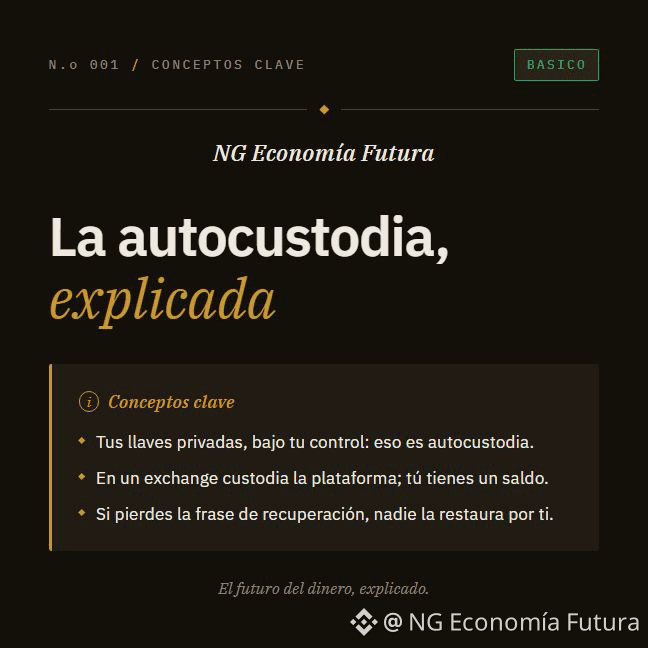
The idea that without your keys they’re not your coins is repeated a lot and understood poorly. The difference is concrete: on an exchange, you have a balance recorded under your name. In self-custody, you have the private key that moves the asset.
This changes who’s responsible when something goes wrong. With third-party custody, you file a claim with a platform. With self-custody, there’s no one to complain to: the recovery phrase is the access, and no one restores it for you.
Neither of the two is the default correct option. They are different responsibilities, and it’s worth choosing intentionally rather than by accident.
#Web3 #autocustodia #crypto
This content is for educational and informational purposes only and does not constitute financial, investment, legal, or tax advice. Cryptocurrencies and digital assets are highly volatile and you could lose your entire investment. Nothing here should be taken as a recommendation to buy or sell any asset. Always do your own research and consult a licensed professional. Your results may vary.
Self-custody, explained.
The idea that without your keys they’re not your coins is repeated a lot and understood poorly. The difference is concrete: on an exchange, you have a balance recorded under your name. In self-custody, you have the private key that moves the asset.
This changes who’s responsible when something goes wrong. With third-party custody, you file a claim with a platform. With self-custody, there’s no one to complain to: the recovery phrase is the access, and no one restores it for you.
Neither of the two is the default correct option. They are different responsibilities, and it’s worth choosing intentionally rather than by accident.
#Web3 #autocustodia #crypto
This content is for educational and informational purposes only and does not constitute financial, investment, legal, or tax advice. Cryptocurrencies and digital assets are highly volatile and you could lose your entire investment. Nothing here should be taken as a recommendation to buy or sell any asset. Always do your own research and consult a licensed professional. Your results may vary.
The idea that without your keys they’re not your coins is repeated a lot and understood poorly. The difference is concrete: on an exchange, you have a balance recorded under your name. In self-custody, you have the private key that moves the asset.
This changes who’s responsible when something goes wrong. With third-party custody, you file a claim with a platform. With self-custody, there’s no one to complain to: the recovery phrase is the access, and no one restores it for you.
Neither of the two is the default correct option. They are different responsibilities, and it’s worth choosing intentionally rather than by accident.
#Web3 #autocustodia #crypto
This content is for educational and informational purposes only and does not constitute financial, investment, legal, or tax advice. Cryptocurrencies and digital assets are highly volatile and you could lose your entire investment. Nothing here should be taken as a recommendation to buy or sell any asset. Always do your own research and consult a licensed professional. Your results may vary.
1
608

·
--
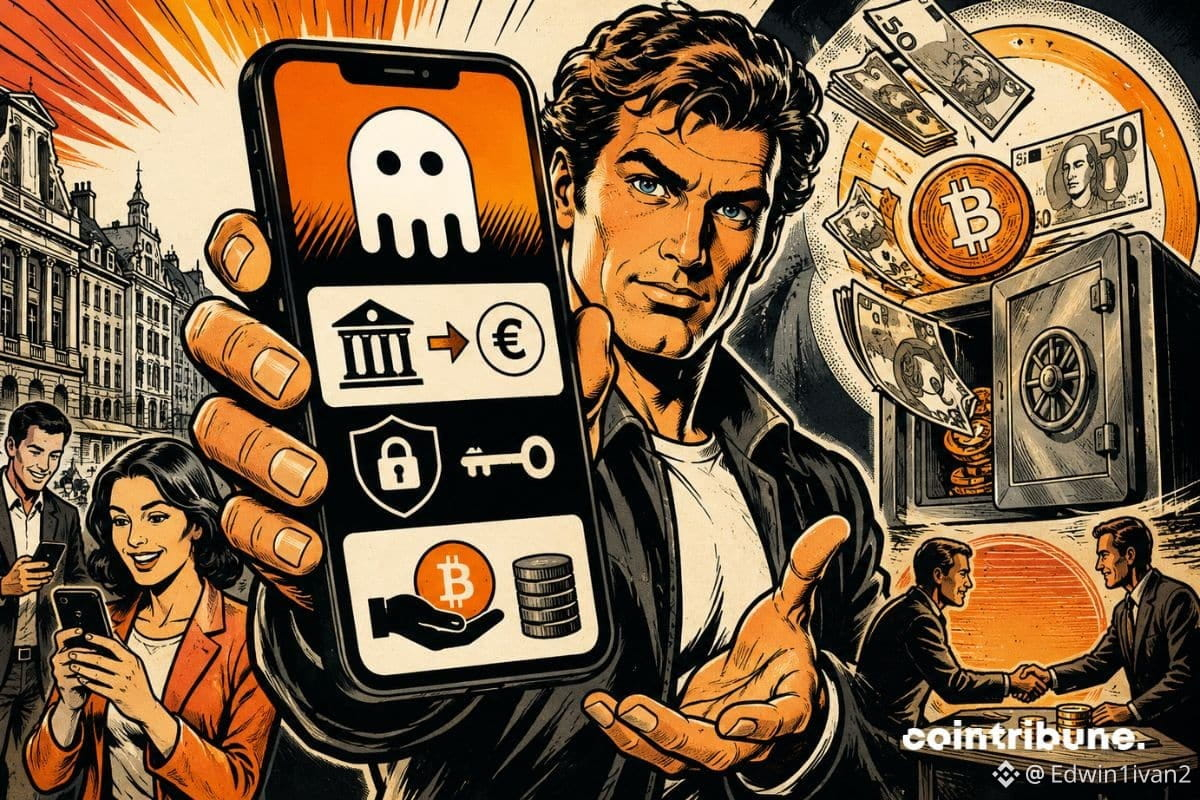
Aave DAO is preparing an all-in-one crypto app: Fiat, Self-Custody, and Loans
Aave DAO has just reached a historic milestone by offering an app for the general public that integrates fiat, self-custody, and DeFi loans. A breakthrough that could revolutionize the crypto ecosystem, providing a simple, secure, and decentralized alternative to giants like Binance. Has the war on platforms been declared?
The Aave App could be launched soon following Aave DAO’s proposal, merging fiat and DeFi for a more streamlined user experience.
A direct challenge to Binance with higher yields and full decentralization.
MiCA and regulators could limit its expansion in Europe and the United States.
Aave DAO offers Fiat, Self-Custody, and DeFi Loans in a single crypto app
Aave DAO officially presented its proposal for an all-in-one mobile application, designed to democratize DeFi by combining a fiat on-ramp, self-custody, and lending. A first for the crypto ecosystem that addresses a major need: making decentralized finance accessible to the general public. With Aave Push as a regulated partner, users will be able to deposit coins directly from their bank account without going through centralized exchanges.
Once the funds are converted into stablecoins (USDC, USDT, GHO), they are automatically allocated to Stable Vaults, generating returns through the Aave protocol. All of this without an external wallet. Thanks to ERC-6900 smart accounts secured by multiple audits (Certora, ChainSecurity, etc.). But what’s the real game-changer? Balance Protection, a DeFi insurance feature that covers losses due to security failures or technical bugs. A direct response to crypto users’ fears following recent exploits (Kelp DAO, rsETH).
$AAVE
{spot}(AAVEUSDT)
$DAO.US
{stock_us}(DAO.US)
$APP
{future}(APPUSDT)
#autocustodia
Aave DAO is preparing an all-in-one crypto app: Fiat, Self-Custody, and Loans
Aave DAO has just reached a historic milestone by offering an app for the general public that integrates fiat, self-custody, and DeFi loans. A breakthrough that could revolutionize the crypto ecosystem, providing a simple, secure, and decentralized alternative to giants like Binance. Has the war on platforms been declared?
The Aave App could be launched soon following Aave DAO’s proposal, merging fiat and DeFi for a more streamlined user experience.
A direct challenge to Binance with higher yields and full decentralization.
MiCA and regulators could limit its expansion in Europe and the United States.
Aave DAO offers Fiat, Self-Custody, and DeFi Loans in a single crypto app
Aave DAO officially presented its proposal for an all-in-one mobile application, designed to democratize DeFi by combining a fiat on-ramp, self-custody, and lending. A first for the crypto ecosystem that addresses a major need: making decentralized finance accessible to the general public. With Aave Push as a regulated partner, users will be able to deposit coins directly from their bank account without going through centralized exchanges.
Once the funds are converted into stablecoins (USDC, USDT, GHO), they are automatically allocated to Stable Vaults, generating returns through the Aave protocol. All of this without an external wallet. Thanks to ERC-6900 smart accounts secured by multiple audits (Certora, ChainSecurity, etc.). But what’s the real game-changer? Balance Protection, a DeFi insurance feature that covers losses due to security failures or technical bugs. A direct response to crypto users’ fears following recent exploits (Kelp DAO, rsETH).
$AAVE
$DAO.US
$APP
#autocustodia
Aave DAO has just reached a historic milestone by offering an app for the general public that integrates fiat, self-custody, and DeFi loans. A breakthrough that could revolutionize the crypto ecosystem, providing a simple, secure, and decentralized alternative to giants like Binance. Has the war on platforms been declared?
The Aave App could be launched soon following Aave DAO’s proposal, merging fiat and DeFi for a more streamlined user experience.
A direct challenge to Binance with higher yields and full decentralization.
MiCA and regulators could limit its expansion in Europe and the United States.
Aave DAO offers Fiat, Self-Custody, and DeFi Loans in a single crypto app
Aave DAO officially presented its proposal for an all-in-one mobile application, designed to democratize DeFi by combining a fiat on-ramp, self-custody, and lending. A first for the crypto ecosystem that addresses a major need: making decentralized finance accessible to the general public. With Aave Push as a regulated partner, users will be able to deposit coins directly from their bank account without going through centralized exchanges.
Once the funds are converted into stablecoins (USDC, USDT, GHO), they are automatically allocated to Stable Vaults, generating returns through the Aave protocol. All of this without an external wallet. Thanks to ERC-6900 smart accounts secured by multiple audits (Certora, ChainSecurity, etc.). But what’s the real game-changer? Balance Protection, a DeFi insurance feature that covers losses due to security failures or technical bugs. A direct response to crypto users’ fears following recent exploits (Kelp DAO, rsETH).
$AAVE
$DAO.US
$APP
#autocustodia
208

·
--
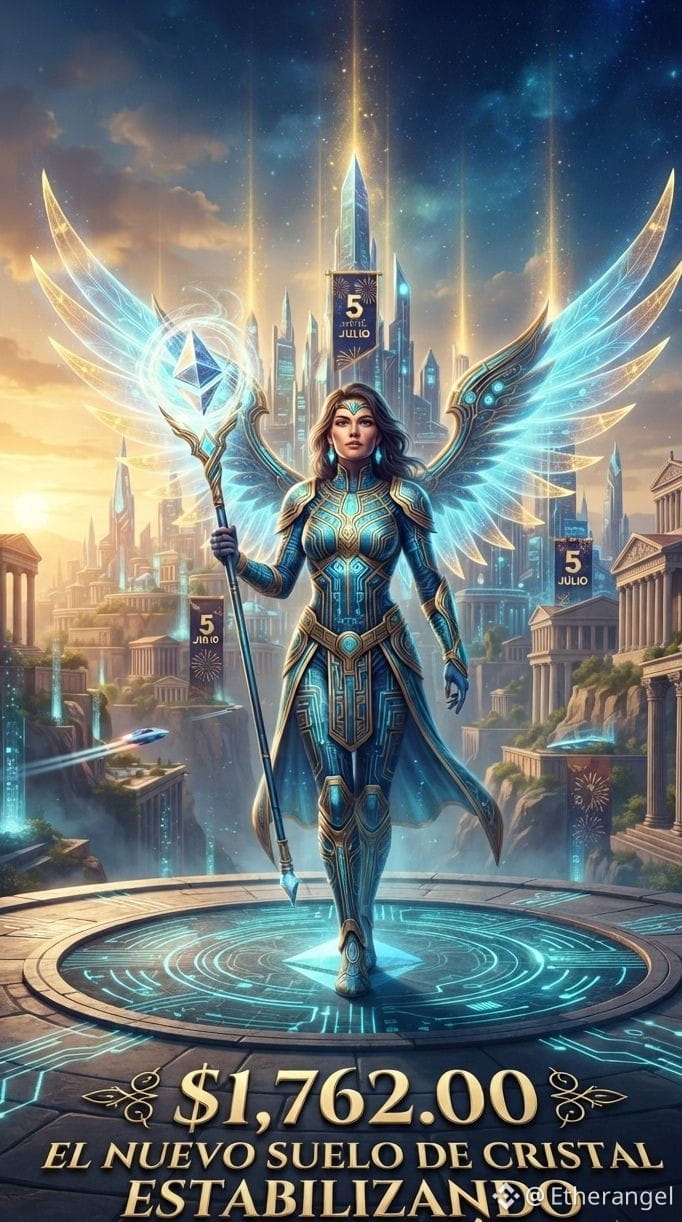
July 5: Sovereignty begins in your wallet ⛓️✨
Today, July 5, we celebrate freedom and independence. In the Web3 world, this concept goes beyond geographical borders; it’s about sovereignty over your own value.
True financial independence today means self-custody. In a market that never sleeps, being the only guardian of your assets is the most revolutionary act you can take. Ethereum provides the infrastructure, but you bring the conviction.
Sunday reflection: What does it mean to you to be "free" in the crypto ecosystem? Are you taking full control or delegating your sovereignty?
Etherangel_Web3: My commitment is to keep building, analyzing, and maintaining that clear vision where digital assets are the foundation of our personal independence.
May this day be a moment of reflection for everyone of us building a decentralized future. Freedom is not a destination—it’s a daily construction. 🛰️
What do you think, community? How are you celebrating your financial sovereignty today?
#July5 #Freedom #Web3 #Etherangel #Ethereum #CryptoSovereignty #Autocustodia
July 5: Sovereignty begins in your wallet ⛓️✨
Today, July 5, we celebrate freedom and independence. In the Web3 world, this concept goes beyond geographical borders; it’s about sovereignty over your own value.
True financial independence today means self-custody. In a market that never sleeps, being the only guardian of your assets is the most revolutionary act you can take. Ethereum provides the infrastructure, but you bring the conviction.
Sunday reflection: What does it mean to you to be "free" in the crypto ecosystem? Are you taking full control or delegating your sovereignty?
Etherangel_Web3: My commitment is to keep building, analyzing, and maintaining that clear vision where digital assets are the foundation of our personal independence.
May this day be a moment of reflection for everyone of us building a decentralized future. Freedom is not a destination—it’s a daily construction. 🛰️
What do you think, community? How are you celebrating your financial sovereignty today?
#July5 #Freedom #Web3 #Etherangel #Ethereum #CryptoSovereignty #Autocustodia
Today, July 5, we celebrate freedom and independence. In the Web3 world, this concept goes beyond geographical borders; it’s about sovereignty over your own value.
True financial independence today means self-custody. In a market that never sleeps, being the only guardian of your assets is the most revolutionary act you can take. Ethereum provides the infrastructure, but you bring the conviction.
Sunday reflection: What does it mean to you to be "free" in the crypto ecosystem? Are you taking full control or delegating your sovereignty?
Etherangel_Web3: My commitment is to keep building, analyzing, and maintaining that clear vision where digital assets are the foundation of our personal independence.
May this day be a moment of reflection for everyone of us building a decentralized future. Freedom is not a destination—it’s a daily construction. 🛰️
What do you think, community? How are you celebrating your financial sovereignty today?
#July5 #Freedom #Web3 #Etherangel #Ethereum #CryptoSovereignty #Autocustodia
125

·
--
🚀 Who really controls your crypto? Let’s talk about Decentralized Wallets 🛡️
In the crypto world, there’s a golden rule: "Not your keys, not your coins"*. If you want to go one step beyond traditional flexible products and dive deep into Web3, you need to know wallets like MetaMask or Trust Wallet.
Unlike an exchange, a decentralized wallet gives you truly 100% real custody of your assets. Here, you are your own bank. The app doesn’t store your coins—it acts as a bridge to the blockchain through your master key: the famous Seed Phrase.
🌐 What’s the big advantage? They’re your direct passport—no KYC—for interacting with decentralized applications (dApps), games, and the entire DeFi ecosystem.
⚠️ The big responsibility: Since there are no intermediaries, there’s no "forgot my password" button. If you lose those 12 or 24 words, you lose your funds forever.
🗣️ Have you made the jump to decentralization? Which wallet do you prefer to connect to Web3? I’ll read your comments! 👇
#DeFi #MetaMask #Web3 #BinanceSquare #Autocustodia
🚀 Who really controls your crypto? Let’s talk about Decentralized Wallets 🛡️
In the crypto world, there’s a golden rule: "Not your keys, not your coins"*. If you want to go one step beyond traditional flexible products and dive deep into Web3, you need to know wallets like MetaMask or Trust Wallet.
Unlike an exchange, a decentralized wallet gives you truly 100% real custody of your assets. Here, you are your own bank. The app doesn’t store your coins—it acts as a bridge to the blockchain through your master key: the famous Seed Phrase.
🌐 What’s the big advantage? They’re your direct passport—no KYC—for interacting with decentralized applications (dApps), games, and the entire DeFi ecosystem.
⚠️ The big responsibility: Since there are no intermediaries, there’s no "forgot my password" button. If you lose those 12 or 24 words, you lose your funds forever.
🗣️ Have you made the jump to decentralization? Which wallet do you prefer to connect to Web3? I’ll read your comments! 👇
#DeFi #MetaMask #Web3 #BinanceSquare #Autocustodia
In the crypto world, there’s a golden rule: "Not your keys, not your coins"*. If you want to go one step beyond traditional flexible products and dive deep into Web3, you need to know wallets like MetaMask or Trust Wallet.
Unlike an exchange, a decentralized wallet gives you truly 100% real custody of your assets. Here, you are your own bank. The app doesn’t store your coins—it acts as a bridge to the blockchain through your master key: the famous Seed Phrase.
🌐 What’s the big advantage? They’re your direct passport—no KYC—for interacting with decentralized applications (dApps), games, and the entire DeFi ecosystem.
⚠️ The big responsibility: Since there are no intermediaries, there’s no "forgot my password" button. If you lose those 12 or 24 words, you lose your funds forever.
🗣️ Have you made the jump to decentralization? Which wallet do you prefer to connect to Web3? I’ll read your comments! 👇
#DeFi #MetaMask #Web3 #BinanceSquare #Autocustodia
284
When you send $BTC, nothing is moved. What changes is the ledger.
You have an input of 1 BTC. You send 0.4 to the other side. The network does not split that amount: it spends the entire input and returns almost 0.6 to your own address. Just like with a large bill and its change.
Those movements are recorded forever in a public list. Nobody controls it. Nobody deletes anything. And each input only has value if it points to a previous one that has not been spent.
That is called a transaction, and the list where everything is stored is the network’s ledger.
KEY CONCEPTS
- Change exists. What you don’t send comes back to your address as a new output, except for the fee.
- The ledger is public. Anyone can view the complete history of any address.
- Reusing an address makes you easier to track. A different address per transaction makes that tracking harder.
- The fee does not appear as an output. It’s the difference between the input and everything that is spent.
Here’s a question: if the ledger is public, what prevents someone else from spending your input? The answer is a signature that only your private key can produce.
#TransaccionBitcoin #LibroMayor #FundamentosCripto #autocustodia #ElSalvadorBTCHoldingsRiseTo7777
This content is for educational and informational purposes only and does not constitute financial, investment, legal, or tax advice. Cryptocurrencies and digital assets are highly volatile and you could lose your entire investment. Nothing here should be taken as a recommendation to buy or sell any asset. Always do your own research and consult an authorized professional. Your results may vary.
Binance may pay us a portion of its trading commissions when someone trades after clicking an asset symbol or a price link included in this content.
When you send $BTC , nothing is moved. What changes is the ledger.
You have an input of 1 BTC. You send 0.4 to the other side. The network does not split that amount: it spends the entire input and returns almost 0.6 to your own address. Just like with a large bill and its change.
Those movements are recorded forever in a public list. Nobody controls it. Nobody deletes anything. And each input only has value if it points to a previous one that has not been spent.
That is called a transaction, and the list where everything is stored is the network’s ledger.
KEY CONCEPTS
- Change exists. What you don’t send comes back to your address as a new output, except for the fee.
- The ledger is public. Anyone can view the complete history of any address.
- Reusing an address makes you easier to track. A different address per transaction makes that tracking harder.
- The fee does not appear as an output. It’s the difference between the input and everything that is spent.
Here’s a question: if the ledger is public, what prevents someone else from spending your input? The answer is a signature that only your private key can produce.
#TransaccionBitcoin #LibroMayor #FundamentosCripto #autocustodia #ElSalvadorBTCHoldingsRiseTo7777
This content is for educational and informational purposes only and does not constitute financial, investment, legal, or tax advice. Cryptocurrencies and digital assets are highly volatile and you could lose your entire investment. Nothing here should be taken as a recommendation to buy or sell any asset. Always do your own research and consult an authorized professional. Your results may vary.
Binance may pay us a portion of its trading commissions when someone trades after clicking an asset symbol or a price link included in this content.
You have an input of 1 BTC. You send 0.4 to the other side. The network does not split that amount: it spends the entire input and returns almost 0.6 to your own address. Just like with a large bill and its change.
Those movements are recorded forever in a public list. Nobody controls it. Nobody deletes anything. And each input only has value if it points to a previous one that has not been spent.
That is called a transaction, and the list where everything is stored is the network’s ledger.
KEY CONCEPTS
- Change exists. What you don’t send comes back to your address as a new output, except for the fee.
- The ledger is public. Anyone can view the complete history of any address.
- Reusing an address makes you easier to track. A different address per transaction makes that tracking harder.
- The fee does not appear as an output. It’s the difference between the input and everything that is spent.
Here’s a question: if the ledger is public, what prevents someone else from spending your input? The answer is a signature that only your private key can produce.
#TransaccionBitcoin #LibroMayor #FundamentosCripto #autocustodia #ElSalvadorBTCHoldingsRiseTo7777
This content is for educational and informational purposes only and does not constitute financial, investment, legal, or tax advice. Cryptocurrencies and digital assets are highly volatile and you could lose your entire investment. Nothing here should be taken as a recommendation to buy or sell any asset. Always do your own research and consult an authorized professional. Your results may vary.
Binance may pay us a portion of its trading commissions when someone trades after clicking an asset symbol or a price link included in this content.
1
1
335
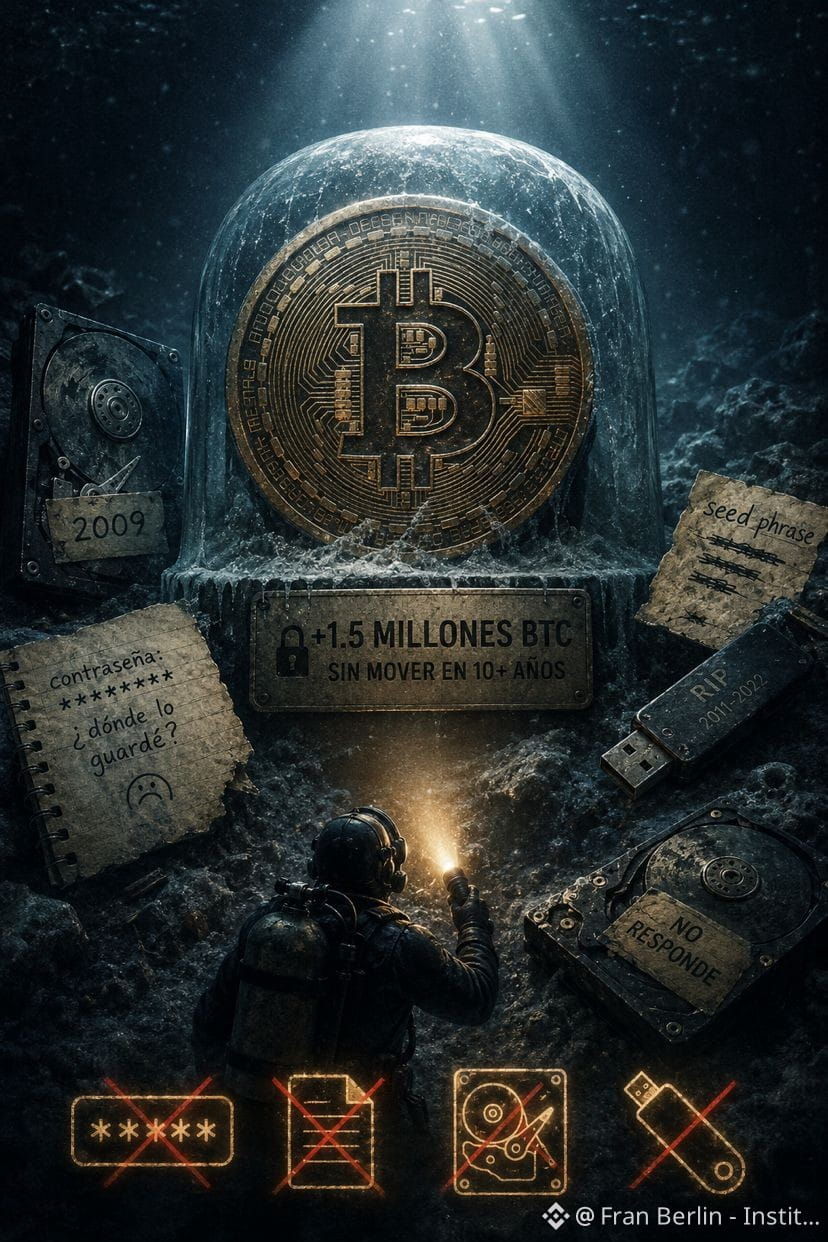
₿ More than 1.5 MILLION of $BTC have been sitting unmoved for over 10 years.
We’re talking tens of billions of dollars.
HODLers with steel conviction?
Not necessarily.
Some of it could be Bitcoin where access was lost: forgotten passwords, damaged hard drives, or missing seed phrases.
And here’s the lesson:
In crypto, your biggest enemy isn’t always the market.
Sometimes it’s you yourself—3 years from now.
Self-custody isn’t only “not your keys, not your coins”.
It’s building a system that lets you recover your funds even when you no longer remember how.
🔐 Would your system survive your future self?
#FranBerlin | Instituto Blockchain
#bitcoin #BTC #crypto #Autocustodia
{spot}(BTCUSDT)
₿ More than 1.5 MILLION of $BTC have been sitting unmoved for over 10 years.
We’re talking tens of billions of dollars.
HODLers with steel conviction?
Not necessarily.
Some of it could be Bitcoin where access was lost: forgotten passwords, damaged hard drives, or missing seed phrases.
And here’s the lesson:
In crypto, your biggest enemy isn’t always the market.
Sometimes it’s you yourself—3 years from now.
Self-custody isn’t only “not your keys, not your coins”.
It’s building a system that lets you recover your funds even when you no longer remember how.
🔐 Would your system survive your future self?
#FranBerlin | Instituto Blockchain
#bitcoin #BTC #crypto #Autocustodia
We’re talking tens of billions of dollars.
HODLers with steel conviction?
Not necessarily.
Some of it could be Bitcoin where access was lost: forgotten passwords, damaged hard drives, or missing seed phrases.
And here’s the lesson:
In crypto, your biggest enemy isn’t always the market.
Sometimes it’s you yourself—3 years from now.
Self-custody isn’t only “not your keys, not your coins”.
It’s building a system that lets you recover your funds even when you no longer remember how.
🔐 Would your system survive your future self?
#FranBerlin | Instituto Blockchain
#bitcoin #BTC #crypto #Autocustodia
1
729
Log in to explore more content
Join global crypto users on Binance Square
⚡️ Get latest and useful information about crypto.
💬 Trusted by the world’s largest crypto exchange.
👍 Discover real insights from verified creators.
Email / Phone number
Trending Topics
1
#BinanceWillListHyperliquid(HYPE)
10,627 views
382 Discussing
2
#BitcoinFallsBelow$83,000
61 views
20 Discussing
3
#BitcoinFallsToAround$84,600ThisWeek
0 views
0 Discussing
4
#US30YearYieldHighestSince2004
12 views
10 Discussing
5
#ETHBreaksAbove$2,700
436 views
20 Discussing
6
#USWeighsPromotingDollarStablecoinsAbroad
20,202 views
803 Discussing
7
#US10YTreasuryYieldHits19YearHigh
17,644 views
607 Discussing
8
#SpotBitcoinETFsInflow$2.31BInFourDays
2,317 views
54 Discussing
9
#BitcoinRejectedAt$87,300Twice
0 views
0 Discussing
10
#BCHJumps28%OnCMEFuturesListing
61,651 views
1,304 Discussing