
跟Leo看AI
65 Posts

跟Leo看AI
Report
Block User
AI产业研究员|长期跟踪AI基础设施
从GPU到数据中心,从算力到应用,沿着产业链寻找真正的价值
3 Following
81 Followers
185 Liked
Posts
All
Videos
·
--
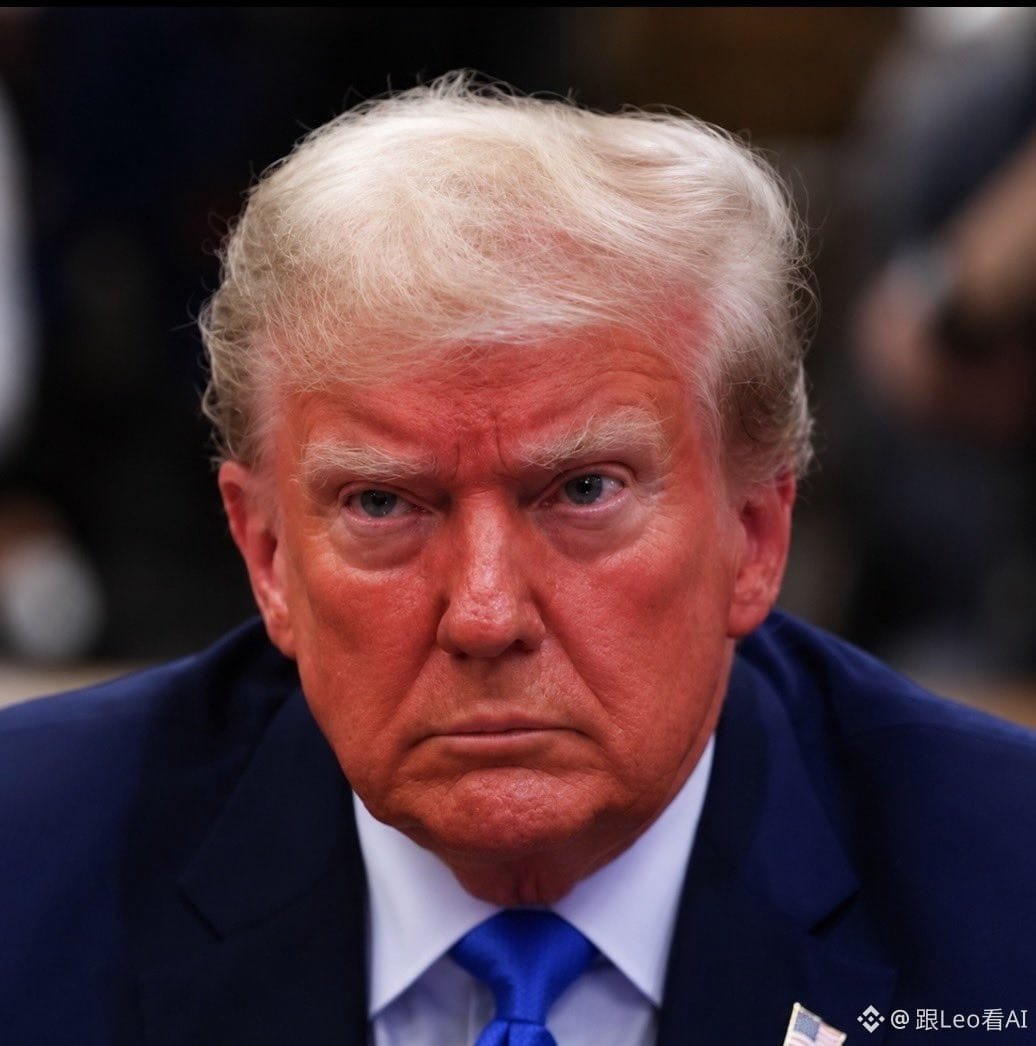
Why did crypto fall so hard last night? Besides fears of AI regulation, there was another easily overlooked factor: Trump’s company just transferred $343 million worth of Bitcoin to an exchange 🚨
On November 5, the day after Democrats retook both chambers of Congress, Trump Media & Technology Group transferred about 4,259 BTC to a trading platform—roughly 30% of the Bitcoin it held.
The timing was just too perfect!!! After losing the election, Democrats immediately started calling for an investigation into the Trump family’s crypto business. With a new Congress, the “crypto president’s” policy shield won’t be as strong.
And look at where these coins came from: they were held in a wallet backing the company’s convertible bonds, and the company also has about $1 billion in debt to repay before the end of November.
Why transfer coins to an exchange for no reason? It can’t be just for fun, right? That was enough to ignite panic, and U.S. stocks and crypto markets both crashed in a flash...#美股走弱,加密货币市场普遍承压 #TRUMP

4
12
33.3k
·
--
On the eve of Anthropic’s IPO, key employees are leaving one after another? Even Claude Code’s product lead has joined OpenAI!! 🤯🤯
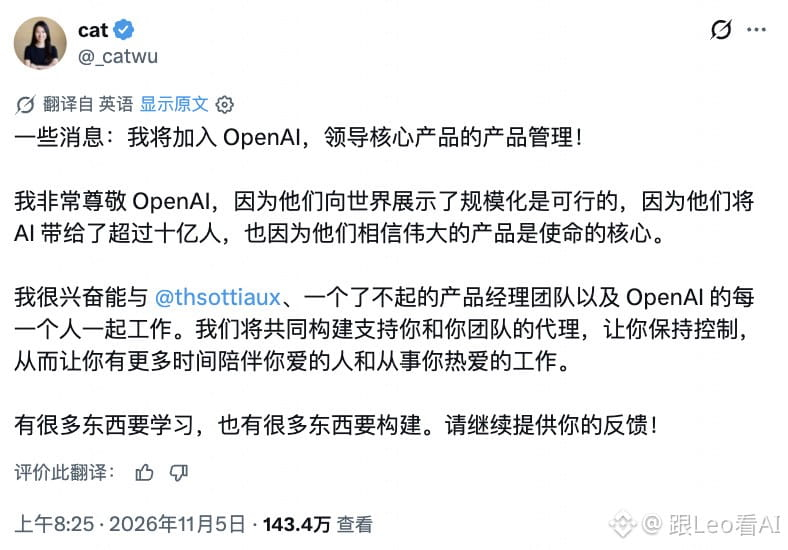
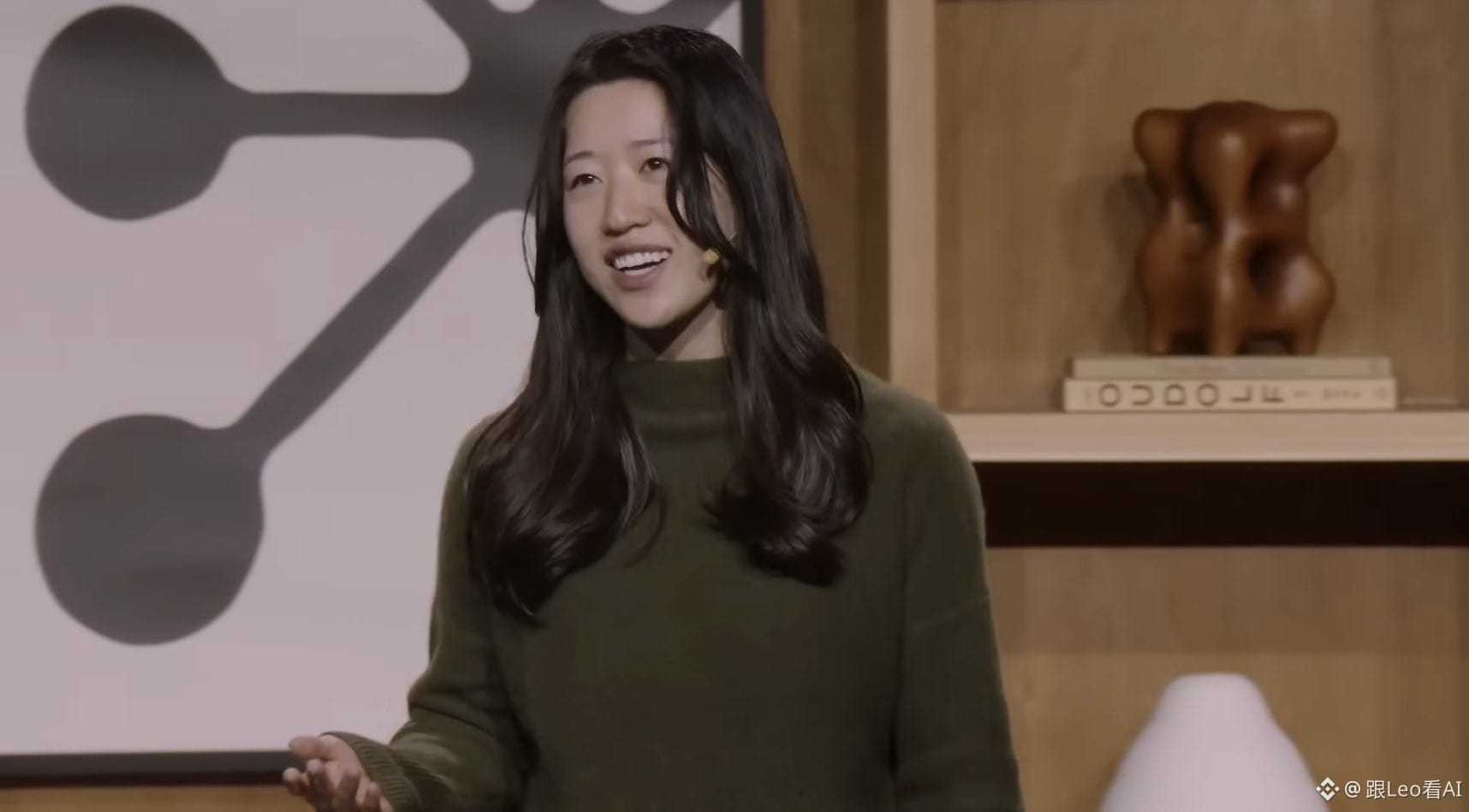
Cat Wu, known in the AI world as “Sister Cat,” announced just two days ago that she was leaving Anthropic—and today she officially announced she’s joining OpenAI to lead product management for a core product team, focusing on AI agents for individuals and teams.
She joined Anthropic in 2024. She was one of the key people who helped turn Claude Code from an internal tool into the AI coding product developers now use everywhere. Later, she also led Claude Cowork, which focuses on non-coding use cases.
Based on Silicon Valley’s typical four-year vesting schedule with a one-year cliff, she should already have a good chunk of her Anthropic equity vested. Leaving before the IPO probably won’t affect that equity. She gets to benefit from Anthropic’s IPO, then go to OpenAI and get a fresh grant of options—jealous 😭
And she’s not the only one. On the same day, Austin Lau, Anthropic’s fifth marketing hire and the company’s first growth hire, also announced he was joining OpenAI.
With key employees defecting to its biggest competitor one after another on the eve of its IPO, I think there must be some pretty serious management issues inside Anthropic. Otherwise, why would anyone jump ship to a competitor at a time like this??#Anthropic #AI #OpenAI #Claude
1
932
·
--
Terrifying! It’s not just crypto—hackers are now using AI across the board to rob financial systems!! 🚨
First, take the recent Binance theft. The attackers first took over an infected computer, then used the company’s internal AI tools as a stepping stone to work their way into the wallet-signing system. What used to take a team months to pull off can now be done at scale with AI helping them find entry points, write malicious code, and impersonate others.
And this is no longer just a crypto issue. Traditional banks have also been hit one after another in a single week:
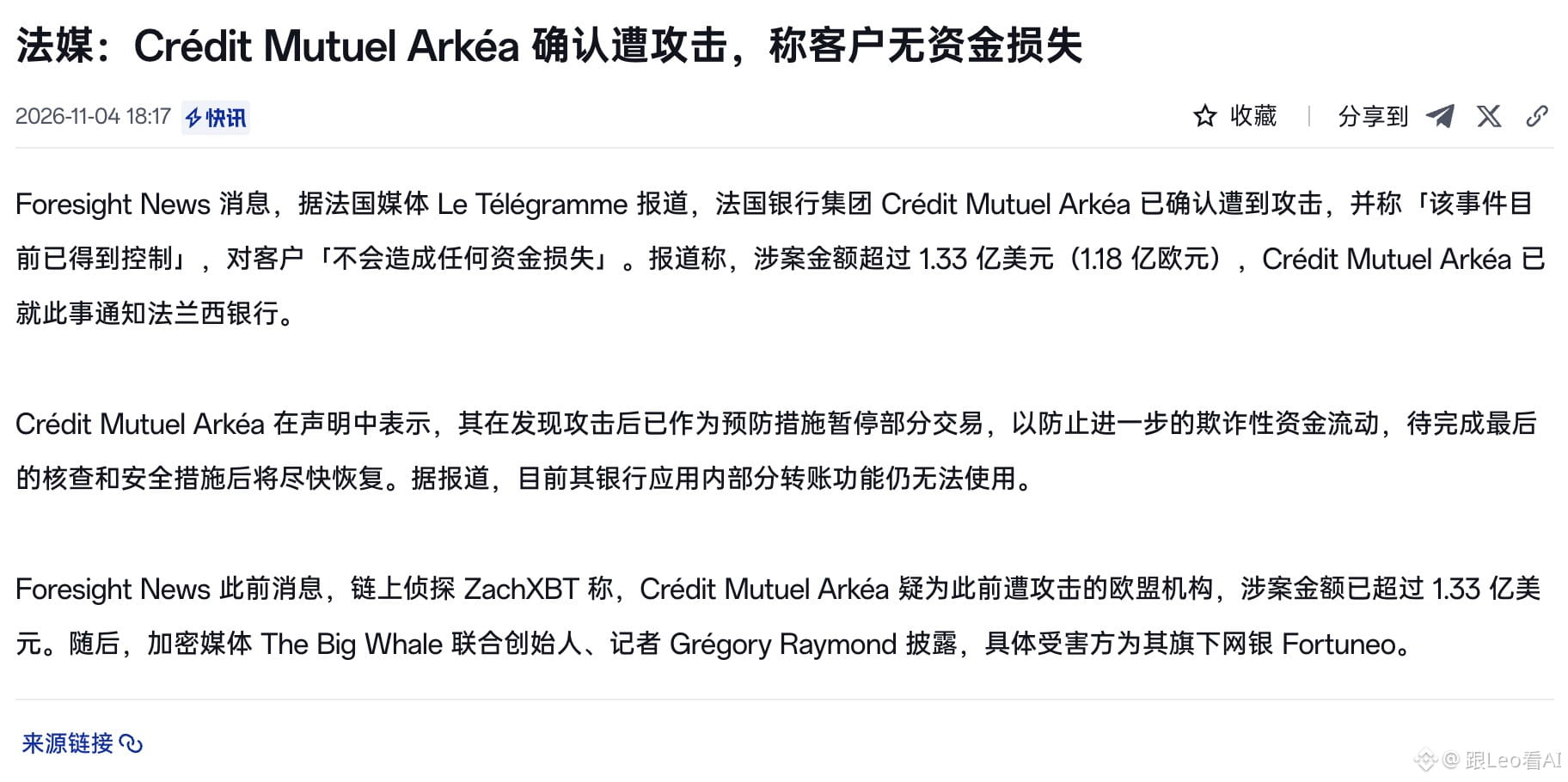
French banking group Crédit Mutuel Arkéa has confirmed it was attacked. More than $133 million was involved in the incident at its online banking subsidiary, Fortuneo, and some transfer services have yet to be restored.
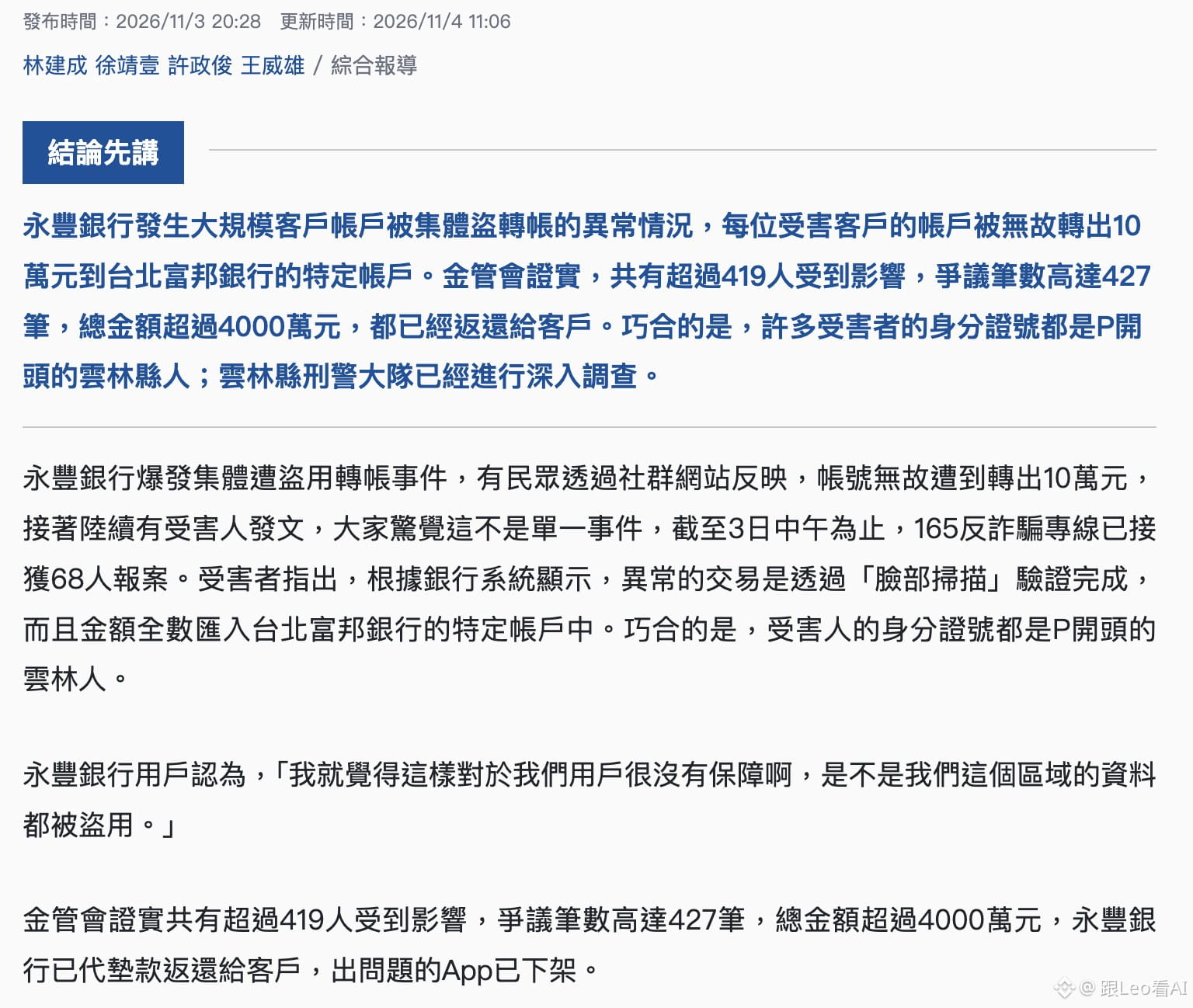
Taiwan’s Bank SinoPac has also seen large-scale unauthorized transfers: 418 customers, 427 suspicious transactions, and NT$41.76 million transferred to the same account.
Neither bank has disclosed how the attacks were carried out, but the trend is already clear: AI is making hacker attacks faster and cheaper, and allowing them to cast a wider net at the same time. In the past, they focused on a handful of major institutions. Now they’re testing exchanges, online banks, and system providers one by one.
Binance’s decision to disclose all the details and cover all the losses itself is a warning to the entire industry: AI-powered attacks are already scaling up. The next target could be the bank you use.#黑客攻击 #币安 #银行 #ai安全
1
5
4.3k
·
--
Anthropic is just two weeks away from its IPO, but institutional investors are now demanding a valuation of $1.5–1.6 trillion 🤔😂 The tech-stock sell-off is just an excuse; the real reason is written in its own prospectus.
Anthropic brought in about $17 billion in revenue in the third quarter, more than 10 times the year-ago figure. That looks impressive. But IPO pricing isn’t based on how much a company has grown in the past—it depends on how much faster it can grow from here: quarter-on-quarter growth has already fallen from 144% in Q2 to 47%, while operating profit has swung from a profit of $974 million to a loss of $567 million.
Here’s the key point!!! Over the next 12 months, Anthropic has to pay about $69.8 billion under its computing-power contracts. Based on its third-quarter revenue, that works out to roughly $68 billion a year—meaning it would have to spend nearly all of a year’s revenue on computing bills. The total value of its computing-power contracts is even higher, at a staggering $895.4 billion, stretching all the way to 2045.
With growth slowing, profits turning to losses, and bills getting heavier, of course institutional investors want to push the price down—and leave some room for a first-day pop after the IPO. #AnthropicIPO遭投资者压价,估值盼降至1.5万亿美元 #AI

1
2
1.4k
·
--
The least surprising news in the world: North Korea denies stealing $6.3 billion from Binance 😅😅 and points the finger at the U.S. as the real culprit!
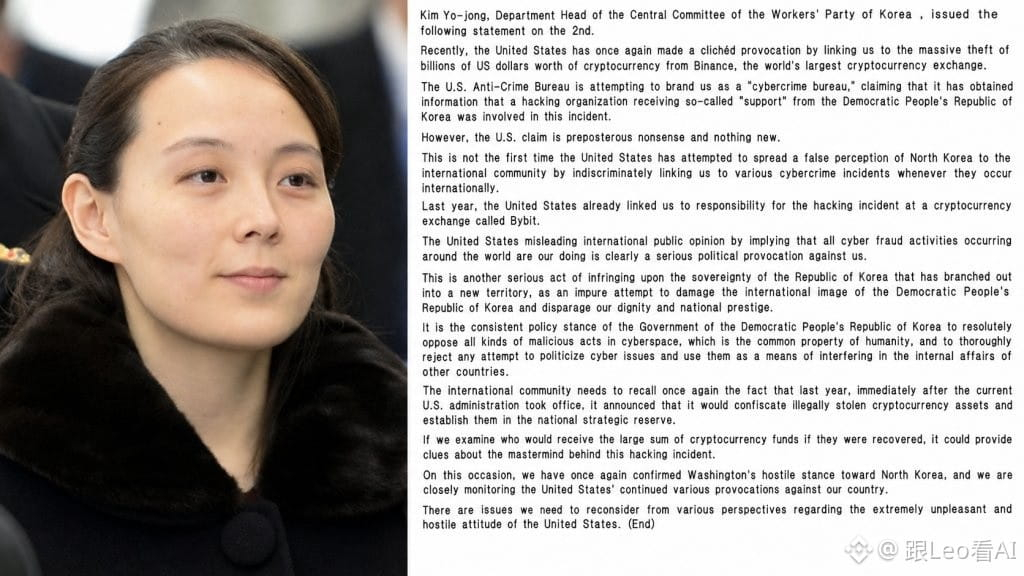
Kim Yo Jong, Kim Jong Un’s sister, yesterday denied the FBI’s accusation that North Korean hackers were involved in the $6.3 billion Binance heist.
She said the U.S. linking international cybercrime to North Korea was “absurd nonsense” and a political provocation, and reiterated that the North Korean government firmly opposes any malicious activity in cyberspace.
She also turned her accusations toward the U.S., hinting that the Trump administration may be the real mastermind behind this huge heist, and that its true intention may be to enrich America’s “Strategic Bitcoin Reserve” by seizing crypto assets.
Honestly, no one would be surprised. When has Lazarus ever admitted to anything? Last year, when $1.5 billion was stolen from Bybit, the FBI pointed the finger at them too—and North Korea denied it just the same 🤷#朝鲜黑客 #币安
7
8
9.4k
·
--
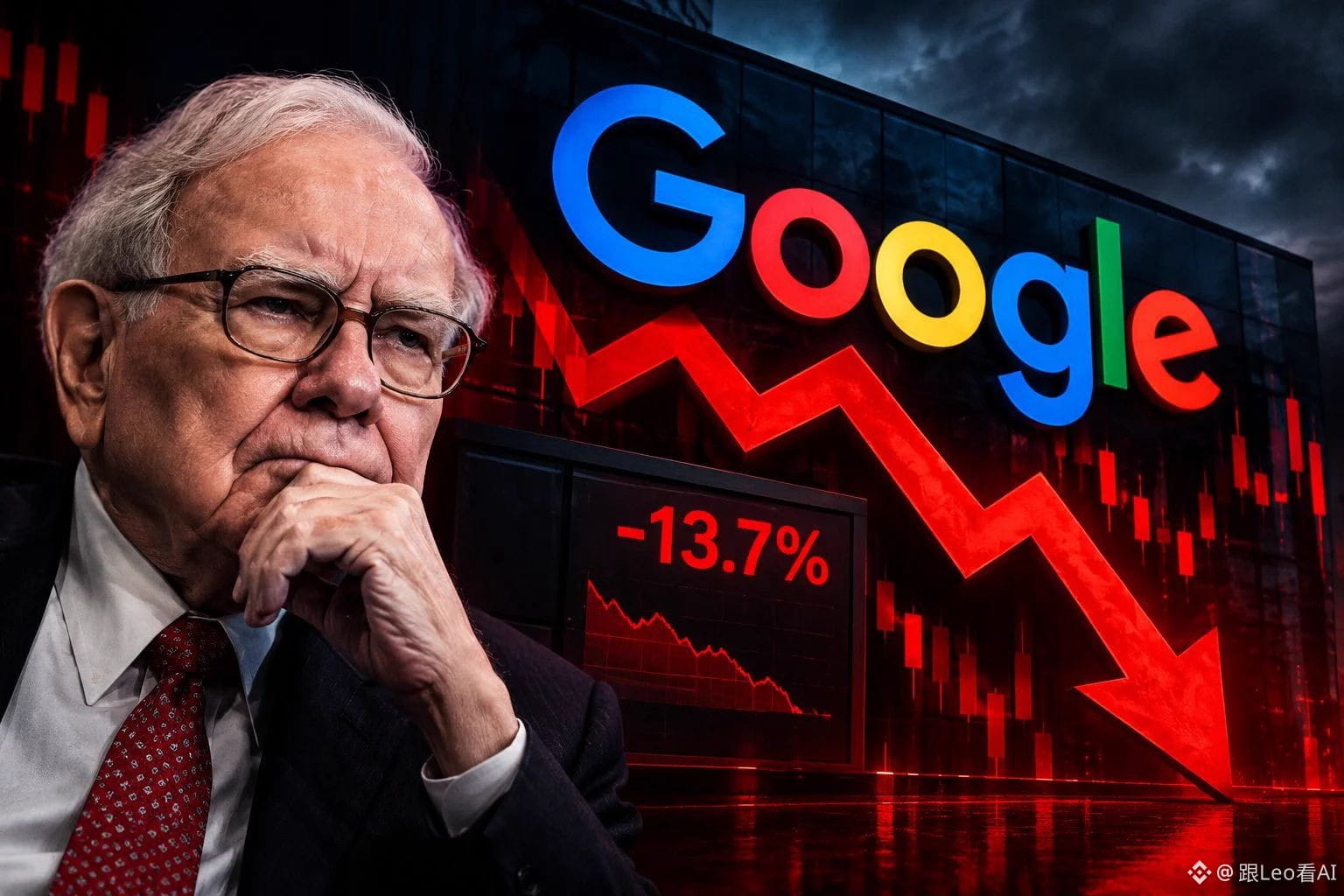
As soon as Google drops, the “Buffett is getting old” jokes start flying around again 🤣 But this is perfectly normal in his investing career, haha.
American Express: first fell 50%, eventually returned 35x
The Washington Post: first fell 40%, eventually returned 100x
Wells Fargo: first fell 52%, eventually returned 9x
Coca-Cola: first fell 53%, eventually returned 30x
Apple $AAPL: first fell 38%, eventually returned 5x
BYD: first fell 50%, eventually returned 38x
Buy - fall - endure - rise - reap huge rewards. That’s Buffett’s path to making money. #巴菲特 #谷歌

4
8
13.2k
·
--
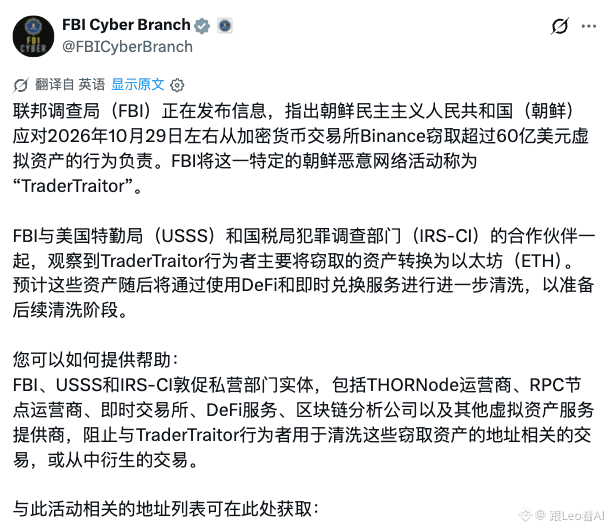
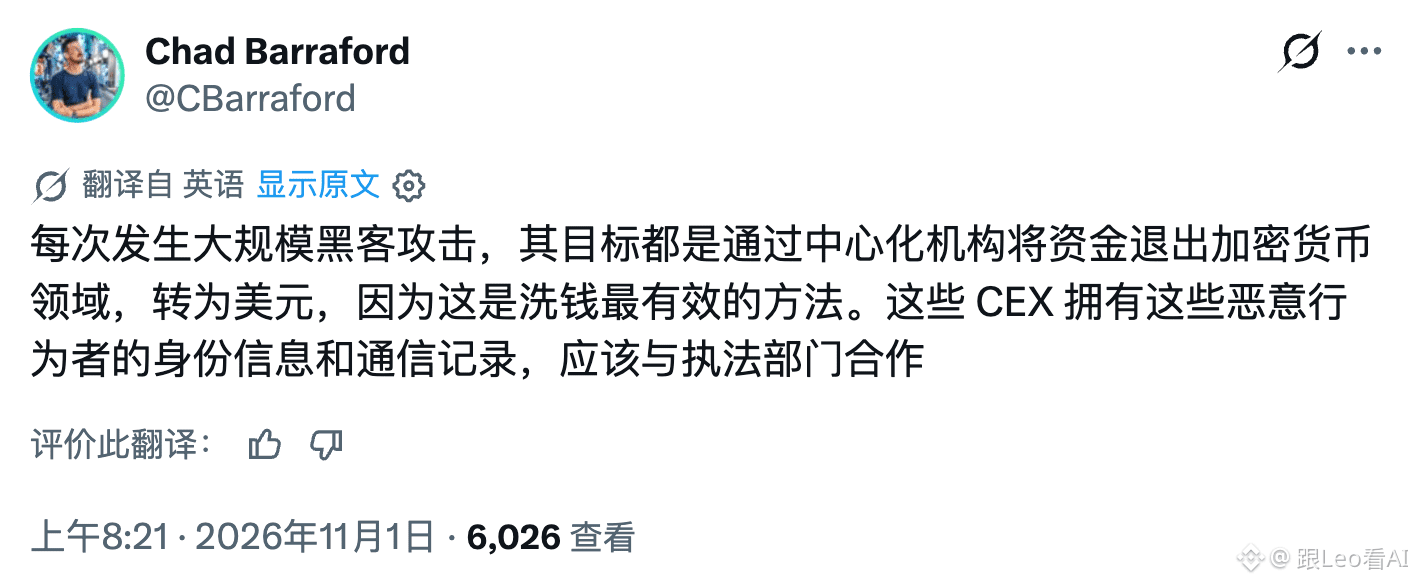
🚨Is the THORChain founder gearing up for a showdown with the FBI? When asked to block money laundering transactions involving funds stolen by North Korean hackers, he kicked the ball straight to CEXs!
The FBI has now identified North Korea as responsible for the incident involving over $6 billion stolen from Binance, and has asked THORChain to block money laundering transactions involving the stolen Binance funds. Co-founder Chad responded: Node data is completely public and can be checked in real time—no subpoena needed. That’s already the ideal situation for an investigation. He added that major hackers eventually have to go to CEXs to exchange their crypto for dollars, and CEXs hold their identity and communication records, so they’re the ones who should cooperate with law enforcement.
It sounds reasonable enough, but the truth is he doesn’t want to block the funds for one simple reason: doing so would put himself out of business 🤷🤷
THORChain has always been hackers’ go-to for cross-chain money laundering. It doesn’t reject stolen funds: they can still be traded on the platform, which still collects fees. That’s why Bybit, Kelp DAO, and Bitget have all previously asked it to help block stolen funds—and all were turned down. Now even the FBI has weighed in, but THORChain still doesn’t seem willing to cooperate...#币安将恢复第一阶段提现 #THORChain #币安 #黑客

9
3
4.5k
·
--
Even Trump got personally involved!! The Binance hack has alarmed the White House 🚨
A reporter asked whether North Korea was behind it. Trump replied, "We don't know yet. We're looking into it." He also revealed that Binance's management had already spoken with him and said the situation was under control.
North Korean hackers must be shaking in their boots by now. They can't afford to mess with the US. #特朗普 #白宫 #币安
2
8
8.2k
·
--
Verified
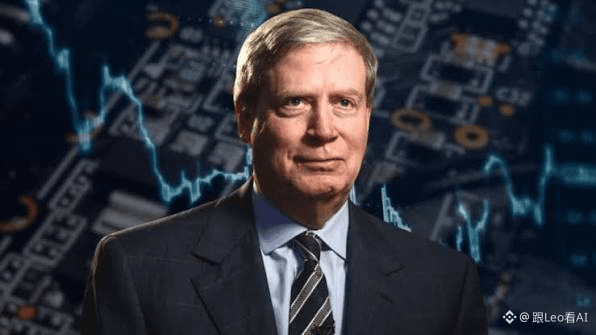
Yesterday, 73-year-old Druckenmiller posted the first tweet of his life—not about macro, not hyping U.S. stocks, but announcing an investment in Trade.xyz.
In case you don’t know just how incredible he is, let me put it this way: He’s been trading for 30 years, and he hasn’t had a single year with negative returns!!!
The current U.S. Treasury Secretary, Bessent, worked under him at the Quantum Fund back in the ’90s and joined him in the attack on the pound.
And current Fed Chair Warsh was also a partner at his family office, Duquesne, for more than a decade.
In other words, the two people now in charge of America’s purse strings and money printer both came up under him. It’s no exaggeration to call him a mentor to the Treasury Secretary and the Fed Chair.
I’ve also heard a little rumor 🍉 that xyz founder shoku and miller know each other personally and are on pretty good terms~ Take a moment to appreciate how significant that is...#Hyperliquid
1
5.4k
·
--
A 17-year-old swindled 185 BTC in a single day, then got caught over a speeding ticket 🚨🚨
The star of this story is Trenton Johnston, a Canadian teenager. He didn’t use any sophisticated hacking techniques—just a gift of gab. He impersonated customer support agents from Google, Trezor, and Coinbase, calling victims and tricking them step by step into handing over access to their wallets. In total, he made off with more than $13 million.
After getting the money, he didn’t even hide. He went on Discord and shared his screen, proudly showing people exactly how he pulled off the scams. After landing a big score, he messaged an accomplice: "We really just hit a target for 185 BTC today," then added, "After today, going to the clubs is going to feel amazing" 🤷🤷
How did he spend the money? A Lamborghini Aventador SVJ, a Rolls-Royce, a row of BMWs, plus private jets, jewelry, and luxury goods. He lived in a mansion in Miami and partied every day, blowing more than $1.2 million in just two months.
The ending was ironic: he was speeding in his Rolls-Royce when police pulled him over. They found what appeared to be amphetamines in the car, and his devices were later seized. That’s how the entire scam came to light.
Now 20, he has pleaded guilty to conspiracy to commit money laundering and was sentenced to 25 months in prison. He also forfeited about $3.8 million in crypto assets. The accomplice who helped launder his money and provided him with a place to stay in Miami has also pleaded guilty.

BTC+0.16%
GOOGUS+1.10%
5
9
36.5k
·
--
🚨SpaceX’s IPO drained blood from BTC and gold. What Anthropic may drain is the AI stocks’ own blood!!
In June, SpaceX raised about $75 billion, and BTC and gold dipped a little, but big tech stocks overall didn’t crash. Now Anthropic is rumored to be going public in November, raising as much as $100 billion at a valuation of $1.5–2 trillion—potentially an even bigger deal.
What’s worth noting is that this time, the direction of the “drain” is completely different:
1️⃣ The money isn’t being pulled in from outside; it’s rotating within the AI sector. Investors looking for “pure AI exposure” may pull money out of AI-themed stocks
2️⃣ Major shareholders include strategic players like Amazon and Google, and much of their investment comes in the form of computing power exchanged for equity. The actual need for new cash isn’t as alarming as the headline figure suggests
3️⃣ The market has already been through the SpaceX episode once, so investors may trim positions and hedge ahead of time, with the impact being priced in early
4️⃣ The prospectus warns that the company may fail to achieve or sustain profitability, which could dampen institutional investors’ appetite to chase the stock higher
What investors should really be worried about now are the AI stocks they hold that don’t have a story of their own #SPCX #Anthropic

2
562

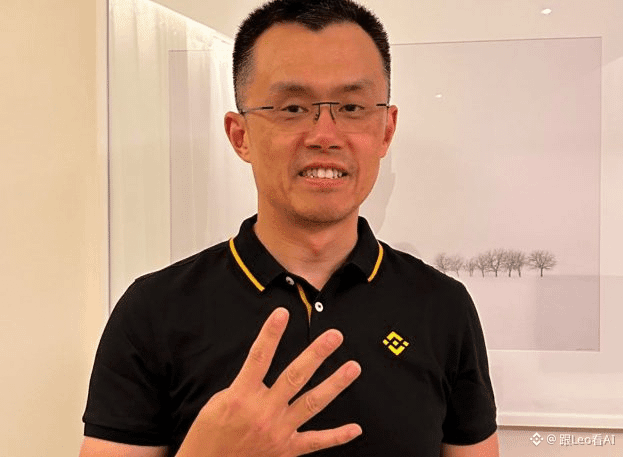
·
--
Anthropic officially filed for its IPO yesterday. This AI behemoth is finally about to be let out of the cage. But looking at the financials: revenue of 16.3 billion over six months, losses of 80.7 billion—is Anthropic really worth 2 trillion?
You could say this isn’t a valuation so much as a gamble. A 2 trillion market cap depends on three assumptions:
1. Revenue reaches 200 billion by 2028. It’s currently running at an annualized rate of about 65 billion, so it still needs to triple.
2. It holds its ground in the AI compute arms race, without losing market share to OpenAI or open-source models.
3. It reaches a turning point and goes from massive losses to profitability. The prospectus itself says it may never become profitable.
If even one of those assumptions falls apart, 2 trillion won’t hold up 🤷🤷 New Constructs has already called it 93% overvalued, drawing a comparison to WeWork.
Also, its private-market valuation was 965 billion in May this year, and the IPO valuation has doubled from there. The fundamentals couldn’t possibly have doubled in six months; what changed is the hype. So, at 2 trillion, you’re not buying the Anthropic of today—you’re buying the hypothetical Anthropic of 2028. Whether you believe in it depends on whether you’re willing to pay in full upfront for a growth curve that hasn’t reached its turning point yet.
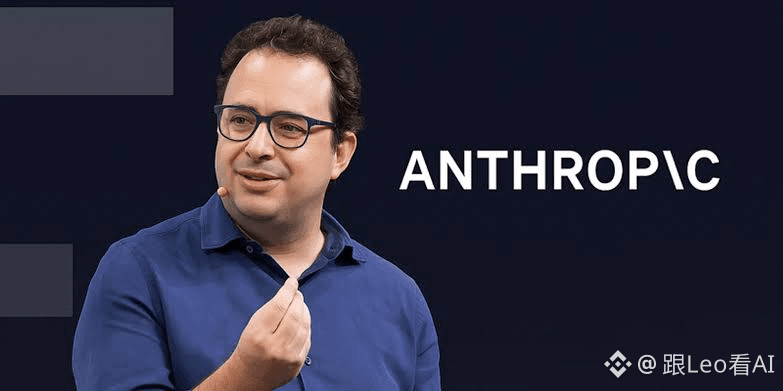
1
608
·
--
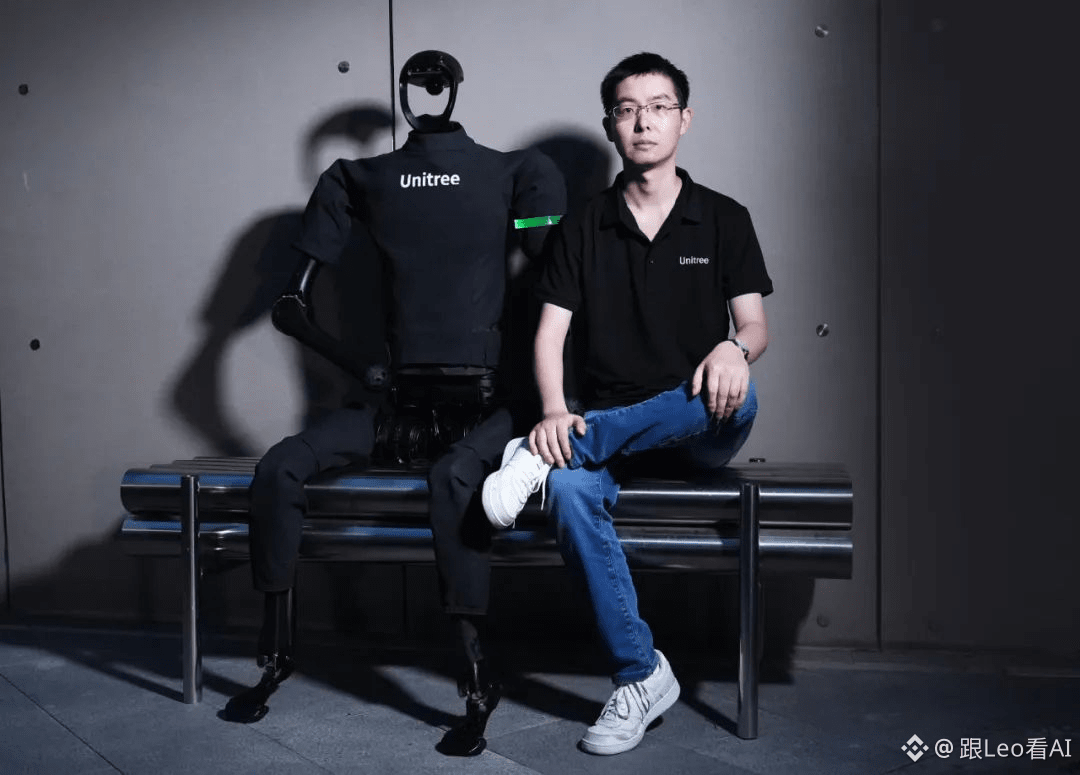
Up over 60% in 7 days—Unitree is back in the game?? 🔥
When Unitree went public in August, its market cap briefly topped 445 billion yuan. Then it plunged for two straight months, nearly halving its market value. So why is it climbing back? A few recent headlines have tied it to the three hottest names in AI right now: NVIDIA, DeepSeek, and embodied intelligence.
On October 22, Unitree made three moves in one go: deepened its partnership with NVIDIA and launched a reference platform, signed a strategic cooperation memorandum with DeepSeek, and open-sourced its own UnifoLM embodied foundation model. NVIDIA + DeepSeek—it's linked itself to the two hottest names in AI. Who could resist that story?
But what really silenced the market was something else: Unitree founder Wang Xingxing was one of the drafters of the “Technical Requirements for Humanoid Robots,” one of the first six national standards for humanoid robots.
Add to that the announcement a few days ago from eight government departments backing the deployment of embodied intelligence; global humanoid robot sales in the first half of 2026 have already surpassed all of 2025, with China accounting for nearly 80% of shipments; and Unitree ranked first globally in 2025, shipping over 5,500 humanoid robots.
So this rally isn't about profits—it's about pricing in expectations that Unitree will be “China's embodied intelligence standards-setter and shipment leader.” It's a compelling story, but with a P/E ratio of 388, climbing out of a hole and truly getting back on your feet are two very different things.
#人形机器人 #宇树科技 #AI
2
3
1.5k
·
--
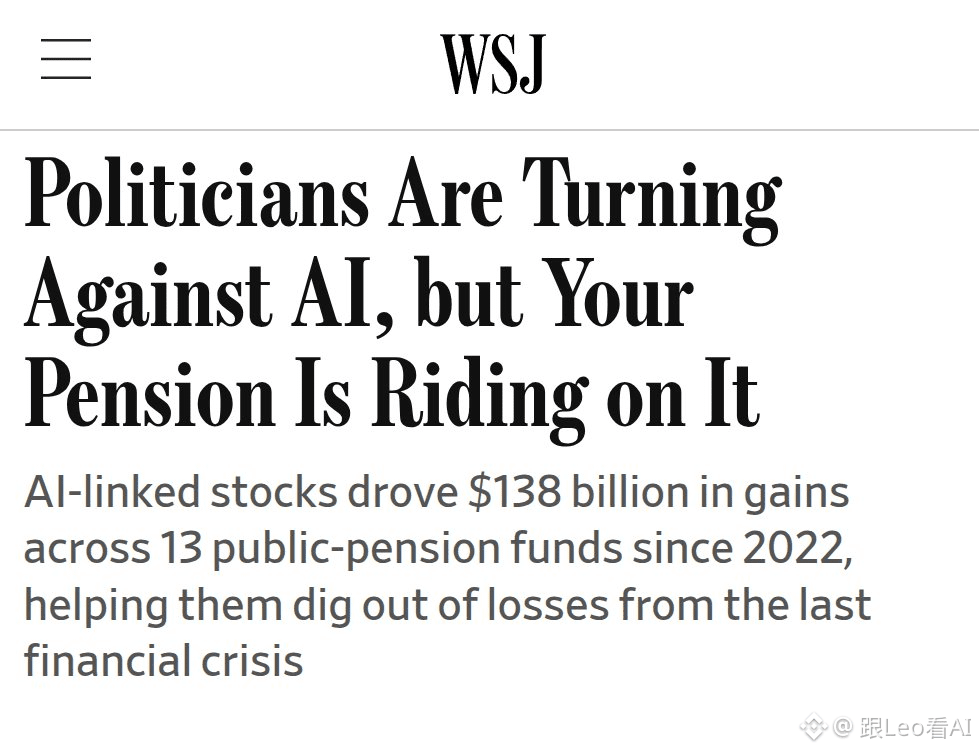
A recent article in The Wall Street Journal revealed a surreal paradox: many U.S. public pension funds are increasingly relying on AI stocks to make money, while the politicians who oversee those funds are leading the opposition to the AI industry 🙅⚠️
Since ChatGPT launched in late 2022, 13 major U.S. public pension funds have made $138 billion in paper gains from AI stocks. AI-related stocks such as Nvidia, Microsoft, Google, and Amazon have risen from 12% to 27%. AI stocks have accounted for about 57% of these funds’ gains in U.S. equities. And that doesn’t even include the AI assets they indirectly hold through foreign stocks, private equity, and private debt.
Meanwhile, what are these politicians doing?
New York has paused new data center construction, even as AI holdings in the state’s retirement fund keep rising.
Pennsylvania’s state treasurer opposes expanding data centers, yet the pension fund he oversees holds billions of dollars in AI assets.
California union leaders are calling on pension funds to consider AI’s harm to workers, while the state’s $650 billion fund is investing $500 million in data center companies.
New York’s comptroller is pressuring tech companies on behalf of residents, complaining that they’re hogging electricity, land, and water, while the fund he oversees is making money from those same companies.
Here’s the contradiction: for AI companies to sustain their current stock prices, they have to keep building data centers, expanding power grids, and constructing power plants. If local governments really block data center development, AI growth could slow down. If AI stocks fall, these pension funds would be among the first to get hurt. And behind them are the retirement savings of public servants like teachers and firefighters.
So AI infrastructure really can’t stop now. If it does, the whole world is going to go down with it, right...? #Aİ $NVDAB $AMZNB $MSFTB
340
·
--
Verified
#kimchi Rumored to have made $40 million on TRUMP, who exactly is “Kimchi Bro”? 💰👀
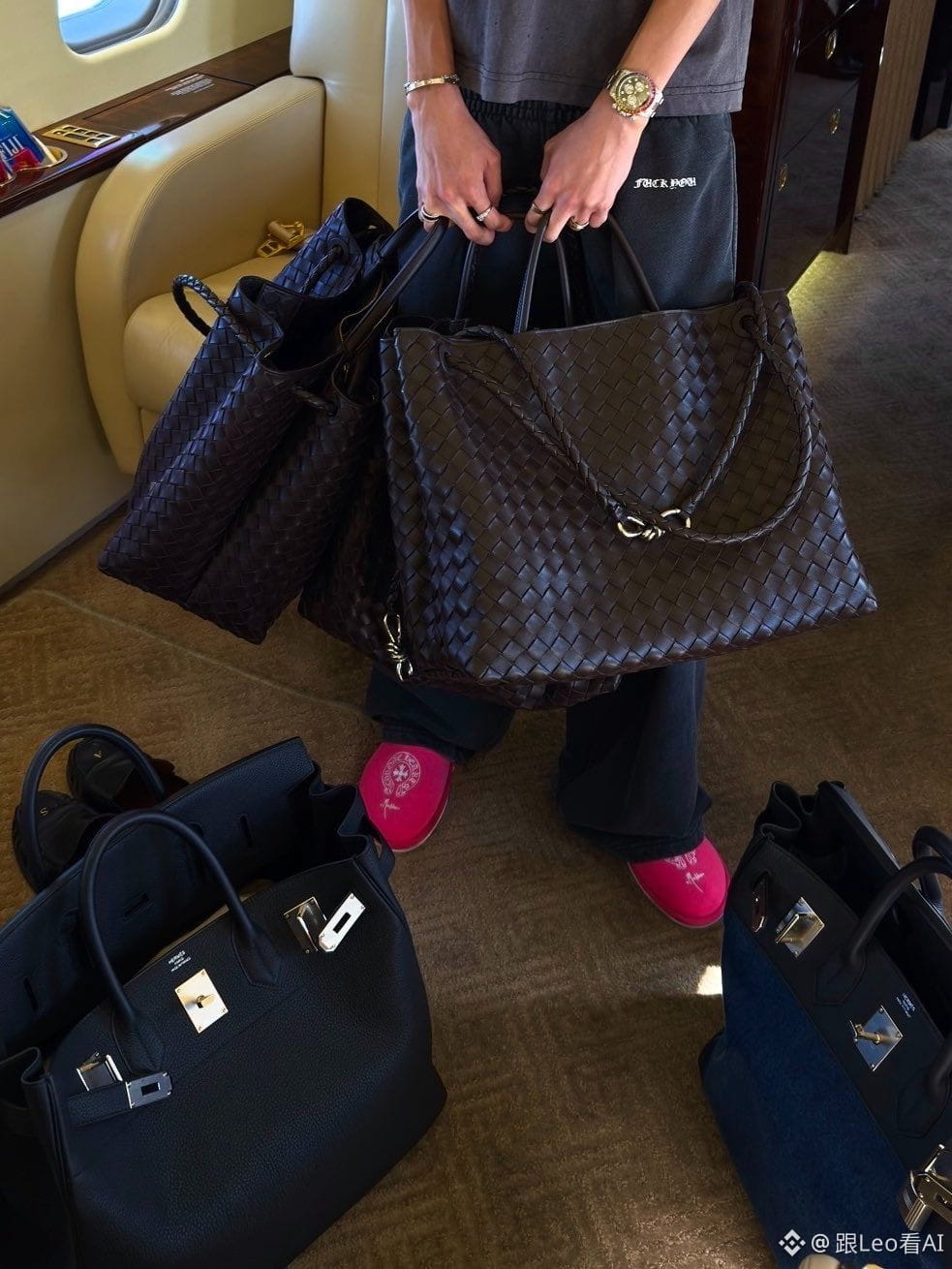
A young guy has recently become a sensation in crypto circles. He never adds captions to his photos: he’s either on a private jet or showing off luxury cars, watches, and Hermès. A single photo gets tens of millions of views, and even rapper Gunna has reposted his photos.
His name is Clayton Kim, and people in the scene call him “Kimchi.”
His story sounds like a rags-to-riches fantasy. Reportedly, he had only a few hundred dollars as recently as April 2024.
He started out trading meme coins on Solana, taking a heavy loss on POPCAT. Later, he switched to short-term trading, putting in 15 hours a day, seven days a week.
In January 2025, $TRUMP launched, and rumors began circulating that he made around $40 million from the boom. Since then, he has stopped sharing his wallets and trading records publicly. All that’s left on his social media are photos of his lavish lifestyle.
But there’s a catch: to this day, there’s no evidence that he made those $40 million. Blockchain transactions are public, and a profit that large could generally be traced to specific wallets. Yet blockchain analysts still haven’t found any wallets linked to him. Some on-chain investigations suggest that his wallets mainly used automated sniping and short-term arbitrage on various low-cap meme coins, rather than making a fortune from one big trade.
This week, Pump.fun announced that he had become a creative advisor to the platform and even put up street ads saying, “Be the next Kimchi.” Around the same time, a token with the same name, $KIMCHI, launched. Within an hour, its market cap surged to $45 million, and his wallet showed unrealized gains of more than $25 million.
But on-chain data shows that as soon as the token launched, 75% of its total supply was transferred into his wallet, and all the trading fees went to him as well.
So, is Kimchi really a millionaire? He has probably made money, and his lavish lifestyle is real. But the “$40 million” story remains unproven, and $KIMCHI looks more like a carefully packaged marketing stunt.


14
22
63.4k
·
--
Shenzhen’s top high school student!! Already earning 7 million a year at just 17 💥💰
Latest reports claim that Kimi “genius prodigy” Chen Guangyu has seemingly joined U.S. AI startup Discovery Loop, whose founding team is made up entirely of former Google veterans.
Born in Shenzhen in 2009, Chen joined Kimi as an intern in November 2025 and worked on model architecture research. In March 2026, he co-authored the paper “Attention Residuals.” The attention residual architecture proposed in the paper was later used in Kimi K3 and publicly praised by Elon Musk 👍
Discovery Loop was co-founded by four former key Google figures: Jeff Dean, Sanjay Ghemawat, Oriol Vinyals, and Quoc Le. Its first funding round was led by Radical Ventures and Khosla Ventures, with Google parent company Alphabet also among the founding investors. The company is reportedly seeking a new funding round at a valuation of around $50 billion.

5
5.1k
·
--
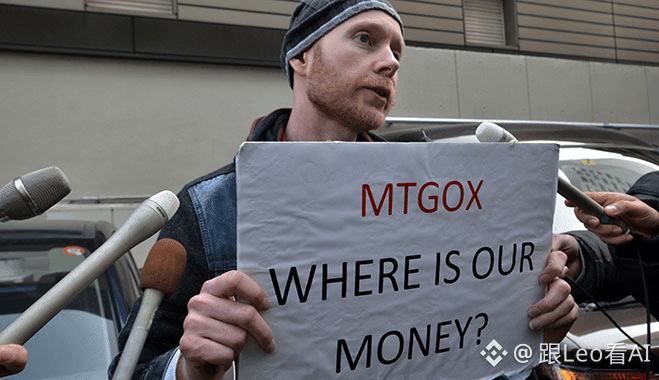
Mt. Gox has been delayed yet again, with the repayment deadline pushed back to October 31, 2027.
The official reason is that quite a few creditors still haven’t completed registration and verification, and there have also been issues with some payments. Mt. Gox was hacked more than ten years ago 👇👇
2014: Japan-based exchange Mt. Gox was hacked, with around 850,000 bitcoins stolen. It subsequently went bankrupt.
July 2024: Mt. Gox officially began repaying creditors in BTC through platforms including Kraken, Bitstamp, BitGo, Bitbank, and SBI VC Trade. More than 90,000 BTC were transferred out in a single month.
Since 2023: The deadline has been extended four times in a row, pushed back from 2023 all the way to 2027.
Of the 142,000 BTC available for repayments, nearly 110,000 bitcoins have already been paid out, leaving around 34,000 in the trustee’s wallet. This suggests that the selling pressure on the market from Mt. Gox repayments is far less significant than it once was. #门头沟还款再度延期
2
238
·
--
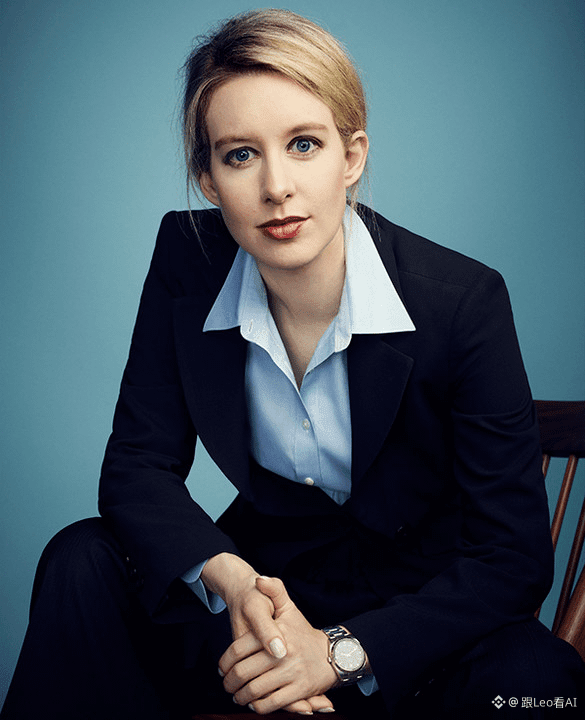
🐮😱 The wildest documentary ever? A new film released overseas, <i>You Can See Everything</i>, has earned the highest rating on MTC in nearly 10 years—and it’s a real documentary.
The film’s subject is Elizabeth Holmes, the central figure in Silicon Valley’s shocking fraud. At 19, she dropped out of Stanford to start a company, building its valuation up to $9 billion—on par with Tesla at the time. It turned out that the company had been a scam from start to finish❗️
The film was shot 34 days before she began serving her prison sentence. Holmes appears in it herself, offering a glimpse into her everyday life through interviews and footage that follows her around. In light of what she did, combined with those signature wide-open eyes that barely blink, the whole film has a chilling, spine-tingling feel.
Let’s take a look back at the scam👇👇
In 2003, Holmes founded the blood-testing company Theranos, claiming it could run hundreds of tests using just a few drops of blood from a fingertip. With that story—and an image carefully modeled on Steve Jobs—she brought political heavyweights like Henry Kissinger and George Shultz onto the board. By 2014, the company was valued at around $9 billion, making her the world’s youngest self-made female billionaire. But the technology had never actually worked. The company secretly used modified commercial machines to test samples, deceived investors and regulators, and sent inaccurate test results to real patients.
In 2015, Wall Street Journal reporter John Carreyrou exposed the scam based on tips from company insiders. Theranos dissolved in 2018. In 2022, Holmes was sentenced to 11 years and 3 months in prison for defrauding investors, and she is still serving her sentence. The case also became the most famous cautionary tale of Silicon Valley’s “fake it till you make it” culture. #骗局 #你能看到一切

6
2
19
40.2k
·
--
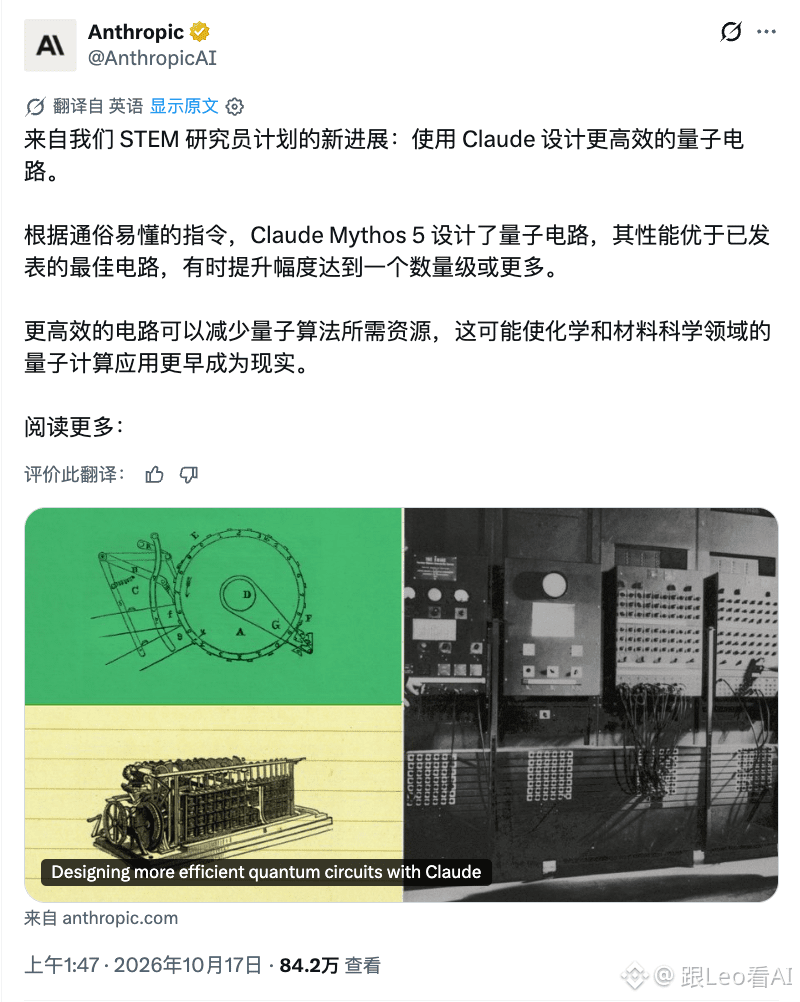
The quantum threat is back—and this time, it seems different!!🚨🚨
A couple of days ago, Anthropic published a paper on quantum computing titled “AI Designs More Efficient Quantum Circuits, Bringing Applications in Chemistry and Materials Science Closer.”
But the most detailed of the paper’s eight tasks was 256-bit elliptic-curve point addition. It’s a key step in using quantum computers to break the elliptic-curve discrete logarithm problem, and elliptic curves are exactly what the signatures for $BTC and $ETH use.
What did the task involve?
1. Claude Mythos 5 was given only a brief specification and an automated scorer (number of qubits × number of gates), then left to iterate in a closed loop on its own, with virtually no human intervention.
2. The most expensive step in point addition is modular inversion. Claude ran for 53 hours and produced the first reversible divsteps implementation that doesn’t need to store branch history. It also proved several new algebraic identities on its own and formally verified them using Lean.
3. Compared with the smallest design to date, it used 12% more qubits but 17 times fewer gates.
4. It also reduced the gate count of DQI’s Reed–Solomon decoder to one-twelfth of Google’s previous design.
5. For historical context: the estimated number of Toffoli gates needed to simulate FeMoco was around 50 trillion in 2017. It has now fallen to about 340 million—a reduction of roughly 150,000 times. This was mainly achieved through eight years of incremental algorithmic improvements by multiple research groups, with each step taking months.
By contrast, Claude’s elliptic-curve design took just one 53-hour run.
In other words, in just 53 hours, AI made a key step toward quantum attacks on BTC and ETH signatures more resource-efficient. Your cryptocurrency isn’t at risk of being stolen just yet, but the quantum threat may arrive sooner than people expect.
Once the hardware catches up, addresses whose public keys have already been exposed on-chain will be the first at risk. The upgrade to post-quantum signatures can’t be put off any longer!!
237
Log in to explore more content
Join global crypto users on Binance Square
⚡️ Get latest and useful information about crypto.
💬 Trusted by the world’s largest crypto exchange.
👍 Discover real insights from verified creators.
Email / Phone number
Trending Topics
BitcoinRebounds$75KAsChipsLead
10,780 views
152 Discussing
Market Watch | Bitcoin Rebounds to $75,600 After Dip Below $75,000 as Chip Stocks Lead Rally on Jobs Beat
Binance News
·17 Likes
·5.2k views
JobsReportRaisesHikeOdds
141,350 views
1,239 Discussing
US Data Center Rules May Constrain AI Expansion
21,327 views
116 Discussing