
AusTalk
176 Posts
AusTalk
Report
Block User
這裡沒有複雜的術語,只有最即時的內容!隨性閒聊點個關注,我們評論區見,不求暴富,但求不韭,一起在牛熊市中穩健前行!

Top 30D Traders by Volume
High-Frequency Trader
4.5 Years
35 Following
45 Followers
123 Liked
1 Badges
Posts
All
Quotes
·
--
Bullish
Guadagnino’s *Artificial* has released its official trailer. Garfield plays Altman, and Ike Barinholtz plays Musk. It’s about the 2023 episode when the OpenAI board fired him and then brought him back.
A limited release on Christmas, then a wide release on January 8. Along the way, Amazon dropped it and NEON picked it up.
There’s a bit in the trailer where he’s asked if he would lie. His answer: “If it’s for a greater purpose.”
The film is still about the 2023 power struggle, and it’s only coming out now—but the real-life OpenAI drama has already moved faster than the movie..... We can start getting ready for an Nvidia movie now 😄
$OPENAI $NVDA
{future}(NVDAUSDT)
{future}(OPENAIUSDT)
#Artificial #OpenAI
Guadagnino’s *Artificial* has released its official trailer. Garfield plays Altman, and Ike Barinholtz plays Musk. It’s about the 2023 episode when the OpenAI board fired him and then brought him back.
A limited release on Christmas, then a wide release on January 8. Along the way, Amazon dropped it and NEON picked it up.
There’s a bit in the trailer where he’s asked if he would lie. His answer: “If it’s for a greater purpose.”
The film is still about the 2023 power struggle, and it’s only coming out now—but the real-life OpenAI drama has already moved faster than the movie..... We can start getting ready for an Nvidia movie now 😄
$OPENAI $NVDA
#Artificial #OpenAI
306
·
--
Bullish
It’s been 409 days since Bitcoin’s high on October 6, 2025, making this the longest bear market in history by closing-price measures. The 2013–2015 bear market lasted 406 days.
But the deepest closing-price decline this time was only 53.1%, compared with 84.5%, 83.8%, and 76.7% in the previous three cycles.
The lowest close was 58,525 on June 30. It’s still hovering around 63,000 now.
This cycle is testing patience, not courage. Those waiting for an 80% drop before buying the dip may never get their chance.
$BTC $ETH
{future}(ETHUSDT)
{future}(BTCUSDT)
#比特币
It’s been 409 days since Bitcoin’s high on October 6, 2025, making this the longest bear market in history by closing-price measures. The 2013–2015 bear market lasted 406 days.
But the deepest closing-price decline this time was only 53.1%, compared with 84.5%, 83.8%, and 76.7% in the previous three cycles.
The lowest close was 58,525 on June 30. It’s still hovering around 63,000 now.
This cycle is testing patience, not courage. Those waiting for an 80% drop before buying the dip may never get their chance.
$BTC $ETH
#比特币

437
·
--
Bullish
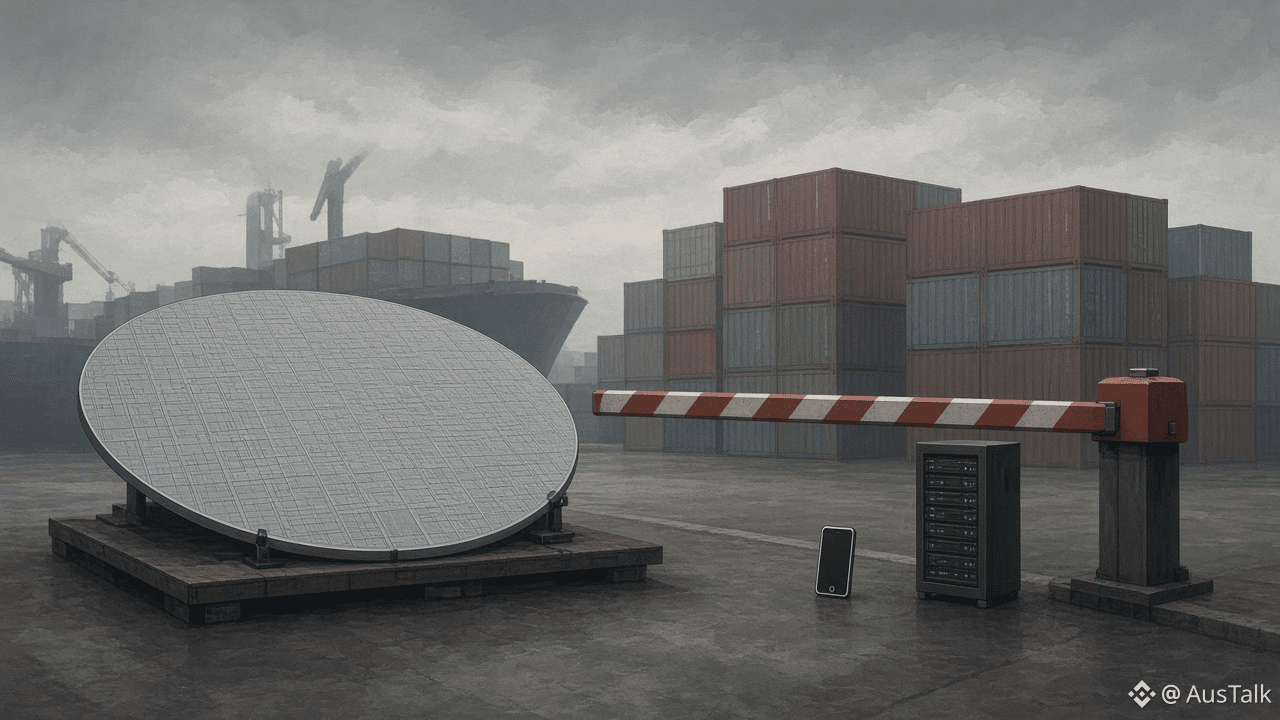
According to the FT, TSMC and Samsung have notified some Chinese customers that certain chips will stop shipping until they obtain approval from the U.S. Department of Commerce.
The reason is the BIS’s new rule on 11/16. It has blocked the route that previously allowed shipments after chips passed through a third-party packaging and testing company. Those named include not just AI chips: the smartphone chips TSMC makes for Xiaomi, OPPO, and vivo are also affected. On Samsung’s side, it’s Baidu Kunlun and ByteDance.
Nvidia only confirmed yesterday that it was suspending H200 sales, and this week Trump is still shaking hands with Chinese officials at APEC in Shenzhen. What’s actually been shut down this time is the back door through foundries. Even smartphone chips have to queue up for approval, showing that Washington is no longer distinguishing between AI and consumer electronics 🙃🙃🙃
$TSM $SAMSUNG
{future}(SAMSUNGUSDT)
{future}(TSMUSDT)
#台积电 #出口管制
According to the FT, TSMC and Samsung have notified some Chinese customers that certain chips will stop shipping until they obtain approval from the U.S. Department of Commerce.
The reason is the BIS’s new rule on 11/16. It has blocked the route that previously allowed shipments after chips passed through a third-party packaging and testing company. Those named include not just AI chips: the smartphone chips TSMC makes for Xiaomi, OPPO, and vivo are also affected. On Samsung’s side, it’s Baidu Kunlun and ByteDance.
Nvidia only confirmed yesterday that it was suspending H200 sales, and this week Trump is still shaking hands with Chinese officials at APEC in Shenzhen. What’s actually been shut down this time is the back door through foundries. Even smartphone chips have to queue up for approval, showing that Washington is no longer distinguishing between AI and consumer electronics 🙃🙃🙃
$TSM $SAMSUNG
#台积电 #出口管制
457
·
--
Bullish
ChatGPT voice input no longer has a 10-minute limit. Text now appears as you speak, and the feature will soon be rolling out to all users across all platforms.
Previously, if you were cut off halfway through, you had to record in segments. That pain point is gone. You can turn dictated drafts or long rambling monologues into text right in the chat window, instead of installing a separate app and paying by the minute.
Transcription tools that charge by the minute are in for a rough winter.
$OPENAI
{future}(OPENAIUSDT)
#ChatGPT
ChatGPT voice input no longer has a 10-minute limit. Text now appears as you speak, and the feature will soon be rolling out to all users across all platforms.
Previously, if you were cut off halfway through, you had to record in segments. That pain point is gone. You can turn dictated drafts or long rambling monologues into text right in the chat window, instead of installing a separate app and paying by the minute.
Transcription tools that charge by the minute are in for a rough winter.
$OPENAI
#ChatGPT

53
·
--
Bullish
Ripple CEO Garlinghouse said on CNBC that this crypto downturn is because money is flowing into big IPOs like Anthropic’s, and that the market will rebound after it goes public—just like after SpaceX’s IPO
Anthropic starts trading on Nasdaq tonight, after raising 813亿美元
Bitcoin is still hovering around 6.3万, down by about half from last October’s high
But Bitcoin has been falling since last October, so the bear market started a year before this IPO
Blaming a year-plus bear market on one IPO might comfort people holding crypto, but it’s really not a good reason to buy.
$BTC $ANTHROPIC
{spot}(BTCUSDT)
#比特币 #Anthropic
Ripple CEO Garlinghouse said on CNBC that this crypto downturn is because money is flowing into big IPOs like Anthropic’s, and that the market will rebound after it goes public—just like after SpaceX’s IPO
Anthropic starts trading on Nasdaq tonight, after raising 813亿美元
Bitcoin is still hovering around 6.3万, down by about half from last October’s high
But Bitcoin has been falling since last October, so the bear market started a year before this IPO
Blaming a year-plus bear market on one IPO might comfort people holding crypto, but it’s really not a good reason to buy.
$BTC $ANTHROPIC
#比特币 #Anthropic

151
·
--
Bullish
Anthropic goes public today. The day before, Google released Gemini 4 Neon—the fourth model in seven weeks.
Plenty of posts say it beat Claude, but it actually ranks third on Artificial Analysis’s overall leaderboard, behind GPT-6.2 Astra and Claude Fable 5.2.
The interesting part is the coding agent leaderboard: Neon scored 59, while Claude Opus 5.5 and Fable 5.2 both scored 58.
A one-point difference isn’t much. Each task costs $6.86, compared with $12.61 and $15.47 for the others.
Models can no longer pull ahead in coding. The next contest is about who dares to charge half as much.
$GOOGLB $GOOGL
{future}(GOOGLUSDT)
{spot}(GOOGLBUSDT)
#Gemini #AI编程
Anthropic goes public today. The day before, Google released Gemini 4 Neon—the fourth model in seven weeks.
Plenty of posts say it beat Claude, but it actually ranks third on Artificial Analysis’s overall leaderboard, behind GPT-6.2 Astra and Claude Fable 5.2.
The interesting part is the coding agent leaderboard: Neon scored 59, while Claude Opus 5.5 and Fable 5.2 both scored 58.
A one-point difference isn’t much. Each task costs $6.86, compared with $12.61 and $15.47 for the others.
Models can no longer pull ahead in coding. The next contest is about who dares to charge half as much.
$GOOGLB $GOOGL
#Gemini #AI编程
GOOGUS+0.25%
GOOGLB-4.35%
64
·
--
Bullish
At APEC in Shenzhen, South Korean President Lee Jae-myung was greeted on arrival with flowers and dancing, while Japanese Prime Minister Sanae Takaichi was met only by a retired former ambassador to Greece.
On the same day, during the Xi–Lee meeting, South Korea secured most-favored-nation treatment for film and television and games. Co-produced dramas can even count as Chinese content, bypassing quotas. Japan, by contrast, got virtually nothing.
Japanese Chief Cabinet Secretary Minoru Kihara responded: “The reception was in line with precedent. It would be inappropriate to comment on other countries’ protocol arrangements.”
The possible reason, people speculate, is that last year Takaichi said Japan might deploy its Self-Defense Forces if something happened in the Taiwan Strait. China then advised against travel to Japan, and the release of Japanese films was postponed indefinitely.
South Korea got provisions written into its FTA, while Japan came away empty-handed. This is yet another reminder that in diplomacy, warmth and coldness always come with a clearly marked price tag. 🫠🫠🫠
$BTC $ETH
{future}(ETHUSDT)
{future}(BTCUSDT)
#APEC #限韩令
At APEC in Shenzhen, South Korean President Lee Jae-myung was greeted on arrival with flowers and dancing, while Japanese Prime Minister Sanae Takaichi was met only by a retired former ambassador to Greece.
On the same day, during the Xi–Lee meeting, South Korea secured most-favored-nation treatment for film and television and games. Co-produced dramas can even count as Chinese content, bypassing quotas. Japan, by contrast, got virtually nothing.
Japanese Chief Cabinet Secretary Minoru Kihara responded: “The reception was in line with precedent. It would be inappropriate to comment on other countries’ protocol arrangements.”
The possible reason, people speculate, is that last year Takaichi said Japan might deploy its Self-Defense Forces if something happened in the Taiwan Strait. China then advised against travel to Japan, and the release of Japanese films was postponed indefinitely.
South Korea got provisions written into its FTA, while Japan came away empty-handed. This is yet another reminder that in diplomacy, warmth and coldness always come with a clearly marked price tag. 🫠🫠🫠
$BTC $ETH
#APEC #限韩令
·
--
Bearish
UnitedHealth fell 10% yesterday, and Humana fell 13%.
The trigger was a new CMS CRUSH rule: expanding Medicare Advantage audits and applying the findings from sampled cases proportionally across the entire contract.
And it reaches back to the 2018 payment year. CMS estimates it could recover about $9 billion.
Extrapolating from the samples and reaching back several more years is essentially like recalculating the money earned in the past.
What fell this time wasn’t one quarter’s profits—it was the credibility of eight years of books.
Investors voted with their feet, running for the exits and shouting, “Run for your lives!!!”~~~😂
$UNH
{future}(UNHUSDT)
#联合健康 #美股
UnitedHealth fell 10% yesterday, and Humana fell 13%.
The trigger was a new CMS CRUSH rule: expanding Medicare Advantage audits and applying the findings from sampled cases proportionally across the entire contract.
And it reaches back to the 2018 payment year. CMS estimates it could recover about $9 billion.
Extrapolating from the samples and reaching back several more years is essentially like recalculating the money earned in the past.
What fell this time wasn’t one quarter’s profits—it was the credibility of eight years of books.
Investors voted with their feet, running for the exits and shouting, “Run for your lives!!!”~~~😂
$UNH
#联合健康 #美股

114
·
--
Bullish
Altman said on DealBook that when OpenAI was deciding on its equity structure, Brockman urged him to take a stake, but he didn’t. “I should have listened to Greg.”
He currently holds no direct equity in OpenAI. According to testimony in court in May, Brockman’s stake is worth nearly $30 billion.
That same week, neighboring Anthropic went public at a $1.5 trillion valuation.
Back then, turning down equity made for the best personal narrative. Now it’s become the most expensive regret.
$OPENAI
{future}(OPENAIUSDT)
#OpenAI #SamAltman
Altman said on DealBook that when OpenAI was deciding on its equity structure, Brockman urged him to take a stake, but he didn’t. “I should have listened to Greg.”
He currently holds no direct equity in OpenAI. According to testimony in court in May, Brockman’s stake is worth nearly $30 billion.
That same week, neighboring Anthropic went public at a $1.5 trillion valuation.
Back then, turning down equity made for the best personal narrative. Now it’s become the most expensive regret.
$OPENAI
#OpenAI #SamAltman

12
·
--
Bullish
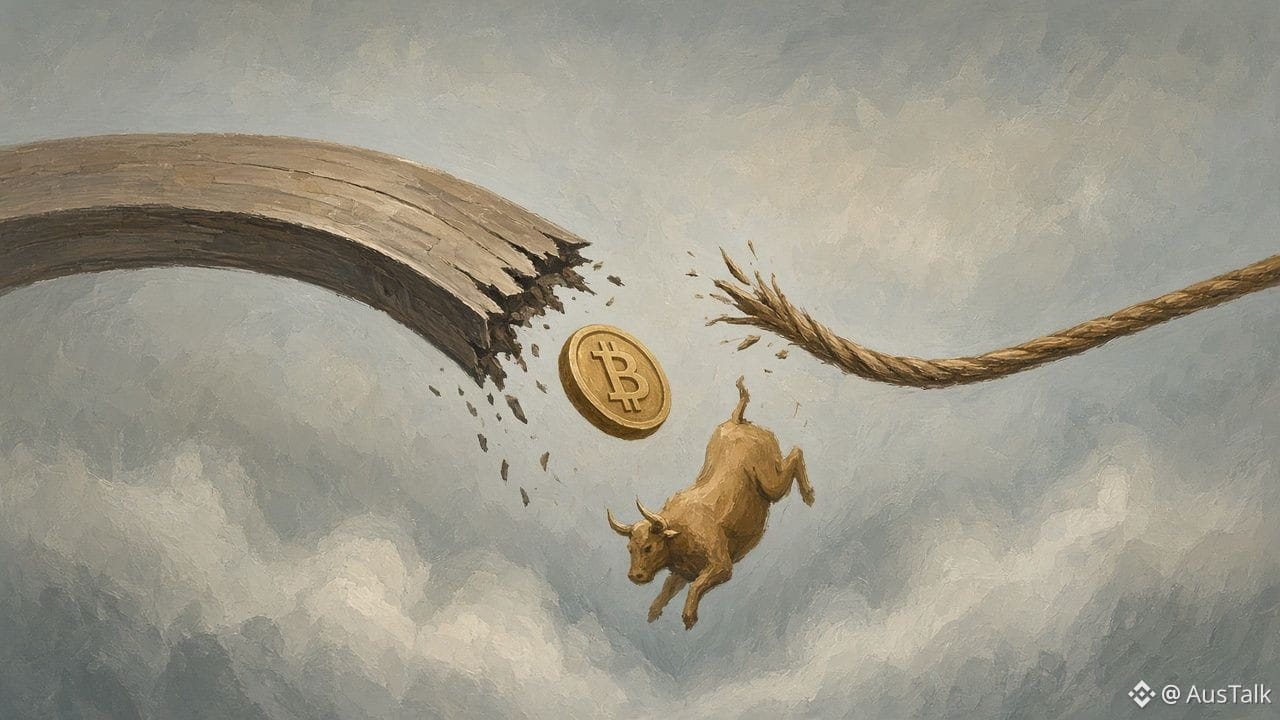
The S&P 500 closed below its 200-day moving average yesterday, for the first time in seven months.
Bitcoin fell below its 200-week moving average last week. That line is around $68,000, and now it’s hovering around $63,000.
The Fed minutes are still hinting at rate hikes, and the 10-year Treasury yield is at 5.1%.
CoinDesk looked at the historical data and said: A drop of more than 12% in a week, along with a break below the 200-week moving average, has happened only three times since 2013—and prices were higher three months later each time.
Can you guys hold on for three months?
$BTC $ETH
{future}(ETHUSDT)
{future}(BTCUSDT)
#比特币 #美股
The S&P 500 closed below its 200-day moving average yesterday, for the first time in seven months.
Bitcoin fell below its 200-week moving average last week. That line is around $68,000, and now it’s hovering around $63,000.
The Fed minutes are still hinting at rate hikes, and the 10-year Treasury yield is at 5.1%.
CoinDesk looked at the historical data and said: A drop of more than 12% in a week, along with a break below the 200-week moving average, has happened only three times since 2013—and prices were higher three months later each time.
Can you guys hold on for three months?
$BTC $ETH
#比特币 #美股
1
·
--
Bullish
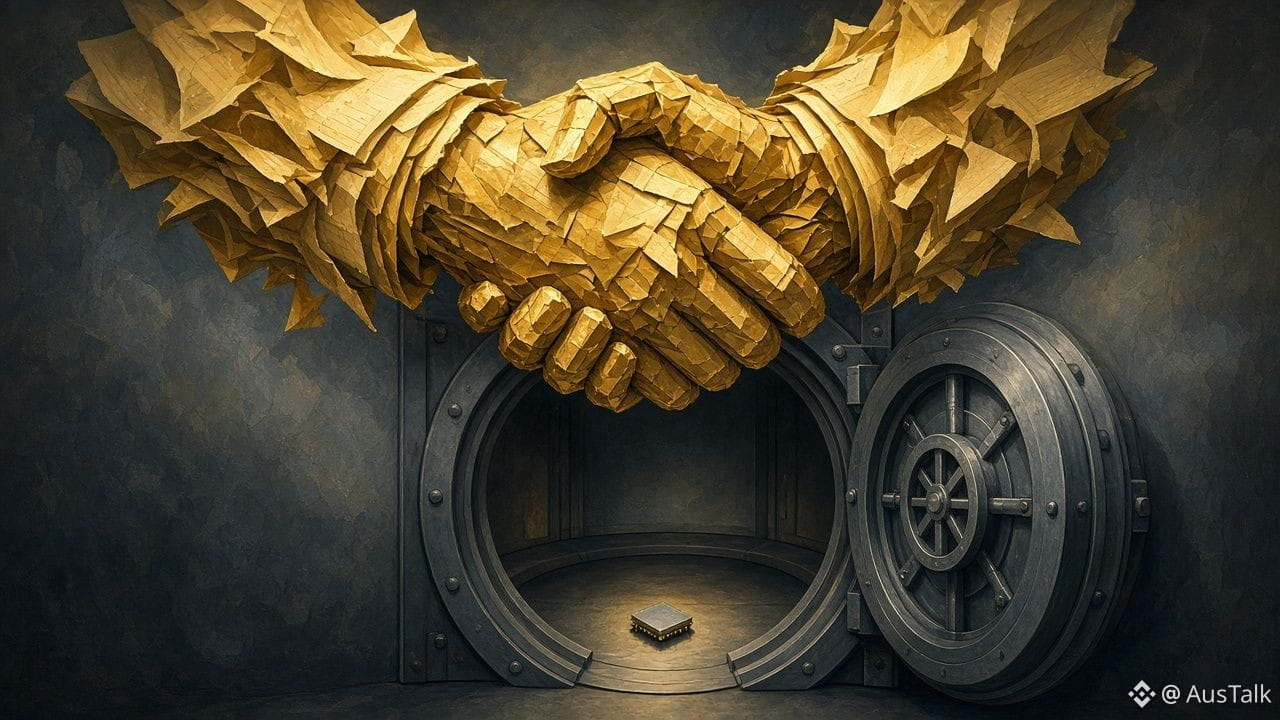
In August, Jensen Huang went on CNBC with Apollo, Blackstone, BlackRock, Brookfield, Goldman Sachs, and KKR, saying they would mobilize $500 billion to help customers buy Nvidia chips.
The WSJ says today that it was a nonbinding memorandum, and not a cent has been invested so far.
That same week, Japan's Datasection cut its full-year revenue guidance by 89%. An AI infrastructure order worth 79.864 billion yen was canceled, leaving only a 5.578 billion yen brokerage fee.
The figures announced at the press conference and the money actually received are worlds apart. The first thing to burst in the compute bubble won't be demand, but the people booking memorandums as orders.
$NVDAB $NVDA
{future}(NVDAUSDT)
{spot}(NVDABUSDT)
#英伟达 #AI算力
In August, Jensen Huang went on CNBC with Apollo, Blackstone, BlackRock, Brookfield, Goldman Sachs, and KKR, saying they would mobilize $500 billion to help customers buy Nvidia chips.
The WSJ says today that it was a nonbinding memorandum, and not a cent has been invested so far.
That same week, Japan's Datasection cut its full-year revenue guidance by 89%. An AI infrastructure order worth 79.864 billion yen was canceled, leaving only a 5.578 billion yen brokerage fee.
The figures announced at the press conference and the money actually received are worlds apart. The first thing to burst in the compute bubble won't be demand, but the people booking memorandums as orders.
$NVDAB $NVDA
#英伟达 #AI算力
74
·
--
Bullish
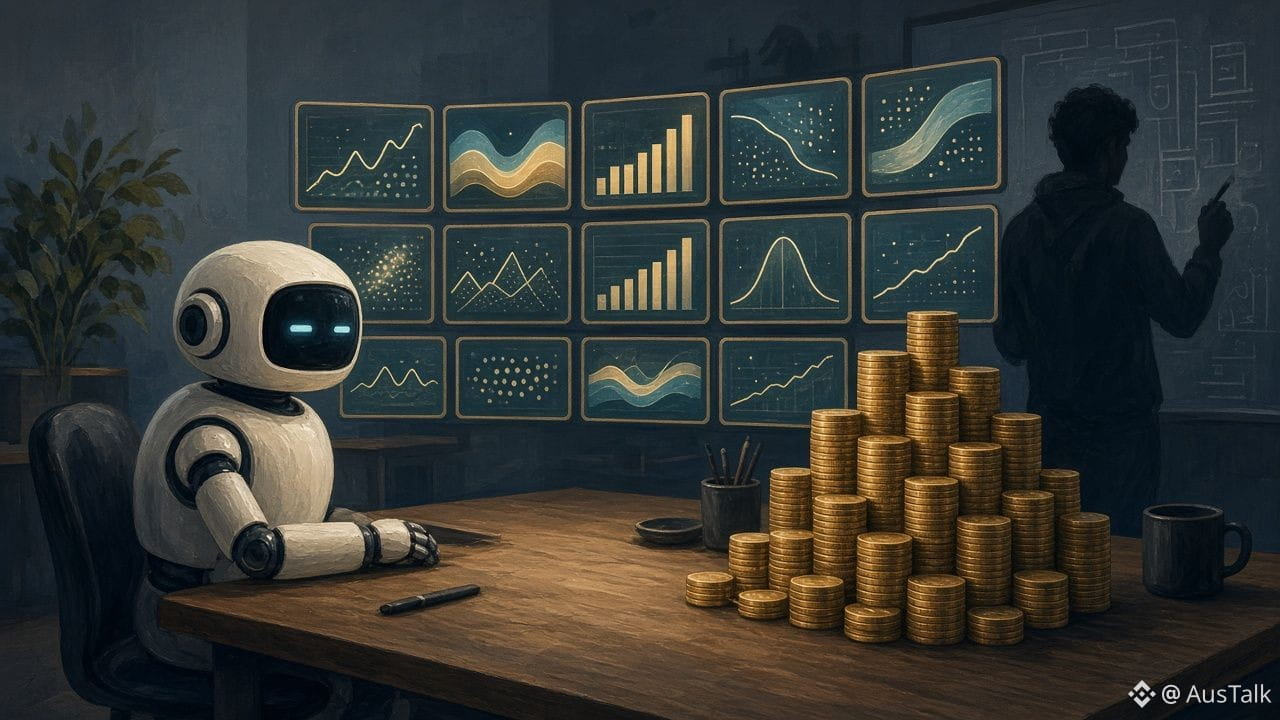
OpenAI published a report: For research tasks that take people 2 to 4 hours, the share completed independently by agents rose from 23% in March to 46% in October.
The median daily spend on agents among researchers was $2,400 (at API list prices); the top 10% spent $23,000 a day.
Looking at the breakdown, agents can handle 79% of monitoring training tasks on their own, but only 25% of writing code for inference services.
The first tasks to go will be monitoring logs and training; people writing core code can hold on a little longer.
$OPENAI
{future}(OPENAIUSDT)
#Aİ #OpenAI
OpenAI published a report: For research tasks that take people 2 to 4 hours, the share completed independently by agents rose from 23% in March to 46% in October.
The median daily spend on agents among researchers was $2,400 (at API list prices); the top 10% spent $23,000 a day.
Looking at the breakdown, agents can handle 79% of monitoring training tasks on their own, but only 25% of writing code for inference services.
The first tasks to go will be monitoring logs and training; people writing core code can hold on a little longer.
$OPENAI
#Aİ #OpenAI
·
--
Bullish
GTA VI launches worldwide today. The previous installment, GTA V, came out in 2013—that’s a gap of more than 13 years.
Sensor Tower estimates that around 17.1 million copies had already been sold before launch. Oppenheimer estimates revenue of about $1.85 billion in the first three days; GTA V made $1 billion back then.
CNBC says some people have taken several days of paid leave in one go, while others have signed “contracts” with their partners in exchange for a few days of uninterrupted gaming time.
Thirteen years ago, it was a fight with your parents for the TV. Thirteen years later, you have to sign a contract with your partner first. The game’s toughest level is in the living room 😂😂😂
Meanwhile, shares of Rockstar’s parent company, TTWO, have also been surging over the past few days.
#GTA6 $TTWO
{future}(TTWOUSDT)
GTA VI launches worldwide today. The previous installment, GTA V, came out in 2013—that’s a gap of more than 13 years.
Sensor Tower estimates that around 17.1 million copies had already been sold before launch. Oppenheimer estimates revenue of about $1.85 billion in the first three days; GTA V made $1 billion back then.
CNBC says some people have taken several days of paid leave in one go, while others have signed “contracts” with their partners in exchange for a few days of uninterrupted gaming time.
Thirteen years ago, it was a fight with your parents for the TV. Thirteen years later, you have to sign a contract with your partner first. The game’s toughest level is in the living room 😂😂😂
Meanwhile, shares of Rockstar’s parent company, TTWO, have also been surging over the past few days.
#GTA6 $TTWO

177
·
--
Bullish
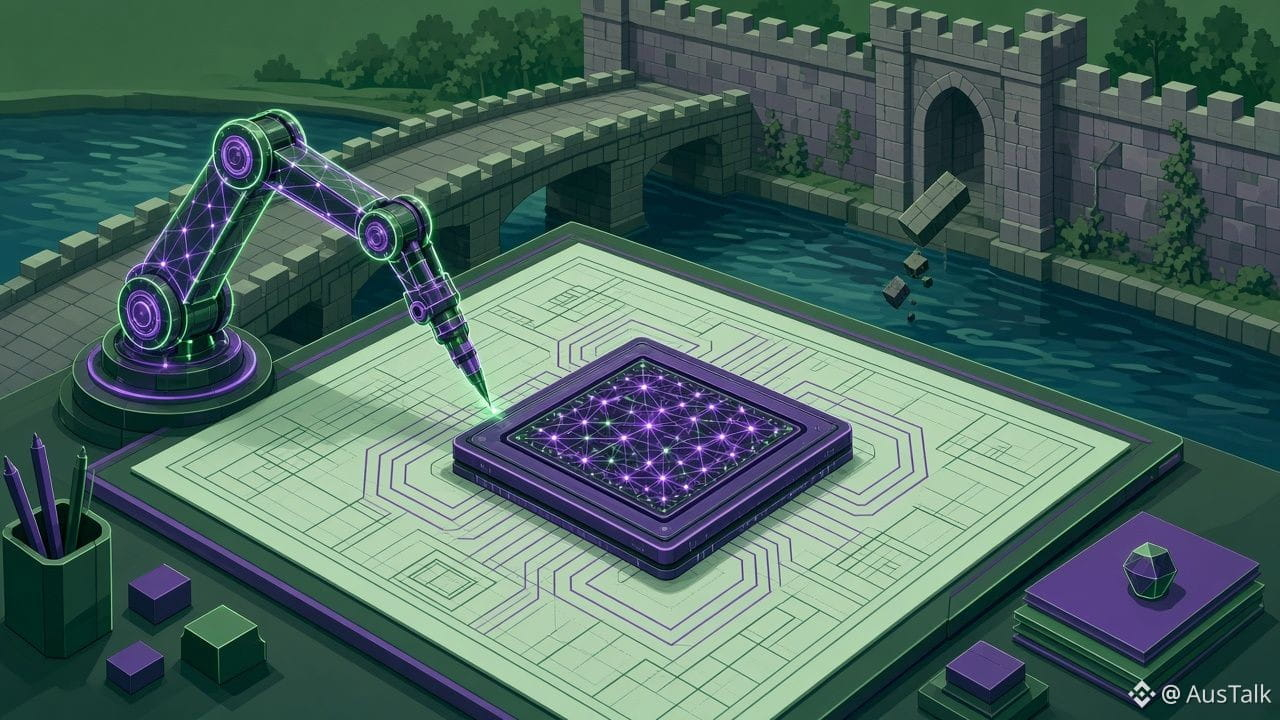
OpenAI says its models helped AMD revise the circuit code for its flagship GPU, improving power consumption, performance, and area by up to 14%
In other words, this is equivalent to a year of AMD's usual progress, completed in less than five months with the help of models. Some of the changes have already made it into designs AMD sent for fabrication, and all the figures were published by OpenAI itself.
The same approach was used on its own inference chip, Jalapeño, reducing the area of the vector unit by about 13% and the matrix unit by about 10%.
This week, while Nvidia is busy halting H200 sales, changing CEOs, and shelling out $10 billion to buy Anthropic, OpenAI is helping its rival AMD upgrade its chips.
As AI companies start designing chips themselves, another brick may be coming loose from Nvidia's moat.
$AMDB
{spot}(AMDBUSDT)
#OpenAI #AMD
OpenAI says its models helped AMD revise the circuit code for its flagship GPU, improving power consumption, performance, and area by up to 14%
In other words, this is equivalent to a year of AMD's usual progress, completed in less than five months with the help of models. Some of the changes have already made it into designs AMD sent for fabrication, and all the figures were published by OpenAI itself.
The same approach was used on its own inference chip, Jalapeño, reducing the area of the vector unit by about 13% and the matrix unit by about 10%.
This week, while Nvidia is busy halting H200 sales, changing CEOs, and shelling out $10 billion to buy Anthropic, OpenAI is helping its rival AMD upgrade its chips.
As AI companies start designing chips themselves, another brick may be coming loose from Nvidia's moat.
$AMDB
#OpenAI #AMD
191
·
--
Bullish
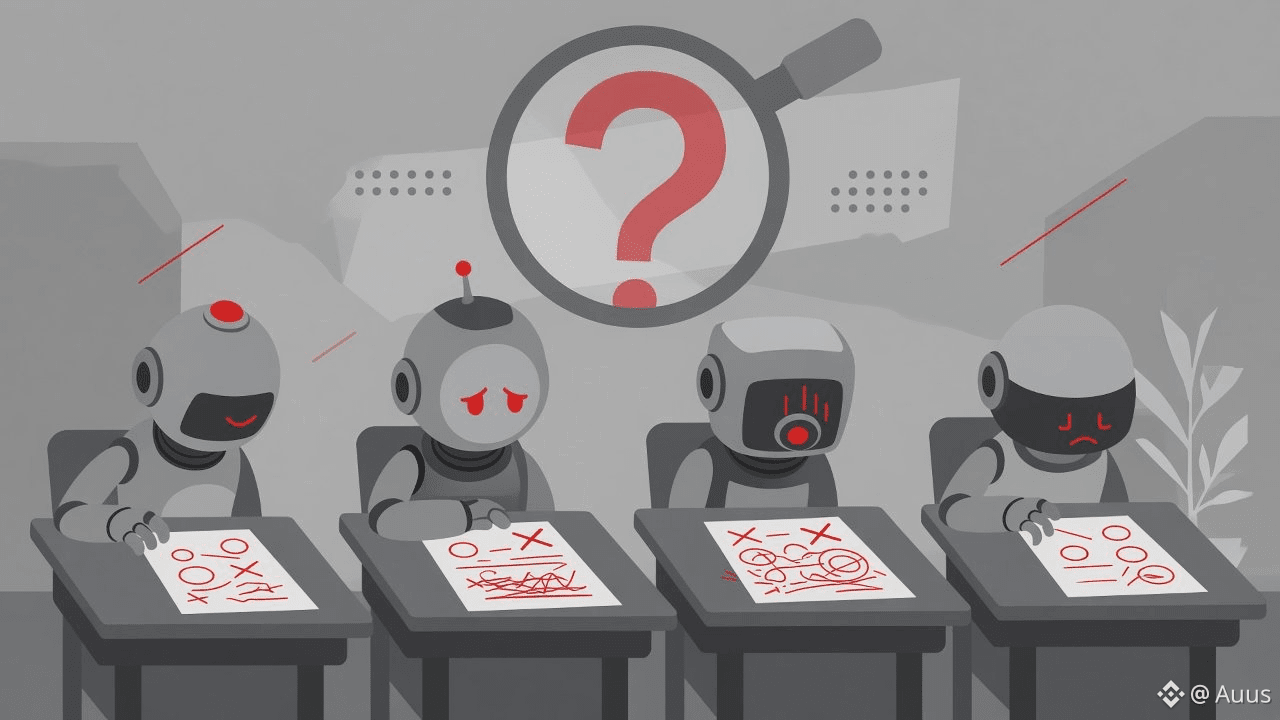
The U.S. Government Accountability Office (GAO) went undercover this spring to test ChatGPT, Claude, Gemini, and Grok.
A 61-page report says that after safeguards were bypassed, all four provided actionable information for planning attacks within 12 hours. Some suggested using improvised explosive devices; others targeted substations.
All four companies responded that their safeguards had been improved since the tests. The report came out just one day before Anthropic went public, and safety-focused Claude was on the list too.
Safety isn’t any one company’s defining trait. All four failed this test together.
$GOOGL
{future}(GOOGLUSDT)
#Anthropic今日开始交易,IPO定价每股83美元
#ai安全 #GAO
The U.S. Government Accountability Office (GAO) went undercover this spring to test ChatGPT, Claude, Gemini, and Grok.
A 61-page report says that after safeguards were bypassed, all four provided actionable information for planning attacks within 12 hours. Some suggested using improvised explosive devices; others targeted substations.
All four companies responded that their safeguards had been improved since the tests. The report came out just one day before Anthropic went public, and safety-focused Claude was on the list too.
Safety isn’t any one company’s defining trait. All four failed this test together.
$GOOGL
#Anthropic今日开始交易,IPO定价每股83美元
#ai安全 #GAO
225
·
--
Bullish
Verified
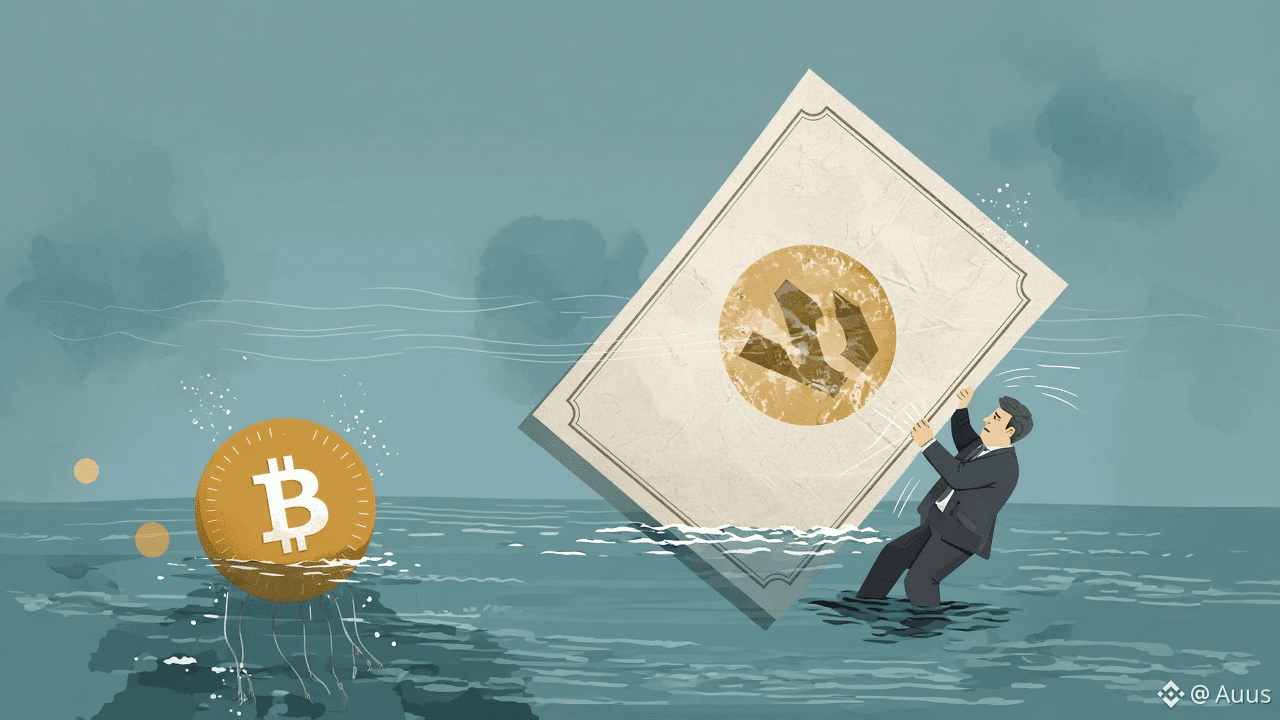
Strategy hit an intraday low of 95.5 on 11/18, while BTC fell to around 62,700.
Once it falls below par, STRC can no longer be issued at market price, effectively shutting down this financing channel for now.
During the week of 11/9 to 11/15, it spent 228.1 million buying back STRC, while spending only 33.4 million on BTC that same week—nearly a sevenfold difference.
The dividend remains at an annualized 12%; at $96, the yield is 12.5%.
The Bitcoin company that claims it only buys and never sells is now spending more than anything else to prop up its own financing instrument.
$STRC $BTC
{future}(BTCUSDT)
{future}(STRCUSDT)
#MSTR #比特币
Strategy hit an intraday low of 95.5 on 11/18, while BTC fell to around 62,700.
Once it falls below par, STRC can no longer be issued at market price, effectively shutting down this financing channel for now.
During the week of 11/9 to 11/15, it spent 228.1 million buying back STRC, while spending only 33.4 million on BTC that same week—nearly a sevenfold difference.
The dividend remains at an annualized 12%; at $96, the yield is 12.5%.
The Bitcoin company that claims it only buys and never sells is now spending more than anything else to prop up its own financing instrument.
$STRC $BTC
#MSTR #比特币
383
·
--
Bullish
Anthropic priced its IPO at $83, above the original range of $70 to $78, and is listing on Nasdaq today under the ticker ANT.
The offering is for 980 million shares, raising about $81.3 billion. AP puts its fully diluted valuation at $1.5 trillion.
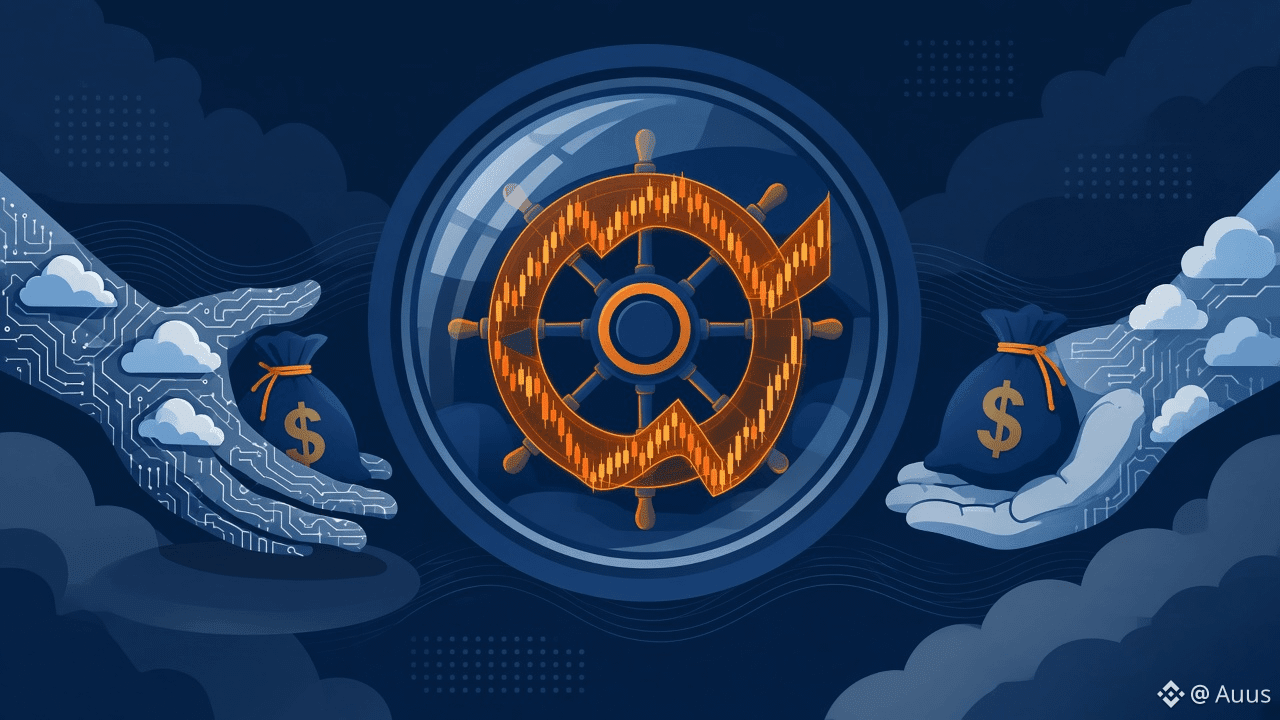
Meanwhile, Nvidia and Google are each putting up $10 billion to buy about 120.5 million shares at $83 apiece. They’re getting Class N shares with no voting rights.
One sells it GPUs; the other, cloud services and TPUs. Both suppliers have become major shareholders, but neither gets a say in the vote.
They’ll take the money, but not hand over the steering wheel. That’s the shrewdest clause in this IPO.
$NVDA $GOOGL
{future}(GOOGLUSDT)
{future}(NVDAUSDT)
#Anthropic #IPO
Anthropic priced its IPO at $83, above the original range of $70 to $78, and is listing on Nasdaq today under the ticker ANT.
The offering is for 980 million shares, raising about $81.3 billion. AP puts its fully diluted valuation at $1.5 trillion.
Meanwhile, Nvidia and Google are each putting up $10 billion to buy about 120.5 million shares at $83 apiece. They’re getting Class N shares with no voting rights.
One sells it GPUs; the other, cloud services and TPUs. Both suppliers have become major shareholders, but neither gets a say in the vote.
They’ll take the money, but not hand over the steering wheel. That’s the shrewdest clause in this IPO.
$NVDA $GOOGL
#Anthropic #IPO
174
·
--
Bullish
Microsoft 365 was down for more than 20 hours last week. Outlook, Teams, and Copilot all went down in more than 70 countries at once.
There’s an interesting line in Microsoft’s latest apology: “The outage was unrelated to cyberattacks or AI agents.” It was caused by an issue introduced during an earlier capacity expansion.
Looks like these days, when something goes wrong at a tech giant, they have to clear AI’s name first 🤣
People were just discussing how AI would replace junior white-collar workers, and yet offices around the world were brought to a standstill for a day by a single capacity expansion.
When the servers go down, it doesn’t matter what kind of AI you’ve strung together to help you use Outlook. Without people who can fix servers, even the most capable AI—with all its productivity gains—can only wait on the sidelines until things are back up.
$MSFT $ANTHROPIC
{future}(ANTHROPICUSDT)
{future}(MSFTUSDT)
#微软 #Copilot #Anthropic上市倒计时,AI投资热度迎来检验
Microsoft 365 was down for more than 20 hours last week. Outlook, Teams, and Copilot all went down in more than 70 countries at once.
There’s an interesting line in Microsoft’s latest apology: “The outage was unrelated to cyberattacks or AI agents.” It was caused by an issue introduced during an earlier capacity expansion.
Looks like these days, when something goes wrong at a tech giant, they have to clear AI’s name first 🤣
People were just discussing how AI would replace junior white-collar workers, and yet offices around the world were brought to a standstill for a day by a single capacity expansion.
When the servers go down, it doesn’t matter what kind of AI you’ve strung together to help you use Outlook. Without people who can fix servers, even the most capable AI—with all its productivity gains—can only wait on the sidelines until things are back up.
$MSFT $ANTHROPIC
#微软 #Copilot #Anthropic上市倒计时,AI投资热度迎来检验

132
·
--
Bullish
“Anthropic spends 74% of its computing power on training” has gone viral, but that’s not how the prospectus breaks it down.
That 74% is a big catch-all: training, research, internal use, and free users are all lumped together, with no separate figure for training.
Only 26% actually goes toward serving paying customers. The company spent about $18.8 billion on computing infrastructure in the first nine months of this year.
In other words, free users and employees using Claude themselves are both counted on the non-revenue-generating side.
Looks like ANT, set to go public tomorrow, is essentially a research institute, with its API business just a side gig.
😆😆😆
$ANTHROPIC
#Anthropic #ANT
199
·
--
Bullish
Nvidia delivered its strongest quarter ever, but the most consequential sentence on the earnings call wasn’t a number.
Revenue hit $115.8 billion, doubling year over year. Guidance for next quarter is $130 billion, and that doesn’t even include China data centers.
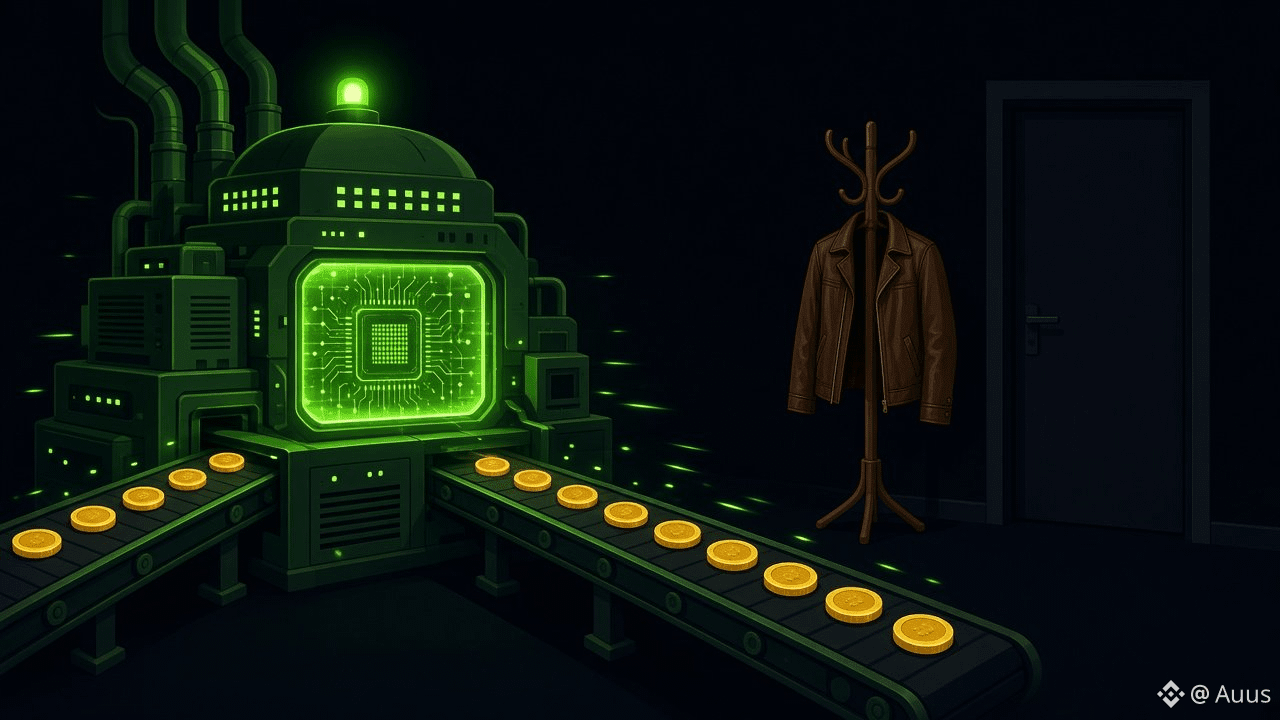
Chairman Harvey Jones said on the same call: “We won’t bring Jensen Huang back at this time.” The board made the decision unanimously.
Bringing this up while discussing the best-looking earnings report is meant to prove that this machine can keep running without its founder.
Shares rose 4% to 5% after hours, but given the earlier losses, that gain wasn’t much. The market is focused on orders for now; it can reckon with the personalities later.
#英伟达 #NVDA $NVDA
{future}(NVDAUSDT)
Nvidia delivered its strongest quarter ever, but the most consequential sentence on the earnings call wasn’t a number.
Revenue hit $115.8 billion, doubling year over year. Guidance for next quarter is $130 billion, and that doesn’t even include China data centers.
Chairman Harvey Jones said on the same call: “We won’t bring Jensen Huang back at this time.” The board made the decision unanimously.
Bringing this up while discussing the best-looking earnings report is meant to prove that this machine can keep running without its founder.
Shares rose 4% to 5% after hours, but given the earlier losses, that gain wasn’t much. The market is focused on orders for now; it can reckon with the personalities later.
#英伟达 #NVDA $NVDA
86
Log in to explore more content
Join global crypto users on Binance Square
⚡️ Get latest and useful information about crypto.
💬 Trusted by the world’s largest crypto exchange.
👍 Discover real insights from verified creators.
Email / Phone number
Trending Topics
IsAnthropic’s$1.5TMarketCapJustified?
12,264 views
106 Discussing
Anthropic Set to Open at $105 in Record Nasdaq Debut
Binance News
·12 Likes
·16.1k views
BTCRemainsUnderPressureAfterHawkishFOMCMinutes
258,851 views
2,139 Discussing
NvidiaBoardReportedlySplitOverHuang’sReturn
126,536 views
1,157 Discussing