
#trapped
trapped
110,401 views
28 Discussing
Hot
Latest

·
--
Bullish
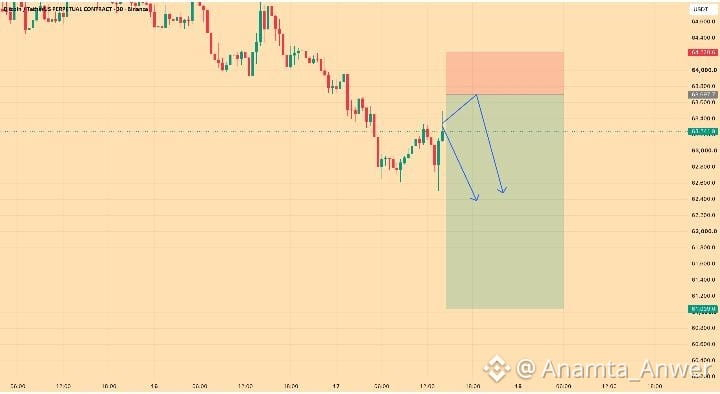
$BTC Ready for a big drop ? Bears gaining moment
Bitcoin is facing increasing selling pressure as bullish momentum starts to fade.
Resistance continues to hold strong
Lower highs suggest weakening demand
Momentum indicators are turning bearish
A breakdown could trigger a sharp correction
Will BTC lose support and move lower, or can bulls regain control?
TP: 62.427-61.605-60.782
{future}(BTCUSDT)
#bitcoin #downtrend #trapped
$BTC Ready for a big drop ? Bears gaining moment
Bitcoin is facing increasing selling pressure as bullish momentum starts to fade.
Resistance continues to hold strong
Lower highs suggest weakening demand
Momentum indicators are turning bearish
A breakdown could trigger a sharp correction
Will BTC lose support and move lower, or can bulls regain control?
TP: 62.427-61.605-60.782
#bitcoin #downtrend #trapped
112

·
--
#trapped been started be careful #MarketMeltdown
#trapped been started be careful #MarketMeltdown
62


Article
$6.36 Billion Crypto Heist in 20 Minutes? North Korean Hackers Allegedly Target BinanceA reported cryptocurrency security breach has raised serious concerns across the digital asset industry, with investigators pointing to North Korea-linked hackers and potential losses worth billions of dollars.
According to the claims outlined in the investigation, attackers allegedly stole approximately $6.36 billion in cryptocurrency from Binance in just 20 minutes, potentially making it one of the largest crypto thefts in history. The incident has been linked to TraderTraitor, a hacking operation associated with North Korea's notorious Lazarus Group.
How Did the Attack Happen?
Blockchain intelligence firm TRM Labs investigates cryptocurrency-related crimes and traces suspicious transactions across blockchain networks. The reported findings attribute the attack to North Korea-linked hackers, although such attribution should be distinguished from an independently confirmed conclusion.
The alleged attack began on October 29 at 20:05 UTC and reportedly involved multiple blockchain networks. Rather than simply stealing private wallet keys, the attackers allegedly exploited access to Binance's internal systems to gain control over a major wallet.
According to the account, the attackers compromised an engineer's laptop and used that access to interfere with the wallet authorization process.
In simple terms, the attackers may not have broken the lock itself. Instead, they allegedly obtained the authority needed to open it.
Millions and Billions Across Multiple Blockchains
The reported stolen assets were spread across several blockchain networks, including Ethereum, Bitcoin, Tron and XRP Ledger.
The figures cited in the account are:
Ethereum: $3.79 billionBitcoin: $1.47 billionTron: $628 millionXRP Ledger: $296 million
These figures total approximately $6.184 billion, rather than $6.36 billion, leaving a discrepancy that requires clarification. The reported breakdown should therefore be independently verified before being treated as a confirmed loss.
Exploiting Wallet Authorization
One particularly concerning aspect of the alleged attack is the method used to obtain wallet control.
Ethereum supports smart contracts and programmable wallet systems that can delegate certain permissions to other addresses or programs. If an attacker compromises the authorization process, they may be able to exploit legitimate wallet functionality for malicious purposes.
The account alleges that attackers submitted multiple authorization requests until one succeeded, allowing a malicious program to control a major Binance wallet. Funds subsequently entering that wallet were reportedly redirected to addresses controlled by the attackers.
If accurate, the incident would highlight a critical security lesson: protecting private keys alone is not enough. Exchanges must also secure employee devices, internal authorization systems, smart-contract permissions and transaction-monitoring processes.
A Reported Delay in Revoking Access
Another alarming claim is that the compromised access remained active for approximately three hours and 50 minutes after Binance suspended withdrawals.
If confirmed, this would raise questions about incident-response procedures, emergency access revocation and the effectiveness of safeguards designed to contain a breach.
However, the precise timeline and technical details require confirmation from reliable primary sources.
North Korea's Growing Role in Crypto Crime
North Korea-linked hacking groups have been associated with several major cryptocurrency thefts. Their operations are frequently investigated by blockchain analytics firms and international cybersecurity agencies because stolen digital assets can be moved across multiple networks and converted through complex transaction routes.
The account also compares the alleged incident with the approximately $1.5 billion Bybit hack reported in 2025, which was attributed to North Korea-linked attackers. A $6.36 billion loss would be more than four times that amount, making verification of the figures especially important.
Can the Stolen Funds Be Recovered?
The account states that Binance would cover the losses through its SAFU emergency fund and company reserves. It also claims that Tether, Circle and other companies helped freeze approximately $3 billion in assets.
These are significant claims that should be confirmed through official announcements. Freezing assets does not necessarily mean the funds have been permanently recovered or returned to their owners.
If such a breach occurred at the scale described, it would test the ability of cryptocurrency exchanges, stablecoin issuers, blockchain investigators and law-enforcement agencies to coordinate their response across multiple networks.
What Does This Mean for the Crypto Industry?
The reported incident underscores several important lessons for cryptocurrency businesses:
Internal security matters: Employee laptops and privileged access can become critical points of failure.Wallet permissions must be monitored: Smart-contract functionality can introduce risks if authorization controls are compromised.Emergency controls must work quickly: Exchanges need mechanisms to revoke access and isolate compromised systems immediately.Blockchain transparency can help investigations: Public transaction records may allow investigators to trace stolen assets, although tracing does not guarantee recovery.Claims require independent verification: Reported losses, attribution and recovery figures should be confirmed before investors and the public treat them as established facts.
Final Thoughts
A cryptocurrency theft on the scale described would be a landmark event for the digital asset industry. But the alleged $6.36 billion Binance breach, the technical attack details and the claimed recovery measures must be verified against official Binance statements and credible investigative reporting before being presented as confirmed facts.
The broader lesson remains clear: in cryptocurrency security, protecting funds requires more than securing wallets. It also requires strong internal controls, carefully managed permissions and a rapid response to suspicious activity.
$BNB
#BNB_Market_Update #Binance #cryptouniverseofficial #Hacked #trapped
$6.36 Billion Crypto Heist in 20 Minutes? North Korean Hackers Allegedly Target Binance
A reported cryptocurrency security breach has raised serious concerns across the digital asset industry, with investigators pointing to North Korea-linked hackers and potential losses worth billions of dollars.
According to the claims outlined in the investigation, attackers allegedly stole approximately $6.36 billion in cryptocurrency from Binance in just 20 minutes, potentially making it one of the largest crypto thefts in history. The incident has been linked to TraderTraitor, a hacking operation associated with North Korea's notorious Lazarus Group.
How Did the Attack Happen?
Blockchain intelligence firm TRM Labs investigates cryptocurrency-related crimes and traces suspicious transactions across blockchain networks. The reported findings attribute the attack to North Korea-linked hackers, although such attribution should be distinguished from an independently confirmed conclusion.
The alleged attack began on October 29 at 20:05 UTC and reportedly involved multiple blockchain networks. Rather than simply stealing private wallet keys, the attackers allegedly exploited access to Binance's internal systems to gain control over a major wallet.
According to the account, the attackers compromised an engineer's laptop and used that access to interfere with the wallet authorization process.
In simple terms, the attackers may not have broken the lock itself. Instead, they allegedly obtained the authority needed to open it.
Millions and Billions Across Multiple Blockchains
The reported stolen assets were spread across several blockchain networks, including Ethereum, Bitcoin, Tron and XRP Ledger.
The figures cited in the account are:
Ethereum: $3.79 billionBitcoin: $1.47 billionTron: $628 millionXRP Ledger: $296 million
These figures total approximately $6.184 billion, rather than $6.36 billion, leaving a discrepancy that requires clarification. The reported breakdown should therefore be independently verified before being treated as a confirmed loss.
Exploiting Wallet Authorization
One particularly concerning aspect of the alleged attack is the method used to obtain wallet control.
Ethereum supports smart contracts and programmable wallet systems that can delegate certain permissions to other addresses or programs. If an attacker compromises the authorization process, they may be able to exploit legitimate wallet functionality for malicious purposes.
The account alleges that attackers submitted multiple authorization requests until one succeeded, allowing a malicious program to control a major Binance wallet. Funds subsequently entering that wallet were reportedly redirected to addresses controlled by the attackers.
If accurate, the incident would highlight a critical security lesson: protecting private keys alone is not enough. Exchanges must also secure employee devices, internal authorization systems, smart-contract permissions and transaction-monitoring processes.
A Reported Delay in Revoking Access
Another alarming claim is that the compromised access remained active for approximately three hours and 50 minutes after Binance suspended withdrawals.
If confirmed, this would raise questions about incident-response procedures, emergency access revocation and the effectiveness of safeguards designed to contain a breach.
However, the precise timeline and technical details require confirmation from reliable primary sources.
North Korea's Growing Role in Crypto Crime
North Korea-linked hacking groups have been associated with several major cryptocurrency thefts. Their operations are frequently investigated by blockchain analytics firms and international cybersecurity agencies because stolen digital assets can be moved across multiple networks and converted through complex transaction routes.
The account also compares the alleged incident with the approximately $1.5 billion Bybit hack reported in 2025, which was attributed to North Korea-linked attackers. A $6.36 billion loss would be more than four times that amount, making verification of the figures especially important.
Can the Stolen Funds Be Recovered?
The account states that Binance would cover the losses through its SAFU emergency fund and company reserves. It also claims that Tether, Circle and other companies helped freeze approximately $3 billion in assets.
These are significant claims that should be confirmed through official announcements. Freezing assets does not necessarily mean the funds have been permanently recovered or returned to their owners.
If such a breach occurred at the scale described, it would test the ability of cryptocurrency exchanges, stablecoin issuers, blockchain investigators and law-enforcement agencies to coordinate their response across multiple networks.
What Does This Mean for the Crypto Industry?
The reported incident underscores several important lessons for cryptocurrency businesses:
Internal security matters: Employee laptops and privileged access can become critical points of failure.Wallet permissions must be monitored: Smart-contract functionality can introduce risks if authorization controls are compromised.Emergency controls must work quickly: Exchanges need mechanisms to revoke access and isolate compromised systems immediately.Blockchain transparency can help investigations: Public transaction records may allow investigators to trace stolen assets, although tracing does not guarantee recovery.Claims require independent verification: Reported losses, attribution and recovery figures should be confirmed before investors and the public treat them as established facts.
Final Thoughts
A cryptocurrency theft on the scale described would be a landmark event for the digital asset industry. But the alleged $6.36 billion Binance breach, the technical attack details and the claimed recovery measures must be verified against official Binance statements and credible investigative reporting before being presented as confirmed facts.
The broader lesson remains clear: in cryptocurrency security, protecting funds requires more than securing wallets. It also requires strong internal controls, carefully managed permissions and a rapid response to suspicious activity.
$BNB
#BNB_Market_Update #Binance #cryptouniverseofficial #Hacked #trapped
112

·
--
Bullish
$GENIUS is currently in a liquidity trap zone ⚠️
Whales & Market Makers look confused right now 🤔
If they dump the price, excessive shorts will win 📉
If they pump above $0.50, early investors are ready to sell in bulk 💼
👉 That’s why price is stuck between $0.48 – $0.52
This is not a trend… this is a decision zone.
Smart money is waiting.
Retail is overtrading.
The real move will come after this range breaks 🚀
Trade safe. Don’t get trapped.
#genius #trapped
{alpha}(560x1f12b85aac097e43aa1555b2881e98a51090e9a6)
$GENIUS is currently in a liquidity trap zone ⚠️
Whales & Market Makers look confused right now 🤔
If they dump the price, excessive shorts will win 📉
If they pump above $0.50, early investors are ready to sell in bulk 💼
👉 That’s why price is stuck between $0.48 – $0.52
This is not a trend… this is a decision zone.
Smart money is waiting.
Retail is overtrading.
The real move will come after this range breaks 🚀
Trade safe. Don’t get trapped.
#genius #trapped
1
258

$BTC is at a critical crossroads, trapped below the 76K–78.3K resistance. Driven by a higher timeframe bearish divergence and a rising wedge breakdown the price faces ongoing downward pressure with liquidity at 73K–71.5K acting as a strong magnet. Until BTC decisively reclaims 82.4K, downside risk remains high leaving the market to wonder if it will sweep the lows first or spark a surprise rally. #BearishPattern #ClaimYourReward #MarketLiveUpdate #trapped #PressureBuild
$BTC is at a critical crossroads, trapped below the 76K–78.3K resistance. Driven by a higher timeframe bearish divergence and a rising wedge breakdown the price faces ongoing downward pressure with liquidity at 73K–71.5K acting as a strong magnet. Until BTC decisively reclaims 82.4K, downside risk remains high leaving the market to wonder if it will sweep the lows first or spark a surprise rally. #BearishPattern #ClaimYourReward #MarketLiveUpdate #trapped #PressureBuild

136

·
--
Bullish
58_Remontada
·
--
Bullish$BTTC juga slowly and gradually begins to move in small motions, we should wait and observe together, could it be that these small steps formed from $BTTC are able to create a big leap in the next few days?? what do you think, will $BTTC fly freely up into the sky or remain trapped at the bottom??
1
222
Log in to explore more content
Join global crypto users on Binance Square
⚡️ Get latest and useful information about crypto.
💬 Trusted by the world’s largest crypto exchange.
👍 Discover real insights from verified creators.
Email / Phone number
Trending Topics
1
#CryptoSelloffTriggersMultipleWhaleLiquidations
0 views
2 Discussing
2
#USSpotXRPETFsSeeLargestWeeklyOutflowIn8Months
41,076 views
460 Discussing
3
#BitcoinActiveSupplyInProfitDropsBelow45%
97,117 views
882 Discussing
4
#TONStrategyReports$23.97MQ3NetLoss
11,591 views
60 Discussing
5
#KavaSaysAbnormalActivityLimitedToKavaLend
61,827 views
490 Discussing
6
#WORPTLetsTouristsConvertCryptoToThaiBaht
12,364 views
128 Discussing
7
#WhoWillSucceedJensenHuangatNvidia?
211,181 views
1,827 Discussing
8
#WhatWillDriveCryptoandStocks’NextRebound?
639,690 views
3,656 Discussing
9
#TradFiForBeginners
755,794 views
4,623 Discussing
10
#dYdXPlansV9.9UpgradeToShiftUSDCToInjective
31,208 views
259 Discussing