
#tradingbasics
tradingbasics
33,419 views
535 Discussing
Hot
Latest

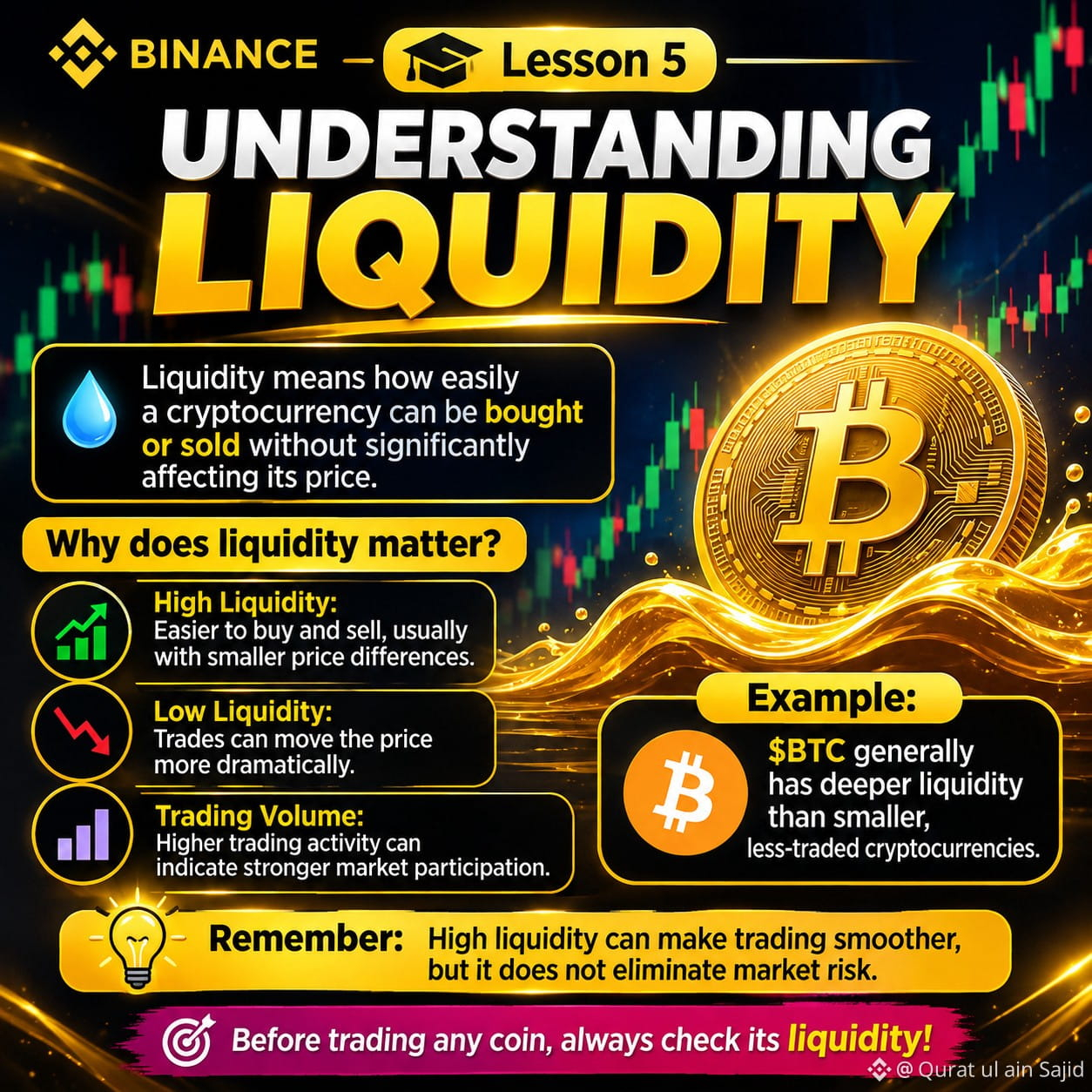
📘 CRYPTO LESSON #5: WHAT IS LIQUIDITY?
💧 Liquidity means how easily a cryptocurrency can be bought or sold without significantly affecting its price.
Why does liquidity matter?
1️⃣ High Liquidity: Easier to buy and sell, usually with smaller price differences.
2️⃣ Low Liquidity: Trades can move the price more dramatically.
3️⃣ Trading Volume: Higher trading activity can indicate stronger market participation.
📊 Example:
$BTC
{future}(BTCUSDT)
generally has deeper liquidity than smaller, less-traded cryptocurrencies.
💡 Remember: High liquidity can make trading smoother, but it does not eliminate market risk.
🎯 Before trading any coin, always check its liquidity!
#cryptoeducation #BinanceSquare #learncrypto #tradingbasics
📘 CRYPTO LESSON #5: WHAT IS LIQUIDITY?
💧 Liquidity means how easily a cryptocurrency can be bought or sold without significantly affecting its price.
Why does liquidity matter?
1️⃣ High Liquidity: Easier to buy and sell, usually with smaller price differences.
2️⃣ Low Liquidity: Trades can move the price more dramatically.
3️⃣ Trading Volume: Higher trading activity can indicate stronger market participation.
📊 Example:
$BTC
generally has deeper liquidity than smaller, less-traded cryptocurrencies.
💡 Remember: High liquidity can make trading smoother, but it does not eliminate market risk.
🎯 Before trading any coin, always check its liquidity!
#cryptoeducation #BinanceSquare #learncrypto #tradingbasics
109

·
--
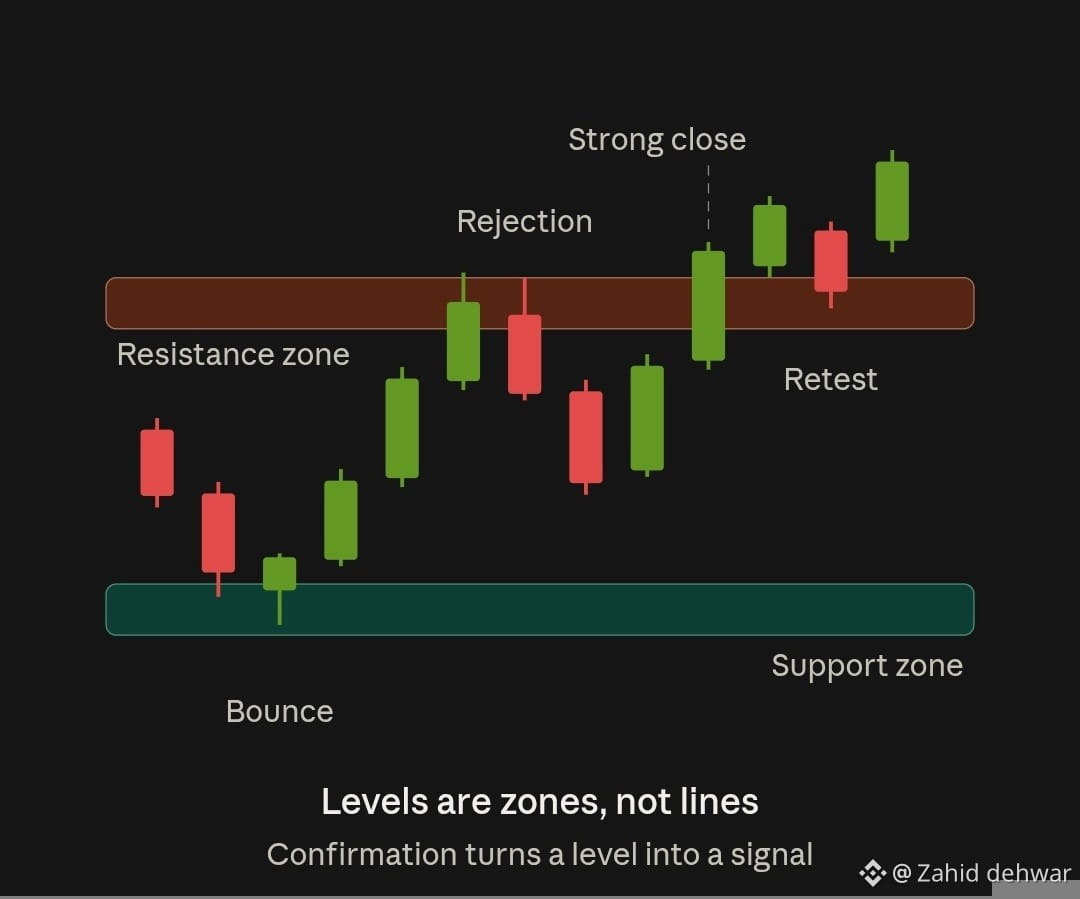
DO YOU REALLY UNDERSTAND SUPPORT AND RESISTANCE?
Support is an area where buyers have previously stepped in.
Resistance is an area where sellers have previously appeared.
But these levels are not guaranteed turning points.
I watch for:
Repeated price reactions.
Strong candle closes.
Volume confirmation.
Breakout retests.
My lesson: A level becomes more useful when price confirms the reaction.
💬 Which do you prefer: breakout trading or support bouncing?
#TechnicalAnalysis #cryptoeducation #tradingbasics
44

·
--
Stop-Limit Orders: A Trigger Is Not a Fill
A stop-limit order can trigger on time and still leave you unfilled.
The stop price is the trigger. Once the market reaches it, a limit order is placed at your chosen limit price—the price boundary you accept. That gives more control over price than a stop-market order, which converts to a market order.
But there is a trade-off: if price moves quickly past your limit, the order may be partly filled or not filled at all. The risk is greatest in fast or thin markets, so a stop-limit is not a guaranteed exit.
My take: know whether price control or execution priority matters more, and check open orders after sharp moves. Which do you value more—price control or a higher chance of a fill?
Source: Binance Academy — https://www.binance.com/en/academy/articles/what-is-a-stop-limit-order
#CryptoEducation #TradingBasics #RiskManagement

📖 Order book in 60 seconds: a look at both sides of the market.
1️⃣ Bids below (buyers), asks above (sellers) — the gap in between = spread
2️⃣ Depth = how many orders are stacked on each side — thin depth means big orders have a greater price impact
3️⃣ Fresh example: ETH’s ±2% depth today on Coinbase is ~8.6M bids / 9.4M asks — plenty of liquidity, so slippage stays under control
Chart: ETH depth across venues today — where it’s thick, where it’s thin. 📊
Check liquidity first, execute after — this is where slippage starts. 👀
$ETH
#TradingBasics #OrderBook #CryptoEducation
7

·
--
Order book mechanics are key to understanding markets. The order book is where buyers and sellers meet. Bids are what buyers are willing to pay, while asks are what sellers want. The difference between the two is the spread. For example, if $BTC is at 40000 and the ask is sitting at 40010, the spread is 10. Market depth shows the number of orders at each level. A deep market has many orders, making it more stable. A shallow market has few orders, making it more volatile. Consider $ETH, where market depth can affect how orders are filled. Understanding order book mechanics helps traders make informed decisions. Trading stocks and forex also relies on these mechanics. #tradingbasics #orderbook #marketdepth
Order book mechanics are key to understanding markets. The order book is where buyers and sellers meet. Bids are what buyers are willing to pay, while asks are what sellers want. The difference between the two is the spread. For example, if $BTC is at 40000 and the ask is sitting at 40010, the spread is 10. Market depth shows the number of orders at each level. A deep market has many orders, making it more stable. A shallow market has few orders, making it more volatile. Consider $ETH , where market depth can affect how orders are filled. Understanding order book mechanics helps traders make informed decisions. Trading stocks and forex also relies on these mechanics. #tradingbasics #orderbook #marketdepth
27
·
--
$BTC 5X FUTURES LEVERAGE: WHAT DOES A 1% BTC PRICE MOVE REALLY MEAN?
A small price movement can create a much larger percentage change in a futures trader's margin.
Let's understand the mathematics using a hypothetical $BTC USDT-margined linear futures position.
Example:
- Initial margin: $1,000
- Leverage: 5x
- Position value: $5,000
If the market moves against the position:
Adverse price movement| Approx. gross loss| % of initial margin
1%| $50| 5%
2%| $100| 10%
4%| $200| 20%
These are simplified calculations before trading fees, funding payments and slippage.
Three important concepts:
1. Position value is different from the margin deposited.
2. Maintenance margin is a separate requirement for keeping a futures position open.
3. Liquidation can happen before the initial margin is completely exhausted.
Actual liquidation depends on the contract, position size, margin mode and exchange-specific maintenance-margin tiers.
My takeaway: Leverage changes the size of the exposure. It does not make the underlying market movement smaller.
Question for the community: Which futures concept deserves more attention — leverage, funding fees or maintenance margin?
#FuturesTrading #cryptoeducation #BTC #RiskManagement #tradingbasics
Educational example only. Not a trading recommendation or instruction.
80
What is liquidation? A 60-second explainer.
In a leveraged trade, your collateral stays with the exchange. If the price moves against you enough to fall below the margin threshold → the exchange FORCE-closes your position. That’s liquidation.
A real example from Nov 5: $787M force-closed, 89% of them longs.
Key difference:
🔸 Stop-loss = your decision
🔸 Liquidation = the exchange’s decision
If you use leverage, you should always know your liquidation price in advance.
#CryptoEducation #Leverage #TradingBasics
1

·
--
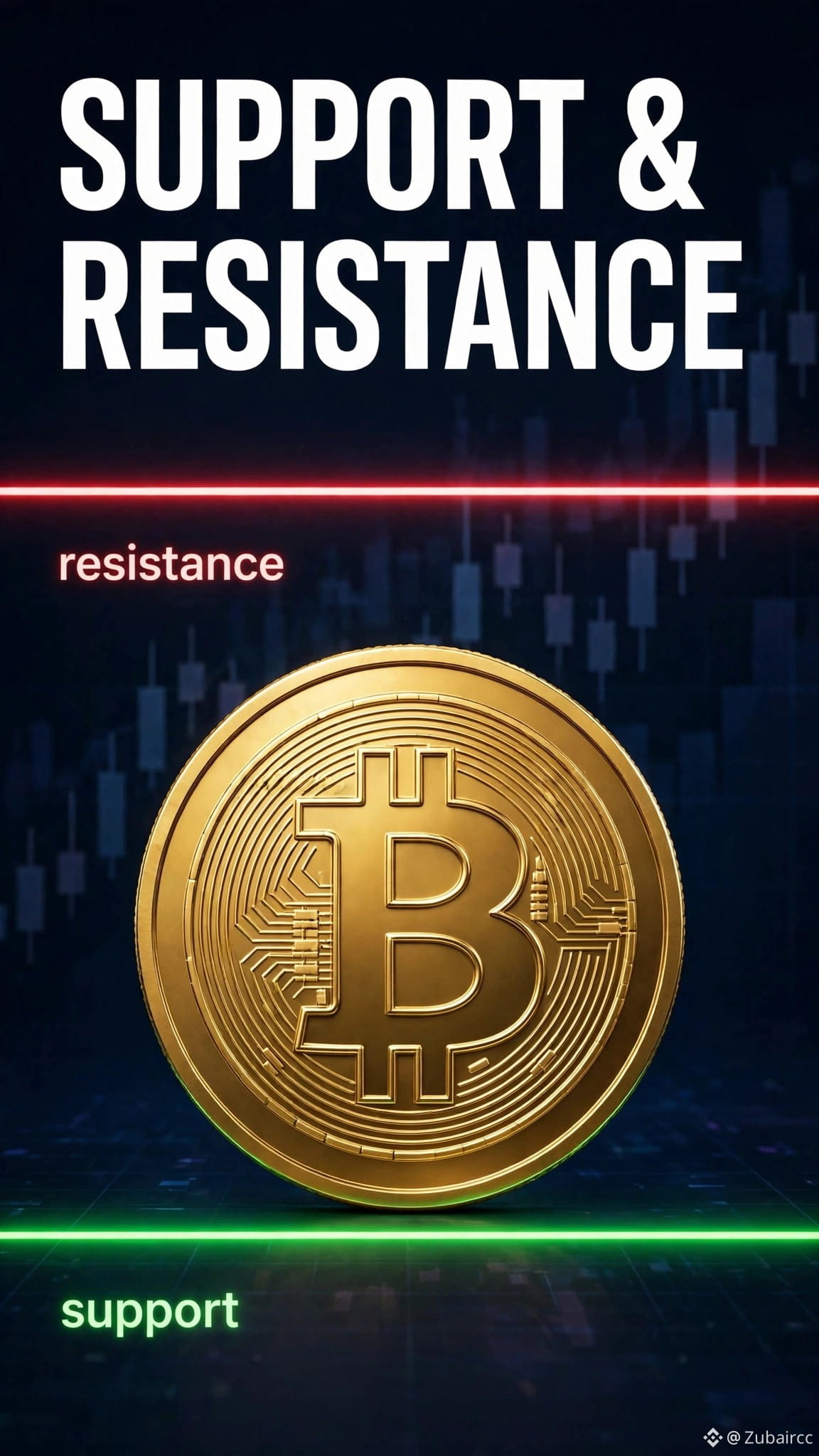
SUPPORT AND RESISTANCE, EXPLAINED SIMPLY
Bitcoin fell sharply this week, and now traders are watching one simple idea: support and resistance.
Here is what they mean, in plain words:
1. SUPPORT is the floor.
It is an area where buyers stepped in before. When price reaches it, many buyers see value and start buying again.
2. RESISTANCE is the ceiling.
It is an area where sellers stepped in before. When price reaches it, many sellers start selling, and the rise slows down.
3. A level is NOT a wall.
Support can break, and resistance can break too. One touch means nothing. Smart learners watch how price reacts, and stay patient.
Learn the levels first. Ignore the noise.
Which one confused you more when you started — support or resistance? Tell me in the comments.
$BTC $ETH $BNB
#LearnCrypto #CryptoBasics #TradingBasics
Educational only, not financial advice.
102
·
--
Market orders execute immediately at the current market rate. They guarantee execution but not the exact fill value. Limit orders set a specific threshold. You buy only if the asset is at or below your chosen level. This gives you control over the entry point. Stop-limit orders combine two concepts. You set a trigger level and a limit. For example, if $BTC sits at 60,000, you might set a stop at 59,000 and a limit at 58,500. The order activates only when the trigger hits. It then waits for a maker to fill your limit. Trailing stops protect profits dynamically. They adjust automatically as the asset moves in your favor. If $ETH rises to 3,500 from 3,000, the stop tightens to secure gains. OCO orders let you manage risk and reward simultaneously. You place a take-profit and a stop-loss at once. When one fills, the other cancels automatically. This prevents accidental double exposure. Understanding these tools helps you plan trades with precision. Market orders suit urgent entries. Limits suit patience. Stops manage downside protection. Choosing the right type depends on your strategy and volatility tolerance. BinanceSquare #CryptoEducation #TradingBasics
Market orders execute immediately at the current market rate. They guarantee execution but not the exact fill value. Limit orders set a specific threshold. You buy only if the asset is at or below your chosen level. This gives you control over the entry point. Stop-limit orders combine two concepts. You set a trigger level and a limit. For example, if $BTC sits at 60,000, you might set a stop at 59,000 and a limit at 58,500. The order activates only when the trigger hits. It then waits for a maker to fill your limit. Trailing stops protect profits dynamically. They adjust automatically as the asset moves in your favor. If $ETH rises to 3,500 from 3,000, the stop tightens to secure gains. OCO orders let you manage risk and reward simultaneously. You place a take-profit and a stop-loss at once. When one fills, the other cancels automatically. This prevents accidental double exposure. Understanding these tools helps you plan trades with precision. Market orders suit urgent entries. Limits suit patience. Stops manage downside protection. Choosing the right type depends on your strategy and volatility tolerance. BinanceSquare #CryptoEducation #TradingBasics
23

·
--
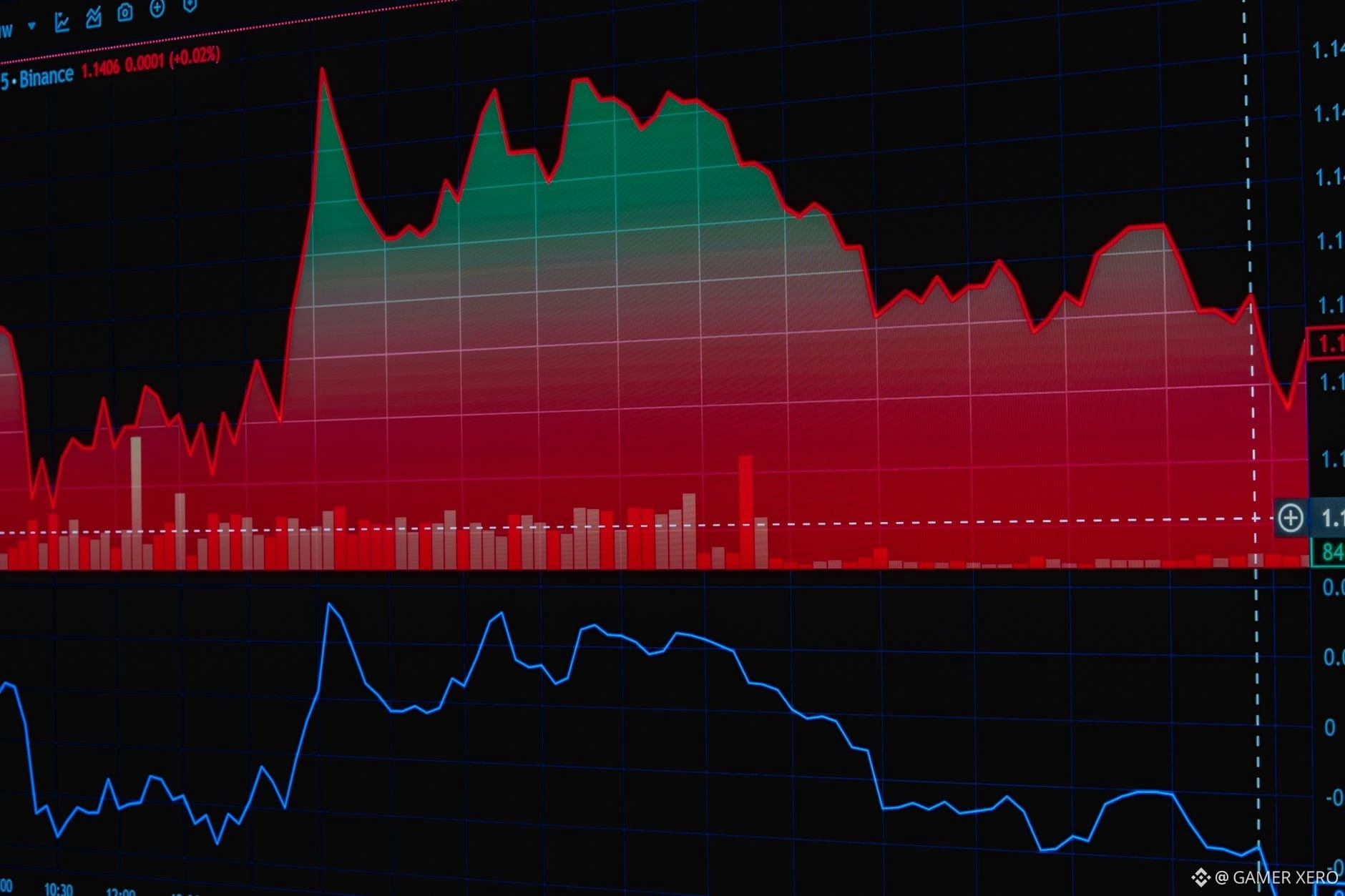
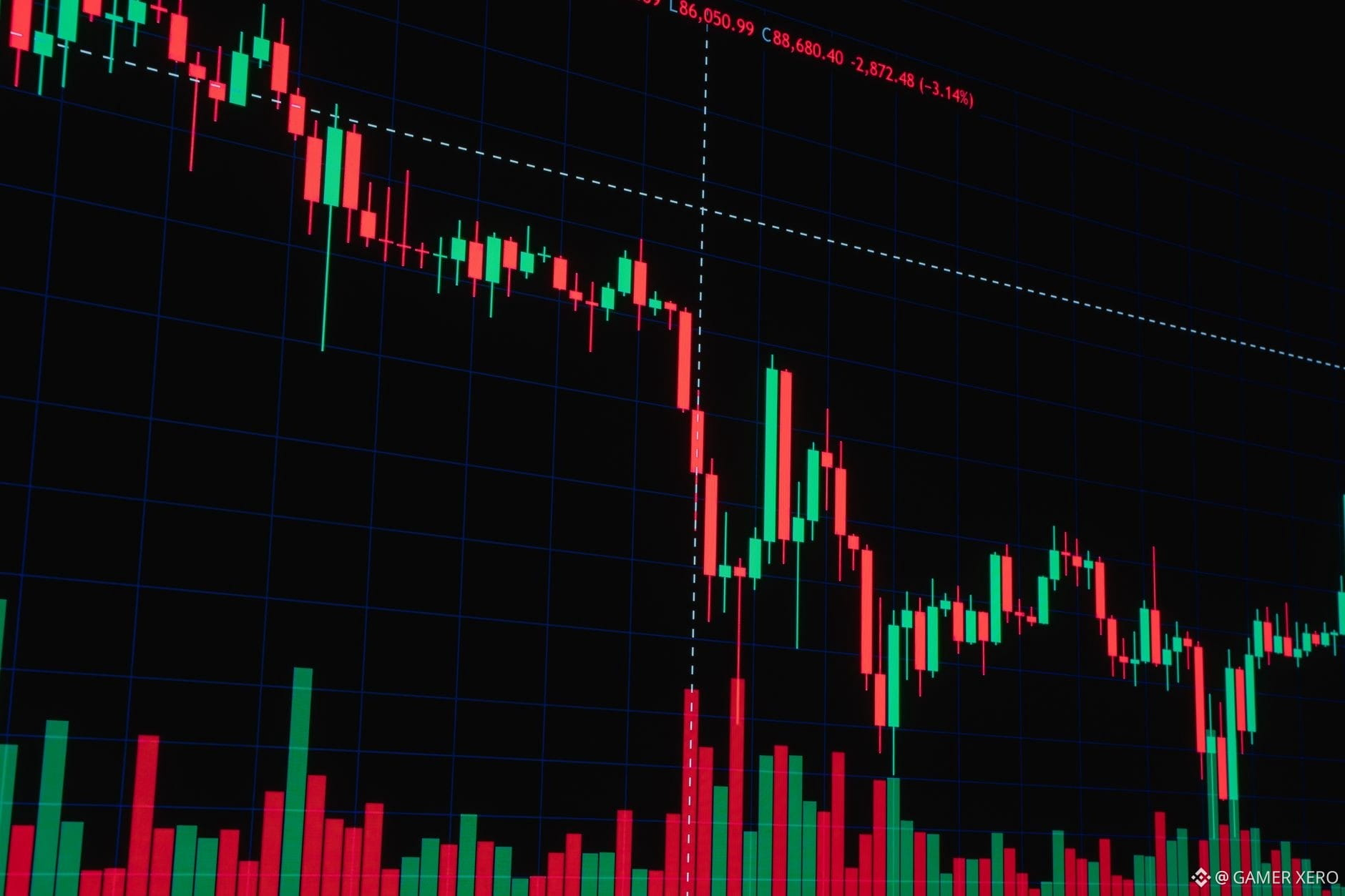
Seeing $BTC sit around $78,055 with a tight 24‑hour range, many traders wonder how to capture small moves without chasing market noise. A simple tool for that is the limit order – you set the price you’re willing to buy or sell, and the order sits on the book until the market reaches it. It removes the need to time the exact moment a candle hits your target and helps you stay disciplined.
Limit orders also keep you from over‑reacting to short‑term volatility; the order sits there, and you only act when price actually reaches your predefined level. Have you tried using limit orders to manage entry and exit points, and what spacing works best for you?
#CryptoEducation #BinanceTips #TradingBasics #GAMERXERO
27

Ever wonder why price charts look like a jagged mountain range instead of a smooth line? It’s all about spreads. Think of a used car lot. The seller wants $20k, the buyer offers $18k. They only deal if those prices meet. In crypto, the bid is what buyers pay, the ask is what sellers want. That tiny gap forces the price to zigzag every time a trade happens. It’s not a bug, it’s just how supply and demand shake hands.
Do you notice big spikes during lunch hours?
#tradingbasics $BTC 📈
Do you notice big spikes during lunch hours?
#tradingbasics $BTC 📈
116
·
--
When trading $BTC, order types are crucial. A market order executes immediately at the current level. A limit order executes when the level is at a specified number, for example 30000. Stop-limit orders combine a stop and limit, triggering when the level is sitting at a certain number. Trailing stops adjust automatically as the level moves. An OCO, or one cancels other, order allows two orders to be placed, with one cancelling the other if executed. For example, trading $ETH with an OCO order can help manage risk. Understanding these order types can help traders make informed decisions. Trading with $LTC requires a solid grasp of these concepts. #tradingbasics #order-types #cryptotrading
When trading $BTC , order types are crucial. A market order executes immediately at the current level. A limit order executes when the level is at a specified number, for example 30000. Stop-limit orders combine a stop and limit, triggering when the level is sitting at a certain number. Trailing stops adjust automatically as the level moves. An OCO, or one cancels other, order allows two orders to be placed, with one cancelling the other if executed. For example, trading $ETH with an OCO order can help manage risk. Understanding these order types can help traders make informed decisions. Trading with $LTC requires a solid grasp of these concepts. #tradingbasics #order-types #cryptotrading
87
·
--
The order book is where traders place bids and asks for $BTC. Bids are what buyers are willing to pay, while asks are what sellers are willing to accept. The difference between the best bid and ask is the spread. For example, if the best bid is sitting at 35000 and the best ask is at 35050, the spread is 50. Market depth refers to the total amount of bids and asks at each level. A deep market has many bids and asks, making it more stable. In a shallow market, there are fewer bids and asks, making it more volatile. Understanding order book mechanics is key to navigating markets like $ETH and $LTC. Trading with knowledge of bids, asks, and spread can help traders make informed decisions. #tradingbasics #orderbook #marketdepth
The order book is where traders place bids and asks for $BTC . Bids are what buyers are willing to pay, while asks are what sellers are willing to accept. The difference between the best bid and ask is the spread. For example, if the best bid is sitting at 35000 and the best ask is at 35050, the spread is 50. Market depth refers to the total amount of bids and asks at each level. A deep market has many bids and asks, making it more stable. In a shallow market, there are fewer bids and asks, making it more volatile. Understanding order book mechanics is key to navigating markets like $ETH and $LTC . Trading with knowledge of bids, asks, and spread can help traders make informed decisions. #tradingbasics #orderbook #marketdepth
83

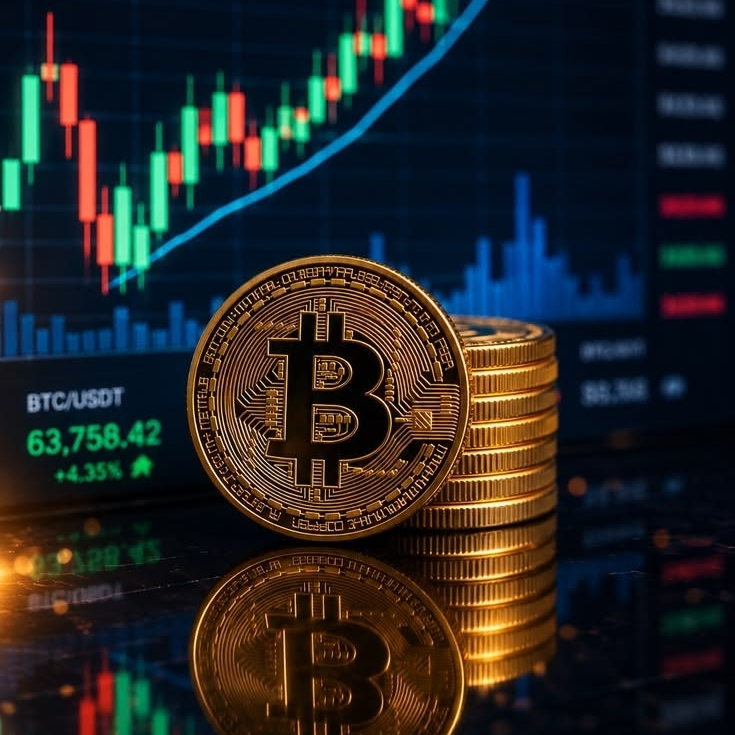
Market vs Limit order: which one to use? ⚖️
🟢 Market order – buys instantly at the current price. Fast, but in a volatile market you might pay more than expected.
🔵 Limit order – you set the price, and it fills only when the market reaches it. Slower, but you stay in control.
My rule: market when speed matters, limit when price matters.
Which do you use more? 👇
$BTC $BNB
#TradingBasics #CryptoForBeginners #BinanceSquare
102
·
--
You Saw the Price. You Placed the Trade. So Why Did You Pay More?
Here is a crypto concept every trader should understand: slippage.
Imagine a token is displayed at $1.00.
You place a market buy order, expecting to pay $1.00 per token. But your order executes at an average price of $1.03.
That difference is slippage.
Why can this happen?
🔹 Low liquidity: There may not be enough sellers at the displayed price.
🔹 Large orders: Your order may consume several price levels in the order book.
🔹 Fast markets: Prices can change between the moment you submit an order and when it executes.
Here is the important distinction:
Price impact is the effect your own order has on the market price. Slippage is the difference between the expected execution price and the actual execution price. They are related, but they are not identical.
Before trading, ask yourself three questions:
1. Is the market liquid enough for my order size?
2. Am I using a market order when a limit order would better suit my plan?
3. Have I checked the spread and estimated trading fees?
A limit order can help control the price you are willing to accept, but it may not execute at all.
Your turn: Have you ever received a worse execution price than expected? Was it caused by low liquidity, a fast-moving market, or a large order?
#cryptoeducation #tradingbasics #Liquidity #BinanceSquare
Educational content only. This is not a recommendation to buy or sell any asset.
$BTC $USDC $ETH

153

#OrderTypes #TradingBasics
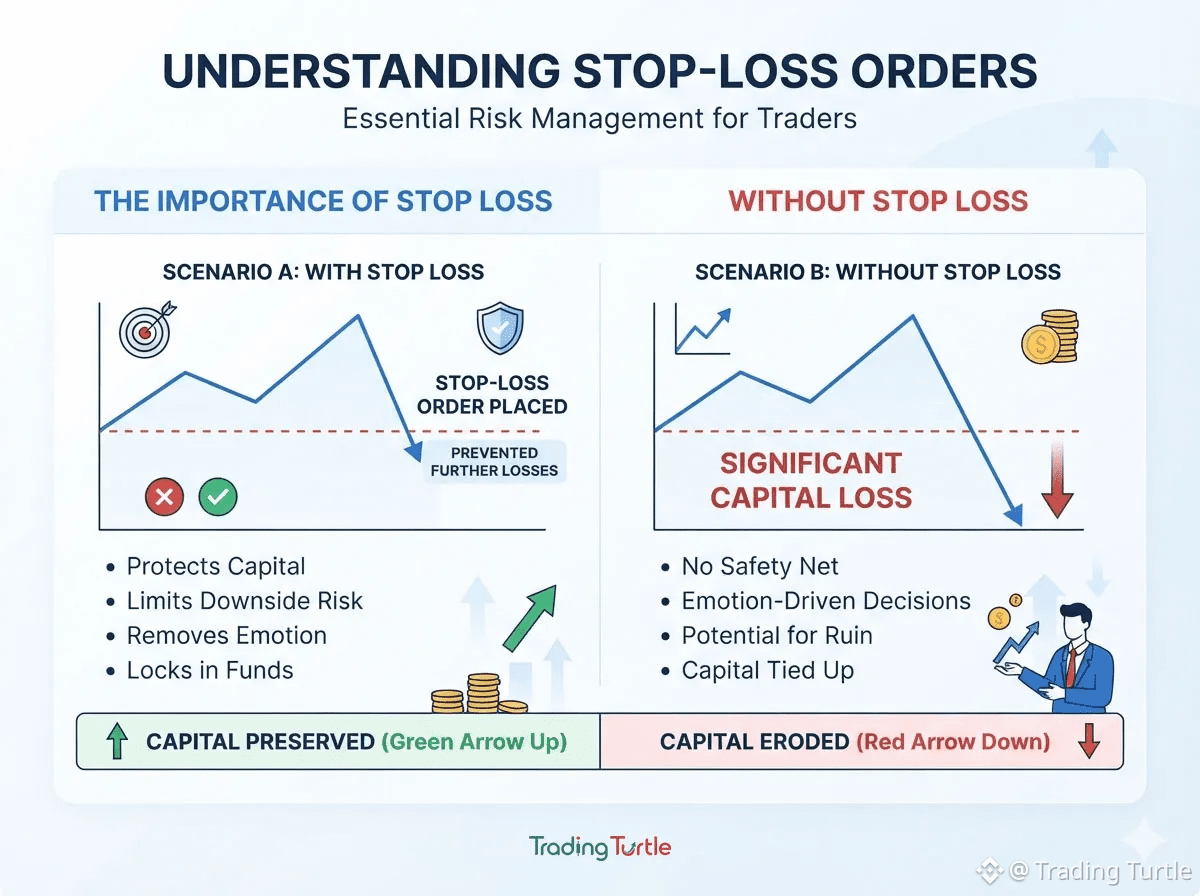
Displayed price: USD 100.
Market buy: seeks available offers; fill price can differ.
Buy limit at USD 100: sets a price ceiling; some or all of the order may remain unfilled.
Choose the instruction around the task.
You submit a buy limit at USD 100. Price briefly touches USD 100. Does the chart prove your entire order filled?
Answer: No. A price touch does not show the available quantity or your position in the order queue. Check the actual order status and fills.
Matching rules and time in force vary by venue. An order instruction does not predict direction.
89

·
--
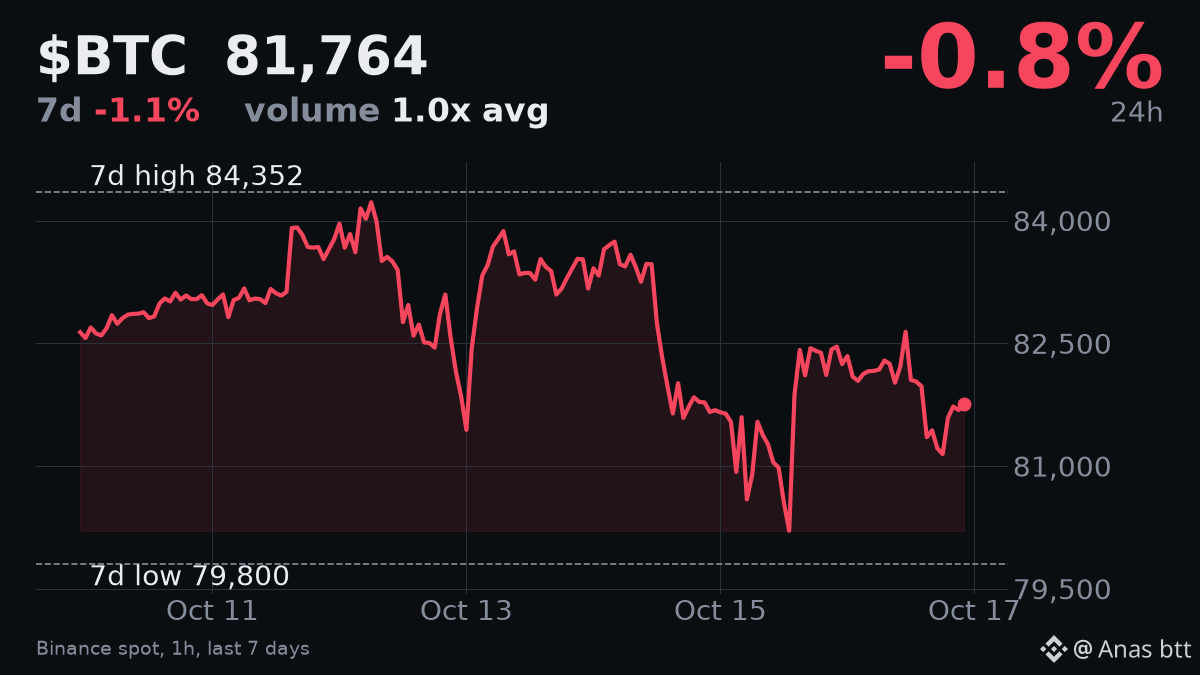
When $BTC is trading at $81,763, its 24-hour volume is $1.23 billion. This volume is 3.5% higher than its 7-day average. Volume shows how much an asset is traded.
When price makes a big move, especially breaking above a resistance level or to a new high, strong volume is important. High volume confirms that many traders are participating in the move, giving it more strength. If $BTC were to break past its 7-day high of $84,352 on low or average volume, it would be a warning sign. Such moves often fail because there is not enough conviction from buyers. Conversely, a price drop on very high volume can suggest strong selling pressure.
Always look for volume to confirm price action when key levels are tested. 📈
#VolumeAnalysis #TradingBasics
55

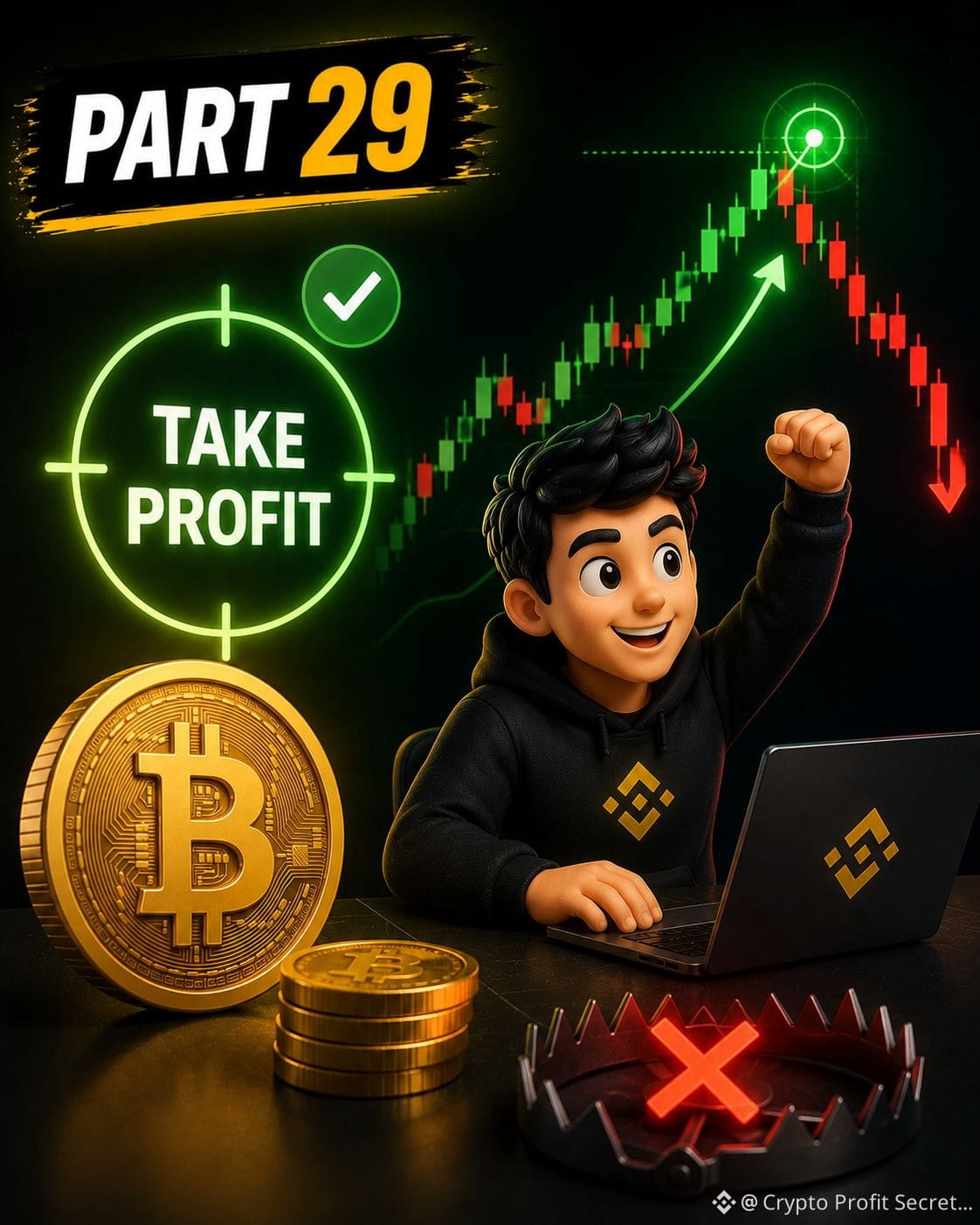
📚 Crypto Learning Series – Part 30
📰 News Dekho... Not Just Price
Many beginners trade by just looking at charts.
But news also has a big impact on the crypto market.
💡 ETF updates, regulations, partnerships, and economic events can change market trends.
📊 Check Before You Trade
✅ Any major crypto news?
✅ Is there an economic event today?
✅ Is the market sentiment positive or negative?
🧠 Simple Rule
Chart + News = Better Decision
🔑 Golden Rule
"Smart traders follow both charts and news."
#CryptoLearning #CryptoNews #BTC #BinanceSquare #TradingBasics $BTC
{spot}(BTCUSDT)
📚 Crypto Learning Series – Part 30
📰 News Dekho... Not Just Price
Many beginners trade by just looking at charts.
But news also has a big impact on the crypto market.
💡 ETF updates, regulations, partnerships, and economic events can change market trends.
📊 Check Before You Trade
✅ Any major crypto news?
✅ Is there an economic event today?
✅ Is the market sentiment positive or negative?
🧠 Simple Rule
Chart + News = Better Decision
🔑 Golden Rule
"Smart traders follow both charts and news."
#CryptoLearning #CryptoNews #BTC #BinanceSquare #TradingBasics $BTC

3
66
·
--
When the market’s moving sideways you’ll see a lot of “just hit the button” orders. Those are market orders – they guarantee you get filled, but the execution price can drift a few cents or even a few dollars when liquidity is thin. A limit order, on the other hand, lets you set the exact price you’re willing to trade at; if the market never reaches that level, the order simply stays open.
Try this on $BTC right now: the 24‑hour range is $63,880 – $65,025. If you want to buy a dip without chasing the current $64,825 price, place a limit buy at $64,200. Should the price pull back to that point, your order fills automatically, protecting you from a higher average entry. For a sell side, you could set a limit sell at $65,500 – a level just above today’s high – to capture upside without constantly watching the chart.
Using limits helps you control entry and exit points, reduces slippage, and keeps emotions in check. Have you tried setting a limit order this week, and how did it compare to a market order you placed?
#CryptoEducation #TradingBasics #LimitOrders #GAMERXERO
35
·
--
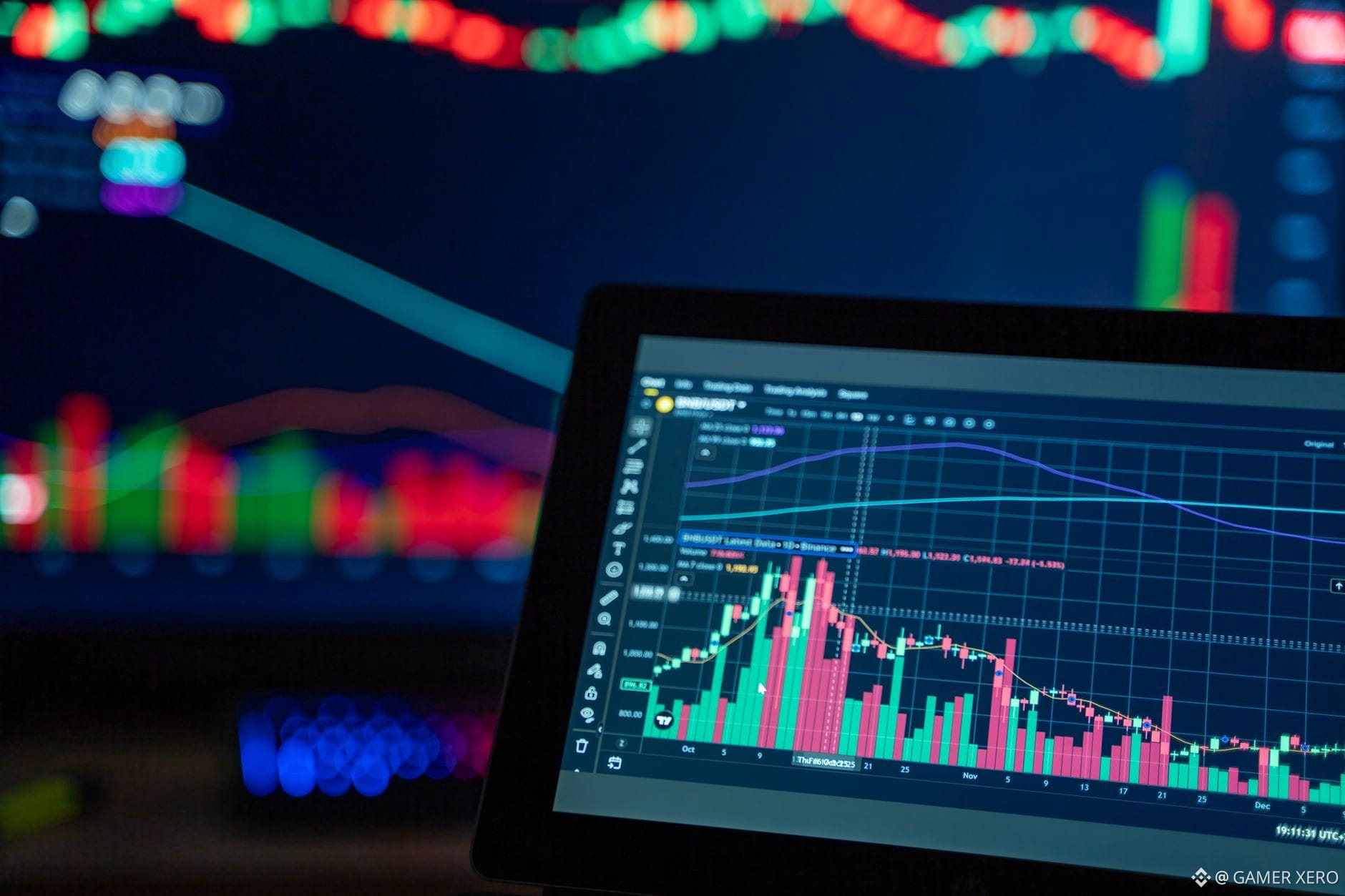
Seeing $BTC hug a $1,030‑wide 24 hour band around $64,490 on Binance? That tight range is perfect for a simple limit‑order exercise. A limit order lets you set the exact price you’re willing to trade, and the order sits in the book until the market reaches it. No need to watch the chart every second—your order does the waiting.
For a beginner, try this: on the current day $BTC’s low is $64,027 and the high is $65,059. Place a limit‑buy order a little above the low, say $64,100, with a modest amount you’re comfortable with. If price dips to that level, the order fills automatically; if it holds above, the order remains pending, protecting you from chasing a move. The same idea works on $ETH, whose 24 h range is $1,885‑$1,923. A limit‑sell at $1,920 could capture a small upside if the price climbs back toward the high.
Have you tried using limit orders in a narrow‑range market, and what results did you see?
#CryptoEducation #BinanceTips #TradingBasics #GAMERXERO
Seeing $BTC hug a $1,030‑wide 24 hour band around $64,490 on Binance? That tight range is perfect for a simple limit‑order exercise. A limit order lets you set the exact price you’re willing to trade, and the order sits in the book until the market reaches it. No need to watch the chart every second—your order does the waiting.
For a beginner, try this: on the current day $BTC ’s low is $64,027 and the high is $65,059. Place a limit‑buy order a little above the low, say $64,100, with a modest amount you’re comfortable with. If price dips to that level, the order fills automatically; if it holds above, the order remains pending, protecting you from chasing a move. The same idea works on $ETH , whose 24 h range is $1,885‑$1,923. A limit‑sell at $1,920 could capture a small upside if the price climbs back toward the high.
Have you tried using limit orders in a narrow‑range market, and what results did you see?
#CryptoEducation #BinanceTips #TradingBasics #GAMERXERO
110
Log in to explore more content
Join global crypto users on Binance Square
⚡️ Get latest and useful information about crypto.
💬 Trusted by the world’s largest crypto exchange.
👍 Discover real insights from verified creators.
Email / Phone number
Trending Topics
1
#CryptoSelloffTriggersMultipleWhaleLiquidations
232,923 views
2,039 Discussing
2
#HuangReportedlyConsidersReturnToNvidia
528 views
47 Discussing
3
#About64000BitcoinMiningMachinesReportedlyHijacked
182 views
33 Discussing
4
#USSpotXRPETFsSeeLargestWeeklyOutflowIn8Months
195,342 views
1,688 Discussing
5
#WillFOMCMinutesReinforceRateHikeExpectations?
69,016 views
853 Discussing
6
#BitcoinActiveSupplyInProfitDropsBelow45%
270,761 views
1,929 Discussing
7
#TONStrategyReports$23.97MQ3NetLoss
23,254 views
161 Discussing
8
#KavaSaysAbnormalActivityLimitedToKavaLend
179,679 views
1,101 Discussing
9
#WORPTLetsTouristsConvertCryptoToThaiBaht
71,416 views
462 Discussing
10
#WhoWillSucceedJensenHuangatNvidia?
396,480 views
2,233 Discussing