

#circletetherfreezebitgethackerwallet
circletetherfreezebitgethackerwallet
Hot
Latest

·
--
Bullish
#circletetherfreezebitgethackerwallet
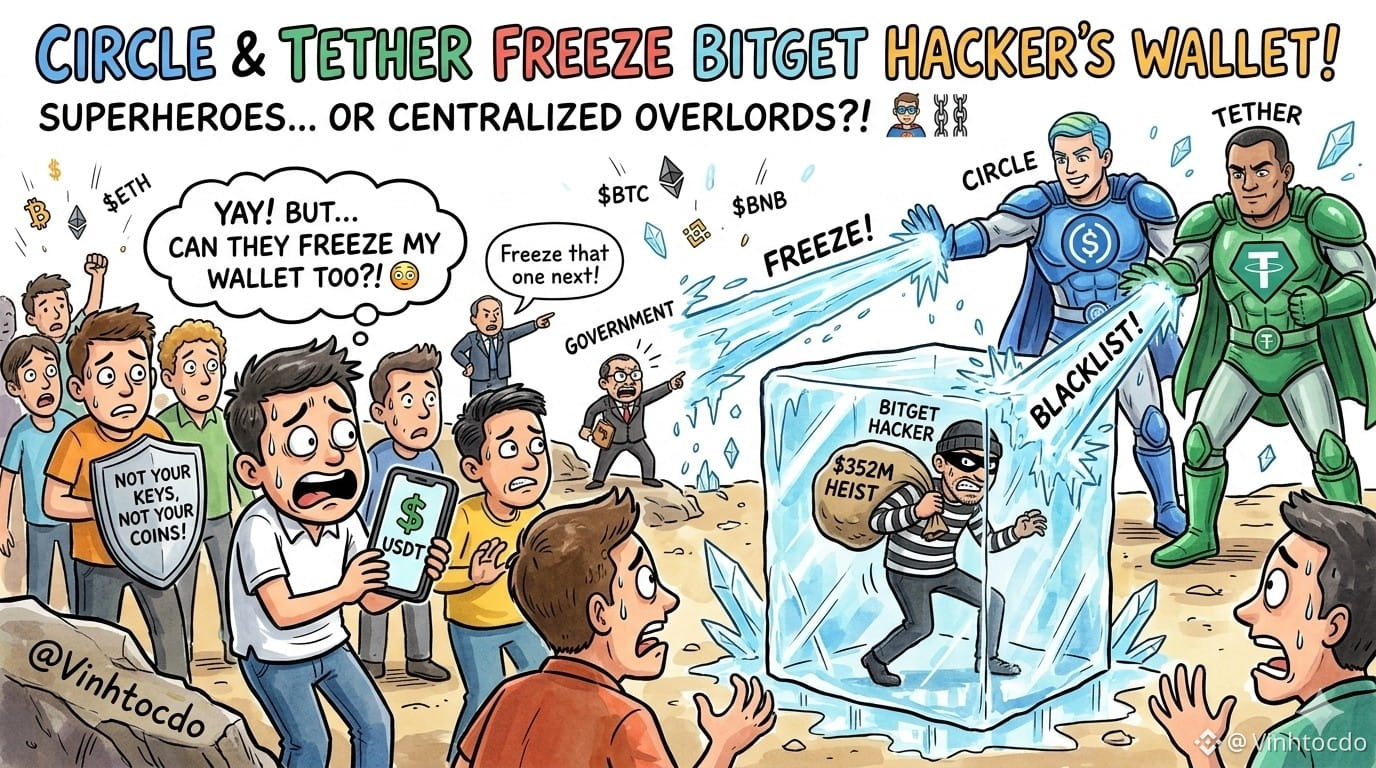
Circle & Tether froze the Bitget hacker’s wallet! Superheroes or Centralized Overlords? 🦸♂️⛓️
So, Circle and Tether just blacklisted the "Bitget Exploiter 8" wallet, freezing about $318,000 in stablecoins from the massive $352M heist. Catching the bad guys is awesome, right? 👏
But wait... this brings up a spooky question for everyday folks: If they can freeze a hacker's wallet with a snap of their fingers, what happens when a government orders them to freeze YOUR wallet next? 😳 The illusion of "decentralized" stablecoins is officially broken!
What should smart traders do? 🛠️
- Not your keys, not your coins: Don't hold massive stablecoin balances in one place forever.
- Diversify assets: Spread your capital into native crypto assets like BTC or ETH that no single CEO can just "freeze."
Disclaimer: This is personal opinion, not financial advice.
👇 Click and trade below to support me:
💰 $BNB
{future}(BNBUSDT)
| 💰 $BTC
{future}(BTCUSDT)
| 💰 $ETH
{future}(ETHUSDT)
📌 Referral Code: VINHTOCDO
🔗 Join Binance: [https://www.binance.com/register?ref=VINHTOCDO](https://www.binance.com/register?ref=VINHTOCDO)
#BitgetHack #Stablecoin #CryptoSecurity #VINHTOCDO #Tether #Circle
#circletetherfreezebitgethackerwallet
Circle & Tether froze the Bitget hacker’s wallet! Superheroes or Centralized Overlords? 🦸♂️⛓️
So, Circle and Tether just blacklisted the "Bitget Exploiter 8" wallet, freezing about $318,000 in stablecoins from the massive $352M heist. Catching the bad guys is awesome, right? 👏
But wait... this brings up a spooky question for everyday folks: If they can freeze a hacker's wallet with a snap of their fingers, what happens when a government orders them to freeze YOUR wallet next? 😳 The illusion of "decentralized" stablecoins is officially broken!
What should smart traders do? 🛠️
- Not your keys, not your coins: Don't hold massive stablecoin balances in one place forever.
- Diversify assets: Spread your capital into native crypto assets like BTC or ETH that no single CEO can just "freeze."
Disclaimer: This is personal opinion, not financial advice.
👇 Click and trade below to support me:
💰 $BNB
| 💰 $BTC
| 💰 $ETH
📌 Referral Code: VINHTOCDO
🔗 Join Binance: https://www.binance.com/register?ref=VINHTOCDO
#BitgetHack #Stablecoin #CryptoSecurity #VINHTOCDO #Tether #Circle
Circle & Tether froze the Bitget hacker’s wallet! Superheroes or Centralized Overlords? 🦸♂️⛓️
So, Circle and Tether just blacklisted the "Bitget Exploiter 8" wallet, freezing about $318,000 in stablecoins from the massive $352M heist. Catching the bad guys is awesome, right? 👏
But wait... this brings up a spooky question for everyday folks: If they can freeze a hacker's wallet with a snap of their fingers, what happens when a government orders them to freeze YOUR wallet next? 😳 The illusion of "decentralized" stablecoins is officially broken!
What should smart traders do? 🛠️
- Not your keys, not your coins: Don't hold massive stablecoin balances in one place forever.
- Diversify assets: Spread your capital into native crypto assets like BTC or ETH that no single CEO can just "freeze."
Disclaimer: This is personal opinion, not financial advice.
👇 Click and trade below to support me:
💰 $BNB
| 💰 $BTC
| 💰 $ETH
📌 Referral Code: VINHTOCDO
🔗 Join Binance: https://www.binance.com/register?ref=VINHTOCDO
#BitgetHack #Stablecoin #CryptoSecurity #VINHTOCDO #Tether #Circle
3
642

·
--
#circletetherfreezebitgethackerwallet
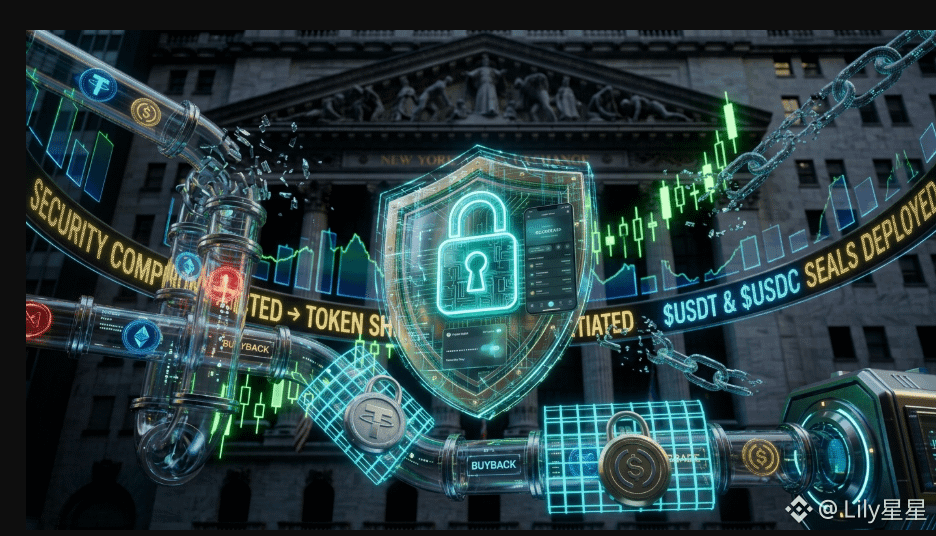
🔒 On-Chain Defense: Stablecoin Issuers Freeze Stolen Funds Following Recent Bitget Exploit 🚨
🚨 What Happened?
Following a massive security exploit on global crypto exchange Bitget totaling an estimated $351M to $387M in stolen assets, top stablecoin issuers Circle and Tether acted rapidly to blacklist linked hacker addresses.
The primary targeted wallet, labeled on Etherscan as Bitget Exploiter 8, was blacklisted to immobilize roughly $318,000 in USDC and USDT.
🔑 Key Takeaways & Incident Details
Collaborative Industry Response: Circle and Tether executed a swift joint freeze. Circle blacklisted the hacker address on Ethereum, and Tether banned the wallet shortly after to lock down dollar-pegged assets.
Attack Method Identified: Bitget CEO Gracy Chen confirmed that attackers compromised a backend infrastructure system and spoofed transaction data. It was not a private key leak or a breach of the exchange's cold storage.
User Protection Fund Covers Loss: Bitget assured users that its $464M+ User Protection Fund completely covers all stolen assets. Temporary withdrawal pauses were initiated strictly as a security precaution.
The Limits of Centralized Freezes: While stablecoin issuers can freeze USDT and USDC on EVM chains, hackers quickly swapped the bulk of stolen funds into Non-Freezable assets (like Ether), highlighting both the power and boundaries of centralized Web3 security interventions.
💡 Why It Matters for Traders
Centralization vs. Censorship Resistance: The rapid freezing of stablecoins demonstrates how major issuers safeguard the ecosystem, though it serves as a reminder that pegged stablecoins can be controlled at the smart contract level.
Laundering Bottlenecks: Blacklisting malicious wallets limits cross-chain bridge routes, forcing hackers into traced, illiquid paths monitored by security analysts.
How do you feel about stablecoin issuers having the power to freeze funds? Drop your thoughts below! 👇
#CircleMints500MUSDCOnSolana #Bitget #CryptoSecurity
#circletetherfreezebitgethackerwallet
🔒 On-Chain Defense: Stablecoin Issuers Freeze Stolen Funds Following Recent Bitget Exploit 🚨
🚨 What Happened?
Following a massive security exploit on global crypto exchange Bitget totaling an estimated $351M to $387M in stolen assets, top stablecoin issuers Circle and Tether acted rapidly to blacklist linked hacker addresses.
The primary targeted wallet, labeled on Etherscan as Bitget Exploiter 8, was blacklisted to immobilize roughly $318,000 in USDC and USDT.
🔑 Key Takeaways & Incident Details
Collaborative Industry Response: Circle and Tether executed a swift joint freeze. Circle blacklisted the hacker address on Ethereum, and Tether banned the wallet shortly after to lock down dollar-pegged assets.
Attack Method Identified: Bitget CEO Gracy Chen confirmed that attackers compromised a backend infrastructure system and spoofed transaction data. It was not a private key leak or a breach of the exchange's cold storage.
User Protection Fund Covers Loss: Bitget assured users that its $464M+ User Protection Fund completely covers all stolen assets. Temporary withdrawal pauses were initiated strictly as a security precaution.
The Limits of Centralized Freezes: While stablecoin issuers can freeze USDT and USDC on EVM chains, hackers quickly swapped the bulk of stolen funds into Non-Freezable assets (like Ether), highlighting both the power and boundaries of centralized Web3 security interventions.
💡 Why It Matters for Traders
Centralization vs. Censorship Resistance: The rapid freezing of stablecoins demonstrates how major issuers safeguard the ecosystem, though it serves as a reminder that pegged stablecoins can be controlled at the smart contract level.
Laundering Bottlenecks: Blacklisting malicious wallets limits cross-chain bridge routes, forcing hackers into traced, illiquid paths monitored by security analysts.
How do you feel about stablecoin issuers having the power to freeze funds? Drop your thoughts below! 👇
#CircleMints500MUSDCOnSolana #Bitget #CryptoSecurity
🔒 On-Chain Defense: Stablecoin Issuers Freeze Stolen Funds Following Recent Bitget Exploit 🚨
🚨 What Happened?
Following a massive security exploit on global crypto exchange Bitget totaling an estimated $351M to $387M in stolen assets, top stablecoin issuers Circle and Tether acted rapidly to blacklist linked hacker addresses.
The primary targeted wallet, labeled on Etherscan as Bitget Exploiter 8, was blacklisted to immobilize roughly $318,000 in USDC and USDT.
🔑 Key Takeaways & Incident Details
Collaborative Industry Response: Circle and Tether executed a swift joint freeze. Circle blacklisted the hacker address on Ethereum, and Tether banned the wallet shortly after to lock down dollar-pegged assets.
Attack Method Identified: Bitget CEO Gracy Chen confirmed that attackers compromised a backend infrastructure system and spoofed transaction data. It was not a private key leak or a breach of the exchange's cold storage.
User Protection Fund Covers Loss: Bitget assured users that its $464M+ User Protection Fund completely covers all stolen assets. Temporary withdrawal pauses were initiated strictly as a security precaution.
The Limits of Centralized Freezes: While stablecoin issuers can freeze USDT and USDC on EVM chains, hackers quickly swapped the bulk of stolen funds into Non-Freezable assets (like Ether), highlighting both the power and boundaries of centralized Web3 security interventions.
💡 Why It Matters for Traders
Centralization vs. Censorship Resistance: The rapid freezing of stablecoins demonstrates how major issuers safeguard the ecosystem, though it serves as a reminder that pegged stablecoins can be controlled at the smart contract level.
Laundering Bottlenecks: Blacklisting malicious wallets limits cross-chain bridge routes, forcing hackers into traced, illiquid paths monitored by security analysts.
How do you feel about stablecoin issuers having the power to freeze funds? Drop your thoughts below! 👇
#CircleMints500MUSDCOnSolana #Bitget #CryptoSecurity
1
35

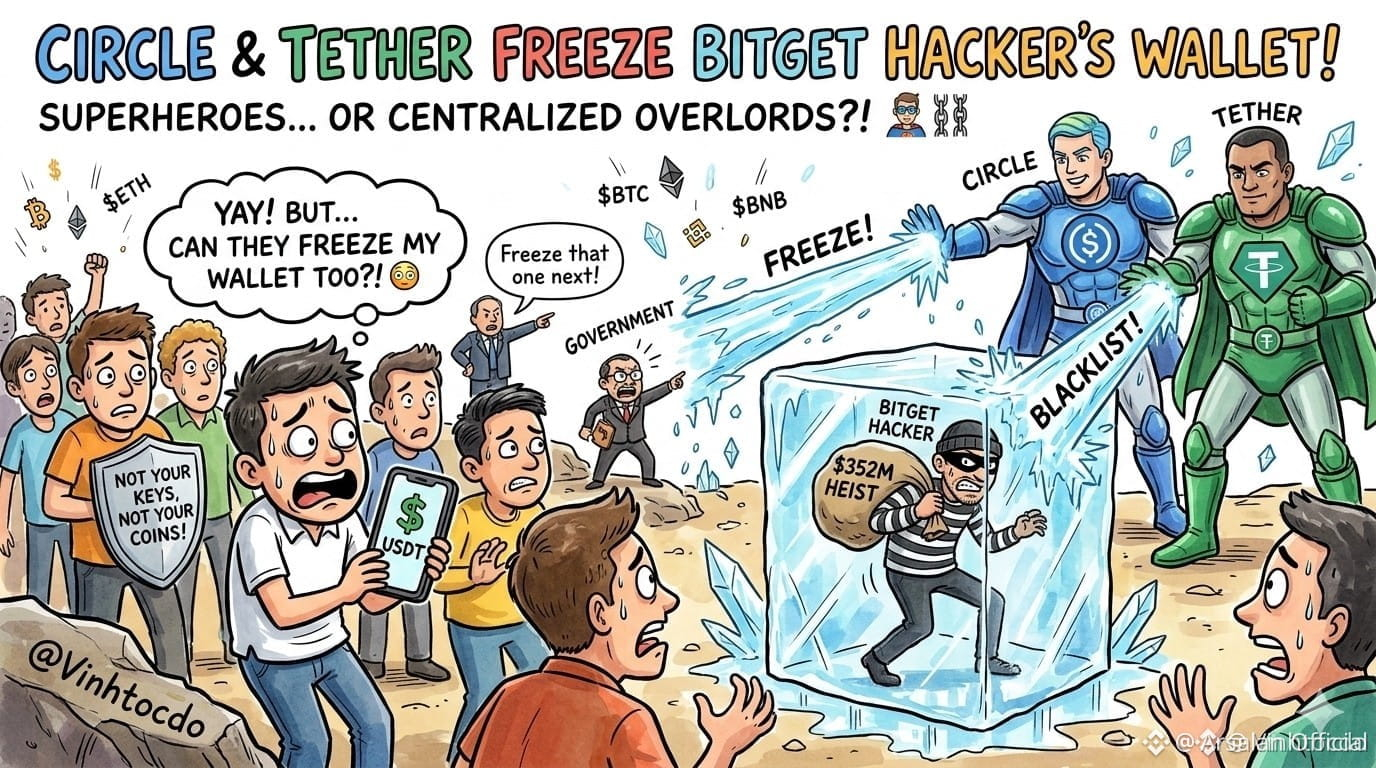
#CircleTetherFreezeBitgetHackerWallet Circle and Tether have frozen roughly $318,000 in USDC and USDT from a wallet linked to the recent $351.6M Bitget hack.
The freeze affects only a small portion of the stolen funds. More than 63,000 ETH reportedly remains in other exploiter-linked wallets, where stablecoin issuers cannot directly freeze the assets.
#Circle #Tether #USDC #USDT $USDC
{spot}(USDCUSDT)
$USDT $ETH
{spot}(ETHUSDT)
#CircleTetherFreezeBitgetHackerWallet Circle and Tether have frozen roughly $318,000 in USDC and USDT from a wallet linked to the recent $351.6M Bitget hack.
The freeze affects only a small portion of the stolen funds. More than 63,000 ETH reportedly remains in other exploiter-linked wallets, where stablecoin issuers cannot directly freeze the assets.
#Circle #Tether #USDC #USDT $USDC
$USDT $ETH
The freeze affects only a small portion of the stolen funds. More than 63,000 ETH reportedly remains in other exploiter-linked wallets, where stablecoin issuers cannot directly freeze the assets.
#Circle #Tether #USDC #USDT $USDC
$USDT $ETH
1
34

$USDT $USDC Bitget Hack Shows the Stablecoin Trade-OffCircle & Tether just froze about $318K in USDC + USDT linked to the Bitget exploit. 🔐
But here’s the bigger story:
💰 $318K frozen
⛓️ 63K+ ETH still outside issuer control
🏦 Stablecoin issuers can blacklist their own tokens
🔐 ETH itself cannot be frozen by Circle or Tether
Bitget says the $351.6M breach came through its backend wallet infrastructure, while private keys and cold wallets remained secure.
This shows the trade-off clearly:
Stablecoins = speed + stability + issuer-level controls.
Native assets like $ETH = no central issuer with a freeze button.
For me, the lesson is simple:
Know what you hold — and who can control it.
#circletetherfreezebitgethackerwallet #BitgetHack #Stablecoin #CryptoSecurity #USDT #USDC #ETH #Ethereum #Crypto #BinanceSquare
{spot}(BNBUSDT)
{spot}(ETHUSDT)
$USDT $USDC Bitget Hack Shows the Stablecoin Trade-Off
Circle & Tether just froze about $318K in USDC + USDT linked to the Bitget exploit. 🔐
But here’s the bigger story:
💰 $318K frozen
⛓️ 63K+ ETH still outside issuer control
🏦 Stablecoin issuers can blacklist their own tokens
🔐 ETH itself cannot be frozen by Circle or Tether
Bitget says the $351.6M breach came through its backend wallet infrastructure, while private keys and cold wallets remained secure.
This shows the trade-off clearly:
Stablecoins = speed + stability + issuer-level controls.
Native assets like $ETH = no central issuer with a freeze button.
For me, the lesson is simple:
Know what you hold — and who can control it.
#circletetherfreezebitgethackerwallet #BitgetHack #Stablecoin #CryptoSecurity #USDT #USDC #ETH #Ethereum #Crypto #BinanceSquare
But here’s the bigger story:
💰 $318K frozen
⛓️ 63K+ ETH still outside issuer control
🏦 Stablecoin issuers can blacklist their own tokens
🔐 ETH itself cannot be frozen by Circle or Tether
Bitget says the $351.6M breach came through its backend wallet infrastructure, while private keys and cold wallets remained secure.
This shows the trade-off clearly:
Stablecoins = speed + stability + issuer-level controls.
Native assets like $ETH = no central issuer with a freeze button.
For me, the lesson is simple:
Know what you hold — and who can control it.
#circletetherfreezebitgethackerwallet #BitgetHack #Stablecoin #CryptoSecurity #USDT #USDC #ETH #Ethereum #Crypto #BinanceSquare
206 Atlas:
Freezing $318K is a drop in the bucket. The real risk isn't issuer control, it's smart contract vulnerabilities that bypass those central safeguards entirely.
1
636

·
--
Bitget-related stablecoins frozen in a case|About $318,000 not all losses recovered|BTC at $83,900—I won’t chase “safe narrative” hype
My stance is to first manage exchange and liquidity risks. I don’t interpret “freezing the hacker’s wallets” as all stolen assets being fully recovered, nor do I immediately go long just because Bitcoin doesn’t have an issuer freeze button. Binance’s Plaza hot list is discussing #CircleTetherFreezeBitgetHackerWallet. In its official update, Bitget confirmed that some affected funds were frozen through industry coordination and that it has already launched tracking and a bounty; “freezing” and the final return of assets to users are still two different things. Citing CoinDesk and on-chain data, Binance News said that an address labeled “Bitget Exploiter 8” has about $218,000 USDT and about $100,000 USDC restricted, totaling about $318,000. This amount is only a small fraction of the many hundreds of millions (or more) in implicated funds. The address attribution and the asset status of other addresses still require further verification—so you can’t extrapolate one address’s result to conclude the whole case is closed.
The impact of this matter on BTC’s mechanics is more complicated than a slogan saying “bullish for prices.” Stablecoins like USDC and USDT, which are managed by centralized issuers, can have restrictions applied at the level of specific addresses—helping block some of the illicit proceeds and also reminding investors that their settlement usability depends on the issuer’s rules. Native BTC has no comparable “blacklist switch” by an issuer, but that doesn’t mean BTC held on centralized platforms can always be withdrawn immediately either. Platform account permissions, hot-wallet security, withdrawal systems, and legal coordination are all another layer of risk. What I care about is whether withdrawals across platforms have resumed, whether market makers’ quotes are normal, and whether there’s a persistent price gap between stablecoins and fiat channels—rather than mixing up self-custody and exchange custody.
The market signals so far have been fairly restrained. At the time of writing, Kraken’s BTC/USD is around $83,927, with 24h high $85,247 and low $83,164, slightly below the 24h open of $84,091. This price action can’t prove that freezing news pushed BTC higher, and it can’t attribute the entire day’s fluctuation to Bitget. It only suggests the price is temporarily in the middle of its range. My key levels are the lows around $83,164 and the highs around $85,247: if it rises above the latter and the pullback holds, then short-term risk appetite can be considered improved; if it breaks below the former, the “wait for stabilization” judgment fails. If the authorities publish new withdrawal arrangements, independent on-chain tracking results, or revisions to the implicated amount, the event assessment must be updated accordingly.
If I were trading, I wouldn’t participate. My only plan is a fallback to confirm before taking a long position in BTC spot. I would only enter with 0.5% of total funds if (1) Bitget’s official confirmation verifies that withdrawals are restored and usable at the account level, and (2) BTC prints two consecutive 15-minute K-lines closing above $85,250 and the pullback doesn’t break $85,000. First target is $86,500; upon reaching it, I’d cut half, and the remainder would look toward $87,800. After entry, if it falls back to $84,500, I’d cut the position. If platform withdrawal anomalies reappear or the stablecoin–fiat price gap suddenly expands, I’d close immediately without waiting for the price stop-loss to trigger. If it drops below $83,160 first, this long setup is canceled—I won’t buy the dip or add leverage. Since the plan hasn’t been triggered, I haven’t written it as executed trades or profit.
Source: Bitget official security update; Binance News and CoinDesk on-chain verification; Kraken BTC/USD public quotes.#CircleTetherFreezeBitgetHackerWallet #BTC
The above is for personal market observations only and does not constitute investment advice.
Bitget-related stablecoins frozen in a case|About $318,000 not all losses recovered|BTC at $83,900—I won’t chase “safe narrative” hype
My stance is to first manage exchange and liquidity risks. I don’t interpret “freezing the hacker’s wallets” as all stolen assets being fully recovered, nor do I immediately go long just because Bitcoin doesn’t have an issuer freeze button. Binance’s Plaza hot list is discussing #CircleTetherFreezeBitgetHackerWallet. In its official update, Bitget confirmed that some affected funds were frozen through industry coordination and that it has already launched tracking and a bounty; “freezing” and the final return of assets to users are still two different things. Citing CoinDesk and on-chain data, Binance News said that an address labeled “Bitget Exploiter 8” has about $218,000 USDT and about $100,000 USDC restricted, totaling about $318,000. This amount is only a small fraction of the many hundreds of millions (or more) in implicated funds. The address attribution and the asset status of other addresses still require further verification—so you can’t extrapolate one address’s result to conclude the whole case is closed.
The impact of this matter on BTC’s mechanics is more complicated than a slogan saying “bullish for prices.” Stablecoins like USDC and USDT, which are managed by centralized issuers, can have restrictions applied at the level of specific addresses—helping block some of the illicit proceeds and also reminding investors that their settlement usability depends on the issuer’s rules. Native BTC has no comparable “blacklist switch” by an issuer, but that doesn’t mean BTC held on centralized platforms can always be withdrawn immediately either. Platform account permissions, hot-wallet security, withdrawal systems, and legal coordination are all another layer of risk. What I care about is whether withdrawals across platforms have resumed, whether market makers’ quotes are normal, and whether there’s a persistent price gap between stablecoins and fiat channels—rather than mixing up self-custody and exchange custody.
The market signals so far have been fairly restrained. At the time of writing, Kraken’s BTC/USD is around $83,927, with 24h high $85,247 and low $83,164, slightly below the 24h open of $84,091. This price action can’t prove that freezing news pushed BTC higher, and it can’t attribute the entire day’s fluctuation to Bitget. It only suggests the price is temporarily in the middle of its range. My key levels are the lows around $83,164 and the highs around $85,247: if it rises above the latter and the pullback holds, then short-term risk appetite can be considered improved; if it breaks below the former, the “wait for stabilization” judgment fails. If the authorities publish new withdrawal arrangements, independent on-chain tracking results, or revisions to the implicated amount, the event assessment must be updated accordingly.
If I were trading, I wouldn’t participate. My only plan is a fallback to confirm before taking a long position in BTC spot. I would only enter with 0.5% of total funds if (1) Bitget’s official confirmation verifies that withdrawals are restored and usable at the account level, and (2) BTC prints two consecutive 15-minute K-lines closing above $85,250 and the pullback doesn’t break $85,000. First target is $86,500; upon reaching it, I’d cut half, and the remainder would look toward $87,800. After entry, if it falls back to $84,500, I’d cut the position. If platform withdrawal anomalies reappear or the stablecoin–fiat price gap suddenly expands, I’d close immediately without waiting for the price stop-loss to trigger. If it drops below $83,160 first, this long setup is canceled—I won’t buy the dip or add leverage. Since the plan hasn’t been triggered, I haven’t written it as executed trades or profit.
Source: Bitget official security update; Binance News and CoinDesk on-chain verification; Kraken BTC/USD public quotes.#CircleTetherFreezeBitgetHackerWallet #BTC
The above is for personal market observations only and does not constitute investment advice.
My stance is to first manage exchange and liquidity risks. I don’t interpret “freezing the hacker’s wallets” as all stolen assets being fully recovered, nor do I immediately go long just because Bitcoin doesn’t have an issuer freeze button. Binance’s Plaza hot list is discussing #CircleTetherFreezeBitgetHackerWallet. In its official update, Bitget confirmed that some affected funds were frozen through industry coordination and that it has already launched tracking and a bounty; “freezing” and the final return of assets to users are still two different things. Citing CoinDesk and on-chain data, Binance News said that an address labeled “Bitget Exploiter 8” has about $218,000 USDT and about $100,000 USDC restricted, totaling about $318,000. This amount is only a small fraction of the many hundreds of millions (or more) in implicated funds. The address attribution and the asset status of other addresses still require further verification—so you can’t extrapolate one address’s result to conclude the whole case is closed.
The impact of this matter on BTC’s mechanics is more complicated than a slogan saying “bullish for prices.” Stablecoins like USDC and USDT, which are managed by centralized issuers, can have restrictions applied at the level of specific addresses—helping block some of the illicit proceeds and also reminding investors that their settlement usability depends on the issuer’s rules. Native BTC has no comparable “blacklist switch” by an issuer, but that doesn’t mean BTC held on centralized platforms can always be withdrawn immediately either. Platform account permissions, hot-wallet security, withdrawal systems, and legal coordination are all another layer of risk. What I care about is whether withdrawals across platforms have resumed, whether market makers’ quotes are normal, and whether there’s a persistent price gap between stablecoins and fiat channels—rather than mixing up self-custody and exchange custody.
The market signals so far have been fairly restrained. At the time of writing, Kraken’s BTC/USD is around $83,927, with 24h high $85,247 and low $83,164, slightly below the 24h open of $84,091. This price action can’t prove that freezing news pushed BTC higher, and it can’t attribute the entire day’s fluctuation to Bitget. It only suggests the price is temporarily in the middle of its range. My key levels are the lows around $83,164 and the highs around $85,247: if it rises above the latter and the pullback holds, then short-term risk appetite can be considered improved; if it breaks below the former, the “wait for stabilization” judgment fails. If the authorities publish new withdrawal arrangements, independent on-chain tracking results, or revisions to the implicated amount, the event assessment must be updated accordingly.
If I were trading, I wouldn’t participate. My only plan is a fallback to confirm before taking a long position in BTC spot. I would only enter with 0.5% of total funds if (1) Bitget’s official confirmation verifies that withdrawals are restored and usable at the account level, and (2) BTC prints two consecutive 15-minute K-lines closing above $85,250 and the pullback doesn’t break $85,000. First target is $86,500; upon reaching it, I’d cut half, and the remainder would look toward $87,800. After entry, if it falls back to $84,500, I’d cut the position. If platform withdrawal anomalies reappear or the stablecoin–fiat price gap suddenly expands, I’d close immediately without waiting for the price stop-loss to trigger. If it drops below $83,160 first, this long setup is canceled—I won’t buy the dip or add leverage. Since the plan hasn’t been triggered, I haven’t written it as executed trades or profit.
Source: Bitget official security update; Binance News and CoinDesk on-chain verification; Kraken BTC/USD public quotes.#CircleTetherFreezeBitgetHackerWallet #BTC
The above is for personal market observations only and does not constitute investment advice.

26

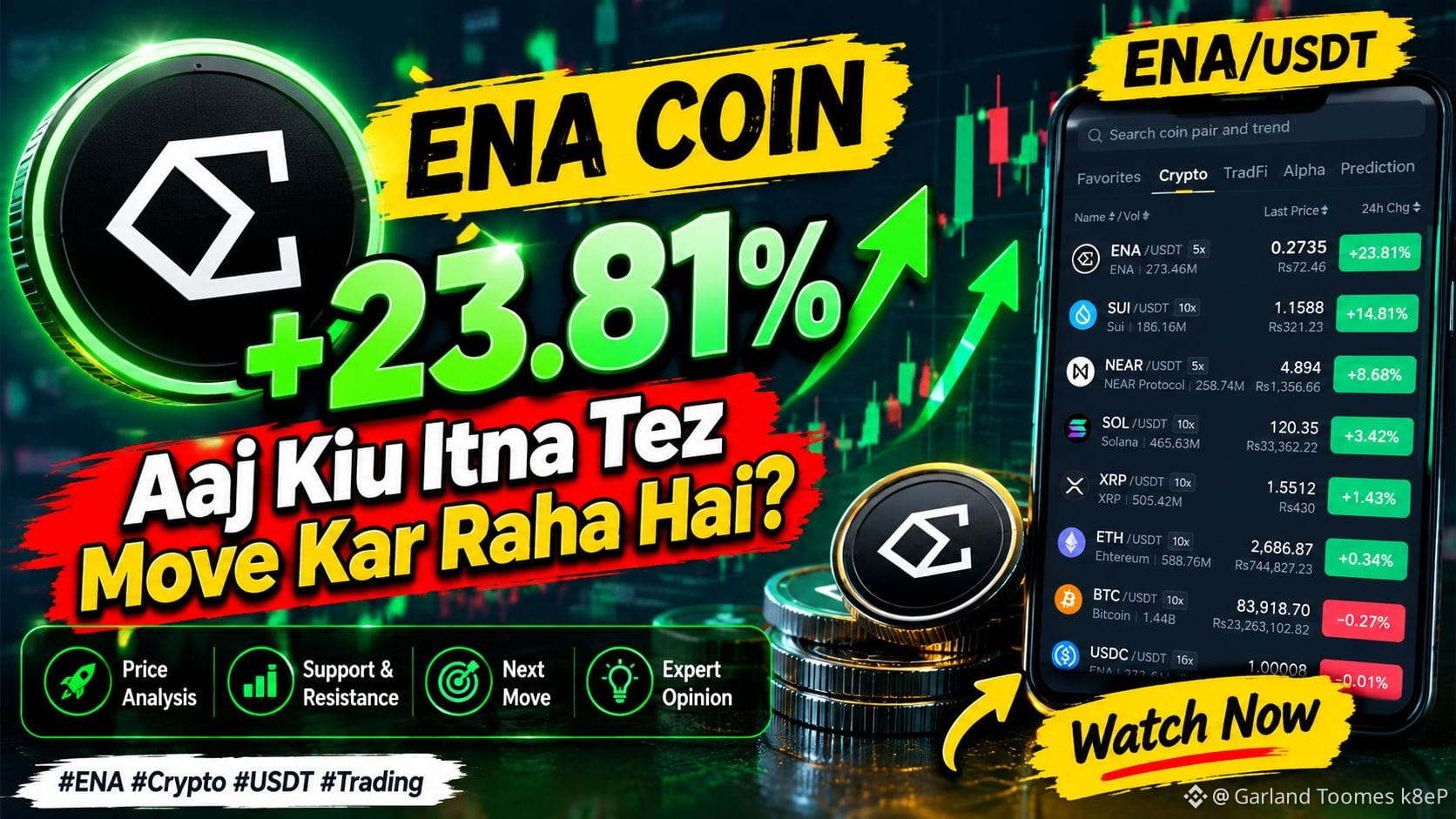
$ENA 🚀 ENA Coin +23.81%! Why Is ENA Moving So Fast Today? | ENA/USDT Analysis
📈 ENA is showing strong momentum with a +23.81% 24-hour move. In this post, we look at the ENA/USDT trend, key support and resistance levels, and what traders should watch next.
#PolymarketBankFailureBetsDrawFDICConcern #QNTRises39% #CircleTetherFreezeBitgetHackerWallet #StrategyProposesDailyDividendsForPreferreds
{spot}(ENAUSDT)
$ENA 🚀 ENA Coin +23.81%! Why Is ENA Moving So Fast Today? | ENA/USDT Analysis
📈 ENA is showing strong momentum with a +23.81% 24-hour move. In this post, we look at the ENA/USDT trend, key support and resistance levels, and what traders should watch next.
#PolymarketBankFailureBetsDrawFDICConcern #QNTRises39% #CircleTetherFreezeBitgetHackerWallet #StrategyProposesDailyDividendsForPreferreds
📈 ENA is showing strong momentum with a +23.81% 24-hour move. In this post, we look at the ENA/USDT trend, key support and resistance levels, and what traders should watch next.
#PolymarketBankFailureBetsDrawFDICConcern #QNTRises39% #CircleTetherFreezeBitgetHackerWallet #StrategyProposesDailyDividendsForPreferreds
humkash:
Please Follow me. I Followed you back. Please like my post.
3
1
266

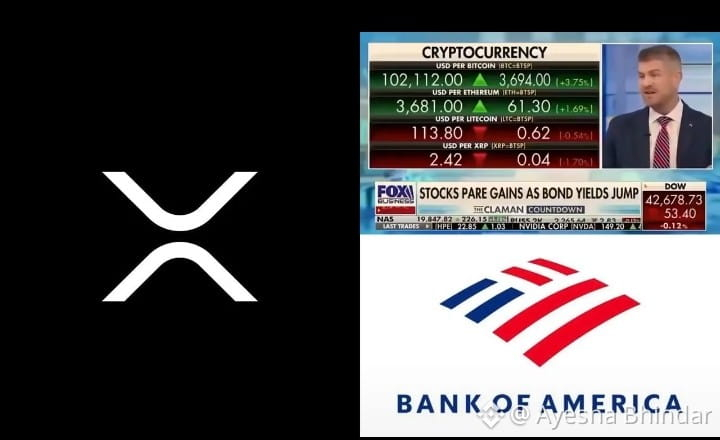
🚨 Former Goldman Sachs analyst was asked whether $XRP will rise gradually or SKYROCKET ALL AT ONCE.
His answer:
“THE ANSWER IS SKY ROCKET AT ONCE.”
$ZEC $BTC
#BlackRockBuildsTokenizedPortfoliosForOndo #BitwiseFilesToListNEARETFOnNYSEArca #SECCommissionerPeirceToLeaveOct2 #QNTRises39% #CircleTetherFreezeBitgetHackerWallet
🚨 Former Goldman Sachs analyst was asked whether $XRP will rise gradually or SKYROCKET ALL AT ONCE.
His answer:
“THE ANSWER IS SKY ROCKET AT ONCE.”
$ZEC $BTC
#BlackRockBuildsTokenizedPortfoliosForOndo #BitwiseFilesToListNEARETFOnNYSEArca #SECCommissionerPeirceToLeaveOct2 #QNTRises39% #CircleTetherFreezeBitgetHackerWallet
His answer:
“THE ANSWER IS SKY ROCKET AT ONCE.”
$ZEC $BTC
#BlackRockBuildsTokenizedPortfoliosForOndo #BitwiseFilesToListNEARETFOnNYSEArca #SECCommissionerPeirceToLeaveOct2 #QNTRises39% #CircleTetherFreezeBitgetHackerWallet
3
162

Magic Eden Investigates Potential Exploit: NFT marketplace Magic Eden responded to reports of an exploit after thousands of NFTs were observed moving on-chain for 0 ETH, raising immediate security concerns across the NFT ecosystem
#BlackRockBuildsTokenizedPortfoliosForOndo #SECCommissionerPeirceToLeaveOct2 #CircleTetherFreezeBitgetHackerWallet
Magic Eden Investigates Potential Exploit: NFT marketplace Magic Eden responded to reports of an exploit after thousands of NFTs were observed moving on-chain for 0 ETH, raising immediate security concerns across the NFT ecosystem
#BlackRockBuildsTokenizedPortfoliosForOndo #SECCommissionerPeirceToLeaveOct2 #CircleTetherFreezeBitgetHackerWallet
#BlackRockBuildsTokenizedPortfoliosForOndo #SECCommissionerPeirceToLeaveOct2 #CircleTetherFreezeBitgetHackerWallet
1
47


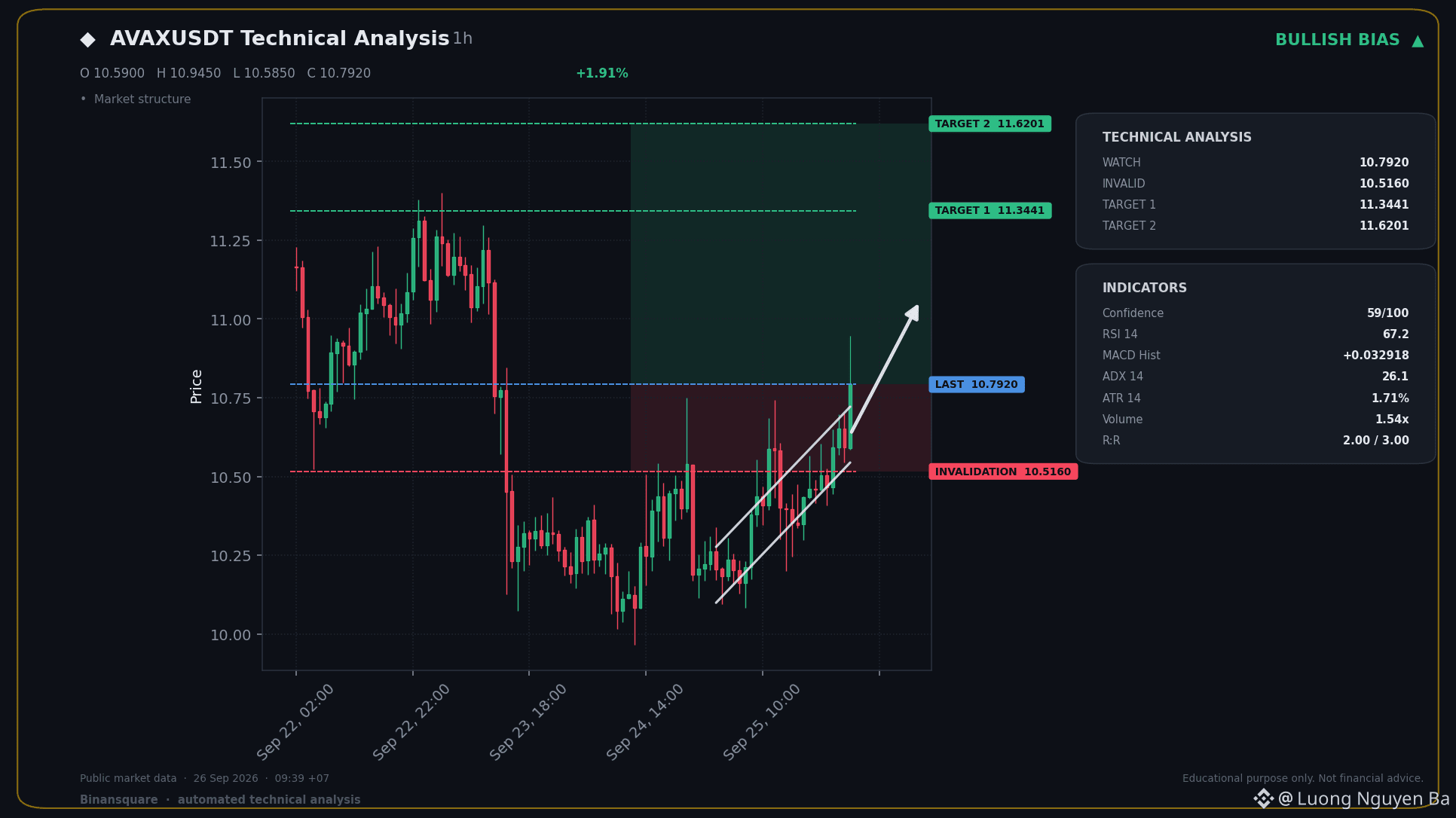
📈 BIG LONG NOW - AVAXUSDT
📍 KEY LEVELS
Entry: 10.7920
🛑 SL: 10.5160
🎯 TP1: 11.3441
🎯 TP2: 11.6201
The trend is clearly up with the EMAs, and momentum's picking up steam. RSI looks good here, not yet overbought.
This signal was generated automatically from technical indicators. It does not guarantee profit and is not investment advice. Always manage your own risk and DYOR.
$AVAX
#BitwiseFilesToListNEARETFOnNYSEArca #CircleTetherFreezeBitgetHackerWallet
📈 BIG LONG NOW - AVAXUSDT
📍 KEY LEVELS
Entry: 10.7920
🛑 SL: 10.5160
🎯 TP1: 11.3441
🎯 TP2: 11.6201
The trend is clearly up with the EMAs, and momentum's picking up steam. RSI looks good here, not yet overbought.
This signal was generated automatically from technical indicators. It does not guarantee profit and is not investment advice. Always manage your own risk and DYOR.
$AVAX
#BitwiseFilesToListNEARETFOnNYSEArca #CircleTetherFreezeBitgetHackerWallet
📍 KEY LEVELS
Entry: 10.7920
🛑 SL: 10.5160
🎯 TP1: 11.3441
🎯 TP2: 11.6201
The trend is clearly up with the EMAs, and momentum's picking up steam. RSI looks good here, not yet overbought.
This signal was generated automatically from technical indicators. It does not guarantee profit and is not investment advice. Always manage your own risk and DYOR.
$AVAX
#BitwiseFilesToListNEARETFOnNYSEArca #CircleTetherFreezeBitgetHackerWallet
1
85

$ETH
$ETH is trading around $2,690, up roughly 0.3% over 24h, with ~$14.8B in daily volume. CoinMarketCap
Trend: Short-term momentum is constructive. Reuters reported ETH broke above the $2,661 resistance area, with technical targets around $3,050 and potentially $3,395–$3,445 if momentum continues. Reuters
Key support: Around $2,626, followed by roughly $2,545. A sustained move below these levels would weaken the current setup. CoinMarketCap
Resistance: $2,775–$2,825 is the next important zone; above that, $3,050 becomes a m
{spot}(ETHUSDT)
ajor technical target.
Institutional demand: U.S. spot ETH ETFs recorded strong inflows recently, including $270M on Sept. 21 and $162.2M on Sept. 22. farside.co.uk+1
Bottom line:'s chart currently has a constructive structure, but $2,775–$2,825 is an important test. Holding above ~$2,626 keeps the recent bullish setup intact; losing that level would increase downside risk.
This is market analysis, not a prediction or investment recommendation.
$ETH #CoinMarketCapCompletesCoinglassAcquisition #SECSaysBuybacksUpgradesDontMakeTokenSecurity #CircleTetherFreezeBitgetHackerWallet
$ETH
$ETH is trading around $2,690, up roughly 0.3% over 24h, with ~$14.8B in daily volume. CoinMarketCap
Trend: Short-term momentum is constructive. Reuters reported ETH broke above the $2,661 resistance area, with technical targets around $3,050 and potentially $3,395–$3,445 if momentum continues. Reuters
Key support: Around $2,626, followed by roughly $2,545. A sustained move below these levels would weaken the current setup. CoinMarketCap
Resistance: $2,775–$2,825 is the next important zone; above that, $3,050 becomes a m
ajor technical target.
Institutional demand: U.S. spot ETH ETFs recorded strong inflows recently, including $270M on Sept. 21 and $162.2M on Sept. 22. farside.co.uk+1
Bottom line:'s chart currently has a constructive structure, but $2,775–$2,825 is an important test. Holding above ~$2,626 keeps the recent bullish setup intact; losing that level would increase downside risk.
This is market analysis, not a prediction or investment recommendation.
$ETH #CoinMarketCapCompletesCoinglassAcquisition #SECSaysBuybacksUpgradesDontMakeTokenSecurity #CircleTetherFreezeBitgetHackerWallet
$ETH is trading around $2,690, up roughly 0.3% over 24h, with ~$14.8B in daily volume. CoinMarketCap
Trend: Short-term momentum is constructive. Reuters reported ETH broke above the $2,661 resistance area, with technical targets around $3,050 and potentially $3,395–$3,445 if momentum continues. Reuters
Key support: Around $2,626, followed by roughly $2,545. A sustained move below these levels would weaken the current setup. CoinMarketCap
Resistance: $2,775–$2,825 is the next important zone; above that, $3,050 becomes a m
ajor technical target.
Institutional demand: U.S. spot ETH ETFs recorded strong inflows recently, including $270M on Sept. 21 and $162.2M on Sept. 22. farside.co.uk+1
Bottom line:'s chart currently has a constructive structure, but $2,775–$2,825 is an important test. Holding above ~$2,626 keeps the recent bullish setup intact; losing that level would increase downside risk.
This is market analysis, not a prediction or investment recommendation.
$ETH #CoinMarketCapCompletesCoinglassAcquisition #SECSaysBuybacksUpgradesDontMakeTokenSecurity #CircleTetherFreezeBitgetHackerWallet
85
·
--
#circletetherfreezebitgethackerwallet
📈 Derivatives Data Fusion: CoinMarketCap Finalizes Coinglass Purchase — What This Means for Traders 📊
📈 What Happened?
CoinMarketCap (CMC) has officially finalized its acquisition of CoinGlass, the premier crypto derivatives data platform.
The deal brings spot market prices, decentralized exchange (DEX) analytics, and leveraged futures/options data under a single umbrella.
🔑 Key Takeaways & Highlights
Full Derivatives Integration: CoinMarketCap's 115 million monthly users will now gain direct access to CoinGlass's advanced metrics—including liquidation heatmaps, funding rates, open interest, and options positioning across 28 major exchanges.
Independent Operations Retained: CoinGlass will continue operating as a standalone brand and application. Its existing team, mobile app, free analytical tools, API tiers, and pricing models remain unchanged.
Complete Data Stack: The transaction completes a "three-layer" data empire—combining spot prices, on-chain tracking, and derivatives intelligence into a single ecosystem.
Institutional & Retail Reach: The combined entity bridges CoinMarketCap's massive retail traffic with CoinGlass’s 5+ million monthly users and 10,000+ business API clients.
💡 Why It Matters for Traders
One-Stop Analytics: Retail and professional traders can view real-time liquidation clusters and open interest right alongside token spot prices without switching apps.
Better Risk Management: Surfacing leverage ratios and funding rates directly on mainstream price trackers helps traders identify short squeezes and market overheats earlier.
Data Market Consolidation: Strengthens the competitive landscape against rival enterprise analytics providers like Kaiko and CoinDesk Data.
Do you regularly use CoinGlass to track liquidations and funding rates before entering trades? Let us know how this acquisition impacts your workflow! 👇
#QNTRises39% #CoinMarketCap #coinglass #CryptoNewss
#circletetherfreezebitgethackerwallet
📈 Derivatives Data Fusion: CoinMarketCap Finalizes Coinglass Purchase — What This Means for Traders 📊
📈 What Happened?
CoinMarketCap (CMC) has officially finalized its acquisition of CoinGlass, the premier crypto derivatives data platform.
The deal brings spot market prices, decentralized exchange (DEX) analytics, and leveraged futures/options data under a single umbrella.
🔑 Key Takeaways & Highlights
Full Derivatives Integration: CoinMarketCap's 115 million monthly users will now gain direct access to CoinGlass's advanced metrics—including liquidation heatmaps, funding rates, open interest, and options positioning across 28 major exchanges.
Independent Operations Retained: CoinGlass will continue operating as a standalone brand and application. Its existing team, mobile app, free analytical tools, API tiers, and pricing models remain unchanged.
Complete Data Stack: The transaction completes a "three-layer" data empire—combining spot prices, on-chain tracking, and derivatives intelligence into a single ecosystem.
Institutional & Retail Reach: The combined entity bridges CoinMarketCap's massive retail traffic with CoinGlass’s 5+ million monthly users and 10,000+ business API clients.
💡 Why It Matters for Traders
One-Stop Analytics: Retail and professional traders can view real-time liquidation clusters and open interest right alongside token spot prices without switching apps.
Better Risk Management: Surfacing leverage ratios and funding rates directly on mainstream price trackers helps traders identify short squeezes and market overheats earlier.
Data Market Consolidation: Strengthens the competitive landscape against rival enterprise analytics providers like Kaiko and CoinDesk Data.
Do you regularly use CoinGlass to track liquidations and funding rates before entering trades? Let us know how this acquisition impacts your workflow! 👇
#QNTRises39% #CoinMarketCap #coinglass #CryptoNewss
📈 Derivatives Data Fusion: CoinMarketCap Finalizes Coinglass Purchase — What This Means for Traders 📊
📈 What Happened?
CoinMarketCap (CMC) has officially finalized its acquisition of CoinGlass, the premier crypto derivatives data platform.
The deal brings spot market prices, decentralized exchange (DEX) analytics, and leveraged futures/options data under a single umbrella.
🔑 Key Takeaways & Highlights
Full Derivatives Integration: CoinMarketCap's 115 million monthly users will now gain direct access to CoinGlass's advanced metrics—including liquidation heatmaps, funding rates, open interest, and options positioning across 28 major exchanges.
Independent Operations Retained: CoinGlass will continue operating as a standalone brand and application. Its existing team, mobile app, free analytical tools, API tiers, and pricing models remain unchanged.
Complete Data Stack: The transaction completes a "three-layer" data empire—combining spot prices, on-chain tracking, and derivatives intelligence into a single ecosystem.
Institutional & Retail Reach: The combined entity bridges CoinMarketCap's massive retail traffic with CoinGlass’s 5+ million monthly users and 10,000+ business API clients.
💡 Why It Matters for Traders
One-Stop Analytics: Retail and professional traders can view real-time liquidation clusters and open interest right alongside token spot prices without switching apps.
Better Risk Management: Surfacing leverage ratios and funding rates directly on mainstream price trackers helps traders identify short squeezes and market overheats earlier.
Data Market Consolidation: Strengthens the competitive landscape against rival enterprise analytics providers like Kaiko and CoinDesk Data.
Do you regularly use CoinGlass to track liquidations and funding rates before entering trades? Let us know how this acquisition impacts your workflow! 👇
#QNTRises39% #CoinMarketCap #coinglass #CryptoNewss
1
4

Magma Finance ($MAGMA ) is currently trading around $0.23 USD, experiencing a downward trend of about 6.5% to 7% over the last 24 hours. The coin operates on the Sui Network and has recently faced a mix of extreme volatility and structural developments.$MAGMA
{future}(MAGMAUSDT)
Key updates regarding MAGMA include:
• Ecosystem Upgrades: Investor interest remains tied to the transition toward Magma 2.0 upgrades, which aim to optimize protocol efficiency through dynamic fee capturing and its Adaptive Liquidity Market Maker (ALMM) engine.
• Whale Concentration Risk: A significant point of concern noted by analytical platforms like CoinMarketCap is the extreme concentration of ownership. Three wallets hold approximately 81% of the total MAGMA supply, posing a major overhang on price stability if those holders decide to sell.
• Market Correction: After hit-and-run pumps earlier in the month—including a massive spike up to $0.51 in early September—the token has been subject to heavy profit-taking and distribution. Traders on platforms like Binance Square note that the asset has thin on-chain liquidity, making it highly sensitive to whale activity and liquidations.
• Support Levels: Analysts point out that if MAGMA fails to hold its current support zones around $0.20, it risks testing lower demand ranges near $0.18.
#CircleMints500MUSDCOnSolana #PolymarketBankFailureBetsDrawFDICConcern #BitwiseFilesToListNEARETFOnNYSEArca #CircleTetherFreezeBitgetHackerWallet
Magma Finance ($MAGMA ) is currently trading around $0.23 USD, experiencing a downward trend of about 6.5% to 7% over the last 24 hours. The coin operates on the Sui Network and has recently faced a mix of extreme volatility and structural developments.$MAGMA
Key updates regarding MAGMA include:
• Ecosystem Upgrades: Investor interest remains tied to the transition toward Magma 2.0 upgrades, which aim to optimize protocol efficiency through dynamic fee capturing and its Adaptive Liquidity Market Maker (ALMM) engine.
• Whale Concentration Risk: A significant point of concern noted by analytical platforms like CoinMarketCap is the extreme concentration of ownership. Three wallets hold approximately 81% of the total MAGMA supply, posing a major overhang on price stability if those holders decide to sell.
• Market Correction: After hit-and-run pumps earlier in the month—including a massive spike up to $0.51 in early September—the token has been subject to heavy profit-taking and distribution. Traders on platforms like Binance Square note that the asset has thin on-chain liquidity, making it highly sensitive to whale activity and liquidations.
• Support Levels: Analysts point out that if MAGMA fails to hold its current support zones around $0.20, it risks testing lower demand ranges near $0.18.
#CircleMints500MUSDCOnSolana #PolymarketBankFailureBetsDrawFDICConcern #BitwiseFilesToListNEARETFOnNYSEArca #CircleTetherFreezeBitgetHackerWallet
Key updates regarding MAGMA include:
• Ecosystem Upgrades: Investor interest remains tied to the transition toward Magma 2.0 upgrades, which aim to optimize protocol efficiency through dynamic fee capturing and its Adaptive Liquidity Market Maker (ALMM) engine.
• Whale Concentration Risk: A significant point of concern noted by analytical platforms like CoinMarketCap is the extreme concentration of ownership. Three wallets hold approximately 81% of the total MAGMA supply, posing a major overhang on price stability if those holders decide to sell.
• Market Correction: After hit-and-run pumps earlier in the month—including a massive spike up to $0.51 in early September—the token has been subject to heavy profit-taking and distribution. Traders on platforms like Binance Square note that the asset has thin on-chain liquidity, making it highly sensitive to whale activity and liquidations.
• Support Levels: Analysts point out that if MAGMA fails to hold its current support zones around $0.20, it risks testing lower demand ranges near $0.18.
#CircleMints500MUSDCOnSolana #PolymarketBankFailureBetsDrawFDICConcern #BitwiseFilesToListNEARETFOnNYSEArca #CircleTetherFreezeBitgetHackerWallet

20

·
--
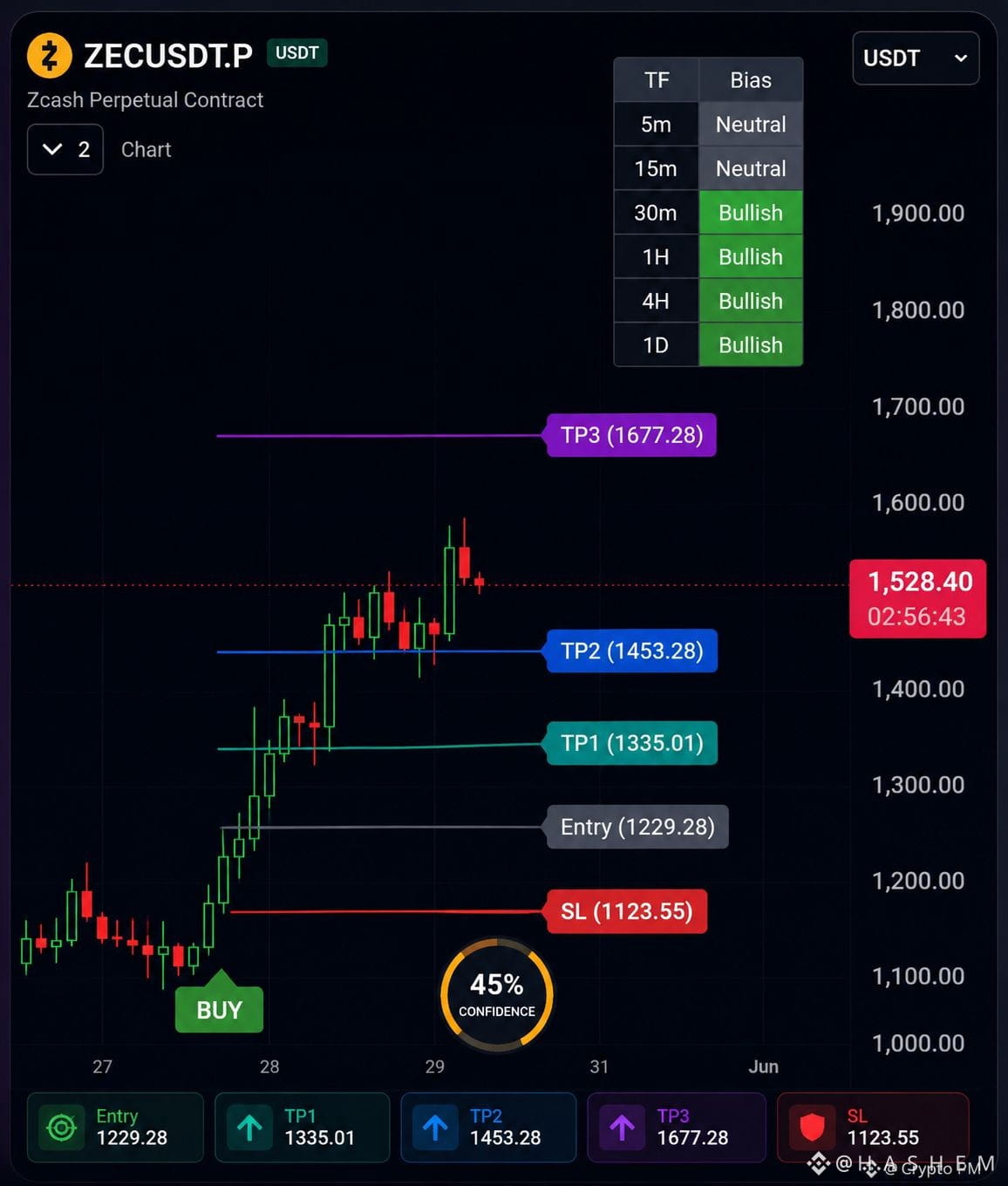
#CircleMints500MUSDCOnSolana 💰 ZCASH IS MAKING WAVES! 🚀🔥
I’ve said it many times: don’t rush into shorting $ZEC. 👀
The market can move fast, and Zcash is showing why patience and proper risk management matter. 📈⚡
🎯 Don’t fight the momentum. 🧠 Trade with a plan. 💎 Stay alert.
$ZEC — the move may not be over yet. 🚀
#CircleTetherFreezeBitgetHackerWallet #QNTRises39% #PolymarketBankFailureBetsDrawFDICConcern $AAPL.US $AAPLB
{spot}(AAPLBUSDT)
#CircleMints500MUSDCOnSolana 💰 ZCASH IS MAKING WAVES! 🚀🔥
I’ve said it many times: don’t rush into shorting $ZEC. 👀
The market can move fast, and Zcash is showing why patience and proper risk management matter. 📈⚡
🎯 Don’t fight the momentum. 🧠 Trade with a plan. 💎 Stay alert.
$ZEC — the move may not be over yet. 🚀
#CircleTetherFreezeBitgetHackerWallet #QNTRises39% #PolymarketBankFailureBetsDrawFDICConcern $AAPL.US $AAPLB
I’ve said it many times: don’t rush into shorting $ZEC. 👀
The market can move fast, and Zcash is showing why patience and proper risk management matter. 📈⚡
🎯 Don’t fight the momentum. 🧠 Trade with a plan. 💎 Stay alert.
$ZEC — the move may not be over yet. 🚀
#CircleTetherFreezeBitgetHackerWallet #QNTRises39% #PolymarketBankFailureBetsDrawFDICConcern $AAPL.US $AAPLB
145



·
--
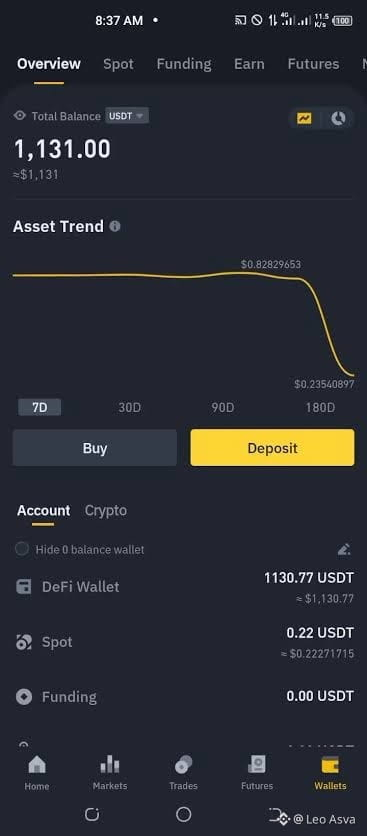
I have $1131 USDT in my Binance account l. Yes. I want to have my own house. Which one should I buy or invest to get $6000 in 6 month? Please GUIDE me! 🙏
$BNB
{spot}(BNBUSDT)
$ETH
{spot}(ETHUSDT)
$SOL
{spot}(SOLUSDT)
#CircleMints500MUSDCOnSolana #StrategyProposesDailyDividendsForPreferreds #CircleTetherFreezeBitgetHackerWallet #PolymarketBankFailureBetsDrawFDICConcern #BitwiseFilesToListNEARETFOnNYSEArca
I have $1131 USDT in my Binance account l. Yes. I want to have my own house. Which one should I buy or invest to get $6000 in 6 month? Please GUIDE me! 🙏
$BNB
$ETH
$SOL
#CircleMints500MUSDCOnSolana #StrategyProposesDailyDividendsForPreferreds #CircleTetherFreezeBitgetHackerWallet #PolymarketBankFailureBetsDrawFDICConcern #BitwiseFilesToListNEARETFOnNYSEArca
$BNB
$ETH
$SOL
#CircleMints500MUSDCOnSolana #StrategyProposesDailyDividendsForPreferreds #CircleTetherFreezeBitgetHackerWallet #PolymarketBankFailureBetsDrawFDICConcern #BitwiseFilesToListNEARETFOnNYSEArca
38

·
--
Bearish
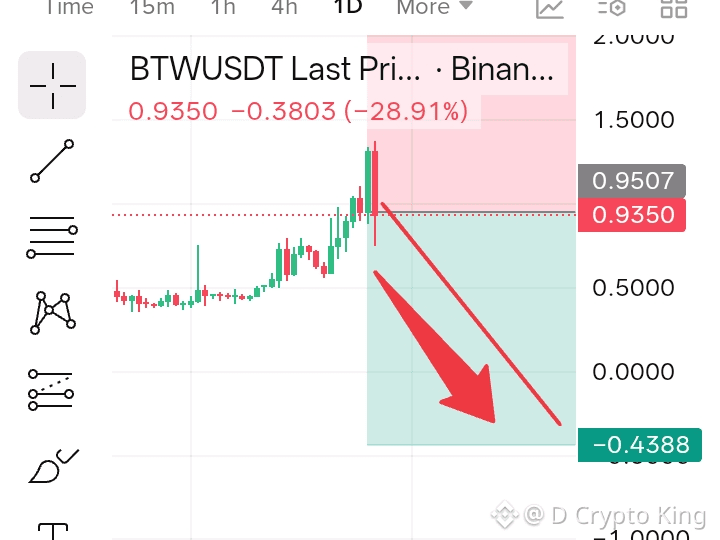
$BTW USDT — SHORT SETUP 📉
Short Entry: 0.935 – 0.950
TP1: 0.850
TP2: 0.750
TP3: 0.650
TP4: 0.550
Resistance rejection + bearish momentum. Trade with proper risk management. 📊
Not financial advice.
#like_comment_follow
$BR $PHA
#BlackRockBuildsTokenizedPortfoliosForOndo #BitwiseFilesToListNEARETFOnNYSEArca #CircleTetherFreezeBitgetHackerWallet #SHORT:
$BTW USDT — SHORT SETUP 📉
Short Entry: 0.935 – 0.950
TP1: 0.850
TP2: 0.750
TP3: 0.650
TP4: 0.550
Resistance rejection + bearish momentum. Trade with proper risk management. 📊
Not financial advice.
#like_comment_follow
$BR $PHA
#BlackRockBuildsTokenizedPortfoliosForOndo #BitwiseFilesToListNEARETFOnNYSEArca #CircleTetherFreezeBitgetHackerWallet #SHORT:
Short Entry: 0.935 – 0.950
TP1: 0.850
TP2: 0.750
TP3: 0.650
TP4: 0.550
Resistance rejection + bearish momentum. Trade with proper risk management. 📊
Not financial advice.
#like_comment_follow
$BR $PHA
#BlackRockBuildsTokenizedPortfoliosForOndo #BitwiseFilesToListNEARETFOnNYSEArca #CircleTetherFreezeBitgetHackerWallet #SHORT:
382

·
--
Bearish
humkash:
Please Follow me. I Followed you back. Please like my post.
1
1
76

·
--
$ETH
{spot}(ETHUSDT)
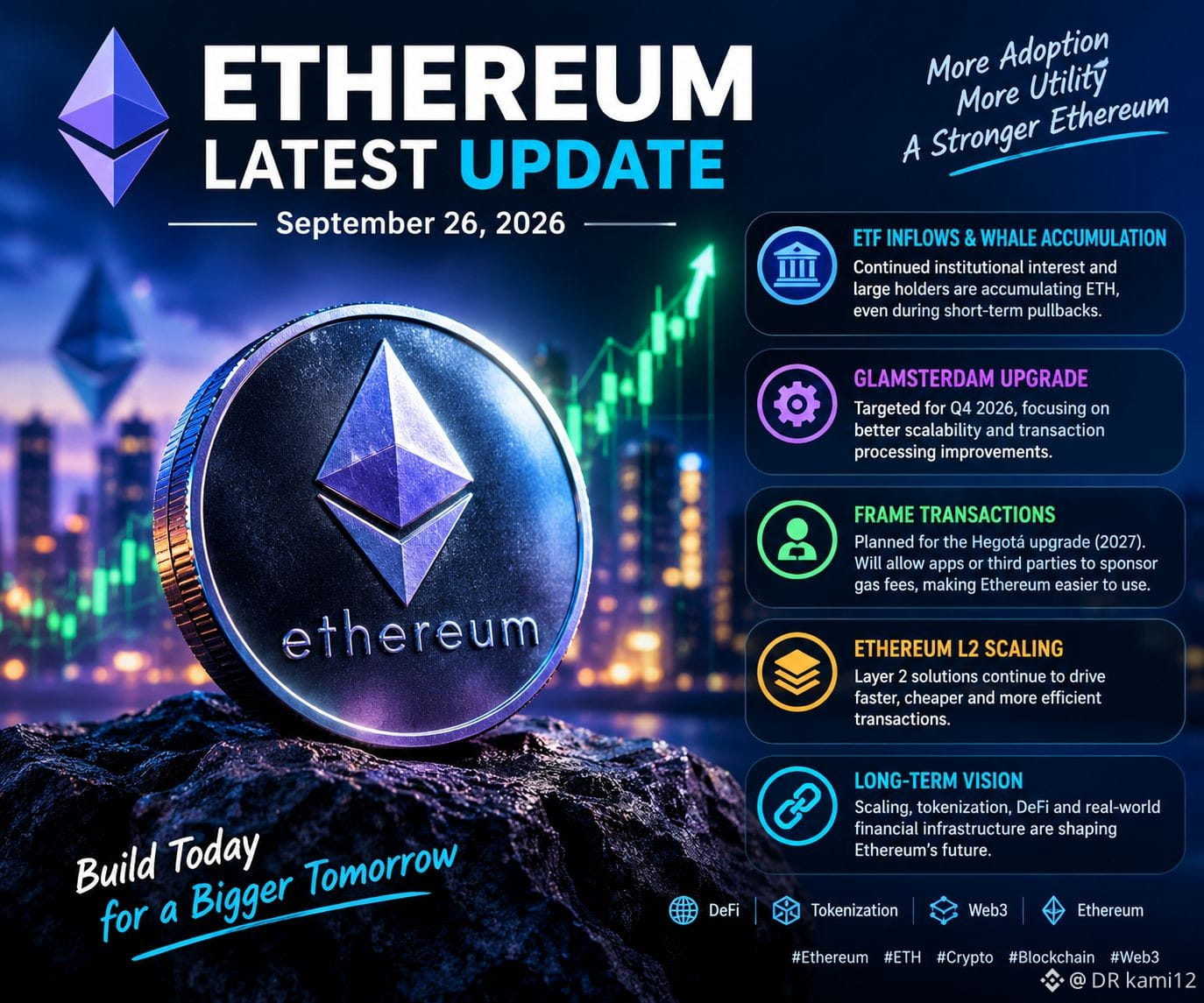
🚀 Ethereum (ETH) Latest Update —
Ethereum is staying firmly in focus as institutional interest and network development continue to shape the ETH story. Recent data showed strong spot ETF inflows even during a short-term pullback, while large holders have continued accumulating ETH.
On the technology side, Ethereum is preparing for the Glamsterdam upgrade, currently targeted for Q4 2026. The upgrade is focused on improving Ethereum’s scalability and transaction-processing architecture.
Another important development is Frame Transactions, planned for the Hegotá upgrade in 2027. The feature is designed to allow applications or other parties to sponsor transaction fees, potentially making Ethereum easier to use for people who hold stablecoins or other assets but don't want to maintain ETH for gas.
📌 Key ETH themes right now:
• Institutional adoption 📈
• ETF demand and whale accumulation
• Ethereum L2 scaling
• Glamsterdam upgrade progress
• Easier user experience through future upgrades
Ethereum’s long-term story is increasingly about scaling, tokenization, DeFi, and real-world financial infrastructure rather than short-term price movements.
#Ethereum #ETH #CircleTetherFreezeBitgetHackerWallet #StrategyProposesDailyDividendsForPreferreds #SECCommissionerPeirceToLeaveOct2
$ETH
🚀 Ethereum (ETH) Latest Update —
Ethereum is staying firmly in focus as institutional interest and network development continue to shape the ETH story. Recent data showed strong spot ETF inflows even during a short-term pullback, while large holders have continued accumulating ETH.
On the technology side, Ethereum is preparing for the Glamsterdam upgrade, currently targeted for Q4 2026. The upgrade is focused on improving Ethereum’s scalability and transaction-processing architecture.
Another important development is Frame Transactions, planned for the Hegotá upgrade in 2027. The feature is designed to allow applications or other parties to sponsor transaction fees, potentially making Ethereum easier to use for people who hold stablecoins or other assets but don't want to maintain ETH for gas.
📌 Key ETH themes right now:
• Institutional adoption 📈
• ETF demand and whale accumulation
• Ethereum L2 scaling
• Glamsterdam upgrade progress
• Easier user experience through future upgrades
Ethereum’s long-term story is increasingly about scaling, tokenization, DeFi, and real-world financial infrastructure rather than short-term price movements.
#Ethereum #ETH #CircleTetherFreezeBitgetHackerWallet #StrategyProposesDailyDividendsForPreferreds #SECCommissionerPeirceToLeaveOct2
🚀 Ethereum (ETH) Latest Update —
Ethereum is staying firmly in focus as institutional interest and network development continue to shape the ETH story. Recent data showed strong spot ETF inflows even during a short-term pullback, while large holders have continued accumulating ETH.
On the technology side, Ethereum is preparing for the Glamsterdam upgrade, currently targeted for Q4 2026. The upgrade is focused on improving Ethereum’s scalability and transaction-processing architecture.
Another important development is Frame Transactions, planned for the Hegotá upgrade in 2027. The feature is designed to allow applications or other parties to sponsor transaction fees, potentially making Ethereum easier to use for people who hold stablecoins or other assets but don't want to maintain ETH for gas.
📌 Key ETH themes right now:
• Institutional adoption 📈
• ETF demand and whale accumulation
• Ethereum L2 scaling
• Glamsterdam upgrade progress
• Easier user experience through future upgrades
Ethereum’s long-term story is increasingly about scaling, tokenization, DeFi, and real-world financial infrastructure rather than short-term price movements.
#Ethereum #ETH #CircleTetherFreezeBitgetHackerWallet #StrategyProposesDailyDividendsForPreferreds #SECCommissionerPeirceToLeaveOct2
62

·
--
Bearish
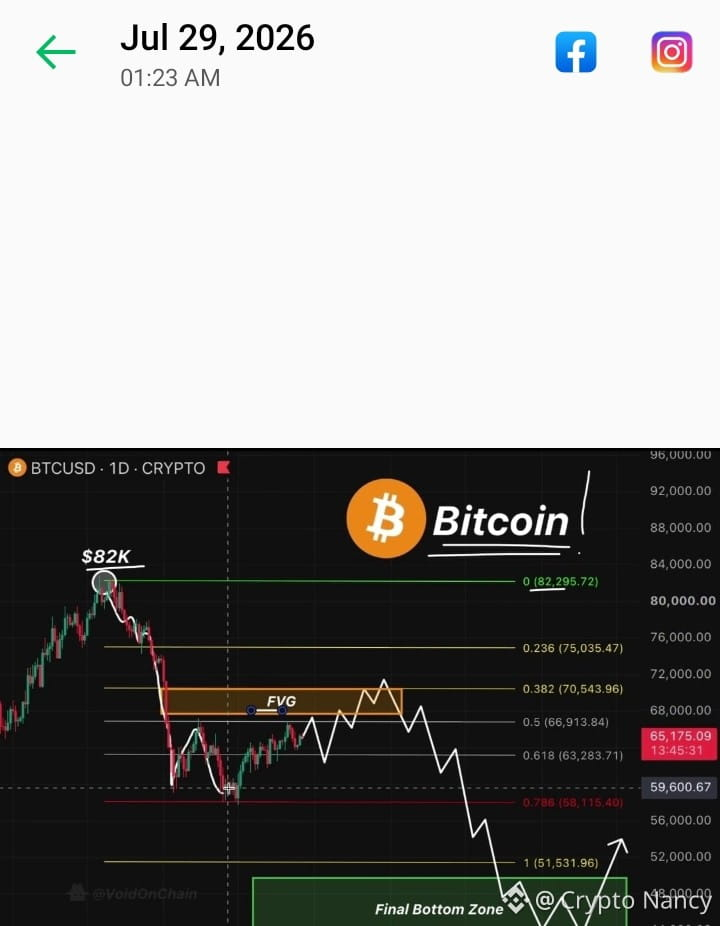
$BTC is sitting on a key level around 84K. If 83,850 gives way, the downside could accelerate quickly. One clean breakdown may open the door for another leg lower.
Target: 83,600 / 83,300 / 83,000
#BTC #Bitcoin #CryptoNewss #CoinMarketCapCompletesCoinglassAcquisition #CircleTetherFreezeBitgetHackerWallet
$BTC is sitting on a key level around 84K. If 83,850 gives way, the downside could accelerate quickly. One clean breakdown may open the door for another leg lower.
Target: 83,600 / 83,300 / 83,000
#BTC #Bitcoin #CryptoNewss #CoinMarketCapCompletesCoinglassAcquisition #CircleTetherFreezeBitgetHackerWallet
Target: 83,600 / 83,300 / 83,000
#BTC #Bitcoin #CryptoNewss #CoinMarketCapCompletesCoinglassAcquisition #CircleTetherFreezeBitgetHackerWallet
1
48
Log in to explore more content
Join global crypto users on Binance Square
⚡️ Get latest and useful information about crypto.
💬 Trusted by the world’s largest crypto exchange.
👍 Discover real insights from verified creators.
Email / Phone number
Trending Topics
1
#CircleMints500MUSDCOnSolana
4,794 views
279 Discussing
2
#PolymarketBankFailureBetsDrawFDICConcern
17,350 views
511 Discussing
3
#BlackRockBuildsTokenizedPortfoliosForOndo
13,281 views
351 Discussing
4
#BitwiseFilesToListNEARETFOnNYSEArca
14,361 views
335 Discussing
5
#SECCommissionerPeirceToLeaveOct2
15,400 views
271 Discussing
6
#SECSaysBuybacksUpgradesDontMakeTokenSecurity
16,265 views
258 Discussing
7
#StrategyProposesDailyDividendsForPreferreds
2,282 views
73 Discussing
8
#CircleTetherFreezeBitgetHackerWallet
1,123 views
44 Discussing
9
#CoinMarketCapCompletesCoinglassAcquisition
4,648 views
70 Discussing
10
#QNTRises39%
79,937 views
1,382 Discussing