
#uk
uk
448,707 views
1,333 Discussing
Hot
Latest

🚨 UK CRACKS DOWN ON ILLEGAL CRYPTO TRADING!
The UK’s FCA took enforcement action against three London locations suspected of operating unregistered peer-to-peer crypto businesses. 🇬🇧⚠️
Authorities say the operations may pose money-laundering risks.
#Crypto #Bitcoin #UK #Regulation
{spot}(BTCUSDT)
🚨 UK CRACKS DOWN ON ILLEGAL CRYPTO TRADING!
The UK’s FCA took enforcement action against three London locations suspected of operating unregistered peer-to-peer crypto businesses. 🇬🇧⚠️
Authorities say the operations may pose money-laundering risks.
#Crypto #Bitcoin #UK #Regulation
The UK’s FCA took enforcement action against three London locations suspected of operating unregistered peer-to-peer crypto businesses. 🇬🇧⚠️
Authorities say the operations may pose money-laundering risks.
#Crypto #Bitcoin #UK #Regulation
1
70

·
--
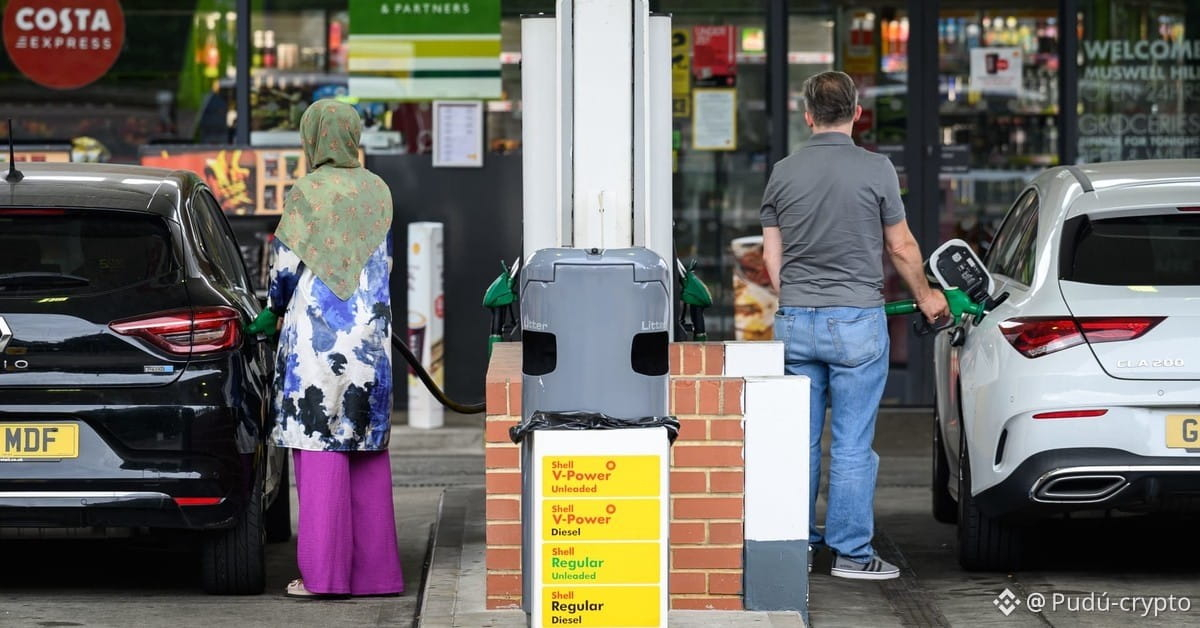
Inflation in the United Kingdom rose to 3.1% today.
The main reason is the increase in energy costs.
What’s interesting is that this figure comes just one day before the Bank of England adjusts its monetary policy.
It’s a move that puts a lot of pressure on the decisions that will be made tomorrow.
This kind of macro news always creates noise in the market and ends up moving $BTC.
What do you think about this jump in inflation?
#UK #Inflacion #BTC
Inflation in the United Kingdom rose to 3.1% today.
The main reason is the increase in energy costs.
What’s interesting is that this figure comes just one day before the Bank of England adjusts its monetary policy.
It’s a move that puts a lot of pressure on the decisions that will be made tomorrow.
This kind of macro news always creates noise in the market and ends up moving $BTC .
What do you think about this jump in inflation?
#UK #Inflacion #BTC
The main reason is the increase in energy costs.
What’s interesting is that this figure comes just one day before the Bank of England adjusts its monetary policy.
It’s a move that puts a lot of pressure on the decisions that will be made tomorrow.
This kind of macro news always creates noise in the market and ends up moving $BTC .
What do you think about this jump in inflation?
#UK #Inflacion #BTC
108
·
--
The Bank of England decided to keep rates unchanged this time.
Although inflation in the UK rose to 3.1% and energy costs are putting pressure on prices, the institution preferred not to follow the Fed’s steps.
It’s interesting to see how central banks take different paths when facing similar problems.
This directly affects global market sentiment and the behavior of assets like $BTC.
Are you surprised they didn’t adjust rates?
#UK #Finanzas #BTC
The Bank of England decided to keep rates unchanged this time.
Although inflation in the UK rose to 3.1% and energy costs are putting pressure on prices, the institution preferred not to follow the Fed’s steps.
It’s interesting to see how central banks take different paths when facing similar problems.
This directly affects global market sentiment and the behavior of assets like $BTC .
Are you surprised they didn’t adjust rates?
#UK #Finanzas #BTC
Although inflation in the UK rose to 3.1% and energy costs are putting pressure on prices, the institution preferred not to follow the Fed’s steps.
It’s interesting to see how central banks take different paths when facing similar problems.
This directly affects global market sentiment and the behavior of assets like $BTC .
Are you surprised they didn’t adjust rates?
#UK #Finanzas #BTC

146
·
--
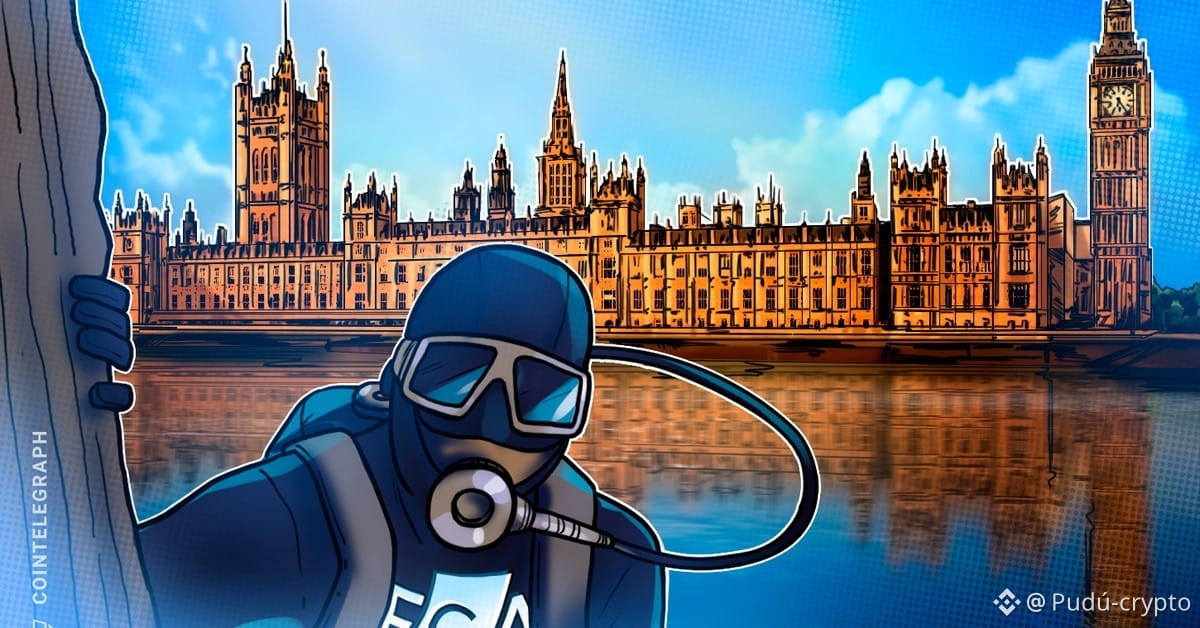
The UK regulator has just laid its cards on the table.
The FCA has published its new guidelines for crypto businesses in the UK.
They’ve already defined which activities require official authorization before the application window opens in September.
This is a concrete step toward the new regulatory framework for digital assets.
The industry has little time to review whether they meet the requirements.
Do you think this accelerates institutional adoption in the region?
$BTC #UK #CryptoRegulation
The UK regulator has just laid its cards on the table.
The FCA has published its new guidelines for crypto businesses in the UK.
They’ve already defined which activities require official authorization before the application window opens in September.
This is a concrete step toward the new regulatory framework for digital assets.
The industry has little time to review whether they meet the requirements.
Do you think this accelerates institutional adoption in the region?
$BTC #UK #CryptoRegulation
The FCA has published its new guidelines for crypto businesses in the UK.
They’ve already defined which activities require official authorization before the application window opens in September.
This is a concrete step toward the new regulatory framework for digital assets.
The industry has little time to review whether they meet the requirements.
Do you think this accelerates institutional adoption in the region?
$BTC #UK #CryptoRegulation
29


THE UK JUST PUT £500M INTO THE ANTI-MONEY LAUNDERING WAR. 💀
The UK government will invest £500M over 3 years in an anti-money laundering strategy and to recover illegal assets, while adding 500 personnel to the police, the NCA, and the Crown Prosecution Service.
Notably:
• The NCA estimates that more than £100B a year is laundered through the UK or via company structures in the UK
• The £500M comes from criminal economic tax collected from businesses under supervision
• Operation Destabilise targets Russian-speaking networks that turn illegal cash into crypto
• 119 suspects have been arrested in less than a year
• Seized more than £25M in cash + crypto assets
London: “Money laundering is getting too sophisticated.”
Crypto: “Wasn't me.”
NCA: “We literally have the blockchain.” 💀
A key point is that the UK government considers crypto + fintech + AI to be factors that are changing AML risk, so investigation resources are also being expanded.
£500M to hunt dirty money. 500 new people. And blockchain to track it.
#crypto #bitcoin #UK #aml
THE UK JUST PUT £500M INTO THE ANTI-MONEY LAUNDERING WAR. 💀
The UK government will invest £500M over 3 years in an anti-money laundering strategy and to recover illegal assets, while adding 500 personnel to the police, the NCA, and the Crown Prosecution Service.
Notably:
• The NCA estimates that more than £100B a year is laundered through the UK or via company structures in the UK
• The £500M comes from criminal economic tax collected from businesses under supervision
• Operation Destabilise targets Russian-speaking networks that turn illegal cash into crypto
• 119 suspects have been arrested in less than a year
• Seized more than £25M in cash + crypto assets
London: “Money laundering is getting too sophisticated.”
Crypto: “Wasn't me.”
NCA: “We literally have the blockchain.” 💀
A key point is that the UK government considers crypto + fintech + AI to be factors that are changing AML risk, so investigation resources are also being expanded.
£500M to hunt dirty money. 500 new people. And blockchain to track it.
#crypto #bitcoin #UK #aml
The UK government will invest £500M over 3 years in an anti-money laundering strategy and to recover illegal assets, while adding 500 personnel to the police, the NCA, and the Crown Prosecution Service.
Notably:
• The NCA estimates that more than £100B a year is laundered through the UK or via company structures in the UK
• The £500M comes from criminal economic tax collected from businesses under supervision
• Operation Destabilise targets Russian-speaking networks that turn illegal cash into crypto
• 119 suspects have been arrested in less than a year
• Seized more than £25M in cash + crypto assets
London: “Money laundering is getting too sophisticated.”
Crypto: “Wasn't me.”
NCA: “We literally have the blockchain.” 💀
A key point is that the UK government considers crypto + fintech + AI to be factors that are changing AML risk, so investigation resources are also being expanded.
£500M to hunt dirty money. 500 new people. And blockchain to track it.
#crypto #bitcoin #UK #aml

16

·
--
Bullish
🚨🇬🇧 Urgent: Big bullish news for crypto!
The UK House of Lords has approved an amendment requiring the government to develop a comprehensive national strategy for digital currencies. 📜₿
🔥 A major step that could strengthen regulation and adoption of the crypto sector in the United Kingdom!
👀 This is an important development for the market, especially for: 🚀 $BTC 🚀 $ETH 🚀 $SUI
#BTC #ETH #SUI #crypto #UK #bullish
🚨🇬🇧 Urgent: Big bullish news for crypto!
The UK House of Lords has approved an amendment requiring the government to develop a comprehensive national strategy for digital currencies. 📜₿
🔥 A major step that could strengthen regulation and adoption of the crypto sector in the United Kingdom!
👀 This is an important development for the market, especially for: 🚀 $BTC 🚀 $ETH 🚀 $SUI
#BTC #ETH #SUI #crypto #UK #bullish
The UK House of Lords has approved an amendment requiring the government to develop a comprehensive national strategy for digital currencies. 📜₿
🔥 A major step that could strengthen regulation and adoption of the crypto sector in the United Kingdom!
👀 This is an important development for the market, especially for: 🚀 $BTC 🚀 $ETH 🚀 $SUI
#BTC #ETH #SUI #crypto #UK #bullish

2
326

The UK Office for National Statistics is set to release a comprehensive batch of July macroeconomic data, covering monthly GDP, seasonally adjusted goods trade balance, industrial production, and manufacturing output figures. This release provides a direct look into the health of the British economy as markets assess the trajectory of broader European economic performance.
These indicators are crucial because they serve as a benchmark for evaluating whether the UK economy is sustaining growth momentum or succumbing to contractionary headwinds under elevated interest rates. Investors will closely measure actual prints against market consensus to gauge the Bank of England's potential policy path regarding upcoming rate decisions.
In broader financial markets, surprise beats or misses will trigger immediate repricing across the British Pound (GBP), UK gilt yields, and European equities. A robust reading could lift the Sterling and firm up bond yields, whereas sluggish output figures may weigh on risk assets and spur safe-haven flows toward gold and the US Dollar.
For the crypto sector, macroeconomic data surprises from major G7 economies influence global liquidity expectations and overall risk tolerance. Steady economic conditions in Europe help maintain broader risk appetite for assets like $BTC, while severe economic weakness could heighten volatility and spur short-term caution across digital asset markets.
#uk #gdp #macroeconomics
The UK Office for National Statistics is set to release a comprehensive batch of July macroeconomic data, covering monthly GDP, seasonally adjusted goods trade balance, industrial production, and manufacturing output figures. This release provides a direct look into the health of the British economy as markets assess the trajectory of broader European economic performance.
These indicators are crucial because they serve as a benchmark for evaluating whether the UK economy is sustaining growth momentum or succumbing to contractionary headwinds under elevated interest rates. Investors will closely measure actual prints against market consensus to gauge the Bank of England's potential policy path regarding upcoming rate decisions.
In broader financial markets, surprise beats or misses will trigger immediate repricing across the British Pound (GBP), UK gilt yields, and European equities. A robust reading could lift the Sterling and firm up bond yields, whereas sluggish output figures may weigh on risk assets and spur safe-haven flows toward gold and the US Dollar.
For the crypto sector, macroeconomic data surprises from major G7 economies influence global liquidity expectations and overall risk tolerance. Steady economic conditions in Europe help maintain broader risk appetite for assets like $BTC , while severe economic weakness could heighten volatility and spur short-term caution across digital asset markets.
#uk #gdp #macroeconomics
These indicators are crucial because they serve as a benchmark for evaluating whether the UK economy is sustaining growth momentum or succumbing to contractionary headwinds under elevated interest rates. Investors will closely measure actual prints against market consensus to gauge the Bank of England's potential policy path regarding upcoming rate decisions.
In broader financial markets, surprise beats or misses will trigger immediate repricing across the British Pound (GBP), UK gilt yields, and European equities. A robust reading could lift the Sterling and firm up bond yields, whereas sluggish output figures may weigh on risk assets and spur safe-haven flows toward gold and the US Dollar.
For the crypto sector, macroeconomic data surprises from major G7 economies influence global liquidity expectations and overall risk tolerance. Steady economic conditions in Europe help maintain broader risk appetite for assets like $BTC , while severe economic weakness could heighten volatility and spur short-term caution across digital asset markets.
#uk #gdp #macroeconomics
16

The UK House of Lords backs a mandatory digital asset strategy
- The UK House of Lords (House of Lords) has passed an amendment requiring the UK Ministry of Finance to develop a mandatory digital asset strategy.
- The strategy will cover areas including: cryptoassets, stablecoins, tokenized securities, and digital financial infrastructure.
- This move highlights a difference from the position of the Labour Party.
- The RSS feed currently does not provide further details on the specific content of the amendment or the implementation timeline.
#BinanceSquare #CryptoNews #UK #CryptoRegulation #Stablecoin TokenizedSecurities
$btc $eth
vlikevn Titanbot
Source: CoinTelegraph
The UK House of Lords backs a mandatory digital asset strategy
- The UK House of Lords (House of Lords) has passed an amendment requiring the UK Ministry of Finance to develop a mandatory digital asset strategy.
- The strategy will cover areas including: cryptoassets, stablecoins, tokenized securities, and digital financial infrastructure.
- This move highlights a difference from the position of the Labour Party.
- The RSS feed currently does not provide further details on the specific content of the amendment or the implementation timeline.
#BinanceSquare #CryptoNews #UK #CryptoRegulation #Stablecoin TokenizedSecurities
$btc $eth
vlikevn Titanbot
Source: CoinTelegraph
- The UK House of Lords (House of Lords) has passed an amendment requiring the UK Ministry of Finance to develop a mandatory digital asset strategy.
- The strategy will cover areas including: cryptoassets, stablecoins, tokenized securities, and digital financial infrastructure.
- This move highlights a difference from the position of the Labour Party.
- The RSS feed currently does not provide further details on the specific content of the amendment or the implementation timeline.
#BinanceSquare #CryptoNews #UK #CryptoRegulation #Stablecoin TokenizedSecurities
$btc $eth
vlikevn Titanbot
Source: CoinTelegraph
54
The UK House of Lords’ forum supports a mandatory digital asset strategy
• Request the UK International Ministry to develop a digital asset strategy.
• The strategy includes digital assets, currency stability, tokenized securities.
• Objective is to upgrade digital financial infrastructure.
#BinanceSquare #CryptoNews #UK #DigitalAsset
$btc $eth
#vlikevn Titanbot
Source: CoinTelegraph
The UK House of Lords’ forum supports a mandatory digital asset strategy
• Request the UK International Ministry to develop a digital asset strategy.
• The strategy includes digital assets, currency stability, tokenized securities.
• Objective is to upgrade digital financial infrastructure.
#BinanceSquare #CryptoNews #UK #DigitalAsset
$btc $eth
#vlikevn Titanbot
Source: CoinTelegraph
• Request the UK International Ministry to develop a digital asset strategy.
• The strategy includes digital assets, currency stability, tokenized securities.
• Objective is to upgrade digital financial infrastructure.
#BinanceSquare #CryptoNews #UK #DigitalAsset
$btc $eth
#vlikevn Titanbot
Source: CoinTelegraph
77

·
--
🏦 News | UK’s Monument Bank Postpones Launch of Encrypted Bank Deposits
Monument Bank has delayed the launch of its encrypted bank deposit service for individual customers in the United Kingdom due to challenges related to regulatory requirements.
📌 Cipher Vault: The development shows that regulation remains one of the most prominent factors influencing the expansion of encrypted assets and deposits within the traditional banking sector.
#crypto #RWA #Tokenization #Stablecoins #UK
🏦 News | UK’s Monument Bank Postpones Launch of Encrypted Bank Deposits
Monument Bank has delayed the launch of its encrypted bank deposit service for individual customers in the United Kingdom due to challenges related to regulatory requirements.
📌 Cipher Vault: The development shows that regulation remains one of the most prominent factors influencing the expansion of encrypted assets and deposits within the traditional banking sector.
#crypto #RWA #Tokenization #Stablecoins #UK
Monument Bank has delayed the launch of its encrypted bank deposit service for individual customers in the United Kingdom due to challenges related to regulatory requirements.
📌 Cipher Vault: The development shows that regulation remains one of the most prominent factors influencing the expansion of encrypted assets and deposits within the traditional banking sector.
#crypto #RWA #Tokenization #Stablecoins #UK
1
19

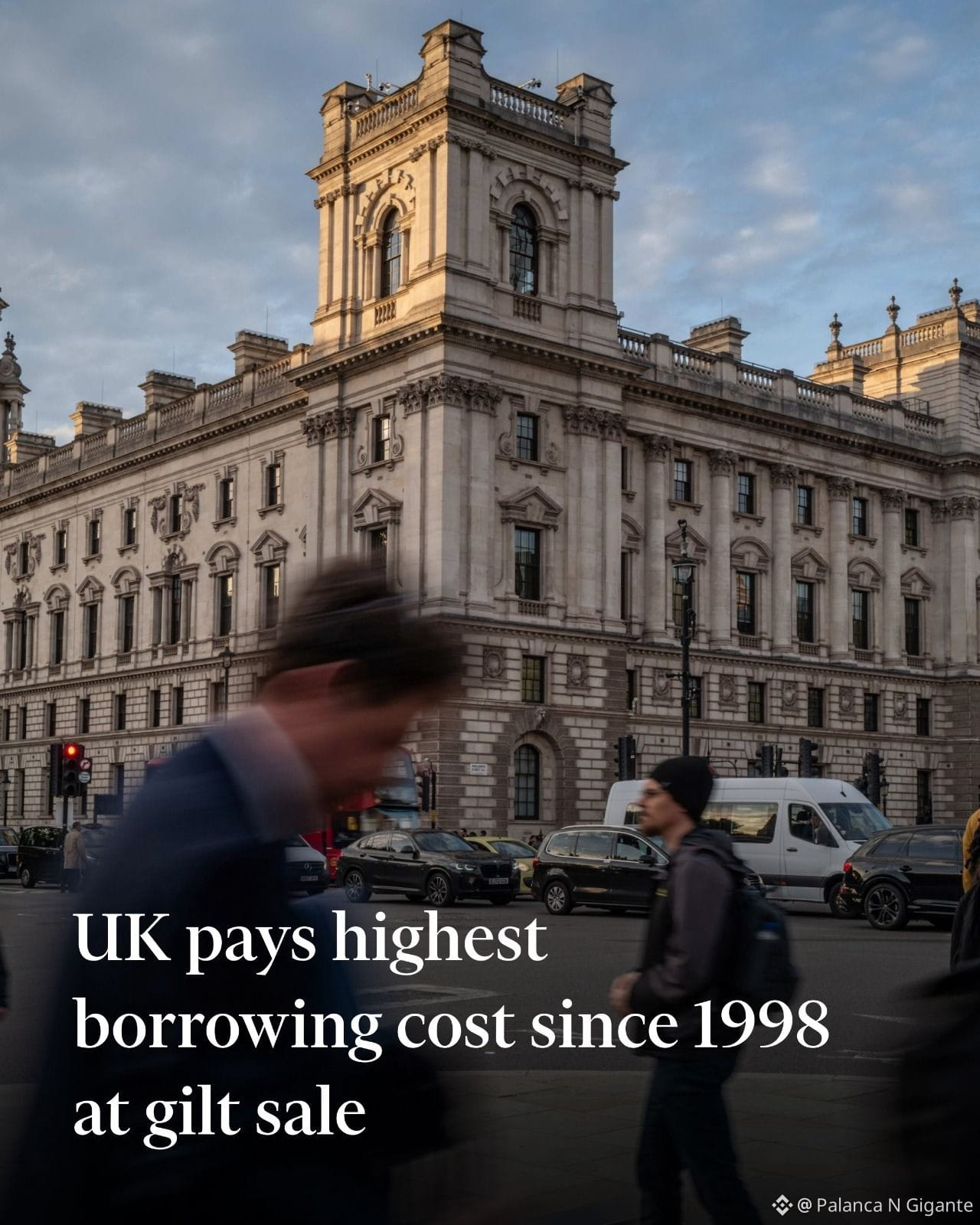
The United Kingdom is paying the highest borrowing cost in nearly three decades in the sale of its debt, as the global bond selloff intensifies pressure on public finances ahead of a crucial budget. $IOST
A £4.25 billion sale of 30-year bonds on Tuesday is being priced with a yield of approximately 5.83%, according to deal details sent to investors, the highest interest rate for any UK government bond since the creation of the UK Debt Management Office in 1998. $KAT
The sale consolidates a three-decade peak in the UK Treasury’s long-term borrowing costs, after the war with Iran and concerns about global debt overhang added to a strong rise in yields since the Covid-19 pandemic. $VTHO
{spot}(VTHOUSDT)
{spot}(KATUSDT)
{future}(IOSTUSDT)
#news #UK #USTreasuryToBuyBackUpTo$6BLongDatedDebt #OilRisesToHighestSinceJuly #RippleLobbiesToAdvanceCLARITYActVote
The United Kingdom is paying the highest borrowing cost in nearly three decades in the sale of its debt, as the global bond selloff intensifies pressure on public finances ahead of a crucial budget. $IOST
A £4.25 billion sale of 30-year bonds on Tuesday is being priced with a yield of approximately 5.83%, according to deal details sent to investors, the highest interest rate for any UK government bond since the creation of the UK Debt Management Office in 1998. $KAT
The sale consolidates a three-decade peak in the UK Treasury’s long-term borrowing costs, after the war with Iran and concerns about global debt overhang added to a strong rise in yields since the Covid-19 pandemic. $VTHO
#news #UK #USTreasuryToBuyBackUpTo$6BLongDatedDebt #OilRisesToHighestSinceJuly #RippleLobbiesToAdvanceCLARITYActVote
A £4.25 billion sale of 30-year bonds on Tuesday is being priced with a yield of approximately 5.83%, according to deal details sent to investors, the highest interest rate for any UK government bond since the creation of the UK Debt Management Office in 1998. $KAT
The sale consolidates a three-decade peak in the UK Treasury’s long-term borrowing costs, after the war with Iran and concerns about global debt overhang added to a strong rise in yields since the Covid-19 pandemic. $VTHO
#news #UK #USTreasuryToBuyBackUpTo$6BLongDatedDebt #OilRisesToHighestSinceJuly #RippleLobbiesToAdvanceCLARITYActVote
105
·
--
The UK financial regulator could change the rules of the game.
Since 2019, the FCA has kept the sale and promotion of binary options blocked for retail investors.
Now it seems they are evaluating lifting this ban.
It’s an interesting turn of events given the strict stance they’ve maintained over these years.
Do you think this change would be positive for the market?
$BTC #UK #Regulacion
The UK financial regulator could change the rules of the game.
Since 2019, the FCA has kept the sale and promotion of binary options blocked for retail investors.
Now it seems they are evaluating lifting this ban.
It’s an interesting turn of events given the strict stance they’ve maintained over these years.
Do you think this change would be positive for the market?
$BTC #UK #Regulacion
Since 2019, the FCA has kept the sale and promotion of binary options blocked for retail investors.
Now it seems they are evaluating lifting this ban.
It’s an interesting turn of events given the strict stance they’ve maintained over these years.
Do you think this change would be positive for the market?
$BTC #UK #Regulacion
177

🇬🇧 Figures in the digital sector account for 75% of Reform Party funding in the United Kingdom
A report revealed that the Reform Party in the United Kingdom received 75% of its first-quarter 2024 donations from prominent figures in the cryptocurrency sector. These donations highlight growing political interest in the digital asset sector and its potential influence on the country's future regulatory landscape.
━━━━━━━━━━━━━━
📊 Impact: 📈 High
🏷️ REGULATION
#UK #Regulation #Crypto #Politics #Blockchain
📰 Source: cryptobriefing.com
🇬🇧 Figures in the digital sector account for 75% of Reform Party funding in the United Kingdom
A report revealed that the Reform Party in the United Kingdom received 75% of its first-quarter 2024 donations from prominent figures in the cryptocurrency sector. These donations highlight growing political interest in the digital asset sector and its potential influence on the country's future regulatory landscape.
━━━━━━━━━━━━━━
📊 Impact: 📈 High
🏷️ REGULATION
#UK #Regulation #Crypto #Politics #Blockchain
📰 Source: cryptobriefing.com
A report revealed that the Reform Party in the United Kingdom received 75% of its first-quarter 2024 donations from prominent figures in the cryptocurrency sector. These donations highlight growing political interest in the digital asset sector and its potential influence on the country's future regulatory landscape.
━━━━━━━━━━━━━━
📊 Impact: 📈 High
🏷️ REGULATION
#UK #Regulation #Crypto #Politics #Blockchain
📰 Source: cryptobriefing.com
12

🚨 BREAKING: 🇬🇧 BITCOIN JUST GOT A MASSIVE UK DISTRIBUTION BOOST.
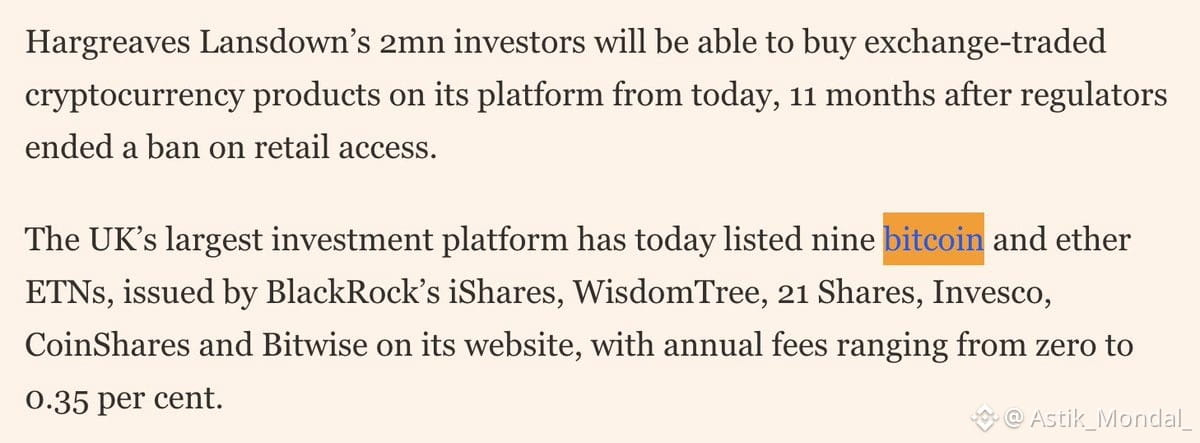
Hargreaves Lansdown, the U.K.’s largest investment platform, is now offering Bitcoin products to its 2 MILLION clients.
That’s not just another platform listing.
It puts Bitcoin exposure directly in front of millions of mainstream investors through one of Britain’s biggest investment channels.
The wall between traditional finance and crypto keeps getting thinner.
More access → more visibility → more potential capital.
And if major financial platforms continue opening the door to Bitcoin…
The next wave of adoption could be MUCH bigger than the last.
#Bitcoin #BTC #Crypto #UK #Investing
🚨 BREAKING: 🇬🇧 BITCOIN JUST GOT A MASSIVE UK DISTRIBUTION BOOST.
Hargreaves Lansdown, the U.K.’s largest investment platform, is now offering Bitcoin products to its 2 MILLION clients.
That’s not just another platform listing.
It puts Bitcoin exposure directly in front of millions of mainstream investors through one of Britain’s biggest investment channels.
The wall between traditional finance and crypto keeps getting thinner.
More access → more visibility → more potential capital.
And if major financial platforms continue opening the door to Bitcoin…
The next wave of adoption could be MUCH bigger than the last.
#Bitcoin #BTC #Crypto #UK #Investing
Hargreaves Lansdown, the U.K.’s largest investment platform, is now offering Bitcoin products to its 2 MILLION clients.
That’s not just another platform listing.
It puts Bitcoin exposure directly in front of millions of mainstream investors through one of Britain’s biggest investment channels.
The wall between traditional finance and crypto keeps getting thinner.
More access → more visibility → more potential capital.
And if major financial platforms continue opening the door to Bitcoin…
The next wave of adoption could be MUCH bigger than the last.
#Bitcoin #BTC #Crypto #UK #Investing
1
56
📈 Hargreaves Lansdown considers offering crypto ETNs after UK ban lifted
Hargreaves Lansdown plans to offer Bitcoin and Ethereum ETN (exchange-traded note) products to retail investors in the UK. This development comes after the UK Financial Conduct Authority (FCA) decided to lift the four-year ban on the sale of these products to retail investors.
━━━━━━━━━━━━━━
📊 Impact: 📈 High
🏷️ REGULATION
#UK #Regulation #CryptoETN #Bitcoin #Ethereum
📰 Source: cryptobriefing.com
📈 Hargreaves Lansdown considers offering crypto ETNs after UK ban lifted
Hargreaves Lansdown plans to offer Bitcoin and Ethereum ETN (exchange-traded note) products to retail investors in the UK. This development comes after the UK Financial Conduct Authority (FCA) decided to lift the four-year ban on the sale of these products to retail investors.
━━━━━━━━━━━━━━
📊 Impact: 📈 High
🏷️ REGULATION
#UK #Regulation #CryptoETN #Bitcoin #Ethereum
📰 Source: cryptobriefing.com
Hargreaves Lansdown plans to offer Bitcoin and Ethereum ETN (exchange-traded note) products to retail investors in the UK. This development comes after the UK Financial Conduct Authority (FCA) decided to lift the four-year ban on the sale of these products to retail investors.
━━━━━━━━━━━━━━
📊 Impact: 📈 High
🏷️ REGULATION
#UK #Regulation #CryptoETN #Bitcoin #Ethereum
📰 Source: cryptobriefing.com
11

·
--
🇬🇧 JUST IN:
Hargreaves Lansdown is opening Bitcoin and Ether ETN trading to nearly 2 million investors. 🚀👀
This could be another important step for crypto adoption in the UK, giving a huge number of traditional investors easier exposure to $BTC and $ETH through a familiar investment platform. 📈
As access to crypto products continues to expand, the line between traditional finance and digital assets keeps getting smaller. 🌍🔥
Institutional and retail access to crypto is growing fast. 👀💰
#Bitcoin #Ethereum #crypto #UK #markets
🇬🇧 JUST IN:
Hargreaves Lansdown is opening Bitcoin and Ether ETN trading to nearly 2 million investors. 🚀👀
This could be another important step for crypto adoption in the UK, giving a huge number of traditional investors easier exposure to $BTC and $ETH through a familiar investment platform. 📈
As access to crypto products continues to expand, the line between traditional finance and digital assets keeps getting smaller. 🌍🔥
Institutional and retail access to crypto is growing fast. 👀💰
#Bitcoin #Ethereum #crypto #UK #markets
Hargreaves Lansdown is opening Bitcoin and Ether ETN trading to nearly 2 million investors. 🚀👀
This could be another important step for crypto adoption in the UK, giving a huge number of traditional investors easier exposure to $BTC and $ETH through a familiar investment platform. 📈
As access to crypto products continues to expand, the line between traditional finance and digital assets keeps getting smaller. 🌍🔥
Institutional and retail access to crypto is growing fast. 👀💰
#Bitcoin #Ethereum #crypto #UK #markets


30

·
--
Verified
🚨🇬🇧 THEY SAID BITCOIN WASN’T AN ASSET CLASS. NOW THEY’RE LISTING IT.
The UK’s largest investment platform, Hargreaves Lansdown, has opened access to 9 crypto ETNs for its ~2 MILLION clients.
⚫ BlackRock
🌳 WisdomTree
🔷 21Shares
* Invesco, CoinShares & Bitwise
Less than a year ago, the platform said “Bitcoin is not an asset class.”
Today, Bitcoin products are on the shelf. 👀
#Bitcoin #BTC #Ethereum #Crypto #UK $AKE $BR $USELESS
{future}(USELESSUSDT)
{future}(BRUSDT)
{future}(AKEUSDT)
🚨🇬🇧 THEY SAID BITCOIN WASN’T AN ASSET CLASS. NOW THEY’RE LISTING IT.
The UK’s largest investment platform, Hargreaves Lansdown, has opened access to 9 crypto ETNs for its ~2 MILLION clients.
⚫ BlackRock
🌳 WisdomTree
🔷 21Shares
* Invesco, CoinShares & Bitwise
Less than a year ago, the platform said “Bitcoin is not an asset class.”
Today, Bitcoin products are on the shelf. 👀
#Bitcoin #BTC #Ethereum #Crypto #UK $AKE $BR $USELESS
The UK’s largest investment platform, Hargreaves Lansdown, has opened access to 9 crypto ETNs for its ~2 MILLION clients.
⚫ BlackRock
🌳 WisdomTree
🔷 21Shares
* Invesco, CoinShares & Bitwise
Less than a year ago, the platform said “Bitcoin is not an asset class.”
Today, Bitcoin products are on the shelf. 👀
#Bitcoin #BTC #Ethereum #Crypto #UK $AKE $BR $USELESS

5
2
376

🚨 London Stock Exchange Moves to the Series (On-Chain)
🇬🇧 The London Stock Exchange is introducing the best 100 stocks onto the blockchain, which may enable trading 24/7 all week long.
This could result in the transfer of approximately $3.5 trillion worth of UK stocks to cryptocurrency routes/networks.
Please follow up
#Blockchain #Crypto #Stocks #UK
🚨 London Stock Exchange Moves to the Series (On-Chain)
🇬🇧 The London Stock Exchange is introducing the best 100 stocks onto the blockchain, which may enable trading 24/7 all week long.
This could result in the transfer of approximately $3.5 trillion worth of UK stocks to cryptocurrency routes/networks.
Please follow up
#Blockchain #Crypto #Stocks #UK
🇬🇧 The London Stock Exchange is introducing the best 100 stocks onto the blockchain, which may enable trading 24/7 all week long.
This could result in the transfer of approximately $3.5 trillion worth of UK stocks to cryptocurrency routes/networks.
Please follow up
#Blockchain #Crypto #Stocks #UK
1
16

·
--
🚨 Liz Truss Warns UK Debt Crisis Could Deepen 🇬🇧
Former UK Prime Minister Liz Truss has warned that a continued sell-off in government bonds could put serious pressure on Britain’s finances, potentially forcing emergency spending cuts.
Truss says the U.K. is among the worst examples of rising government debt and argues that the situation may have already gone too far.
📉 Higher borrowing costs can increase pressure on public finances and limit the government’s ability to spend.
Markets are watching closely as concerns over debt, bond yields, and fiscal stability continue to grow. ⚠️
#UK #LizTruss #Bonds #Debt #Economy #Markets
🚨 Liz Truss Warns UK Debt Crisis Could Deepen 🇬🇧
Former UK Prime Minister Liz Truss has warned that a continued sell-off in government bonds could put serious pressure on Britain’s finances, potentially forcing emergency spending cuts.
Truss says the U.K. is among the worst examples of rising government debt and argues that the situation may have already gone too far.
📉 Higher borrowing costs can increase pressure on public finances and limit the government’s ability to spend.
Markets are watching closely as concerns over debt, bond yields, and fiscal stability continue to grow. ⚠️
#UK #LizTruss #Bonds #Debt #Economy #Markets
Former UK Prime Minister Liz Truss has warned that a continued sell-off in government bonds could put serious pressure on Britain’s finances, potentially forcing emergency spending cuts.
Truss says the U.K. is among the worst examples of rising government debt and argues that the situation may have already gone too far.
📉 Higher borrowing costs can increase pressure on public finances and limit the government’s ability to spend.
Markets are watching closely as concerns over debt, bond yields, and fiscal stability continue to grow. ⚠️
#UK #LizTruss #Bonds #Debt #Economy #Markets

77
UK crypto campaign delays $13.5 million in Premier League funding investigation
- UK law enforcement postponed $13.5 million after a January 2025 order from the Westminster Magistrates' Court.
- The order is part of the investigation into Sorare, the Premier League's crypto sponsor.
- No details were provided about the related coins/tokens.
#BinanceSquare #CryptoNews #UK #PremierLeague
$btc $eth
#vlikevn Titanbot
Source: CoinTelegraph
UK crypto campaign delays $13.5 million in Premier League funding investigation
- UK law enforcement postponed $13.5 million after a January 2025 order from the Westminster Magistrates' Court.
- The order is part of the investigation into Sorare, the Premier League's crypto sponsor.
- No details were provided about the related coins/tokens.
#BinanceSquare #CryptoNews #UK #PremierLeague
$btc $eth
#vlikevn Titanbot
Source: CoinTelegraph
- UK law enforcement postponed $13.5 million after a January 2025 order from the Westminster Magistrates' Court.
- The order is part of the investigation into Sorare, the Premier League's crypto sponsor.
- No details were provided about the related coins/tokens.
#BinanceSquare #CryptoNews #UK #PremierLeague
$btc $eth
#vlikevn Titanbot
Source: CoinTelegraph
65
Log in to explore more content
Join global crypto users on Binance Square
⚡️ Get latest and useful information about crypto.
💬 Trusted by the world’s largest crypto exchange.
👍 Discover real insights from verified creators.
Email / Phone number
Trending Topics
1
#AIStocksWhatNext
155,898 views
1,842 Discussing
2
#BitcoinBreaksAboveMayHighNears$86K
4,555 views
87 Discussing
3
#DogecoinRises15%
11,378 views
492 Discussing
4
#$14BBitcoinOptionsExpireFriday
610 views
46 Discussing
5
#BNBMarketCapPassesBNYMellon
6,334 views
346 Discussing
6
#CryptoMarketCapReclaims$3Trillion
1,067 views
40 Discussing
7
#MuseOvertakesChatGPTAsTopFreeIOSApp
5,879 views
314 Discussing
8
#TokenizedStockPlatformsCouldLaunchNextQuarter
8,735 views
359 Discussing
9
#StrategyAdds950Bitcoin
13,745 views
448 Discussing
10
#CardanoAddedToX402KitForADAPayments
17,378 views
525 Discussing