
#stablecoin
stablecoin
4M views
19,104 Discussing
Hot
Latest

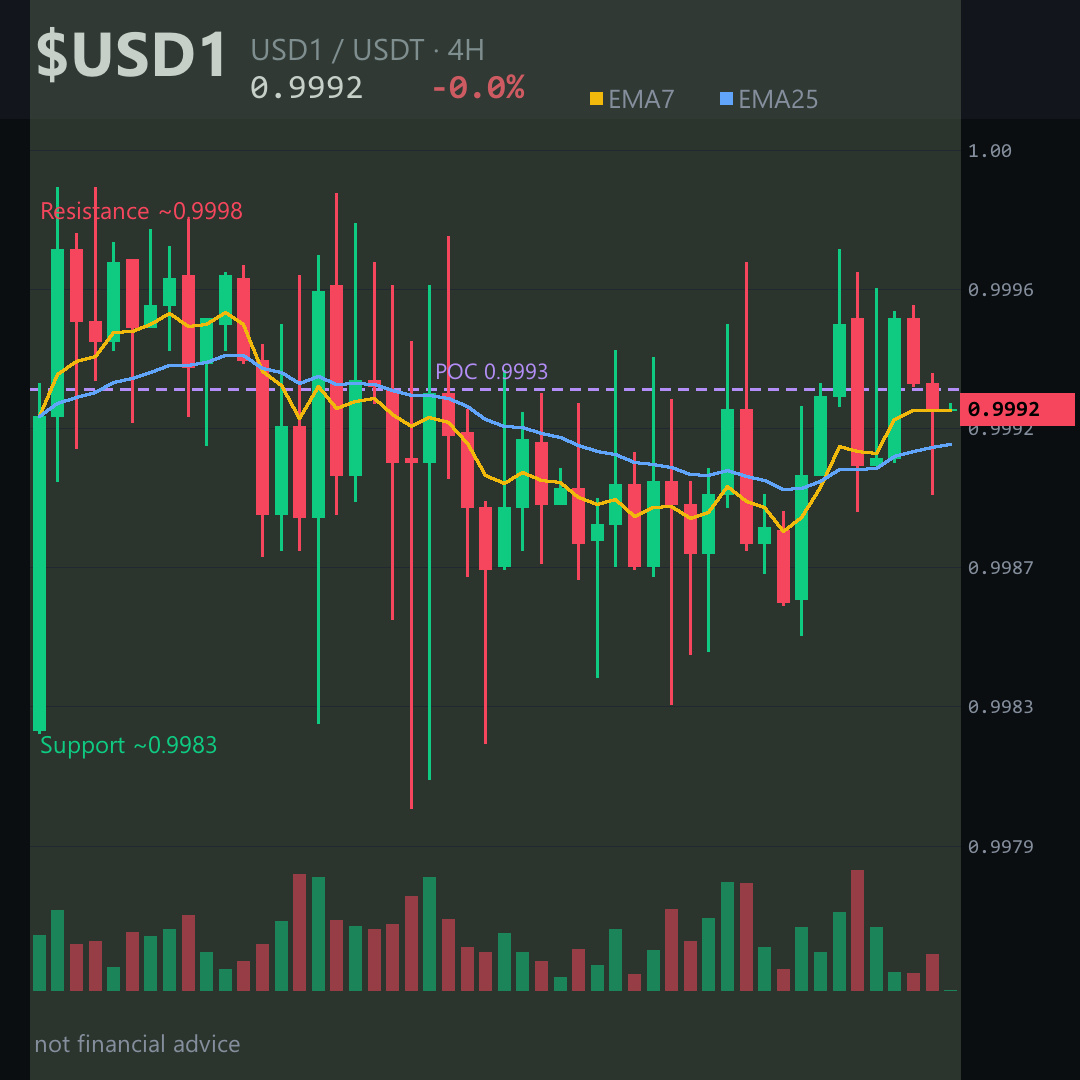
The 4‑hour EMA7 just nudged above the EMA25, but the weekly picture is screaming a different story. Read the levels before you decide 👇
Price is hovering near 0.9992, looking flat on the 4H chart, yet the weekly EMA gap and a sub‑44 RSI whisper a deeper downtrend. With funding at zero and no open interest, the market isn’t paying a premium for longs, hinting that bearish pressure could re‑emerge.
On the weekly frame the key pivot sits around the 1.15 zone. Lose that support and the next barrier lives near the 1.36‑1.37 area; a break below would open a slide toward the low‑0.63 region. If $USD1 can’t hold the ~1.15 area and slips toward the 0.63 zone, the bearish case tightens. Tap $USD1 to pull up the chart and see these zones yourself.
My read: the weekly bearish geometry outweighs the short‑term bullish flicker, so the real risk is a drop below the 1.15 floor.
I’ll break down the next move once price tests the 1.15 floor, so hit follow to stay in the loop. Which side of the 1.15 level are you watching on $USD1? 👇
⚠️ Not financial advice. DYOR.
#USD1 #Crypto #BinanceSquare #Stablecoin
The 4‑hour EMA7 just nudged above the EMA25, but the weekly picture is screaming a different story. Read the levels before you decide 👇
Price is hovering near 0.9992, looking flat on the 4H chart, yet the weekly EMA gap and a sub‑44 RSI whisper a deeper downtrend. With funding at zero and no open interest, the market isn’t paying a premium for longs, hinting that bearish pressure could re‑emerge.
On the weekly frame the key pivot sits around the 1.15 zone. Lose that support and the next barrier lives near the 1.36‑1.37 area; a break below would open a slide toward the low‑0.63 region. If $USD1 can’t hold the ~1.15 area and slips toward the 0.63 zone, the bearish case tightens. Tap $USD1 to pull up the chart and see these zones yourself.
My read: the weekly bearish geometry outweighs the short‑term bullish flicker, so the real risk is a drop below the 1.15 floor.
I’ll break down the next move once price tests the 1.15 floor, so hit follow to stay in the loop. Which side of the 1.15 level are you watching on $USD1 ? 👇
⚠️ Not financial advice. DYOR.
#USD1 #Crypto #BinanceSquare #Stablecoin
16

·
--
Article
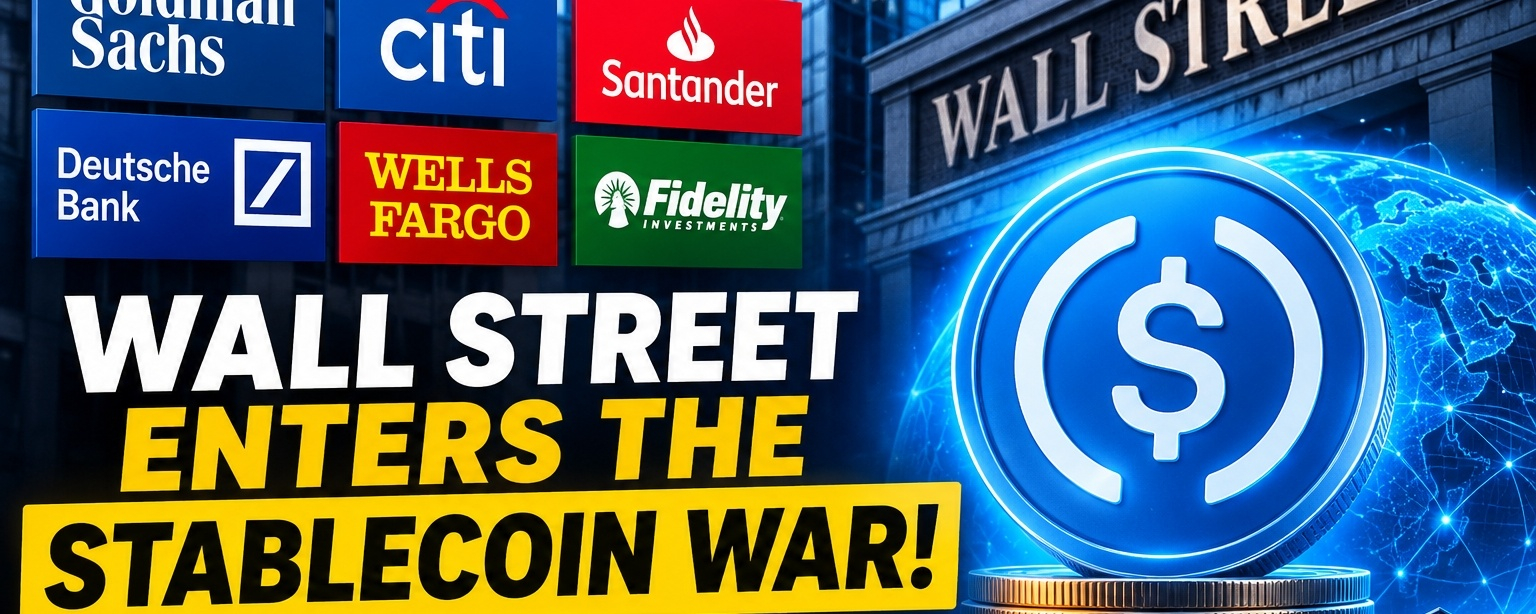
WALL STREET IS ENTERING THE STABLECOIN WAR — $270 MILLION COMMITTED TO A NEW BANK-BACKED PROJECT!The traditional banking industry is making another serious move into crypto.
Goldman Sachs, Citigroup and several major financial institutions are reportedly backing a new stablecoin venture called Project Faro, with approximately $270 million committed to fund its operations.
Here's what you need to know:
🔹 Major Financial Players: Goldman Sachs, Citi, Santander and Deutsche Bank are among the institutions involved, alongside Wells Fargo, Fidelity and MUFG.
🔹 $270 Million Funding: According to a Bloomberg report cited by CoinDesk, the funding is intended to cover five years of operating costs.
🔹 USD Stablecoin First: Project Faro plans to introduce a dollar-pegged stablecoin, with the euro and other G7 currencies also on its longer-term roadmap.
🔹 2027 Target: The planned stablecoin is expected to enter the market in the first half of 2027. It is not live yet.
⚡ WHY THIS MATTERS:
For years, crypto-native companies have dominated the stablecoin market.
Now, major traditional financial institutions are preparing to compete in the same space.
This could create more competition in digital payments, cross-border transfers and blockchain-based financial services.
However, the reported funding has not yet been independently confirmed through public statements from the participating banks.
👇 THE BIG QUESTION:
Can traditional banks challenge USDT and USDC with their own stablecoins?
Or will existing crypto-native stablecoins remain dominant?
Let me know what you think!
Sources – Verify the news
Latest report: CoinDesk – Goldman Sachs, Citi among banks said to commit $270 million to stablecoin venture�
Official confirmation of the consortium: Wells Fargo Newsroom – 21 financial institutions announce stablecoin enterprise�
Additional reporting: Investing.com – Goldman and Citi join global banks in stablecoin venture�
$XAU $USDC $USDT
#Stablecoin #CryptoAdoption #GoldmanSachs #Citi #CryptoNews
WALL STREET IS ENTERING THE STABLECOIN WAR — $270 MILLION COMMITTED TO A NEW BANK-BACKED PROJECT!
The traditional banking industry is making another serious move into crypto.
Goldman Sachs, Citigroup and several major financial institutions are reportedly backing a new stablecoin venture called Project Faro, with approximately $270 million committed to fund its operations.
Here's what you need to know:
🔹 Major Financial Players: Goldman Sachs, Citi, Santander and Deutsche Bank are among the institutions involved, alongside Wells Fargo, Fidelity and MUFG.
🔹 $270 Million Funding: According to a Bloomberg report cited by CoinDesk, the funding is intended to cover five years of operating costs.
🔹 USD Stablecoin First: Project Faro plans to introduce a dollar-pegged stablecoin, with the euro and other G7 currencies also on its longer-term roadmap.
🔹 2027 Target: The planned stablecoin is expected to enter the market in the first half of 2027. It is not live yet.
⚡ WHY THIS MATTERS:
For years, crypto-native companies have dominated the stablecoin market.
Now, major traditional financial institutions are preparing to compete in the same space.
This could create more competition in digital payments, cross-border transfers and blockchain-based financial services.
However, the reported funding has not yet been independently confirmed through public statements from the participating banks.
👇 THE BIG QUESTION:
Can traditional banks challenge USDT and USDC with their own stablecoins?
Or will existing crypto-native stablecoins remain dominant?
Let me know what you think!
Sources – Verify the news
Latest report: CoinDesk – Goldman Sachs, Citi among banks said to commit $270 million to stablecoin venture�
Official confirmation of the consortium: Wells Fargo Newsroom – 21 financial institutions announce stablecoin enterprise�
Additional reporting: Investing.com – Goldman and Citi join global banks in stablecoin venture�
$XAU $USDC $USDT
#Stablecoin #CryptoAdoption #GoldmanSachs #Citi #CryptoNews
1
111

·
--
Traders on X are calling this the moment Wall Street stopped watching stablecoins and started building one.
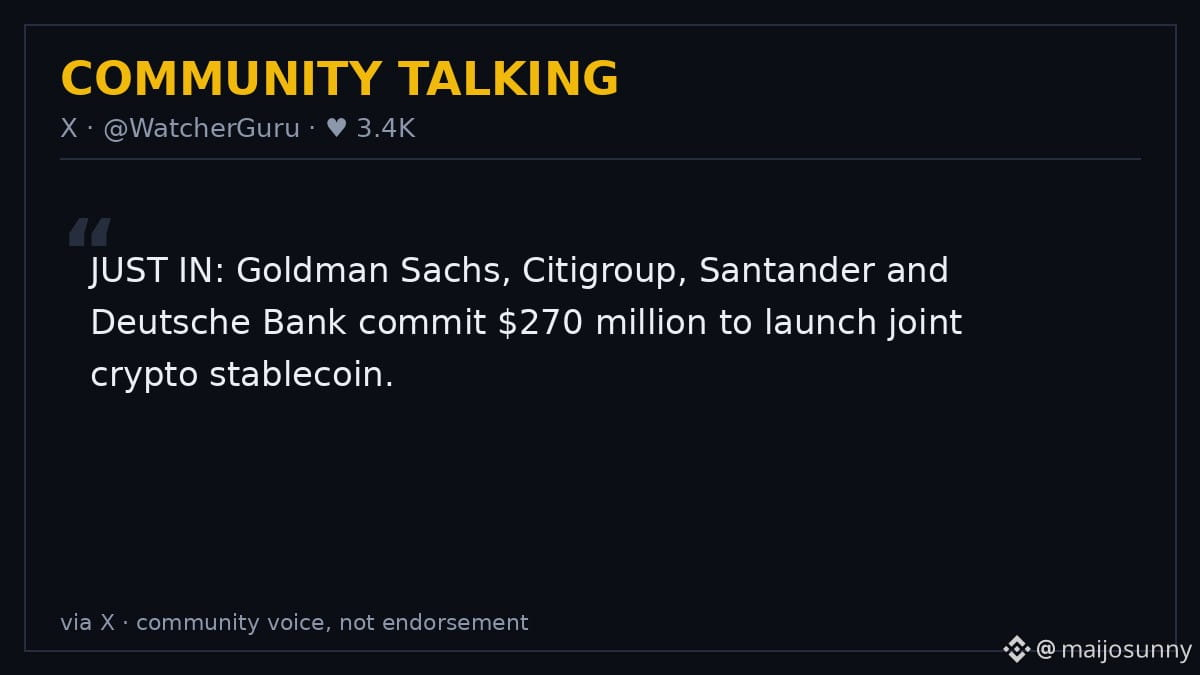
Goldman Sachs, Citigroup, Santander and Deutsche Bank are among 21 financial firms committing around $270M to a joint stablecoin venture, Bloomberg reported Tuesday. The money covers five years of operating costs for a new US-incorporated issuer, codenamed Project Faro, targeting a dollar stablecoin launch in the first half of 2027, with a euro token next.
🔥 Why it matters: the stablecoin market is worth nearly $290B, and $USDT plus $USDC hold roughly 85% of it. A bank-built, GENIUS Act-compliant challenger would not just add another ticker, it would put regulated bank rails directly into cross-border payments and digital asset settlement, the exact use cases the consortium named.
⚠️ But $270M is not reserves. It funds the company, not the coins. The token itself does not exist yet: no CEO, no final name, no announced blockchain, no reserve custodian. A commitment is not a launch, and a 2027 target leaves plenty of room for delay.
My take: this is bigger than one more stablecoin ticker. It is the world's largest banks deciding the GENIUS Act framework is real enough to build on. The real test now is execution, not promises.
👀 What to watch: the CEO hire, the company incorporation, and whether the H1 2027 launch holds. The OCC's GENIUS Act rule takes effect Jan 18, 2027.
Bottom line: Wall Street just put $270M behind a stablecoin challenger while $BTC sits under $74K in a fear market. Is this the start of bank-issued digital dollars, or another consortium that moves slower than crypto?
Not financial advice. DYOR.
#stablecoin #crypto
100


·
--
Wall Street just put real money behind its own stablecoin.
Goldman Sachs, Citi, Santander and Deutsche Bank have committed around $270M to fund a joint venture that will issue a US dollar stablecoin, per Bloomberg. The funding covers five years of operations. The venture builds on a consortium of 21 financial institutions that announced the plan in September, targeting a launch in the first half of 2027, with a euro version to follow.
This is no longer a crypto-native experiment. The world's biggest banks are building their own dollar onchain, under the US GENIUS Act framework, and they are coming for the roughly $290B stablecoin market that Circle and Tether have dominated.
For crypto, this is validation and competition at the same time. Bank stablecoins legitimize onchain dollars and could open new settlement rails for the whole market. But they also squeeze the incumbents: $CRCL and Coinbase shares fell on the news, and a bank-owned token will not feed DeFi the way $USDC does.
The honest risk: this is still a plan, not a product. No company name, no CEO yet, no chain chosen, and the 2027 launch is subject to closing conditions. The market may be pricing in a threat that takes years to arrive.
Watch which chain they pick. That single choice will move markets.
📌 Sharing personal opinions only, not financial advice or a recommendation to buy/sell. Crypto is highly risky; DYOR and you are solely responsible. No coin promotion.
#Stablecoin #Banks #Crypto #Binance
2
972

🔥 BIG NEWS: Goldman Sachs, Citi, Santander, and Deutsche Bank are reportedly joining forces to support a US-based dollar stablecoin venture.
💰 According to Bloomberg, major financial firms are committing around $270 million over five years to fund the project.
👀 Traditional banking giants are making another major move into the stablecoin space. Could this reshape the future of digital payments?
#Stablecoin #USDC #GoldmanSachs #CryptoNews #DigitalFinance
3

🦈 WALL STREET GIANTS PUMP 270M INTO A NEW $USDC COMPETITOR RAIL! 💥
When traditional banking titans like Goldman Sachs and Deutsche Bank pool 270 million into digital rails, institutional liquidity shifts from theory to execution. 📊 This massive capital injection signals a fundamental bridging of legacy finance and on-chain settlement channels. ⚡
Smart money is positioning early as institutional infrastructure scales to handle multi-billion-dollar transaction flows seamlessly. 💡 Are you viewing this banking syndicate move as a bullish adoption catalyst or just another legacy attempt to gatekeep crypto rails? 🤔
⚠️ Not financial advice. Always manage your risk. 🛡️
🏷️ #USDC #Stablecoin #Institutional #Crypto #MarketTrends
🔥 💎
2

·
--
Bullish
🚀 USD1 Coin – Latest Analysis
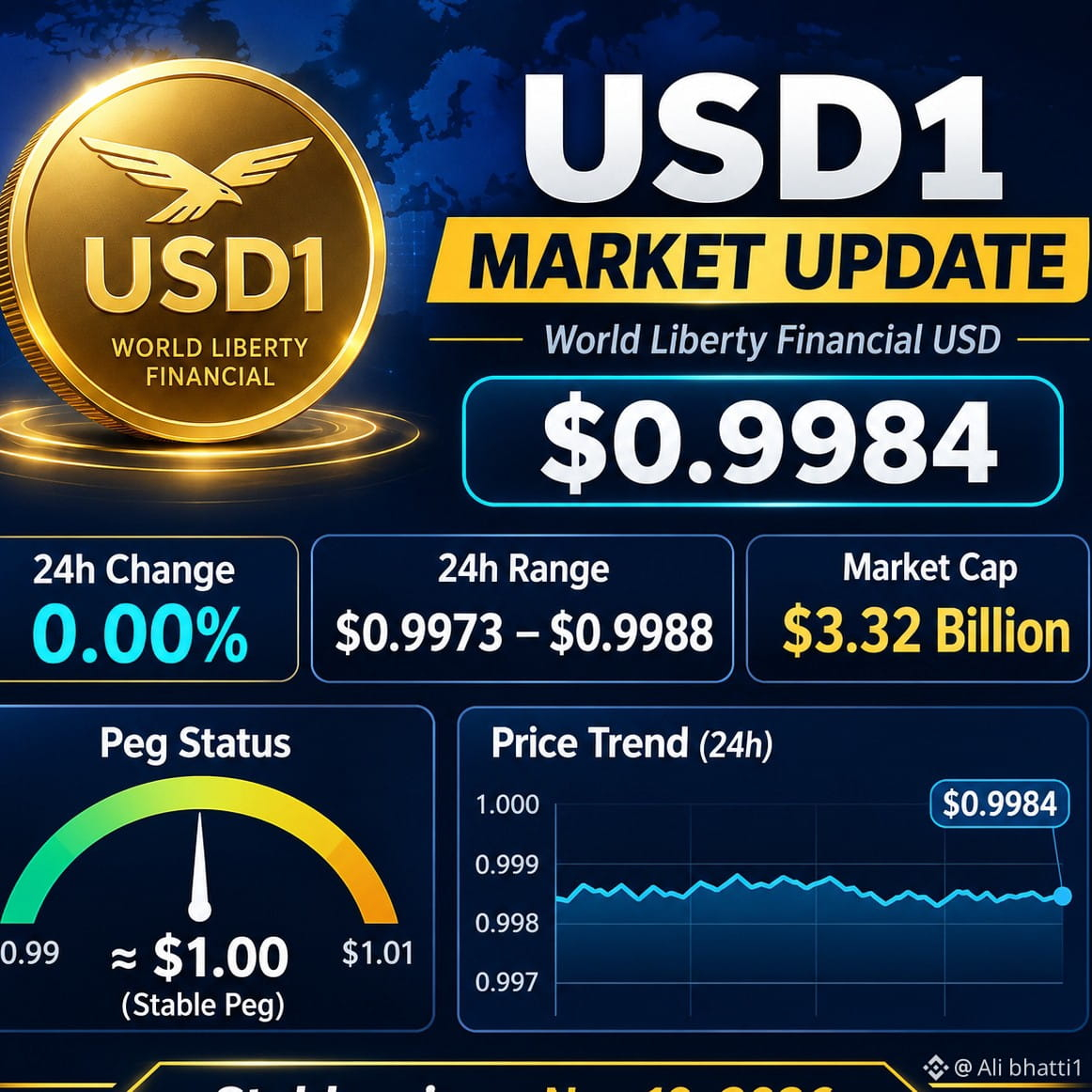
USD1 is trading close to its $USD1 1.00 peg, showing stability with minimal price movement. The market outlook remains neutral as USD1 continues to maintain its stablecoin value.
📊 Outlook: Stable / Neutral
💰 Key Level: $1.00
#USD1 #Crypto #BinanceSquare #stablecoin #CryptoAnalysis
{spot}(USD1USDT)
🚀 USD1 Coin – Latest Analysis
USD1 is trading close to its $USD1 1.00 peg, showing stability with minimal price movement. The market outlook remains neutral as USD1 continues to maintain its stablecoin value.
📊 Outlook: Stable / Neutral
💰 Key Level: $1.00
#USD1 #Crypto #BinanceSquare #stablecoin #CryptoAnalysis
USD1 is trading close to its $USD1 1.00 peg, showing stability with minimal price movement. The market outlook remains neutral as USD1 continues to maintain its stablecoin value.
📊 Outlook: Stable / Neutral
💰 Key Level: $1.00
#USD1 #Crypto #BinanceSquare #stablecoin #CryptoAnalysis
75
·
--
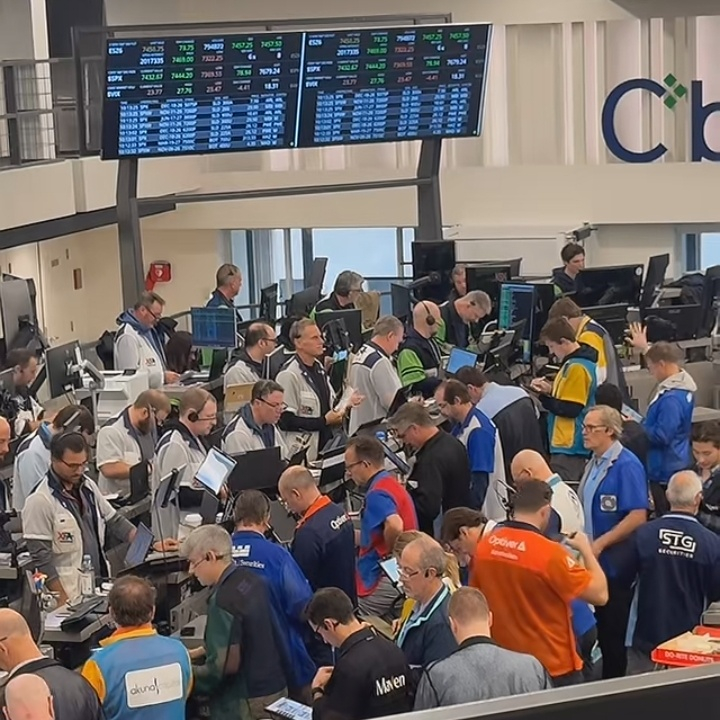
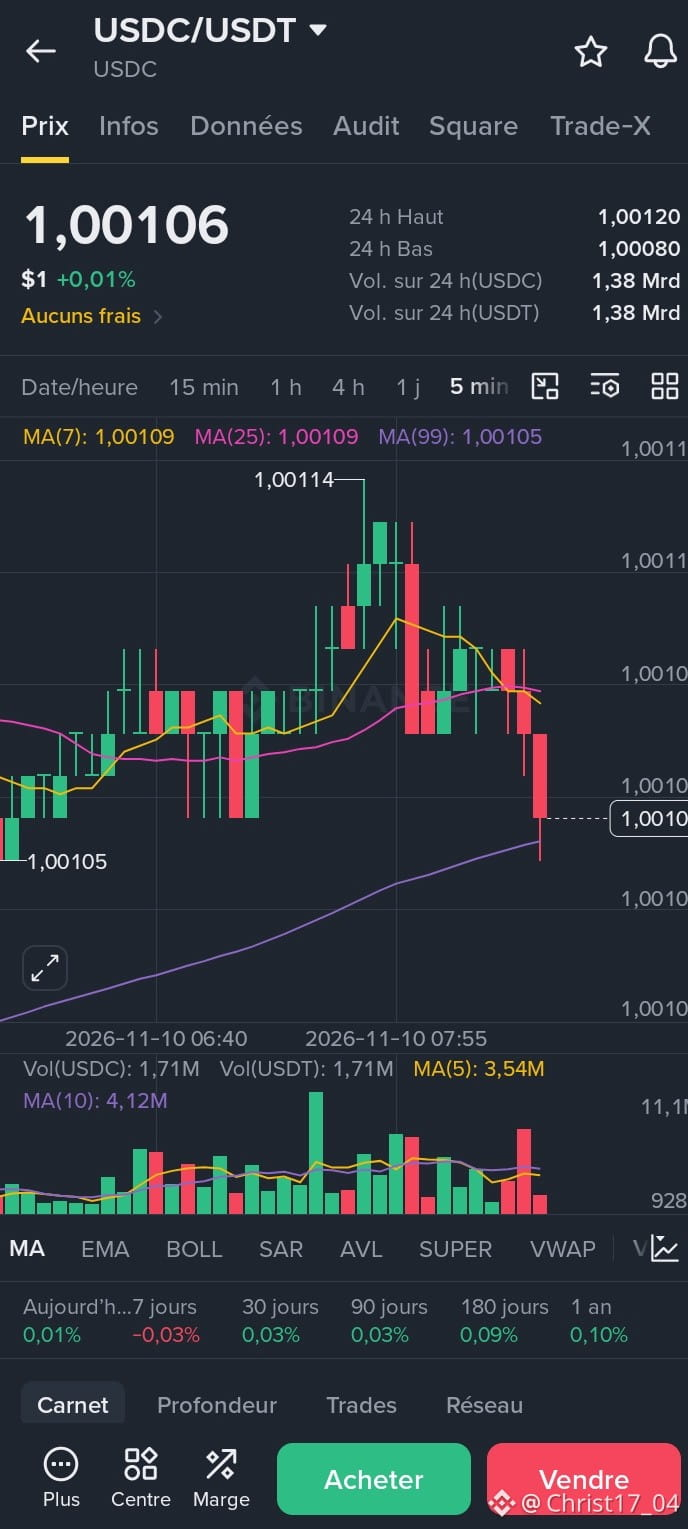
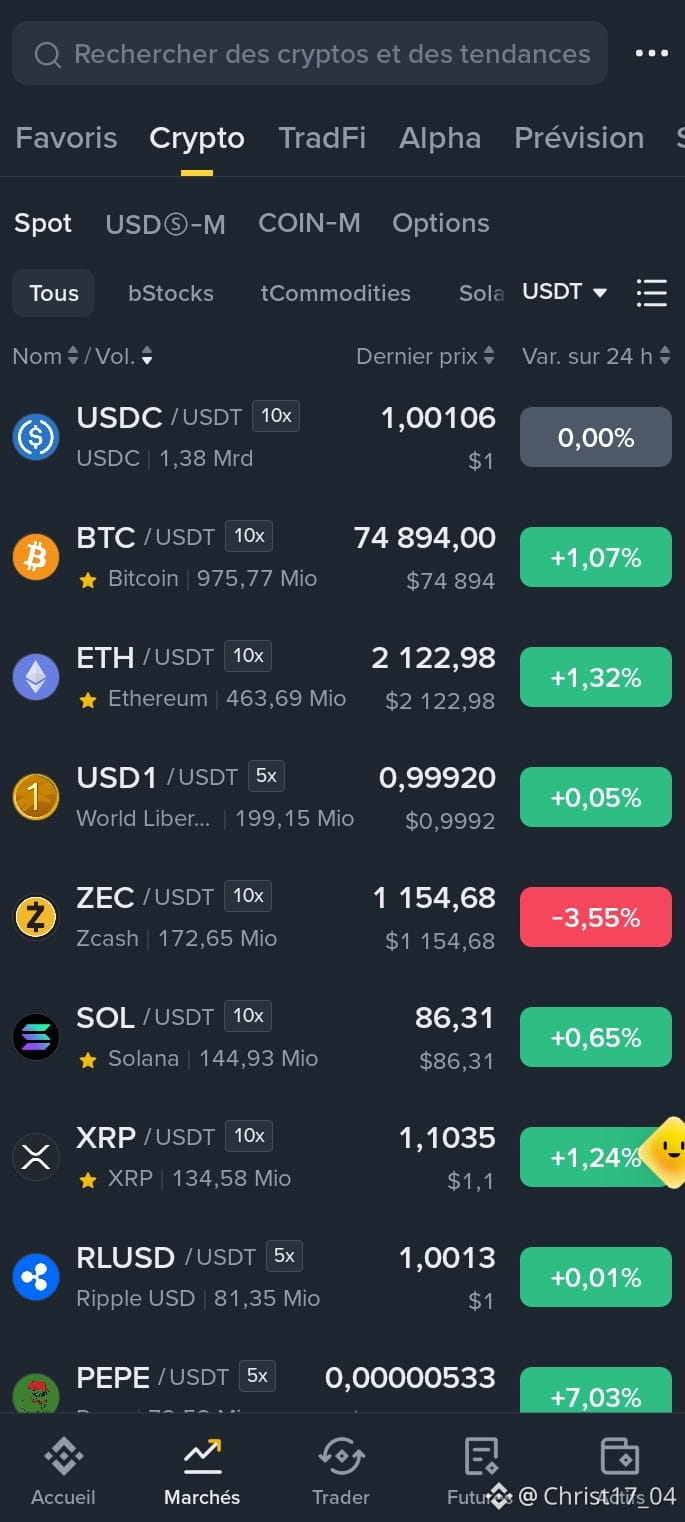
💵 USDT, USDC: WHY ARE STABLECOINS SO IMPORTANT IN CRYPTO?
Hello everyone .
You've probably already used USDT on Binance.But do you really know why stablecoins play such an important role in the crypto ecosystem?
A stablecoin is a cryptocurrency designed to maintain a relatively stable value against a reference asset, most commonly the US dollar. Let's take USDT as an example:
🔹 1 USDT aims to be worth approximately 1 US dollar.
🔹 It allows users to hold dollar-linked value without necessarily leaving the crypto ecosystem.
🔹 It makes trading between different cryptocurrencies easier.
🔹 It is also used for transfers and in certain decentralized financial services.
⚠️ Important: Stable does not mean risk-free. There are risks related to reserves, issuers, and regulations.
🧠 In crypto, understanding Bitcoin is important. But understanding stablecoins is just as important.🥳🥳
💬 Do you mainly use USDT or USDC?
#TradingCommunity $USDT $USDC #Stablecoin #Crypto #BinanceSquare
Margie Dematos Lpg0djd:
usdt
14
2
22
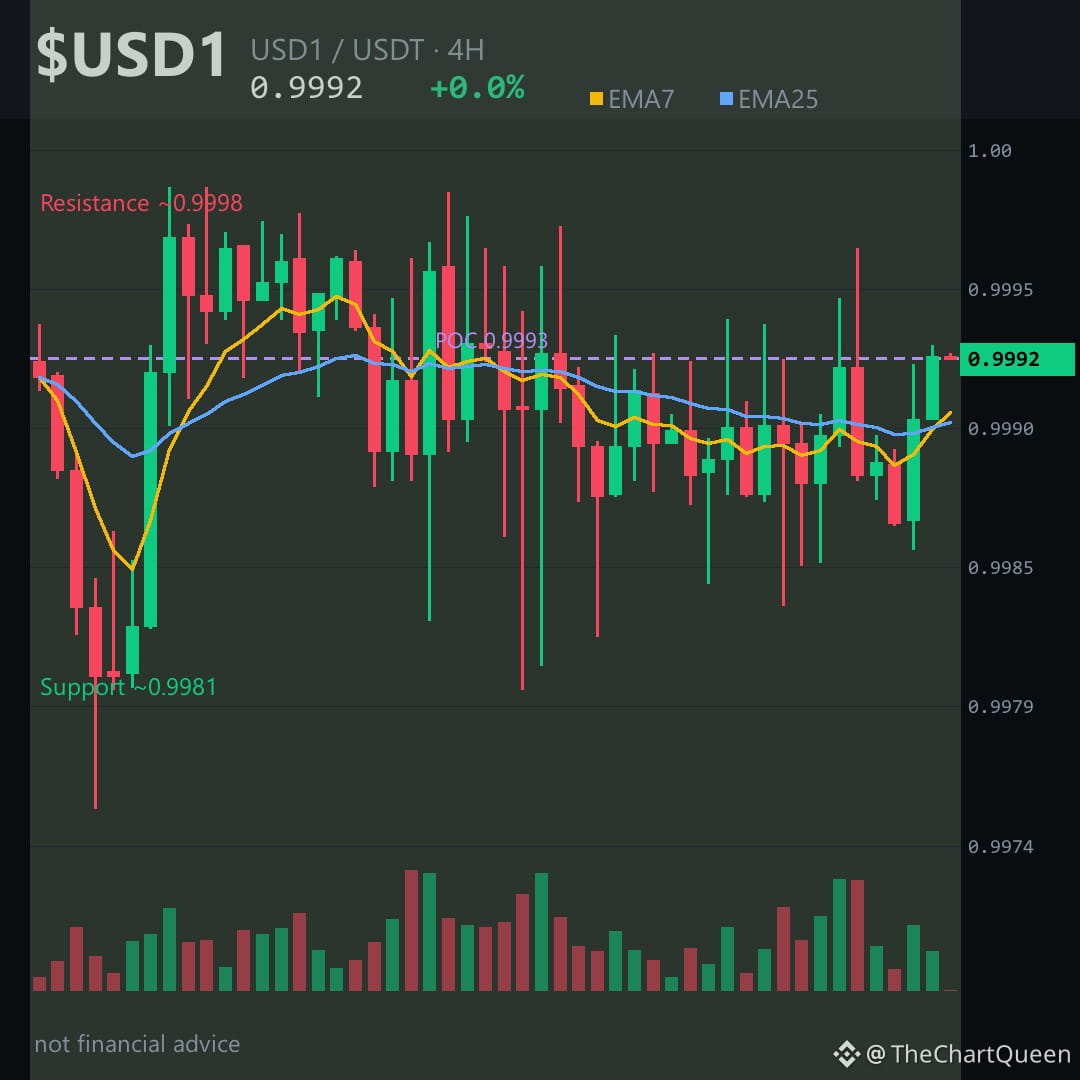
A stablecoin trading like a meme coin — volume is screaming but price is asleep. That’s the trap most will ignore, and the opportunity here is in the *when*, not the *if*.
$USD1 is pinned in a microscopic range — 0.11% in 24h. But volume is $193M. Someone’s positioning while everyone else scrolls past.
The 4H chart is the only one worth reading. Price is hovering just above a bullish fair value gap at 0.9989–0.9990 — an unfilled inefficiency where buyers stepped in aggressively. The pivot sits near 0.9943, but the real line in the sand is 0.9793. Lose that on a 4H close and the whole bullish structure unravels.
EMA7 is crawling above EMA25, RSI is neutral, ATR is basically zero. This is a coiled spring — tight consolidation with the volume point of control near 0.9993 acting like a magnet.
If it breaks clean, the objective zone stretches toward 1.02. That’s meaningful for a stablecoin.
My read: quietly bullish, but it’s a patience game. The invalidation is tight and the reward is asymmetric. Tap $USD1 to pull up the chart and see how clean that FVG looks.
I’ll be watching whether 0.9990 holds or folds. What level are you watching on $USD1 right now? 👇
Follow for the next read on this chart.
⚠️ Not financial advice. DYOR.
#USD1 #Stablecoin #Crypto #BinanceSquare
99

🇺🇸 TODAY: The DOJ filed a civil forfeiture action to recover about $456K in USDT tied to romance scams that lured victims on dating sites and Facebook into fake crypto investments.
#Crypto #Stablecoin
🇺🇸 TODAY: The DOJ filed a civil forfeiture action to recover about $456K in USDT tied to romance scams that lured victims on dating sites and Facebook into fake crypto investments.
#Crypto #Stablecoin
#Crypto #Stablecoin


·
--
Bullish
Everyone expects a stablecoin to be worth $1. That’s the whole point, right?
But how consistently do these assets actually maintain their peg?
I found something interesting in $DIA ’s newly published Global Stablecoin Map.
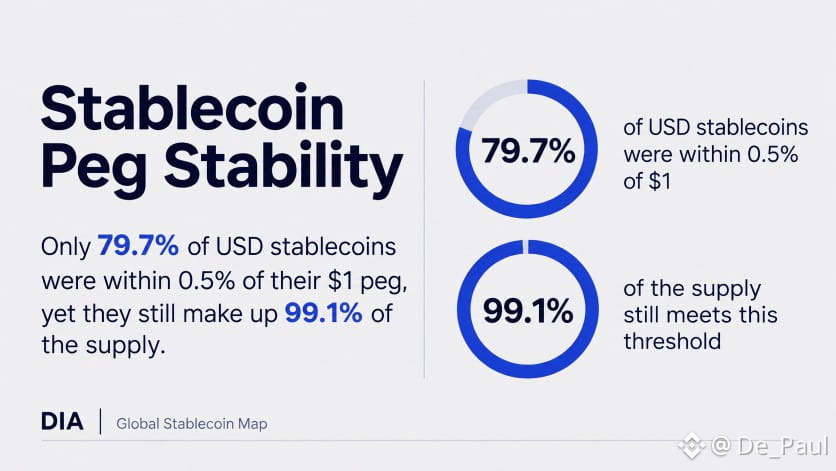
Of the 59 USD stablecoins with at least $1M in supply and an available price, only 79.7% were within 0.5% of their $1 peg at the latest measurement.
Interestingly, those stablecoins still represent 99.1% of the supply covered by the measurement.
This is an important distinction.
A stablecoin can have a large market presence, but that doesn’t automatically tell us how consistently it maintains its intended value.
For users, traders and #defi protocols, even relatively small deviations can matter, especially when stablecoins are being used as collateral or in lending markets.
I think we need to look beyond the promise of a $1 peg and pay more attention to how these #Assests actually perform.
That’s one of the things I find useful about having more transparent #stablecoin data.
2
404
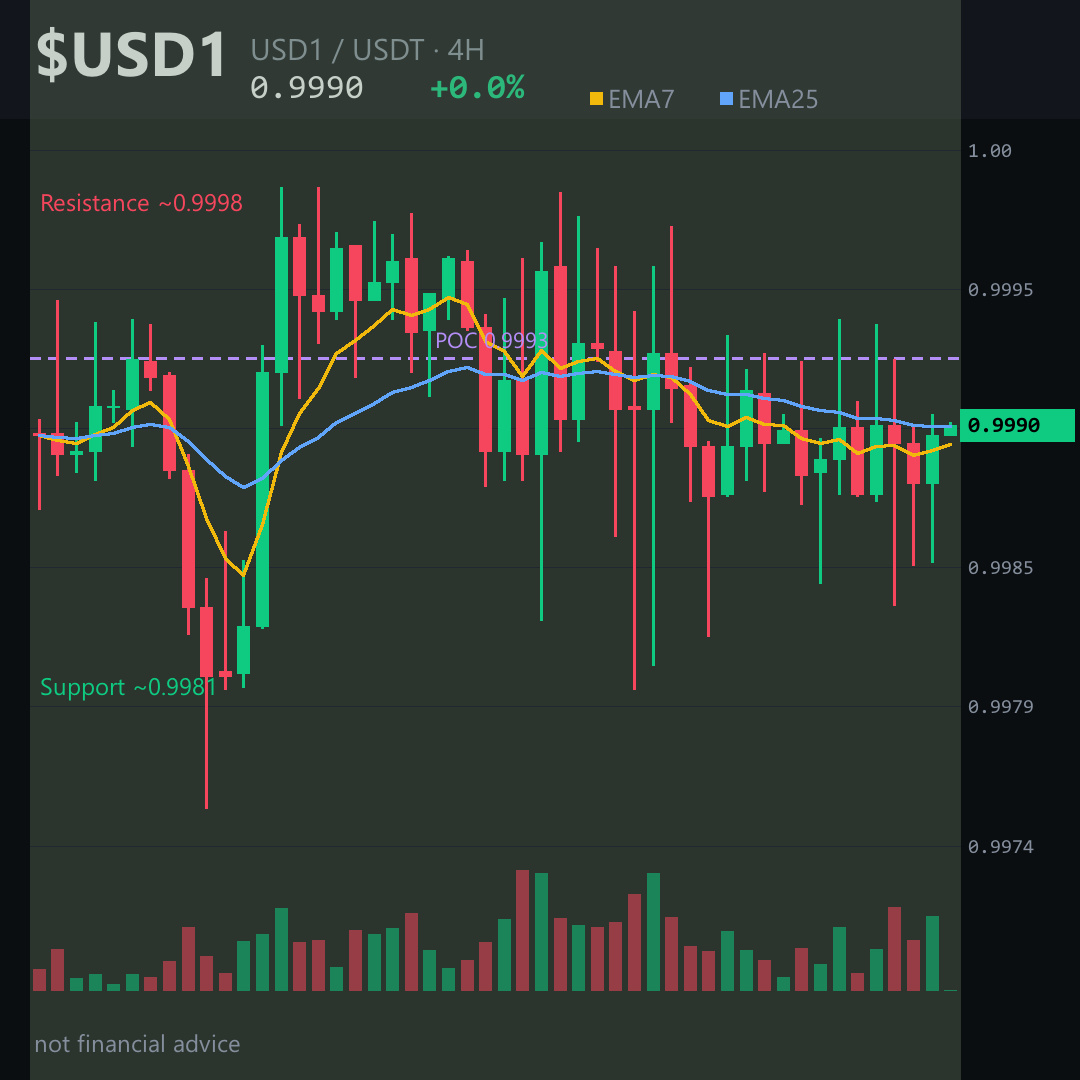
Why is a coin with $162M in daily volume barely moving a tenth of a percent? That’s the question worth asking before you touch $USD1.
Because when a stablecoin-adjacent asset trades this tight — squeezed between 0.9983 and 0.9994 all day — the chart isn’t giving you a trend. It’s giving you a coiled spring waiting for a reason to breathe.
And the 4H picture says that reason might lean lower.
Short-term moving averages are stacked against buyers, RSI is flat but fading, and the volume profile shows most activity sitting just above current price — meaning recent traders are underwater and may be quick to exit.
Price keeps rejecting 0.999 on the 4H. Every push toward a full dollar gets sold. That’s not bullish.
The level that matters most is the 1.004 zone on $USD1 — that’s the pivot. If price can’t reclaim it, the path of least resistance points toward 0.977, where the next meaningful liquidity pocket sits.
Lose the 0.998 floor on a 4H close and this read strengthens. Reclaim 1.019 and the bearish thesis is off the table.
My read: the market is respecting the downside structure here. The real risk is a slow bleed toward 0.977 — not a crash, but a quiet drift that punishes impatience.
I’ll be updating this read as the 0.998 floor gets tested. Follow so you don’t miss that breakdown.
What level are you watching more closely — the 0.977 target or the 1.019 invalidation on $USD1? 👇
Not financial advice. DYOR.
#USD1 #Stablecoin #Crypto #BinanceSquare
Why is a coin with $162M in daily volume barely moving a tenth of a percent? That’s the question worth asking before you touch $USD1 .
Because when a stablecoin-adjacent asset trades this tight — squeezed between 0.9983 and 0.9994 all day — the chart isn’t giving you a trend. It’s giving you a coiled spring waiting for a reason to breathe.
And the 4H picture says that reason might lean lower.
Short-term moving averages are stacked against buyers, RSI is flat but fading, and the volume profile shows most activity sitting just above current price — meaning recent traders are underwater and may be quick to exit.
Price keeps rejecting 0.999 on the 4H. Every push toward a full dollar gets sold. That’s not bullish.
The level that matters most is the 1.004 zone on $USD1 — that’s the pivot. If price can’t reclaim it, the path of least resistance points toward 0.977, where the next meaningful liquidity pocket sits.
Lose the 0.998 floor on a 4H close and this read strengthens. Reclaim 1.019 and the bearish thesis is off the table.
My read: the market is respecting the downside structure here. The real risk is a slow bleed toward 0.977 — not a crash, but a quiet drift that punishes impatience.
I’ll be updating this read as the 0.998 floor gets tested. Follow so you don’t miss that breakdown.
What level are you watching more closely — the 0.977 target or the 1.019 invalidation on $USD1 ? 👇
Not financial advice. DYOR.
#USD1 #Stablecoin #Crypto #BinanceSquare
134

·
--
📰 Crypto News Update
Brazilian companies turned to stablecoins on election day to dodge a currency crash
Why it matters: This development may be relevant to crypto-market participants.
Importance score: 9/10
Source: CoinDesk
Read the original report: https://www.coindesk.com/business/2026/10/27/brazilian-companies-turned-to-stablecoins-on-election-day-to-dodge-a-currency-crash
#Stablecoin #CryptoNews #Cryptocurrency #Blockchain
70
·
--
When you hold a #stablecoin , how much do you actually know about the company or protocol behind it?
Do you know what backs the token? Who is responsible for redeeming it? Or whether the issuer operates under a recognised regulatory framework?
These are questions worth asking, especially as stablecoins become more embedded in #defi and traditional finance.
DIA’s newly published Global Stablecoin Map provides some interesting context.
Its data shows that 91.4% of stablecoin supply is designed to be backed by cash and money-market assets with issuer redemption.
However, only 29.9% of the total supply comes from issuers with an issuance licence.
That difference is worth understanding.
The type of backing, the issuer’s obligations to holders and its regulatory status are separate things. One shouldn’t automatically be treated as proof of the others.
I think stablecoin transparency should go beyond checking whether a token trades close to $1.
Understanding who stands behind the asset and what holders can actually claim is just as important.
$DIA 🔥🔥
1
127

·
--
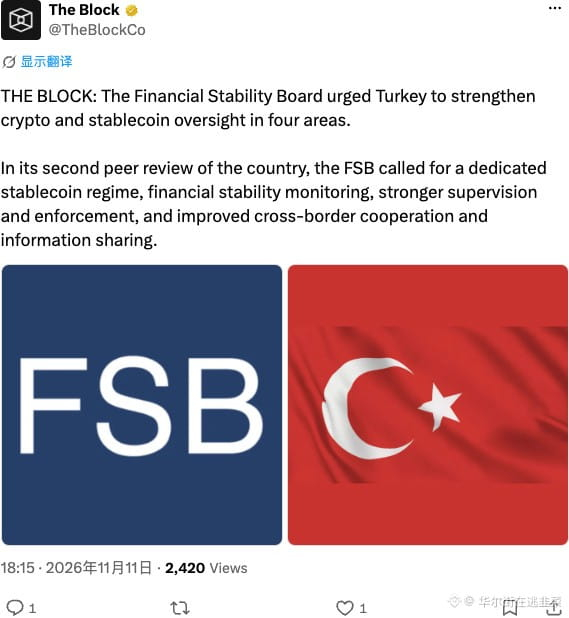
The FSB has singled out Turkey for a second time, calling on it to establish a dedicated regulatory framework for stablecoins and a mechanism for cross-border cooperation. Compliance is the broad direction, but the implementation details are the real challenge. Turkey seems to have caught the right moment with this move, and more countries are likely to follow.
$TURKEY #STABLECOIN
$TURKEY #STABLECOIN
14

·
--
How much does a stablecoin cost before it has issued its first token?
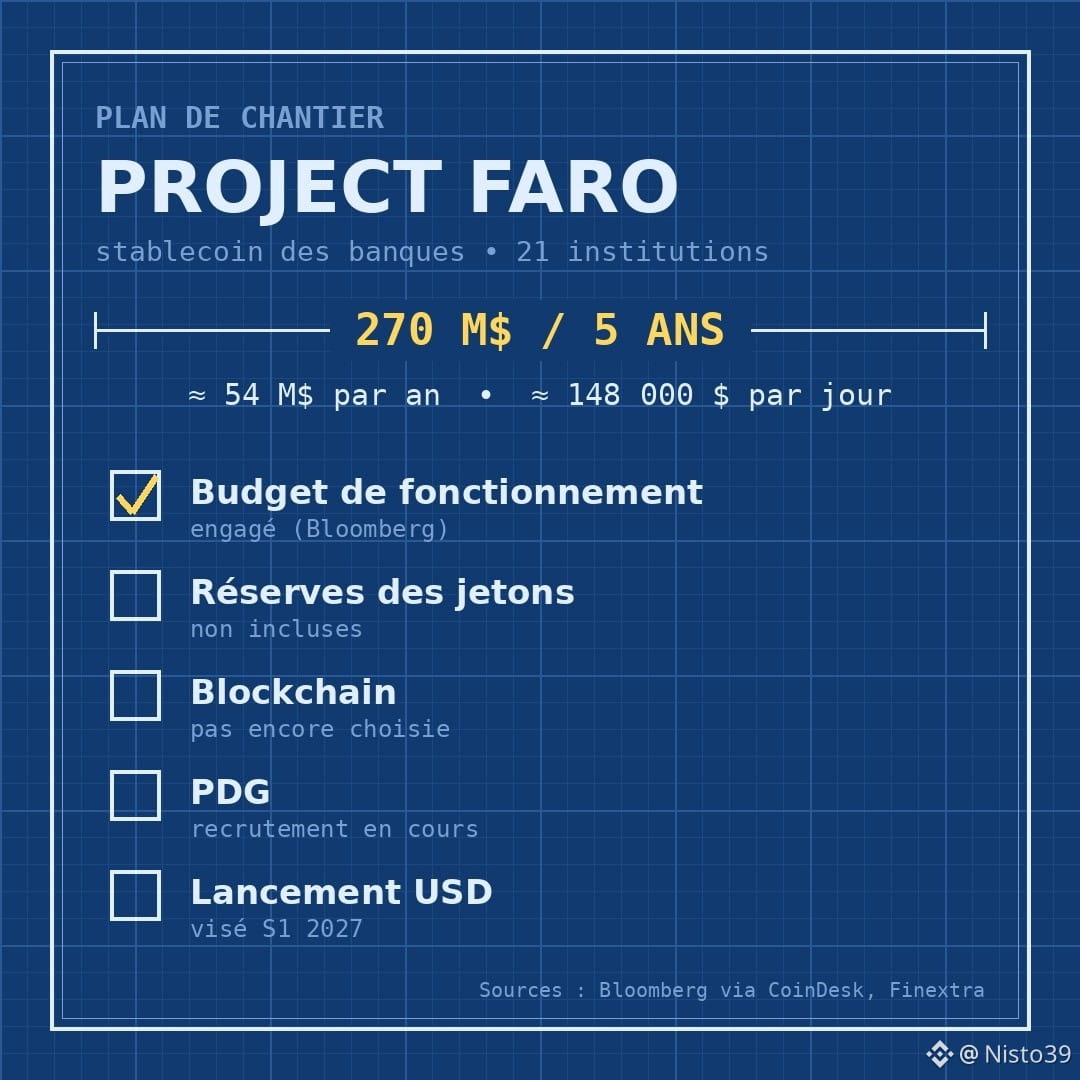
Goldman Sachs, Citi, Santander, Deutsche Bank and the rest have an answer: around $270 million. That’s the amount committed to Project Faro, their planned shared digital dollar, according to Bloomberg (November 10).
I did the math. That $270M has to cover five years of operations. That’s $54M a year, or about $148,000 a day. The reserves that will back each token aren’t even included.
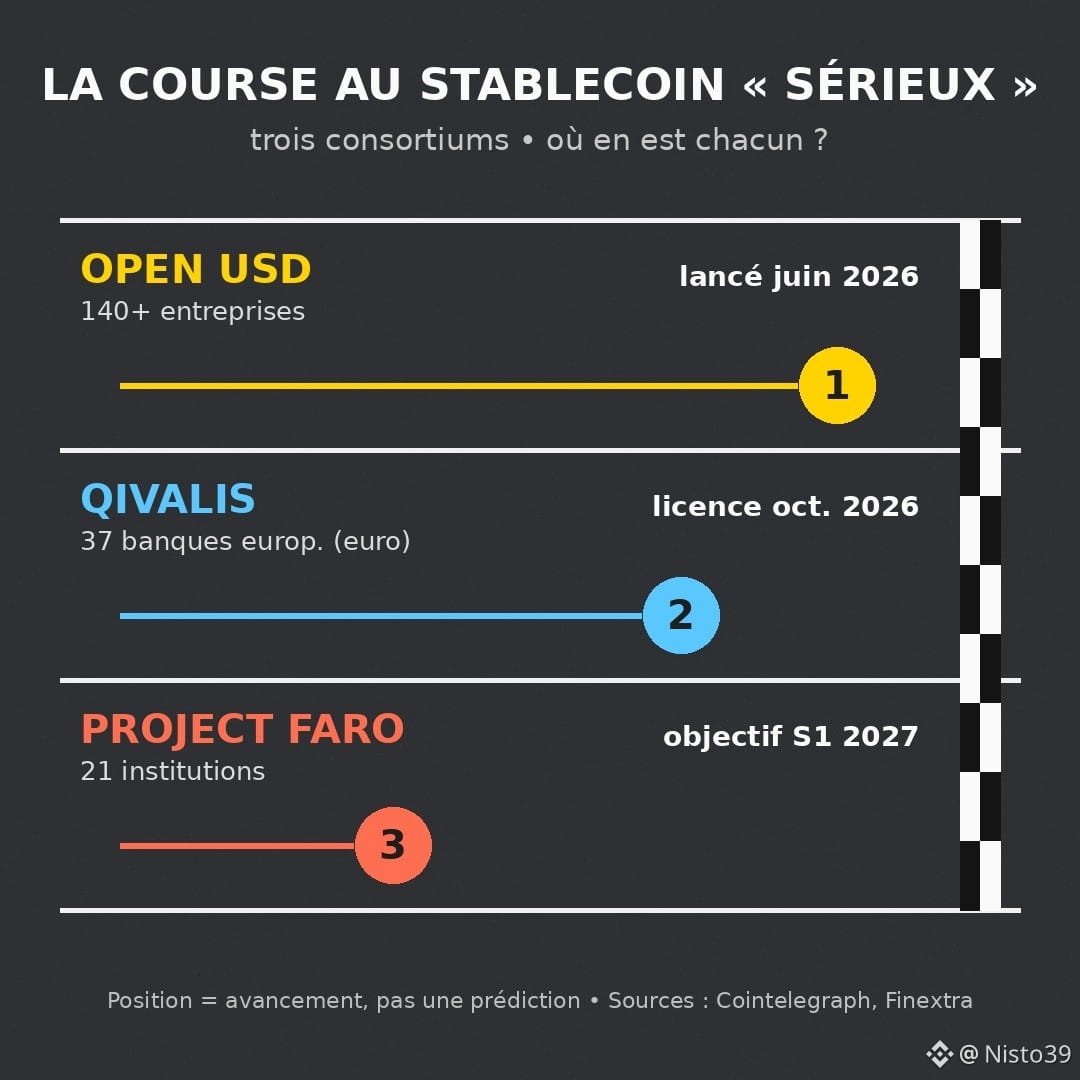
And for now, the future company has no official name, no chosen blockchain, and no CEO (recruitment is underway, according to Finextra). Its stated goal: a dollar stablecoin in the first half of 2027, followed by the euro, then the other G7 currencies.
The timing is curious. The total stablecoin supply just fell 1.4% in a week, its biggest drop since early 2023, and $USDT as well as $USDC have been losing ground since January (The Block). The banks are arriving just as money is flowing out.
My take: this isn’t a bet on crypto; it’s insurance. When 21 institutions are paying $148,000 a day to avoid missing the train, they’re afraid of losing their grip on international payments. Faro even cites cross-border transfers as its primary use case.
One name on the list interests me more than the others: Standard Bank, the South African giant. If banks’ tokenized dollar ever reaches African accounts, the cost of a transfer to Dakar or Lagos could really change. For now, it’s a promise, not a service.
Between a bank stablecoin and one born in crypto, which would you trust more to hold your dollars? And why?
#Stablecoin #Banques #ProjectFaro #Afrique #Crypto
69

·
--
Goldman Sachs and Citi Invest $270 Million, Stablecoin Challenging USDC Set to Launch in 2027
Traditional financial giants are making their first major, direct investment in the stablecoin sector. According to reports by Cointelegraph and Decrypt, “Project Faro,” backed by Goldman Sachs, Citi, and BBVA, has raised $270 million and plans to launch a U.S. dollar stablecoin in 2027, directly challenging current market leader USDC.
Decrypt reports that the funding will cover the project’s five-year operating cycle. The issuer is a U.S.-registered entity operating under the internal codename “Project Faro.” This means leading Wall Street institutions are no longer content to participate in stablecoins indirectly through products or investments. Instead, they have chosen to enter the market as issuers themselves—a move with clear symbolic significance.
Why is this worth watching? For the past few years, the stablecoin ecosystem has been largely dominated by crypto-native players, with USDC and USDT holding the vast majority of market share. Now, traditional banks are entering the space with institutional-scale capital, and are explicitly targeting USDC’s dominant position. This may signal a shift in the stablecoin landscape from crypto-native players toward Wall Street.
Still, several facts call for a measured perspective. According to both media reports, the project is not scheduled to officially launch until 2027 and remains at a very early stage. Meanwhile, established players such as USDC and USDT already have strong distribution channels, trust, and network effects. Whether a newcomer can break through remains to be seen. The $270 million is intended to cover five years of operations, so it is also fair to ask whether the issuer has enough ammunition to challenge the existing duopoly.
How might the market react? In the short term, there are few directly tradable assets in the stablecoin sector, so the impact on prices is likely to be limited. What’s more worth watching is whether more traditional institutions follow suit and whether regulatory frameworks create room for issuers with banking backgrounds.
The countervailing factors are equally clear: the launch is still a long way off, the competitive landscape is entrenched, and the funding is relatively modest given the scale of the ambition. None of these factors alone is enough to dismiss the project’s symbolic significance, but together they suggest this is more like an “entry ticket” than an immediate threat.
What to watch next: first, Project Faro’s regulatory progress and specific launch timeline; second, whether USDC and USDT’s market shares begin to shift; and third, whether a second or third bank joins in. From a trading perspective, stablecoins themselves currently offer no direct tradable asset. If you’re looking at related assets, it may be wiser to wait for the market to confirm a direction rather than positioning yourself early.
#Stablecoin #ProjectFaro #InvestmentBanking
The above is a compilation of information and personal analysis, and does not constitute investment advice.
29
·
--
Goldman Sachs and Citi invest $270 million in stablecoins, targeting USDC in 2027
Traditional financial giants are redefining the competitive boundaries of stablecoins. According to reports by Cointelegraph and Decrypt, “Project Faro,” backed jointly by Goldman Sachs, Citi, and BBVA, has raised $270 million. It aims to launch a dollar-backed stablecoin in 2027, with operating funds sufficient to cover five years. This marks the first time that top-tier Wall Street investment banks have made a major capital commitment to issuing a dollar-backed stablecoin.
The key signal here is not the launch of another new coin, but a shift in the focus of competition. Over the past two years, the stablecoin narrative has centered on payment and transfer efficiency. But Project Faro’s approach—a U.S.-registered issuer and multi-year operating reserves—shifts the competition back to the contest over reserve assets and institutional credibility. The players that can manage dollar reserves effectively and have the edge in compliance and capital may gain the upper hand in the next phase.
From a fundamental perspective, the $270 million raise, intended to cover a five-year operating period, shows that participants are taking a long-term approach rather than pursuing short-term arbitrage. The greatest value of traditional banks entering the market lies in their existing compliance systems, institutional client networks, and asset-liability management capabilities—precisely the areas where crypto-native stablecoin issuers have long been vulnerable due to their reliance on external custodians.
However, the market reaction should be viewed rationally. With launch not expected until 2027, the project is still at a very early stage and is unlikely to have any material short-term impact on USDC’s market share. For now, it is more a signal at the narrative level. The compliance costs and business models of traditional banks also remain unproven, making the narrative value greater than the immediate impact.
For the broader market, the entry of institutional-grade players is itself a sign of the stablecoin sector’s growing maturity and may help strengthen credibility across the sector. Still, it remains to be seen whether issuers led by traditional banks can find a sustainable balance between decentralized ecosystems and regulatory frameworks.
What to watch next: Project Faro’s specific reserve management plan, its regulatory approval progress, and whether more traditional financial institutions follow suit around 2027. For trading, it is more important to wait for market confirmation than to bet on the narrative in advance.
#Stablecoin #ProjectFaro #CryptoMarket
The above is a compilation of information and personal analysis, and does not constitute investment advice.
Follow me for ongoing coverage of key market developments and data.
30

🚨 VISA ADDS MONAD TO ITS STABLECOIN SETTLEMENT SYSTEM 🧠
📊 | $BTC | $ETH | $BNB |
- Follow us, like and comment to get the latest market insights. 📈
- Visa has added Monad as a stablecoin settlement option, available to participating institutional clients.
- This move gives institutions more stablecoin settlement channels and strengthens its on-chain payments strategy.
- Monad has received the endorsement of a major payments giant, validating the value of applications in its ecosystem.
- Institutional capital inflows could boost market liquidity and trading activity. 🔥
- Positive news could trigger an upward move in Monad's price.
- Institutional capital may further improve short-term liquidity.
- Smart money is expected to position itself early, with clear signs of whale accumulation.
- The short-term outlook is expected to be bullish, but trading volume should be monitored.
- Do you think Monad can achieve a revaluation through its partnership with Visa? Share your thoughts in the comments.
- Stay tuned and share your market views in the comments.
#Stablecoin #Monad #Visa #Institutional #Blockchain
1

Visa Adds Monad to Institutional Stablecoin Settlement Options
- Visa has integrated Monad into its stablecoin settlement options.
- For participating institutional clients.
- Institutions seeking additional transaction rails.
#BinanceSquare #CryptoNews #Stablecoin #Visa #Monad
$btc $eth
vlikevn Titanbot
Source: NewsBTC
- Visa has integrated Monad into its stablecoin settlement options.
- For participating institutional clients.
- Institutions seeking additional transaction rails.
#BinanceSquare #CryptoNews #Stablecoin #Visa #Monad
$btc $eth
vlikevn Titanbot
Source: NewsBTC
137
Log in to explore more content
Join global crypto users on Binance Square
⚡️ Get latest and useful information about crypto.
💬 Trusted by the world’s largest crypto exchange.
👍 Discover real insights from verified creators.
Email / Phone number
Trending Topics
1
#HotCPIDecemberHikePriced
168,815 views
1,817 Discussing
2
#StrategyFaces$2.8BSelloffRiskFromMSCIRemoval
1,826 views
26 Discussing
3
#AnthropicRejectsIPODelayValuationinQuestion
273,177 views
2,312 Discussing
4
#CanNvidiaEarningsEaseMarketConcerns?
60,880 views
817 Discussing
5
#BitcoinFiveWeeklyLosses
621,508 views
3,833 Discussing
6
#XRPLedger2027RoadmapProposesQuantumResistantSignatures
0 views
1 Discussing
7
#SECEnforcementActionsFall24%InFiscal2026
315 views
9 Discussing
8
#JapanFSAStudyGroupDiscussesDeFiRegulation
1,455 views
32 Discussing
9
#DeutscheBankLaunchesDigitalAssetCustodyForBTCETH
1,933 views
40 Discussing
10
#TrumpMediaAdds1510BTCInQ3
35,553 views
295 Discussing