

#limitorder
limitorder
16,695 views
100 Discussing
Hot
Latest

Iron calm and correctly placed pending limit orders always bring profit! 📈⚡
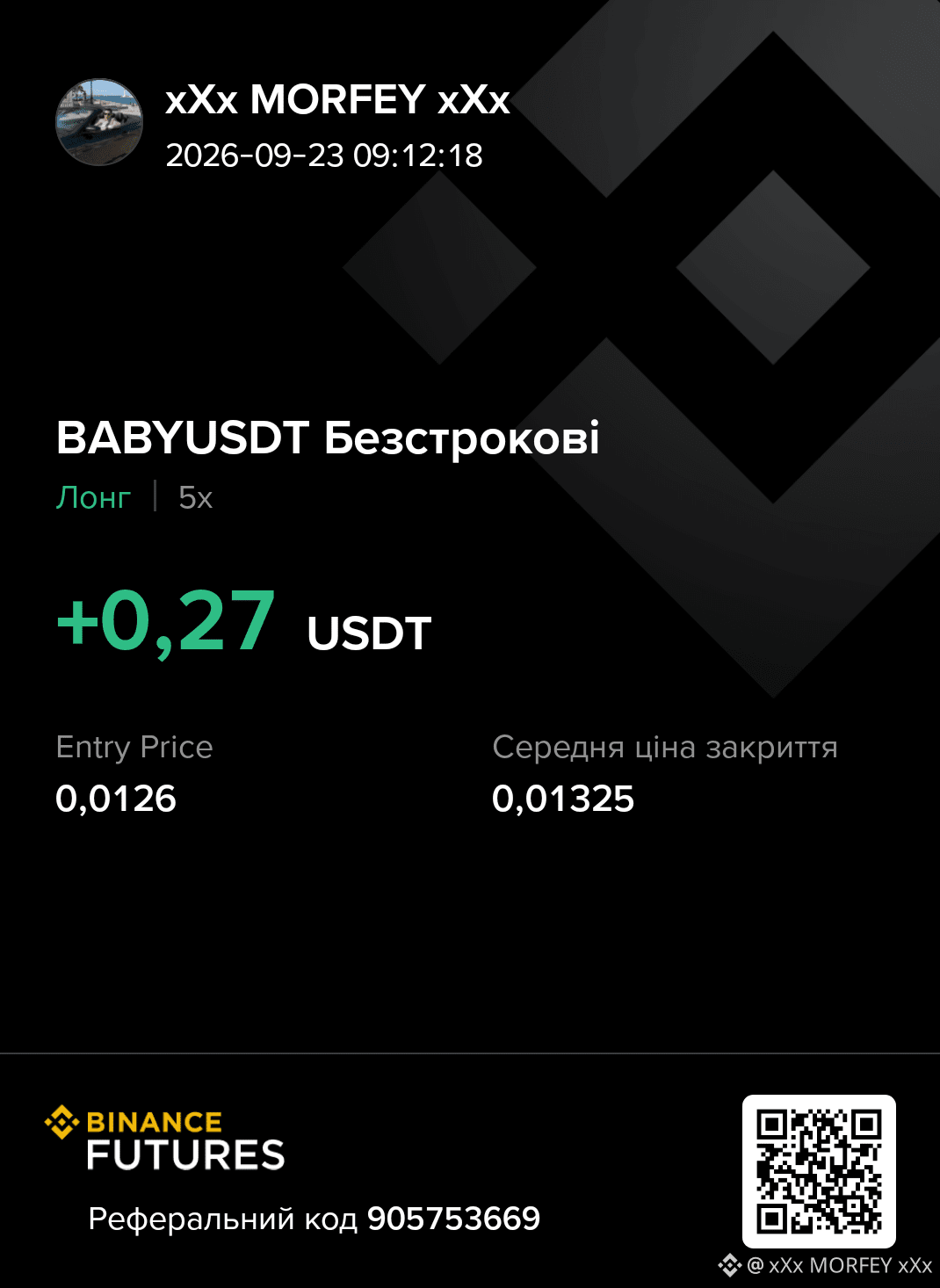
I set this 5x long on the BABY coin back since the evening. The order calmly waited through the night, clearly captured the position at 0,0126, and locked in at the take-profit of 0,01325. Result — clean +0,27 USDT green on the balance. While you rest, the system works for you—if the levels are picked correctly!
Do you also like leaving limit orders overnight, or do you trade strictly manually during the day? 👇
#BinanceSquare #FuturesTrading #TradingPsychology #CryptoUkraine #TradingTips #PNL #USDT #BTC #ETH #BNB #BABY #LimitOrder
[https://www.binance.com/en/futures/ref/905753669](https://www.binance.com/en/futures/ref/905753669)
Iron calm and correctly placed pending limit orders always bring profit! 📈⚡
I set this 5x long on the BABY coin back since the evening. The order calmly waited through the night, clearly captured the position at 0,0126, and locked in at the take-profit of 0,01325. Result — clean +0,27 USDT green on the balance. While you rest, the system works for you—if the levels are picked correctly!
Do you also like leaving limit orders overnight, or do you trade strictly manually during the day? 👇
#BinanceSquare #FuturesTrading #TradingPsychology #CryptoUkraine #TradingTips #PNL #USDT #BTC #ETH #BNB #BABY #LimitOrder
https://www.binance.com/en/futures/ref/905753669
I set this 5x long on the BABY coin back since the evening. The order calmly waited through the night, clearly captured the position at 0,0126, and locked in at the take-profit of 0,01325. Result — clean +0,27 USDT green on the balance. While you rest, the system works for you—if the levels are picked correctly!
Do you also like leaving limit orders overnight, or do you trade strictly manually during the day? 👇
#BinanceSquare #FuturesTrading #TradingPsychology #CryptoUkraine #TradingTips #PNL #USDT #BTC #ETH #BNB #BABY #LimitOrder
https://www.binance.com/en/futures/ref/905753669
76

·
--
🎯 What is a Limit Order?
A Limit Order is an order type where you set the price you want to buy or the price you want to sell at, and then place the order.
If the market price hasn’t reached the set price yet, the order cannot be executed immediately.
Which is more commonly used: Market Order or Limit Order? 👇
#LimitOrder #Trading #Crypto #Binance #TradingTips $BTC $BNB $DOGE
🎯 What is a Limit Order?
A Limit Order is an order type where you set the price you want to buy or the price you want to sell at, and then place the order.
If the market price hasn’t reached the set price yet, the order cannot be executed immediately.
Which is more commonly used: Market Order or Limit Order? 👇
#LimitOrder #Trading #Crypto #Binance #TradingTips $BTC $BNB $DOGE
A Limit Order is an order type where you set the price you want to buy or the price you want to sell at, and then place the order.
If the market price hasn’t reached the set price yet, the order cannot be executed immediately.
Which is more commonly used: Market Order or Limit Order? 👇
#LimitOrder #Trading #Crypto #Binance #TradingTips $BTC $BNB $DOGE


1
70

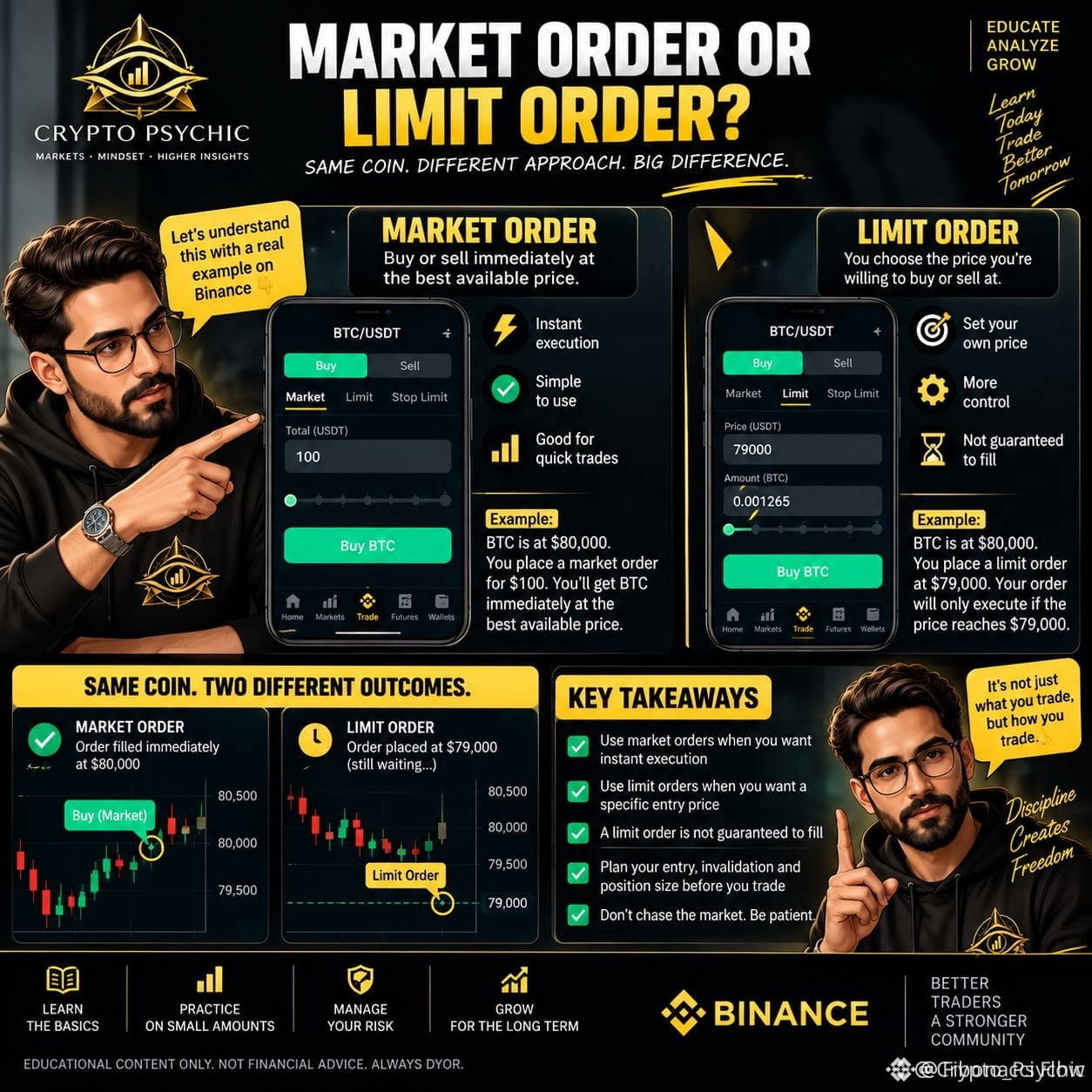
🚨 $BTC LIMIT ORDER PLAY THAT LOCKS IN BETTER ENTRY 🟡
Entry: 79,000 ⚡
📊 Savvy traders treat a limit order like a pre‑placed trap, letting the market swing into their price instead of chasing a moving target. 🟡 This control slices slippage and keeps the bid side tidy, especially when BTC hovers near $80,000. 💡
💎 Planning the entry, stop‑loss, and target before you hit “buy” turns a reaction into a strategy, preserving capital for the next wave. 📍
💬 Do you lock in your entry with a limit or chase with a market? 👇
⚠️ Not financial advice. Always manage your risk. 🛡️
🏷️ #BTC #LimitOrder #TradeEntry #CryptoTips
🔥 💎
🚨 $BTC LIMIT ORDER PLAY THAT LOCKS IN BETTER ENTRY 🟡
Entry: 79,000 ⚡
📊 Savvy traders treat a limit order like a pre‑placed trap, letting the market swing into their price instead of chasing a moving target. 🟡 This control slices slippage and keeps the bid side tidy, especially when BTC hovers near $80,000. 💡
💎 Planning the entry, stop‑loss, and target before you hit “buy” turns a reaction into a strategy, preserving capital for the next wave. 📍
💬 Do you lock in your entry with a limit or chase with a market? 👇
⚠️ Not financial advice. Always manage your risk. 🛡️
🏷️ #BTC #LimitOrder #TradeEntry #CryptoTips
🔥 💎
Entry: 79,000 ⚡
📊 Savvy traders treat a limit order like a pre‑placed trap, letting the market swing into their price instead of chasing a moving target. 🟡 This control slices slippage and keeps the bid side tidy, especially when BTC hovers near $80,000. 💡
💎 Planning the entry, stop‑loss, and target before you hit “buy” turns a reaction into a strategy, preserving capital for the next wave. 📍
💬 Do you lock in your entry with a limit or chase with a market? 👇
⚠️ Not financial advice. Always manage your risk. 🛡️
🏷️ #BTC #LimitOrder #TradeEntry #CryptoTips
🔥 💎
22

·
--
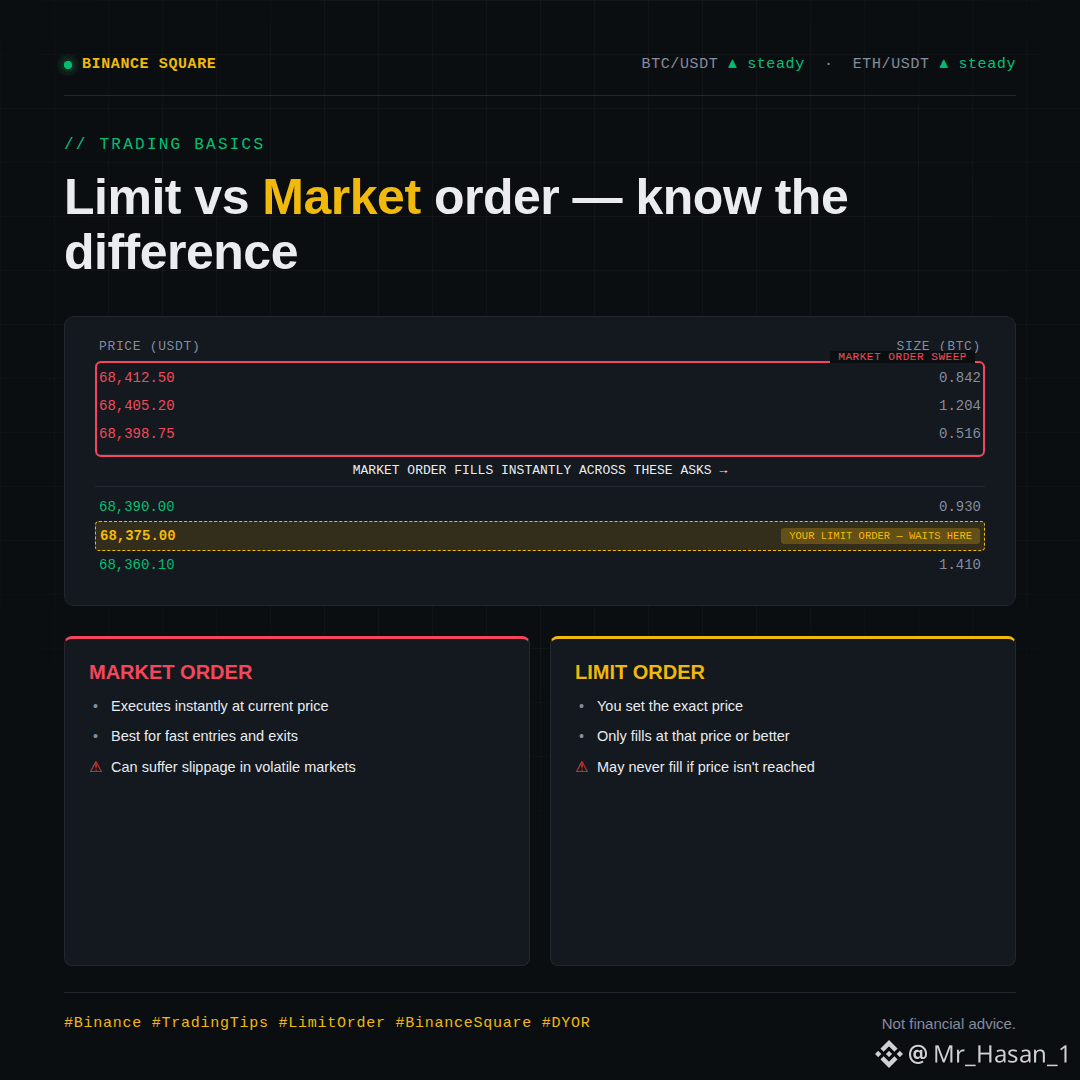
📋 Limit Order vs Market Order: Know the Difference Before You Trade
Understanding these two order types before you start trading is a must — otherwise, you might unknowingly buy too high or sell too low.
📌 Market Order
✅ Executes instantly at the current market price
✅ Good when you need to get in or out fast
⚠️ Can suffer "slippage" in volatile markets — you might not get executed at the exact price you saw
📌 Limit Order
✅ You set a specific price yourself
✅ Only executes at that price or better
✅ You stay in control of the price — no surprises
⚠️ The order might not execute at all if the market never reaches your set price
🎯 When should you use which?
— Need a fast entry/exit and price isn't a big concern → Market Order
— Want to buy/sell at a specific price and aren't in a rush → Limit Order
⚠️ Pro tip: Always use limit orders for large amounts or low-liquidity coins — it protects you from slippage.
Which order type do you use more? Let us know in the comments 👇
#Binance #TradingTips #LimitOrder #BinanceSquare #DYOR
📋 Limit Order vs Market Order: Know the Difference Before You Trade
Understanding these two order types before you start trading is a must — otherwise, you might unknowingly buy too high or sell too low.
📌 Market Order
✅ Executes instantly at the current market price
✅ Good when you need to get in or out fast
⚠️ Can suffer "slippage" in volatile markets — you might not get executed at the exact price you saw
📌 Limit Order
✅ You set a specific price yourself
✅ Only executes at that price or better
✅ You stay in control of the price — no surprises
⚠️ The order might not execute at all if the market never reaches your set price
🎯 When should you use which?
— Need a fast entry/exit and price isn't a big concern → Market Order
— Want to buy/sell at a specific price and aren't in a rush → Limit Order
⚠️ Pro tip: Always use limit orders for large amounts or low-liquidity coins — it protects you from slippage.
Which order type do you use more? Let us know in the comments 👇
#Binance #TradingTips #LimitOrder #BinanceSquare #DYOR
Understanding these two order types before you start trading is a must — otherwise, you might unknowingly buy too high or sell too low.
📌 Market Order
✅ Executes instantly at the current market price
✅ Good when you need to get in or out fast
⚠️ Can suffer "slippage" in volatile markets — you might not get executed at the exact price you saw
📌 Limit Order
✅ You set a specific price yourself
✅ Only executes at that price or better
✅ You stay in control of the price — no surprises
⚠️ The order might not execute at all if the market never reaches your set price
🎯 When should you use which?
— Need a fast entry/exit and price isn't a big concern → Market Order
— Want to buy/sell at a specific price and aren't in a rush → Limit Order
⚠️ Pro tip: Always use limit orders for large amounts or low-liquidity coins — it protects you from slippage.
Which order type do you use more? Let us know in the comments 👇
#Binance #TradingTips #LimitOrder #BinanceSquare #DYOR
89


·
--
Article
Advanced Order Types: Market, Limit, and Stop-LimitWelcome to the twenty-third day of our educational series. Yesterday, we peeked behind the curtain of price charts to understand how the electronic order book matches buyers and sellers in real time. Today, we are taking complete control of your execution mechanics by mastering Advanced Order Types. Relying solely on the basic buy and sell buttons is an easy way to lose money to unnecessary fees and market slippage. To trade like a professional analyst, you must know exactly when and how to deploy Market, Limit, and Stop-Limit orders to protect your entries and secure your capital.
Market Orders: Instant Execution with a Cost
A Market Order is the simplest and fastest way to buy or sell a digital asset. When you submit a market order, you are instructing the exchange to execute your trade instantly at the absolute best available price currently sitting in the order book.
* The Structural Mechanic: If you place a market buy order, the exchange matches you immediately with the lowest available seller in the ask book.
* The Major Risk: Market orders guarantee immediate execution, but they do not guarantee your price. If you try to use a market order during a violent market dump or in a thin, low-liquidity order book, you will experience severe price slippage, meaning your order will eat through the book and execute at a significantly worse price than you intended.
* The Fee Impact: Market orders make you a market taker because you are removing liquidity from the book, which usually incurs higher trading fees.
Limit Orders: Total Price Control
A Limit Order is an order to buy or sell an asset at a specific, predetermined price or better. Unlike market orders, limit orders give you absolute control over your entry and exit costs.
* The Structural Mechanic: If an asset is trading at one hundred dollars, but your technical analysis shows a major support floor at ninety-five dollars, you place a buy limit order at ninety-five dollars. Your order will sit patiently in the bid book as a green wall of liquidity. It will only execute if and when the market price drops down to match your exact target.
* The Major Benefit: You never suffer from slippage. If you set a limit to buy at ninety-five dollars, you will pay exactly ninety-five dollars or less. Furthermore, because you are adding pending orders to the book, you act as a market maker, which qualifies you for lower maker fees on most major exchanges.
* The Downside: Execution is not guaranteed. If the price drops to ninety-five dollars and one cent before skyrocketing upward, your order will remain unfilled, and you will miss the move.
Stop-Limit Orders: The Ultimate Risk Protection
A Stop-Limit Order is an advanced conditional order that remains completely invisible to the order book until a specific trigger price is reached. This is the ultimate tool used to automate your stop-losses and protect your trading account from sudden overnight market crashes. It requires you to set two distinct parameters: the Stop Price and the Limit Price.
* The Stop Price (The Trigger): This acts as the alarm clock. It tells the exchange, "If the market price drops down to this specific level, wake up and immediately place my order into the book."
* The Limit Price (The Execution): This is the actual price at which your order enters the book once triggered.
Let's look at a practical example: You buy an asset at one hundred dollars and identify a crucial structural support floor at ninety-five dollars. You want to exit immediately if that support breaks to avoid a massive loss. You set a stop-limit order with a stop price at ninety-four dollars and a limit price at ninety-three dollars and fifty cents. If a panic drop occurs and the price hits ninety-four dollars, your stop price triggers, and a sell limit order is instantly submitted to the book at ninety-three dollars and fifty cents. This ensures you cut your losses cleanly before the market can slide any lower.
Creator's Advice: Match the Order to the Market Environment
The most common mistake made by intermediate community members is using the wrong order type for the wrong situation. They use market orders during high-volatility news events, resulting in massive slippage losses, or they use basic limit orders as stop-losses, which can easily be skipped over entirely during a rapid price gap.
As a professional rule of thumb: use limit orders to patiently build your entry positions at key support zones during quiet market hours. Use stop-limit orders exclusively to secure your downside protection. Only reserve market orders for true emergencies where you must exit a failing position instantly, regardless of the fee cost.
Tomorrow, we will step into the mechanics of position management by mastering the difference between Spot Trading and Leverage Trading, teaching you how liquidations work and how to handle margin safely. For today, your practical task is to open your spot trading panel, locate the order type dropdown menu, and practice setting up a mock buy limit order at a support floor without hitting the final confirm button.
#TechnicalAnalysis #OrderTypes #LimitOrder
Advanced Order Types: Market, Limit, and Stop-Limit
Welcome to the twenty-third day of our educational series. Yesterday, we peeked behind the curtain of price charts to understand how the electronic order book matches buyers and sellers in real time. Today, we are taking complete control of your execution mechanics by mastering Advanced Order Types. Relying solely on the basic buy and sell buttons is an easy way to lose money to unnecessary fees and market slippage. To trade like a professional analyst, you must know exactly when and how to deploy Market, Limit, and Stop-Limit orders to protect your entries and secure your capital.
Market Orders: Instant Execution with a Cost
A Market Order is the simplest and fastest way to buy or sell a digital asset. When you submit a market order, you are instructing the exchange to execute your trade instantly at the absolute best available price currently sitting in the order book.
* The Structural Mechanic: If you place a market buy order, the exchange matches you immediately with the lowest available seller in the ask book.
* The Major Risk: Market orders guarantee immediate execution, but they do not guarantee your price. If you try to use a market order during a violent market dump or in a thin, low-liquidity order book, you will experience severe price slippage, meaning your order will eat through the book and execute at a significantly worse price than you intended.
* The Fee Impact: Market orders make you a market taker because you are removing liquidity from the book, which usually incurs higher trading fees.
Limit Orders: Total Price Control
A Limit Order is an order to buy or sell an asset at a specific, predetermined price or better. Unlike market orders, limit orders give you absolute control over your entry and exit costs.
* The Structural Mechanic: If an asset is trading at one hundred dollars, but your technical analysis shows a major support floor at ninety-five dollars, you place a buy limit order at ninety-five dollars. Your order will sit patiently in the bid book as a green wall of liquidity. It will only execute if and when the market price drops down to match your exact target.
* The Major Benefit: You never suffer from slippage. If you set a limit to buy at ninety-five dollars, you will pay exactly ninety-five dollars or less. Furthermore, because you are adding pending orders to the book, you act as a market maker, which qualifies you for lower maker fees on most major exchanges.
* The Downside: Execution is not guaranteed. If the price drops to ninety-five dollars and one cent before skyrocketing upward, your order will remain unfilled, and you will miss the move.
Stop-Limit Orders: The Ultimate Risk Protection
A Stop-Limit Order is an advanced conditional order that remains completely invisible to the order book until a specific trigger price is reached. This is the ultimate tool used to automate your stop-losses and protect your trading account from sudden overnight market crashes. It requires you to set two distinct parameters: the Stop Price and the Limit Price.
* The Stop Price (The Trigger): This acts as the alarm clock. It tells the exchange, "If the market price drops down to this specific level, wake up and immediately place my order into the book."
* The Limit Price (The Execution): This is the actual price at which your order enters the book once triggered.
Let's look at a practical example: You buy an asset at one hundred dollars and identify a crucial structural support floor at ninety-five dollars. You want to exit immediately if that support breaks to avoid a massive loss. You set a stop-limit order with a stop price at ninety-four dollars and a limit price at ninety-three dollars and fifty cents. If a panic drop occurs and the price hits ninety-four dollars, your stop price triggers, and a sell limit order is instantly submitted to the book at ninety-three dollars and fifty cents. This ensures you cut your losses cleanly before the market can slide any lower.
Creator's Advice: Match the Order to the Market Environment
The most common mistake made by intermediate community members is using the wrong order type for the wrong situation. They use market orders during high-volatility news events, resulting in massive slippage losses, or they use basic limit orders as stop-losses, which can easily be skipped over entirely during a rapid price gap.
As a professional rule of thumb: use limit orders to patiently build your entry positions at key support zones during quiet market hours. Use stop-limit orders exclusively to secure your downside protection. Only reserve market orders for true emergencies where you must exit a failing position instantly, regardless of the fee cost.
Tomorrow, we will step into the mechanics of position management by mastering the difference between Spot Trading and Leverage Trading, teaching you how liquidations work and how to handle margin safely. For today, your practical task is to open your spot trading panel, locate the order type dropdown menu, and practice setting up a mock buy limit order at a support floor without hitting the final confirm button.
#TechnicalAnalysis #OrderTypes #LimitOrder
Market Orders: Instant Execution with a Cost
A Market Order is the simplest and fastest way to buy or sell a digital asset. When you submit a market order, you are instructing the exchange to execute your trade instantly at the absolute best available price currently sitting in the order book.
* The Structural Mechanic: If you place a market buy order, the exchange matches you immediately with the lowest available seller in the ask book.
* The Major Risk: Market orders guarantee immediate execution, but they do not guarantee your price. If you try to use a market order during a violent market dump or in a thin, low-liquidity order book, you will experience severe price slippage, meaning your order will eat through the book and execute at a significantly worse price than you intended.
* The Fee Impact: Market orders make you a market taker because you are removing liquidity from the book, which usually incurs higher trading fees.
Limit Orders: Total Price Control
A Limit Order is an order to buy or sell an asset at a specific, predetermined price or better. Unlike market orders, limit orders give you absolute control over your entry and exit costs.
* The Structural Mechanic: If an asset is trading at one hundred dollars, but your technical analysis shows a major support floor at ninety-five dollars, you place a buy limit order at ninety-five dollars. Your order will sit patiently in the bid book as a green wall of liquidity. It will only execute if and when the market price drops down to match your exact target.
* The Major Benefit: You never suffer from slippage. If you set a limit to buy at ninety-five dollars, you will pay exactly ninety-five dollars or less. Furthermore, because you are adding pending orders to the book, you act as a market maker, which qualifies you for lower maker fees on most major exchanges.
* The Downside: Execution is not guaranteed. If the price drops to ninety-five dollars and one cent before skyrocketing upward, your order will remain unfilled, and you will miss the move.
Stop-Limit Orders: The Ultimate Risk Protection
A Stop-Limit Order is an advanced conditional order that remains completely invisible to the order book until a specific trigger price is reached. This is the ultimate tool used to automate your stop-losses and protect your trading account from sudden overnight market crashes. It requires you to set two distinct parameters: the Stop Price and the Limit Price.
* The Stop Price (The Trigger): This acts as the alarm clock. It tells the exchange, "If the market price drops down to this specific level, wake up and immediately place my order into the book."
* The Limit Price (The Execution): This is the actual price at which your order enters the book once triggered.
Let's look at a practical example: You buy an asset at one hundred dollars and identify a crucial structural support floor at ninety-five dollars. You want to exit immediately if that support breaks to avoid a massive loss. You set a stop-limit order with a stop price at ninety-four dollars and a limit price at ninety-three dollars and fifty cents. If a panic drop occurs and the price hits ninety-four dollars, your stop price triggers, and a sell limit order is instantly submitted to the book at ninety-three dollars and fifty cents. This ensures you cut your losses cleanly before the market can slide any lower.
Creator's Advice: Match the Order to the Market Environment
The most common mistake made by intermediate community members is using the wrong order type for the wrong situation. They use market orders during high-volatility news events, resulting in massive slippage losses, or they use basic limit orders as stop-losses, which can easily be skipped over entirely during a rapid price gap.
As a professional rule of thumb: use limit orders to patiently build your entry positions at key support zones during quiet market hours. Use stop-limit orders exclusively to secure your downside protection. Only reserve market orders for true emergencies where you must exit a failing position instantly, regardless of the fee cost.
Tomorrow, we will step into the mechanics of position management by mastering the difference between Spot Trading and Leverage Trading, teaching you how liquidations work and how to handle margin safely. For today, your practical task is to open your spot trading panel, locate the order type dropdown menu, and practice setting up a mock buy limit order at a support floor without hitting the final confirm button.
#TechnicalAnalysis #OrderTypes #LimitOrder
2
389

Lesson 18: Use Limit Orders Over Market Orders
Market orders execute immediately, but they subject you to slippage and higher taker fees. Limit orders allow you to name your exact price, adding liquidity to the order book. Plan your entries in advance on projects you want to accumulate, like $RENDER or $FET , so you can let the market come to your limit orders while you sleep.
#RenderNetwork #ArtificialSuperIntelligence #FET #LimitOrder #SmartTrading
Lesson 18: Use Limit Orders Over Market Orders
Market orders execute immediately, but they subject you to slippage and higher taker fees. Limit orders allow you to name your exact price, adding liquidity to the order book. Plan your entries in advance on projects you want to accumulate, like $RENDER or $FET , so you can let the market come to your limit orders while you sleep.
#RenderNetwork #ArtificialSuperIntelligence #FET #LimitOrder #SmartTrading
Market orders execute immediately, but they subject you to slippage and higher taker fees. Limit orders allow you to name your exact price, adding liquidity to the order book. Plan your entries in advance on projects you want to accumulate, like $RENDER or $FET , so you can let the market come to your limit orders while you sleep.
#RenderNetwork #ArtificialSuperIntelligence #FET #LimitOrder #SmartTrading
121

Binance Order Types Explained in a Simple Way#TakeProfits #limitorder #marketorder #iceberg itUnderstanding Binance Orders: The Simple Way I See It
When I started understanding the order book, one thing became clear: every trade needs a buyer and a seller.
If I place a market buy, it takes the lowest available sell order first. If that amount is finished and I still need more, it moves to the next lowest seller.
For a market sell, it works the opposite way. It takes the highest available buy order first, then moves to the next highest buyer.
This is why a big market order can move the price. If there are not enough sellers at one price, the order starts taking liquidity from higher prices.
A limit order is different. If I place a limit buy at $99,000, I am saying I will buy at $99,000 or lower, not above it. For a limit sell, I want $99,000 or higher.
Then comes the stop-limit order. The stop price is the trigger. Once the stop price is reached, the limit order becomes active. For a buy, setting the limit above the stop gives more room for the order to fill. For a sell, setting the limit below the stop gives more room.
A stop-market order is different because after the trigger it becomes a market order. It focuses more on getting the order executed, while the exact price is not guaranteed.
Take profit is simply a way to close a profitable position at a target, while stop loss is used to get out when the market moves against you.
And finally, the Iceberg order. If someone wants to buy or sell a very large amount without showing the full size in the order book, they can show only a small part at a time. This can help reduce the visible impact of a large order, although it cannot guarantee that the market will not move.
For me, the main thing to remember is:
Market order = execution first
Limit order = price first
Stop order = trigger first
Iceberg = hide the full order size
Once you understand how buyers and sellers match in the order book, Binance order types become much easier to understand.
Binance Order Types Explained in a Simple Way
#TakeProfits #limitorder #marketorder #iceberg itUnderstanding Binance Orders: The Simple Way I See It
When I started understanding the order book, one thing became clear: every trade needs a buyer and a seller.
If I place a market buy, it takes the lowest available sell order first. If that amount is finished and I still need more, it moves to the next lowest seller.
For a market sell, it works the opposite way. It takes the highest available buy order first, then moves to the next highest buyer.
This is why a big market order can move the price. If there are not enough sellers at one price, the order starts taking liquidity from higher prices.
A limit order is different. If I place a limit buy at $99,000, I am saying I will buy at $99,000 or lower, not above it. For a limit sell, I want $99,000 or higher.
Then comes the stop-limit order. The stop price is the trigger. Once the stop price is reached, the limit order becomes active. For a buy, setting the limit above the stop gives more room for the order to fill. For a sell, setting the limit below the stop gives more room.
A stop-market order is different because after the trigger it becomes a market order. It focuses more on getting the order executed, while the exact price is not guaranteed.
Take profit is simply a way to close a profitable position at a target, while stop loss is used to get out when the market moves against you.
And finally, the Iceberg order. If someone wants to buy or sell a very large amount without showing the full size in the order book, they can show only a small part at a time. This can help reduce the visible impact of a large order, although it cannot guarantee that the market will not move.
For me, the main thing to remember is:
Market order = execution first
Limit order = price first
Stop order = trigger first
Iceberg = hide the full order size
Once you understand how buyers and sellers match in the order book, Binance order types become much easier to understand.
When I started understanding the order book, one thing became clear: every trade needs a buyer and a seller.
If I place a market buy, it takes the lowest available sell order first. If that amount is finished and I still need more, it moves to the next lowest seller.
For a market sell, it works the opposite way. It takes the highest available buy order first, then moves to the next highest buyer.
This is why a big market order can move the price. If there are not enough sellers at one price, the order starts taking liquidity from higher prices.
A limit order is different. If I place a limit buy at $99,000, I am saying I will buy at $99,000 or lower, not above it. For a limit sell, I want $99,000 or higher.
Then comes the stop-limit order. The stop price is the trigger. Once the stop price is reached, the limit order becomes active. For a buy, setting the limit above the stop gives more room for the order to fill. For a sell, setting the limit below the stop gives more room.
A stop-market order is different because after the trigger it becomes a market order. It focuses more on getting the order executed, while the exact price is not guaranteed.
Take profit is simply a way to close a profitable position at a target, while stop loss is used to get out when the market moves against you.
And finally, the Iceberg order. If someone wants to buy or sell a very large amount without showing the full size in the order book, they can show only a small part at a time. This can help reduce the visible impact of a large order, although it cannot guarantee that the market will not move.
For me, the main thing to remember is:
Market order = execution first
Limit order = price first
Stop order = trigger first
Iceberg = hide the full order size
Once you understand how buyers and sellers match in the order book, Binance order types become much easier to understand.
98
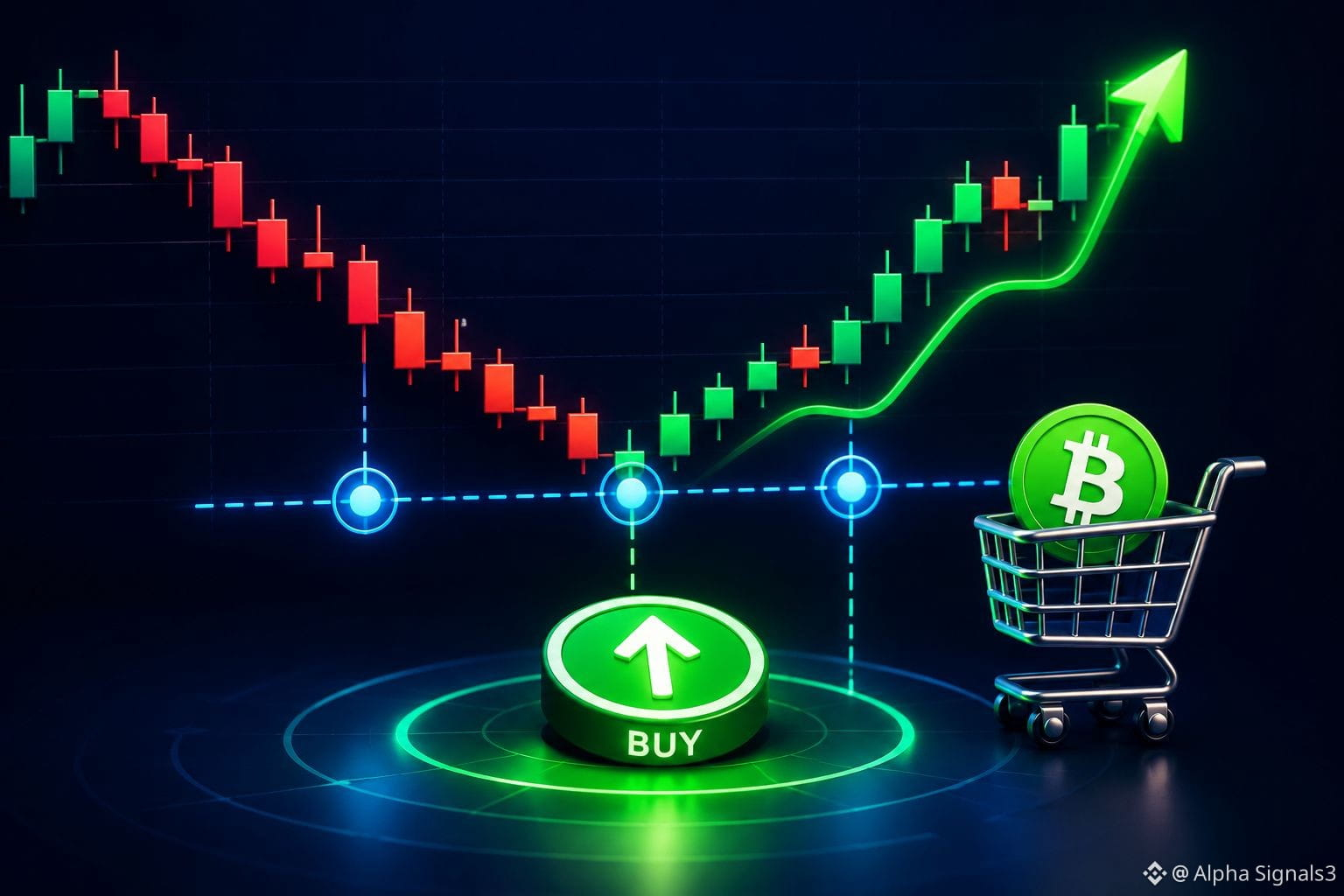
What is a Limit Order?
With a Limit Order, you set your preferred price.
📊 Example: Bitcoin is at $100,000, but you want to buy at $98,000.
You can place a Limit Order, and the trade will only execute when the price hits $98,000.
📌 Limit Order = Waiting for a Better Price
$BTC $BITCOIN
#limit #LimitOrder #bitcion #betterprice
{alpha}(10x72e4f9f808c49a2a61de9c5896298920dc4eeea9)
{spot}(BTCUSDT)
What is a Limit Order?
With a Limit Order, you set your preferred price.
📊 Example: Bitcoin is at $100,000, but you want to buy at $98,000.
You can place a Limit Order, and the trade will only execute when the price hits $98,000.
📌 Limit Order = Waiting for a Better Price
$BTC $BITCOIN
#limit #LimitOrder #bitcion #betterprice
With a Limit Order, you set your preferred price.
📊 Example: Bitcoin is at $100,000, but you want to buy at $98,000.
You can place a Limit Order, and the trade will only execute when the price hits $98,000.
📌 Limit Order = Waiting for a Better Price
$BTC $BITCOIN
#limit #LimitOrder #bitcion #betterprice
111

Why the Rigor of Limit Orders Beats Emotional Trading 🎯
One of the best victories in trading is not catching a peak by chance, but seeing a rigorous plan execute with 100% accuracy after several days of waiting. Placing a Sell Limit Order and accepting to let the market breathe for 5 or 6 days requires a discipline that few traders have. This is the fundamental difference between the “Maker” who sets the price conditions and the impulsive trader who chases the market price out of fear of missing the move (FOMO). Set your profit targets in advance, pay reduced fees, and let the order book work for you. The secret to consistent profitability lies in automating your exits.
⚡📈 #TradingStrategy #LimitOrder #CryptoAnalyse #BinanceSquare
Why the Rigor of Limit Orders Beats Emotional Trading 🎯
One of the best victories in trading is not catching a peak by chance, but seeing a rigorous plan execute with 100% accuracy after several days of waiting. Placing a Sell Limit Order and accepting to let the market breathe for 5 or 6 days requires a discipline that few traders have. This is the fundamental difference between the “Maker” who sets the price conditions and the impulsive trader who chases the market price out of fear of missing the move (FOMO). Set your profit targets in advance, pay reduced fees, and let the order book work for you. The secret to consistent profitability lies in automating your exits.
⚡📈 #TradingStrategy #LimitOrder #CryptoAnalyse #BinanceSquare
One of the best victories in trading is not catching a peak by chance, but seeing a rigorous plan execute with 100% accuracy after several days of waiting. Placing a Sell Limit Order and accepting to let the market breathe for 5 or 6 days requires a discipline that few traders have. This is the fundamental difference between the “Maker” who sets the price conditions and the impulsive trader who chases the market price out of fear of missing the move (FOMO). Set your profit targets in advance, pay reduced fees, and let the order book work for you. The secret to consistent profitability lies in automating your exits.
⚡📈 #TradingStrategy #LimitOrder #CryptoAnalyse #BinanceSquare
22
·
--
Article
Understanding Market Orders and Limit OrdersWelcome to the eighth day of our educational series and the official start of our second week. Now that we have covered the foundational architecture of the platform, it is time to step directly onto the trading floor. Today we are exploring the two most fundamental ways to buy and sell digital assets: Market Orders and Limit Orders. Mastering these two execution styles is absolutely essential because they dictate how you entry and exit positions, manage your capital,, and interact with live order books.
A Market Order is the simplest and fastest way to execute a trade in the digital marketplace. When you select this option, you are instructing the system to buy or sell an asset immediately at the best available current price. Because it prioritizes speed over a specific price target, your order is filled instantly by matching with existing sellers or buyers waiting in the order book. This makes it an invaluable tool during high urgency situations when you need to entry a rapidly moving market or exit a position immediately to preserve capital.
The main trade off with a Market Order is that you lose precise control over the exact execution price. In fast moving or highly volatile markets, the price can fluctuate significantly in the split second it takes for your order to process, a phenomenon known as slippage. Additionally, if you are placing a very large order, it might eat through multiple levels of the order book, resulting in an average execution price that is slightly less favorable than the initial number you saw on your screen. Therefore, it is best reserved for highly liquid trading pairs or urgent portfolio adjustments.
When precision is your top priority, you must utilize a Limit Order instead. This order type allows you to specify the exact maximum price you are willing to pay when buying, or the exact minimum price you are willing to accept when selling. Once placed, your order does not execute immediately; instead, it enters the public order book and waits passively until the market price moves to match your specified target. This gives you absolute control over your execution metrics and ensures you never experience slippage.
The primary risk associated with a Limit Order is that it might never be filled if the market moves away from your target. For instance, if you place an order to buy a token at ten dollars, but the price hits ten dollars and one cent before rocketing upward, your order will remain sitting in the book unfilled. This means you could completely miss out on a major market rally while waiting for a perfect entry price that never arrives. Successful traders balance this risk by placing logical targets based on established support and resistance levels.
Understanding when to deploy each tool is a hallmark of an advanced market participant. If you are a long term investor accumulating assets for a multi year portfolio, saving a fraction of a percent on an entry price is often less important than immediate execution, making a Market Order perfectly suitable. However, if you are a disciplined technical analyst executing a precise strategy based on specific chart structures, a Limit Order is your mandatory tool to preserve your risk to reward ratios.
Tomorrow we will elevate our execution skills even further by looking at automated safety mechanisms designed to protect your account while you sleep. For today, your practical task is to open the spot trading interface in Pro mode and observe how the order book continuously flashes with green buy orders and red sell orders. Watching these limit orders wait to get filled by incoming market orders will give you a crystal clear visual understanding of how market liquidity functions in real time.
#SpotTrading #MarketOrders #LimitOrder #DAY8
Understanding Market Orders and Limit Orders
Welcome to the eighth day of our educational series and the official start of our second week. Now that we have covered the foundational architecture of the platform, it is time to step directly onto the trading floor. Today we are exploring the two most fundamental ways to buy and sell digital assets: Market Orders and Limit Orders. Mastering these two execution styles is absolutely essential because they dictate how you entry and exit positions, manage your capital,, and interact with live order books.
A Market Order is the simplest and fastest way to execute a trade in the digital marketplace. When you select this option, you are instructing the system to buy or sell an asset immediately at the best available current price. Because it prioritizes speed over a specific price target, your order is filled instantly by matching with existing sellers or buyers waiting in the order book. This makes it an invaluable tool during high urgency situations when you need to entry a rapidly moving market or exit a position immediately to preserve capital.
The main trade off with a Market Order is that you lose precise control over the exact execution price. In fast moving or highly volatile markets, the price can fluctuate significantly in the split second it takes for your order to process, a phenomenon known as slippage. Additionally, if you are placing a very large order, it might eat through multiple levels of the order book, resulting in an average execution price that is slightly less favorable than the initial number you saw on your screen. Therefore, it is best reserved for highly liquid trading pairs or urgent portfolio adjustments.
When precision is your top priority, you must utilize a Limit Order instead. This order type allows you to specify the exact maximum price you are willing to pay when buying, or the exact minimum price you are willing to accept when selling. Once placed, your order does not execute immediately; instead, it enters the public order book and waits passively until the market price moves to match your specified target. This gives you absolute control over your execution metrics and ensures you never experience slippage.
The primary risk associated with a Limit Order is that it might never be filled if the market moves away from your target. For instance, if you place an order to buy a token at ten dollars, but the price hits ten dollars and one cent before rocketing upward, your order will remain sitting in the book unfilled. This means you could completely miss out on a major market rally while waiting for a perfect entry price that never arrives. Successful traders balance this risk by placing logical targets based on established support and resistance levels.
Understanding when to deploy each tool is a hallmark of an advanced market participant. If you are a long term investor accumulating assets for a multi year portfolio, saving a fraction of a percent on an entry price is often less important than immediate execution, making a Market Order perfectly suitable. However, if you are a disciplined technical analyst executing a precise strategy based on specific chart structures, a Limit Order is your mandatory tool to preserve your risk to reward ratios.
Tomorrow we will elevate our execution skills even further by looking at automated safety mechanisms designed to protect your account while you sleep. For today, your practical task is to open the spot trading interface in Pro mode and observe how the order book continuously flashes with green buy orders and red sell orders. Watching these limit orders wait to get filled by incoming market orders will give you a crystal clear visual understanding of how market liquidity functions in real time.
#SpotTrading #MarketOrders #LimitOrder #DAY8
A Market Order is the simplest and fastest way to execute a trade in the digital marketplace. When you select this option, you are instructing the system to buy or sell an asset immediately at the best available current price. Because it prioritizes speed over a specific price target, your order is filled instantly by matching with existing sellers or buyers waiting in the order book. This makes it an invaluable tool during high urgency situations when you need to entry a rapidly moving market or exit a position immediately to preserve capital.
The main trade off with a Market Order is that you lose precise control over the exact execution price. In fast moving or highly volatile markets, the price can fluctuate significantly in the split second it takes for your order to process, a phenomenon known as slippage. Additionally, if you are placing a very large order, it might eat through multiple levels of the order book, resulting in an average execution price that is slightly less favorable than the initial number you saw on your screen. Therefore, it is best reserved for highly liquid trading pairs or urgent portfolio adjustments.
When precision is your top priority, you must utilize a Limit Order instead. This order type allows you to specify the exact maximum price you are willing to pay when buying, or the exact minimum price you are willing to accept when selling. Once placed, your order does not execute immediately; instead, it enters the public order book and waits passively until the market price moves to match your specified target. This gives you absolute control over your execution metrics and ensures you never experience slippage.
The primary risk associated with a Limit Order is that it might never be filled if the market moves away from your target. For instance, if you place an order to buy a token at ten dollars, but the price hits ten dollars and one cent before rocketing upward, your order will remain sitting in the book unfilled. This means you could completely miss out on a major market rally while waiting for a perfect entry price that never arrives. Successful traders balance this risk by placing logical targets based on established support and resistance levels.
Understanding when to deploy each tool is a hallmark of an advanced market participant. If you are a long term investor accumulating assets for a multi year portfolio, saving a fraction of a percent on an entry price is often less important than immediate execution, making a Market Order perfectly suitable. However, if you are a disciplined technical analyst executing a precise strategy based on specific chart structures, a Limit Order is your mandatory tool to preserve your risk to reward ratios.
Tomorrow we will elevate our execution skills even further by looking at automated safety mechanisms designed to protect your account while you sleep. For today, your practical task is to open the spot trading interface in Pro mode and observe how the order book continuously flashes with green buy orders and red sell orders. Watching these limit orders wait to get filled by incoming market orders will give you a crystal clear visual understanding of how market liquidity functions in real time.
#SpotTrading #MarketOrders #LimitOrder #DAY8
12
11
658
2. Style Technique : Catching a Falling Knife vs Strategic Buying 📉⚡
Title : Market Drop : A Buying Opportunity or a Buyer’s Trap? 🛑📊
Content :
Seeing an asset drop -10% or -15% immediately triggers the “Buy the Dip” reflex. But beware: not all declines are created equal.
🔍 How to tell the difference before you cast your hook?
Catching a falling knife : Buying in the middle of a vertical red candle without watching volume or identifying support. Result? The drop continues.
Buying on confirmed support : Wait for the price to reach a key level (previous low, 4H/1D moving average), watch for stabilization or a rejection wick, then place a Limit order.
🛠️ Evening tip : If you’re trying to speculate on a bounce in a volatile asset, isolate your risk, reduce your position size, and never forget your Stop Loss.
Which asset are you watching closely tonight for a potential bounce?💬
#TechnicalAnalysis #SpotTrading #LimitOrder #Binance #CryptoStrategy
2. Style Technique : Catching a Falling Knife vs Strategic Buying 📉⚡
Title : Market Drop : A Buying Opportunity or a Buyer’s Trap? 🛑📊
Content :
Seeing an asset drop -10% or -15% immediately triggers the “Buy the Dip” reflex. But beware: not all declines are created equal.
🔍 How to tell the difference before you cast your hook?
Catching a falling knife : Buying in the middle of a vertical red candle without watching volume or identifying support. Result? The drop continues.
Buying on confirmed support : Wait for the price to reach a key level (previous low, 4H/1D moving average), watch for stabilization or a rejection wick, then place a Limit order.
🛠️ Evening tip : If you’re trying to speculate on a bounce in a volatile asset, isolate your risk, reduce your position size, and never forget your Stop Loss.
Which asset are you watching closely tonight for a potential bounce?💬
#TechnicalAnalysis #SpotTrading #LimitOrder #Binance #CryptoStrategy
Title : Market Drop : A Buying Opportunity or a Buyer’s Trap? 🛑📊
Content :
Seeing an asset drop -10% or -15% immediately triggers the “Buy the Dip” reflex. But beware: not all declines are created equal.
🔍 How to tell the difference before you cast your hook?
Catching a falling knife : Buying in the middle of a vertical red candle without watching volume or identifying support. Result? The drop continues.
Buying on confirmed support : Wait for the price to reach a key level (previous low, 4H/1D moving average), watch for stabilization or a rejection wick, then place a Limit order.
🛠️ Evening tip : If you’re trying to speculate on a bounce in a volatile asset, isolate your risk, reduce your position size, and never forget your Stop Loss.
Which asset are you watching closely tonight for a potential bounce?💬
#TechnicalAnalysis #SpotTrading #LimitOrder #Binance #CryptoStrategy
6
Spot Strategy & Profit-Taking Discipline
🎯 The +15% rule: Why discipline beats greed in Spot trading
In crypto trading, the hardest part isn’t entering a position—it’s knowing when to exit.
💡 Why set a clear target (e.g., +15%) with a Limit Order?
Automating discipline: You eliminate emotional hesitation at the moment the market reaches your target.
Securing gains: Crypto price spikes can be short-lived. A Limit Order executed locks in your profit before a possible pullback.
Cumulative effect: Chaining modest, regular targets is often far more profitable in the long run than chasing the perfect “To The Moon.”
📌 Tip: Always check the 100% slider to avoid leaving any leftover decimals in your balance.
What’s your preferred exit strategy: a fixed percentage or profit-taking in stages? 👇
#SpotTrading #LimitOrder #TakeProfit #TradingDiscipline #BinanceSquare
Spot Strategy & Profit-Taking Discipline
🎯 The +15% rule: Why discipline beats greed in Spot trading
In crypto trading, the hardest part isn’t entering a position—it’s knowing when to exit.
💡 Why set a clear target (e.g., +15%) with a Limit Order?
Automating discipline: You eliminate emotional hesitation at the moment the market reaches your target.
Securing gains: Crypto price spikes can be short-lived. A Limit Order executed locks in your profit before a possible pullback.
Cumulative effect: Chaining modest, regular targets is often far more profitable in the long run than chasing the perfect “To The Moon.”
📌 Tip: Always check the 100% slider to avoid leaving any leftover decimals in your balance.
What’s your preferred exit strategy: a fixed percentage or profit-taking in stages? 👇
#SpotTrading #LimitOrder #TakeProfit #TradingDiscipline #BinanceSquare
🎯 The +15% rule: Why discipline beats greed in Spot trading
In crypto trading, the hardest part isn’t entering a position—it’s knowing when to exit.
💡 Why set a clear target (e.g., +15%) with a Limit Order?
Automating discipline: You eliminate emotional hesitation at the moment the market reaches your target.
Securing gains: Crypto price spikes can be short-lived. A Limit Order executed locks in your profit before a possible pullback.
Cumulative effect: Chaining modest, regular targets is often far more profitable in the long run than chasing the perfect “To The Moon.”
📌 Tip: Always check the 100% slider to avoid leaving any leftover decimals in your balance.
What’s your preferred exit strategy: a fixed percentage or profit-taking in stages? 👇
#SpotTrading #LimitOrder #TakeProfit #TradingDiscipline #BinanceSquare
35
1. Focus Strategy: Why Use Limit Orders? 🎯
Why the Limit Order is the Spot Trader’s best friend 🧠
Today, our WODL word of the day was LIMIT, a fundamental concept in trading!
Unlike a Market order that executes immediately at the current price, a Limit order lets you:
Buy the dip: set your exact entry price at support without having to watch the screen 24/7.
Lock in your profits: place your sell targets in advance to avoid greed (FOMO).
Control your fees and your risk: avoid unpleasant surprises caused by slippage.
Discipline and automation: that’s the secret to lasting in the market!
#TradingTips #LimitOrder #RiskManagement #BinanceSquare #CryptoEducation @Square-Creator-634970930
1. Focus Strategy: Why Use Limit Orders? 🎯
Why the Limit Order is the Spot Trader’s best friend 🧠
Today, our WODL word of the day was LIMIT, a fundamental concept in trading!
Unlike a Market order that executes immediately at the current price, a Limit order lets you:
Buy the dip: set your exact entry price at support without having to watch the screen 24/7.
Lock in your profits: place your sell targets in advance to avoid greed (FOMO).
Control your fees and your risk: avoid unpleasant surprises caused by slippage.
Discipline and automation: that’s the secret to lasting in the market!
#TradingTips #LimitOrder #RiskManagement #BinanceSquare #CryptoEducation @Met-
Why the Limit Order is the Spot Trader’s best friend 🧠
Today, our WODL word of the day was LIMIT, a fundamental concept in trading!
Unlike a Market order that executes immediately at the current price, a Limit order lets you:
Buy the dip: set your exact entry price at support without having to watch the screen 24/7.
Lock in your profits: place your sell targets in advance to avoid greed (FOMO).
Control your fees and your risk: avoid unpleasant surprises caused by slippage.
Discipline and automation: that’s the secret to lasting in the market!
#TradingTips #LimitOrder #RiskManagement #BinanceSquare #CryptoEducation @Met-
83

·
--
Article
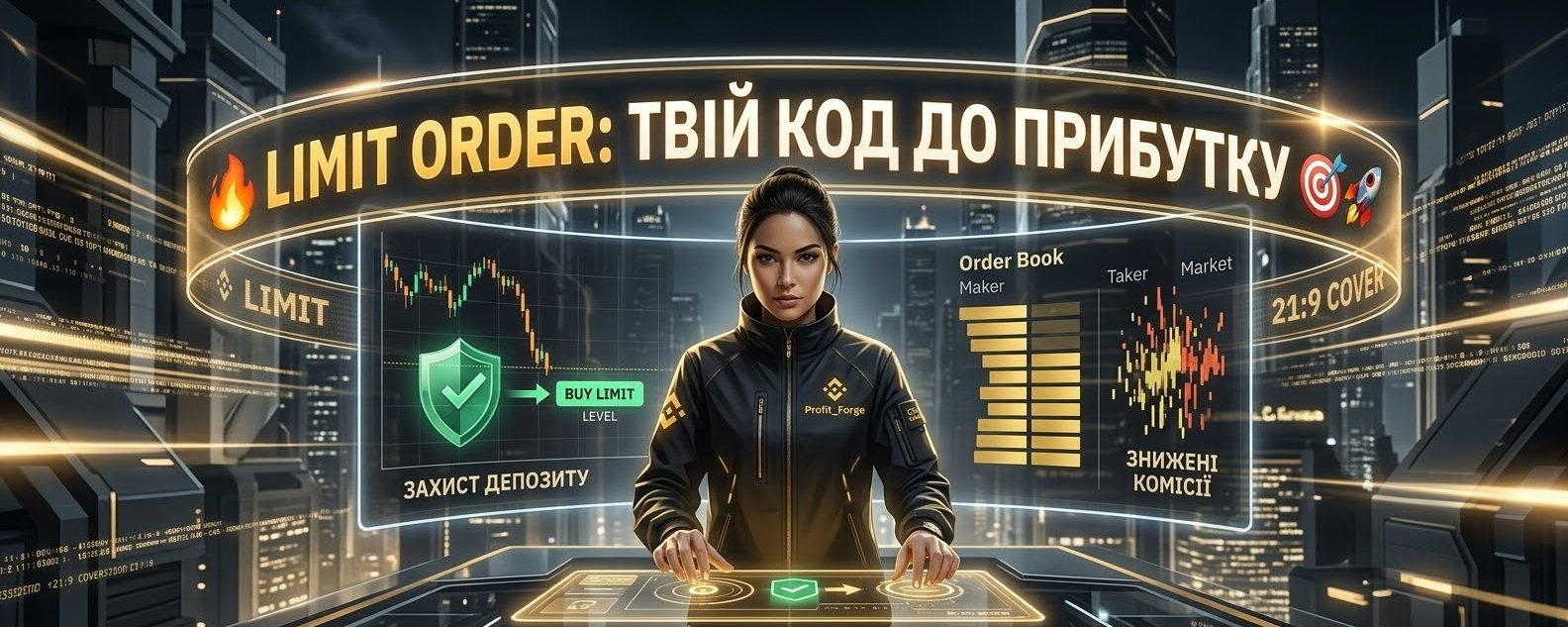
🚨 TRADING SECRET CODE: How LIMIT orders can save your deposit from draining! 🎯📉💥Hello, Binance community! 👋🔥
Most crypto beginners make one fatal mistake: they see a sharp price move 📈, get emotional (FOMO), and press the «Buy at market» (Market Order) button. And a second later they look at the chart—and they already see a minus on their account! 😱💸
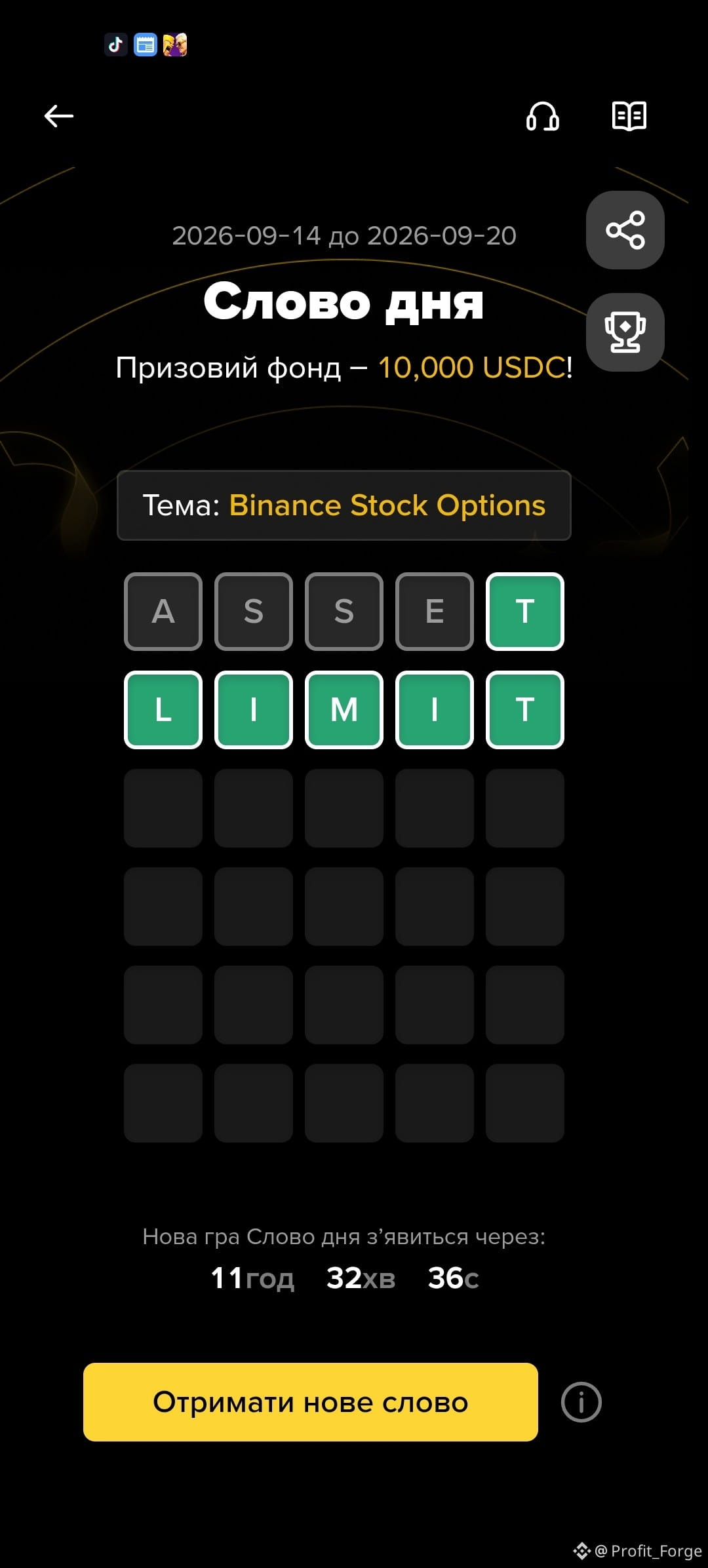
Today, in Binance’s WOTD quiz, the word LIMIT 🎯 was guessed. But this is not just a term for earning points—it’s the main weapon of a conscious trader against emotions and unnecessary losses! 🛡️✨
🚨 TRADING SECRET CODE: How LIMIT orders can save your deposit from draining! 🎯📉💥
Hello, Binance community! 👋🔥
Most crypto beginners make one fatal mistake: they see a sharp price move 📈, get emotional (FOMO), and press the «Buy at market» (Market Order) button. And a second later they look at the chart—and they already see a minus on their account! 😱💸
Today, in Binance’s WOTD quiz, the word LIMIT 🎯 was guessed. But this is not just a term for earning points—it’s the main weapon of a conscious trader against emotions and unnecessary losses! 🛡️✨
Most crypto beginners make one fatal mistake: they see a sharp price move 📈, get emotional (FOMO), and press the «Buy at market» (Market Order) button. And a second later they look at the chart—and they already see a minus on their account! 😱💸
Today, in Binance’s WOTD quiz, the word LIMIT 🎯 was guessed. But this is not just a term for earning points—it’s the main weapon of a conscious trader against emotions and unnecessary losses! 🛡️✨
279
·
--
⚡️ Trading Secrets: Why Limit Orders Protect Your Deposit? 🎯🚀
Today in WOTD by Binance, they teased LIMIT 🎯. This is not just a word, but the main tool of a conscious trader! 💡
By buying at the market price (Market) 📉, you lose profit due to fees and slippage.
❓ What is a Limit Order?
It’s an instruction to the exchange: "Buy or sell the asset ONLY at my price" 🛑. It waits until the market itself comes to your set level.
🔥 Benefits of Limit Orders:
1️⃣ Price control 🎯 — no overpaying or unwanted trades.
2️⃣ Savings 💰 — lower fees (Maker) from Binance.
3️⃣ No emotions 🧠 — set your order grid and relax.
💬 And what do you use more often — Market ⚡️ or Limit 🎯? Comment below! 👇
#Binance #WOTD #TradingTips #crypto #LimitOrder
$BNB $SOL $GRAM
⚡️ Trading Secrets: Why Limit Orders Protect Your Deposit? 🎯🚀
Today in WOTD by Binance, they teased LIMIT 🎯. This is not just a word, but the main tool of a conscious trader! 💡
By buying at the market price (Market) 📉, you lose profit due to fees and slippage.
❓ What is a Limit Order?
It’s an instruction to the exchange: "Buy or sell the asset ONLY at my price" 🛑. It waits until the market itself comes to your set level.
🔥 Benefits of Limit Orders:
1️⃣ Price control 🎯 — no overpaying or unwanted trades.
2️⃣ Savings 💰 — lower fees (Maker) from Binance.
3️⃣ No emotions 🧠 — set your order grid and relax.
💬 And what do you use more often — Market ⚡️ or Limit 🎯? Comment below! 👇
#Binance #WOTD #TradingTips #crypto #LimitOrder
$BNB $SOL $GRAM
Today in WOTD by Binance, they teased LIMIT 🎯. This is not just a word, but the main tool of a conscious trader! 💡
By buying at the market price (Market) 📉, you lose profit due to fees and slippage.
❓ What is a Limit Order?
It’s an instruction to the exchange: "Buy or sell the asset ONLY at my price" 🛑. It waits until the market itself comes to your set level.
🔥 Benefits of Limit Orders:
1️⃣ Price control 🎯 — no overpaying or unwanted trades.
2️⃣ Savings 💰 — lower fees (Maker) from Binance.
3️⃣ No emotions 🧠 — set your order grid and relax.
💬 And what do you use more often — Market ⚡️ or Limit 🎯? Comment below! 👇
#Binance #WOTD #TradingTips #crypto #LimitOrder
$BNB $SOL $GRAM
2
596

·
--
📌 Limit vs Market Orders: Know the Difference Before You Trade
Not all buy/sell orders are the same. Using the wrong one can cost you. 👇
Market Order:
🔹 Buys/sells INSTANTLY at the current best available price
🔹 Guarantees execution, not price
🔹 Best for when you need in/out NOW
Limit Order:
🔹 You set the EXACT price you want to buy/sell at
🔹 Only executes if the market hits your price
🔹 Guarantees price, not execution (might never fill)
Example:
BTC is trading at $60,000.
📈 Market order = buy right now at ~$60,000 (whatever the current price is)
📉 Limit order = set to buy only if it drops to $58,000 — you wait, but you control the price
When to use which:
✅ Market order → fast-moving situations, high liquidity coins, urgency
✅ Limit order → patient entries, avoiding slippage, targeting specific price levels
Watch out for:
❌ Market orders in low-liquidity coins = slippage (you pay more than expected)
❌ Limit orders may never fill if price never reaches your target
Bottom line:
Market = speed. Limit = precision. Know your priority before you click buy.
Market order gang or limit order patience players? 👇
#BİNANCE $ #LimitOrder #MarketOrder #CryptoTrading. #cryptoeducation
📌 Limit vs Market Orders: Know the Difference Before You Trade
Not all buy/sell orders are the same. Using the wrong one can cost you. 👇
Market Order:
🔹 Buys/sells INSTANTLY at the current best available price
🔹 Guarantees execution, not price
🔹 Best for when you need in/out NOW
Limit Order:
🔹 You set the EXACT price you want to buy/sell at
🔹 Only executes if the market hits your price
🔹 Guarantees price, not execution (might never fill)
Example:
BTC is trading at $60,000.
📈 Market order = buy right now at ~$60,000 (whatever the current price is)
📉 Limit order = set to buy only if it drops to $58,000 — you wait, but you control the price
When to use which:
✅ Market order → fast-moving situations, high liquidity coins, urgency
✅ Limit order → patient entries, avoiding slippage, targeting specific price levels
Watch out for:
❌ Market orders in low-liquidity coins = slippage (you pay more than expected)
❌ Limit orders may never fill if price never reaches your target
Bottom line:
Market = speed. Limit = precision. Know your priority before you click buy.
Market order gang or limit order patience players? 👇
#BİNANCE $ #LimitOrder #MarketOrder #CryptoTrading. #cryptoeducation
Not all buy/sell orders are the same. Using the wrong one can cost you. 👇
Market Order:
🔹 Buys/sells INSTANTLY at the current best available price
🔹 Guarantees execution, not price
🔹 Best for when you need in/out NOW
Limit Order:
🔹 You set the EXACT price you want to buy/sell at
🔹 Only executes if the market hits your price
🔹 Guarantees price, not execution (might never fill)
Example:
BTC is trading at $60,000.
📈 Market order = buy right now at ~$60,000 (whatever the current price is)
📉 Limit order = set to buy only if it drops to $58,000 — you wait, but you control the price
When to use which:
✅ Market order → fast-moving situations, high liquidity coins, urgency
✅ Limit order → patient entries, avoiding slippage, targeting specific price levels
Watch out for:
❌ Market orders in low-liquidity coins = slippage (you pay more than expected)
❌ Limit orders may never fill if price never reaches your target
Bottom line:
Market = speed. Limit = precision. Know your priority before you click buy.
Market order gang or limit order patience players? 👇
#BİNANCE $ #LimitOrder #MarketOrder #CryptoTrading. #cryptoeducation
is it helpful
0%
bad news?
0%
post more
0%
0 votes • Voting closed
111


·
--
Have you ever bought a cryptocurrency and ended up paying more than you expected? 🛑 It’s not bad luck—it’s not knowing the difference between the order types on the market.
To master trading (or simply buy your favorite crypto intelligently), you need to know how to give the market precise instructions.
Here’s the anatomy of your two most important tools:
⚡️ Market Order: The queen of speed. You buy or sell instantly at the best price available at that moment.
Best for: When you need to enter or exit a position right now, no matter if you end up paying a few extra cents.
Analogy: It’s like going to the supermarket—you pick up the item and pay the exact price shown on the label at that moment.
🎯 Limit Order: The master of precision. You set the exact price at which you want to buy or sell. The order stays in the “order book” and will only be executed if the market reaches your number.
Best for: When you have patience, have analyzed the chart, and want to secure the best possible deal.
Analogy: It’s like making an offer on a house—you put your price on the table and simply wait for the seller to accept it.
Knowing when to use speed (Market) or precision (Limit) is what separates beginners from profitable traders. 📊
Which one of the two do you use more often when trading on Binance? 👇 Leave your answer in the comments and follow me to keep learning how to master the crypto ecosystem! 🚀#Crypto #TradingTips #MarketOrder #LimitOrder #BinanceSquareTrader
Have you ever bought a cryptocurrency and ended up paying more than you expected? 🛑 It’s not bad luck—it’s not knowing the difference between the order types on the market.
To master trading (or simply buy your favorite crypto intelligently), you need to know how to give the market precise instructions.
Here’s the anatomy of your two most important tools:
⚡️ Market Order: The queen of speed. You buy or sell instantly at the best price available at that moment.
Best for: When you need to enter or exit a position right now, no matter if you end up paying a few extra cents.
Analogy: It’s like going to the supermarket—you pick up the item and pay the exact price shown on the label at that moment.
🎯 Limit Order: The master of precision. You set the exact price at which you want to buy or sell. The order stays in the “order book” and will only be executed if the market reaches your number.
Best for: When you have patience, have analyzed the chart, and want to secure the best possible deal.
Analogy: It’s like making an offer on a house—you put your price on the table and simply wait for the seller to accept it.
Knowing when to use speed (Market) or precision (Limit) is what separates beginners from profitable traders. 📊
Which one of the two do you use more often when trading on Binance? 👇 Leave your answer in the comments and follow me to keep learning how to master the crypto ecosystem! 🚀#Crypto #TradingTips #MarketOrder #LimitOrder #BinanceSquareTrader
To master trading (or simply buy your favorite crypto intelligently), you need to know how to give the market precise instructions.
Here’s the anatomy of your two most important tools:
⚡️ Market Order: The queen of speed. You buy or sell instantly at the best price available at that moment.
Best for: When you need to enter or exit a position right now, no matter if you end up paying a few extra cents.
Analogy: It’s like going to the supermarket—you pick up the item and pay the exact price shown on the label at that moment.
🎯 Limit Order: The master of precision. You set the exact price at which you want to buy or sell. The order stays in the “order book” and will only be executed if the market reaches your number.
Best for: When you have patience, have analyzed the chart, and want to secure the best possible deal.
Analogy: It’s like making an offer on a house—you put your price on the table and simply wait for the seller to accept it.
Knowing when to use speed (Market) or precision (Limit) is what separates beginners from profitable traders. 📊
Which one of the two do you use more often when trading on Binance? 👇 Leave your answer in the comments and follow me to keep learning how to master the crypto ecosystem! 🚀#Crypto #TradingTips #MarketOrder #LimitOrder #BinanceSquareTrader

125

·
--
Bullish
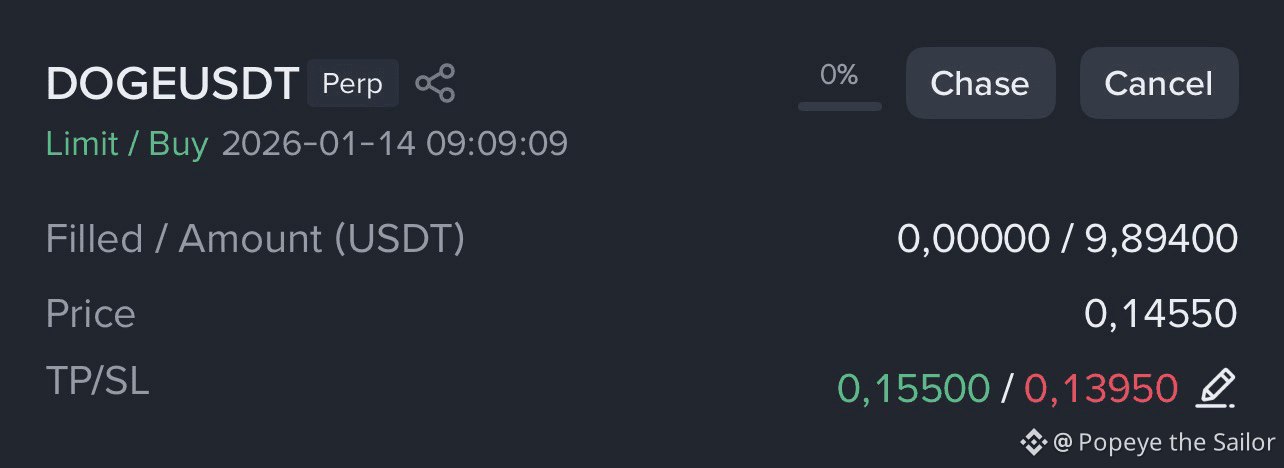
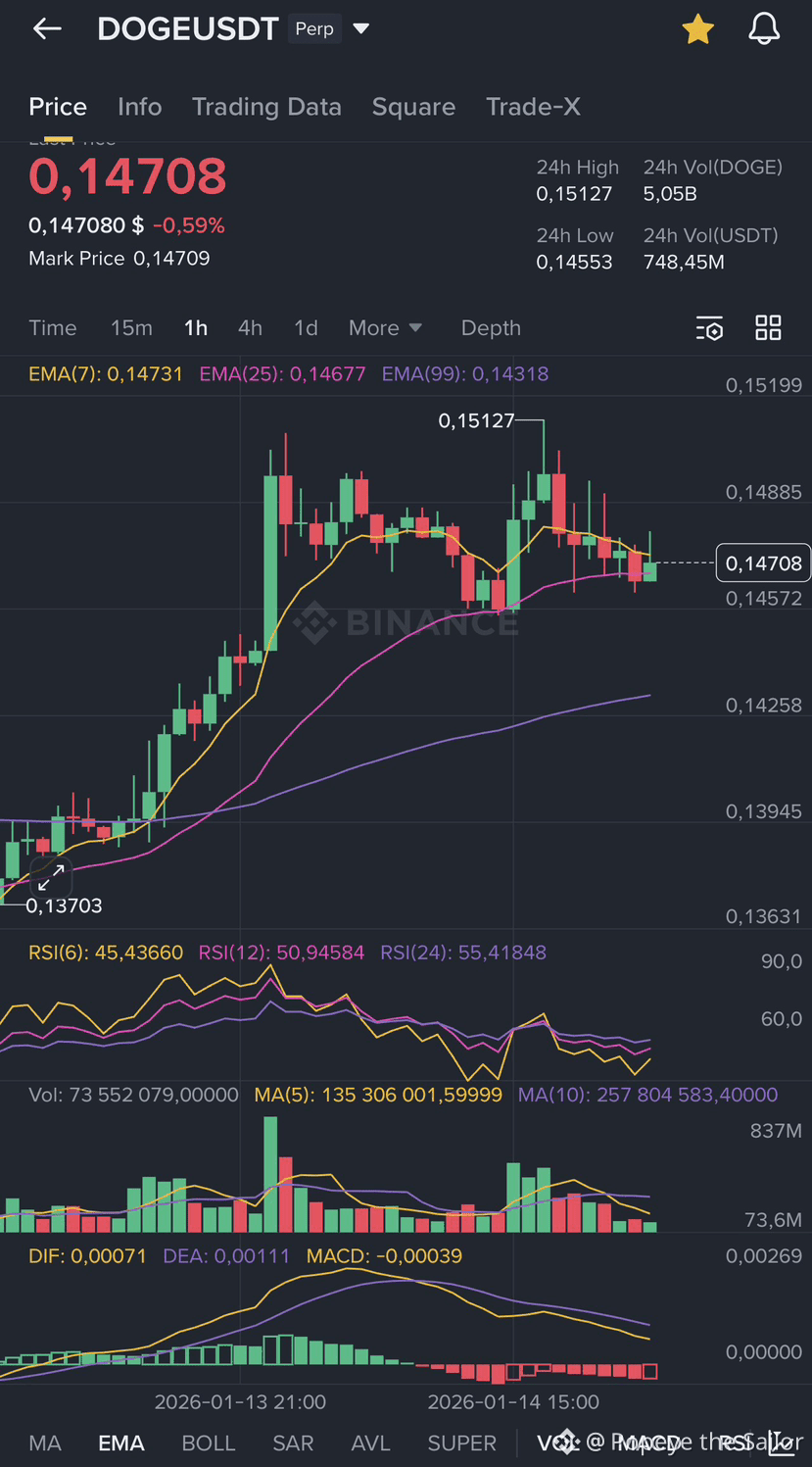
$DOGE – Set and Forget 🐕
"Waiting for the perfect entry on $DOGE. I’ve placed a Limit Buy Order at $0.1455. This level aligns with strong historical support. No chasing the green candles—we let the market come to us. Patience is a trader’s best friend."
• Order Type: Limit Buy
• Buy Price: $0.1455
• TP: $0.1550
• SL: $0.1395
#DOGE #memecoins #LimitOrder #SmartTrading
$DOGE – Set and Forget 🐕
"Waiting for the perfect entry on $DOGE . I’ve placed a Limit Buy Order at $0.1455. This level aligns with strong historical support. No chasing the green candles—we let the market come to us. Patience is a trader’s best friend."
• Order Type: Limit Buy
• Buy Price: $0.1455
• TP: $0.1550
• SL: $0.1395
#DOGE #memecoins #LimitOrder #SmartTrading
"Waiting for the perfect entry on $DOGE . I’ve placed a Limit Buy Order at $0.1455. This level aligns with strong historical support. No chasing the green candles—we let the market come to us. Patience is a trader’s best friend."
• Order Type: Limit Buy
• Buy Price: $0.1455
• TP: $0.1550
• SL: $0.1395
#DOGE #memecoins #LimitOrder #SmartTrading
1
3
205

Article
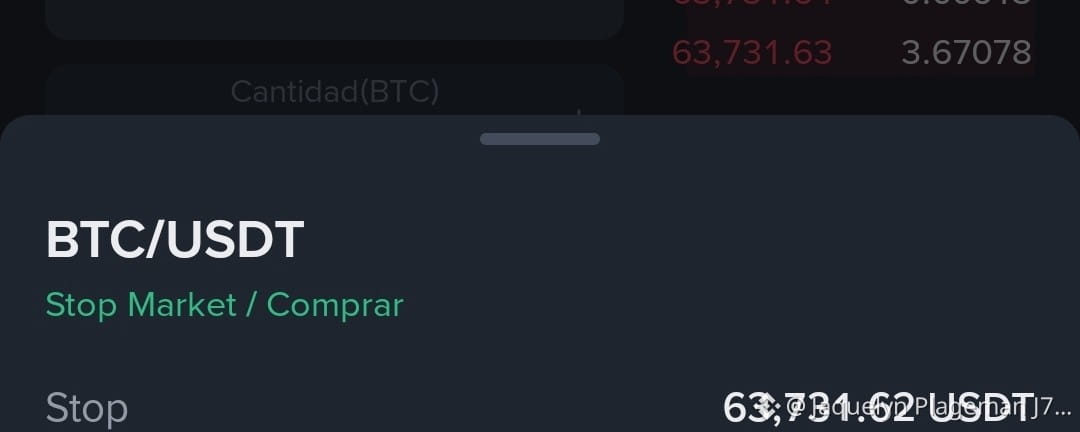
I need a tutor or mentorI'm already taking courses at Binance Academy and all that.
But when it comes to jumping in, like this time, using demo mode to practice Stop Loss and all that, I honestly don't get it.
#BTC #StopLimit #StopMarket #LimitOrder #DemoTrading
I need a tutor or mentor
I'm already taking courses at Binance Academy and all that.
But when it comes to jumping in, like this time, using demo mode to practice Stop Loss and all that, I honestly don't get it.
#BTC #StopLimit #StopMarket #LimitOrder #DemoTrading
But when it comes to jumping in, like this time, using demo mode to practice Stop Loss and all that, I honestly don't get it.
#BTC #StopLimit #StopMarket #LimitOrder #DemoTrading
1
97
Log in to explore more content
Join global crypto users on Binance Square
⚡️ Get latest and useful information about crypto.
💬 Trusted by the world’s largest crypto exchange.
👍 Discover real insights from verified creators.
Email / Phone number
Trending Topics
1
#BinanceWillListHyperliquid(HYPE)
101,305 views
2,172 Discussing
2
#FedOctoberRateHikeOddsRiseTo69.7%
26,933 views
851 Discussing
3
#BitcoinFallsBelow$83,000
3,141 views
20 Discussing
4
#BitcoinFallsToAround$84,600ThisWeek
0 views
0 Discussing
5
#US30YearYieldHighestSince2004
25,271 views
688 Discussing
6
#ETHBreaksAbove$2,700
1,419 views
19 Discussing
7
#USWeighsPromotingDollarStablecoinsAbroad
57,792 views
1,576 Discussing
8
#US10YTreasuryYieldHits19YearHigh
58,822 views
1,267 Discussing
9
#SpotBitcoinETFsInflow$2.31BInFourDays
6,774 views
73 Discussing
10
#BitcoinRejectedAt$87,300Twice
0 views
0 Discussing