

#lebanon
lebanon
54,808 views
300 Discussing
Hot
Latest


·
--
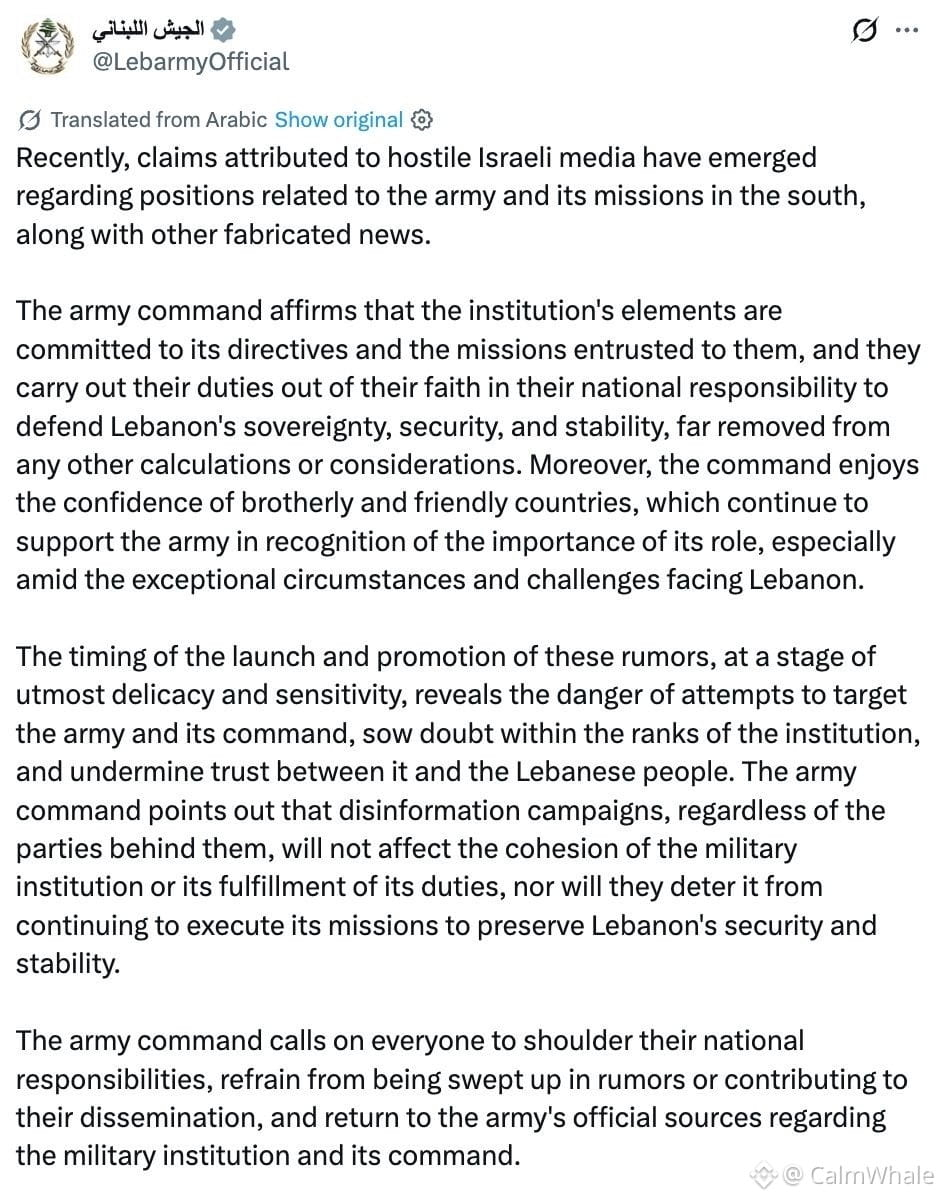
🇱🇧🇮🇱 The Lebanese Army just hit back HARD at Israeli media claims...
The military dismissed recent reports about its positions and missions in the south as 'fabricated' and 'hostile.'
Commanders insisted the army remains FULLY committed to defending Lebanon’s sovereignty and security, free of outside calculations.
The army says no disinformation campaign will shake its cohesion or stop it from carrying out its duties.
$T | $FF | $SCRT
#BREAKING #news #US #Lebanon #Israel
🇱🇧🇮🇱 The Lebanese Army just hit back HARD at Israeli media claims...
The military dismissed recent reports about its positions and missions in the south as 'fabricated' and 'hostile.'
Commanders insisted the army remains FULLY committed to defending Lebanon’s sovereignty and security, free of outside calculations.
The army says no disinformation campaign will shake its cohesion or stop it from carrying out its duties.
$T | $FF | $SCRT
#BREAKING #news #US #Lebanon #Israel
The military dismissed recent reports about its positions and missions in the south as 'fabricated' and 'hostile.'
Commanders insisted the army remains FULLY committed to defending Lebanon’s sovereignty and security, free of outside calculations.
The army says no disinformation campaign will shake its cohesion or stop it from carrying out its duties.
$T | $FF | $SCRT
#BREAKING #news #US #Lebanon #Israel
1
192

🚨 Breaking Update: Israel–Lebanon Ceasefire Agreement Reached
Diplomatic efforts appear to be gaining momentum in the Middle East as Israel and Lebanon have reportedly agreed to a ceasefire, according to a joint statement released by both sides.
📌 Key Highlights: • A ceasefire agreement has been reached between Israel and Lebanon. • Official negotiations are scheduled to take place on June 22. • The announcement signals a potential step toward reducing regional tensions and restoring stability.
Markets and geopolitical observers will be closely monitoring upcoming talks, as any progress could have broader implications for regional security, energy markets, and investor sentiment.
🌍 As the world watches, the June 22 negotiations could become a pivotal moment in shaping the next phase of Middle East diplomacy.
#BreakingNews #Lebanon #Ceasefire #MiddleEast #BTC
$AT
{future}(ATUSDT)
$ZBT
{future}(ZBTUSDT)
$ZRO
{future}(ZROUSDT)
🚨 Breaking Update: Israel–Lebanon Ceasefire Agreement Reached
Diplomatic efforts appear to be gaining momentum in the Middle East as Israel and Lebanon have reportedly agreed to a ceasefire, according to a joint statement released by both sides.
📌 Key Highlights: • A ceasefire agreement has been reached between Israel and Lebanon. • Official negotiations are scheduled to take place on June 22. • The announcement signals a potential step toward reducing regional tensions and restoring stability.
Markets and geopolitical observers will be closely monitoring upcoming talks, as any progress could have broader implications for regional security, energy markets, and investor sentiment.
🌍 As the world watches, the June 22 negotiations could become a pivotal moment in shaping the next phase of Middle East diplomacy.
#BreakingNews #Lebanon #Ceasefire #MiddleEast #BTC
$AT
$ZBT
$ZRO
Diplomatic efforts appear to be gaining momentum in the Middle East as Israel and Lebanon have reportedly agreed to a ceasefire, according to a joint statement released by both sides.
📌 Key Highlights: • A ceasefire agreement has been reached between Israel and Lebanon. • Official negotiations are scheduled to take place on June 22. • The announcement signals a potential step toward reducing regional tensions and restoring stability.
Markets and geopolitical observers will be closely monitoring upcoming talks, as any progress could have broader implications for regional security, energy markets, and investor sentiment.
🌍 As the world watches, the June 22 negotiations could become a pivotal moment in shaping the next phase of Middle East diplomacy.
#BreakingNews #Lebanon #Ceasefire #MiddleEast #BTC
$AT
$ZBT
$ZRO
177

·
--
🇱🇧🇺🇸🇮🇱 BREAKING:
According to a statement attributed to the Lebanese Embassy in Washington, Lebanese authorities have received confirmation that Hezbollah agreed to a U.S.-backed proposal for a mutual cessation of attacks.
Under the reported arrangement, Israeli strikes on Beirut’s southern suburbs would stop in exchange for Hezbollah refraining from attacks against Israel, with the ceasefire later expanding to cover all Lebanese territory.
The statement also claims that U.S. President Donald Trump informed Lebanon’s Ambassador to the United States, Nada Maawad, that Israeli Prime Minister Benjamin Netanyahu had agreed to the proposal. The outcome was then reportedly relayed to Lebanese President Joseph Aoun and subsequently communicated to Hezbollah.
#Lebanon #Israel #Hezbollah #BreakingNews
🇱🇧🇺🇸🇮🇱 BREAKING:
According to a statement attributed to the Lebanese Embassy in Washington, Lebanese authorities have received confirmation that Hezbollah agreed to a U.S.-backed proposal for a mutual cessation of attacks.
Under the reported arrangement, Israeli strikes on Beirut’s southern suburbs would stop in exchange for Hezbollah refraining from attacks against Israel, with the ceasefire later expanding to cover all Lebanese territory.
The statement also claims that U.S. President Donald Trump informed Lebanon’s Ambassador to the United States, Nada Maawad, that Israeli Prime Minister Benjamin Netanyahu had agreed to the proposal. The outcome was then reportedly relayed to Lebanese President Joseph Aoun and subsequently communicated to Hezbollah.
#Lebanon #Israel #Hezbollah #BreakingNews
According to a statement attributed to the Lebanese Embassy in Washington, Lebanese authorities have received confirmation that Hezbollah agreed to a U.S.-backed proposal for a mutual cessation of attacks.
Under the reported arrangement, Israeli strikes on Beirut’s southern suburbs would stop in exchange for Hezbollah refraining from attacks against Israel, with the ceasefire later expanding to cover all Lebanese territory.
The statement also claims that U.S. President Donald Trump informed Lebanon’s Ambassador to the United States, Nada Maawad, that Israeli Prime Minister Benjamin Netanyahu had agreed to the proposal. The outcome was then reportedly relayed to Lebanese President Joseph Aoun and subsequently communicated to Hezbollah.
#Lebanon #Israel #Hezbollah #BreakingNews
238

🚨 BREAKING: A major crack may be emerging in the proposed U.S.–Iran peace deal.
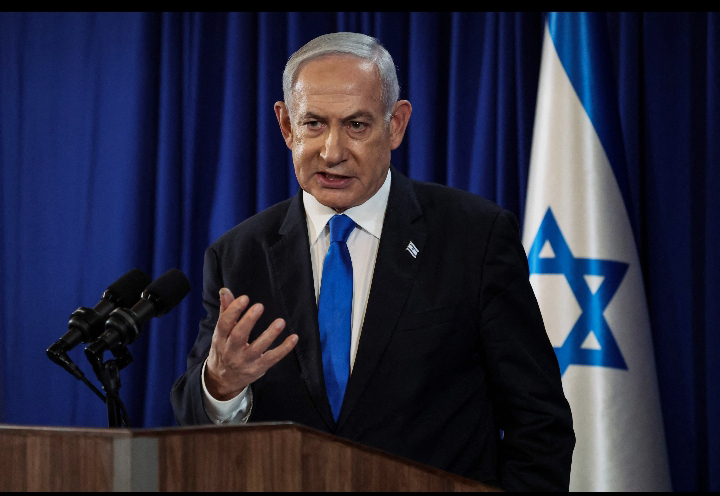
🇮🇱 Netanyahu says Israel will NOT be part of the agreement.
⚔️ While Iran claims the deal calls for an end to the Lebanon conflict, Israeli officials insist military operations will continue.
💥 Reports indicate Israeli forces have advanced deeper into southern Lebanon following heavy strikes.
But there’s one major problem:
🤝 A peace deal cannot fully stabilize the region if key players reject it. ⚠️ The risk of a wider conflict remains. 👀 Markets were expecting de-escalation—this could change the entire equation.
One side is talking peace. The other is advancing troops.
The Middle East may be heading toward a critical turning point.
Stay tuned for updates ⚡
$H
{future}(HUSDT)
$RIF
{future}(RIFUSDT)
$JCT
{future}(JCTUSDT)
#Breaking #Lebanon #Netanyahu #Trump 🚨
🚨 BREAKING: A major crack may be emerging in the proposed U.S.–Iran peace deal.
🇮🇱 Netanyahu says Israel will NOT be part of the agreement.
⚔️ While Iran claims the deal calls for an end to the Lebanon conflict, Israeli officials insist military operations will continue.
💥 Reports indicate Israeli forces have advanced deeper into southern Lebanon following heavy strikes.
But there’s one major problem:
🤝 A peace deal cannot fully stabilize the region if key players reject it. ⚠️ The risk of a wider conflict remains. 👀 Markets were expecting de-escalation—this could change the entire equation.
One side is talking peace. The other is advancing troops.
The Middle East may be heading toward a critical turning point.
Stay tuned for updates ⚡
$H
$RIF
$JCT
#Breaking #Lebanon #Netanyahu #Trump 🚨
🇮🇱 Netanyahu says Israel will NOT be part of the agreement.
⚔️ While Iran claims the deal calls for an end to the Lebanon conflict, Israeli officials insist military operations will continue.
💥 Reports indicate Israeli forces have advanced deeper into southern Lebanon following heavy strikes.
But there’s one major problem:
🤝 A peace deal cannot fully stabilize the region if key players reject it. ⚠️ The risk of a wider conflict remains. 👀 Markets were expecting de-escalation—this could change the entire equation.
One side is talking peace. The other is advancing troops.
The Middle East may be heading toward a critical turning point.
Stay tuned for updates ⚡
$H
$RIF
$JCT
#Breaking #Lebanon #Netanyahu #Trump 🚨
290

·
--

Article
Iranian Media Says Israeli Airstrike in Southern Lebanon Kills SevenAccording to Jin10, Iranian Press TV reported that an Israeli airstrike targeted southern Lebanon, resulting in the deaths of seven individuals and injuries to three others. The incident marks a significant escalation in the ongoing tensions in the region, with reports indicating that the strike was conducted in a densely populated area.
The report did not specify the exact location or the timing of the attack but highlighted the severity of the casualties. Israeli military sources have yet to provide an official statement regarding the strike, and there has been no immediate confirmation from Lebanese authorities.
This incident comes amid heightened regional tensions, with ongoing conflicts and hostilities between Israel and various groups in Lebanon. The attack has drawn international attention, raising concerns about the potential for further escalation and instability in the broader Middle East region.
More details are available in the official Binance Square post. #MiddleEast #Israel #Lebanon
Iranian Media Says Israeli Airstrike in Southern Lebanon Kills Seven
According to Jin10, Iranian Press TV reported that an Israeli airstrike targeted southern Lebanon, resulting in the deaths of seven individuals and injuries to three others. The incident marks a significant escalation in the ongoing tensions in the region, with reports indicating that the strike was conducted in a densely populated area.
The report did not specify the exact location or the timing of the attack but highlighted the severity of the casualties. Israeli military sources have yet to provide an official statement regarding the strike, and there has been no immediate confirmation from Lebanese authorities.
This incident comes amid heightened regional tensions, with ongoing conflicts and hostilities between Israel and various groups in Lebanon. The attack has drawn international attention, raising concerns about the potential for further escalation and instability in the broader Middle East region.
More details are available in the official Binance Square post. #MiddleEast #Israel #Lebanon
The report did not specify the exact location or the timing of the attack but highlighted the severity of the casualties. Israeli military sources have yet to provide an official statement regarding the strike, and there has been no immediate confirmation from Lebanese authorities.
This incident comes amid heightened regional tensions, with ongoing conflicts and hostilities between Israel and various groups in Lebanon. The attack has drawn international attention, raising concerns about the potential for further escalation and instability in the broader Middle East region.
More details are available in the official Binance Square post. #MiddleEast #Israel #Lebanon
15
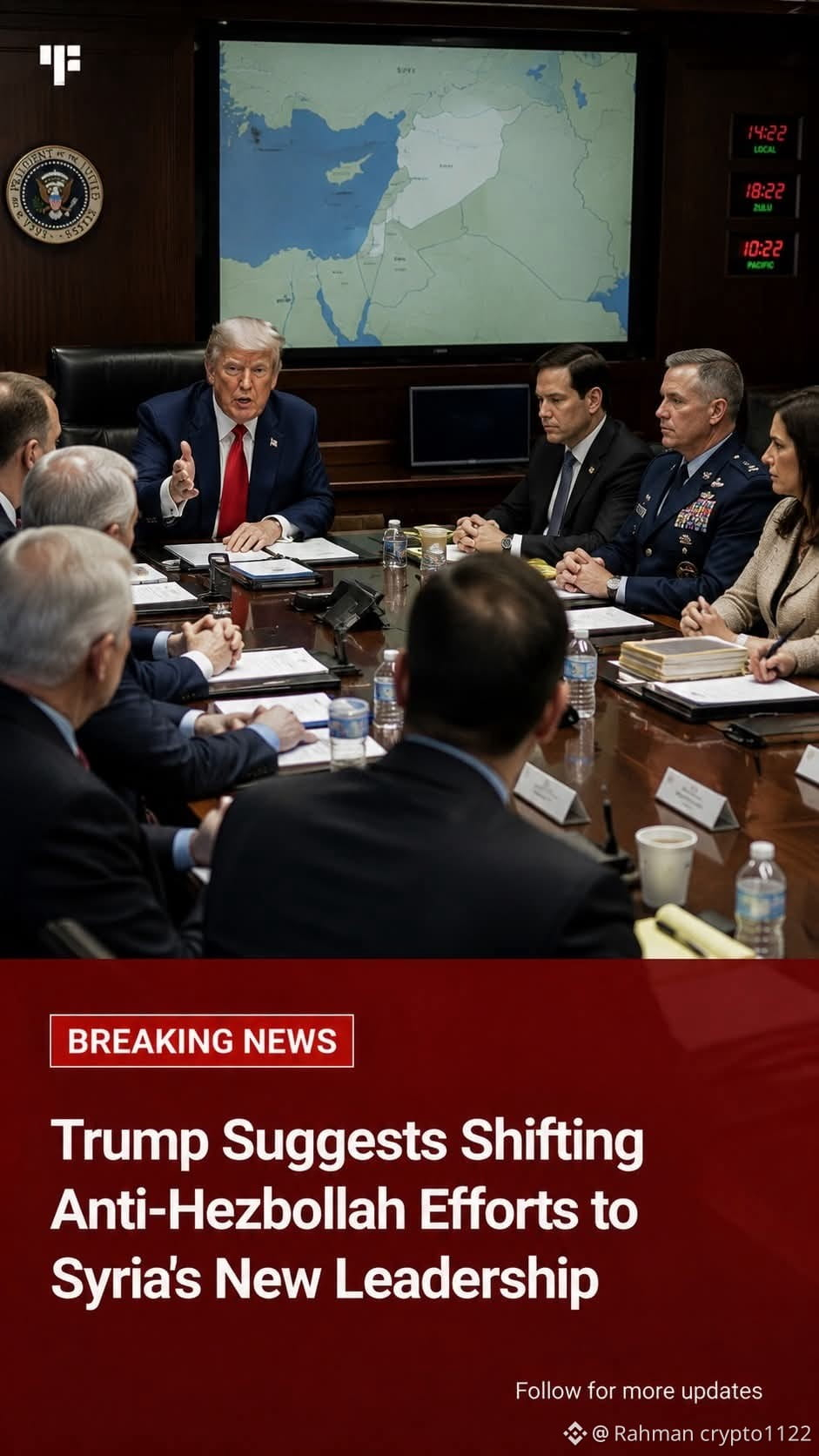
🚨 GEOPOLITICAL STRATEGY SHIFT? 🇺🇸🇸🇾🇱🇧
President Donald Trump is drawing attention across the Middle East after suggesting that Syria's new president, Ahmed al-Sharaa, could play a leading role in confronting Hezbollah in Lebanon.
Speaking on the issue, Trump praised his relationship with al-Sharaa and highlighted Syria's longstanding hostility toward Hezbollah, arguing that Damascus could potentially be more effective in countering the Iran-backed group. Trump has previously stated that al-Sharaa has been fighting Hezbollah for years and suggested Syria could help where others have struggled.
🔹 Why it matters: ✅ Signals a potential shift in U.S. thinking on regional security.
✅ Elevates Syria's new leadership as a possible strategic partner.
✅ Could reshape the balance of power in Lebanon and the wider Levant.
✅ Raises concerns about the risks of expanding Syria's military role beyond its borders.
✅ Faces opposition from those who fear renewed instability and deeper regional entanglement.
Analysts remain divided. Supporters view the idea as a pragmatic attempt to weaken Hezbollah while reducing direct Israeli involvement. Critics warn that encouraging Syrian intervention could reopen old regional wounds and create new security challenges.
💬 What do you think? Is relying on Syria to counter Hezbollah a realistic strategy for regional stability, or a risky gamble that could escalate tensions even further?
Reference: Reuters interview and reporting on President Trump's remarks regarding Syrian President Ahmed al-Sharaa and Hezbollah, June 2026.
#Trump #Syria #AhmedAlSharaa #Hezbollah #Lebanon
$BTC $BZ $XAU
🚨 GEOPOLITICAL STRATEGY SHIFT? 🇺🇸🇸🇾🇱🇧
President Donald Trump is drawing attention across the Middle East after suggesting that Syria's new president, Ahmed al-Sharaa, could play a leading role in confronting Hezbollah in Lebanon.
Speaking on the issue, Trump praised his relationship with al-Sharaa and highlighted Syria's longstanding hostility toward Hezbollah, arguing that Damascus could potentially be more effective in countering the Iran-backed group. Trump has previously stated that al-Sharaa has been fighting Hezbollah for years and suggested Syria could help where others have struggled.
🔹 Why it matters: ✅ Signals a potential shift in U.S. thinking on regional security.
✅ Elevates Syria's new leadership as a possible strategic partner.
✅ Could reshape the balance of power in Lebanon and the wider Levant.
✅ Raises concerns about the risks of expanding Syria's military role beyond its borders.
✅ Faces opposition from those who fear renewed instability and deeper regional entanglement.
Analysts remain divided. Supporters view the idea as a pragmatic attempt to weaken Hezbollah while reducing direct Israeli involvement. Critics warn that encouraging Syrian intervention could reopen old regional wounds and create new security challenges.
💬 What do you think? Is relying on Syria to counter Hezbollah a realistic strategy for regional stability, or a risky gamble that could escalate tensions even further?
Reference: Reuters interview and reporting on President Trump's remarks regarding Syrian President Ahmed al-Sharaa and Hezbollah, June 2026.
#Trump #Syria #AhmedAlSharaa #Hezbollah #Lebanon
$BTC $BZ $XAU
President Donald Trump is drawing attention across the Middle East after suggesting that Syria's new president, Ahmed al-Sharaa, could play a leading role in confronting Hezbollah in Lebanon.
Speaking on the issue, Trump praised his relationship with al-Sharaa and highlighted Syria's longstanding hostility toward Hezbollah, arguing that Damascus could potentially be more effective in countering the Iran-backed group. Trump has previously stated that al-Sharaa has been fighting Hezbollah for years and suggested Syria could help where others have struggled.
🔹 Why it matters: ✅ Signals a potential shift in U.S. thinking on regional security.
✅ Elevates Syria's new leadership as a possible strategic partner.
✅ Could reshape the balance of power in Lebanon and the wider Levant.
✅ Raises concerns about the risks of expanding Syria's military role beyond its borders.
✅ Faces opposition from those who fear renewed instability and deeper regional entanglement.
Analysts remain divided. Supporters view the idea as a pragmatic attempt to weaken Hezbollah while reducing direct Israeli involvement. Critics warn that encouraging Syrian intervention could reopen old regional wounds and create new security challenges.
💬 What do you think? Is relying on Syria to counter Hezbollah a realistic strategy for regional stability, or a risky gamble that could escalate tensions even further?
Reference: Reuters interview and reporting on President Trump's remarks regarding Syrian President Ahmed al-Sharaa and Hezbollah, June 2026.
#Trump #Syria #AhmedAlSharaa #Hezbollah #Lebanon
$BTC $BZ $XAU
120

·
--
Bullish
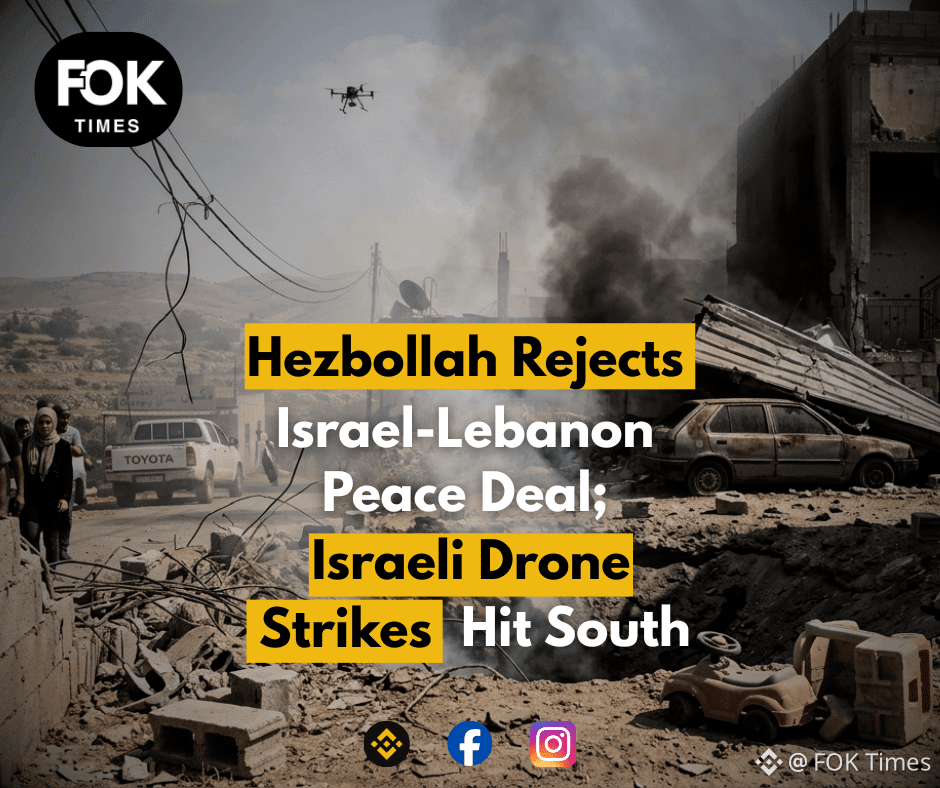
Naim Qassem, the leader of Hezbollah, has declared the recently signed trilateral framework agreement between Israel and Lebanon that was mediated by the United States "null and void." Qassem said in a televised speech that the diplomatic deal was a "humiliation" and a "surrender of sovereignty." He said that any attempts to link the forced disarmament of Hezbollah with a phased Israeli military withdrawal from southern Lebanon "cross all red lines." The Iranian-backed militant group pledged to continue its armed operations, insisting that a previous Iran-U.S. memorandum ensuring Lebanon's absolute territorial integrity remains the only acceptable basis for a truce. The opposition directly challenges the security framework that was signed in Washington, which aimed to disarm non-state actors and systematically give the Lebanese Armed Forces exclusive regional control. Meanwhile, implementation of the deal has fractured on the ground. An Israeli drone strike on Nabatieh al-Fawqa, an area just outside Israel's designated temporary security zone, sparked hostilities despite the diplomatic breakthrough. Despite the fact that the Israeli military claimed that the strike eliminated an immediate threat to its forces, the ongoing cross-border violence demonstrates the extreme volatility that poses a threat to the temporary ceasefire in the region. #Lebanon #Israel #Hezbollah $XRP $BNB
{spot}(BNBUSDT)
{spot}(XRPUSDT)
Naim Qassem, the leader of Hezbollah, has declared the recently signed trilateral framework agreement between Israel and Lebanon that was mediated by the United States "null and void." Qassem said in a televised speech that the diplomatic deal was a "humiliation" and a "surrender of sovereignty." He said that any attempts to link the forced disarmament of Hezbollah with a phased Israeli military withdrawal from southern Lebanon "cross all red lines." The Iranian-backed militant group pledged to continue its armed operations, insisting that a previous Iran-U.S. memorandum ensuring Lebanon's absolute territorial integrity remains the only acceptable basis for a truce. The opposition directly challenges the security framework that was signed in Washington, which aimed to disarm non-state actors and systematically give the Lebanese Armed Forces exclusive regional control. Meanwhile, implementation of the deal has fractured on the ground. An Israeli drone strike on Nabatieh al-Fawqa, an area just outside Israel's designated temporary security zone, sparked hostilities despite the diplomatic breakthrough. Despite the fact that the Israeli military claimed that the strike eliminated an immediate threat to its forces, the ongoing cross-border violence demonstrates the extreme volatility that poses a threat to the temporary ceasefire in the region. #Lebanon #Israel #Hezbollah $XRP $BNB
128

·
--
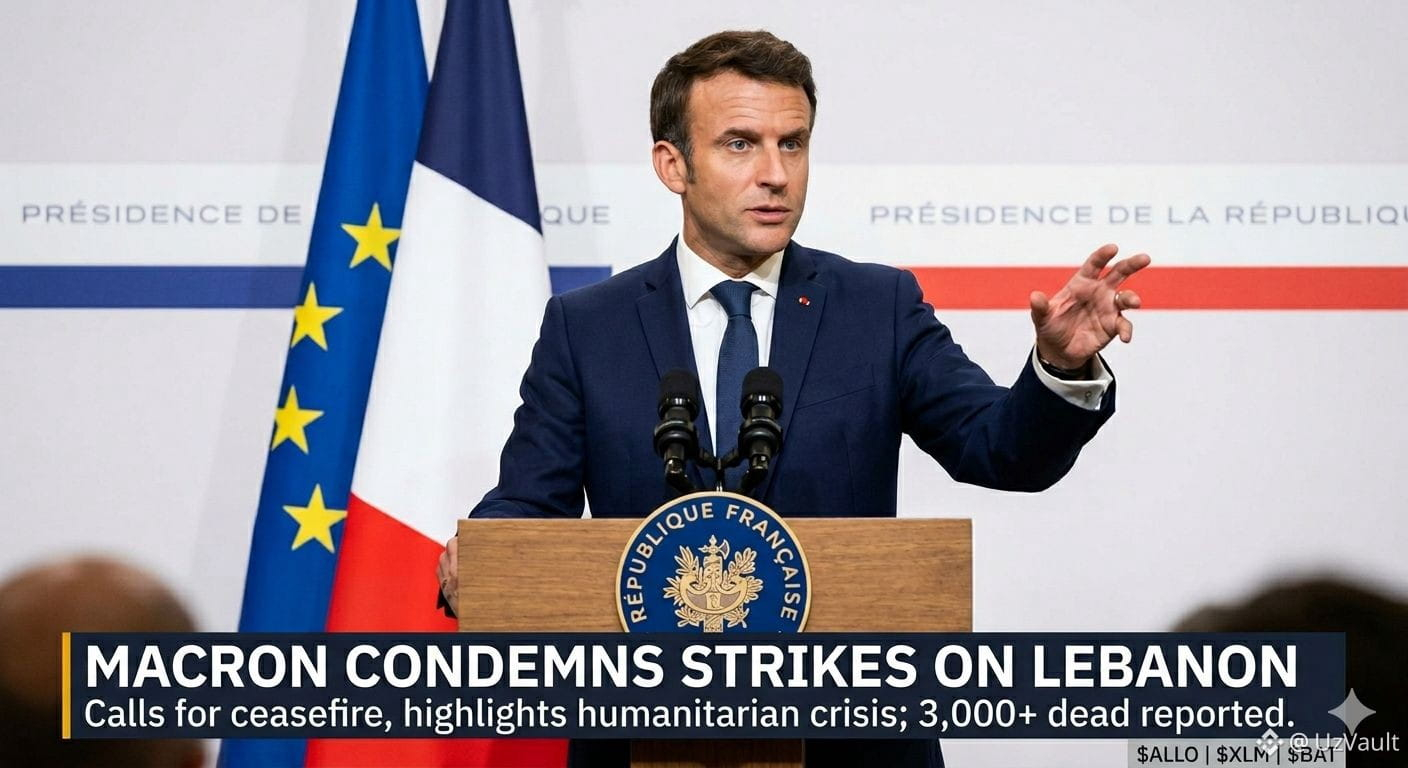
💥 DIPLOMATIC RIFT INTENSIFIES: Macron Condemns Strikes on Lebanon!
🇫🇷 French President Emmanuel Macron has strongly criticized the military actions in Lebanon, calling for an immediate and sustainable ceasefire.
📊 The Crisis So Far:
• 3,000+ lives lost in Lebanon
• Over 1 million citizens displaced
• Deepening humanitarian crisis
Macron stated that indiscriminate strikes threatening civilian populations are completely unacceptable, triggering massive tension between Paris and Tel Aviv. Western leadership is facing increasing pressure to act.
$ALLO | $XLM | $BAT
#BreakingNews #Lebanon #Netanyahu #Diplomacy #USIranStrikesSinkBitcoinBelow$73000
💥 DIPLOMATIC RIFT INTENSIFIES: Macron Condemns Strikes on Lebanon!
🇫🇷 French President Emmanuel Macron has strongly criticized the military actions in Lebanon, calling for an immediate and sustainable ceasefire.
📊 The Crisis So Far:
• 3,000+ lives lost in Lebanon
• Over 1 million citizens displaced
• Deepening humanitarian crisis
Macron stated that indiscriminate strikes threatening civilian populations are completely unacceptable, triggering massive tension between Paris and Tel Aviv. Western leadership is facing increasing pressure to act.
$ALLO | $XLM | $BAT
#BreakingNews #Lebanon #Netanyahu #Diplomacy #USIranStrikesSinkBitcoinBelow$73000
🇫🇷 French President Emmanuel Macron has strongly criticized the military actions in Lebanon, calling for an immediate and sustainable ceasefire.
📊 The Crisis So Far:
• 3,000+ lives lost in Lebanon
• Over 1 million citizens displaced
• Deepening humanitarian crisis
Macron stated that indiscriminate strikes threatening civilian populations are completely unacceptable, triggering massive tension between Paris and Tel Aviv. Western leadership is facing increasing pressure to act.
$ALLO | $XLM | $BAT
#BreakingNews #Lebanon #Netanyahu #Diplomacy #USIranStrikesSinkBitcoinBelow$73000
201

·
--
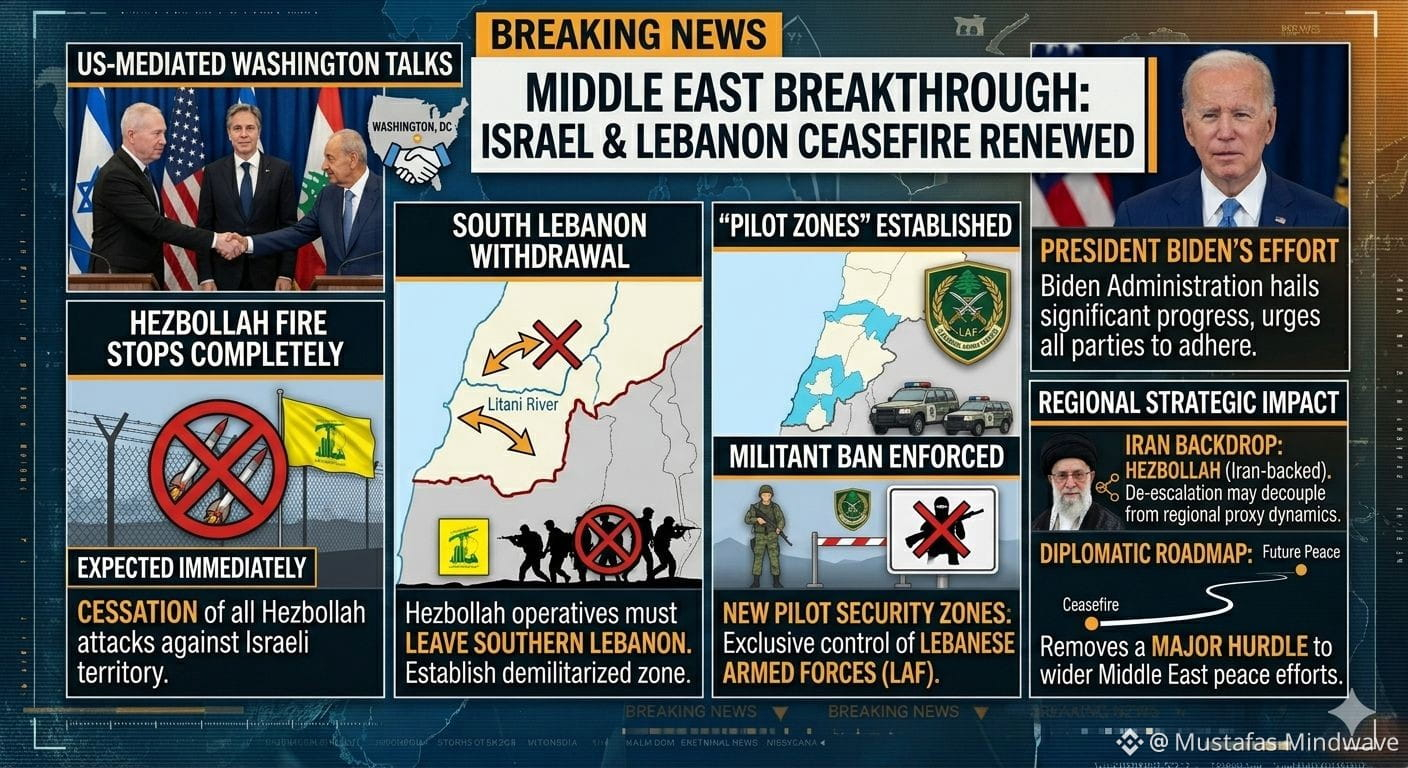
🚨 BREAKING: 🇮🇱🇱🇧 Israel and Lebanon have agreed to renew their ceasefire following U.S.-mediated talks in Washington.
Under the agreement:
⚠️ Hezbollah fire is expected to stop completely
⚠️ Hezbollah operatives are to leave southern Lebanon
⚠️ New "pilot zones" will be placed under the exclusive control of the Lebanese Armed Forces
⚠️ All non-state armed groups will be barred from operating in those areas
Why this matters:
The conflict in Lebanon has been one of the biggest obstacles to broader regional peace efforts. Because Hezbollah is backed by Iran, the fighting has been closely tied to ongoing negotiations involving Tehran.
With a renewed ceasefire now in place, one major hurdle to a wider diplomatic breakthrough may have been removed.
Whether this holds remains to be seen, but it's one of the most significant diplomatic developments in the region in weeks. 👀
#iran #Israel #Lebanon #oil #BinanceSquare
🚨 BREAKING: 🇮🇱🇱🇧 Israel and Lebanon have agreed to renew their ceasefire following U.S.-mediated talks in Washington.
Under the agreement:
⚠️ Hezbollah fire is expected to stop completely
⚠️ Hezbollah operatives are to leave southern Lebanon
⚠️ New "pilot zones" will be placed under the exclusive control of the Lebanese Armed Forces
⚠️ All non-state armed groups will be barred from operating in those areas
Why this matters:
The conflict in Lebanon has been one of the biggest obstacles to broader regional peace efforts. Because Hezbollah is backed by Iran, the fighting has been closely tied to ongoing negotiations involving Tehran.
With a renewed ceasefire now in place, one major hurdle to a wider diplomatic breakthrough may have been removed.
Whether this holds remains to be seen, but it's one of the most significant diplomatic developments in the region in weeks. 👀
#iran #Israel #Lebanon #oil #BinanceSquare
Under the agreement:
⚠️ Hezbollah fire is expected to stop completely
⚠️ Hezbollah operatives are to leave southern Lebanon
⚠️ New "pilot zones" will be placed under the exclusive control of the Lebanese Armed Forces
⚠️ All non-state armed groups will be barred from operating in those areas
Why this matters:
The conflict in Lebanon has been one of the biggest obstacles to broader regional peace efforts. Because Hezbollah is backed by Iran, the fighting has been closely tied to ongoing negotiations involving Tehran.
With a renewed ceasefire now in place, one major hurdle to a wider diplomatic breakthrough may have been removed.
Whether this holds remains to be seen, but it's one of the most significant diplomatic developments in the region in weeks. 👀
#iran #Israel #Lebanon #oil #BinanceSquare
1
149
·
--
🚨🇱🇧 Tensions continue to rise in southern Lebanon.
The Israeli military has ordered residents south of the Zahrani River to evacuate after announcing the capture of the strategically significant Beaufort Castle during ongoing operations in the region.
The development marks a major escalation and has raised concerns about further instability along the Israel-Lebanon border.
Read more: https://www.bbc.co.uk/news/articles/cdep04kzz5wo
#Lebanon #Israel #MiddleEast
🚨🇱🇧 Tensions continue to rise in southern Lebanon.
The Israeli military has ordered residents south of the Zahrani River to evacuate after announcing the capture of the strategically significant Beaufort Castle during ongoing operations in the region.
The development marks a major escalation and has raised concerns about further instability along the Israel-Lebanon border.
Read more: https://www.bbc.co.uk/news/articles/cdep04kzz5wo
#Lebanon #Israel #MiddleEast
The Israeli military has ordered residents south of the Zahrani River to evacuate after announcing the capture of the strategically significant Beaufort Castle during ongoing operations in the region.
The development marks a major escalation and has raised concerns about further instability along the Israel-Lebanon border.
Read more: https://www.bbc.co.uk/news/articles/cdep04kzz5wo
#Lebanon #Israel #MiddleEast

2
806

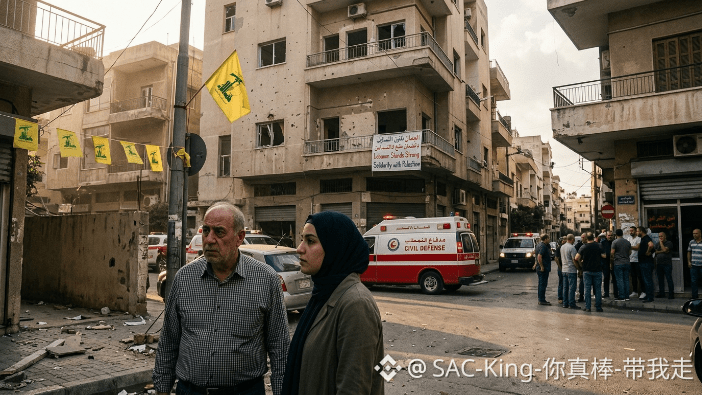
🚨🌍 Lebanon becomes a central flashpoint after Israeli strikes and Iranian warnings tied to Hezbollah. 🔥🕊️
☕ I was scrolling through updates during a quiet break today when this situation really caught my attention.
⚠️ Lebanon is again at the center of rising tensions, with reports of Israeli strikes and strong warnings coming from Iran in connection to Hezbollah activities.
🌍 What makes this more intense is how quickly regional developments can pull multiple countries into the same spotlight, even when the initial conflict feels localized.
🕊️ People following the news are hoping this does not spiral further, because even small escalations in such a sensitive area can have wide ripple effects.
💬 It honestly feels like the region is walking a very thin line right now, where diplomacy and restraint matter more than ever.
🤔🌿 Do you think regional tensions like this can be contained before they spread further?
#Lebanon #MiddleEast #BreakingNews #Write2Earn #GrowWithSAC
🚨🌍 Lebanon becomes a central flashpoint after Israeli strikes and Iranian warnings tied to Hezbollah. 🔥🕊️
☕ I was scrolling through updates during a quiet break today when this situation really caught my attention.
⚠️ Lebanon is again at the center of rising tensions, with reports of Israeli strikes and strong warnings coming from Iran in connection to Hezbollah activities.
🌍 What makes this more intense is how quickly regional developments can pull multiple countries into the same spotlight, even when the initial conflict feels localized.
🕊️ People following the news are hoping this does not spiral further, because even small escalations in such a sensitive area can have wide ripple effects.
💬 It honestly feels like the region is walking a very thin line right now, where diplomacy and restraint matter more than ever.
🤔🌿 Do you think regional tensions like this can be contained before they spread further?
#Lebanon #MiddleEast #BreakingNews #Write2Earn #GrowWithSAC
☕ I was scrolling through updates during a quiet break today when this situation really caught my attention.
⚠️ Lebanon is again at the center of rising tensions, with reports of Israeli strikes and strong warnings coming from Iran in connection to Hezbollah activities.
🌍 What makes this more intense is how quickly regional developments can pull multiple countries into the same spotlight, even when the initial conflict feels localized.
🕊️ People following the news are hoping this does not spiral further, because even small escalations in such a sensitive area can have wide ripple effects.
💬 It honestly feels like the region is walking a very thin line right now, where diplomacy and restraint matter more than ever.
🤔🌿 Do you think regional tensions like this can be contained before they spread further?
#Lebanon #MiddleEast #BreakingNews #Write2Earn #GrowWithSAC
2
230

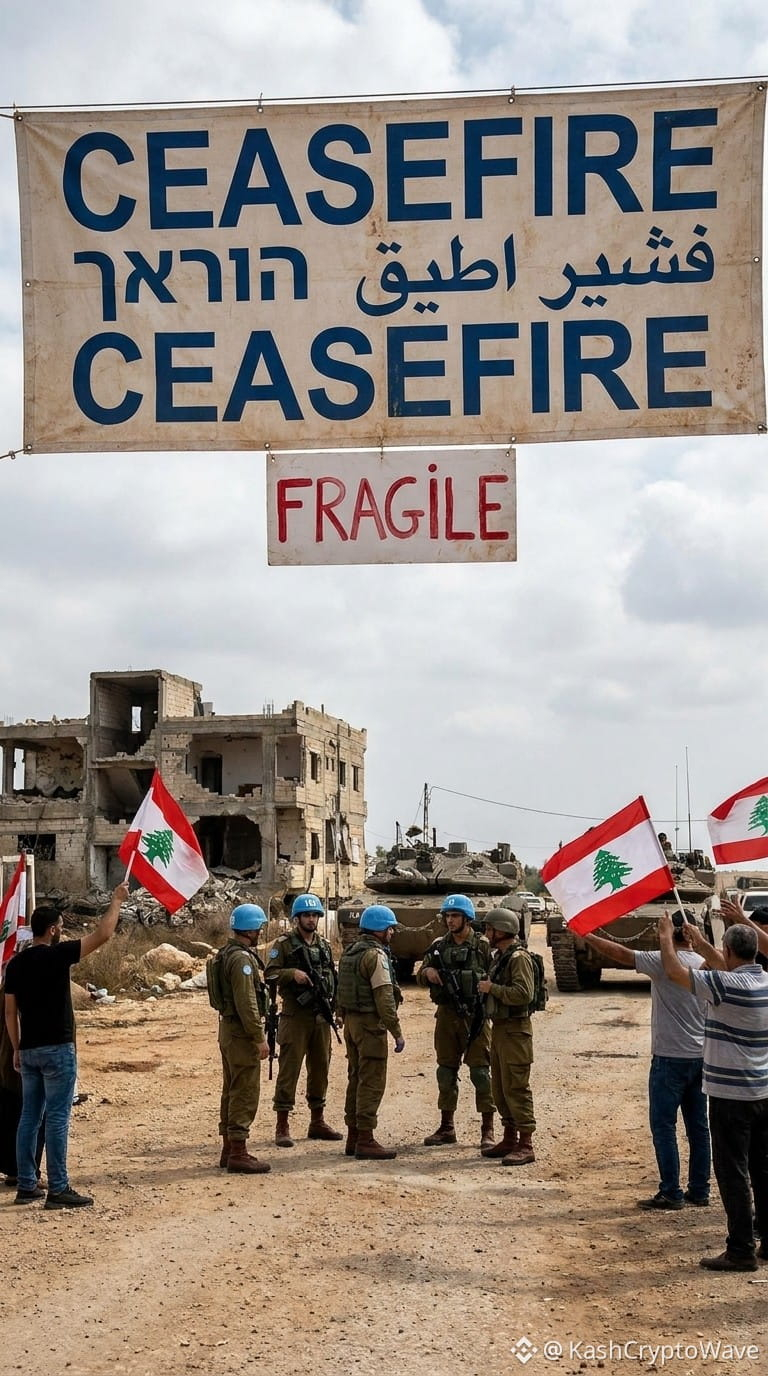
🇮🇱🇱🇧 ISRAEL & HEZBOLLAH AGREE TO CEASEFIRE – BUT IT'S FRAGILE
A new ceasefire has been agreed, but the ground is still shaking.
What was agreed:
· Truce took effect 4 PM local time on June 19
· Brokered by US and Qatar, through talks with Israel and Iran
· Israel says it will hold fire as long as Hezbollah doesn't attack
What happened before:
· Israeli strikes killed at least 47 people in Lebanon
· 4 Israeli soldiers killed by Hezbollah
Why it's fragile:
· Israel refuses to withdraw from southern Lebanon
· Hezbollah says it will fight until Israel leaves
· Fighting continues to be reported after the deadline
The bigger picture:
· Iran suspended talks with the US over these strikes
· The US-Iran deal's ceasefire on "all fronts" is under strain
👇 Will this ceasefire hold or collapse again?
$BTC $CL
#Israel #Hezbollah #Lebanon #Ceasefire
🇮🇱🇱🇧 ISRAEL & HEZBOLLAH AGREE TO CEASEFIRE – BUT IT'S FRAGILE
A new ceasefire has been agreed, but the ground is still shaking.
What was agreed:
· Truce took effect 4 PM local time on June 19
· Brokered by US and Qatar, through talks with Israel and Iran
· Israel says it will hold fire as long as Hezbollah doesn't attack
What happened before:
· Israeli strikes killed at least 47 people in Lebanon
· 4 Israeli soldiers killed by Hezbollah
Why it's fragile:
· Israel refuses to withdraw from southern Lebanon
· Hezbollah says it will fight until Israel leaves
· Fighting continues to be reported after the deadline
The bigger picture:
· Iran suspended talks with the US over these strikes
· The US-Iran deal's ceasefire on "all fronts" is under strain
👇 Will this ceasefire hold or collapse again?
$BTC $CL
#Israel #Hezbollah #Lebanon #Ceasefire
A new ceasefire has been agreed, but the ground is still shaking.
What was agreed:
· Truce took effect 4 PM local time on June 19
· Brokered by US and Qatar, through talks with Israel and Iran
· Israel says it will hold fire as long as Hezbollah doesn't attack
What happened before:
· Israeli strikes killed at least 47 people in Lebanon
· 4 Israeli soldiers killed by Hezbollah
Why it's fragile:
· Israel refuses to withdraw from southern Lebanon
· Hezbollah says it will fight until Israel leaves
· Fighting continues to be reported after the deadline
The bigger picture:
· Iran suspended talks with the US over these strikes
· The US-Iran deal's ceasefire on "all fronts" is under strain
👇 Will this ceasefire hold or collapse again?
$BTC $CL
#Israel #Hezbollah #Lebanon #Ceasefire
213

·
--
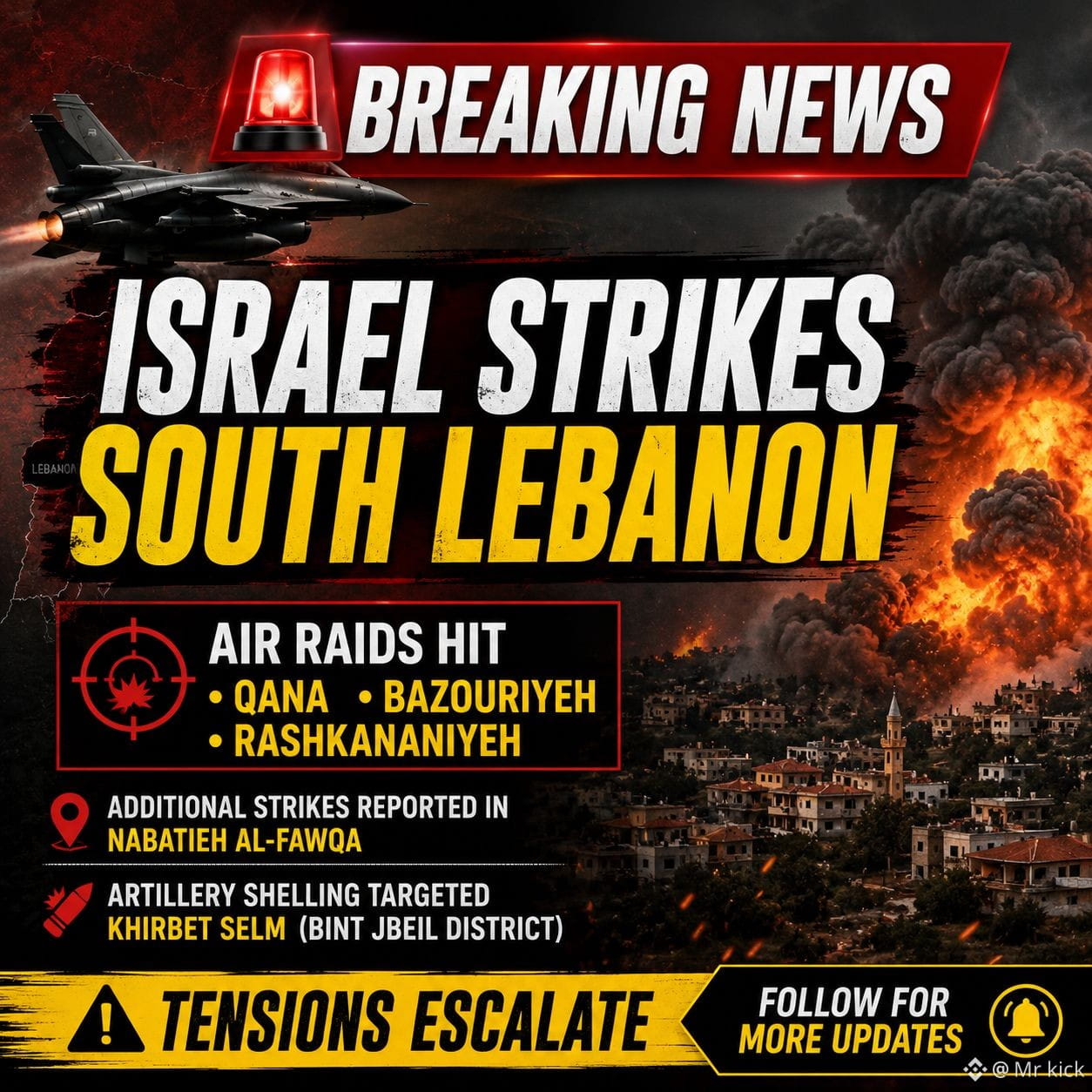
🚨 Breaking News
Israeli military has launched fresh airstrikes across southern Lebanon.$TRUMP
📍 Air raids reported in:
• Qana
• Bazouriyeh
• Rashkananiyeh
Additional strikes were reported in Nabatieh al-Fawqa, while artillery shelling targeted Khirbet Selm.$BTC
The situation along the Israel-Lebanon border remains highly tense as military activity continues to escalate.
#Lebanon #Israel #MiddleEast #breakingnews #Geopolitics #TradebStocks
👉 Follow for more updates.
🚨 Breaking News
Israeli military has launched fresh airstrikes across southern Lebanon.$TRUMP
📍 Air raids reported in:
• Qana
• Bazouriyeh
• Rashkananiyeh
Additional strikes were reported in Nabatieh al-Fawqa, while artillery shelling targeted Khirbet Selm.$BTC
The situation along the Israel-Lebanon border remains highly tense as military activity continues to escalate.
#Lebanon #Israel #MiddleEast #breakingnews #Geopolitics #TradebStocks
👉 Follow for more updates.
Israeli military has launched fresh airstrikes across southern Lebanon.$TRUMP
📍 Air raids reported in:
• Qana
• Bazouriyeh
• Rashkananiyeh
Additional strikes were reported in Nabatieh al-Fawqa, while artillery shelling targeted Khirbet Selm.$BTC
The situation along the Israel-Lebanon border remains highly tense as military activity continues to escalate.
#Lebanon #Israel #MiddleEast #breakingnews #Geopolitics #TradebStocks
👉 Follow for more updates.
3
184
·
--
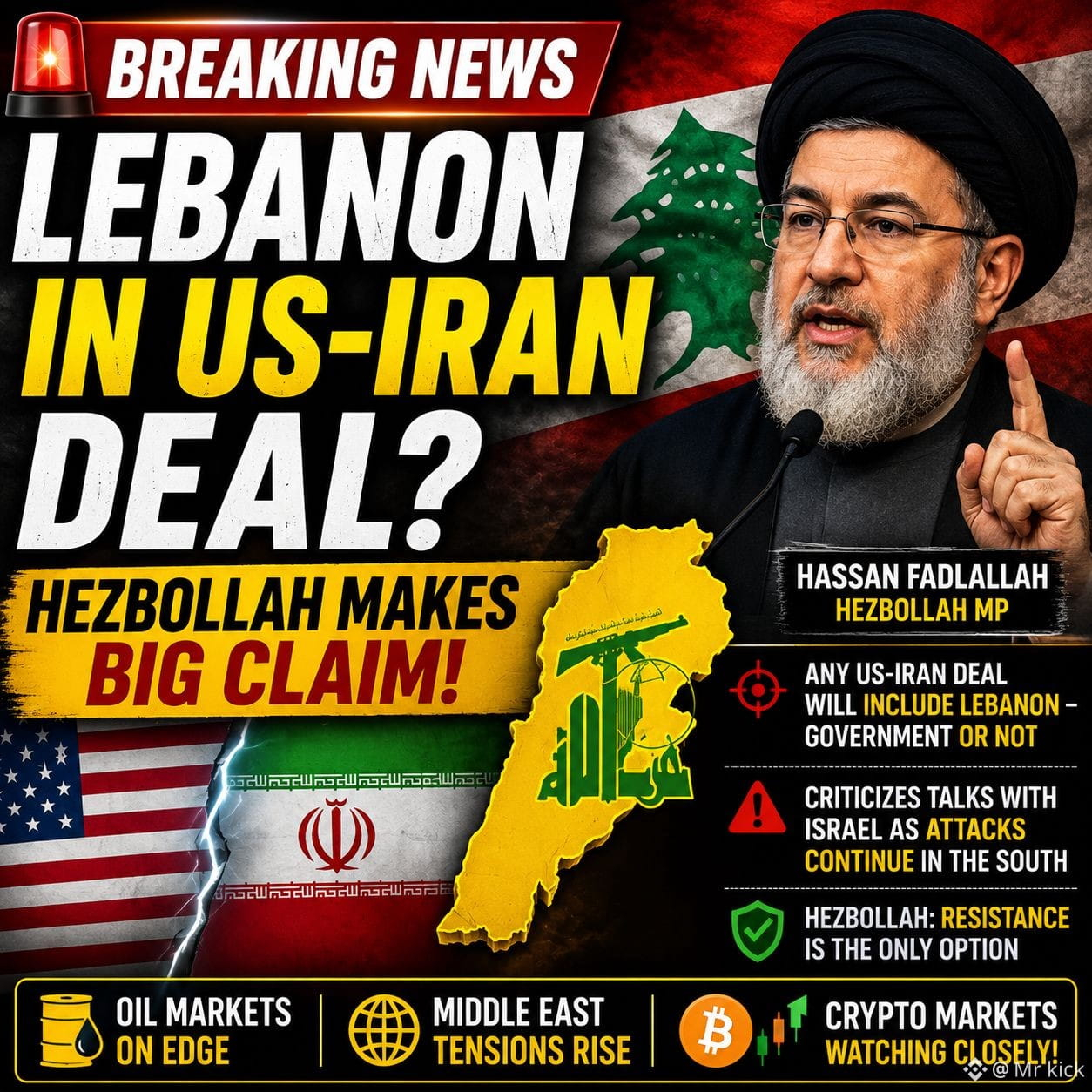
🚨 BREAKING: Hezbollah says Lebanon will be part of any future US-Iran agreement.$BNB
Hezbollah MP Hassan Fadlallah stated that any peace deal between 🇺🇸 US and 🇮🇷 Iran will also impact Lebanon, whether the Lebanese government agrees or not.$BTC
⚠️ He criticized direct talks with Israel, claiming they have failed to stop ongoing attacks in southern Lebanon.
💬 Fadlallah said Hezbollah supports diplomacy from a position of strength but insists that resistance remains necessary while conflict continues.$TRUMP
🌍 Middle East tensions remain a key factor for oil prices, global markets, and crypto volatility.
📈 Traders should keep a close eye on geopolitical developments.
#Lebanon #Hezbollah #Iran #USA #Israel #CryptoNews #Bitcoin #BNB #BinanceSquare #TradebStocks
🚨 BREAKING: Hezbollah says Lebanon will be part of any future US-Iran agreement.$BNB
Hezbollah MP Hassan Fadlallah stated that any peace deal between 🇺🇸 US and 🇮🇷 Iran will also impact Lebanon, whether the Lebanese government agrees or not.$BTC
⚠️ He criticized direct talks with Israel, claiming they have failed to stop ongoing attacks in southern Lebanon.
💬 Fadlallah said Hezbollah supports diplomacy from a position of strength but insists that resistance remains necessary while conflict continues.$TRUMP
🌍 Middle East tensions remain a key factor for oil prices, global markets, and crypto volatility.
📈 Traders should keep a close eye on geopolitical developments.
#Lebanon #Hezbollah #Iran #USA #Israel #CryptoNews #Bitcoin #BNB #BinanceSquare #TradebStocks
Hezbollah MP Hassan Fadlallah stated that any peace deal between 🇺🇸 US and 🇮🇷 Iran will also impact Lebanon, whether the Lebanese government agrees or not.$BTC
⚠️ He criticized direct talks with Israel, claiming they have failed to stop ongoing attacks in southern Lebanon.
💬 Fadlallah said Hezbollah supports diplomacy from a position of strength but insists that resistance remains necessary while conflict continues.$TRUMP
🌍 Middle East tensions remain a key factor for oil prices, global markets, and crypto volatility.
📈 Traders should keep a close eye on geopolitical developments.
#Lebanon #Hezbollah #Iran #USA #Israel #CryptoNews #Bitcoin #BNB #BinanceSquare #TradebStocks
1
272

·
--
Iran Warns It Is Ready to Launch Missiles If Israel Moves Deeper Into Hezbollah Stronghold
Iranian military adviser Rezaei reportedly stated on August 4 that Iran’s missile forces are fully prepared and could be launched if Israel advances deeper into the southern suburbs of Beirut, an area widely seen as a key Hezbollah stronghold.
The warning comes as Israel continues to expand airstrikes in Lebanon. According to Lebanese sources, the latest attacks on the Bekaa Valley and southern Lebanon have killed at least 9 people and injured many others. Lebanon’s Health Ministry said that since fighting resumed in early March, more than 3,500 people have been killed and over 10,700 injured.
Tehran’s warning has raised concerns that the Israel–Lebanon conflict could escalate into a broader direct confrontation involving Israel and Iran.
For markets, geopolitical tension in the Middle East is something traders should watch closely. Escalation risk
s can increase volatility across oil, gold, stocks, and crypto assets such as $BTC and $ETH.
In uncertain conditions, risk management matters more than chasing short-term moves. Traders should follow verified updates, avoid emotional entries, and keep position sizes under control.
#MiddleEast #Iran #Israel #Lebanon
{future}(ETHUSDT)
{future}(BTCUSDT)
Iran Warns It Is Ready to Launch Missiles If Israel Moves Deeper Into Hezbollah Stronghold
Iranian military adviser Rezaei reportedly stated on August 4 that Iran’s missile forces are fully prepared and could be launched if Israel advances deeper into the southern suburbs of Beirut, an area widely seen as a key Hezbollah stronghold.
The warning comes as Israel continues to expand airstrikes in Lebanon. According to Lebanese sources, the latest attacks on the Bekaa Valley and southern Lebanon have killed at least 9 people and injured many others. Lebanon’s Health Ministry said that since fighting resumed in early March, more than 3,500 people have been killed and over 10,700 injured.
Tehran’s warning has raised concerns that the Israel–Lebanon conflict could escalate into a broader direct confrontation involving Israel and Iran.
For markets, geopolitical tension in the Middle East is something traders should watch closely. Escalation risk
s can increase volatility across oil, gold, stocks, and crypto assets such as $BTC and $ETH.
In uncertain conditions, risk management matters more than chasing short-term moves. Traders should follow verified updates, avoid emotional entries, and keep position sizes under control.
#MiddleEast #Iran #Israel #Lebanon
Iranian military adviser Rezaei reportedly stated on August 4 that Iran’s missile forces are fully prepared and could be launched if Israel advances deeper into the southern suburbs of Beirut, an area widely seen as a key Hezbollah stronghold.
The warning comes as Israel continues to expand airstrikes in Lebanon. According to Lebanese sources, the latest attacks on the Bekaa Valley and southern Lebanon have killed at least 9 people and injured many others. Lebanon’s Health Ministry said that since fighting resumed in early March, more than 3,500 people have been killed and over 10,700 injured.
Tehran’s warning has raised concerns that the Israel–Lebanon conflict could escalate into a broader direct confrontation involving Israel and Iran.
For markets, geopolitical tension in the Middle East is something traders should watch closely. Escalation risk
s can increase volatility across oil, gold, stocks, and crypto assets such as $BTC and $ETH.
In uncertain conditions, risk management matters more than chasing short-term moves. Traders should follow verified updates, avoid emotional entries, and keep position sizes under control.
#MiddleEast #Iran #Israel #Lebanon
1
1
184

·
--
🚨IRAN'S RED LINE: ISRAEL MUST LEAVE LEBANON BEFORE ANY FINAL DEAL IS SIGNED.🇺🇸🇮🇷🇮🇱
Source: insider close to the negotiation team — not official, but credible.
The condition is now on the table: Israel's full military withdrawal from Lebanese territory is a non-negotiable requirement for Iran to sign any final agreement with the United States.
→ The memorandum of understanding being drafted will guarantee Lebanon's sovereignty and territorial integrity
→ A "conflict resolution mechanism" involving Iran was already embedded in the Switzerland talks
→ Iran is now tracking the implementation timeline — meaning this is moving toward execution, not just discussion
Why this matters for crypto markets:
This is the clearest signal yet that a formal Middle East ceasefire framework is being built — not just a temporary pause. Every step toward a signed deal removes the geopolitical risk premium that has been suppressing risk assets since the Iran conflict began.
The chain: formal deal signed → oil stays low → inflation pressure eases → Fed rate hike case weakens → crypto gets macro tailwind.
We are not there yet. But the direction is clear.
Do you think a formal US-Iran deal gets signed before Q4 2026 — and how much would that move Bitcoin?
"Wars have premiums. Peace deals have dividends. Crypto will collect both." — CoinbroNews Analysis
#Iran #Israel #Lebanon #USTreasuriesRise #OilFuturesFallAbout4%
CoinbroNews | coinbronews.com
🚨IRAN'S RED LINE: ISRAEL MUST LEAVE LEBANON BEFORE ANY FINAL DEAL IS SIGNED.🇺🇸🇮🇷🇮🇱
Source: insider close to the negotiation team — not official, but credible.
The condition is now on the table: Israel's full military withdrawal from Lebanese territory is a non-negotiable requirement for Iran to sign any final agreement with the United States.
→ The memorandum of understanding being drafted will guarantee Lebanon's sovereignty and territorial integrity
→ A "conflict resolution mechanism" involving Iran was already embedded in the Switzerland talks
→ Iran is now tracking the implementation timeline — meaning this is moving toward execution, not just discussion
Why this matters for crypto markets:
This is the clearest signal yet that a formal Middle East ceasefire framework is being built — not just a temporary pause. Every step toward a signed deal removes the geopolitical risk premium that has been suppressing risk assets since the Iran conflict began.
The chain: formal deal signed → oil stays low → inflation pressure eases → Fed rate hike case weakens → crypto gets macro tailwind.
We are not there yet. But the direction is clear.
Do you think a formal US-Iran deal gets signed before Q4 2026 — and how much would that move Bitcoin?
"Wars have premiums. Peace deals have dividends. Crypto will collect both." — CoinbroNews Analysis
#Iran #Israel #Lebanon #USTreasuriesRise #OilFuturesFallAbout4%
CoinbroNews | coinbronews.com
Source: insider close to the negotiation team — not official, but credible.
The condition is now on the table: Israel's full military withdrawal from Lebanese territory is a non-negotiable requirement for Iran to sign any final agreement with the United States.
→ The memorandum of understanding being drafted will guarantee Lebanon's sovereignty and territorial integrity
→ A "conflict resolution mechanism" involving Iran was already embedded in the Switzerland talks
→ Iran is now tracking the implementation timeline — meaning this is moving toward execution, not just discussion
Why this matters for crypto markets:
This is the clearest signal yet that a formal Middle East ceasefire framework is being built — not just a temporary pause. Every step toward a signed deal removes the geopolitical risk premium that has been suppressing risk assets since the Iran conflict began.
The chain: formal deal signed → oil stays low → inflation pressure eases → Fed rate hike case weakens → crypto gets macro tailwind.
We are not there yet. But the direction is clear.
Do you think a formal US-Iran deal gets signed before Q4 2026 — and how much would that move Bitcoin?
"Wars have premiums. Peace deals have dividends. Crypto will collect both." — CoinbroNews Analysis
#Iran #Israel #Lebanon #USTreasuriesRise #OilFuturesFallAbout4%
CoinbroNews | coinbronews.com

1
68
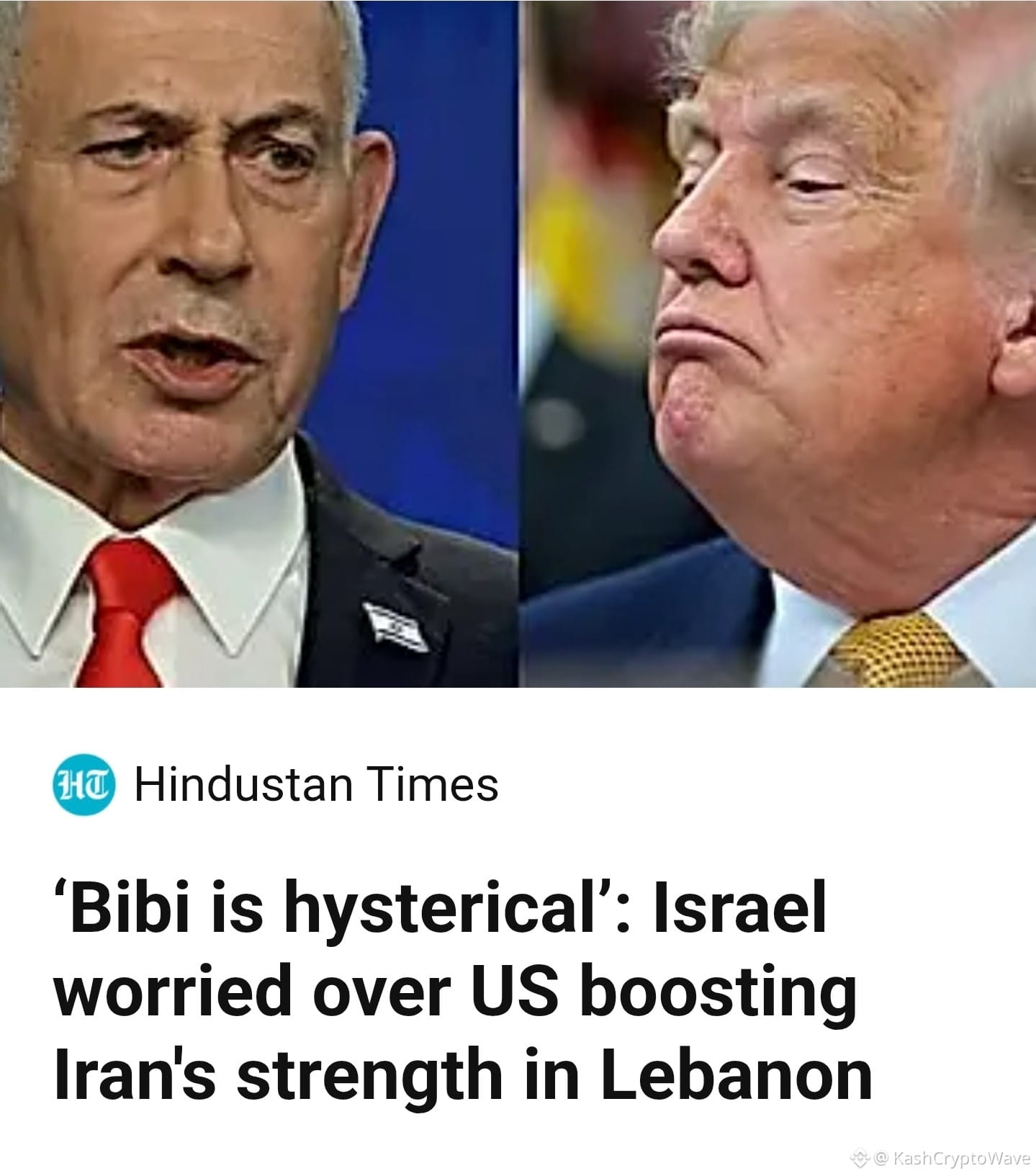
🇮🇱🇺🇸🇮🇷 "BIBI IS HYSTERICAL" — ISRAEL PANICS AS US TALKS DIRECTLY WITH IRAN OVER LEBANON
Israel's PM is in full panic mode. The US is talking to Iran directly about Lebanon — and Israel is not at the table.
What's happening:
The US-Iran MOU includes Lebanon — committing both sides and their allies to "end all hostilities, including in Lebanon".
A new "deconfliction mechanism" has been created involving the US, Iran, Lebanon, Qatar, and Pakistan — but NOT Israel.
Under the 2024 Biden-era ceasefire, Israel could act against both "imminent" and "emerging" Hezbollah threats. Under the new framework, Israel's freedom of action appears limited to "imminent" threats only.
Why Bibi is panicking:
· "Bibi is hysterical about it" — an Israeli source told Axios
· Netanyahu is "much more worried" about Lebanon than Iran's nuclear program
· October elections loom — Hezbollah action is a major domestic issue
· Israel's military freedom in Lebanon is being curtailed
Netanyahu's response:
Netanyahu enlisted Ron Dermer to lobby Trump's team. Israeli sources claim Dermer's intervention helped prompt Trump's Truth Social threat to strike Iran if Hezbollah isn't restrained.
Defense Minister Katz: "We are not going to leave the security zone".
Trump's response:
"I'm a problem solver, I get problems solved real fast — including with Bibi."
The bottom line:
The US is talking to Iran directly about Lebanon. Israel is not at the table. The 2024 rules have changed. The alliance is cracking. Bibi is hysterical.
👇 Is the US-Israel alliance fracturing in real time?
$BTC $CL $BZ
#Israel #Iran #US #Lebanon
🇮🇱🇺🇸🇮🇷 "BIBI IS HYSTERICAL" — ISRAEL PANICS AS US TALKS DIRECTLY WITH IRAN OVER LEBANON
Israel's PM is in full panic mode. The US is talking to Iran directly about Lebanon — and Israel is not at the table.
What's happening:
The US-Iran MOU includes Lebanon — committing both sides and their allies to "end all hostilities, including in Lebanon".
A new "deconfliction mechanism" has been created involving the US, Iran, Lebanon, Qatar, and Pakistan — but NOT Israel.
Under the 2024 Biden-era ceasefire, Israel could act against both "imminent" and "emerging" Hezbollah threats. Under the new framework, Israel's freedom of action appears limited to "imminent" threats only.
Why Bibi is panicking:
· "Bibi is hysterical about it" — an Israeli source told Axios
· Netanyahu is "much more worried" about Lebanon than Iran's nuclear program
· October elections loom — Hezbollah action is a major domestic issue
· Israel's military freedom in Lebanon is being curtailed
Netanyahu's response:
Netanyahu enlisted Ron Dermer to lobby Trump's team. Israeli sources claim Dermer's intervention helped prompt Trump's Truth Social threat to strike Iran if Hezbollah isn't restrained.
Defense Minister Katz: "We are not going to leave the security zone".
Trump's response:
"I'm a problem solver, I get problems solved real fast — including with Bibi."
The bottom line:
The US is talking to Iran directly about Lebanon. Israel is not at the table. The 2024 rules have changed. The alliance is cracking. Bibi is hysterical.
👇 Is the US-Israel alliance fracturing in real time?
$BTC $CL $BZ
#Israel #Iran #US #Lebanon
Israel's PM is in full panic mode. The US is talking to Iran directly about Lebanon — and Israel is not at the table.
What's happening:
The US-Iran MOU includes Lebanon — committing both sides and their allies to "end all hostilities, including in Lebanon".
A new "deconfliction mechanism" has been created involving the US, Iran, Lebanon, Qatar, and Pakistan — but NOT Israel.
Under the 2024 Biden-era ceasefire, Israel could act against both "imminent" and "emerging" Hezbollah threats. Under the new framework, Israel's freedom of action appears limited to "imminent" threats only.
Why Bibi is panicking:
· "Bibi is hysterical about it" — an Israeli source told Axios
· Netanyahu is "much more worried" about Lebanon than Iran's nuclear program
· October elections loom — Hezbollah action is a major domestic issue
· Israel's military freedom in Lebanon is being curtailed
Netanyahu's response:
Netanyahu enlisted Ron Dermer to lobby Trump's team. Israeli sources claim Dermer's intervention helped prompt Trump's Truth Social threat to strike Iran if Hezbollah isn't restrained.
Defense Minister Katz: "We are not going to leave the security zone".
Trump's response:
"I'm a problem solver, I get problems solved real fast — including with Bibi."
The bottom line:
The US is talking to Iran directly about Lebanon. Israel is not at the table. The 2024 rules have changed. The alliance is cracking. Bibi is hysterical.
👇 Is the US-Israel alliance fracturing in real time?
$BTC $CL $BZ
#Israel #Iran #US #Lebanon
114
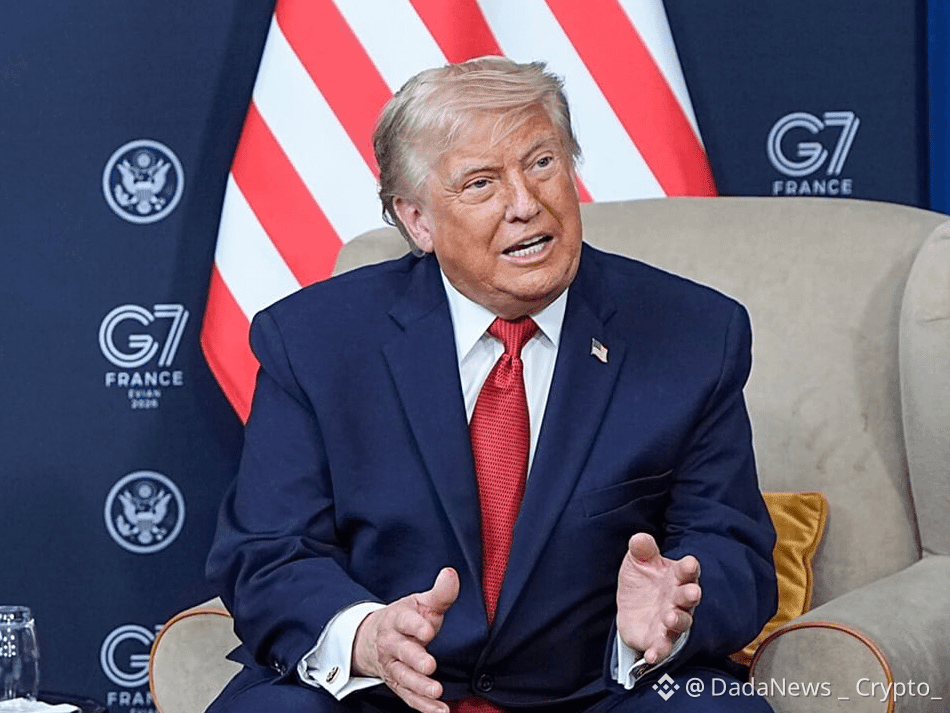
🚨 BREAKING: President Donald Trump has reportedly urged Israeli Prime Minister Benjamin Netanyahu to begin withdrawing Israeli forces from Syria and proceed with previously discussed redeployments in Lebanon, according to an Axios report citing U.S. and Israeli officials.
The reported move signals Washington's push to reduce regional tensions and encourage diplomatic progress following recent high-level talks. While the request reflects a notable shift in U.S. messaging, there has been no official confirmation from the White House, and no indication that Israel has agreed to alter its military posture at this stage.
Markets will be watching closely as any meaningful de-escalation in the Middle East could influence geopolitical risk sentiment, energy prices, and global financial markets.
#BREAKING #TRUMP #Israel #Lebanon #BTC
$BTC
{future}(BTCUSDT)
$ENA
{future}(ENAUSDT)
$WLD
{future}(WLDUSDT)
🚨 BREAKING: President Donald Trump has reportedly urged Israeli Prime Minister Benjamin Netanyahu to begin withdrawing Israeli forces from Syria and proceed with previously discussed redeployments in Lebanon, according to an Axios report citing U.S. and Israeli officials.
The reported move signals Washington's push to reduce regional tensions and encourage diplomatic progress following recent high-level talks. While the request reflects a notable shift in U.S. messaging, there has been no official confirmation from the White House, and no indication that Israel has agreed to alter its military posture at this stage.
Markets will be watching closely as any meaningful de-escalation in the Middle East could influence geopolitical risk sentiment, energy prices, and global financial markets.
#BREAKING #TRUMP #Israel #Lebanon #BTC
$BTC
$ENA
$WLD
The reported move signals Washington's push to reduce regional tensions and encourage diplomatic progress following recent high-level talks. While the request reflects a notable shift in U.S. messaging, there has been no official confirmation from the White House, and no indication that Israel has agreed to alter its military posture at this stage.
Markets will be watching closely as any meaningful de-escalation in the Middle East could influence geopolitical risk sentiment, energy prices, and global financial markets.
#BREAKING #TRUMP #Israel #Lebanon #BTC
$BTC
$ENA
$WLD
68

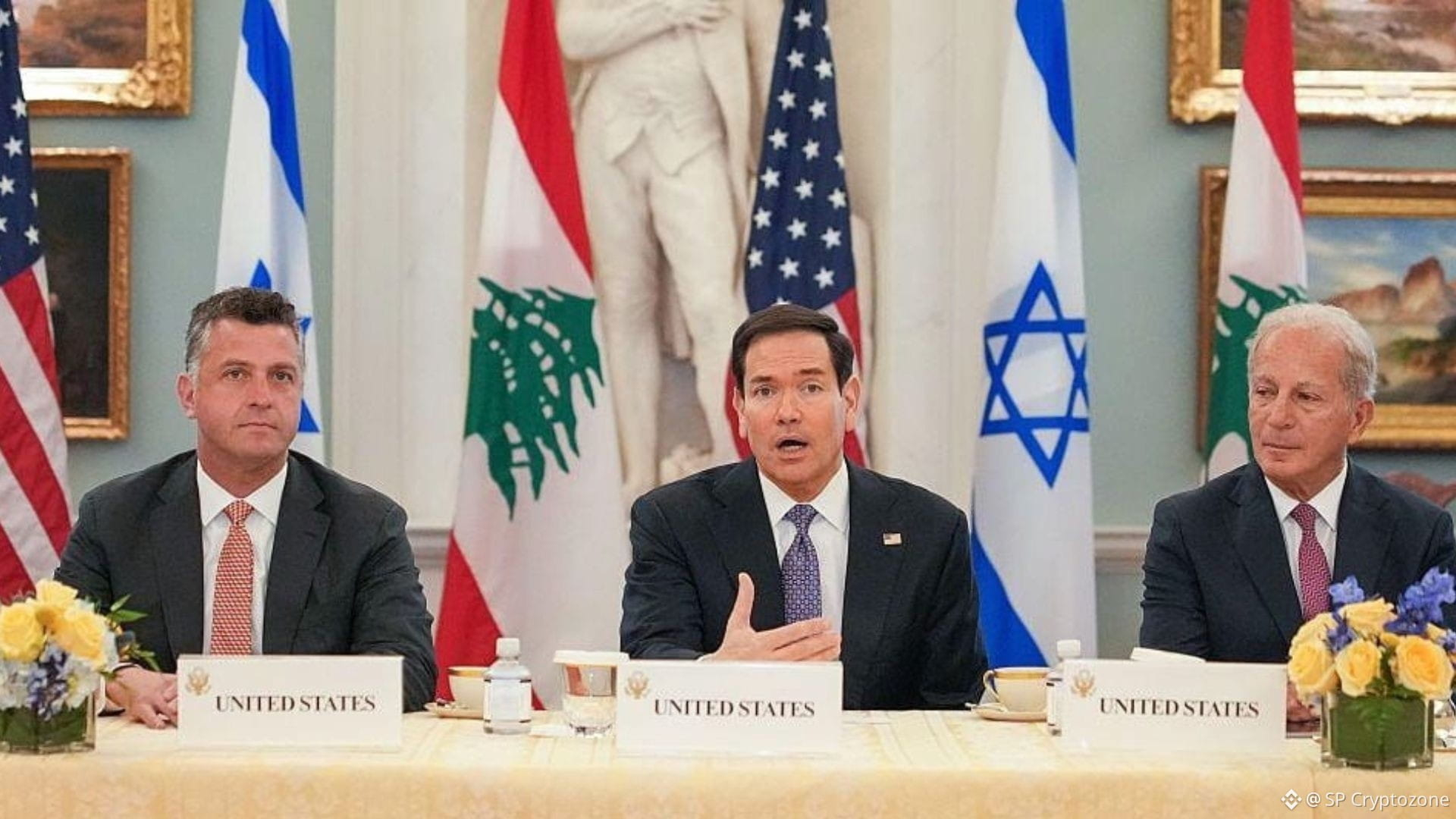
🚨 MIDDLE EAST UPDATE:
🇱🇧🇮🇱🇺🇸 New military initiatives involving the Lebanese Armed Forces (LAF) have reportedly commenced in various villages in southern Lebanon, backed by international cooperation.
Reports indicate that this effort aims to establish a gradual shift where Lebanese governmental forces take over specific regions as Israeli forces slowly move back. The goal is also to enhance governmental authority and reduce the presence of armed groups outside state control.
The first phase of this deployment is seen as a trial run, with officials set to evaluate the security situation and execution before thinking about extending it to more locations.
Analysts suggest that the results from these initial operations could significantly influence future actions concerning border security and wider regional de-escalation endeavors.
Source: Times of Israel
#BREAKING #Lebanon #Israel #US #MiddleEast
$BTC
{future}(BTCUSDT)
$ETH
{future}(ETHUSDT)
$BNB
{future}(BNBUSDT)
🚨 MIDDLE EAST UPDATE:
🇱🇧🇮🇱🇺🇸 New military initiatives involving the Lebanese Armed Forces (LAF) have reportedly commenced in various villages in southern Lebanon, backed by international cooperation.
Reports indicate that this effort aims to establish a gradual shift where Lebanese governmental forces take over specific regions as Israeli forces slowly move back. The goal is also to enhance governmental authority and reduce the presence of armed groups outside state control.
The first phase of this deployment is seen as a trial run, with officials set to evaluate the security situation and execution before thinking about extending it to more locations.
Analysts suggest that the results from these initial operations could significantly influence future actions concerning border security and wider regional de-escalation endeavors.
Source: Times of Israel
#BREAKING #Lebanon #Israel #US #MiddleEast
$BTC
$ETH
$BNB
🇱🇧🇮🇱🇺🇸 New military initiatives involving the Lebanese Armed Forces (LAF) have reportedly commenced in various villages in southern Lebanon, backed by international cooperation.
Reports indicate that this effort aims to establish a gradual shift where Lebanese governmental forces take over specific regions as Israeli forces slowly move back. The goal is also to enhance governmental authority and reduce the presence of armed groups outside state control.
The first phase of this deployment is seen as a trial run, with officials set to evaluate the security situation and execution before thinking about extending it to more locations.
Analysts suggest that the results from these initial operations could significantly influence future actions concerning border security and wider regional de-escalation endeavors.
Source: Times of Israel
#BREAKING #Lebanon #Israel #US #MiddleEast
$BTC
$ETH
$BNB
66
·
--

Article
Lebanon Seeks Clear Israeli Withdrawal Timeline as Hezbollah Rejects Framework DealLebanese Prime Minister Nawaf Salam has called for a clear timetable for Israel's withdrawal from Lebanese territory, emphasizing the need to expand the pilot area in southern Lebanon. Salam stated that the timetable should be explicitly outlined to prevent misunderstandings and to facilitate progress in the ongoing negotiations.
Salam also highlighted the importance of clarifying the scope of Israel’s withdrawal and urged for concrete steps to be taken to ensure the safety and sovereignty of Lebanon. His comments reflect ongoing tensions and the desire for a definitive resolution to the territorial disputes that have persisted for years.
Meanwhile, Hezbollah leader Naim Qassem reiterated that the group rejects the trilateral framework agreement brokered by the United States between Lebanon, Israel, and the U.S. government. Qassem’s stance underscores the deep-seated mistrust and opposition from Hezbollah regarding external negotiations that they believe do not adequately address Lebanon’s interests.
The rejection by Hezbollah and the call for a clear withdrawal timetable by Lebanon’s government illustrate the complexity and fragility of efforts to reach a lasting agreement. These developments suggest ongoing disagreements that could impact regional stability and future diplomatic efforts.
More details are available in the official Binance Square post. #Lebanon #Hezbollah #MiddleEast
Lebanon Seeks Clear Israeli Withdrawal Timeline as Hezbollah Rejects Framework Deal
Lebanese Prime Minister Nawaf Salam has called for a clear timetable for Israel's withdrawal from Lebanese territory, emphasizing the need to expand the pilot area in southern Lebanon. Salam stated that the timetable should be explicitly outlined to prevent misunderstandings and to facilitate progress in the ongoing negotiations.
Salam also highlighted the importance of clarifying the scope of Israel’s withdrawal and urged for concrete steps to be taken to ensure the safety and sovereignty of Lebanon. His comments reflect ongoing tensions and the desire for a definitive resolution to the territorial disputes that have persisted for years.
Meanwhile, Hezbollah leader Naim Qassem reiterated that the group rejects the trilateral framework agreement brokered by the United States between Lebanon, Israel, and the U.S. government. Qassem’s stance underscores the deep-seated mistrust and opposition from Hezbollah regarding external negotiations that they believe do not adequately address Lebanon’s interests.
The rejection by Hezbollah and the call for a clear withdrawal timetable by Lebanon’s government illustrate the complexity and fragility of efforts to reach a lasting agreement. These developments suggest ongoing disagreements that could impact regional stability and future diplomatic efforts.
More details are available in the official Binance Square post. #Lebanon #Hezbollah #MiddleEast
Salam also highlighted the importance of clarifying the scope of Israel’s withdrawal and urged for concrete steps to be taken to ensure the safety and sovereignty of Lebanon. His comments reflect ongoing tensions and the desire for a definitive resolution to the territorial disputes that have persisted for years.
Meanwhile, Hezbollah leader Naim Qassem reiterated that the group rejects the trilateral framework agreement brokered by the United States between Lebanon, Israel, and the U.S. government. Qassem’s stance underscores the deep-seated mistrust and opposition from Hezbollah regarding external negotiations that they believe do not adequately address Lebanon’s interests.
The rejection by Hezbollah and the call for a clear withdrawal timetable by Lebanon’s government illustrate the complexity and fragility of efforts to reach a lasting agreement. These developments suggest ongoing disagreements that could impact regional stability and future diplomatic efforts.
More details are available in the official Binance Square post. #Lebanon #Hezbollah #MiddleEast
27
Log in to explore more content
Join global crypto users on Binance Square
⚡️ Get latest and useful information about crypto.
💬 Trusted by the world’s largest crypto exchange.
👍 Discover real insights from verified creators.
Email / Phone number
Trending Topics
1
#BinanceWillListHyperliquid(HYPE)
36,870 views
1,007 Discussing
2
#FedOctoberRateHikeOddsRiseTo69.7%
2,674 views
209 Discussing
3
#BitcoinFallsBelow$83,000
1,618 views
20 Discussing
4
#BitcoinFallsToAround$84,600ThisWeek
0 views
0 Discussing
5
#US30YearYieldHighestSince2004
7,826 views
239 Discussing
6
#ETHBreaksAbove$2,700
861 views
20 Discussing
7
#USWeighsPromotingDollarStablecoinsAbroad
34,617 views
1,071 Discussing
8
#US10YTreasuryYieldHits19YearHigh
33,183 views
834 Discussing
9
#SpotBitcoinETFsInflow$2.31BInFourDays
4,482 views
60 Discussing
10
#BitcoinRejectedAt$87,300Twice
0 views
0 Discussing