

SP Cryptozone
2.7k Posts

SP Cryptozone
Report
Block User
Navigating the crypto world with smart trades, constant learning, and growth. Building a diversified portfolio—join me on this exciting digital journey!
59 Following
488 Followers
3.1K+ Liked
Posts
PINNED
The Quiet Power Shaping Web3 Gaming
Web3 is undergoing a deeper transformation than the short-term price action that continues to occupy a significant portion of the market. $COCOS , currently priced at $0.00097, is steadily building the infrastructure that could redefine the GameFi economy.
Moving forward
Innovative gaming experiences are being released by developers.
New dApps are coming online, expanding the ecosystem’s reach.
The rate of adoption in the GameFi industry is still increasing.
Building the Framework
This isn’t a mere speculative vision—it’s a concrete foundation being established. The progress underway could ignite the next wave of blockchain-based gaming.
Before the Breakthrough Patience
Periods of consolidation are natural and necessary for sustainable growth. The real question is not whether but when the market will recognize $COCOS 's potential.
Beyond Price Action
GameFi’s lasting value isn’t about sudden pumps. It lies in immersive digital worlds, functioning economies, and player-driven ecosystems. While others chase hype, it $COCOS is laying the groundwork for lasting innovation.
The Window of Opportunity
The infrastructure is nearly complete, and momentum is building. Adoption is on the verge of a major expansion. The only question left is: will you be ready when the train leaves the station?
#GameFi #Web3 #BlockchainGaming #COCOS #COMBO
{future}(BTCUSDT)
The Quiet Power Shaping Web3 Gaming
Web3 is undergoing a deeper transformation than the short-term price action that continues to occupy a significant portion of the market. $COCOS , currently priced at $0.00097, is steadily building the infrastructure that could redefine the GameFi economy.
Moving forward
Innovative gaming experiences are being released by developers.
New dApps are coming online, expanding the ecosystem’s reach.
The rate of adoption in the GameFi industry is still increasing.
Building the Framework
This isn’t a mere speculative vision—it’s a concrete foundation being established. The progress underway could ignite the next wave of blockchain-based gaming.
Before the Breakthrough Patience
Periods of consolidation are natural and necessary for sustainable growth. The real question is not whether but when the market will recognize $COCOS 's potential.
Beyond Price Action
GameFi’s lasting value isn’t about sudden pumps. It lies in immersive digital worlds, functioning economies, and player-driven ecosystems. While others chase hype, it $COCOS is laying the groundwork for lasting innovation.
The Window of Opportunity
The infrastructure is nearly complete, and momentum is building. Adoption is on the verge of a major expansion. The only question left is: will you be ready when the train leaves the station?
#GameFi #Web3 #BlockchainGaming #COCOS #COMBO
Web3 is undergoing a deeper transformation than the short-term price action that continues to occupy a significant portion of the market. $COCOS , currently priced at $0.00097, is steadily building the infrastructure that could redefine the GameFi economy.
Moving forward
Innovative gaming experiences are being released by developers.
New dApps are coming online, expanding the ecosystem’s reach.
The rate of adoption in the GameFi industry is still increasing.
Building the Framework
This isn’t a mere speculative vision—it’s a concrete foundation being established. The progress underway could ignite the next wave of blockchain-based gaming.
Before the Breakthrough Patience
Periods of consolidation are natural and necessary for sustainable growth. The real question is not whether but when the market will recognize $COCOS 's potential.
Beyond Price Action
GameFi’s lasting value isn’t about sudden pumps. It lies in immersive digital worlds, functioning economies, and player-driven ecosystems. While others chase hype, it $COCOS is laying the groundwork for lasting innovation.
The Window of Opportunity
The infrastructure is nearly complete, and momentum is building. Adoption is on the verge of a major expansion. The only question left is: will you be ready when the train leaves the station?
#GameFi #Web3 #BlockchainGaming #COCOS #COMBO

5
1
44
100.3k
·
--
Bullish
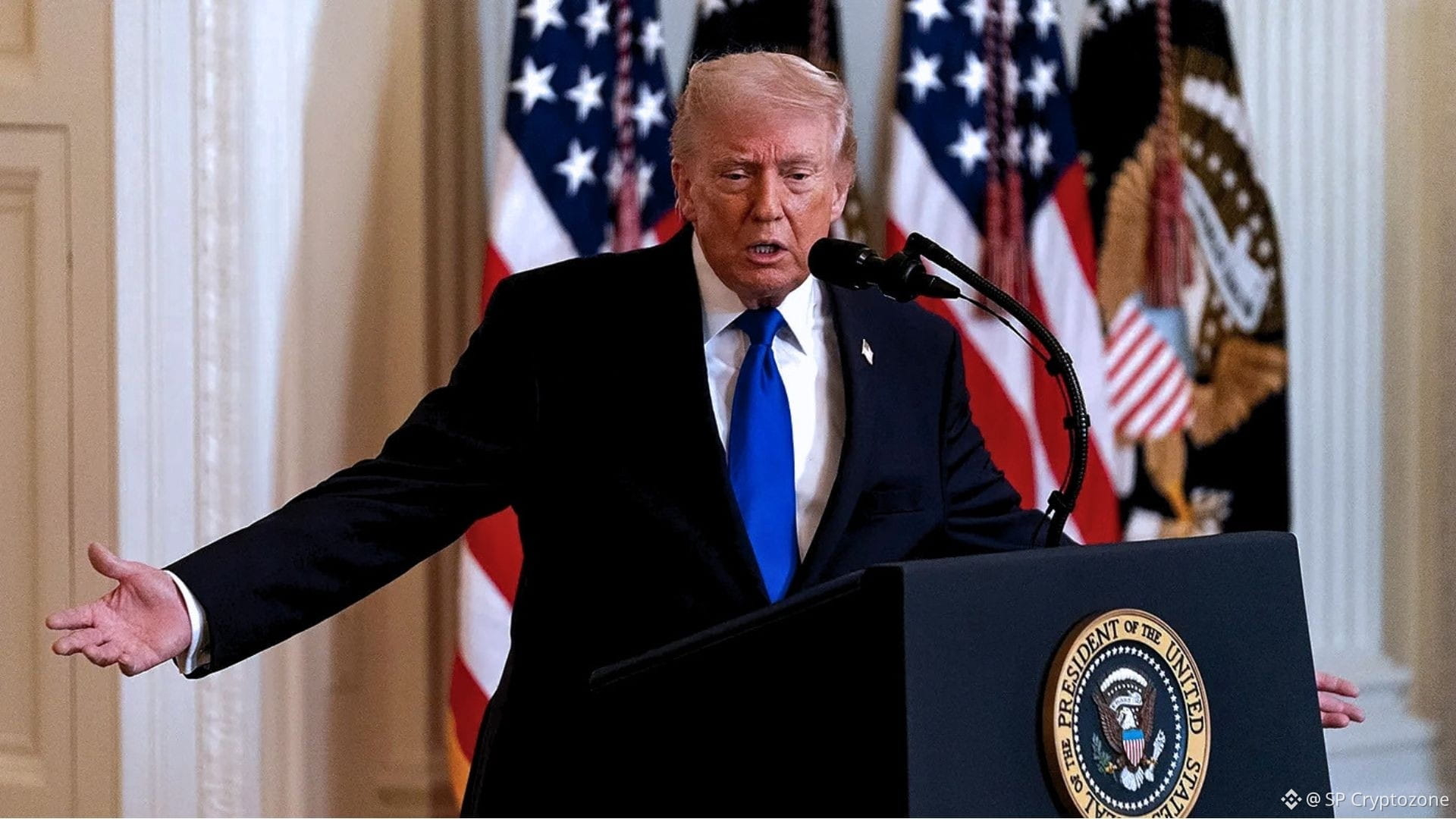
🚨🇺🇸 President Donald Trump said he is exploring several strategies regarding Iran and cautioned that "significant developments" could unfold soon.
In his Fox News interview, Trump outlined potential actions ranging from increasing military and economic pressure to pursuing a diplomatic agreement.
Furthermore, he mentioned the possibility of engaging in discussions with Iran's newly elected president, Masoud Pezeshkian, keeping every option available.
With existing tensions soaring both regionally and globally, Trump's forthcoming decision could significantly impact the international political scene and affect oil prices.
$TRUMP
{future}(TRUMPUSDT)
$XAU
{future}(XAUUSDT)
$XAG
{future}(XAGUSDT)
#Iran #Trump #Geopolitics #OilMarkets #Crypto
🚨🇺🇸 President Donald Trump said he is exploring several strategies regarding Iran and cautioned that "significant developments" could unfold soon.
In his Fox News interview, Trump outlined potential actions ranging from increasing military and economic pressure to pursuing a diplomatic agreement.
Furthermore, he mentioned the possibility of engaging in discussions with Iran's newly elected president, Masoud Pezeshkian, keeping every option available.
With existing tensions soaring both regionally and globally, Trump's forthcoming decision could significantly impact the international political scene and affect oil prices.
$TRUMP
$XAU
$XAG
#Iran #Trump #Geopolitics #OilMarkets #Crypto
In his Fox News interview, Trump outlined potential actions ranging from increasing military and economic pressure to pursuing a diplomatic agreement.
Furthermore, he mentioned the possibility of engaging in discussions with Iran's newly elected president, Masoud Pezeshkian, keeping every option available.
With existing tensions soaring both regionally and globally, Trump's forthcoming decision could significantly impact the international political scene and affect oil prices.
$TRUMP
$XAU
$XAG
#Iran #Trump #Geopolitics #OilMarkets #Crypto
774
🚨 FED POLICY JUST SHIFTED THE MARKET
The Fed just made its first rate hike in three years with today's announcement, while its latest projections still hint at a second hike before year-end.
Markets largely expected this decision, which is why a sizable chunk of selling already took place before the statement was released. With the decision now out of the way, Bitcoin is witnessing a short-term relief rally.
The main concern is liquidity, as higher borrowing costs and higher yields could put further pressure on risk assets in general and crypto in particular.
The next hike in the Fed's policy rate may not come if a cooling-off period in the geopolitical backdrop, falling energy prices, and decreasing inflation are going to affect the
central bank's calculations in the months ahead.
For $BTC, however, this means that it's all about the next steps that the policymakers may contemplate. 👀
$BTC
{future}(BTCUSDT)
$GOOGL.US
{stock_us}(GOOGL.US)
$SPCX
{future}(SPCXUSDT)
#FedRateWatch #Bitcoin #CryptoMarkets #FedHikes #MarketUpdate
🚨 FED POLICY JUST SHIFTED THE MARKET
The Fed just made its first rate hike in three years with today's announcement, while its latest projections still hint at a second hike before year-end.
Markets largely expected this decision, which is why a sizable chunk of selling already took place before the statement was released. With the decision now out of the way, Bitcoin is witnessing a short-term relief rally.
The main concern is liquidity, as higher borrowing costs and higher yields could put further pressure on risk assets in general and crypto in particular.
The next hike in the Fed's policy rate may not come if a cooling-off period in the geopolitical backdrop, falling energy prices, and decreasing inflation are going to affect the
central bank's calculations in the months ahead.
For $BTC , however, this means that it's all about the next steps that the policymakers may contemplate. 👀
$BTC
$GOOGL.US
$SPCX
#FedRateWatch #Bitcoin #CryptoMarkets #FedHikes #MarketUpdate
The Fed just made its first rate hike in three years with today's announcement, while its latest projections still hint at a second hike before year-end.
Markets largely expected this decision, which is why a sizable chunk of selling already took place before the statement was released. With the decision now out of the way, Bitcoin is witnessing a short-term relief rally.
The main concern is liquidity, as higher borrowing costs and higher yields could put further pressure on risk assets in general and crypto in particular.
The next hike in the Fed's policy rate may not come if a cooling-off period in the geopolitical backdrop, falling energy prices, and decreasing inflation are going to affect the
central bank's calculations in the months ahead.
For $BTC , however, this means that it's all about the next steps that the policymakers may contemplate. 👀
$BTC
$GOOGL.US
$SPCX
#FedRateWatch #Bitcoin #CryptoMarkets #FedHikes #MarketUpdate
428
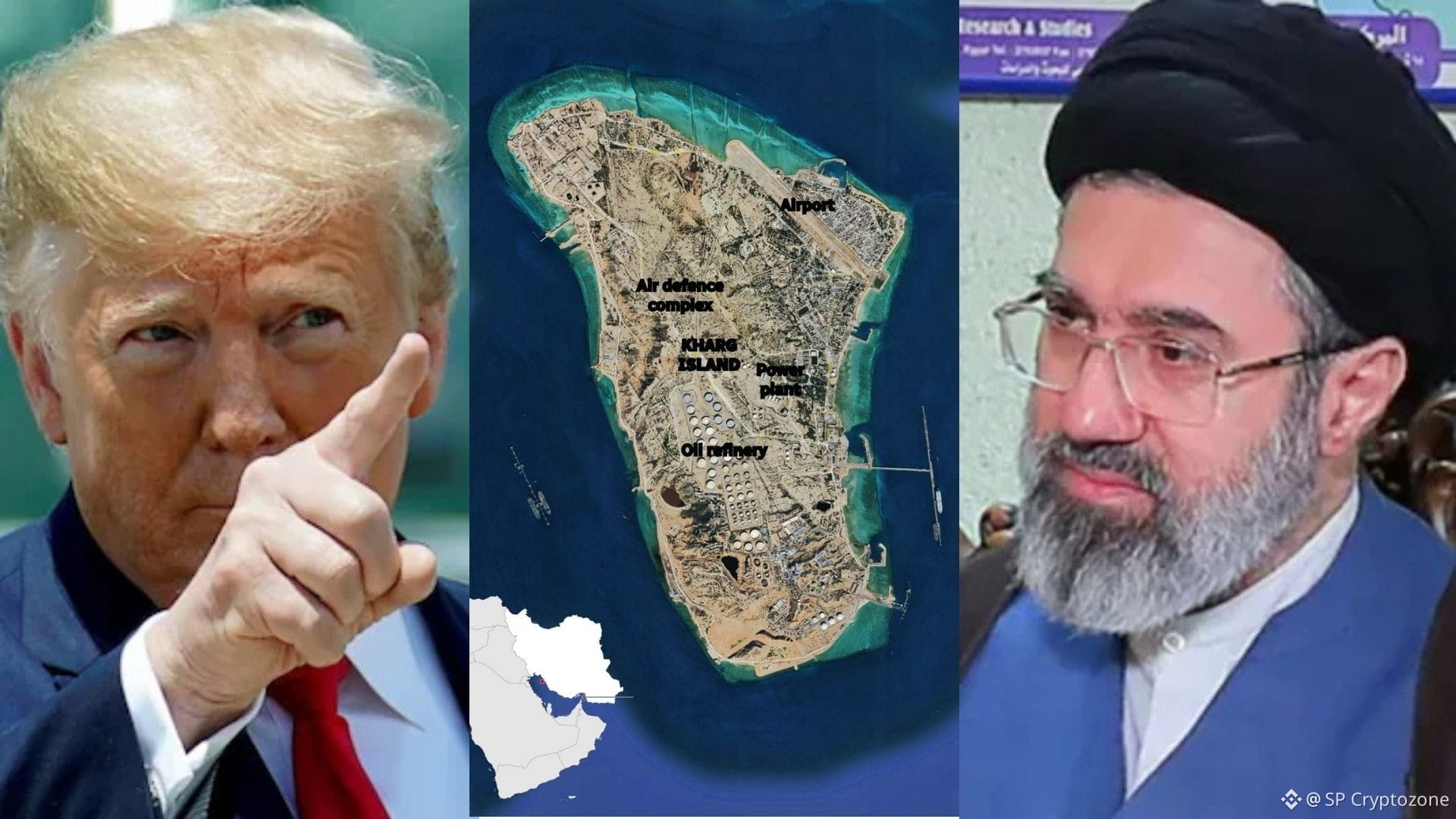
🔴DONALD TRUMP CLAIMS THAT KHARG ISLAND, IRAN, WAS "DEVASTATED" AMID GROWING TENSION
President Donald Trump has claimed that Iran's strategically located Kharg Island is "devastated", as tensions between the two countries rise in the region around the Strait of Hormuz, through which
a significant amount of global oil transits.
However, it should be noted that so far there is no independent confirmation that Kharg Island suffered an attack, as described by Trump. There was no attack on the territory of the island, said the Iranians, adding that everything was calm there, including oil production.
Meanwhile, if the Trump administration is telling the truth about the attack on the oil platform in the Persian Gulf, then the consequences for the global oil market and economy
could be significant. 🛢️📈
The situation with tensions in the Strait of Hormuz is now one of the most important geopolitical risks for financial markets. 👀
#Trump #Iran #KhargIsland #StraitOfHormuz #OilMarkets
$BTC
{future}(BTCUSDT)
$ETH
{future}(ETHUSDT)
$SOL
{future}(SOLUSDT)
🔴DONALD TRUMP CLAIMS THAT KHARG ISLAND, IRAN, WAS "DEVASTATED" AMID GROWING TENSION
President Donald Trump has claimed that Iran's strategically located Kharg Island is "devastated", as tensions between the two countries rise in the region around the Strait of Hormuz, through which
a significant amount of global oil transits.
However, it should be noted that so far there is no independent confirmation that Kharg Island suffered an attack, as described by Trump. There was no attack on the territory of the island, said the Iranians, adding that everything was calm there, including oil production.
Meanwhile, if the Trump administration is telling the truth about the attack on the oil platform in the Persian Gulf, then the consequences for the global oil market and economy
could be significant. 🛢️📈
The situation with tensions in the Strait of Hormuz is now one of the most important geopolitical risks for financial markets. 👀
#Trump #Iran #KhargIsland #StraitOfHormuz #OilMarkets
$BTC
$ETH
$SOL
President Donald Trump has claimed that Iran's strategically located Kharg Island is "devastated", as tensions between the two countries rise in the region around the Strait of Hormuz, through which
a significant amount of global oil transits.
However, it should be noted that so far there is no independent confirmation that Kharg Island suffered an attack, as described by Trump. There was no attack on the territory of the island, said the Iranians, adding that everything was calm there, including oil production.
Meanwhile, if the Trump administration is telling the truth about the attack on the oil platform in the Persian Gulf, then the consequences for the global oil market and economy
could be significant. 🛢️📈
The situation with tensions in the Strait of Hormuz is now one of the most important geopolitical risks for financial markets. 👀
#Trump #Iran #KhargIsland #StraitOfHormuz #OilMarkets
$BTC
$ETH
$SOL
108
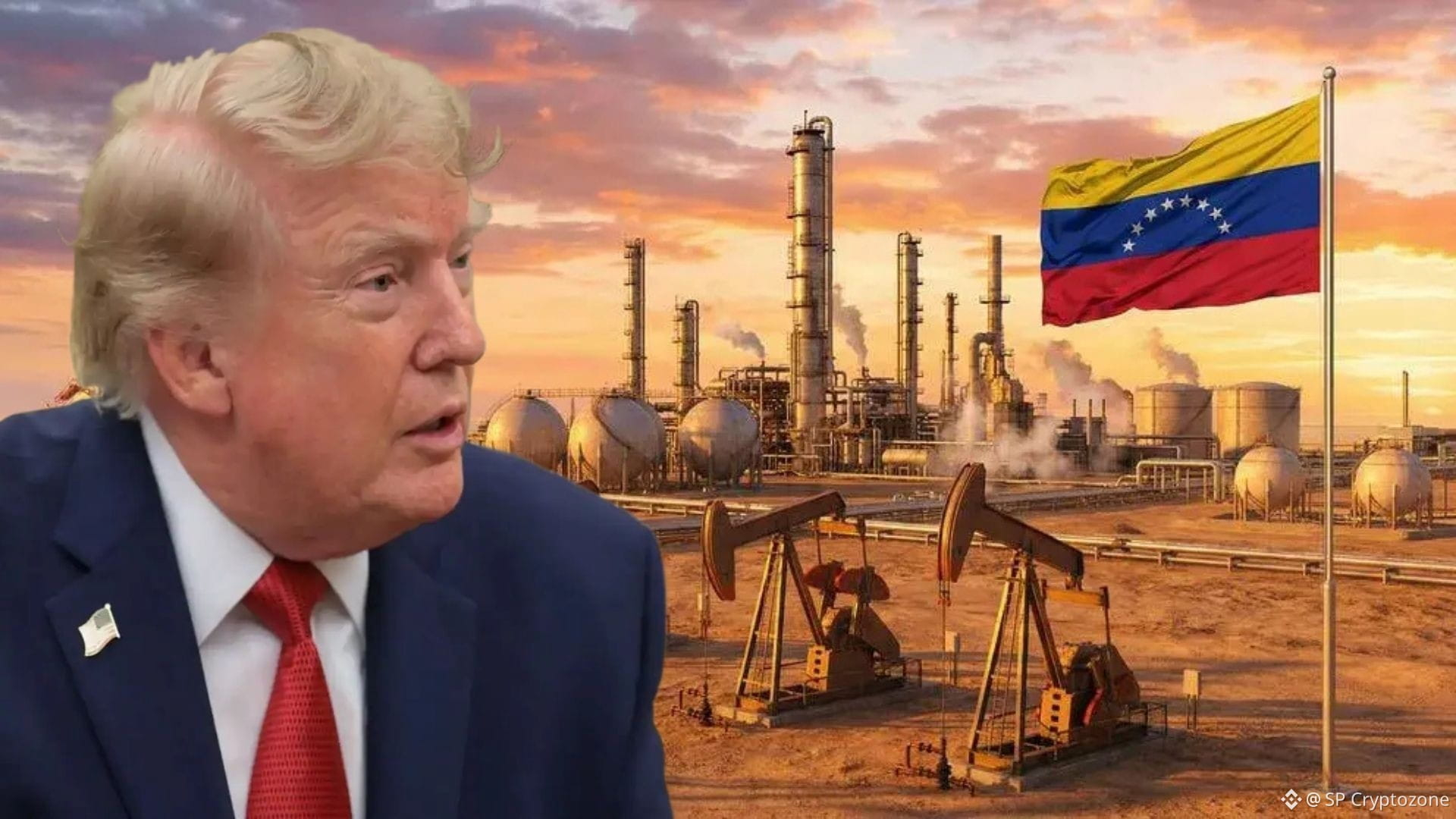
🔥 MASSIVE ENERGY PARTNERSHIP 🇺🇸🛢️
The United States and Venezuela are apparently on the verge of a historic energy partnership, which will involve 17 oil fields and 65 billion barrels of proven reserves.
Such a deal would generate $100 billion in investment in the oil industry of Venezuela, and could reshape the production capabilities of the sector within a matter of years.
There are also reports that suggest that the Venezuelan crude might be used to replenish the U.S. Strategic Petroleum Reserve, which would be another key aspect of this landmark deal.
If the reports are to be believed, the implications of this deal could reshape the energy landscape and the international political situation, as it relates to oil and energy. 👀🔥
#Oil #Venezuela #USA
$BTC
{future}(BTCUSDT)
$ETH
{future}(ETHUSDT)
$CL
{future}(CLUSDT)
🔥 MASSIVE ENERGY PARTNERSHIP 🇺🇸🛢️
The United States and Venezuela are apparently on the verge of a historic energy partnership, which will involve 17 oil fields and 65 billion barrels of proven reserves.
Such a deal would generate $100 billion in investment in the oil industry of Venezuela, and could reshape the production capabilities of the sector within a matter of years.
There are also reports that suggest that the Venezuelan crude might be used to replenish the U.S. Strategic Petroleum Reserve, which would be another key aspect of this landmark deal.
If the reports are to be believed, the implications of this deal could reshape the energy landscape and the international political situation, as it relates to oil and energy. 👀🔥
#Oil #Venezuela #USA
$BTC
$ETH
$CL
The United States and Venezuela are apparently on the verge of a historic energy partnership, which will involve 17 oil fields and 65 billion barrels of proven reserves.
Such a deal would generate $100 billion in investment in the oil industry of Venezuela, and could reshape the production capabilities of the sector within a matter of years.
There are also reports that suggest that the Venezuelan crude might be used to replenish the U.S. Strategic Petroleum Reserve, which would be another key aspect of this landmark deal.
If the reports are to be believed, the implications of this deal could reshape the energy landscape and the international political situation, as it relates to oil and energy. 👀🔥
#Oil #Venezuela #USA
$BTC
$ETH
$CL
96
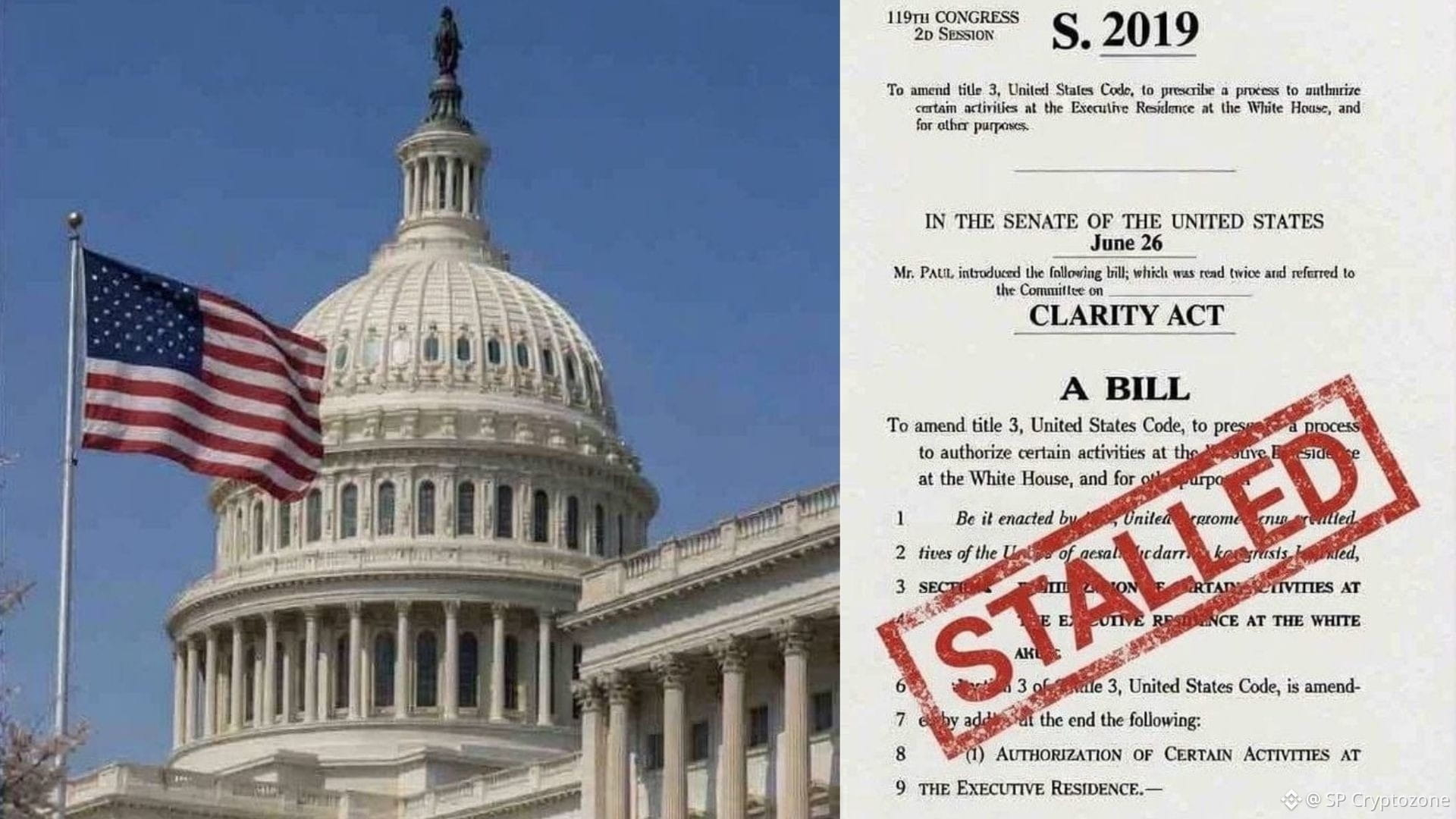
🔥 UNITED STATES CRYPTO REGULATION CRITICAL CROSSROADS
The CLARITY Act is in dire straits, with prediction markets currently pricing in a less than 14% chance that the legislation will be signed into law in the United States in 2026.
A procedural vote in the Senate is set for September 15 to determine whether the crypto enablers will move the bill forward.
Fail to break the logjam, crypto firms may find themselves waiting for an extended period of time for a comprehensive U.S. market-structure framework for the nascent asset class.
This is a critical juncture for crypto regulation in America, as September could define the industry for years to come. 👀🔥
$BTC
{future}(BTCUSDT)
$ETH
{future}(ETHUSDT)
$XRP
{future}(XRPUSDT)
#CLARITYAct #CryptoNews #Breaking
🔥 UNITED STATES CRYPTO REGULATION CRITICAL CROSSROADS
The CLARITY Act is in dire straits, with prediction markets currently pricing in a less than 14% chance that the legislation will be signed into law in the United States in 2026.
A procedural vote in the Senate is set for September 15 to determine whether the crypto enablers will move the bill forward.
Fail to break the logjam, crypto firms may find themselves waiting for an extended period of time for a comprehensive U.S. market-structure framework for the nascent asset class.
This is a critical juncture for crypto regulation in America, as September could define the industry for years to come. 👀🔥
$BTC
$ETH
$XRP
#CLARITYAct #CryptoNews #Breaking
The CLARITY Act is in dire straits, with prediction markets currently pricing in a less than 14% chance that the legislation will be signed into law in the United States in 2026.
A procedural vote in the Senate is set for September 15 to determine whether the crypto enablers will move the bill forward.
Fail to break the logjam, crypto firms may find themselves waiting for an extended period of time for a comprehensive U.S. market-structure framework for the nascent asset class.
This is a critical juncture for crypto regulation in America, as September could define the industry for years to come. 👀🔥
$BTC
$ETH
$XRP
#CLARITYAct #CryptoNews #Breaking
121
·
--
Bullish
🚨BREAKING NEWS
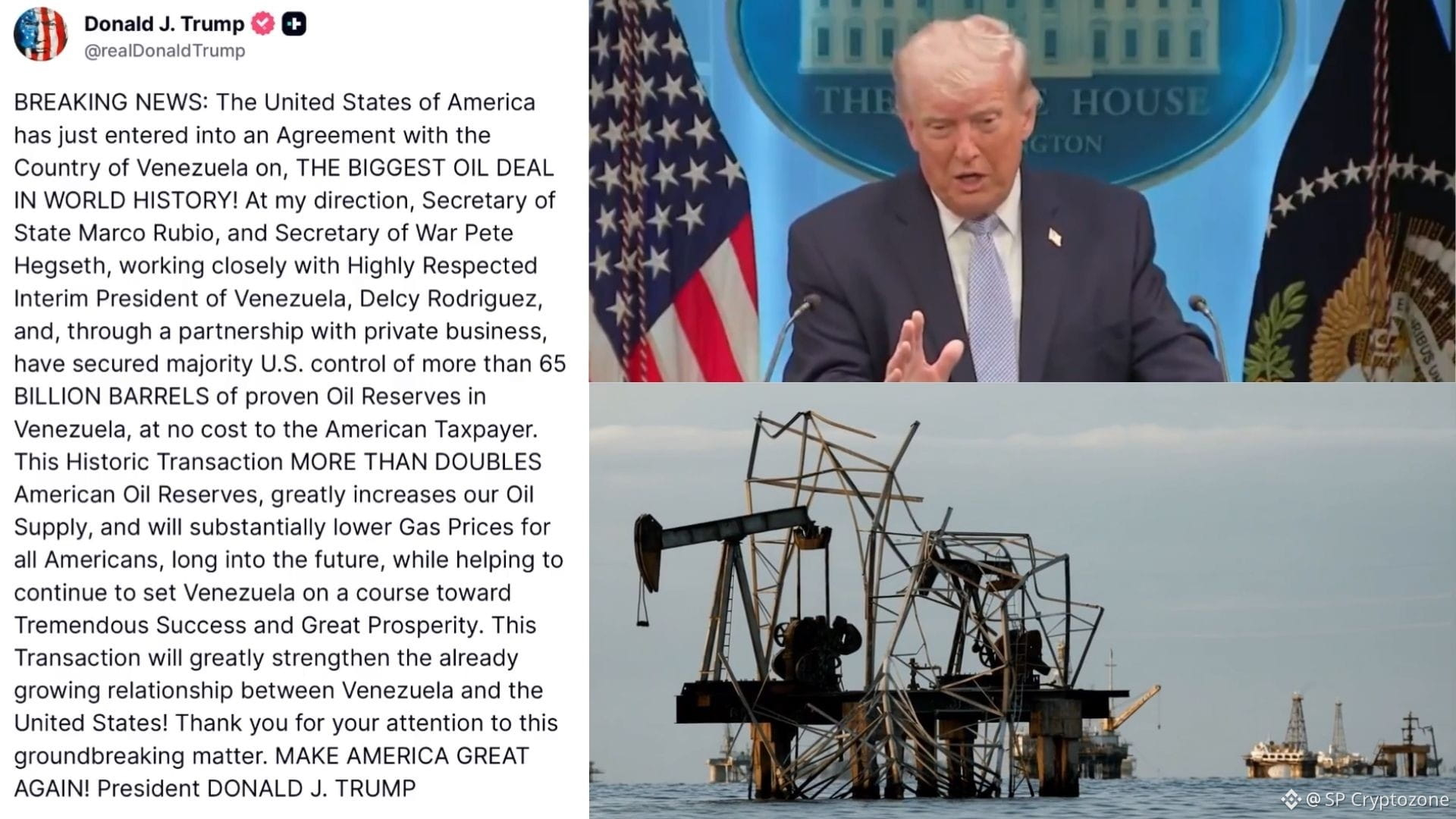
🛢️ HISTORIC ENERGY DEAL
President Donald Trump has announced a deal with Venezuela that would see the United States control the majority of over 65 billion barrels of Venezuelan oil reserves.
President Trump has stated the deal would be the biggest oil deal in the history of the world and is believed to be a huge boost to American oil production
and the lowering of gas prices.
The deal comes in the form of a partnership between private companies and the government of Venezuela, with Marco Rubio and Pete Hegseth being named as those who had a
hand in negotiating the deal.
While the potential impact of the deal is huge, the deal has a long way to go before any of the potential benefits can come to fruition.
Were the deal to come to pass, it would fundamentally change the energy markets of the United States and the world as we know it.
#BreakingNews #crypto #trump #BTC
$BTC
{future}(BTCUSDT)
$ETH
{future}(ETHUSDT)
$TRUMP
{future}(TRUMPUSDT)
🚨BREAKING NEWS
🛢️ HISTORIC ENERGY DEAL
President Donald Trump has announced a deal with Venezuela that would see the United States control the majority of over 65 billion barrels of Venezuelan oil reserves.
President Trump has stated the deal would be the biggest oil deal in the history of the world and is believed to be a huge boost to American oil production
and the lowering of gas prices.
The deal comes in the form of a partnership between private companies and the government of Venezuela, with Marco Rubio and Pete Hegseth being named as those who had a
hand in negotiating the deal.
While the potential impact of the deal is huge, the deal has a long way to go before any of the potential benefits can come to fruition.
Were the deal to come to pass, it would fundamentally change the energy markets of the United States and the world as we know it.
#BreakingNews #crypto #trump #BTC
$BTC
$ETH
$TRUMP
🛢️ HISTORIC ENERGY DEAL
President Donald Trump has announced a deal with Venezuela that would see the United States control the majority of over 65 billion barrels of Venezuelan oil reserves.
President Trump has stated the deal would be the biggest oil deal in the history of the world and is believed to be a huge boost to American oil production
and the lowering of gas prices.
The deal comes in the form of a partnership between private companies and the government of Venezuela, with Marco Rubio and Pete Hegseth being named as those who had a
hand in negotiating the deal.
While the potential impact of the deal is huge, the deal has a long way to go before any of the potential benefits can come to fruition.
Were the deal to come to pass, it would fundamentally change the energy markets of the United States and the world as we know it.
#BreakingNews #crypto #trump #BTC
$BTC
$ETH
$TRUMP
41
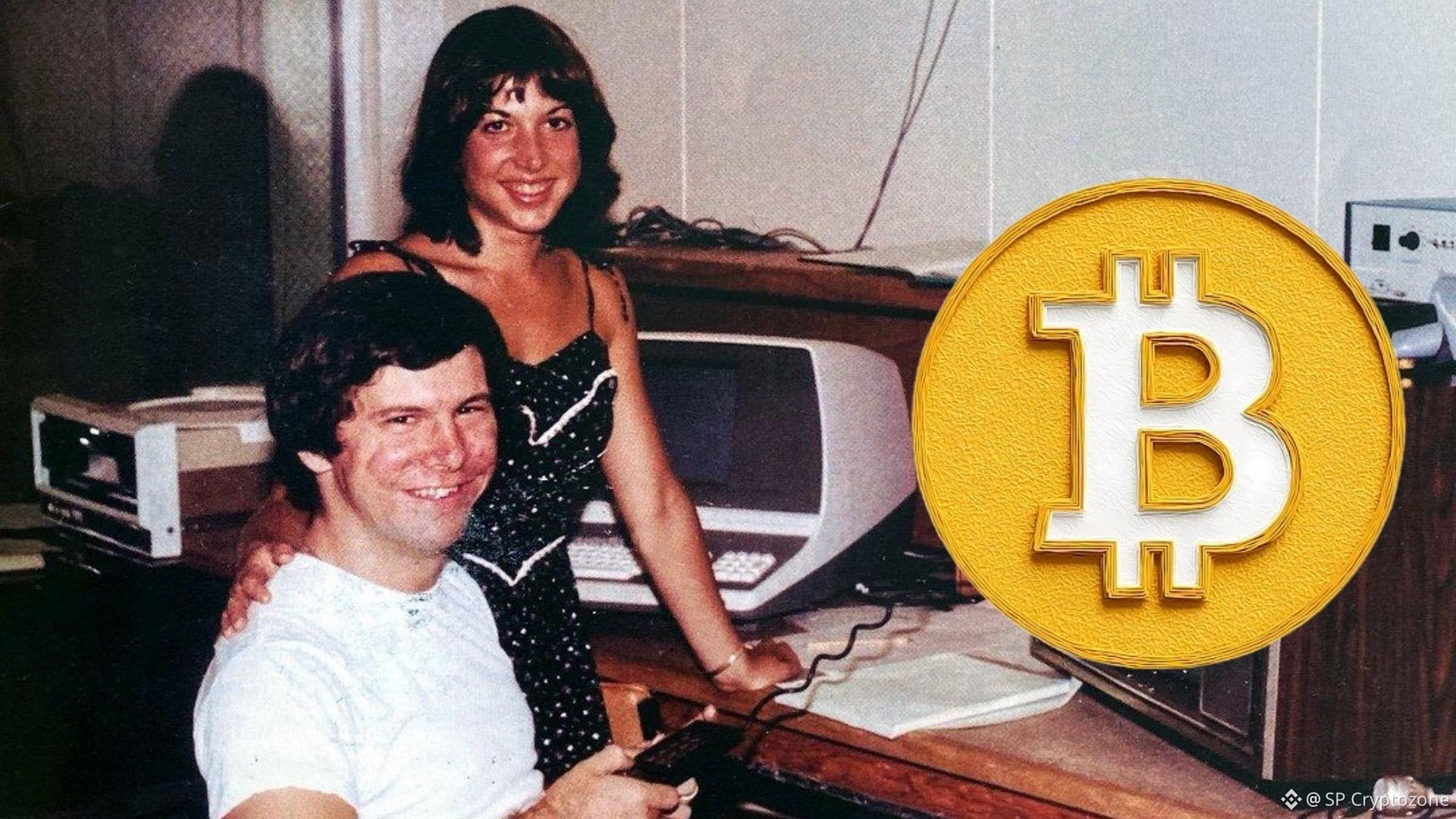
🧡 HONORING A BITCOIN PIONEER
Today is the anniversary of the passing of Hal Finney, one of the first pioneers of Bitcoin.
He was one of the first developers to realize the potential of this breakthrough and was even the first person to ever receive Bitcoins from Satoshi Nakamoto.
His work on the first-ever cryptocurrency has etched his name in gold in the history of Bitcoin development.
A worthy figure in the cryptocurrency space.
And even to this day, more than ten years after his passing, his contribution to the creation of BTC remains relevant. 🧡
#Bitcoin #Crypto #BTC
$BTC
{future}(BTCUSDT)
🧡 HONORING A BITCOIN PIONEER
Today is the anniversary of the passing of Hal Finney, one of the first pioneers of Bitcoin.
He was one of the first developers to realize the potential of this breakthrough and was even the first person to ever receive Bitcoins from Satoshi Nakamoto.
His work on the first-ever cryptocurrency has etched his name in gold in the history of Bitcoin development.
A worthy figure in the cryptocurrency space.
And even to this day, more than ten years after his passing, his contribution to the creation of BTC remains relevant. 🧡
#Bitcoin #Crypto #BTC
$BTC
Today is the anniversary of the passing of Hal Finney, one of the first pioneers of Bitcoin.
He was one of the first developers to realize the potential of this breakthrough and was even the first person to ever receive Bitcoins from Satoshi Nakamoto.
His work on the first-ever cryptocurrency has etched his name in gold in the history of Bitcoin development.
A worthy figure in the cryptocurrency space.
And even to this day, more than ten years after his passing, his contribution to the creation of BTC remains relevant. 🧡
#Bitcoin #Crypto #BTC
$BTC
49
·
--
Bullish
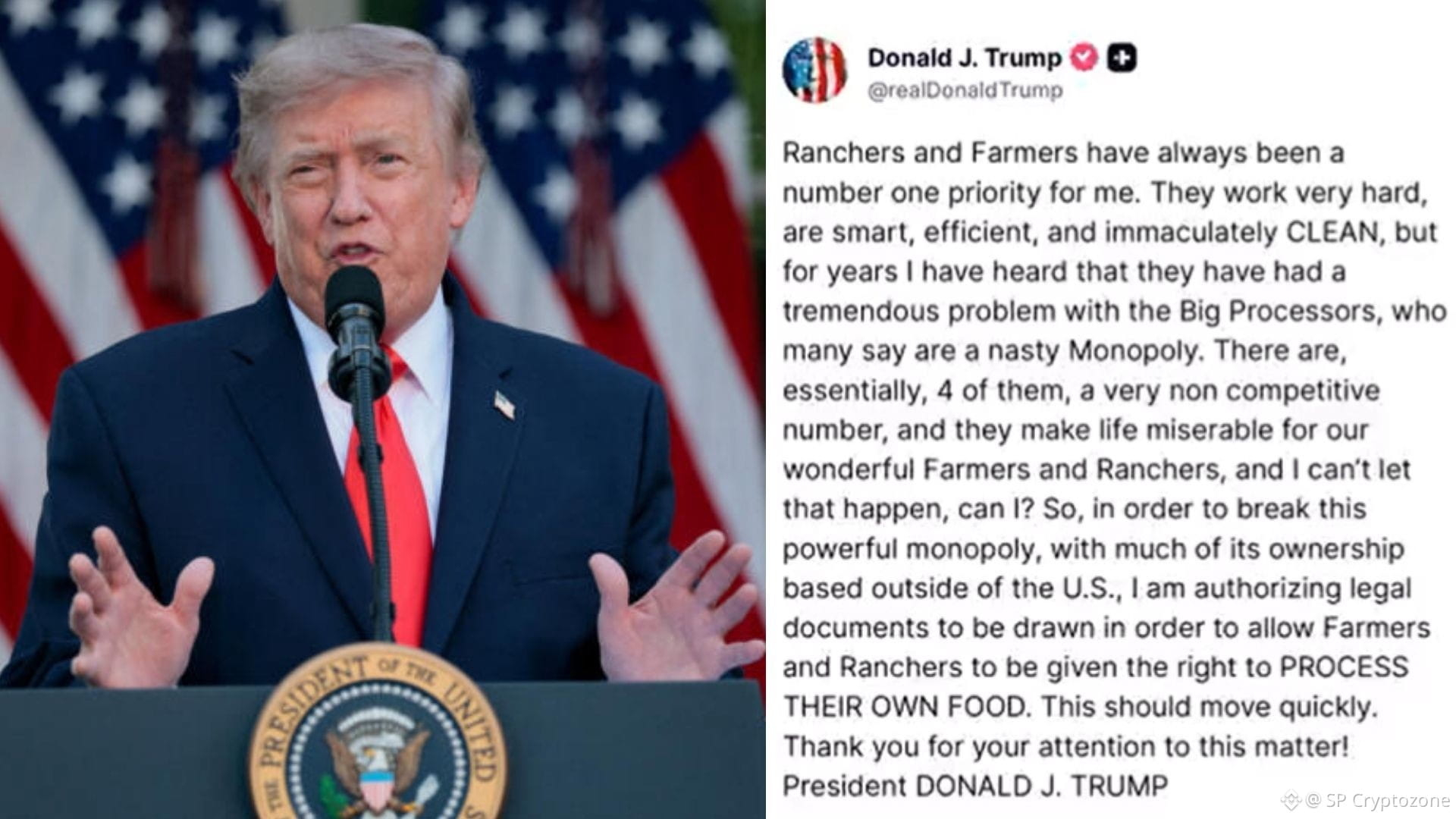
🚨 MAJOR MOVE FOR AMERICAN FARMERS 🇺🇸
President Donald Trump announced a plan to break up the U.S. meat-processing industry, which will give farmers and ranchers more control over their products.
It is expected that Trump’s move will create competition in the market and lessen the dependence of the U.S.
on its largest meat-processing companies.
Fast implementation of the proposed policies by the U.S. government can lead the nation’s food supply chain to a significant transformation, opening new opportunities for independent farmers and ranchers. 🐄🔥
The most important question that arises is whether the suggested policies will indeed work and bring the needed changes and competition into the industry.
#BreakingNews #Crypto #TRUMP #BTC
$BTC
{future}(BTCUSDT)
$TRUMP
{future}(TRUMPUSDT)
$ETH
{future}(ETHUSDT)
🚨 MAJOR MOVE FOR AMERICAN FARMERS 🇺🇸
President Donald Trump announced a plan to break up the U.S. meat-processing industry, which will give farmers and ranchers more control over their products.
It is expected that Trump’s move will create competition in the market and lessen the dependence of the U.S.
on its largest meat-processing companies.
Fast implementation of the proposed policies by the U.S. government can lead the nation’s food supply chain to a significant transformation, opening new opportunities for independent farmers and ranchers. 🐄🔥
The most important question that arises is whether the suggested policies will indeed work and bring the needed changes and competition into the industry.
#BreakingNews #Crypto #TRUMP #BTC
$BTC
$TRUMP
$ETH
President Donald Trump announced a plan to break up the U.S. meat-processing industry, which will give farmers and ranchers more control over their products.
It is expected that Trump’s move will create competition in the market and lessen the dependence of the U.S.
on its largest meat-processing companies.
Fast implementation of the proposed policies by the U.S. government can lead the nation’s food supply chain to a significant transformation, opening new opportunities for independent farmers and ranchers. 🐄🔥
The most important question that arises is whether the suggested policies will indeed work and bring the needed changes and competition into the industry.
#BreakingNews #Crypto #TRUMP #BTC
$BTC
$TRUMP
$ETH
327
·
--
Bullish
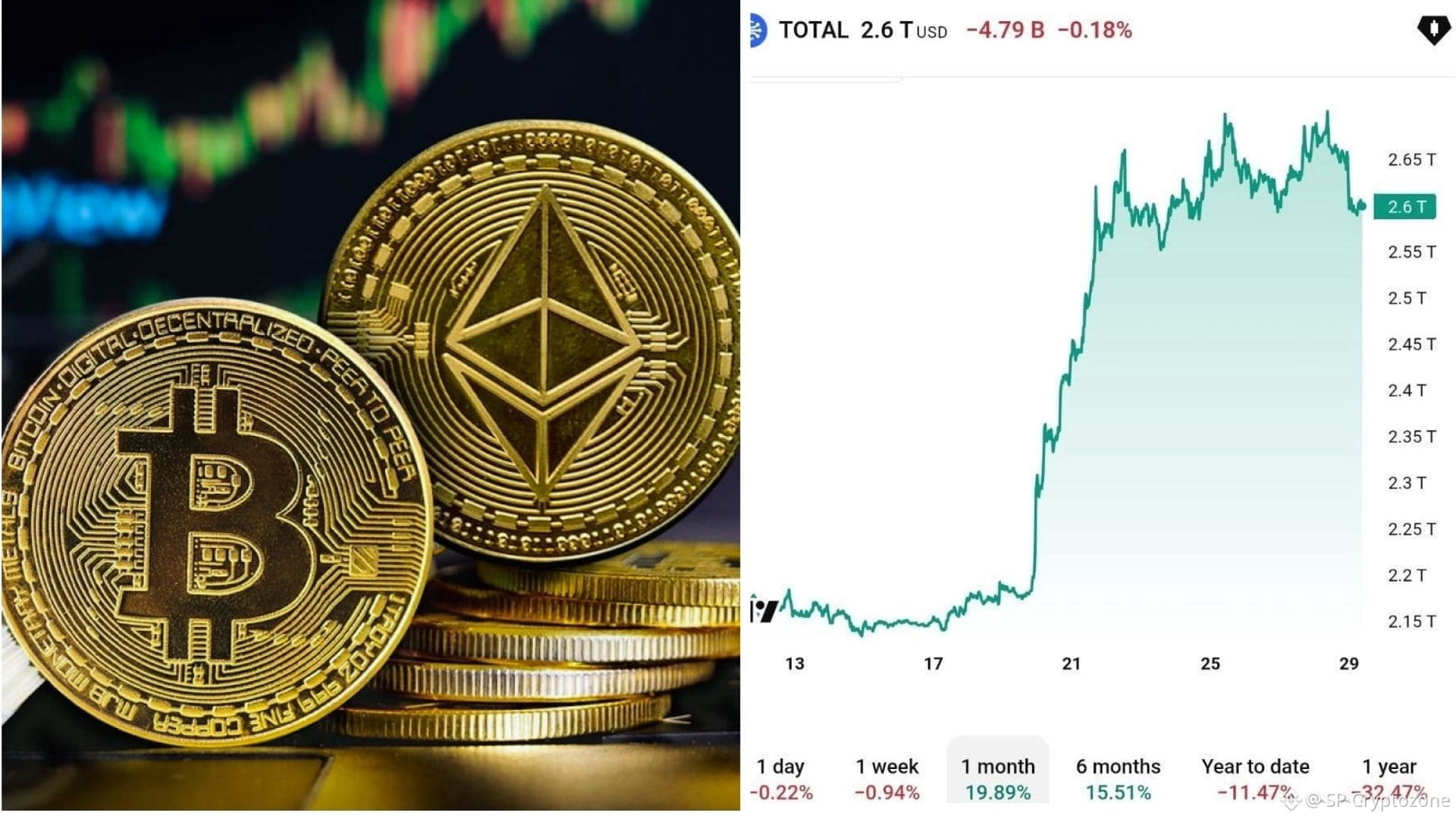
🚨 CRYPTO IS HEATING UP AGAIN
The cryptocurrency market is seeing a big burst of momentum as more than $430 billion is said to have entered the total crypto market cap over the past week.
Such a rapid increase could indicate a change in market sentiment with the return of liquidity and increased trading activity.
The question now is whether this momentum will lead to a broad market rally or if it is just a sharp short-term rise. 👀📈
Crypto traders have their eyes on the situation.
$BTC
{future}(BTCUSDT)
$ETH
{future}(ETHUSDT)
🚨 CRYPTO IS HEATING UP AGAIN
The cryptocurrency market is seeing a big burst of momentum as more than $430 billion is said to have entered the total crypto market cap over the past week.
Such a rapid increase could indicate a change in market sentiment with the return of liquidity and increased trading activity.
The question now is whether this momentum will lead to a broad market rally or if it is just a sharp short-term rise. 👀📈
Crypto traders have their eyes on the situation.
$BTC
$ETH
The cryptocurrency market is seeing a big burst of momentum as more than $430 billion is said to have entered the total crypto market cap over the past week.
Such a rapid increase could indicate a change in market sentiment with the return of liquidity and increased trading activity.
The question now is whether this momentum will lead to a broad market rally or if it is just a sharp short-term rise. 👀📈
Crypto traders have their eyes on the situation.
$BTC
$ETH
113
·
--
Bullish
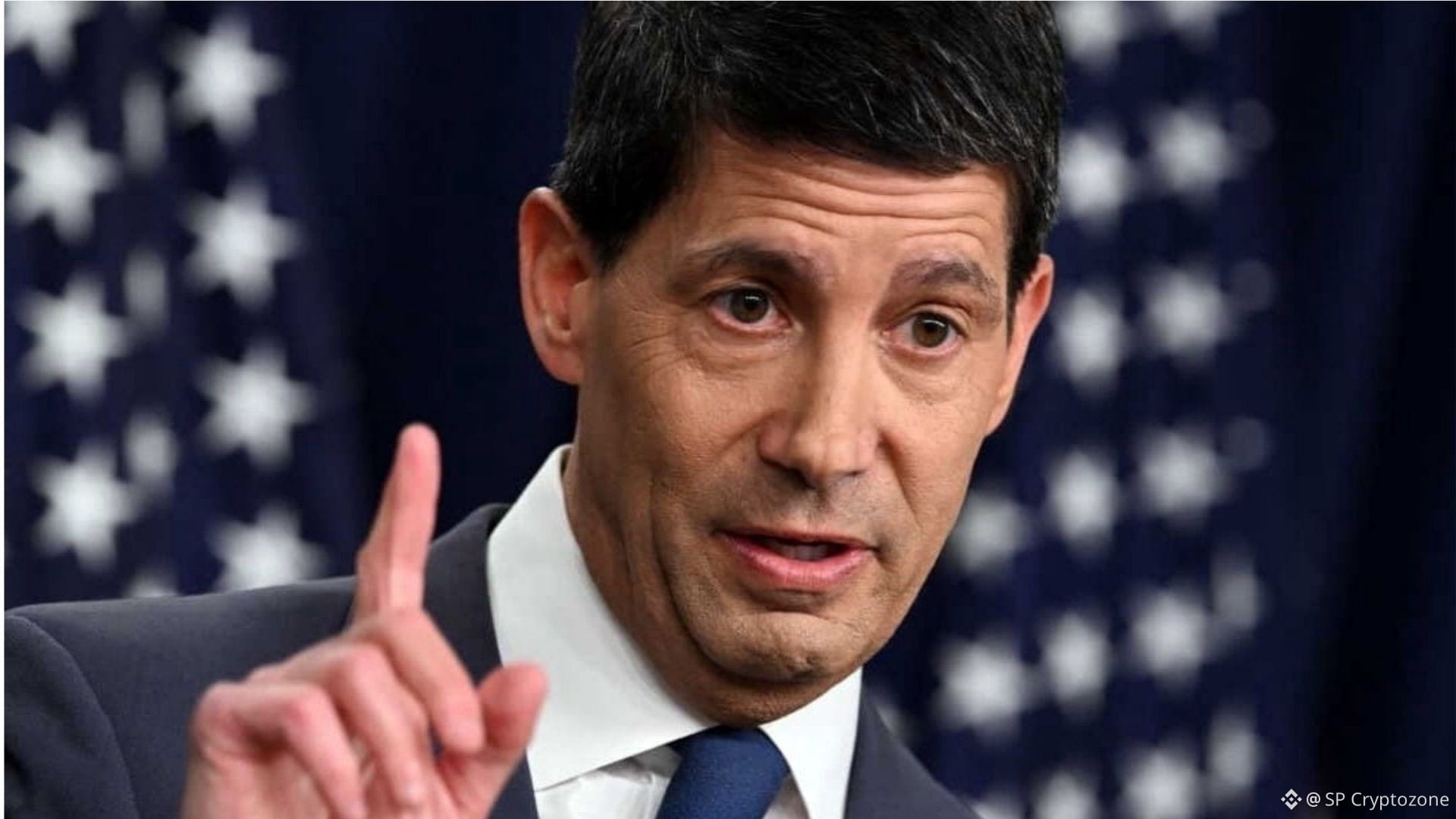
🚨FED SIGNALS.PUT BITCOIN TO THE TEST🚨
$BTC faces a new kind of challenge after the Fed Chief, Kevin Warsh, raised the bar. Inflation is too high, contrary to the Central Bank's wishes; its 2% target is non-negotiable; investors should not expect rate cuts, and Financial Conditions are not as accommodative as they want.
Nevertheless, the American economy has been showing resilience, profits are at their peak, and AI investments are set to boost productivity, and hence GDP.
The main issue is Bitcoin's behavior.
If BTC can defend the 78K level against this hawkish pressure, it will show that the crypto market is not entirely driven by "easy money".
The paradigm was: Doves at the Fed --> Easy money --> Easy liquidity --> Bitcoin rallies
Now the markets are questioning: Could Bitcoin keep going higher without the help of the Federal Reserve?
#Fed #Marketupdate #Bitcoin
{future}(BTCUSDT)
$ETH
{future}(ETHUSDT)
$SOL
{future}(SOLUSDT)
🚨FED SIGNALS.PUT BITCOIN TO THE TEST🚨
$BTC faces a new kind of challenge after the Fed Chief, Kevin Warsh, raised the bar. Inflation is too high, contrary to the Central Bank's wishes; its 2% target is non-negotiable; investors should not expect rate cuts, and Financial Conditions are not as accommodative as they want.
Nevertheless, the American economy has been showing resilience, profits are at their peak, and AI investments are set to boost productivity, and hence GDP.
The main issue is Bitcoin's behavior.
If BTC can defend the 78K level against this hawkish pressure, it will show that the crypto market is not entirely driven by "easy money".
The paradigm was: Doves at the Fed --> Easy money --> Easy liquidity --> Bitcoin rallies
Now the markets are questioning: Could Bitcoin keep going higher without the help of the Federal Reserve?
#Fed #Marketupdate #Bitcoin
$ETH
$SOL
$BTC faces a new kind of challenge after the Fed Chief, Kevin Warsh, raised the bar. Inflation is too high, contrary to the Central Bank's wishes; its 2% target is non-negotiable; investors should not expect rate cuts, and Financial Conditions are not as accommodative as they want.
Nevertheless, the American economy has been showing resilience, profits are at their peak, and AI investments are set to boost productivity, and hence GDP.
The main issue is Bitcoin's behavior.
If BTC can defend the 78K level against this hawkish pressure, it will show that the crypto market is not entirely driven by "easy money".
The paradigm was: Doves at the Fed --> Easy money --> Easy liquidity --> Bitcoin rallies
Now the markets are questioning: Could Bitcoin keep going higher without the help of the Federal Reserve?
#Fed #Marketupdate #Bitcoin
$ETH
$SOL
171
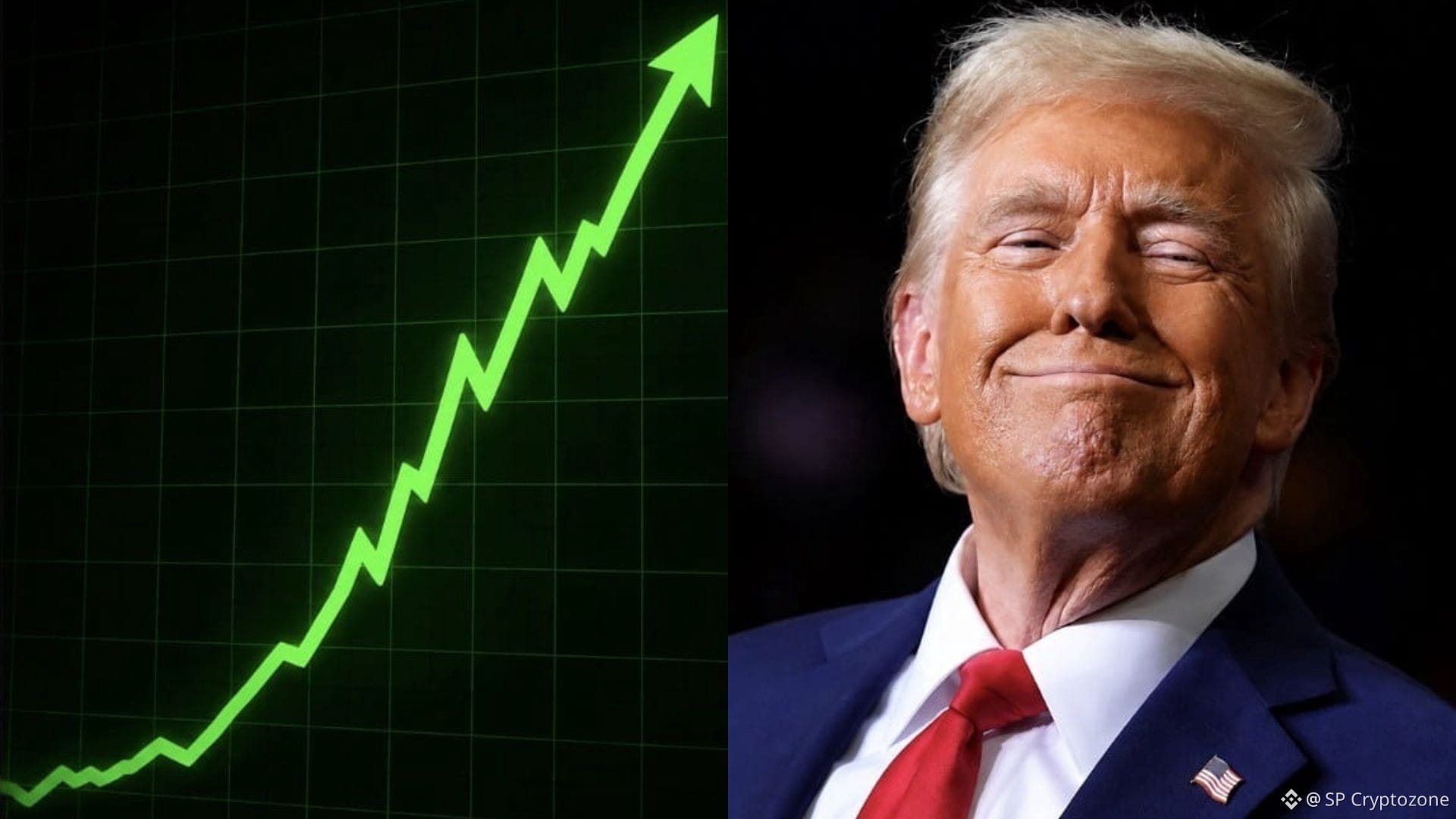
🚨 THAT'S A MASSIVE NUMBER
President Donald Trump announced more than 1,000 stock trades in June, putting him at an astonishing number of trades across both his terms in office.
The previous four presidents combined had only announced a fraction of that number
There's growing scrutiny of presidential finances, including their stock market activity and overall portfolio transparency. 👀📊
$BTC
{future}(BTCUSDT)
$ETH
{future}(ETHUSDT)
$TRUMP
{future}(TRUMPUSDT)
🚨 THAT'S A MASSIVE NUMBER
President Donald Trump announced more than 1,000 stock trades in June, putting him at an astonishing number of trades across both his terms in office.
The previous four presidents combined had only announced a fraction of that number
There's growing scrutiny of presidential finances, including their stock market activity and overall portfolio transparency. 👀📊
$BTC
$ETH
$TRUMP
President Donald Trump announced more than 1,000 stock trades in June, putting him at an astonishing number of trades across both his terms in office.
The previous four presidents combined had only announced a fraction of that number
There's growing scrutiny of presidential finances, including their stock market activity and overall portfolio transparency. 👀📊
$BTC
$ETH
$TRUMP
65
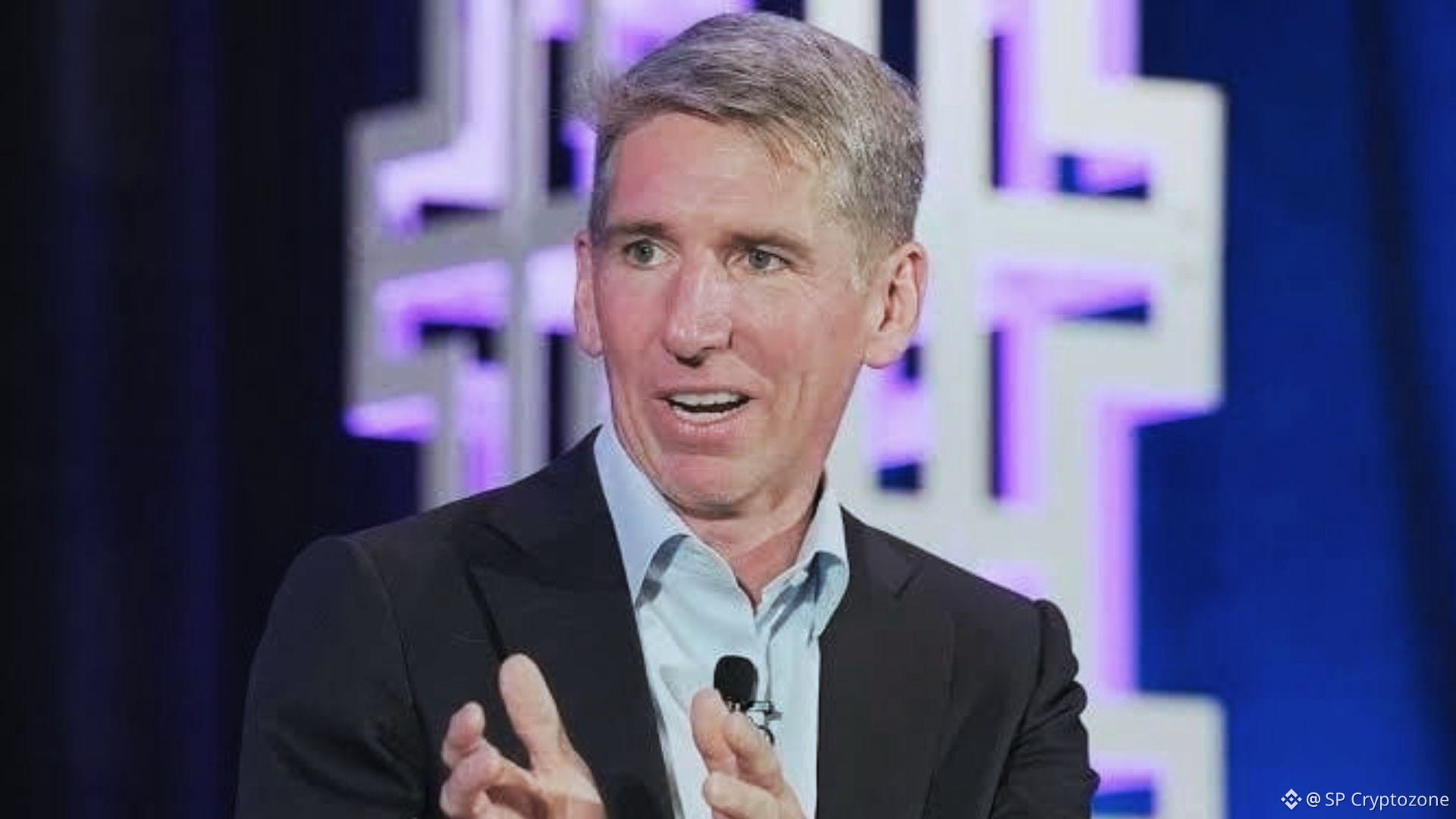
🚀 BITCOIN LONG-TERM OUTLOOK
Bitwise CIO Matt Hougan predicts that if BTC grabs a substantial fraction of the global store-of-value market, it could potentially climb to $1.3 million per coin within the next decade.
The assumption is based on Bitcoin’s rise as a scarce asset class and its capacity to take a significant chunk of the wealth stored in gold.
It may seem like a stretch, but the projected value demonstrates the tremendous potential of the largest cryptocurrency.
#Bitcoin #BTC #Crypto
$BTC
{future}(BTCUSDT)
🚀 BITCOIN LONG-TERM OUTLOOK
Bitwise CIO Matt Hougan predicts that if BTC grabs a substantial fraction of the global store-of-value market, it could potentially climb to $1.3 million per coin within the next decade.
The assumption is based on Bitcoin’s rise as a scarce asset class and its capacity to take a significant chunk of the wealth stored in gold.
It may seem like a stretch, but the projected value demonstrates the tremendous potential of the largest cryptocurrency.
#Bitcoin #BTC #Crypto
$BTC
Bitwise CIO Matt Hougan predicts that if BTC grabs a substantial fraction of the global store-of-value market, it could potentially climb to $1.3 million per coin within the next decade.
The assumption is based on Bitcoin’s rise as a scarce asset class and its capacity to take a significant chunk of the wealth stored in gold.
It may seem like a stretch, but the projected value demonstrates the tremendous potential of the largest cryptocurrency.
#Bitcoin #BTC #Crypto
$BTC
84
🚨 GEOPOLITICAL UPDATE 🇺🇸🇮🇷
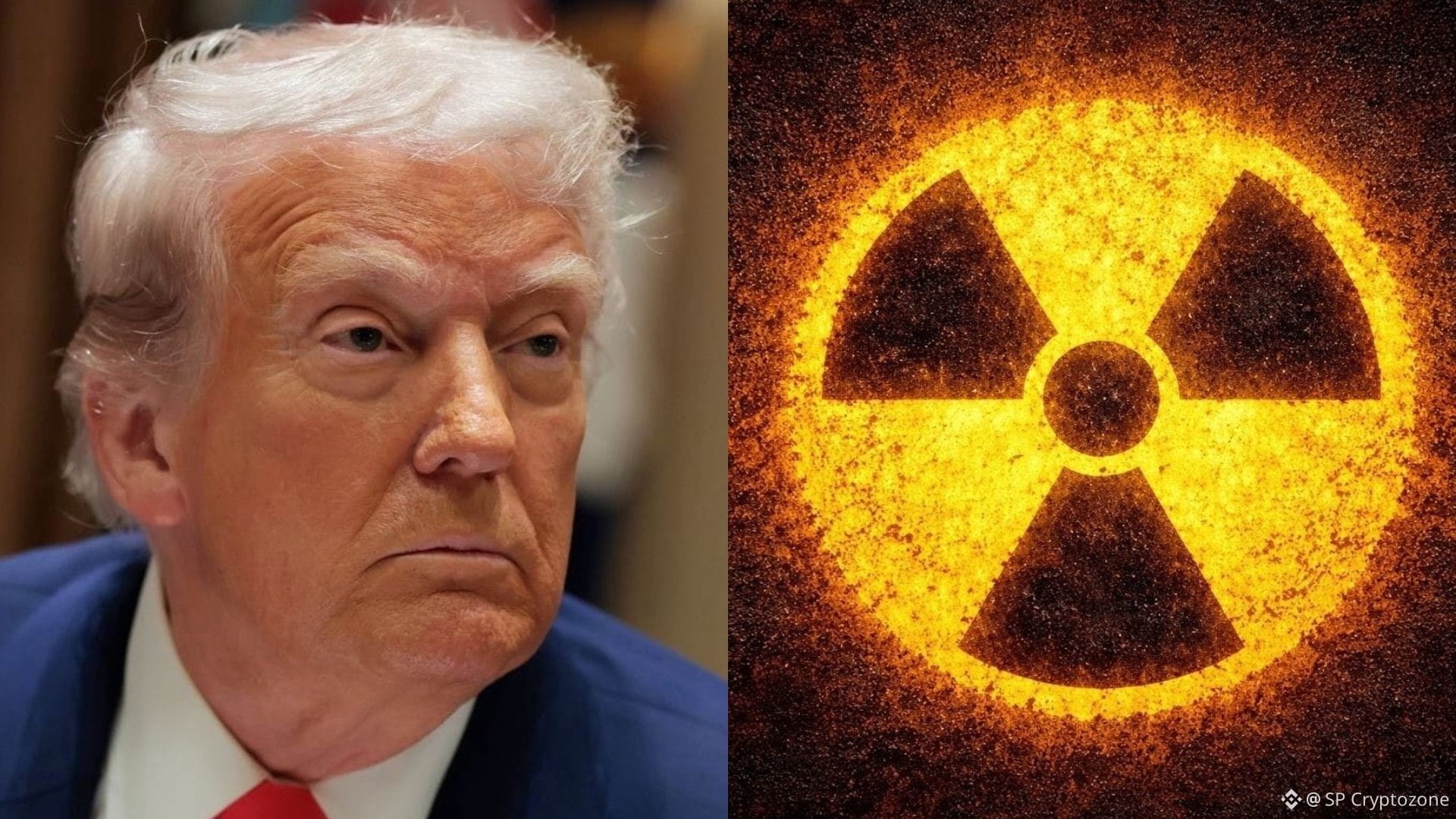
Former U. S.Congresswoman Marjorie Taylor Greene has claimed that high-ranking members of the U. S. administration are engaged in talks about a possible nuclear-related action concerning Iran.
As of now, this claim remains unsubstantiated. Greene has not provided any public proof to back her statement, and there has been no official acknowledgment from the Trump administration regarding the existence of such discussions or plans.
Should reliable confirmation surface, it could signal a major geopolitical shift with possible consequences for energy markets, global stock indices, and digital currencies.
$BTC
{future}(BTCUSDT)
$SOL
{future}(SOLUSDT)
$SUI
{future}(SUIUSDT)
🚨 GEOPOLITICAL UPDATE 🇺🇸🇮🇷
Former U. S.Congresswoman Marjorie Taylor Greene has claimed that high-ranking members of the U. S. administration are engaged in talks about a possible nuclear-related action concerning Iran.
As of now, this claim remains unsubstantiated. Greene has not provided any public proof to back her statement, and there has been no official acknowledgment from the Trump administration regarding the existence of such discussions or plans.
Should reliable confirmation surface, it could signal a major geopolitical shift with possible consequences for energy markets, global stock indices, and digital currencies.
$BTC
$SOL
$SUI
Former U. S.Congresswoman Marjorie Taylor Greene has claimed that high-ranking members of the U. S. administration are engaged in talks about a possible nuclear-related action concerning Iran.
As of now, this claim remains unsubstantiated. Greene has not provided any public proof to back her statement, and there has been no official acknowledgment from the Trump administration regarding the existence of such discussions or plans.
Should reliable confirmation surface, it could signal a major geopolitical shift with possible consequences for energy markets, global stock indices, and digital currencies.
$BTC
$SOL
$SUI
74
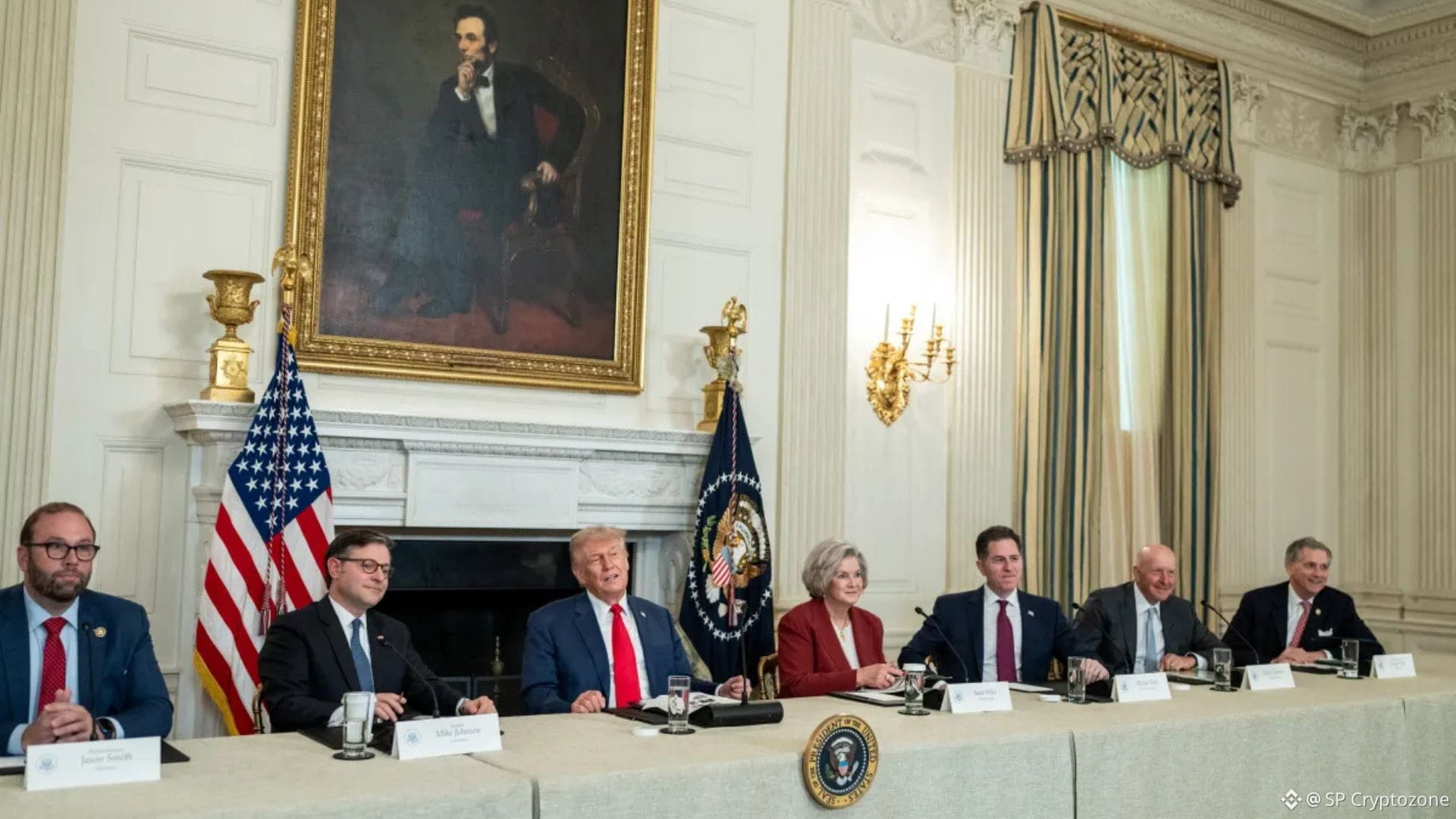
🚨 WASHINGTON CRYPTO UPDATE 🇺🇸
An important event concerning digital assets is scheduled in Washington this week, with President Donald Trump likely to engage in discussions with key players in the cryptocurrency sector.
This assembly is expected to unite leaders from firms such as Coinbase and Ripple, along with top U. S. financial authorities, to deliberate on the future regulations of digital assets.
This meeting might represent a significant occasion as dialogues regarding cryptocurrency regulations grow in significance among senior government officials. 👀
$BTC
{future}(BTCUSDT)
$ETH
{future}(ETHUSDT)
$SOL
{future}(SOLUSDT)
🚨 WASHINGTON CRYPTO UPDATE 🇺🇸
An important event concerning digital assets is scheduled in Washington this week, with President Donald Trump likely to engage in discussions with key players in the cryptocurrency sector.
This assembly is expected to unite leaders from firms such as Coinbase and Ripple, along with top U. S. financial authorities, to deliberate on the future regulations of digital assets.
This meeting might represent a significant occasion as dialogues regarding cryptocurrency regulations grow in significance among senior government officials. 👀
$BTC
$ETH
$SOL
An important event concerning digital assets is scheduled in Washington this week, with President Donald Trump likely to engage in discussions with key players in the cryptocurrency sector.
This assembly is expected to unite leaders from firms such as Coinbase and Ripple, along with top U. S. financial authorities, to deliberate on the future regulations of digital assets.
This meeting might represent a significant occasion as dialogues regarding cryptocurrency regulations grow in significance among senior government officials. 👀
$BTC
$ETH
$SOL
113
🚨 PORTFOLIO MONITORING
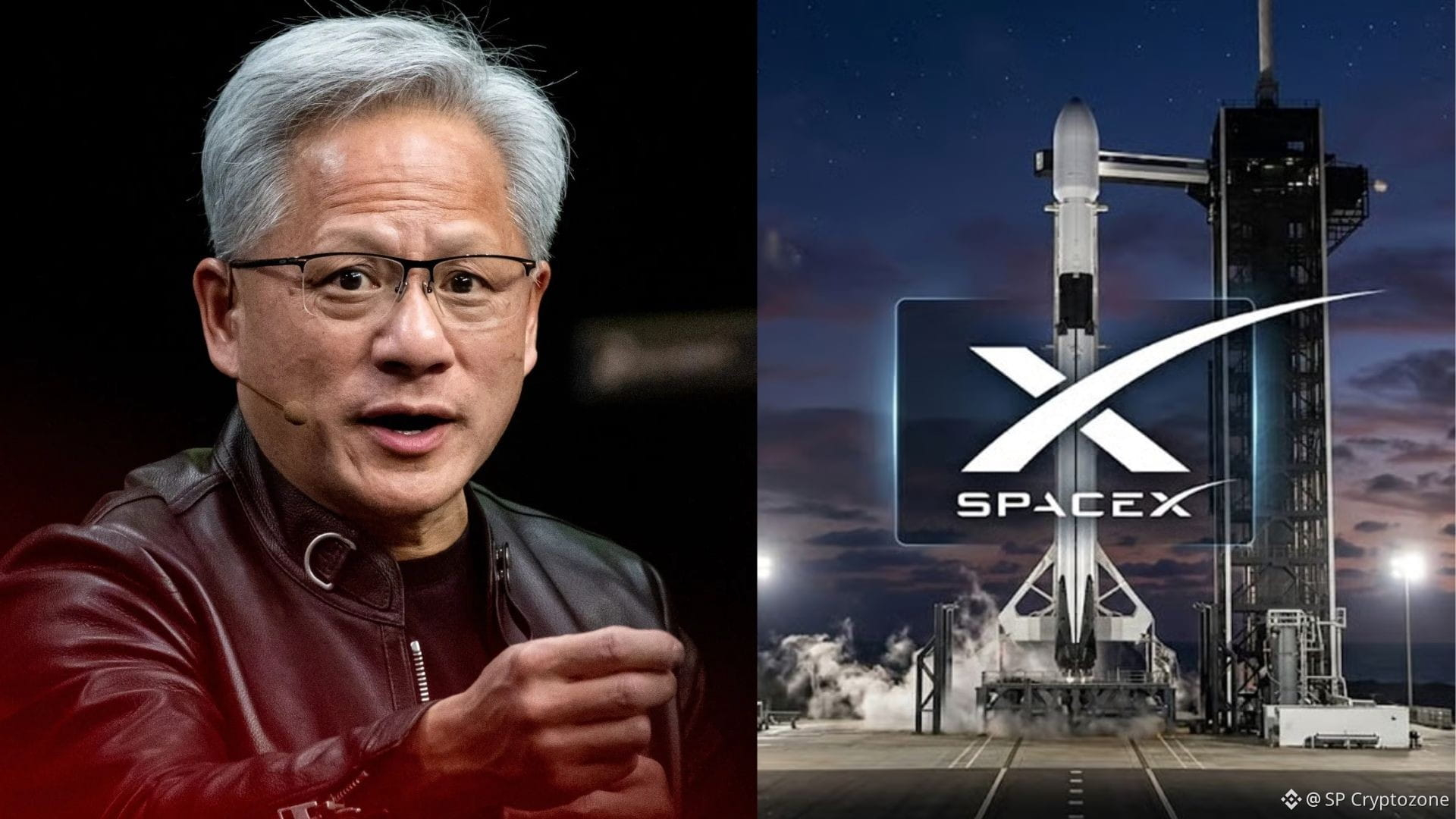
NVIDIA's Q2 2026 portfolio submission suggests that the notable action was not an extensive buying spree, but a significant investment in SpaceX.
The reported total value of the portfolio increased to approximately $63.4 billion, primarily due to market gains, and the previously held stocks—such as $INTC, $CRWV, $COHR, $NOK, $SNPS, and $NBIS—kept their share quantities the same as the previous quarter.
The current stake in SpaceX now comprises around one-third of the portfolio, marking it as one of the firm’s major investments and indicating a preference for a concentrated strategy instead
of a general overhaul of the portfolio.
The primary implication is evident: this strategy seems dedicated to reinforcing faith in current holdings while making one substantial investment linked to long-term themes in AI and infrastructure. The upcoming quarter will be essential to observe whether this concentrated focus continues or starts to change.
$NVDA
{future}(NVDAUSDT)
$SPCX
{future}(SPCXUSDT)
[SP Cryptozone](https://www.binance.com/activity/trading-competition/show-livefutures)
🚨 PORTFOLIO MONITORING
NVIDIA's Q2 2026 portfolio submission suggests that the notable action was not an extensive buying spree, but a significant investment in SpaceX.
The reported total value of the portfolio increased to approximately $63.4 billion, primarily due to market gains, and the previously held stocks—such as $INTC, $CRWV, $COHR, $NOK, $SNPS, and $NBIS—kept their share quantities the same as the previous quarter.
The current stake in SpaceX now comprises around one-third of the portfolio, marking it as one of the firm’s major investments and indicating a preference for a concentrated strategy instead
of a general overhaul of the portfolio.
The primary implication is evident: this strategy seems dedicated to reinforcing faith in current holdings while making one substantial investment linked to long-term themes in AI and infrastructure. The upcoming quarter will be essential to observe whether this concentrated focus continues or starts to change.
$NVDA
$SPCX
SP Cryptozone
NVIDIA's Q2 2026 portfolio submission suggests that the notable action was not an extensive buying spree, but a significant investment in SpaceX.
The reported total value of the portfolio increased to approximately $63.4 billion, primarily due to market gains, and the previously held stocks—such as $INTC, $CRWV, $COHR, $NOK, $SNPS, and $NBIS—kept their share quantities the same as the previous quarter.
The current stake in SpaceX now comprises around one-third of the portfolio, marking it as one of the firm’s major investments and indicating a preference for a concentrated strategy instead
of a general overhaul of the portfolio.
The primary implication is evident: this strategy seems dedicated to reinforcing faith in current holdings while making one substantial investment linked to long-term themes in AI and infrastructure. The upcoming quarter will be essential to observe whether this concentrated focus continues or starts to change.
$NVDA
$SPCX
SP Cryptozone
65
·
--
Bullish
$XRP Is regaining attention as confidence in the token rises once more.
An experienced trader thinks XRP could be set for a significant price change, pointing to Ripple's reportedly large XRP holdings and its growing partnerships with institutional investors as crucial elements
supporting this belief.
Importantly, this argument does not provide a specific price prediction or timeline. Rather, it suggests that the market might still undervalue XRP's future significance in institutional finance.
It remains unclear how this expectation will unfold, but the difference between the overall narrative and the token's current status is an increasingly vital situation to monitor.
$XRP
{future}(XRPUSDT)
$XRP Is regaining attention as confidence in the token rises once more.
An experienced trader thinks XRP could be set for a significant price change, pointing to Ripple's reportedly large XRP holdings and its growing partnerships with institutional investors as crucial elements
supporting this belief.
Importantly, this argument does not provide a specific price prediction or timeline. Rather, it suggests that the market might still undervalue XRP's future significance in institutional finance.
It remains unclear how this expectation will unfold, but the difference between the overall narrative and the token's current status is an increasingly vital situation to monitor.
$XRP
An experienced trader thinks XRP could be set for a significant price change, pointing to Ripple's reportedly large XRP holdings and its growing partnerships with institutional investors as crucial elements
supporting this belief.
Importantly, this argument does not provide a specific price prediction or timeline. Rather, it suggests that the market might still undervalue XRP's future significance in institutional finance.
It remains unclear how this expectation will unfold, but the difference between the overall narrative and the token's current status is an increasingly vital situation to monitor.
$XRP
50
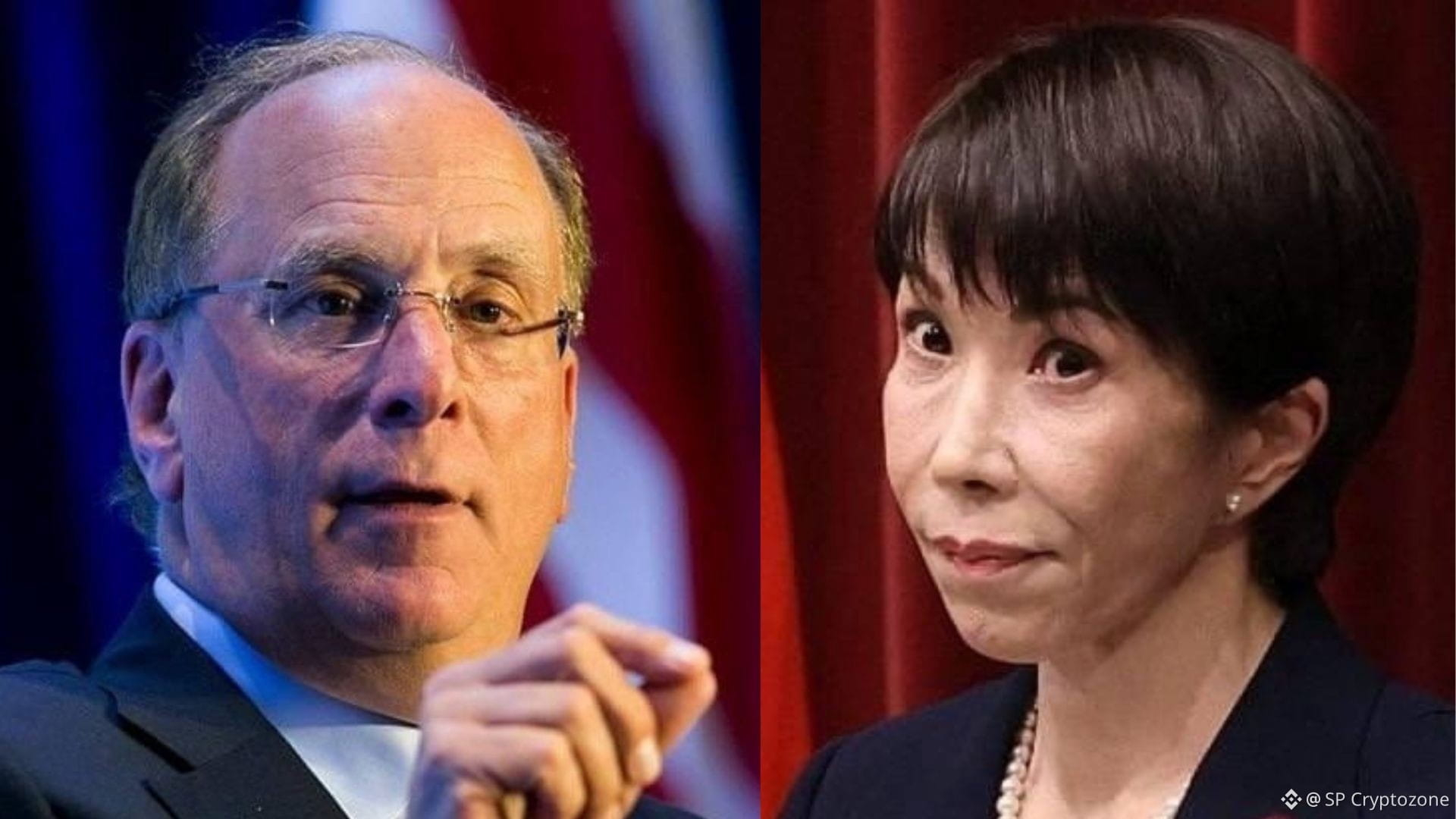
🚨 MARKET OVERVIEW
Sources reveal that BlackRock, the largest asset management company worldwide, has urged the Bank of Japan to explore the option of implementing stricter monetary policies via increased interest rates.
An appreciating yen has the potential to alter currency markets, and any changes from Japan's central bank are expected to impact worldwide stocks, bonds, and overall investor attitudes significantly.
Investors will be paying close attention as the BOJ nears its upcoming policy announcement.
$BTC
{future}(BTCUSDT)
$SNXXB
{spot}(SNXXBUSDT)
$ACE
{future}(ACEUSDT)
🚨 MARKET OVERVIEW
Sources reveal that BlackRock, the largest asset management company worldwide, has urged the Bank of Japan to explore the option of implementing stricter monetary policies via increased interest rates.
An appreciating yen has the potential to alter currency markets, and any changes from Japan's central bank are expected to impact worldwide stocks, bonds, and overall investor attitudes significantly.
Investors will be paying close attention as the BOJ nears its upcoming policy announcement.
$BTC
$SNXXB
$ACE
Sources reveal that BlackRock, the largest asset management company worldwide, has urged the Bank of Japan to explore the option of implementing stricter monetary policies via increased interest rates.
An appreciating yen has the potential to alter currency markets, and any changes from Japan's central bank are expected to impact worldwide stocks, bonds, and overall investor attitudes significantly.
Investors will be paying close attention as the BOJ nears its upcoming policy announcement.
$BTC
$SNXXB
$ACE
197
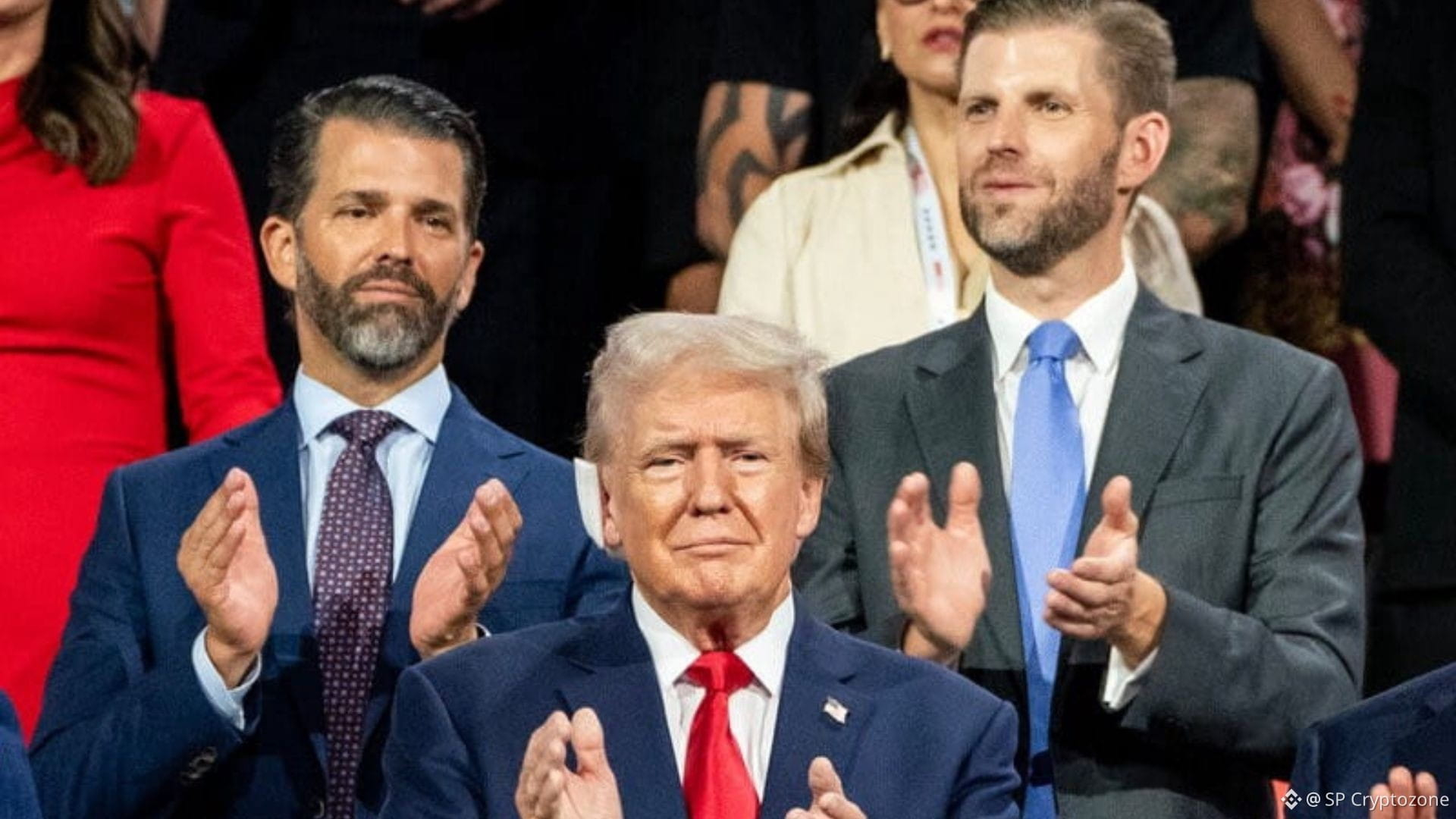
🚨 CRYPTO NEWS ALERT
The initiative supported by the Trump family, World Liberty Financial, which is associated with WLFI and the stablecoin USD1, has received preliminary regulatory consent to advance plans for establishing a national trust bank in the United States.
Upon completion, this banking model would integrate the issuance and management of USD1 under a system monitored by federal regulations, representing a significant step in the project's growth into a legally regulated financial framework.
This development might help link Trump-related cryptocurrency projects more closely to the larger U.S.financial system.
#WLFI
$WLFI
{future}(WLFIUSDT)
$USD1
{spot}(USD1USDT)
$BTC
{future}(BTCUSDT)
🚨 CRYPTO NEWS ALERT
The initiative supported by the Trump family, World Liberty Financial, which is associated with WLFI and the stablecoin USD1, has received preliminary regulatory consent to advance plans for establishing a national trust bank in the United States.
Upon completion, this banking model would integrate the issuance and management of USD1 under a system monitored by federal regulations, representing a significant step in the project's growth into a legally regulated financial framework.
This development might help link Trump-related cryptocurrency projects more closely to the larger U.S.financial system.
#WLFI
$WLFI
$USD1
$BTC
The initiative supported by the Trump family, World Liberty Financial, which is associated with WLFI and the stablecoin USD1, has received preliminary regulatory consent to advance plans for establishing a national trust bank in the United States.
Upon completion, this banking model would integrate the issuance and management of USD1 under a system monitored by federal regulations, representing a significant step in the project's growth into a legally regulated financial framework.
This development might help link Trump-related cryptocurrency projects more closely to the larger U.S.financial system.
#WLFI
$WLFI
$USD1
$BTC
92
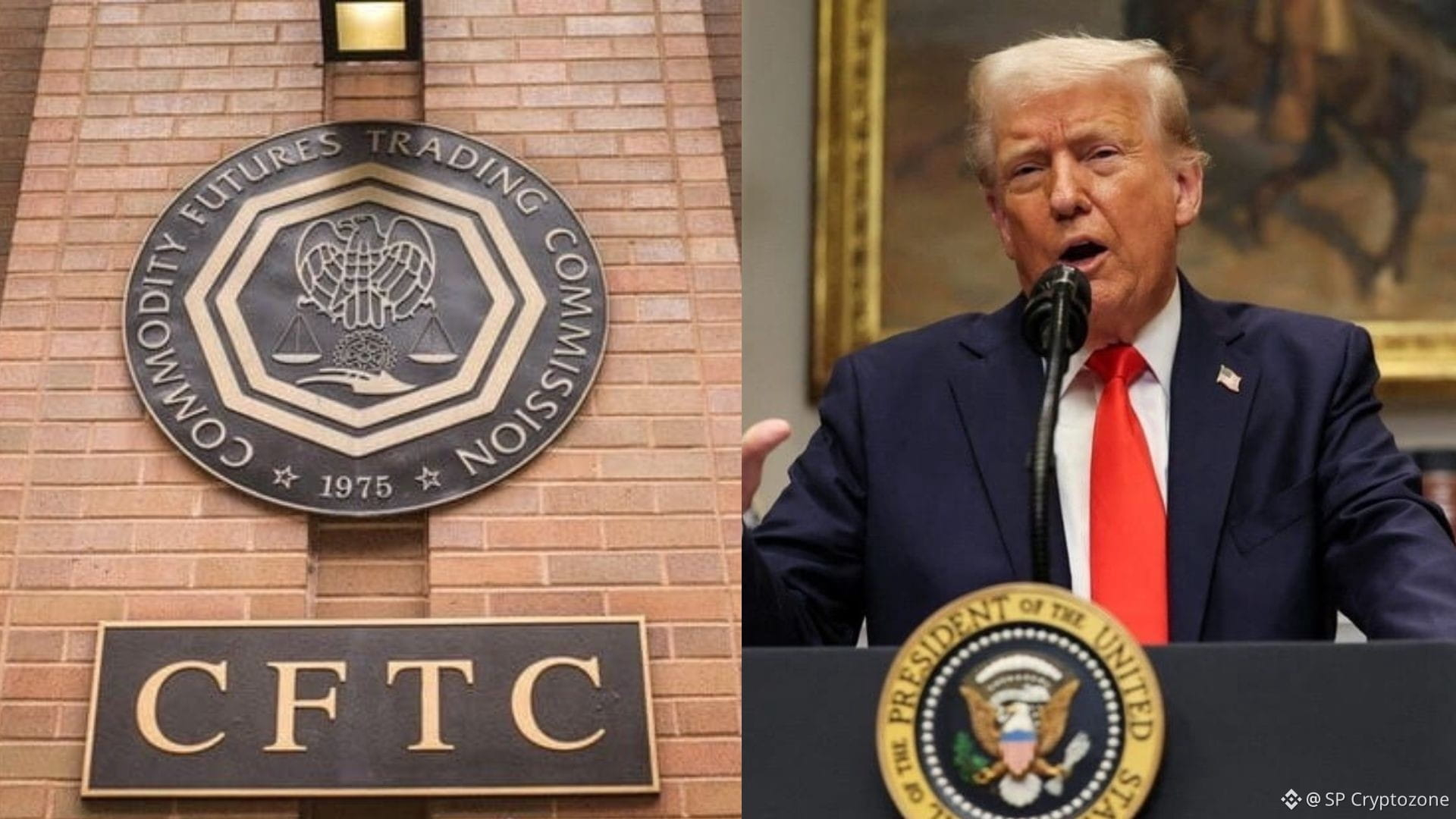
It is anticipated that President Donald Trump will attend the digital asset summit in person on Wednesday, accompanied by the heads of the SEC and CFTC.
The presence of the U. S. President with the leaders of these two crucial financial regulatory agencies at an event centered on cryptocurrency highlights the significant role that digital assets now play in the national policy discussion.
$BTC
{future}(BTCUSDT)
$TRUMP
{future}(TRUMPUSDT)
$ETH
{future}(ETHUSDT)
It is anticipated that President Donald Trump will attend the digital asset summit in person on Wednesday, accompanied by the heads of the SEC and CFTC.
The presence of the U. S. President with the leaders of these two crucial financial regulatory agencies at an event centered on cryptocurrency highlights the significant role that digital assets now play in the national policy discussion.
$BTC
$TRUMP
$ETH
The presence of the U. S. President with the leaders of these two crucial financial regulatory agencies at an event centered on cryptocurrency highlights the significant role that digital assets now play in the national policy discussion.
$BTC
$TRUMP
$ETH
233
Log in to explore more content
Join global crypto users on Binance Square
⚡️ Get latest and useful information about crypto.
💬 Trusted by the world’s largest crypto exchange.
👍 Discover real insights from verified creators.
Email / Phone number
Trending Topics
BTCFallsBelow$83000
1,029 views
45 Discussing
🚀 *BTC/USDT — LONG*
💎 75X Cross
📍 *Entry:* 83000 – 82400
🎯 *TP:* 83600 • 84200 • 84800 • 85400
🛑 *SL:* 81388
⚠️ *Risk:* Max 3–5% per trade.
$BTC
jinifer
·2 Likes
·1.1k views
FedProposesPaymentStablecoinRules
9,329 views
231 Discussing
ChinaMayLetAlibabaByteDanceBuyNvidiaChips
11,993 views
299 Discussing