Binance Square
#kalshi

kalshi

253,745 views
1,245 Discussing
GumInsights
·
--
🚨 Kalshi’s September XRP market shows a $1.70 forecast, but the contract trades at just 32 cents despite XRP near $1.55. This mismatch suggests weak conviction in near-term upside, even as the forecast ticks up. Traders may be pricing in limited upside or waiting for clearer catalysts. Is the market underestimating XRP’s potential, or is skepticism justified? #Kalshi $XRP #TradingSignal #CryptoAnalysis
🚨 Kalshi’s September XRP market shows a $1.70 forecast, but the contract trades at just 32 cents despite XRP near $1.55. This mismatch suggests weak conviction in near-term upside, even as the forecast ticks up. Traders may be pricing in limited upside or waiting for clearer catalysts. Is the market underestimating XRP’s potential, or is skepticism justified?
#Kalshi

$XRP #TradingSignal #CryptoAnalysis
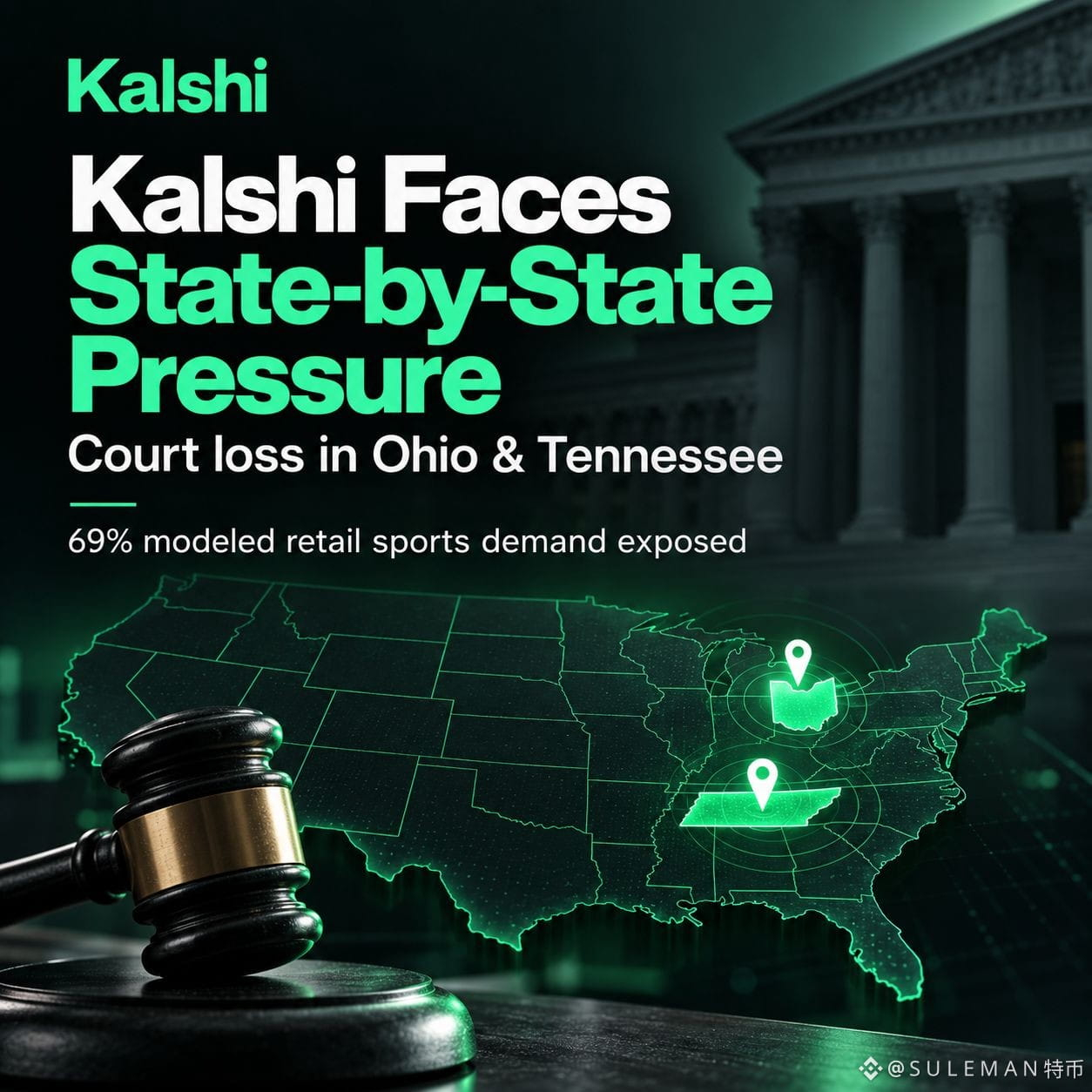
#Kalshi just took another serious legal hit, and in my view this could become a much bigger problem for the prediction-market model. The Sixth Circuit ruled that Ohio and Tennessee can enforce their own gambling laws against Kalshi’s sports contracts. The court also made it clear that state-by-state compliance is possible through geofencing, even if it becomes expensive or complicated. What really catches my attention is the exposure here. Around 69% of Kalshi’s modeled retail sports demand reportedly comes from states without legal online sportsbooks. That means wider state restrictions could directly hit a huge part of the market that helped prediction platforms grow in the first place. We now have different appeals courts reaching different conclusions, so this legal fight is far from finished. From my point of view, the biggest question is no longer just whether prediction markets can grow — it is whether they can maintain one national market or eventually be forced into a state-by-state system. This could reshape liquidity, access, and the whole US prediction-market business model. 👀 $AMP $MUBARAK $RARE {future}(RAREUSDT) {future}(MUBARAKUSDT) {spot}(AMPUSDT)
#Kalshi just took another serious legal hit, and in my view this could become a much bigger problem for the prediction-market model.

The Sixth Circuit ruled that Ohio and Tennessee can enforce their own gambling laws against Kalshi’s sports contracts. The court also made it clear that state-by-state compliance is possible through geofencing, even if it becomes expensive or complicated.

What really catches my attention is the exposure here. Around 69% of Kalshi’s modeled retail sports demand reportedly comes from states without legal online sportsbooks. That means wider state restrictions could directly hit a huge part of the market that helped prediction platforms grow in the first place.

We now have different appeals courts reaching different conclusions, so this legal fight is far from finished.

From my point of view, the biggest question is no longer just whether prediction markets can grow — it is whether they can maintain one national market or eventually be forced into a state-by-state system.

This could reshape liquidity, access, and the whole US prediction-market business model. 👀

$AMP
$MUBARAK
$RARE
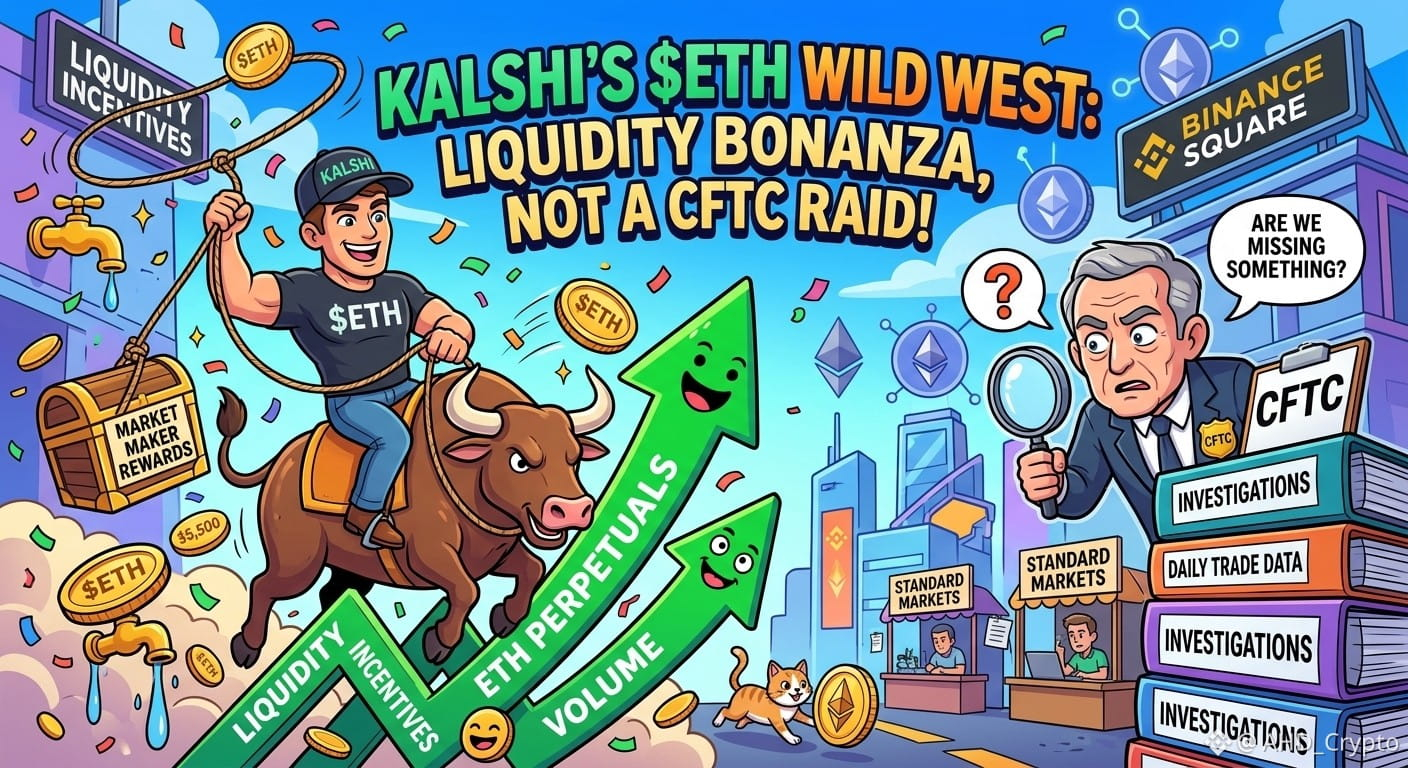
Kalshi Pushes Back: Denies CFTC Probe, Attributes $ETH Perpetual Activity to Liquidity Programs {spot}(ETHUSDT) Popular prediction platform Kalshi has officially denied reports that it is under formal investigation by the CFTC regarding unusual trading activity in its $ETH perpetual market. The platform responded to concerns raised by market observers after repetitive trade patterns—specifically high volumes of identically sized ~$5,500 orders—were flagged on its ETH perpetual contracts. Research data highlighted a sharp gap where 24-hour volume hit ~$539 million against just $3.1 million in open interest. Key Highlights: >> No Formal Probe: Kalshi confirmed it has not been contacted by the CFTC regarding a formal examination and emphasized that sending routine daily trade data to regulators is standard operating procedure. >> Liquidity Incentives at Work: The platform clarified that the clustered order sizes are a direct result of its liquidity incentive program. Automated market makers structure systematic orders to qualify for liquidity rewards, causing recurring trade patterns. >> Anti-Wash Trading Controls: Kalshi emphasized it maintains dedicated surveillance tools and teams to prevent wash trading or self-matching orders on both its $BTC and ETH markets. {spot}(BTCUSDT) While routine regulatory review of daily data remains standard, Kalshi maintains that the heightened volume is driven by market-making strategies, not improper trading practices. #writetoearn #Kalshi #ETH #CryptoNews #Write2Earn
Kalshi Pushes Back: Denies CFTC Probe, Attributes $ETH Perpetual Activity to Liquidity Programs
Popular prediction platform Kalshi has officially denied reports that it is under formal investigation by the CFTC regarding unusual trading activity in its $ETH perpetual market.

The platform responded to concerns raised by market observers after repetitive trade patterns—specifically high volumes of identically sized ~$5,500 orders—were flagged on its ETH perpetual contracts. Research data highlighted a sharp gap where 24-hour volume hit ~$539 million against just $3.1 million in open interest.

Key Highlights:

>> No Formal Probe: Kalshi confirmed it has not been contacted by the CFTC regarding a formal examination and emphasized that sending routine daily trade data to regulators is standard operating procedure.

>> Liquidity Incentives at Work: The platform clarified that the clustered order sizes are a direct result of its liquidity incentive program. Automated market makers structure systematic orders to qualify for liquidity rewards, causing recurring trade patterns.

>> Anti-Wash Trading Controls: Kalshi emphasized it maintains dedicated surveillance tools and teams to prevent wash trading or self-matching orders on both its $BTC and ETH markets.
While routine regulatory review of daily data remains standard, Kalshi maintains that the heightened volume is driven by market-making strategies, not improper trading practices.

#writetoearn #Kalshi #ETH #CryptoNews #Write2Earn
·
--
Bullish
🔎 The Real Story Behind Kalshi’s ETH Volume The headline says $5B+ in ETH perpetual volume. But the more interesting story is what sits underneath that number. Recent analysis of Kalshi’s public trade data found a striking pattern: a large share of ETH-perp activity repeatedly clustered around roughly $5,500 per trade. CoinDesk’s sample found trades near $5,499 represented 57% of the ETH-perp volume it analyzed, while broader reporting found nearly 1 million similarly sized trades contributing more than $5B in volume. That alone doesn't prove wash trading. Kalshi strongly disputes that interpretation. The company says the trades came from a market maker using fixed-size orders, while hundreds of distinct traders took the other side. Kalshi also says self-matching is mechanically blocked and coordinated trading is monitored. And that's where the bigger question comes in: How independently verifiable is the activity? Public trade data can show what was traded and when, but it doesn't publicly identify the participants behind each trade. That makes it possible to observe unusual patterns while still being unable to independently establish who was trading with whom or whether any rules were broken. This is also where @Polymarket becomes an interesting comparison—not necessarily because one model is automatically better, but because the underlying systems provide different forms of transparency. On-chain activity can leave a publicly inspectable transaction trail. Off-chain exchange activity relies more heavily on the platform's own records and disclosures. Different infrastructure. Different transparency. Different ways to verify activity. The real question isn't simply: “How big is the volume?” It's: “Can the volume be independently understood and verified?” Because in markets, a big number means much more when everyone can check what produced it. #Kalshi #Polymarket #PredictionMarkets
🔎 The Real Story Behind Kalshi’s ETH Volume

The headline says $5B+ in ETH perpetual volume. But the more interesting story is what sits underneath that number.

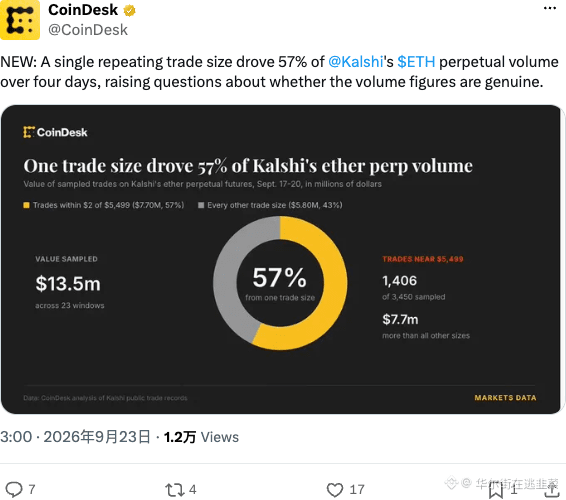
Recent analysis of Kalshi’s public trade data found a striking pattern: a large share of ETH-perp activity repeatedly clustered around roughly $5,500 per trade. CoinDesk’s sample found trades near $5,499 represented 57% of the ETH-perp volume it analyzed, while broader reporting found nearly 1 million similarly sized trades contributing more than $5B in volume.

That alone doesn't prove wash trading.

Kalshi strongly disputes that interpretation. The company says the trades came from a market maker using fixed-size orders, while hundreds of distinct traders took the other side. Kalshi also says self-matching is mechanically blocked and coordinated trading is monitored.

And that's where the bigger question comes in:

How independently verifiable is the activity?

Public trade data can show what was traded and when, but it doesn't publicly identify the participants behind each trade. That makes it possible to observe unusual patterns while still being unable to independently establish who was trading with whom or whether any rules were broken.

This is also where @Polymarket becomes an interesting comparison—not necessarily because one model is automatically better, but because the underlying systems provide different forms of transparency.

On-chain activity can leave a publicly inspectable transaction trail. Off-chain exchange activity relies more heavily on the platform's own records and disclosures.

Different infrastructure.
Different transparency.
Different ways to verify activity.

The real question isn't simply:

“How big is the volume?”

It's:

“Can the volume be independently understood and verified?”

Because in markets, a big number means much more when everyone can check what produced it.

#Kalshi #Polymarket #PredictionMarkets
Verified
Everyone is talking about Kalshi’s $5B $ETH perp volume. But the bigger question is simpler: Can you verify the activity? Nearly 1M trades reportedly clustered around the same ~$5,500 size. Kalshi says it was market-making activity, not wash trading. Nothing is proven yet. This is where @polymarket ‘s model gets interesting. When trading happens on-chain, the activity leaves a public record. You can look at the transactions and see what actually happened. Different markets use different systems. But one thing stays important: Can the activity be independently checked? #Polymarket #Predictionmarket #Kalshi
Everyone is talking about Kalshi’s $5B $ETH perp volume.

But the bigger question is simpler:

Can you verify the activity?

Nearly 1M trades reportedly clustered around the same ~$5,500 size.

Kalshi says it was market-making activity, not wash trading.

Nothing is proven yet.

This is where @Polymarket ‘s model gets interesting.

When trading happens on-chain, the activity leaves a public record.

You can look at the transactions and see what actually happened.

Different markets use different systems.

But one thing stays important:

Can the activity be independently checked?

#Polymarket #Predictionmarket #Kalshi
butterfly__6:
On-chain activity brings real transparency.
🚨 INSTITUTIONAL GIANTS EYE $42B VALUATION FOR $KALSHI AS PREDICTION MARKETS EXPLODE! 💥 PitchBook just dropped a massive 46-page valuation model putting prediction market titan $KALSHI anywhere between $22.8B and $42.1B by 2030. 📊 With projected revenues reaching $6.4B backed by Susquehanna order flow, smart money is aggressively positioning for long-term category dominance. 🔍 The real narrative battle sits at the regulatory border where sports products drive 82.4% of total fee revenue. 💡 While upcoming Supreme Court cases introduce sharp volatility, institutional liquidity keeps front-running potential downside risks through planned state-level pivots. 💬 Are you bidding on prediction market infrastructure early or waiting for regulatory clarity before entry? 👇 ⚠️ Not financial advice. Always manage your risk. 🛡️ 🏷️ #KALSHI #PredictionMarkets #Macro #Crypto #Trading 🔥 💎
🚨 INSTITUTIONAL GIANTS EYE $42B VALUATION FOR $KALSHI AS PREDICTION MARKETS EXPLODE! 💥

PitchBook just dropped a massive 46-page valuation model putting prediction market titan $KALSHI anywhere between $22.8B and $42.1B by 2030. 📊 With projected revenues reaching $6.4B backed by Susquehanna order flow, smart money is aggressively positioning for long-term category dominance. 🔍

The real narrative battle sits at the regulatory border where sports products drive 82.4% of total fee revenue. 💡 While upcoming Supreme Court cases introduce sharp volatility, institutional liquidity keeps front-running potential downside risks through planned state-level pivots. 💬 Are you bidding on prediction market infrastructure early or waiting for regulatory clarity before entry? 👇

⚠️ Not financial advice. Always manage your risk. 🛡️

🏷️ #KALSHI #PredictionMarkets #Macro #Crypto #Trading

🔥 💎
🚨 PITCHBOOK VALUES $KALSHI AT $42.1B AS INSTITUTIONAL LIQUIDITY SURGES INTO PREDICTION MARKETS! 💥 PitchBook just released a comprehensive valuation model putting $KALSHI between $22.8B and $42.1B, driven by projected 2030 revenues of $6.4B. Institutional integration with major retail platforms and liquidity providers confirms smart money is aggressively pricing in market dominance. 📊 However, structural friction remains. 🔍 With sports products generating up to 82.4% of fee revenue, upcoming Supreme Court legal challenges represent a critical pivot point for their baseline expansion trajectory. ⚡ If high-margin sports volume faces regulatory restriction, can non-sports prediction verticals sustain these institutional valuation targets? 🤔 ⚠️ Not financial advice. Always manage your risk. 🛡️ 🏷️ #KALSHI #PredictionMarket #Institutional #Fintech #Crypto 🦈 ⚖️
🚨 PITCHBOOK VALUES $KALSHI AT $42.1B AS INSTITUTIONAL LIQUIDITY SURGES INTO PREDICTION MARKETS! 💥

PitchBook just released a comprehensive valuation model putting $KALSHI between $22.8B and $42.1B, driven by projected 2030 revenues of $6.4B. Institutional integration with major retail platforms and liquidity providers confirms smart money is aggressively pricing in market dominance. 📊

However, structural friction remains. 🔍 With sports products generating up to 82.4% of fee revenue, upcoming Supreme Court legal challenges represent a critical pivot point for their baseline expansion trajectory. ⚡

If high-margin sports volume faces regulatory restriction, can non-sports prediction verticals sustain these institutional valuation targets? 🤔

⚠️ Not financial advice. Always manage your risk. 🛡️

🏷️ #KALSHI #PredictionMarket #Institutional #Fintech #Crypto

🦈 ⚖️
Kalshi fights wash trading claims Kalshi denies wash trading allegations involving $5 billion in Ether perpetual trades, attributing the high volume to liquidity incentive programs rather than market manipulation. #Kalshi #EtherPerpetuals ‎
Kalshi fights wash trading claims

Kalshi denies wash trading allegations involving $5 billion in Ether perpetual trades, attributing the high volume to liquidity incentive programs rather than market manipulation.

#Kalshi #EtherPerpetuals ‎
Verified
Kalshi’s $5B volume story is getting harder to ignore. Beni spotted thousands of $ETH perpetual trades clustered around the same ~$5,500 size. Then the story got bigger. More than $5B in recent volume came from trades around that size. Kalshi says it was driven by market-making incentives and denies wash trading. The CFTC is reportedly examining the activity. But this is where @polymarket becomes an interesting comparison. Most people look at prediction markets through one number. Volume. Traders look deeper. How much liquidity is actually available? How wide are the spreads? How many participants are behind the activity? And most importantly, is the market producing useful price discovery? That is why Polymarket deserves attention in this conversation. The prediction market race is not simply about who can show the biggest volume. It is about the quality of the market behind the number. And that is a much harder metric to fake. #Polymarket #kalshi #predictionmarket
Kalshi’s $5B volume story is getting harder to ignore.

Beni spotted thousands of $ETH perpetual trades clustered around the same ~$5,500 size.

Then the story got bigger.

More than $5B in recent volume came from trades around that size.

Kalshi says it was driven by market-making incentives and denies wash trading.

The CFTC is reportedly examining the activity.

But this is where @Polymarket becomes an interesting comparison.

Most people look at prediction markets through one number.

Volume.

Traders look deeper.

How much liquidity is actually available?

How wide are the spreads?

How many participants are behind the activity?

And most importantly, is the market producing useful price discovery?

That is why Polymarket deserves attention in this conversation.

The prediction market race is not simply about who can show the biggest volume.

It is about the quality of the market behind the number.

And that is a much harder metric to fake.

#Polymarket #kalshi #predictionmarket
Daisy_adamZz:
Volume alone doesnt tell The whole story
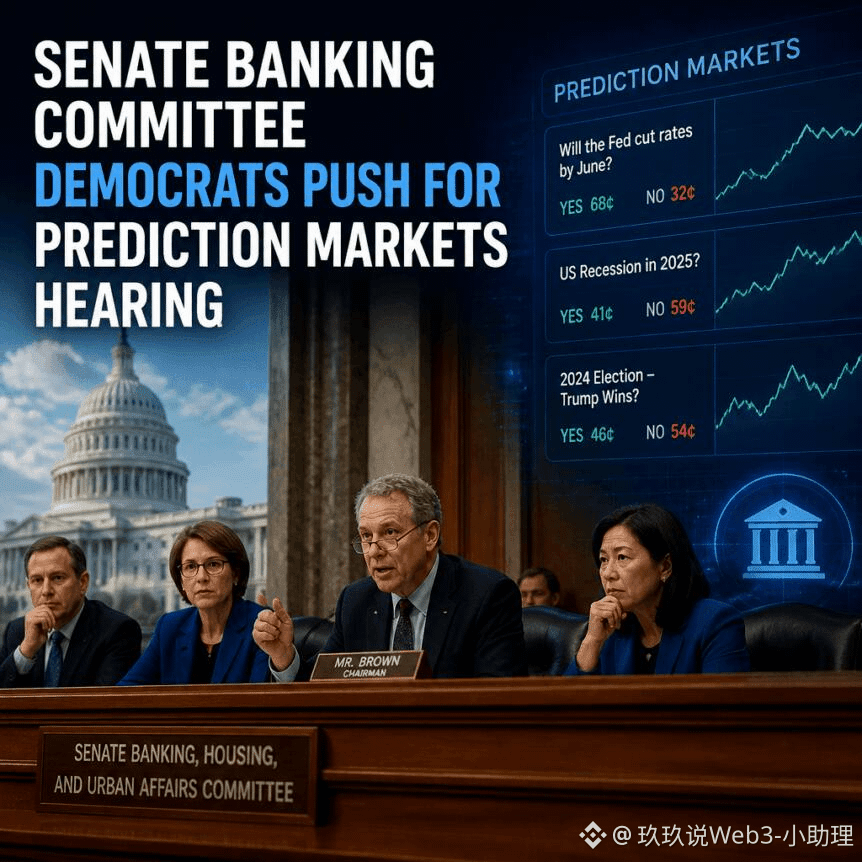
🚨 Kalshi Regulatory Dispute Escalates! The Senate suddenly wants to hold an “open hearing”—will the prediction markets change overnight? 🔥 Group: [点击进入玖玖的粉丝群](https://app.binance.com/uni-qr/YXXQJrPb) In the United States, regulatory controversy over prediction markets is moving from the industry level directly into Congress. On September 23, Democratic members of the Senate Banking Committee sent a letter to the committee chair, Tim Scott, calling for an open hearing on prediction markets. The letter is signed by all 11 Democratic members of the committee. They want Congress to publicly discuss how prediction markets affect consumers, the financial system, and investor protection. And the timing is awfully coincidental—on the same day, Scott met with Kalshi CEO Tariq Mansour along with Republican members of the Senate Banking Committee. Scott said the discussion mainly focused on security-related products, how investors would use these markets, retail investor protection, and the regulatory issues that still need to be addressed in the future. 📌 What’s really worth paying attention to isn’t “who meets with whom,” but a bigger question: Who should actually regulate prediction markets? Currently, the CFTC plays an important role in prediction market oversight, but some state governments believe that event contracts—such as those tied to sports—still fall under state-level regulatory authority. As a result, there have already been multiple legal and regulatory conflicts between the federal government and the states. It gets even more complicated: if prediction contracts start being directly linked to indicators like public companies’ earnings and performance, they may fall within the realm of securities regulation. That’s also why the Senate Banking Committee is stepping in. Democratic lawmakers believe that some prediction products tied to corporate performance may involve securities-type products, and they argue that more research should be done into whether the SEC has regulatory authority. Meanwhile, Cboe has already applied to the SEC for approval of “all-or-nothing options” tied to company earnings results. Click the avatar to join the Jiujiu chat group for daily strategies 🚀 #Kalshi #预测市场
🚨 Kalshi Regulatory Dispute Escalates!
The Senate suddenly wants to hold an “open hearing”—will the prediction markets change overnight? 🔥
Group: 点击进入玖玖的粉丝群

In the United States, regulatory controversy over prediction markets is moving from the industry level directly into Congress.
On September 23, Democratic members of the Senate Banking Committee sent a letter to the committee chair, Tim Scott, calling for an open hearing on prediction markets. The letter is signed by all 11 Democratic members of the committee. They want Congress to publicly discuss how prediction markets affect consumers, the financial system, and investor protection.

And the timing is awfully coincidental—on the same day, Scott met with Kalshi CEO Tariq Mansour along with Republican members of the Senate Banking Committee.
Scott said the discussion mainly focused on security-related products, how investors would use these markets, retail investor protection, and the regulatory issues that still need to be addressed in the future.

📌 What’s really worth paying attention to isn’t “who meets with whom,” but a bigger question:
Who should actually regulate prediction markets?
Currently, the CFTC plays an important role in prediction market oversight, but some state governments believe that event contracts—such as those tied to sports—still fall under state-level regulatory authority. As a result, there have already been multiple legal and regulatory conflicts between the federal government and the states.

It gets even more complicated: if prediction contracts start being directly linked to indicators like public companies’ earnings and performance, they may fall within the realm of securities regulation.
That’s also why the Senate Banking Committee is stepping in. Democratic lawmakers believe that some prediction products tied to corporate performance may involve securities-type products, and they argue that more research should be done into whether the SEC has regulatory authority. Meanwhile, Cboe has already applied to the SEC for approval of “all-or-nothing options” tied to company earnings results.

Click the avatar to join the Jiujiu chat group for daily strategies 🚀
#Kalshi #预测市场
🚨 LEVERAGE IS COMING TO EVENT CONTRACTS AS $KALSHI PUSHES FOR CFTC APPROVAL! ⚡ Institutional market structure is shifting beneath our feet. 💡 By requesting clearing-level leverage for long-duration event contracts, smart money is attempting to unlock massive capital efficiency instead of locking up liquidity for months. This changes the math completely. 📊 Margin flexibility invites heavy order flow from sophisticated funds, turning speculative betting pools into genuine risk-management venues. 🌊 But higher leverage on volatile event catalysts cuts both ways when unexpected information hits the order book. Excluding noise like sports or pop culture keeps the focus strictly on high-conviction macro bets. 💬 Will regulatory margin approval transform event contracts into serious hedging tools, or just amplify systemic volatility? 👇 ⚠️ Not financial advice. Always manage your risk. 🛡️ 🏷️ #KALSHI #PredictionMarkets #CFTC #MarketStructure #Macro ⚡ 🦈
🚨 LEVERAGE IS COMING TO EVENT CONTRACTS AS $KALSHI PUSHES FOR CFTC APPROVAL! ⚡

Institutional market structure is shifting beneath our feet. 💡 By requesting clearing-level leverage for long-duration event contracts, smart money is attempting to unlock massive capital efficiency instead of locking up liquidity for months.

This changes the math completely. 📊 Margin flexibility invites heavy order flow from sophisticated funds, turning speculative betting pools into genuine risk-management venues. 🌊 But higher leverage on volatile event catalysts cuts both ways when unexpected information hits the order book.

Excluding noise like sports or pop culture keeps the focus strictly on high-conviction macro bets. 💬 Will regulatory margin approval transform event contracts into serious hedging tools, or just amplify systemic volatility? 👇

⚠️ Not financial advice. Always manage your risk. 🛡️

🏷️ #KALSHI #PredictionMarkets #CFTC #MarketStructure #Macro

⚡ 🦈
There are strange movements on Kalshi that are causing a stir. The platform has accumulated nearly $5 billion in trading volume of $ETH. Many pointed out that this looked like wash trading, but the company came out to defend itself. They say that all that volume is part of their liquidity incentive programs. The most curious part is that they claim they have not had any contact with the CFTC regarding this issue. What do you think of this explanation? #Kalshi #ETH #Trading
There are strange movements on Kalshi that are causing a stir.

The platform has accumulated nearly $5 billion in trading volume of $ETH .

Many pointed out that this looked like wash trading, but the company came out to defend itself.

They say that all that volume is part of their liquidity incentive programs.

The most curious part is that they claim they have not had any contact with the CFTC regarding this issue.

What do you think of this explanation?

#Kalshi #ETH #Trading
Kalshi is petitioning the CFTC to allow margin trading for its event contracts. The proposed framework would limit access to qualified participants and exclude sports markets to satisfy regulatory requirements. #Kalshi #CFTC ‎
Kalshi is petitioning the CFTC to allow margin trading for its event contracts. The proposed framework would limit access to qualified participants and exclude sports markets to satisfy regulatory requirements.

#Kalshi #CFTC ‎
·
--
Bullish
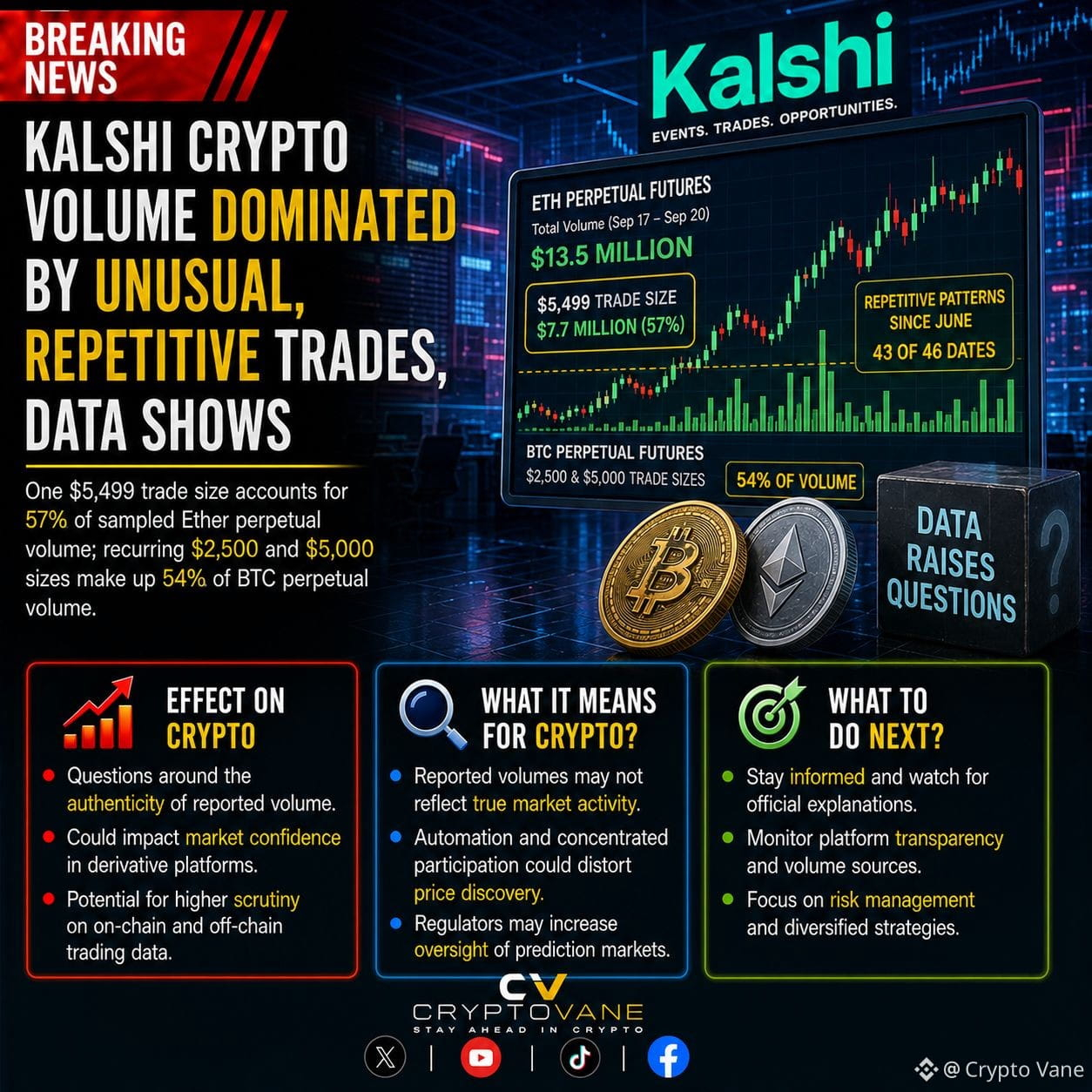
Kalshi Crypto Volume Under Scrutiny Over Repetitive Trades ⚠️ CoinDesk data shows repeated $5,499 trades made up 57% of sampled Ether-perpetual volume, while fixed-size btc trades dominated a large share of analyzed activity. The pattern raises questions about automated trading and reported market volume, without establishing wrongdoing. #CryptoNews #Bitcoin #Ethereum #Kalshi #AIStocksWhatNext {spot}(BTCUSDT)
Kalshi Crypto Volume Under Scrutiny Over Repetitive Trades ⚠️

CoinDesk data shows repeated $5,499 trades made up 57% of sampled Ether-perpetual volume, while fixed-size btc trades dominated a large share of analyzed activity. The pattern raises questions about automated trading and reported market volume, without establishing wrongdoing.

#CryptoNews #Bitcoin #Ethereum #Kalshi #AIStocksWhatNext
Bitcoin Up or Down on September 22?

Bitcoin Up or Down on September 22?

99%Up1%Down
Volume $88,359.45
·
--
🎯 Prediction Market Volume-Manipulation Scandal 📰 Nearly one million ETH perpetual order amounts are almost identical, heavily concentrated in the $5,500 tier. The WSJ reports that the CFTC is investigating Kalshi, while Kalshi denies being officially under investigation. 💬 Kalshi argues that this is a normal phenomenon of liquidity incentives. Volume-spoofing is also seen in traditional markets, but a million orders of the same amount is indeed hard to look past. Prediction markets have just caught fire and already run into the regulatory spotlight—compliance will have to come eventually. 🏷️ #Kalshi #预测市场 #CFTC #刷量 #regulation
🎯 Prediction Market Volume-Manipulation Scandal

📰 Nearly one million ETH perpetual order amounts are almost identical, heavily concentrated in the $5,500 tier. The WSJ reports that the CFTC is investigating Kalshi, while Kalshi denies being officially under investigation.

💬 Kalshi argues that this is a normal phenomenon of liquidity incentives. Volume-spoofing is also seen in traditional markets, but a million orders of the same amount is indeed hard to look past. Prediction markets have just caught fire and already run into the regulatory spotlight—compliance will have to come eventually.

🏷️ #Kalshi #预测市场 #CFTC #刷量 #regulation

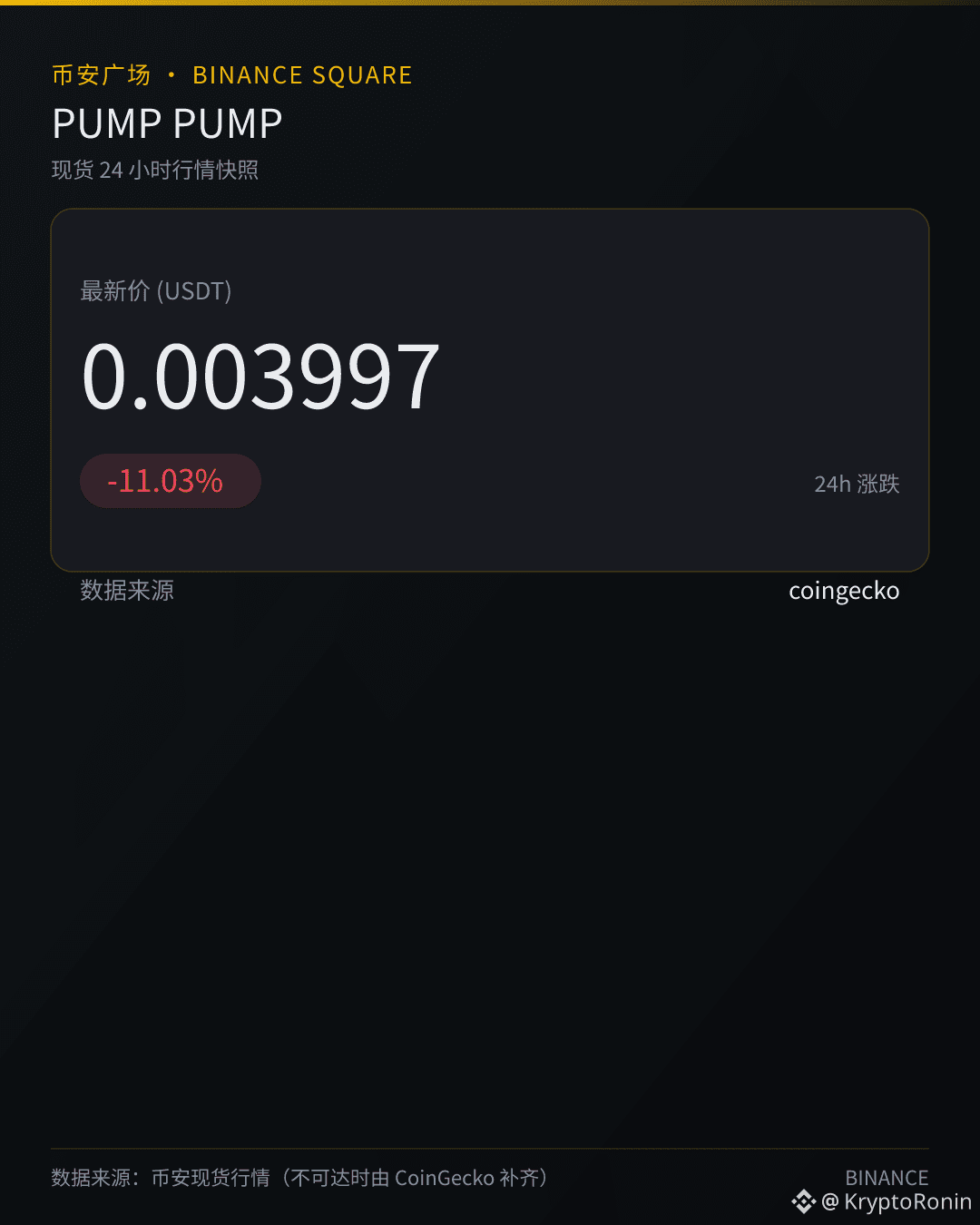
#Kalshi Prediction market platform was reported to be under regulatory review, and the parties involved denied it on the same day—this speed alone is worth taking note of. The Wall Street Journal reported that the U.S. CFTC is reviewing Kalshi’s trading data to determine whether to initiate an enforcement investigation. Kalshi responded that the CFTC has not contacted it, that the company does not believe it is under any formal investigation, and it explained the trades with highly similar amounts as a common form of liquidity incentive program. For traders of derivatives that are already listed on Binance, this news is less about Kalshi itself and more about whether the boundary between prediction markets and perpetual contracts might be redrawn. If no official filing is released afterward, this round of reporting looks more like a stress test than a prelude to punishment. $PUMP $NEAR $NIL
#Kalshi
Prediction market platform was reported to be under regulatory review, and the parties involved denied it on the same day—this speed alone is worth taking note of.

The Wall Street Journal reported that the U.S. CFTC is reviewing Kalshi’s trading data to determine whether to initiate an enforcement investigation. Kalshi responded that the CFTC has not contacted it, that the company does not believe it is under any formal investigation, and it explained the trades with highly similar amounts as a common form of liquidity incentive program.

For traders of derivatives that are already listed on Binance, this news is less about Kalshi itself and more about whether the boundary between prediction markets and perpetual contracts might be redrawn. If no official filing is released afterward, this round of reporting looks more like a stress test than a prelude to punishment.

$PUMP $NEAR $NIL
Data shows Bitcoin and Ether perpetual volumes on Kalshi are currently dominated by unusual and repetitive trade patterns, suggesting high levels of automated or concentrated activity. #Kalshi #PerpVolume ‎
Data shows Bitcoin and Ether perpetual volumes on Kalshi are currently dominated by unusual and repetitive trade patterns, suggesting high levels of automated or concentrated activity.

#Kalshi #PerpVolume ‎
Kalshi plans to introduce a crypto perpetual contracts model into U.S. stocks, and has submitted listing standards for “perpetual securities futures” to the SEC. If approved, U.S. markets may see trading mechanisms similar to crypto perpetual contracts. #Kalshi #SEC #美股 #crypto perpetual contracts
Kalshi plans to introduce a crypto perpetual contracts model into U.S. stocks, and has submitted listing standards for “perpetual securities futures” to the SEC. If approved, U.S. markets may see trading mechanisms similar to crypto perpetual contracts.

#Kalshi #SEC #美股 #crypto perpetual contracts
A repeated limit order volume accounts for 57% of Kalshi ETH perpetual's four-day trading volume—this data really has the nerve to be published. Over those four days, more than half is self-buying and self-selling; the so-called “authenticity” is just self-congratulation. For any new exchange, if you want to prove liquidity, first wash out that 57%. Otherwise, the one who ends up holding the bag is you. $ETH #Kalshi
A repeated limit order volume accounts for 57% of Kalshi ETH perpetual's four-day trading volume—this data really has the nerve to be published. Over those four days, more than half is self-buying and self-selling; the so-called “authenticity” is just self-congratulation. For any new exchange, if you want to prove liquidity, first wash out that 57%. Otherwise, the one who ends up holding the bag is you.

$ETH #Kalshi
·
--
Bullish
🚨 Kalshi Under Fire: $539M Crypto Volume Questioned Over Repeated $5,500 Trades Kalshi faces allegations of inflated crypto trading volume after repeated $5,500 trades raised questions about its $ETH perpetual futures activity. Kalshi denies wash-trading claims and says its volume figures follow industry payout conventions. #Kalshi #CryptoNews #Ethereum #Crypto #defi {spot}(ETHUSDT)
🚨 Kalshi Under Fire: $539M Crypto Volume Questioned Over Repeated $5,500 Trades

Kalshi faces allegations of inflated crypto trading volume after repeated $5,500 trades raised questions about its $ETH perpetual futures activity. Kalshi denies wash-trading claims and says its volume figures follow industry payout conventions.

#Kalshi #CryptoNews #Ethereum #Crypto #defi
Log in to explore more content
Join global crypto users on Binance Square
⚡️ Get latest and useful information about crypto.
💬 Trusted by the world’s largest crypto exchange.
👍 Discover real insights from verified creators.
Email / Phone number