
#gasfree
gasfree
2,279 views
73 Discussing
Hot
Latest

·
--
The Value of Removing Extra Steps
Sometimes, the biggest improvements in technology come from removing unnecessary steps.
A user wants to send stablecoins.
They select the recipient, enter the amount, and confirm the transaction.
But an additional requirement for network fees can interrupt that process.
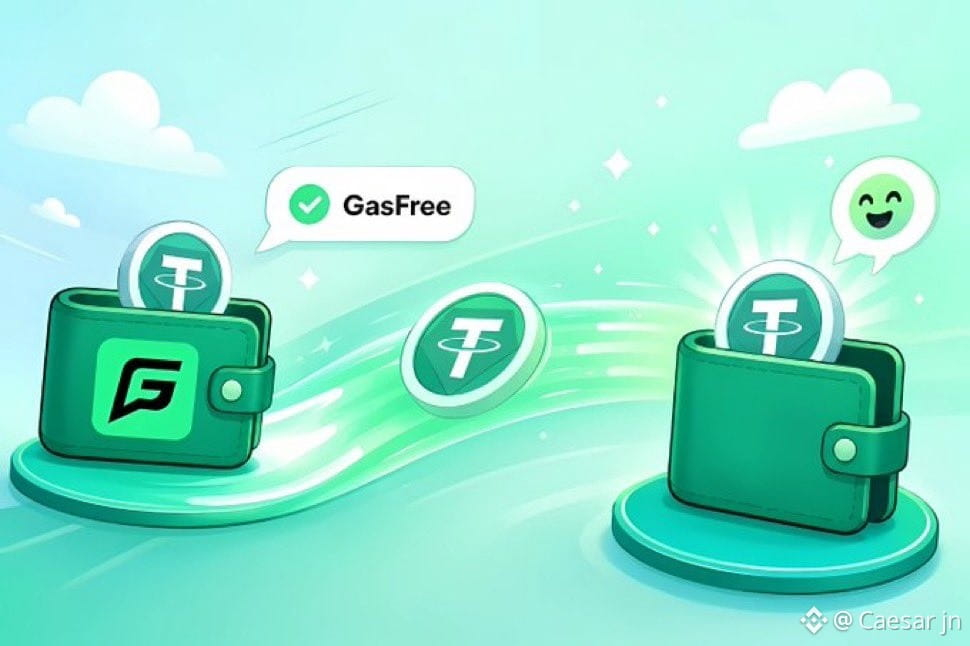
GasFree aims to reduce this obstacle for supported USDT and USDD transfers.
By enabling fees to be paid in the transferred token, it makes the transaction process more convenient.
Less complexity can translate into better usability and a more welcoming blockchain experience.
@DeFi_JUST @JustinSun
#GasFree #TRONEcoStar
The Value of Removing Extra Steps
Sometimes, the biggest improvements in technology come from removing unnecessary steps.
A user wants to send stablecoins.
They select the recipient, enter the amount, and confirm the transaction.
But an additional requirement for network fees can interrupt that process.
GasFree aims to reduce this obstacle for supported USDT and USDD transfers.
By enabling fees to be paid in the transferred token, it makes the transaction process more convenient.
Less complexity can translate into better usability and a more welcoming blockchain experience.
@JUST DAO @Justin Sun孙宇晨
#GasFree #TRONEcoStar
1
2
·
--
Improving the User Journey
A user’s experience with blockchain begins long before a transaction is confirmed.
It includes opening a wallet, selecting a network, understanding fees, and ensuring sufficient balances.
Each step affects how convenient the overall process feels.
GasFree focuses on improving the transaction-fee portion of this journey.
Its fee-payment model for supported stablecoin transfers helps reduce the need to maintain TRX specifically for fees.
This makes the process more intuitive for stablecoin users.
Better user journeys are essential for sustainable blockchain adoption.
@DeFi_JUST @JustinSun
#GasFree #TRONEcoStar
Improving the User Journey
A user’s experience with blockchain begins long before a transaction is confirmed.
It includes opening a wallet, selecting a network, understanding fees, and ensuring sufficient balances.
Each step affects how convenient the overall process feels.
GasFree focuses on improving the transaction-fee portion of this journey.
Its fee-payment model for supported stablecoin transfers helps reduce the need to maintain TRX specifically for fees.
This makes the process more intuitive for stablecoin users.
Better user journeys are essential for sustainable blockchain adoption.
@JUST DAO @Justin Sun孙宇晨
#GasFree #TRONEcoStar
15
·
--
Decentralization and Accessibility
Decentralization is one of blockchain’s defining principles.
It creates opportunities for people to participate in digital networks without depending entirely on traditional centralized infrastructure.
However, accessibility also matters.
If interacting with decentralized applications is unnecessarily complicated, many potential users may never participate.
GasFree focuses on simplifying supported stablecoin transfers while contributing to a more convenient TRON transaction experience.
Reducing unnecessary barriers can make blockchain more approachable.
The long-term objective should be infrastructure that combines useful technology with practical accessibility.
@DeFi_JUST @JustinSun
#GasFree #TRONEcoStar
Decentralization and Accessibility
Decentralization is one of blockchain’s defining principles.
It creates opportunities for people to participate in digital networks without depending entirely on traditional centralized infrastructure.
However, accessibility also matters.
If interacting with decentralized applications is unnecessarily complicated, many potential users may never participate.
GasFree focuses on simplifying supported stablecoin transfers while contributing to a more convenient TRON transaction experience.
Reducing unnecessary barriers can make blockchain more approachable.
The long-term objective should be infrastructure that combines useful technology with practical accessibility.
@JUST DAO @Justin Sun孙宇晨
#GasFree #TRONEcoStar
21

·
--
GASFREE OCTOBER 2026: $15.89 BILLION IN TRANSFERS — WHY SIMPLER PAYMENTS ARE DRIVING REAL TRON ADOPT⚡ GASFREE OCTOBER 2026: $15.89 BILLION IN TRANSFERS — WHY SIMPLER PAYMENTS ARE DRIVING REAL TRON ADOPTION
The future of blockchain payments will not be determined by how much users understand gas fees. It will be determined by how easily they can transfer digital assets without unnecessary technical barriers.
GasFree's October 2026 performance offers a compelling example of this transition.
According to its latest monthly snapshot, GasFree recorded:
📊 933,729 GasFree transactions
💰 $15.89 BILLION in transfer volume
👥 524,043 total users
These figures highlight the growing scale of a payment solution designed to address one of the most persistent usability challenges in blockchain: requiring users to hold a separate native token simply to transfer stablecoins.
GasFree enables supported USDT and USDD transfers on TRON with transaction fees paid directly in the transferred token, removing the need to maintain a separate TRX balance for eligible transactions.
The significance extends beyond convenience.
GASFREE IS HELPING TRANSFORM STABLECOIN TRANSFERS FROM A BLOCKCHAIN-SPECIFIC PROCESS INTO A MORE ACCESSIBLE DIGITAL PAYMENT EXPERIENCE.
🔹 1. THE PROBLEM: WHY GAS FEES CREATE UNNECESSARY FRICTION
For experienced blockchain users, managing network fees may seem routine.
But for newcomers, the process can be confusing.
Imagine someone receiving USDT on TRON for the first time.
They have sufficient USDT in their wallet.
They want to transfer part of that balance to another address.
Yet a conventional TRC-20 transfer may require TRX to cover network resources.
This creates an unexpected obstacle.
THE USER HAS THE ASSET THEY WANT TO SEND, BUT MAY NOT HAVE THE SEPARATE TOKEN REQUIRED TO MOVE IT.
They may need to purchase TRX, transfer it into their wallet, and understand how TRON's resource system works before completing a simple payment.
For small transfers, this additional process can feel disproportionate to the task.
GasFree addresses this problem by allowing eligible transfer fees to be paid directly in USDT or USDD.
The user no longer needs to manage a separate TRX balance for the supported transaction.
THE CORE INNOVATION IS NOT ELIMINATING BLOCKCHAIN EXECUTION COSTS. IT IS SIMPLIFYING HOW USERS PAY THEM.
🔹 2. 933,729 TRANSACTIONS: MEASURING PRACTICAL UTILITY
GasFree processed 933,729 transactions during October 2026.
Across the month's 31 days, this represents an average of approximately:
30,120 TRANSACTIONS PER DAY
That is a meaningful level of usage for a service focused on simplifying stablecoin transfers.
Each completed transaction represents an instance in which a user or application accessed the GasFree transfer mechanism.
The broader implication is important.
Blockchain adoption is often discussed through token prices, ecosystem announcements, and total account counts.
But payment infrastructure should also be evaluated through actual usage.
ARE PEOPLE COMPLETING TRANSACTIONS?
DOES THE PRODUCT SOLVE A RECURRING PROBLEM?
CAN USERS ACCESS IT WITHOUT UNNECESSARY COMPLEXITY?
GasFree's monthly transaction count provides evidence of meaningful operational activity.
However, transaction volume alone does not establish how many users are returning regularly or how much activity comes from automated systems.
Those questions require additional retention and usage data.
REAL ADOPTION IS BEST UNDERSTOOD THROUGH COMPLETED TRANSACTIONS, REPEAT PARTICIPATION, AND THE PRACTICAL VALUE DELIVERED TO USERS.
🔹 3. $15.89 BILLION IN TRANSFER VOLUME: WHY SCALE MATTERS
The most striking metric in GasFree's October report is its $15.89 billion in transfer volume.
This represents the aggregate reported value of assets transferred through the service during the month.
Dividing that figure by the number of reported transactions produces an approximate average transfer value of:
$17,018 PER TRANSACTION
This calculation is illustrative of the aggregate data, not a measure of the typical user's transfer size.
Large transactions can substantially increase the average.
Nevertheless, the figure highlights an important characteristic of stablecoin infrastructure.
STABLECOIN TRANSFERS ARE NOT LIMITED TO SMALL RETAIL PAYMENTS. THEY CAN ALSO SUPPORT HIGH-VALUE ASSET MOVEMENTS.
Potential use cases include treasury transfers, exchange-related activity, business settlements, and individual asset management.
The monthly report does not provide a breakdown of these categories, so their respective contributions cannot be established from the headline figures alone.
What the data does demonstrate is that GasFree is facilitating substantial reported transaction value.
THE LONG-TERM OPPORTUNITY IS TO MAKE HIGH-VALUE BLOCKCHAIN TRANSFERS AS OPERATIONALLY STRAIGHTFORWARD AS SMALL EVERYDAY PAYMENTS.
🔹 4. 524,043 USERS: LOWERING THE BARRIER TO PARTICIPATION
GasFree reported 524,043 total users in its October snapshot.
This figure reflects the scale of its reported user base, although it should not automatically be interpreted as the number of unique people active during October.
One person may control multiple blockchain addresses, and cumulative user counts can differ from monthly active users.
Even with that distinction, the reported figure highlights the relevance of simplifying stablecoin transfers.
For many users, the main objective is not to interact with blockchain infrastructure.
They simply want to send or receive digital dollars.
GasFree makes that experience more accessible by reducing the need to understand native-token fee management.
THE BEST FINANCIAL INFRASTRUCTURE OFTEN BECOMES LESS VISIBLE AS IT BECOMES MORE USEFUL.
Users should be able to focus on the transaction itself rather than the technical requirements behind it.
This is especially important for newcomers, payment applications, and wallet providers seeking to simplify onboarding.
🔹 5. WHY PAYING FEES IN USDT OR USDD CHANGES THE USER EXPERIENCE
GasFree's central value proposition is straightforward:
SEND SUPPORTED STABLECOINS WITHOUT HOLDING TRX SEPARATELY FOR GAS.
Consider a hypothetical USDD transfer.
Under a conventional approach, a user may need USDD for the payment and TRX for network resources.
With an eligible GasFree transfer, the applicable fee can instead be charged in USDD.
For supported USDD transfers, GasFree has advertised fees as low as 0.5 USDD per transfer, subject to current product conditions.
This simplifies wallet management.
ONE ASSET FOR THE TRANSFER AND THE APPLICABLE FEE.
The benefit is particularly relevant to users who primarily hold stablecoins.
They may no longer need to acquire a separate volatile asset solely to complete a supported transfer.
However, GasFree does not mean that every transfer is free of charge.
Network execution still has an underlying cost, and users should review the applicable service fee before confirming a transaction.
GASFREE REDUCES FEE-PAYMENT COMPLEXITY, NOT NECESSARILY THE TOTAL COST TO ZERO.
🔹 6. WHY GASFREE MATTERS FOR WALLET DEVELOPERS AND WEB3 APPLICATIONS
GasFree's significance extends beyond individual transfers.
For developers, native-token gas requirements can create friction during onboarding.
Imagine building a stablecoin payment application.
A new user connects a wallet and receives USDT.
They are ready to make their first transfer.
But if the application requires them to acquire TRX before proceeding, the onboarding process becomes more complicated.
This additional step may discourage participation.
GasFree offers a way for supported applications and wallets to simplify that experience.
The potential benefits include:
⚡ FEWER ONBOARDING STEPS
Users can complete eligible transfers without separately acquiring TRX.
💚 SIMPLER STABLECOIN PAYMENTS
Transaction fees can be paid in supported stablecoins.
🔗 IMPROVED WALLET INTEGRATION
Compatible wallets can offer more convenient fee-payment options.
🌐 GREATER ACCESSIBILITY
New users can focus on transferring assets rather than learning network-resource mechanics.
These improvements can be valuable for payment products, remittance services, and stablecoin-focused applications.
FOR DEVELOPERS, REDUCING TRANSACTION FRICTION CAN BE JUST AS IMPORTANT AS IMPROVING SMART CONTRACT PERFORMANCE.
🔹 7. GASFREE'S ROLE IN THE BROADER TRON ECOSYSTEM
TRON has developed substantial infrastructure for stablecoin transfers and decentralized finance.
GasFree complements this environment by addressing a specific usability problem.
Rather than requiring every user to understand TRON's Energy and Bandwidth mechanisms, it provides an alternative fee-payment experience for supported transactions.
This connects several layers of the ecosystem.
TRON NETWORK
Provides blockchain execution and settlement infrastructure.
USDT AND USDD
Serve as supported stablecoin assets for eligible transfers.
GASFREE
Simplifies how users pay transaction fees.
WALLETS AND APPLICATIONS
Provide interfaces through which users initiate transfers.
Together, these components can support a more accessible stablecoin payment experience.
The long-term benefit is not merely higher transaction counts.
It is the potential to make blockchain-based payments easier to integrate into everyday financial activity.
BLOCKCHAIN ADOPTION BECOMES MORE SUSTAINABLE WHEN INFRASTRUCTURE COMPLEXITY IS HANDLED BY THE SYSTEM RATHER THAN PASSED ON TO EVERY USER.
🔹 8. WHAT SHOULD WE WATCH AFTER OCTOBER?
GasFree's October results establish a useful reference point for evaluating future performance.
Several indicators deserve attention.
📊 MONTHLY TRANSACTION GROWTH
Does the number of completed GasFree transfers continue increasing?
👥 ACTIVE USER RETENTION
How many participants return to use the service repeatedly?
💰 TRANSFER VOLUME QUALITY
Is growth distributed across a broad range of users and transaction sizes?
🔗 WALLET AND APPLICATION INTEGRATIONS
Are more supported interfaces making GasFree available?
⚡ COST EFFICIENCY
Do fees remain competitive relative to alternative transfer methods?
🛡️ RELIABILITY AND SECURITY
Can the infrastructure maintain dependable execution as usage grows?
These indicators will help distinguish short-term activity from durable adoption.
THE MOST IMPORTANT LONG-TERM MEASURE IS NOT WHETHER GASFREE CAN ATTRACT ATTENTION, BUT WHETHER USERS CONTINUE CHOOSING IT BECAUSE IT MAKES THEIR TRANSACTIONS EASIER.
🌐 FINAL PERSPECTIVE: SIMPLER TRANSFERS ARE A FOUNDATION FOR MASS ADOPTION
GasFree's October 2026 snapshot provides three important signals:
<escape>⚡ 933,729 TRANSACTIONS</escape>
<escape>💰 $15.89 BILLION IN TRANSFER VOLUME</escape>
<escape>👥 524,043 TOTAL USERS</escape>
Together, these metrics illustrate the scale of reported activity around a product designed to remove a practical obstacle from stablecoin transfers.
The underlying principle is simple.
USERS SHOULD NOT NEED TO BECOME BLOCKCHAIN EXPERTS TO MOVE DIGITAL ASSETS.
They should be able to select the asset, review the transaction cost, and complete the transfer through a clear and accessible process.
GasFree moves in that direction by enabling supported USDT and USDD transfers with fees paid directly in the token.
The long-term opportunity is substantial.
If blockchain payments are to reach broader audiences, they must become easier to understand, easier to integrate, and more convenient to use.
LESS FRICTION CREATES BETTER ACCESS.
BETTER ACCESS CAN SUPPORT MORE PARTICIPATION.
MORE PARTICIPATION CAN STRENGTHEN REAL ECOSYSTEM UTILITY.
🚀 GASFREE IS NOT JUST SIMPLIFYING HOW USERS PAY TRANSACTION FEES. IT IS HELPING MAKE STABLECOIN TRANSFERS FEEL MORE LIKE A NORMAL DIGITAL PAYMENT EXPERIENCE.
💚 NO SEPARATE TRX BALANCE FOR ELIGIBLE TRANSFERS.
⚡ FEES PAID IN SUPPORTED STABLECOINS.
🌐 REAL USAGE ACROSS THE TRON ECOSYSTEM.
📊 MEASURABLE GROWTH THROUGH COMPLETED TRANSACTIONS.
THE FUTURE OF STABLECOIN PAYMENTS IS NOT ABOUT MORE COMPLEXITY. IT IS ABOUT MAKING COMPLEX INFRASTRUCTURE SIMPLE ENOUGH FOR EVERYONE TO USE.
🔗 Explore GasFree: https://gasfree.io
@DeFi_JUST @TRONDAO @JustinSun
#GasFree #TRONEcoStar
GASFREE OCTOBER 2026: $15.89 BILLION IN TRANSFERS — WHY SIMPLER PAYMENTS ARE DRIVING REAL TRON ADOPT
⚡ GASFREE OCTOBER 2026: $15.89 BILLION IN TRANSFERS — WHY SIMPLER PAYMENTS ARE DRIVING REAL TRON ADOPTION
The future of blockchain payments will not be determined by how much users understand gas fees. It will be determined by how easily they can transfer digital assets without unnecessary technical barriers.
GasFree's October 2026 performance offers a compelling example of this transition.
According to its latest monthly snapshot, GasFree recorded:
📊 933,729 GasFree transactions
💰 $15.89 BILLION in transfer volume
👥 524,043 total users
These figures highlight the growing scale of a payment solution designed to address one of the most persistent usability challenges in blockchain: requiring users to hold a separate native token simply to transfer stablecoins.
GasFree enables supported USDT and USDD transfers on TRON with transaction fees paid directly in the transferred token, removing the need to maintain a separate TRX balance for eligible transactions.
The significance extends beyond convenience.
GASFREE IS HELPING TRANSFORM STABLECOIN TRANSFERS FROM A BLOCKCHAIN-SPECIFIC PROCESS INTO A MORE ACCESSIBLE DIGITAL PAYMENT EXPERIENCE.
🔹 1. THE PROBLEM: WHY GAS FEES CREATE UNNECESSARY FRICTION
For experienced blockchain users, managing network fees may seem routine.
But for newcomers, the process can be confusing.
Imagine someone receiving USDT on TRON for the first time.
They have sufficient USDT in their wallet.
They want to transfer part of that balance to another address.
Yet a conventional TRC-20 transfer may require TRX to cover network resources.
This creates an unexpected obstacle.
THE USER HAS THE ASSET THEY WANT TO SEND, BUT MAY NOT HAVE THE SEPARATE TOKEN REQUIRED TO MOVE IT.
They may need to purchase TRX, transfer it into their wallet, and understand how TRON's resource system works before completing a simple payment.
For small transfers, this additional process can feel disproportionate to the task.
GasFree addresses this problem by allowing eligible transfer fees to be paid directly in USDT or USDD.
The user no longer needs to manage a separate TRX balance for the supported transaction.
THE CORE INNOVATION IS NOT ELIMINATING BLOCKCHAIN EXECUTION COSTS. IT IS SIMPLIFYING HOW USERS PAY THEM.
🔹 2. 933,729 TRANSACTIONS: MEASURING PRACTICAL UTILITY
GasFree processed 933,729 transactions during October 2026.
Across the month's 31 days, this represents an average of approximately:
30,120 TRANSACTIONS PER DAY
That is a meaningful level of usage for a service focused on simplifying stablecoin transfers.
Each completed transaction represents an instance in which a user or application accessed the GasFree transfer mechanism.
The broader implication is important.
Blockchain adoption is often discussed through token prices, ecosystem announcements, and total account counts.
But payment infrastructure should also be evaluated through actual usage.
ARE PEOPLE COMPLETING TRANSACTIONS?
DOES THE PRODUCT SOLVE A RECURRING PROBLEM?
CAN USERS ACCESS IT WITHOUT UNNECESSARY COMPLEXITY?
GasFree's monthly transaction count provides evidence of meaningful operational activity.
However, transaction volume alone does not establish how many users are returning regularly or how much activity comes from automated systems.
Those questions require additional retention and usage data.
REAL ADOPTION IS BEST UNDERSTOOD THROUGH COMPLETED TRANSACTIONS, REPEAT PARTICIPATION, AND THE PRACTICAL VALUE DELIVERED TO USERS.
🔹 3. $15.89 BILLION IN TRANSFER VOLUME: WHY SCALE MATTERS
The most striking metric in GasFree's October report is its $15.89 billion in transfer volume.
This represents the aggregate reported value of assets transferred through the service during the month.
Dividing that figure by the number of reported transactions produces an approximate average transfer value of:
$17,018 PER TRANSACTION
This calculation is illustrative of the aggregate data, not a measure of the typical user's transfer size.
Large transactions can substantially increase the average.
Nevertheless, the figure highlights an important characteristic of stablecoin infrastructure.
STABLECOIN TRANSFERS ARE NOT LIMITED TO SMALL RETAIL PAYMENTS. THEY CAN ALSO SUPPORT HIGH-VALUE ASSET MOVEMENTS.
Potential use cases include treasury transfers, exchange-related activity, business settlements, and individual asset management.
The monthly report does not provide a breakdown of these categories, so their respective contributions cannot be established from the headline figures alone.
What the data does demonstrate is that GasFree is facilitating substantial reported transaction value.
THE LONG-TERM OPPORTUNITY IS TO MAKE HIGH-VALUE BLOCKCHAIN TRANSFERS AS OPERATIONALLY STRAIGHTFORWARD AS SMALL EVERYDAY PAYMENTS.
🔹 4. 524,043 USERS: LOWERING THE BARRIER TO PARTICIPATION
GasFree reported 524,043 total users in its October snapshot.
This figure reflects the scale of its reported user base, although it should not automatically be interpreted as the number of unique people active during October.
One person may control multiple blockchain addresses, and cumulative user counts can differ from monthly active users.
Even with that distinction, the reported figure highlights the relevance of simplifying stablecoin transfers.
For many users, the main objective is not to interact with blockchain infrastructure.
They simply want to send or receive digital dollars.
GasFree makes that experience more accessible by reducing the need to understand native-token fee management.
THE BEST FINANCIAL INFRASTRUCTURE OFTEN BECOMES LESS VISIBLE AS IT BECOMES MORE USEFUL.
Users should be able to focus on the transaction itself rather than the technical requirements behind it.
This is especially important for newcomers, payment applications, and wallet providers seeking to simplify onboarding.
🔹 5. WHY PAYING FEES IN USDT OR USDD CHANGES THE USER EXPERIENCE
GasFree's central value proposition is straightforward:
SEND SUPPORTED STABLECOINS WITHOUT HOLDING TRX SEPARATELY FOR GAS.
Consider a hypothetical USDD transfer.
Under a conventional approach, a user may need USDD for the payment and TRX for network resources.
With an eligible GasFree transfer, the applicable fee can instead be charged in USDD.
For supported USDD transfers, GasFree has advertised fees as low as 0.5 USDD per transfer, subject to current product conditions.
This simplifies wallet management.
ONE ASSET FOR THE TRANSFER AND THE APPLICABLE FEE.
The benefit is particularly relevant to users who primarily hold stablecoins.
They may no longer need to acquire a separate volatile asset solely to complete a supported transfer.
However, GasFree does not mean that every transfer is free of charge.
Network execution still has an underlying cost, and users should review the applicable service fee before confirming a transaction.
GASFREE REDUCES FEE-PAYMENT COMPLEXITY, NOT NECESSARILY THE TOTAL COST TO ZERO.
🔹 6. WHY GASFREE MATTERS FOR WALLET DEVELOPERS AND WEB3 APPLICATIONS
GasFree's significance extends beyond individual transfers.
For developers, native-token gas requirements can create friction during onboarding.
Imagine building a stablecoin payment application.
A new user connects a wallet and receives USDT.
They are ready to make their first transfer.
But if the application requires them to acquire TRX before proceeding, the onboarding process becomes more complicated.
This additional step may discourage participation.
GasFree offers a way for supported applications and wallets to simplify that experience.
The potential benefits include:
⚡ FEWER ONBOARDING STEPS
Users can complete eligible transfers without separately acquiring TRX.
💚 SIMPLER STABLECOIN PAYMENTS
Transaction fees can be paid in supported stablecoins.
🔗 IMPROVED WALLET INTEGRATION
Compatible wallets can offer more convenient fee-payment options.
🌐 GREATER ACCESSIBILITY
New users can focus on transferring assets rather than learning network-resource mechanics.
These improvements can be valuable for payment products, remittance services, and stablecoin-focused applications.
FOR DEVELOPERS, REDUCING TRANSACTION FRICTION CAN BE JUST AS IMPORTANT AS IMPROVING SMART CONTRACT PERFORMANCE.
🔹 7. GASFREE'S ROLE IN THE BROADER TRON ECOSYSTEM
TRON has developed substantial infrastructure for stablecoin transfers and decentralized finance.
GasFree complements this environment by addressing a specific usability problem.
Rather than requiring every user to understand TRON's Energy and Bandwidth mechanisms, it provides an alternative fee-payment experience for supported transactions.
This connects several layers of the ecosystem.
TRON NETWORK
Provides blockchain execution and settlement infrastructure.
USDT AND USDD
Serve as supported stablecoin assets for eligible transfers.
GASFREE
Simplifies how users pay transaction fees.
WALLETS AND APPLICATIONS
Provide interfaces through which users initiate transfers.
Together, these components can support a more accessible stablecoin payment experience.
The long-term benefit is not merely higher transaction counts.
It is the potential to make blockchain-based payments easier to integrate into everyday financial activity.
BLOCKCHAIN ADOPTION BECOMES MORE SUSTAINABLE WHEN INFRASTRUCTURE COMPLEXITY IS HANDLED BY THE SYSTEM RATHER THAN PASSED ON TO EVERY USER.
🔹 8. WHAT SHOULD WE WATCH AFTER OCTOBER?
GasFree's October results establish a useful reference point for evaluating future performance.
Several indicators deserve attention.
📊 MONTHLY TRANSACTION GROWTH
Does the number of completed GasFree transfers continue increasing?
👥 ACTIVE USER RETENTION
How many participants return to use the service repeatedly?
💰 TRANSFER VOLUME QUALITY
Is growth distributed across a broad range of users and transaction sizes?
🔗 WALLET AND APPLICATION INTEGRATIONS
Are more supported interfaces making GasFree available?
⚡ COST EFFICIENCY
Do fees remain competitive relative to alternative transfer methods?
🛡️ RELIABILITY AND SECURITY
Can the infrastructure maintain dependable execution as usage grows?
These indicators will help distinguish short-term activity from durable adoption.
THE MOST IMPORTANT LONG-TERM MEASURE IS NOT WHETHER GASFREE CAN ATTRACT ATTENTION, BUT WHETHER USERS CONTINUE CHOOSING IT BECAUSE IT MAKES THEIR TRANSACTIONS EASIER.
🌐 FINAL PERSPECTIVE: SIMPLER TRANSFERS ARE A FOUNDATION FOR MASS ADOPTION
GasFree's October 2026 snapshot provides three important signals:
<escape>⚡ 933,729 TRANSACTIONS</escape>
<escape>💰 $15.89 BILLION IN TRANSFER VOLUME</escape>
<escape>👥 524,043 TOTAL USERS</escape>
Together, these metrics illustrate the scale of reported activity around a product designed to remove a practical obstacle from stablecoin transfers.
The underlying principle is simple.
USERS SHOULD NOT NEED TO BECOME BLOCKCHAIN EXPERTS TO MOVE DIGITAL ASSETS.
They should be able to select the asset, review the transaction cost, and complete the transfer through a clear and accessible process.
GasFree moves in that direction by enabling supported USDT and USDD transfers with fees paid directly in the token.
The long-term opportunity is substantial.
If blockchain payments are to reach broader audiences, they must become easier to understand, easier to integrate, and more convenient to use.
LESS FRICTION CREATES BETTER ACCESS.
BETTER ACCESS CAN SUPPORT MORE PARTICIPATION.
MORE PARTICIPATION CAN STRENGTHEN REAL ECOSYSTEM UTILITY.
🚀 GASFREE IS NOT JUST SIMPLIFYING HOW USERS PAY TRANSACTION FEES. IT IS HELPING MAKE STABLECOIN TRANSFERS FEEL MORE LIKE A NORMAL DIGITAL PAYMENT EXPERIENCE.
💚 NO SEPARATE TRX BALANCE FOR ELIGIBLE TRANSFERS.
⚡ FEES PAID IN SUPPORTED STABLECOINS.
🌐 REAL USAGE ACROSS THE TRON ECOSYSTEM.
📊 MEASURABLE GROWTH THROUGH COMPLETED TRANSACTIONS.
THE FUTURE OF STABLECOIN PAYMENTS IS NOT ABOUT MORE COMPLEXITY. IT IS ABOUT MAKING COMPLEX INFRASTRUCTURE SIMPLE ENOUGH FOR EVERYONE TO USE.
🔗 Explore GasFree: https://gasfree.io
@JUST DAO @TRON DAO @Justin Sun孙宇晨
#GasFree #TRONEcoStar
11

·
--
WHAT IF YOUR FIRST CRYPTO TRANSACTION DIDN'T REQUIRE A LESSON IN BLOCKCHAIN?
Imagine downloading a wallet, receiving USDT, and preparing to make your first payment.
Everything seems simple until you discover you need another token just to pay the transaction fee.
For someone new to Web3, that small obstacle can turn excitement into frustration.
And that's a problem worth solving.
GASFREE + @DeFi_JUST: SIMPLIFYING THE MOBILE EXPERIENCE
The real opportunity behind GasFree wallet integration is to make blockchain interactions feel less complicated for everyday users.
Here's why that matters 👇
🔹 1. REMOVE THE FIRST BARRIER
GasFree-enabled transactions can allow users to send supported USDT transfers without needing to hold TRX specifically to cover gas fees.
That means fewer hurdles for newcomers who simply want to use their digital dollars.
🔹 2. MAKE THE WALLET MORE THAN A STORAGE TOOL
A crypto wallet should be more than somewhere to keep tokens.
It should be a gateway to payments, decentralized applications, and digital services.
Reducing the complexity of transactions could help make these experiences more accessible on mobile devices.
🔹 3. BETTER ONBOARDING, STRONGER ADOPTION
Every unnecessary setup step can make a new user reconsider joining Web3.
Simpler transaction flows could help wallets and decentralized applications create a smoother first experience—particularly for people who are unfamiliar with blockchain networks.
🔹 4. THE NEXT FRONTIER IS INVISIBILITY
The best technology often works quietly in the background.
In the future, features such as clearer transaction notifications, easier account recovery, and more intuitive wallet interfaces could further reduce the technical burden on users.
These are opportunities for continued development, not features we should assume are already available everywhere.
Mobile phones are already central to how millions of people communicate, shop, and manage digital payments.
@JustinSun @DeFi_JUST
#TRONEcoStar #GasFree
WHAT IF YOUR FIRST CRYPTO TRANSACTION DIDN'T REQUIRE A LESSON IN BLOCKCHAIN?
Imagine downloading a wallet, receiving USDT, and preparing to make your first payment.
Everything seems simple until you discover you need another token just to pay the transaction fee.
For someone new to Web3, that small obstacle can turn excitement into frustration.
And that's a problem worth solving.
GASFREE + @DeFi_JUST: SIMPLIFYING THE MOBILE EXPERIENCE
The real opportunity behind GasFree wallet integration is to make blockchain interactions feel less complicated for everyday users.
Here's why that matters 👇
🔹 1. REMOVE THE FIRST BARRIER
GasFree-enabled transactions can allow users to send supported USDT transfers without needing to hold TRX specifically to cover gas fees.
That means fewer hurdles for newcomers who simply want to use their digital dollars.
🔹 2. MAKE THE WALLET MORE THAN A STORAGE TOOL
A crypto wallet should be more than somewhere to keep tokens.
It should be a gateway to payments, decentralized applications, and digital services.
Reducing the complexity of transactions could help make these experiences more accessible on mobile devices.
🔹 3. BETTER ONBOARDING, STRONGER ADOPTION
Every unnecessary setup step can make a new user reconsider joining Web3.
Simpler transaction flows could help wallets and decentralized applications create a smoother first experience—particularly for people who are unfamiliar with blockchain networks.
🔹 4. THE NEXT FRONTIER IS INVISIBILITY
The best technology often works quietly in the background.
In the future, features such as clearer transaction notifications, easier account recovery, and more intuitive wallet interfaces could further reduce the technical burden on users.
These are opportunities for continued development, not features we should assume are already available everywhere.
Mobile phones are already central to how millions of people communicate, shop, and manage digital payments.
@Justin Sun孙宇晨 @JUST DAO
#TRONEcoStar #GasFree
11
·
--
🛍️ YOUR CRYPTO IS READY. YOUR CART IS FULL. SO WHY CAN'T YOU CHECK OUT?
Sometimes, the biggest barrier to crypto adoption isn't the price of an asset. It's the small technical obstacle standing between a user and a completed transaction.
Imagine having enough USDT to buy something online, only to discover that you also need TRX to cover the network fee.
For experienced users, it's a familiar inconvenience. For newcomers, it can be the moment they give up.
This is the checkout problem GasFree Commerce is designed to address.
🔹 Fewer barriers for buyers
GasFree can enable supported USDT transactions without requiring buyers to hold TRX specifically for gas.
🔹 A better experience for merchants
Simplifying payment steps could make crypto checkout more accessible to customers who aren't familiar with blockchain mechanics.
🔹 A bigger opportunity for Web3
With easier payment flows, digital assets have more potential to move beyond trading and into online shopping, digital services, and everyday commerce.
🔹 Infrastructure that works behind the scenes
Permit-based authorization can help reduce the technical steps users must manage, while the underlying blockchain handles transaction settlement.
HERE'S THE BIGGER IDEA
Mass adoption won't happen simply because more people own crypto.
It will happen when using crypto becomes practical enough that people don't have to think about every technical detail.
That's why GasFree Commerce and the work around @DeFi_JUST deserve attention: they address a real usability challenge between digital assets and real-world payments.
The opportunity is bigger than a smoother checkout.
It's about making Web3 easier to use, one transaction at a time.
The best payment technology isn't the one users struggle to understand. It's the one that lets them focus on what they're buying.
@JustinSun @DeFi_JUST
#TRONEcoStar #GasFree
🛍️ YOUR CRYPTO IS READY. YOUR CART IS FULL. SO WHY CAN'T YOU CHECK OUT?
Sometimes, the biggest barrier to crypto adoption isn't the price of an asset. It's the small technical obstacle standing between a user and a completed transaction.
Imagine having enough USDT to buy something online, only to discover that you also need TRX to cover the network fee.
For experienced users, it's a familiar inconvenience. For newcomers, it can be the moment they give up.
This is the checkout problem GasFree Commerce is designed to address.
🔹 Fewer barriers for buyers
GasFree can enable supported USDT transactions without requiring buyers to hold TRX specifically for gas.
🔹 A better experience for merchants
Simplifying payment steps could make crypto checkout more accessible to customers who aren't familiar with blockchain mechanics.
🔹 A bigger opportunity for Web3
With easier payment flows, digital assets have more potential to move beyond trading and into online shopping, digital services, and everyday commerce.
🔹 Infrastructure that works behind the scenes
Permit-based authorization can help reduce the technical steps users must manage, while the underlying blockchain handles transaction settlement.
HERE'S THE BIGGER IDEA
Mass adoption won't happen simply because more people own crypto.
It will happen when using crypto becomes practical enough that people don't have to think about every technical detail.
That's why GasFree Commerce and the work around @JUST DAO deserve attention: they address a real usability challenge between digital assets and real-world payments.
The opportunity is bigger than a smoother checkout.
It's about making Web3 easier to use, one transaction at a time.
The best payment technology isn't the one users struggle to understand. It's the one that lets them focus on what they're buying.
@Justin Sun孙宇晨 @JUST DAO
#TRONEcoStar #GasFree

1
23

·
--
One of the biggest barriers to onboarding new crypto users has always been...
"Why do I need to buy another token just to pay gas fees?"
That's exactly the problem #GasFree is solving on #TRON .
With GasFree, users can transfer USDT and other supported tokens without holding TRX.
Instead of paying for gas with the native token, a Service Provider submits the transaction and covers the network fee on the user's behalf. Any service fee can then be settled directly in the token being transferred.
The result?
✅ No need to buy TRX to make a transfer
✅ A smoother onboarding experience for new users
✅ Better support for everyday payments and small transactions
The best part is that this doesn't require modifying existing token contracts.
GasFree works as an additional protocol layer that coordinates wallets, service providers, and dedicated GasFree accounts to make blockchain transactions feel as simple as using a traditional payment app.
• No gas management.
• No extra steps.
• Just send your USDT.
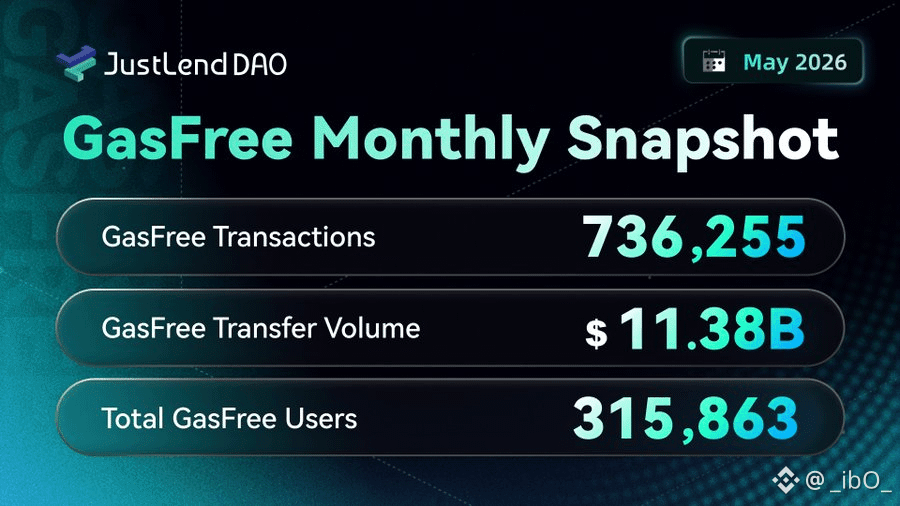
With more than 736,000 GasFree transactions, 315,000+ users, and over $11B in transfer volume, it's clear that removing friction is one of the fastest ways to drive adoption.
This is another example of TRON focusing on real-world usability, making stablecoin payments easier for everyone. 🔻
Try it by yourself: https://gasfree.io/
@DeFi_JUST
#TGF #TRONGlobalFriends @JustinSun
One of the biggest barriers to onboarding new crypto users has always been...
"Why do I need to buy another token just to pay gas fees?"
That's exactly the problem #GasFree is solving on #TRON .
With GasFree, users can transfer USDT and other supported tokens without holding TRX.
Instead of paying for gas with the native token, a Service Provider submits the transaction and covers the network fee on the user's behalf. Any service fee can then be settled directly in the token being transferred.
The result?
✅ No need to buy TRX to make a transfer
✅ A smoother onboarding experience for new users
✅ Better support for everyday payments and small transactions
The best part is that this doesn't require modifying existing token contracts.
GasFree works as an additional protocol layer that coordinates wallets, service providers, and dedicated GasFree accounts to make blockchain transactions feel as simple as using a traditional payment app.
• No gas management.
• No extra steps.
• Just send your USDT.
With more than 736,000 GasFree transactions, 315,000+ users, and over $11B in transfer volume, it's clear that removing friction is one of the fastest ways to drive adoption.
This is another example of TRON focusing on real-world usability, making stablecoin payments easier for everyone. 🔻
Try it by yourself: https://gasfree.io/
@JUST DAO
#TGF #TRONGlobalFriends @Justin Sun孙宇晨
1
207

·
--
🎉 JUST DAO Celebrates 6 Years of Innovation with the Ultimate GasFree Super Carnival on TRON! 🔥
From May 25–31, users can move USDT on TRON with ZERO gas fees while competing for rewards from a massive 10,000 USDT prize pool. ⚡
Here’s what’s happening:
💰 Get up to 66 USDT reimbursement per address
🎁 Hit special transfer amounts like 6, 66, 166, 666, or even 6666 to unlock instant 20 USDT Lucky Drops
🆕 New users can discover hidden bonus rewards during the event
📈 Create your GasFree wallet, transfer from exchanges, climb the leaderboard, and enjoy a smoother DeFi experience without worrying about TRX gas fees
This campaign highlights how far the TRON ecosystem has come — making crypto transfers faster, cheaper, and easier for everyday users around the world. 🌍
Six years in, JUST DAO keeps pushing innovation forward with real utility and user-focused experiences.
Who’s joining the carnival?
#GasFree #TRONEcoStar
@DeFi_JUST @JustinSun
🎉 JUST DAO Celebrates 6 Years of Innovation with the Ultimate GasFree Super Carnival on TRON! 🔥
From May 25–31, users can move USDT on TRON with ZERO gas fees while competing for rewards from a massive 10,000 USDT prize pool. ⚡
Here’s what’s happening:
💰 Get up to 66 USDT reimbursement per address
🎁 Hit special transfer amounts like 6, 66, 166, 666, or even 6666 to unlock instant 20 USDT Lucky Drops
🆕 New users can discover hidden bonus rewards during the event
📈 Create your GasFree wallet, transfer from exchanges, climb the leaderboard, and enjoy a smoother DeFi experience without worrying about TRX gas fees
This campaign highlights how far the TRON ecosystem has come — making crypto transfers faster, cheaper, and easier for everyday users around the world. 🌍
Six years in, JUST DAO keeps pushing innovation forward with real utility and user-focused experiences.
Who’s joining the carnival?
#GasFree #TRONEcoStar
@JUST DAO @Justin Sun孙宇晨
26
·
--
🚀 The era of gas fees holding us back is ending
As GasFree features expand across chains, the real competition begins — not hype, not empty narratives, but better user experience, faster execution, and seamless on-chain products.
The focus is shifting to what truly matters:
Who can onboard users effortlessly?
Who can make DeFi feel simple?
Who can deliver the smoothest experience at scale? ⚡
GasFree is changing expectations for everyday users, traders, and builders alike.
Join the conversation tonight at 8 PM UTC in the Twitter Space with @DeFi_JUST & @if1ynne 🎙️
Who’s building the future where fees no longer matter?
#GasFree #TRONEcoStar
@JustinSun
@DeFi_JUST
🚀 The era of gas fees holding us back is ending
As GasFree features expand across chains, the real competition begins — not hype, not empty narratives, but better user experience, faster execution, and seamless on-chain products.
The focus is shifting to what truly matters:
Who can onboard users effortlessly?
Who can make DeFi feel simple?
Who can deliver the smoothest experience at scale? ⚡
GasFree is changing expectations for everyday users, traders, and builders alike.
Join the conversation tonight at 8 PM UTC in the Twitter Space with @JUST DAO & @if1ynne 🎙️
Who’s building the future where fees no longer matter?
#GasFree #TRONEcoStar
@Justin Sun孙宇晨
@JUST DAO
83

The @trondao gas-free stablecoin transfer feature is revolutionary. Imagine sending USDT without paying any gas fee at all. That is what is being tested on TRON. This removes the last barrier to mainstream adoption. When sending money costs nothing, there is no reason not to use blockchain. The traditional remittance industry charges 7-10 percent. TRON makes it free. This is not incremental improvement. This is disruption. @trondao @justinsun @tether_to #GasFree #Stablecoins #Remittances
The @trondao gas-free stablecoin transfer feature is revolutionary. Imagine sending USDT without paying any gas fee at all. That is what is being tested on TRON. This removes the last barrier to mainstream adoption. When sending money costs nothing, there is no reason not to use blockchain. The traditional remittance industry charges 7-10 percent. TRON makes it free. This is not incremental improvement. This is disruption. @trondao @justinsun @tether_to #GasFree #Stablecoins #Remittances
40

𝗪𝗵𝗮𝘁 𝗜𝗳 𝗦𝗲𝗻𝗱𝗶𝗻𝗴 𝗨𝗦𝗗𝗧 𝗗𝗶𝗱𝗻’𝘁 𝗥𝗲𝗾𝘂𝗶𝗿𝗲 𝗬𝗼𝘂 𝗧𝗼 𝗧𝗵𝗶𝗻𝗸 𝗔𝗯𝗼𝘂𝘁 𝗚𝗮𝘀?
One of the easiest ways to confuse a new crypto user is to tell them:
“You have USDT, but you still need another token to send it.”
That extra step can turn a simple transaction into a frustrating experience.
#GasFree is built around removing that friction on #TRON.
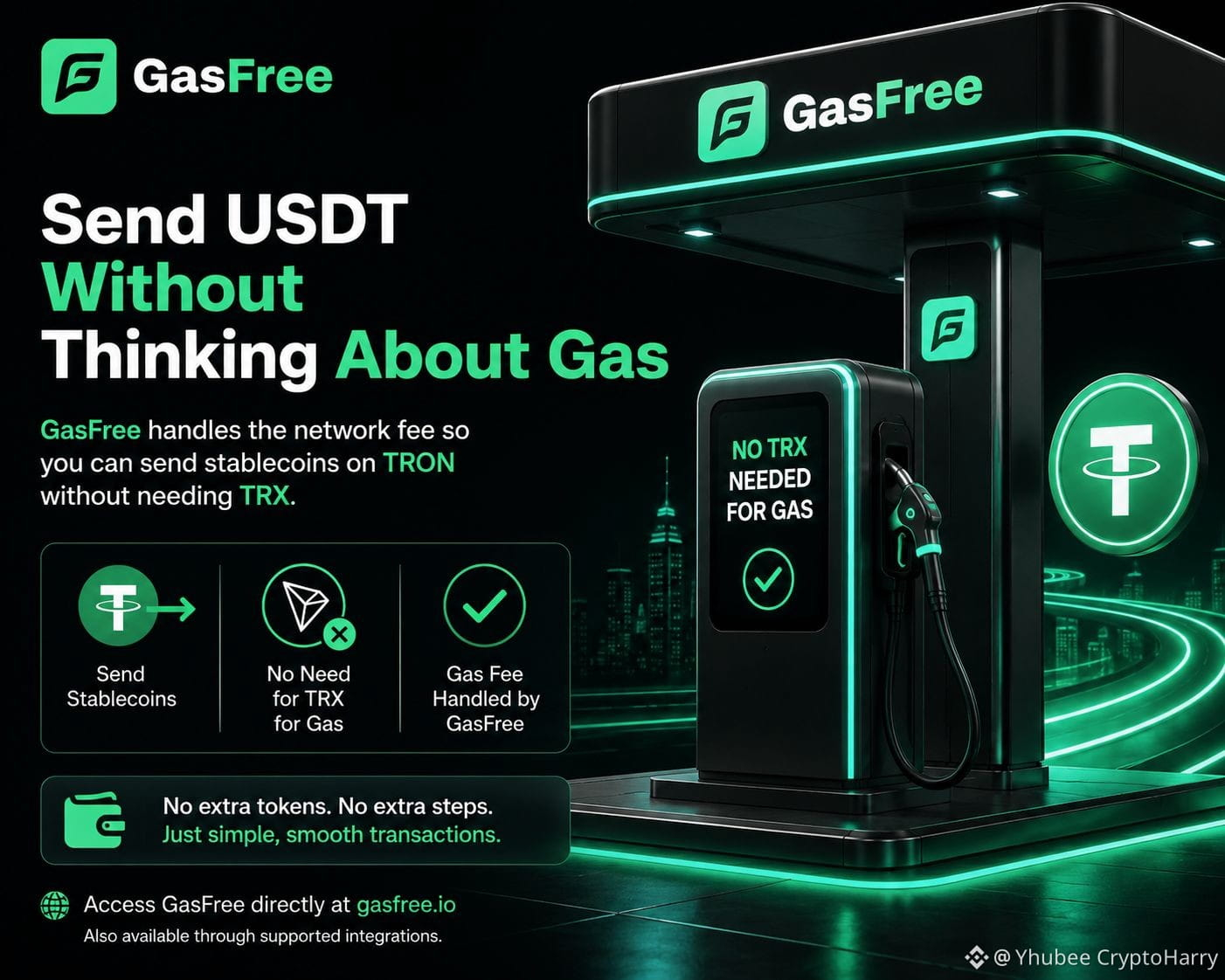
Instead of keeping TRX in your wallet specifically to cover gas when sending stablecoins, GasFree handles the network fee through its system.
The basic experience becomes much simpler:
𝗦𝗲𝗻𝗱 𝘀𝘁𝗮𝗯𝗹𝗲𝗰𝗼𝗶𝗻𝘀 → 𝗚𝗮𝘀𝗙𝗿𝗲𝗲 𝗵𝗮𝗻𝗱𝗹𝗲𝘀 𝘁𝗵𝗲 𝗴𝗮𝘀 → 𝘆𝗼𝘂𝗿 𝘁𝗿𝗮𝗻𝘀𝗮𝗰𝘁𝗶𝗼𝗻 𝗴𝗼𝗲𝘀 𝘁𝗵𝗿𝗼𝘂𝗴𝗵 𝘄𝗶𝘁𝗵𝗼𝘂𝘁 𝗻𝗲𝗲𝗱𝗶𝗻𝗴 𝗧𝗥𝗫 𝘀𝗽𝗲𝗰𝗶𝗳𝗶𝗰𝗮𝗹𝗹𝘆 𝗳𝗼𝗿 𝘁𝗵𝗲 𝗳𝗲𝗲.
You can access GasFree directly through gasfree.io, alongside the third party integrations already supporting the service.
And this is where I think the idea gets interesting.
Blockchain adoption doesn't always need another complicated feature.
Sometimes, it needs fewer things for the user to worry about.
✅ No checking your TRX balance before a USDT transfer.
✅ No stopping halfway through because you forgot to keep TRX for gas.
✅ Just a more straightforward way to move stablecoins.
That kind of simplicity can matter, especially for people who are still getting comfortable with Web3.
GasFree is essentially turning one of those small barriers into something users don't have to think about.
@DeFi_JUST
@JustinSun
@TRONDAO
#USDT #TRONEcoStar
𝗪𝗵𝗮𝘁 𝗜𝗳 𝗦𝗲𝗻𝗱𝗶𝗻𝗴 𝗨𝗦𝗗𝗧 𝗗𝗶𝗱𝗻’𝘁 𝗥𝗲𝗾𝘂𝗶𝗿𝗲 𝗬𝗼𝘂 𝗧𝗼 𝗧𝗵𝗶𝗻𝗸 𝗔𝗯𝗼𝘂𝘁 𝗚𝗮𝘀?
One of the easiest ways to confuse a new crypto user is to tell them:
“You have USDT, but you still need another token to send it.”
That extra step can turn a simple transaction into a frustrating experience.
#GasFree is built around removing that friction on #TRON.
Instead of keeping TRX in your wallet specifically to cover gas when sending stablecoins, GasFree handles the network fee through its system.
The basic experience becomes much simpler:
𝗦𝗲𝗻𝗱 𝘀𝘁𝗮𝗯𝗹𝗲𝗰𝗼𝗶𝗻𝘀 → 𝗚𝗮𝘀𝗙𝗿𝗲𝗲 𝗵𝗮𝗻𝗱𝗹𝗲𝘀 𝘁𝗵𝗲 𝗴𝗮𝘀 → 𝘆𝗼𝘂𝗿 𝘁𝗿𝗮𝗻𝘀𝗮𝗰𝘁𝗶𝗼𝗻 𝗴𝗼𝗲𝘀 𝘁𝗵𝗿𝗼𝘂𝗴𝗵 𝘄𝗶𝘁𝗵𝗼𝘂𝘁 𝗻𝗲𝗲𝗱𝗶𝗻𝗴 𝗧𝗥𝗫 𝘀𝗽𝗲𝗰𝗶𝗳𝗶𝗰𝗮𝗹𝗹𝘆 𝗳𝗼𝗿 𝘁𝗵𝗲 𝗳𝗲𝗲.
You can access GasFree directly through gasfree.io, alongside the third party integrations already supporting the service.
And this is where I think the idea gets interesting.
Blockchain adoption doesn't always need another complicated feature.
Sometimes, it needs fewer things for the user to worry about.
✅ No checking your TRX balance before a USDT transfer.
✅ No stopping halfway through because you forgot to keep TRX for gas.
✅ Just a more straightforward way to move stablecoins.
That kind of simplicity can matter, especially for people who are still getting comfortable with Web3.
GasFree is essentially turning one of those small barriers into something users don't have to think about.
@JUST DAO
@Justin Sun孙宇晨
@TRON DAO
#USDT #TRONEcoStar
91

·
--
A MONTHLY TOTAL WITH A DAILY RHYTHM ⚡
GasFree reported 862,952 transactions during September 2026.
Across a 30-day month, that works out to approximately 28,765 transactions per day.
This calculated average offers another way to understand the scale of the service: thousands of transfer actions passing through a workflow designed to reduce gas preparation.
It does not show how evenly activity was distributed. Busy days, quieter periods, and campaign effects can all sit inside the same monthly total.
For product teams, the daily pattern would help answer practical questions:
• When do users need the service most?
• Does the transfer experience remain consistent during busy periods?
• Which steps generate repeated support questions?
The monthly figure establishes scale. Looking at the rhythm underneath it can help explain the operational demands of serving that activity.
For GasFree, making transfers simpler means delivering that experience repeatedly, across the ordinary moments when users need to move funds.
@DeFi_JUST @JustinSun #TRONEcoStar #GasFree
A MONTHLY TOTAL WITH A DAILY RHYTHM ⚡
GasFree reported 862,952 transactions during September 2026.
Across a 30-day month, that works out to approximately 28,765 transactions per day.
This calculated average offers another way to understand the scale of the service: thousands of transfer actions passing through a workflow designed to reduce gas preparation.
It does not show how evenly activity was distributed. Busy days, quieter periods, and campaign effects can all sit inside the same monthly total.
For product teams, the daily pattern would help answer practical questions:
• When do users need the service most?
• Does the transfer experience remain consistent during busy periods?
• Which steps generate repeated support questions?
The monthly figure establishes scale. Looking at the rhythm underneath it can help explain the operational demands of serving that activity.
For GasFree, making transfers simpler means delivering that experience repeatedly, across the ordinary moments when users need to move funds.
@JUST DAO @Justin Sun孙宇晨 #TRONEcoStar #GasFree
36
·
--
Simpler transfers, measurable real activity ⚡
GasFree’s September 2026 snapshot shows that in that month there were 862,952 completed transactions, with the transfer volume reaching $14.87 billion.
These figures provide a concrete sense of scale for a straightforward product idea: reducing the amount of preparation users need to do before sending assets on Tron.
For users, the improvement in experience happens before a transaction is even confirmed. There’s no need to separately prepare a native Gas token balance, which helps remove an extra hurdle in the transfer process.
This is especially meaningful for people who already hold the target assets and just want to make a payment.
The number of transactions in September reflects how many times the service was used during the month; the transfer volume adds the dimension of value scale.
Together, the two connect the product goals with the real activity recorded.
Further worth looking into is the experience behind the transactions: whether users can complete transfers smoothly, and whether they use the service again.
The value of infrastructure is reflected in the actions people are able to take. The GasFree monthly report provides a measurable window into these operations.
@JustinSun @DeFi_JUST #TRONEcoStar #GasFree
Simpler transfers, measurable real activity ⚡
GasFree’s September 2026 snapshot shows that in that month there were 862,952 completed transactions, with the transfer volume reaching $14.87 billion.
These figures provide a concrete sense of scale for a straightforward product idea: reducing the amount of preparation users need to do before sending assets on Tron.
For users, the improvement in experience happens before a transaction is even confirmed. There’s no need to separately prepare a native Gas token balance, which helps remove an extra hurdle in the transfer process.
This is especially meaningful for people who already hold the target assets and just want to make a payment.
The number of transactions in September reflects how many times the service was used during the month; the transfer volume adds the dimension of value scale.
Together, the two connect the product goals with the real activity recorded.
Further worth looking into is the experience behind the transactions: whether users can complete transfers smoothly, and whether they use the service again.
The value of infrastructure is reflected in the actions people are able to take. The GasFree monthly report provides a measurable window into these operations.
@Justin Sun孙宇晨 @JUST DAO #TRONEcoStar #GasFree
21
·
--
🚀 Want Zero-Gas USDT Transfers on TRON with Up to 60% Fee Savings? Here’s How to Activate GasFree on TronLink in Minutes
Getting started is simple:
1️⃣ Open your TronLink Wallet
2️⃣ Navigate to the GasFree section
3️⃣ Copy your dedicated GasFree address
4️⃣ Send USDT from your main wallet to that address
That’s it — you can now enjoy smoother USDT transfers without needing TRX for gas fees. ⚡
And there’s more
By participating, you’re automatically joining the JUST DAO 6th Anniversary GasFree Carnival running from May 25–31! 🎉
Event perks include:
💰 10,000 USDT prize pool
🎁 Transfer fee reimbursements
🎊 Lucky drop rewards for participants
TRON and JUST DAO are making DeFi more accessible, cheaper, and easier for users worldwide.
Don’t miss out
#JUST #GasFree #TRONEcoStar
@JustinSun @DeFi_JUST
🚀 Want Zero-Gas USDT Transfers on TRON with Up to 60% Fee Savings? Here’s How to Activate GasFree on TronLink in Minutes
Getting started is simple:
1️⃣ Open your TronLink Wallet
2️⃣ Navigate to the GasFree section
3️⃣ Copy your dedicated GasFree address
4️⃣ Send USDT from your main wallet to that address
That’s it — you can now enjoy smoother USDT transfers without needing TRX for gas fees. ⚡
And there’s more
By participating, you’re automatically joining the JUST DAO 6th Anniversary GasFree Carnival running from May 25–31! 🎉
Event perks include:
💰 10,000 USDT prize pool
🎁 Transfer fee reimbursements
🎊 Lucky drop rewards for participants
TRON and JUST DAO are making DeFi more accessible, cheaper, and easier for users worldwide.
Don’t miss out
#JUST #GasFree #TRONEcoStar
@Justin Sun孙宇晨 @JUST DAO
37
·
--
🚀 GasFree is here and it’s changing DeFi forever
Transfer USDT (and more) on TRON with ZERO gas fees while staying fully decentralized and completely in control of your funds. No hidden custodians. No complicated steps. Just seamless on-chain transfers made simple.
📊 The numbers already speak for themselves:
💰 $85B+ transferred through GasFree
💸 $5.96M+ in transaction fees saved for users
Built by JUST DAO. Trusted by thousands across the TRON ecosystem.
This is what the future of DeFi should look like:
⚡ Faster transactions
💵 Lower costs
🔒 Full self-custody
🌍 Accessible finance for everyone
For years, gas fees have been one of the biggest pain points in crypto. GasFree flips that experience entirely — making transfers smoother, cheaper, and more user-friendly without sacrificing decentralization. 🔥
Who else is tired of paying gas fees every time they move assets?
#GasFree #TRONEcoStar @JustinSun @DeFi_JUST
🚀 GasFree is here and it’s changing DeFi forever
Transfer USDT (and more) on TRON with ZERO gas fees while staying fully decentralized and completely in control of your funds. No hidden custodians. No complicated steps. Just seamless on-chain transfers made simple.
📊 The numbers already speak for themselves:
💰 $85B+ transferred through GasFree
💸 $5.96M+ in transaction fees saved for users
Built by JUST DAO. Trusted by thousands across the TRON ecosystem.
This is what the future of DeFi should look like:
⚡ Faster transactions
💵 Lower costs
🔒 Full self-custody
🌍 Accessible finance for everyone
For years, gas fees have been one of the biggest pain points in crypto. GasFree flips that experience entirely — making transfers smoother, cheaper, and more user-friendly without sacrificing decentralization. 🔥
Who else is tired of paying gas fees every time they move assets?
#GasFree #TRONEcoStar @Justin Sun孙宇晨 @JUST DAO
21
·
--
SIMPLER TRANSFERS, MEASURABLE ACTIVITY ⚡
GasFree’s September 2026 snapshot reports 862,952 transactions and $14.87B in transfer volume.
Those figures put a concrete scale behind a straightforward product idea: reduce the preparation required before sending assets on TRON.
For users, the improvement happens before confirmation. Removing the need to separately prepare a native gas-token balance can eliminate an interruption in the transfer process.
That is particularly relevant when someone already holds the asset they want to send and simply needs to complete the payment.
September’s transaction count shows how frequently the service was used during the month. Transfer volume adds the value dimension.
Together, they help connect the product’s stated purpose with recorded activity.
The next layer of understanding is the experience behind those transactions: how smoothly users complete transfers and whether they return.
Infrastructure becomes useful through actions people can complete. GasFree’s monthly report provides a measurable view of those actions.
@JustinSun @DeFi_JUST #TRONEcoStar #GasFree
SIMPLER TRANSFERS, MEASURABLE ACTIVITY ⚡
GasFree’s September 2026 snapshot reports 862,952 transactions and $14.87B in transfer volume.
Those figures put a concrete scale behind a straightforward product idea: reduce the preparation required before sending assets on TRON.
For users, the improvement happens before confirmation. Removing the need to separately prepare a native gas-token balance can eliminate an interruption in the transfer process.
That is particularly relevant when someone already holds the asset they want to send and simply needs to complete the payment.
September’s transaction count shows how frequently the service was used during the month. Transfer volume adds the value dimension.
Together, they help connect the product’s stated purpose with recorded activity.
The next layer of understanding is the experience behind those transactions: how smoothly users complete transfers and whether they return.
Infrastructure becomes useful through actions people can complete. GasFree’s monthly report provides a measurable view of those actions.
@Justin Sun孙宇晨 @JUST DAO #TRONEcoStar #GasFree
10
·
--
✨ Say goodbye to TRX gas fees forever✨
GasFree by JUST is here — bringing truly decentralized, 100% user-controlled transfers to TRON.
Now you can pay transaction fees directly in the token you’re sending — with costs up to 60% cheaper than traditional transfers. No more juggling native tokens or worrying about keeping TRX in your wallet just to move assets.
📊 The adoption is already massive:
💰 $85B+ in transaction volume
💸 $5.96M+ in fees already saved by users
This is the kind of real-world utility DeFi was meant to deliver: simpler UX, lower costs, and greater accessibility for everyone on-chain.
And the timing couldn’t be better — it’s the 6th Anniversary GasFree Carnival! 🎉
Join the celebration, explore the platform, and don’t miss the rewards and community events happening around the ecosystem.
🔗 gasfree.io
#GasFree #JUST #TRONEcoStar
@JustinSun @DeFi_JUST
✨ Say goodbye to TRX gas fees forever✨
GasFree by JUST is here — bringing truly decentralized, 100% user-controlled transfers to TRON.
Now you can pay transaction fees directly in the token you’re sending — with costs up to 60% cheaper than traditional transfers. No more juggling native tokens or worrying about keeping TRX in your wallet just to move assets.
📊 The adoption is already massive:
💰 $85B+ in transaction volume
💸 $5.96M+ in fees already saved by users
This is the kind of real-world utility DeFi was meant to deliver: simpler UX, lower costs, and greater accessibility for everyone on-chain.
And the timing couldn’t be better — it’s the 6th Anniversary GasFree Carnival! 🎉
Join the celebration, explore the platform, and don’t miss the rewards and community events happening around the ecosystem.
🔗 gasfree.io
#GasFree #JUST #TRONEcoStar
@Justin Sun孙宇晨 @JUST DAO
36
·
--
🔥 JUST DAO 6th Anniversary Finale: GasFree Super Carnival Lucky Drop Final Round
The last chapter of the GasFree Super Carnival has kicked off.
After weeks of anniversary celebrations on TRON, JUST DAO is offering one last chance for a Lucky Drop.
🎯 Event Details
This is the final opportunity to participate in the GasFree Lucky Drop:
• JUST DAO celebrates its 6-week anniversary on the TRON ecosystem
• Experience 0 Gas fee transfers with GasFree
• Total prize pool: 10,000 USDT
⏰ Final Round Timing
May 28, 2026, 18:00 – May 29, 18:00 (SGT)
Part of the anniversary celebration period from May 25 to May 31.
💰 User Rewards
• Up to 100% fee rebate (based on leaderboard)
• Up to 66 USDT per address
• Extra hidden rewards for new users
🎲 Lucky Drop Mechanism
Transfer USDT through GasFree for a chance to hit the following “lucky spots”:
6 / 66 / 166 / 666 / 1666 / 2666 / 3666 / 4666 / 5666 / 6666
👉 The same address can win multiple times
⚙️ How to Participate
• Use a supported wallet
• Create or log into your GasFree address
• Deposit USDT (best to transfer directly from an exchange)
• The system will automatically enter you into the event
📈 Quick Tip
The more transfers you make, the higher your leaderboard rank, and the greater your chance for rewards.
📌 Participation Link
https://just.network
Or check the pinned tutorial at @DeFi_JUST
🍀 Final Reminder: This is the last round of the 6th anniversary celebration.
🔥 Will you join the final wave, or just be a bystander?
#JUST #GasFree #TRONEcoStar
@DeFi_JUST @JustinSun
🔥 JUST DAO 6th Anniversary Finale: GasFree Super Carnival Lucky Drop Final Round
The last chapter of the GasFree Super Carnival has kicked off.
After weeks of anniversary celebrations on TRON, JUST DAO is offering one last chance for a Lucky Drop.
🎯 Event Details
This is the final opportunity to participate in the GasFree Lucky Drop:
• JUST DAO celebrates its 6-week anniversary on the TRON ecosystem
• Experience 0 Gas fee transfers with GasFree
• Total prize pool: 10,000 USDT
⏰ Final Round Timing
May 28, 2026, 18:00 – May 29, 18:00 (SGT)
Part of the anniversary celebration period from May 25 to May 31.
💰 User Rewards
• Up to 100% fee rebate (based on leaderboard)
• Up to 66 USDT per address
• Extra hidden rewards for new users
🎲 Lucky Drop Mechanism
Transfer USDT through GasFree for a chance to hit the following “lucky spots”:
6 / 66 / 166 / 666 / 1666 / 2666 / 3666 / 4666 / 5666 / 6666
👉 The same address can win multiple times
⚙️ How to Participate
• Use a supported wallet
• Create or log into your GasFree address
• Deposit USDT (best to transfer directly from an exchange)
• The system will automatically enter you into the event
📈 Quick Tip
The more transfers you make, the higher your leaderboard rank, and the greater your chance for rewards.
📌 Participation Link
https://just.network
Or check the pinned tutorial at @JUST DAO
🍀 Final Reminder: This is the last round of the 6th anniversary celebration.
🔥 Will you join the final wave, or just be a bystander?
#JUST #GasFree #TRONEcoStar
@JUST DAO @Justin Sun孙宇晨
65

·
--
Alpha drop: While no one's talking about it, @crypto's retention fix is quietly revolutionizing onboarding.
Charts show 80%+ dropoff after first failed txns hunting TRX just to move USDT? That's the killer.
But #GasFree on TRON strips out gas entirely, delivering seamless transfers that hook users for life, not chase them away.
Under the radar, but this builds real ecosystem stickiness. Long $TRX before the masses wake up TRON's leading the charge to onboard billions, one frictionless swap at a time.
5
·
--
Three metrics, answer three different questions 📊
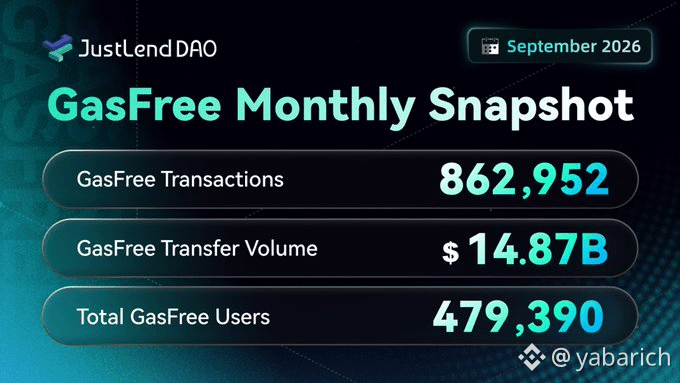
GasFree’s September report summarizes:
• 862,952 transactions.
• $14.87 billion in transfer volume.
• 479,390 total users.
Each number describes a different aspect of the service.
The number of transactions measures the count of actions recorded; the transfer volume measures the value flowing through; and the total user count describes the user base included in the report.
The reporting period is equally important. September activity data and total user count cannot be treated as the same batch of monthly users.
For example, dividing the September transaction count by the total users cannot reveal the true average transaction frequency of active monthly users.
A more complete view of adoption can be gained by looking further into monthly active users, repeat participants, and the distribution of transfer amounts.
The existing snapshots already provide useful scale information. Clear metric definitions can improve their usefulness as references and also establish a stronger foundation for comparing future reports.
A credible ecosystem analysis starts with understanding what each number actually measures.
@DeFi_JUST @JustinSun #TRONEcoStar #GasFree
Three metrics, answer three different questions 📊
GasFree’s September report summarizes:
• 862,952 transactions.
• $14.87 billion in transfer volume.
• 479,390 total users.
Each number describes a different aspect of the service.
The number of transactions measures the count of actions recorded; the transfer volume measures the value flowing through; and the total user count describes the user base included in the report.
The reporting period is equally important. September activity data and total user count cannot be treated as the same batch of monthly users.
For example, dividing the September transaction count by the total users cannot reveal the true average transaction frequency of active monthly users.
A more complete view of adoption can be gained by looking further into monthly active users, repeat participants, and the distribution of transfer amounts.
The existing snapshots already provide useful scale information. Clear metric definitions can improve their usefulness as references and also establish a stronger foundation for comparing future reports.
A credible ecosystem analysis starts with understanding what each number actually measures.
@JUST DAO @Justin Sun孙宇晨 #TRONEcoStar #GasFree
27
Log in to explore more content
Join global crypto users on Binance Square
⚡️ Get latest and useful information about crypto.
💬 Trusted by the world’s largest crypto exchange.
👍 Discover real insights from verified creators.
Email / Phone number
Trending Topics
1
#CPITestsDecemberRateOutlook
733,970 views
3,530 Discussing
2
#NvidiaInvestigatesAfterHuang’sAffairApology
291,881 views
2,281 Discussing
3
#AnthropicRejectsIPODelayValuationinQuestion
78,363 views
735 Discussing
4
#US-IranTalksFuelStrongStockMarketRebound
20,371 views
237 Discussing
5
#BitcoinFiveWeeklyLosses
315,923 views
2,594 Discussing
6
#AIChipSlumpNasdaq
179,170 views
1,571 Discussing
7
#BitcoinSpotETFsPost$201MNetOutflowForThirdStraightDay
259 views
4 Discussing
8
#CryptoLiquidationsReach$1.16BIn24Hours
31,741 views
63 Discussing
9
#TetherFreezes5EthereumAddressesHoldingAbout24.35MUSDT
147 views
3 Discussing
10
#StrategyBuys1037BTCLastWeek
10,028 views
117 Discussing