
Caesar jn
184 Posts

Caesar jn
Report
Block User
Crypto educator and investor, influencer and KOL manager. DM for collaboration
47 Following
15 Followers
30 Liked
Posts
All
Live
·
--
In DeFi, understanding execution is just as important as choosing the right trade.
Price impact and slippage tolerance are two different factors that every trader should understand before swapping.
Price impact reflects how your trade size affects the available liquidity and execution price.
Slippage tolerance defines how much additional price movement you are willing to accept before a swap is rejected.
The critical distinction? Increasing slippage tolerance does not improve liquidity or reduce price impact. It simply gives the transaction more room to execute under changing market conditions.
This is why experienced traders look beyond the quoted price. They examine liquidity, trade size, price impact, and execution risk before confirming a swap.
Better DeFi decisions begin with understanding what happens behind the swap button.
@SunPump_meme @JustinSun #TRONEcoStar
In DeFi, understanding execution is just as important as choosing the right trade.
Price impact and slippage tolerance are two different factors that every trader should understand before swapping.
Price impact reflects how your trade size affects the available liquidity and execution price.
Slippage tolerance defines how much additional price movement you are willing to accept before a swap is rejected.
The critical distinction? Increasing slippage tolerance does not improve liquidity or reduce price impact. It simply gives the transaction more room to execute under changing market conditions.
This is why experienced traders look beyond the quoted price. They examine liquidity, trade size, price impact, and execution risk before confirming a swap.
Better DeFi decisions begin with understanding what happens behind the swap button.
@OfficialSUNio @Justin Sun孙宇晨 #TRONEcoStar

3
·
--
A smart contract can execute its logic on-chain, but many applications need information that exists beyond the blockchain. Without dependable data, even well-designed applications can struggle to respond to changing conditions in the real world.
The visual presents a simple relationship:
Accurate Data → Smarter Applications
For Web3 builders, data isn’t just another input. It can determine how an application reacts to prices, events, market conditions and other changing information.
That is where oracle infrastructure becomes important.
𝗥𝗲𝗹𝗶𝗮𝗯𝗹𝗲
Applications need dependable information when their logic depends on external data. Reliable data infrastructure helps create a stronger foundation for applications that need to make decisions based on information outside their own blockchain state.
𝗥𝗲𝗮𝗹-𝗧𝗶𝗺𝗲
The world doesn’t remain static. Prices change, events happen and conditions evolve continuously. Applications that depend on external information therefore benefit from data that can be delivered in a timely manner.
𝗢𝗻-𝗖𝗵𝗮𝗶𝗻
The key is connecting external information with blockchain-based applications in a way that allows smart contracts and decentralized systems to work with that data.
The laptop shown in the image highlights several examples of information that applications may need, including:
Price Data
Sports Data
Weather Data
And More
This illustrates how broad the data layer can become.
A DeFi application may need market information. Another decentralized application may require event-related data. Different use cases can require completely different external inputs.
The important point is that smart applications are only as useful as the information they can reliably work with.
𝗪𝗜𝗡𝗸𝗟𝗶𝗻𝗸 is positioned around this critical connection between external data and blockchain applications.
For developers, that means the conversation isn’t only about building smarter contracts.
@WINkLink_Official @JustinSun #TRONEcoStar
A smart contract can execute its logic on-chain, but many applications need information that exists beyond the blockchain. Without dependable data, even well-designed applications can struggle to respond to changing conditions in the real world.
The visual presents a simple relationship:
Accurate Data → Smarter Applications
For Web3 builders, data isn’t just another input. It can determine how an application reacts to prices, events, market conditions and other changing information.
That is where oracle infrastructure becomes important.
𝗥𝗲𝗹𝗶𝗮𝗯𝗹𝗲
Applications need dependable information when their logic depends on external data. Reliable data infrastructure helps create a stronger foundation for applications that need to make decisions based on information outside their own blockchain state.
𝗥𝗲𝗮𝗹-𝗧𝗶𝗺𝗲
The world doesn’t remain static. Prices change, events happen and conditions evolve continuously. Applications that depend on external information therefore benefit from data that can be delivered in a timely manner.
𝗢𝗻-𝗖𝗵𝗮𝗶𝗻
The key is connecting external information with blockchain-based applications in a way that allows smart contracts and decentralized systems to work with that data.
The laptop shown in the image highlights several examples of information that applications may need, including:
Price Data
Sports Data
Weather Data
And More
This illustrates how broad the data layer can become.
A DeFi application may need market information. Another decentralized application may require event-related data. Different use cases can require completely different external inputs.
The important point is that smart applications are only as useful as the information they can reliably work with.
𝗪𝗜𝗡𝗸𝗟𝗶𝗻𝗸 is positioned around this critical connection between external data and blockchain applications.
For developers, that means the conversation isn’t only about building smarter contracts.
@WINkLink_Official @Justin Sun孙宇晨 #TRONEcoStar
35
·
--
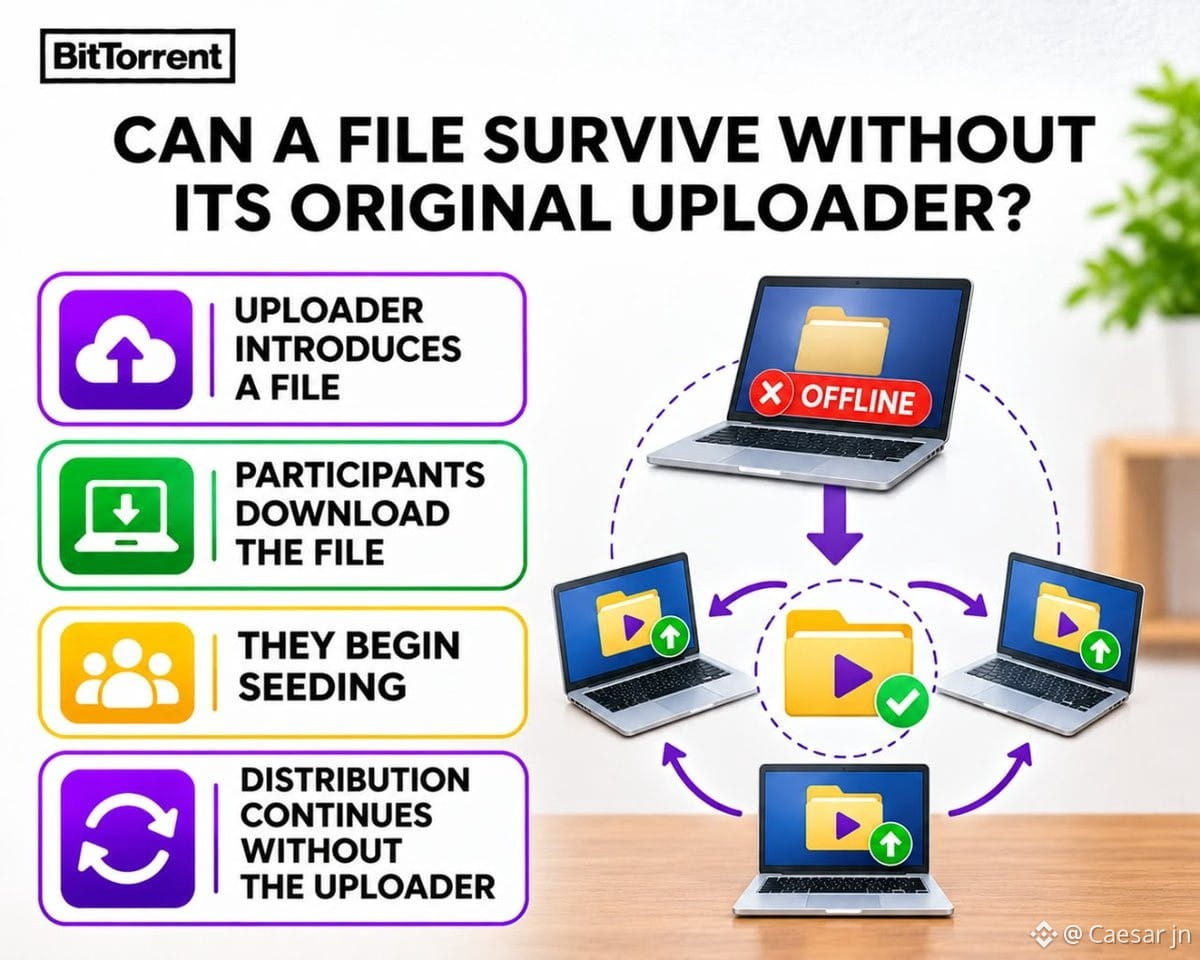
𝗖𝗔𝗡 𝗔 𝗙𝗜𝗟𝗘 𝗦𝗨𝗥𝗩𝗜𝗩𝗘 𝗪𝗜𝗧𝗛𝗢𝗨𝗧 𝗜𝗧𝗦 𝗢𝗥𝗜𝗚𝗜𝗡𝗔𝗟 𝗨𝗣𝗟𝗢𝗔𝗗𝗘𝗥?
Here's an interesting feature of peer-to-peer file distribution.
The person who originally introduced a file to a BitTorrent swarm doesn't necessarily have to remain online for everyone else to keep sharing it.
Once other participants have downloaded the complete file, they can become seeders themselves.
This creates an important distinction between the original source and the participants who continue distributing the content.
For example:
➡️ An original uploader introduces a file into the swarm.
➡️ Several participants download the complete file.
➡️ Those participants begin seeding.
➡️ New downloaders can obtain the file from the available seeders.
➡️ The distribution process can continue without the original uploader being connected.
However, continued availability depends on at least one complete copy remaining accessible.
If every complete copy disappears, the swarm may no longer be able to provide the entire file.
This is one of the defining ideas behind BitTorrent.
Distribution can continue through participants who have already received the data, rather than depending permanently on the original uploader.
Explore BitTorrent: bittorrent.com
@BitTorrent_Official @JustinSun #TRONEcoStar
𝗖𝗔𝗡 𝗔 𝗙𝗜𝗟𝗘 𝗦𝗨𝗥𝗩𝗜𝗩𝗘 𝗪𝗜𝗧𝗛𝗢𝗨𝗧 𝗜𝗧𝗦 𝗢𝗥𝗜𝗚𝗜𝗡𝗔𝗟 𝗨𝗣𝗟𝗢𝗔𝗗𝗘𝗥?
Here's an interesting feature of peer-to-peer file distribution.
The person who originally introduced a file to a BitTorrent swarm doesn't necessarily have to remain online for everyone else to keep sharing it.
Once other participants have downloaded the complete file, they can become seeders themselves.
This creates an important distinction between the original source and the participants who continue distributing the content.
For example:
➡️ An original uploader introduces a file into the swarm.
➡️ Several participants download the complete file.
➡️ Those participants begin seeding.
➡️ New downloaders can obtain the file from the available seeders.
➡️ The distribution process can continue without the original uploader being connected.
However, continued availability depends on at least one complete copy remaining accessible.
If every complete copy disappears, the swarm may no longer be able to provide the entire file.
This is one of the defining ideas behind BitTorrent.
Distribution can continue through participants who have already received the data, rather than depending permanently on the original uploader.
Explore BitTorrent: bittorrent.com
@BitTorrent_Official @Justin Sun孙宇晨 #TRONEcoStar
4
·
--
𝐒𝐔𝐍 𝐀𝐈: 𝐁𝐫𝐢𝐧𝐠𝐢𝐧𝐠 𝐍𝐚𝐭𝐮𝐫𝐚𝐥 𝐋𝐚𝐧𝐠𝐮𝐚𝐠𝐞 𝐈𝐧𝐭𝐨 𝐃𝐞𝐜𝐞𝐧𝐭𝐫𝐚𝐥𝐢𝐳𝐞𝐝 𝐅𝐢𝐧𝐚𝐧𝐜𝐞
One of the biggest challenges in DeFi is the complexity of interacting with different blockchain tools.
Users often need to understand trading routes, token approvals, liquidity pools, transaction fees, and other technical processes before completing simple financial operations.
SUN AI is exploring a different approach.
By bringing AI-assisted interactions into the SUN.io ecosystem, users can communicate their intended DeFi actions through natural language.
For example, a user can request a token swap in straightforward terms rather than manually navigating every technical step.
The infrastructure is built around three important components:
SUN SKILLS: Purpose-built AI capabilities for interacting with the SUN ecosystem.
SUN CLI: A command-line interface that supports DeFi operations and automation.
SUN MCP Server: An integration layer that exposes SUN.io information and on-chain operations to compatible AI assistants.
This architecture creates opportunities for developers to build intelligent agents and automate parts of their DeFi workflows.
However, automation must never replace security awareness. Users should review transaction details, understand permissions, protect private keys, and confirm on-chain actions.
The intersection of AI and decentralized finance could make blockchain applications more accessible.
SUN AI is an interesting development in that direction.
@SunPump_meme @JustinSun #TRONEcoStar
𝐒𝐔𝐍 𝐀𝐈: 𝐁𝐫𝐢𝐧𝐠𝐢𝐧𝐠 𝐍𝐚𝐭𝐮𝐫𝐚𝐥 𝐋𝐚𝐧𝐠𝐮𝐚𝐠𝐞 𝐈𝐧𝐭𝐨 𝐃𝐞𝐜𝐞𝐧𝐭𝐫𝐚𝐥𝐢𝐳𝐞𝐝 𝐅𝐢𝐧𝐚𝐧𝐜𝐞
One of the biggest challenges in DeFi is the complexity of interacting with different blockchain tools.
Users often need to understand trading routes, token approvals, liquidity pools, transaction fees, and other technical processes before completing simple financial operations.
SUN AI is exploring a different approach.
By bringing AI-assisted interactions into the SUN.io ecosystem, users can communicate their intended DeFi actions through natural language.
For example, a user can request a token swap in straightforward terms rather than manually navigating every technical step.
The infrastructure is built around three important components:
SUN SKILLS: Purpose-built AI capabilities for interacting with the SUN ecosystem.
SUN CLI: A command-line interface that supports DeFi operations and automation.
SUN MCP Server: An integration layer that exposes SUN.io information and on-chain operations to compatible AI assistants.
This architecture creates opportunities for developers to build intelligent agents and automate parts of their DeFi workflows.
However, automation must never replace security awareness. Users should review transaction details, understand permissions, protect private keys, and confirm on-chain actions.
The intersection of AI and decentralized finance could make blockchain applications more accessible.
SUN AI is an interesting development in that direction.
@OfficialSUNio @Justin Sun孙宇晨 #TRONEcoStar

2
·
--
𝐒𝐔𝐍 𝐁𝐮𝐲𝐛𝐚𝐜𝐤 & 𝐁𝐮𝐫𝐧: 𝐀 𝐒𝐭𝐫𝐨𝐧𝐠𝐞𝐫 𝐂𝐨𝐧𝐧𝐞𝐜𝐭𝐢𝐨𝐧 𝐁𝐞𝐭𝐰𝐞𝐞𝐧 𝐑𝐞𝐯𝐞𝐧𝐮𝐞 𝐀𝐧𝐝 𝐓𝐨𝐤𝐞𝐧 𝐄𝐜𝐨𝐧𝐨𝐦𝐢𝐜𝐬
SUN.io continues to demonstrate how protocol activity can contribute to a structured token supply-reduction mechanism.
The completion of its 52nd SUN buyback-and-burn round marks another milestone in the project’s ongoing tokenomics strategy.
For the latest round, 7,232,977.17 SUN was purchased and permanently burned using a portion of protocol revenue generated between July 25 and October 25, 2026.
The cumulative figures are even more significant:
• Total SUN burned: 685,780,165.49.
• SunSwap V2 contribution: 388,023,868.41 SUN.
• SunPump contribution: 285,879,914.81 SUN.
• SunX contribution: 11,876,382.27 SUN.
These figures demonstrate how multiple products contribute to the same economic framework.
What makes this mechanism particularly interesting is its connection to actual platform activity. Rather than relying exclusively on announcements or predetermined token reductions, SUN.io incorporates revenue generated across its ecosystem into the buyback process.
Token burns alone do not guarantee price appreciation, but transparent and consistent supply management remains an important part of long-term tokenomics.
The next milestone is continued ecosystem activity and sustainable revenue generation.
@SunPump_meme @JustinSun #TRONEcoStar
𝐒𝐔𝐍 𝐁𝐮𝐲𝐛𝐚𝐜𝐤 & 𝐁𝐮𝐫𝐧: 𝐀 𝐒𝐭𝐫𝐨𝐧𝐠𝐞𝐫 𝐂𝐨𝐧𝐧𝐞𝐜𝐭𝐢𝐨𝐧 𝐁𝐞𝐭𝐰𝐞𝐞𝐧 𝐑𝐞𝐯𝐞𝐧𝐮𝐞 𝐀𝐧𝐝 𝐓𝐨𝐤𝐞𝐧 𝐄𝐜𝐨𝐧𝐨𝐦𝐢𝐜𝐬
SUN.io continues to demonstrate how protocol activity can contribute to a structured token supply-reduction mechanism.
The completion of its 52nd SUN buyback-and-burn round marks another milestone in the project’s ongoing tokenomics strategy.
For the latest round, 7,232,977.17 SUN was purchased and permanently burned using a portion of protocol revenue generated between July 25 and October 25, 2026.
The cumulative figures are even more significant:
• Total SUN burned: 685,780,165.49.
• SunSwap V2 contribution: 388,023,868.41 SUN.
• SunPump contribution: 285,879,914.81 SUN.
• SunX contribution: 11,876,382.27 SUN.
These figures demonstrate how multiple products contribute to the same economic framework.
What makes this mechanism particularly interesting is its connection to actual platform activity. Rather than relying exclusively on announcements or predetermined token reductions, SUN.io incorporates revenue generated across its ecosystem into the buyback process.
Token burns alone do not guarantee price appreciation, but transparent and consistent supply management remains an important part of long-term tokenomics.
The next milestone is continued ecosystem activity and sustainable revenue generation.
@OfficialSUNio @Justin Sun孙宇晨 #TRONEcoStar

4
·
--
𝐒𝐮𝐧𝐒𝐰𝐚𝐩 𝐒𝐦𝐚𝐫𝐭 𝐑𝐨𝐮𝐭𝐞𝐫: 𝐖𝐡𝐲 𝐒𝐦𝐚𝐫𝐭𝐞𝐫 𝐒𝐰𝐚𝐩 𝐑𝐨𝐮𝐭𝐢𝐧𝐠 𝐌𝐚𝐭𝐭𝐞𝐫𝐬
In decentralized trading, getting the best execution is not always about choosing the shortest transaction route.
Liquidity is distributed across different pools, trading pairs, and protocols. Consequently, a direct swap does not always provide the most favorable outcome.
This is where SunSwap’s Smart Router becomes particularly useful.
Instead of relying exclusively on a single liquidity pool, the router evaluates available liquidity and compares potential trading routes to identify a suitable execution path.
Sometimes, a transaction involving multiple intermediate steps can deliver a better quote than a direct swap.
This distinction is important for traders because the final execution price depends on several factors, including liquidity depth, trade size, price impact, and applicable fees.
A smarter routing system can help users navigate fragmented liquidity more efficiently.
For the wider TRON DeFi ecosystem, improved routing infrastructure can contribute to a better trading experience and more effective utilization of available liquidity.
The objective is not simply to execute swaps but to improve how assets move through decentralized markets.
Better routing is an important part of building more efficient on-chain trading infrastructure.
@SunPump_meme @JustinSun #TRONEcoStar
𝐒𝐮𝐧𝐒𝐰𝐚𝐩 𝐒𝐦𝐚𝐫𝐭 𝐑𝐨𝐮𝐭𝐞𝐫: 𝐖𝐡𝐲 𝐒𝐦𝐚𝐫𝐭𝐞𝐫 𝐒𝐰𝐚𝐩 𝐑𝐨𝐮𝐭𝐢𝐧𝐠 𝐌𝐚𝐭𝐭𝐞𝐫𝐬
In decentralized trading, getting the best execution is not always about choosing the shortest transaction route.
Liquidity is distributed across different pools, trading pairs, and protocols. Consequently, a direct swap does not always provide the most favorable outcome.
This is where SunSwap’s Smart Router becomes particularly useful.
Instead of relying exclusively on a single liquidity pool, the router evaluates available liquidity and compares potential trading routes to identify a suitable execution path.
Sometimes, a transaction involving multiple intermediate steps can deliver a better quote than a direct swap.
This distinction is important for traders because the final execution price depends on several factors, including liquidity depth, trade size, price impact, and applicable fees.
A smarter routing system can help users navigate fragmented liquidity more efficiently.
For the wider TRON DeFi ecosystem, improved routing infrastructure can contribute to a better trading experience and more effective utilization of available liquidity.
The objective is not simply to execute swaps but to improve how assets move through decentralized markets.
Better routing is an important part of building more efficient on-chain trading infrastructure.
@OfficialSUNio @Justin Sun孙宇晨 #TRONEcoStar

4
·
--
𝐏𝐫𝐢𝐜𝐞 𝐈𝐦𝐩𝐚𝐜𝐭 𝐕𝐬 𝐒𝐥𝐢𝐩𝐩𝐚𝐠𝐞: 𝐓𝐰𝐨 𝐓𝐫𝐚𝐝𝐢𝐧𝐠 𝐂𝐨𝐧𝐜𝐞𝐩𝐭𝐬 𝐄𝐯𝐞𝐫𝐲 𝐃𝐞𝐅𝐢 𝐔𝐬𝐞𝐫 𝐒𝐡𝐨𝐮𝐥𝐝 𝐔𝐧𝐝𝐞𝐫𝐬𝐭𝐚𝐧𝐝
Successful decentralized trading requires more than identifying a token and clicking the swap button.
Two important factors that every DeFi participant should understand are price impact and slippage tolerance.
Although they are often confused, they describe different things.
Price Impact
Price impact refers to how much a trade changes the market price because of its size relative to available liquidity.
A large transaction in a shallow liquidity pool can move the execution price significantly.
Slippage Tolerance
Slippage tolerance determines how much the actual execution price can differ from the quoted price before a transaction is rejected.
Increasing slippage tolerance does not reduce price impact. It simply allows a wider range of price movement during execution.
Understanding this difference can help traders make more informed decisions before confirming transactions.
SUN.io has recently highlighted this distinction as part of its trading education.
The lesson is simple: always examine liquidity, transaction size, price impact, and slippage settings before executing a swap.
Better trading decisions begin with understanding the mechanics behind every transaction.
@JustinSun @SunPump_meme #TRONEcoStar
𝐏𝐫𝐢𝐜𝐞 𝐈𝐦𝐩𝐚𝐜𝐭 𝐕𝐬 𝐒𝐥𝐢𝐩𝐩𝐚𝐠𝐞: 𝐓𝐰𝐨 𝐓𝐫𝐚𝐝𝐢𝐧𝐠 𝐂𝐨𝐧𝐜𝐞𝐩𝐭𝐬 𝐄𝐯𝐞𝐫𝐲 𝐃𝐞𝐅𝐢 𝐔𝐬𝐞𝐫 𝐒𝐡𝐨𝐮𝐥𝐝 𝐔𝐧𝐝𝐞𝐫𝐬𝐭𝐚𝐧𝐝
Successful decentralized trading requires more than identifying a token and clicking the swap button.
Two important factors that every DeFi participant should understand are price impact and slippage tolerance.
Although they are often confused, they describe different things.
Price Impact
Price impact refers to how much a trade changes the market price because of its size relative to available liquidity.
A large transaction in a shallow liquidity pool can move the execution price significantly.
Slippage Tolerance
Slippage tolerance determines how much the actual execution price can differ from the quoted price before a transaction is rejected.
Increasing slippage tolerance does not reduce price impact. It simply allows a wider range of price movement during execution.
Understanding this difference can help traders make more informed decisions before confirming transactions.
SUN.io has recently highlighted this distinction as part of its trading education.
The lesson is simple: always examine liquidity, transaction size, price impact, and slippage settings before executing a swap.
Better trading decisions begin with understanding the mechanics behind every transaction.
@Justin Sun孙宇晨 @OfficialSUNio #TRONEcoStar

4
·
--
𝗪𝗵𝗲𝗻 𝗥𝗮𝗻𝗱𝗼𝗺𝗻𝗲𝘀𝘀 𝗠𝗮𝘁𝘁𝗲𝗿𝘀, 𝗣𝗿𝗼𝗼𝗳 𝗠𝗮𝘁𝘁𝗲𝗿𝘀
Random outcomes are part of many blockchain applications, but generating a result that users can trust is not always straightforward.
Games, lotteries, NFT distributions, and reward systems may all require randomness.
The challenge is making sure the outcome cannot simply be chosen or manipulated by the application operator.
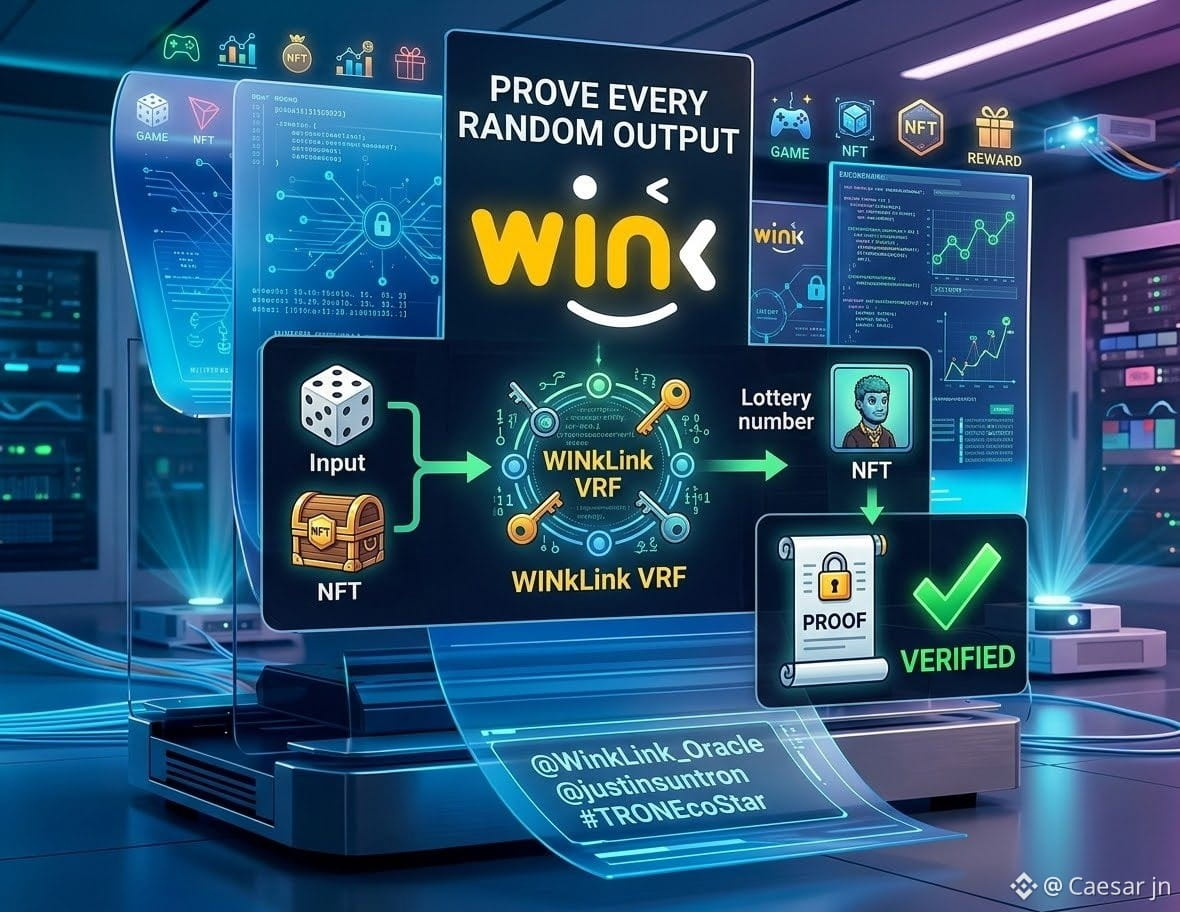
WINkLink’s Verifiable Random Function (VRF) is designed to provide random outputs accompanied by cryptographic proof that allows the result to be verified.
This introduces an important distinction between ordinary random-number generation and verifiable randomness.
An application does not merely need an unpredictable result. It needs a way to demonstrate that the result was produced through the expected process.
For developers, this can support more transparent random-selection mechanisms.
For users, it creates a stronger basis for evaluating whether an application is following its stated rules.
Of course, VRF does not automatically make an entire game or reward system fair. The surrounding smart contract logic, eligibility rules, and implementation still matter.
Trustworthy randomness begins with verifiable processes.
@WINkLink_Official @JustinSun #TRONEcoStar
𝗪𝗵𝗲𝗻 𝗥𝗮𝗻𝗱𝗼𝗺𝗻𝗲𝘀𝘀 𝗠𝗮𝘁𝘁𝗲𝗿𝘀, 𝗣𝗿𝗼𝗼𝗳 𝗠𝗮𝘁𝘁𝗲𝗿𝘀
Random outcomes are part of many blockchain applications, but generating a result that users can trust is not always straightforward.
Games, lotteries, NFT distributions, and reward systems may all require randomness.
The challenge is making sure the outcome cannot simply be chosen or manipulated by the application operator.
WINkLink’s Verifiable Random Function (VRF) is designed to provide random outputs accompanied by cryptographic proof that allows the result to be verified.
This introduces an important distinction between ordinary random-number generation and verifiable randomness.
An application does not merely need an unpredictable result. It needs a way to demonstrate that the result was produced through the expected process.
For developers, this can support more transparent random-selection mechanisms.
For users, it creates a stronger basis for evaluating whether an application is following its stated rules.
Of course, VRF does not automatically make an entire game or reward system fair. The surrounding smart contract logic, eligibility rules, and implementation still matter.
Trustworthy randomness begins with verifiable processes.
@WINkLink_Official @Justin Sun孙宇晨 #TRONEcoStar
26
·
--
Your Wallet Is Your Responsibility: Essential Security Practices for DeFi Users
A decentralized finance platform gives users direct control over their blockchain wallets.
That control comes with an important responsibility: protecting access to your funds.
When exploring JustLend DAO, always prioritize wallet security.
Here are some important habits:
Never share your seed phrase.
Never disclose your private keys.
Verify the website before connecting.
Review every transaction before signing.
Avoid suspicious links and unsolicited messages.
Use a secure device and wallet.
Be cautious when granting token approvals.
Remember, legitimate support representatives should never ask for your recovery phrase.
A secure DeFi experience begins with protecting your wallet.
👇 Explore responsibly:
Justlend.org
@JustinSun @DeFi_JUST
#TRONEcoStar
Your Wallet Is Your Responsibility: Essential Security Practices for DeFi Users
A decentralized finance platform gives users direct control over their blockchain wallets.
That control comes with an important responsibility: protecting access to your funds.
When exploring JustLend DAO, always prioritize wallet security.
Here are some important habits:
Never share your seed phrase.
Never disclose your private keys.
Verify the website before connecting.
Review every transaction before signing.
Avoid suspicious links and unsolicited messages.
Use a secure device and wallet.
Be cautious when granting token approvals.
Remember, legitimate support representatives should never ask for your recovery phrase.
A secure DeFi experience begins with protecting your wallet.
👇 Explore responsibly:
Justlend.org
@Justin Sun孙宇晨 @JUST DAO
#TRONEcoStar
5
·
--
Available Liquidity: Why This Figure Deserves Your Attention
When examining a lending market, total supplied assets do not tell the entire story.
Some supplied assets may already have been borrowed.
That means the amount currently available for borrowing or withdrawal can be different from the total supplied value.
For users exploring JustLend DAO, understanding this distinction is important.
Before supplying or borrowing, examine:
• Total supply.
• Total borrowed.
• Available liquidity.
• Utilization rate.
• Current interest rates.
These indicators provide a clearer picture of market activity.
Good DeFi decisions come from understanding the full market, not looking at one number.
👇 Check the markets:
Justlend.org
@DeFi_JUST @JustinSun
#TRONEcoStar
Available Liquidity: Why This Figure Deserves Your Attention
When examining a lending market, total supplied assets do not tell the entire story.
Some supplied assets may already have been borrowed.
That means the amount currently available for borrowing or withdrawal can be different from the total supplied value.
For users exploring JustLend DAO, understanding this distinction is important.
Before supplying or borrowing, examine:
• Total supply.
• Total borrowed.
• Available liquidity.
• Utilization rate.
• Current interest rates.
These indicators provide a clearer picture of market activity.
Good DeFi decisions come from understanding the full market, not looking at one number.
👇 Check the markets:
Justlend.org
@JUST DAO @Justin Sun孙宇晨
#TRONEcoStar
6
·
--
Why Governance Matters in Decentralized Finance
Decentralized finance is not only about supplying and borrowing digital assets.
Governance also plays an important role in how decentralized ecosystems develop.
Through governance structures, communities can participate in discussions and decision-making processes according to the applicable protocol rules.
Within the broader JUST ecosystem, JST serves as the governance token associated with the ecosystem’s governance framework.
Understanding governance helps users recognize that decentralized protocols involve more than financial transactions.
It also involves community participation, proposals, and ecosystem development.
An informed DeFi participant should understand both how a platform operates and how its governance works.
👇 Explore the JUST ecosystem:
Justlend.org
@DeFi_JUST @JustinSun #TRONEcoStar
Why Governance Matters in Decentralized Finance
Decentralized finance is not only about supplying and borrowing digital assets.
Governance also plays an important role in how decentralized ecosystems develop.
Through governance structures, communities can participate in discussions and decision-making processes according to the applicable protocol rules.
Within the broader JUST ecosystem, JST serves as the governance token associated with the ecosystem’s governance framework.
Understanding governance helps users recognize that decentralized protocols involve more than financial transactions.
It also involves community participation, proposals, and ecosystem development.
An informed DeFi participant should understand both how a platform operates and how its governance works.
👇 Explore the JUST ecosystem:
Justlend.org
@JUST DAO @Justin Sun孙宇晨 #TRONEcoStar
23
·
--
What Can Borrowing Demand Tell You About a DeFi Market?
Borrowing demand is an important indicator of activity within decentralized lending markets.
When users borrow supported assets, they utilize liquidity supplied by other participants.
Changes in borrowing demand can influence utilization levels and interest rates.
This is why examining borrowing activity can provide useful information about a lending market.
However, higher borrowing demand does not automatically mean a market is safer or more attractive.
Users should also evaluate liquidity, collateral requirements, interest rates, and market risks.
Understanding demand helps you interpret market activity rather than simply observing the numbers.
👇 Explore lending markets:
Justlend.org
@JustinSun @DeFi_JUST #TRONEcoStar
What Can Borrowing Demand Tell You About a DeFi Market?
Borrowing demand is an important indicator of activity within decentralized lending markets.
When users borrow supported assets, they utilize liquidity supplied by other participants.
Changes in borrowing demand can influence utilization levels and interest rates.
This is why examining borrowing activity can provide useful information about a lending market.
However, higher borrowing demand does not automatically mean a market is safer or more attractive.
Users should also evaluate liquidity, collateral requirements, interest rates, and market risks.
Understanding demand helps you interpret market activity rather than simply observing the numbers.
👇 Explore lending markets:
Justlend.org
@Justin Sun孙宇晨 @JUST DAO #TRONEcoStar
16
·
--
Financial Responsibility Still Matters in a Decentralized World
Blockchain technology changes how people interact with financial applications, but it does not remove the need for responsible financial decisions.
DeFi users still need to manage risk, understand obligations, and evaluate the consequences of their actions.
When exploring JustLend DAO, avoid borrowing more than you can reasonably manage.
Do not supply funds you cannot afford to have exposed to protocol or liquidity risks.
Understand the possibility of changing rates, price volatility, and liquidation.
Most importantly, never confuse access to decentralized financial tools with guaranteed financial success.
Technology creates opportunities, but responsibility remains with the user.
👇 Learn more:
Justlend.org
@DeFi_JUST @JustinSun
#TRONEcoStar
Financial Responsibility Still Matters in a Decentralized World
Blockchain technology changes how people interact with financial applications, but it does not remove the need for responsible financial decisions.
DeFi users still need to manage risk, understand obligations, and evaluate the consequences of their actions.
When exploring JustLend DAO, avoid borrowing more than you can reasonably manage.
Do not supply funds you cannot afford to have exposed to protocol or liquidity risks.
Understand the possibility of changing rates, price volatility, and liquidation.
Most importantly, never confuse access to decentralized financial tools with guaranteed financial success.
Technology creates opportunities, but responsibility remains with the user.
👇 Learn more:
Justlend.org
@JUST DAO @Justin Sun孙宇晨
#TRONEcoStar
17
·
--
Liquidation Price: A Figure Every Collateralized Borrower Should Understand
Liquidation price refers to the estimated market price at which a collateralized borrowing position may reach its liquidation threshold, based on its current conditions and applicable protocol parameters.
For borrowers, understanding this figure can help identify how much room remains before a position becomes unsafe.
However, liquidation price is not a permanent number.
It may change as debt accrues, collateral quantities change, or market conditions and relevant parameters shift.
Do not treat an estimated liquidation price as a guaranteed warning system.
Monitor your collateral health regularly and maintain a reasonable safety buffer.
👇 Learn more about borrowing:
Justlend.org
@DeFi_JUST @JustinSun
#TRONEcoStar
Liquidation Price: A Figure Every Collateralized Borrower Should Understand
Liquidation price refers to the estimated market price at which a collateralized borrowing position may reach its liquidation threshold, based on its current conditions and applicable protocol parameters.
For borrowers, understanding this figure can help identify how much room remains before a position becomes unsafe.
However, liquidation price is not a permanent number.
It may change as debt accrues, collateral quantities change, or market conditions and relevant parameters shift.
Do not treat an estimated liquidation price as a guaranteed warning system.
Monitor your collateral health regularly and maintain a reasonable safety buffer.
👇 Learn more about borrowing:
Justlend.org
@JUST DAO @Justin Sun孙宇晨
#TRONEcoStar

13
·
--
Market Data Can Teach You More Than Headlines Ever Will
Decentralized lending markets generate useful information that participants can study.
Supply, borrowing, utilization, liquidity, and interest rates all help describe how a market is operating.
Instead of looking at one figure, try examining several indicators together.
For example, rising borrowing activity alongside increasing utilization may provide a different picture from rising supply with low borrowing demand.
Learning to interpret these relationships can improve your understanding of JustLend DAO.
DeFi education is not only about knowing what buttons to click.
It is also about understanding the information behind the platform.
👇 Explore:
Justlend.org
@DeFi_JUST @JustinSun #TRONEcoStar
Market Data Can Teach You More Than Headlines Ever Will
Decentralized lending markets generate useful information that participants can study.
Supply, borrowing, utilization, liquidity, and interest rates all help describe how a market is operating.
Instead of looking at one figure, try examining several indicators together.
For example, rising borrowing activity alongside increasing utilization may provide a different picture from rising supply with low borrowing demand.
Learning to interpret these relationships can improve your understanding of JustLend DAO.
DeFi education is not only about knowing what buttons to click.
It is also about understanding the information behind the platform.
👇 Explore:
Justlend.org
@JUST DAO @Justin Sun孙宇晨 #TRONEcoStar
6
·
--
How Decentralized Lending Expands Access to On-Chain Financial Tools
One of the interesting developments in blockchain technology is the ability to interact with financial applications directly through a digital wallet.
Decentralized lending allows eligible participants to access lending markets without relying on the traditional loan application structure of a bank.
Through JustLend DAO, users can explore supplying and borrowing supported digital assets within the TRON ecosystem.
However, accessibility does not mean there are no requirements.
Users still need to understand collateral, available liquidity, borrowing limits, transaction fees, and market risks.
Greater access should come with greater awareness.
👇 Discover JustLend DAO:
Justlend.org
@JustinSun @DeFi_JUST
#TRONEcoStar
How Decentralized Lending Expands Access to On-Chain Financial Tools
One of the interesting developments in blockchain technology is the ability to interact with financial applications directly through a digital wallet.
Decentralized lending allows eligible participants to access lending markets without relying on the traditional loan application structure of a bank.
Through JustLend DAO, users can explore supplying and borrowing supported digital assets within the TRON ecosystem.
However, accessibility does not mean there are no requirements.
Users still need to understand collateral, available liquidity, borrowing limits, transaction fees, and market risks.
Greater access should come with greater awareness.
👇 Discover JustLend DAO:
Justlend.org
@Justin Sun孙宇晨 @JUST DAO
#TRONEcoStar

11
·
--
Seven Habits That Can Help You Become a Smarter DeFi Participant
Becoming knowledgeable in decentralized finance requires more than following market updates.
It requires developing consistent habits.
Here are seven useful practices:
Research a protocol before interacting with it.
Understand the assets you supply or borrow.
Review interest rates and liquidity.
Monitor collateral health.
Keep wallet credentials private.
Verify every transaction before signing.
Never invest or borrow based on pressure from others.
These habits apply across the DeFi ecosystem, including JustLend DAO.
Technology continues to evolve, but informed decision-making remains essential.
Learn continuously. Evaluate carefully. Participate responsibly.
👇 Start exploring:
Justlend.org
@DeFi_JUST @JustinSun
#TRONEcoStar
Seven Habits That Can Help You Become a Smarter DeFi Participant
Becoming knowledgeable in decentralized finance requires more than following market updates.
It requires developing consistent habits.
Here are seven useful practices:
Research a protocol before interacting with it.
Understand the assets you supply or borrow.
Review interest rates and liquidity.
Monitor collateral health.
Keep wallet credentials private.
Verify every transaction before signing.
Never invest or borrow based on pressure from others.
These habits apply across the DeFi ecosystem, including JustLend DAO.
Technology continues to evolve, but informed decision-making remains essential.
Learn continuously. Evaluate carefully. Participate responsibly.
👇 Start exploring:
Justlend.org
@JUST DAO @Justin Sun孙宇晨
#TRONEcoStar
6
·
--
𝗗𝗘𝗙𝗜'𝗦 𝗧𝗥𝗨𝗘 𝗩𝗔𝗟𝗨𝗘 𝗜𝗦 𝗡𝗢𝗧 𝗝𝗨𝗦𝗧 𝗪𝗛𝗔𝗧 𝗬𝗢𝗨 𝗘𝗔𝗥𝗡. 𝗜𝗧'𝗦 𝗪𝗛𝗔𝗧 𝗬𝗢𝗨 𝗖𝗔𝗡 𝗗𝗢 𝗪𝗜𝗧𝗛 𝗬𝗢𝗨𝗥 𝗔𝗦𝗦𝗘𝗧𝗦.
One of the biggest misconceptions about decentralized finance is that its primary purpose is generating yield.
While earning interest is an important feature, focusing exclusively on APY overlooks the deeper transformation taking place in financial infrastructure.
DeFi is changing how digital assets can be accessed, deployed, transferred, and utilized.
Consider the bigger picture.
1. Capital Utilization
Instead of allowing supported digital assets to remain idle, users can explore lending markets and other financial applications that put capital to work.
2. Flexible Access To Liquidity
Decentralized borrowing allows eligible users to access liquidity against collateral without necessarily selling their existing assets. However, borrowing introduces interest and liquidation risks that must be understood.
3. Stablecoin Financial Utility
Stablecoins support a growing range of onchain activities, including transfers, payments, lending, and financial settlement.
4. Programmable Financial Services
Smart contracts allow financial operations to follow predefined conditions, creating opportunities for automated lending, borrowing, and other financial interactions.
5. Connected Financial Infrastructure
Different decentralized applications can interact through blockchain networks, creating opportunities for more integrated financial services.
This is where the broader development of DeFi becomes interesting.
The real opportunity is not simply creating more platforms offering attractive yields.
It is building an interconnected financial environment where digital assets have practical utility across multiple applications.
Within the TRON ecosystem, JustLend DAO contributes to this development through decentralized lending and borrowing infrastructure.
@DeFi_JUST @JustinSun
#TRONEcoStar
𝗗𝗘𝗙𝗜'𝗦 𝗧𝗥𝗨𝗘 𝗩𝗔𝗟𝗨𝗘 𝗜𝗦 𝗡𝗢𝗧 𝗝𝗨𝗦𝗧 𝗪𝗛𝗔𝗧 𝗬𝗢𝗨 𝗘𝗔𝗥𝗡. 𝗜𝗧'𝗦 𝗪𝗛𝗔𝗧 𝗬𝗢𝗨 𝗖𝗔𝗡 𝗗𝗢 𝗪𝗜𝗧𝗛 𝗬𝗢𝗨𝗥 𝗔𝗦𝗦𝗘𝗧𝗦.
One of the biggest misconceptions about decentralized finance is that its primary purpose is generating yield.
While earning interest is an important feature, focusing exclusively on APY overlooks the deeper transformation taking place in financial infrastructure.
DeFi is changing how digital assets can be accessed, deployed, transferred, and utilized.
Consider the bigger picture.
1. Capital Utilization
Instead of allowing supported digital assets to remain idle, users can explore lending markets and other financial applications that put capital to work.
2. Flexible Access To Liquidity
Decentralized borrowing allows eligible users to access liquidity against collateral without necessarily selling their existing assets. However, borrowing introduces interest and liquidation risks that must be understood.
3. Stablecoin Financial Utility
Stablecoins support a growing range of onchain activities, including transfers, payments, lending, and financial settlement.
4. Programmable Financial Services
Smart contracts allow financial operations to follow predefined conditions, creating opportunities for automated lending, borrowing, and other financial interactions.
5. Connected Financial Infrastructure
Different decentralized applications can interact through blockchain networks, creating opportunities for more integrated financial services.
This is where the broader development of DeFi becomes interesting.
The real opportunity is not simply creating more platforms offering attractive yields.
It is building an interconnected financial environment where digital assets have practical utility across multiple applications.
Within the TRON ecosystem, JustLend DAO contributes to this development through decentralized lending and borrowing infrastructure.
@JUST DAO @Justin Sun孙宇晨
#TRONEcoStar
1
35
·
--
𝐔𝐧𝐝𝐞𝐫𝐬𝐭𝐚𝐧𝐝𝐢𝐧𝐠 𝐇𝐨𝐰 𝐁𝐚𝐧𝐝𝐰𝐢𝐝𝐭𝐡 𝐀𝐧𝐝 𝐄𝐧𝐞𝐫𝐠𝐲 𝐊𝐞𝐞𝐩 𝐓𝐑𝐎𝐍 𝐓𝐫𝐚𝐧𝐬𝐚𝐜𝐭𝐢𝐨𝐧𝐬 𝐄𝐟𝐟𝐢𝐜𝐢𝐞𝐧𝐭
Transaction costs are an important part of using any blockchain, but not all operations consume resources in the same way. A simple TRX transfer has different requirements from executing a DeFi swap or interacting with a smart contract.
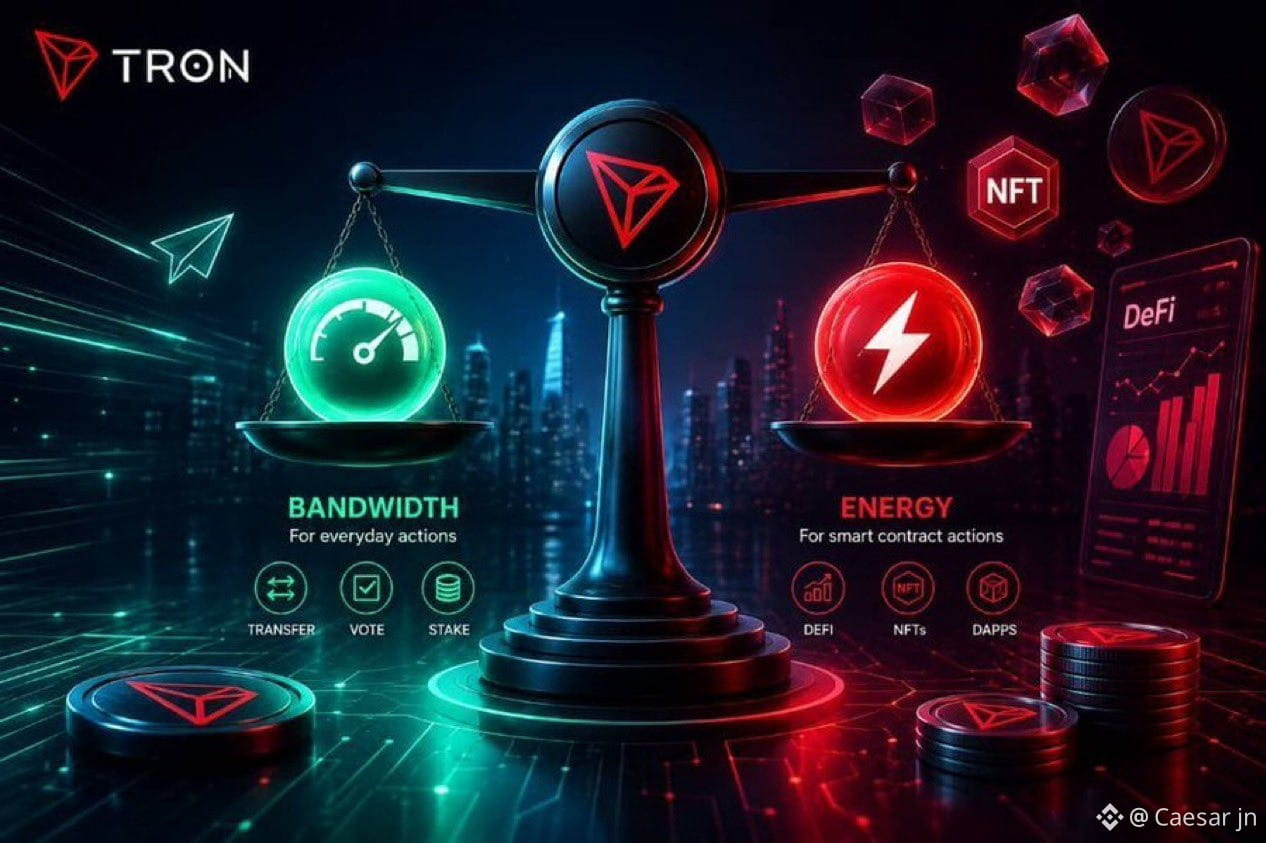
TRON addresses this through two core network resources: Bandwidth and Energy.
𝐁𝐚𝐧𝐝𝐰𝐢𝐝𝐭𝐡 𝐇𝐚𝐧𝐝𝐥𝐞𝐬 𝐓𝐫𝐚𝐧𝐬𝐚𝐜𝐭𝐢𝐨𝐧 𝐃𝐚𝐭𝐚
➞ Bandwidth measures the resources required to process transaction data. It supports activities such as TRX transfers and other on-chain operations.
Users receive a daily free allowance, while additional Bandwidth can be obtained through TRX staking or by paying applicable network fees.
𝐄𝐧𝐞𝐫𝐠𝐲 𝐏𝐨𝐰𝐞𝐫𝐬 𝐒𝐦𝐚𝐫𝐭 𝐂𝐨𝐧𝐭𝐫𝐚𝐜𝐭𝐬
➞ Energy covers the computational resources needed to execute smart contracts.
DeFi swaps, lending operations, token interactions, and NFT activities can consume Energy. The amount required depends on the complexity and execution of each contract.
𝐄𝐧𝐞𝐫𝐠𝐲 𝐑𝐞𝐧𝐭𝐚𝐥 𝐀𝐝𝐝𝐬 𝐀𝐧𝐨𝐭𝐡𝐞𝐫 𝐎𝐩𝐭𝐢𝐨𝐧
➞ Users who need additional Energy can explore rental services, including those available through the JUST ecosystem.
This can provide an alternative to freezing substantial amounts of TRX, although the most economical option depends on current rental prices, staking conditions, and usage patterns.
𝐖𝐡𝐲 𝐓𝐡𝐢𝐬 𝐊𝐧𝐨𝐰𝐥𝐞𝐝𝐠𝐞 𝐌𝐚𝐭𝐭𝐞𝐫𝐬
Understanding these resources helps users estimate transaction requirements, avoid unnecessary expenses, and make better decisions about how they participate in DeFi.
@DeFi_JUST @JustinSun #TRON #TRONEcoStar
𝐔𝐧𝐝𝐞𝐫𝐬𝐭𝐚𝐧𝐝𝐢𝐧𝐠 𝐇𝐨𝐰 𝐁𝐚𝐧𝐝𝐰𝐢𝐝𝐭𝐡 𝐀𝐧𝐝 𝐄𝐧𝐞𝐫𝐠𝐲 𝐊𝐞𝐞𝐩 𝐓𝐑𝐎𝐍 𝐓𝐫𝐚𝐧𝐬𝐚𝐜𝐭𝐢𝐨𝐧𝐬 𝐄𝐟𝐟𝐢𝐜𝐢𝐞𝐧𝐭
Transaction costs are an important part of using any blockchain, but not all operations consume resources in the same way. A simple TRX transfer has different requirements from executing a DeFi swap or interacting with a smart contract.
TRON addresses this through two core network resources: Bandwidth and Energy.
𝐁𝐚𝐧𝐝𝐰𝐢𝐝𝐭𝐡 𝐇𝐚𝐧𝐝𝐥𝐞𝐬 𝐓𝐫𝐚𝐧𝐬𝐚𝐜𝐭𝐢𝐨𝐧 𝐃𝐚𝐭𝐚
➞ Bandwidth measures the resources required to process transaction data. It supports activities such as TRX transfers and other on-chain operations.
Users receive a daily free allowance, while additional Bandwidth can be obtained through TRX staking or by paying applicable network fees.
𝐄𝐧𝐞𝐫𝐠𝐲 𝐏𝐨𝐰𝐞𝐫𝐬 𝐒𝐦𝐚𝐫𝐭 𝐂𝐨𝐧𝐭𝐫𝐚𝐜𝐭𝐬
➞ Energy covers the computational resources needed to execute smart contracts.
DeFi swaps, lending operations, token interactions, and NFT activities can consume Energy. The amount required depends on the complexity and execution of each contract.
𝐄𝐧𝐞𝐫𝐠𝐲 𝐑𝐞𝐧𝐭𝐚𝐥 𝐀𝐝𝐝𝐬 𝐀𝐧𝐨𝐭𝐡𝐞𝐫 𝐎𝐩𝐭𝐢𝐨𝐧
➞ Users who need additional Energy can explore rental services, including those available through the JUST ecosystem.
This can provide an alternative to freezing substantial amounts of TRX, although the most economical option depends on current rental prices, staking conditions, and usage patterns.
𝐖𝐡𝐲 𝐓𝐡𝐢𝐬 𝐊𝐧𝐨𝐰𝐥𝐞𝐝𝐠𝐞 𝐌𝐚𝐭𝐭𝐞𝐫𝐬
Understanding these resources helps users estimate transaction requirements, avoid unnecessary expenses, and make better decisions about how they participate in DeFi.
@JUST DAO @Justin Sun孙宇晨 #TRON #TRONEcoStar
1
55
·
--
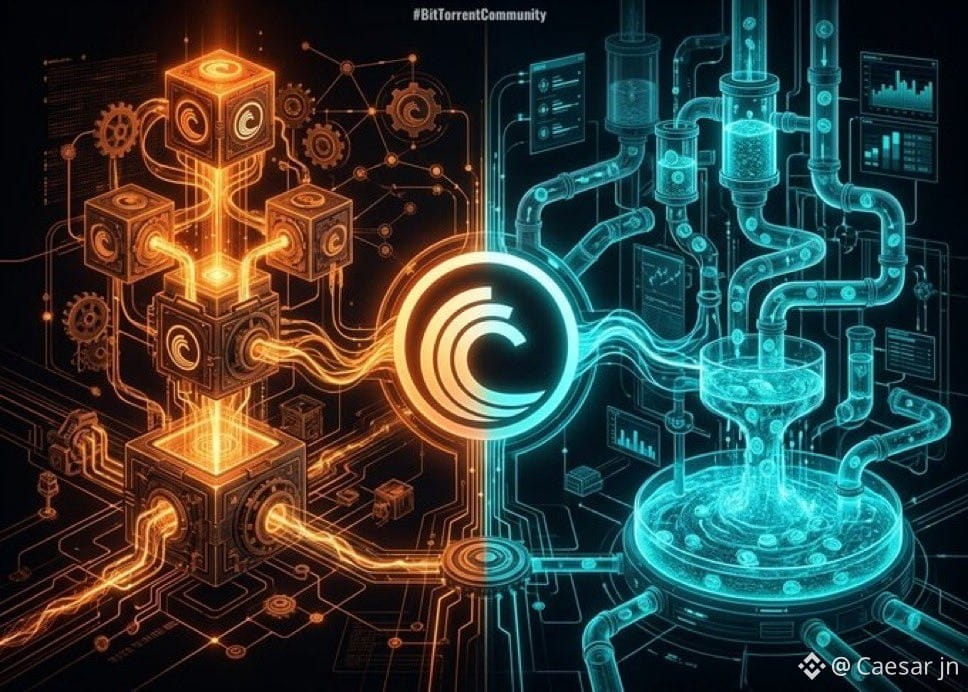
BTT is more than a token associated with a familiar technology name.
It belongs to an ecosystem exploring how blockchain technology can support decentralised digital infrastructure.
From the BitTorrent ecosystem to blockchain-related applications, BTT represents an important part of the project’s Web3 direction.
The interesting question is how decentralised networks can create practical utility beyond speculation.
That is a conversation worth following.
@JustinSun @BitTorrent_Official #TRONEcoStar
#BTTC. #BitTorrent
BTT is more than a token associated with a familiar technology name.
It belongs to an ecosystem exploring how blockchain technology can support decentralised digital infrastructure.
From the BitTorrent ecosystem to blockchain-related applications, BTT represents an important part of the project’s Web3 direction.
The interesting question is how decentralised networks can create practical utility beyond speculation.
That is a conversation worth following.
@Justin Sun孙宇晨 @BitTorrent_Official #TRONEcoStar
#BTTC. #BitTorrent
1
268
Log in to explore more content
Join global crypto users on Binance Square
⚡️ Get latest and useful information about crypto.
💬 Trusted by the world’s largest crypto exchange.
👍 Discover real insights from verified creators.
Email / Phone number
Trending Topics
BinanceReopensWithdrawalsForMoreAssets
760,631 views
4,218 Discussing
Security Incident | Recovery Update #8: Withdrawals for More Assets to Reopen (2026-11-05)
Binance Announcement
·329 Likes
·1.4M views
Binance98PercentReplenished
135,678 views
1,618 Discussing
USStocksSlipandCryptoMarketUnderBroadPressure
61 views
72 Discussing