
#geniusact
geniusact
17.7M views
33,825 Discussing
ChatGPT 说:
Trump has officially signed the stablecoin-related GENIUS Act at the White House, marking the beginning of the implementation phase for stablecoin regulation in the United States. What’s your take on this? Join the discussion.
Hot
Latest

·
--
⏳ Critical moment for stablecoin regulation:
U.S. GENIUS Act proposed rules enter a 60‑day public comment phase.
Regulators are gathering real‑world feedback on licensing, reserves & AML for institutional stablecoins.
📢 Industry builders: don’t sleep on this window. File your public comments.
What is your stance? Comment below 👇
#GENIUSAct #AnubisChain
⏳ Critical moment for stablecoin regulation:
U.S. GENIUS Act proposed rules enter a 60‑day public comment phase.
Regulators are gathering real‑world feedback on licensing, reserves & AML for institutional stablecoins.
📢 Industry builders: don’t sleep on this window. File your public comments.
What is your stance? Comment below 👇
#GENIUSAct #AnubisChain
U.S. GENIUS Act proposed rules enter a 60‑day public comment phase.
Regulators are gathering real‑world feedback on licensing, reserves & AML for institutional stablecoins.
📢 Industry builders: don’t sleep on this window. File your public comments.
What is your stance? Comment below 👇
#GENIUSAct #AnubisChain
68

·
--

Article
☀️ GENIUS ACT IN ACTION THE NEW RULES THAT WILL CHANGE STABLECOINS FOREVER🔥 THE LAW THAT CHANGED THE RULES OF THE GAME FOR STABLECOINS
On July 18, 2025, President Donald Trump signed the GENIUS Act, the first U.S. federal legislation on digital assets. A year later, on August 17, 2026, the U.S. Treasury published its first proposed rule to implement the law, opening a 60-day public comment period. The stablecoin market already exceeds $308 billion, and this law will define how digital dollars are issued, held in custody, and used in the coming years.
☀️ GENIUS ACT IN ACTION THE NEW RULES THAT WILL CHANGE STABLECOINS FOREVER
🔥 THE LAW THAT CHANGED THE RULES OF THE GAME FOR STABLECOINS
On July 18, 2025, President Donald Trump signed the GENIUS Act, the first U.S. federal legislation on digital assets. A year later, on August 17, 2026, the U.S. Treasury published its first proposed rule to implement the law, opening a 60-day public comment period. The stablecoin market already exceeds $308 billion, and this law will define how digital dollars are issued, held in custody, and used in the coming years.
On July 18, 2025, President Donald Trump signed the GENIUS Act, the first U.S. federal legislation on digital assets. A year later, on August 17, 2026, the U.S. Treasury published its first proposed rule to implement the law, opening a 60-day public comment period. The stablecoin market already exceeds $308 billion, and this law will define how digital dollars are issued, held in custody, and used in the coming years.
1
1
103

·
--
Many people hold stablecoins, but rarely consider one key question: who actually backs your “stability”? The GENIUS Act (the U.S. payment stablecoin regulatory law) was signed in 2025 and will officially take effect on January 18, 2027. This law is the first to set rules for stablecoins at the federal level, and it makes both protections and risks equally clear. 5 key facts: 1. Issuance thresholds tightened. Starting in January 2027, only issuers with federal or state licenses may issue payment stablecoins in the U.S. After July 2028, unlicensed projects may not offer their services to U.S. users. 2. Reserve requirements made explicit. The law mandates a 1:1 reserve (in U.S. dollars or other highly liquid assets such as short-term Treasury securities) and requires monthly public disclosure of the reserve composition. Issuers with a market value exceeding $50 billion must undergo annual audits. 3. Legal classification: stablecoins are not securities, not commodities, and not legal tender. This means they are not protected by FDIC deposit insurance and do not fall under traditional securities-investor protection frameworks. 4. KYC implemented. In June 2026, FinCEN, together with the OCC, FDIC, and other institutions, issued proposed rules requiring all licensed issuers to establish customer identification programs—collecting identity information and retaining it for 5 years. 5. Limited but existing bankruptcy protection. Coin holders have priority rights to be repaid from the issuer’s reserve assets if the issuer goes bankrupt. But the Brookings Institution notes that without federal insurance and without support from a lender of last resort, operational risks (fraud, hacking attacks, loss of private keys) are still borne by coin holders themselves. One-sentence summary: The GENIUS Act sets clear compliance boundaries for stablecoins, but “compliance” doesn’t mean “zero risk.” Before anything else, you should clarify whether the stablecoin you hold has an issuer that has applied for the required license. This question is worth addressing more than price swings. $USDC #GENIUSAct #Stablecoin Regulation
Many people hold stablecoins, but rarely consider one key question: who actually backs your “stability”? The GENIUS Act (the U.S. payment stablecoin regulatory law) was signed in 2025 and will officially take effect on January 18, 2027. This law is the first to set rules for stablecoins at the federal level, and it makes both protections and risks equally clear. 5 key facts: 1. Issuance thresholds tightened. Starting in January 2027, only issuers with federal or state licenses may issue payment stablecoins in the U.S. After July 2028, unlicensed projects may not offer their services to U.S. users. 2. Reserve requirements made explicit. The law mandates a 1:1 reserve (in U.S. dollars or other highly liquid assets such as short-term Treasury securities) and requires monthly public disclosure of the reserve composition. Issuers with a market value exceeding $50 billion must undergo annual audits. 3. Legal classification: stablecoins are not securities, not commodities, and not legal tender. This means they are not protected by FDIC deposit insurance and do not fall under traditional securities-investor protection frameworks. 4. KYC implemented. In June 2026, FinCEN, together with the OCC, FDIC, and other institutions, issued proposed rules requiring all licensed issuers to establish customer identification programs—collecting identity information and retaining it for 5 years. 5. Limited but existing bankruptcy protection. Coin holders have priority rights to be repaid from the issuer’s reserve assets if the issuer goes bankrupt. But the Brookings Institution notes that without federal insurance and without support from a lender of last resort, operational risks (fraud, hacking attacks, loss of private keys) are still borne by coin holders themselves. One-sentence summary: The GENIUS Act sets clear compliance boundaries for stablecoins, but “compliance” doesn’t mean “zero risk.” Before anything else, you should clarify whether the stablecoin you hold has an issuer that has applied for the required license. This question is worth addressing more than price swings. $USDC #GENIUSAct #Stablecoin Regulation
79

·
--
GENIUS Act Rules Get Crypto Industry Support
The Blockchain Association backed proposed Treasury rules connected to the GENIUS Act, while requesting clearer requirements around customer identification and stablecoin transactions.
#GENIUSAct #Stablecoin s #CryptoRegulation #USDC #CryptoNews
GENIUS Act Rules Get Crypto Industry Support
The Blockchain Association backed proposed Treasury rules connected to the GENIUS Act, while requesting clearer requirements around customer identification and stablecoin transactions.
#GENIUSAct #Stablecoin s #CryptoRegulation #USDC #CryptoNews
The Blockchain Association backed proposed Treasury rules connected to the GENIUS Act, while requesting clearer requirements around customer identification and stablecoin transactions.
#GENIUSAct #Stablecoin s #CryptoRegulation #USDC #CryptoNews
1
9

·
--
📊 Stablecoins are getting licensed. 1:1 reserves, final draft in November.
On August 17, the U.S. Department of the Treasury released a draft of the GENIUS Act implementation rules. The stablecoin business is finally being brought to the table.
The key rule is simple: if you issue a stablecoin, you must hold a 1-dollar reserve for every 1-dollar token—no pennies short. This requirement was set as early as 2025; now the Treasury is turning it into enforceable, workable provisions.
The timeline is locked in. Starting January 18, 2027, issuing payment stablecoins in the U.S. will require a federal or state license. Starting July 18, 2028, U.S. platforms may only list coins issued by licensed issuers. Two years of buffer—long enough, but not that long.
A 60-day comment window is now open. Banks, exchanges, and issuers can all submit feedback, and the final rules may still change.
Even the OCC is rushing. Acting Director Gould has approved the final version to be released in November. They were supposed to deliver by July 18, but they’re late—so now they’re making up the time before the law takes effect next January.
Treasury Secretary Bessent puts it plainly: make the U.S. dollar the anchor for global stablecoins.
How big is the market? The U.S. stablecoin market is over $300 billion, with USDT and USDC accounting for more than 80%. Once the new rules take effect, big players with compliance teams will be fine, while smaller issuers will be hit first.
This round of reshuffling has one clear outcome: what remains are “bank-like” stablecoins. The dollar stays the anchor—but anyone issuing dollar-backed stablecoins must first pass the licensing hurdle.
$BTC
#中本聪国际社区Baoluo币商资本 #稳定币 #GENIUSAct
📊 Stablecoins are getting licensed. 1:1 reserves, final draft in November.
On August 17, the U.S. Department of the Treasury released a draft of the GENIUS Act implementation rules. The stablecoin business is finally being brought to the table.
The key rule is simple: if you issue a stablecoin, you must hold a 1-dollar reserve for every 1-dollar token—no pennies short. This requirement was set as early as 2025; now the Treasury is turning it into enforceable, workable provisions.
The timeline is locked in. Starting January 18, 2027, issuing payment stablecoins in the U.S. will require a federal or state license. Starting July 18, 2028, U.S. platforms may only list coins issued by licensed issuers. Two years of buffer—long enough, but not that long.
A 60-day comment window is now open. Banks, exchanges, and issuers can all submit feedback, and the final rules may still change.
Even the OCC is rushing. Acting Director Gould has approved the final version to be released in November. They were supposed to deliver by July 18, but they’re late—so now they’re making up the time before the law takes effect next January.
Treasury Secretary Bessent puts it plainly: make the U.S. dollar the anchor for global stablecoins.
How big is the market? The U.S. stablecoin market is over $300 billion, with USDT and USDC accounting for more than 80%. Once the new rules take effect, big players with compliance teams will be fine, while smaller issuers will be hit first.
This round of reshuffling has one clear outcome: what remains are “bank-like” stablecoins. The dollar stays the anchor—but anyone issuing dollar-backed stablecoins must first pass the licensing hurdle.
$BTC
#中本聪国际社区Baoluo币商资本 #稳定币 #GENIUSAct
On August 17, the U.S. Department of the Treasury released a draft of the GENIUS Act implementation rules. The stablecoin business is finally being brought to the table.
The key rule is simple: if you issue a stablecoin, you must hold a 1-dollar reserve for every 1-dollar token—no pennies short. This requirement was set as early as 2025; now the Treasury is turning it into enforceable, workable provisions.
The timeline is locked in. Starting January 18, 2027, issuing payment stablecoins in the U.S. will require a federal or state license. Starting July 18, 2028, U.S. platforms may only list coins issued by licensed issuers. Two years of buffer—long enough, but not that long.
A 60-day comment window is now open. Banks, exchanges, and issuers can all submit feedback, and the final rules may still change.
Even the OCC is rushing. Acting Director Gould has approved the final version to be released in November. They were supposed to deliver by July 18, but they’re late—so now they’re making up the time before the law takes effect next January.
Treasury Secretary Bessent puts it plainly: make the U.S. dollar the anchor for global stablecoins.
How big is the market? The U.S. stablecoin market is over $300 billion, with USDT and USDC accounting for more than 80%. Once the new rules take effect, big players with compliance teams will be fine, while smaller issuers will be hit first.
This round of reshuffling has one clear outcome: what remains are “bank-like” stablecoins. The dollar stays the anchor—but anyone issuing dollar-backed stablecoins must first pass the licensing hurdle.
$BTC
#中本聪国际社区Baoluo币商资本 #稳定币 #GENIUSAct

1
184


·
--
🔥 JUST IN:
The OCC says final rules for the GENIUS Act are expected by November.
This could be an important step for the stablecoin market, especially as regulators work toward clearer rules around digital assets.
The next few months could bring some major changes. 👀
#Crypto #Stablecoins #GENIUSAct #bitcoin #Binance
🔥 JUST IN:
The OCC says final rules for the GENIUS Act are expected by November.
This could be an important step for the stablecoin market, especially as regulators work toward clearer rules around digital assets.
The next few months could bring some major changes. 👀
#Crypto #Stablecoins #GENIUSAct #bitcoin #Binance
The OCC says final rules for the GENIUS Act are expected by November.
This could be an important step for the stablecoin market, especially as regulators work toward clearer rules around digital assets.
The next few months could bring some major changes. 👀
#Crypto #Stablecoins #GENIUSAct #bitcoin #Binance


403

·
--
The U.S. Treasury, along with FinCEN, OCC, the Fed, FDIC, and NCUA, has proposed a joint initiative — stablecoin issuers will be classified as "financial institutions" under the Bank Secrecy Act (BSA), and will be required to implement KYC/AML Customer Identification Programs (CIP).
This is the rollout of the GENIUS Act (Stablecoin Bill), which means:
1. Stablecoin issuers like USDT/USDC are now officially under bank-level regulation.
2. A comprehensive Customer Identification (CIP) system must be established.
3. Compliance costs are set to soar, pushing out smaller players.
With regulatory boots hitting the ground, is this bullish or bearish for the stablecoin leaders? Let’s discuss in the comments.
#稳定币监管 #GENIUSAct
The U.S. Treasury, along with FinCEN, OCC, the Fed, FDIC, and NCUA, has proposed a joint initiative — stablecoin issuers will be classified as "financial institutions" under the Bank Secrecy Act (BSA), and will be required to implement KYC/AML Customer Identification Programs (CIP).
This is the rollout of the GENIUS Act (Stablecoin Bill), which means:
1. Stablecoin issuers like USDT/USDC are now officially under bank-level regulation.
2. A comprehensive Customer Identification (CIP) system must be established.
3. Compliance costs are set to soar, pushing out smaller players.
With regulatory boots hitting the ground, is this bullish or bearish for the stablecoin leaders? Let’s discuss in the comments.
#稳定币监管 #GENIUSAct
This is the rollout of the GENIUS Act (Stablecoin Bill), which means:
1. Stablecoin issuers like USDT/USDC are now officially under bank-level regulation.
2. A comprehensive Customer Identification (CIP) system must be established.
3. Compliance costs are set to soar, pushing out smaller players.
With regulatory boots hitting the ground, is this bullish or bearish for the stablecoin leaders? Let’s discuss in the comments.
#稳定币监管 #GENIUSAct
1
31

GENIUS Act has been enacted for 1 year: Crypto status
- The GENIUS Act, a regulation focused on stablecoins, has been law for 1 year now
- This regulation may affect the development and the display of the stablecoin market
- Opens up opportunities for blockchain projects related to crypto stability
#BinanceSquare #CryptoNews #GENIUSAct #Stablecoins
$btc $eth
#vlikevn Titanbot
Source: CoinDesk
GENIUS Act has been enacted for 1 year: Crypto status
- The GENIUS Act, a regulation focused on stablecoins, has been law for 1 year now
- This regulation may affect the development and the display of the stablecoin market
- Opens up opportunities for blockchain projects related to crypto stability
#BinanceSquare #CryptoNews #GENIUSAct #Stablecoins
$btc $eth
#vlikevn Titanbot
Source: CoinDesk
- The GENIUS Act, a regulation focused on stablecoins, has been law for 1 year now
- This regulation may affect the development and the display of the stablecoin market
- Opens up opportunities for blockchain projects related to crypto stability
#BinanceSquare #CryptoNews #GENIUSAct #Stablecoins
$btc $eth
#vlikevn Titanbot
Source: CoinDesk
1
108

·
--
🔥 **BREAKING: The Stablecoin Game Just Changed FOREVER!** 🚨
Fidelity is throwing a massive lifeline to the crypto industry, launching an exclusive Government Money Market Fund tailored specifically for stablecoin issuers. This isn’t just a new product—it’s a compliance powerhouse designed to house reserve assets under the **GENIUS Act**.
This move bridges the gap between traditional high-finance security and the lightning-fast world of digital assets. By providing a regulatory-grade home for reserves, Fidelity is officially institutionalizing stablecoins, paving the way for massive market expansion. 🚀
**The era of "wild west" crypto banking is officially over.** The giants have arrived to legitimize the space. 💼💎
#Fidelity #Stablecoins #Crypto #Finance #GENIUSAct #Web3 #Bitcoin #Investing #BreakingNews
$RE $SYN $ZEREBRO
🔥 **BREAKING: The Stablecoin Game Just Changed FOREVER!** 🚨
Fidelity is throwing a massive lifeline to the crypto industry, launching an exclusive Government Money Market Fund tailored specifically for stablecoin issuers. This isn’t just a new product—it’s a compliance powerhouse designed to house reserve assets under the **GENIUS Act**.
This move bridges the gap between traditional high-finance security and the lightning-fast world of digital assets. By providing a regulatory-grade home for reserves, Fidelity is officially institutionalizing stablecoins, paving the way for massive market expansion. 🚀
**The era of "wild west" crypto banking is officially over.** The giants have arrived to legitimize the space. 💼💎
#Fidelity #Stablecoins #Crypto #Finance #GENIUSAct #Web3 #Bitcoin #Investing #BreakingNews
$RE $SYN $ZEREBRO
Fidelity is throwing a massive lifeline to the crypto industry, launching an exclusive Government Money Market Fund tailored specifically for stablecoin issuers. This isn’t just a new product—it’s a compliance powerhouse designed to house reserve assets under the **GENIUS Act**.
This move bridges the gap between traditional high-finance security and the lightning-fast world of digital assets. By providing a regulatory-grade home for reserves, Fidelity is officially institutionalizing stablecoins, paving the way for massive market expansion. 🚀
**The era of "wild west" crypto banking is officially over.** The giants have arrived to legitimize the space. 💼💎
#Fidelity #Stablecoins #Crypto #Finance #GENIUSAct #Web3 #Bitcoin #Investing #BreakingNews
$RE $SYN $ZEREBRO

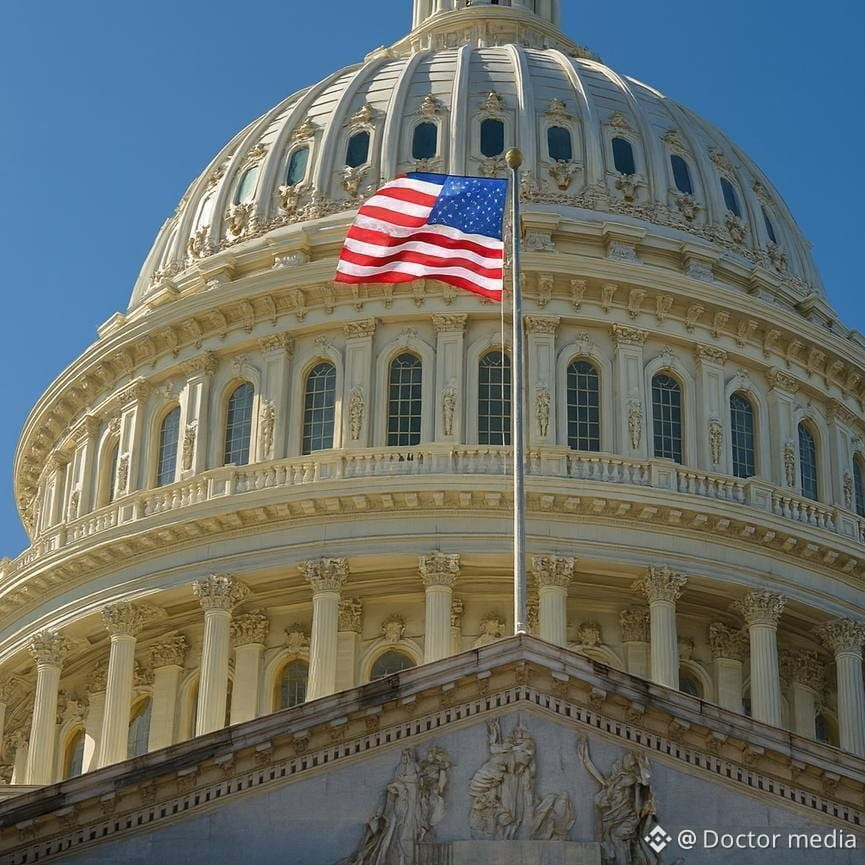
2
158

·
--
"I'm not saying Wise got 'memed' by the OCC, but their U.S. bank charter got rejected because of compliance concerns. The silver lining is that they're pivoting to the GENIUS Act for their new bid, and I'm thinking this might be the real 'HODL' strategy for fintech.
#GENIUSAct #FintechRevolution
Wise is essentially turning lemons into lemonade, folks. If their trust bank charter bid is successful under the GENIUS Act, it'll be a game-changer for decentralized banking.
So, the question is: Can Wise 'trust' the regulatory system this time around? What's your take on their new plan?"
"I'm not saying Wise got 'memed' by the OCC, but their U.S. bank charter got rejected because of compliance concerns. The silver lining is that they're pivoting to the GENIUS Act for their new bid, and I'm thinking this might be the real 'HODL' strategy for fintech.
#GENIUSAct #FintechRevolution
Wise is essentially turning lemons into lemonade, folks. If their trust bank charter bid is successful under the GENIUS Act, it'll be a game-changer for decentralized banking.
So, the question is: Can Wise 'trust' the regulatory system this time around? What's your take on their new plan?"
#GENIUSAct #FintechRevolution
Wise is essentially turning lemons into lemonade, folks. If their trust bank charter bid is successful under the GENIUS Act, it'll be a game-changer for decentralized banking.
So, the question is: Can Wise 'trust' the regulatory system this time around? What's your take on their new plan?"
51

GENIUS Act Turns 1
• The U.S. stablecoin law has completed its first year.
• Regulators are finalizing rules for reserves, KYC, custody, and compliance.
• Stablecoin adoption continues to grow with clearer regulations.
• The next big focus is the Digital Asset Market Clarity Act.
#crypto #Stablecoins #GENIUSAct #Blockchain
GENIUS Act Turns 1
• The U.S. stablecoin law has completed its first year.
• Regulators are finalizing rules for reserves, KYC, custody, and compliance.
• Stablecoin adoption continues to grow with clearer regulations.
• The next big focus is the Digital Asset Market Clarity Act.
#crypto #Stablecoins #GENIUSAct #Blockchain
• The U.S. stablecoin law has completed its first year.
• Regulators are finalizing rules for reserves, KYC, custody, and compliance.
• Stablecoin adoption continues to grow with clearer regulations.
• The next big focus is the Digital Asset Market Clarity Act.
#crypto #Stablecoins #GENIUSAct #Blockchain
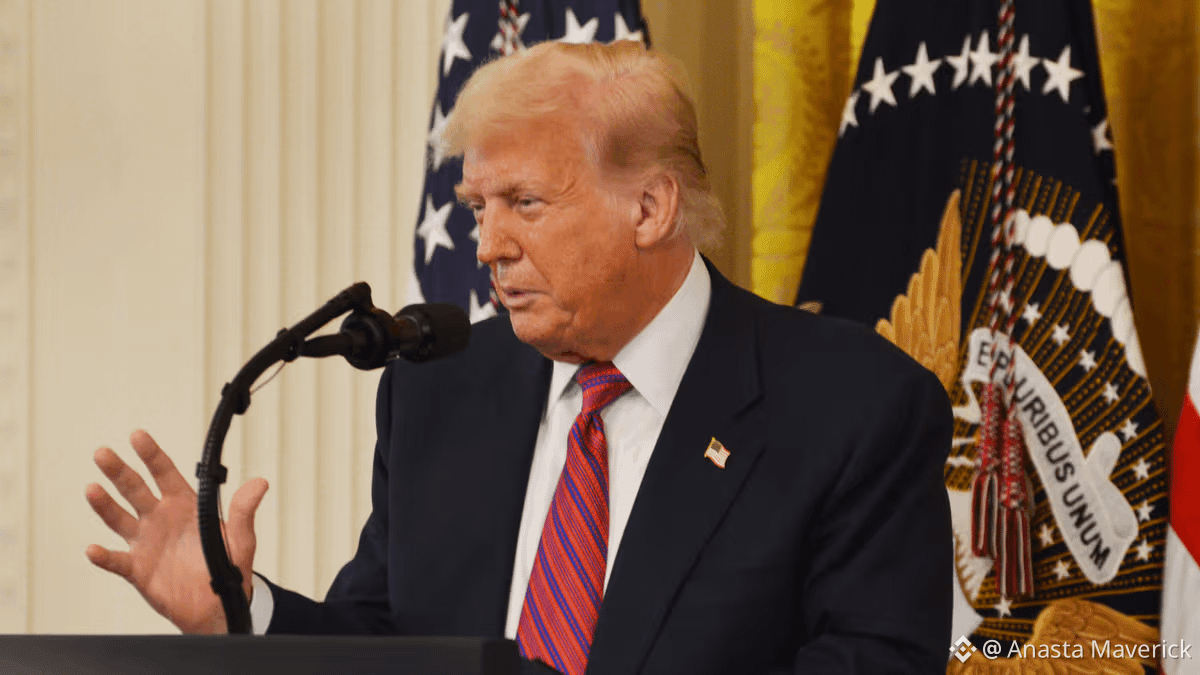
417

The U.S. Department of the Treasury has officially issued a notice of proposed rulemaking (NPRM) regarding the implementation details of Article 3 of the “GENIUS Act,” seeking public comments.
Key points to note:
1️⃣ Clear definitions of “issuance” and “sales”
In this move, the Treasury focuses on clarifying the specific scope of “issuing payment stablecoins in the U.S.” and “providing or selling to U.S.-based entities,” thereby removing ambiguity for subsequent license applications and compliant sales.
2️⃣ The timeline is set
- Starting January 18, 2027: Any entity issuing payment stablecoins in the U.S. must obtain a federal or state license
- Starting July 18, 2028: Digital asset service providers may not offer to U.S. users any payment stablecoins issued by non-licensed issuers
3️⃣ Restrictions on offshore issuers
The Act imposes strict requirements on offshore payment stablecoin issuers—unless the offshore issuer possesses the technical capability to comply with lawful U.S. orders and bilateral reciprocity arrangements, it will be kept out of the U.S. market.
Treasury Secretary Bessent emphasized that the Treasury is accelerating the rollout of the “GENIUS Act.” The public may submit feedback within 60 days after the notice is published in the Federal Register.
The stablecoin regulatory framework is moving from the legislative phase to the enforcement stage, and compliance will become the dividing line for the industry.
#稳定币 #GENIUSAct #加密监管
The U.S. Department of the Treasury has officially issued a notice of proposed rulemaking (NPRM) regarding the implementation details of Article 3 of the “GENIUS Act,” seeking public comments.
Key points to note:
1️⃣ Clear definitions of “issuance” and “sales”
In this move, the Treasury focuses on clarifying the specific scope of “issuing payment stablecoins in the U.S.” and “providing or selling to U.S.-based entities,” thereby removing ambiguity for subsequent license applications and compliant sales.
2️⃣ The timeline is set
- Starting January 18, 2027: Any entity issuing payment stablecoins in the U.S. must obtain a federal or state license
- Starting July 18, 2028: Digital asset service providers may not offer to U.S. users any payment stablecoins issued by non-licensed issuers
3️⃣ Restrictions on offshore issuers
The Act imposes strict requirements on offshore payment stablecoin issuers—unless the offshore issuer possesses the technical capability to comply with lawful U.S. orders and bilateral reciprocity arrangements, it will be kept out of the U.S. market.
Treasury Secretary Bessent emphasized that the Treasury is accelerating the rollout of the “GENIUS Act.” The public may submit feedback within 60 days after the notice is published in the Federal Register.
The stablecoin regulatory framework is moving from the legislative phase to the enforcement stage, and compliance will become the dividing line for the industry.
#稳定币 #GENIUSAct #加密监管
Key points to note:
1️⃣ Clear definitions of “issuance” and “sales”
In this move, the Treasury focuses on clarifying the specific scope of “issuing payment stablecoins in the U.S.” and “providing or selling to U.S.-based entities,” thereby removing ambiguity for subsequent license applications and compliant sales.
2️⃣ The timeline is set
- Starting January 18, 2027: Any entity issuing payment stablecoins in the U.S. must obtain a federal or state license
- Starting July 18, 2028: Digital asset service providers may not offer to U.S. users any payment stablecoins issued by non-licensed issuers
3️⃣ Restrictions on offshore issuers
The Act imposes strict requirements on offshore payment stablecoin issuers—unless the offshore issuer possesses the technical capability to comply with lawful U.S. orders and bilateral reciprocity arrangements, it will be kept out of the U.S. market.
Treasury Secretary Bessent emphasized that the Treasury is accelerating the rollout of the “GENIUS Act.” The public may submit feedback within 60 days after the notice is published in the Federal Register.
The stablecoin regulatory framework is moving from the legislative phase to the enforcement stage, and compliance will become the dividing line for the industry.
#稳定币 #GENIUSAct #加密监管
9

·
--
Today, the top gainers and hot searches are $NEAR and $GENIUS . One is rallying due to a tech upgrade while the other is riding the coattails of legislative hype. Both are news-driven, but the logic is completely different, so let’s break it down.
$NEAR is up 6.9% today, with a 24h trading volume of $181 million. This volume indicates that it’s not just retail traders getting hyped, but real capital is entering the market. The catalyst is clear: the implementation of the dynamic sharding upgrade, which is part of NEAR's Nightshade 2.0 that has been in the works since last year. The core of this upgrade allows the network’s throughput to scale automatically based on demand, eliminating the need for manual sharding. For developers, the deployment experience is approaching Web2 levels, and for holders, it means the ecosystem can accommodate more applications, leading to increased TVL inflow. The current price is around 2.11. If you’re already holding, consider cashing out half to lock in profits, and see if it can hold above the 2.2 resistance level. If you haven’t jumped on yet, don’t chase; wait for a retracement to the 2.0 round number before considering entry. Chasing a news-driven rally could trap you. Risk point: the market fear index is at 39, indicating overall weak sentiment, and the sustainability of $NEAR 's strength is questionable.
$GENIUS is up a whopping 41.9% today, with a trading volume of $36 million, which is absurd 😂. But to be honest, this coin has mediocre fundamentals and is likely just riding the hype of the U.S. GENIUS stablecoin bill. The bill is progressing smoothly in the Senate, and retail traders are rushing in just because of the similar name, a classic "buy the name" scenario. This kind of pure emotion-driven spike is most vulnerable to a pullback; once the hype from the bill fades or if the market corrects, it could drop faster than it rose. If you’re already holding, set your take-profit targets and don’t be greedy; if it dips below 0.55, exit decisively. If you haven’t bought in, just watch; don’t get tempted to catch falling knives—chasing after a 41% spike is likely just lifting someone else’s bags.
Both coins are driven by news today, but the difference is that $NEAR has actual tech support, while $GENIUS is purely name speculation. Choose wisely.
#NEAR动态分片升级 #GENIUSAct #加密货币 #BinanceSquare
Today, the top gainers and hot searches are $NEAR and $GENIUS . One is rallying due to a tech upgrade while the other is riding the coattails of legislative hype. Both are news-driven, but the logic is completely different, so let’s break it down.
$NEAR is up 6.9% today, with a 24h trading volume of $181 million. This volume indicates that it’s not just retail traders getting hyped, but real capital is entering the market. The catalyst is clear: the implementation of the dynamic sharding upgrade, which is part of NEAR's Nightshade 2.0 that has been in the works since last year. The core of this upgrade allows the network’s throughput to scale automatically based on demand, eliminating the need for manual sharding. For developers, the deployment experience is approaching Web2 levels, and for holders, it means the ecosystem can accommodate more applications, leading to increased TVL inflow. The current price is around 2.11. If you’re already holding, consider cashing out half to lock in profits, and see if it can hold above the 2.2 resistance level. If you haven’t jumped on yet, don’t chase; wait for a retracement to the 2.0 round number before considering entry. Chasing a news-driven rally could trap you. Risk point: the market fear index is at 39, indicating overall weak sentiment, and the sustainability of $NEAR 's strength is questionable.
$GENIUS is up a whopping 41.9% today, with a trading volume of $36 million, which is absurd 😂. But to be honest, this coin has mediocre fundamentals and is likely just riding the hype of the U.S. GENIUS stablecoin bill. The bill is progressing smoothly in the Senate, and retail traders are rushing in just because of the similar name, a classic "buy the name" scenario. This kind of pure emotion-driven spike is most vulnerable to a pullback; once the hype from the bill fades or if the market corrects, it could drop faster than it rose. If you’re already holding, set your take-profit targets and don’t be greedy; if it dips below 0.55, exit decisively. If you haven’t bought in, just watch; don’t get tempted to catch falling knives—chasing after a 41% spike is likely just lifting someone else’s bags.
Both coins are driven by news today, but the difference is that $NEAR has actual tech support, while $GENIUS is purely name speculation. Choose wisely.
#NEAR动态分片升级 #GENIUSAct #加密货币 #BinanceSquare
$NEAR is up 6.9% today, with a 24h trading volume of $181 million. This volume indicates that it’s not just retail traders getting hyped, but real capital is entering the market. The catalyst is clear: the implementation of the dynamic sharding upgrade, which is part of NEAR's Nightshade 2.0 that has been in the works since last year. The core of this upgrade allows the network’s throughput to scale automatically based on demand, eliminating the need for manual sharding. For developers, the deployment experience is approaching Web2 levels, and for holders, it means the ecosystem can accommodate more applications, leading to increased TVL inflow. The current price is around 2.11. If you’re already holding, consider cashing out half to lock in profits, and see if it can hold above the 2.2 resistance level. If you haven’t jumped on yet, don’t chase; wait for a retracement to the 2.0 round number before considering entry. Chasing a news-driven rally could trap you. Risk point: the market fear index is at 39, indicating overall weak sentiment, and the sustainability of $NEAR 's strength is questionable.
$GENIUS is up a whopping 41.9% today, with a trading volume of $36 million, which is absurd 😂. But to be honest, this coin has mediocre fundamentals and is likely just riding the hype of the U.S. GENIUS stablecoin bill. The bill is progressing smoothly in the Senate, and retail traders are rushing in just because of the similar name, a classic "buy the name" scenario. This kind of pure emotion-driven spike is most vulnerable to a pullback; once the hype from the bill fades or if the market corrects, it could drop faster than it rose. If you’re already holding, set your take-profit targets and don’t be greedy; if it dips below 0.55, exit decisively. If you haven’t bought in, just watch; don’t get tempted to catch falling knives—chasing after a 41% spike is likely just lifting someone else’s bags.
Both coins are driven by news today, but the difference is that $NEAR has actual tech support, while $GENIUS is purely name speculation. Choose wisely.
#NEAR动态分片升级 #GENIUSAct #加密货币 #BinanceSquare
4
1.7k

·
--
Bullish
🚨🏦 STABLECOINS ARE BECOMING THE NEW BUYERS OF U.S. DEBT 🇺🇸💵🔥$GENIUS $USDC $VELVET
A massive shift is happening behind the scenes of the financial system 👀⚡
📌 The GENIUS Act is creating a powerful link between crypto and the U.S. Treasury market 💣
⚠️ HOW THE NEW SYSTEM WORKS: • Payment stablecoins like USDC must maintain a strict 1:1 reserve ratio 💵 • Reserves can only be held in cash or short-term U.S. Treasuries 🏛️ • Large issuers are effectively being treated like "narrow banks" 🏦
💥 THE BIG REVELATION: Every time stablecoin adoption grows...
Demand for U.S. government debt grows too. ⚡
📊 WHY THIS IS HUGE: • Stablecoin issuers are becoming major Treasury buyers 💰 • On-chain liquidity is increasingly tied to traditional finance 🌉 • Crypto and the U.S. financial system are becoming deeply interconnected 🔥
👀 WHAT SMART MONEY SEES: The future of digital dollars may depend directly on the strength of the U.S. Treasury market.
💭 BOTTOM LINE: Stablecoins are no longer operating outside the financial system...
They're becoming one of its most important new pillars. 🚀🏦
👇 WHO BENEFITS MOST?
A. Crypto Industry 🚀 B. U.S. Treasury Market 💵 C. Both 🤝p
#Stablecoins #USDC #GENIUSAct
#Blockchain #CryptoNews
🚨🏦 STABLECOINS ARE BECOMING THE NEW BUYERS OF U.S. DEBT 🇺🇸💵🔥$GENIUS $USDC $VELVET
A massive shift is happening behind the scenes of the financial system 👀⚡
📌 The GENIUS Act is creating a powerful link between crypto and the U.S. Treasury market 💣
⚠️ HOW THE NEW SYSTEM WORKS: • Payment stablecoins like USDC must maintain a strict 1:1 reserve ratio 💵 • Reserves can only be held in cash or short-term U.S. Treasuries 🏛️ • Large issuers are effectively being treated like "narrow banks" 🏦
💥 THE BIG REVELATION: Every time stablecoin adoption grows...
Demand for U.S. government debt grows too. ⚡
📊 WHY THIS IS HUGE: • Stablecoin issuers are becoming major Treasury buyers 💰 • On-chain liquidity is increasingly tied to traditional finance 🌉 • Crypto and the U.S. financial system are becoming deeply interconnected 🔥
👀 WHAT SMART MONEY SEES: The future of digital dollars may depend directly on the strength of the U.S. Treasury market.
💭 BOTTOM LINE: Stablecoins are no longer operating outside the financial system...
They're becoming one of its most important new pillars. 🚀🏦
👇 WHO BENEFITS MOST?
A. Crypto Industry 🚀 B. U.S. Treasury Market 💵 C. Both 🤝p
#Stablecoins #USDC #GENIUSAct
#Blockchain #CryptoNews
A massive shift is happening behind the scenes of the financial system 👀⚡
📌 The GENIUS Act is creating a powerful link between crypto and the U.S. Treasury market 💣
⚠️ HOW THE NEW SYSTEM WORKS: • Payment stablecoins like USDC must maintain a strict 1:1 reserve ratio 💵 • Reserves can only be held in cash or short-term U.S. Treasuries 🏛️ • Large issuers are effectively being treated like "narrow banks" 🏦
💥 THE BIG REVELATION: Every time stablecoin adoption grows...
Demand for U.S. government debt grows too. ⚡
📊 WHY THIS IS HUGE: • Stablecoin issuers are becoming major Treasury buyers 💰 • On-chain liquidity is increasingly tied to traditional finance 🌉 • Crypto and the U.S. financial system are becoming deeply interconnected 🔥
👀 WHAT SMART MONEY SEES: The future of digital dollars may depend directly on the strength of the U.S. Treasury market.
💭 BOTTOM LINE: Stablecoins are no longer operating outside the financial system...
They're becoming one of its most important new pillars. 🚀🏦
👇 WHO BENEFITS MOST?
A. Crypto Industry 🚀 B. U.S. Treasury Market 💵 C. Both 🤝p
#Stablecoins #USDC #GENIUSAct
#Blockchain #CryptoNews

292

·
--
Europe just got a reality check on its crypto banking rules — and markets should care.
UniCredit warned today that under MiCA, EU deposit insurance only covers up to €100K. Fine for retail accounts. A serious structural gap for large stablecoin reserves sitting at regulated banks.
The US GENIUS Act? Full protection. No gap.
Here's why this matters:
→ Capital follows protection. Institutional stablecoin flows will route toward GENIUS Act-compliant infrastructure — not MiCA-constrained corridors.
→ The chains with US regulatory clarity have a structural edge right now. While $BTC is testing $73K on Iran headlines and $ETH is holding below $2K, the regulatory divergence playing out between the US and EU is the bigger macro signal most traders are missing.
→ $XRP was built for cross-border settlement. This kind of regulatory asymmetry is exactly the environment where that architecture starts mattering.
Two parallel stablecoin infrastructures are emerging in real time. One has full institutional deposit protection. One has a €100K ceiling.
The question isn't which is philosophically better. It's which one institutions trust at scale.
The US just handed that answer clearly.
#Stablecoins #CryptoRegulation #GENIUSAct #MiCA
Europe just got a reality check on its crypto banking rules — and markets should care.
UniCredit warned today that under MiCA, EU deposit insurance only covers up to €100K. Fine for retail accounts. A serious structural gap for large stablecoin reserves sitting at regulated banks.
The US GENIUS Act? Full protection. No gap.
Here's why this matters:
→ Capital follows protection. Institutional stablecoin flows will route toward GENIUS Act-compliant infrastructure — not MiCA-constrained corridors.
→ The chains with US regulatory clarity have a structural edge right now. While $BTC is testing $73K on Iran headlines and $ETH is holding below $2K, the regulatory divergence playing out between the US and EU is the bigger macro signal most traders are missing.
→ $XRP was built for cross-border settlement. This kind of regulatory asymmetry is exactly the environment where that architecture starts mattering.
Two parallel stablecoin infrastructures are emerging in real time. One has full institutional deposit protection. One has a €100K ceiling.
The question isn't which is philosophically better. It's which one institutions trust at scale.
The US just handed that answer clearly.
#Stablecoins #CryptoRegulation #GENIUSAct #MiCA
UniCredit warned today that under MiCA, EU deposit insurance only covers up to €100K. Fine for retail accounts. A serious structural gap for large stablecoin reserves sitting at regulated banks.
The US GENIUS Act? Full protection. No gap.
Here's why this matters:
→ Capital follows protection. Institutional stablecoin flows will route toward GENIUS Act-compliant infrastructure — not MiCA-constrained corridors.
→ The chains with US regulatory clarity have a structural edge right now. While $BTC is testing $73K on Iran headlines and $ETH is holding below $2K, the regulatory divergence playing out between the US and EU is the bigger macro signal most traders are missing.
→ $XRP was built for cross-border settlement. This kind of regulatory asymmetry is exactly the environment where that architecture starts mattering.
Two parallel stablecoin infrastructures are emerging in real time. One has full institutional deposit protection. One has a €100K ceiling.
The question isn't which is philosophically better. It's which one institutions trust at scale.
The US just handed that answer clearly.
#Stablecoins #CryptoRegulation #GENIUSAct #MiCA
115

🚨 BREAKING !!!
FALCON FINANCE PARTNERS WITH ANCHORAGE AND CEFFU TO LAUNCH fUSD STABLECOIN COMPLIANT WITH GENIUS ACT 🔥
Falcon Finance — synthetic dollar protocol with 1.58 billion USDf in circulation — has launched fUSD, a USD payment stablecoin issued by Anchorage Digital Bank under OCC supervision 🛠
fUSD is audited monthly by Deloitte, partnering with Ceffu (institutional custody partner of Binance) to manage assets 💰
Due to the GENIUS Act prohibiting issuers from paying yields directly, Falcon Finance will distribute profits from treasury bonds to institutional holders through a separate reward structure 📊
The compliance stablecoin race is heating up. fUSD is poised for the GENIUS Act — those who act fast will gain an edge when the law officially takes effect.
#Stablecoin #GENIUSAct
$BTC $ETH $BEAT
🚨 BREAKING !!!
FALCON FINANCE PARTNERS WITH ANCHORAGE AND CEFFU TO LAUNCH fUSD STABLECOIN COMPLIANT WITH GENIUS ACT 🔥
Falcon Finance — synthetic dollar protocol with 1.58 billion USDf in circulation — has launched fUSD, a USD payment stablecoin issued by Anchorage Digital Bank under OCC supervision 🛠
fUSD is audited monthly by Deloitte, partnering with Ceffu (institutional custody partner of Binance) to manage assets 💰
Due to the GENIUS Act prohibiting issuers from paying yields directly, Falcon Finance will distribute profits from treasury bonds to institutional holders through a separate reward structure 📊
The compliance stablecoin race is heating up. fUSD is poised for the GENIUS Act — those who act fast will gain an edge when the law officially takes effect.
#Stablecoin #GENIUSAct
$BTC $ETH $BEAT
FALCON FINANCE PARTNERS WITH ANCHORAGE AND CEFFU TO LAUNCH fUSD STABLECOIN COMPLIANT WITH GENIUS ACT 🔥
Falcon Finance — synthetic dollar protocol with 1.58 billion USDf in circulation — has launched fUSD, a USD payment stablecoin issued by Anchorage Digital Bank under OCC supervision 🛠
fUSD is audited monthly by Deloitte, partnering with Ceffu (institutional custody partner of Binance) to manage assets 💰
Due to the GENIUS Act prohibiting issuers from paying yields directly, Falcon Finance will distribute profits from treasury bonds to institutional holders through a separate reward structure 📊
The compliance stablecoin race is heating up. fUSD is poised for the GENIUS Act — those who act fast will gain an edge when the law officially takes effect.
#Stablecoin #GENIUSAct
$BTC $ETH $BEAT
387
·
--
Bullish
$ALLO $BLUAI $VELVET
🚨🏛️ GENIUS ACT'S $10 BILLION RULE EXPOSED 🇺🇸💵🔥
A little-known provision in the GENIUS Act could reshape the future of stablecoins 👀⚡
📌 Stablecoin issuers with less than $10 BILLION in circulation may be allowed to avoid direct federal oversight 💣
⚠️ THE KEY DETAIL: • Regulation can stay at the state level 🏛️ • State rules must be "substantially similar" to federal standards 📜 • Smaller issuers get a potential alternative path to compliance ⚡
💥 WHY THIS MATTERS: • Could encourage stablecoin innovation 🚀 • Reduces compliance burdens for emerging issuers 💵 • Creates a two-tier regulatory system 👀
📊 THE BIG QUESTION: Will this spark a wave of new stablecoin projects... or create regulatory loopholes that Washington later closes?
💭 BOTTOM LINE: The GENIUS Act isn't just about regulating stablecoins—it's about deciding who gets regulated by Washington and who doesn't. 🔥🇺🇸
Follow for more updates 🚨
#GENIUSAct #Stablecoins #Blockchain #Fintech #CryptoNews
$ALLO $BLUAI $VELVET
🚨🏛️ GENIUS ACT'S $10 BILLION RULE EXPOSED 🇺🇸💵🔥
A little-known provision in the GENIUS Act could reshape the future of stablecoins 👀⚡
📌 Stablecoin issuers with less than $10 BILLION in circulation may be allowed to avoid direct federal oversight 💣
⚠️ THE KEY DETAIL: • Regulation can stay at the state level 🏛️ • State rules must be "substantially similar" to federal standards 📜 • Smaller issuers get a potential alternative path to compliance ⚡
💥 WHY THIS MATTERS: • Could encourage stablecoin innovation 🚀 • Reduces compliance burdens for emerging issuers 💵 • Creates a two-tier regulatory system 👀
📊 THE BIG QUESTION: Will this spark a wave of new stablecoin projects... or create regulatory loopholes that Washington later closes?
💭 BOTTOM LINE: The GENIUS Act isn't just about regulating stablecoins—it's about deciding who gets regulated by Washington and who doesn't. 🔥🇺🇸
Follow for more updates 🚨
#GENIUSAct #Stablecoins #Blockchain #Fintech #CryptoNews
🚨🏛️ GENIUS ACT'S $10 BILLION RULE EXPOSED 🇺🇸💵🔥
A little-known provision in the GENIUS Act could reshape the future of stablecoins 👀⚡
📌 Stablecoin issuers with less than $10 BILLION in circulation may be allowed to avoid direct federal oversight 💣
⚠️ THE KEY DETAIL: • Regulation can stay at the state level 🏛️ • State rules must be "substantially similar" to federal standards 📜 • Smaller issuers get a potential alternative path to compliance ⚡
💥 WHY THIS MATTERS: • Could encourage stablecoin innovation 🚀 • Reduces compliance burdens for emerging issuers 💵 • Creates a two-tier regulatory system 👀
📊 THE BIG QUESTION: Will this spark a wave of new stablecoin projects... or create regulatory loopholes that Washington later closes?
💭 BOTTOM LINE: The GENIUS Act isn't just about regulating stablecoins—it's about deciding who gets regulated by Washington and who doesn't. 🔥🇺🇸
Follow for more updates 🚨
#GENIUSAct #Stablecoins #Blockchain #Fintech #CryptoNews

315

Article
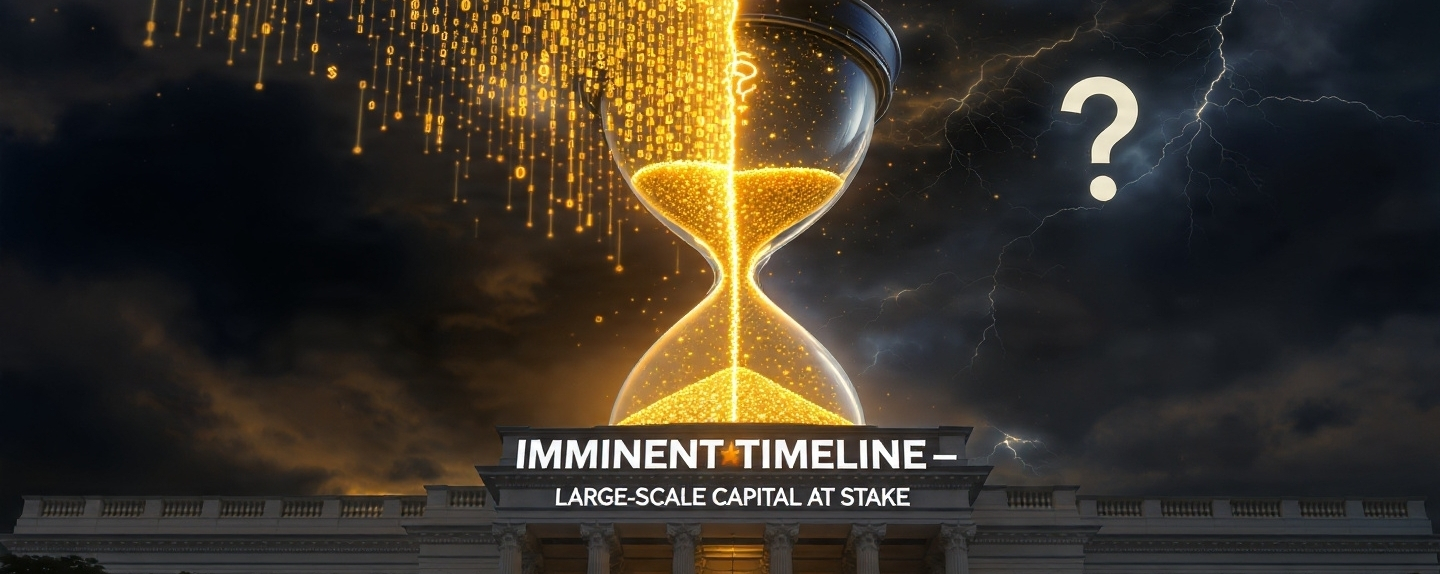
America's $240 Billion Stablecoin Countdown: 24 Days Until the GENIUS Act Reshapes Digital Money ForThe most consequential deadline in the history of U.S. crypto law is 24 days away — and the rulebook is still being written.
What Is the GENIUS Act?
The Guiding and Establishing National Innovation for U.S. Stablecoins Act (GENIUS Act) is the first U.S. federal law creating a comprehensive regulatory framework for stablecoins. The Senate passed it 68–30, the House passed it, and President Trump signed it into law on July 18, 2025. (Wikipedia)
Now, exactly one year later, the implementation deadline has arrived — and the stakes are enormous.
The Numbers Behind This Law
◆ Total stablecoin supply as of May 2026 exceeds $240 billion, with Tether's USDT holding above 67% market share and Circle's USDC at roughly 27%. The remainder splits between PayPal USD, DAI, and smaller issuers. (Spaziocrypto)
◆ Six federal agencies — OCC, FDIC, NCUA, Treasury, FinCEN, and OFAC — are in the final sprint to publish implementing rules by the July 18, 2026 statutory deadline. All major public comment periods closed as of June 9, 2026. (Angelinvestorsnetwork)
◆ USDC circulation rose 72% year over year to $75.3 billion in Q4. Circle's reserve income reached $733 million, with total revenue hitting $770 million — showing the commercial scale of what this law will govern. (Crypto Times)
◆ The law takes effect on the earlier of two dates: 18 months after enactment (January 18, 2027), or 120 days after all primary regulators finalize their rules — meaning completed rules before July 18 could accelerate the enforcement clock. (Crypto Times)
What the GENIUS Act Actually Requires
◆ The law mandates 1:1 reserves held exclusively in cash, insured bank deposits, and short-term U.S. Treasuries — and bans issuers from paying direct interest to stablecoin holders. (Spaziocrypto)
◆ State-regulated issuers that exceed $10 billion in outstanding stablecoin issuance must transition to federal OCC oversight within 360 days — an automatic escalation mechanism built into the law. (Spark)
◆ In any bankruptcy proceeding involving a stablecoin issuer, stablecoin holders have priority over all other claims — a major consumer protection built directly into the statute. (Congress.gov)
◆ The U.S. Treasury's FinCEN and OFAC issued a joint proposed rule treating all permitted stablecoin issuers as financial institutions under the Bank Secrecy Act — meaning full AML obligations, suspicious activity reporting, and sanctions compliance programs are now mandatory. (U.S. Department of the Treasury)
The Tether Question — The Biggest Unresolved Issue
Tether, operating from El Salvador, faces a unique challenge. As a foreign issuer, it requires a Treasury reciprocity determination to continue legally serving U.S. businesses — and as of May 2026, that determination has not been issued. (Spark)
Tether's response: build a U.S.-specific product. If its new USAT stablecoin becomes its compliant American offering, the company could challenge USDC inside the regulated market while keeping USDT's dominant role across global trading venues. (Crypto Times)
Who Wins, Who Faces Pressure
◆ The OCC granted conditional national trust bank charter approvals to five crypto-focused entities in December 2025, including Circle under the name "First National Digital Currency Bank" and Paxos — positioning them as the early frontrunners under the new regime. (Spark)
◆ Non-bank fintechs face consolidation pressure — Stripe, Block, and others considering stablecoin issuance must now choose: charter a licensed stablecoin bank or exit the market. Circle and Coinbase can absorb the cost. Smaller players cannot. Expect acquisition activity among stablecoin-adjacent fintechs by Q3 2026. (Angelinvestorsnetwork)
◆ The stablecoin market is projected to reach up to $3.7 trillion by the end of the decade — and the GENIUS Act is the legal foundation every issuer will be built on. (Crypto Times)
The Critical Warning
Several central pieces of the rulebook remain proposed rather than final with 24 days to go. If regulators miss the July 18 statutory deadline, the GENIUS Act contains no fallback, no automatic implementation, no interim guidance framework — a situation Congress did not intend but failed to safeguard against. (Crypto Times)
The clock is running. The rules are not finished. And $240 billion hangs in the balance.
With the GENIUS Act deadline 24 days away and Tether's U.S. status still unresolved — do you think a $240 billion market can be fully regulated by July 18, or will the world's largest stablecoin be forced to restructure entirely?
#GENIUSAct #Stablecoins #CryptoRegulation #DigitalDollars #CryptoNews
America's $240 Billion Stablecoin Countdown: 24 Days Until the GENIUS Act Reshapes Digital Money For
The most consequential deadline in the history of U.S. crypto law is 24 days away — and the rulebook is still being written.
What Is the GENIUS Act?
The Guiding and Establishing National Innovation for U.S. Stablecoins Act (GENIUS Act) is the first U.S. federal law creating a comprehensive regulatory framework for stablecoins. The Senate passed it 68–30, the House passed it, and President Trump signed it into law on July 18, 2025. (Wikipedia)
Now, exactly one year later, the implementation deadline has arrived — and the stakes are enormous.
The Numbers Behind This Law
◆ Total stablecoin supply as of May 2026 exceeds $240 billion, with Tether's USDT holding above 67% market share and Circle's USDC at roughly 27%. The remainder splits between PayPal USD, DAI, and smaller issuers. (Spaziocrypto)
◆ Six federal agencies — OCC, FDIC, NCUA, Treasury, FinCEN, and OFAC — are in the final sprint to publish implementing rules by the July 18, 2026 statutory deadline. All major public comment periods closed as of June 9, 2026. (Angelinvestorsnetwork)
◆ USDC circulation rose 72% year over year to $75.3 billion in Q4. Circle's reserve income reached $733 million, with total revenue hitting $770 million — showing the commercial scale of what this law will govern. (Crypto Times)
◆ The law takes effect on the earlier of two dates: 18 months after enactment (January 18, 2027), or 120 days after all primary regulators finalize their rules — meaning completed rules before July 18 could accelerate the enforcement clock. (Crypto Times)
What the GENIUS Act Actually Requires
◆ The law mandates 1:1 reserves held exclusively in cash, insured bank deposits, and short-term U.S. Treasuries — and bans issuers from paying direct interest to stablecoin holders. (Spaziocrypto)
◆ State-regulated issuers that exceed $10 billion in outstanding stablecoin issuance must transition to federal OCC oversight within 360 days — an automatic escalation mechanism built into the law. (Spark)
◆ In any bankruptcy proceeding involving a stablecoin issuer, stablecoin holders have priority over all other claims — a major consumer protection built directly into the statute. (Congress.gov)
◆ The U.S. Treasury's FinCEN and OFAC issued a joint proposed rule treating all permitted stablecoin issuers as financial institutions under the Bank Secrecy Act — meaning full AML obligations, suspicious activity reporting, and sanctions compliance programs are now mandatory. (U.S. Department of the Treasury)
The Tether Question — The Biggest Unresolved Issue
Tether, operating from El Salvador, faces a unique challenge. As a foreign issuer, it requires a Treasury reciprocity determination to continue legally serving U.S. businesses — and as of May 2026, that determination has not been issued. (Spark)
Tether's response: build a U.S.-specific product. If its new USAT stablecoin becomes its compliant American offering, the company could challenge USDC inside the regulated market while keeping USDT's dominant role across global trading venues. (Crypto Times)
Who Wins, Who Faces Pressure
◆ The OCC granted conditional national trust bank charter approvals to five crypto-focused entities in December 2025, including Circle under the name "First National Digital Currency Bank" and Paxos — positioning them as the early frontrunners under the new regime. (Spark)
◆ Non-bank fintechs face consolidation pressure — Stripe, Block, and others considering stablecoin issuance must now choose: charter a licensed stablecoin bank or exit the market. Circle and Coinbase can absorb the cost. Smaller players cannot. Expect acquisition activity among stablecoin-adjacent fintechs by Q3 2026. (Angelinvestorsnetwork)
◆ The stablecoin market is projected to reach up to $3.7 trillion by the end of the decade — and the GENIUS Act is the legal foundation every issuer will be built on. (Crypto Times)
The Critical Warning
Several central pieces of the rulebook remain proposed rather than final with 24 days to go. If regulators miss the July 18 statutory deadline, the GENIUS Act contains no fallback, no automatic implementation, no interim guidance framework — a situation Congress did not intend but failed to safeguard against. (Crypto Times)
The clock is running. The rules are not finished. And $240 billion hangs in the balance.
With the GENIUS Act deadline 24 days away and Tether's U.S. status still unresolved — do you think a $240 billion market can be fully regulated by July 18, or will the world's largest stablecoin be forced to restructure entirely?
#GENIUSAct #Stablecoins #CryptoRegulation #DigitalDollars #CryptoNews
What Is the GENIUS Act?
The Guiding and Establishing National Innovation for U.S. Stablecoins Act (GENIUS Act) is the first U.S. federal law creating a comprehensive regulatory framework for stablecoins. The Senate passed it 68–30, the House passed it, and President Trump signed it into law on July 18, 2025. (Wikipedia)
Now, exactly one year later, the implementation deadline has arrived — and the stakes are enormous.
The Numbers Behind This Law
◆ Total stablecoin supply as of May 2026 exceeds $240 billion, with Tether's USDT holding above 67% market share and Circle's USDC at roughly 27%. The remainder splits between PayPal USD, DAI, and smaller issuers. (Spaziocrypto)
◆ Six federal agencies — OCC, FDIC, NCUA, Treasury, FinCEN, and OFAC — are in the final sprint to publish implementing rules by the July 18, 2026 statutory deadline. All major public comment periods closed as of June 9, 2026. (Angelinvestorsnetwork)
◆ USDC circulation rose 72% year over year to $75.3 billion in Q4. Circle's reserve income reached $733 million, with total revenue hitting $770 million — showing the commercial scale of what this law will govern. (Crypto Times)
◆ The law takes effect on the earlier of two dates: 18 months after enactment (January 18, 2027), or 120 days after all primary regulators finalize their rules — meaning completed rules before July 18 could accelerate the enforcement clock. (Crypto Times)
What the GENIUS Act Actually Requires
◆ The law mandates 1:1 reserves held exclusively in cash, insured bank deposits, and short-term U.S. Treasuries — and bans issuers from paying direct interest to stablecoin holders. (Spaziocrypto)
◆ State-regulated issuers that exceed $10 billion in outstanding stablecoin issuance must transition to federal OCC oversight within 360 days — an automatic escalation mechanism built into the law. (Spark)
◆ In any bankruptcy proceeding involving a stablecoin issuer, stablecoin holders have priority over all other claims — a major consumer protection built directly into the statute. (Congress.gov)
◆ The U.S. Treasury's FinCEN and OFAC issued a joint proposed rule treating all permitted stablecoin issuers as financial institutions under the Bank Secrecy Act — meaning full AML obligations, suspicious activity reporting, and sanctions compliance programs are now mandatory. (U.S. Department of the Treasury)
The Tether Question — The Biggest Unresolved Issue
Tether, operating from El Salvador, faces a unique challenge. As a foreign issuer, it requires a Treasury reciprocity determination to continue legally serving U.S. businesses — and as of May 2026, that determination has not been issued. (Spark)
Tether's response: build a U.S.-specific product. If its new USAT stablecoin becomes its compliant American offering, the company could challenge USDC inside the regulated market while keeping USDT's dominant role across global trading venues. (Crypto Times)
Who Wins, Who Faces Pressure
◆ The OCC granted conditional national trust bank charter approvals to five crypto-focused entities in December 2025, including Circle under the name "First National Digital Currency Bank" and Paxos — positioning them as the early frontrunners under the new regime. (Spark)
◆ Non-bank fintechs face consolidation pressure — Stripe, Block, and others considering stablecoin issuance must now choose: charter a licensed stablecoin bank or exit the market. Circle and Coinbase can absorb the cost. Smaller players cannot. Expect acquisition activity among stablecoin-adjacent fintechs by Q3 2026. (Angelinvestorsnetwork)
◆ The stablecoin market is projected to reach up to $3.7 trillion by the end of the decade — and the GENIUS Act is the legal foundation every issuer will be built on. (Crypto Times)
The Critical Warning
Several central pieces of the rulebook remain proposed rather than final with 24 days to go. If regulators miss the July 18 statutory deadline, the GENIUS Act contains no fallback, no automatic implementation, no interim guidance framework — a situation Congress did not intend but failed to safeguard against. (Crypto Times)
The clock is running. The rules are not finished. And $240 billion hangs in the balance.
With the GENIUS Act deadline 24 days away and Tether's U.S. status still unresolved — do you think a $240 billion market can be fully regulated by July 18, or will the world's largest stablecoin be forced to restructure entirely?
#GENIUSAct #Stablecoins #CryptoRegulation #DigitalDollars #CryptoNews
37

The stablecoin market is facing a major legal challenge as USDT (with a market cap of $184 billion) by Tether faces a risk of being banned in the U.S. in July 2028 under the GENIUS Act.
The issue stems from the fact that about 25% of Tether’s collateral assets (including gold, loans, and Bitcoin) currently do not meet the new standards. The GENIUS Act requires that stablecoin collateral be primarily cash and U.S. Treasury bonds.
Although CEO Paolo Ardoino previously stated that Tether will comply with regulations, the company has yet to provide an official response to the latest inquiries this week. This will be an important legal flashpoint with a significant long-term impact on the crypto market.
#Tether #USDT #Stablecoin #GENIUSAct
The stablecoin market is facing a major legal challenge as USDT (with a market cap of $184 billion) by Tether faces a risk of being banned in the U.S. in July 2028 under the GENIUS Act.
The issue stems from the fact that about 25% of Tether’s collateral assets (including gold, loans, and Bitcoin) currently do not meet the new standards. The GENIUS Act requires that stablecoin collateral be primarily cash and U.S. Treasury bonds.
Although CEO Paolo Ardoino previously stated that Tether will comply with regulations, the company has yet to provide an official response to the latest inquiries this week. This will be an important legal flashpoint with a significant long-term impact on the crypto market.
#Tether #USDT #Stablecoin #GENIUSAct
The issue stems from the fact that about 25% of Tether’s collateral assets (including gold, loans, and Bitcoin) currently do not meet the new standards. The GENIUS Act requires that stablecoin collateral be primarily cash and U.S. Treasury bonds.
Although CEO Paolo Ardoino previously stated that Tether will comply with regulations, the company has yet to provide an official response to the latest inquiries this week. This will be an important legal flashpoint with a significant long-term impact on the crypto market.
#Tether #USDT #Stablecoin #GENIUSAct
49

⚖️ US Regulators Miss GENIUS Act Stablecoin Deadline: Federal Framework for Dollar-Pegged Assets Stalled
On July 20, 2026, US federal agencies missed the GENIUS Act deadline for finalizing stablecoin regulations, leaving the $USDT and $USDC markets in regulatory uncertainty. The delay has drawn criticism from advocates who argue clear rules are essential for industry growth.
The GENIUS Act, designed to establish a comprehensive federal framework for payment stablecoins, has been a central focus of crypto policy debates throughout 2026. Market participants remain hopeful that revised deadlines will produce meaningful guidance.
📌 Key Takeaway:
The continuing delay in stablecoin regulation creates uncertainty that hinders institutional adoption, but also provides additional opportunity for industry input into the final regulatory framework.
#Stablecoins #Regulation #GENIUSAct
#BinanceAlphaAlert
⚖️ US Regulators Miss GENIUS Act Stablecoin Deadline: Federal Framework for Dollar-Pegged Assets Stalled
On July 20, 2026, US federal agencies missed the GENIUS Act deadline for finalizing stablecoin regulations, leaving the $USDT and $USDC markets in regulatory uncertainty. The delay has drawn criticism from advocates who argue clear rules are essential for industry growth.
The GENIUS Act, designed to establish a comprehensive federal framework for payment stablecoins, has been a central focus of crypto policy debates throughout 2026. Market participants remain hopeful that revised deadlines will produce meaningful guidance.
📌 Key Takeaway:
The continuing delay in stablecoin regulation creates uncertainty that hinders institutional adoption, but also provides additional opportunity for industry input into the final regulatory framework.
#Stablecoins #Regulation #GENIUSAct
#BinanceAlphaAlert
On July 20, 2026, US federal agencies missed the GENIUS Act deadline for finalizing stablecoin regulations, leaving the $USDT and $USDC markets in regulatory uncertainty. The delay has drawn criticism from advocates who argue clear rules are essential for industry growth.
The GENIUS Act, designed to establish a comprehensive federal framework for payment stablecoins, has been a central focus of crypto policy debates throughout 2026. Market participants remain hopeful that revised deadlines will produce meaningful guidance.
📌 Key Takeaway:
The continuing delay in stablecoin regulation creates uncertainty that hinders institutional adoption, but also provides additional opportunity for industry input into the final regulatory framework.
#Stablecoins #Regulation #GENIUSAct
#BinanceAlphaAlert
19
Log in to explore more content
Join global crypto users on Binance Square
⚡️ Get latest and useful information about crypto.
💬 Trusted by the world’s largest crypto exchange.
👍 Discover real insights from verified creators.
Email / Phone number
Trending Topics
1
#SaylorHintsStrategyBitcoinBuy
2.3M views
12,495 Discussing
2
#BOJRaisesRatesTo31YearHigh
263,481 views
3,313 Discussing
3
#BuffettStepsDownAsBerkshireChairman
127,798 views
1,778 Discussing
4
#XRPExchangeReservesHitSevenYearLow
141,048 views
1,567 Discussing
5
#HKCompletesFirstHKDStablecoinUseCase
159,134 views
1,925 Discussing
6
#VietnamPlansFirstCryptoLicensesIn2026
100,488 views
1,307 Discussing
7
#BTCBreaks80K
547,391 views
5,804 Discussing
8
#BitcoinMarketCapTopsTesla
136,345 views
1,430 Discussing
9
#SOLJumpsAbout10%
136,096 views
1,282 Discussing
10
#EthereumReclaims$2600
12,457 views
140 Discussing