
#blockchain
blockchain
35.7M views
171,696 Discussing
Hot
Latest

$TGB Why Blockchain Needs More Accountants
Blockchain technology is advancing rapidly, but sustainable value requires more than a token and a trading market.
As a Chartered Accountant (Malaysia), I believe the next stage of digital assets should focus on:
• Real business fundamentals
• Transparent financial reporting
• Responsible governance
These principles guide our work on TGB Digital Capital.
The objective is to connect real business activities with blockchain technology through accountable structures.
What gives you confidence in an RWA project: financial transparency, verified assets or governance?
#RWA #blockchain #DigitalAssets
62

·
--
🌍 WEB3 ISN'T JUST ANOTHER CRYPTO TREND — IT'S A DIFFERENT VISION FOR THE INTERNET!
Think about how much of our digital lives depend on centralized platforms.
Our identities, communities, content, payments, and digital assets are increasingly connected to online services.
Web3 explores a different approach using blockchain technology, digital ownership, smart contracts, and decentralized applications.
Here are some areas worth watching:
🔹 Decentralized identity
🔹 Tokenized digital assets
🔹 Blockchain gaming
🔹 Decentralized communities
🔹 Smart-contract applications
🔹 Digital ownership and creator economies
$ETH , $SOL , $BNB Chain, Polygon, and Chainlink are among the names involved in different parts of this evolving ecosystem.
Of course, Web3 still faces challenges involving usability, security, regulation, and mainstream adoption.
But the technology is worth understanding.
🔥 Would you prefer a decentralized internet or the traditional internet?
Let's discuss!
#Web3 #Blockchain #Ethereum #Solana #BNB

5
·
--
⚡ WHAT IF THE NEXT INTERNET IS BUILT ON $ETH ?
Most people look at Ethereum and see only another cryptocurrency. But there's a much bigger story behind ETH.
Ethereum introduced a powerful environment for smart contracts, decentralized applications, DeFi protocols, NFTs, and countless blockchain innovations.
Think about it:
🔹 DeFi allows financial services without traditional intermediaries.
🔹 Smart contracts automate agreements.
🔹 Developers can build applications on decentralized networks.
🔹 Layer-2 solutions aim to improve scalability and user experience.
And the ecosystem doesn't stop there. Projects like $MATIC , $ARB , and Optimism are also contributing to blockchain development.
The future of crypto won't be built by hype alone. Real technology, useful applications, security, and adoption matter.
🔥 Do you believe Ethereum will remain a leading force in Web3?
#Optimism #DeFi #Web3 #Blockchain #BinanceSquare

3

·
--
🚨 WALL STREET IS LOOKING AT BLOCKCHAIN! 🌍
What if traditional stocks could be traded and settled on blockchain infrastructure?
🔥 What's happening?
The New York Stock Exchange is planning a tokenized securities platform that could use Avalanche for settlement.
Why is this important?
🔹 Potential 24/7 trading.
🔹 Blockchain-based settlement.
🔹 A bridge between traditional finance and Web3.
🔹 Growing interest in Real-World Asset (RWA) tokenization.
This is a planned development, not a fully launched service. Regulatory approval is still important.
💬 Discussion: Do you think tokenized stocks could change the future of financial markets?
#Avalanche #AVAX #NYSE #RWA #Tokenization #Blockchain #Web3 #TradFiForBeginners

2
372

⚡ ETHEREUM IS PREPARING FOR A NEW ERA!
What if powerful quantum computers could eventually threaten blockchain security?
Ethereum researchers are already thinking ahead.
$BTC
A new proposal suggests accelerating Ethereum's post-quantum security upgrade, potentially targeting 2027.
This could become one of the most important security developments in Ethereum's history.
But here's the big question:
🔐 Can Ethereum stay secure in the age of quantum computing?
What do you think?
#Ethereum #ETH #quantumcomputing #Blockchain #trump
{future}(BTCUSDT)
⚡ ETHEREUM IS PREPARING FOR A NEW ERA!
What if powerful quantum computers could eventually threaten blockchain security?
Ethereum researchers are already thinking ahead.
$BTC
A new proposal suggests accelerating Ethereum's post-quantum security upgrade, potentially targeting 2027.
This could become one of the most important security developments in Ethereum's history.
But here's the big question:
🔐 Can Ethereum stay secure in the age of quantum computing?
What do you think?
#Ethereum #ETH #quantumcomputing #Blockchain #trump
120

·
--
Article
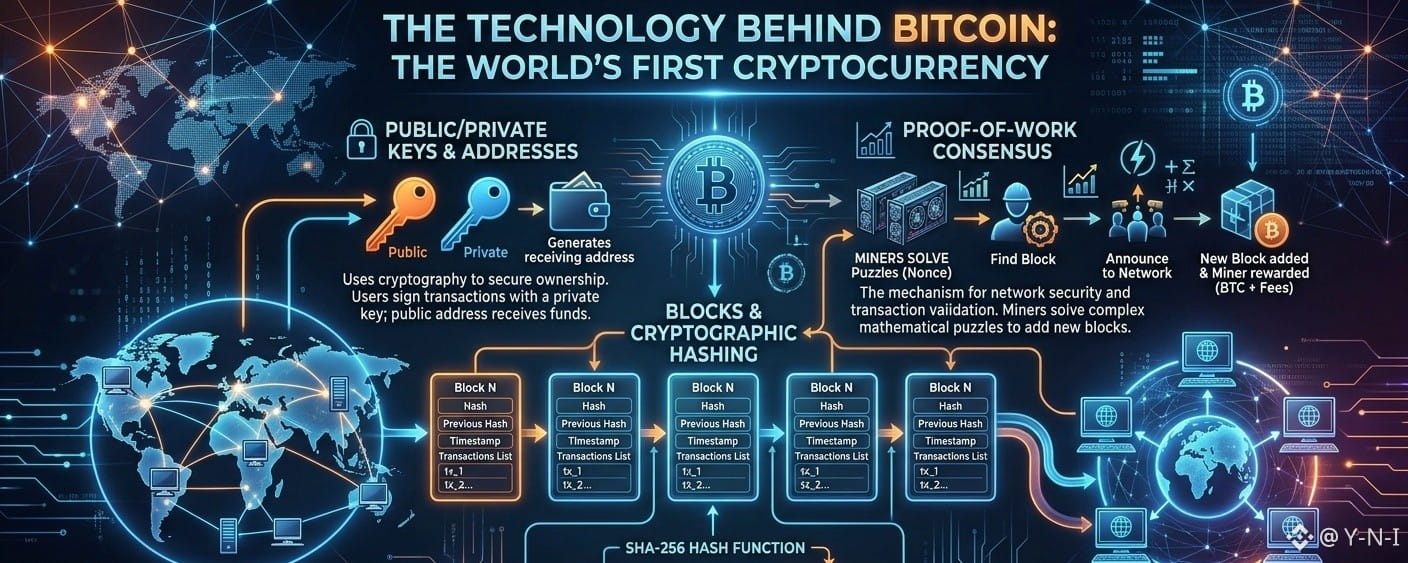
Bitcoin Explained: The Technology Behind the World's First CryptocurrencyA simple guide to Bitcoin, blockchain, mining, and its 21-million coin supply.$BTC
Bitcoin Explained: How Does It Actually Work?
Have you ever wondered what Bitcoin really is, how people send it around the world, and why so many people talk about it?
Let's understand Bitcoin in simple words.
1. What is Bitcoin?
Bitcoin ($BTC) is a digital currency that allows people to send and receive value over the internet without needing a traditional bank to process every transaction.
It was introduced in 2009 by a person or group using the name Satoshi Nakamoto.
Unlike traditional currencies, Bitcoin operates on a decentralized network. This means no single bank or government controls the Bitcoin network.
2. What is Blockchain?
Blockchain is the technology behind Bitcoin.
Think of it as a public digital record book that stores confirmed Bitcoin transactions.
Whenever someone sends Bitcoin to another wallet, the transaction is broadcast to the network and checked before being added to the blockchain.
This allows participants to verify transactions without depending on one central authority.
3. How Does $BTC Mining Work?
Bitcoin mining is the process through which specialized computers help verify transactions and secure the network.
Miners compete to add new blocks of transactions to the blockchain. Successful miners receive rewards according to Bitcoin's protocol.
Mining also helps control the creation of new bitcoins.
4. Why Is Bitcoin Limited to 21 Million?
One interesting feature of Bitcoin is its limited supply.
The Bitcoin protocol sets a maximum supply of 21 million coins. New bitcoins are introduced gradually through mining, and the rate of new issuance decreases through scheduled halving events.
This programmed scarcity is one reason Bitcoin is often compared to gold.
5. Is Bitcoin Risk-Free?
Absolutely not!
Bitcoin has several risks:
Its market price can rise or fall sharply.
Users can lose access to funds if they lose their private keys.
Cryptocurrency scams and fake investment offers are common.
Regulations can differ between countries.
Understanding these risks is important before making any financial decision.
Final Thoughts
Bitcoin is more than just a digital coin. It introduced a decentralized way to transfer value using blockchain technology.
Whether you are interested in crypto technology, trading, or simply learning about digital assets, understanding Bitcoin is a useful first step.
Learn first. Research carefully. Never invest based only on hype.
This article is for educational purposes only and is not financial advice.
Caption: New to cryptocurrency? Start with the basics! Today we're exploring Bitcoin, blockchain, mining, and the famous 21-million supply limit. 📚
Hashtags:
#blockchain #BinanceSquare #CryptoForBeginners
Bitcoin Explained: The Technology Behind the World's First Cryptocurrency
A simple guide to Bitcoin, blockchain, mining, and its 21-million coin supply.$BTC
Bitcoin Explained: How Does It Actually Work?
Have you ever wondered what Bitcoin really is, how people send it around the world, and why so many people talk about it?
Let's understand Bitcoin in simple words.
1. What is Bitcoin?
Bitcoin ($BTC ) is a digital currency that allows people to send and receive value over the internet without needing a traditional bank to process every transaction.
It was introduced in 2009 by a person or group using the name Satoshi Nakamoto.
Unlike traditional currencies, Bitcoin operates on a decentralized network. This means no single bank or government controls the Bitcoin network.
2. What is Blockchain?
Blockchain is the technology behind Bitcoin.
Think of it as a public digital record book that stores confirmed Bitcoin transactions.
Whenever someone sends Bitcoin to another wallet, the transaction is broadcast to the network and checked before being added to the blockchain.
This allows participants to verify transactions without depending on one central authority.
3. How Does $BTC Mining Work?
Bitcoin mining is the process through which specialized computers help verify transactions and secure the network.
Miners compete to add new blocks of transactions to the blockchain. Successful miners receive rewards according to Bitcoin's protocol.
Mining also helps control the creation of new bitcoins.
4. Why Is Bitcoin Limited to 21 Million?
One interesting feature of Bitcoin is its limited supply.
The Bitcoin protocol sets a maximum supply of 21 million coins. New bitcoins are introduced gradually through mining, and the rate of new issuance decreases through scheduled halving events.
This programmed scarcity is one reason Bitcoin is often compared to gold.
5. Is Bitcoin Risk-Free?
Absolutely not!
Bitcoin has several risks:
Its market price can rise or fall sharply.
Users can lose access to funds if they lose their private keys.
Cryptocurrency scams and fake investment offers are common.
Regulations can differ between countries.
Understanding these risks is important before making any financial decision.
Final Thoughts
Bitcoin is more than just a digital coin. It introduced a decentralized way to transfer value using blockchain technology.
Whether you are interested in crypto technology, trading, or simply learning about digital assets, understanding Bitcoin is a useful first step.
Learn first. Research carefully. Never invest based only on hype.
This article is for educational purposes only and is not financial advice.
Caption: New to cryptocurrency? Start with the basics! Today we're exploring Bitcoin, blockchain, mining, and the famous 21-million supply limit. 📚
Hashtags:
#blockchain #BinanceSquare #CryptoForBeginners
88


Article
BLOCKCHAIN: What Is Blockchain, How Does It Work, Why Is It Important, and What Is Its Future?🚀 Understanding the Technology That Is Transforming the Digital World
Have you ever wondered how Bitcoin transactions are verified without banks? How can thousands of computers maintain the same financial records without depending on one central authority? And how can digital information be recorded in a way that makes unauthorized changes extremely difficult?
The answer lies in a revolutionary technology called Blockchain.
Blockchain is one of the most important technological innovations behind the cryptocurrency industry. It has introduced new ways of storing information, transferring digital assets, verifying transactions, and building decentralized applications.
Today, blockchain technology is being explored across finance, healthcare, supply chains, digital identity, gaming, and many other industries.
But what exactly is blockchain? How does it work? Who introduced it? Why was it created? And why is the world paying so much attention to it?
Let's understand everything step by step.
1. What Is Blockchain?
Blockchain is a type of distributed digital ledger that records information in groups called blocks. These blocks are connected chronologically using cryptographic techniques, creating a chain of records.
In simple words, imagine a digital notebook that records transactions.
Instead of keeping this notebook in one central location, copies of the ledger can be maintained by multiple computers across a network.
When a new transaction or set of transactions is accepted according to the network's rules, it can be added to the ledger.
The information is linked to previous records, making unauthorized modification difficult to perform without detection or significant computational effort, depending on the blockchain's design.
The main characteristics of blockchain include:
Decentralization: Some blockchains operate without one central organization controlling the entire network.Transparency: Public blockchains allow participants to inspect transaction records.Security: Cryptography helps protect transactions and link blocks.Immutability: Confirmed records are designed to be difficult to change.Distributed storage: Multiple network participants maintain and verify ledger information.Traceability: Transactions can be followed through the blockchain's history.
One important distinction: Blockchain and cryptocurrency are not the same thing.
Blockchain is the underlying technology, while cryptocurrencies are digital assets that can operate on blockchain networks.
2. How Did Blockchain Begin?
The history of blockchain technology goes back further than Bitcoin.
Several researchers developed important ideas that eventually contributed to modern blockchain systems.
1991: Early Cryptographic Research
Researchers Stuart Haber and W. Scott Stornetta introduced a method for digitally timestamping documents so that their historical records could not be easily altered without detection.
Their work established an important foundation for linking records through cryptographic hashes.
1992: Improvements to the System
Haber, Stornetta, and Dave Bayer improved the timestamping system by incorporating Merkle trees, allowing multiple document records to be efficiently combined and verified.
2008: Satoshi Nakamoto's Innovation
In October 2008, Satoshi Nakamoto published the Bitcoin whitepaper titled:
"Bitcoin: A Peer-to-Peer Electronic Cash System."
The paper introduced a decentralized electronic payment system using proof-of-work and a chain of timestamped blocks.
2009: The Bitcoin Blockchain Begins
On 3 January 2009, Satoshi Nakamoto mined Bitcoin's Genesis Block.
This marked the beginning of the first successful decentralized cryptocurrency network using blockchain technology.
2015: Ethereum Expands Blockchain Capabilities
Ethereum introduced a programmable blockchain platform that supports smart contracts and decentralized applications.
This expanded blockchain beyond digital currency and opened the door to decentralized finance, NFTs, decentralized applications, and many other innovations.
Blockchain has continued to evolve since then.
3. Why Was Blockchain Created?
To understand blockchain's importance, we must first understand the problems it was designed to address.
Traditional digital systems often depend on centralized institutions to maintain records, verify transactions, and establish trust.
For example, when someone transfers money through a bank, the bank maintains the transaction records and verifies the transfer.
But what happens when people want to exchange digital value without relying on a central intermediary?
This creates several challenges.
A. The Problem of Trust
In traditional financial systems, users generally depend on banks and payment processors to verify transactions.
Blockchain introduced a different approach: network participants can independently verify transactions according to shared rules.
B. The Double-Spending Problem
Digital information can be copied easily.
If digital money could be duplicated and spent multiple times, it would lose its usefulness.
Bitcoin addressed this challenge through a distributed transaction history, proof-of-work, and consensus rules that establish which transactions are valid.
C. Centralized Control
Centralized databases are managed by particular organizations.
Blockchain networks can distribute recordkeeping and verification across multiple independent participants.
This can reduce dependence on a single central operator.
D. Transparency and Accountability
Public blockchains allow participants to inspect transaction histories.
This can improve traceability and make certain activities easier to audit.
The main idea: Blockchain provides a way for multiple participants to maintain and verify shared digital records without necessarily depending on one central authority.
4. How Does Blockchain Actually Work?
Let's understand the technology through a simple example.
Imagine Alice wants to send 1 BTC to Bob.
How does the Bitcoin blockchain process this transaction?
Step 1: A Transaction Is Created
Alice opens her Bitcoin wallet and enters Bob's Bitcoin address.
She chooses the amount she wants to transfer.
Her wallet creates a transaction and digitally signs it using the appropriate private key.
Step 2: The Transaction Is Broadcast
The transaction is transmitted to the Bitcoin network.
Participating nodes receive the transaction and check whether it follows the network's rules.
Step 3: Transaction Verification
Nodes check important details, including:
Whether the transaction is properly signed.Whether the inputs are valid and unspent.Whether the transaction follows Bitcoin's consensus rules.Whether the transaction attempts to spend more Bitcoin than is available.
Valid transactions can wait in a collection called the mempool.
Step 4: Transactions Are Grouped Into a Block
Bitcoin miners select transactions and organize them into a candidate block.
They compete to find a valid proof-of-work solution.
Step 5: A New Block Is Added
When a miner finds a valid solution, the proposed block is broadcast to the network.
Other nodes independently verify the block.
If it follows the consensus rules, it can be accepted and added to the blockchain.
Step 6: Transaction Confirmation
Bob's transaction is now recorded in a confirmed block.
Additional blocks built on top of that block increase the transaction's confirmation depth.
This process makes the transaction increasingly difficult to reverse under normal network conditions.
This is how blockchain creates a shared and verifiable transaction history.
5. What Is a Block in Blockchain?
A block is a container of data that becomes part of the blockchain.
In Bitcoin, a block generally contains several important components.
1. Block Header
The header contains essential information used to identify and connect the block to the blockchain.
2. Previous Block Hash
This is the cryptographic hash of the previous block's header.
It connects the current block to the previous one.
3. Merkle Root
A Merkle root is a cryptographic summary of the transactions included in the block.
It helps verify that transactions belong to the block.
4. Timestamp
It records a time value associated with the block.
5. Nonce
In Bitcoin mining, the nonce is one of the values miners can change while searching for a valid proof-of-work solution.
6. Transaction Data
The block contains the transactions included in it.
When blocks are linked through cryptographic hashes, changing information in an earlier block affects its hash and breaks the existing chain of references.
This is one of the reasons blockchain records are difficult to manipulate.
6. What Is Cryptography and Why Is It Important?
Cryptography is one of the most important technologies behind blockchain.
It helps secure information, verify ownership, and protect transactions.
Two important cryptographic concepts are:
A. Hashing
Hashing converts input data into a fixed-length output using a mathematical algorithm.
Bitcoin uses the SHA-256 cryptographic hash function.
For example, even a small change in the input generally produces a completely different hash.
A hash helps identify data and makes unauthorized changes detectable.
B. Digital Signatures
Digital signatures use public-key cryptography.
A user can authorize a transaction using a private key, while network participants can verify the signature using the corresponding public key.
This helps demonstrate that a transaction was authorized by someone controlling the relevant private key.
Important: A blockchain address and a private key are not the same thing. Your private key must remain secret.
7. What Is Consensus Mechanism?
A consensus mechanism is the set of rules and processes that allows participants in a blockchain network to agree on the valid state of the ledger.
Because decentralized networks do not necessarily have a central authority, they need a method for reaching agreement.
There are different consensus mechanisms.
A. Proof of Work (PoW)
Proof of Work is the consensus mechanism used by Bitcoin.
Miners compete using computational power to find a valid cryptographic solution.
The successful miner can propose a new block.
Advantages:
Provides strong economic security.Makes attacks computationally expensive.Has a long operating history through Bitcoin.
Limitations:
Requires significant energy.Can involve substantial hardware and infrastructure costs.Has limited transaction throughput on the base layer.
B. Proof of Stake (PoS)
Proof of Stake uses participants called validators who lock or stake cryptocurrency according to the network's rules.
Validators are selected to propose and verify blocks.
Ethereum is an important example of a Proof-of-Stake blockchain.
Advantages:
Generally consumes much less energy than proof-of-work mining.Does not require the same type of specialized mining competition.Can support different network scaling designs.
Limitations:
Economic incentives and validator concentration must be carefully managed.Security depends on the protocol's staking and slashing mechanisms.Large holders may have significant influence in some systems.
Other consensus approaches also exist, including delegated proof of stake and various Byzantine fault-tolerant mechanisms.
Different networks choose different approaches according to their design goals.
8. What Are the Different Types of Blockchain?
Not every blockchain operates in the same way.
Blockchain networks can be classified according to who can access them and who can participate in controlling them.
1. Public Blockchain
A public blockchain is generally open for anyone to participate in according to its rules.
Examples:
BitcoinEthereumSolana
Characteristics:
Open participation.Publicly verifiable records.No single organization necessarily controls the network.Often designed for decentralized applications and digital assets.
2. Private Blockchain
A private blockchain is controlled by a specific organization or authorized group.
Access is restricted.
Organizations may use private blockchains to manage internal records, transactions, or business processes.
3. Consortium Blockchain
A consortium blockchain is managed by multiple selected organizations rather than one single organization.
It can be useful when several institutions need to share and verify information.
4. Hybrid Blockchain
A hybrid blockchain combines features of public and private systems.
Some information or operations can remain restricted, while selected records or proofs can be made publicly verifiable.
Each type has different advantages and limitations. A public blockchain is not automatically the best solution for every business application.
9. What Is the Difference Between Blockchain and Bitcoin?
This is one of the most common questions among beginners.
Bitcoin and blockchain are related, but they are not identical.
Bitcoin Blockchain
A cryptocurrency and payment network A type of distributed ledger technology
Uses BTC as its native asset May operate with or without a cryptocurrency
Has its own blockchain Can support many different networks
Uses Proof of Work Can use different consensus mechanisms
Primarily designed around decentralized digital money Can support many types of applications
Think of it this way:
Blockchain is the technology, while Bitcoin is one of its most successful applications.
Ethereum, Solana, and other networks demonstrate how blockchain can support different use cases beyond digital payments.
10. What Are Smart Contracts?
Smart contracts are programs deployed on a blockchain that execute according to predefined conditions and rules.
They can automatically perform actions when their programmed conditions are satisfied.
For example:
Imagine an online agreement where payment is released after a specific condition is fulfilled.
A smart contract can be programmed to execute the payment automatically when the required condition is met.
Smart contracts are important because they allow developers to build applications that operate according to blockchain-based rules.
They are widely used in:
Decentralized Finance (DeFi).NFT marketplaces.Decentralized exchanges.Gaming applications.Token creation.Digital asset management.
Ethereum is particularly well known for its smart-contract ecosystem.
However, smart contracts are not automatically free from errors. Bugs, poor programming, and flawed assumptions can create serious financial risks.
11. How Is Blockchain Used in Cryptocurrency?
Blockchain is the foundation of many cryptocurrency networks.
It helps maintain transaction records, establish ownership, and prevent unauthorized spending.
Different cryptocurrencies use different blockchain architectures.
Some examples include:
Bitcoin: A decentralized digital monetary network using Proof of Work.
Ethereum: A programmable blockchain supporting smart contracts and decentralized applications.
BNB Smart Chain: A blockchain ecosystem supporting smart contracts and decentralized applications.
Solana: A blockchain designed to support high-throughput applications and transactions.
XRP Ledger: A distributed ledger designed for payments and digital asset transfers.
These networks differ in their consensus systems, transaction models, governance, performance, and security assumptions.
They should not be treated as identical technologies simply because they all use distributed ledgers.
12. Real-World Applications of Blockchain Beyond Cryptocurrency
Blockchain is not limited to Bitcoin or digital trading.
Its underlying technology can be applied to several industries.
A. Banking and Finance
Blockchain can support digital asset transfers, settlement systems, tokenization, and cross-border payment infrastructure.
B. Healthcare
Blockchain-based systems can help manage audit trails and verify records.
Sensitive medical information still requires appropriate privacy and access controls.
C. Supply Chain Management
Businesses can use shared records to track products as they move between manufacturers, distributors, and retailers.
This can improve traceability when accurate information is entered into the system.
D. Digital Identity
Blockchain-based identity systems can help individuals manage verifiable credentials.
E. Real Estate
Tokenization can represent certain property-related rights or financial interests digitally, subject to applicable laws and regulations.
F. Education
Institutions can explore blockchain-based verification of academic credentials and certificates.
G. Gaming
Blockchain can support digital ownership of certain in-game assets, collectibles, and tokens.
The important point: Blockchain is useful when multiple parties need a shared, verifiable record. It is not necessarily the best solution for every database or business problem.
13. What Are the Advantages of Blockchain?
Blockchain offers several potential benefits.
1. Decentralization
Some blockchain systems reduce dependence on a single central operator.
2. Transparency
Public networks allow users to inspect transaction histories.
3. Security
Cryptographic techniques and consensus mechanisms help protect the network.
4. Traceability
Transactions and asset movements can be followed through the ledger.
5. Reduced Dependence on Intermediaries
Certain blockchain applications can facilitate transactions directly between participants.
6. Programmability
Smart contracts allow developers to create automated applications.
7. Global Accessibility
Public blockchain networks can be accessed across geographical boundaries, subject to internet availability and local laws.
14. What Are the Disadvantages and Risks of Blockchain?
Despite its potential, blockchain technology also faces important challenges.
1. Scalability
Some blockchain networks have limited transaction capacity.
High demand can increase transaction fees and confirmation times.
2. Energy Consumption
Proof-of-work networks require significant computational energy.
The environmental impact depends on the network's energy sources and mining operations.
3. Regulatory Challenges
Different countries have different rules regarding cryptocurrency, digital assets, and blockchain applications.
4. Security Vulnerabilities
Blockchain protocols can be secure while applications built on top of them remain vulnerable.
Smart-contract bugs, compromised private keys, phishing, and bridge exploits can cause significant losses.
5. Privacy Concerns
Public blockchain transactions may be visible to anyone.
Although wallet addresses do not automatically reveal someone's real-world identity, transaction analysis can sometimes link addresses to individuals.
6. Technical Complexity
Understanding wallets, private keys, consensus systems, smart contracts, and network fees can be difficult for beginners.
7. Irreversible Transactions
Many blockchain transactions cannot easily be reversed once confirmed.
Sending assets to the wrong address may result in permanent loss.
Blockchain is powerful technology, but it is not a guarantee of security, profitability, or reliability.
15. What Is the Future of Blockchain?
Blockchain technology is still developing.
Several important areas may influence its future.
1. Real-World Asset Tokenization
Financial and physical assets may increasingly be represented through digital tokens.
2. Decentralized Finance
DeFi applications may continue developing new ways to provide financial services through smart contracts.
3. Blockchain Interoperability
Improved communication between different blockchain networks could make digital asset ecosystems more connected.
4. Layer-2 Scaling
Layer-2 solutions aim to improve transaction capacity, speed, and costs while using an underlying blockchain for security or settlement.
5. Digital Identity
Blockchain-based credentials may help individuals and organizations verify information digitally.
6. Artificial Intelligence and Blockchain
AI and blockchain may complement each other in areas such as data provenance, verification, automated payments, and digital identity.
7. Enterprise Adoption
Businesses may continue experimenting with distributed ledgers for supply chains, financial settlement, and shared records.
However, adoption will depend on whether these solutions provide practical advantages over traditional systems.
16. Is Blockchain the Same as Web3?
No. Blockchain and Web3 are related concepts, but they are different.
Blockchain is the underlying technology used to maintain distributed records.
Web3 is a broader vision of internet applications that may incorporate decentralized networks, blockchain-based ownership, digital assets, and smart contracts.
For example, a decentralized application that uses Ethereum smart contracts may be considered part of the Web3 ecosystem.
Blockchain can therefore serve as one of the technological foundations of Web3.
17. Do You Need Cryptocurrency to Use Blockchain?
Not always.
This is an important point that beginners should understand.
Some blockchain systems use native cryptocurrencies to pay transaction fees, reward validators, or provide economic incentives.
However, certain private and permissioned blockchain systems can operate without a publicly traded cryptocurrency.
Even public blockchains may support applications involving digital records, credentials, or other information rather than simply cryptocurrency transfers.
Therefore, blockchain technology should not be confused with cryptocurrency trading.
Final Thoughts: Blockchain Is More Than Cryptocurrency
Blockchain introduced a different approach to storing, verifying, and sharing digital information.
Its greatest innovation is not simply the creation of cryptocurrencies. It is the ability to maintain a shared digital record through cryptography, distributed participation, and consensus mechanisms.
From Bitcoin's decentralized payment system to Ethereum's smart contracts and the development of decentralized applications, blockchain has created new possibilities for the digital economy.
However, it also faces challenges involving scalability, privacy, regulation, energy consumption, and security.
The future of blockchain will depend on practical adoption, technological improvements, responsible development, and real-world usefulness.
Understanding blockchain means understanding one of the fundamental technologies shaping the future of digital finance.
Learn the technology. Understand the opportunities. Never ignore the risks.
Let's Discuss!
Do you believe blockchain will eventually transform traditional banking, healthcare, education, and global business?
Or do you think its biggest impact will remain within the cryptocurrency industry?
Share your thoughts in the comments!
#blockchain #bitcoin #cryptoeducation #cryptocurrency #Web3
BLOCKCHAIN: What Is Blockchain, How Does It Work, Why Is It Important, and What Is Its Future?
🚀 Understanding the Technology That Is Transforming the Digital World
Have you ever wondered how Bitcoin transactions are verified without banks? How can thousands of computers maintain the same financial records without depending on one central authority? And how can digital information be recorded in a way that makes unauthorized changes extremely difficult?
The answer lies in a revolutionary technology called Blockchain.
Blockchain is one of the most important technological innovations behind the cryptocurrency industry. It has introduced new ways of storing information, transferring digital assets, verifying transactions, and building decentralized applications.
Today, blockchain technology is being explored across finance, healthcare, supply chains, digital identity, gaming, and many other industries.
But what exactly is blockchain? How does it work? Who introduced it? Why was it created? And why is the world paying so much attention to it?
Let's understand everything step by step.
1. What Is Blockchain?
Blockchain is a type of distributed digital ledger that records information in groups called blocks. These blocks are connected chronologically using cryptographic techniques, creating a chain of records.
In simple words, imagine a digital notebook that records transactions.
Instead of keeping this notebook in one central location, copies of the ledger can be maintained by multiple computers across a network.
When a new transaction or set of transactions is accepted according to the network's rules, it can be added to the ledger.
The information is linked to previous records, making unauthorized modification difficult to perform without detection or significant computational effort, depending on the blockchain's design.
The main characteristics of blockchain include:
Decentralization: Some blockchains operate without one central organization controlling the entire network.Transparency: Public blockchains allow participants to inspect transaction records.Security: Cryptography helps protect transactions and link blocks.Immutability: Confirmed records are designed to be difficult to change.Distributed storage: Multiple network participants maintain and verify ledger information.Traceability: Transactions can be followed through the blockchain's history.
One important distinction: Blockchain and cryptocurrency are not the same thing.
Blockchain is the underlying technology, while cryptocurrencies are digital assets that can operate on blockchain networks.
2. How Did Blockchain Begin?
The history of blockchain technology goes back further than Bitcoin.
Several researchers developed important ideas that eventually contributed to modern blockchain systems.
1991: Early Cryptographic Research
Researchers Stuart Haber and W. Scott Stornetta introduced a method for digitally timestamping documents so that their historical records could not be easily altered without detection.
Their work established an important foundation for linking records through cryptographic hashes.
1992: Improvements to the System
Haber, Stornetta, and Dave Bayer improved the timestamping system by incorporating Merkle trees, allowing multiple document records to be efficiently combined and verified.
2008: Satoshi Nakamoto's Innovation
In October 2008, Satoshi Nakamoto published the Bitcoin whitepaper titled:
"Bitcoin: A Peer-to-Peer Electronic Cash System."
The paper introduced a decentralized electronic payment system using proof-of-work and a chain of timestamped blocks.
2009: The Bitcoin Blockchain Begins
On 3 January 2009, Satoshi Nakamoto mined Bitcoin's Genesis Block.
This marked the beginning of the first successful decentralized cryptocurrency network using blockchain technology.
2015: Ethereum Expands Blockchain Capabilities
Ethereum introduced a programmable blockchain platform that supports smart contracts and decentralized applications.
This expanded blockchain beyond digital currency and opened the door to decentralized finance, NFTs, decentralized applications, and many other innovations.
Blockchain has continued to evolve since then.
3. Why Was Blockchain Created?
To understand blockchain's importance, we must first understand the problems it was designed to address.
Traditional digital systems often depend on centralized institutions to maintain records, verify transactions, and establish trust.
For example, when someone transfers money through a bank, the bank maintains the transaction records and verifies the transfer.
But what happens when people want to exchange digital value without relying on a central intermediary?
This creates several challenges.
A. The Problem of Trust
In traditional financial systems, users generally depend on banks and payment processors to verify transactions.
Blockchain introduced a different approach: network participants can independently verify transactions according to shared rules.
B. The Double-Spending Problem
Digital information can be copied easily.
If digital money could be duplicated and spent multiple times, it would lose its usefulness.
Bitcoin addressed this challenge through a distributed transaction history, proof-of-work, and consensus rules that establish which transactions are valid.
C. Centralized Control
Centralized databases are managed by particular organizations.
Blockchain networks can distribute recordkeeping and verification across multiple independent participants.
This can reduce dependence on a single central operator.
D. Transparency and Accountability
Public blockchains allow participants to inspect transaction histories.
This can improve traceability and make certain activities easier to audit.
The main idea: Blockchain provides a way for multiple participants to maintain and verify shared digital records without necessarily depending on one central authority.
4. How Does Blockchain Actually Work?
Let's understand the technology through a simple example.
Imagine Alice wants to send 1 BTC to Bob.
How does the Bitcoin blockchain process this transaction?
Step 1: A Transaction Is Created
Alice opens her Bitcoin wallet and enters Bob's Bitcoin address.
She chooses the amount she wants to transfer.
Her wallet creates a transaction and digitally signs it using the appropriate private key.
Step 2: The Transaction Is Broadcast
The transaction is transmitted to the Bitcoin network.
Participating nodes receive the transaction and check whether it follows the network's rules.
Step 3: Transaction Verification
Nodes check important details, including:
Whether the transaction is properly signed.Whether the inputs are valid and unspent.Whether the transaction follows Bitcoin's consensus rules.Whether the transaction attempts to spend more Bitcoin than is available.
Valid transactions can wait in a collection called the mempool.
Step 4: Transactions Are Grouped Into a Block
Bitcoin miners select transactions and organize them into a candidate block.
They compete to find a valid proof-of-work solution.
Step 5: A New Block Is Added
When a miner finds a valid solution, the proposed block is broadcast to the network.
Other nodes independently verify the block.
If it follows the consensus rules, it can be accepted and added to the blockchain.
Step 6: Transaction Confirmation
Bob's transaction is now recorded in a confirmed block.
Additional blocks built on top of that block increase the transaction's confirmation depth.
This process makes the transaction increasingly difficult to reverse under normal network conditions.
This is how blockchain creates a shared and verifiable transaction history.
5. What Is a Block in Blockchain?
A block is a container of data that becomes part of the blockchain.
In Bitcoin, a block generally contains several important components.
1. Block Header
The header contains essential information used to identify and connect the block to the blockchain.
2. Previous Block Hash
This is the cryptographic hash of the previous block's header.
It connects the current block to the previous one.
3. Merkle Root
A Merkle root is a cryptographic summary of the transactions included in the block.
It helps verify that transactions belong to the block.
4. Timestamp
It records a time value associated with the block.
5. Nonce
In Bitcoin mining, the nonce is one of the values miners can change while searching for a valid proof-of-work solution.
6. Transaction Data
The block contains the transactions included in it.
When blocks are linked through cryptographic hashes, changing information in an earlier block affects its hash and breaks the existing chain of references.
This is one of the reasons blockchain records are difficult to manipulate.
6. What Is Cryptography and Why Is It Important?
Cryptography is one of the most important technologies behind blockchain.
It helps secure information, verify ownership, and protect transactions.
Two important cryptographic concepts are:
A. Hashing
Hashing converts input data into a fixed-length output using a mathematical algorithm.
Bitcoin uses the SHA-256 cryptographic hash function.
For example, even a small change in the input generally produces a completely different hash.
A hash helps identify data and makes unauthorized changes detectable.
B. Digital Signatures
Digital signatures use public-key cryptography.
A user can authorize a transaction using a private key, while network participants can verify the signature using the corresponding public key.
This helps demonstrate that a transaction was authorized by someone controlling the relevant private key.
Important: A blockchain address and a private key are not the same thing. Your private key must remain secret.
7. What Is Consensus Mechanism?
A consensus mechanism is the set of rules and processes that allows participants in a blockchain network to agree on the valid state of the ledger.
Because decentralized networks do not necessarily have a central authority, they need a method for reaching agreement.
There are different consensus mechanisms.
A. Proof of Work (PoW)
Proof of Work is the consensus mechanism used by Bitcoin.
Miners compete using computational power to find a valid cryptographic solution.
The successful miner can propose a new block.
Advantages:
Provides strong economic security.Makes attacks computationally expensive.Has a long operating history through Bitcoin.
Limitations:
Requires significant energy.Can involve substantial hardware and infrastructure costs.Has limited transaction throughput on the base layer.
B. Proof of Stake (PoS)
Proof of Stake uses participants called validators who lock or stake cryptocurrency according to the network's rules.
Validators are selected to propose and verify blocks.
Ethereum is an important example of a Proof-of-Stake blockchain.
Advantages:
Generally consumes much less energy than proof-of-work mining.Does not require the same type of specialized mining competition.Can support different network scaling designs.
Limitations:
Economic incentives and validator concentration must be carefully managed.Security depends on the protocol's staking and slashing mechanisms.Large holders may have significant influence in some systems.
Other consensus approaches also exist, including delegated proof of stake and various Byzantine fault-tolerant mechanisms.
Different networks choose different approaches according to their design goals.
8. What Are the Different Types of Blockchain?
Not every blockchain operates in the same way.
Blockchain networks can be classified according to who can access them and who can participate in controlling them.
1. Public Blockchain
A public blockchain is generally open for anyone to participate in according to its rules.
Examples:
BitcoinEthereumSolana
Characteristics:
Open participation.Publicly verifiable records.No single organization necessarily controls the network.Often designed for decentralized applications and digital assets.
2. Private Blockchain
A private blockchain is controlled by a specific organization or authorized group.
Access is restricted.
Organizations may use private blockchains to manage internal records, transactions, or business processes.
3. Consortium Blockchain
A consortium blockchain is managed by multiple selected organizations rather than one single organization.
It can be useful when several institutions need to share and verify information.
4. Hybrid Blockchain
A hybrid blockchain combines features of public and private systems.
Some information or operations can remain restricted, while selected records or proofs can be made publicly verifiable.
Each type has different advantages and limitations. A public blockchain is not automatically the best solution for every business application.
9. What Is the Difference Between Blockchain and Bitcoin?
This is one of the most common questions among beginners.
Bitcoin and blockchain are related, but they are not identical.
Bitcoin Blockchain
A cryptocurrency and payment network A type of distributed ledger technology
Uses BTC as its native asset May operate with or without a cryptocurrency
Has its own blockchain Can support many different networks
Uses Proof of Work Can use different consensus mechanisms
Primarily designed around decentralized digital money Can support many types of applications
Think of it this way:
Blockchain is the technology, while Bitcoin is one of its most successful applications.
Ethereum, Solana, and other networks demonstrate how blockchain can support different use cases beyond digital payments.
10. What Are Smart Contracts?
Smart contracts are programs deployed on a blockchain that execute according to predefined conditions and rules.
They can automatically perform actions when their programmed conditions are satisfied.
For example:
Imagine an online agreement where payment is released after a specific condition is fulfilled.
A smart contract can be programmed to execute the payment automatically when the required condition is met.
Smart contracts are important because they allow developers to build applications that operate according to blockchain-based rules.
They are widely used in:
Decentralized Finance (DeFi).NFT marketplaces.Decentralized exchanges.Gaming applications.Token creation.Digital asset management.
Ethereum is particularly well known for its smart-contract ecosystem.
However, smart contracts are not automatically free from errors. Bugs, poor programming, and flawed assumptions can create serious financial risks.
11. How Is Blockchain Used in Cryptocurrency?
Blockchain is the foundation of many cryptocurrency networks.
It helps maintain transaction records, establish ownership, and prevent unauthorized spending.
Different cryptocurrencies use different blockchain architectures.
Some examples include:
Bitcoin: A decentralized digital monetary network using Proof of Work.
Ethereum: A programmable blockchain supporting smart contracts and decentralized applications.
BNB Smart Chain: A blockchain ecosystem supporting smart contracts and decentralized applications.
Solana: A blockchain designed to support high-throughput applications and transactions.
XRP Ledger: A distributed ledger designed for payments and digital asset transfers.
These networks differ in their consensus systems, transaction models, governance, performance, and security assumptions.
They should not be treated as identical technologies simply because they all use distributed ledgers.
12. Real-World Applications of Blockchain Beyond Cryptocurrency
Blockchain is not limited to Bitcoin or digital trading.
Its underlying technology can be applied to several industries.
A. Banking and Finance
Blockchain can support digital asset transfers, settlement systems, tokenization, and cross-border payment infrastructure.
B. Healthcare
Blockchain-based systems can help manage audit trails and verify records.
Sensitive medical information still requires appropriate privacy and access controls.
C. Supply Chain Management
Businesses can use shared records to track products as they move between manufacturers, distributors, and retailers.
This can improve traceability when accurate information is entered into the system.
D. Digital Identity
Blockchain-based identity systems can help individuals manage verifiable credentials.
E. Real Estate
Tokenization can represent certain property-related rights or financial interests digitally, subject to applicable laws and regulations.
F. Education
Institutions can explore blockchain-based verification of academic credentials and certificates.
G. Gaming
Blockchain can support digital ownership of certain in-game assets, collectibles, and tokens.
The important point: Blockchain is useful when multiple parties need a shared, verifiable record. It is not necessarily the best solution for every database or business problem.
13. What Are the Advantages of Blockchain?
Blockchain offers several potential benefits.
1. Decentralization
Some blockchain systems reduce dependence on a single central operator.
2. Transparency
Public networks allow users to inspect transaction histories.
3. Security
Cryptographic techniques and consensus mechanisms help protect the network.
4. Traceability
Transactions and asset movements can be followed through the ledger.
5. Reduced Dependence on Intermediaries
Certain blockchain applications can facilitate transactions directly between participants.
6. Programmability
Smart contracts allow developers to create automated applications.
7. Global Accessibility
Public blockchain networks can be accessed across geographical boundaries, subject to internet availability and local laws.
14. What Are the Disadvantages and Risks of Blockchain?
Despite its potential, blockchain technology also faces important challenges.
1. Scalability
Some blockchain networks have limited transaction capacity.
High demand can increase transaction fees and confirmation times.
2. Energy Consumption
Proof-of-work networks require significant computational energy.
The environmental impact depends on the network's energy sources and mining operations.
3. Regulatory Challenges
Different countries have different rules regarding cryptocurrency, digital assets, and blockchain applications.
4. Security Vulnerabilities
Blockchain protocols can be secure while applications built on top of them remain vulnerable.
Smart-contract bugs, compromised private keys, phishing, and bridge exploits can cause significant losses.
5. Privacy Concerns
Public blockchain transactions may be visible to anyone.
Although wallet addresses do not automatically reveal someone's real-world identity, transaction analysis can sometimes link addresses to individuals.
6. Technical Complexity
Understanding wallets, private keys, consensus systems, smart contracts, and network fees can be difficult for beginners.
7. Irreversible Transactions
Many blockchain transactions cannot easily be reversed once confirmed.
Sending assets to the wrong address may result in permanent loss.
Blockchain is powerful technology, but it is not a guarantee of security, profitability, or reliability.
15. What Is the Future of Blockchain?
Blockchain technology is still developing.
Several important areas may influence its future.
1. Real-World Asset Tokenization
Financial and physical assets may increasingly be represented through digital tokens.
2. Decentralized Finance
DeFi applications may continue developing new ways to provide financial services through smart contracts.
3. Blockchain Interoperability
Improved communication between different blockchain networks could make digital asset ecosystems more connected.
4. Layer-2 Scaling
Layer-2 solutions aim to improve transaction capacity, speed, and costs while using an underlying blockchain for security or settlement.
5. Digital Identity
Blockchain-based credentials may help individuals and organizations verify information digitally.
6. Artificial Intelligence and Blockchain
AI and blockchain may complement each other in areas such as data provenance, verification, automated payments, and digital identity.
7. Enterprise Adoption
Businesses may continue experimenting with distributed ledgers for supply chains, financial settlement, and shared records.
However, adoption will depend on whether these solutions provide practical advantages over traditional systems.
16. Is Blockchain the Same as Web3?
No. Blockchain and Web3 are related concepts, but they are different.
Blockchain is the underlying technology used to maintain distributed records.
Web3 is a broader vision of internet applications that may incorporate decentralized networks, blockchain-based ownership, digital assets, and smart contracts.
For example, a decentralized application that uses Ethereum smart contracts may be considered part of the Web3 ecosystem.
Blockchain can therefore serve as one of the technological foundations of Web3.
17. Do You Need Cryptocurrency to Use Blockchain?
Not always.
This is an important point that beginners should understand.
Some blockchain systems use native cryptocurrencies to pay transaction fees, reward validators, or provide economic incentives.
However, certain private and permissioned blockchain systems can operate without a publicly traded cryptocurrency.
Even public blockchains may support applications involving digital records, credentials, or other information rather than simply cryptocurrency transfers.
Therefore, blockchain technology should not be confused with cryptocurrency trading.
Final Thoughts: Blockchain Is More Than Cryptocurrency
Blockchain introduced a different approach to storing, verifying, and sharing digital information.
Its greatest innovation is not simply the creation of cryptocurrencies. It is the ability to maintain a shared digital record through cryptography, distributed participation, and consensus mechanisms.
From Bitcoin's decentralized payment system to Ethereum's smart contracts and the development of decentralized applications, blockchain has created new possibilities for the digital economy.
However, it also faces challenges involving scalability, privacy, regulation, energy consumption, and security.
The future of blockchain will depend on practical adoption, technological improvements, responsible development, and real-world usefulness.
Understanding blockchain means understanding one of the fundamental technologies shaping the future of digital finance.
Learn the technology. Understand the opportunities. Never ignore the risks.
Let's Discuss!
Do you believe blockchain will eventually transform traditional banking, healthcare, education, and global business?
Or do you think its biggest impact will remain within the cryptocurrency industry?
Share your thoughts in the comments!
#blockchain #bitcoin #cryptoeducation #cryptocurrency #Web3
102

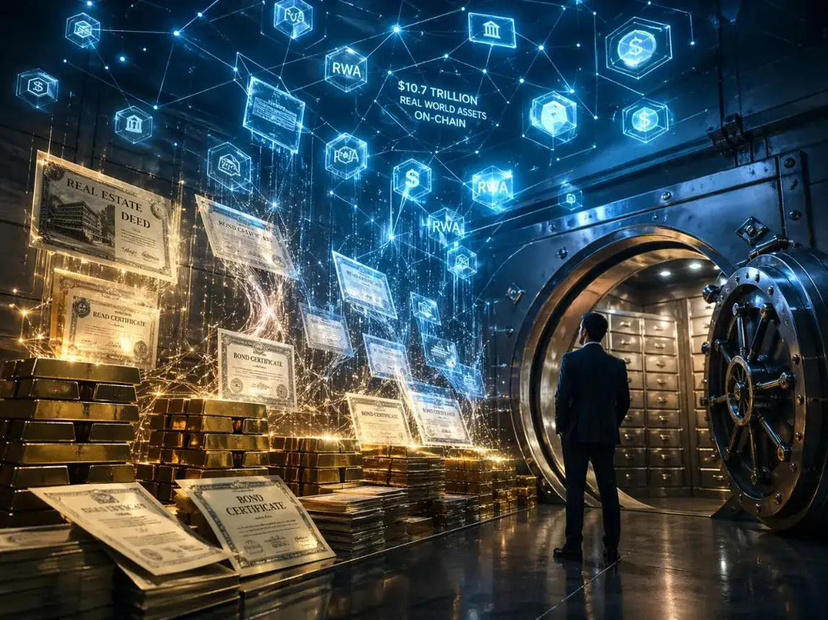
🌍 TRADITIONAL FINANCE IS EXPLORING THE XRP LEDGER
Aviva Investors launched a tokenized share class for its $29 billion Sterling fund on the XRP Ledger on October 26.
Why is this interesting?
Tokenization allows traditional financial assets to be represented digitally on a blockchain.
Potential benefits include:
* Faster settlement.
* Digital ownership records.
* New financial infrastructure.
The bigger story is the growing connection between traditional finance and blockchain technology.
#XRP #XRPL #Tokenization #Blockchain
87

·
--
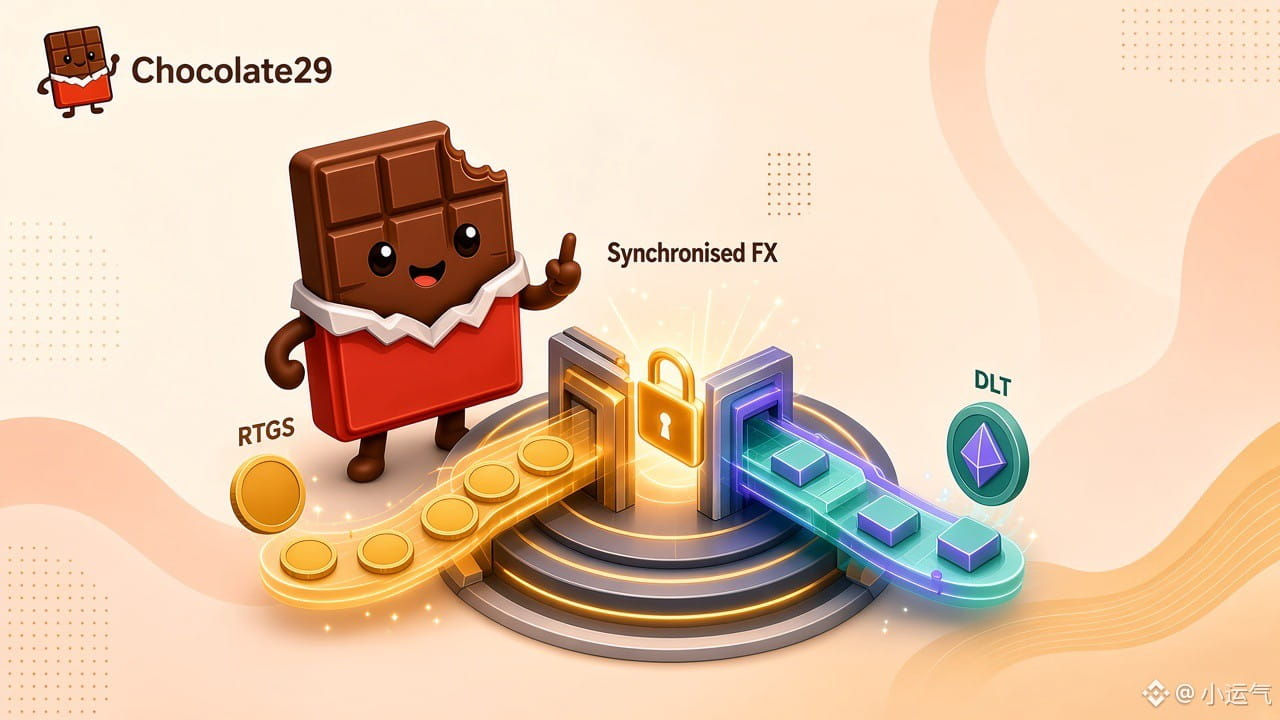
The Bank of England, the Monetary Authority of Singapore and the Bank of Thailand have published findings from a trial of synchronised cross-border FX settlement across traditional and blockchain-based systems.
On November 13, 2026, the three central banks released the results of Project Meridian FX APAC, testing payment-versus-payment settlement and multilateral netting in their test environments. The trial spanned real-time gross settlement systems and distributed ledger platforms, with Partior building a Synchronisation Operator prototype so one currency would move only if the matching payment also went through.
The experiment is not a live service. The Bank of England plans to introduce a live synchronisation interface in 2028, and the reports say legal arrangements, regulatory oversight and broader participation still need more work before commercial use. The Reserve Bank of Australia and Bangko Sentral ng Pilipinas joined as observers.
#FXSettlement #Blockchain #Payments
DYOR. Not financial advice.

·
--
🦈 CENTRAL BANK BLOCKCHAIN SYNC BY 2028 WILL REDEFINE INSTITUTIONAL LIQUIDITY FOR $AI ⚡
Institutional plumbing is undergoing a structural overhaul as major sovereign ledgers synchronize traditional RTGS with blockchain rails by 2028. 🌊
This cross-border harmonization is designed to compress settlement latency and eliminate friction points across global FX corridors. As legacy infrastructure modernizes to support this hybrid model, protocols like `$SHELL ` and `$EVAA ` are perfectly positioned to capture surging demand for digital settlement layers. 💡
💬 Are legacy banking corridors ready to keep pace with decentralized execution speeds? 👇
⚠️ Not financial advice. Always manage your risk. 🛡️
🏷️ #AI #SmartMoney #Liquidity #Blockchain
🦈 ⚡


9

Article
🌐 What Is Blockchain? The Technology That Could Transform the Digital World!🚀 Do You Know the Technology Behind Cryptocurrency?
The world is rapidly moving toward digital technology. Every day, new innovations are changing the way we live. One of the most exciting technologies in this transformation is Blockchain.
But what exactly is blockchain? How does it work? And why is the world becoming so interested in this technology?
Let’s explore it in simple words!
🔷 What Exactly Is Blockchain?
Blockchain is a digital system for storing information.
In this system, information is stored in small units called blocks. Each block is connected to the previous one, creating a continuous chain.
One of its special features is that information can be verified through the network, while changing recorded information is difficult.
⚙️ How Does Blockchain Work?
The working process of blockchain can be explained in four simple steps:
Transaction Creation: A digital transaction or information request is created.
Verification: Network participants verify the information.
Block Creation: Once verified, the information is added to a new block.
Chain Connection: The new block is connected to the previous block and becomes part of the blockchain.
🔐 What Makes Blockchain Important?
Blockchain offers several important features:
✅ Transparency: Makes information easier to verify.
✅ Security: Cryptography helps protect information.
✅ Decentralization: It does not depend entirely on a single organization
✅ Data Integrity: Changing recorded information is difficult.
💡 Are Blockchain and Cryptocurrency the Same?
Many people think these two things are identical, but they are actually different.
Blockchain is the underlying technology, while cryptocurrencies like Bitcoin are one application of this technology.
In other words, blockchain is not limited to digital currencies.
🌍 The Future Potential of Blockchain
Blockchain technology could play an important role in financial transactions, data storage, digital identity, and various online services in the future.
However, like every technology, blockchain also has certain limitations and risks.
❤️ Final Thoughts
In the world of technology, simply discovering something new is not enough. Understanding how it works is equally important.
Learn about blockchain, explore cryptocurrency, and always do proper research before making any financial decisions.
Because knowledge and awareness are more powerful than blindly following trends! 🚀
#blockchain #CryptoEducation #BinanceSquare #LearnCrypto #TradingCommunity
🌐 What Is Blockchain? The Technology That Could Transform the Digital World!
🚀 Do You Know the Technology Behind Cryptocurrency?
The world is rapidly moving toward digital technology. Every day, new innovations are changing the way we live. One of the most exciting technologies in this transformation is Blockchain.
But what exactly is blockchain? How does it work? And why is the world becoming so interested in this technology?
Let’s explore it in simple words!
🔷 What Exactly Is Blockchain?
Blockchain is a digital system for storing information.
In this system, information is stored in small units called blocks. Each block is connected to the previous one, creating a continuous chain.
One of its special features is that information can be verified through the network, while changing recorded information is difficult.
⚙️ How Does Blockchain Work?
The working process of blockchain can be explained in four simple steps:
Transaction Creation: A digital transaction or information request is created.
Verification: Network participants verify the information.
Block Creation: Once verified, the information is added to a new block.
Chain Connection: The new block is connected to the previous block and becomes part of the blockchain.
🔐 What Makes Blockchain Important?
Blockchain offers several important features:
✅ Transparency: Makes information easier to verify.
✅ Security: Cryptography helps protect information.
✅ Decentralization: It does not depend entirely on a single organization
✅ Data Integrity: Changing recorded information is difficult.
💡 Are Blockchain and Cryptocurrency the Same?
Many people think these two things are identical, but they are actually different.
Blockchain is the underlying technology, while cryptocurrencies like Bitcoin are one application of this technology.
In other words, blockchain is not limited to digital currencies.
🌍 The Future Potential of Blockchain
Blockchain technology could play an important role in financial transactions, data storage, digital identity, and various online services in the future.
However, like every technology, blockchain also has certain limitations and risks.
❤️ Final Thoughts
In the world of technology, simply discovering something new is not enough. Understanding how it works is equally important.
Learn about blockchain, explore cryptocurrency, and always do proper research before making any financial decisions.
Because knowledge and awareness are more powerful than blindly following trends! 🚀
#blockchain #CryptoEducation #BinanceSquare #LearnCrypto #TradingCommunity
79

·
--
Bullish
🏆 Sport.Fun ($FUN ): Bringing Sports Into the Web3 Era! ⚽🔥
Sports and blockchain are coming together, creating exciting new opportunities for fans around the world.
Sport.Fun is building an on-chain sports ecosystem where fans can engage with real-world athletes, trade athlete-linked assets, and participate in a new generation of fantasy sports experiences.
🚀 Why Sport.Fun is interesting:
- Connecting sports with blockchain technology.
- Bringing fantasy sports on-chain.
- Creating new ways for fans to participate.
- Expanding the possibilities of Web3 sports entertainment.
The future of sports could be more interactive, transparent, and community-driven.
⚡ Sports + Blockchain = A New Digital Era!
What do you think about the future of Sport.Fun?
#FUNToke #Web3 #Binance #Crypto #Blockchain
Purnima Mardi:
Excellent 🩶
1.7k
2
83
1.7k

·
--
#WhoWillSucceedJensenHuangatNvidia? 🌍 Blockchain: Technology Beyond Cryptocurrency
Blockchain is not just about Bitcoin or digital currencies. It is a technology that can transform the way we store, share, and verify information.
Here are 3 important benefits of blockchain:
1️⃣ Transparency: Transactions can be publicly verified on many blockchains.
2️⃣ Security: Cryptography helps protect blockchain records.
3️⃣ Decentralization: Many blockchain networks operate without a single central authority.
The future of technology is not just about making money. It's also about building trust, transparency, and innovation.
💡 Keep learning. Keep exploring. Understand the technology before making decisions.
What do you think is the biggest benefit of blockchain?
#Bitcoin #Blockchain #CryptoEducation #Web3 #BinanceSquare$
1
44

·
--
Bullish
🌱 Green Blockchain: Can Crypto Become More Eco-Friendly?
As blockchain adoption grows, energy efficiency is becoming an important topic.
New technologies, including Proof of Stake, offer alternative ways to validate transactions with significantly lower energy use than traditional Proof of Work systems.
A sustainable digital future needs both innovation and responsibility. 🌍
$BTC $BNB $ETH
{spot}(ETHUSDT)
💬 Do you think green blockchain will become the industry standard?
#BinanceSquare #GreenBlockchain #crypto #Sustainability #Web3 #blockchain
{spot}(BTCUSDT)
{spot}(BNBUSDT)
🌱 Green Blockchain: Can Crypto Become More Eco-Friendly?
As blockchain adoption grows, energy efficiency is becoming an important topic.
New technologies, including Proof of Stake, offer alternative ways to validate transactions with significantly lower energy use than traditional Proof of Work systems.
A sustainable digital future needs both innovation and responsibility. 🌍
$BTC $BNB $ETH
💬 Do you think green blockchain will become the industry standard?
#BinanceSquare #GreenBlockchain #crypto #Sustainability #Web3 #blockchain

1
118

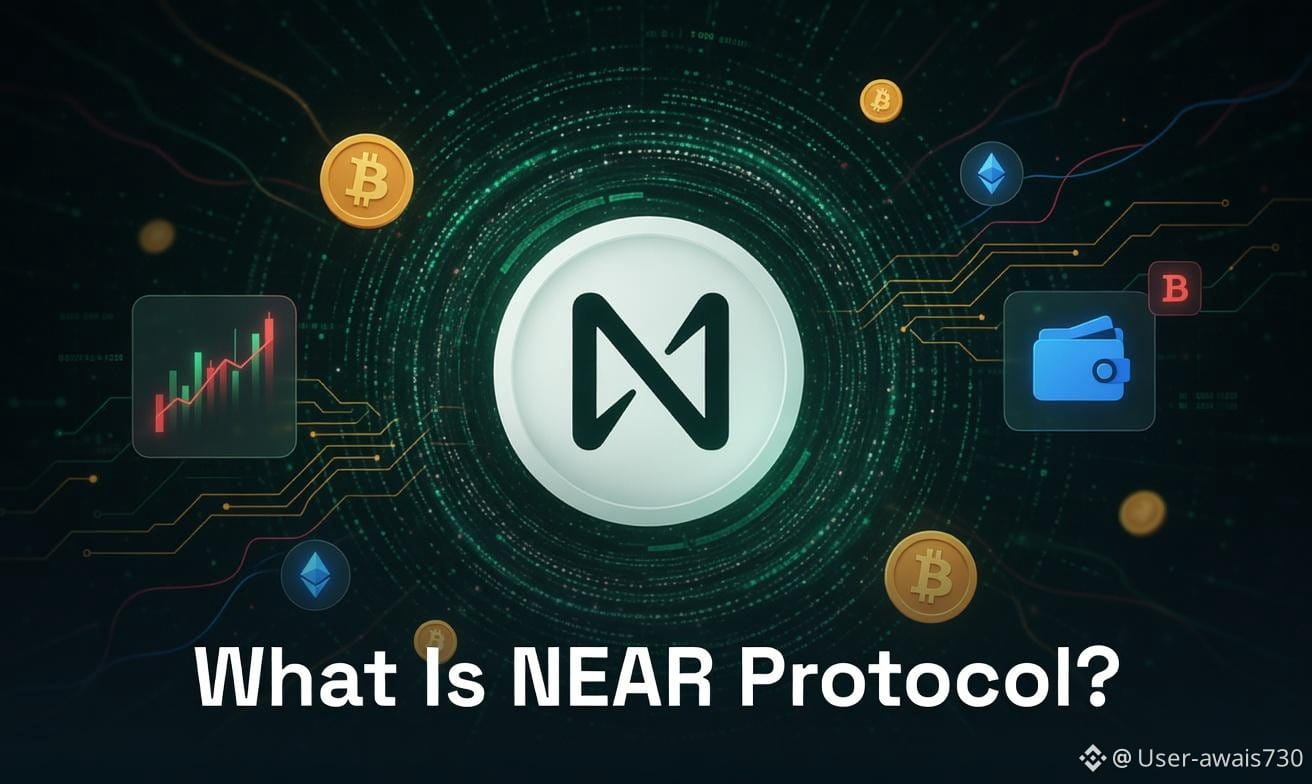
🚀 NEAR Protocol (NEAR) – The Future of Blockchain Technology
$NEAR
NEAR Protocol is a Layer-1 blockchain designed to make decentralized applications faster, more scalable, and affordable.
🔹 Coin Name: NEAR Protocol
🔹 Symbol: NEAR
🔹 Technology: Sharding
🔹 Blockchain: Layer-1
🔹 Key Features: Fast Transactions, Low Fees, Scalability & Smart Contracts.
💡 Why NEAR Matters?
NEAR aims to make blockchain technology easier for developers and users through innovative technology and improved scalability.
📊 Always do your own research (DYOR) before making any investment decisions.
#NEAR #NEARProtocol #crypto #blockchain #BİNANCE #Altcoins! #cryptoeducation
134

·
--
Bullish
Ethereum (ETH) is more than just a cryptocurrency; it is a powerful blockchain ecosystem driving innovation in the digital world. 🚀
Ethereum enables smart contracts, decentralized applications (dApps), DeFi, and NFTs. Its technology continues to create new opportunities for developers, investors, and blockchain users worldwide.
I believe ETH has strong long-term potential because of its growing ecosystem, real-world utility, and continuous development.
Crypto markets always involve risks, so research carefully and invest responsibly. 💎
Ethereum is building the future of decentralized technology!
#Ethereum #ETH #Crypto #Blockchain #Binance
106
🌍 CRYPTO IS MOVING BEYOND TRADING!
Visa and Western Union are expanding the use of stablecoins in payment settlement.
This is an important development because stablecoins can help move digital dollars through blockchain networks.
💡 The bigger picture: blockchain technology is becoming part of the global financial infrastructure.
#CryptoNews #Stablecoins #Blockchain #DigitalPayments

VUS+1.05%
36

·
--
Blockchain Basics
Blockchain technology is the backbone of crypto, but it can be complex. Let's break it down in simple terms. Imagine a big book where all transactions are recorded, this book is called a ledger. In traditional finance, this ledger is controlled by a central authority, like a bank. But in blockchain, this ledger is decentralized, meaning it's maintained by a network of computers around the world. The Crypto Catalyst
There are two main ways to secure this decentralized ledger: Proof of Work (PoW) and Proof of Stake (PoS). PoW is like a competition where computers solve a hard puzzle to validate transactions and create new blocks. The Dynamic Outlook
PoS, on the other hand, is like a voting system where computers with more stakes have more voting power to validate transactions. Both methods have their pros and cons, but they both help to secure the blockchain network. For example, $XRP uses a different consensus algorithm, but the idea is the same: to secure the network and validate transactions. In DeFi, this security is crucial, as it allows for trustless and permissionless transactions. Disclaimer
Always do your own research and understand the basics before diving into crypto. CryptoEducation #Blockchain #Learn
24

Article
🚀 Cryptocurrency's Next Chapter: Innovation, Technology and Real-World Adoption🚀 Cryptocurrency's Next Chapter: Innovation, Technology and Real-World Adoption
How Blockchain Is Shaping the Future of the Digital Economy
Cryptocurrency is no longer just a topic of market prices and digital assets. It represents a growing technological ecosystem that is influencing finance, technology, and the way people interact with digital services.
As blockchain technology continues to develop, one important question deserves attention:
How can cryptocurrency create meaningful value beyond the financial markets?
1. Blockchain Beyond Digital Currency
Blockchain technology has applications beyond cryptocurrency trading. Its ability to maintain transparent and verifiable records creates possibilities in digital identity, supply chain management, payments, and data management.
2. The Growing Role of Web3
Web3 introduces new ways for people to interact with digital platforms and manage digital ownership.
Decentralized applications, smart contracts, and blockchain-based services are contributing to this evolving ecosystem.
3. Artificial Intelligence Meets Blockchain
Artificial Intelligence and blockchain are two important areas of technological development.
AI can support automation and data analysis, while blockchain can help establish transparent and verifiable records.
Their combination may introduce new possibilities across different industries.
4. Security and Education Matter
Technology brings opportunities, but it also comes with challenges.
Users should understand wallet security, private keys, transaction fees, and the risks associated with digital assets.
Learning before participating is essential for making informed decisions.
5. What Could Shape the Next Generation?
Several developments deserve attention:
- More practical blockchain applications.
- Improved transaction speed and efficiency.
- Stronger digital security.
- Better user-friendly Web3 platforms.
- Greater integration with traditional financial systems.
These developments are still evolving and will require continued innovation and responsible adoption.
Final Thoughts 💎
The future of cryptocurrency is not simply a story about changing prices.
It is a story about technology, innovation, accessibility, and digital transformation.
Understanding the technology behind digital assets is just as important as following market developments.
The real progress of cryptocurrency will be reflected in the solutions it brings to the world.
#Binance #blockchain #crypto #Web3 #bitcoin
🚀 Cryptocurrency's Next Chapter: Innovation, Technology and Real-World Adoption
🚀 Cryptocurrency's Next Chapter: Innovation, Technology and Real-World Adoption
How Blockchain Is Shaping the Future of the Digital Economy
Cryptocurrency is no longer just a topic of market prices and digital assets. It represents a growing technological ecosystem that is influencing finance, technology, and the way people interact with digital services.
As blockchain technology continues to develop, one important question deserves attention:
How can cryptocurrency create meaningful value beyond the financial markets?
1. Blockchain Beyond Digital Currency
Blockchain technology has applications beyond cryptocurrency trading. Its ability to maintain transparent and verifiable records creates possibilities in digital identity, supply chain management, payments, and data management.
2. The Growing Role of Web3
Web3 introduces new ways for people to interact with digital platforms and manage digital ownership.
Decentralized applications, smart contracts, and blockchain-based services are contributing to this evolving ecosystem.
3. Artificial Intelligence Meets Blockchain
Artificial Intelligence and blockchain are two important areas of technological development.
AI can support automation and data analysis, while blockchain can help establish transparent and verifiable records.
Their combination may introduce new possibilities across different industries.
4. Security and Education Matter
Technology brings opportunities, but it also comes with challenges.
Users should understand wallet security, private keys, transaction fees, and the risks associated with digital assets.
Learning before participating is essential for making informed decisions.
5. What Could Shape the Next Generation?
Several developments deserve attention:
- More practical blockchain applications.
- Improved transaction speed and efficiency.
- Stronger digital security.
- Better user-friendly Web3 platforms.
- Greater integration with traditional financial systems.
These developments are still evolving and will require continued innovation and responsible adoption.
Final Thoughts 💎
The future of cryptocurrency is not simply a story about changing prices.
It is a story about technology, innovation, accessibility, and digital transformation.
Understanding the technology behind digital assets is just as important as following market developments.
The real progress of cryptocurrency will be reflected in the solutions it brings to the world.
#Binance #blockchain #crypto #Web3 #bitcoin
47


·
--
🏛️ UK, Singapore and Thailand central banks link traditional and tokenized FX settlement
The Bank of England, the Monetary Authority of Singapore and the Bank of Thailand have completed Project Meridian FX APAC, testing cross-border FX settlement that connects traditional RTGS payment systems with distributed ledger technology. A prototype built by Partior coordinated payment-versus-payment settlement and multilateral netting, with the Reserve Bank of Australia and Bangko Sentral ng Pilipinas observing.
The policy report flagged open questions on operational resilience, settlement finality, governance, liability and cross-border data sharing. The BOE plans to launch a live synchronisation interface in 2028.
⭐ Major central banks are building the plumbing that lets tokenized money settle alongside today's systems, a key step for institutional tokenization and onchain FX.
#Tokenization #CentralBanks #RWA #Blockchain

78
Log in to explore more content
Join global crypto users on Binance Square
⚡️ Get latest and useful information about crypto.
💬 Trusted by the world’s largest crypto exchange.
👍 Discover real insights from verified creators.
Email / Phone number
Trending Topics
1
#CryptoSelloffTriggersMultipleWhaleLiquidations
215,342 views
1,916 Discussing
2
#USSpotXRPETFsSeeLargestWeeklyOutflowIn8Months
184,489 views
1,627 Discussing
3
#WillFOMCMinutesReinforceRateHikeExpectations?
61,174 views
805 Discussing
4
#BitcoinActiveSupplyInProfitDropsBelow45%
260,007 views
1,869 Discussing
5
#TONStrategyReports$23.97MQ3NetLoss
22,611 views
155 Discussing
6
#KavaSaysAbnormalActivityLimitedToKavaLend
172,659 views
1,064 Discussing
7
#WORPTLetsTouristsConvertCryptoToThaiBaht
66,685 views
432 Discussing
8
#WhoWillSucceedJensenHuangatNvidia?
385,015 views
2,193 Discussing
9
#WhatWillDriveCryptoandStocks’NextRebound?
927,601 views
4,001 Discussing
10
#TradFiForBeginners
867,251 views
5,018 Discussing